
Rejs morski · 08.02.2027 – 11.04.2027 · 62 nocy
Atole do wschodnich imperiów
Cena i dostępność kajutTrasa i informacje o rejsie
Premium- Papeete Papeete
- Huahine
- Rarotonga
- Pago-Pago
- Savusavu
- PORT DENARAU
- Lautoka
- Port Villa
- WYSPA LIFOU
- Numea
- Sydnej
- Mooloolaba
- WYSPA WHITSUNDAY
- Cairns
- Cairns
- Darwin
- Darwin
- Komoda
- Praia
- Tanjung Benoit
- Semarang
- Djakarta
- Singapur
- Wyspa Samui / Koh Samui
- Kampongsaom (Sihanoukville)
- Bangkok
- Ho Chi Minh
- Da Nang
- Hanoi
- Limbe
- Szanghaj
- Szanghaj
- Seul
- Nagasaki
- Hiroszima
- Kochi
- Kioto
- Shimizu
- Yokohama (Tokio)
| Data | Port | Przypłynięcie | Wypłynięcie |
|---|---|---|---|
| 08.02.2027 |
Papeete Papeete
French Polynesia
|
03:00 | 23:59 |
| 09.02.2027 |
Huahine
|
08:00 | 17:00 |
| 10.02.2027 |
Dzień na morzu
|
— | — |
| 11.02.2027 |
Rarotonga
Wyspy Cooka
|
08:00 | 16:00 |
| 12.02.2027 |
Dzień na morzu
|
— | — |
| 13.02.2027 |
Dzień na morzu
|
— | — |
| 14.02.2027 |
Pago-Pago
Samoa
|
08:00 | 16:00 |
| 15.02.2027 |
Dzień na morzu
|
— | — |
| 16.02.2027 |
Dzień na morzu
|
— | — |
| 17.02.2027 |
Savusavu
Fiji
|
07:00 | 16:00 |
| 18.02.2027 |
PORT DENARAU
|
09:00 | 22:00 |
| 19.02.2027 |
Lautoka
Fiji
|
08:00 | 17:00 |
| 20.02.2027 |
Dzień na morzu
|
— | — |
| 21.02.2027 |
Port Villa
Vanuatu
|
08:00 | 17:00 |
| 22.02.2027 |
WYSPA LIFOU
|
08:00 | 17:00 |
| 23.02.2027 |
Numea
Nowa Kaledonia
|
07:00 | 14:00 |
| 24.02.2027 |
Dzień na morzu
|
— | — |
| 25.02.2027 |
Dzień na morzu
|
— | — |
| 26.02.2027 |
Sydnej
Australia
|
07:00 | 22:00 |
| 27.02.2027 |
Dzień na morzu
|
— | — |
| 28.02.2027 |
Mooloolaba
Australia
|
08:00 | 17:00 |
| 01.03.2027 |
Dzień na morzu
|
— | — |
| 02.03.2027 |
WYSPA WHITSUNDAY
|
08:00 | 17:00 |
| 03.03.2027 |
Cairns
Australia
|
11:00 | — |
| 04.03.2027 |
Cairns
Australia
|
— | 18:00 |
| 05.03.2027 |
Dzień na morzu
|
— | — |
| 06.03.2027 |
Dzień na morzu
|
— | — |
| 07.03.2027 |
Darwin
Australia
|
20:00 | — |
| 08.03.2027 |
Darwin
Australia
|
— | 16:00 |
| 09.03.2027 |
Dzień na morzu
|
— | — |
| 10.03.2027 |
Dzień na morzu
|
— | — |
| 11.03.2027 |
Komoda
Indonezja
|
08:00 | 16:00 |
| 12.03.2027 |
Praia
Cape Verde
|
10:00 | 18:00 |
| 13.03.2027 |
Tanjung Benoit
Indonezja
|
07:00 | 19:00 |
| 14.03.2027 |
Dzień na morzu
|
— | — |
| 15.03.2027 |
Semarang
Indonezja
|
07:00 | 18:00 |
| 16.03.2027 |
Djakarta
Indonezja
|
10:00 | 18:00 |
| 17.03.2027 |
Dzień na morzu
|
— | — |
| 18.03.2027 |
Singapur
Singapur
|
07:00 | 17:00 |
| 19.03.2027 |
Dzień na morzu
|
— | — |
| 20.03.2027 |
Wyspa Samui / Koh Samui
Thailand
|
07:00 | 16:00 |
| 21.03.2027 |
Kampongsaom (Sihanoukville)
Cambodia
|
07:00 | 14:00 |
| 22.03.2027 |
Bangkok
Thailand
|
07:00 | 16:00 |
| 23.03.2027 |
Dzień na morzu
|
— | — |
| 24.03.2027 |
Ho Chi Minh
Vietnam
|
09:00 | 18:00 |
| 25.03.2027 |
Dzień na morzu
|
— | — |
| 26.03.2027 |
Da Nang
Vietnam
|
07:00 | 16:00 |
| 27.03.2027 |
Hanoi
Vietnam
|
10:00 | 20:00 |
| 28.03.2027 |
Dzień na morzu
|
— | — |
| 29.03.2027 |
Limbe
Cameroon
|
06:00 | 18:00 |
| 30.03.2027 |
Dzień na morzu
|
— | — |
| 31.03.2027 |
Dzień na morzu
|
— | — |
| 01.04.2027 |
Szanghaj
Chiny
|
08:00 | — |
| 02.04.2027 |
Szanghaj
Chiny
|
— | 17:00 |
| 03.04.2027 |
Dzień na morzu
|
— | — |
| 04.04.2027 |
Seul
Korea
|
08:00 | 17:00 |
| 05.04.2027 |
Dzień na morzu
|
— | — |
| 06.04.2027 |
Nagasaki
Japonia
|
07:00 | 16:00 |
| 07.04.2027 |
Hiroszima
Japonia
|
11:00 | 19:00 |
| 08.04.2027 |
Kochi
Indie
|
10:00 | 18:00 |
| 09.04.2027 |
Kioto
|
07:00 | 18:00 |
| 10.04.2027 |
Shimizu
Japonia
|
12:00 | 20:00 |
| 11.04.2027 |
Yokohama (Tokio)
Japonia
|
07:00 | — |
-
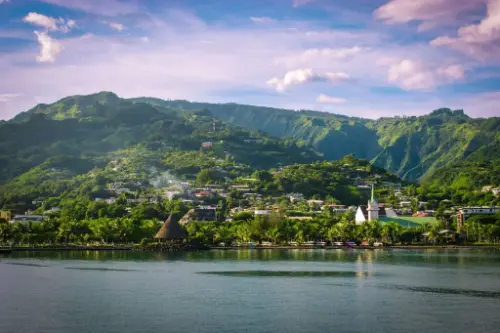 Dzień 1: 03:00–23:59
Papeete Papeete / French Polynesia
Papeete is the capital city of French Polynesia, an overseas collectivity of France in the Pacific Ocean. The commune of Papeete is located on the island of Tahiti, in the administrative subdivision of the Windward Islands, of which Papeete is the administrative capital. The French High Commissioner also resides in Papeete. It is the primary center of Tahitian and French Polynesian public and private governmental, commercial, industrial and financial services, the hub of French Polynesian tourism and a commonly used port of call. The Windward Islands are themselves part of the Society Islands. The name Papeete means "water from a basket".
The urban area of Papeete had a total population of 136,771 inhabitants at the August 2017 census, 26,926 of whom lived in the commune of Papeete proper.
-
Dzień 2: 08:00–17:00
Huahine
-
Dzień 3:
Dzień na morzu / Morze
-
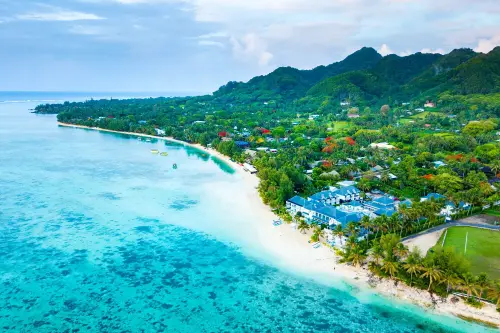 Dzień 4: 08:00–16:00
Rarotonga / Wyspy Cooka
Rarotonga is the most populous island of the Cook Islands, with a population of 10,572 (census 2011), out of the country's total resident population of 14,974. Captain John Dibbs, master of the colonial brig Endeavour, is credited as the European discoverer on 25 July 1823, while transporting the missionary Rev. John Williams.
The Cook Islands' Parliament buildings and international airport are on Rarotonga. Rarotonga is a very popular tourist destination with many resorts, hotels and motels. The chief town, Avarua, on the north coast, is the capital of the Cook Islands.
-
Dzień 5:
Dzień na morzu / Morze
-
Dzień 6:
Dzień na morzu / Morze
-
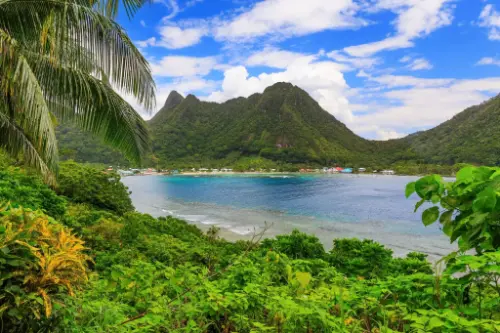 Dzień 7: 08:00–16:00
Pago-Pago / Samoa
Pago Pago is the territorial capital of American Samoa. It is in Maoputasi County on the main island of American Samoa, Tutuila. It is home to one of the best and deepest natural deepwater harbors in the South Pacific Ocean, sheltered from wind and rough seas, and strategically located. The harbor is also one of the best protected in the South Pacific, which gives American Samoa a natural advantage with respect to landing fish for processing. Tourism, entertainment, food, and tunacanning are its main industries. Pago Pago was the world's 4th largest tuna processor as of 1993. It was home to two of the largest tuna companies in the world: Chicken of the Sea and StarKist, which exported an estimated $445 million in canned tuna to the U.S. mainland.
Pago Pago is the only modern urban center in American Samoa. The Greater Pago Pago Metropolitan Area encompasses several villages strung together along Pago Pago Harbor. One of the villages is itself named Pago Pago, and in 2010 had a population of 3,656. The constituent villages are, in order, Utulei, Fagatogo, Malaloa, Pago Pago, Satala and Atu'u. Fagatogo is the downtown area referred to as Town and is home to the legislature, while the executive is located in Utulei. In Fagatogo is the Fono, Police Department, Port of Pago Pago, many shops and hotels. The Greater Pago Pago Area was home to 8,000 residents in 2000.
Rainmaker Mountain (Mount Pioa) is located in Pago Pago, and gives the city the highest annual rainfall of any harbor in the world.
-
Dzień 8:
Dzień na morzu / Morze
-
Dzień 9:
Dzień na morzu / Morze
-
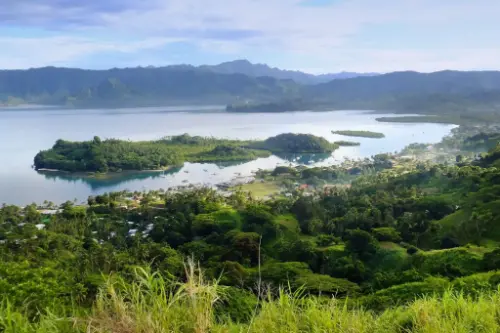 Dzień 10: 07:00–16:00
Savusavu / Fiji
Savusavu is a town in the Fijian Province of Cakaudrove. The town is located on the south coast of Vanua Levu Island and had a population of 3,372 in the 2007 census.
Savusavu is known as "the hidden paradise of Fiji."
-
Dzień 11: 09:00–22:00
PORT DENARAU
-
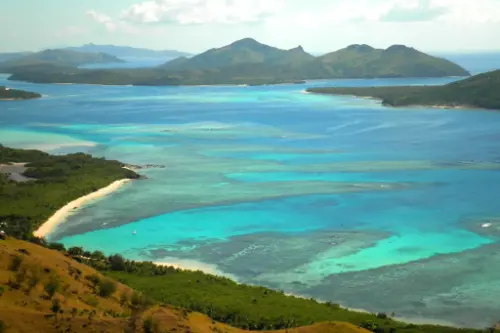 Dzień 12: 08:00–17:00
Lautoka / Fiji
-
Dzień 13:
Dzień na morzu / Morze
-
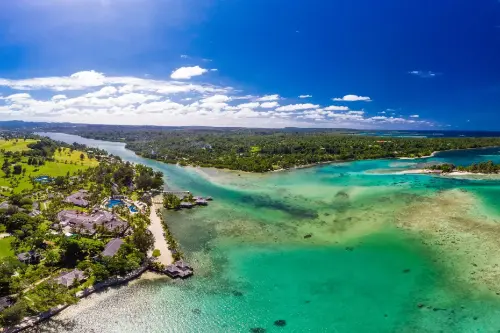 Dzień 14: 08:00–17:00
Port Villa / Vanuatu
Port Vila is the capital and largest city of Vanuatu and is on the island of Efate.
Its population in the last census (2009) was 44,040, an increase of 35% on the previous census result (29,356 in 1999). In 2009, the population of Port Vila formed 18.8% of the country's population, and 66.9% of the population of Efate.
On the south coast of the island of Efate, in Shefa Province, Port Vila is the economic and commercial centre of Vanuatu. The mayor is Mambo Albert Sandy Daniel, of the Vanua'aku Pati, elected in January 2018; his deputy is Eric Puyo Festa, of the Grin Confederation.
On March 13, 2015, Port Vila bore extensive damage from Cyclone Pam.
-
Dzień 15: 08:00–17:00
WYSPA LIFOU
-
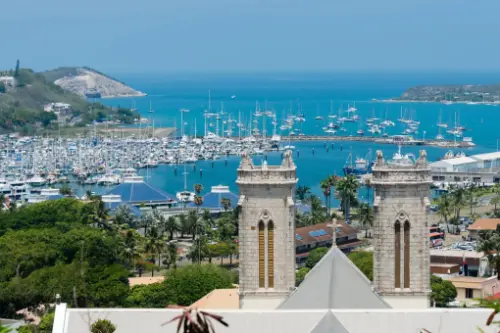 Dzień 16: 07:00–14:00
Numea / Nowa Kaledonia
Nouméa is the capital and largest city of the French special collectivity of New Caledonia. It is situated on a peninsula in the south of New Caledonia's main island, Grande Terre, and is home to the majority of the island's European, Polynesian (Wallisians, Futunians, Tahitians), Indonesian, and Vietnamesepopulations, as well as many Melanesians, Ni-Vanuatu and Kanaks who work in one of the South Pacific's most industrialised cities. The city lies on a protected deepwater harbour that serves as the chief port for New Caledonia.
At the August 2014 census, there were 179,509 inhabitants in the metropolitan area of Greater Nouméa (French: agglomération du Grand Nouméa), 99,926 of whom lived in the city (commune) of Nouméa proper. 66.8% of the population of New Caledonia live in Greater Nouméa, which covers the communes of Nouméa, Le Mont-Dore, Dumbéa and Païta.
-
Dzień 17:
Dzień na morzu / Morze
-
Dzień 18:
Dzień na morzu / Morze
-
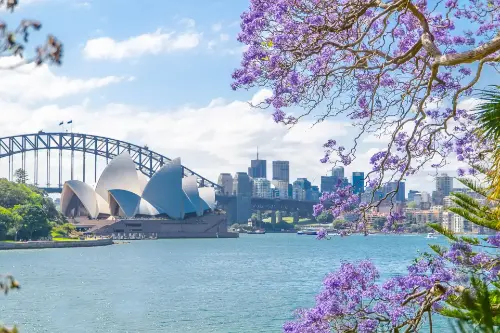 Dzień 19: 07:00–22:00
Sydnej / Australia
Sydney is the state capital of New South Wales and the most populous city in Australiaand Oceania. Located on Australia's east coast, the metropolis surrounds Port Jackson and extends about 70 km (43.5 mi) on its periphery towards the Blue Mountains to the west, Hawkesbury to the north, and Macarthur to the south. Sydney is made up of 658 suburbs, 40 local government areas and 15 contiguous regions. Residents of the city are known as "Sydneysiders". As of June 2017, Sydney's estimated metropolitan population was 5,131,326, and is home to approximately 65% of the state's population.
-
Dzień 20:
Dzień na morzu / Morze
-
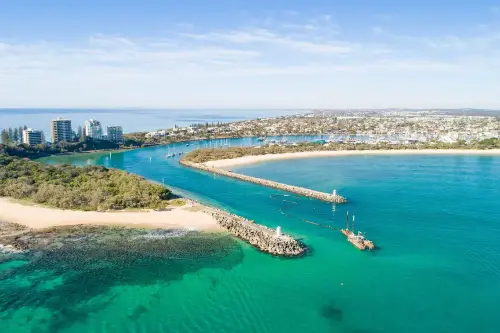 Dzień 21: 08:00–17:00
Mooloolaba / Australia
Mooloolaba to malownicze nadmorskie miasto na Wybrzeżu Słońca w Queensland, Australia, znane z doskonałych warunków do wypoczynku na plaży i uprawiania sportów wodnych. Miasto słynie z jednego z najpopularniejszych plaż w regionie, przyciągając turystów czystym piaskiem, spokojnymi wodami oraz doskonałymi warunkami do surfingu, pływania i wędkarstwa. Mooloolaba jest także znana z pięknej promenady z kawiarniami, restauracjami i sklepami, gdzie można skosztować lokalnej kuchni i kupić pamiątki.
Oprócz plaż, Mooloolaba oferuje różnorodne atrakcje przyrodnicze. W okolicach miasta znajduje się Park Narodowy Mooloolaba oraz centrum morskie, gdzie można poznać lokalną florę i faunę, w tym delfiny i żółwie morskie. Dla tych, którzy szukają spokoju i chcą odkrywać unikalne ekosystemy, dostępne są wyspy takie jak Moreton Island. Mooloolaba to idealne miejsce dla aktywnego wypoczynku na świeżym powietrzu oraz dla relaksu nad morzem.
-
Dzień 22:
Dzień na morzu / Morze
-
Dzień 23: 08:00–17:00
WYSPA WHITSUNDAY
-
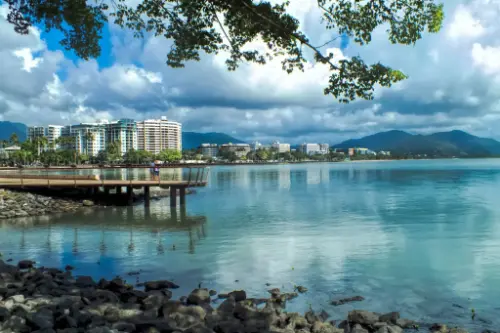 Dzień 24: 11:00
Cairns / Australia
Cairns City is the suburb at the centre of Cairns in the local government area of Cairns Region, Queensland, Australia.It can also be referred to as the Cairns Central Business District (CBD). In the 2011 census, the population of Cairns City was 2,737 people.
-
Dzień 25: 18:00
Cairns / Australia
Cairns City is the suburb at the centre of Cairns in the local government area of Cairns Region, Queensland, Australia.It can also be referred to as the Cairns Central Business District (CBD). In the 2011 census, the population of Cairns City was 2,737 people.
-
Dzień 26:
Dzień na morzu / Morze
-
Dzień 27:
Dzień na morzu / Morze
-
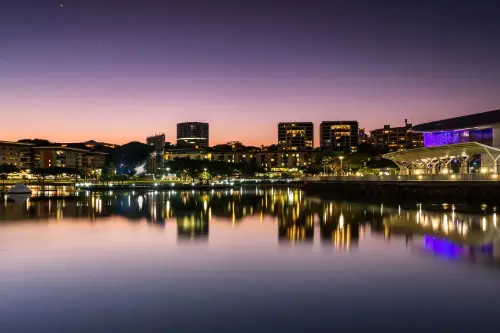 Dzień 28: 20:00
Darwin / Australia
Darwin is the capital city of the Northern Territory of Australia, situated on the Timor Sea. It is the largest city in the sparsely populated Northern Territory, with a population of 145,916. It is the smallest and most northerly of the Australian capital cities, and acts as the Top End's regional centre.
-
Dzień 29: 16:00
Darwin / Australia
Darwin is the capital city of the Northern Territory of Australia, situated on the Timor Sea. It is the largest city in the sparsely populated Northern Territory, with a population of 145,916. It is the smallest and most northerly of the Australian capital cities, and acts as the Top End's regional centre.
-
Dzień 30:
Dzień na morzu / Morze
-
Dzień 31:
Dzień na morzu / Morze
-
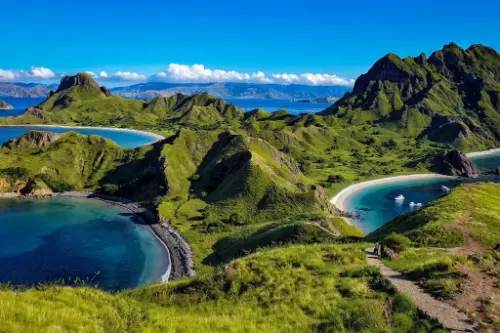 Dzień 32: 08:00–16:00
Komoda / Indonezja
Komodo is one of the 17,508 islands that comprise the Republic of Indonesia. The island is particularly notable as the habitat of the Komodo dragon, the largest lizard on Earth, which is named after the island. Komodo Island has a surface area of 390 square kilometres and a human population of over two thousand. The people of the island are descendants of former convicts who were exiled to the island and who have mixed with Bugis from Sulawesi. The people are primarily adherents of Islam but there are also Christian and Hindu congregations.
Komodo is part of the Lesser Sunda chain of islands and forms part of the Komodo National Park. In addition, the island is a popular destination for diving. Administratively, it is part of the East Nusa Tenggara province.
-
 Dzień 33: 10:00–18:00
Praia / Cape Verde
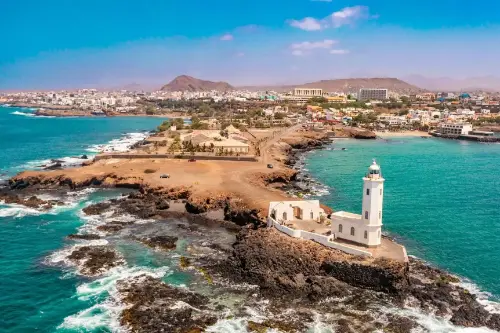
Obmywane wodami Oceanu Atlantyckiego, Praia to słoneczne serce Republiki Zielonego Przylądka, gdzie afrykańska energia łączy się z portugalskim urokiem. To nadmorskie miasto na wyspie Santiago oferuje podróżnym spokojną atmosferę, kolorowe targowiska oraz zabytkową dzielnicę Plateau z kolonialną architekturą i panoramicznymi widokami. Spacer jego urokliwymi uliczkami pozwala odkryć rytmy kreolskiej kultury i ślady portugalskiego dziedzictwa. Praia to nie tylko stolica, ale też idealny punkt wyjścia do odkrywania fascynującego archipelagu. Można tu spróbować dań z owocami morza przy dźwiękach muzyki morna na żywo, odwiedzić muzea poświęcone historii Zielonego Przylądka lub wybrać się na wędrówkę po zielonych wzgórzach wyspy. Przytulna i autentyczna, Praia zachwyca tych, którzy pragną nie tylko wypoczynku na plaży, ale też kontaktu z kulturą z duszą. -
 Dzień 34: 07:00–19:00
Tanjung Benoit / Indonezja
-
Dzień 35:
Dzień na morzu / Morze
-
 Dzień 36: 07:00–18:00
Semarang / Indonezja
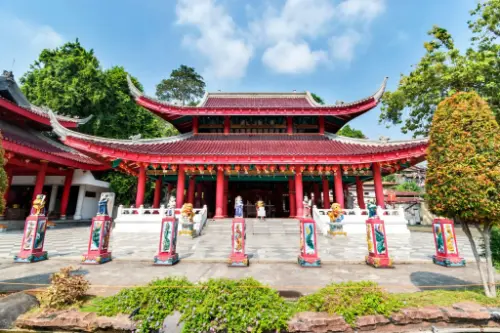
Semarang is the capital and largest city of Central Java province in Indonesia. It has an area of 373.78 square kilometres (144.32 sq mi) and a population of approximately 1.8 million people, making it Indonesia's seventh most populous city after Jakarta, Surabaya, Bandung, Bekasi, Medan, and Tangerang. The built-up (metro) area had 3,183,516 inhabitants at the 2010 census spread on 2 cities and 26 districts. Greater Semarang (a.k.a. Kedungsapur) has a population of close to 6 million (see Greater Semarang section), and is located at 6°58′S 110°25′E. A major port during the Dutch colonial era, and still an important regional center and port today, the city has a dominant Javanese population.
-
 Dzień 37: 10:00–18:00
Djakarta / Indonezja
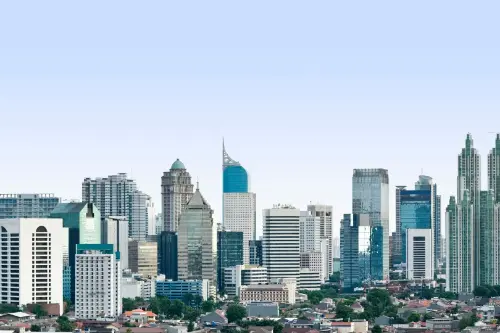
Wśród niekończących się świateł miasta Dżakarta jawi się jako prawdziwa metropolia kontrastów, gdzie nowoczesne drapacze chmur stoją obok starożytnych świątyń i targów na świeżym powietrzu. To miasto to prawdziwy kalejdoskop kultur: chińskie dzielnice, kolonialna architektura oraz nowoczesne centra biznesowe łączą się tu w niezwykłej harmonii. Turyści mogą spacerować po starej dzielnicy Kota Tua, gdzie zachowały się budynki z czasów holenderskich, a następnie udać się do nowoczesnych centrów handlowych oferujących towary z całego świata.
Miłośnicy kuchni będą zachwyceni różnorodnością potraw, ponieważ Dżakarta słynie ze swojej ulicznej gastronomii — aromatyczne satay, nasi goreng i świeże owoce morza są pozycjami obowiązkowymi do spróbowania. Dla osób szukających kulturalnych doświadczeń miasto oferuje muzea, teatry i galerie sztuki. To miejsce, gdzie można poczuć puls nowoczesnej Indonezji, a jednocześnie dotknąć jej bogatego dziedzictwa.
-
Dzień 38:
Dzień na morzu / Morze
-
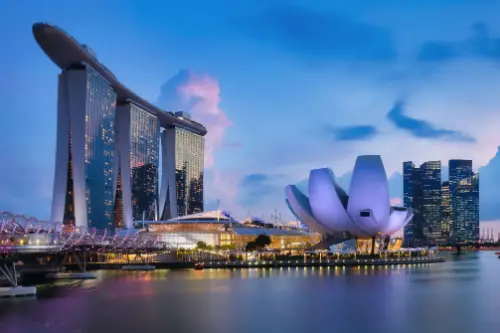 Dzień 39: 07:00–17:00
Singapur / Singapur
Сингапур довольно необычный город Азии — это город-государство, которое расположилось на островах в Индийском океане. Его колониальные кварталы, храмы, музеи, великолепны парки, аттракционы, современные небоскребы и крупнейший морской порт, придают городу уникальный колорит и неповторимость. Город получил важное экономическое и политическое значение среди стран Восточной Азии. Все основные достопримечательности сосредоточены в четырех районах города. Основными из них являются: здание Импресс-Плейс-Билдинг, армянская церковь Св. Грегора-Святителя, Концертный зал и театр Виктории, англиканский собор Св. Андрея, католический собор Гуд-Шеферд, здания Парламента, а так же много других памятников архитектуры, дворцов, храмов и просто интересных улиц и кварталов.
-
Dzień 40:
Dzień na morzu / Morze
-
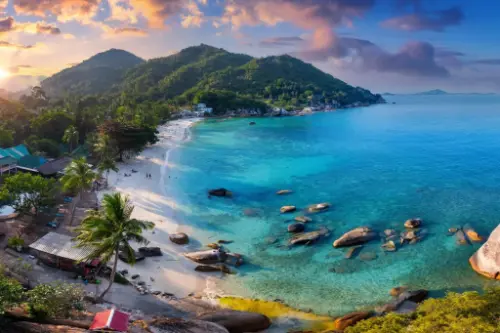 Dzień 41: 07:00–16:00
Wyspa Samui / Koh Samui / Thailand
Wśród tropikalnych wysp Tajlandii Koh Samui wyróżnia się swoją unikalną naturą i atmosferą. Ta wyspa przyciąga podróżnych z całego świata swoimi białymi, piaszczystymi plażami, malowniczymi wodospadami i gęstymi dżunglami. To idealne miejsce na relaks, niezależnie od tego, czy chodzi o sport wodny, odkrywanie natury, czy po prostu cieszenie się ciszą i pięknem.
Dodatkowo, Koh Samui jest znana ze swojego dziedzictwa kulturowego, w tym wielu buddyjskich świątyń i sanktuariów. Jedną z najbardziej znanych jest Świątynia Wielkiego Buddy, która jest nie tylko centrum religijnym, ale także jedną z głównych atrakcji wyspy. Lokalne jedzenie, w tym świeże owoce morza i egzotyczne owoce, sprawi, że podróż będzie jeszcze bardziej ekscytująca i smaczna.
-
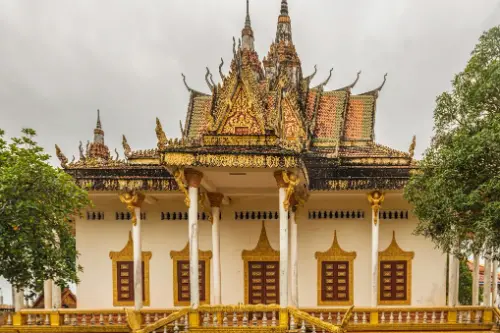 Dzień 42: 07:00–14:00
Kampongsaom (Sihanoukville) / Cambodia
Kompong Som (Sihanoukville)
-
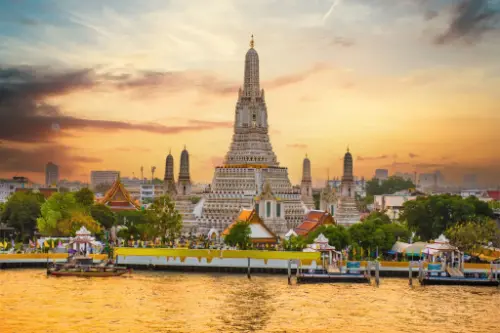 Dzień 43: 07:00–16:00
Bangkok / Thailand
Bangkok is the capital and most populous city of Thailand. It is known in Thai as Krung Thep Maha Nakhon or simply Krung Thep. The city occupies 1,568.7 square kilometres (605.7 sq mi) in the Chao Phraya River delta in central Thailand, and has a population of over eight million, or 12.6 percent of the country's population. Over fourteen million people (22.2 percent) lived within the surrounding Bangkok Metropolitan Region at the 2010 census, making Bangkok the nation's primate city, significantly dwarfing Thailand's other urban centres in terms of importance.
-
Dzień 44:
Dzień na morzu / Morze
-
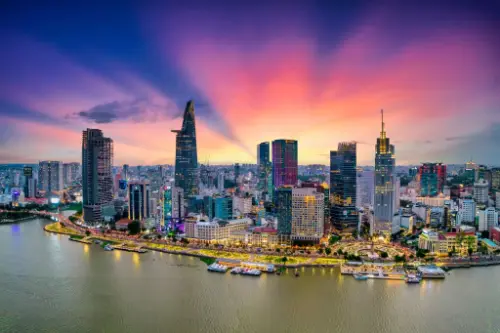 Dzień 45: 09:00–18:00
Ho Chi Minh / Vietnam
Ho Chi Minh, znane również pod swoją dawną nazwą Sajgon, jest najludniejszym miastem Wietnamu z populacją 8,4 miliona (13 milionów w obszarze metropolitalnym) według stanu na 2017 rok. Położona w południowo-wschodnim Wietnamie metropolia otacza rzekę Sajgon i zajmuje powierzchnię około 2061 kilometrów kwadratowych (796 mil kwadratowych).
Pod nazwą Sajgon było stolicą Indochin Francuskich od 1887 do 1902 roku i ponownie od 1945 do 1954 roku. Sajgon stał się później stolicą Wietnamu Południowego od 1955 roku aż do jego upadku w 1975 roku. 2 lipca 1976 roku Sajgon połączył się z otaczającą prowincją Gia Định i został oficjalnie przemianowany na Ho Chi Minh City na cześć przywódcy rewolucyjnego Hồ Chí Minha (chociaż nazwa Sài Gòn jest nadal powszechnie używana).
Ho Chi Minh City jest centrum finansowym Wietnamu i jest klasyfikowane jako miasto światowe Beta+ przez Globalization and World Cities Research Network. Jest siedzibą Giełdy Papierów Wartościowych w Ho Chi Minh City, największej giełdy papierów wartościowych pod względem całkowitej kapitalizacji rynkowej w Wietnamie oraz siedzibą wielu krajowych i międzynarodowych banków i firm.
Ho Chi Minh City jest najczęściej odwiedzanym miastem w Wietnamie, z 6,3 miliona odwiedzających w 2017 roku. Wiele znanych międzynarodowym turystom zabytków miasta to między innymi targ Bến Thành, ratusz w Ho Chi Minh City, bazylika katedralna Notre-Dame w Sajgonie, Pałac Niepodległości i Teatr Miejski. Głównym lotniskiem pasażerskim obsługującym obszar metropolitalny jest międzynarodowe lotnisko Tân Sơn Nhất, najbardziej ruchliwe lotnisko w Wietnamie, które w 2017 roku obsłużyło 36 milionów pasażerów.
-
Dzień 46:
Dzień na morzu / Morze
-
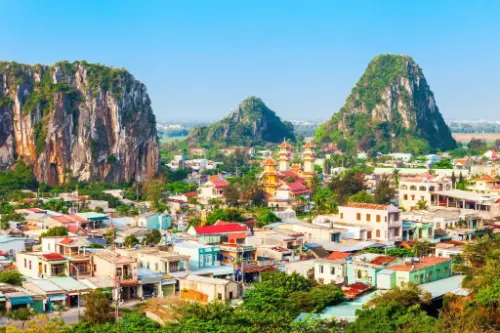 Dzień 47: 07:00–16:00
Da Nang / Vietnam
Ciepła morska bryza i miękki piasek sprawiają, że Da Nang to idealne miejsce dla tych, którzy szukają relaksu nad morzem i lekkości w każdym kroku. Tutaj nowoczesne kawiarnie sąsiadują z tradycyjnymi targami, a wieczorna promenada wypełnia się światłami i aromatem świeżych owoców morza. Można spacerować długimi plażami My Khe i Non Nuoc, które należą do najlepszych w Azji, oraz odkrywać przytulne zakątki z wietnamską kawą i uśmiechami mieszkańców.
Dla miłośników historii i natury Da Nang oferuje wyjątkowe trasy do Marmurowych Gór z jaskiniami i pagodami, skąd rozciągają się zapierające dech w piersiach widoki na wybrzeże. Stąd łatwo dotrzeć do starożytnego miasta Hoi An, które zachowało klimat przeszłości, lub wybrać się na przejażdżkę przełęczą Hai Van, gdzie każdy zakręt odkrywa nowe panoramy gór i morza. Miasto łączy relaksujący wypoczynek na plaży z możliwością odkrycia piękna Wietnamu i zaczerpnięcia świeżego, morskiego powietrza, które napełnia energią i lekkością.
-
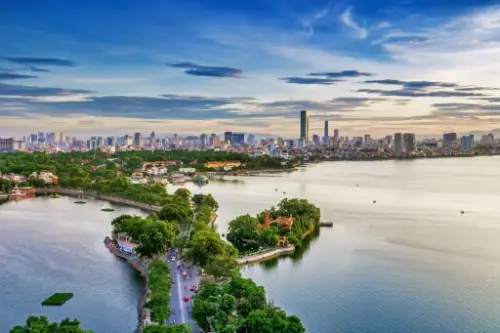 Dzień 48: 10:00–20:00
Hanoi / Vietnam
Hanoi to stolica Wietnamu, miasto z tysiącletnią historią, dawniej znane jako Thang Long, co oznacza „Miasto Wzbijającego się Smoka”. Pomimo wielu pagód, zabytków architektury i gwarnych dzielnic handlowych, nie ma tu tłumów turystów, co pozwala cieszyć się jego urokiem bez pośpiechu i zgiełku.
-
Dzień 49:
Dzień na morzu / Morze
-
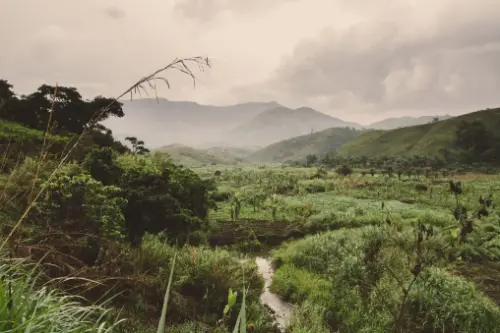 Dzień 50: 06:00–18:00
Limbe / Cameroon
-
Dzień 51:
Dzień na morzu / Morze
-
Dzień 52:
Dzień na morzu / Morze
-
 Dzień 53: 08:00
Szanghaj / Chiny
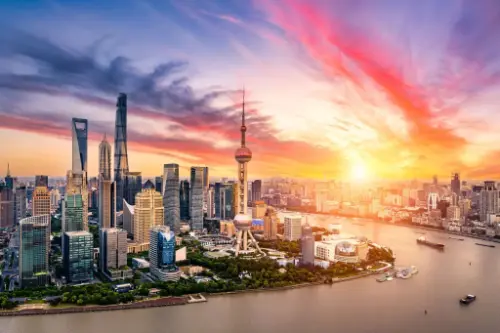
Shanghai is one of the four municipalities under the direct administration of the central government of the Republic of China, the largest city in China by population, and the second most populous city proper in the world, with a population of 24.18 million as of 2017. It is a global financial centre and transport hub, with the world's busiest container port. Located in the Yangtze River Delta, it sits on the south edge of the estuary of the Yangtze in the middle portion of the East Chinacoast. The municipality borders the provinces of Jiangsu and Zhejiang to the north, south and west, and is bounded to the east by the East China Sea.
As a major administrative, shipping and trading city, Shanghai grew in importance in the 19th century due to trade and recognition of its favourable port location and economic potential. The city was one of five treaty ports forced open to foreign trade following the British victory over China in the First Opium War. The subsequent 1842 Treaty of Nankingand 1844 Treaty of Whampoa allowed the establishment of the Shanghai International Settlement and the French Concession. The city then flourished as a centre of commerce between China and other parts of the world (predominantly the Occident), and became the primary financial hub of the Asia-Pacific region in the 1930s. However, with the Communist Party takeover of the mainland in 1949, trade was limited to other socialist countries, and the city's global influence declined. In the 1990s, the economic reforms introduced by Deng Xiaoping resulted in an intense re-development of the city, aiding the return of finance and foreign investment to the city. It has since re-emerged as a hub for international trade and finance; it is the home of the Shanghai Stock Exchange, one of the world's largest by market capitalization.
Shanghai has been described as the "showpiece" of the booming economy of mainland China; renowned for its Lujiazui skyline, and museums and historic buildings, such as those along The Bund, as well as the City God Templeand the Yu Garden.
-
Dzień 54: 17:00
Szanghaj / Chiny
Shanghai is one of the four municipalities under the direct administration of the central government of the Republic of China, the largest city in China by population, and the second most populous city proper in the world, with a population of 24.18 million as of 2017. It is a global financial centre and transport hub, with the world's busiest container port. Located in the Yangtze River Delta, it sits on the south edge of the estuary of the Yangtze in the middle portion of the East Chinacoast. The municipality borders the provinces of Jiangsu and Zhejiang to the north, south and west, and is bounded to the east by the East China Sea.
As a major administrative, shipping and trading city, Shanghai grew in importance in the 19th century due to trade and recognition of its favourable port location and economic potential. The city was one of five treaty ports forced open to foreign trade following the British victory over China in the First Opium War. The subsequent 1842 Treaty of Nankingand 1844 Treaty of Whampoa allowed the establishment of the Shanghai International Settlement and the French Concession. The city then flourished as a centre of commerce between China and other parts of the world (predominantly the Occident), and became the primary financial hub of the Asia-Pacific region in the 1930s. However, with the Communist Party takeover of the mainland in 1949, trade was limited to other socialist countries, and the city's global influence declined. In the 1990s, the economic reforms introduced by Deng Xiaoping resulted in an intense re-development of the city, aiding the return of finance and foreign investment to the city. It has since re-emerged as a hub for international trade and finance; it is the home of the Shanghai Stock Exchange, one of the world's largest by market capitalization.
Shanghai has been described as the "showpiece" of the booming economy of mainland China; renowned for its Lujiazui skyline, and museums and historic buildings, such as those along The Bund, as well as the City God Templeand the Yu Garden.
-
Dzień 55:
Dzień na morzu / Morze
-
 Dzień 56: 08:00–17:00
Seul / Korea
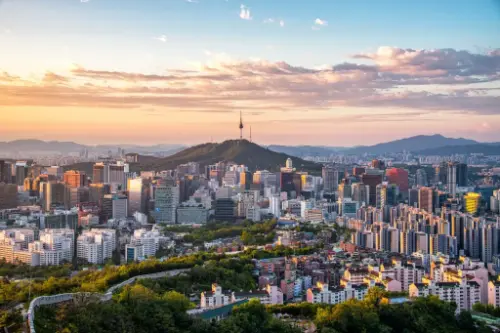
Seoul, officially the Seoul Special City, is the capital and largest metropolis of South Korea. With surrounding Incheon metropolis and Gyeonggi province, Seoul forms the heart of the Seoul Capital Area, home to roughly half of the country's population. Seoul is ranked as the fourth largest metropolitan economy in the world and is larger than London and Paris.
Strategically situated on the Han River, Seoul's history stretches back over two thousand years, when it was founded in 18 BCE by the people of Baekje, one of the Three Kingdoms of Korea. The city was later designated the capital of Korea under the Joseon dynasty. Seoul is surrounded by a mountainous and hilly landscape, with Bukhan Mountainlocated on the northern edge of the city. As with its long history, the Seoul Capital Area contains five UNESCO World Heritage Sites: Changdeok Palace, Hwaseong Fortress, Jongmyo Shrine, Namhansanseong and the Royal Tombs of the Joseon Dynasty. More recently, Seoul has been a major site of modern architectural construction – major modern landmarks include the N Seoul Tower, the 63 Building, the Lotte World Tower, the Dongdaemun Design Plaza, Lotte World, Trade Tower, COEX, and the Parc1 Tower. Seoul was named the 2010 World Design Capital. As the birthplace of K-pop and the Korean Wave, Seoul received over 10 million international visitors in 2014, making it the world's 9th most visited city and 4th largest earner in tourism.
Today, Seoul is considered a leading and rising global city, resulting from the South Korean economic boom - commonly referred to as the Miracle on the Han River - which transformed it into the world's 7th largest metropolitan economy with a GDP of US$635.4 billion in 2014 after Tokyo, New York City and Los Angeles. International visitors generally reach Seoul via AREX from the Incheon International Airport, notable for having been rated the best airport for nine consecutive years (2005–2013) by the Airports Council International. In 2015, it was rated Asia's most livable city with the second highest quality of life globally by Arcadis, with the GDP per capita (PPP) in Seoul being $39,786. Inhabitants of Seoul are faced with a high cost of living, for which the city was ranked 6th globally in 2017. Seoul is also an extremely expensive real estate market, ranked 5th in the world for the price of apartments in the downtown center. With major technology hubs centered in Gangnam and Digital Media City, the Seoul Capital Area is home to the headquarters of 15 Fortune Global 500 companies, including Samsung, LG, and Hyundai. Ranked sixth in the Global Power City Index and Global Financial Centres Index, the metropolis exerts a major influence in global affairs as one of the five leading hosts of global conferences. Seoul has hosted the 1986 Asian Games, 1988 Summer Olympics, 2002 FIFA World Cup, and more recently the 2010 G-20 Seoul summit.
-
Dzień 57:
Dzień na morzu / Morze
-
 Dzień 58: 07:00–16:00
Nagasaki / Japonia
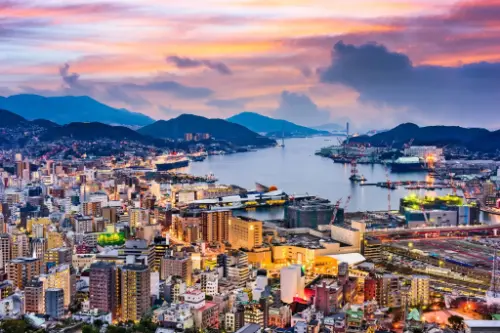
Nagasaki is the capital and the largest city of Nagasaki Prefecture on the island of Kyushu in Japan. The city's name means "long cape" in Japanese. Nagasaki became a centre of colonial Portuguese and Dutch influence in the 16th through 19th centuries, and the Hidden Christian Sites in the Nagasaki Region have been recognized and included in the UNESCO World Heritage List. Part of Nagasaki was home to a major Imperial Japanese Navy base during the First Sino-Japanese War and Russo-Japanese War.
During World War II, the American atomic bombings of Hiroshima and Nagasaki made Nagasaki the second and, to date, last city in the world to experience a nuclear attack (at 11:02 a.m., August 9, 1945 'Japan Standard Time (UTC+9)').
As of 1 March 2017, the city has an estimated population of 425,723 and a population density of 1,000 people per km2. The total area is 406.35 km2 (156.89 sq mi).
-
 Dzień 59: 11:00–19:00
Hiroszima / Japonia
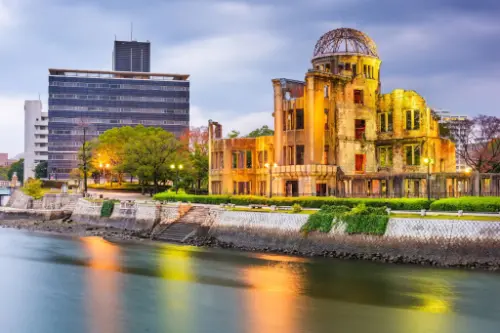
a city in southwestern Japan, on the southern coast of the island of Honshu; population 1,144,572 (2007). It was the target of the first atom bomb, which was dropped by the US on August 6, 1945, and resulted in the deaths of about one third of the city's population of 300,000. This, with a second attack on Nagasaki three days later, led to Japan's surrender and to the end of World War II.
-
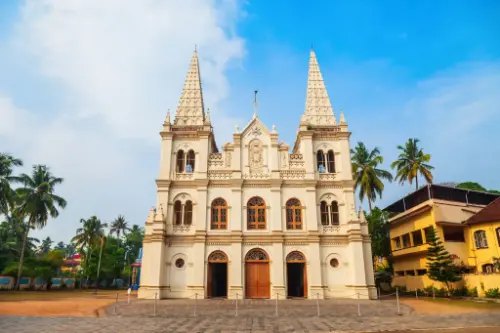 Dzień 60: 10:00–18:00
Kochi / Indie
a seaport and naval base on the Malabar Coast of southwestern India, in the state of Kerala; population 254,500 (est. 2009).
-
Dzień 61: 07:00–18:00
Kioto
-
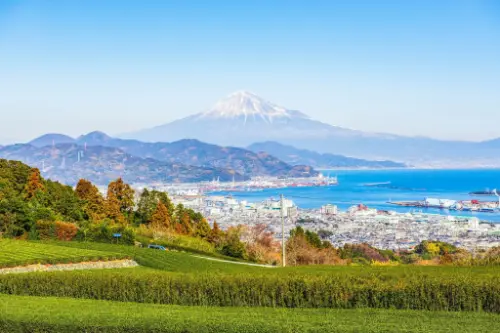 Dzień 62: 12:00–20:00
Shimizu / Japonia
-
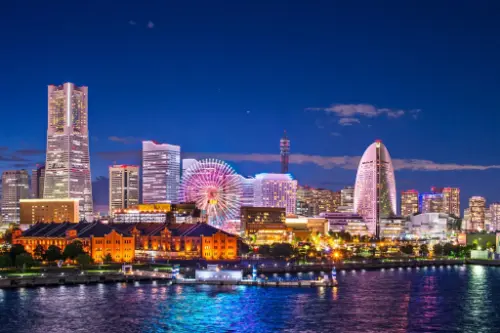 Dzień 63: 07:00
Yokohama (Tokio) / Japonia
Tokyo, officially Tokyo Metropolis, one of the 47 prefectures of Japan, has served as the Japanese capital since 1869. As of 2014, the Greater Tokyo Arearanked as the most populous metropolitan area in the world. The urban area houses the seat of the Emperor of Japan, of the Japanese government and of the National Diet. Tokyo forms part of the Kantō region on the southeastern side of Japan's main island, Honshu, and includes the Izu Islands and Ogasawara Islands. Tokyo was formerly named Edo when Shōgun Tokugawa Ieyasu made the city his headquarters in 1603. It became the capital after Emperor Meiji moved his seat to the city from Kyoto in 1868; at that time Edo was renamed Tokyo. Tokyo Metropolis formed in 1943 from the merger of the former Tokyo Prefecture and the city of Tokyo. Tokyo is often referred to as a city but is officially known and governed as a "metropolitan prefecture", which differs from and combines elements of a city and a prefecture, a characteristic unique to Tokyo.
The 23 Special Wards of Tokyo were formerly Tokyo City. On July 1, 1943, it merged with Tokyo Prefecture and became Tokyo Metropolis with an additional 26 municipalities in the western part of the prefecture, and the Izu islandsand Ogasawara islands south of Tokyo. The population of the special wards is over 9 million people, with the total population of Tokyo Metropolis exceeding 13.8 million. The prefecture is part of the world's most populous metropolitan area called the Greater Tokyo Area with over 38 million people and the world's largest urban agglomeration economy. As of 2011, Tokyo hosted 51 of the Fortune Global 500 companies, the highest number of any city in the world at that time. Tokyo ranked third (twice) in the International Financial Centres Development Index. The city is home to various television networks such as Fuji TV, Tokyo MX, TV Tokyo, TV Asahi, Nippon Television, NHK and the Tokyo Broadcasting System.
Twój Świat w cenie
Dzięki Twojemu Światu w cenie, będziesz cieszyć się szeroką gamą udogodnień, zapewniających najwyższy komfort i wartość rejsów ultra-premium.
Niezapomniane doznania kulinarne w licznych, wykwintnych restauracjach — wszystko bez dodatkowych opłat.
Bezpłatne kawy specjalistyczne, napoje gazowane, świeżo wyciskane soki oraz woda gazowana i niegazowana Vero Water® serwowane na całym statku.
Nielimitowany, bezpłatny dostęp do Wi-Fi w apartamentach, kabinach i wszystkich pomieszczeniach ogólnodostępnych.
Posiłki serwowane w pokoju z doskonałym wyborem dań na ciepło i zimno.
Koktajle, koktajle mleczne, gelato i firmowe lody Humphry Slocombe — zawsze w cenie.
Grupowe zajęcia fitness w Aquamar® Spa + Vitality Center są bezpłatne.
Napiwki są wliczone w cenę dla Twojej wygody.
Pranie jest bezpłatne dla wszystkich gości.
Dzięki bezpłatnym pralniom samoobsługowym na pokładzie, a także usługom prania i prasowania dla kategorii Concierge i Suite, zawsze będziesz wyglądać olśniewająco. Oprócz naszej charakterystycznej, spersonalizowanej obsługi, zapewnimy Ci wzbogacający rejs bez ukrytych kosztów i prowizji.
Podnieś poziom swoich wrażeń
Kajuty Concierge Level Veranda oferują niezrównane połączenie luksusu, przywilejów i wartości. Bogactwo udogodnień i ekskluzywnych korzyści sprawi, że Twoje wrażenia będą jeszcze bardziej wzniosłe — od dań do wyboru z The Grand Dining Room, przez bezpłatne usługi pralnicze, po nieograniczony dostęp do tarasu Aquamar Spa.
Na pokładzie Oceania Marina i Oceania Riviera możesz również skorzystać z usług dedykowanego Concierge i ekskluzywnego dostępu do prywatnego salonu Concierge Lounge.
Kajuty Concierge Level Veranda, zlokalizowane w najbardziej pożądanych miejscach statku, to coś więcej niż tylko kabiny — to niezapomniane przeżycie.
Concierge Level Veranda — Ekskluzywne przywileje
Rozszerzone menu posiłków do pokoju na lunch i kolację z The Grand Dining Room
Usługi pralnicze — do 3 sztuk bagażu na kabinę
Ekskluzywny dostęp do prywatnego salonu Concierge Lounge na statkach Oceania Marina, Oceania Riviera, Oceania Vista i Oceania Allura za pomocą karty-klucza, oferujący bezpłatne napoje, kawę, przekąski i usługi dedykowanego Concierge'a
Powitalna butelka wyśmienitego włoskiego Prosecco
Priorytetowe rezerwacje online w restauracjach specjalistycznych
Nieograniczony dostęp do tarasu Aquamar Spa
Torba z logo Oceania Cruises
Kaszmirowe koce na kolana — idealne do relaksu i przytulania
Prasowanie odzieży po wejściu na pokład
Bezpłatna usługa czyszczenia butów
Depozyt i płatności – Oceania Cruises
Depozyt ogólny:
W przypadku apartamentów typu Owner’s, Vista i Oceania Suites wymagany jest depozyt w wysokości 20% ceny rejsu od osoby.
W przypadku wszystkich pozostałych kategorii apartamentów/kabin, depozyt wynosi 500 USD od osoby.
W przypadku Grand Voyages depozyt wynosi 1500 USD od osoby.
Terminy depozytu i płatności końcowej:
Rezerwacje dokonane na ponad 150 dni przed rejsem:
Depozyt w wysokości 20% w przypadku apartamentów typu Owner’s, Vista i Oceania Suites oraz 500 USD w przypadku wszystkich pozostałych kategorii wymagany jest w ciągu 5 dni od rezerwacji.
Rezerwacje dokonane na 90–120 dni przed rejsem:
Pełna płatność wymagana w ciągu 3 dni od rezerwacji.
Rezerwacje dokonane na 0–90 dni przed rejsem:
Pełna płatność wymagana w dniu rezerwacji.
Ważne:
Rezerwacje, które nie zostaną wpłacone lub opłacone w całości zgodnie z niniejszym harmonogramem, zostaną automatycznie anulowane. O ile nie zaznaczono inaczej, płatność końcowa musi wpłynąć do Oceania Cruises na 150 dni przed wypłynięciem w przypadku rejsów krótszych niż 15 dni oraz na 150 dni w przypadku rejsów trwających 15 dni lub dłużej.
Oceania Cruises zastrzega sobie prawo do anulowania rezerwacji, które nie zostały w pełni opłacone w momencie płatności końcowej.
Informacje dodatkowe:
Dane paszportowe i specjalne prośby dotyczące usług pokładowych należy przesłać w momencie płatności końcowej.
Płatności można dokonać czekiem osobistym, kartą American Express, Discover, MasterCard lub Visa.
Dla wygody płatność końcowa może zostać automatycznie pobrana z karty kredytowej użytej do wpłaty początkowej.
Oceania Cruises nie ponosi odpowiedzialności za opłaty walutowe ani opłaty transakcyjne pobierane niezależnie przez banki wystawiające karty. Opłaty te nie przysługują Oceania Cruises.
Płatności kartami kredytowymi osób trzecich są akceptowane wyłącznie po uzyskaniu ważnej autoryzacji od posiadacza karty.
Depozyt i płatność – rejsy 180-dniowe
W przypadku rejsów 180-dniowych wymagany jest depozyt w wysokości 20% ceny rejsu od osoby za wszystkie apartamenty i kabiny w ciągu 7 dni od rezerwacji.
Ostateczna płatność musi zostać otrzymana najpóźniej 181 dni przed wypłynięciem, wraz z danymi paszportowymi i wszelkimi specjalnymi prośbami o usługi na pokładzie.
W przeciwnym razie rezerwacja może zostać natychmiast anulowana, a naliczone zostaną stosowne kary.
Forma płatności (FORMA PŁATNOŚCI)
Oceania Cruises akceptuje płatności za rezerwacje kartą kredytową/debetową lub przelewem bankowym.
Niestety, czeki osobiste nie są akceptowane.
Karty kredytowe/debetowe:
Akceptowane są karty American Express, Visa i Mastercard.
Uwaga: Oceania Cruises nie ponosi odpowiedzialności za opłaty za wymianę waluty/transakcje naliczane przez bank wystawiający kartę.
Ceny podane w USD — orientacyjnie 1 USD ≈ 4,11 zł według kursu z dnia rezerwacji
Proszę czekać…
Organizator
Biznes i Turystyka Piotr Skupiewski
- ul. Łukowa 41, 32-823 Szczepanów
- NIP 8691148381
- REGON 850455159
- +48 576 977 555
- +48 570 700 273
Organizator jest wpisany do Centralnej Ewidencji Organizatorów Turystyki i Przedsiębiorców Ułatwiających Nabywanie Powiązanych Usług Turystycznych. Posiada gwarancję ubezpieczeniową UNIQA nr 3800003856, ważną od 5 maja 2026 r. do 4 maja 2027 r. Suma gwarancyjna wynosi 379 404,00 zł. Organizator odprowadza składki do Turystycznego Funduszu Gwarancyjnego i Turystycznego Funduszu Pomocowego.
Masz jeszcze pytania?
Pomożemy wybrać rejs i odpowiemy na Twoje pytania.