| Region rejsu : Morze Śródziemne |
| Firma : Azamara Cruises |
| Statek : Azamara Onward |
| Data rozpoczęcia : wt. 17 lis 2026 |
| Data zakończenia : sob. 05 gru 2026 |
| Liczba nocy : 18 nocy |
| Dzień | Data | Port | Wypłynięcie | Odpłynięcie |
|---|---|---|---|---|
| 1 | 17.11 wt. | Lizbona / Portugalia | 17:00 | |
| 2 | 18.11 śr. | Portiman / Portugalia | 08:00 | 16:00 |
| 3 | 19.11 czw. | Casablanka / Morocco | 08:30 | 20:00 |
| 4 | 20.11 pt. | Tangier / Morocco | 09:30 | 18:00 |
| 5 | 21.11 sob. | Cadiz / Hiszpania | 08:00 | 18:00 |
| 6 | 22.11 niedz. | Sewilla / Hiszpania | 06:00 | |
| 7 | 23.11 pon. | Sewilla / Hiszpania | 17:00 | |
| 8 | 24.11 wt. | Gibraltar / Wielka Brytania | 09:00 | 22:00 |
| 9 | 25.11 śr. | Malaga / Hiszpania | 08:00 | 18:00 |
| 10 | 26.11 czw. | Cartagena (Bolívar) / Kolumbia | 09:00 | 17:00 |
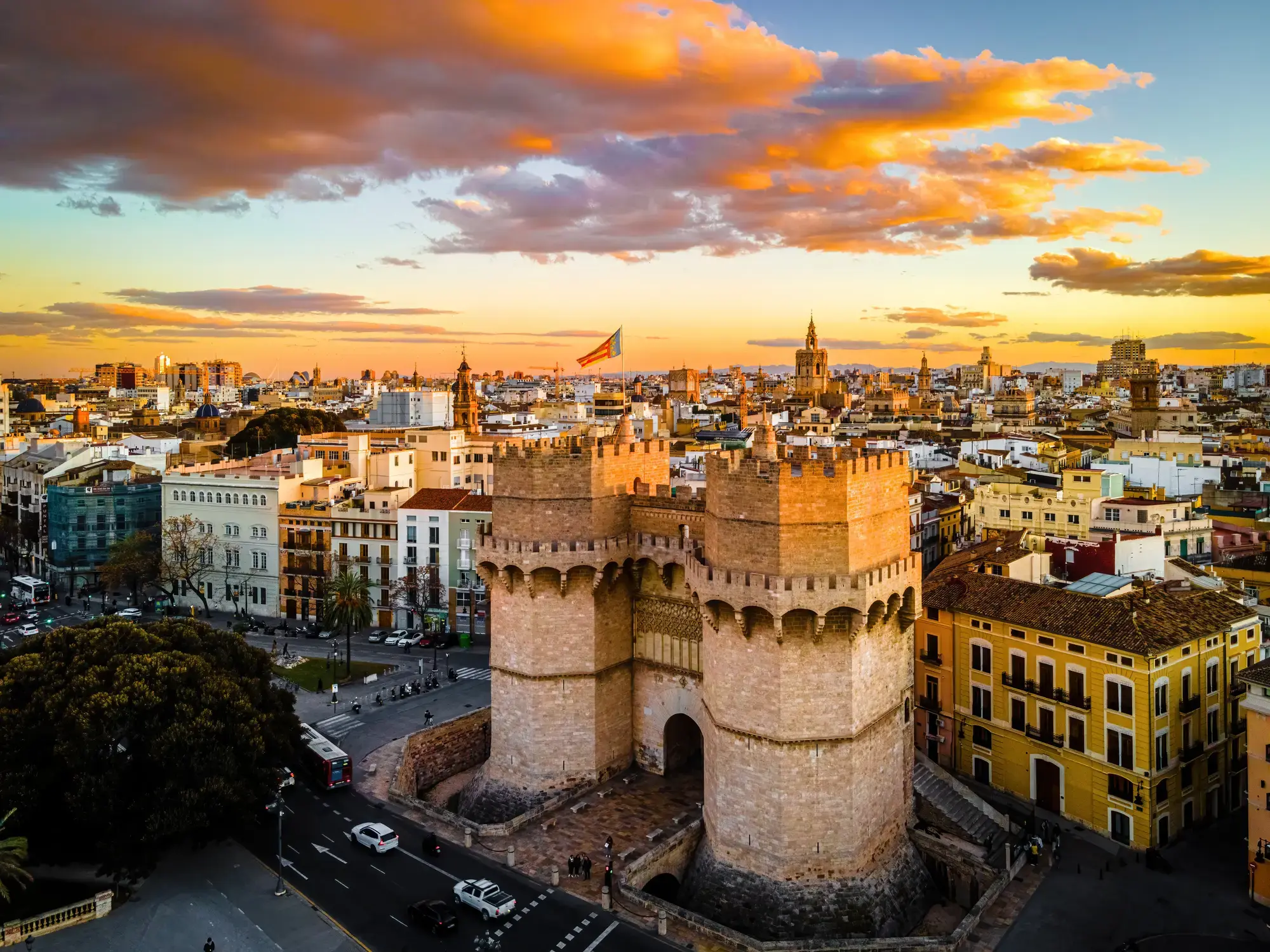
| 11 | 27.11 pt. | Walencja / Hiszpania | 08:00 | 17:00 |
| 12 | 28.11 sob. | Barcelona / Hiszpania | 06:00 | 18:00 |
| 13 | 29.11 niedz. | Marsylia / Francja | 08:00 | 22:00 |
| 14 | 30.11 pon. | Nicea / Francja | 09:00 | |
| 15 | 1.12 wt. | Nicea / Francja | 20:00 | |
| 16 | 2.12 śr. | La Spezia / Włochy | 08:00 | 20:00 |
| 17 | 3.12 czw. | FLORENCJA PISA | 08:00 | |
| 18 | 4.12 pt. | FLORENCJA PISA | 18:00 | |
| 19 | 5.12 sob. | Rzym (Civitavecchia) / Włochy | 06:00 |
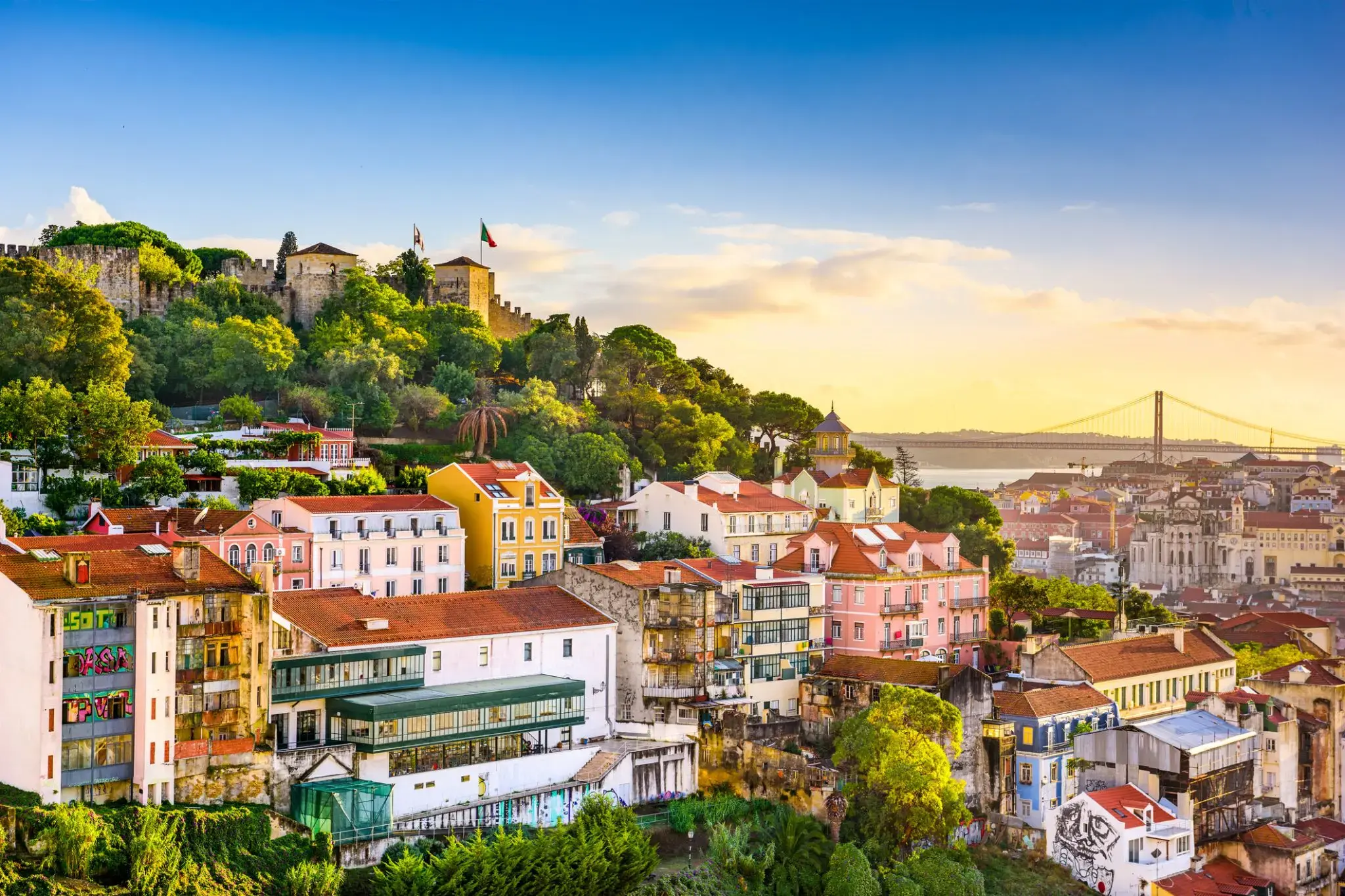
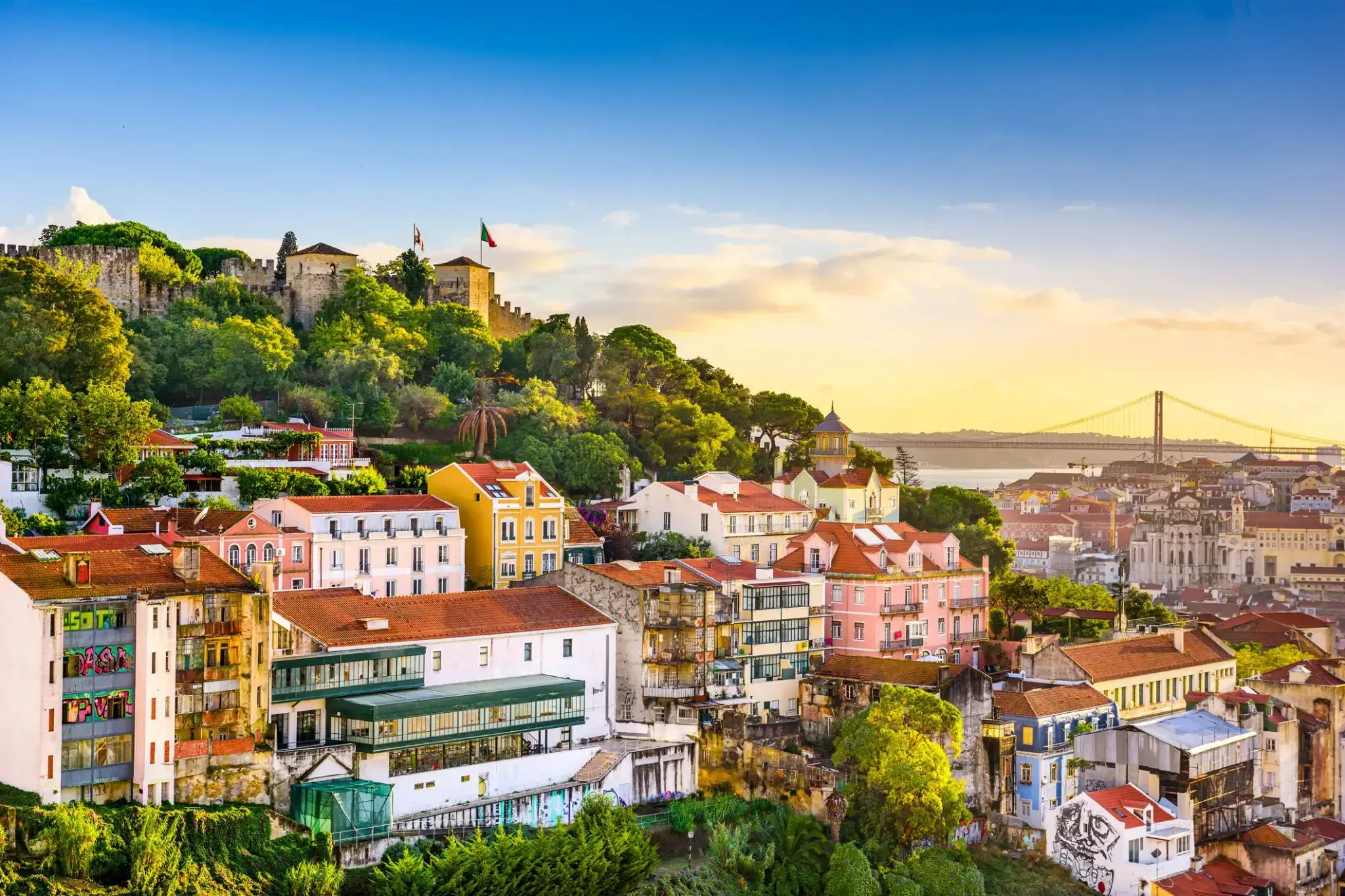
Lizbona jest stolicą i największym miastem Portugalii, z szacowaną populacją 505 526 mieszkańców w granicach administracyjnych na obszarze 100,05 km². Jej obszar miejski rozciąga się poza granice administracyjne miasta i liczy około 2,8 miliona mieszkańców, co czyni go jedenastym najbardziej zaludnionym obszarem miejskim w Unii Europejskiej. Około 3 milionów ludzi mieszka w aglomeracji lizbońskiej (która stanowi około 27% populacji kraju). Jest to najbardziej wysunięta na zachód stolica kontynentalnej Europy i jedyna położona nad Oceanem Atlantyckim. Lizbona leży na zachodnim Półwyspie Iberyjskim nad Oceanem Atlantyckim i rzeką Tag. Najbardziej wysunięte na zachód obszary jej aglomeracji tworzą najbardziej wysunięty na zachód punkt kontynentalnej Europy, znany jako Cabo da Roca, położony w górach Sintra.
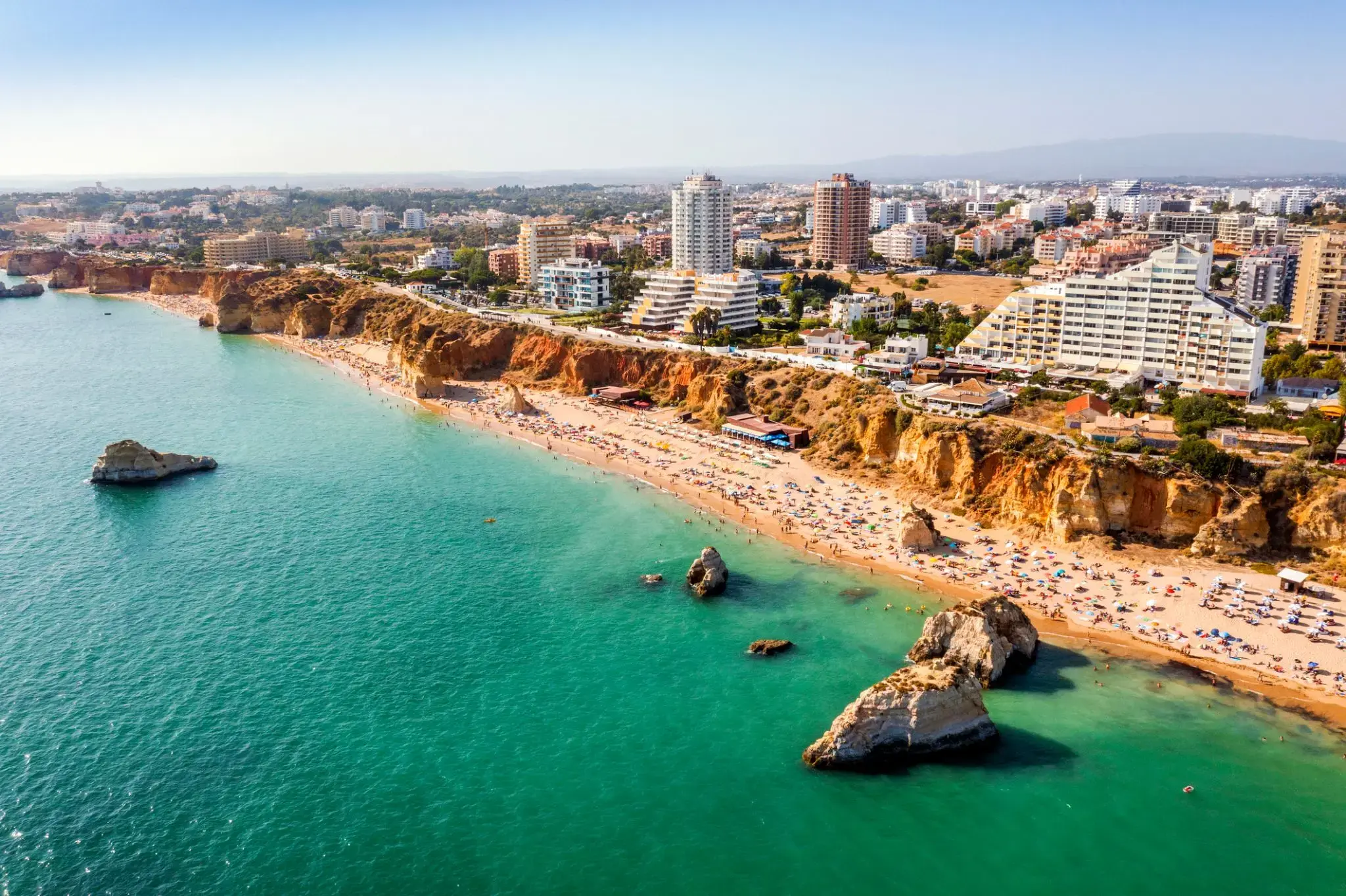
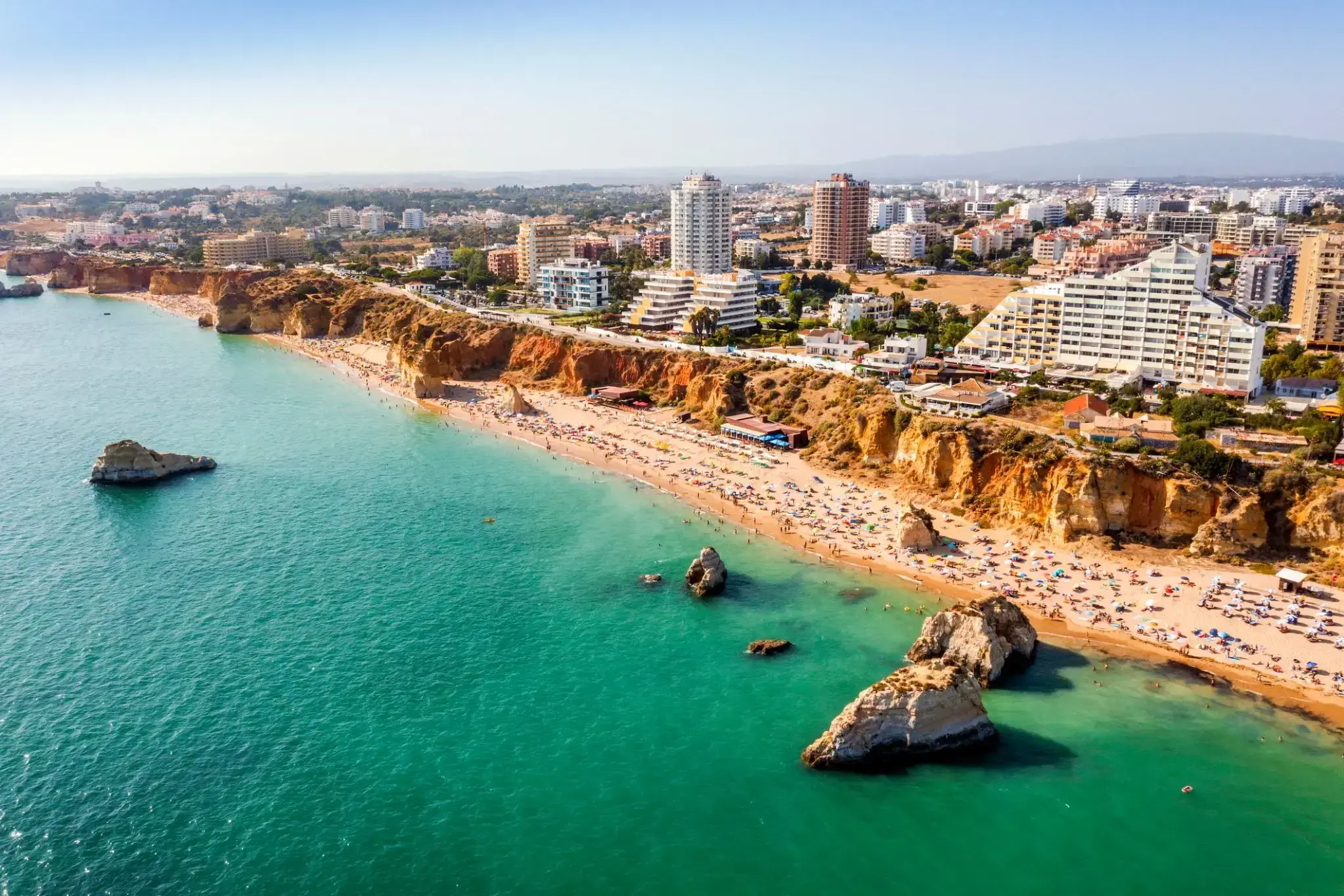
Portimão is a town and a municipality in the district of Faro, in the Algarve region of southern Portugal. The population in 2011 was 55,614, in an area of 182.06 km². It was formerly known as Vila Nova de Portimão. In 1924, it was incorporated as a cidadeand became known merely as Portimão. Historically a fishing and shipbuilding centre, it has nonetheless developed into a strong tourist centre oriented along its beaches and southern coast. The two most populous towns in the Algarve are Portimão and Faro.
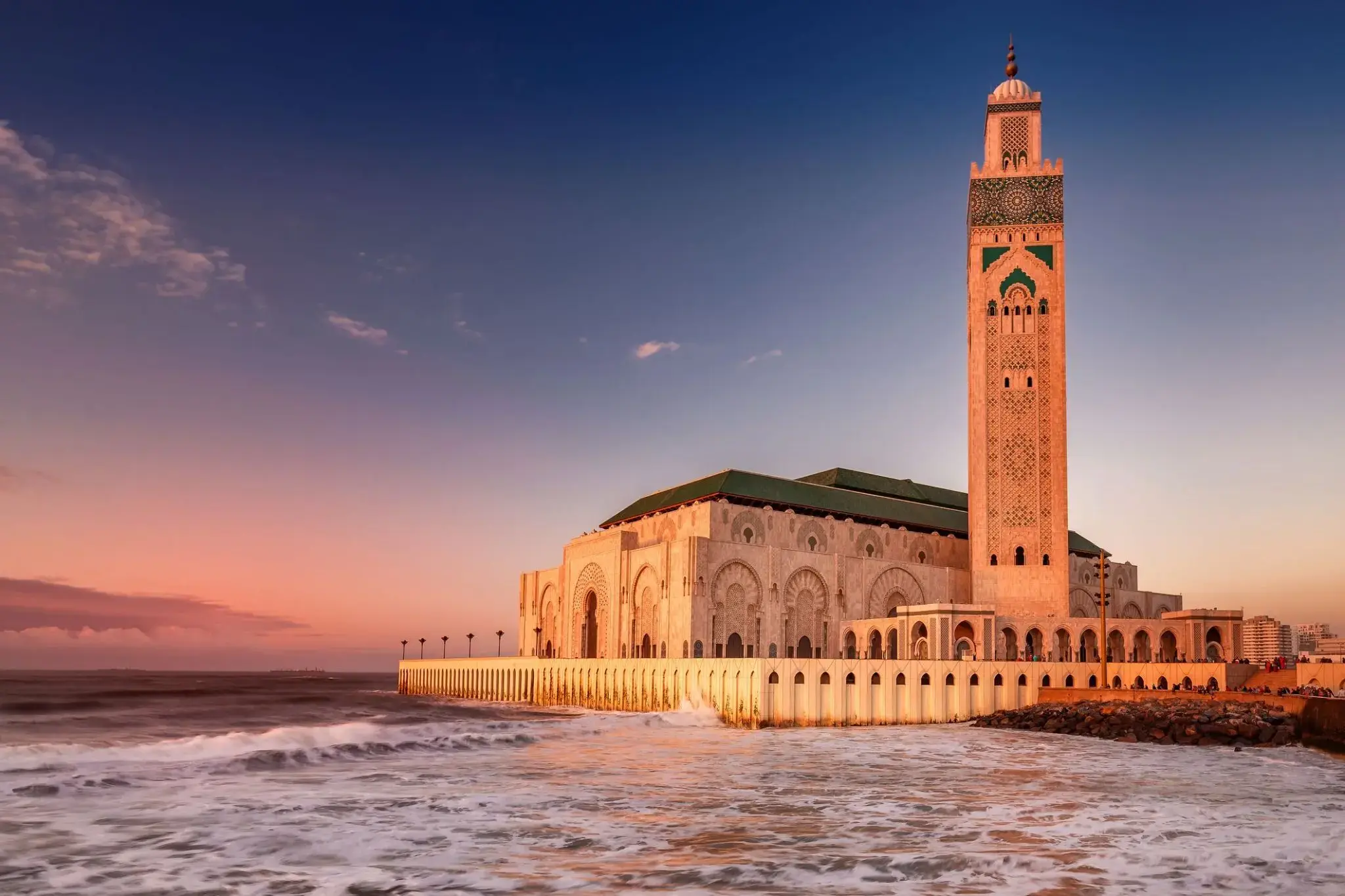
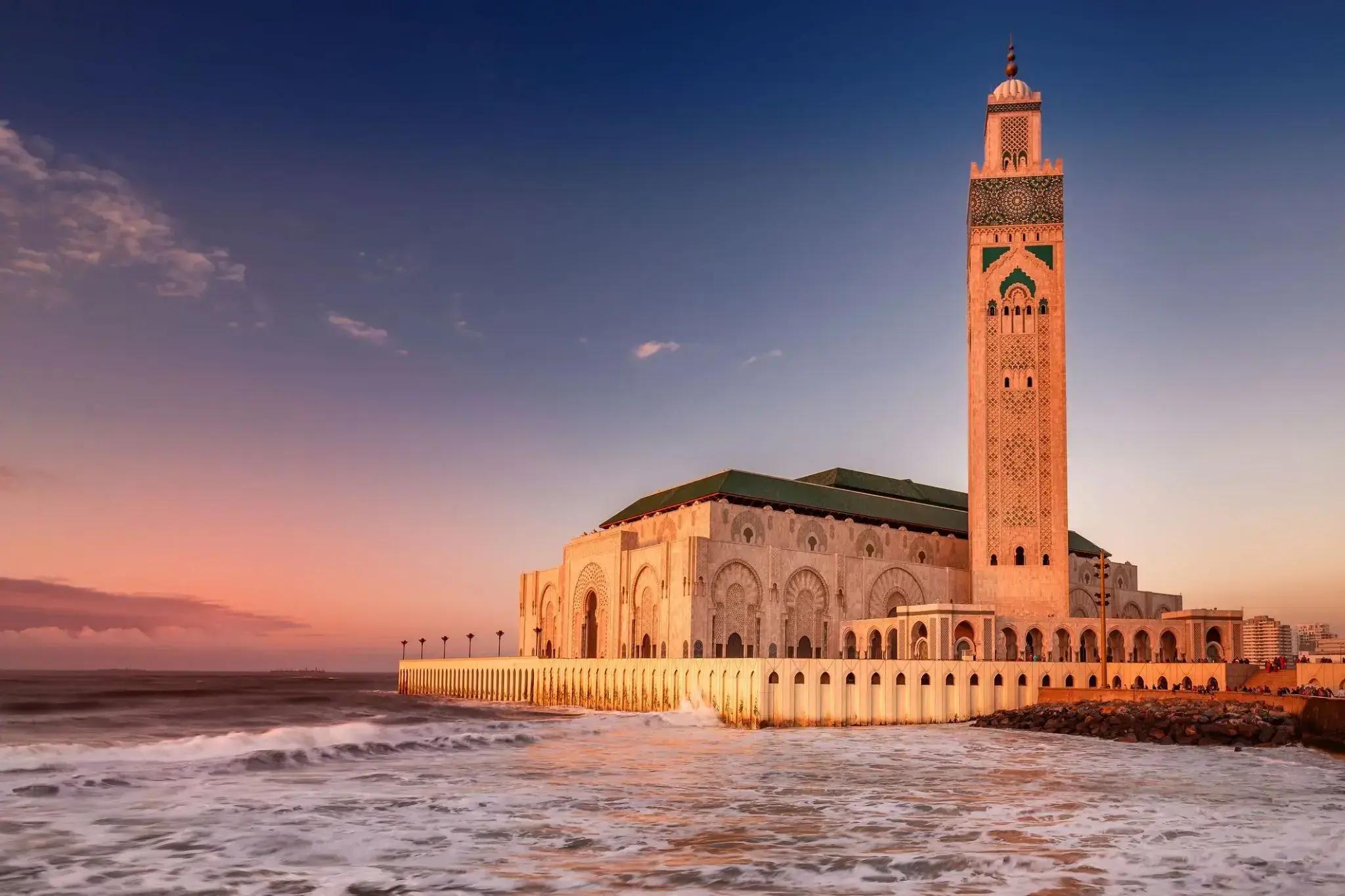
Casablanca położona jest w centralno-zachodniej części Maroka i graniczy z Oceanem Atlantyckim. Jest największym miastem Maroka. To także największe miasto regionu Maghrebu, a także jedno z największych i najważniejszych miast Afryki pod względem gospodarczym i demograficznym.
Casablanca jest głównym portem Maroka i jednym z największych centrów finansowych na kontynencie. Według szacunków z 2014 roku miasto liczy około 3,35 miliona mieszkańców na obszarze miejskim i ponad 6,8 miliona w regionie Casablanca-Settat. Casablanca uważana jest za gospodarcze i biznesowe centrum Maroka, podczas gdy polityczną stolicą kraju pozostaje Rabat.
Wiodące marokańskie firmy oraz liczne międzynarodowe korporacje działające w kraju mają swoje siedziby główne i główne zakłady przemysłowe w Casablanca. Najnowsze dane przemysłowe pokazują, że Casablanca zachowuje swoją historyczną rolę głównej strefy przemysłowej kraju. Port w Casablanca jest jednym z największych sztucznych portów na świecie i drugim co do wielkości portem w Afryce Północnej po Tanger-Med, 40 km na wschód od Tangeru. Casablanca jest także główną bazą morską Królewskiej Marynarki Wojennej Maroka.
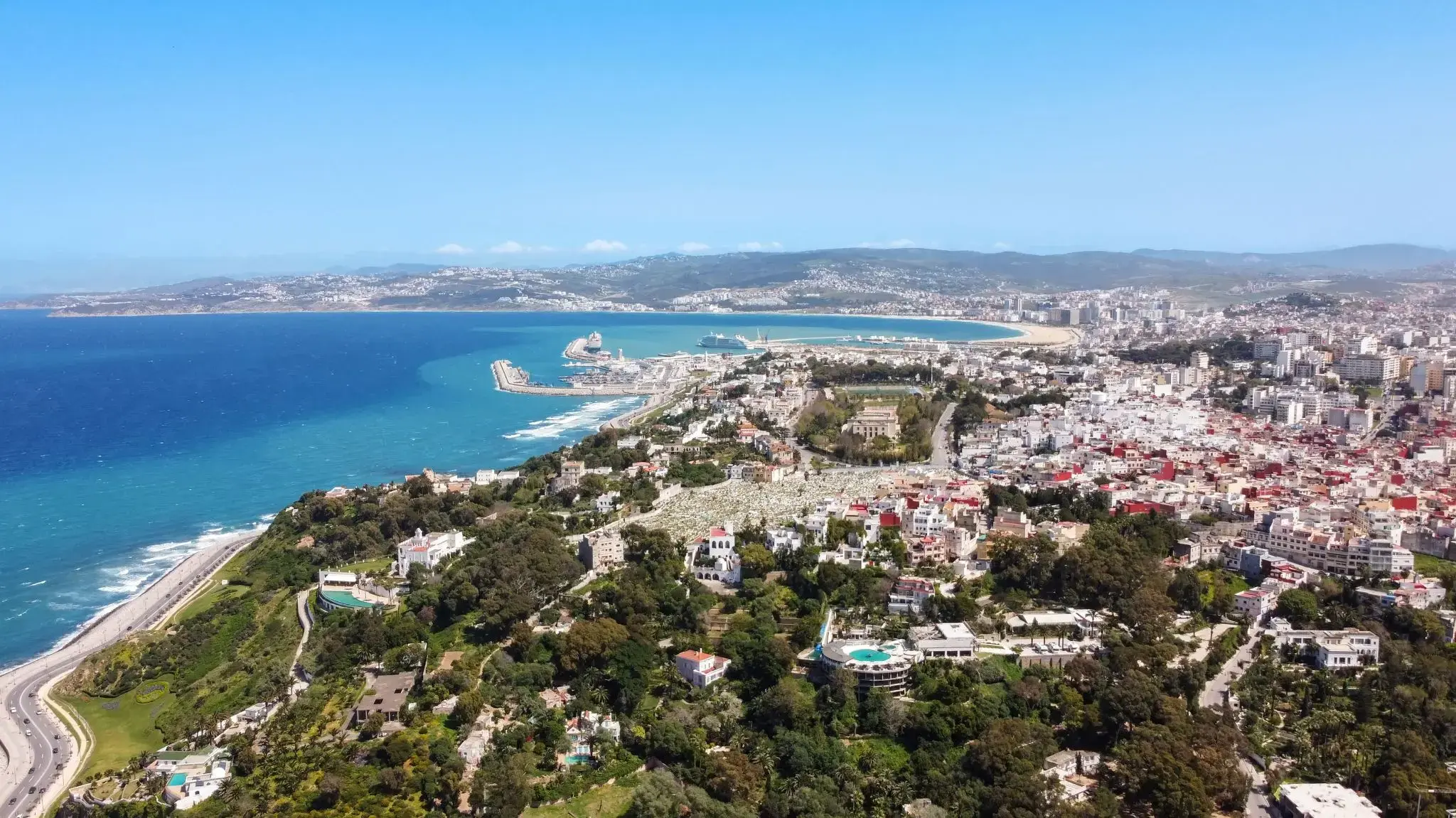
Tanger – Krzyżowanie kultur i szlaków morskich
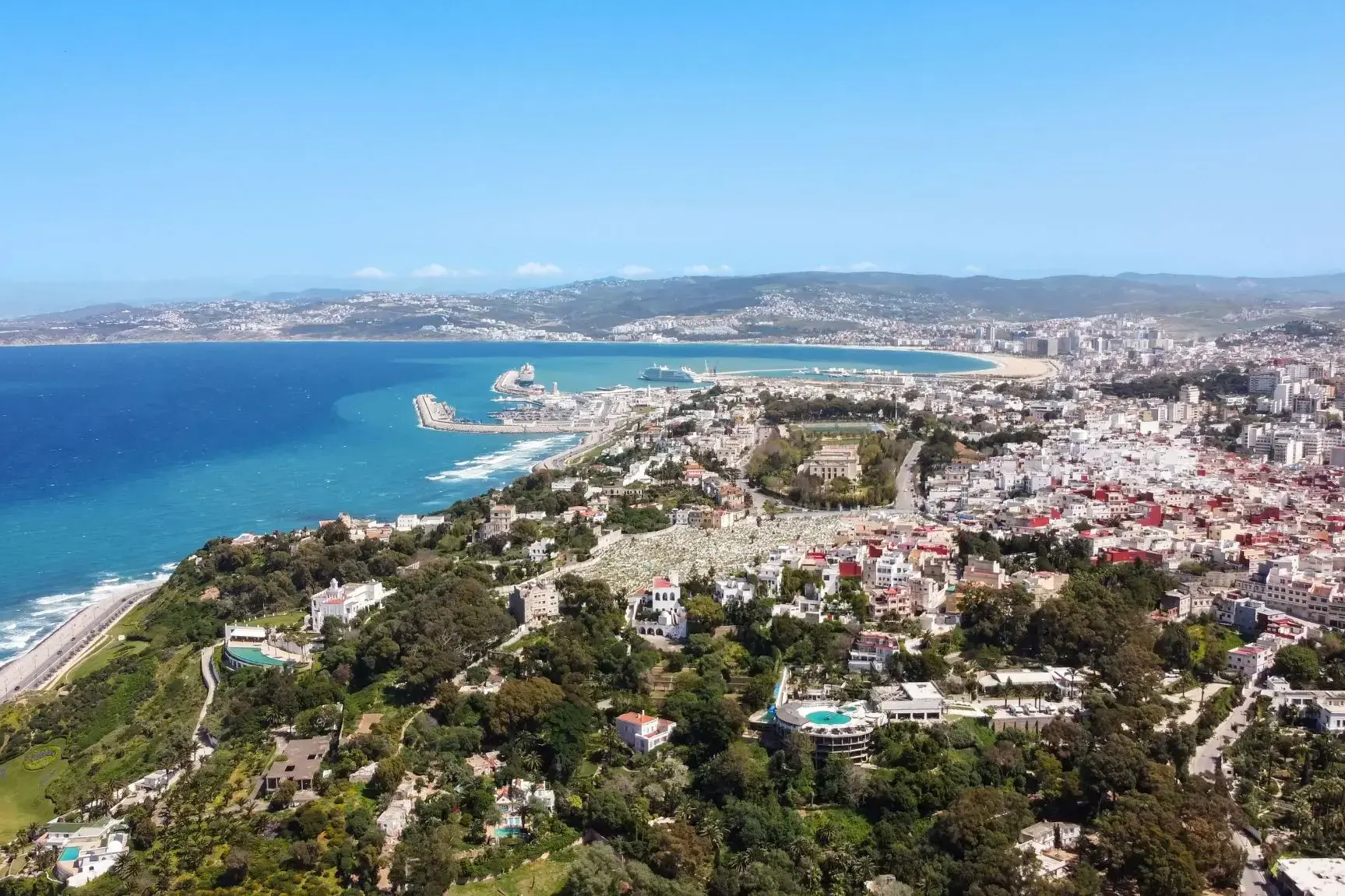
Tanger, położony na północy Maroka, łączy Europę i Afrykę. Miasto jest znane ze swojej mauretańskiej architektury i historii, a jego stare miasto (medina) znajduje się na liście Światowego Dziedzictwa UNESCO. Można tu cieszyć się żywymi rynkami, pięknymi plażami i zapierającymi dech w piersiach widokami, a także poczuć atmosferę, w której przeplatają się różne kultury.
Dla turystów Tanger oferuje wyjątkowe możliwości poznania marokańskiej kultury, historii i kuchni. Spacer po medinie, wizyta w Kasbie i zakupy na rynkach pozwalają poczuć ducha miasta, w którym Wschód spotyka Zachód.
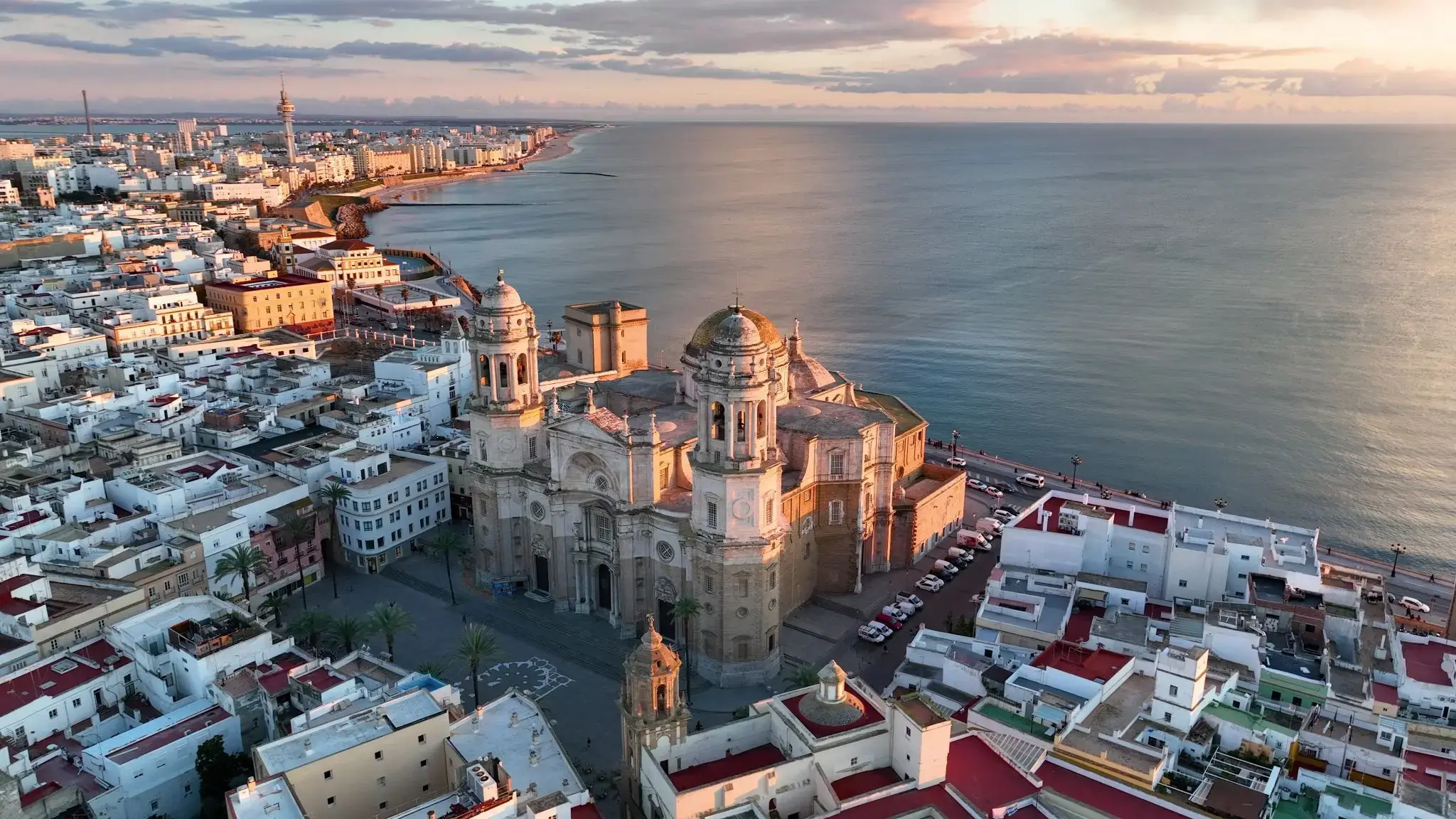
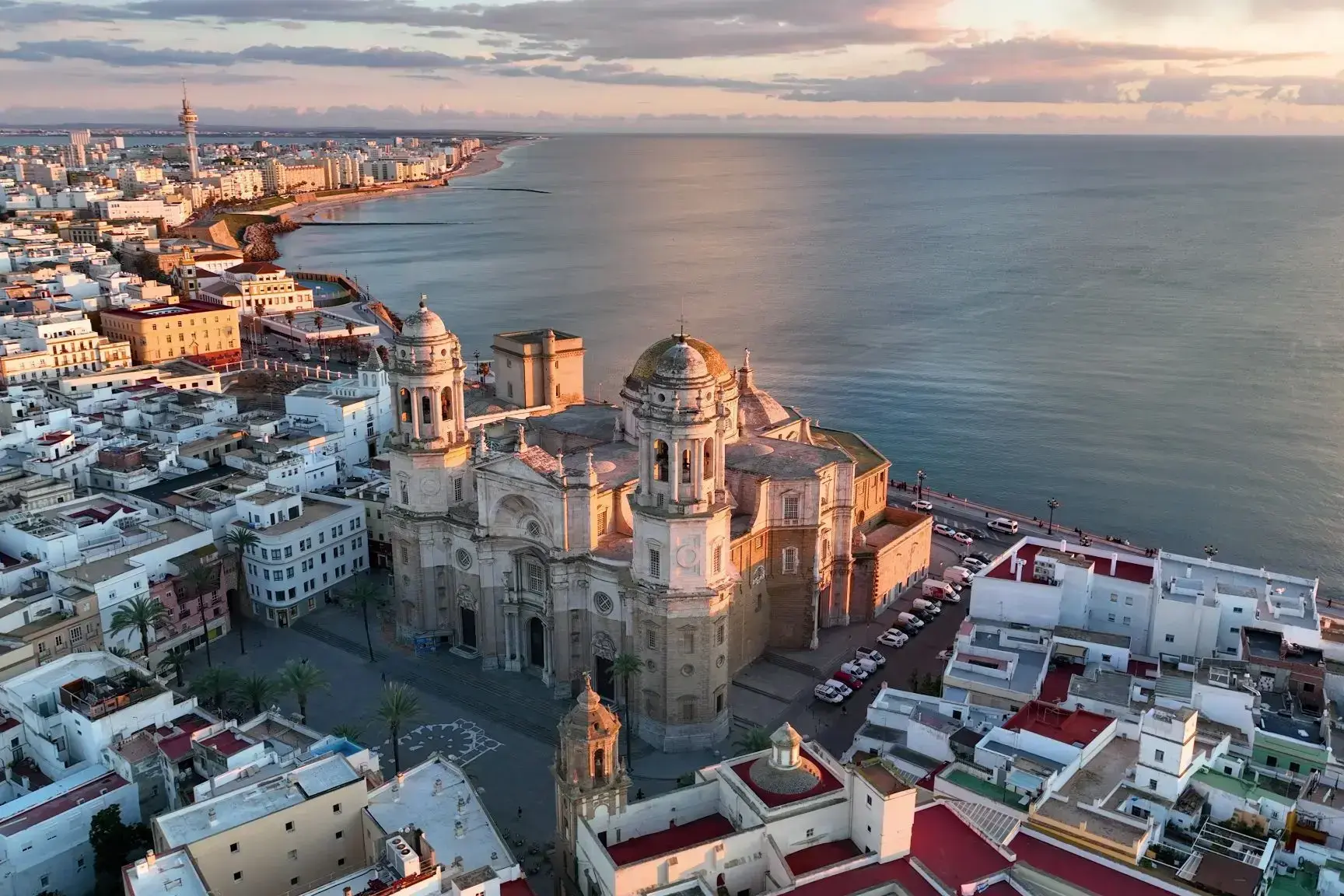
Cádiz jest jednym z najstarszych miast w Europie, położonym na południowo-zachodnim wybrzeżu Hiszpanii w sercu Andaluzji. Miasto znajduje się na półwyspie, otoczone przez Ocean Atlantycki, co nadaje mu wyjątkową atmosferę. Cádiz jest znane z malowniczych plaż, takich jak Playa de la Victoria, a także ze starożytnych uliczek z białymi domami i wspaniałymi fasadami, które przypominają o mauretańskiej i kolonialnej historii. W historycznym centrum miasta znajduje się słynna katedra, której budowa trwała ponad wiek, a z jej wieży roztacza się imponujący widok na ocean.
Miasto jest również znane z tradycji karnawałowych oraz pysznej kuchni, w której dominują owoce morza. Lokalny karnawał uważany jest za jeden z najbarwniejszych w Hiszpanii, przyciągający co roku tysiące turystów.
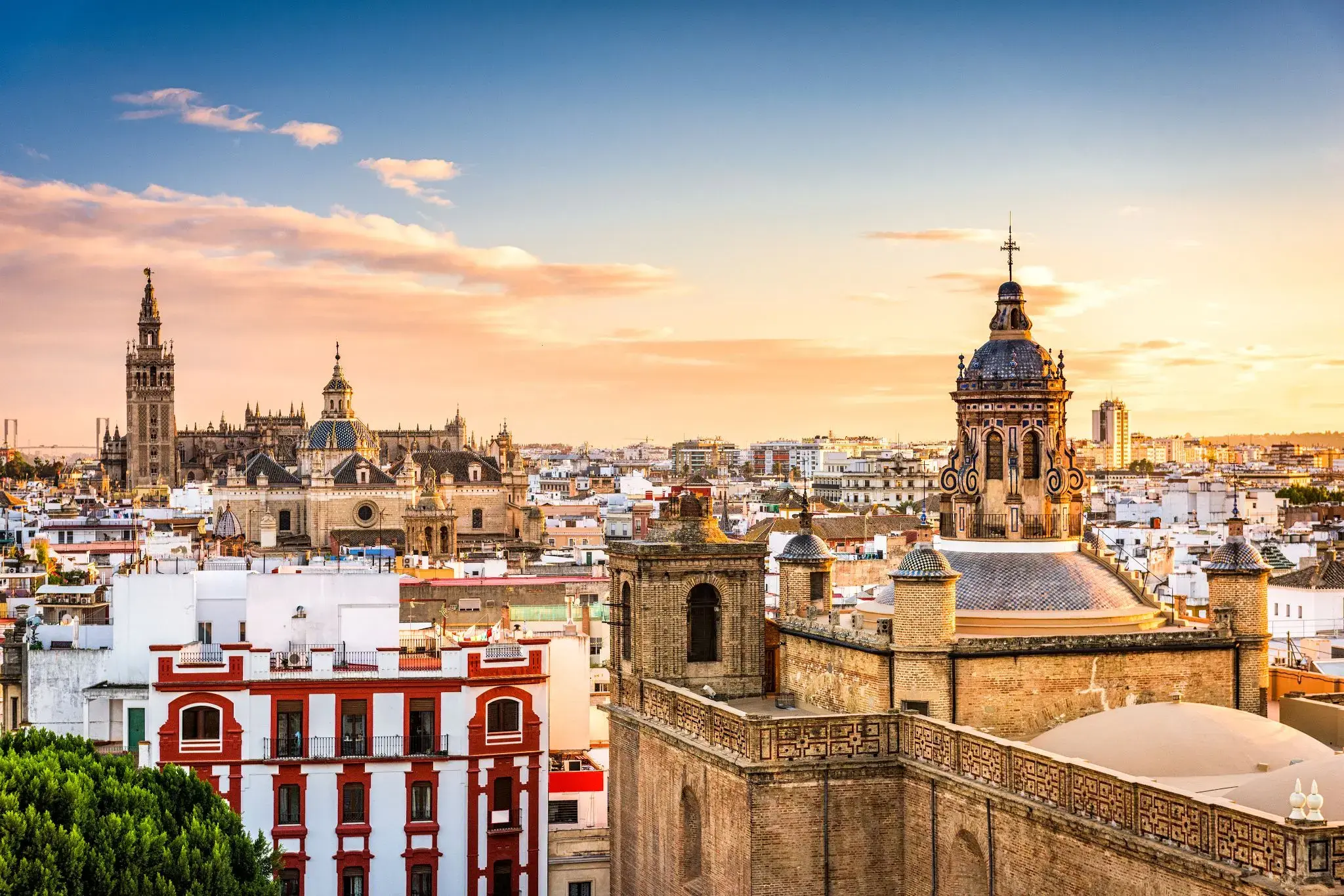
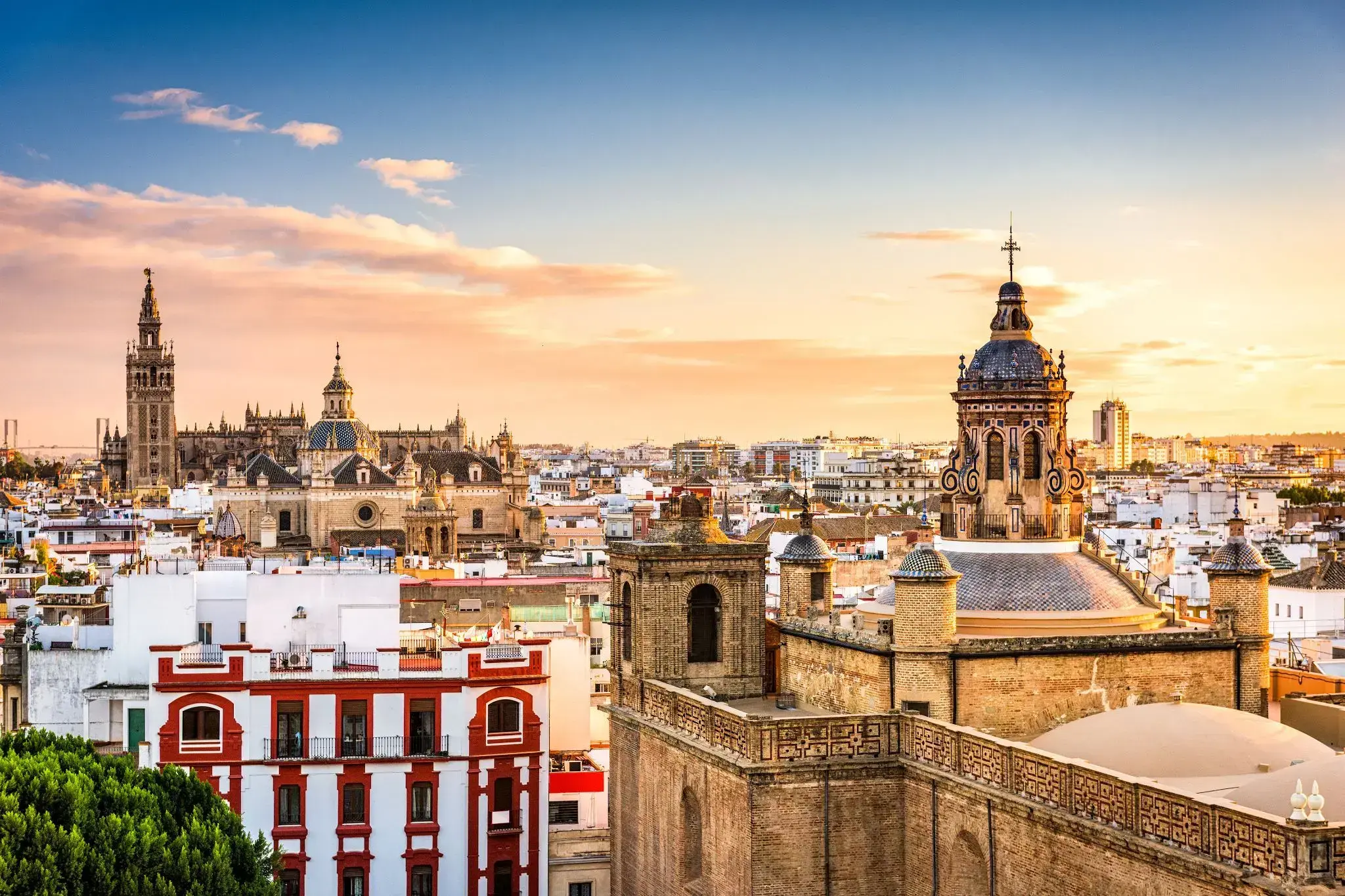
Sewilla jest stolicą i największym miastem autonomicznej wspólnoty Andaluzji oraz prowincji Sewilla w Hiszpanii. Położona jest na równinie rzeki Gwadalkiwir. Mieszkańców miasta nazywa się sevillanos (forma żeńska: sevillanas) lub hispalenses, od rzymskiej nazwy miasta, Hispalis. Sewilla liczy około 690 000 mieszkańców (dane z 2016 roku), a jej obszar metropolitalny około 1,5 miliona, co czyni ją czwartym co do wielkości miastem w Hiszpanii i 30. najbardziej zaludnioną gminą w Unii Europejskiej. Jej Stare Miasto o powierzchni 4 kilometrów kwadratowych (2 mile kwadratowe) zawiera trzy obiekty światowego dziedzictwa UNESCO: zespół pałacowy Alcázar, Katedrę i Archiwum Indii. Port w Sewilli, położony około 80 kilometrów (50 mil) od Oceanu Atlantyckiego, jest jedynym portem rzecznym w Hiszpanii.
Sewilla jest stolicą i największym miastem autonomicznej wspólnoty Andaluzji oraz prowincji Sewilla w Hiszpanii. Położona jest na równinie rzeki Gwadalkiwir. Mieszkańców miasta nazywa się sevillanos (forma żeńska: sevillanas) lub hispalenses, od rzymskiej nazwy miasta, Hispalis. Sewilla liczy około 690 000 mieszkańców (dane z 2016 roku), a jej obszar metropolitalny około 1,5 miliona, co czyni ją czwartym co do wielkości miastem w Hiszpanii i 30. najbardziej zaludnioną gminą w Unii Europejskiej. Jej Stare Miasto o powierzchni 4 kilometrów kwadratowych (2 mile kwadratowe) zawiera trzy obiekty światowego dziedzictwa UNESCO: zespół pałacowy Alcázar, Katedrę i Archiwum Indii. Port w Sewilli, położony około 80 kilometrów (50 mil) od Oceanu Atlantyckiego, jest jedynym portem rzecznym w Hiszpanii.
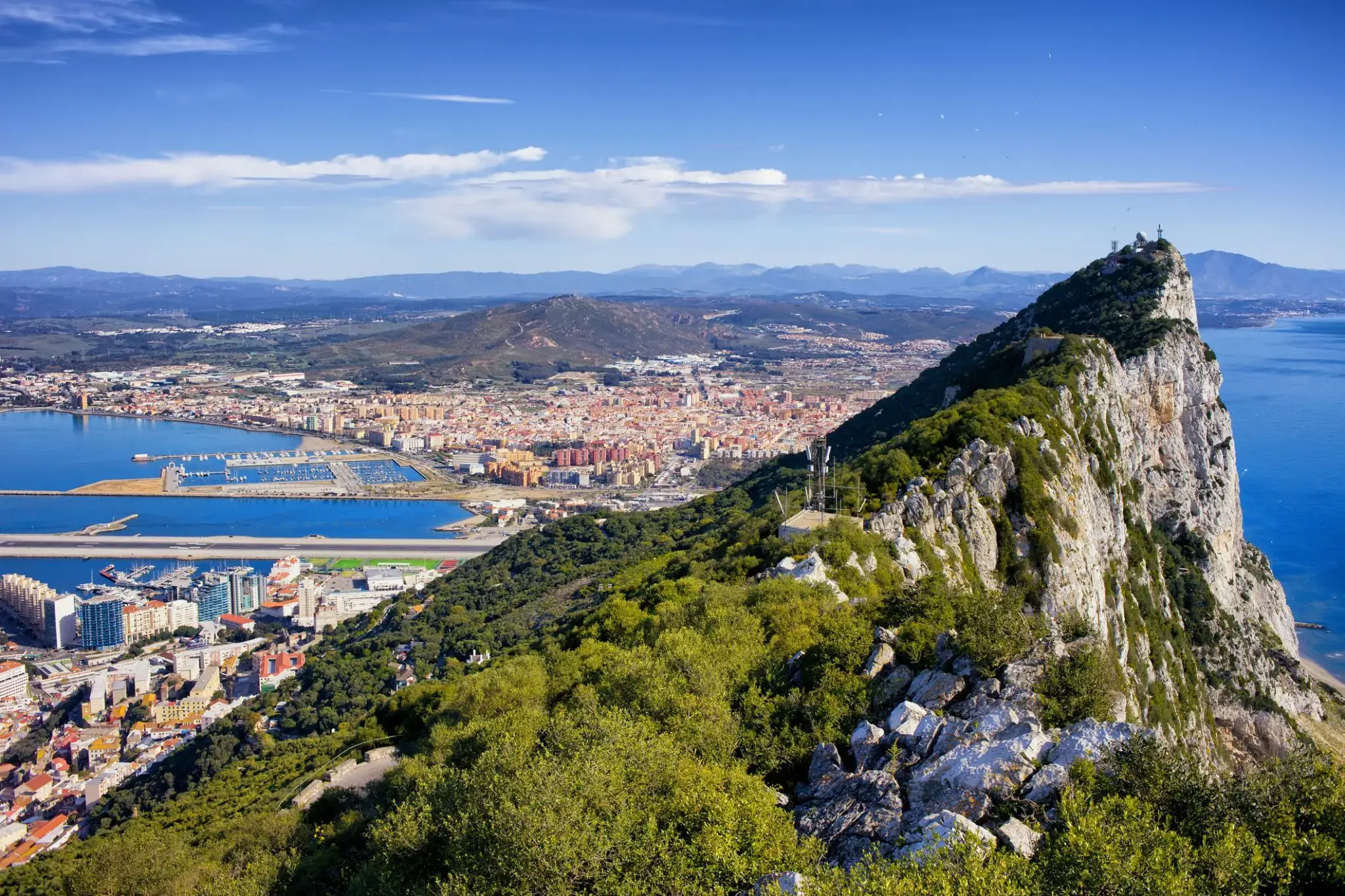
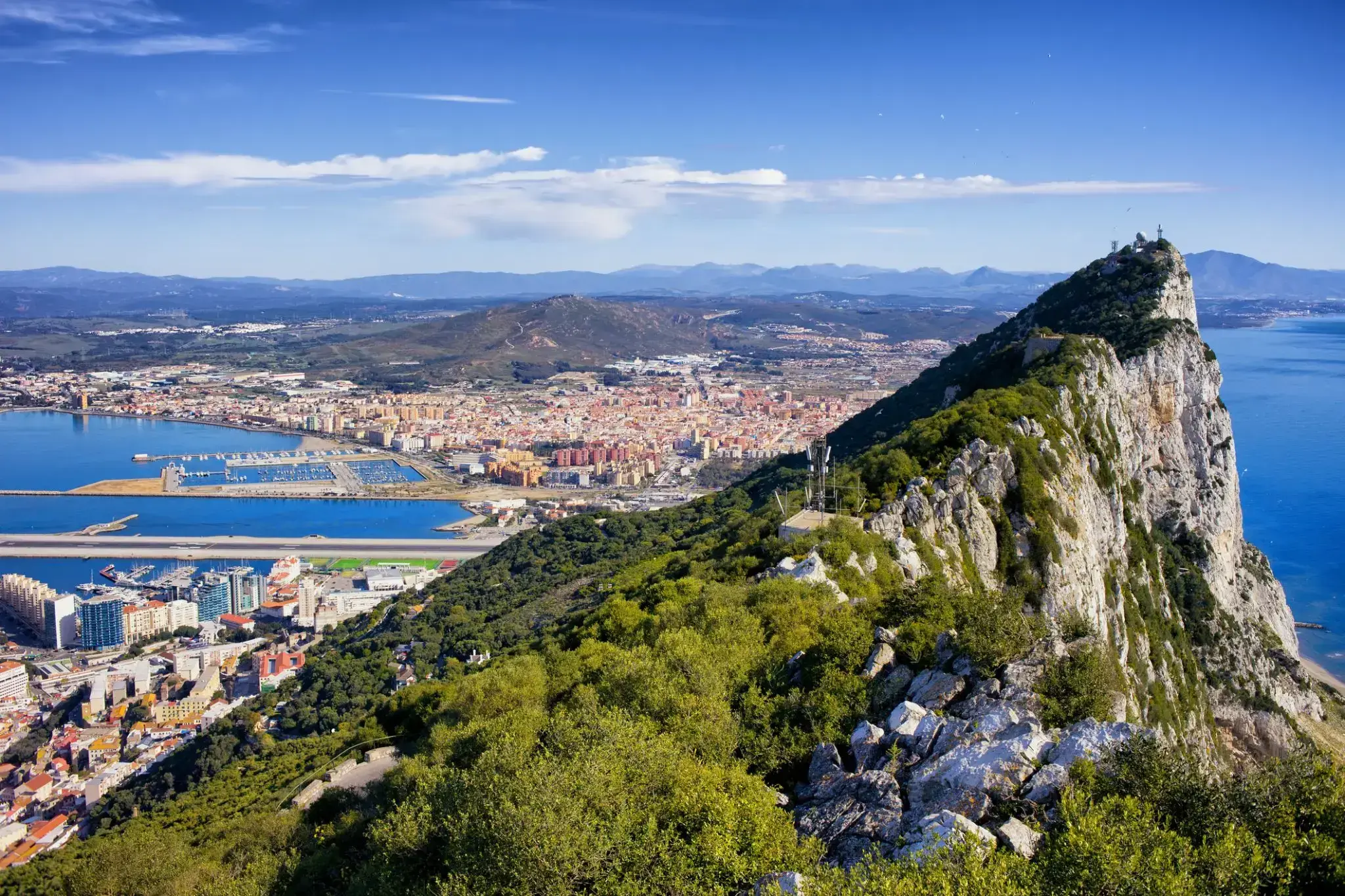
Gibraltar is a British Overseas Territory located at the southern tip of the Iberian Peninsula. It has an area of 6.7 km2 (2.6 sq mi) and is bordered to the north by Spain. The landscape is dominated by the Rock of Gibraltar at the foot of which is a densely populated town area, home to over 30,000 people, primarily Gibraltarians. It shares a maritime border with Morocco.
In 1704, Anglo-Dutch forces captured Gibraltar from Spain during the War of the Spanish Succession on behalf of the Habsburg claim to the Spanish throne. The territory was ceded to Great Britain in perpetuity under the Treaty of Utrechtin 1713. During World War II it was an important base for the Royal Navy as it controlled the entrance and exit to the Mediterranean Sea, which is only 8 miles (13 km) wide at this naval choke point. It remains strategically important, with half the world's seaborne trade passing through the strait. Today Gibraltar's economy is based largely on tourism, online gambling, financial services and cargo ship refuelling.
The sovereignty of Gibraltar is a point of contention in Anglo-Spanish relations because Spain asserts a claim to the territory. Gibraltarians rejected proposals for Spanish sovereignty in a 1967 referendum and, in a 2002 referendum, the idea of shared sovereignty was also rejected.
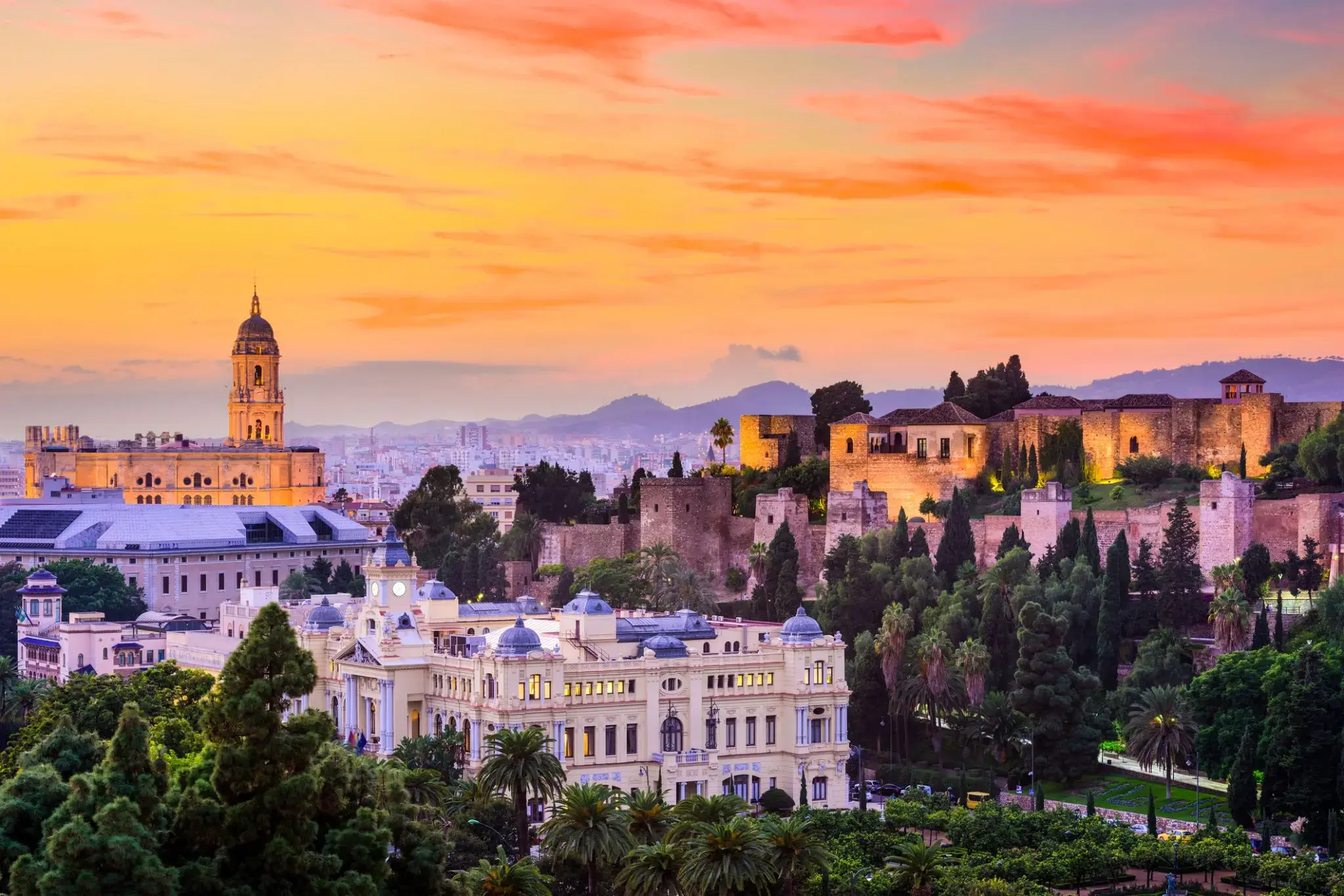
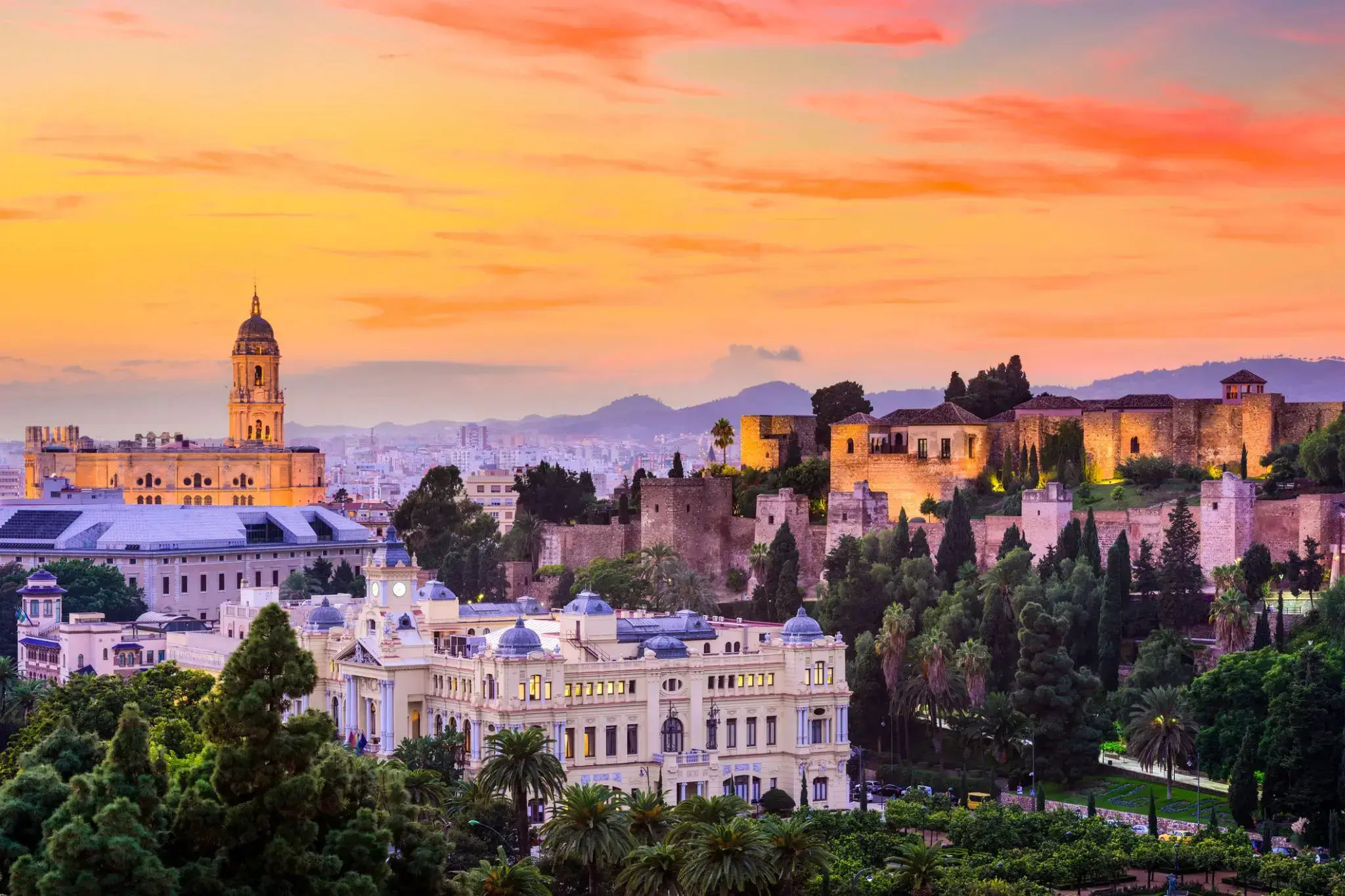
Málaga is a municipality, capital of the Province of Málaga, in the Autonomous Community of Andalusia, Spain. With a population of 569,130 in 2015, it is the second-most populous city of Andalusia and the sixth-largest in Spain. The southernmost large city in Europe, it lies on the Costa del Sol (Coast of the Sun) of the Mediterranean, about 100 kilometres (62.14 miles) east of the Strait of Gibraltar and about 130 km (80.78 mi) north of Africa.
Málaga's history spans about 2,800 years, making it one of the oldest cities in the world. According to most scholars, it was founded about 770 BC by the Phoenicians as Malaka From the 6th century BC the city was under the hegemony of Ancient Carthage, and from 218 BC, it was ruled by the Roman Republic and then empire as Malaca (Latin). After the fall of the empire and the end of Visigothic rule, it was under Islamic rule as Mālaqah for 800 years, but in 1487, the Crown of Castille gained control after the Reconquista. The archaeological remains and monuments from the Phoenician, Roman, Arabic and Christian eras make the historic center of the city an "open museum", displaying its history of nearly 3,000 years.
This important cultural infrastructure and the artistic heritage have culminated in the nomination of Málaga as a candidate for the 2016 European Capital of Culture.
The painter and sculptor Pablo Picasso, Hebrew poet and Jewish philosopher Solomon Ibn Gabirol and the actor Antonio Banderas were born in Málaga. The magnum opus of Cuban composer Ernesto Lecuona, "Malagueña", is named after the music of this region of Spain.
The most important business sectors in Málaga are tourism, construction and technology services, but other sectors such as transportation and logistics are beginning to expand. The Andalusia Technology Park (PTA), located in Málaga, has enjoyed significant growth since its inauguration in 1992. Málaga is the main economic and financial centre of southern Spain, home of the region's largest bank, Unicaja, and the fourth-ranking city in economic activity in Spain behind Madrid, Barcelona and Valencia.
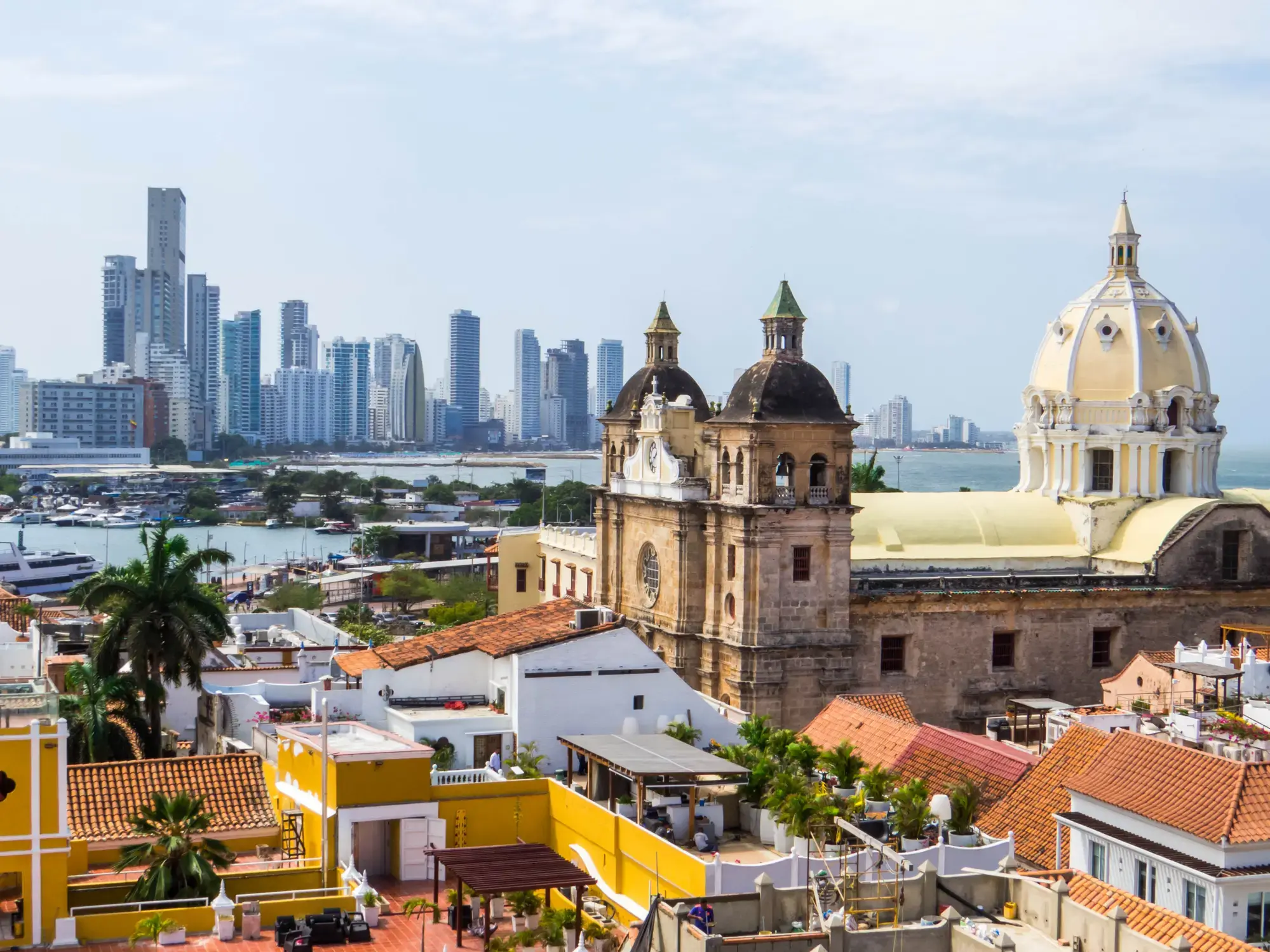
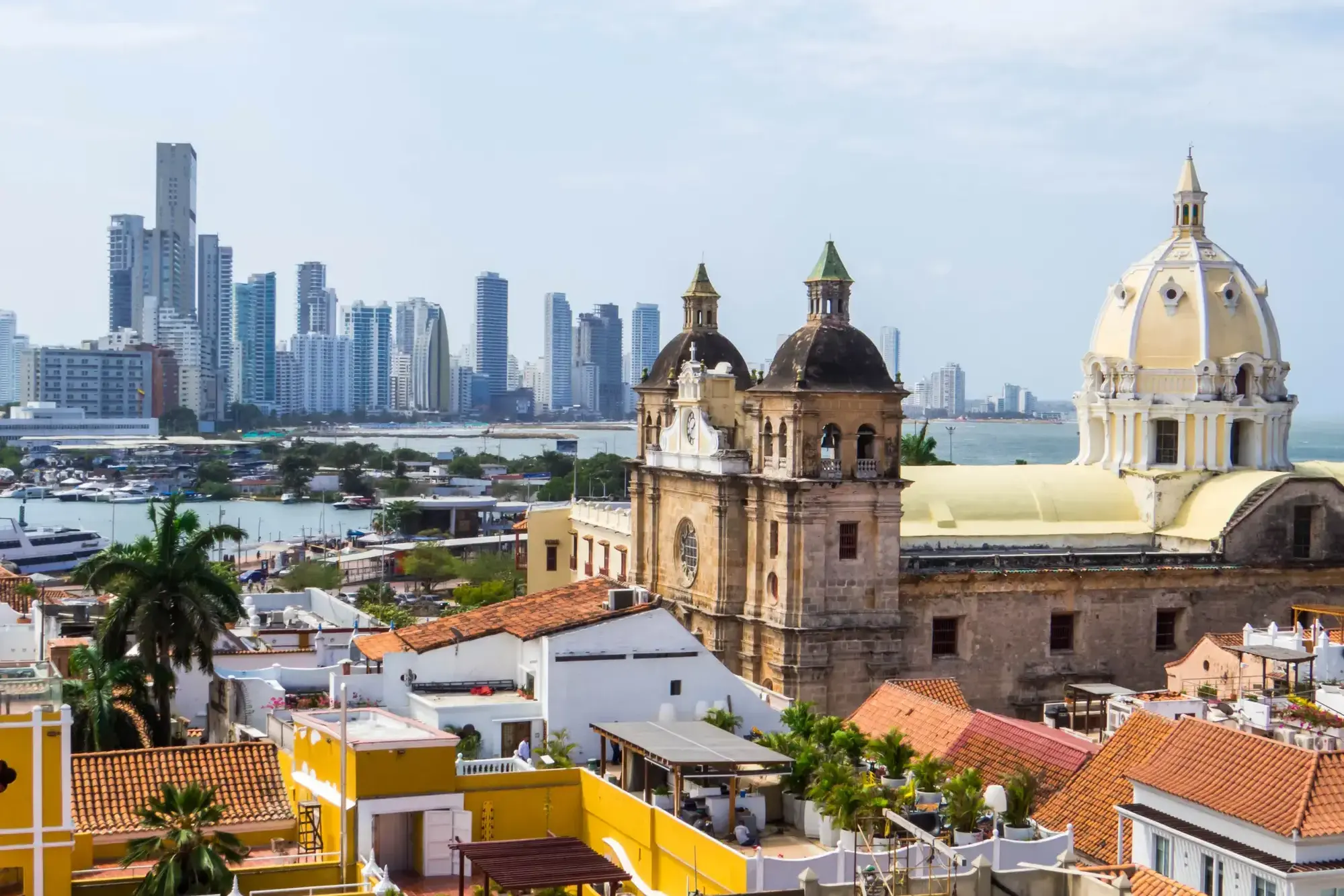
Starożytne mury forteczne, uliczni muzycy i karaibskie słońce tworzą niepowtarzalną atmosferę w Cartagenie (Bolívar) – perle kolumbijskiego wybrzeża. Miasto wpisane na listę światowego dziedzictwa UNESCO zachwyca kolonialną architekturą, uroczymi dziedzińcami i aromatem świeżo parzonej kawy z licznych kawiarni.
Zanurz się w tętniący życiem rytm Cartageny, spacerując brukowanymi uliczkami Starego Miasta, gdzie każdy zakątek kryje opowieści o piratach i hiszpańskich konkwistadorach. Zachód słońca przy starożytnej twierdzy Castillo San Felipe de Barajas to idealne zakończenie dnia pełnego kultury, historii i tropikalnego uroku.
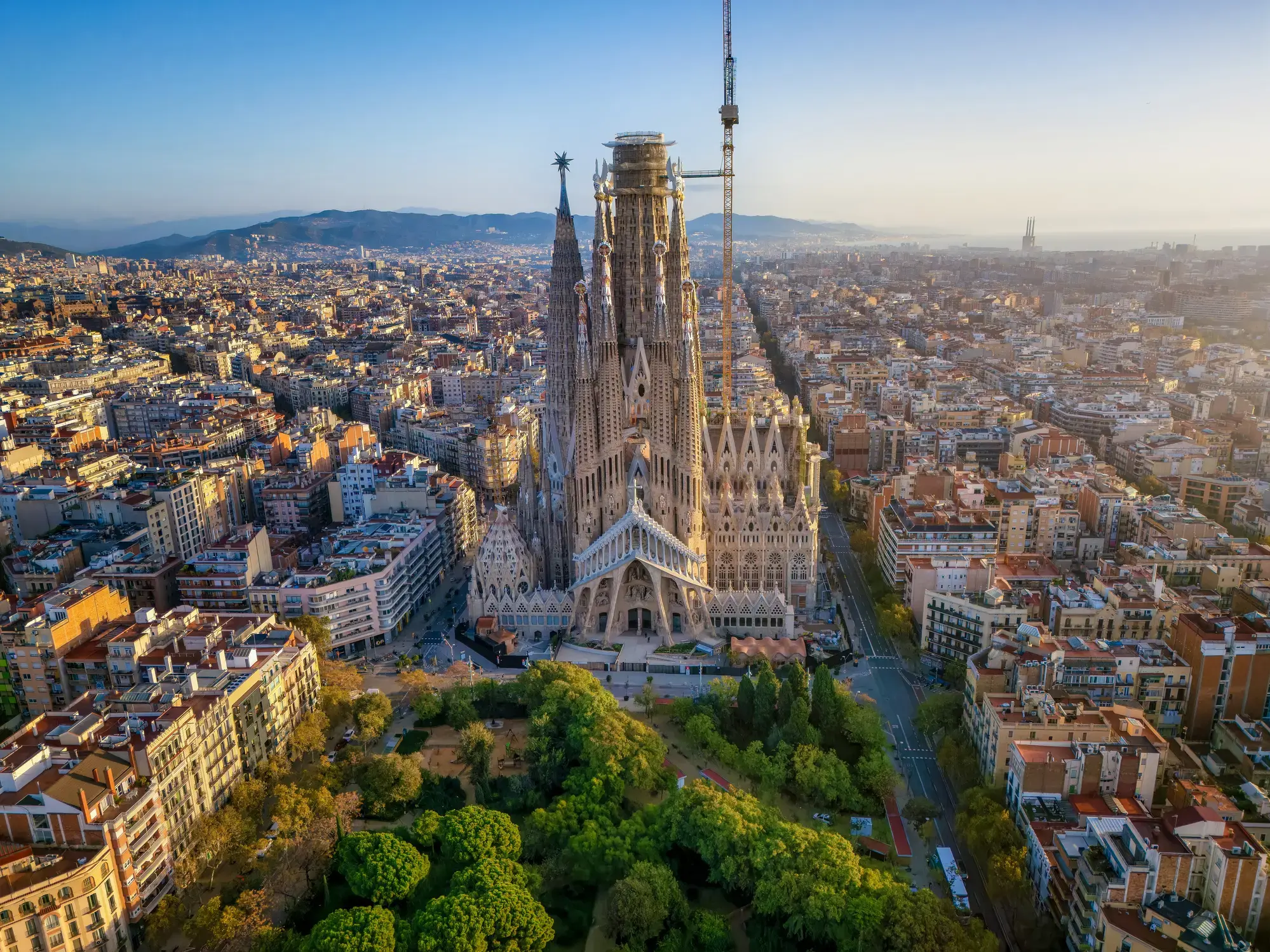
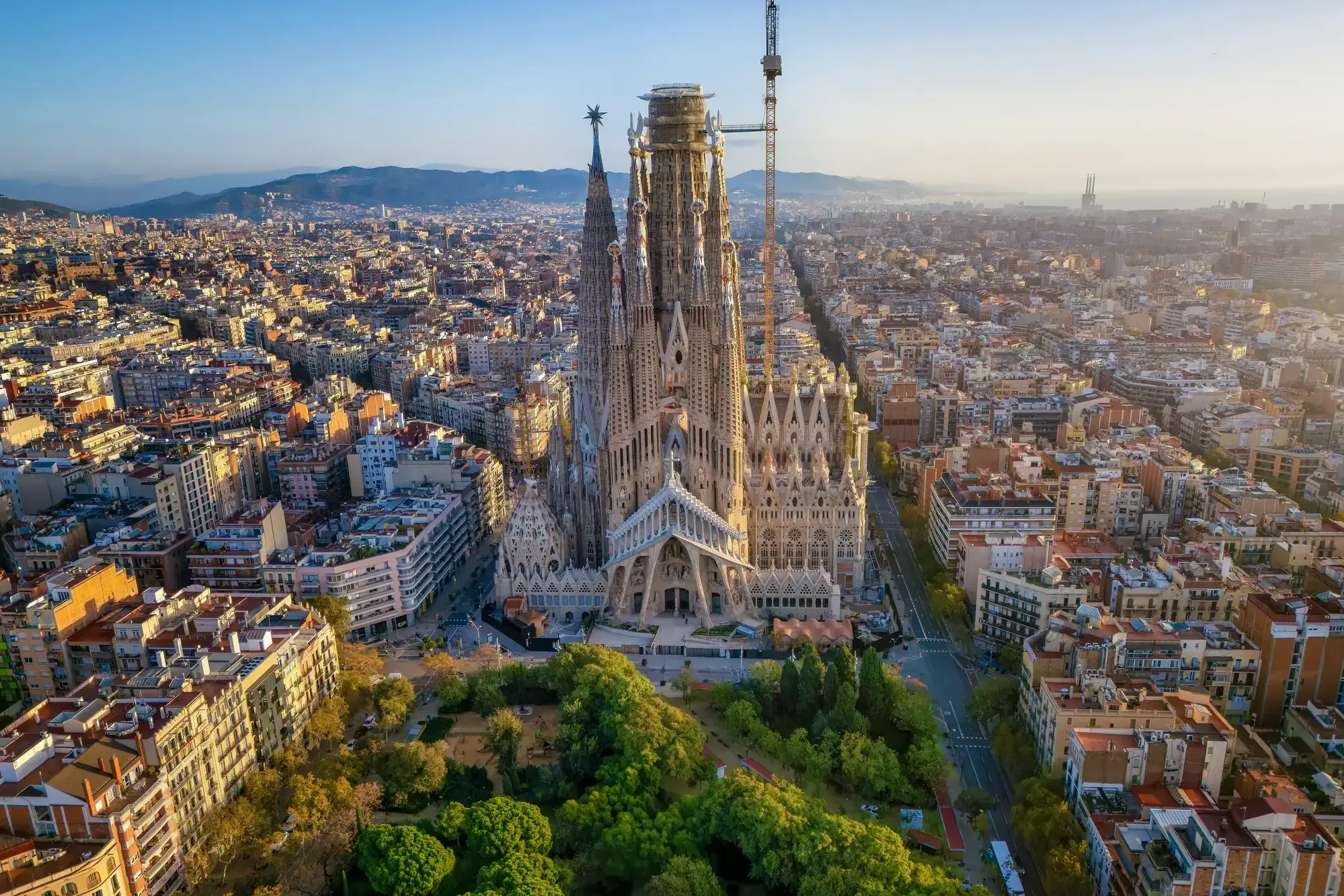
Mając reputację jednego z najatrakcyjniejszych miast w Europie, Barcelona świętuje swoją rolę stolicy Katalonii. Kosmopolityczna i międzynarodowa atmosfera miasta sprawia, że jest to ulubione miejsce wielu ludzi na całym świecie. Miasto jest szczególnie znane ze swojej architektury i sztuki – podróżnicy z całego świata przybywają, aby zobaczyć słynną Sagrada Familia i inne modernistyczne zabytki zaprojektowane przez Gaudiego.
Barcelona to miasto z licznymi i oryginalnymi możliwościami spędzania czasu wolnego, które sprawiają, że chcesz tu wracać. Położona na wybrzeżu Morza Śródziemnego Barcelona słynie z arcydzieł Gaudiego i architektury secesyjnej: jest jednym z najbardziej stylowych miast europejskich.
Miasto jest ośrodkiem nowych trendów w świecie kultury, mody i gastronomii. Dopełnieniem kreatywności artystów i projektantów jest ostrożne podejście do tradycyjnych placówek. Barcelona łączy w sobie urok i spokój historycznego centrum z awangardowymi nowoczesnymi dzielnicami i intensywnym tempem życia w jednym z najczęściej odwiedzanych miast na świecie.
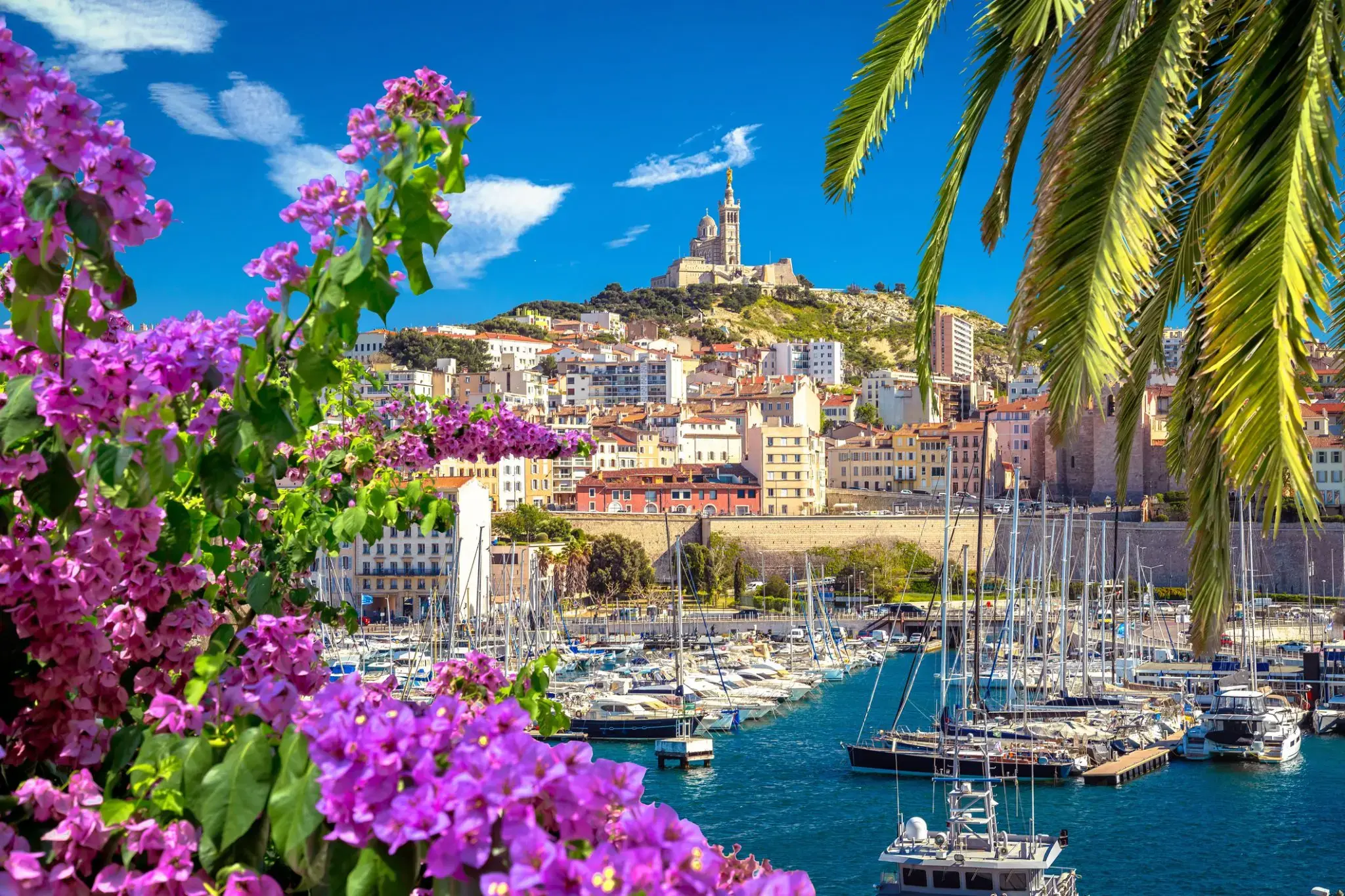
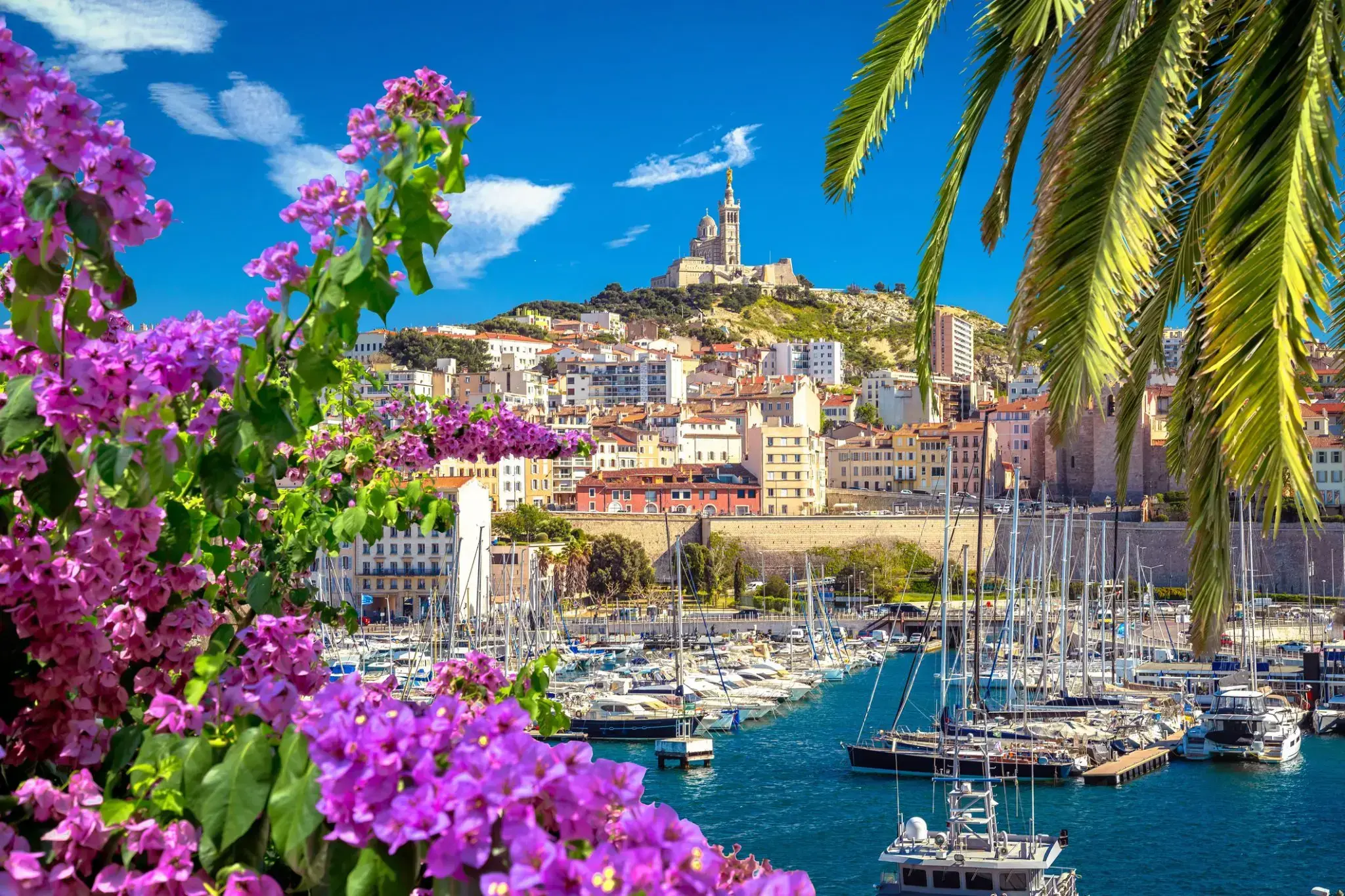
Witamy w gościnnym Prowansie! Bramą do tego regionu jest Marsylia – miasto „Marsylianki”, hymnu Francji, oraz słynnego Zamku If. Symbolem Marsylii jest bazylika Notre-Dame de la Garde. Latem można wziąć udział w oprowadzaniu po francusku (3 EUR), a dopłacając 5 EUR wejść na dach, skąd rozciąga się wspaniała panorama miasta. W pobliżu znajduje się opactwo św. Wiktora z ciekawymi katakumbami.
Rejs turystycznym statkiem na Wyspy Frioul pozwala zobaczyć Zamek If – znany z powieści o hrabim Monte Christo. Kulturalnym sercem Marsylii są Cours Julien i plac Jeana Jaurèsa – pełne księgarni, alternatywnych sklepów, klubów i kawiarni. Dwa razy w tygodniu odbywa się tu wielki targ (czwartek i sobota). Wśród atrakcji miasta znajdują się liczne muzea, galerie i dzieła architektury, a także malownicze zatoki zwane kalankami, uznawane za francuskie fiordy.
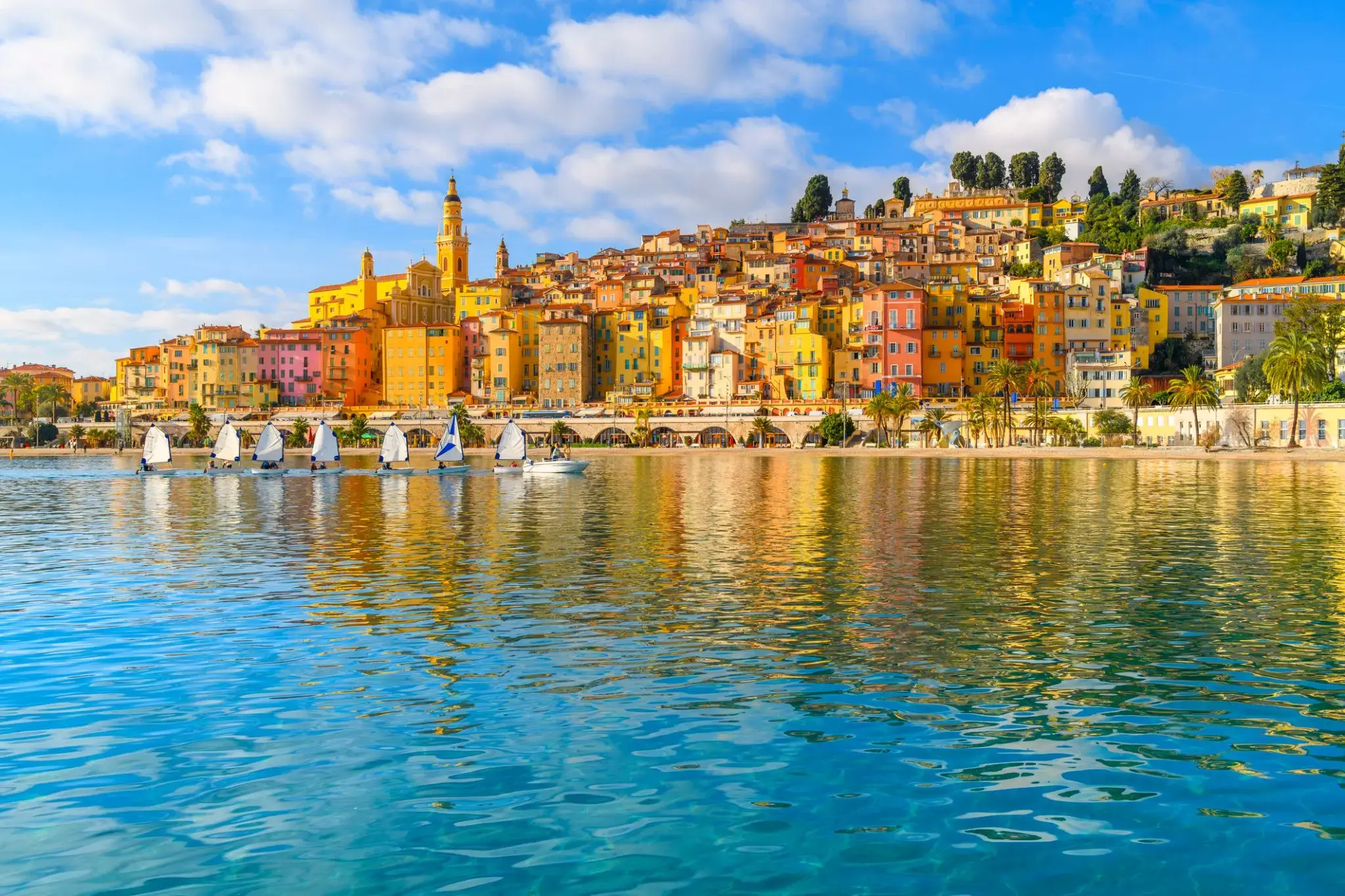
Nice is the seventh most populous urban area in France and the capital of the Alpes-Maritimes département. The metropolitan area of Nice extends beyond the administrative city limits, with a population of about 1 million on an area of 721 km2 (278 sq mi). Located in the French Riviera, on the south east coast of France on the Mediterranean Sea, at the foot of the Alps, Nice is the second-largest French city on the Mediterranean coast and the second-largest city in the Provence-Alpes-Côte d'Azur region after Marseille. Nice is approximately 13 kilometres (8.1 mi) from the principality of Monaco and 30 kilometres (19 mi) from the French-Italian border. Nice's airport serves as a gateway to the region.
The city is nicknamed Nice la Belle (Nissa La Bella in Niçard), which means Nice the Beautiful, which is also the title of the unofficial anthem of Nice, written by Menica Rondelly in 1912.
The area of today's Nice contains Terra Amata, an archaeological site which displays evidence of a very early use of fire. Around 350 BC, Greeks of Marseille founded a permanent settlement and called it Nikaia, after Nike, the goddess of victory. Through the ages, the town has changed hands many times. Its strategic location and port significantly contributed to its maritime strength. For centuries it was a dominion of Savoy, and was then part of France between 1792 and 1815, when it was returned to Piedmont-Sardinia until its re-annexation by France in 1860.
The natural environment of the Nice area and its mild Mediterranean climate came to the attention of the English upper classes in the second half of the 18th century, when an increasing number of aristocratic families took to spending their winters there. The city's main seaside promenade, the Promenade des Anglais ("Walkway of the English") owes its name to visitors to the resort. The clear air and soft light have particularly appealed to notable painters, such as Marc Chagall, Henri Matisse, Niki de Saint Phalle and Arman. Their work is commemorated in many of the city's museums, including Musée Marc Chagall, Musée Matisse and Musée des Beaux-Arts. Nice has the second largest hotel capacity in the country and it is one of its most visited cities, receiving 4 million tourists every year. It also has the third busiest airport in France, after the two main Parisian ones. It is the historical capital city of the County of Nice(Comté de Nice).
Nice is the seventh most populous urban area in France and the capital of the Alpes-Maritimes département. The metropolitan area of Nice extends beyond the administrative city limits, with a population of about 1 million on an area of 721 km2 (278 sq mi). Located in the French Riviera, on the south east coast of France on the Mediterranean Sea, at the foot of the Alps, Nice is the second-largest French city on the Mediterranean coast and the second-largest city in the Provence-Alpes-Côte d'Azur region after Marseille. Nice is approximately 13 kilometres (8.1 mi) from the principality of Monaco and 30 kilometres (19 mi) from the French-Italian border. Nice's airport serves as a gateway to the region.
The city is nicknamed Nice la Belle (Nissa La Bella in Niçard), which means Nice the Beautiful, which is also the title of the unofficial anthem of Nice, written by Menica Rondelly in 1912.
The area of today's Nice contains Terra Amata, an archaeological site which displays evidence of a very early use of fire. Around 350 BC, Greeks of Marseille founded a permanent settlement and called it Nikaia, after Nike, the goddess of victory. Through the ages, the town has changed hands many times. Its strategic location and port significantly contributed to its maritime strength. For centuries it was a dominion of Savoy, and was then part of France between 1792 and 1815, when it was returned to Piedmont-Sardinia until its re-annexation by France in 1860.
The natural environment of the Nice area and its mild Mediterranean climate came to the attention of the English upper classes in the second half of the 18th century, when an increasing number of aristocratic families took to spending their winters there. The city's main seaside promenade, the Promenade des Anglais ("Walkway of the English") owes its name to visitors to the resort. The clear air and soft light have particularly appealed to notable painters, such as Marc Chagall, Henri Matisse, Niki de Saint Phalle and Arman. Their work is commemorated in many of the city's museums, including Musée Marc Chagall, Musée Matisse and Musée des Beaux-Arts. Nice has the second largest hotel capacity in the country and it is one of its most visited cities, receiving 4 million tourists every year. It also has the third busiest airport in France, after the two main Parisian ones. It is the historical capital city of the County of Nice(Comté de Nice).
Nice is the seventh most populous urban area in France and the capital of the Alpes-Maritimes département. The metropolitan area of Nice extends beyond the administrative city limits, with a population of about 1 million on an area of 721 km2 (278 sq mi). Located in the French Riviera, on the south east coast of France on the Mediterranean Sea, at the foot of the Alps, Nice is the second-largest French city on the Mediterranean coast and the second-largest city in the Provence-Alpes-Côte d'Azur region after Marseille. Nice is approximately 13 kilometres (8.1 mi) from the principality of Monaco and 30 kilometres (19 mi) from the French-Italian border. Nice's airport serves as a gateway to the region.
The city is nicknamed Nice la Belle (Nissa La Bella in Niçard), which means Nice the Beautiful, which is also the title of the unofficial anthem of Nice, written by Menica Rondelly in 1912.
The area of today's Nice contains Terra Amata, an archaeological site which displays evidence of a very early use of fire. Around 350 BC, Greeks of Marseille founded a permanent settlement and called it Nikaia, after Nike, the goddess of victory. Through the ages, the town has changed hands many times. Its strategic location and port significantly contributed to its maritime strength. For centuries it was a dominion of Savoy, and was then part of France between 1792 and 1815, when it was returned to Piedmont-Sardinia until its re-annexation by France in 1860.
The natural environment of the Nice area and its mild Mediterranean climate came to the attention of the English upper classes in the second half of the 18th century, when an increasing number of aristocratic families took to spending their winters there. The city's main seaside promenade, the Promenade des Anglais ("Walkway of the English") owes its name to visitors to the resort. The clear air and soft light have particularly appealed to notable painters, such as Marc Chagall, Henri Matisse, Niki de Saint Phalle and Arman. Their work is commemorated in many of the city's museums, including Musée Marc Chagall, Musée Matisse and Musée des Beaux-Arts. Nice has the second largest hotel capacity in the country and it is one of its most visited cities, receiving 4 million tourists every year. It also has the third busiest airport in France, after the two main Parisian ones. It is the historical capital city of the County of Nice(Comté de Nice).
Nice is the seventh most populous urban area in France and the capital of the Alpes-Maritimes département. The metropolitan area of Nice extends beyond the administrative city limits, with a population of about 1 million on an area of 721 km2 (278 sq mi). Located in the French Riviera, on the south east coast of France on the Mediterranean Sea, at the foot of the Alps, Nice is the second-largest French city on the Mediterranean coast and the second-largest city in the Provence-Alpes-Côte d'Azur region after Marseille. Nice is approximately 13 kilometres (8.1 mi) from the principality of Monaco and 30 kilometres (19 mi) from the French-Italian border. Nice's airport serves as a gateway to the region.
The city is nicknamed Nice la Belle (Nissa La Bella in Niçard), which means Nice the Beautiful, which is also the title of the unofficial anthem of Nice, written by Menica Rondelly in 1912.
The area of today's Nice contains Terra Amata, an archaeological site which displays evidence of a very early use of fire. Around 350 BC, Greeks of Marseille founded a permanent settlement and called it Nikaia, after Nike, the goddess of victory. Through the ages, the town has changed hands many times. Its strategic location and port significantly contributed to its maritime strength. For centuries it was a dominion of Savoy, and was then part of France between 1792 and 1815, when it was returned to Piedmont-Sardinia until its re-annexation by France in 1860.
The natural environment of the Nice area and its mild Mediterranean climate came to the attention of the English upper classes in the second half of the 18th century, when an increasing number of aristocratic families took to spending their winters there. The city's main seaside promenade, the Promenade des Anglais ("Walkway of the English") owes its name to visitors to the resort. The clear air and soft light have particularly appealed to notable painters, such as Marc Chagall, Henri Matisse, Niki de Saint Phalle and Arman. Their work is commemorated in many of the city's museums, including Musée Marc Chagall, Musée Matisse and Musée des Beaux-Arts. Nice has the second largest hotel capacity in the country and it is one of its most visited cities, receiving 4 million tourists every year. It also has the third busiest airport in France, after the two main Parisian ones. It is the historical capital city of the County of Nice(Comté de Nice).
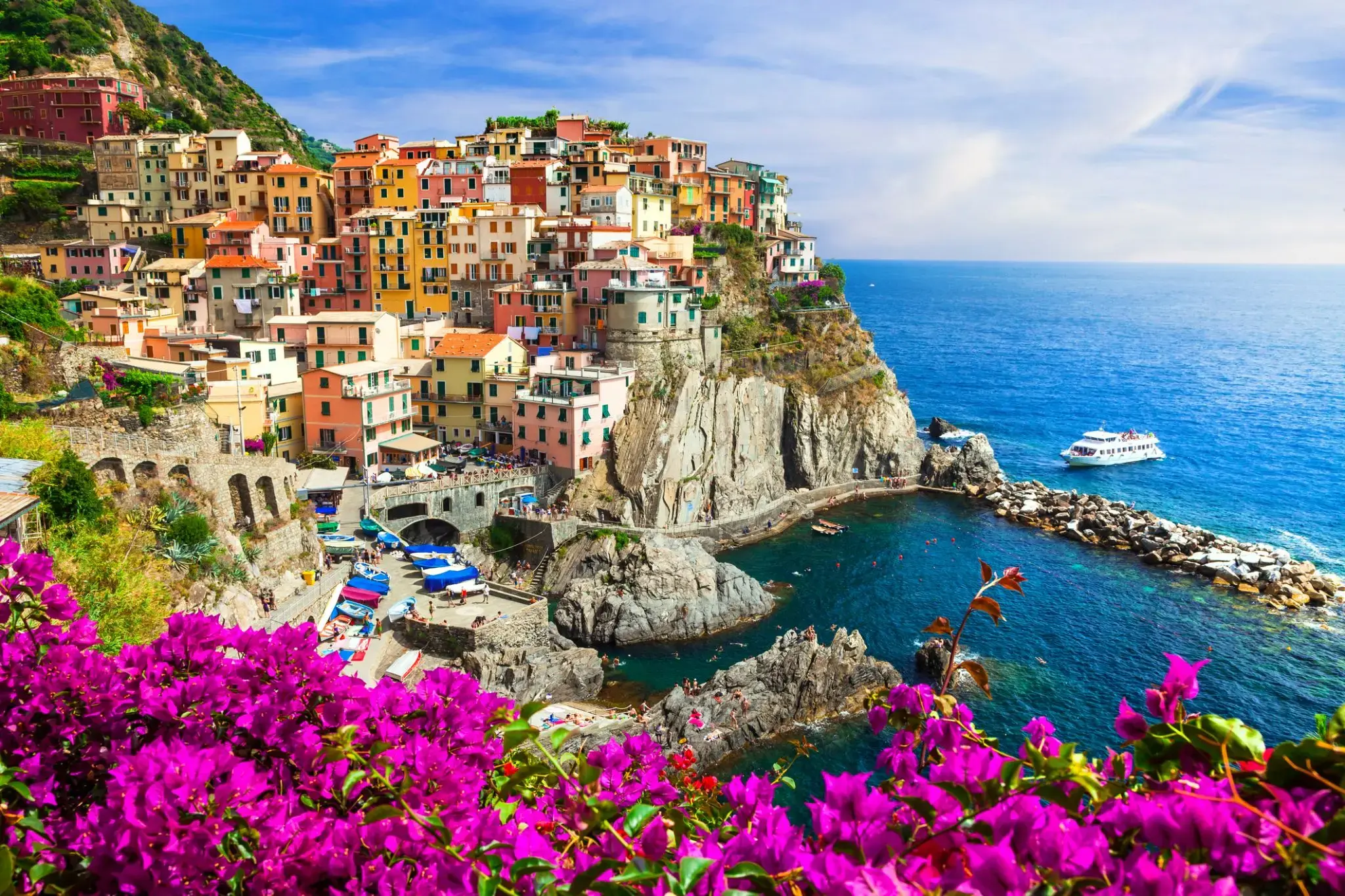
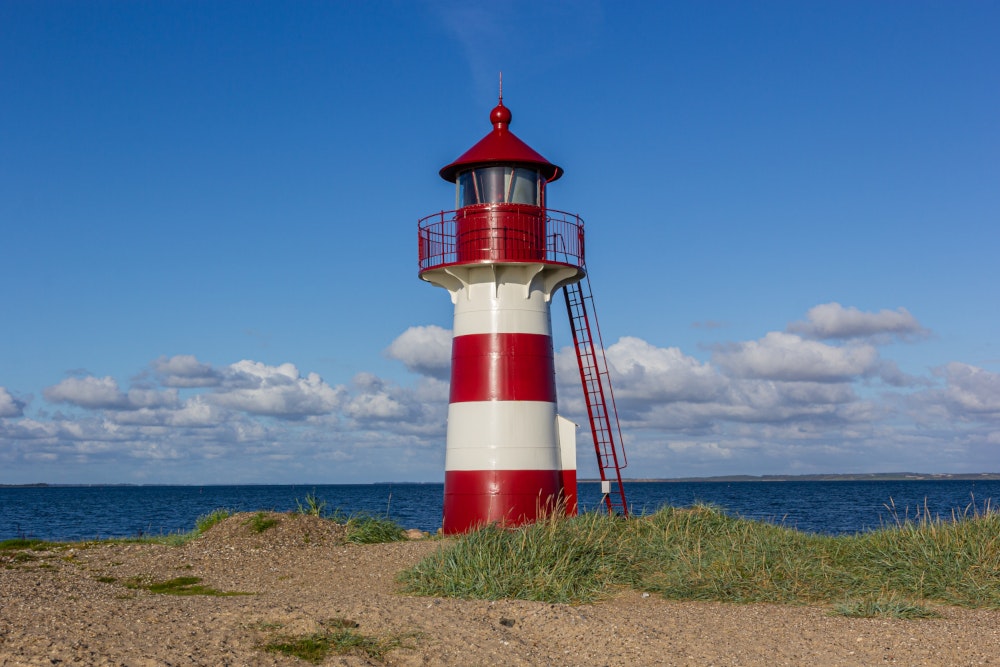
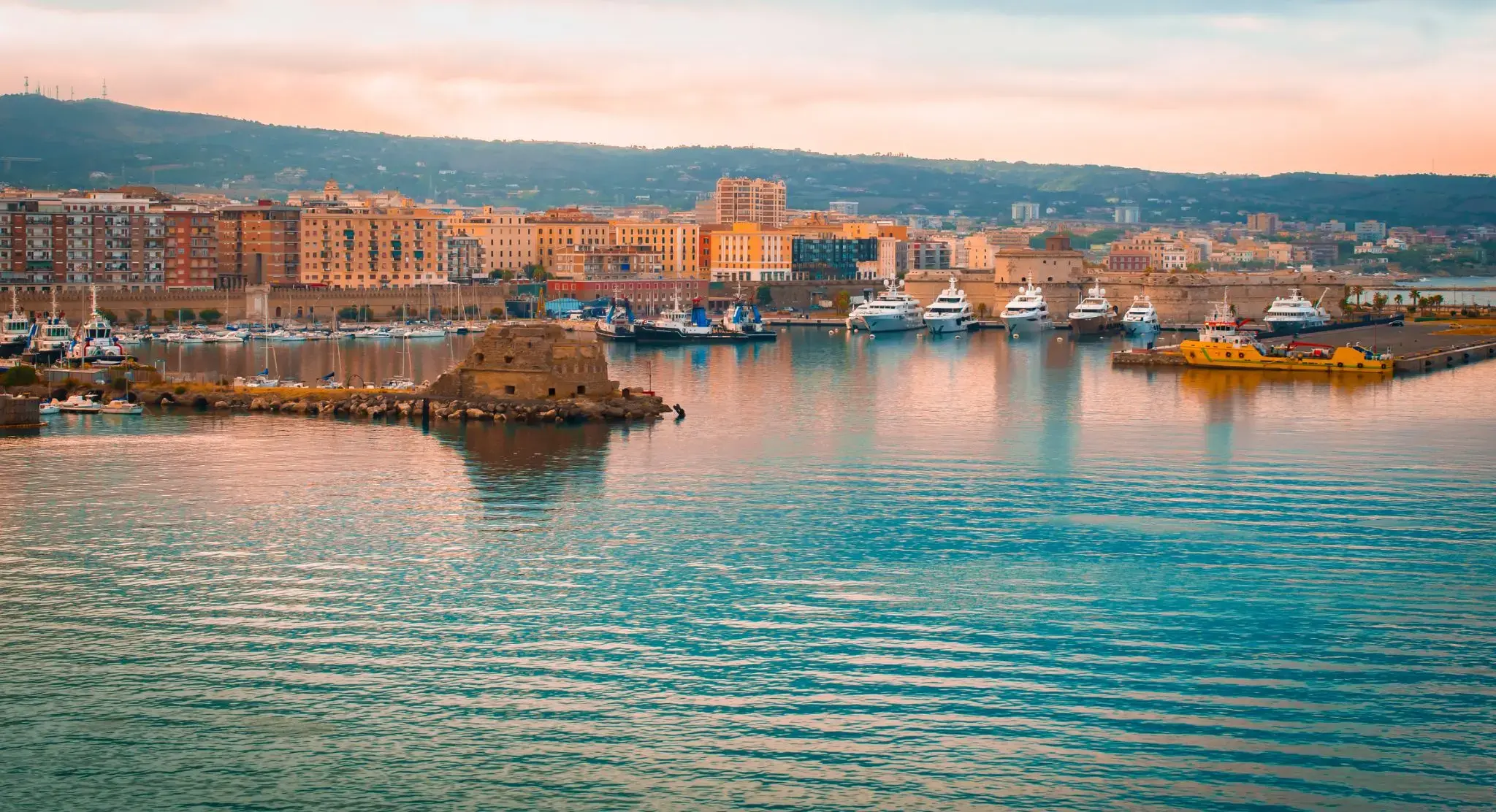
Rzym – jedno z najstarszych miast świata, niegdyś stolica Cesarstwa Rzymskiego, dziś stolica Włoch. Położony na siedmiu wzgórzach nad Tybrem, zachwyca pięknem i majestatem, którego nie da się oddać słowami – trzeba tu być. Każda rzeźba, fontanna czy budowla to dzieło sztuki pozostawione przez dawnych mistrzów. Najsłynniejsze atrakcje, które przyciągają turystów, to Koloseum – miejsce dawnych walk gladiatorów, Fontanna di Trevi, Schody Hiszpańskie, Bazylika św. Piotra – największy kościół Europy, a także Fora Cesarskie i Forum Romanum.