| Region rejsu : Karaiby |
| Firma : Azamara Cruises |
| Statek : Azamara Onward |
| Data rozpoczęcia : śr. 22 gru 2027 |
| Data zakończenia : śr. 05 sty 2028 |
| Liczba nocy : 14 nocy |
| Dzień | Data | Port | Wypłynięcie | Odpłynięcie |
|---|---|---|---|---|
| 1 | 22.12 śr. | Miami / USA | 18:00 | |
| 2 | 23.12 czw. | Alice Town / Bahamy | 08:00 | 17:00 |
| 3 | 24.12 pt. | Dzień na morzu / Morze | ||
| 4 | 25.12 sob. | Dzień na morzu / Morze | ||
| 5 | 26.12 niedz. | Spanish Town, Virgin Gorda / Wyspy Dziewicze | 08:00 | 20:00 |
| 6 | 27.12 pon. | PHILIPSBURG / Anguilla | 08:00 | 22:00 |
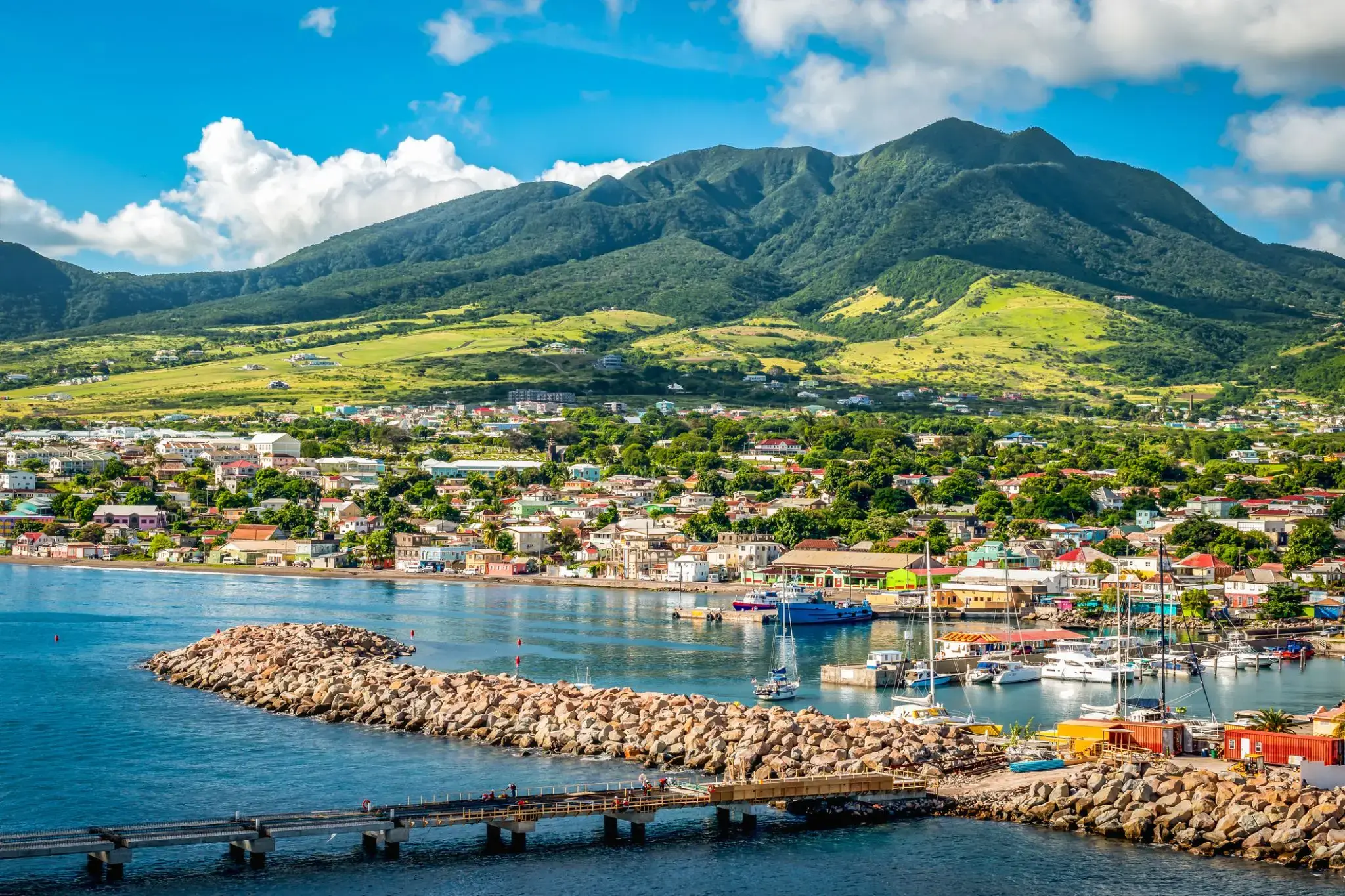
| 7 | 28.12 wt. | Basseterre, Saint Kitts / Saint Kitts i Nevis | 08:00 | 18:00 |
| 8 | 29.12 śr. | Saint-Pierre i Miquelon / Francja | 08:00 | 22:00 |
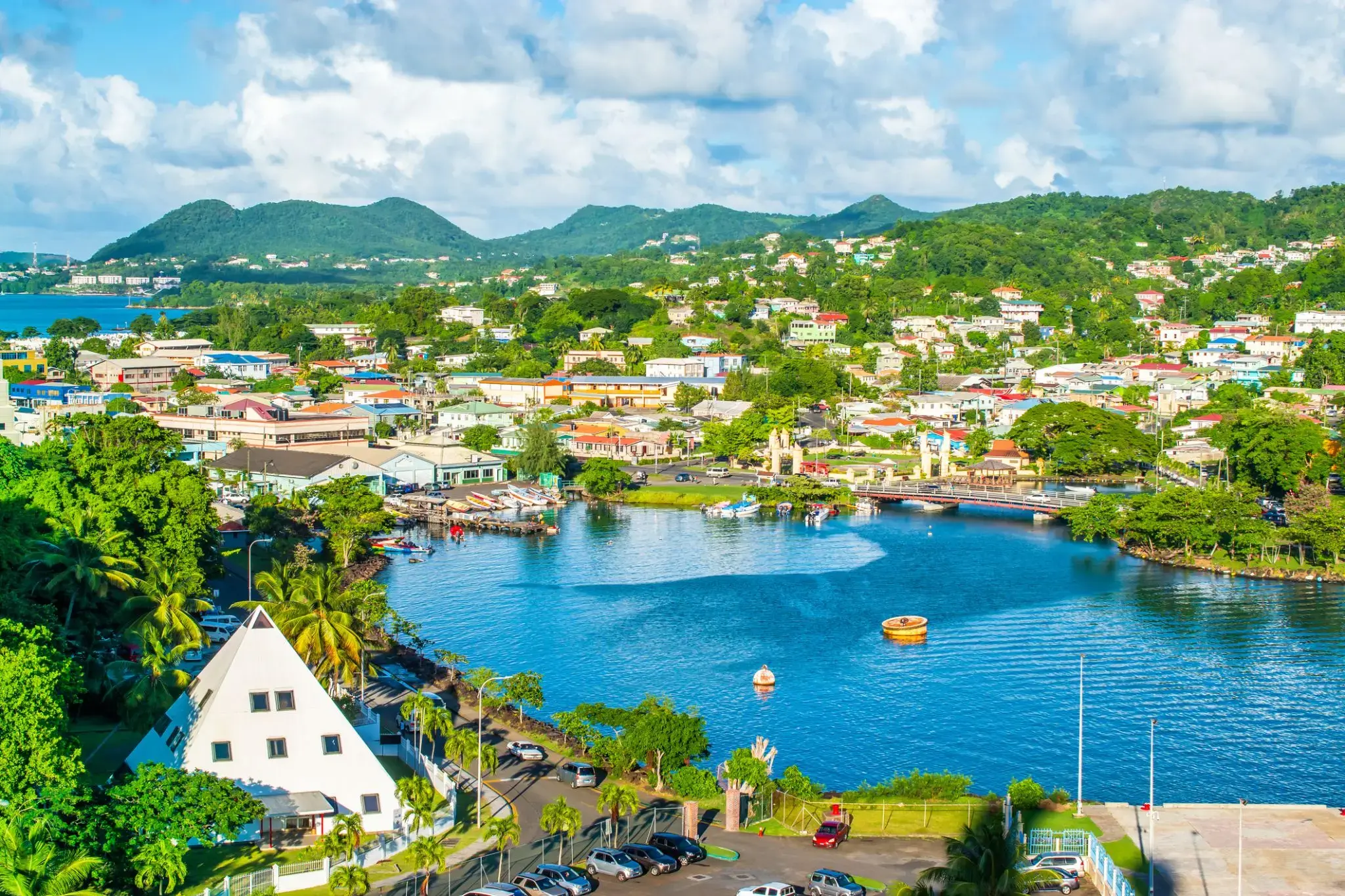
| 9 | 30.12 czw. | Castries / Saint Lucia | 08:00 | 20:00 |
| 10 | 31.12 pt. | Bridgetown / Barbados | 08:00 | |
| 11 | 1.01 sob. | Dzień na morzu / Morze | 15:00 | |
| 12 | 2.01 niedz. | San Juan / Portoryko | 09:00 | 18:00 |
| 13 | 3.01 pon. | Dzień na morzu / Morze | ||
| 14 | 4.01 wt. | Dzień na morzu / Morze | ||
| 15 | 5.01 śr. | Miami / USA | 06:00 |
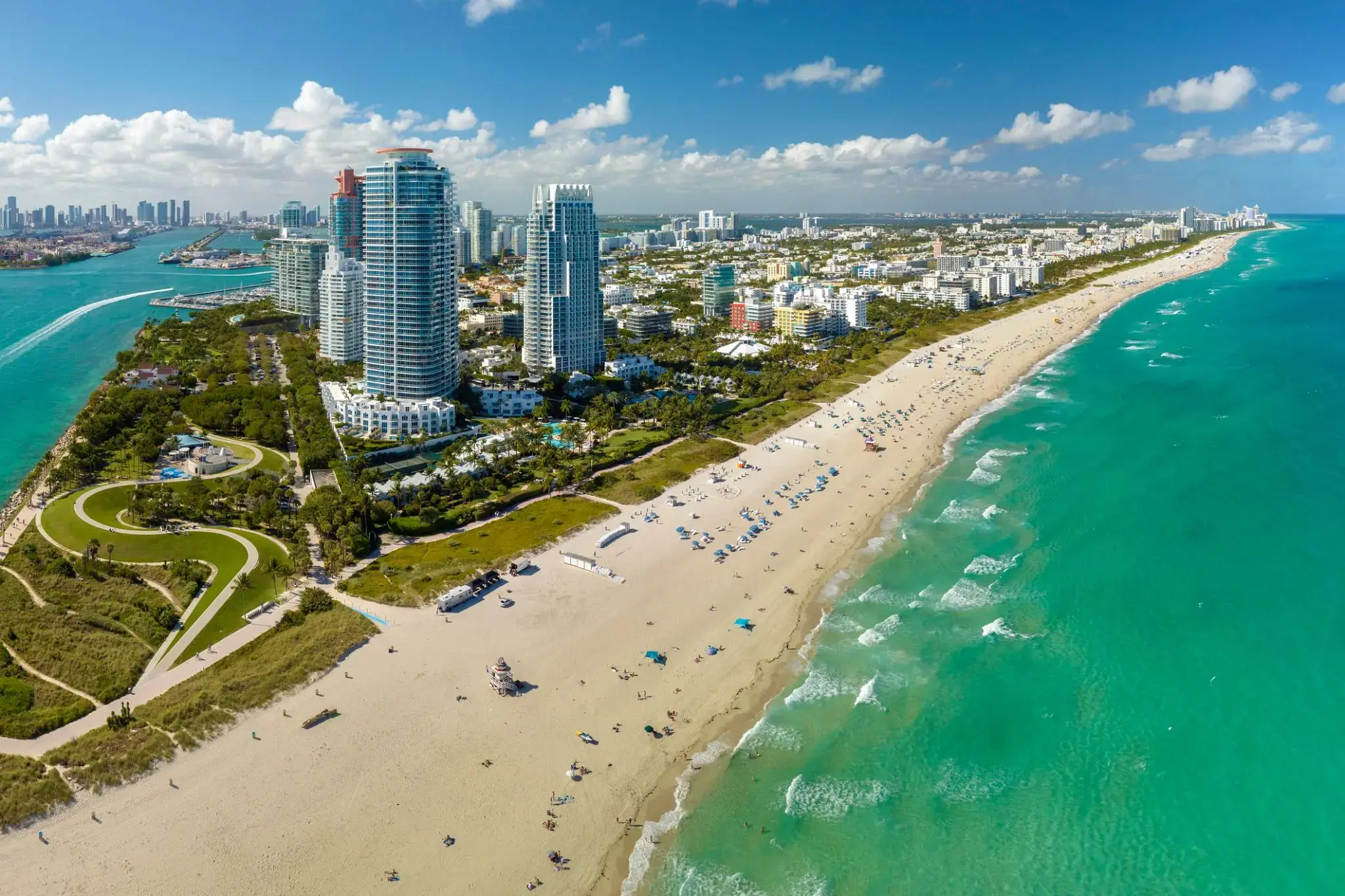
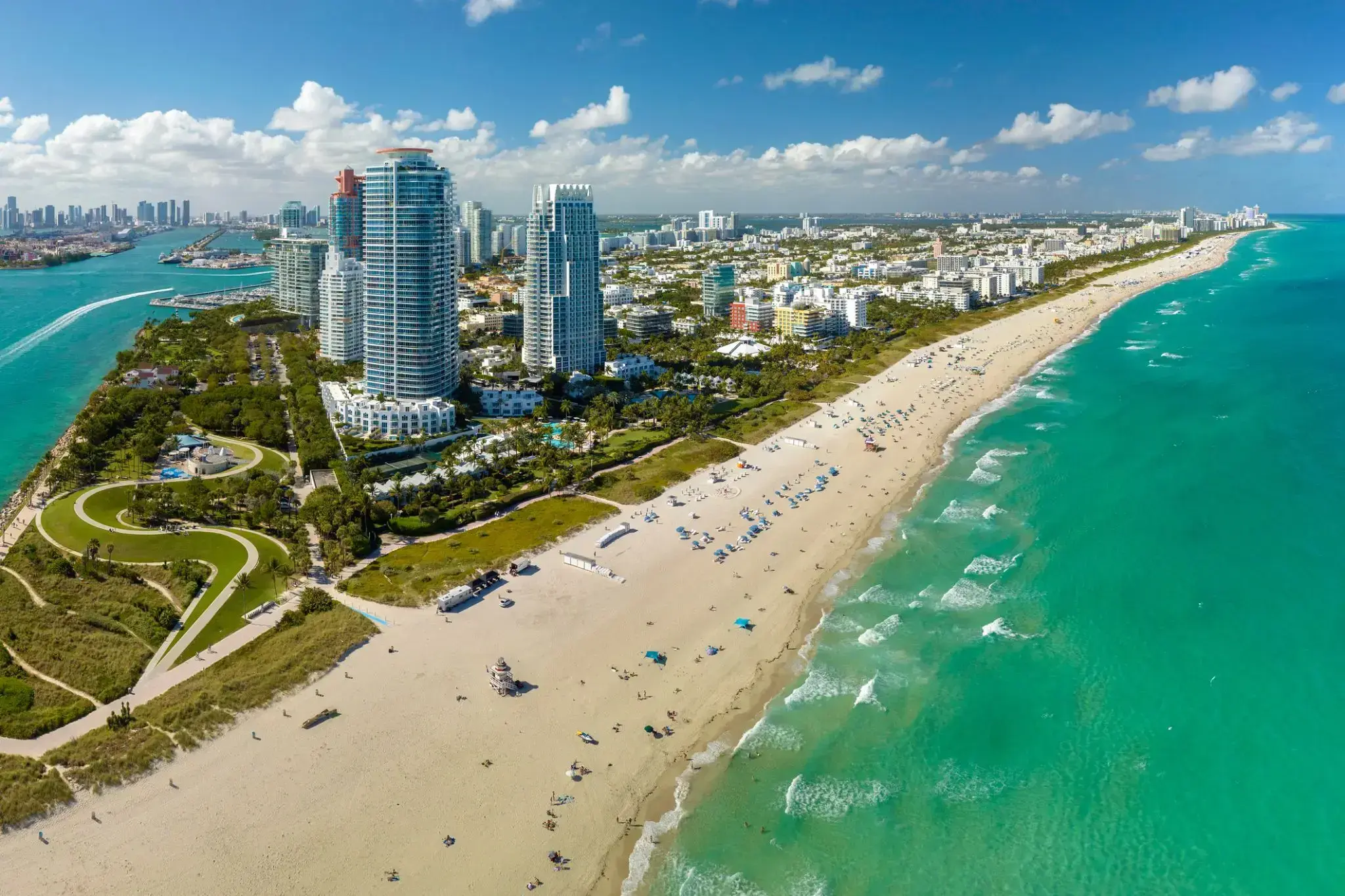
Miami, officially the City of Miami, is the cultural, economic and financial center of South Florida. Miami is the seat of Miami-Dade County, the most populous county in Florida. The city covers an area of about 56.6 square miles (147 km2), between the Everglades to the west and Biscayne Bay on the east; with a 2017 estimated population of 463,347, Miami is the sixth most densely populated major city in the United States. The Miami metropolitan area is home to 6.1 million people and the seventh-largest metropolitan area in the nation. Miami's metro area is the second-most populous metropolis in the southeastern United States and fourth-largest urban area in the U.S.
Miami is a major center, and a leader in finance, commerce, culture, media, entertainment, the arts, and international trade. The Miami Metropolitan Area is by far the largest urban economy in Florida and the 12th largest in the United States with a GDP of $344.9 billion as of 2017. In 2012, Miami was classified as an "Alpha−" level world city in the World Cities Study Group's inventory. In 2010, Miami ranked seventh in the United States and 33rd among global cities in terms of business activity, human capital, information exchange, cultural experience, and political engagement. In 2008, Forbes magazine ranked Miami "America's Cleanest City", for its year-round good air quality, vast green spaces, clean drinking water, clean streets, and citywide recycling programs. According to a 2009 UBS study of 73 world cities, Miami was ranked as the richest city in the United States, and the world's seventh-richest city in terms of purchasing power. Miami is nicknamed the "Capital of Latin America" and is the largest city with a Cuban-American plurality.
Greater Downtown Miami has one of the largest concentrations of international banks in the United States, and is home to many large national and international companies. The Civic Center is a major center for hospitals, research institutes, medical centers, and biotechnology industries. For more than two decades, the Port of Miami, known as the "Cruise Capital of the World", has been the number one cruise passenger port in the world. It accommodates some of the world's largest cruise ships and operations, and is the busiest port in both passenger traffic and cruise lines. Metropolitan Miami is also a major tourism hub in the southeastern U.S. for international visitors, ranking number two in the country after New York City.
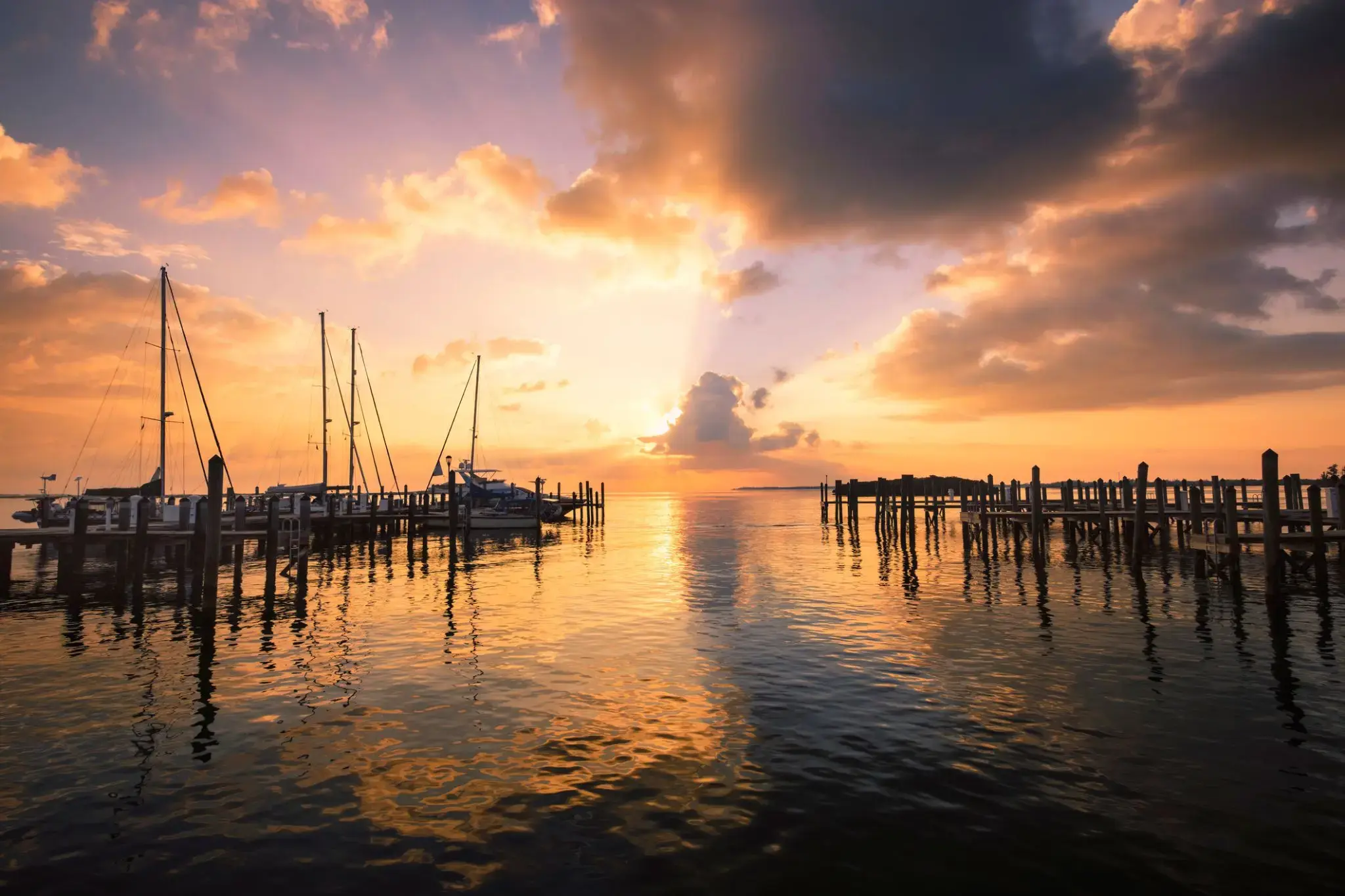
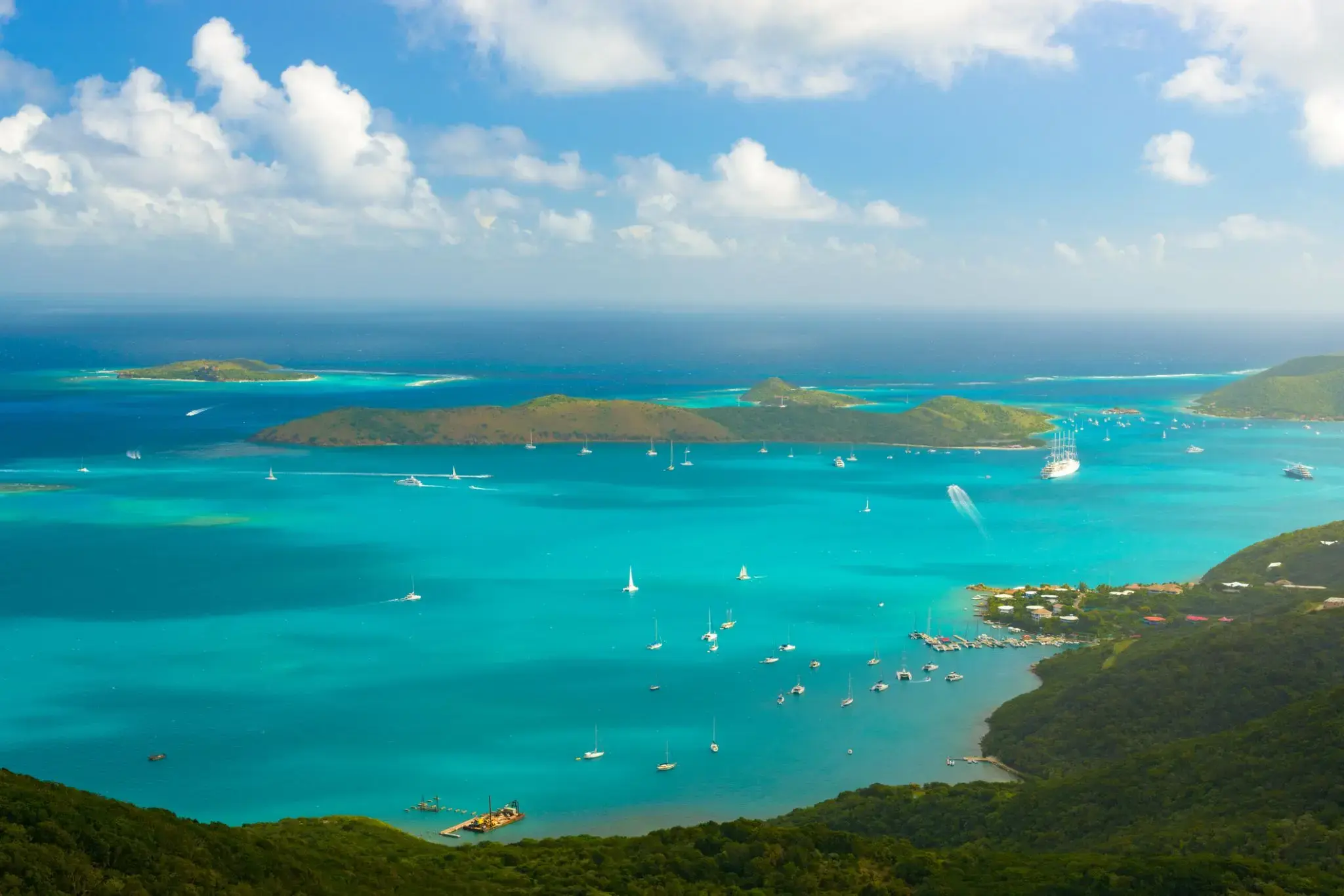
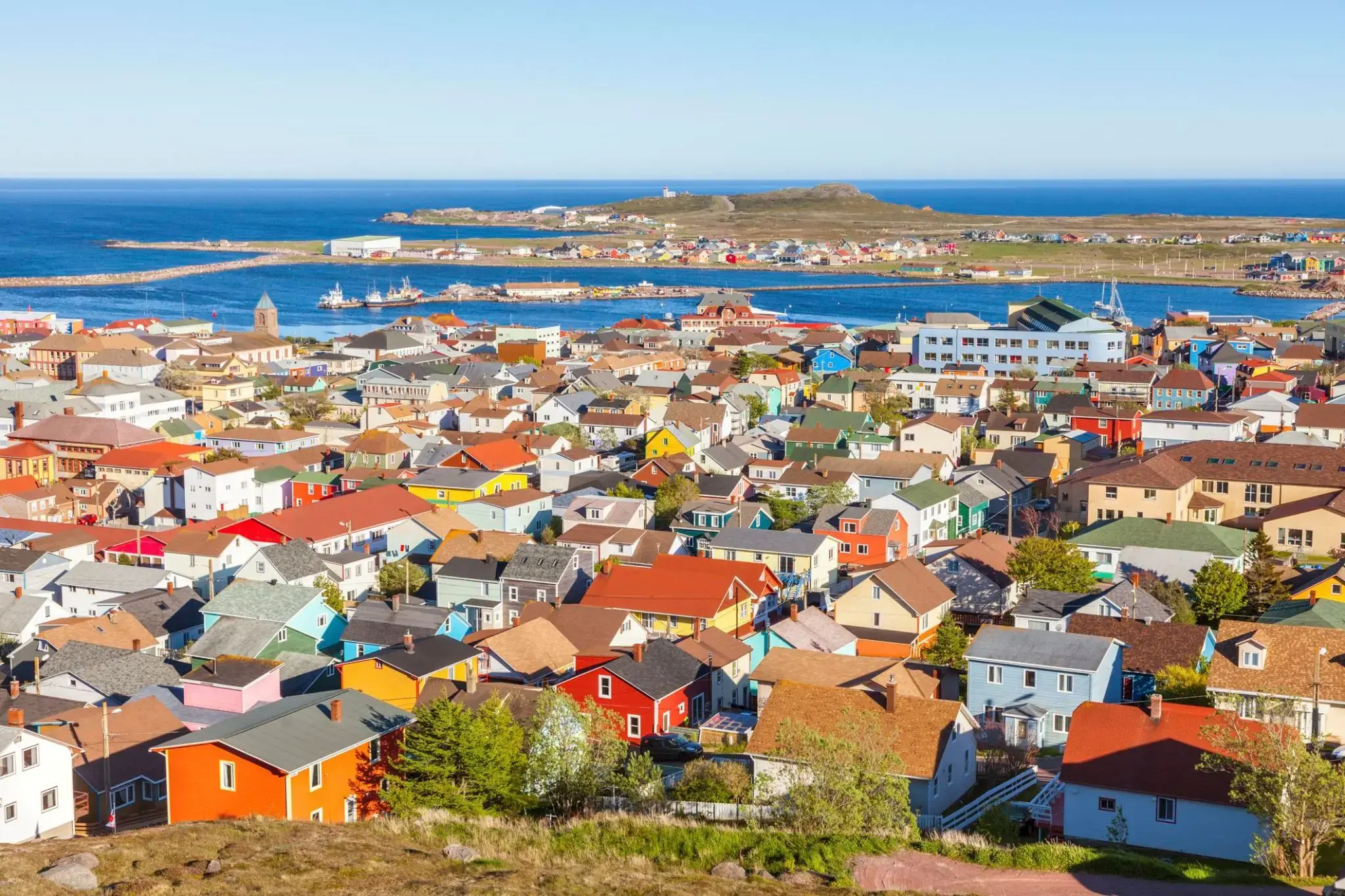
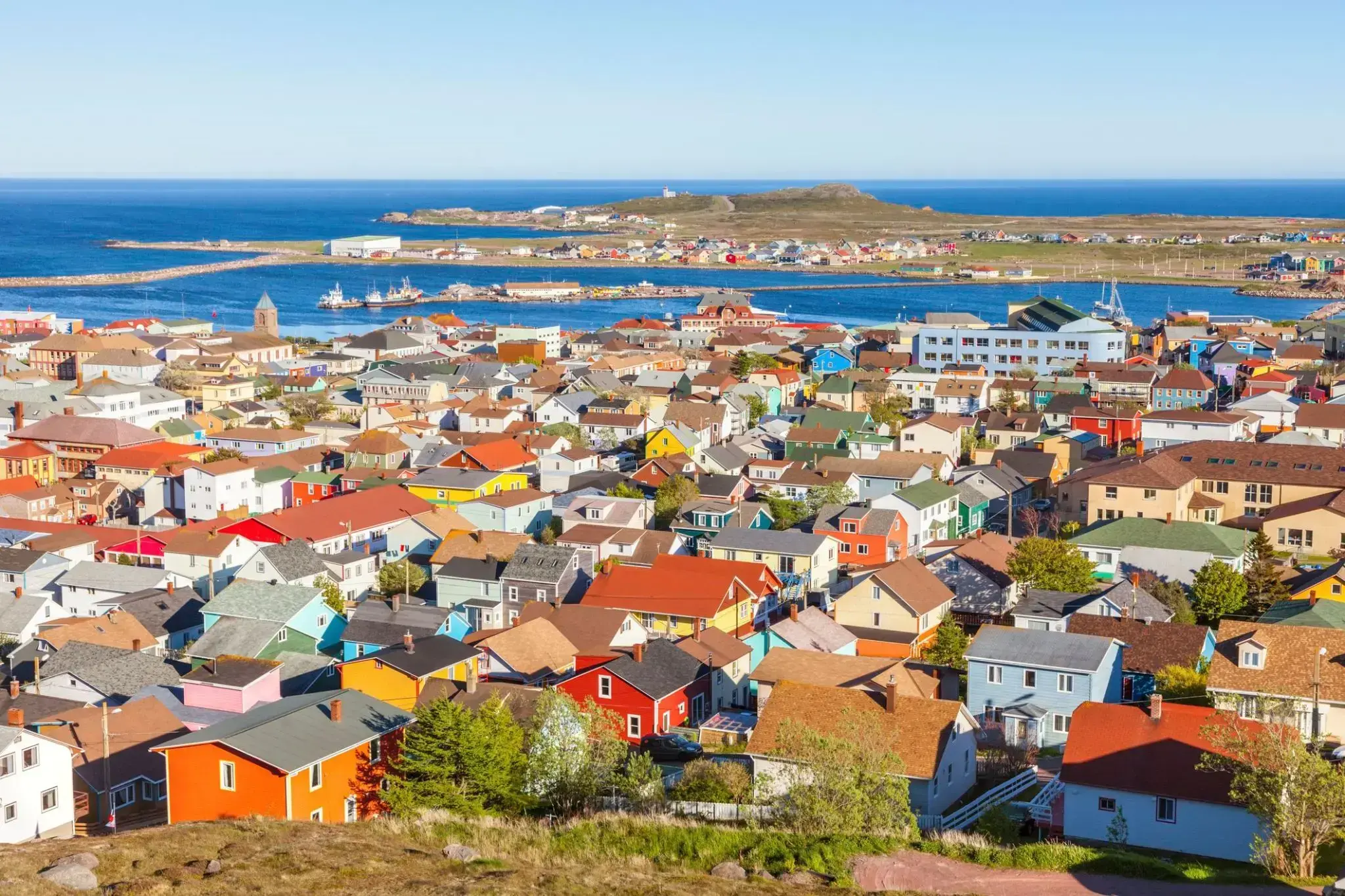
Saint-Pierre i Miquelon to maleńki francuski archipelag położony u wybrzeży kanadyjskiej prowincji Nowa Fundlandia i Labrador. To ostatni skrawek francuskiego terytorium w Ameryce Północnej, gdzie obowiązuje euro, działają francuskie przepisy, a ulice przypominają Europę — z piekarniami, bagietkami i kolorowymi domkami na tle surowego północnoatlantyckiego krajobrazu.
Archipelag składa się z dwóch głównych wysp — tętniącego życiem Saint-Pierre oraz dzikszego i bardziej przestronnego Miquelon. Turyści mogą tu obserwować migracje wielorybów, wędrować po szlakach lub podróżować rowerem i na rakietach śnieżnych. Ciekawostka: w czasach prohibicji w USA Saint-Pierre był ważnym punktem przemytniczym alkoholu — dziś można o tym dowiedzieć się w lokalnym muzeum.
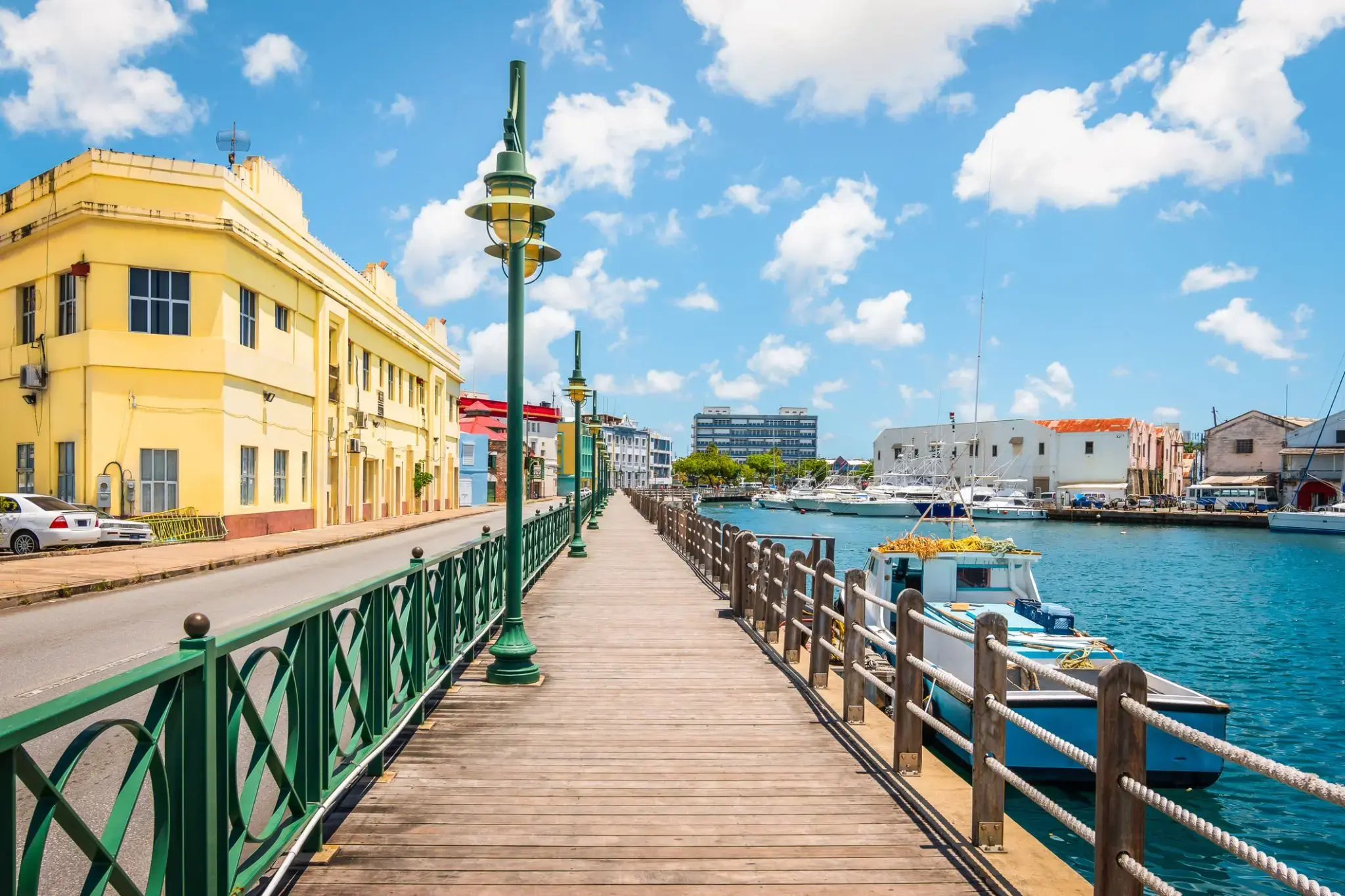
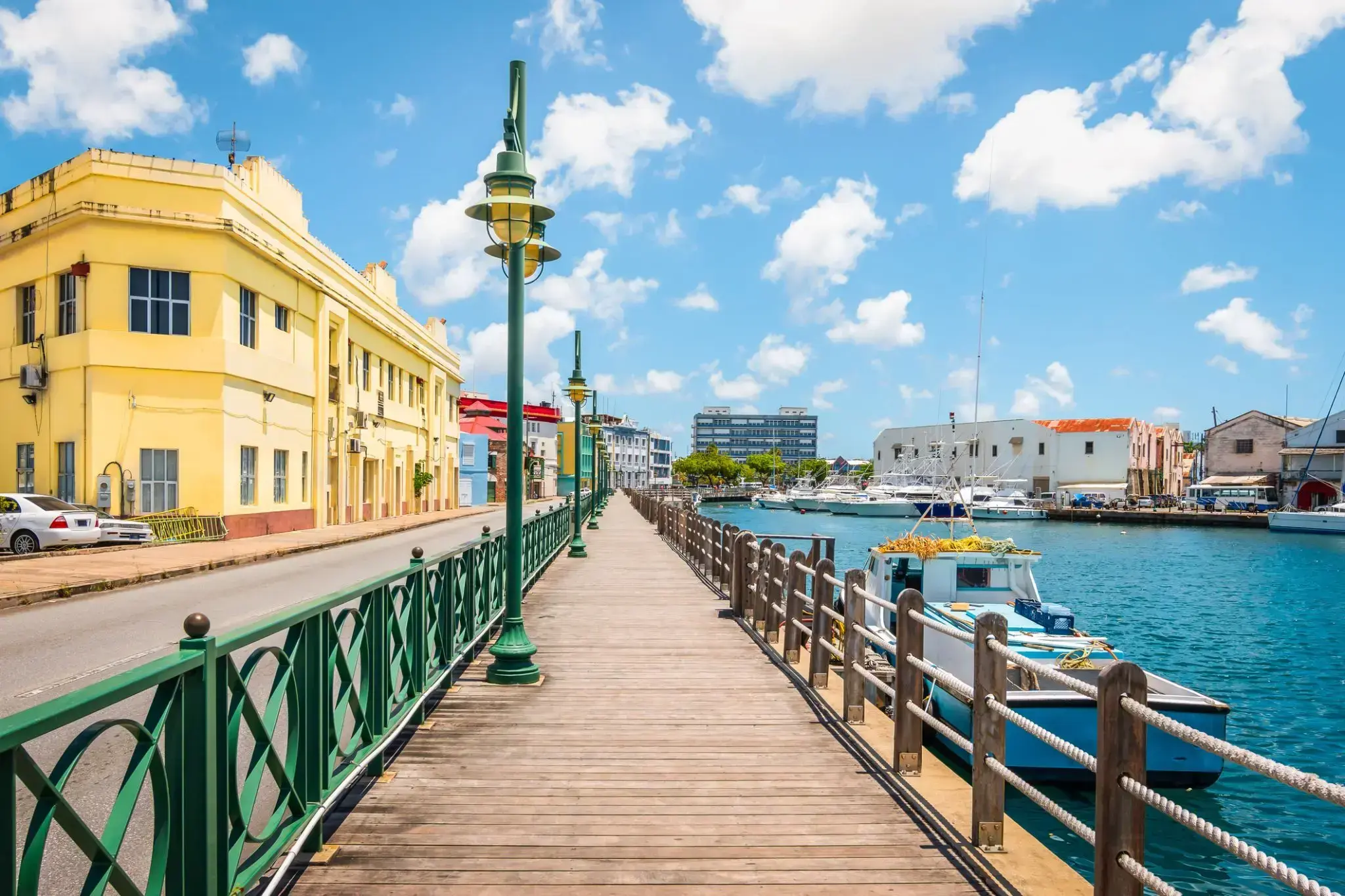
Bridgetown to stolica i największe miasto Barbadosu. Dawniej znane jako „Miasto św. Michała” (The Town of Saint Michael), obszar Greater Bridgetown znajduje się w parafii św. Michała. Miejscowi czasami nazywają je „Miastem” (The City), ale najczęściej po prostu „Town”. W 2014 roku populacja aglomeracji wynosiła około 110 000 mieszkańców.
Port Bridgetown znajduje się w zatoce Carlisle (13.106°N 59.632°W) na południowo-zachodnim wybrzeżu wyspy. Części obszaru Greater Bridgetown, ogólnie zdefiniowane przez obwodnicę (ABC Highway), leżą blisko granic sąsiednich parafii Christ Church i St. James. Międzynarodowe lotnisko Grantley Adams znajduje się 16 kilometrów na południowy wschód od centrum Bridgetown i oferuje codzienne loty do głównych miast Wielkiej Brytanii, USA, Kanady i Karaibów. Obecnie nie ma już lokalnych władz miejskich; Bridgetown jest okręgiem wyborczym w parlamencie krajowym. W latach 50. i 60. XX wieku, podczas istnienia Federacji Brytyjskich Terytoriów Indyjskich, Bridgetown było jednym z trzech miast rozważanych jako możliwa stolica federacji.
Obecna lokalizacja miasta została założona przez angielskich osadników w 1628 roku; wcześniejsza osada pod nadzorem Sir Williama Courtena znajdowała się w St. James Town. Bridgetown jest ważnym celem turystycznym na Karaibach, a także znaczącym centrum finansowym, informatycznym, konferencyjnym i portem dla statków wycieczkowych. 25 czerwca 2011 roku „Historyczne Bridgetown i jego garnizon” zostały wpisane na listę światowego dziedzictwa UNESCO.
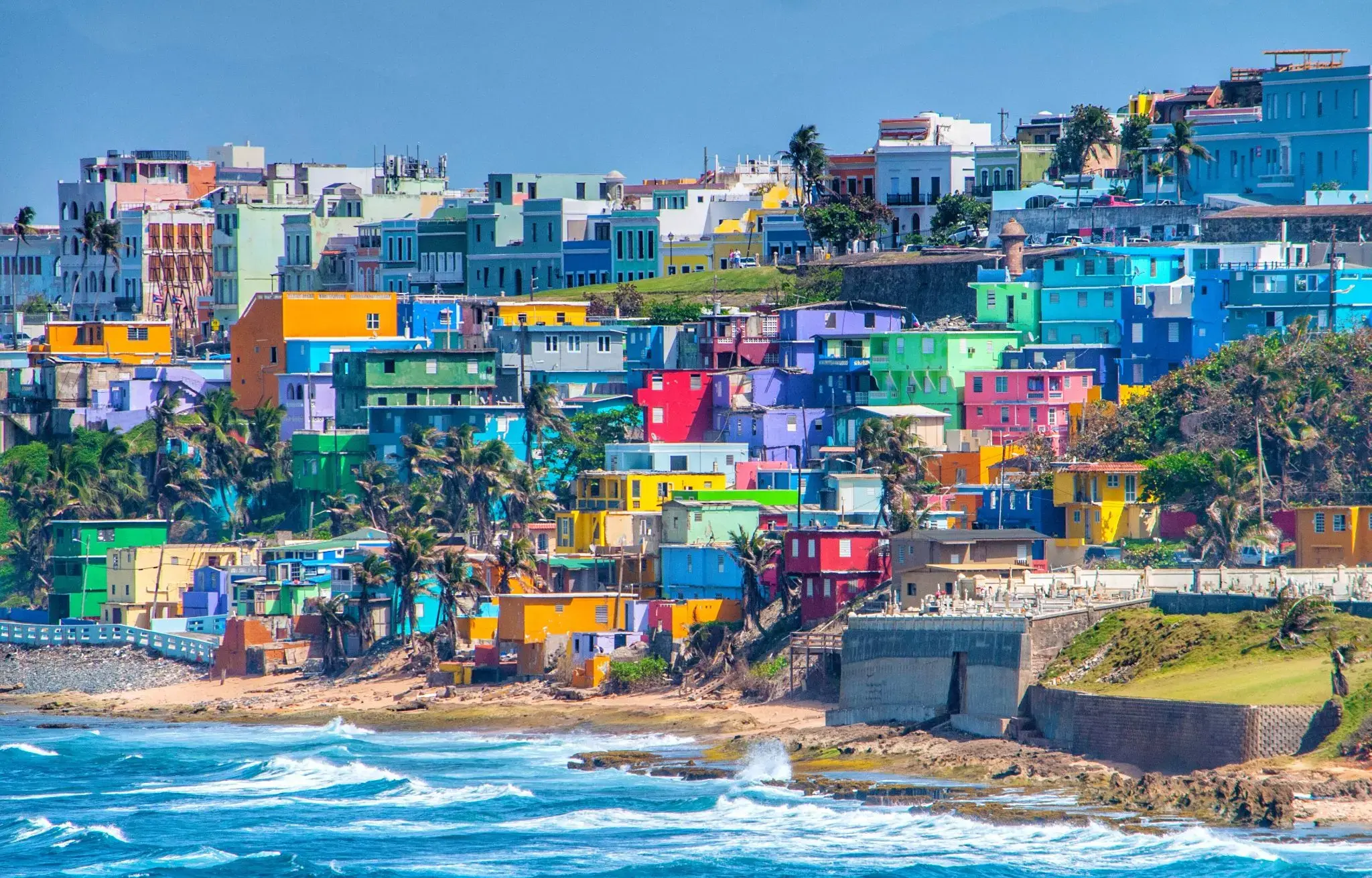
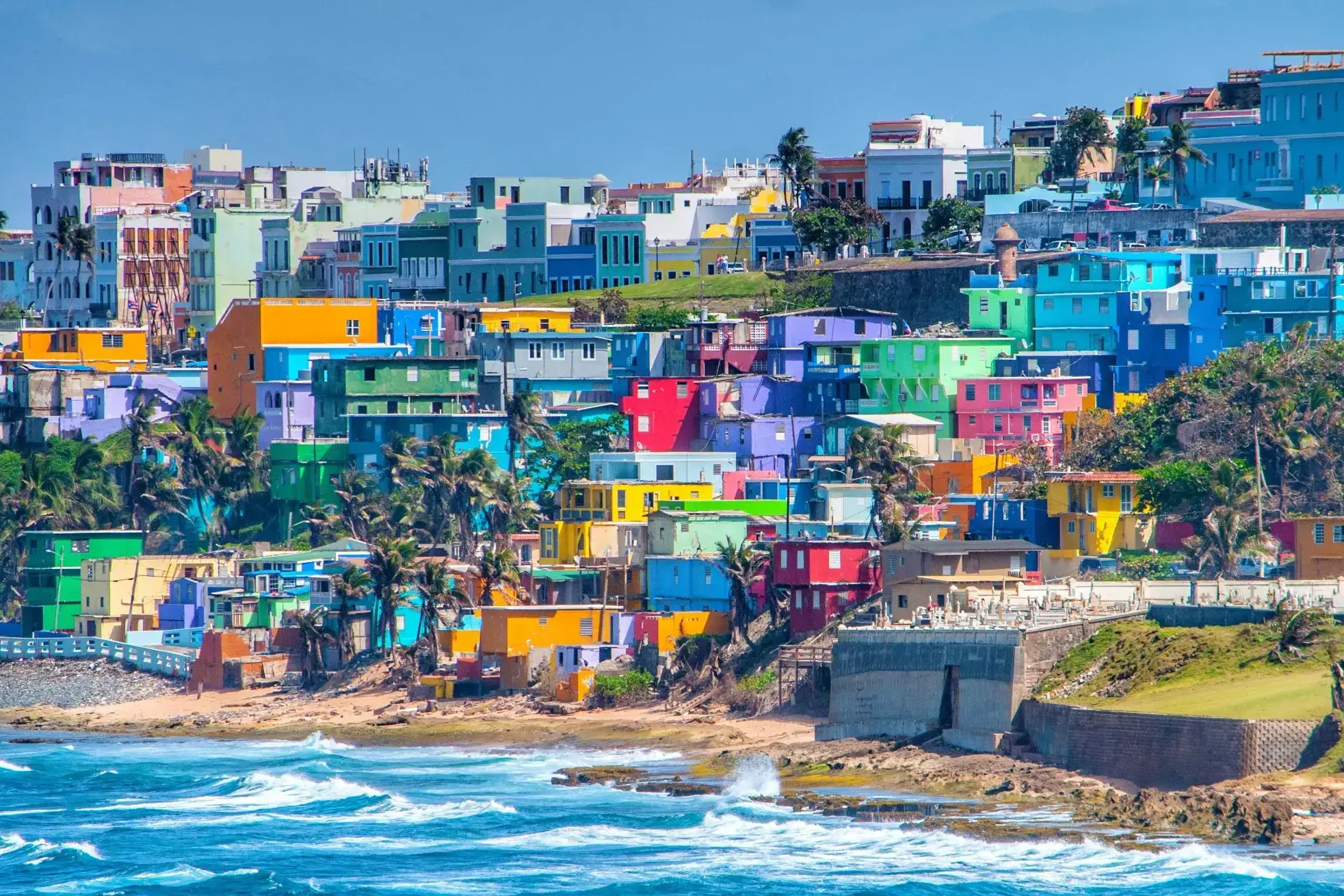
San Juan
Miami, officially the City of Miami, is the cultural, economic and financial center of South Florida. Miami is the seat of Miami-Dade County, the most populous county in Florida. The city covers an area of about 56.6 square miles (147 km2), between the Everglades to the west and Biscayne Bay on the east; with a 2017 estimated population of 463,347, Miami is the sixth most densely populated major city in the United States. The Miami metropolitan area is home to 6.1 million people and the seventh-largest metropolitan area in the nation. Miami's metro area is the second-most populous metropolis in the southeastern United States and fourth-largest urban area in the U.S.
Miami is a major center, and a leader in finance, commerce, culture, media, entertainment, the arts, and international trade. The Miami Metropolitan Area is by far the largest urban economy in Florida and the 12th largest in the United States with a GDP of $344.9 billion as of 2017. In 2012, Miami was classified as an "Alpha−" level world city in the World Cities Study Group's inventory. In 2010, Miami ranked seventh in the United States and 33rd among global cities in terms of business activity, human capital, information exchange, cultural experience, and political engagement. In 2008, Forbes magazine ranked Miami "America's Cleanest City", for its year-round good air quality, vast green spaces, clean drinking water, clean streets, and citywide recycling programs. According to a 2009 UBS study of 73 world cities, Miami was ranked as the richest city in the United States, and the world's seventh-richest city in terms of purchasing power. Miami is nicknamed the "Capital of Latin America" and is the largest city with a Cuban-American plurality.
Greater Downtown Miami has one of the largest concentrations of international banks in the United States, and is home to many large national and international companies. The Civic Center is a major center for hospitals, research institutes, medical centers, and biotechnology industries. For more than two decades, the Port of Miami, known as the "Cruise Capital of the World", has been the number one cruise passenger port in the world. It accommodates some of the world's largest cruise ships and operations, and is the busiest port in both passenger traffic and cruise lines. Metropolitan Miami is also a major tourism hub in the southeastern U.S. for international visitors, ranking number two in the country after New York City.