| Region rejsu : Morze Śródziemne, Europa |
| Firma : Azamara Cruises |
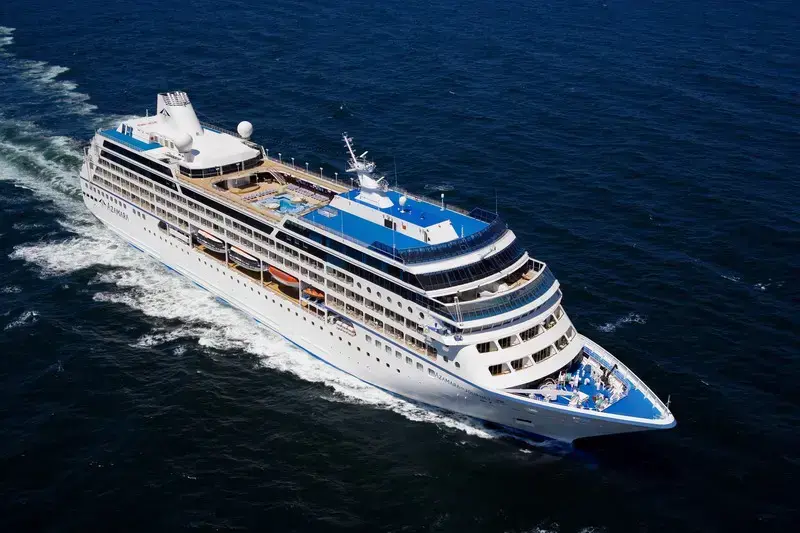
| Statek : Azamara Quest |
| Data rozpoczęcia : czw. 26 lis 2026 |
| Data zakończenia : pt. 04 gru 2026 |
| Liczba nocy : 8 nocy |
| Dzień | Data | Port | Wypłynięcie | Odpłynięcie |
|---|---|---|---|---|
| 1 | 26.11 czw. | Pireus (Ateny) / Grecja | 17:00 | |
| 2 | 27.11 pt. | Katakolo / Grecja | 10:30 | 17:00 |
| 3 | 28.11 sob. | Syracuse / Włochy | 13:30 | 22:00 |
| 4 | 29.11 niedz. | Valletta / Malta | 08:00 | 22:00 |
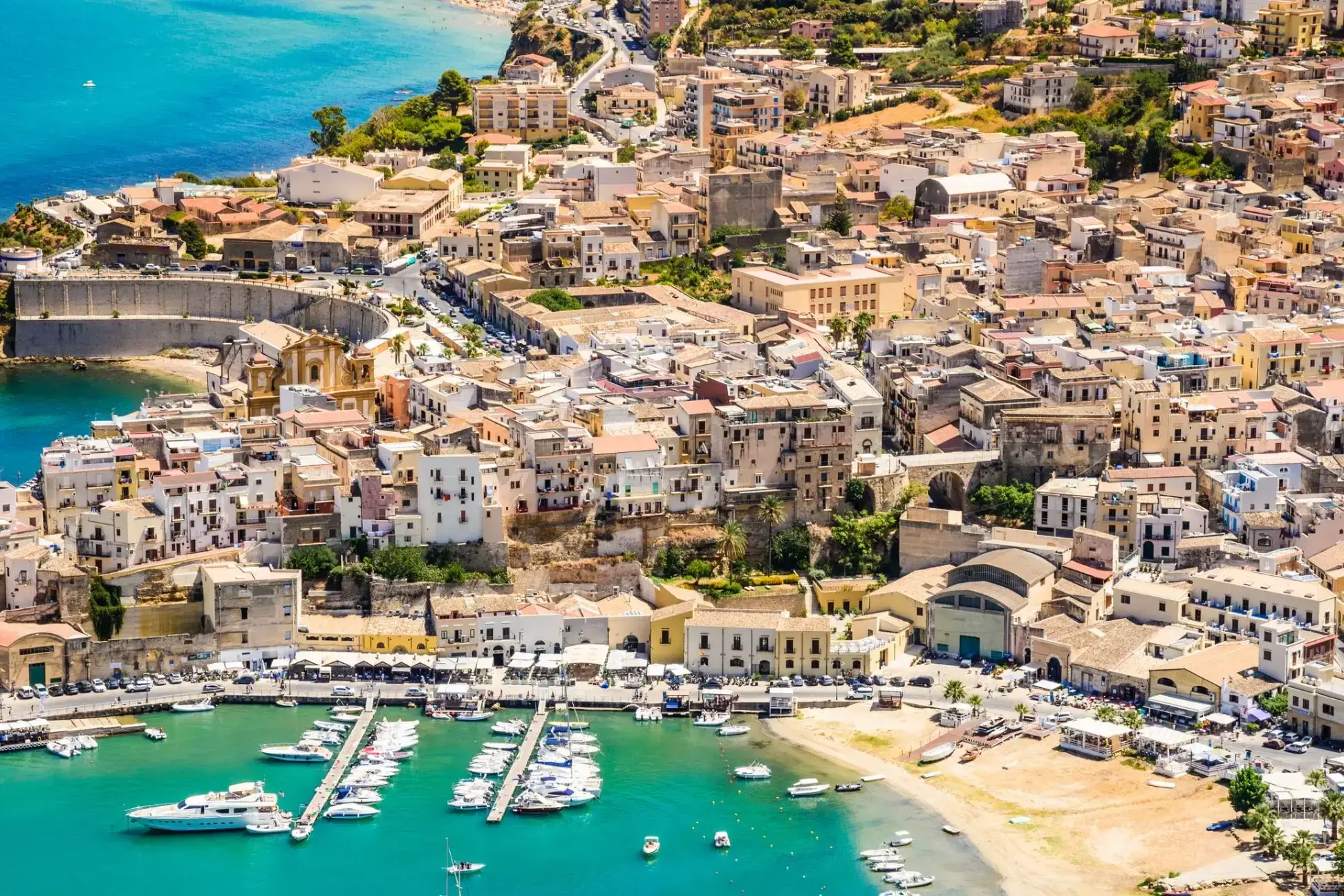
| 5 | 30.11 pon. | Trapani / Włochy | 13:00 | 20:00 |
| 6 | 1.12 wt. | Tunis La Goulette | 08:00 | 17:00 |
| 7 | 2.12 śr. | Dzień na morzu / Morze | 15:00 | |
| 8 | 3.12 czw. | Cartagena (Bolívar) / Kolumbia | 08:00 | 14:00 |
| 9 | 4.12 pt. | Malaga / Hiszpania | 06:00 |
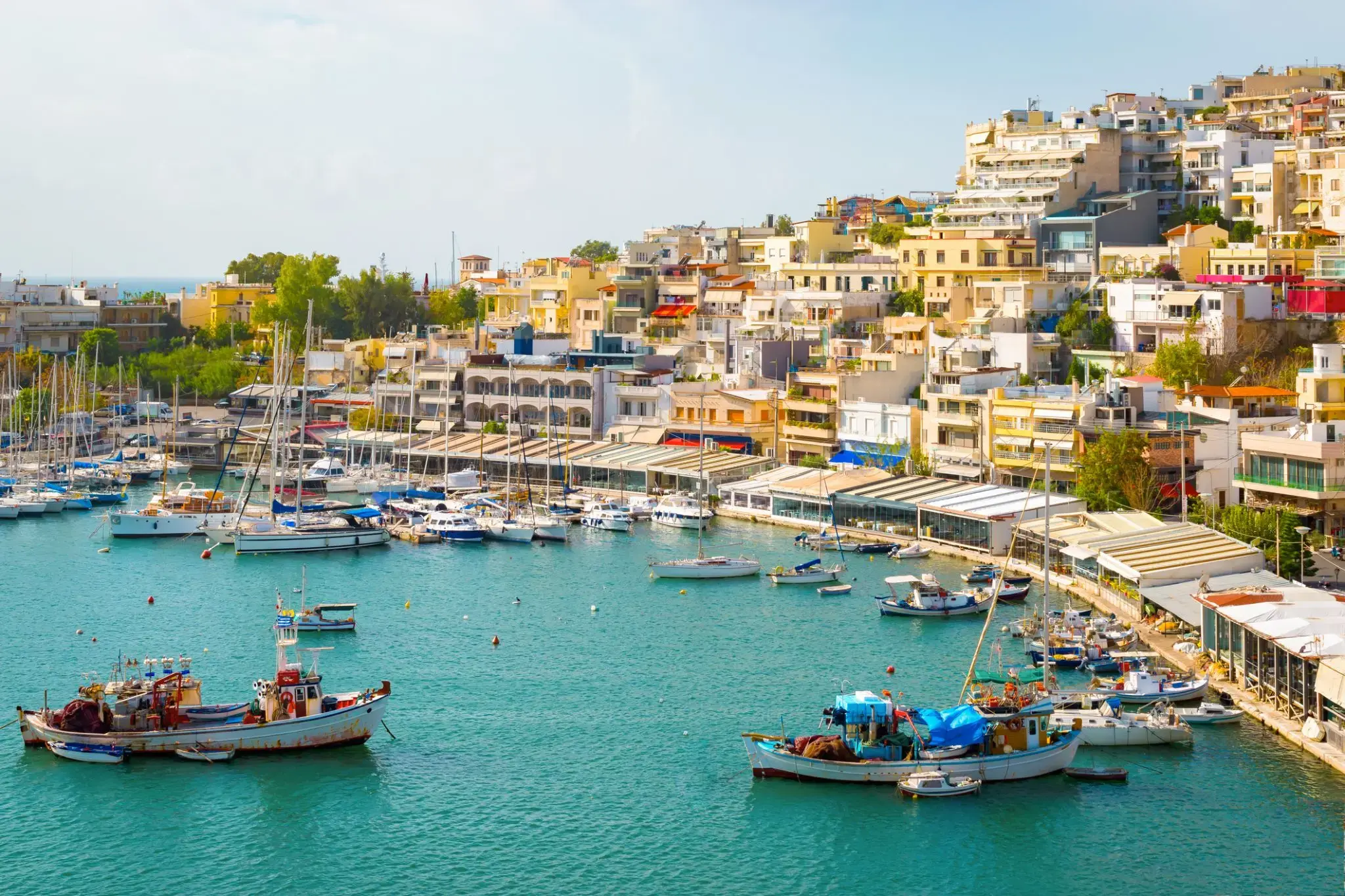
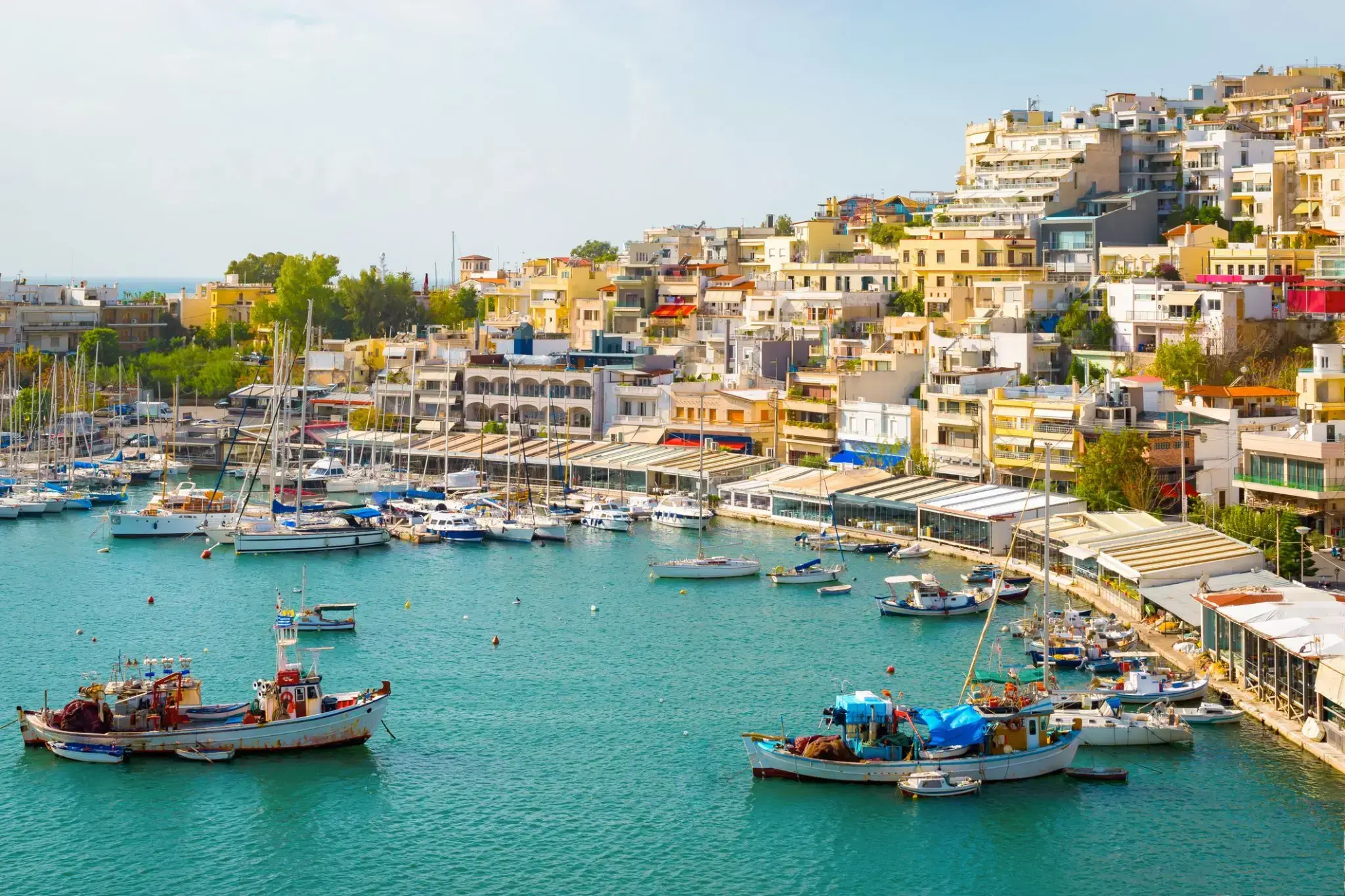
Pireus to stare miasto portowe, będące portem Aten i jednocześnie największym portem Grecji w dniu dzisiejszym. Pireus stanowi część wielkich Aten, które mogą poszczycić się bogactwem atrakcji, w tym unikalnymi zabytkami narodowej sztuki plastycznej.
Ponad dwieście muzeów i galerii, w tym Muzeum Historii Uniwersytetu, Muzeum Archeologiczne Keramejkos i wiele innych, gościnnie powita Państwa w swoich murach i zapozna z kulturą tej okolicy.
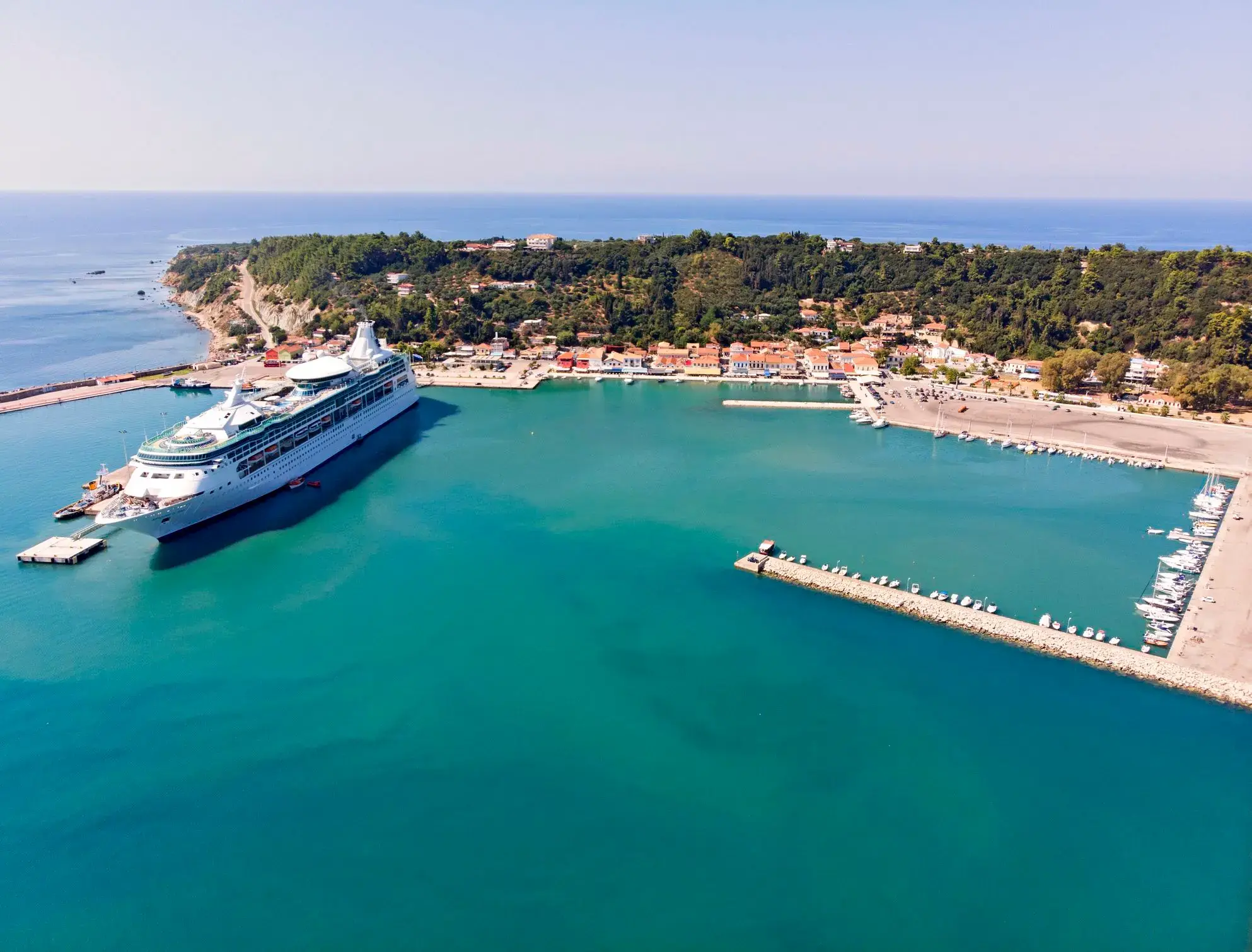
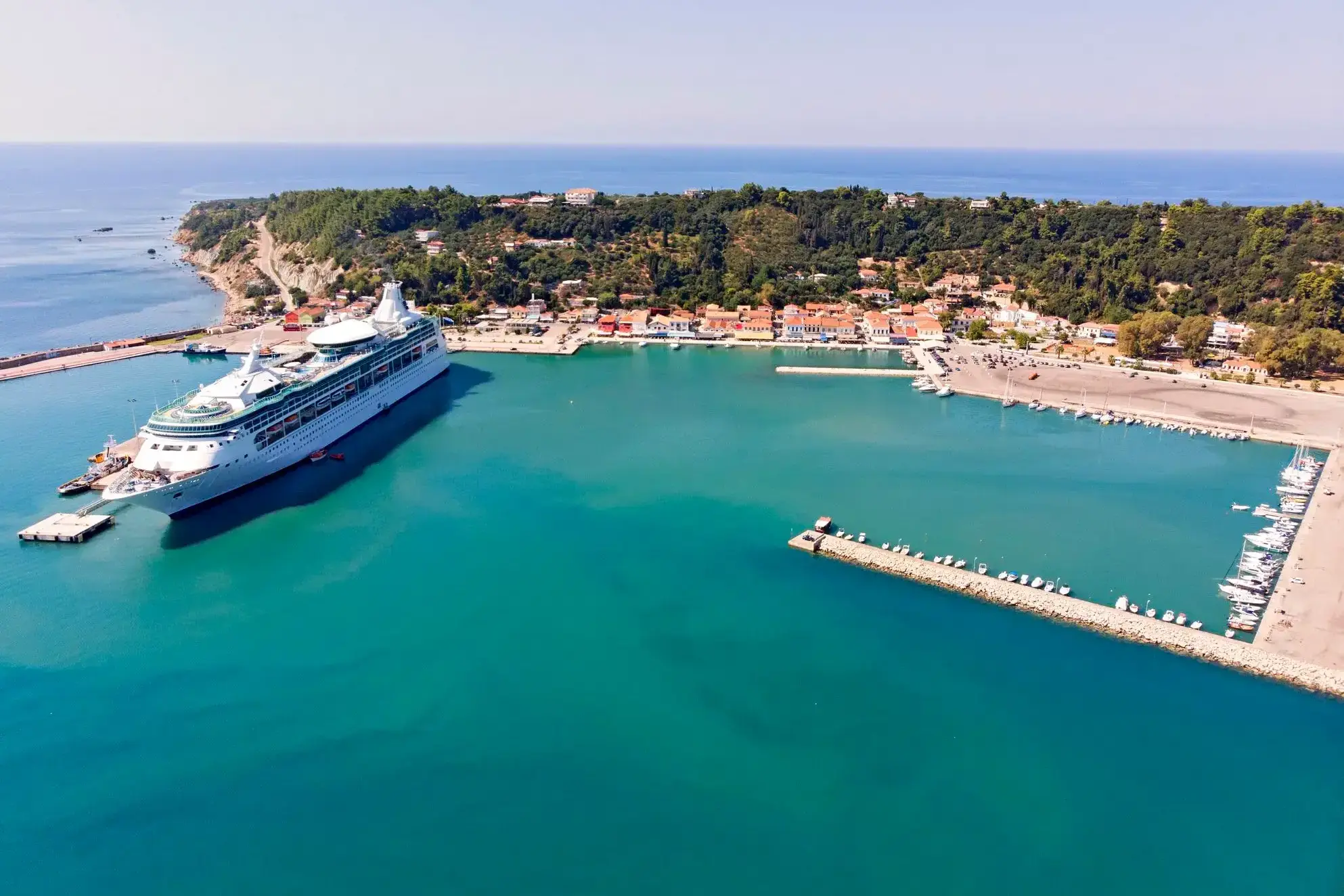
Katakolon to małe miasteczko nadmorskie położone na zachodzie Peloponezu w Grecji, pełniące funkcję morskiej bramy do legendarnej starożytnej Olimpii — kolebki igrzysk olimpijskich. Dzięki dogodnemu położeniu Katakolon stał się popularnym portem dla statków wycieczkowych. Port otaczają malownicze wzgórza, a wzdłuż wybrzeża znajdują się przytulne kawiarnie, sklepy z lokalnymi przysmakami i pamiątkami. Turyści często rozpoczynają swoją podróż po regionie właśnie tutaj, udając się następnie do stanowisk archeologicznych w Olimpii, oddalonych o około 30 km.
Katakolon oferuje spokojną atmosferę i tradycyjny grecki urok: wąskie uliczki, domy z dachówką i lazurowe wody Morza Jońskiego. W okolicach znajdują się winnice produkujące lokalne wino oraz niewielkie plaże idealne do kąpieli i relaksu. W miasteczku działa również Muzeum Starożytnej Techniki Greckiej, prezentujące unikalne modele starożytnych wynalazków — od automatycznych drzwi po wczesne formy komputerów. Katakolon to harmonijne połączenie historii, natury i autentycznej greckiej gościnności.
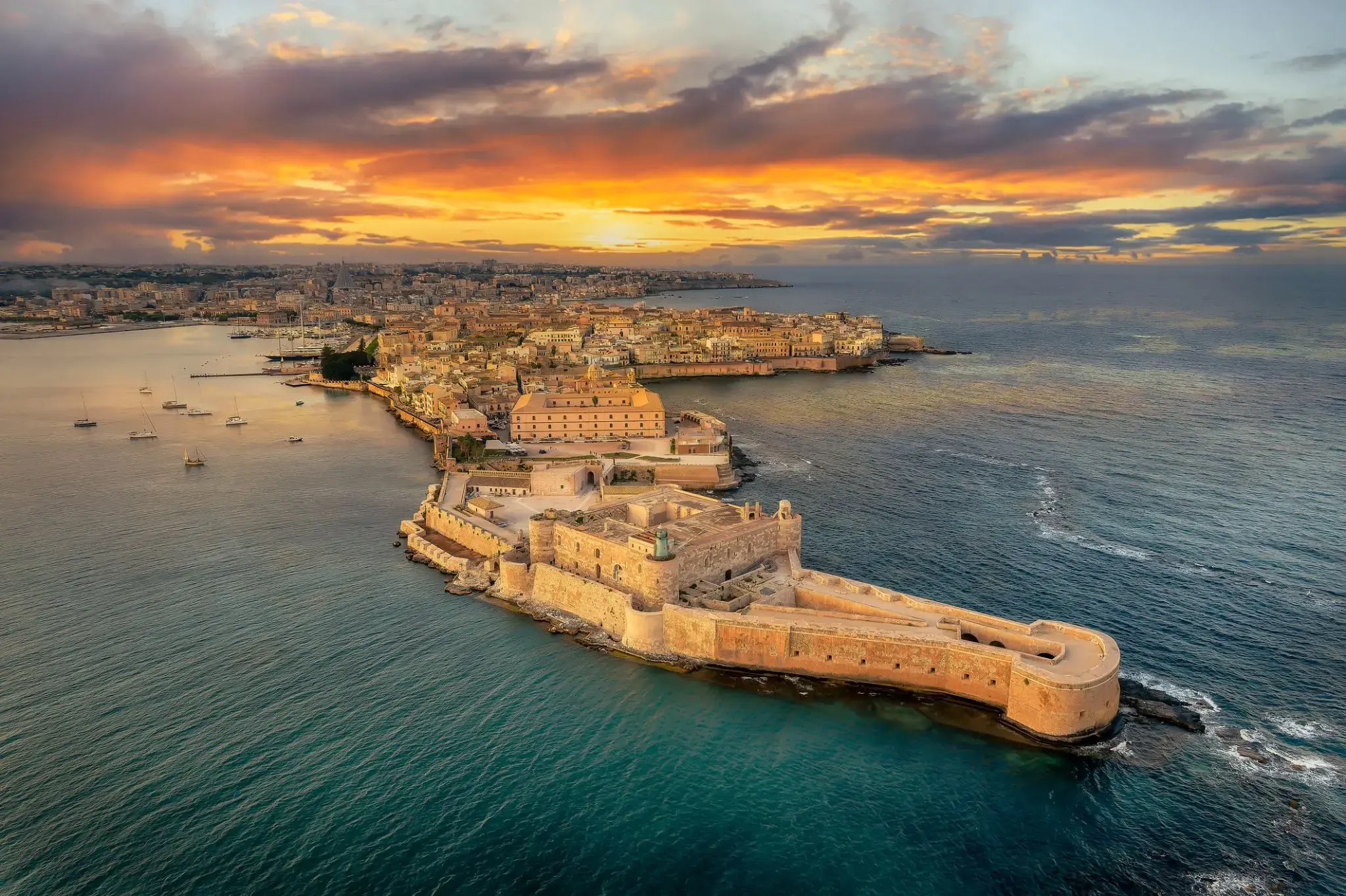
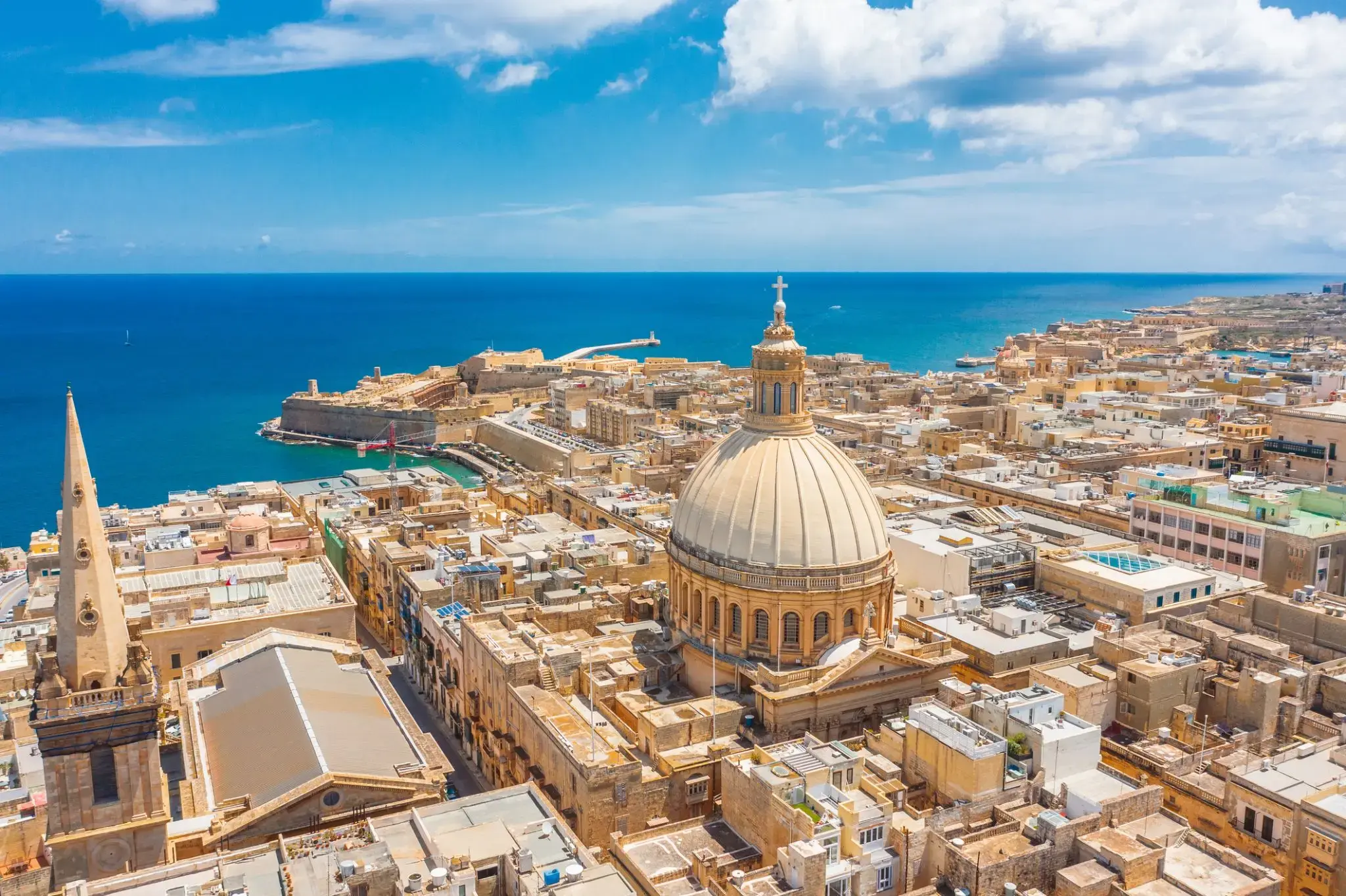
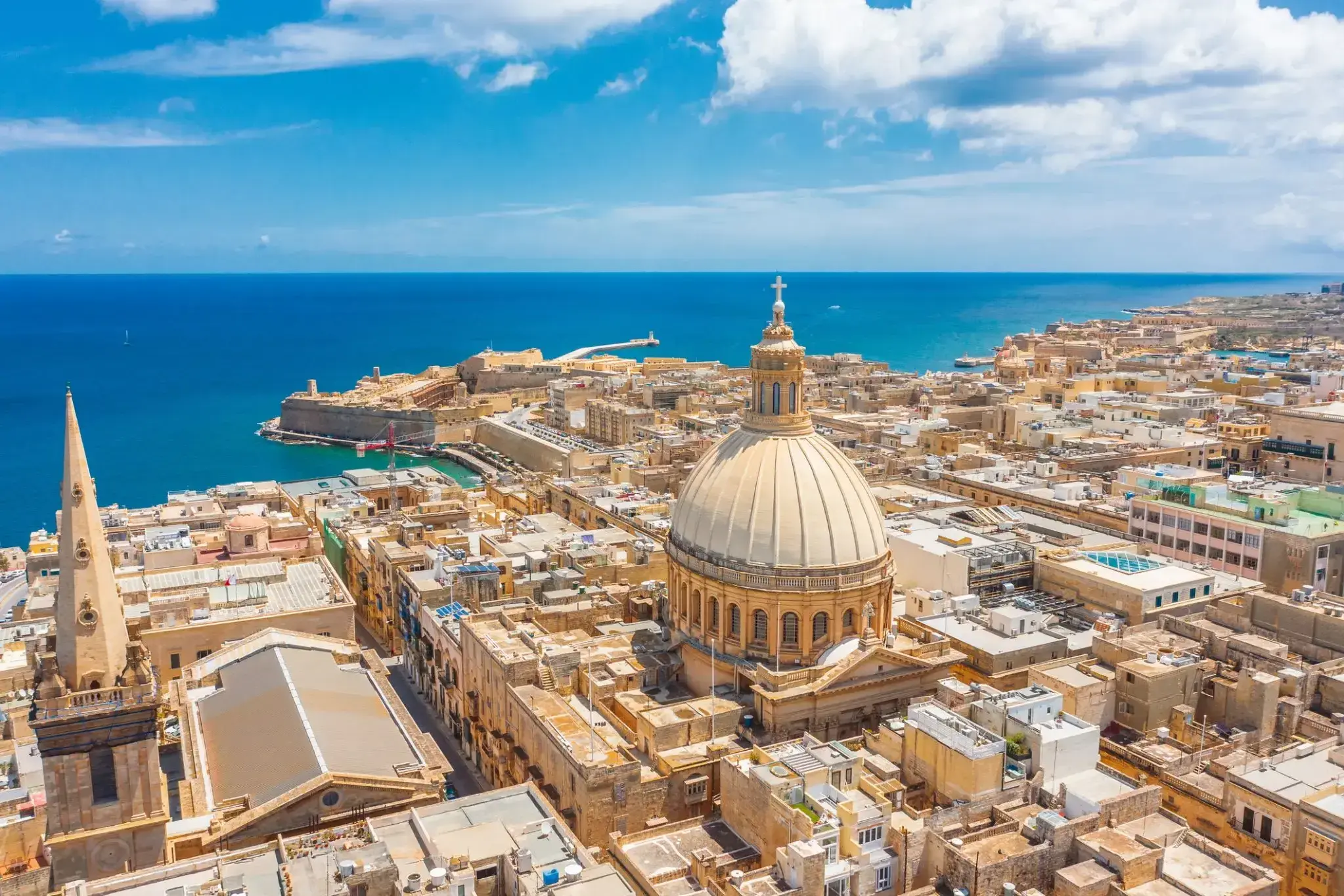
The capital of Malta - Valletta , is the first and almost the only city in Europe, which was once designed by architects and built according to all the rules and norms of construction. Valletta is considered to be one of the most beautiful cities on the Mediterranean. Klaipeda is on the list of the few remaining fortified towns. The center of the city is the Palace of the Grand Master of the Order of Malta, and today the residence of the President of the country, here is the seat of the Maltese Parliament. The list of places to visit in Valletta includes the Castilla Palace, the Admiralty (where the National Museum of Fine Arts is now located, with the largest painting collection in the country), a charming place in the city - the beautiful Hastings Gardens, and this is not the whole list of the riches of the capital of Malta .
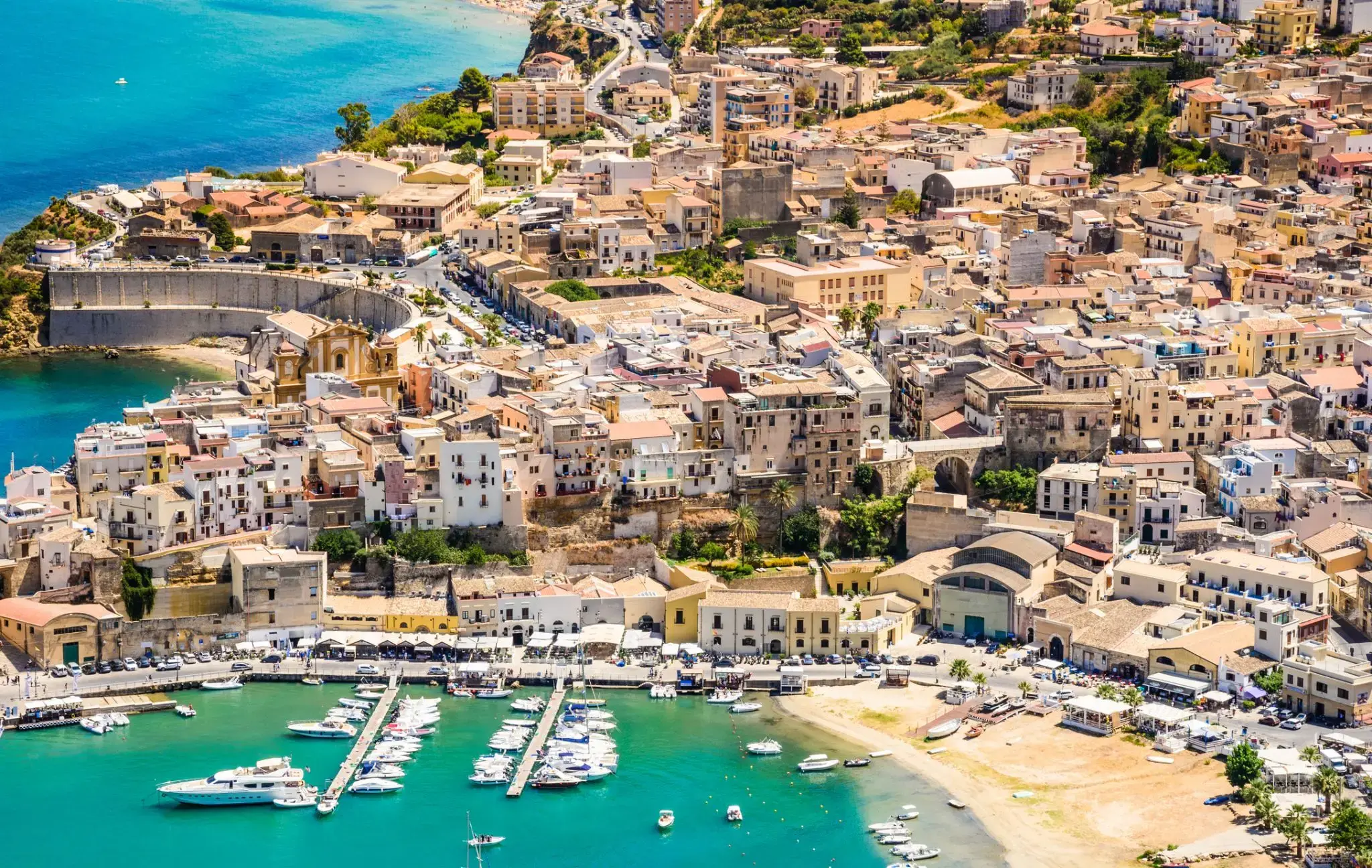
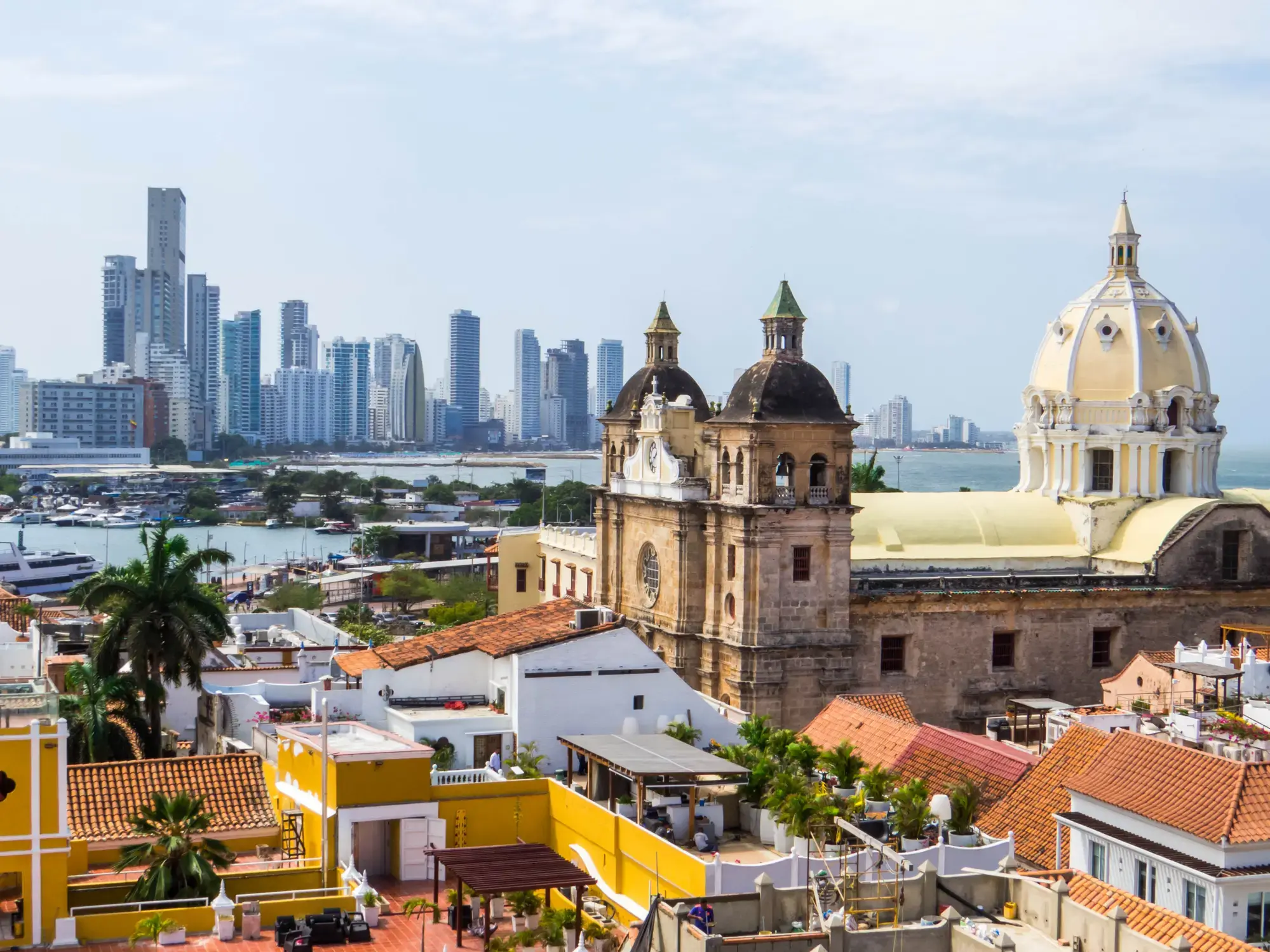
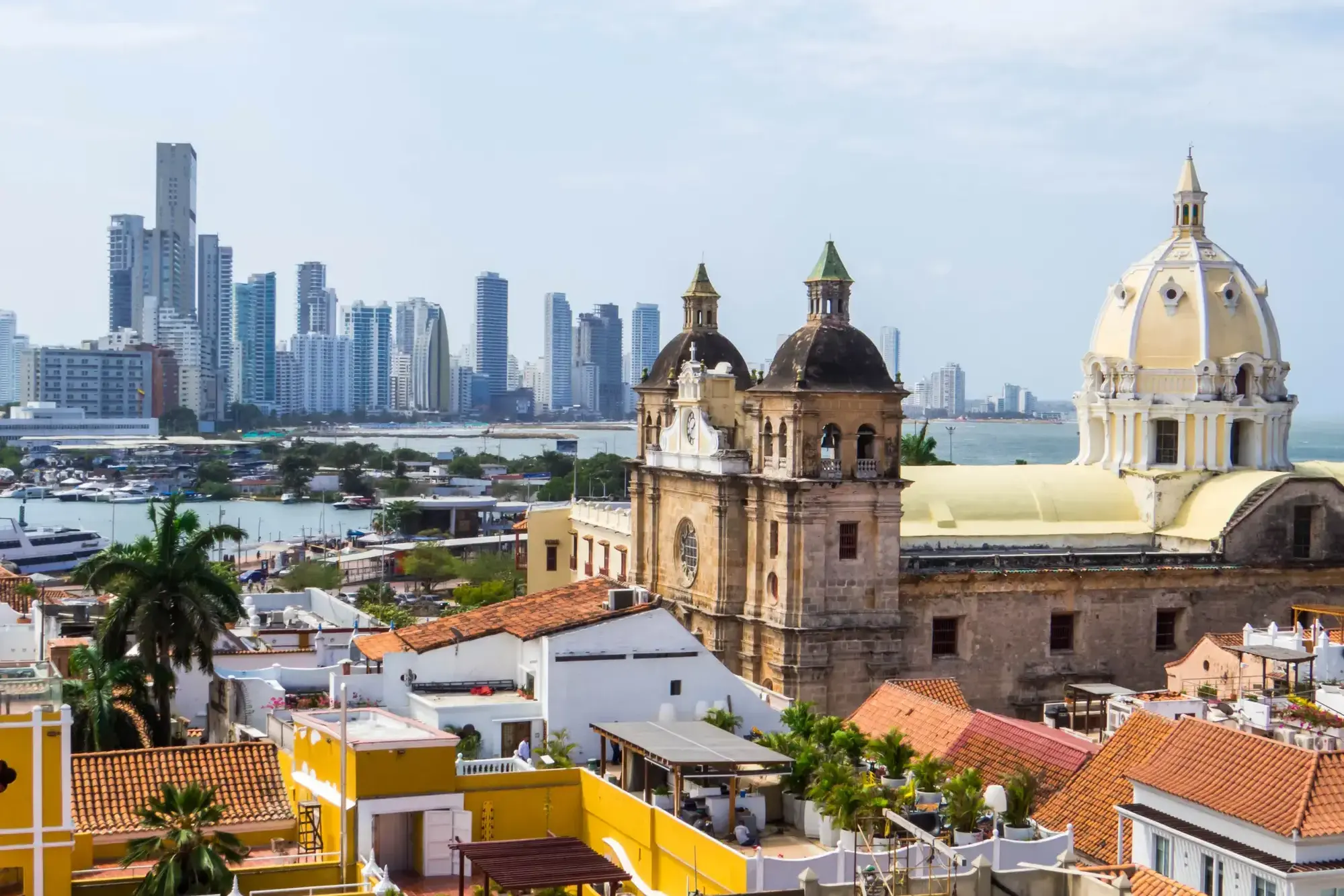
Starożytne mury forteczne, uliczni muzycy i karaibskie słońce tworzą niepowtarzalną atmosferę w Cartagenie (Bolívar) – perle kolumbijskiego wybrzeża. Miasto wpisane na listę światowego dziedzictwa UNESCO zachwyca kolonialną architekturą, uroczymi dziedzińcami i aromatem świeżo parzonej kawy z licznych kawiarni.
Zanurz się w tętniący życiem rytm Cartageny, spacerując brukowanymi uliczkami Starego Miasta, gdzie każdy zakątek kryje opowieści o piratach i hiszpańskich konkwistadorach. Zachód słońca przy starożytnej twierdzy Castillo San Felipe de Barajas to idealne zakończenie dnia pełnego kultury, historii i tropikalnego uroku.
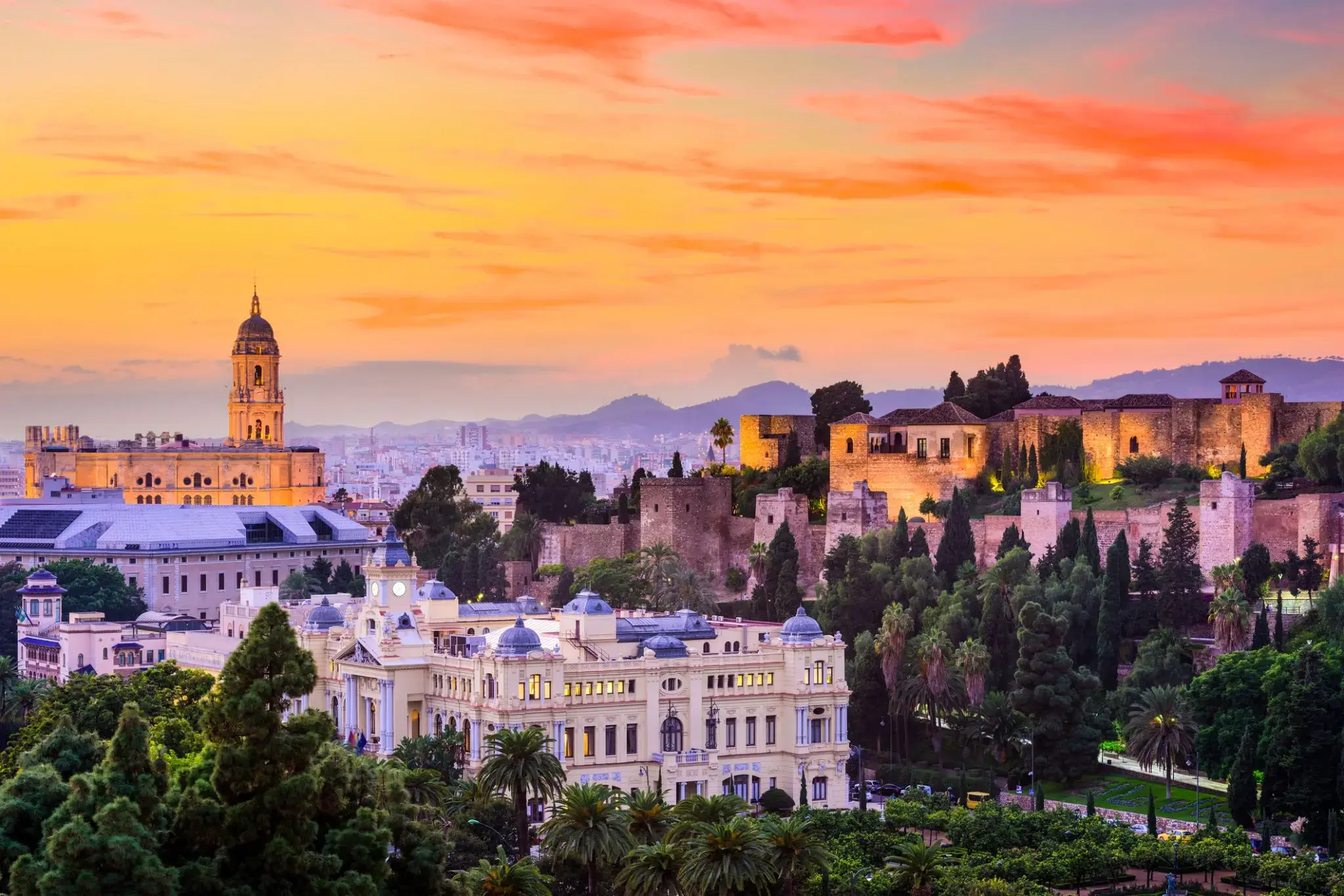
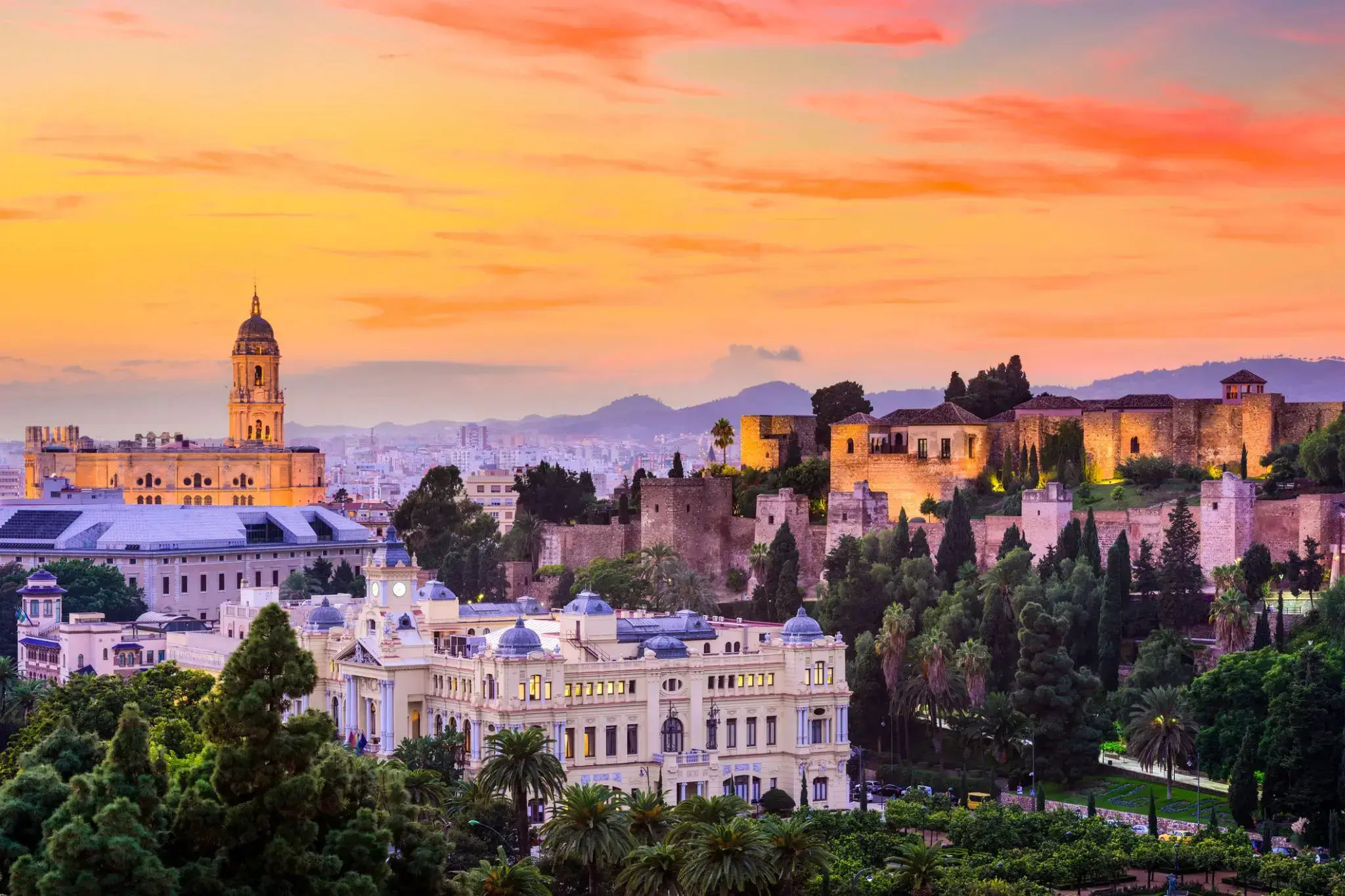
Málaga is a municipality, capital of the Province of Málaga, in the Autonomous Community of Andalusia, Spain. With a population of 569,130 in 2015, it is the second-most populous city of Andalusia and the sixth-largest in Spain. The southernmost large city in Europe, it lies on the Costa del Sol (Coast of the Sun) of the Mediterranean, about 100 kilometres (62.14 miles) east of the Strait of Gibraltar and about 130 km (80.78 mi) north of Africa.
Málaga's history spans about 2,800 years, making it one of the oldest cities in the world. According to most scholars, it was founded about 770 BC by the Phoenicians as Malaka From the 6th century BC the city was under the hegemony of Ancient Carthage, and from 218 BC, it was ruled by the Roman Republic and then empire as Malaca (Latin). After the fall of the empire and the end of Visigothic rule, it was under Islamic rule as Mālaqah for 800 years, but in 1487, the Crown of Castille gained control after the Reconquista. The archaeological remains and monuments from the Phoenician, Roman, Arabic and Christian eras make the historic center of the city an "open museum", displaying its history of nearly 3,000 years.
This important cultural infrastructure and the artistic heritage have culminated in the nomination of Málaga as a candidate for the 2016 European Capital of Culture.
The painter and sculptor Pablo Picasso, Hebrew poet and Jewish philosopher Solomon Ibn Gabirol and the actor Antonio Banderas were born in Málaga. The magnum opus of Cuban composer Ernesto Lecuona, "Malagueña", is named after the music of this region of Spain.
The most important business sectors in Málaga are tourism, construction and technology services, but other sectors such as transportation and logistics are beginning to expand. The Andalusia Technology Park (PTA), located in Málaga, has enjoyed significant growth since its inauguration in 1992. Málaga is the main economic and financial centre of southern Spain, home of the region's largest bank, Unicaja, and the fourth-ranking city in economic activity in Spain behind Madrid, Barcelona and Valencia.