| Region rejsu : Azja |
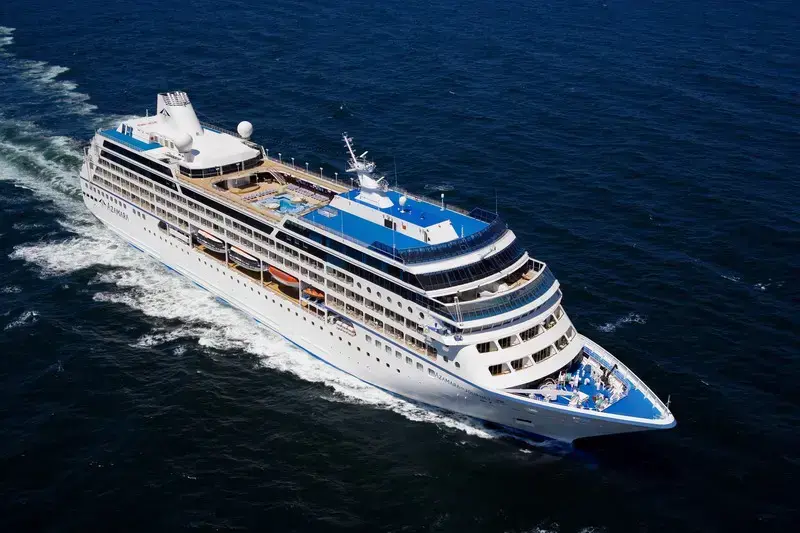
| Firma : Azamara Cruises |
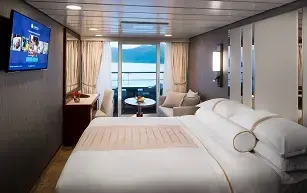
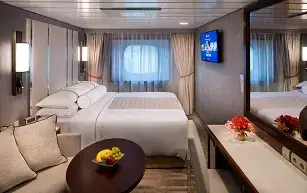
| Statek : Azamara Quest |
| Data rozpoczęcia : pt. 16 kwi 2027 |
| Data zakończenia : pt. 30 kwi 2027 |
| Liczba nocy : 14 nocy |
| Dzień | Data | Port | Wypłynięcie | Odpłynięcie |
|---|---|---|---|---|
| 1 | 16.04 pt. | Incheon / Korea | 22:00 | |
| 2 | 17.04 sob. | Dzień na morzu / Morze | 15:00 | |
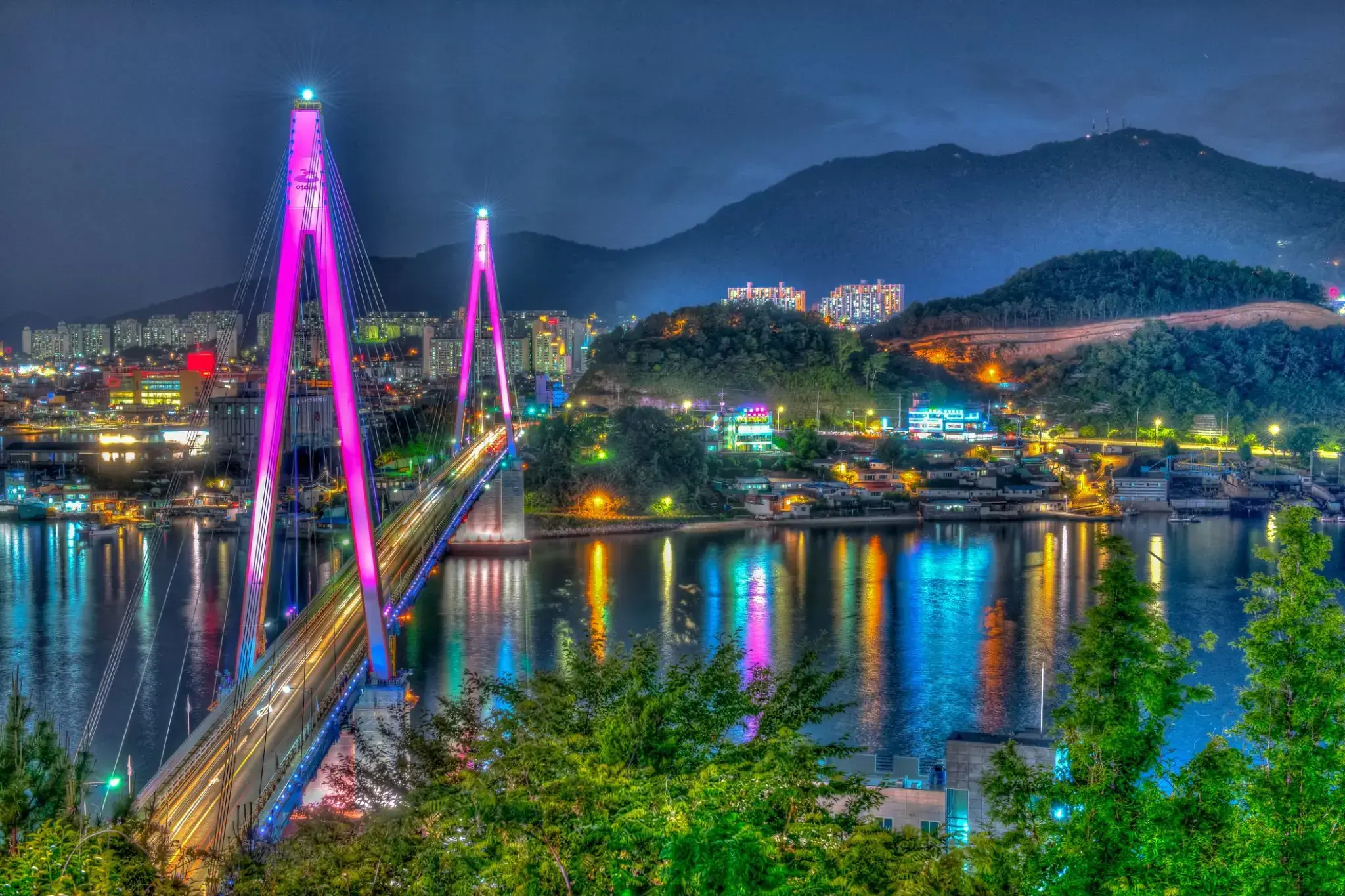
| 3 | 18.04 niedz. | Yeosu / Korea | 08:00 | 20:00 |
| 4 | 19.04 pon. | Busan / Korea | 08:00 | |
| 5 | 20.04 wt. | Busan / Korea | 20:00 | |
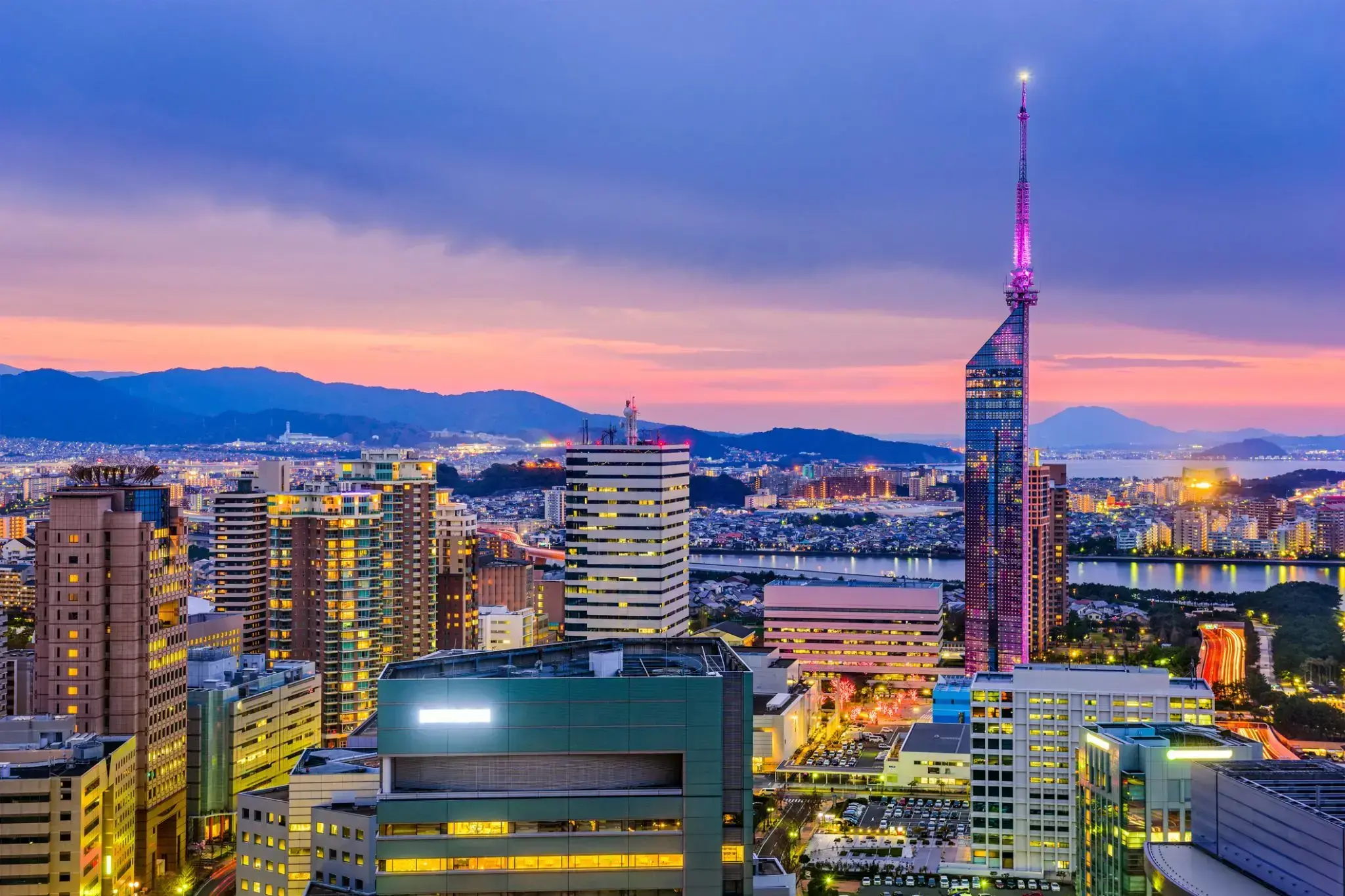
| 6 | 21.04 śr. | Fukuoka / Japonia | 08:00 | 20:00 |
| 7 | 22.04 czw. | Kita-Kyushu. Japonia | 08:00 | 20:00 |
| 8 | 23.04 pt. | Hiroszima / Japonia | 08:00 | 22:00 |
| 9 | 24.04 sob. | Beppu / Japonia | 08:00 | 18:00 |
| 10 | 25.04 niedz. | Kochi / Indie | 08:00 | 17:00 |
| 11 | 26.04 pon. | Kobe / Japonia | 08:00 | |
| 12 | 27.04 wt. | Kobe / Japonia | 16:00 | |
| 13 | 28.04 śr. | Shimizu / Japonia | 10:30 | 20:00 |
| 14 | 29.04 czw. | Yokohama (Tokio) / Japonia | 08:00 | |
| 15 | 30.04 pt. | Yokohama (Tokio) / Japonia | 09:00 |
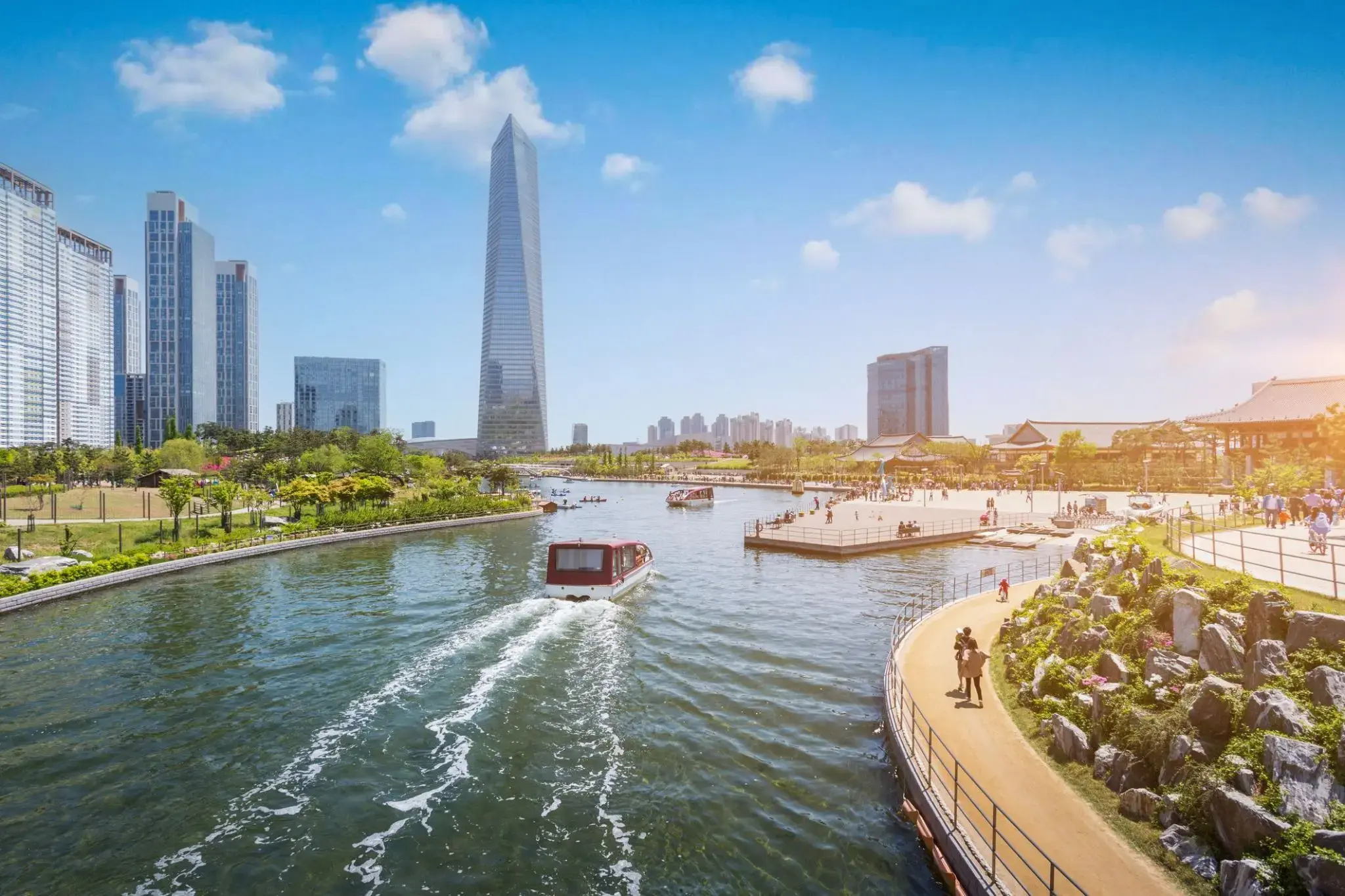
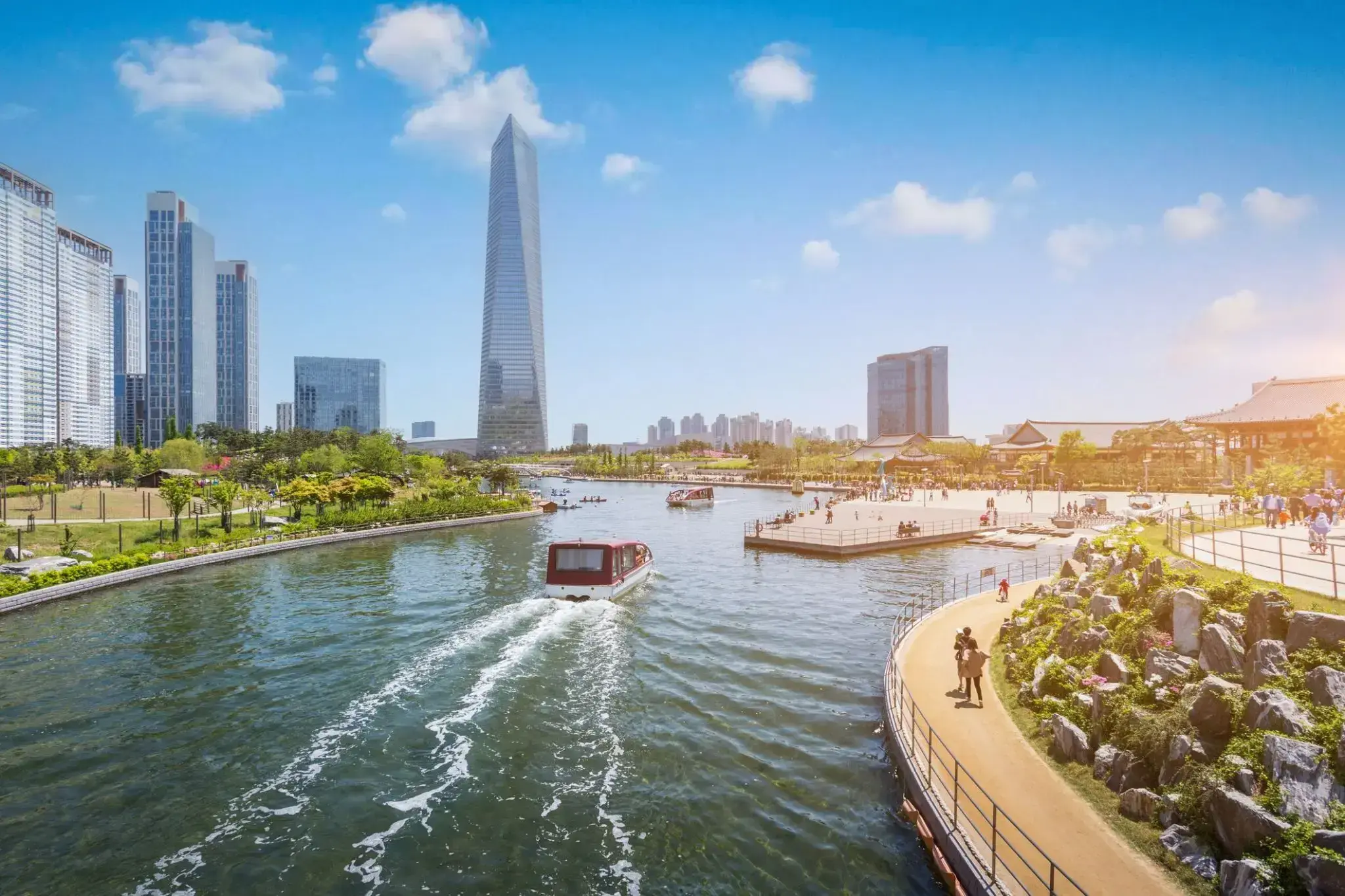
Incheon to portowe miasto położone na zachodnim wybrzeżu Korei Południowej, zaledwie 40 kilometrów od Seulu. Jako ważny węzeł komunikacyjny, Incheon słynie z międzynarodowego lotniska, które jest jednym z największych w Azji i stanowi ważny punkt przesiadkowy dla podróżnych zmierzających do Korei Południowej. Miasto jest także znane z malowniczych promenad, pięknych plaż i wysp, które idealnie nadają się do relaksujących spacerów. Jednym z najpopularniejszych miejsc turystycznych jest nadmorska promenada Incheon z unikalnym mostem, który oferuje zapierające dech w piersiach widoki na zatokę i pobliskie wyspy.
Dodatkowo, Incheon ma bogatą historię kulturalną, szczególnie w rejonie wyspy Munsoo, gdzie można odwiedzić starożytne świątynie i tradycyjne koreańskie wioski. Miasto zyskało popularność w 1950 roku dzięki Operacji Incheon, jednej z kluczowych bitew wojny koreańskiej. Dla miłośników współczesnej kultury, Incheon organizuje wystawy i festiwale, a lokalne restauracje serwują najlepsze dania kuchni koreańskiej, szczególnie owoce morza, które są szczególnie popularne dzięki bliskości morza.
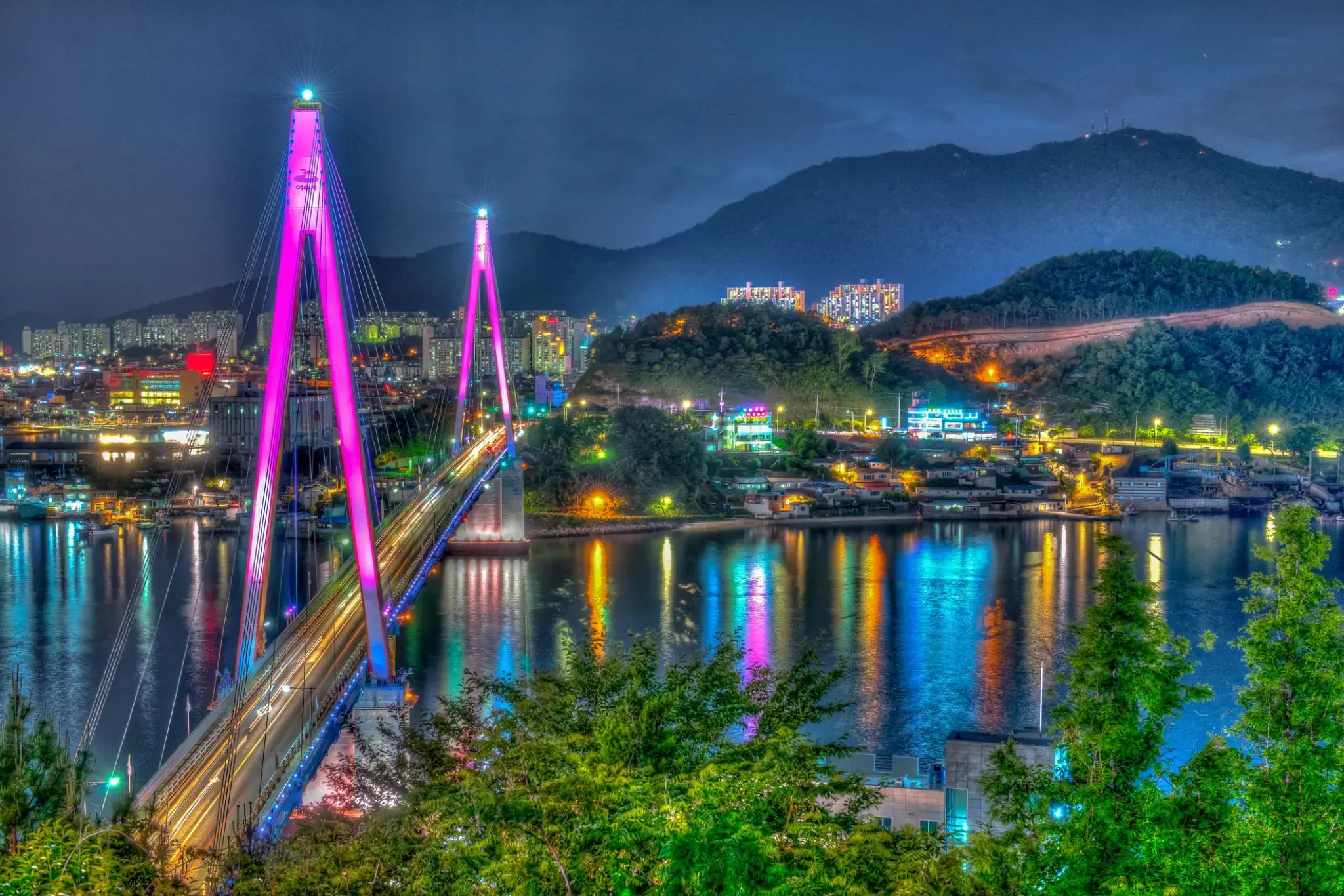

Busan, formerly known as Pusan and now officially Busan Metropolitan City, is South Korea's second most-populous city after Seoul, with a population of over 3.5 million inhabitants. It is the economic, cultural and educational center of southeastern Korea, with its port—Korea's busiest and the 9th-busiest in the world—only about 120 miles (190 km) from the Japanese islands of Kyushu and Honshu. The surrounding "Southeast Economic Zone" (including Ulsan and South Gyeongsang) is now South Korea's largest industrial area.
Busan, formerly known as Pusan and now officially Busan Metropolitan City, is South Korea's second most-populous city after Seoul, with a population of over 3.5 million inhabitants. It is the economic, cultural and educational center of southeastern Korea, with its port—Korea's busiest and the 9th-busiest in the world—only about 120 miles (190 km) from the Japanese islands of Kyushu and Honshu. The surrounding "Southeast Economic Zone" (including Ulsan and South Gyeongsang) is now South Korea's largest industrial area.
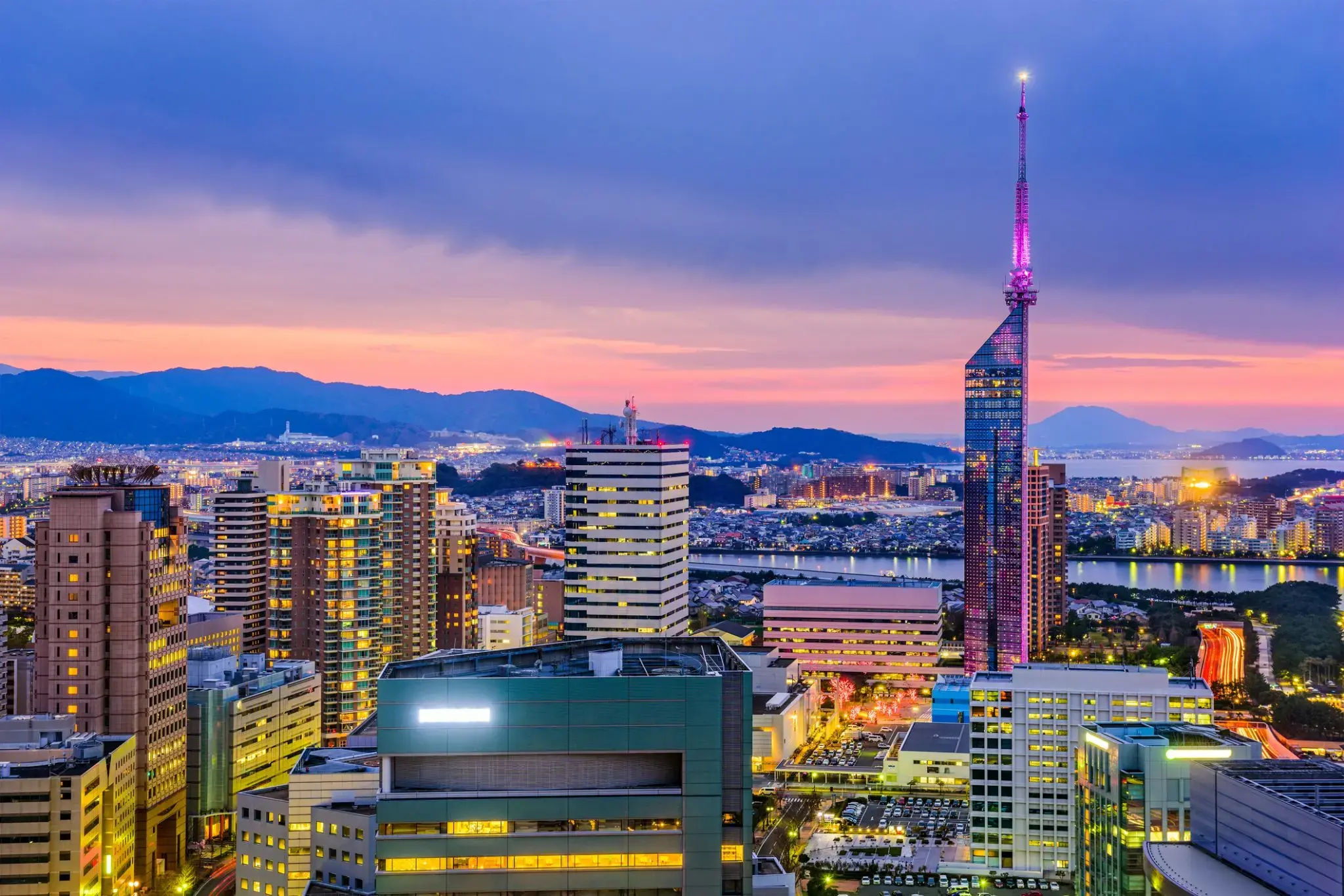
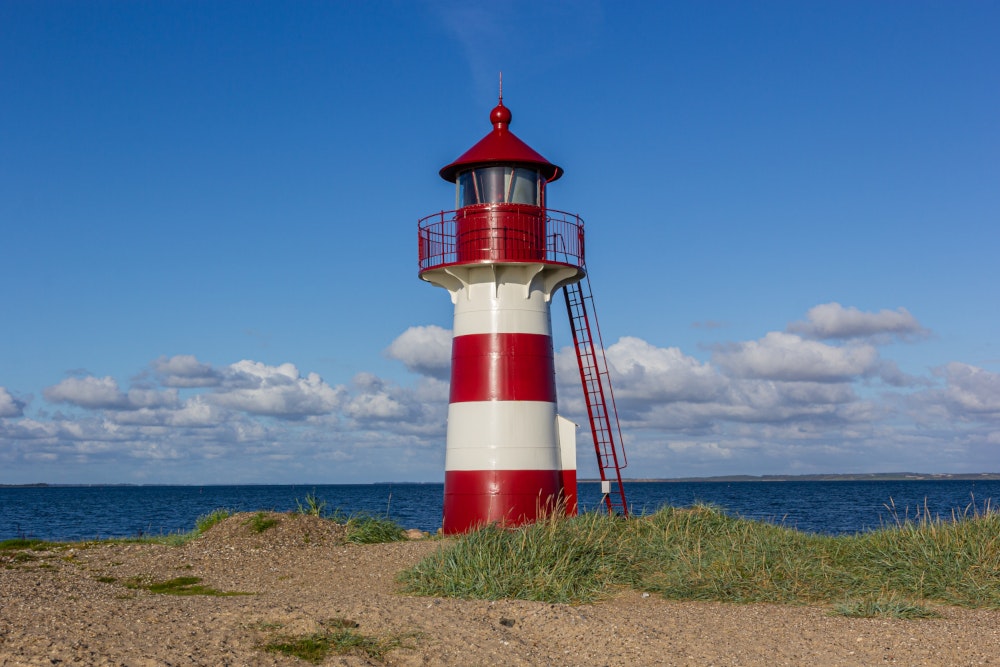
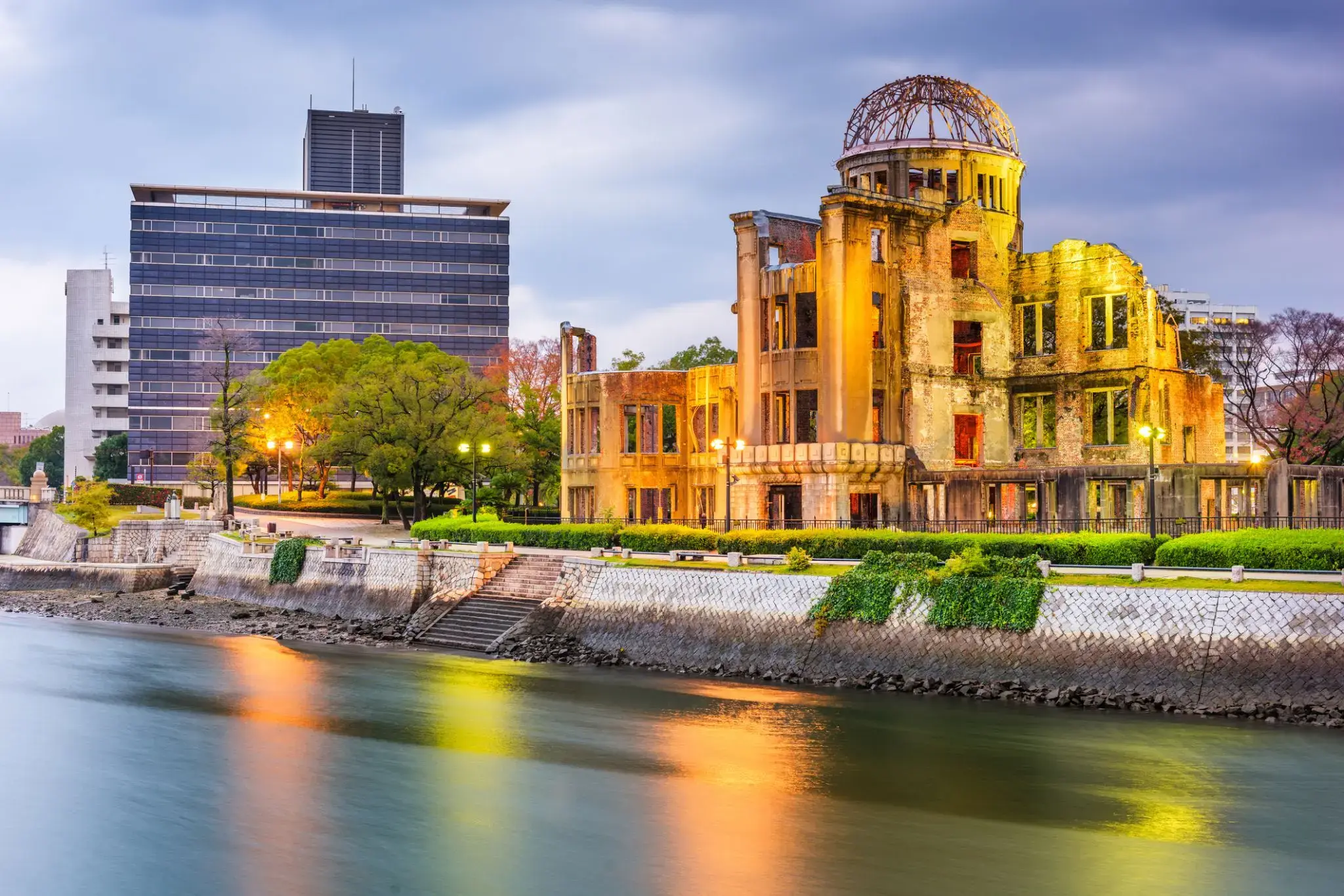
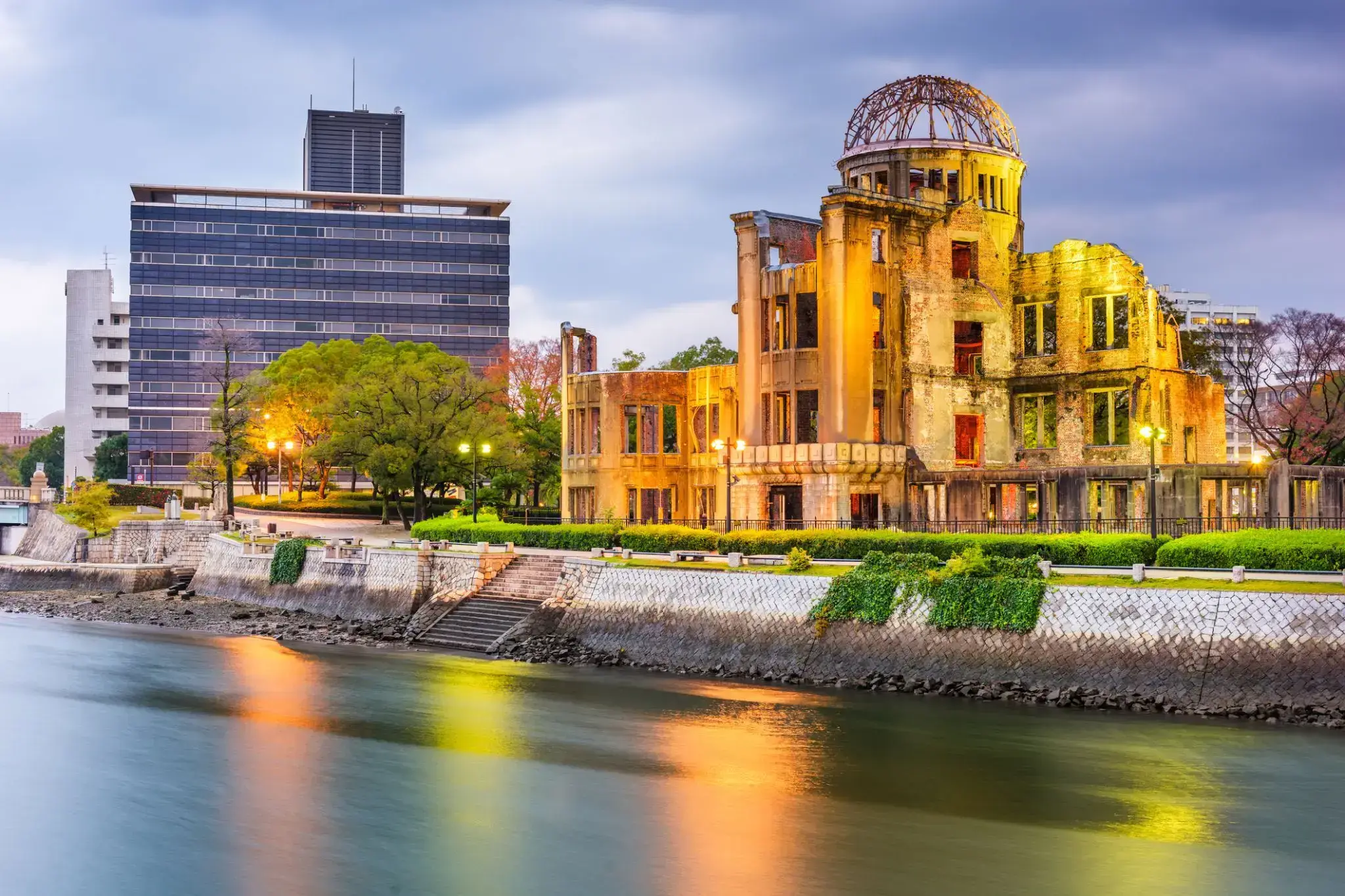
a city in southwestern Japan, on the southern coast of the island of Honshu; population 1,144,572 (2007). It was the target of the first atom bomb, which was dropped by the US on August 6, 1945, and resulted in the deaths of about one third of the city's population of 300,000. This, with a second attack on Nagasaki three days later, led to Japan's surrender and to the end of World War II.
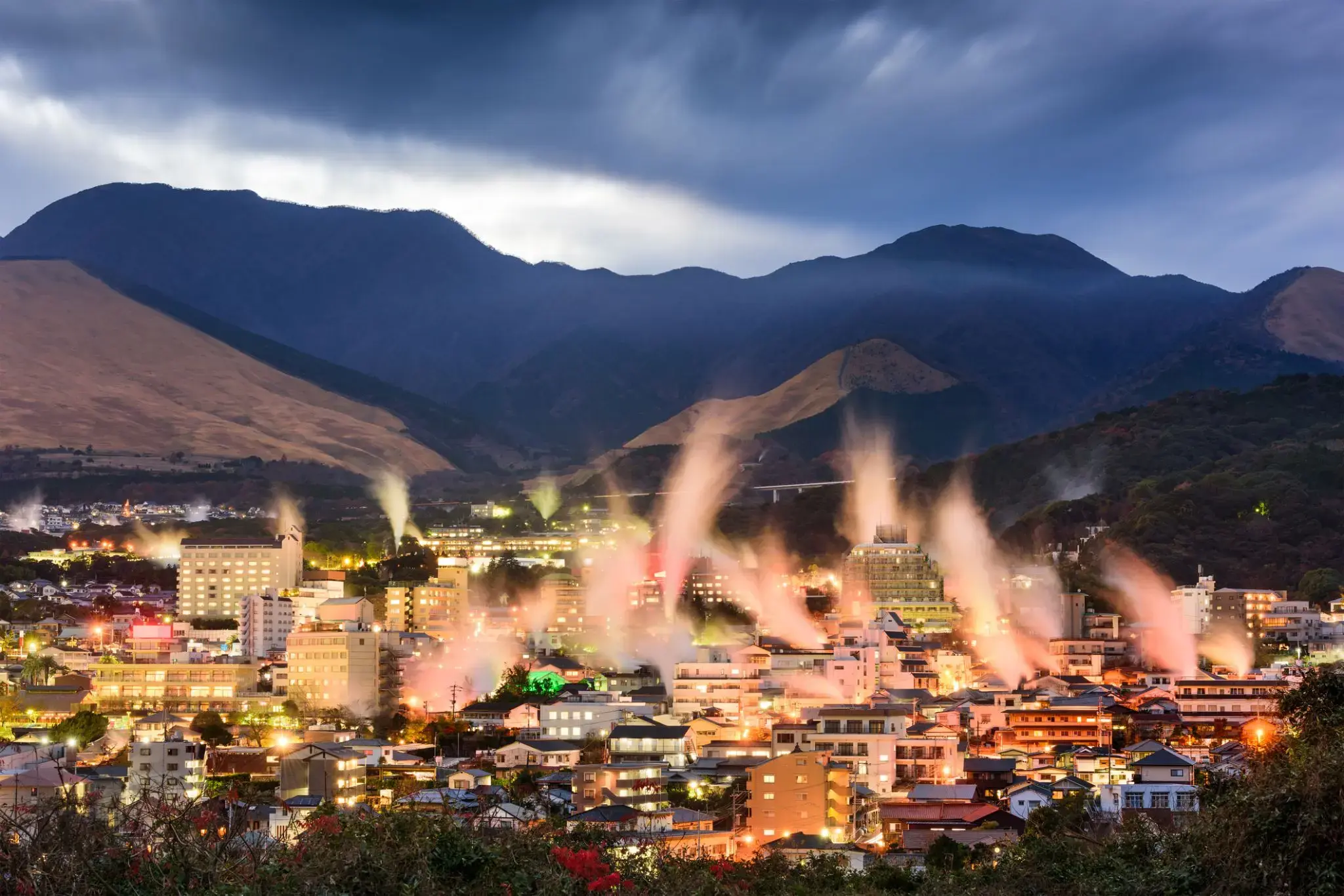
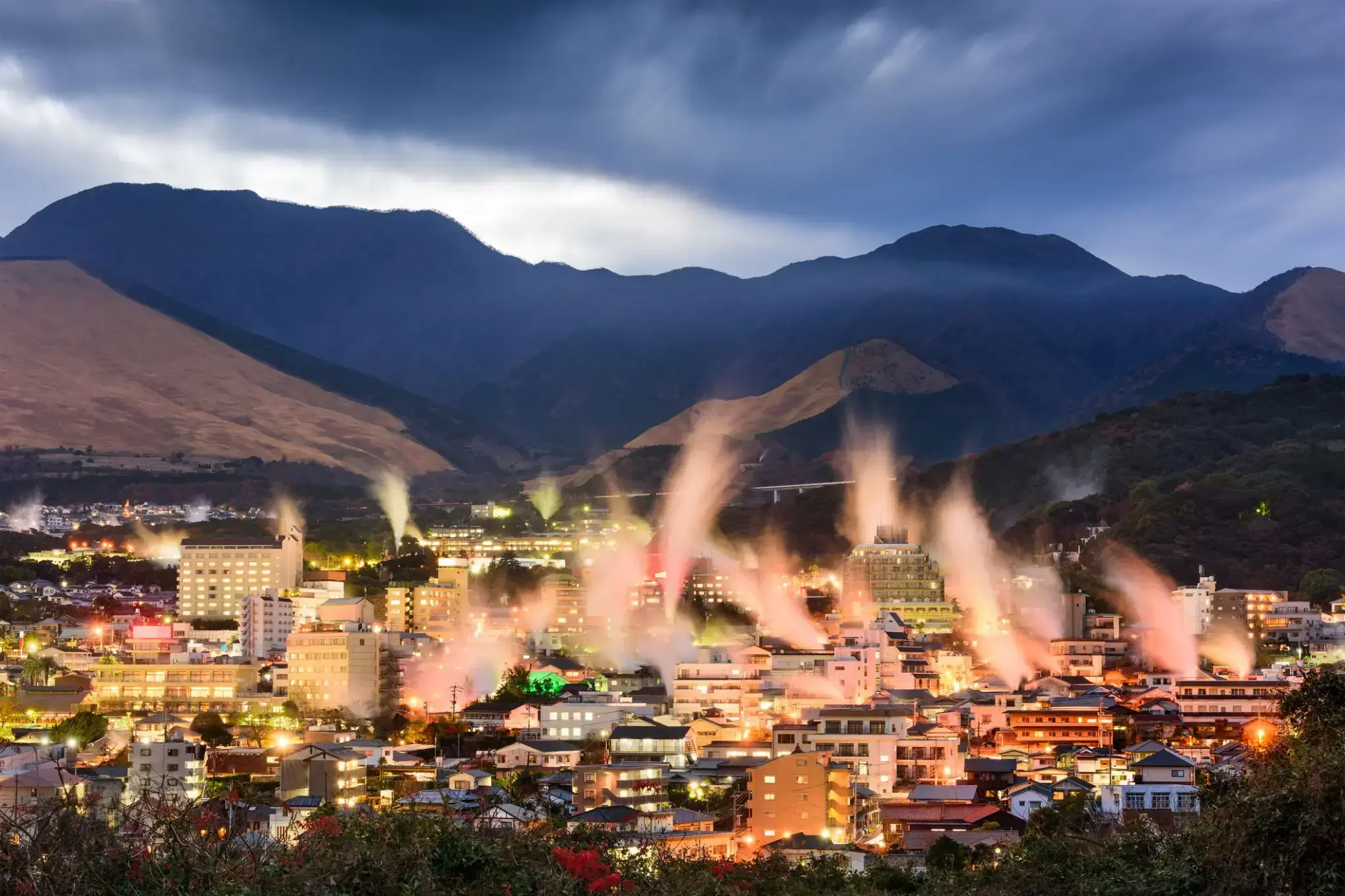
Beppu is a city in Ōita Prefecture on the island of Kyushu, Japan, at the west end of Beppu Bay. As of March 31, 2017, the city had a population of 122,643 and a population density of 980/km2 (2,500/sq mi). The total area is 125.13 km2 (48.31 sq mi). Beppu is famous for its hot springs.
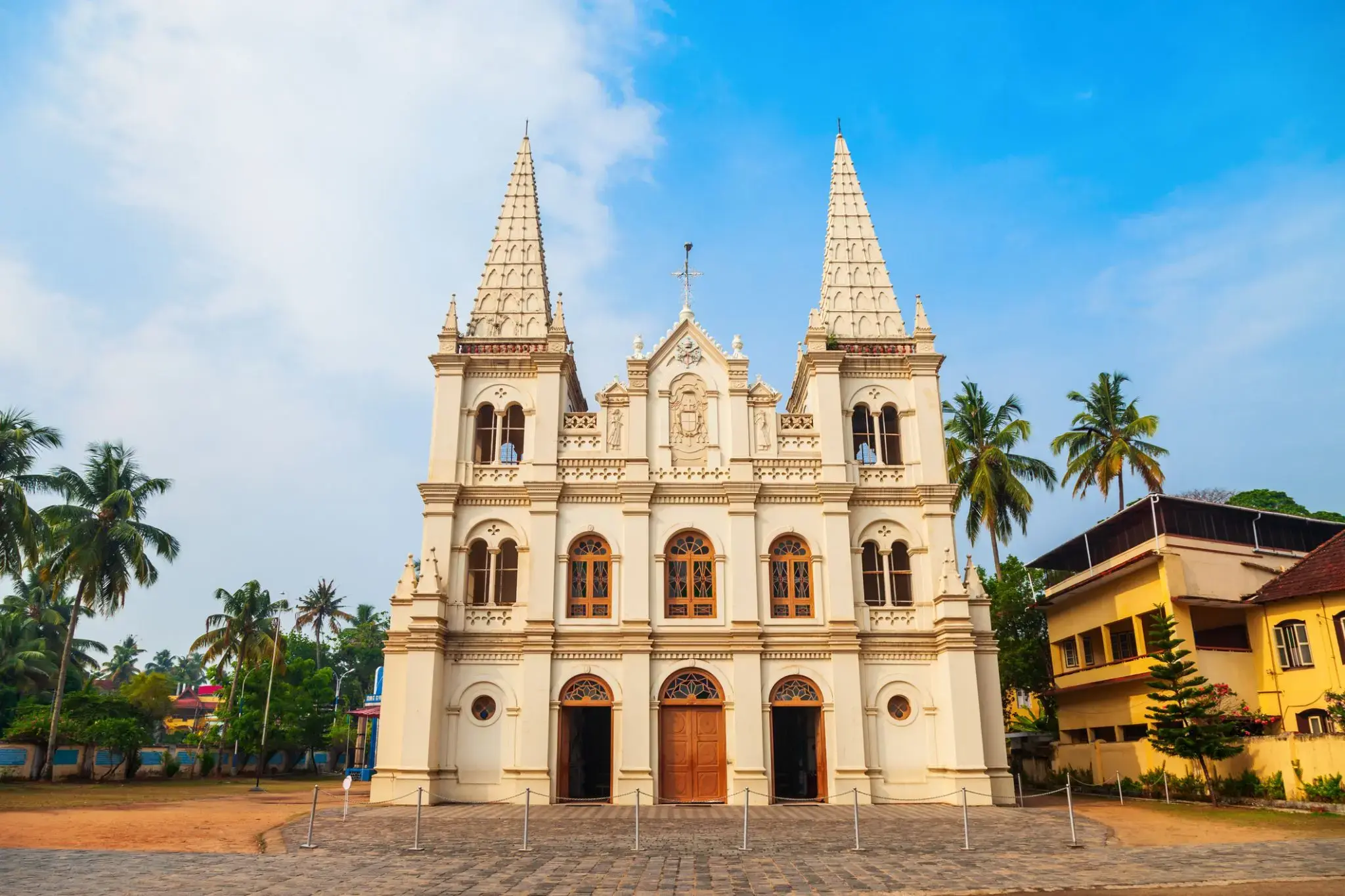
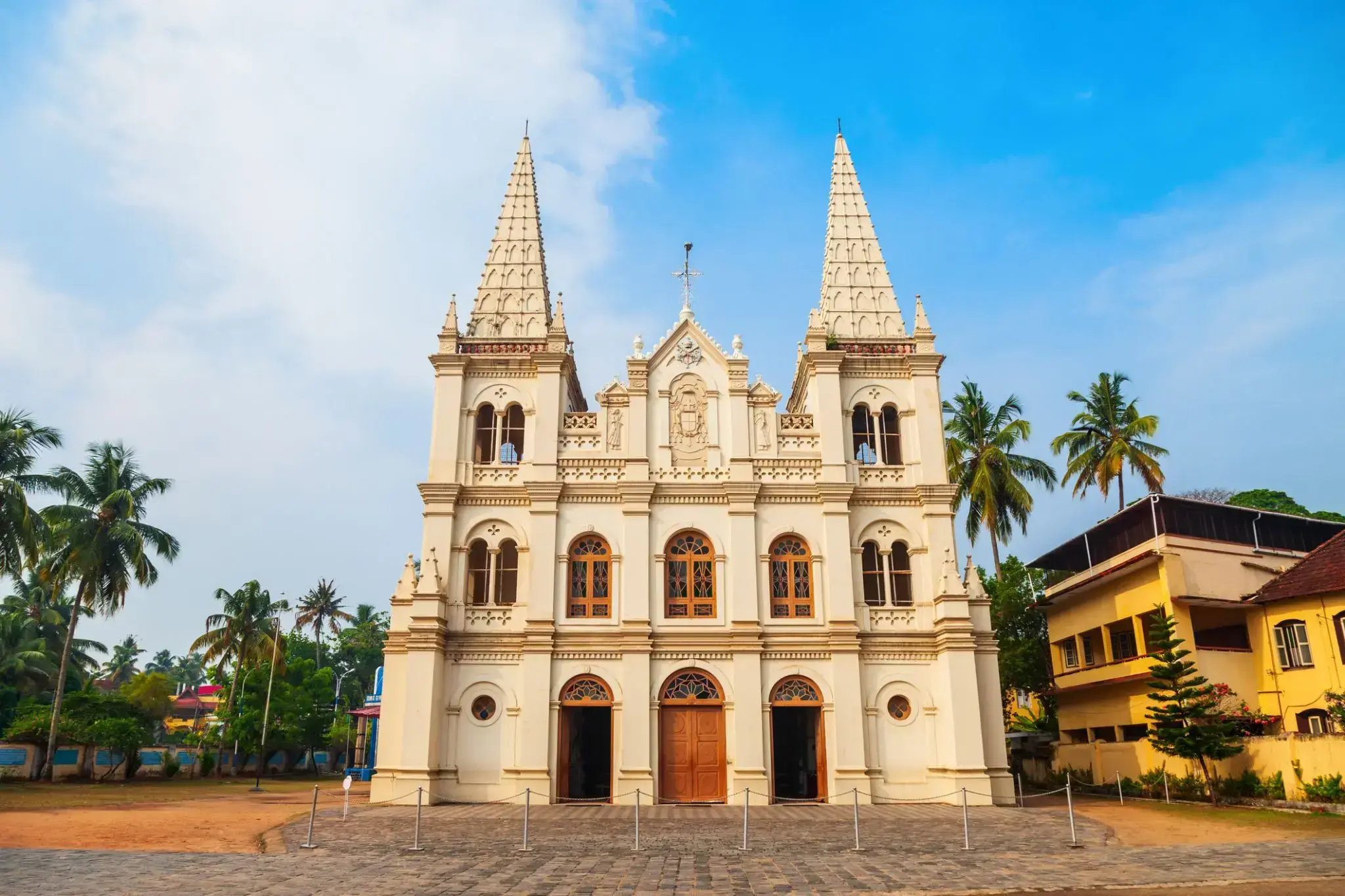
a seaport and naval base on the Malabar Coast of southwestern India, in the state of Kerala; population 254,500 (est. 2009).


Tokyo, officially Tokyo Metropolis, one of the 47 prefectures of Japan, has served as the Japanese capital since 1869. As of 2014, the Greater Tokyo Arearanked as the most populous metropolitan area in the world. The urban area houses the seat of the Emperor of Japan, of the Japanese government and of the National Diet. Tokyo forms part of the Kantō region on the southeastern side of Japan's main island, Honshu, and includes the Izu Islands and Ogasawara Islands. Tokyo was formerly named Edo when Shōgun Tokugawa Ieyasu made the city his headquarters in 1603. It became the capital after Emperor Meiji moved his seat to the city from Kyoto in 1868; at that time Edo was renamed Tokyo. Tokyo Metropolis formed in 1943 from the merger of the former Tokyo Prefecture and the city of Tokyo. Tokyo is often referred to as a city but is officially known and governed as a "metropolitan prefecture", which differs from and combines elements of a city and a prefecture, a characteristic unique to Tokyo.
The 23 Special Wards of Tokyo were formerly Tokyo City. On July 1, 1943, it merged with Tokyo Prefecture and became Tokyo Metropolis with an additional 26 municipalities in the western part of the prefecture, and the Izu islandsand Ogasawara islands south of Tokyo. The population of the special wards is over 9 million people, with the total population of Tokyo Metropolis exceeding 13.8 million. The prefecture is part of the world's most populous metropolitan area called the Greater Tokyo Area with over 38 million people and the world's largest urban agglomeration economy. As of 2011, Tokyo hosted 51 of the Fortune Global 500 companies, the highest number of any city in the world at that time. Tokyo ranked third (twice) in the International Financial Centres Development Index. The city is home to various television networks such as Fuji TV, Tokyo MX, TV Tokyo, TV Asahi, Nippon Television, NHK and the Tokyo Broadcasting System.
Tokyo, officially Tokyo Metropolis, one of the 47 prefectures of Japan, has served as the Japanese capital since 1869. As of 2014, the Greater Tokyo Arearanked as the most populous metropolitan area in the world. The urban area houses the seat of the Emperor of Japan, of the Japanese government and of the National Diet. Tokyo forms part of the Kantō region on the southeastern side of Japan's main island, Honshu, and includes the Izu Islands and Ogasawara Islands. Tokyo was formerly named Edo when Shōgun Tokugawa Ieyasu made the city his headquarters in 1603. It became the capital after Emperor Meiji moved his seat to the city from Kyoto in 1868; at that time Edo was renamed Tokyo. Tokyo Metropolis formed in 1943 from the merger of the former Tokyo Prefecture and the city of Tokyo. Tokyo is often referred to as a city but is officially known and governed as a "metropolitan prefecture", which differs from and combines elements of a city and a prefecture, a characteristic unique to Tokyo.
The 23 Special Wards of Tokyo were formerly Tokyo City. On July 1, 1943, it merged with Tokyo Prefecture and became Tokyo Metropolis with an additional 26 municipalities in the western part of the prefecture, and the Izu islandsand Ogasawara islands south of Tokyo. The population of the special wards is over 9 million people, with the total population of Tokyo Metropolis exceeding 13.8 million. The prefecture is part of the world's most populous metropolitan area called the Greater Tokyo Area with over 38 million people and the world's largest urban agglomeration economy. As of 2011, Tokyo hosted 51 of the Fortune Global 500 companies, the highest number of any city in the world at that time. Tokyo ranked third (twice) in the International Financial Centres Development Index. The city is home to various television networks such as Fuji TV, Tokyo MX, TV Tokyo, TV Asahi, Nippon Television, NHK and the Tokyo Broadcasting System.