| Region rejsu : Morze Śródziemne |
| Firma : MSC Yacht Club |
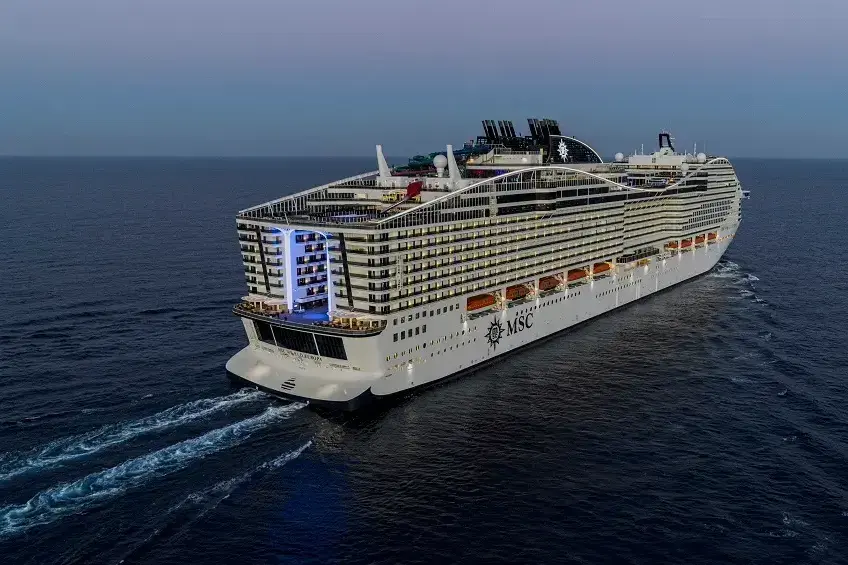
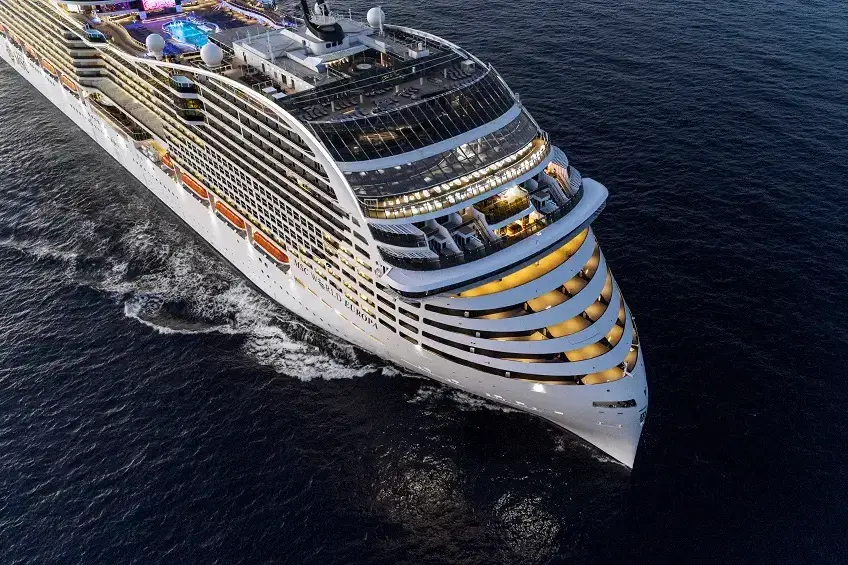
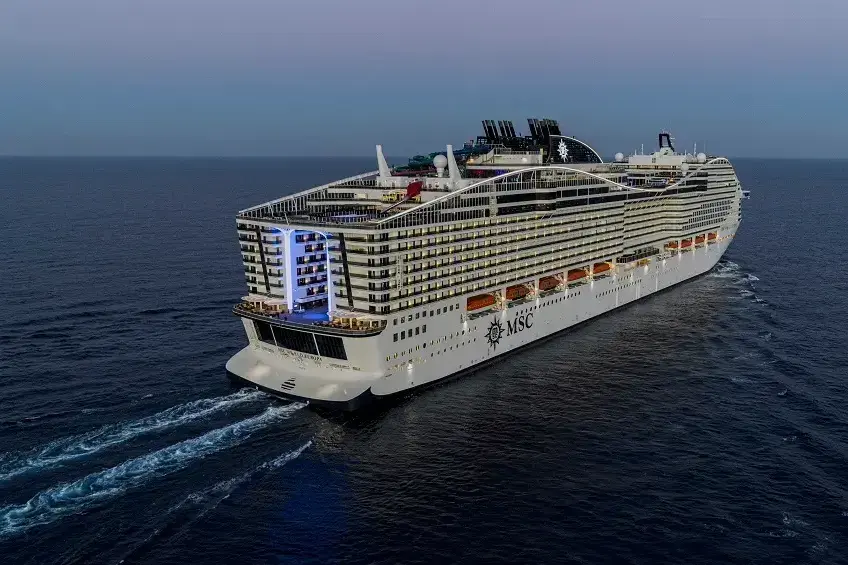
| Statek : MSC Yacht Club World Europa |
| Data rozpoczęcia : sob. 20 lis 2027 |
| Data zakończenia : sob. 11 gru 2027 |
| Liczba nocy : 21 noc |
| Dzień | Data | Port | Wypłynięcie | Odpłynięcie |
|---|---|---|---|---|
| 1 | 20.11 sob. | Genua / Włochy | 18:00 | |
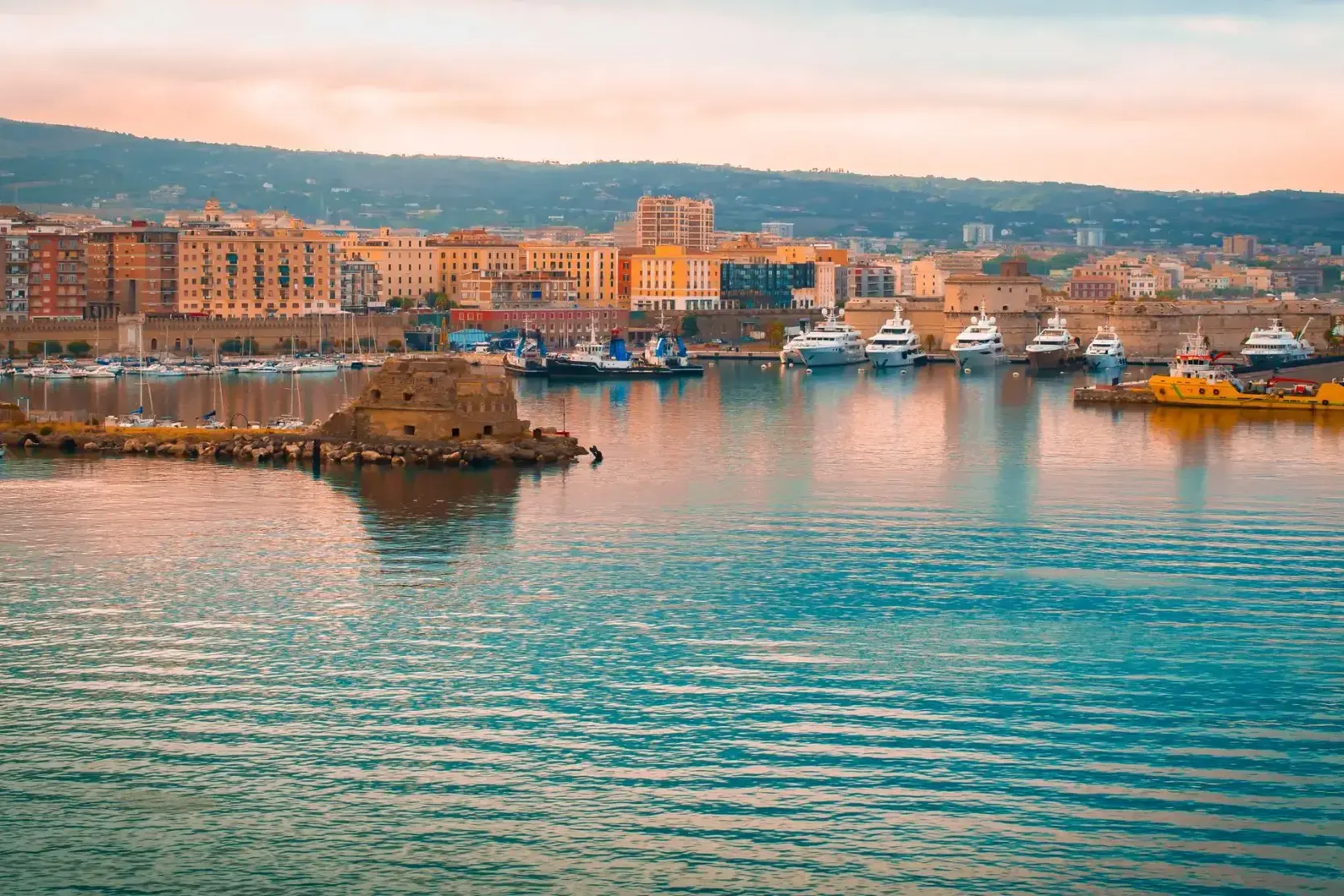
| 2 | 21.11 niedz. | Rzym (Civitavecchia) / Włochy | 07:00 | 19:00 |
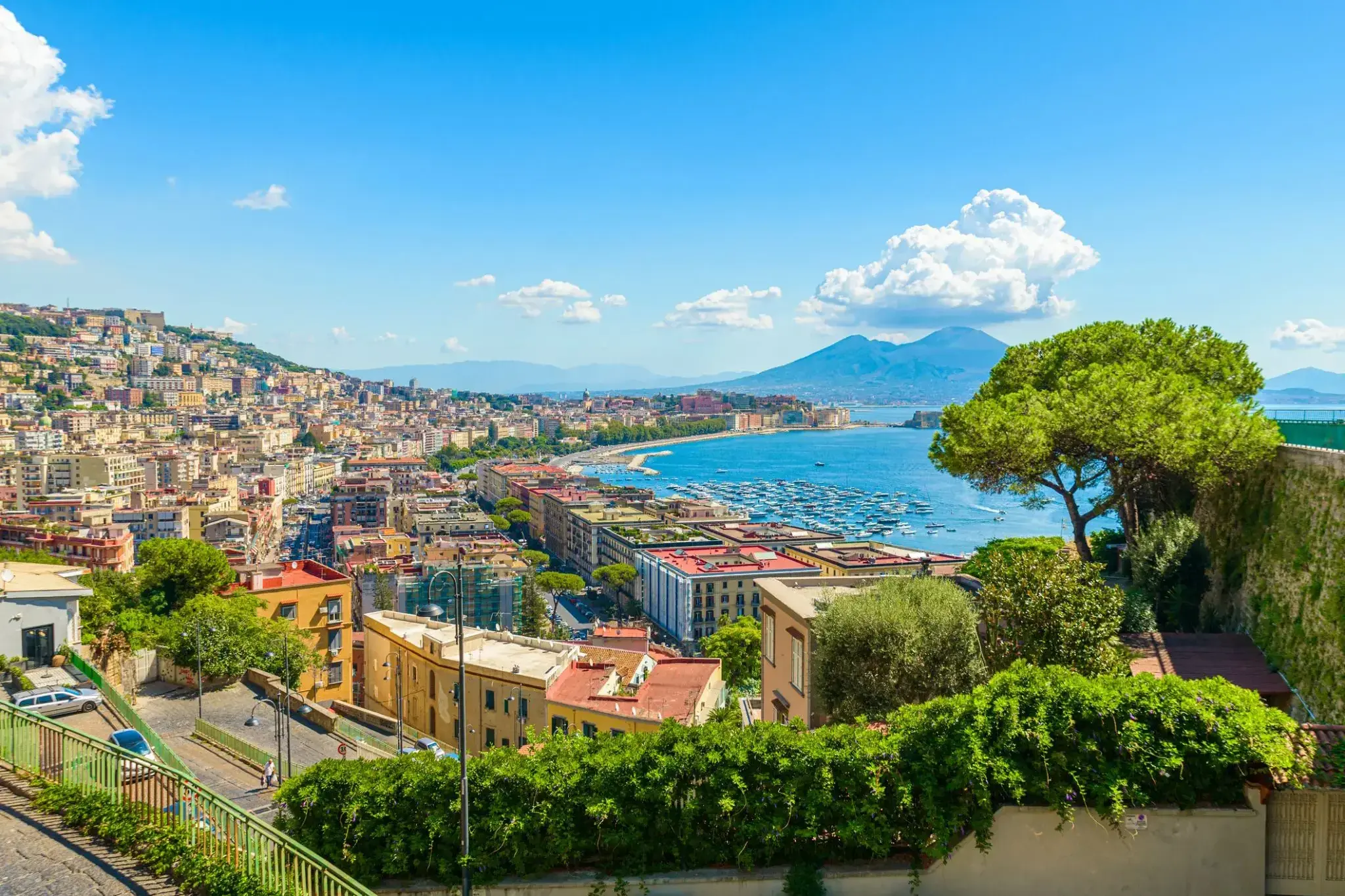
| 3 | 22.11 pon. | Neapol / Włochy | 08:00 | 18:00 |
| 4 | 23.11 wt. | Dzień na morzu / Morze | ||
| 5 | 24.11 śr. | Dzień na morzu / Morze | ||
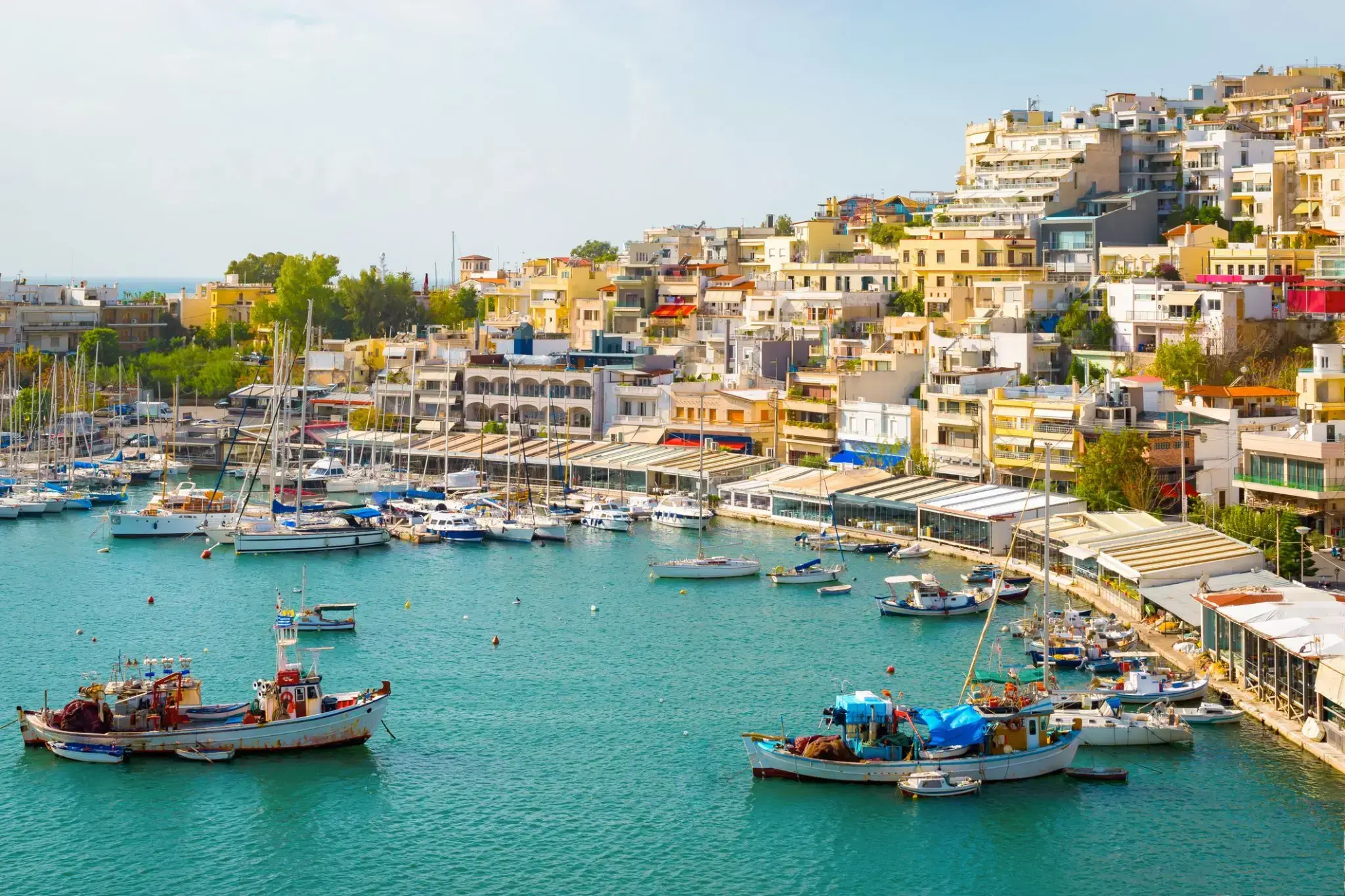
| 6 | 25.11 czw. | Pireus (Ateny) / Grecja | 07:00 | 17:00 |
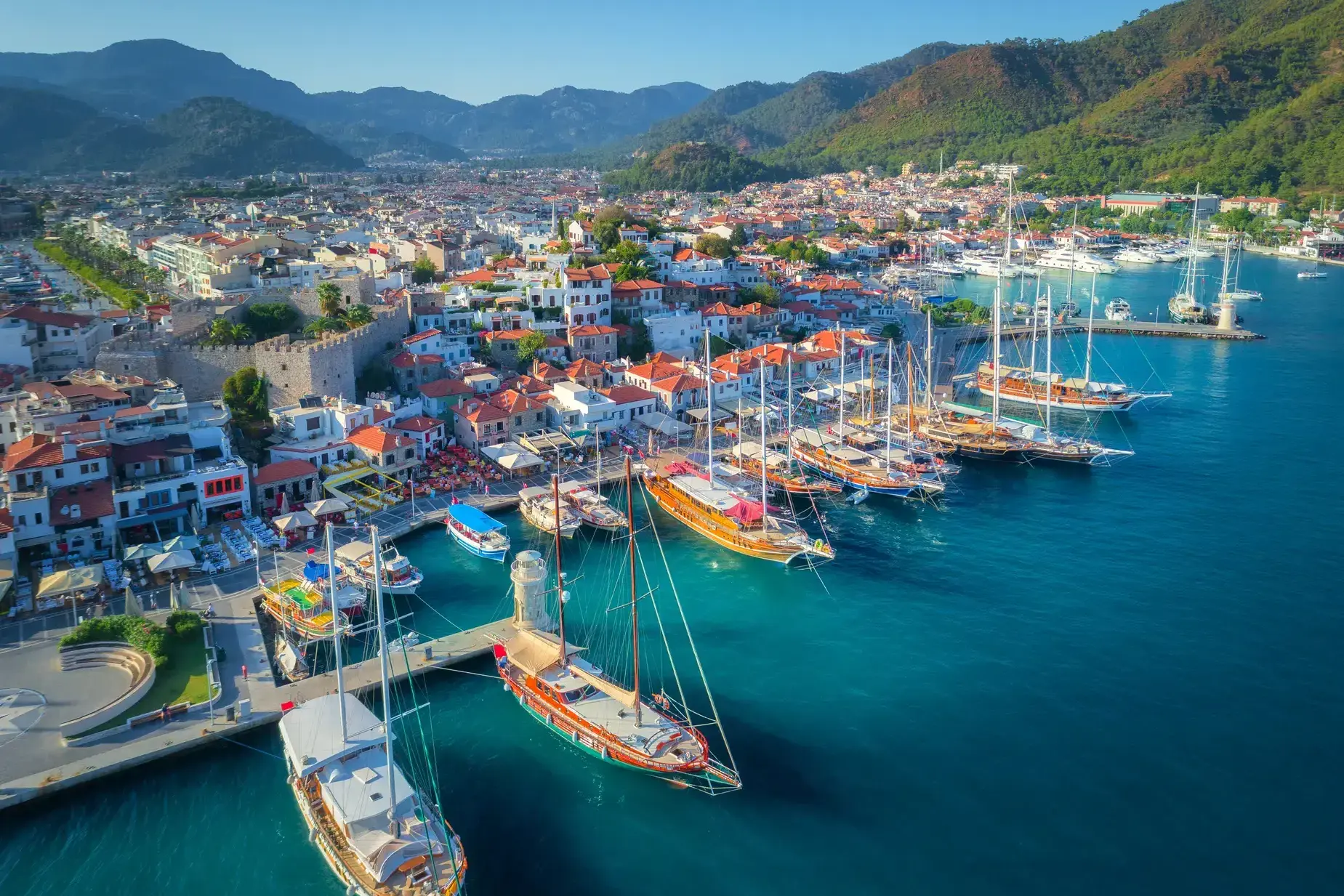
| 7 | 26.11 pt. | Marmaris / Turcja | 09:00 | 17:00 |
| 8 | 27.11 sob. | Limassol / Cypr | 09:00 | 18:00 |
| 9 | 28.11 niedz. | Aleksandria / Egipt | 09:00 | 18:00 |
| 10 | 29.11 pon. | Kanał Sueski / Egipt | 19:00 | 19:30 |
| 11 | 30.11 wt. | Kanał Sueski / Egipt | 15:00 | 15:30 |
| 12 | 1.12 śr. | Dzień na morzu / Morze | ||
| 13 | 2.12 czw. | Dzień na morzu / Morze | ||
| 14 | 3.12 pt. | Dzień na morzu / Morze | ||
| 15 | 4.12 sob. | Dzień na morzu / Morze | ||
| 16 | 5.12 niedz. | Dzień na morzu / Morze | ||
| 17 | 6.12 pon. | Dzień na morzu / Morze | ||
| 18 | 7.12 wt. | Muskat / Oman | 08:00 | 20:00 |
| 19 | 8.12 śr. | Dzień na morzu / Morze | ||
| 20 | 9.12 czw. | Doha / Katar | 07:00 | 17:00 |
| 21 | 10.12 pt. | Dubai / UAE | 07:00 | 23:59 |
| 22 | 11.12 sob. | Dubai / UAE | 00:01 |
MSC Yacht Club – Included Privileges
Privileges
As an MSC Yacht Club guest, you enjoy a wealth of included privileges designed to make every момент круиза максимально комфортным:
Dedicated priority check‑in and check‑out, as well as priority disembarkation and embarkation on excursion days.
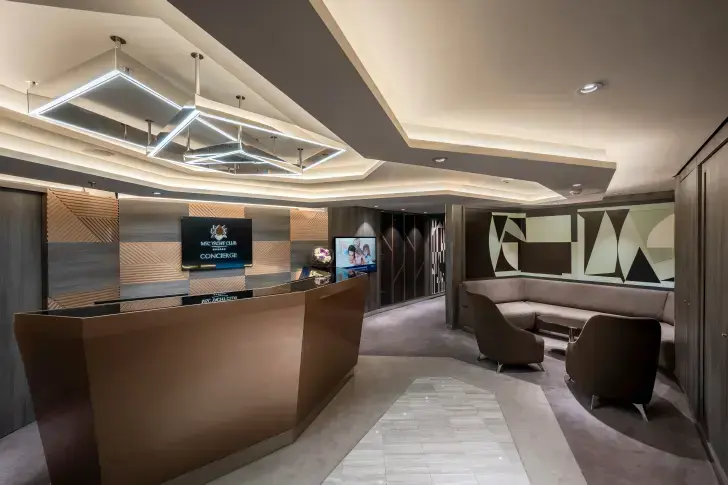
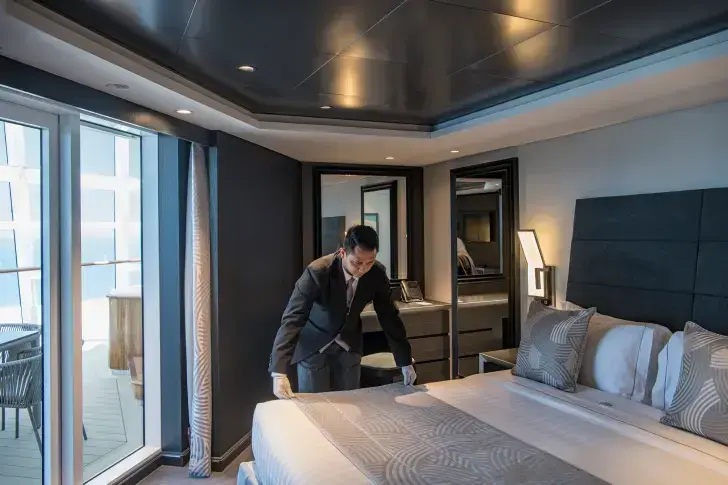
24‑hour butler service and a dedicated concierge desk, available whenever you need assistance.
24‑hour Room Service, so you can dine in the privacy of your suite at any time of day or night.
Premium Extra Drink Package included, covering beverages priced up to €14 / $16 in all bars, lounges and restaurants across the ship, from classic cocktails and premium spirits to wines by the glass, beers, soft drinks, coffee and teas.
Browse Internet package (Unlimited Internet Package for 2 devices per guest), allowing you to stay connected throughout your voyage.
Complimentary access to the Thermal Suite in the MSC Aurea Spa for the duration of the cruise, offering saunas, steam rooms and relaxation areas.
Relaxation amenities in each suite, including plush bathrobe and slippers, plus enhanced bathroom amenities.
Additional personal touches, such as luggage packing and unpacking service on request and newspaper delivery to your suite (where available).
MSC for Me wristband, giving convenient, hands‑free access to your suite and onboard purchases.
MSC Yacht Club – Exclusivity on Board
Exclusivity
MSC Yacht Club is a private sanctuary of exclusivity at the top of the ship, reserved solely for its guests:
Dedicated and private area of the ship, accessible only with a Yacht Club key card.
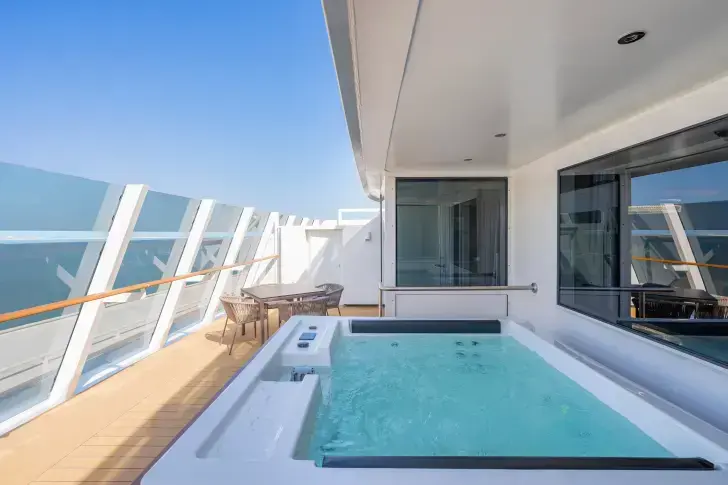
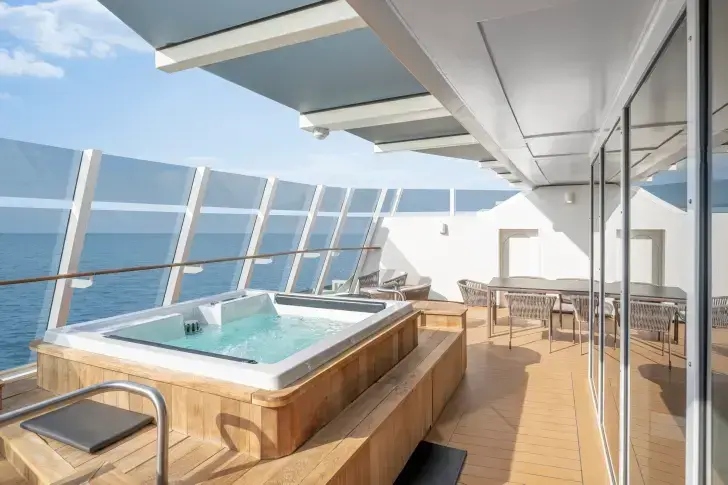
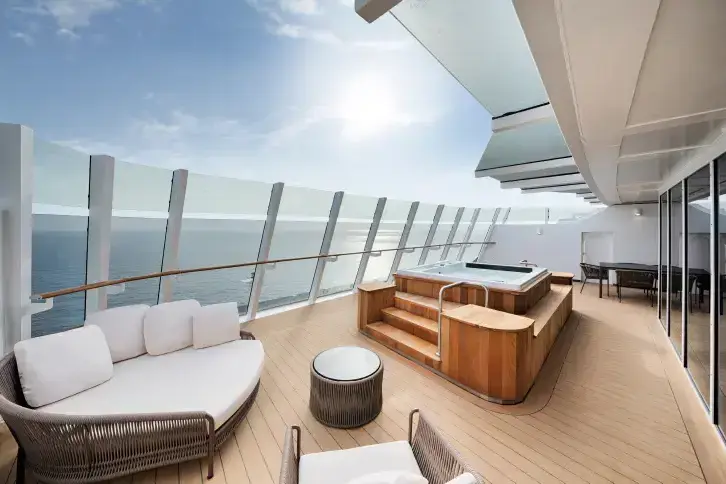
Lavishly appointed suites located on the foredecks, offering outstanding comfort and some of the best views on board.
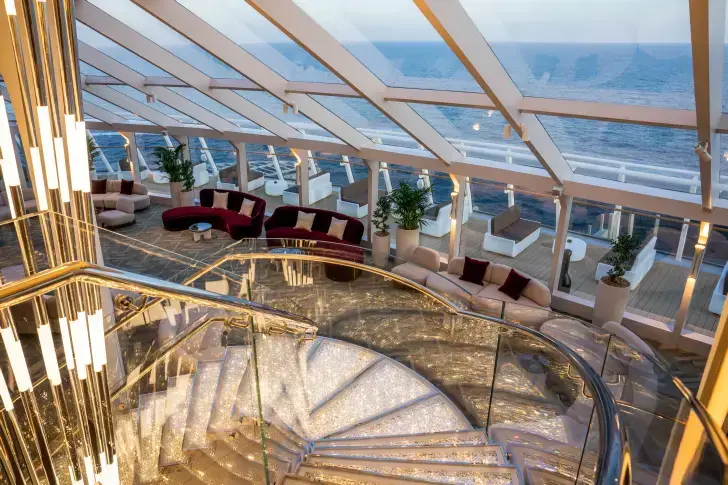
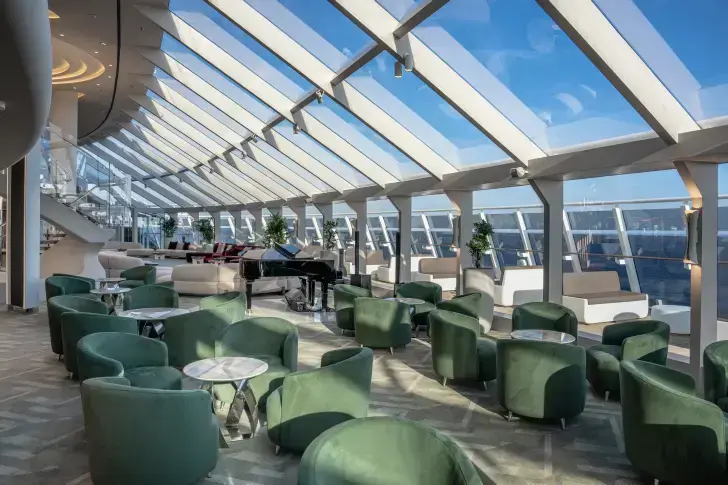
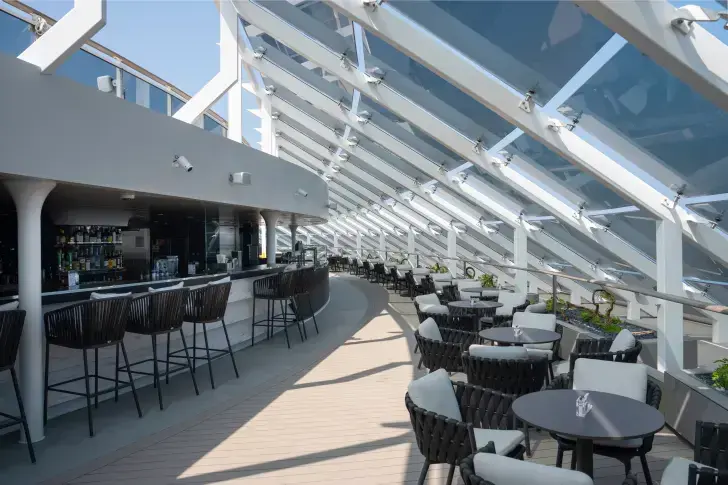
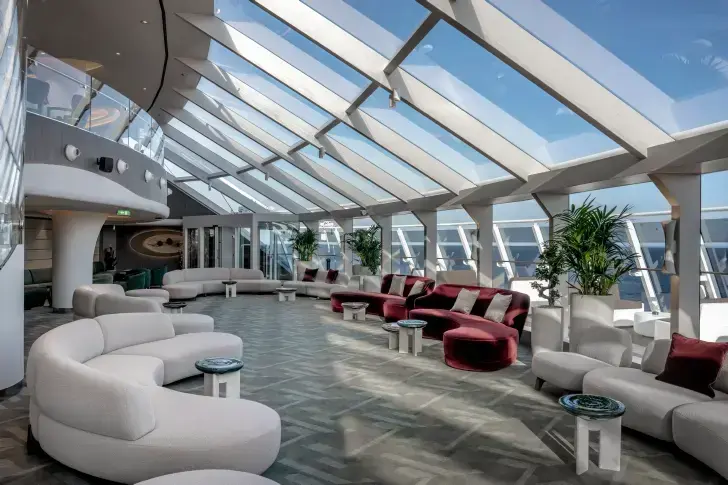
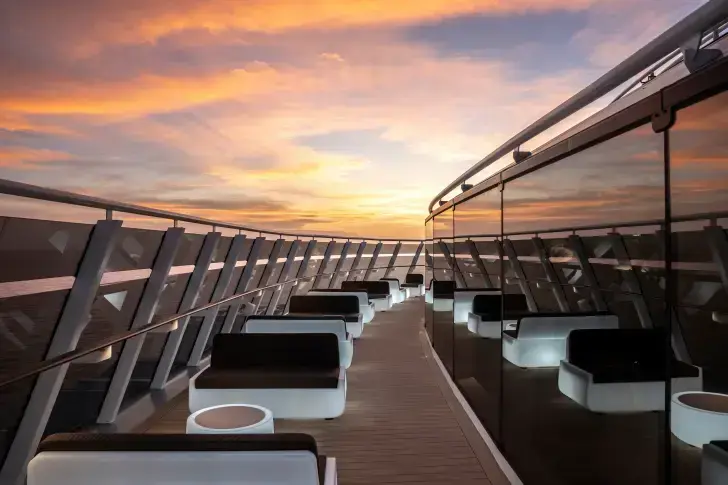
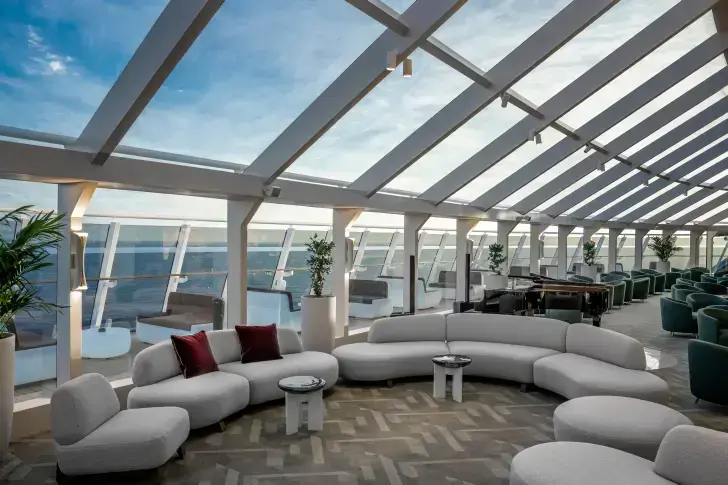
Panoramic Top Sail Lounge with a full‑service bar, afternoon tea service, light bites available throughout the day and night, and live entertainment in the evening.
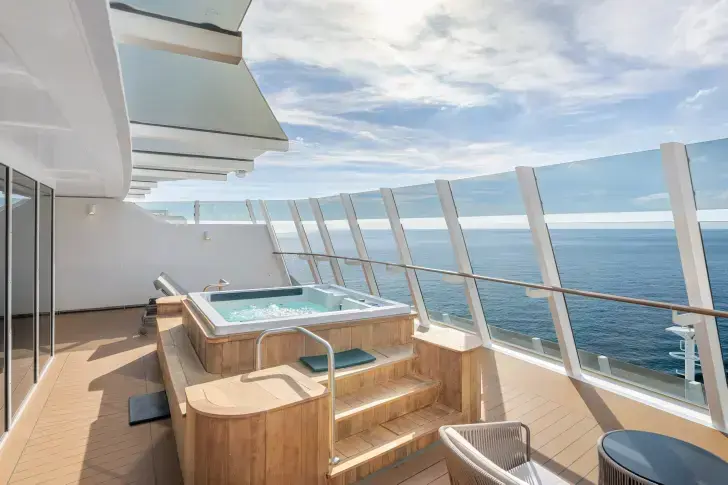
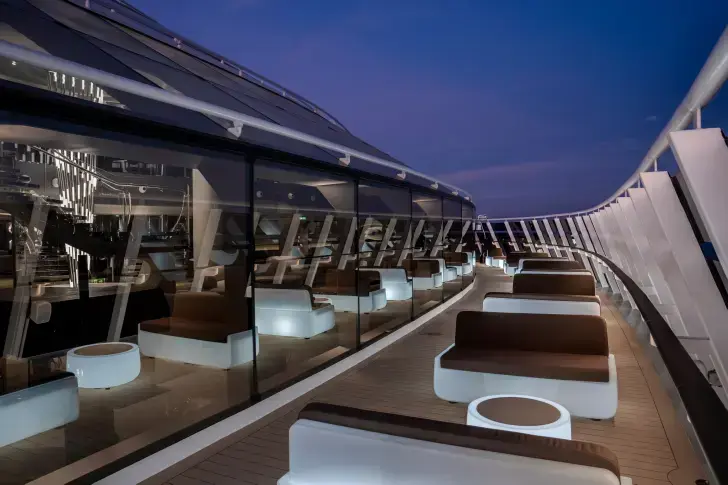
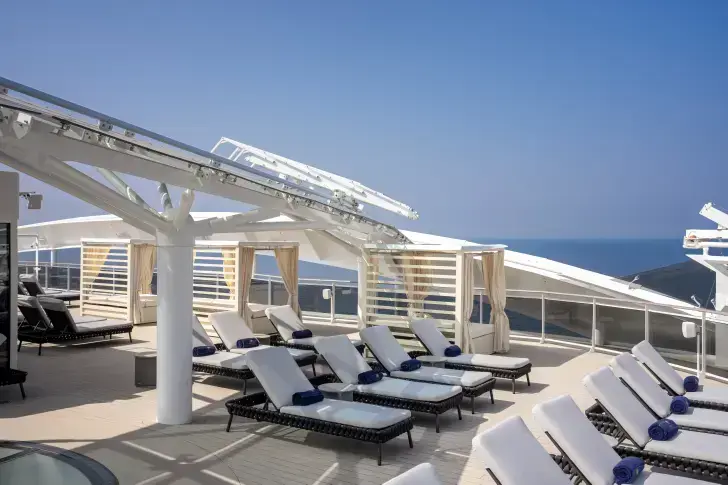
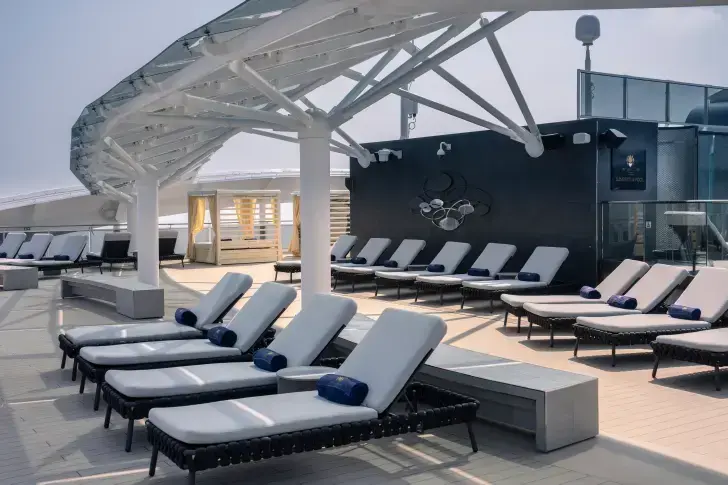
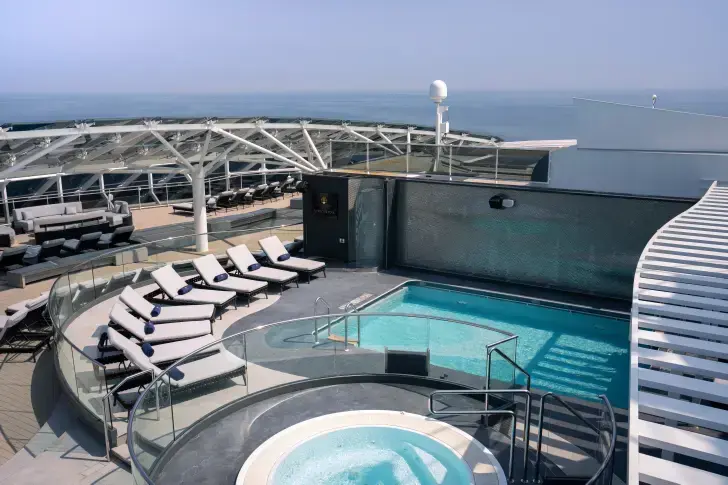
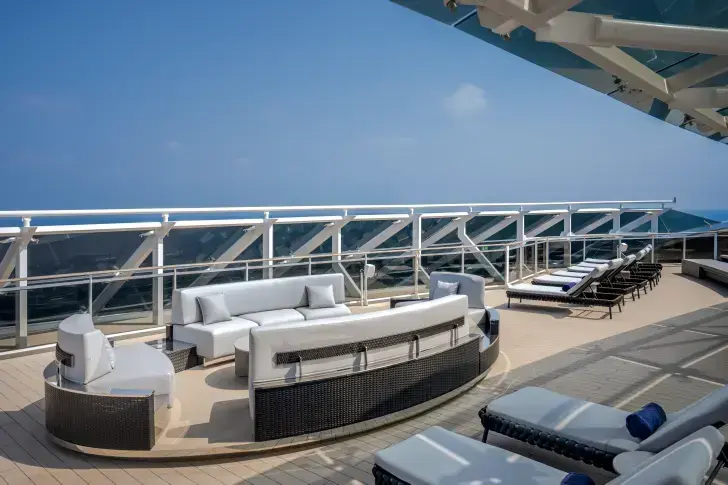
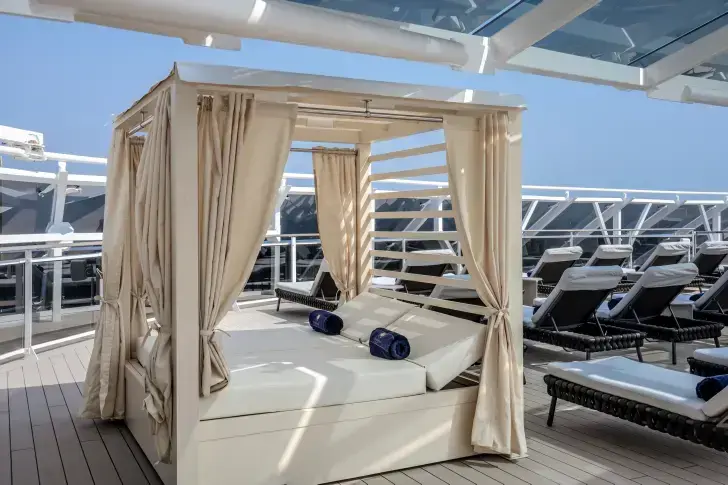
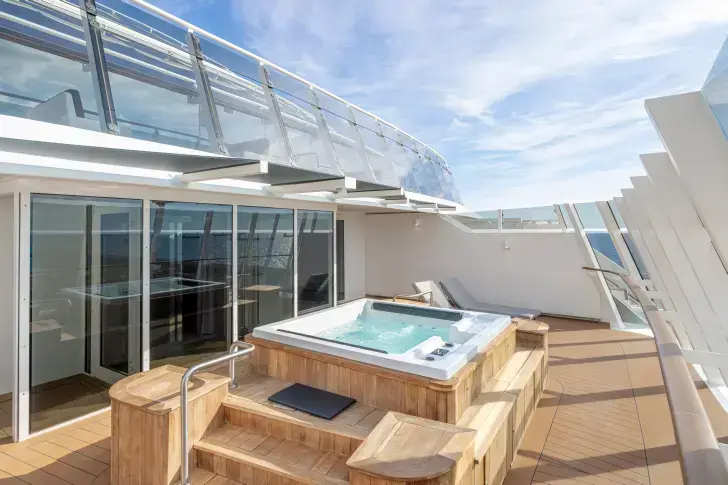
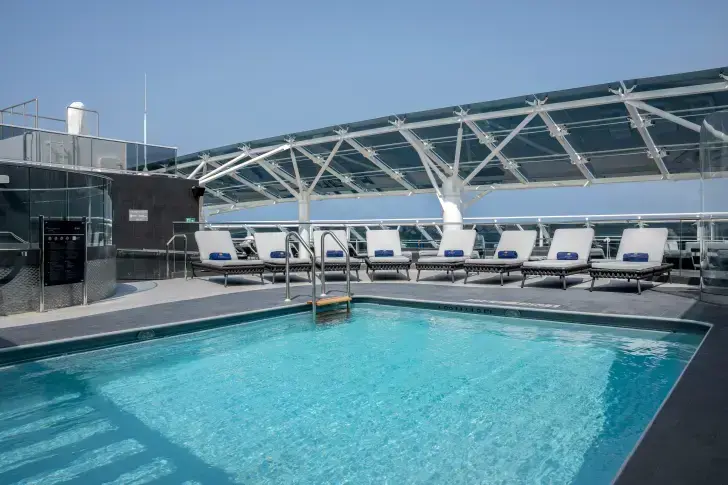
Private and spacious pool deck reserved for Yacht Club guests, featuring pool, whirlpool baths, dedicated sunbathing area and outdoor bar with exceptional sea views.
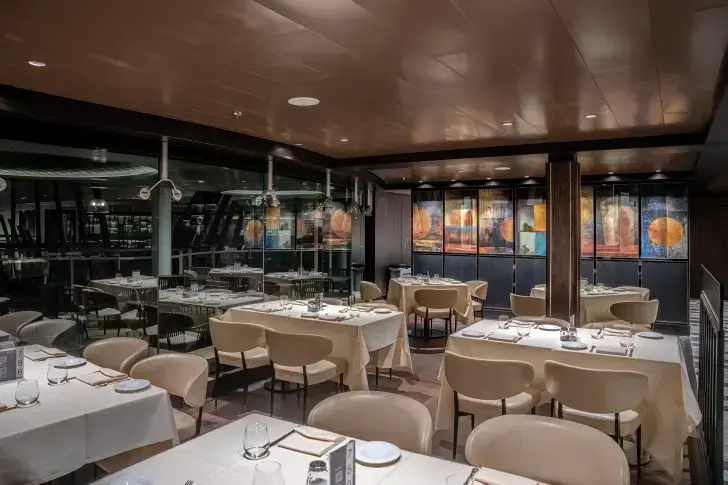
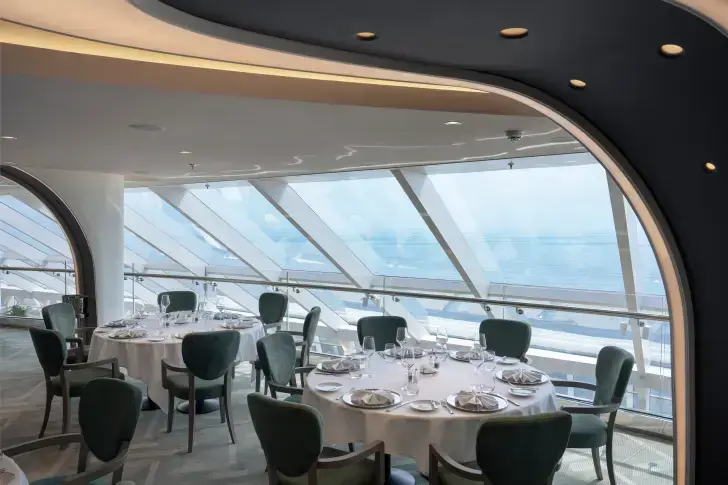
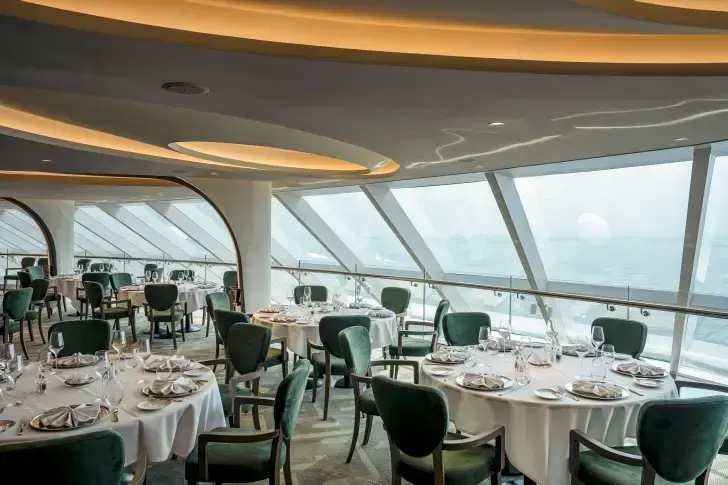
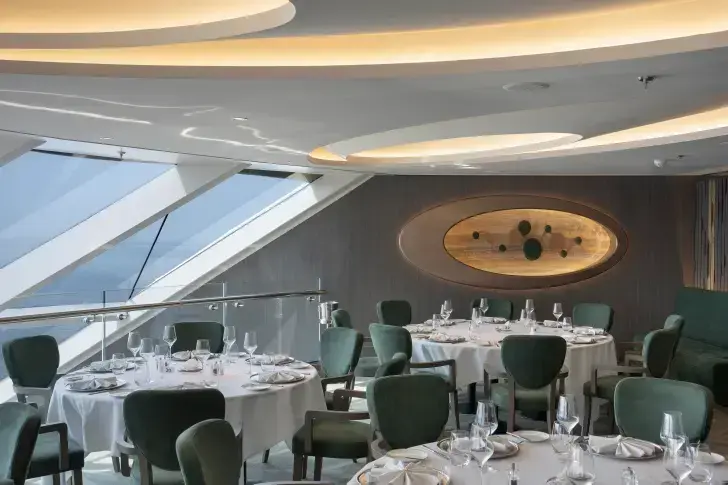
Gourmet restaurant exclusive to MSC Yacht Club, serving à la carte breakfast, lunch and dinner with flexible, open seating and no fixed dining times.
Tailor‑made experiences, from bespoke shopping assistance to curated shore excursions, organized by the Yacht Club concierge and butler team.
MSC Yacht Club – World of Choice
World of Choice
Beyond the private world of MSC Yacht Club, guests enjoy a full range of flexible benefits before and during their cruise:
Pre‑Cruise Benefits
1 free cruise change*, offering extra flexibility if your plans change.
Option to book discounted Specialty Restaurant packages at the time of cruise booking.
Option to pre‑book discounted Balinese massage packages in the MSC Aurea Spa.
The free cruise change must be requested at least 30 calendar days before departure and applied to a new sailing within 90 days of the original departure date.
Onboard Choice
Yacht Club guests also have full access to all facilities and entertainment across the entire ship:
A wide choice of bars and lounges, speciality restaurants, pools and open‑deck areas.
Premium buffet with extended opening hours and a variety of international dishes.
A rich programme of Broadway and Las Vegas‑style theatre shows every evening.
Recreational activities for children of all ages, including dedicated kids’ clubs.
Daytime and evening entertainment for adults, families and children.
A full menu of MSC Aurea Spa treatments, with complimentary access to the Thermal Suite for Yacht Club guests (treatments and spa packages charged separately).
Services Not Included for MSC Yacht Club Guests
Even with the extensive inclusions of MSC Yacht Club, some services remain at an extra charge:
Spa & beauty
All MSC Aurea Spa treatments: massages, body and facial treatments, rituals.
Hair & beauty salon: haircuts, styling, colouring, barber services, manicure and pedicure.
Spa packages and special wellness programs (even if offered at a discount for Yacht Club).
Shore excursions
All shore excursions (group and private), including premium/VIP experiences, boat trips, flightseeing, etc., are chargeable.
Speciality dining & gourmet concepts
Speciality restaurants such as steakhouses, sushi bars and other à la carte venues.
Tasting menus, wine and champagne pairing dinners, chef’s table experiences.
Certain high‑end items (fine wines/champagnes by the bottle, rare spirits, signature chocolates).
Bars, cafés & sweets
Purchases in chocolate bars, gelato counters, pastry shops, and some branded coffee specialties.
Internet upgrades & communication
Upgrade from Browse to Streaming Wi‑Fi (for video calls/streaming) is at an extra cost per device.
Satellite phone calls and some premium communication services.
Photo & video services
Professional photo packages, studio sessions, printed photos and photo books.
Video services and special event packages (weddings, celebrations).
Onboard entertainment & activities
Selected premium activities such as F1 simulators, VR games, bowling and similar attractions (varies by ship).
Paid workshops, games with prizes and some special themed events.
Shopping & onboard purchases
All purchases in duty free and onboard boutiques (fashion, jewellery, watches, perfume, cosmetics, souvenirs).
Laundry & housekeeping extras
Laundry and dry‑cleaning services, pressing and express options.
Service charges & gratuities
Hotel Service Charge / Gratuities (per person, per night) are usually not included in the cruise fare unless specified for a particular market.
Service charges (around 15%) are typically added to bar, restaurant and spa bills.
Passenger name change
The passenger may replace himself/herself with a third party, provided that:
The new guest meets all conditions to join the cruise (travel documents, visas, age, etc.).
A written request (via the sales agent or directly to MSC) is received by MSC no later than 7 calendar days before departure.
If these conditions are met, the name change is subject to an administration fee per guest:
YACHT CLUB – EUR 50 per passenger.
Name change requests made within 7 calendar days of departure are treated as a cancellation and subject to standard cancellation charges.
The original passenger and the new assignee are jointly liable for payment of the cruise fare and any additional costs arising from the change.
One free cruise change (Yacht Club)
In addition to the name change rules, MSC allows guests (except on World Cruise) to change their booked Holiday Package once, under the following conditions:
The departure date of the new cruise is later than the original one.
The request to substitute the New Holiday Package for the Original Holiday Package is received by MSC no later than 30 calendar days before the original departure date.
There is availability on the new cruise.
The departure date of the new cruise falls within 90 calendar days of the original departure date.
If all conditions are met, the change is subject to the following fee per passenger:
YACHT CLUB – one change free of charge; from the second change onward a fee (typically EUR 50 pp) applies.
You can formulate for the website as, for example:
1 free cruise change when requested at least 30 days before departure and when the new cruise departs within 90 days of the original sailing (subject to availability).
Cancellation by the passenger – MSC Yacht Club
For MSC Yacht Club, a specific cancellation scale applies (for all cruises, excluding World Cruise):
YACHT CLUB – Cancellation charges
120 days or more before departure – fixed fee EUR 100 (or loss of deposit, whichever is greater).
119–90 days before departure – 25% of the holiday package price.
89–60 days before departure – 40% of the holiday package price.
59–30 days before departure – 60% of the holiday package price.
29–15 days before departure – 80% of the holiday package price.
14–0 days before departure – 100% of the holiday package price.
If, after a cancellation, the cabin remains occupied by a single guest, then:
The withdrawing passenger is charged according to the scale above (but not less than EUR 100 plus any insurance premium).
The remaining passenger occupying the cabin for single use will be charged a single supplement of 100% (or a lower single supplement if in force at that time).
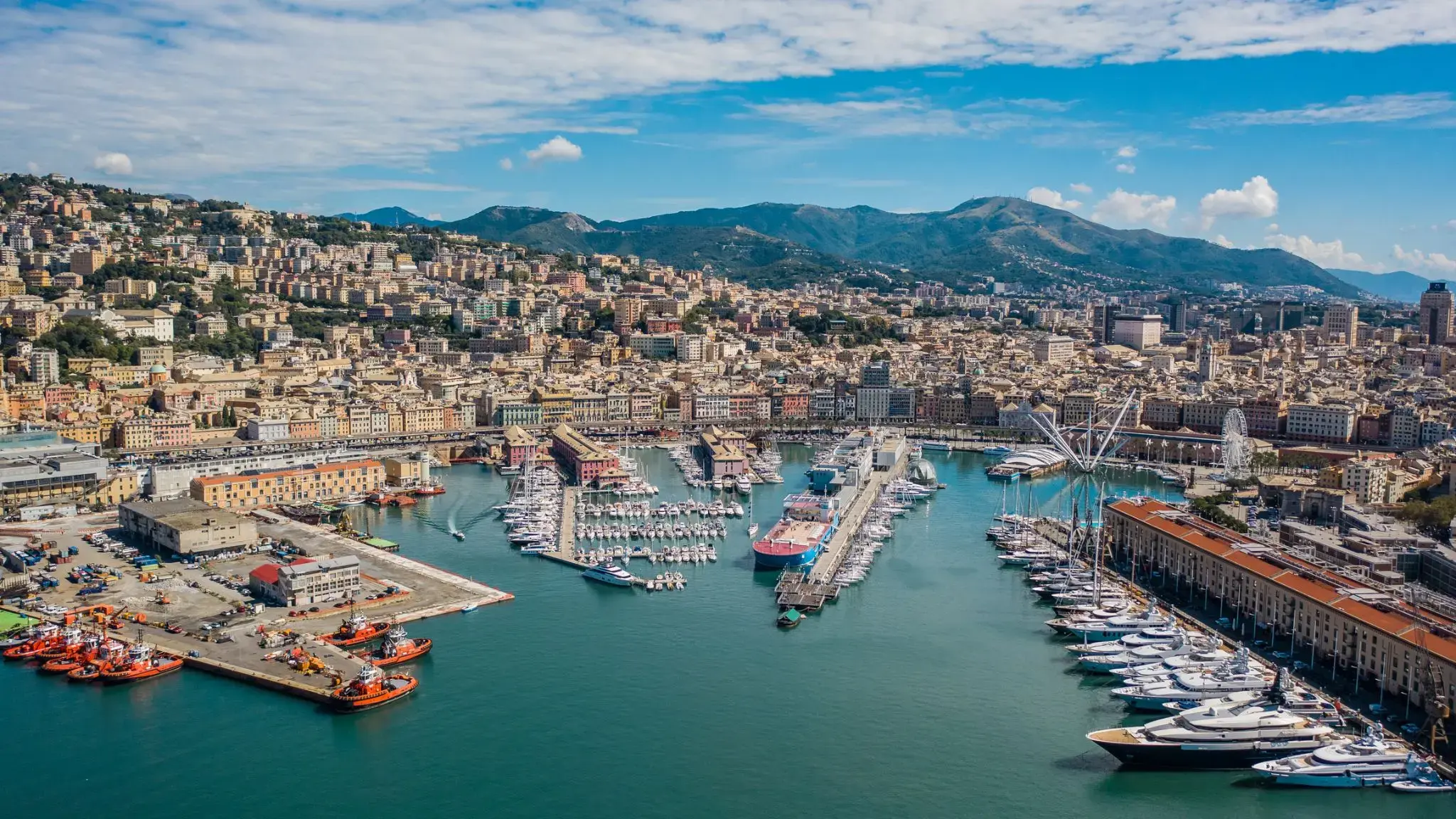
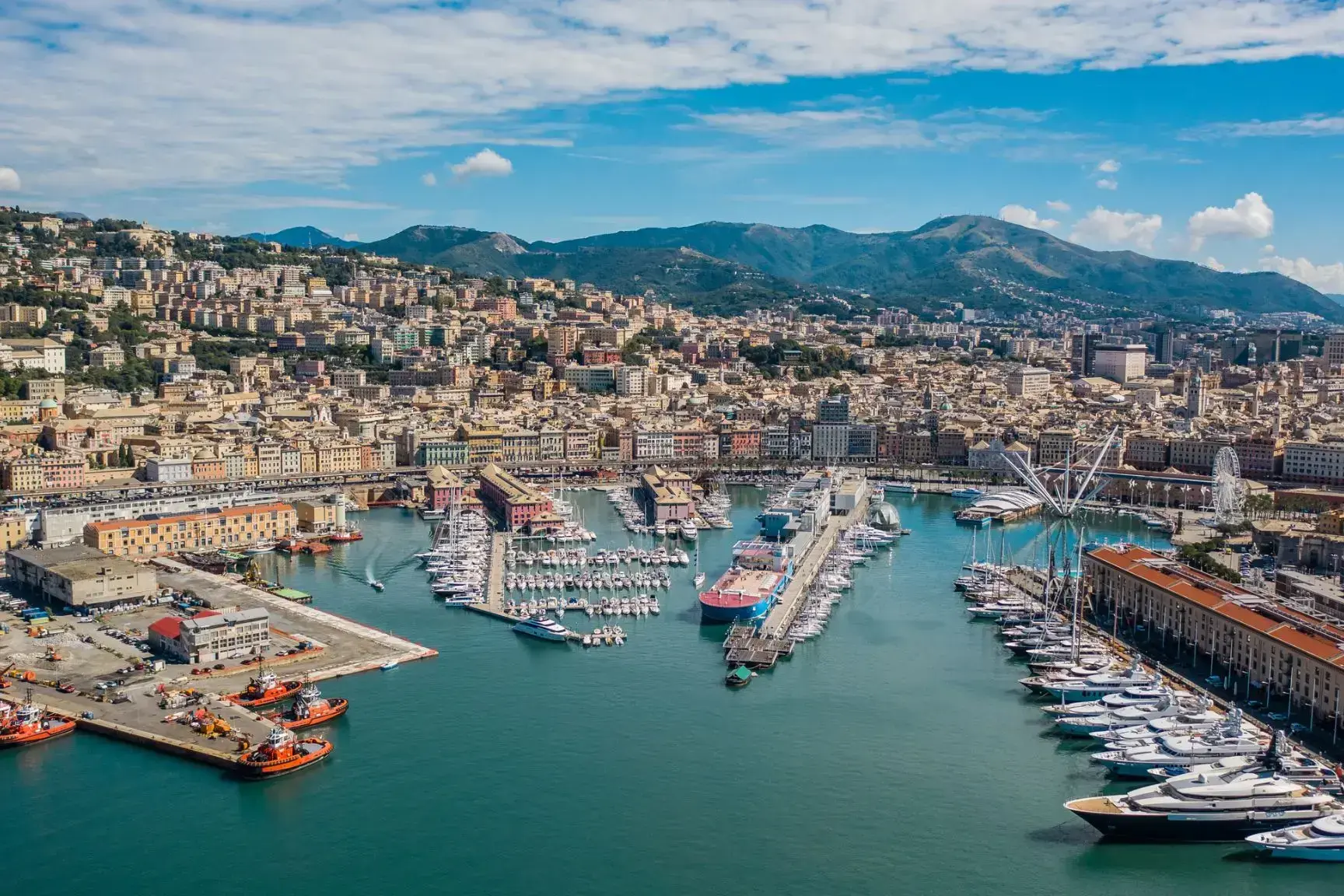
Genua – portowe miasto w północnych Włoszech, położone w Zatoce Genueńskiej nad Morzem Liguryjskim. Już od czasów Imperium Rzymskiego przyciągało uwagę arystokracji i do dziś jest miejscem rezydencji wpływowych ludzi. Spacerując nadmorską promenadą, warto zajrzeć do jednej z licznych kawiarni i spróbować doskonałej kuchni morskiej przy kieliszku wina. Miłośnicy podwodnego świata mogą odwiedzić słynne akwarium, gdzie zobaczyć można ponad 500 gatunków ryb i ssaków morskich.
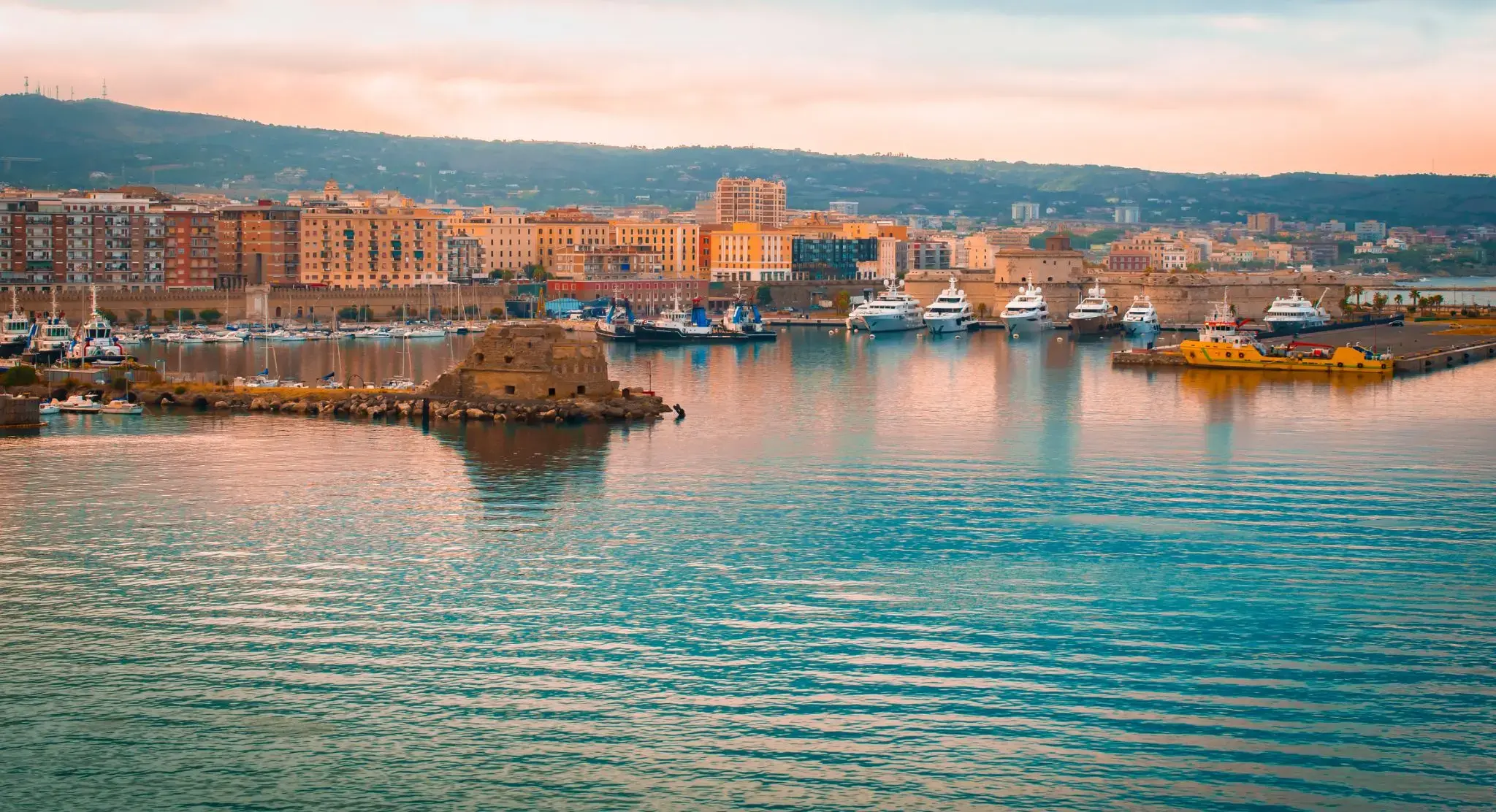
Rzym – jedno z najstarszych miast świata, niegdyś stolica Cesarstwa Rzymskiego, dziś stolica Włoch. Położony na siedmiu wzgórzach nad Tybrem, zachwyca pięknem i majestatem, którego nie da się oddać słowami – trzeba tu być. Każda rzeźba, fontanna czy budowla to dzieło sztuki pozostawione przez dawnych mistrzów. Najsłynniejsze atrakcje, które przyciągają turystów, to Koloseum – miejsce dawnych walk gladiatorów, Fontanna di Trevi, Schody Hiszpańskie, Bazylika św. Piotra – największy kościół Europy, a także Fora Cesarskie i Forum Romanum.
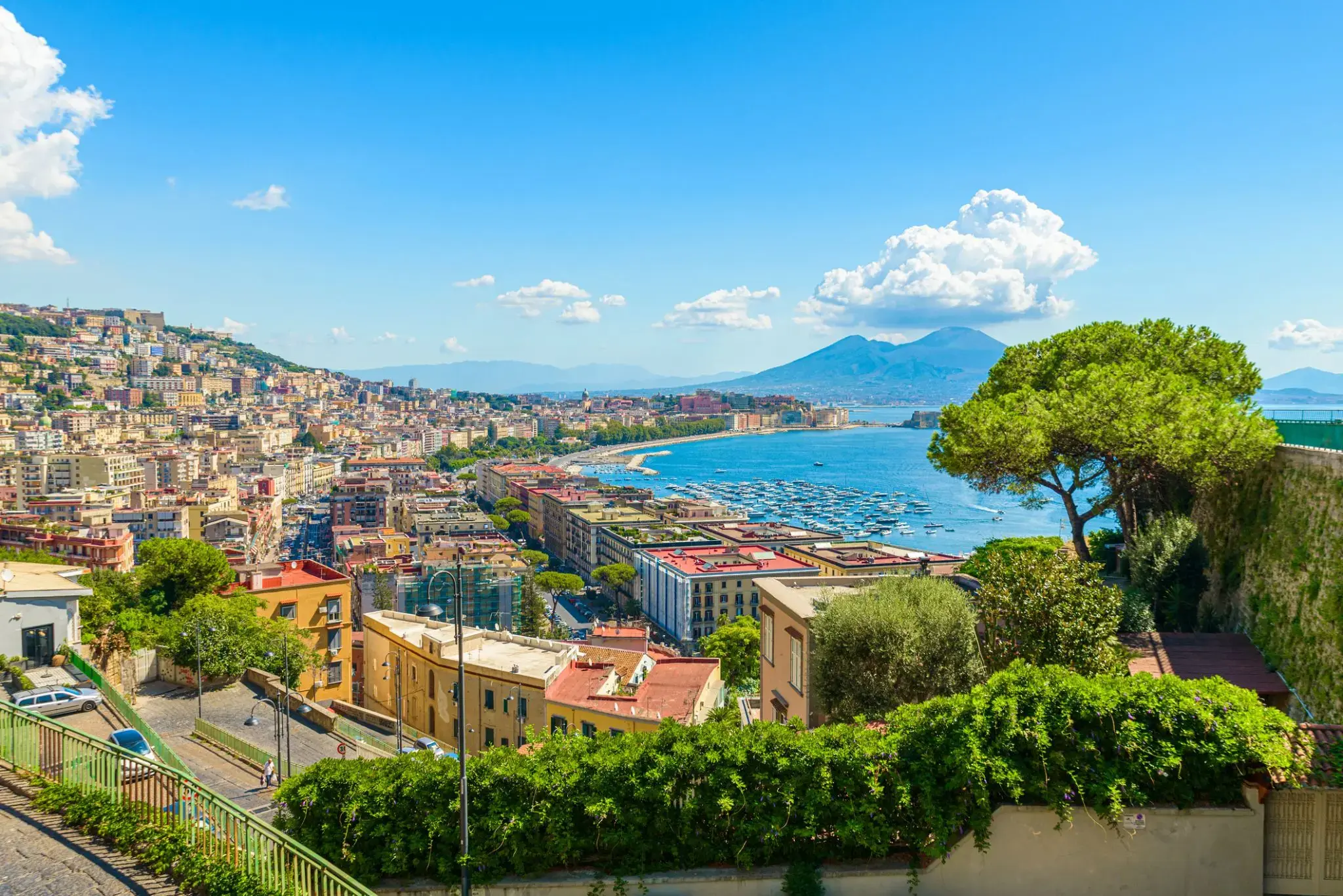
Neapol to jedno z trzech największych miast Włoch, położone u stóp wulkanu Wezuwiusz na południu kraju. Miasto słynie z faktu, że lawa wulkanu pogrzebała trzy starożytne miasta, z których najsłynniejsze to Pompeje. Do dziś trwają tam wykopaliska archeologiczne, a odkryte przedmioty trafiają do Narodowego Muzeum Archeologicznego w Neapolu. W listopadzie teren Pompejów jest dostępny dla zwiedzających. Poza tym w mieście czekają katedry, pałace, place i inne atrakcje, które zachwycają turystów. No i oczywiście – tutaj spróbujesz najsmaczniejszej pizzy w całych Włoszech.
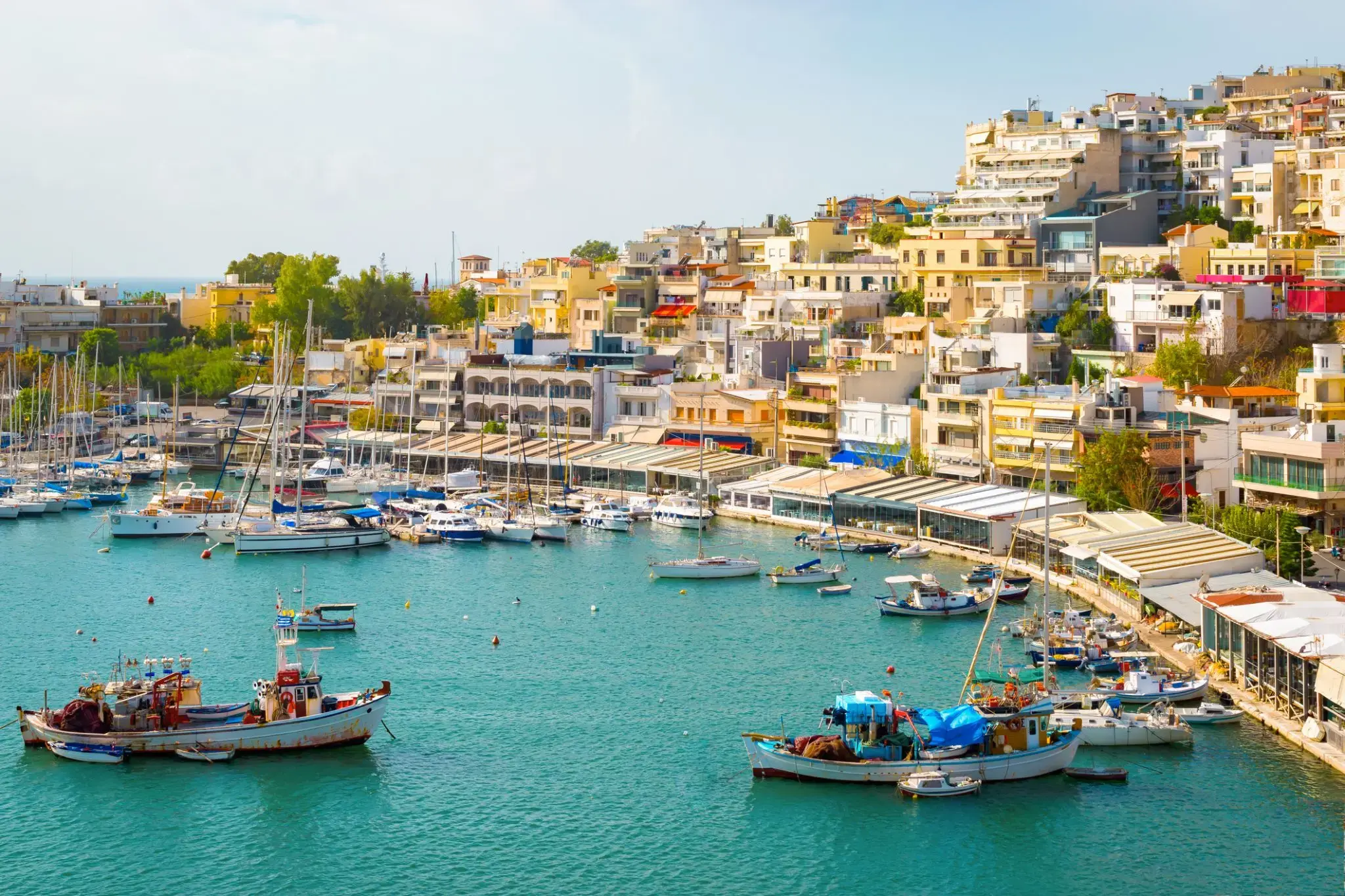
Pireus to stare miasto portowe, będące portem Aten i jednocześnie największym portem Grecji w dniu dzisiejszym. Pireus stanowi część wielkich Aten, które mogą poszczycić się bogactwem atrakcji, w tym unikalnymi zabytkami narodowej sztuki plastycznej.
Ponad dwieście muzeów i galerii, w tym Muzeum Historii Uniwersytetu, Muzeum Archeologiczne Keramejkos i wiele innych, gościnnie powita Państwa w swoich murach i zapozna z kulturą tej okolicy.
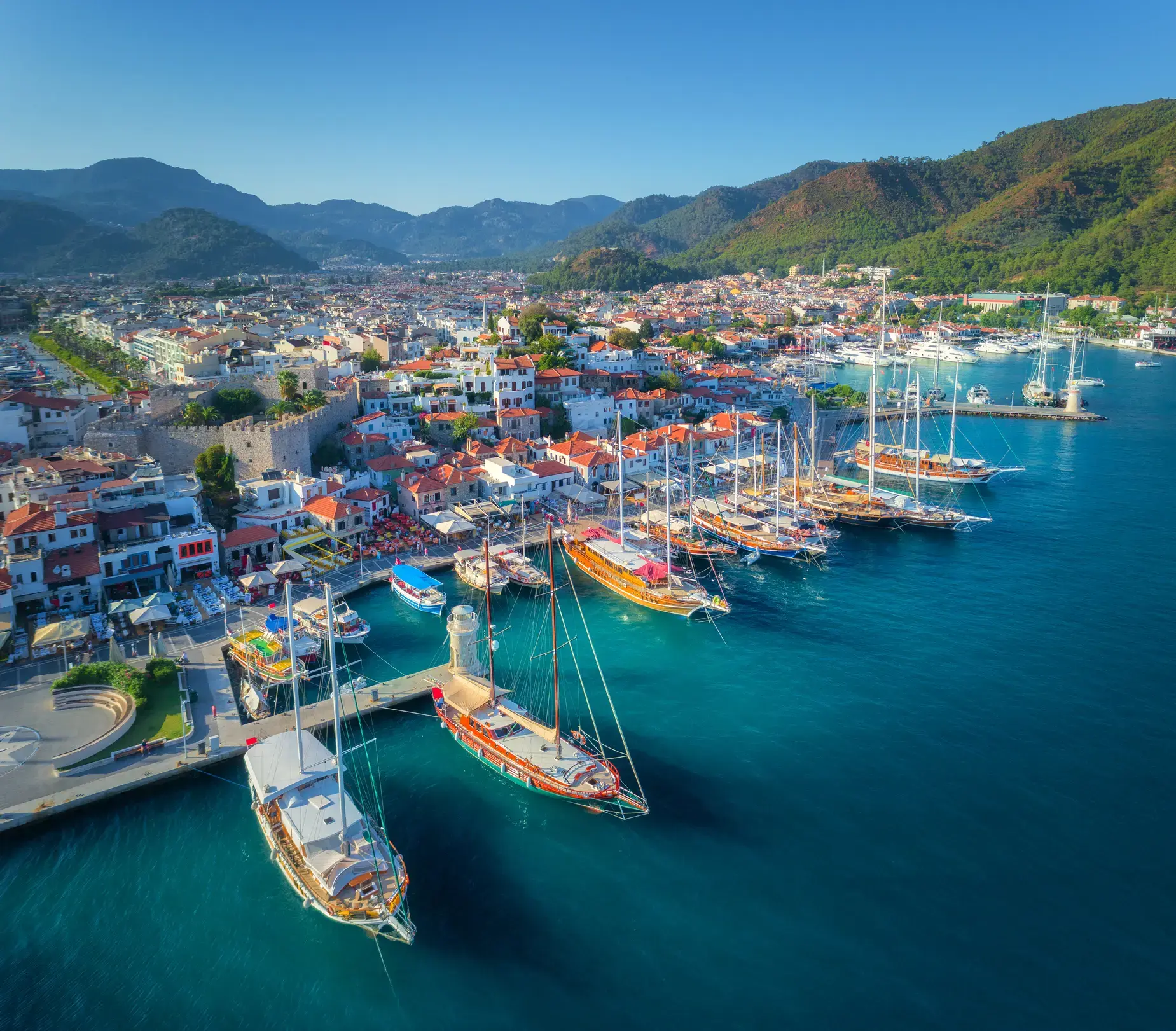
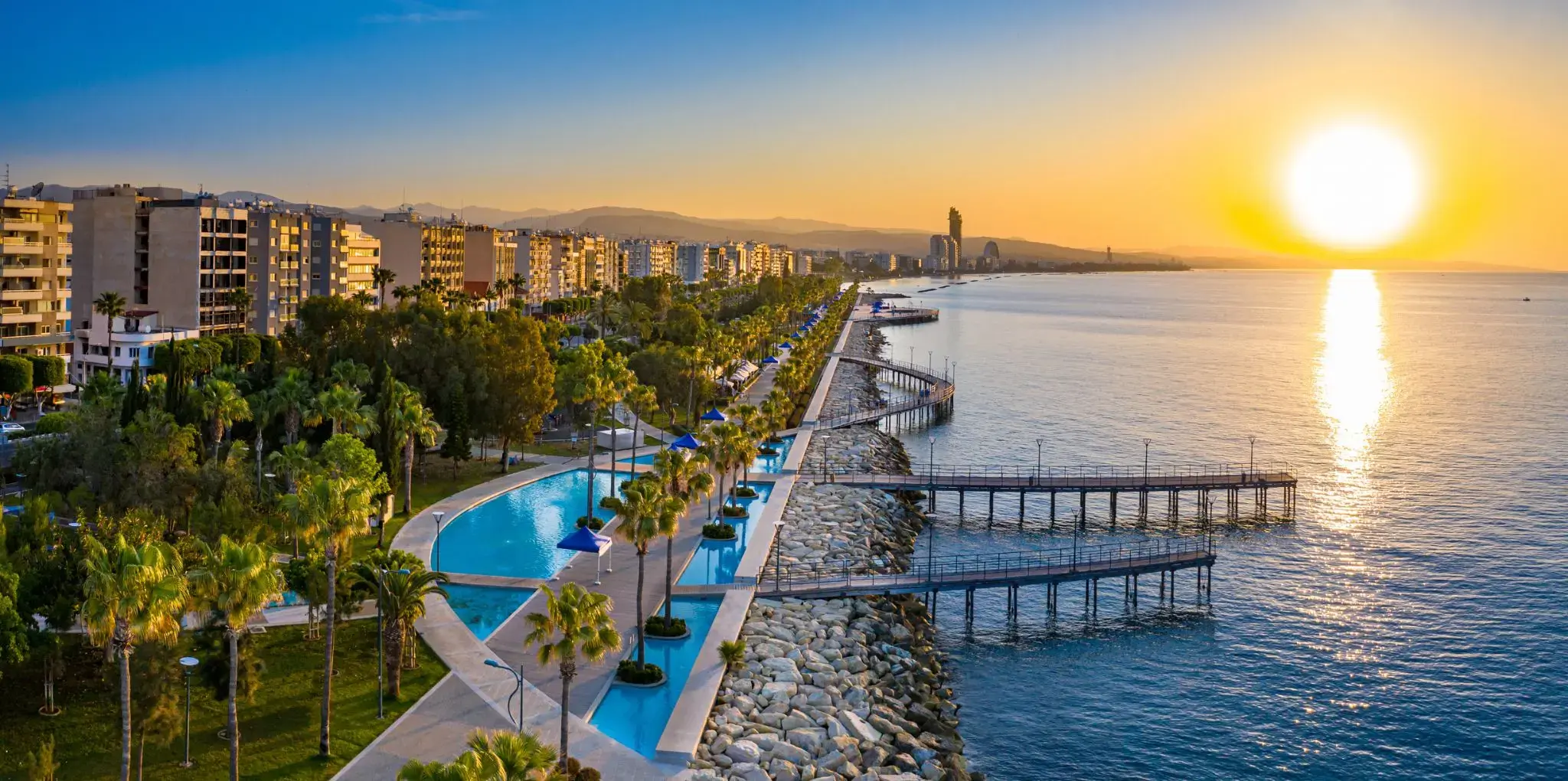
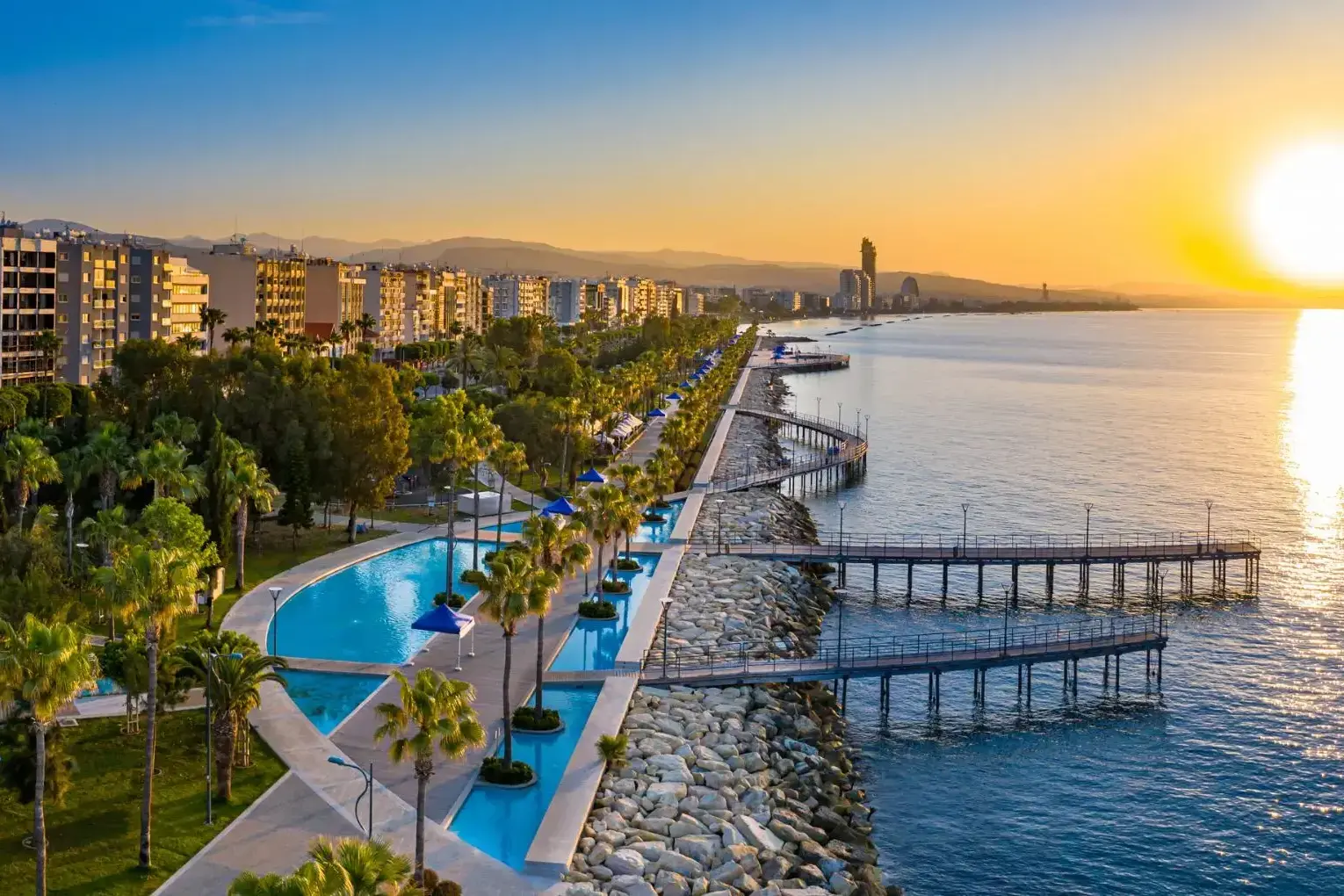
Cyprus' second-largest city appeals to a wide range of tourists, from those interested in sun and sand vacations to those who prefer to delve into the island's culture at its museums and sites of archaeological interest. This large seaside resort on Akrotiri Bay on the sunny southern coast offers lively nightlife and a slew of energetic festivals. A cornucopia of cafes and bars lines the bustling seafront. Accommodation options range from villas and self-catering apartments to luxurious hotels.
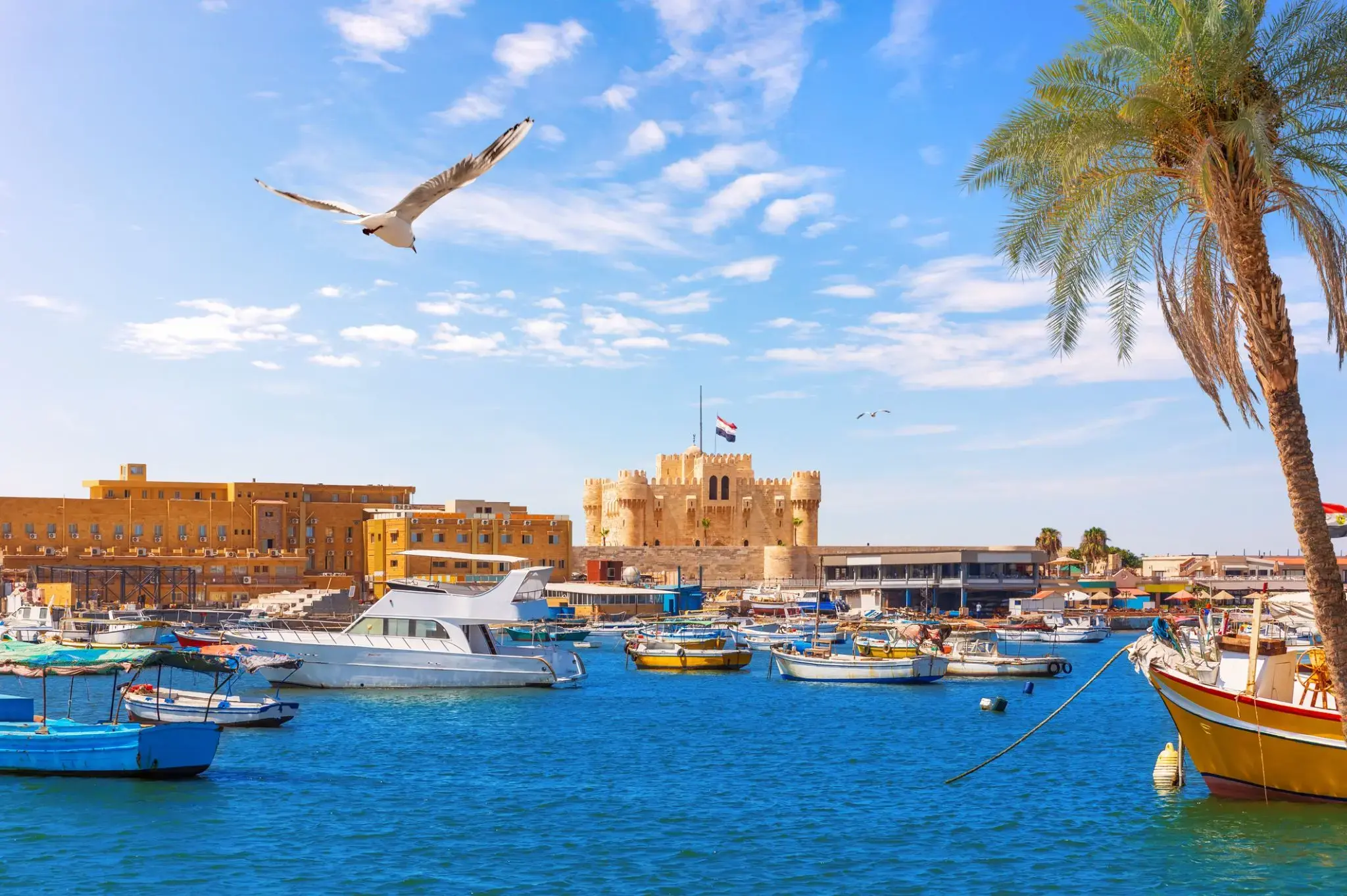
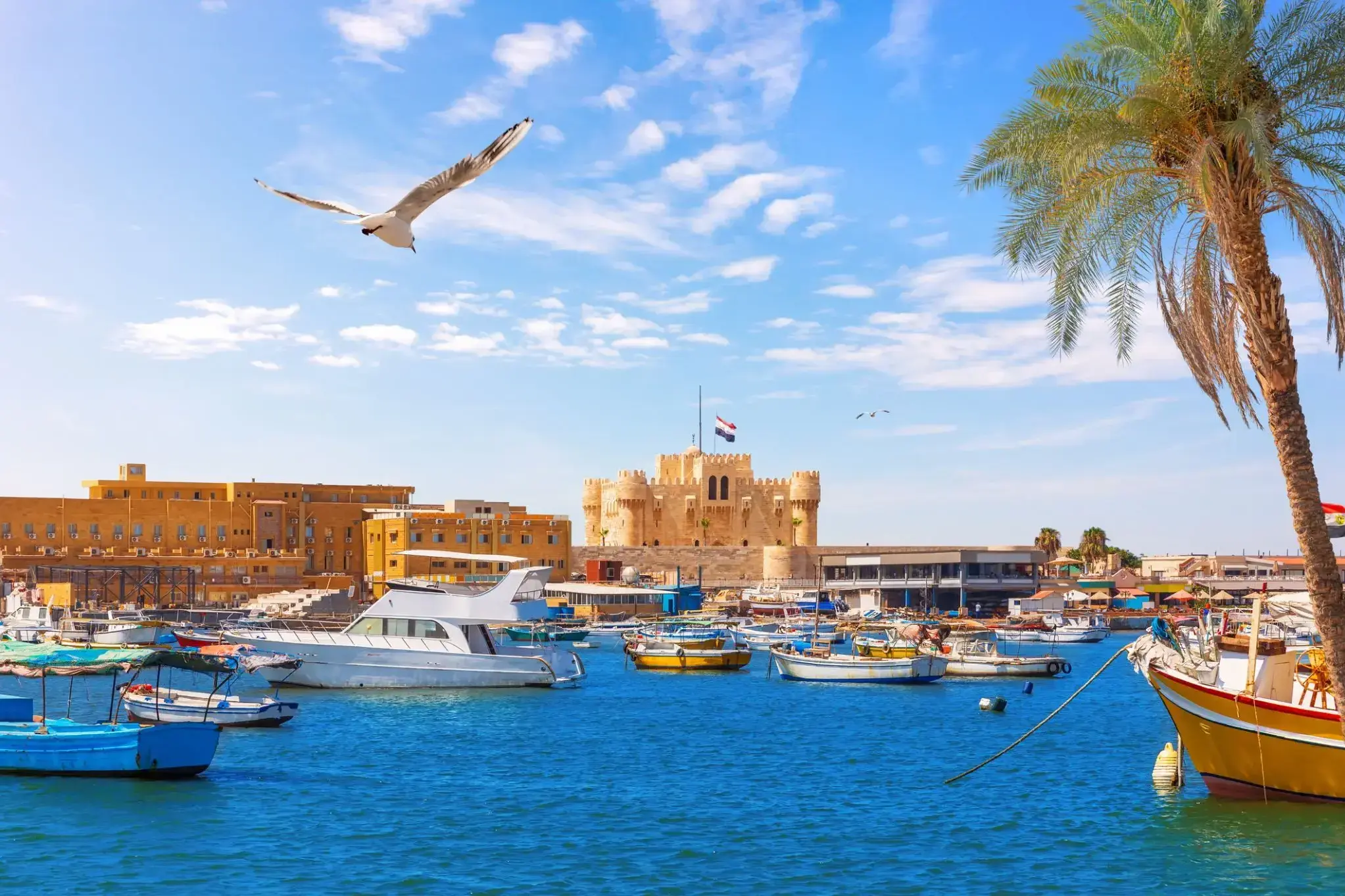
the chief port of Egypt; population 4,084,700 (est. 2006). Founded in 332 bc by Alexander the Great, it was a major center of Hellenistic culture, renowned for its library and for the Pharos lighthouse.
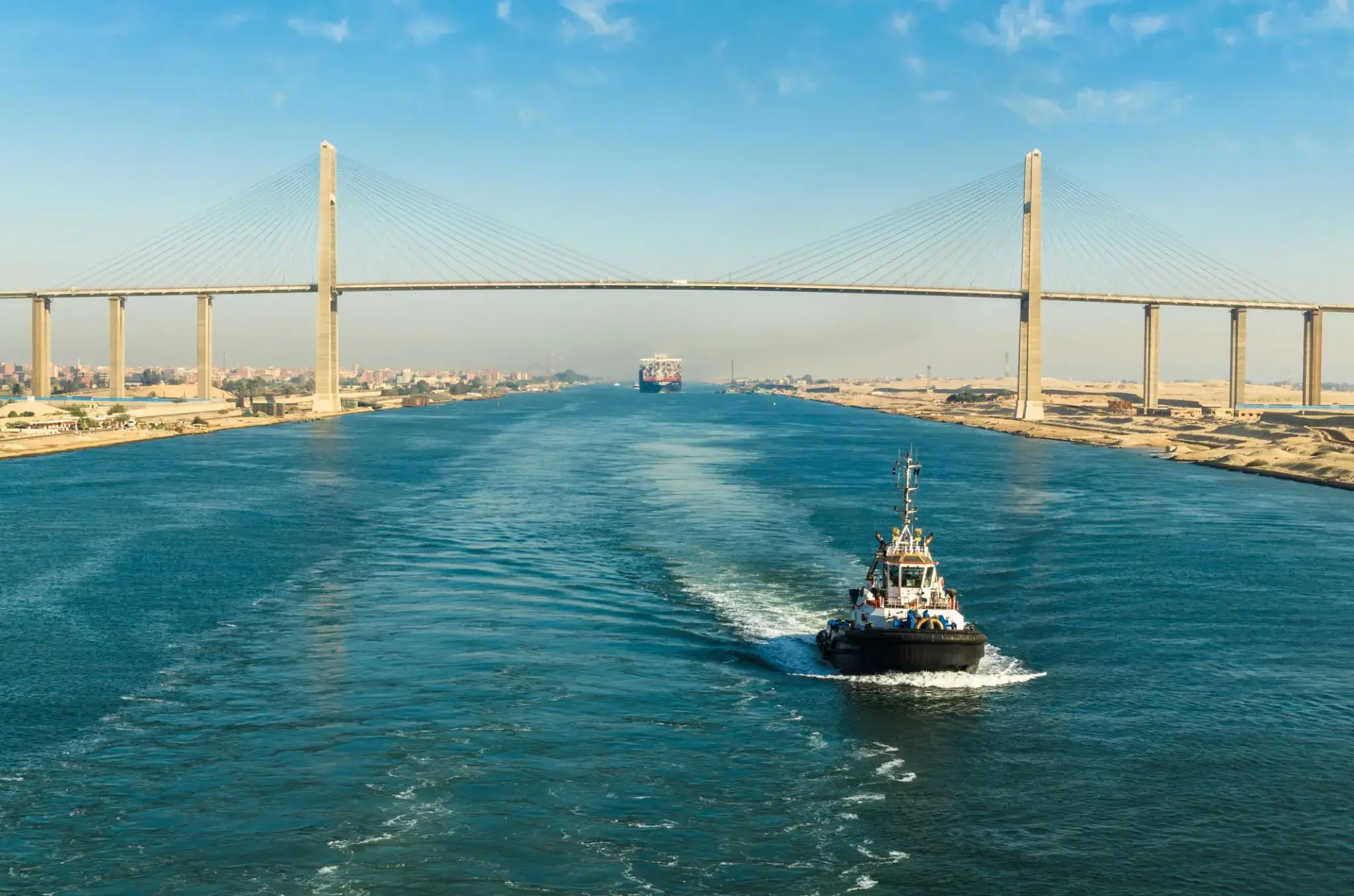
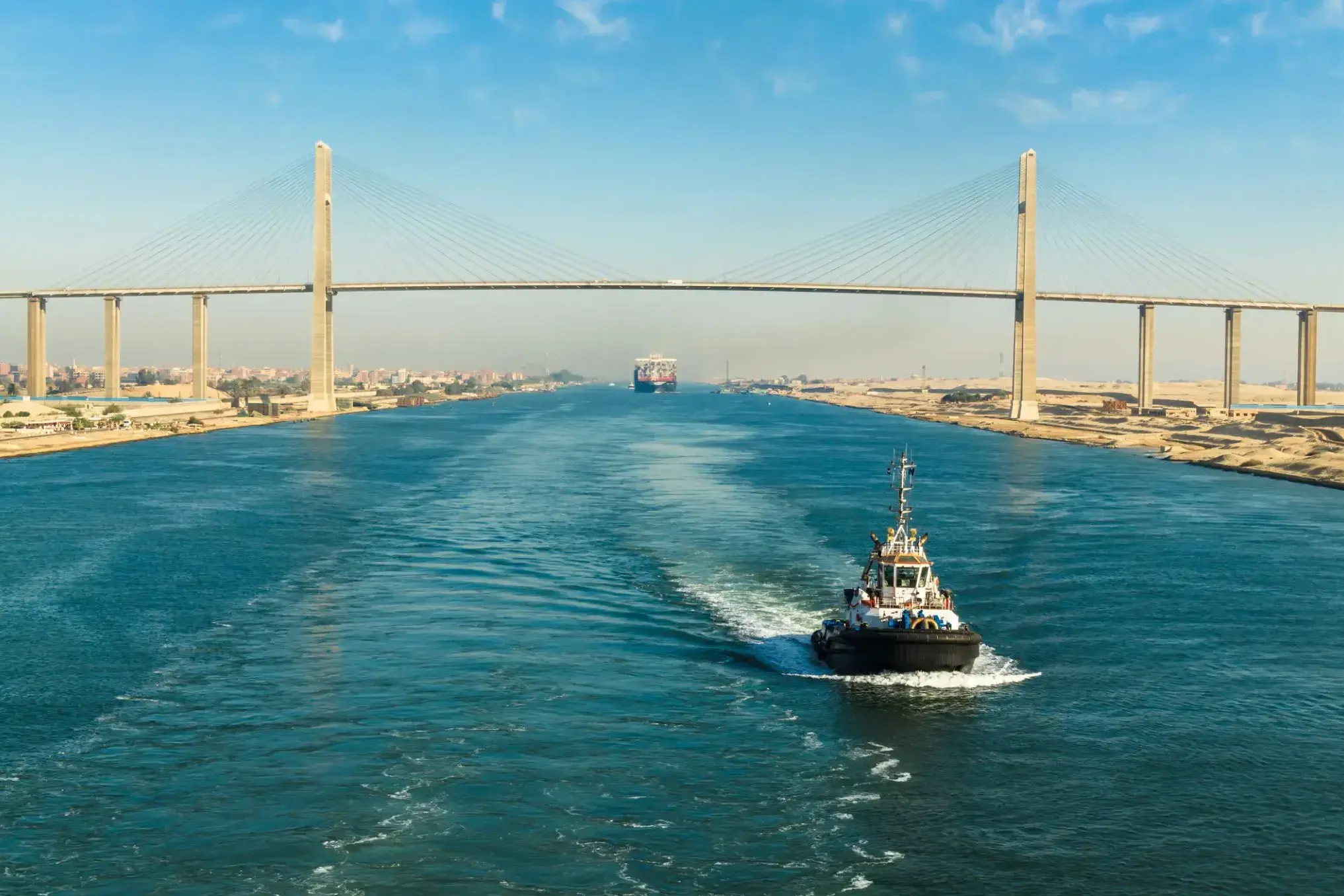
The Suez Canal is a sea-level waterway in Egypt, connecting the Mediterranean Sea to the Red Sea through the Isthmus of Suez. Constructed by the Suez Canal Company between 1859 and 1869, it was officially opened on 17 November 1869. The canal offers watercraft a shorter journey between the North Atlantic and northern Indian Oceans via the Mediterranean and Red Seas by avoiding the South Atlantic and southern Indian Oceans, reducing the journey by approximately 6,000 kilometres (3,700 mi). It extends from the northern terminus of Port Said to the southern terminus of Port Tewfik at the city of Suez. Its length is 193.30 km (120.11 mi), including its northern and southern access channels. In 2012, 17,225 vessels traversed the canal (average 47 per day).
The Suez Canal is a sea-level waterway in Egypt, connecting the Mediterranean Sea to the Red Sea through the Isthmus of Suez. Constructed by the Suez Canal Company between 1859 and 1869, it was officially opened on 17 November 1869. The canal offers watercraft a shorter journey between the North Atlantic and northern Indian Oceans via the Mediterranean and Red Seas by avoiding the South Atlantic and southern Indian Oceans, reducing the journey by approximately 6,000 kilometres (3,700 mi). It extends from the northern terminus of Port Said to the southern terminus of Port Tewfik at the city of Suez. Its length is 193.30 km (120.11 mi), including its northern and southern access channels. In 2012, 17,225 vessels traversed the canal (average 47 per day).
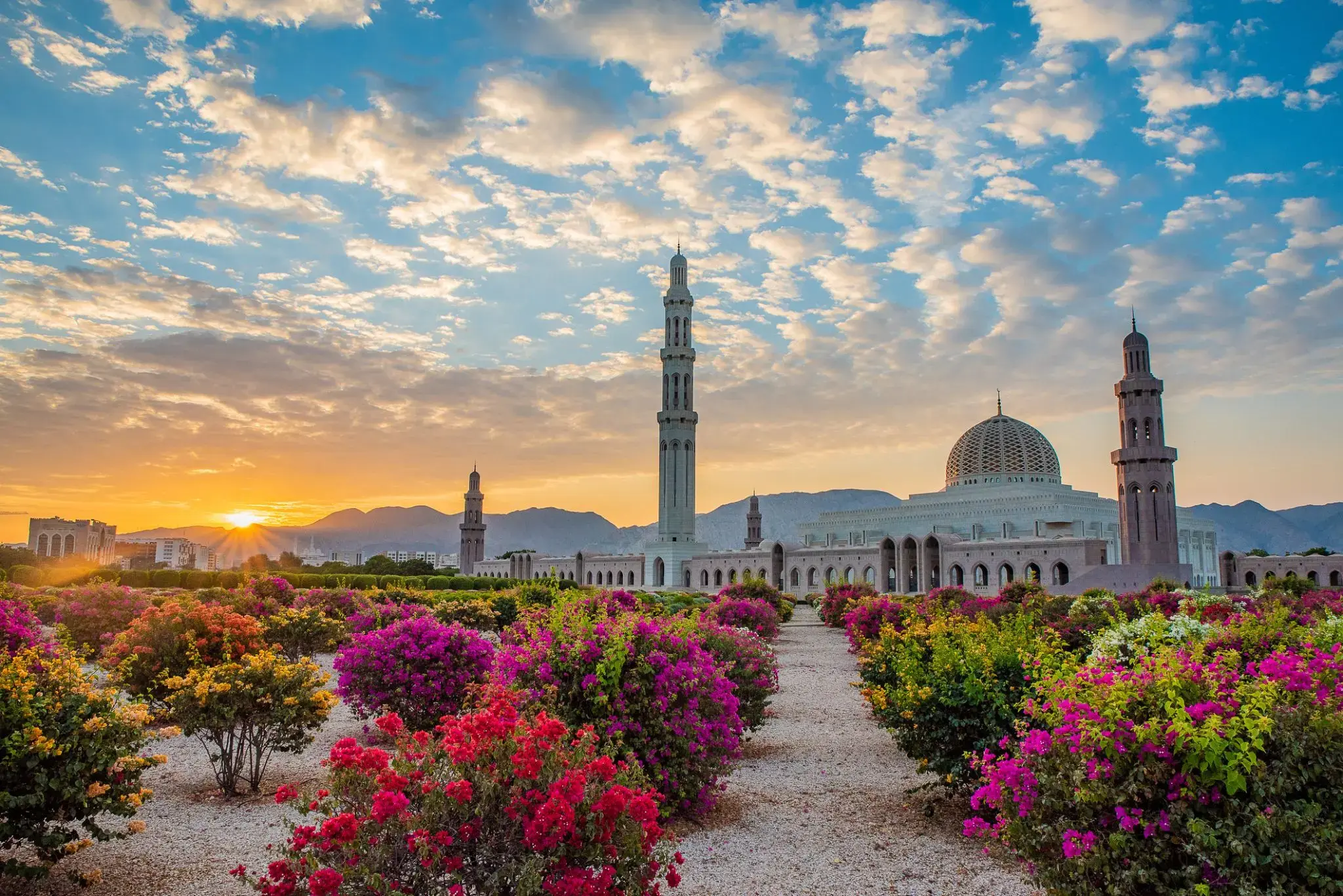
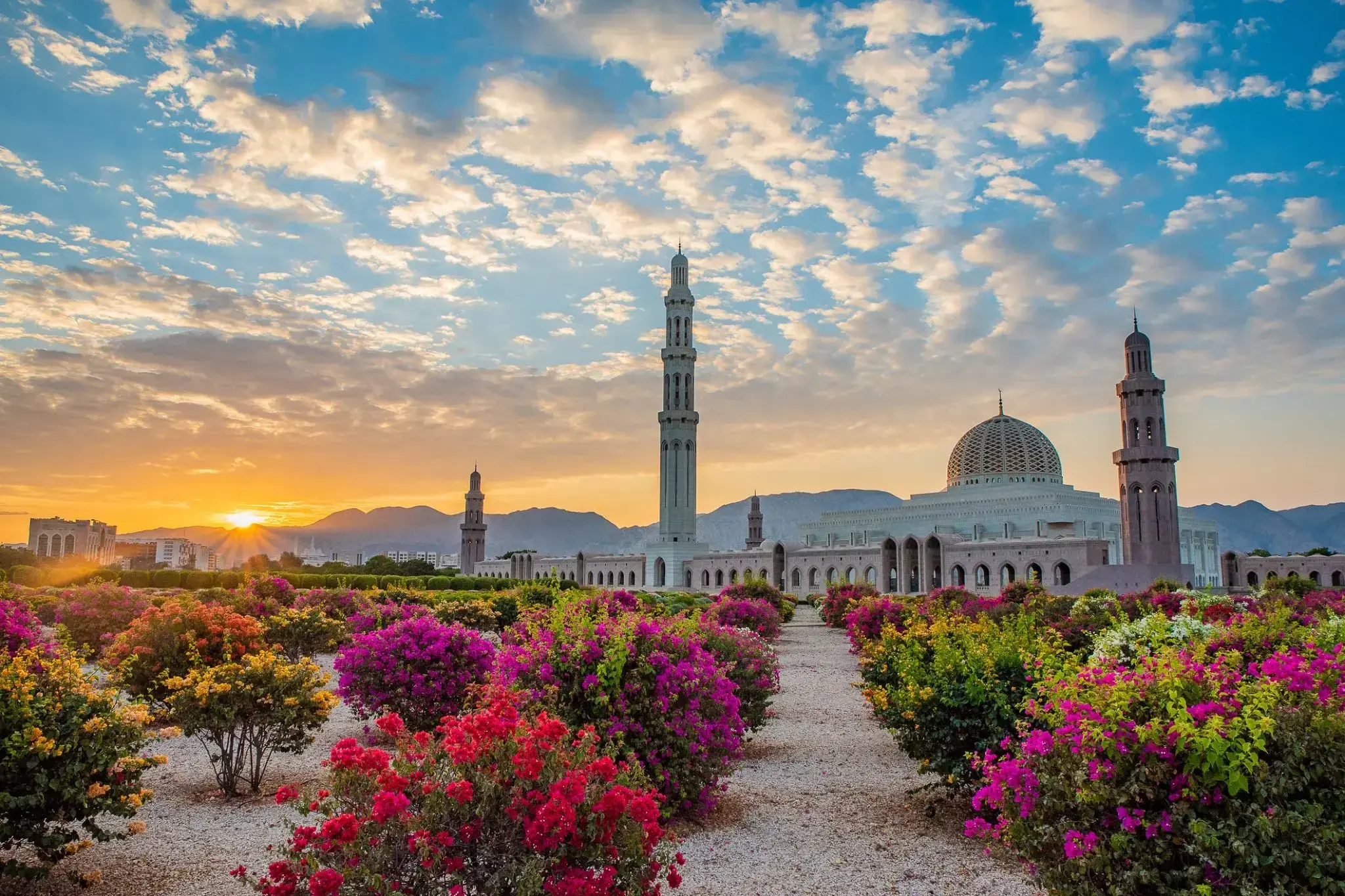
Muscat is the capital and largest city of Oman. It is the seat of the Governorate of Muscat. According to the National Centre for Statistics and Information (NCSI), the total population of Muscat Governorate reached 1.4 million as of September 2018. The metropolitan area spans approximately 3,500 km2 (1,400 sq mi) and includes six provinces called wilayats. Known since the early 1st century CE as an important trading port between the west and the east, Muscat was ruled by various indigenous tribes as well as foreign powers such as the Persians, the Portuguese Empire, the Iberian Union and the Ottoman Empire at various points in its history. A regional military power in the 18th century, Muscat's influence extended as far as East Africa and Zanzibar. As an important port-town in the Gulf of Oman, Muscat attracted foreign tradesmen and settlers such as the Persians and the Balochis. Since the ascension of Qaboos bin Said as Sultan of Oman in 1970, Muscat has experienced rapid infrastructural development that has led to the growth of a vibrant economy and a multi-ethnic society.
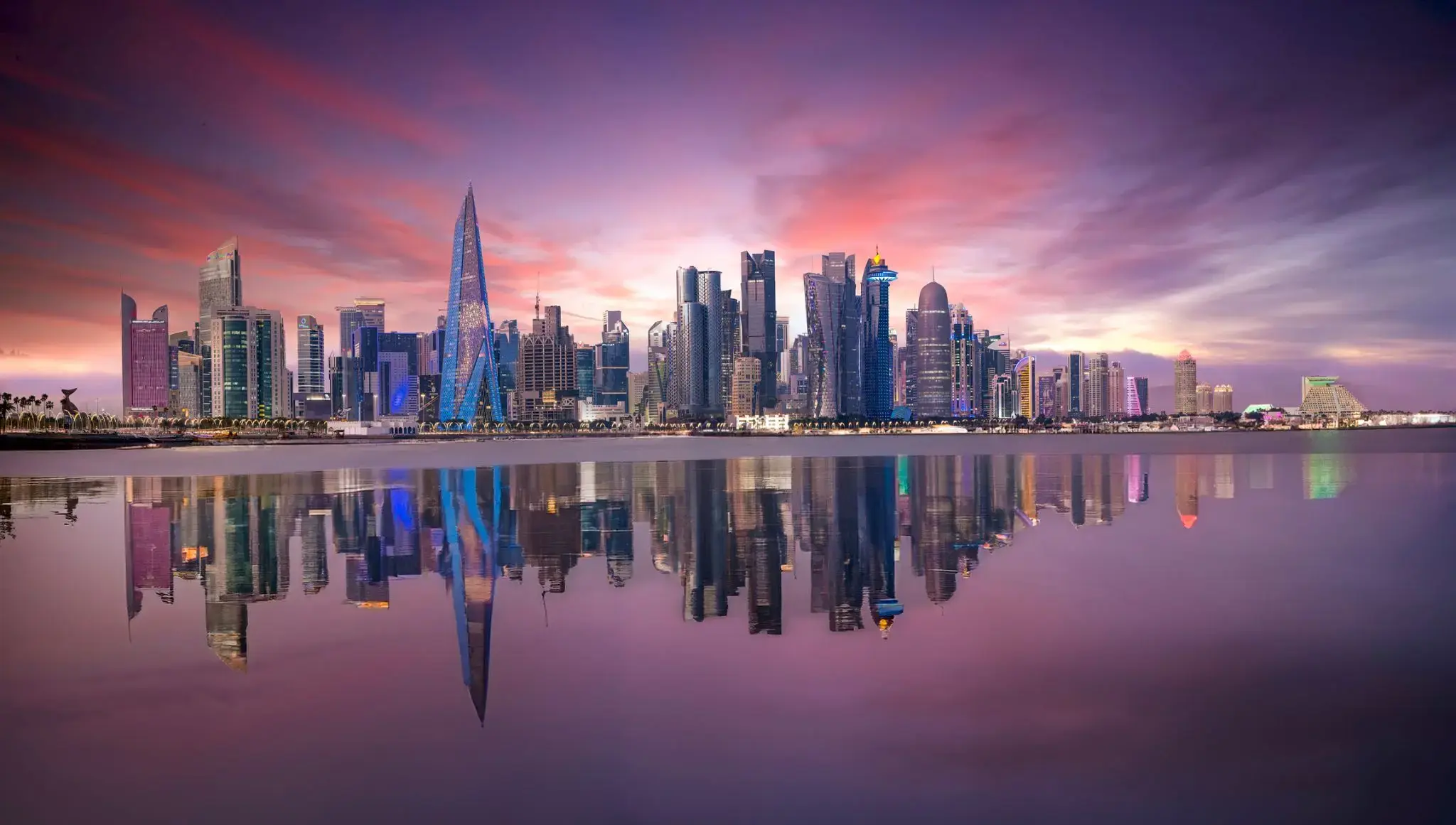
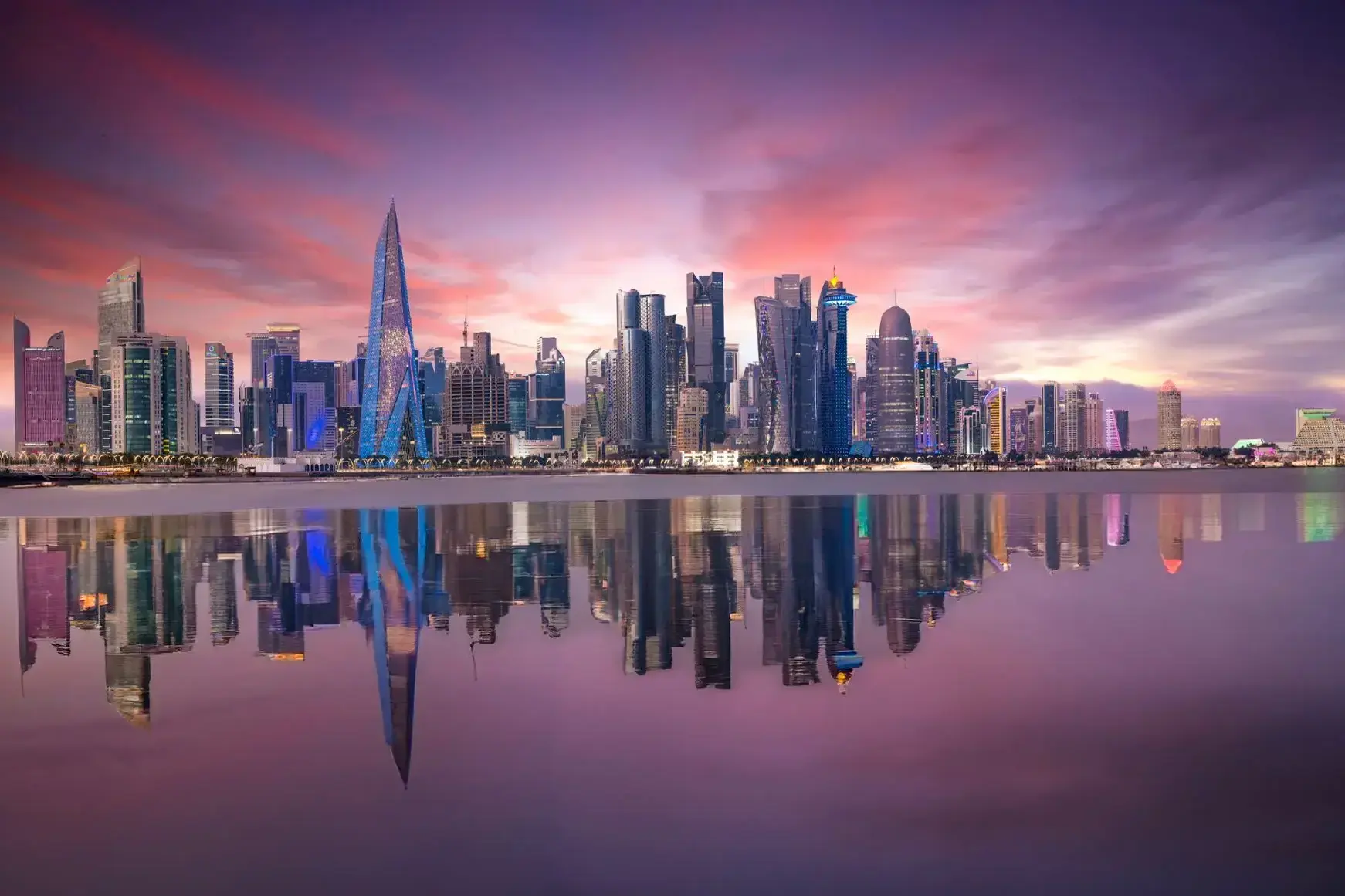
the capital of Qatar, in the eastern part of the country; pop 385,000 (est. 2007).
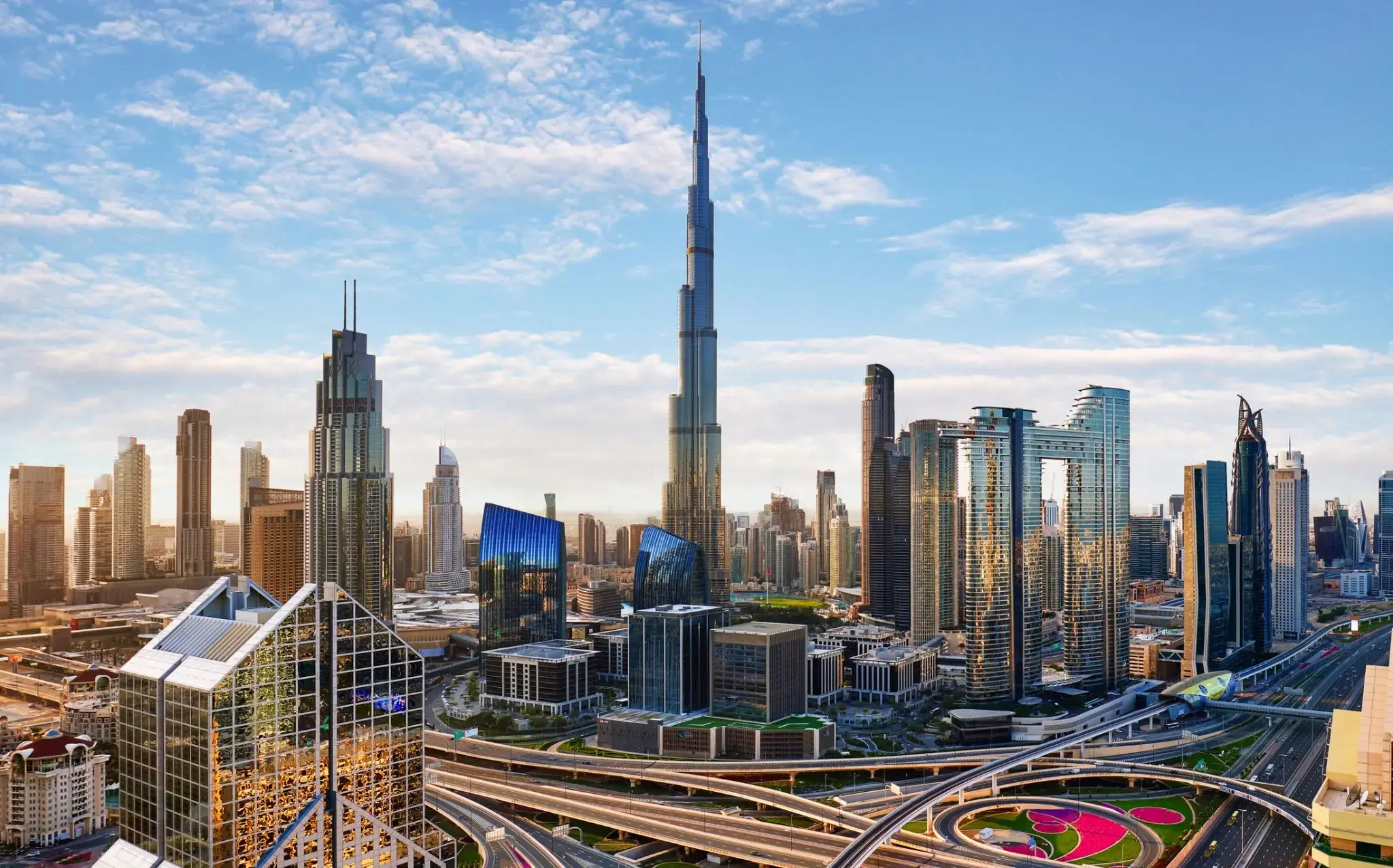
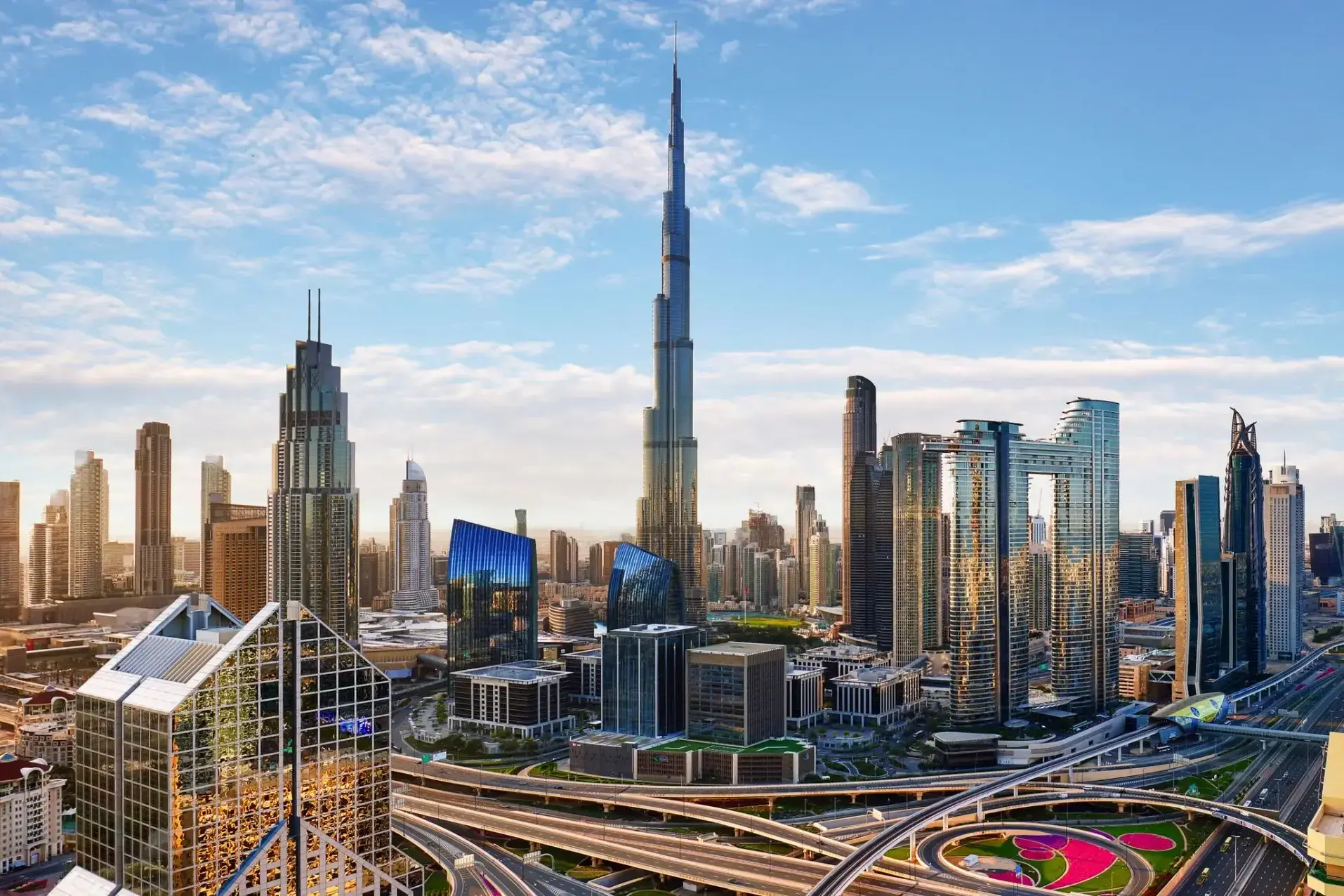
Dubai is the largest and most populous cityin the United Arab Emirates (UAE). On the southeast coast of the Persian Gulf, it is the capital of the Emirate of Dubai, one of the seven emirates that make up the country.
Dubai is a global city and business hub of the Middle East. It is also a major global transport hub for passengers and cargo. Oil revenue helped accelerate the development of the city, which was already a major mercantile hub, but Dubai's oil reserves are limited and production levels are low: today, less than 5% of the emirate's revenue comes from oil. A growing centre for regional and international trade since the early 20th century, Dubai's economy today relies on revenues from trade, tourism, aviation, real estate, and financial services.
Dubai has attracted world attention through large construction projects and sports events, in particular the world's tallest building, the Burj Khalifa. As of 2012, Dubai was the most expensive city in the Middle East. In 2014, Dubai's hotel rooms were rated as the second most expensive in the world.
Dubai is the largest and most populous cityin the United Arab Emirates (UAE). On the southeast coast of the Persian Gulf, it is the capital of the Emirate of Dubai, one of the seven emirates that make up the country.
Dubai is a global city and business hub of the Middle East. It is also a major global transport hub for passengers and cargo. Oil revenue helped accelerate the development of the city, which was already a major mercantile hub, but Dubai's oil reserves are limited and production levels are low: today, less than 5% of the emirate's revenue comes from oil. A growing centre for regional and international trade since the early 20th century, Dubai's economy today relies on revenues from trade, tourism, aviation, real estate, and financial services.
Dubai has attracted world attention through large construction projects and sports events, in particular the world's tallest building, the Burj Khalifa. As of 2012, Dubai was the most expensive city in the Middle East. In 2014, Dubai's hotel rooms were rated as the second most expensive in the world.