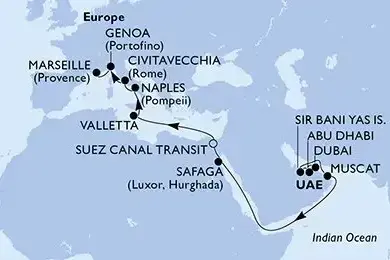
| Region rejsu : UAE / Zatoka Perska, Persian Gulf |
| Firma : MSC Yacht Club |
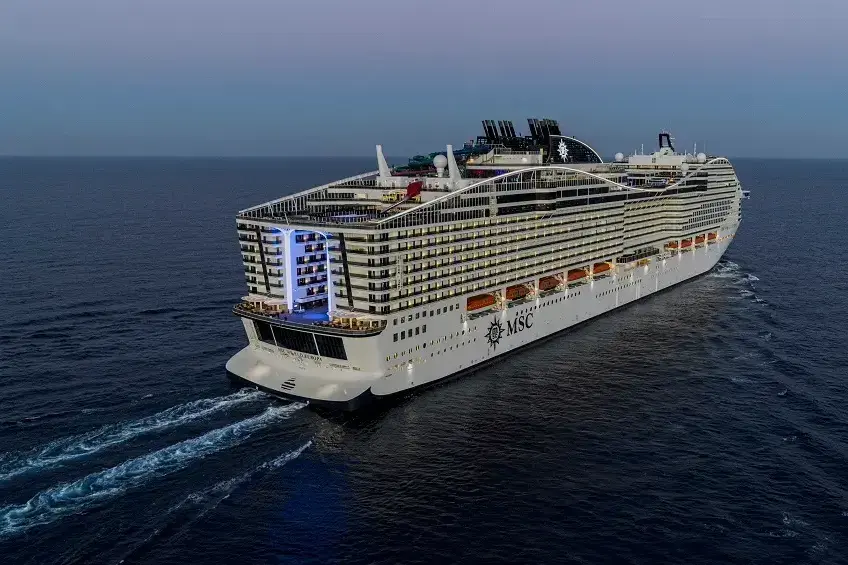
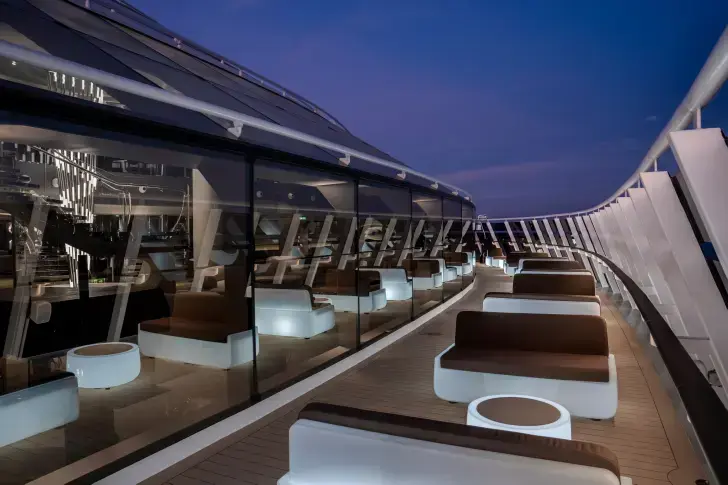
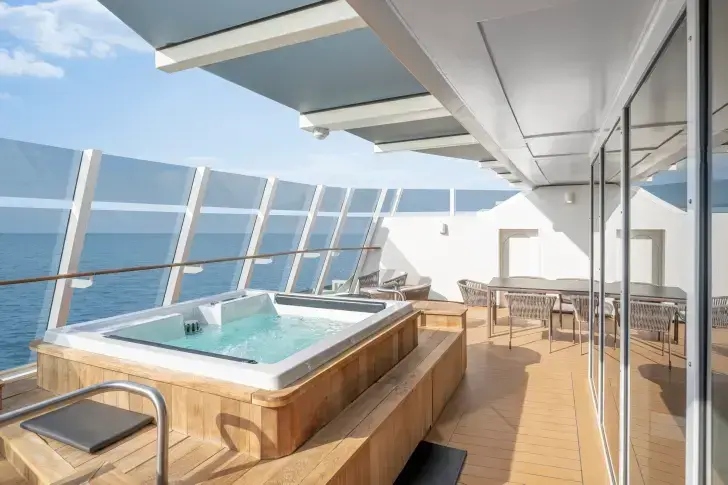
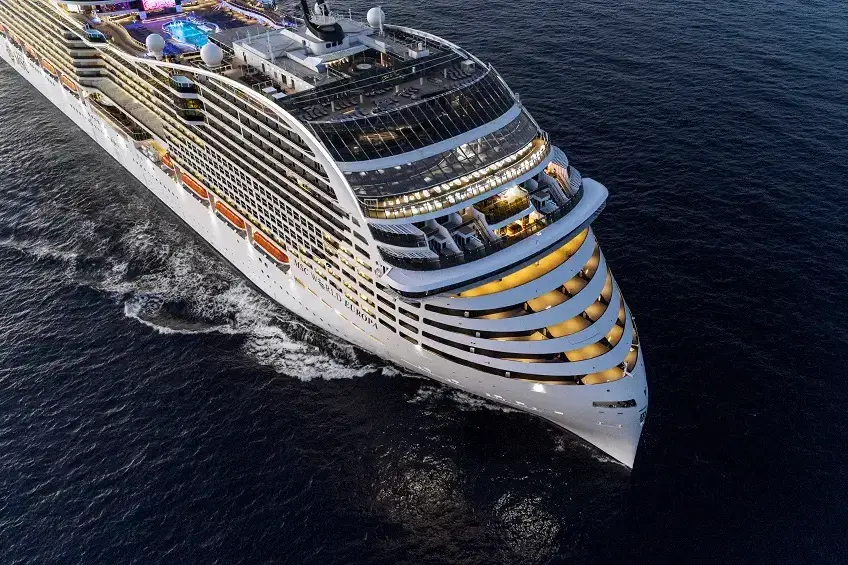
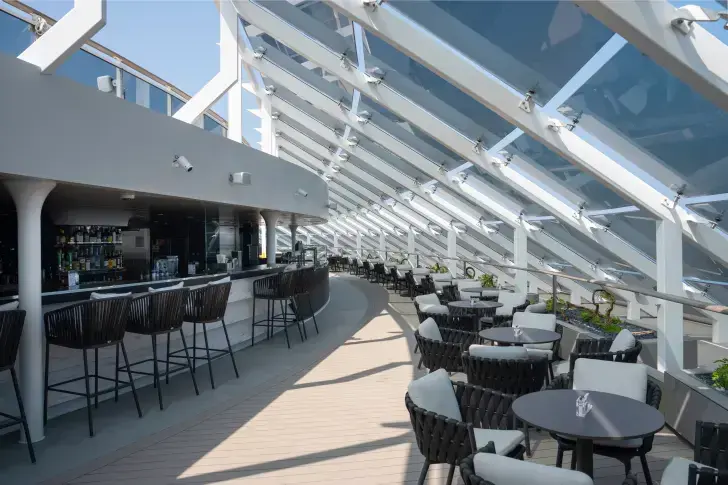
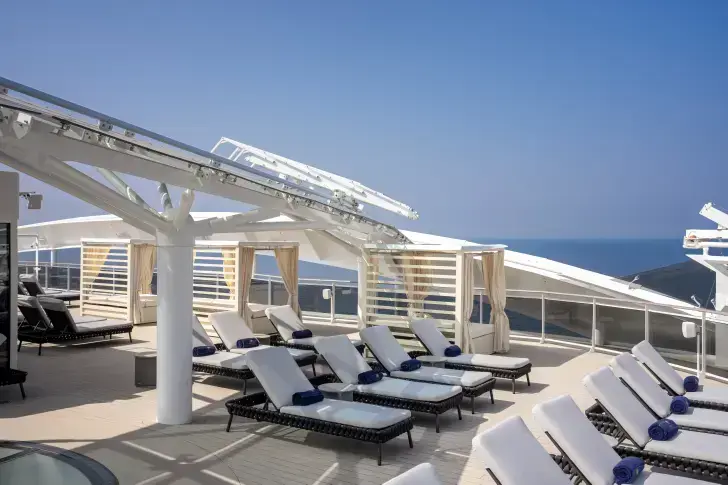
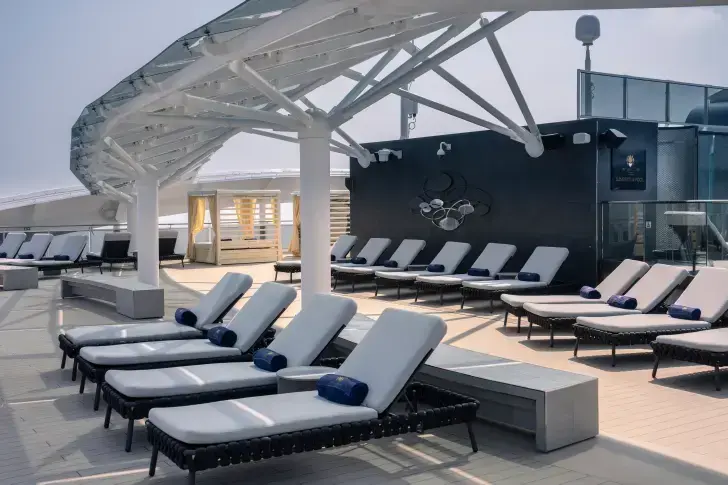
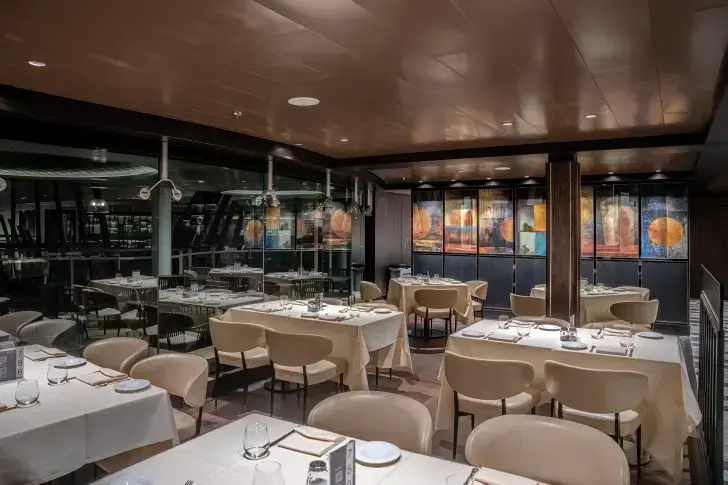
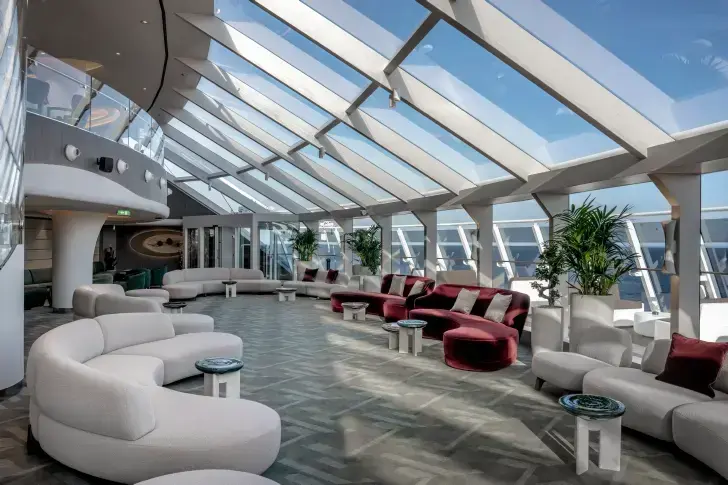
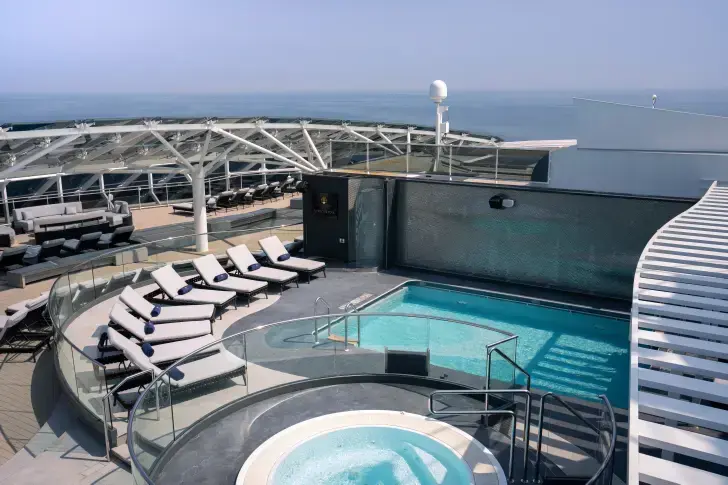
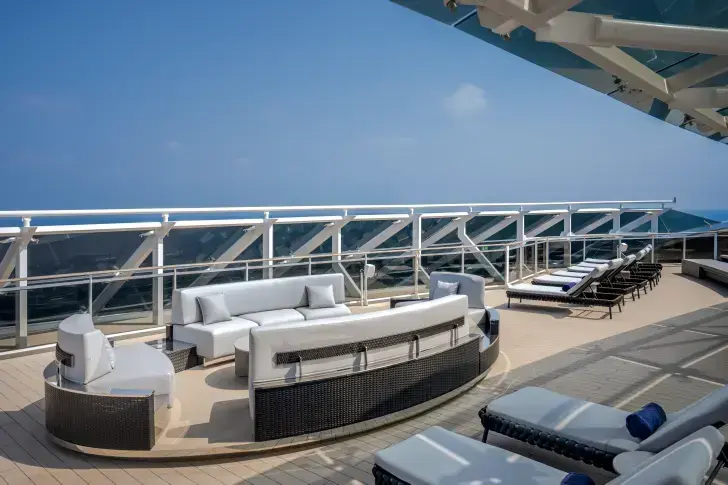
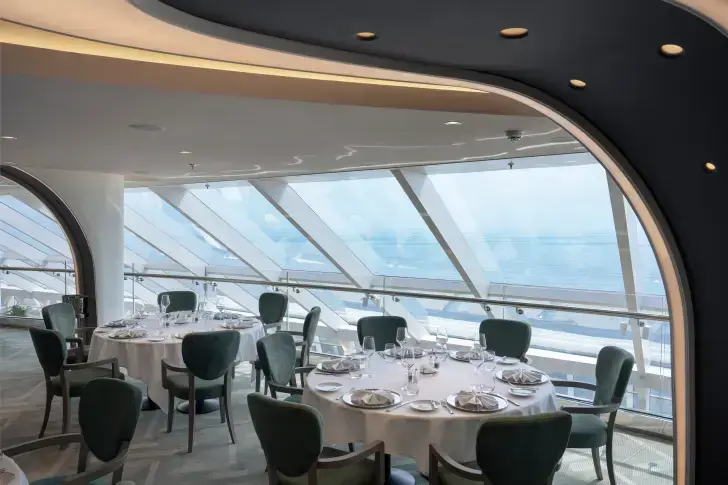
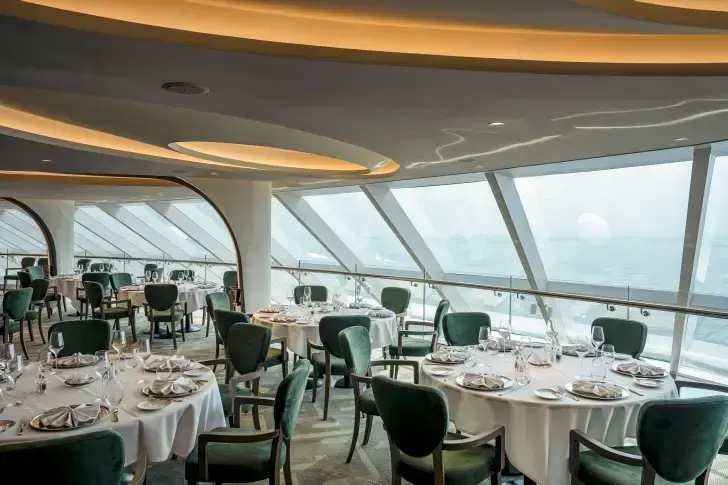
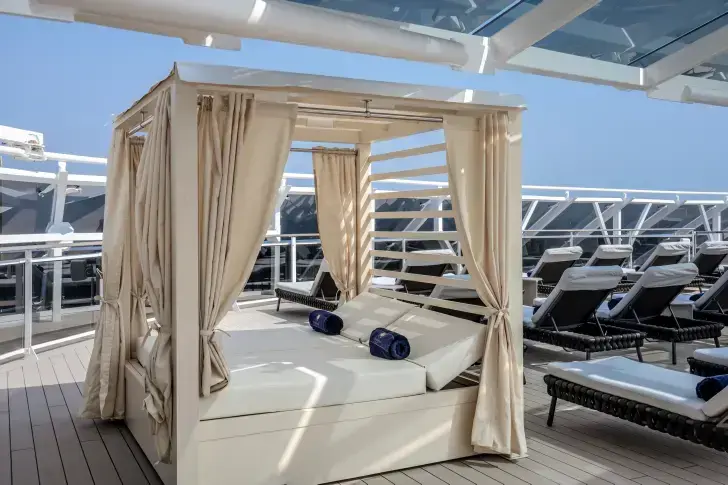
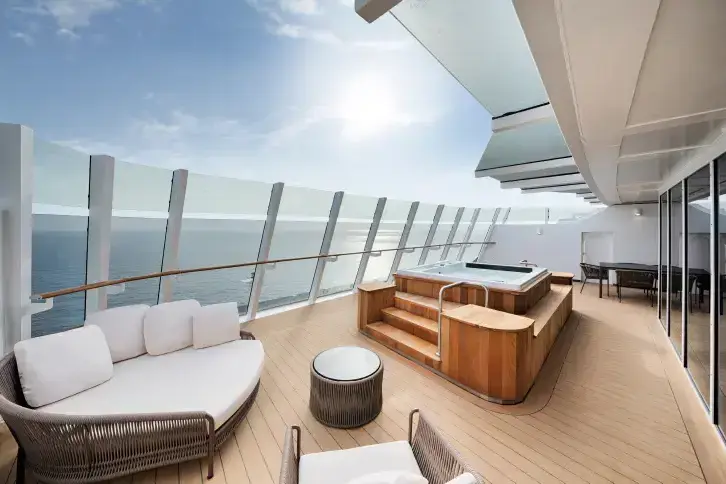
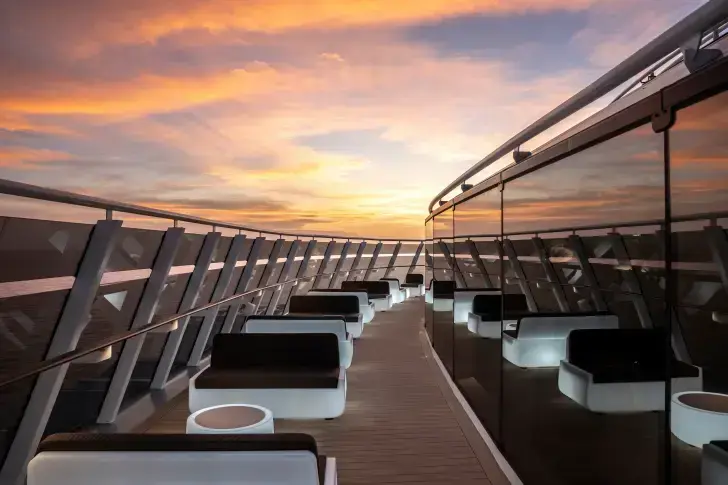
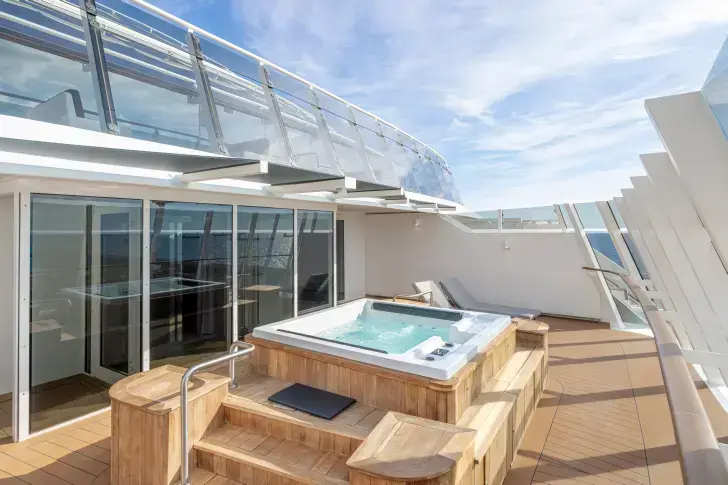
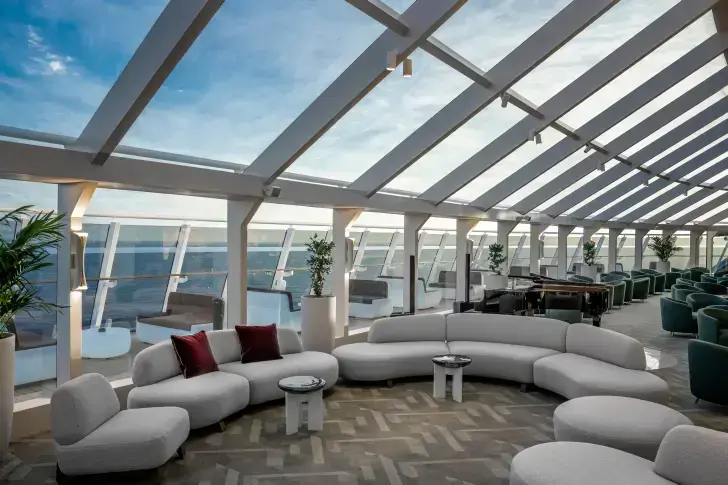
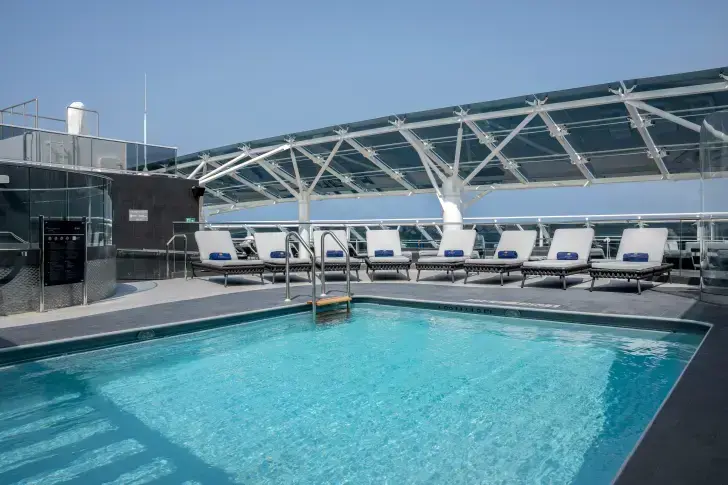
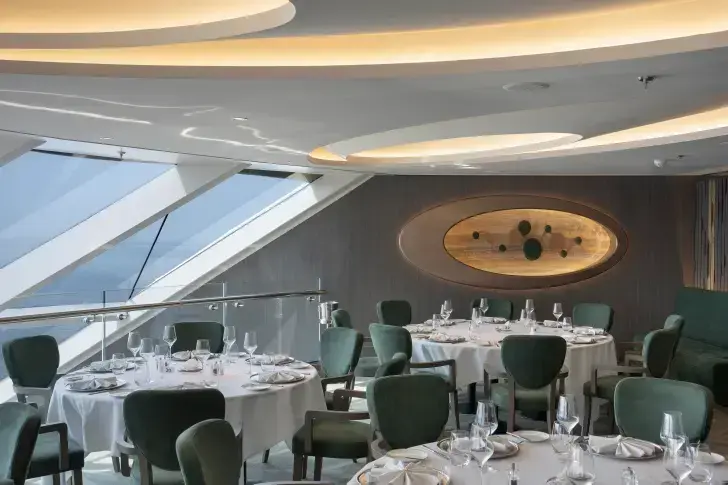
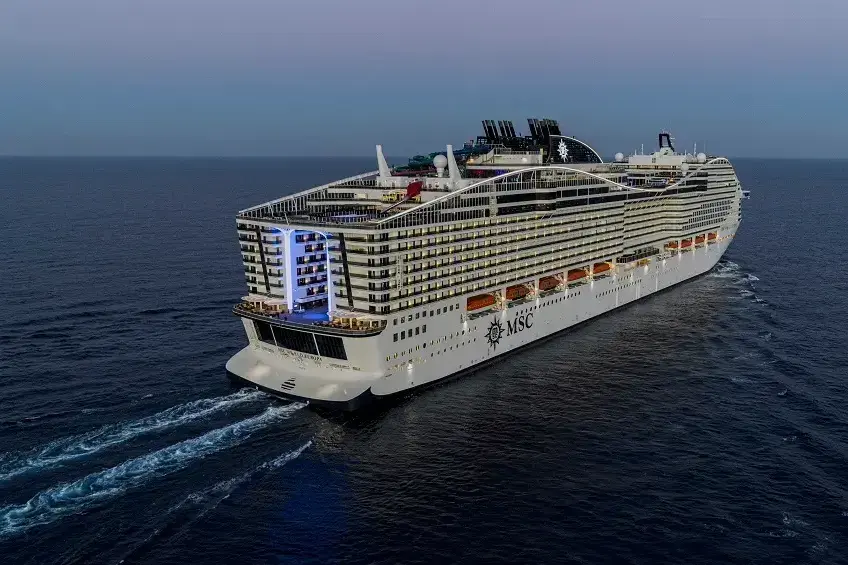
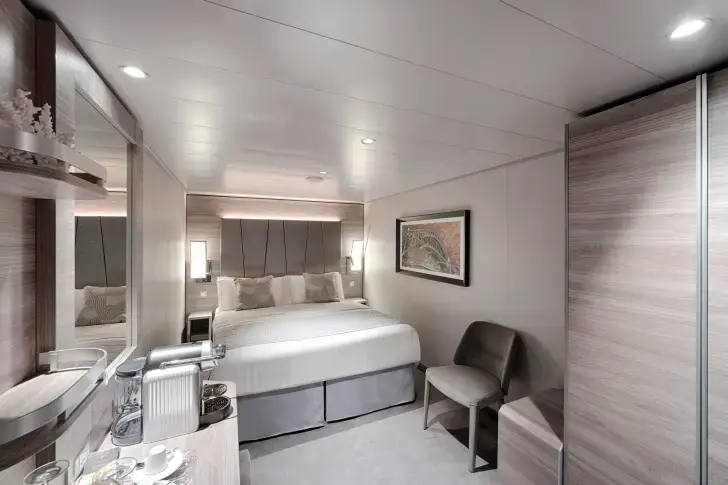
| Statek : MSC Yacht Club World Europa |
| Data rozpoczęcia : sob. 01 kwi 2028 |
| Data zakończenia : pt. 21 kwi 2028 |
| Liczba nocy : 20 nocy |
| Dzień | Data | Port | Wypłynięcie | Odpłynięcie |
|---|---|---|---|---|
| 1 | 1.04 sob. | Dubai / UAE | 23:59 | |
| 2 | 2.04 niedz. | Dubai / UAE | 00:01 | 18:00 |
| 3 | 3.04 pon. | Abu Zabi / UAE | 08:00 | 18:00 |
| 4 | 4.04 wt. | Sir Bani Yas / UAE | 08:00 | 18:00 |
| 5 | 5.04 śr. | Dzień na morzu / Morze | ||
| 6 | 6.04 czw. | Muskat / Oman | 08:00 | 18:00 |
| 7 | 7.04 pt. | Dzień na morzu / Morze | ||
| 8 | 8.04 sob. | Dzień na morzu / Morze | ||
| 9 | 9.04 niedz. | Dzień na morzu / Morze | ||
| 10 | 10.04 pon. | Dzień na morzu / Morze | ||
| 11 | 11.04 wt. | Dzień na morzu / Morze | ||
| 12 | 12.04 śr. | Safaga / Egipt | 09:00 | 18:00 |
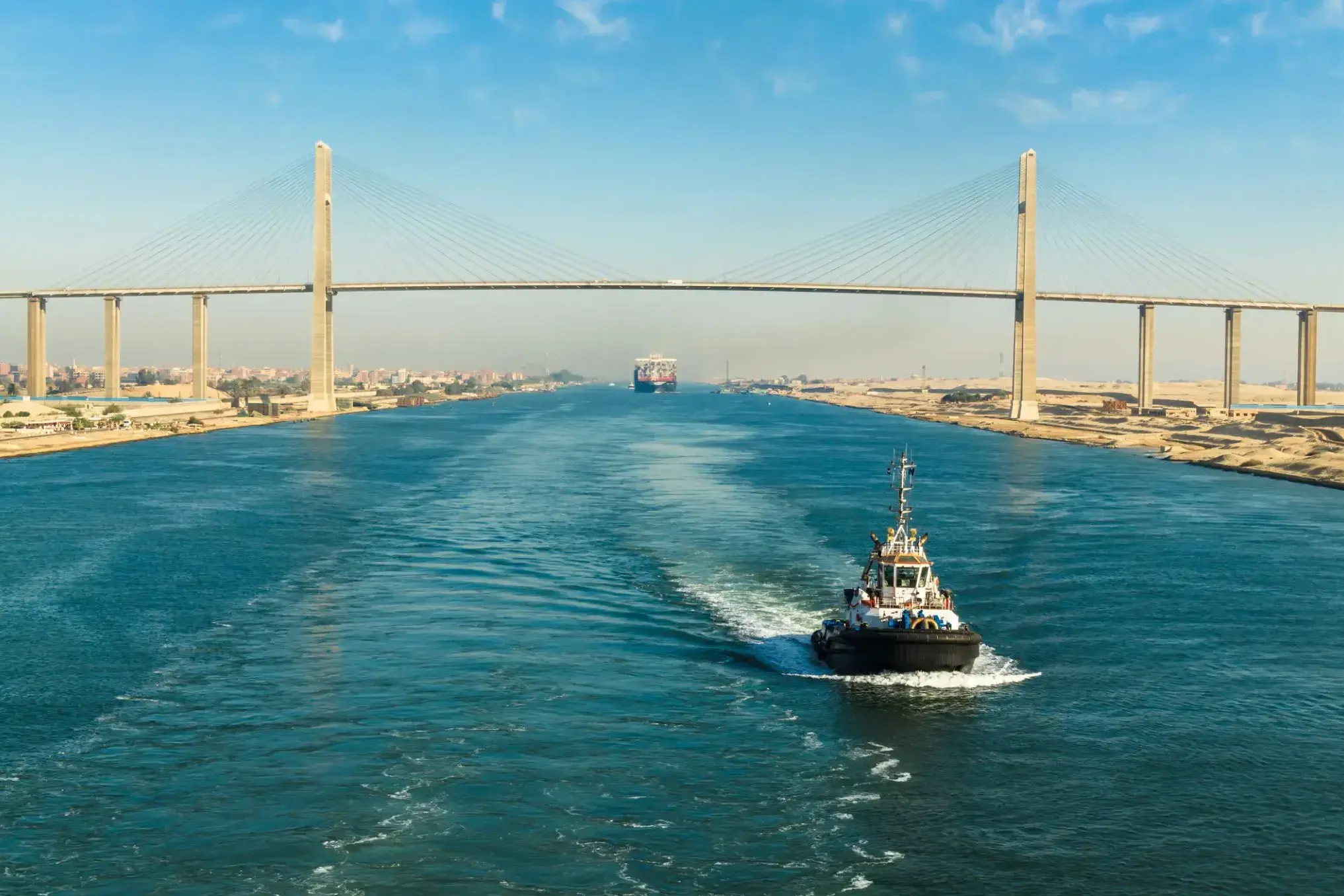
| 13 | 13.04 czw. | Kanał Sueski / Egipt | 21:00 | 21:15 |
| 14 | 14.04 pt. | Kanał Sueski / Egipt | 15:00 | 15:15 |
| 15 | 15.04 sob. | Dzień na morzu / Morze | ||
| 16 | 16.04 niedz. | Dzień na morzu / Morze | ||
| 17 | 17.04 pon. | Valletta / Malta | 08:00 | 16:00 |
| 18 | 18.04 wt. | Neapol / Włochy | 10:00 | 19:00 |
| 19 | 19.04 śr. | Rzym (Civitavecchia) / Włochy | 08:00 | 18:00 |
| 20 | 20.04 czw. | Genua / Włochy | 08:00 | 18:00 |
| 21 | 21.04 pt. | Marsylia / Francja | 09:00 |
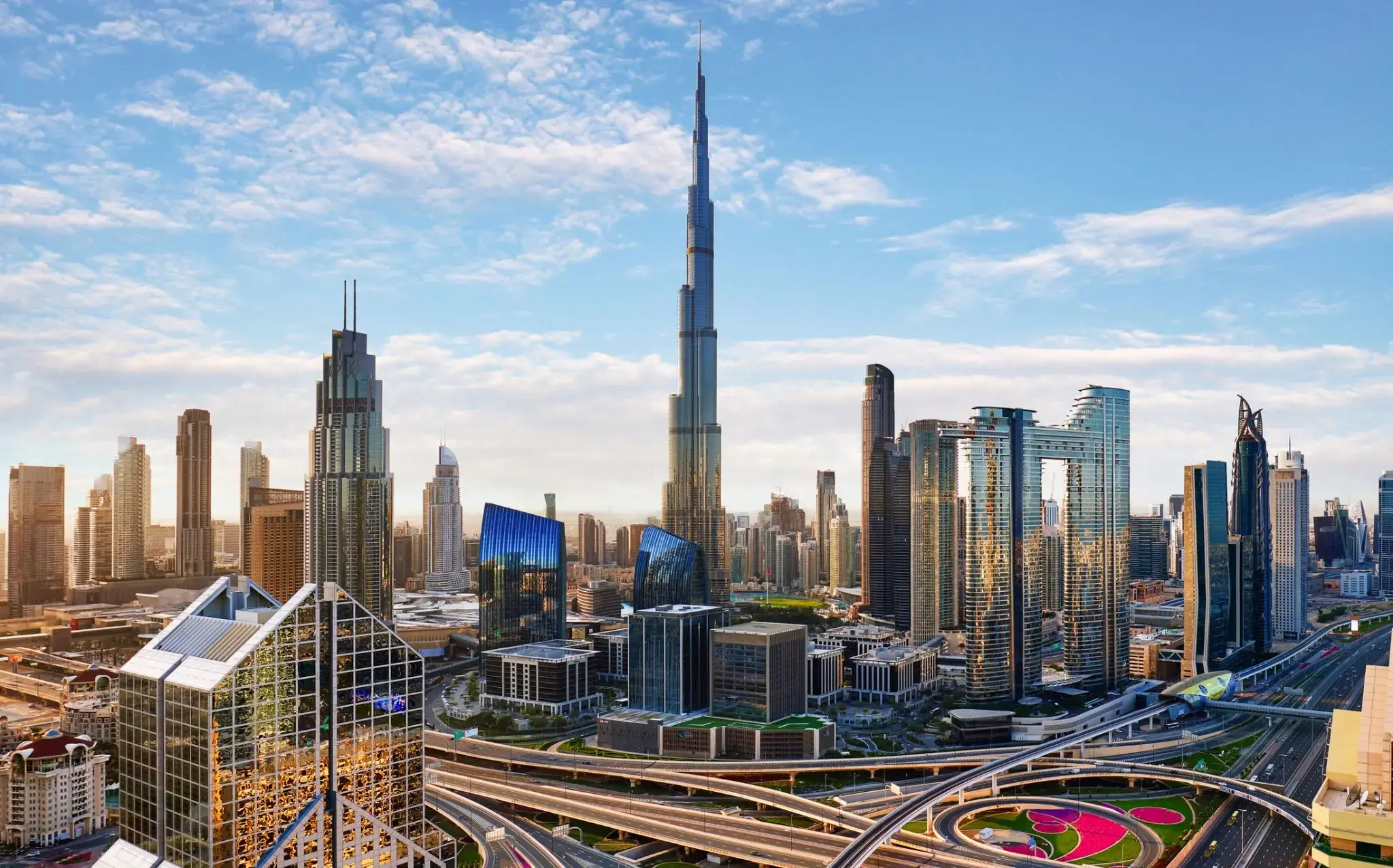
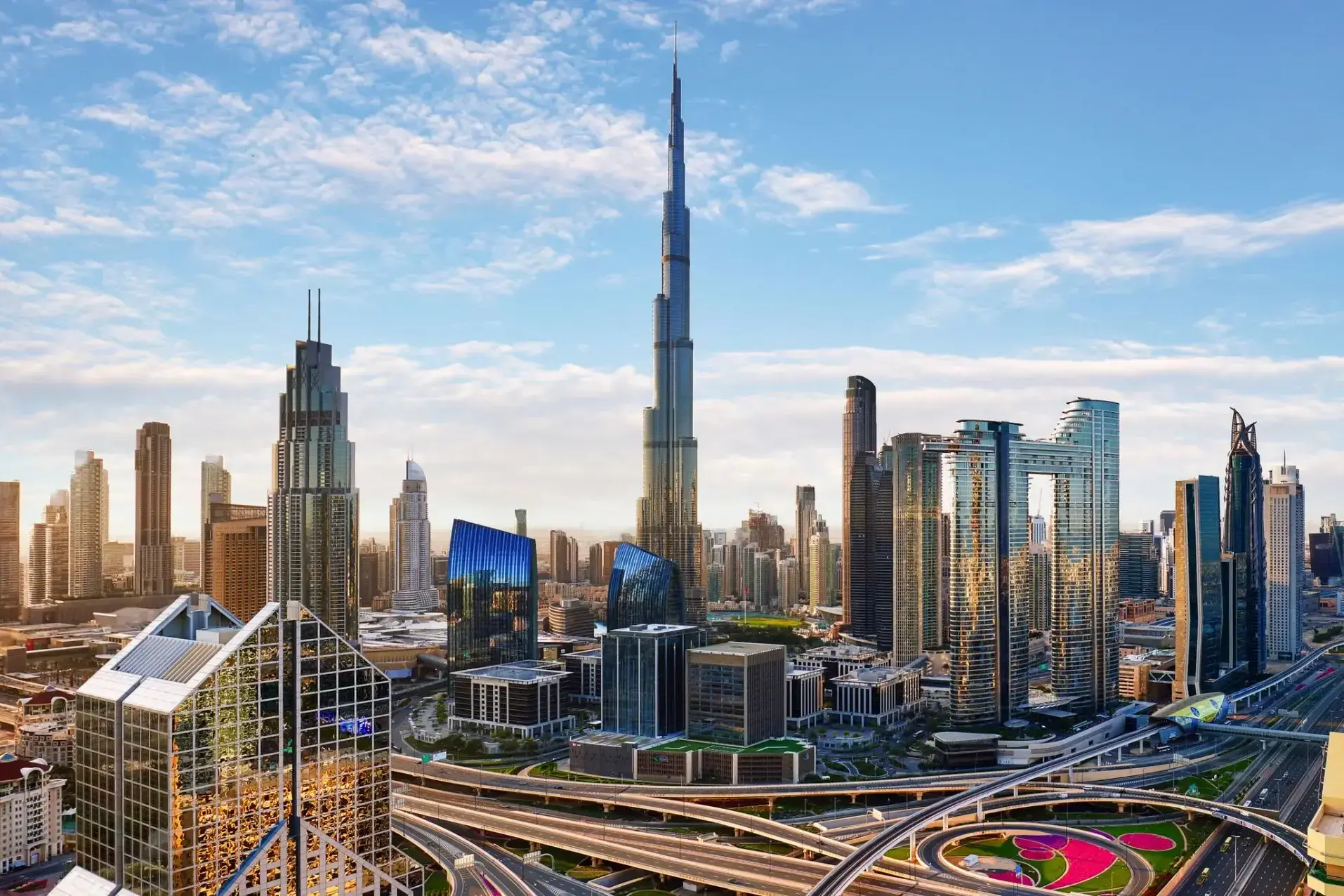
Dubai is the largest and most populous cityin the United Arab Emirates (UAE). On the southeast coast of the Persian Gulf, it is the capital of the Emirate of Dubai, one of the seven emirates that make up the country.
Dubai is a global city and business hub of the Middle East. It is also a major global transport hub for passengers and cargo. Oil revenue helped accelerate the development of the city, which was already a major mercantile hub, but Dubai's oil reserves are limited and production levels are low: today, less than 5% of the emirate's revenue comes from oil. A growing centre for regional and international trade since the early 20th century, Dubai's economy today relies on revenues from trade, tourism, aviation, real estate, and financial services.
Dubai has attracted world attention through large construction projects and sports events, in particular the world's tallest building, the Burj Khalifa. As of 2012, Dubai was the most expensive city in the Middle East. In 2014, Dubai's hotel rooms were rated as the second most expensive in the world.
Dubai is the largest and most populous cityin the United Arab Emirates (UAE). On the southeast coast of the Persian Gulf, it is the capital of the Emirate of Dubai, one of the seven emirates that make up the country.
Dubai is a global city and business hub of the Middle East. It is also a major global transport hub for passengers and cargo. Oil revenue helped accelerate the development of the city, which was already a major mercantile hub, but Dubai's oil reserves are limited and production levels are low: today, less than 5% of the emirate's revenue comes from oil. A growing centre for regional and international trade since the early 20th century, Dubai's economy today relies on revenues from trade, tourism, aviation, real estate, and financial services.
Dubai has attracted world attention through large construction projects and sports events, in particular the world's tallest building, the Burj Khalifa. As of 2012, Dubai was the most expensive city in the Middle East. In 2014, Dubai's hotel rooms were rated as the second most expensive in the world.
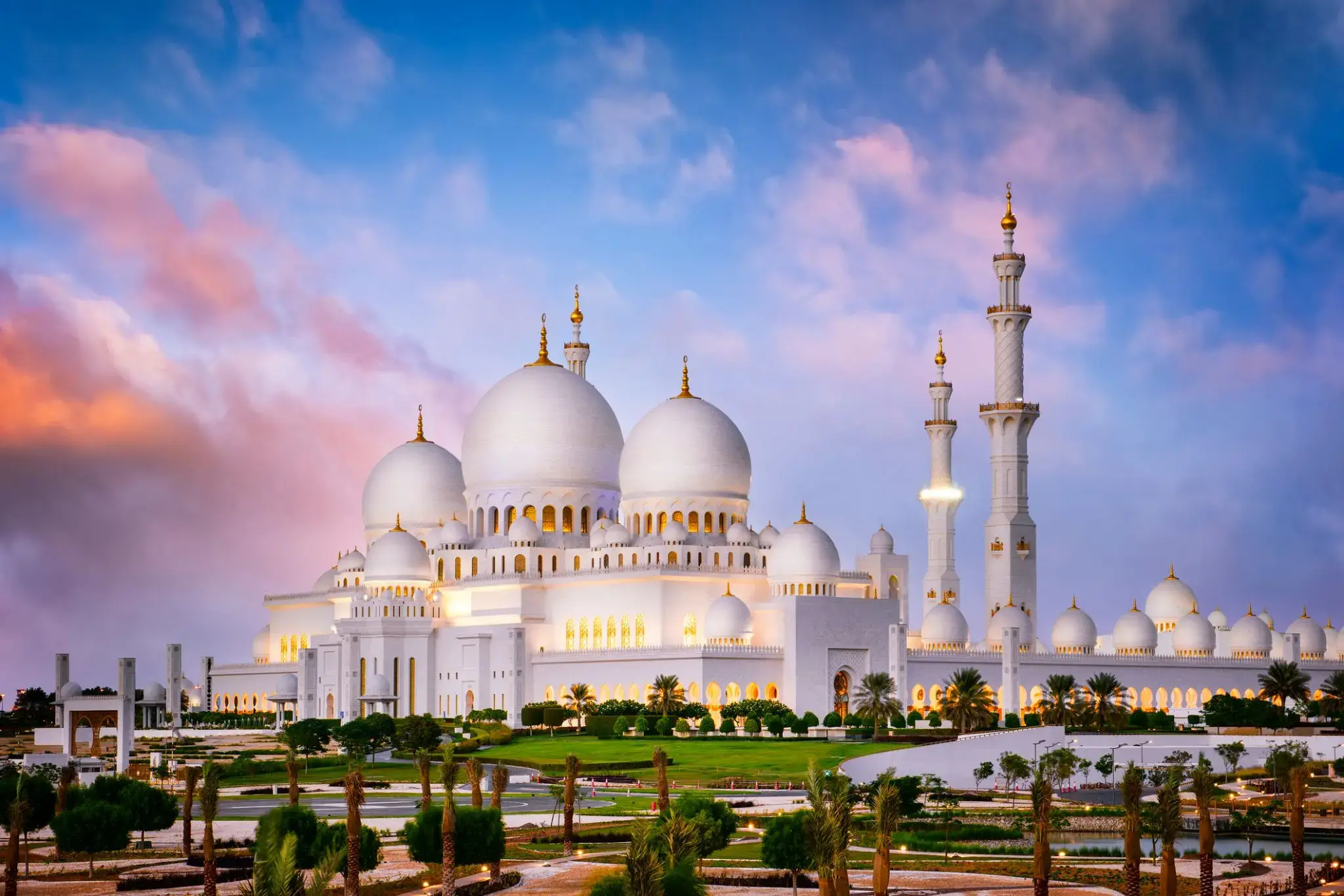
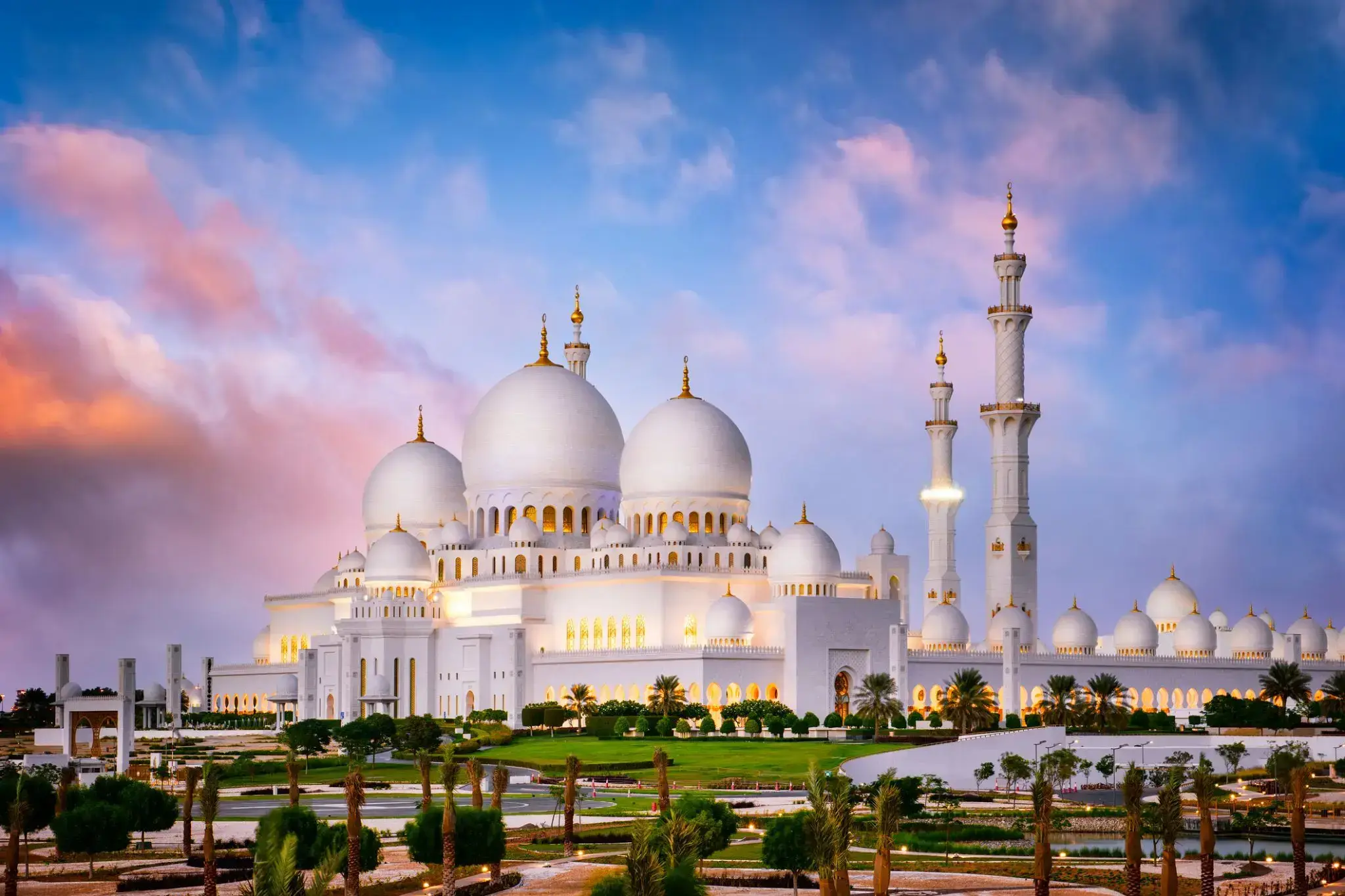
Abu Zabi jest stolicą i drugim co do wielkości miastem Zjednoczonych Emiratów Arabskich (najludniejszym jest Dubaj) oraz stolicą Emiratu Abu Zabi, największego z siedmiu emiratów UAE. Abu Zabi leży na wyspie w kształcie litery T, która wychodzi w Zatokę Perską z centralnego zachodniego wybrzeża. Miasto Abu Zabi miało szacowaną liczbę ludności 1,8 miliona w 2016 roku.
Abu Zabi mieści urzędy rządowe federalne, jest siedzibą Rządu Zjednoczonych Emiratów Arabskich, domem dla Rodziny Emira Abu Zabi oraz Prezydenta UAE, który pochodzi z tej rodziny. Szybki rozwój Abu Zabi i urbanizacja, w połączeniu z relatywnie wysokim średnim dochodem jego populacji, przekształciły miasto w dużą i zaawansowaną metropolię. Dziś miasto jest centrum politycznym i przemysłowym kraju, a także głównym ośrodkiem kulturalnym i handlowym, ze względu na swoją pozycję stolicy. Abu Zabi odpowiada za około dwie trzecie mniej więcej 400-miliardowej gospodarki Zjednoczonych Emiratów Arabskich.
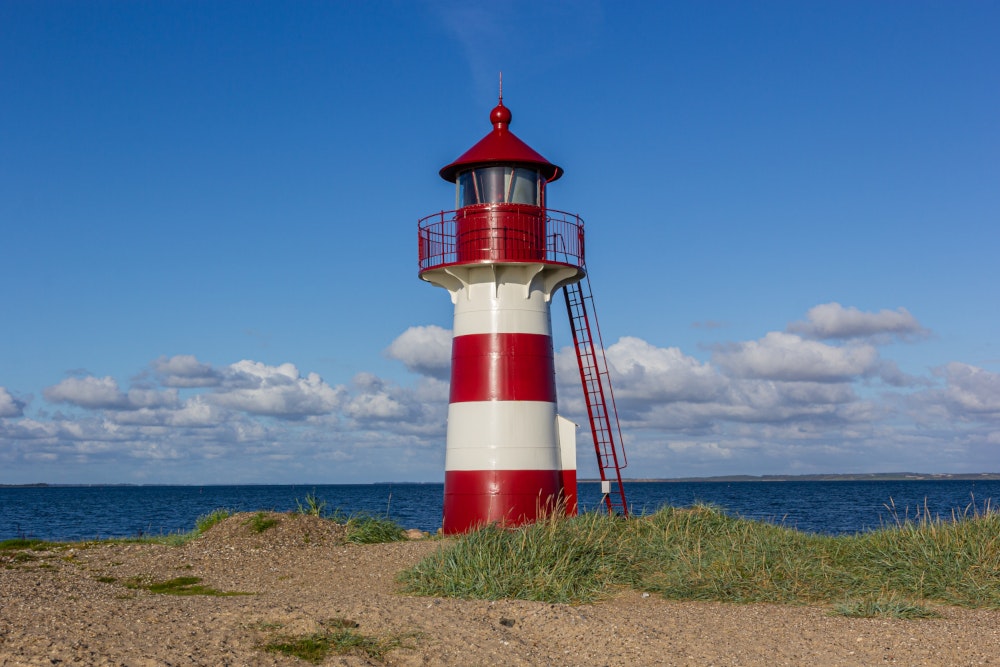
Sir Bani Yas to wyjątkowa wyspa położona w Zatoce Perskiej, zaledwie 250 km od Abu Zabi, Zjednoczone Emiraty Arabskie. Wyspa jest jednym z największych rezerwatów przyrody w regionie i słynie z bogatej flory i fauny. Mieszka tu wiele dzikich zwierząt, w tym gazele, populacje oryksów arabskich oraz rzadkie ptaki. Wyspa jest również domem dla wielu morskich mieszkańców, takich jak żółwie i delfiny, co sprawia, że jest to doskonałe miejsce dla miłośników ekoturystyki i obserwacji przyrody.
Sir Bani Yas to także popularne miejsce aktywnego wypoczynku, oferujące szeroką gamę atrakcji, w tym safari na pustyni, kajakarstwo i wycieczki rowerowe po wyspie. Dla miłośników nurkowania czekają tu doskonałe warunki do snorkelingu i nurkowania, dzięki czystym wodom i bogatym rafom koralowym. To idealne miejsce dla osób, które chcą nie tylko odkrywać przyrodę, ale także zrelaksować się w luksusie i odosobnieniu.
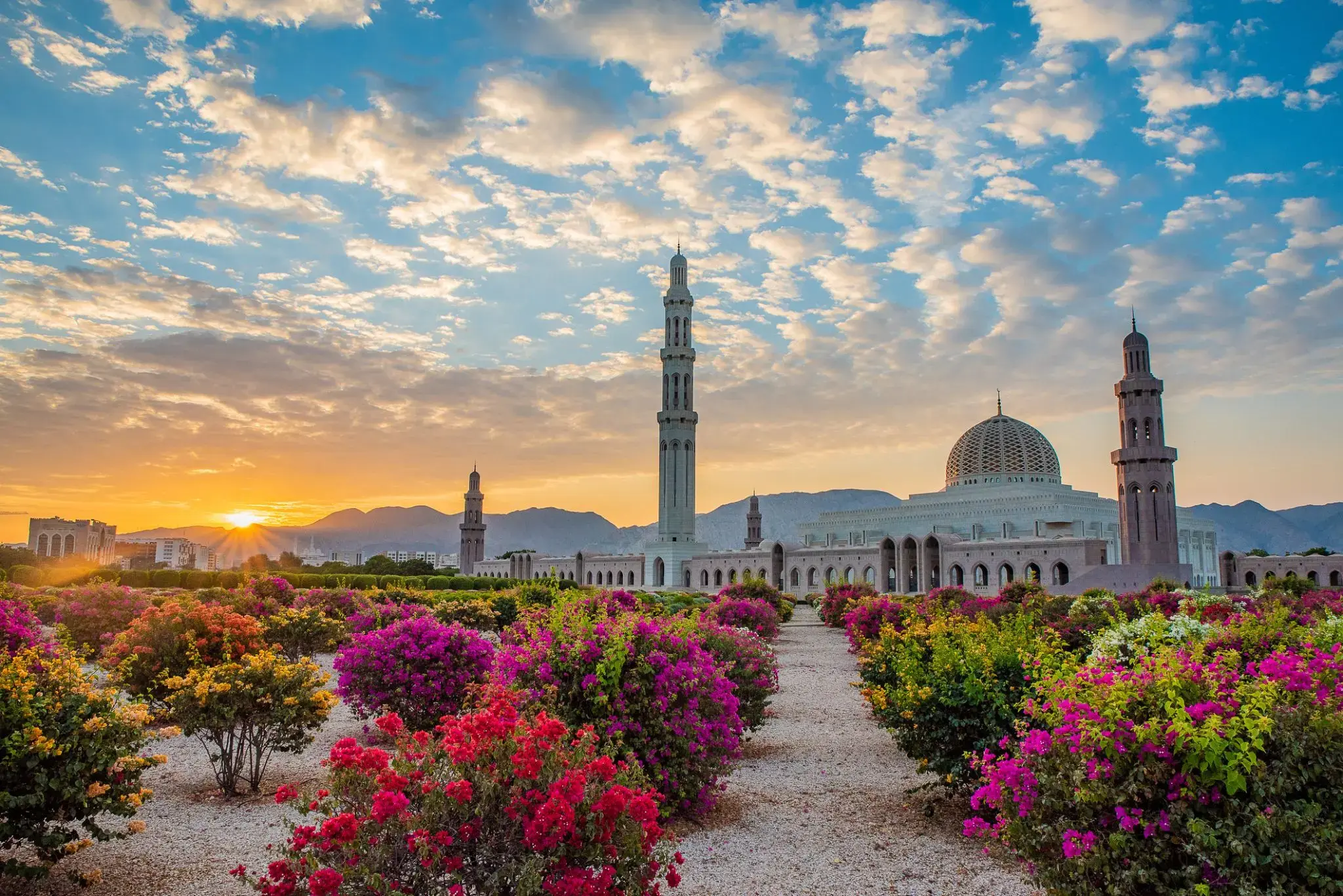
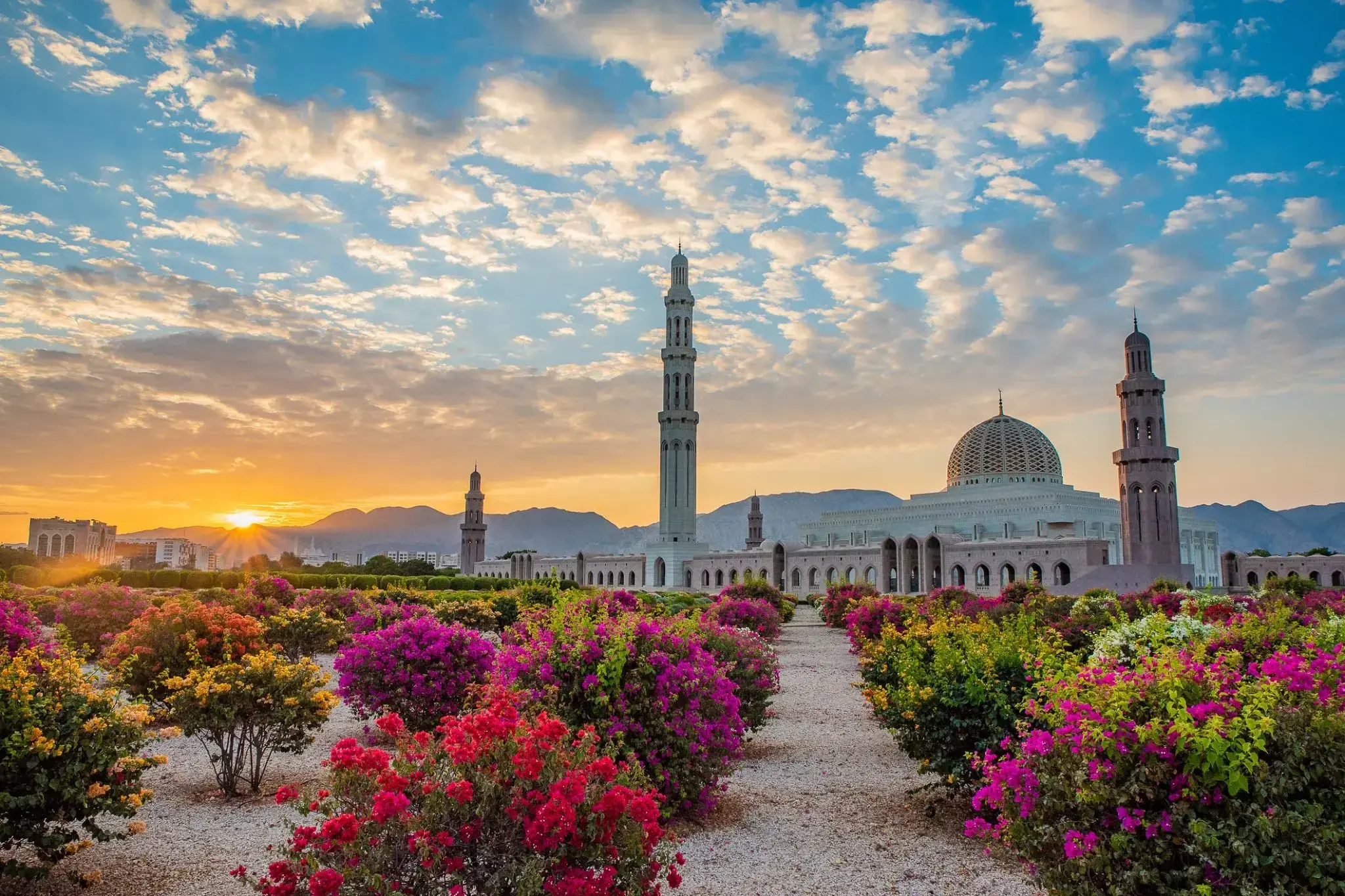
Muscat is the capital and largest city of Oman. It is the seat of the Governorate of Muscat. According to the National Centre for Statistics and Information (NCSI), the total population of Muscat Governorate reached 1.4 million as of September 2018. The metropolitan area spans approximately 3,500 km2 (1,400 sq mi) and includes six provinces called wilayats. Known since the early 1st century CE as an important trading port between the west and the east, Muscat was ruled by various indigenous tribes as well as foreign powers such as the Persians, the Portuguese Empire, the Iberian Union and the Ottoman Empire at various points in its history. A regional military power in the 18th century, Muscat's influence extended as far as East Africa and Zanzibar. As an important port-town in the Gulf of Oman, Muscat attracted foreign tradesmen and settlers such as the Persians and the Balochis. Since the ascension of Qaboos bin Said as Sultan of Oman in 1970, Muscat has experienced rapid infrastructural development that has led to the growth of a vibrant economy and a multi-ethnic society.
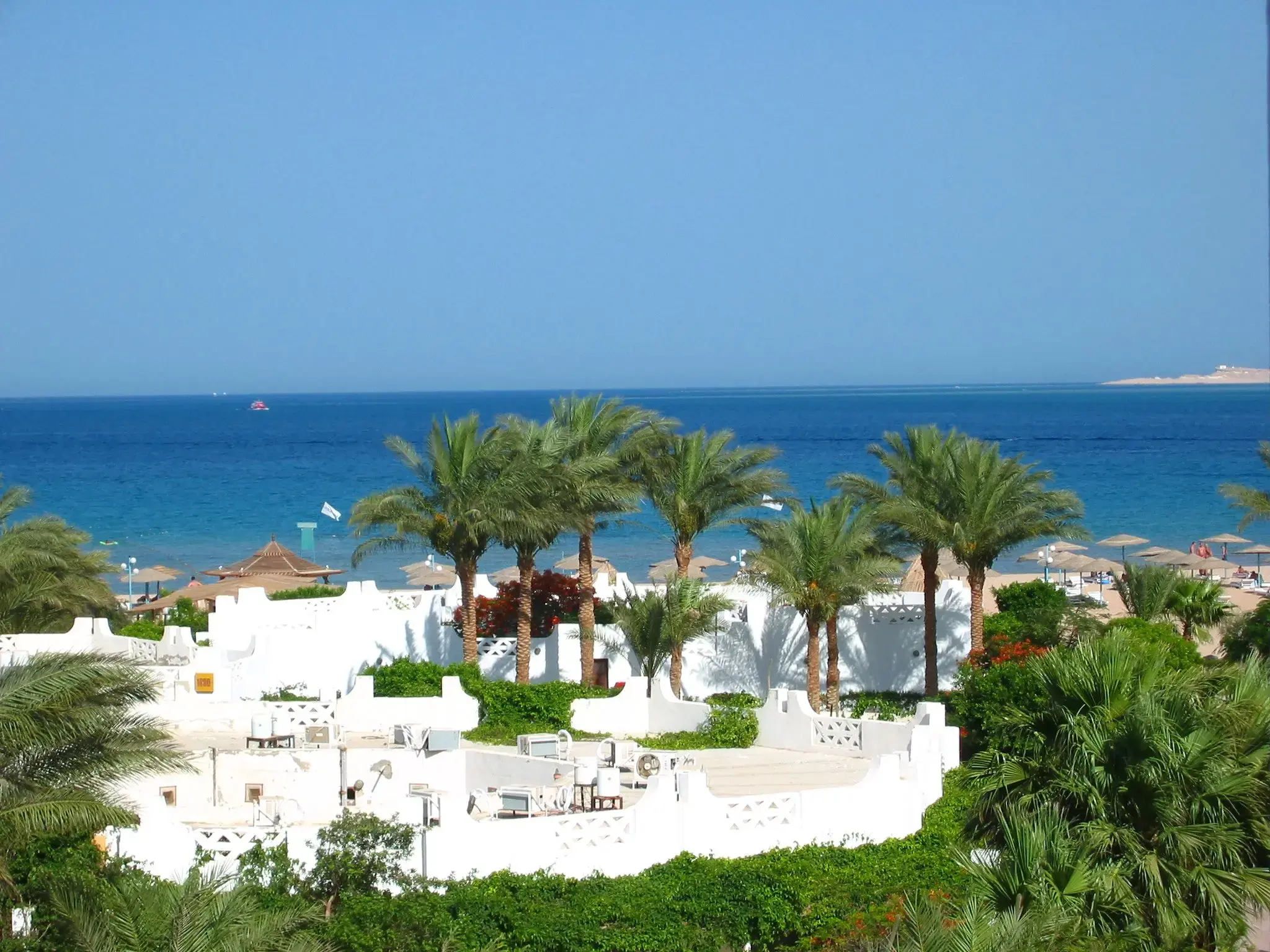
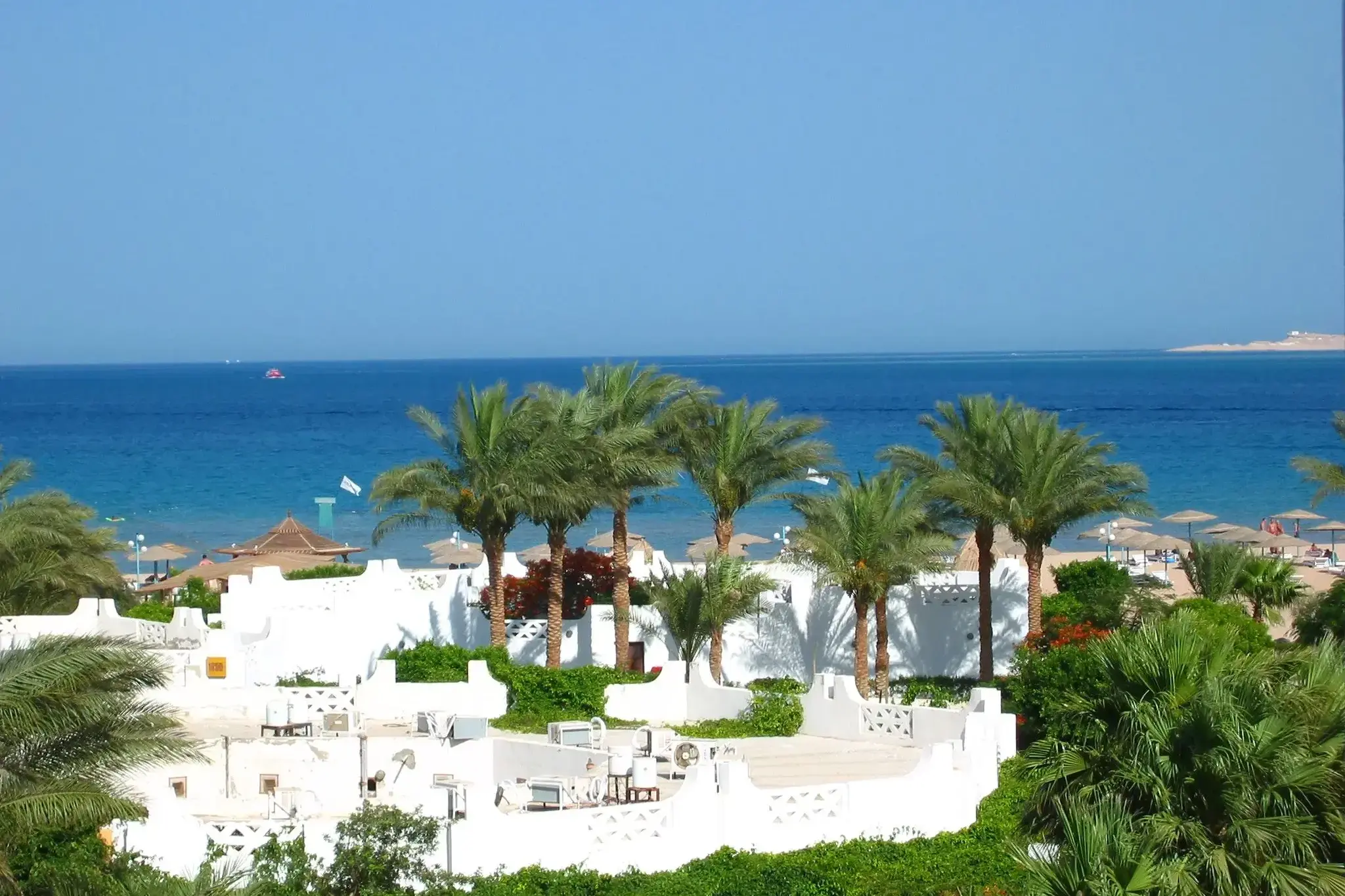
Safaga to małe nadmorskie miasto w Egipcie, położone nad Morzem Czerwonym, znane z czystych wód, raf koralowych i możliwości nurkowania. Miasto znajduje się około 60 kilometrów na południe od Hurghady, ale charakteryzuje się znacznie spokojniejszą atmosferą i mniejszą liczbą turystów. Safaga przyciąga turystów swoją unikalną przyrodą: oprócz pięknych plaż oferuje doskonałe warunki do sportów wodnych, takich jak windsurfing i snorkeling. Ponadto Safaga jest znana ze swoich ośrodków spa, gdzie można odpocząć i cieszyć się malowniczymi widokami gór i morza.
Miasto ma strategiczne znaczenie, ponieważ jest ważnym portem dla statków towarowych i statków przewożących sól, jednocześnie pozostając ważnym miejscem turystycznym dla tych, którzy szukają ciszy i spokoju. Jednym z najbardziej znanych miejsc w Safadze jest Zatoka Safaga, której wody są idealne do nurkowania i obserwowania życia morskiego. Wzdłuż wybrzeża znajdują się plaże z drobnym piaskiem i spokojnymi wodami, co sprawia, że region jest szczególnie odpowiedni dla rodzin z dziećmi oraz tych, którzy cenią spokojny wypoczynek na łonie natury.
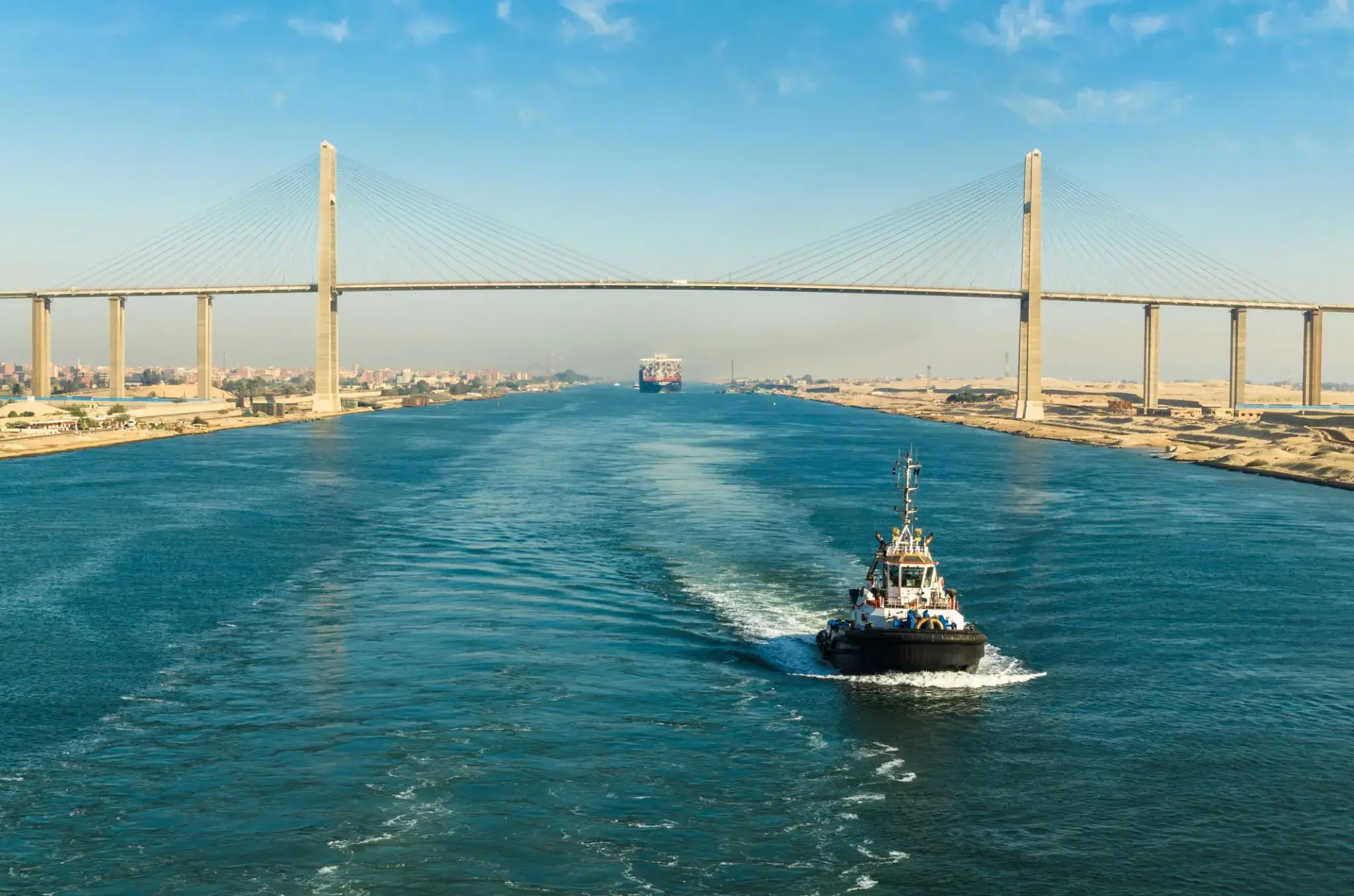
The Suez Canal is a sea-level waterway in Egypt, connecting the Mediterranean Sea to the Red Sea through the Isthmus of Suez. Constructed by the Suez Canal Company between 1859 and 1869, it was officially opened on 17 November 1869. The canal offers watercraft a shorter journey between the North Atlantic and northern Indian Oceans via the Mediterranean and Red Seas by avoiding the South Atlantic and southern Indian Oceans, reducing the journey by approximately 6,000 kilometres (3,700 mi). It extends from the northern terminus of Port Said to the southern terminus of Port Tewfik at the city of Suez. Its length is 193.30 km (120.11 mi), including its northern and southern access channels. In 2012, 17,225 vessels traversed the canal (average 47 per day).
The Suez Canal is a sea-level waterway in Egypt, connecting the Mediterranean Sea to the Red Sea through the Isthmus of Suez. Constructed by the Suez Canal Company between 1859 and 1869, it was officially opened on 17 November 1869. The canal offers watercraft a shorter journey between the North Atlantic and northern Indian Oceans via the Mediterranean and Red Seas by avoiding the South Atlantic and southern Indian Oceans, reducing the journey by approximately 6,000 kilometres (3,700 mi). It extends from the northern terminus of Port Said to the southern terminus of Port Tewfik at the city of Suez. Its length is 193.30 km (120.11 mi), including its northern and southern access channels. In 2012, 17,225 vessels traversed the canal (average 47 per day).
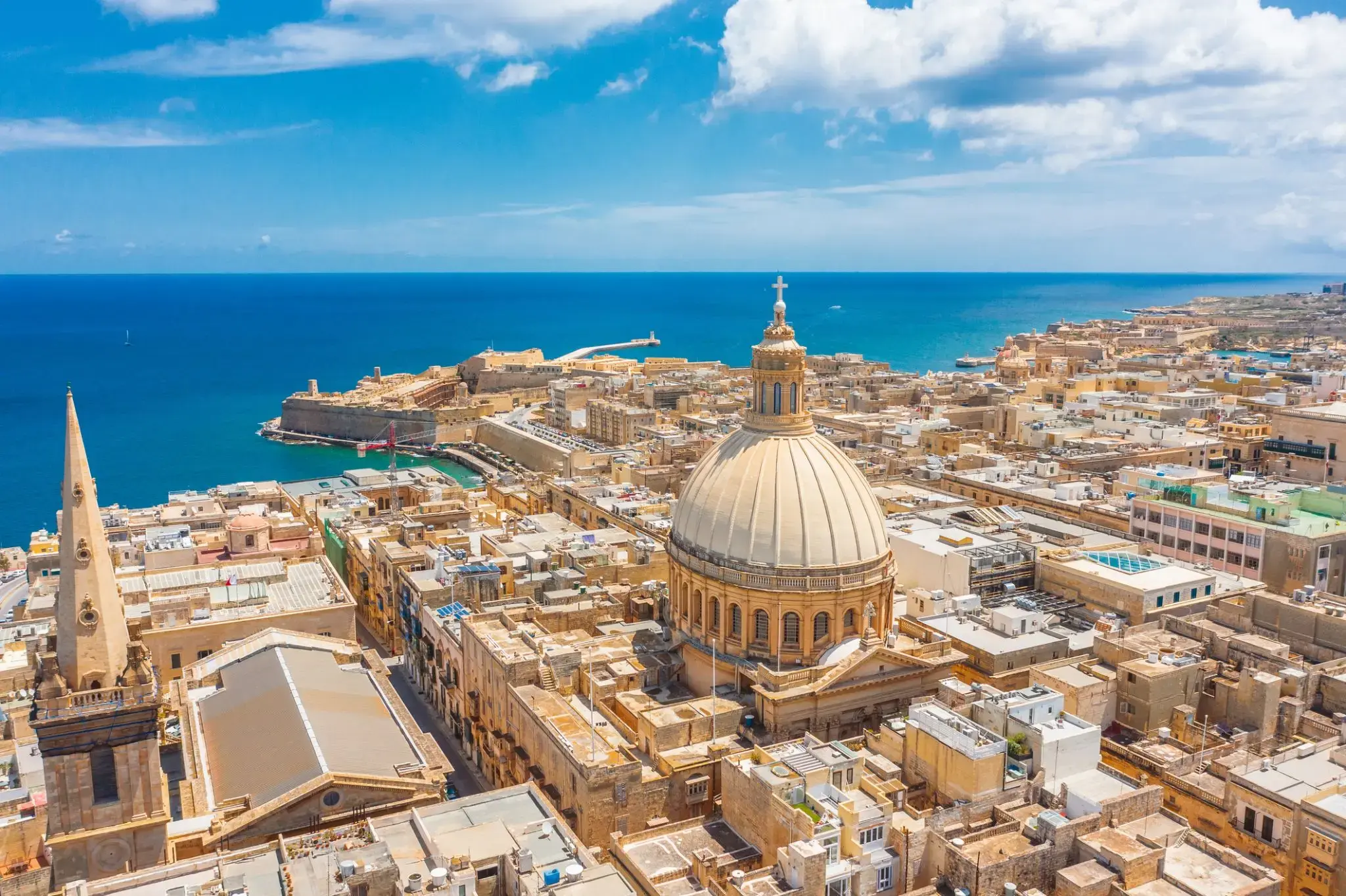
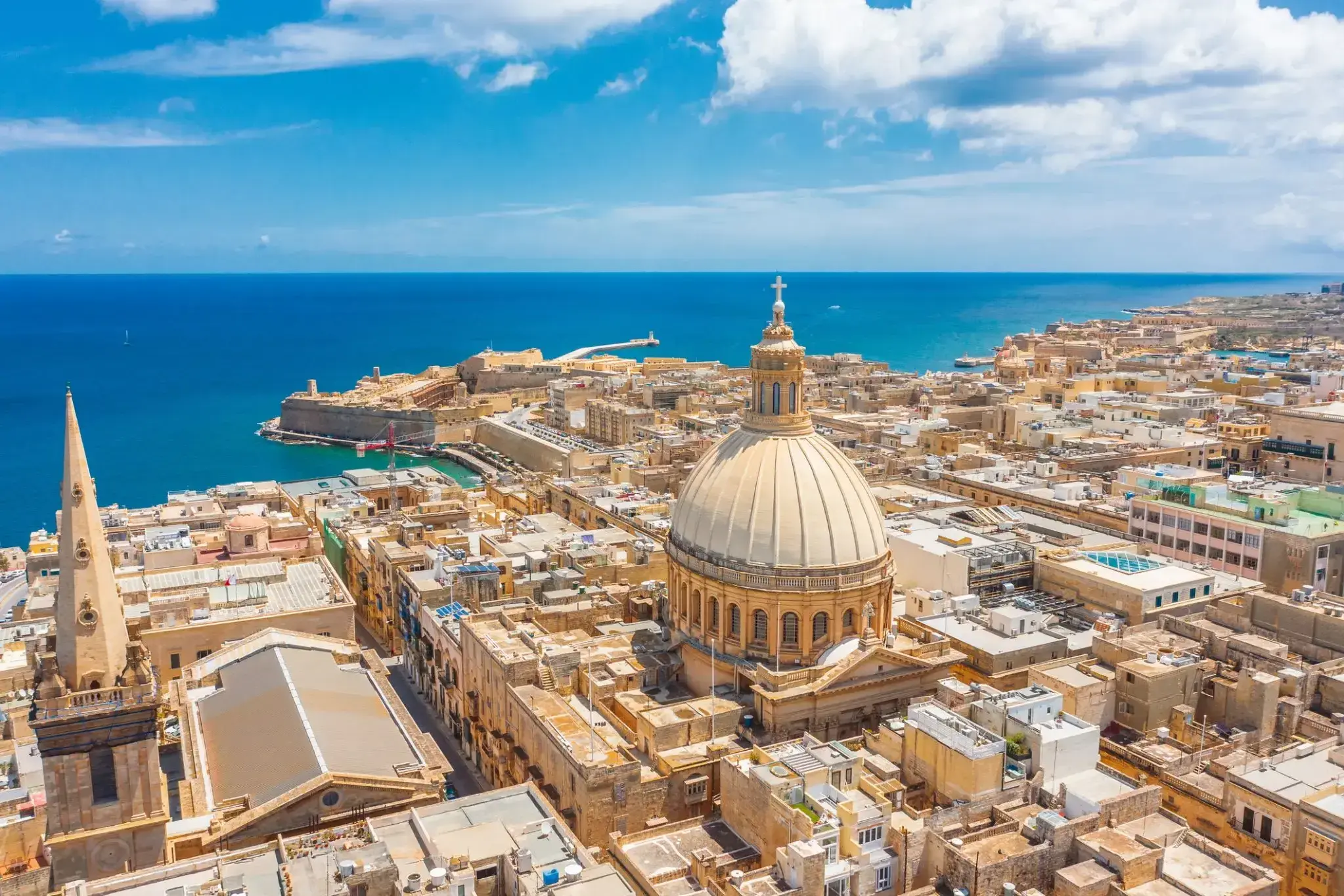
The capital of Malta - Valletta , is the first and almost the only city in Europe, which was once designed by architects and built according to all the rules and norms of construction. Valletta is considered to be one of the most beautiful cities on the Mediterranean. Klaipeda is on the list of the few remaining fortified towns. The center of the city is the Palace of the Grand Master of the Order of Malta, and today the residence of the President of the country, here is the seat of the Maltese Parliament. The list of places to visit in Valletta includes the Castilla Palace, the Admiralty (where the National Museum of Fine Arts is now located, with the largest painting collection in the country), a charming place in the city - the beautiful Hastings Gardens, and this is not the whole list of the riches of the capital of Malta .
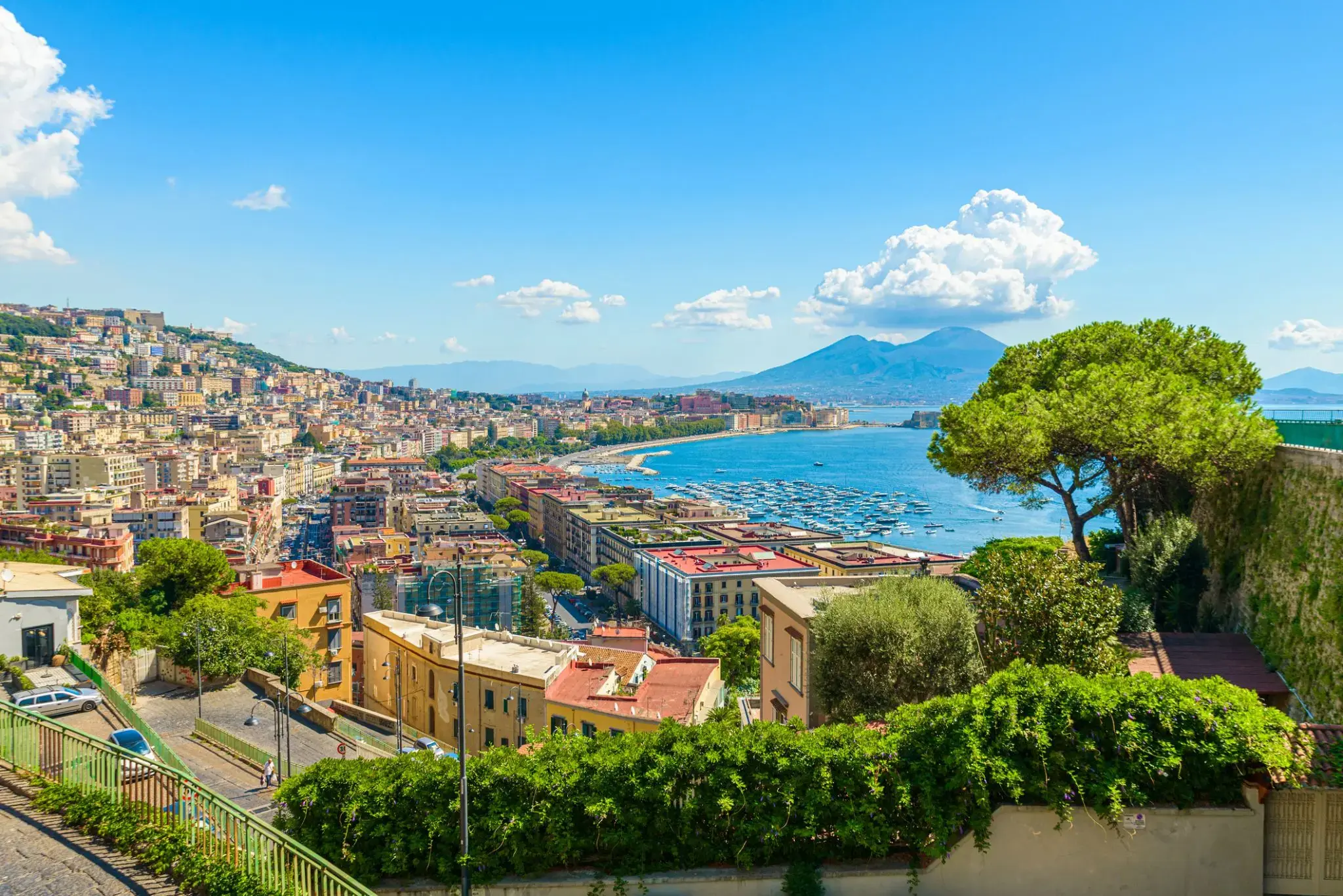
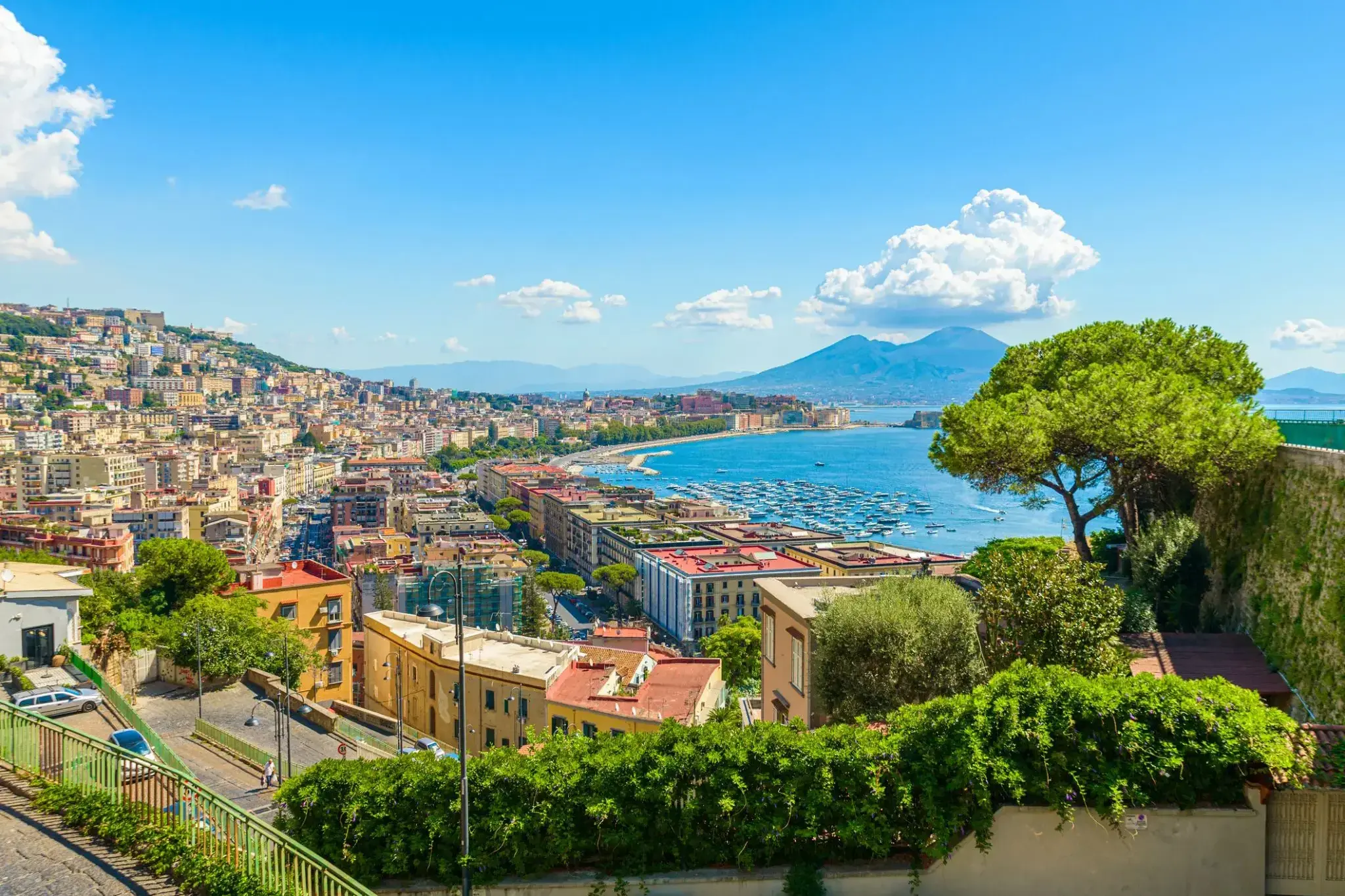
Neapol to jedno z trzech największych miast Włoch, położone u stóp wulkanu Wezuwiusz na południu kraju. Miasto słynie z faktu, że lawa wulkanu pogrzebała trzy starożytne miasta, z których najsłynniejsze to Pompeje. Do dziś trwają tam wykopaliska archeologiczne, a odkryte przedmioty trafiają do Narodowego Muzeum Archeologicznego w Neapolu. W listopadzie teren Pompejów jest dostępny dla zwiedzających. Poza tym w mieście czekają katedry, pałace, place i inne atrakcje, które zachwycają turystów. No i oczywiście – tutaj spróbujesz najsmaczniejszej pizzy w całych Włoszech.
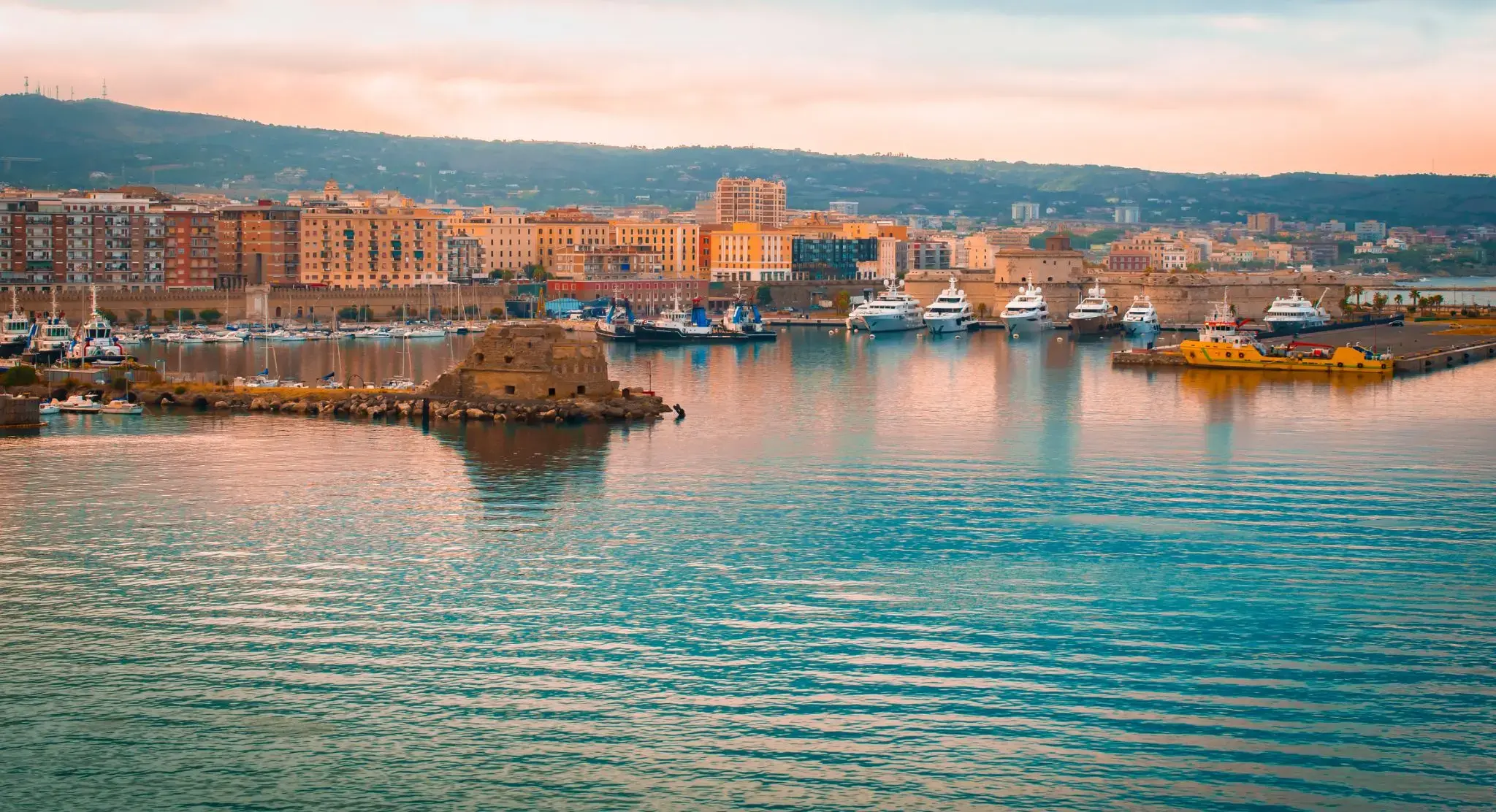
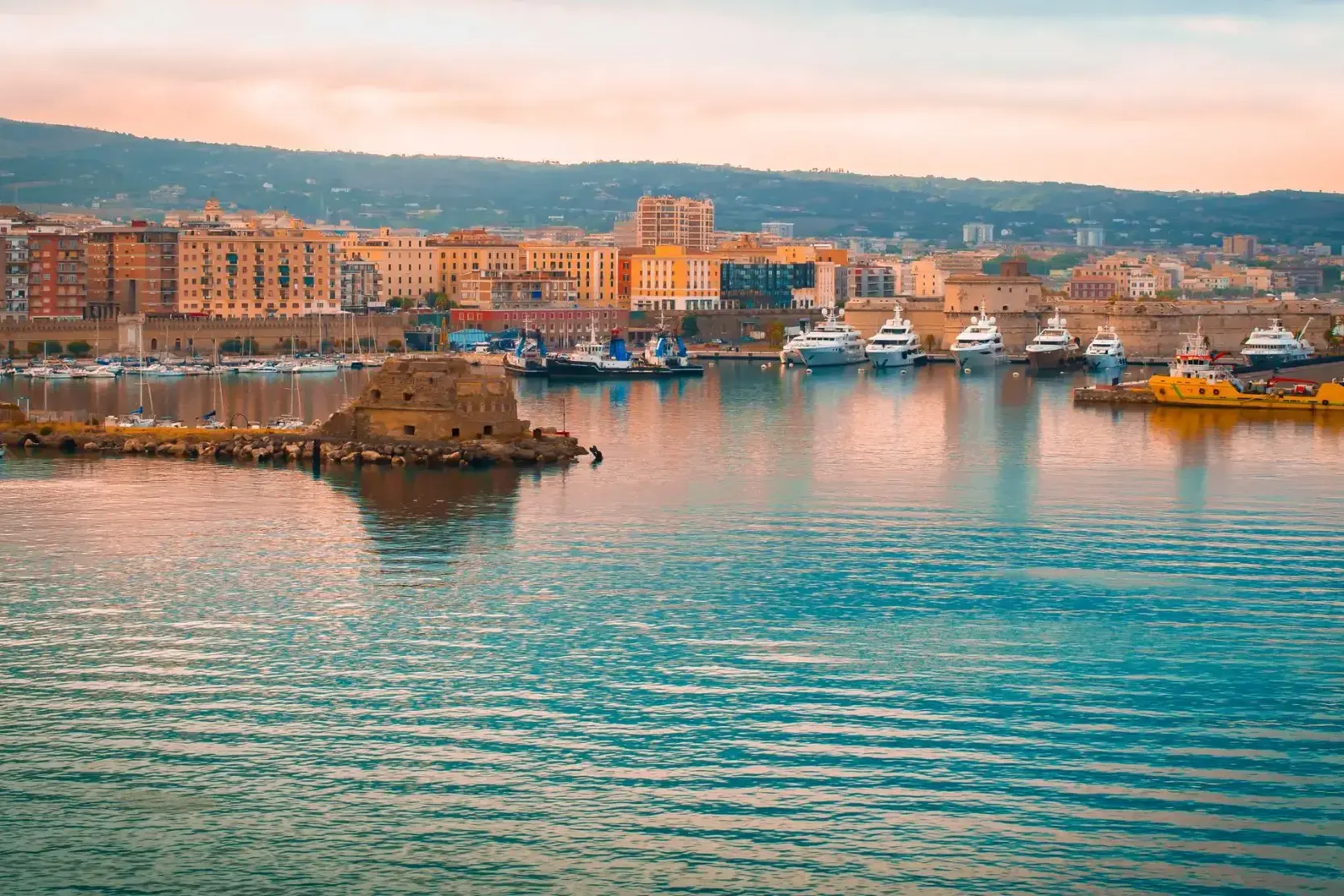
Rzym – jedno z najstarszych miast świata, niegdyś stolica Cesarstwa Rzymskiego, dziś stolica Włoch. Położony na siedmiu wzgórzach nad Tybrem, zachwyca pięknem i majestatem, którego nie da się oddać słowami – trzeba tu być. Każda rzeźba, fontanna czy budowla to dzieło sztuki pozostawione przez dawnych mistrzów. Najsłynniejsze atrakcje, które przyciągają turystów, to Koloseum – miejsce dawnych walk gladiatorów, Fontanna di Trevi, Schody Hiszpańskie, Bazylika św. Piotra – największy kościół Europy, a także Fora Cesarskie i Forum Romanum.
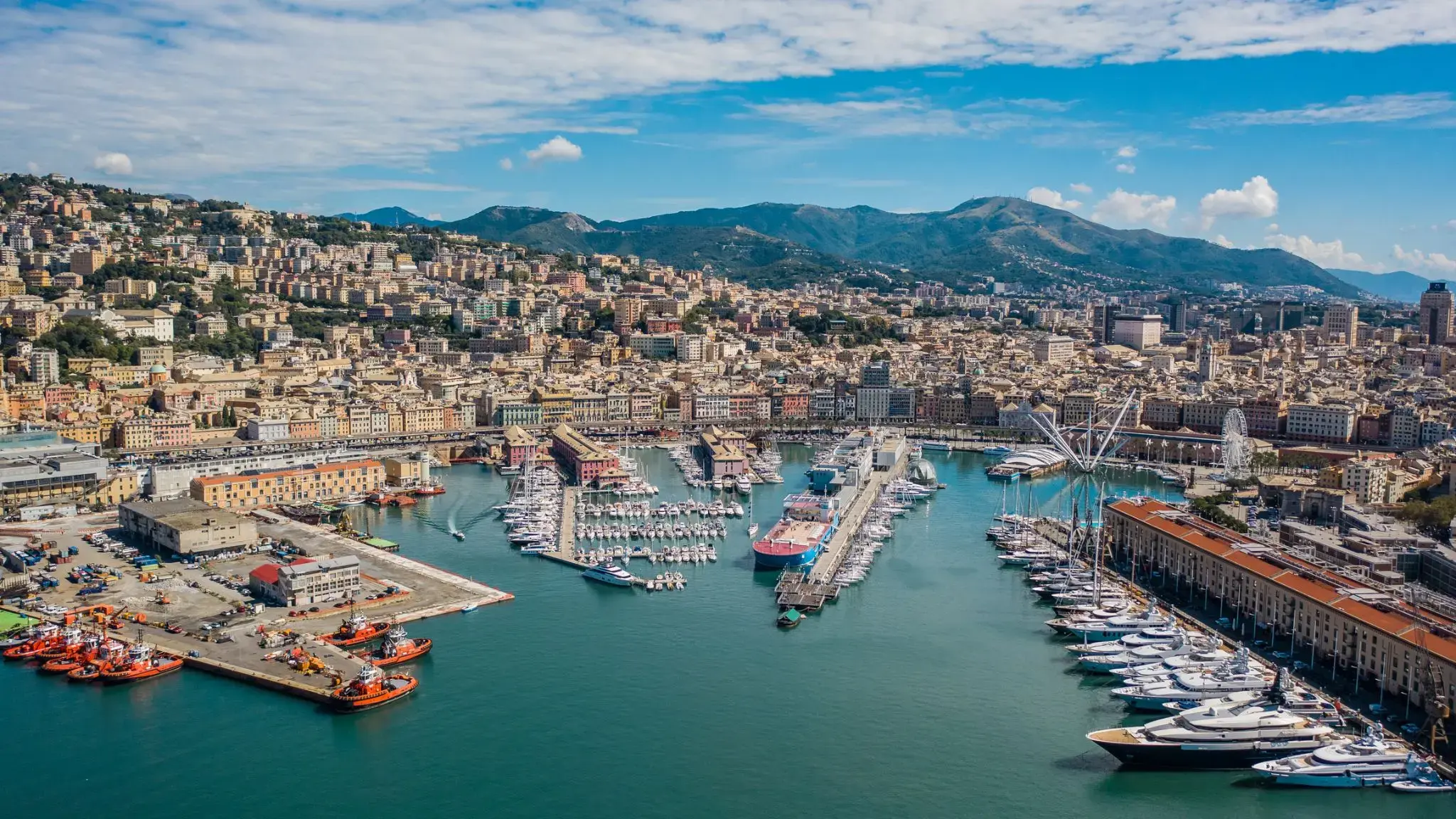
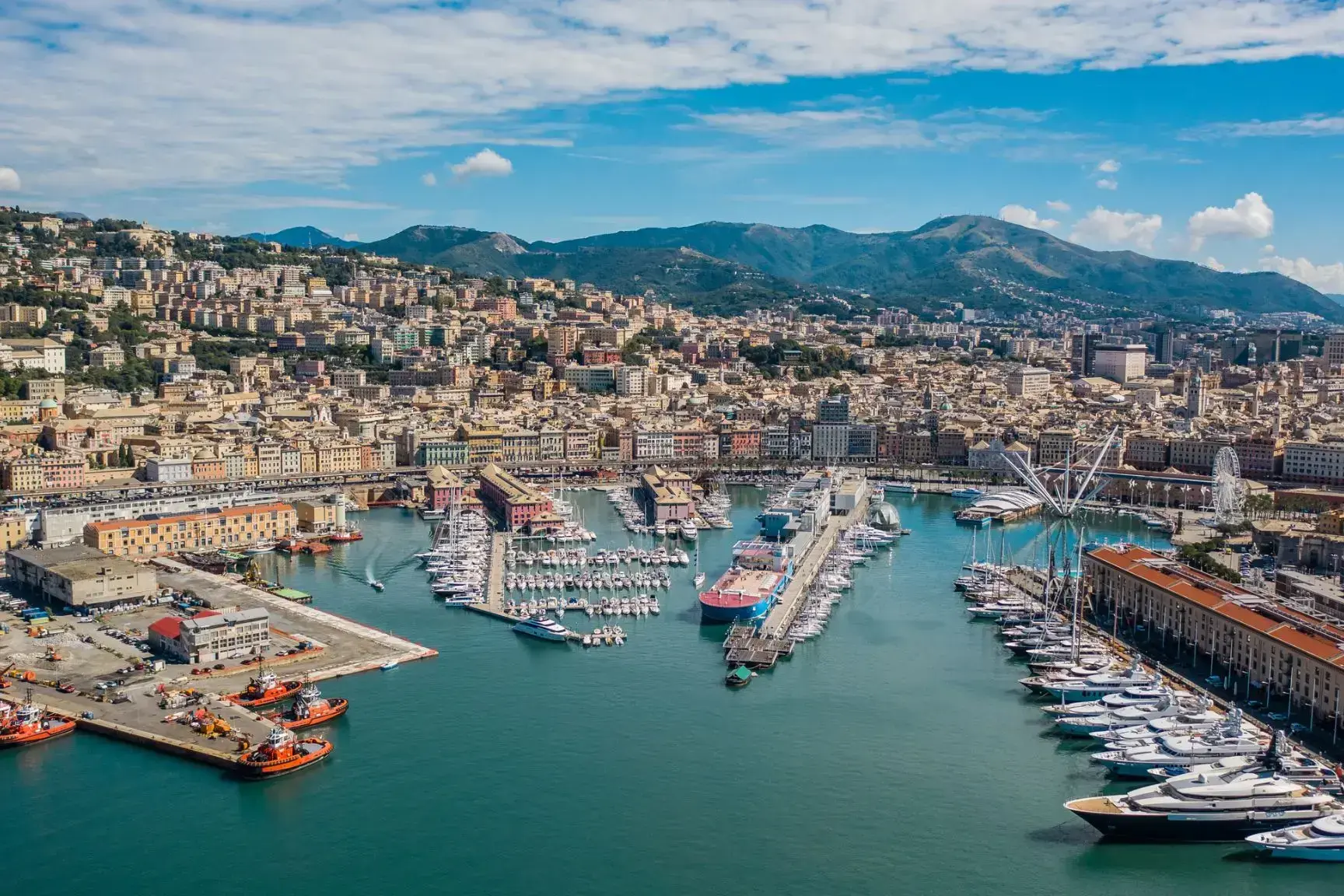
Genua – portowe miasto w północnych Włoszech, położone w Zatoce Genueńskiej nad Morzem Liguryjskim. Już od czasów Imperium Rzymskiego przyciągało uwagę arystokracji i do dziś jest miejscem rezydencji wpływowych ludzi. Spacerując nadmorską promenadą, warto zajrzeć do jednej z licznych kawiarni i spróbować doskonałej kuchni morskiej przy kieliszku wina. Miłośnicy podwodnego świata mogą odwiedzić słynne akwarium, gdzie zobaczyć można ponad 500 gatunków ryb i ssaków morskich.
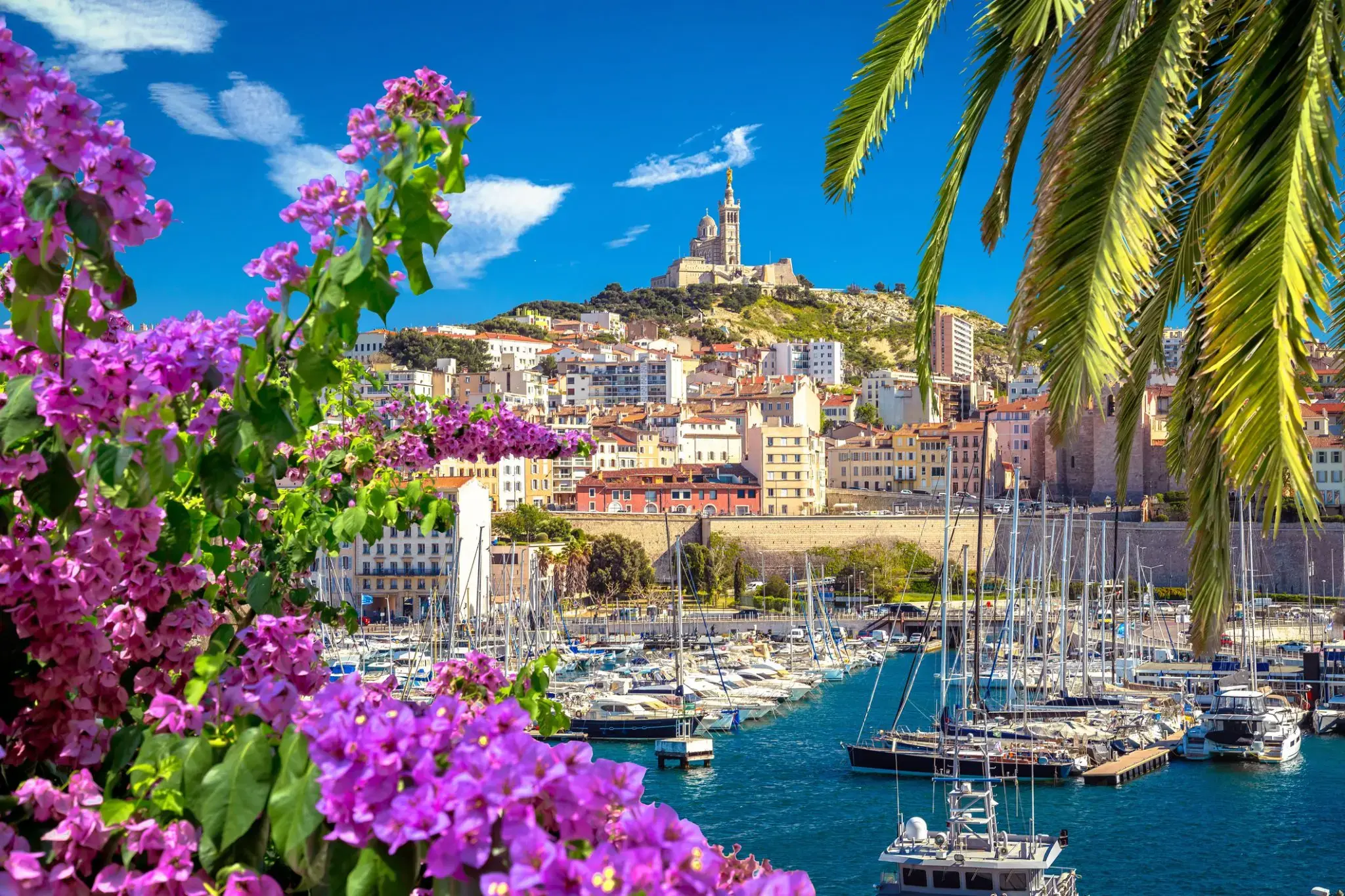
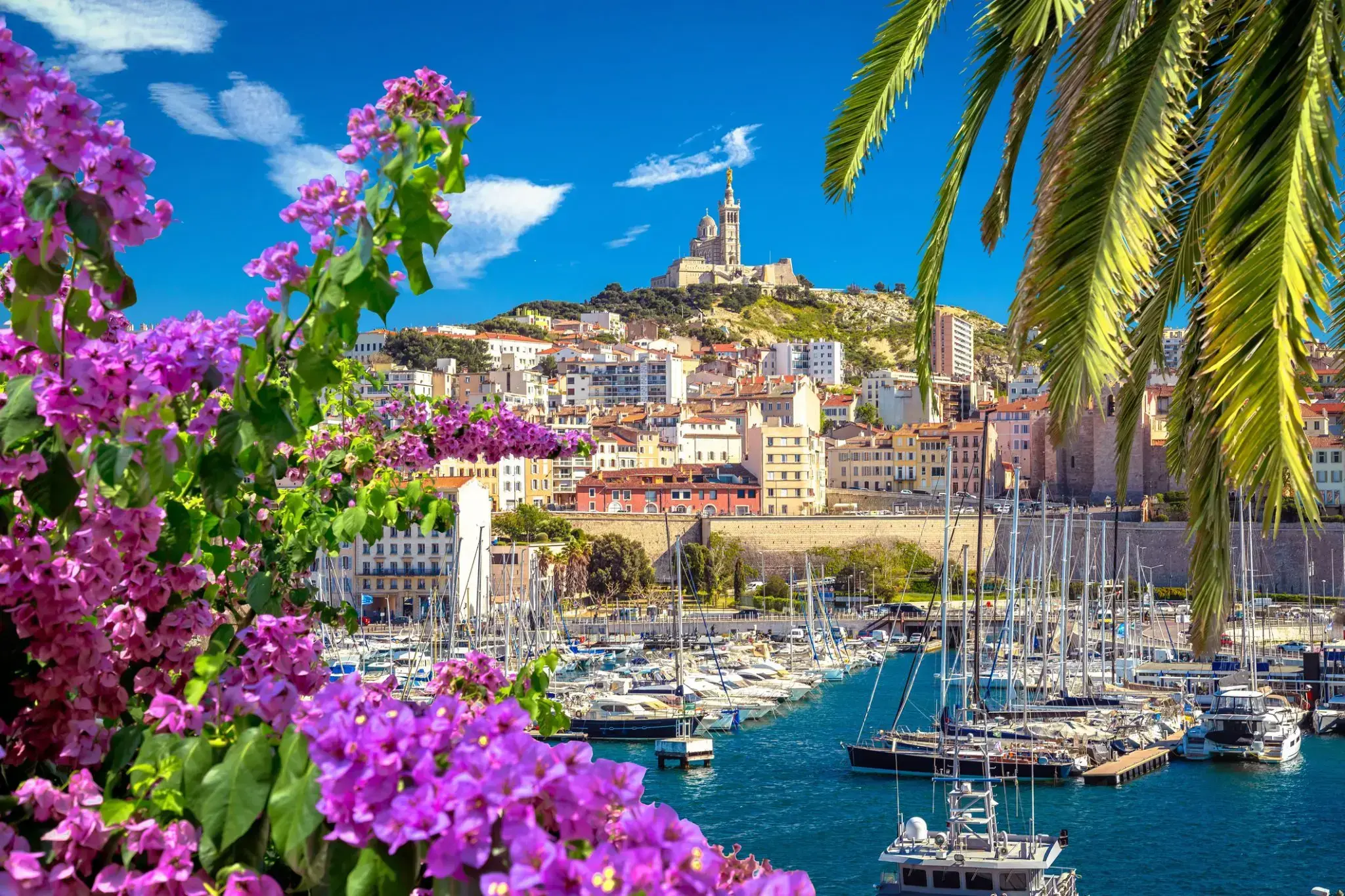
Witamy w gościnnym Prowansie! Bramą do tego regionu jest Marsylia – miasto „Marsylianki”, hymnu Francji, oraz słynnego Zamku If. Symbolem Marsylii jest bazylika Notre-Dame de la Garde. Latem można wziąć udział w oprowadzaniu po francusku (3 EUR), a dopłacając 5 EUR wejść na dach, skąd rozciąga się wspaniała panorama miasta. W pobliżu znajduje się opactwo św. Wiktora z ciekawymi katakumbami.
Rejs turystycznym statkiem na Wyspy Frioul pozwala zobaczyć Zamek If – znany z powieści o hrabim Monte Christo. Kulturalnym sercem Marsylii są Cours Julien i plac Jeana Jaurèsa – pełne księgarni, alternatywnych sklepów, klubów i kawiarni. Dwa razy w tygodniu odbywa się tu wielki targ (czwartek i sobota). Wśród atrakcji miasta znajdują się liczne muzea, galerie i dzieła architektury, a także malownicze zatoki zwane kalankami, uznawane za francuskie fiordy.