| Region rejsu : Morze Śródziemne |
| Firma : Azamara Cruises |
| Statek : Azamara Onward |
| Data rozpoczęcia : sob. 13 mar 2027 |
| Data zakończenia : sob. 03 kwi 2027 |
| Liczba nocy : 21 noc |
| Dzień | Data | Port | Wypłynięcie | Odpłynięcie |
|---|---|---|---|---|
| 1 | 13.03 sob. | Barcelona / Hiszpania | 18:00 | |
| 2 | 14.03 niedz. | Marsylia / Francja | 08:00 | 20:00 |
| 3 | 15.03 pon. | Nicea / Francja | 08:00 | 22:00 |
| 4 | 16.03 wt. | FLORENCJA PISA | 09:00 | |
| 5 | 17.03 śr. | FLORENCJA PISA | 20:00 | |
| 6 | 18.03 czw. | Rzym (Civitavecchia) / Włochy | 07:30 | 19:00 |
| 7 | 19.03 pt. | Salerno / Włochy | 08:30 | 20:00 |
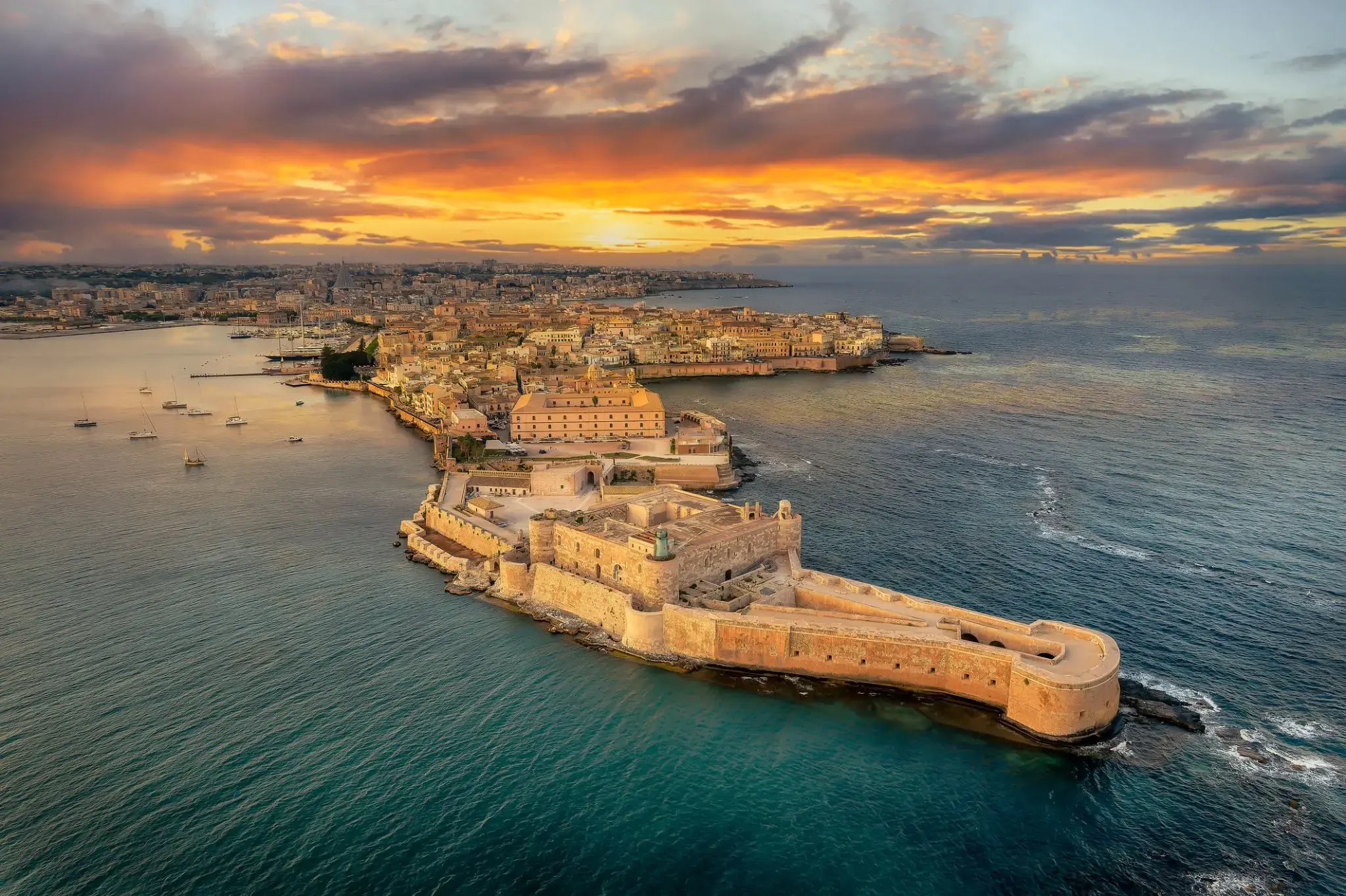
| 8 | 20.03 sob. | Syracuse / Włochy | 13:00 | 22:00 |
| 9 | 21.03 niedz. | Dzień na morzu / Morze | ||
| 10 | 22.03 pon. | Kotor / Czarna Góra | 09:30 | 20:00 |
| 11 | 23.03 wt. | Dubrownik / Chorwacja | 08:00 | 18:00 |
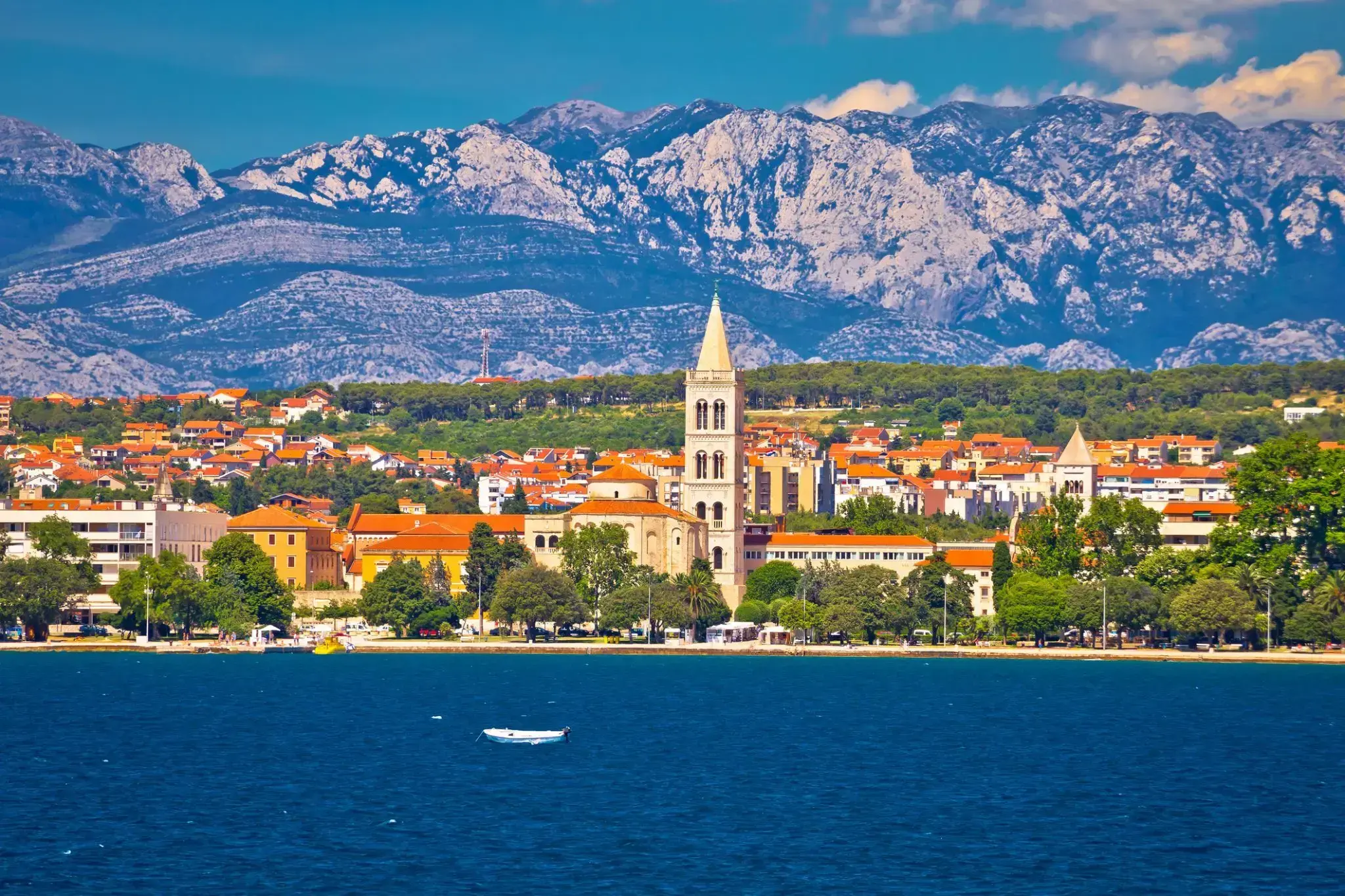
| 12 | 24.03 śr. | Zadar / Chorwacja | 08:00 | 16:00 |
| 13 | 25.03 czw. | Fusina / Włochy | 06:00 | 18:00 |
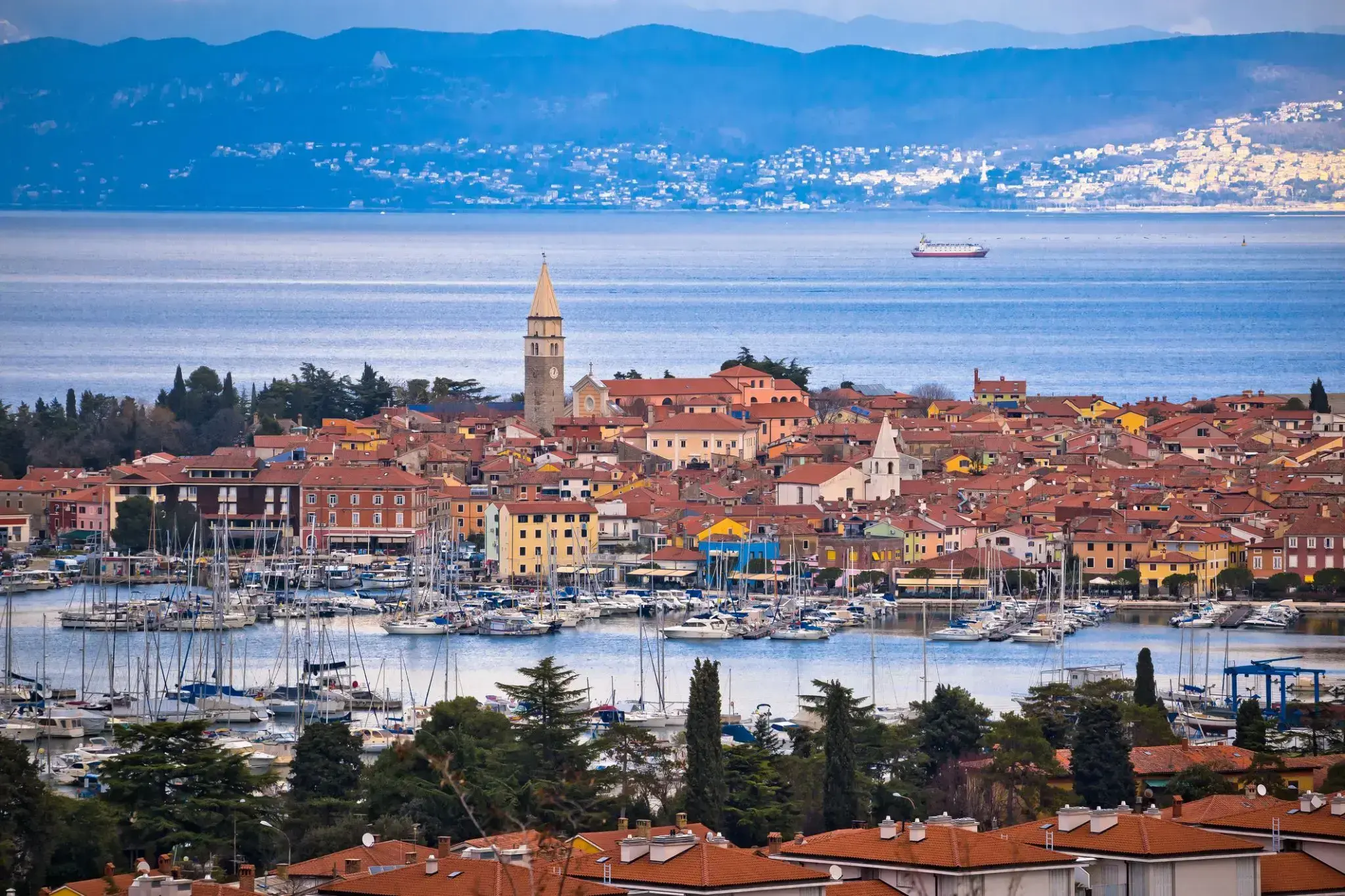
| 14 | 26.03 pt. | Miedź / Slovenia | 08:00 | 22:00 |
| 15 | 27.03 sob. | Zadar / Chorwacja | 11:00 | 18:00 |
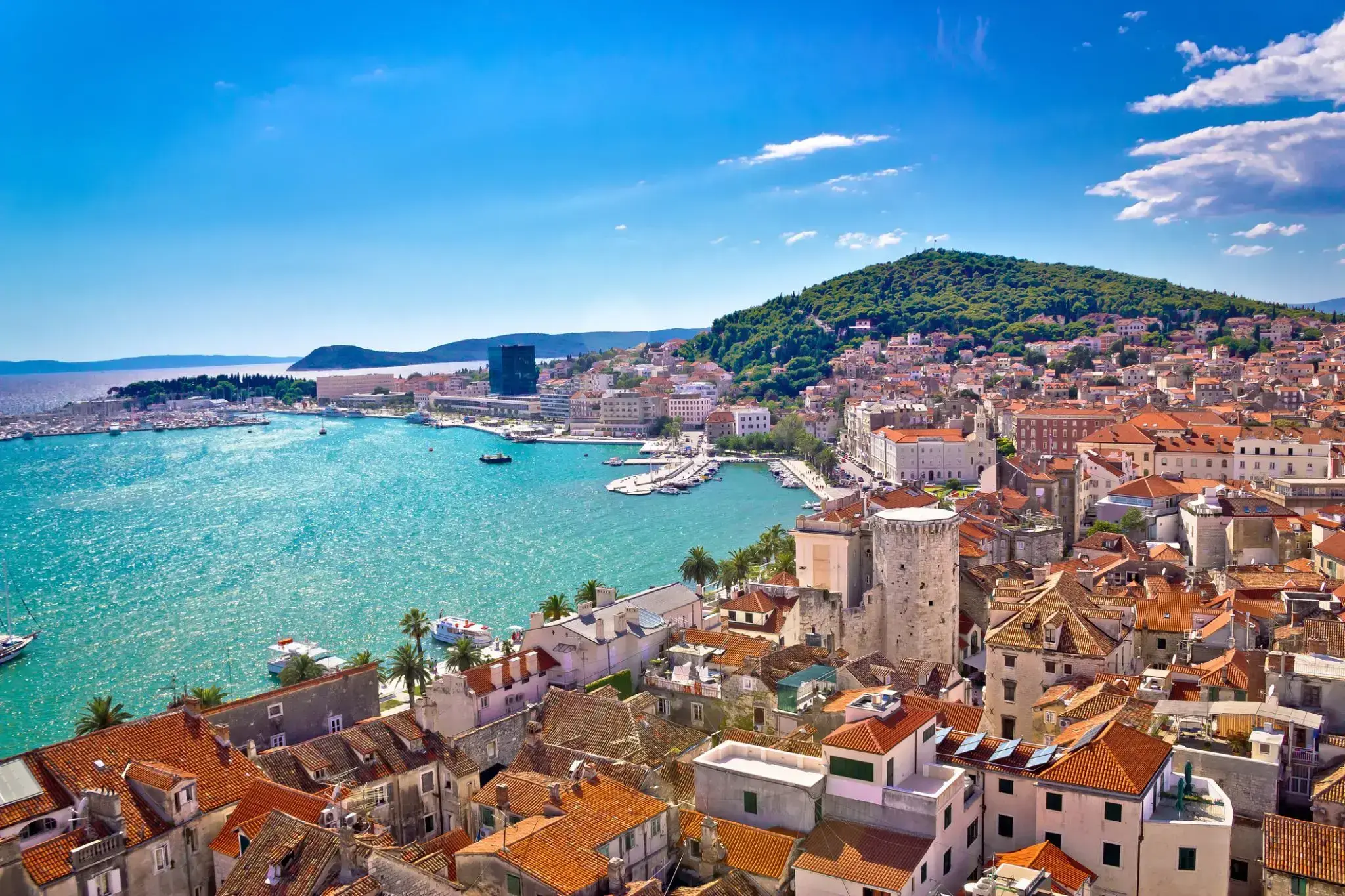
| 16 | 28.03 niedz. | Split / Chorwacja | 08:00 | 20:00 |
| 17 | 29.03 pon. | Dubrownik / Chorwacja | 08:00 | 20:00 |
| 18 | 30.03 wt. | Kotor / Czarna Góra | 09:30 | 20:00 |
| 19 | 31.03 śr. | Dzień na morzu / Morze | ||
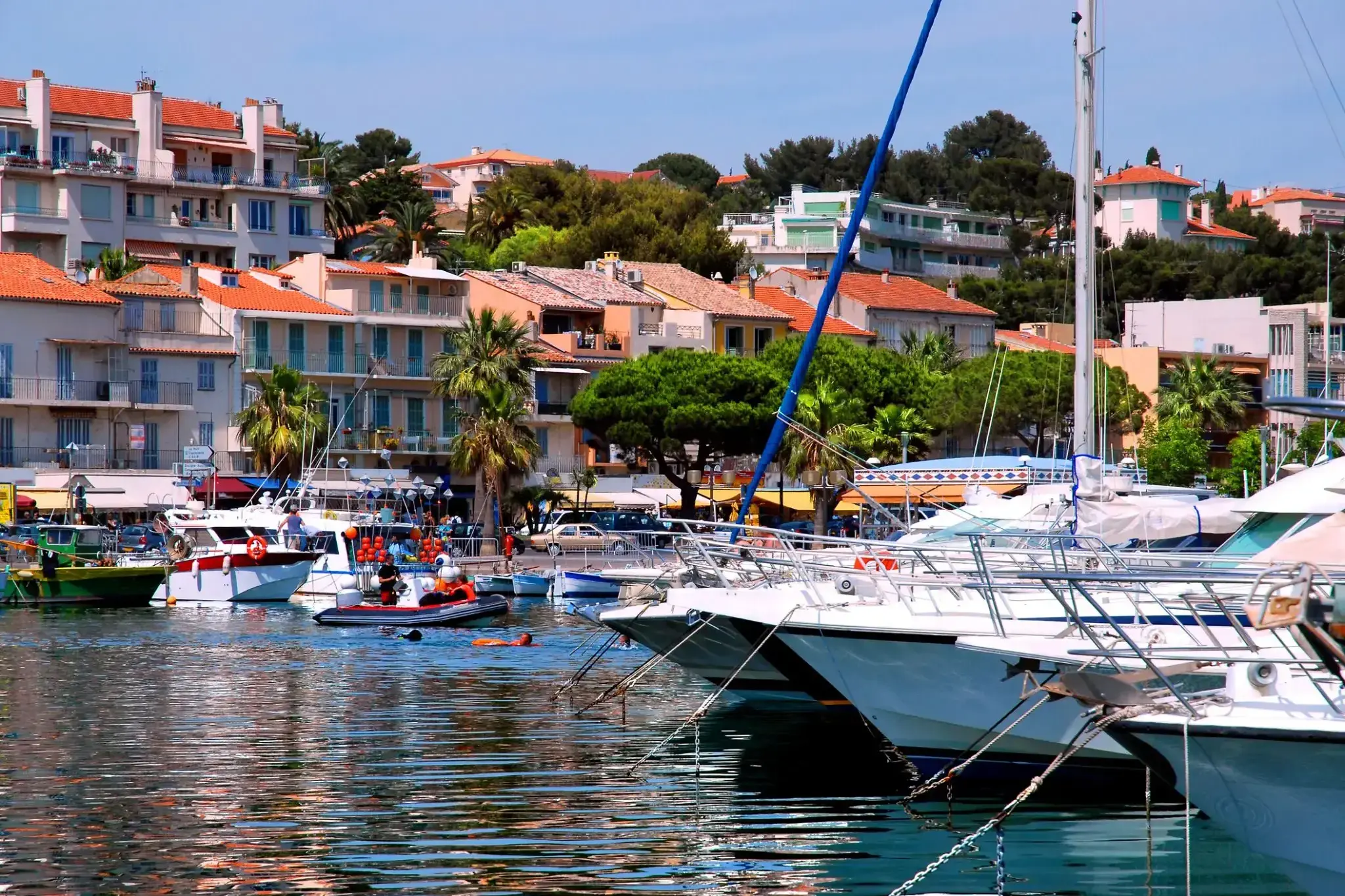
| 20 | 1.04 czw. | Bandol / Francja | 09:00 | 18:00 |
| 21 | 2.04 pt. | Pireus (Ateny) / Grecja | 09:00 | |
| 22 | 3.04 sob. | Pireus (Ateny) / Grecja | 08:00 |
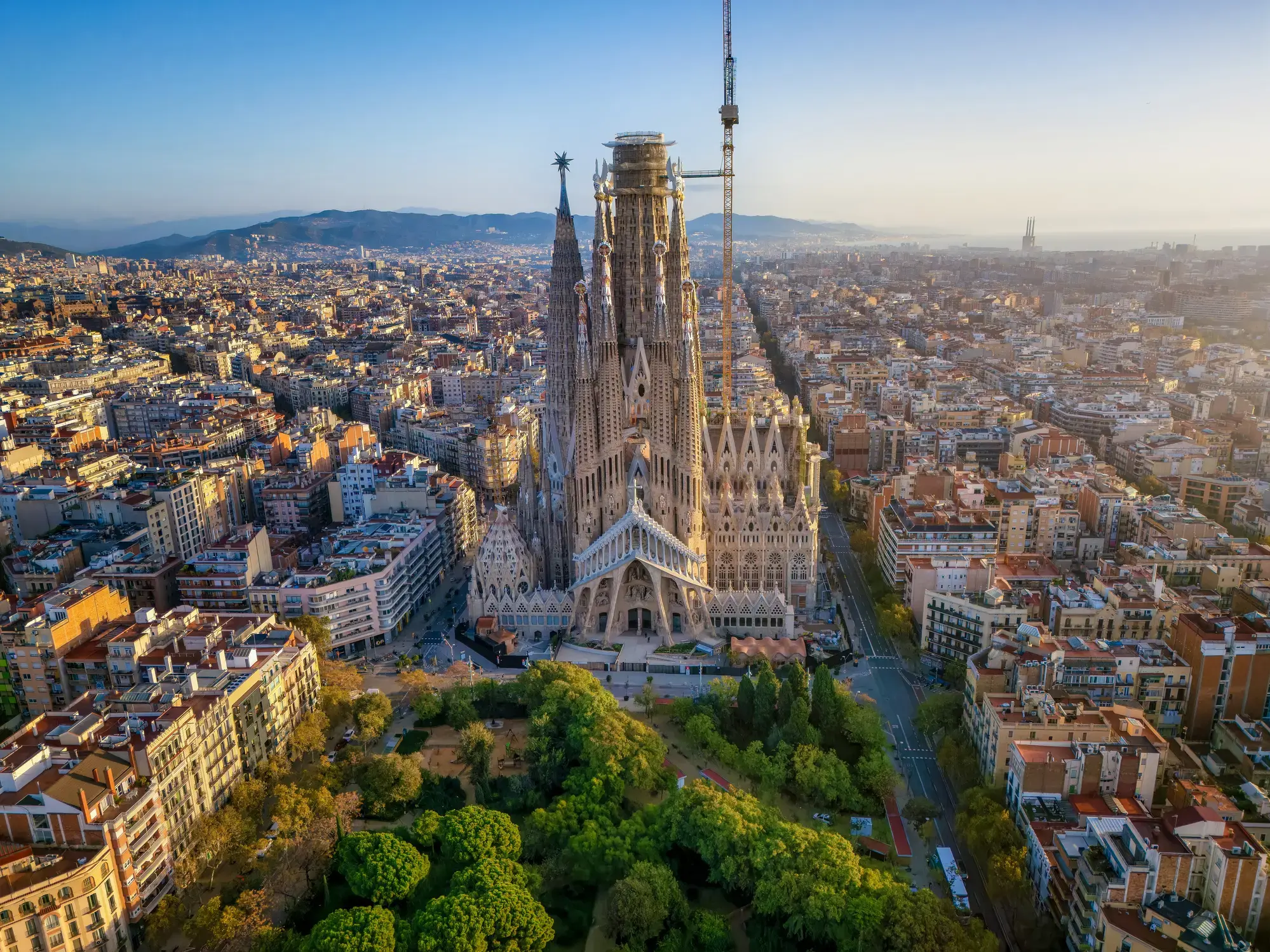
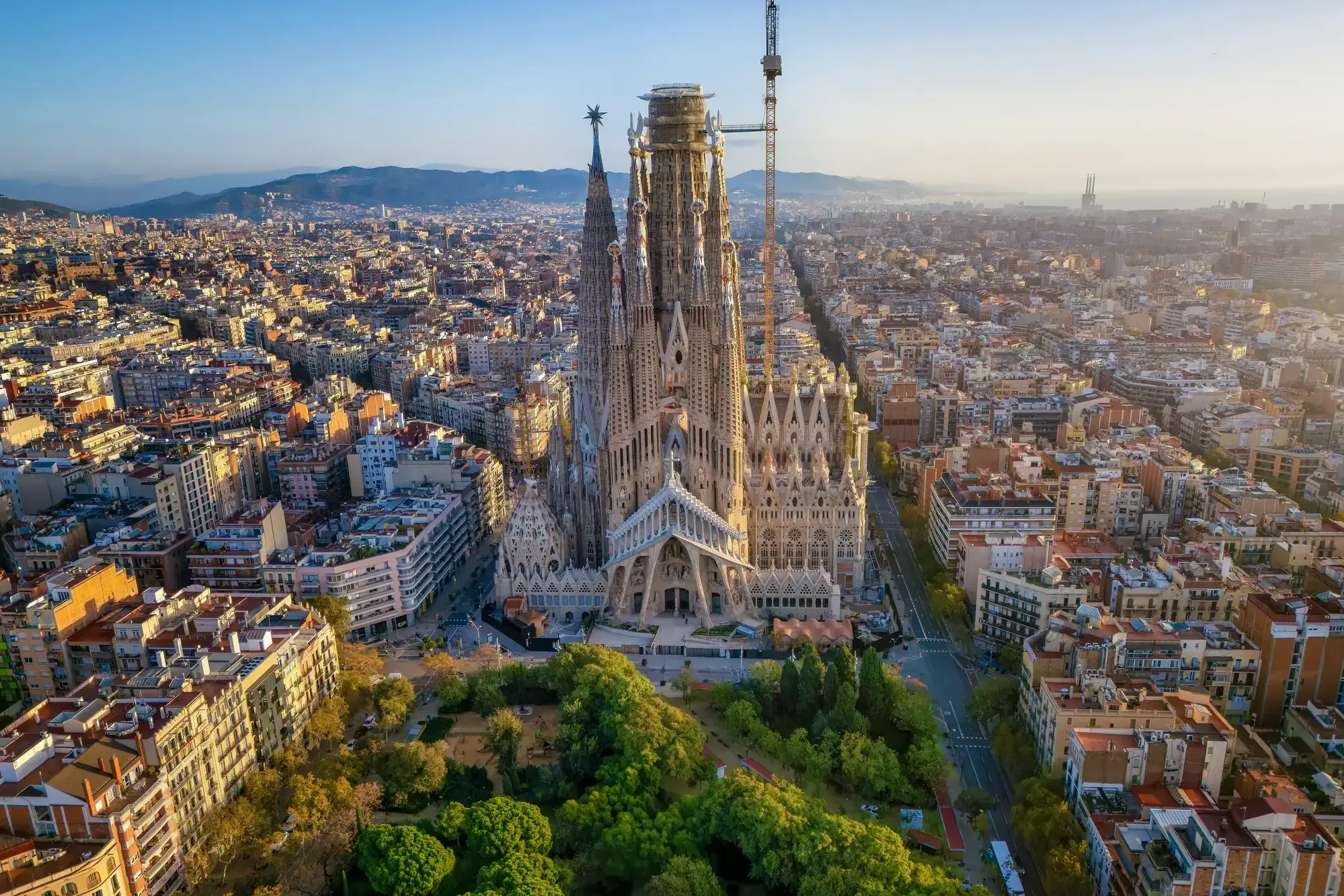
Mając reputację jednego z najatrakcyjniejszych miast w Europie, Barcelona świętuje swoją rolę stolicy Katalonii. Kosmopolityczna i międzynarodowa atmosfera miasta sprawia, że jest to ulubione miejsce wielu ludzi na całym świecie. Miasto jest szczególnie znane ze swojej architektury i sztuki – podróżnicy z całego świata przybywają, aby zobaczyć słynną Sagrada Familia i inne modernistyczne zabytki zaprojektowane przez Gaudiego.
Barcelona to miasto z licznymi i oryginalnymi możliwościami spędzania czasu wolnego, które sprawiają, że chcesz tu wracać. Położona na wybrzeżu Morza Śródziemnego Barcelona słynie z arcydzieł Gaudiego i architektury secesyjnej: jest jednym z najbardziej stylowych miast europejskich.
Miasto jest ośrodkiem nowych trendów w świecie kultury, mody i gastronomii. Dopełnieniem kreatywności artystów i projektantów jest ostrożne podejście do tradycyjnych placówek. Barcelona łączy w sobie urok i spokój historycznego centrum z awangardowymi nowoczesnymi dzielnicami i intensywnym tempem życia w jednym z najczęściej odwiedzanych miast na świecie.
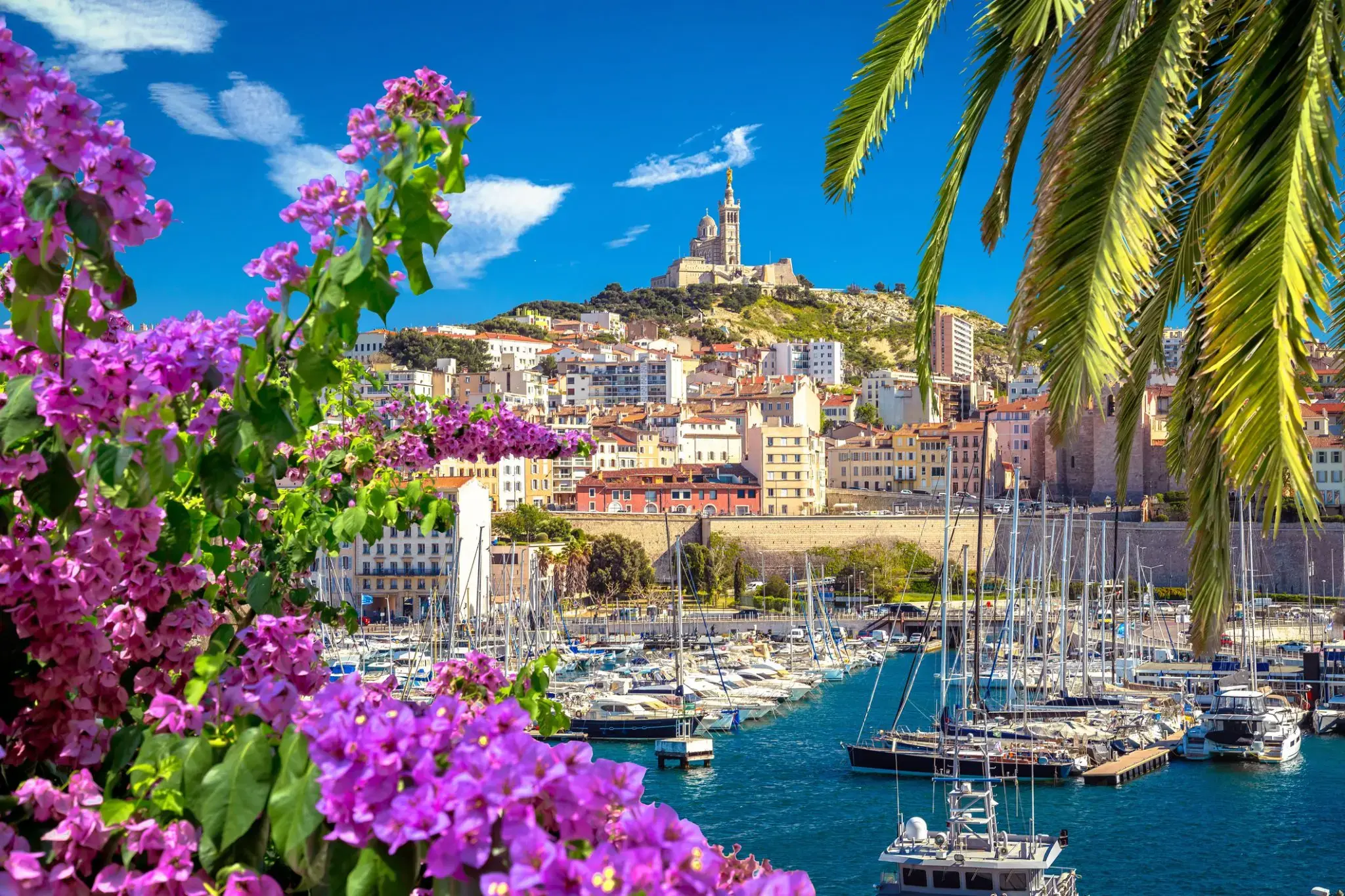
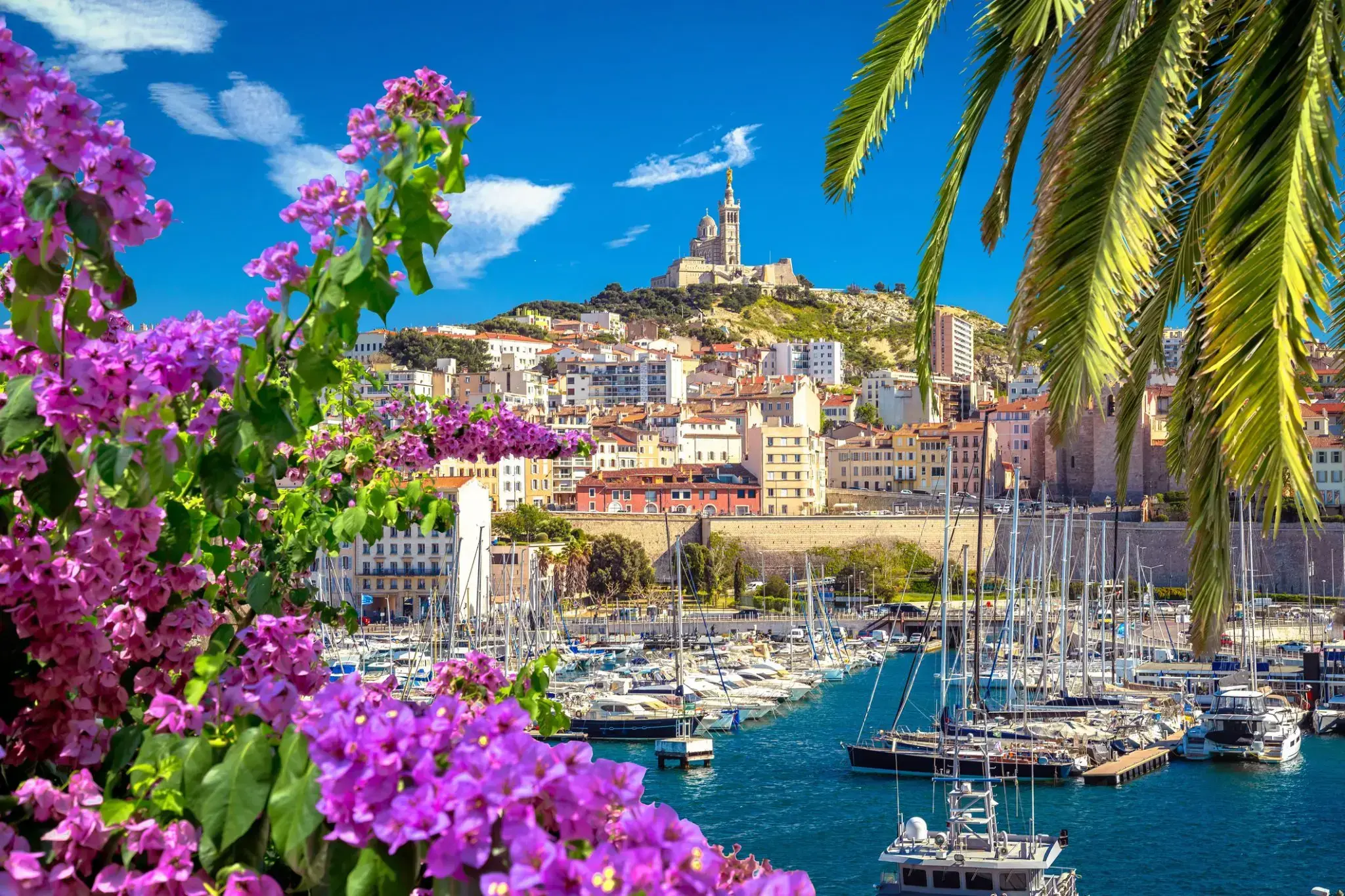
Witamy w gościnnym Prowansie! Bramą do tego regionu jest Marsylia – miasto „Marsylianki”, hymnu Francji, oraz słynnego Zamku If. Symbolem Marsylii jest bazylika Notre-Dame de la Garde. Latem można wziąć udział w oprowadzaniu po francusku (3 EUR), a dopłacając 5 EUR wejść na dach, skąd rozciąga się wspaniała panorama miasta. W pobliżu znajduje się opactwo św. Wiktora z ciekawymi katakumbami.
Rejs turystycznym statkiem na Wyspy Frioul pozwala zobaczyć Zamek If – znany z powieści o hrabim Monte Christo. Kulturalnym sercem Marsylii są Cours Julien i plac Jeana Jaurèsa – pełne księgarni, alternatywnych sklepów, klubów i kawiarni. Dwa razy w tygodniu odbywa się tu wielki targ (czwartek i sobota). Wśród atrakcji miasta znajdują się liczne muzea, galerie i dzieła architektury, a także malownicze zatoki zwane kalankami, uznawane za francuskie fiordy.
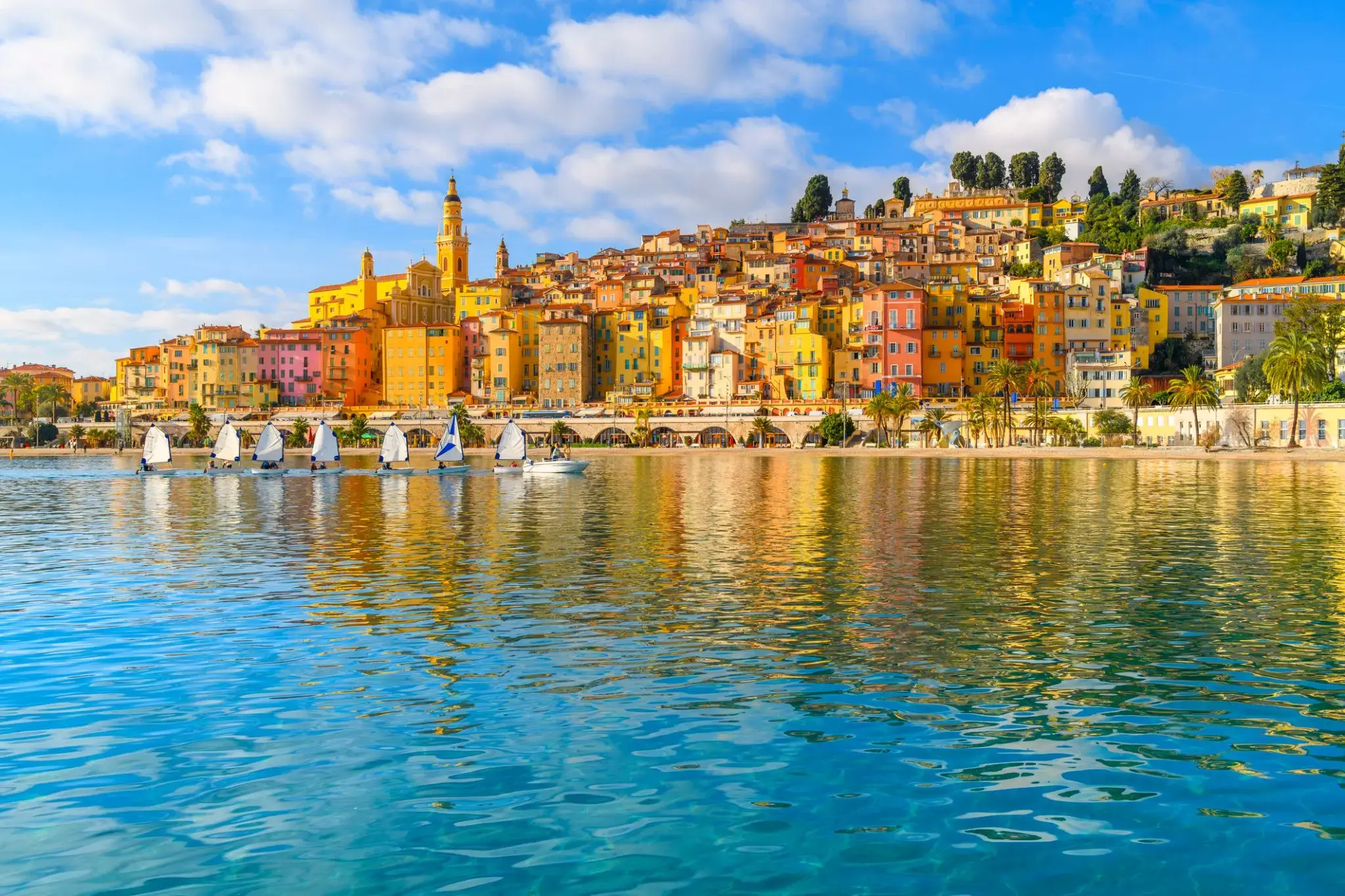
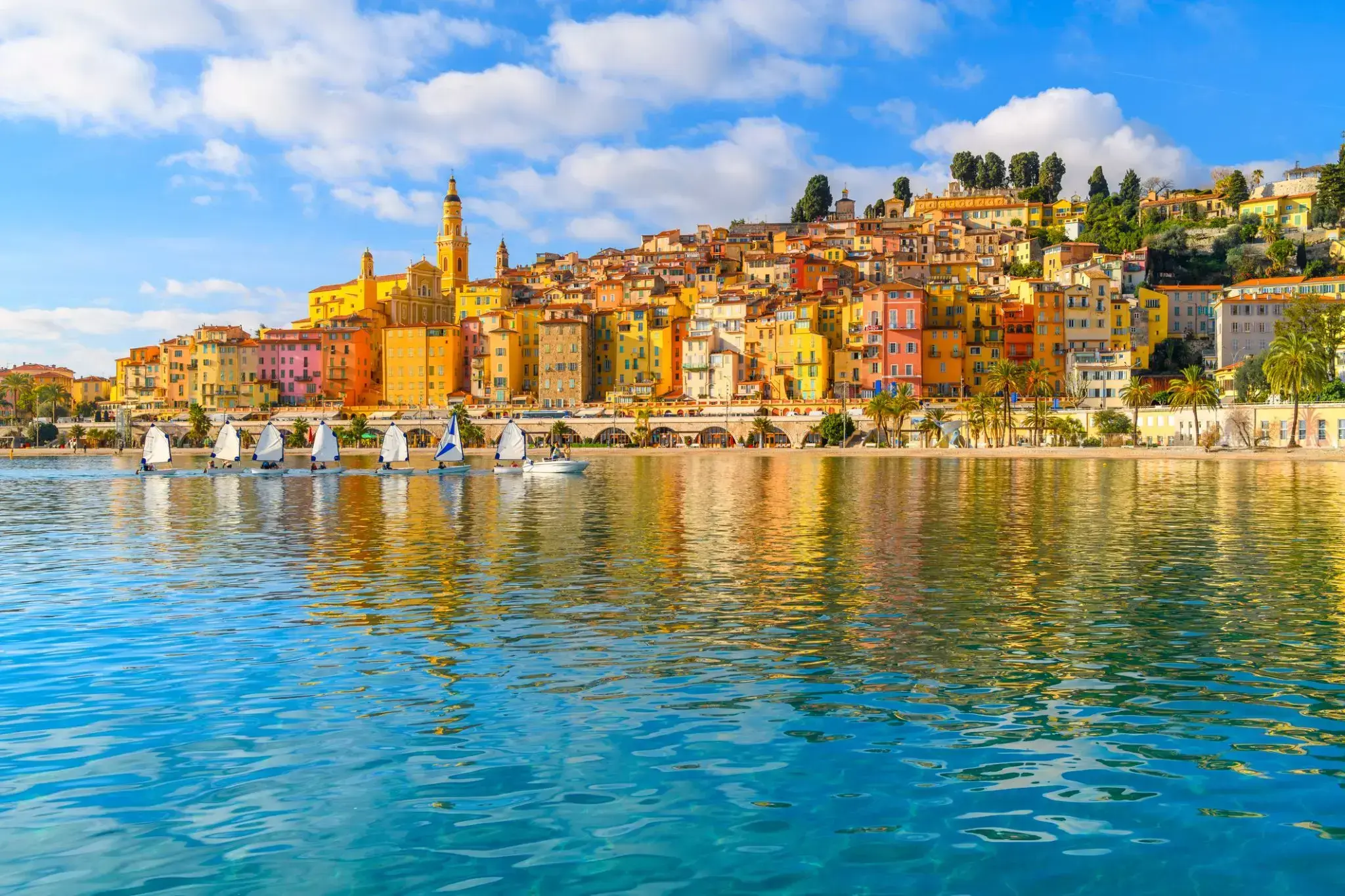
Nice is the seventh most populous urban area in France and the capital of the Alpes-Maritimes département. The metropolitan area of Nice extends beyond the administrative city limits, with a population of about 1 million on an area of 721 km2 (278 sq mi). Located in the French Riviera, on the south east coast of France on the Mediterranean Sea, at the foot of the Alps, Nice is the second-largest French city on the Mediterranean coast and the second-largest city in the Provence-Alpes-Côte d'Azur region after Marseille. Nice is approximately 13 kilometres (8.1 mi) from the principality of Monaco and 30 kilometres (19 mi) from the French-Italian border. Nice's airport serves as a gateway to the region.
The city is nicknamed Nice la Belle (Nissa La Bella in Niçard), which means Nice the Beautiful, which is also the title of the unofficial anthem of Nice, written by Menica Rondelly in 1912.
The area of today's Nice contains Terra Amata, an archaeological site which displays evidence of a very early use of fire. Around 350 BC, Greeks of Marseille founded a permanent settlement and called it Nikaia, after Nike, the goddess of victory. Through the ages, the town has changed hands many times. Its strategic location and port significantly contributed to its maritime strength. For centuries it was a dominion of Savoy, and was then part of France between 1792 and 1815, when it was returned to Piedmont-Sardinia until its re-annexation by France in 1860.
The natural environment of the Nice area and its mild Mediterranean climate came to the attention of the English upper classes in the second half of the 18th century, when an increasing number of aristocratic families took to spending their winters there. The city's main seaside promenade, the Promenade des Anglais ("Walkway of the English") owes its name to visitors to the resort. The clear air and soft light have particularly appealed to notable painters, such as Marc Chagall, Henri Matisse, Niki de Saint Phalle and Arman. Their work is commemorated in many of the city's museums, including Musée Marc Chagall, Musée Matisse and Musée des Beaux-Arts. Nice has the second largest hotel capacity in the country and it is one of its most visited cities, receiving 4 million tourists every year. It also has the third busiest airport in France, after the two main Parisian ones. It is the historical capital city of the County of Nice(Comté de Nice).
Nice is the seventh most populous urban area in France and the capital of the Alpes-Maritimes département. The metropolitan area of Nice extends beyond the administrative city limits, with a population of about 1 million on an area of 721 km2 (278 sq mi). Located in the French Riviera, on the south east coast of France on the Mediterranean Sea, at the foot of the Alps, Nice is the second-largest French city on the Mediterranean coast and the second-largest city in the Provence-Alpes-Côte d'Azur region after Marseille. Nice is approximately 13 kilometres (8.1 mi) from the principality of Monaco and 30 kilometres (19 mi) from the French-Italian border. Nice's airport serves as a gateway to the region.
The city is nicknamed Nice la Belle (Nissa La Bella in Niçard), which means Nice the Beautiful, which is also the title of the unofficial anthem of Nice, written by Menica Rondelly in 1912.
The area of today's Nice contains Terra Amata, an archaeological site which displays evidence of a very early use of fire. Around 350 BC, Greeks of Marseille founded a permanent settlement and called it Nikaia, after Nike, the goddess of victory. Through the ages, the town has changed hands many times. Its strategic location and port significantly contributed to its maritime strength. For centuries it was a dominion of Savoy, and was then part of France between 1792 and 1815, when it was returned to Piedmont-Sardinia until its re-annexation by France in 1860.
The natural environment of the Nice area and its mild Mediterranean climate came to the attention of the English upper classes in the second half of the 18th century, when an increasing number of aristocratic families took to spending their winters there. The city's main seaside promenade, the Promenade des Anglais ("Walkway of the English") owes its name to visitors to the resort. The clear air and soft light have particularly appealed to notable painters, such as Marc Chagall, Henri Matisse, Niki de Saint Phalle and Arman. Their work is commemorated in many of the city's museums, including Musée Marc Chagall, Musée Matisse and Musée des Beaux-Arts. Nice has the second largest hotel capacity in the country and it is one of its most visited cities, receiving 4 million tourists every year. It also has the third busiest airport in France, after the two main Parisian ones. It is the historical capital city of the County of Nice(Comté de Nice).
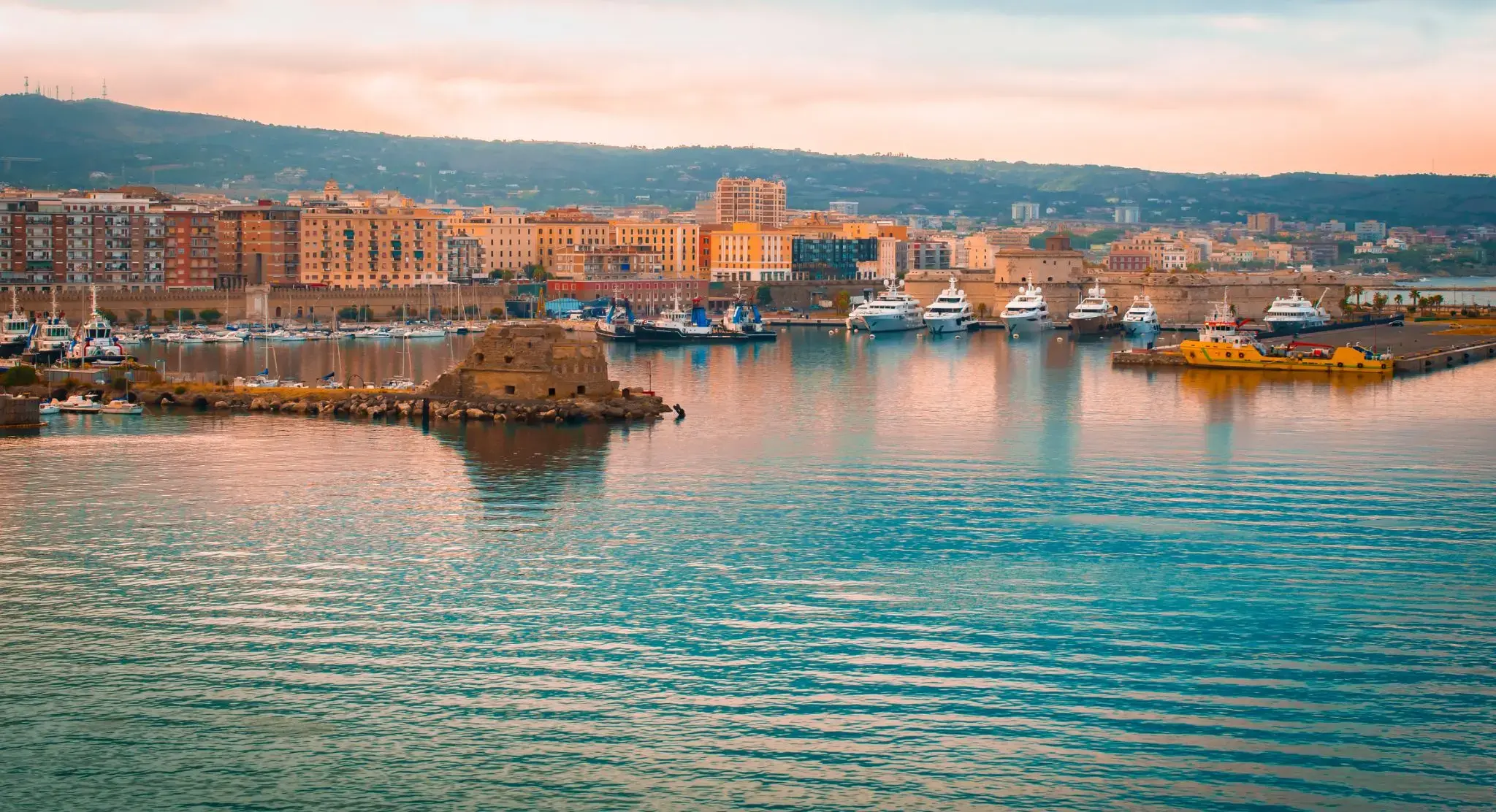
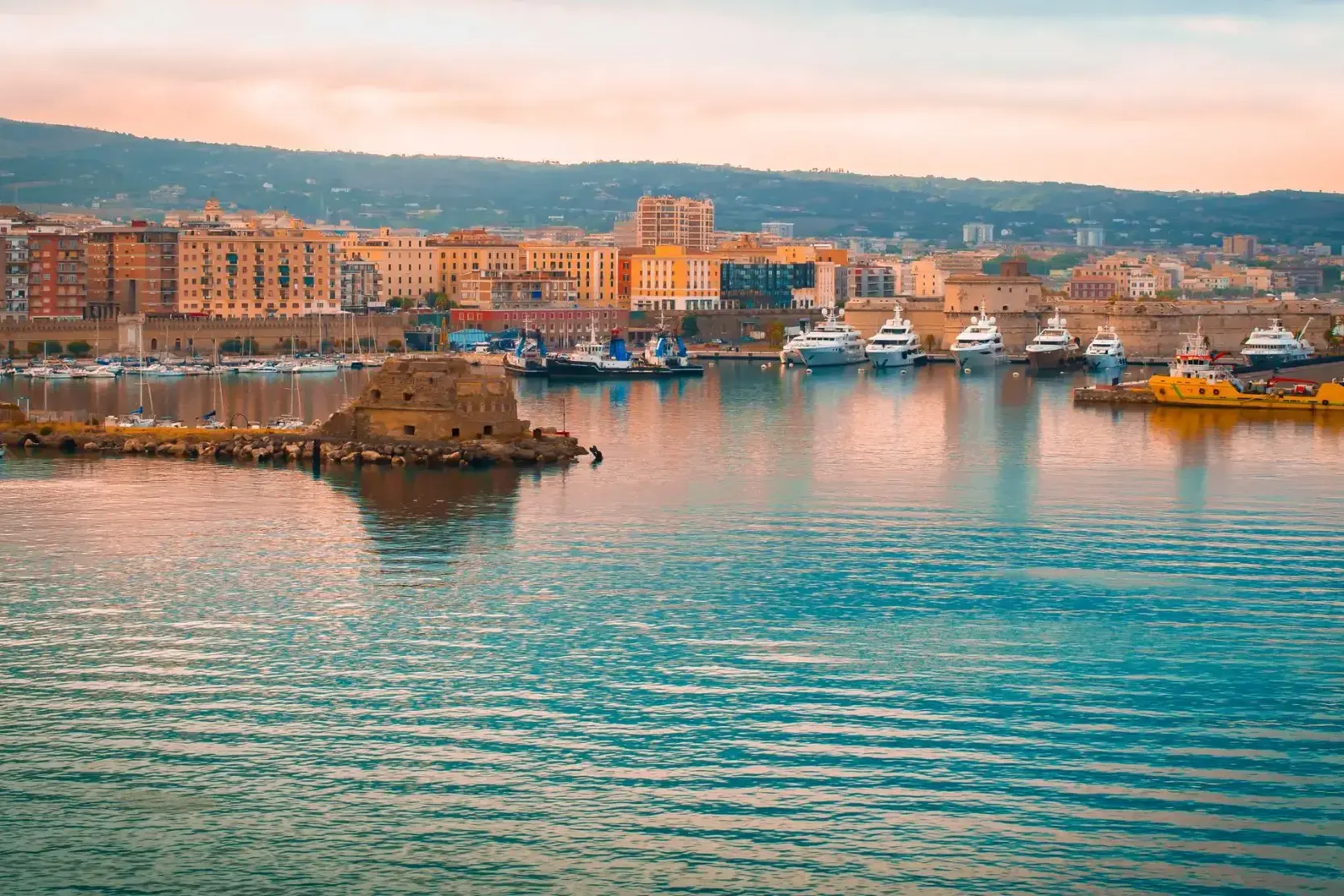
Rzym – jedno z najstarszych miast świata, niegdyś stolica Cesarstwa Rzymskiego, dziś stolica Włoch. Położony na siedmiu wzgórzach nad Tybrem, zachwyca pięknem i majestatem, którego nie da się oddać słowami – trzeba tu być. Każda rzeźba, fontanna czy budowla to dzieło sztuki pozostawione przez dawnych mistrzów. Najsłynniejsze atrakcje, które przyciągają turystów, to Koloseum – miejsce dawnych walk gladiatorów, Fontanna di Trevi, Schody Hiszpańskie, Bazylika św. Piotra – największy kościół Europy, a także Fora Cesarskie i Forum Romanum.
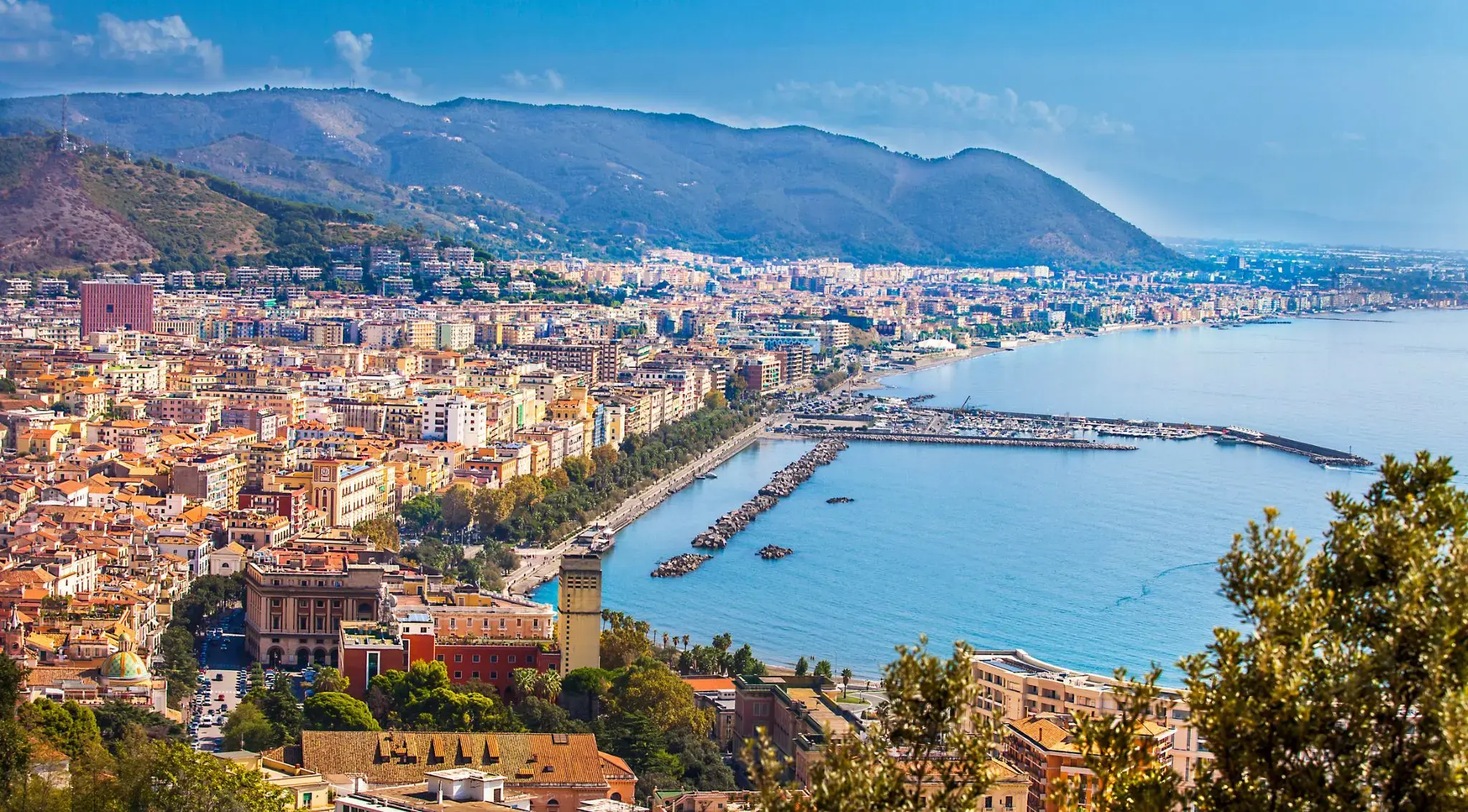
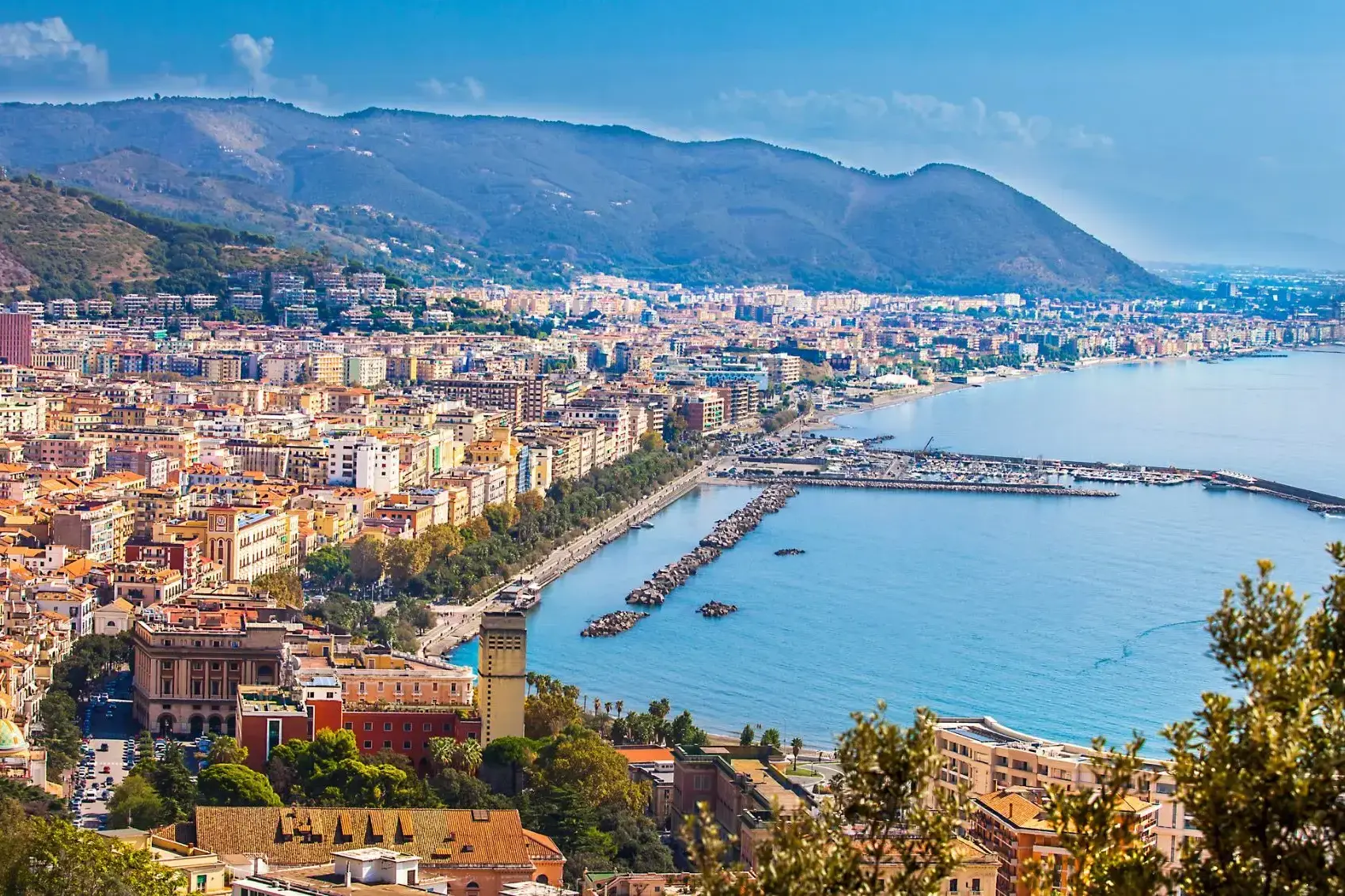
Salerno is one of the most popular seaside cities in Italy, intended for recreation at sea. The climate here is warm and mild, which is typical for all cities of the Neapolitan Riviera. Tourism in Salerno is at a high level, as the city is a rich historical and cultural center. Salerno contains many attractions interesting for lovers of history, art and culture.
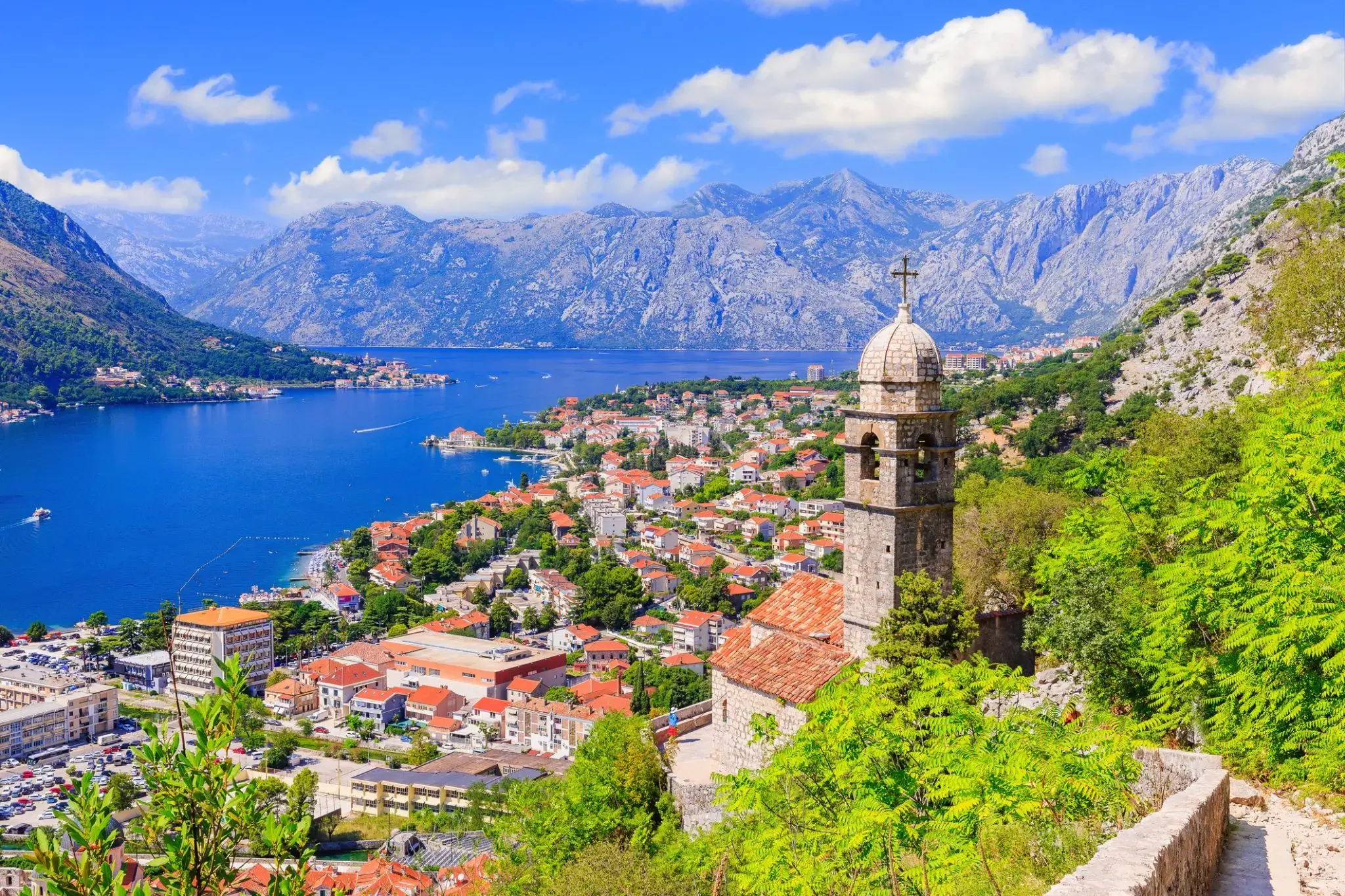
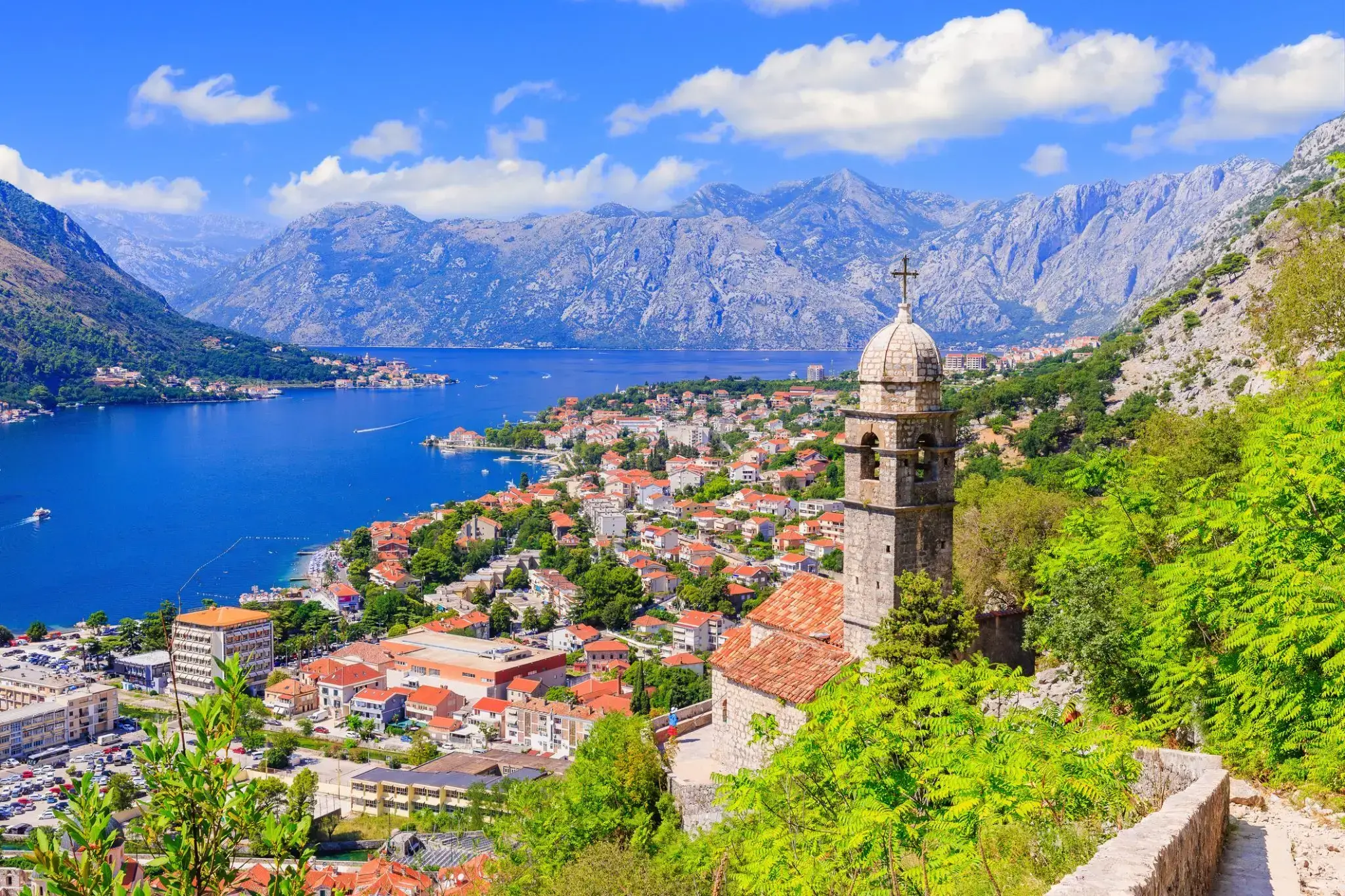
Kotor is a coastal town in Montenegro. It is located in a secluded part of the Gulf of Kotor. The city has a population of 13,510 and is the administrative center of Kotor Municipality.
The old Mediterranean port of Kotor is surrounded by fortifications built during the Venetian period. It is located on the Bay of Kotor (Boka Kotorska), one of the most indented parts of the Adriatic Sea. Some have called it the southern-most fjord in Europe, but it is a ria, a submerged river canyon. Together with the nearly overhanging limestone cliffs of Orjen and Lovćen, Kotor and its surrounding area form an impressive landscape.
Since the early 2000s Kotor has seen an increase in tourists , many of them coming by cruise ship. Visitors are attracted by the natural environment of the Gulf of Kotor and by the old town of Kotor. Kotor is part of the World Heritage Site dubbed the Natural and Culturo-Historical Region of Kotor.
The fortified city of Kotor was also included in UNESCO's World Heritage Site list as part of Venetian Works of Defence between 15th and 17th centuries: Stato da Terra – western Stato da Mar in 201
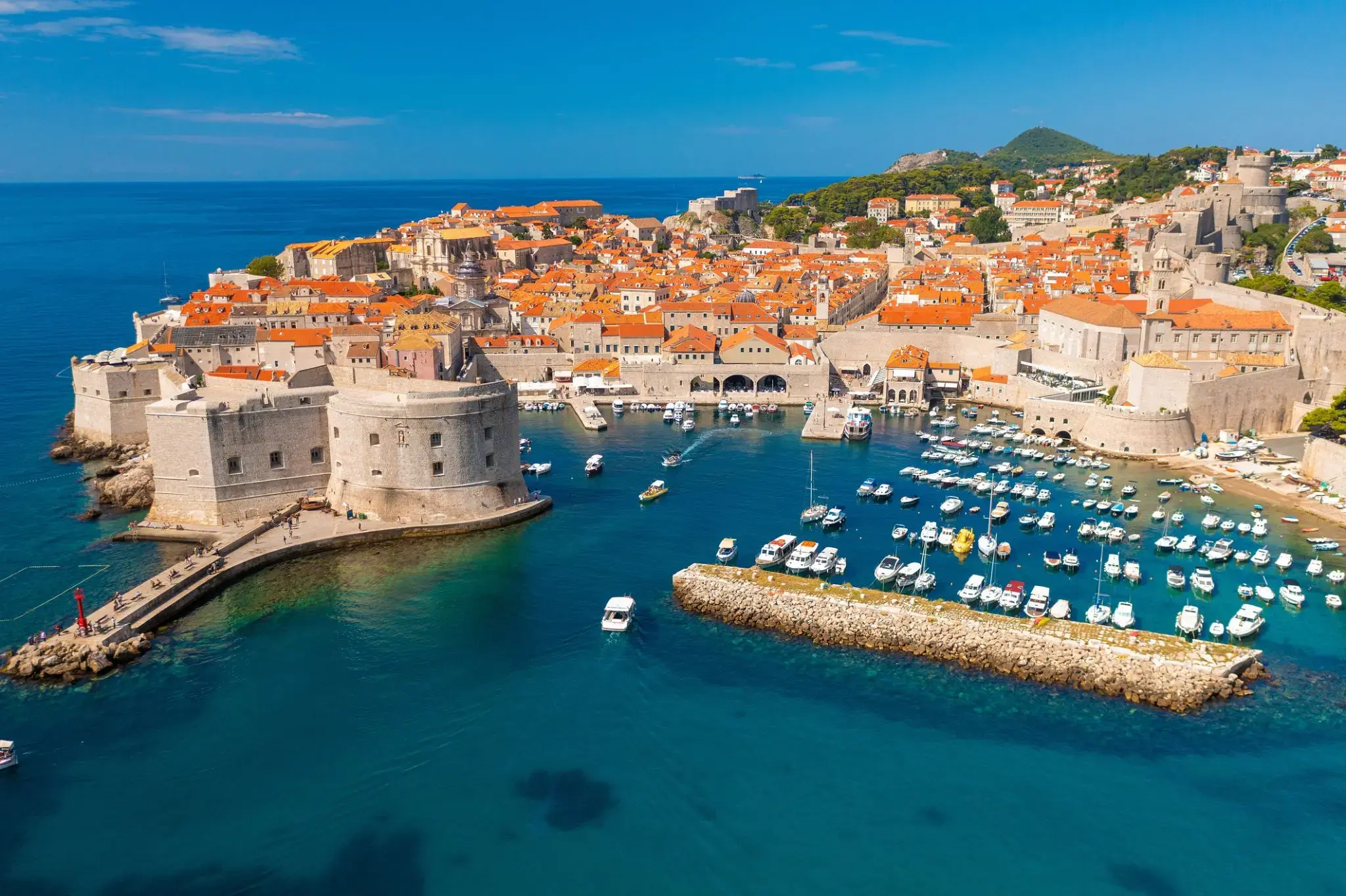
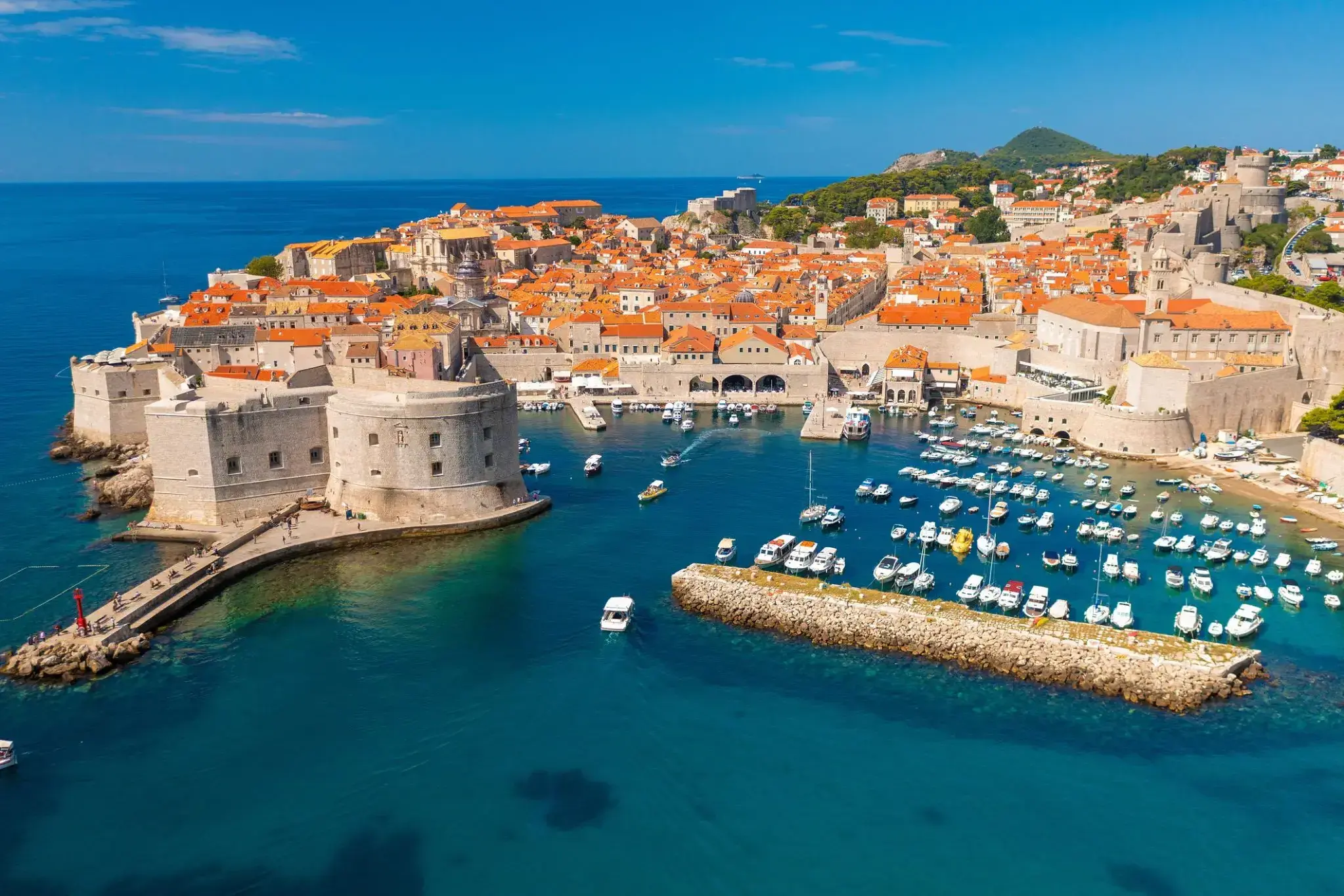
Dubrovnik is a Croatian city on the Adriatic Sea. It is one of the most prominent tourist destinations in the Mediterranean Sea, a seaport and the centre of Dubrovnik-Neretva County. Its total population is 42,615 (census 2011). In 1979, the city of Dubrovnik joined the UNESCO list of World Heritage sites.
The prosperity of the city was historically based on maritime trade; as the capital of the maritime Republic of Ragusa, it achieved a high level of development, particularly during the 15th and 16th centuries, as it became notable for its wealth and skilled diplomacy.
In 1991, after the break-up of Yugoslavia, Dubrovnik was besieged by Serbian and Montenegrin soldiers of the Yugoslav People's Army (JNA) for seven months and suffered significant damage from shelling. After repair and restoration works in the 1990s and early 2000s, Dubrovnik re-emerged as one of the top tourist destinations in the Mediterranean.
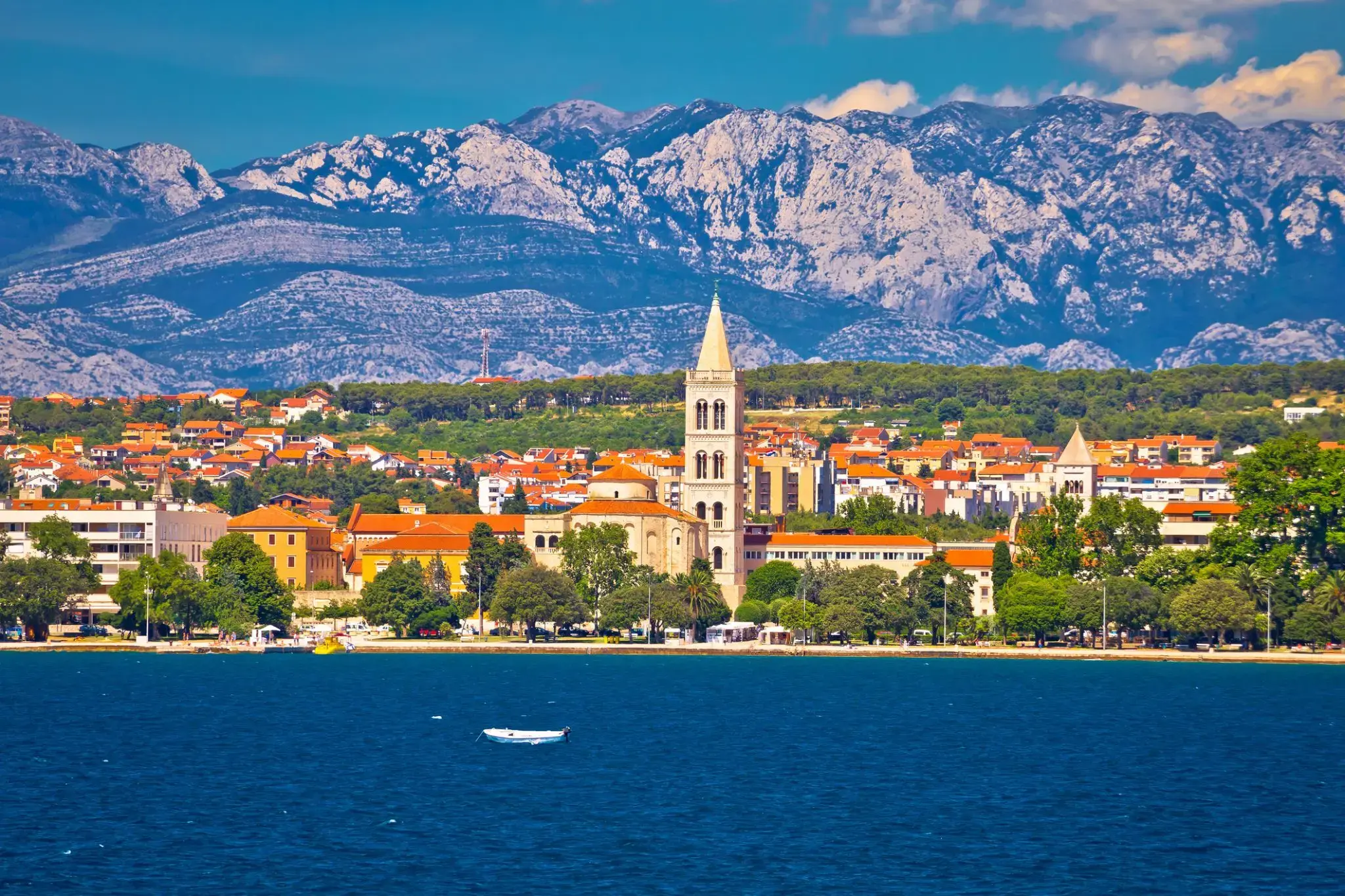
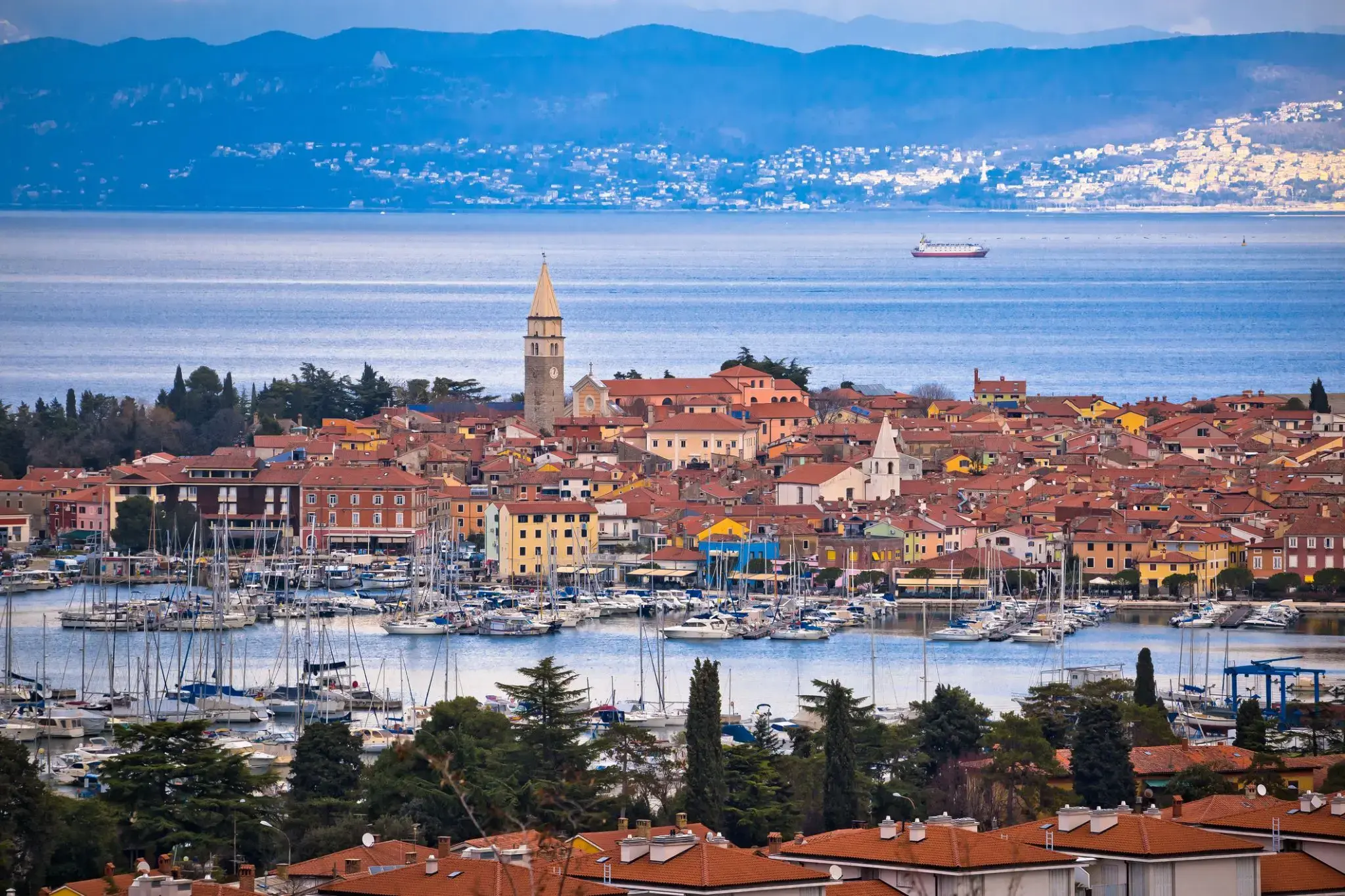
Koper is the fifth largest city in Slovenia. Located in the southwestern part of the country, approximately five kilometres (3.1 miles) south of the border with Italy and 20 kilometers (12 miles) from Trieste, Koper is the largest coastal city in the country. It is bordered by the satellite towns of Izola and Ankaran, and anchors the Istrian region. With a unique ecology and biodiversity, it is considered an important national natural resource. It is the oldest recorded urban settlement in Slovenia. The city's Port of Koper is the major contributor to the economy of the eponymous city municipality. With only one percent of Slovenia having a coastline, the influence that the Port of Koper also has on tourism was a factor in Ankaran deciding to leave the municipality in a referendum in 2011 to establish its own. The city is a destination on a number of Mediterranean cruising lines. In 2016, the city expects 65 cruise ship arrivals (for example: Norwegian Spirit, MSC Magnifica, Norwegian Jade, MS Rhapsody of the Seas...) with the season spanning from March to December. Koper is the main urban centre of the Slovenian Istria, with a population of about 25,000.
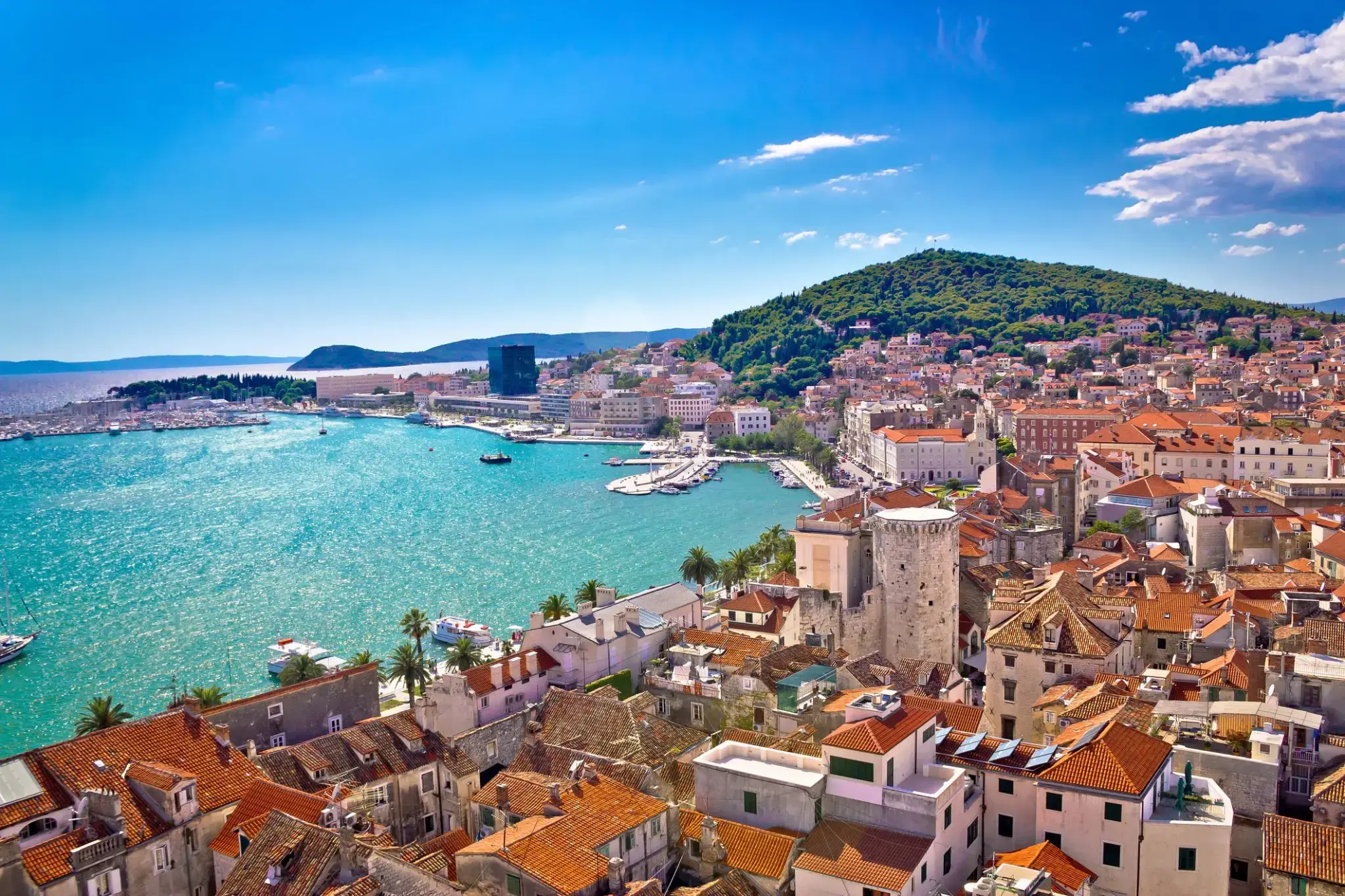
Split – perła Dalmacji
Split to drugie największe miasto Chorwacji, położone nad Adriatykiem. Jego symbolem jest Pałac Dioklecjana, wpisany na listę UNESCO, otoczony wąskimi uliczkami i katedrą św. Duje.
Miasto tętni życiem na nadmorskiej promenadzie Riva, pełnej kawiarni i restauracji. W okolicy czekają plaże, m.in. słynna Bacvice.
Split to także ważny port, skąd łatwo popłynąć na chorwackie wyspy – Hvar, Brač czy Korčulę. Atmosfera śródziemnomorska i dalmatyńska kuchnia sprawiają, że Split to idealne miejsce na urlop.
Dubrovnik is a Croatian city on the Adriatic Sea. It is one of the most prominent tourist destinations in the Mediterranean Sea, a seaport and the centre of Dubrovnik-Neretva County. Its total population is 42,615 (census 2011). In 1979, the city of Dubrovnik joined the UNESCO list of World Heritage sites.
The prosperity of the city was historically based on maritime trade; as the capital of the maritime Republic of Ragusa, it achieved a high level of development, particularly during the 15th and 16th centuries, as it became notable for its wealth and skilled diplomacy.
In 1991, after the break-up of Yugoslavia, Dubrovnik was besieged by Serbian and Montenegrin soldiers of the Yugoslav People's Army (JNA) for seven months and suffered significant damage from shelling. After repair and restoration works in the 1990s and early 2000s, Dubrovnik re-emerged as one of the top tourist destinations in the Mediterranean.
Kotor is a coastal town in Montenegro. It is located in a secluded part of the Gulf of Kotor. The city has a population of 13,510 and is the administrative center of Kotor Municipality.
The old Mediterranean port of Kotor is surrounded by fortifications built during the Venetian period. It is located on the Bay of Kotor (Boka Kotorska), one of the most indented parts of the Adriatic Sea. Some have called it the southern-most fjord in Europe, but it is a ria, a submerged river canyon. Together with the nearly overhanging limestone cliffs of Orjen and Lovćen, Kotor and its surrounding area form an impressive landscape.
Since the early 2000s Kotor has seen an increase in tourists , many of them coming by cruise ship. Visitors are attracted by the natural environment of the Gulf of Kotor and by the old town of Kotor. Kotor is part of the World Heritage Site dubbed the Natural and Culturo-Historical Region of Kotor.
The fortified city of Kotor was also included in UNESCO's World Heritage Site list as part of Venetian Works of Defence between 15th and 17th centuries: Stato da Terra – western Stato da Mar in 201
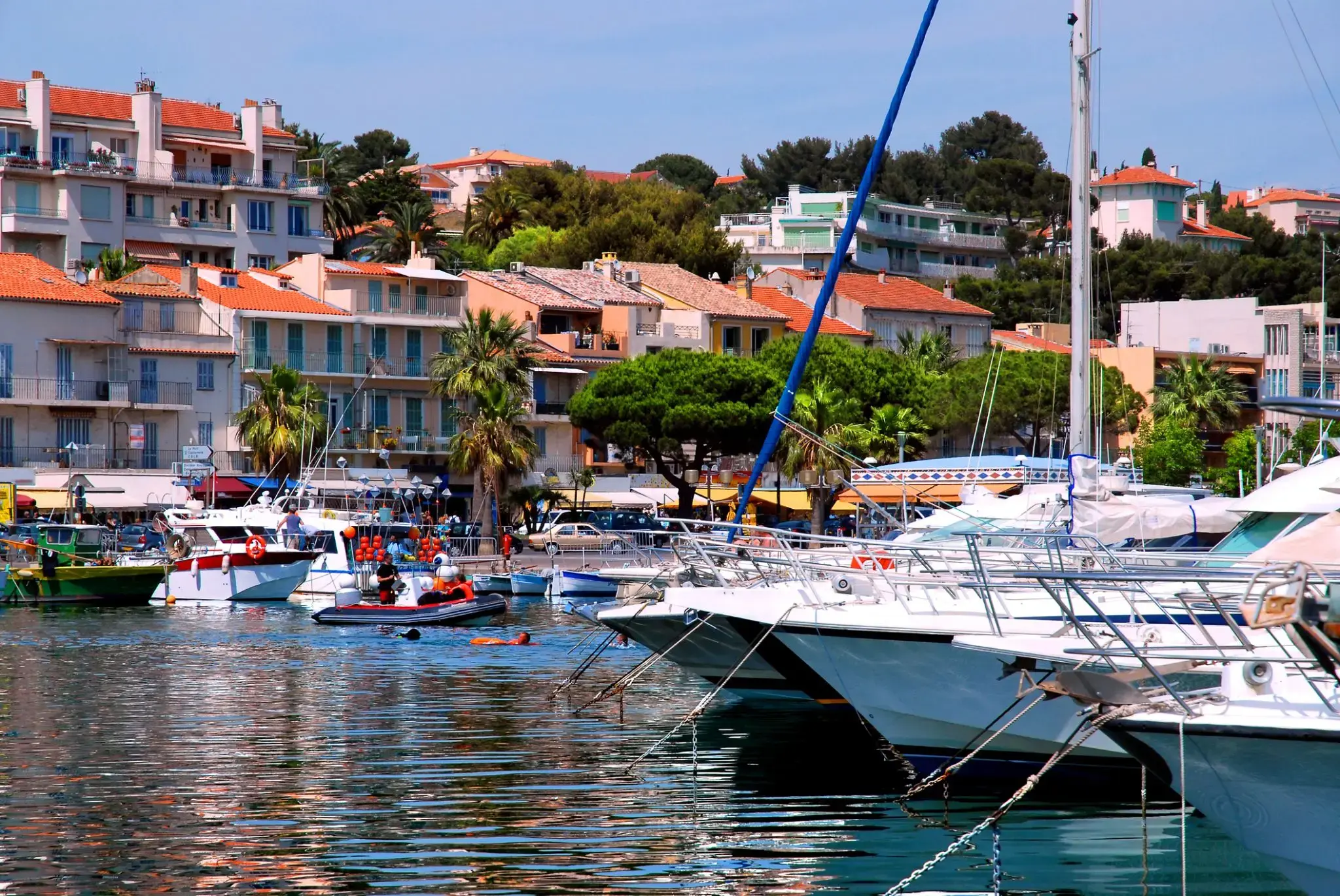
Bandol is a commune in Var department, Provence-Alpes-Côte d'Azur region, southeastern France. Bandol and the seat of its eponymous commune, was founded in 1595 and built around a small military fort.
The Bandol wine region, located near the coast east of Marseille and Cassis, is one of Provence’s most internationally recognized wine regions. Built around the village of Bandol, west of Toulon, the Bandol AOC covers the production of 8 communes with silicon & limestone soils. Those soils and the warm, coastal climate are ideally suited for the late ripening Mourvèdre grape which is the major variety of the region. For both the red and rosé wines, Mourvèdre must account for at least 50% of the blend, though most producers will use significantly more, with Grenache & Cinsaut usually filling out the rest of the wine’s composition.
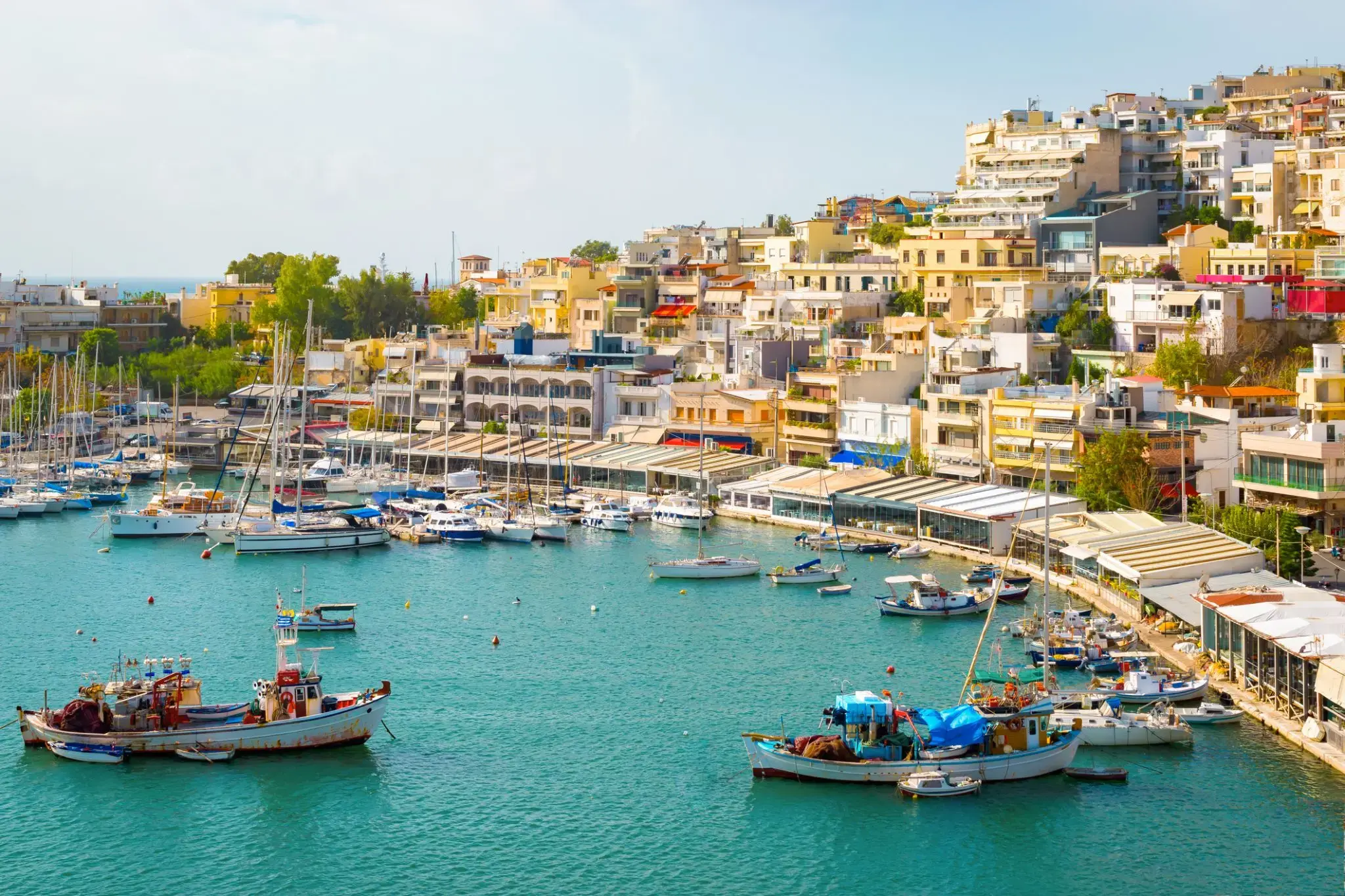
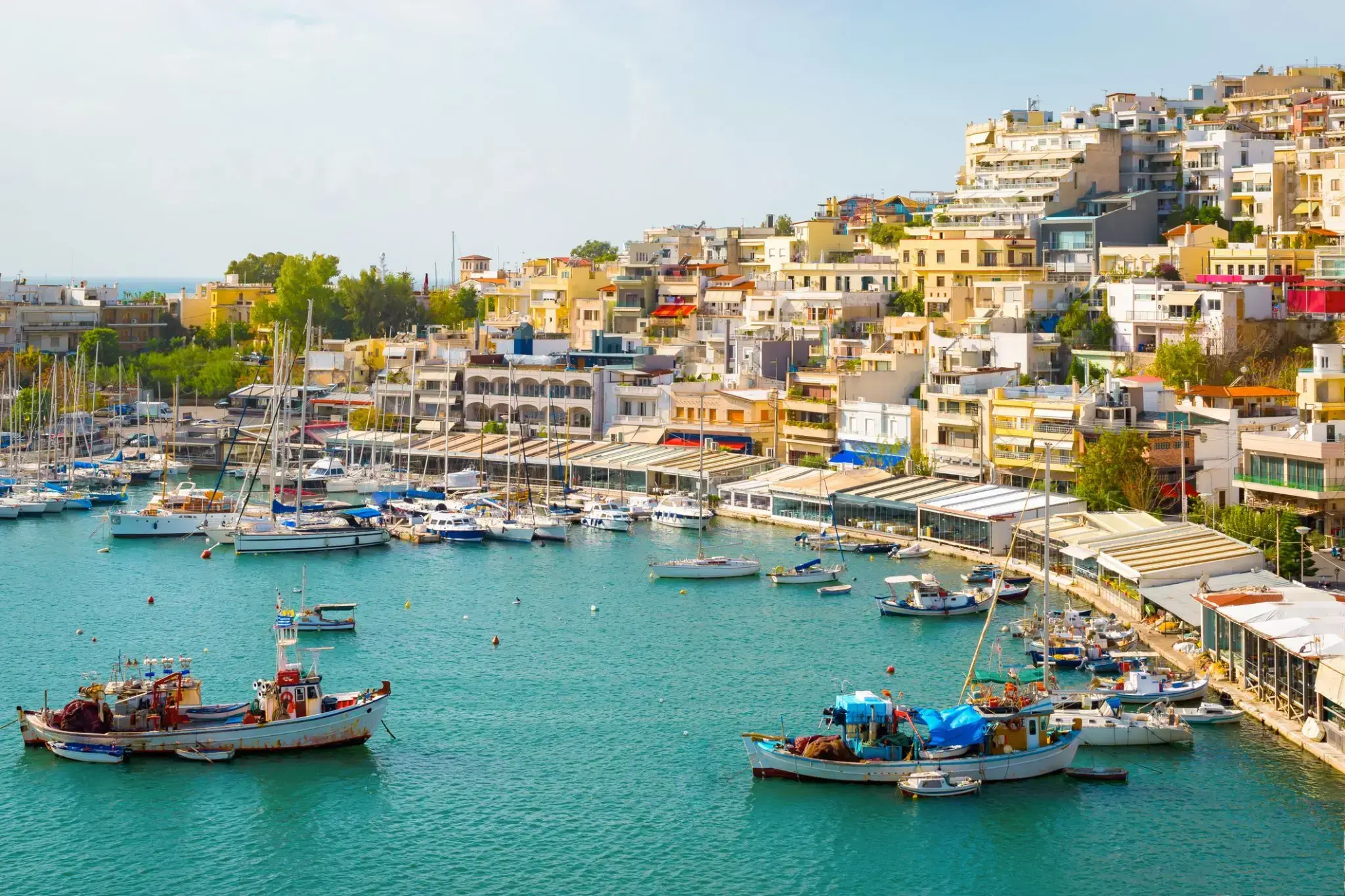
Pireus to stare miasto portowe, będące portem Aten i jednocześnie największym portem Grecji w dniu dzisiejszym. Pireus stanowi część wielkich Aten, które mogą poszczycić się bogactwem atrakcji, w tym unikalnymi zabytkami narodowej sztuki plastycznej.
Ponad dwieście muzeów i galerii, w tym Muzeum Historii Uniwersytetu, Muzeum Archeologiczne Keramejkos i wiele innych, gościnnie powita Państwa w swoich murach i zapozna z kulturą tej okolicy.
Pireus to stare miasto portowe, będące portem Aten i jednocześnie największym portem Grecji w dniu dzisiejszym. Pireus stanowi część wielkich Aten, które mogą poszczycić się bogactwem atrakcji, w tym unikalnymi zabytkami narodowej sztuki plastycznej.
Ponad dwieście muzeów i galerii, w tym Muzeum Historii Uniwersytetu, Muzeum Archeologiczne Keramejkos i wiele innych, gościnnie powita Państwa w swoich murach i zapozna z kulturą tej okolicy.