| Region rejsu : Karaiby, Rejsy po Pacyfiku |
| Firma : Oceania Cruises |
| Statek : AURELIA |
| Data rozpoczęcia : wt. 18 sty 2028 |
| Data zakończenia : wt. 18 lip 2028 |
| Liczba nocy : 182 nocy |
| Dzień | Data | Port | Wypłynięcie | Odpłynięcie |
|---|---|---|---|---|
| 1 | 18.01 wt. | Miami / USA | 07:00 | |
| 2 | 19.01 śr. | Miami / USA | 17:00 | |
| 3 | 20.01 czw. | Dzień na morzu / Morze | ||
| 4 | 21.01 pt. | Dzień na morzu / Morze | ||
| 5 | 22.01 sob. | Cartagena (Bolívar) / Kolumbia | 14:00 | 22:00 |
| 6 | 23.01 niedz. | Dzień na morzu / Morze | ||
| 7 | 24.01 pon. | Puerto Lemon / Costa Rica | 07:00 | 16:00 |
| 8 | 25.01 wt. | Dzień na morzu / Morze | ||
| 9 | 26.01 śr. | Dzień na morzu / Morze | ||
| 10 | 27.01 czw. | Dzień na morzu / Morze | ||
| 11 | 28.01 pt. | Puerto Quetzal / Gwatemala | 07:00 | 16:00 |
| 12 | 29.01 sob. | Corinto / Nicaragua | 08:00 | 16:00 |
| 13 | 30.01 niedz. | Dzień na morzu / Morze | ||
| 14 | 31.01 pon. | Dzień na morzu / Morze | ||
| 15 | 1.02 wt. | Dzień na morzu / Morze | ||
| 16 | 2.02 śr. | Cabo San Lucas / Meksyk | 10:00 | 18:00 |
| 17 | 3.02 czw. | Dzień na morzu / Morze | ||
| 18 | 4.02 pt. | Dzień na morzu / Morze | ||
| 19 | 5.02 sob. | Los Angeles / USA | 07:00 | 17:00 |
| 20 | 6.02 niedz. | Dzień na morzu / Morze | ||
| 21 | 7.02 pon. | Dzień na morzu / Morze | ||
| 22 | 8.02 wt. | Dzień na morzu / Morze | ||
| 23 | 9.02 śr. | Dzień na morzu / Morze | ||
| 24 | 10.02 czw. | Dzień na morzu / Morze | ||
| 25 | 11.02 pt. | Kahului, około. Maui / Hawaje | 08:00 | 18:00 |
| 26 | 12.02 sob. | Navilili, ks. Kauai na Hawajach / Hawaje | 07:00 | 17:00 |
| 27 | 13.02 niedz. | Honolulu, Oahu, Hawaje / Hawaje | 07:00 | 17:00 |
| 28 | 14.02 pon. | Hilo / Hawaje | 11:00 | 19:00 |
| 29 | 15.02 wt. | Dzień na morzu / Morze | ||
| 30 | 16.02 śr. | Dzień na morzu / Morze | ||
| 31 | 17.02 czw. | Dzień na morzu / Morze | ||
| 32 | 18.02 pt. | Dzień na morzu / Morze | ||
| 33 | 19.02 sob. | Dzień na morzu / Morze | ||
| 34 | 20.02 niedz. | Raiatea, Wyspy Towarzystwa / French Polynesia | 10:00 | 20:00 |
| 35 | 21.02 pon. | Huahine | 07:00 | 17:00 |
| 36 | 22.02 wt. | Moorea, Wyspy Towarzystwa / French Polynesia | 07:00 | 17:00 |
| 36 | 22.02 wt. | Papeete Papeete / French Polynesia | 20:00 | |
| 37 | 23.02 śr. | Papeete Papeete / French Polynesia | 17:00 | |
| 38 | 24.02 czw. | Bora Bora, Society Islands / French Polynesia | 07:00 | |
| 39 | 25.02 pt. | Bora Bora, Society Islands / French Polynesia | 13:00 | |
| 40 | 26.02 sob. | Dzień na morzu / Morze | ||
| 41 | 27.02 niedz. | Dzień na morzu / Morze | ||
| 42 | 28.02 pon. | Pago-Pago / Samoa | 09:00 | 17:00 |
| 43 | 29.02 wt. | |||
| 44 | 1.03 śr. | Dzień na morzu / Morze | ||
| 45 | 2.03 czw. | Dzień na morzu / Morze | ||
| 46 | 3.03 pt. | Neiafu (Vavaʻu) Неиафу / Tonga | 07:00 | 16:00 |
| 47 | 4.03 sob. | Dzień na morzu / Morze | ||
| 48 | 5.03 niedz. | Lautoka / Fiji | 08:00 | 17:00 |
| 49 | 6.03 pon. | Dzień na morzu / Morze | ||
| 50 | 7.03 wt. | Port Villa / Vanuatu | 08:00 | 18:00 |
| 51 | 8.03 śr. | Dzień na morzu / Morze | ||
| 52 | 9.03 czw. | Numea / Nowa Kaledonia | 07:00 | 16:00 |
| 53 | 10.03 pt. | Dzień na morzu / Morze | ||
| 54 | 11.03 sob. | Dzień na morzu / Morze | ||
| 55 | 12.03 niedz. | Sydnej / Australia | 12:00 | |
| 56 | 13.03 pon. | Sydnej / Australia | 20:00 | |
| 57 | 14.03 wt. | Dzień na morzu / Morze | ||
| 58 | 15.03 śr. | Brisbane / Australia | 07:00 | 17:00 |
| 59 | 16.03 czw. | Dzień na morzu / Morze | ||
| 60 | 17.03 pt. | WYSPA WHITSUNDAY | 07:00 | 16:00 |
| 61 | 18.03 sob. | Cairns / Australia | 11:00 | 21:00 |
| 62 | 19.03 niedz. | Dzień na morzu / Morze | ||
| 63 | 20.03 pon. | Wyspa Thursday Tersdy / Australia | 08:00 | 17:00 |
| 64 | 21.03 wt. | Dzień na morzu / Morze | ||
| 65 | 22.03 śr. | Dzień na morzu / Morze | ||
| 66 | 23.03 czw. | Darwin / Australia | 07:00 | 19:00 |
| 67 | 24.03 pt. | Dzień na morzu / Morze | ||
| 68 | 25.03 sob. | KUPANG TIMOR ZACHODNI | 07:00 | 17:00 |
| 69 | 26.03 niedz. | Dzień na morzu / Morze | ||
| 70 | 27.03 pon. | Tanjung Benoit / Indonezja | 07:00 | |
| 71 | 28.03 wt. | Tanjung Benoit / Indonezja | 15:00 | |
| 72 | 29.03 śr. | Dzień na morzu / Morze | ||
| 73 | 30.03 czw. | Djakarta / Indonezja | 08:00 | 16:00 |
| 74 | 31.03 pt. | Dzień na morzu / Morze | ||
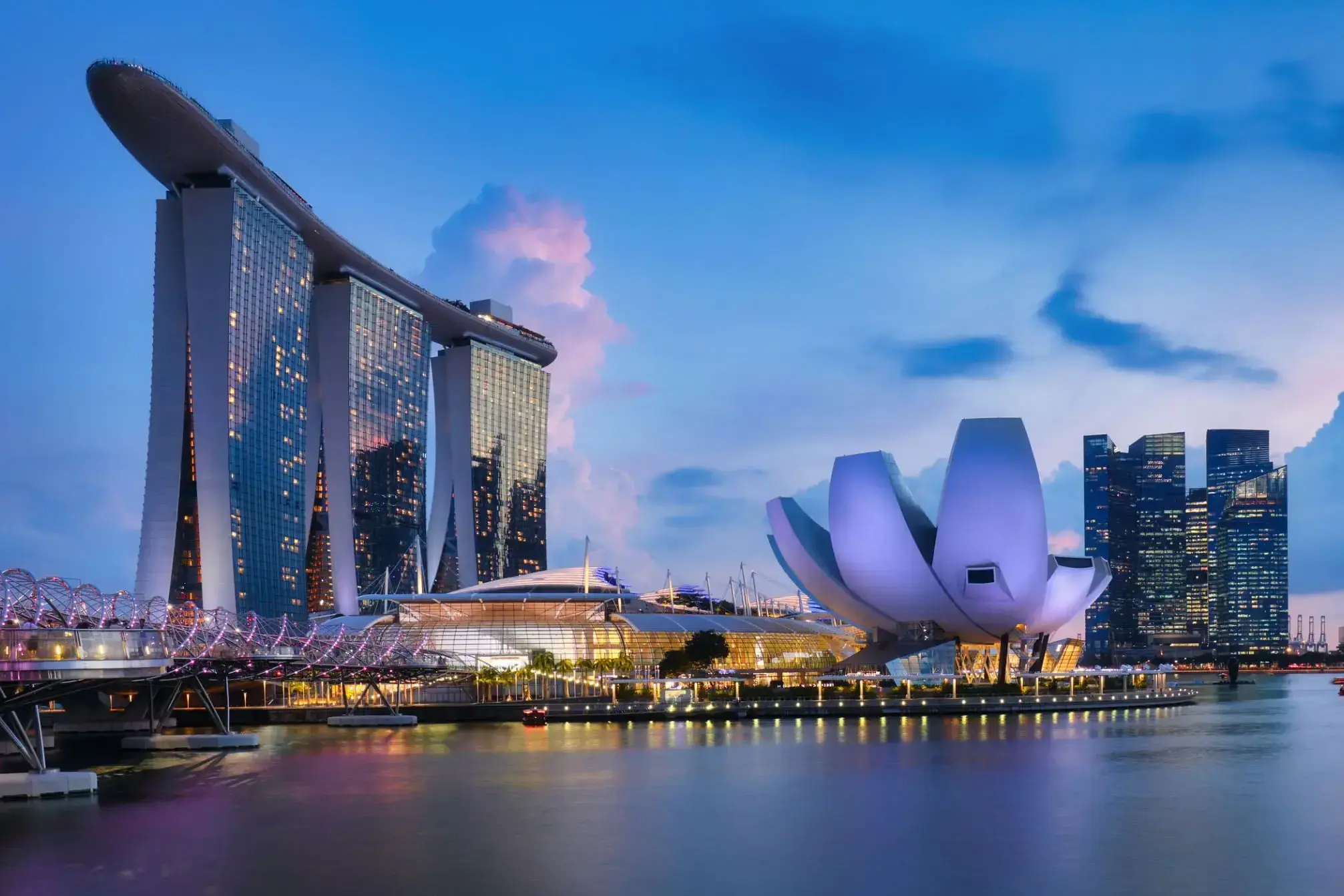
| 75 | 1.04 sob. | Singapur / Singapur | 07:00 | 17:00 |
| 76 | 2.04 niedz. | Dzień na morzu / Morze | ||
| 77 | 3.04 pon. | Dzień na morzu / Morze | ||
| 78 | 4.04 wt. | Puerto Princesa / Philippine Islands | 11:00 | 18:00 |
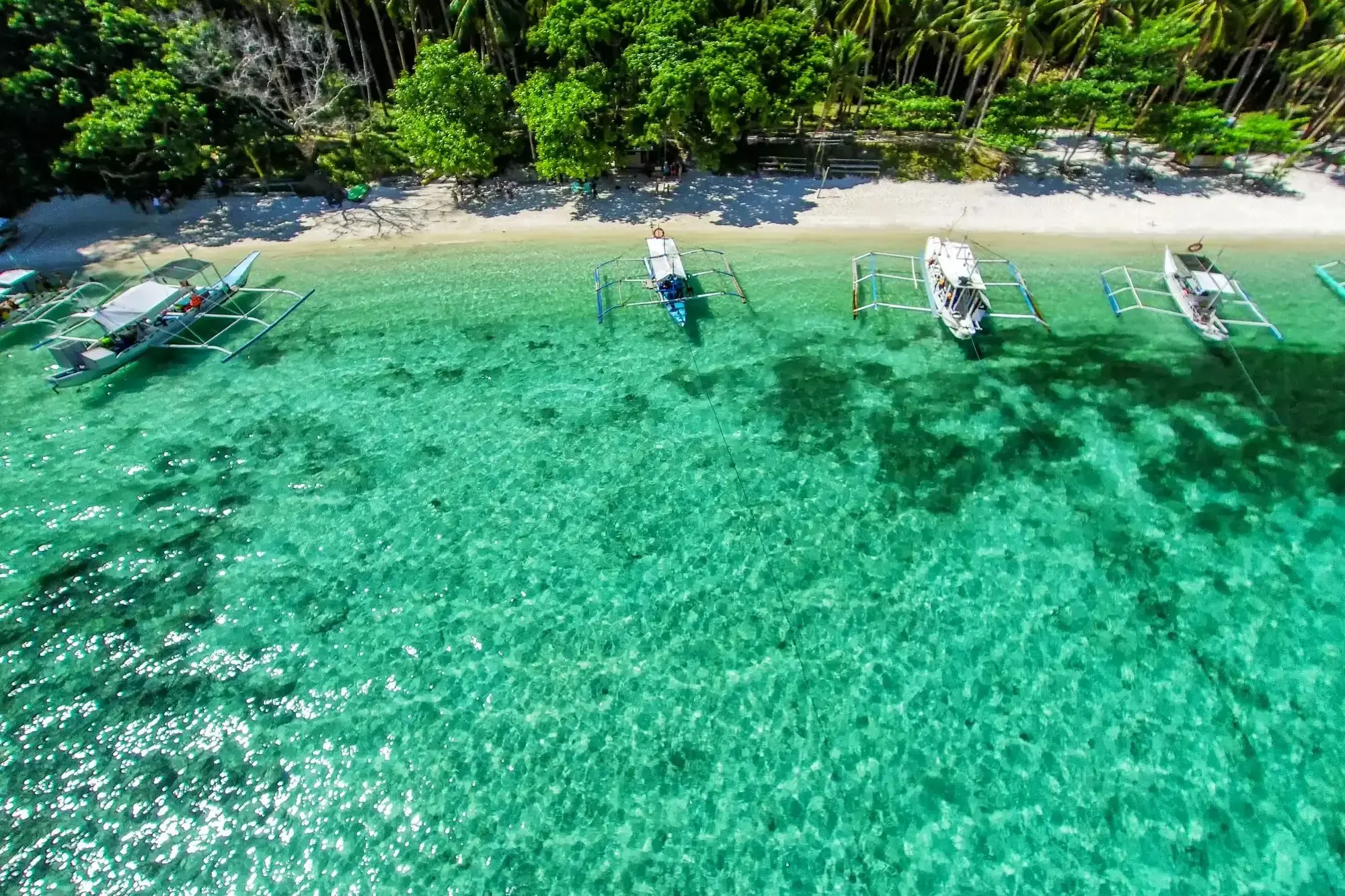
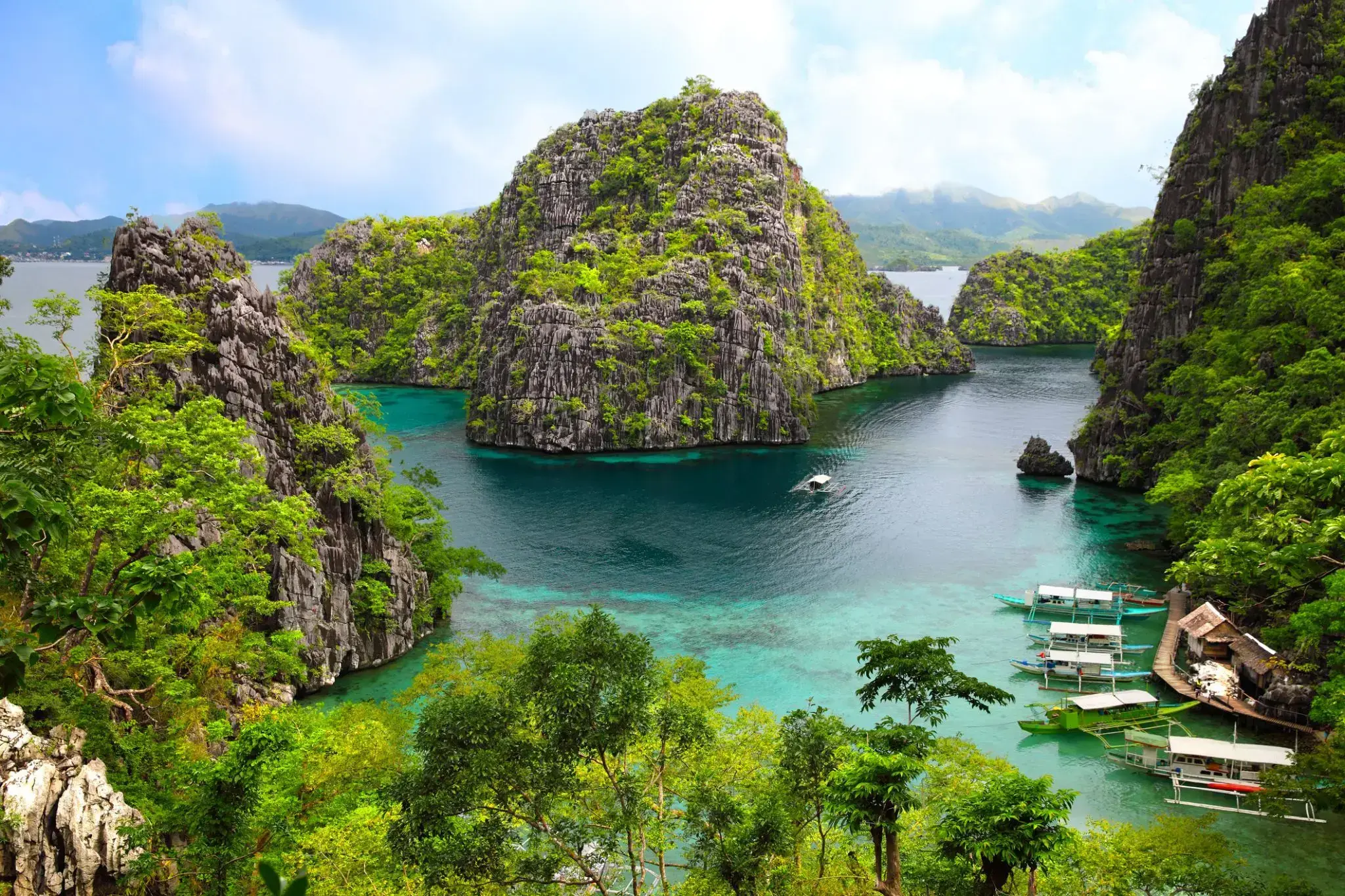
| 79 | 5.04 śr. | Coron Island / Philippine Islands | 09:00 | 16:00 |
| 80 | 6.04 czw. | Manila / Philippine Islands | 09:00 | 18:00 |
| 81 | 7.04 pt. | Laoag / Philippine Islands | 12:00 | 19:00 |
| 82 | 8.04 sob. | Dzień na morzu / Morze | ||
| 83 | 9.04 niedz. | Hualien / Taiwan | 07:00 | 17:00 |
| 84 | 10.04 pon. | Tajpej / Taiwan | 07:00 | 17:00 |
| 85 | 11.04 wt. | Ishigaki, Okinawa / Japonia | 07:00 | 16:00 |
| 86 | 12.04 śr. | Dzień na morzu / Morze | ||
| 87 | 13.04 czw. | Kagoshima / Japonia | 07:00 | 17:00 |
| 88 | 14.04 pt. | Nagasaki / Japonia | 07:00 | 17:00 |
| 89 | 15.04 sob. | Busan / Korea | 08:00 | 19:00 |
| 90 | 16.04 niedz. | Dzień na morzu / Morze | ||
| 91 | 17.04 pon. | Beppu / Japonia | 08:00 | 16:00 |
| 92 | 18.04 wt. | Kochi / Indie | 07:00 | 16:00 |
| 93 | 19.04 śr. | Osaka / Japonia | 09:00 | 23:00 |
| 94 | 20.04 czw. | Dzień na morzu / Morze | ||
| 95 | 21.04 pt. | Yokohama (Tokio) / Japonia | 08:00 | |
| 96 | 22.04 sob. | Yokohama (Tokio) / Japonia | 19:00 | |
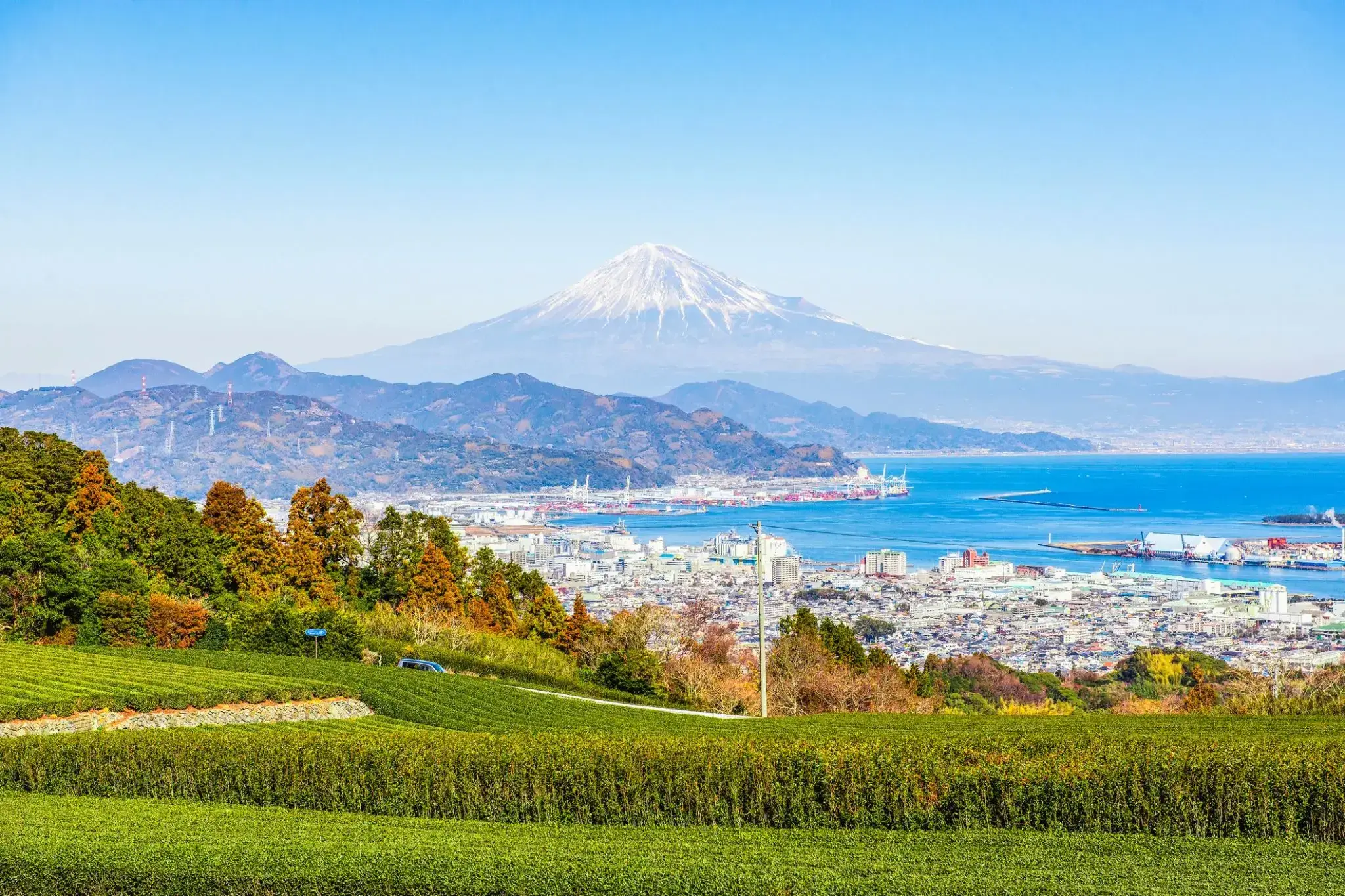
| 97 | 23.04 niedz. | Shimizu / Japonia | 07:00 | 15:00 |
| 98 | 24.04 pon. | Kioto | 11:00 | 21:00 |
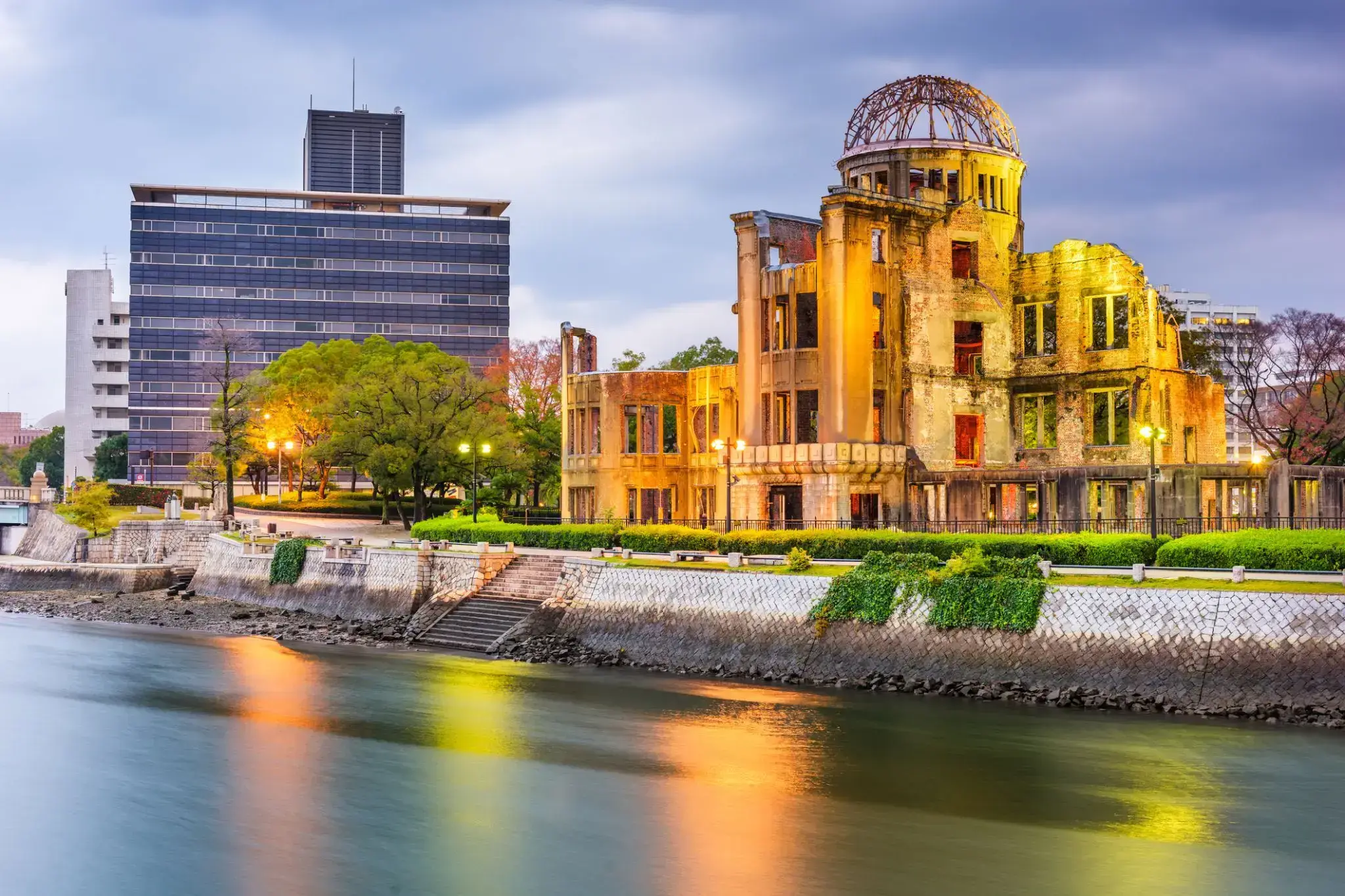
| 99 | 25.04 wt. | Hiroszima / Japonia | 10:00 | 18:00 |
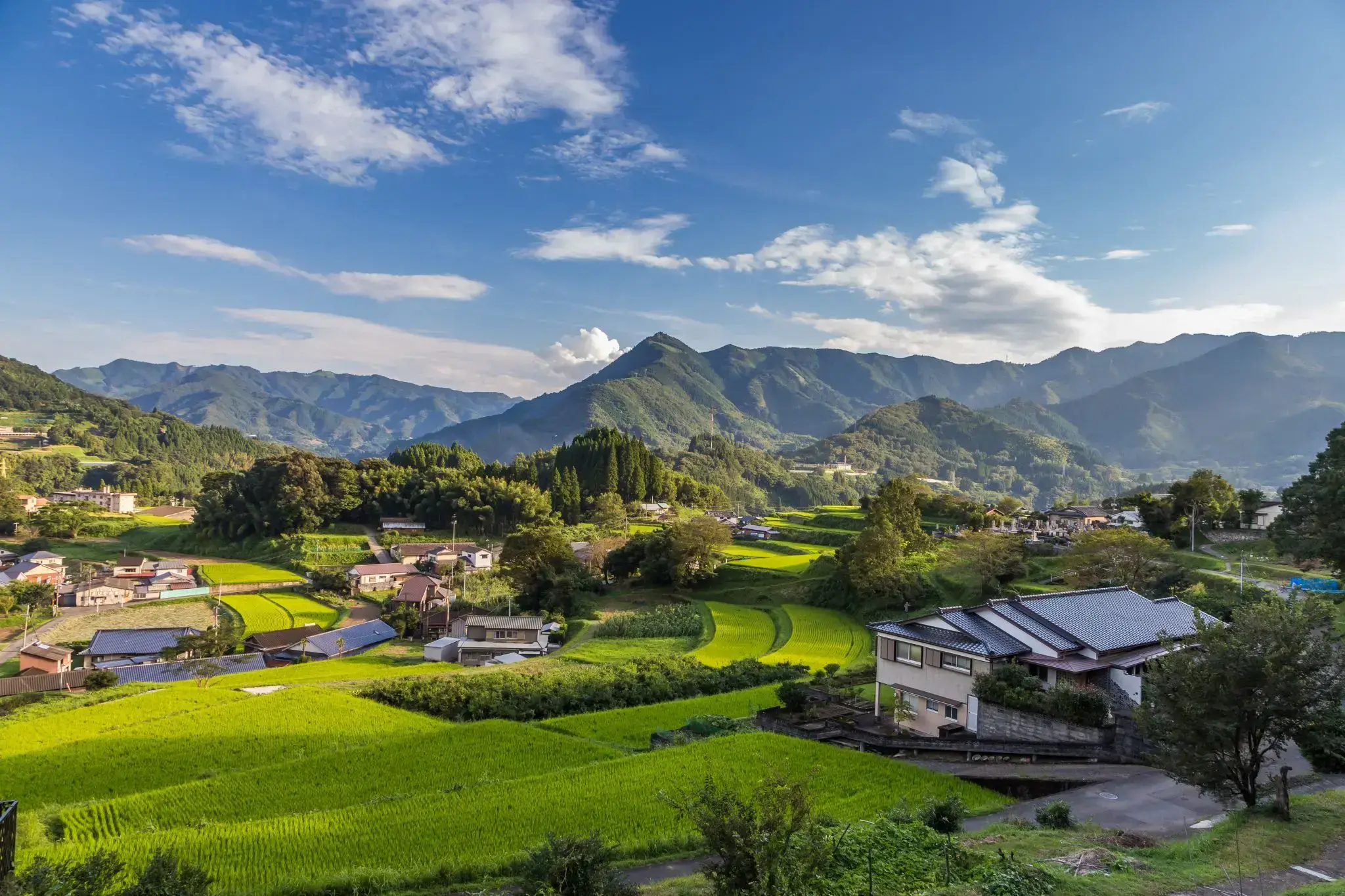
| 100 | 26.04 śr. | Miyazaki / Japonia | 09:00 | 18:00 |
| 101 | 27.04 czw. | Dzień na morzu / Morze | ||
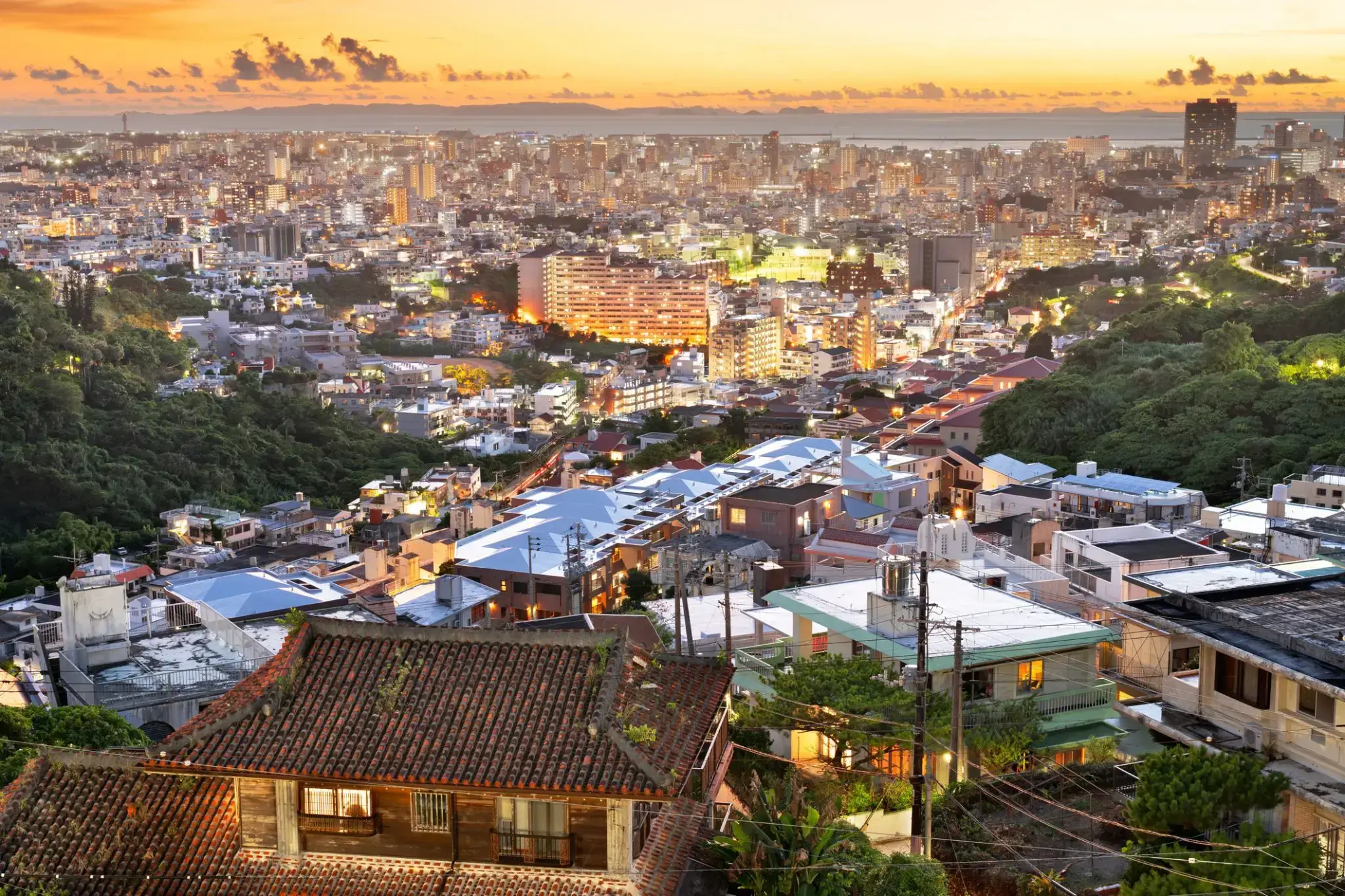
| 102 | 28.04 pt. | Naha / Japonia | 08:00 | 17:00 |
| 103 | 29.04 sob. | Dzień na morzu / Morze | ||
| 104 | 30.04 niedz. | Kaohsiung / Taiwan | 08:00 | 18:00 |
| 105 | 1.05 pon. | Dzień na morzu / Morze | ||
| 106 | 2.05 wt. | Limbe / Cameroon | 07:00 | |
| 107 | 3.05 śr. | Limbe / Cameroon | 17:00 | |
| 108 | 4.05 czw. | Dzień na morzu / Morze | ||
| 109 | 5.05 pt. | Hanoi / Vietnam | 07:00 | 19:00 |
| 110 | 6.05 sob. | Dzień na morzu / Morze | ||
| 111 | 7.05 niedz. | Dzień na morzu / Morze | ||
| 112 | 8.05 pon. | Ho Chi Minh / Vietnam | 10:00 | |
| 113 | 9.05 wt. | Ho Chi Minh / Vietnam | 15:00 | |
| 114 | 10.05 śr. | Dzień na morzu / Morze | ||
| 115 | 11.05 czw. | Kampongsaom (Sihanoukville) / Cambodia | 07:00 | 17:00 |
| 116 | 12.05 pt. | Koh Kood / Ko Kut | 07:00 | 17:00 |
| 117 | 13.05 sob. | Bangkok / Thailand | 07:00 | |
| 118 | 14.05 niedz. | Bangkok / Thailand | 18:00 | |
| 119 | 15.05 pon. | Wyspa Samui / Koh Samui / Thailand | 09:00 | 17:00 |
| 120 | 16.05 wt. | Dzień na morzu / Morze | ||
| 121 | 17.05 śr. | Singapur / Singapur | 11:00 | 22:00 |
| 122 | 18.05 czw. | Dzień na morzu / Morze | ||
| 123 | 19.05 pt. | Phuket / Thailand | 09:00 | 19:00 |
| 124 | 20.05 sob. | Dzień na morzu / Morze | ||
| 125 | 21.05 niedz. | Dzień na morzu / Morze | ||
| 126 | 22.05 pon. | Hambantota / Sri Lanka | 11:00 | 20:00 |
| 127 | 23.05 wt. | Dzień na morzu / Morze | ||
| 128 | 24.05 śr. | Male / Maldives | 07:00 | 19:00 |
| 129 | 25.05 czw. | Dzień na morzu / Morze | ||
| 130 | 26.05 pt. | Dzień na morzu / Morze | ||
| 131 | 27.05 sob. | Mumbaj (Bombaj) / Indie | 05:00 | |
| 132 | 28.05 niedz. | Mumbaj (Bombaj) / Indie | 20:00 | |
| 133 | 29.05 pon. | Dzień na morzu / Morze | ||
| 134 | 30.05 wt. | Dzień na morzu / Morze | ||
| 135 | 31.05 śr. | Dzień na morzu / Morze | ||
| 136 | 1.06 czw. | Dubai / UAE | 05:00 | 17:00 |
| 137 | 2.06 pt. | Doha / Katar | 07:00 | 17:00 |
| 138 | 3.06 sob. | Abu Zabi / UAE | 08:00 | 17:00 |
| 139 | 4.06 niedz. | Dzień na morzu / Morze | ||
| 140 | 5.06 pon. | Dzień na morzu / Morze | ||
| 141 | 6.06 wt. | Salalah / Oman | 10:00 | 19:00 |
| 142 | 7.06 śr. | Dzień na morzu / Morze | ||
| 143 | 8.06 czw. | Dzień na morzu / Morze | ||
| 144 | 9.06 pt. | Dzień na morzu / Morze | ||
| 145 | 10.06 sob. | Dżudda / Dżidda / Arabia Saudyjska | 07:00 | 17:00 |
| 146 | 11.06 niedz. | Dzień na morzu / Morze | ||
| 147 | 12.06 pon. | Akaba / Jordania | 06:00 | 20:00 |
| 148 | 13.06 wt. | Sharm El Sheikh / Egipt | 05:00 | 19:00 |
| 149 | 14.06 śr. | Luksor / Egipt | 05:00 | 20:00 |
| 150 | 15.06 czw. | Dzień na morzu / Morze | ||
| 151 | 16.06 pt. | Dzień na morzu / Morze | ||
| 152 | 17.06 sob. | Dzień na morzu / Morze | ||
| 153 | 18.06 niedz. | Heraklion / Grecja | 07:00 | 17:00 |
| 154 | 19.06 pon. | Dzień na morzu / Morze | ||
| 155 | 20.06 wt. | Stambuł / Turcja | 07:00 | 20:00 |
| 156 | 21.06 śr. | Dzień na morzu / Morze | ||
| 157 | 22.06 czw. | Pireus (Ateny) / Grecja | 05:00 | 17:00 |
| 158 | 23.06 pt. | Gýtheio Gytheio / Grecja | 07:00 | 17:00 |
| 159 | 24.06 sob. | Katakolo / Grecja | 07:00 | 17:00 |
| 160 | 25.06 niedz. | Dzień na morzu / Morze | ||
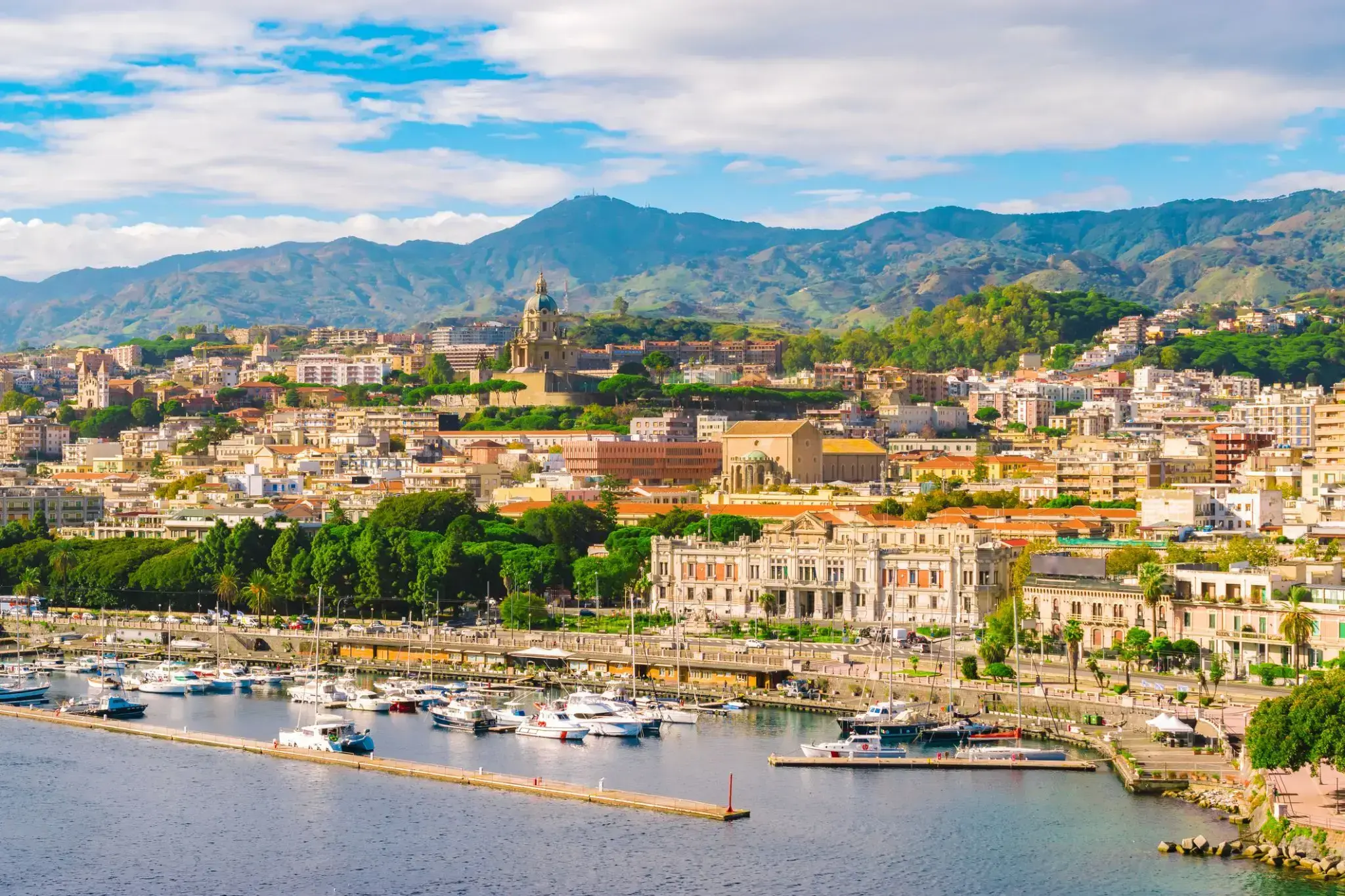
| 161 | 26.06 pon. | Messina, wł. Sycylia / Włochy | 07:00 | 17:00 |
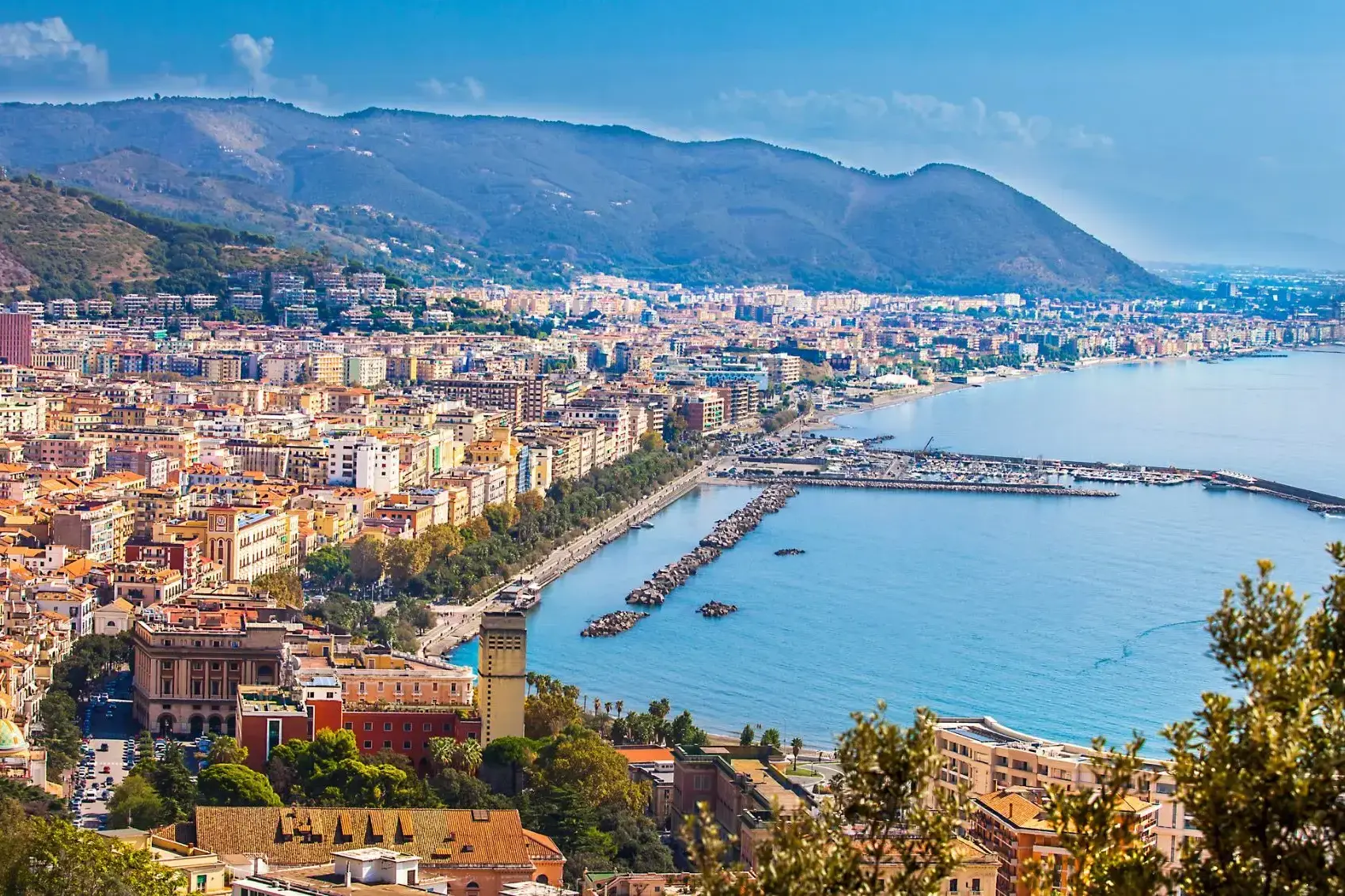
| 162 | 27.06 wt. | Salerno / Włochy | 07:00 | 16:00 |
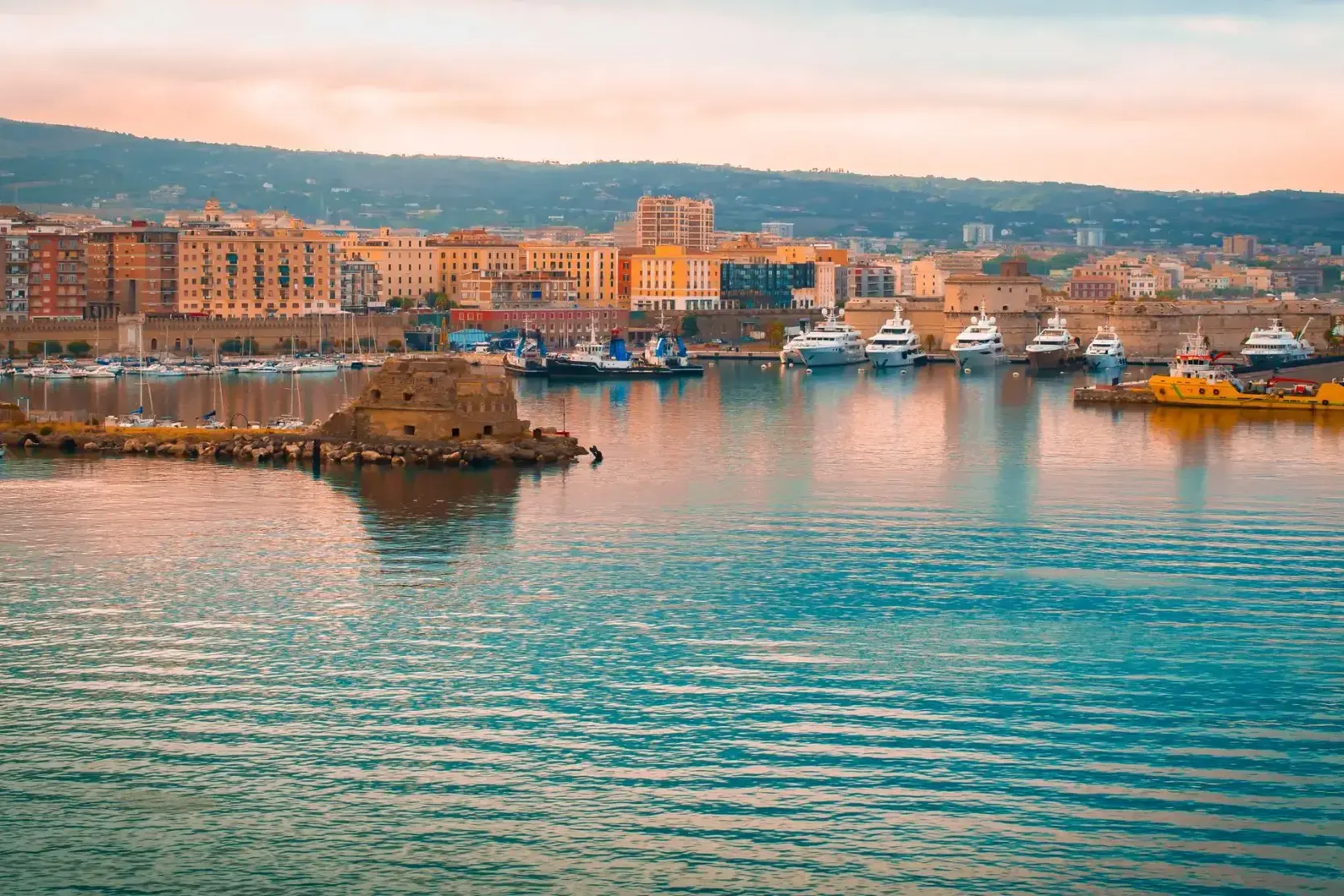
| 163 | 28.06 śr. | Rzym (Civitavecchia) / Włochy | 07:00 | 19:00 |
| 164 | 29.06 czw. | FLORENCJA PIZA TOSKANIA | 07:00 | 19:00 |
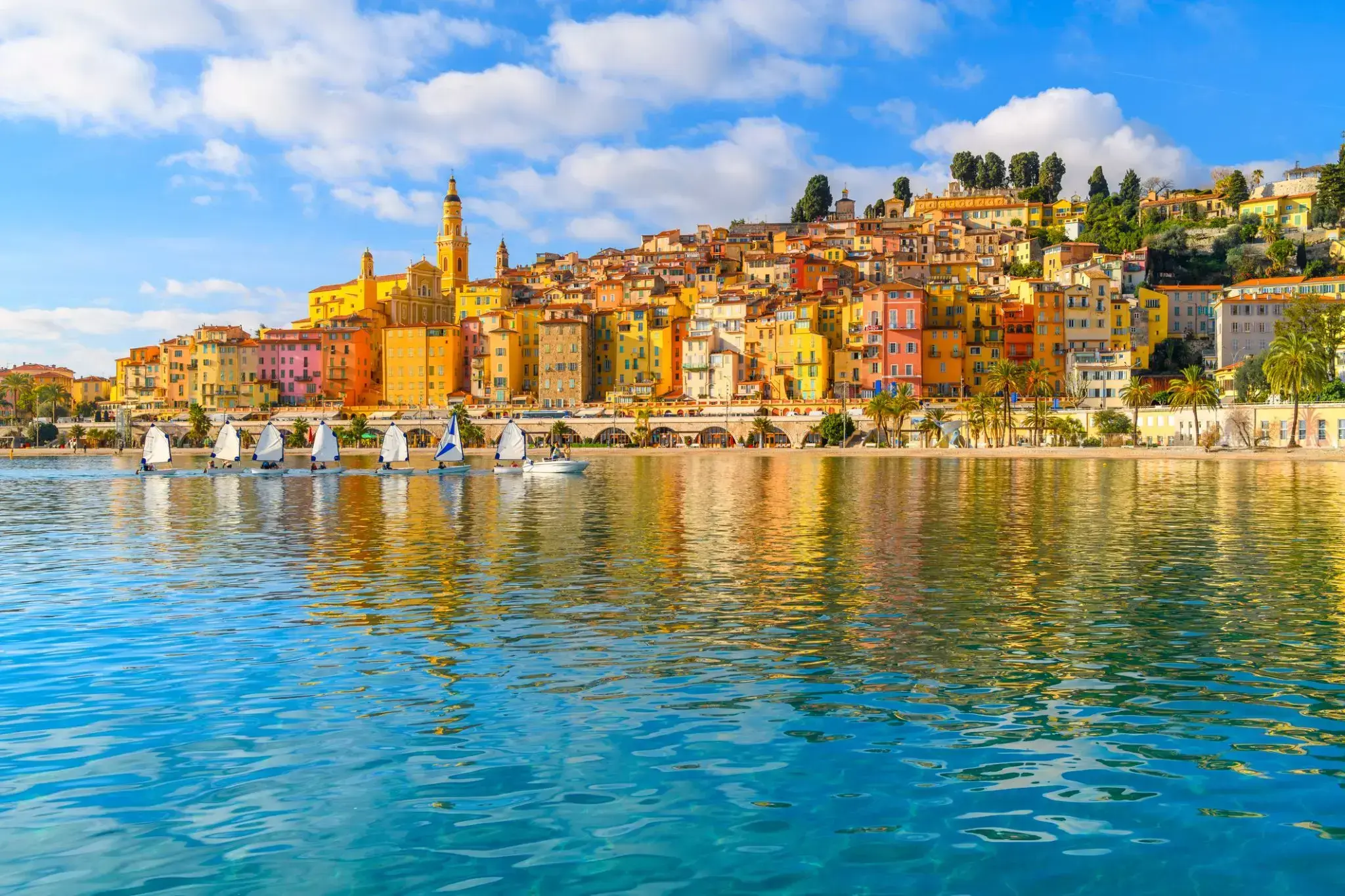
| 165 | 30.06 pt. | Nicea / Francja | 08:00 | 18:00 |
| 166 | 1.07 sob. | Saint Tropez / Francja | 08:00 | 18:00 |
| 167 | 2.07 niedz. | Sete/Seta / Francja | 08:00 | 18:00 |
| 168 | 3.07 pon. | Palamos / Hiszpania | 08:00 | 18:00 |
| 169 | 4.07 wt. | Barcelona / Hiszpania | 07:00 | 17:00 |
| 170 | 5.07 śr. | Dzień na morzu / Morze | ||
| 171 | 6.07 czw. | Malaga / Hiszpania | 07:00 | 17:00 |
| 172 | 7.07 pt. | Portiman / Portugalia | 09:00 | 18:00 |
| 173 | 8.07 sob. | Lizbona / Portugalia | 07:00 | 16:00 |
| 174 | 9.07 niedz. | Dzień na morzu / Morze | ||
| 175 | 10.07 pon. | Dzień na morzu / Morze | ||
| 176 | 11.07 wt. | Ponta Delgada, San Miguel / Portugalia | 07:00 | 16:00 |
| 177 | 12.07 śr. | Dzień na morzu / Morze | ||
| 178 | 13.07 czw. | Dzień na morzu / Morze | ||
| 179 | 14.07 pt. | Dzień na morzu / Morze | ||
| 180 | 15.07 sob. | Dzień na morzu / Morze | ||
| 181 | 16.07 niedz. | Halifax / Kanada | 07:00 | 17:00 |
| 182 | 17.07 pon. | Dzień na morzu / Morze | ||
| 183 | 18.07 wt. | Nowy Jork / USA | 07:00 | 19:00 |
Twój Świat w cenie
Dzięki Twojemu Światu w cenie, będziesz cieszyć się szeroką gamą udogodnień, zapewniających najwyższy komfort i wartość rejsów ultra-premium.
Niezapomniane doznania kulinarne w licznych, wykwintnych restauracjach — wszystko bez dodatkowych opłat.
Bezpłatne kawy specjalistyczne, napoje gazowane, świeżo wyciskane soki oraz woda gazowana i niegazowana Vero Water® serwowane na całym statku.
Nielimitowany, bezpłatny dostęp do Wi-Fi w apartamentach, kabinach i wszystkich pomieszczeniach ogólnodostępnych.
Posiłki serwowane w pokoju z doskonałym wyborem dań na ciepło i zimno.
Koktajle, koktajle mleczne, gelato i firmowe lody Humphry Slocombe — zawsze w cenie.
Grupowe zajęcia fitness w Aquamar® Spa + Vitality Center są bezpłatne.
Napiwki są wliczone w cenę dla Twojej wygody.
Pranie jest bezpłatne dla wszystkich gości.
Dzięki bezpłatnym pralniom samoobsługowym na pokładzie, a także usługom prania i prasowania dla kategorii Concierge i Suite, zawsze będziesz wyglądać olśniewająco. Oprócz naszej charakterystycznej, spersonalizowanej obsługi, zapewnimy Ci wzbogacający rejs bez ukrytych kosztów i prowizji.
Podnieś poziom swoich wrażeń
Kajuty Concierge Level Veranda oferują niezrównane połączenie luksusu, przywilejów i wartości. Bogactwo udogodnień i ekskluzywnych korzyści sprawi, że Twoje wrażenia będą jeszcze bardziej wzniosłe — od dań do wyboru z The Grand Dining Room, przez bezpłatne usługi pralnicze, po nieograniczony dostęp do tarasu Aquamar Spa.
Na pokładzie Oceania Marina i Oceania Riviera możesz również skorzystać z usług dedykowanego Concierge i ekskluzywnego dostępu do prywatnego salonu Concierge Lounge.
Kajuty Concierge Level Veranda, zlokalizowane w najbardziej pożądanych miejscach statku, to coś więcej niż tylko kabiny — to niezapomniane przeżycie.
Concierge Level Veranda — Ekskluzywne przywileje
Rozszerzone menu posiłków do pokoju na lunch i kolację z The Grand Dining Room
Usługi pralnicze — do 3 sztuk bagażu na kabinę
Ekskluzywny dostęp do prywatnego salonu Concierge Lounge na statkach Oceania Marina, Oceania Riviera, Oceania Vista i Oceania Allura za pomocą karty-klucza, oferujący bezpłatne napoje, kawę, przekąski i usługi dedykowanego Concierge'a
Powitalna butelka wyśmienitego włoskiego Prosecco
Priorytetowe rezerwacje online w restauracjach specjalistycznych
Nieograniczony dostęp do tarasu Aquamar Spa
Torba z logo Oceania Cruises
Kaszmirowe koce na kolana — idealne do relaksu i przytulania
Prasowanie odzieży po wejściu na pokład
Bezpłatna usługa czyszczenia butów
Depozyt i płatności – Oceania Cruises
Depozyt ogólny:
W przypadku apartamentów typu Owner’s, Vista i Oceania Suites wymagany jest depozyt w wysokości 20% ceny rejsu od osoby.
W przypadku wszystkich pozostałych kategorii apartamentów/kabin, depozyt wynosi 500 USD od osoby.
W przypadku Grand Voyages depozyt wynosi 1500 USD od osoby.
Terminy depozytu i płatności końcowej:
Rezerwacje dokonane na ponad 150 dni przed rejsem:
Depozyt w wysokości 20% w przypadku apartamentów typu Owner’s, Vista i Oceania Suites oraz 500 USD w przypadku wszystkich pozostałych kategorii wymagany jest w ciągu 5 dni od rezerwacji.
Rezerwacje dokonane na 90–120 dni przed rejsem:
Pełna płatność wymagana w ciągu 3 dni od rezerwacji.
Rezerwacje dokonane na 0–90 dni przed rejsem:
Pełna płatność wymagana w dniu rezerwacji.
Ważne:
Rezerwacje, które nie zostaną wpłacone lub opłacone w całości zgodnie z niniejszym harmonogramem, zostaną automatycznie anulowane. O ile nie zaznaczono inaczej, płatność końcowa musi wpłynąć do Oceania Cruises na 150 dni przed wypłynięciem w przypadku rejsów krótszych niż 15 dni oraz na 150 dni w przypadku rejsów trwających 15 dni lub dłużej.
Oceania Cruises zastrzega sobie prawo do anulowania rezerwacji, które nie zostały w pełni opłacone w momencie płatności końcowej.
Informacje dodatkowe:
Dane paszportowe i specjalne prośby dotyczące usług pokładowych należy przesłać w momencie płatności końcowej.
Płatności można dokonać czekiem osobistym, kartą American Express, Discover, MasterCard lub Visa.
Dla wygody płatność końcowa może zostać automatycznie pobrana z karty kredytowej użytej do wpłaty początkowej.
Oceania Cruises nie ponosi odpowiedzialności za opłaty walutowe ani opłaty transakcyjne pobierane niezależnie przez banki wystawiające karty. Opłaty te nie przysługują Oceania Cruises.
Płatności kartami kredytowymi osób trzecich są akceptowane wyłącznie po uzyskaniu ważnej autoryzacji od posiadacza karty.
Depozyt i płatność – rejsy 180-dniowe
W przypadku rejsów 180-dniowych wymagany jest depozyt w wysokości 20% ceny rejsu od osoby za wszystkie apartamenty i kabiny w ciągu 7 dni od rezerwacji.
Ostateczna płatność musi zostać otrzymana najpóźniej 181 dni przed wypłynięciem, wraz z danymi paszportowymi i wszelkimi specjalnymi prośbami o usługi na pokładzie.
W przeciwnym razie rezerwacja może zostać natychmiast anulowana, a naliczone zostaną stosowne kary.
Forma płatności (FORMA PŁATNOŚCI)
Oceania Cruises akceptuje płatności za rezerwacje kartą kredytową/debetową lub przelewem bankowym.
Niestety, czeki osobiste nie są akceptowane.
Karty kredytowe/debetowe:
Akceptowane są karty American Express, Visa i Mastercard.
Uwaga: Oceania Cruises nie ponosi odpowiedzialności za opłaty za wymianę waluty/transakcje naliczane przez bank wystawiający kartę.
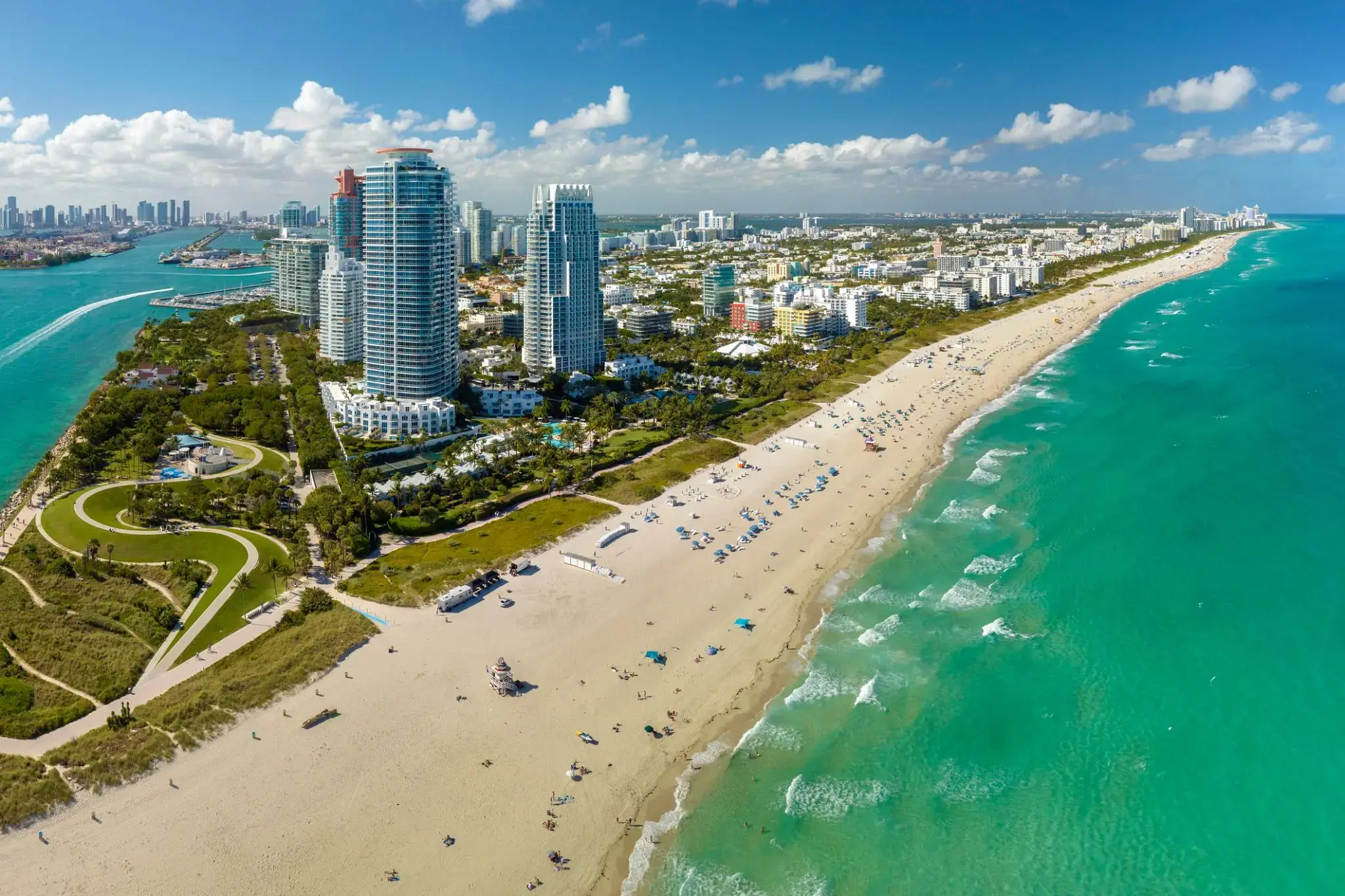
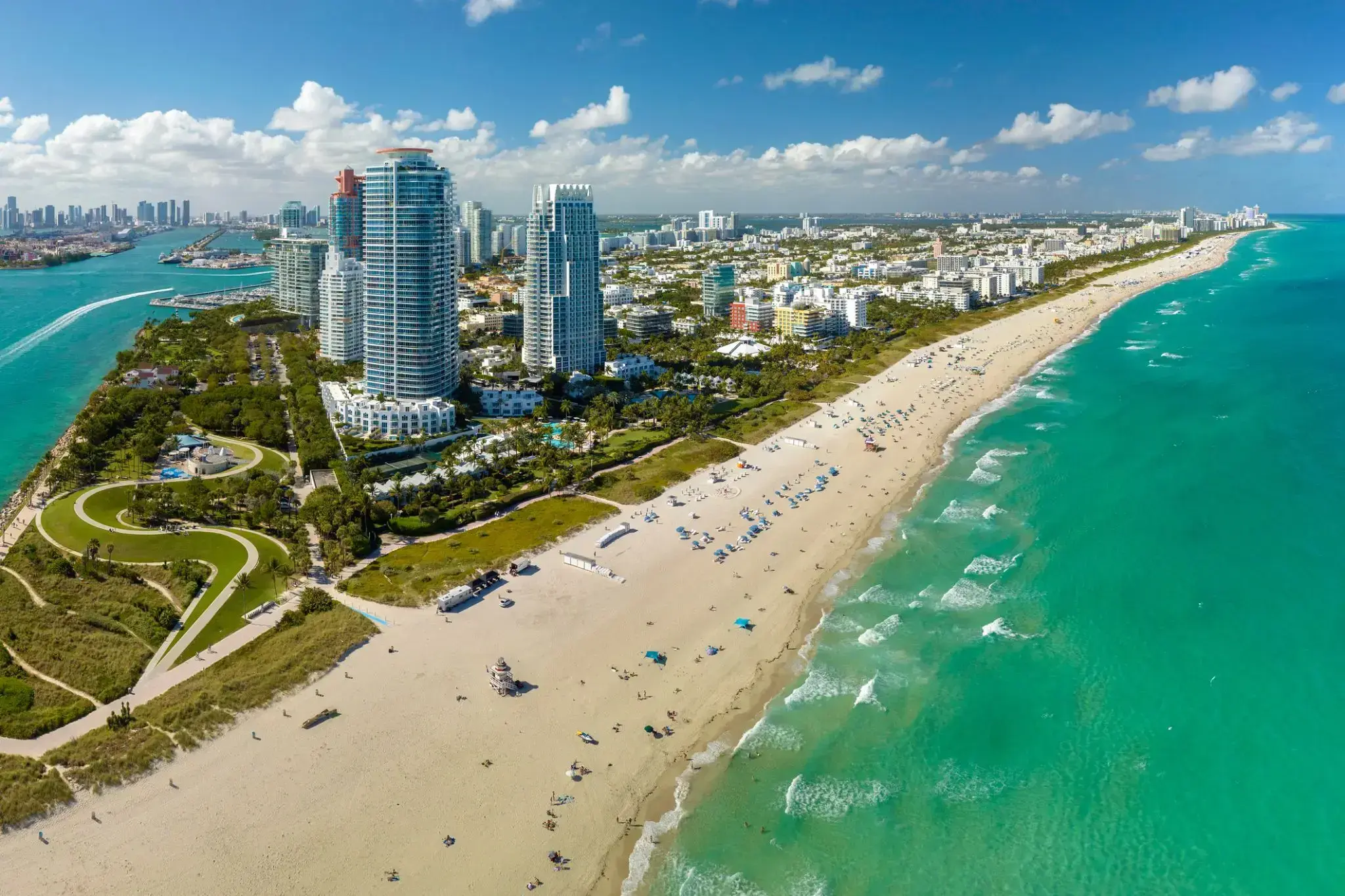
Miami, officially the City of Miami, is the cultural, economic and financial center of South Florida. Miami is the seat of Miami-Dade County, the most populous county in Florida. The city covers an area of about 56.6 square miles (147 km2), between the Everglades to the west and Biscayne Bay on the east; with a 2017 estimated population of 463,347, Miami is the sixth most densely populated major city in the United States. The Miami metropolitan area is home to 6.1 million people and the seventh-largest metropolitan area in the nation. Miami's metro area is the second-most populous metropolis in the southeastern United States and fourth-largest urban area in the U.S.
Miami is a major center, and a leader in finance, commerce, culture, media, entertainment, the arts, and international trade. The Miami Metropolitan Area is by far the largest urban economy in Florida and the 12th largest in the United States with a GDP of $344.9 billion as of 2017. In 2012, Miami was classified as an "Alpha−" level world city in the World Cities Study Group's inventory. In 2010, Miami ranked seventh in the United States and 33rd among global cities in terms of business activity, human capital, information exchange, cultural experience, and political engagement. In 2008, Forbes magazine ranked Miami "America's Cleanest City", for its year-round good air quality, vast green spaces, clean drinking water, clean streets, and citywide recycling programs. According to a 2009 UBS study of 73 world cities, Miami was ranked as the richest city in the United States, and the world's seventh-richest city in terms of purchasing power. Miami is nicknamed the "Capital of Latin America" and is the largest city with a Cuban-American plurality.
Greater Downtown Miami has one of the largest concentrations of international banks in the United States, and is home to many large national and international companies. The Civic Center is a major center for hospitals, research institutes, medical centers, and biotechnology industries. For more than two decades, the Port of Miami, known as the "Cruise Capital of the World", has been the number one cruise passenger port in the world. It accommodates some of the world's largest cruise ships and operations, and is the busiest port in both passenger traffic and cruise lines. Metropolitan Miami is also a major tourism hub in the southeastern U.S. for international visitors, ranking number two in the country after New York City.
Miami, officially the City of Miami, is the cultural, economic and financial center of South Florida. Miami is the seat of Miami-Dade County, the most populous county in Florida. The city covers an area of about 56.6 square miles (147 km2), between the Everglades to the west and Biscayne Bay on the east; with a 2017 estimated population of 463,347, Miami is the sixth most densely populated major city in the United States. The Miami metropolitan area is home to 6.1 million people and the seventh-largest metropolitan area in the nation. Miami's metro area is the second-most populous metropolis in the southeastern United States and fourth-largest urban area in the U.S.
Miami is a major center, and a leader in finance, commerce, culture, media, entertainment, the arts, and international trade. The Miami Metropolitan Area is by far the largest urban economy in Florida and the 12th largest in the United States with a GDP of $344.9 billion as of 2017. In 2012, Miami was classified as an "Alpha−" level world city in the World Cities Study Group's inventory. In 2010, Miami ranked seventh in the United States and 33rd among global cities in terms of business activity, human capital, information exchange, cultural experience, and political engagement. In 2008, Forbes magazine ranked Miami "America's Cleanest City", for its year-round good air quality, vast green spaces, clean drinking water, clean streets, and citywide recycling programs. According to a 2009 UBS study of 73 world cities, Miami was ranked as the richest city in the United States, and the world's seventh-richest city in terms of purchasing power. Miami is nicknamed the "Capital of Latin America" and is the largest city with a Cuban-American plurality.
Greater Downtown Miami has one of the largest concentrations of international banks in the United States, and is home to many large national and international companies. The Civic Center is a major center for hospitals, research institutes, medical centers, and biotechnology industries. For more than two decades, the Port of Miami, known as the "Cruise Capital of the World", has been the number one cruise passenger port in the world. It accommodates some of the world's largest cruise ships and operations, and is the busiest port in both passenger traffic and cruise lines. Metropolitan Miami is also a major tourism hub in the southeastern U.S. for international visitors, ranking number two in the country after New York City.
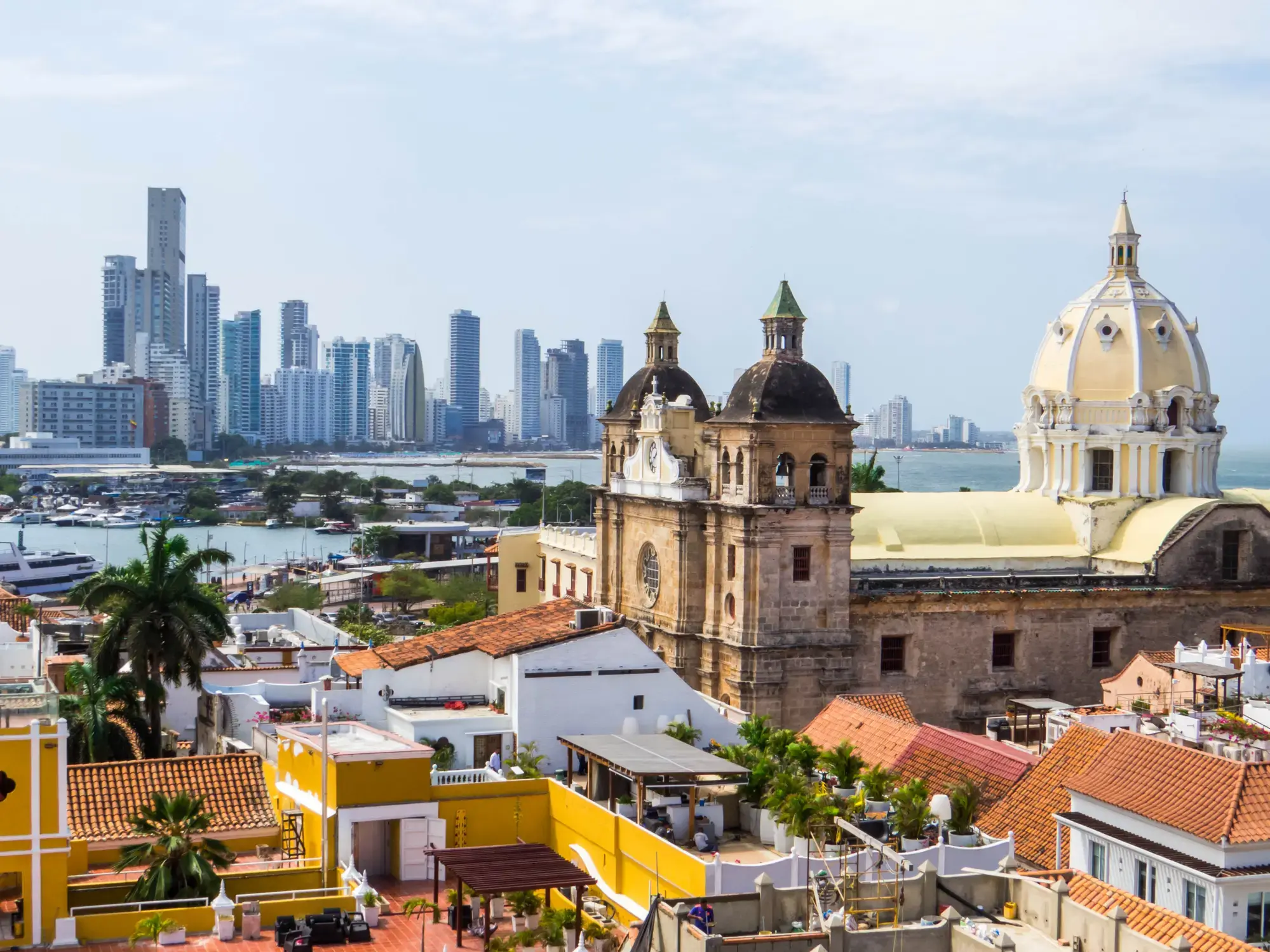
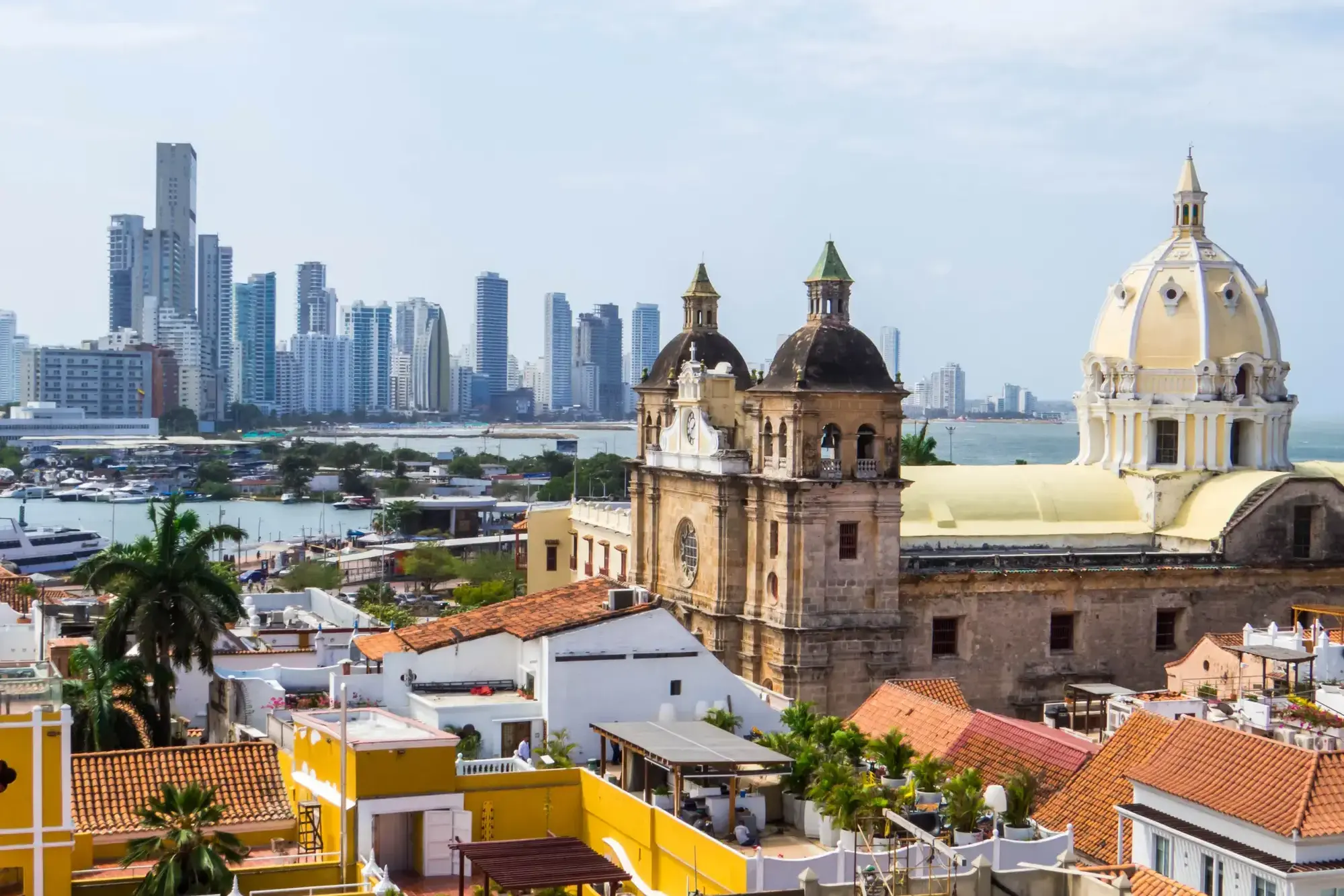
Starożytne mury forteczne, uliczni muzycy i karaibskie słońce tworzą niepowtarzalną atmosferę w Cartagenie (Bolívar) – perle kolumbijskiego wybrzeża. Miasto wpisane na listę światowego dziedzictwa UNESCO zachwyca kolonialną architekturą, uroczymi dziedzińcami i aromatem świeżo parzonej kawy z licznych kawiarni.
Zanurz się w tętniący życiem rytm Cartageny, spacerując brukowanymi uliczkami Starego Miasta, gdzie każdy zakątek kryje opowieści o piratach i hiszpańskich konkwistadorach. Zachód słońca przy starożytnej twierdzy Castillo San Felipe de Barajas to idealne zakończenie dnia pełnego kultury, historii i tropikalnego uroku.
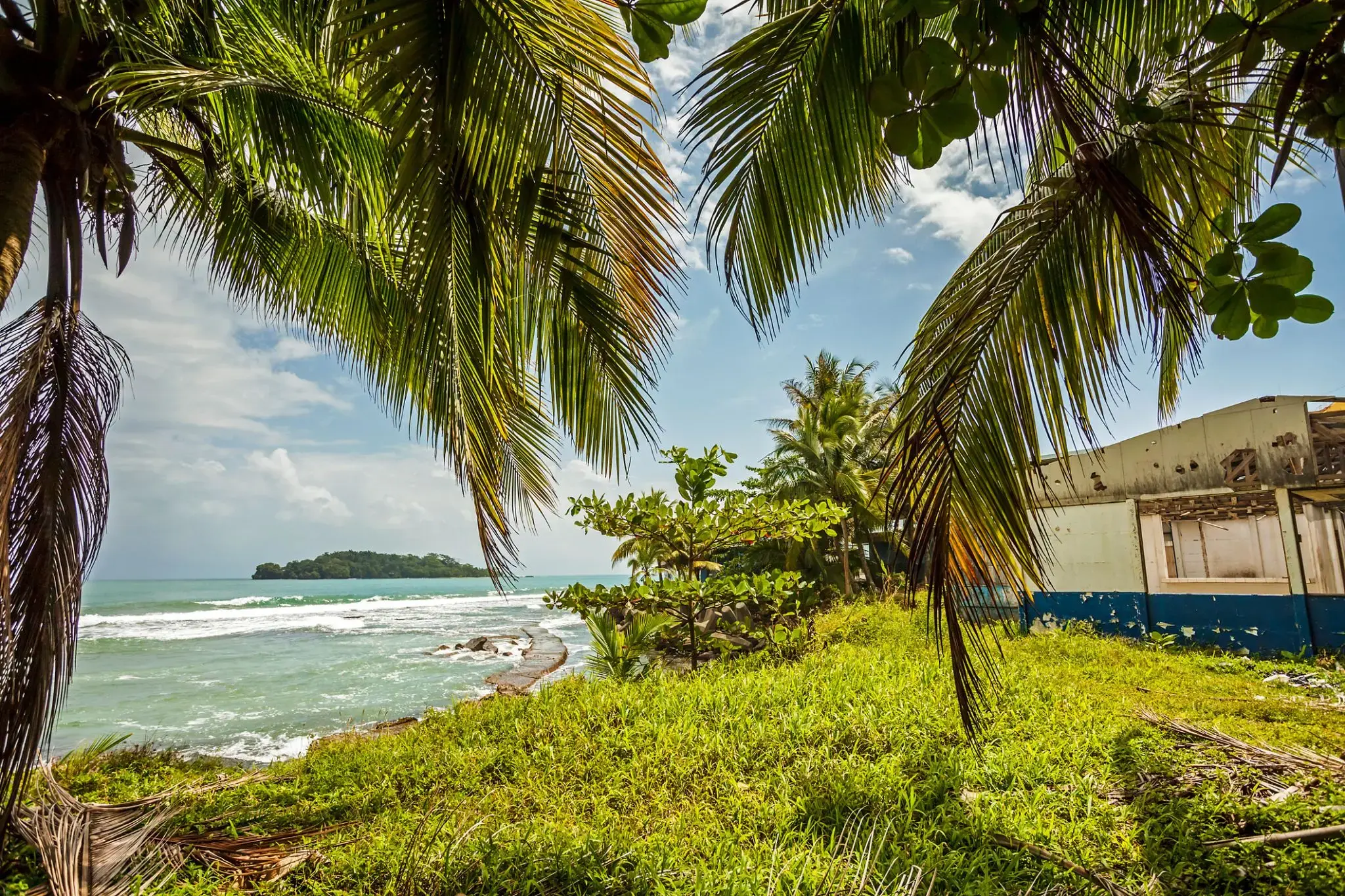
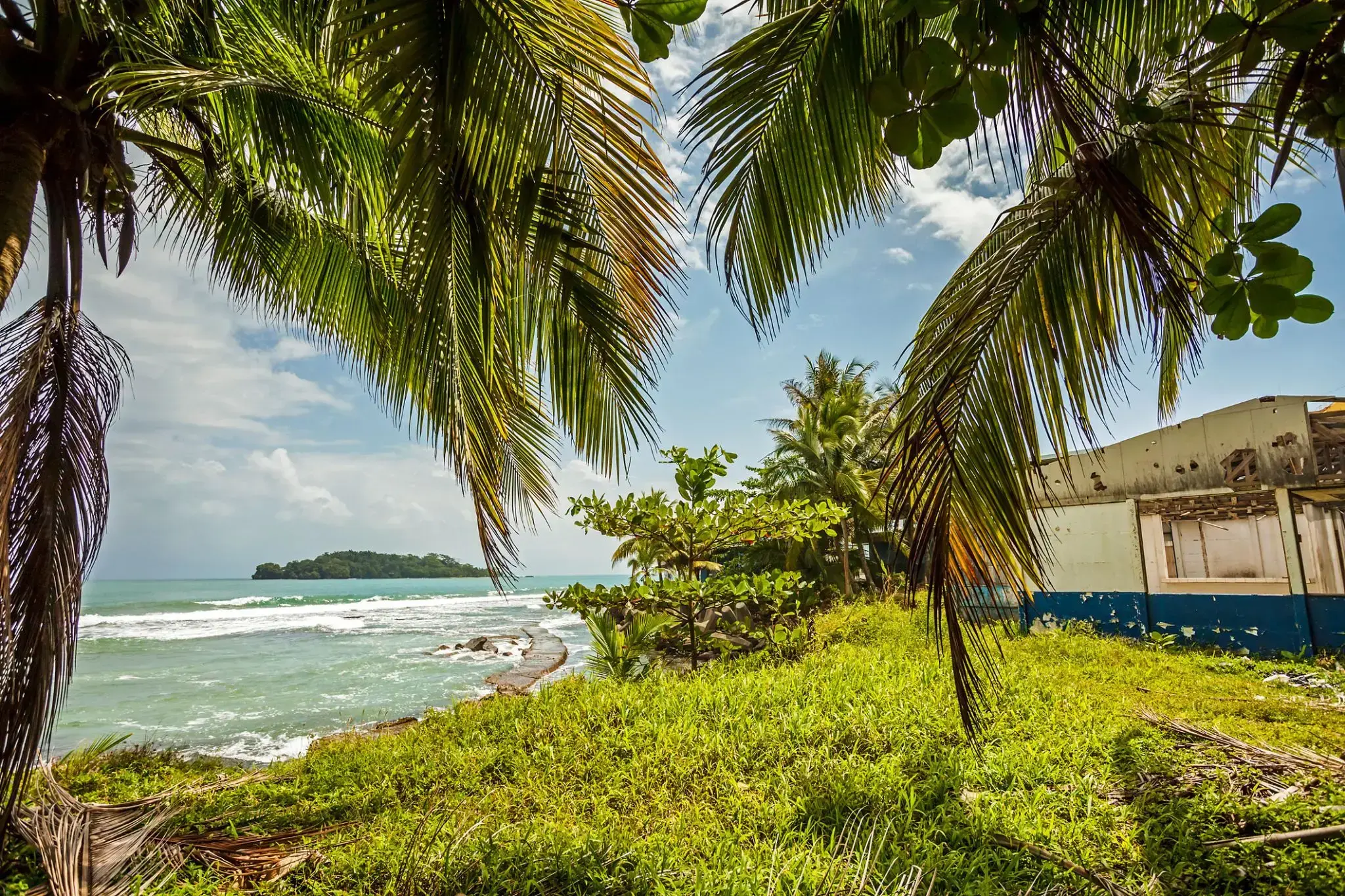
Puerto Limón, commonly known as Limón (Spanish for "lemon"), is the capital city and main hub of Limón province, as well as of the cantón (county) of Limón in Costa Rica. It is the second largest city in Costa Rica, with a population of over 55,000, and is home of the Afro-Costa Rican community. Part of the community traces its roots to Italian, Jamaican and Chinese laborers who worked on a late nineteenth-century railroad project that connected San José to Puerto Limón. Until 1948, the Costa Rican government did not recognize Afro-Caribbean people as citizens and restricted their movement outside Limón province. As a result of this "travel ban", this Afro-Caribbean population became firmly established in the region, which influenced decisions not to move even after it was legally permitted. Nowadays, there is a significant outflow of Limón natives who move to the country's Central Valley in search for better employment and education. The Afro-Caribbean community speaks Spanish and Limonese Creole, a creole of English.
Puerto Limón contains two port terminals, Limón and Moín, which permit the shipment of Costa Rican exports as well as the anchoring of cruise ships. In 2016, the government pledged ₡93 million ($166,000) for a new cruise ship terminal for Puerto Limón.
Health care is provided for the city by Hospital Dr. Tony Facio Castro. Two small islands, Uvita Island and Isla de Pájaros, are just offshore.
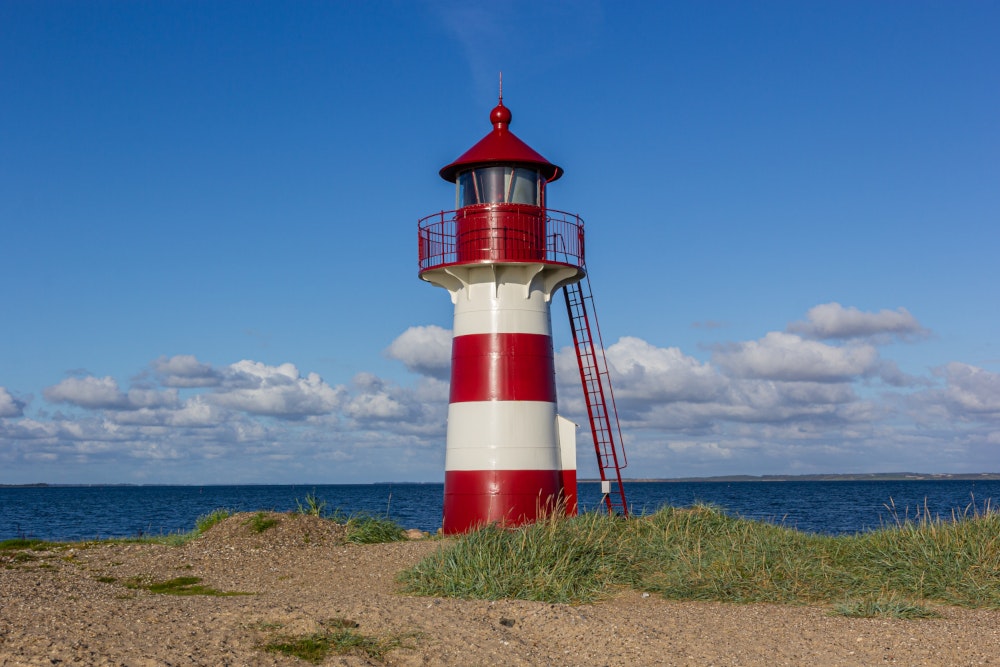
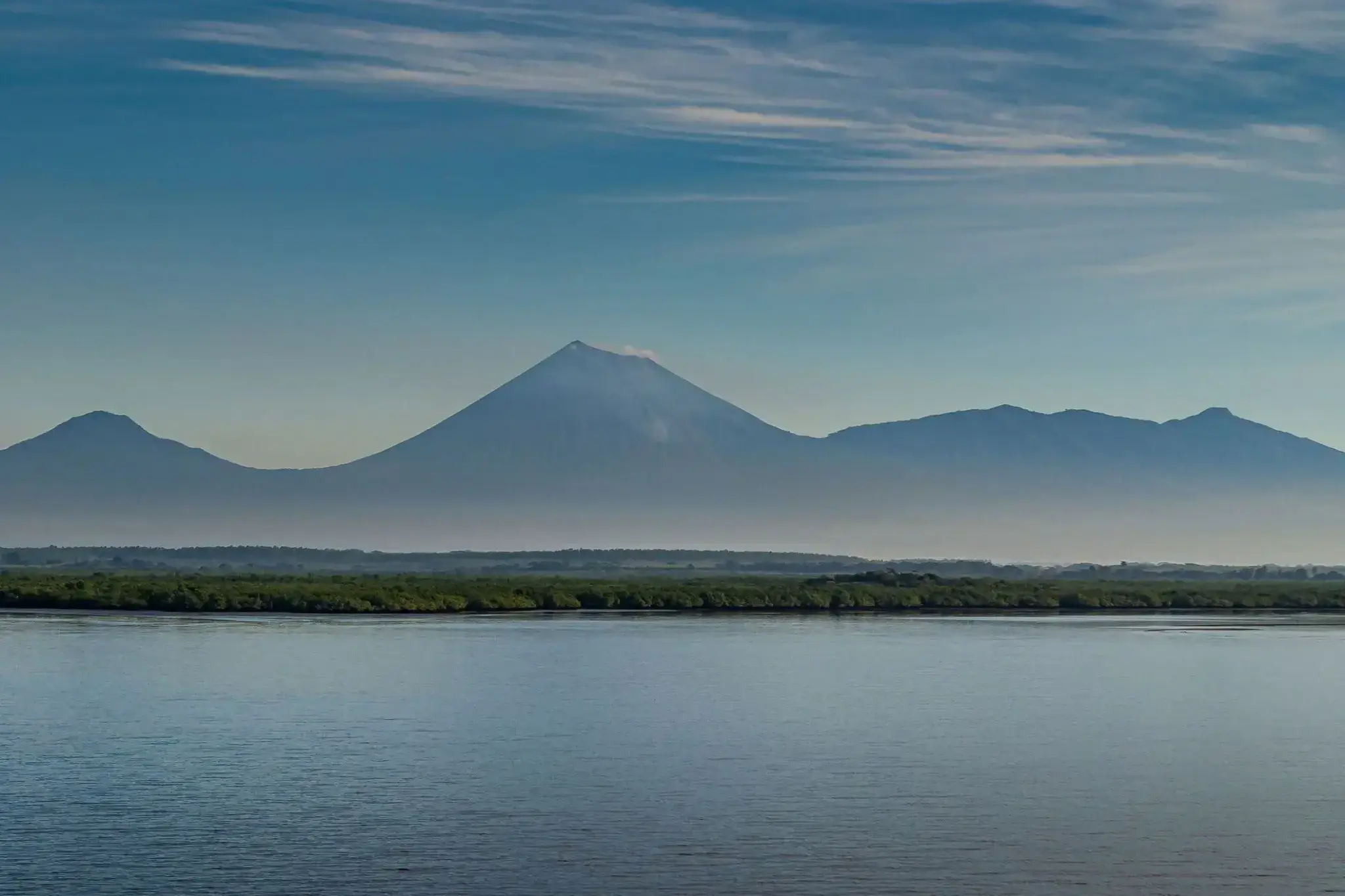
Puerto Quetzal to ważne miasto portowe na wybrzeżu Gwatemali, położone w regionie Pacyfiku. Jest jednym z najpopularniejszych portów docelowych dla statków wycieczkowych, co czyni go istotnym węzłem transportowym i głównym wejściem dla podróżnych przybywających do kraju. Puerto Quetzal jest także punktem wyjścia do odkrywania cudów przyrody Gwatemali, w tym słynnych wulkanów i malowniczych plaż. W pobliżu znajdują się takie atrakcje, jak wulkan Acatenango i Park Narodowy Monterrico, który słynie z ekosystemu oraz plaż odpowiednich do surfingu.
Oprócz piękna przyrody Puerto Quetzal przyciąga podróżnych swoją unikalną atmosferą. Miasto zachowało klimat wybrzeża Pacyfiku z urokliwymi wioskami rybackimi i restauracjami, w których można skosztować świeżych owoców morza. Jego strategiczne położenie i rozwinięta infrastruktura sprawiają, że Puerto Quetzal jest wygodnym punktem wyjścia do podróży po Gwatemali, zarówno dla tych, którzy chcą odkrywać starożytne ruiny Majów, takie jak Tikal, jak i dla tych, którzy szukają relaksu na plaży.
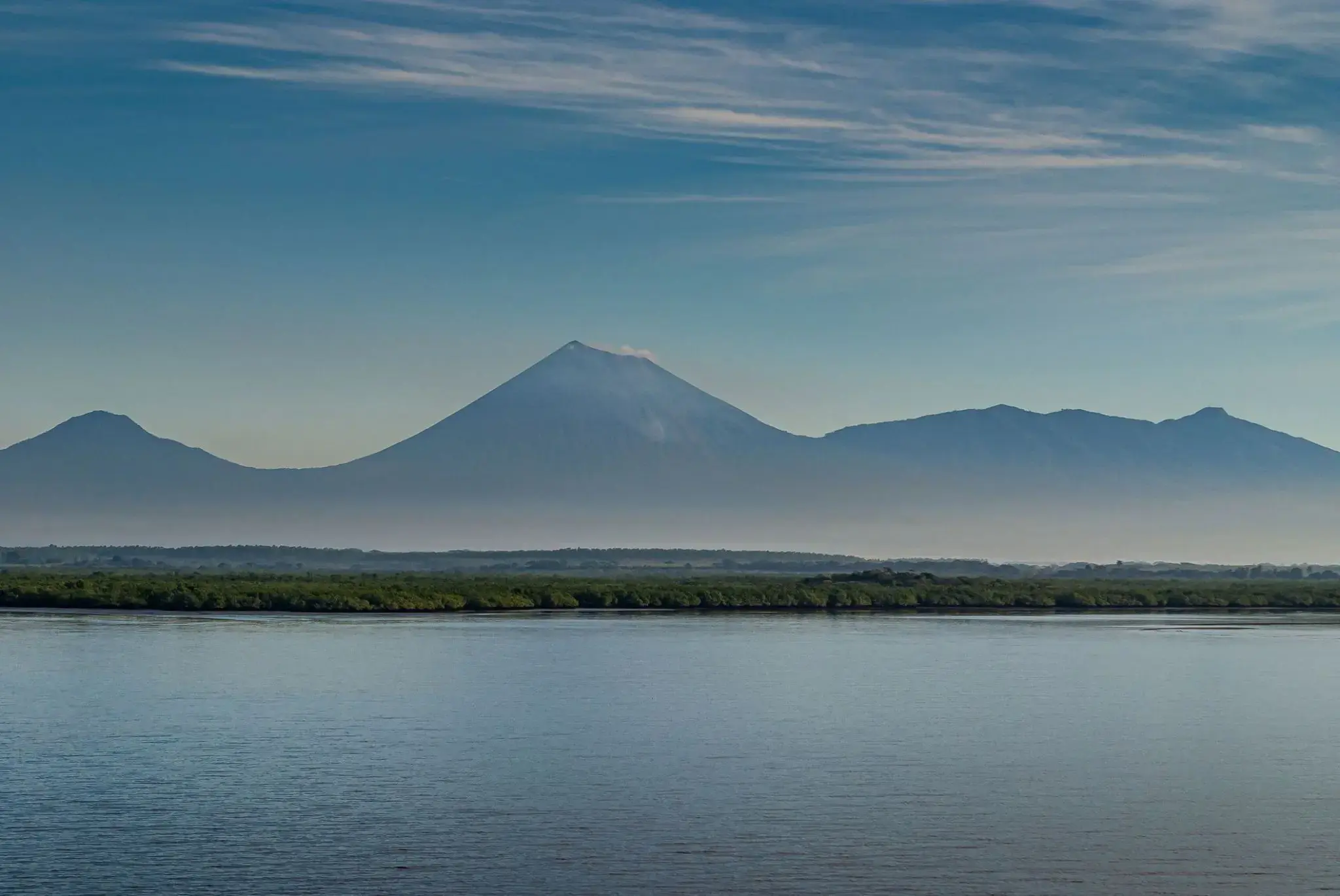
Corinto — portowe serce kraju na wybrzeżu Pacyfiku.
Corinto to największy port morski Nikaragui, położony na wybrzeżu Pacyfiku, w departamencie Chinandega. Założone w 1858 roku miasto odgrywa kluczową rolę w gospodarce kraju, obsługując znaczną część międzynarodowego handlu morskiego. Dzięki strategicznemu położeniu i naturalnemu portowi, Corinto stało się ważnym węzłem logistycznym dla transportu towarowego i komunikacji morskiej. Do miasta zawijają również statki wycieczkowe, co czyni je popularnym punktem wjazdowym dla turystów.
Pomimo przemysłowego charakteru, Corinto zachowuje autentyczną atmosferę małego nadmorskiego miasteczka. W okolicy znajdują się spokojne plaże, świeże owoce morza oraz atrakcje przyrodnicze, takie jak wulkan Casitas i wyspy w zatoce. Zabytkowa architektura, kolonialne budowle i ciepły klimat nadają miastu wyjątkowy urok. Corinto słynie również ze swoich tradycji — barwne święta religijne i ludowe oddają ducha lokalnej kultury.
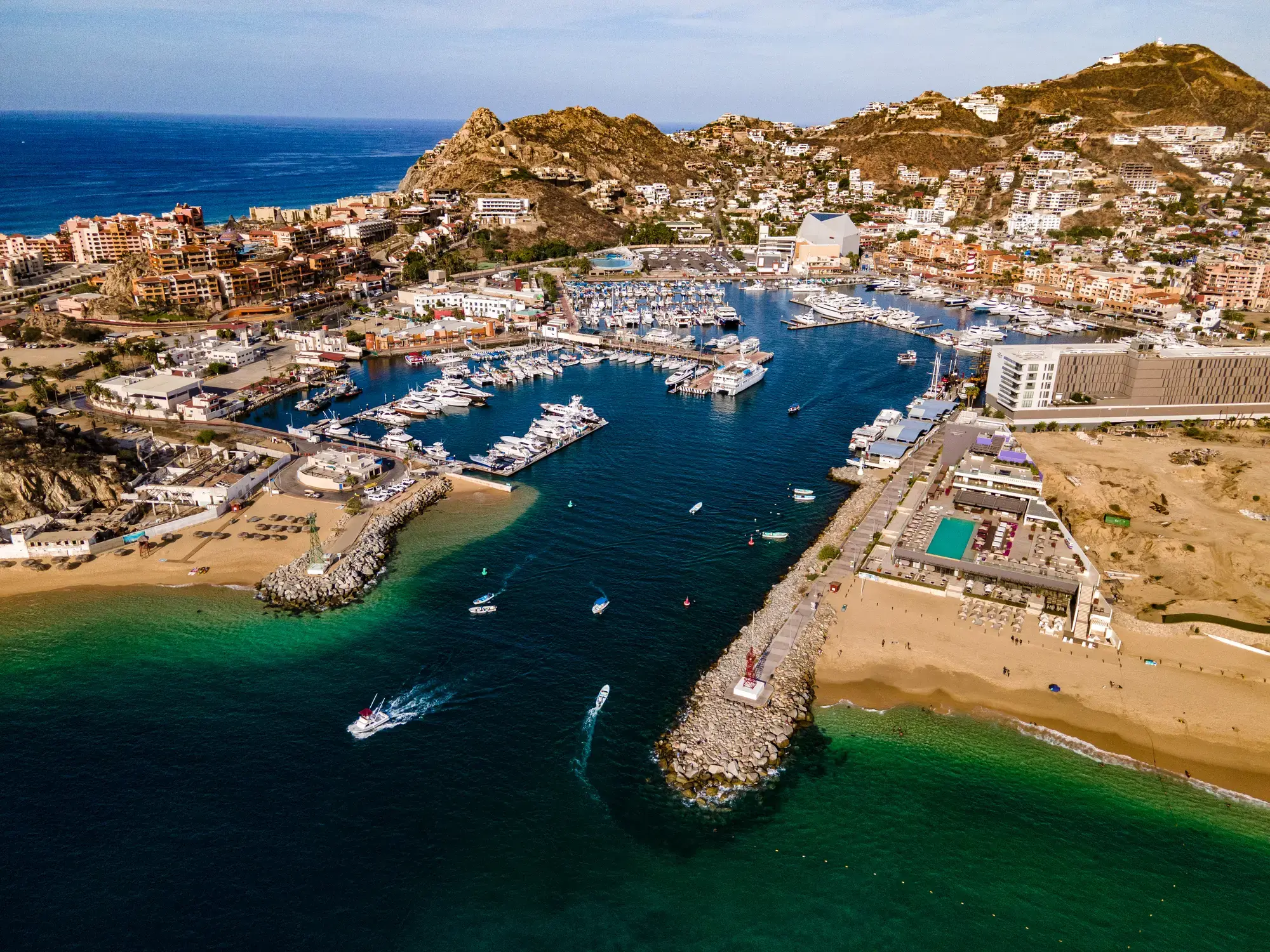
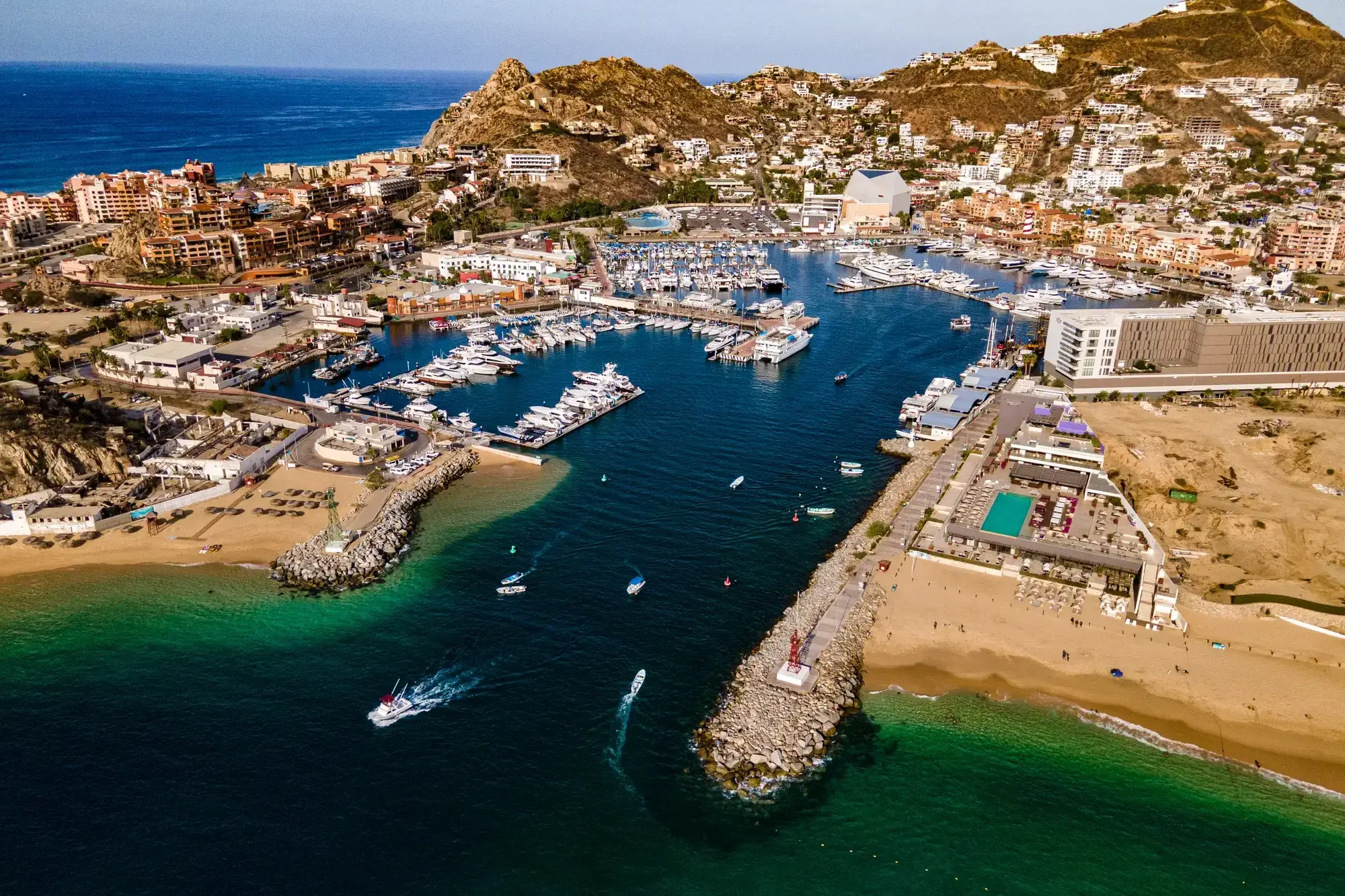
Cabo San Lucas or simply Cabo, is a resort city at the southern tip of the Baja California Peninsula, in the Mexican state of Baja California Sur. As of 2015, the population of the city was 81,111 inhabitants. Cabo San Lucas together with San José del Cabo is known as Los Cabos. Together they form a metropolitan area of 305,983 inhabitants.
Cabo has been rated as one of Mexico's top 5 tourist destinations; it is known for its beaches, scuba diving locations, balnearios, the sea arch El Arco de Cabo San Lucas, and marine life. The Los Cabos Corridor has become a heavily trafficked vacation destination for tourists, with numerous resorts and timeshares along the coast between Cabo San Lucas and San José del Cabo.
Cabo houses a range of wildlife, including rays, sharks, birds, and a range of fish, such as mahi-mahi (dorado), and striped marlin.
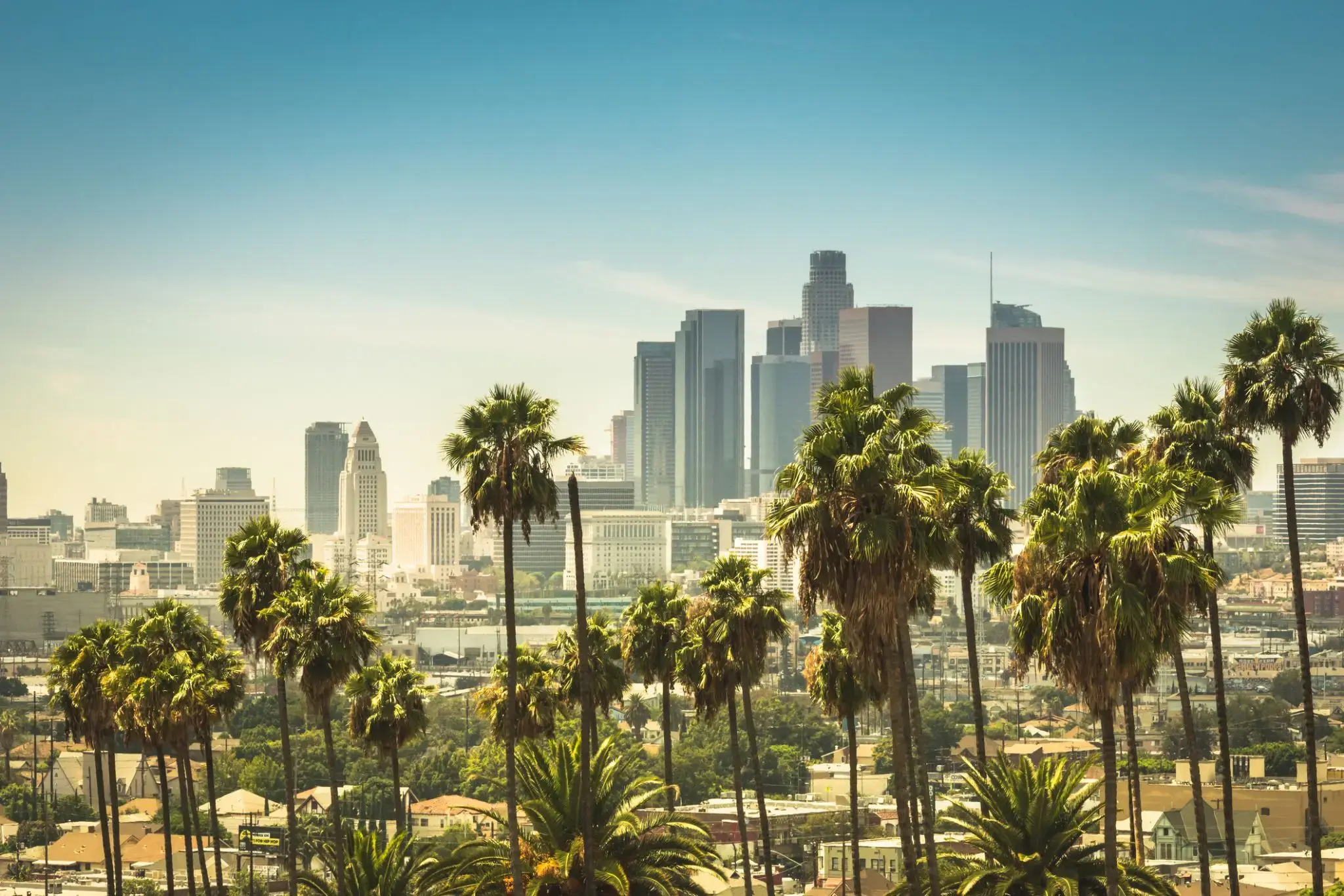
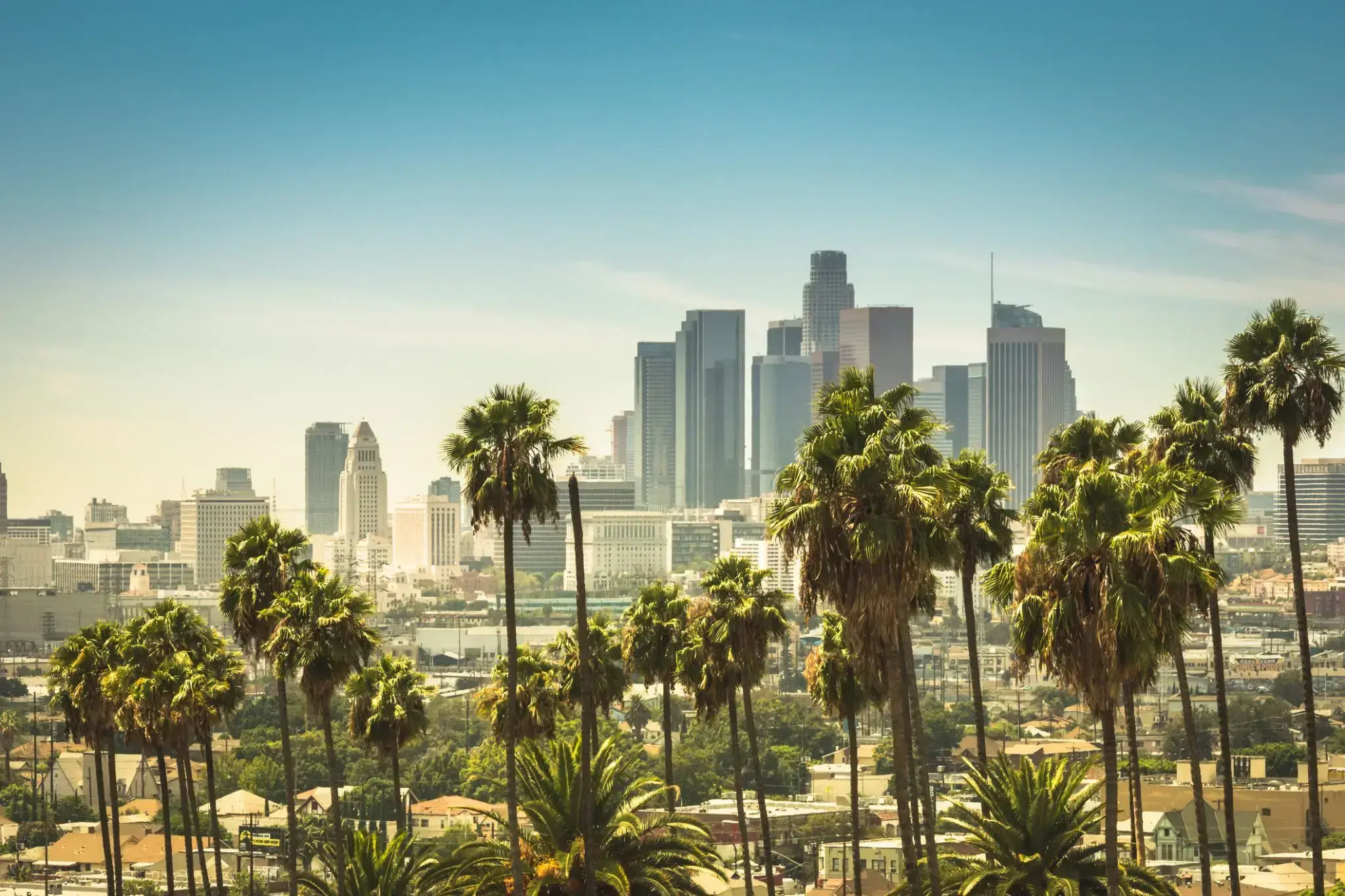
Los Angeles officially the City of Los Angeles and often known colloquially by its initials L.A., is the most populous city in California and the second most populous city in the United States, after New York. With an estimated population of four million, Los Angeles is the cultural, financial, and commercial center of Southern California. Nicknamed the "City of Angels" partly because of its name's Spanish meaning, Los Angeles is known for its Mediterranean climate, ethnic diversity, Hollywood, and the entertainment industry, and sprawling metropolis.
Los Angeles is in a large basin bounded by the Pacific Ocean on one side and by mountains as high as 10,000 feet (3,000 m) on the others. The city proper, which covers about 469 square miles (1,210 km2), is the seat of Los Angeles County, the most populated county in the country. Los Angeles is also the principal city of the Los Angeles metropolitan area, the second largest in the United States after that of New York City, with a population of 13.1 million. It is part of the Los Angeles-Long Beach combined statistical area, also the nation's second most populous area with a 2015 estimated population of 18.7 million.
Los Angeles is one of the most substantial economic engines within the United States, with a diverse economy in a broad range of professional and cultural fields. Los Angeles is also famous as the home of Hollywood, a major center of the world entertainment industry. A global city, it has been ranked 6th in the Global Cities Index and 9th in the Global Economic Power Index. The Los Angeles combined statistical area also has a gross metropolitan productof $831 billion (as of 2008), making it the third-largest in the world, after the Tokyo and New York metropolitan areas. Los Angeles hosted the 1932 and 1984 Summer Olympics and will host the event for a third time in 2028. The city also hosted the Miss Universe pageant twice, in 1990 and 2006, and was one of 9 American cities to host the 1994 FIFA men's soccer World Cup and one of 8 to host the 1999 FIFA women's soccer World Cup, hosting the finalmatch for both tournaments.
Historically home to the Chumash and Tongva, Los Angeles was claimed by Juan Rodríguez Cabrillo for Spain in 1542 along with the rest of what would become Alta California. The city was officially founded on September 4, 1781, by Spanish governor Felipe de Neve. It became a part of Mexico in 1821 following the Mexican War of Independence. In 1848, at the end of the Mexican–American War, Los Angeles and the rest of California were purchased as part of the Treaty of Guadalupe Hidalgo, becoming part of the United States. Los Angeles was incorporated as a municipality on April 4, 1850, five months before California achieved statehood. The discovery of oil in the 1890s brought rapid growth to the city. The completion of the Los Angeles Aqueduct in 1913, delivering water from Eastern California, later assured the city's continued rapid growth.
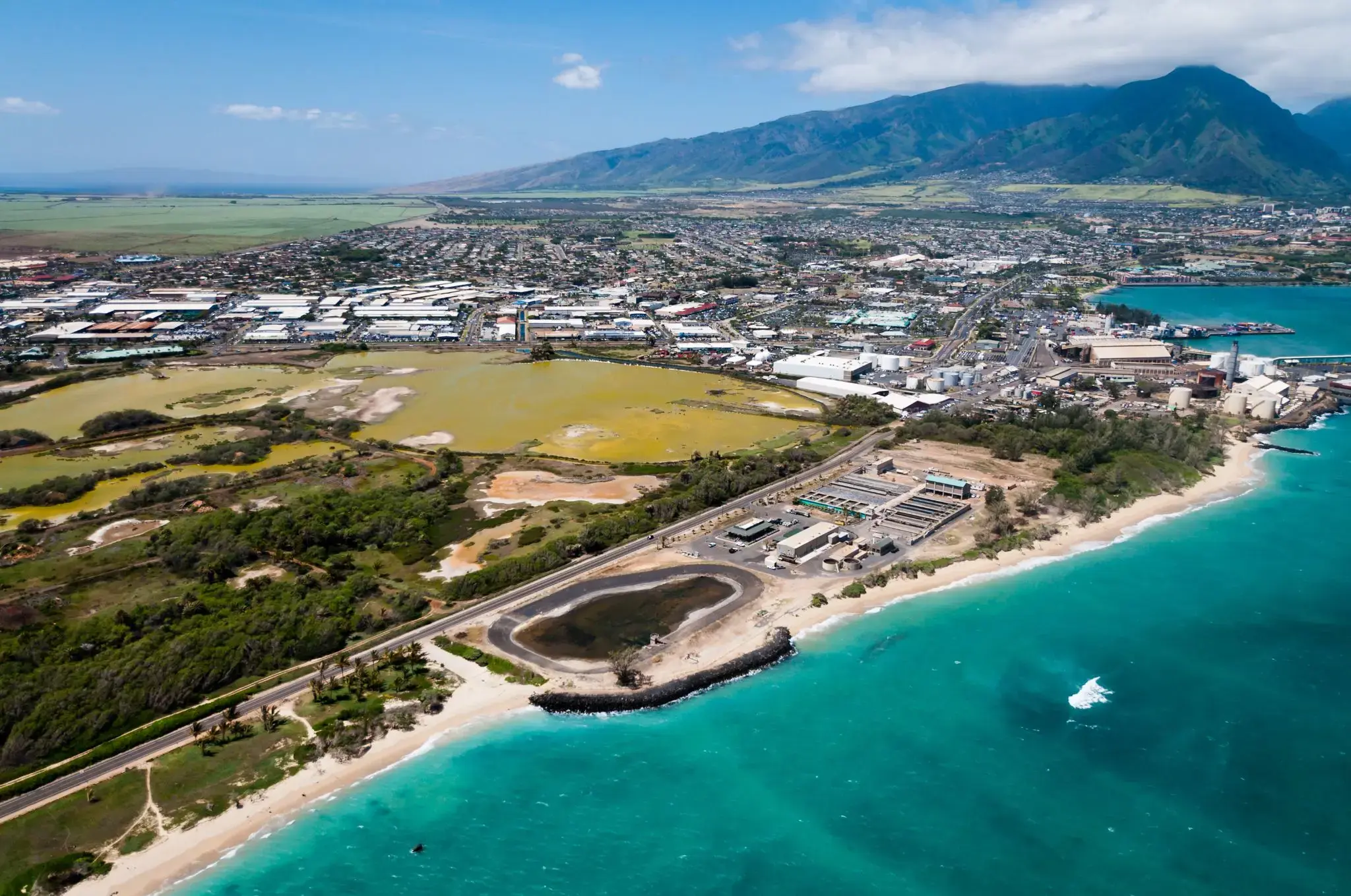
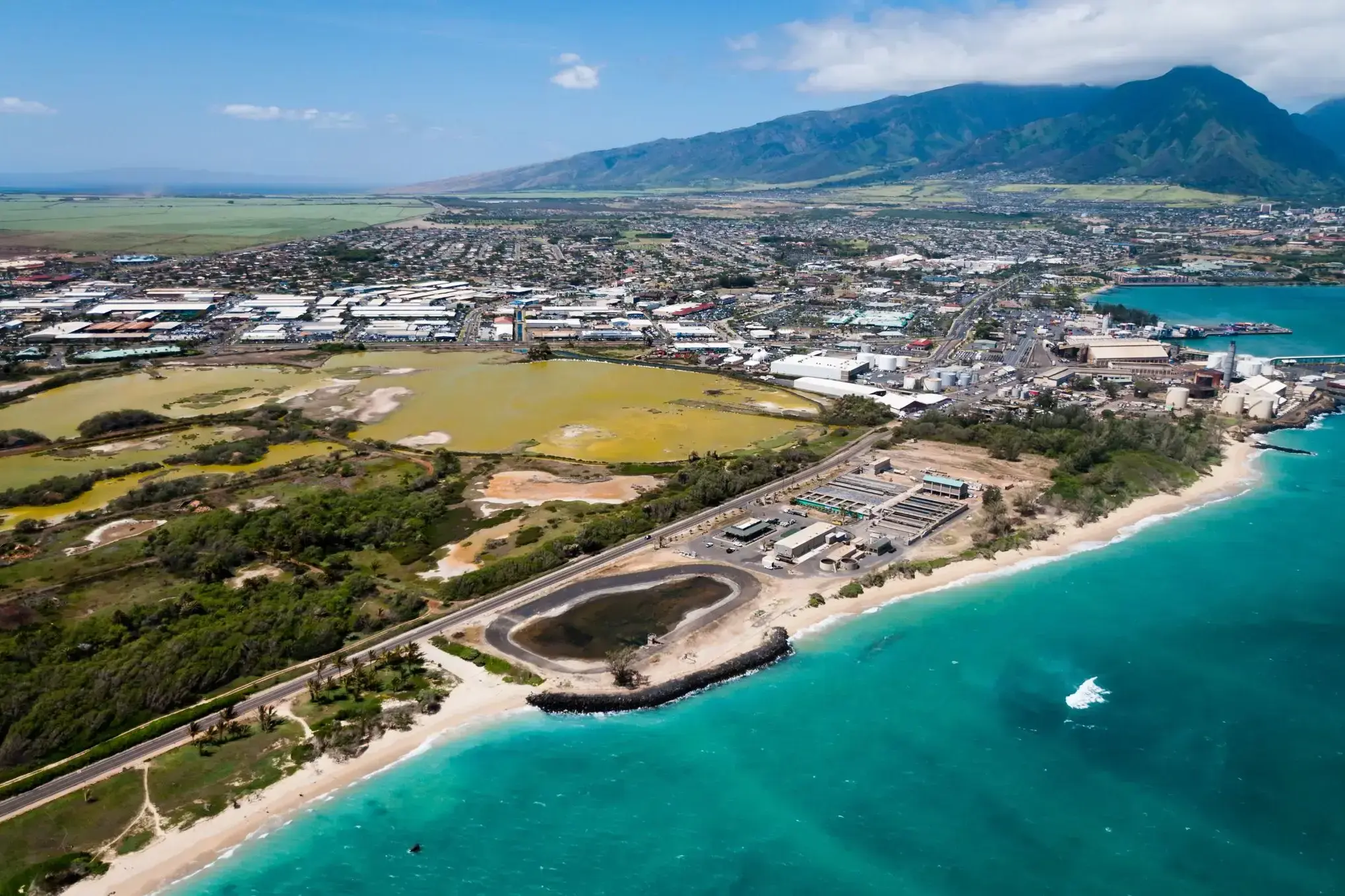
Kahului is a census-designated place (CDP) on the island of Maui in the U.S. state of Hawaii. It hosts Maui's main airport (Kahului Airport), deep-draft harbor, light industrial areas, and commercial shopping centers. The population was 26,337 at the 2010 census. Kahului is part of the Kahului-Wailuku-Lahaina Metropolitan Statistical Area which includes nearby Wailuku and the town and former whaling village of Lahaina.
The retail center for Maui residents, Kahului has several malls and major stores (including department stores in the Queen Kaahumanu Center); other significant groupings of stores are in Lāhainā such as the Lahaina Cannery Mall, the Happy Valley area of Wailuku, Maui Market Place and Maui Mall, which are both also located in Kahului; and The Shops at Wailea in Wailea.
Kahului is not generally considered a tourist destination. It does feature the Alexander & Baldwin Sugar Museum, Kanaha Pond State Wildlife Sanctuary, Kanaha Beach County Park, and the Maui Arts and Cultural Center.
Kahului is served by Kahului Airport, located outside the CDP.
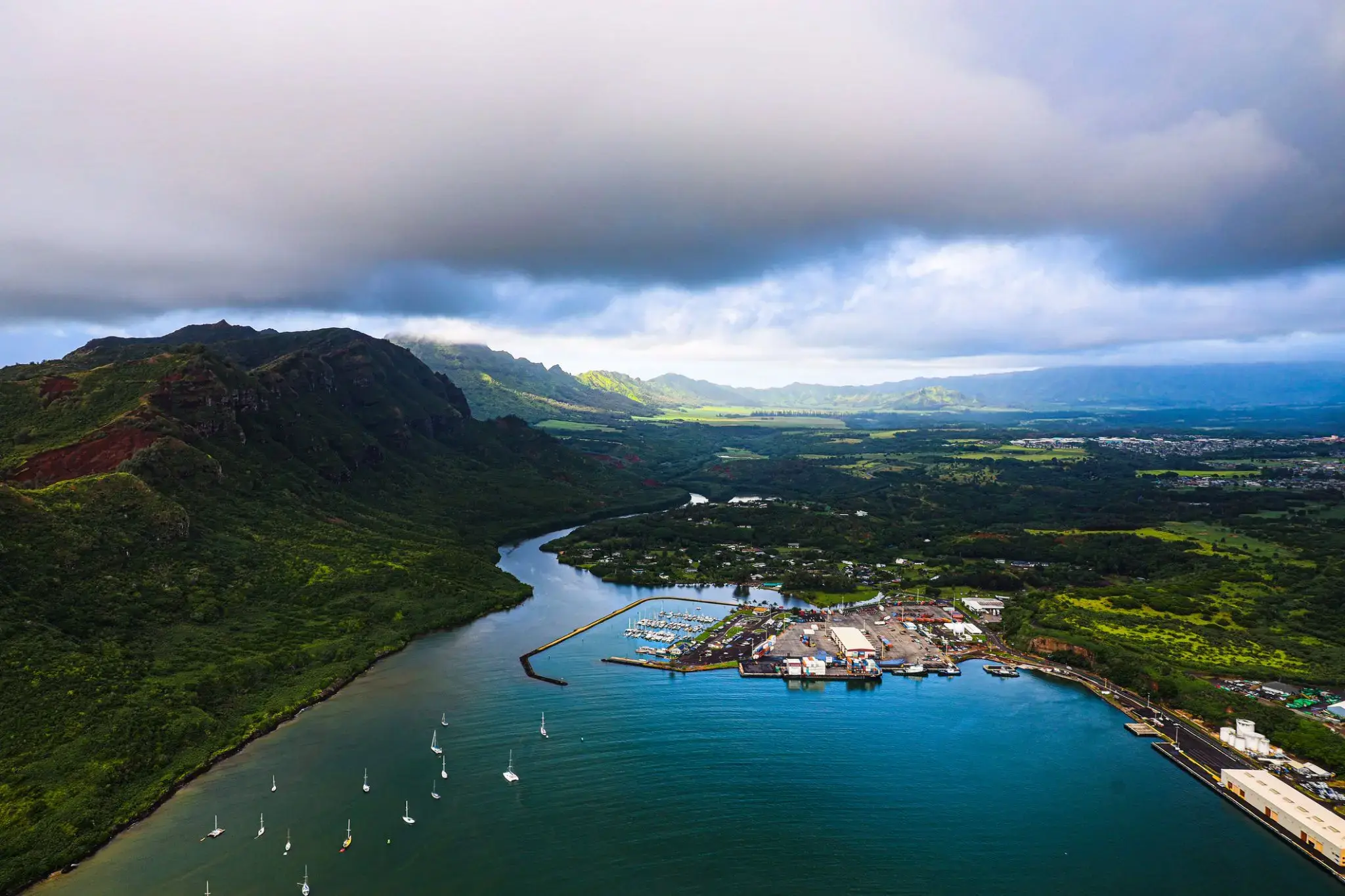
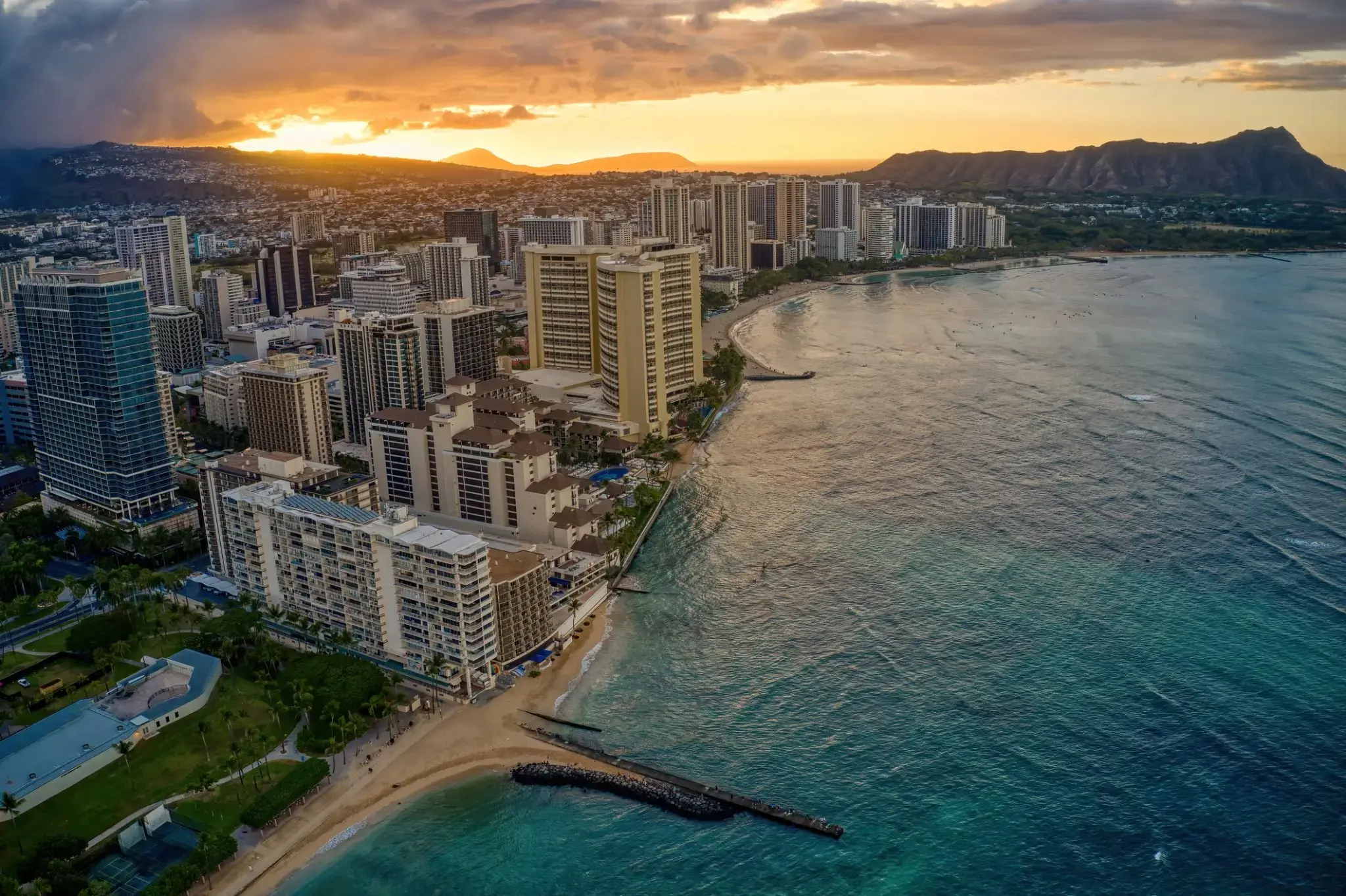
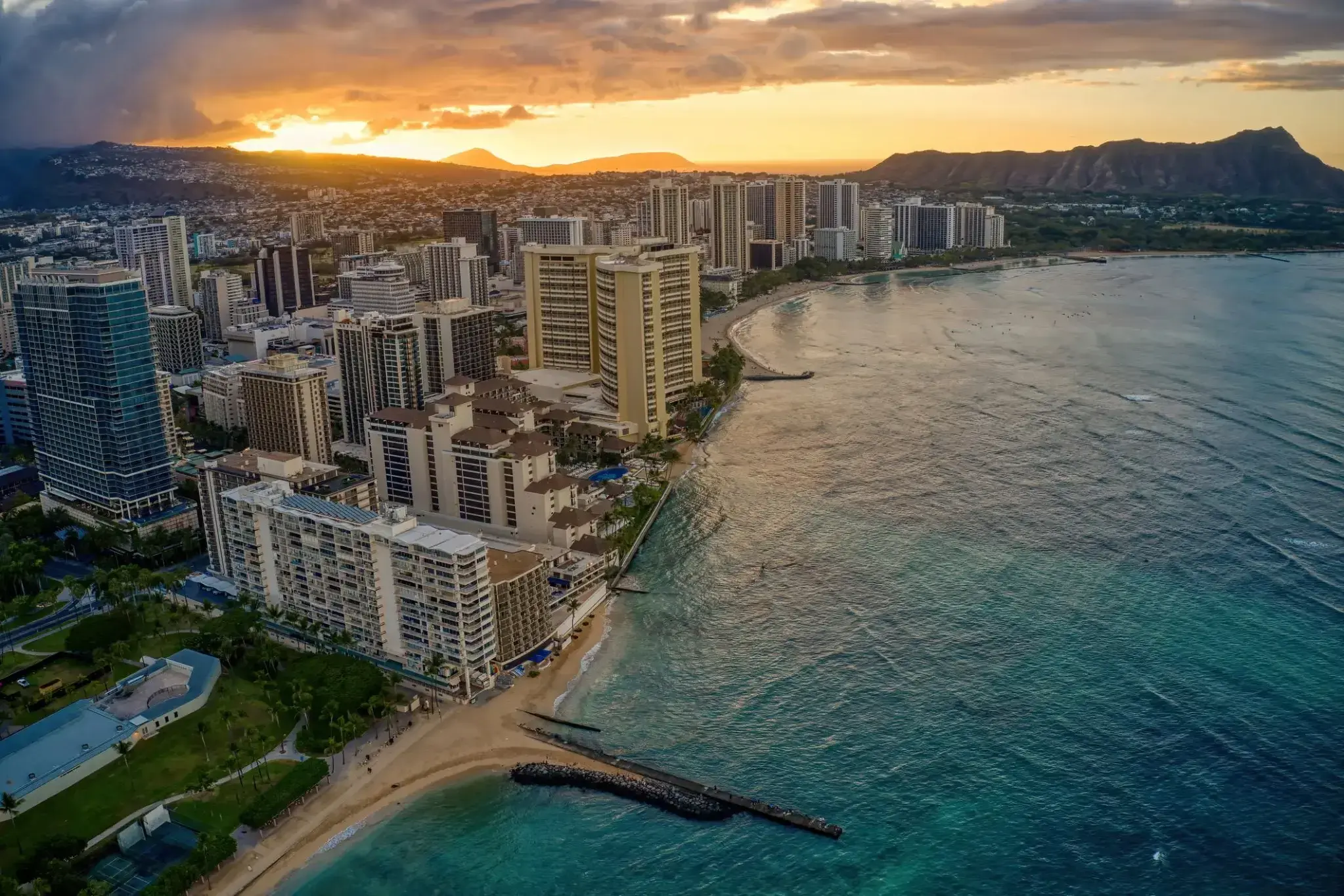
Honolulu is the capital and largest city of the U.S. state of Hawaiʻi. It is an unincorporated part of and the county seat of the City and County of Honolulu along the southeast coast of the island of Oʻahu. The city is the main gateway to Hawaiʻi and a major portal into the United States. The city is also a major hub for international business, military defense, as well as famously being host to a diverse variety of east-west and Pacific culture, cuisine, and traditions.
Honolulu is the most remote city of its size in the world and is the westernmost major U.S. city. For statistical purposes, the United States Census Bureau recognizes the approximate area commonly referred to as "City of Honolulu" (not to be confused with the "City and County") as a census county division (CCD). Honolulu is a major financial center of the islands and of the Pacific Ocean. The population of the Honolulu census designated place(CDP) was 359,870 as of the 2017 population estimate, while the Honolulu CCD was 390,738 and the population of the consolidated city and county was 953,207.
Honolulu means "sheltered harbor" or "calm port". The old name is Kou, a district roughly encompassing the area from Nuʻuanu Avenue to Alakea Street and from Hotel Street to Queen Street which is the heart of the present downtown district. The city has been the capital of the Hawaiian Islands since 1845 and gained historical recognition following the attack on Pearl Harbor by Japan near the city on December 7, 1941.
As of 2015, Honolulu was ranked high on world livability rankings, and was also ranked as the 2nd safest city in the U.S. It is also the most populated Oceanian city outside Australasia and ranks second to Auckland as the most-populous city in Polynesia.
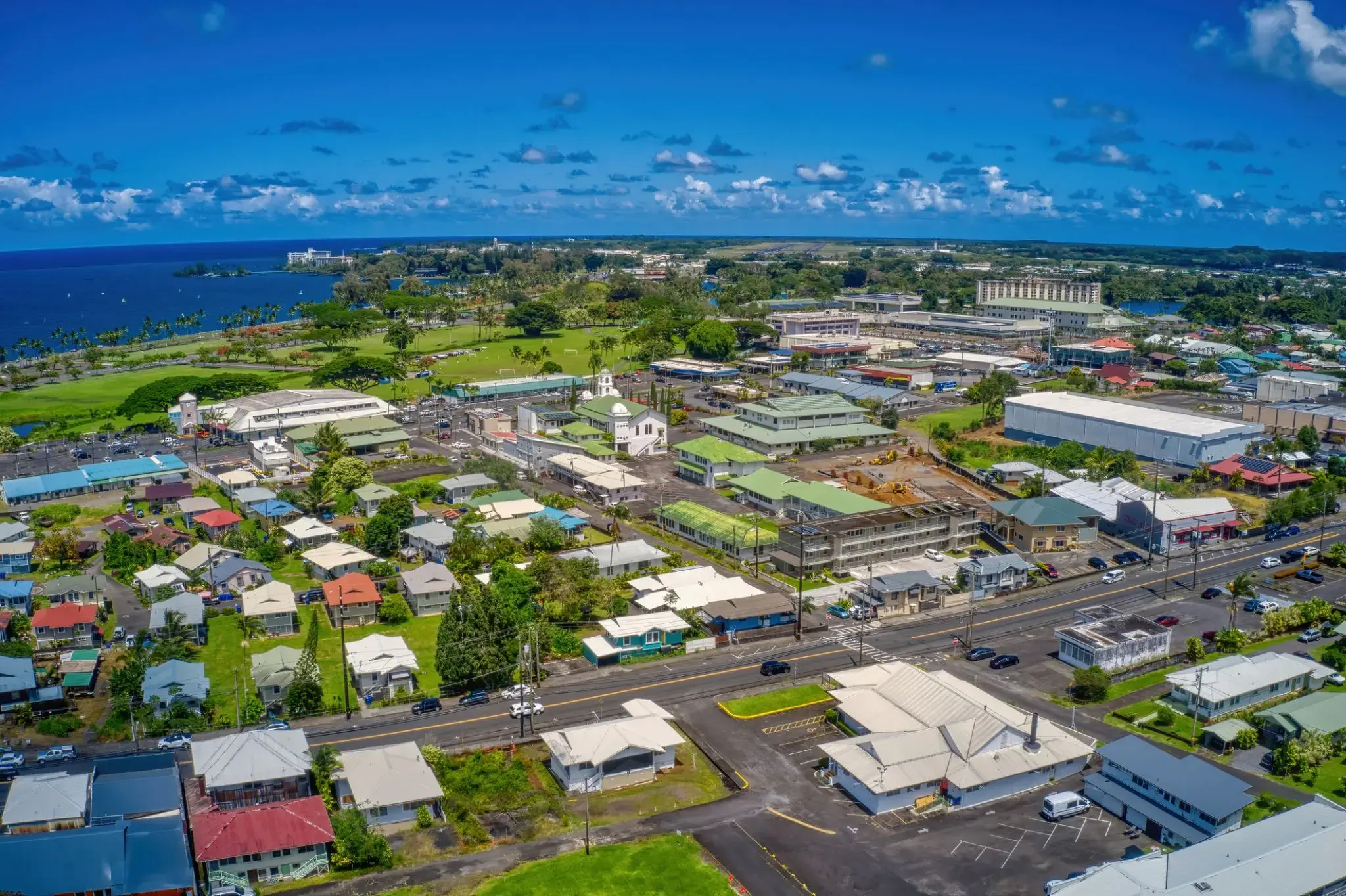
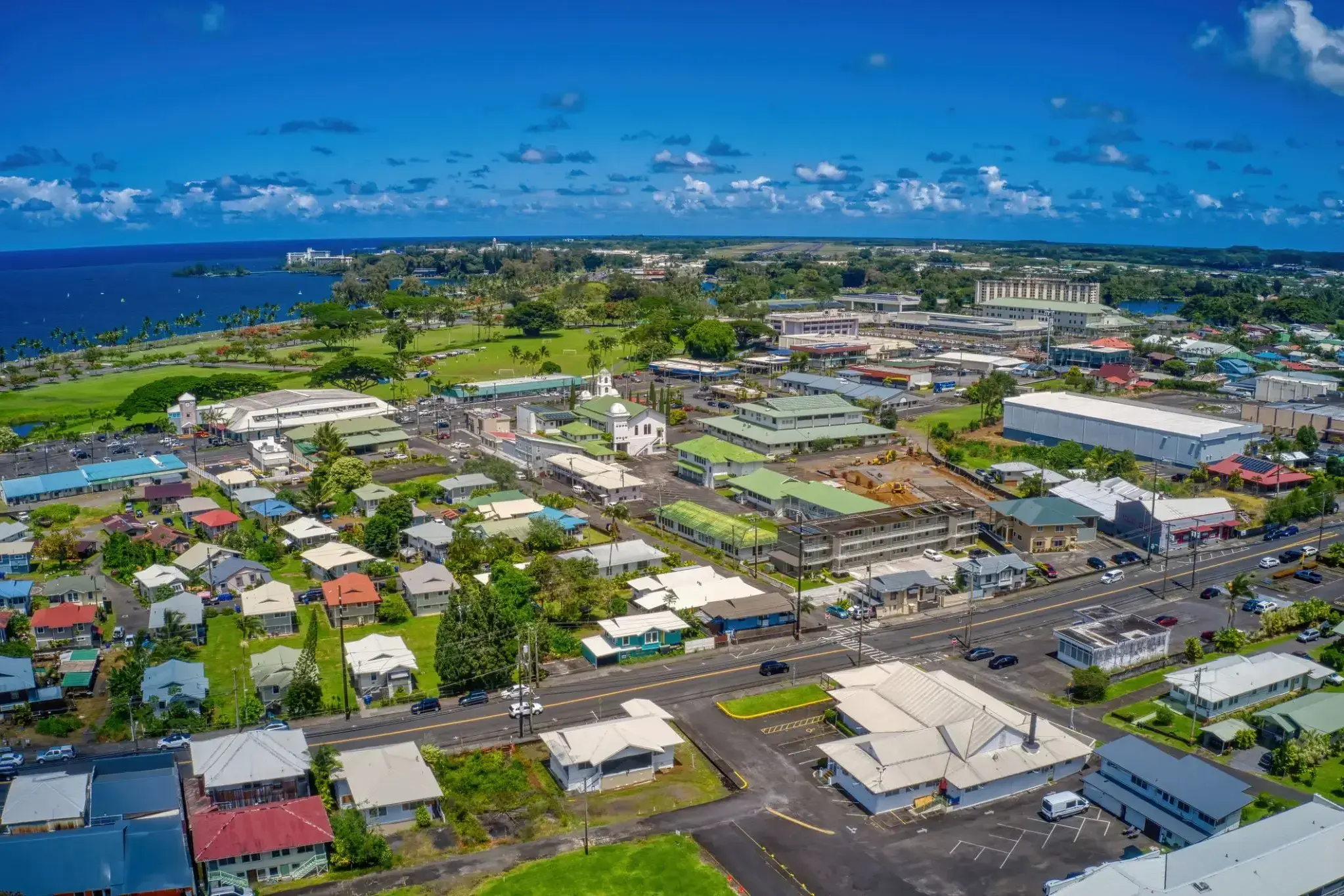
Hilo is the largest settlement and census-designated place (CDP) in Hawaii County, Hawaii, United States, which encompasses the Island of Hawaiʻi. The population was 43,263 at the 2010 census.
Hilo is the county seat of the County of Hawaiʻi and is in the District of South Hilo. The town overlooks Hilo Bay, at the base of two shield volcanoes, Mauna Loa, an active volcano, and Mauna Kea, a dormant volcano and the site of some of the world's most important ground-based astronomical observatories. Much of the city is at some risk from lava flows from Mauna Loa. The majority of human settlement in Hilo stretches from Hilo Bay to Waiākea-Uka, on the flanks of Mauna Loa.
Hilo is home to the University of Hawaiʻi at Hilo, ʻImiloa Astronomy Center of Hawaiʻi, as well as the Merrie Monarch Festival, a week-long celebration of ancient and modern hula that takes place annually after Easter. Hilo is also home to the Mauna Loa Macadamia Nut Corporation, one of the world's leading producers of macadamia nuts. The town is served by Hilo International Airport.
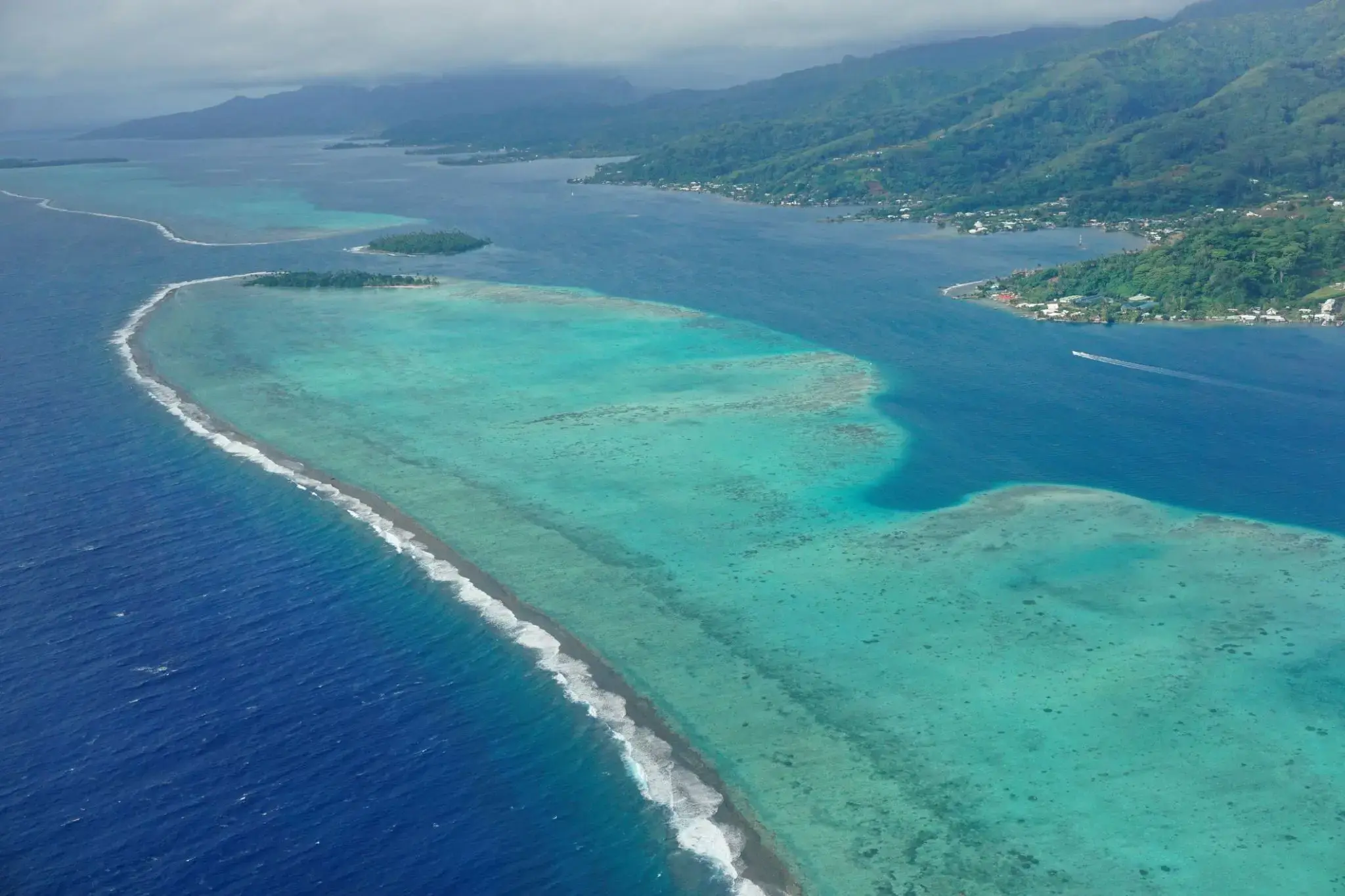
Uważana za serce Polinezji, Raiatea otoczona jest turkusowymi lagunami i zielonymi górami, tworząc krajobrazy, które pozostają w pamięci każdego podróżnika. Wyspa przyciąga poszukiwaczy przygód możliwością wędrówek do wodospadów, spacerów kwitnącymi dolinami oraz odkrywania starożytnych stanowisk archeologicznych, w tym świętego miejsca Marae Taputapuatea wpisanego na listę światowego dziedzictwa UNESCO.
Raiatea znana jest również jako punkt startowy rejsów jachtowych po Wyspach Towarzystwa dzięki rozwiniętej infrastrukturze i przytulnym portom. Można tu nurkować w krystalicznie czystych wodach, podziwiać kolorowe ryby i rafy koralowe lub po prostu spędzić dzień na białych plażach, ciesząc się spokojem tropikalnej Polinezji.
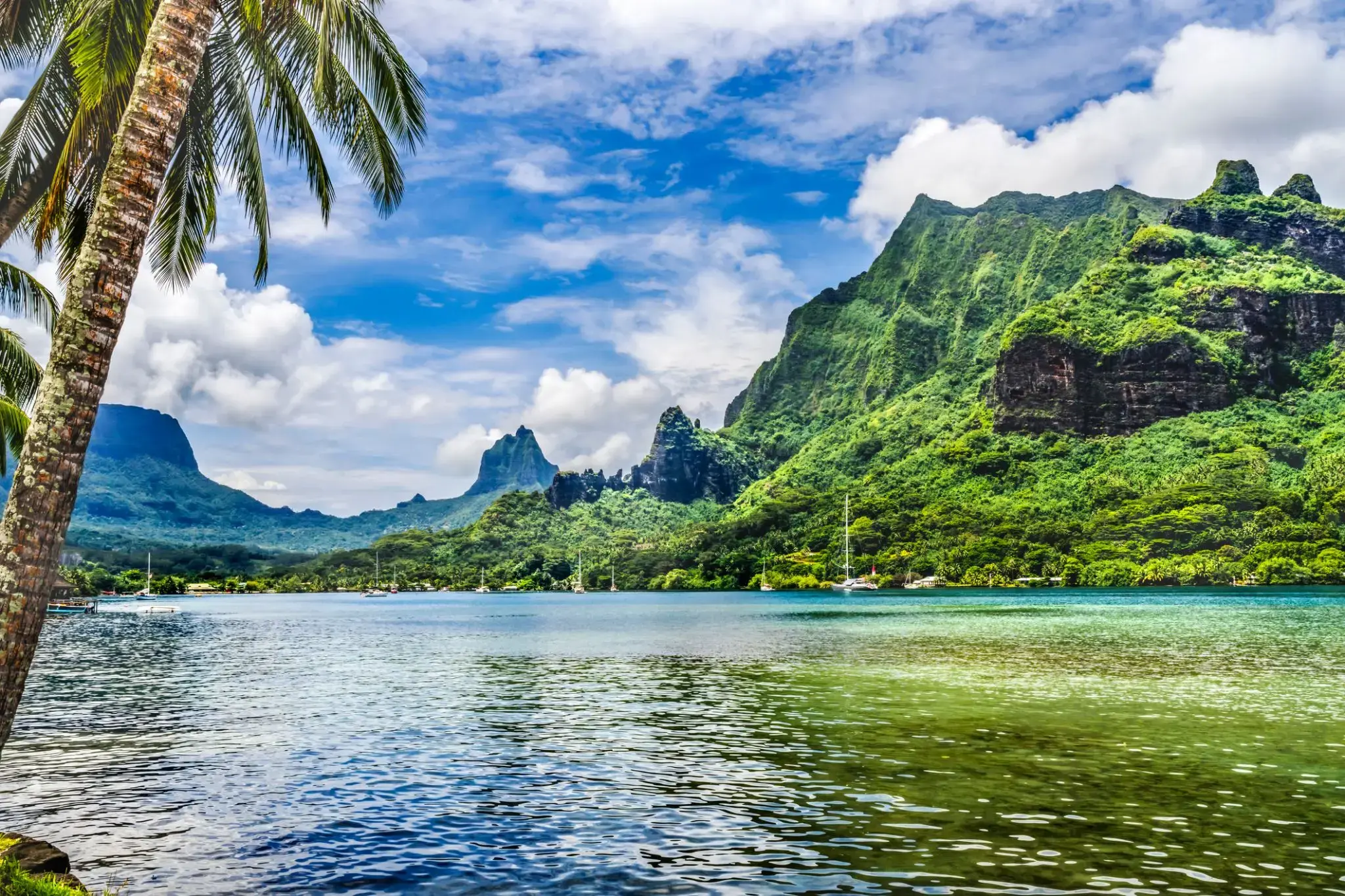
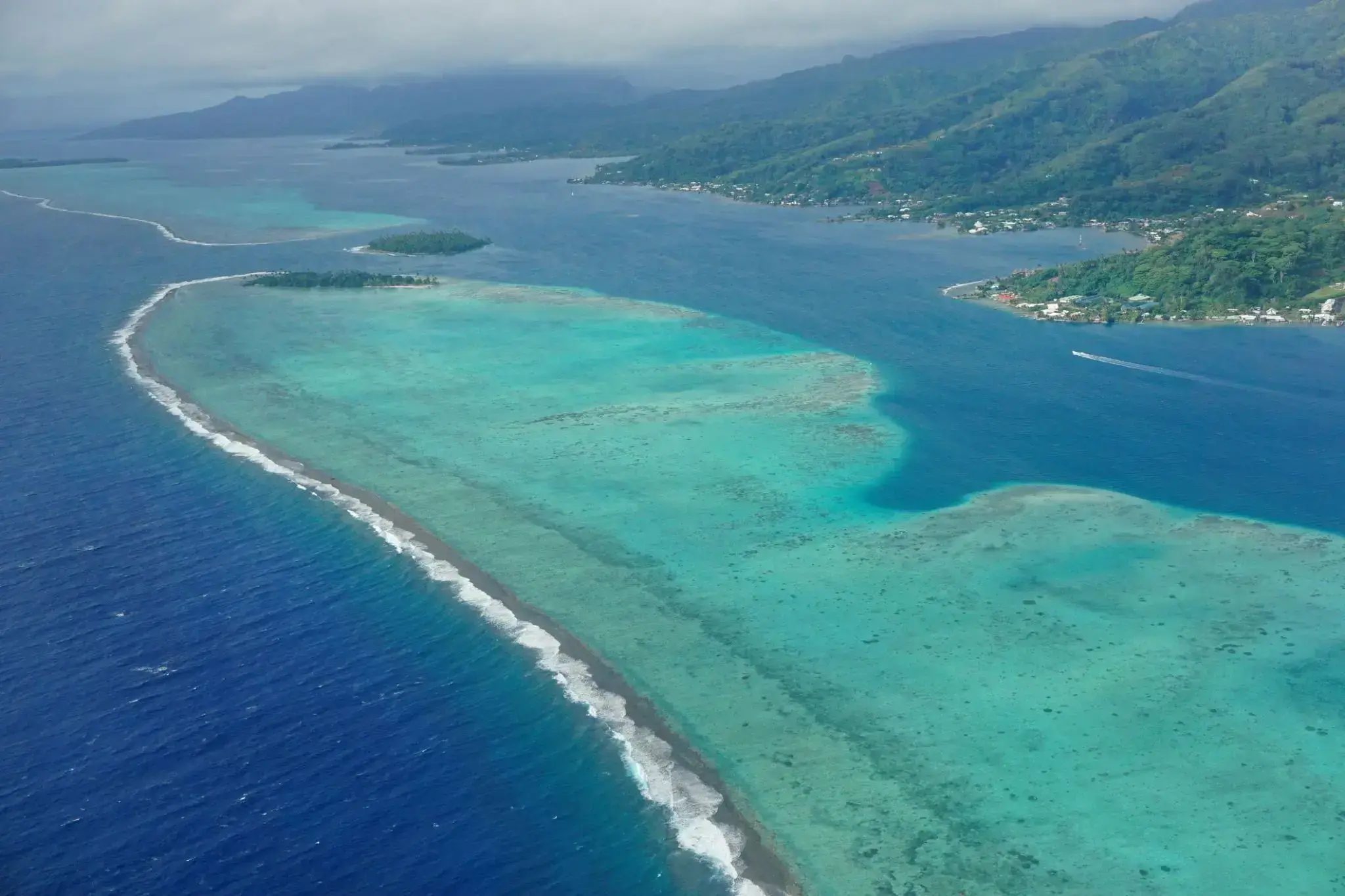
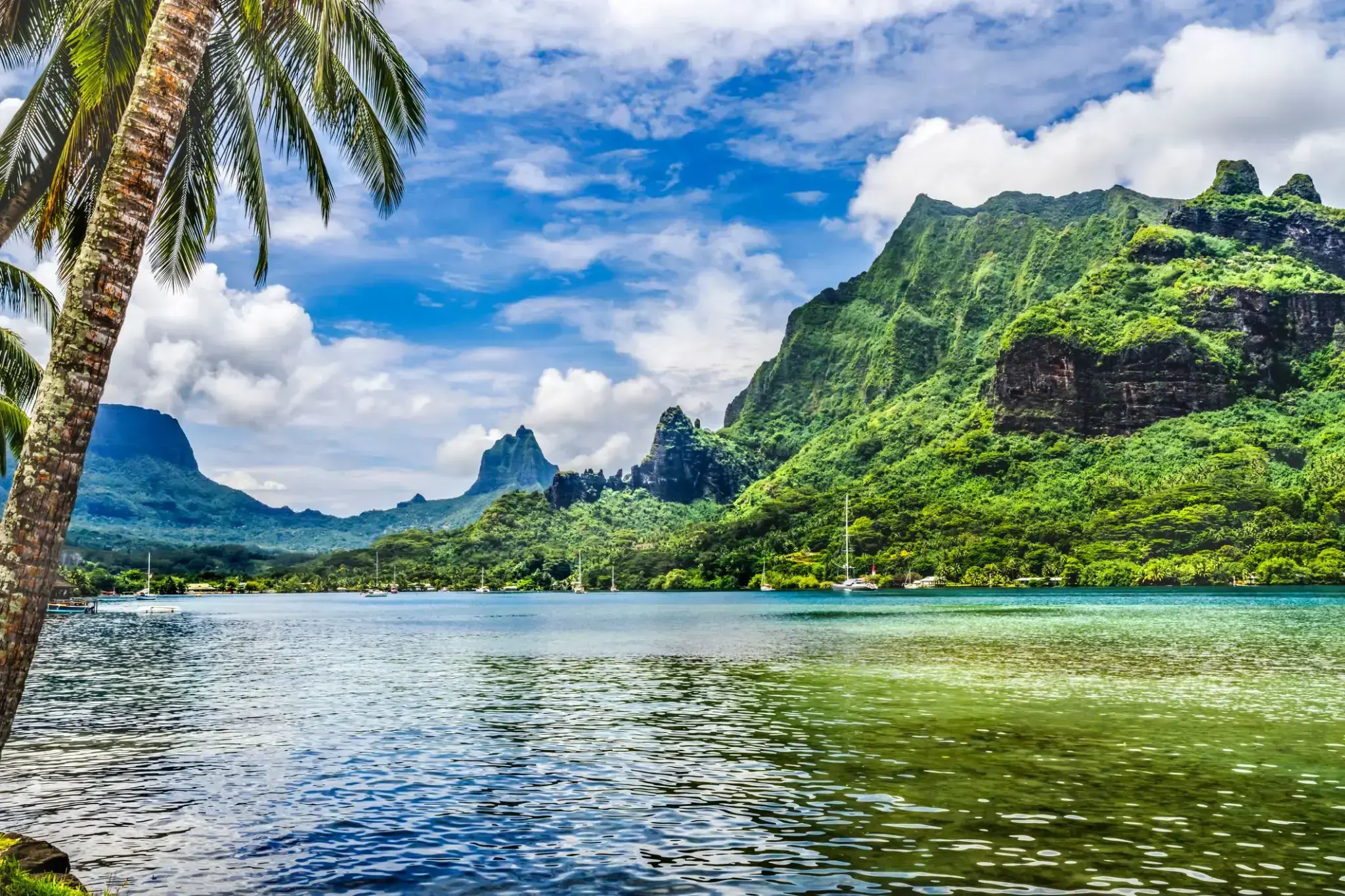
The island was formed as a volcano 1.5 to 2.5 million years ago, the result of a Society hotspot in the mantle under the oceanic plate that formed the whole of the Society Archipelago. It is theorized that the current bays were formerly river basins that filled during the Holocene searise.
Mo'orea is about 10 miles in width from the west to the east. There are two small, nearly symmetrical bays on the north shore. The one to the west is called 'Ōpūnohu Bay, which is not very populated but many travelers have come into the bay. The main surrounding communes of the bay are Piha'ena in the east and Papetō'ai to the west. The one to the east is Cook's Bay, also called Pao Pao Bay since the largest commune of Mo'orea is at the bottom of the bay. The other communes are Piha'ena to the west and busy Maharepa to the east. The highest point is Mount Tohi'e'a, near the center of Mo'orea. It dominates the vista from the two bays and can be seen from Tahiti. There are also hiking trails in the mountains. The Vai'are Bay is another small inlet, smaller than the two main bays, on the east shore. This bay has been settled a lot and has a lot of business. The main village is located just south of the bay.
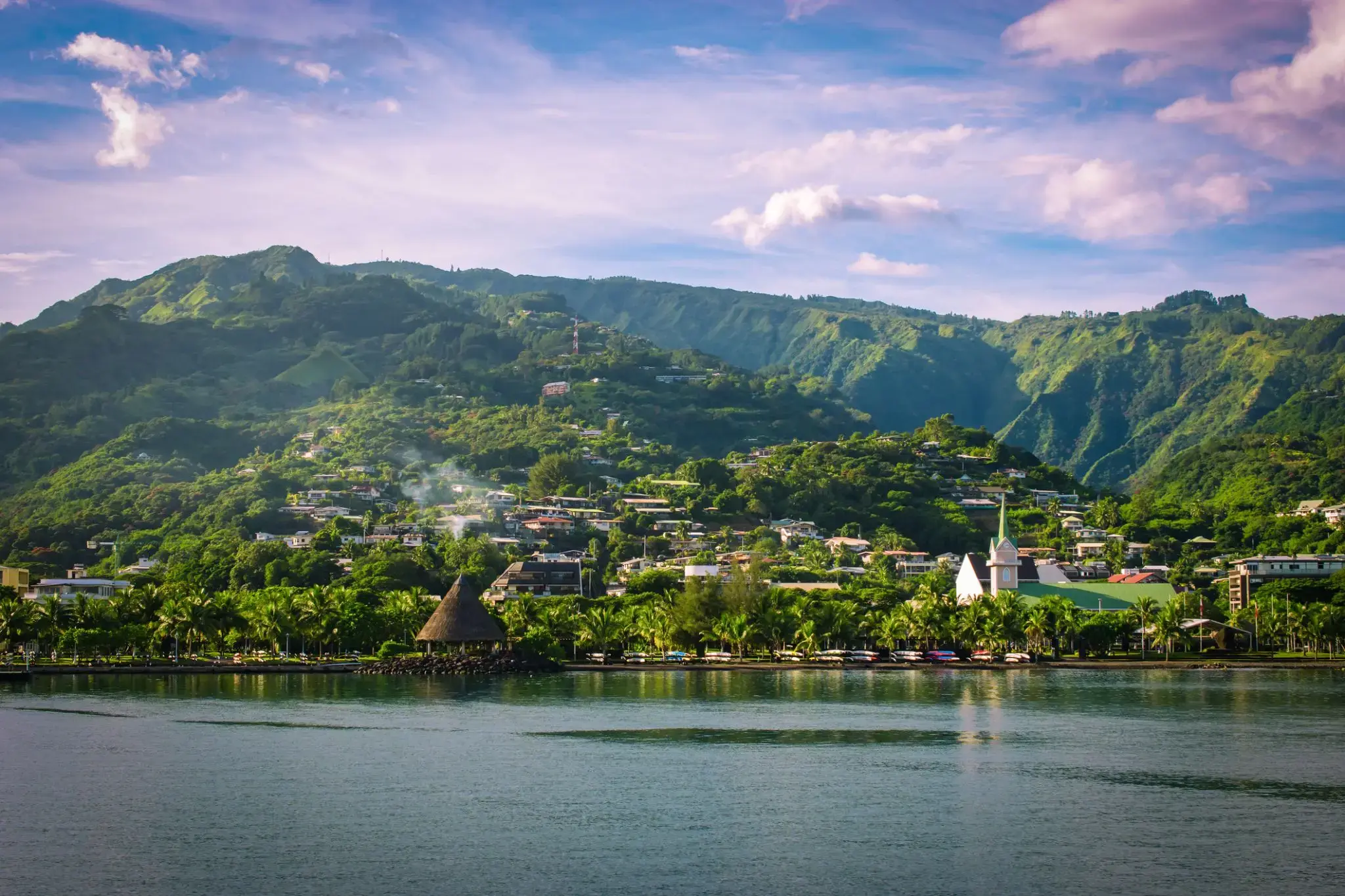
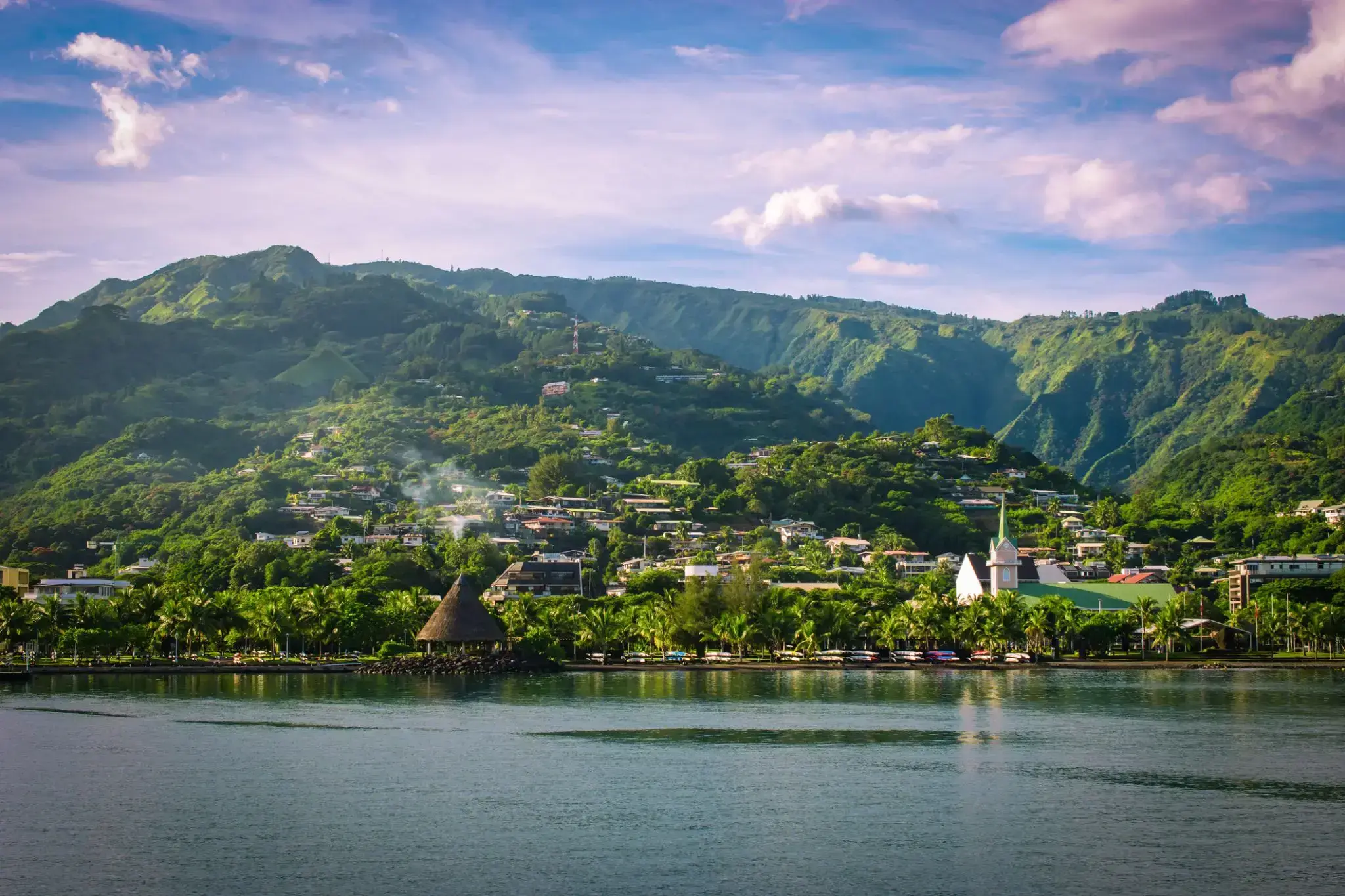
Papeete is the capital city of French Polynesia, an overseas collectivity of France in the Pacific Ocean. The commune of Papeete is located on the island of Tahiti, in the administrative subdivision of the Windward Islands, of which Papeete is the administrative capital. The French High Commissioner also resides in Papeete. It is the primary center of Tahitian and French Polynesian public and private governmental, commercial, industrial and financial services, the hub of French Polynesian tourism and a commonly used port of call. The Windward Islands are themselves part of the Society Islands. The name Papeete means "water from a basket".
The urban area of Papeete had a total population of 136,771 inhabitants at the August 2017 census, 26,926 of whom lived in the commune of Papeete proper.
Papeete is the capital city of French Polynesia, an overseas collectivity of France in the Pacific Ocean. The commune of Papeete is located on the island of Tahiti, in the administrative subdivision of the Windward Islands, of which Papeete is the administrative capital. The French High Commissioner also resides in Papeete. It is the primary center of Tahitian and French Polynesian public and private governmental, commercial, industrial and financial services, the hub of French Polynesian tourism and a commonly used port of call. The Windward Islands are themselves part of the Society Islands. The name Papeete means "water from a basket".
The urban area of Papeete had a total population of 136,771 inhabitants at the August 2017 census, 26,926 of whom lived in the commune of Papeete proper.
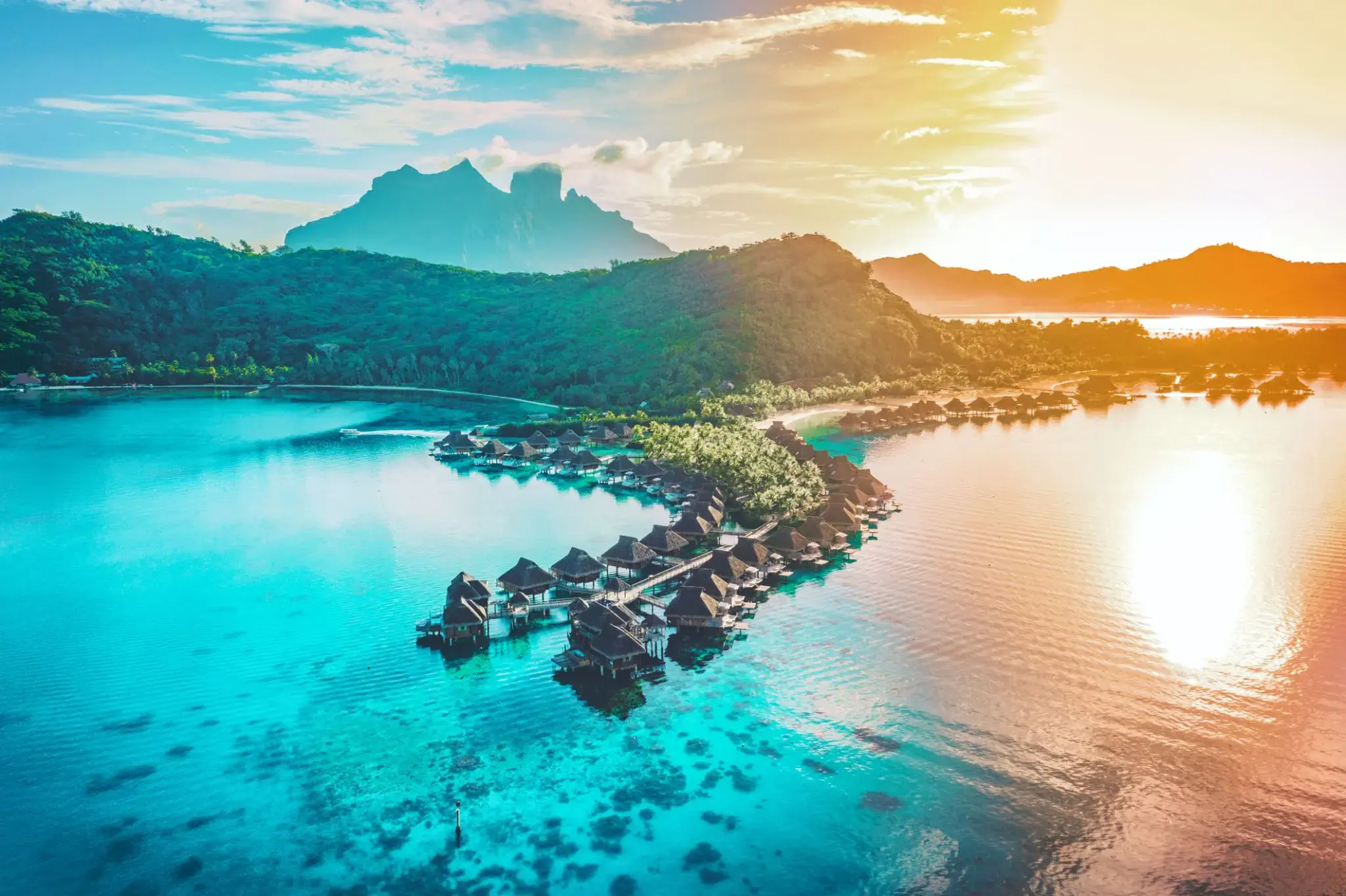
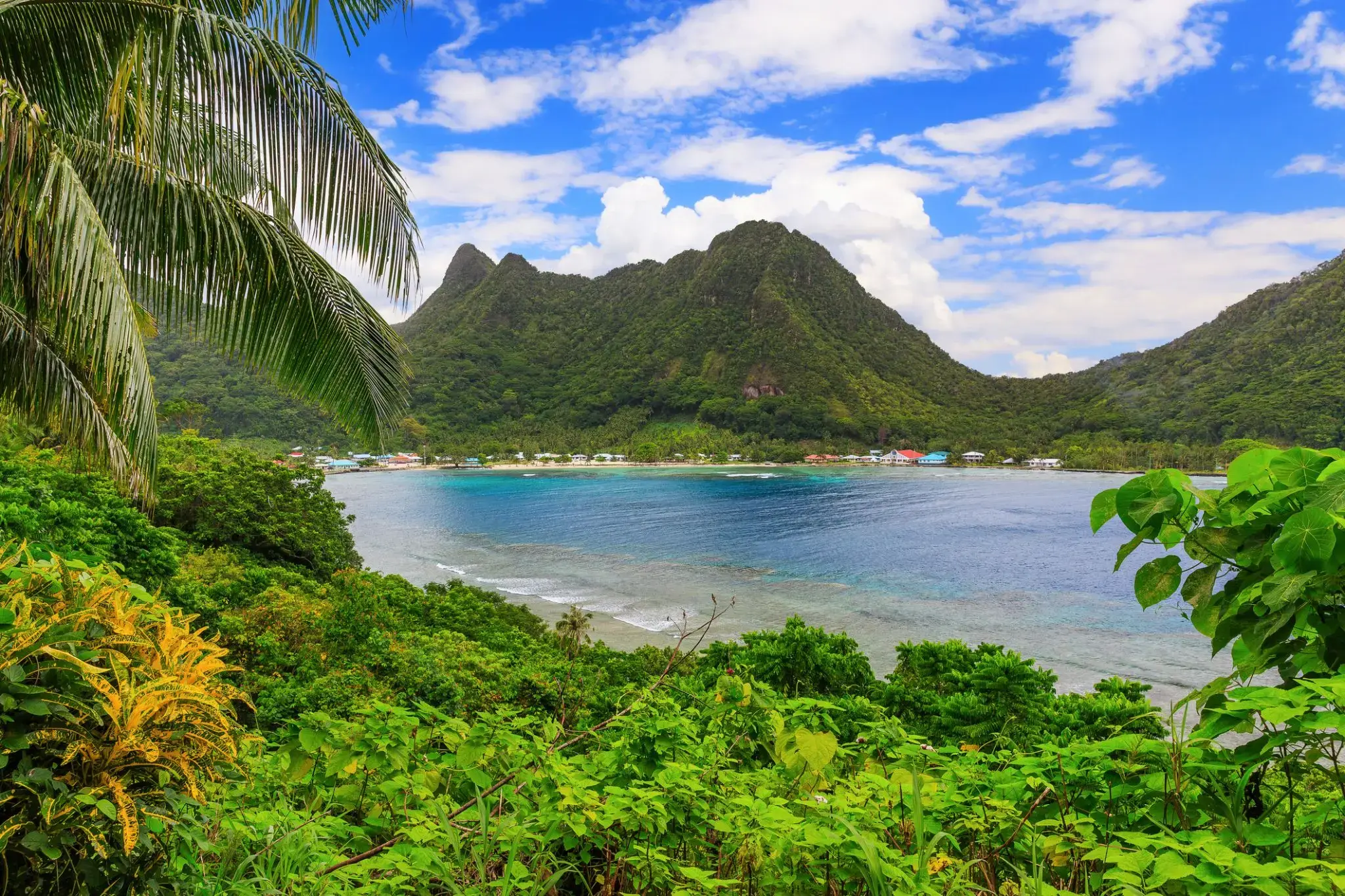
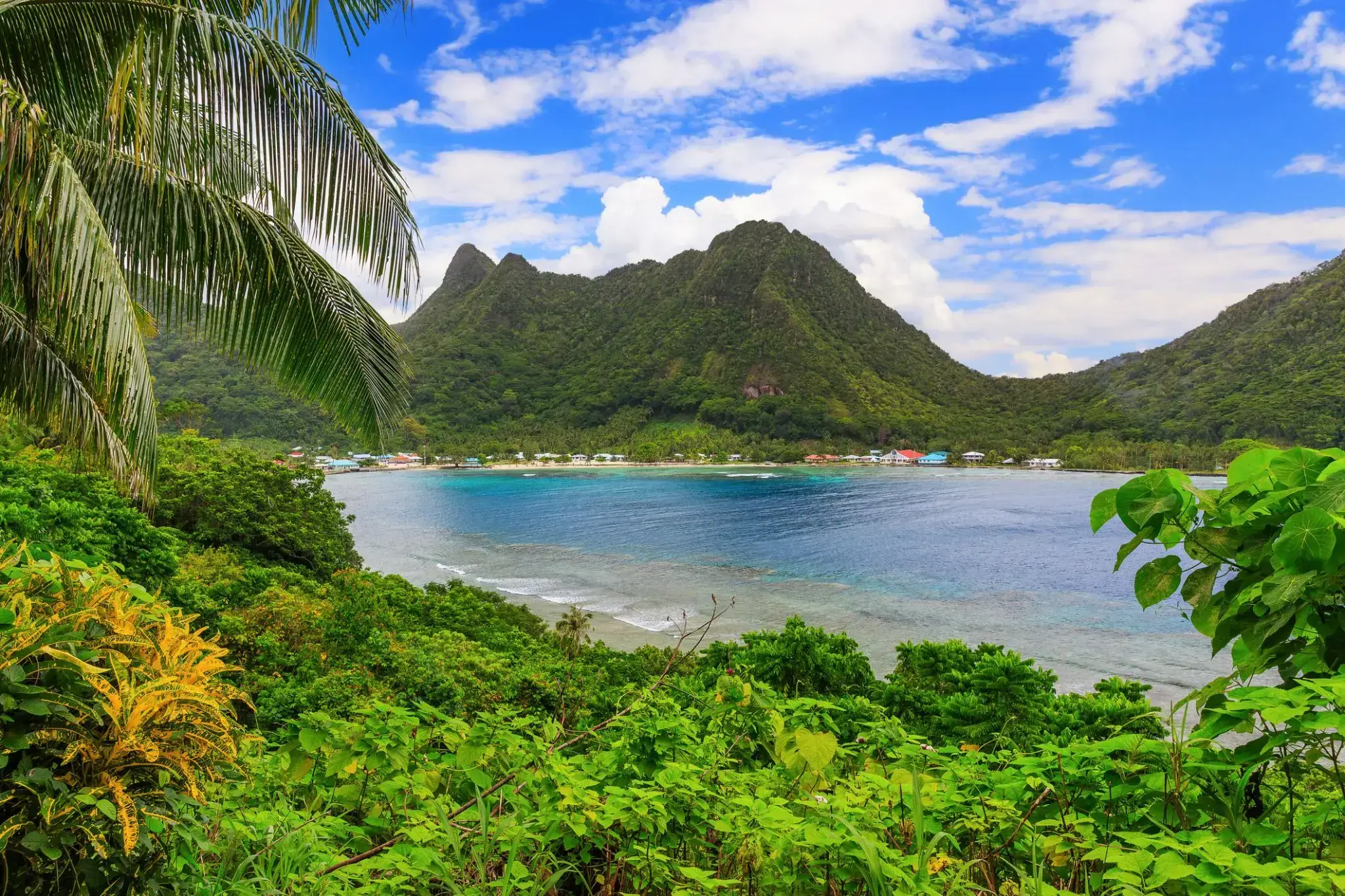
Pago Pago is the territorial capital of American Samoa. It is in Maoputasi County on the main island of American Samoa, Tutuila. It is home to one of the best and deepest natural deepwater harbors in the South Pacific Ocean, sheltered from wind and rough seas, and strategically located. The harbor is also one of the best protected in the South Pacific, which gives American Samoa a natural advantage with respect to landing fish for processing. Tourism, entertainment, food, and tunacanning are its main industries. Pago Pago was the world's 4th largest tuna processor as of 1993. It was home to two of the largest tuna companies in the world: Chicken of the Sea and StarKist, which exported an estimated $445 million in canned tuna to the U.S. mainland.
Pago Pago is the only modern urban center in American Samoa. The Greater Pago Pago Metropolitan Area encompasses several villages strung together along Pago Pago Harbor. One of the villages is itself named Pago Pago, and in 2010 had a population of 3,656. The constituent villages are, in order, Utulei, Fagatogo, Malaloa, Pago Pago, Satala and Atu'u. Fagatogo is the downtown area referred to as Town and is home to the legislature, while the executive is located in Utulei. In Fagatogo is the Fono, Police Department, Port of Pago Pago, many shops and hotels. The Greater Pago Pago Area was home to 8,000 residents in 2000.
Rainmaker Mountain (Mount Pioa) is located in Pago Pago, and gives the city the highest annual rainfall of any harbor in the world.
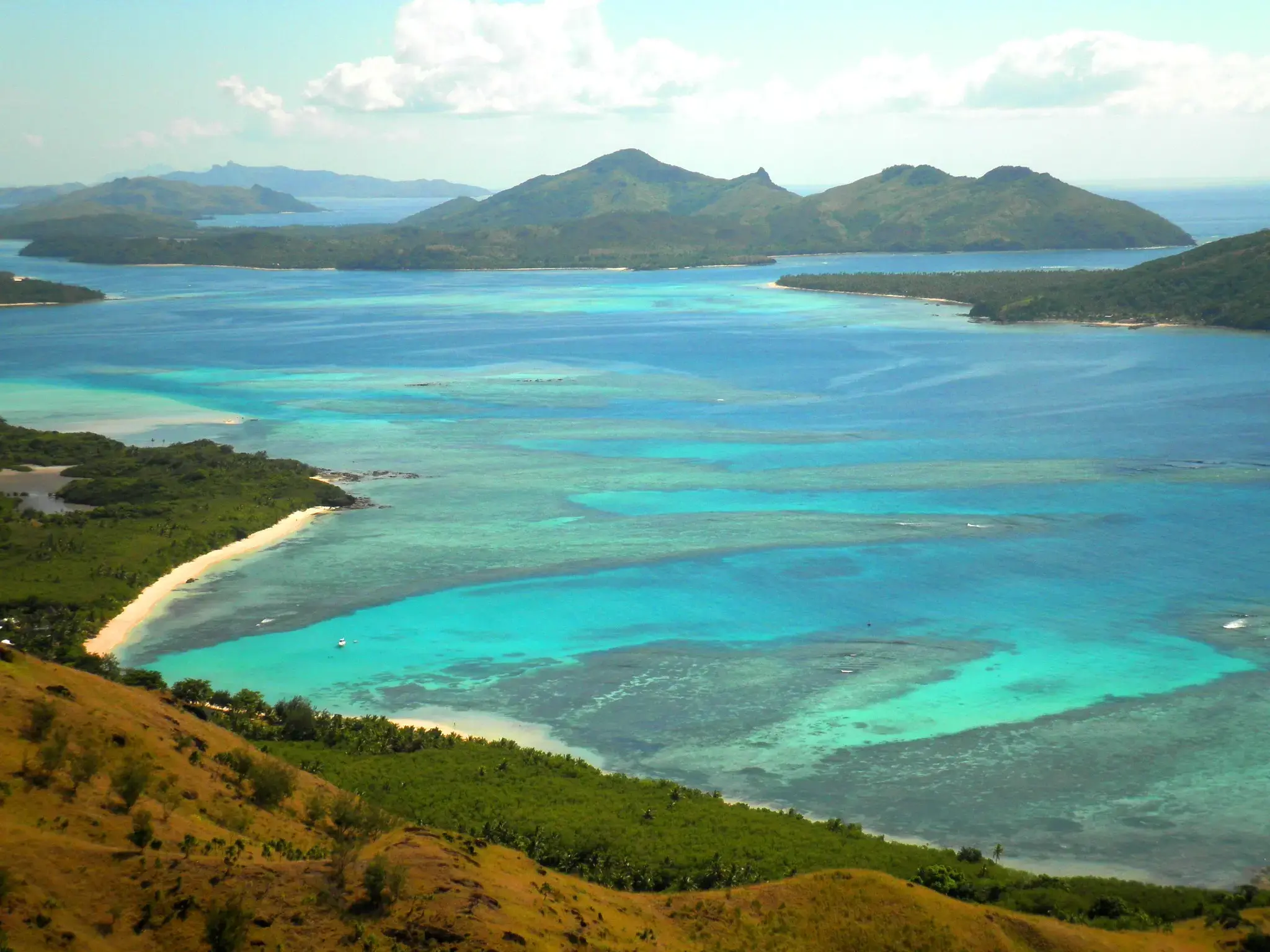
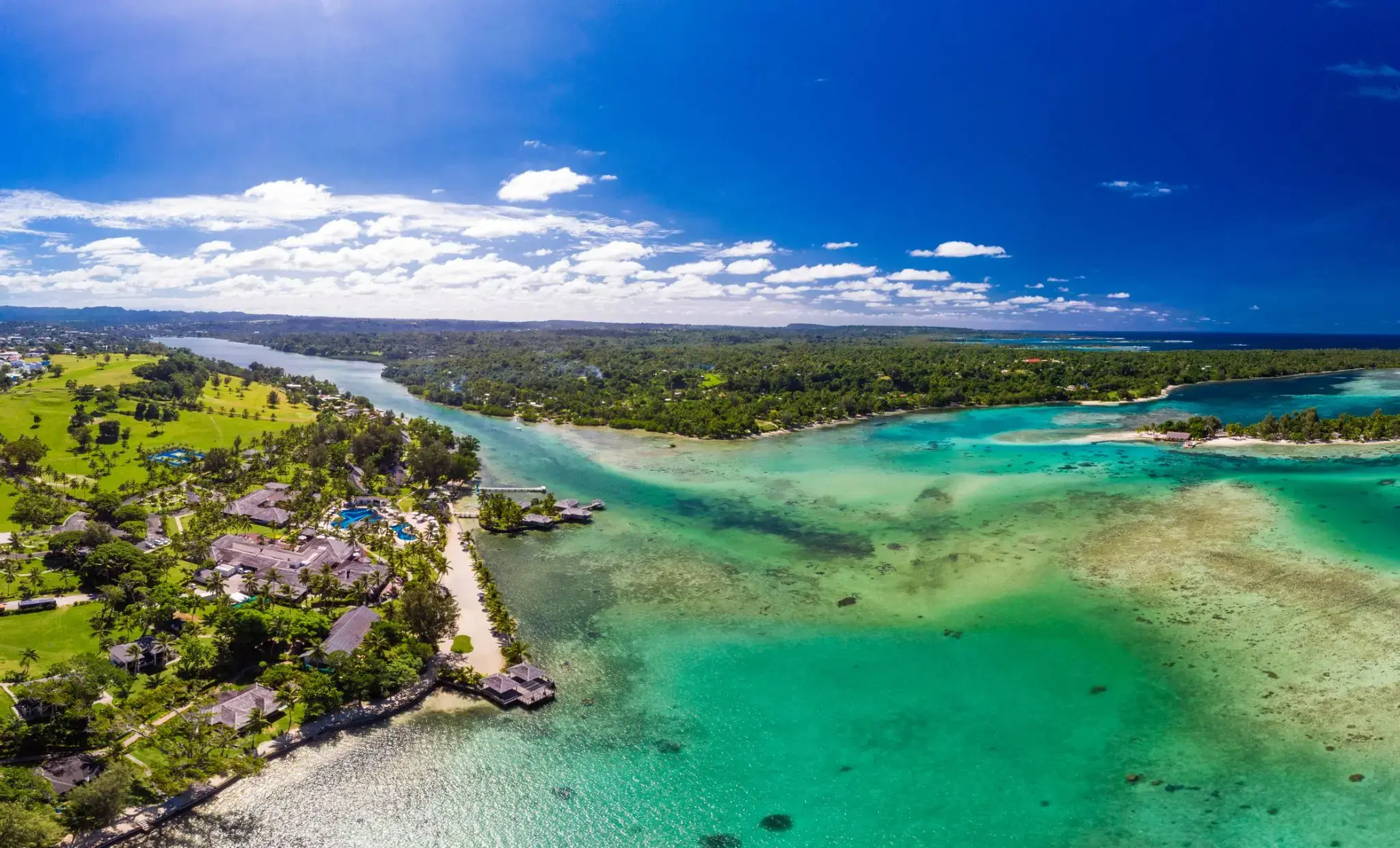
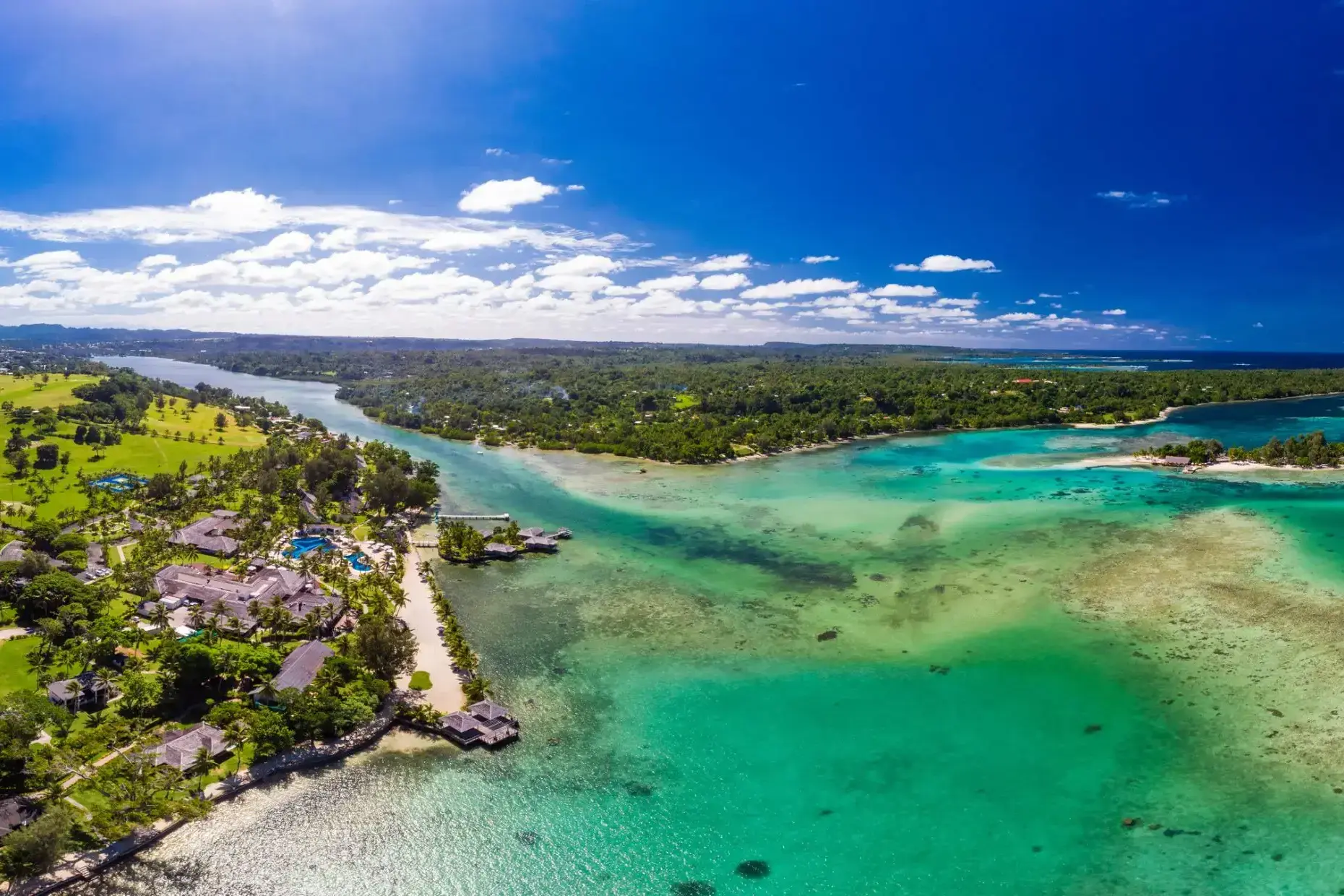
Port Vila is the capital and largest city of Vanuatu and is on the island of Efate.
Its population in the last census (2009) was 44,040, an increase of 35% on the previous census result (29,356 in 1999). In 2009, the population of Port Vila formed 18.8% of the country's population, and 66.9% of the population of Efate.
On the south coast of the island of Efate, in Shefa Province, Port Vila is the economic and commercial centre of Vanuatu. The mayor is Mambo Albert Sandy Daniel, of the Vanua'aku Pati, elected in January 2018; his deputy is Eric Puyo Festa, of the Grin Confederation.
On March 13, 2015, Port Vila bore extensive damage from Cyclone Pam.
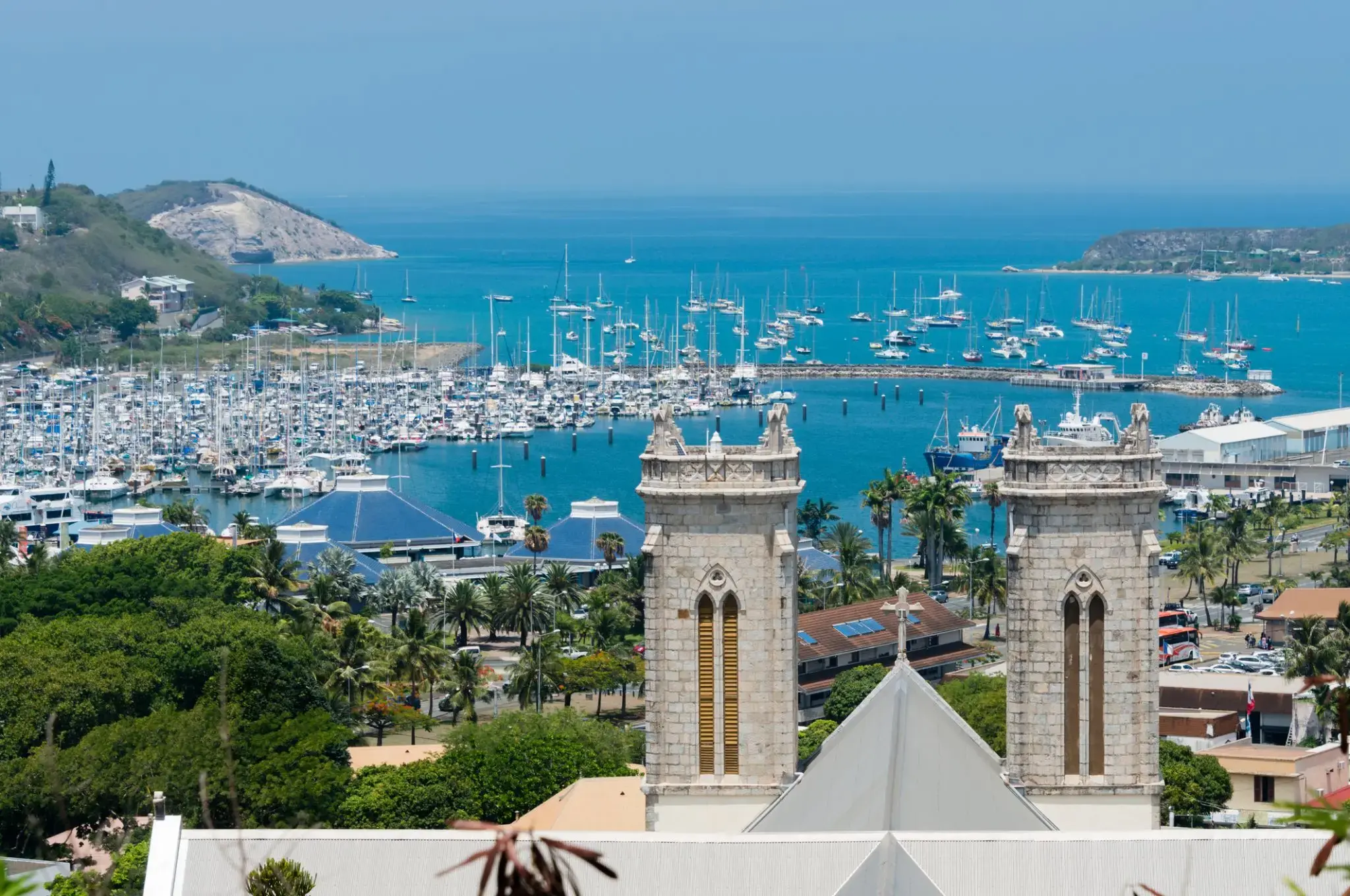
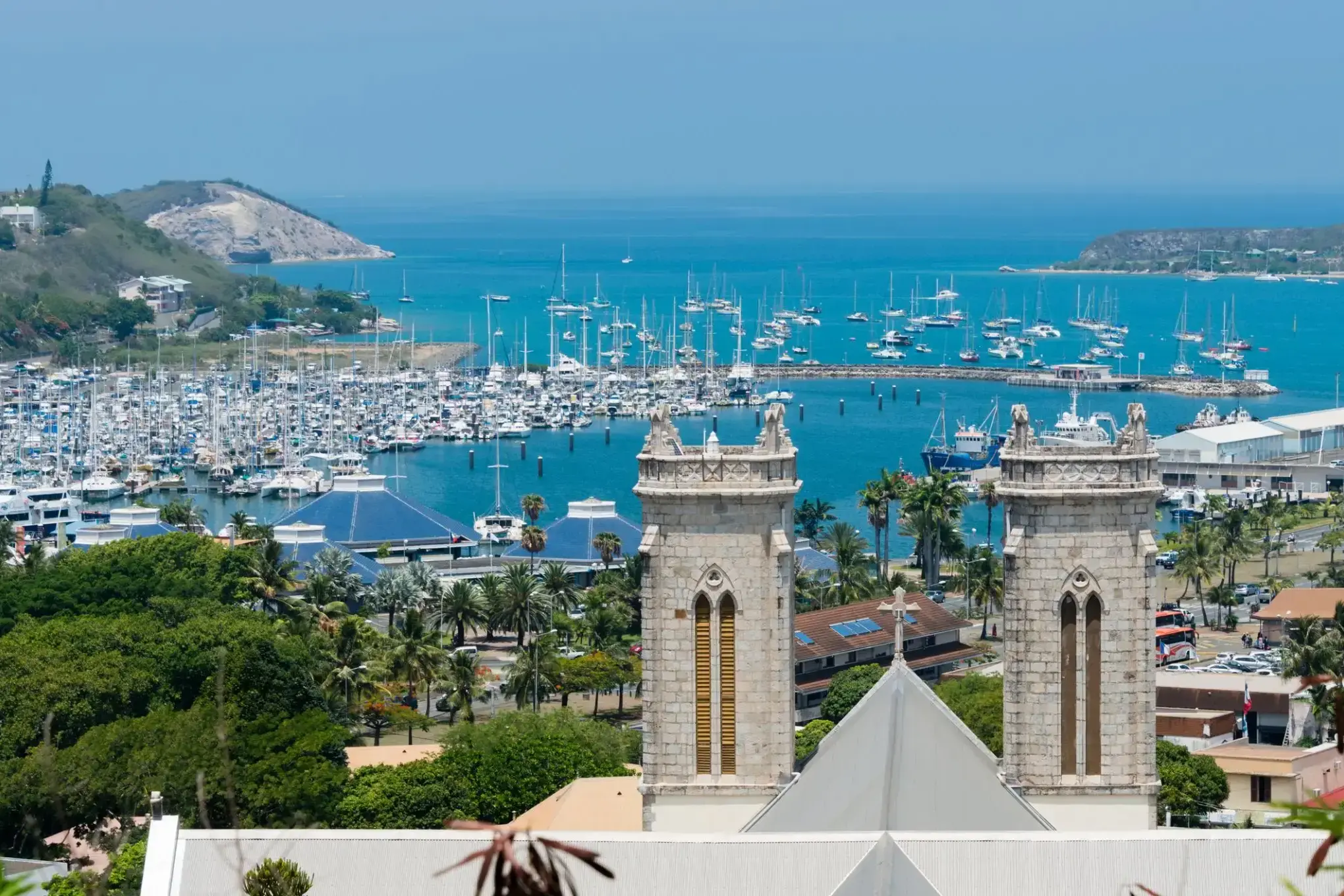
Nouméa is the capital and largest city of the French special collectivity of New Caledonia. It is situated on a peninsula in the south of New Caledonia's main island, Grande Terre, and is home to the majority of the island's European, Polynesian (Wallisians, Futunians, Tahitians), Indonesian, and Vietnamesepopulations, as well as many Melanesians, Ni-Vanuatu and Kanaks who work in one of the South Pacific's most industrialised cities. The city lies on a protected deepwater harbour that serves as the chief port for New Caledonia.
At the August 2014 census, there were 179,509 inhabitants in the metropolitan area of Greater Nouméa (French: agglomération du Grand Nouméa), 99,926 of whom lived in the city (commune) of Nouméa proper. 66.8% of the population of New Caledonia live in Greater Nouméa, which covers the communes of Nouméa, Le Mont-Dore, Dumbéa and Païta.
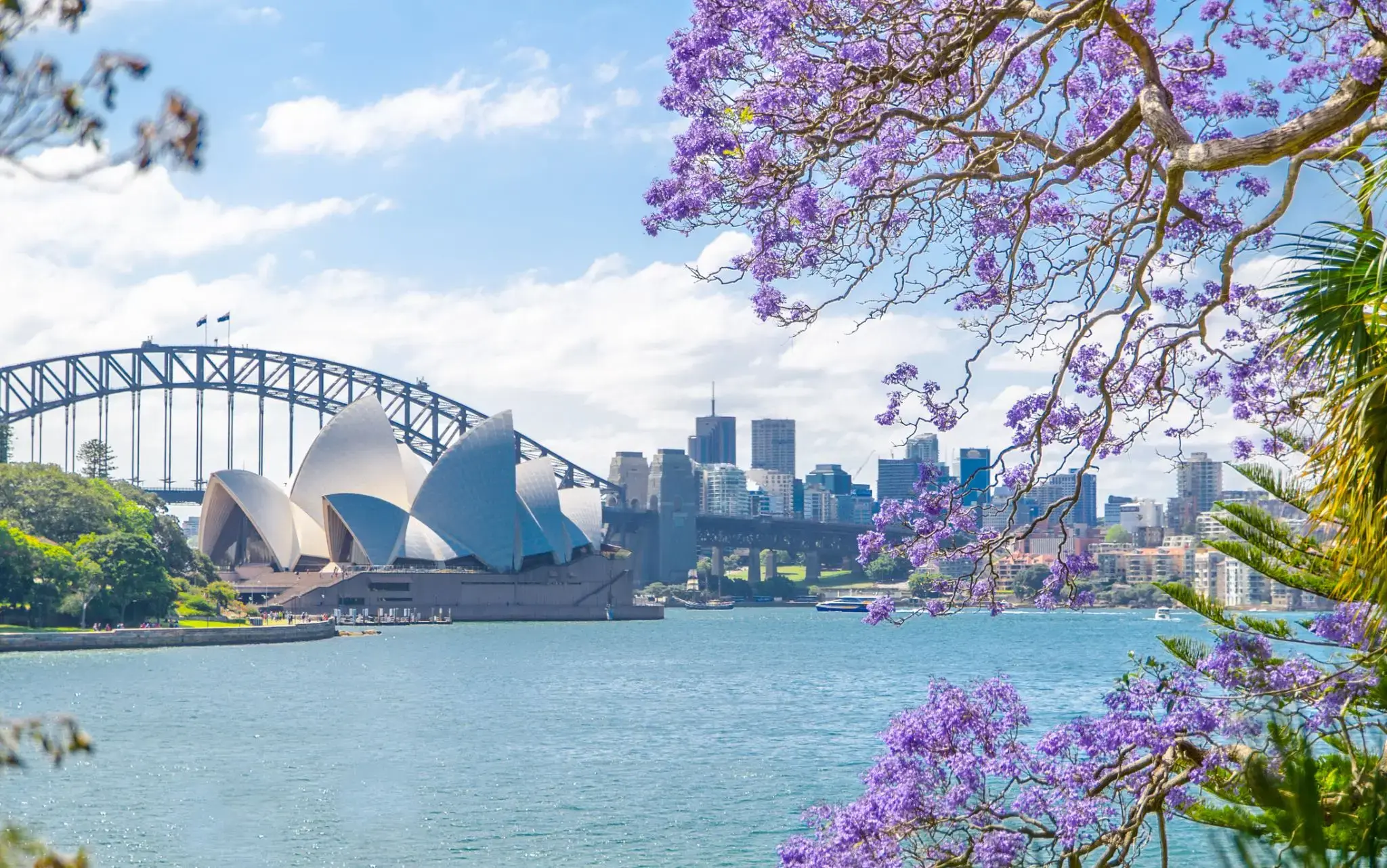
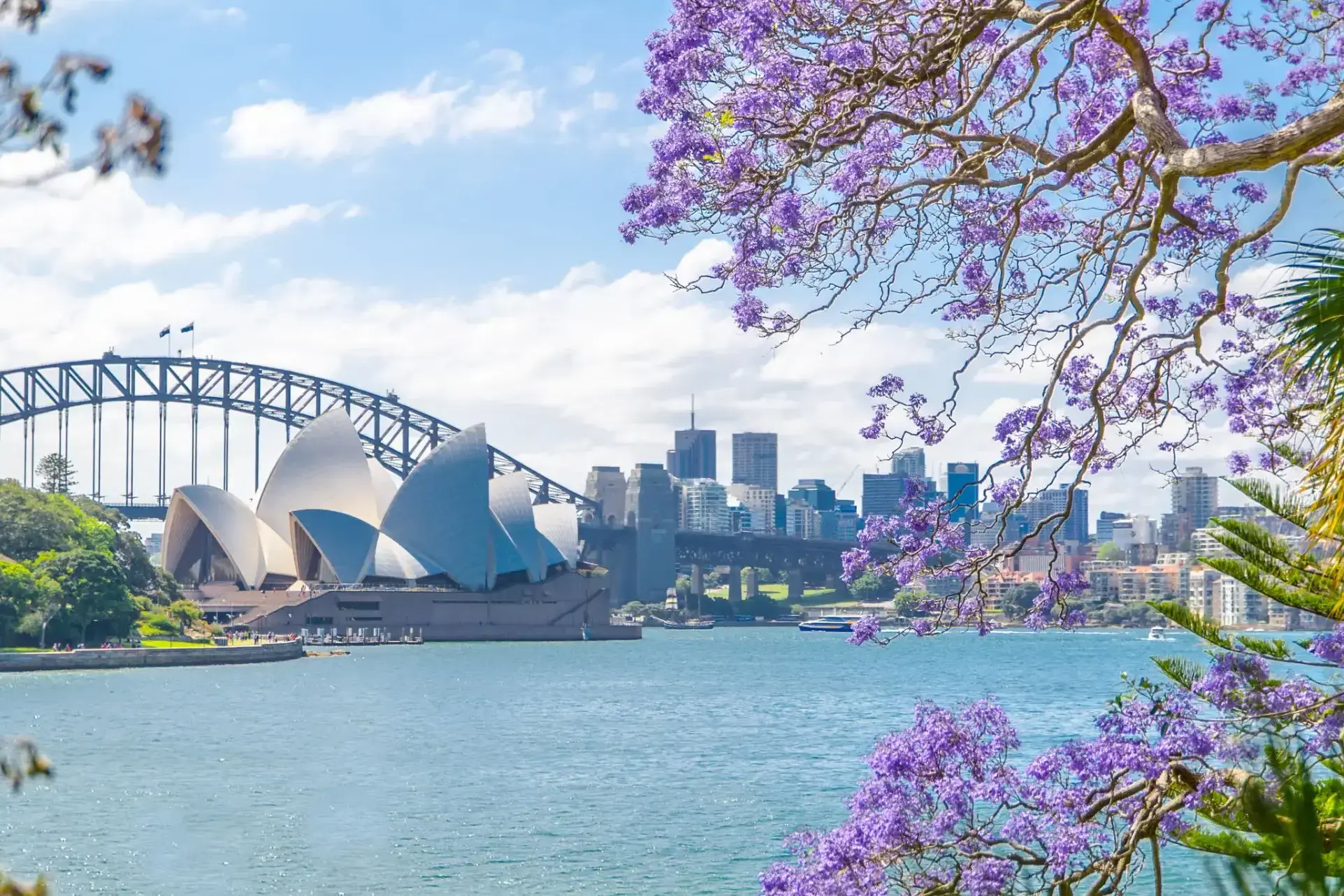
Sydney is the state capital of New South Wales and the most populous city in Australiaand Oceania. Located on Australia's east coast, the metropolis surrounds Port Jackson and extends about 70 km (43.5 mi) on its periphery towards the Blue Mountains to the west, Hawkesbury to the north, and Macarthur to the south. Sydney is made up of 658 suburbs, 40 local government areas and 15 contiguous regions. Residents of the city are known as "Sydneysiders". As of June 2017, Sydney's estimated metropolitan population was 5,131,326, and is home to approximately 65% of the state's population.
Sydney is the state capital of New South Wales and the most populous city in Australiaand Oceania. Located on Australia's east coast, the metropolis surrounds Port Jackson and extends about 70 km (43.5 mi) on its periphery towards the Blue Mountains to the west, Hawkesbury to the north, and Macarthur to the south. Sydney is made up of 658 suburbs, 40 local government areas and 15 contiguous regions. Residents of the city are known as "Sydneysiders". As of June 2017, Sydney's estimated metropolitan population was 5,131,326, and is home to approximately 65% of the state's population.
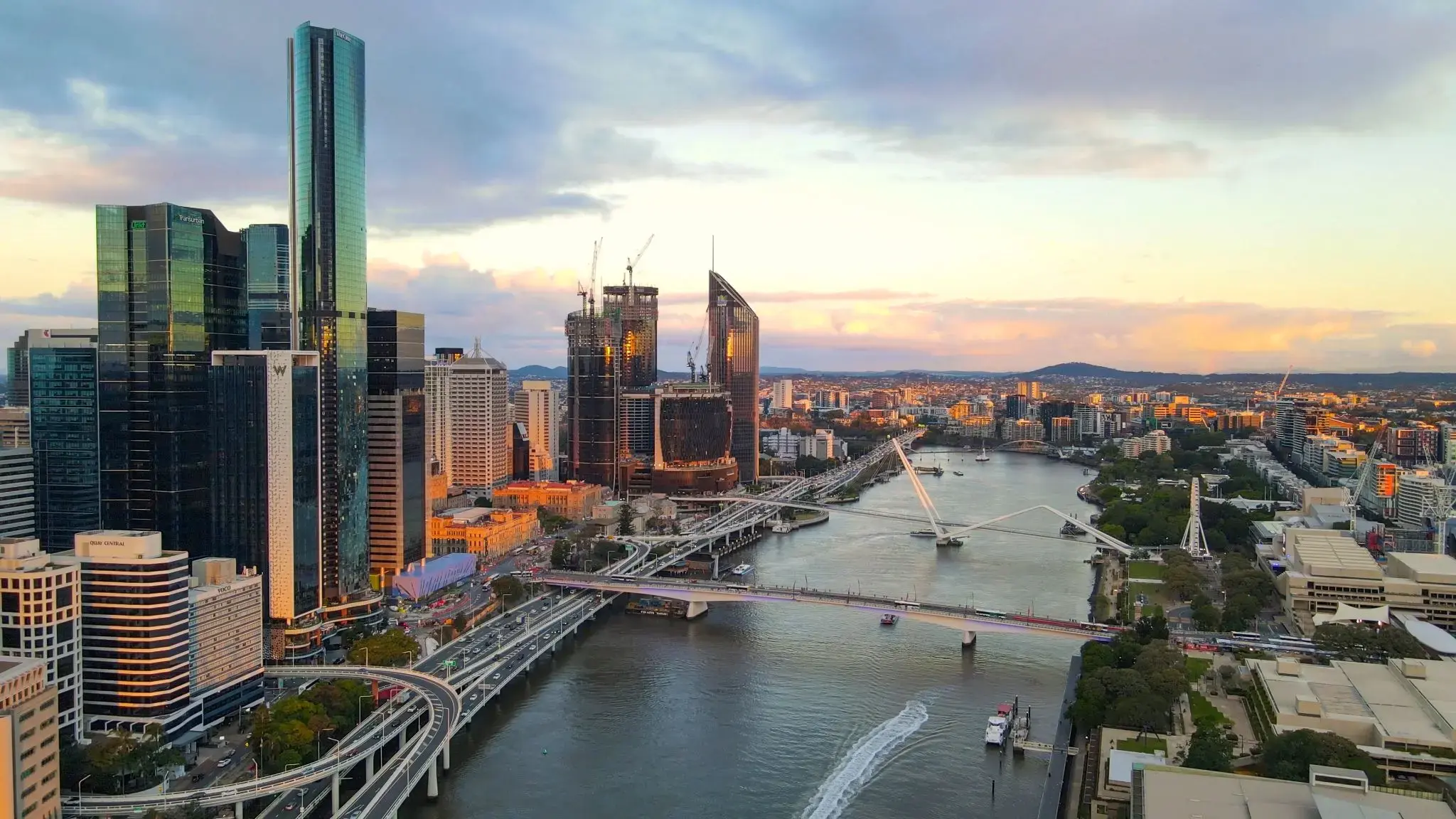
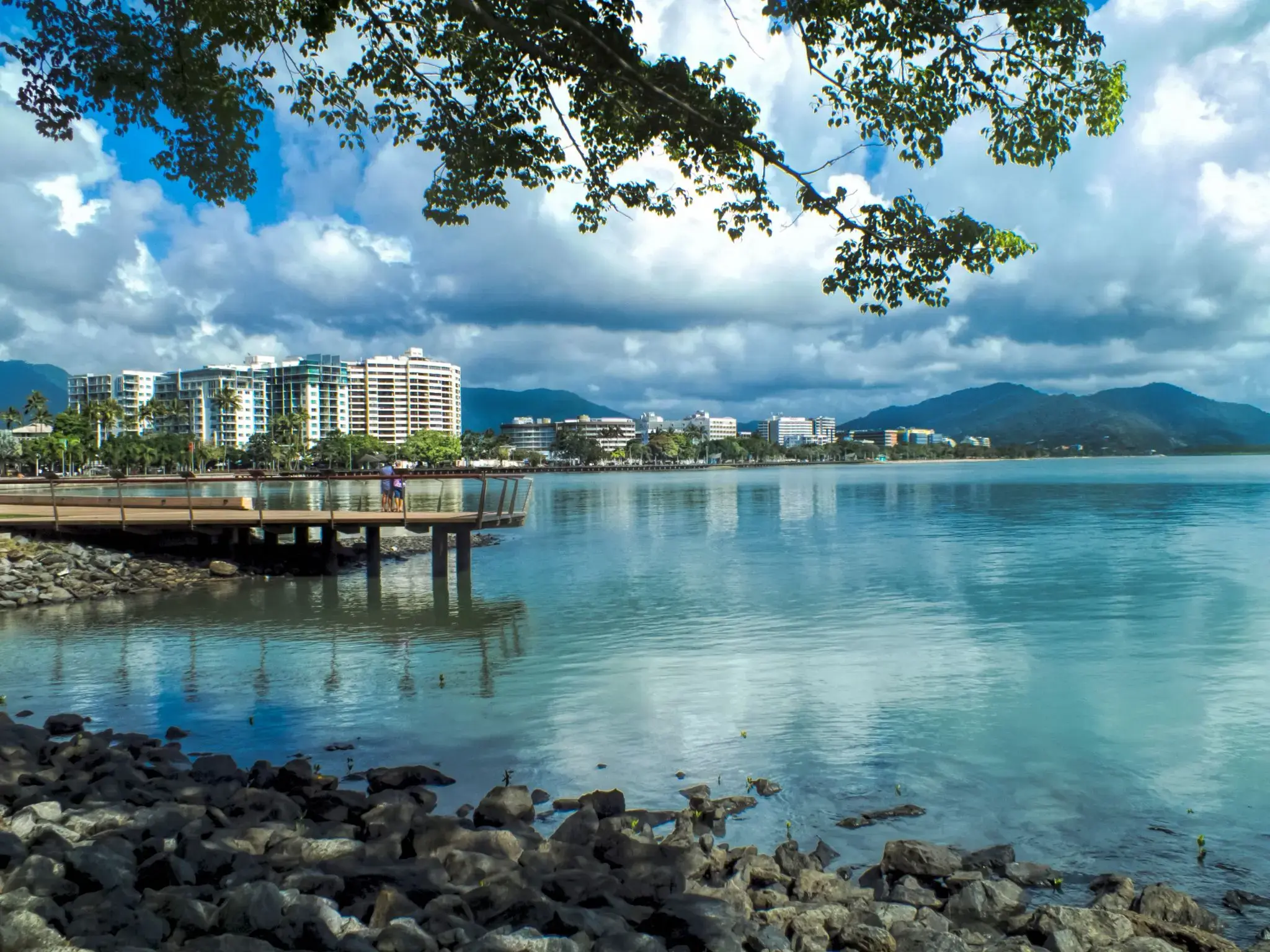
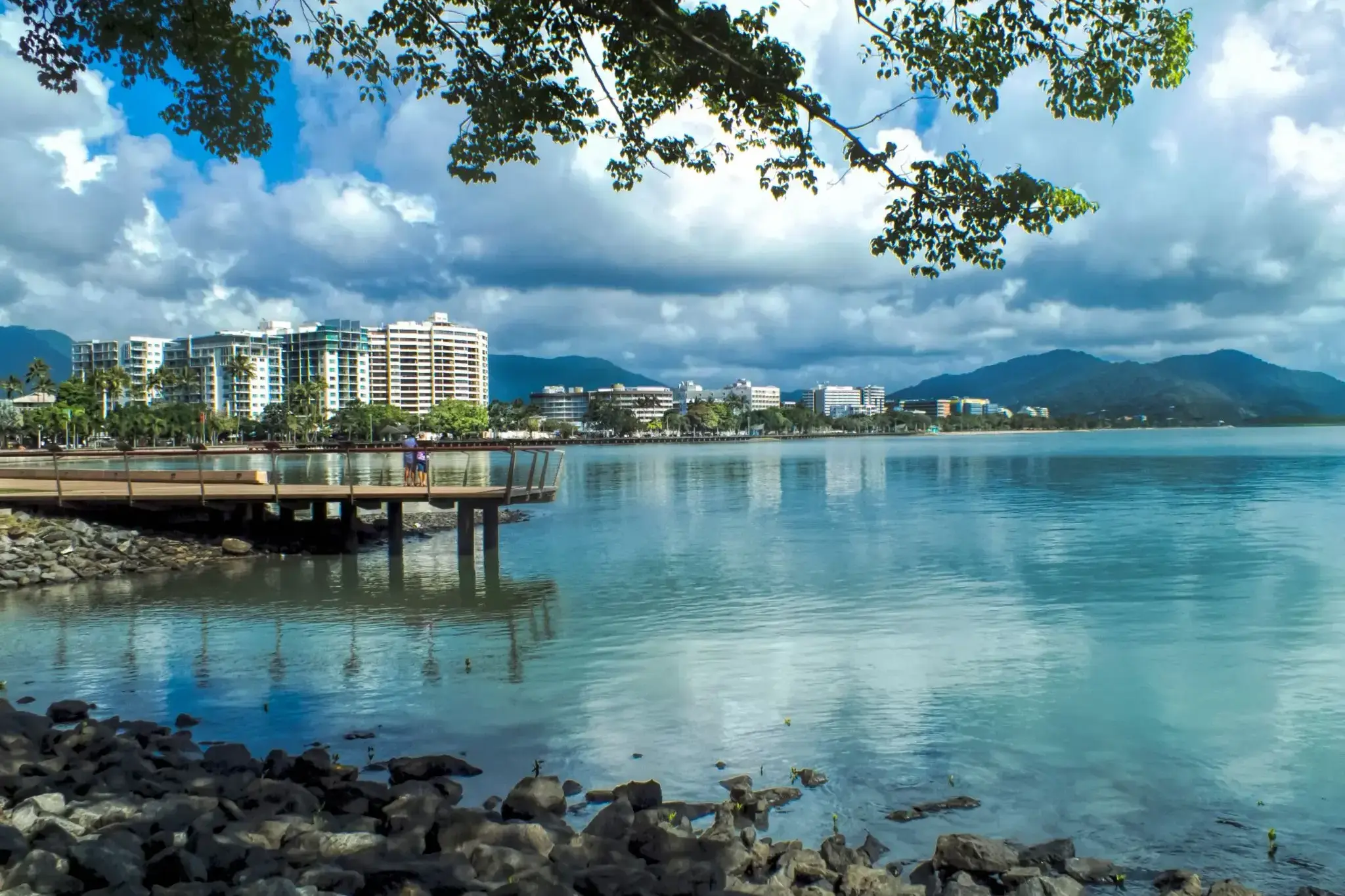
Cairns City is the suburb at the centre of Cairns in the local government area of Cairns Region, Queensland, Australia.It can also be referred to as the Cairns Central Business District (CBD). In the 2011 census, the population of Cairns City was 2,737 people.
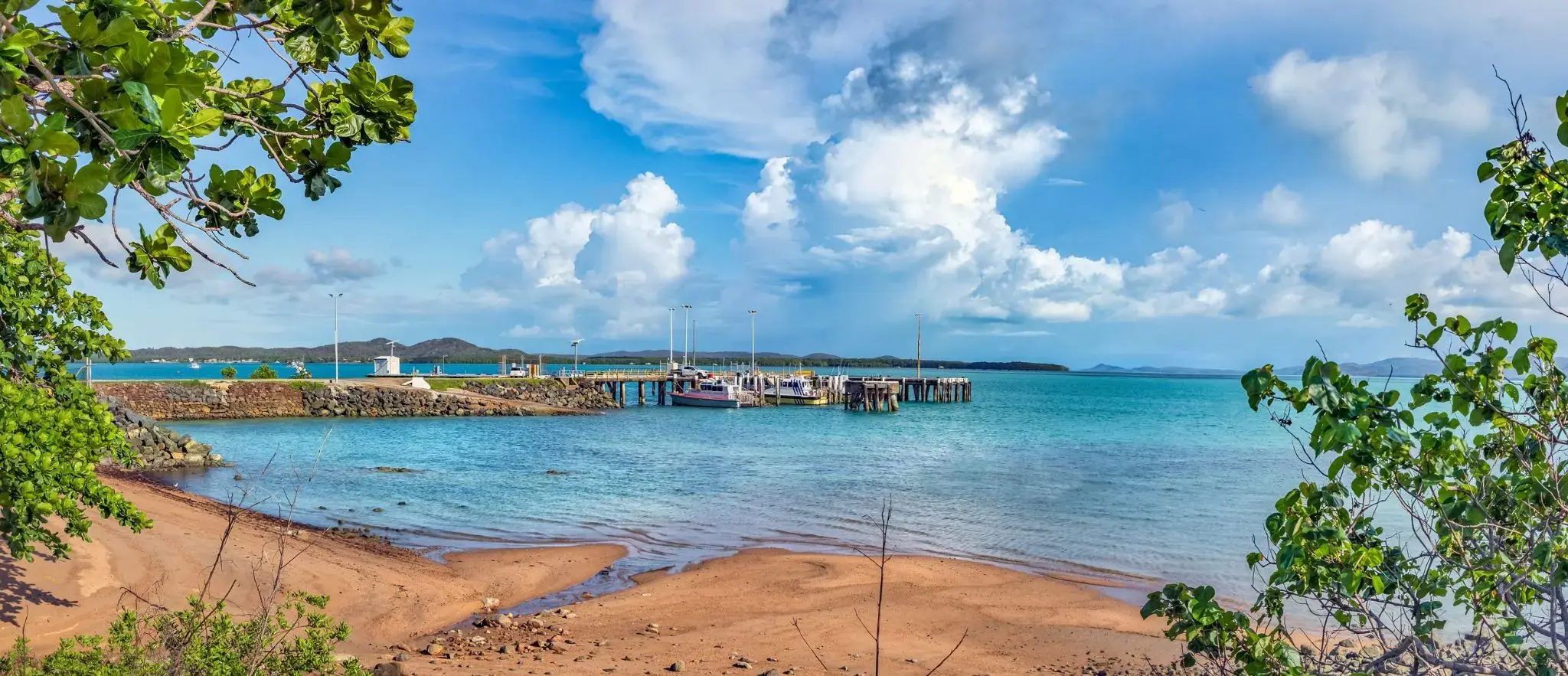
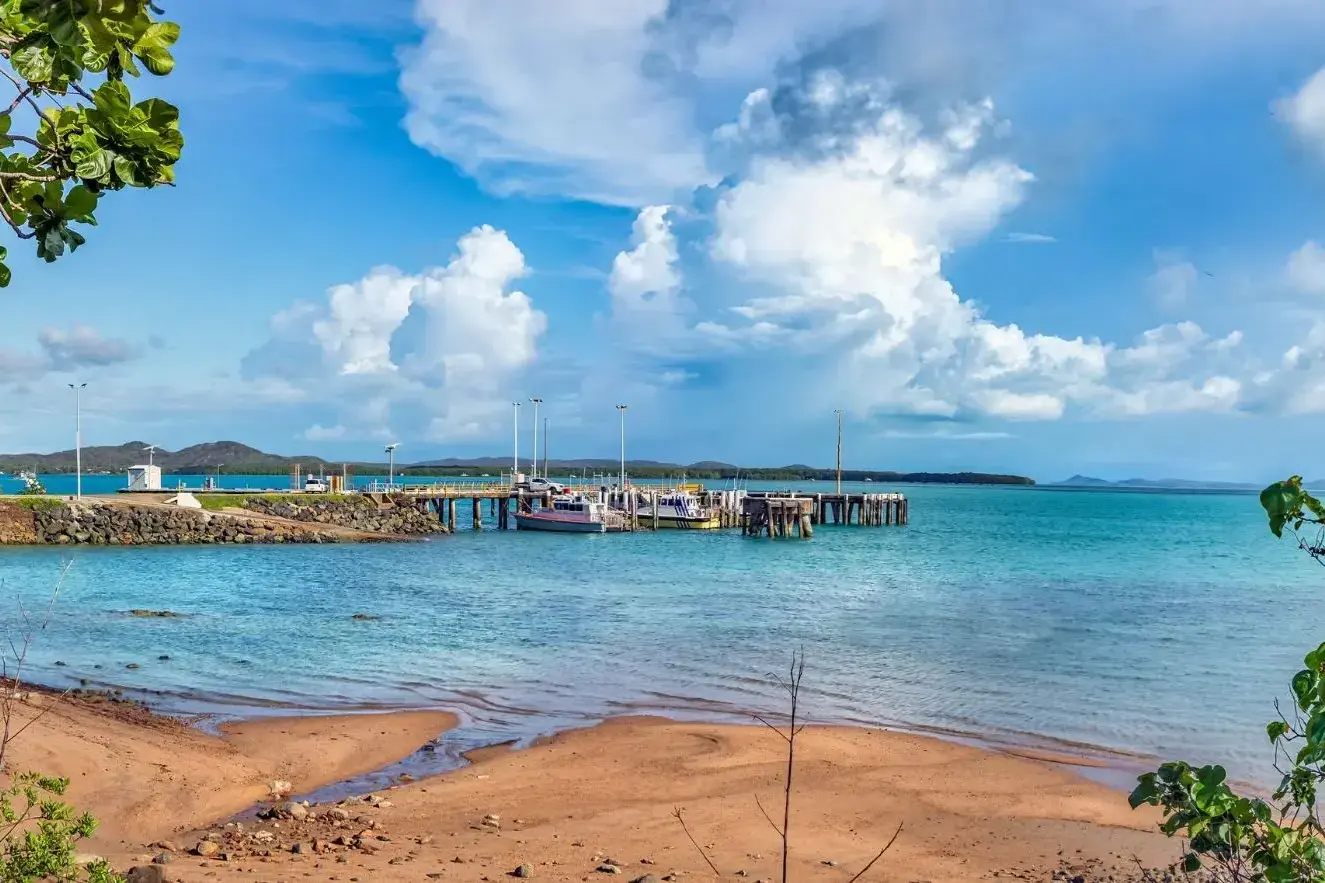
Słoneczne przestrzenie cieśniny Torres skrywają jedno z najbardziej fascynujących miejsc Australii — Wyspa Thursday. Ta niewielka, ale malownicza wyspa otoczona krystalicznie czystą wodą i rafami koralowymi oferuje podróżnikom unikalne połączenie tropikalnej przyrody, bogatej historii i kultury rdzennych mieszkańców cieśniny. Spacerując po urokliwych uliczkach, można poznać lokalne tradycje i poczuć spokojny rytm wyspiarskiego życia.
Wyspa Thursday to także centrum administracyjne i kulturalne regionu, gdzie łączy się dziedzictwo kolonialne, pamiątki wojenne i zachwycające widoki wybrzeża. Warto odwiedzić Gab Titui Cultural Centre oraz zabytkowy fort Green Hill z panoramicznym widokiem na archipelag. To idealne miejsce dla tych, którzy pragną połączyć relaks nad morzem z odkrywaniem kultury.
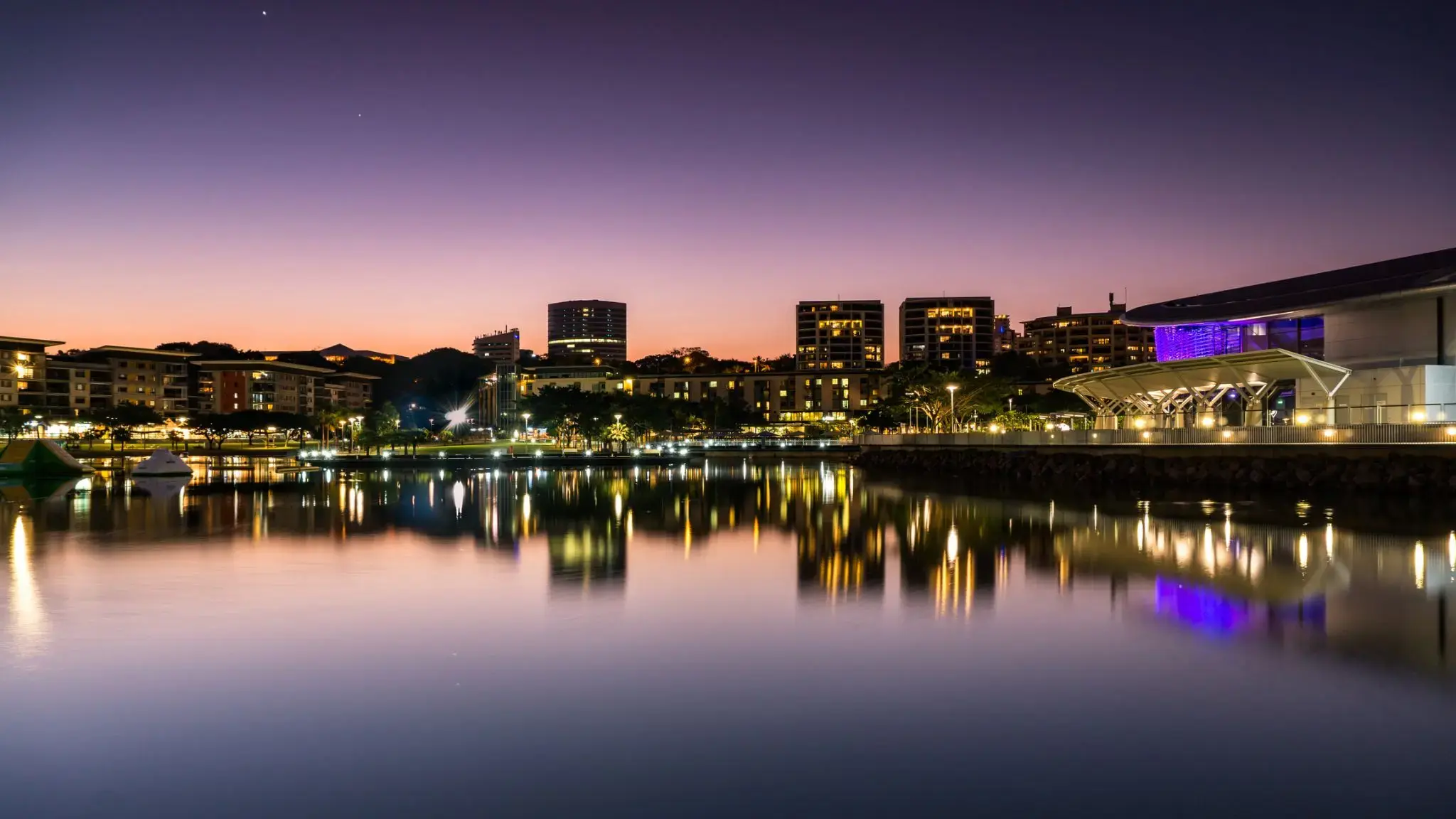
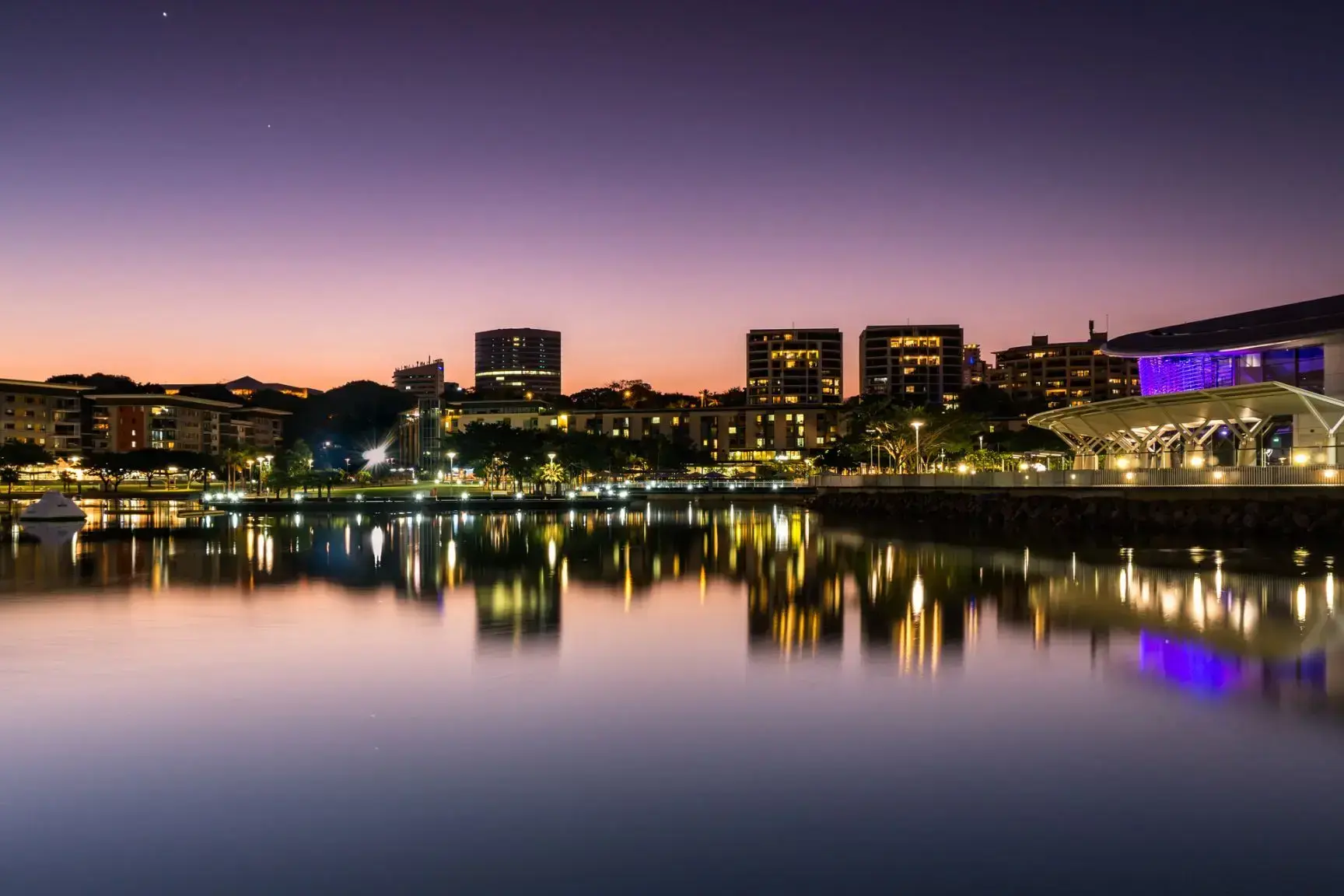
Darwin is the capital city of the Northern Territory of Australia, situated on the Timor Sea. It is the largest city in the sparsely populated Northern Territory, with a population of 145,916. It is the smallest and most northerly of the Australian capital cities, and acts as the Top End's regional centre.
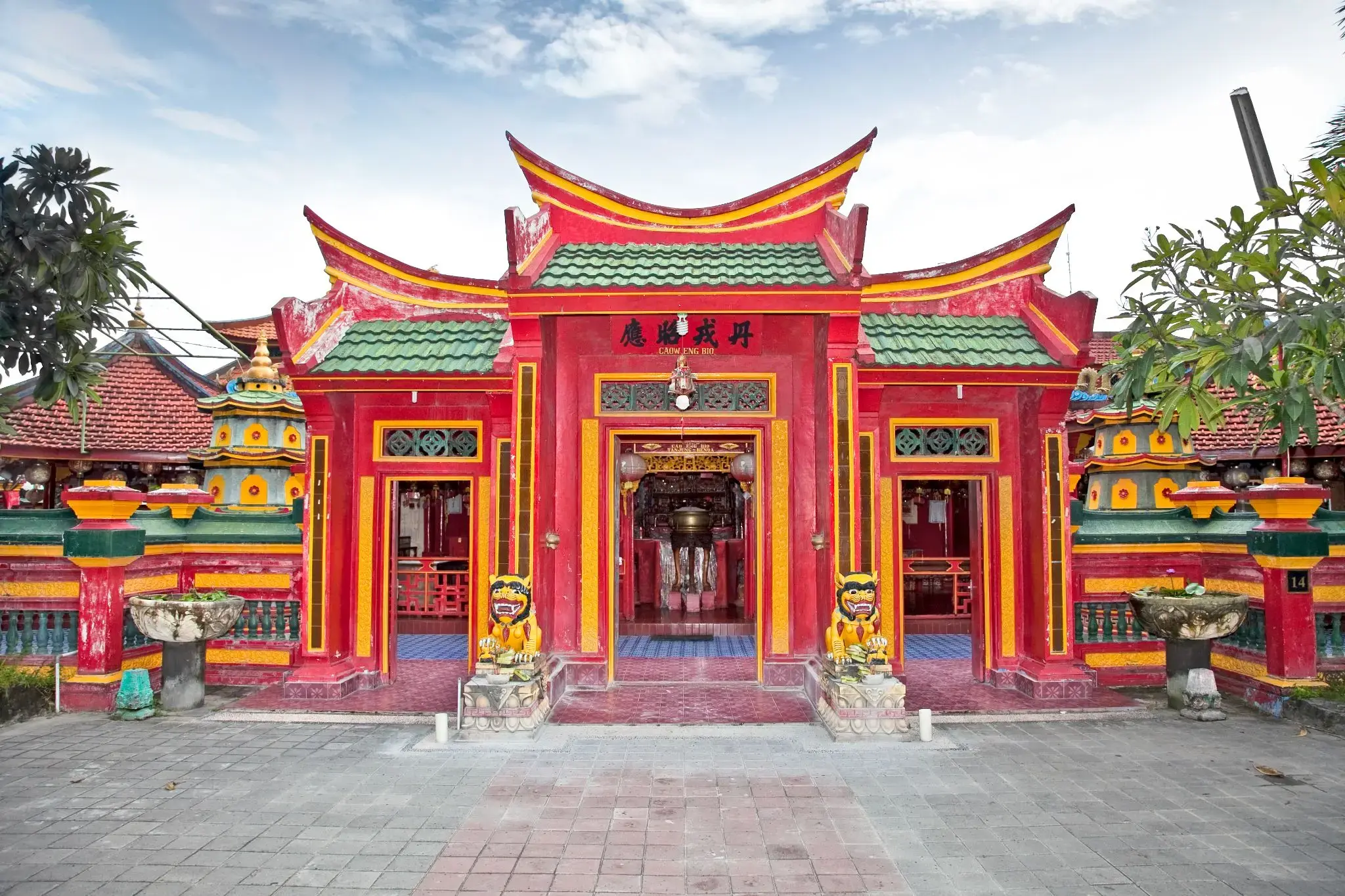
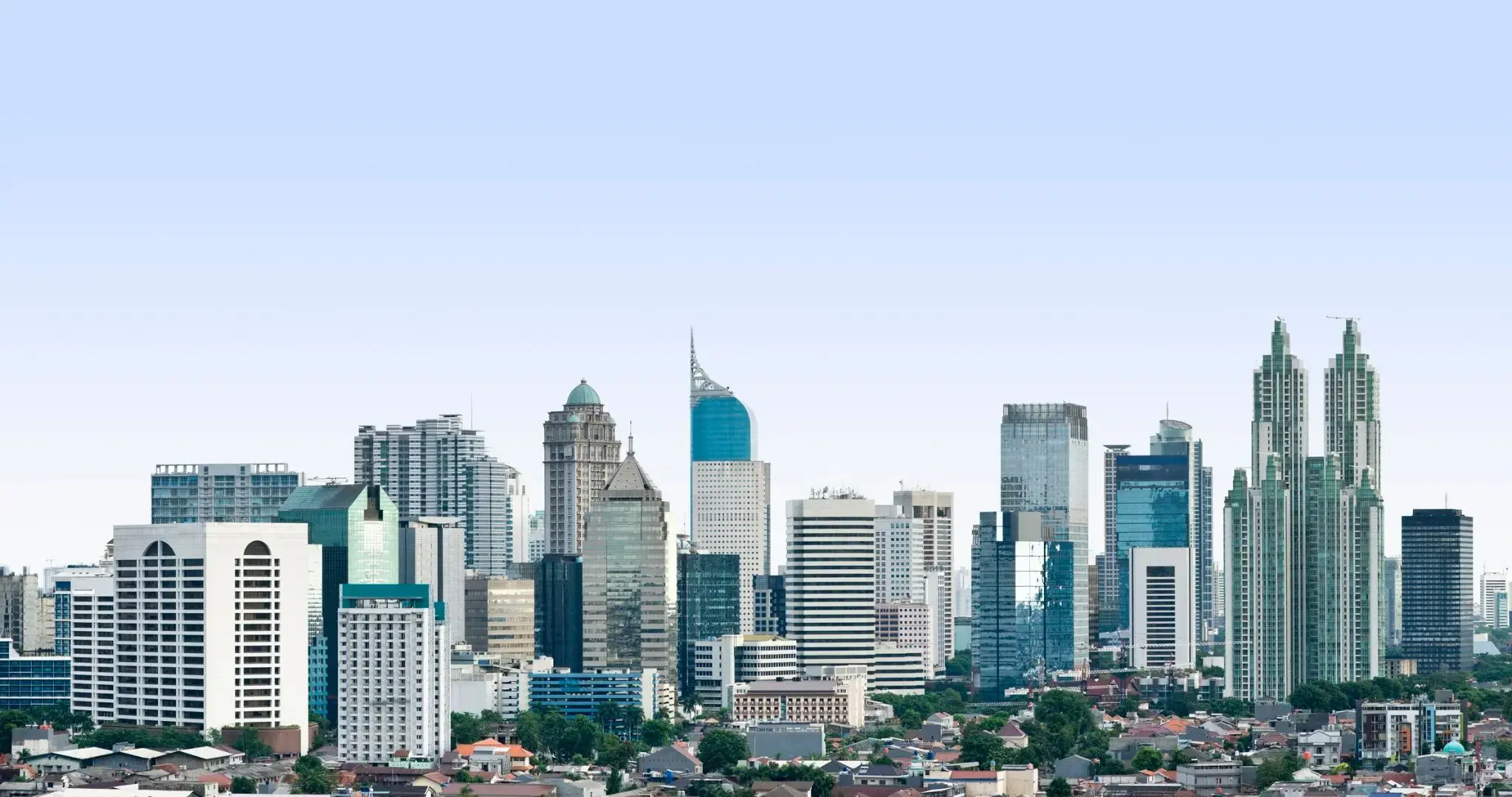
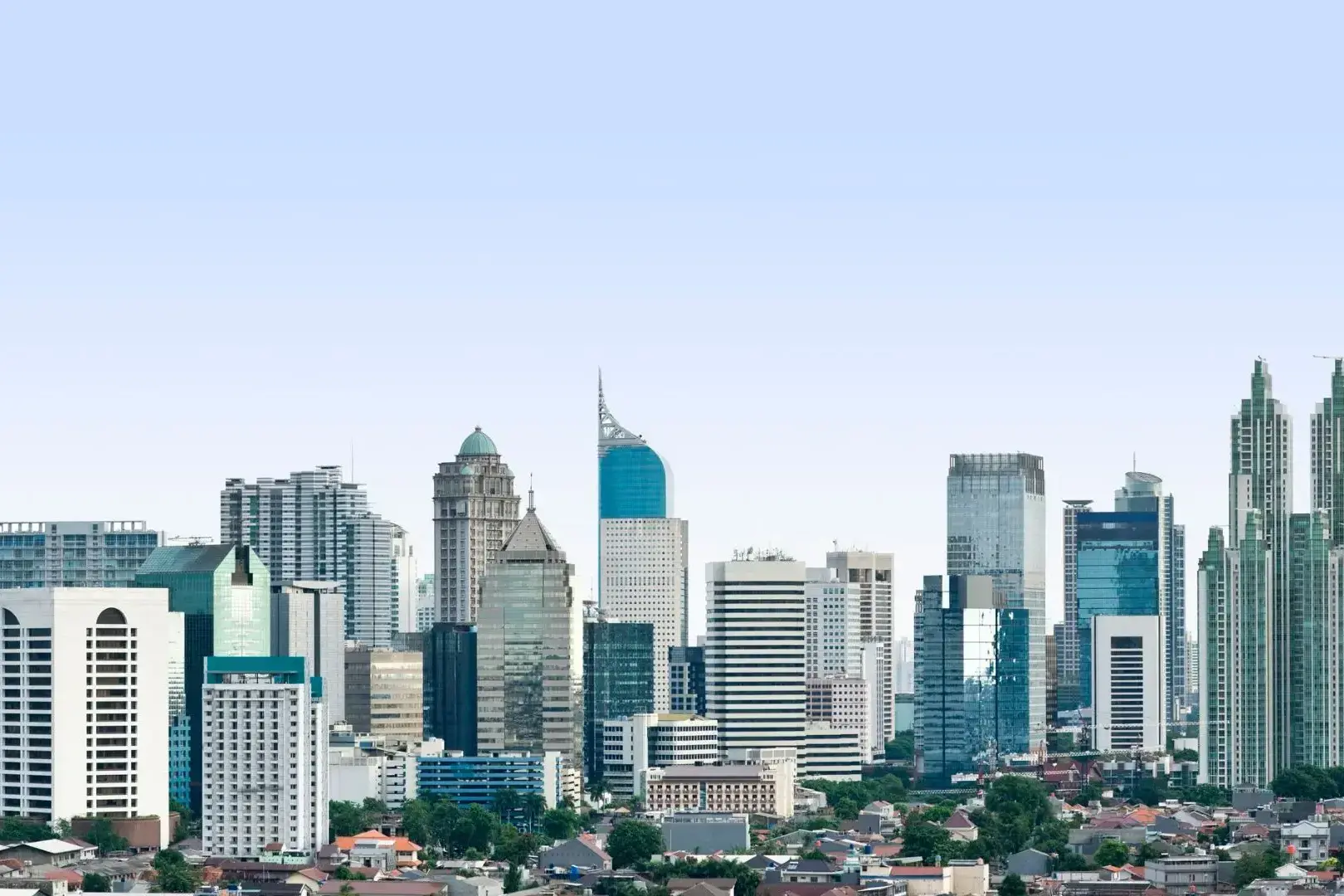
Wśród niekończących się świateł miasta Dżakarta jawi się jako prawdziwa metropolia kontrastów, gdzie nowoczesne drapacze chmur stoją obok starożytnych świątyń i targów na świeżym powietrzu. To miasto to prawdziwy kalejdoskop kultur: chińskie dzielnice, kolonialna architektura oraz nowoczesne centra biznesowe łączą się tu w niezwykłej harmonii. Turyści mogą spacerować po starej dzielnicy Kota Tua, gdzie zachowały się budynki z czasów holenderskich, a następnie udać się do nowoczesnych centrów handlowych oferujących towary z całego świata.
Miłośnicy kuchni będą zachwyceni różnorodnością potraw, ponieważ Dżakarta słynie ze swojej ulicznej gastronomii — aromatyczne satay, nasi goreng i świeże owoce morza są pozycjami obowiązkowymi do spróbowania. Dla osób szukających kulturalnych doświadczeń miasto oferuje muzea, teatry i galerie sztuki. To miejsce, gdzie można poczuć puls nowoczesnej Indonezji, a jednocześnie dotknąć jej bogatego dziedzictwa.
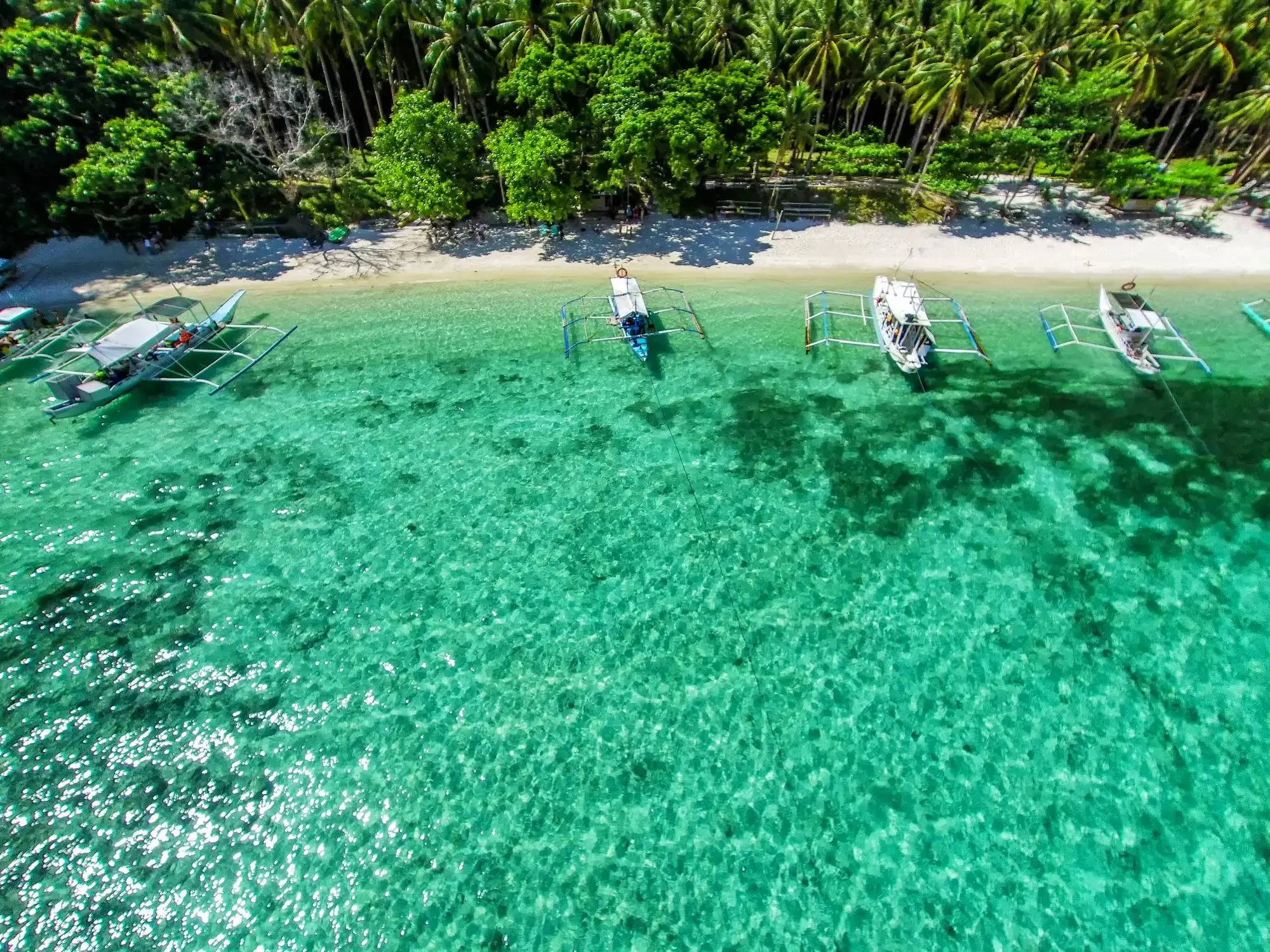
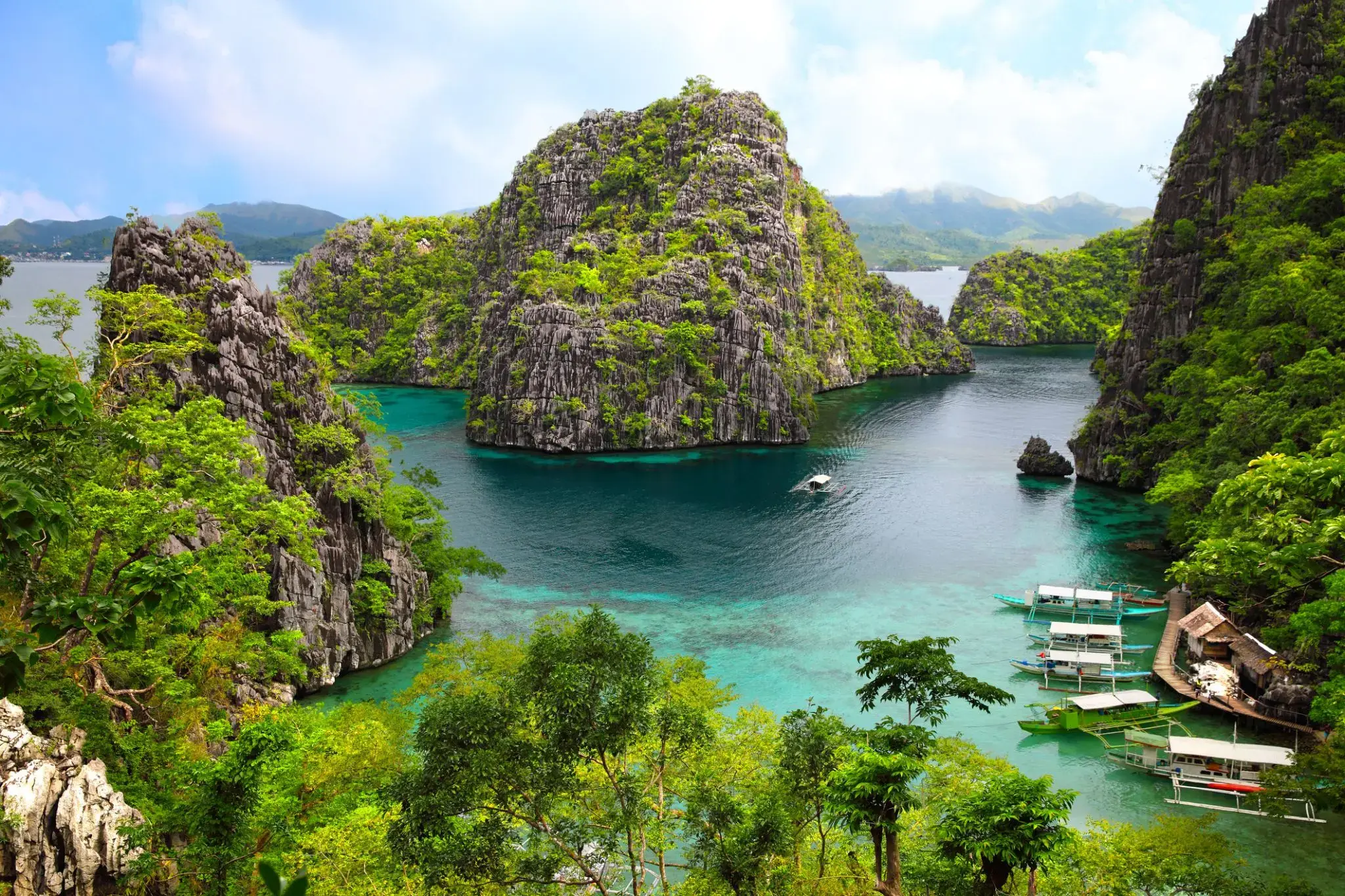
Puerto Princesa to miasto na filipińskiej wyspie Palawan, szeroko znane dzięki jednej z cudów natury — Podziemnej Rzece Puerto Princesa, wpisanej na listę światowego dziedzictwa UNESCO. Ten system jaskiń i podziemnych rzek, przebiegający przez wapienne formacje, przyciąga podróżnych z całego świata możliwością rejsu łodzią i podziwiania stalaktytów, stalagmitów oraz unikalnej ekosystemu. Miasto jest również doskonałą bazą wypadową do odkrywania niezwykłej przyrody Palawanu: tropikalnych lasów, wybrzeży i rezerwatów przyrody.
Poza atrakcjami przyrodniczymi, Puerto Princesa słynie z czystych ulic, przyjaznej atmosfery i dobrze rozwiniętej infrastruktury turystycznej. Można tu skosztować świeżych owoców morza, odwiedzić nocne targi lub wybrać się na wycieczki po wyspach w zatoce Honda. Miasto aktywnie rozwija ekoturystykę, dbając o równowagę między rozwojem a ochroną środowiska. Dla podróżników poszukujących połączenia przygody, relaksu i lokalnej kultury, Puerto Princesa staje się coraz bardziej atrakcyjnym kierunkiem.
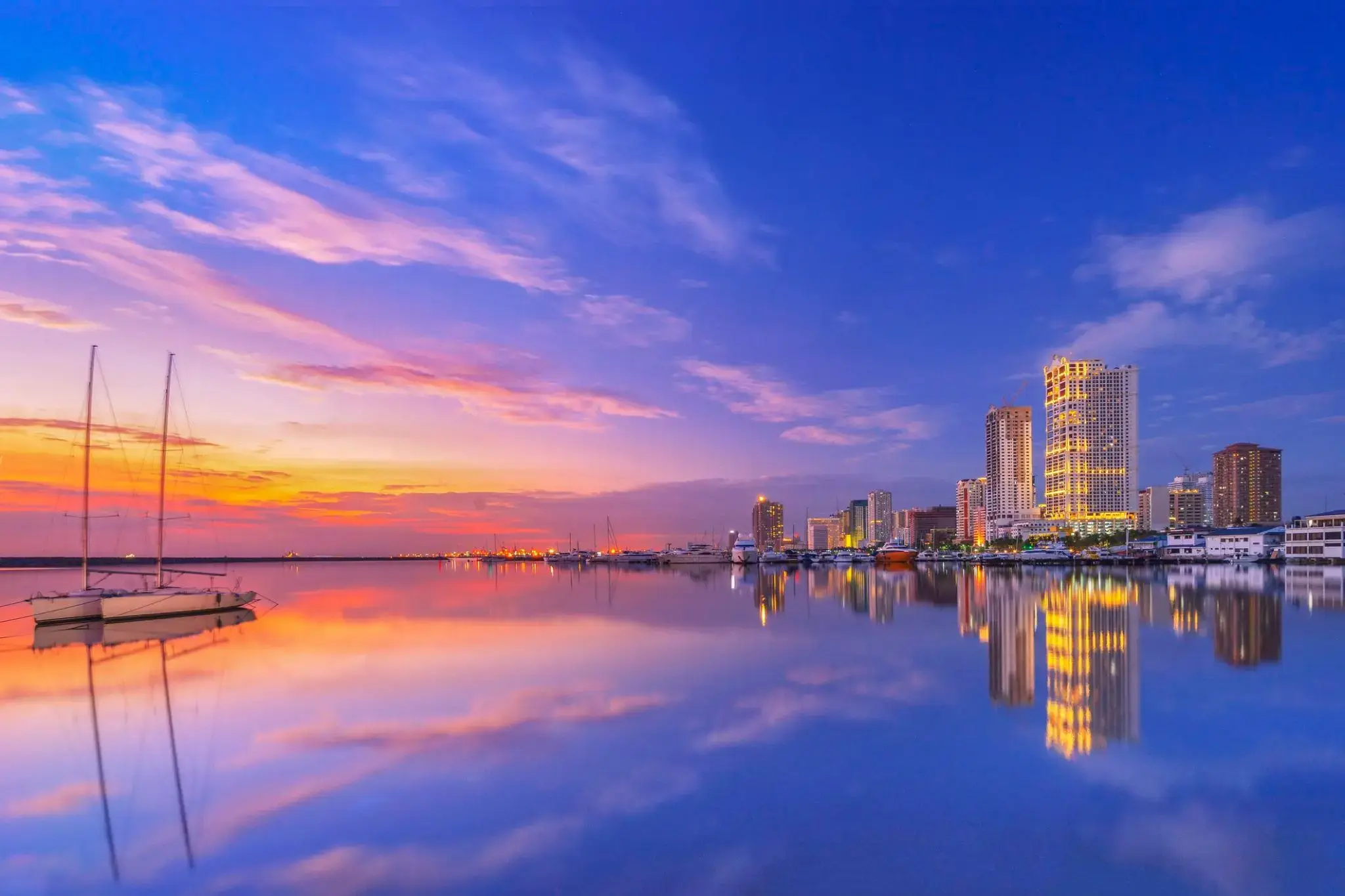
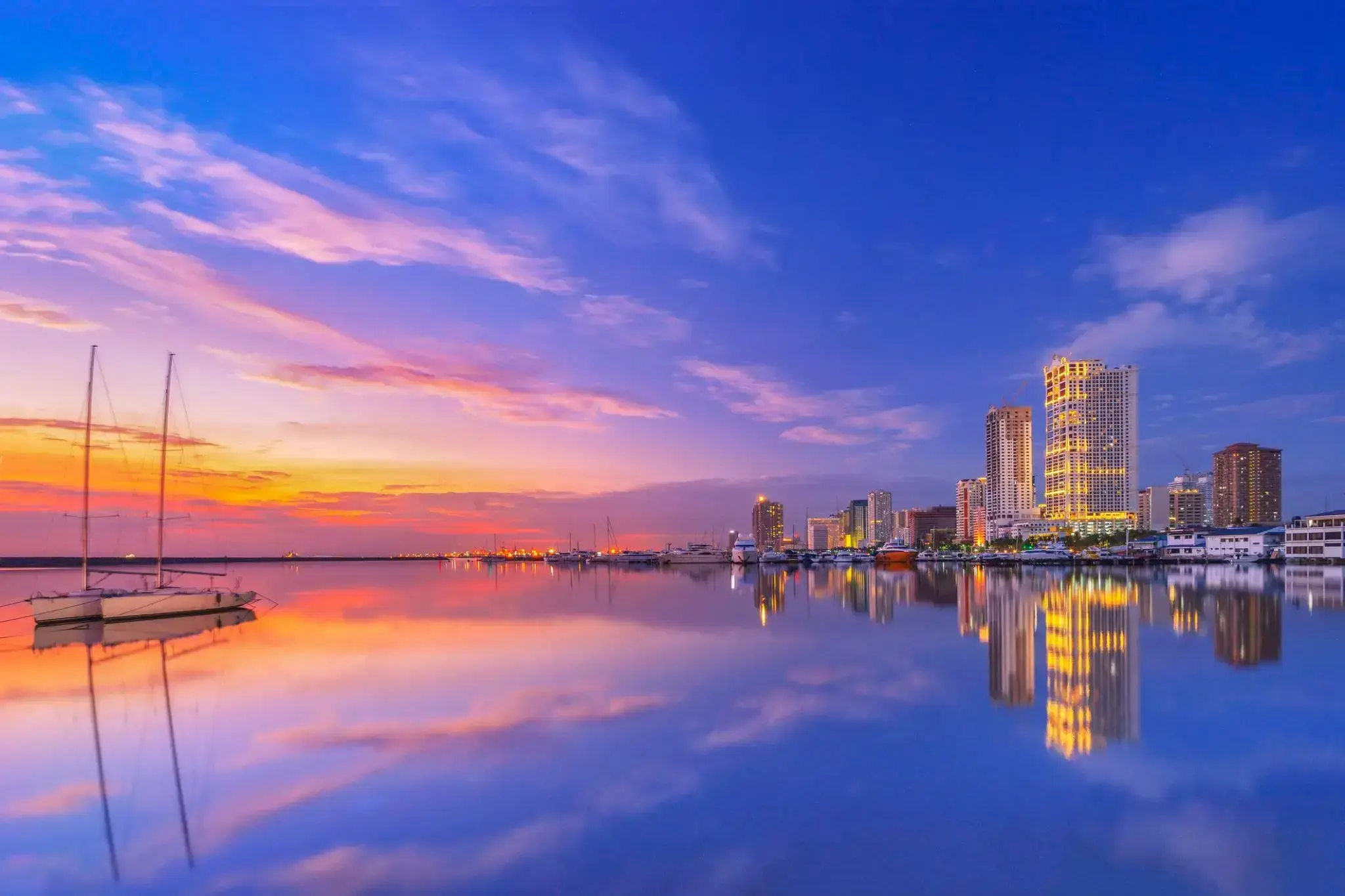
Manila, stolica Filipin, położona jest na wybrzeżu wyspy Luzon, nad Zatoką Manilską. W obrębie starego miasta Intramuros, zbudowanego przez Hiszpanów w 1571 roku, zachowały się hiszpańskie zabytki architektury oraz kościoły. W mieście znajduje się także główny port kraju, który jest ważnym elementem gospodarki Filipin. Manila słynie z przemysłu chemicznego, elektronicznego, tekstylnego, produkcji żywności oraz wyrobów tytoniowych.
Dla turystów ciekawą atrakcją jest dzielnica Chinatown, gdzie można kupić wyroby z pereł i złota. Warto również odwiedzić muzea i bazyliki oraz podziwiać park Rizal. Ponadto Manila to raj dla zakupoholików, ponieważ dostępne są tu wszystkie światowe marki w cenach znacznie niższych niż w Europie.
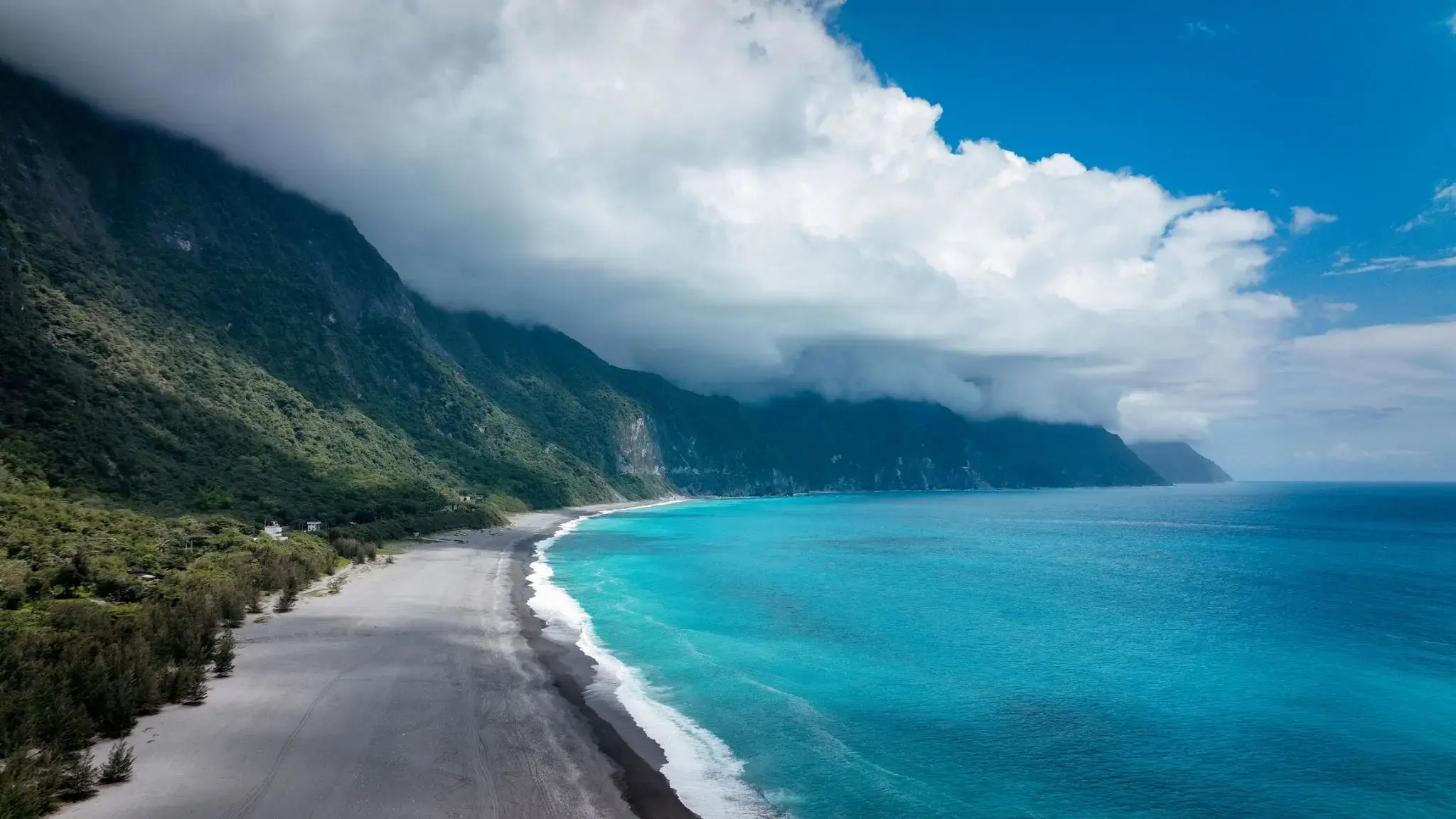
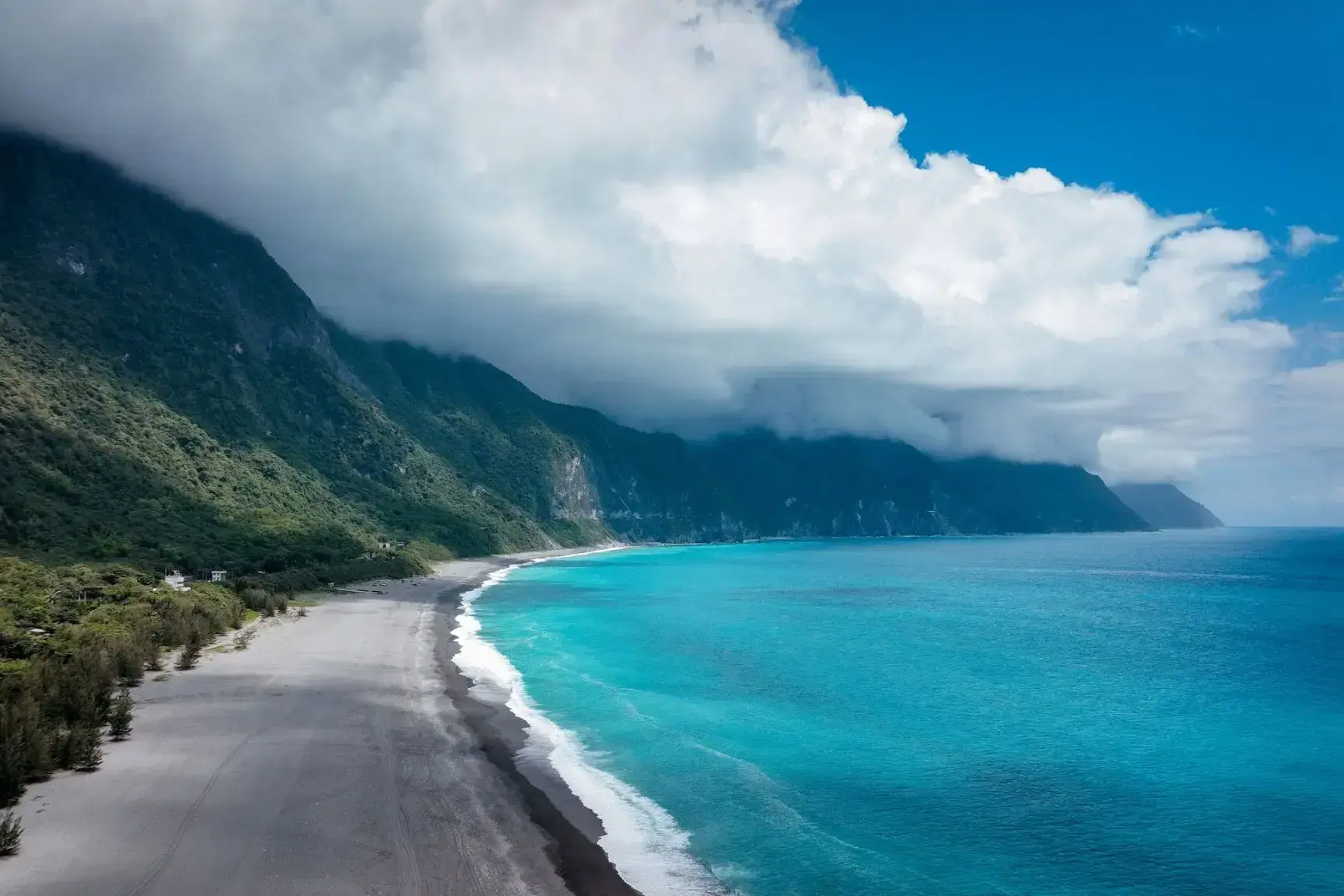
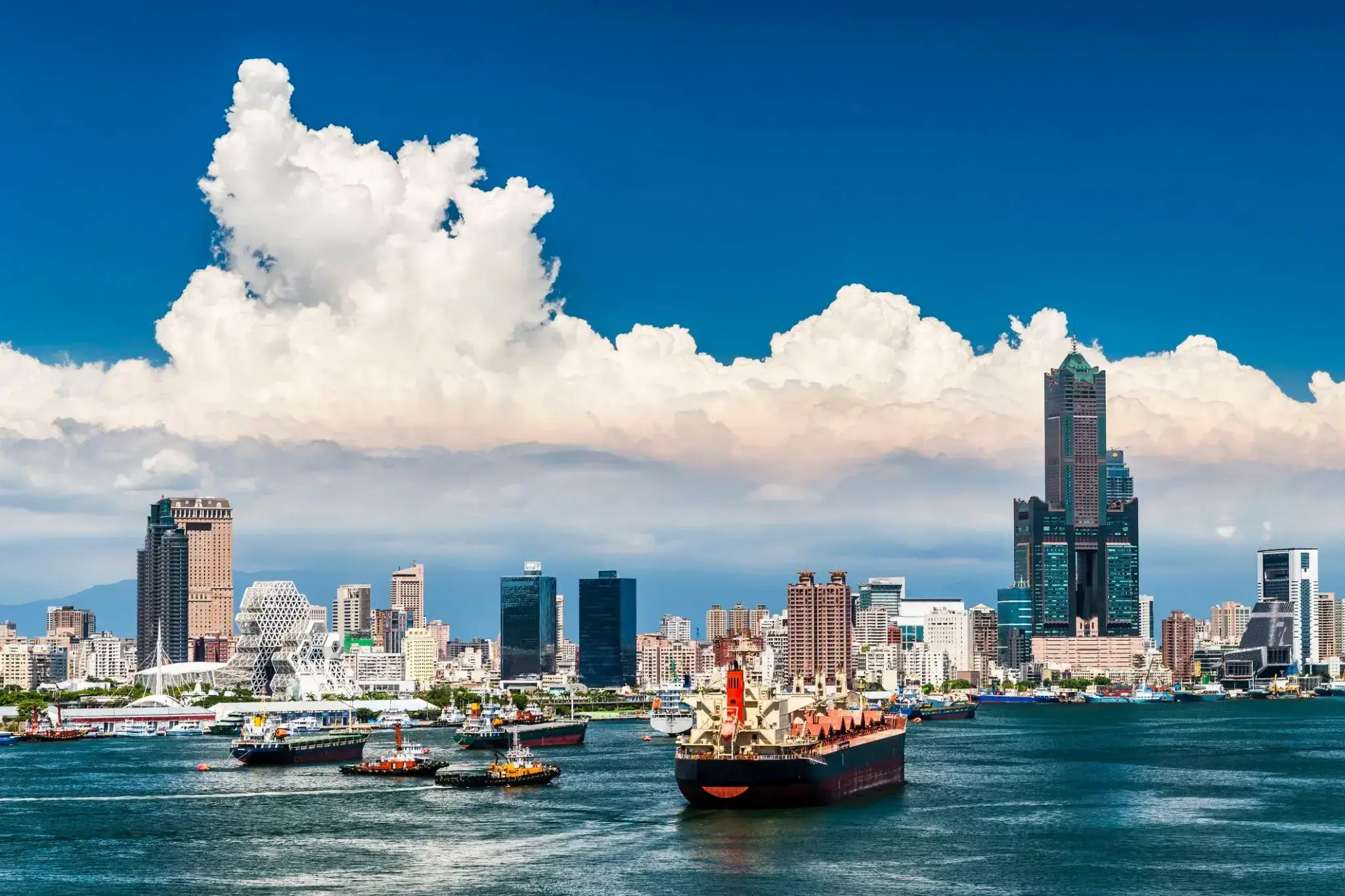
Hualien znajduje się na wschodnim wybrzeżu Tajwanu i jest malowniczym miastem otoczonym przez Ocean Spokojny i Centralny Grzbiet Górski. Stanowi bramę do jednego z najbardziej imponujących cudów natury na wyspie, czyli wąwozu Taroko. Ten marmurowy kanion słynie ze stromych zboczy, krętych tuneli i turkusowej rzeki Liwu. Co ciekawe, marmur z tego regionu wykorzystywany jest jako materiał budowlany i eksportowany na cały świat.
Miasto wyróżnia się spokojną atmosferą, przytulnymi targami i urokliwymi nabrzeżami. Widać tu również wpływy rdzennych ludów Tajwanu, szczególnie Amis, co znajduje odzwierciedlenie w lokalnej kuchni i rzemiośle. Hualien łączy naturę, tradycję i współczesną kulturę, co czyni go atrakcyjnym celem podróży.
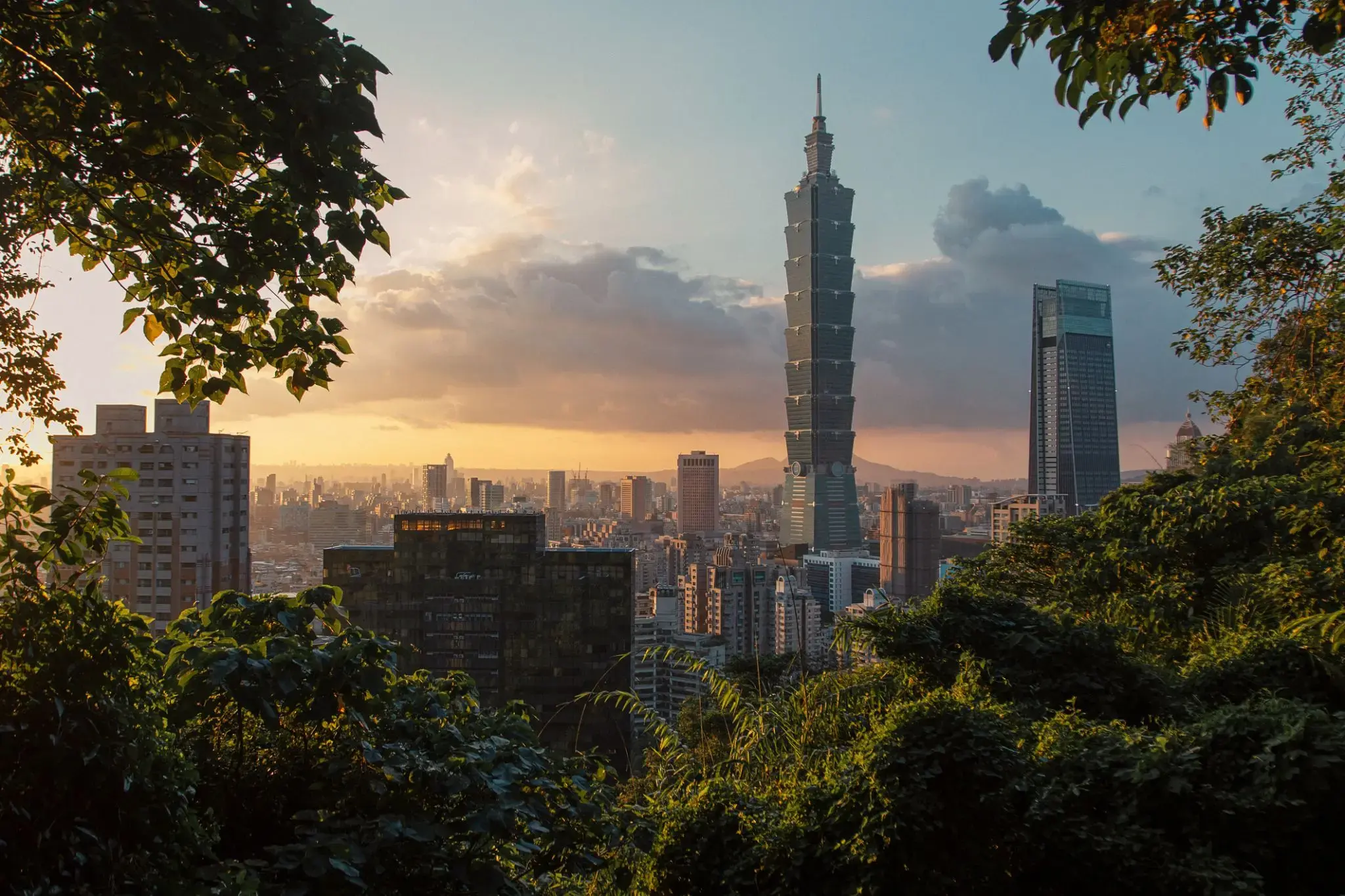
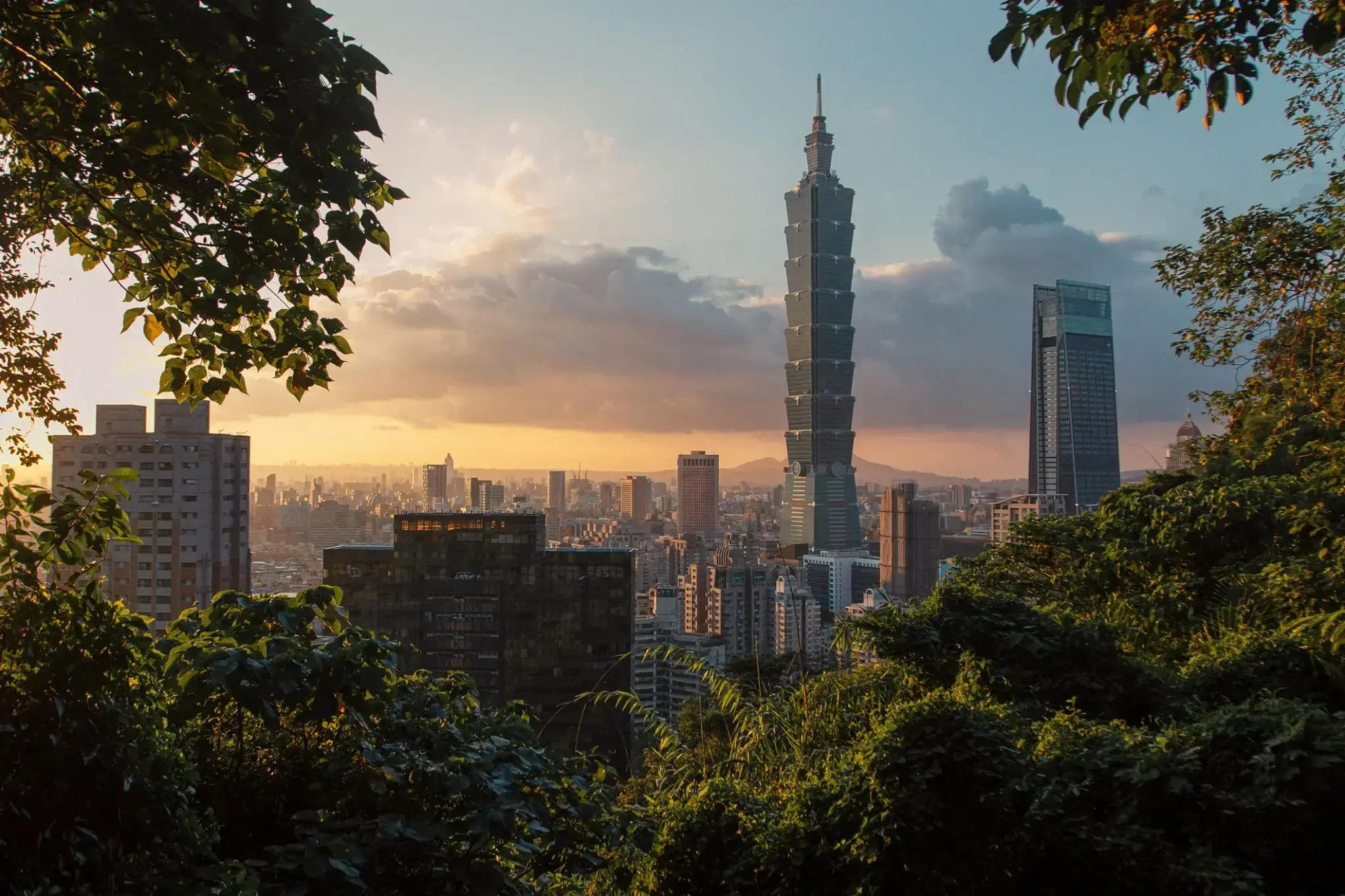
Taiwan it is a state in East Asia. It includes the neighbors of the Republic of China and the Philippines to the south. It is not a member of the United Nations.
The island of Taiwan was formerly known as the island of mass migration. The island was annexed in 1683 by the Qing dynasty, the last dynasty. The Qing ceded Taiwan to Japan in 1895 after the Sino-Japanese War. The Republic of China (ROC) was established after the fall of the Qing dynasty. The following is the Japanese surrender to the Allies in 1945; However, it’s not a problem, but it’s not a problem. It has been up to 99% of its de facto territory. The United States of America is the United States of America in the United States of America until 1971, when it’s lost.
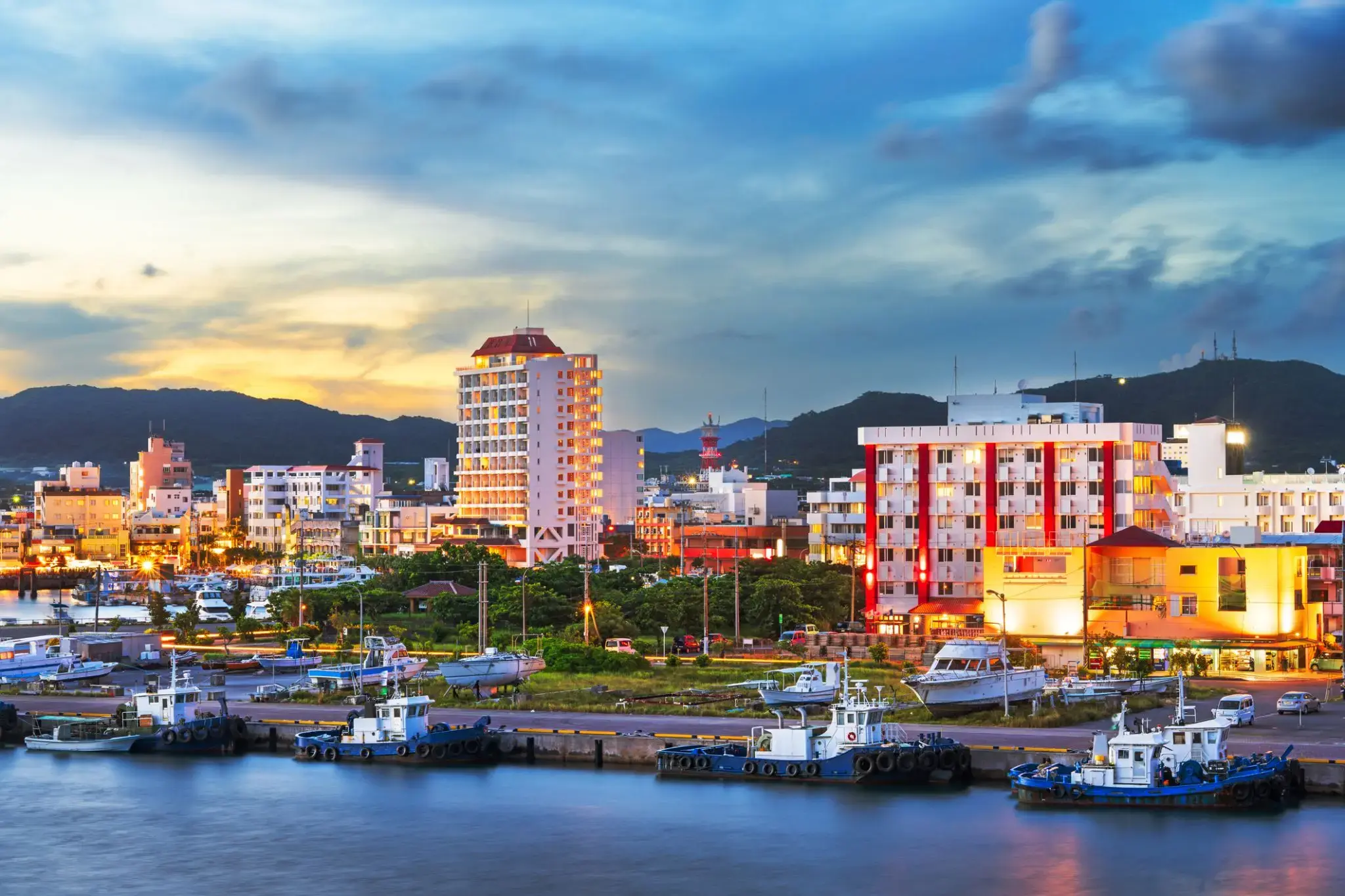

Kagoshima is the capital city of Kagoshima Prefecture at the south western tip of the island of Kyushu in Japan, and the largest city in the prefecture by some margin. It has been nicknamed the "Naples of the Eastern world" for its bay location (Aira Caldera), hot climate, and emblematic stratovolcano, Sakurajima. The city was officially founded on April 1, 1889.
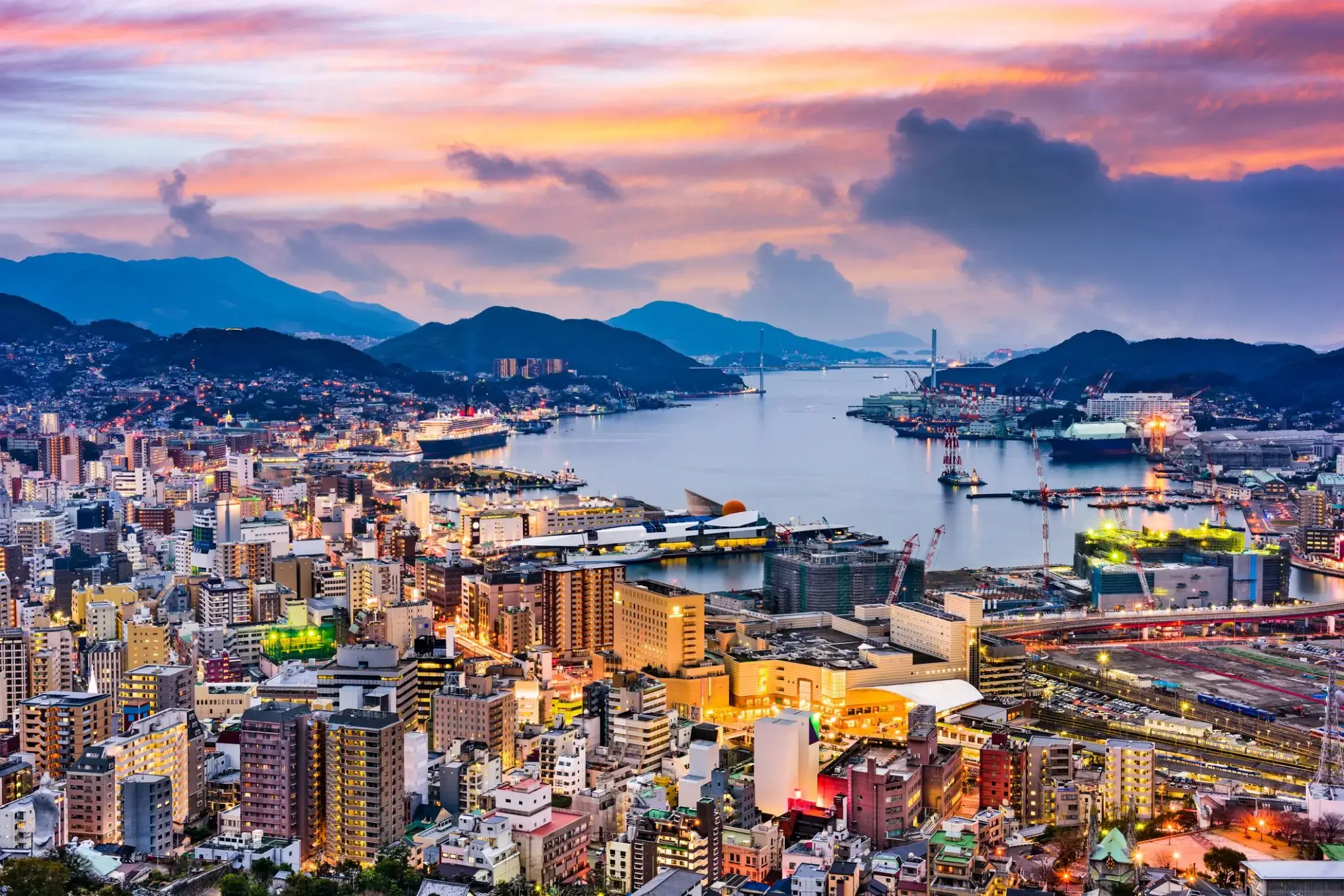
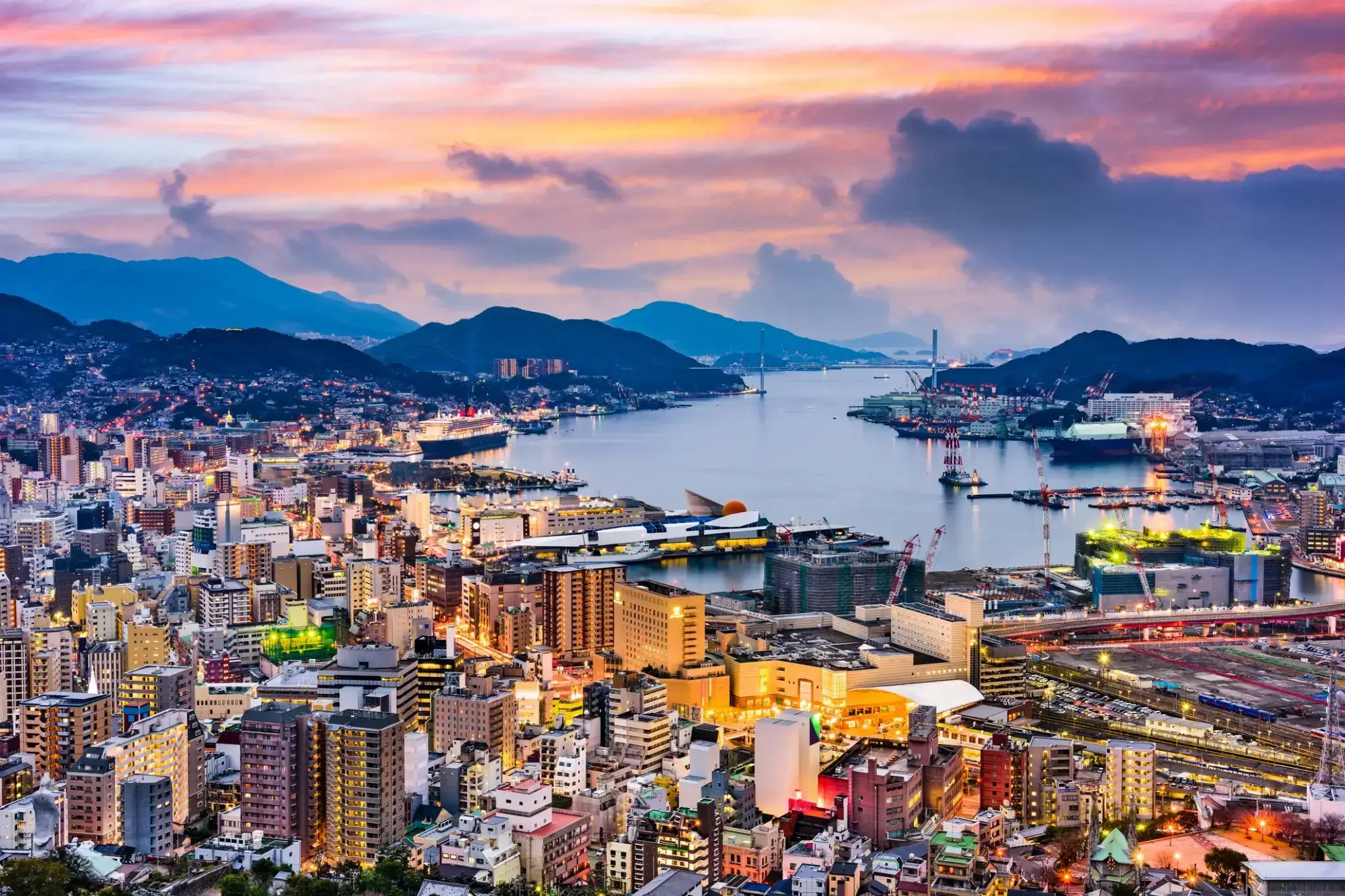
Nagasaki is the capital and the largest city of Nagasaki Prefecture on the island of Kyushu in Japan. The city's name means "long cape" in Japanese. Nagasaki became a centre of colonial Portuguese and Dutch influence in the 16th through 19th centuries, and the Hidden Christian Sites in the Nagasaki Region have been recognized and included in the UNESCO World Heritage List. Part of Nagasaki was home to a major Imperial Japanese Navy base during the First Sino-Japanese War and Russo-Japanese War.
During World War II, the American atomic bombings of Hiroshima and Nagasaki made Nagasaki the second and, to date, last city in the world to experience a nuclear attack (at 11:02 a.m., August 9, 1945 'Japan Standard Time (UTC+9)').
As of 1 March 2017, the city has an estimated population of 425,723 and a population density of 1,000 people per km2. The total area is 406.35 km2 (156.89 sq mi).

Busan, formerly known as Pusan and now officially Busan Metropolitan City, is South Korea's second most-populous city after Seoul, with a population of over 3.5 million inhabitants. It is the economic, cultural and educational center of southeastern Korea, with its port—Korea's busiest and the 9th-busiest in the world—only about 120 miles (190 km) from the Japanese islands of Kyushu and Honshu. The surrounding "Southeast Economic Zone" (including Ulsan and South Gyeongsang) is now South Korea's largest industrial area.
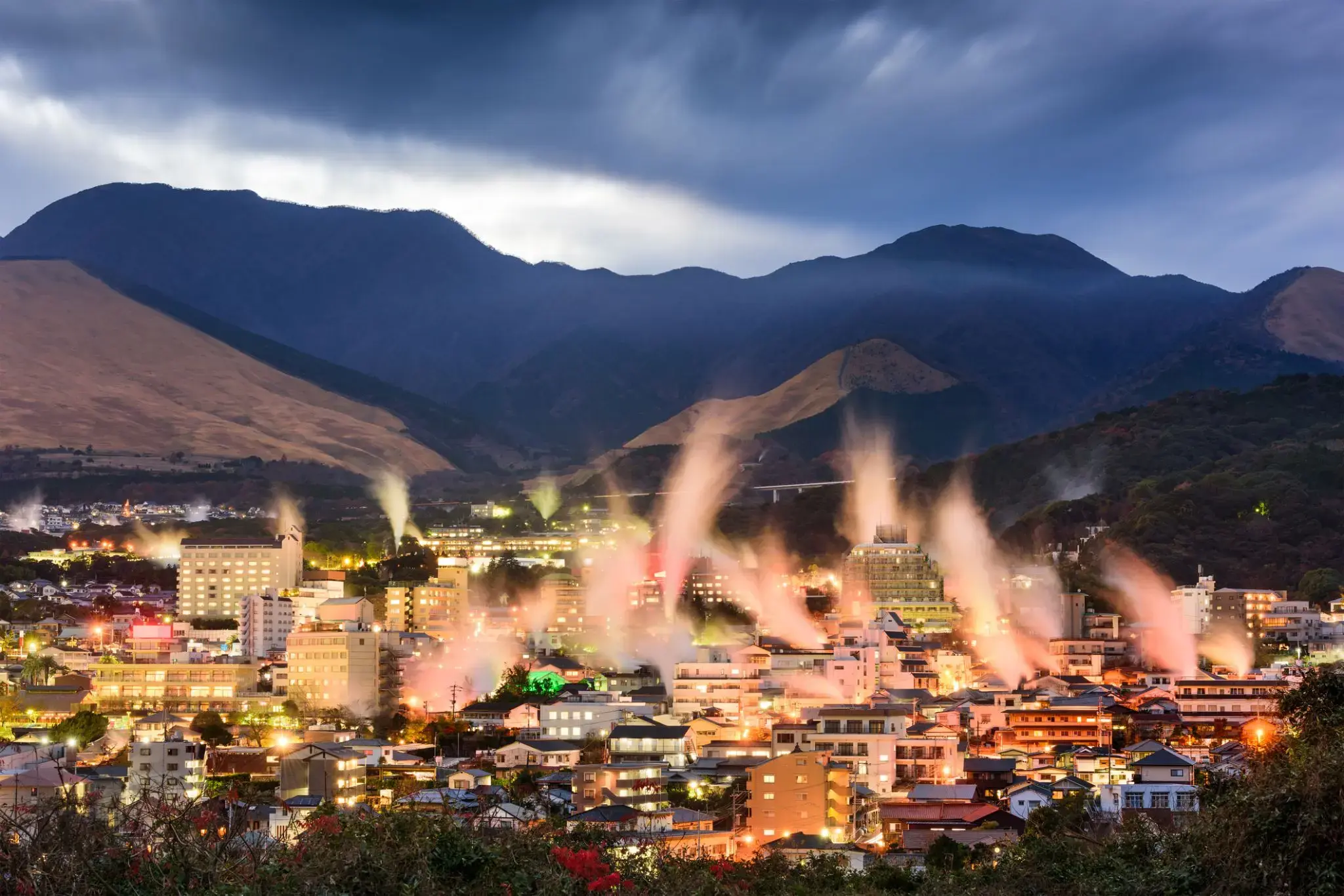
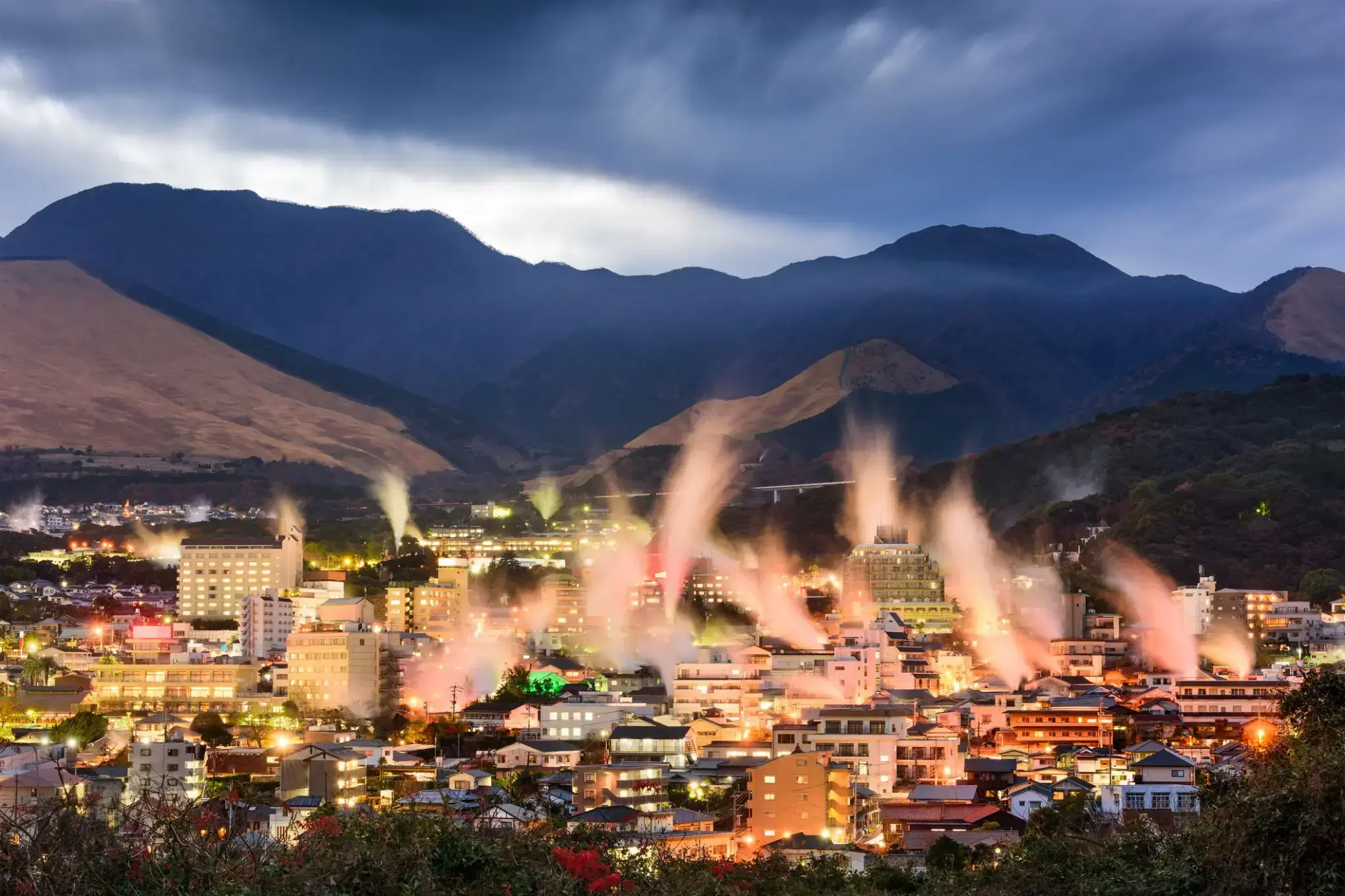
Beppu is a city in Ōita Prefecture on the island of Kyushu, Japan, at the west end of Beppu Bay. As of March 31, 2017, the city had a population of 122,643 and a population density of 980/km2 (2,500/sq mi). The total area is 125.13 km2 (48.31 sq mi). Beppu is famous for its hot springs.
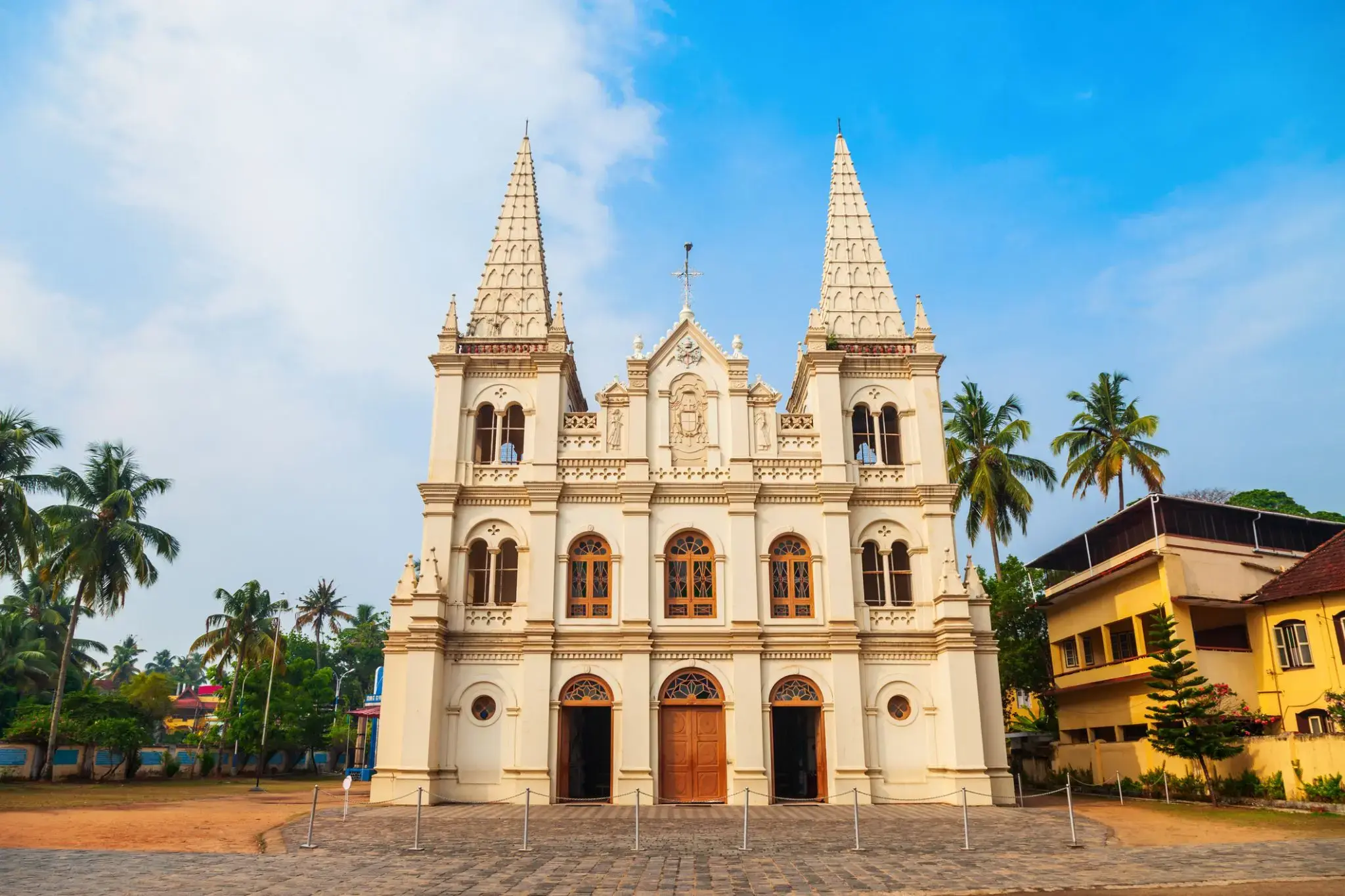
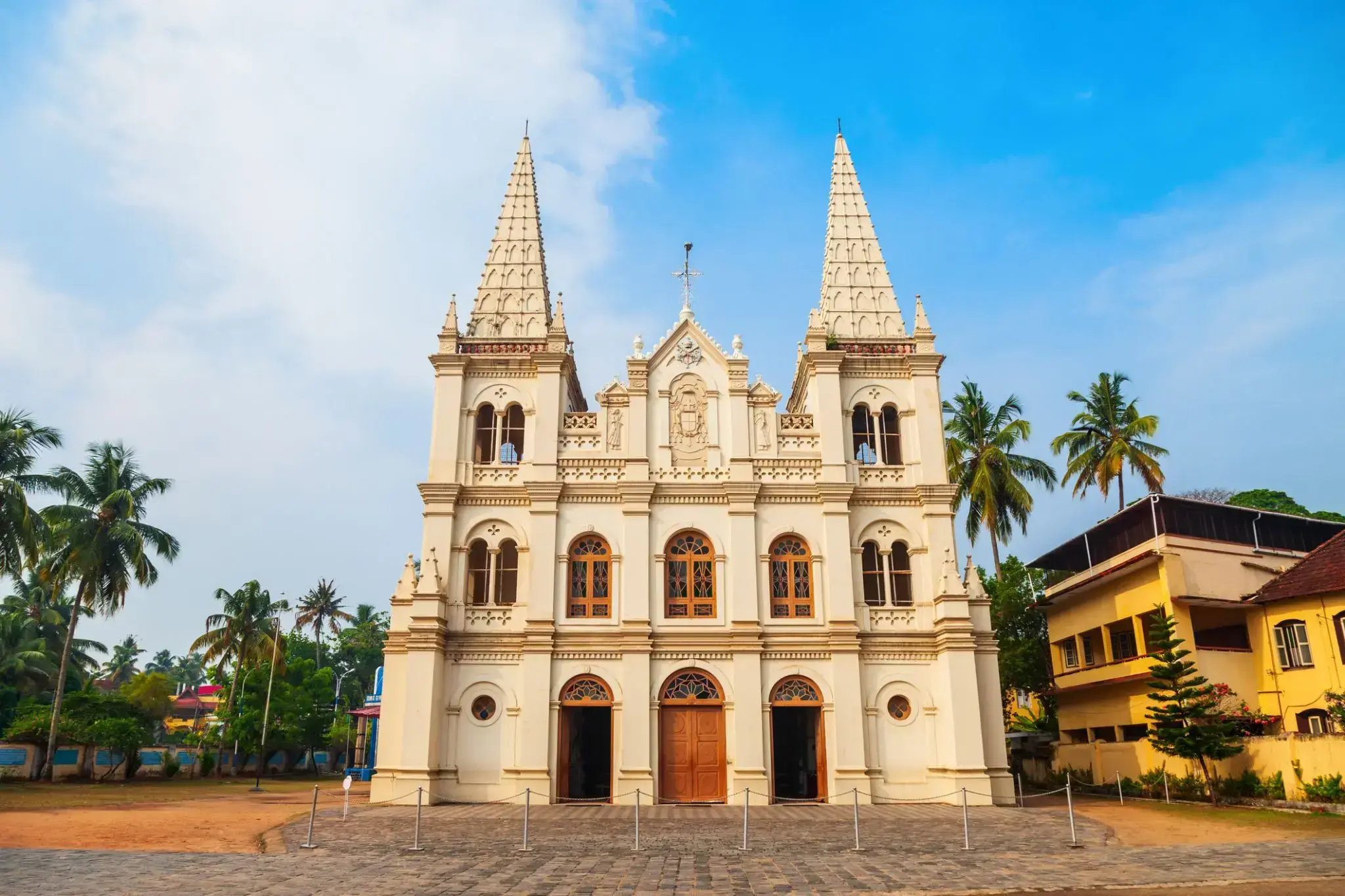
a seaport and naval base on the Malabar Coast of southwestern India, in the state of Kerala; population 254,500 (est. 2009).
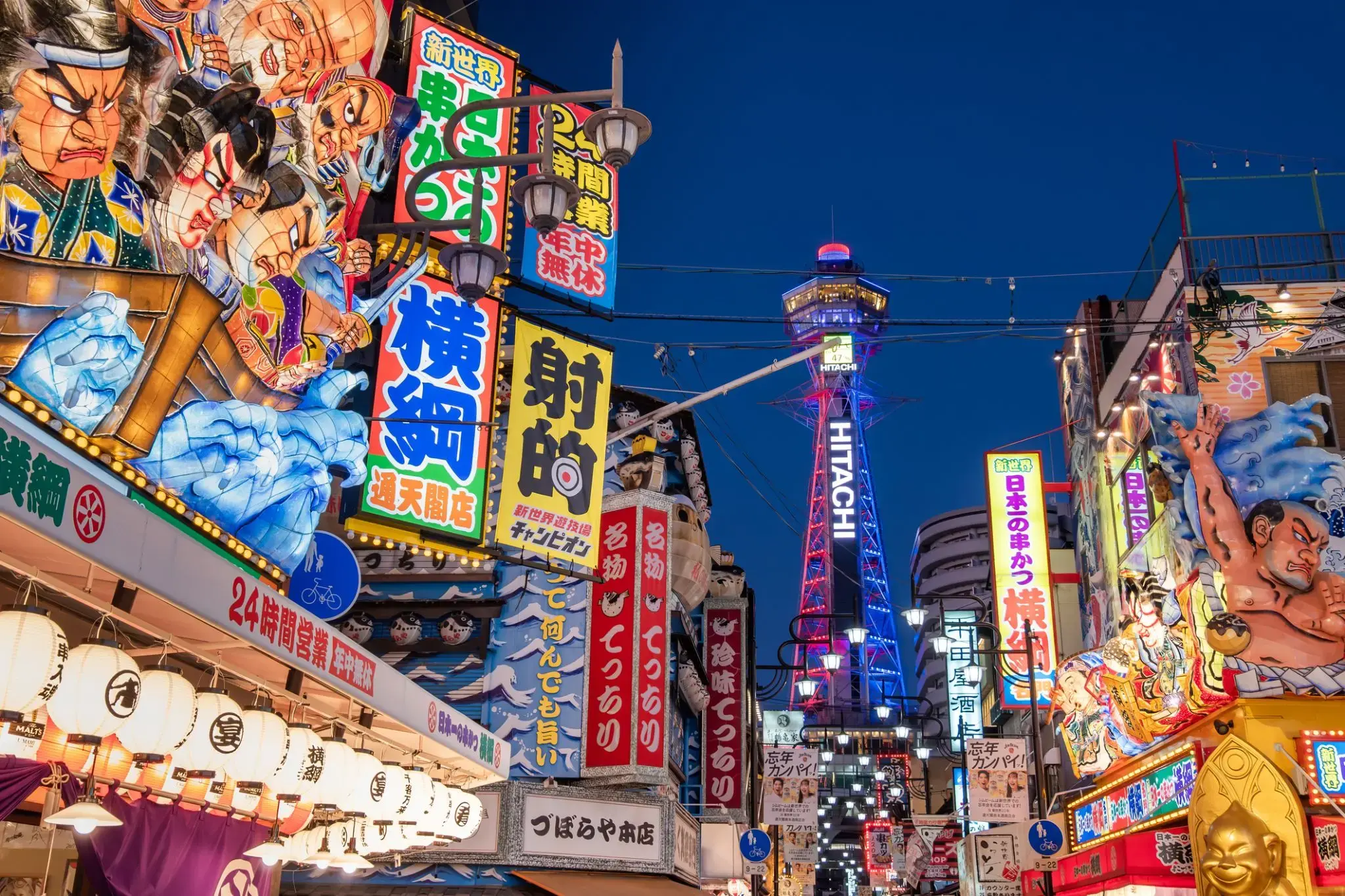
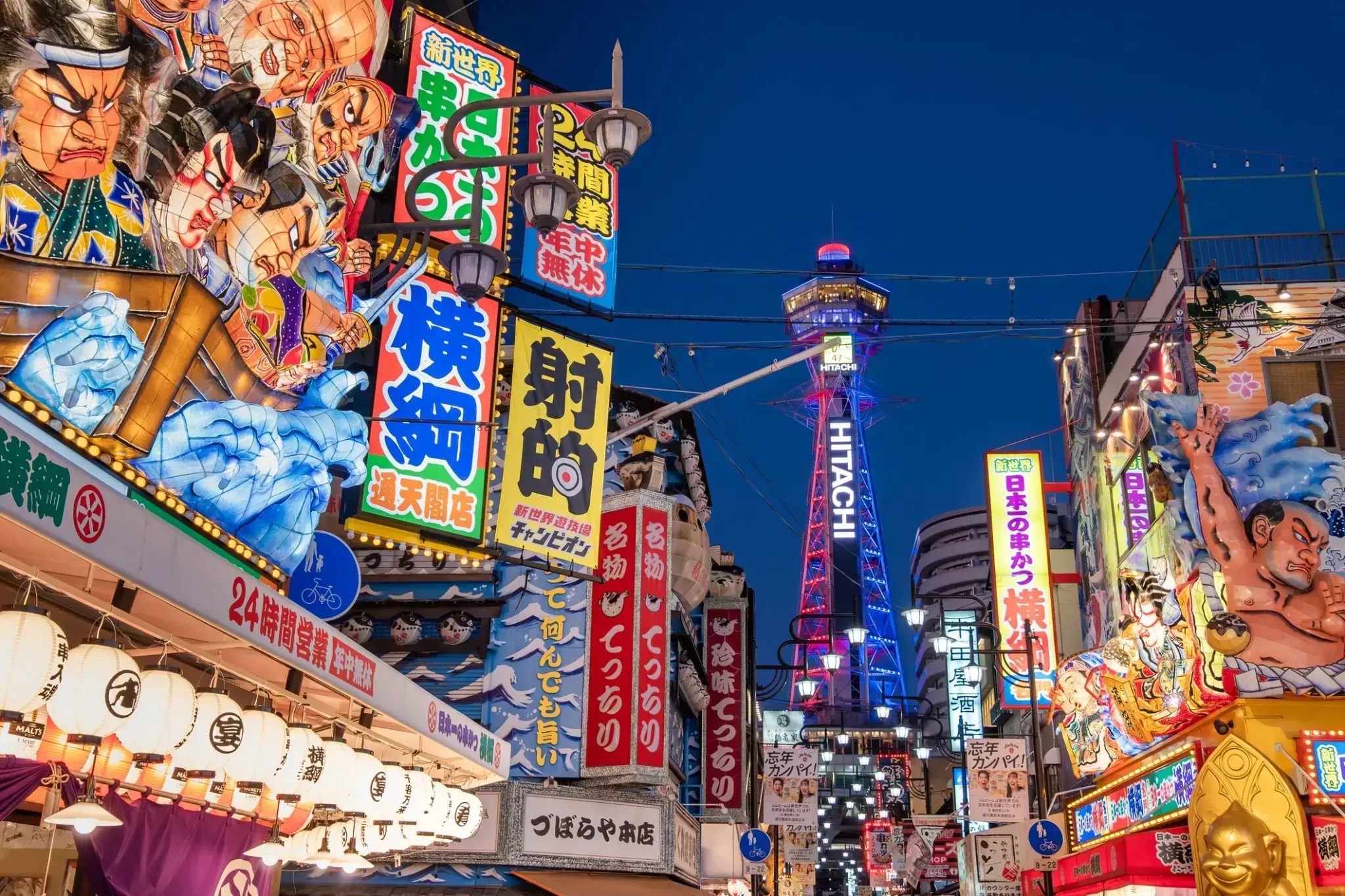
Osaka is a designated city in the Kansai regionof Japan. It is the capital city of Osaka Prefecture and the largest component of the Keihanshin Metropolitan Area, the second largest metropolitan area in Japan and among the largest in the world with over 19 million inhabitants. Osaka will host Expo 2025. The current mayor of Osaka is Hirohumi Yoshimura.

Tokyo, officially Tokyo Metropolis, one of the 47 prefectures of Japan, has served as the Japanese capital since 1869. As of 2014, the Greater Tokyo Arearanked as the most populous metropolitan area in the world. The urban area houses the seat of the Emperor of Japan, of the Japanese government and of the National Diet. Tokyo forms part of the Kantō region on the southeastern side of Japan's main island, Honshu, and includes the Izu Islands and Ogasawara Islands. Tokyo was formerly named Edo when Shōgun Tokugawa Ieyasu made the city his headquarters in 1603. It became the capital after Emperor Meiji moved his seat to the city from Kyoto in 1868; at that time Edo was renamed Tokyo. Tokyo Metropolis formed in 1943 from the merger of the former Tokyo Prefecture and the city of Tokyo. Tokyo is often referred to as a city but is officially known and governed as a "metropolitan prefecture", which differs from and combines elements of a city and a prefecture, a characteristic unique to Tokyo.
The 23 Special Wards of Tokyo were formerly Tokyo City. On July 1, 1943, it merged with Tokyo Prefecture and became Tokyo Metropolis with an additional 26 municipalities in the western part of the prefecture, and the Izu islandsand Ogasawara islands south of Tokyo. The population of the special wards is over 9 million people, with the total population of Tokyo Metropolis exceeding 13.8 million. The prefecture is part of the world's most populous metropolitan area called the Greater Tokyo Area with over 38 million people and the world's largest urban agglomeration economy. As of 2011, Tokyo hosted 51 of the Fortune Global 500 companies, the highest number of any city in the world at that time. Tokyo ranked third (twice) in the International Financial Centres Development Index. The city is home to various television networks such as Fuji TV, Tokyo MX, TV Tokyo, TV Asahi, Nippon Television, NHK and the Tokyo Broadcasting System.
Tokyo, officially Tokyo Metropolis, one of the 47 prefectures of Japan, has served as the Japanese capital since 1869. As of 2014, the Greater Tokyo Arearanked as the most populous metropolitan area in the world. The urban area houses the seat of the Emperor of Japan, of the Japanese government and of the National Diet. Tokyo forms part of the Kantō region on the southeastern side of Japan's main island, Honshu, and includes the Izu Islands and Ogasawara Islands. Tokyo was formerly named Edo when Shōgun Tokugawa Ieyasu made the city his headquarters in 1603. It became the capital after Emperor Meiji moved his seat to the city from Kyoto in 1868; at that time Edo was renamed Tokyo. Tokyo Metropolis formed in 1943 from the merger of the former Tokyo Prefecture and the city of Tokyo. Tokyo is often referred to as a city but is officially known and governed as a "metropolitan prefecture", which differs from and combines elements of a city and a prefecture, a characteristic unique to Tokyo.
The 23 Special Wards of Tokyo were formerly Tokyo City. On July 1, 1943, it merged with Tokyo Prefecture and became Tokyo Metropolis with an additional 26 municipalities in the western part of the prefecture, and the Izu islandsand Ogasawara islands south of Tokyo. The population of the special wards is over 9 million people, with the total population of Tokyo Metropolis exceeding 13.8 million. The prefecture is part of the world's most populous metropolitan area called the Greater Tokyo Area with over 38 million people and the world's largest urban agglomeration economy. As of 2011, Tokyo hosted 51 of the Fortune Global 500 companies, the highest number of any city in the world at that time. Tokyo ranked third (twice) in the International Financial Centres Development Index. The city is home to various television networks such as Fuji TV, Tokyo MX, TV Tokyo, TV Asahi, Nippon Television, NHK and the Tokyo Broadcasting System.
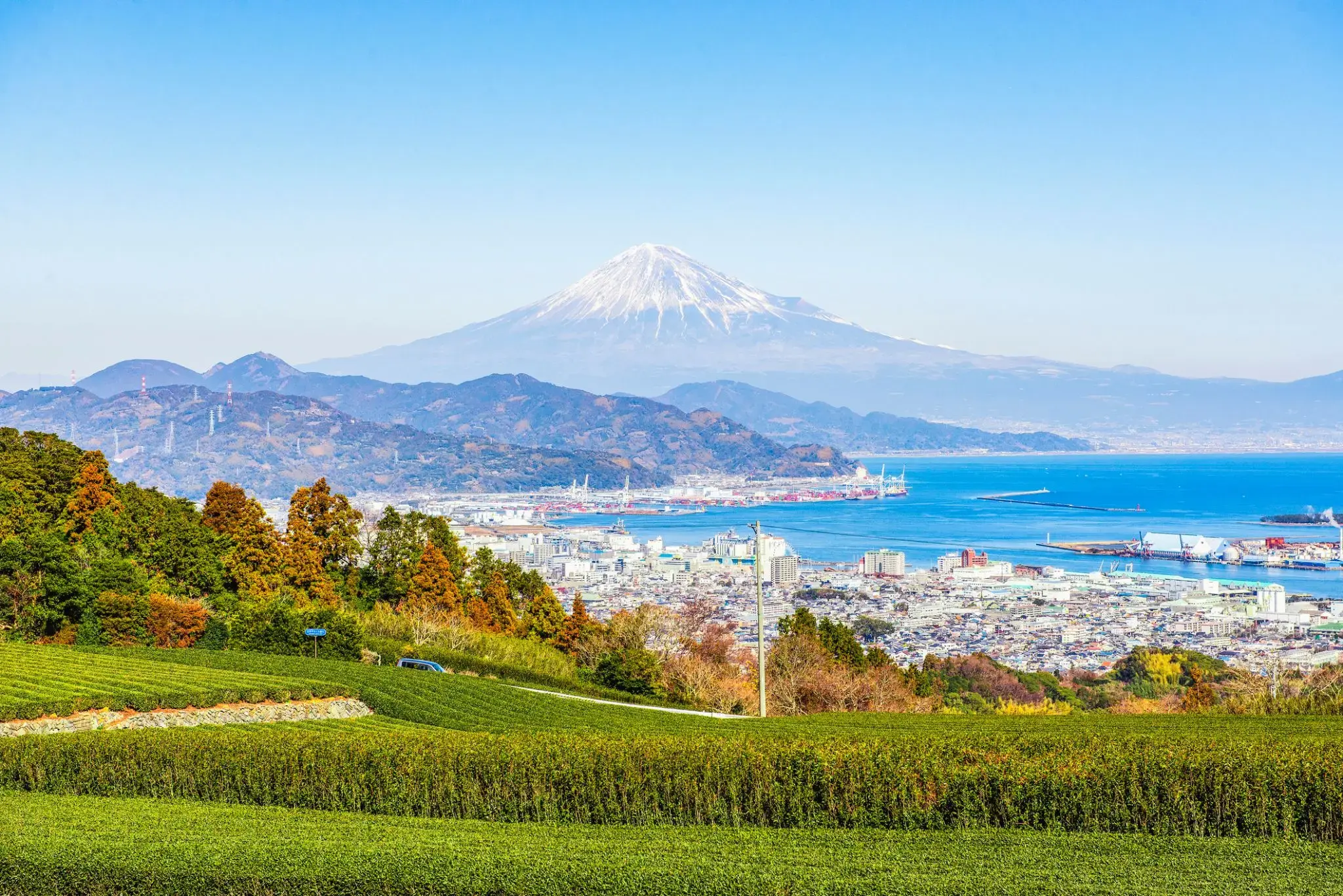
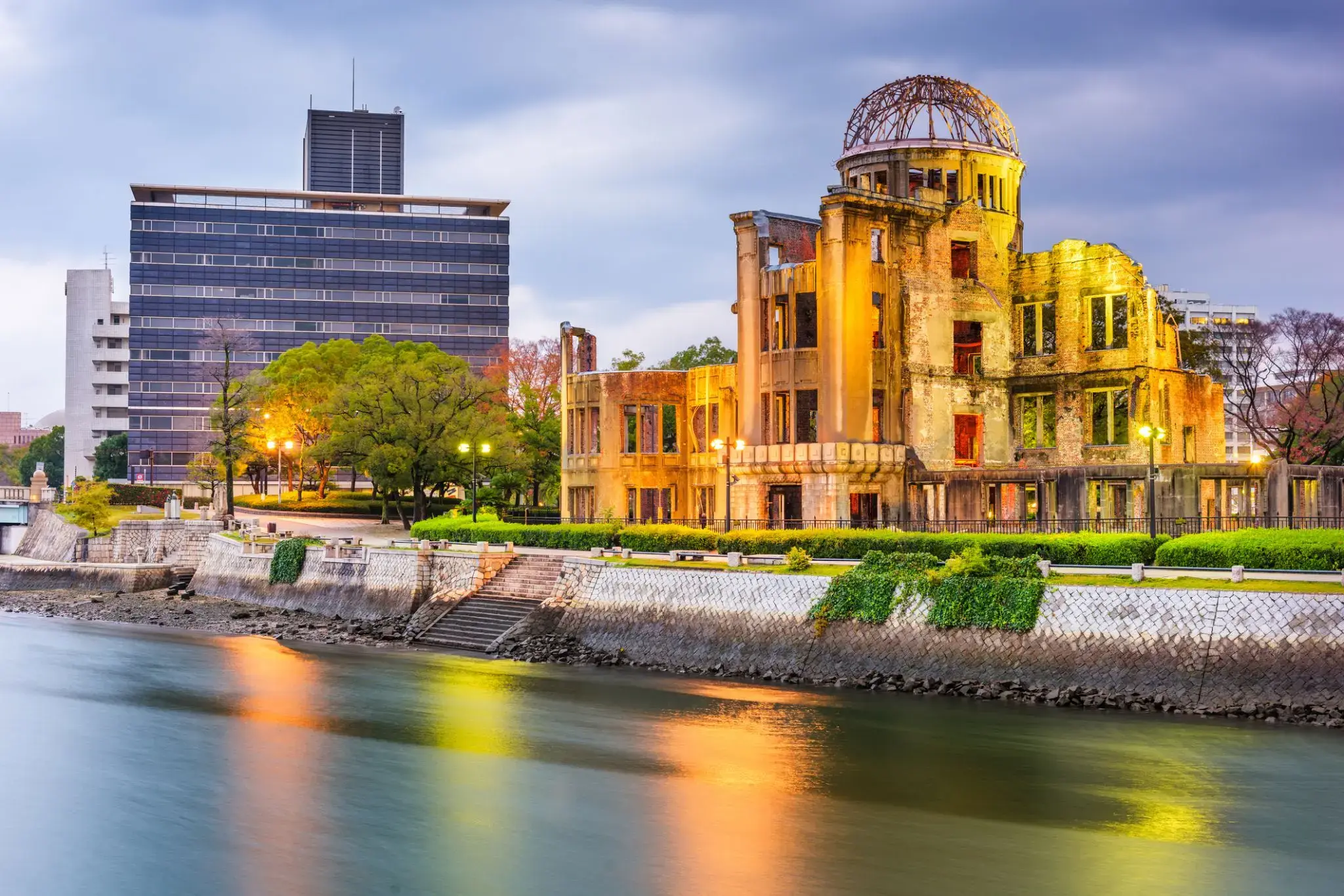
a city in southwestern Japan, on the southern coast of the island of Honshu; population 1,144,572 (2007). It was the target of the first atom bomb, which was dropped by the US on August 6, 1945, and resulted in the deaths of about one third of the city's population of 300,000. This, with a second attack on Nagasaki three days later, led to Japan's surrender and to the end of World War II.
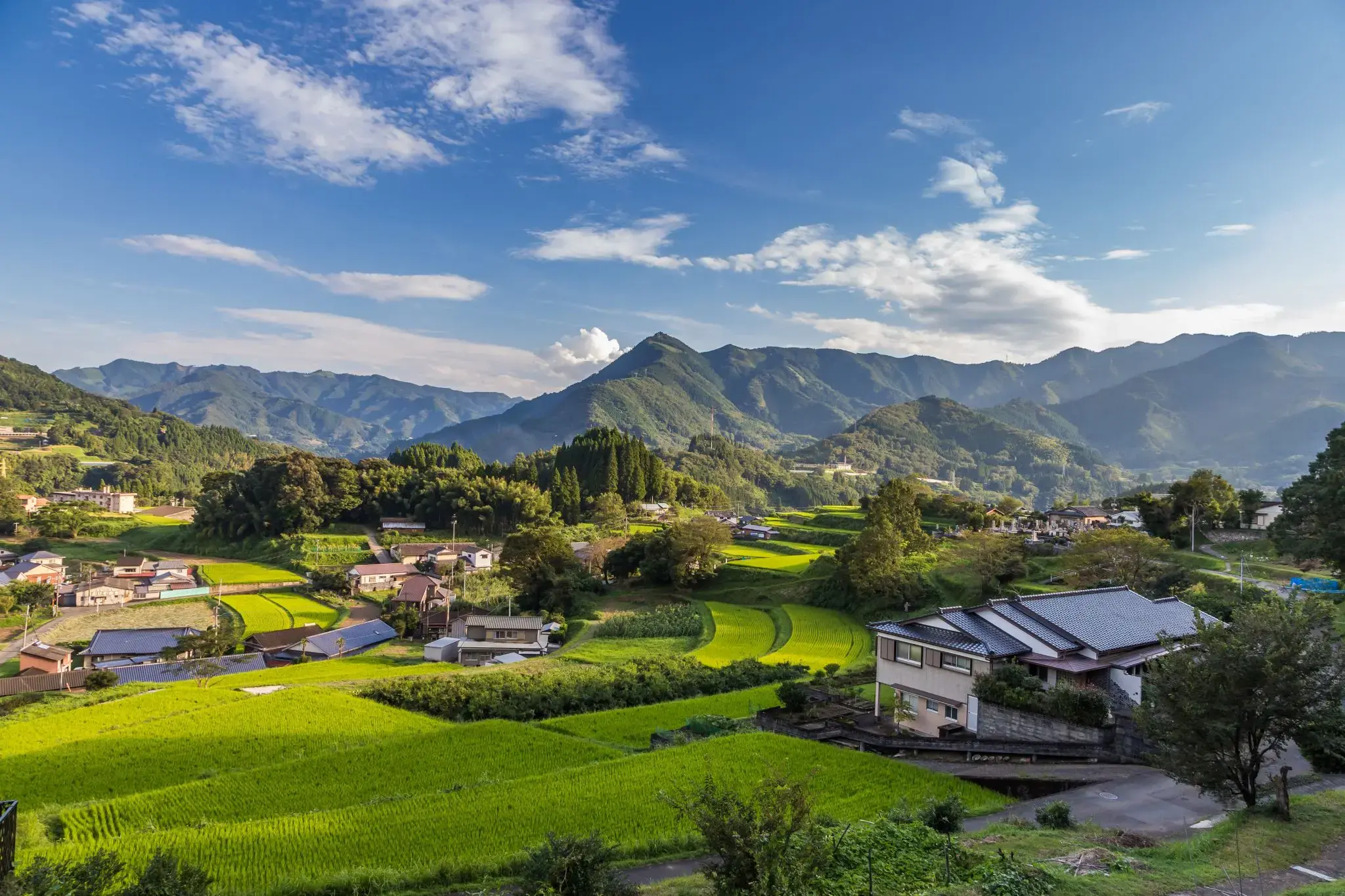
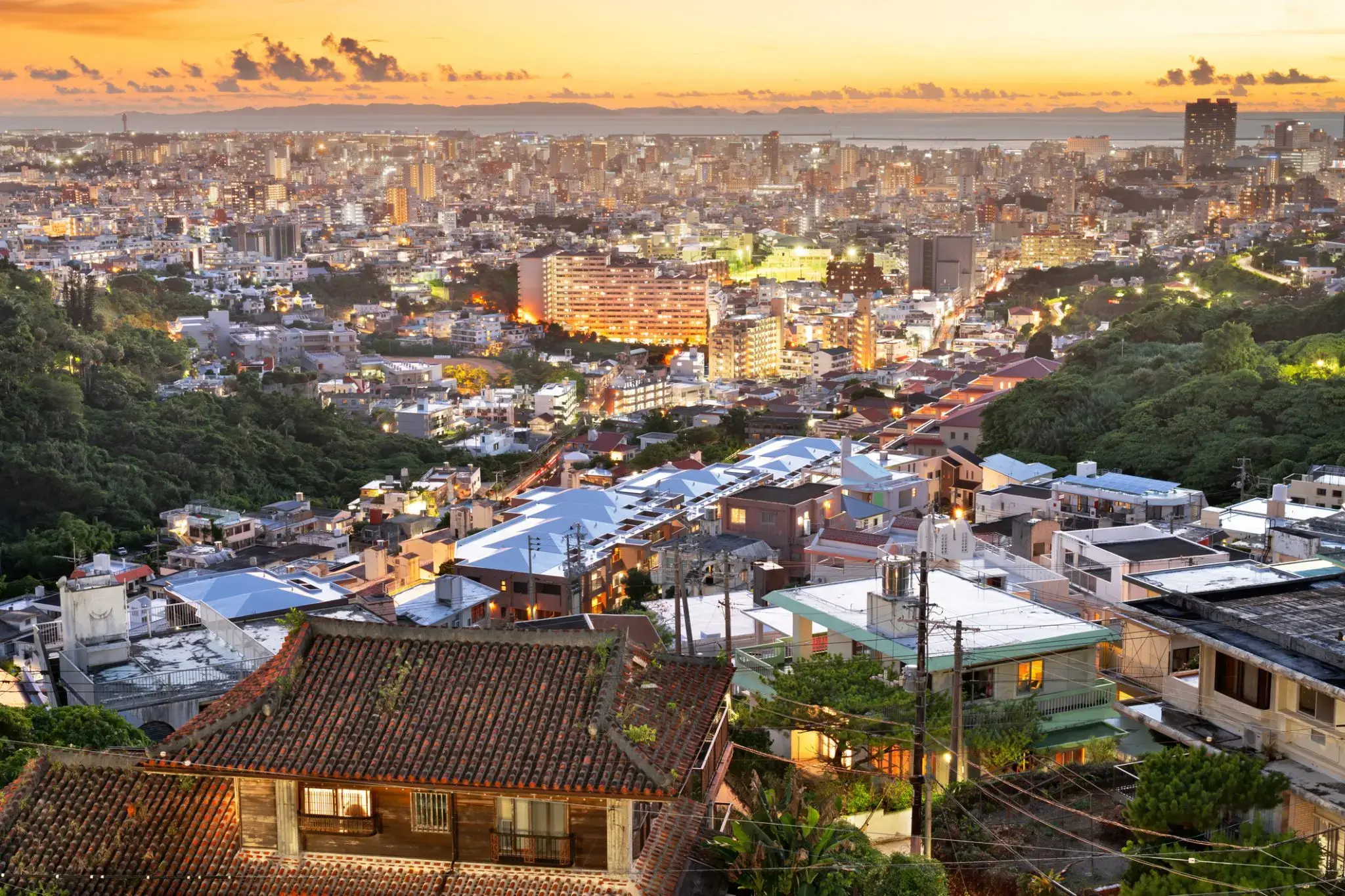
Naha — brama do kultury Riukiu i rytmów tropikalnej Japonii
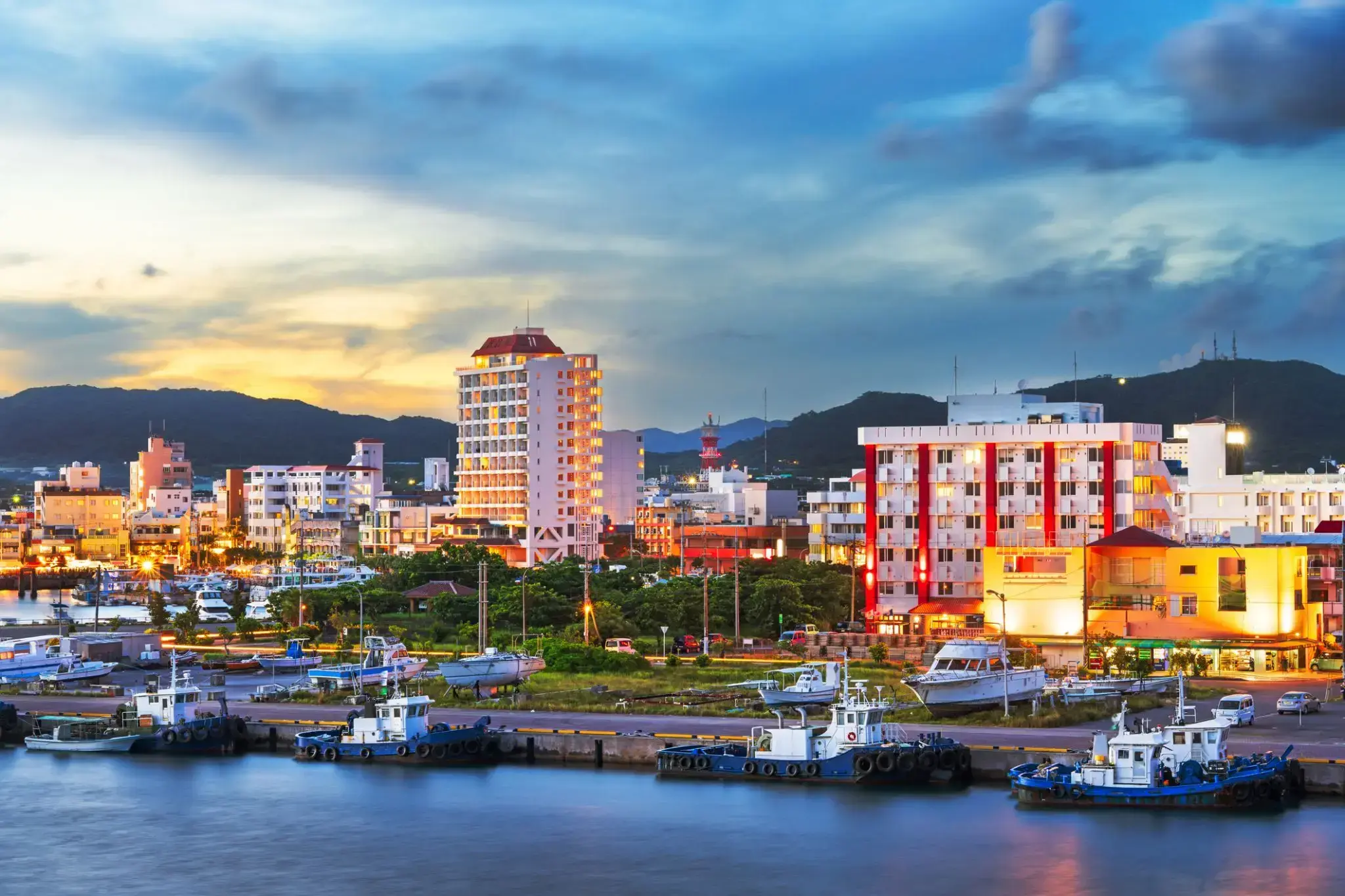
Naha to główne miasto wyspy Okinawa i kulturalne serce dawnego Królestwa Riukiu. Mimo nowoczesnych budynków i ruchliwych ulic, miasto starannie pielęgnuje ślady swojej unikalnej przeszłości. Jedną z głównych atrakcji jest zamek Shuri — historyczna rezydencja królów Riukiu i obiekt Światowego Dziedzictwa UNESCO, częściowo odbudowany po pożarze w 2019 roku. W Naha znajduje się również słynna ulica Kokusai-dori — centrum handlu, gastronomii i rozrywki, gdzie można spróbować tradycyjnych dań Okinawy i zakupić rękodzieło lokalnych rzemieślników.
Miasto cieszy się ciepłym klimatem przez cały rok i stanowi punkt wyjścia do białych plaż i raf koralowych południowych wysp. W pobliżu centrum znajduje się ogród Fukushu-en — malowniczy chiński ogród przypominający o historycznych związkach Okinawy z Chinami. Targ Matsuyama i zabytkowa dzielnica Tsuboya, znana z ceramiki, pozwalają poczuć codzienne życie mieszkańców wyspy. Naha to idealne połączenie historii, kuchni i spokojnego, wyspiarskiego rytmu, jakiego nie znajdziesz nigdzie indziej w Japonii.
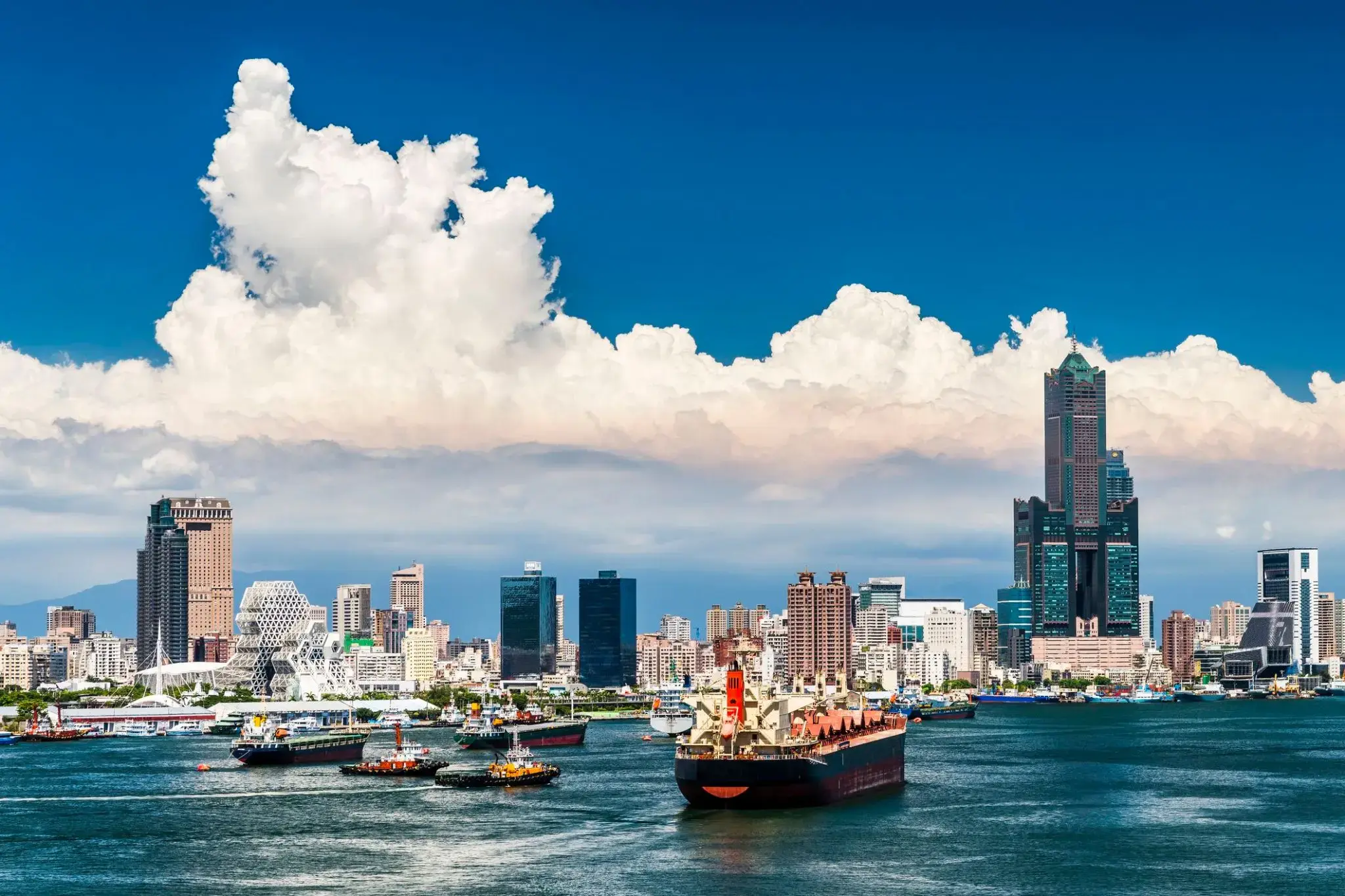
Kaohsiung — Morskie wrota Tajwanu z sercem metropolii i duszą tropików
Witamy w Kaohsiung — dynamicznym mieście na południowym wybrzeżu Tajwanu, gdzie energia portu łączy się z spokojem oceanicznych krajobrazów. To nie tylko centrum przemysłowe, ale także kulturalne serce, które zachwyca łagodnym klimatem, obfitą naturą i tętniącą życiem atmosferą. W 2009 roku Kaohsiung było gospodarzem Światowych Igrzysk, co umocniło jego status jako ważnego międzynarodowego centrum. Tutaj niemal codziennie świeci słońce, a horyzont, na którym spotykają się góry, zatoki i nowoczesne budynki, zachwyca za każdym razem.
Turyści znajdą tutaj wiele ciekawych atrakcji: od spokojnych spacerów wzdłuż Rzeki Miłości po zapierające dech w piersiach widoki z szczytu góry Shoushan. Miasto oferuje również ogromną różnorodność kulturową, od starożytnych ulic dzielnicy Zuoyin po wieś Meinong, gdzie można podziwiać tradycyjne rzemiosło. Kaohsiung to nie tylko punkt na mapie, ale podróż do atmosfery, w której natura, historia i nowoczesność łączą się w unikalne doświadczenie.
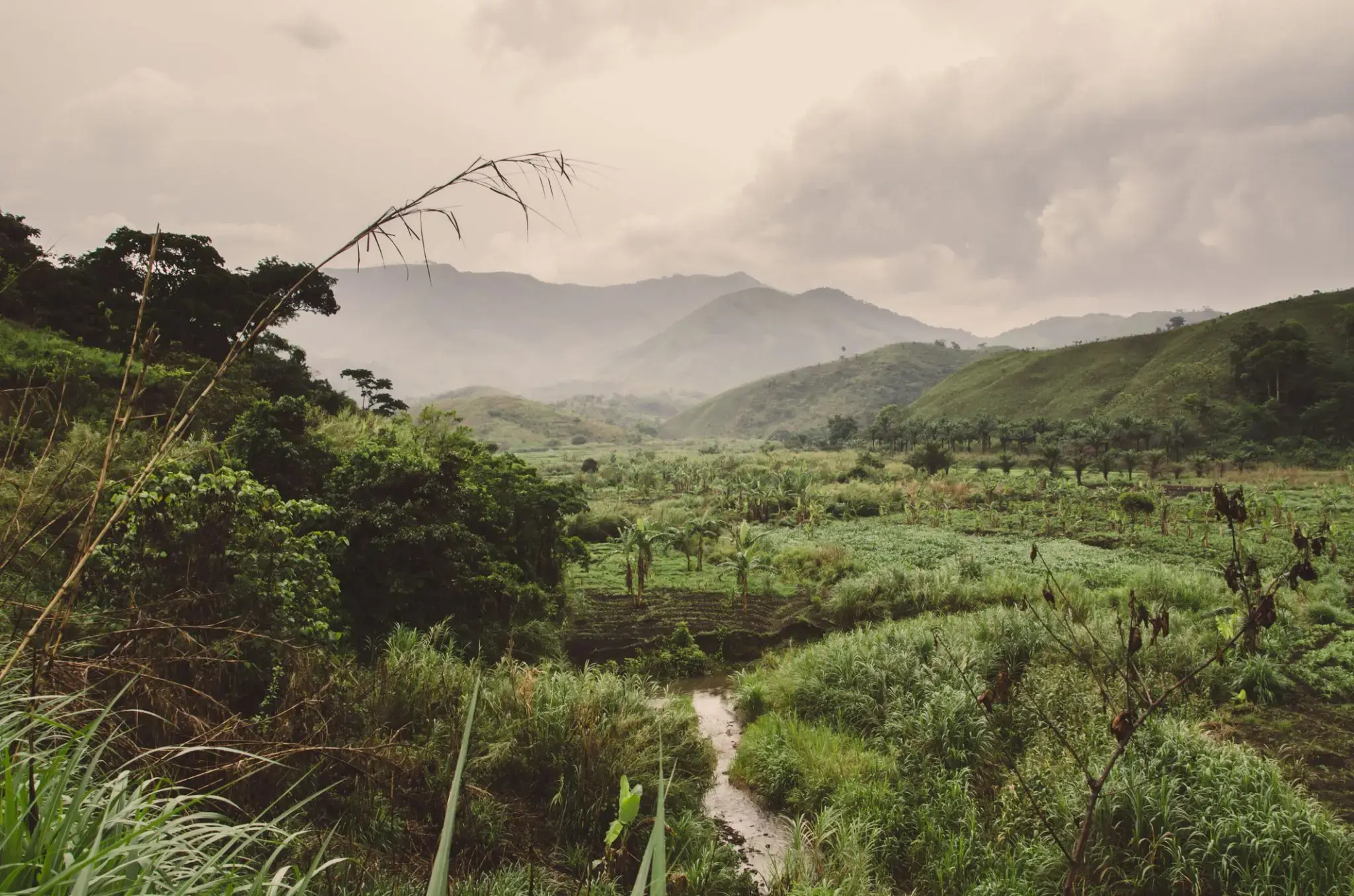
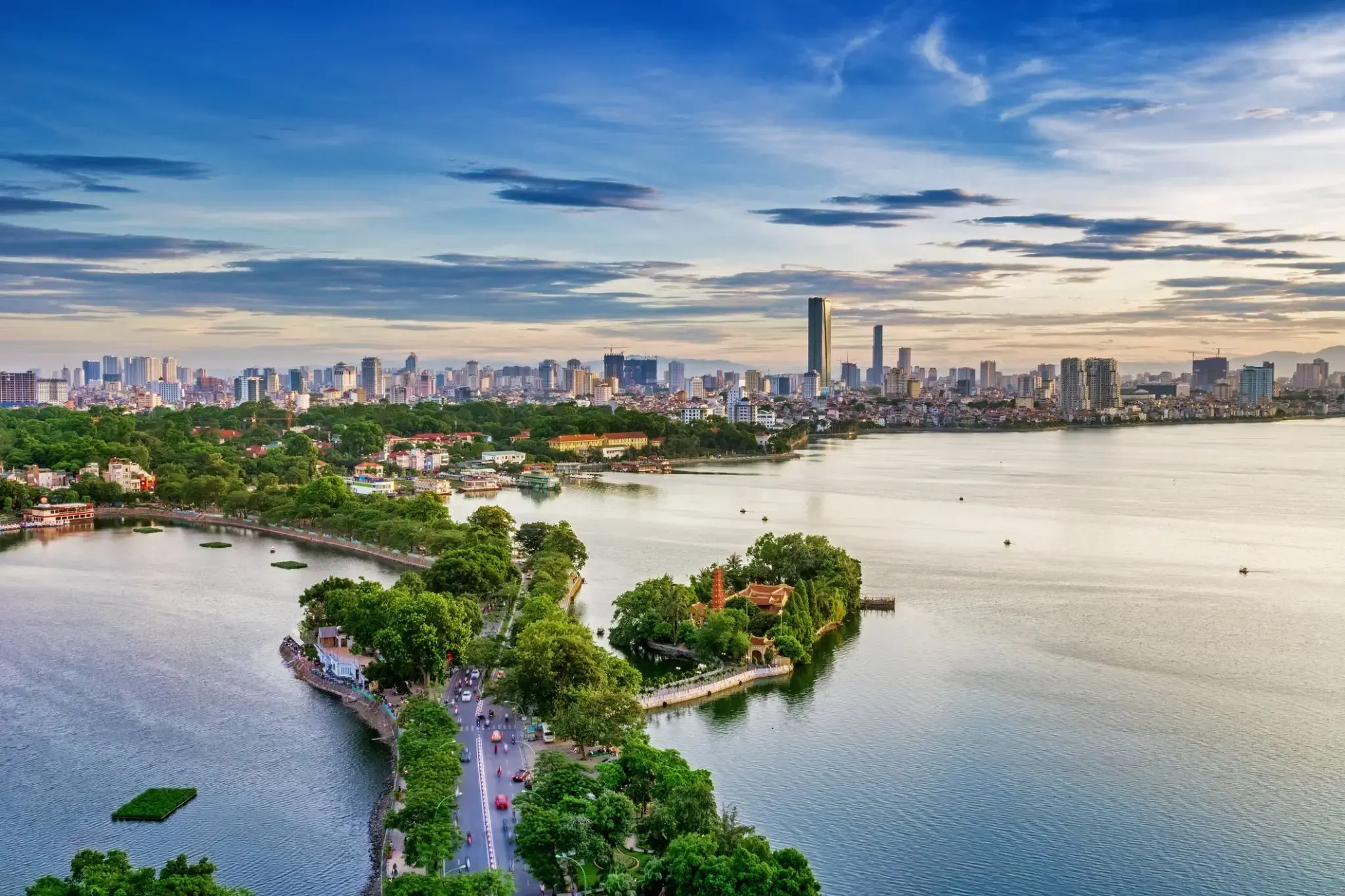
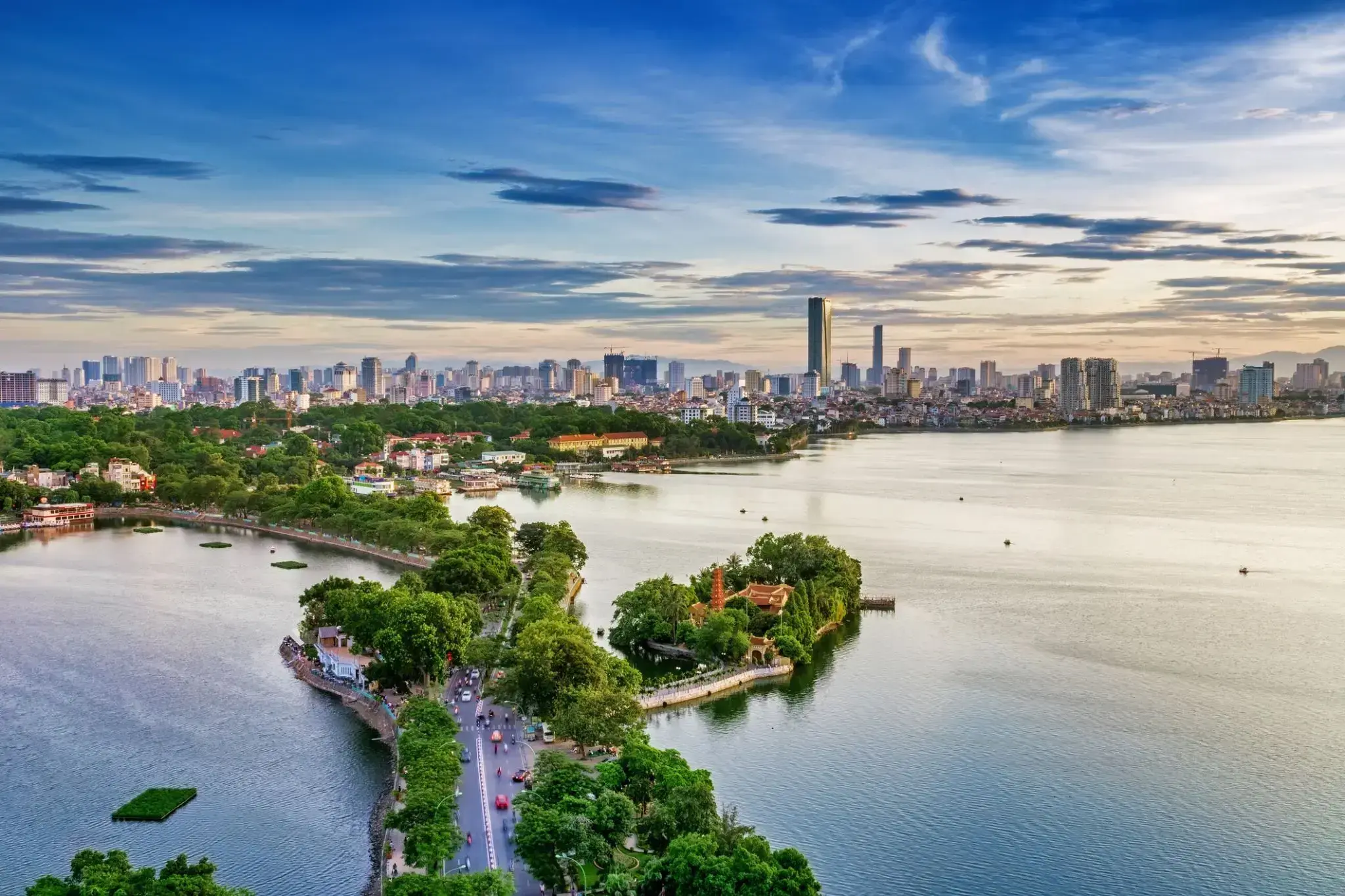
Hanoi to stolica Wietnamu, miasto z tysiącletnią historią, dawniej znane jako Thang Long, co oznacza „Miasto Wzbijającego się Smoka”. Pomimo wielu pagód, zabytków architektury i gwarnych dzielnic handlowych, nie ma tu tłumów turystów, co pozwala cieszyć się jego urokiem bez pośpiechu i zgiełku.
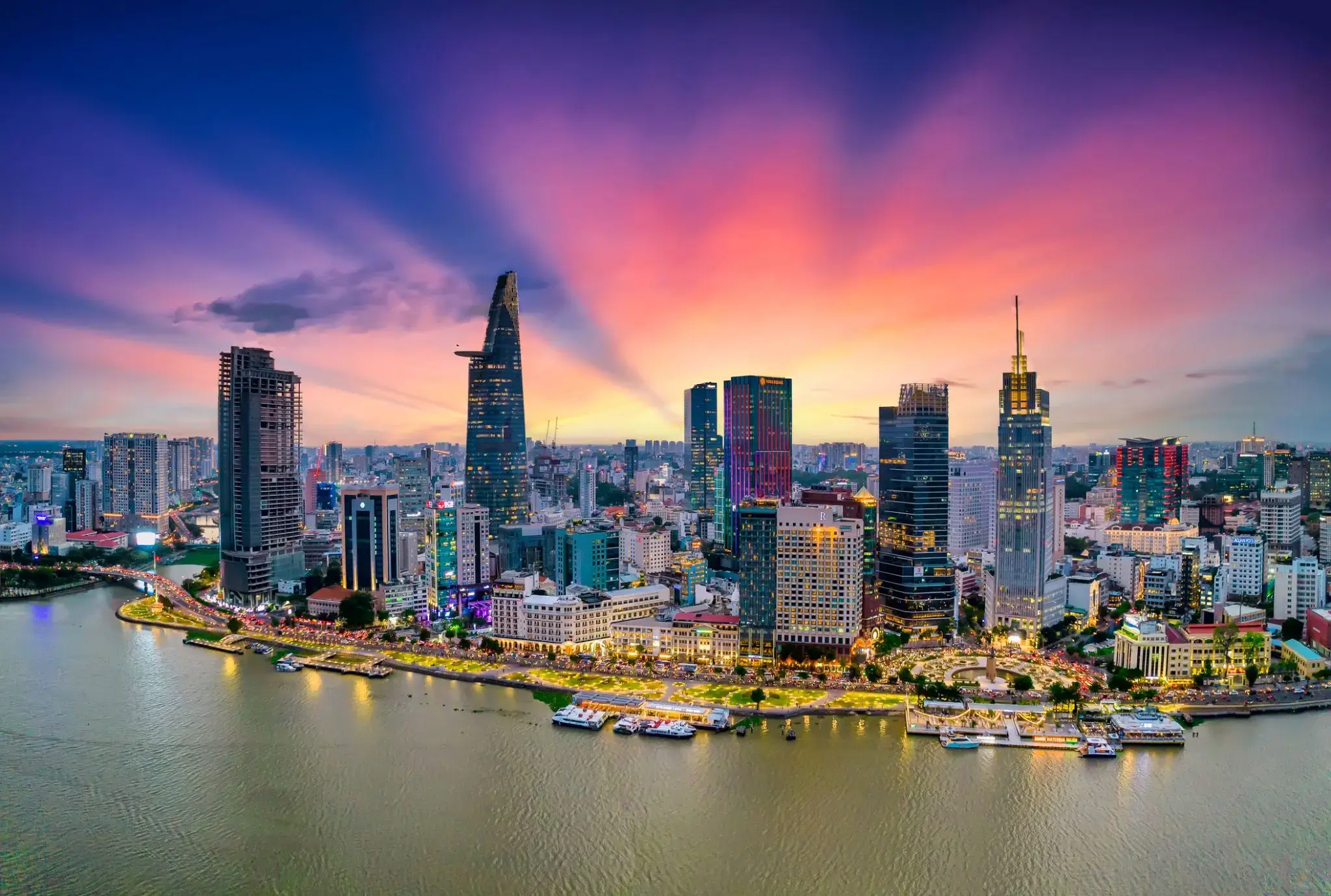
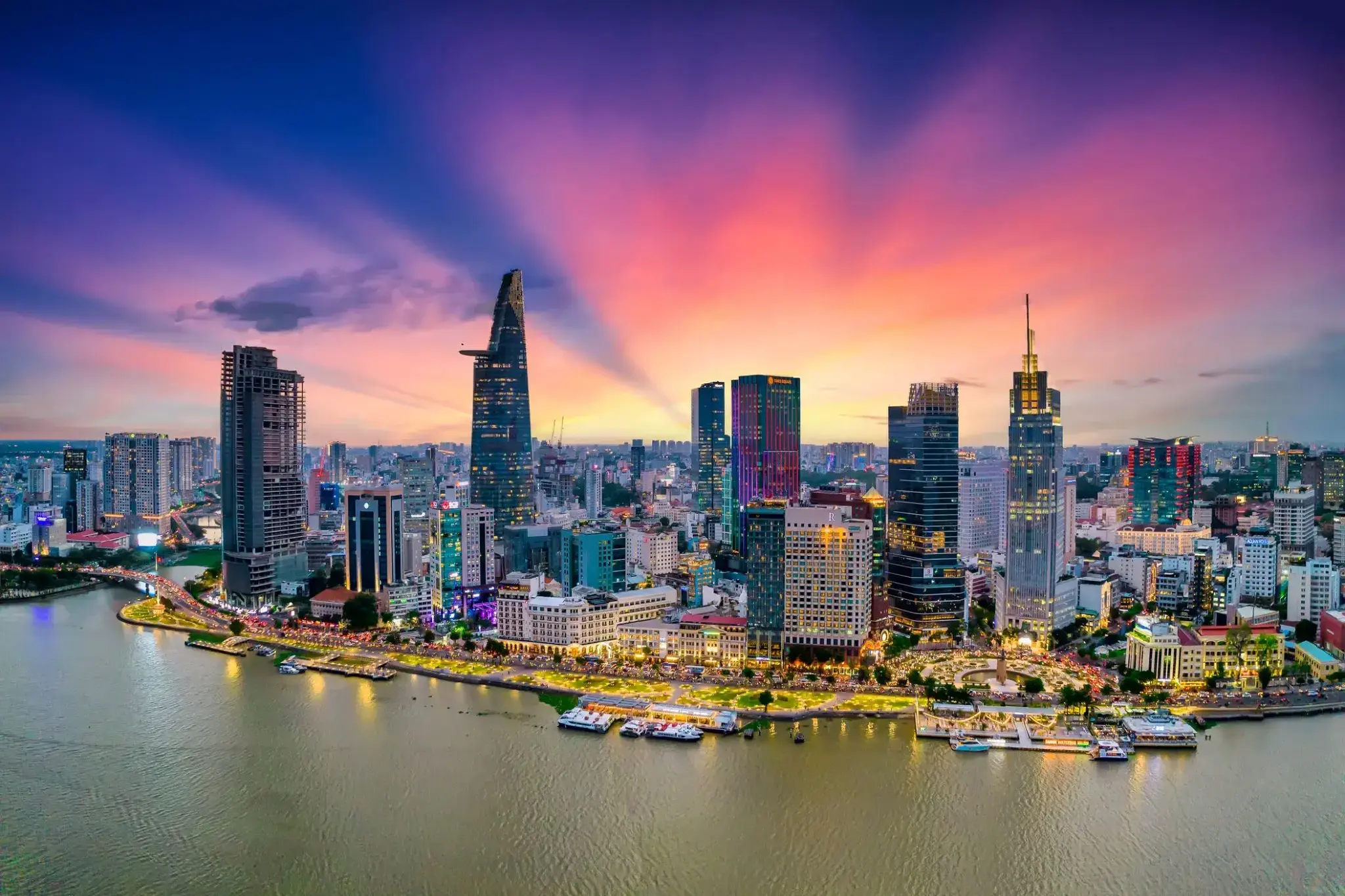
Ho Chi Minh, znane również pod swoją dawną nazwą Sajgon, jest najludniejszym miastem Wietnamu z populacją 8,4 miliona (13 milionów w obszarze metropolitalnym) według stanu na 2017 rok. Położona w południowo-wschodnim Wietnamie metropolia otacza rzekę Sajgon i zajmuje powierzchnię około 2061 kilometrów kwadratowych (796 mil kwadratowych).
Pod nazwą Sajgon było stolicą Indochin Francuskich od 1887 do 1902 roku i ponownie od 1945 do 1954 roku. Sajgon stał się później stolicą Wietnamu Południowego od 1955 roku aż do jego upadku w 1975 roku. 2 lipca 1976 roku Sajgon połączył się z otaczającą prowincją Gia Định i został oficjalnie przemianowany na Ho Chi Minh City na cześć przywódcy rewolucyjnego Hồ Chí Minha (chociaż nazwa Sài Gòn jest nadal powszechnie używana).
Ho Chi Minh City jest centrum finansowym Wietnamu i jest klasyfikowane jako miasto światowe Beta+ przez Globalization and World Cities Research Network. Jest siedzibą Giełdy Papierów Wartościowych w Ho Chi Minh City, największej giełdy papierów wartościowych pod względem całkowitej kapitalizacji rynkowej w Wietnamie oraz siedzibą wielu krajowych i międzynarodowych banków i firm.
Ho Chi Minh City jest najczęściej odwiedzanym miastem w Wietnamie, z 6,3 miliona odwiedzających w 2017 roku. Wiele znanych międzynarodowym turystom zabytków miasta to między innymi targ Bến Thành, ratusz w Ho Chi Minh City, bazylika katedralna Notre-Dame w Sajgonie, Pałac Niepodległości i Teatr Miejski. Głównym lotniskiem pasażerskim obsługującym obszar metropolitalny jest międzynarodowe lotnisko Tân Sơn Nhất, najbardziej ruchliwe lotnisko w Wietnamie, które w 2017 roku obsłużyło 36 milionów pasażerów.
Ho Chi Minh, znane również pod swoją dawną nazwą Sajgon, jest najludniejszym miastem Wietnamu z populacją 8,4 miliona (13 milionów w obszarze metropolitalnym) według stanu na 2017 rok. Położona w południowo-wschodnim Wietnamie metropolia otacza rzekę Sajgon i zajmuje powierzchnię około 2061 kilometrów kwadratowych (796 mil kwadratowych).
Pod nazwą Sajgon było stolicą Indochin Francuskich od 1887 do 1902 roku i ponownie od 1945 do 1954 roku. Sajgon stał się później stolicą Wietnamu Południowego od 1955 roku aż do jego upadku w 1975 roku. 2 lipca 1976 roku Sajgon połączył się z otaczającą prowincją Gia Định i został oficjalnie przemianowany na Ho Chi Minh City na cześć przywódcy rewolucyjnego Hồ Chí Minha (chociaż nazwa Sài Gòn jest nadal powszechnie używana).
Ho Chi Minh City jest centrum finansowym Wietnamu i jest klasyfikowane jako miasto światowe Beta+ przez Globalization and World Cities Research Network. Jest siedzibą Giełdy Papierów Wartościowych w Ho Chi Minh City, największej giełdy papierów wartościowych pod względem całkowitej kapitalizacji rynkowej w Wietnamie oraz siedzibą wielu krajowych i międzynarodowych banków i firm.
Ho Chi Minh City jest najczęściej odwiedzanym miastem w Wietnamie, z 6,3 miliona odwiedzających w 2017 roku. Wiele znanych międzynarodowym turystom zabytków miasta to między innymi targ Bến Thành, ratusz w Ho Chi Minh City, bazylika katedralna Notre-Dame w Sajgonie, Pałac Niepodległości i Teatr Miejski. Głównym lotniskiem pasażerskim obsługującym obszar metropolitalny jest międzynarodowe lotnisko Tân Sơn Nhất, najbardziej ruchliwe lotnisko w Wietnamie, które w 2017 roku obsłużyło 36 milionów pasażerów.
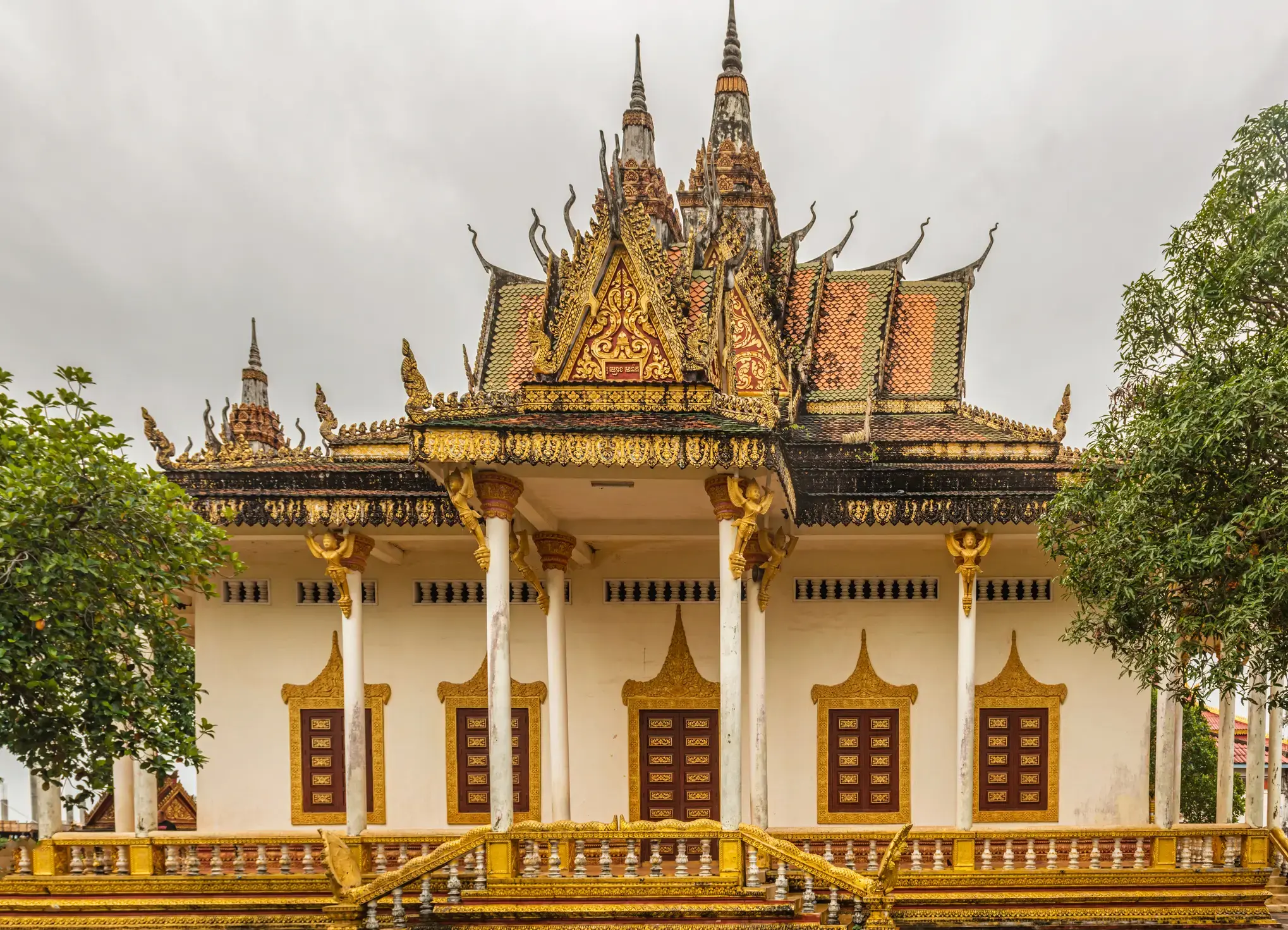
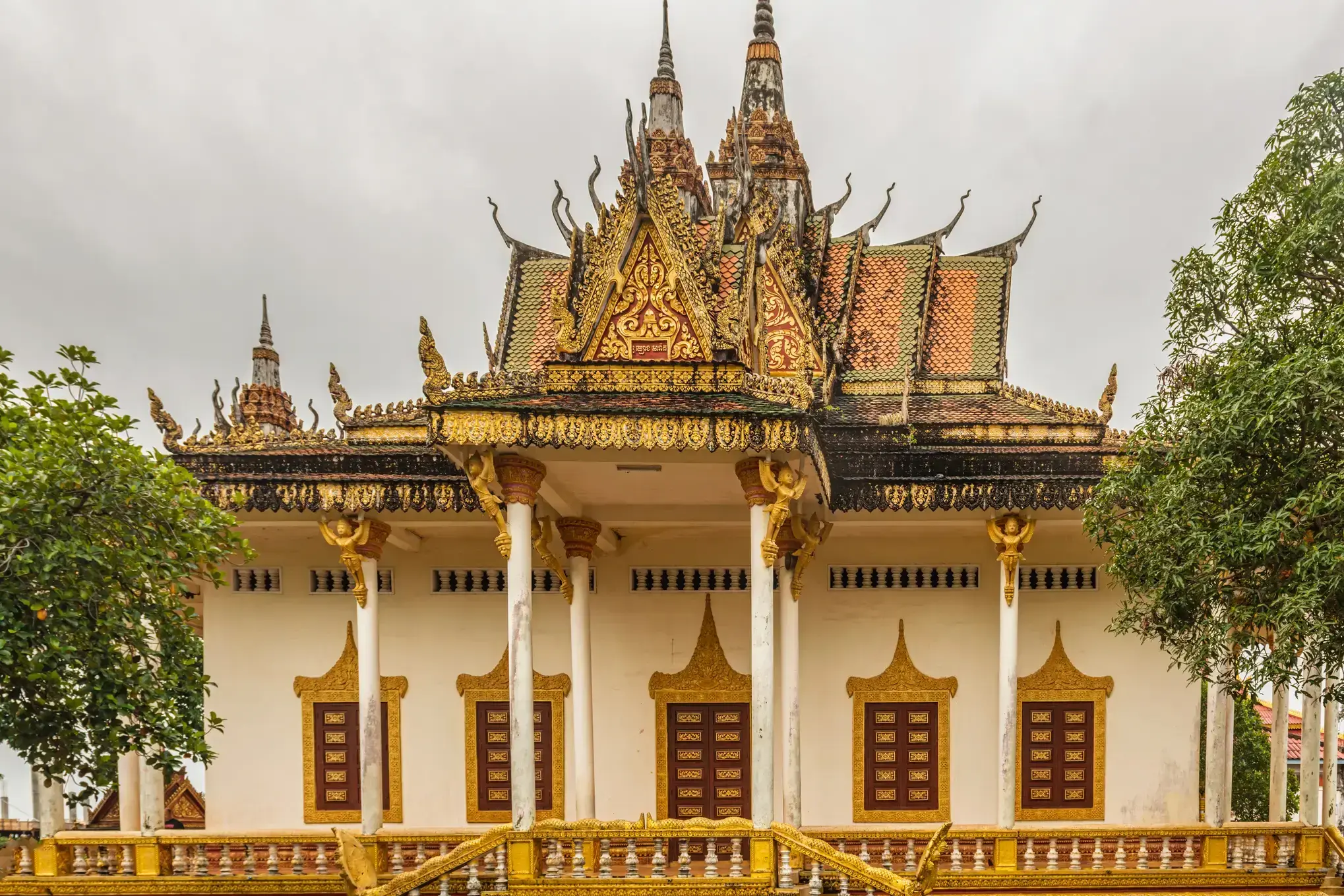
Kompong Som (Sihanoukville)
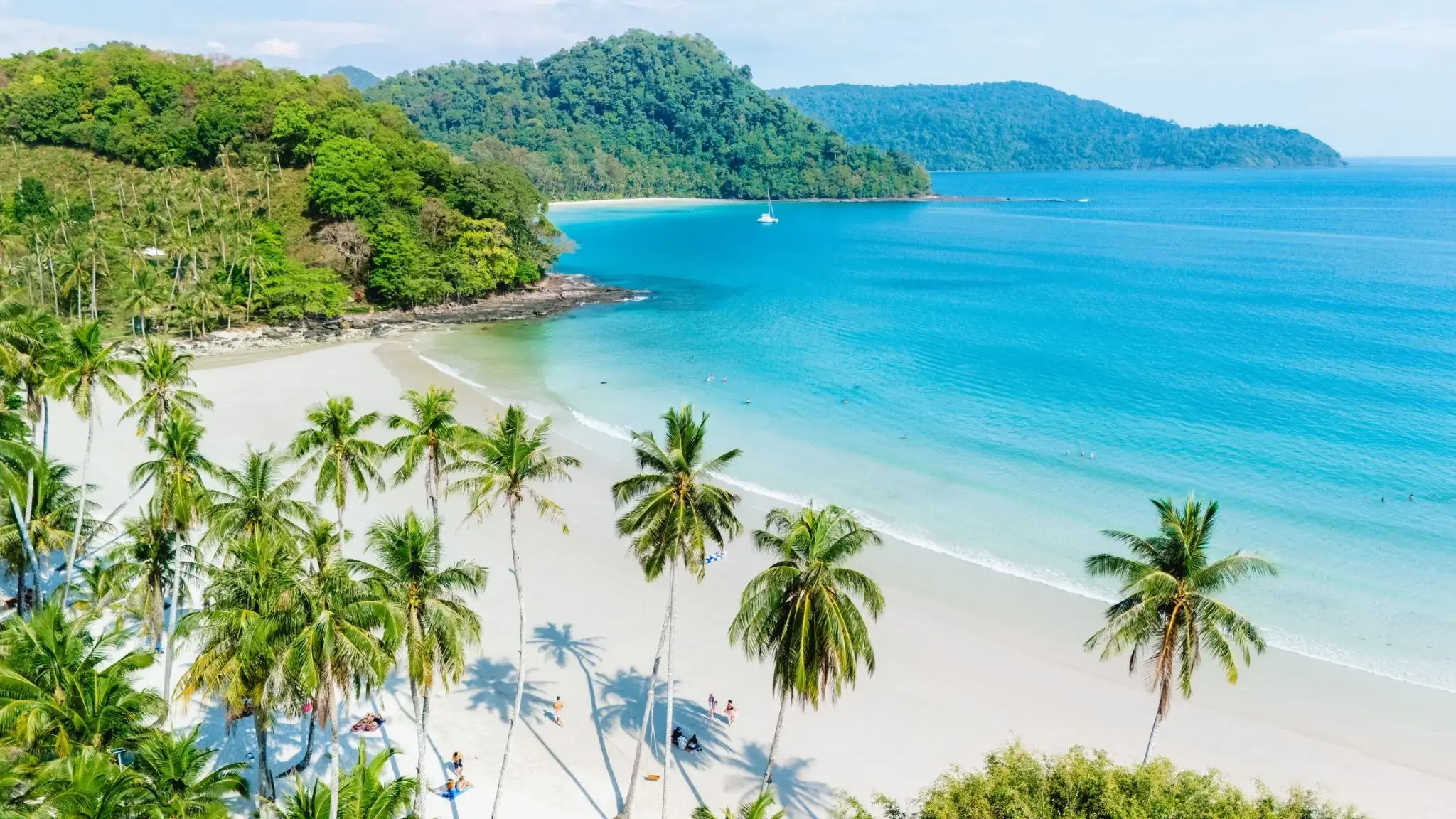
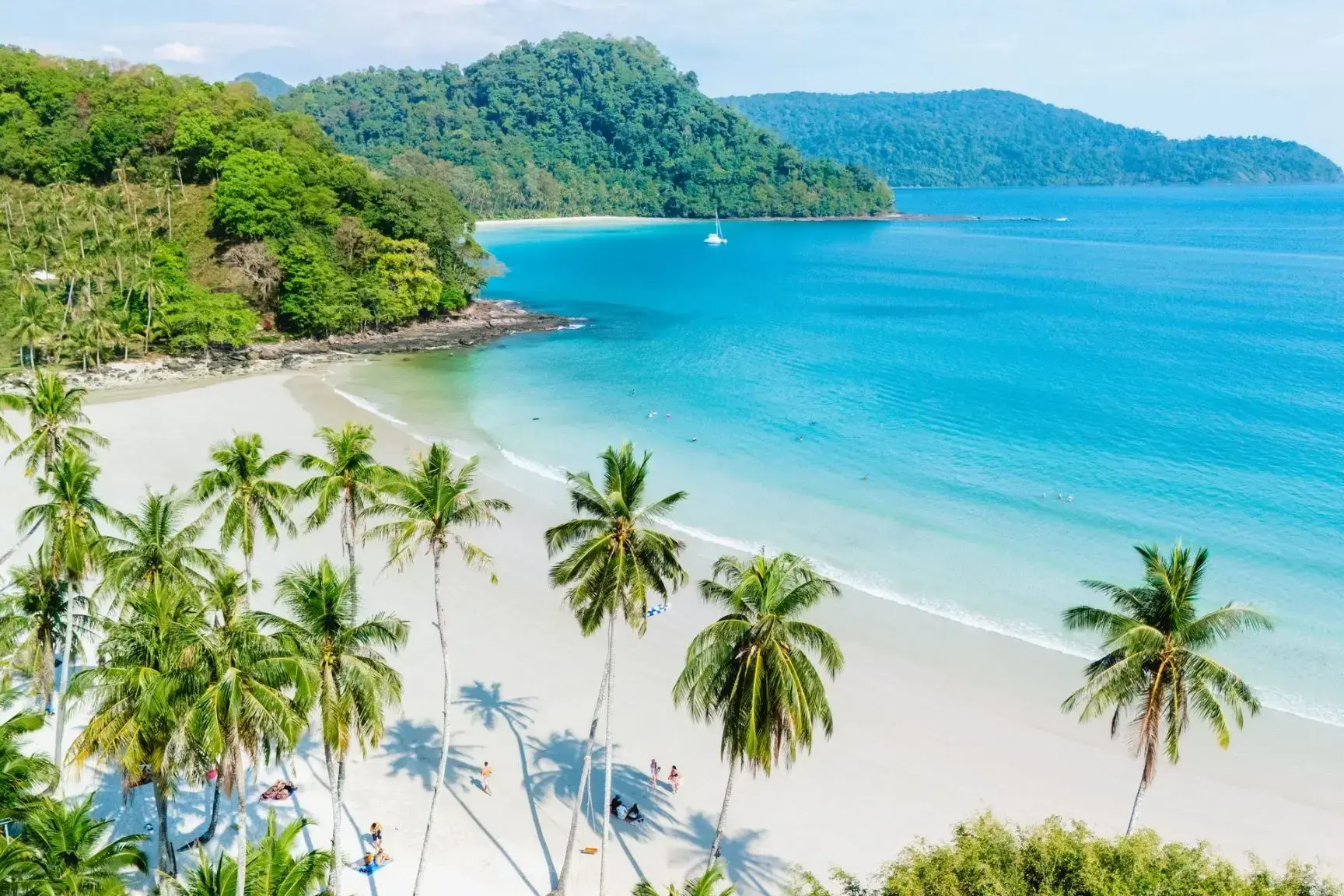
Turkusowe fale delikatnie muskają śnieżnobiałe plaże, tworząc odosobniony raj na wyspie Ko Kut – jednej z najbardziej dziewiczych wysp Tajlandii. Nie ma tu głośnych imprez ani tłumów turystów – tylko cisza, palmy kokosowe i ciepłe słońce, idealne dla tych, którzy szukają spokoju wśród natury. Wyspa słynie z wodospadów, szczególnie Khlong Chao, oraz krystalicznie czystej wody pełnej życia morskiego.
Ko Kut pozostaje prawie niezmienione przez czas: małe wioski rybackie, drewniane domy na palach i serdeczna gościnność mieszkańców sprawiają, że pobyt tutaj jest naprawdę autentyczny. Spacery po dżungli, snorkeling przy rafach koralowych i kolacje przy zachodzie słońca nad morzem przynoszą chwilę harmonii z naturą – i z samym sobą.
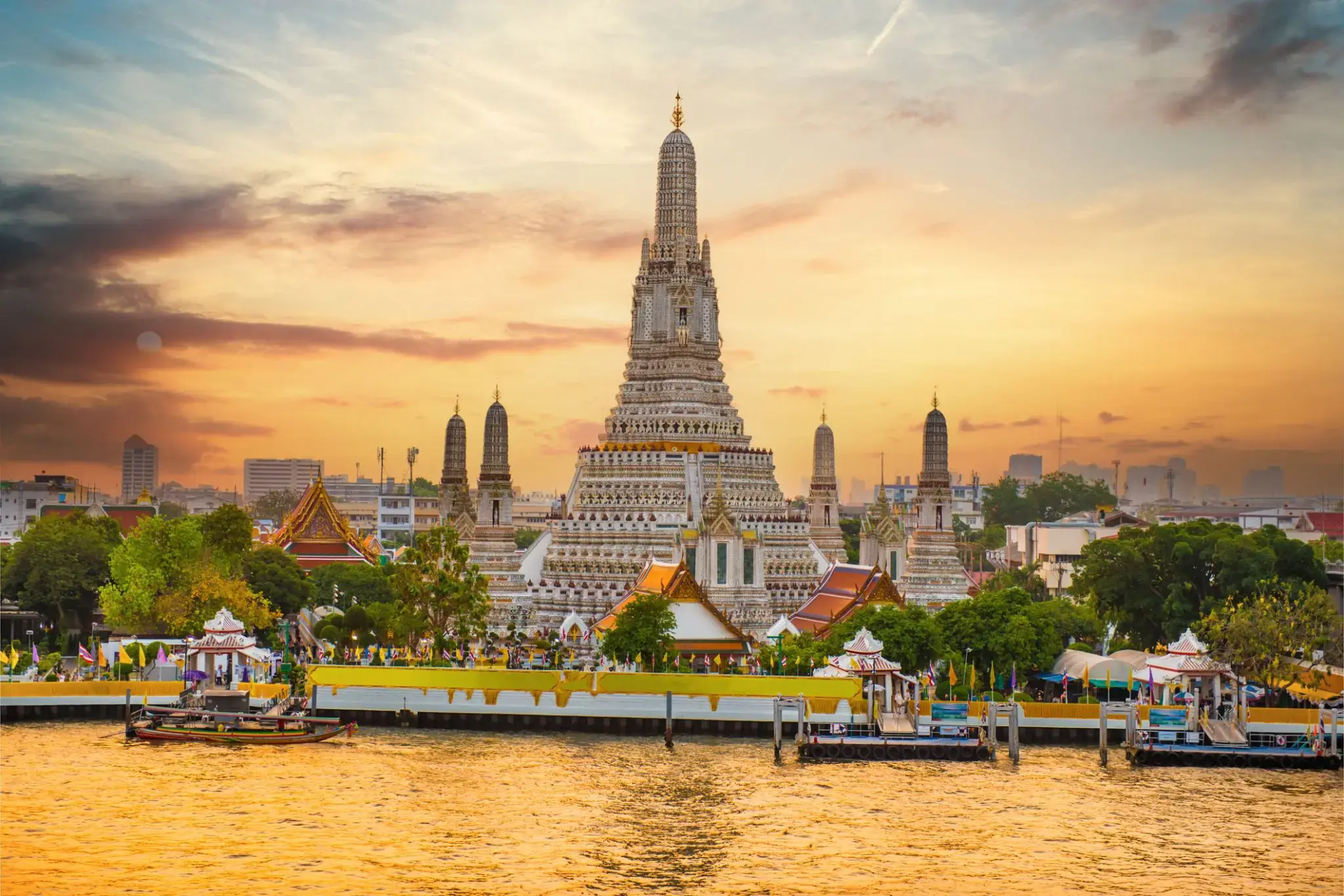
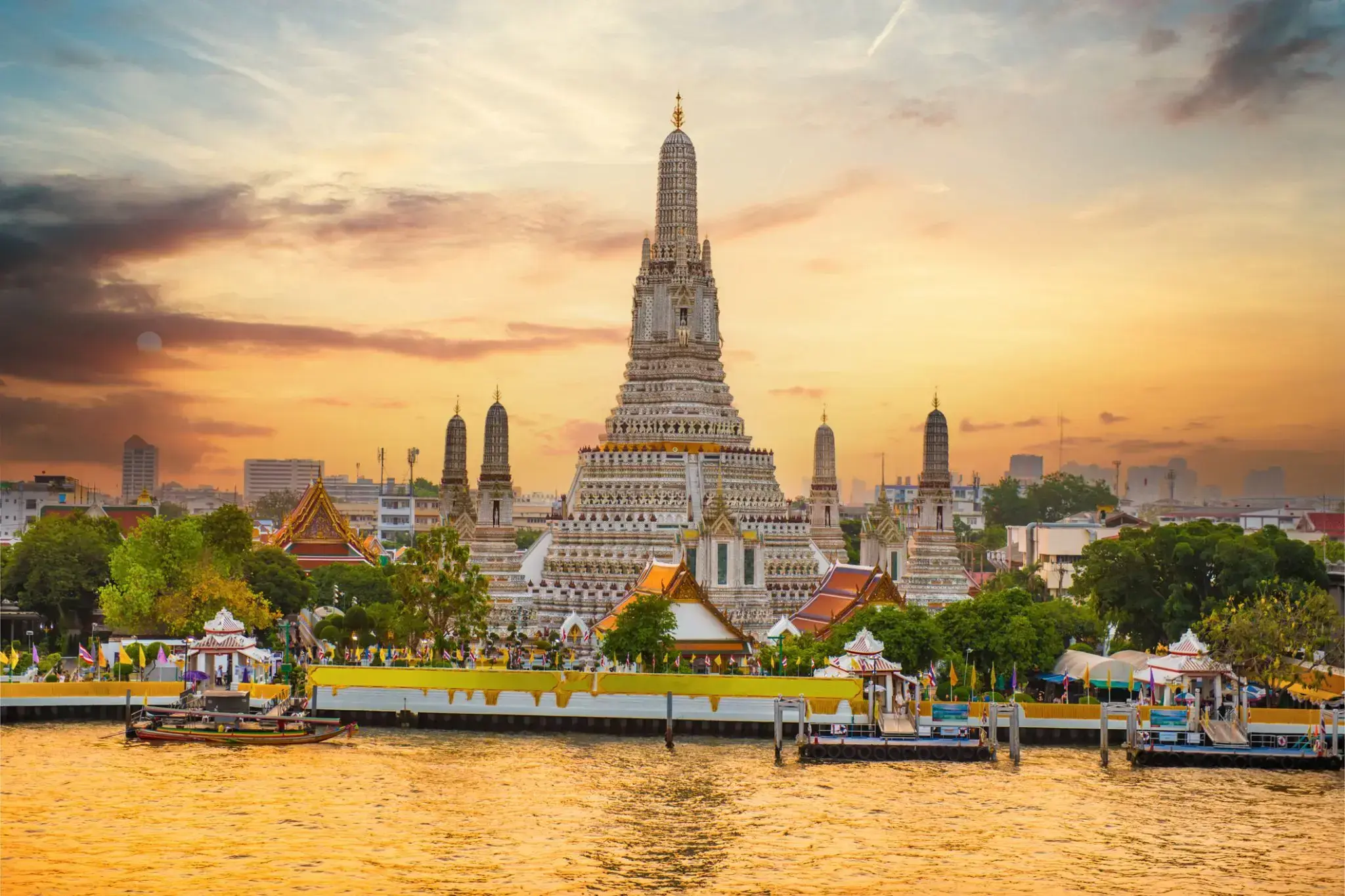
Bangkok is the capital and most populous city of Thailand. It is known in Thai as Krung Thep Maha Nakhon or simply Krung Thep. The city occupies 1,568.7 square kilometres (605.7 sq mi) in the Chao Phraya River delta in central Thailand, and has a population of over eight million, or 12.6 percent of the country's population. Over fourteen million people (22.2 percent) lived within the surrounding Bangkok Metropolitan Region at the 2010 census, making Bangkok the nation's primate city, significantly dwarfing Thailand's other urban centres in terms of importance.
Bangkok is the capital and most populous city of Thailand. It is known in Thai as Krung Thep Maha Nakhon or simply Krung Thep. The city occupies 1,568.7 square kilometres (605.7 sq mi) in the Chao Phraya River delta in central Thailand, and has a population of over eight million, or 12.6 percent of the country's population. Over fourteen million people (22.2 percent) lived within the surrounding Bangkok Metropolitan Region at the 2010 census, making Bangkok the nation's primate city, significantly dwarfing Thailand's other urban centres in terms of importance.
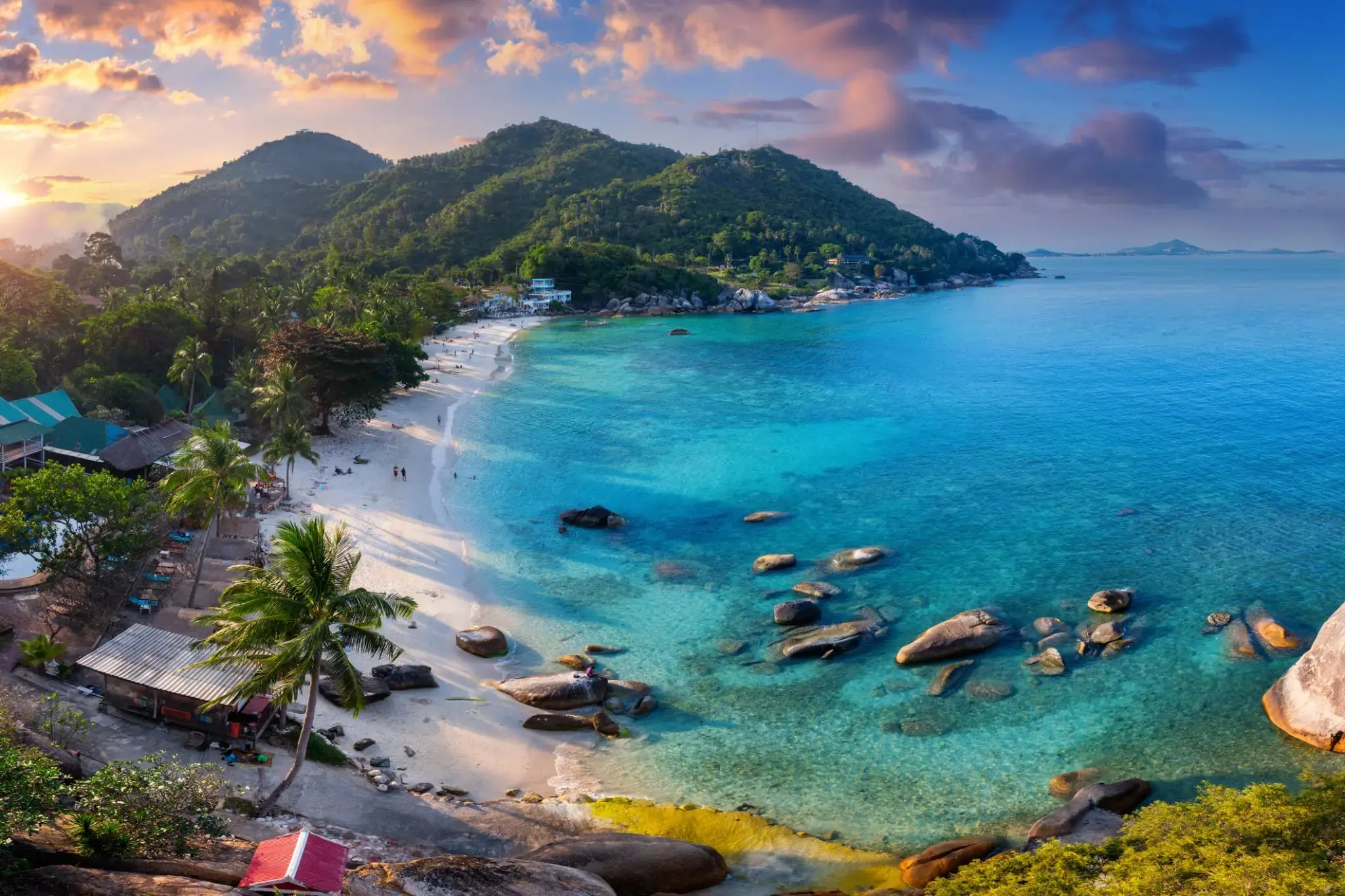
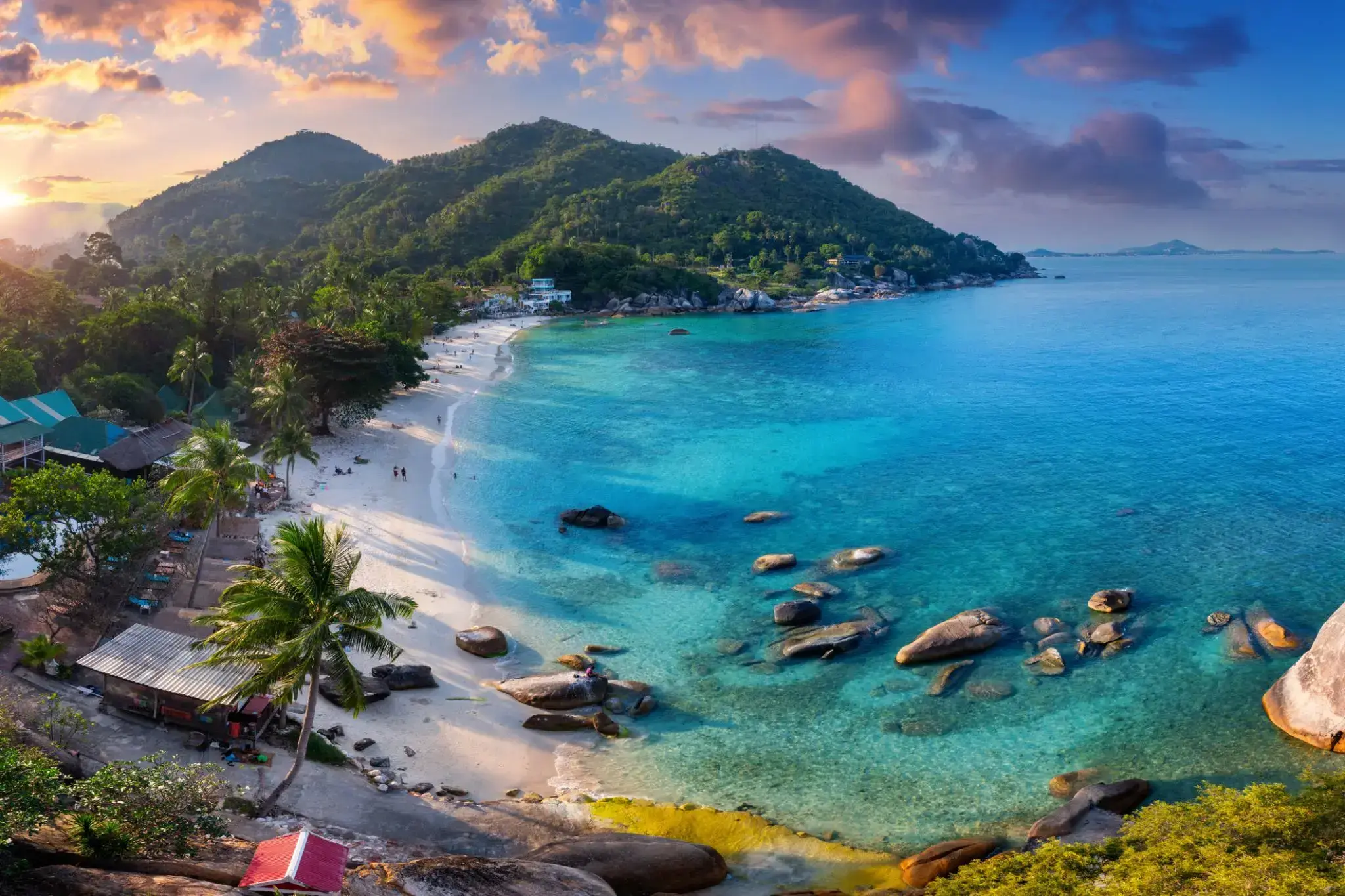
Wśród tropikalnych wysp Tajlandii Koh Samui wyróżnia się swoją unikalną naturą i atmosferą. Ta wyspa przyciąga podróżnych z całego świata swoimi białymi, piaszczystymi plażami, malowniczymi wodospadami i gęstymi dżunglami. To idealne miejsce na relaks, niezależnie od tego, czy chodzi o sport wodny, odkrywanie natury, czy po prostu cieszenie się ciszą i pięknem.
Dodatkowo, Koh Samui jest znana ze swojego dziedzictwa kulturowego, w tym wielu buddyjskich świątyń i sanktuariów. Jedną z najbardziej znanych jest Świątynia Wielkiego Buddy, która jest nie tylko centrum religijnym, ale także jedną z głównych atrakcji wyspy. Lokalne jedzenie, w tym świeże owoce morza i egzotyczne owoce, sprawi, że podróż będzie jeszcze bardziej ekscytująca i smaczna.
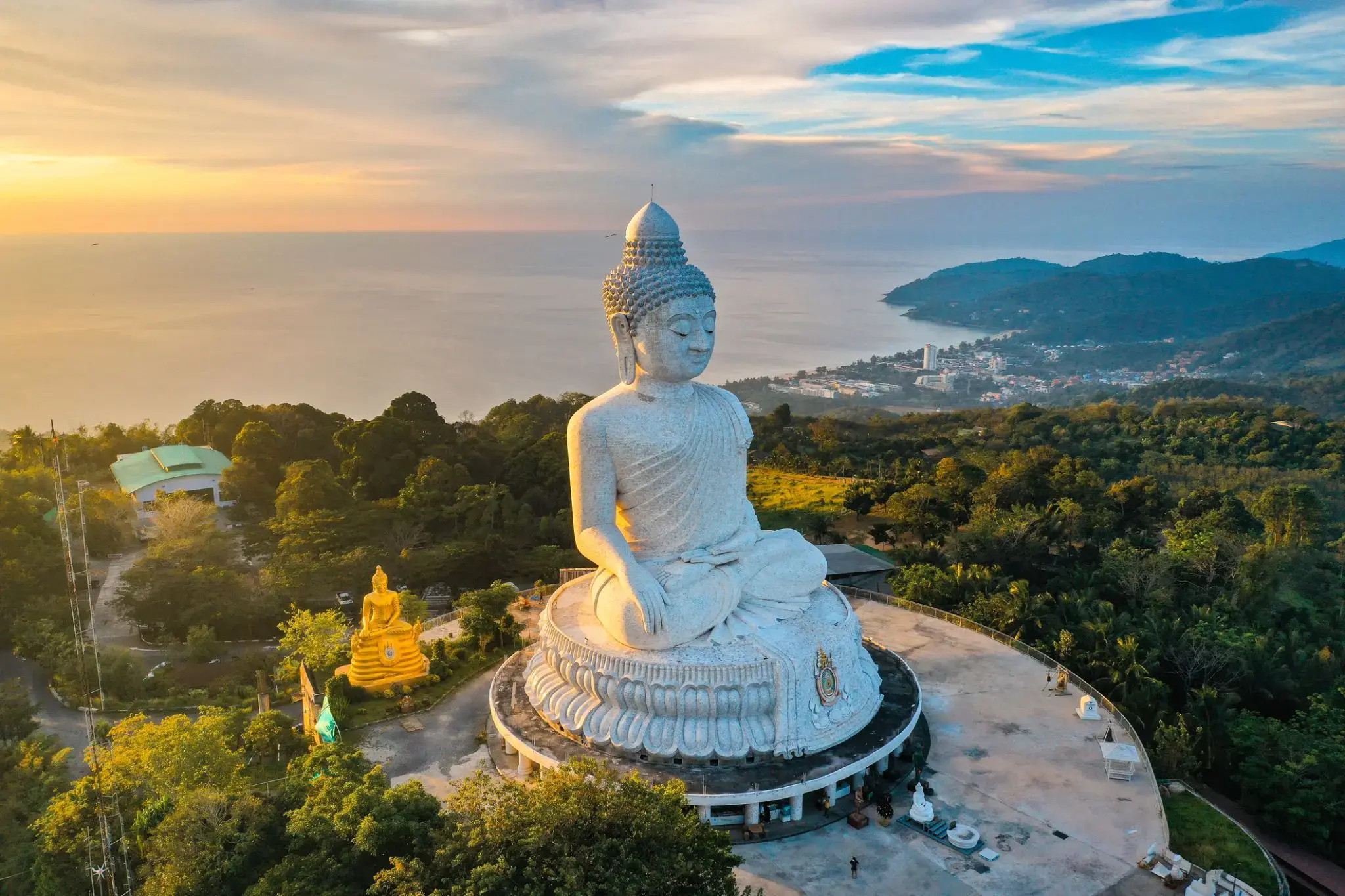
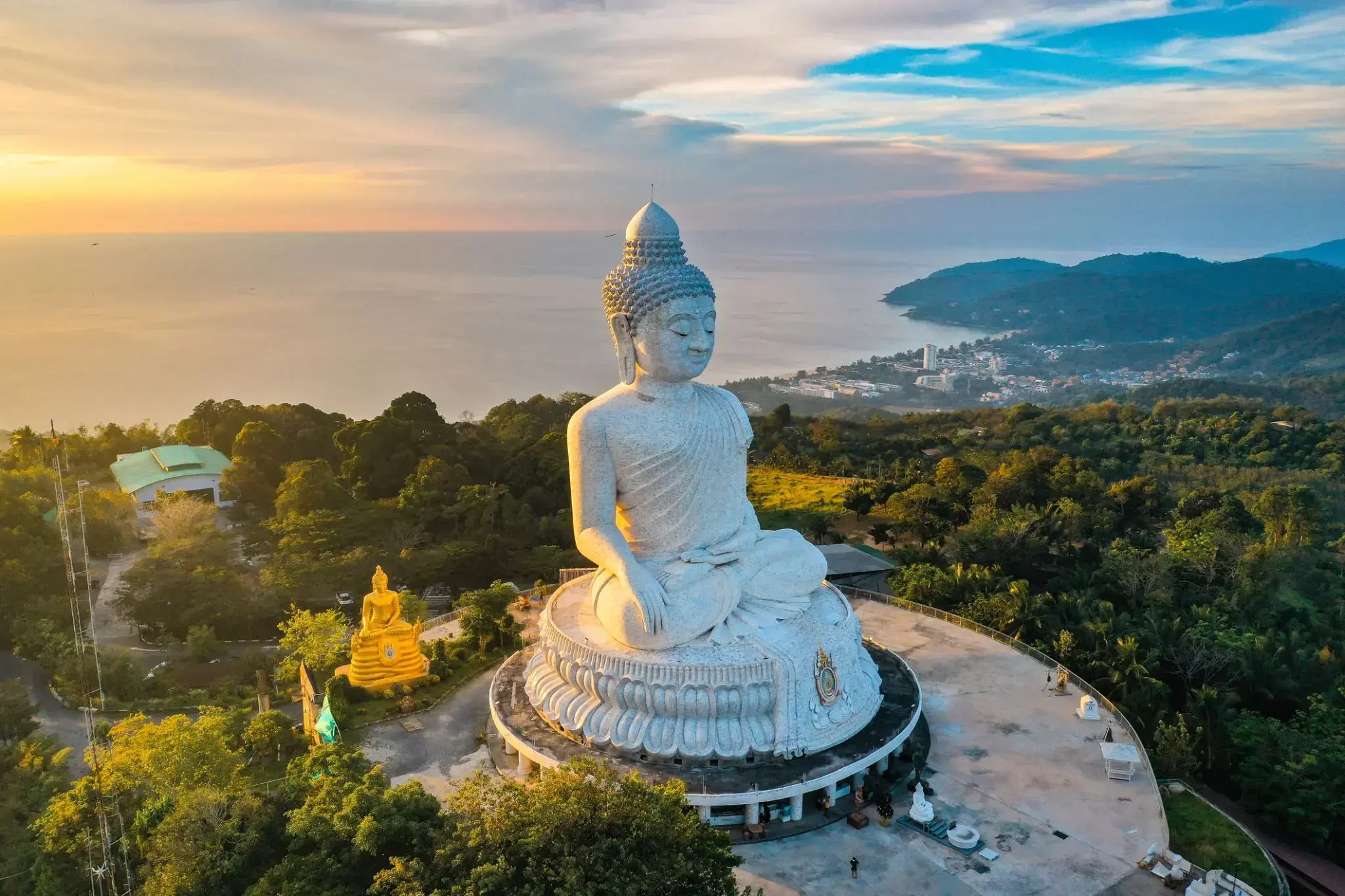
Phuket is one of the southern provinces (changwat) of Thailand. It consists of the island of Phuket, the country's largest island, and another 32 smaller islands off its coast. It lies off the west coast of Thailand in the Andaman Sea. Phuket Island is connected by the Sarasin Bridge to Phang Nga Province to the north. The next nearest province is Krabi, to the east across Phang Nga Bay.
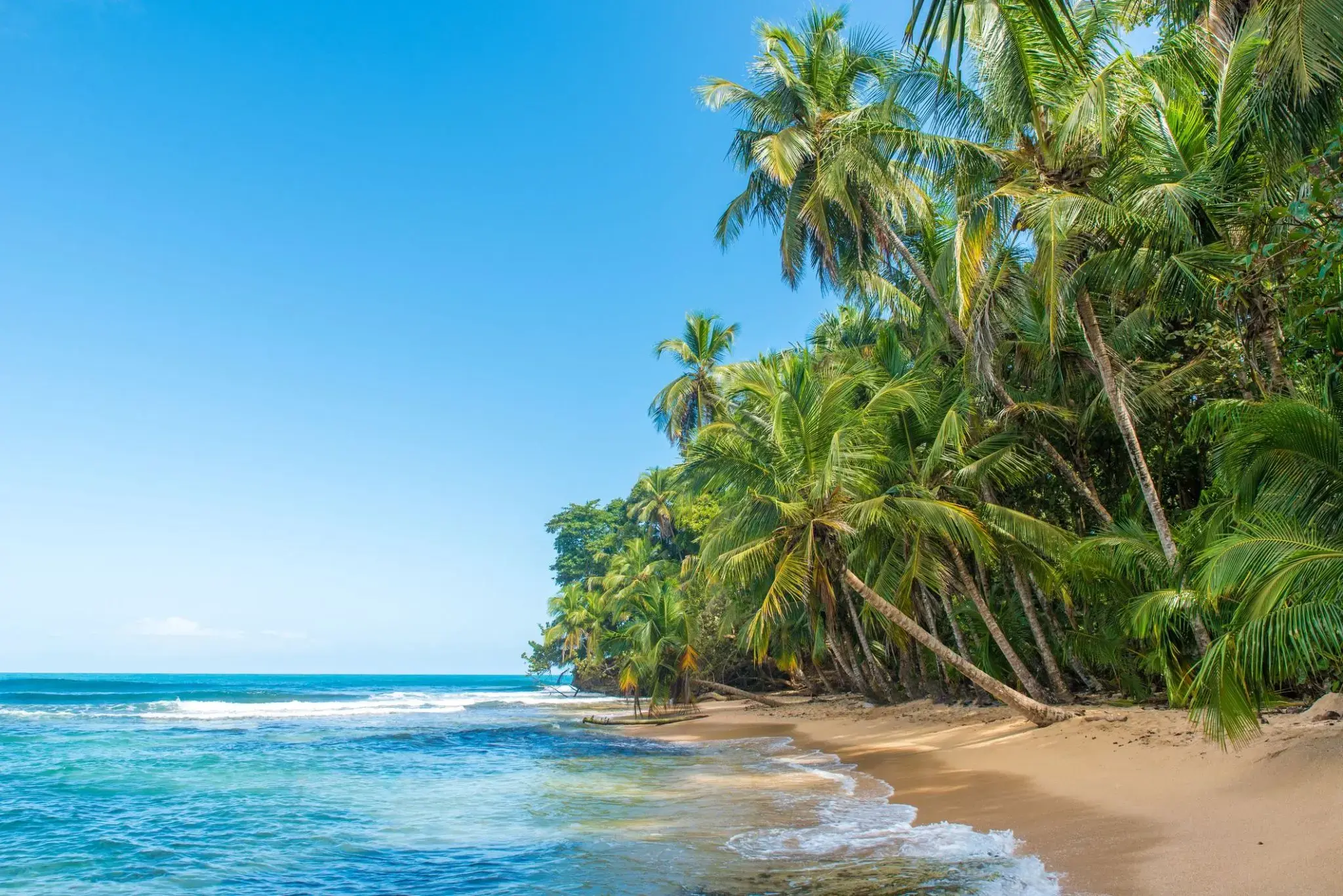
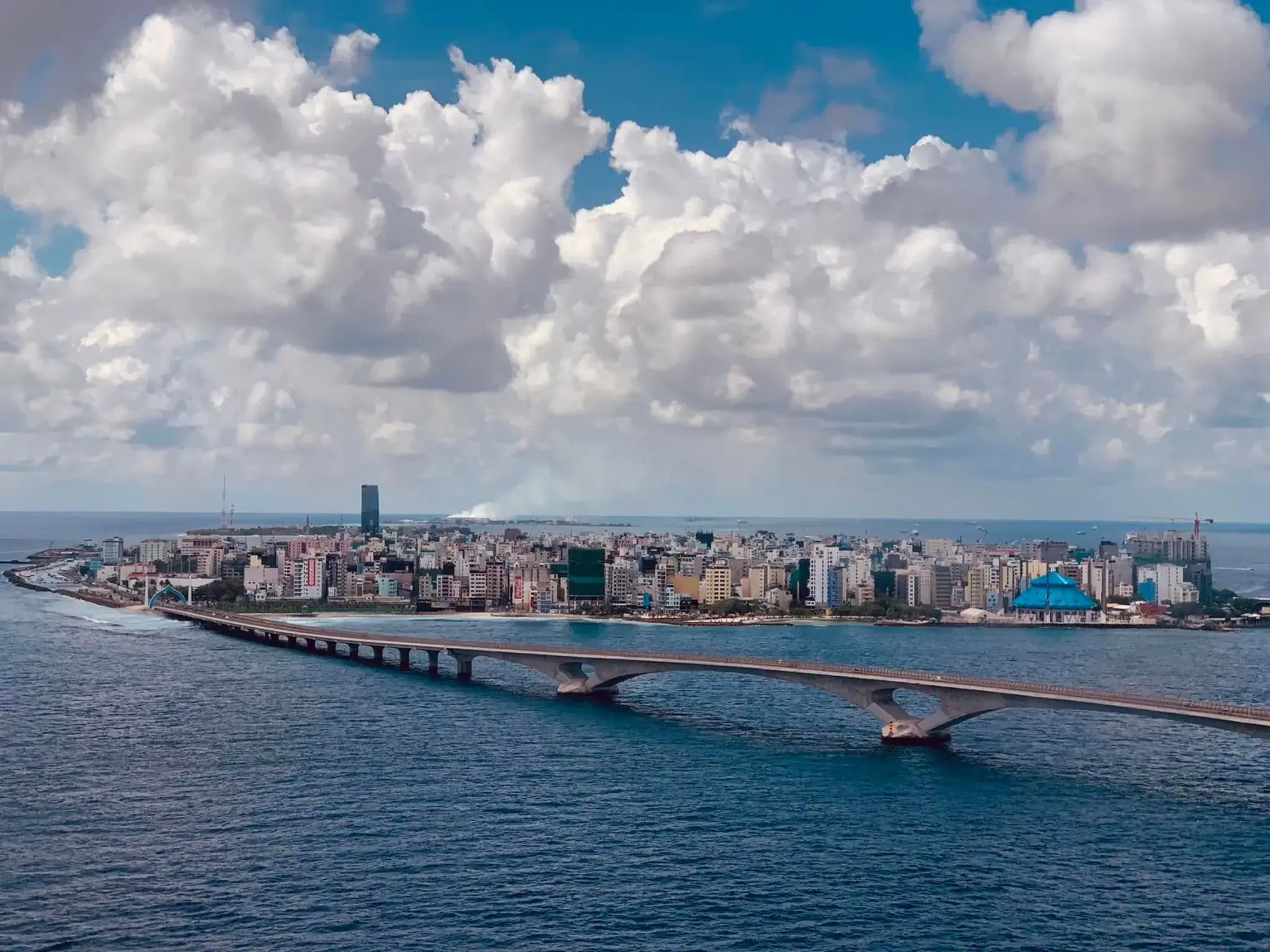
Ukryte na południowym wybrzeżu Sri Lanki, Hambantota to brama do regionu, gdzie egzotyczna przyroda spotyka się z nowoczesnymi ambicjami kraju. Opuszczone plaże przechodzą w zielone wzgórza, a urokliwe wioski rybackie sąsiadują z dużymi projektami infrastrukturalnymi, takimi jak nowoczesny port i lotnisko, czyniąc miasto ważnym ośrodkiem strategicznym.
Hambantota to idealne miejsce dla podróżnych szukających nietypowych tras: safari w pobliskim parku narodowym Yala, obserwacja ptaków w rezerwacie Bundala oraz zwiedzanie lokalnych świątyń buddyjskich zapewnią niezapomniane wrażenia. Miejscowa kuchnia, oparta na świeżych owocach morza i aromatycznych przyprawach, dopełnia obraz idealnego wypoczynku z dala od tłumów turystów.
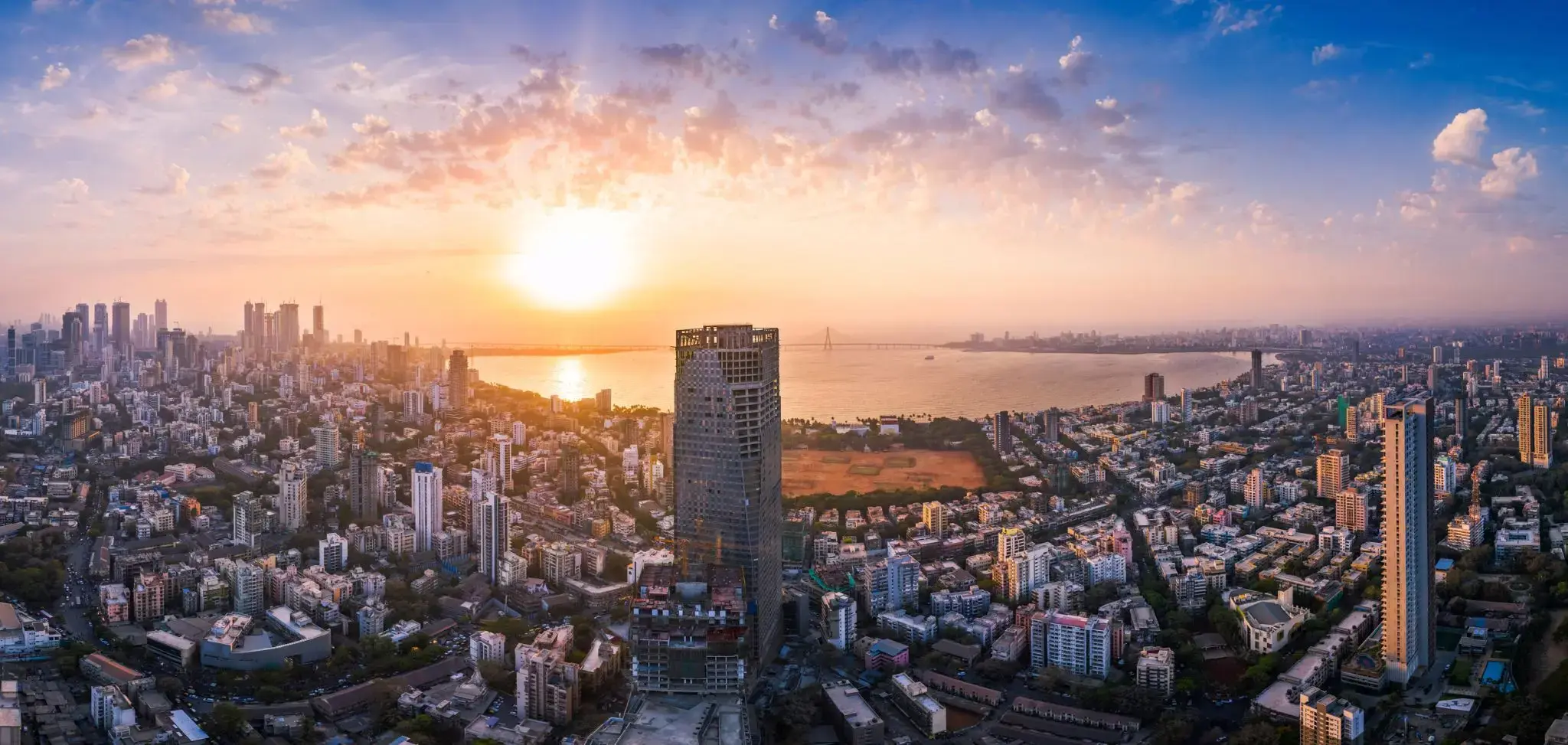
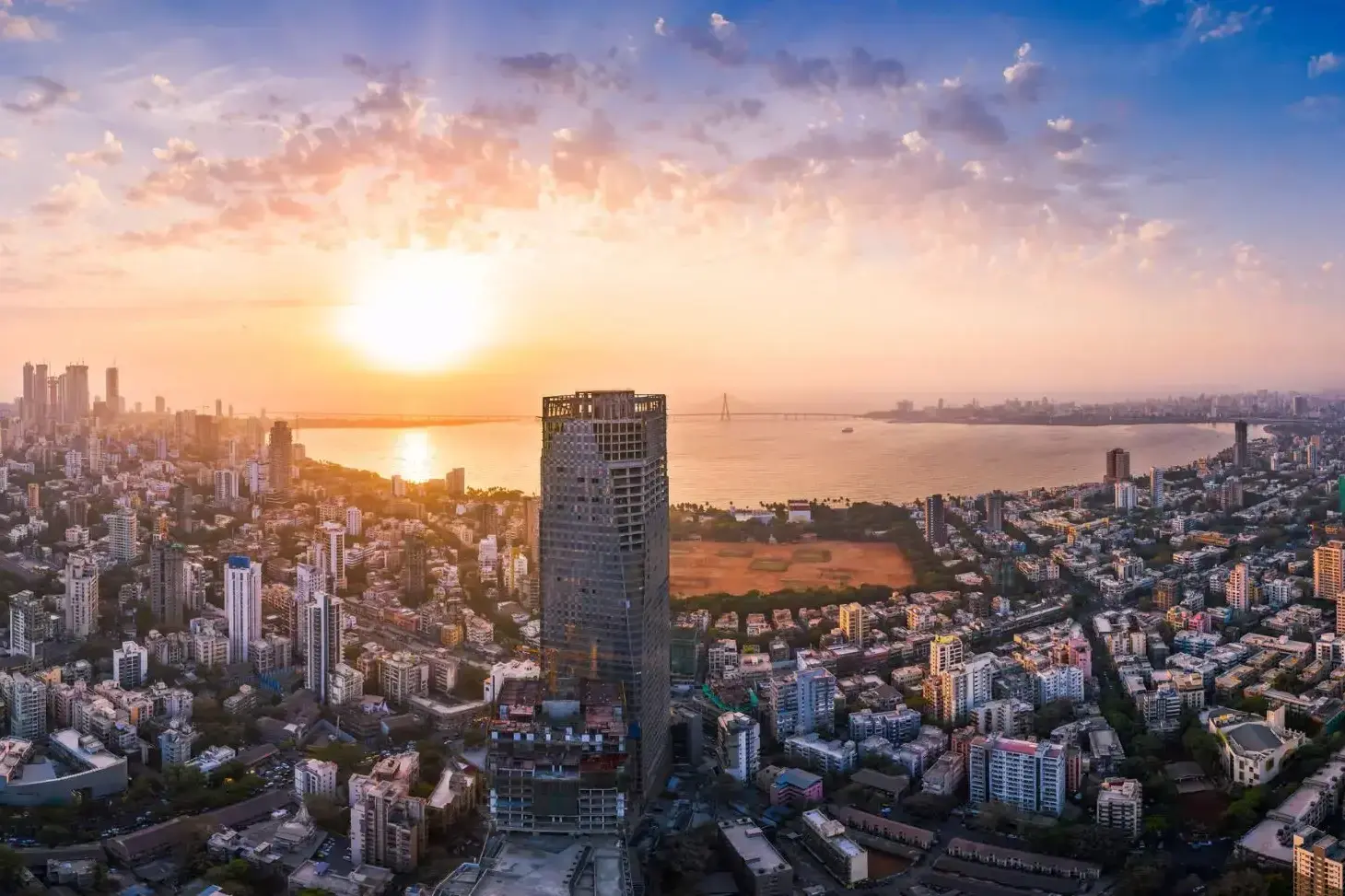
Mumbaj jest stolicą indyjskiego stanu Maharasztra. Jest najludniejszym miastem w Indiach, z szacowaną populacją samego miasta wynoszącą 12,4 miliona według stanu na 2011 rok. Wraz z sąsiednimi regionami Bombajskiego Regionu Metropolitalnego jest drugim co do wielkości obszarem metropolitalnym w Indiach, z populacją 21,3 miliona według stanu na 2016 rok. Mumbaj leży na wybrzeżu Konkan na zachodnim wybrzeżu Indii i posiada głęboki naturalny port. W 2008 roku Mumbaj został uznany za miasto światowe alfa. Jest także najbogatszym miastem w Indiach i ma największą liczbę milionerów i miliarderów spośród wszystkich miast w Indiach. W Mumbaju znajdują się trzy obiekty światowego dziedzictwa UNESCO: Jaskinie Elefanta, Dworzec Kolejowy Chhatrapati Shivaji Maharaj Terminus oraz charakterystyczny zespół wiktoriańskich i art deco budynków miasta.
Mumbaj jest stolicą indyjskiego stanu Maharasztra. Jest najludniejszym miastem w Indiach, z szacowaną populacją samego miasta wynoszącą 12,4 miliona według stanu na 2011 rok. Wraz z sąsiednimi regionami Bombajskiego Regionu Metropolitalnego jest drugim co do wielkości obszarem metropolitalnym w Indiach, z populacją 21,3 miliona według stanu na 2016 rok. Mumbaj leży na wybrzeżu Konkan na zachodnim wybrzeżu Indii i posiada głęboki naturalny port. W 2008 roku Mumbaj został uznany za miasto światowe alfa. Jest także najbogatszym miastem w Indiach i ma największą liczbę milionerów i miliarderów spośród wszystkich miast w Indiach. W Mumbaju znajdują się trzy obiekty światowego dziedzictwa UNESCO: Jaskinie Elefanta, Dworzec Kolejowy Chhatrapati Shivaji Maharaj Terminus oraz charakterystyczny zespół wiktoriańskich i art deco budynków miasta.
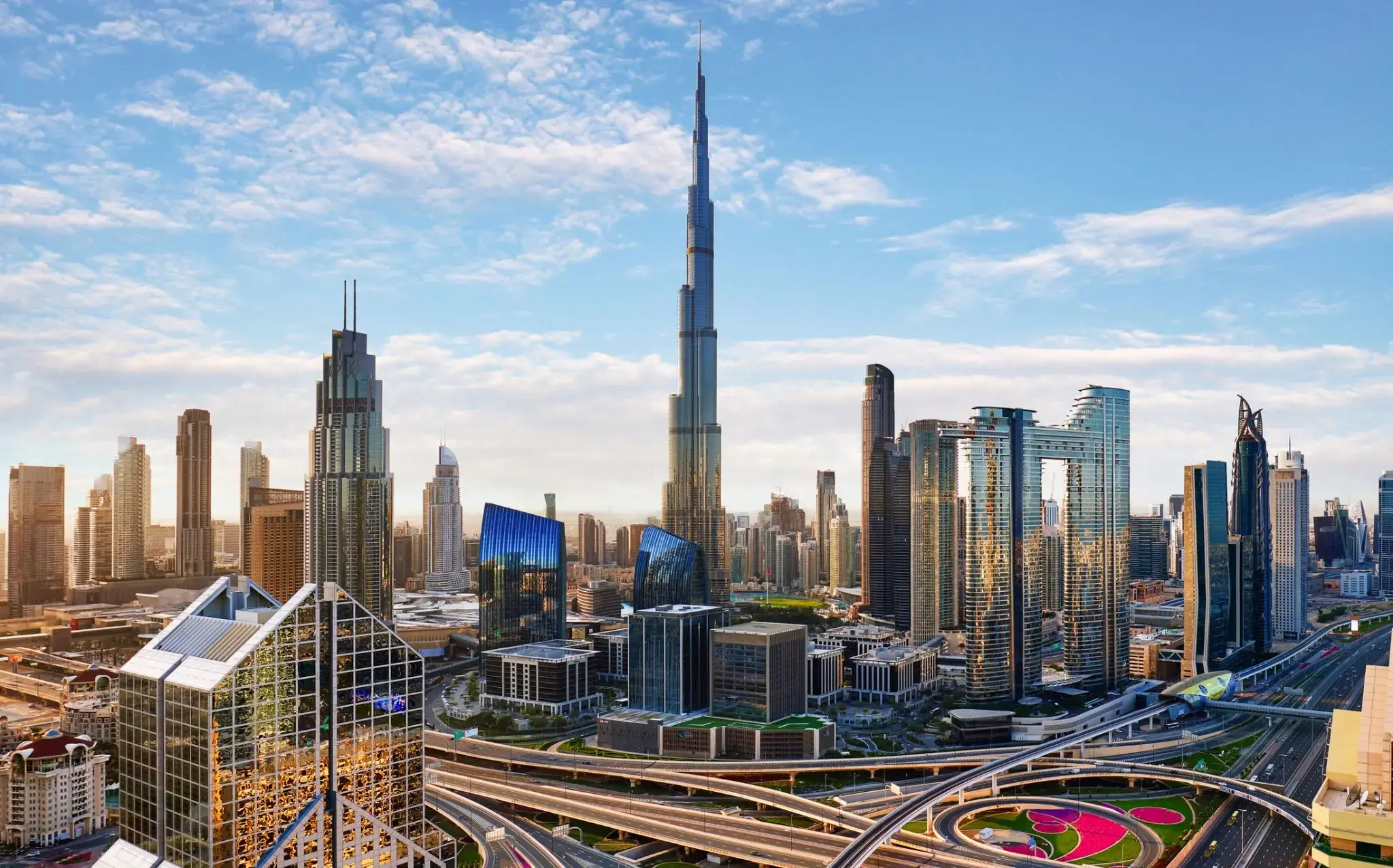
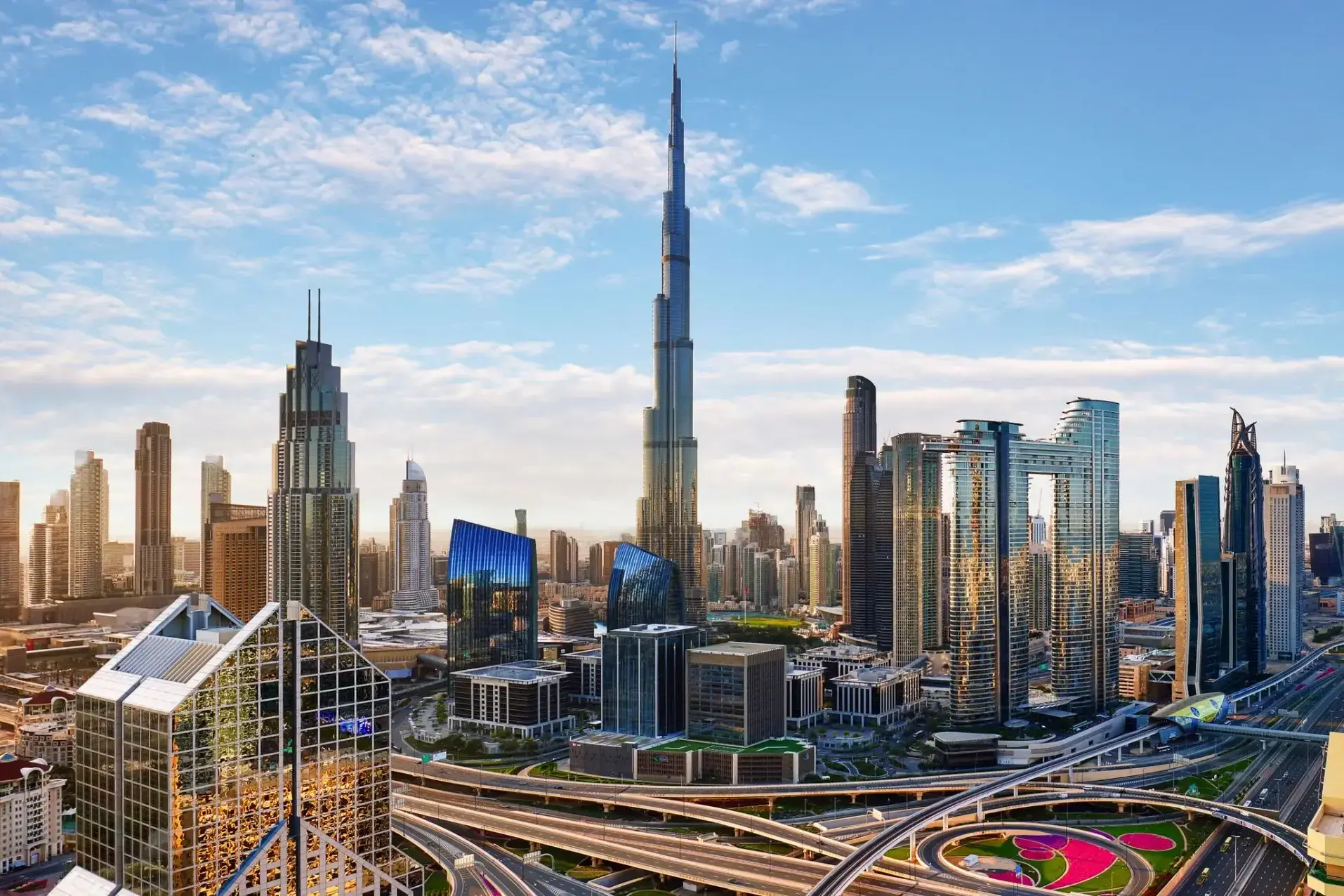
Dubai is the largest and most populous cityin the United Arab Emirates (UAE). On the southeast coast of the Persian Gulf, it is the capital of the Emirate of Dubai, one of the seven emirates that make up the country.
Dubai is a global city and business hub of the Middle East. It is also a major global transport hub for passengers and cargo. Oil revenue helped accelerate the development of the city, which was already a major mercantile hub, but Dubai's oil reserves are limited and production levels are low: today, less than 5% of the emirate's revenue comes from oil. A growing centre for regional and international trade since the early 20th century, Dubai's economy today relies on revenues from trade, tourism, aviation, real estate, and financial services.
Dubai has attracted world attention through large construction projects and sports events, in particular the world's tallest building, the Burj Khalifa. As of 2012, Dubai was the most expensive city in the Middle East. In 2014, Dubai's hotel rooms were rated as the second most expensive in the world.
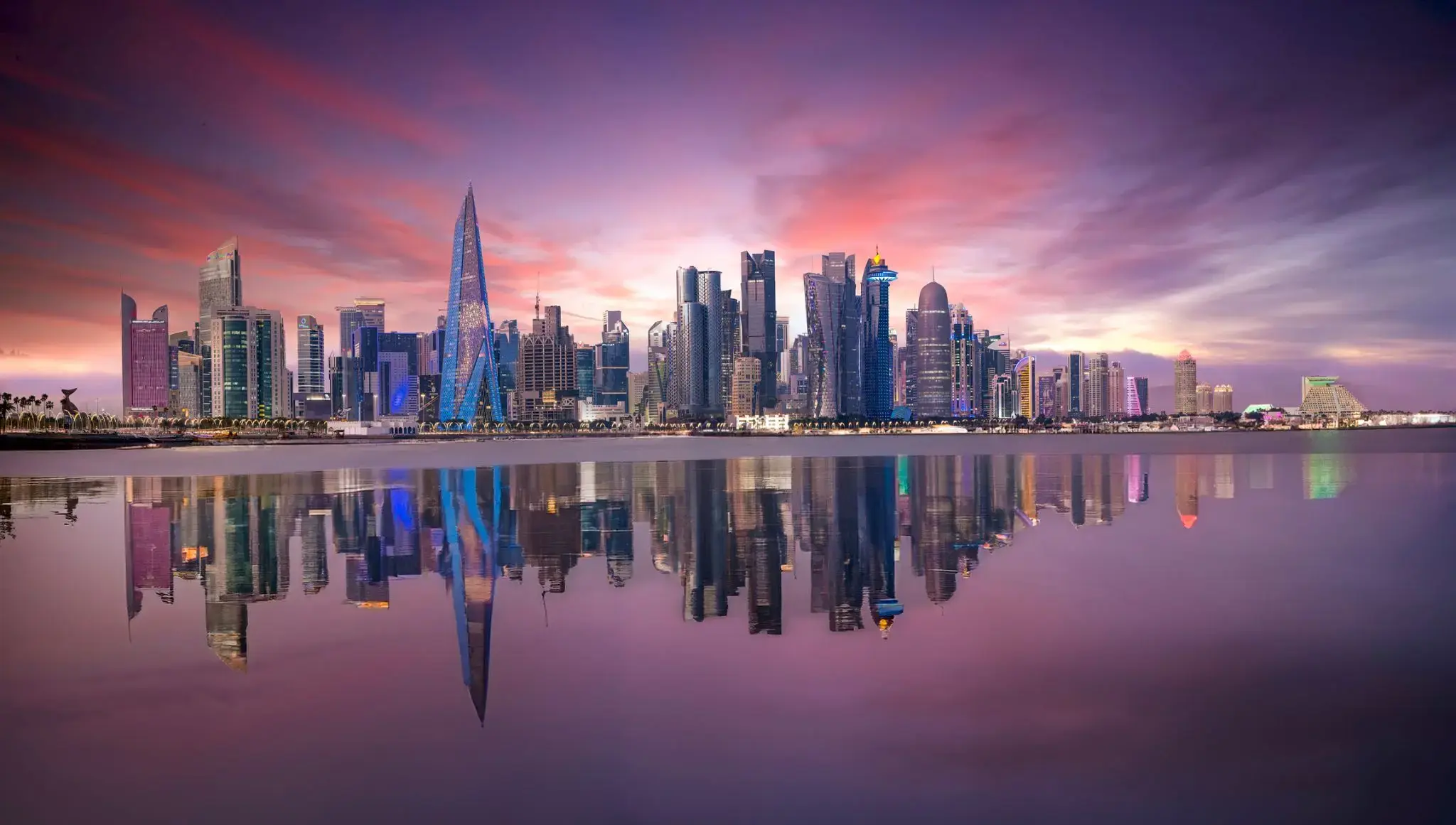
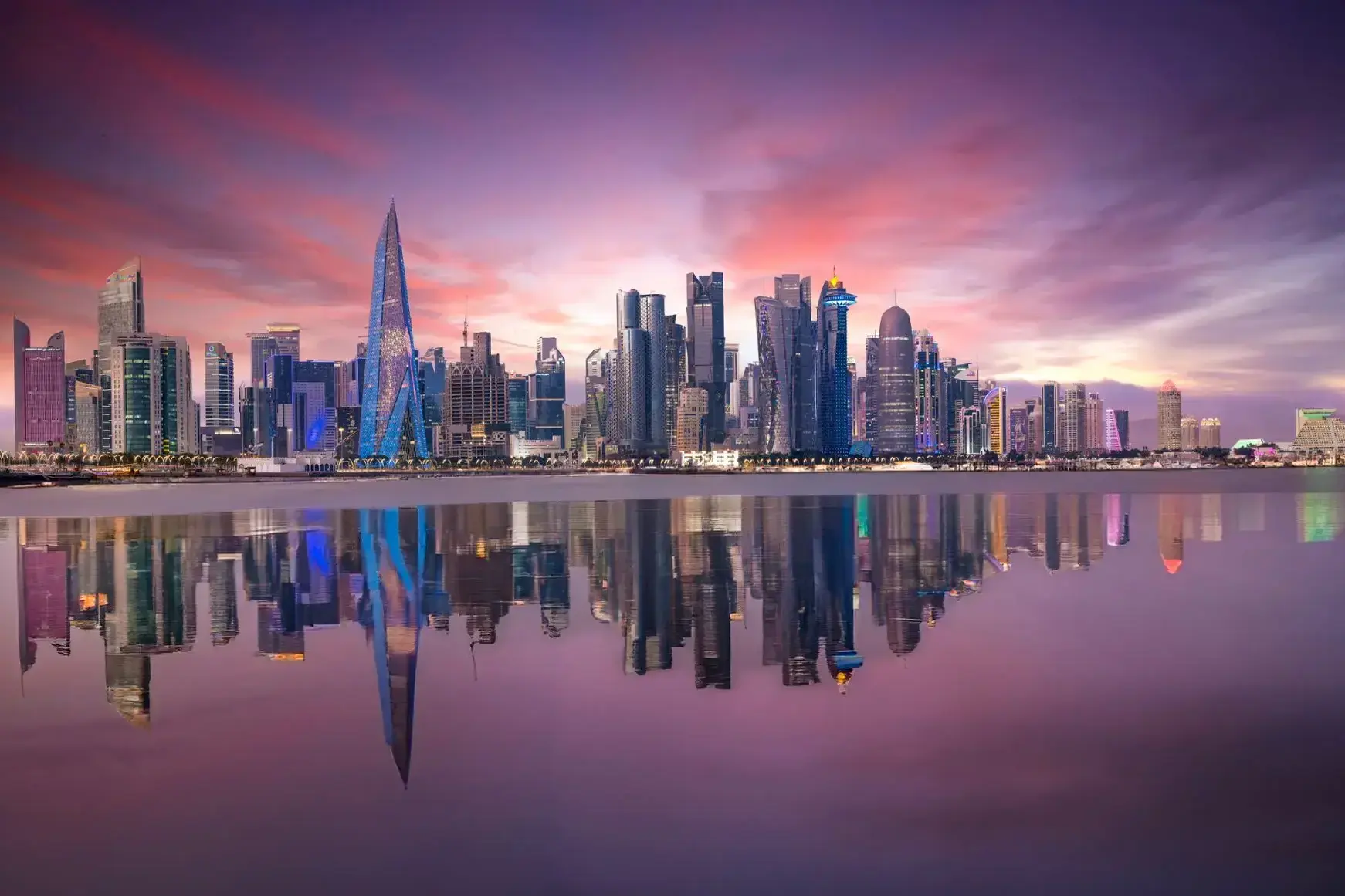
the capital of Qatar, in the eastern part of the country; pop 385,000 (est. 2007).
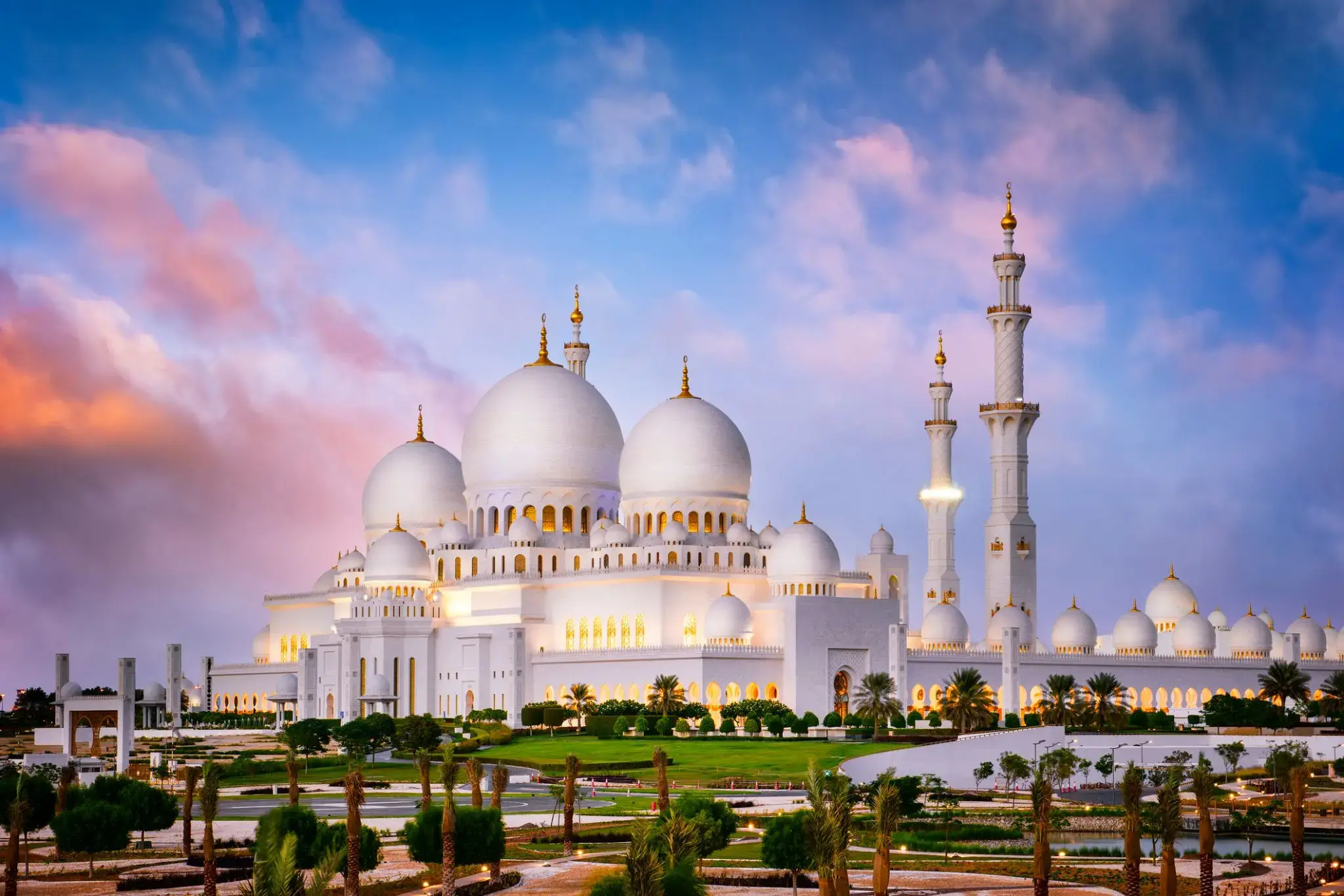
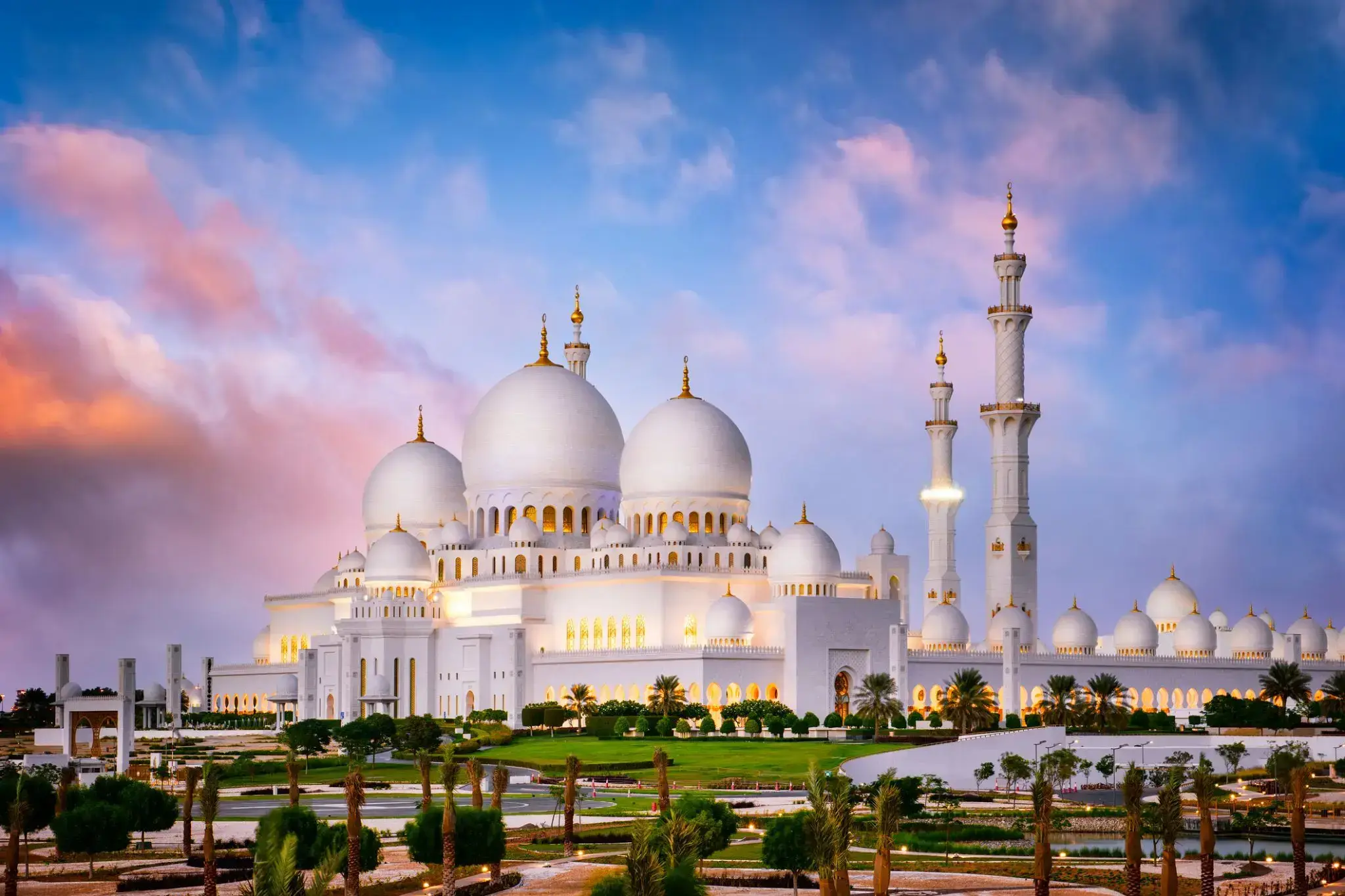
Abu Zabi jest stolicą i drugim co do wielkości miastem Zjednoczonych Emiratów Arabskich (najludniejszym jest Dubaj) oraz stolicą Emiratu Abu Zabi, największego z siedmiu emiratów UAE. Abu Zabi leży na wyspie w kształcie litery T, która wychodzi w Zatokę Perską z centralnego zachodniego wybrzeża. Miasto Abu Zabi miało szacowaną liczbę ludności 1,8 miliona w 2016 roku.
Abu Zabi mieści urzędy rządowe federalne, jest siedzibą Rządu Zjednoczonych Emiratów Arabskich, domem dla Rodziny Emira Abu Zabi oraz Prezydenta UAE, który pochodzi z tej rodziny. Szybki rozwój Abu Zabi i urbanizacja, w połączeniu z relatywnie wysokim średnim dochodem jego populacji, przekształciły miasto w dużą i zaawansowaną metropolię. Dziś miasto jest centrum politycznym i przemysłowym kraju, a także głównym ośrodkiem kulturalnym i handlowym, ze względu na swoją pozycję stolicy. Abu Zabi odpowiada za około dwie trzecie mniej więcej 400-miliardowej gospodarki Zjednoczonych Emiratów Arabskich.
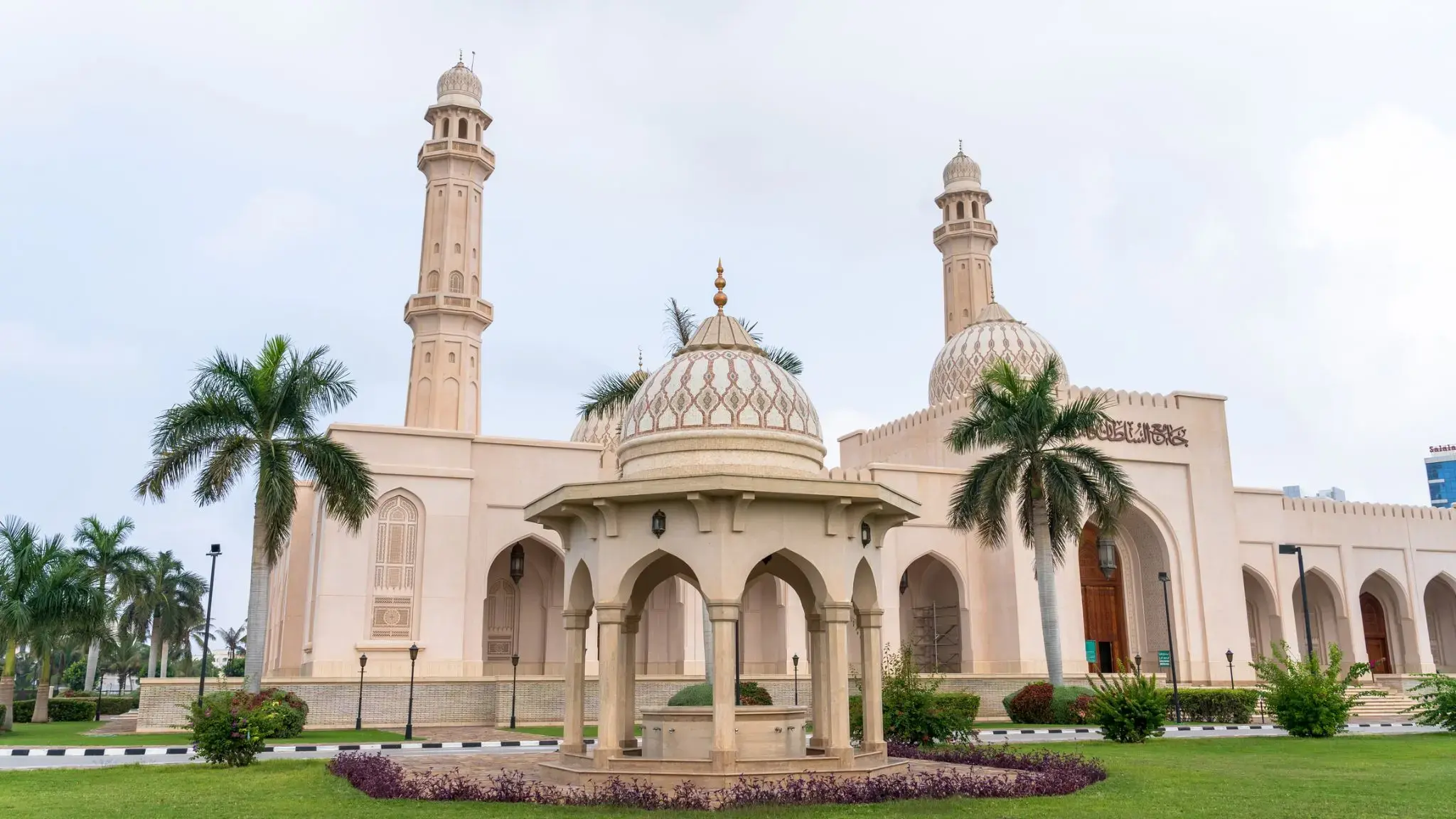
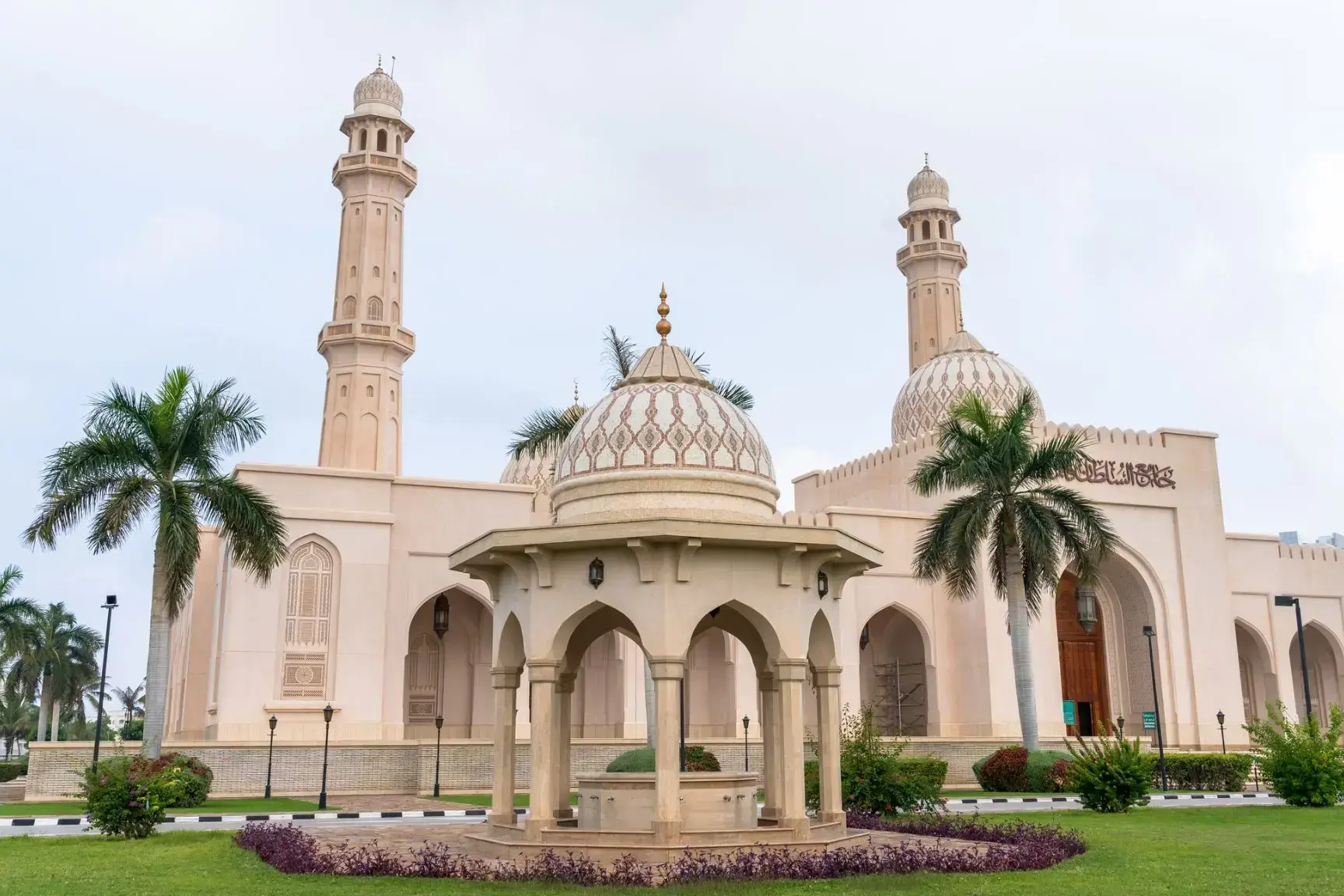
Salalah is the capital and largest city of the southern Omani governorate of Dhofar. Its population in 2009 was about 197,169.
Salalah is the second-largest city in the Sultanate of Oman, and the largest city in the Dhofar Province. Salalah is the birthplace of the current sultan, Qaboos bin Said. Salalah attracts many people from other parts of Oman and the Persian Gulf region during the monsoon/khareef season, which spans from July to September. The climate of the region and the monsoon allows the city to grow some vegetables and fruits like coconut and bananas. There are many gardens within the city where these vegetables and fruits grow.
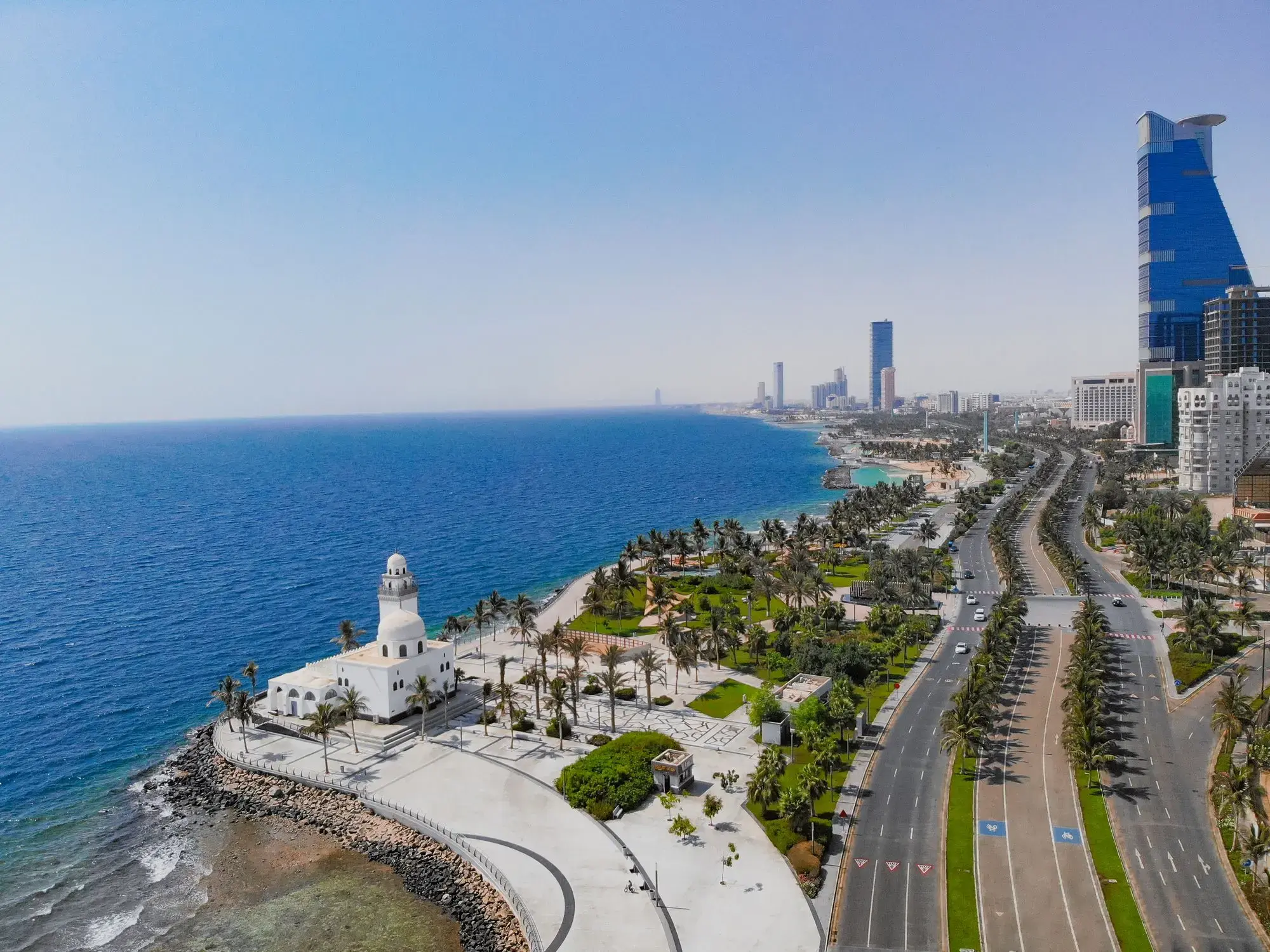
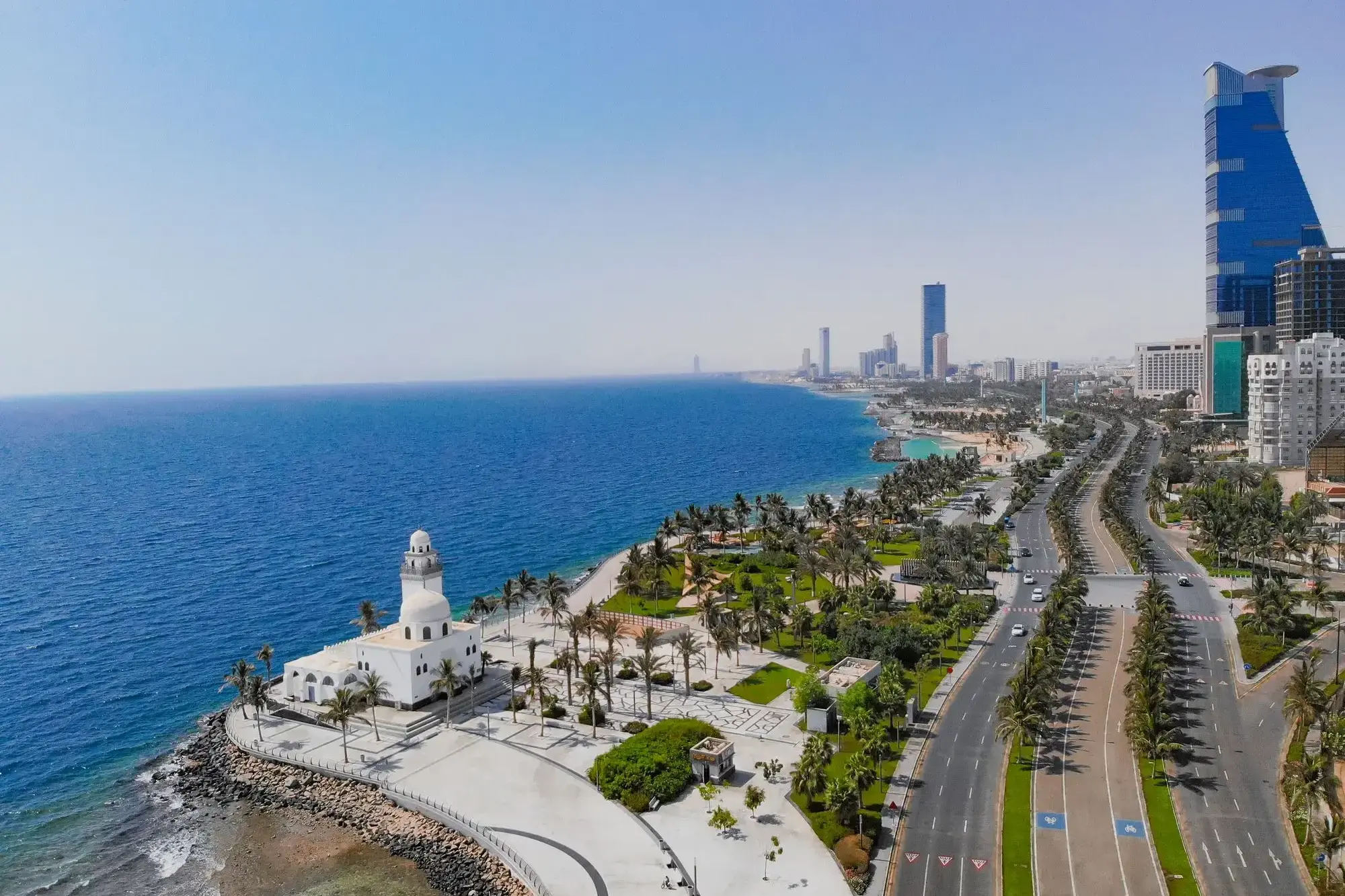
Na zachodnim wybrzeżu Arabii Saudyjskiej, gdzie piaszczyste wydmy spotykają się z lazurowymi wodami Morza Czerwonego, leży Dżudda – brama do Mekki i tętniące życiem centrum kultury oraz handlu. Miasto zachwyca unikalnym połączeniem dawnych tradycji z nowoczesnością: można tu spacerować po zabytkowej dzielnicy Al-Balad z domami z koralowego kamienia, a następnie odwiedzić luksusowe centra handlowe lub imponującą promenadę Corniche.
Dżudda słynie z kosmopolitycznego charakteru i gościnności – od wieków przyjmuje pielgrzymów i kupców z całego świata. Turystów przyciąga nie tylko bogactwo dziedzictwa kulturowego, ale również możliwość nurkowania w jednych z najpiękniejszych raf koralowych regionu. Znana Pływająca Meczet i fontanny króla Fahda, jedne z najwyższych na świecie, stały się prawdziwymi symbolami miasta.
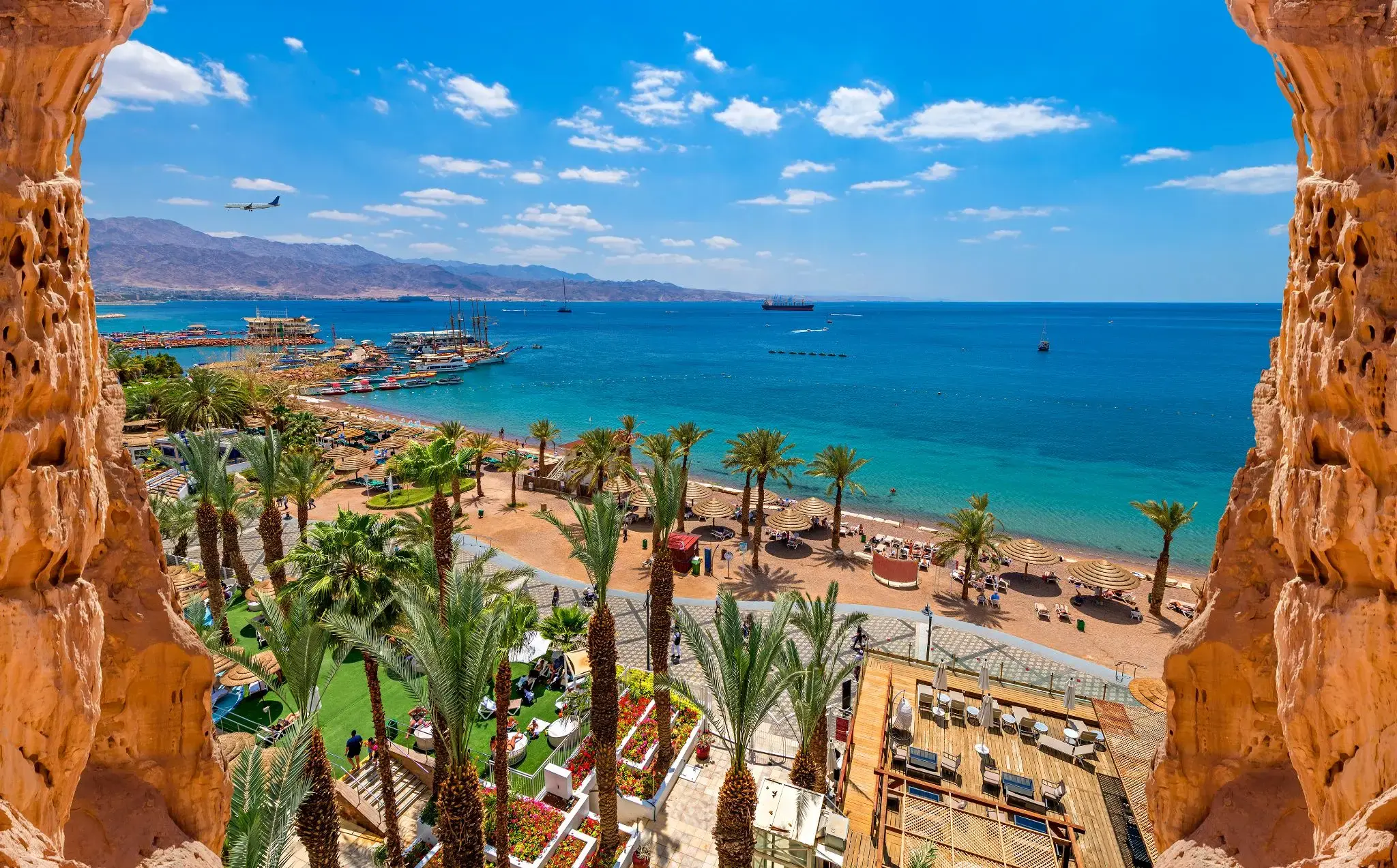
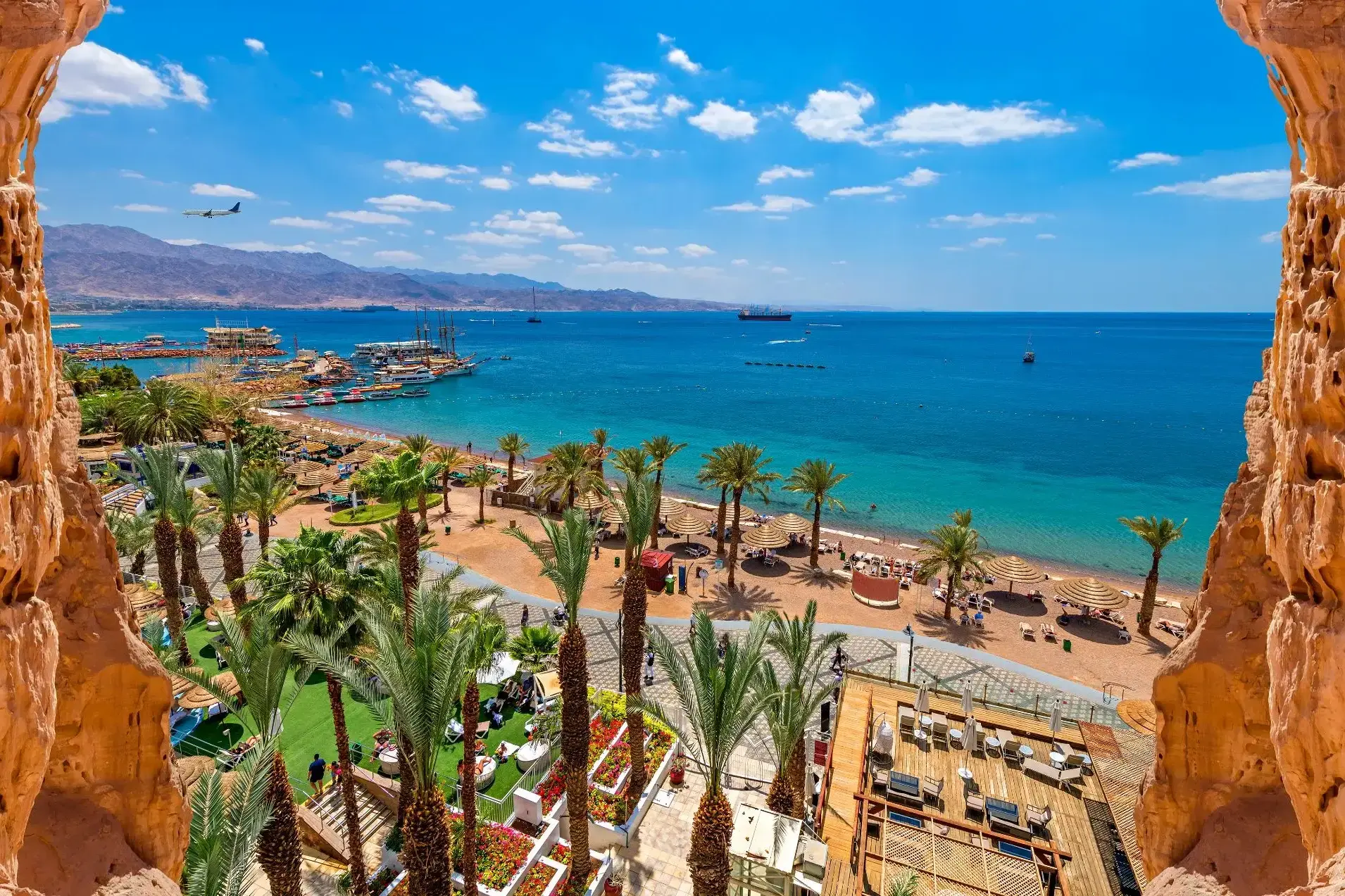
Aqaba is the only coastal city in Jordan and the largest and most populous city on the Gulf of Aqaba. Situated in southernmost Jordan, Aqaba is the administrative centre of the Aqaba Governorate. The city had a population of 148,398 in 2015 and a land area of 375 square kilometres (144.8 sq mi). Today, Aqaba plays a major role in the development of the Jordanian economy, through the vibrant trade and tourism sectors. The Port of Aqaba also serves other countries in the region.
Aqaba's strategic location at the northeastern tip of the Red Sea between the continents of Asia and Africa, has made its port important over the course of thousands of years.
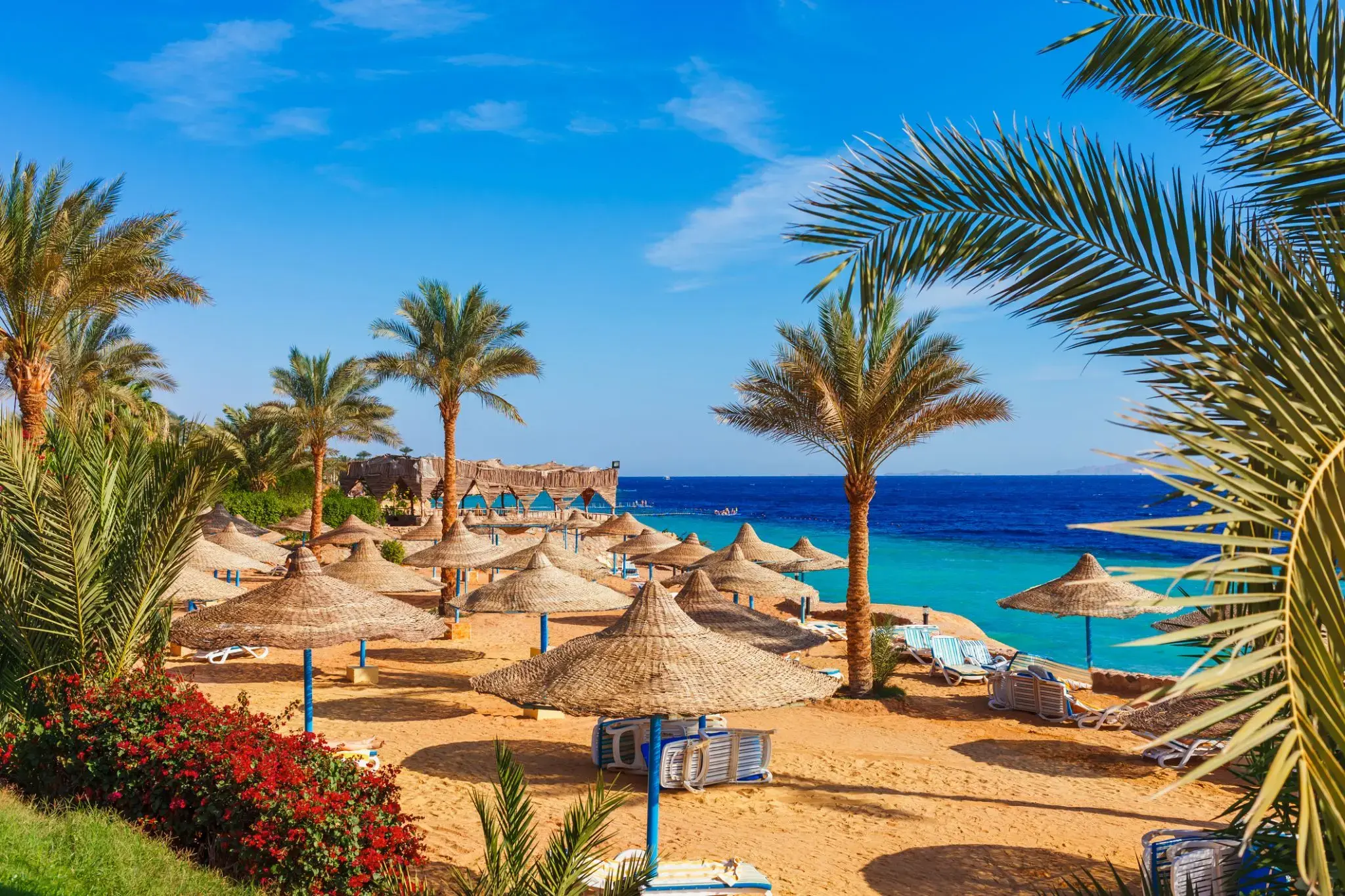
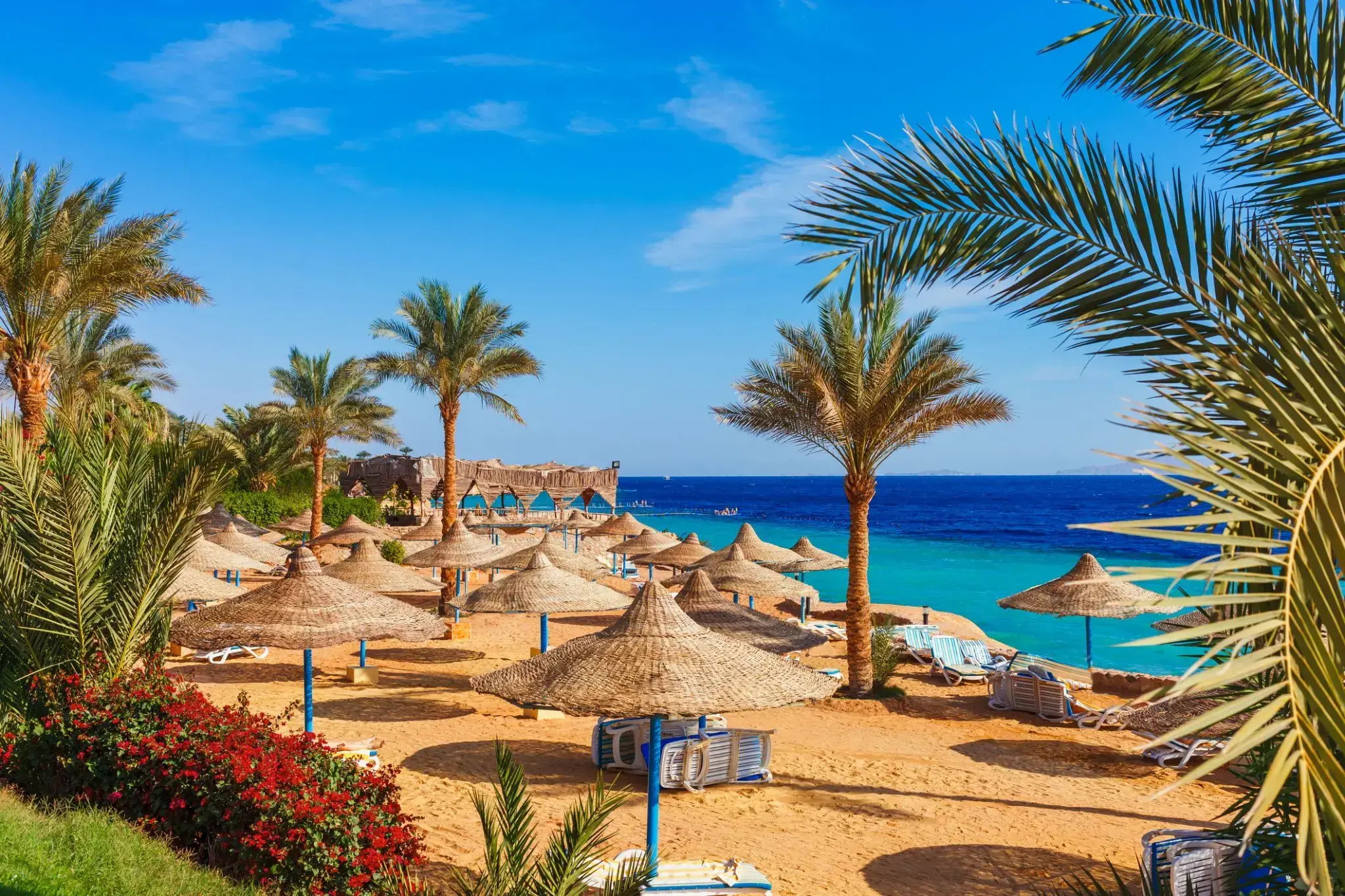
Sharm El Sheikh is an Egyptian city on the southern tip of the Sinai Peninsula, in South Sinai Governorate, on the coastal strip along the Red Sea. Its population is approximately 73,000 as of 2015. Sharm El Sheikh is the administrative hub of Egypt's South Sinai Governorate, which includes the smaller coastal towns of Dahab and Nuweiba as well as the mountainous interior, St. Catherine and Mount Sinai. The city and holiday resort is a significant centre for tourism in Egypt, while also attracting many international conferences and diplomatic meetings.
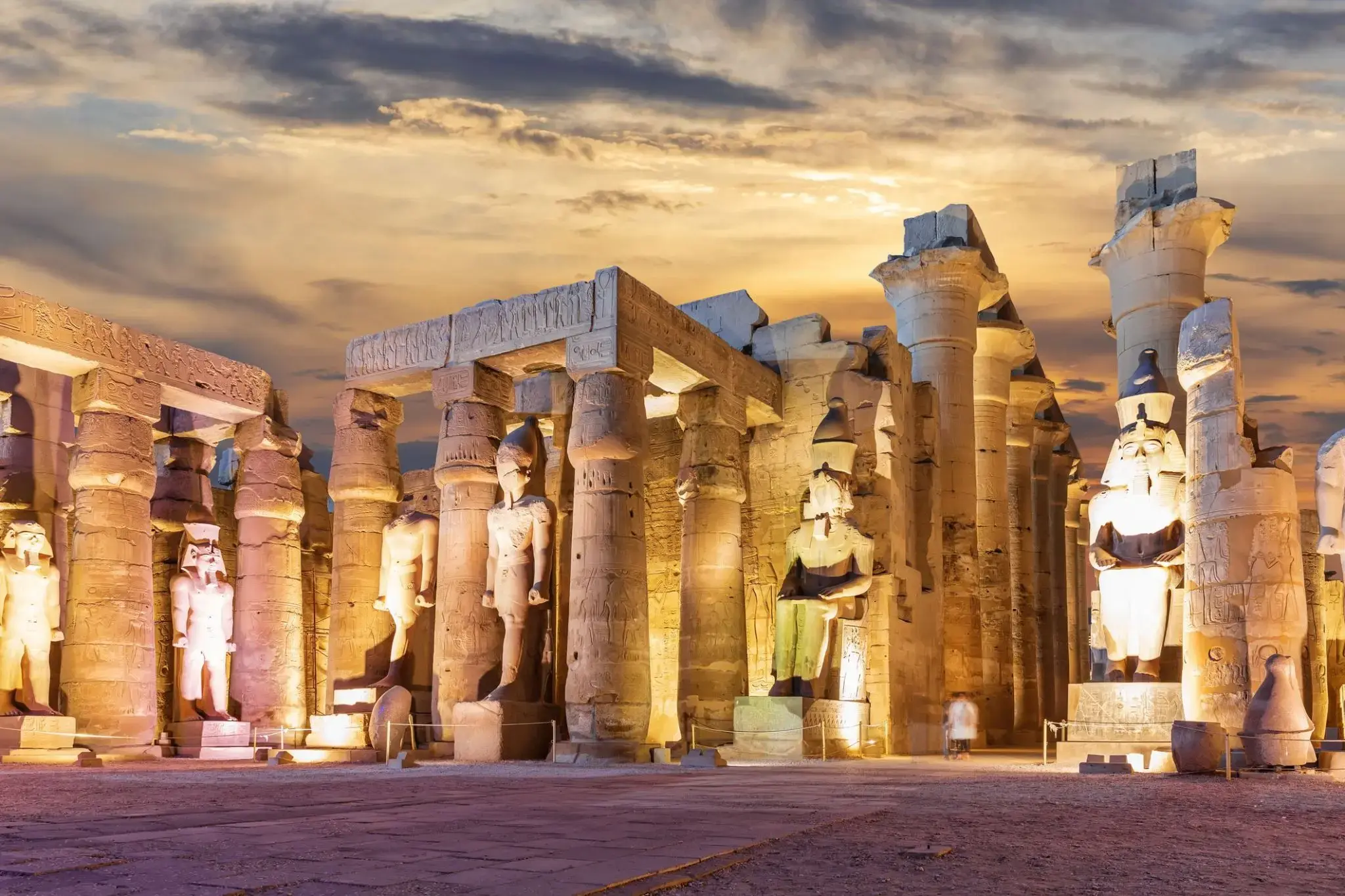
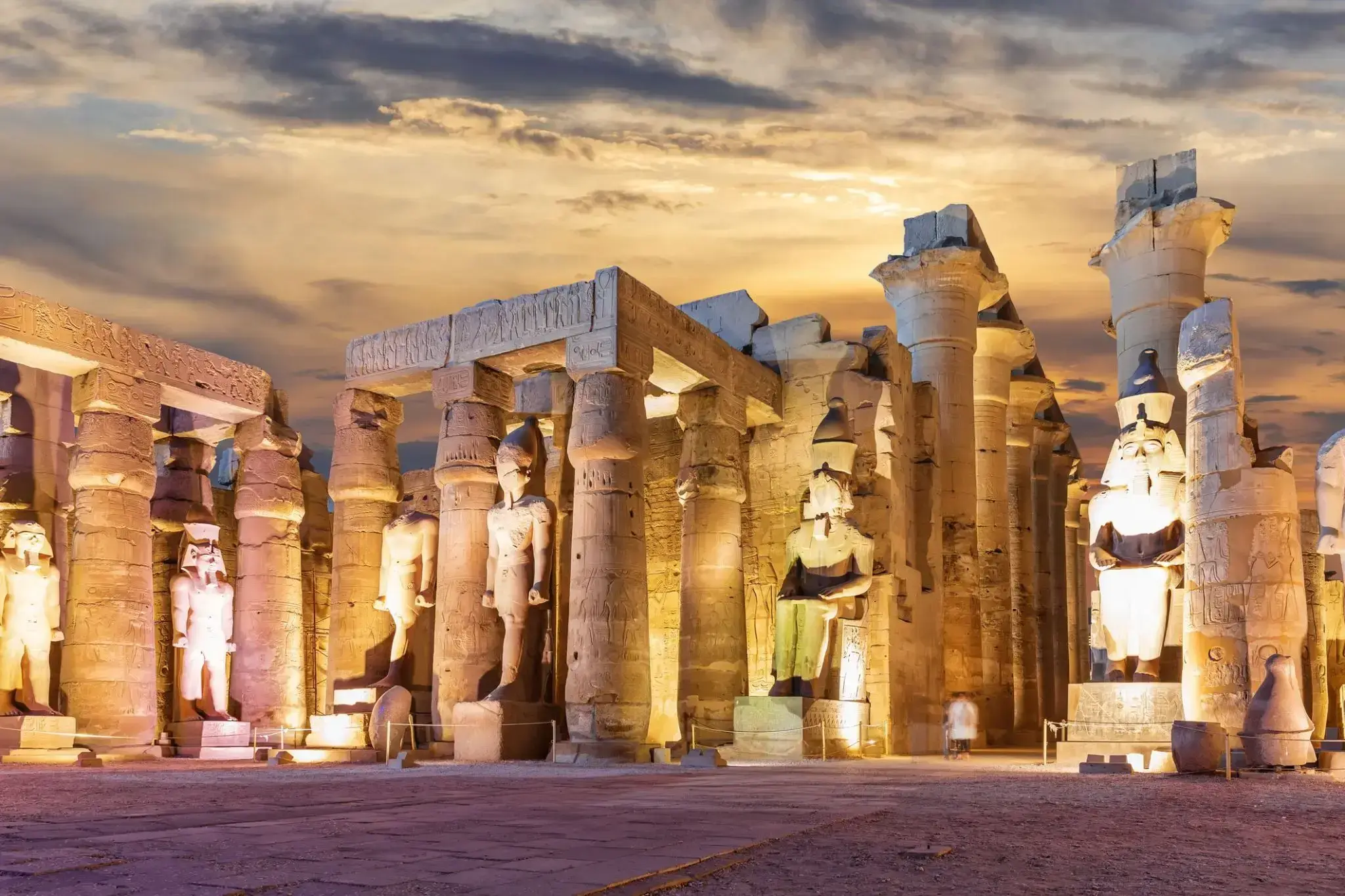
Pod egipskim słońcem, po obu stronach Nilu, rozciąga się Luksor — miasto nazywane największym muzeum na świeżym powietrzu na świecie. Dawniej była to potężna stolica starożytnych Teb, a dziś Luksor zachwyca monumentalnymi zabytkami: świątynią w Karnaku, Doliną Królów z grobowcem Tutanchamona oraz milczącymi Kolosami Memnona.
Spacer po Luksorze to coś więcej niż tylko zwiedzanie — to prawdziwa podróż w czasie. Historia obecna jest tu w każdym kamieniu, w cieniu kolumn, w ciszy poranka, gdy słońce wschodzi nad ruinami. Na turystów czekają nie tylko cudowne wykopaliska, ale także rejsy po Nilu, loty balonem i gościnność mieszkańców, dla których przeszłość jest codziennością.
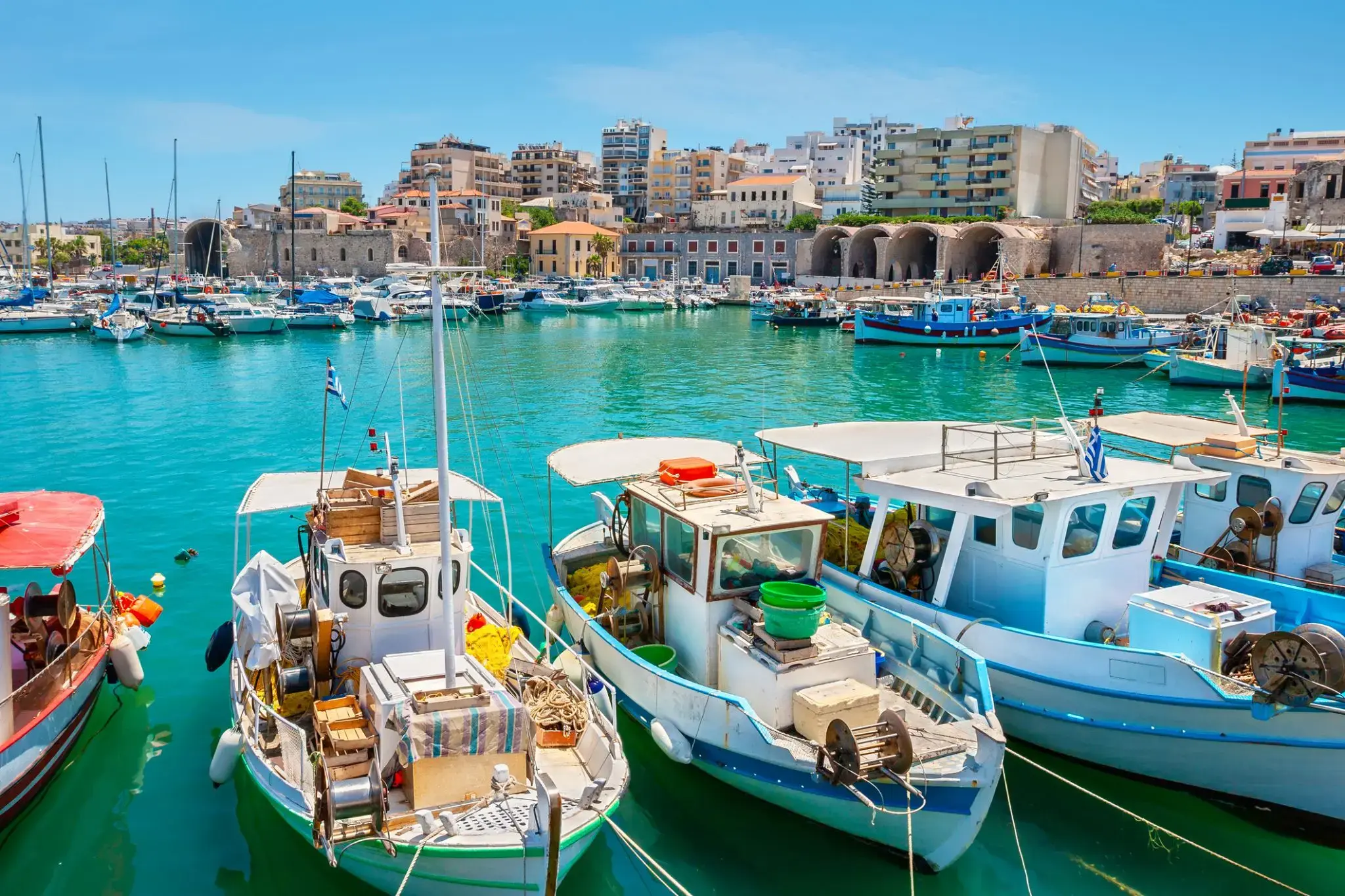
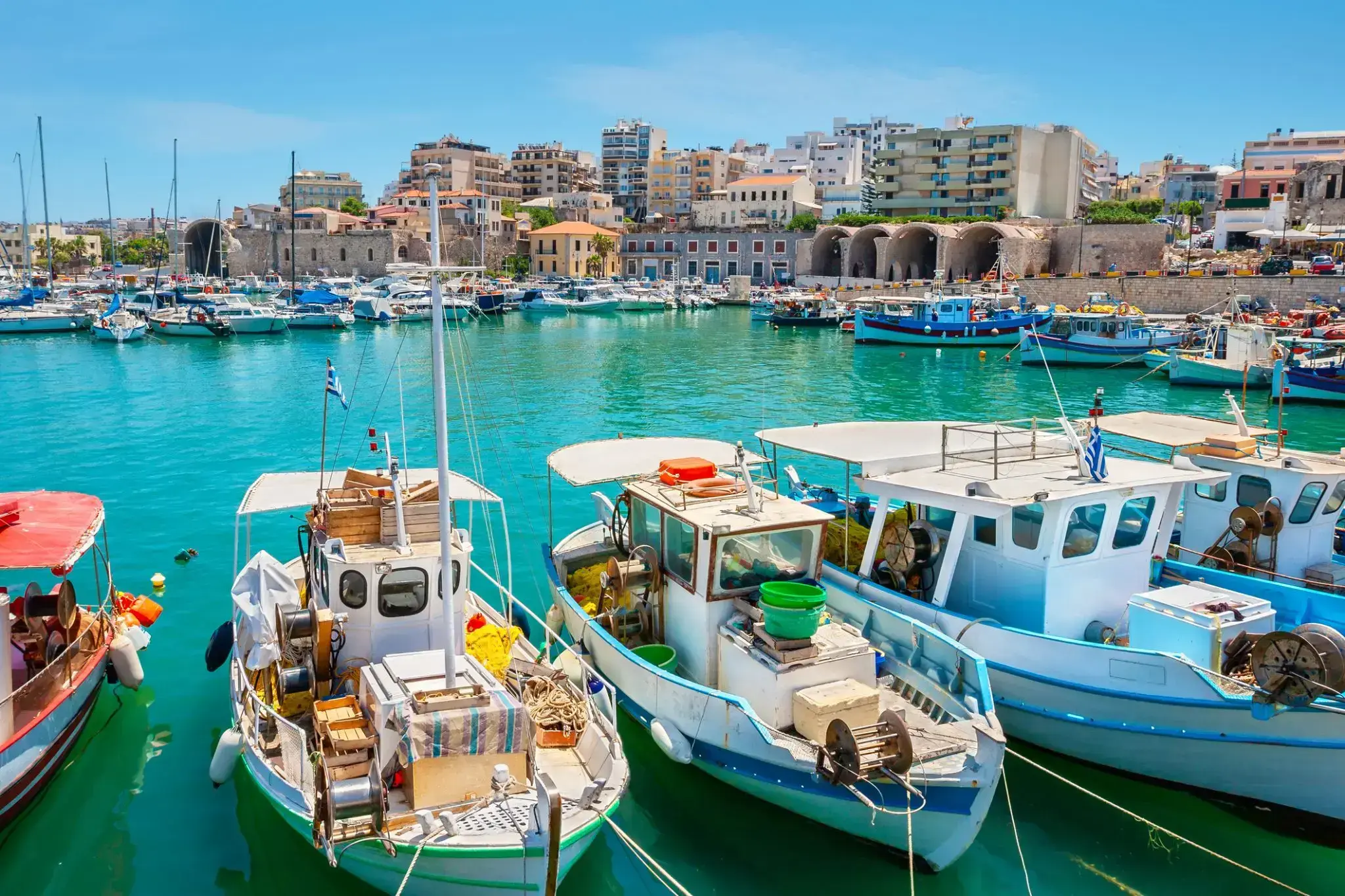
Heraklion or Heraclion is the largest city and the administrative capital of the island of Crete. It is the fourth largest city in Greece. According to the results of the 2011 census, the population of the city proper was 166,209 inhabitants, the municipality's was 173,993 while the Heraklion urban area has a population of 225,574 and it extends over an area of 684.3 km2 (264.2 sq mi).
Heraklion is the capital of Heraklion regional unit.
The Bronze Age palace of Knossos, also known as the Palace of Minos, is located nearby.
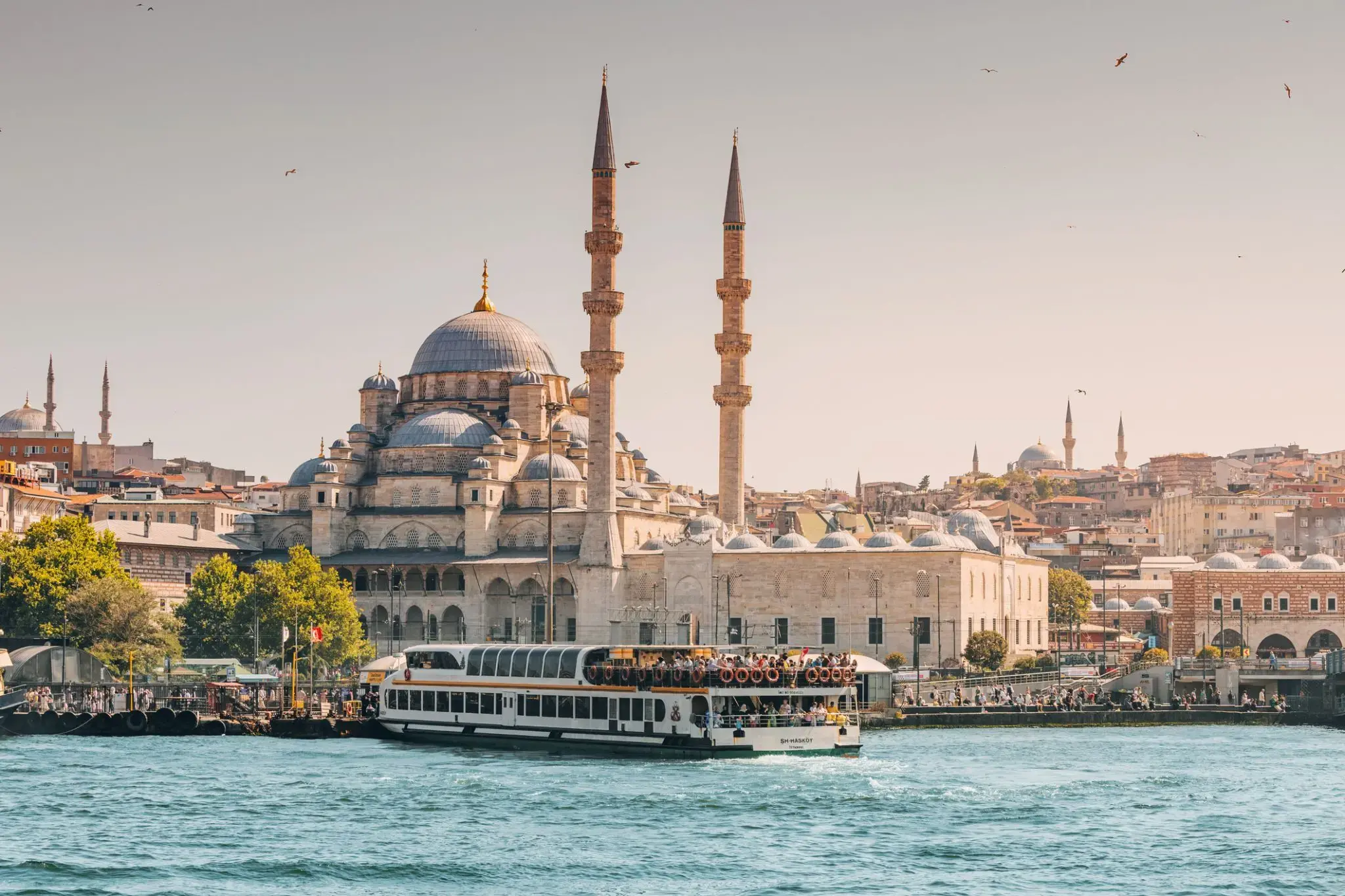
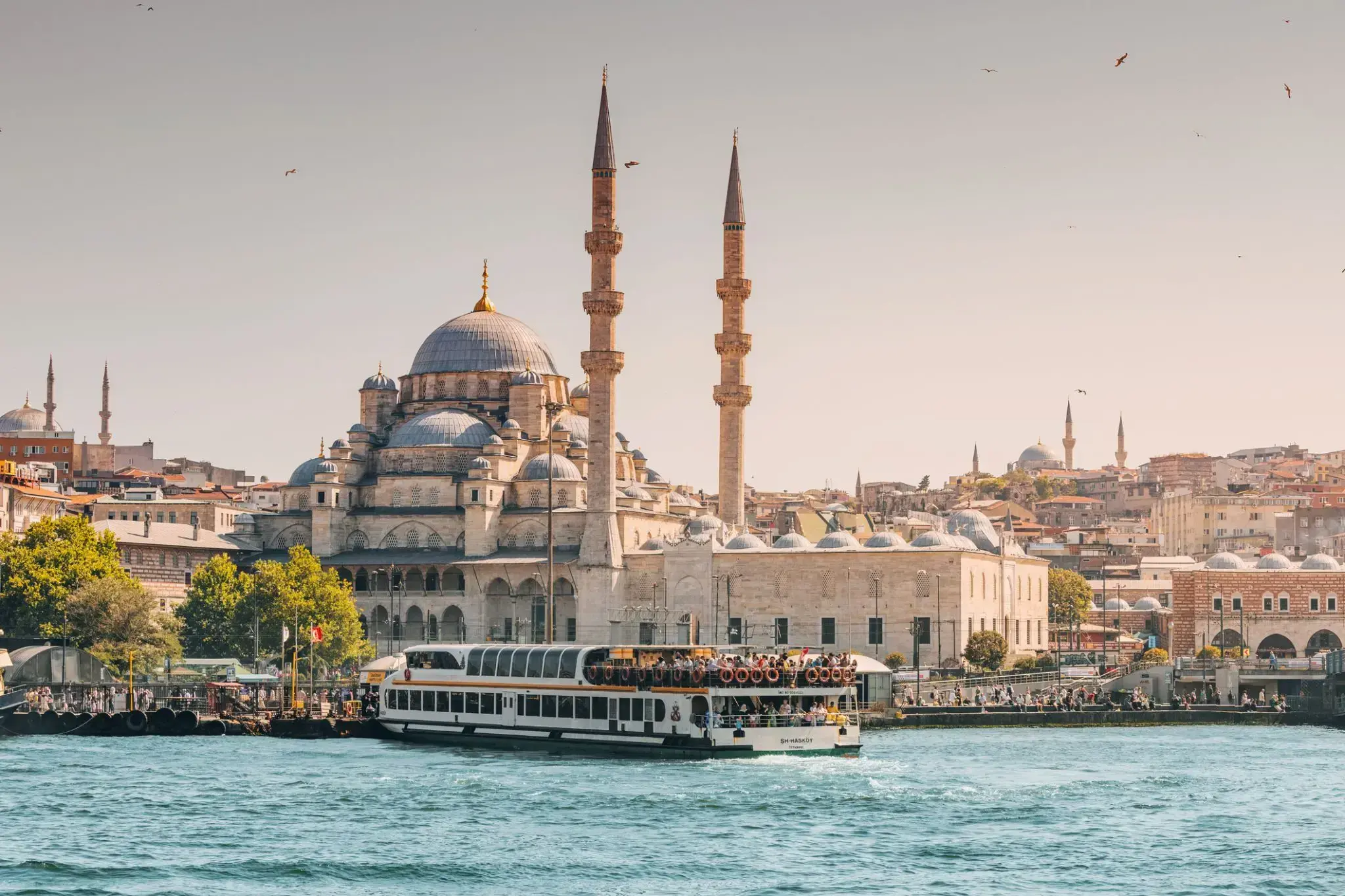
Stambuł – największe miasto Turcji, położone nad Bosforem. Do 1930 roku znane jako Konstantynopol, było stolicą Imperium Rzymskiego, Bizantyjskiego, Łacińskiego i Osmańskiego. W mieście i jego okolicach zachowały się zabytki dawnych cywilizacji, świątynie, pałace i fortyfikacje. Dziś Stambuł to ważne centrum kultury, handlu i przemysłu. Turyści przyjeżdżają tu nie tylko, by zobaczyć historyczne pomniki, ale też zrobić zakupy na słynnych tureckich bazarach, gdzie można kupić przyprawy, biżuterię, antyki czy kolorowe fajki wodne i oczywiście potargować się jak miejscowi.
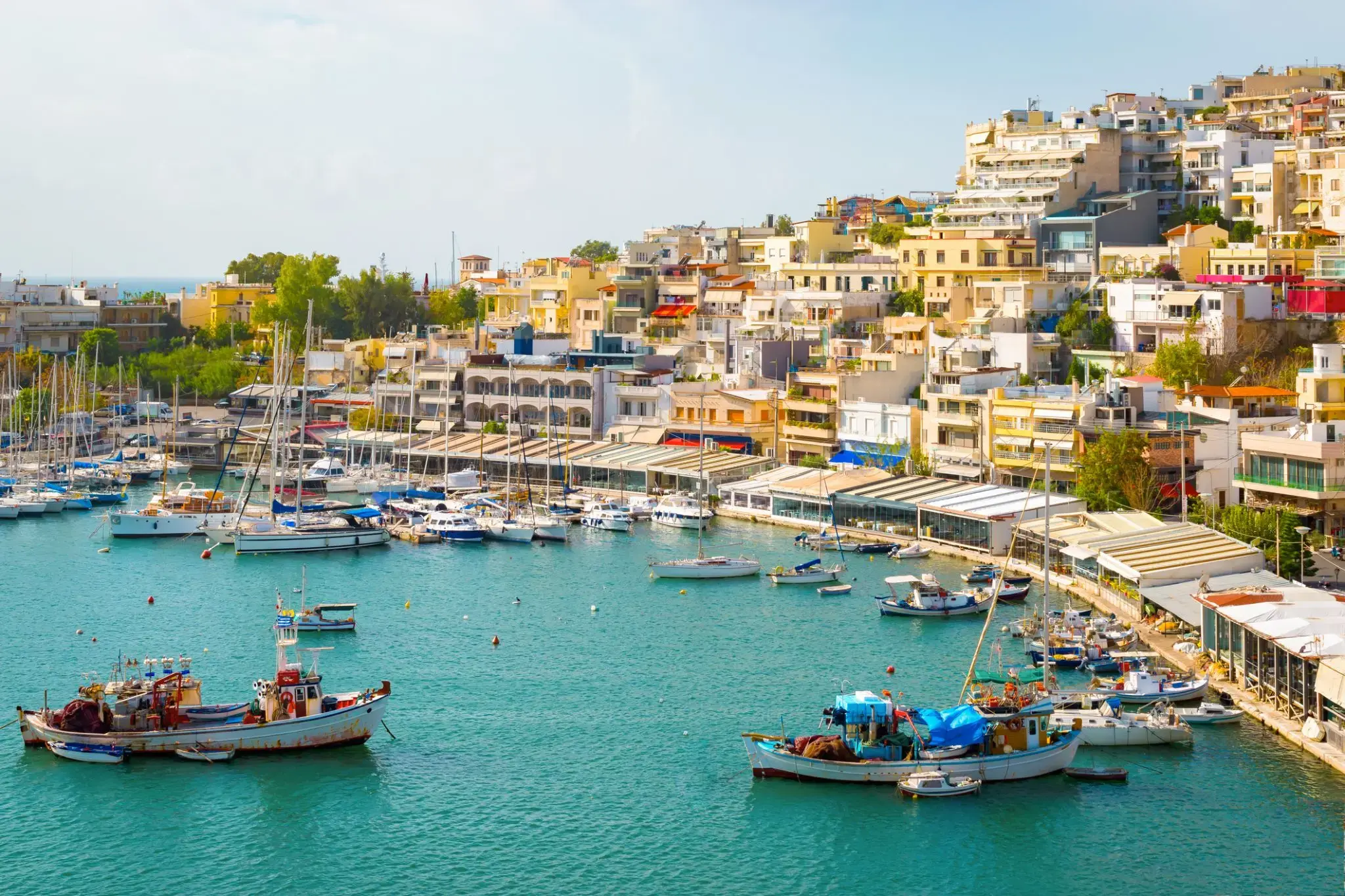
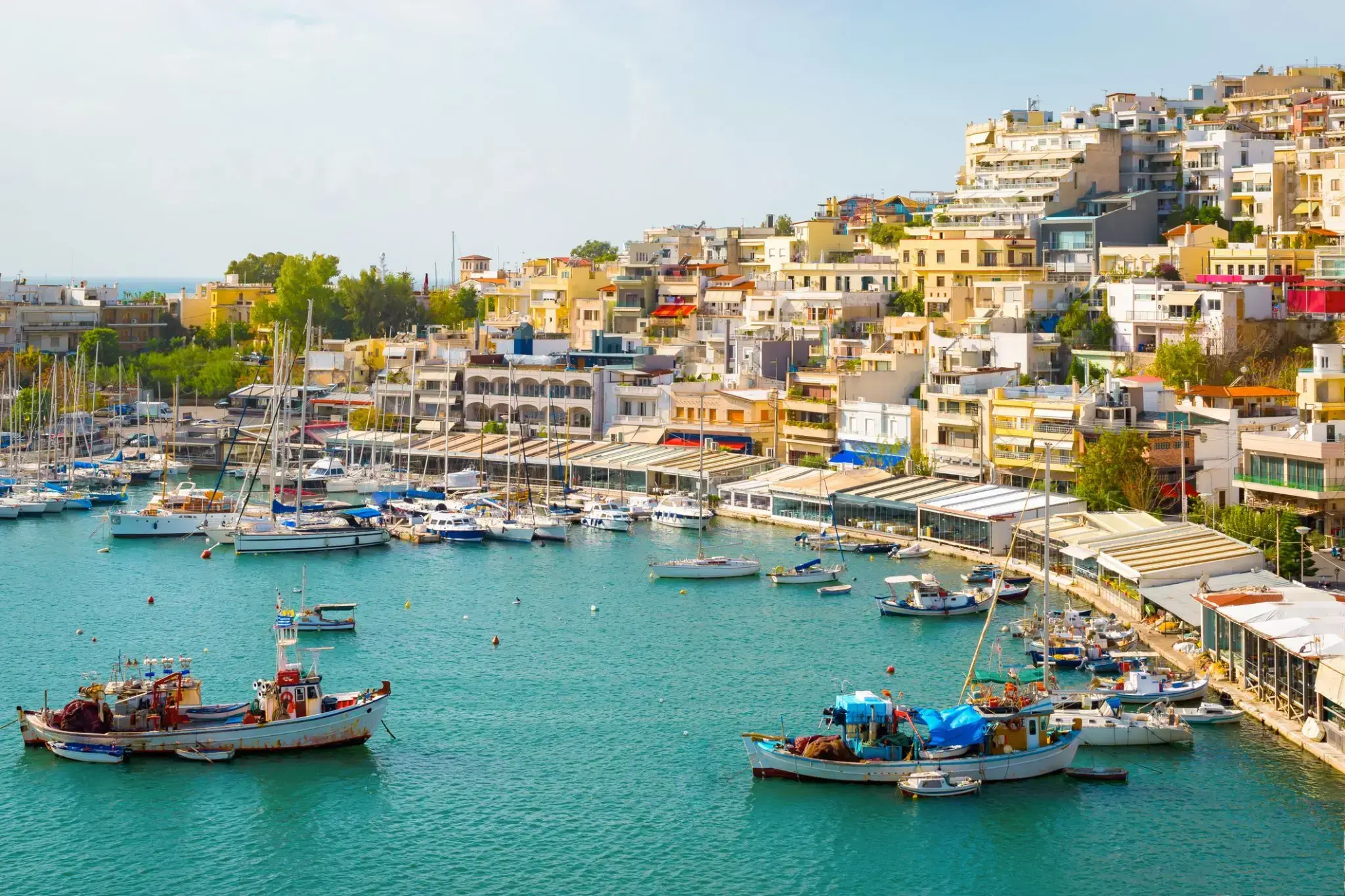
Pireus to stare miasto portowe, będące portem Aten i jednocześnie największym portem Grecji w dniu dzisiejszym. Pireus stanowi część wielkich Aten, które mogą poszczycić się bogactwem atrakcji, w tym unikalnymi zabytkami narodowej sztuki plastycznej.
Ponad dwieście muzeów i galerii, w tym Muzeum Historii Uniwersytetu, Muzeum Archeologiczne Keramejkos i wiele innych, gościnnie powita Państwa w swoich murach i zapozna z kulturą tej okolicy.
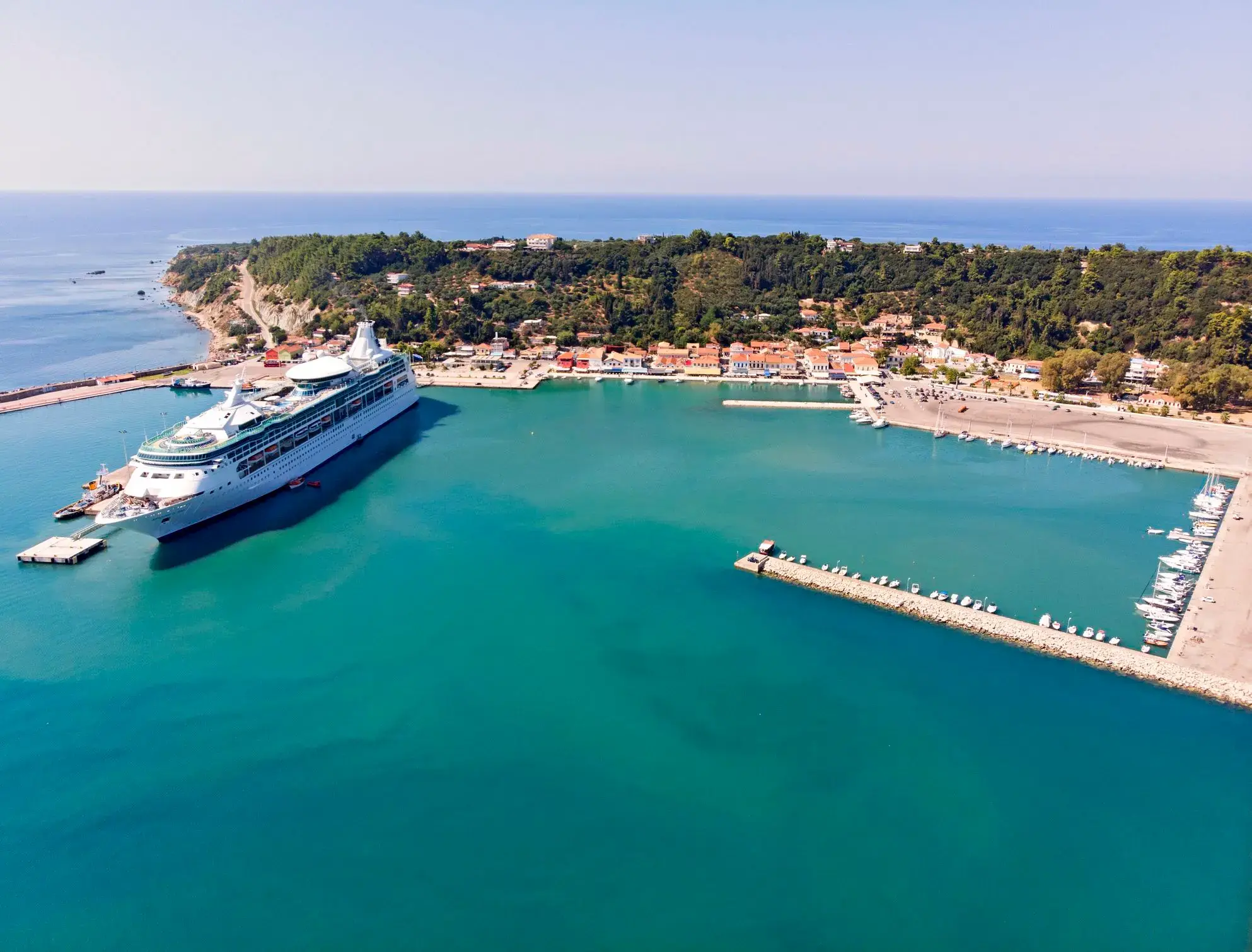
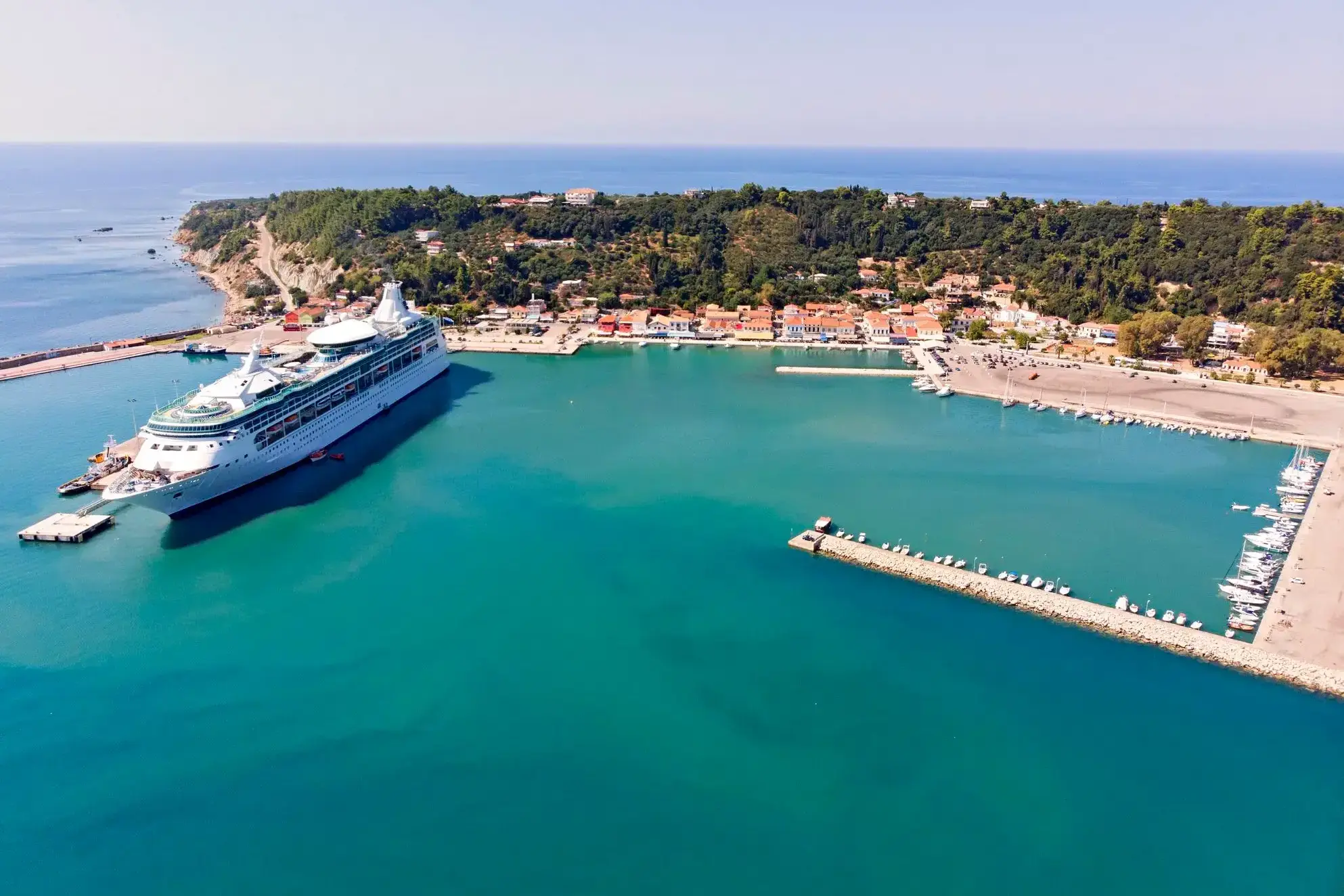
Katakolon to małe miasteczko nadmorskie położone na zachodzie Peloponezu w Grecji, pełniące funkcję morskiej bramy do legendarnej starożytnej Olimpii — kolebki igrzysk olimpijskich. Dzięki dogodnemu położeniu Katakolon stał się popularnym portem dla statków wycieczkowych. Port otaczają malownicze wzgórza, a wzdłuż wybrzeża znajdują się przytulne kawiarnie, sklepy z lokalnymi przysmakami i pamiątkami. Turyści często rozpoczynają swoją podróż po regionie właśnie tutaj, udając się następnie do stanowisk archeologicznych w Olimpii, oddalonych o około 30 km.
Katakolon oferuje spokojną atmosferę i tradycyjny grecki urok: wąskie uliczki, domy z dachówką i lazurowe wody Morza Jońskiego. W okolicach znajdują się winnice produkujące lokalne wino oraz niewielkie plaże idealne do kąpieli i relaksu. W miasteczku działa również Muzeum Starożytnej Techniki Greckiej, prezentujące unikalne modele starożytnych wynalazków — od automatycznych drzwi po wczesne formy komputerów. Katakolon to harmonijne połączenie historii, natury i autentycznej greckiej gościnności.
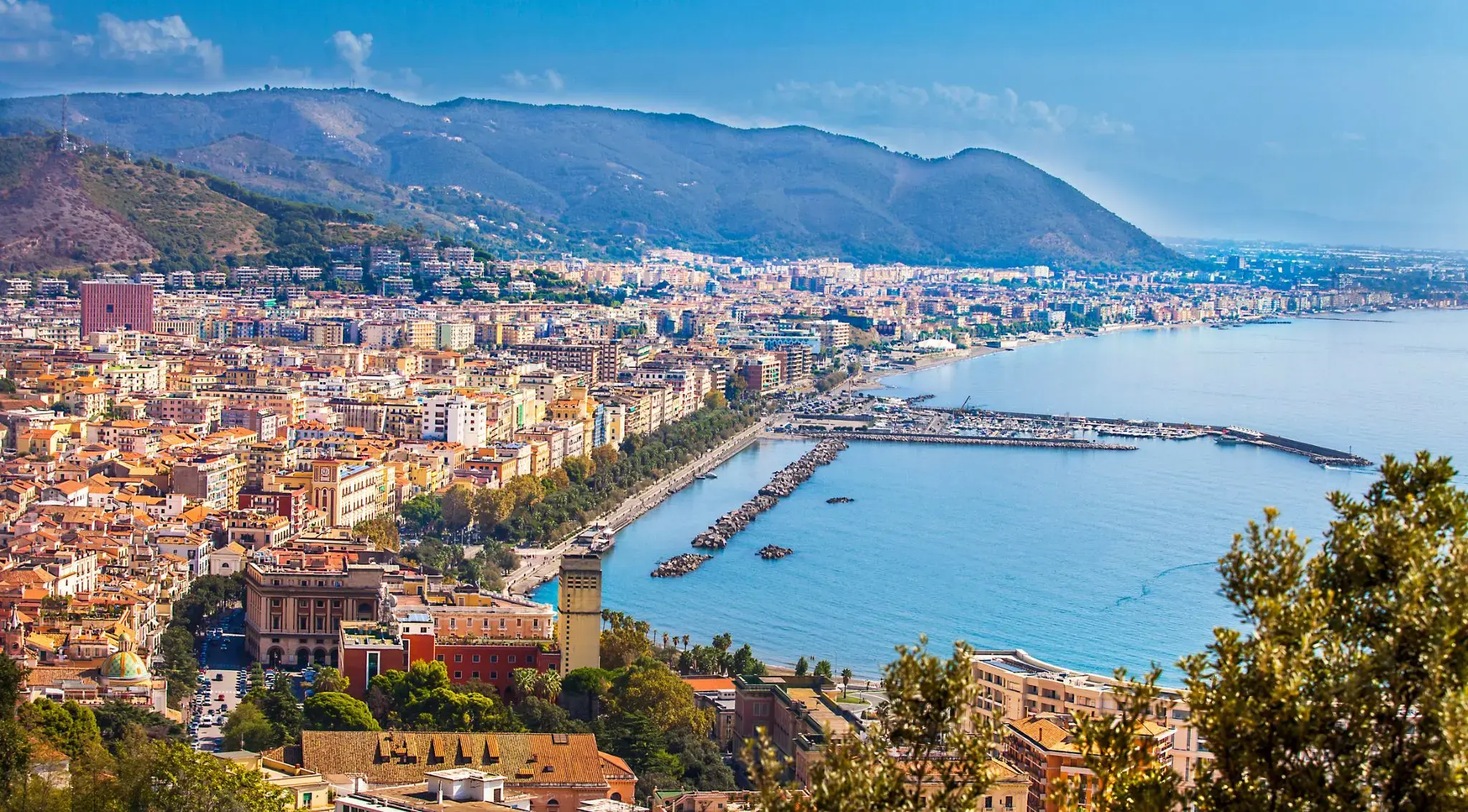
Salerno is one of the most popular seaside cities in Italy, intended for recreation at sea. The climate here is warm and mild, which is typical for all cities of the Neapolitan Riviera. Tourism in Salerno is at a high level, as the city is a rich historical and cultural center. Salerno contains many attractions interesting for lovers of history, art and culture.
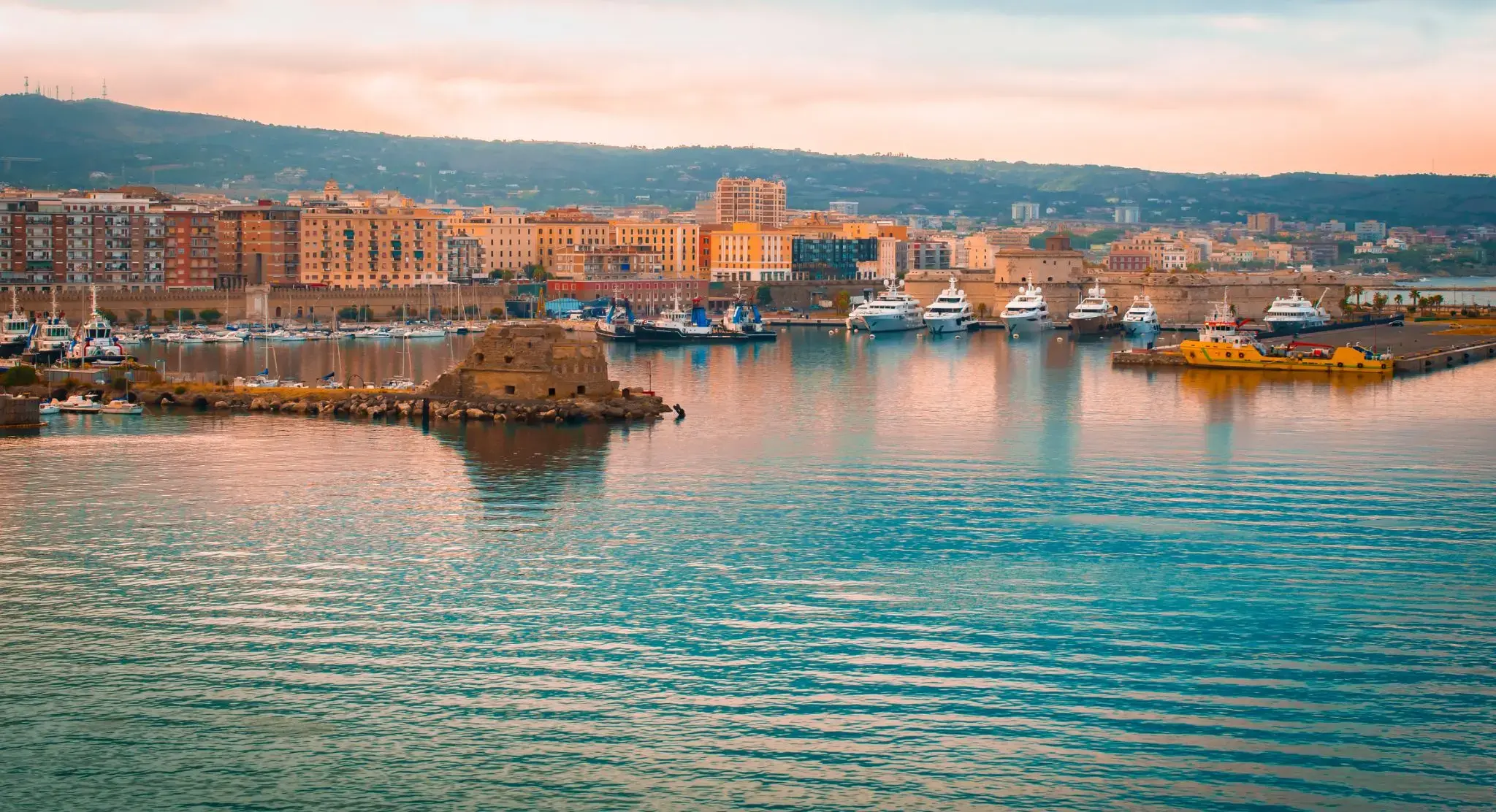
Rzym – jedno z najstarszych miast świata, niegdyś stolica Cesarstwa Rzymskiego, dziś stolica Włoch. Położony na siedmiu wzgórzach nad Tybrem, zachwyca pięknem i majestatem, którego nie da się oddać słowami – trzeba tu być. Każda rzeźba, fontanna czy budowla to dzieło sztuki pozostawione przez dawnych mistrzów. Najsłynniejsze atrakcje, które przyciągają turystów, to Koloseum – miejsce dawnych walk gladiatorów, Fontanna di Trevi, Schody Hiszpańskie, Bazylika św. Piotra – największy kościół Europy, a także Fora Cesarskie i Forum Romanum.
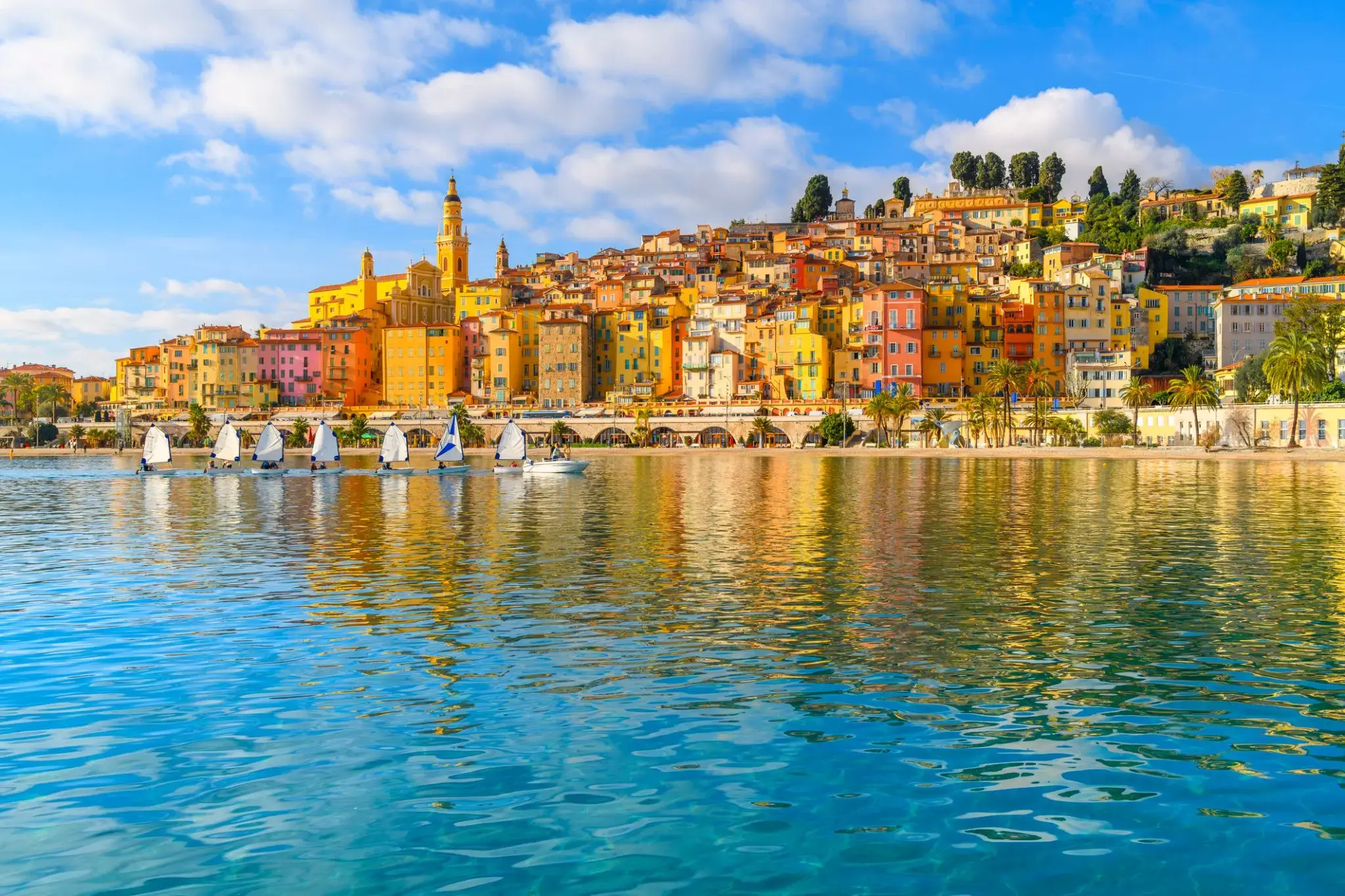
Nice is the seventh most populous urban area in France and the capital of the Alpes-Maritimes département. The metropolitan area of Nice extends beyond the administrative city limits, with a population of about 1 million on an area of 721 km2 (278 sq mi). Located in the French Riviera, on the south east coast of France on the Mediterranean Sea, at the foot of the Alps, Nice is the second-largest French city on the Mediterranean coast and the second-largest city in the Provence-Alpes-Côte d'Azur region after Marseille. Nice is approximately 13 kilometres (8.1 mi) from the principality of Monaco and 30 kilometres (19 mi) from the French-Italian border. Nice's airport serves as a gateway to the region.
The city is nicknamed Nice la Belle (Nissa La Bella in Niçard), which means Nice the Beautiful, which is also the title of the unofficial anthem of Nice, written by Menica Rondelly in 1912.
The area of today's Nice contains Terra Amata, an archaeological site which displays evidence of a very early use of fire. Around 350 BC, Greeks of Marseille founded a permanent settlement and called it Nikaia, after Nike, the goddess of victory. Through the ages, the town has changed hands many times. Its strategic location and port significantly contributed to its maritime strength. For centuries it was a dominion of Savoy, and was then part of France between 1792 and 1815, when it was returned to Piedmont-Sardinia until its re-annexation by France in 1860.
The natural environment of the Nice area and its mild Mediterranean climate came to the attention of the English upper classes in the second half of the 18th century, when an increasing number of aristocratic families took to spending their winters there. The city's main seaside promenade, the Promenade des Anglais ("Walkway of the English") owes its name to visitors to the resort. The clear air and soft light have particularly appealed to notable painters, such as Marc Chagall, Henri Matisse, Niki de Saint Phalle and Arman. Their work is commemorated in many of the city's museums, including Musée Marc Chagall, Musée Matisse and Musée des Beaux-Arts. Nice has the second largest hotel capacity in the country and it is one of its most visited cities, receiving 4 million tourists every year. It also has the third busiest airport in France, after the two main Parisian ones. It is the historical capital city of the County of Nice(Comté de Nice).
Nice is the seventh most populous urban area in France and the capital of the Alpes-Maritimes département. The metropolitan area of Nice extends beyond the administrative city limits, with a population of about 1 million on an area of 721 km2 (278 sq mi). Located in the French Riviera, on the south east coast of France on the Mediterranean Sea, at the foot of the Alps, Nice is the second-largest French city on the Mediterranean coast and the second-largest city in the Provence-Alpes-Côte d'Azur region after Marseille. Nice is approximately 13 kilometres (8.1 mi) from the principality of Monaco and 30 kilometres (19 mi) from the French-Italian border. Nice's airport serves as a gateway to the region.
The city is nicknamed Nice la Belle (Nissa La Bella in Niçard), which means Nice the Beautiful, which is also the title of the unofficial anthem of Nice, written by Menica Rondelly in 1912.
The area of today's Nice contains Terra Amata, an archaeological site which displays evidence of a very early use of fire. Around 350 BC, Greeks of Marseille founded a permanent settlement and called it Nikaia, after Nike, the goddess of victory. Through the ages, the town has changed hands many times. Its strategic location and port significantly contributed to its maritime strength. For centuries it was a dominion of Savoy, and was then part of France between 1792 and 1815, when it was returned to Piedmont-Sardinia until its re-annexation by France in 1860.
The natural environment of the Nice area and its mild Mediterranean climate came to the attention of the English upper classes in the second half of the 18th century, when an increasing number of aristocratic families took to spending their winters there. The city's main seaside promenade, the Promenade des Anglais ("Walkway of the English") owes its name to visitors to the resort. The clear air and soft light have particularly appealed to notable painters, such as Marc Chagall, Henri Matisse, Niki de Saint Phalle and Arman. Their work is commemorated in many of the city's museums, including Musée Marc Chagall, Musée Matisse and Musée des Beaux-Arts. Nice has the second largest hotel capacity in the country and it is one of its most visited cities, receiving 4 million tourists every year. It also has the third busiest airport in France, after the two main Parisian ones. It is the historical capital city of the County of Nice(Comté de Nice).
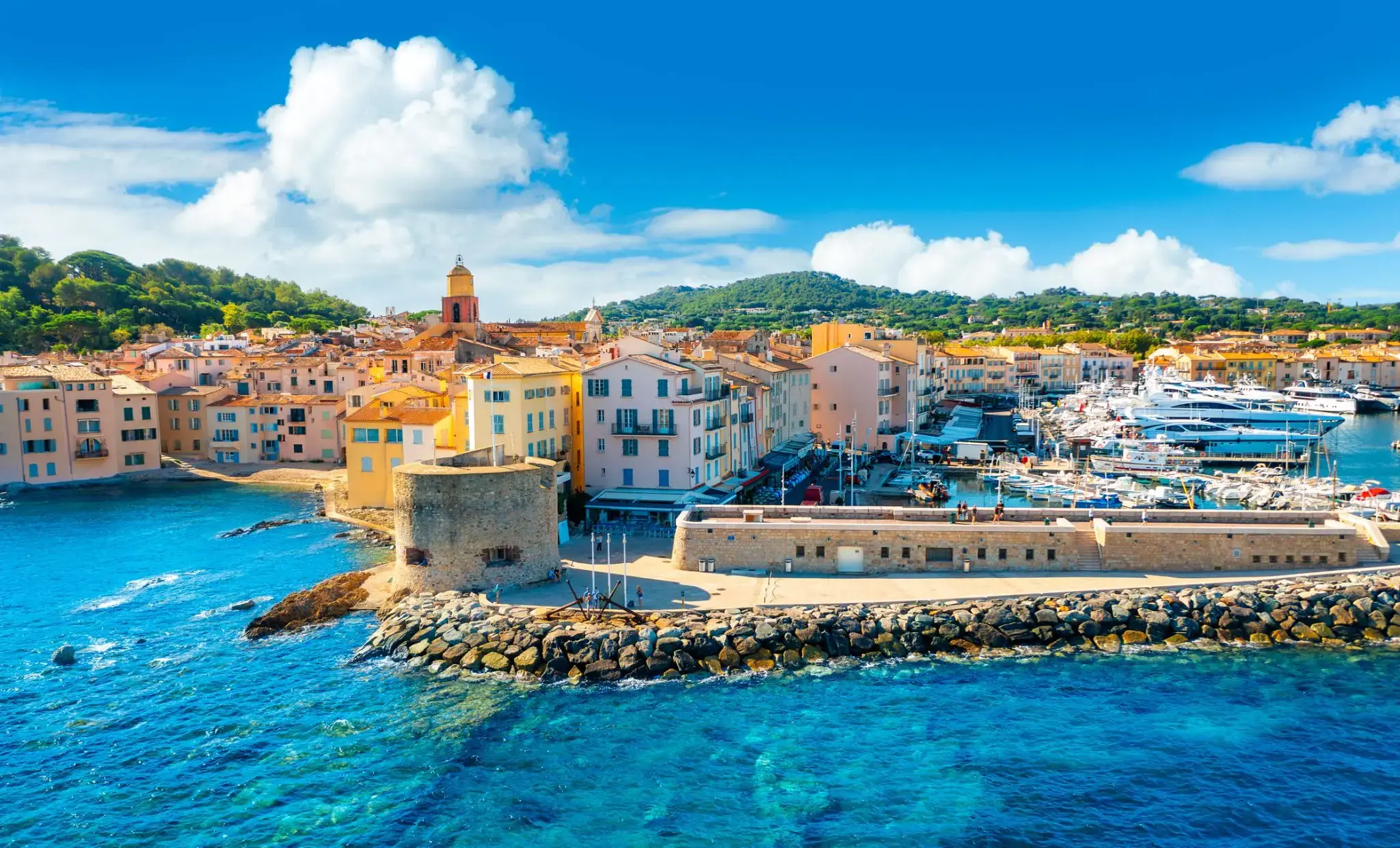
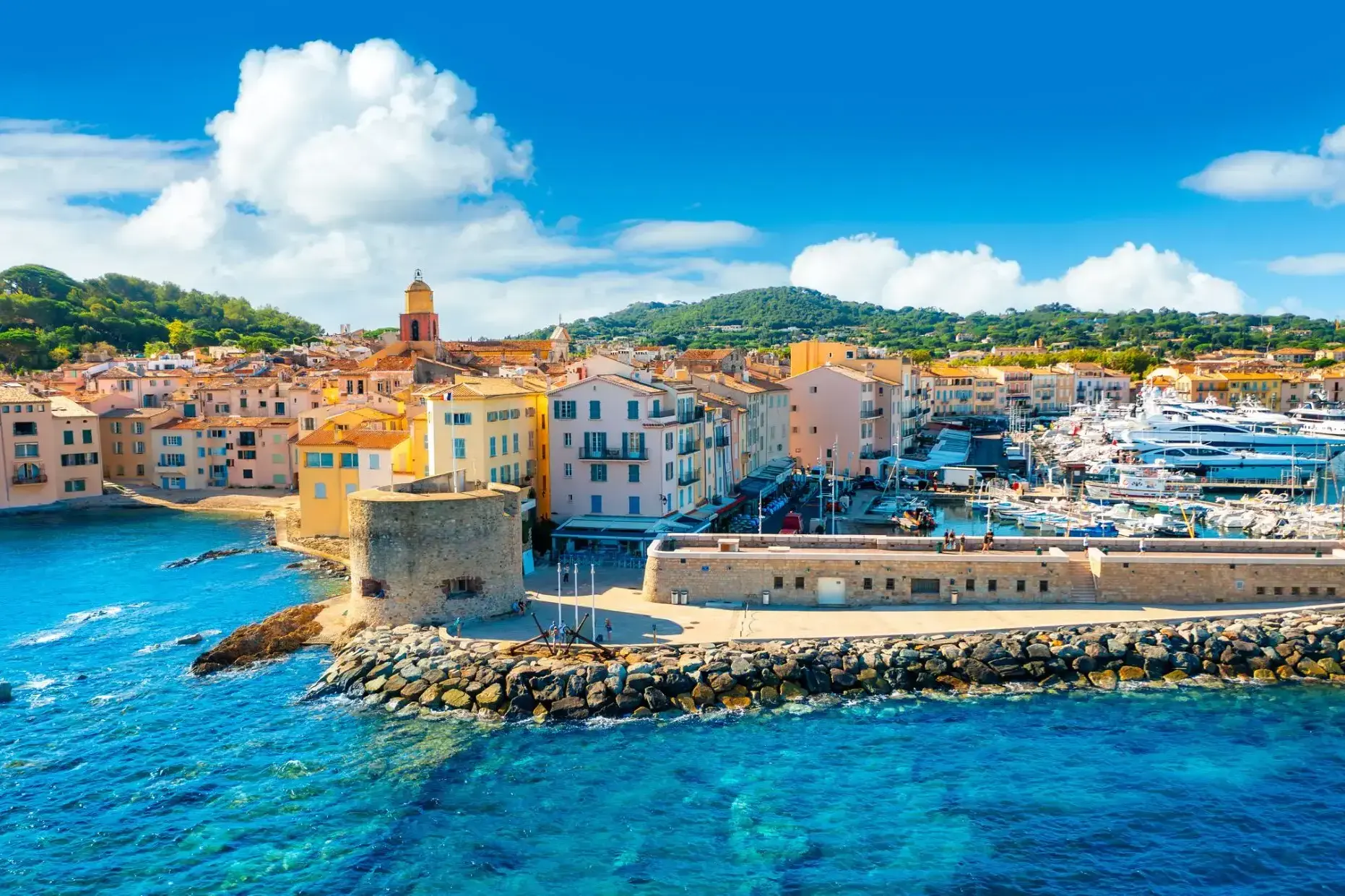
Saint-Tropez is a town on the French Riviera, 100 kilometres (62 miles) west of Nice in the Var department of the Provence-Alpes-Côte d'Azur region of southeastern France.
Saint-Tropez was a military stronghold and fishing village until the beginning of the 20th century. It was the first town on this coast to be liberated during World War II as part of Operation Dragoon. After the war, it became an internationally known seaside resort, renowned principally because of the influx of artists of the French New Wave in cinema and the Yé-yé movement in music. It later became a resort for the European and American jet set and tourists.
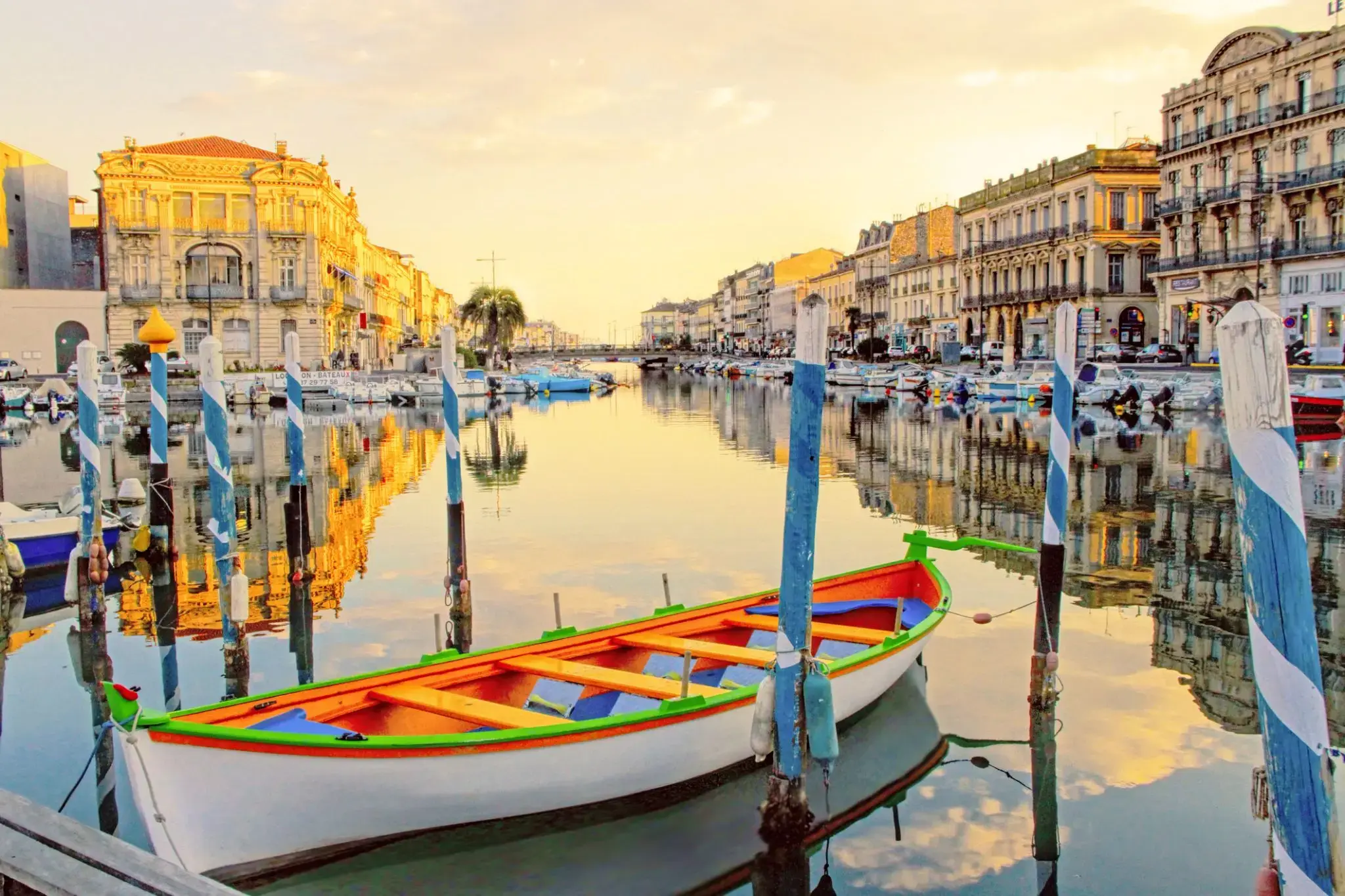
Miasto Sete, położone na południu Francji między laguną Thau a Morzem Śródziemnym, często nazywane jest „Wenecją Langwedocji” ze względu na malownicze kanały, po których pływają łodzie rybackie i wycieczkowe. Sète zostało założone w XVII wieku jako port dla Kanału Południowego (Canal du Midi) i do dziś pozostaje ważnym ośrodkiem rybołówstwa i handlu. Nad miastem góruje wzgórze Mont Saint-Clair, z którego roztacza się panoramiczny widok na słone mokradła i lazurowe wody zatoki.
Sète znane jest nie tylko ze swojego morskiego uroku, ale także z bogatego życia kulturalnego. To rodzinne miasto poety Paula Valéry’ego, którego imieniem nazwano muzeum i morski cmentarz, na którym został pochowany. Latem odbywają się tu wyjątkowe uroczystości — turnieje rycerskie na łodziach (joutes nautiques), tradycja sięgająca średniowiecza. Kuchnia lokalna słynie ze świeżych owoców morza, zwłaszcza ostryg i małży z laguny. Sète to miejsce, gdzie spotykają się duch Morza Śródziemnego, historia, gastronomia i poezja.
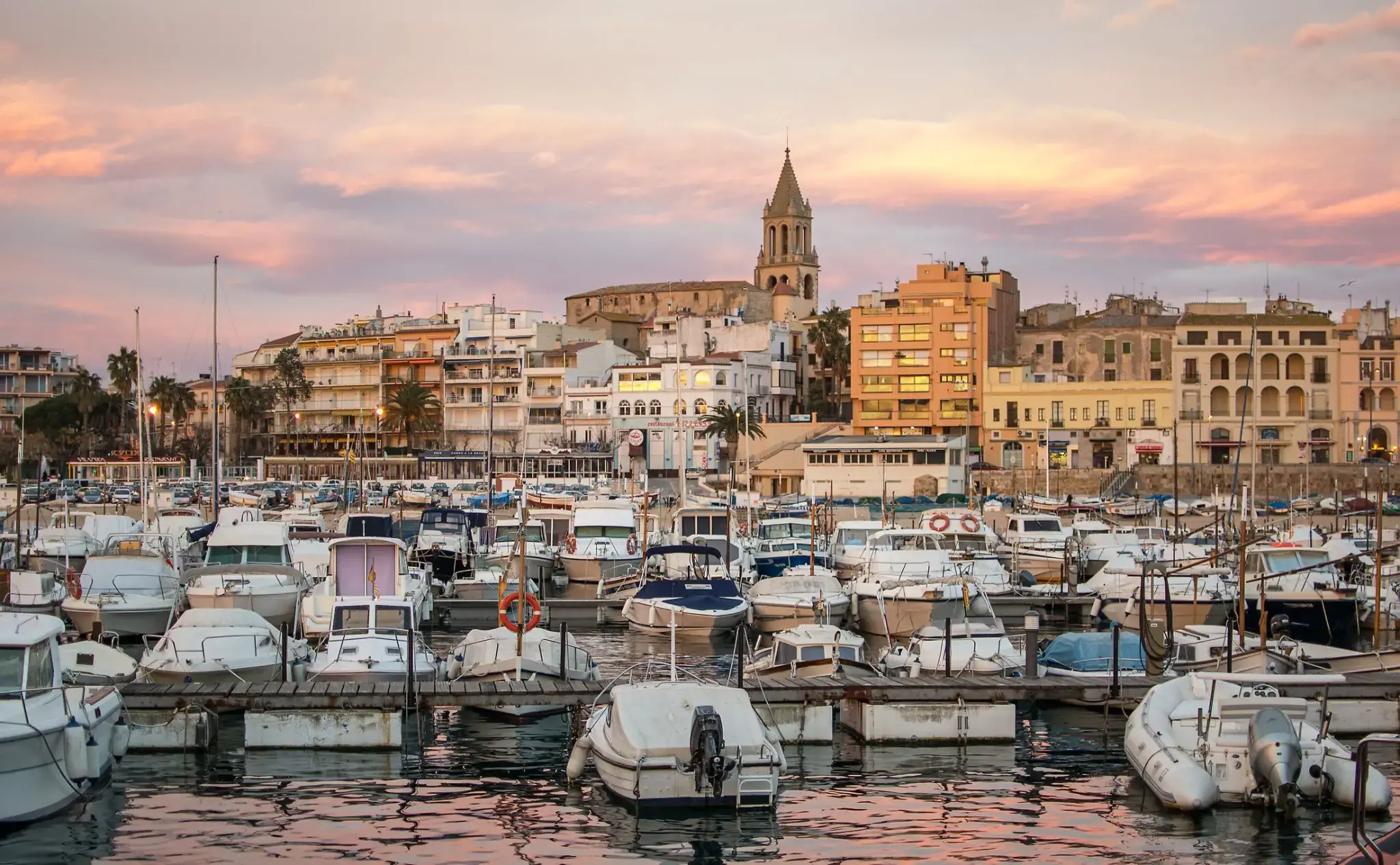
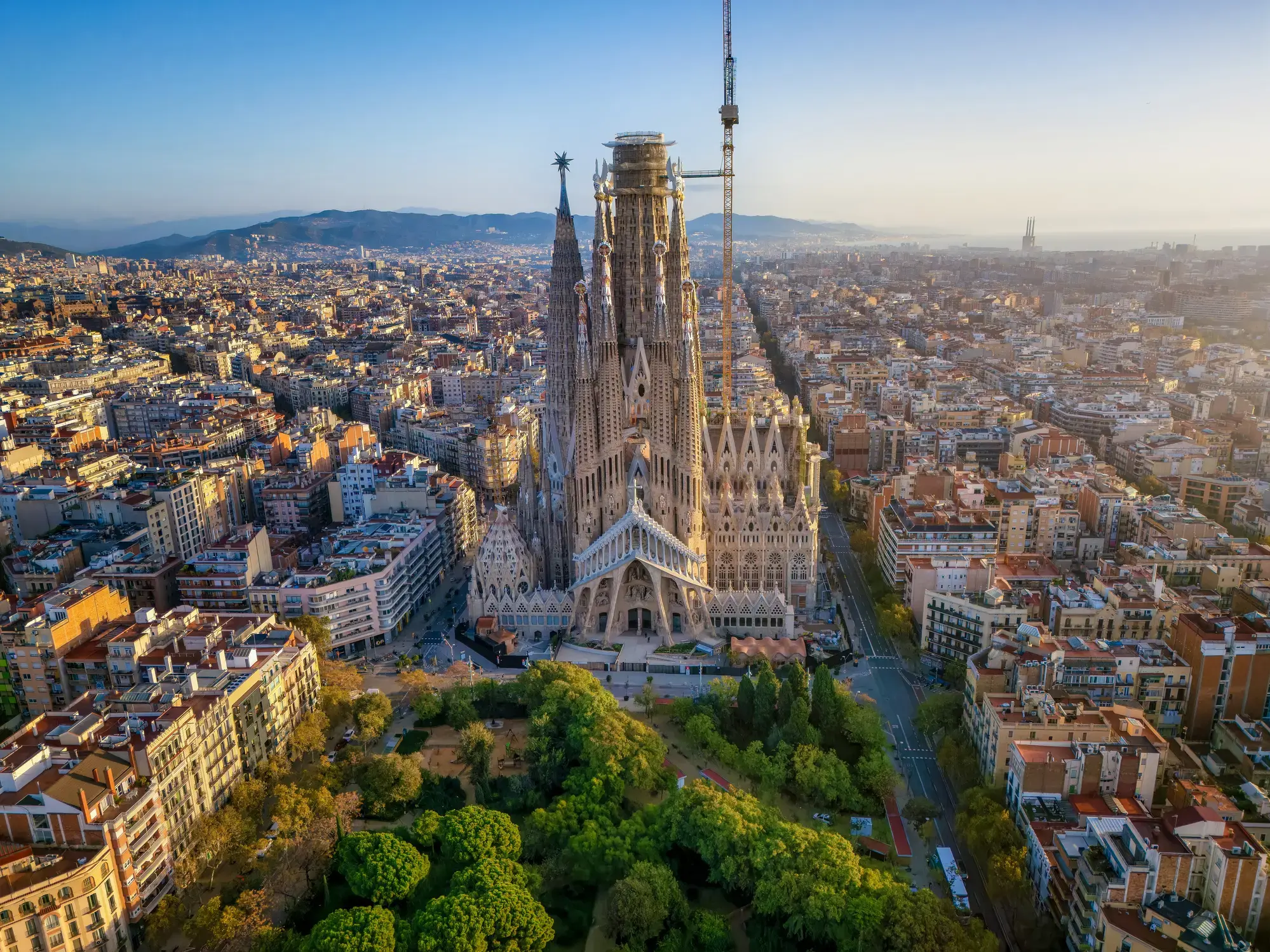
Mając reputację jednego z najatrakcyjniejszych miast w Europie, Barcelona świętuje swoją rolę stolicy Katalonii. Kosmopolityczna i międzynarodowa atmosfera miasta sprawia, że jest to ulubione miejsce wielu ludzi na całym świecie. Miasto jest szczególnie znane ze swojej architektury i sztuki – podróżnicy z całego świata przybywają, aby zobaczyć słynną Sagrada Familia i inne modernistyczne zabytki zaprojektowane przez Gaudiego.
Barcelona to miasto z licznymi i oryginalnymi możliwościami spędzania czasu wolnego, które sprawiają, że chcesz tu wracać. Położona na wybrzeżu Morza Śródziemnego Barcelona słynie z arcydzieł Gaudiego i architektury secesyjnej: jest jednym z najbardziej stylowych miast europejskich.
Miasto jest ośrodkiem nowych trendów w świecie kultury, mody i gastronomii. Dopełnieniem kreatywności artystów i projektantów jest ostrożne podejście do tradycyjnych placówek. Barcelona łączy w sobie urok i spokój historycznego centrum z awangardowymi nowoczesnymi dzielnicami i intensywnym tempem życia w jednym z najczęściej odwiedzanych miast na świecie.
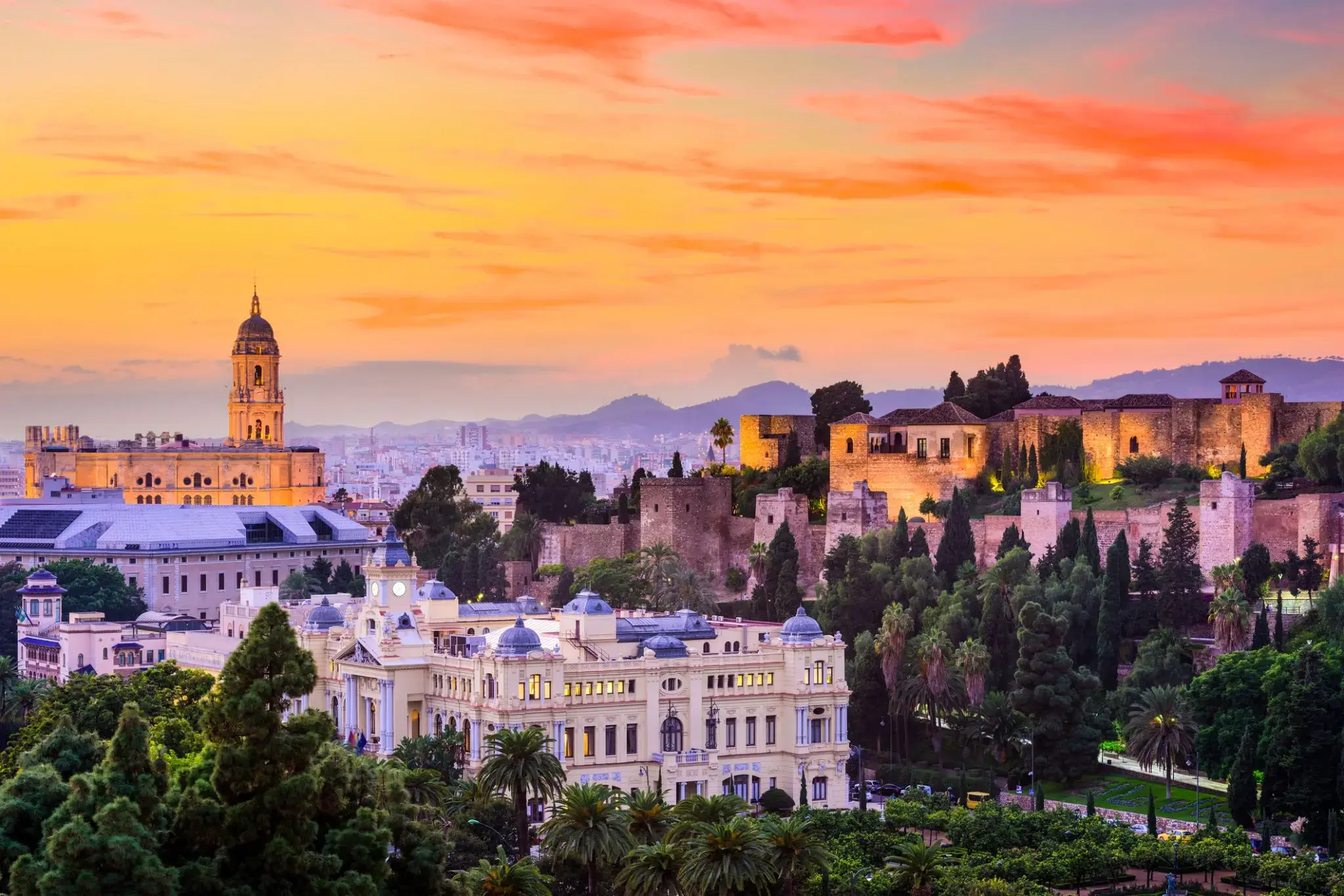
Málaga is a municipality, capital of the Province of Málaga, in the Autonomous Community of Andalusia, Spain. With a population of 569,130 in 2015, it is the second-most populous city of Andalusia and the sixth-largest in Spain. The southernmost large city in Europe, it lies on the Costa del Sol (Coast of the Sun) of the Mediterranean, about 100 kilometres (62.14 miles) east of the Strait of Gibraltar and about 130 km (80.78 mi) north of Africa.
Málaga's history spans about 2,800 years, making it one of the oldest cities in the world. According to most scholars, it was founded about 770 BC by the Phoenicians as Malaka From the 6th century BC the city was under the hegemony of Ancient Carthage, and from 218 BC, it was ruled by the Roman Republic and then empire as Malaca (Latin). After the fall of the empire and the end of Visigothic rule, it was under Islamic rule as Mālaqah for 800 years, but in 1487, the Crown of Castille gained control after the Reconquista. The archaeological remains and monuments from the Phoenician, Roman, Arabic and Christian eras make the historic center of the city an "open museum", displaying its history of nearly 3,000 years.
This important cultural infrastructure and the artistic heritage have culminated in the nomination of Málaga as a candidate for the 2016 European Capital of Culture.
The painter and sculptor Pablo Picasso, Hebrew poet and Jewish philosopher Solomon Ibn Gabirol and the actor Antonio Banderas were born in Málaga. The magnum opus of Cuban composer Ernesto Lecuona, "Malagueña", is named after the music of this region of Spain.
The most important business sectors in Málaga are tourism, construction and technology services, but other sectors such as transportation and logistics are beginning to expand. The Andalusia Technology Park (PTA), located in Málaga, has enjoyed significant growth since its inauguration in 1992. Málaga is the main economic and financial centre of southern Spain, home of the region's largest bank, Unicaja, and the fourth-ranking city in economic activity in Spain behind Madrid, Barcelona and Valencia.
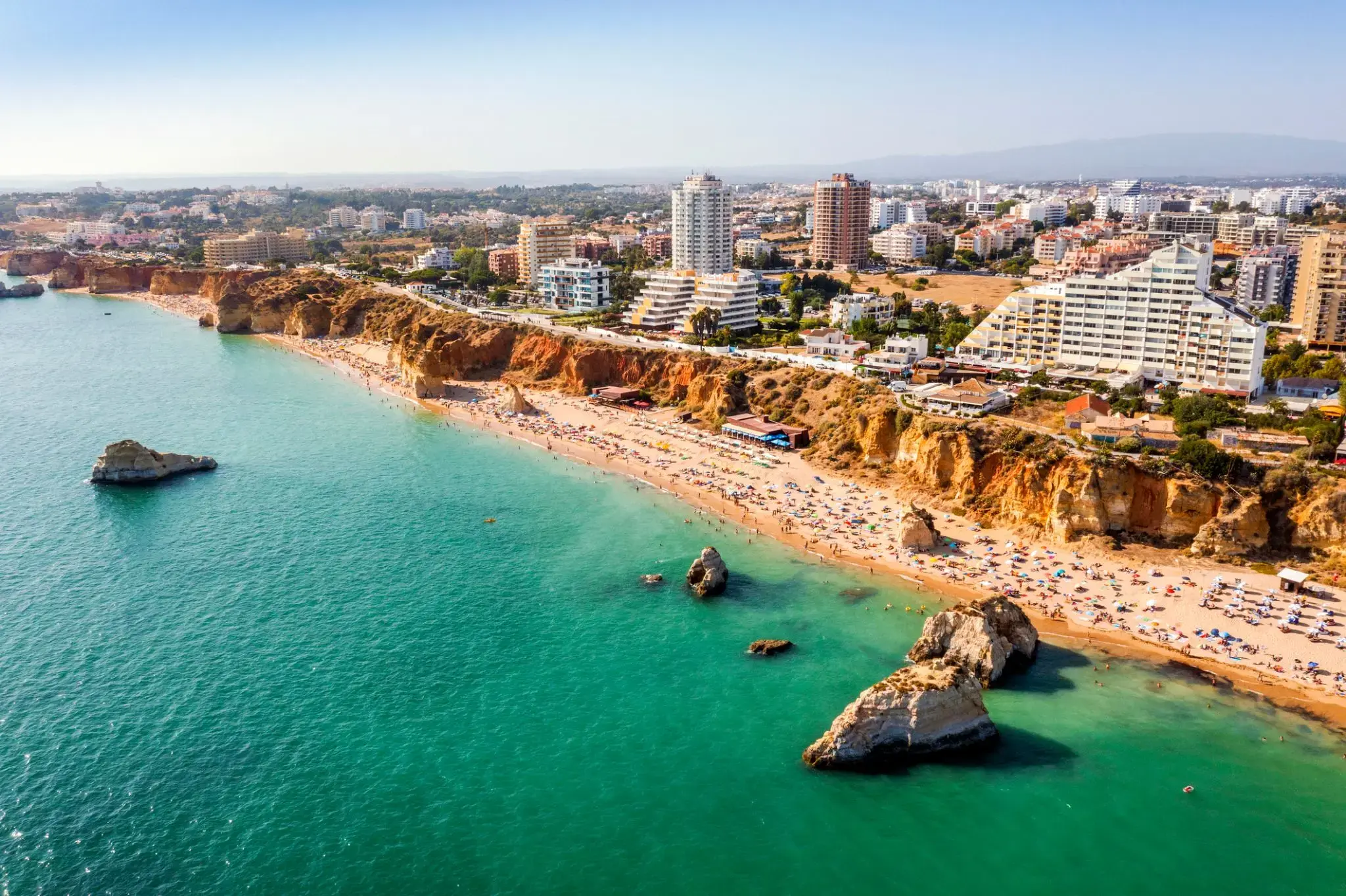
Portimão is a town and a municipality in the district of Faro, in the Algarve region of southern Portugal. The population in 2011 was 55,614, in an area of 182.06 km². It was formerly known as Vila Nova de Portimão. In 1924, it was incorporated as a cidadeand became known merely as Portimão. Historically a fishing and shipbuilding centre, it has nonetheless developed into a strong tourist centre oriented along its beaches and southern coast. The two most populous towns in the Algarve are Portimão and Faro.
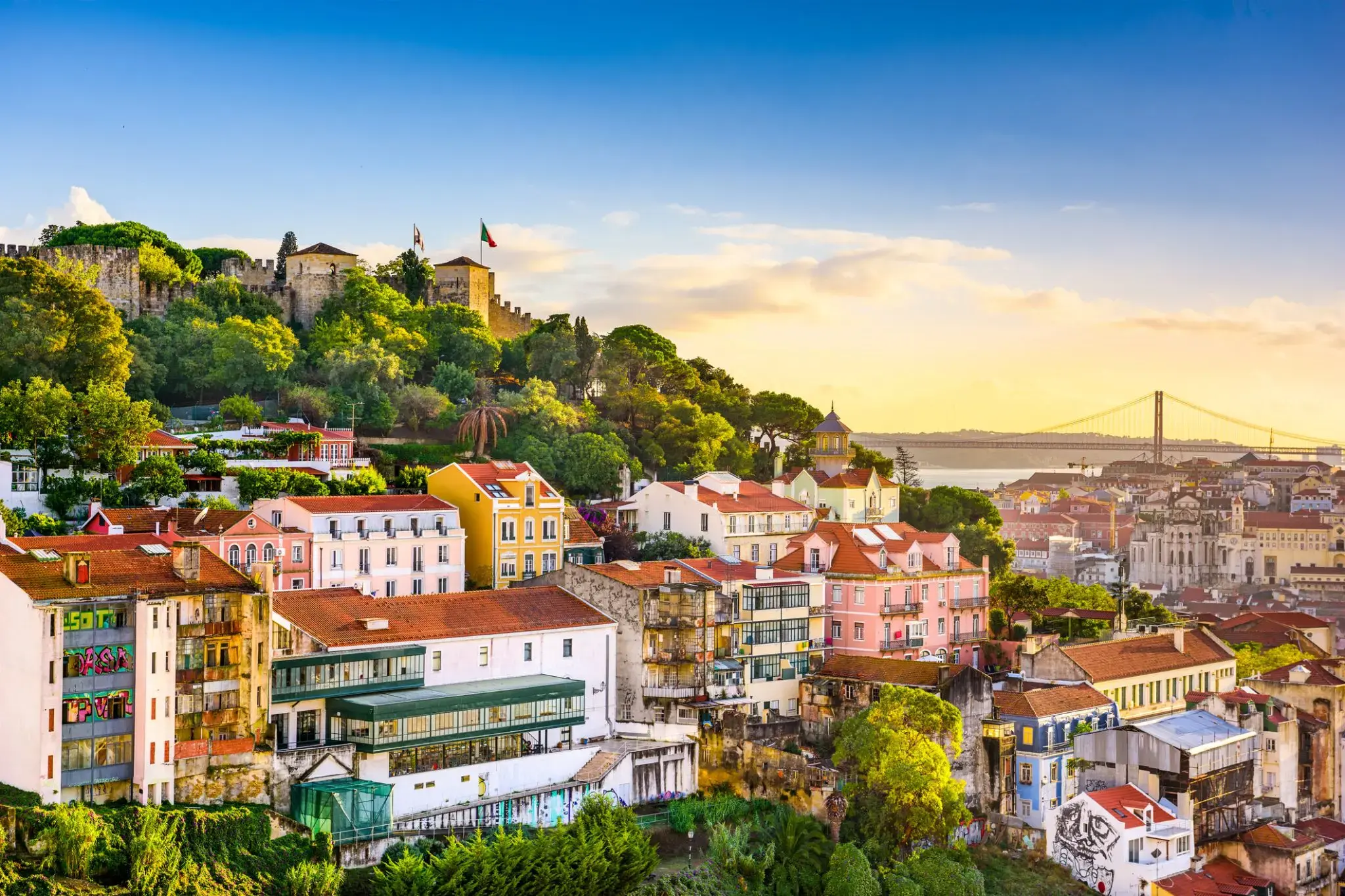
Lizbona jest stolicą i największym miastem Portugalii, z szacowaną populacją 505 526 mieszkańców w granicach administracyjnych na obszarze 100,05 km². Jej obszar miejski rozciąga się poza granice administracyjne miasta i liczy około 2,8 miliona mieszkańców, co czyni go jedenastym najbardziej zaludnionym obszarem miejskim w Unii Europejskiej. Około 3 milionów ludzi mieszka w aglomeracji lizbońskiej (która stanowi około 27% populacji kraju). Jest to najbardziej wysunięta na zachód stolica kontynentalnej Europy i jedyna położona nad Oceanem Atlantyckim. Lizbona leży na zachodnim Półwyspie Iberyjskim nad Oceanem Atlantyckim i rzeką Tag. Najbardziej wysunięte na zachód obszary jej aglomeracji tworzą najbardziej wysunięty na zachód punkt kontynentalnej Europy, znany jako Cabo da Roca, położony w górach Sintra.
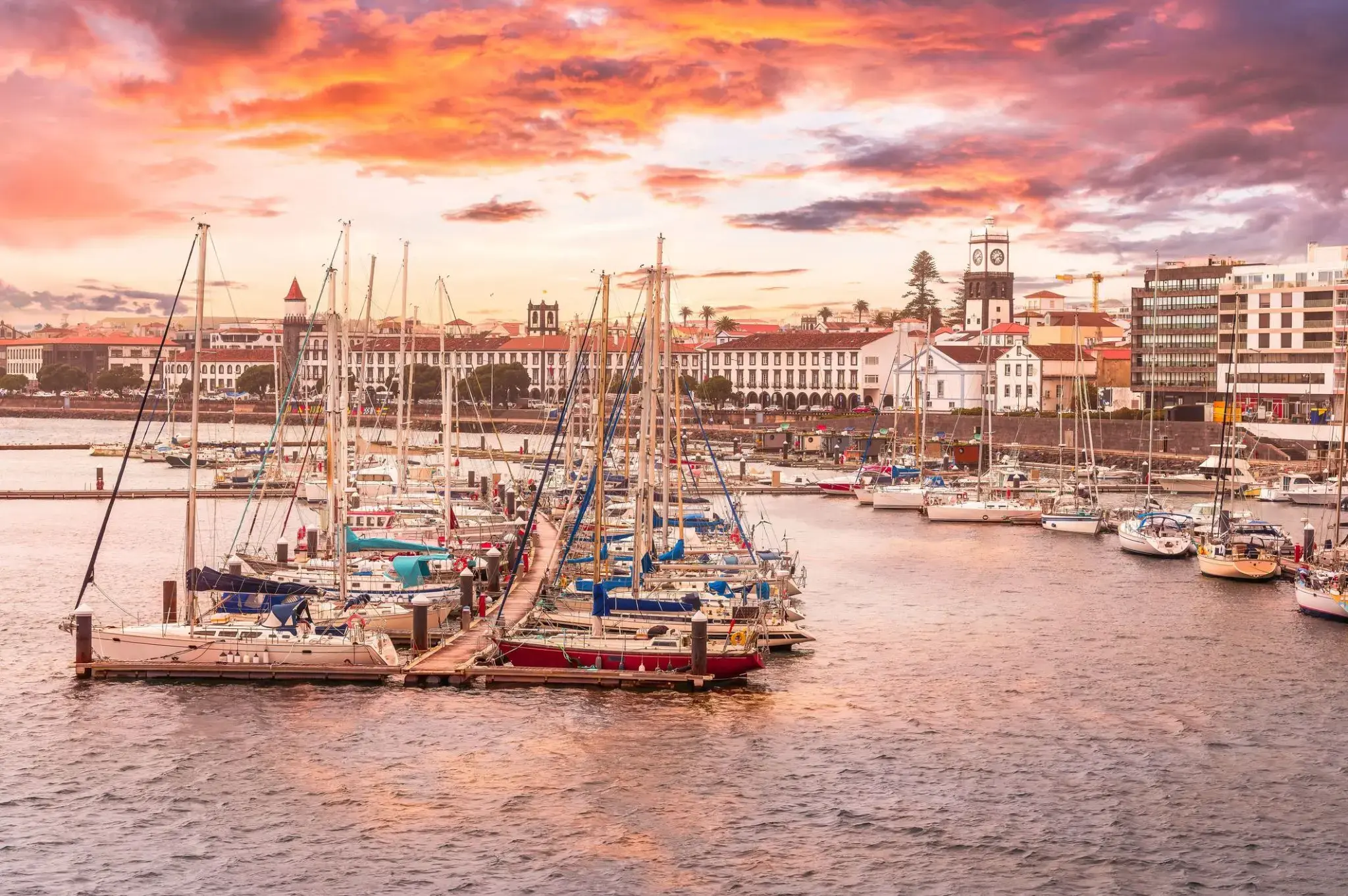
W otoczeniu wulkanicznych krajobrazów i zielonych wzgórz Ponta Delgada wita gości wyjątkowym rytmem, gdzie szum oceanu miesza się z aromatem świeżo parzonej kawy. Tutaj, w stolicy wyspy São Miguel, można spacerować brukowanymi uliczkami z czarno-białymi portugalskimi wzorami, zajrzeć do przytulnych kawiarni na lokalne wypieki i obserwować, jak zachód słońca maluje Atlantyk w złoto-różowe odcienie.
Dla miłośników natury Ponta Delgada otwiera drogę do gorących źródeł Furnas, punktów widokowych na jeziora Sete Cidades oraz rejsów na obserwację wielorybów, które wyruszają bezpośrednio z portu miejskiego. To miejsce, w którym wakacje na Azorach wypełnione są chwilami prawdziwego spokoju, świeżością oceanicznej bryzy i poczuciem, że czas zwalnia, pozwalając dostrzec piękno każdego dnia.
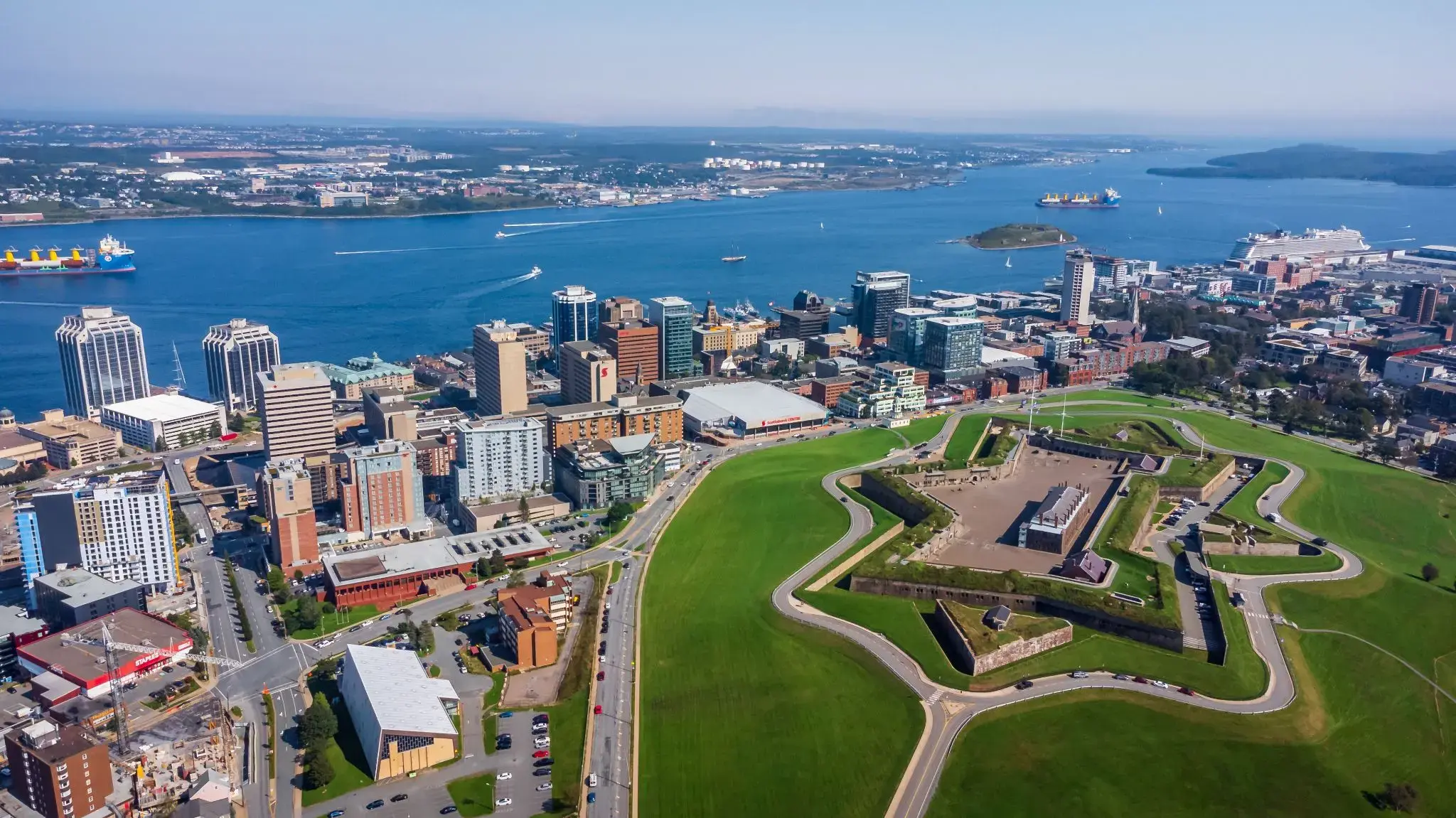
Halifax, also known as the Halifax Regional Municipality (HRM), is the capital of the Canadian province of Nova Scotia. The municipality had a population of 403,131 in 2016, with 316,701 in the urban area centred on Halifax Harbour. The regional municipality consists of four former municipalities that were amalgamated in 1996: Halifax, Dartmouth, Bedford, and Halifax County.
Halifax is a major economic centre in Atlantic Canada with a large concentration of government services and private sector companies. Major employers and economic generators include the Department of National Defence, Dalhousie University, Saint Mary's University, the Halifax Shipyard, various levels of government, and the Port of Halifax. Agriculture, fishing, mining, forestry and natural gas extraction are major resource industries found in the rural areas of the municipality.
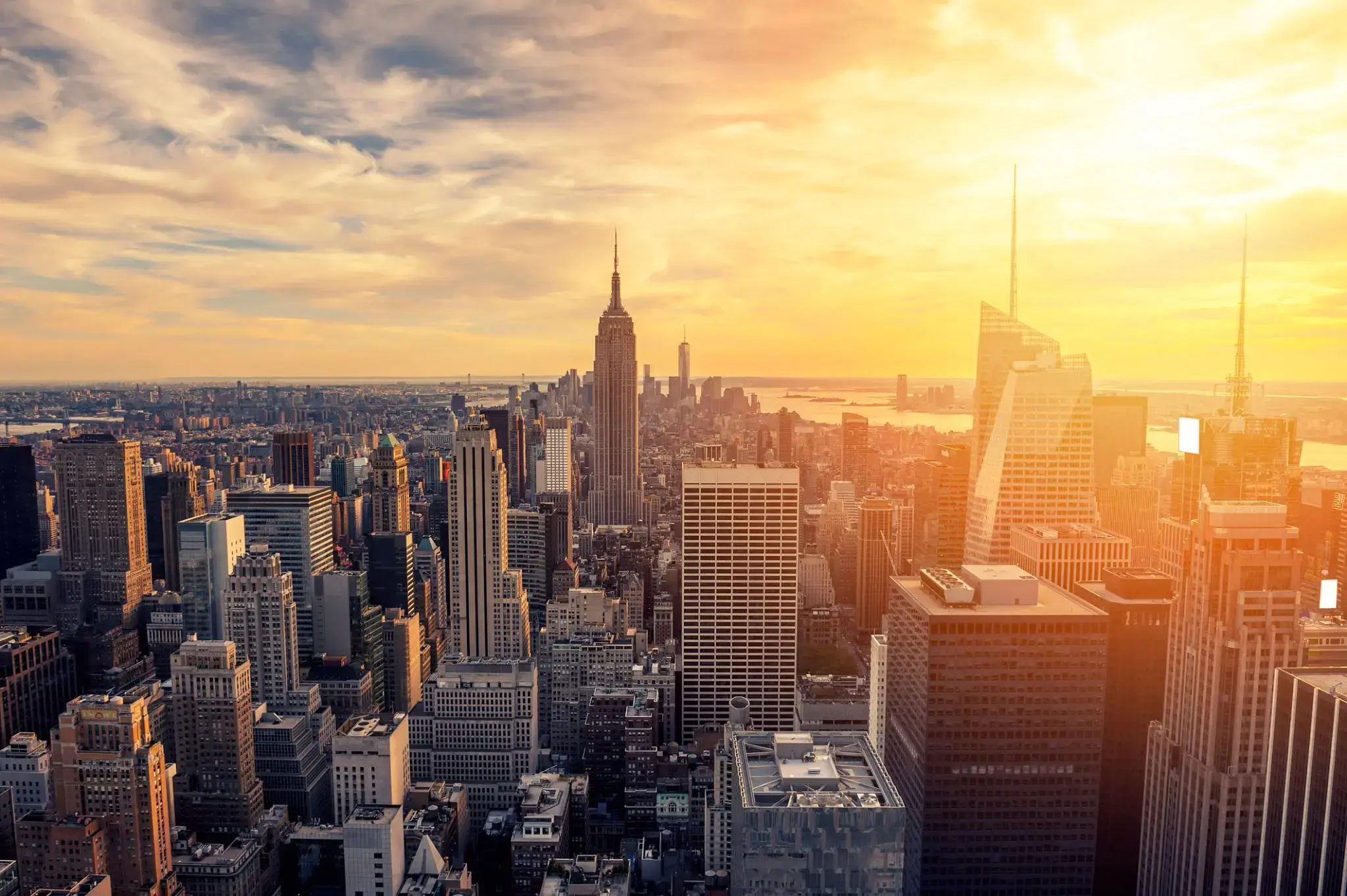
The world famous city of New York , the largest city in the United States, with a population of 8.5 million people, and with suburbs - 20.6 million. New York is the largest economic, political, scientific, and cultural center of the United States. It is rightly called the "Main Gate" in the United States, and the world's largest John F. Kennedy Airport is located here. One of the distinguishing features of the city is the variegated national composition of the population, also called the United States in Miniature.
New York gathered in itself the whole essence of this country: fashion, religion, goods, pace and rhythm of American life. The UN headquarters is located here. There are also many universities in New York, the Academy of Sciences, and many other scientific institutions. Like any other metropolis in the world, New York invites you to visit numerous museums in the city, theaters and concert halls, including the Metropolitan Opera and Carnegie Hall. A great place to relax in New York is Central Park, where you can feed hand-held squirrels, which, to everyone's surprise, are not afraid of people. You can also appreciate the beauty of the famous Empire State Building, with a height of 102 floors, it is an example of skyscrapers, although it was built in 1829-1831. "Must see" in New York, of course, the Statue of Liberty ("Lady Liberty"), located at the mouth of the Hudson River, on the small island of Liberty. And of course, don't forget to stroll along Broadway.