| Region rejsu : Europa |
| Firma : Azamara Cruises |
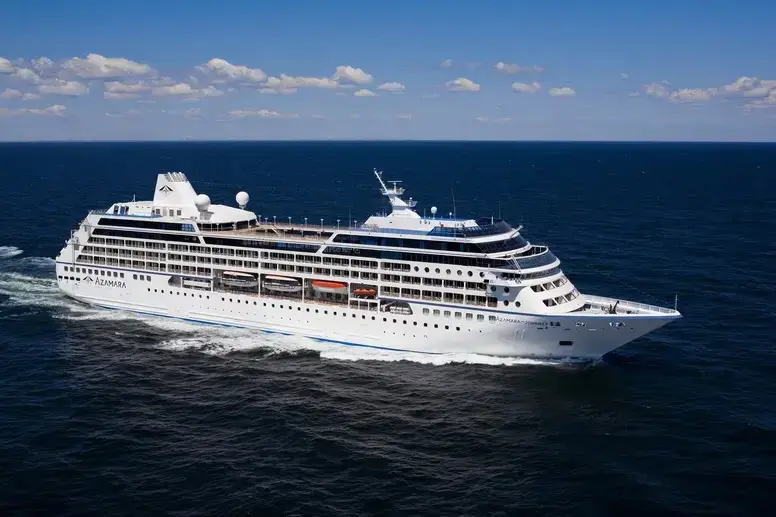
| Statek : Azamara Journey |
| Data rozpoczęcia : niedz. 25 cze 2028 |
| Data zakończenia : niedz. 23 lip 2028 |
| Liczba nocy : 28 nocy |
| Dzień | Data | Port | Wypłynięcie | Odpłynięcie |
|---|---|---|---|---|
| 1 | 25.06 niedz. | Дувр / Wielka Brytania | 17:00 | |
| 2 | 26.06 pon. | Amsterdam / Holandia | 08:00 | 20:00 |
| 3 | 27.06 wt. | Dzień na morzu / Morze | 15:00 | |
| 4 | 28.06 śr. | Rosendal / Norway | 08:00 | 17:00 |
| 5 | 29.06 czw. | Olden / Norway | 09:00 | 20:00 |
| 6 | 30.06 pt. | Olesunn / Norway | 08:00 | 22:00 |
| 7 | 1.07 sob. | Dzień na morzu / Morze | 15:00 | |
| 8 | 2.07 niedz. | Svolvaer / Norway | 07:00 | 17:00 |
| 9 | 3.07 pon. | FJORD TROLL | 18:30 | 19:00 |
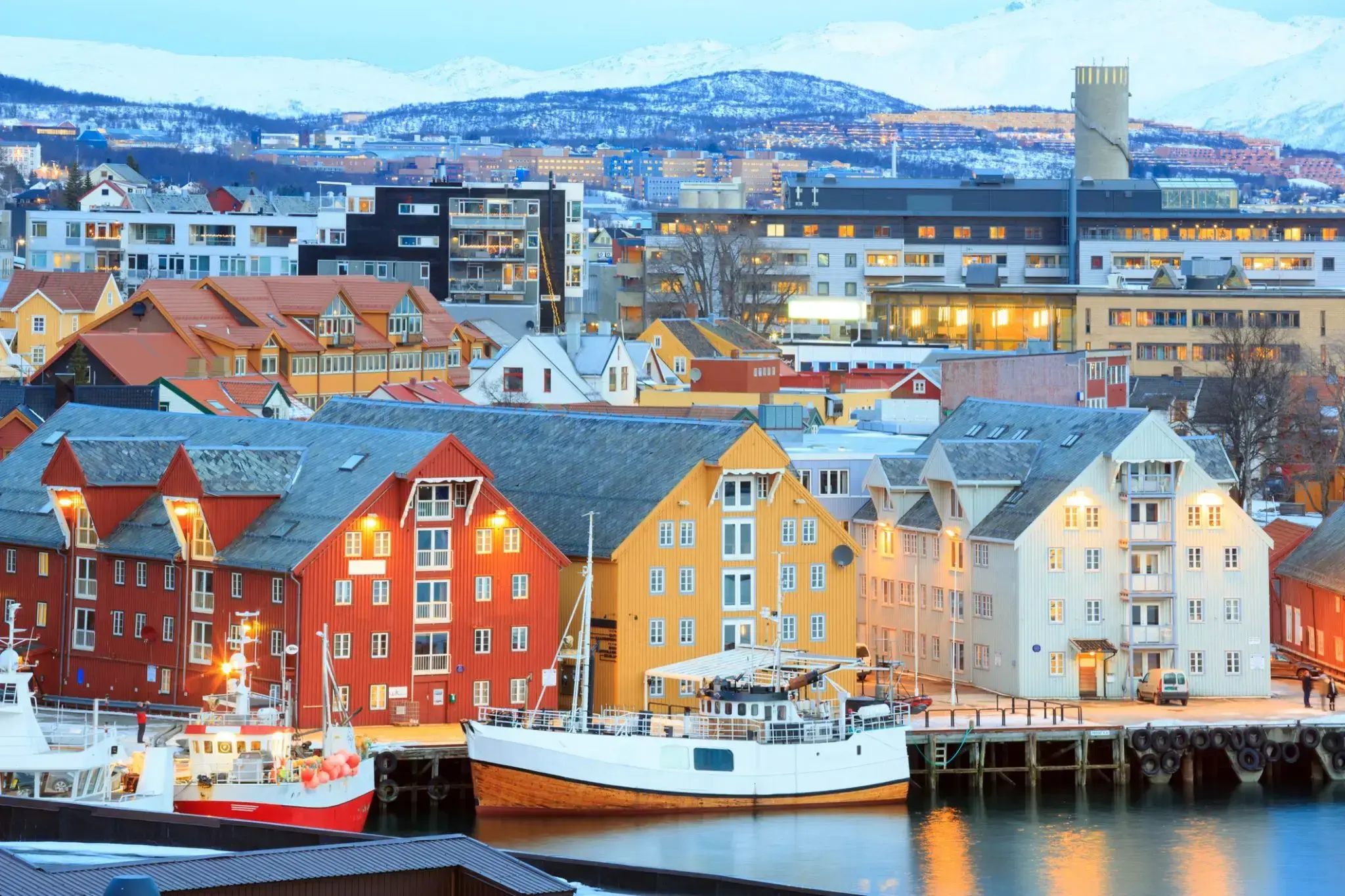
| 10 | 4.07 wt. | Tromsø / Norway | 09:00 | 22:00 |
| 11 | 5.07 śr. | Honninsvog / Norway | 14:00 | 20:00 |
| 12 | 6.07 czw. | Honninsvog / Norway | 23:59 | |
| 13 | 7.07 pt. | Alta / Norway | 09:00 | 17:00 |
| 14 | 8.07 sob. | Honninsvog / Norway | 06:00 | |
| 15 | 9.07 niedz. | Harstad / Norway | 08:00 | 22:00 |
| 16 | 10.07 pon. | Bodo / Norway | 08:30 | 17:00 |
| 17 | 11.07 wt. | Trondheim / Norway | 13:30 | 22:00 |
| 18 | 12.07 śr. | Kristiansand / Norway | 08:00 | 20:00 |
| 19 | 13.07 czw. | Dzień na morzu / Morze | 15:00 | |
| 20 | 14.07 pt. | Arendal / Norway | 08:00 | 22:00 |
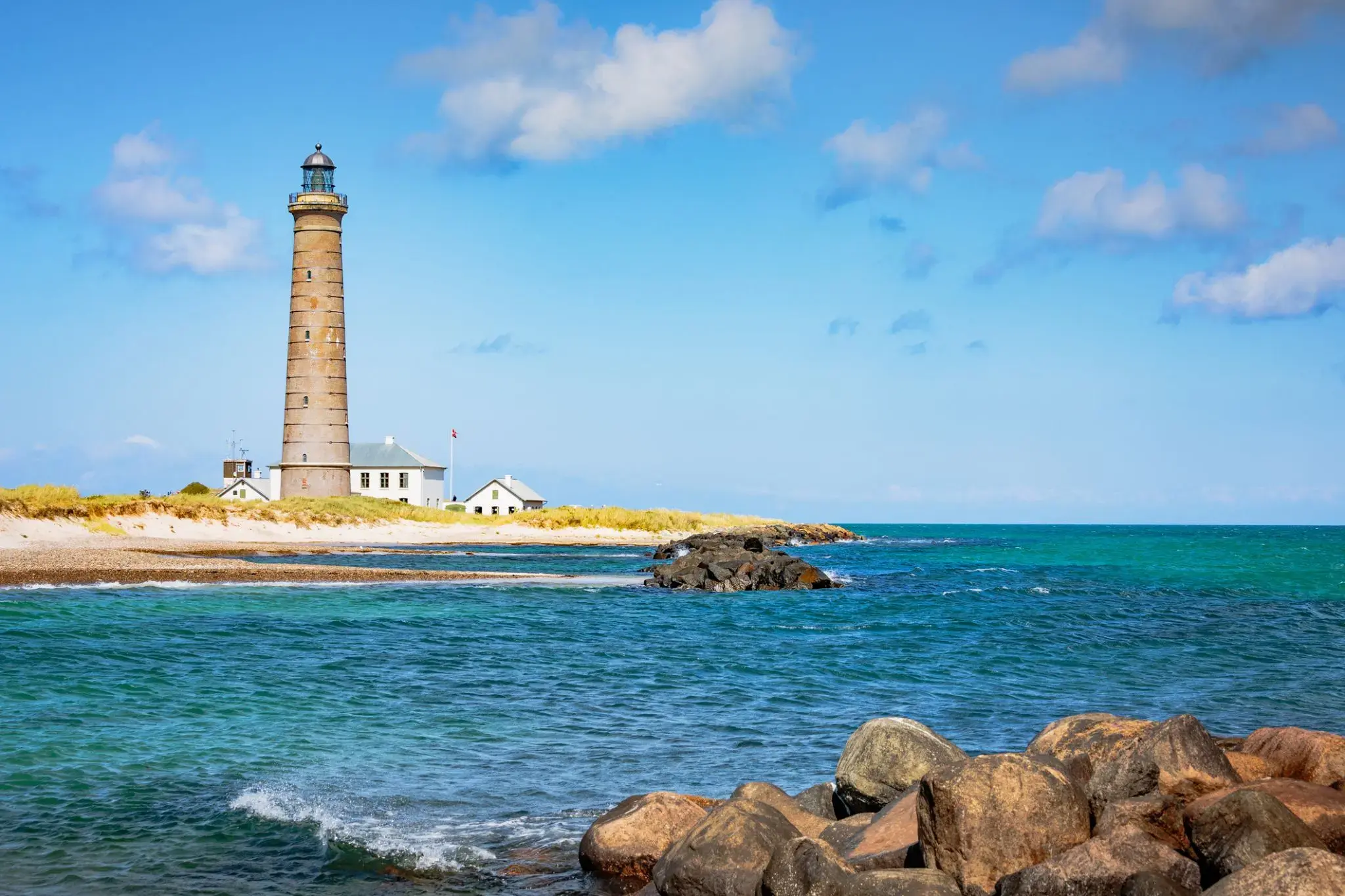
| 21 | 15.07 sob. | Skagen / Denmark | 08:00 | 17:00 |
| 22 | 16.07 niedz. | Kopenhaga / Denmark | 06:00 | 17:00 |
| 23 | 17.07 pon. | Warnemünde / Niemcy | 07:30 | 21:00 |
| 24 | 18.07 wt. | Ronne / Denmark | 08:00 | 17:00 |
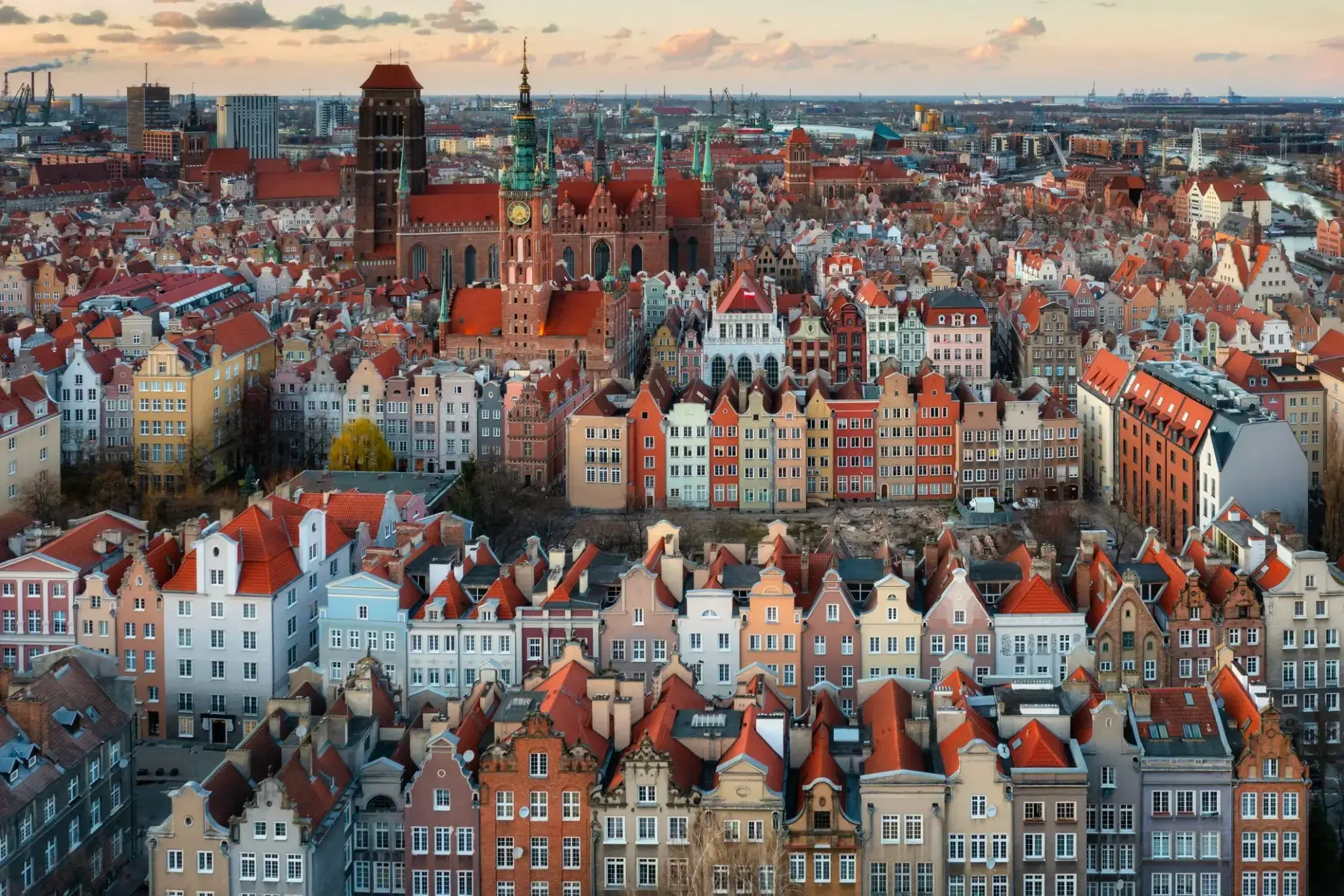
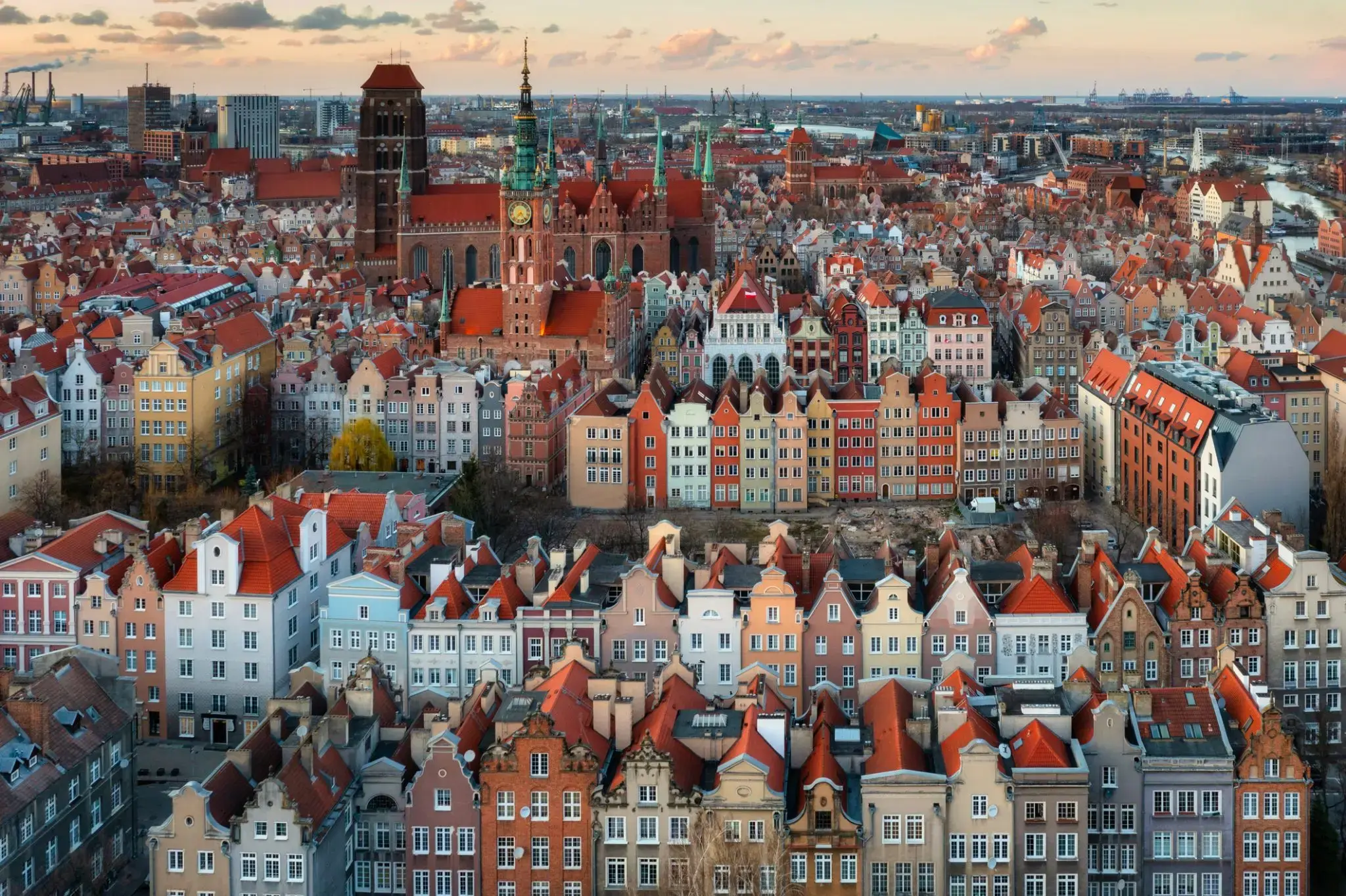
| 25 | 19.07 śr. | Gdańsk / Polska | 08:00 | 22:00 |
| 26 | 20.07 czw. | Kłajpeda (Memel) / Litwa | 08:30 | 14:30 |
| 27 | 21.07 pt. | Ryga / Łotwa | 08:00 | 22:00 |
| 28 | 22.07 sob. | Dzień na morzu / Morze | 15:00 | |
| 29 | 23.07 niedz. | Tallinn / Estonia | 08:00 | 22:00 |
| 30 | 24.07 pon. | Helsinki / Finland | 08:00 | 18:00 |
| 31 | 25.07 wt. | Sztokholm / Sweden | 13:00 | |
| 32 | 26.07 śr. | Sztokholm / Sweden | 09:00 |

Dover is a major ferry port in Kent, South East England. It faces France across the Strait of Dover, the narrowest part of the English Channel, and lies south-east of Canterbury and east of Maidstone. The town is the administrative centre of the Dover District and home of the Dover Calais ferry through the Port of Dover. The surrounding chalk cliffs are known as the White Cliffs of Dover.
Archaeological finds have revealed that the area has always been a focus for peoples entering and leaving Britain. The name derives from the River Dour that flows through it.
The Port of Dover provides much of the town's employment, as does tourism.
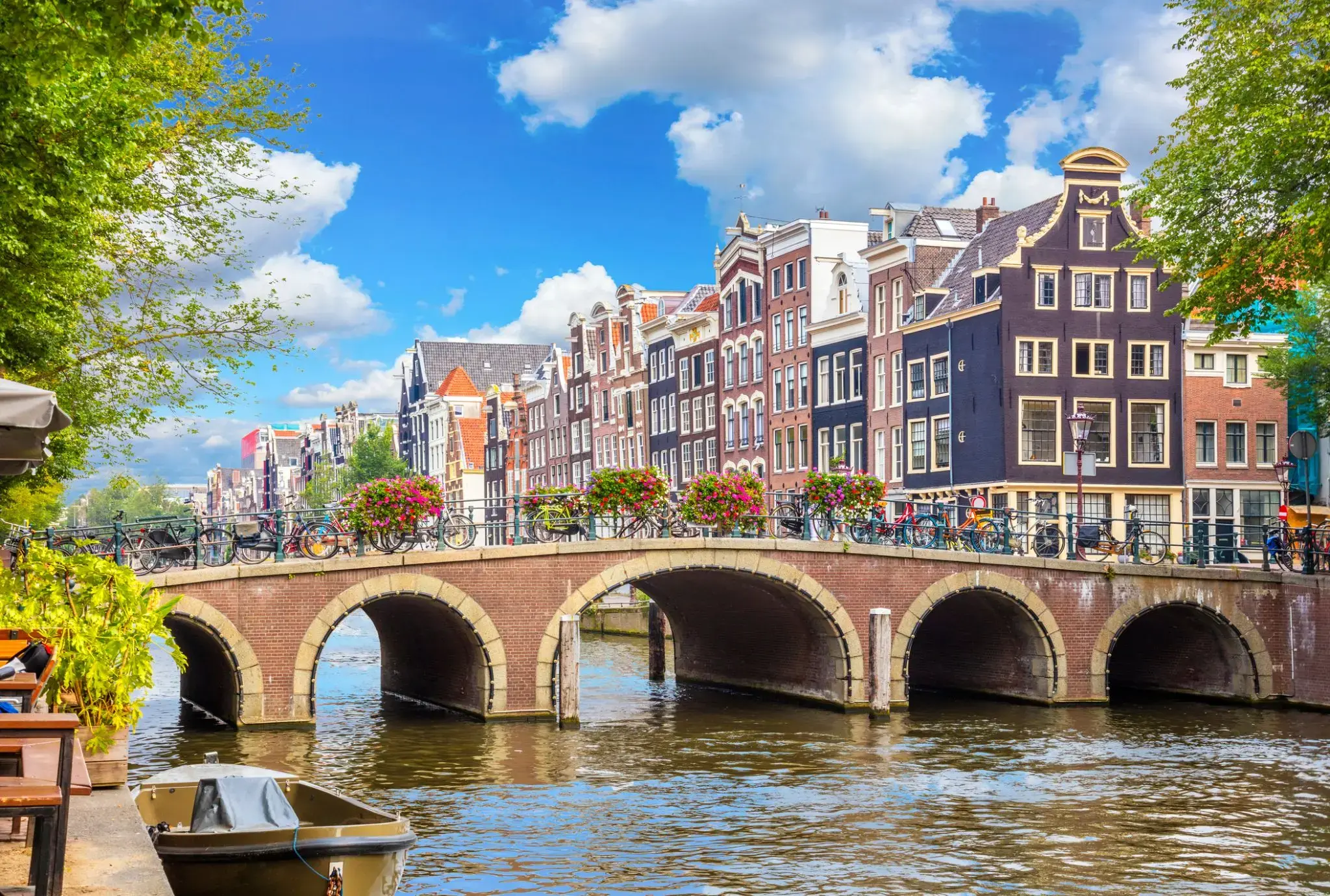
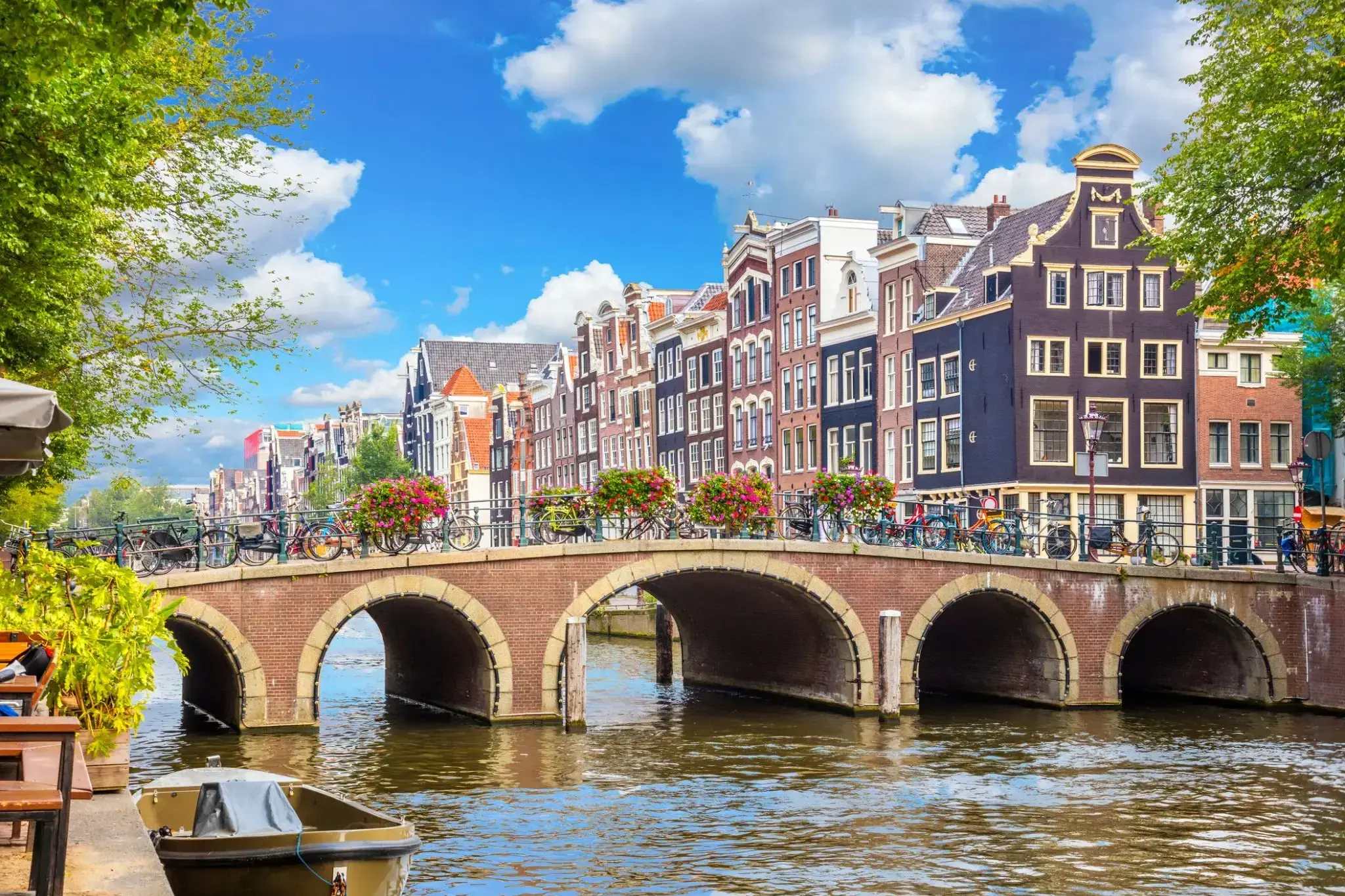
Największe handlowe miasto Niderlandów — Amsterdam zostało założone w odległym 1275 roku i swoim pochodzeniem, jak i nazwą, zawdzięcza tamie, która w swoim czasie zabezpieczyła okolice przed powodziami („tama na rzece Amstel”). To najsłynniejsze na cały świat miasto może poszczycić się wieloma zabytkami. Na tę szeroką listę wchodzą centralna ulica Damrak, place Dam i Leidseplein, Pałac Królewski, słynne kościoły Nieuwe i Oude Kerk. Również w Amsterdamie można znaleźć liczne muzea, które wywołają ogromne zainteresowanie u wszystkich gości miasta: muzeum Van Gogha, muzea sztuki nowoczesnej i figur woskowych, dom-muzeum Anny Frank, a nawet muzeum seksu. Spacerując po mieście, będą mogli Państwo podziwiać most Magere Brug, wieżę Montelbaanstoren i wiele innych.
Ale nie tylko to przyciąga tutaj tłumy turystów. W szczególności młodzież przyjeżdża tutaj, ponieważ jest to jedna ze stolic handlowych świata, wielu przyciągają miejscowe coffeeshopy, gdzie można spróbować ciasteczek z marihuaną, a innych wabi nieskończona liczba nocnych klubów. Oczywiście wszystko to kusi i intryguje, ale jest jedna niezwykła, w szczególny sposób pociągająca atrakcja — niewiarygodna atmosfera tego miasta.
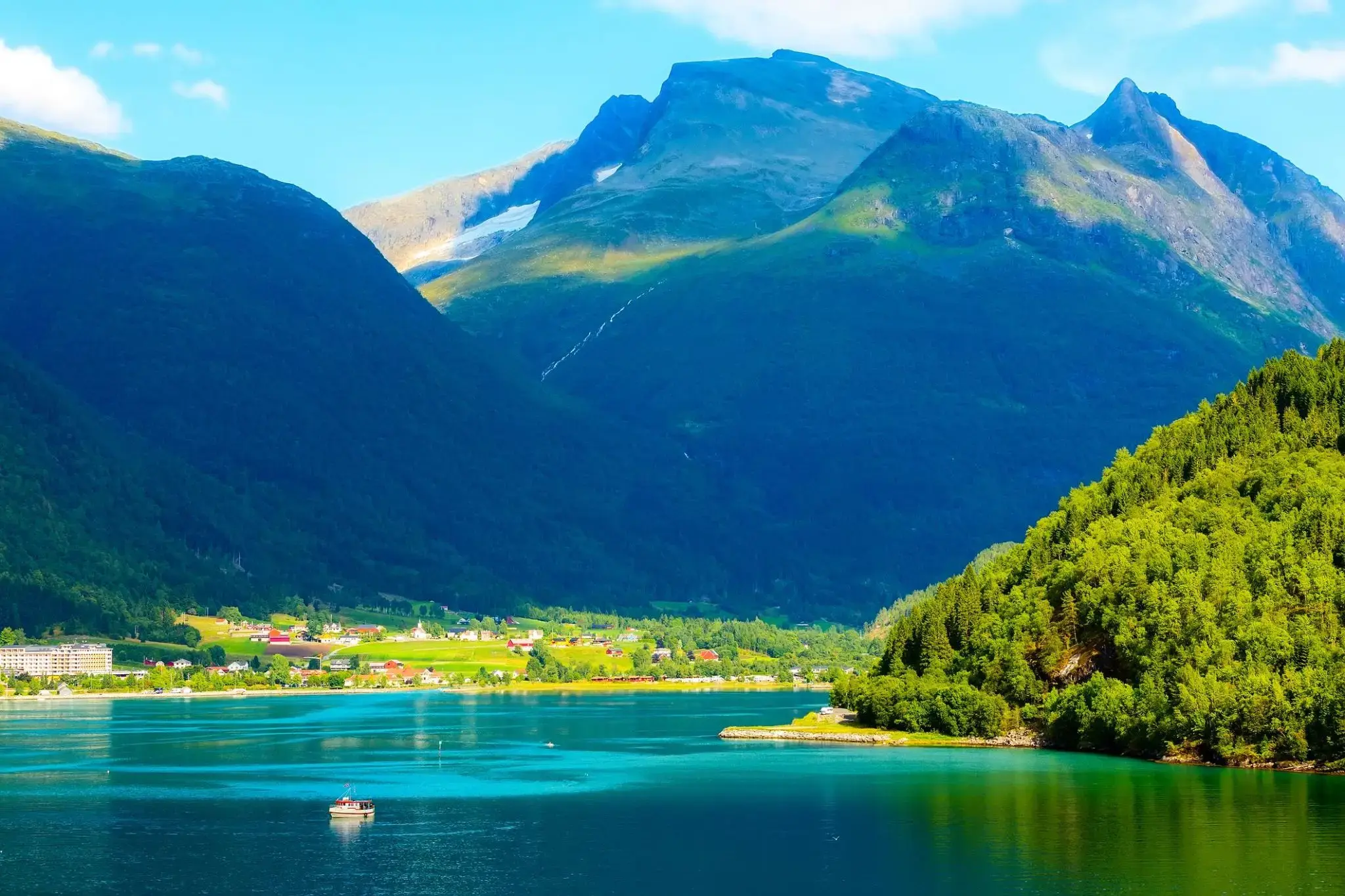
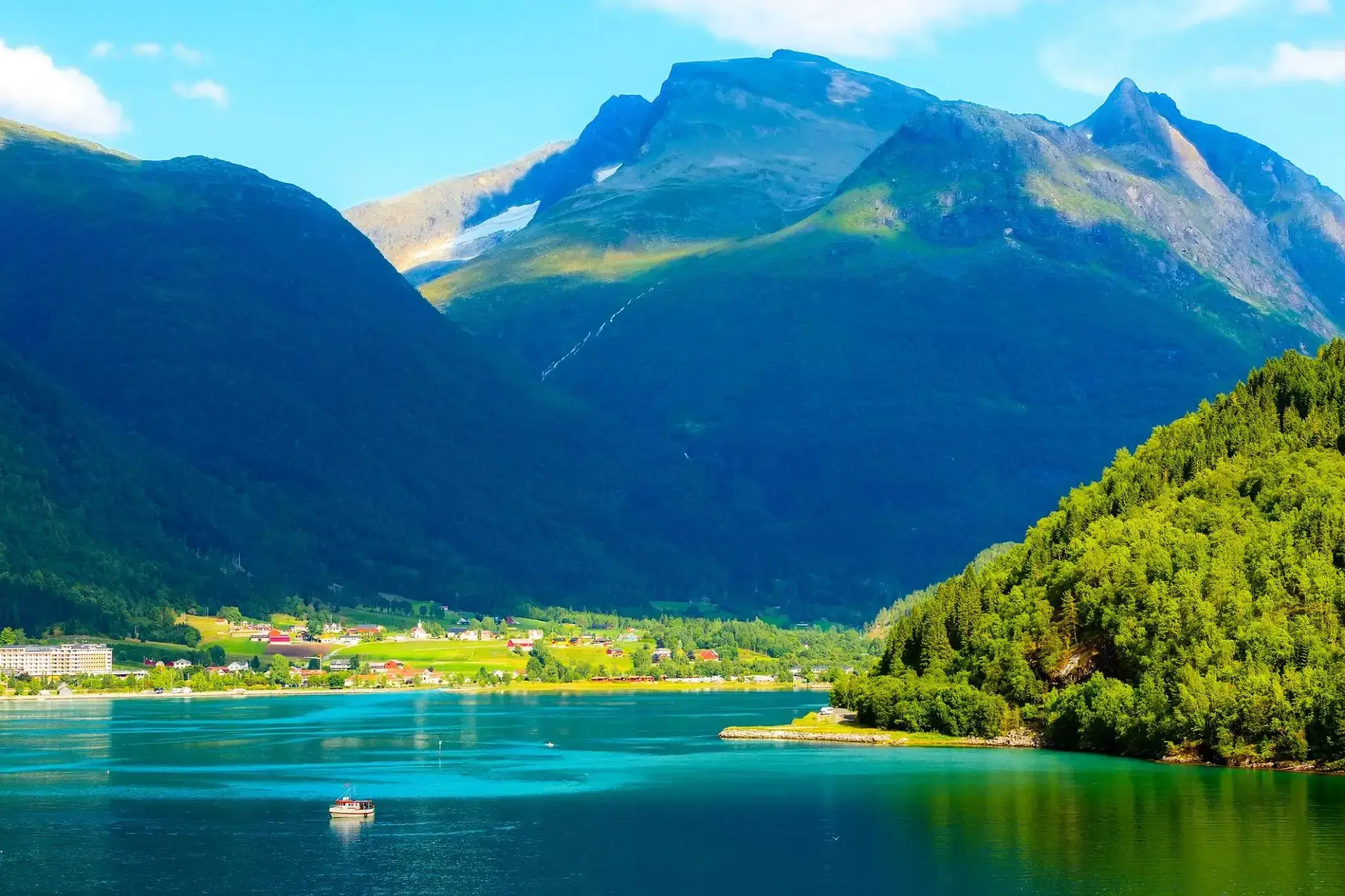
Delikatna poranna mgła i lustro wody witają podróżników w Olden, odsłaniając widoki na lodowce i szmaragdowe doliny, które wyglądają jak malowane przez naturę dla niespiesznych spacerów. Ta mała norweska miejscowość nad Nordfjordem oferuje rzadkie poczucie odosobnienia, gdy szum wodospadów i krzyki mew stają się jedynymi dźwiękami wokół, podczas gdy wdychasz krystalicznie czyste powietrze.
Olden słynie z bliskości lodowca Briksdal, od którego rozpoczynają się szlaki piesze z zapierającymi dech w piersiach panoramami błękitnych mas lodowych i górskich szczytów. Po drodze mijasz małe farmy z czerwonymi domkami, a w lokalnych kawiarniach możesz spróbować świeżo pieczonych bułeczek z cynamonem, podziwiając widok na fiord i powolny rytm życia w tym zakątku Norwegii.
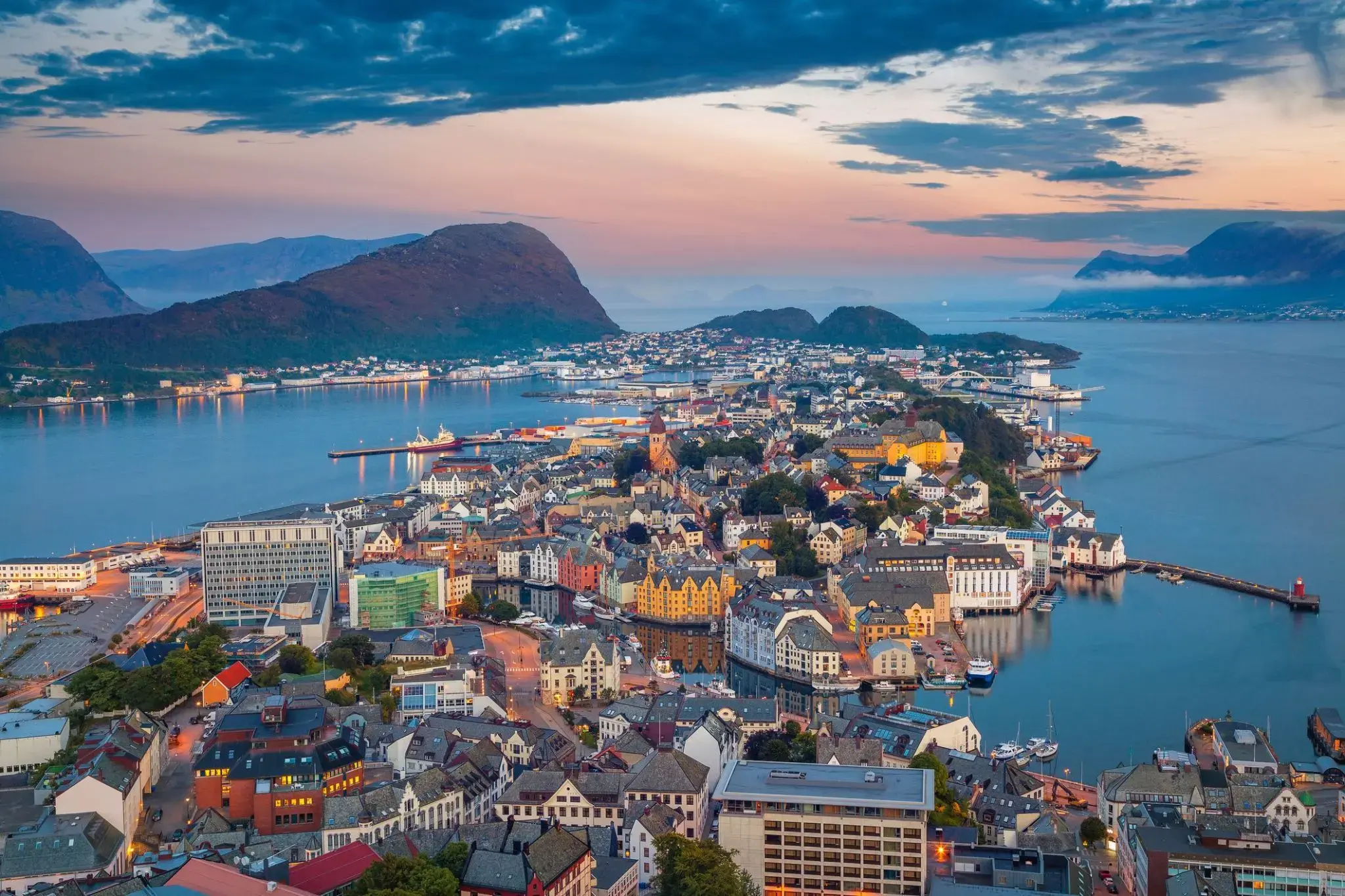
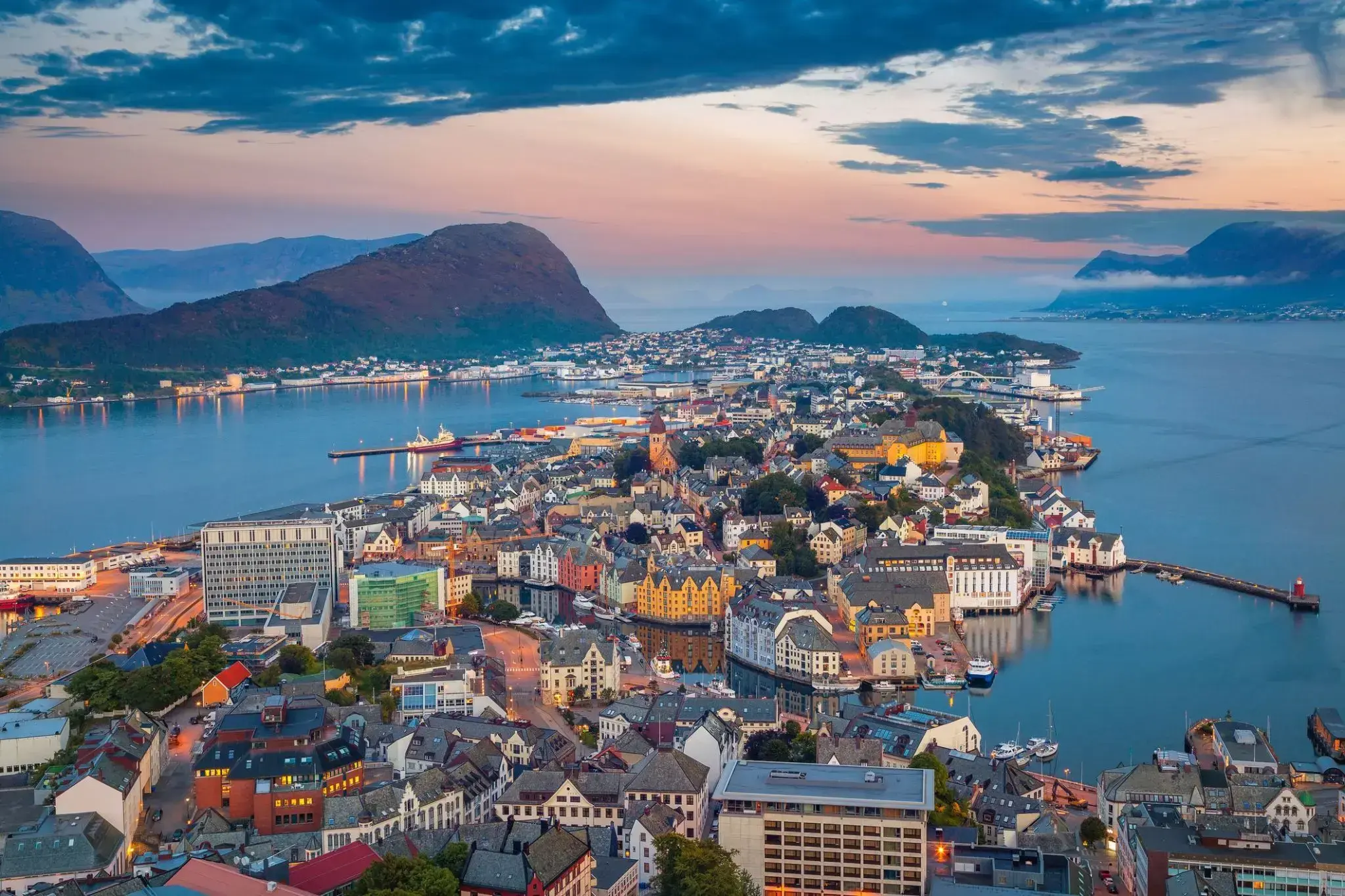
Розташований між величними фіордами та відкритим морем, Олесунн захоплює відвідувачів унікальним поєднанням природної краси та виразної архітектури. Відомий своїм вражаючим стилем модерн, відновленим після руйнівної пожежі 1904 року, місто пропонує чарівну атмосферу, де різнобарвні будівлі вздовж набережної створюють мальовничий краєвид, не схожий на жодне інше місце в Норвегії.
Любителі пригод та культури знайдуть у Олесунні багато цікавого. Від підйому на оглядовий майданчик на пагорбі Аксла з панорамним видом на архіпелаг до відвідування місцевих музеїв та свіжих рибних ринків — це прибережне місто запрошує мандрівників поринути у морську спадщину та захопливі ландшафти Норвегії. Чи то круїз фіордами, чи прогулянка вузькими вуличками — кожна мить у Олесунні обіцяє незабутні враження.
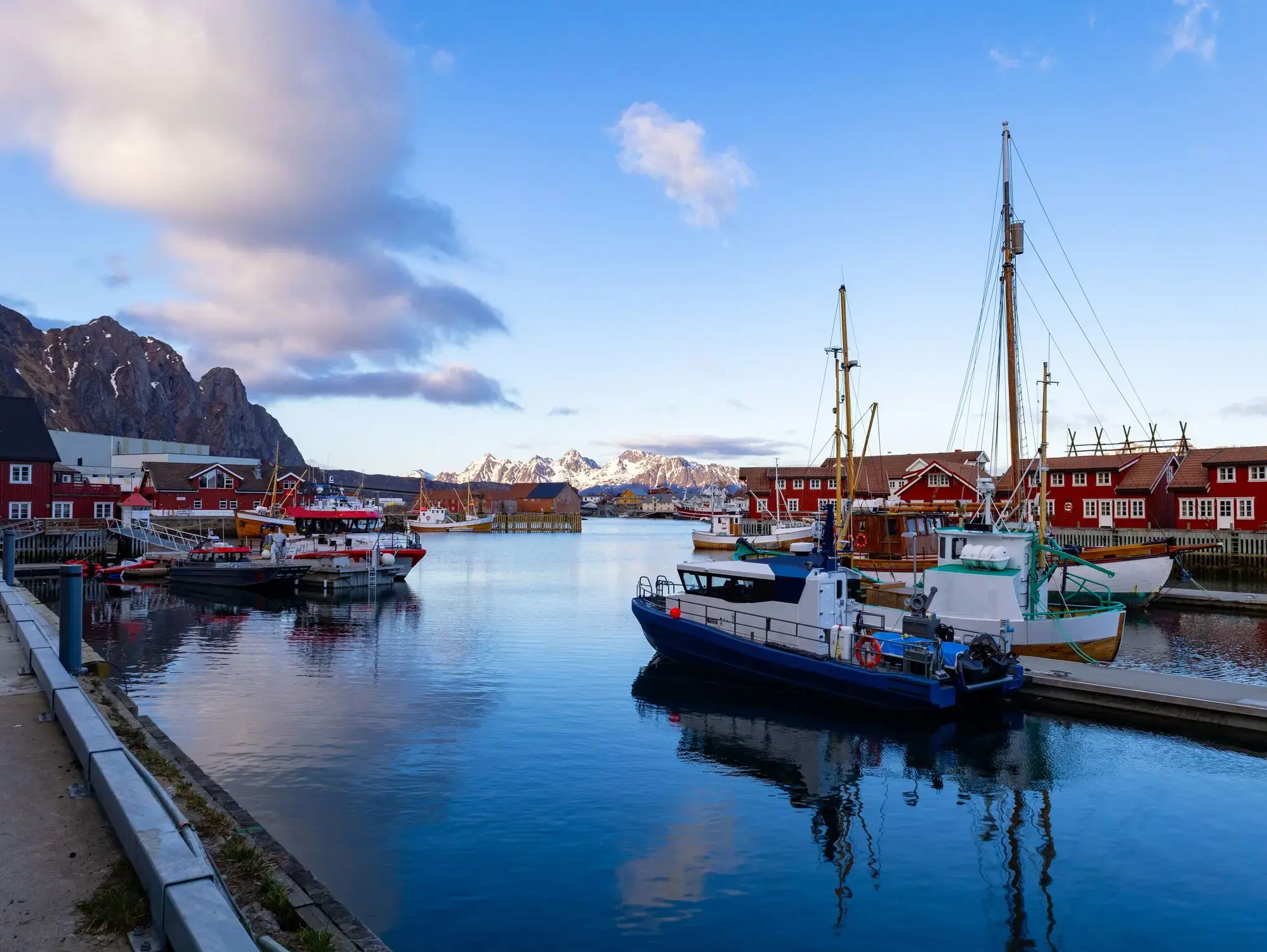
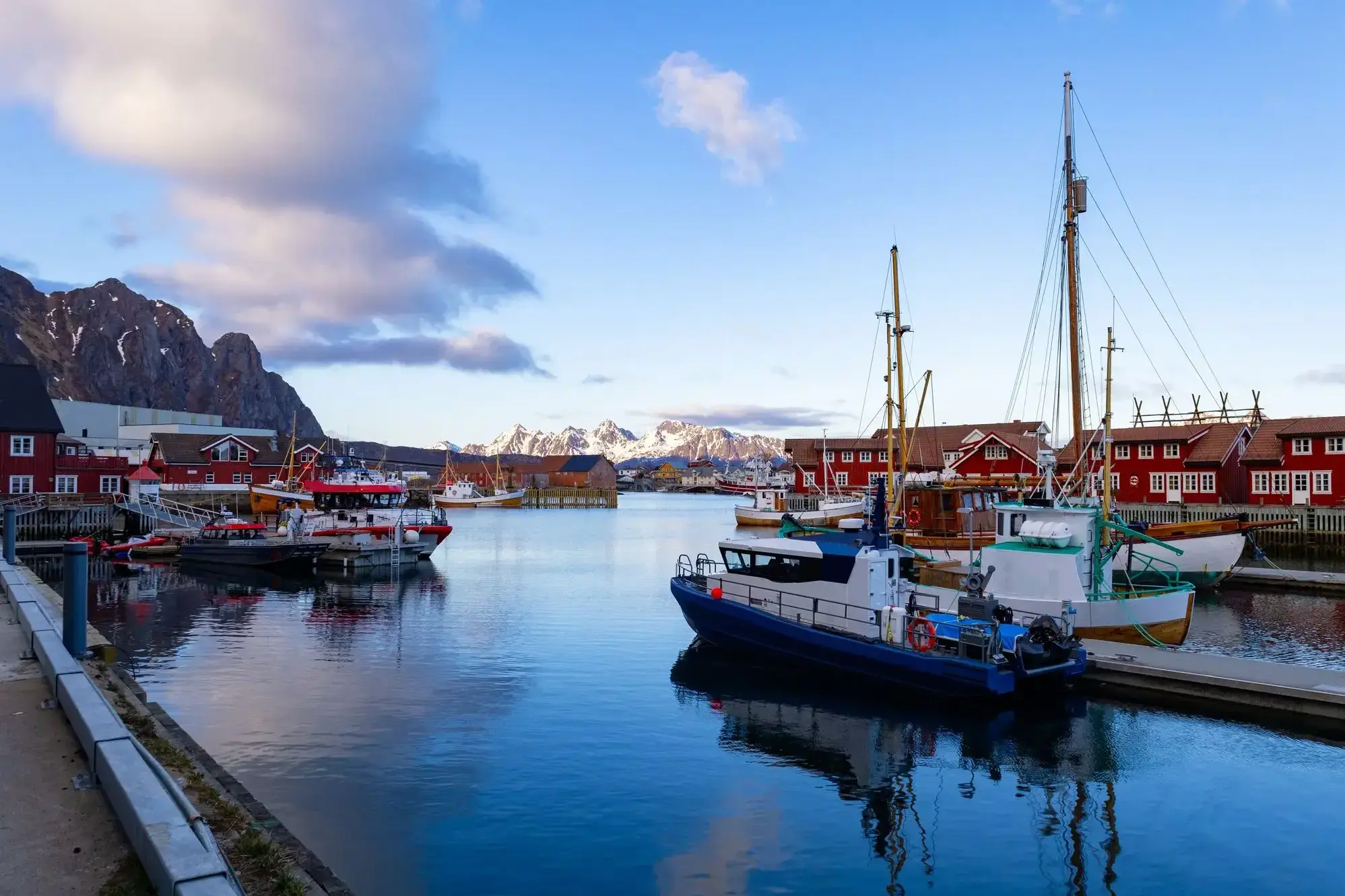
Położone w malowniczym archipelagu Wysp Lofotów, Svolvaer (Svolvær) oferuje niezwykłe połączenie surowego piękna przyrody i tętniącej życiem kultury. Odwiedzający mogą podziwiać strome szczyty wyrastające z morza, poznawać żywe tradycje rybackie oraz spacerować po urokliwym mieście z kolorowymi drewnianymi domami przy porcie.
Miasto Svolvaer (Svolvær) słynie również z bogatej sceny artystycznej, z galeriami prezentującymi prace lokalnych malarzy i rzemieślników. Miłośnicy aktywnego wypoczynku znajdą tu możliwości kajakarstwa morskiego, wędrówek, a zimą – wyprawy na safari w poszukiwaniu zorzy polarnej, co czyni to miejsce idealnym dla poszukiwaczy przygód i prawdziwego arktycznego uroku.
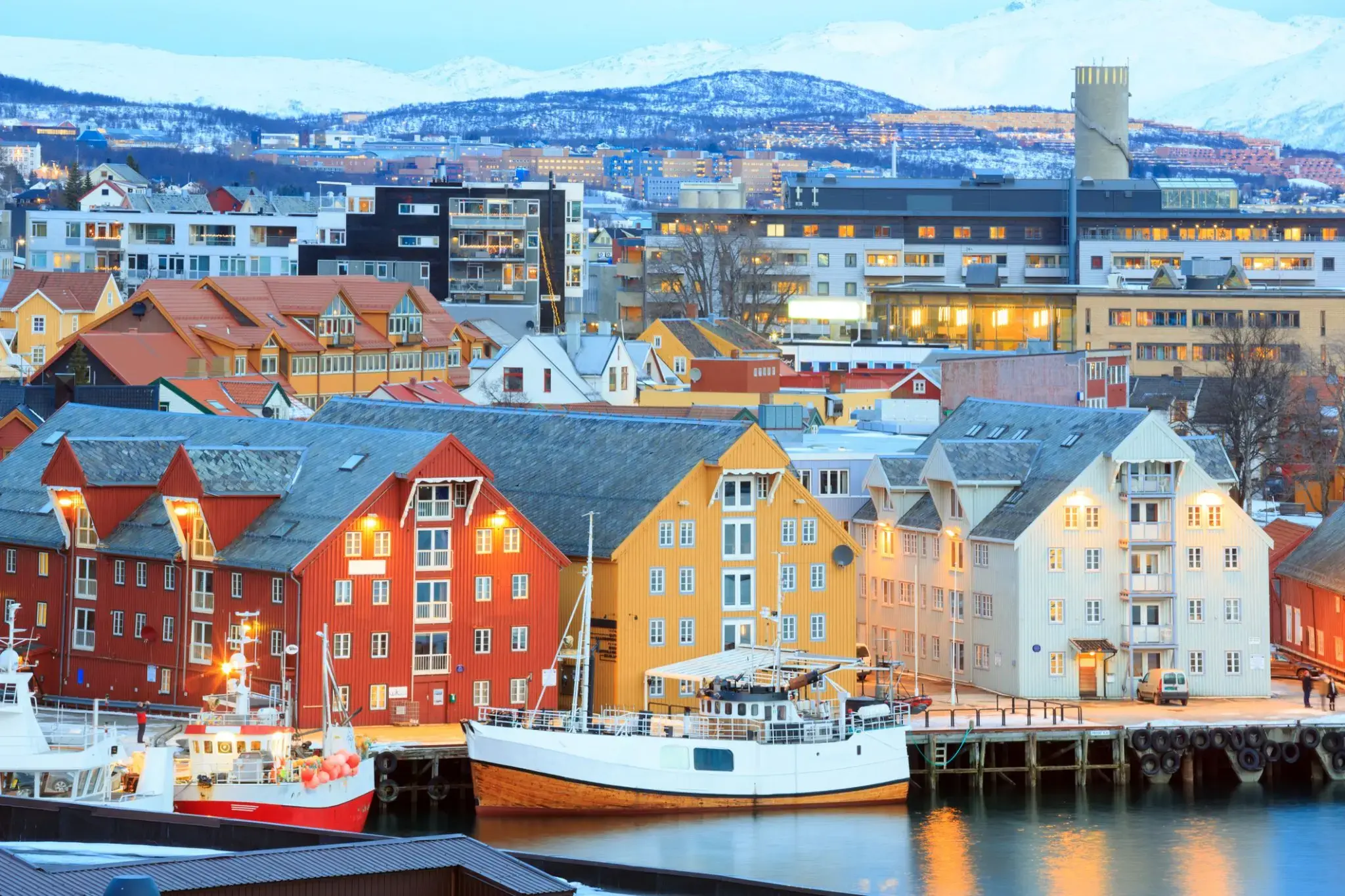
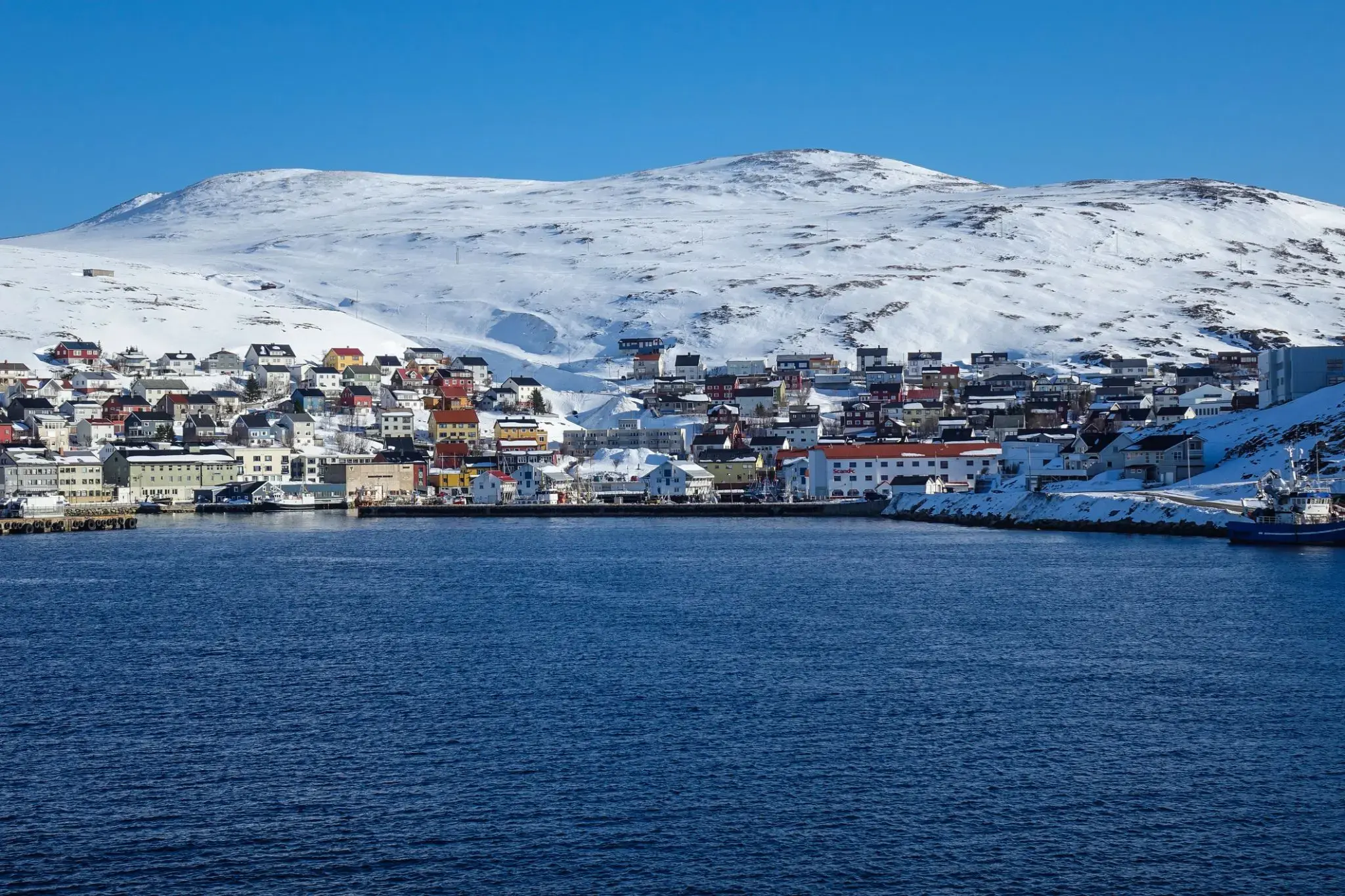
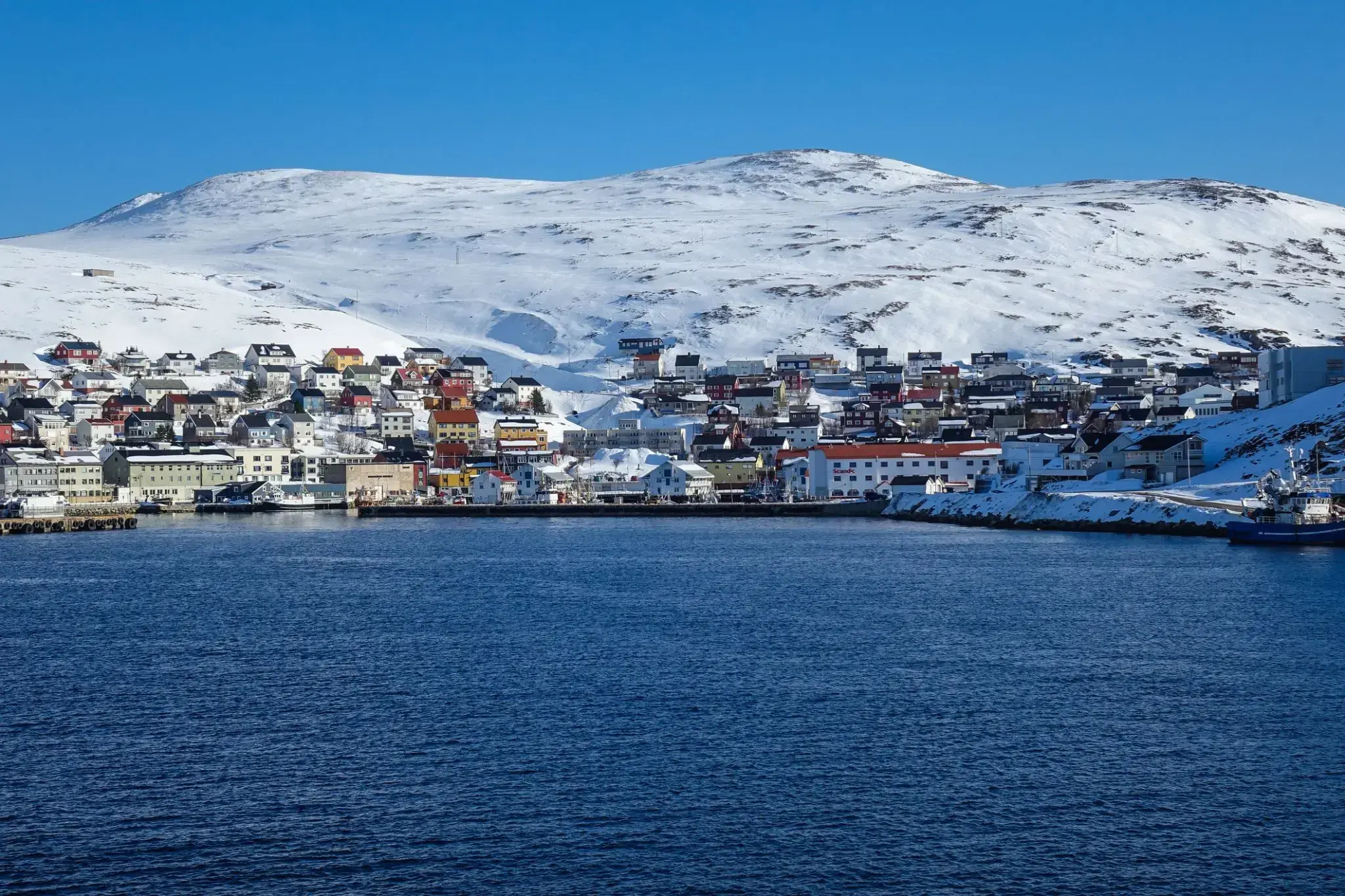
Honningsvåg is the northernmost city in Norway. It is located in Nordkapp Municipality in Finnmark county. Legislation effective in 1997 states that a Norwegian city/town (same word in Norwegian) must have at least 5,000 inhabitants, but Honningsvåg was declared a city in 1996, thus exempt from this legislation, so it is also one of the smallest cities in Norway. The 1.05-square-kilometre (260-acre) town has a population (2017) of 2,484 which gives the town a population density of 2,366 inhabitants per square kilometre (6,130/sq mi).
Honningsvåg is situated at a bay on the southeastern side of the large island of Magerøya, while the famous North Cape and its visitor center is on the northern side of the island. Honningsvåg is a port of call for cruise ships, especially in the summer months. The ice-free ocean (southwestern part of the Barents Sea) provides rich fisheries and tourism is also important to the town. Even at 71°N, many private gardens in Honningsvåg have trees, although rarely more than 3 to 4 metres (9.8 to 13.1 ft) tall.
Honningsvåg is the northernmost city in Norway. It is located in Nordkapp Municipality in Finnmark county. Legislation effective in 1997 states that a Norwegian city/town (same word in Norwegian) must have at least 5,000 inhabitants, but Honningsvåg was declared a city in 1996, thus exempt from this legislation, so it is also one of the smallest cities in Norway. The 1.05-square-kilometre (260-acre) town has a population (2017) of 2,484 which gives the town a population density of 2,366 inhabitants per square kilometre (6,130/sq mi).
Honningsvåg is situated at a bay on the southeastern side of the large island of Magerøya, while the famous North Cape and its visitor center is on the northern side of the island. Honningsvåg is a port of call for cruise ships, especially in the summer months. The ice-free ocean (southwestern part of the Barents Sea) provides rich fisheries and tourism is also important to the town. Even at 71°N, many private gardens in Honningsvåg have trees, although rarely more than 3 to 4 metres (9.8 to 13.1 ft) tall.
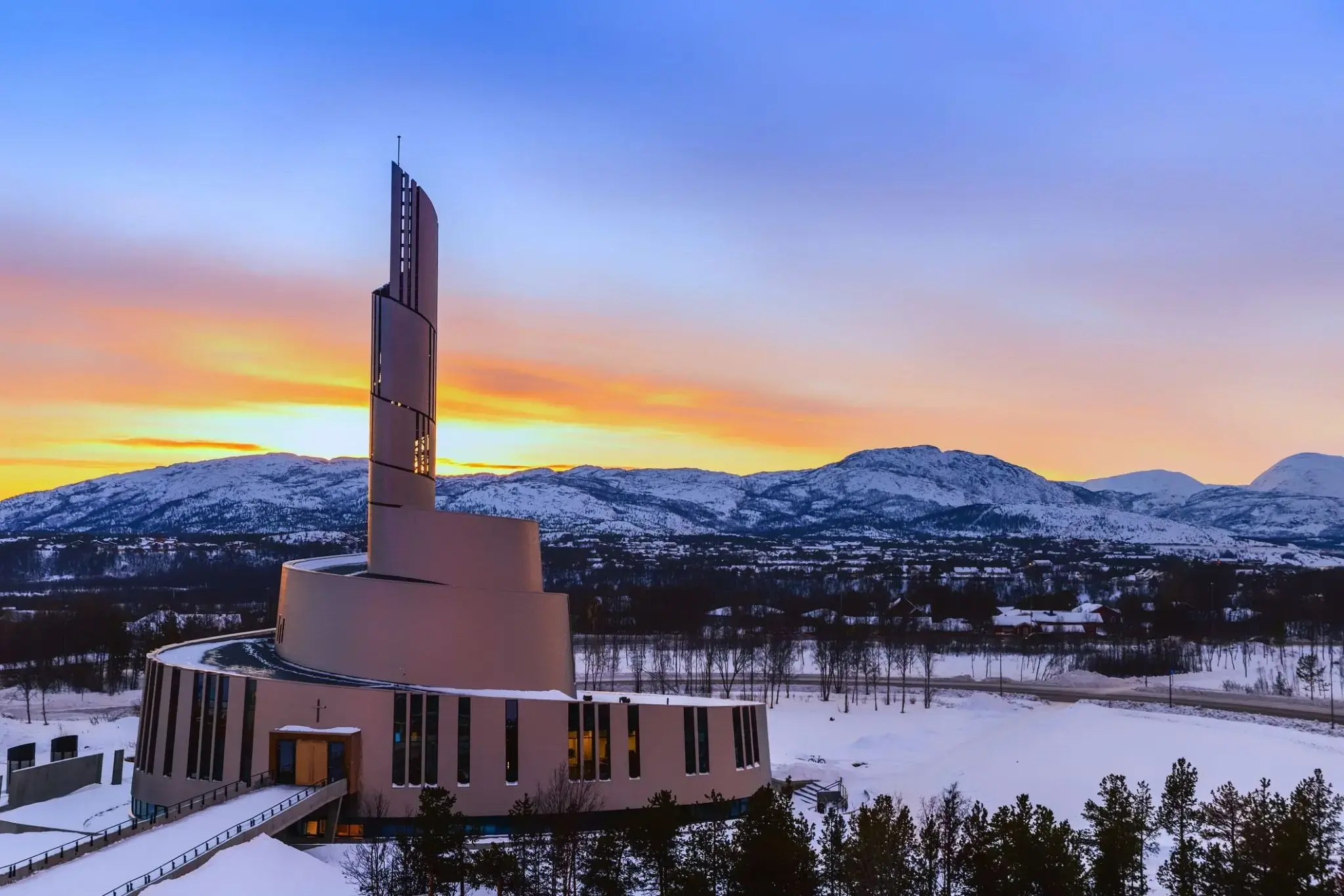
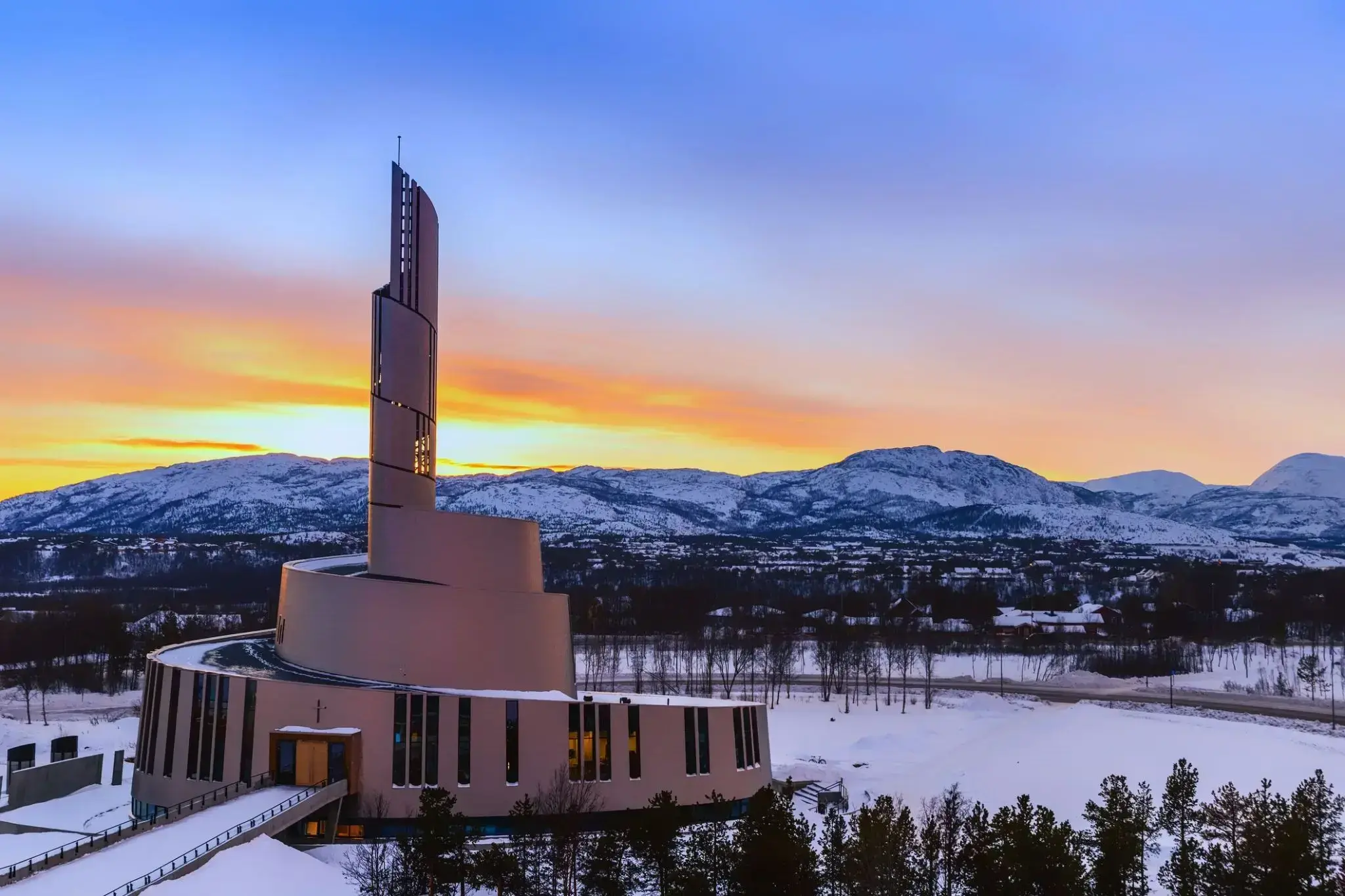
Zanurzona w atmosferze majestatycznej północy, Alta w Norwegii oferuje wyjątkowe połączenie dzikiej przyrody, dziedzictwa kulturowego i arktycznego spokoju. To miasto w regionie Finnmark słynie ze starożytnych rytów naskalnych wpisanych na listę światowego dziedzictwa UNESCO oraz z jednych z najlepszych widoków na zorzę polarną w kraju. Alta to także punkt wyjścia do wypraw na płaskowyż arktyczny i niezapomnianych wycieczek przez lodowe jaskinie i ośnieżone lasy.
Alta to nie tylko miejsce cudów natury, ale także centrum nowoczesnej północy, gdzie tradycje Saamów harmonijnie łączą się z norweską innowacyjnością. Można tu odwiedzić słynny lodowy hotel Sorrisniva, skosztować zupy z ryb arktycznych lub przejechać się psim zaprzęgiem. O każdej porze roku miasto zaprasza podróżnych do ponownego odkrywania północy — z ciepłem, gościnnością i niezapomnianymi przygodami za kołem podbiegunowym.
Honningsvåg is the northernmost city in Norway. It is located in Nordkapp Municipality in Finnmark county. Legislation effective in 1997 states that a Norwegian city/town (same word in Norwegian) must have at least 5,000 inhabitants, but Honningsvåg was declared a city in 1996, thus exempt from this legislation, so it is also one of the smallest cities in Norway. The 1.05-square-kilometre (260-acre) town has a population (2017) of 2,484 which gives the town a population density of 2,366 inhabitants per square kilometre (6,130/sq mi).
Honningsvåg is situated at a bay on the southeastern side of the large island of Magerøya, while the famous North Cape and its visitor center is on the northern side of the island. Honningsvåg is a port of call for cruise ships, especially in the summer months. The ice-free ocean (southwestern part of the Barents Sea) provides rich fisheries and tourism is also important to the town. Even at 71°N, many private gardens in Honningsvåg have trees, although rarely more than 3 to 4 metres (9.8 to 13.1 ft) tall.
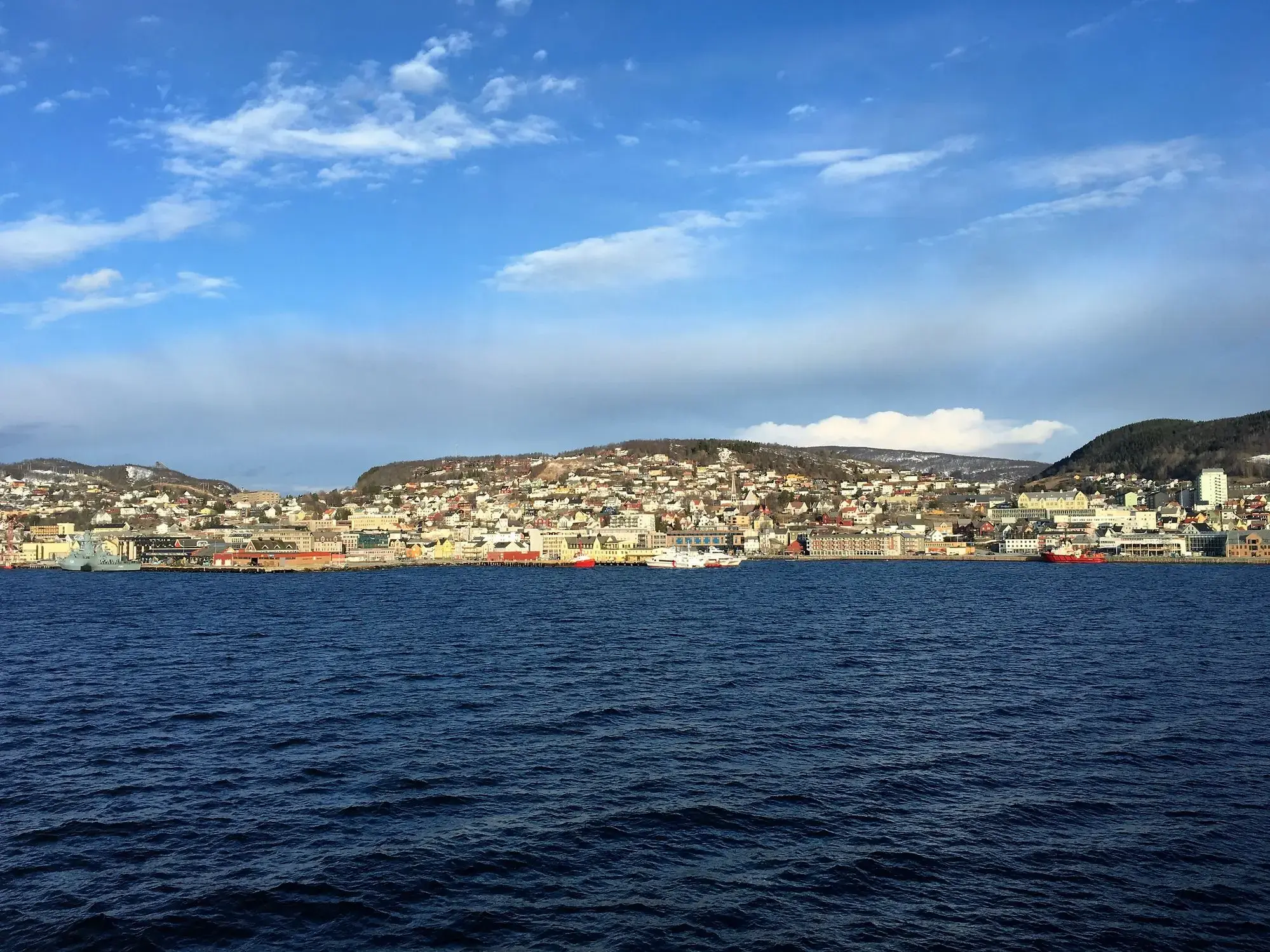
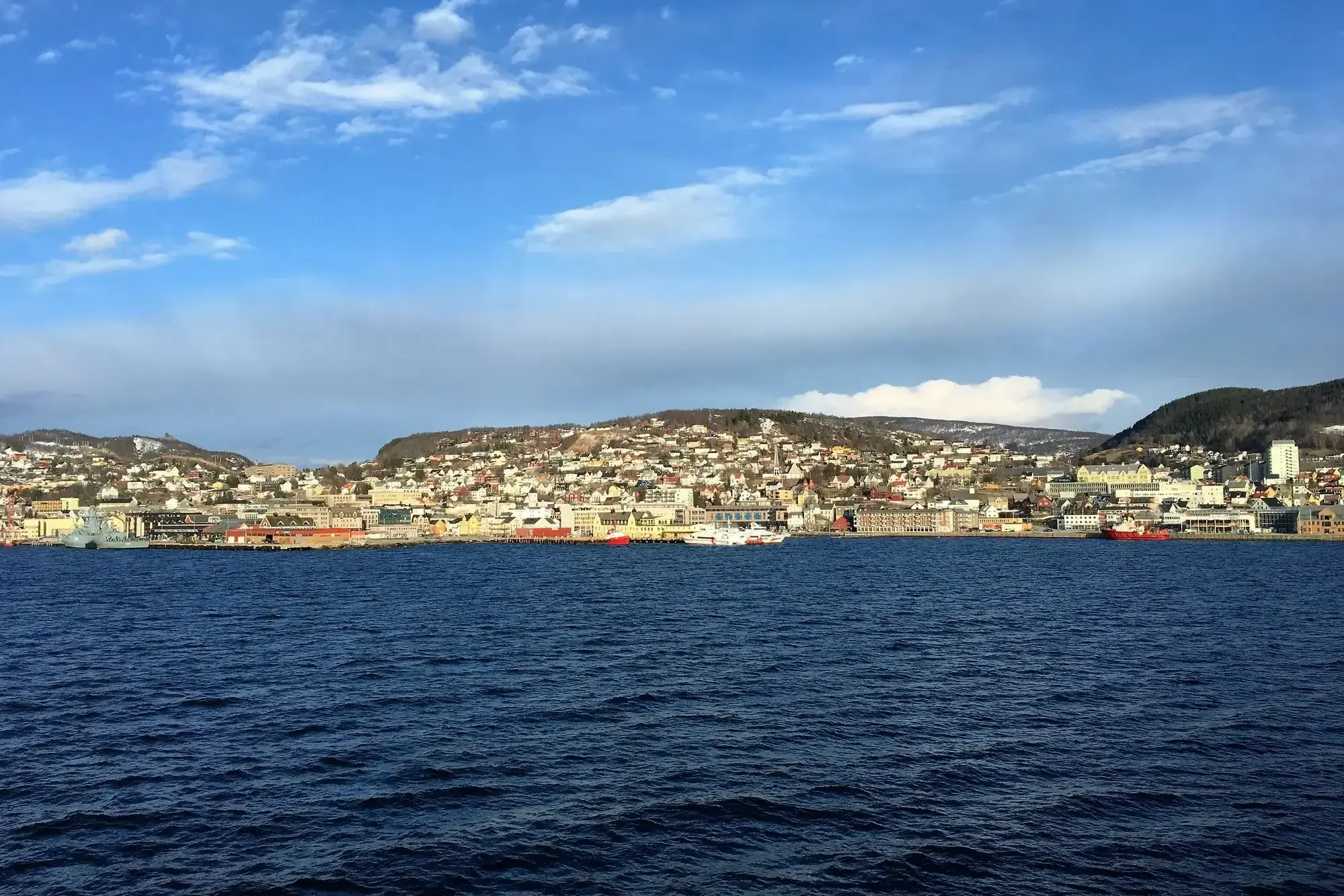
Między fiordami a zielonymi wzgórzami Harstad na północy Norwegii zachwyca odwiedzających przytulną miejską atmosferą i imponującymi arktycznymi krajobrazami. Miasto znane jest jako „muzyczna stolica północnej Norwegii” dzięki corocznemu Festiwalowi Północnej Norwegii, który wypełnia ulice muzyką i twórczą energią. Można tu spacerować malowniczą promenadą, podziwiać łodzie rybackie w porcie i cieszyć się widokami na fiordy, gdzie często można zobaczyć bieliki.
Odwiedzający Harstad mogą odkrywać północne wybrzeże, wybierając się na kajaki lub rejs morski, aby poczuć prawdziwą bliskość z naturą. W pobliżu znajduje się historyczne centrum Trøndelag oraz ruiny najstarszego kościoła w północnej Norwegii – Trondenes, gdzie można dotknąć historii wikingów. To miejsce oferuje spokój, inspirację i prawdziwe piękno arktycznej północy Norwegii.
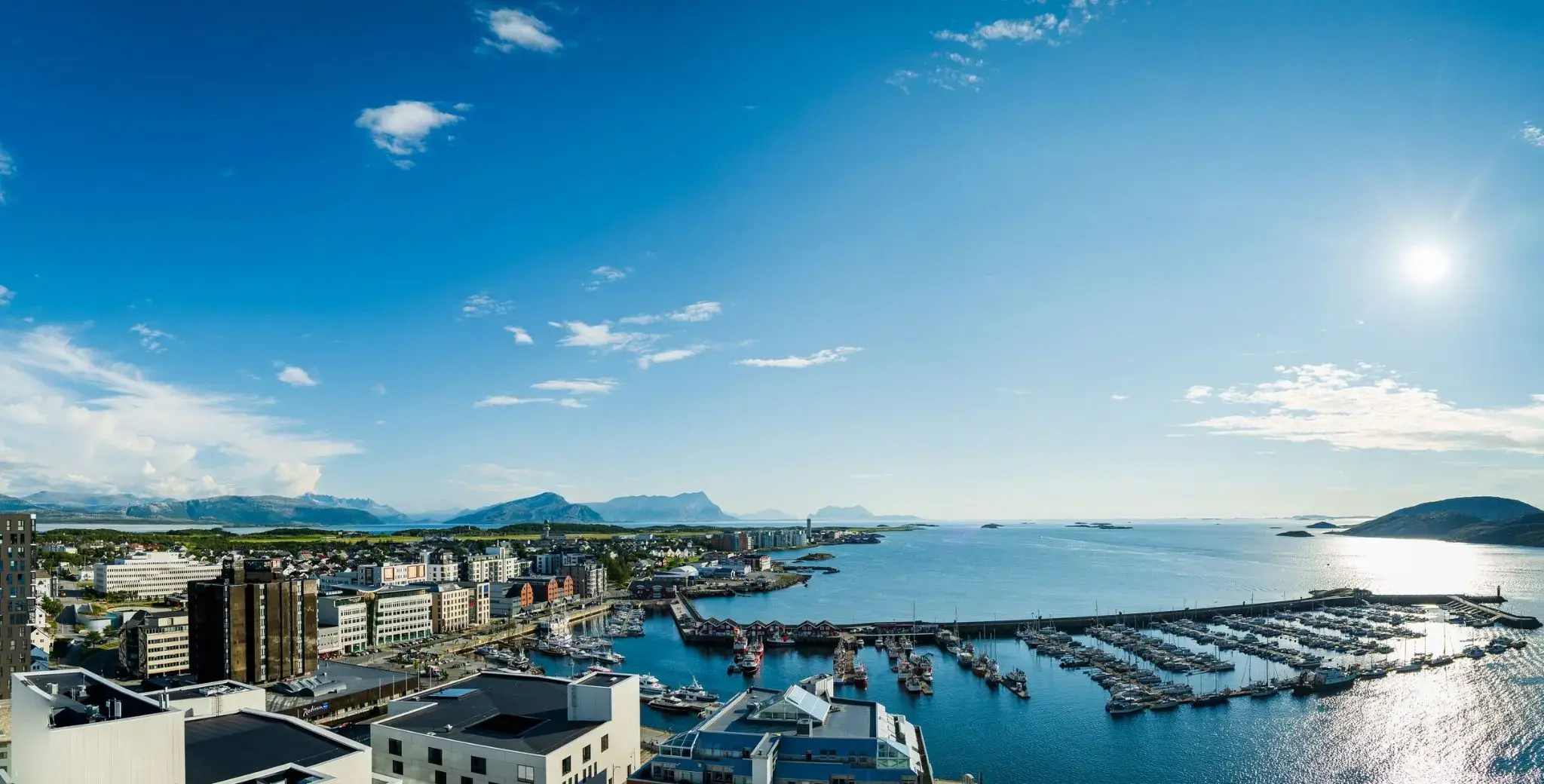
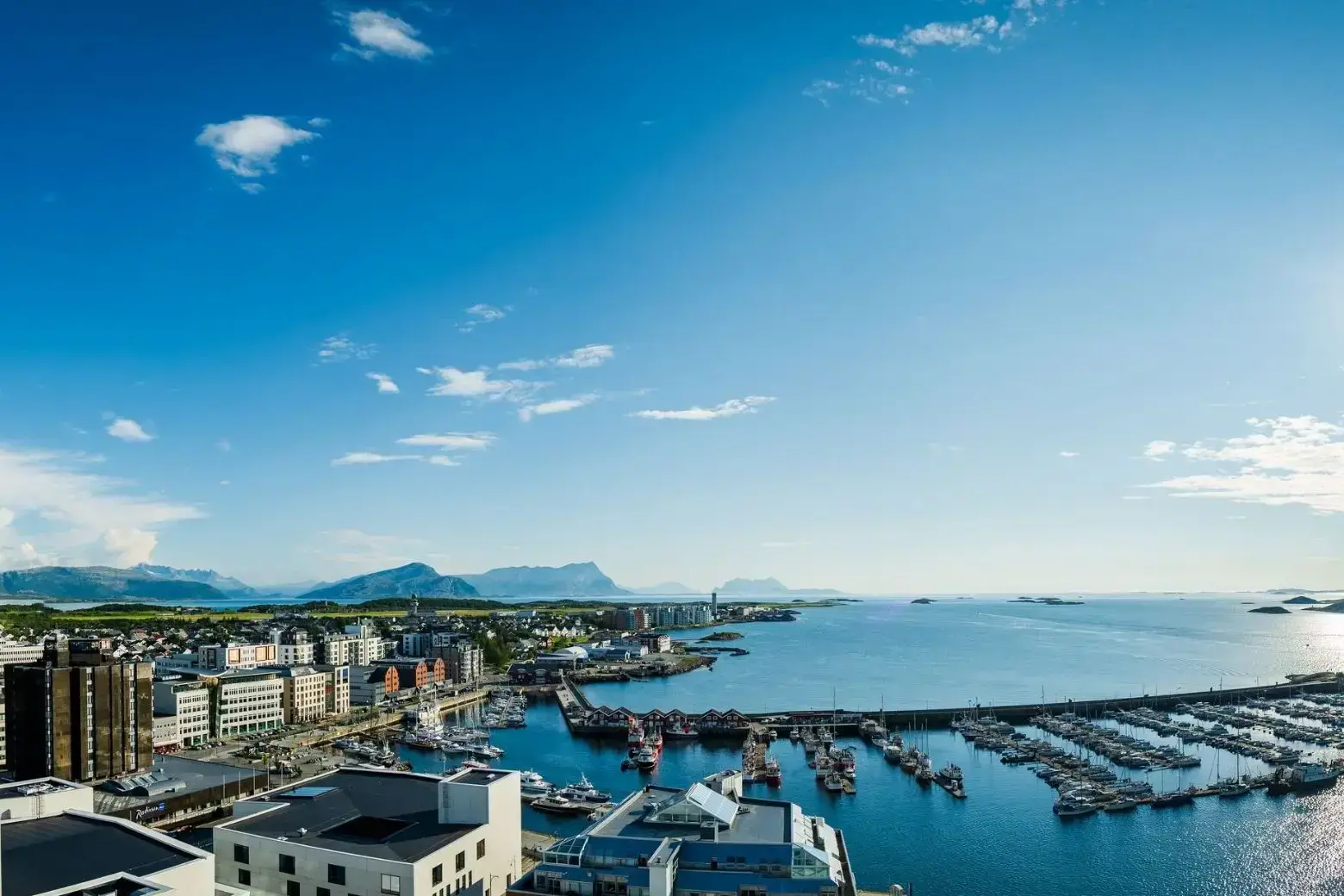
Położone na malowniczym wybrzeżu północnej Norwegii, to miasto przyciąga podróżników swoją unikalną przyrodą i tętniącym życiem kulturalnym. Bodø jest ważnym portem i bramą do Arktyki, gdzie można podziwiać zapierające dech w piersiach widoki na fiordy i góry oraz doświadczyć jednego z najbardziej imponujących zjawisk przyrodniczych — zorzy polarnej.
W Bodø każdy znajdzie coś dla siebie: od aktywnego wypoczynku na świeżym powietrzu — pieszych wędrówek, wędkowania i rejsów łodzią, po zwiedzanie lokalnej historii w muzeach i współczesnych przestrzeniach artystycznych. Miasto słynie także z bliskości do rezerwatu przyrody Saltfjellet oraz parku narodowego Rondane, co czyni je doskonałą bazą wypadową do odkrywania północnych krajobrazów.
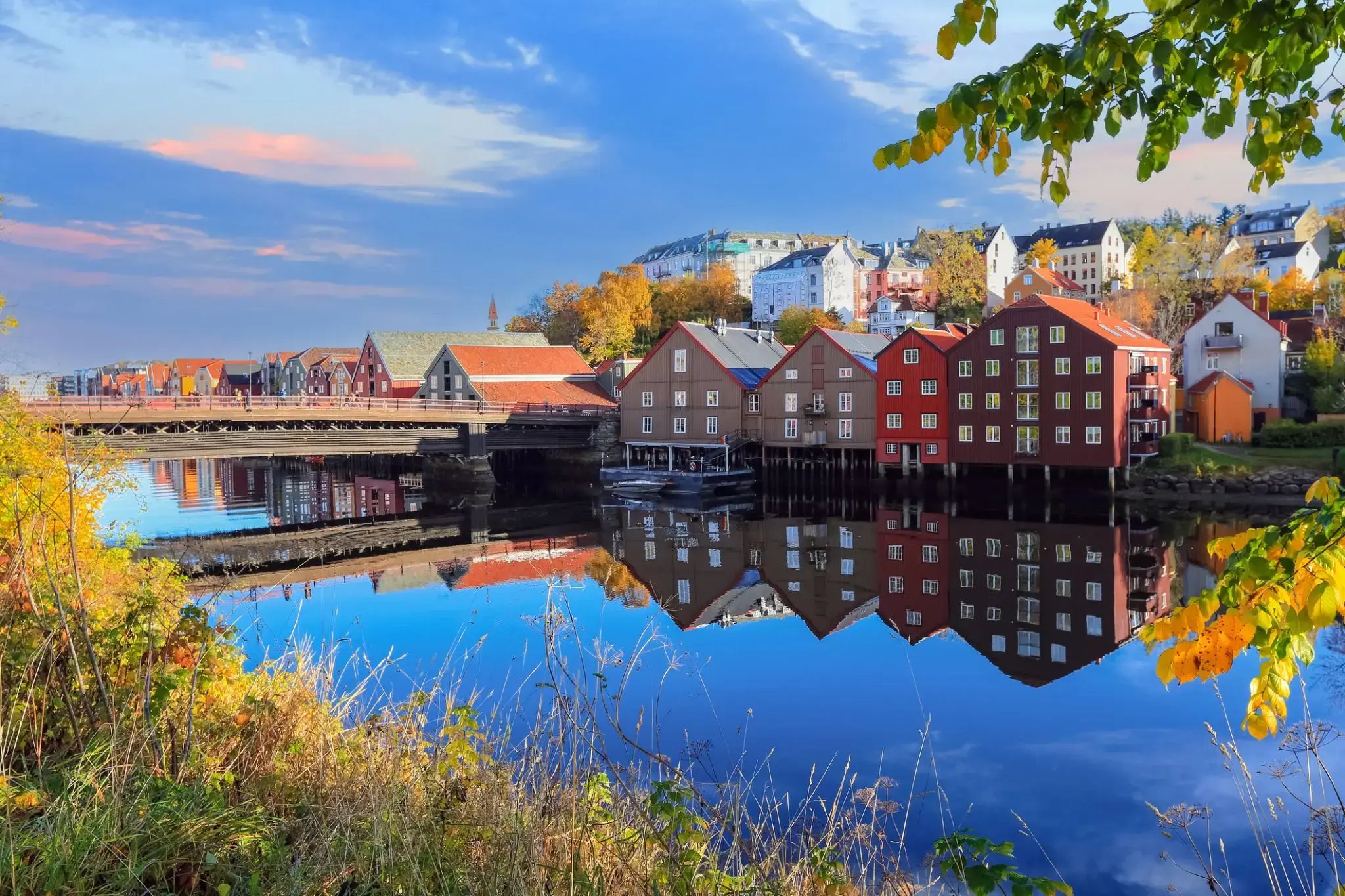
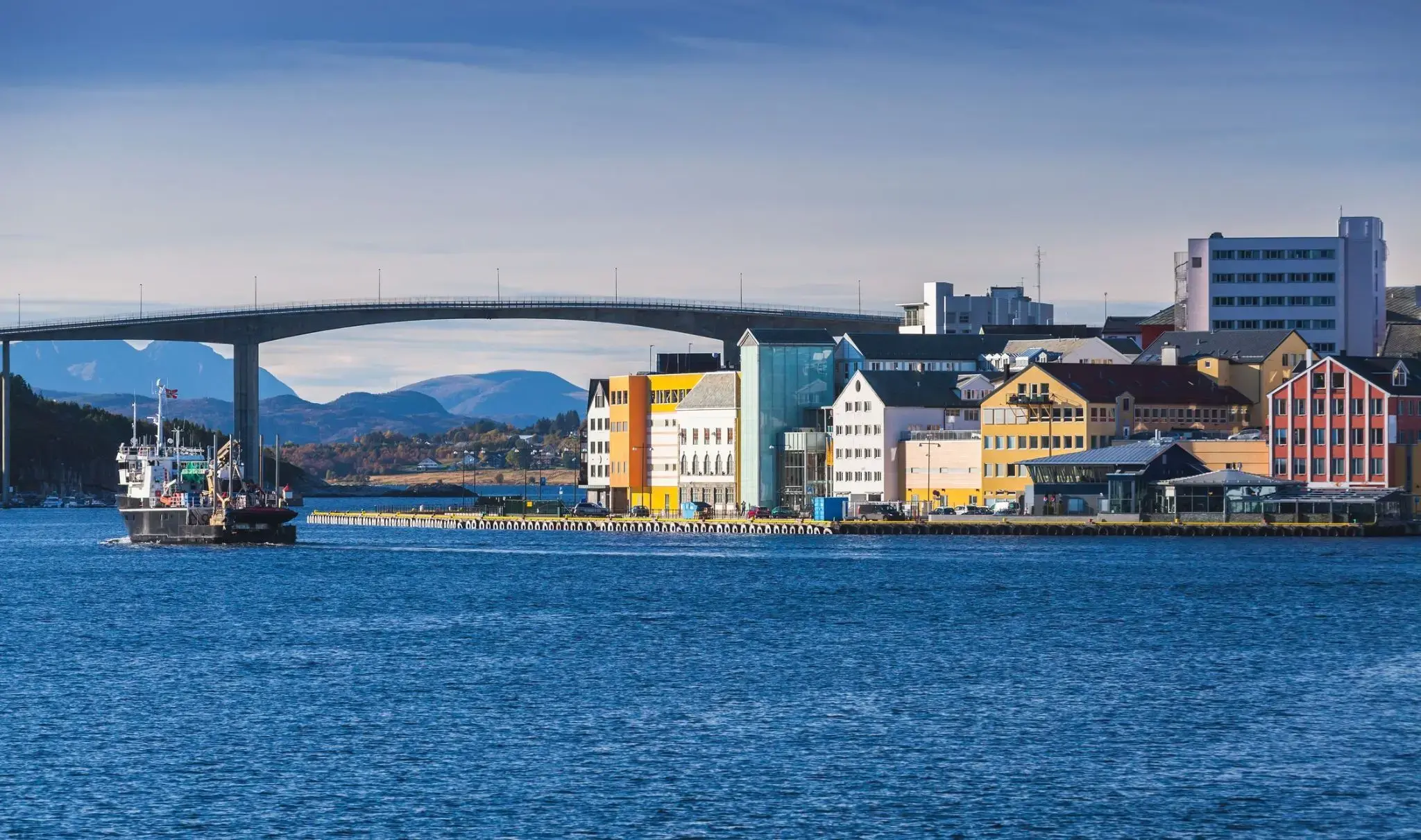
Najbardziej wysunięte na południe wybrzeże Norwegii zaprasza Cię do odkrycia niezwykłego miasta Kristiansand. To urocze miasteczko otoczone jest z trzech stron morzem. Jest to piąte co do wielkości miasto w kraju, a mimo że jego centrum mieści się na niewielkim obszarze zaledwie 1 km², Kristiansand ma wiele do zaoferowania swoim gościom. Nie chodzi tylko o niezwykle czyste norweskie powietrze, ale także o wiele innych interesujących atrakcji.
Wśród nich znajduje się największe zoo w Norwegii, w którym mieszka 80 gatunków zwierząt. Pobyt tutaj ucieszy zarówno dzieci, jak i dorosłych. Możesz przejechać się na karuzelach, pośmiać się w cyrku, a także wybrać się całą rodziną na rejs po morzu lub spędzić czas na placu zabaw.
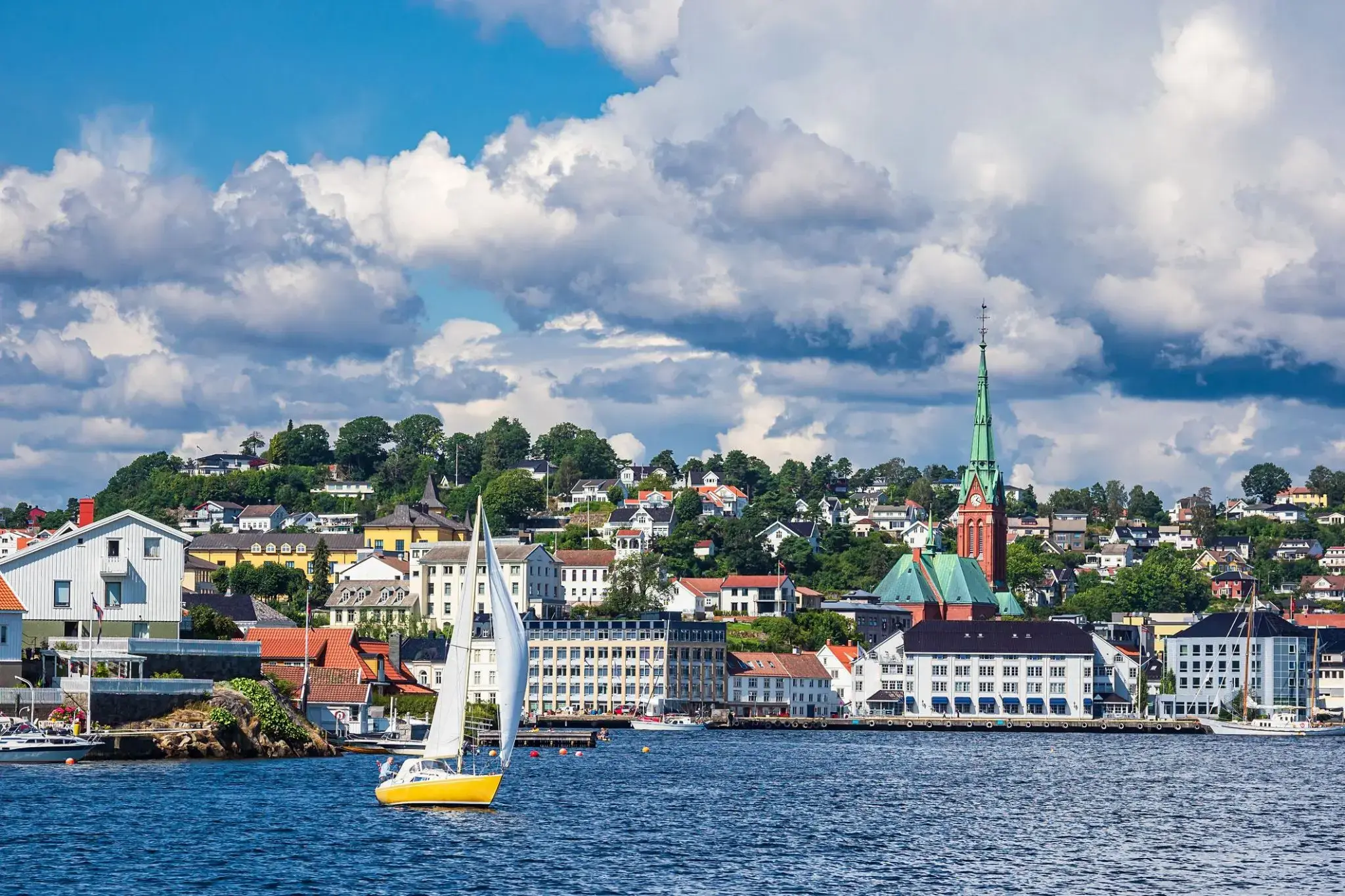
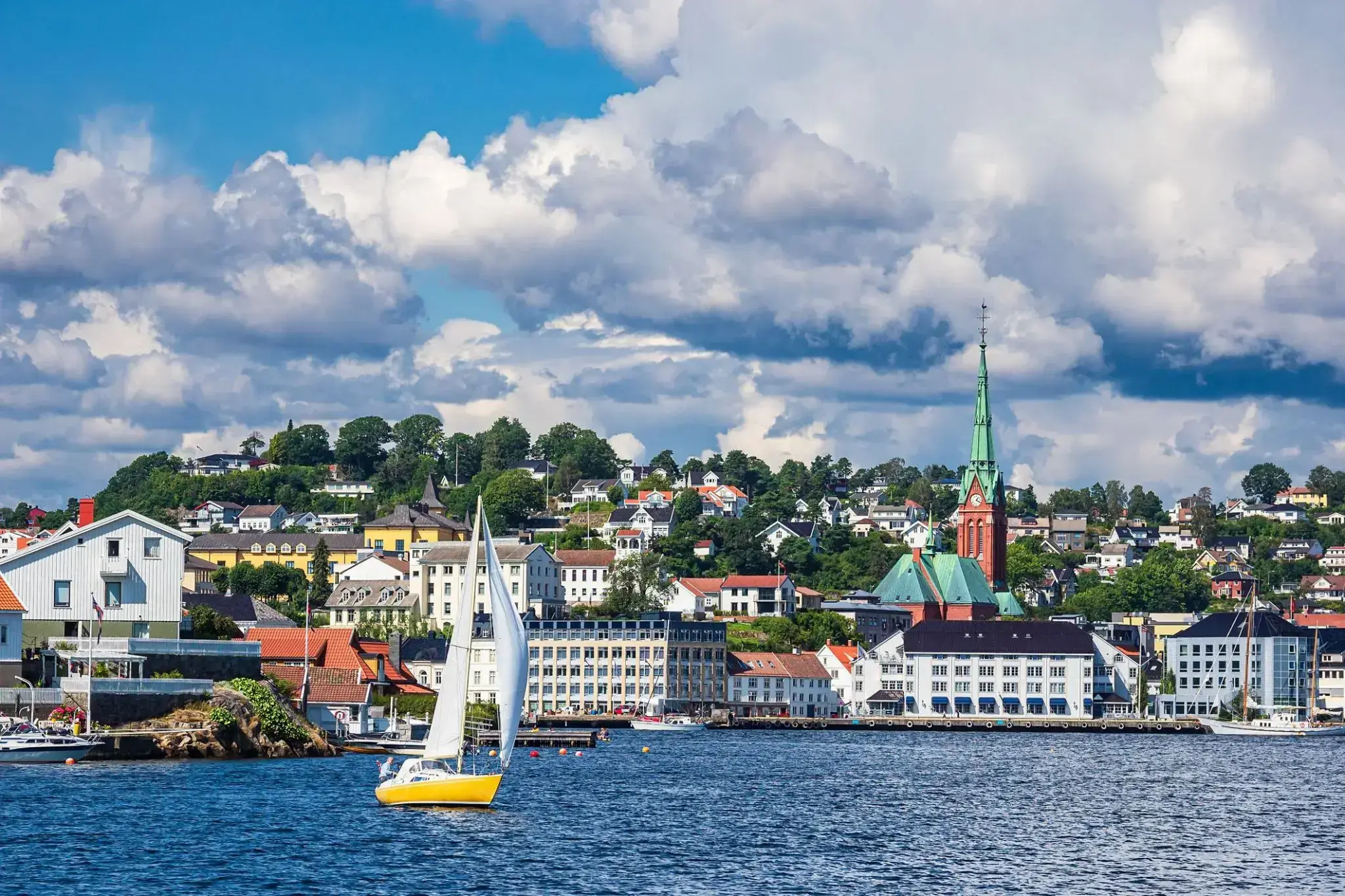
Położone na południowym wybrzeżu Norwegii, Arendal zachwyca przytulną nadmorską atmosferą i historycznym skandynawskim urokiem. To malownicze miasto portowe, słynące z kolorowych drewnianych domów i wąskich uliczek, jest idealne na spokojne spacery i poznanie norweskiego stylu życia. Dzielnica Trefoldigheten, jedna z najstarszych części mieszkalnych, zachowała domy z XVIII wieku.
Arendal przyciąga turystów swoimi morskimi festiwalami, muzeami oraz możliwością zwiedzania pobliskiego archipelagu łodzią. Latem miasto ożywa — jachty, kawiarnie na świeżym powietrzu i wystawy na wolnym powietrzu tworzą ciepłą i gościnną atmosferę. To miejsce, gdzie natura, historia i nowoczesność harmonijnie się łączą, oferując turystom prawdziwe kulturalne doświadczenie.
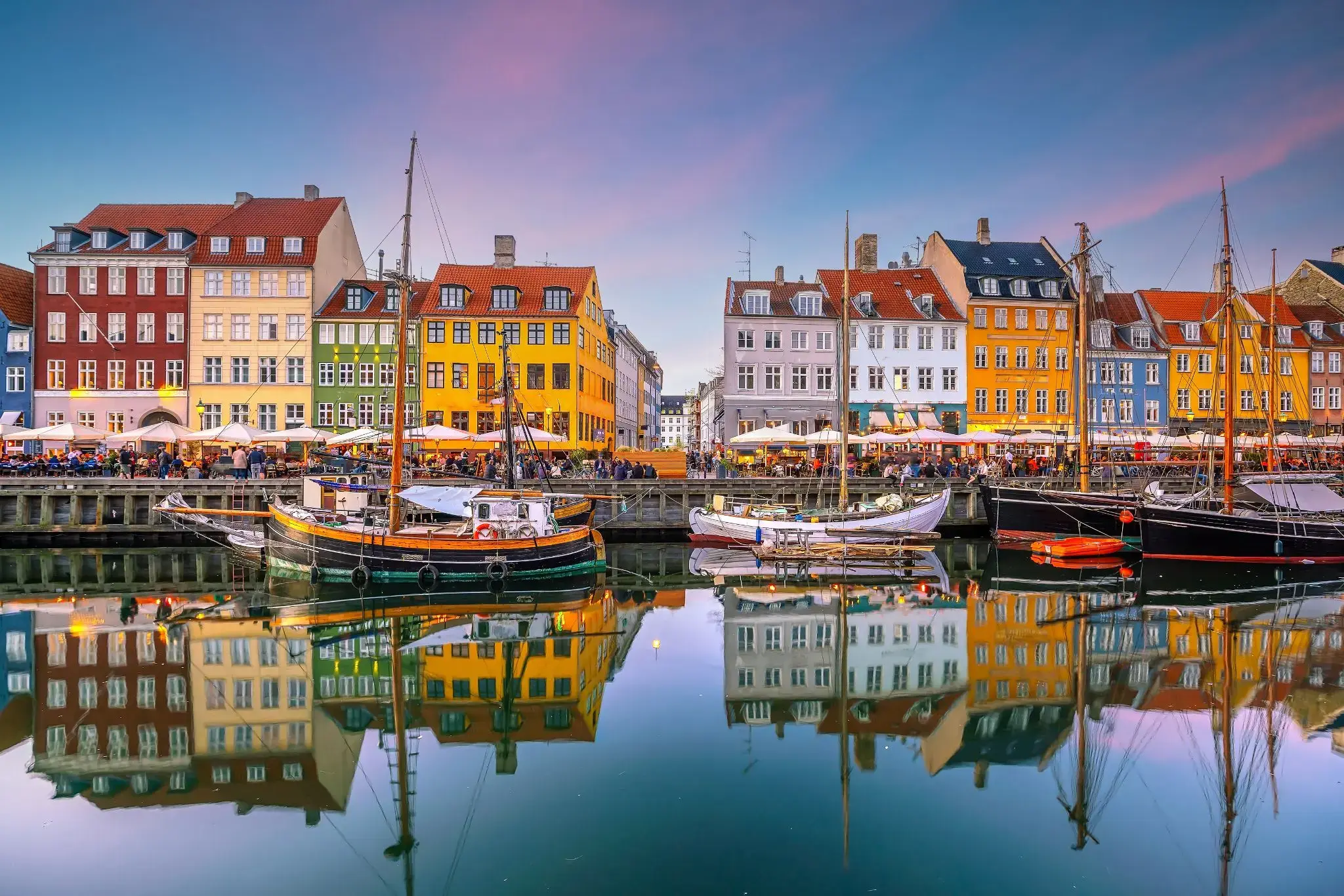
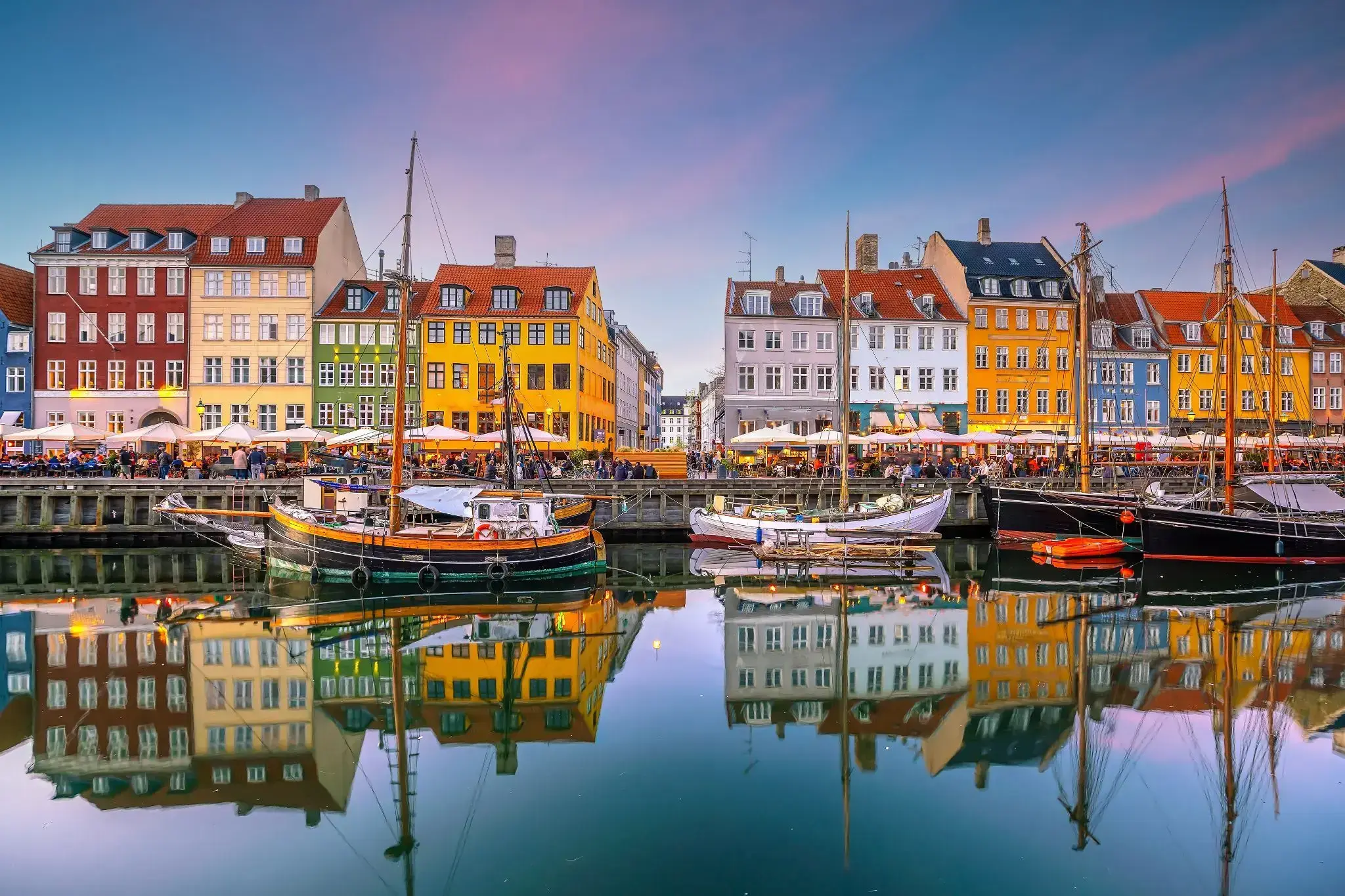
the capital and chief port of Denmark, a city that occupies the eastern part of Zealand and northern part of the island of Amager; population 518,574 (2009).
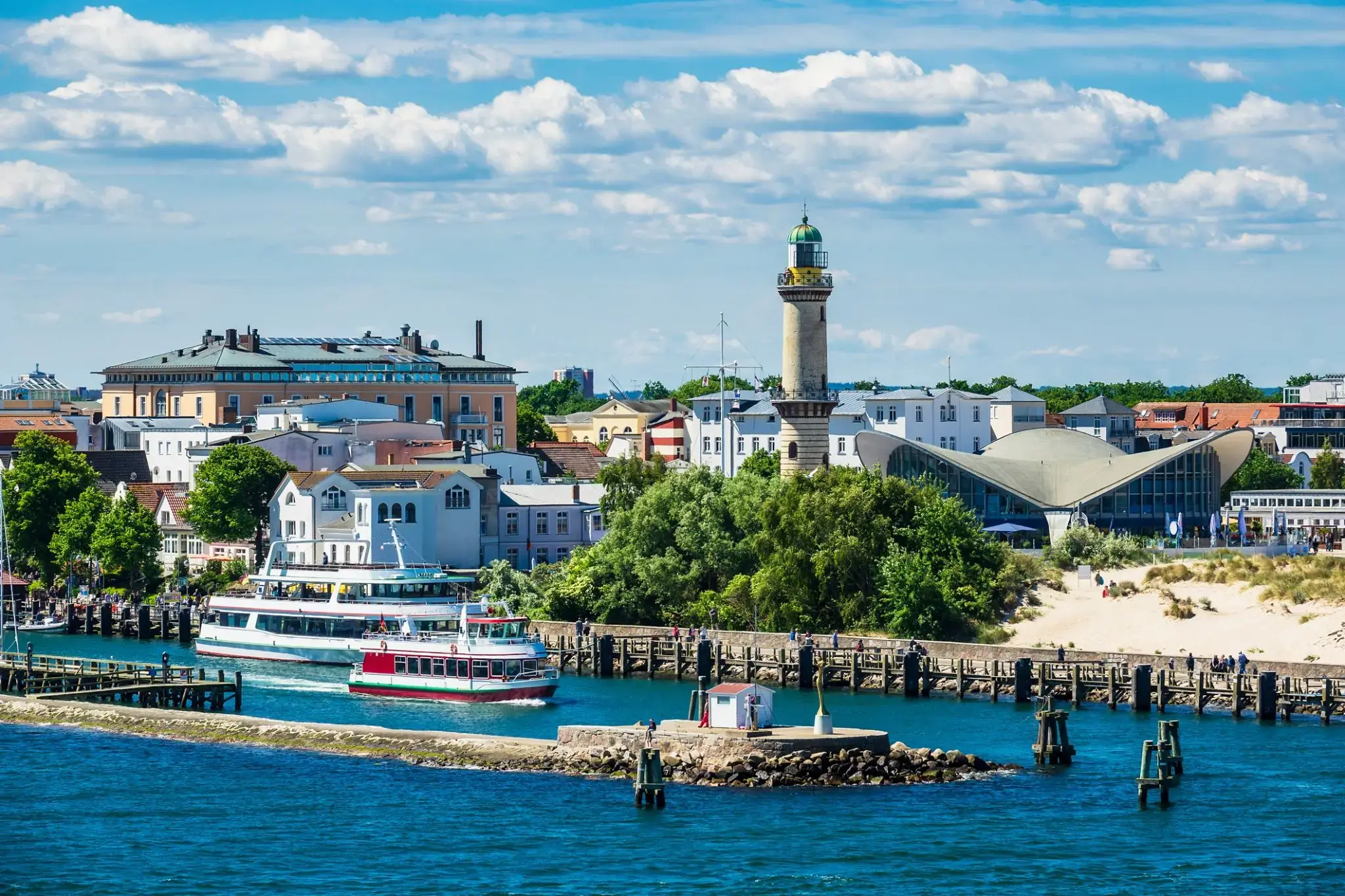
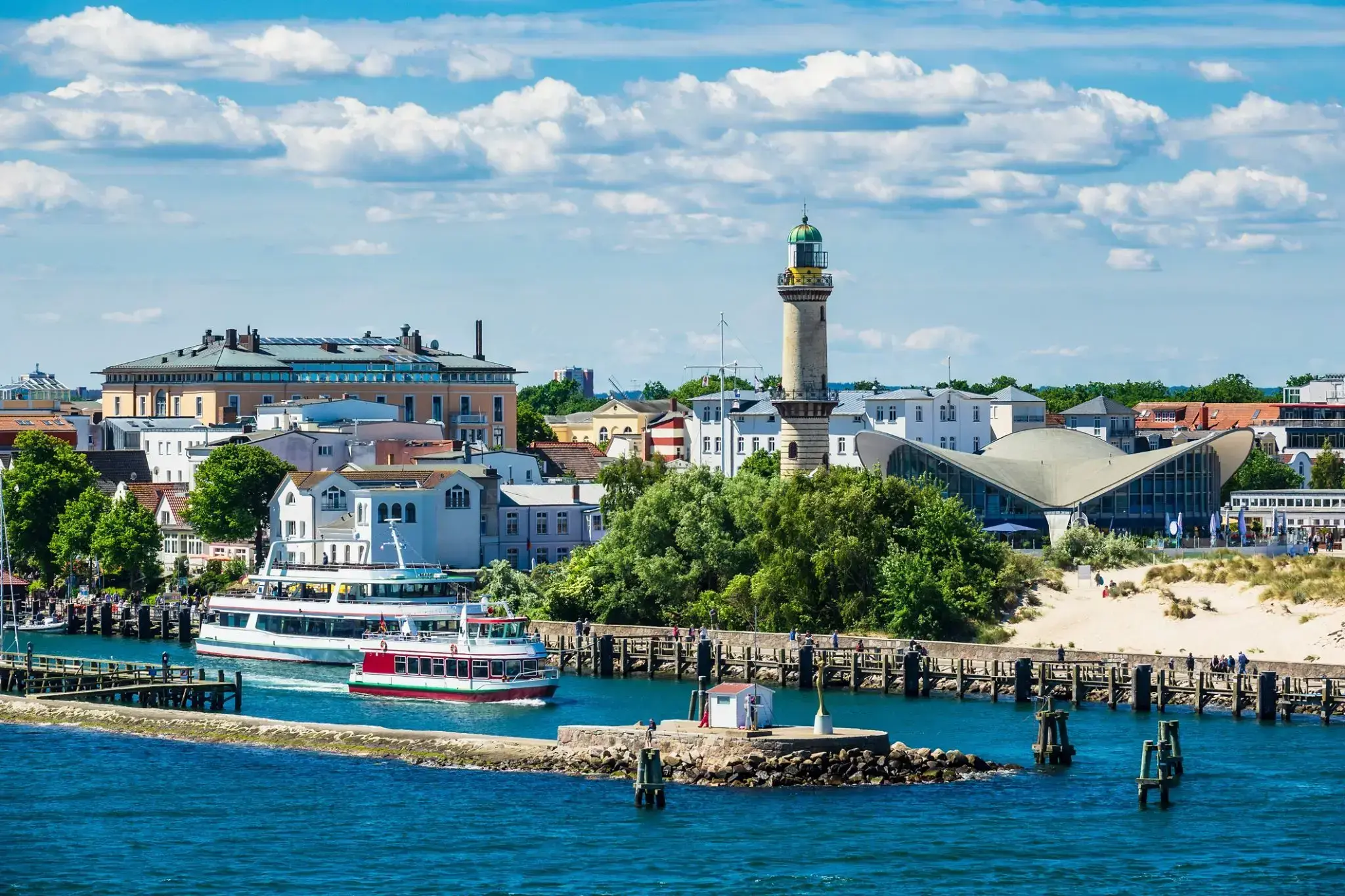
Baltic Sea resort in the northern part of the city of Rostock. The area was named along the Varnov River, which flows into the Baltic Sea here. The sandy beach is Germany's largest Baltic beach.
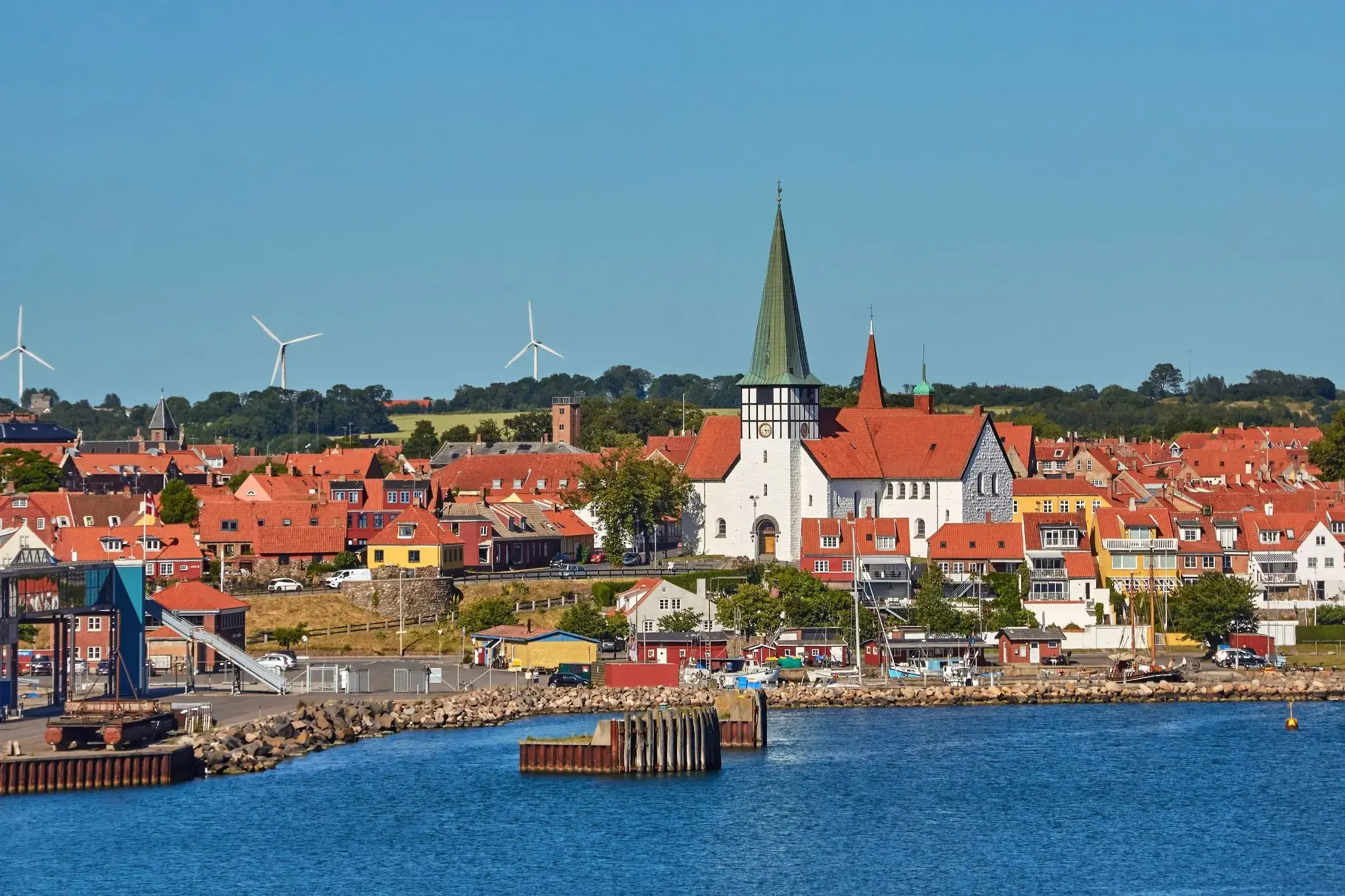
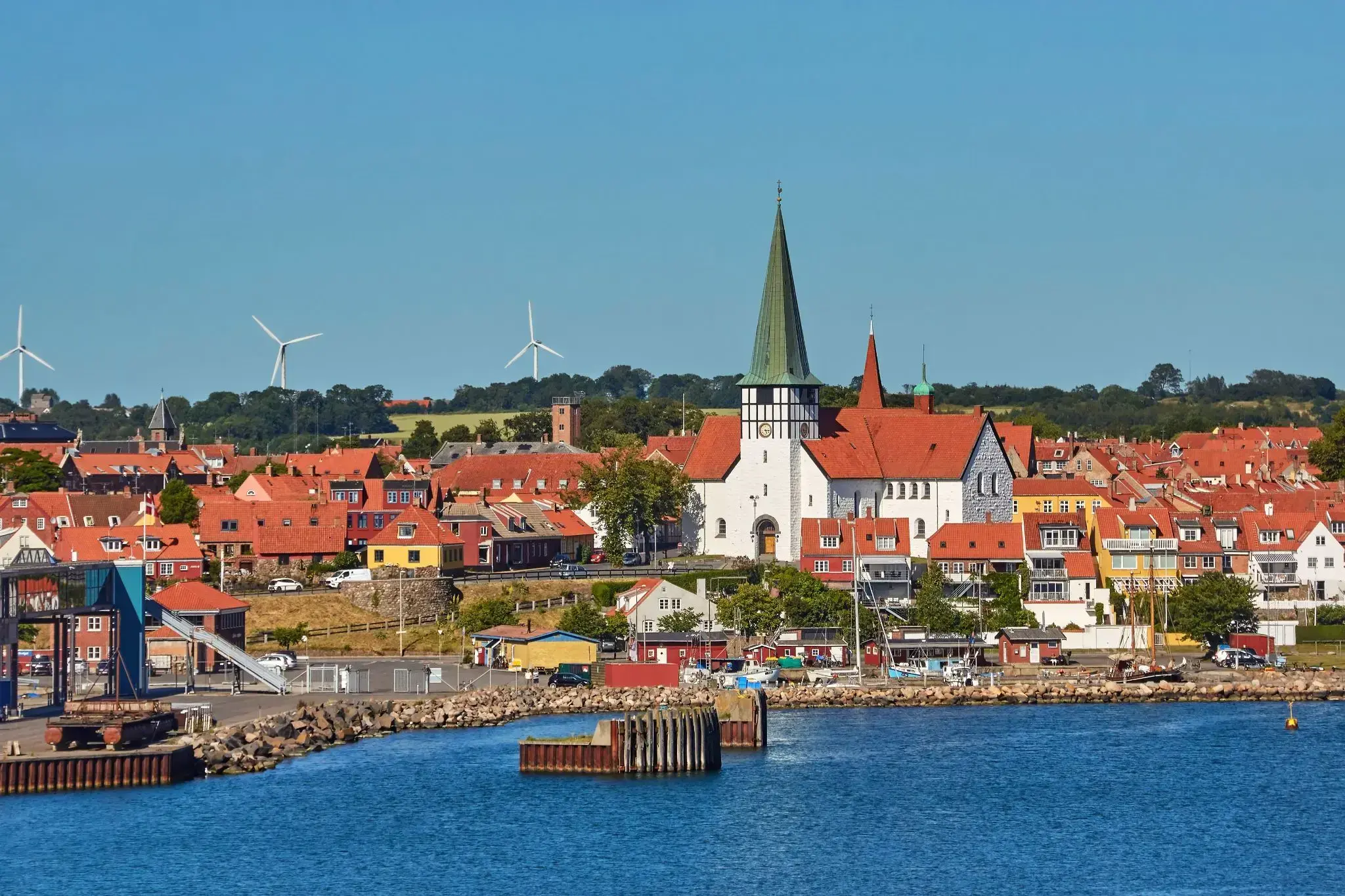
Ciche uliczki z domami szachulcowymi sprawiają, że Ronne (Rønne) jest przytulnym zakątkiem na duńskiej wyspie Bornholm, gdzie każdy krok wypełniony jest zapachem morza i świeżego pieczywa z lokalnych piekarni. Miasto słynie z warsztatów ceramiki i szkła oraz przytulnej atmosfery portu rybackiego, w którym można spróbować świeżo wędzonego śledzia i obserwować, jak statki powoli wpływają do portu. Tutaj czas zwalnia, pozwalając cieszyć się spacerami po starym mieście z brukowanymi uliczkami i malowniczymi domami z XVIII wieku.
W Ronne podróżnych czeka spokojny wypoczynek z nutą duńskiego przytulnego klimatu i kreatywnej atmosfery wyspy. Muzeum Bornholmu przybliża historię wyspy i tradycje morskie, a spacery wzdłuż wybrzeża ukazują skaliste brzegi i czyste plaże zapraszające do odpoczynku przez cały rok. To miasto jest idealnym miejscem dla tych, którzy chcą poczuć autentyczną Danię, zaczerpnąć morskiego powietrza i odkryć ciepłą gościnność Bornholmu.
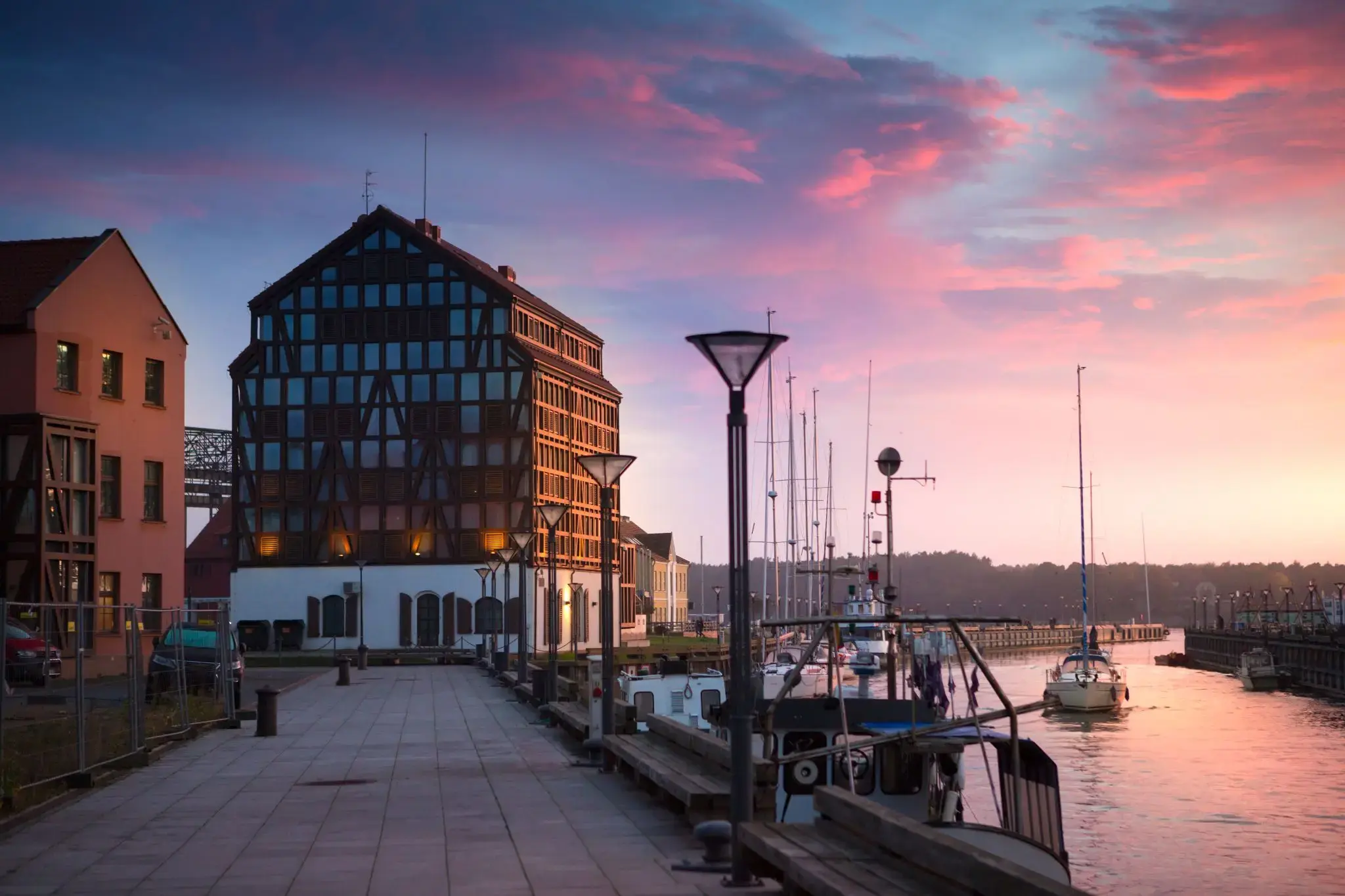
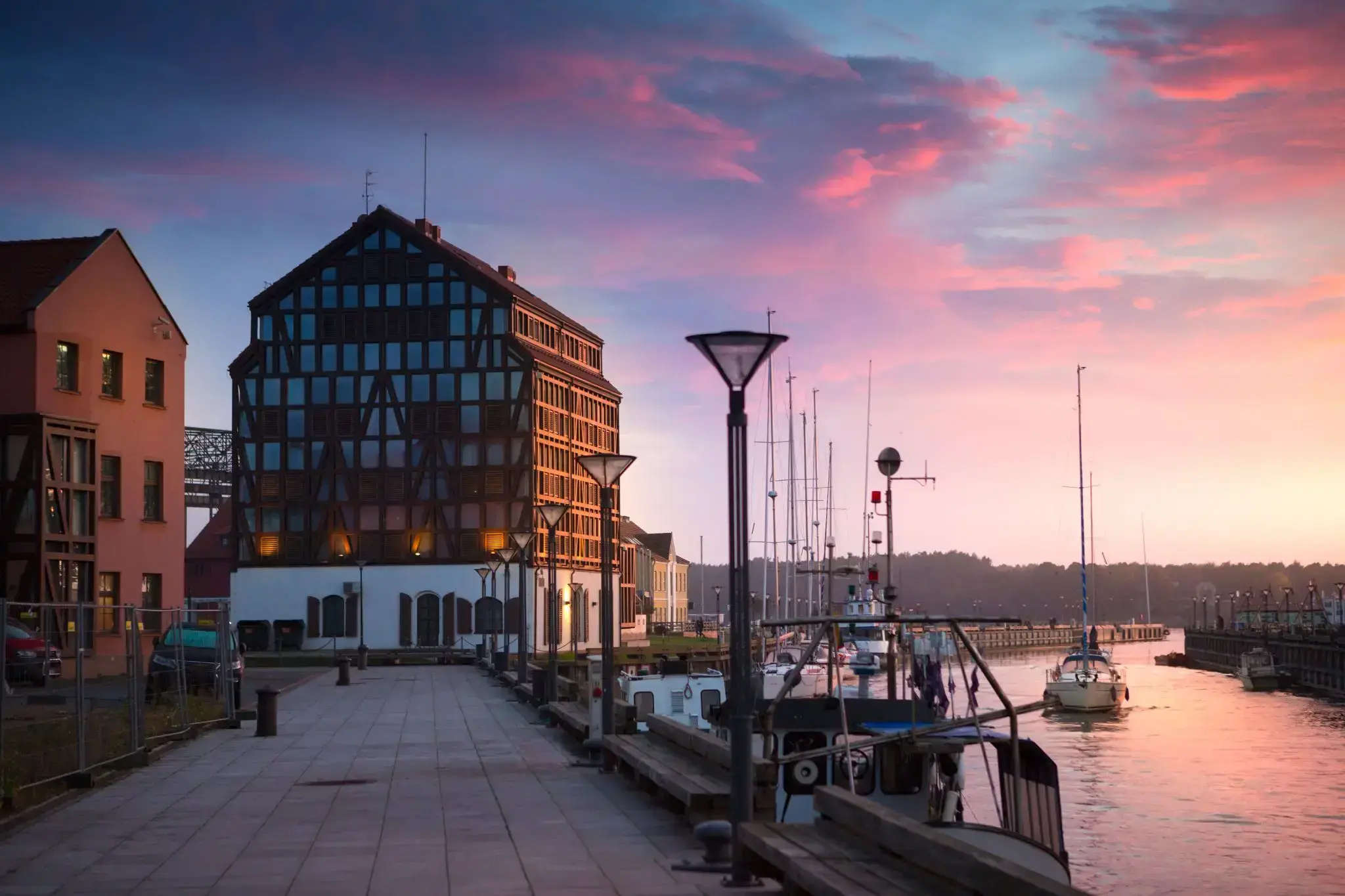
Klaipėda is a city in Lithuania on the Baltic Sea coast. It is the third largest city in Lithuania and the capital of Klaipėda County.
The city has a complex recorded history, partially due to the combined regional importance of the usually ice-free Port of Klaipėda at the mouth of the Akmena-Danė River. It was controlled by successive German states until the 1919 Treaty of Versailles. As a result of the 1923 Klaipėda Revolt it was added to Lithuania and has remained with Lithuania to this day, except for the period between 1939 and 1945 when it returned to Germany following the 1939 German ultimatum to Lithuania and the German–Soviet Union Molotov–Ribbentrop Pact.
The population has shrunk from the city to suburbs and the hinterland. The city had a population of 207,100 in 1992 to 157,350 in 2014 but the city is growing again. Popular seaside resorts found close to Klaipėda are Nida to the south on the Curonian Spit and Palanga to the north.
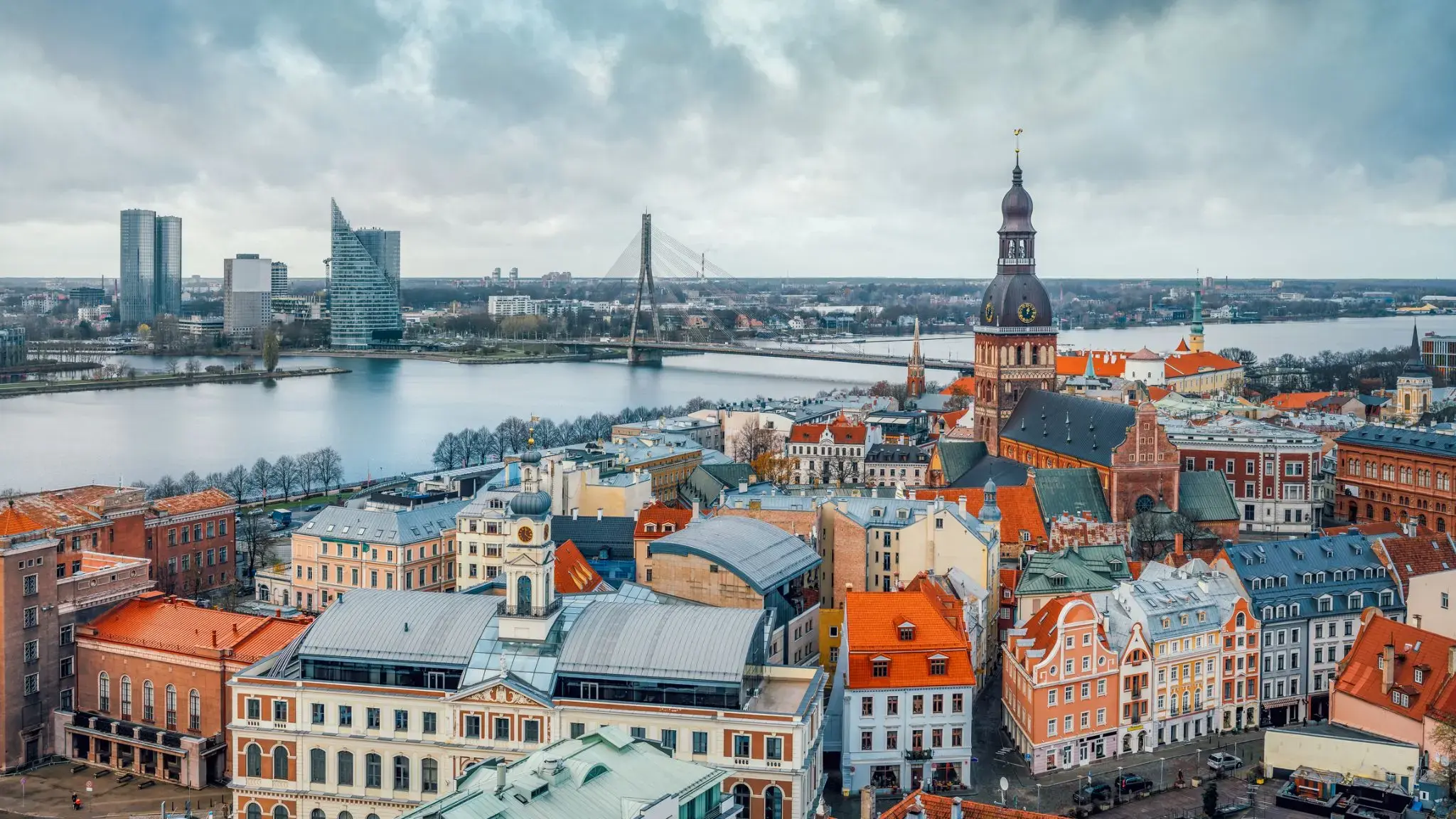
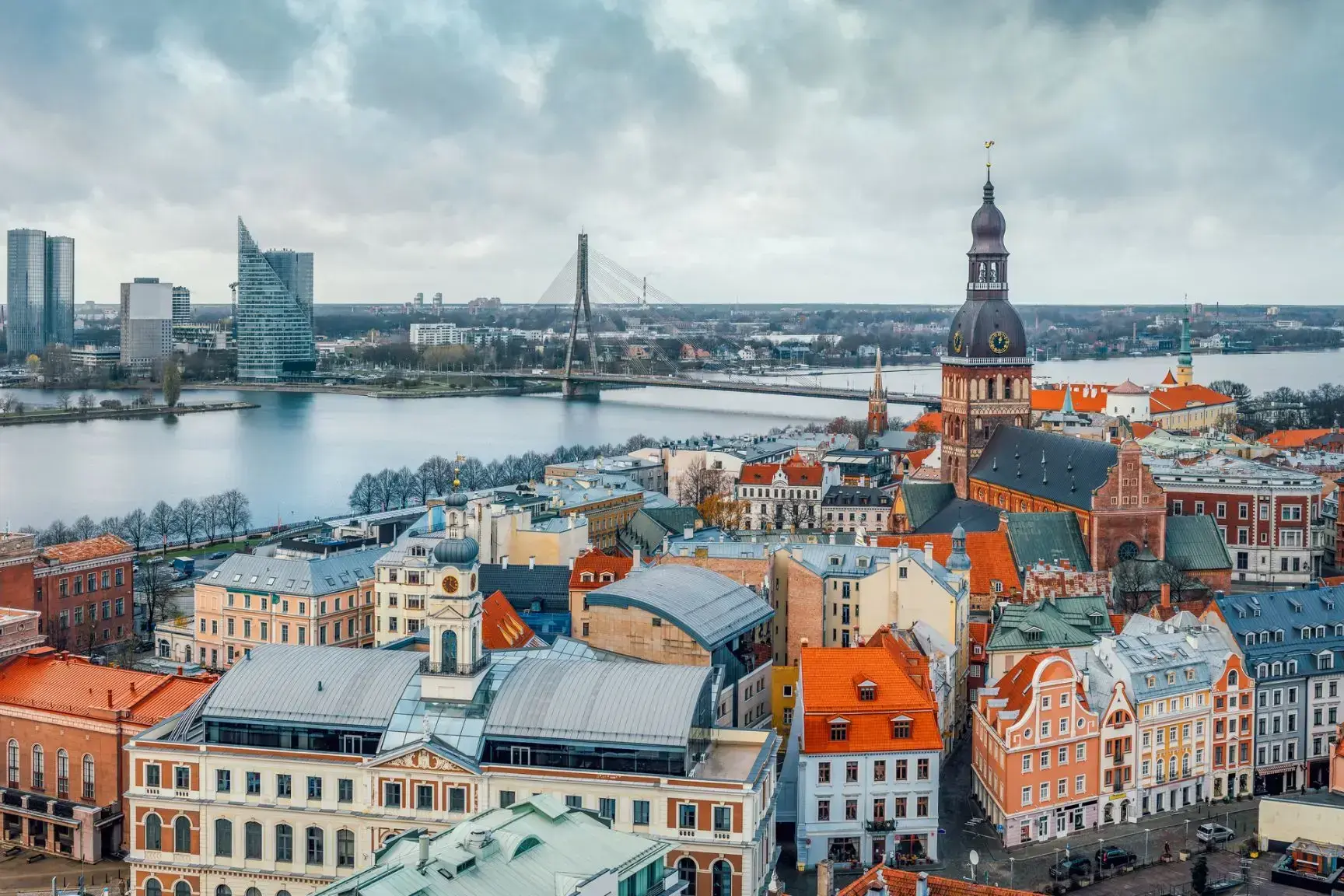
Riga is the capital and largest city of Latvia. With 637,827 inhabitants (2018), it is also the largest city in the three Baltic states, home to one third of Latvia's population and one tenth of the three Baltic states' combined population. The city lies on the Gulf of Riga, at the mouth of the Daugava. Riga's territory covers 307.17 km2 (118.60 sq mi) and lies 1–10 m (3 ft 3 in–32 ft 10 in) above sea level, on a flat and sandy plain.
Riga was founded in 1201 and is a former Hanseatic League member. Riga's historical centre is a UNESCO World Heritage Site, noted for its Art Nouveau/Jugendstil architecture and 19th century wooden architecture. Riga was the European Capital of Culture during 2014, along with Umeå in Sweden. Riga hosted the 2006 NATO Summit, the Eurovision Song Contest 2003, the 2006 IIHF Men's World Ice Hockey Championships and the 2013 World Women's Curling Championship. It is home to the European Union's office of European Regulators for Electronic Communications (BEREC).
In 2016, Riga received over 1.4 million visitors. It is served by Riga International Airport, the largest and busiest airport in the Baltic states. Riga is a member of Eurocities, the Union of the Baltic Cities (UBC) and Union of Capitals of the European Union (UCEU).
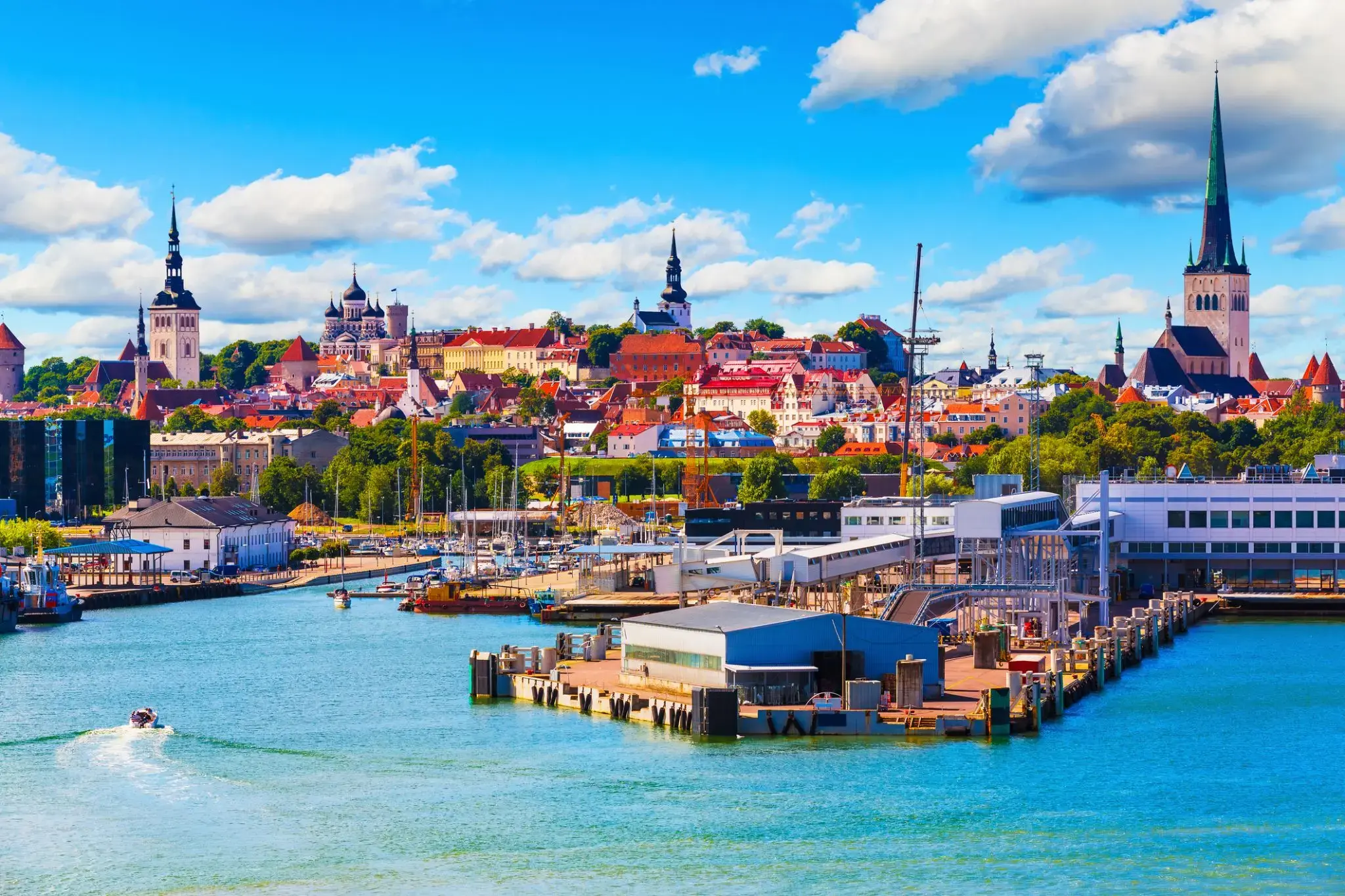
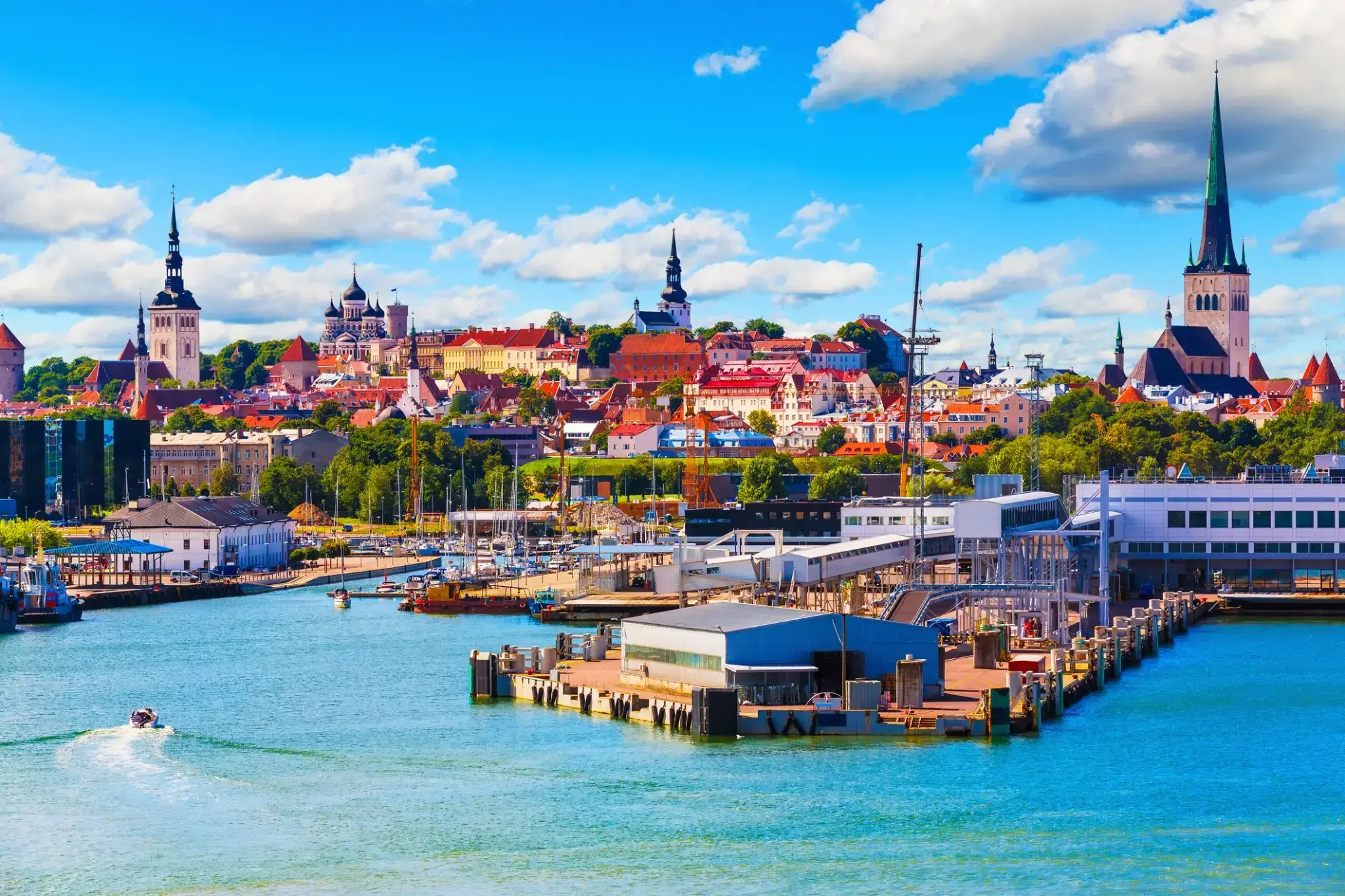
Tallinn is the capital and largest city of Estonia. It is on the northern coast of the country, on the shore of the Gulf of Finland in Harju County. From the 13th century until 1918 (and briefly during the Nazi occupation of Estonia from 1941 to 1944), the city was known as Reval. Tallinn occupies an area of 159.2 km2 (61.5 sq mi) and has a population of 453,033.
Tallinn, first mentioned in 1219, received city rights in 1248, but the earliest human settlements date back 5,000 years. The initial claim over the land was laid by the Danes in 1219, after a successful raid of Lindanise led by Valdemar II of Denmark, followed by a period of alternating Scandinavian and German rule. Due to its strategic location, the city became a major trade hub, especially from the 14th to the 16th century, when it grew in importance as part of the Hanseatic League.
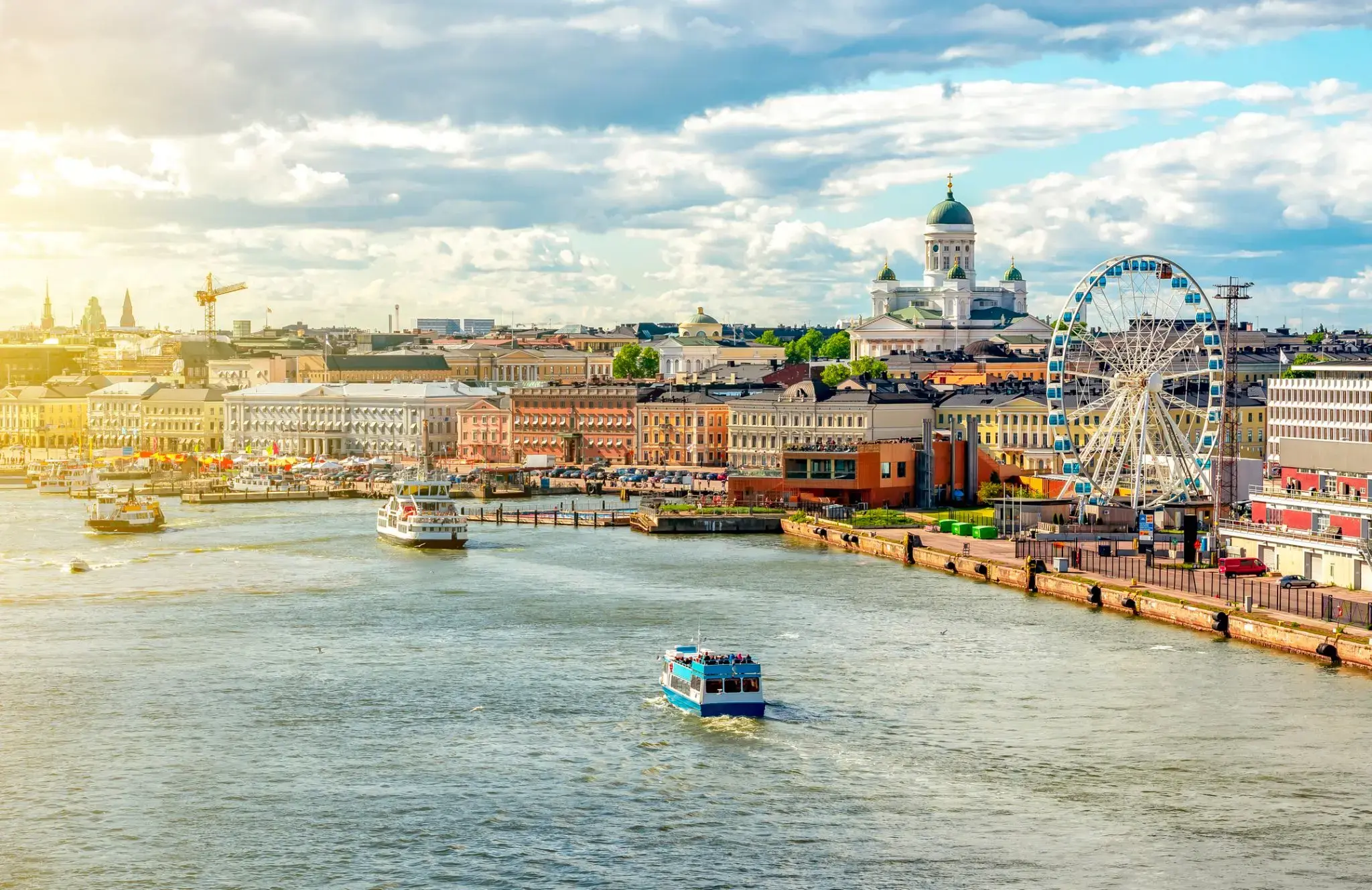
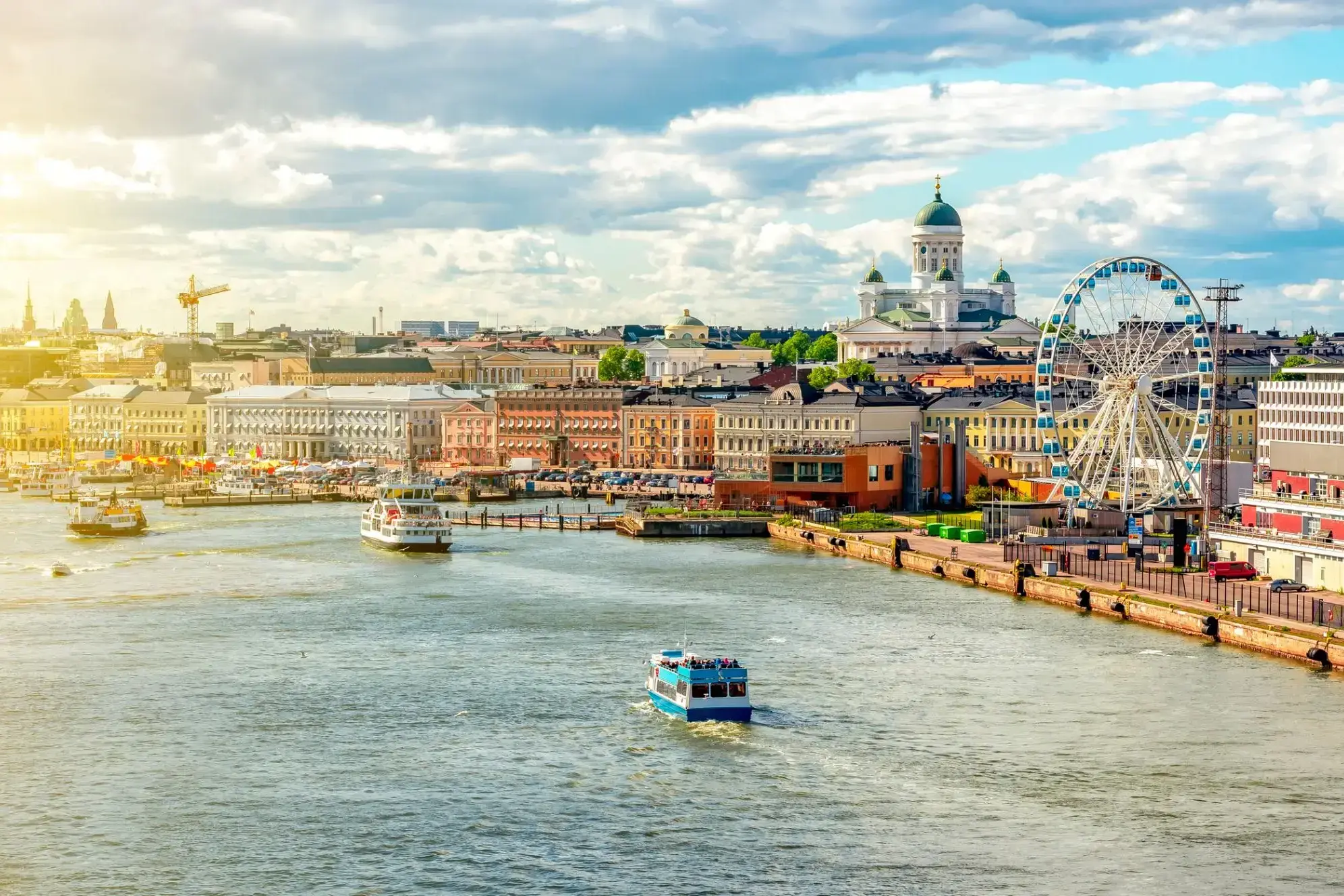
Helsinki located in the southern Finland, and has a population of 648,650. The city's urban area has a population of 1,268,296, it’s the most important center for politics, education, finance, culture, and research. Helsinki is located 80 kilometers (50 mi) north of Tallinn, Estonia, 400 km (250 mi) east of Stockholm, Sweden, and 390 km (240 mi) west of Saint Petersburg, Russia. It has close ties with these three cities.
Together with the cities of Espoo, Vantaa, and Kauniainen, and the surrounding commuter towns, Helsinki forms the Greater Helsinki metropolitan area, which has a population of nearly 1.5 million. Often being considered a metropolis of the EU member state. After Stockholm and Oslo, Helsinki is the third largest city in the Nordic countries. It is located in the city of Vantaa and is located in the city of Vantaa.
Helsinki was the World Design Capital for 2012, the 1952 Summer Olympics and the 52nd Eurovision Song Contest.
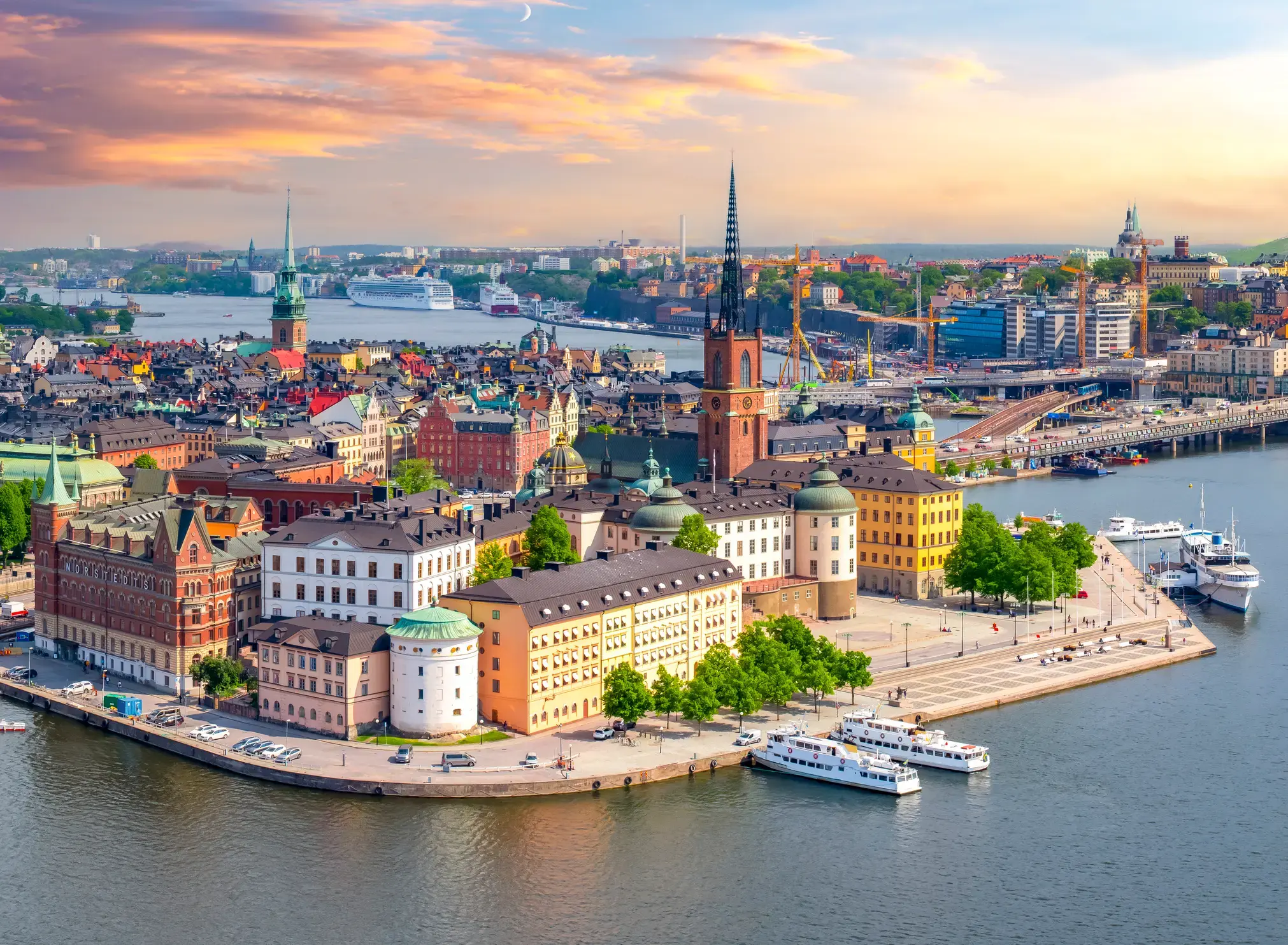
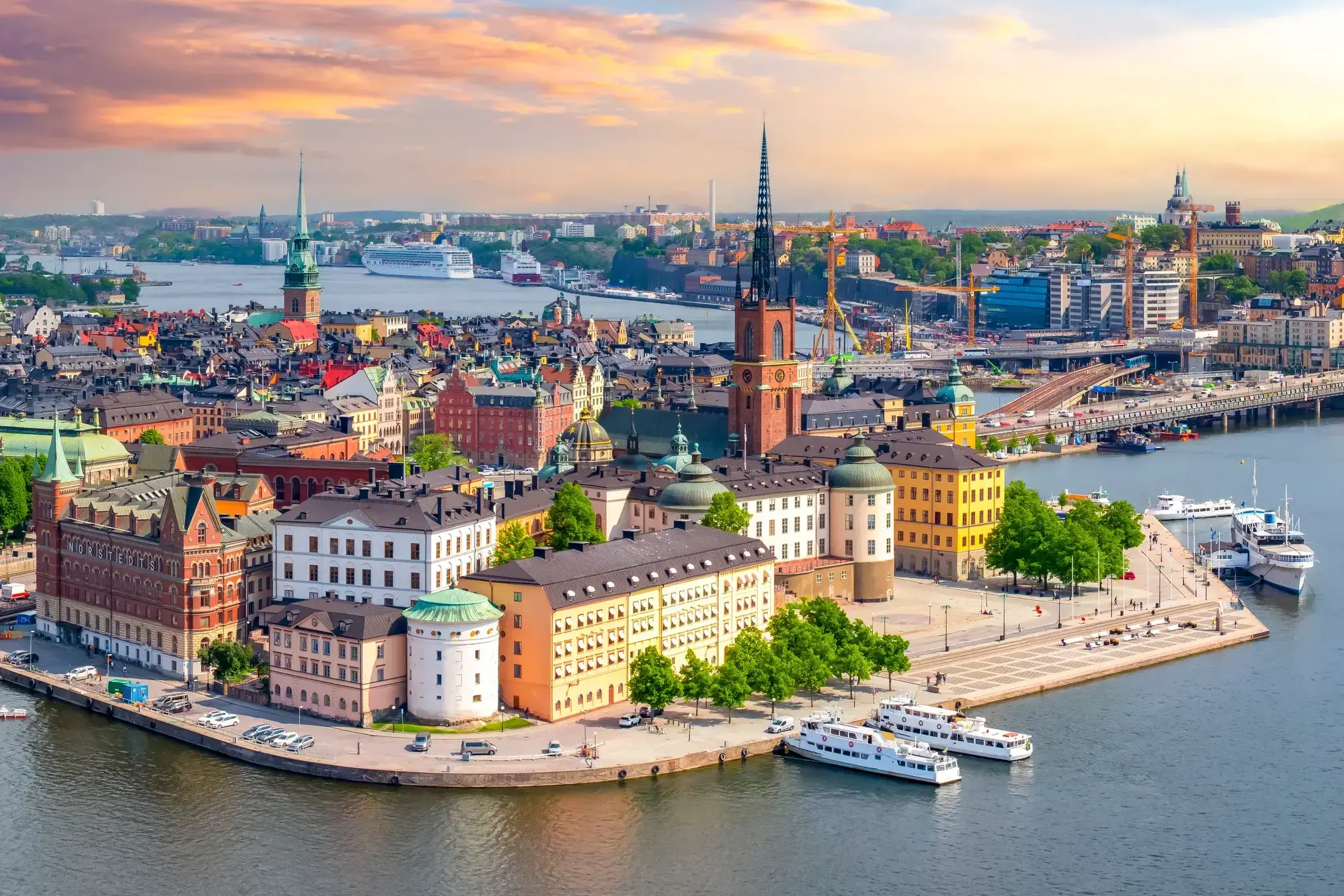
Stockholm is the capital of Sweden and the most populous urban area in the Nordic countries; 960,031 people live in the municipality, approximately 1.5 million in the urban area, and 2.3 million in the metropolitan area. The city stretches across fourteen islands where Lake Mälaren flows into the Baltic Sea. Just outside the city and along the coast is the island chain of the Stockholm archipelago. The area has been settled since the Stone Age, in the 6th millennium BC, and was founded as a city in 1252 by Swedish statesman Birger Jarl. It is also the capital of Stockholm County.
Stockholm is the cultural, media, political, and economic centre of Sweden. The Stockholm region alone accounts for over a third of the country's GDP, and is among the top 10 regions in Europe by GDP per capita. It is an important global city, and the main centre for corporate headquarters in the Nordic region. The city is home to some of Europe's top ranking universities, such as the Stockholm School of Economics, Karolinska Institute and Royal Institute of Technology (KTH). It hosts the annual Nobel Prize ceremonies and banquet at the Stockholm Concert Hall and Stockholm City Hall. One of the city's most prized museums, the Vasa Museum, is the most visited non-art museum in Scandinavia. The Stockholm metro, opened in 1950, is well known for the decor of its stations; it has been called the longest art gallery in the world. Sweden's national football arena is located north of the city centre, in Solna. Ericsson Globe, the national indoor arena, is in the southern part of the city. The city was the host of the 1912 Summer Olympics, and hosted the equestrian portion of the 1956 Summer Olympicsotherwise held in Melbourne, Victoria, Australia.
Stockholm is the seat of the Swedish government and most of its agencies, including the highest courts in the judiciary, and the official residencies of the Swedish monarch and the Prime Minister. The government has its seat in the Rosenbad building, the Riksdag (Swedish parliament) is seated in the Parliament House, and the Prime Minister's residence is adjacent at Sager House. Stockholm Palace is the official residence and principal workplace of the Swedish monarch, while Drottningholm Palace, a World Heritage Site on the outskirts of Stockholm, serves as the Royal Family's private residence.
Stockholm is the capital of Sweden and the most populous urban area in the Nordic countries; 960,031 people live in the municipality, approximately 1.5 million in the urban area, and 2.3 million in the metropolitan area. The city stretches across fourteen islands where Lake Mälaren flows into the Baltic Sea. Just outside the city and along the coast is the island chain of the Stockholm archipelago. The area has been settled since the Stone Age, in the 6th millennium BC, and was founded as a city in 1252 by Swedish statesman Birger Jarl. It is also the capital of Stockholm County.
Stockholm is the cultural, media, political, and economic centre of Sweden. The Stockholm region alone accounts for over a third of the country's GDP, and is among the top 10 regions in Europe by GDP per capita. It is an important global city, and the main centre for corporate headquarters in the Nordic region. The city is home to some of Europe's top ranking universities, such as the Stockholm School of Economics, Karolinska Institute and Royal Institute of Technology (KTH). It hosts the annual Nobel Prize ceremonies and banquet at the Stockholm Concert Hall and Stockholm City Hall. One of the city's most prized museums, the Vasa Museum, is the most visited non-art museum in Scandinavia. The Stockholm metro, opened in 1950, is well known for the decor of its stations; it has been called the longest art gallery in the world. Sweden's national football arena is located north of the city centre, in Solna. Ericsson Globe, the national indoor arena, is in the southern part of the city. The city was the host of the 1912 Summer Olympics, and hosted the equestrian portion of the 1956 Summer Olympicsotherwise held in Melbourne, Victoria, Australia.
Stockholm is the seat of the Swedish government and most of its agencies, including the highest courts in the judiciary, and the official residencies of the Swedish monarch and the Prime Minister. The government has its seat in the Rosenbad building, the Riksdag (Swedish parliament) is seated in the Parliament House, and the Prime Minister's residence is adjacent at Sager House. Stockholm Palace is the official residence and principal workplace of the Swedish monarch, while Drottningholm Palace, a World Heritage Site on the outskirts of Stockholm, serves as the Royal Family's private residence.