
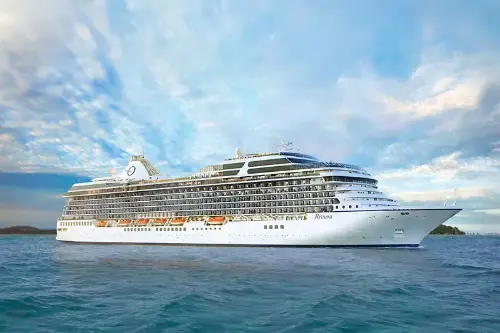
Rejs morski · 07.09.2028 – 08.10.2028 · 31 nocy
Przejście Pacyficzne do Japonii
Cena i dostępność kajutTrasa i informacje o rejsie
Premium- Seattle, Waszyngton
- Ketchikan
- Juneau
- Zamocowanie
- Kusiro
- Hakodate, Hokkaido
- Muroran
- Miyakojima Miyako
- Hitachi-Naka
- Yokohama (Tokio)
- Yokohama (Tokio)
- Osaka
- Kochi
- Beppu
- Hiroszima
- Fukuoka
- Busan
- Nagasaki
- Kagoshima
- Yokohama (Tokio)
| Data | Port | Przypłynięcie | Wypłynięcie |
|---|---|---|---|
| 07.09.2028 |
Seattle, Waszyngton
USA
|
07:00 | 17:00 |
| 08.09.2028 |
Dzień na morzu
|
— | — |
| 09.09.2028 |
Ketchikan
Alaska
|
09:00 | 16:00 |
| 10.09.2028 |
Juneau
Alaska
|
09:00 | 17:00 |
| 11.09.2028 |
Dzień na morzu
|
— | — |
| 12.09.2028 |
Zamocowanie
|
09:00 | 20:00 |
| 13.09.2028 |
Dzień na morzu
|
— | — |
| 14.09.2028 |
Dzień na morzu
|
— | — |
| 15.09.2028 |
Dzień na morzu
|
— | — |
| 16.09.2028 | — | — | |
| 18.09.2028 |
Dzień na morzu
|
— | — |
| 19.09.2028 |
Dzień na morzu
|
— | — |
| 20.09.2028 |
Dzień na morzu
|
— | — |
| 21.09.2028 |
Kusiro
Japonia
|
09:00 | 17:00 |
| 22.09.2028 |
Hakodate, Hokkaido
Japonia
|
08:00 | 17:00 |
| 23.09.2028 |
Muroran
Japonia
|
08:00 | 17:00 |
| 24.09.2028 |
Miyakojima Miyako
Japonia
|
08:00 | 17:00 |
| 25.09.2028 |
Hitachi-Naka
|
08:00 | 17:00 |
| 26.09.2028 |
Yokohama (Tokio)
Japonia
|
08:00 | — |
| 27.09.2028 |
Yokohama (Tokio)
Japonia
|
— | 17:00 |
| 28.09.2028 |
Dzień na morzu
|
— | — |
| 29.09.2028 |
Osaka
Japonia
|
07:00 | 17:00 |
| 30.09.2028 |
Kochi
Indie
|
07:00 | 17:00 |
| 01.10.2028 |
Beppu
Japonia
|
07:00 | 17:00 |
| 02.10.2028 |
Hiroszima
Japonia
|
07:00 | 19:00 |
| 03.10.2028 |
Dzień na morzu
|
— | — |
| 03.10.2028 |
Fukuoka
Japonia
|
11:00 | 20:00 |
| 04.10.2028 |
Busan
Korea
|
07:00 | 17:00 |
| 05.10.2028 |
Nagasaki
Japonia
|
07:00 | 17:00 |
| 06.10.2028 |
Kagoshima
Japonia
|
07:00 | 16:00 |
| 07.10.2028 |
Dzień na morzu
|
— | — |
| 08.10.2028 |
Yokohama (Tokio)
Japonia
|
07:00 | 17:00 |
-
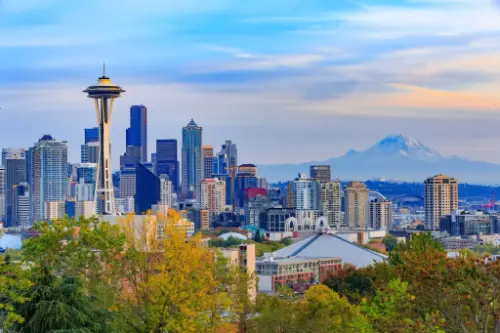 Dzień 1: 07:00–17:00
Seattle, Waszyngton / USA
На Тихоокеанском побережье США расположился замечательный, современный город Сиэтл, символом которого является Спейс-Нидл, башня, находящаяся на территории выставочного комплекса Seattle Center.
Эта узнаваемая достопримечательность представляет собой башню высотой почти 184 метра, более 40 метров шириной, а также она построена так, что выдержит ураганы с порывами ветра до 320 км/ч. Особенность этого величайшего сооружения в его обзорной площадке, расположенной на высоте 159 метров, где находится ресторан Sky City и магазин подарков. Каждый гость города просто обязан побывать в Керри Парке, пейзажи которого не оставляют равнодушными даже жителей Сиэтла. И эта не единственный знаменитый парк города. Также стоит посетить Гэзуоркс Парк, с великолепным видам на прибрежный Даунтаун. А еще в городе есть множество, интересных для посещения, рынков, в числе которых и Майк маркет-рынок морепродуктов, который также может похвастаться своеобразной сценой для уличных артистов, что, несомненно, делает его очень популярным для туристов, а также Пайк-Плейс-маркет — популярный среди туристов общественный рынок.
-
Dzień 2:
Dzień na morzu / Morze
-
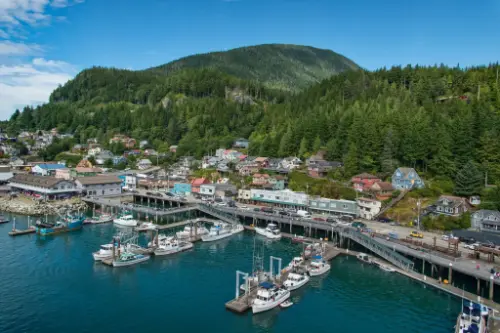 Dzień 3: 09:00–16:00
Ketchikan / Alaska
Ketchikan is a city in the Ketchikan Gateway Borough, Alaska, United States, the southeasternmost city in Alaska. With a population at the 2010 census of 8,050, it is the fifth-most populous city in the state, and tenth-most populous community when census-designated places are included. The surrounding borough, encompassing suburbs both north and south of the city along the Tongass Highway (most of which are commonly regarded as a part of Ketchikan, albeit not a part of the city itself), plus small rural settlements accessible mostly by water, registered a population of 13,477 in that same census. Estimates put the 2017 population at 13,754 people. Incorporated on August 25, 1900, Ketchikan is the earliest extant incorporated city in Alaska, because consolidation or unification elsewhere in Alaska resulted in dissolution of those communities' city governments. Ketchikan is located on Revillagigedo Island, so named in 1793 by Captain George Vancouver.
Ketchikan is named after Ketchikan Creek, which flows through the town, emptying into the Tongass Narrows a short distance southeast of its downtown. "Ketchikan" comes from the Tlingit name for the creek, Kitschk-hin, the meaning of which is unclear. It may mean "the river belonging to Kitschk"; other accounts claim it means "Thundering Wings of an Eagle". In modern Tlingit this name is rendered as Kichx̱áan.
-
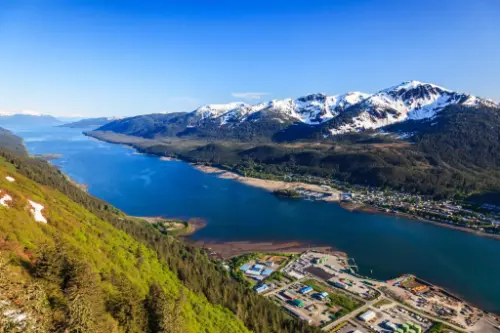 Dzień 4: 09:00–17:00
Juneau / Alaska
Столица штата Аляска — город Джуно, был основан в 1881 году, после открытия месторождения золота и назван в честь золотоискателя Джозефа Джуно. В городе развиты рыболовство и туризм. В список достопримечательностей этого очаровательного городка входят Музей истории Аляски и церковь Святого Николая. Это русская православная церковь, но поскольку среди ее прихожан русских нет, то служба идет на английском языке. Также интересным для туристов будет и Tongass National Forest (национальный парк), и Фьорд Трейси-Арм. Поразит своей красотой и прилегающая к Джуно территория. Здесь расположились живописные ледники, высочайшие горы, интригующие ущелья, что ежегодно привлекает сюда тысячи туристов, любящих пешеходные прогулки.
-
Dzień 5:
Dzień na morzu / Morze
-
Dzień 6: 09:00–20:00
Zamocowanie
-
Dzień 7:
Dzień na morzu / Morze
-
Dzień 8:
Dzień na morzu / Morze
-
Dzień 9:
Dzień na morzu / Morze
-
Dzień 10:
-
Dzień 12:
Dzień na morzu / Morze
-
Dzień 13:
Dzień na morzu / Morze
-
Dzień 14:
Dzień na morzu / Morze
-
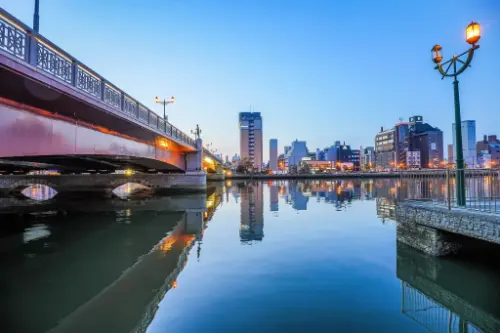 Dzień 15: 09:00–17:00
Kusiro / Japonia
-
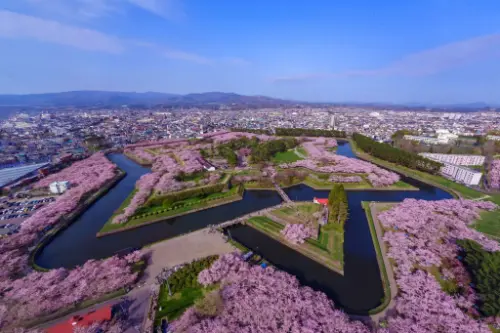 Dzień 16: 08:00–17:00
Hakodate, Hokkaido / Japonia
-
Dzień 17: 08:00–17:00
Muroran / Japonia
-
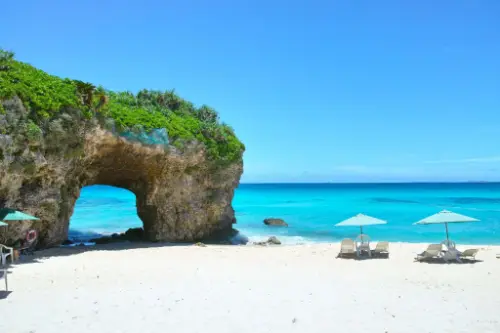 Dzień 18: 08:00–17:00
Miyakojima Miyako / Japonia
-
Dzień 19: 08:00–17:00
Hitachi-Naka
-
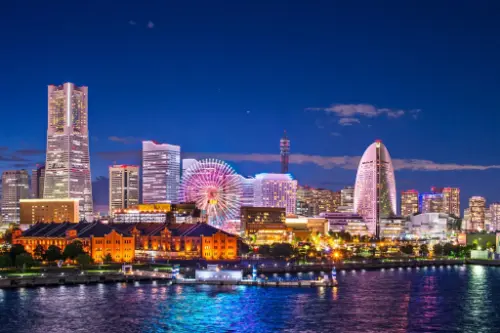 Dzień 20: 08:00
Yokohama (Tokio) / Japonia
Tokyo, officially Tokyo Metropolis, one of the 47 prefectures of Japan, has served as the Japanese capital since 1869. As of 2014, the Greater Tokyo Arearanked as the most populous metropolitan area in the world. The urban area houses the seat of the Emperor of Japan, of the Japanese government and of the National Diet. Tokyo forms part of the Kantō region on the southeastern side of Japan's main island, Honshu, and includes the Izu Islands and Ogasawara Islands. Tokyo was formerly named Edo when Shōgun Tokugawa Ieyasu made the city his headquarters in 1603. It became the capital after Emperor Meiji moved his seat to the city from Kyoto in 1868; at that time Edo was renamed Tokyo. Tokyo Metropolis formed in 1943 from the merger of the former Tokyo Prefecture and the city of Tokyo. Tokyo is often referred to as a city but is officially known and governed as a "metropolitan prefecture", which differs from and combines elements of a city and a prefecture, a characteristic unique to Tokyo.
The 23 Special Wards of Tokyo were formerly Tokyo City. On July 1, 1943, it merged with Tokyo Prefecture and became Tokyo Metropolis with an additional 26 municipalities in the western part of the prefecture, and the Izu islandsand Ogasawara islands south of Tokyo. The population of the special wards is over 9 million people, with the total population of Tokyo Metropolis exceeding 13.8 million. The prefecture is part of the world's most populous metropolitan area called the Greater Tokyo Area with over 38 million people and the world's largest urban agglomeration economy. As of 2011, Tokyo hosted 51 of the Fortune Global 500 companies, the highest number of any city in the world at that time. Tokyo ranked third (twice) in the International Financial Centres Development Index. The city is home to various television networks such as Fuji TV, Tokyo MX, TV Tokyo, TV Asahi, Nippon Television, NHK and the Tokyo Broadcasting System.
-
Dzień 21: 17:00
Yokohama (Tokio) / Japonia
Tokyo, officially Tokyo Metropolis, one of the 47 prefectures of Japan, has served as the Japanese capital since 1869. As of 2014, the Greater Tokyo Arearanked as the most populous metropolitan area in the world. The urban area houses the seat of the Emperor of Japan, of the Japanese government and of the National Diet. Tokyo forms part of the Kantō region on the southeastern side of Japan's main island, Honshu, and includes the Izu Islands and Ogasawara Islands. Tokyo was formerly named Edo when Shōgun Tokugawa Ieyasu made the city his headquarters in 1603. It became the capital after Emperor Meiji moved his seat to the city from Kyoto in 1868; at that time Edo was renamed Tokyo. Tokyo Metropolis formed in 1943 from the merger of the former Tokyo Prefecture and the city of Tokyo. Tokyo is often referred to as a city but is officially known and governed as a "metropolitan prefecture", which differs from and combines elements of a city and a prefecture, a characteristic unique to Tokyo.
The 23 Special Wards of Tokyo were formerly Tokyo City. On July 1, 1943, it merged with Tokyo Prefecture and became Tokyo Metropolis with an additional 26 municipalities in the western part of the prefecture, and the Izu islandsand Ogasawara islands south of Tokyo. The population of the special wards is over 9 million people, with the total population of Tokyo Metropolis exceeding 13.8 million. The prefecture is part of the world's most populous metropolitan area called the Greater Tokyo Area with over 38 million people and the world's largest urban agglomeration economy. As of 2011, Tokyo hosted 51 of the Fortune Global 500 companies, the highest number of any city in the world at that time. Tokyo ranked third (twice) in the International Financial Centres Development Index. The city is home to various television networks such as Fuji TV, Tokyo MX, TV Tokyo, TV Asahi, Nippon Television, NHK and the Tokyo Broadcasting System.
-
Dzień 22:
Dzień na morzu / Morze
-
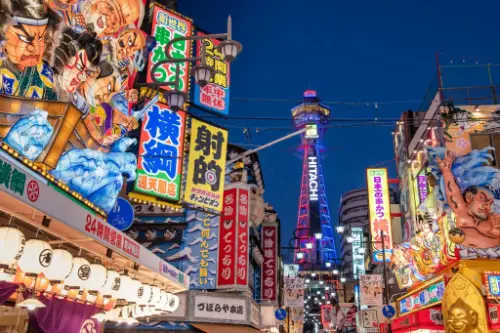 Dzień 23: 07:00–17:00
Osaka / Japonia
Osaka is a designated city in the Kansai regionof Japan. It is the capital city of Osaka Prefecture and the largest component of the Keihanshin Metropolitan Area, the second largest metropolitan area in Japan and among the largest in the world with over 19 million inhabitants. Osaka will host Expo 2025. The current mayor of Osaka is Hirohumi Yoshimura.
-
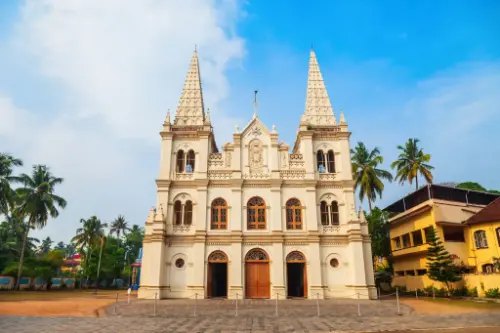 Dzień 24: 07:00–17:00
Kochi / Indie
a seaport and naval base on the Malabar Coast of southwestern India, in the state of Kerala; population 254,500 (est. 2009).
-
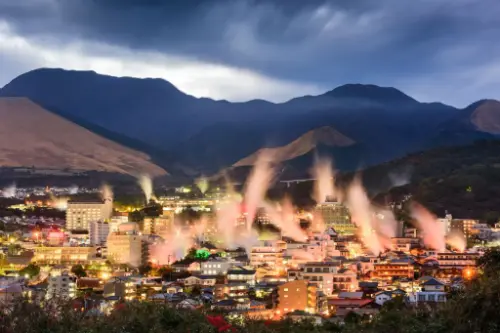 Dzień 25: 07:00–17:00
Beppu / Japonia
Beppu is a city in Ōita Prefecture on the island of Kyushu, Japan, at the west end of Beppu Bay. As of March 31, 2017, the city had a population of 122,643 and a population density of 980/km2 (2,500/sq mi). The total area is 125.13 km2 (48.31 sq mi). Beppu is famous for its hot springs.
-
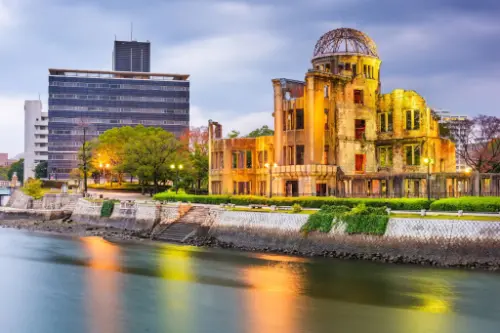 Dzień 26: 07:00–19:00
Hiroszima / Japonia
a city in southwestern Japan, on the southern coast of the island of Honshu; population 1,144,572 (2007). It was the target of the first atom bomb, which was dropped by the US on August 6, 1945, and resulted in the deaths of about one third of the city's population of 300,000. This, with a second attack on Nagasaki three days later, led to Japan's surrender and to the end of World War II.
-
Dzień 27:
Dzień na morzu / Morze
-
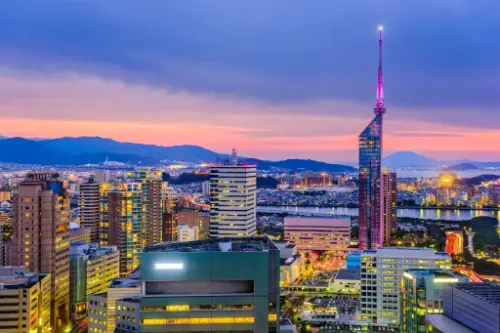 Dzień 27: 11:00–20:00
Fukuoka / Japonia
-
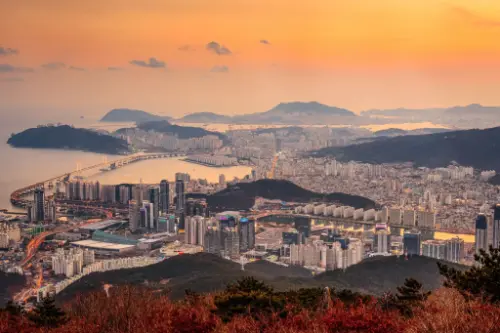 Dzień 28: 07:00–17:00
Busan / Korea
Busan, formerly known as Pusan and now officially Busan Metropolitan City, is South Korea's second most-populous city after Seoul, with a population of over 3.5 million inhabitants. It is the economic, cultural and educational center of southeastern Korea, with its port—Korea's busiest and the 9th-busiest in the world—only about 120 miles (190 km) from the Japanese islands of Kyushu and Honshu. The surrounding "Southeast Economic Zone" (including Ulsan and South Gyeongsang) is now South Korea's largest industrial area.
-
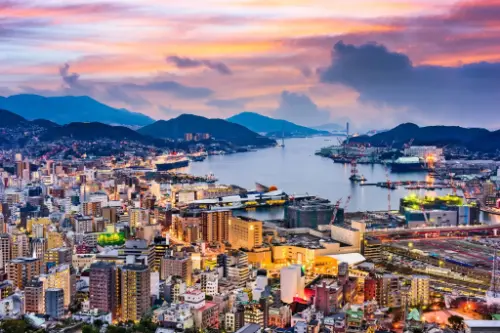 Dzień 29: 07:00–17:00
Nagasaki / Japonia
Nagasaki is the capital and the largest city of Nagasaki Prefecture on the island of Kyushu in Japan. The city's name means "long cape" in Japanese. Nagasaki became a centre of colonial Portuguese and Dutch influence in the 16th through 19th centuries, and the Hidden Christian Sites in the Nagasaki Region have been recognized and included in the UNESCO World Heritage List. Part of Nagasaki was home to a major Imperial Japanese Navy base during the First Sino-Japanese War and Russo-Japanese War.
During World War II, the American atomic bombings of Hiroshima and Nagasaki made Nagasaki the second and, to date, last city in the world to experience a nuclear attack (at 11:02 a.m., August 9, 1945 'Japan Standard Time (UTC+9)').
As of 1 March 2017, the city has an estimated population of 425,723 and a population density of 1,000 people per km2. The total area is 406.35 km2 (156.89 sq mi).
-
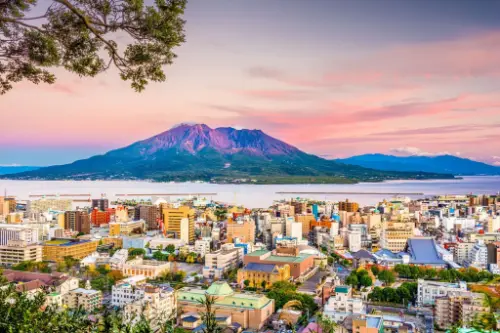 Dzień 30: 07:00–16:00
Kagoshima / Japonia
Kagoshima is the capital city of Kagoshima Prefecture at the south western tip of the island of Kyushu in Japan, and the largest city in the prefecture by some margin. It has been nicknamed the "Naples of the Eastern world" for its bay location (Aira Caldera), hot climate, and emblematic stratovolcano, Sakurajima. The city was officially founded on April 1, 1889.
-
Dzień 31:
Dzień na morzu / Morze
-
Dzień 32: 07:00–17:00
Yokohama (Tokio) / Japonia
Tokyo, officially Tokyo Metropolis, one of the 47 prefectures of Japan, has served as the Japanese capital since 1869. As of 2014, the Greater Tokyo Arearanked as the most populous metropolitan area in the world. The urban area houses the seat of the Emperor of Japan, of the Japanese government and of the National Diet. Tokyo forms part of the Kantō region on the southeastern side of Japan's main island, Honshu, and includes the Izu Islands and Ogasawara Islands. Tokyo was formerly named Edo when Shōgun Tokugawa Ieyasu made the city his headquarters in 1603. It became the capital after Emperor Meiji moved his seat to the city from Kyoto in 1868; at that time Edo was renamed Tokyo. Tokyo Metropolis formed in 1943 from the merger of the former Tokyo Prefecture and the city of Tokyo. Tokyo is often referred to as a city but is officially known and governed as a "metropolitan prefecture", which differs from and combines elements of a city and a prefecture, a characteristic unique to Tokyo.
The 23 Special Wards of Tokyo were formerly Tokyo City. On July 1, 1943, it merged with Tokyo Prefecture and became Tokyo Metropolis with an additional 26 municipalities in the western part of the prefecture, and the Izu islandsand Ogasawara islands south of Tokyo. The population of the special wards is over 9 million people, with the total population of Tokyo Metropolis exceeding 13.8 million. The prefecture is part of the world's most populous metropolitan area called the Greater Tokyo Area with over 38 million people and the world's largest urban agglomeration economy. As of 2011, Tokyo hosted 51 of the Fortune Global 500 companies, the highest number of any city in the world at that time. Tokyo ranked third (twice) in the International Financial Centres Development Index. The city is home to various television networks such as Fuji TV, Tokyo MX, TV Tokyo, TV Asahi, Nippon Television, NHK and the Tokyo Broadcasting System.
Twój Świat w cenie
Dzięki Twojemu Światu w cenie, będziesz cieszyć się szeroką gamą udogodnień, zapewniających najwyższy komfort i wartość rejsów ultra-premium.
Niezapomniane doznania kulinarne w licznych, wykwintnych restauracjach — wszystko bez dodatkowych opłat.
Bezpłatne kawy specjalistyczne, napoje gazowane, świeżo wyciskane soki oraz woda gazowana i niegazowana Vero Water® serwowane na całym statku.
Nielimitowany, bezpłatny dostęp do Wi-Fi w apartamentach, kabinach i wszystkich pomieszczeniach ogólnodostępnych.
Posiłki serwowane w pokoju z doskonałym wyborem dań na ciepło i zimno.
Koktajle, koktajle mleczne, gelato i firmowe lody Humphry Slocombe — zawsze w cenie.
Grupowe zajęcia fitness w Aquamar® Spa + Vitality Center są bezpłatne.
Napiwki są wliczone w cenę dla Twojej wygody.
Pranie jest bezpłatne dla wszystkich gości.
Dzięki bezpłatnym pralniom samoobsługowym na pokładzie, a także usługom prania i prasowania dla kategorii Concierge i Suite, zawsze będziesz wyglądać olśniewająco. Oprócz naszej charakterystycznej, spersonalizowanej obsługi, zapewnimy Ci wzbogacający rejs bez ukrytych kosztów i prowizji.
Podnieś poziom swoich wrażeń
Kajuty Concierge Level Veranda oferują niezrównane połączenie luksusu, przywilejów i wartości. Bogactwo udogodnień i ekskluzywnych korzyści sprawi, że Twoje wrażenia będą jeszcze bardziej wzniosłe — od dań do wyboru z The Grand Dining Room, przez bezpłatne usługi pralnicze, po nieograniczony dostęp do tarasu Aquamar Spa.
Na pokładzie Oceania Marina i Oceania Riviera możesz również skorzystać z usług dedykowanego Concierge i ekskluzywnego dostępu do prywatnego salonu Concierge Lounge.
Kajuty Concierge Level Veranda, zlokalizowane w najbardziej pożądanych miejscach statku, to coś więcej niż tylko kabiny — to niezapomniane przeżycie.
Concierge Level Veranda — Ekskluzywne przywileje
Rozszerzone menu posiłków do pokoju na lunch i kolację z The Grand Dining Room
Usługi pralnicze — do 3 sztuk bagażu na kabinę
Ekskluzywny dostęp do prywatnego salonu Concierge Lounge na statkach Oceania Marina, Oceania Riviera, Oceania Vista i Oceania Allura za pomocą karty-klucza, oferujący bezpłatne napoje, kawę, przekąski i usługi dedykowanego Concierge'a
Powitalna butelka wyśmienitego włoskiego Prosecco
Priorytetowe rezerwacje online w restauracjach specjalistycznych
Nieograniczony dostęp do tarasu Aquamar Spa
Torba z logo Oceania Cruises
Kaszmirowe koce na kolana — idealne do relaksu i przytulania
Prasowanie odzieży po wejściu na pokład
Bezpłatna usługa czyszczenia butów
Depozyt i płatności – Oceania Cruises
Depozyt ogólny:
W przypadku apartamentów typu Owner’s, Vista i Oceania Suites wymagany jest depozyt w wysokości 20% ceny rejsu od osoby.
W przypadku wszystkich pozostałych kategorii apartamentów/kabin, depozyt wynosi 500 USD od osoby.
W przypadku Grand Voyages depozyt wynosi 1500 USD od osoby.
Terminy depozytu i płatności końcowej:
Rezerwacje dokonane na ponad 150 dni przed rejsem:
Depozyt w wysokości 20% w przypadku apartamentów typu Owner’s, Vista i Oceania Suites oraz 500 USD w przypadku wszystkich pozostałych kategorii wymagany jest w ciągu 5 dni od rezerwacji.
Rezerwacje dokonane na 90–120 dni przed rejsem:
Pełna płatność wymagana w ciągu 3 dni od rezerwacji.
Rezerwacje dokonane na 0–90 dni przed rejsem:
Pełna płatność wymagana w dniu rezerwacji.
Ważne:
Rezerwacje, które nie zostaną wpłacone lub opłacone w całości zgodnie z niniejszym harmonogramem, zostaną automatycznie anulowane. O ile nie zaznaczono inaczej, płatność końcowa musi wpłynąć do Oceania Cruises na 150 dni przed wypłynięciem w przypadku rejsów krótszych niż 15 dni oraz na 150 dni w przypadku rejsów trwających 15 dni lub dłużej.
Oceania Cruises zastrzega sobie prawo do anulowania rezerwacji, które nie zostały w pełni opłacone w momencie płatności końcowej.
Informacje dodatkowe:
Dane paszportowe i specjalne prośby dotyczące usług pokładowych należy przesłać w momencie płatności końcowej.
Płatności można dokonać czekiem osobistym, kartą American Express, Discover, MasterCard lub Visa.
Dla wygody płatność końcowa może zostać automatycznie pobrana z karty kredytowej użytej do wpłaty początkowej.
Oceania Cruises nie ponosi odpowiedzialności za opłaty walutowe ani opłaty transakcyjne pobierane niezależnie przez banki wystawiające karty. Opłaty te nie przysługują Oceania Cruises.
Płatności kartami kredytowymi osób trzecich są akceptowane wyłącznie po uzyskaniu ważnej autoryzacji od posiadacza karty.
Depozyt i płatność – rejsy 180-dniowe
W przypadku rejsów 180-dniowych wymagany jest depozyt w wysokości 20% ceny rejsu od osoby za wszystkie apartamenty i kabiny w ciągu 7 dni od rezerwacji.
Ostateczna płatność musi zostać otrzymana najpóźniej 181 dni przed wypłynięciem, wraz z danymi paszportowymi i wszelkimi specjalnymi prośbami o usługi na pokładzie.
W przeciwnym razie rezerwacja może zostać natychmiast anulowana, a naliczone zostaną stosowne kary.
Forma płatności (FORMA PŁATNOŚCI)
Oceania Cruises akceptuje płatności za rezerwacje kartą kredytową/debetową lub przelewem bankowym.
Niestety, czeki osobiste nie są akceptowane.
Karty kredytowe/debetowe:
Akceptowane są karty American Express, Visa i Mastercard.
Uwaga: Oceania Cruises nie ponosi odpowiedzialności za opłaty za wymianę waluty/transakcje naliczane przez bank wystawiający kartę.
Ceny podane w USD — orientacyjnie 1 USD ≈ 4,12 zł według kursu z dnia rezerwacji
Proszę czekać…
Organizator
Biznes i Turystyka Piotr Skupiewski
- ul. Łukowa 41, 32-823 Szczepanów
- NIP 8691148381
- REGON 850455159
- +48 576 977 555
- +48 570 700 273
Organizator jest wpisany do Centralnej Ewidencji Organizatorów Turystyki i Przedsiębiorców Ułatwiających Nabywanie Powiązanych Usług Turystycznych. Posiada gwarancję ubezpieczeniową UNIQA nr 3800003856, ważną od 5 maja 2026 r. do 4 maja 2027 r. Suma gwarancyjna wynosi 379 404,00 zł. Organizator odprowadza składki do Turystycznego Funduszu Gwarancyjnego i Turystycznego Funduszu Pomocowego.
Masz jeszcze pytania?
Pomożemy wybrać rejs i odpowiemy na Twoje pytania.