
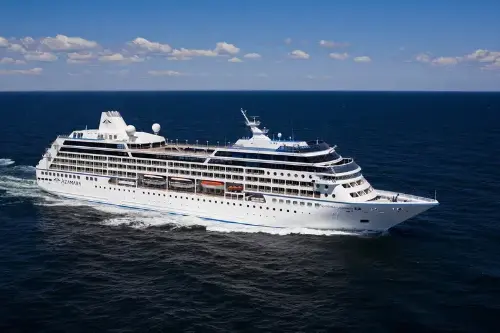
Rejs morski · 07.02.2027 – 17.02.2027 · 10 nocy
10 nocy, z Rio de Janeiro
Cena i dostępność kajutTrasa i informacje o rejsie
Premium- Rio de Janeiro
- Rio de Janeiro
- Rio de Janeiro
- Parati
- Ilhabela
- Santos
- Montevideo
- Buenos Aires
- Buenos Aires
| Data | Port | Przypłynięcie | Wypłynięcie |
|---|---|---|---|
| 07.02.2027 |
Rio de Janeiro
Brazylia
|
— | — |
| 08.02.2027 |
Rio de Janeiro
Brazylia
|
— | — |
| 09.02.2027 |
Rio de Janeiro
Brazylia
|
— | 17:00 |
| 10.02.2027 |
Parati
Brazylia
|
08:00 | 18:00 |
| 11.02.2027 |
Ilhabela
Brazylia
|
08:00 | 18:00 |
| 12.02.2027 |
Santos
Brazylia
|
08:00 | 18:00 |
| 13.02.2027 |
Dzień na morzu
|
— | — |
| 14.02.2027 |
Dzień na morzu
|
— | — |
| 15.02.2027 |
Montevideo
Uruguay
|
08:00 | 18:00 |
| 16.02.2027 |
Buenos Aires
Argentyna
|
08:00 | — |
| 17.02.2027 |
Buenos Aires
Argentyna
|
09:00 | — |
-
 Dzień 1:
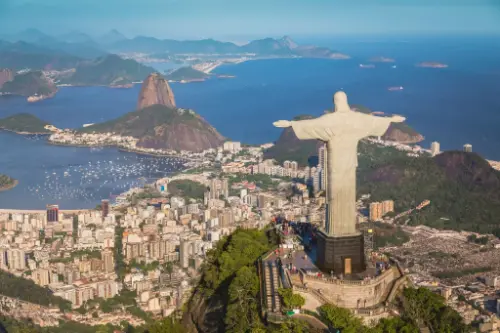
Rio de Janeiro / Brazylia
Rio de Janeiro is the second-most populous municipality in Brazil and the sixth-most populous in the Americas. The metropolis is anchor to the Rio de Janeiro metropolitan area, the second-most populous metropolitan area in Brazil and sixth-most populous in the Americas. Rio de Janeiro is the capital of the state of Rio de Janeiro, Brazil's third-most populous state. Part of the city has been designated as a World Heritage Site, named "Rio de Janeiro: CariocaLandscapes between the Mountain and the Sea", by UNESCO on 1 July 2012 as a Cultural Landscape.
Founded in 1565 by the Portuguese, the city was initially the seat of the Captaincy of Rio de Janeiro, a domain of the Portuguese Empire. Later, in 1763, it became the capital of the State of Brazil, a state of the Portuguese Empire. In 1808, when the Portuguese Royal Court transferred itself from Portugal to Brazil, Rio de Janeiro became the chosen seat of the court of Queen Maria I of Portugal, who subsequently, in 1815, under the leadership of her son, the Prince Regent, and future King João VI of Portugal, raised Brazil to the dignity of a kingdom, within the United Kingdom of Portugal, Brazil, and Algarves. Rio stayed the capital of the pluricontinental Lusitanian monarchy until 1822, when the War of Brazilian Independence began. This is one of the few instances in history that the capital of a colonising country officially shifted to a city in one of its colonies. Rio de Janeiro subsequently served as the capital of the independent monarchy, the Empire of Brazil, until 1889, and then the capital of a republican Brazil until 1960 when the capital was transferred to Brasília.
-
Dzień 2:
Rio de Janeiro / Brazylia
Rio de Janeiro is the second-most populous municipality in Brazil and the sixth-most populous in the Americas. The metropolis is anchor to the Rio de Janeiro metropolitan area, the second-most populous metropolitan area in Brazil and sixth-most populous in the Americas. Rio de Janeiro is the capital of the state of Rio de Janeiro, Brazil's third-most populous state. Part of the city has been designated as a World Heritage Site, named "Rio de Janeiro: CariocaLandscapes between the Mountain and the Sea", by UNESCO on 1 July 2012 as a Cultural Landscape.
Founded in 1565 by the Portuguese, the city was initially the seat of the Captaincy of Rio de Janeiro, a domain of the Portuguese Empire. Later, in 1763, it became the capital of the State of Brazil, a state of the Portuguese Empire. In 1808, when the Portuguese Royal Court transferred itself from Portugal to Brazil, Rio de Janeiro became the chosen seat of the court of Queen Maria I of Portugal, who subsequently, in 1815, under the leadership of her son, the Prince Regent, and future King João VI of Portugal, raised Brazil to the dignity of a kingdom, within the United Kingdom of Portugal, Brazil, and Algarves. Rio stayed the capital of the pluricontinental Lusitanian monarchy until 1822, when the War of Brazilian Independence began. This is one of the few instances in history that the capital of a colonising country officially shifted to a city in one of its colonies. Rio de Janeiro subsequently served as the capital of the independent monarchy, the Empire of Brazil, until 1889, and then the capital of a republican Brazil until 1960 when the capital was transferred to Brasília.
-
Dzień 3: 17:00
Rio de Janeiro / Brazylia
Rio de Janeiro is the second-most populous municipality in Brazil and the sixth-most populous in the Americas. The metropolis is anchor to the Rio de Janeiro metropolitan area, the second-most populous metropolitan area in Brazil and sixth-most populous in the Americas. Rio de Janeiro is the capital of the state of Rio de Janeiro, Brazil's third-most populous state. Part of the city has been designated as a World Heritage Site, named "Rio de Janeiro: CariocaLandscapes between the Mountain and the Sea", by UNESCO on 1 July 2012 as a Cultural Landscape.
Founded in 1565 by the Portuguese, the city was initially the seat of the Captaincy of Rio de Janeiro, a domain of the Portuguese Empire. Later, in 1763, it became the capital of the State of Brazil, a state of the Portuguese Empire. In 1808, when the Portuguese Royal Court transferred itself from Portugal to Brazil, Rio de Janeiro became the chosen seat of the court of Queen Maria I of Portugal, who subsequently, in 1815, under the leadership of her son, the Prince Regent, and future King João VI of Portugal, raised Brazil to the dignity of a kingdom, within the United Kingdom of Portugal, Brazil, and Algarves. Rio stayed the capital of the pluricontinental Lusitanian monarchy until 1822, when the War of Brazilian Independence began. This is one of the few instances in history that the capital of a colonising country officially shifted to a city in one of its colonies. Rio de Janeiro subsequently served as the capital of the independent monarchy, the Empire of Brazil, until 1889, and then the capital of a republican Brazil until 1960 when the capital was transferred to Brasília.
-
 Dzień 4: 08:00–18:00
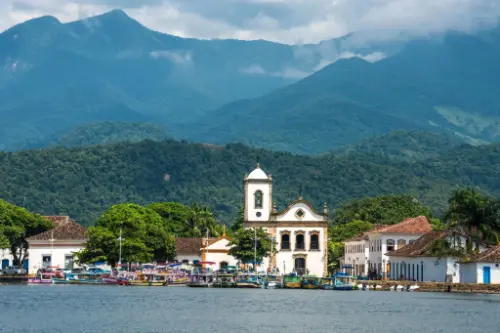
Parati / Brazylia
-
 Dzień 5: 08:00–18:00
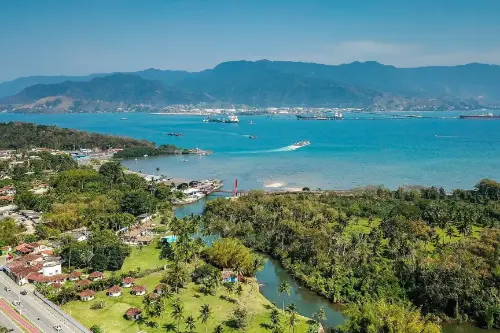
Ilhabela / Brazylia
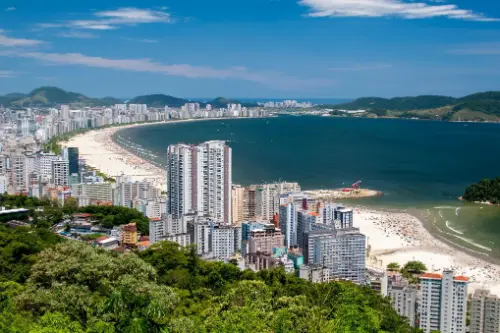
Ilhabela — brazylijski raj dla miłośników przyrody i przygód
Ilhabela to malowniczy archipelag i gmina w stanie São Paulo w Brazylii, składająca się z głównej wyspy i kilku mniejszych. Nazwa w tłumaczeniu z portugalskiego oznacza "piękna wyspa", co doskonale oddaje jej charakter. Ponad 80% terytorium wyspy jest chronione w ramach Parku Stanowego Ilhabela, obejmującego gęste lasy tropikalne, wodospady i szlaki turystyczne. To popularne miejsce wśród żeglarzy, nurków i osób szukających spokoju z dala od miejskiego zgiełku.
Ilhabela słynie nie tylko z plaż o złocistym piasku i krystalicznie czystej wodzie, ale także z unikalnej możliwości obserwacji wielorybów podczas ich migracji. Miasto często gości regaty żeglarskie, w tym międzynarodowe zawody. Turyści mogą zwiedzać zabytkowe budynki z okresu kolonialnego oraz cieszyć się atmosferą nadmorskich restauracji serwujących świeże owoce morza. Ilhabela łączy dziewiczą przyrodę, aktywny wypoczynek i spokojne tempo życia, czyniąc ją idealnym miejscem na podróż o każdej porze roku.
-
 Dzień 6: 08:00–18:00
Santos / Brazylia
-
Dzień 7:
Dzień na morzu / Morze
-
Dzień 8:
Dzień na morzu / Morze
-
 Dzień 9: 08:00–18:00
Montevideo / Uruguay
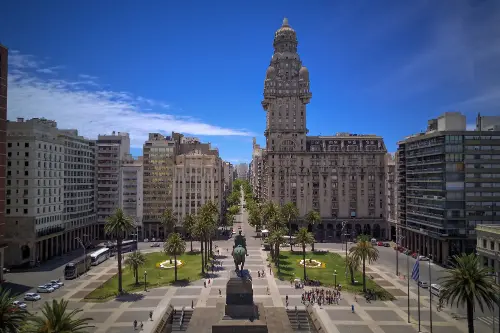
Montevideo is the capital and largest city of Uruguay. According to the 2011 census, the city proper has a population of 1,319,108 (about one-third of the country's total population) in an area of 201 square kilometres (78 sq mi). The southernmost capital city in the Americas, Montevideo is situated on the southern coast of the country, on the northeastern bank of the Río de la Plata.
The city was established in 1724 by a Spanish soldier, Bruno Mauricio de Zabala, as a strategic move amidst the Spanish-Portuguese dispute over the platine region. It was also under brief British rule in 1807. Montevideo is the seat of the administrative headquarters of Mercosur and ALADI, Latin America’s leading trade blocs, a position that entailed comparisons to the role of Brussels in Europe.
-
 Dzień 10: 08:00
Buenos Aires / Argentyna
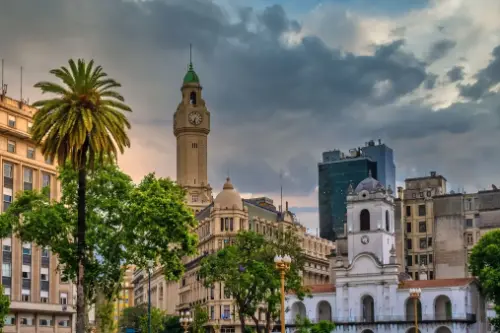
the capital city and chief port of Argentina, in the eastern central part of the country, on the Plata River; population 3,042,600 (est. 2008).
-
Dzień 11: 09:00
Buenos Aires / Argentyna
the capital city and chief port of Argentina, in the eastern central part of the country, on the Plata River; population 3,042,600 (est. 2008).
Proszę czekać…
Organizator
Biznes i Turystyka Piotr Skupiewski
- ul. Łukowa 41, 32-823 Szczepanów
- NIP 8691148381
- REGON 850455159
- +48 576 977 555
- +48 570 700 273
Organizator jest wpisany do Centralnej Ewidencji Organizatorów Turystyki i Przedsiębiorców Ułatwiających Nabywanie Powiązanych Usług Turystycznych. Posiada gwarancję ubezpieczeniową UNIQA nr 3800003856, ważną od 5 maja 2026 r. do 4 maja 2027 r. Suma gwarancyjna wynosi 379 404,00 zł. Organizator odprowadza składki do Turystycznego Funduszu Gwarancyjnego i Turystycznego Funduszu Pomocowego.
Masz jeszcze pytania?
Pomożemy wybrać rejs i odpowiemy na Twoje pytania.