

Rejs rzeczny · 02.10.2028 – 17.10.2028 · 15 nocy
Naturalne cuda delty Dunaju
Cena i dostępność kajutTrasa i informacje o rejsie
Premium- Wiedeń
- Budapeszt
- Belgrad
- Ruse
- Fetesti
- Hirsova
- Hirsova
- Ruse
- Sistov (Svishtov)
- Vidin
- Golubac
- Nowy Sad
- Ilok
- Ilok
- Vukovar
- Salt Lake City
- Tatabánya
- Bratysława
- Hainburg nad Dunajem / Hainburg an der Donau
- Wiedeń
- Wiedeń
| Data | Port | Przypłynięcie | Wypłynięcie |
|---|---|---|---|
| 02.10.2028 |
Wiedeń
Austria
|
— | 16:00 |
| 03.10.2028 |
Budapeszt
Węgry
|
07:30 | 12:30 |
| 04.10.2028 |
Belgrad
Serbia
|
13:00 | 23:30 |
| 05.10.2028 |
Dzień nad rzeką
|
— | — |
| 06.10.2028 |
Ruse
Bulgaria
|
09:00 | 10:00 |
| 06.10.2028 |
Fetesti
Romania
|
18:30 | 19:30 |
| 06.10.2028 |
Hirsova
Romania
|
23:30 | — |
| 07.10.2028 |
Hirsova
Romania
|
— | 14:30 |
| 08.10.2028 |
Ruse
Bulgaria
|
09:00 | 13:00 |
| 08.10.2028 |
Sistov (Svishtov)
Bulgaria
|
17:00 | 17:30 |
| 09.10.2028 |
Vidin
Bulgaria
|
08:30 | 13:30 |
| 10.10.2028 |
Golubac
Serbia
|
09:30 | 12:30 |
| 11.10.2028 |
Nowy Sad
Serbia
|
02:30 | 18:00 |
| 11.10.2028 |
Ilok
Chorwacja
|
21:00 | — |
| 12.10.2028 |
Ilok
Chorwacja
|
— | 12:00 |
| 12.10.2028 |
Vukovar
Chorwacja
|
14:30 | 19:30 |
| 13.10.2028 |
Salt Lake City
USA
|
13:00 | 19:00 |
| 14.10.2028 |
Tatabánya
|
09:00 | 14:30 |
| 15.10.2028 |
Bratysława
Słowacja
|
00:30 | 13:30 |
| 15.10.2028 |
Hainburg nad Dunajem / Hainburg an der Donau
|
14:30 | 23:30 |
| 16.10.2028 |
Wiedeń
Austria
|
06:00 | — |
| 17.10.2028 |
Wiedeń
Austria
|
— | — |
-
 Dzień 1: 16:00
Wiedeń / Austria
Vienna is the federal capital and largest city of Austria, and one of the nine states of Austria. Vienna is Austria's primate city, with a population of about 1.9 million (2.6 million within the metropolitan area, nearly one third of Austria's population), and its cultural, economic, and political centre. It is the 7th-largest city by population within city limits in the European Union. Until the beginning of the 20th century, it was the largest German-speaking city in the world, and before the splitting of the Austro-Hungarian Empire in World War I, the city had 2 million inhabitants. Today, it has the second largest number of German speakers after Berlin.Vienna is host to many major international organizations, including the United Nations and OPEC. The city is located in the eastern part of Austria and is close to the borders of the Czech Republic, Slovakia, and Hungary. These regions work together in a European Centrope border region. Along with nearby Bratislava, Vienna forms a metropolitan region with 3 million inhabitants. In 2001, the city centre was designated a UNESCO World Heritage Site. In July 2017 it was moved to the list of World Heritage in Danger.
Apart from being regarded as the City of Music[ because of its musical legacy, Vienna is also said to be "The City of Dreams" because it was home to the world's first psychoanalyst – Sigmund Freud. The city's roots lie in early Celticand Roman settlements that transformed into a Medieval and Baroque city, and then the capital of the Austro-Hungarian Empire. It is well known for having played an essential role as a leading European music centre, from the great age of Viennese Classicism through the early part of the 20th century. The historic centre of Vienna is rich in architectural ensembles, including Baroque castles and gardens, and the late-19th-century Ringstraße lined with grand buildings, monuments and parks.
Vienna is known for its high quality of life. In a 2005 study of 127 world cities, the Economist Intelligence Unit ranked the city first (in a tie with Vancouver and San Francisco) for the world's most liveable cities. Between 2011 and 2015, Vienna was ranked second, behind Melbourne. In 2018, it replaced Melbourne as the number one spot. For eight consecutive years (2009–2016), the human-resource-consulting firm Mercer ranked Vienna first in its annual "Quality of Living" survey of hundreds of cities around the world, a title the city still held in 2016. Monocle's 2015 "Quality of Life Survey" ranked Vienna second on a list of the top 25 cities in the world "to make a base within."
The UN-Habitat classified Vienna as the most prosperous city in the world in 2012/2013. The city was ranked 1st globally for its culture of innovation in 2007 and 2008, and sixth globally (out of 256 cities) in the 2014 Innovation Cities Index, which analyzed 162 indicators in covering three areas: culture, infrastructure, and markets. Vienna regularly hosts urban planning conferences and is often used as a case study by urban planners.
Between 2005 and 2010, Vienna was the world's number-one destination for international congresses and conventions. It attracts over 6.8 million tourists a year.
-
 Dzień 2: 07:30–12:30
Budapeszt / Węgry
the capital of Hungary, in the northern central part of the country; population 1,712,210 (2009). It was formed in 1873 by the union of the city of Buda on the right bank of the Danube River with the city of Pest on the left.
-
 Dzień 3: 13:00–23:30
Belgrad / Serbia
-
Dzień 4:
Dzień nad rzeką / River
-
 Dzień 5: 09:00–10:00
Ruse / Bulgaria
Imponujące budowle w stylu neorenesansowym i szerokie aleje z atmosferą Europy Środkowej sprawiają, że Ruse to nie tylko miasto nad Dunajem, lecz prawdziwa kulturalna perła Bułgarii. Często nazywane „małym Wiedniem”, Ruse zachwyca swoją architekturą i bogatą historią.
Miasto urzeka turystów muzeami, teatrami i urokliwą promenadą nad rzeką, gdzie można obserwować statki rzeczne. Warto odwiedzić Panteon Bohaterów Narodowych, Ekologiczne Muzeum z akwarium oraz pobliski park przyrody Rusenski Lom. Wizyta w Ruse to szansa, by doświadczyć wyjątkowego połączenia historii z nowoczesnością.
-
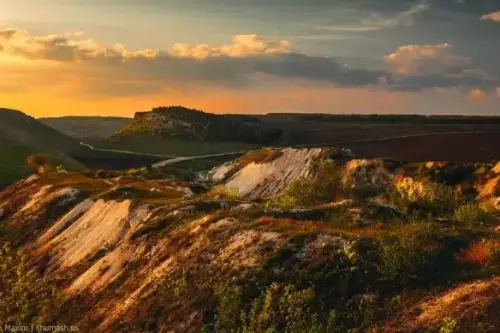 Dzień 5: 18:30–19:30
Fetesti / Romania
Fetesti znajduje się w południowo-wschodniej Rumunii, niedaleko Dunaju, i stanowi ważny węzeł komunikacyjny między Wołoszczyzną a Dobrudżą. Miasto słynie z historycznych powiązań z koleją i mostami, szczególnie z mostem kolejowym przez Dunaj, zaprojektowanym przez inżyniera Anghela Saligny’ego, który przez długi czas był jednym z najdłuższych w Europie. Region znany jest także z malowniczych krajobrazów oraz bliskości rezerwatów przyrody nad brzegami Dunaju.
Miasto łączy elementy przemysłowe i wiejskie, co nadaje mu wyjątkowy charakter. Turyści mogą skosztować lokalnej kuchni, która odzwierciedla tradycje zarówno rumuńskie, jak i dobrudżańskie. Fetești to doskonałe miejsce dla podróżników szukających autentycznych miejsc z dala od masowej turystyki oraz zainteresowanych historią transportu i inżynierii z początku XX wieku.
-
Dzień 5: 23:30
Hirsova / Romania
-
Dzień 6: 14:30
Hirsova / Romania
-
Dzień 7: 09:00–13:00
Ruse / Bulgaria
Imponujące budowle w stylu neorenesansowym i szerokie aleje z atmosferą Europy Środkowej sprawiają, że Ruse to nie tylko miasto nad Dunajem, lecz prawdziwa kulturalna perła Bułgarii. Często nazywane „małym Wiedniem”, Ruse zachwyca swoją architekturą i bogatą historią.
Miasto urzeka turystów muzeami, teatrami i urokliwą promenadą nad rzeką, gdzie można obserwować statki rzeczne. Warto odwiedzić Panteon Bohaterów Narodowych, Ekologiczne Muzeum z akwarium oraz pobliski park przyrody Rusenski Lom. Wizyta w Ruse to szansa, by doświadczyć wyjątkowego połączenia historii z nowoczesnością.
-
 Dzień 7: 17:00–17:30
Sistov (Svishtov) / Bulgaria
Położone na malowniczych brzegach rzeki Dunaj, to miasto w Bułgarii łączy historyczne dziedzictwo z naturalnym pięknem. Sistov (Svishtov) to miejsce, gdzie zabytkowe budynki współistnieją z nowoczesnymi udogodnieniami. Miasto przyciąga turystów swoimi unikalnymi zabytkami, w tym kościołami i klasztorami, które odzwierciedlają bogatą duchową historię regionu. Spacerując po cichych ulicach i nadbrzeżach rzeki, można podziwiać niezapomniane widoki i poczuć spokój.
Sistov (Svishtov) jest również znany z uniwersytetu, który nadaje miastu dynamiczną atmosferę. Wokół miasta rozciągają się winnice i pola, doskonałe dla miłośników ekoturystyki i spacerów po wsi. Bliskość Dunaju pozwala na rejsy rzeczne i zwiedzanie okolicznych obszarów przyrodniczych, oferując różnorodność aktywności na świeżym powietrzu. To miejsce idealne dla tych, którzy szukają harmonii między historią, naturą i nowoczesnym komfortem.
-
 Dzień 8: 08:30–13:30
Vidin / Bulgaria
-
 Dzień 9: 09:30–12:30
Golubac / Serbia
Tam, gdzie Dunaj styka się z potężnymi skałami Żelaznych Wrót, rozpoczyna się podróż w czasie wśród średniowiecznych murów obronnych. Imponująca twierdza Golubac – jedna z najbardziej malowniczych w Serbii – dumnie góruje nad krajobrazem, starannie odrestaurowana i otwarta dla turystów. Ta majestatyczna cytadela, zbudowana w XIV wieku, niegdyś strzegła strategicznego przejścia, a dziś oferuje panoramiczne widoki na rzekę i rumuńskie góry po drugiej stronie.
Golubac to nie tylko historia, ale i natura: znajduje się na terenie Parku Narodowego Đerdap, idealnego na spacery, obserwację ptaków czy wycieczki rowerowe wzdłuż rzeki. Przytulne kawiarnie, lokalna kuchnia i serdeczność mieszkańców sprawiają, że to miejsce jest doskonałe na krótki przystanek lub spokojny wypoczynek w duchu dawnej Serbii.
-
 Dzień 10: 02:30–18:00
Nowy Sad / Serbia
Tam, gdzie Dunaj delikatnie zakręca wokół starożytnych fortyfikacji, Novi Sad wita podróżnych urokiem swoich starodawnych uliczek i spokojną bohemską atmosferą. To serbskie miasto, położone u podnóża góry Fruška Gora, słynie z doskonałej kombinacji historii, kultury i natury. Novi Sad to nie tylko kulturalna stolica kraju, ale także jedno z najbardziej zielonych miast Serbii, oferujące urocze parki i panoramiczne widoki na rzekę.
Szczególną uwagę warto zwrócić na twierdzę Petrovaradin — monumentalną budowlę z XVIII wieku, którą nieformalnie nazywa się „Gibraltarem nad Dunajem”. Co roku odbywa się tu słynny festiwal muzyczny EXIT, który przyciąga miłośników muzyki współczesnej z całego świata. Spacerując po centrum Novi Sad, turyści odkrywają węgierskie, austriackie i bałkańskie dziedzictwo, odzwierciedlone w architekturze, gastronomii i serdeczności mieszkańców.
-
 Dzień 10: 21:00
Ilok / Chorwacja
-
Dzień 11: 12:00
Ilok / Chorwacja
-
 Dzień 11: 14:30–19:30
Vukovar / Chorwacja
To miasto, ukryte na brzegu rzeki Dunaj, oferuje unikalne połączenie dziedzictwa historycznego i naturalnego piękna. Vukovar to miejsce, w którym duch chwalebnej przeszłości łączy się z odrodzeniem, jakie przyniosły spokojne czasy. Miasto łączy ślady bogatej historii z nowoczesnym komfortem, tworząc atmosferę pełną kontrastów i fascynującej magii.
Vukovar słynie z imponującej architektury i zabytków, takich jak Twierdza Vukovar i Kościół św. Filipa i Jakuba. Odwiedzający mogą zwiedzać wyjątkowe muzea, takie jak Muzeum Vukovaru, które opowiada historię wydarzeń, które stały się częścią historycznego losu miasta. Wzdłuż rzeki rozciągają się malownicze promenady, które są idealne do spacerów, podczas których można cieszyć się naturą, a lokalne restauracje oferują tradycyjne potrawy, takie jak čvarci i jagnięcina, które zadowolą nawet najbardziej wymagających smakoszy.
-
Dzień 12: 13:00–19:00
Salt Lake City / USA
-
Dzień 13: 09:00–14:30
Tatabánya
-
 Dzień 14: 00:30–13:30
Bratysława / Słowacja
Bratislava is the capital of Slovakia. With a population of about 425,000, it is one of the smaller capitals of Europe but still the country's largest city. The greater metropolitan area is home to more than 650,000 people. Bratislava is in southwestern Slovakia, occupying both banks of the River Danube and the left bank of the River Morava. Bordering Austria and Hungary, it is the only national capital that borders two sovereign states.
The city's history has been strongly influenced by people of different nations and religions, namely (in alphabetical order) Austrians, Bulgarians, Croats, Czechs, Germans, Hungarians, Jews, Serbs and Slovaks. It was the coronation site and legislative center of the Kingdom of Hungary from 1536 to 1783, and has been home to many Slovak, Hungarian and German historical figures.
Bratislava is the political, cultural and economic centre of Slovakia. It is the seat of the Slovak president, the parliamentand the Slovak Executive. It has several universities, and many museums, theatres, galleries and other cultural and educational institutions. Many of Slovakia's large businesses and financial institutions have headquarters there.
-
 Dzień 14: 14:30–23:30
Hainburg nad Dunajem / Hainburg an der Donau
Na wschodniej granicy Austrii, przy zakolu Dunaju, znajduje się historyczne miasto Hainburg an der Donau, które zachowuje ducha średniowiecza. Odwiedzających witają potężne mury miejskie – jedne z najlepiej zachowanych w Europie – oraz malownicze bramy prowadzące do wąskich uliczek z domami liczącymi setki lat. Hainburg an der Donau urzeka nie tylko historią, ale również wspaniałymi widokami na rzekę i otaczające zielone wzgórza. Położone pomiędzy Bratysławą a Wiedniem, miasto to jest idealnym miejscem na przystanek dla podróżnych szukających połączenia przeszłości z teraźniejszością. W pogodny dzień z miejskiej twierdzy roztacza się panorama na Dunaj, dolinę i winnice – prawdziwa gratka dla miłośników natury i fotografii. -
Dzień 15: 06:00
Wiedeń / Austria
Vienna is the federal capital and largest city of Austria, and one of the nine states of Austria. Vienna is Austria's primate city, with a population of about 1.9 million (2.6 million within the metropolitan area, nearly one third of Austria's population), and its cultural, economic, and political centre. It is the 7th-largest city by population within city limits in the European Union. Until the beginning of the 20th century, it was the largest German-speaking city in the world, and before the splitting of the Austro-Hungarian Empire in World War I, the city had 2 million inhabitants. Today, it has the second largest number of German speakers after Berlin.Vienna is host to many major international organizations, including the United Nations and OPEC. The city is located in the eastern part of Austria and is close to the borders of the Czech Republic, Slovakia, and Hungary. These regions work together in a European Centrope border region. Along with nearby Bratislava, Vienna forms a metropolitan region with 3 million inhabitants. In 2001, the city centre was designated a UNESCO World Heritage Site. In July 2017 it was moved to the list of World Heritage in Danger.
Apart from being regarded as the City of Music[ because of its musical legacy, Vienna is also said to be "The City of Dreams" because it was home to the world's first psychoanalyst – Sigmund Freud. The city's roots lie in early Celticand Roman settlements that transformed into a Medieval and Baroque city, and then the capital of the Austro-Hungarian Empire. It is well known for having played an essential role as a leading European music centre, from the great age of Viennese Classicism through the early part of the 20th century. The historic centre of Vienna is rich in architectural ensembles, including Baroque castles and gardens, and the late-19th-century Ringstraße lined with grand buildings, monuments and parks.
Vienna is known for its high quality of life. In a 2005 study of 127 world cities, the Economist Intelligence Unit ranked the city first (in a tie with Vancouver and San Francisco) for the world's most liveable cities. Between 2011 and 2015, Vienna was ranked second, behind Melbourne. In 2018, it replaced Melbourne as the number one spot. For eight consecutive years (2009–2016), the human-resource-consulting firm Mercer ranked Vienna first in its annual "Quality of Living" survey of hundreds of cities around the world, a title the city still held in 2016. Monocle's 2015 "Quality of Life Survey" ranked Vienna second on a list of the top 25 cities in the world "to make a base within."
The UN-Habitat classified Vienna as the most prosperous city in the world in 2012/2013. The city was ranked 1st globally for its culture of innovation in 2007 and 2008, and sixth globally (out of 256 cities) in the 2014 Innovation Cities Index, which analyzed 162 indicators in covering three areas: culture, infrastructure, and markets. Vienna regularly hosts urban planning conferences and is often used as a case study by urban planners.
Between 2005 and 2010, Vienna was the world's number-one destination for international congresses and conventions. It attracts over 6.8 million tourists a year.
-
Dzień 16:
Wiedeń / Austria
Vienna is the federal capital and largest city of Austria, and one of the nine states of Austria. Vienna is Austria's primate city, with a population of about 1.9 million (2.6 million within the metropolitan area, nearly one third of Austria's population), and its cultural, economic, and political centre. It is the 7th-largest city by population within city limits in the European Union. Until the beginning of the 20th century, it was the largest German-speaking city in the world, and before the splitting of the Austro-Hungarian Empire in World War I, the city had 2 million inhabitants. Today, it has the second largest number of German speakers after Berlin.Vienna is host to many major international organizations, including the United Nations and OPEC. The city is located in the eastern part of Austria and is close to the borders of the Czech Republic, Slovakia, and Hungary. These regions work together in a European Centrope border region. Along with nearby Bratislava, Vienna forms a metropolitan region with 3 million inhabitants. In 2001, the city centre was designated a UNESCO World Heritage Site. In July 2017 it was moved to the list of World Heritage in Danger.
Apart from being regarded as the City of Music[ because of its musical legacy, Vienna is also said to be "The City of Dreams" because it was home to the world's first psychoanalyst – Sigmund Freud. The city's roots lie in early Celticand Roman settlements that transformed into a Medieval and Baroque city, and then the capital of the Austro-Hungarian Empire. It is well known for having played an essential role as a leading European music centre, from the great age of Viennese Classicism through the early part of the 20th century. The historic centre of Vienna is rich in architectural ensembles, including Baroque castles and gardens, and the late-19th-century Ringstraße lined with grand buildings, monuments and parks.
Vienna is known for its high quality of life. In a 2005 study of 127 world cities, the Economist Intelligence Unit ranked the city first (in a tie with Vancouver and San Francisco) for the world's most liveable cities. Between 2011 and 2015, Vienna was ranked second, behind Melbourne. In 2018, it replaced Melbourne as the number one spot. For eight consecutive years (2009–2016), the human-resource-consulting firm Mercer ranked Vienna first in its annual "Quality of Living" survey of hundreds of cities around the world, a title the city still held in 2016. Monocle's 2015 "Quality of Life Survey" ranked Vienna second on a list of the top 25 cities in the world "to make a base within."
The UN-Habitat classified Vienna as the most prosperous city in the world in 2012/2013. The city was ranked 1st globally for its culture of innovation in 2007 and 2008, and sixth globally (out of 256 cities) in the 2014 Innovation Cities Index, which analyzed 162 indicators in covering three areas: culture, infrastructure, and markets. Vienna regularly hosts urban planning conferences and is often used as a case study by urban planners.
Between 2005 and 2010, Vienna was the world's number-one destination for international congresses and conventions. It attracts over 6.8 million tourists a year.
VIVA All-Inclusive
Śniadanie, obiad, kolacja
Pełne wyżywienie: śniadanie w formie bufetu, obiad i kolacja (menu gourmet serwowane do stolika) oraz przekąski. Swobodny wybór stolika i elastyczne godziny posiłków.
Napoje przez cały dzień
Gorące i zimne napoje bezalkoholowe oraz wybór napojów alkoholowych. Szczegóły w menu baru.
Podwieczorek
Raz na rejs: słodkie i słone przekąski — bułeczki, kanapki, babeczki, czekoladki, makaroniki. Różnorodne herbaty w cenie.
Napój powitalny
Ciepłe powitanie lampką szampana — gwarancja wspaniałego pobytu na pokładzie.
Produkty kosmetyczne RITUALS
Wybrane produkty do pielęgnacji i relaksu.
Minibar i butelka na wodę
Codziennie uzupełniany minibar i butelka wielokrotnego użytku w kabinie.
Wi-Fi na pokładzie
Bezpłatny i stabilny internet dla komfortowego korzystania.
Napiwki wliczone w cenę
Wszystkie usługi dla załogi są wliczone w cenę.
Stan na 01.11.2026
Płatność
Wymagany jest 40% depozyt w momencie rezerwacji.
Ostateczna płatność musi zostać dokonana najpóźniej 60 dni przed rozpoczęciem rejsu.
Anulowanie
Powyżej 120 dni przed rozpoczęciem rejsu – 10% całkowitego kosztu.
119–90 dni – 20%.
89–30 dni – 40%.
29–15 dni – 60%.
14–1 dzień – 80%.
W dniu rozpoczęcia rejsu – 100%.
Zmiana rezerwacji
Zmiany w rezerwacji są możliwe najpóźniej na 90 dni przed rozpoczęciem rejsu.
Opłata – 50 EUR za osobę.
Zamiana pasażera
Dozwolona najpóźniej na 9 dni przed rozpoczęciem rejsu.
Opłata – 50 EUR.
Ceny podane w EUR — orientacyjnie 1 EUR ≈ 4,62 zł według kursu z dnia rezerwacji
Stan na 03.11.2026
Proszę czekać…
Organizator
Biznes i Turystyka Piotr Skupiewski
- ul. Łukowa 41, 32-823 Szczepanów
- NIP 8691148381
- REGON 850455159
- +48 576 977 555
- +48 570 700 273
Organizator jest wpisany do Centralnej Ewidencji Organizatorów Turystyki i Przedsiębiorców Ułatwiających Nabywanie Powiązanych Usług Turystycznych. Posiada gwarancję ubezpieczeniową UNIQA nr 3800003856, ważną od 5 maja 2026 r. do 4 maja 2027 r. Suma gwarancyjna wynosi 379 404,00 zł. Organizator odprowadza składki do Turystycznego Funduszu Gwarancyjnego i Turystycznego Funduszu Pomocowego.
Masz jeszcze pytania?
Pomożemy wybrać rejs i odpowiemy na Twoje pytania.