

Sea cruise · 22.02.2027 – 24.05.2027 · 91 nights
91 nights, from Сидней
Cabin prices and availabilityRoute and cruise information
Premium- Sydney
- Sydney
- KANGAROO ISL
- Adelaide
- Port Lincoln
- Albany
- MARGARET RIVER
- Perth
- Perth
- Tangjung Benoa
- Chelukan-Bawang
- Singapore
- Bangkok
- Bangkok
- Bangkok
- Samui Island / Koh Samui
- Ho Chi Minh
- Ho Chi Minh
- Ho Chi Minh
- Da Nang
- Ha Long
- Ha Long
- Limbe
- Limbe
- Banqiao
- Ishigaki, Okinawa
- Naha
- Shanghai
- Shanghai
- Shanghai
- Dalian
- Beijing
- Beijing
- Incheon
- Yeosu
- Busan
- Busan
- Fukuoka
- Kita-Kyushu. Japan
- Hiroshima
- Beppu
- Kochi
- Kobe
- Kobe
- Shimizu
- Yokohama (Tokyo)
- Yokohama (Tokyo)
- Bandol
- Miyakojima Miyako
- Cross International Dateline
- Kodiak
- Juneau
- Icy Strait Point
- Bandol
- Nanaimo
- Vancouver
- Seattle, Washington
- Victoria, Mahe Island
- Astoria
- San Francisco
- San Diego California
| Date | Port | Arrival | Departure |
|---|---|---|---|
| 22.02.2027 |
Sydney
Australia
|
— | — |
| 23.02.2027 |
Sydney
Australia
|
— | 18:00 |
| 24.02.2027 |
Day at sea
|
— | — |
| 25.02.2027 |
Day at sea
|
— | — |
| 26.02.2027 |
KANGAROO ISL
|
08:00 | 20:00 |
| 27.02.2027 |
Adelaide
Australia
|
08:00 | 22:00 |
| 28.02.2027 |
Port Lincoln
Australia
|
10:00 | 17:00 |
| 01.03.2027 |
Day at sea
|
— | — |
| 02.03.2027 |
Day at sea
|
— | — |
| 03.03.2027 |
Albany
Australia
|
08:00 | 14:00 |
| 04.03.2027 |
MARGARET RIVER
|
09:00 | 20:00 |
| 05.03.2027 |
Perth
|
08:00 | — |
| 06.03.2027 |
Perth
|
— | 14:00 |
| 07.03.2027 |
Day at sea
|
— | — |
| 08.03.2027 |
Day at sea
|
— | — |
| 09.03.2027 |
Day at sea
|
— | — |
| 10.03.2027 |
Tangjung Benoa
Indonesia
|
09:00 | 22:00 |
| 11.03.2027 |
Chelukan-Bawang
|
08:00 | 17:00 |
| 12.03.2027 |
Day at sea
|
— | — |
| 13.03.2027 |
Day at sea
|
— | — |
| 14.03.2027 |
Singapore
Singapore
|
08:00 | 22:00 |
| 15.03.2027 |
Day at sea
|
— | — |
| 16.03.2027 |
Day at sea
|
— | — |
| 17.03.2027 |
Bangkok
Thailand
|
09:00 | — |
| 18.03.2027 |
Bangkok
Thailand
|
— | — |
| 19.03.2027 |
Bangkok
Thailand
|
— | 22:00 |
| 20.03.2027 |
Day at sea
|
— | — |
| 21.03.2027 |
Samui Island / Koh Samui
Thailand
|
07:30 | 20:00 |
| 22.03.2027 |
Day at sea
|
— | — |
| 23.03.2027 |
Ho Chi Minh
Vietnam
|
09:00 | — |
| 24.03.2027 |
Ho Chi Minh
Vietnam
|
07:00 | — |
| 25.03.2027 |
Ho Chi Minh
Vietnam
|
— | 07:00 |
| 26.03.2027 |
Day at sea
|
— | — |
| 27.03.2027 |
Da Nang
Vietnam
|
06:00 | 22:00 |
| 28.03.2027 |
Day at sea
|
— | — |
| 29.03.2027 |
Ha Long
Vietnam
|
08:00 | — |
| 30.03.2027 |
Ha Long
Vietnam
|
— | 20:00 |
| 31.03.2027 |
Day at sea
|
— | — |
| 01.04.2027 |
Limbe
Cameroon
|
08:00 | — |
| 02.04.2027 |
Limbe
Cameroon
|
09:00 | 20:00 |
| 03.04.2027 |
Day at sea
|
— | — |
| 04.04.2027 |
Banqiao
|
08:00 | 20:00 |
| 05.04.2027 |
Ishigaki, Okinawa
Japan
|
08:00 | 14:00 |
| 06.04.2027 |
Naha
Japan
|
08:00 | 20:00 |
| 07.04.2027 |
Day at sea
|
— | — |
| 08.04.2027 |
Shanghai
China
|
13:00 | — |
| 09.04.2027 |
Shanghai
China
|
— | — |
| 10.04.2027 |
Shanghai
China
|
— | 13:00 |
| 11.04.2027 |
Day at sea
|
— | — |
| 12.04.2027 |
Dalian
|
08:00 | 14:00 |
| 13.04.2027 |
Beijing
China
|
07:00 | — |
| 14.04.2027 |
Beijing
China
|
— | 20:00 |
| 15.04.2027 |
Day at sea
|
— | — |
| 16.04.2027 |
Incheon
Korea
|
06:00 | 22:00 |
| 17.04.2027 |
Day at sea
|
— | — |
| 18.04.2027 |
Yeosu
Korea
|
08:00 | 20:00 |
| 19.04.2027 |
Busan
Korea
|
08:00 | — |
| 20.04.2027 |
Busan
Korea
|
— | 20:00 |
| 21.04.2027 |
Fukuoka
Japan
|
08:00 | 20:00 |
| 22.04.2027 |
Kita-Kyushu. Japan
|
08:00 | 20:00 |
| 23.04.2027 |
Hiroshima
Japan
|
08:00 | 22:00 |
| 24.04.2027 |
Beppu
Japan
|
08:00 | 18:00 |
| 25.04.2027 |
Kochi
India
|
08:00 | 17:00 |
| 26.04.2027 |
Kobe
Japan
|
08:00 | — |
| 27.04.2027 |
Kobe
Japan
|
— | 16:00 |
| 28.04.2027 |
Shimizu
Japan
|
10:30 | 20:00 |
| 29.04.2027 |
Yokohama (Tokyo)
Japan
|
08:00 | — |
| 30.04.2027 |
Yokohama (Tokyo)
Japan
|
09:00 | 19:00 |
| 01.05.2027 |
Bandol
France
|
09:00 | 17:00 |
| 02.05.2027 |
Miyakojima Miyako
Japan
|
09:00 | 17:00 |
| 03.05.2027 |
Day at sea
|
— | — |
| 04.05.2027 |
Cross International Dateline
|
06:00 | 18:00 |
| 05.05.2027 |
Day at sea
|
— | — |
| 06.05.2027 |
Day at sea
|
— | — |
| 07.05.2027 |
Day at sea
|
— | — |
| 08.05.2027 |
Day at sea
|
— | — |
| 09.05.2027 |
Day at sea
|
— | — |
| 10.05.2027 |
Day at sea
|
— | — |
| 11.05.2027 |
Kodiak
Alaska
|
06:00 | 17:00 |
| 12.05.2027 |
Day at sea
|
— | — |
| 13.05.2027 |
Juneau
Alaska
|
09:00 | 23:00 |
| 14.05.2027 |
Icy Strait Point
|
07:30 | 16:00 |
| 15.05.2027 |
Bandol
France
|
11:30 | 22:00 |
| 16.05.2027 |
Day at sea
|
— | — |
| 17.05.2027 |
Nanaimo
|
09:00 | 20:00 |
| 18.05.2027 |
Vancouver
Canada
|
07:00 | 21:00 |
| 19.05.2027 |
Seattle, Washington
USA
|
08:00 | 22:00 |
| 20.05.2027 |
Victoria, Mahe Island
Seychelles
|
08:00 | 16:00 |
| 21.05.2027 |
Astoria
USA
|
09:00 | 18:00 |
| 22.05.2027 |
Day at sea
|
— | — |
| 23.05.2027 |
San Francisco
USA
|
08:00 | 20:00 |
| 24.05.2027 |
Day at sea
|
— | — |
| 25.05.2027 |
San Diego California
USA
|
06:00 | — |
-
 Day 1:
Sydney / Australia
Sydney is the state capital of New South Wales and the most populous city in Australiaand Oceania. Located on Australia's east coast, the metropolis surrounds Port Jackson and extends about 70 km (43.5 mi) on its periphery towards the Blue Mountains to the west, Hawkesbury to the north, and Macarthur to the south. Sydney is made up of 658 suburbs, 40 local government areas and 15 contiguous regions. Residents of the city are known as "Sydneysiders". As of June 2017, Sydney's estimated metropolitan population was 5,131,326, and is home to approximately 65% of the state's population.
-
Day 2: 18:00
Sydney / Australia
Sydney is the state capital of New South Wales and the most populous city in Australiaand Oceania. Located on Australia's east coast, the metropolis surrounds Port Jackson and extends about 70 km (43.5 mi) on its periphery towards the Blue Mountains to the west, Hawkesbury to the north, and Macarthur to the south. Sydney is made up of 658 suburbs, 40 local government areas and 15 contiguous regions. Residents of the city are known as "Sydneysiders". As of June 2017, Sydney's estimated metropolitan population was 5,131,326, and is home to approximately 65% of the state's population.
-
Day 3:
Day at sea / Sea
-
Day 4:
Day at sea / Sea
-
Day 5: 08:00–20:00
KANGAROO ISL
-
 Day 6: 08:00–22:00
Adelaide / Australia
Adelaide is the capital city of the state of South Australia, and the fifth-most populous city of Australia. In June 2017, Adelaide had an estimated resident population of 1,333,927. Adelaide is home to more than 75 percent of the South Australian population, making it the most centralised population of any state in Australia.
-
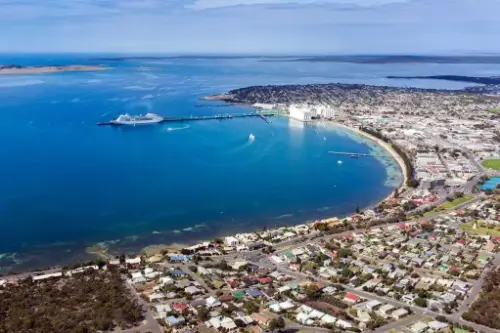 Day 7: 10:00–17:00
Port Lincoln / Australia
Nestled on the picturesque Eyre Peninsula in South Australia, Port Lincoln is renowned for its stunning views and unique marine adventures. Here, travelers can experience one of the most thrilling activities — cage diving with sharks, observing these majestic marine predators up close. Nature lovers will appreciate the pristine beaches and national parks, where you might spot kangaroos, koalas, and pelicans.
Port Lincoln is not just the seafood capital of Australia, serving the freshest oysters and seafood, but also an ideal spot for fishing and coastal cruises. The city is also famous for its wines and cultural events that attract visitors from across the country every year. This destination is perfect for both active holidays and relaxing by the ocean.
-
Day 8:
Day at sea / Sea
-
Day 9:
Day at sea / Sea
-
 Day 10: 08:00–14:00
Albany / Australia
Albany is a port city in the Great Southern region of Western Australia, 418 km SE of Perth, the state capital. Albany is the oldest colonial settlement in Western Australia, predating Perth and Fremantle by over two years.
The city centre is at the northern edge of Princess Royal Harbour, which is a part of King George Sound. The central business district is bounded by Mount Clarence to the east and Mount Melville to the west. The city is in the local government area of the City of Albany.
-
Day 11: 09:00–20:00
MARGARET RIVER
-
Day 12: 08:00
Perth
-
Day 13: 14:00
Perth
-
Day 14:
Day at sea / Sea
-
Day 15:
Day at sea / Sea
-
Day 16:
Day at sea / Sea
-
 Day 17: 09:00–22:00
Tangjung Benoa / Indonesia
-
Day 18: 08:00–17:00
Chelukan-Bawang
-
Day 19:
Day at sea / Sea
-
Day 20:
Day at sea / Sea
-
 Day 21: 08:00–22:00
Singapore / Singapore
Сингапур довольно необычный город Азии — это город-государство, которое расположилось на островах в Индийском океане. Его колониальные кварталы, храмы, музеи, великолепны парки, аттракционы, современные небоскребы и крупнейший морской порт, придают городу уникальный колорит и неповторимость. Город получил важное экономическое и политическое значение среди стран Восточной Азии. Все основные достопримечательности сосредоточены в четырех районах города. Основными из них являются: здание Импресс-Плейс-Билдинг, армянская церковь Св. Грегора-Святителя, Концертный зал и театр Виктории, англиканский собор Св. Андрея, католический собор Гуд-Шеферд, здания Парламента, а так же много других памятников архитектуры, дворцов, храмов и просто интересных улиц и кварталов.
-
Day 22:
Day at sea / Sea
-
Day 23:
Day at sea / Sea
-
 Day 24: 09:00
Bangkok / Thailand
Bangkok is the capital and most populous city of Thailand. It is known in Thai as Krung Thep Maha Nakhon or simply Krung Thep. The city occupies 1,568.7 square kilometres (605.7 sq mi) in the Chao Phraya River delta in central Thailand, and has a population of over eight million, or 12.6 percent of the country's population. Over fourteen million people (22.2 percent) lived within the surrounding Bangkok Metropolitan Region at the 2010 census, making Bangkok the nation's primate city, significantly dwarfing Thailand's other urban centres in terms of importance.
-
Day 25:
Bangkok / Thailand
Bangkok is the capital and most populous city of Thailand. It is known in Thai as Krung Thep Maha Nakhon or simply Krung Thep. The city occupies 1,568.7 square kilometres (605.7 sq mi) in the Chao Phraya River delta in central Thailand, and has a population of over eight million, or 12.6 percent of the country's population. Over fourteen million people (22.2 percent) lived within the surrounding Bangkok Metropolitan Region at the 2010 census, making Bangkok the nation's primate city, significantly dwarfing Thailand's other urban centres in terms of importance.
-
Day 26: 22:00
Bangkok / Thailand
Bangkok is the capital and most populous city of Thailand. It is known in Thai as Krung Thep Maha Nakhon or simply Krung Thep. The city occupies 1,568.7 square kilometres (605.7 sq mi) in the Chao Phraya River delta in central Thailand, and has a population of over eight million, or 12.6 percent of the country's population. Over fourteen million people (22.2 percent) lived within the surrounding Bangkok Metropolitan Region at the 2010 census, making Bangkok the nation's primate city, significantly dwarfing Thailand's other urban centres in terms of importance.
-
Day 27:
Day at sea / Sea
-
 Day 28: 07:30–20:00
Samui Island / Koh Samui / Thailand
Among the tropical islands of Thailand, Koh Samui stands out with its unique nature and atmosphere. This island attracts travelers from all over the world with its white sandy beaches, picturesque waterfalls, and dense jungles. It's an ideal place for relaxation, whether it’s engaging in water sports, exploring nature, or simply enjoying peace and beauty.
Moreover, Koh Samui is known for its cultural heritage, including many Buddhist temples and sanctuaries. One of the most famous is the Big Buddha Temple, which is not only a religious center but also one of the island's main attractions. The local cuisine, featuring fresh seafood and exotic fruits, will make the trip even more exciting and delicious.
-
Day 29:
Day at sea / Sea
-
 Day 30: 09:00
Ho Chi Minh / Vietnam
Ho Chi Minh City, also known by its former name of Saigon is the most populous city in Vietnam with a population of 8.4 million (13 million in the metropolitan area) as of 2017. Located in southeast Vietnam, the metropolis surrounds the Saigon River and covers about 2,061 square kilometres (796 square miles).
Under the name Saigon, it was the capital of French Indochina from 1887 to 1902 and again from 1945 to 1954. Saigon would later become the capital of South Vietnam from 1955 until its fall in 1975. On 2 July 1976, Saigon merged with the surrounding Gia Định Province and was officially renamed Ho Chi Minh City after revolutionary leader Hồ Chí Minh (although the name Sài Gòn is still widely used).
Ho Chi Minh City is the financial centre of Vietnam and is classifed as a Beta+ World City by Globalization and World Cities Research Network. It is home to the Ho Chi Minh City Stock Exchange, the largest stock exchange by total market capitalization in Vietnam and the headquarters of many national and international banks and companies.
Ho Chi Minh City is the most visited city in Vietnam, with 6.3 million visitors in 2017. Many of the city's landmarks which are well known to international visitors include the Bến Thành Market, Ho Chi Minh City Hall, Notre-Dame Cathedral Basilica of Saigon, Independence Palace and the Municipal Theatre. The main passenger airport serving the metropolitan area is Tan Son Nhat International Airport, it is the busiest airport in Vietnam handling 36 million passengers in 2017.
-
Day 31: 07:00
Ho Chi Minh / Vietnam
Ho Chi Minh City, also known by its former name of Saigon is the most populous city in Vietnam with a population of 8.4 million (13 million in the metropolitan area) as of 2017. Located in southeast Vietnam, the metropolis surrounds the Saigon River and covers about 2,061 square kilometres (796 square miles).
Under the name Saigon, it was the capital of French Indochina from 1887 to 1902 and again from 1945 to 1954. Saigon would later become the capital of South Vietnam from 1955 until its fall in 1975. On 2 July 1976, Saigon merged with the surrounding Gia Định Province and was officially renamed Ho Chi Minh City after revolutionary leader Hồ Chí Minh (although the name Sài Gòn is still widely used).
Ho Chi Minh City is the financial centre of Vietnam and is classifed as a Beta+ World City by Globalization and World Cities Research Network. It is home to the Ho Chi Minh City Stock Exchange, the largest stock exchange by total market capitalization in Vietnam and the headquarters of many national and international banks and companies.
Ho Chi Minh City is the most visited city in Vietnam, with 6.3 million visitors in 2017. Many of the city's landmarks which are well known to international visitors include the Bến Thành Market, Ho Chi Minh City Hall, Notre-Dame Cathedral Basilica of Saigon, Independence Palace and the Municipal Theatre. The main passenger airport serving the metropolitan area is Tan Son Nhat International Airport, it is the busiest airport in Vietnam handling 36 million passengers in 2017.
-
Day 32: 07:00
Ho Chi Minh / Vietnam
Ho Chi Minh City, also known by its former name of Saigon is the most populous city in Vietnam with a population of 8.4 million (13 million in the metropolitan area) as of 2017. Located in southeast Vietnam, the metropolis surrounds the Saigon River and covers about 2,061 square kilometres (796 square miles).
Under the name Saigon, it was the capital of French Indochina from 1887 to 1902 and again from 1945 to 1954. Saigon would later become the capital of South Vietnam from 1955 until its fall in 1975. On 2 July 1976, Saigon merged with the surrounding Gia Định Province and was officially renamed Ho Chi Minh City after revolutionary leader Hồ Chí Minh (although the name Sài Gòn is still widely used).
Ho Chi Minh City is the financial centre of Vietnam and is classifed as a Beta+ World City by Globalization and World Cities Research Network. It is home to the Ho Chi Minh City Stock Exchange, the largest stock exchange by total market capitalization in Vietnam and the headquarters of many national and international banks and companies.
Ho Chi Minh City is the most visited city in Vietnam, with 6.3 million visitors in 2017. Many of the city's landmarks which are well known to international visitors include the Bến Thành Market, Ho Chi Minh City Hall, Notre-Dame Cathedral Basilica of Saigon, Independence Palace and the Municipal Theatre. The main passenger airport serving the metropolitan area is Tan Son Nhat International Airport, it is the busiest airport in Vietnam handling 36 million passengers in 2017.
-
Day 33:
Day at sea / Sea
-
 Day 34: 06:00–22:00
Da Nang / Vietnam
A warm sea breeze and soft sand make Da Nang the perfect place for those seeking seaside relaxation and lightness in every step. Here, modern cafés sit next to traditional markets, while the evening promenade fills with lights and the aroma of fresh seafood. You can enjoy long walks along My Khe and Non Nuoc beaches, ranked among Asia’s best, and discover cozy corners with Vietnamese coffee and the smiles of locals.
For lovers of history and nature, Da Nang offers unique routes to the Marble Mountains with caves and pagodas, providing breathtaking views of the coastline. From here, it is easy to reach the ancient town of Hoi An, preserving the atmosphere of the past, or to take a trip along the Hai Van Pass, where each turn reveals new panoramas of mountains and sea. The city combines a relaxing beach holiday with the chance to discover Vietnam’s beauty and breathe in the fresh sea air that fills you with energy and lightness.
-
Day 35:
Day at sea / Sea
-
Day 36: 08:00
Ha Long / Vietnam
-
Day 37: 20:00
Ha Long / Vietnam
-
Day 38:
Day at sea / Sea
-
 Day 39: 08:00
Limbe / Cameroon
-
Day 40: 09:00–20:00
Limbe / Cameroon
-
Day 41:
Day at sea / Sea
-
Day 42: 08:00–20:00
Banqiao
-
 Day 43: 08:00–14:00
Ishigaki, Okinawa / Japan
-
 Day 44: 08:00–20:00
Naha / Japan
Naha — Gateway to Ryukyu Culture and the Rhythms of Tropical Japan
Naha is the main city on Okinawa Island and the cultural heart of the former Ryukyu Kingdom. Despite its modern buildings and busy streets, the city carefully preserves traces of its unique past. One of the main attractions is Shuri Castle — the historic residence of Ryukyuan kings and a UNESCO World Heritage Site, partially restored after a fire in 2019. Naha is also home to the famous Kokusai Street — a hub of shopping, food, and entertainment, where visitors can sample traditional Okinawan dishes and purchase locally made crafts.
The city enjoys a warm climate year-round and serves as a starting point for trips to the white-sand beaches and coral reefs of the southern islands. Near the city center lies Fukushu-en Park — a picturesque Chinese-style garden that reflects the historical ties between Okinawa and China. The Matsuyama market and the historic Tsuboya district, known for its pottery, offer a glimpse into daily island life. Naha blends history, cuisine, and a laid-back island vibe unlike any other part of Japan.
-
Day 45:
Day at sea / Sea
-
 Day 46: 13:00
Shanghai / China
Shanghai is one of the four municipalities under the direct administration of the central government of the Republic of China, the largest city in China by population, and the second most populous city proper in the world, with a population of 24.18 million as of 2017. It is a global financial centre and transport hub, with the world's busiest container port. Located in the Yangtze River Delta, it sits on the south edge of the estuary of the Yangtze in the middle portion of the East Chinacoast. The municipality borders the provinces of Jiangsu and Zhejiang to the north, south and west, and is bounded to the east by the East China Sea.
As a major administrative, shipping and trading city, Shanghai grew in importance in the 19th century due to trade and recognition of its favourable port location and economic potential. The city was one of five treaty ports forced open to foreign trade following the British victory over China in the First Opium War. The subsequent 1842 Treaty of Nankingand 1844 Treaty of Whampoa allowed the establishment of the Shanghai International Settlement and the French Concession. The city then flourished as a centre of commerce between China and other parts of the world (predominantly the Occident), and became the primary financial hub of the Asia-Pacific region in the 1930s. However, with the Communist Party takeover of the mainland in 1949, trade was limited to other socialist countries, and the city's global influence declined. In the 1990s, the economic reforms introduced by Deng Xiaoping resulted in an intense re-development of the city, aiding the return of finance and foreign investment to the city. It has since re-emerged as a hub for international trade and finance; it is the home of the Shanghai Stock Exchange, one of the world's largest by market capitalization.
Shanghai has been described as the "showpiece" of the booming economy of mainland China; renowned for its Lujiazui skyline, and museums and historic buildings, such as those along The Bund, as well as the City God Templeand the Yu Garden.
-
Day 47:
Shanghai / China
Shanghai is one of the four municipalities under the direct administration of the central government of the Republic of China, the largest city in China by population, and the second most populous city proper in the world, with a population of 24.18 million as of 2017. It is a global financial centre and transport hub, with the world's busiest container port. Located in the Yangtze River Delta, it sits on the south edge of the estuary of the Yangtze in the middle portion of the East Chinacoast. The municipality borders the provinces of Jiangsu and Zhejiang to the north, south and west, and is bounded to the east by the East China Sea.
As a major administrative, shipping and trading city, Shanghai grew in importance in the 19th century due to trade and recognition of its favourable port location and economic potential. The city was one of five treaty ports forced open to foreign trade following the British victory over China in the First Opium War. The subsequent 1842 Treaty of Nankingand 1844 Treaty of Whampoa allowed the establishment of the Shanghai International Settlement and the French Concession. The city then flourished as a centre of commerce between China and other parts of the world (predominantly the Occident), and became the primary financial hub of the Asia-Pacific region in the 1930s. However, with the Communist Party takeover of the mainland in 1949, trade was limited to other socialist countries, and the city's global influence declined. In the 1990s, the economic reforms introduced by Deng Xiaoping resulted in an intense re-development of the city, aiding the return of finance and foreign investment to the city. It has since re-emerged as a hub for international trade and finance; it is the home of the Shanghai Stock Exchange, one of the world's largest by market capitalization.
Shanghai has been described as the "showpiece" of the booming economy of mainland China; renowned for its Lujiazui skyline, and museums and historic buildings, such as those along The Bund, as well as the City God Templeand the Yu Garden.
-
Day 48: 13:00
Shanghai / China
Shanghai is one of the four municipalities under the direct administration of the central government of the Republic of China, the largest city in China by population, and the second most populous city proper in the world, with a population of 24.18 million as of 2017. It is a global financial centre and transport hub, with the world's busiest container port. Located in the Yangtze River Delta, it sits on the south edge of the estuary of the Yangtze in the middle portion of the East Chinacoast. The municipality borders the provinces of Jiangsu and Zhejiang to the north, south and west, and is bounded to the east by the East China Sea.
As a major administrative, shipping and trading city, Shanghai grew in importance in the 19th century due to trade and recognition of its favourable port location and economic potential. The city was one of five treaty ports forced open to foreign trade following the British victory over China in the First Opium War. The subsequent 1842 Treaty of Nankingand 1844 Treaty of Whampoa allowed the establishment of the Shanghai International Settlement and the French Concession. The city then flourished as a centre of commerce between China and other parts of the world (predominantly the Occident), and became the primary financial hub of the Asia-Pacific region in the 1930s. However, with the Communist Party takeover of the mainland in 1949, trade was limited to other socialist countries, and the city's global influence declined. In the 1990s, the economic reforms introduced by Deng Xiaoping resulted in an intense re-development of the city, aiding the return of finance and foreign investment to the city. It has since re-emerged as a hub for international trade and finance; it is the home of the Shanghai Stock Exchange, one of the world's largest by market capitalization.
Shanghai has been described as the "showpiece" of the booming economy of mainland China; renowned for its Lujiazui skyline, and museums and historic buildings, such as those along The Bund, as well as the City God Templeand the Yu Garden.
-
Day 49:
Day at sea / Sea
-
Day 50: 08:00–14:00
Dalian
-
 Day 51: 07:00
Beijing / China
Beijing, formerly romanized as Peking, is the capital of the People's Republic of China, the world's third most populous city proper, and most populous capital city. The city, located in northern China, is governed as a municipality under the direct administration of central government with 16 urban, suburban, and rural districts. Beijing Municipality is surrounded by HebeiProvince with the exception of neighboring Tianjin Municipality to the southeast; together the three divisions form the Jingjinji metropolitan region and the national capital region of China.
Beijing is an important world capital and global power city, and one of the world's leading centers for politics, economy and business, finance, education, culture, innovation and technology, architecture, language, and diplomacy. A megacity, Beijing is the second largest Chinese city by urban population after Shanghai and is the nation's political, cultural, and educational center. It is home to the headquarters of most of China's largest state-owned companiesand houses the largest number of Fortune Global 500 companies in the world, as well as the world's four biggest financial institutions. It is also a major hub for the national highway, expressway, railway, and high-speed railnetworks. The Beijing Capital International Airport has been the second busiest in the world by passenger traffic since 2010, and, as of 2016, the city's subway network is the busiest and second longest in the world.
Combining both modern and traditional architecture, Beijing is one of the oldest cities in the world, with a rich historydating back three millennia. As the last of the Four Great Ancient Capitals of China, Beijing has been the political center of the country for most of the past eight centuries, and was the largest city in the world by population for much of the second millennium A.D. Encyclopædia Britannica notes that "few cities in the world have served for so long as the political headquarters and cultural center of an area as immense as China." With mountains surrounding the inland city on three sides, in addition to the old inner and outer city walls, Beijing was strategically poised and developed to be the residence of the emperor and thus was the perfect location for the imperial capital. The city is renowned for its opulent palaces, temples, parks, gardens, tombs, walls and gates. It has seven UNESCO World Heritage Sites—the Forbidden City, Temple of Heaven, Summer Palace, Ming Tombs, Zhoukoudian, and parts of the Great Wall and the Grand Canal— all popular locations for tourism. Siheyuans, the city's traditional housing style, and hutongs, the narrow alleys between siheyuans, are major tourist attractions and are common in urban Beijing.
Many of Beijing's 91 universities consistently rank among the best in China, such as the Peking University and Tsinghua University. Beijing CBD is a center for Beijing's economic expansion, with the ongoing or recently completed construction of multiple skyscrapers. Beijing's Zhongguancun area is known as China's Silicon Valley and a center of innovation and technology entrepreneurship.
-
Day 52: 20:00
Beijing / China
Beijing, formerly romanized as Peking, is the capital of the People's Republic of China, the world's third most populous city proper, and most populous capital city. The city, located in northern China, is governed as a municipality under the direct administration of central government with 16 urban, suburban, and rural districts. Beijing Municipality is surrounded by HebeiProvince with the exception of neighboring Tianjin Municipality to the southeast; together the three divisions form the Jingjinji metropolitan region and the national capital region of China.
Beijing is an important world capital and global power city, and one of the world's leading centers for politics, economy and business, finance, education, culture, innovation and technology, architecture, language, and diplomacy. A megacity, Beijing is the second largest Chinese city by urban population after Shanghai and is the nation's political, cultural, and educational center. It is home to the headquarters of most of China's largest state-owned companiesand houses the largest number of Fortune Global 500 companies in the world, as well as the world's four biggest financial institutions. It is also a major hub for the national highway, expressway, railway, and high-speed railnetworks. The Beijing Capital International Airport has been the second busiest in the world by passenger traffic since 2010, and, as of 2016, the city's subway network is the busiest and second longest in the world.
Combining both modern and traditional architecture, Beijing is one of the oldest cities in the world, with a rich historydating back three millennia. As the last of the Four Great Ancient Capitals of China, Beijing has been the political center of the country for most of the past eight centuries, and was the largest city in the world by population for much of the second millennium A.D. Encyclopædia Britannica notes that "few cities in the world have served for so long as the political headquarters and cultural center of an area as immense as China." With mountains surrounding the inland city on three sides, in addition to the old inner and outer city walls, Beijing was strategically poised and developed to be the residence of the emperor and thus was the perfect location for the imperial capital. The city is renowned for its opulent palaces, temples, parks, gardens, tombs, walls and gates. It has seven UNESCO World Heritage Sites—the Forbidden City, Temple of Heaven, Summer Palace, Ming Tombs, Zhoukoudian, and parts of the Great Wall and the Grand Canal— all popular locations for tourism. Siheyuans, the city's traditional housing style, and hutongs, the narrow alleys between siheyuans, are major tourist attractions and are common in urban Beijing.
Many of Beijing's 91 universities consistently rank among the best in China, such as the Peking University and Tsinghua University. Beijing CBD is a center for Beijing's economic expansion, with the ongoing or recently completed construction of multiple skyscrapers. Beijing's Zhongguancun area is known as China's Silicon Valley and a center of innovation and technology entrepreneurship.
-
Day 53:
Day at sea / Sea
-
 Day 54: 06:00–22:00
Incheon / Korea
Incheon is a port city located on the west coast of South Korea, just 40 kilometers from Seoul. A key transportation hub, Incheon is renowned for its international airport, one of the largest in Asia and an important gateway for travelers heading to South Korea. The city is also known for its picturesque promenades, beautiful beaches, and islands, perfect for leisurely strolls. One of the most popular tourist spots is the Incheon waterfront promenade, with its unique bridge offering breathtaking views of the bay and nearby islands.
In addition, Incheon has a rich cultural history, especially in the Munsoo Island area, where visitors can explore ancient temples and traditional Korean villages. The city gained fame in 1950 due to the Incheon Landing, a pivotal battle of the Korean War. For lovers of modern culture, Incheon hosts exhibitions and festivals, while local restaurants serve the best of Korean cuisine, particularly seafood, which is especially popular due to the city's coastal location.
-
Day 55:
Day at sea / Sea
-
 Day 56: 08:00–20:00
Yeosu / Korea
-
 Day 57: 08:00
Busan / Korea
Busan, formerly known as Pusan and now officially Busan Metropolitan City, is South Korea's second most-populous city after Seoul, with a population of over 3.5 million inhabitants. It is the economic, cultural and educational center of southeastern Korea, with its port—Korea's busiest and the 9th-busiest in the world—only about 120 miles (190 km) from the Japanese islands of Kyushu and Honshu. The surrounding "Southeast Economic Zone" (including Ulsan and South Gyeongsang) is now South Korea's largest industrial area.
-
Day 58: 20:00
Busan / Korea
Busan, formerly known as Pusan and now officially Busan Metropolitan City, is South Korea's second most-populous city after Seoul, with a population of over 3.5 million inhabitants. It is the economic, cultural and educational center of southeastern Korea, with its port—Korea's busiest and the 9th-busiest in the world—only about 120 miles (190 km) from the Japanese islands of Kyushu and Honshu. The surrounding "Southeast Economic Zone" (including Ulsan and South Gyeongsang) is now South Korea's largest industrial area.
-
 Day 59: 08:00–20:00
Fukuoka / Japan
-
Day 60: 08:00–20:00
Kita-Kyushu. Japan
-
 Day 61: 08:00–22:00
Hiroshima / Japan
a city in southwestern Japan, on the southern coast of the island of Honshu; population 1,144,572 (2007). It was the target of the first atom bomb, which was dropped by the US on August 6, 1945, and resulted in the deaths of about one third of the city's population of 300,000. This, with a second attack on Nagasaki three days later, led to Japan's surrender and to the end of World War II.
-
 Day 62: 08:00–18:00
Beppu / Japan
Beppu is a city in Ōita Prefecture on the island of Kyushu, Japan, at the west end of Beppu Bay. As of March 31, 2017, the city had a population of 122,643 and a population density of 980/km2 (2,500/sq mi). The total area is 125.13 km2 (48.31 sq mi). Beppu is famous for its hot springs.
-
 Day 63: 08:00–17:00
Kochi / India
a seaport and naval base on the Malabar Coast of southwestern India, in the state of Kerala; population 254,500 (est. 2009).
-
 Day 64: 08:00
Kobe / Japan
Кобе — один из главных портовых городов Японии, расположен на острове Хонсю. Город является важным транспортным и торговым узлом, а также промышленным центром страны. Кроме этого, Кобе имеет важное религиозное значение и славился «тремя святынями», синтоистскими святилищами Икута, Нагата и Минатогава. К другим достопримечательностям относятся: художественный музей, храм Сума, гробница Минатодзава, парк Соракуэн, старые европейские кварталы улицы Ямамото, портовая башня. Близлежащий остров Авадзи связан с городом мостом Акаси-Кайкё — самым длинным подвесным мостом в мире.
-
Day 65: 16:00
Kobe / Japan
Кобе — один из главных портовых городов Японии, расположен на острове Хонсю. Город является важным транспортным и торговым узлом, а также промышленным центром страны. Кроме этого, Кобе имеет важное религиозное значение и славился «тремя святынями», синтоистскими святилищами Икута, Нагата и Минатогава. К другим достопримечательностям относятся: художественный музей, храм Сума, гробница Минатодзава, парк Соракуэн, старые европейские кварталы улицы Ямамото, портовая башня. Близлежащий остров Авадзи связан с городом мостом Акаси-Кайкё — самым длинным подвесным мостом в мире.
-
 Day 66: 10:30–20:00
Shimizu / Japan
-
 Day 67: 08:00
Yokohama (Tokyo) / Japan
Tokyo, officially Tokyo Metropolis, one of the 47 prefectures of Japan, has served as the Japanese capital since 1869. As of 2014, the Greater Tokyo Arearanked as the most populous metropolitan area in the world. The urban area houses the seat of the Emperor of Japan, of the Japanese government and of the National Diet. Tokyo forms part of the Kantō region on the southeastern side of Japan's main island, Honshu, and includes the Izu Islands and Ogasawara Islands. Tokyo was formerly named Edo when Shōgun Tokugawa Ieyasu made the city his headquarters in 1603. It became the capital after Emperor Meiji moved his seat to the city from Kyoto in 1868; at that time Edo was renamed Tokyo. Tokyo Metropolis formed in 1943 from the merger of the former Tokyo Prefecture and the city of Tokyo. Tokyo is often referred to as a city but is officially known and governed as a "metropolitan prefecture", which differs from and combines elements of a city and a prefecture, a characteristic unique to Tokyo.
The 23 Special Wards of Tokyo were formerly Tokyo City. On July 1, 1943, it merged with Tokyo Prefecture and became Tokyo Metropolis with an additional 26 municipalities in the western part of the prefecture, and the Izu islandsand Ogasawara islands south of Tokyo. The population of the special wards is over 9 million people, with the total population of Tokyo Metropolis exceeding 13.8 million. The prefecture is part of the world's most populous metropolitan area called the Greater Tokyo Area with over 38 million people and the world's largest urban agglomeration economy. As of 2011, Tokyo hosted 51 of the Fortune Global 500 companies, the highest number of any city in the world at that time. Tokyo ranked third (twice) in the International Financial Centres Development Index. The city is home to various television networks such as Fuji TV, Tokyo MX, TV Tokyo, TV Asahi, Nippon Television, NHK and the Tokyo Broadcasting System.
-
Day 68: 09:00–19:00
Yokohama (Tokyo) / Japan
Tokyo, officially Tokyo Metropolis, one of the 47 prefectures of Japan, has served as the Japanese capital since 1869. As of 2014, the Greater Tokyo Arearanked as the most populous metropolitan area in the world. The urban area houses the seat of the Emperor of Japan, of the Japanese government and of the National Diet. Tokyo forms part of the Kantō region on the southeastern side of Japan's main island, Honshu, and includes the Izu Islands and Ogasawara Islands. Tokyo was formerly named Edo when Shōgun Tokugawa Ieyasu made the city his headquarters in 1603. It became the capital after Emperor Meiji moved his seat to the city from Kyoto in 1868; at that time Edo was renamed Tokyo. Tokyo Metropolis formed in 1943 from the merger of the former Tokyo Prefecture and the city of Tokyo. Tokyo is often referred to as a city but is officially known and governed as a "metropolitan prefecture", which differs from and combines elements of a city and a prefecture, a characteristic unique to Tokyo.
The 23 Special Wards of Tokyo were formerly Tokyo City. On July 1, 1943, it merged with Tokyo Prefecture and became Tokyo Metropolis with an additional 26 municipalities in the western part of the prefecture, and the Izu islandsand Ogasawara islands south of Tokyo. The population of the special wards is over 9 million people, with the total population of Tokyo Metropolis exceeding 13.8 million. The prefecture is part of the world's most populous metropolitan area called the Greater Tokyo Area with over 38 million people and the world's largest urban agglomeration economy. As of 2011, Tokyo hosted 51 of the Fortune Global 500 companies, the highest number of any city in the world at that time. Tokyo ranked third (twice) in the International Financial Centres Development Index. The city is home to various television networks such as Fuji TV, Tokyo MX, TV Tokyo, TV Asahi, Nippon Television, NHK and the Tokyo Broadcasting System.
-
 Day 69: 09:00–17:00
Bandol / France
Bandol is a commune in Var department, Provence-Alpes-Côte d'Azur region, southeastern France. Bandol and the seat of its eponymous commune, was founded in 1595 and built around a small military fort.
The Bandol wine region, located near the coast east of Marseille and Cassis, is one of Provence’s most internationally recognized wine regions. Built around the village of Bandol, west of Toulon, the Bandol AOC covers the production of 8 communes with silicon & limestone soils. Those soils and the warm, coastal climate are ideally suited for the late ripening Mourvèdre grape which is the major variety of the region. For both the red and rosé wines, Mourvèdre must account for at least 50% of the blend, though most producers will use significantly more, with Grenache & Cinsaut usually filling out the rest of the wine’s composition.
-
 Day 70: 09:00–17:00
Miyakojima Miyako / Japan
-
Day 71:
Day at sea / Sea
-
Day 72: 06:00–18:00
Cross International Dateline
-
Day 73:
Day at sea / Sea
-
Day 74:
Day at sea / Sea
-
Day 75:
Day at sea / Sea
-
Day 76:
Day at sea / Sea
-
Day 77:
Day at sea / Sea
-
Day 78:
Day at sea / Sea
-
 Day 79: 06:00–17:00
Kodiak / Alaska
Kodiak is one of seven communities and the main city on Kodiak Island, Kodiak Island Borough, in the U.S. state of Alaska. All commercial transportation between the entire island and the outside world goes through this city either via ferryboat or airline. The population was 6,130 as of the 2010 census. 2014 estimates put the population at 6,304.
Originally inhabited by Alutiiq natives for over 7,000 years, the city was settled in the 18th century by the subjects of the Russian crown and became the capital of Russian Alaska.
Harvesting of the area's sea otter pelts led to the near extinction of the animal in the following century and led to wars with and enslavement of the natives for over 150 years.
After the Alaska Purchase by the United States in 1867, Kodiak became a commercial fishing center which continues to be the mainstay of its economy. A lesser economic influence includes tourism, mainly by those seeking outdoor adventure trips. Salmon, halibut, the unique Kodiak bear, elk, Sitka deer (black tail), and mountain goats attract hunting tourists as well as fishermen to the Kodiak Archipelago. The Alaska Department of Fish and Game maintains an office in the city and a website to help hunters and fishermen obtain the proper permits and learn about the laws specific to the Kodiak area.
-
Day 80:
Day at sea / Sea
-
 Day 81: 09:00–23:00
Juneau / Alaska
Столица штата Аляска — город Джуно, был основан в 1881 году, после открытия месторождения золота и назван в честь золотоискателя Джозефа Джуно. В городе развиты рыболовство и туризм. В список достопримечательностей этого очаровательного городка входят Музей истории Аляски и церковь Святого Николая. Это русская православная церковь, но поскольку среди ее прихожан русских нет, то служба идет на английском языке. Также интересным для туристов будет и Tongass National Forest (национальный парк), и Фьорд Трейси-Арм. Поразит своей красотой и прилегающая к Джуно территория. Здесь расположились живописные ледники, высочайшие горы, интригующие ущелья, что ежегодно привлекает сюда тысячи туристов, любящих пешеходные прогулки.
-
 Day 82: 07:30–16:00
Icy Strait Point
-
Day 83: 11:30–22:00
Bandol / France
Bandol is a commune in Var department, Provence-Alpes-Côte d'Azur region, southeastern France. Bandol and the seat of its eponymous commune, was founded in 1595 and built around a small military fort.
The Bandol wine region, located near the coast east of Marseille and Cassis, is one of Provence’s most internationally recognized wine regions. Built around the village of Bandol, west of Toulon, the Bandol AOC covers the production of 8 communes with silicon & limestone soils. Those soils and the warm, coastal climate are ideally suited for the late ripening Mourvèdre grape which is the major variety of the region. For both the red and rosé wines, Mourvèdre must account for at least 50% of the blend, though most producers will use significantly more, with Grenache & Cinsaut usually filling out the rest of the wine’s composition.
-
Day 84:
Day at sea / Sea
-
Day 85: 09:00–20:00
Nanaimo
-
 Day 86: 07:00–21:00
Vancouver / Canada
Vancouver is a coastal seaport city in western Canada, located in the Lower Mainland region of British Columbia. As the most populous city in the province, the 2016 census recorded 631,486 people in the city, up from 603,502 in 2011. The Greater Vancouver area had a population of 2,463,431 in 2016, making it the third-largest metropolitan area in Canada. Vancouver has the highest population density in Canada with over 5,400 people per square kilometre, which makes it the fifth-most densely populated city with over 250,000 residents in North America behind New York City, Guadalajara, San Francisco, and Mexico City according to the 2011 census. Vancouver is one of the most ethnically and linguistically diverse cities in Canada according to that census; 52% of its residents have a first language other than English.[8][9] Roughly 30% of the city's inhabitants are of Chineseheritage. Vancouver is classed as a Beta global city.
Vancouver is consistently named as one of the top five worldwide cities for livability and quality of life, and the Economist Intelligence Unit acknowledged it as the first city ranked among the top-ten of the world's most well-living cities for five consecutive years. Vancouver has hosted many international conferences and events, including the 1954 British Empire and Commonwealth Games, UN Habitat I, Expo 86, the World Police and Fire Games in 1989 and 2009; and the 2010 Winter Olympics and Paralympics which were held in Vancouver and Whistler, a resort community 125 km (78 mi) north of the city. In 2014, following thirty years in California, the TED conference made Vancouver its indefinite home. Several matches of the 2015 FIFA Women's World Cup were played in Vancouver, including the final at BC Place.
-
 Day 87: 08:00–22:00
Seattle, Washington / USA
На Тихоокеанском побережье США расположился замечательный, современный город Сиэтл, символом которого является Спейс-Нидл, башня, находящаяся на территории выставочного комплекса Seattle Center.
Эта узнаваемая достопримечательность представляет собой башню высотой почти 184 метра, более 40 метров шириной, а также она построена так, что выдержит ураганы с порывами ветра до 320 км/ч. Особенность этого величайшего сооружения в его обзорной площадке, расположенной на высоте 159 метров, где находится ресторан Sky City и магазин подарков. Каждый гость города просто обязан побывать в Керри Парке, пейзажи которого не оставляют равнодушными даже жителей Сиэтла. И эта не единственный знаменитый парк города. Также стоит посетить Гэзуоркс Парк, с великолепным видам на прибрежный Даунтаун. А еще в городе есть множество, интересных для посещения, рынков, в числе которых и Майк маркет-рынок морепродуктов, который также может похвастаться своеобразной сценой для уличных артистов, что, несомненно, делает его очень популярным для туристов, а также Пайк-Плейс-маркет — популярный среди туристов общественный рынок.
-
 Day 88: 08:00–16:00
Victoria, Mahe Island / Seychelles
Turquoise waters and lush jungles frame Victoria on Mahé Island, the capital of Seychelles and one of the smallest capitals in the world. Here, colorful markets with exotic fruits and spices blend with colonial-era architecture, and in the city center, you will find a miniature replica of London’s Big Ben — one of Victoria’s symbols. Nearby, visitors can explore the Botanical Garden, home to rare palm and orchid species, and see giant tortoises living in their natural environment.
A journey to Victoria is an opportunity to feel the slow rhythm of Seychellois life and enjoy a truly tropical atmosphere. Strolling along the waterfront, visiting the National Art Gallery, or tasting freshly caught fish in local cafés will bring you closer to the islanders’ culture and everyday life. Just a few minutes from the city center, white sandy beaches and turquoise waters invite you to underwater adventures among Mahé’s coral reefs.
-
 Day 89: 09:00–18:00
Astoria / USA
A historic port on the banks of the Columbia River opens the door to a world of adventure and scenic landscapes, where rich cultural heritage blends with natural beauty. In this region, travelers can enjoy the 19th-century atmosphere while strolling among old buildings and museums, as well as tasting fresh seafood in cozy waterfront restaurants. Astoria is famous not only as the first permanent European settlement on the U.S. West Coast but also as a popular spot for fishing and bird watching enthusiasts.
The natural beauty surrounding Astoria is stunningly diverse: from majestic beaches to dense forests of Forest Grove National Park. Outdoor lovers will find excellent opportunities for hiking, biking, and kayaking, while the calm waters of the Columbia River and its picturesque surroundings create a perfect setting for relaxation and inspiration. This Pacific coast town promises a unique experience where history and nature harmoniously intertwine in every corner.
-
Day 90:
Day at sea / Sea
-
 Day 91: 08:00–20:00
San Francisco / USA
San Francisco , officially the City and County of San Francisco, is the cultural, commercial, and financial center of Northern California. San Francisco is the 13th-most populous city in the United States, and the fourth-most populous in California, with 884,363 residents as of 2017. It covers an area of about 46.89 square miles (121.4 km2), mostly at the north end of the San Francisco Peninsula in the San Francisco Bay Area, making it the second-most densely populated large US city, and the fifth-most densely populated U.S. county, behind only four of the five New York City boroughs. San Francisco is also part of the fifth-most populous primary statistical area in the United States, the San Jose–San Francisco–Oakland, CA Combined Statistical Area (9.7 million residents).
-
Day 92:
Day at sea / Sea
-
 Day 93: 06:00
San Diego California / USA
Please wait…
Tour operator
Biznes i Turystyka Piotr Skupiewski
- ul. Łukowa 41, 32-823 Szczepanów
- NIP 8691148381
- REGON 850455159
- +48 576 977 555
- +48 570 700 273
The tour operator is entered in the Central Register of Tour Operators and Entrepreneurs Facilitating the Purchase of Linked Travel Arrangements. It holds UNIQA insurance guarantee no. 3800003856, valid from 5 May 2026 to 4 May 2027. The guarantee sum is PLN 379,404.00. The operator pays contributions to the Tourist Guarantee Fund and the Tourist Assistance Fund.
Still have a question?
We'll help you choose a cruise and answer your questions.