
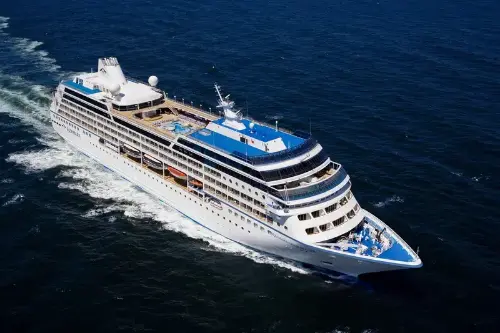
Rejs morski · 01.06.2028 – 13.06.2028 · 12 nocy
12 nocy z Portsmouth
Cena i dostępność kajutTrasa i informacje o rejsie
Premium- Portsmouth
- Douglas
- Greenock
- Stornoway
- Kirkwall
- Lerwick
- Aberdeen
- Invergordon
- Dundee
- Leith, Edynburg
- Leith, Edynburg
| Data | Port | Przypłynięcie | Wypłynięcie |
|---|---|---|---|
| 01.06.2028 |
Portsmouth
Dominica
|
— | 18:00 |
| 02.06.2028 |
Dzień na morzu
|
— | — |
| 03.06.2028 |
Douglas
Maine Island
|
08:00 | 18:00 |
| 04.06.2028 |
Greenock
Scotland
|
07:00 | 20:00 |
| 06.06.2028 |
Stornoway
Wielka Brytania
|
08:00 | 20:00 |
| 07.06.2028 |
Kirkwall
Wielka Brytania
|
07:00 | 20:00 |
| 08.06.2028 |
Lerwick
Wielka Brytania
|
08:00 | 18:00 |
| 09.06.2028 |
Aberdeen
Wielka Brytania
|
07:30 | 21:45 |
| 10.06.2028 |
Invergordon
Wielka Brytania
|
07:15 | 17:00 |
| 11.06.2028 |
Dundee
Wielka Brytania
|
05:30 | 18:00 |
| 12.06.2028 |
Leith, Edynburg
Wielka Brytania
|
08:00 | — |
| 13.06.2028 |
Leith, Edynburg
Wielka Brytania
|
09:00 | — |
-
Dzień 1: 18:00
Portsmouth / Dominica
-
Dzień 2:
Dzień na morzu / Morze
-
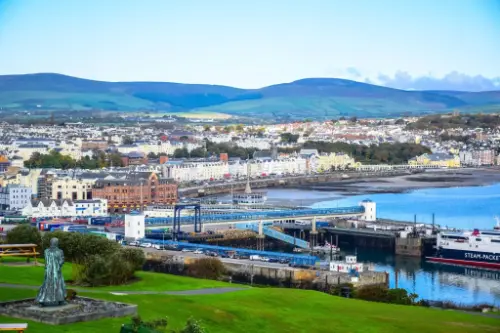 Dzień 3: 08:00–18:00
Douglas / Maine Island
Douglas to stolica i największe miasto Wyspy Man, położone w Morzu Irlandzkim. Miasto, które ma bogatą historię morską, jest znane z malowniczych krajobrazów wybrzeża oraz przytulnej atmosfery. W Douglasie można spacerować po historycznej promenadzie, gdzie znajdują się zabytkowe budynki i nowoczesne kawiarnie, a także odwiedzić lokalne muzeum, które opowiada o morskiej kulturze i tradycjach wyspy. Miasto jest również znane z architektonicznych zabytków, takich jak zamek i historyczne budynki wiktoriańskie, które nadają mu wyjątkowy urok.
Okolice Douglas oferują doskonałe możliwości do aktywnego wypoczynku, w tym wędrówki, spacery wzdłuż wybrzeża i wycieczki rowerowe. Wyspa Man słynie z unikalnej przyrody, a turyści mogą podziwiać widoki na wzgórza, malownicze zatoki i tradycyjne wioski. Ten zakątek Wielkiej Brytanii przyciąga turystów swoją unikalną kulturą, starodawnymi tradycjami oraz pięknymi naturalnymi krajobrazami, co sprawia, że jest to idealne miejsce na relaksujący wypoczynek i ekscytujące podróże.
-
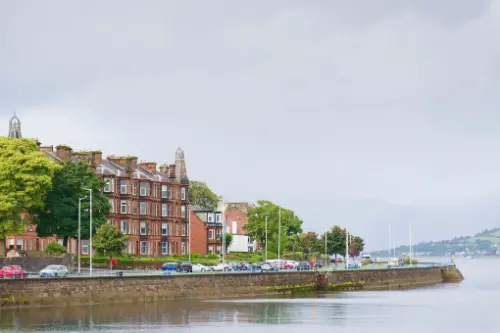 Dzień 4: 07:00–20:00
Greenock / Scotland
Greenock to miasto w Szkocji, położone na południowo-zachodnim wybrzeżu, 32 kilometry na zachód od Glasgow. Greenock zostało założone jako port, a jego historyczne znaczenie związane jest z rozwojem przemysłu stoczniowego i handlu. Przez wiele lat było ważnym centrum żeglugi, a dziś miasto nadal pełni rolę istotnego węzła transportowego, z dużym portem i nowoczesną infrastrukturą. Greenock słynie również ze swoich historycznych budowli, takich jak latarnia morska w Greenock, a w pobliżu można zobaczyć muzeum żeglugi oraz wiele starych magazynów, które zachowały atmosferę minionych czasów.
Dla turystów Greenock to malownicze miejsce do spacerów wzdłuż nabrzeża i w parkach, a także doskonałe miejsce do poznania historii szkockiego żeglarstwa. Miasto stało się także popularnym miejscem dla podróżnych na statkach wycieczkowych, ponieważ jego port zapewnia dostęp do najpiękniejszych części zachodniego wybrzeża kraju. W okolicach miasta znajduje się wiele naturalnych atrakcji, w tym pobliskie wyspy oraz piękne plaże, gdzie można odpocząć i podziwiać widoki na morze i wybrzeże.
-
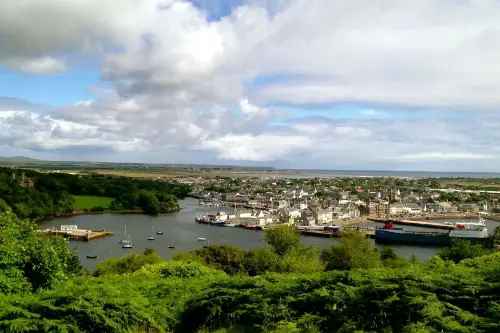 Dzień 6: 08:00–20:00
Stornoway / Wielka Brytania
Stornoway to główne miasto i port wyspy Lewis, wchodzącej w skład Zewnętrznych Hebrydów w Szkocji, będące ważnym centrum kulturowym i gospodarczym regionu. Miasto, liczące około 5 tysięcy mieszkańców, zachowuje urok tradycyjnego życia gaelickiego, łącząc go z nowoczesnymi udogodnieniami. Stornoway słynie z portu rybackiego, który jest jednym z największych w Szkocji, a także z produkcji tweedu Harris — unikalnej tkaniny, wytwarzanej ręcznie przez lokalnych rzemieślników.
Turyści przyjeżdżają do Stornoway, aby cieszyć się spokojną atmosferą, malowniczymi widokami na Ocean Atlantycki i zwiedzać zabytki historyczne, takie jak zamek Lews — wiktoriańską budowlę otoczoną pięknym parkiem. Miasto stanowi także doskonałą bazę wypadową do odkrywania naturalnych piękności wyspy, w tym kamiennych kręgów Calanais, starożytnych monumentów i piaszczystych plaż. Stornoway to idealne miejsce dla tych, którzy szukają spokojnego wypoczynku, interesują się historią celtycką i chcą poczuć autentyczne życie szkockiej prowincji.
-
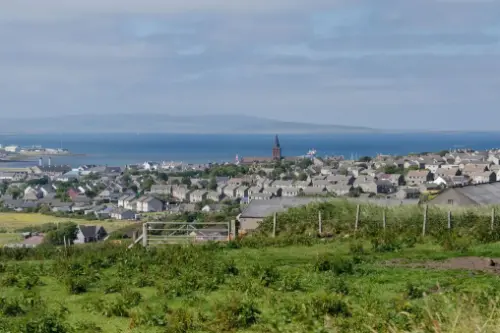 Dzień 7: 07:00–20:00
Kirkwall / Wielka Brytania
-
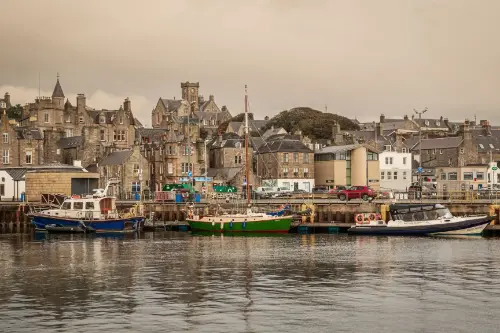 Dzień 8: 08:00–18:00
Lerwick / Wielka Brytania
-
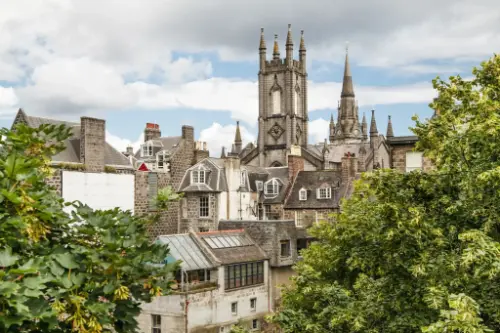 Dzień 9: 07:30–21:45
Aberdeen / Wielka Brytania
-
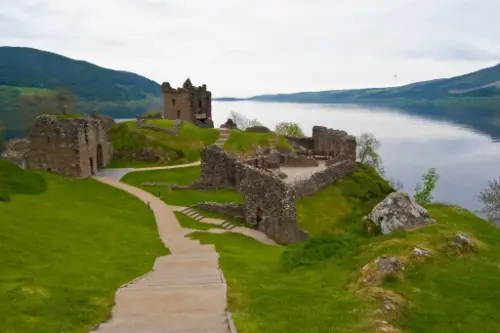 Dzień 10: 07:15–17:00
Invergordon / Wielka Brytania
The town is well known for the Invergordon Mutiny of 1931. More recently it has also become known for the repair of oil rigs which line up in the Cromarty Firth on which the town is situated. In the 1970s and 1980s nearby Nigg was known for the construction of these rigs. The yard used for this is now attempting to re-establish itself as a fabricator of large offshore wind turbines and oil rig refurbishment since being purchased by Global Energy Group.
For a number of years Invergordon was the site of an aluminium smelter until 1981 when British Aluminium closed it down. The pipeline that covered the conveyor belt from the smelter to the BA pier was not dismantled until the early 2000s and the two large tanks still stand today as well as a water tower.
It still has a grain whisky distillery, operated by Philippines-owned whisky giant Whyte and Mackay, the output of which contributes to many blended whiskies. Connected to the distillery was the Invergordon Distillery Pipe Band.
At present the port is visited by many large cruise liners each year, as the deep water port allows disembarkation for coach tours in the northern Highlands.
Since the 1970s some would perceive the town as a 'Glasgow colony', since many workers were recruited from southern Scotland to work in the oil rig fabrication and aluminium smelting industries. As a result, the residents' accents often show more influence from Glasgow, than the surrounding Easter Ross dialect of Highland Englishalthough this has changed in recent years.
In recent years Global Energy Group have been expanding, with the purchase of the Nigg fabrication yard it has also brought much appreciated work to Invergordon's Docks with the town again full of oil company workers through the day.
-
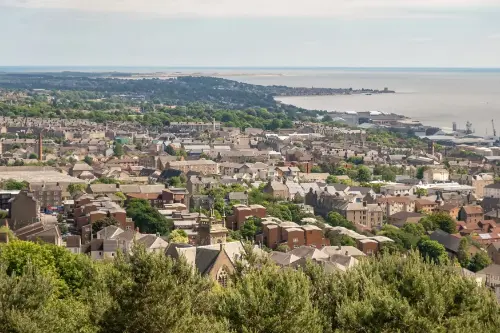 Dzień 11: 05:30–18:00
Dundee / Wielka Brytania
-
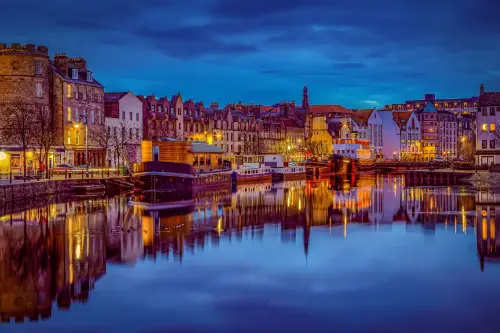 Dzień 12: 08:00
Leith, Edynburg / Wielka Brytania
Leith is an area to the north of the city of Edinburgh, Scotland, at the mouth of the Water of Leith.
The earliest surviving historical references are in the royal charter authorising the construction of Holyrood Abbey in 1128. The medieval settlements of Leith had grown into a burgh by 1833, and the burgh was merged into Edinburgh in 1920.
Historically part of the county of Midlothian, Leith is sited on the coast of the Firth of Forth and lies within the council area of the City of Edinburgh.
The port remains one of its most valuable enterprises, handling over 1.5 million tonnes of cargo in 2003.
Previous to the bridge being built in the late 15th century, Leith had settlements on either side of the river, lacking an easy crossing.
South Leith was larger and was controlled by the lairds of Restalrig: the Logan family. It was based on trade and had many merchants' houses and warehouses. This was where ships offloaded their cargoes at The Shore where they were collected by Edinburgh merchants. Leithers were explicitly forbidden by statute to participate directly in the trade at the port, to ensure that landed goods were not sold elsewhere.
North Leith was smaller but proportionately richer, coming under the jurisdiction of Holyrood Abbey. It was effectively a fishing village consisting of one street, now Sandport Street and Quayside Lane. Burgage plots ran down to the river from each house.[6] This has traditionally been the shipbuilding side of Leith with several wet and dry docks built over time. The first dry dock in Scotland was built here in 1720. A small peninsula of land on the east bank also came under the same jurisdiction on what is now Sheriff Brae/Sheriff Bank.
The first bridge to link both banks of the river was built in 1493 by Abbot Bellenden, who controlled the church at North Leith. The bridge was a toll bridge, the revenue supplementing the church's income. Reputedly Leith's oldest building, it was demolished in 1780 to allow ships to sail further upstream.
-
Dzień 13: 09:00
Leith, Edynburg / Wielka Brytania
Leith is an area to the north of the city of Edinburgh, Scotland, at the mouth of the Water of Leith.
The earliest surviving historical references are in the royal charter authorising the construction of Holyrood Abbey in 1128. The medieval settlements of Leith had grown into a burgh by 1833, and the burgh was merged into Edinburgh in 1920.
Historically part of the county of Midlothian, Leith is sited on the coast of the Firth of Forth and lies within the council area of the City of Edinburgh.
The port remains one of its most valuable enterprises, handling over 1.5 million tonnes of cargo in 2003.
Previous to the bridge being built in the late 15th century, Leith had settlements on either side of the river, lacking an easy crossing.
South Leith was larger and was controlled by the lairds of Restalrig: the Logan family. It was based on trade and had many merchants' houses and warehouses. This was where ships offloaded their cargoes at The Shore where they were collected by Edinburgh merchants. Leithers were explicitly forbidden by statute to participate directly in the trade at the port, to ensure that landed goods were not sold elsewhere.
North Leith was smaller but proportionately richer, coming under the jurisdiction of Holyrood Abbey. It was effectively a fishing village consisting of one street, now Sandport Street and Quayside Lane. Burgage plots ran down to the river from each house.[6] This has traditionally been the shipbuilding side of Leith with several wet and dry docks built over time. The first dry dock in Scotland was built here in 1720. A small peninsula of land on the east bank also came under the same jurisdiction on what is now Sheriff Brae/Sheriff Bank.
The first bridge to link both banks of the river was built in 1493 by Abbot Bellenden, who controlled the church at North Leith. The bridge was a toll bridge, the revenue supplementing the church's income. Reputedly Leith's oldest building, it was demolished in 1780 to allow ships to sail further upstream.
Proszę czekać…
Organizator
Biznes i Turystyka Piotr Skupiewski
- ul. Łukowa 41, 32-823 Szczepanów
- NIP 8691148381
- REGON 850455159
- +48 576 977 555
- +48 570 700 273
Organizator jest wpisany do Centralnej Ewidencji Organizatorów Turystyki i Przedsiębiorców Ułatwiających Nabywanie Powiązanych Usług Turystycznych. Posiada gwarancję ubezpieczeniową UNIQA nr 3800003856, ważną od 5 maja 2026 r. do 4 maja 2027 r. Suma gwarancyjna wynosi 379 404,00 zł. Organizator odprowadza składki do Turystycznego Funduszu Gwarancyjnego i Turystycznego Funduszu Pomocowego.
Masz jeszcze pytania?
Pomożemy wybrać rejs i odpowiemy na Twoje pytania.