
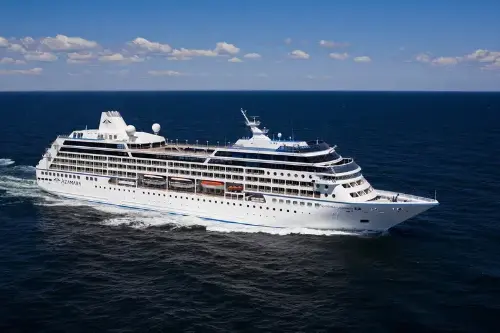
Rejs morski · 06.01.2029 – 14.01.2029 · 8 nocy
8 nocy z Lizbony
Cena i dostępność kajutTrasa i informacje o rejsie
Premium- Lizbona
- Cadiz
- Gibraltar
- Arresife
- Tarragona
- Palma de Mallorca
- San Sebastian de La Gomera
- Las Palmas (Gran Canaria)
| Data | Port | Przypłynięcie | Wypłynięcie |
|---|---|---|---|
| 06.01.2029 |
Lizbona
Portugalia
|
— | 18:00 |
| 07.01.2029 |
Cadiz
Hiszpania
|
14:00 | 22:00 |
| 08.01.2029 |
Gibraltar
Wielka Brytania
|
08:00 | 17:00 |
| 09.01.2029 |
Dzień na morzu
|
— | — |
| 10.01.2029 |
Arresife
Hiszpania
|
13:00 | 20:00 |
| 11.01.2029 |
Tarragona
Hiszpania
|
08:00 | 20:00 |
| 12.01.2029 |
Palma de Mallorca
Hiszpania
|
08:00 | 20:00 |
| 13.01.2029 |
San Sebastian de La Gomera
Hiszpania
|
08:00 | 20:00 |
| 14.01.2029 |
Las Palmas (Gran Canaria)
Hiszpania
|
07:00 | — |
-
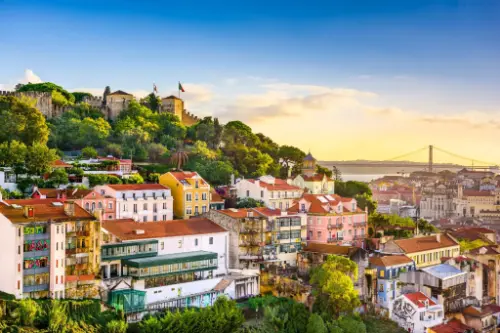 Dzień 1: 18:00
Lizbona / Portugalia
Lizbona jest stolicą i największym miastem Portugalii, z szacowaną populacją 505 526 mieszkańców w granicach administracyjnych na obszarze 100,05 km². Jej obszar miejski rozciąga się poza granice administracyjne miasta i liczy około 2,8 miliona mieszkańców, co czyni go jedenastym najbardziej zaludnionym obszarem miejskim w Unii Europejskiej. Około 3 milionów ludzi mieszka w aglomeracji lizbońskiej (która stanowi około 27% populacji kraju). Jest to najbardziej wysunięta na zachód stolica kontynentalnej Europy i jedyna położona nad Oceanem Atlantyckim. Lizbona leży na zachodnim Półwyspie Iberyjskim nad Oceanem Atlantyckim i rzeką Tag. Najbardziej wysunięte na zachód obszary jej aglomeracji tworzą najbardziej wysunięty na zachód punkt kontynentalnej Europy, znany jako Cabo da Roca, położony w górach Sintra.
-
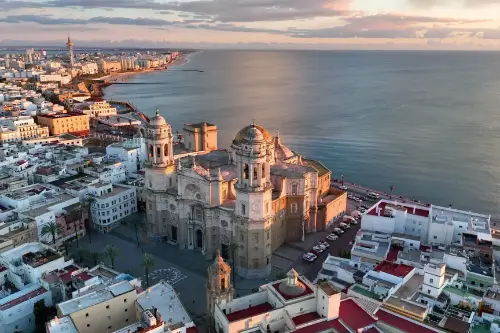 Dzień 2: 14:00–22:00
Cadiz / Hiszpania
Cádiz jest jednym z najstarszych miast w Europie, położonym na południowo-zachodnim wybrzeżu Hiszpanii w sercu Andaluzji. Miasto znajduje się na półwyspie, otoczone przez Ocean Atlantycki, co nadaje mu wyjątkową atmosferę. Cádiz jest znane z malowniczych plaż, takich jak Playa de la Victoria, a także ze starożytnych uliczek z białymi domami i wspaniałymi fasadami, które przypominają o mauretańskiej i kolonialnej historii. W historycznym centrum miasta znajduje się słynna katedra, której budowa trwała ponad wiek, a z jej wieży roztacza się imponujący widok na ocean.
Miasto jest również znane z tradycji karnawałowych oraz pysznej kuchni, w której dominują owoce morza. Lokalny karnawał uważany jest za jeden z najbarwniejszych w Hiszpanii, przyciągający co roku tysiące turystów.
-
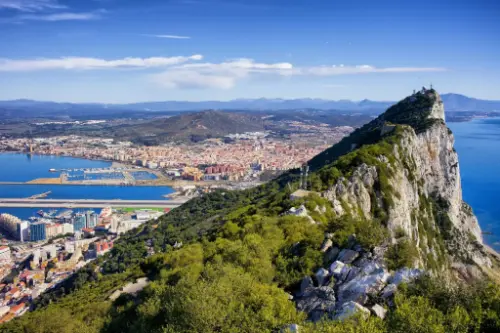 Dzień 3: 08:00–17:00
Gibraltar / Wielka Brytania
Gibraltar is a British Overseas Territory located at the southern tip of the Iberian Peninsula. It has an area of 6.7 km2 (2.6 sq mi) and is bordered to the north by Spain. The landscape is dominated by the Rock of Gibraltar at the foot of which is a densely populated town area, home to over 30,000 people, primarily Gibraltarians. It shares a maritime border with Morocco.
In 1704, Anglo-Dutch forces captured Gibraltar from Spain during the War of the Spanish Succession on behalf of the Habsburg claim to the Spanish throne. The territory was ceded to Great Britain in perpetuity under the Treaty of Utrechtin 1713. During World War II it was an important base for the Royal Navy as it controlled the entrance and exit to the Mediterranean Sea, which is only 8 miles (13 km) wide at this naval choke point. It remains strategically important, with half the world's seaborne trade passing through the strait. Today Gibraltar's economy is based largely on tourism, online gambling, financial services and cargo ship refuelling.
The sovereignty of Gibraltar is a point of contention in Anglo-Spanish relations because Spain asserts a claim to the territory. Gibraltarians rejected proposals for Spanish sovereignty in a 1967 referendum and, in a 2002 referendum, the idea of shared sovereignty was also rejected.
-
Dzień 4:
Dzień na morzu / Morze
-
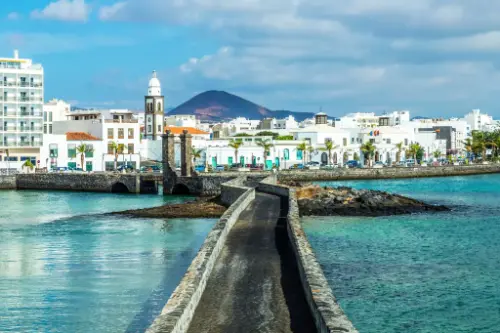 Dzień 5: 13:00–20:00
Arresife / Hiszpania
-
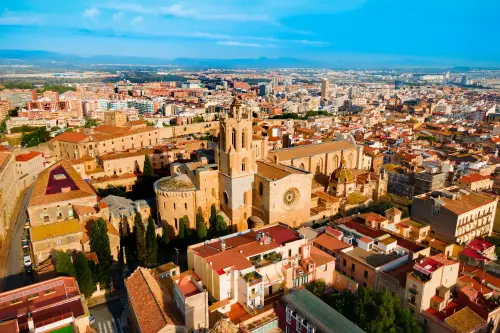 Dzień 6: 08:00–20:00
Tarragona / Hiszpania
Tarragona is a port city located in northeast Spain on the Costa Daurada by the Mediterranean Sea. Founded before the 5th century BC, it is the capital of the Province of Tarragona, and part of Tarragonès and Catalonia. Geographically, it is bordered on the north by the Province of Barcelona and the Province of Lleida. The city has a population of 201,199 (2014).
-
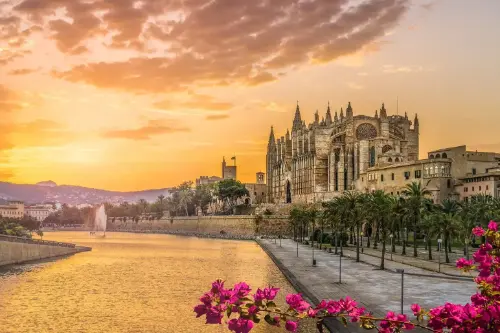 Dzień 7: 08:00–20:00
Palma de Mallorca / Hiszpania
Mallorca is the largest island in the Balearic Islands, which are part of Spain and located in the Mediterranean. The native language, as on the rest of the Balearic Islands, is Catalan, which is co-official with Spanish.
The capital of the island, Palma, is also the capital of the autonomous community of the Balearic Islands. The Balearic Islands have been an autonomous region of Spain since 1983. There are two small islands off the coast of Mallorca: Cabrera (southeast of Palma) and Dragonera (west of Palma). The anthem of Mallorca is "La Balanguera".
Like the other Balearic Islands of Menorca, Ibiza and Formentera, the island is an extremely popular holiday destination, particularly for tourists from Germany and the United Kingdom. The international airport, Palma de Mallorca Airport, is one of the busiest in Spain; it was used by 28.0 million passengers in 2017, increasing every year since 2012.
The name derives from Classical Latin insula maior, "larger island". Later, in Medieval Latin, this became Maiorica, "the larger one", in comparison to Menorca, "the smaller one".
-
Dzień 8: 08:00–20:00
San Sebastian de La Gomera / Hiszpania
-
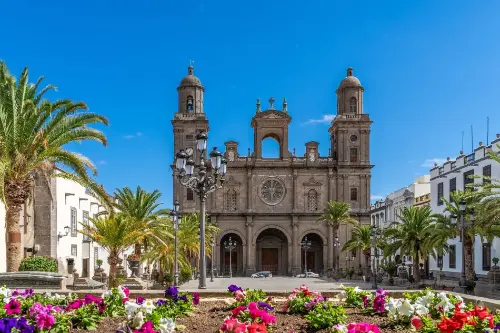 Dzień 9: 07:00
Las Palmas (Gran Canaria) / Hiszpania
Proszę czekać…
Organizator
Biznes i Turystyka Piotr Skupiewski
- ul. Łukowa 41, 32-823 Szczepanów
- NIP 8691148381
- REGON 850455159
- +48 576 977 555
- +48 570 700 273
Organizator jest wpisany do Centralnej Ewidencji Organizatorów Turystyki i Przedsiębiorców Ułatwiających Nabywanie Powiązanych Usług Turystycznych. Posiada gwarancję ubezpieczeniową UNIQA nr 3800003856, ważną od 5 maja 2026 r. do 4 maja 2027 r. Suma gwarancyjna wynosi 379 404,00 zł. Organizator odprowadza składki do Turystycznego Funduszu Gwarancyjnego i Turystycznego Funduszu Pomocowego.
Częste pytania
Rekomendujemy przylot dzień przed rozpoczęciem rejsu.
- W porcie należy stawić się 2–3 godziny przed wypłynięciem.
- Zamawiając transfer lotnisko–port, zaplanuj co najmniej 5 godzin między lądowaniem a planowanym wypłynięciem.
Masz jeszcze pytania?
Pomożemy wybrać rejs i odpowiemy na Twoje pytania.