| Company : Viva Cruises |
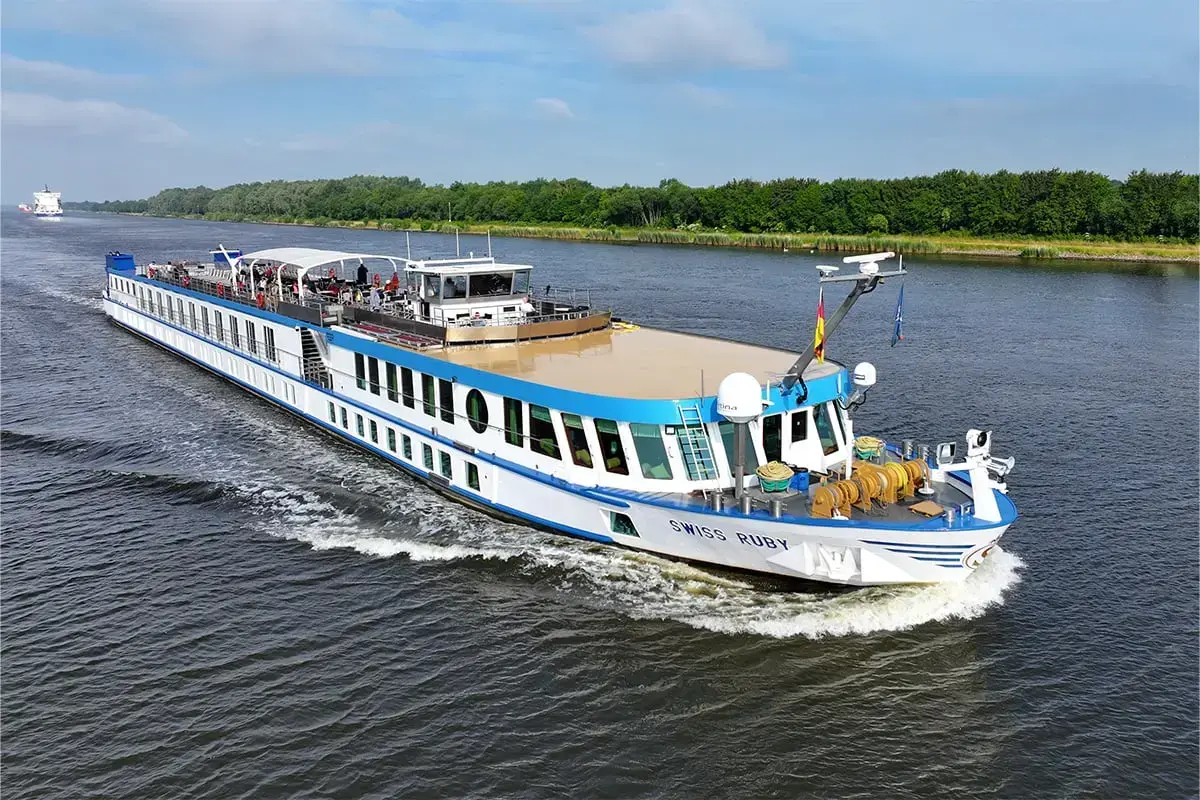
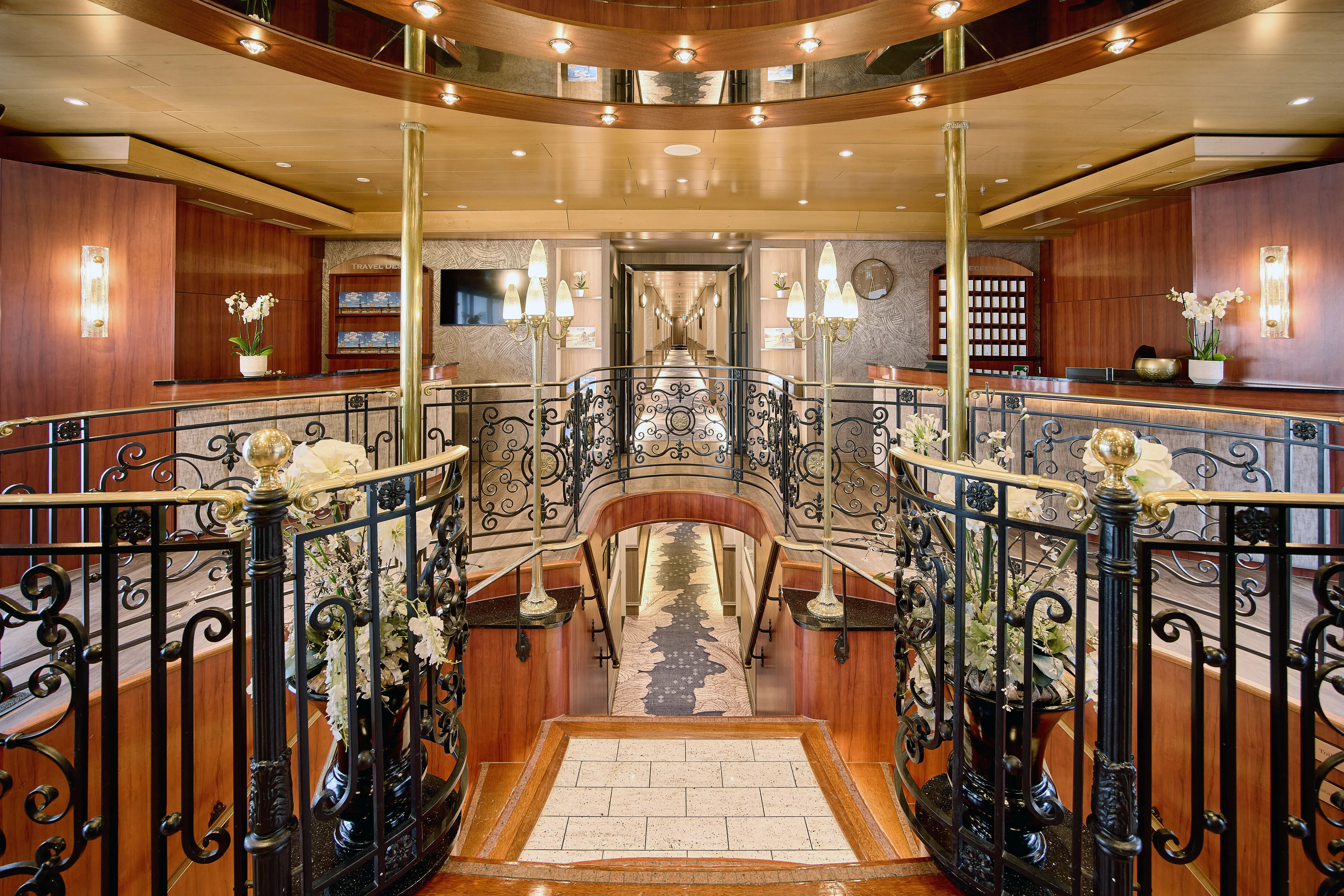

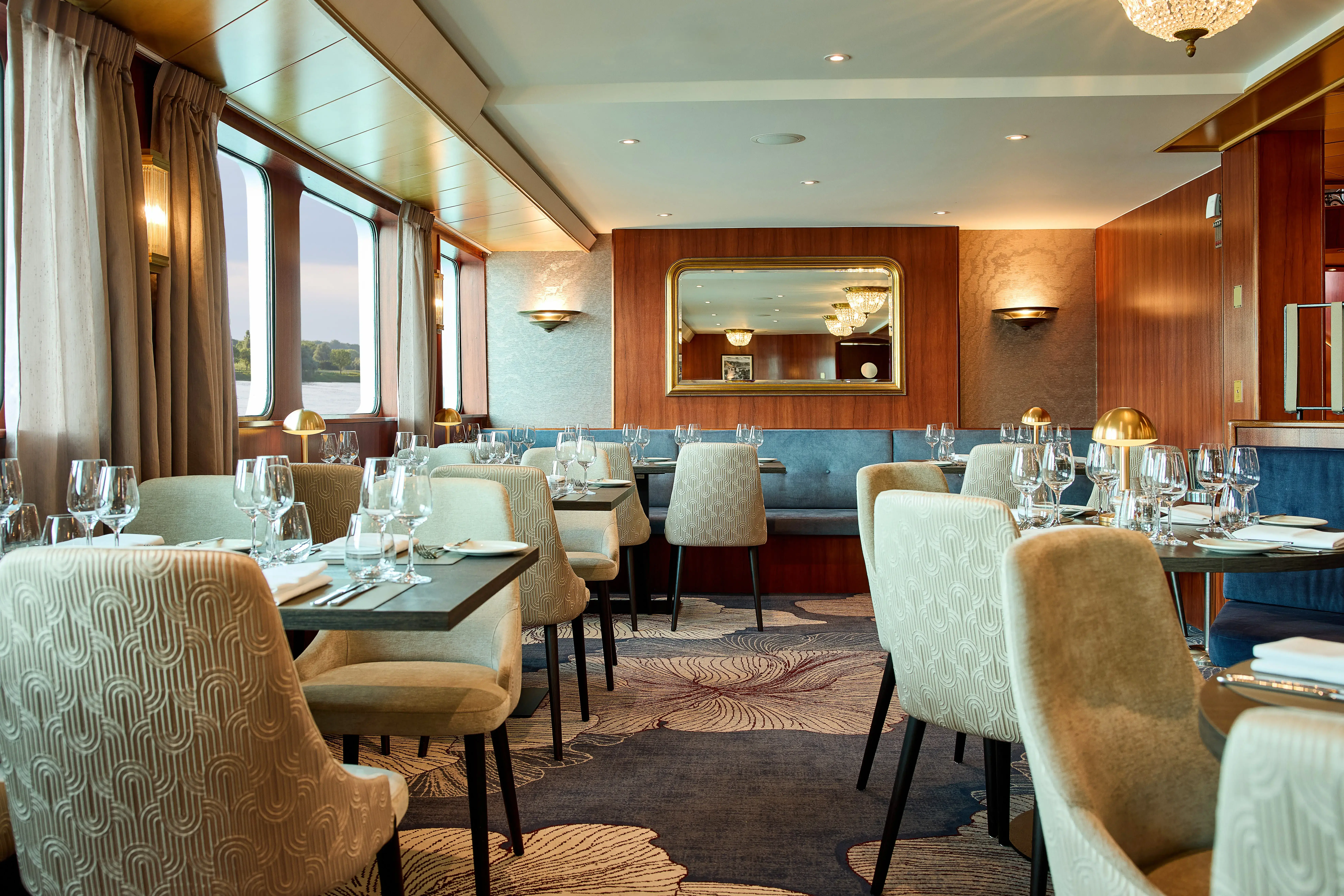
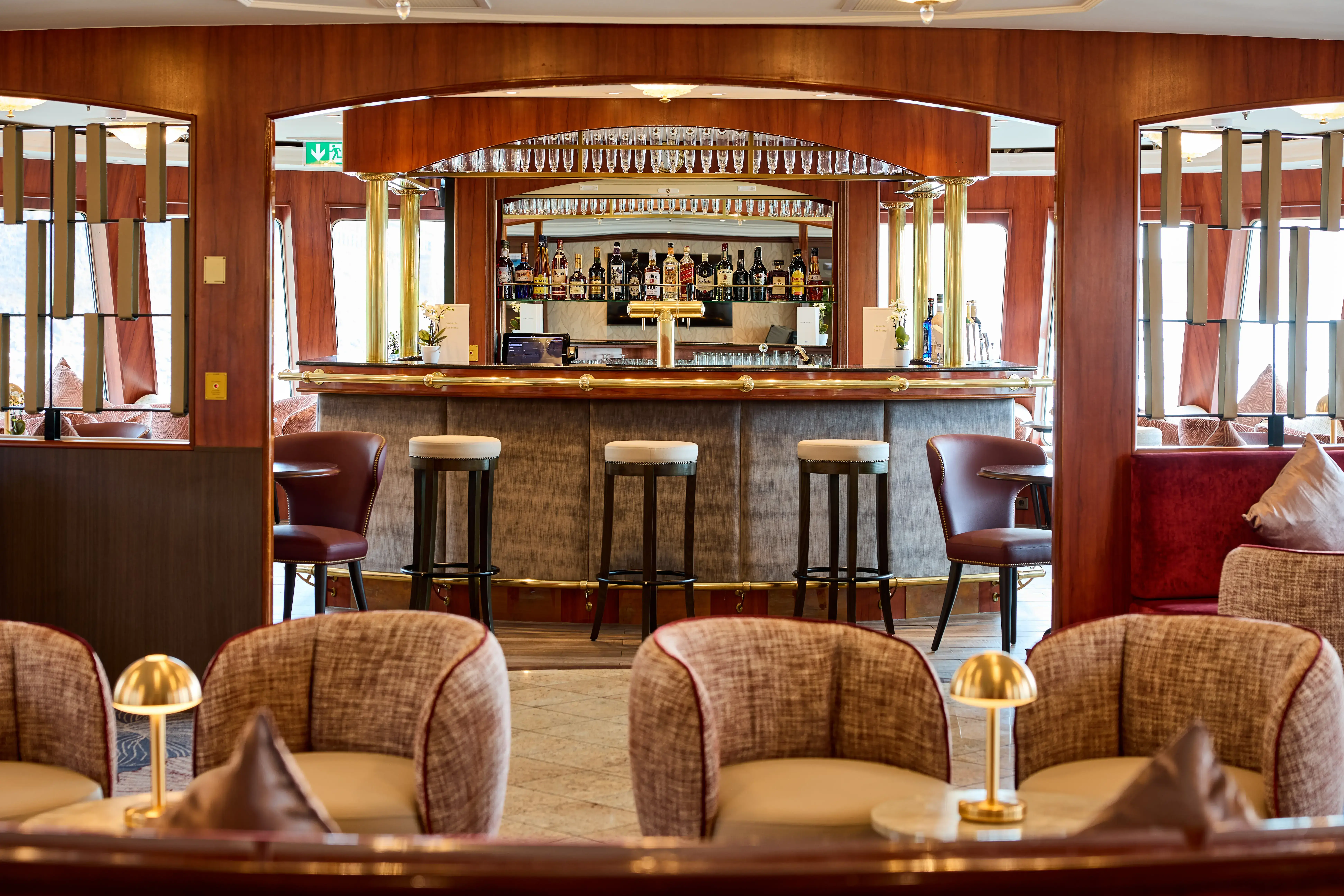
| Ship : VIVA RUBY |
| Journey Start : Sat 27 May 2028 |
| Journey End : Tue 06 Jun 2028 |
| Count Nights : 10 nights |
| Day | Date | Port | Arrival | Departure |
|---|---|---|---|---|
| 1 | 27.05 Sat | Nancy | ||
| 2 | 28.05 Sun | Nancy | 15:00 | |
| 2 | 28.05 Sun | Metz / France | 22:30 | |
| 3 | 29.05 Mon | Metz / France | 21:00 | |
| 4 | 30.05 Tue | Luxembourg / Germany | 07:30 | 22:00 |
| 5 | 31.05 Wed | Trier / Germany | 04:30 | 14:00 |
| 5 | 31.05 Wed | Bernkastel-Kues / Germany | 20:30 | |
| 6 | 1.06 Thu | Bernkastel-Kues / Germany | 13:00 | |
| 6 | 1.06 Thu | Traben-Trarbach | 16:00 | 22:00 |
| 7 | 2.06 Fri | Beilstein | 03:00 | 05:00 |
| 7 | 2.06 Fri | Cochem / Germany | 07:00 | 14:00 |
| 7 | 2.06 Fri | Winningen | 20:00 | |
| 8 | 3.06 Sat | Winningen | 05:00 | |
| 8 | 3.06 Sat | Koblenz / Germany | 07:00 | 13:00 |
| 8 | 3.06 Sat | Rüdesheim / Germany | 20:00 | |
| 9 | 4.06 Sun | Rüdesheim / Germany | 13:00 | |
| 9 | 4.06 Sun | Cologne / Germany | 21:30 | |
| 10 | 5.06 Mon | Cologne / Germany | 13:30 | |
| 10 | 5.06 Mon | Dusseldorf / Germany | 19:30 | |
| 11 | 6.06 Tue | Dusseldorf / Germany |
VIVA All-Inclusive
Breakfast, Lunch, Dinner
Full board: breakfast buffet, lunch and dinner (gourmet menus served at the table) plus snacks. Free choice of table and flexible meal times.
Drinks all day
Hot and cold non-alcoholic beverages, plus a selection of alcoholic drinks. See bar menu for details.
High Tea
Once per trip: sweet and savory treats — scones, sandwiches, cupcakes, chocolates, macarons. Variety of teas included.
Welcome Drink
A warm welcome with a glass of champagne — to a wonderful stay on board.
RITUALS Beauty Products
Selected products for care and relaxation.
Minibar and Water Bottle
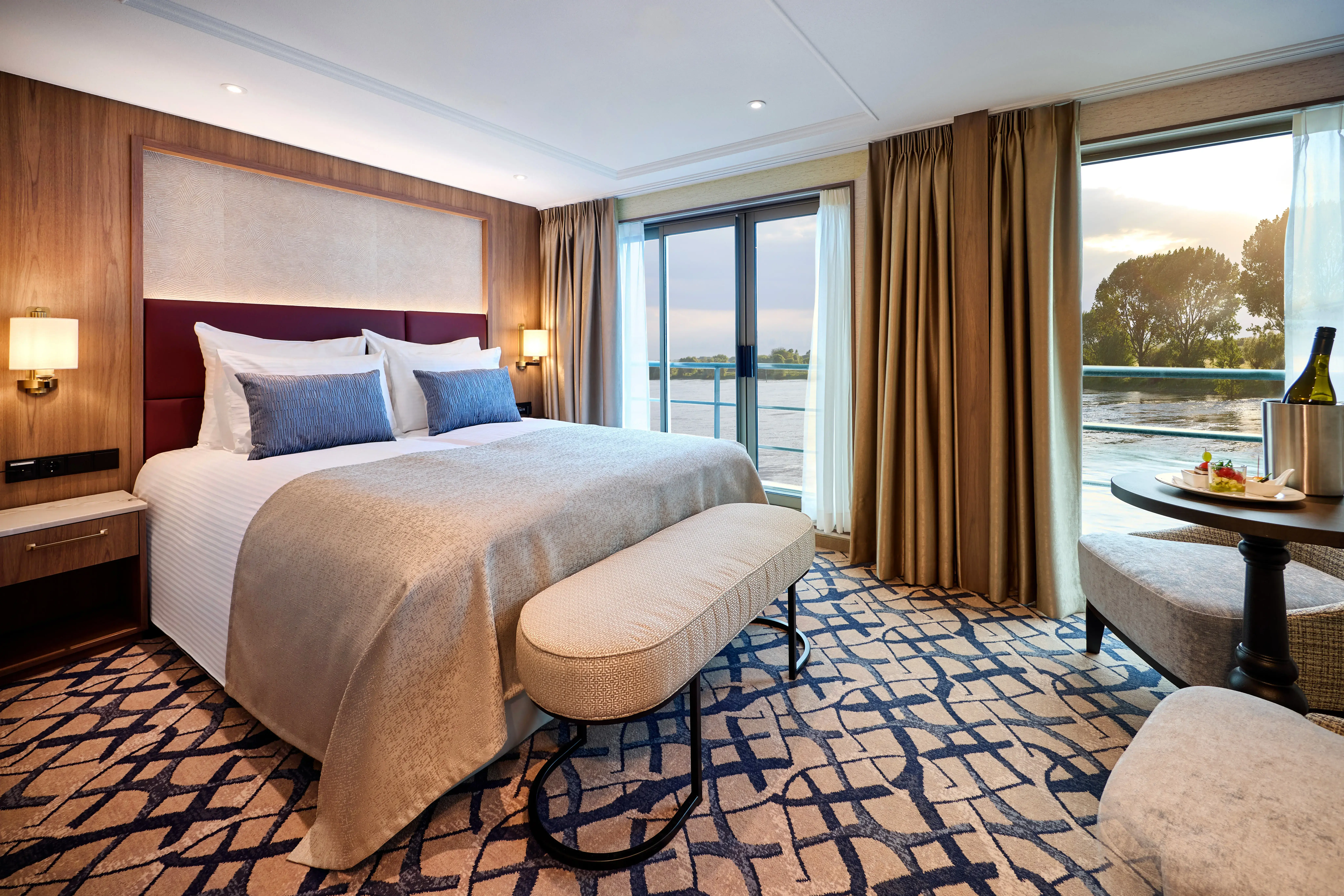
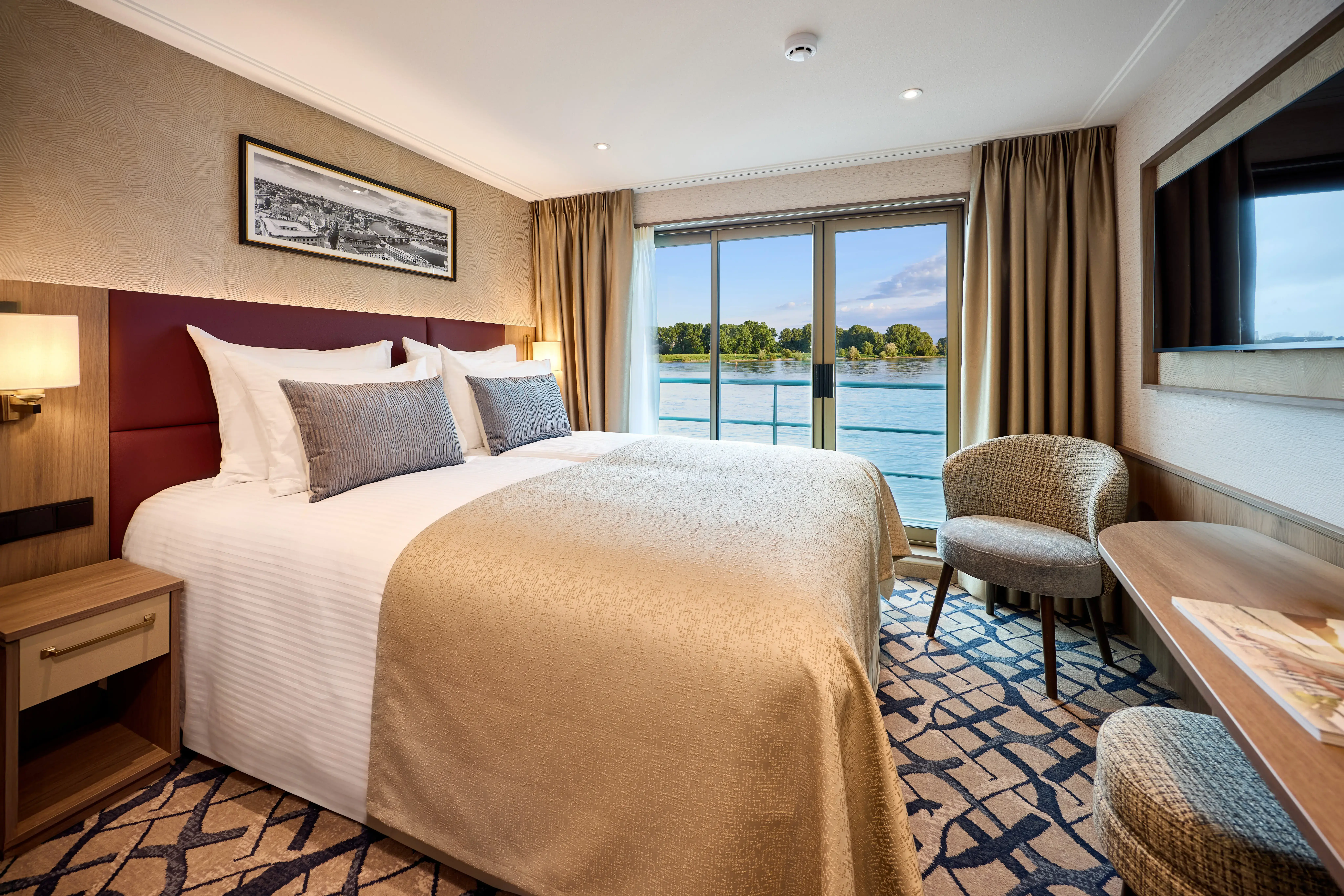
Daily replenished minibar and reusable bottle in the cabin.
Wi-Fi on board
Free and stable internet for comfortable use.
Tips included
All crew services are included in the price.
Payment
A 30% deposit is required at the time of booking.
Final payment must be made no later than 60 days before the cruise starts.
Cancellation
More than 120 days before departure – 10% of the total cost.
119–90 days – 20%.
89–30 days – 40%.
29–15 days – 60%.
14–1 day – 80%.
On the day of departure – 100%.
Rebooking
Changes to the booking are possible no later than 90 days before the cruise starts.
Fee – 50 EUR per person.
Passenger substitution
Allowed no later than 9 days before the cruise starts.
Fee – 50 EUR.
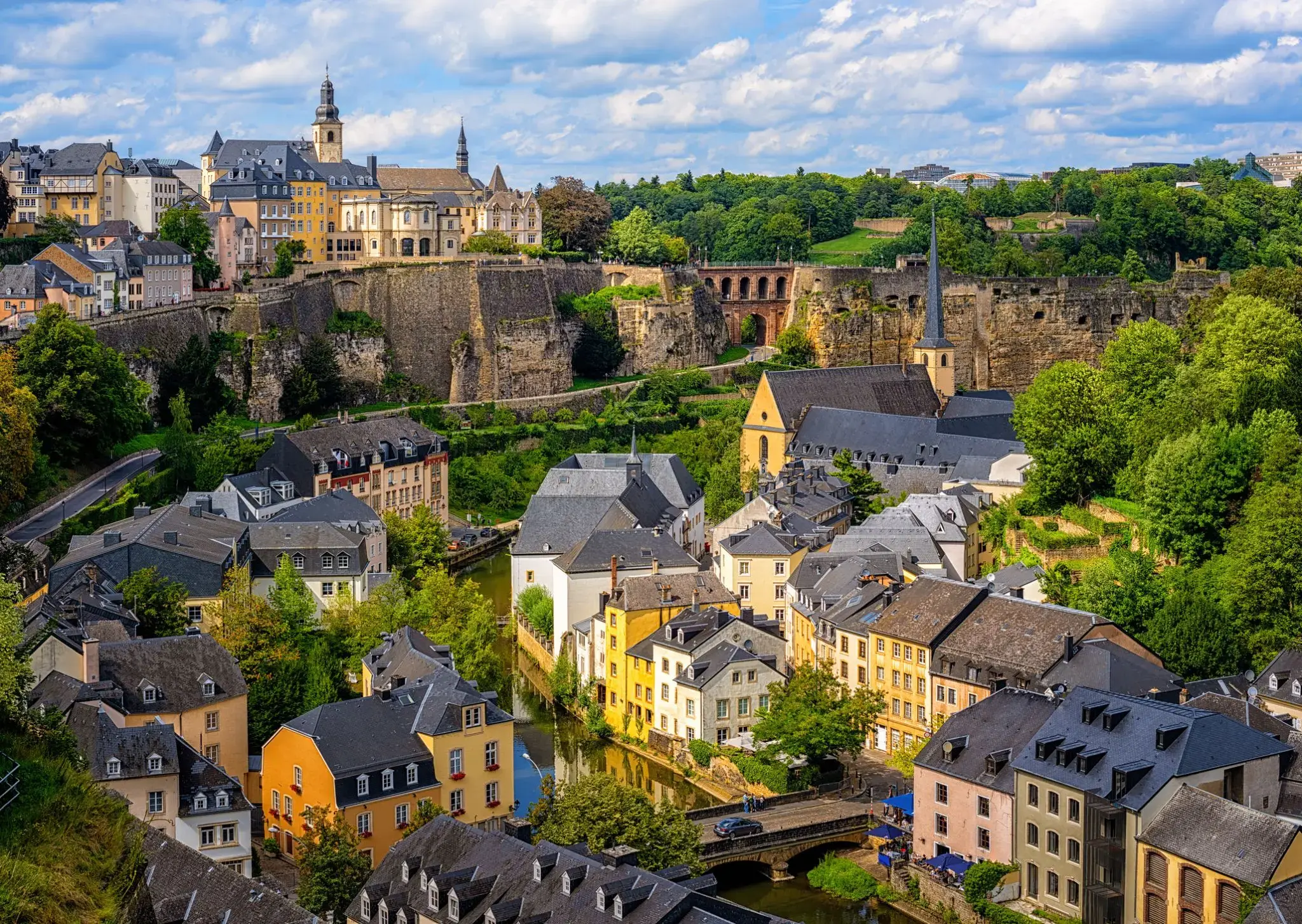
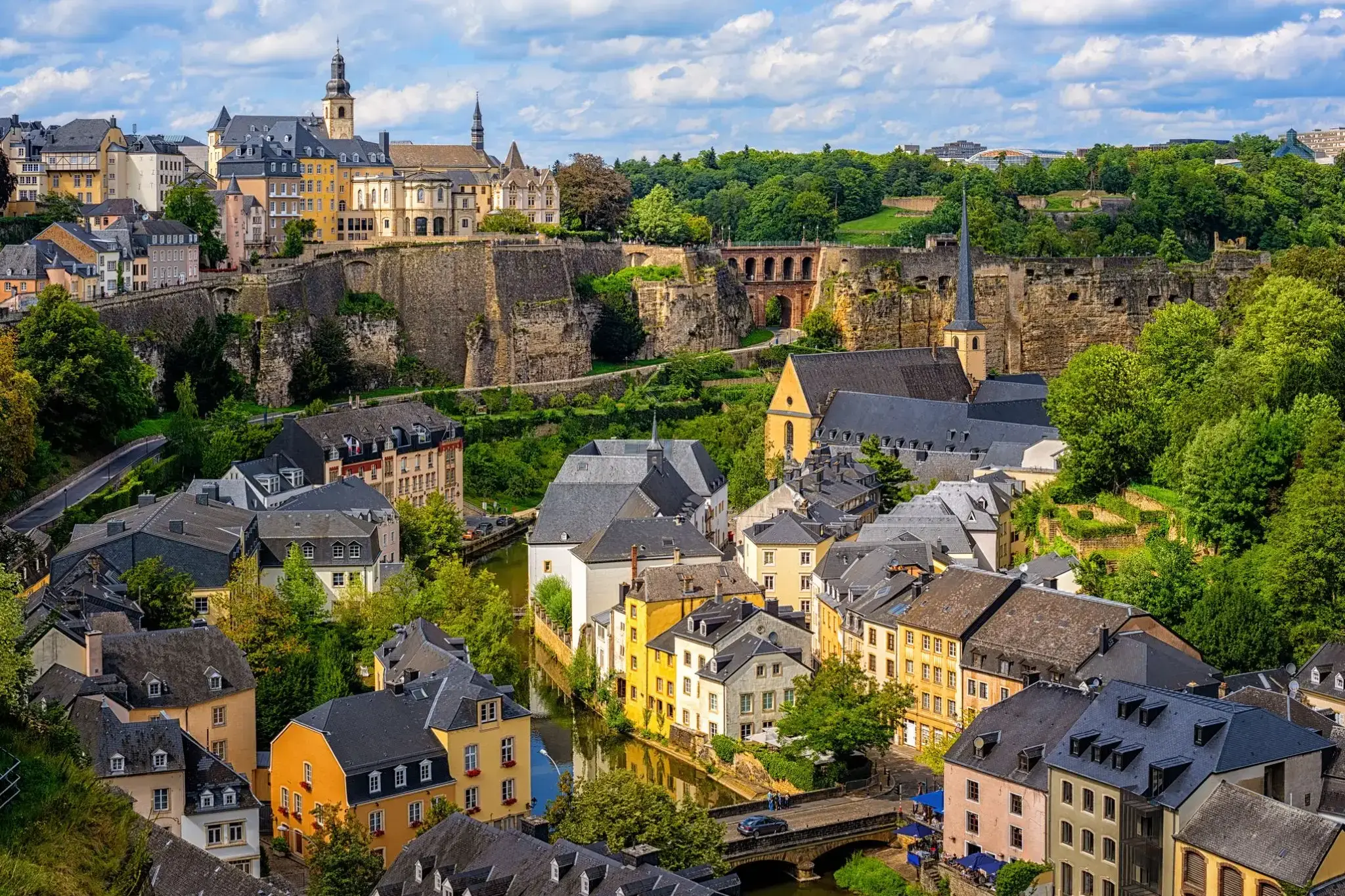
Luxembourg is a small but influential country located between Belgium, France, and Germany. Its capital, also called Luxembourg, is known for its well-preserved old town, which is a UNESCO World Heritage Site. The city impresses with its unique mix of ancient fortifications and modern architecture. Visitors can walk through narrow streets, explore underground casemates, and enjoy panoramic views from the city’s upper levels.
The country is also famous for its high quality of life, multilingual population, and strong financial sector. Luxembourg combines historical charm with a dynamic international spirit. Green parks, gourmet restaurants, and cultural events make it an attractive destination for travelers seeking both comfort and heritage.
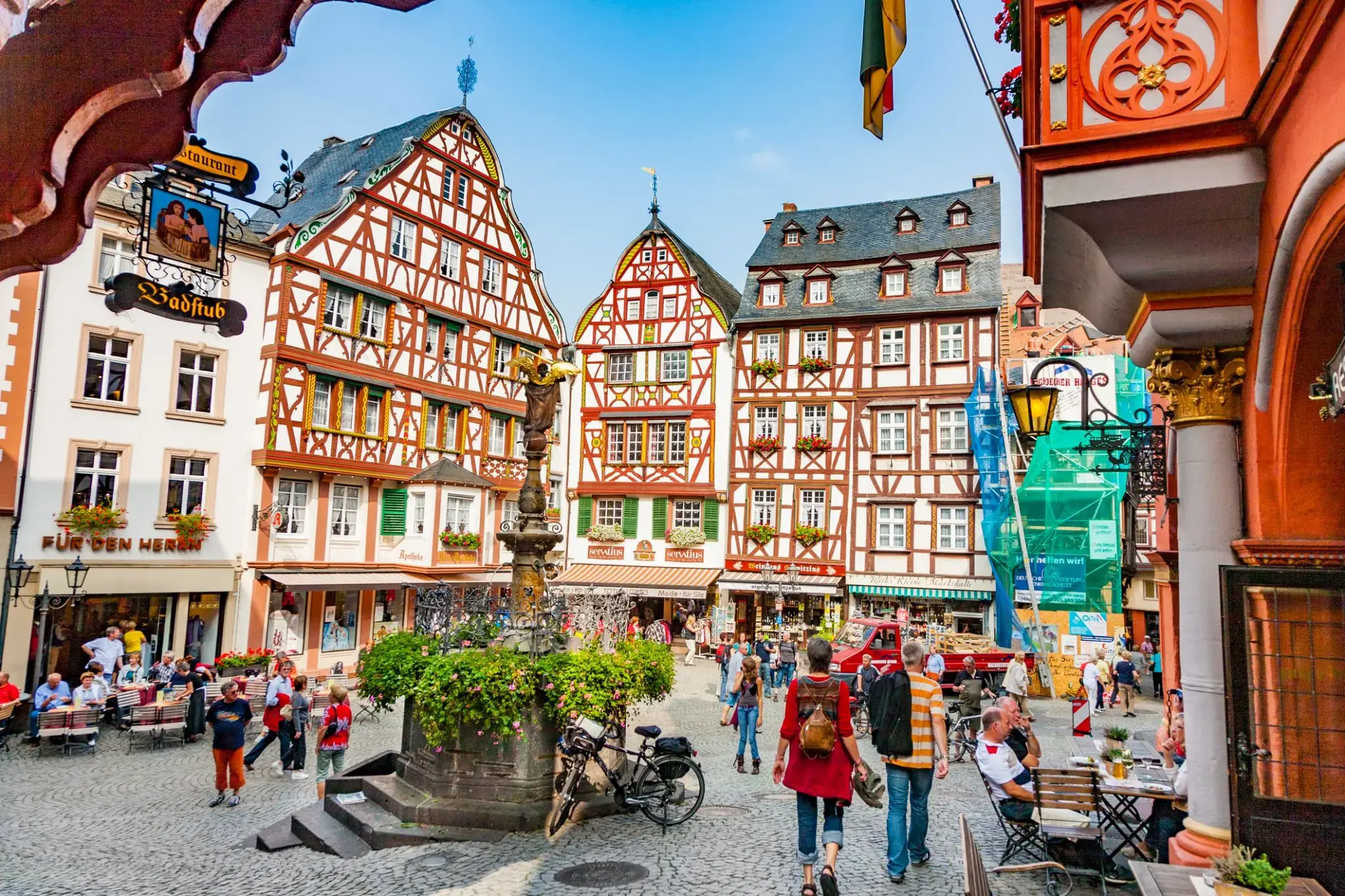
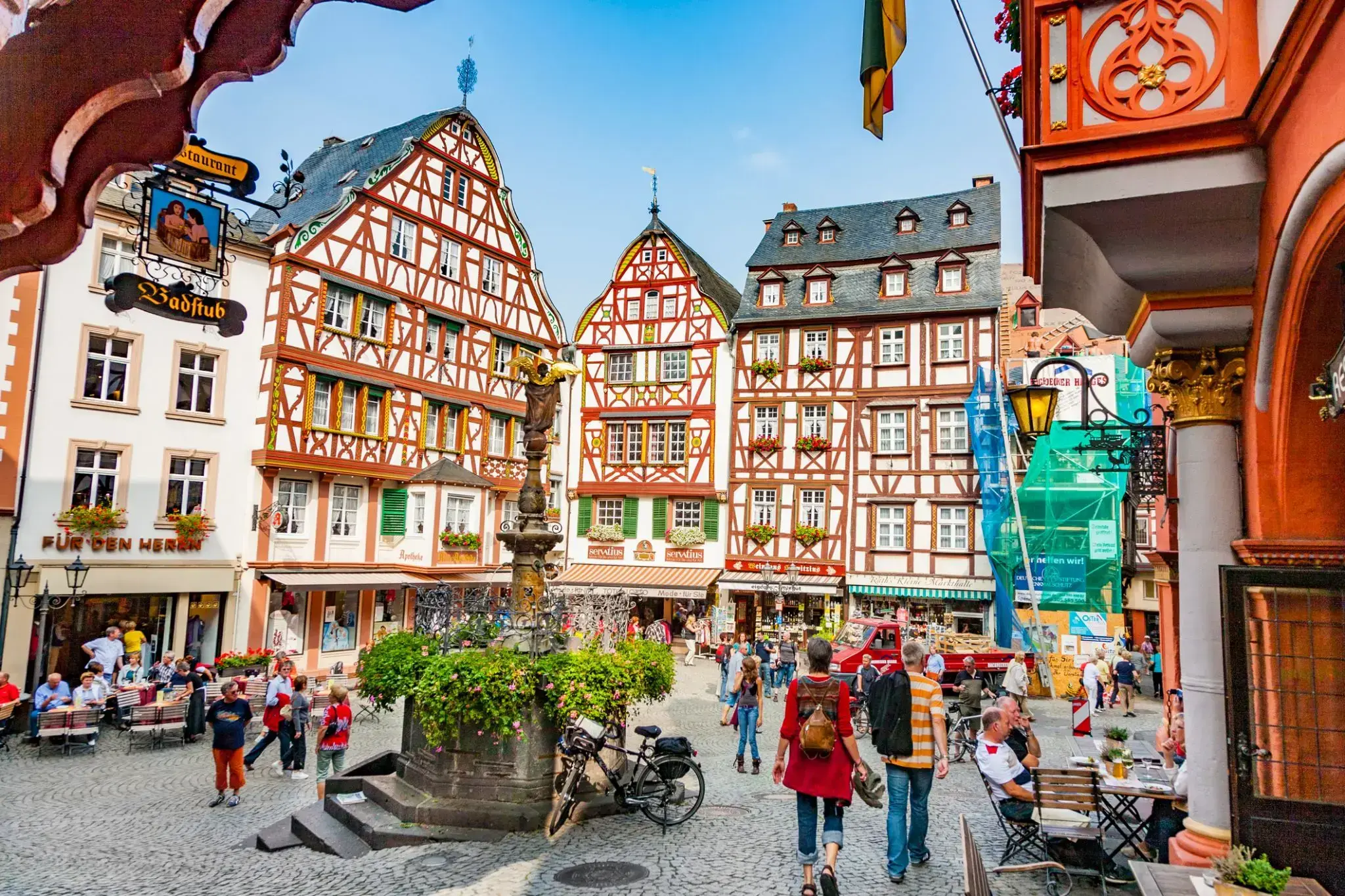
Bernkastel-Kues is a well-known winegrowing centre on the Middle Moselle in the Bernkastel-Wittlich district in Rhineland-Palatinate, Germany. The town is a state-recognized health resort (Erholungsort), seat of the Verbandsgemeinde of Bernkastel-Kues and birthplace of one of the most famous German polymaths, the mediaeval churchman and philosopher Nikolaus von Kues (Cusanus).
Bernkastel-Kues is a well-known winegrowing centre on the Middle Moselle in the Bernkastel-Wittlich district in Rhineland-Palatinate, Germany. The town is a state-recognized health resort (Erholungsort), seat of the Verbandsgemeinde of Bernkastel-Kues and birthplace of one of the most famous German polymaths, the mediaeval churchman and philosopher Nikolaus von Kues (Cusanus).
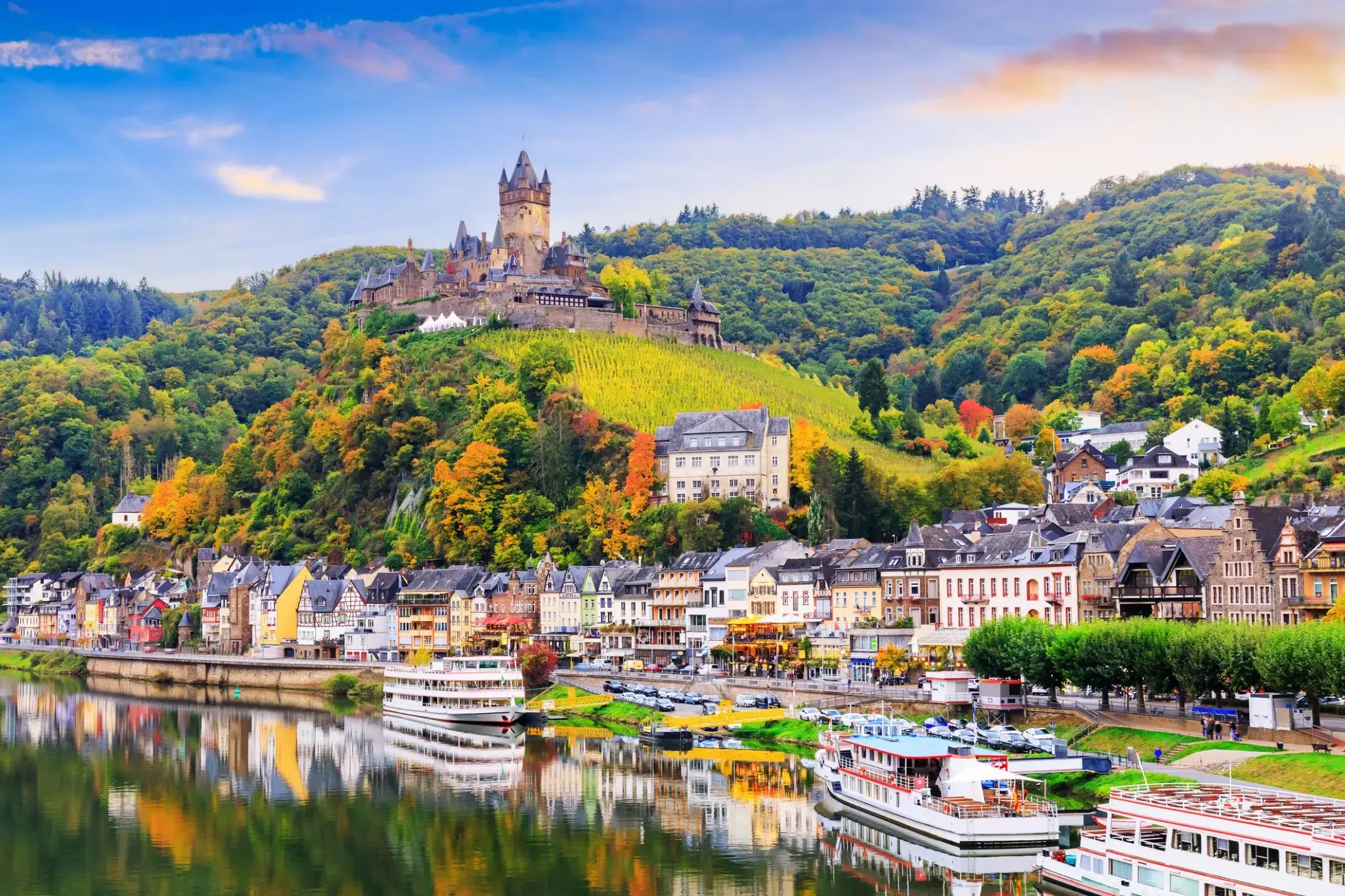
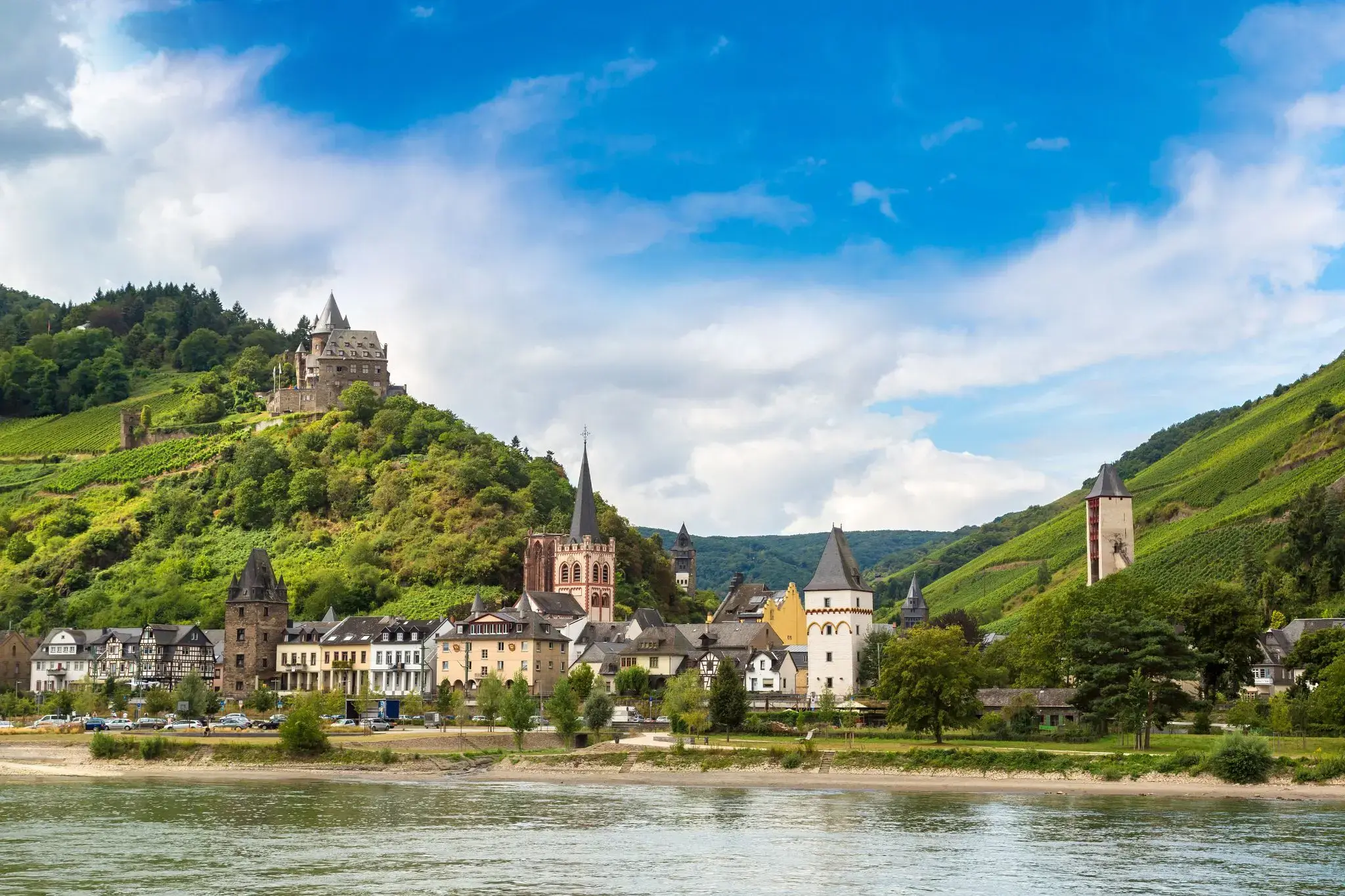
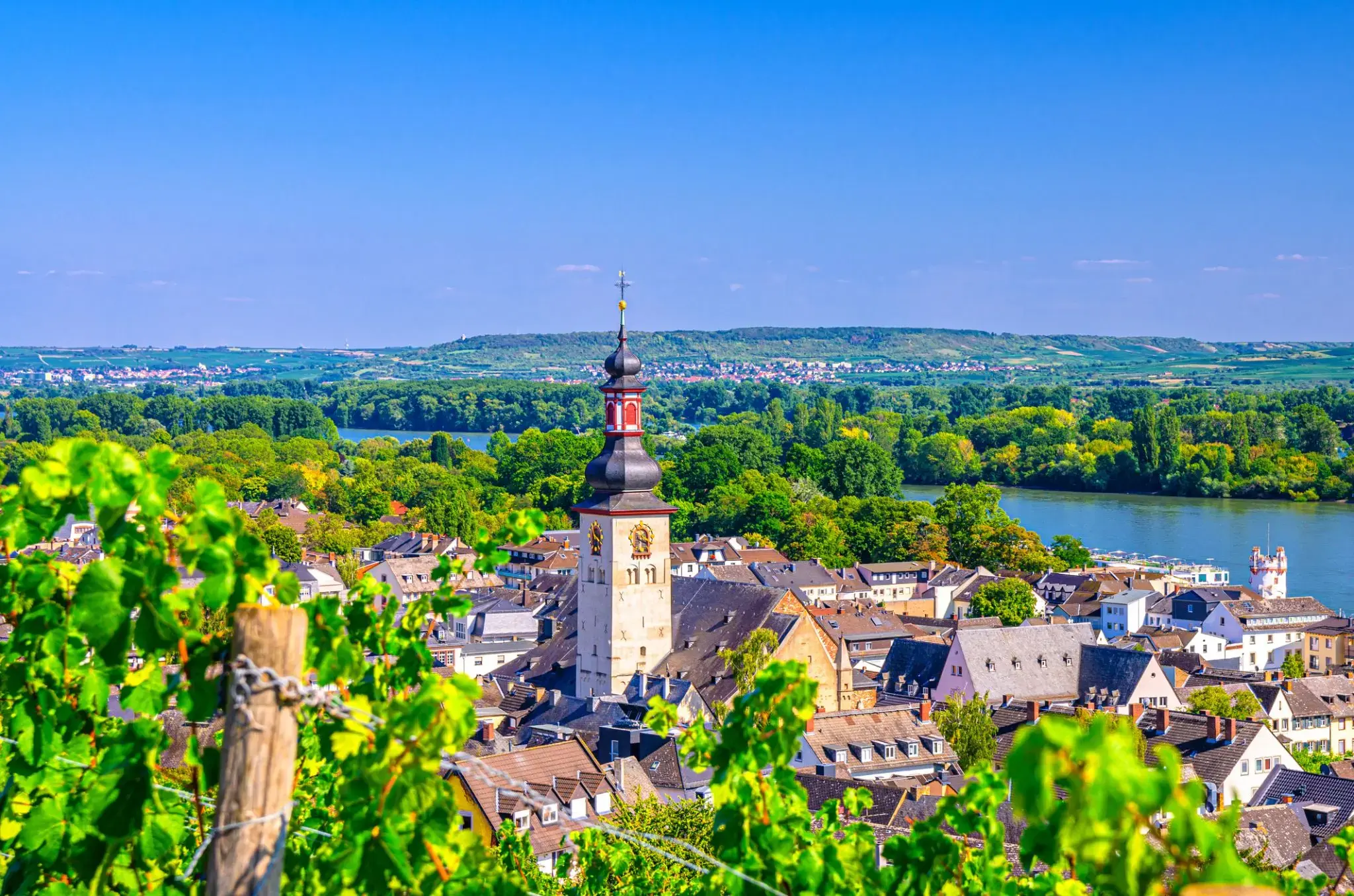
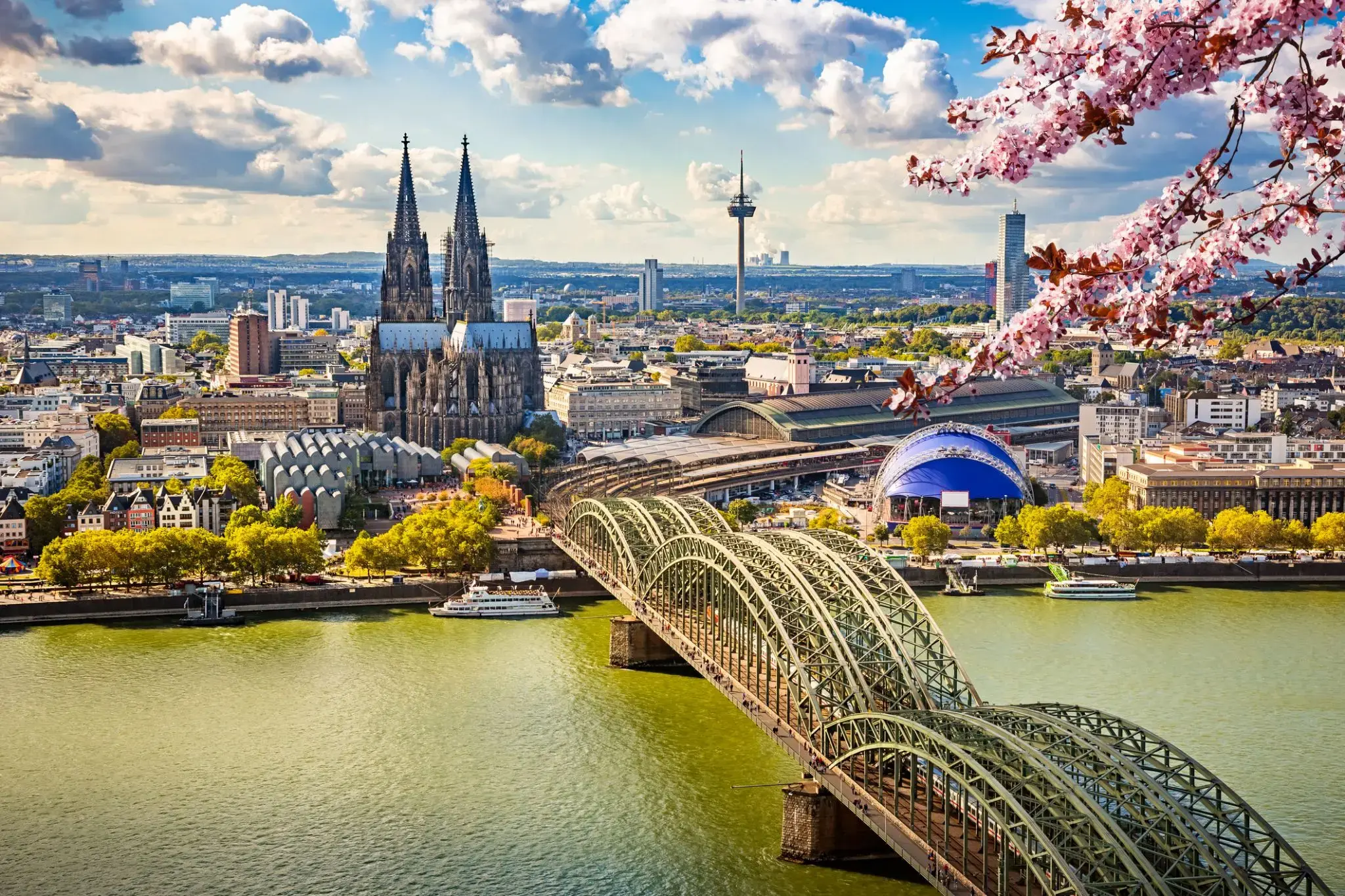
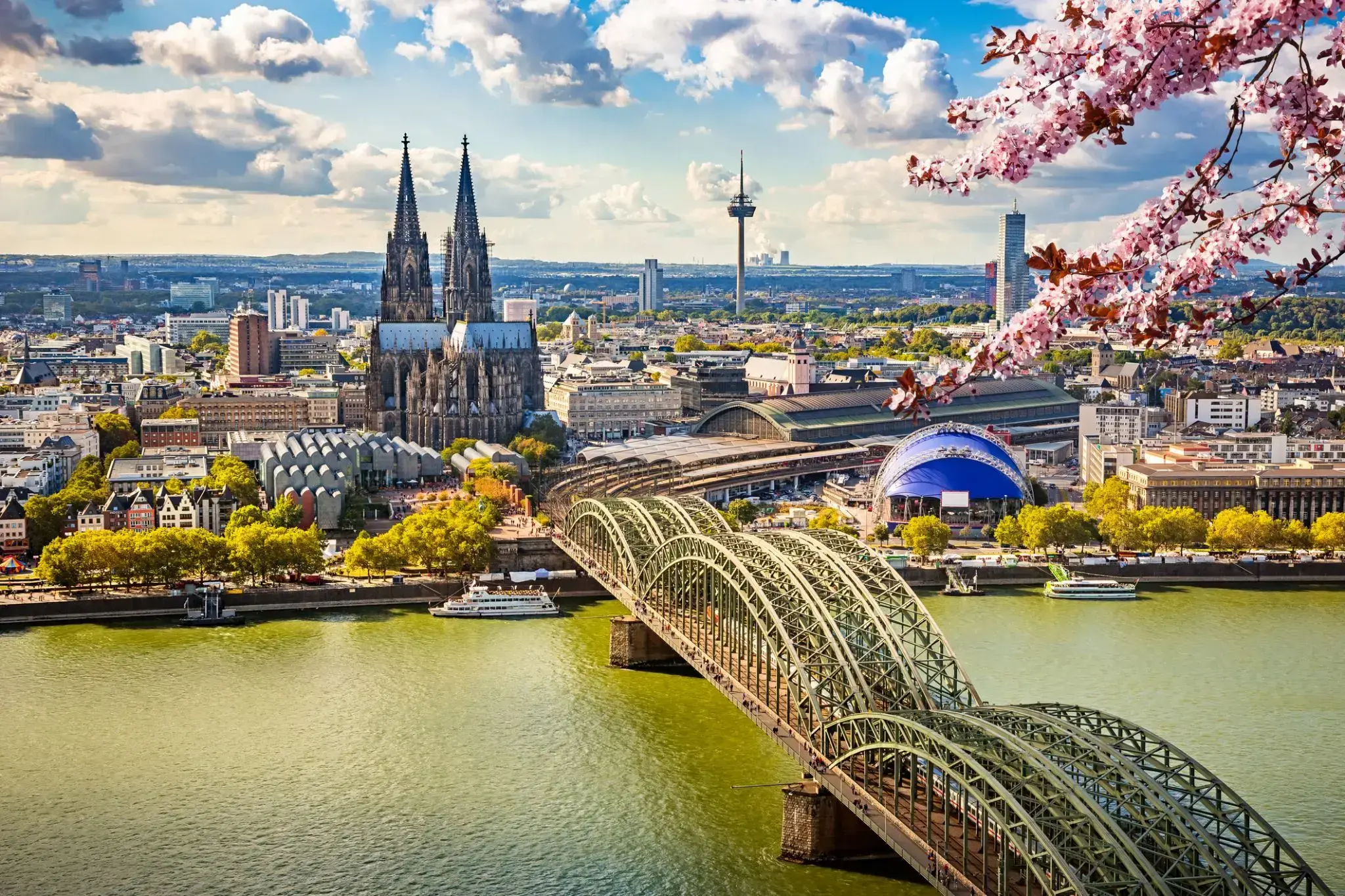
Cologne is the largest city of Germany's most populous federal state of North Rhine-Westphalia, and its 1 million+ (2016) inhabitants make it the fourth most populous city in Germany after Berlin, Hamburg, and Munich. The largest city on the Rhine, it is also the most populous city both of the Rhine-Ruhr Metropolitan Region, which is Germany's largest and one of Europe's major metropolitan areas, and of the Rhineland. Centred on the left bank of the Rhine, Cologne is about 45 kilometres (28 mi) southeast of North Rhine-Westphalia's capital of Düsseldorf and 25 kilometres (16 mi) northwest of Bonn. It is the largest city in the Central Franconian and Ripuarian dialect areas.
The city's famous Cologne Cathedral (Kölner Dom) is the seat of the Catholic Archbishop of Cologne. There are many institutions of higher education in the city, most notably the University of Cologne (Universität zu Köln), one of Europe's oldest and largest universities, the Technical University of Cologne (Technische Hochschule Köln), Germany's largest university of applied sciences, and the German Sport University Cologne (Deutsche Sporthochschule Köln), Germany's only sport university. Cologne Bonn Airport (Flughafen Köln/Bonn) is Germany's seventh-largest airport and lies in the southeast of the city. The main airport for the Rhine-Ruhr region is Düsseldorf Airport.
Cologne is the largest city of Germany's most populous federal state of North Rhine-Westphalia, and its 1 million+ (2016) inhabitants make it the fourth most populous city in Germany after Berlin, Hamburg, and Munich. The largest city on the Rhine, it is also the most populous city both of the Rhine-Ruhr Metropolitan Region, which is Germany's largest and one of Europe's major metropolitan areas, and of the Rhineland. Centred on the left bank of the Rhine, Cologne is about 45 kilometres (28 mi) southeast of North Rhine-Westphalia's capital of Düsseldorf and 25 kilometres (16 mi) northwest of Bonn. It is the largest city in the Central Franconian and Ripuarian dialect areas.
The city's famous Cologne Cathedral (Kölner Dom) is the seat of the Catholic Archbishop of Cologne. There are many institutions of higher education in the city, most notably the University of Cologne (Universität zu Köln), one of Europe's oldest and largest universities, the Technical University of Cologne (Technische Hochschule Köln), Germany's largest university of applied sciences, and the German Sport University Cologne (Deutsche Sporthochschule Köln), Germany's only sport university. Cologne Bonn Airport (Flughafen Köln/Bonn) is Germany's seventh-largest airport and lies in the southeast of the city. The main airport for the Rhine-Ruhr region is Düsseldorf Airport.
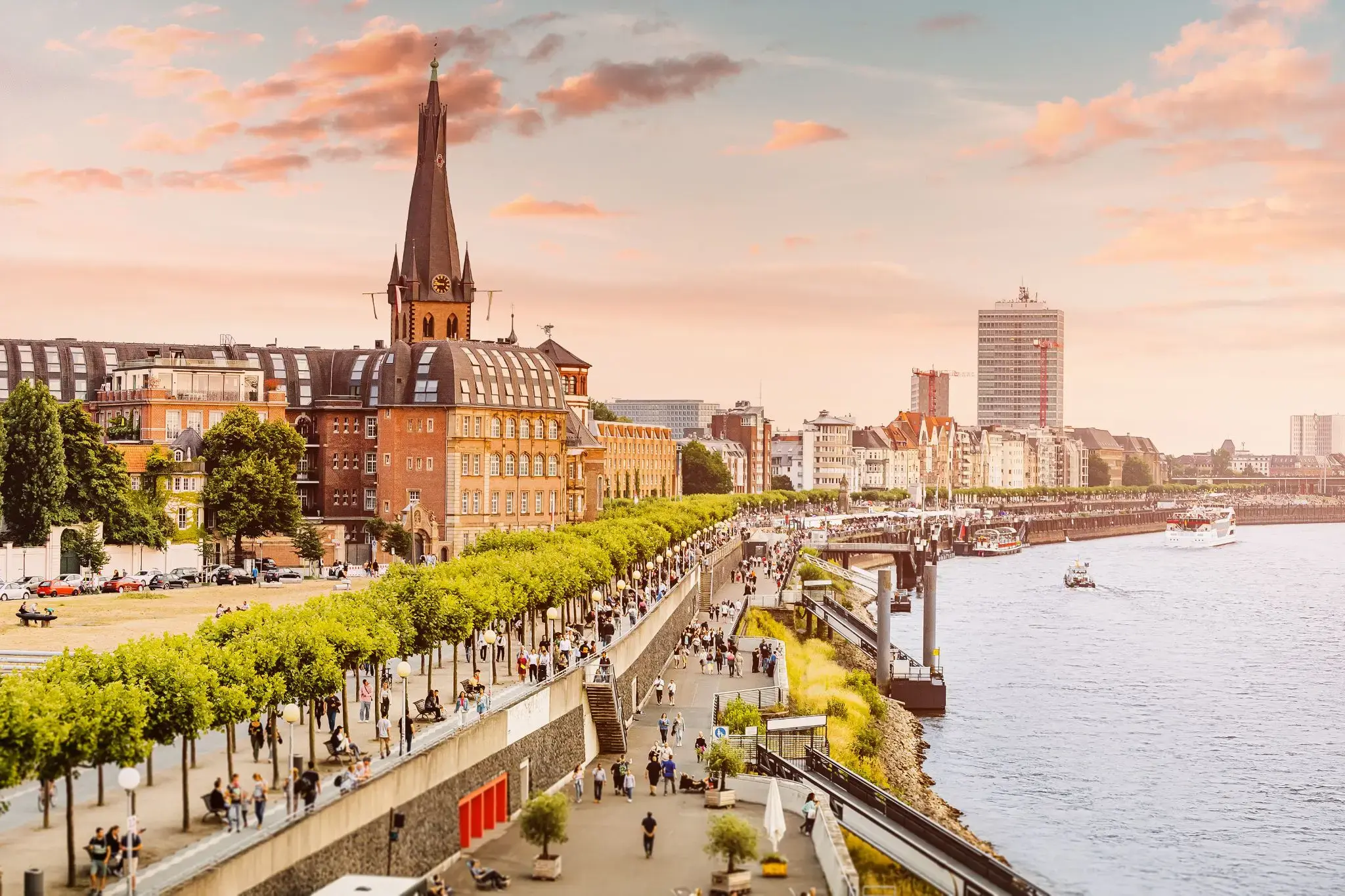
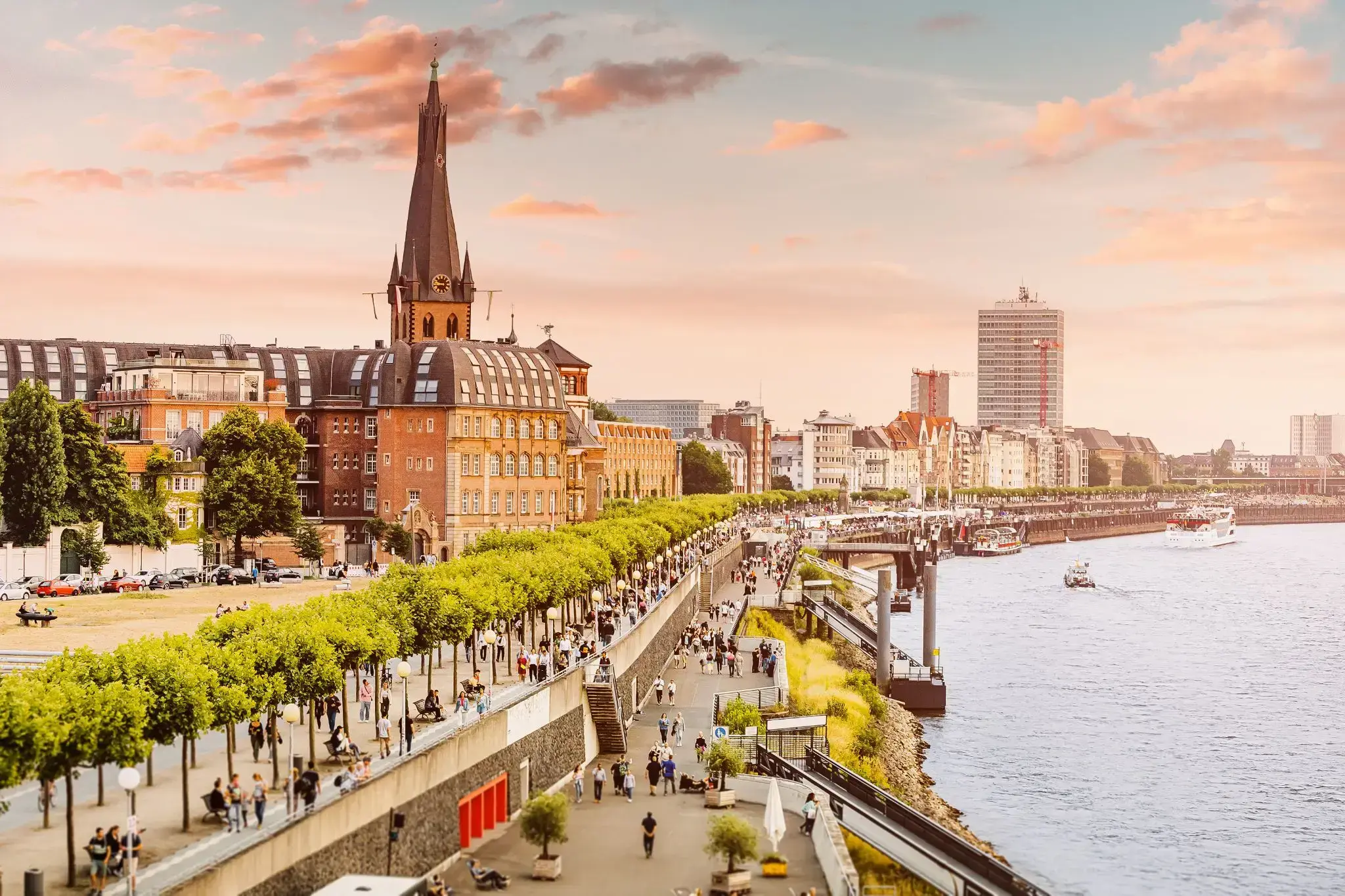
Düsseldorf is the capital and second-largest city of the most populous German federal state of North Rhine-Westphalia after Cologne, as well as the seventh-largest city in Germany. with a population of 617,280. At the confluence of the Rhine and its tributary Düssel, the city lies in the centre of both the Rhine-Ruhr and the Rhineland Metropolitan Regions with the Cologne Bonn region to its south and the Ruhr to its north. Most of the city lies on the right bank of the Rhine (as opposed to Cologne, whose city centre lies on the river's left bank). The city is the largest in the German Low Franconian dialect area (closely related to Dutch). "Dorf" meaning "village" in German, the "-dorf" suffix (English cognate: thorp) is unusual in the German-speaking area for a settlement of Düsseldorf's size.
Düsseldorf is the capital and second-largest city of the most populous German federal state of North Rhine-Westphalia after Cologne, as well as the seventh-largest city in Germany. with a population of 617,280. At the confluence of the Rhine and its tributary Düssel, the city lies in the centre of both the Rhine-Ruhr and the Rhineland Metropolitan Regions with the Cologne Bonn region to its south and the Ruhr to its north. Most of the city lies on the right bank of the Rhine (as opposed to Cologne, whose city centre lies on the river's left bank). The city is the largest in the German Low Franconian dialect area (closely related to Dutch). "Dorf" meaning "village" in German, the "-dorf" suffix (English cognate: thorp) is unusual in the German-speaking area for a settlement of Düsseldorf's size.