
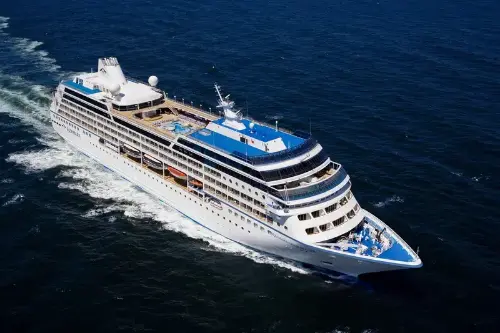
Sea cruise · 20.05.2028 – 01.06.2028 · 12 nights
12 nights, from Portsmouth
Cabin prices and availabilityRoute and cruise information
Premium- Portsmouth
- I cherished
- Cobh
- BANTRY HARBOUR
- Foynes, Limerick
- Galway
- Donegal
- Belfast
- Belfast
- Portsmouth
| Date | Port | Arrival | Departure |
|---|---|---|---|
| 20.05.2028 |
Portsmouth
Dominica
|
— | 18:00 |
| 21.05.2028 |
I cherished
|
09:00 | 15:00 |
| 22.05.2028 |
Cobh
Ireland
|
07:00 | 20:00 |
| 23.05.2028 |
BANTRY HARBOUR
|
08:00 | 17:00 |
| 24.05.2028 |
Foynes, Limerick
Ireland
|
07:00 | 20:00 |
| 25.05.2028 |
Galway
Ireland
|
08:00 | 17:00 |
| 26.05.2028 |
Donegal
|
07:00 | 19:00 |
| 28.05.2028 |
Belfast
Great Britain
|
08:00 | — |
| 29.05.2028 |
Belfast
Great Britain
|
— | 20:00 |
| 31.05.2028 |
Day at sea
|
— | — |
| 01.06.2028 |
Portsmouth
Dominica
|
06:00 | — |
-
Day 1: 18:00
Portsmouth / Dominica
-
Day 2: 09:00–15:00
I cherished
-
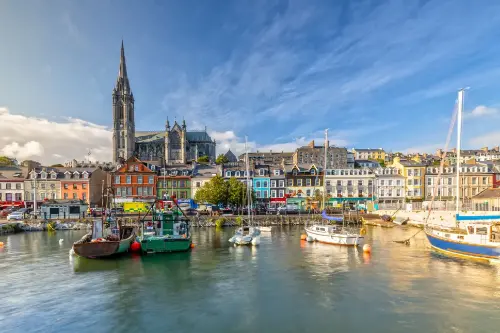 Day 3: 07:00–20:00
Cobh / Ireland
-
Day 4: 08:00–17:00
BANTRY HARBOUR
-
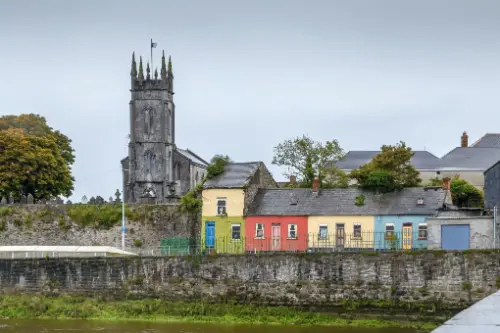 Day 5: 07:00–20:00
Foynes, Limerick / Ireland
-
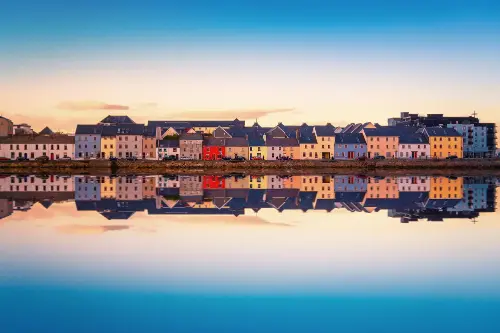 Day 6: 08:00–17:00
Galway / Ireland
-
Day 7: 07:00–19:00
Donegal
-
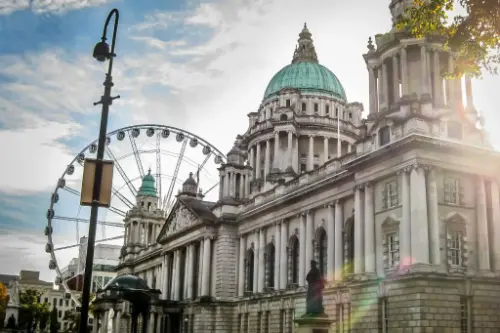 Day 9: 08:00
Belfast / Great Britain
Belfast is a port city in the United Kingdom and the capital city of Northern Ireland, on the banks of the River Lagan on the east coast of Ireland. It is the largest city in Northern Ireland and second largest on the island of Ireland. It had a population of 333,871 in 2015.
By the early 1800s Belfast was a major port. It played a key role in the Industrial Revolution, becoming the biggest linen producer in the world, earning it the nickname "Linenopolis". By the time it was granted city status in 1888, it was a major centre of Irish linen production, tobacco-processing and rope-making. Shipbuilding was also a key industry; the Harland and Wolff shipyard, where the RMS Titanic was built, was the world's biggest shipyard. It also has a major aerospace and missiles industry. Industrialisation and the inward migration it brought made Belfast Ireland's biggest city and it became the capital of Northern Ireland following the Partition of Ireland in 1922. Its status as a global industrial centre ended in the decades after the Second World War.
Belfast suffered greatly in the Troubles, and in the 1970s and 1980s was one of the world's most dangerous cities. However, the city is now considered to be one of the safest within the United Kingdom. Throughout the 21st century, the city has seen a sustained period of calm, free from the intense political violence of former years and has benefitted from substantial economic and commercial growth. Belfast remains a centre for industry, as well as the arts, higher education, business, and law, and is the economic engine of Northern Ireland. Belfast is still a major port, with commercial and industrial docks dominating the Belfast Lough shoreline, including the Harland and Wolff shipyard. It is served by two airports: George Best Belfast City Airport, and Belfast International Airport 15 miles (24 km) west of the city. It is listed by the Globalization and World Cities Research Network (GaWC) as a Gamma global city.
-
Day 10: 20:00
Belfast / Great Britain
Belfast is a port city in the United Kingdom and the capital city of Northern Ireland, on the banks of the River Lagan on the east coast of Ireland. It is the largest city in Northern Ireland and second largest on the island of Ireland. It had a population of 333,871 in 2015.
By the early 1800s Belfast was a major port. It played a key role in the Industrial Revolution, becoming the biggest linen producer in the world, earning it the nickname "Linenopolis". By the time it was granted city status in 1888, it was a major centre of Irish linen production, tobacco-processing and rope-making. Shipbuilding was also a key industry; the Harland and Wolff shipyard, where the RMS Titanic was built, was the world's biggest shipyard. It also has a major aerospace and missiles industry. Industrialisation and the inward migration it brought made Belfast Ireland's biggest city and it became the capital of Northern Ireland following the Partition of Ireland in 1922. Its status as a global industrial centre ended in the decades after the Second World War.
Belfast suffered greatly in the Troubles, and in the 1970s and 1980s was one of the world's most dangerous cities. However, the city is now considered to be one of the safest within the United Kingdom. Throughout the 21st century, the city has seen a sustained period of calm, free from the intense political violence of former years and has benefitted from substantial economic and commercial growth. Belfast remains a centre for industry, as well as the arts, higher education, business, and law, and is the economic engine of Northern Ireland. Belfast is still a major port, with commercial and industrial docks dominating the Belfast Lough shoreline, including the Harland and Wolff shipyard. It is served by two airports: George Best Belfast City Airport, and Belfast International Airport 15 miles (24 km) west of the city. It is listed by the Globalization and World Cities Research Network (GaWC) as a Gamma global city.
-
Day 12:
Day at sea / Sea
-
Day 13: 06:00
Portsmouth / Dominica
Please wait…
Tour operator
Biznes i Turystyka Piotr Skupiewski
- ul. Łukowa 41, 32-823 Szczepanów
- NIP 8691148381
- REGON 850455159
- +48 576 977 555
- +48 570 700 273
The tour operator is entered in the Central Register of Tour Operators and Entrepreneurs Facilitating the Purchase of Linked Travel Arrangements. It holds UNIQA insurance guarantee no. 3800003856, valid from 5 May 2026 to 4 May 2027. The guarantee sum is PLN 379,404.00. The operator pays contributions to the Tourist Guarantee Fund and the Tourist Assistance Fund.
Still have a question?
We'll help you choose a cruise and answer your questions.