| Cruise Region : Mediterranean Sea, Europe |
| Company : Azamara Cruises |
| Ship : Azamara Onward |
| Journey Start : Wed 02 Sep 2026 |
| Journey End : Sat 12 Sep 2026 |
| Count Nights : 10 nights |
| Day | Date | Port | Arrival | Departure |
|---|---|---|---|---|
| 1 | 2.09 Wed | Fusina / Italy | 18:00 | |
| 2 | 3.09 Thu | Dill / Slovenia | 08:00 | 20:00 |
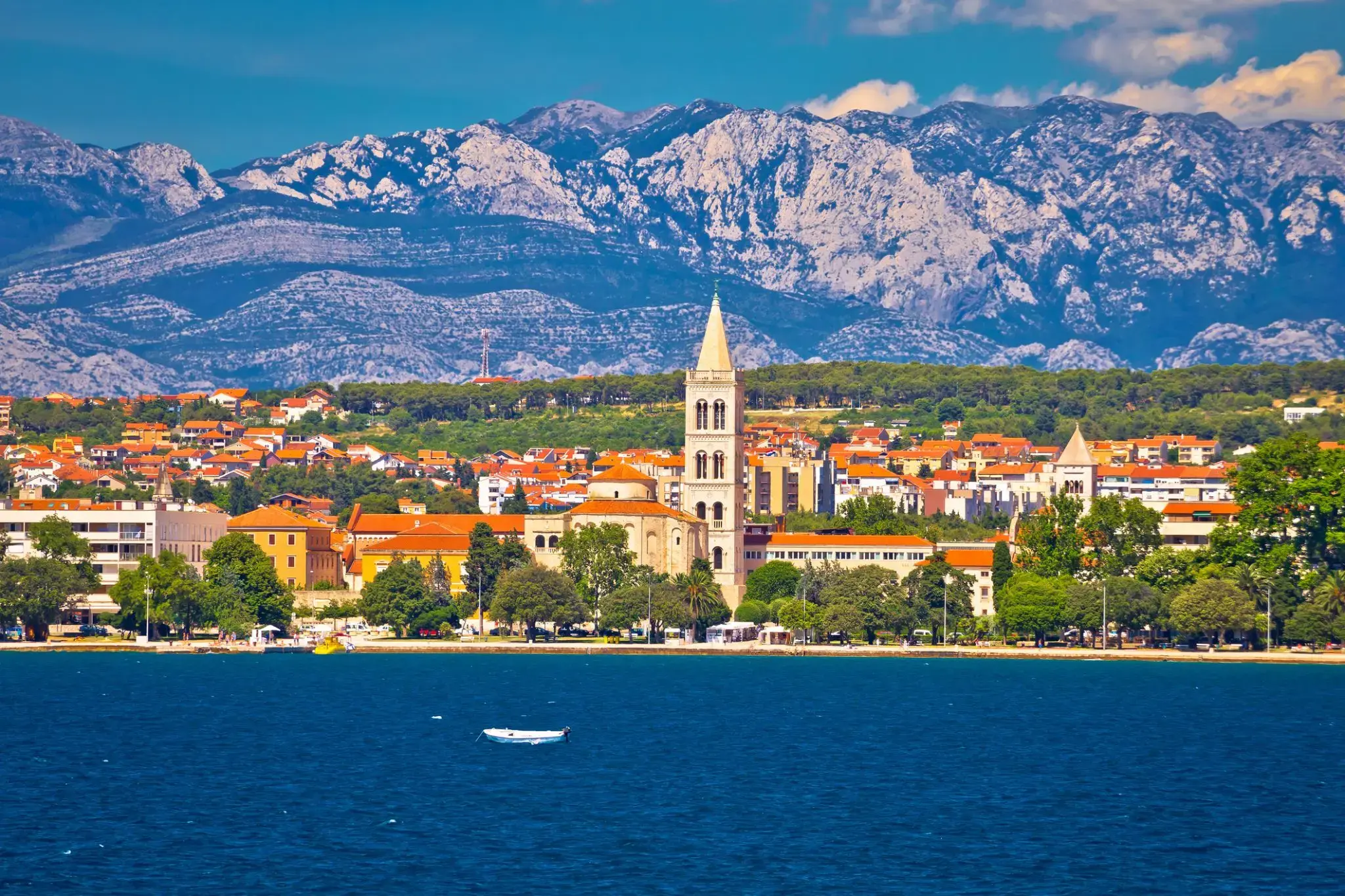
| 3 | 4.09 Fri | Zadar / Croatia | 09:00 | 20:00 |
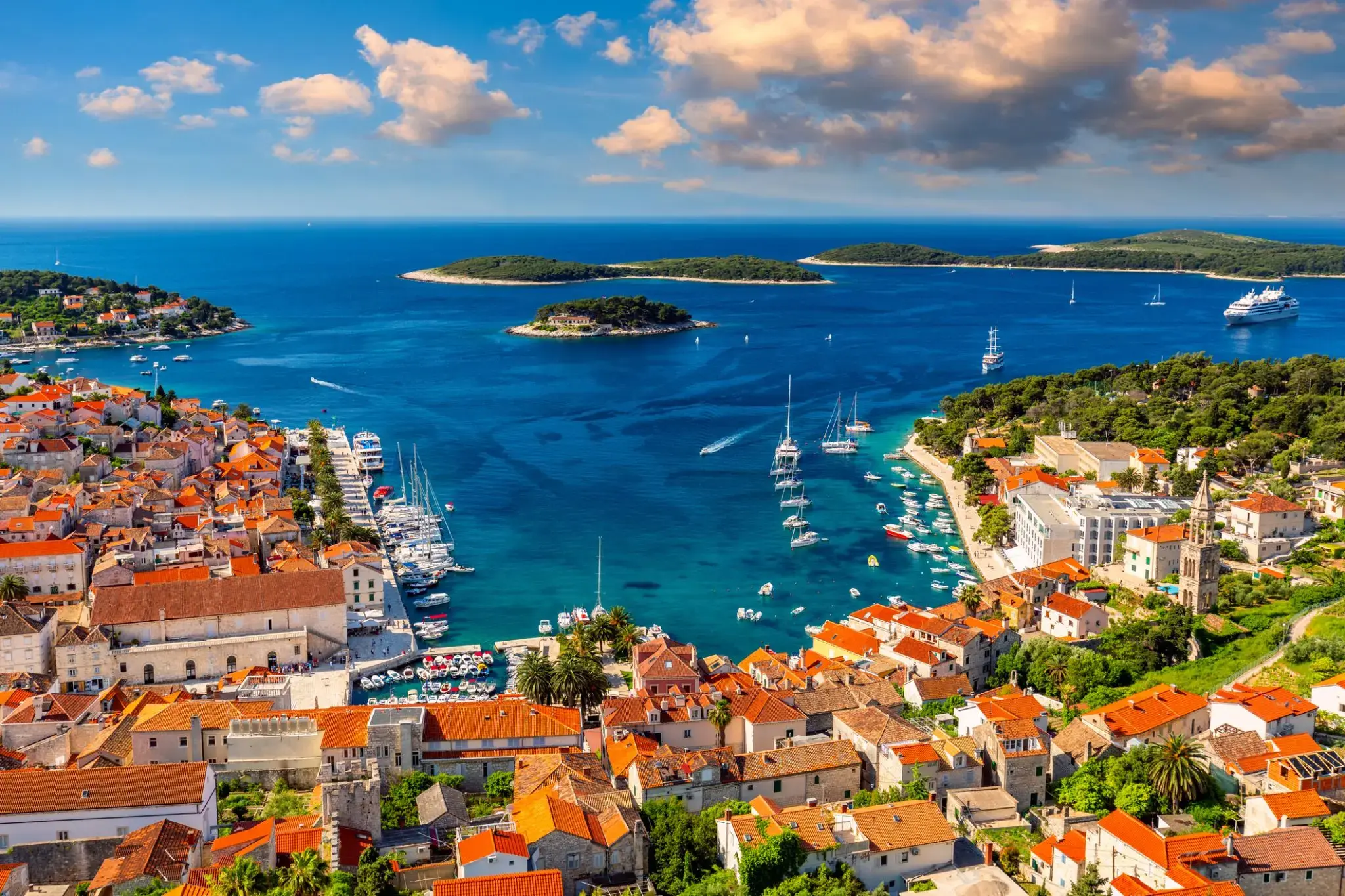
| 4 | 5.09 Sat | Hvar / Croatia | 08:00 | 20:00 |
| 5 | 6.09 Sun | Dubrovnik / Croatia | 08:00 | 22:00 |
| 6 | 7.09 Mon | Kotor / Montenegro | 10:00 | 18:00 |
| 7 | 8.09 Tue | Corfu / Greece | 09:30 | 22:00 |
| 8 | 9.09 Wed | Argostoli, Kefalonia (Ionian Islands) / Greece | 08:00 | 16:00 |
| 9 | 10.09 Thu | Monemvasia / Greece | 09:00 | 20:00 |
| 10 | 11.09 Fri | Chania (Souda), Crete / Greece | 08:00 | 18:00 |
| 11 | 12.09 Sat | Piraeus (Athens) / Greece | 05:00 |
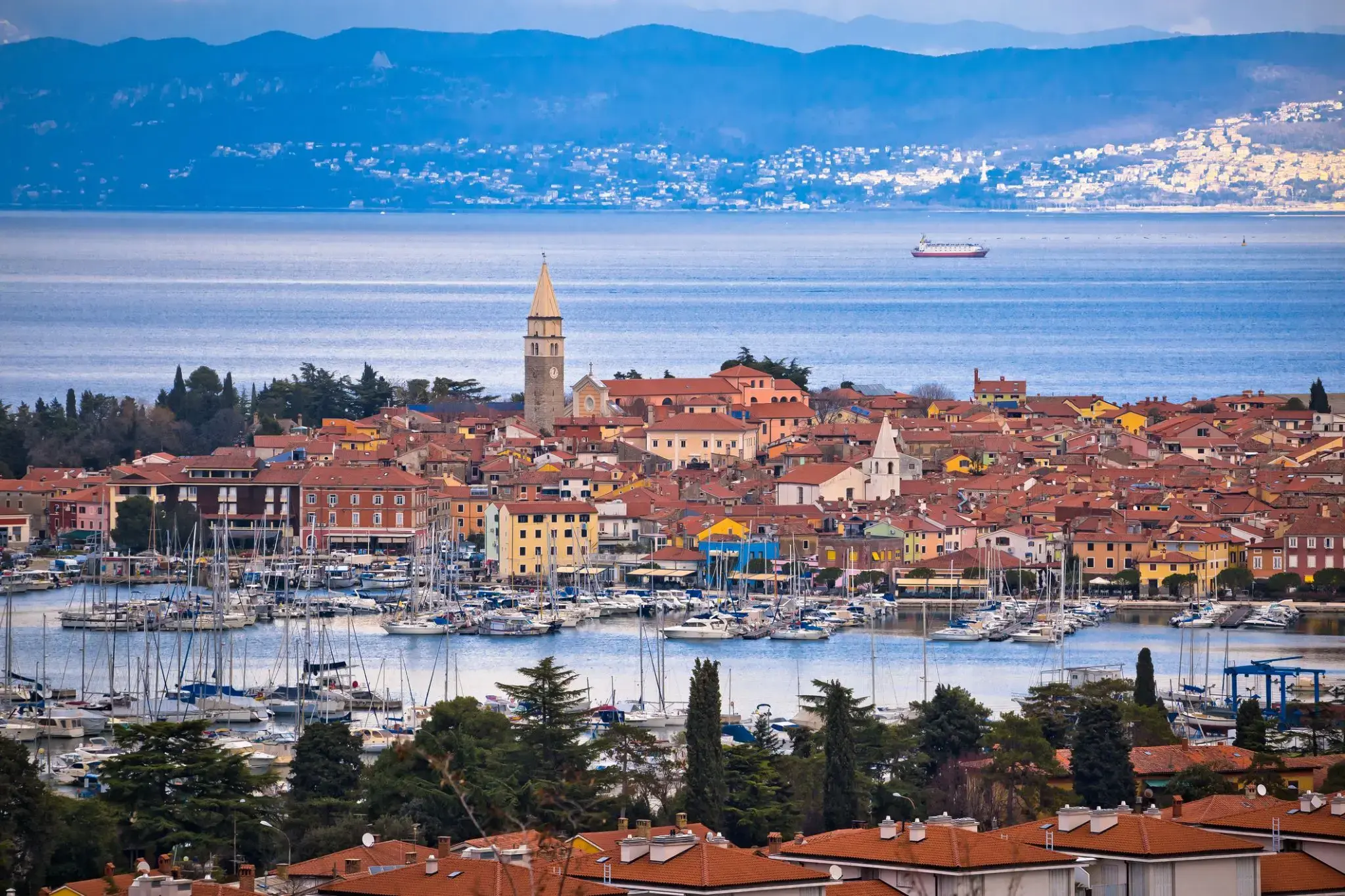
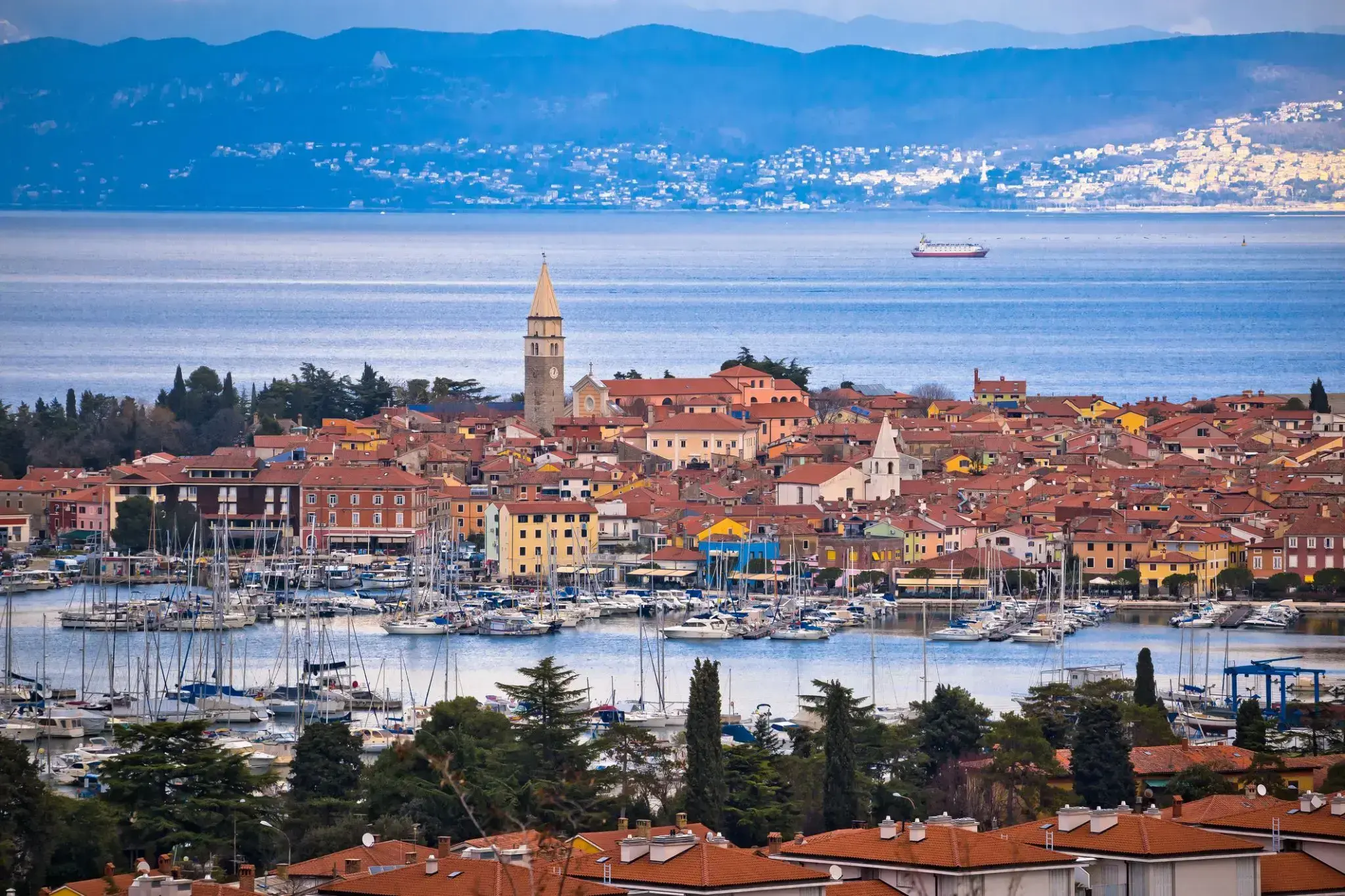
Koper is the fifth largest city in Slovenia. Located in the southwestern part of the country, approximately five kilometres (3.1 miles) south of the border with Italy and 20 kilometers (12 miles) from Trieste, Koper is the largest coastal city in the country. It is bordered by the satellite towns of Izola and Ankaran, and anchors the Istrian region. With a unique ecology and biodiversity, it is considered an important national natural resource. It is the oldest recorded urban settlement in Slovenia. The city's Port of Koper is the major contributor to the economy of the eponymous city municipality. With only one percent of Slovenia having a coastline, the influence that the Port of Koper also has on tourism was a factor in Ankaran deciding to leave the municipality in a referendum in 2011 to establish its own. The city is a destination on a number of Mediterranean cruising lines. In 2016, the city expects 65 cruise ship arrivals (for example: Norwegian Spirit, MSC Magnifica, Norwegian Jade, MS Rhapsody of the Seas...) with the season spanning from March to December. Koper is the main urban centre of the Slovenian Istria, with a population of about 25,000.
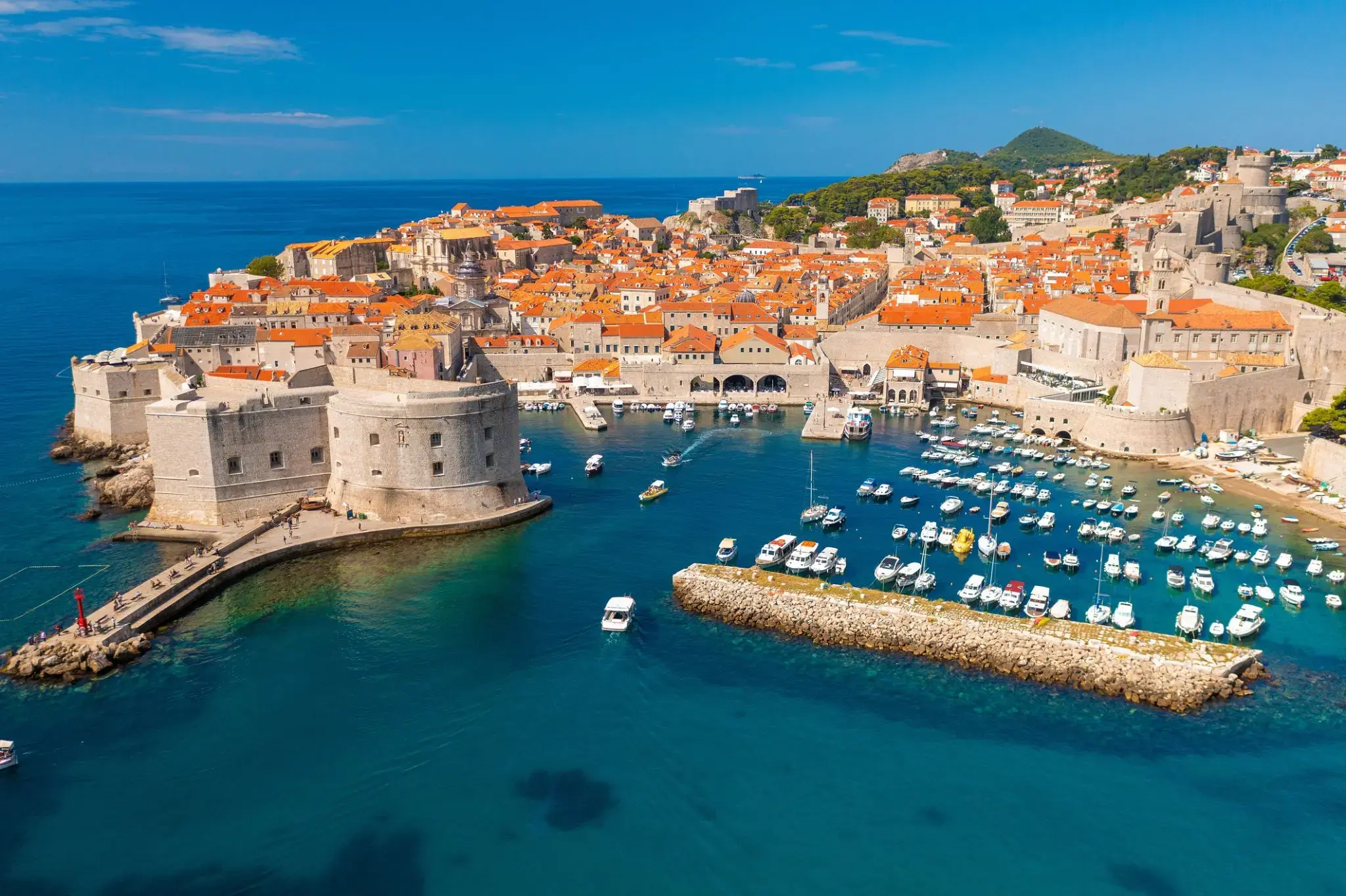
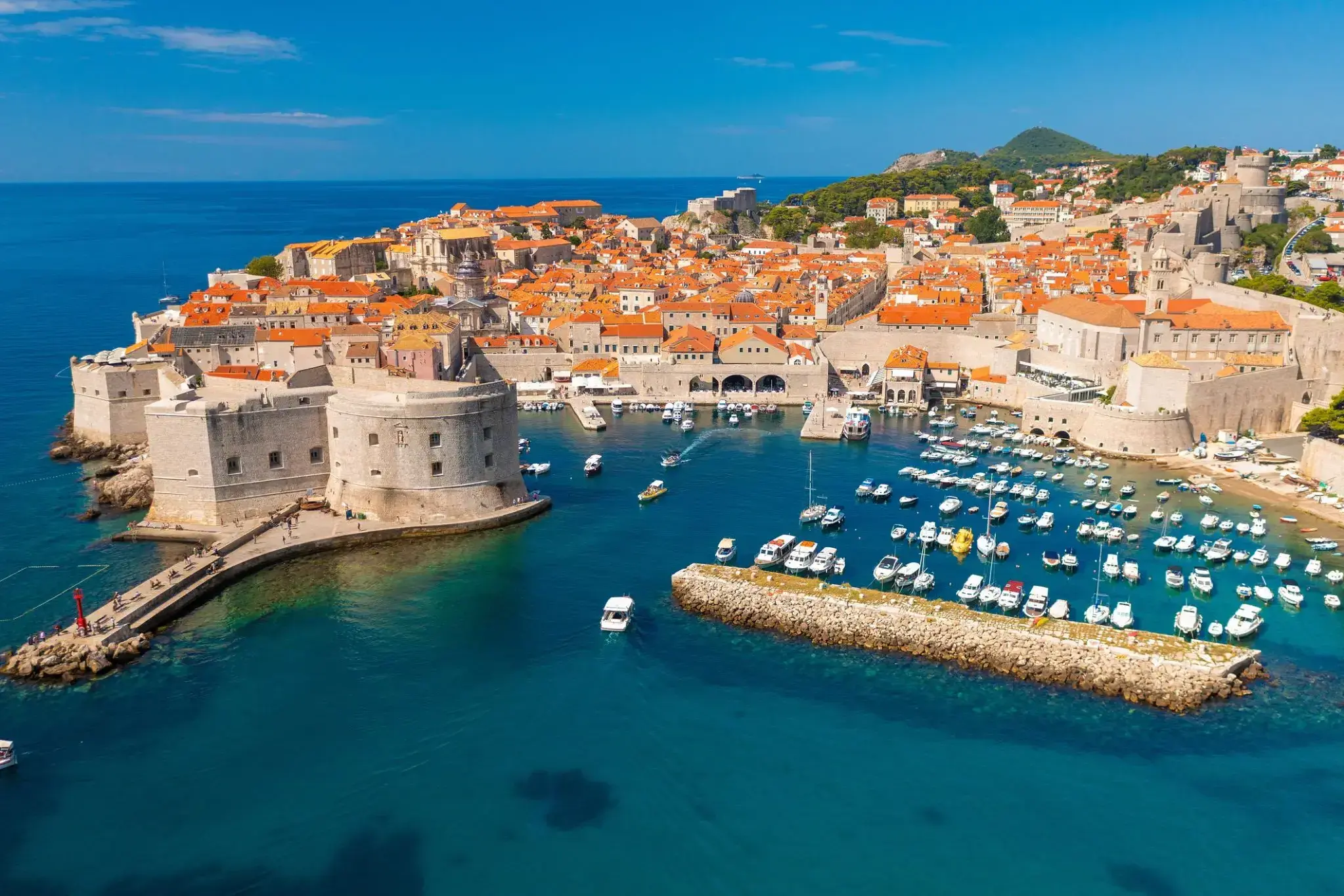
Dubrovnik is a Croatian city on the Adriatic Sea. It is one of the most prominent tourist destinations in the Mediterranean Sea, a seaport and the centre of Dubrovnik-Neretva County. Its total population is 42,615 (census 2011). In 1979, the city of Dubrovnik joined the UNESCO list of World Heritage sites.
The prosperity of the city was historically based on maritime trade; as the capital of the maritime Republic of Ragusa, it achieved a high level of development, particularly during the 15th and 16th centuries, as it became notable for its wealth and skilled diplomacy.
In 1991, after the break-up of Yugoslavia, Dubrovnik was besieged by Serbian and Montenegrin soldiers of the Yugoslav People's Army (JNA) for seven months and suffered significant damage from shelling. After repair and restoration works in the 1990s and early 2000s, Dubrovnik re-emerged as one of the top tourist destinations in the Mediterranean.
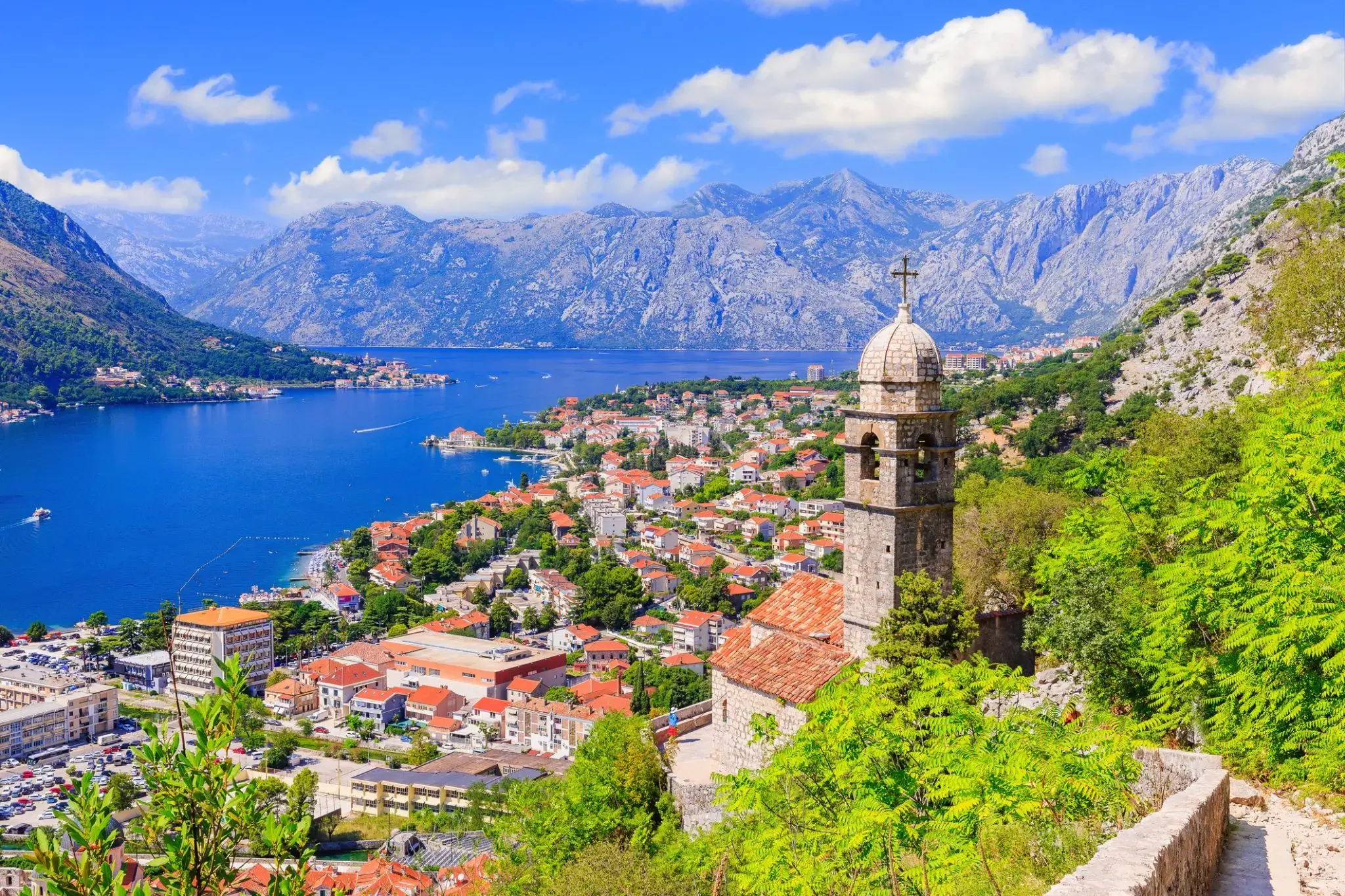
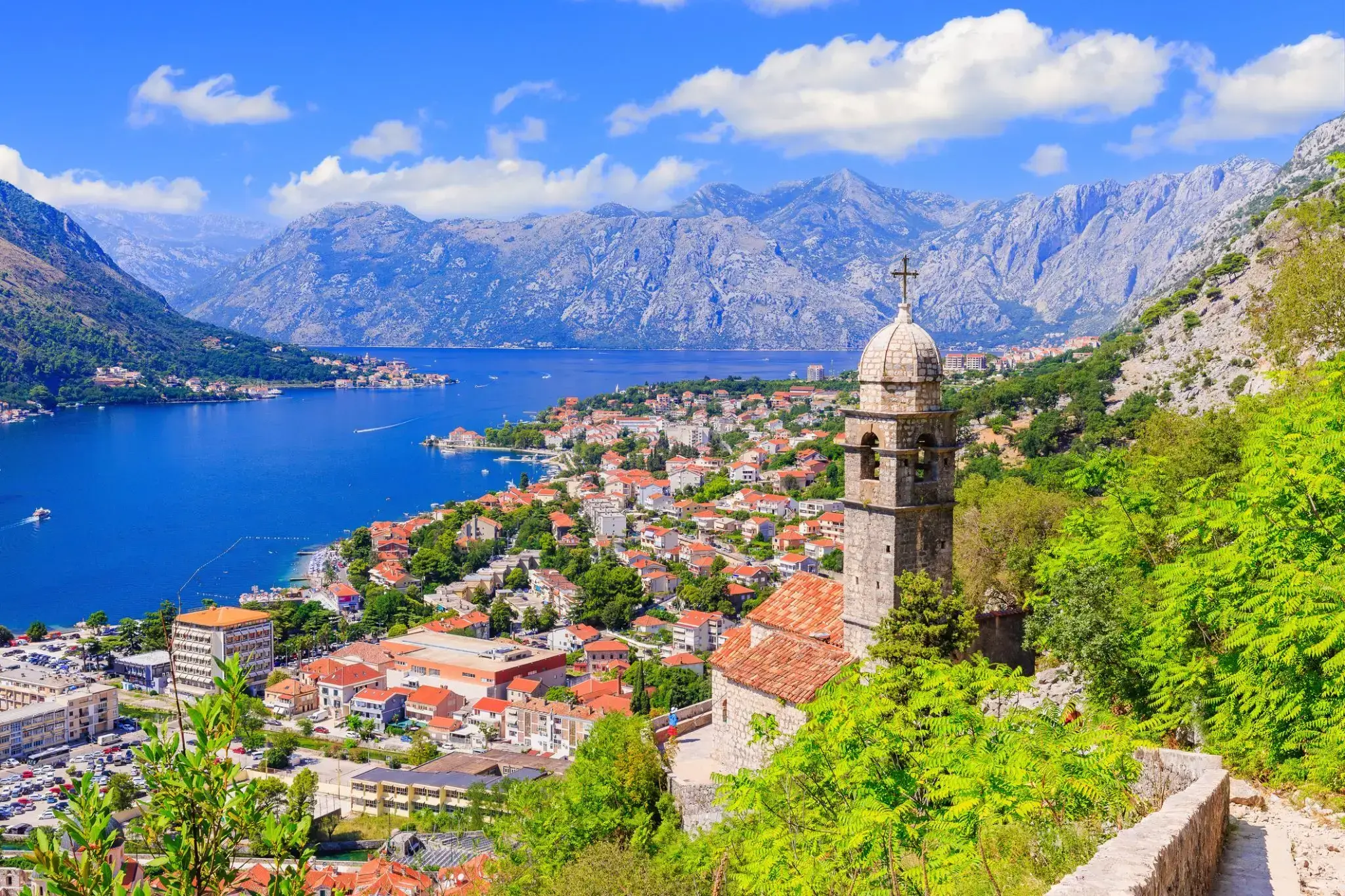
Kotor is a coastal town in Montenegro. It is located in a secluded part of the Gulf of Kotor. The city has a population of 13,510 and is the administrative center of Kotor Municipality.
The old Mediterranean port of Kotor is surrounded by fortifications built during the Venetian period. It is located on the Bay of Kotor (Boka Kotorska), one of the most indented parts of the Adriatic Sea. Some have called it the southern-most fjord in Europe, but it is a ria, a submerged river canyon. Together with the nearly overhanging limestone cliffs of Orjen and Lovćen, Kotor and its surrounding area form an impressive landscape.
Since the early 2000s Kotor has seen an increase in tourists , many of them coming by cruise ship. Visitors are attracted by the natural environment of the Gulf of Kotor and by the old town of Kotor. Kotor is part of the World Heritage Site dubbed the Natural and Culturo-Historical Region of Kotor.
The fortified city of Kotor was also included in UNESCO's World Heritage Site list as part of Venetian Works of Defence between 15th and 17th centuries: Stato da Terra – western Stato da Mar in 201
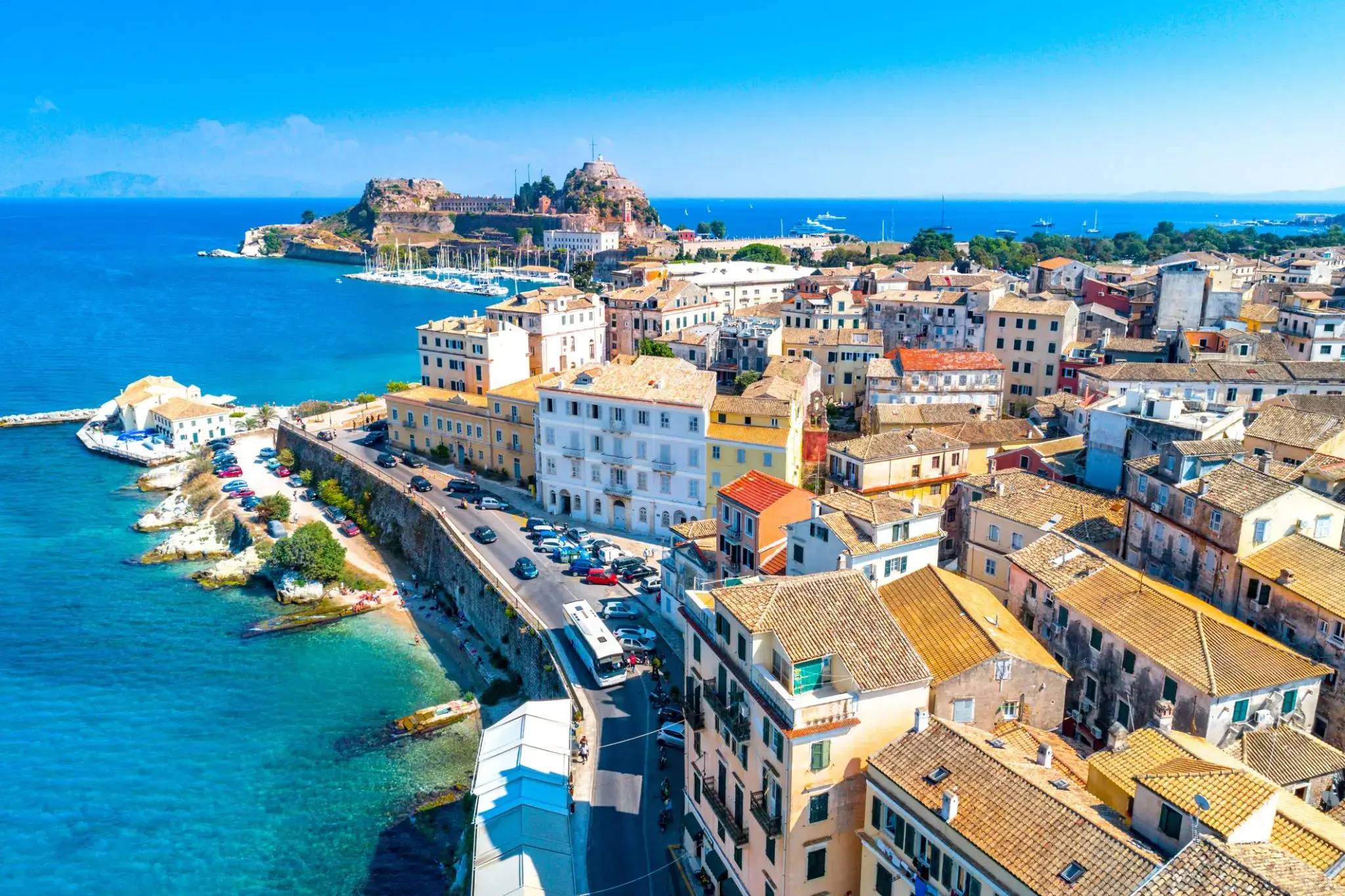
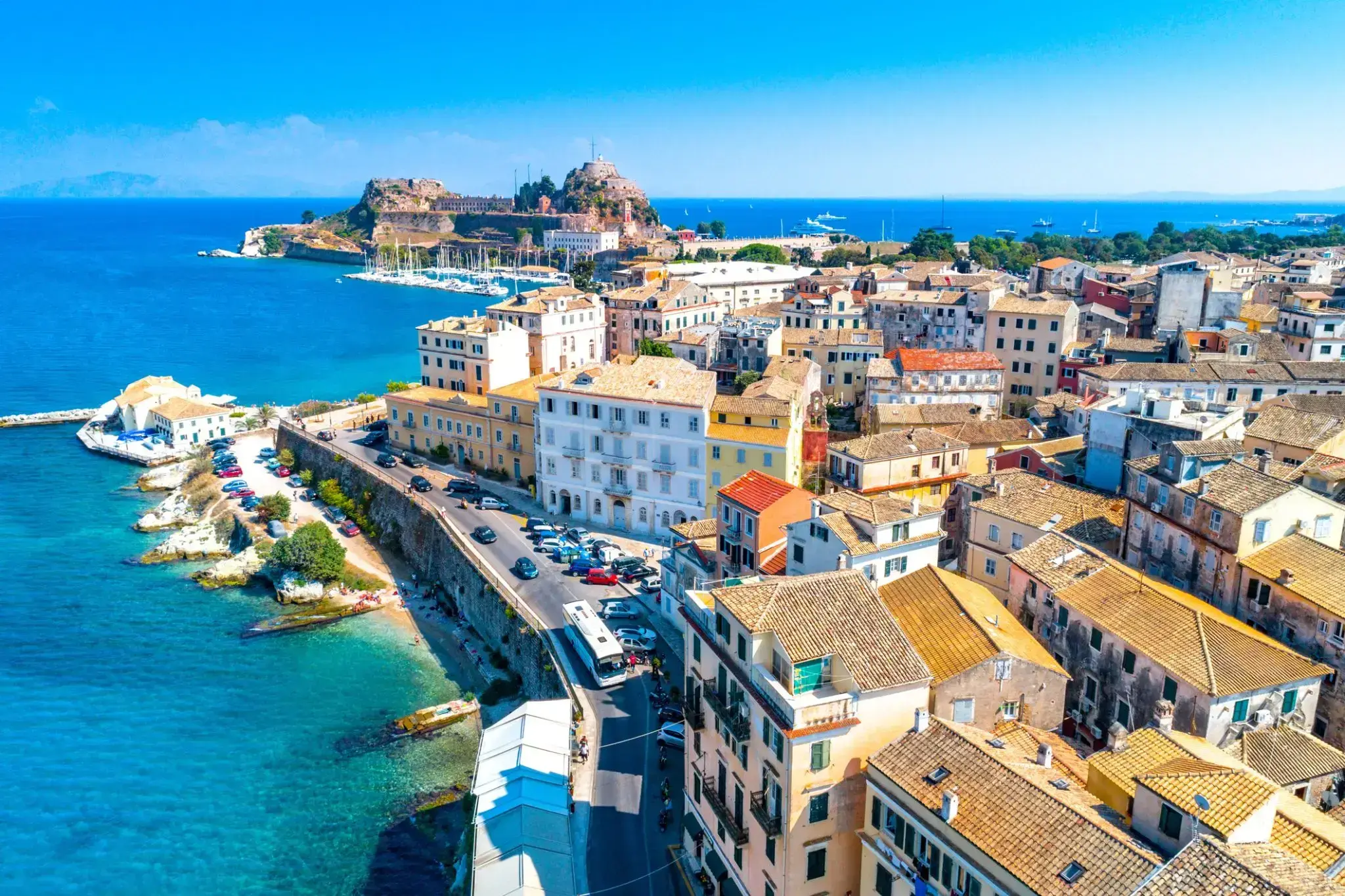
Corfu or Kerkyra is a Greek island in the Ionian Sea. It is the second largest of the Ionian Islands, and, including its small satellite islands, forms the northwesternmost part of Greece. The island is part of the Corfu regional unit, and is administered as a single municipality, which also includes the smaller islands of Ereikoussa, Mathraki and Othonoi. The municipality has an area of 610,9 km2, the island proper 592,8 km2. The principal city of the island and seat of the municipality (pop. 32,095) is also named Corfu. Corfu is home to the Ionian University.
The island is bound up with the history of Greece from the beginnings of Greek mythology. Its history is full of battles and conquests. Ancient Korkyra took part in the Battle of Sybota which was a catalyst for the Peloponnesian War, and, according to Thucydides, the largest naval battle between Greek city states until that time. Thucydides also reports that Korkyra was one of the three great naval powers of fifth century BC Greece, along with Athens and Corinth. Medieval castles punctuating strategic locations across the island are a legacy of struggles in the Middle Ages against invasions by pirates and the Ottomans. Two of these castles enclose its capital, which is the only city in Greece to be surrounded in such a way. As a result, Corfu's capital has been officially declared a Kastropolis ("castle city") by the Greek government. From medieval times and into the 17th century, the island, having successfully repulsed the Ottomans during several sieges, was recognised as a bulwark of the European States against the Ottoman Empireand became one of the most fortified places in Europe. The fortifications of the island were used by the Venetians to defend against Ottoman intrusion into the Adriatic. Corfu eventually fell under British rule following the Napoleonic Wars. Corfu was eventually ceded by the British Empire along with the remaining islands of the United States of the Ionian Islands, and unification with modern Greece was concluded in 1864 under the Treaty of London.
In 2007, the city's old quarter was added to the UNESCO World Heritage List, following a recommendation by ICOMOS.
Corfu is a very popular tourist destination. The island was the location of the 1994 European Union summit.
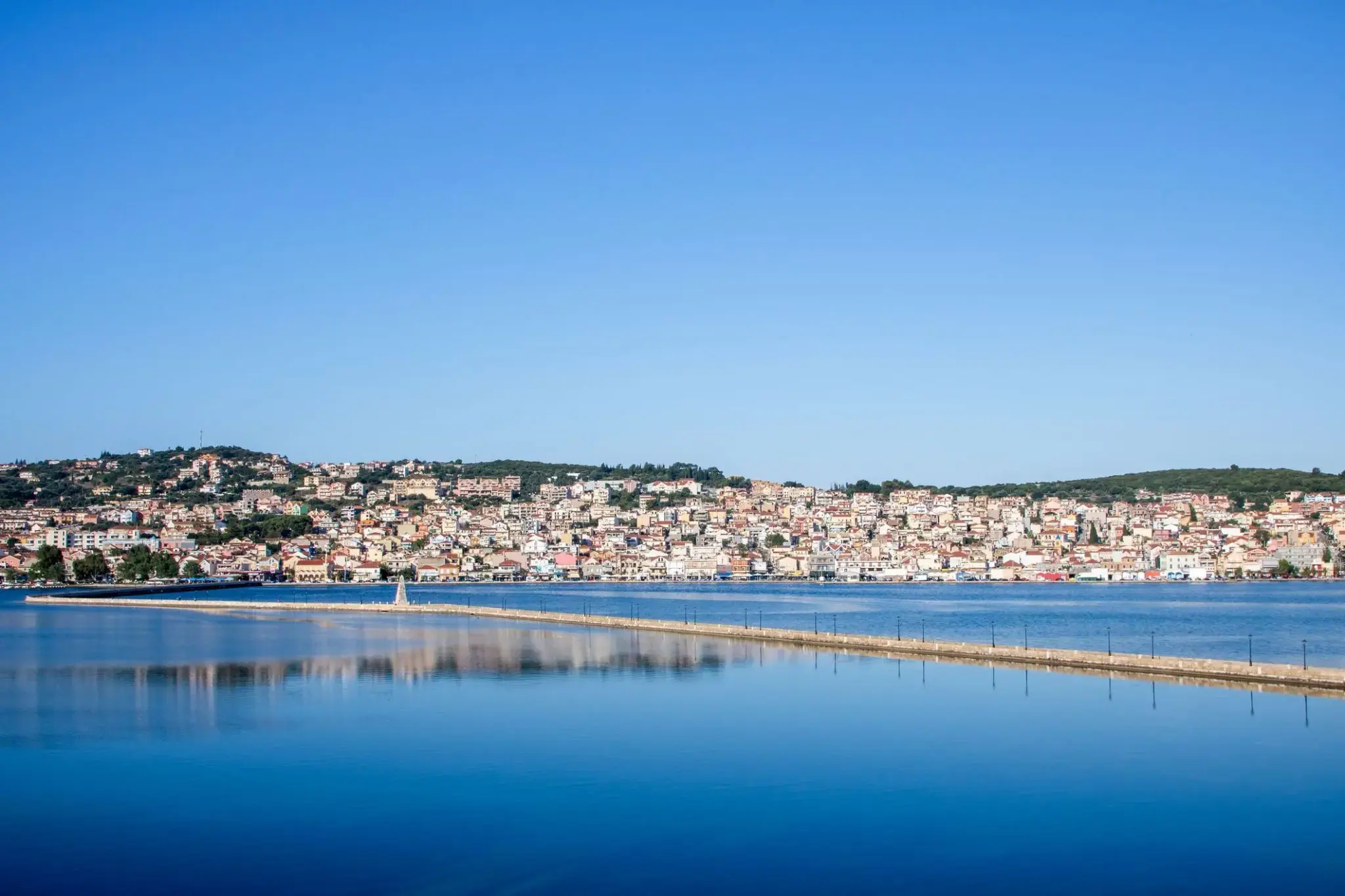
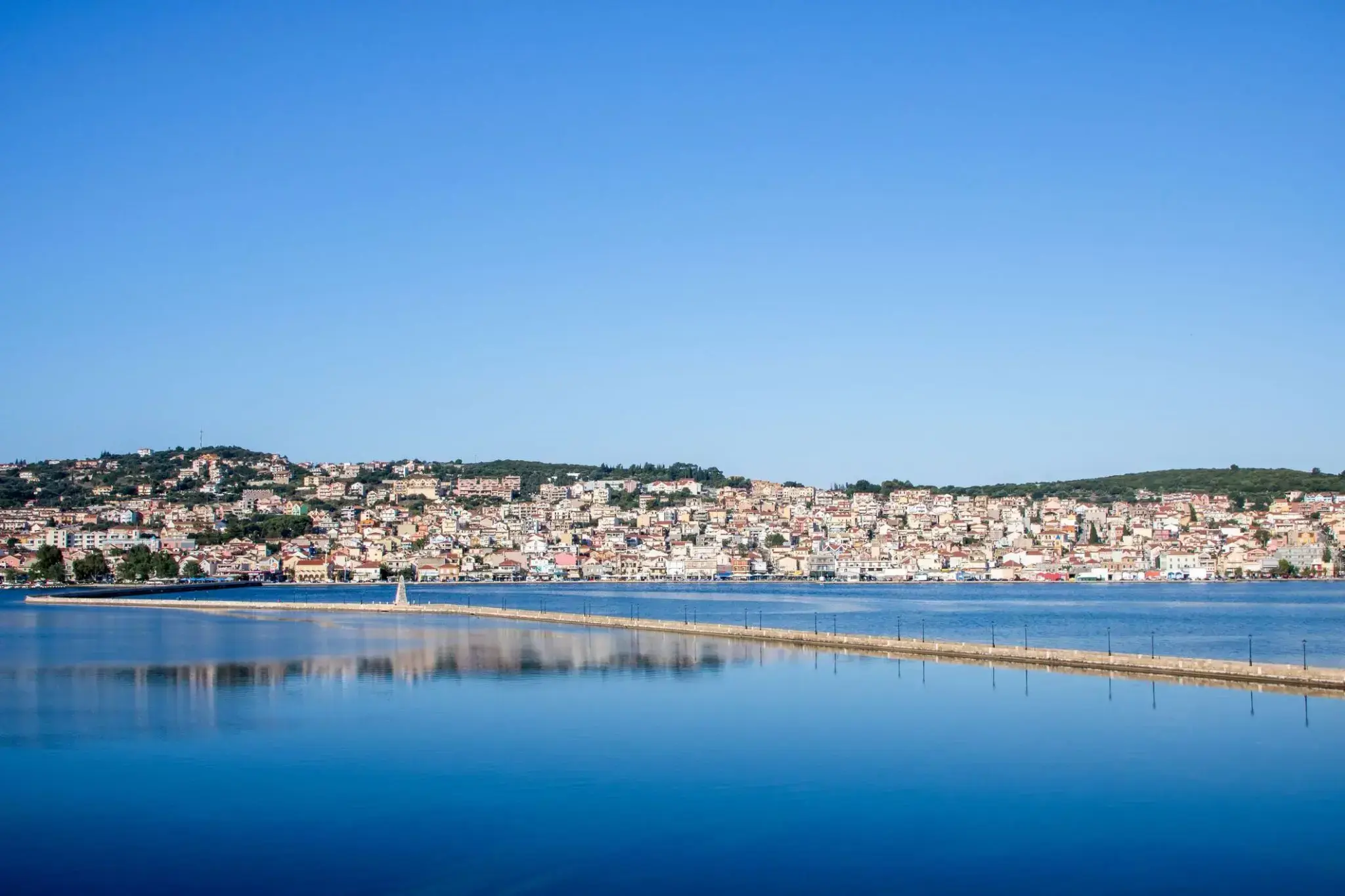
Argostoli is the capital of Kefalonia, the largest island of the Ionian archipelago in Greece. Located on the western coast of the island, the city is known for its picturesque promenades, charming cafes, and neoclassical buildings. Argostoli is also home to many historical landmarks, including the Archaeological Museum of Kefalonia and Valiianos Square, where visitors can see remnants of the destruction caused by the 1953 earthquake that nearly destroyed the city. Strolling through its streets, travelers can enjoy the harmonious blend of traditional Greek architecture and modern life.
The city is also an excellent starting point for exploring Kefalonia’s natural beauty. Just a few kilometers from Argostoli are famous beaches like Lourdas and Melissani, as well as the famous Dragonera Cave, where visitors can admire stalactites and stalagmites. From Argostoli, it is also easy to go on excursions to unique nature reserves, such as the turtle sanctuary, home to the rare Caretta caretta sea turtles. The city is an ideal place to combine cultural tourism with the exploration of the island's natural wonders.
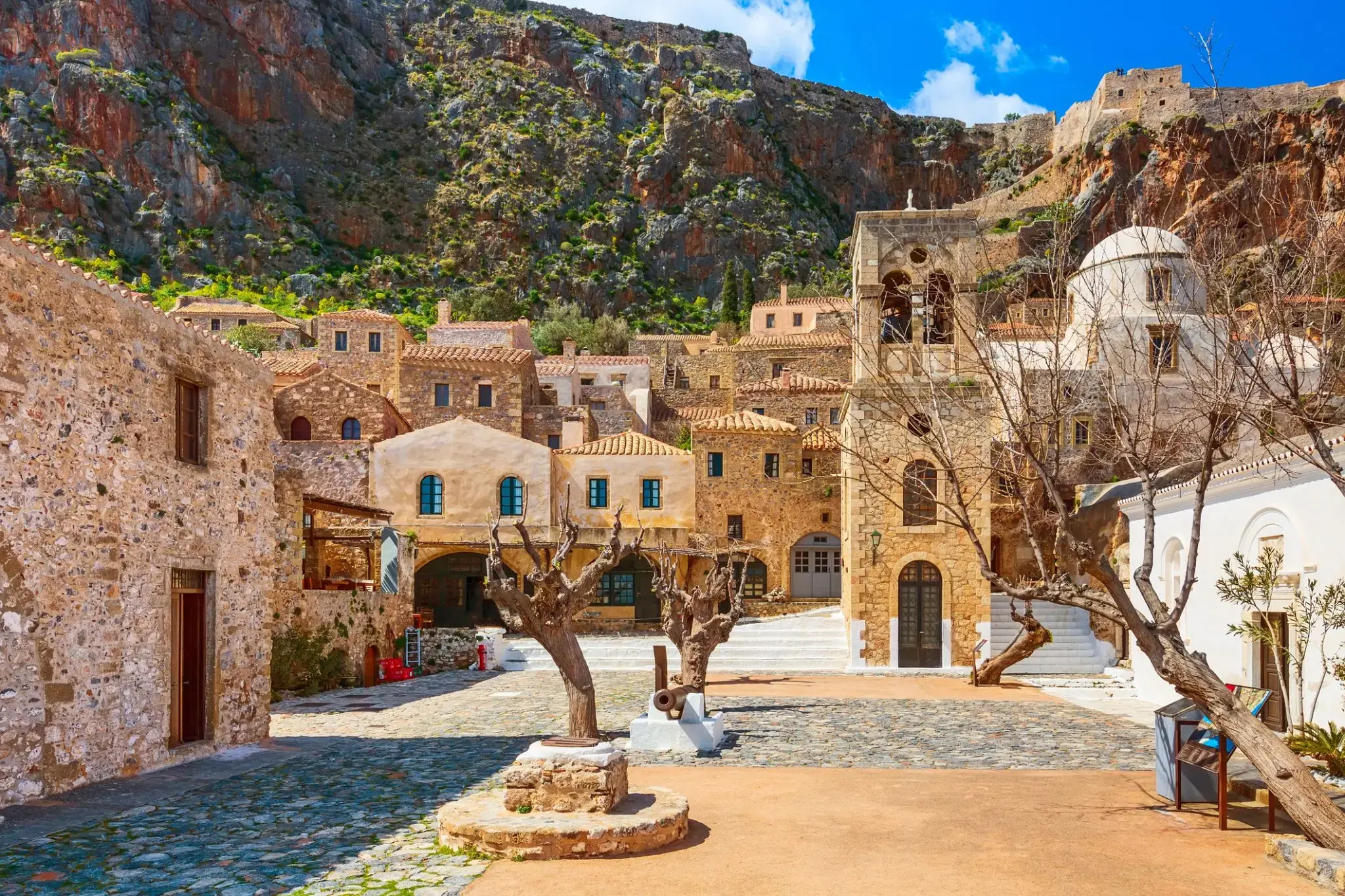
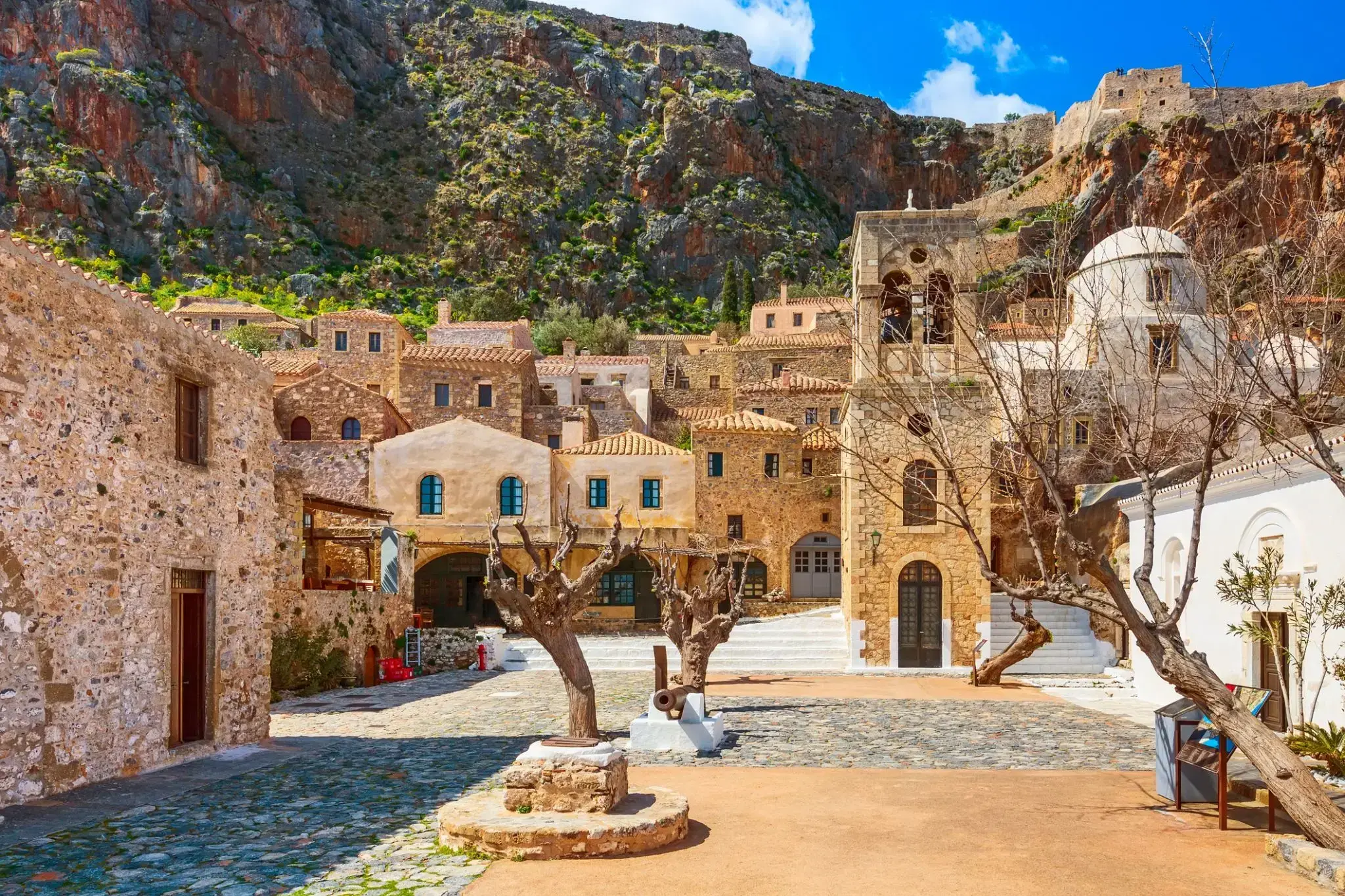
Monemvasia — The Rock Fortress of the Aegean
Monemvasia is a unique fortified town carved into a massive rock on an island off the southeastern coast of the Peloponnese (Laconia). Nearly invisible from the mainland, its name means "single entrance," reflecting its strategic importance during the Byzantine, Venetian, and Ottoman periods.
Today, Monemvasia enchants visitors with its preserved medieval architecture, cobbled streets, Byzantine churches, and stunning views of the Aegean Sea. It offers a timeless atmosphere, inviting travelers to immerse themselves in history and tranquility.
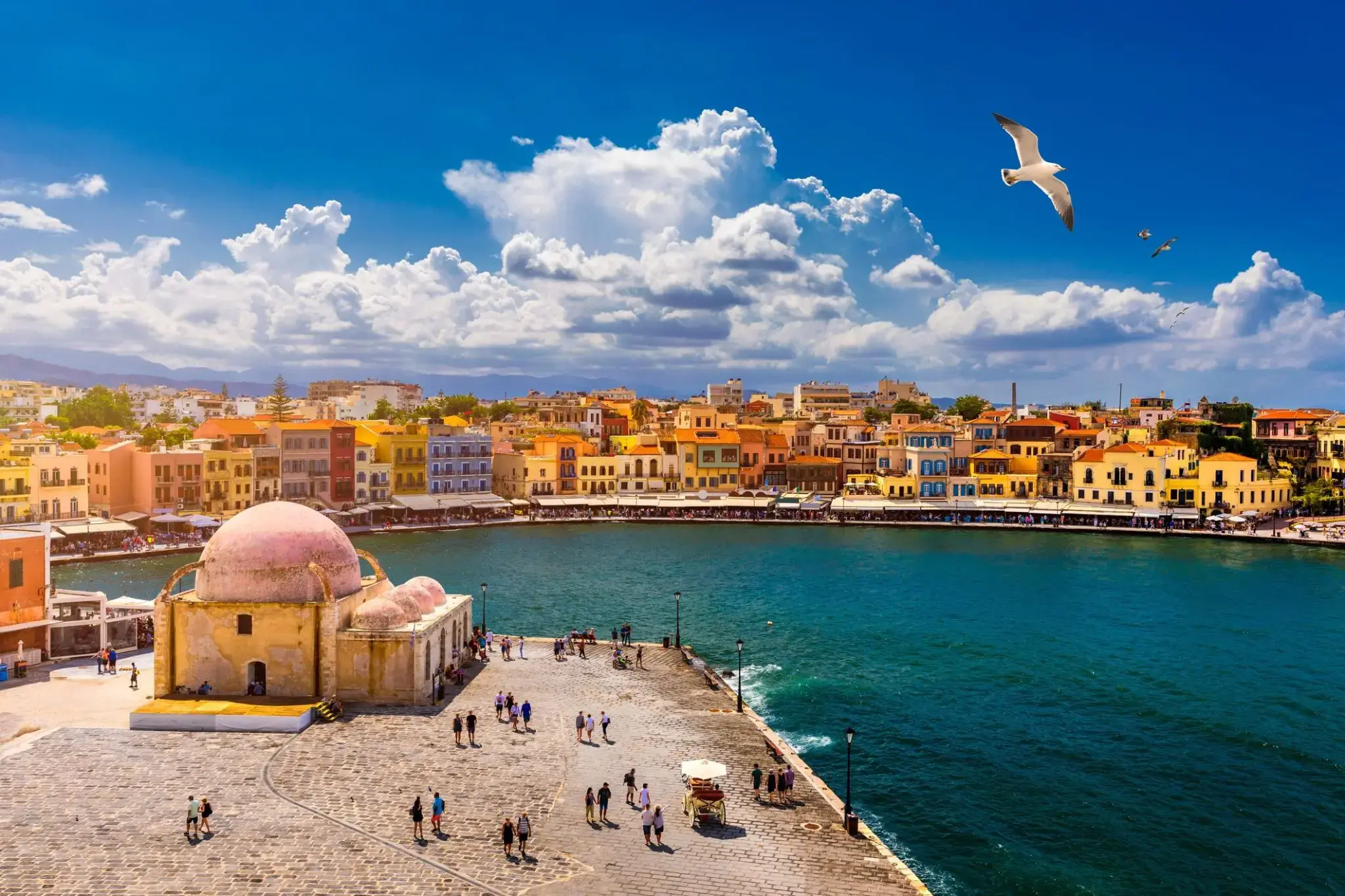
Chania (Souda), Crete — Charm and History
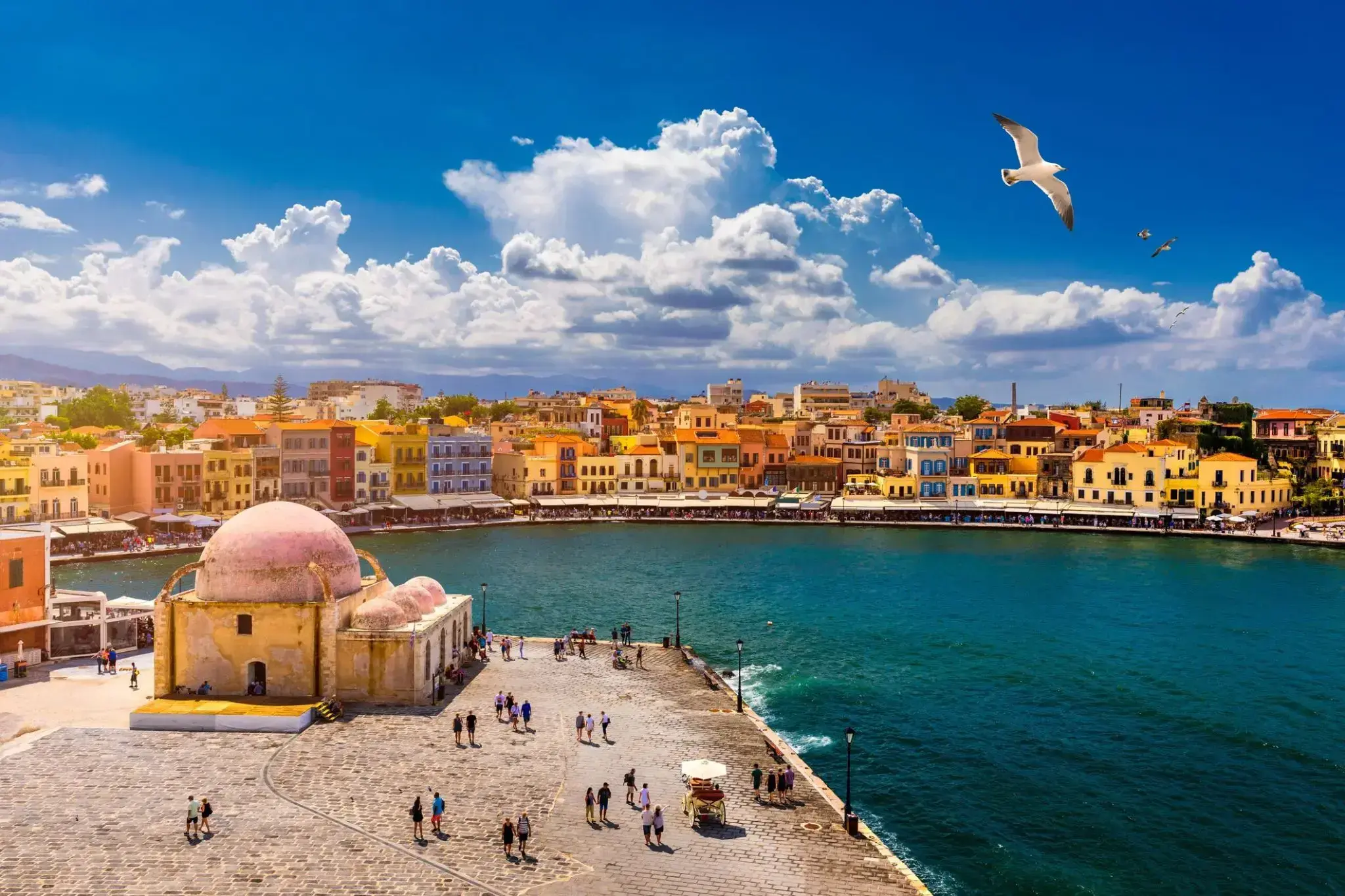
Chania, located on the northwest coast of Crete, attracts travelers with its historical atmosphere and picturesque Venetian harbor. The narrow streets, buildings, and cozy cafes create a unique charm, blending Venetian and Ottoman architectural elements.
Souda is an important seaport and ferry port situated in the bay of Souda, east of Chania. The port plays a key role in the island's transport network and is strategically important for the region. Around Chania, there are archaeological sites, including the remains of ancient cities, and natural attractions such as caves and World War II memorials.
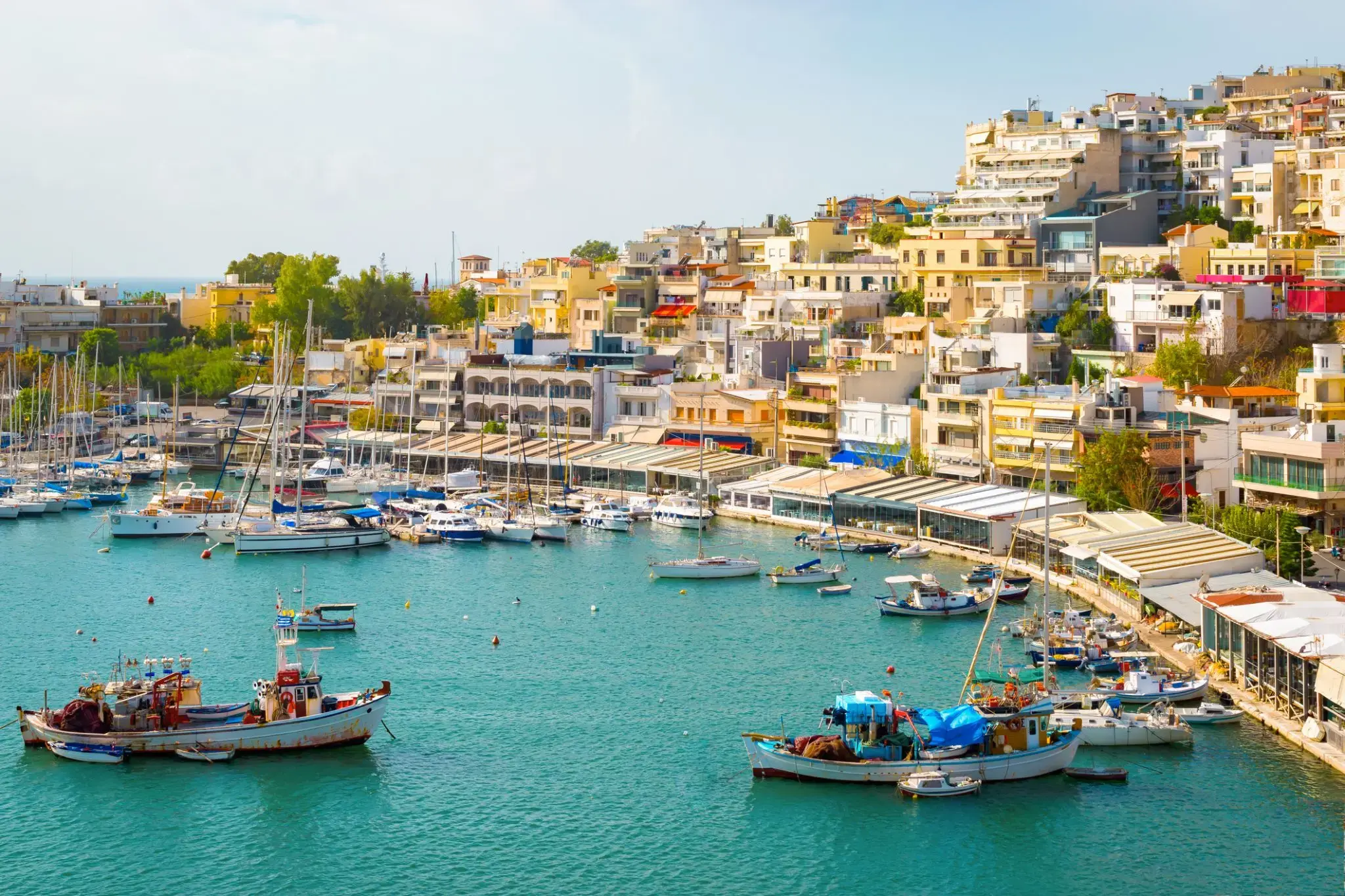
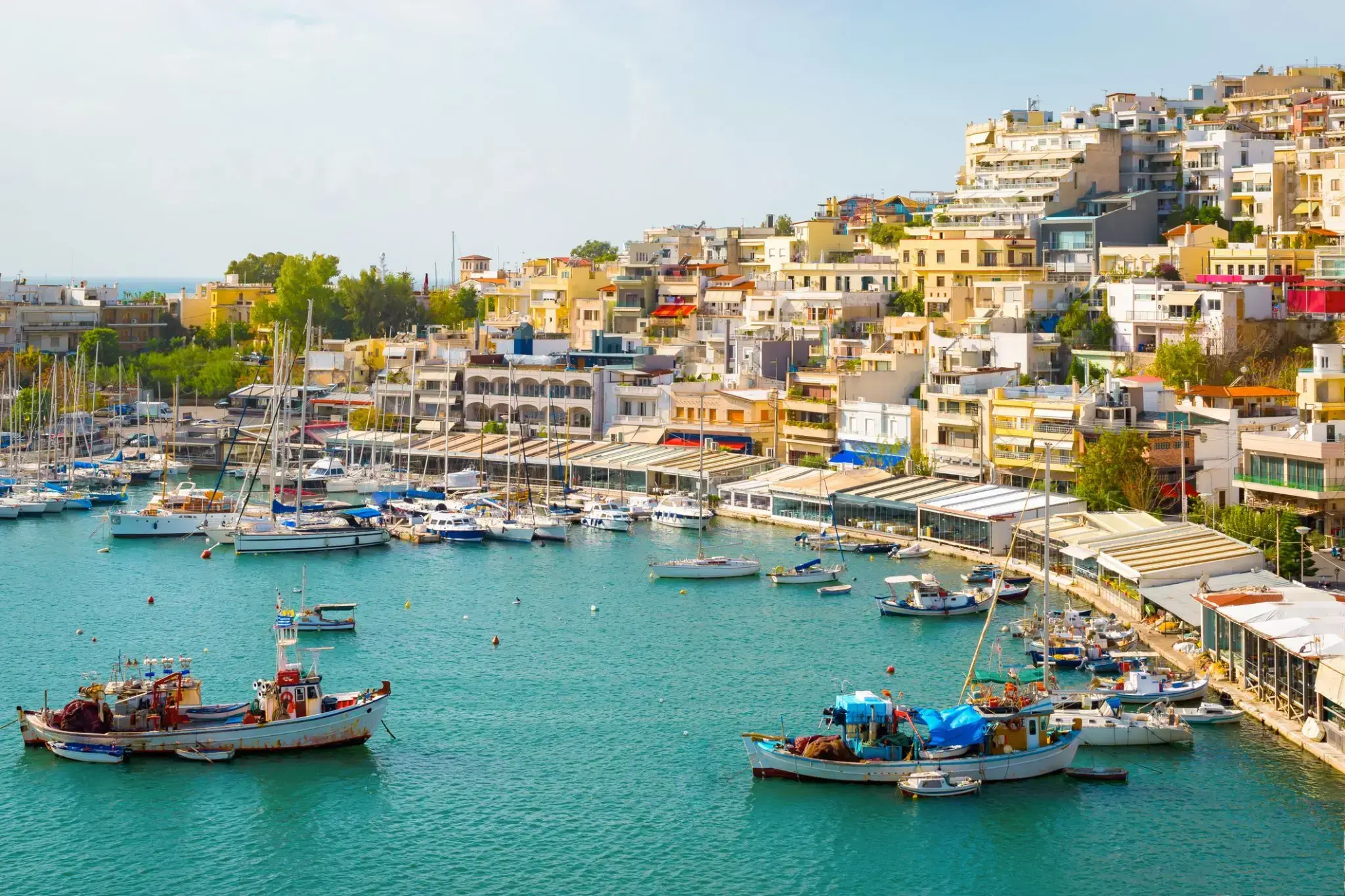
Piraeus is the gateway to Athens , which, in turn, is rightfully considered the center of the centers of the whole world, with the main attraction - the acropolis. Piraeus is an old port city serving the port of Athens, the largest port in Greece to date. Piraeus is part of the great Athens, which boasts an abundance of attractions, including unique monuments of national fine art. More than two hundred museums and galleries, including the University History Museum, the Ceramics Archaeological Museum and many others, will hospitably welcome you within their walls and familiarize themselves with the culture of this area.