| Cruise Region : Mediterranean Sea, Europe |
| Company : Azamara Cruises |
| Ship : Azamara Onward |
| Journey Start : Sat 17 Oct 2026 |
| Journey End : Sat 31 Oct 2026 |
| Count Nights : 14 nights |
| Day | Date | Port | Arrival | Departure |
|---|---|---|---|---|
| 1 | 17.10 Sat | Piraeus (Athens) / Greece | 18:00 | |
| 2 | 18.10 Sun | Syros / Greece | 08:00 | 18:00 |
| 3 | 19.10 Mon | Bodrum / Turkey | 08:00 | 20:00 |
| 4 | 20.10 Tue | Heraklion / Greece | 08:00 | 22:00 |
| 5 | 21.10 Wed | Day at sea / Sea | ||
| 6 | 22.10 Thu | Alexandria / Egypt | 06:00 | |
| 7 | 23.10 Fri | Alexandria / Egypt | 20:00 | |
| 8 | 24.10 Sat | Day at sea / Sea | ||
| 9 | 25.10 Sun | Day at sea / Sea | ||
| 10 | 26.10 Mon | Valletta / Malta | 08:00 | 22:00 |
| 11 | 27.10 Tue | Syracuse / Italy | 08:00 | 22:00 |
| 12 | 28.10 Wed | Catania / Italy | 08:00 | 16:00 |
| 13 | 29.10 Thu | Salerno / Italy | 08:00 | |
| 14 | 30.10 Fri | Salerno / Italy | 16:00 | |
| 15 | 31.10 Sat | Rome (Civitavecchia) / Italy | 06:00 |
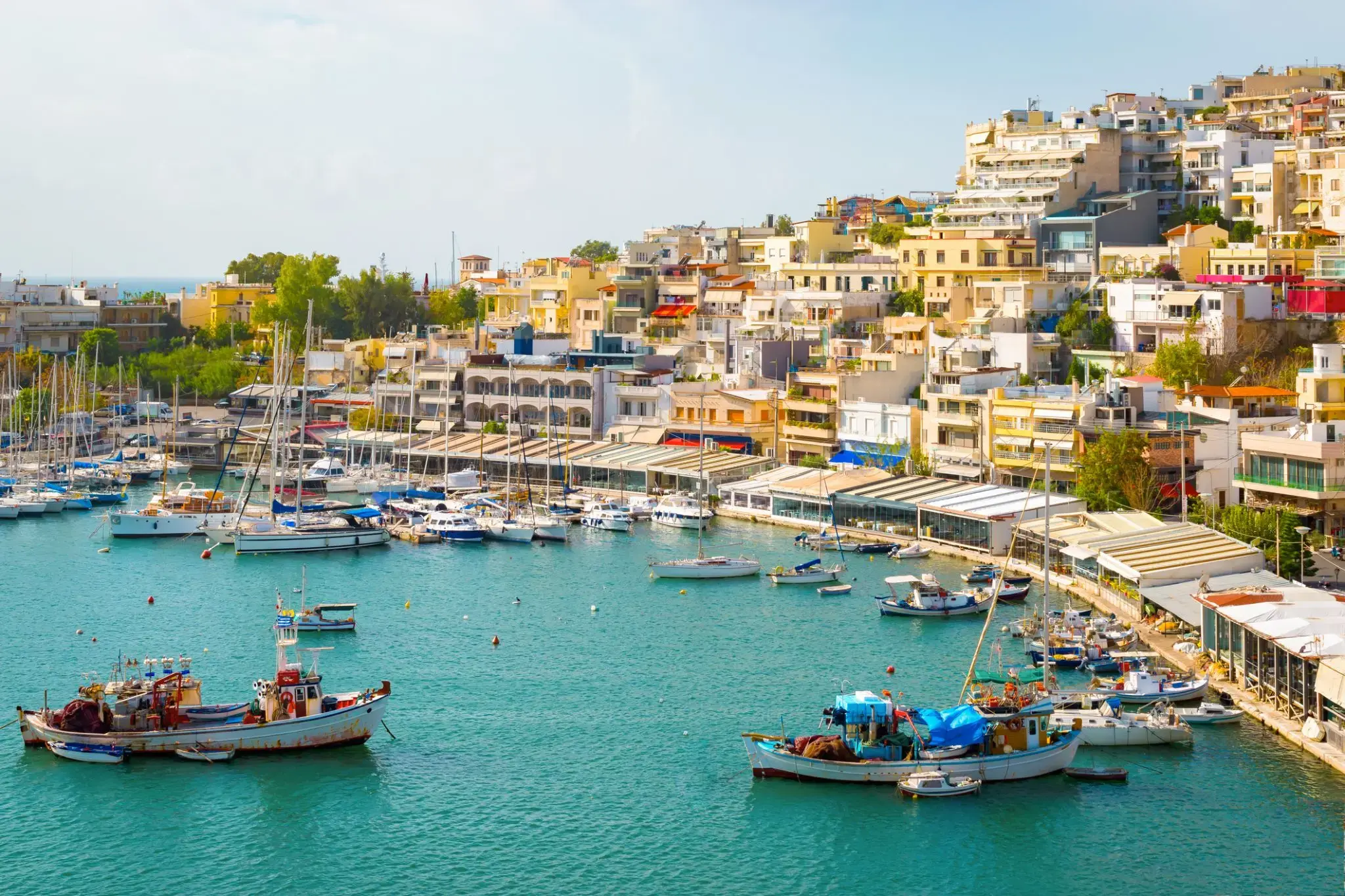
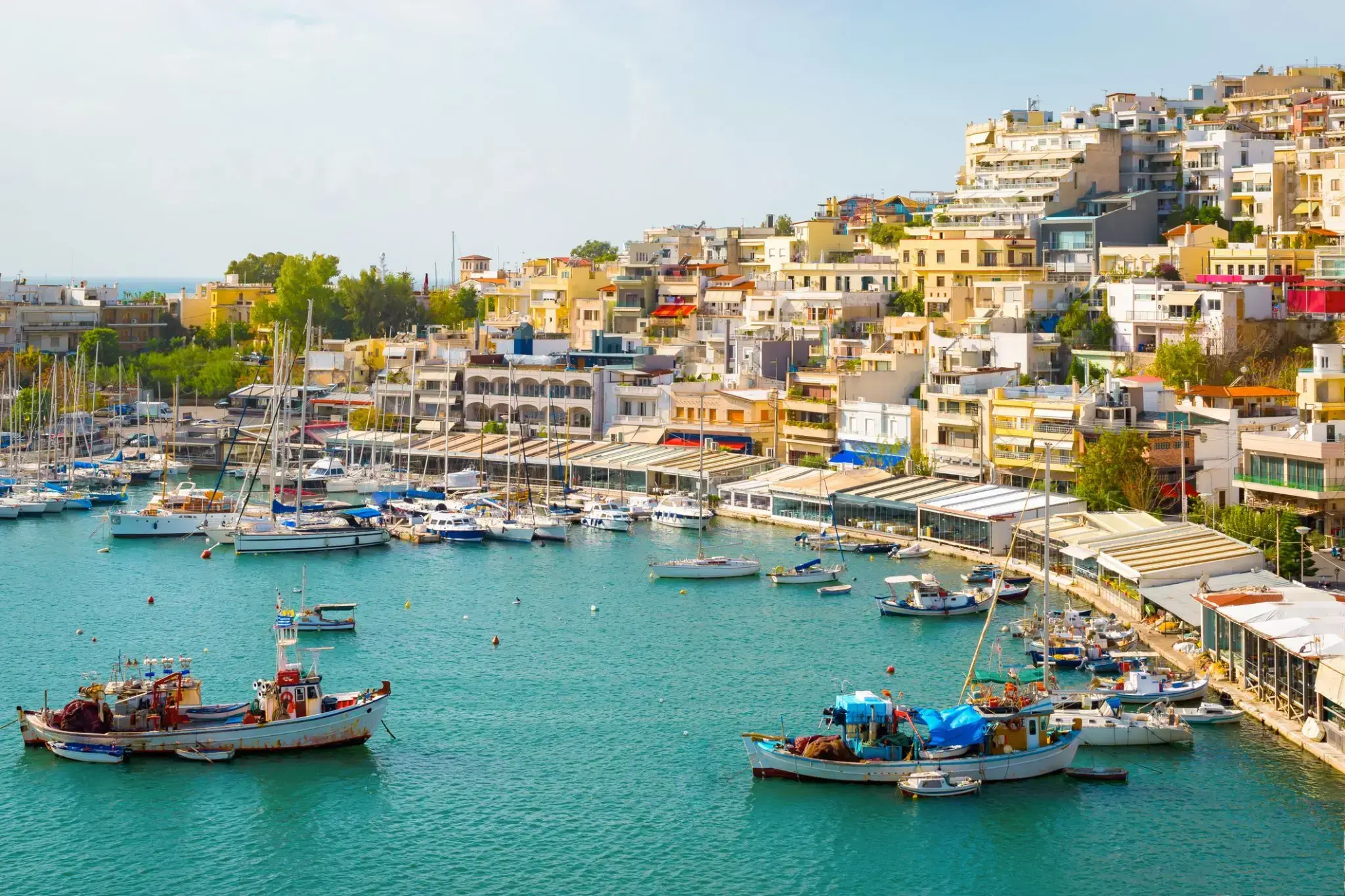
Piraeus is the gateway to Athens , which, in turn, is rightfully considered the center of the centers of the whole world, with the main attraction - the acropolis. Piraeus is an old port city serving the port of Athens, the largest port in Greece to date. Piraeus is part of the great Athens, which boasts an abundance of attractions, including unique monuments of national fine art. More than two hundred museums and galleries, including the University History Museum, the Ceramics Archaeological Museum and many others, will hospitably welcome you within their walls and familiarize themselves with the culture of this area.
Syros is a picturesque island in the Cyclades, known for its rich history and diverse architecture. Its capital, Ermoupoli, is one of the few Greek towns where Byzantine churches stand alongside neoclassical mansions. Once Greece’s major maritime hub, the city still retains an air of elegance and cultural depth.
The island is perfect for travelers seeking more than just beach vacations. It offers peaceful coves, scenic trails, and delicious local cuisine — from fresh seafood to "lagano," a traditional bread baked with olive oil. Fun fact: Ermoupoli is home to one of the oldest theaters in Greece — Apollon, modeled after Milan's La Scala.
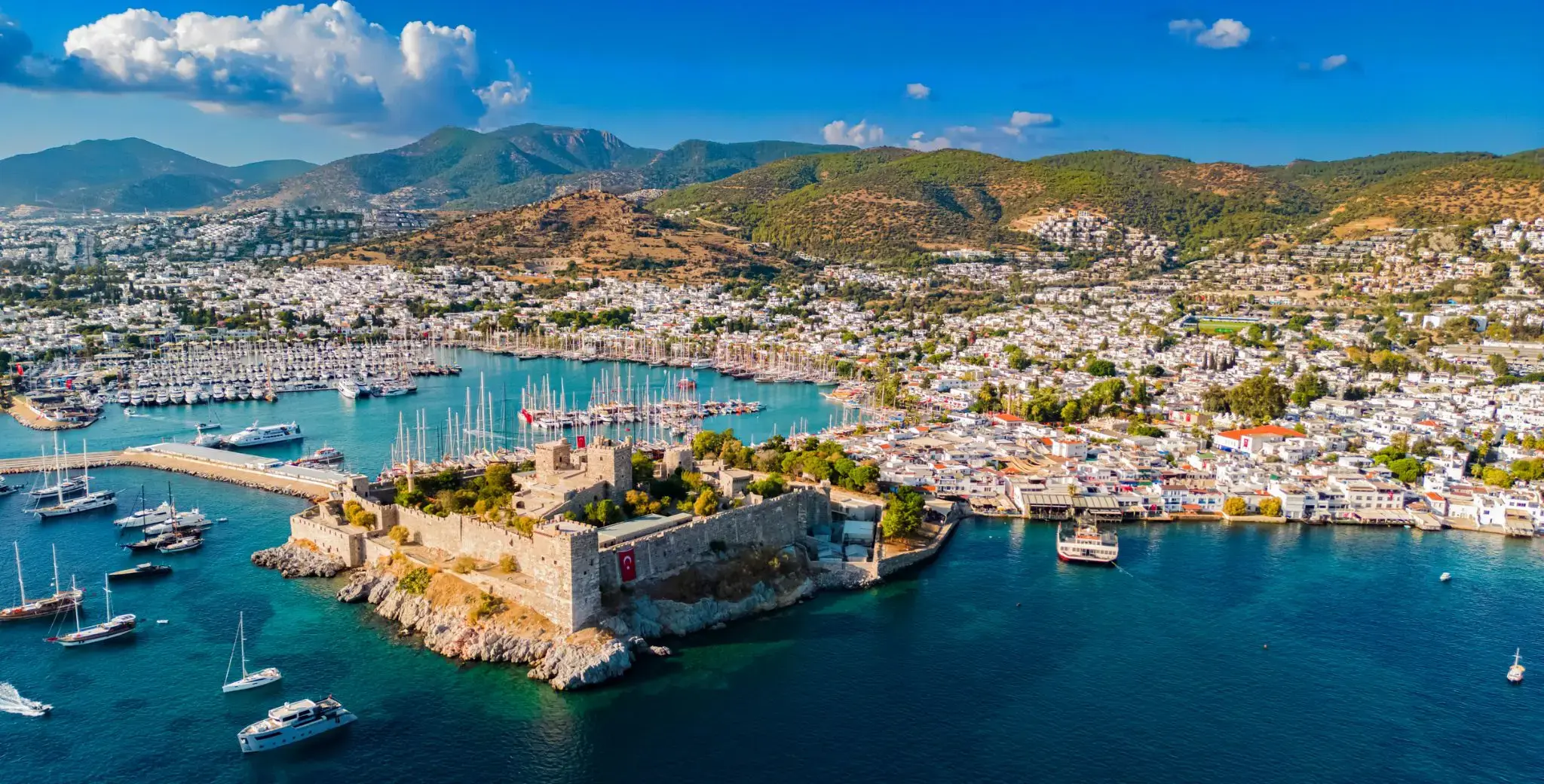
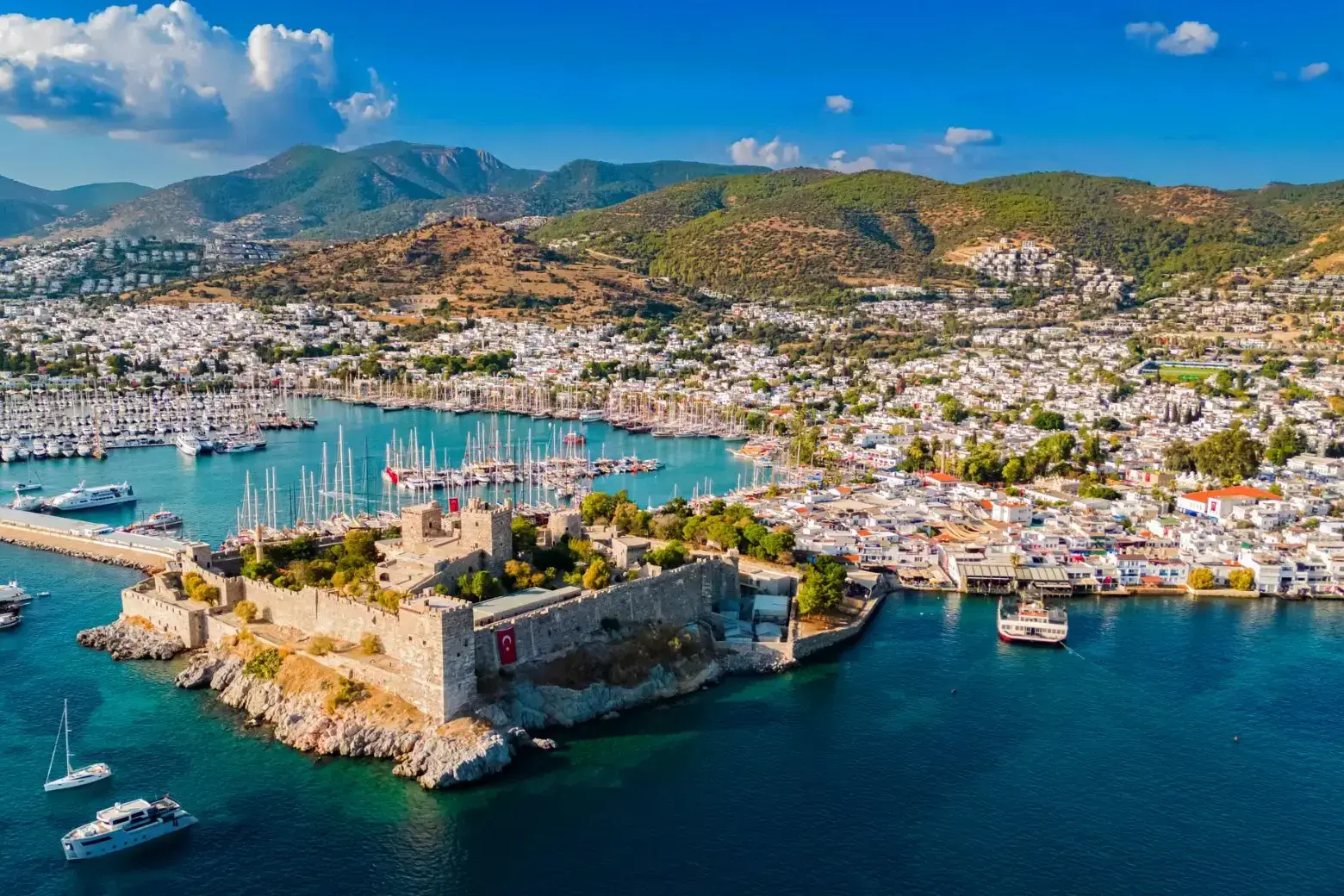
Bodrum is a famous Turkish resort on the Aegean Sea, located in the province of Mugla. The city is located in the extreme southwest of the country, on the coast of ancient Caria, which today is called the Turkish Riviera. Bodrum is perhaps the most international of all cities in Turkey. It is famous for its restaurants, night clubs, the atmosphere of eternal celebration and the bohemian lifestyle. This combination is especially attractive for young people from Europe and liberated Turks who come here in the summer to swim, soak up the sun, and “hang out” in open-air pubs, discos and bars. Curious tourists in these parts are attracted by the desire to get acquainted with the millenary history of the region, to see the ancient and medieval monuments located here.
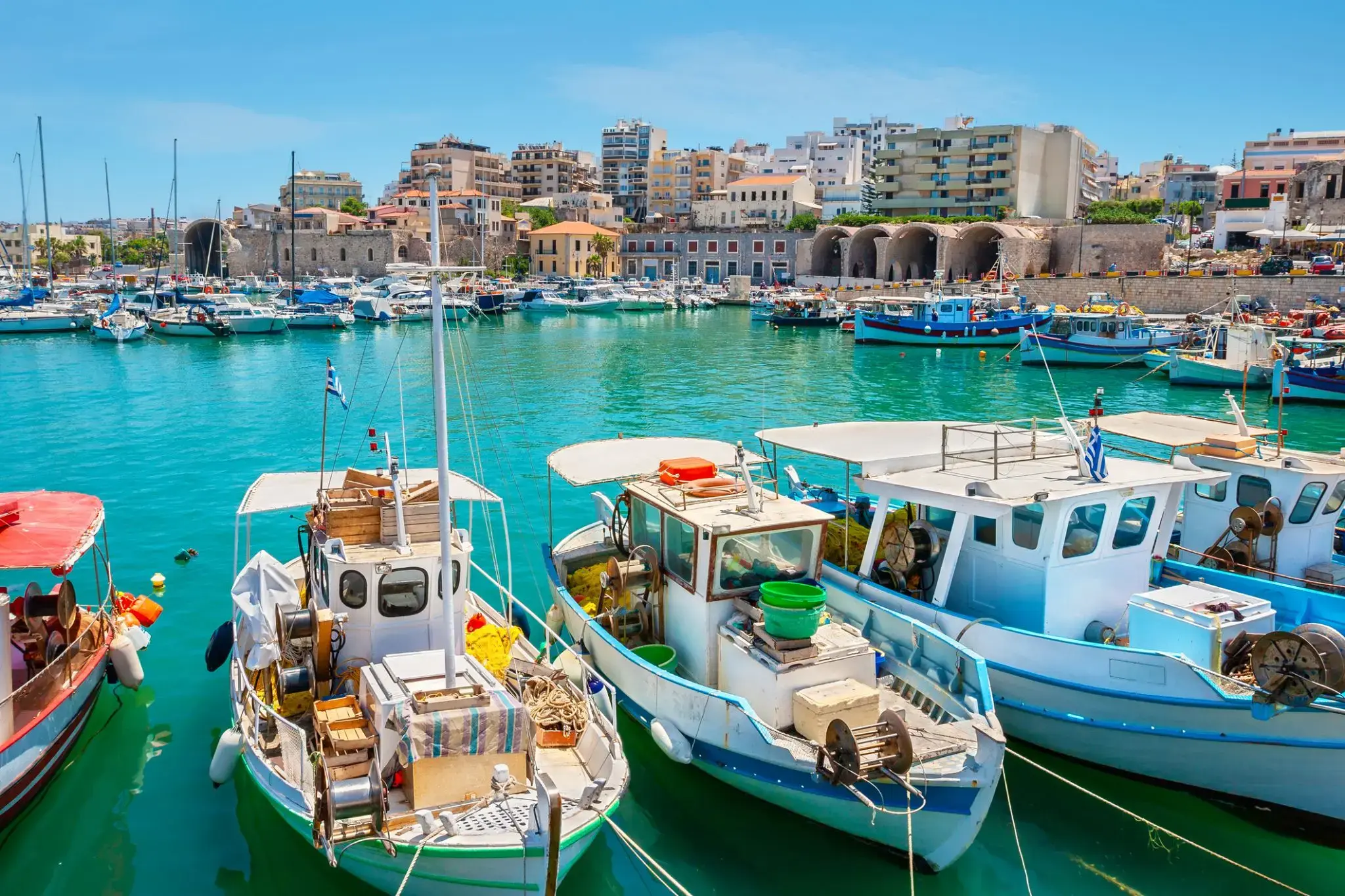
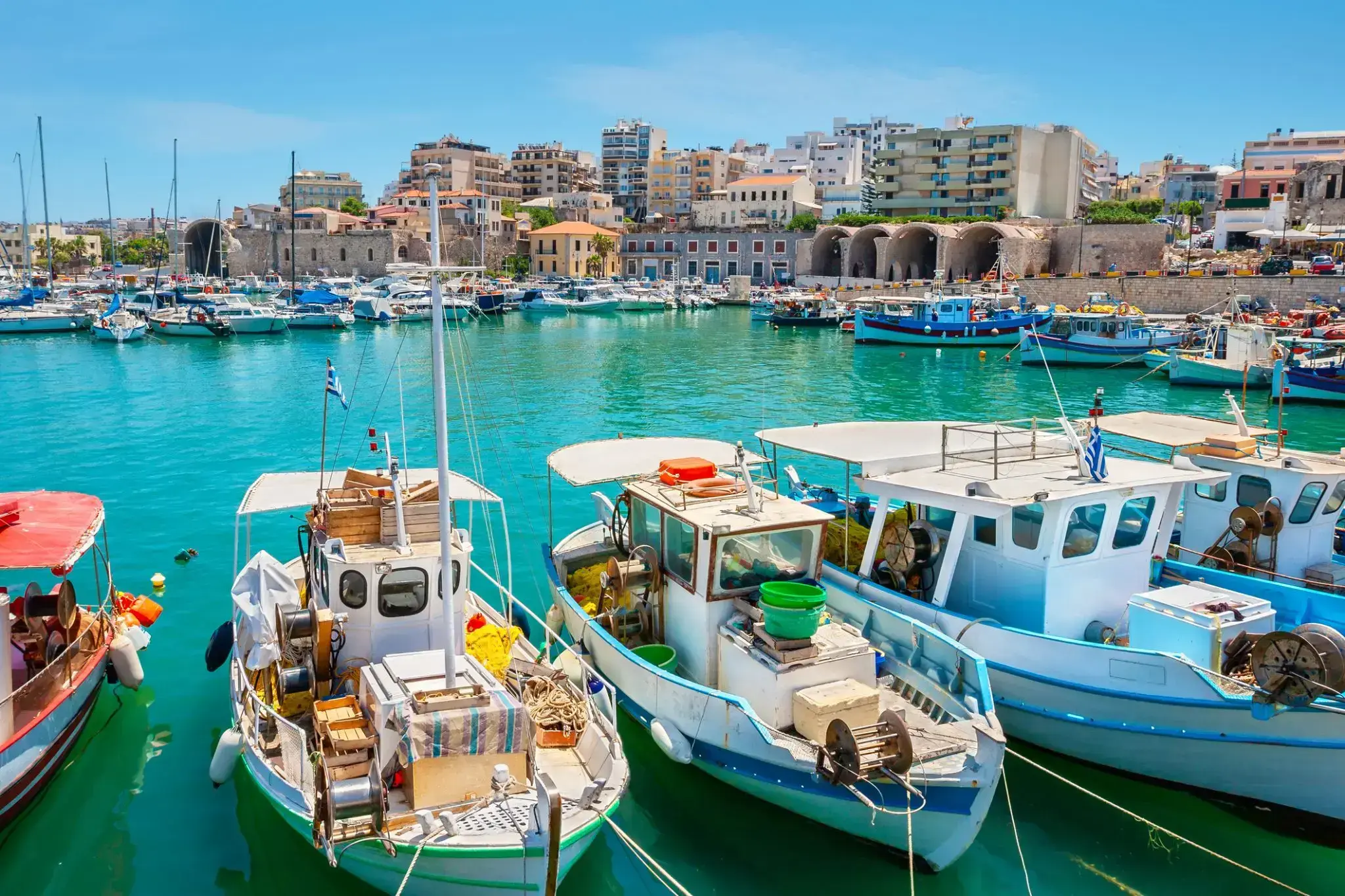
Heraklion or Heraclion is the largest city and the administrative capital of the island of Crete. It is the fourth largest city in Greece. According to the results of the 2011 census, the population of the city proper was 166,209 inhabitants, the municipality's was 173,993 while the Heraklion urban area has a population of 225,574 and it extends over an area of 684.3 km2 (264.2 sq mi).
Heraklion is the capital of Heraklion regional unit.
The Bronze Age palace of Knossos, also known as the Palace of Minos, is located nearby.
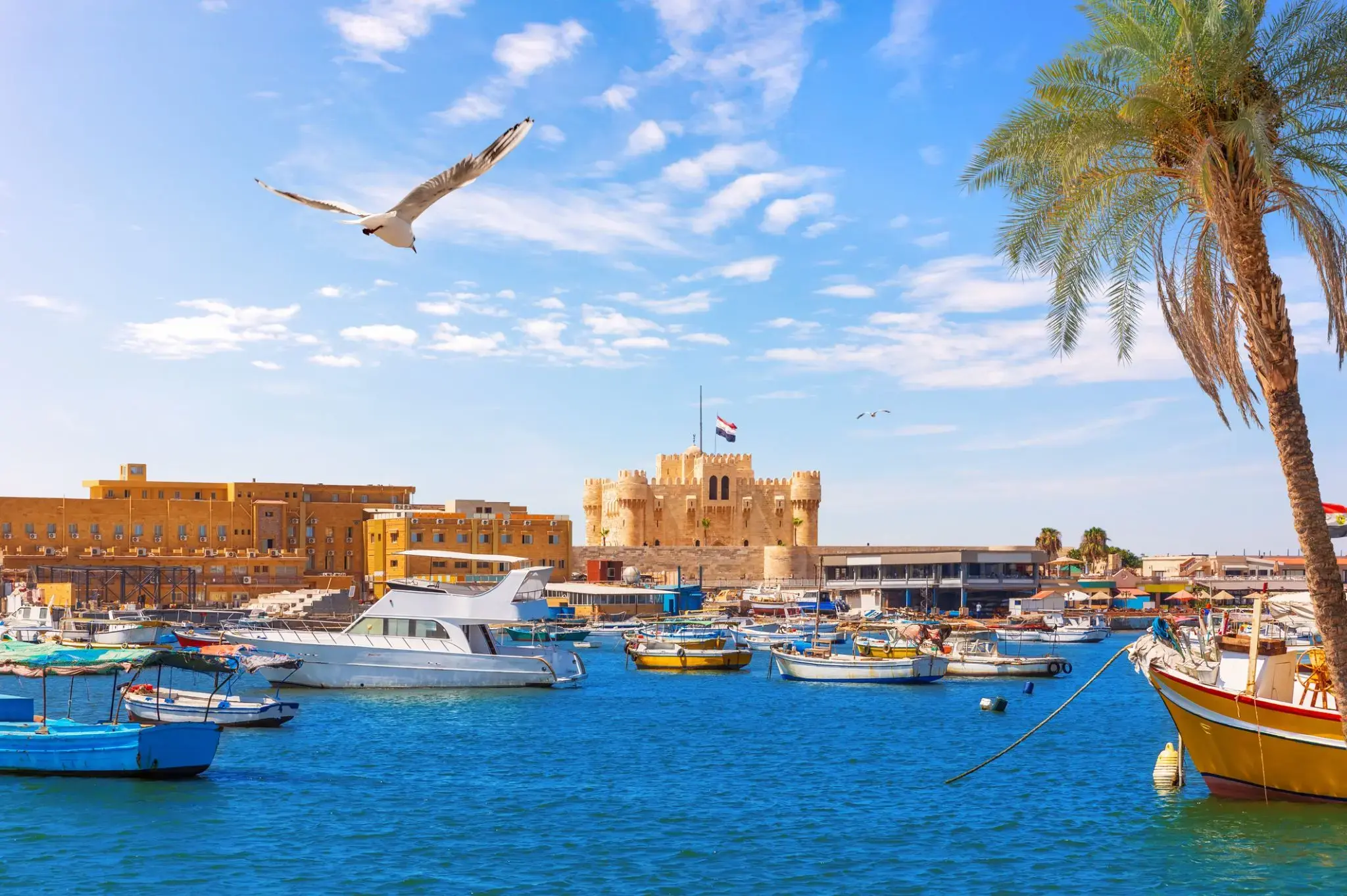
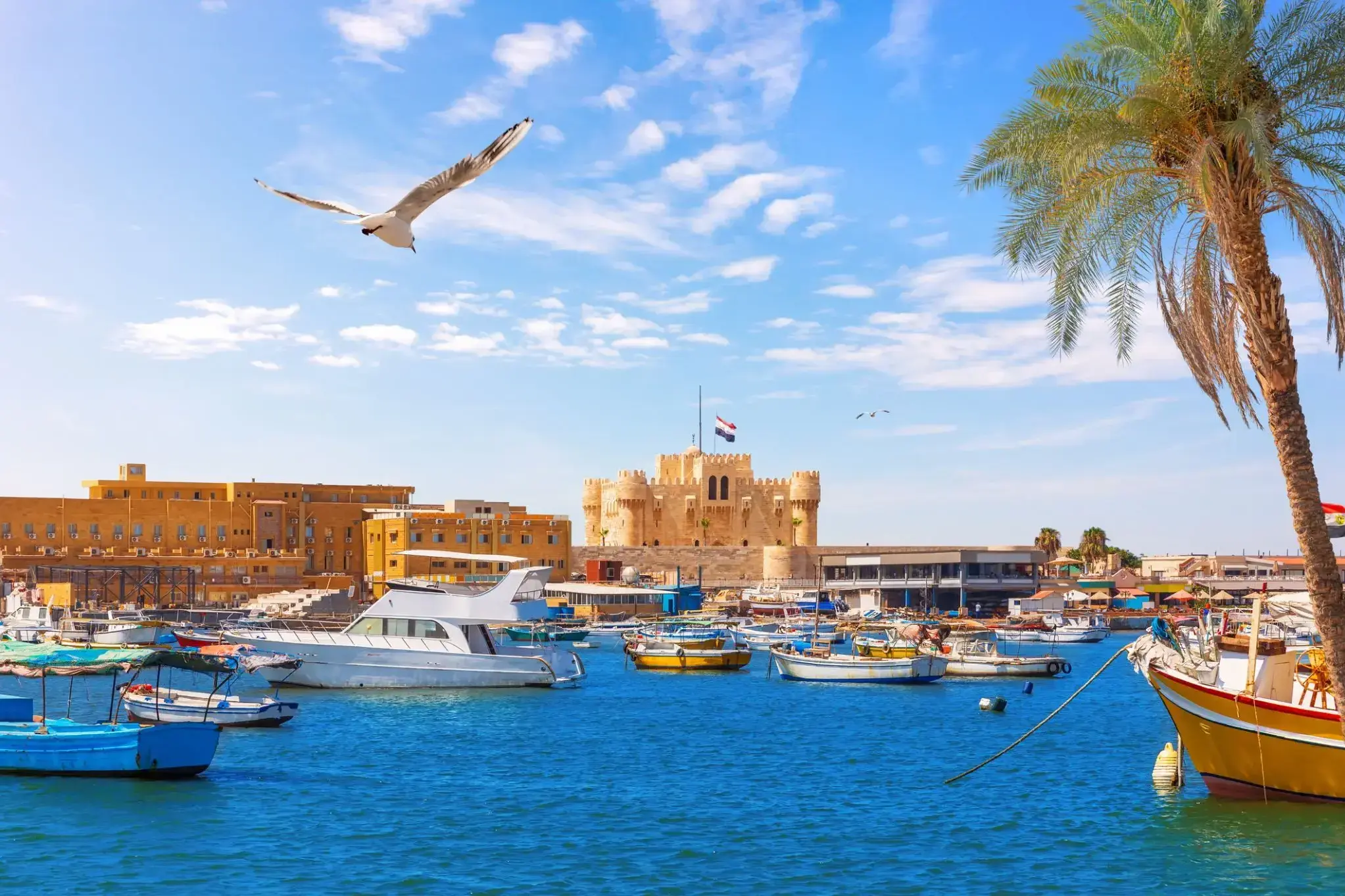
the chief port of Egypt; population 4,084,700 (est. 2006). Founded in 332 bc by Alexander the Great, it was a major center of Hellenistic culture, renowned for its library and for the Pharos lighthouse.
the chief port of Egypt; population 4,084,700 (est. 2006). Founded in 332 bc by Alexander the Great, it was a major center of Hellenistic culture, renowned for its library and for the Pharos lighthouse.
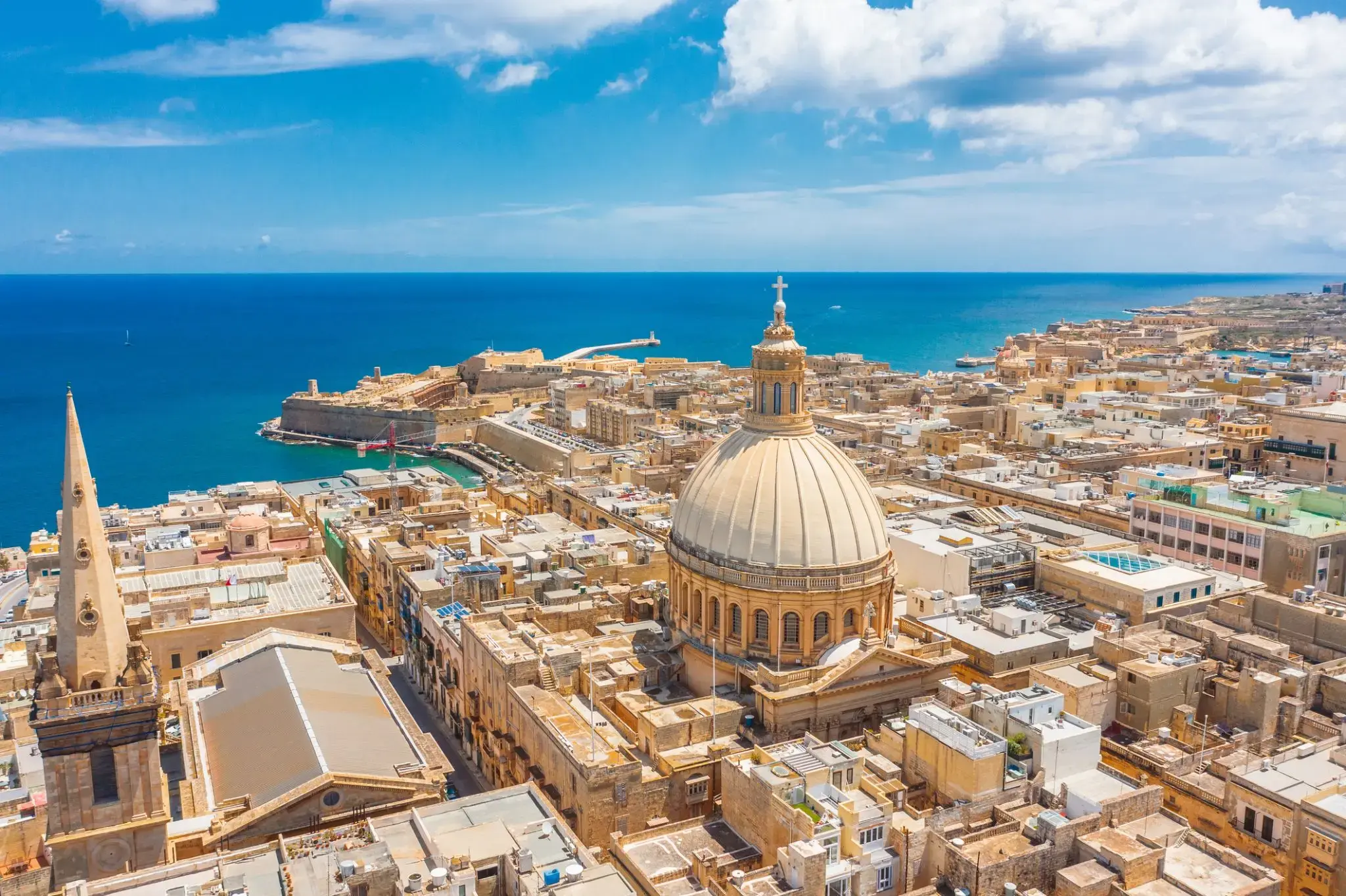
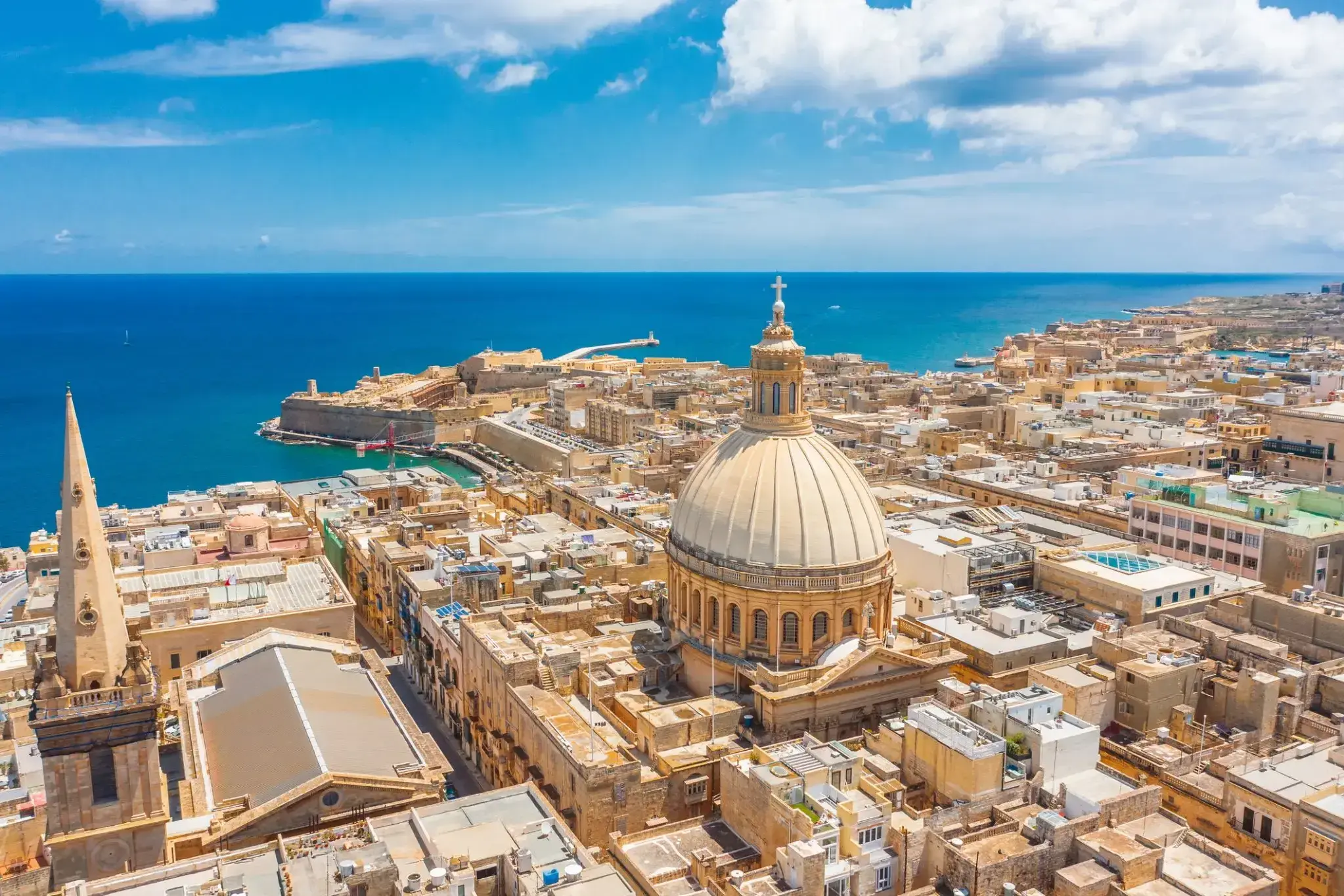
The capital of Malta - Valletta , is the first and almost the only city in Europe, which was once designed by architects and built according to all the rules and norms of construction. Valletta is considered to be one of the most beautiful cities on the Mediterranean. Klaipeda is on the list of the few remaining fortified towns. The center of the city is the Palace of the Grand Master of the Order of Malta, and today the residence of the President of the country, here is the seat of the Maltese Parliament. The list of places to visit in Valletta includes the Castilla Palace, the Admiralty (where the National Museum of Fine Arts is now located, with the largest painting collection in the country), a charming place in the city - the beautiful Hastings Gardens, and this is not the whole list of the riches of the capital of Malta .
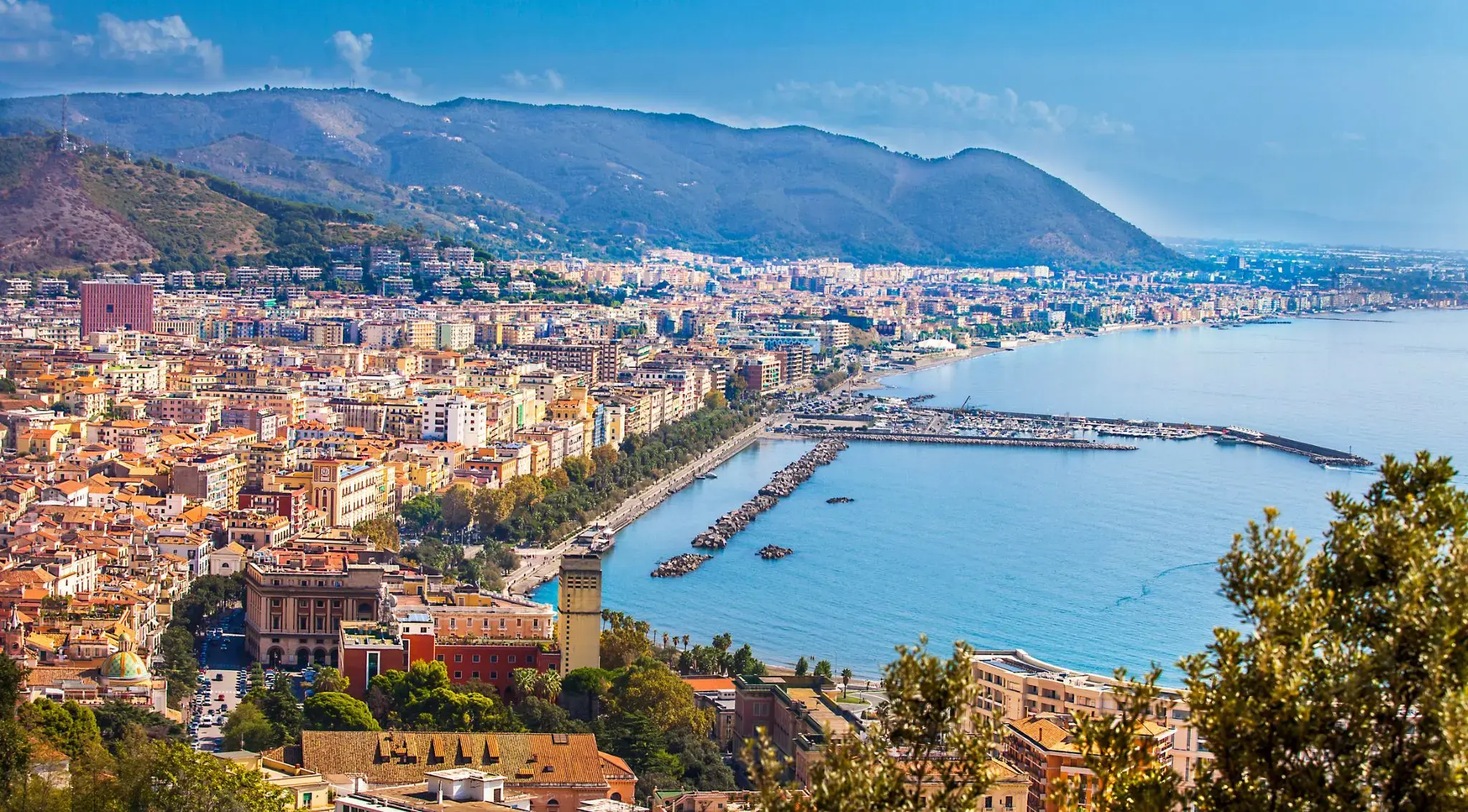
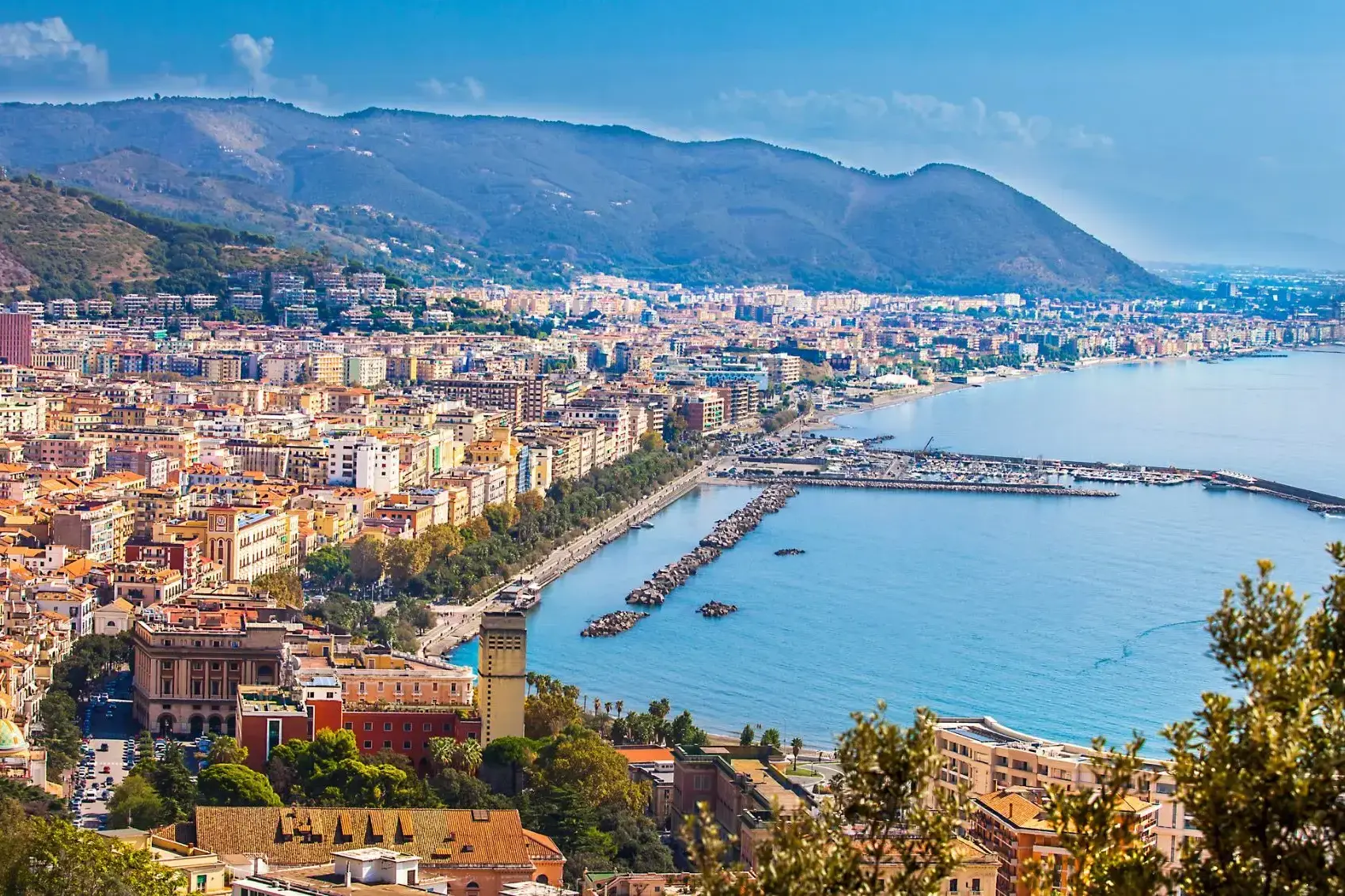
Salerno is one of the most popular seaside cities in Italy, intended for recreation at sea. The climate here is warm and mild, which is typical for all cities of the Neapolitan Riviera. Tourism in Salerno is at a high level, as the city is a rich historical and cultural center. Salerno contains many attractions interesting for lovers of history, art and culture.
Salerno is one of the most popular seaside cities in Italy, intended for recreation at sea. The climate here is warm and mild, which is typical for all cities of the Neapolitan Riviera. Tourism in Salerno is at a high level, as the city is a rich historical and cultural center. Salerno contains many attractions interesting for lovers of history, art and culture.
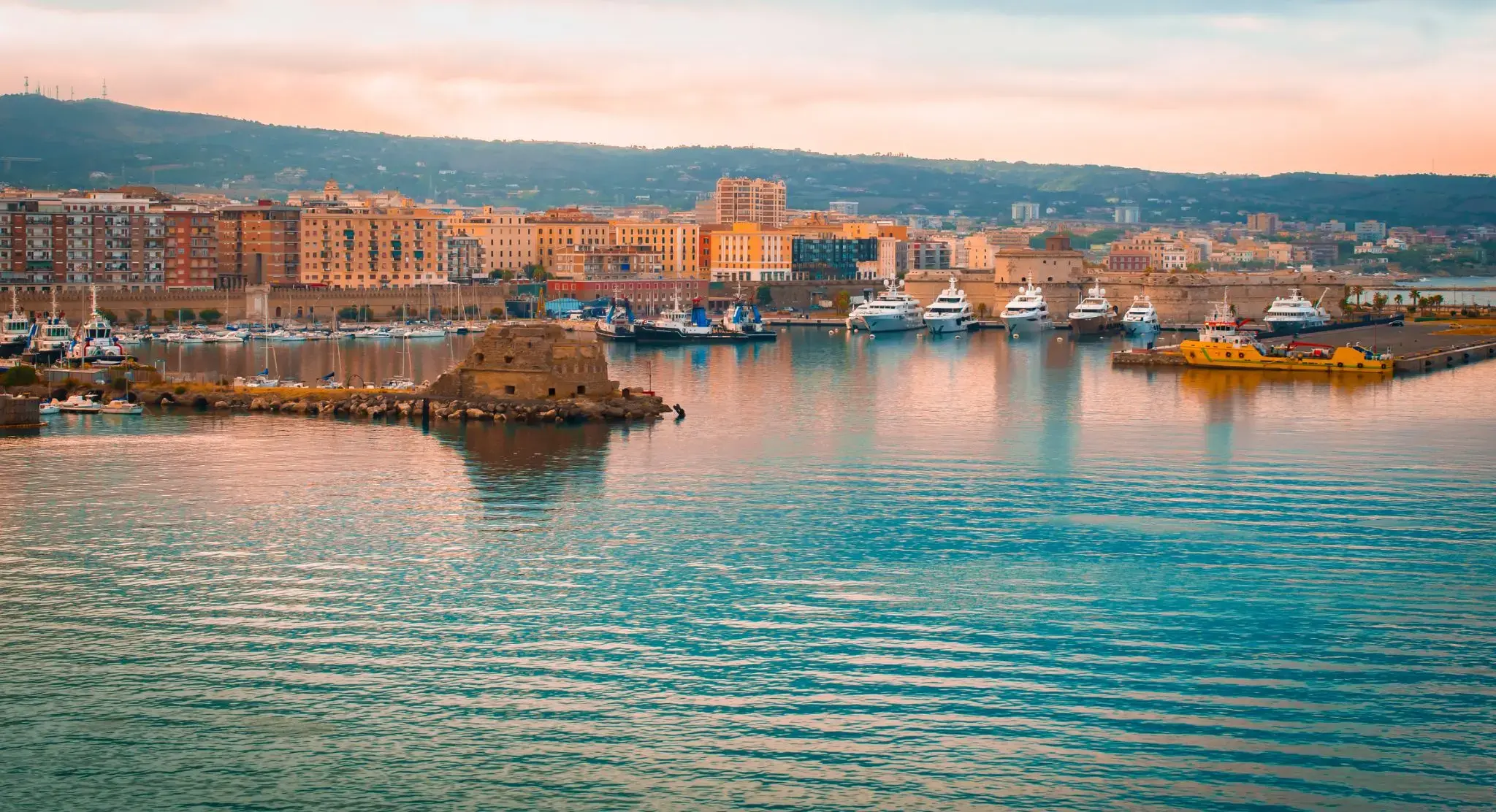
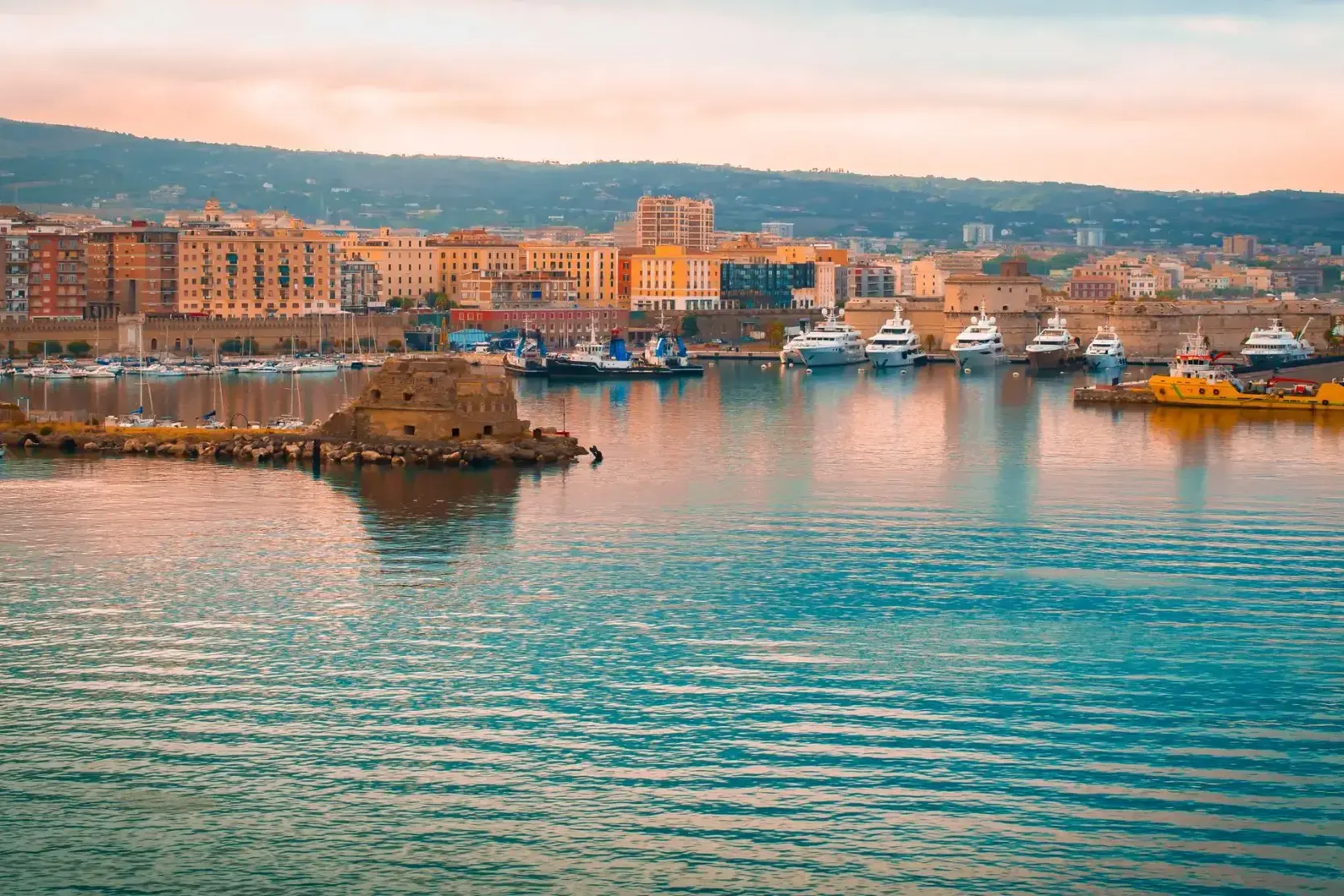
Rome is the capital city and a special comune of Italy (named Comune di Roma Capitale). Rome also serves as the capital of the Lazio region. With 2,872,800 residents in 1,285 km2(496.1 sq mi), it is also the country's most populated comune. It is the fourth-most populous city in the European Union by population within city limits. It is the centre of the Metropolitan City of Rome, which has a population of 4,355,725 residents, thus making it the most populous metropolitan city in Italy. Rome is located in the central-western portion of the Italian Peninsula, within Lazio (Latium), along the shores of the Tiber. The Vatican City (the smallest country in the world) is an independent country inside the city boundaries of Rome, the only existing example of a country within a city: for this reason Rome has been often defined as capital of two states.
Rome's history spans 28 centuries. While Roman mythology dates the founding of Rome at around 753 BC, the site has been inhabited for much longer, making it one of the oldest continuously occupied sites in Europe. The city's early population originated from a mix of Latins, Etruscans, and Sabines. Eventually, the city successively became the capital of the Roman Kingdom, the Roman Republic and the Roman Empire, and is regarded as the birthplace of Western civilization and by some as the first ever metropolis. It was first called The Eternal City (Latin: Urbs Aeterna; Italian: La Città Eterna) by the Roman poet Tibullus in the 1st century BC, and the expression was also taken up by Ovid, Virgil, and Livy. Rome is also called the "Caput Mundi" (Capital of the World). After the fall of the Western Empire, which marked the beginning of the Middle Ages, Rome slowly fell under the political control of the Papacy, which had settled in the city since the 1st century AD, until in the 8th century it became the capital of the Papal States, which lasted until 1870. Beginning with the Renaissance, almost all the popes since Nicholas V (1447–1455) pursued over four hundred years a coherent architectural and urban programme aimed at making the city the artistic and cultural centre of the world. In this way, Rome became first one of the major centres of the Italian Renaissance, and then the birthplace of both the Baroque style and Neoclassicism. Famous artists, painters, sculptors and architects made Rome the centre of their activity, creating masterpieces throughout the city. In 1871, Rome became the capital of the Kingdom of Italy, which, in 1946, became the Italian Republic.
Rome has the status of a global city. In 2016, Rome ranked as the 14th-most-visited city in the world, 3rd most visited in the European Union, and the most popular tourist attraction in Italy. Its historic centre is listed by UNESCO as a World Heritage Site. The famous Vatican Museums are among the world's most visited museums while the Colosseum was the most popular tourist attraction in world with 7.4 million visitors in 2018. Host city for the 1960 Summer Olympics, Rome is the seat of several specialized agencies of the United Nations, such as the Food and Agriculture Organization (FAO), the World Food Programme (WFP) and the International Fund for Agricultural Development (IFAD). The city also hosts the Secretariat of the Parliamentary Assembly of the Union for the Mediterranean (UfM) as well as the headquarters of many international business companies such as Eni, Enel, TIM, Leonardo S.p.A., and national and international banks such as Unicredit and BNL. Its business district, called EUR, is the base of many companies involved in the oil industry, the pharmaceutical industry, and financial services. Rome is also an important fashion and design centre thanks to renowned international brands centered in the city. Rome's Cinecittà Studios have been the set of many Academy Award–winning movies.