| Cruise Region : Europe, Northern Europe |
| Company : Azamara Cruises |
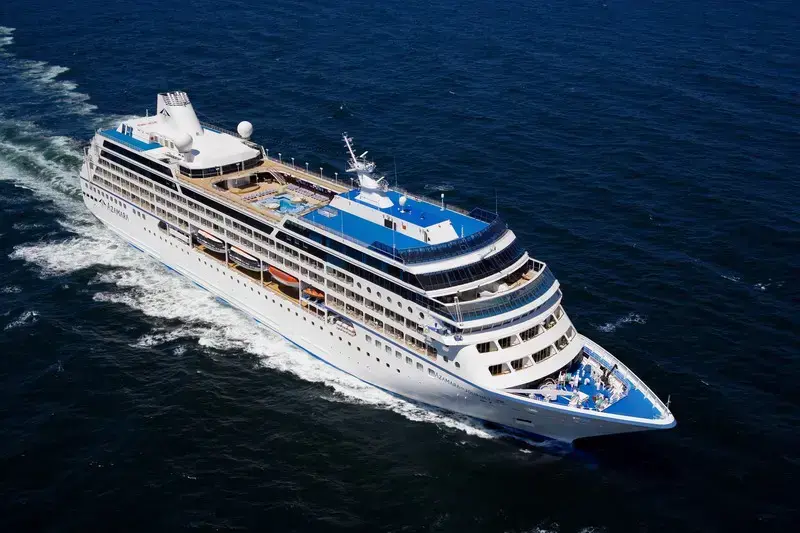
| Ship : Azamara Quest |
| Journey Start : Fri 07 Aug 2026 |
| Journey End : Wed 19 Aug 2026 |
| Count Nights : 12 nights |
| Day | Date | Port | Arrival | Departure |
|---|---|---|---|---|
| 1 | 7.08 Fri | Dublin / Ireland | ||
| 2 | 8.08 Sat | Dublin / Ireland | 18:00 | |
| 3 | 9.08 Sun | Waterford / Ireland | 08:00 | 20:00 |
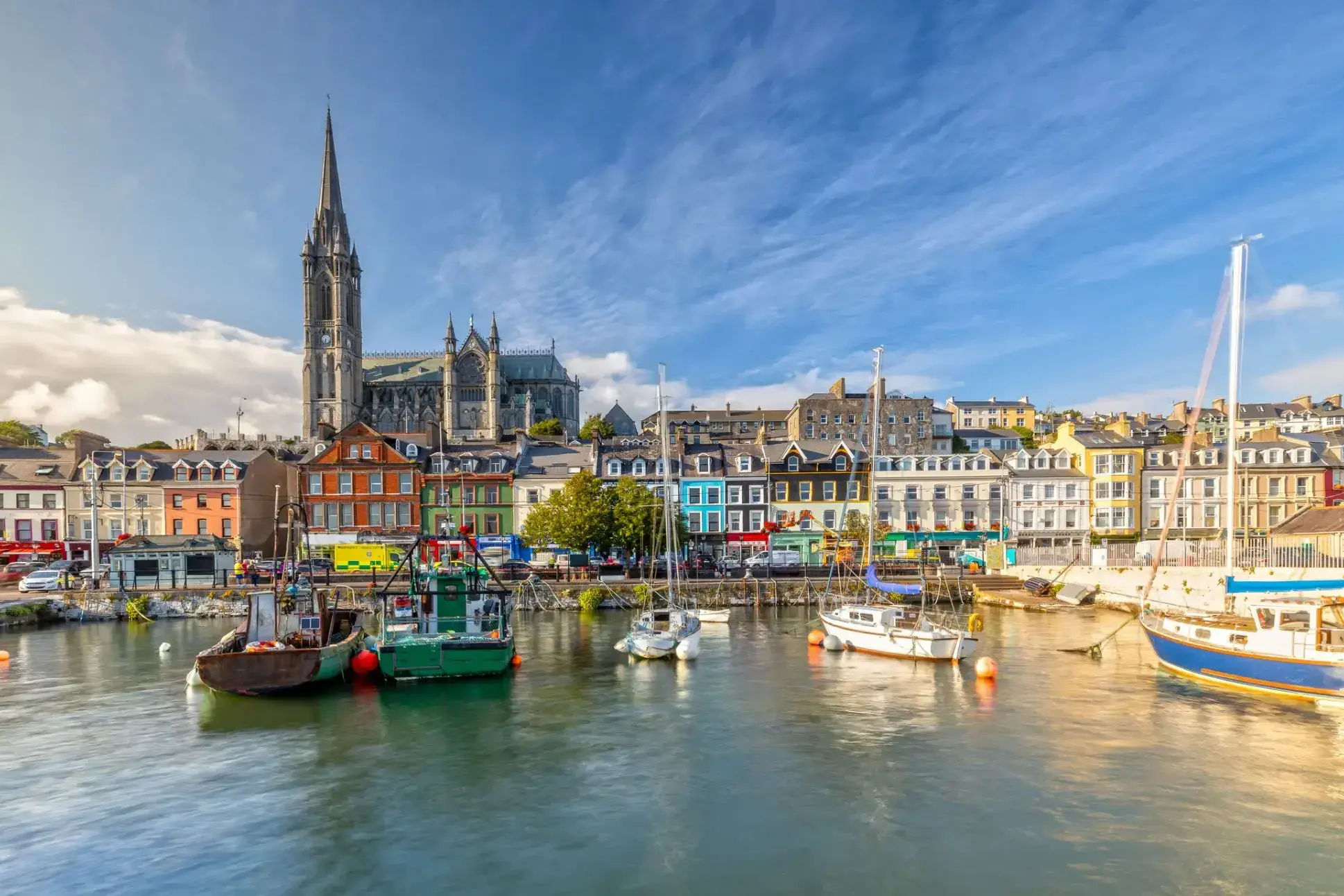
| 4 | 10.08 Mon | Cobh / Ireland | 08:00 | 22:00 |
| 5 | 11.08 Tue | BANTRY HARBOUR | 08:00 | 18:00 |
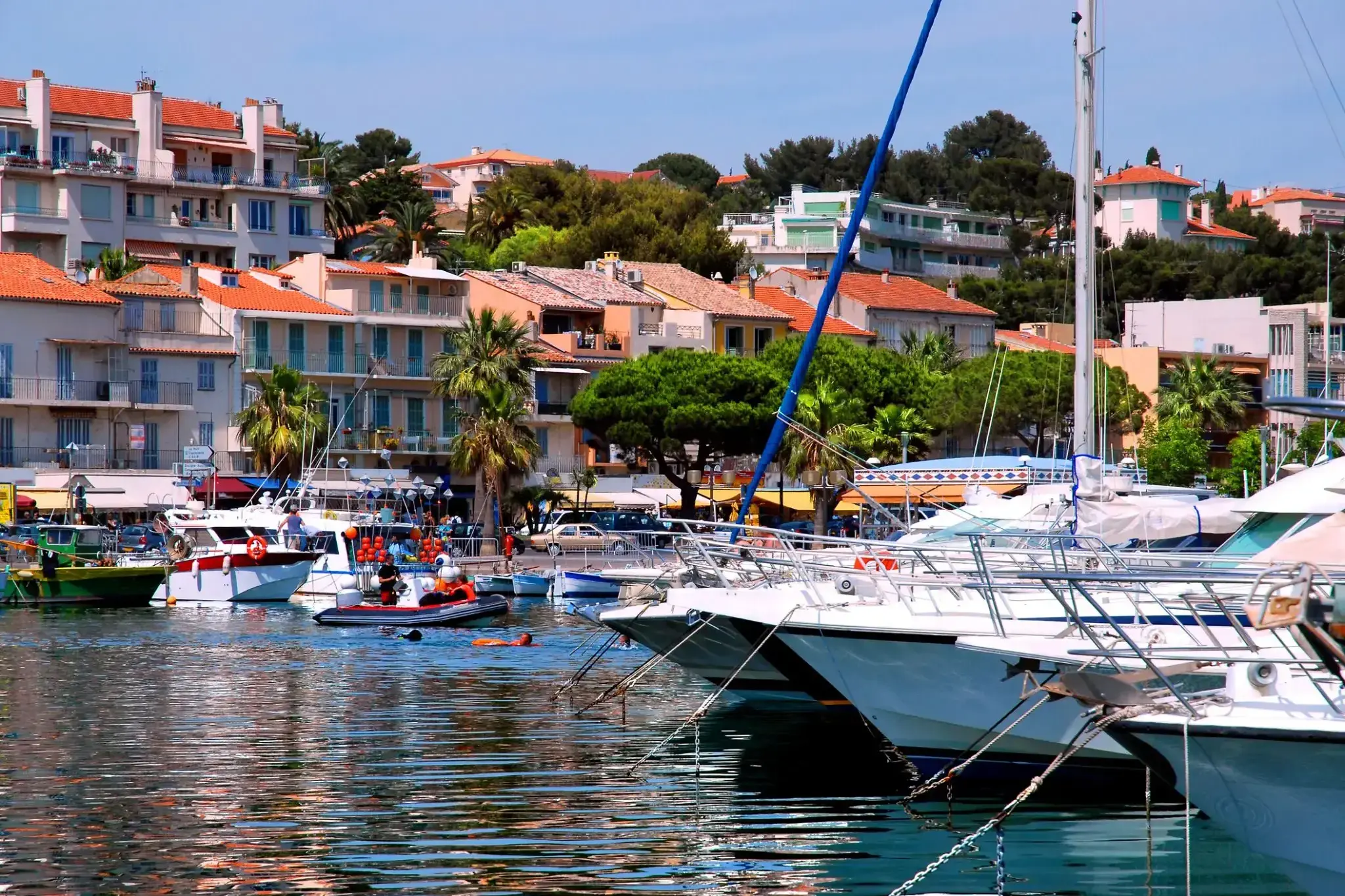
| 6 | 12.08 Wed | Bandol / France | 15:00 | 18:00 |
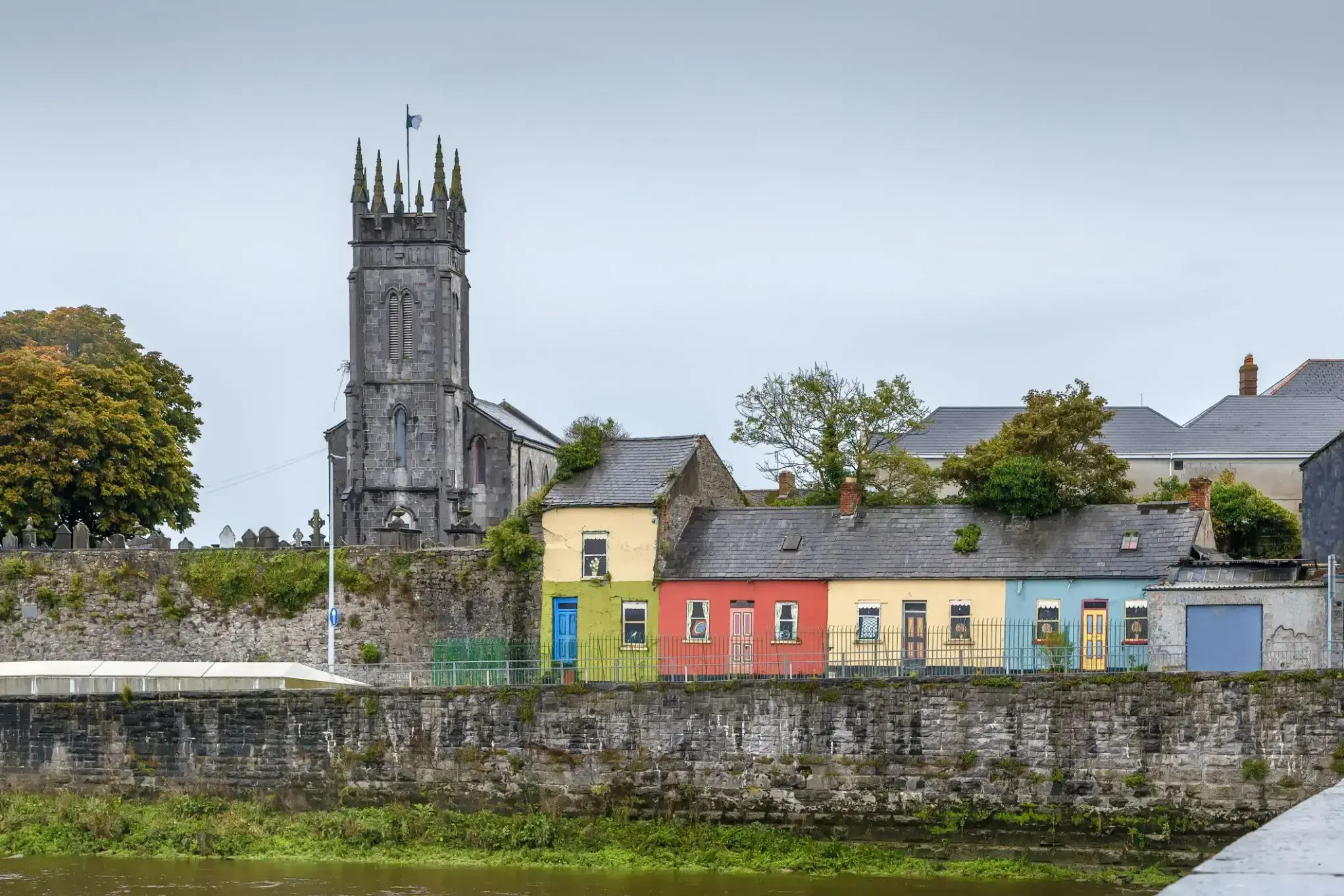
| 7 | 13.08 Thu | Foynes, Limerick / Ireland | 06:30 | 18:00 |
| 8 | 14.08 Fri | Donegal | 09:00 | 20:00 |
| 9 | 15.08 Sat | Derry / Great Britain | 08:00 | 18:00 |
| 10 | 16.08 Sun | Belfast / Great Britain | 08:00 | |
| 11 | 17.08 Mon | Belfast / Great Britain | 19:00 | |
| 12 | 18.08 Tue | Day at sea / Sea | ||
| 13 | 19.08 Wed | Portsmouth / Dominica | 06:00 |
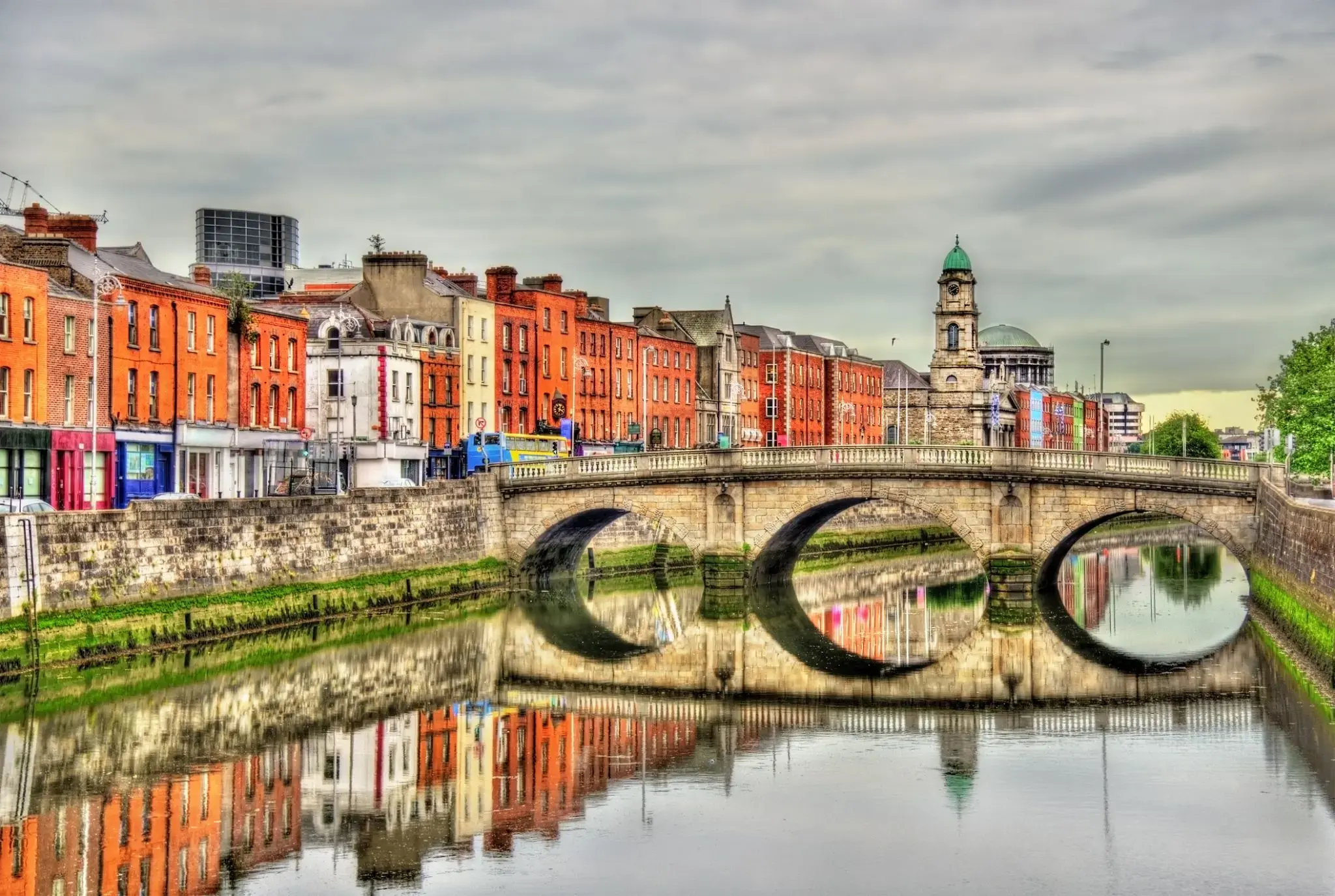
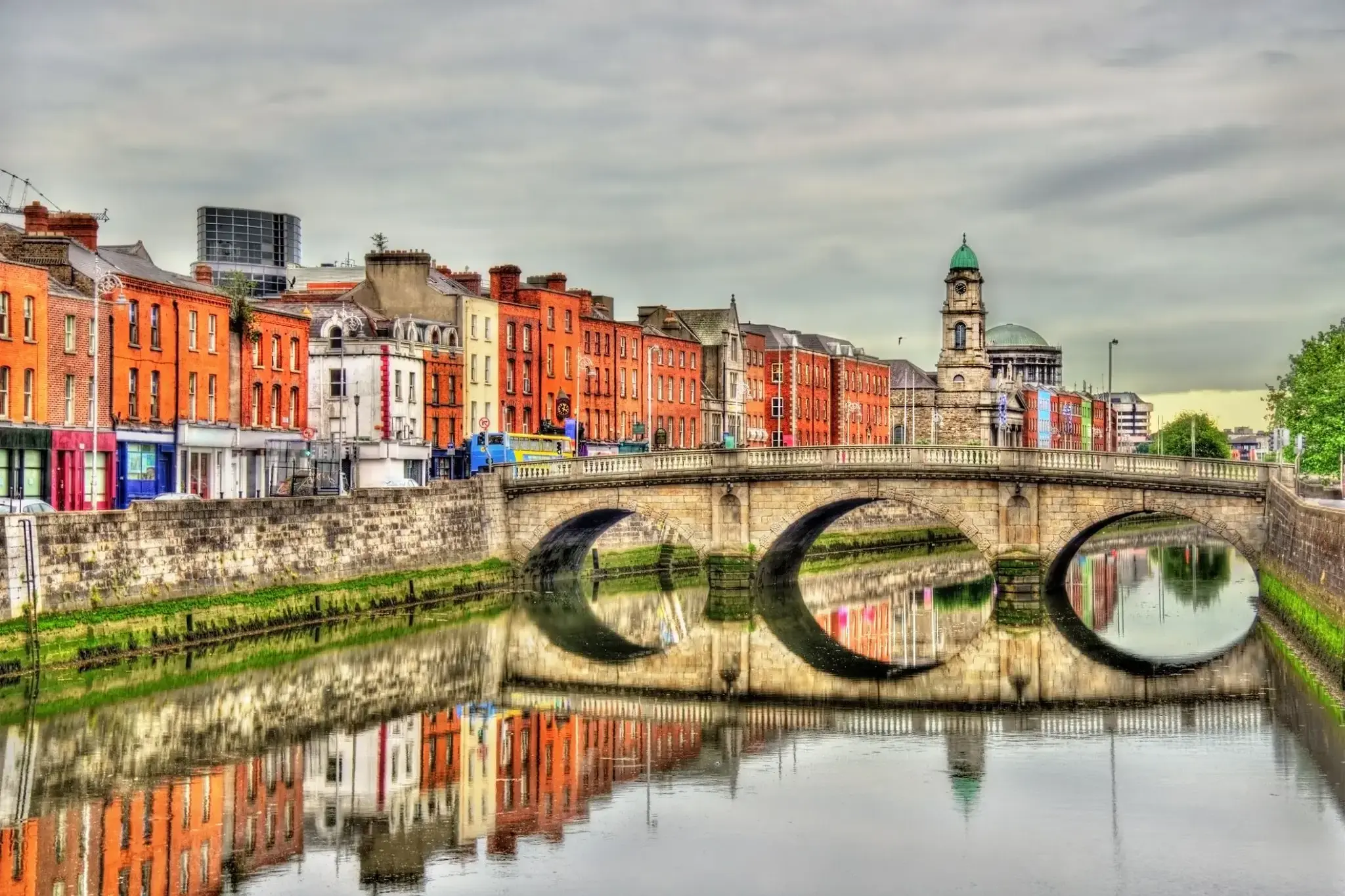
Dublin is the capital of, and largest city in, Ireland. It is on the east coast of Ireland, in the province of Leinster, at the mouth of the River Liffey, and is bordered on the south by the Wicklow mountains. It has an urban area population of 1,173,179, while the population of the Dublin Region (formerly County Dublin), as of 2016, was 1,347,359, and the population of the Greater Dublin area was 1,904,806.
There is archaeological debate regarding precisely where Dublin was established by Celtic-speaking people in the 7th century AD. Later expanded as a Viking settlement, the Kingdom of Dublin, the city became Ireland's principal settlement following the Norman invasion. The city expanded rapidly from the 17th century and was briefly the second largest city in the British Empire before the Acts of Union in 1800. Following the partition of Ireland in 1922, Dublin became the capital of the Irish Free State, later renamed Ireland.
Dublin is a historical and contemporary centre for education, the arts, administration and industry. As of 2018 the city was listed by the Globalization and World Cities Research Network (GaWC) as a global city, with a ranking of "Alpha -", which places it amongst the top thirty cities in the world.
Dublin is the capital of, and largest city in, Ireland. It is on the east coast of Ireland, in the province of Leinster, at the mouth of the River Liffey, and is bordered on the south by the Wicklow mountains. It has an urban area population of 1,173,179, while the population of the Dublin Region (formerly County Dublin), as of 2016, was 1,347,359, and the population of the Greater Dublin area was 1,904,806.
There is archaeological debate regarding precisely where Dublin was established by Celtic-speaking people in the 7th century AD. Later expanded as a Viking settlement, the Kingdom of Dublin, the city became Ireland's principal settlement following the Norman invasion. The city expanded rapidly from the 17th century and was briefly the second largest city in the British Empire before the Acts of Union in 1800. Following the partition of Ireland in 1922, Dublin became the capital of the Irish Free State, later renamed Ireland.
Dublin is a historical and contemporary centre for education, the arts, administration and industry. As of 2018 the city was listed by the Globalization and World Cities Research Network (GaWC) as a global city, with a ranking of "Alpha -", which places it amongst the top thirty cities in the world.
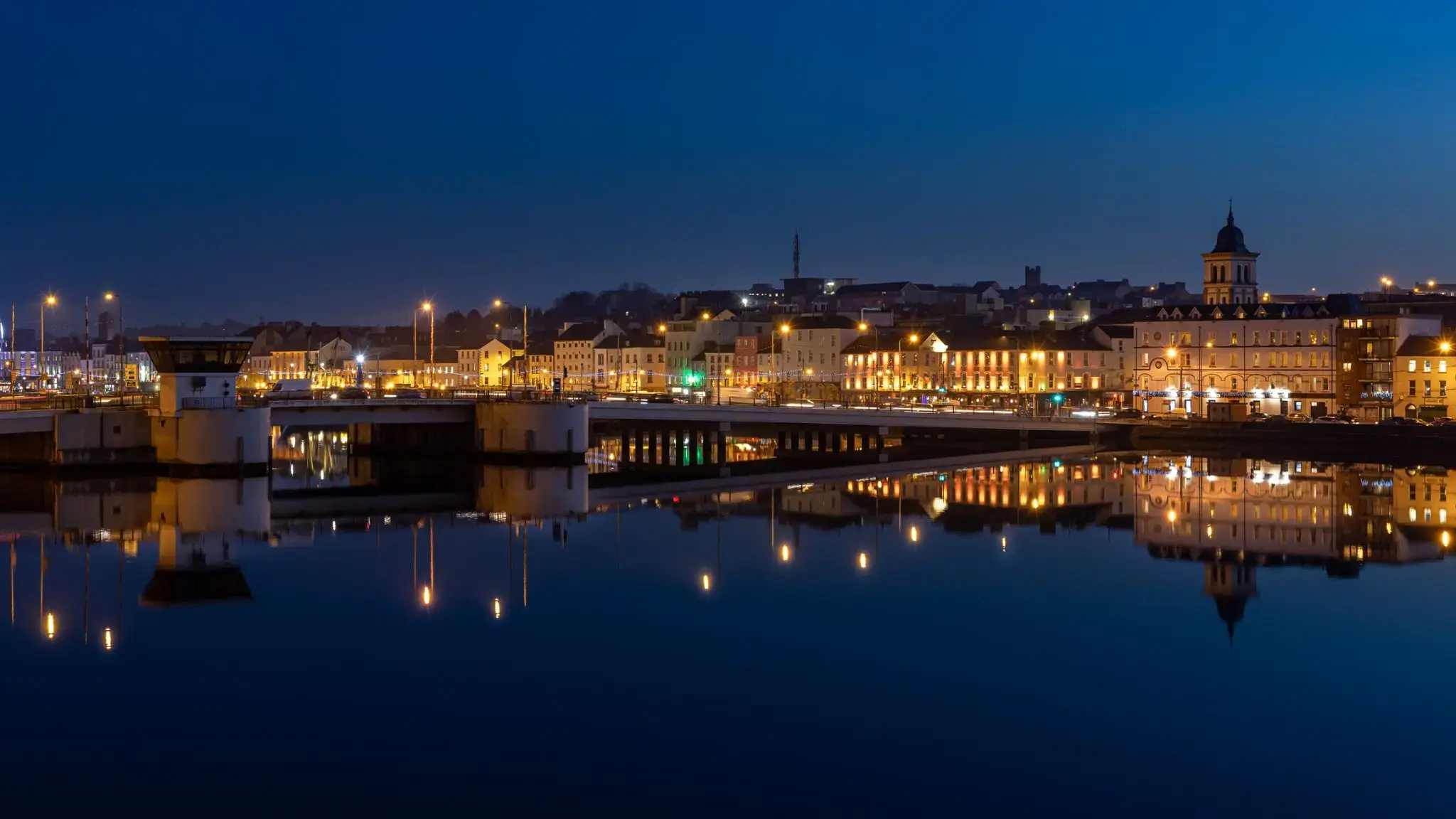
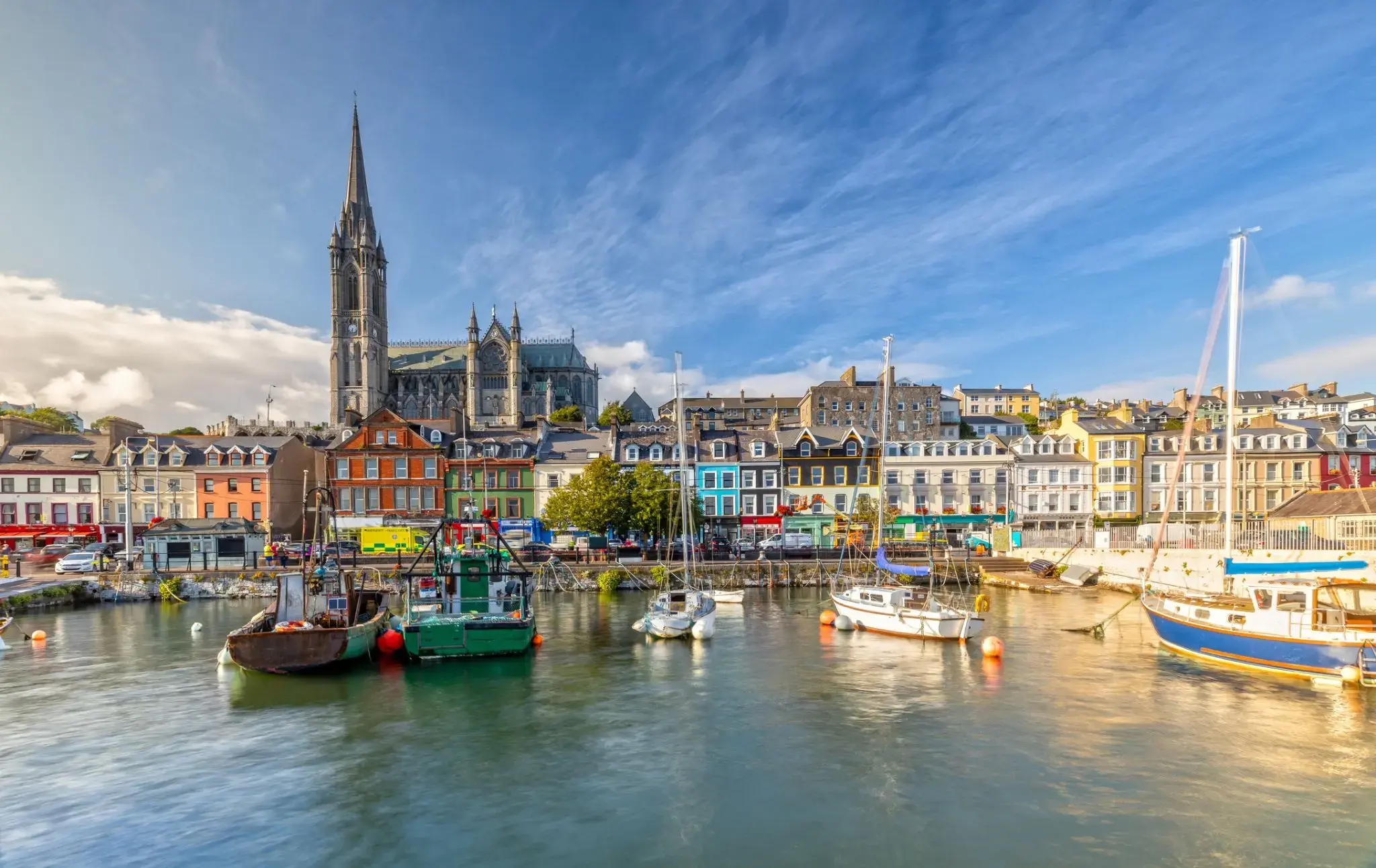
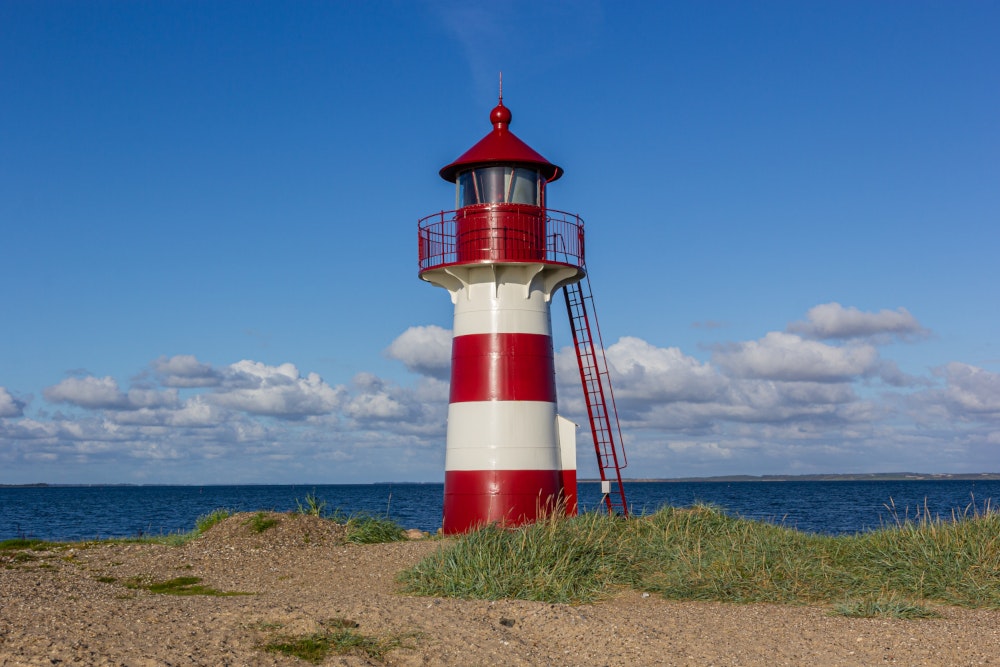
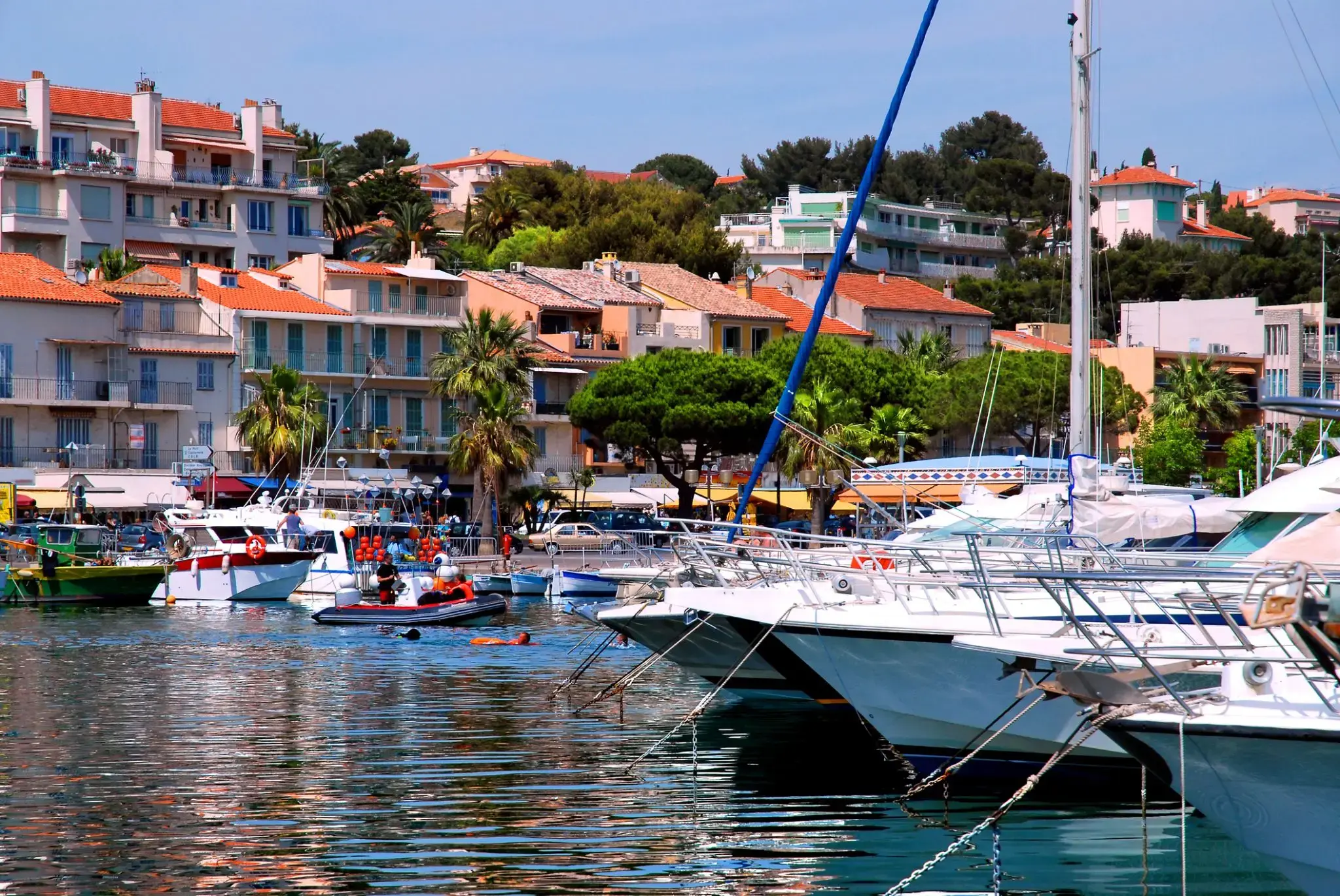
Bandol is a commune in Var department, Provence-Alpes-Côte d'Azur region, southeastern France. Bandol and the seat of its eponymous commune, was founded in 1595 and built around a small military fort.
The Bandol wine region, located near the coast east of Marseille and Cassis, is one of Provence’s most internationally recognized wine regions. Built around the village of Bandol, west of Toulon, the Bandol AOC covers the production of 8 communes with silicon & limestone soils. Those soils and the warm, coastal climate are ideally suited for the late ripening Mourvèdre grape which is the major variety of the region. For both the red and rosé wines, Mourvèdre must account for at least 50% of the blend, though most producers will use significantly more, with Grenache & Cinsaut usually filling out the rest of the wine’s composition.
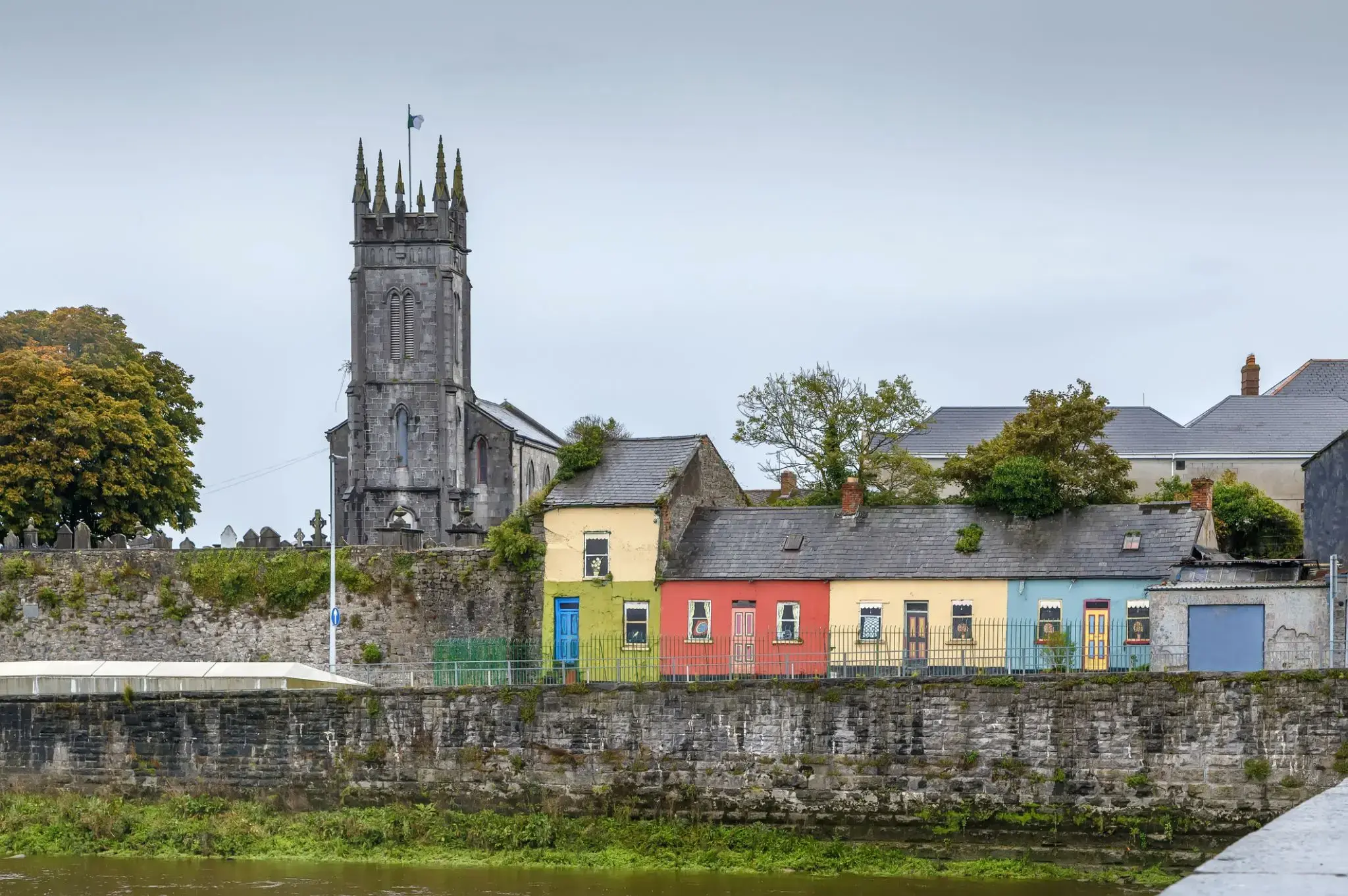
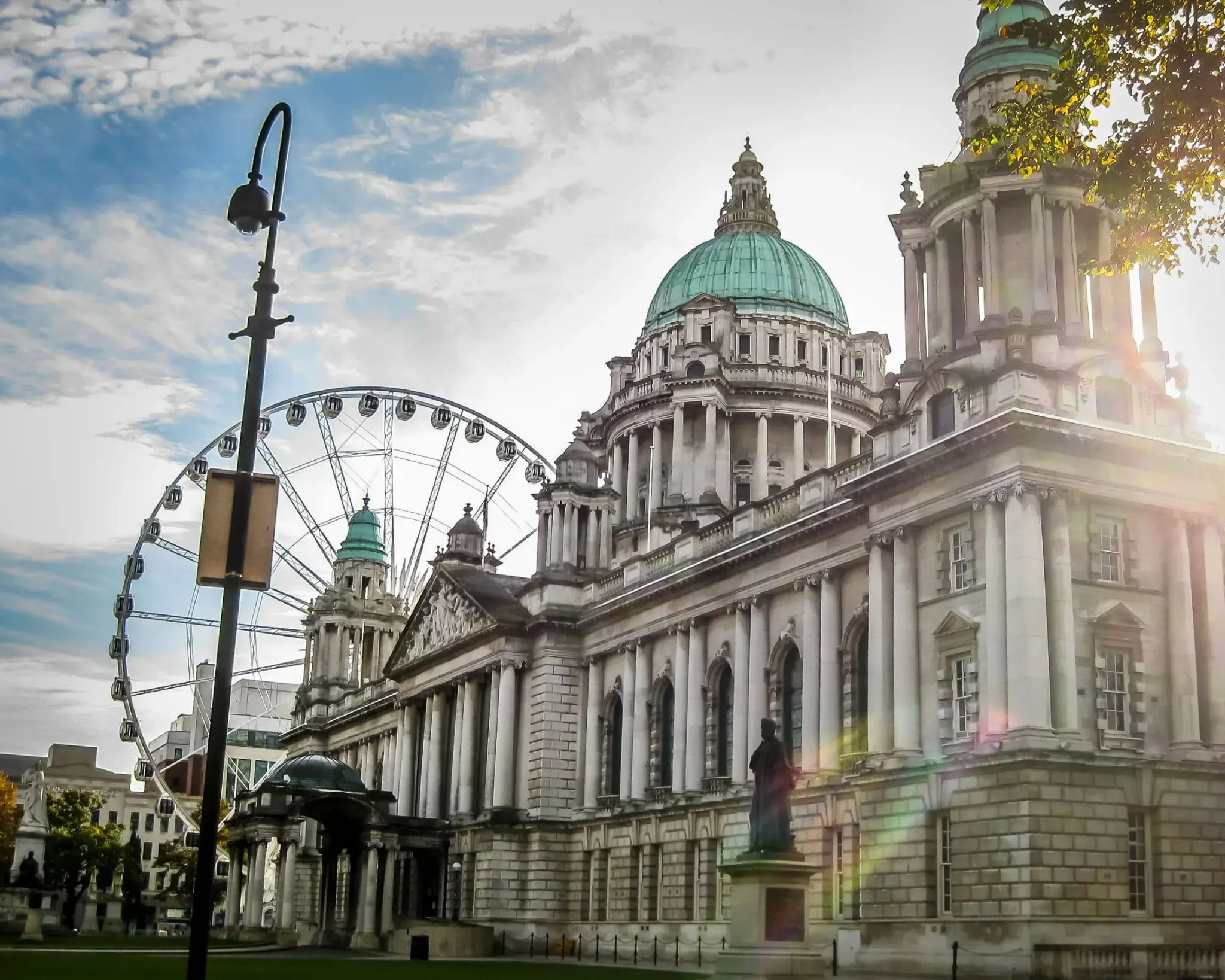
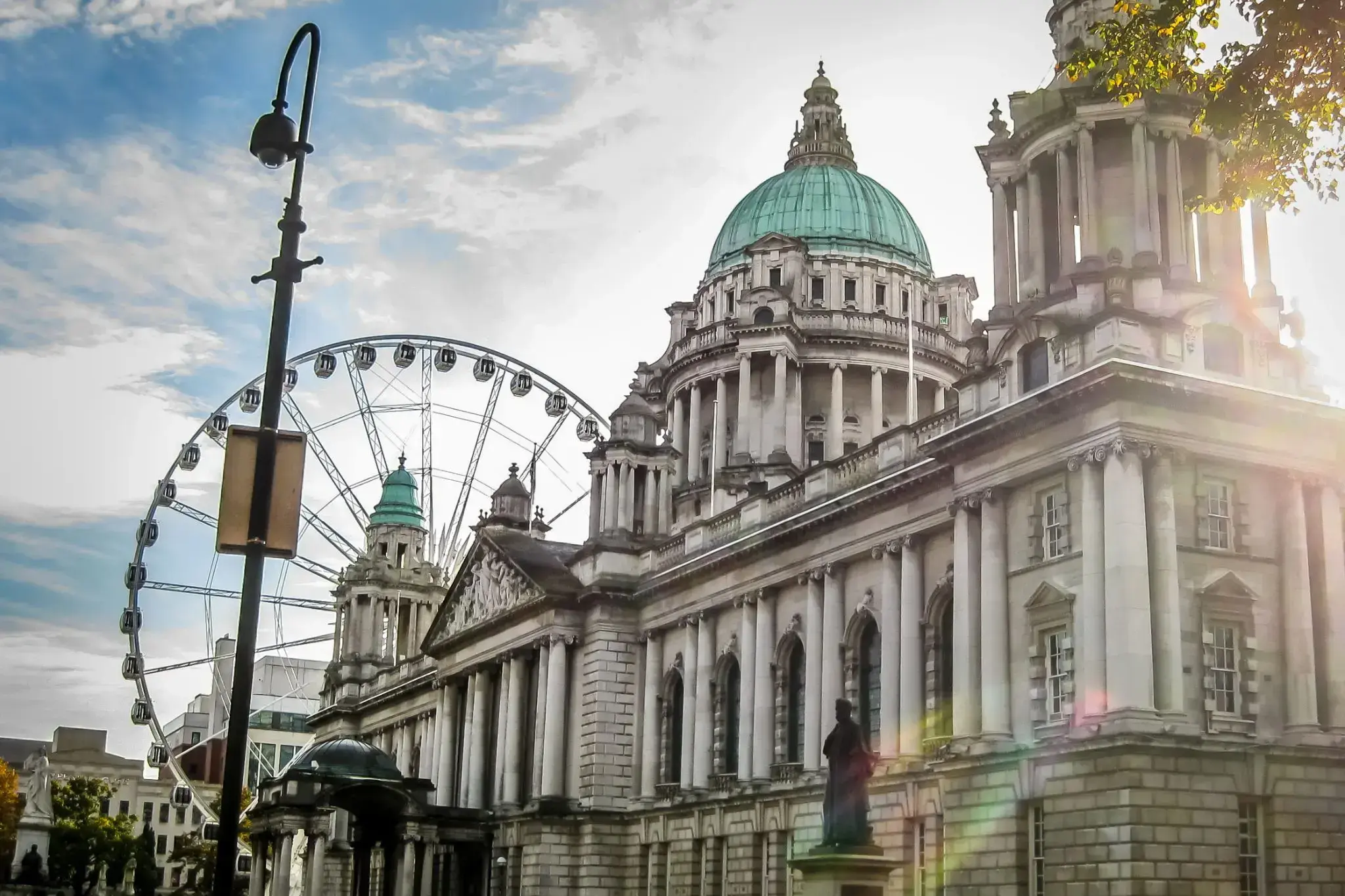
Belfast is a port city in the United Kingdom and the capital city of Northern Ireland, on the banks of the River Lagan on the east coast of Ireland. It is the largest city in Northern Ireland and second largest on the island of Ireland. It had a population of 333,871 in 2015.
By the early 1800s Belfast was a major port. It played a key role in the Industrial Revolution, becoming the biggest linen producer in the world, earning it the nickname "Linenopolis". By the time it was granted city status in 1888, it was a major centre of Irish linen production, tobacco-processing and rope-making. Shipbuilding was also a key industry; the Harland and Wolff shipyard, where the RMS Titanic was built, was the world's biggest shipyard. It also has a major aerospace and missiles industry. Industrialisation and the inward migration it brought made Belfast Ireland's biggest city and it became the capital of Northern Ireland following the Partition of Ireland in 1922. Its status as a global industrial centre ended in the decades after the Second World War.
Belfast suffered greatly in the Troubles, and in the 1970s and 1980s was one of the world's most dangerous cities. However, the city is now considered to be one of the safest within the United Kingdom. Throughout the 21st century, the city has seen a sustained period of calm, free from the intense political violence of former years and has benefitted from substantial economic and commercial growth. Belfast remains a centre for industry, as well as the arts, higher education, business, and law, and is the economic engine of Northern Ireland. Belfast is still a major port, with commercial and industrial docks dominating the Belfast Lough shoreline, including the Harland and Wolff shipyard. It is served by two airports: George Best Belfast City Airport, and Belfast International Airport 15 miles (24 km) west of the city. It is listed by the Globalization and World Cities Research Network (GaWC) as a Gamma global city.
Belfast is a port city in the United Kingdom and the capital city of Northern Ireland, on the banks of the River Lagan on the east coast of Ireland. It is the largest city in Northern Ireland and second largest on the island of Ireland. It had a population of 333,871 in 2015.
By the early 1800s Belfast was a major port. It played a key role in the Industrial Revolution, becoming the biggest linen producer in the world, earning it the nickname "Linenopolis". By the time it was granted city status in 1888, it was a major centre of Irish linen production, tobacco-processing and rope-making. Shipbuilding was also a key industry; the Harland and Wolff shipyard, where the RMS Titanic was built, was the world's biggest shipyard. It also has a major aerospace and missiles industry. Industrialisation and the inward migration it brought made Belfast Ireland's biggest city and it became the capital of Northern Ireland following the Partition of Ireland in 1922. Its status as a global industrial centre ended in the decades after the Second World War.
Belfast suffered greatly in the Troubles, and in the 1970s and 1980s was one of the world's most dangerous cities. However, the city is now considered to be one of the safest within the United Kingdom. Throughout the 21st century, the city has seen a sustained period of calm, free from the intense political violence of former years and has benefitted from substantial economic and commercial growth. Belfast remains a centre for industry, as well as the arts, higher education, business, and law, and is the economic engine of Northern Ireland. Belfast is still a major port, with commercial and industrial docks dominating the Belfast Lough shoreline, including the Harland and Wolff shipyard. It is served by two airports: George Best Belfast City Airport, and Belfast International Airport 15 miles (24 km) west of the city. It is listed by the Globalization and World Cities Research Network (GaWC) as a Gamma global city.