| Cruise Region : South America / Antarctica |
| Company : MSC Yacht Club |
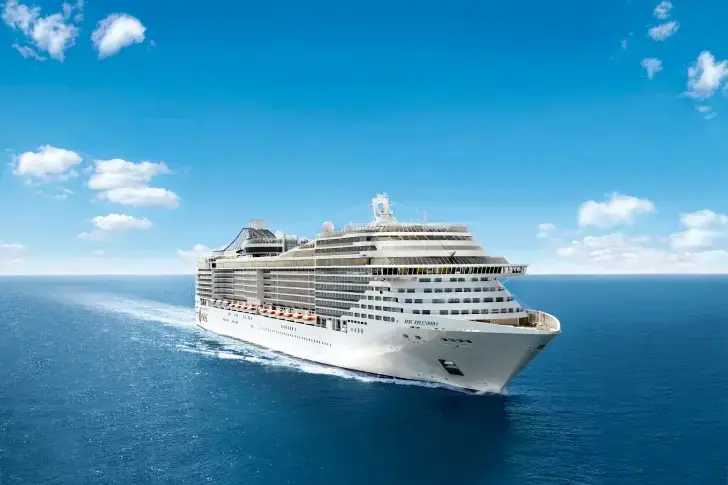
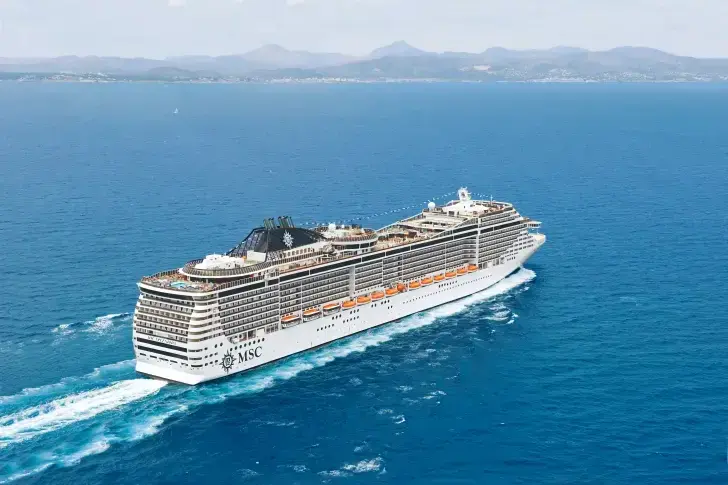
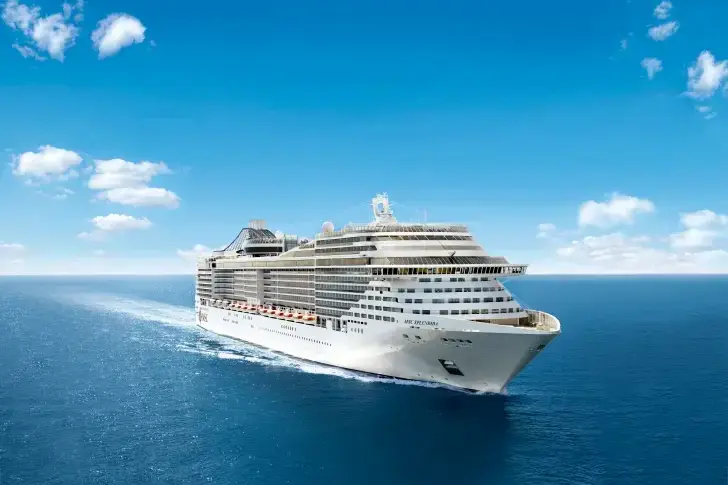
| Ship : MSC Yacht Club Splendida |
| Journey Start : Thu 14 Jan 2027 |
| Journey End : Sat 23 Jan 2027 |
| Count Nights : 9 nights |
| Day | Date | Port | Arrival | Departure |
|---|---|---|---|---|
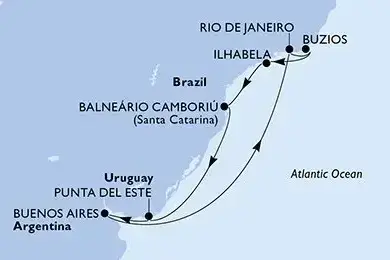
| 1 | 14.01 Thu | Buenos Aires / Argentina | 18:00 | |
| 2 | 15.01 Fri | Day at sea / Sea | ||
| 3 | 16.01 Sat | Day at sea / Sea | ||
| 4 | 17.01 Sun | Rio de Janeiro / Brazil | 10:00 | 20:00 |
| 5 | 18.01 Mon | Armacao dos Buzios / Brazil | 08:00 | 19:00 |
| 6 | 19.01 Tue | Ilhabela / Brazil | 08:00 | 18:00 |
| 7 | 20.01 Wed | Balneario Camboriu / Brazil | 09:00 | 18:00 |
| 8 | 21.01 Thu | Day at sea / Sea | ||
| 9 | 22.01 Fri | Punta del Este / Uruguay | 08:00 | 16:00 |
| 10 | 23.01 Sat | Buenos Aires / Argentina | 08:00 |
MSC Yacht Club – Included Privileges
Privileges
As an MSC Yacht Club guest, you enjoy a wealth of included privileges designed to make every момент круиза максимально комфортным:
Dedicated priority check‑in and check‑out, as well as priority disembarkation and embarkation on excursion days.
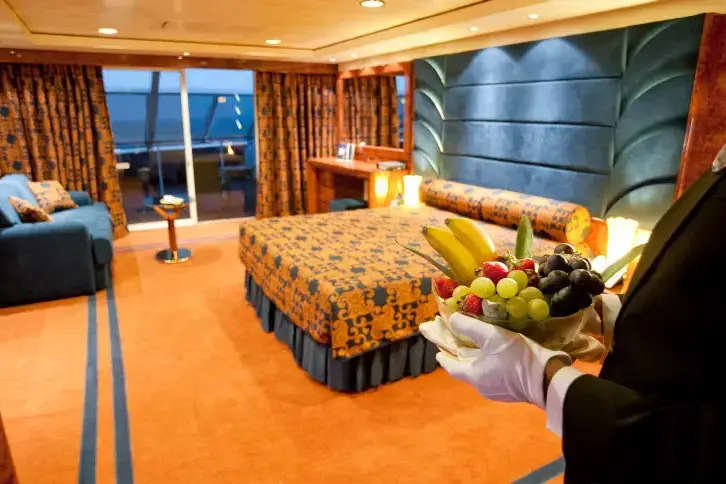
24‑hour butler service and a dedicated concierge desk, available whenever you need assistance.
24‑hour Room Service, so you can dine in the privacy of your suite at any time of day or night.
Premium Extra Drink Package included, covering beverages priced up to €14 / $16 in all bars, lounges and restaurants across the ship, from classic cocktails and premium spirits to wines by the glass, beers, soft drinks, coffee and teas.
Browse Internet package (Unlimited Internet Package for 2 devices per guest), allowing you to stay connected throughout your voyage.
Complimentary access to the Thermal Suite in the MSC Aurea Spa for the duration of the cruise, offering saunas, steam rooms and relaxation areas.
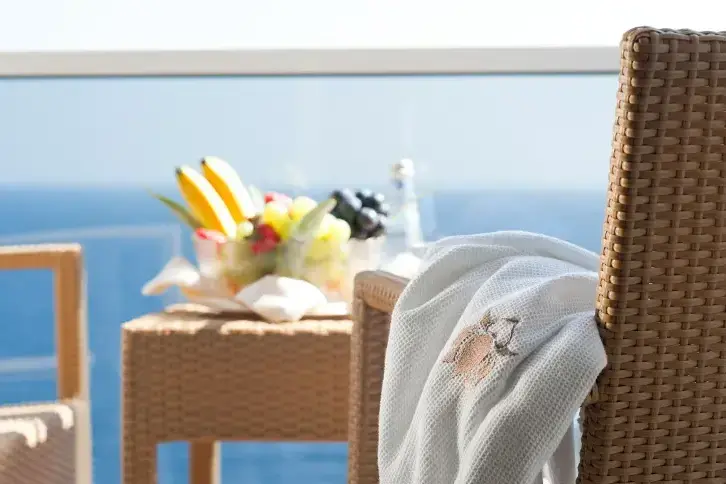
Relaxation amenities in each suite, including plush bathrobe and slippers, plus enhanced bathroom amenities.
Additional personal touches, such as luggage packing and unpacking service on request and newspaper delivery to your suite (where available).
MSC for Me wristband, giving convenient, hands‑free access to your suite and onboard purchases.
MSC Yacht Club – Exclusivity on Board
Exclusivity
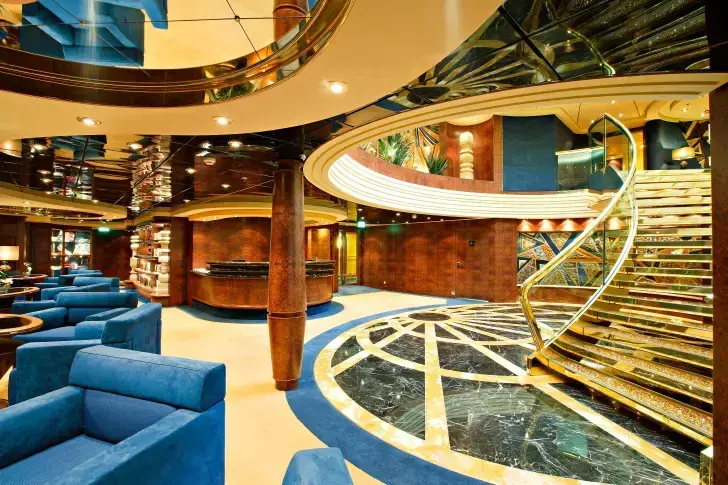
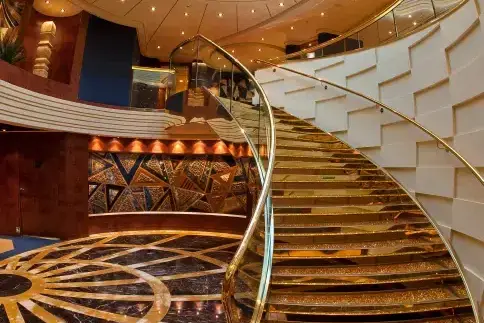
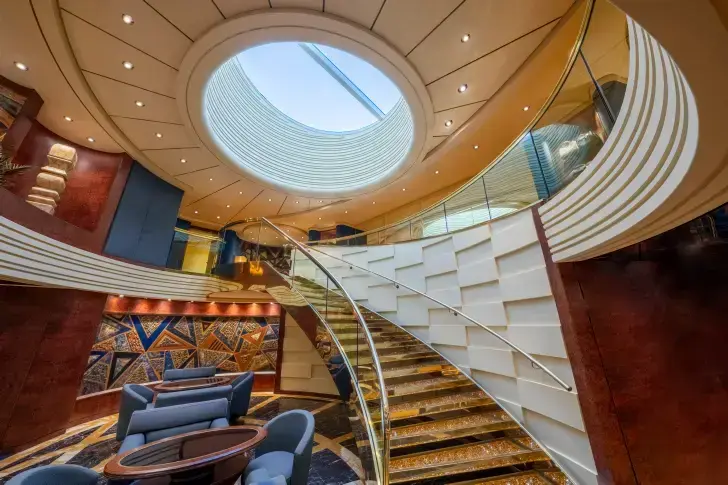
MSC Yacht Club is a private sanctuary of exclusivity at the top of the ship, reserved solely for its guests:
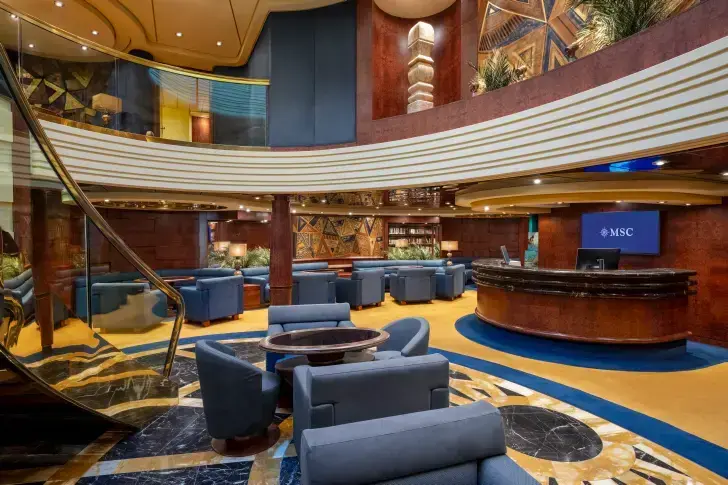
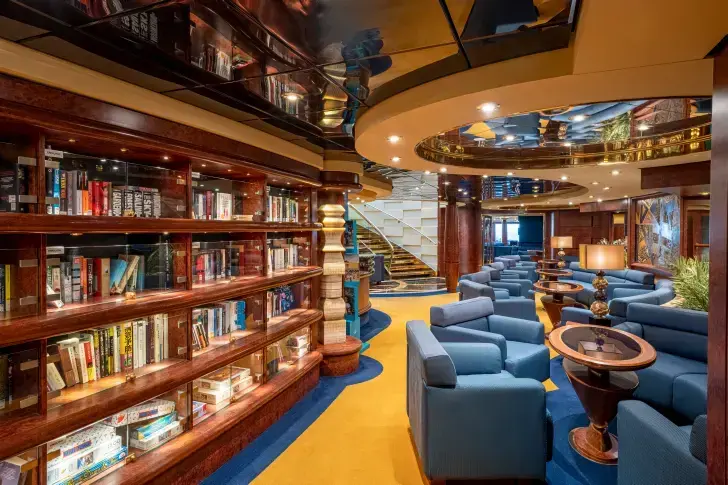
Dedicated and private area of the ship, accessible only with a Yacht Club key card.
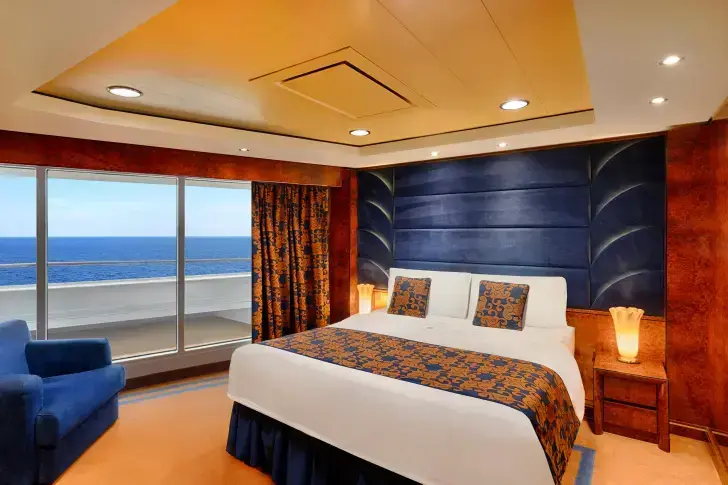
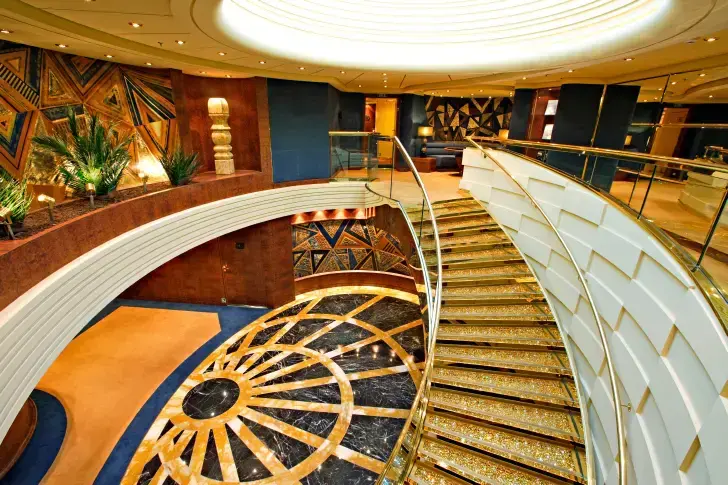
Lavishly appointed suites located on the foredecks, offering outstanding comfort and some of the best views on board.
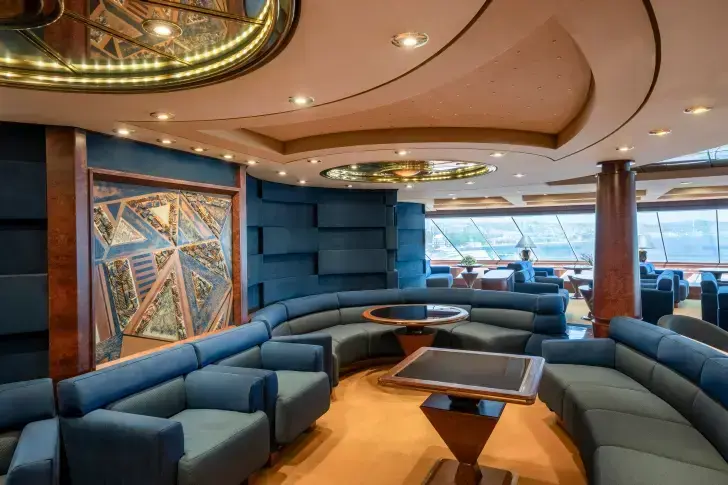
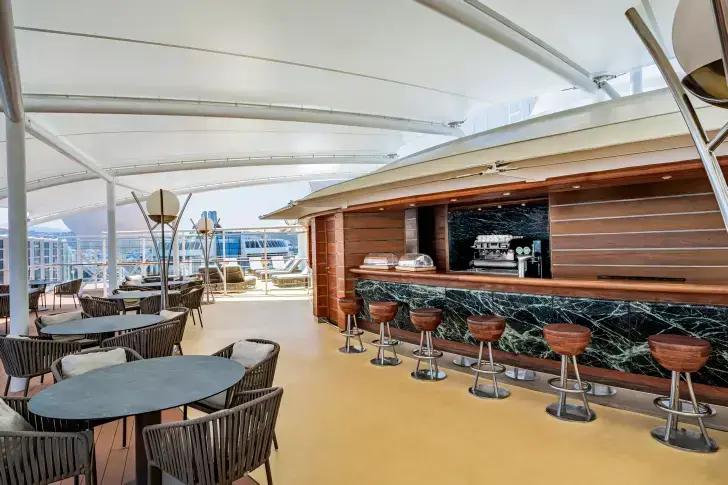
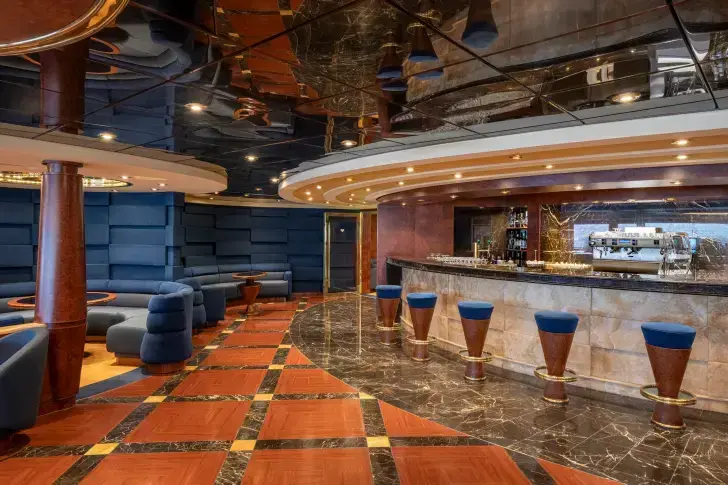
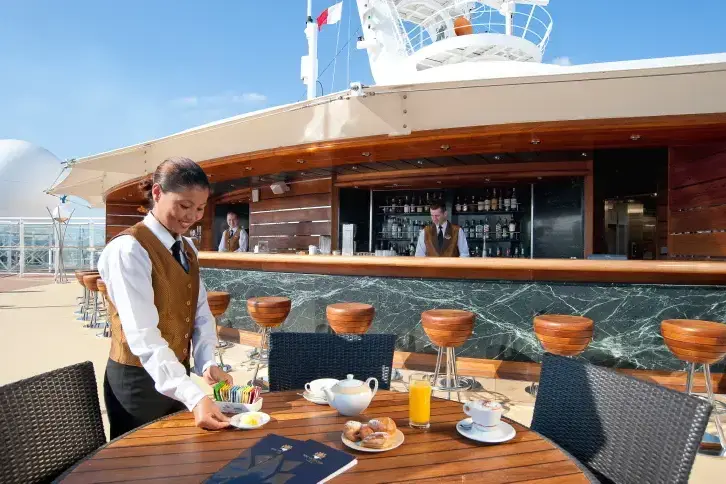
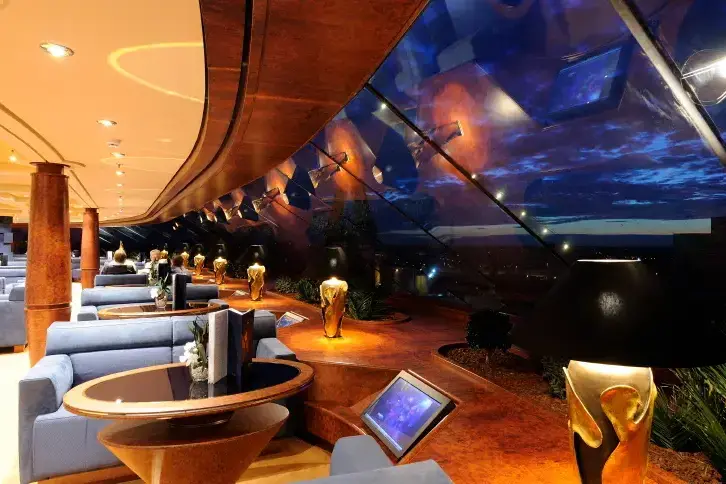
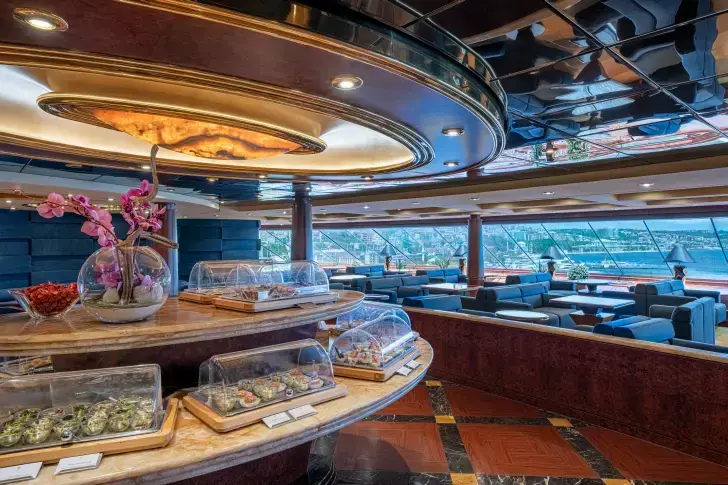
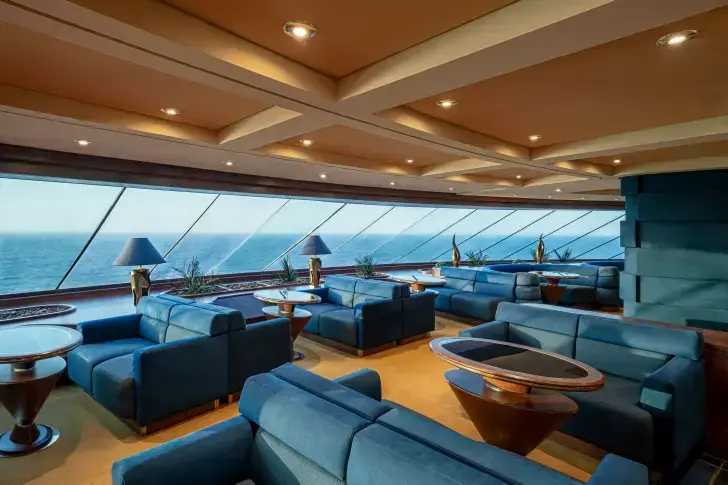
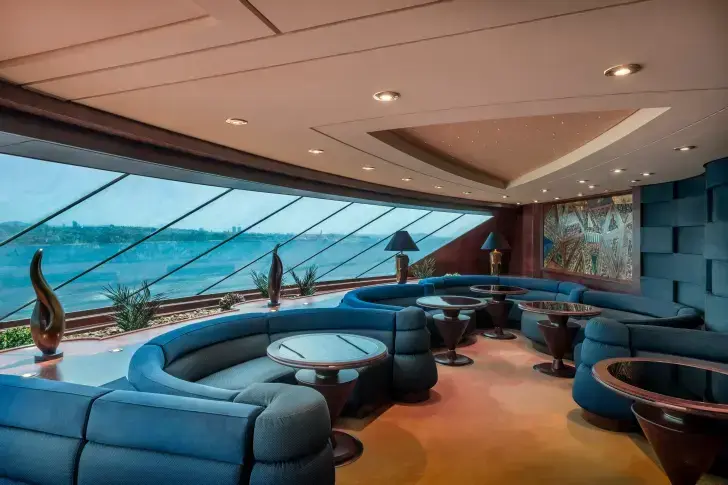
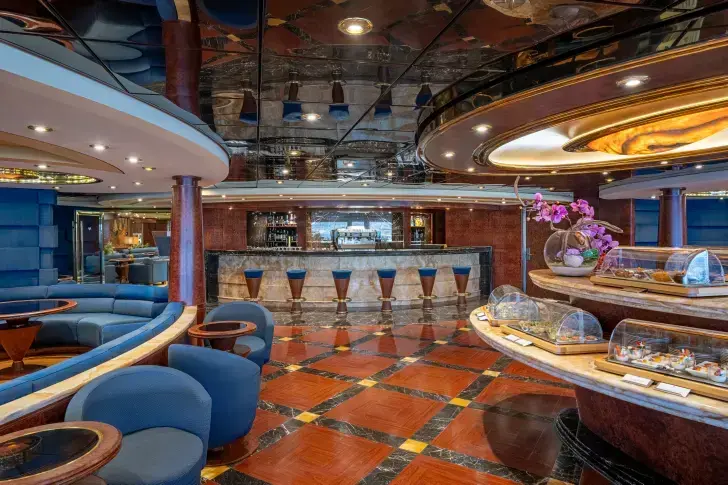
Panoramic Top Sail Lounge with a full‑service bar, afternoon tea service, light bites available throughout the day and night, and live entertainment in the evening.
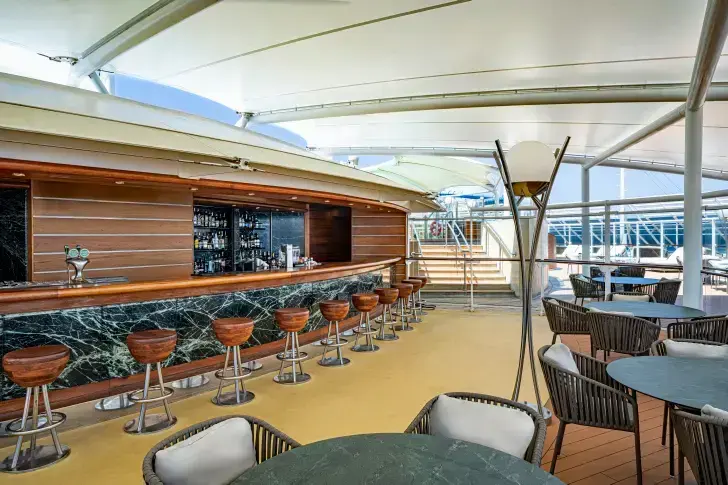
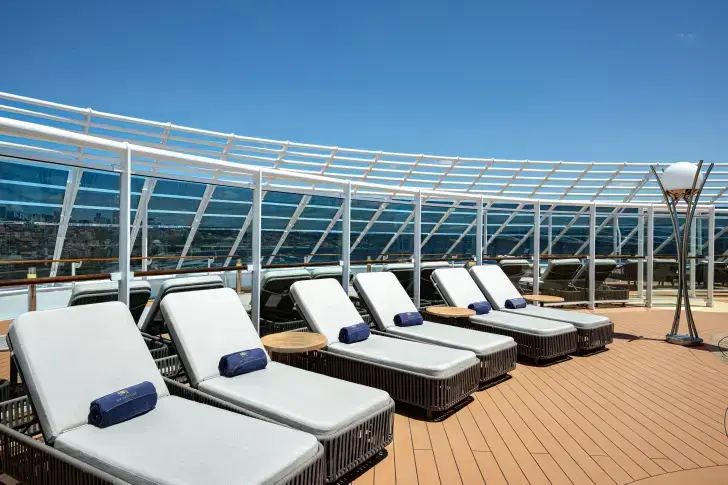
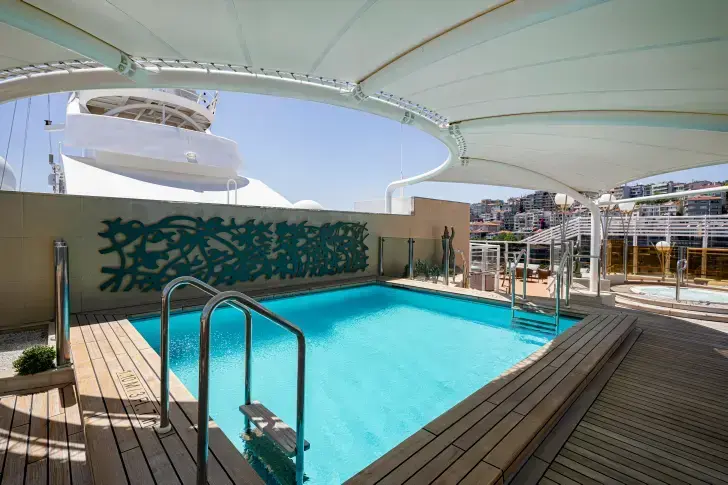
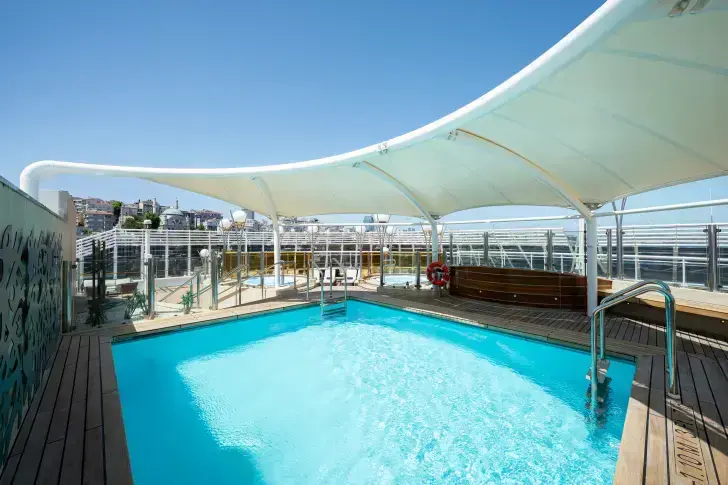
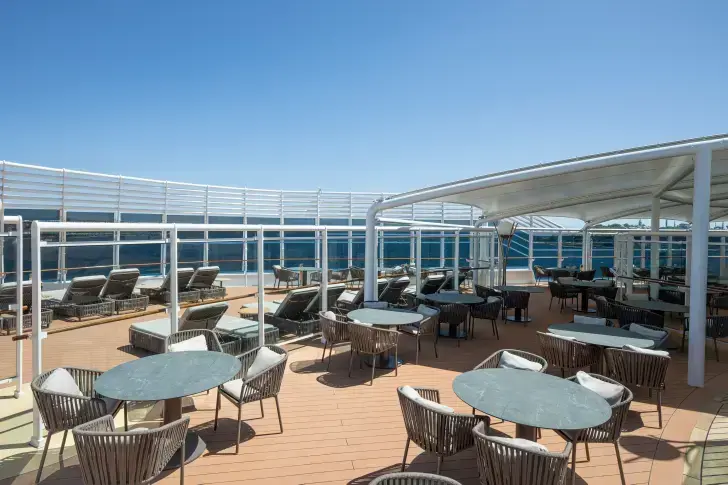
Private and spacious pool deck reserved for Yacht Club guests, featuring pool, whirlpool baths, dedicated sunbathing area and outdoor bar with exceptional sea views.
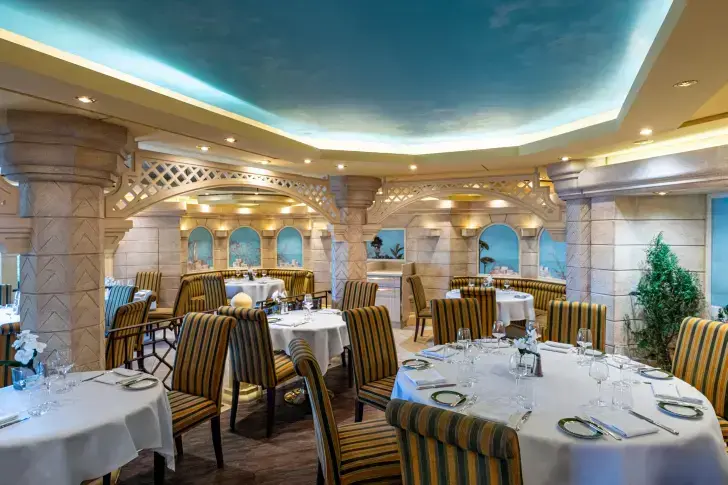
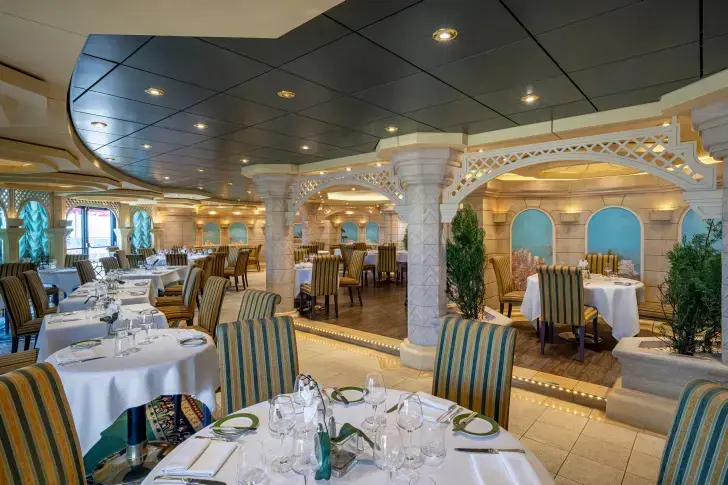
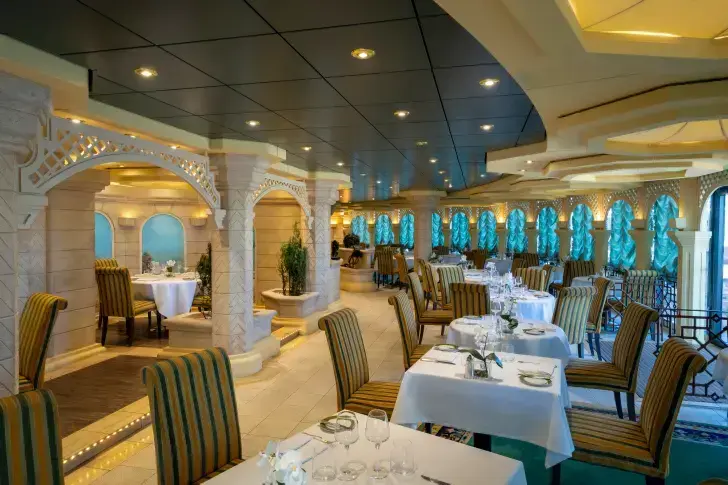
Gourmet restaurant exclusive to MSC Yacht Club, serving à la carte breakfast, lunch and dinner with flexible, open seating and no fixed dining times.
Tailor‑made experiences, from bespoke shopping assistance to curated shore excursions, organized by the Yacht Club concierge and butler team.
MSC Yacht Club – World of Choice
World of Choice
Beyond the private world of MSC Yacht Club, guests enjoy a full range of flexible benefits before and during their cruise:
Pre‑Cruise Benefits
1 free cruise change*, offering extra flexibility if your plans change.
Option to book discounted Specialty Restaurant packages at the time of cruise booking.
Option to pre‑book discounted Balinese massage packages in the MSC Aurea Spa.
The free cruise change must be requested at least 30 calendar days before departure and applied to a new sailing within 90 days of the original departure date.
Onboard Choice
Yacht Club guests also have full access to all facilities and entertainment across the entire ship:
A wide choice of bars and lounges, speciality restaurants, pools and open‑deck areas.
Premium buffet with extended opening hours and a variety of international dishes.
A rich programme of Broadway and Las Vegas‑style theatre shows every evening.
Recreational activities for children of all ages, including dedicated kids’ clubs.
Daytime and evening entertainment for adults, families and children.
A full menu of MSC Aurea Spa treatments, with complimentary access to the Thermal Suite for Yacht Club guests (treatments and spa packages charged separately).
Services Not Included for MSC Yacht Club Guests
Even with the extensive inclusions of MSC Yacht Club, some services remain at an extra charge:
Spa & beauty
All MSC Aurea Spa treatments: massages, body and facial treatments, rituals.
Hair & beauty salon: haircuts, styling, colouring, barber services, manicure and pedicure.
Spa packages and special wellness programs (even if offered at a discount for Yacht Club).
Shore excursions
All shore excursions (group and private), including premium/VIP experiences, boat trips, flightseeing, etc., are chargeable.
Speciality dining & gourmet concepts
Speciality restaurants such as steakhouses, sushi bars and other à la carte venues.
Tasting menus, wine and champagne pairing dinners, chef’s table experiences.
Certain high‑end items (fine wines/champagnes by the bottle, rare spirits, signature chocolates).
Bars, cafés & sweets
Purchases in chocolate bars, gelato counters, pastry shops, and some branded coffee specialties.
Internet upgrades & communication
Upgrade from Browse to Streaming Wi‑Fi (for video calls/streaming) is at an extra cost per device.
Satellite phone calls and some premium communication services.
Photo & video services
Professional photo packages, studio sessions, printed photos and photo books.
Video services and special event packages (weddings, celebrations).
Onboard entertainment & activities
Selected premium activities such as F1 simulators, VR games, bowling and similar attractions (varies by ship).
Paid workshops, games with prizes and some special themed events.
Shopping & onboard purchases
All purchases in duty free and onboard boutiques (fashion, jewellery, watches, perfume, cosmetics, souvenirs).
Laundry & housekeeping extras
Laundry and dry‑cleaning services, pressing and express options.
Service charges & gratuities
Hotel Service Charge / Gratuities (per person, per night) are usually not included in the cruise fare unless specified for a particular market.
Service charges (around 15%) are typically added to bar, restaurant and spa bills.
Passenger name change
The passenger may replace himself/herself with a third party, provided that:
The new guest meets all conditions to join the cruise (travel documents, visas, age, etc.).
A written request (via the sales agent or directly to MSC) is received by MSC no later than 7 calendar days before departure.
If these conditions are met, the name change is subject to an administration fee per guest:
YACHT CLUB – EUR 50 per passenger.
Name change requests made within 7 calendar days of departure are treated as a cancellation and subject to standard cancellation charges.
The original passenger and the new assignee are jointly liable for payment of the cruise fare and any additional costs arising from the change.
One free cruise change (Yacht Club)
In addition to the name change rules, MSC allows guests (except on World Cruise) to change their booked Holiday Package once, under the following conditions:
The departure date of the new cruise is later than the original one.
The request to substitute the New Holiday Package for the Original Holiday Package is received by MSC no later than 30 calendar days before the original departure date.
There is availability on the new cruise.
The departure date of the new cruise falls within 90 calendar days of the original departure date.
If all conditions are met, the change is subject to the following fee per passenger:
YACHT CLUB – one change free of charge; from the second change onward a fee (typically EUR 50 pp) applies.
You can formulate for the website as, for example:
1 free cruise change when requested at least 30 days before departure and when the new cruise departs within 90 days of the original sailing (subject to availability).
Cancellation by the passenger – MSC Yacht Club
For MSC Yacht Club, a specific cancellation scale applies (for all cruises, excluding World Cruise):
YACHT CLUB – Cancellation charges
120 days or more before departure – fixed fee EUR 100 (or loss of deposit, whichever is greater).
119–90 days before departure – 25% of the holiday package price.
89–60 days before departure – 40% of the holiday package price.
59–30 days before departure – 60% of the holiday package price.
29–15 days before departure – 80% of the holiday package price.
14–0 days before departure – 100% of the holiday package price.
If, after a cancellation, the cabin remains occupied by a single guest, then:
The withdrawing passenger is charged according to the scale above (but not less than EUR 100 plus any insurance premium).
The remaining passenger occupying the cabin for single use will be charged a single supplement of 100% (or a lower single supplement if in force at that time).
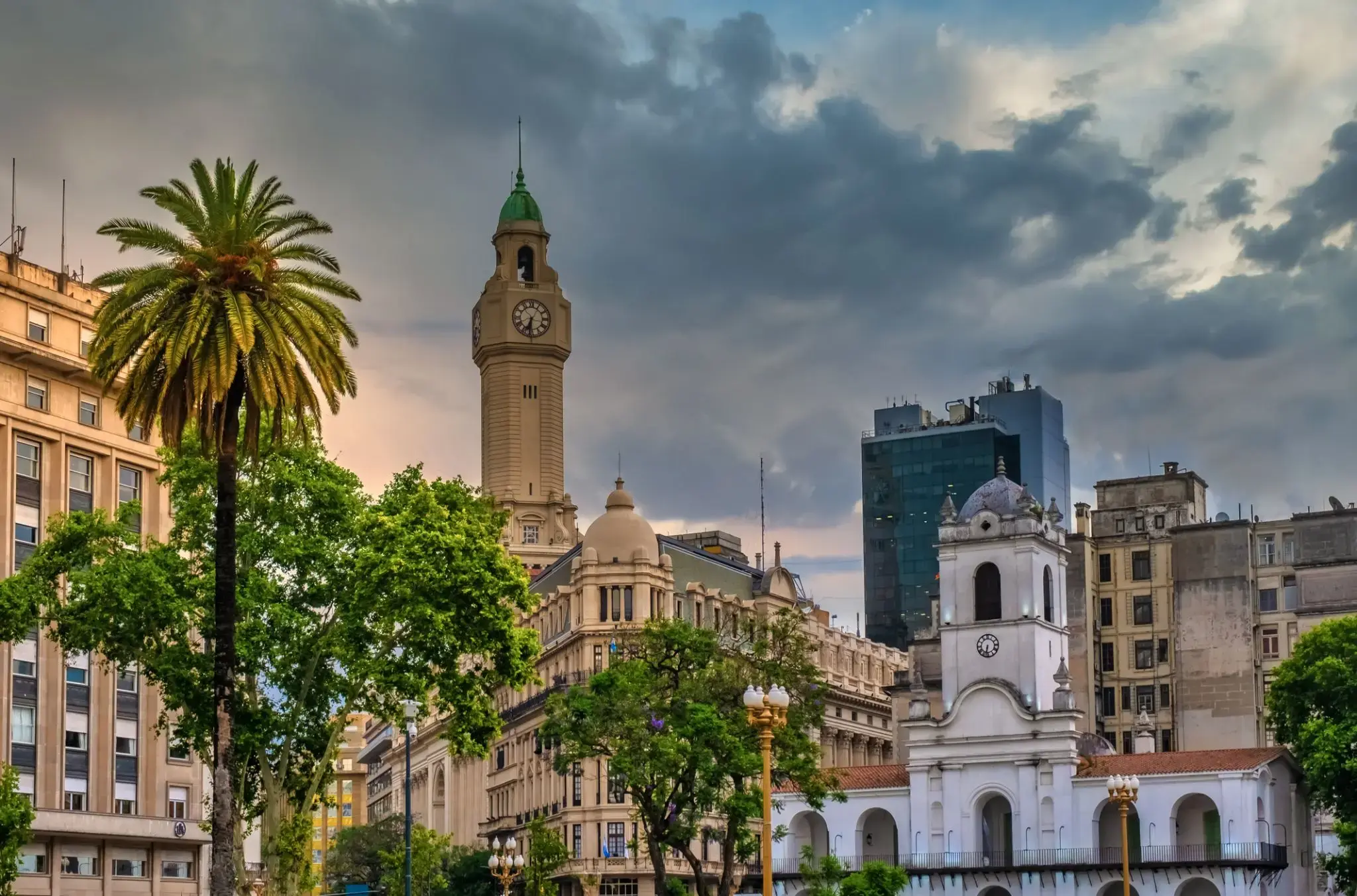
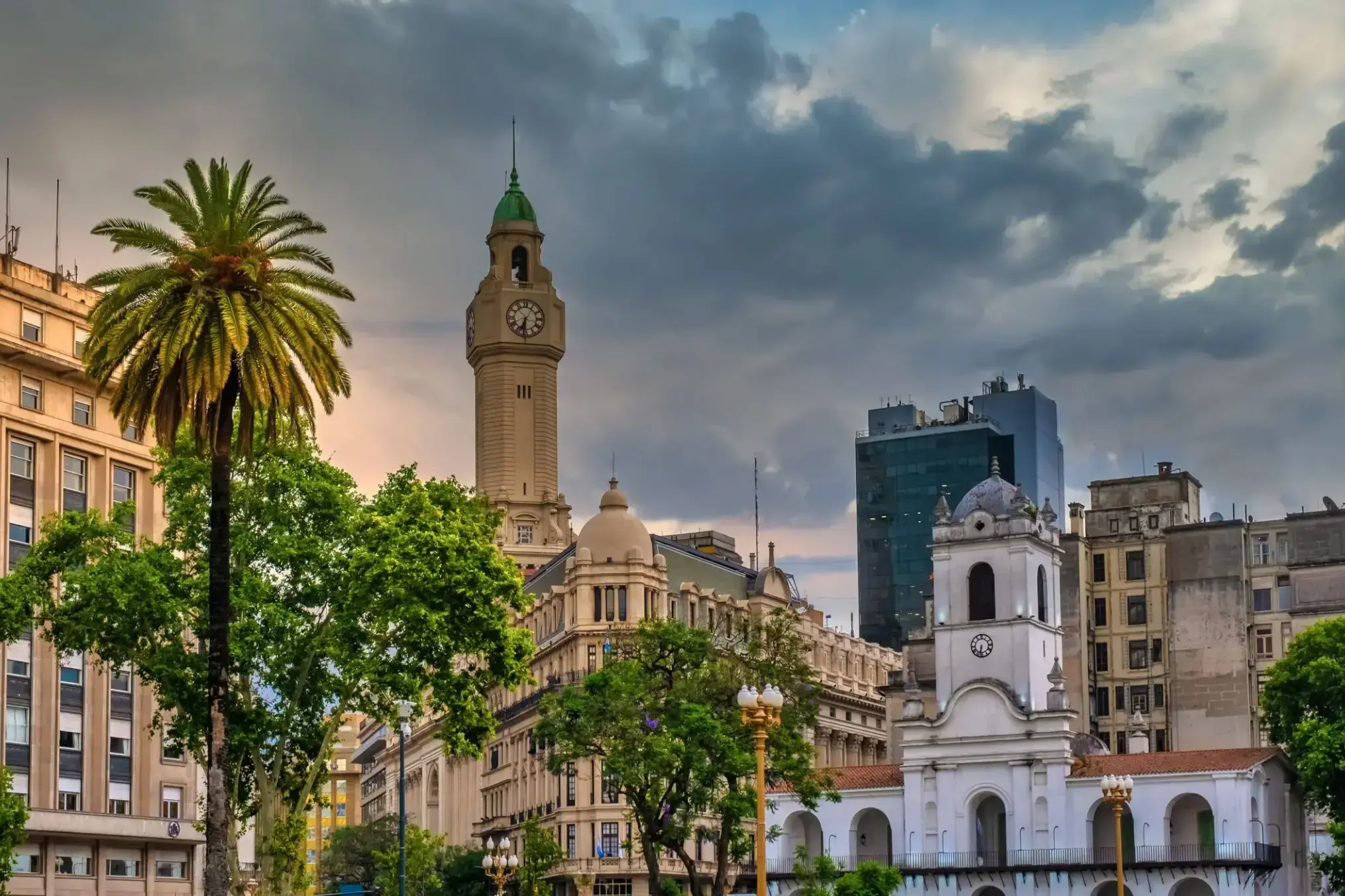
the capital city and chief port of Argentina, in the eastern central part of the country, on the Plata River; population 3,042,600 (est. 2008).

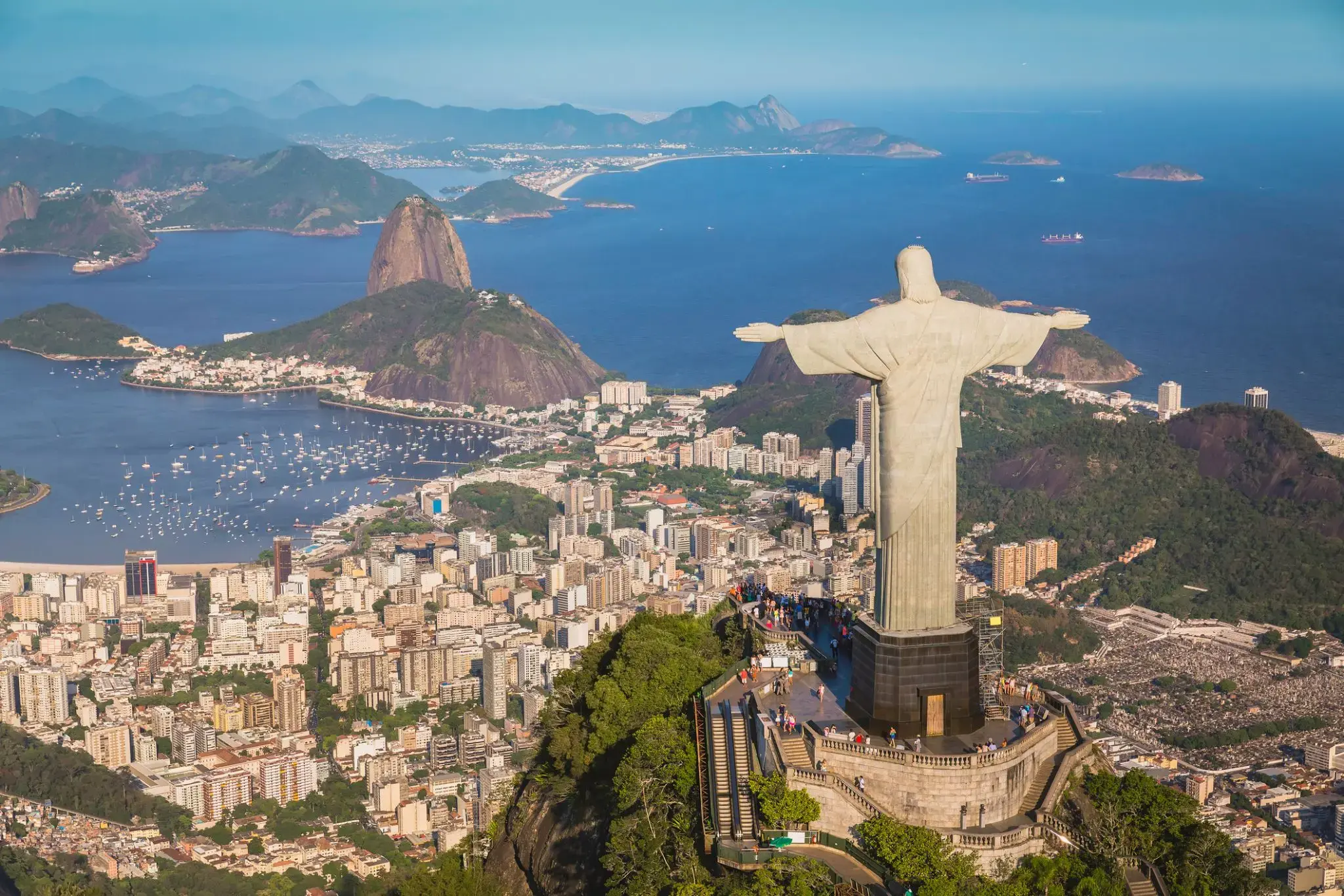
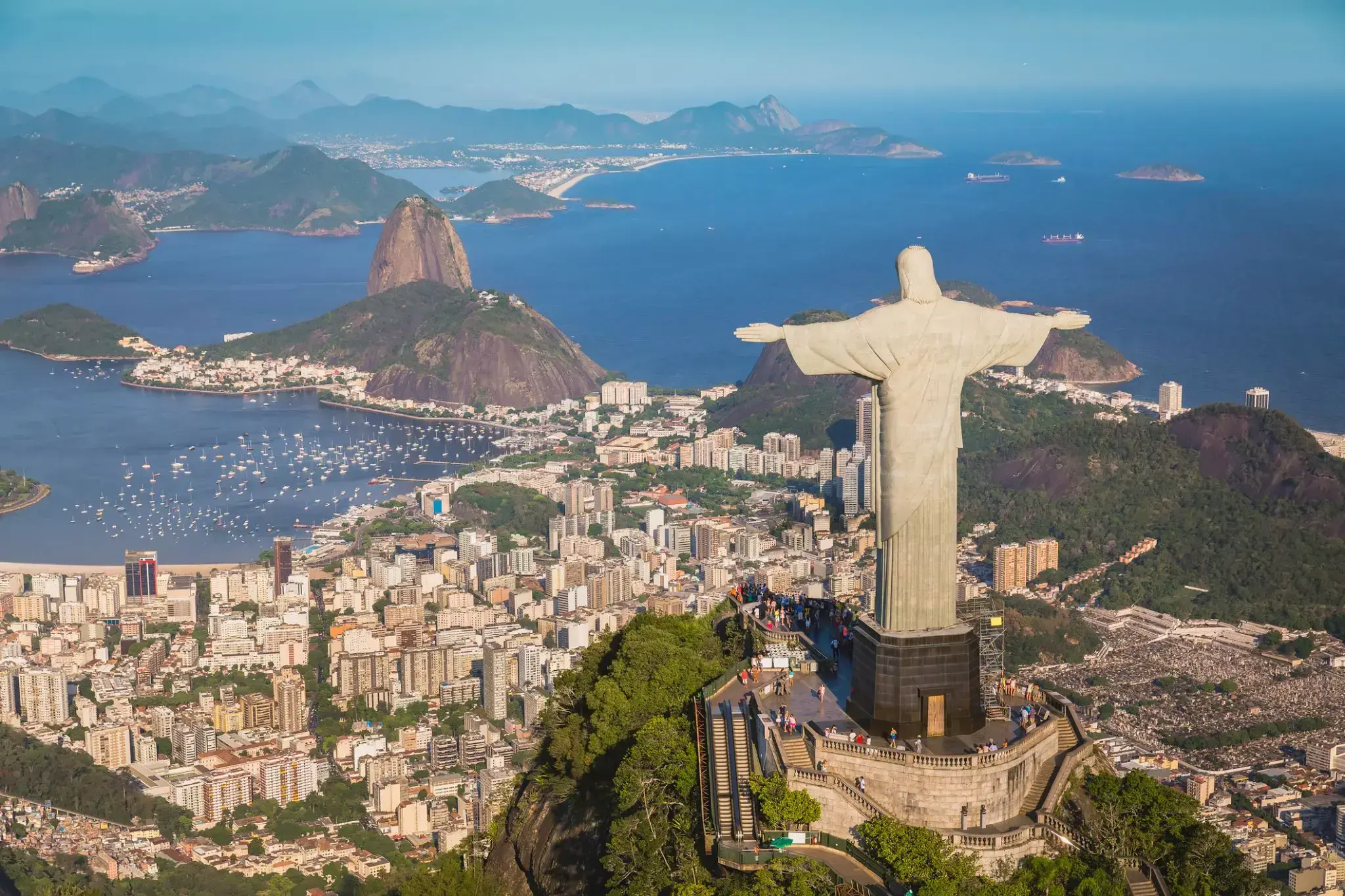
Rio de Janeiro is the second-most populous municipality in Brazil and the sixth-most populous in the Americas. The metropolis is anchor to the Rio de Janeiro metropolitan area, the second-most populous metropolitan area in Brazil and sixth-most populous in the Americas. Rio de Janeiro is the capital of the state of Rio de Janeiro, Brazil's third-most populous state. Part of the city has been designated as a World Heritage Site, named "Rio de Janeiro: CariocaLandscapes between the Mountain and the Sea", by UNESCO on 1 July 2012 as a Cultural Landscape.
Founded in 1565 by the Portuguese, the city was initially the seat of the Captaincy of Rio de Janeiro, a domain of the Portuguese Empire. Later, in 1763, it became the capital of the State of Brazil, a state of the Portuguese Empire. In 1808, when the Portuguese Royal Court transferred itself from Portugal to Brazil, Rio de Janeiro became the chosen seat of the court of Queen Maria I of Portugal, who subsequently, in 1815, under the leadership of her son, the Prince Regent, and future King João VI of Portugal, raised Brazil to the dignity of a kingdom, within the United Kingdom of Portugal, Brazil, and Algarves. Rio stayed the capital of the pluricontinental Lusitanian monarchy until 1822, when the War of Brazilian Independence began. This is one of the few instances in history that the capital of a colonising country officially shifted to a city in one of its colonies. Rio de Janeiro subsequently served as the capital of the independent monarchy, the Empire of Brazil, until 1889, and then the capital of a republican Brazil until 1960 when the capital was transferred to Brasília.
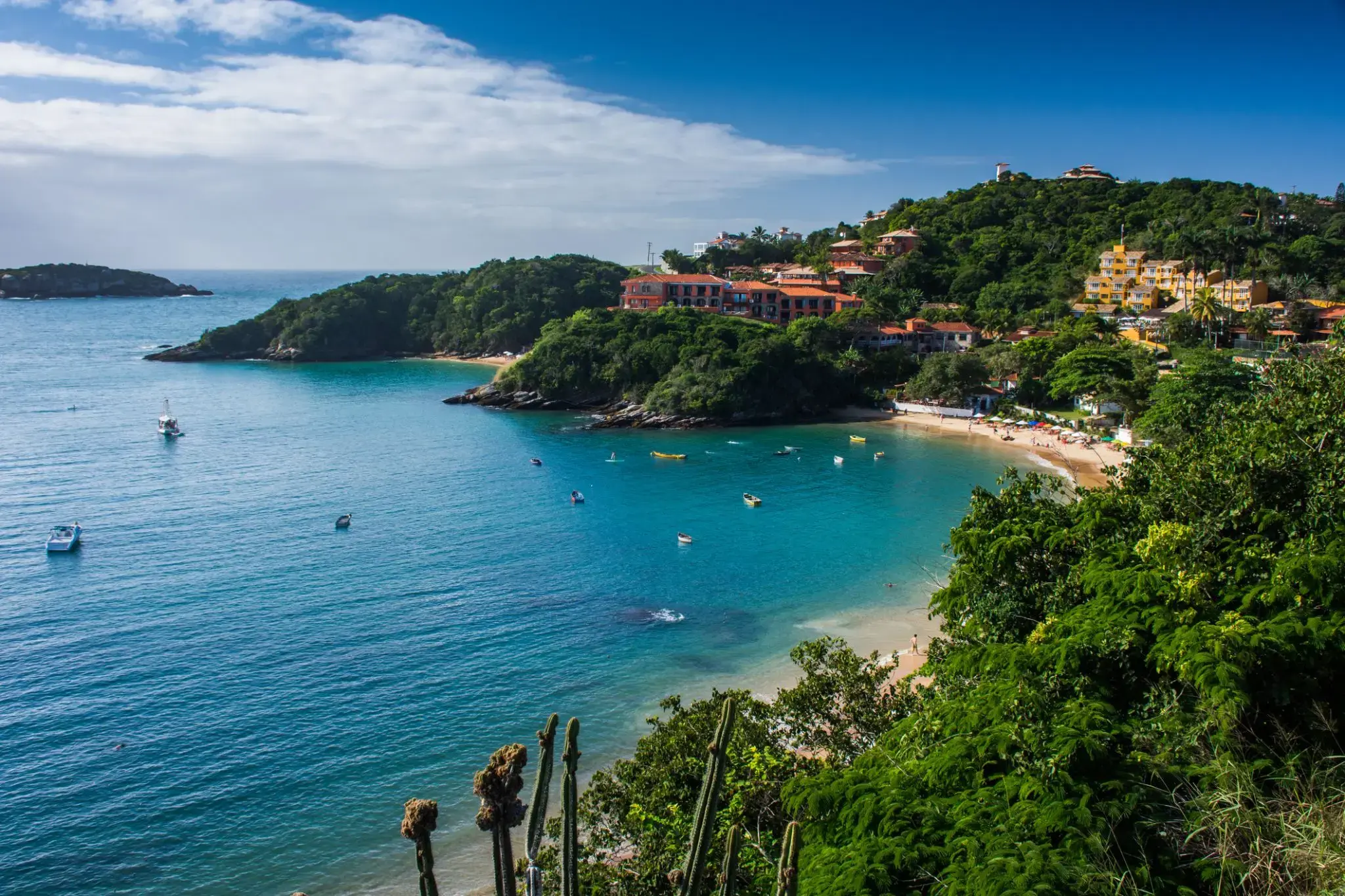
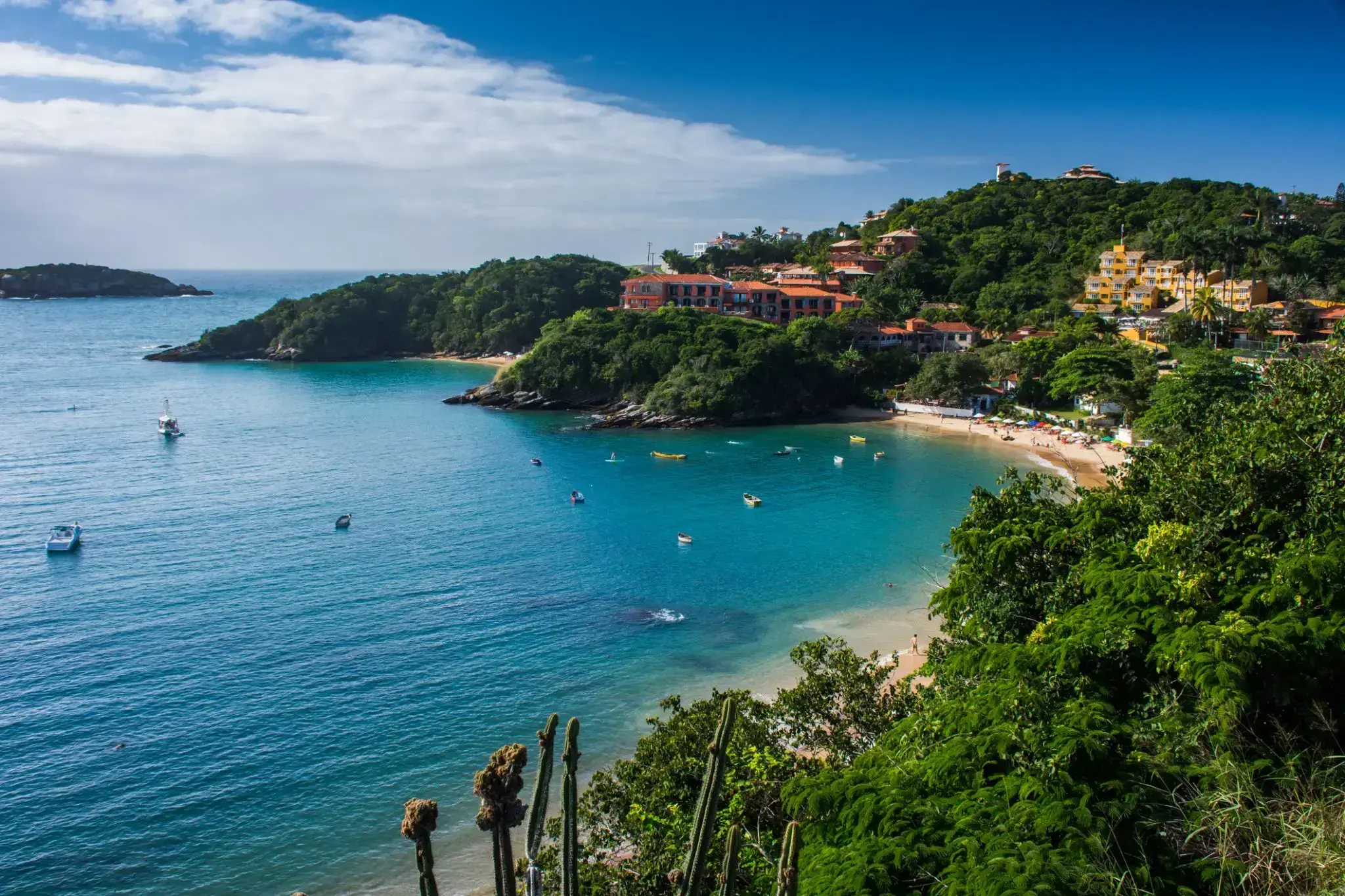
Armação dos Búzios, often referred to as just Búzios, is a resort town and a municipality located in the state of Rio de Janeiro, Brazil. In 2012, its population consisted of 23,463 inhabitants and its area of 69 km². Today, Búzios is a popular getaway from the city and a worldwide tourist site, especially among Brazilians and Argentinians.
In the early 1900s Búzios was an almost unknown village of fishermen. It remained as such until 1964, when the French actress Brigitte Bardot visited Búzios, since then Búzios became popular with the Carioca’s high society, who wanted to escape from the chaotic city life of Rio de Janeiro and enjoy over 23 beaches that the peninsula offers. The city grew to be an international tourist destination.
Today, the peninsula is a travelling site that offers calmness, direct contact with nature and scenic views. The west coast beaches offer calm, clear waters while the east coast ones, facing the open sea, are more wild and draw surfers and water sports enthusiasts. Azeda, Ferradura, João Fernandes and Armação are amongst the most popular beaches in town. At night, Rua das Pedras, Buzios' main street, offers its visitors an active nightlife and a great variety of shopping and restaurants.
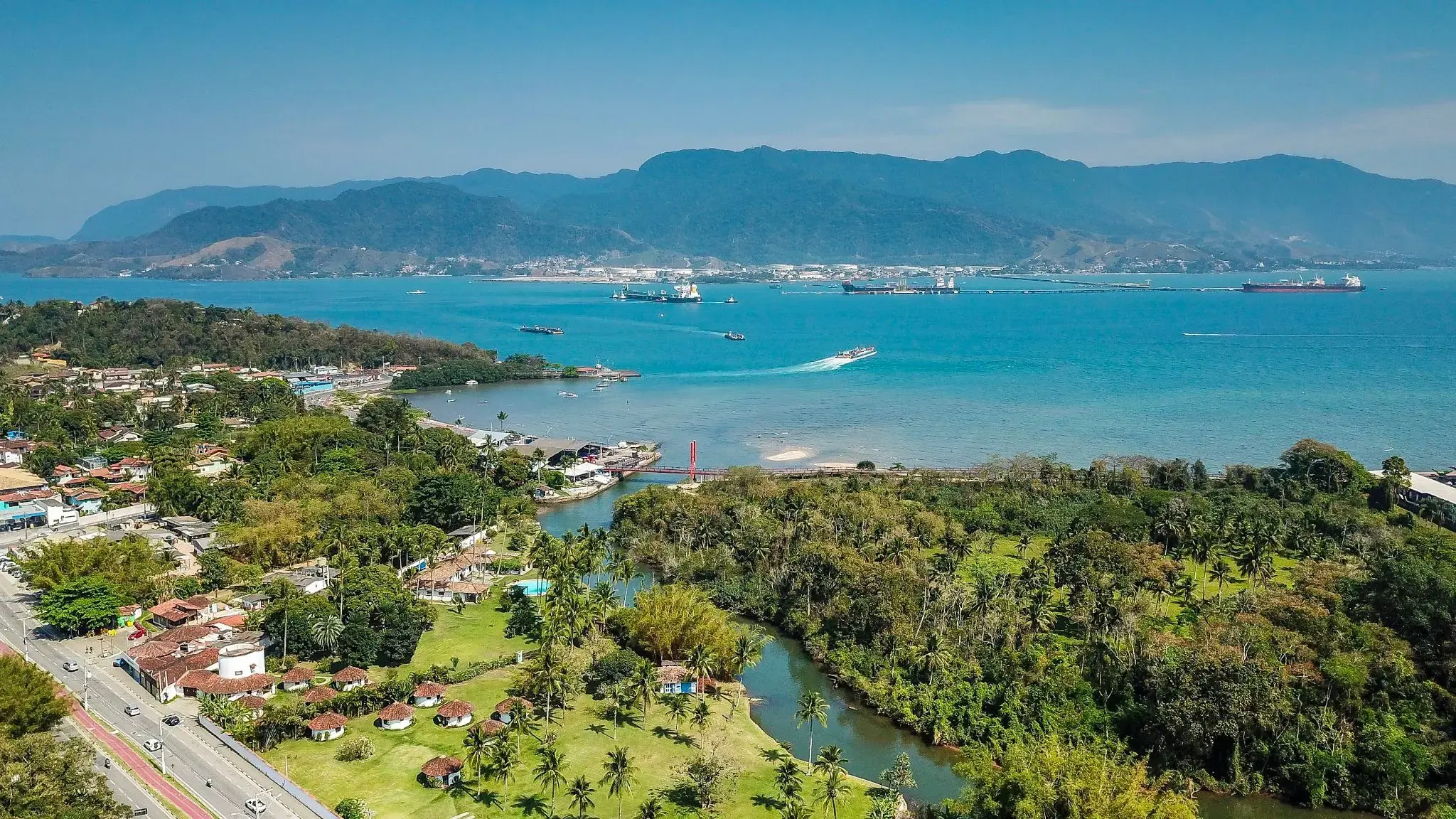
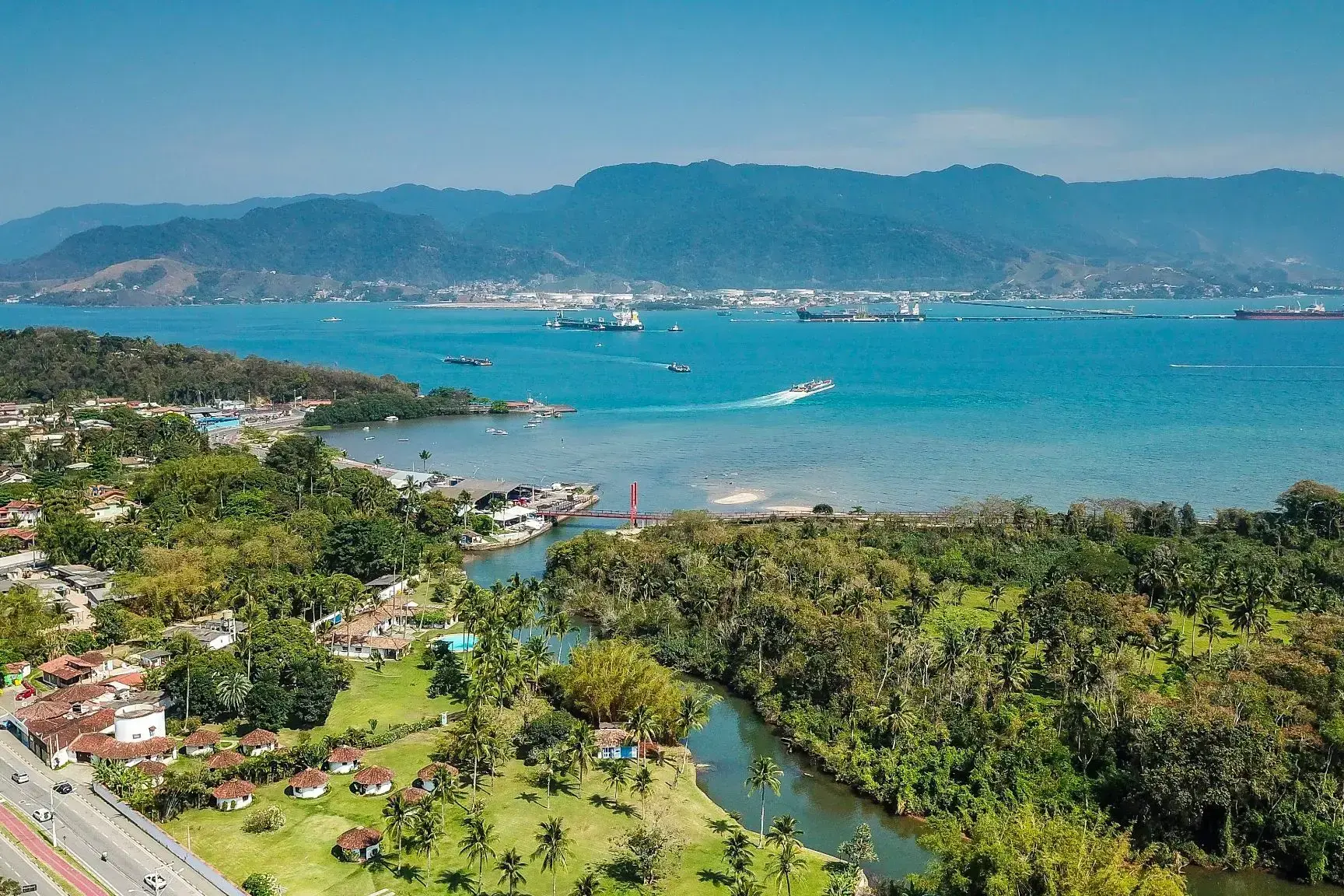
Ilhabela — A Brazilian Paradise for Nature and Adventure Enthusiasts
Ilhabela is a picturesque archipelago and municipality in the state of São Paulo, Brazil, comprising the main island and several smaller ones. The name translates from Portuguese as "beautiful island," which it truly embodies. Over 80% of the island's territory is protected within the Ilhabela State Park, featuring dense tropical forests, waterfalls, and hiking trails. It's a popular destination for sailors, divers, and those seeking solitude away from urban noise.
Ilhabela is renowned not only for its golden sandy beaches and clear waters but also for the unique opportunity to observe whales during their migration. The city frequently hosts sailing regattas, including international competitions. Tourists can explore colonial-era buildings and enjoy the ambiance of seaside restaurants offering fresh seafood dishes. Ilhabela combines pristine nature, active recreation, and a relaxed pace of life, making it an ideal destination for travel at any time of the year.
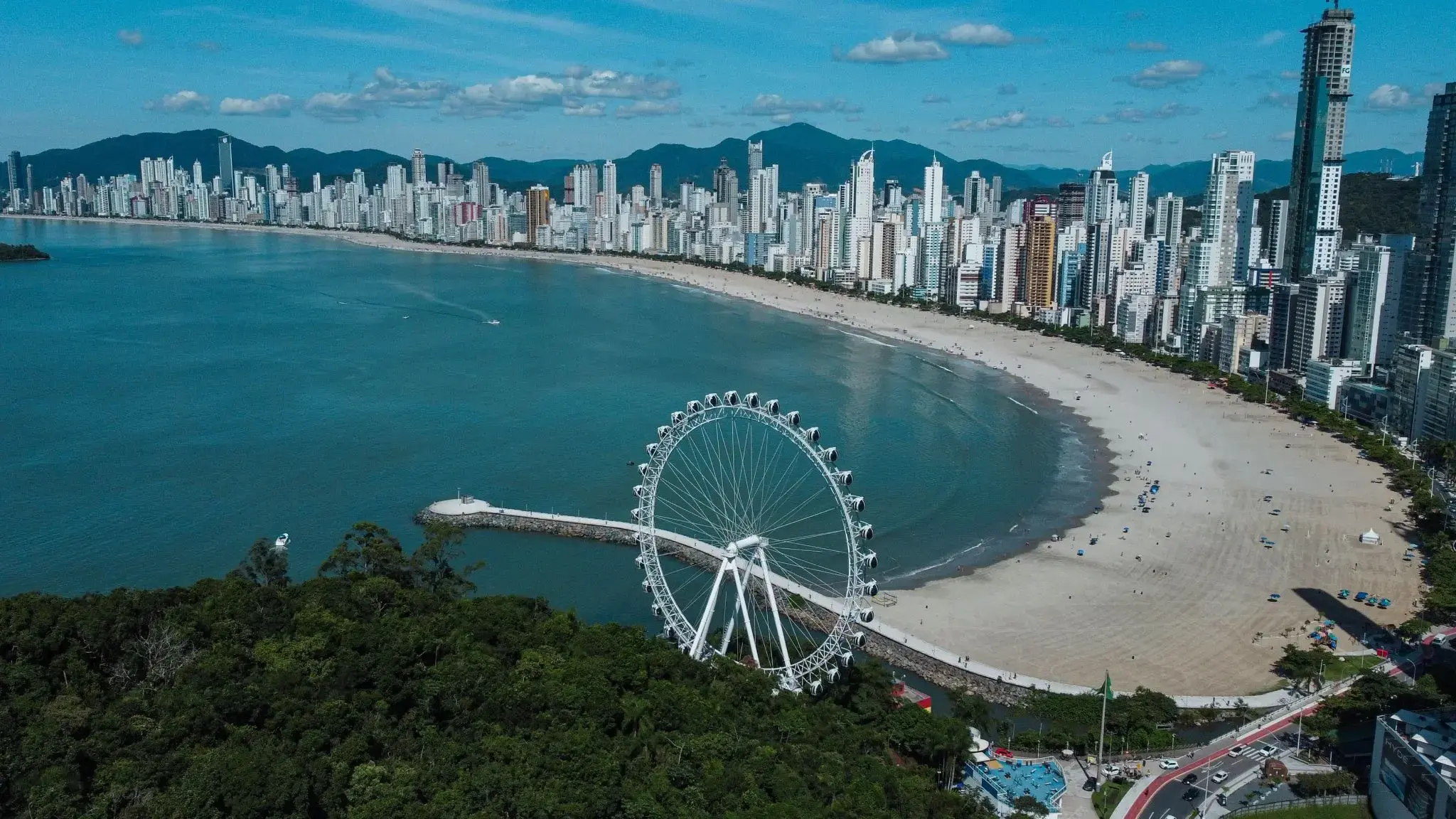
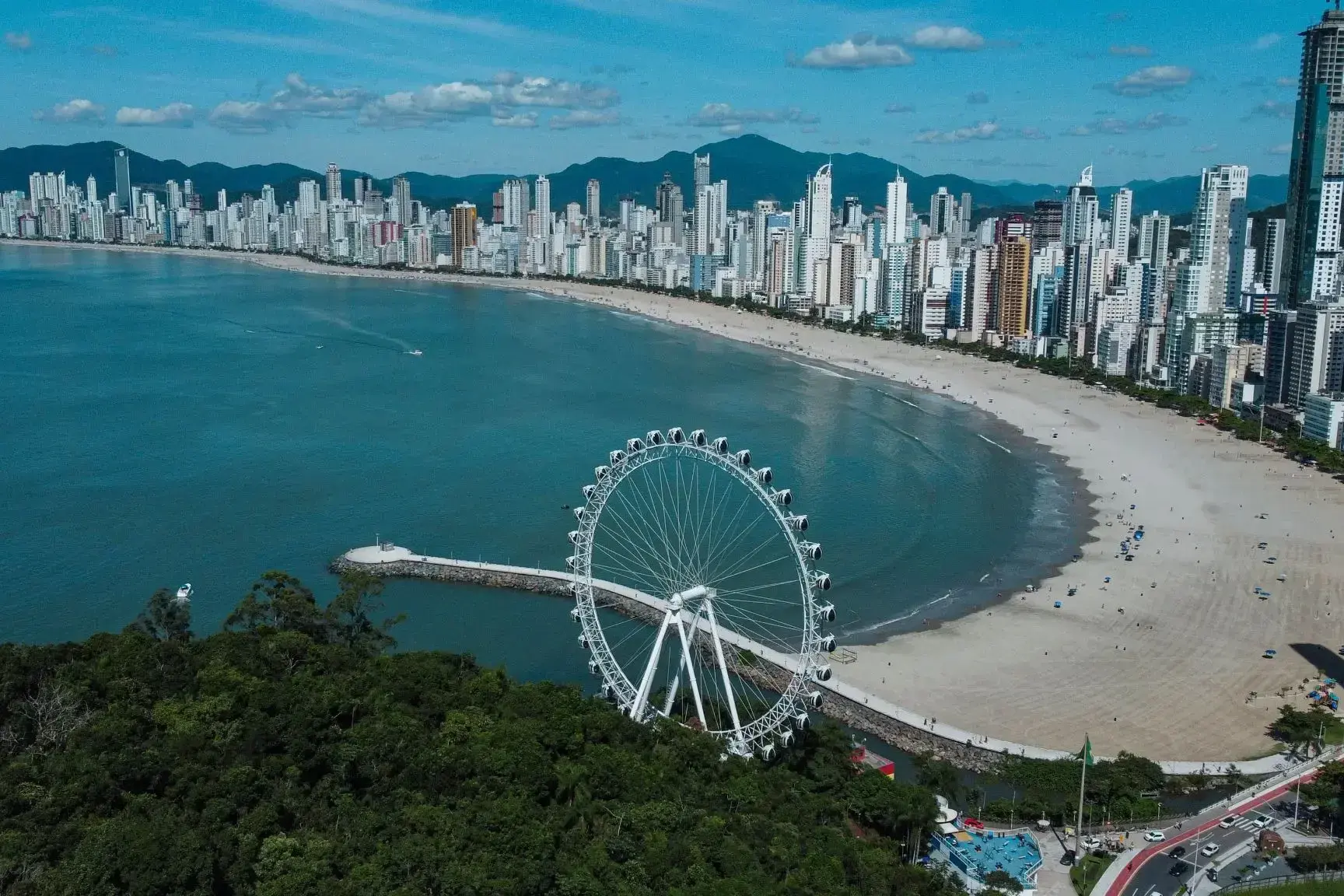
Skyscrapers glistening against the Atlantic Ocean give Balneário Camboriú the reputation of being the “Brazilian Dubai.” This lively coastal resort in the state of Santa Catarina offers the perfect blend of urban architecture, golden beaches, and a joyful atmosphere that attracts both local and international travelers. With the tallest skyscraper in Latin America (One Tower, 290 meters) and a scenic cable car above the jungle, the city impresses with its fusion of nature and innovation.
Along the Avenida Atlântica waterfront, you'll find restaurants, nightclubs, and boutiques, while just minutes away lie untouched nature and hidden coves. Balneário Camboriú is especially popular among families and young travelers thanks to the Unipraias Park, which connects the city with Laranjeiras Beach via a cable car ride over the tropical forest. This city is a gem for those seeking an active, stylish, yet relaxing getaway.
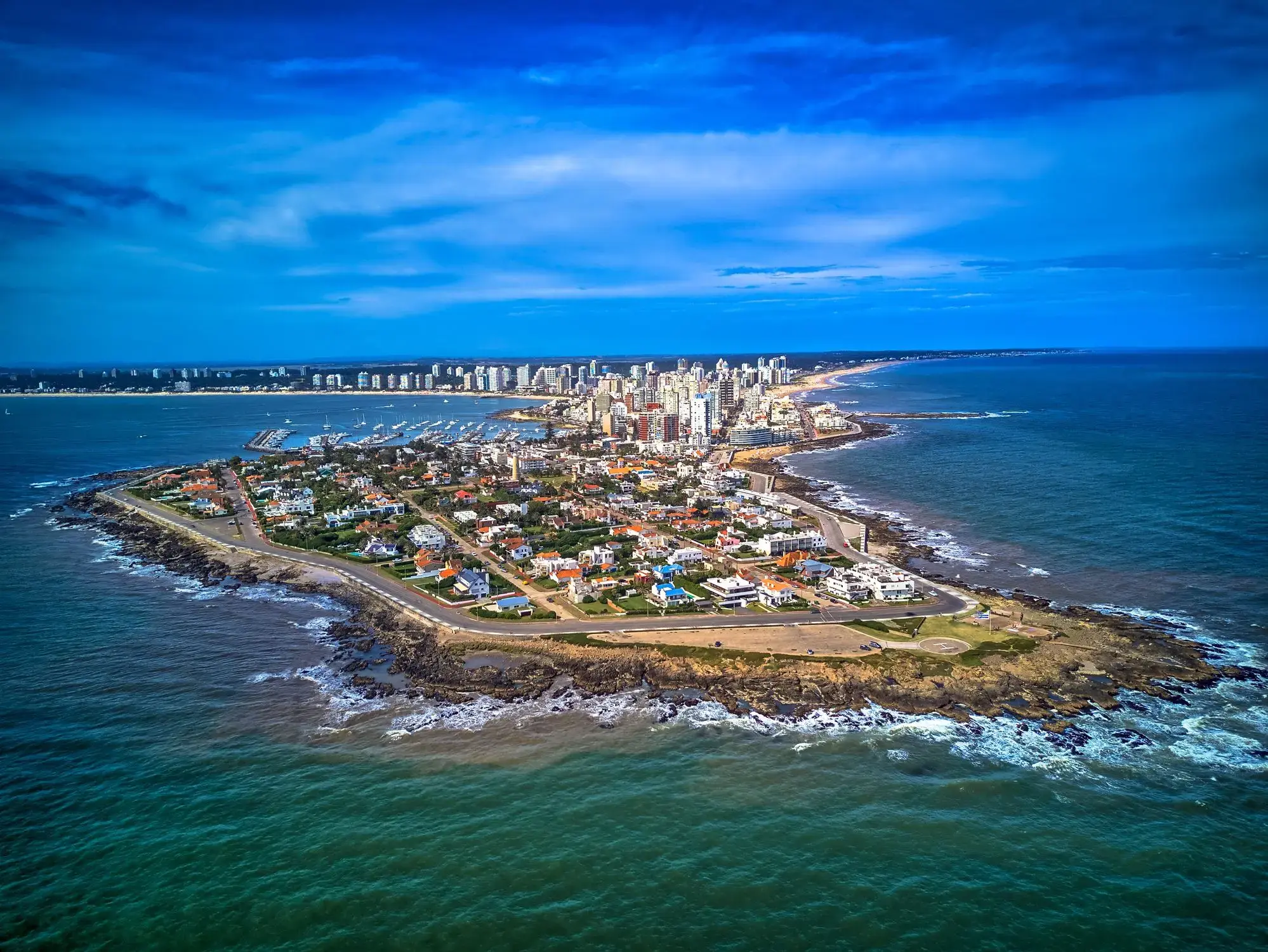
Punta del Este — Uruguay’s Premier Resort on the Atlantic Coast
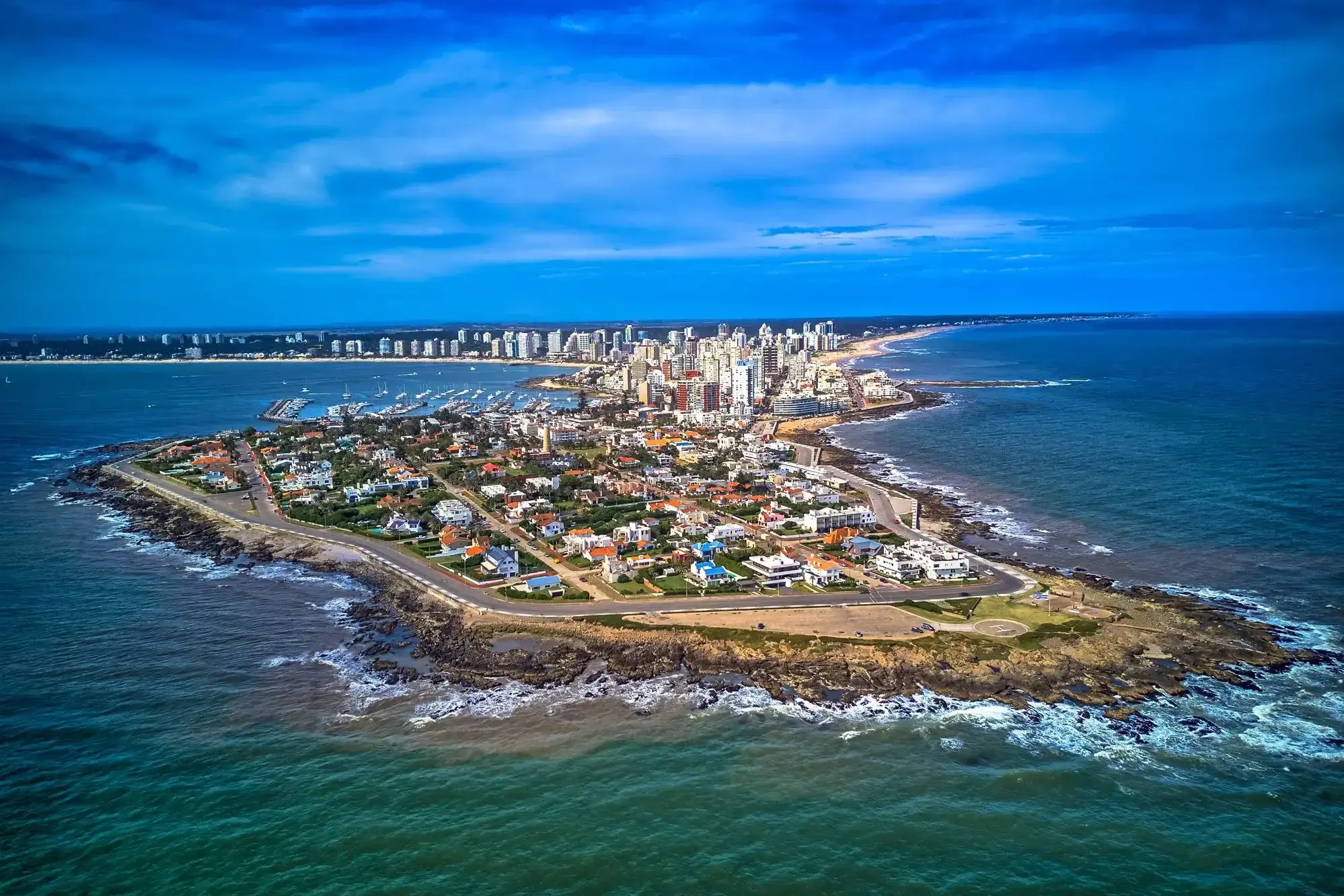
Punta del Este is one of South America’s most renowned resort cities, located on Uruguay’s southern coast where the Atlantic Ocean meets the Río de la Plata estuary. The city is known for its unique contrasts—on one side, upscale neighborhoods with modern skyscrapers, yachts, and gourmet restaurants, and on the other, tranquil sandy beaches, scenic dunes, and surf-friendly waves. It’s often dubbed the “Monaco of South America” for its luxurious infrastructure and popularity among international celebrities.
Beyond the beaches, Punta del Este offers both cultural and natural attractions: the iconic “La Mano” sculpture, the Ralli Museum of contemporary art, and nearby islands home to sea lions. Visitors can explore the bohemian district of La Barra or enjoy sunset views by the Punta del Este lighthouse. The city comes alive during the summer season (December to February), when tourists from around the globe arrive in search of sunshine, comfort, and vibrant nightlife.
the capital city and chief port of Argentina, in the eastern central part of the country, on the Plata River; population 3,042,600 (est. 2008).