| Cruise Region : Mediterranean Sea, Northern Europe, Europe |
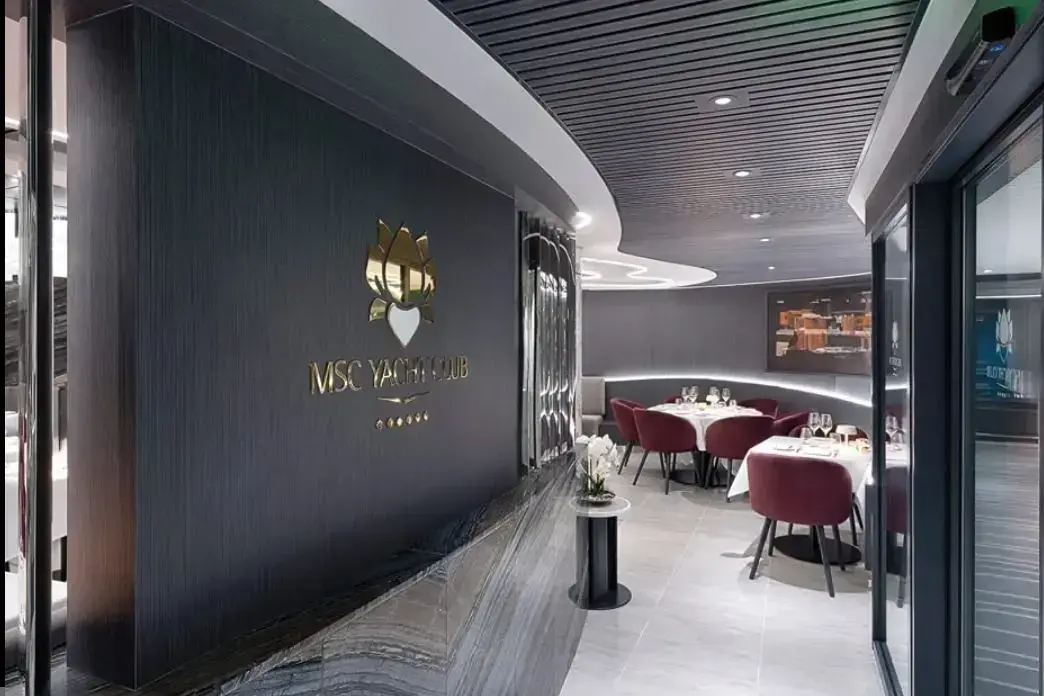
| Company : MSC Yacht Club |
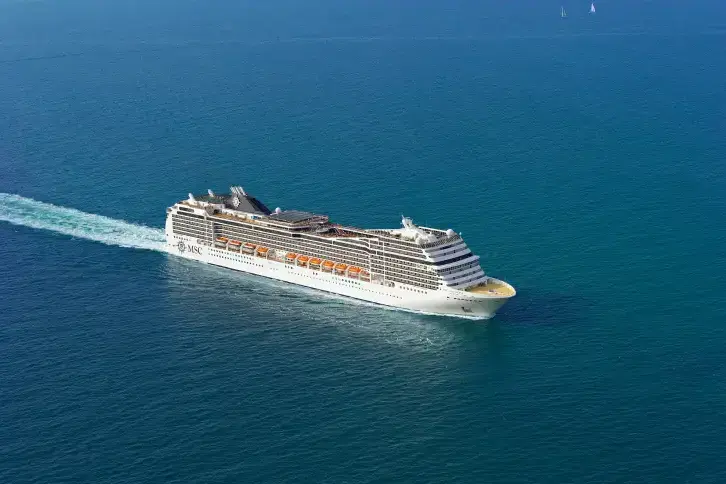
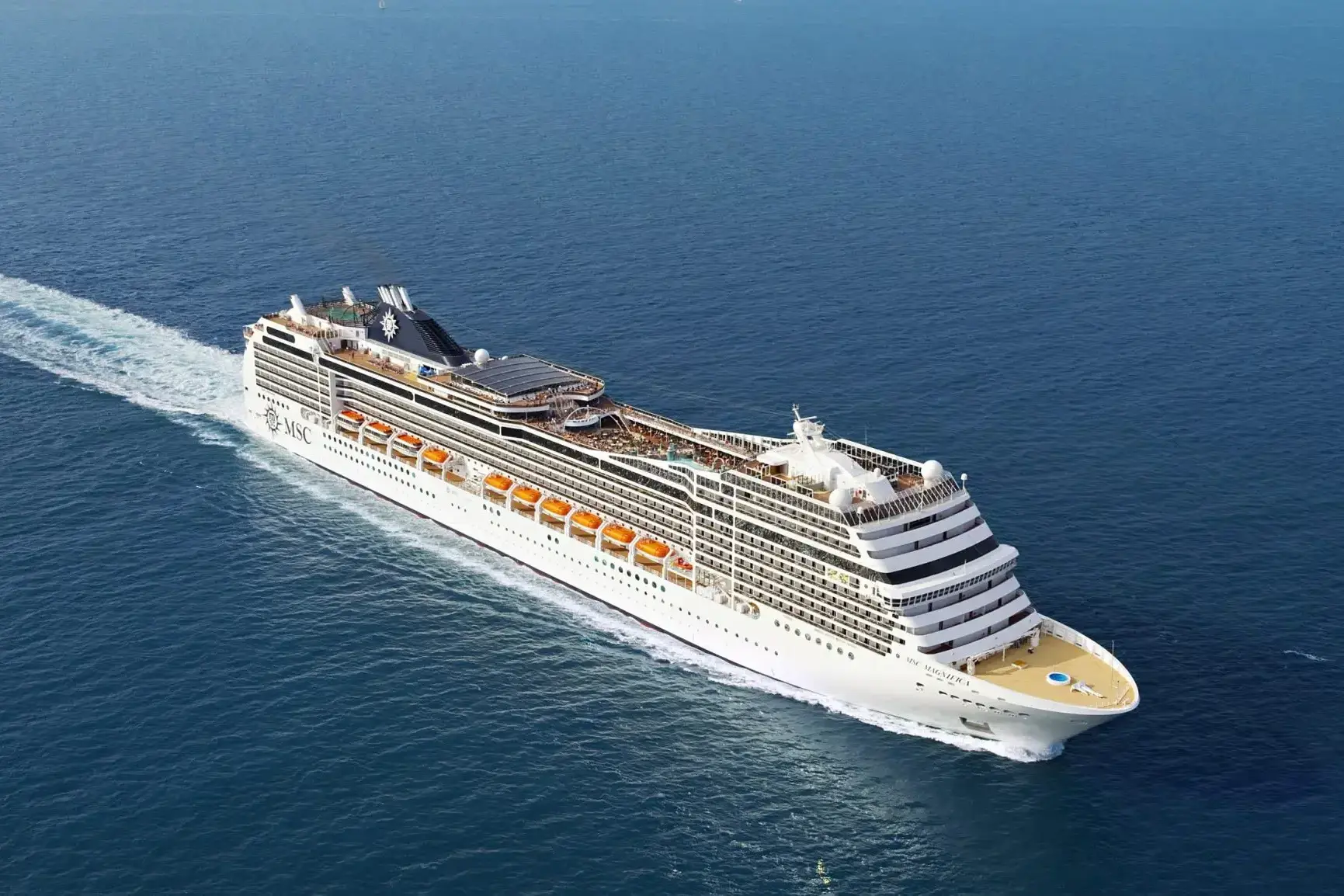
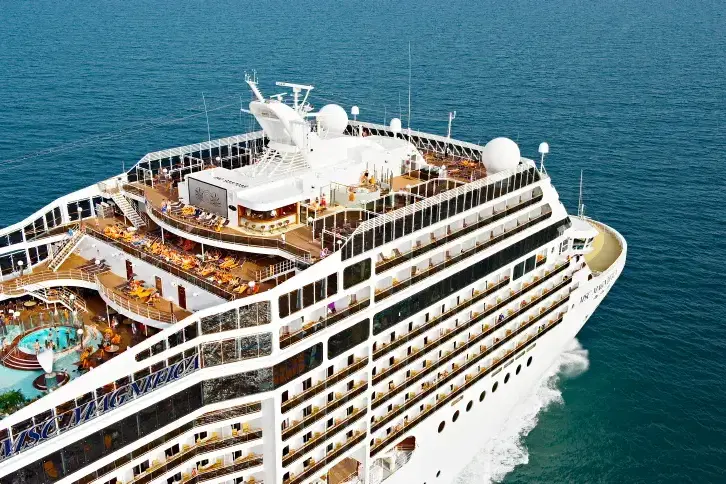
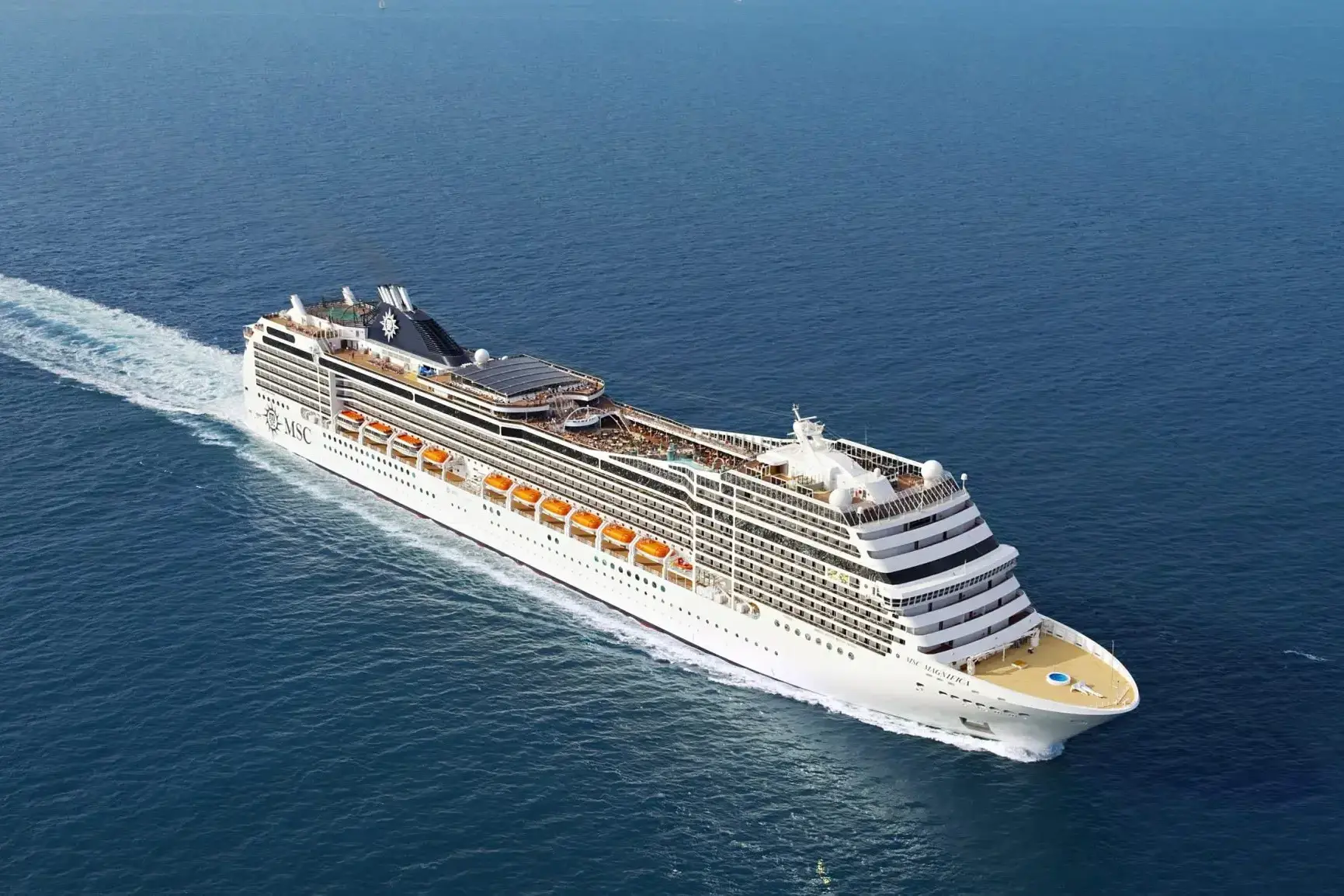
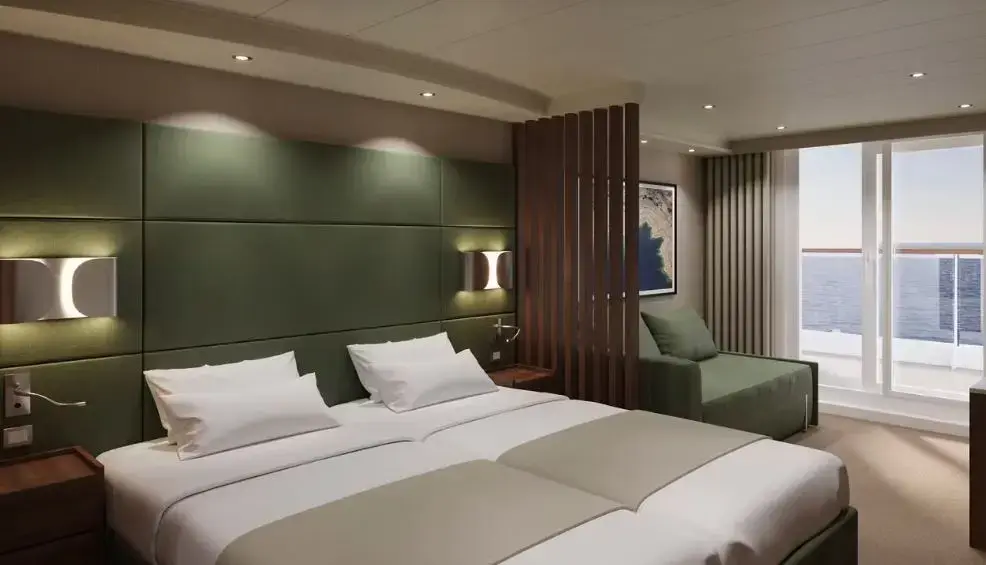
| Ship : MSC Yacht Club Magnifica |
| Journey Start : Thu 06 May 2027 |
| Journey End : Mon 17 May 2027 |
| Count Nights : 11 nights |
| Day | Date | Port | Arrival | Departure |
|---|---|---|---|---|
| 1 | 6.05 Thu | Genoa / Italy | 18:00 | |
| 2 | 7.05 Fri | Marseille / France | 08:00 | 18:00 |
| 3 | 8.05 Sat | Tarragona / Spain | 08:00 | 18:00 |
| 4 | 9.05 Sun | Day at sea / Sea | ||
| 5 | 10.05 Mon | Day at sea / Sea | ||
| 6 | 11.05 Tue | La Coruna / Spain | 09:00 | 18:00 |
| 7 | 12.05 Wed | Bilbao / Spain | 09:00 | 18:00 |
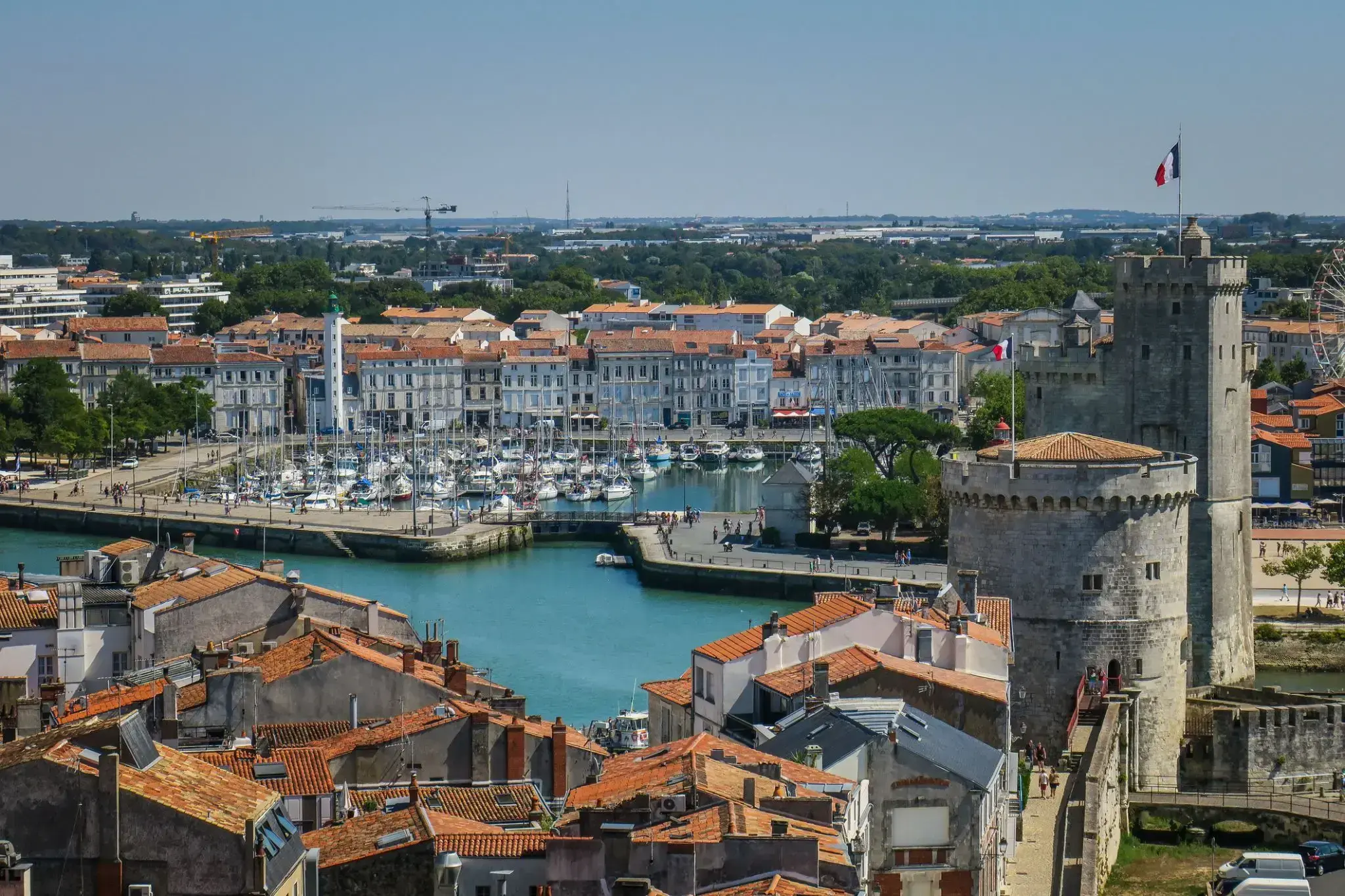
| 8 | 13.05 Thu | La Rochelle / France | 07:00 | 17:00 |
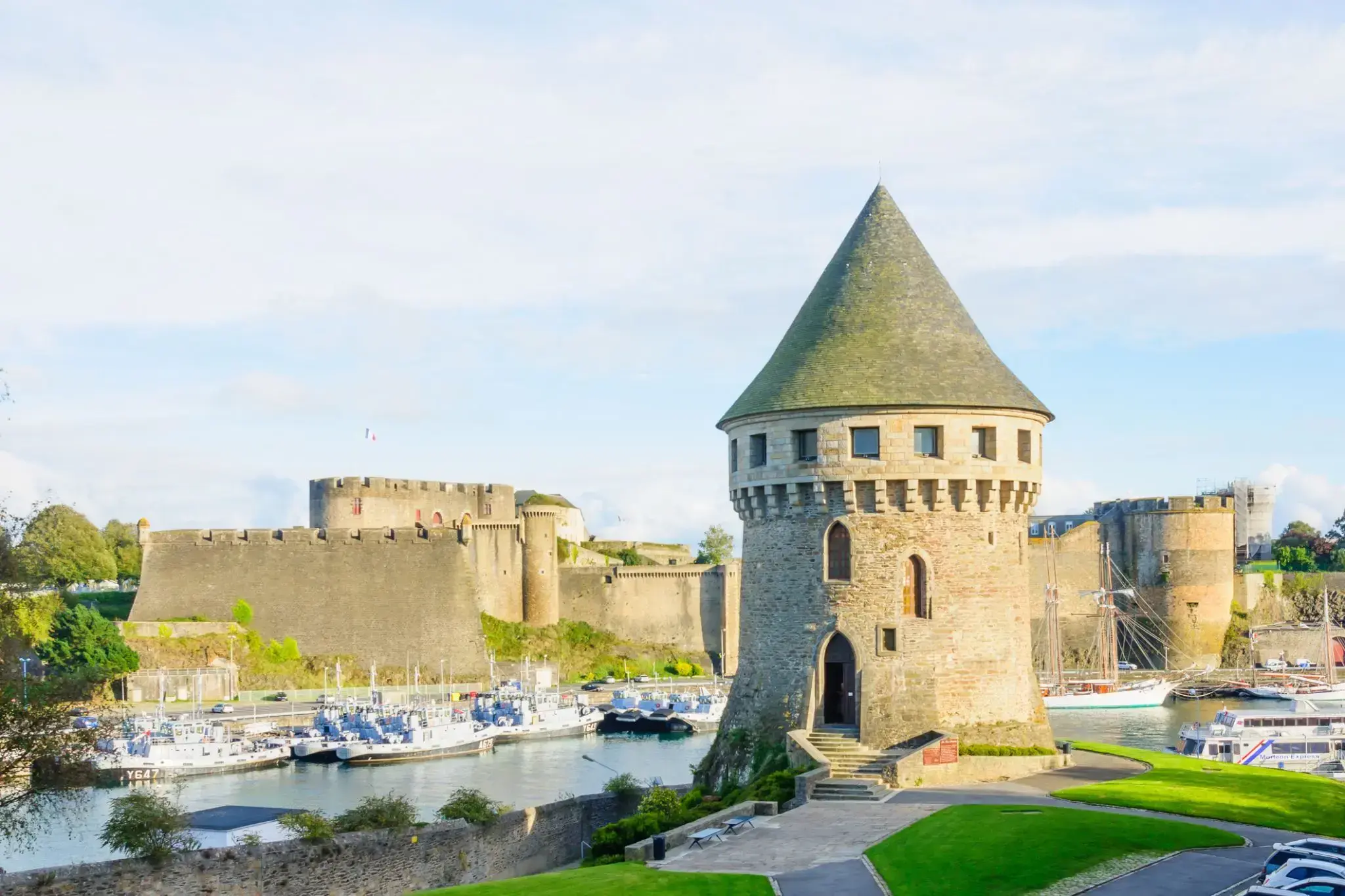
| 9 | 14.05 Fri | Brest / France | 08:00 | 16:00 |
| 10 | 15.05 Sat | Day at sea / Sea | ||
| 11 | 16.05 Sun | Day at sea / Sea | ||
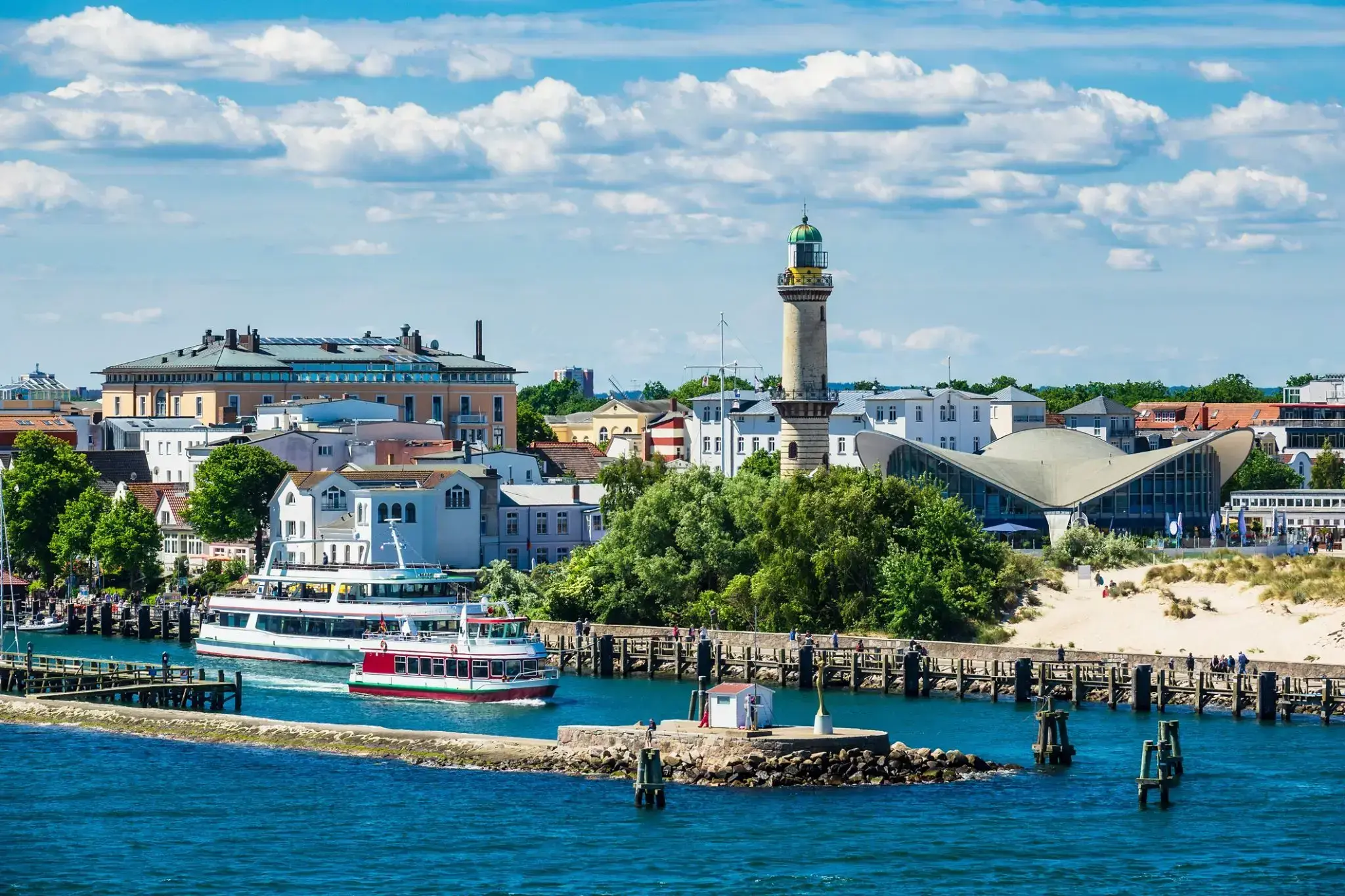
| 12 | 17.05 Mon | Warnemünde / Germany | 07:00 |
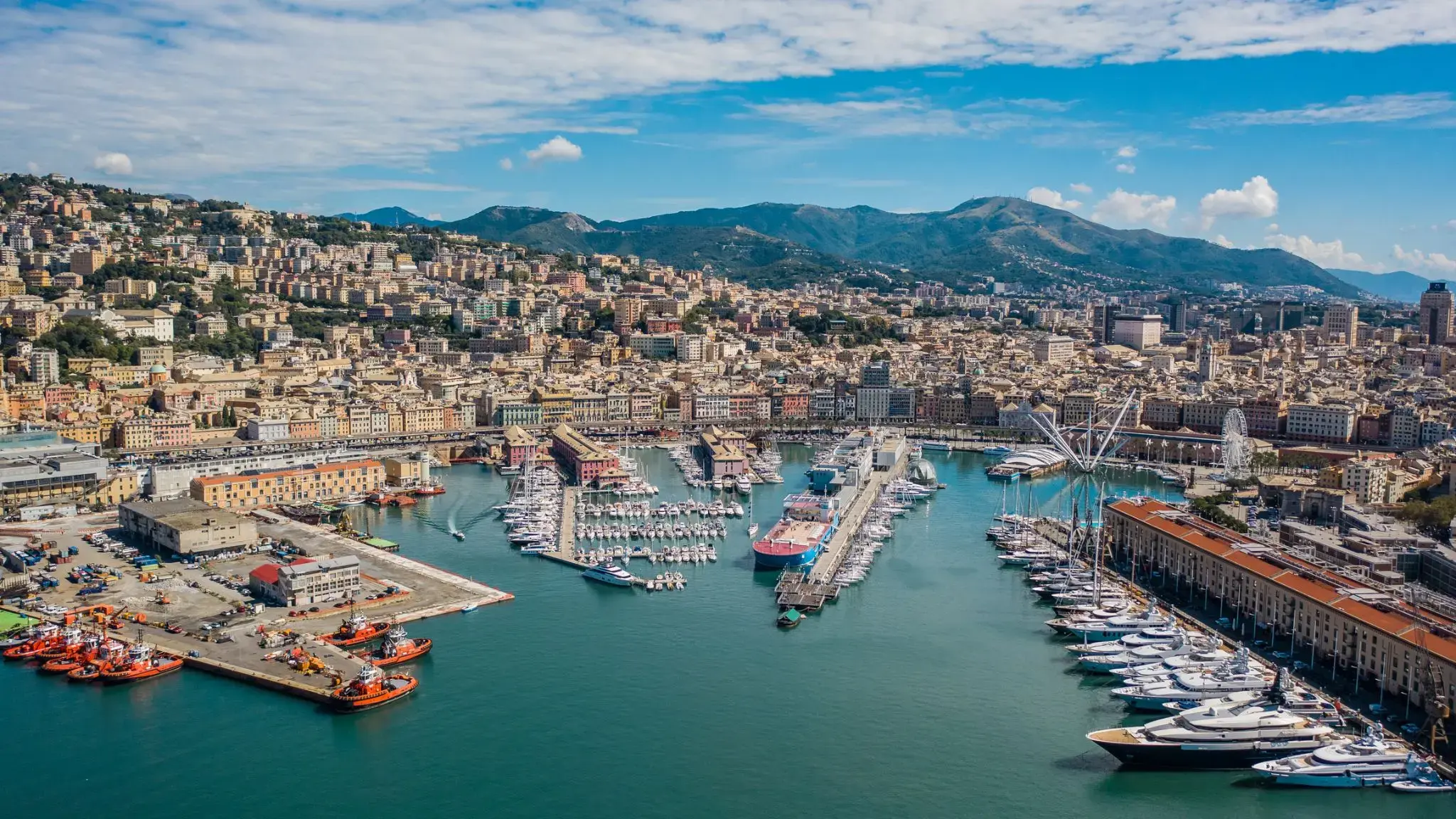
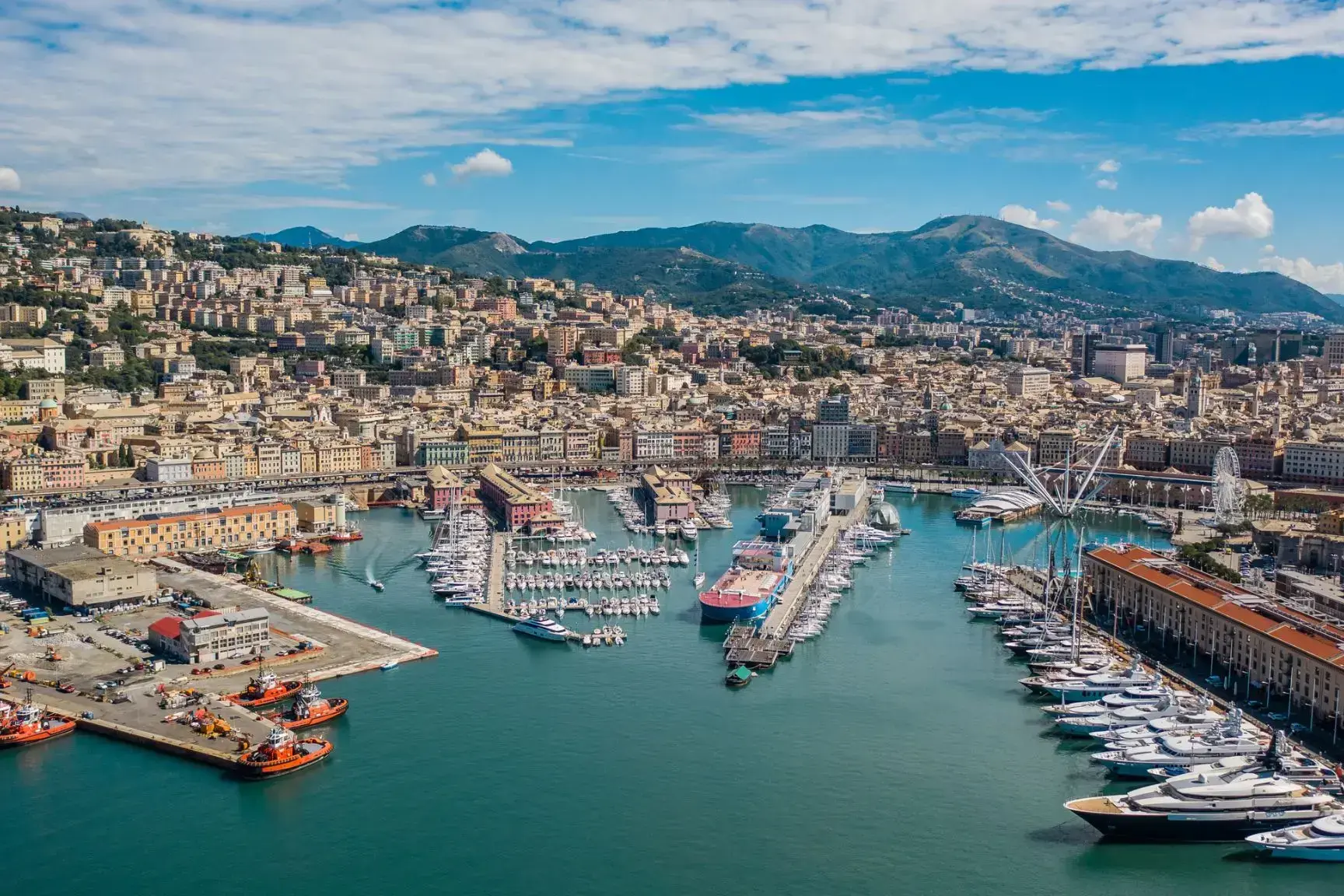
Genoa is the capital of the Italian region of Liguria and the sixth-largest city in Italy. In 2015, 594,733 people lived within the city's administrative limits. As of the 2011 Italian census, the Province of Genoa, which in 2015 became the Metropolitan City of Genoa, counted 855,834 resident persons. Over 1.5 million people live in the wider metropolitan area stretching along the Italian Riviera.
Located on the Gulf of Genoa in the Ligurian Sea, Genoa has historically been one of the most important ports on the Mediterranean: it is currently the busiest in Italy and in the Mediterranean Sea and twelfth-busiest in the European Union. Genoa has been nicknamed la Superba ("the proud one") due to its glorious past and impressive landmarks. Part of the old town of Genoa was inscribed on the World Heritage List (UNESCO) in 2006 as Genoa: Le Strade Nuove and the system of the Palazzi dei Rolli. The city's rich cultural history in art, music and cuisine allowed it to become the 2004 European Capital of Culture. It is the birthplace of Christopher Columbus, Andrea Doria, Niccolò Paganini, Giuseppe Mazzini, Renzo Piano and Grimaldo Canella, founder of the House of Grimaldi, among others.
Genoa, which forms the southern corner of the Milan-Turin-Genoa industrial triangle of Northwest Italy, is one of the country's major economic centers. The city has hosted massive shipyards and steelworks since the 19th century, and its solid financial sector dates back to the Middle Ages. The Bank of Saint George, founded in 1407, is among the oldest in the world and has played an important role in the city's prosperity since the middle of the 15th century. Today a number of leading Italian companies are based in the city, including Fincantieri, Selex ES, Ansaldo Energia, Ansaldo STS, Edoardo Raffinerie Garrone, Piaggio Aerospace, Mediterranean Shipping Company and Costa Cruises.
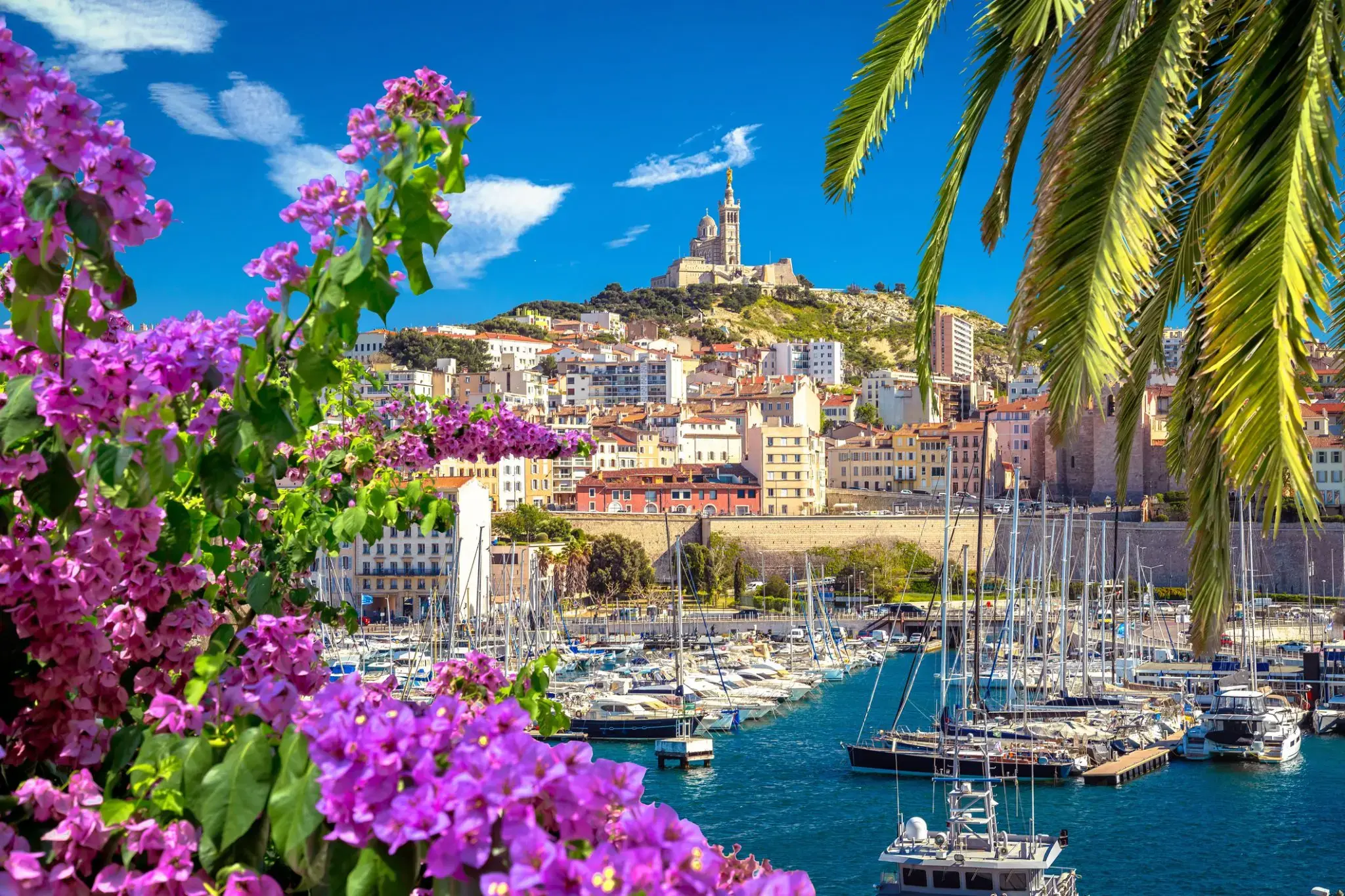
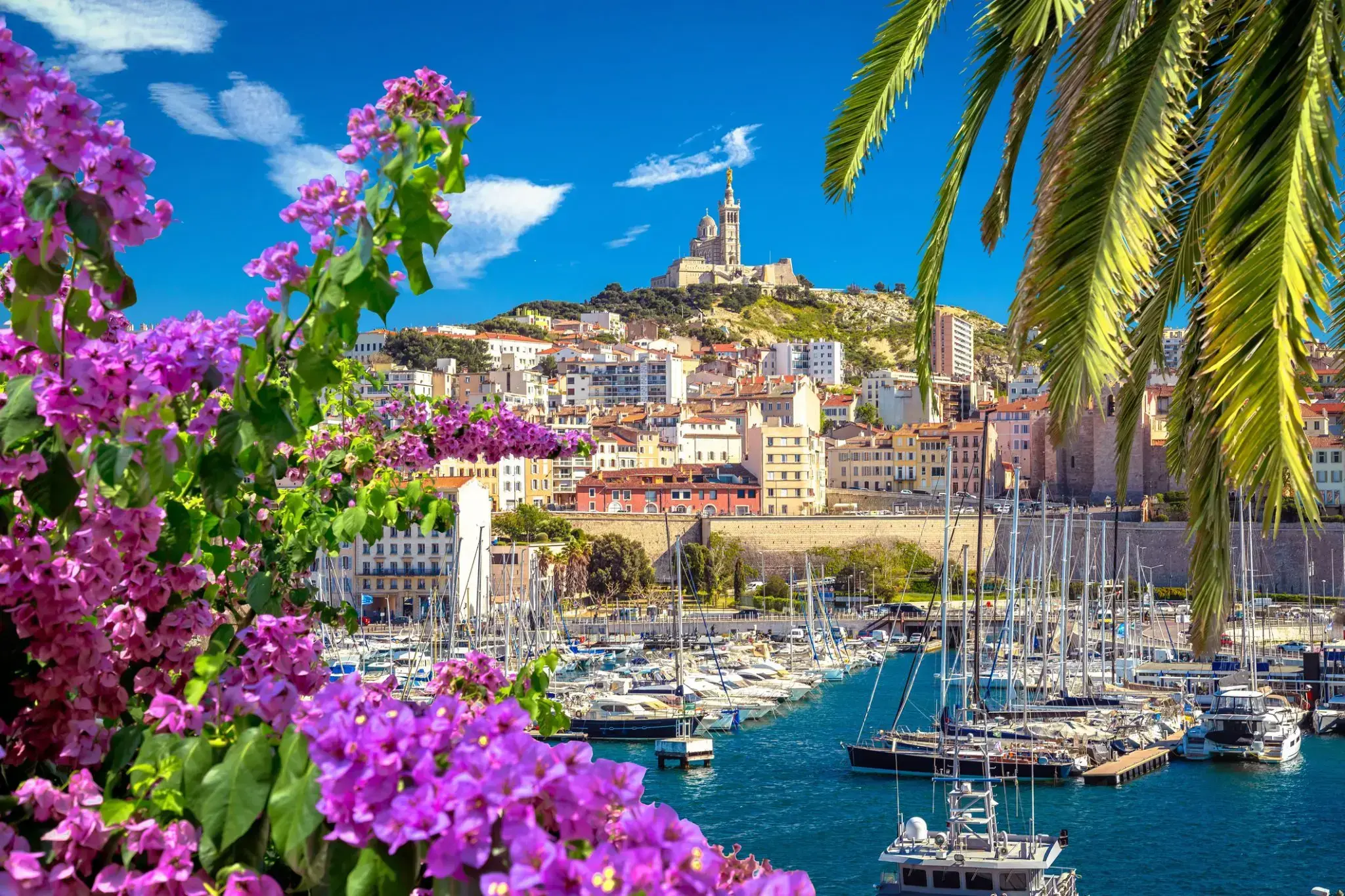
Marseille is the second-largest city of France. The main city of the historical province of Provence, it nowadays is the prefecture of the department of Bouches-du-Rhône and region of Provence-Alpes-Côte d'Azur. It is located on France's south coast near the mouth of the Rhône river. The city covers an area of 241 km2 (93 sq mi) and had a population of 852,516 in 2012. Its metropolitan area, which extends over 3,173 km2 (1,225 sq mi) is the third-largest in France after Paris and Lyon, with a population of 1,831,500 as of 2010.
Known to the ancient Greeks and Romans as Massalia, Marseille was an important European trading centre and remains the main commercial port of the French Republic. Marseille is now France's largest city on the Mediterranean coast and the largest port for commerce, freight and cruise ships. The city was European Capital of Culture in 2013 and European Capital of Sport in 2017; it hosted matches at the 1998 World Cup and Euro 2016. It is home to Aix-Marseille University.
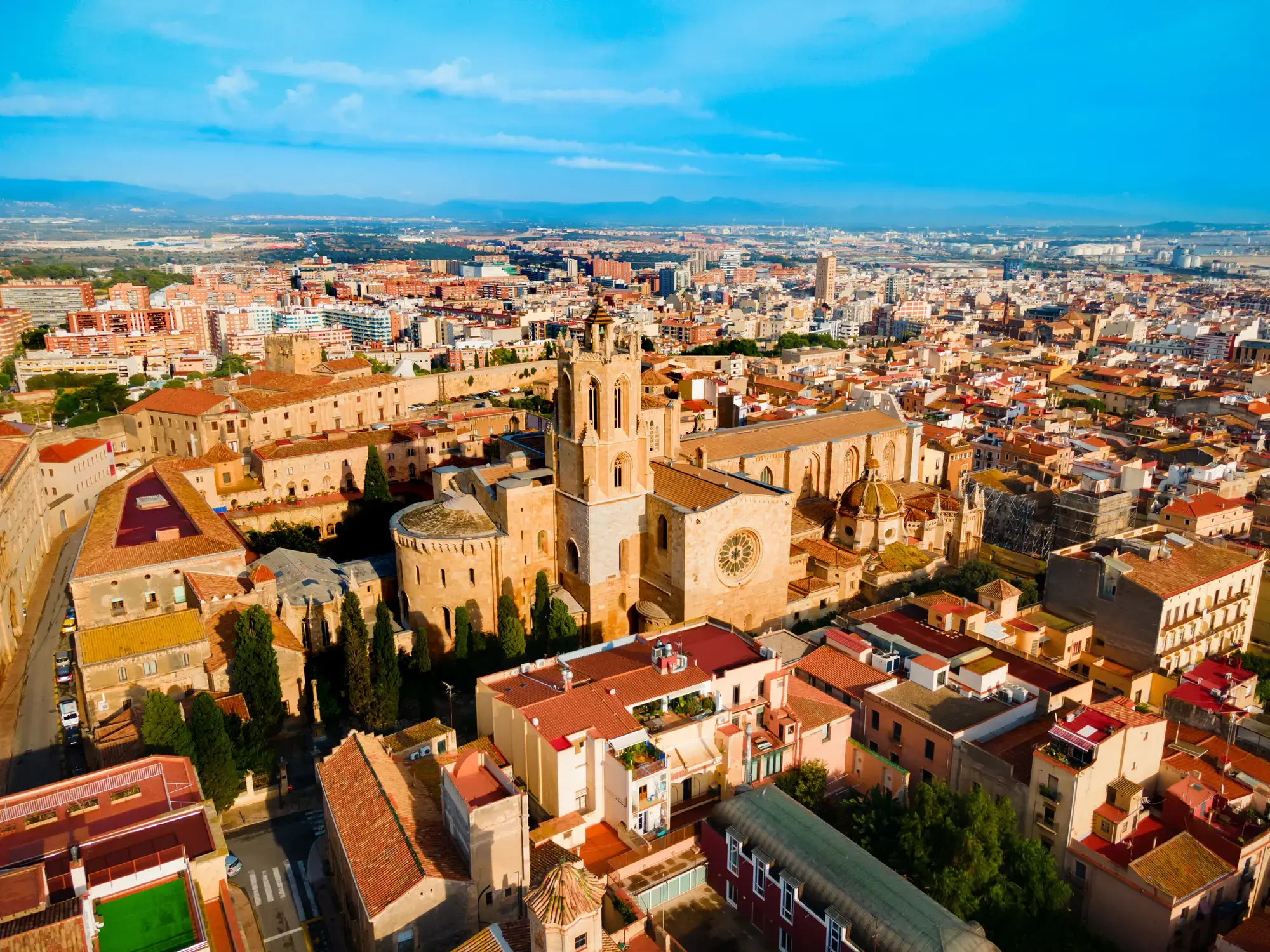
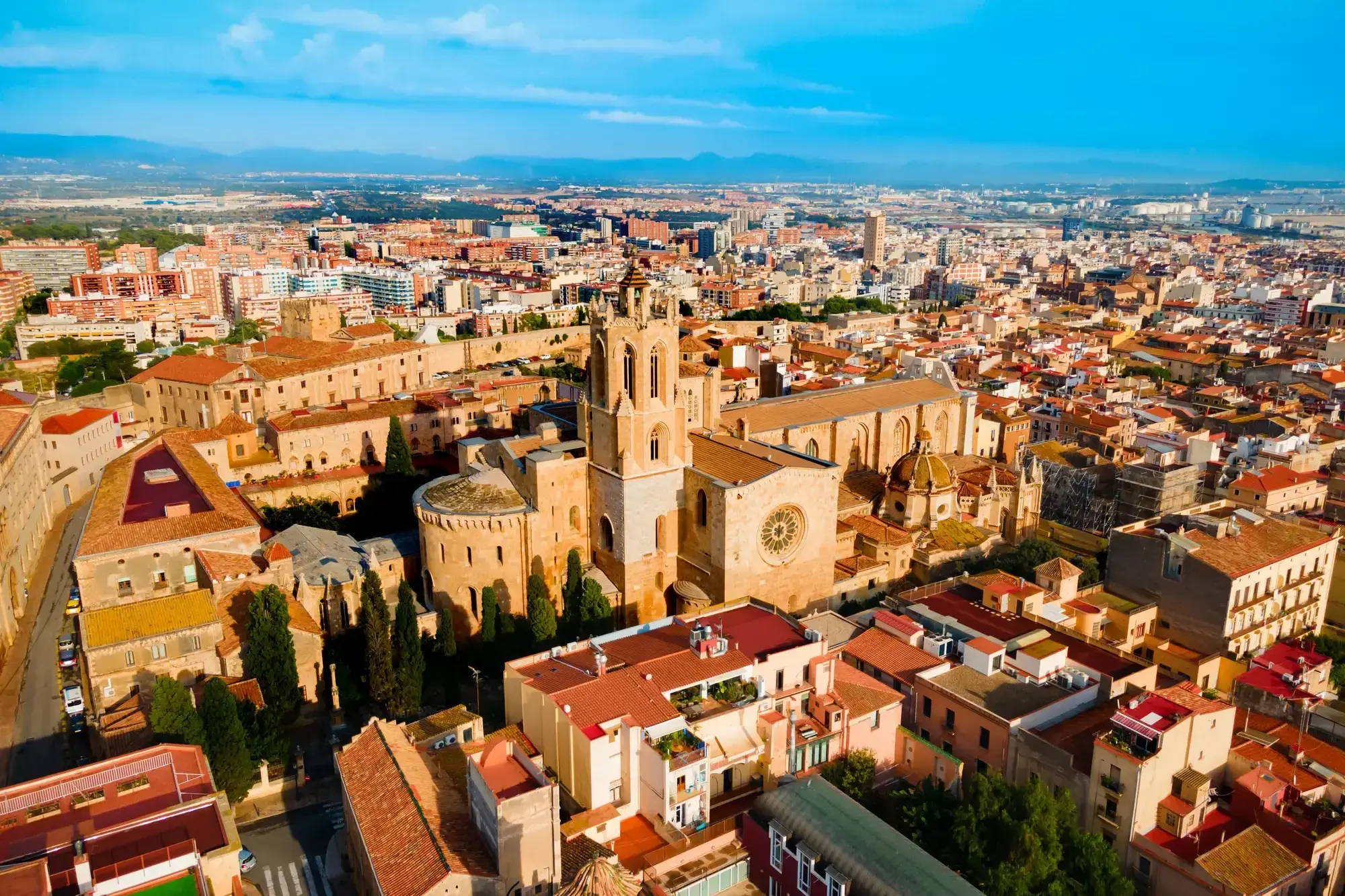
Tarragona is a port city located in northeast Spain on the Costa Daurada by the Mediterranean Sea. Founded before the 5th century BC, it is the capital of the Province of Tarragona, and part of Tarragonès and Catalonia. Geographically, it is bordered on the north by the Province of Barcelona and the Province of Lleida. The city has a population of 201,199 (2014).
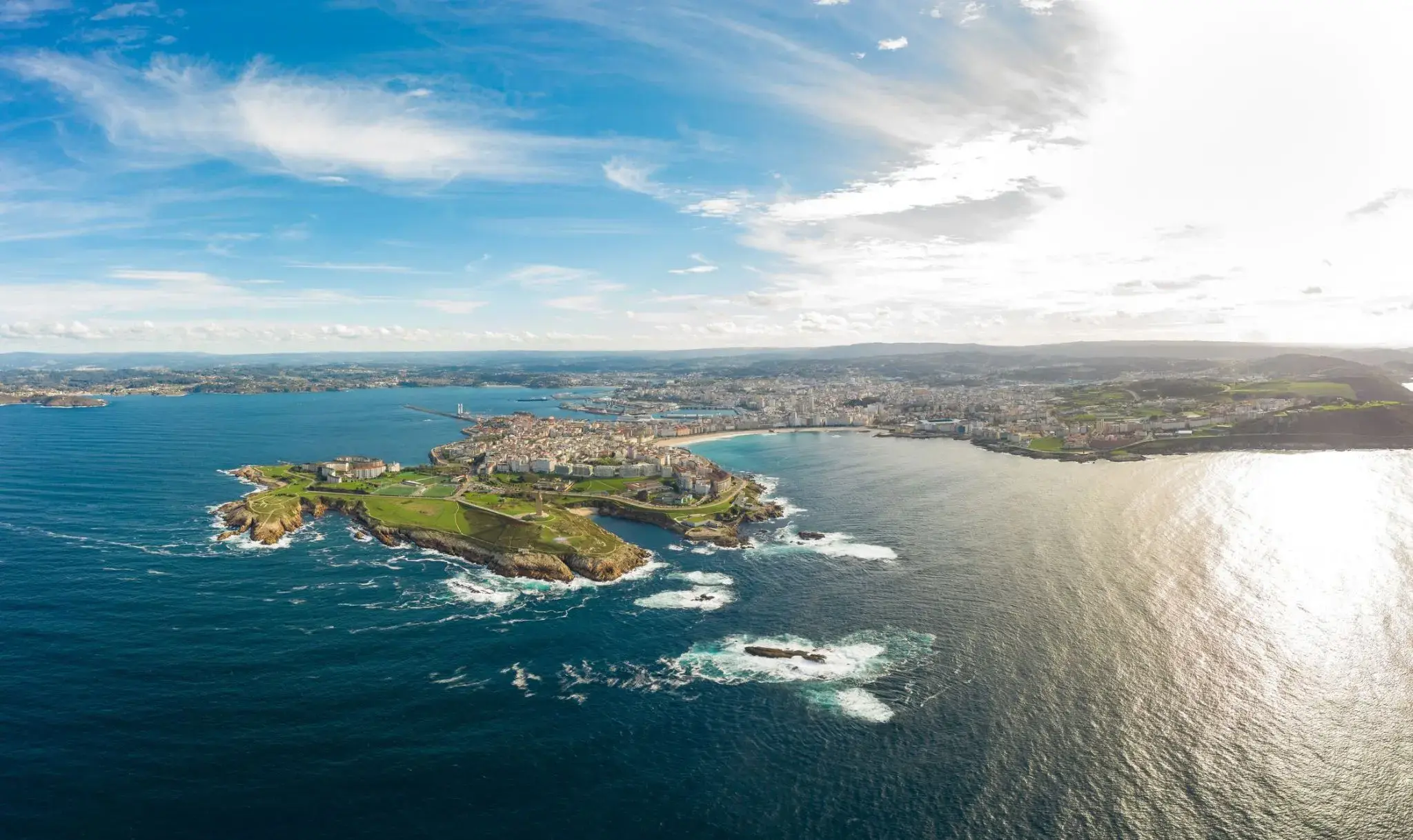
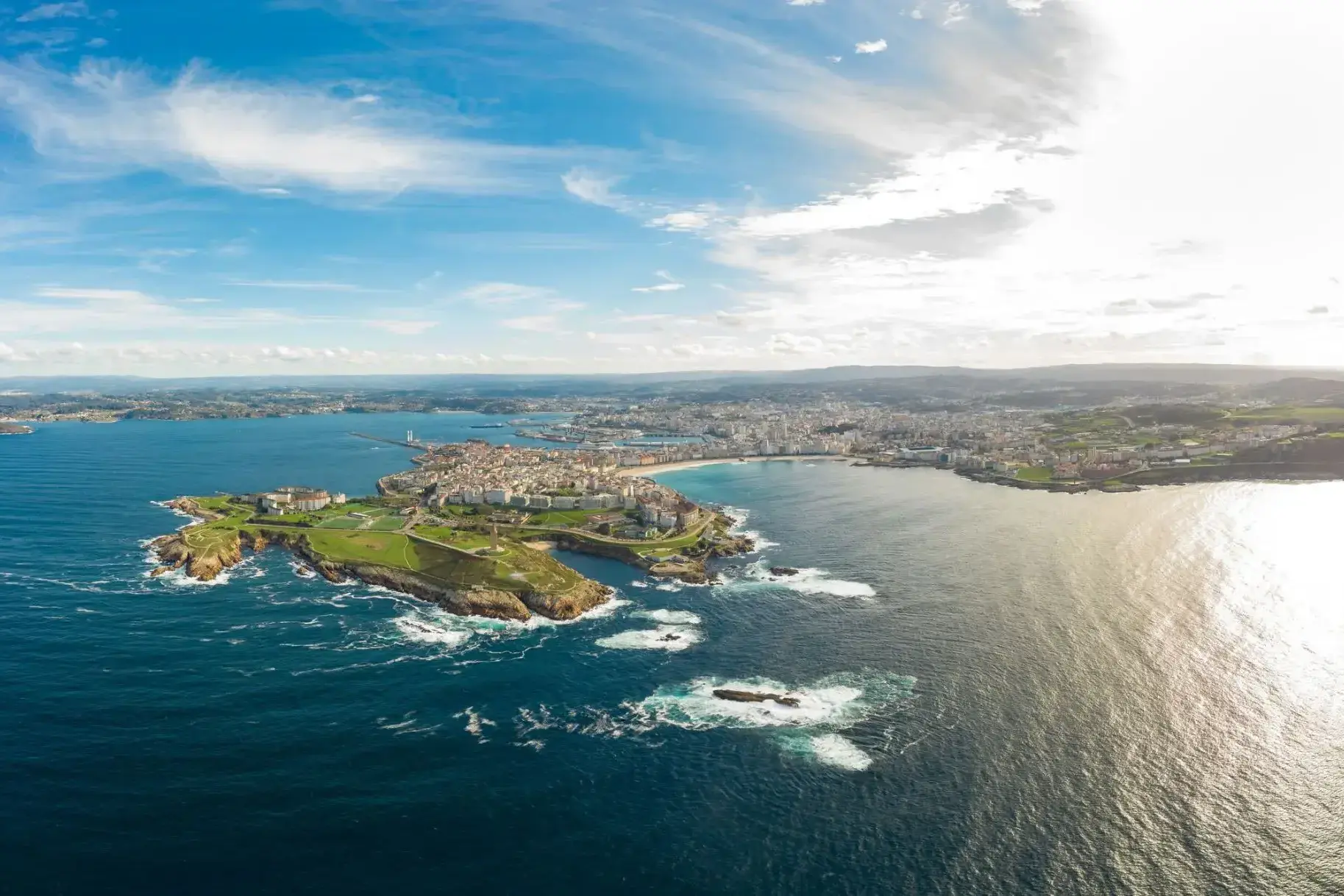
Travelers find in La Coruña the perfect place to experience the atmosphere of Spain’s Atlantic coast, where modern promenades meet historical landmarks and cozy beaches. The city is known for having the world’s oldest functioning Roman lighthouse – the Tower of Hercules, built nearly 2000 years ago and still guiding ships today. Here, you can enjoy a stroll along one of Europe’s longest seafront promenades, taking in ocean panoramas and the fresh breeze.
In La Coruña, guests discover the rich Galician gastronomic culture, with seafood served in traditional tapas bars and contemporary restaurants. Local markets delight with fresh products, while the city’s cultural life is filled with festivals, exhibitions, and live street music. This destination offers travelers a unique blend of historical depth, sea views, and warm Spanish atmosphere, leaving a sense of lightness and inspiration after the visit.
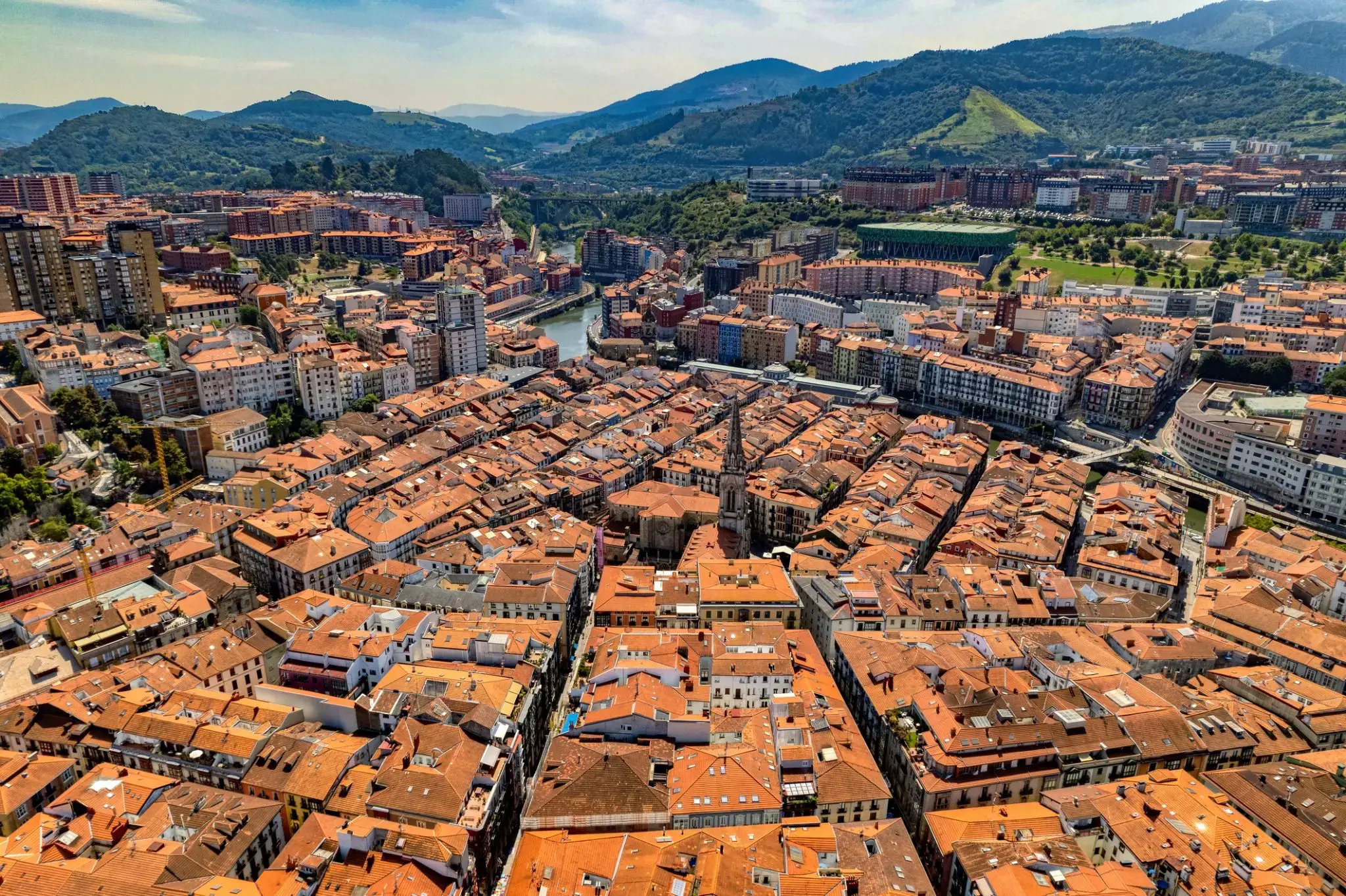
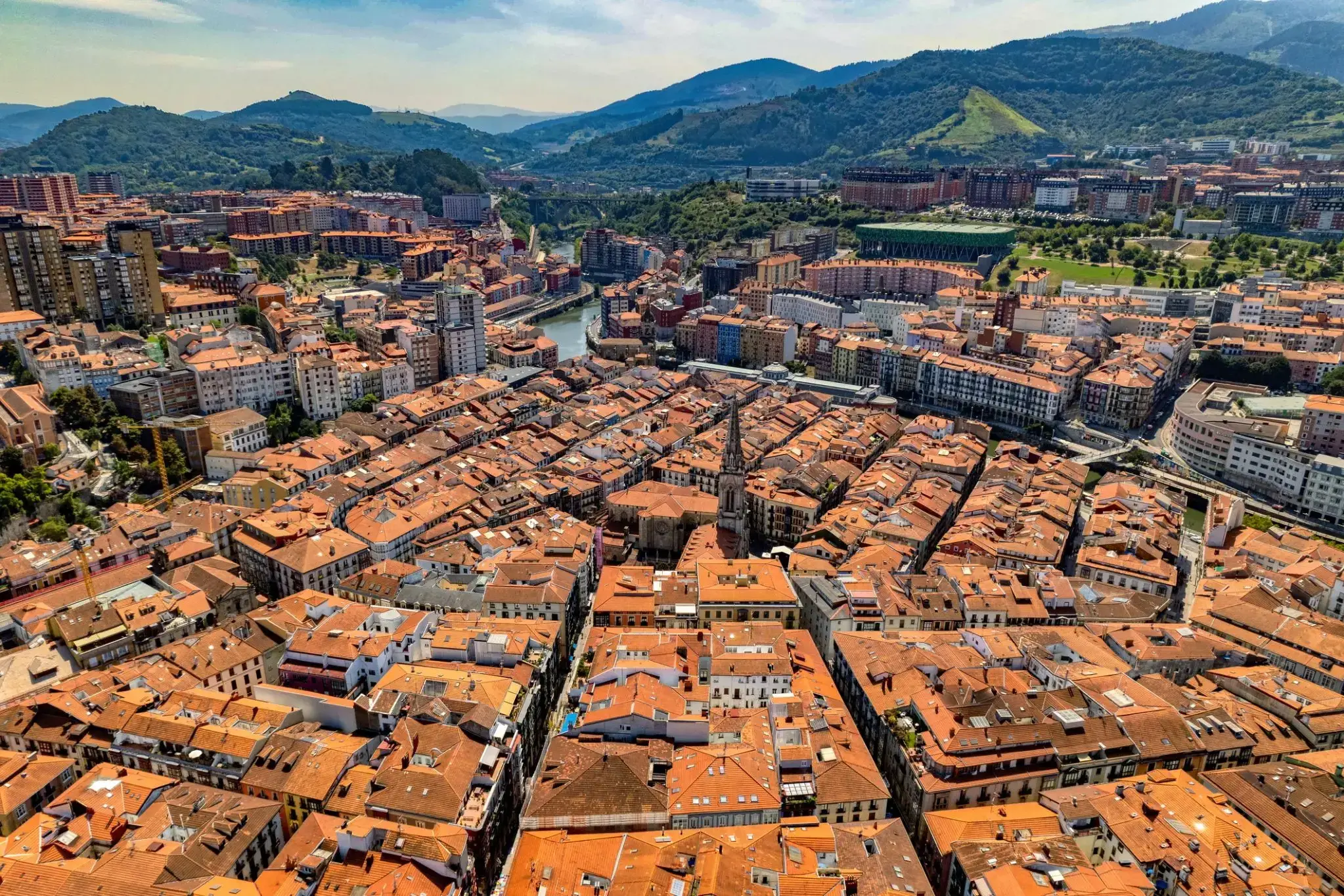
Bilbao is a city in northern Spain, the largest city in the province of Biscay and in the Basque Country as a whole. It is also the largest city proper in northern Spain. Bilbao is the tenth largest city in Spain, with a population of 345,141 as of 2015. The Bilbao metropolitan area has roughly 1 million inhabitants, making it one of the most populous metropolitan areas in northern Spain; with a population of 875,552 the comarca of Greater Bilbao is the fifth-largest urban area in Spain. Bilbao is also the main urban area in what is defined as the Greater Basque region.
Bilbao is situated in the north-central part of Spain, some 16 kilometres (10 mi) south of the Bay of Biscay, where the economic social development is located, where the estuary of Bilbao is formed. Its main urban core is surrounded by two small mountain ranges with an average elevation of 400 metres (1,300 ft). Its climate is shaped by the Bay of Biscay low-pressure systems and mild air, moderating summer temperatures by Iberian standards, with low sunshine and high rainfall. The annual temperature range is low for its latitude.
After its foundation in the early 14th century by Diego López V de Haro, head of the powerful Haro family, Bilbao was a commercial hub of the Basque Country that enjoyed significant importance in Green Spain. This was due to its port activity based on the export of iron extracted from the Biscayan quarries. Throughout the nineteenth century and the beginning of the twentieth, Bilbao experienced heavy industrialisation, making it the centre of the second-most industrialised region of Spain, behind Barcelona. At the same time an extraordinary population explosion prompted the annexation of several adjacent municipalities. Nowadays, Bilbao is a vigorous service city that is experiencing an ongoing social, economic, and aesthetic revitalisation process, started by the iconic Bilbao Guggenheim Museum, and continued by infrastructure investments, such as the airport terminal, the rapid transit system, the tram line, the Azkuna Zentroa, and the currently under development Abandoibarra and Zorrozaurrerenewal projects.
Bilbao is also home to football club Athletic Club de Bilbao, a significant symbol for Basque nationalism due to its promotion of only Basque players and one of the most successful clubs in Spanish football history.
On 19 May 2010, the city of Bilbao was recognised with the Lee Kuan Yew World City Prize, awarded by the city state of Singapore, in collaboration with the Swedish Nobel Academy. Considered the Nobel Prize for urbanism, it was handed out on 29 June 2010. On 7 January 2013, its mayor, Iñaki Azkuna, received the 2012 World Mayor Prize awarded every two years by the British foundation The City Mayors Foundation, in recognition of the urban transformation experienced by the Biscayan capital since the 1990s. On 8 November 2017, Bilbao was chosen the Best European City 2018 at The Urbanism Awards 2018, awarded by the international organisation The Academy of Urbanism.
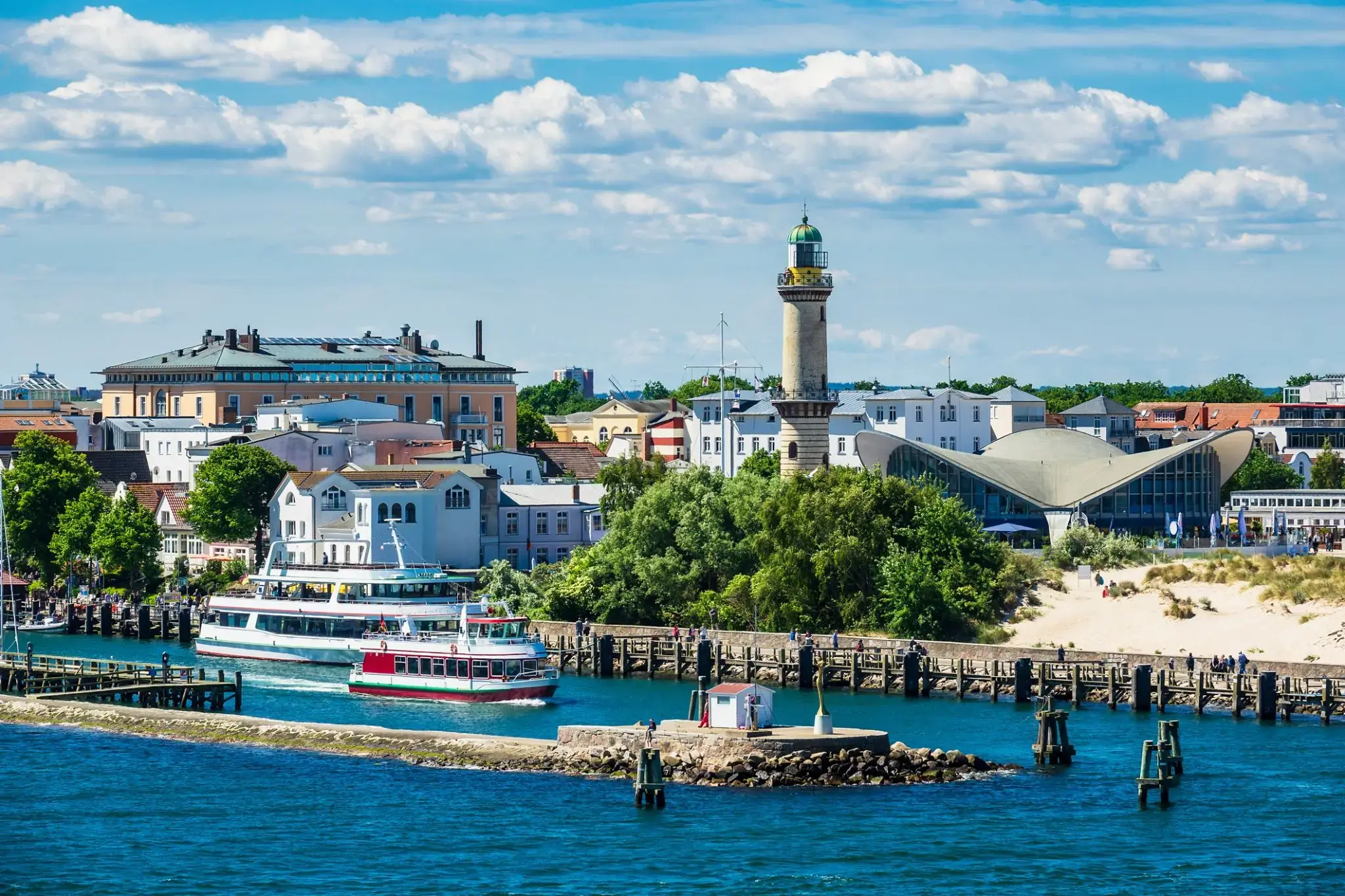
Baltic Sea resort in the northern part of the city of Rostock. The area was named along the Varnov River, which flows into the Baltic Sea here. The sandy beach is Germany's largest Baltic beach.