| Cruise Region : Caribbean |
| Company : MSC Yacht Club |
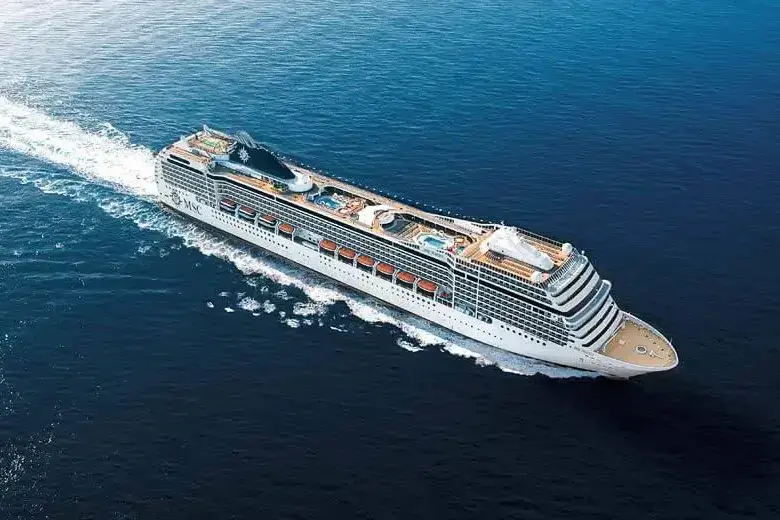
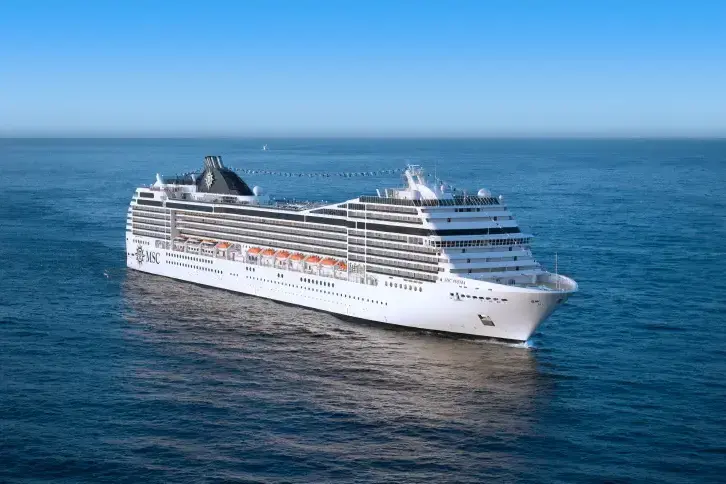
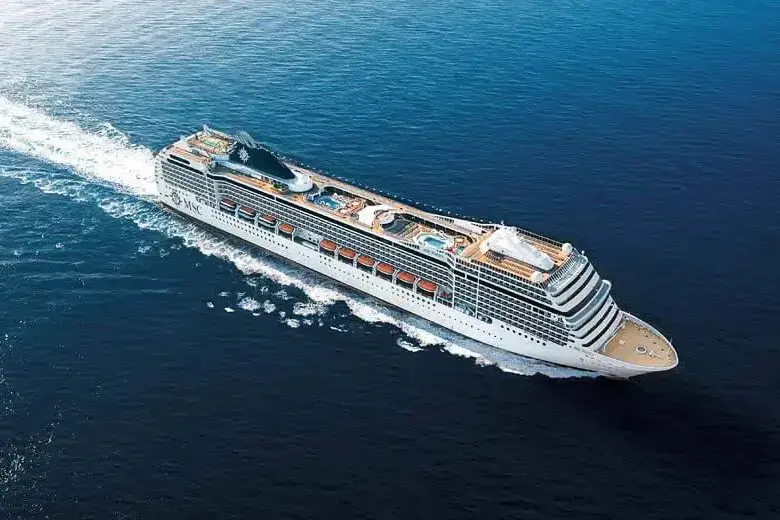
| Ship : MSC Yacht Club Poesia |
| Journey Start : Thu 03 Feb 2028 |
| Journey End : Sun 13 Feb 2028 |
| Count Nights : 10 nights |
| Day | Date | Port | Arrival | Departure |
|---|---|---|---|---|
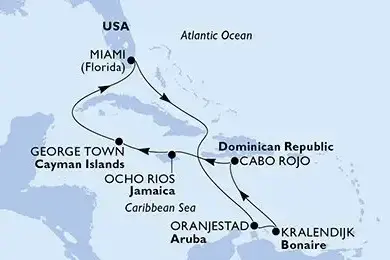
| 1 | 3.02 Thu | Miami / USA | 17:00 | |
| 2 | 4.02 Fri | Day at sea / Sea | ||
| 3 | 5.02 Sat | Day at sea / Sea | ||
| 4 | 6.02 Sun | Aruba (Oranjestad) / Aruba | 08:00 | 18:00 |
| 5 | 7.02 Mon | Kralendijk, o. Bonaire / Bonaire | 08:00 | 18:00 |
| 6 | 8.02 Tue | Day at sea / Sea | ||
| 7 | 9.02 Wed | Cabo Rojo / Red Cape | 08:00 | 17:00 |
| 8 | 10.02 Thu | Ocho Rios / Jamaica | 10:00 | 18:00 |
| 9 | 11.02 Fri | Georgetown / Cayman Islands | 08:00 | 18:00 |
| 10 | 12.02 Sat | Day at sea / Sea | ||
| 11 | 13.02 Sun | Miami / USA | 07:00 |
MSC Yacht Club – Included Privileges
Privileges
As an MSC Yacht Club guest, you enjoy a wealth of included privileges designed to make every момент круиза максимально комфортным:
Dedicated priority check‑in and check‑out, as well as priority disembarkation and embarkation on excursion days.
24‑hour butler service and a dedicated concierge desk, available whenever you need assistance.
24‑hour Room Service, so you can dine in the privacy of your suite at any time of day or night.
Premium Extra Drink Package included, covering beverages priced up to €14 / $16 in all bars, lounges and restaurants across the ship, from classic cocktails and premium spirits to wines by the glass, beers, soft drinks, coffee and teas.
Browse Internet package (Unlimited Internet Package for 2 devices per guest), allowing you to stay connected throughout your voyage.
Complimentary access to the Thermal Suite in the MSC Aurea Spa for the duration of the cruise, offering saunas, steam rooms and relaxation areas.
Relaxation amenities in each suite, including plush bathrobe and slippers, plus enhanced bathroom amenities.
Additional personal touches, such as luggage packing and unpacking service on request and newspaper delivery to your suite (where available).
MSC for Me wristband, giving convenient, hands‑free access to your suite and onboard purchases.
MSC Yacht Club – Exclusivity on Board
Exclusivity
MSC Yacht Club is a private sanctuary of exclusivity at the top of the ship, reserved solely for its guests:
Dedicated and private area of the ship, accessible only with a Yacht Club key card.
Lavishly appointed suites located on the foredecks, offering outstanding comfort and some of the best views on board.
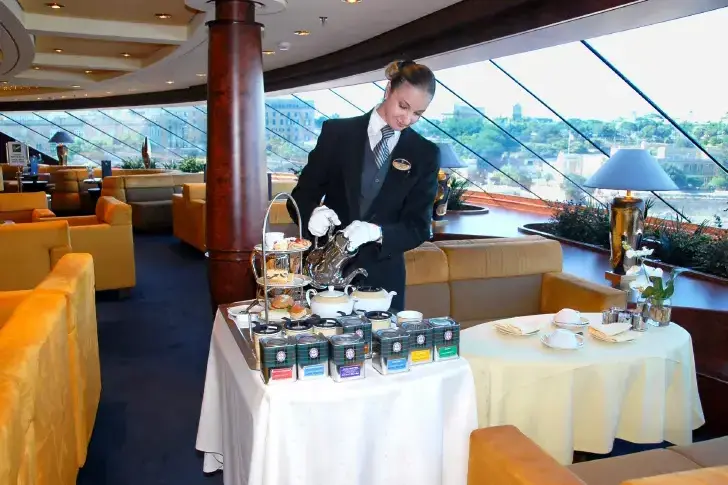
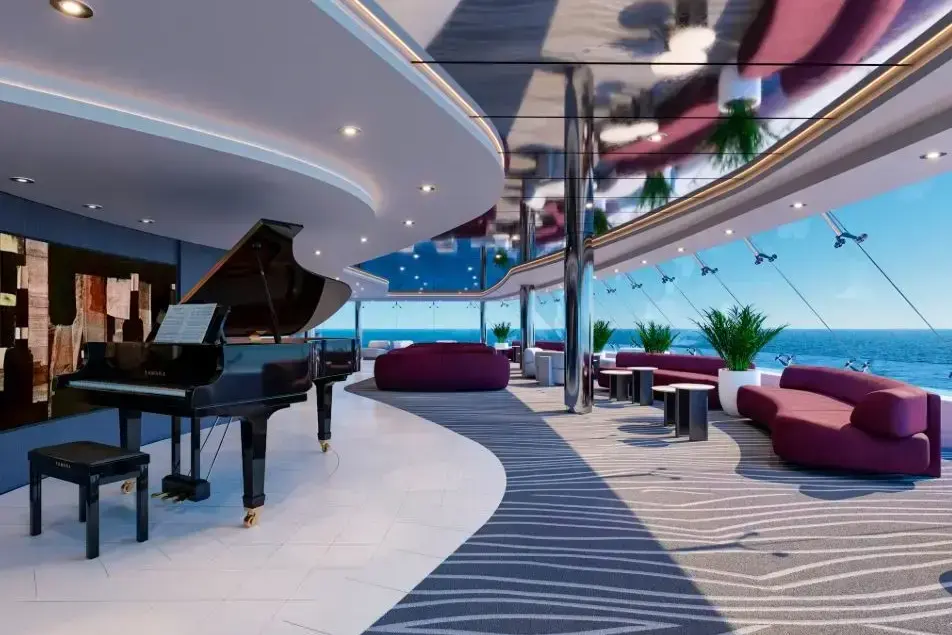
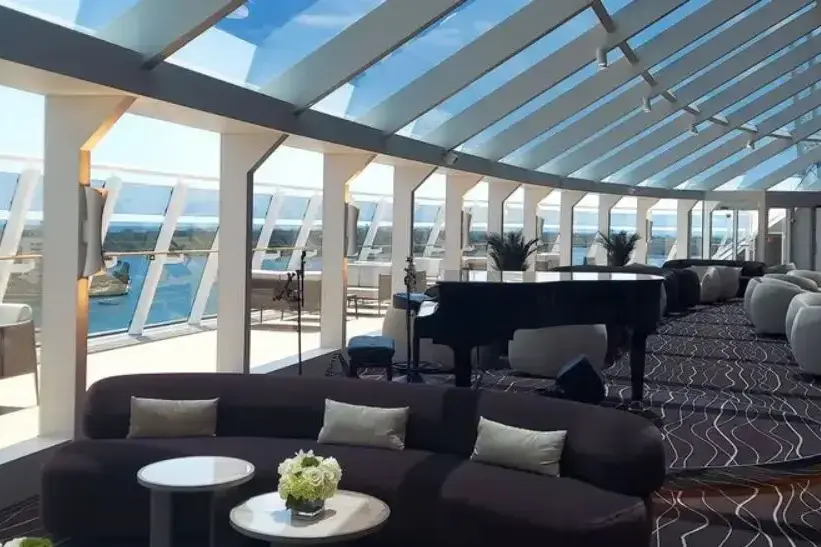
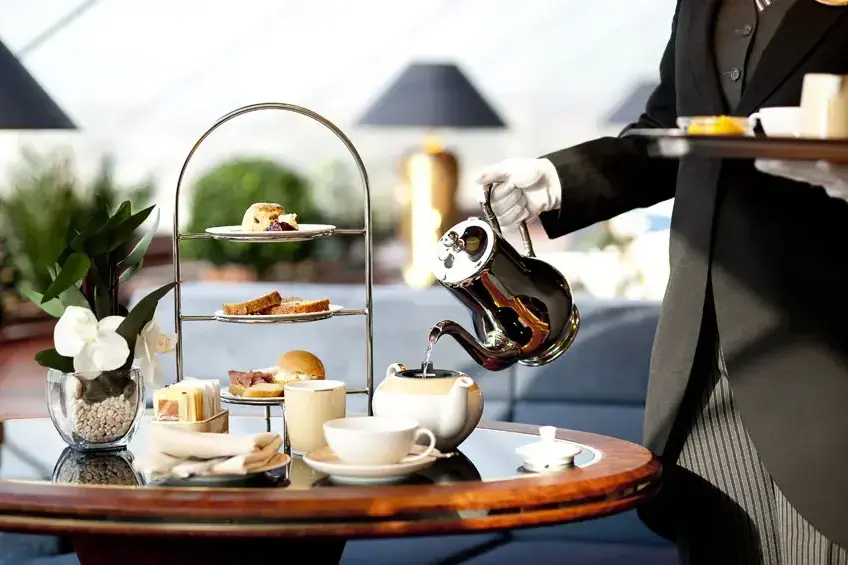
Panoramic Top Sail Lounge with a full‑service bar, afternoon tea service, light bites available throughout the day and night, and live entertainment in the evening.
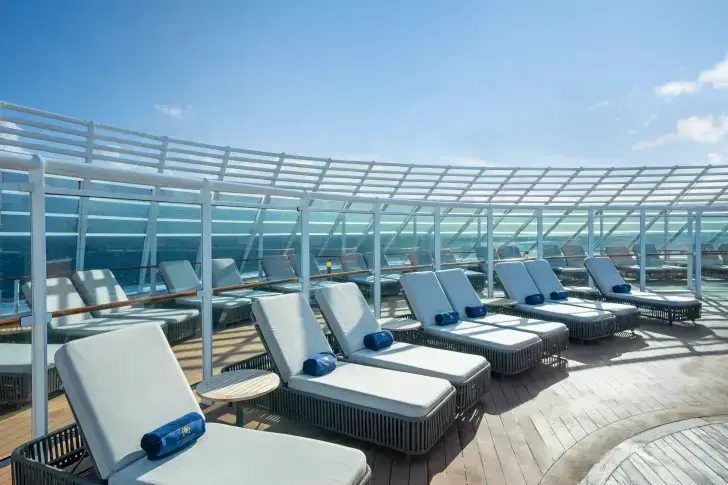
Private and spacious pool deck reserved for Yacht Club guests, featuring pool, whirlpool baths, dedicated sunbathing area and outdoor bar with exceptional sea views.
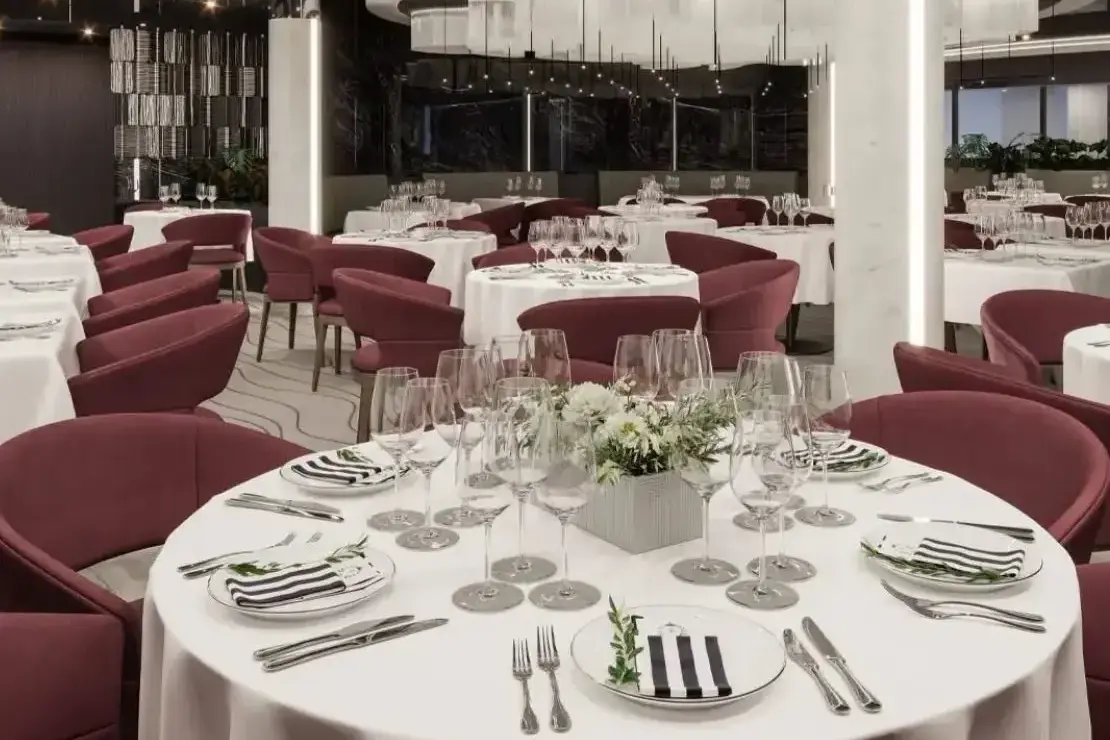
Gourmet restaurant exclusive to MSC Yacht Club, serving à la carte breakfast, lunch and dinner with flexible, open seating and no fixed dining times.
Tailor‑made experiences, from bespoke shopping assistance to curated shore excursions, organized by the Yacht Club concierge and butler team.
MSC Yacht Club – World of Choice
World of Choice
Beyond the private world of MSC Yacht Club, guests enjoy a full range of flexible benefits before and during their cruise:
Pre‑Cruise Benefits
1 free cruise change*, offering extra flexibility if your plans change.
Option to book discounted Specialty Restaurant packages at the time of cruise booking.
Option to pre‑book discounted Balinese massage packages in the MSC Aurea Spa.
The free cruise change must be requested at least 30 calendar days before departure and applied to a new sailing within 90 days of the original departure date.
Onboard Choice
Yacht Club guests also have full access to all facilities and entertainment across the entire ship:
A wide choice of bars and lounges, speciality restaurants, pools and open‑deck areas.
Premium buffet with extended opening hours and a variety of international dishes.
A rich programme of Broadway and Las Vegas‑style theatre shows every evening.
Recreational activities for children of all ages, including dedicated kids’ clubs.
Daytime and evening entertainment for adults, families and children.
A full menu of MSC Aurea Spa treatments, with complimentary access to the Thermal Suite for Yacht Club guests (treatments and spa packages charged separately).
Services Not Included for MSC Yacht Club Guests
Even with the extensive inclusions of MSC Yacht Club, some services remain at an extra charge:
Spa & beauty
All MSC Aurea Spa treatments: massages, body and facial treatments, rituals.
Hair & beauty salon: haircuts, styling, colouring, barber services, manicure and pedicure.
Spa packages and special wellness programs (even if offered at a discount for Yacht Club).
Shore excursions
All shore excursions (group and private), including premium/VIP experiences, boat trips, flightseeing, etc., are chargeable.
Speciality dining & gourmet concepts
Speciality restaurants such as steakhouses, sushi bars and other à la carte venues.
Tasting menus, wine and champagne pairing dinners, chef’s table experiences.
Certain high‑end items (fine wines/champagnes by the bottle, rare spirits, signature chocolates).
Bars, cafés & sweets
Purchases in chocolate bars, gelato counters, pastry shops, and some branded coffee specialties.
Internet upgrades & communication
Upgrade from Browse to Streaming Wi‑Fi (for video calls/streaming) is at an extra cost per device.
Satellite phone calls and some premium communication services.
Photo & video services
Professional photo packages, studio sessions, printed photos and photo books.
Video services and special event packages (weddings, celebrations).
Onboard entertainment & activities
Selected premium activities such as F1 simulators, VR games, bowling and similar attractions (varies by ship).
Paid workshops, games with prizes and some special themed events.
Shopping & onboard purchases
All purchases in duty free and onboard boutiques (fashion, jewellery, watches, perfume, cosmetics, souvenirs).
Laundry & housekeeping extras
Laundry and dry‑cleaning services, pressing and express options.
Service charges & gratuities
Hotel Service Charge / Gratuities (per person, per night) are usually not included in the cruise fare unless specified for a particular market.
Service charges (around 15%) are typically added to bar, restaurant and spa bills.
Passenger name change
The passenger may replace himself/herself with a third party, provided that:
The new guest meets all conditions to join the cruise (travel documents, visas, age, etc.).
A written request (via the sales agent or directly to MSC) is received by MSC no later than 7 calendar days before departure.
If these conditions are met, the name change is subject to an administration fee per guest:
YACHT CLUB – EUR 50 per passenger.
Name change requests made within 7 calendar days of departure are treated as a cancellation and subject to standard cancellation charges.
The original passenger and the new assignee are jointly liable for payment of the cruise fare and any additional costs arising from the change.
One free cruise change (Yacht Club)
In addition to the name change rules, MSC allows guests (except on World Cruise) to change their booked Holiday Package once, under the following conditions:
The departure date of the new cruise is later than the original one.
The request to substitute the New Holiday Package for the Original Holiday Package is received by MSC no later than 30 calendar days before the original departure date.
There is availability on the new cruise.
The departure date of the new cruise falls within 90 calendar days of the original departure date.
If all conditions are met, the change is subject to the following fee per passenger:
YACHT CLUB – one change free of charge; from the second change onward a fee (typically EUR 50 pp) applies.
You can formulate for the website as, for example:
1 free cruise change when requested at least 30 days before departure and when the new cruise departs within 90 days of the original sailing (subject to availability).
Cancellation by the passenger – MSC Yacht Club
For MSC Yacht Club, a specific cancellation scale applies (for all cruises, excluding World Cruise):
YACHT CLUB – Cancellation charges
120 days or more before departure – fixed fee EUR 100 (or loss of deposit, whichever is greater).
119–90 days before departure – 25% of the holiday package price.
89–60 days before departure – 40% of the holiday package price.
59–30 days before departure – 60% of the holiday package price.
29–15 days before departure – 80% of the holiday package price.
14–0 days before departure – 100% of the holiday package price.
If, after a cancellation, the cabin remains occupied by a single guest, then:
The withdrawing passenger is charged according to the scale above (but not less than EUR 100 plus any insurance premium).
The remaining passenger occupying the cabin for single use will be charged a single supplement of 100% (or a lower single supplement if in force at that time).
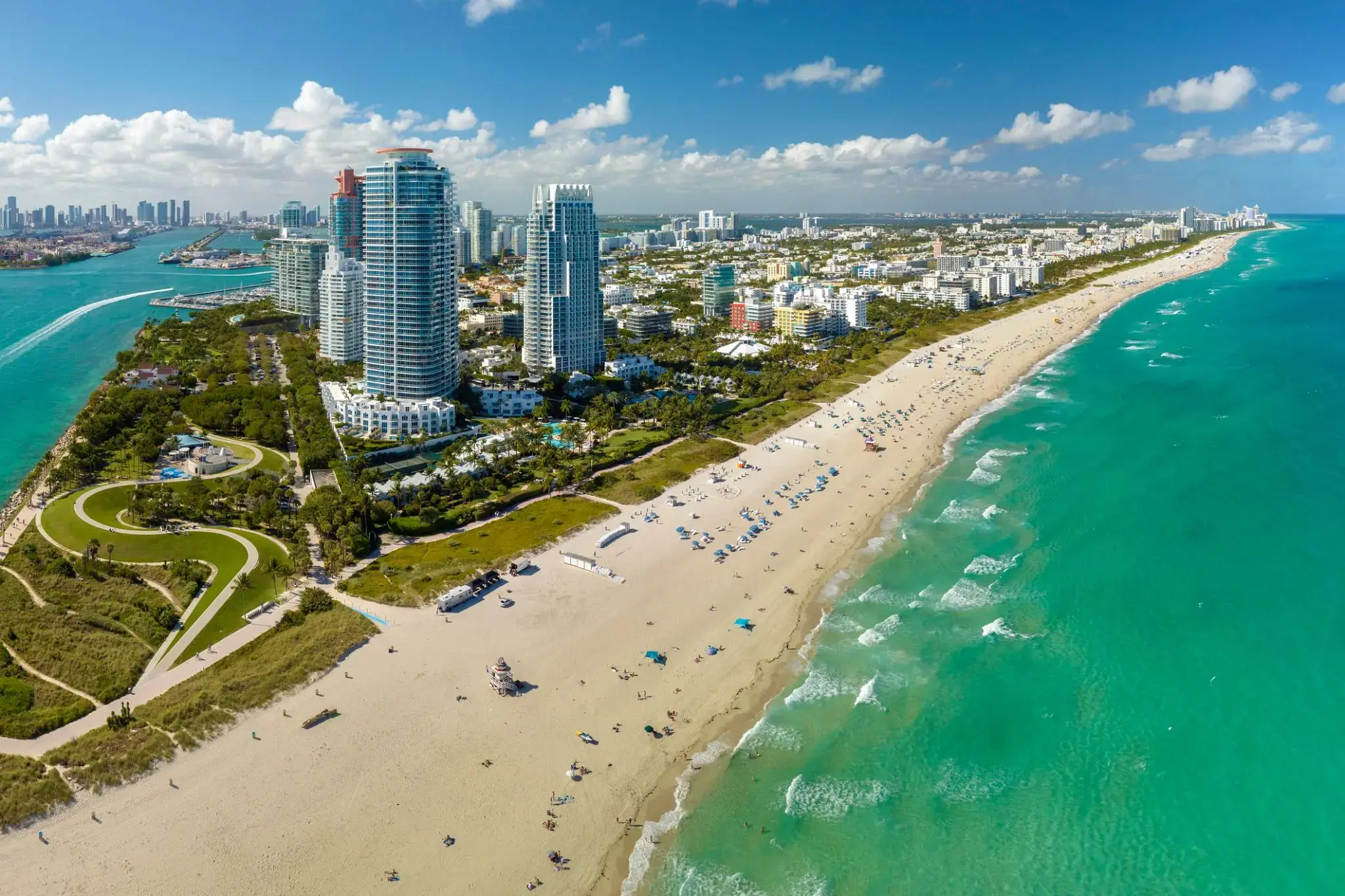
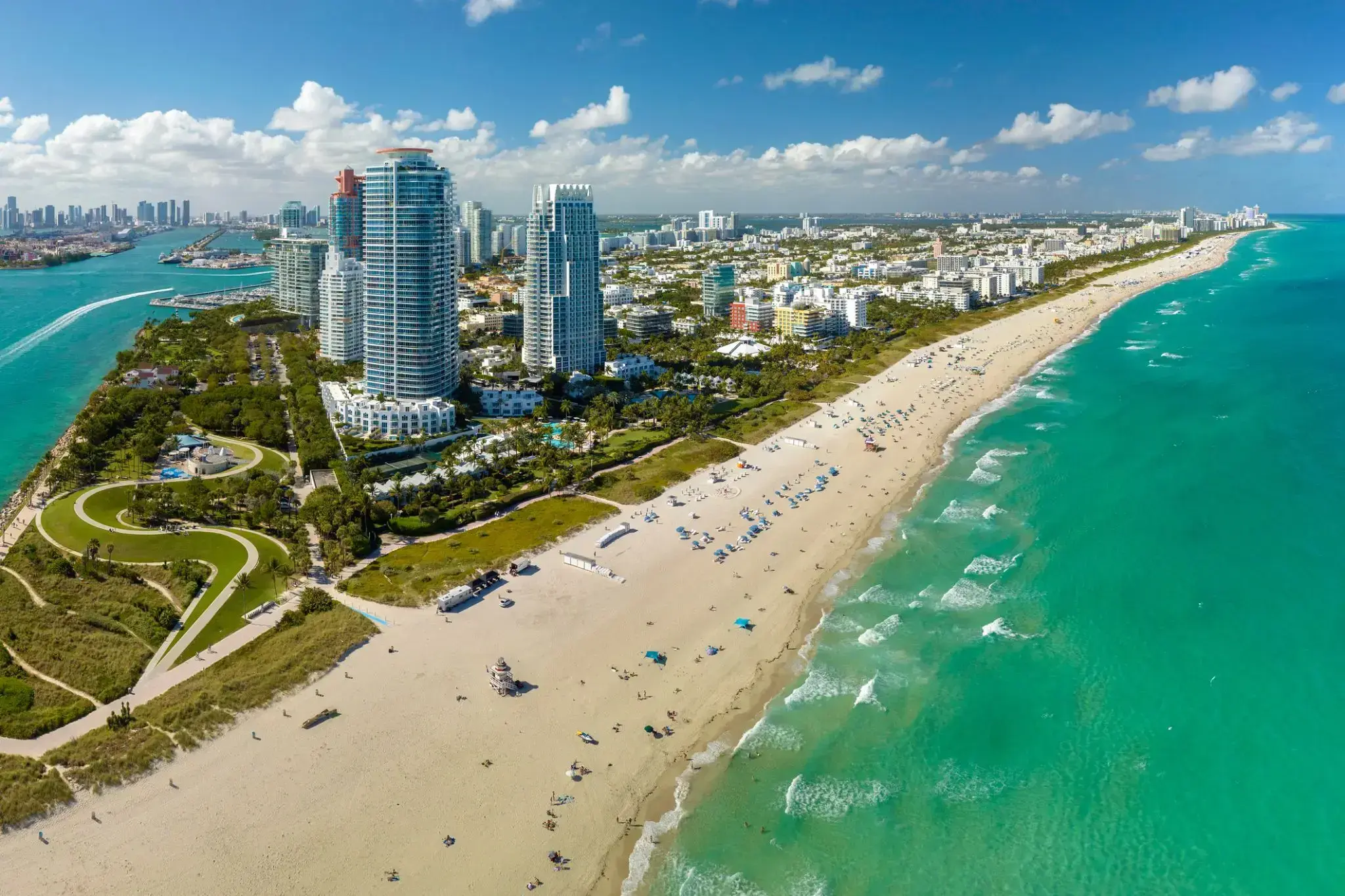
Miami, officially the City of Miami, is the cultural, economic and financial center of South Florida. Miami is the seat of Miami-Dade County, the most populous county in Florida. The city covers an area of about 56.6 square miles (147 km2), between the Everglades to the west and Biscayne Bay on the east; with a 2017 estimated population of 463,347, Miami is the sixth most densely populated major city in the United States. The Miami metropolitan area is home to 6.1 million people and the seventh-largest metropolitan area in the nation. Miami's metro area is the second-most populous metropolis in the southeastern United States and fourth-largest urban area in the U.S.
Miami is a major center, and a leader in finance, commerce, culture, media, entertainment, the arts, and international trade. The Miami Metropolitan Area is by far the largest urban economy in Florida and the 12th largest in the United States with a GDP of $344.9 billion as of 2017. In 2012, Miami was classified as an "Alpha−" level world city in the World Cities Study Group's inventory. In 2010, Miami ranked seventh in the United States and 33rd among global cities in terms of business activity, human capital, information exchange, cultural experience, and political engagement. In 2008, Forbes magazine ranked Miami "America's Cleanest City", for its year-round good air quality, vast green spaces, clean drinking water, clean streets, and citywide recycling programs. According to a 2009 UBS study of 73 world cities, Miami was ranked as the richest city in the United States, and the world's seventh-richest city in terms of purchasing power. Miami is nicknamed the "Capital of Latin America" and is the largest city with a Cuban-American plurality.
Greater Downtown Miami has one of the largest concentrations of international banks in the United States, and is home to many large national and international companies. The Civic Center is a major center for hospitals, research institutes, medical centers, and biotechnology industries. For more than two decades, the Port of Miami, known as the "Cruise Capital of the World", has been the number one cruise passenger port in the world. It accommodates some of the world's largest cruise ships and operations, and is the busiest port in both passenger traffic and cruise lines. Metropolitan Miami is also a major tourism hub in the southeastern U.S. for international visitors, ranking number two in the country after New York City.
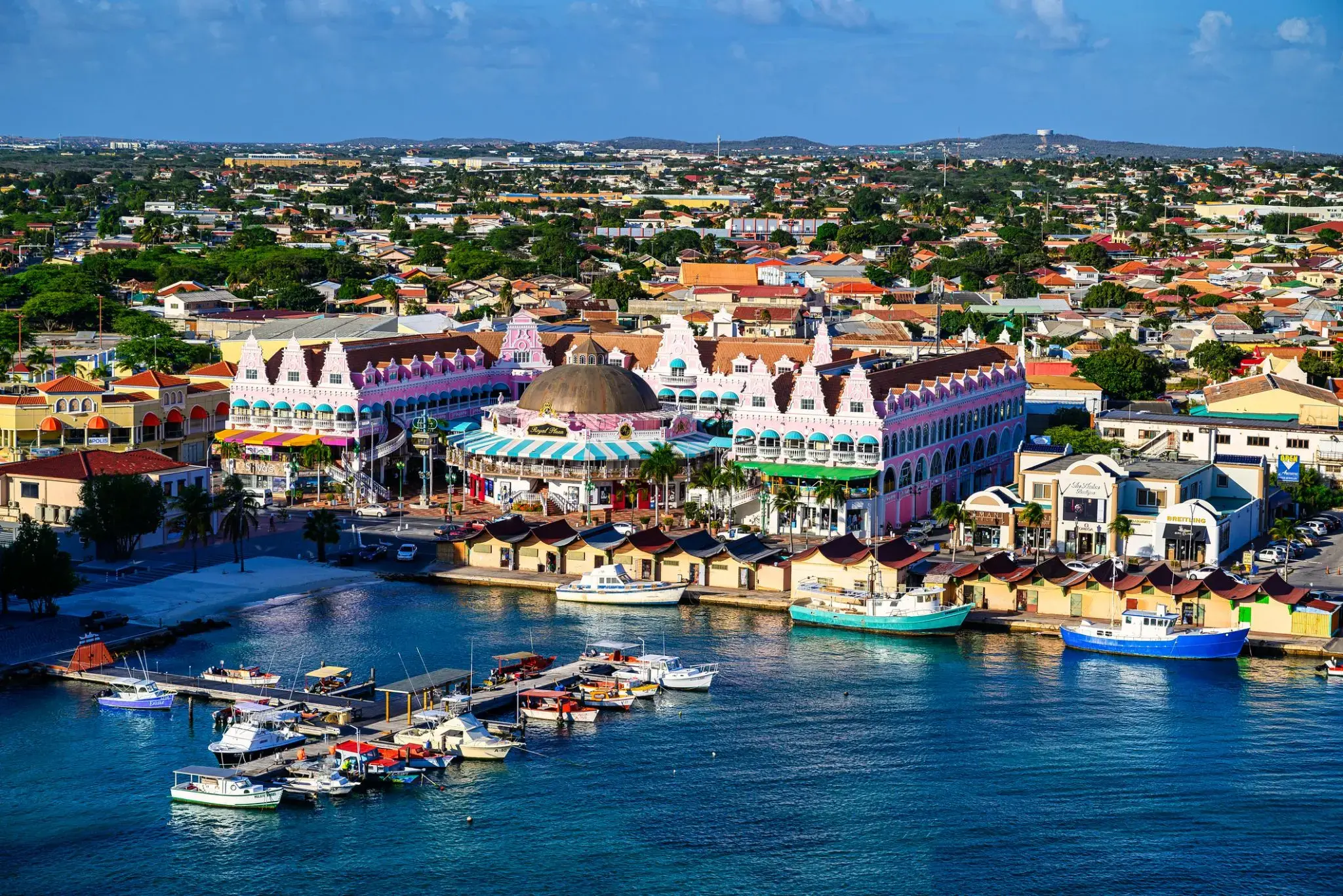
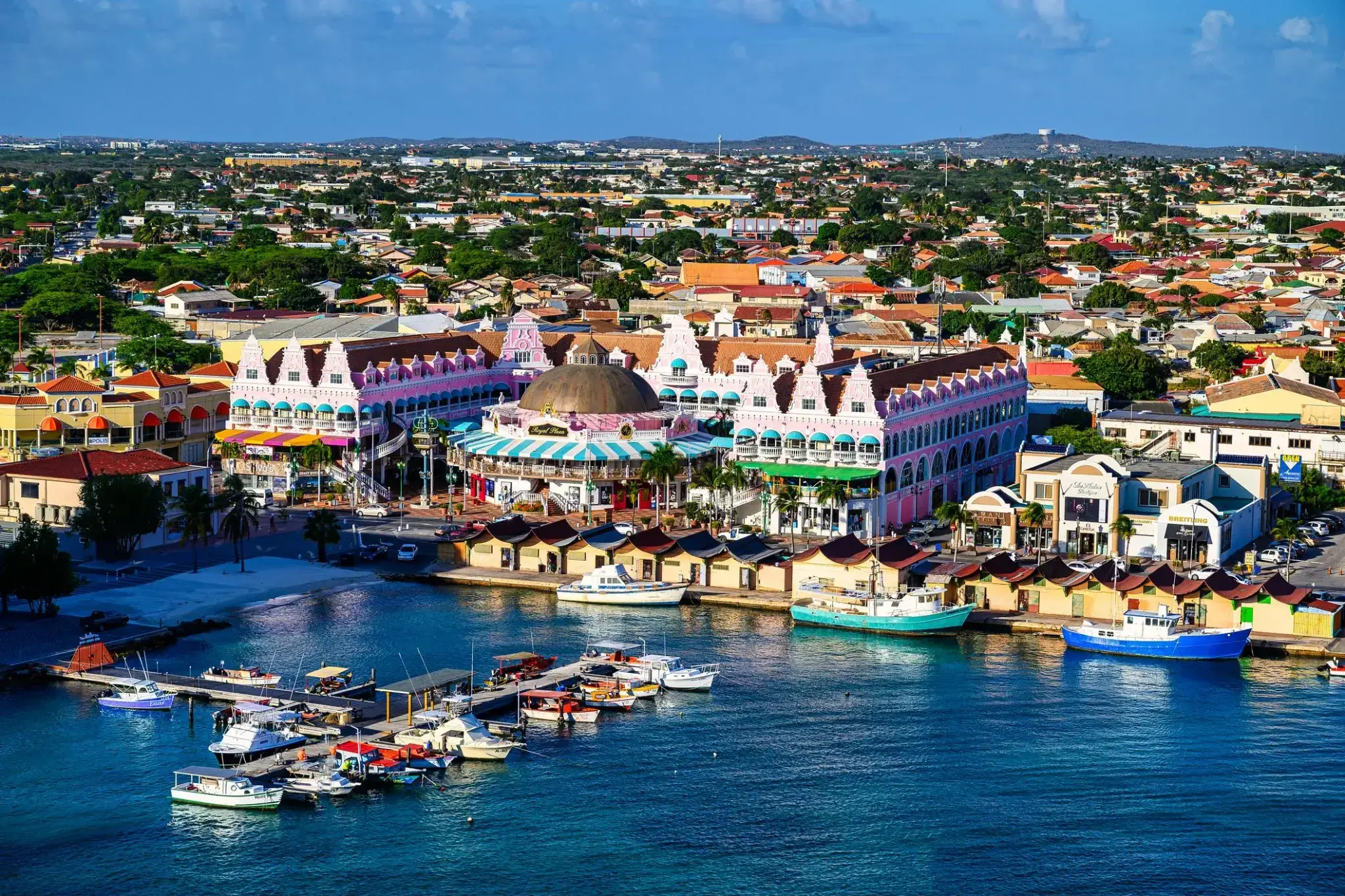
Aruba is an island and a constituent country of the Kingdom of the Netherlands in the southern Caribbean Sea, located about 1,600 kilometres (990 mi) west of the main part of the Lesser Antilles and 29 kilometres (18 mi) north of the coast of Venezuela. It measures 32 kilometres (20 mi) long from its northwestern to its southeastern end and 10 kilometres (6 mi) across at its widest point. Together with Bonaire and Curaçao, Aruba forms a group referred to as the ABC islands. Collectively, Aruba and the other Dutch islands in the Caribbean are often called the Dutch Caribbean.
Aruba is one of the four countries that form the Kingdom of the Netherlands, along with the Netherlands, Curaçao, and Sint Maarten; the citizens of these countries are all Dutch nationals. Aruba has no administrative subdivisions, but, for census purposes, is divided into eight regions. Its capital is Oranjestad.
Unlike much of the Caribbean region, Aruba has a dry climate and an arid, cactus-strewn landscape. This climate has helped tourism as visitors to the island can reliably expect warm, sunny weather. It has a land area of 179 km2(69.1 sq mi) and is densely populated, with a total of 102,484 inhabitants at the 2010 Census. It lies outside Hurricane Alley.
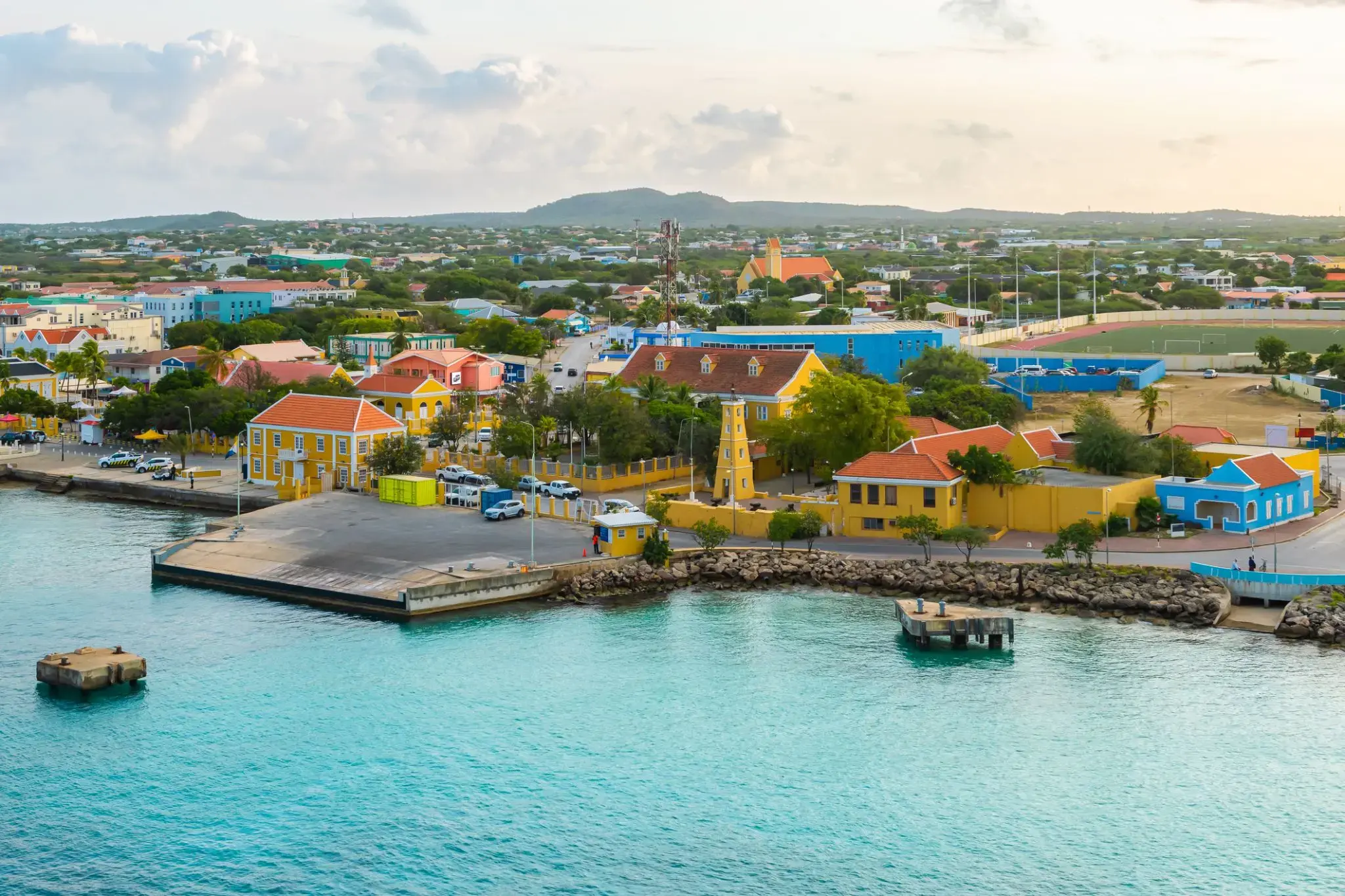
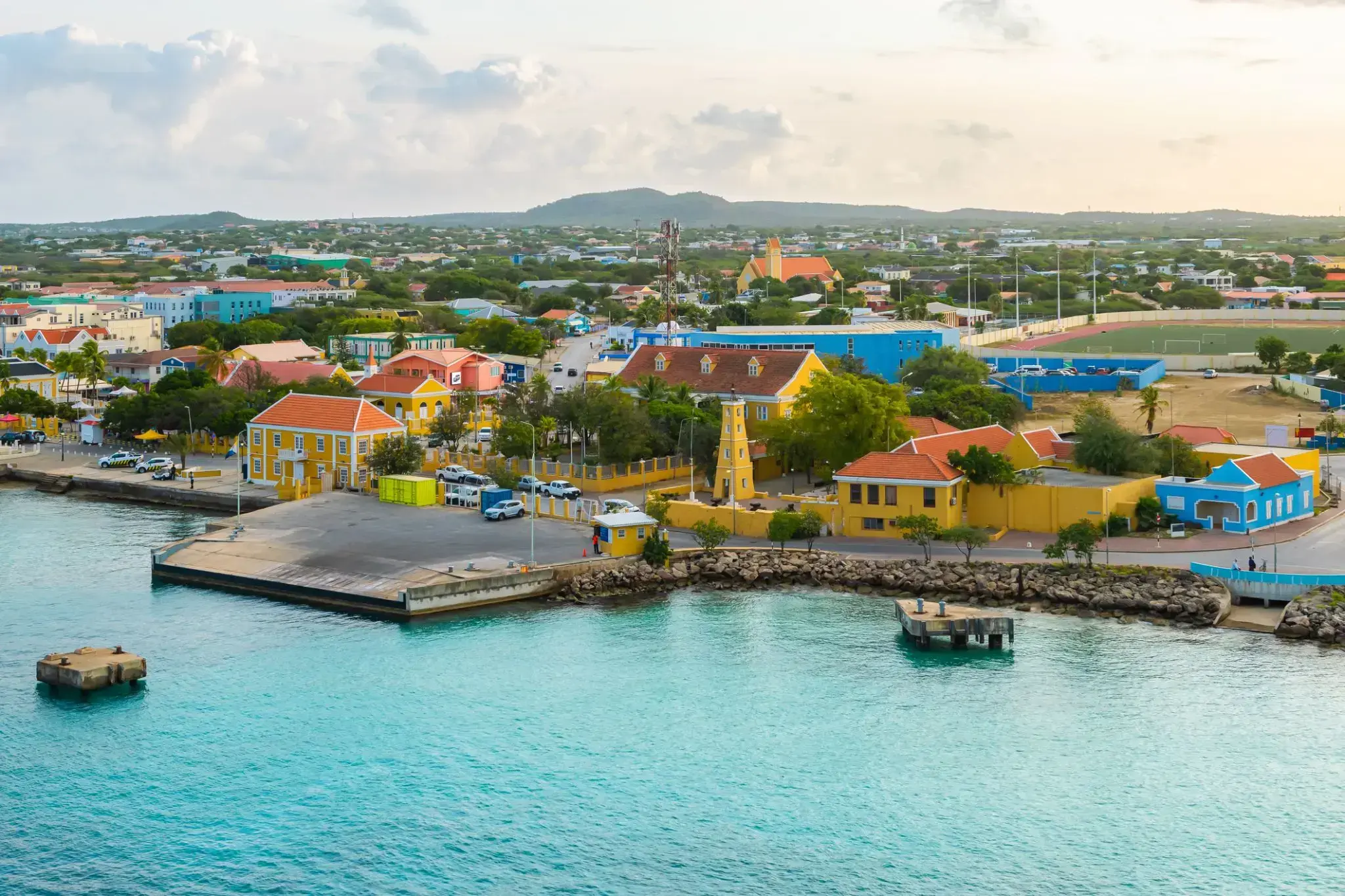
Kralendijk is the capital city and main port of the island of Bonaire in the Caribbean Netherlands. The language spoken in the town is Papiamentu, but Dutch and English are widely used. In Dutch, Koralendijk (of which the name Kralendijk is a degeneration) means "coral dike". In Papiamentu, the town is often called Playa or "beach". As of 2006, the town had a population of 3,061.
Off the coast of Kralendijk lies the uninhabited island of Klein Bonaire, noted for diving and snorkeling activities. This small island can be reached by water taxi, or, for divers, by practically all of the local dive operators.
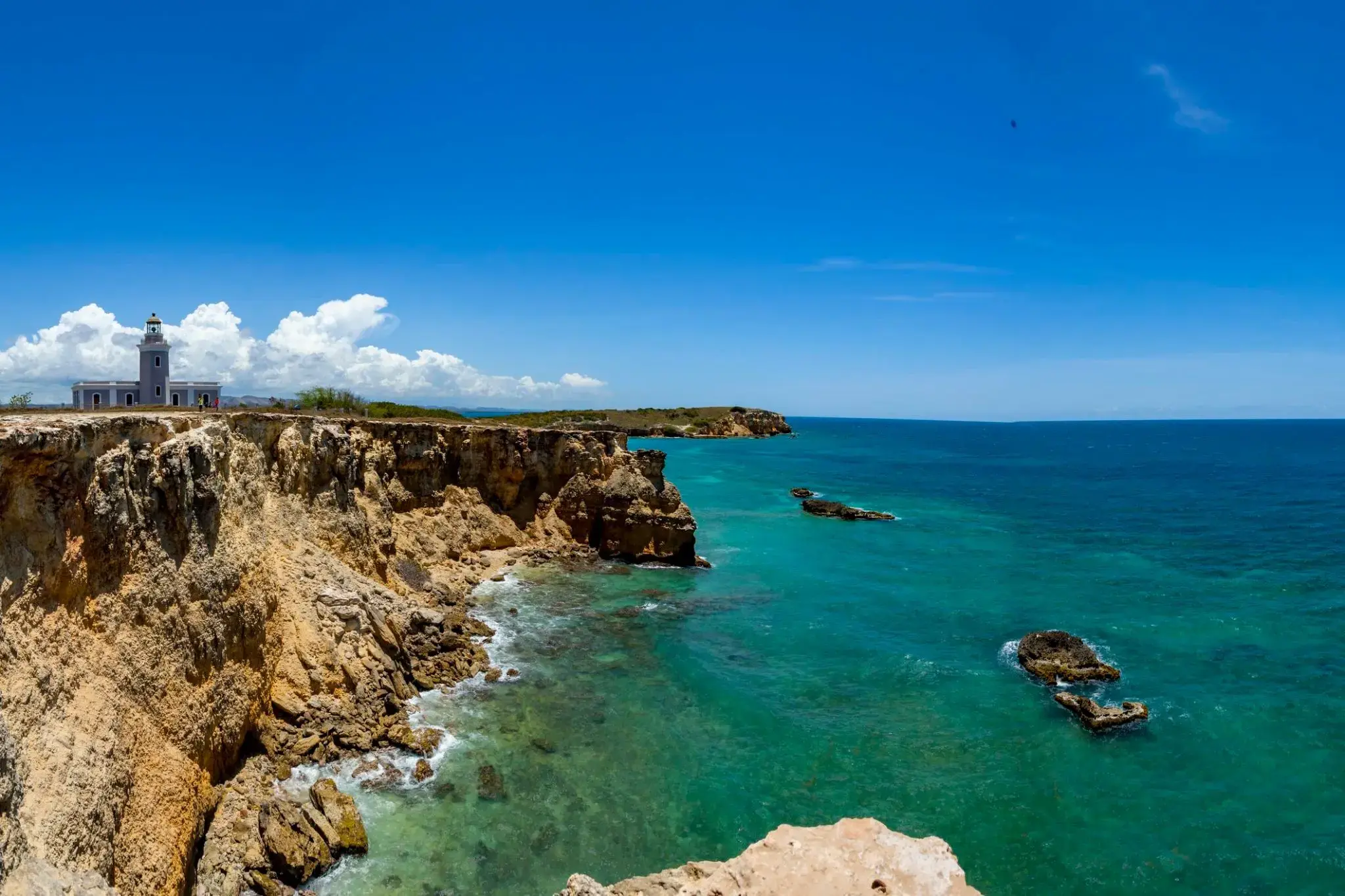
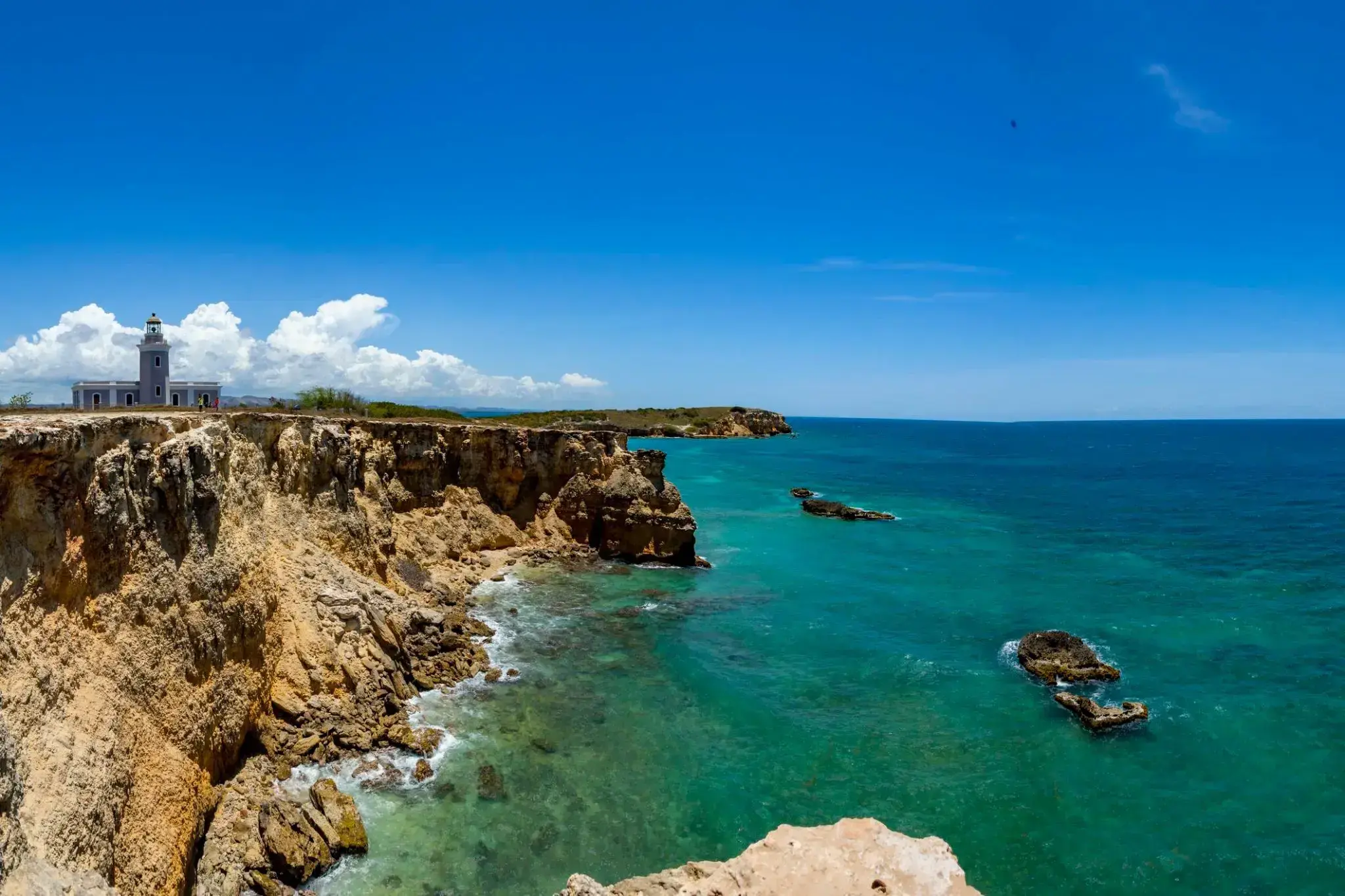
Secluded beaches, turquoise waters, and untouched nature make Cabo Rojo one of the most picturesque corners of Puerto Rico. Located on the island's southwestern coast, this region attracts travelers not only with its views but also with its unique ecosystem—including salt flats and coastal mangrove forests. One of its gems is the Cabo Rojo Lighthouse, offering stunning views of the cliffs and the Caribbean Sea.
Cabo Rojo is especially popular among those seeking peace away from the tourist crowds. Visitors can enjoy kayaking, hiking along wild trails, or birdwatching in the protected reserve. The local cuisine, rich in seafood, will delight fans of fresh delicacies, and the evening sunset at Playa Sucia will remain a romantic memory for years to come.
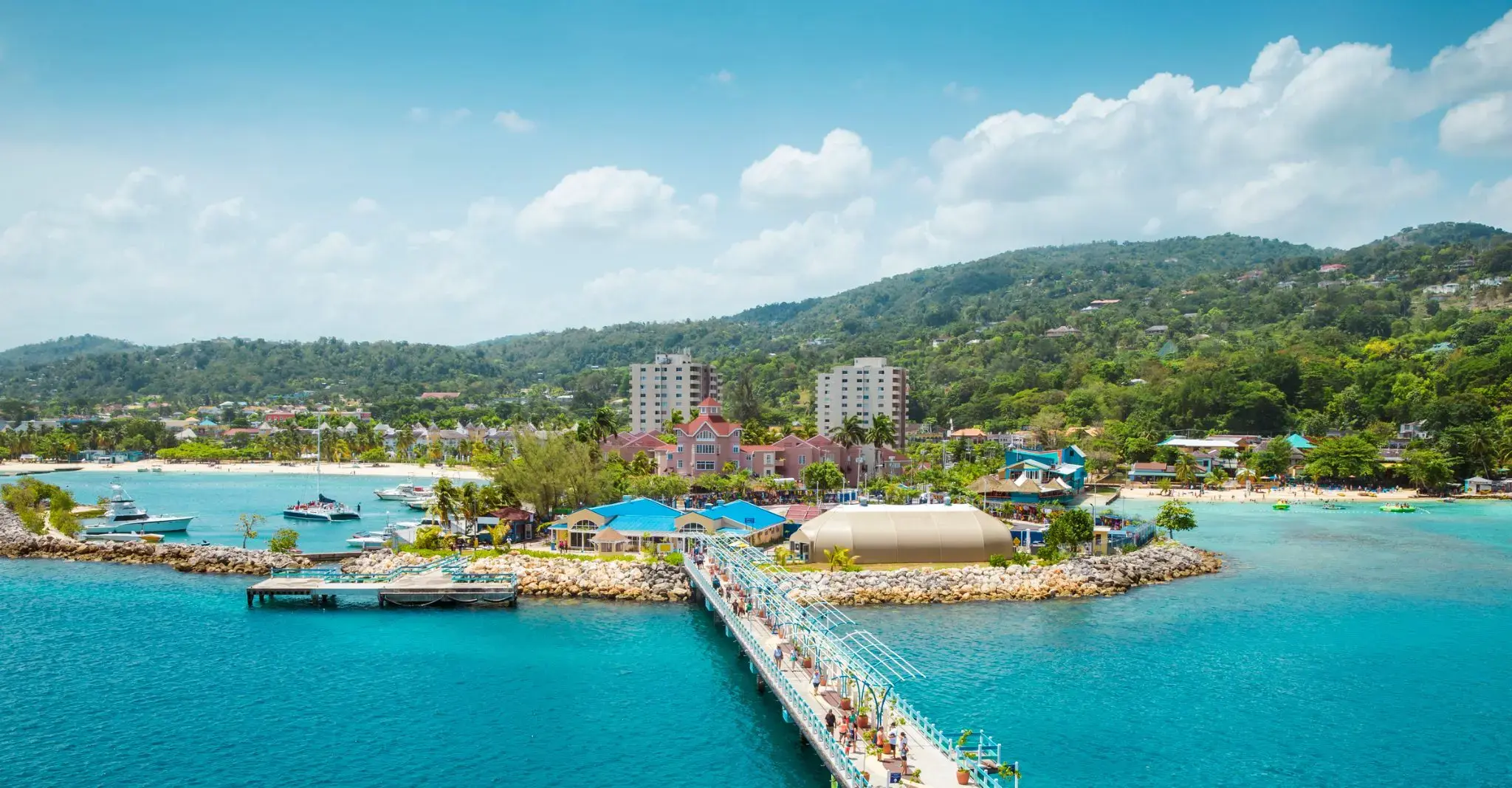
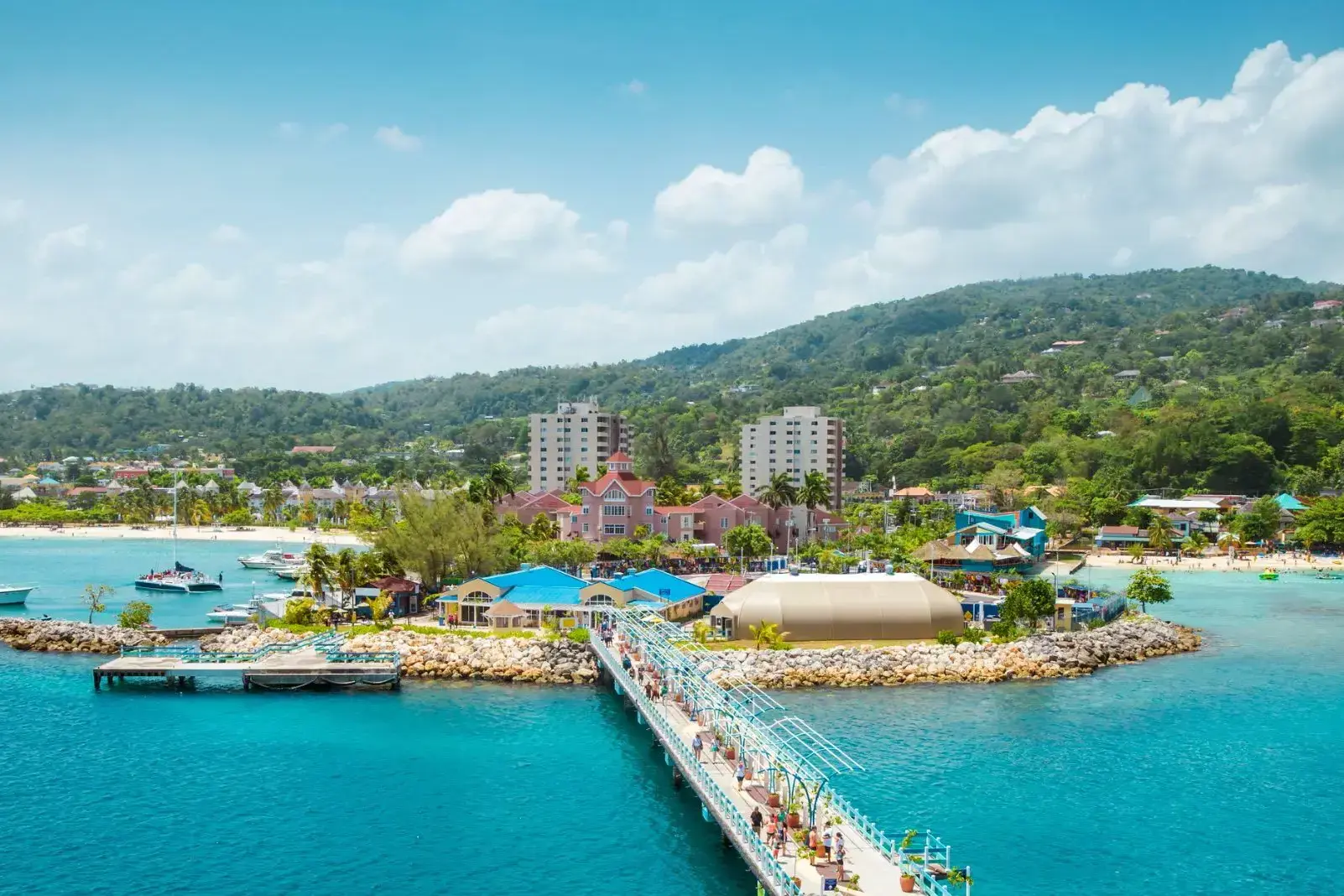
Ocho Rios (Spanish for "Eight Rivers") is a town in the parish of Saint Ann on the north coast of Jamaica. Just outside the city, travelers and residents can visit Columbus Park, where Columbus supposedly first came on land, and see maritime artifacts and Spanish colonial buildings.
It was once a fishing village but now caters to tourists.
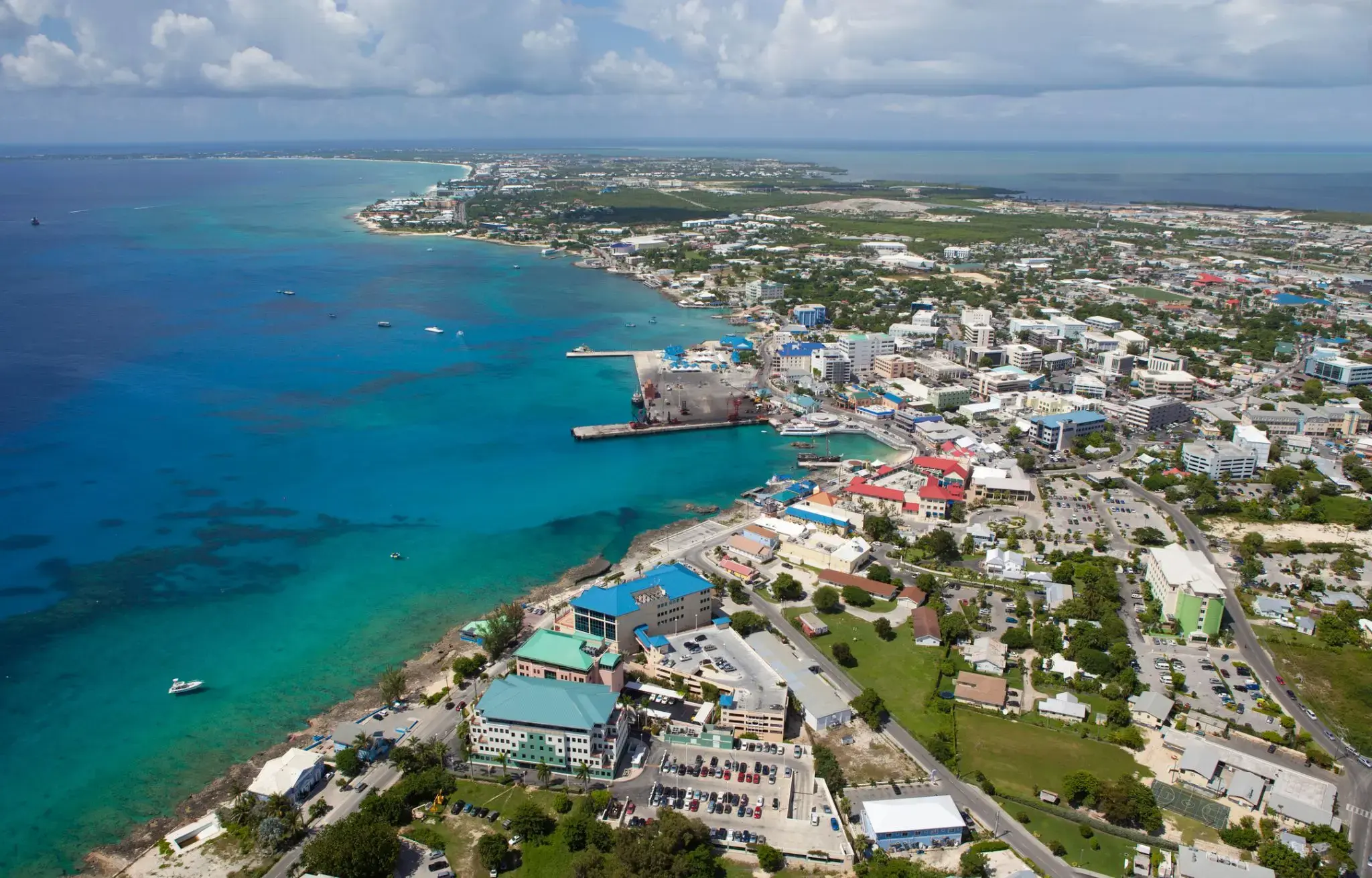
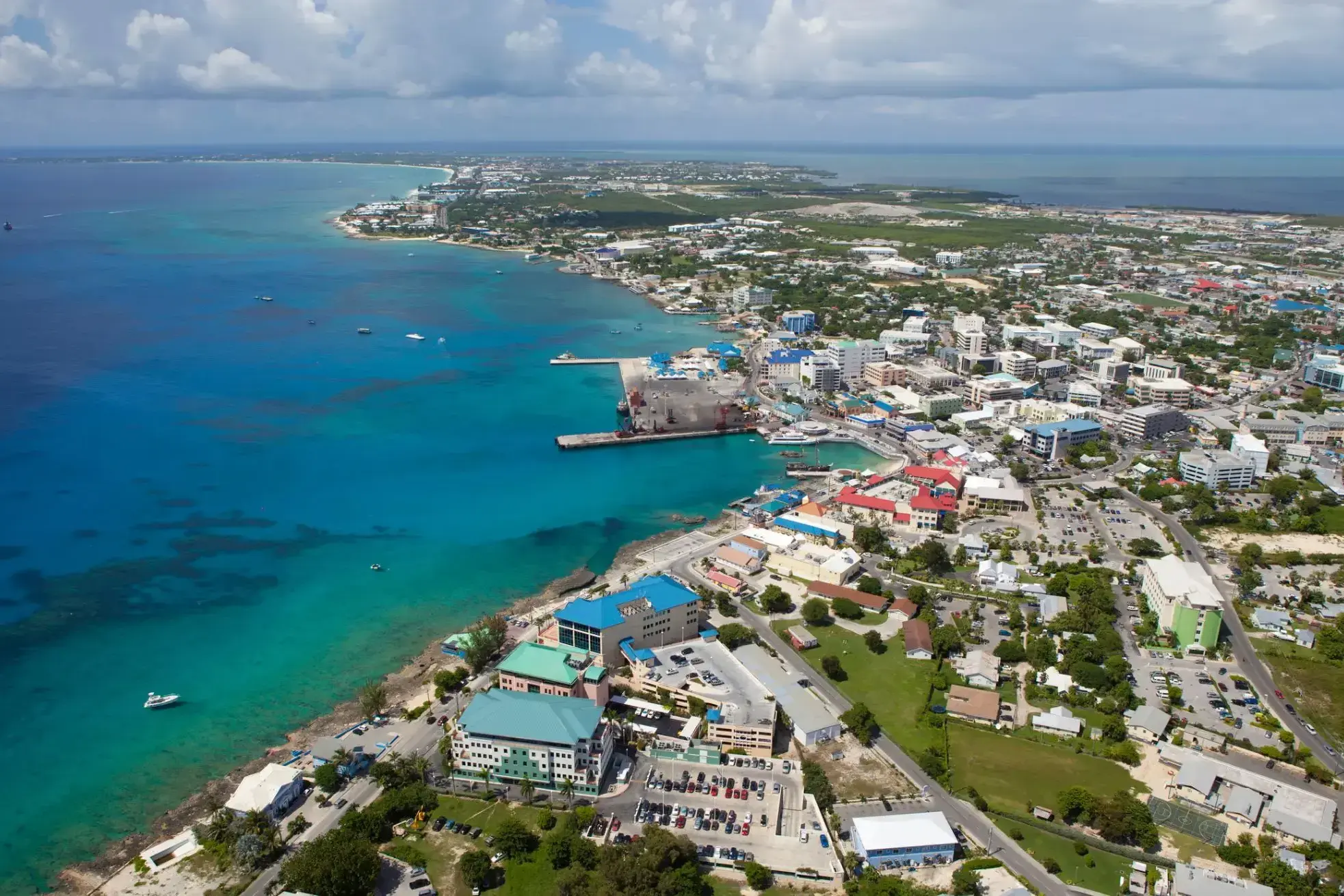
Georgetown is the capital of the Cayman Islands, located on Grand Cayman Island in the Caribbean Sea. This picturesque city is known for its beautiful beaches, crystal-clear waters, and cozy atmosphere. The heart of Georgetown features a vibrant waterfront with shops, restaurants, and cafes, where visitors can enjoy local delicacies and buy products from local artisans. The city is also famous for its colonial architecture and historic buildings, with notable landmarks like the old Catholic Church of St. Theresa and the Cayman Islands Museum, where visitors can learn more about the culture and history of the region.
For those seeking adventure, Georgetown does not disappoint. The local waters hide coral gardens, where visitors can encounter not only fish but also majestic sea turtles with whom they can swim. Snorkeling and diving in these areas are not just activities but a chance to witness the pristine ecosystem of the Caribbean Sea. History and nature enthusiasts can explore routes across the island, passing through its green corners, ancient reefs, and waterfalls, offering the perfect blend of natural exploration and cultural discovery.
Miami, officially the City of Miami, is the cultural, economic and financial center of South Florida. Miami is the seat of Miami-Dade County, the most populous county in Florida. The city covers an area of about 56.6 square miles (147 km2), between the Everglades to the west and Biscayne Bay on the east; with a 2017 estimated population of 463,347, Miami is the sixth most densely populated major city in the United States. The Miami metropolitan area is home to 6.1 million people and the seventh-largest metropolitan area in the nation. Miami's metro area is the second-most populous metropolis in the southeastern United States and fourth-largest urban area in the U.S.
Miami is a major center, and a leader in finance, commerce, culture, media, entertainment, the arts, and international trade. The Miami Metropolitan Area is by far the largest urban economy in Florida and the 12th largest in the United States with a GDP of $344.9 billion as of 2017. In 2012, Miami was classified as an "Alpha−" level world city in the World Cities Study Group's inventory. In 2010, Miami ranked seventh in the United States and 33rd among global cities in terms of business activity, human capital, information exchange, cultural experience, and political engagement. In 2008, Forbes magazine ranked Miami "America's Cleanest City", for its year-round good air quality, vast green spaces, clean drinking water, clean streets, and citywide recycling programs. According to a 2009 UBS study of 73 world cities, Miami was ranked as the richest city in the United States, and the world's seventh-richest city in terms of purchasing power. Miami is nicknamed the "Capital of Latin America" and is the largest city with a Cuban-American plurality.
Greater Downtown Miami has one of the largest concentrations of international banks in the United States, and is home to many large national and international companies. The Civic Center is a major center for hospitals, research institutes, medical centers, and biotechnology industries. For more than two decades, the Port of Miami, known as the "Cruise Capital of the World", has been the number one cruise passenger port in the world. It accommodates some of the world's largest cruise ships and operations, and is the busiest port in both passenger traffic and cruise lines. Metropolitan Miami is also a major tourism hub in the southeastern U.S. for international visitors, ranking number two in the country after New York City.