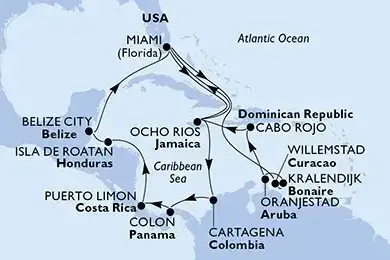
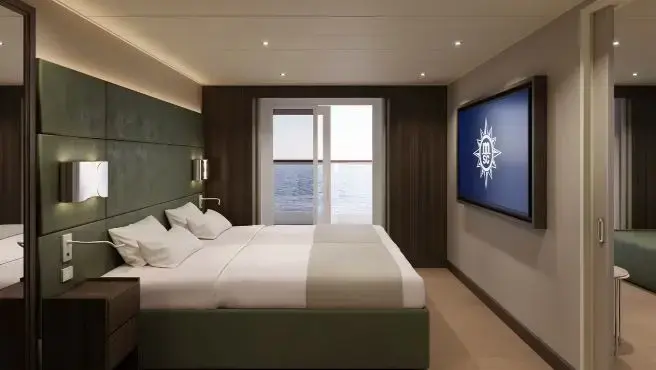
| Cruise Region : Caribbean |
| Company : MSC Yacht Club |
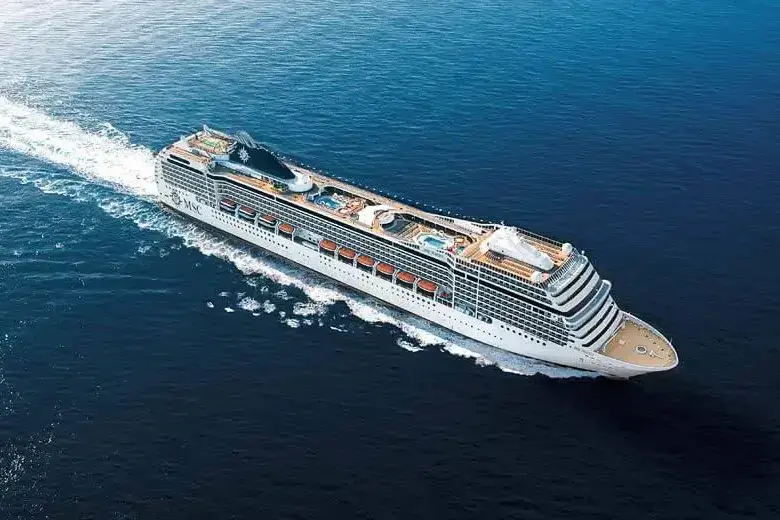
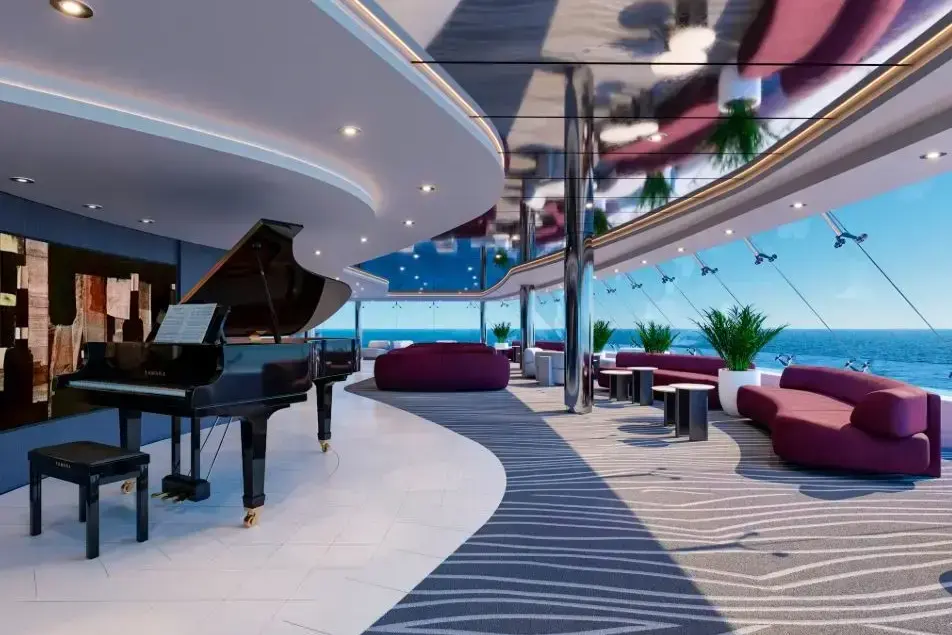
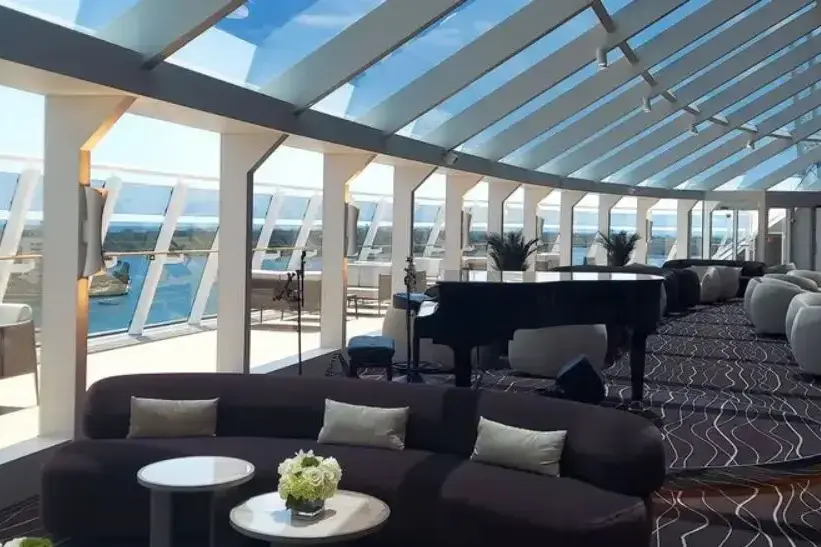
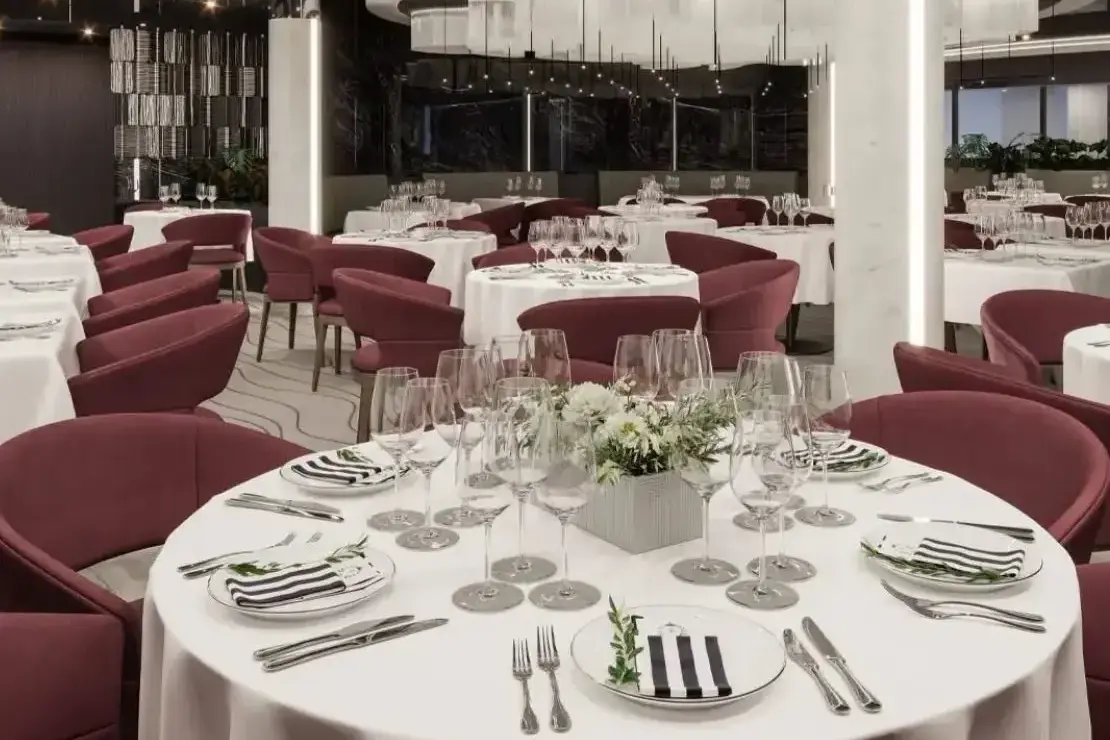
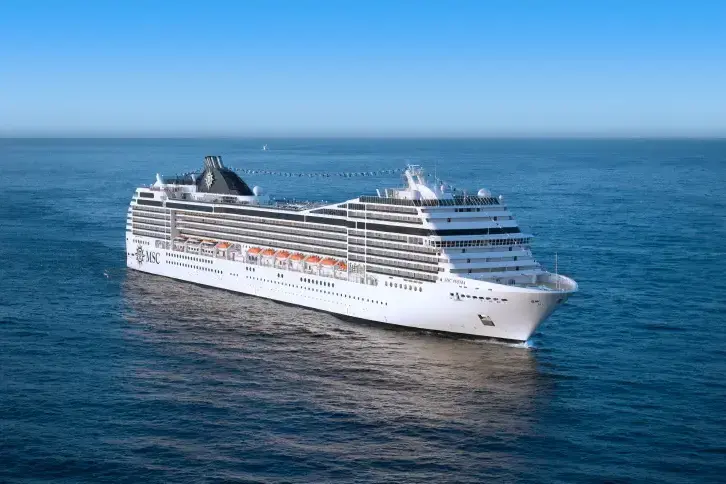
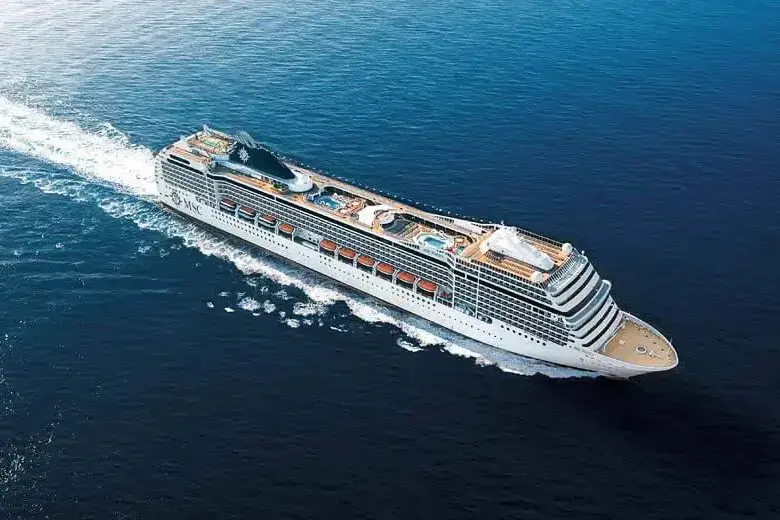
| Ship : MSC Yacht Club Poesia |
| Journey Start : Sun 07 Mar 2027 |
| Journey End : Sun 28 Mar 2027 |
| Count Nights : 21 night |
| Day | Date | Port | Arrival | Departure |
|---|---|---|---|---|
| 1 | 7.03 Sun | Miami / USA | 17:00 | |
| 2 | 8.03 Mon | Day at sea / Sea | ||
| 3 | 9.03 Tue | Ocho Rios / Jamaica | 09:00 | 18:00 |
| 4 | 10.03 Wed | Day at sea / Sea | ||
| 5 | 11.03 Thu | Cartagena (Bolívar) / Colombia | 07:00 | 17:00 |
| 6 | 12.03 Fri | Column / Panama | 10:00 | 20:00 |
| 7 | 13.03 Sat | Puerto Limon / Costa Rica | 07:00 | 18:00 |
| 8 | 14.03 Sun | Day at sea / Sea | ||
| 9 | 15.03 Mon | Roatan / Honduras | 08:00 | 18:00 |
| 10 | 16.03 Tue | Belize City / Belize | 07:00 | 15:00 |
| 11 | 17.03 Wed | Day at sea / Sea | ||
| 12 | 18.03 Thu | Miami / USA | 07:00 | 17:00 |
| 13 | 19.03 Fri | Day at sea / Sea | ||
| 14 | 20.03 Sat | Day at sea / Sea | ||
| 15 | 21.03 Sun | Curaçao / Curacao | 08:00 | 18:00 |
| 16 | 22.03 Mon | Kralendijk, o. Bonaire / Bonaire | 08:00 | 18:00 |
| 17 | 23.03 Tue | Aruba (Oranjestad) / Aruba | 08:00 | 18:00 |
| 18 | 24.03 Wed | Day at sea / Sea | ||
| 19 | 25.03 Thu | Cabo Rojo / Red Cape | 07:00 | 15:30 |
| 20 | 26.03 Fri | Ocho Rios / Jamaica | 08:00 | 15:00 |
| 21 | 27.03 Sat | Day at sea / Sea | ||
| 22 | 28.03 Sun | Miami / USA | 07:00 |
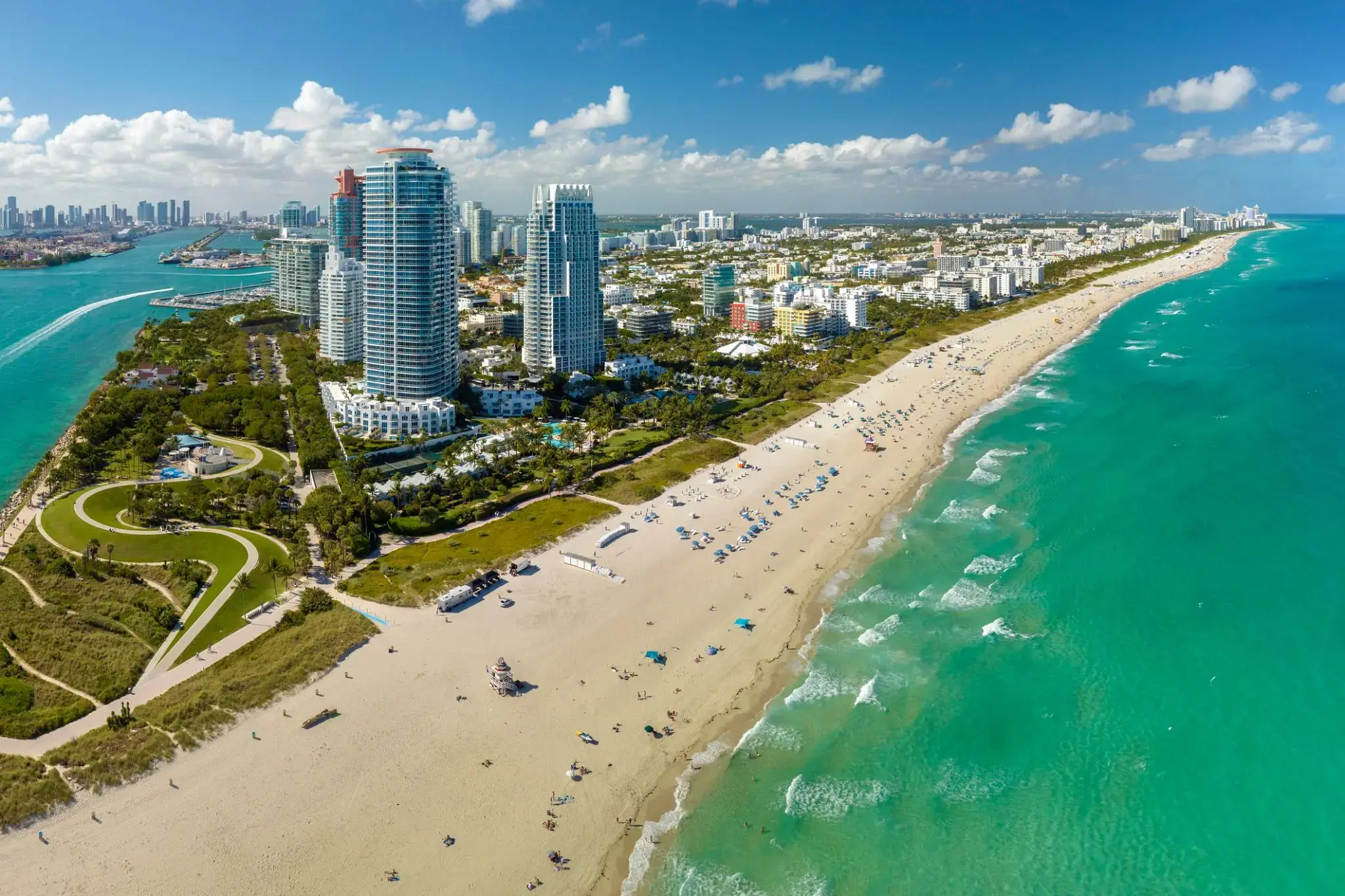
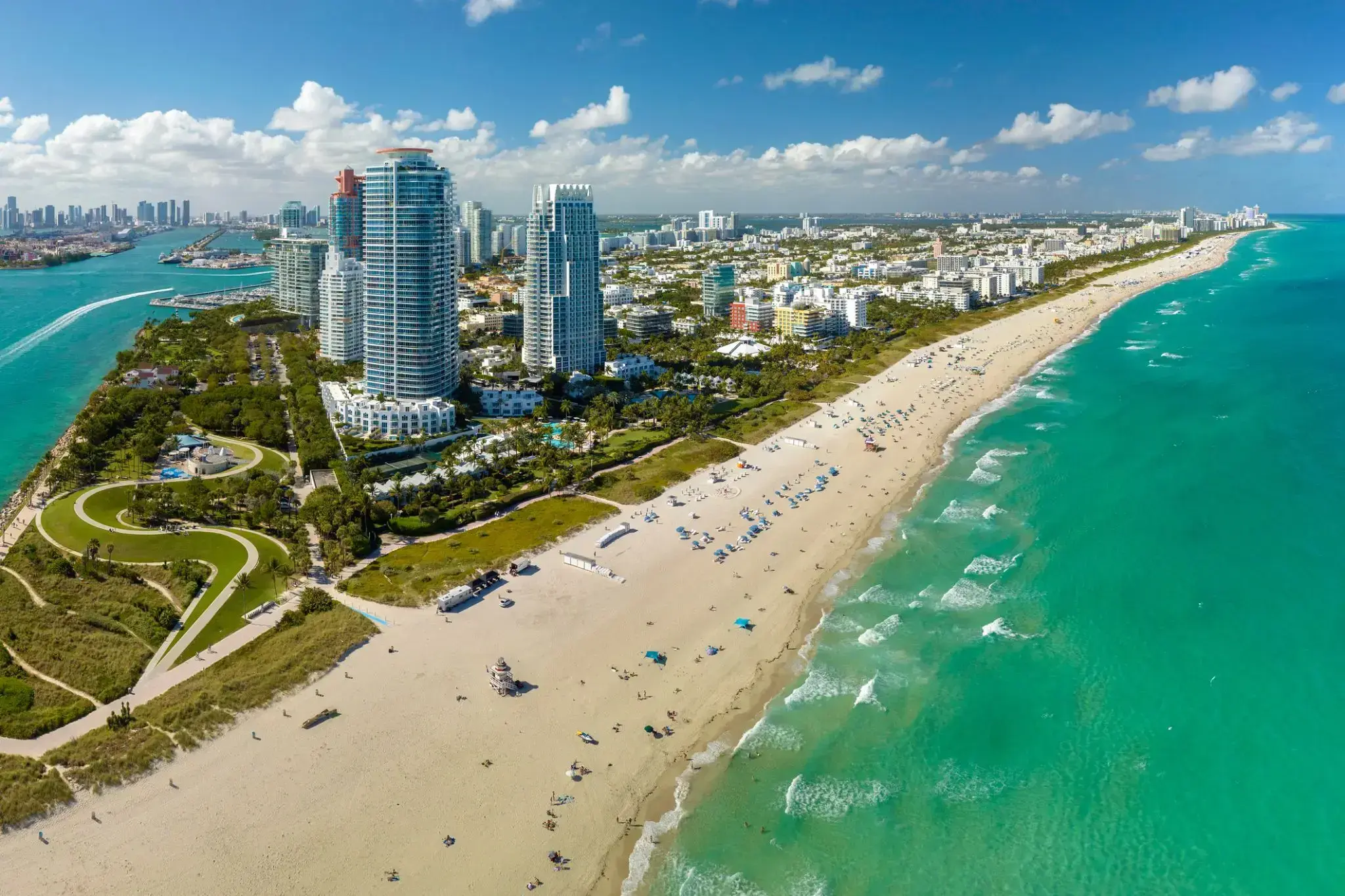
Miami, officially the City of Miami, is the cultural, economic and financial center of South Florida. Miami is the seat of Miami-Dade County, the most populous county in Florida. The city covers an area of about 56.6 square miles (147 km2), between the Everglades to the west and Biscayne Bay on the east; with a 2017 estimated population of 463,347, Miami is the sixth most densely populated major city in the United States. The Miami metropolitan area is home to 6.1 million people and the seventh-largest metropolitan area in the nation. Miami's metro area is the second-most populous metropolis in the southeastern United States and fourth-largest urban area in the U.S.
Miami is a major center, and a leader in finance, commerce, culture, media, entertainment, the arts, and international trade. The Miami Metropolitan Area is by far the largest urban economy in Florida and the 12th largest in the United States with a GDP of $344.9 billion as of 2017. In 2012, Miami was classified as an "Alpha−" level world city in the World Cities Study Group's inventory. In 2010, Miami ranked seventh in the United States and 33rd among global cities in terms of business activity, human capital, information exchange, cultural experience, and political engagement. In 2008, Forbes magazine ranked Miami "America's Cleanest City", for its year-round good air quality, vast green spaces, clean drinking water, clean streets, and citywide recycling programs. According to a 2009 UBS study of 73 world cities, Miami was ranked as the richest city in the United States, and the world's seventh-richest city in terms of purchasing power. Miami is nicknamed the "Capital of Latin America" and is the largest city with a Cuban-American plurality.
Greater Downtown Miami has one of the largest concentrations of international banks in the United States, and is home to many large national and international companies. The Civic Center is a major center for hospitals, research institutes, medical centers, and biotechnology industries. For more than two decades, the Port of Miami, known as the "Cruise Capital of the World", has been the number one cruise passenger port in the world. It accommodates some of the world's largest cruise ships and operations, and is the busiest port in both passenger traffic and cruise lines. Metropolitan Miami is also a major tourism hub in the southeastern U.S. for international visitors, ranking number two in the country after New York City.
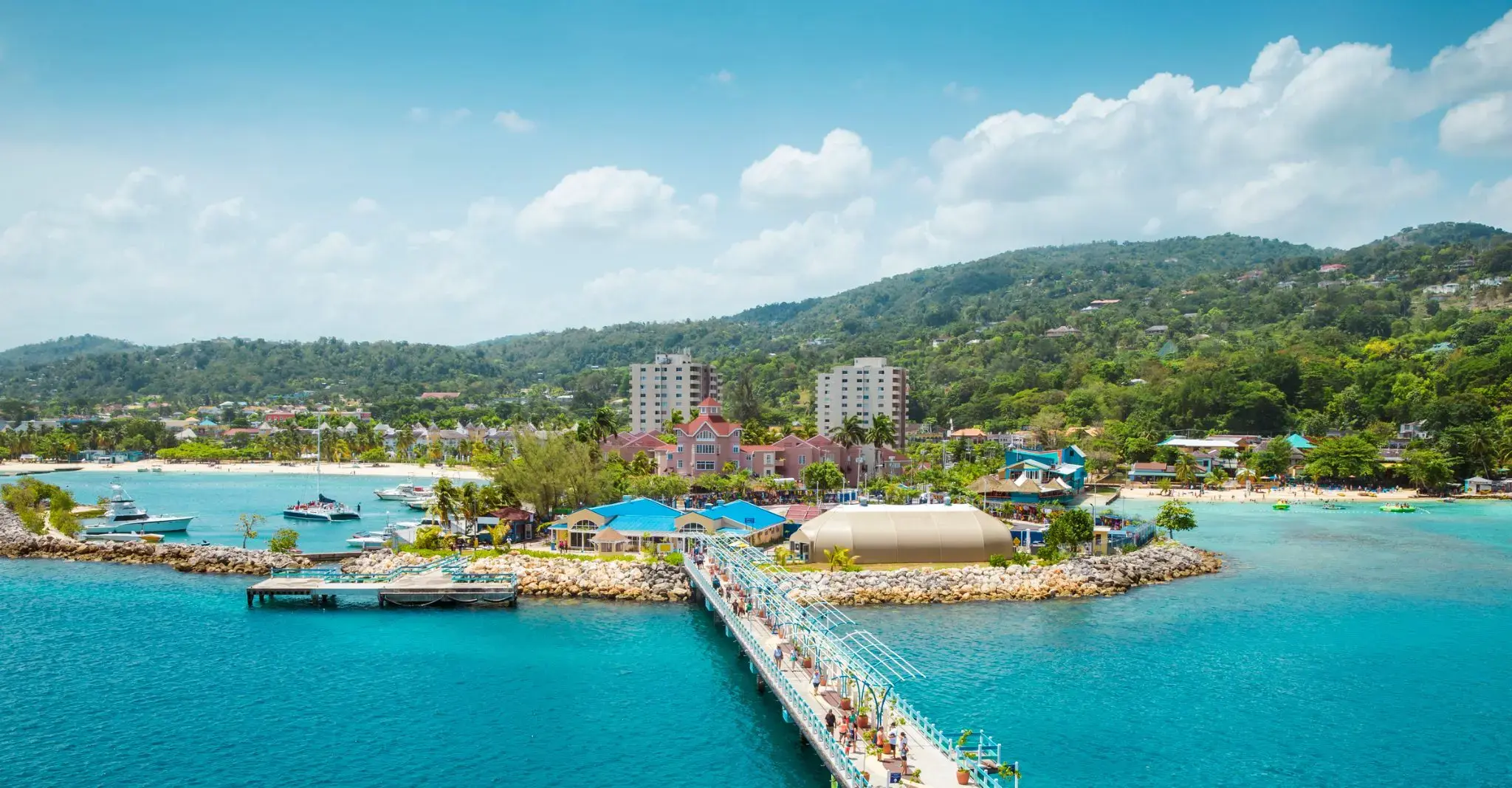
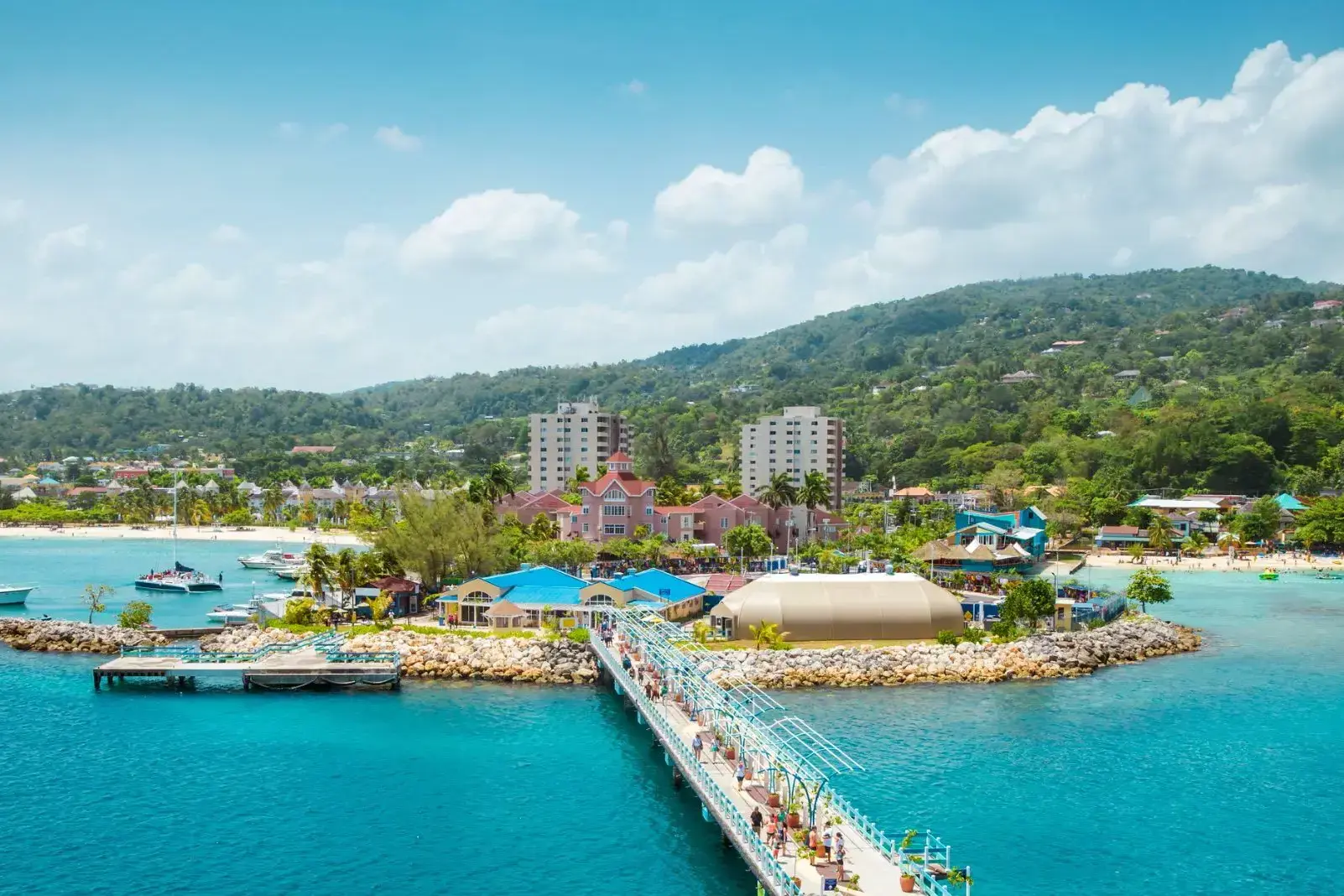
Ocho Rios (Spanish for "Eight Rivers") is a town in the parish of Saint Ann on the north coast of Jamaica. Just outside the city, travelers and residents can visit Columbus Park, where Columbus supposedly first came on land, and see maritime artifacts and Spanish colonial buildings.
It was once a fishing village but now caters to tourists.
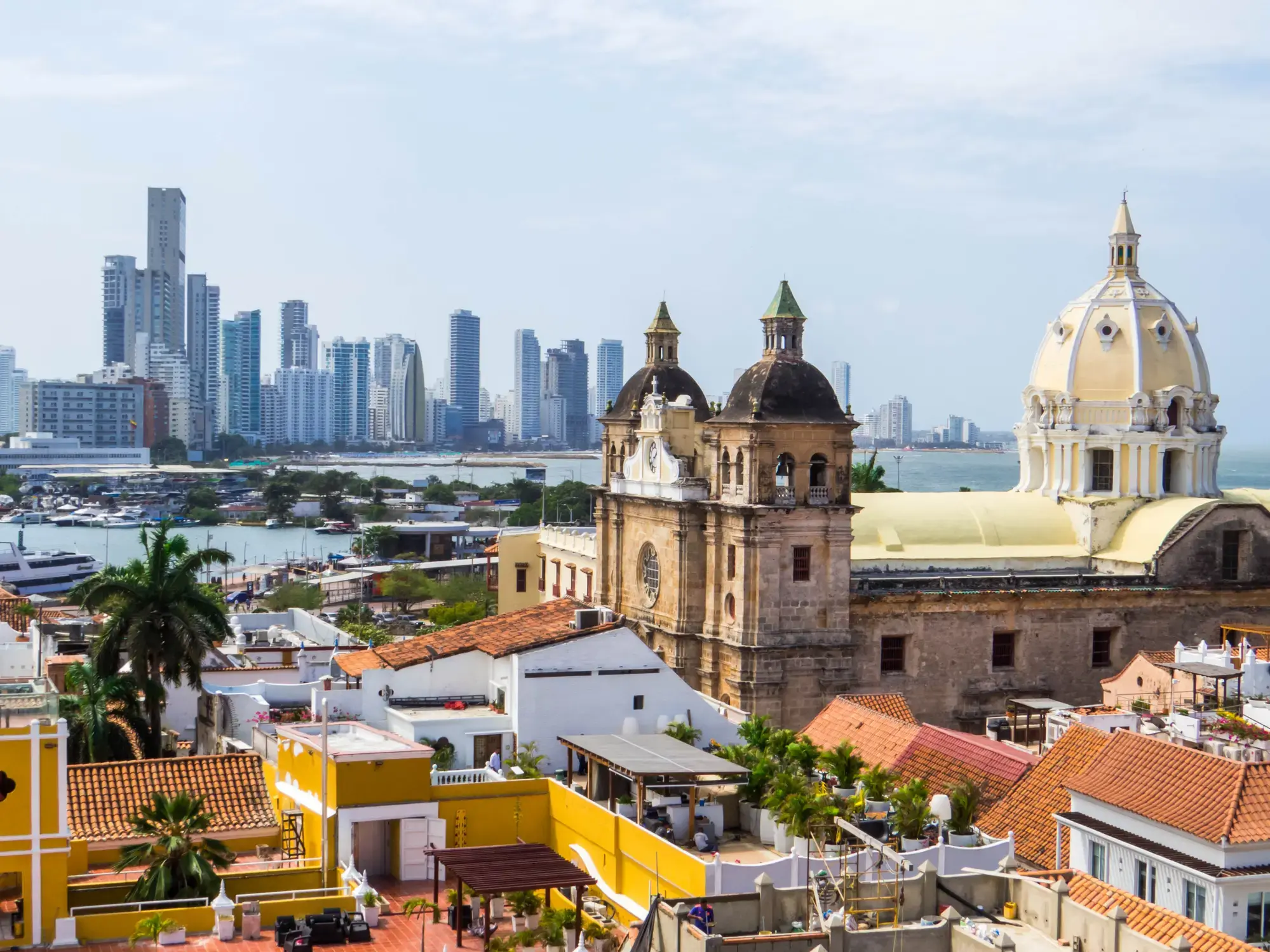
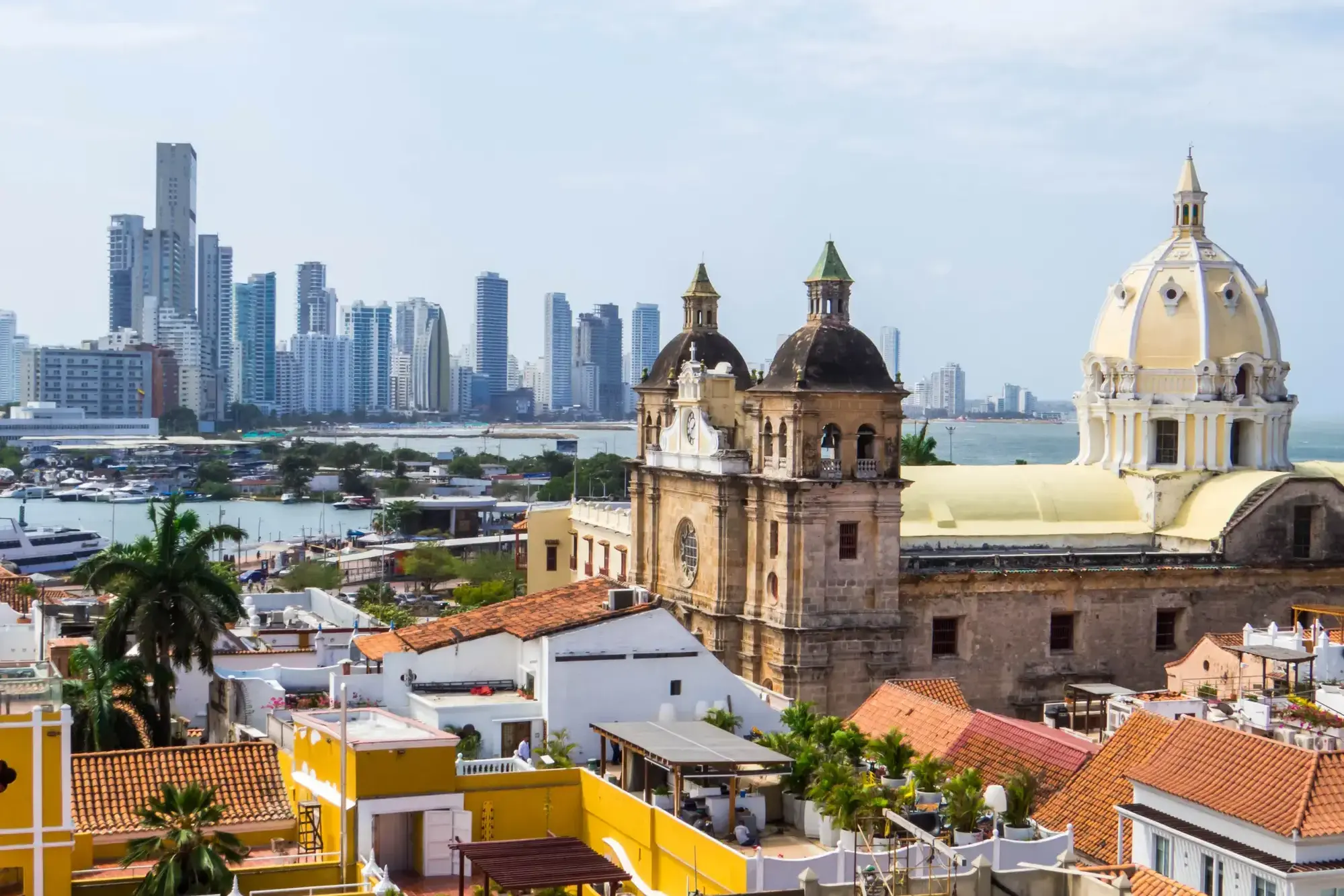
Ancient fortress walls, street musicians, and the Caribbean sun create an unforgettable atmosphere in Cartagena (Bolívar) — the gem of Colombia's coast. This city, listed as a UNESCO World Heritage Site, enchants visitors with its colonial architecture, charming courtyards, and the aroma of fresh coffee wafting from countless cafés.
Immerse yourself in the vibrant rhythm of Cartagena, strolling through the cobbled streets of the Old Town, where every corner holds tales of pirates and Spanish conquistadors. And the sunset near the ancient Castillo San Felipe de Barajas is the perfect ending to a day filled with culture, history, and tropical romance.
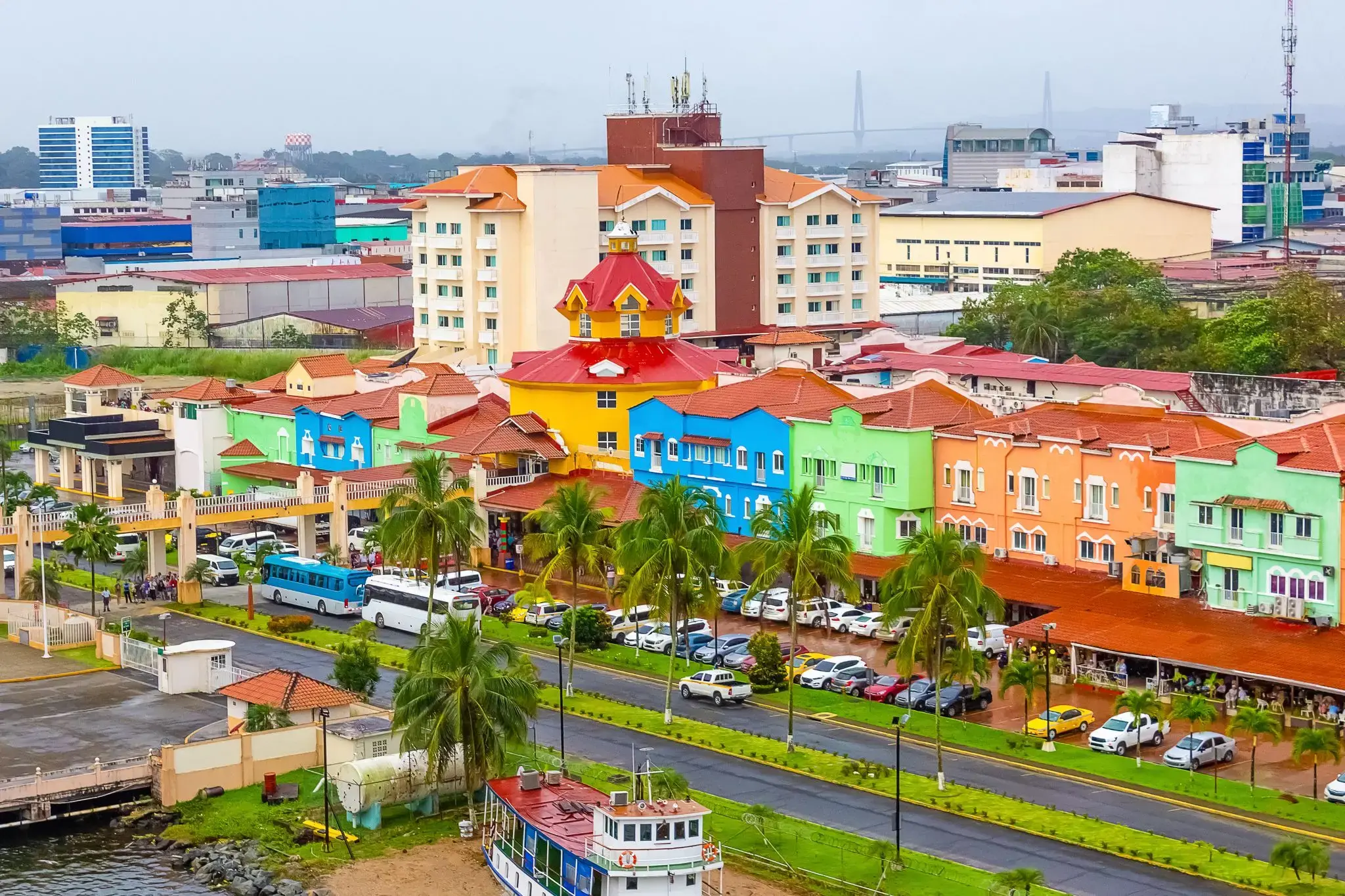
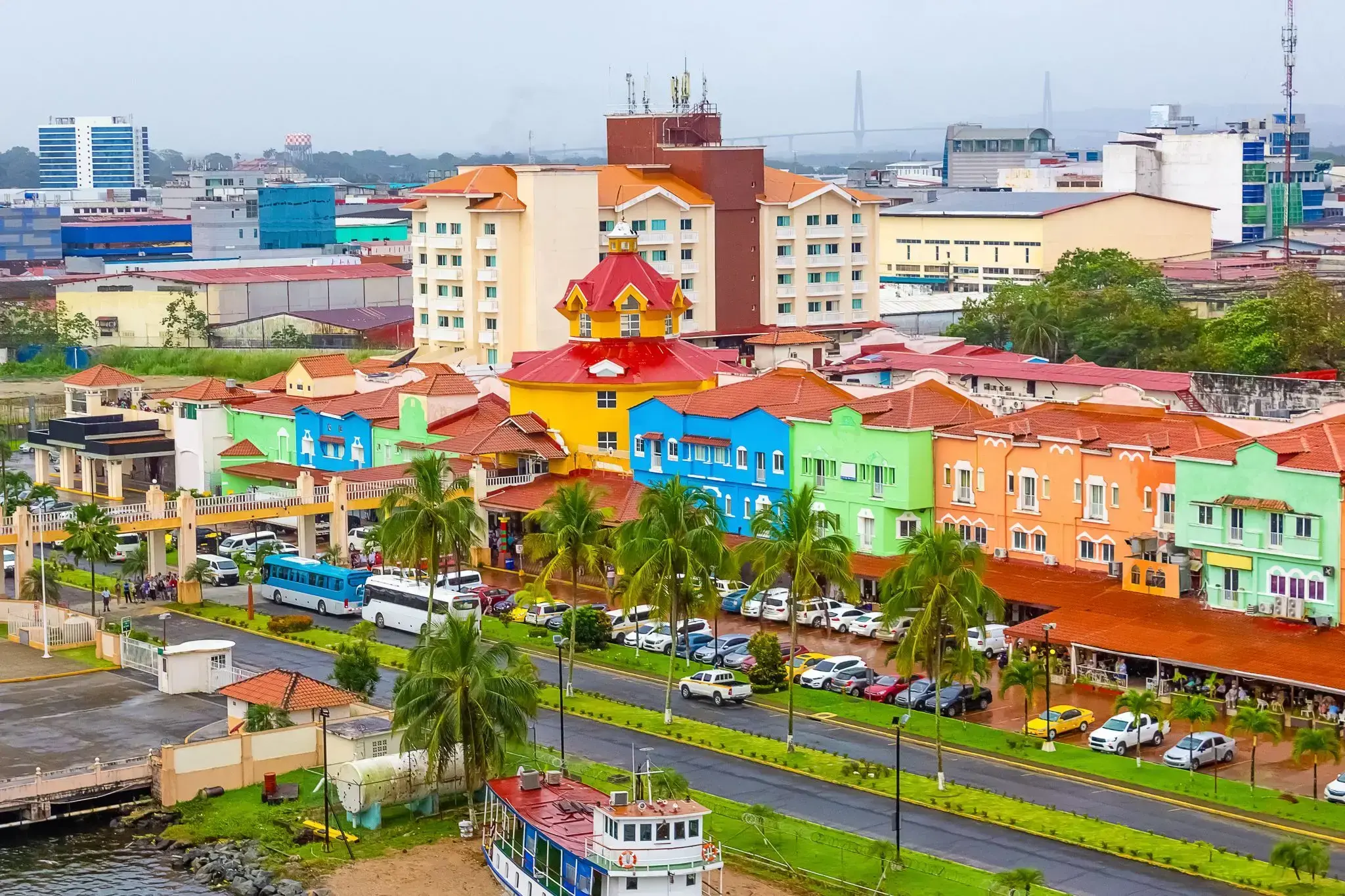
Colon
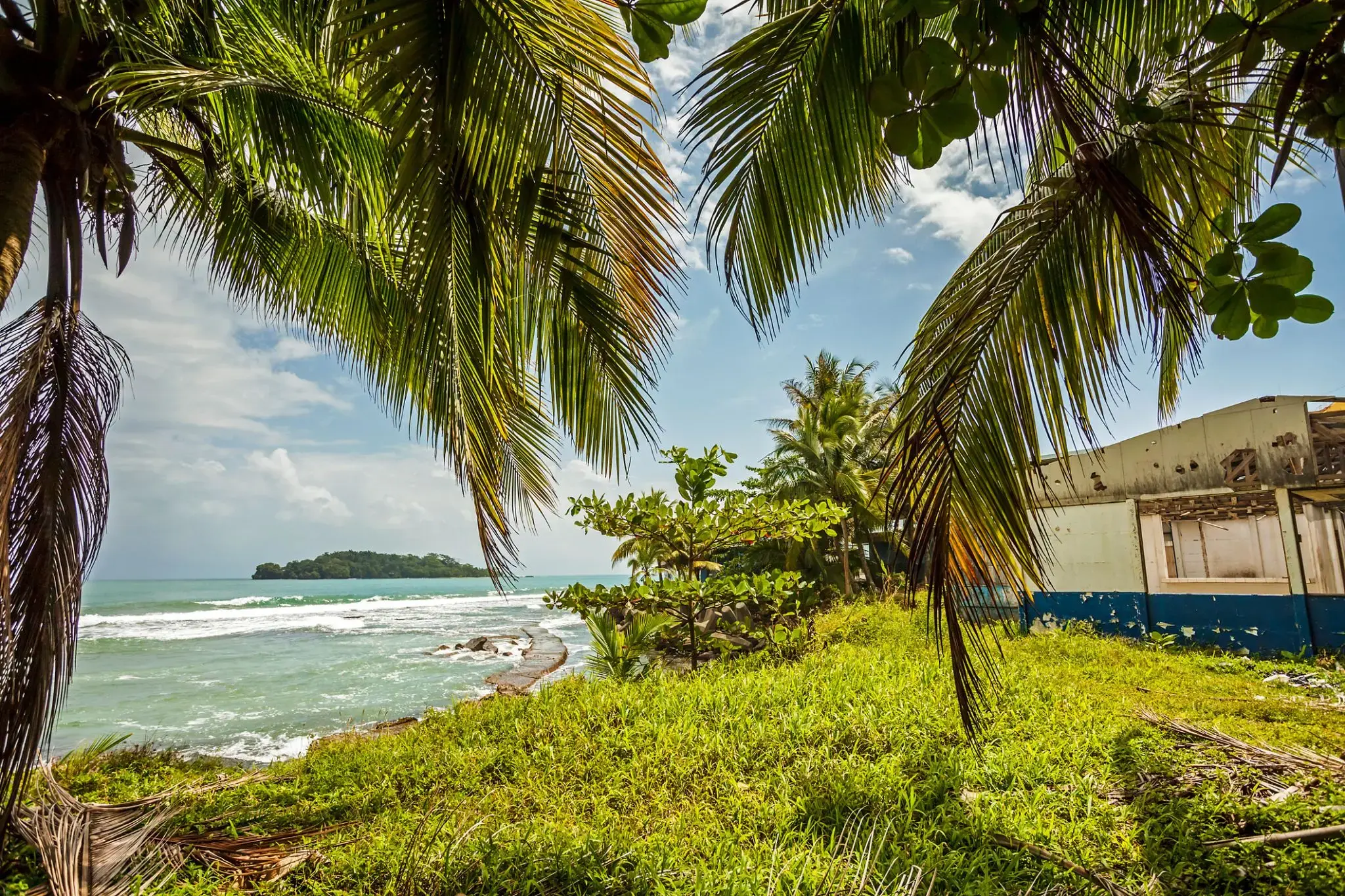
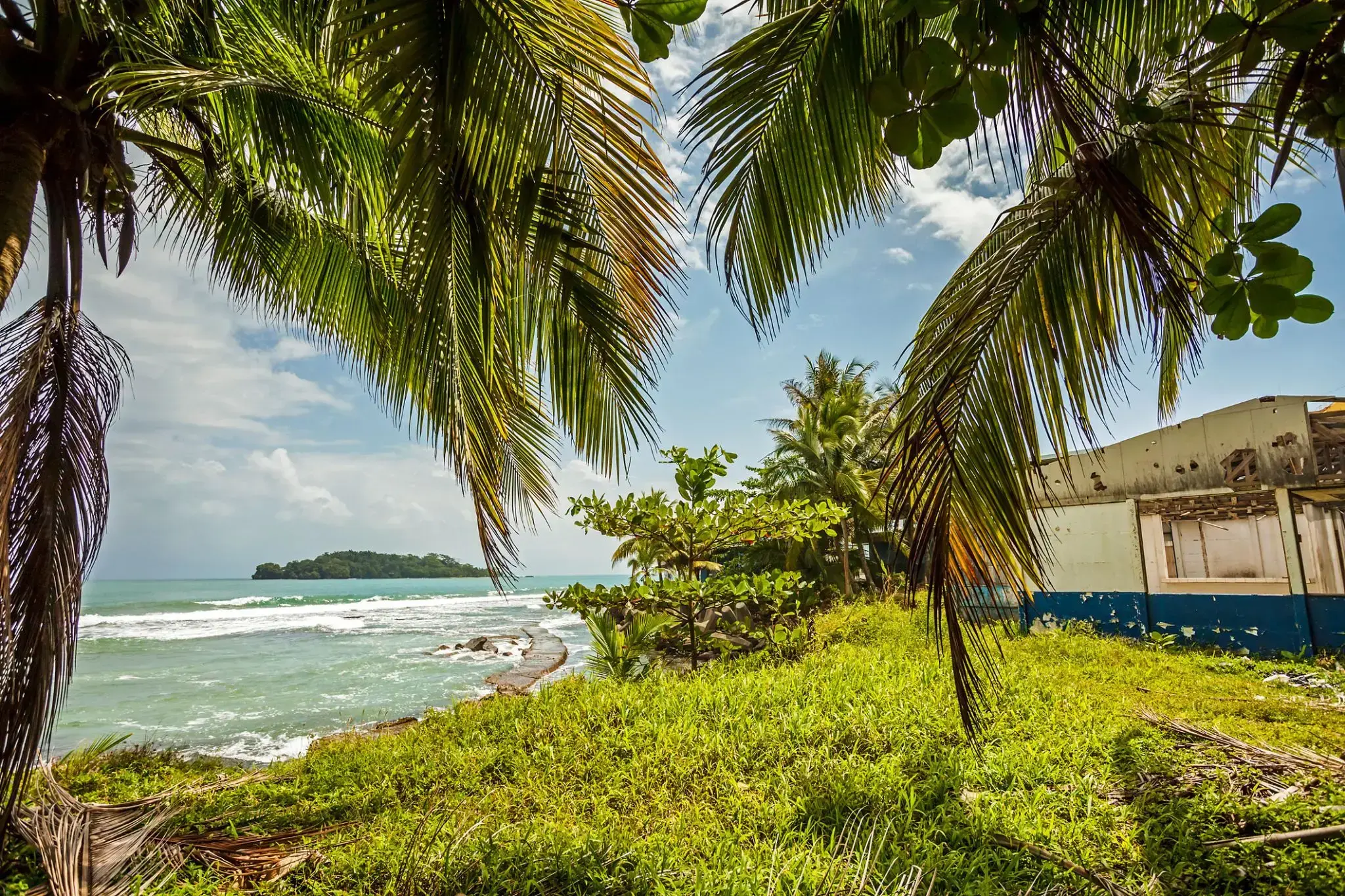
Puerto Limón, commonly known as Limón (Spanish for "lemon"), is the capital city and main hub of Limón province, as well as of the cantón (county) of Limón in Costa Rica. It is the second largest city in Costa Rica, with a population of over 55,000, and is home of the Afro-Costa Rican community. Part of the community traces its roots to Italian, Jamaican and Chinese laborers who worked on a late nineteenth-century railroad project that connected San José to Puerto Limón. Until 1948, the Costa Rican government did not recognize Afro-Caribbean people as citizens and restricted their movement outside Limón province. As a result of this "travel ban", this Afro-Caribbean population became firmly established in the region, which influenced decisions not to move even after it was legally permitted. Nowadays, there is a significant outflow of Limón natives who move to the country's Central Valley in search for better employment and education. The Afro-Caribbean community speaks Spanish and Limonese Creole, a creole of English.
Puerto Limón contains two port terminals, Limón and Moín, which permit the shipment of Costa Rican exports as well as the anchoring of cruise ships. In 2016, the government pledged ₡93 million ($166,000) for a new cruise ship terminal for Puerto Limón.
Health care is provided for the city by Hospital Dr. Tony Facio Castro. Two small islands, Uvita Island and Isla de Pájaros, are just offshore.
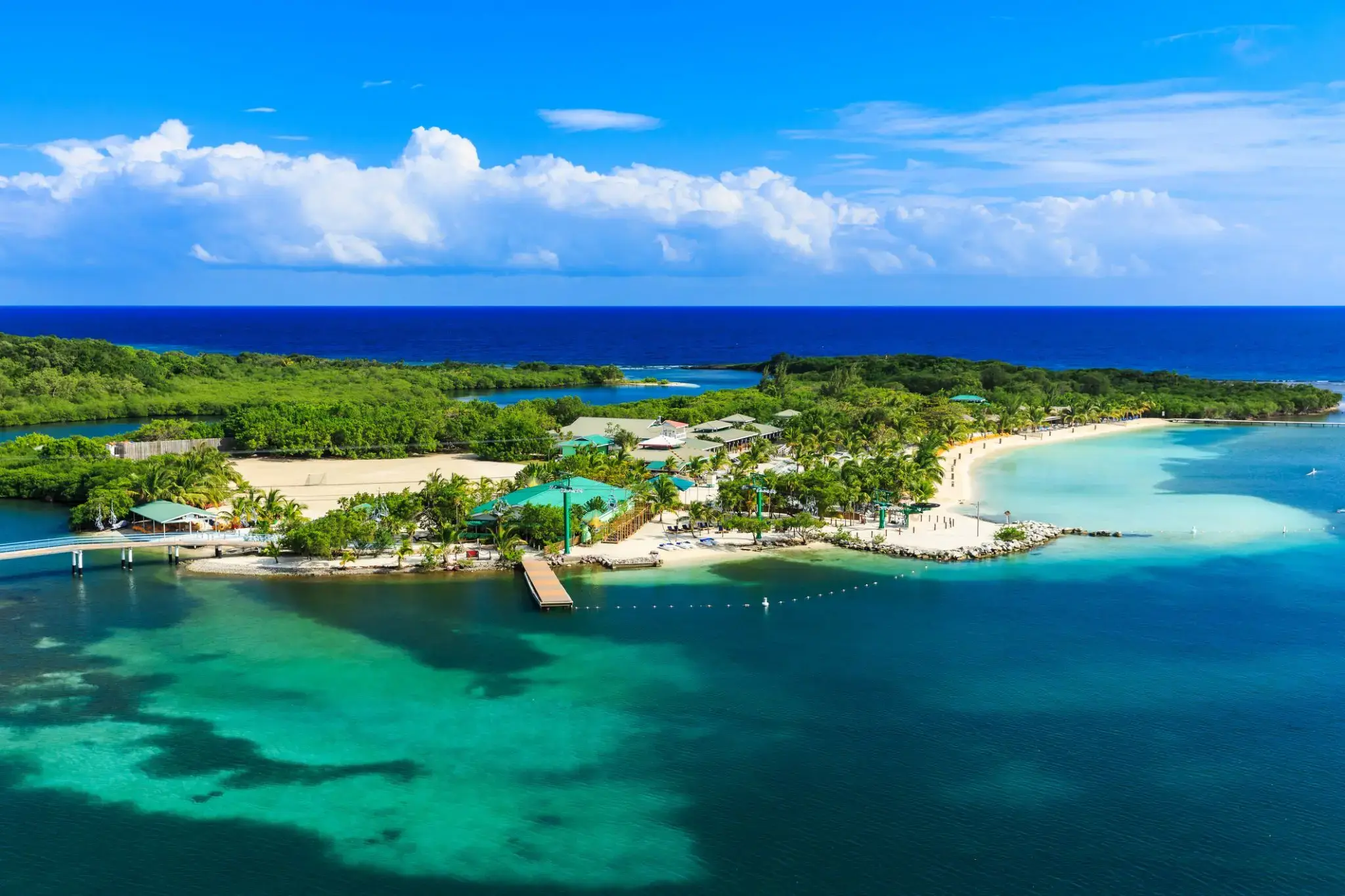
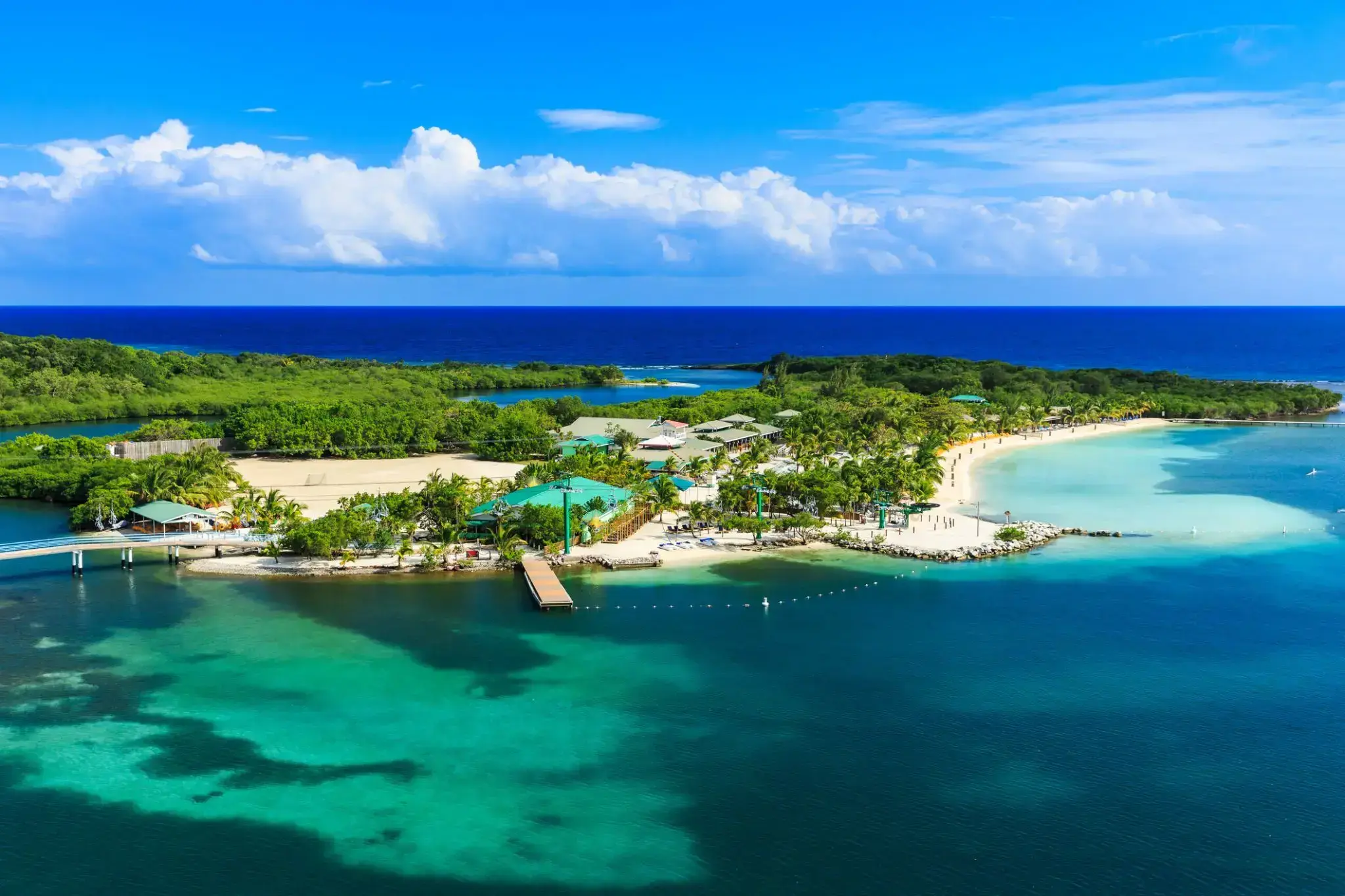
Roatán is an island in the Caribbean, about 65 kilometres (40 mi) off the northern coast of Honduras. It is located between the islands of Útila and Guanaja, and is the largest of the Bay Islands of Honduras.
The island was formerly known as Ruatan and Rattan. It is approximately 77 kilometres (48 mi) long, and less than 8 kilometres (5.0 mi) across at its widest point. The island consists of two municipalities: José Santos Guardiolain the east and Roatán, including the Cayos Cochinos, further south in the west.
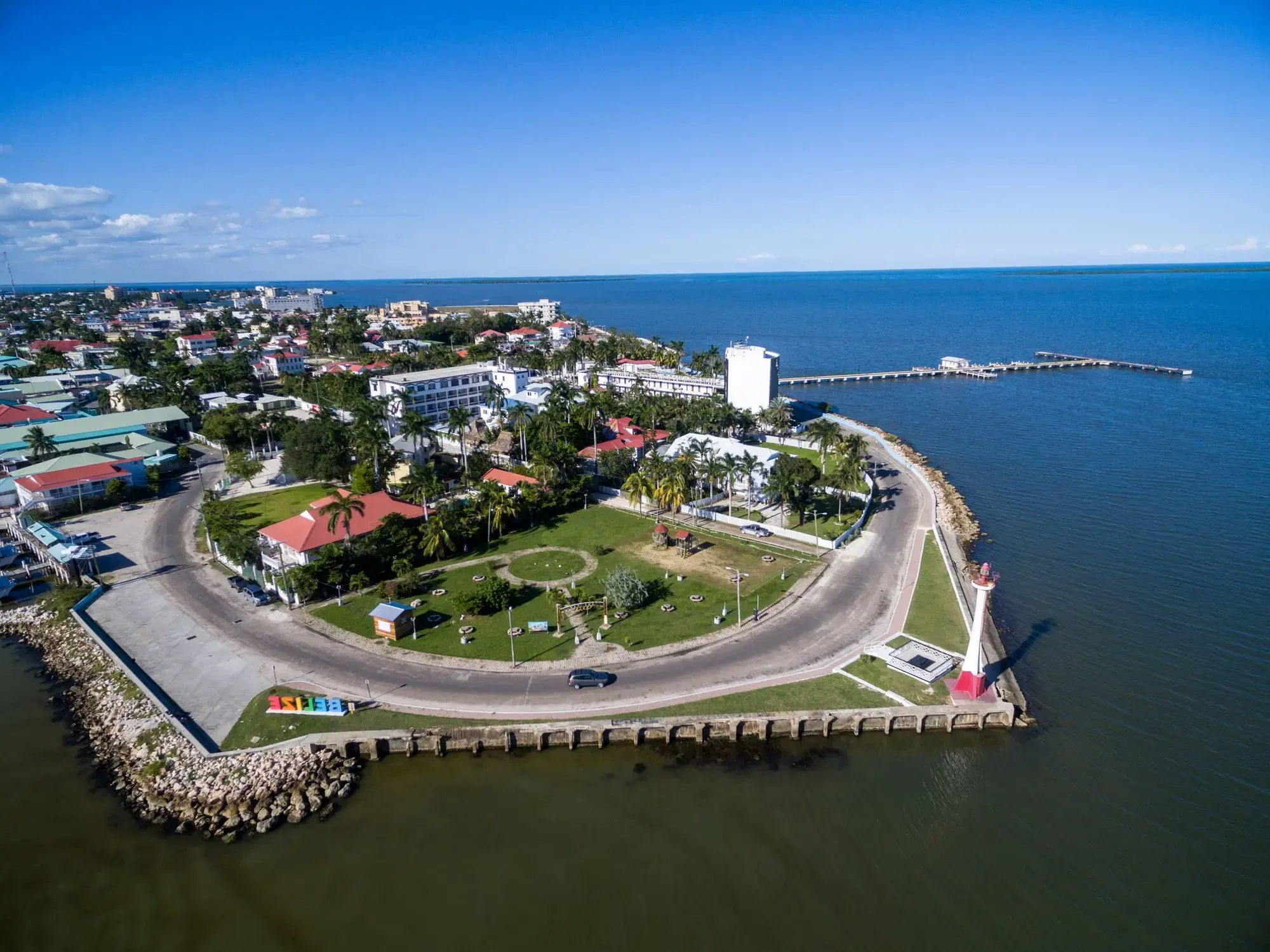
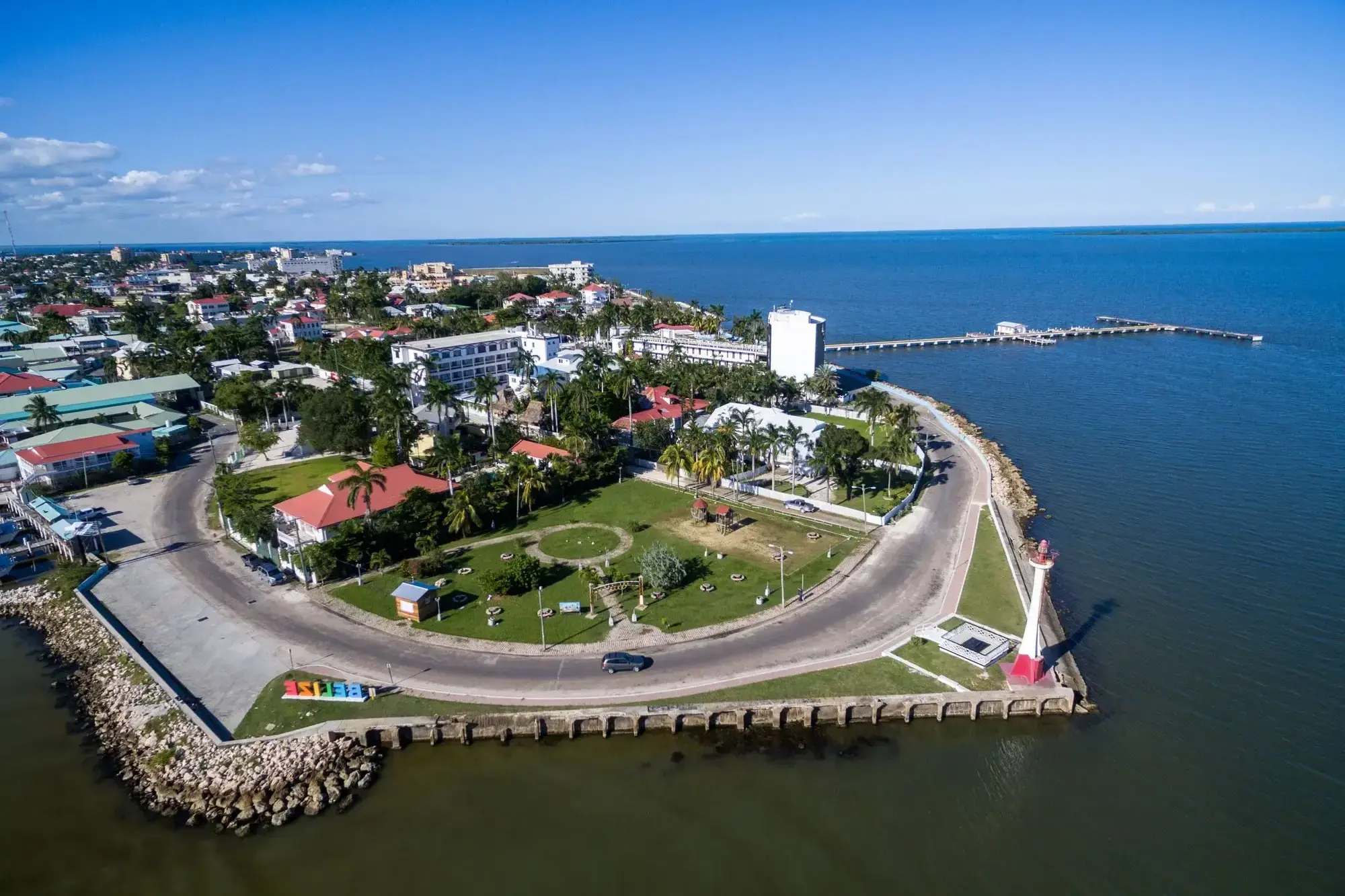
A tropical breeze brings the scent of the sea to Belize City, a place that opens the door to vibrant markets, Caribbean-style architecture, and a friendly, laid-back vibe. Here, colonial stilt houses line the streets while the sounds of reggae fill the air, and fishermen’s boats return to shore with the morning’s catch. At the central market, visitors can taste fresh tropical fruits and seafood dishes that capture the true flavor of Belize.
For adventure seekers, Belize City is the gateway to the Belize Barrier Reef, the second largest in the world, where divers and snorkelers explore colorful corals and encounter nurse sharks and rays. From here, it’s easy to reach the Mayan ruins of Altun Ha and step into the legacy of an ancient civilization. The city combines the relaxed Caribbean rhythm with a unique chance to discover the natural beauty and rich culture of Central America.
Miami, officially the City of Miami, is the cultural, economic and financial center of South Florida. Miami is the seat of Miami-Dade County, the most populous county in Florida. The city covers an area of about 56.6 square miles (147 km2), between the Everglades to the west and Biscayne Bay on the east; with a 2017 estimated population of 463,347, Miami is the sixth most densely populated major city in the United States. The Miami metropolitan area is home to 6.1 million people and the seventh-largest metropolitan area in the nation. Miami's metro area is the second-most populous metropolis in the southeastern United States and fourth-largest urban area in the U.S.
Miami is a major center, and a leader in finance, commerce, culture, media, entertainment, the arts, and international trade. The Miami Metropolitan Area is by far the largest urban economy in Florida and the 12th largest in the United States with a GDP of $344.9 billion as of 2017. In 2012, Miami was classified as an "Alpha−" level world city in the World Cities Study Group's inventory. In 2010, Miami ranked seventh in the United States and 33rd among global cities in terms of business activity, human capital, information exchange, cultural experience, and political engagement. In 2008, Forbes magazine ranked Miami "America's Cleanest City", for its year-round good air quality, vast green spaces, clean drinking water, clean streets, and citywide recycling programs. According to a 2009 UBS study of 73 world cities, Miami was ranked as the richest city in the United States, and the world's seventh-richest city in terms of purchasing power. Miami is nicknamed the "Capital of Latin America" and is the largest city with a Cuban-American plurality.
Greater Downtown Miami has one of the largest concentrations of international banks in the United States, and is home to many large national and international companies. The Civic Center is a major center for hospitals, research institutes, medical centers, and biotechnology industries. For more than two decades, the Port of Miami, known as the "Cruise Capital of the World", has been the number one cruise passenger port in the world. It accommodates some of the world's largest cruise ships and operations, and is the busiest port in both passenger traffic and cruise lines. Metropolitan Miami is also a major tourism hub in the southeastern U.S. for international visitors, ranking number two in the country after New York City.
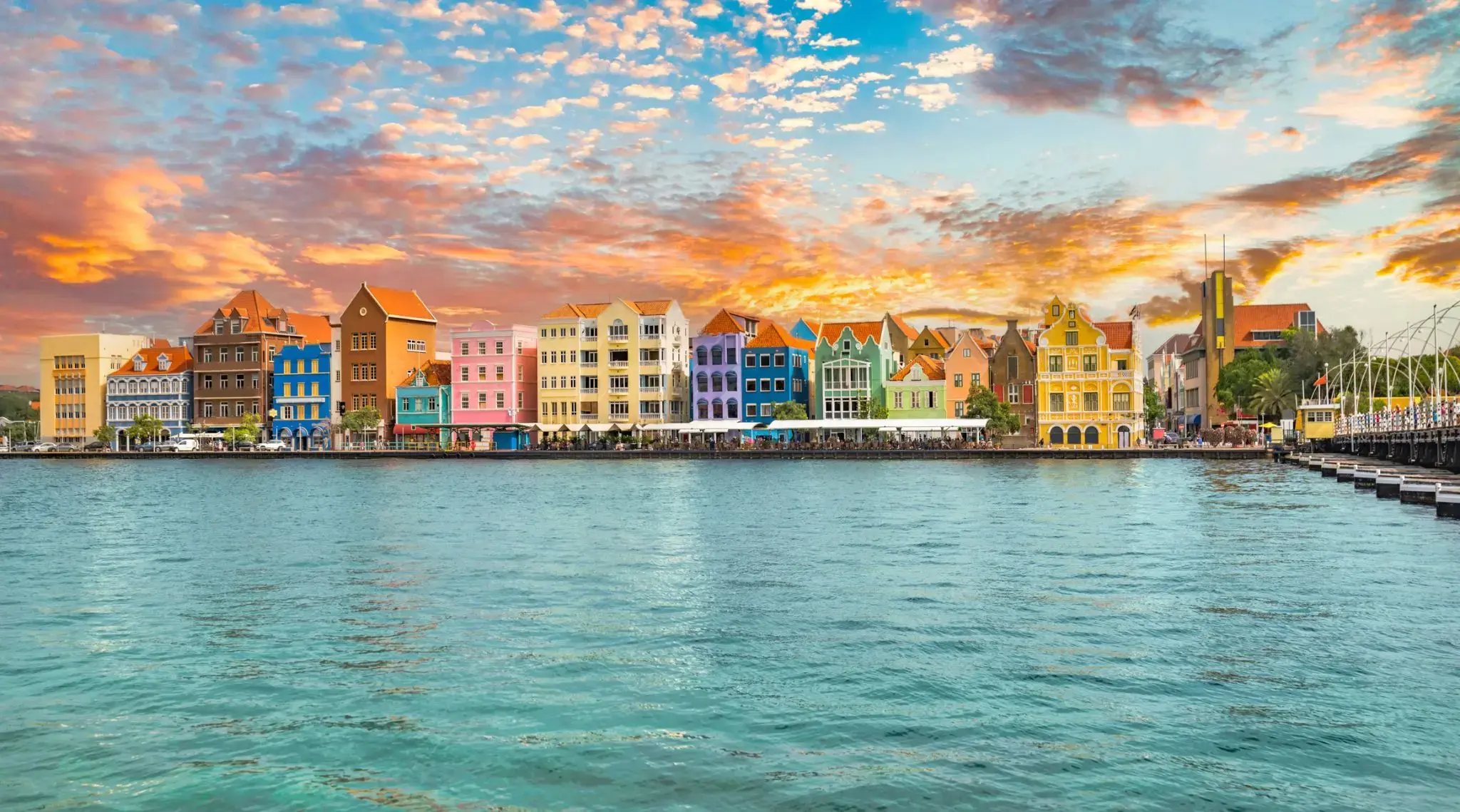
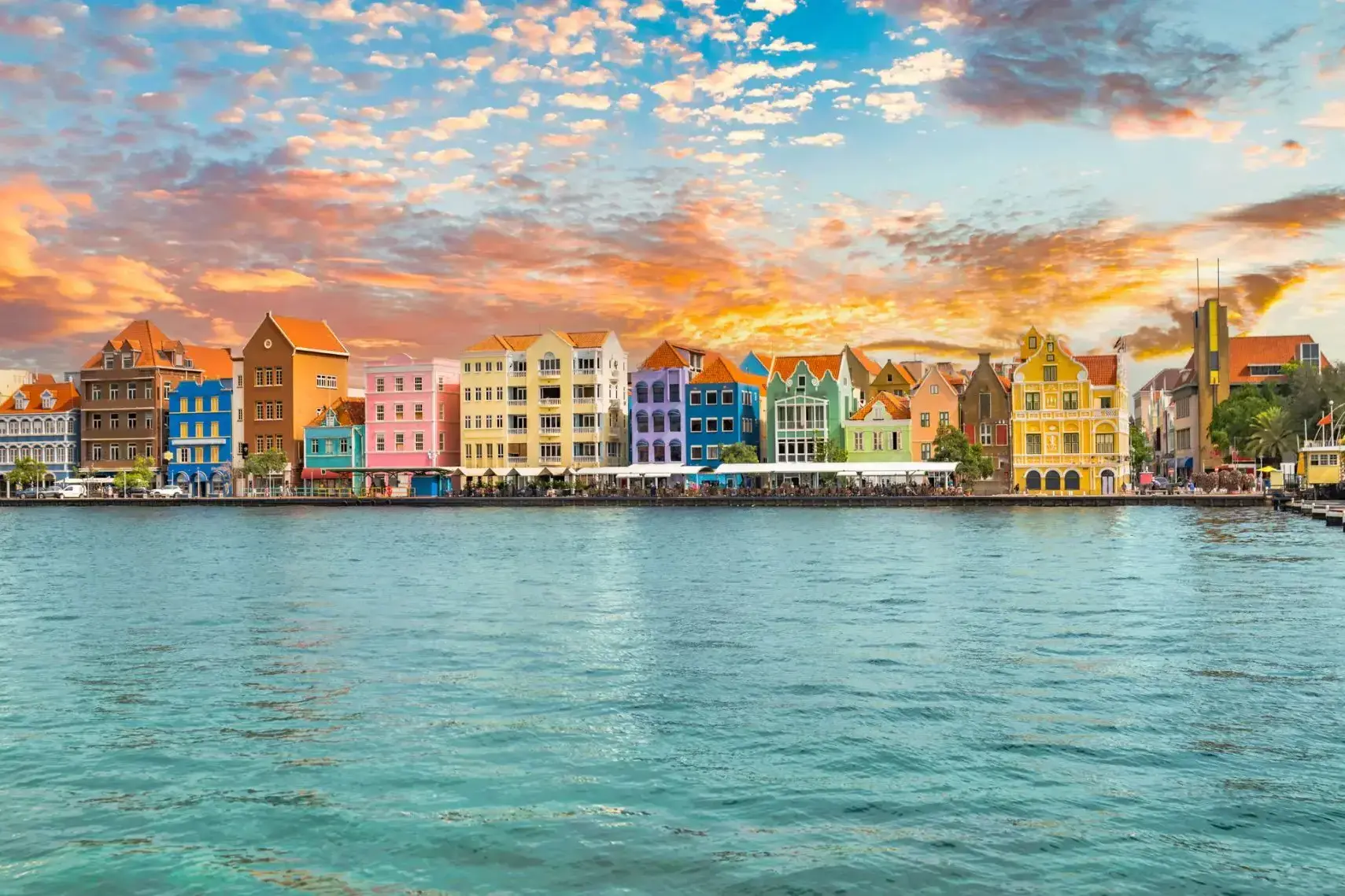
Curaçao is a Lesser Antilles island in the southern Caribbean Sea and the Dutch Caribbean region, about 65 km (40 mi) north of the Venezuelan coast. It is a constituent country (Dutch: land) of the Kingdom of the Netherlands.
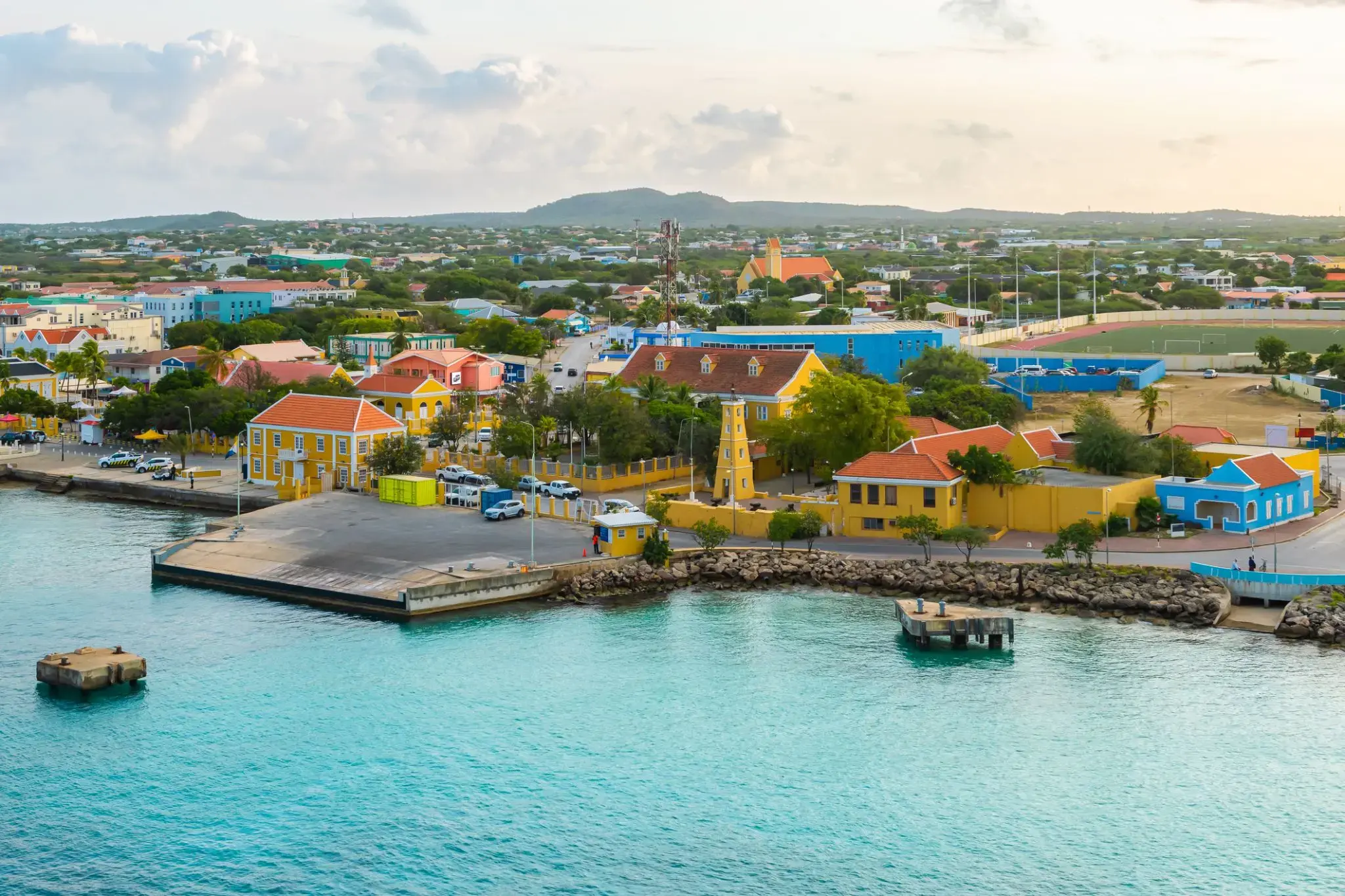
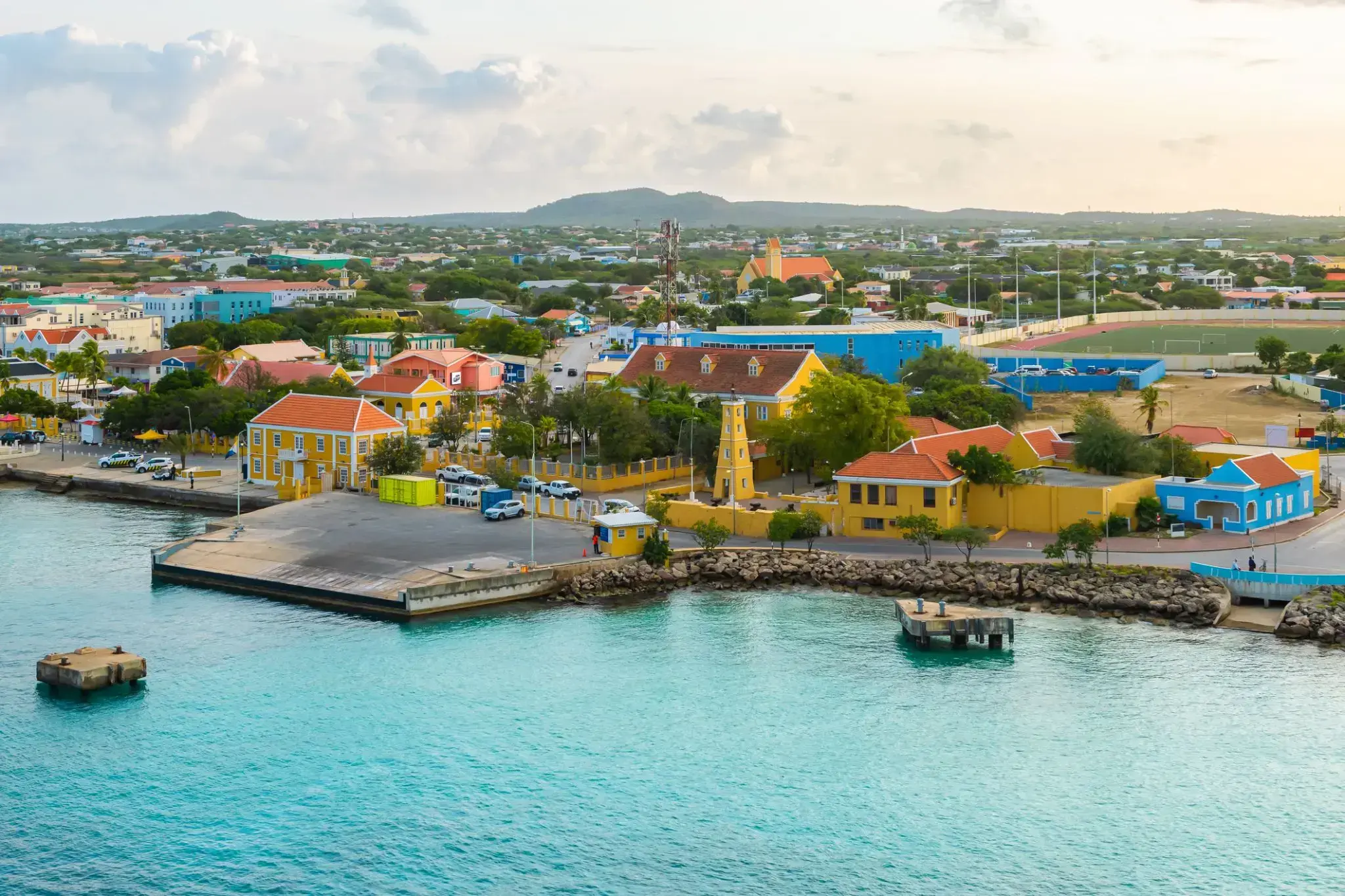
Kralendijk is the capital city and main port of the island of Bonaire in the Caribbean Netherlands. The language spoken in the town is Papiamentu, but Dutch and English are widely used. In Dutch, Koralendijk (of which the name Kralendijk is a degeneration) means "coral dike". In Papiamentu, the town is often called Playa or "beach". As of 2006, the town had a population of 3,061.
Off the coast of Kralendijk lies the uninhabited island of Klein Bonaire, noted for diving and snorkeling activities. This small island can be reached by water taxi, or, for divers, by practically all of the local dive operators.
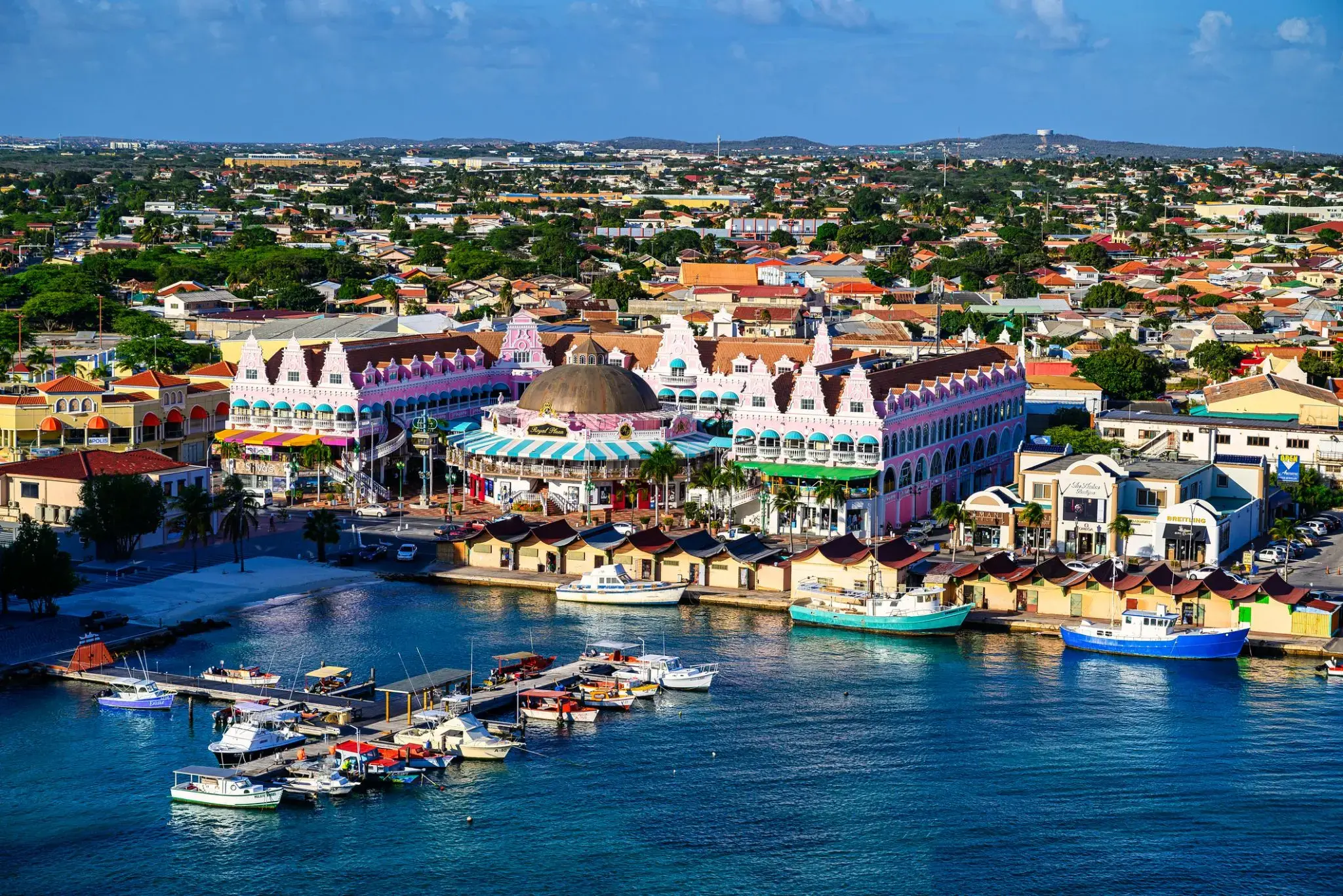
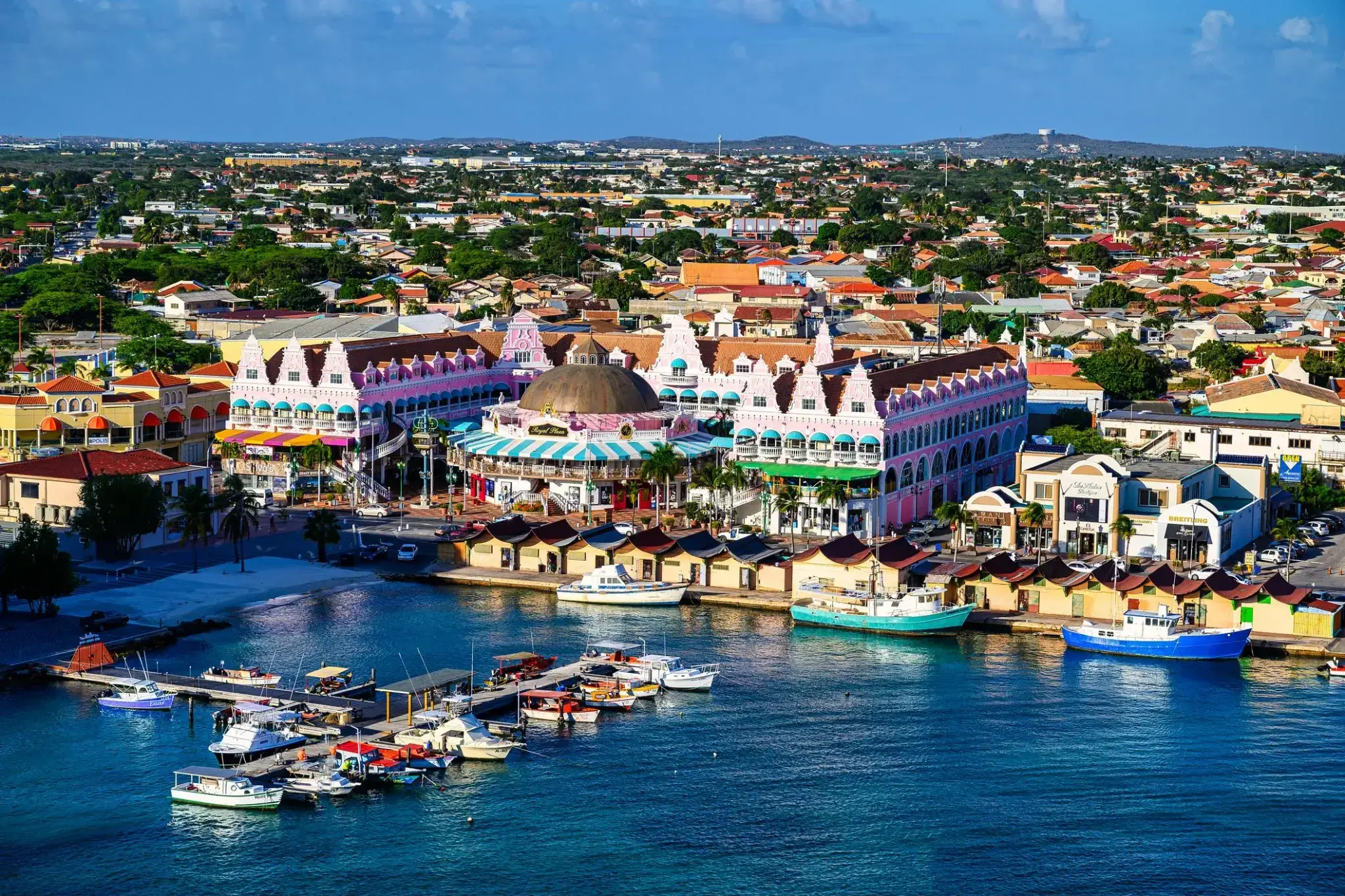
Aruba is an island and a constituent country of the Kingdom of the Netherlands in the southern Caribbean Sea, located about 1,600 kilometres (990 mi) west of the main part of the Lesser Antilles and 29 kilometres (18 mi) north of the coast of Venezuela. It measures 32 kilometres (20 mi) long from its northwestern to its southeastern end and 10 kilometres (6 mi) across at its widest point. Together with Bonaire and Curaçao, Aruba forms a group referred to as the ABC islands. Collectively, Aruba and the other Dutch islands in the Caribbean are often called the Dutch Caribbean.
Aruba is one of the four countries that form the Kingdom of the Netherlands, along with the Netherlands, Curaçao, and Sint Maarten; the citizens of these countries are all Dutch nationals. Aruba has no administrative subdivisions, but, for census purposes, is divided into eight regions. Its capital is Oranjestad.
Unlike much of the Caribbean region, Aruba has a dry climate and an arid, cactus-strewn landscape. This climate has helped tourism as visitors to the island can reliably expect warm, sunny weather. It has a land area of 179 km2(69.1 sq mi) and is densely populated, with a total of 102,484 inhabitants at the 2010 Census. It lies outside Hurricane Alley.
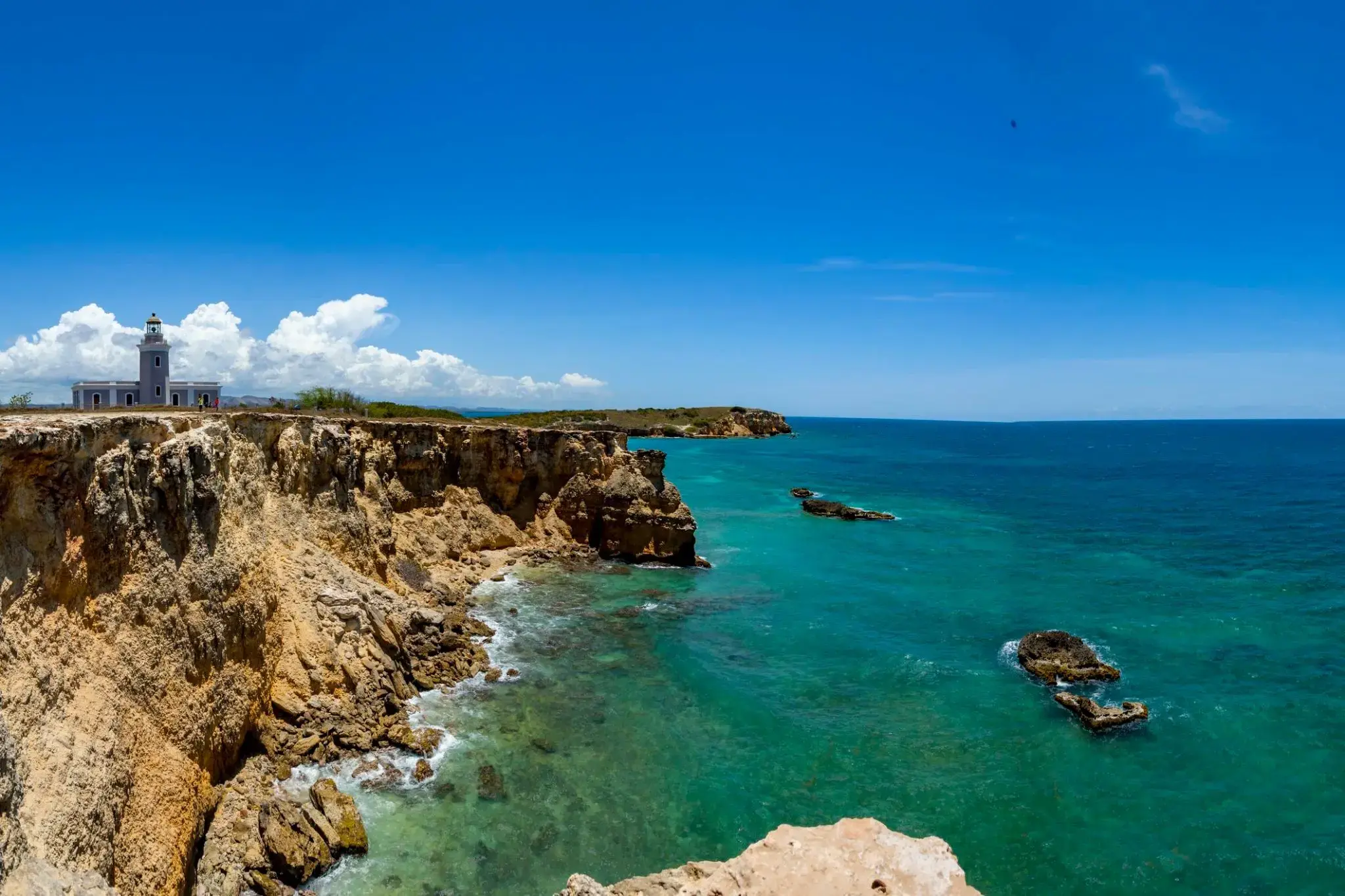
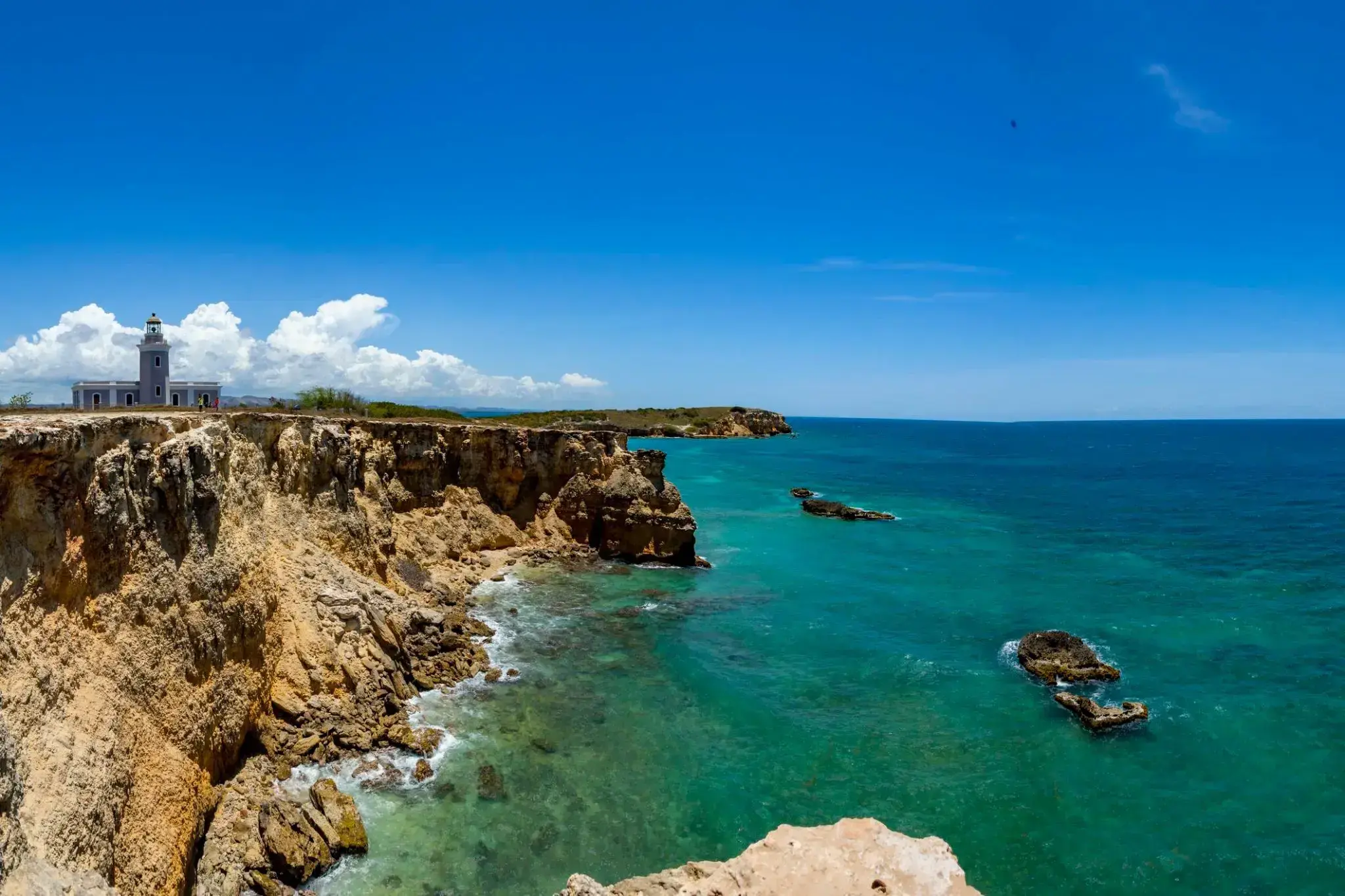
Secluded beaches, turquoise waters, and untouched nature make Cabo Rojo one of the most picturesque corners of Puerto Rico. Located on the island's southwestern coast, this region attracts travelers not only with its views but also with its unique ecosystem—including salt flats and coastal mangrove forests. One of its gems is the Cabo Rojo Lighthouse, offering stunning views of the cliffs and the Caribbean Sea.
Cabo Rojo is especially popular among those seeking peace away from the tourist crowds. Visitors can enjoy kayaking, hiking along wild trails, or birdwatching in the protected reserve. The local cuisine, rich in seafood, will delight fans of fresh delicacies, and the evening sunset at Playa Sucia will remain a romantic memory for years to come.
Ocho Rios (Spanish for "Eight Rivers") is a town in the parish of Saint Ann on the north coast of Jamaica. Just outside the city, travelers and residents can visit Columbus Park, where Columbus supposedly first came on land, and see maritime artifacts and Spanish colonial buildings.
It was once a fishing village but now caters to tourists.
Miami, officially the City of Miami, is the cultural, economic and financial center of South Florida. Miami is the seat of Miami-Dade County, the most populous county in Florida. The city covers an area of about 56.6 square miles (147 km2), between the Everglades to the west and Biscayne Bay on the east; with a 2017 estimated population of 463,347, Miami is the sixth most densely populated major city in the United States. The Miami metropolitan area is home to 6.1 million people and the seventh-largest metropolitan area in the nation. Miami's metro area is the second-most populous metropolis in the southeastern United States and fourth-largest urban area in the U.S.
Miami is a major center, and a leader in finance, commerce, culture, media, entertainment, the arts, and international trade. The Miami Metropolitan Area is by far the largest urban economy in Florida and the 12th largest in the United States with a GDP of $344.9 billion as of 2017. In 2012, Miami was classified as an "Alpha−" level world city in the World Cities Study Group's inventory. In 2010, Miami ranked seventh in the United States and 33rd among global cities in terms of business activity, human capital, information exchange, cultural experience, and political engagement. In 2008, Forbes magazine ranked Miami "America's Cleanest City", for its year-round good air quality, vast green spaces, clean drinking water, clean streets, and citywide recycling programs. According to a 2009 UBS study of 73 world cities, Miami was ranked as the richest city in the United States, and the world's seventh-richest city in terms of purchasing power. Miami is nicknamed the "Capital of Latin America" and is the largest city with a Cuban-American plurality.
Greater Downtown Miami has one of the largest concentrations of international banks in the United States, and is home to many large national and international companies. The Civic Center is a major center for hospitals, research institutes, medical centers, and biotechnology industries. For more than two decades, the Port of Miami, known as the "Cruise Capital of the World", has been the number one cruise passenger port in the world. It accommodates some of the world's largest cruise ships and operations, and is the busiest port in both passenger traffic and cruise lines. Metropolitan Miami is also a major tourism hub in the southeastern U.S. for international visitors, ranking number two in the country after New York City.