| Cruise Region : Caribbean, USA / Canada / Mexico |
| Company : MSC Yacht Club |
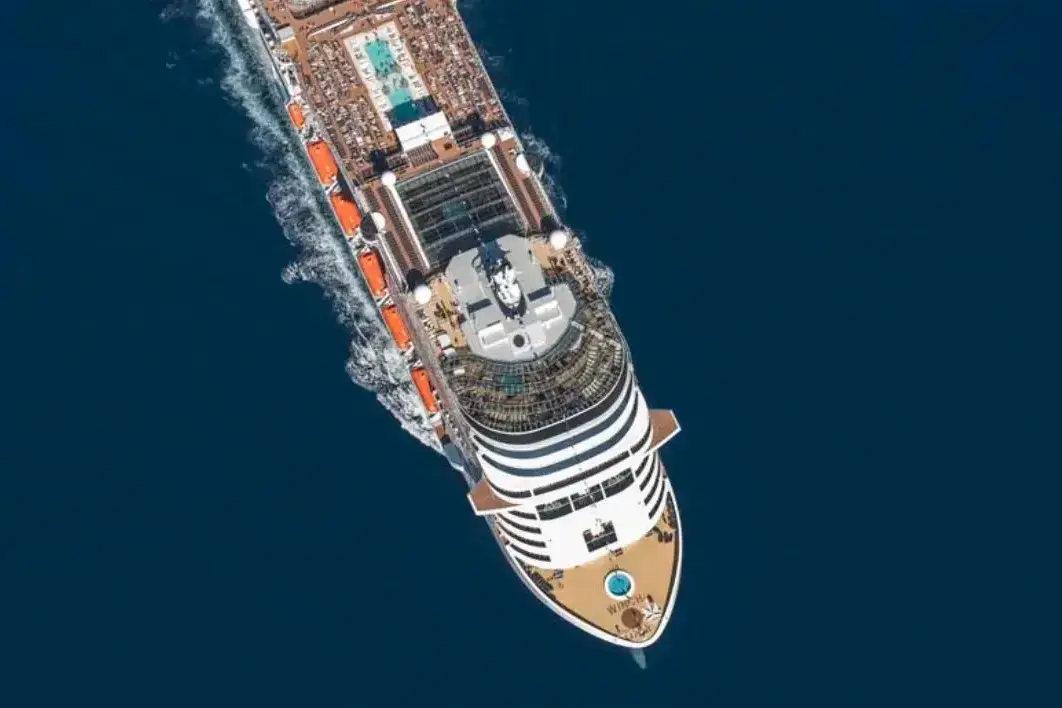
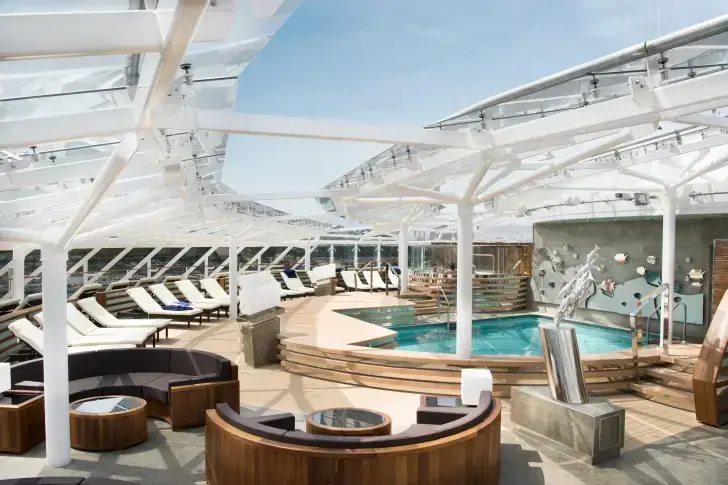
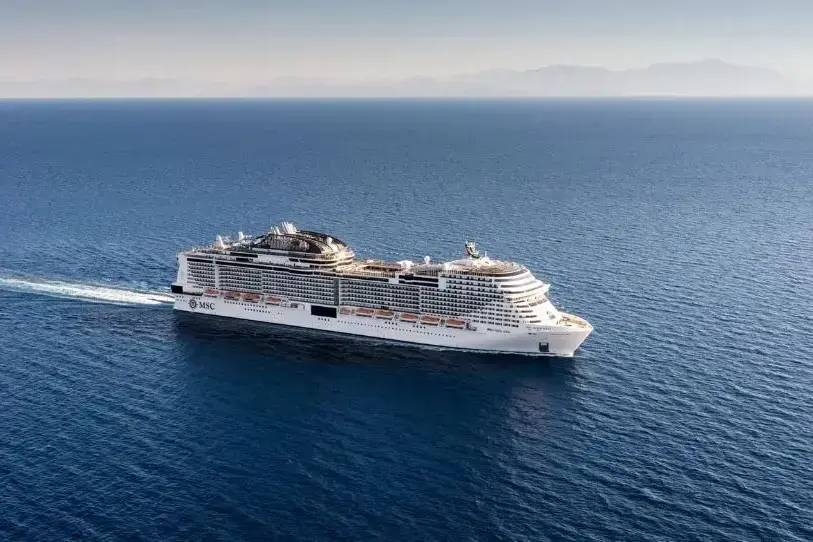
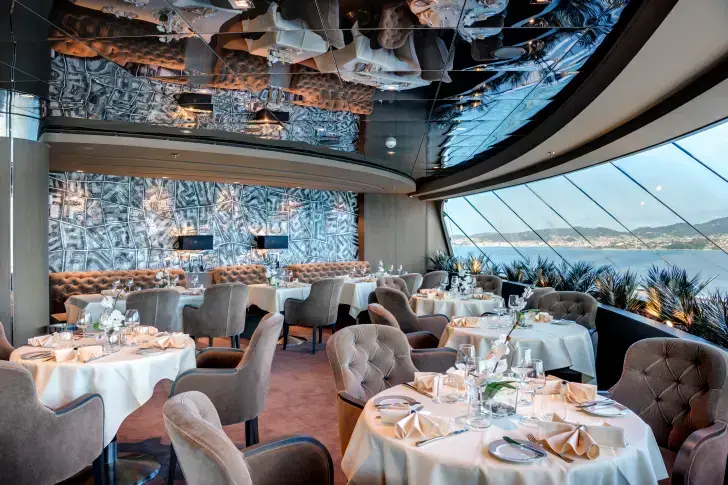
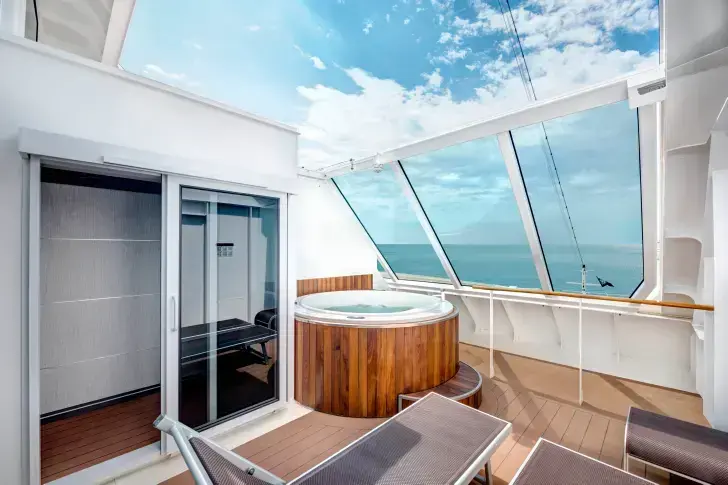
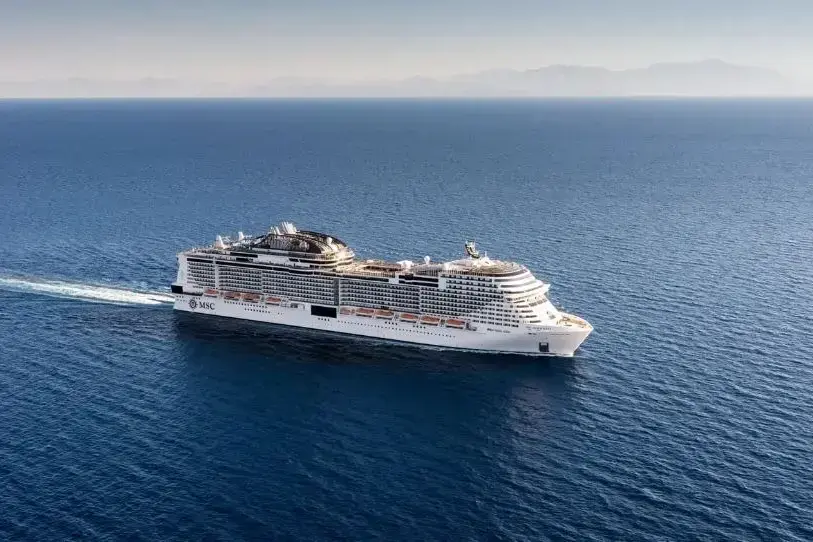
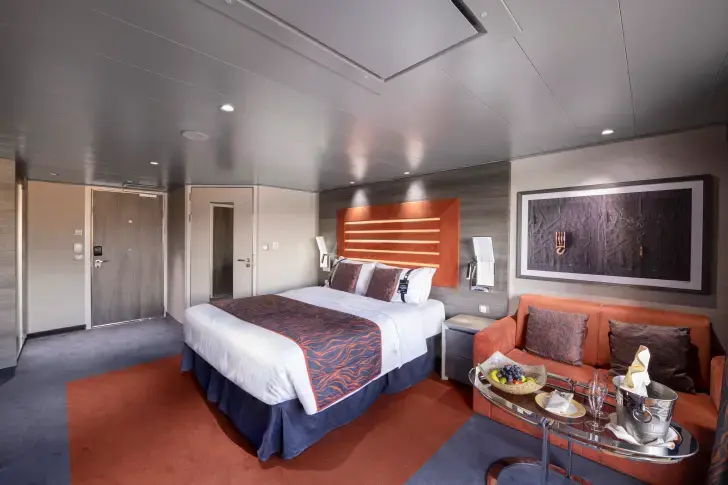
| Ship : MSC Yacht Club Meraviglia |
| Journey Start : Sun 19 Apr 2026 |
| Journey End : Mon 04 May 2026 |
| Count Nights : 15 nights |
| Day | Date | Port | Arrival | Departure |
|---|---|---|---|---|
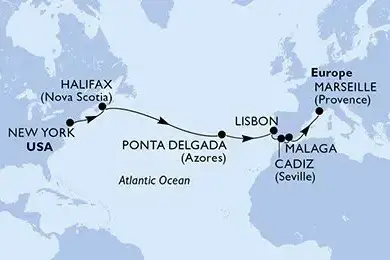
| 1 | 19.04 Sun | New York / USA | 19:00 | |
| 2 | 20.04 Mon | Day at sea / Sea | ||
| 3 | 21.04 Tue | Halifax / Canada | 09:00 | 19:00 |
| 4 | 22.04 Wed | Day at sea / Sea | ||
| 5 | 23.04 Thu | Day at sea / Sea | ||
| 6 | 24.04 Fri | Day at sea / Sea | ||
| 7 | 25.04 Sat | Day at sea / Sea | ||
| 8 | 26.04 Sun | Ponta Delgada, San Miguel / Portugal | 08:00 | 23:59 |
| 9 | 27.04 Mon | Ponta Delgada, San Miguel / Portugal | 00:01 | 13:00 |
| 10 | 28.04 Tue | Day at sea / Sea | ||
| 11 | 29.04 Wed | Lisbon / Portugal | 08:00 | 19:00 |
| 12 | 30.04 Thu | Day at sea / Sea | ||
| 13 | 1.05 Fri | Cadiz / Spain | 07:00 | 18:00 |
| 14 | 2.05 Sat | Malaga / Spain | 07:00 | 19:00 |
| 15 | 3.05 Sun | Day at sea / Sea | ||
| 16 | 4.05 Mon | Marseille / France | 08:00 |
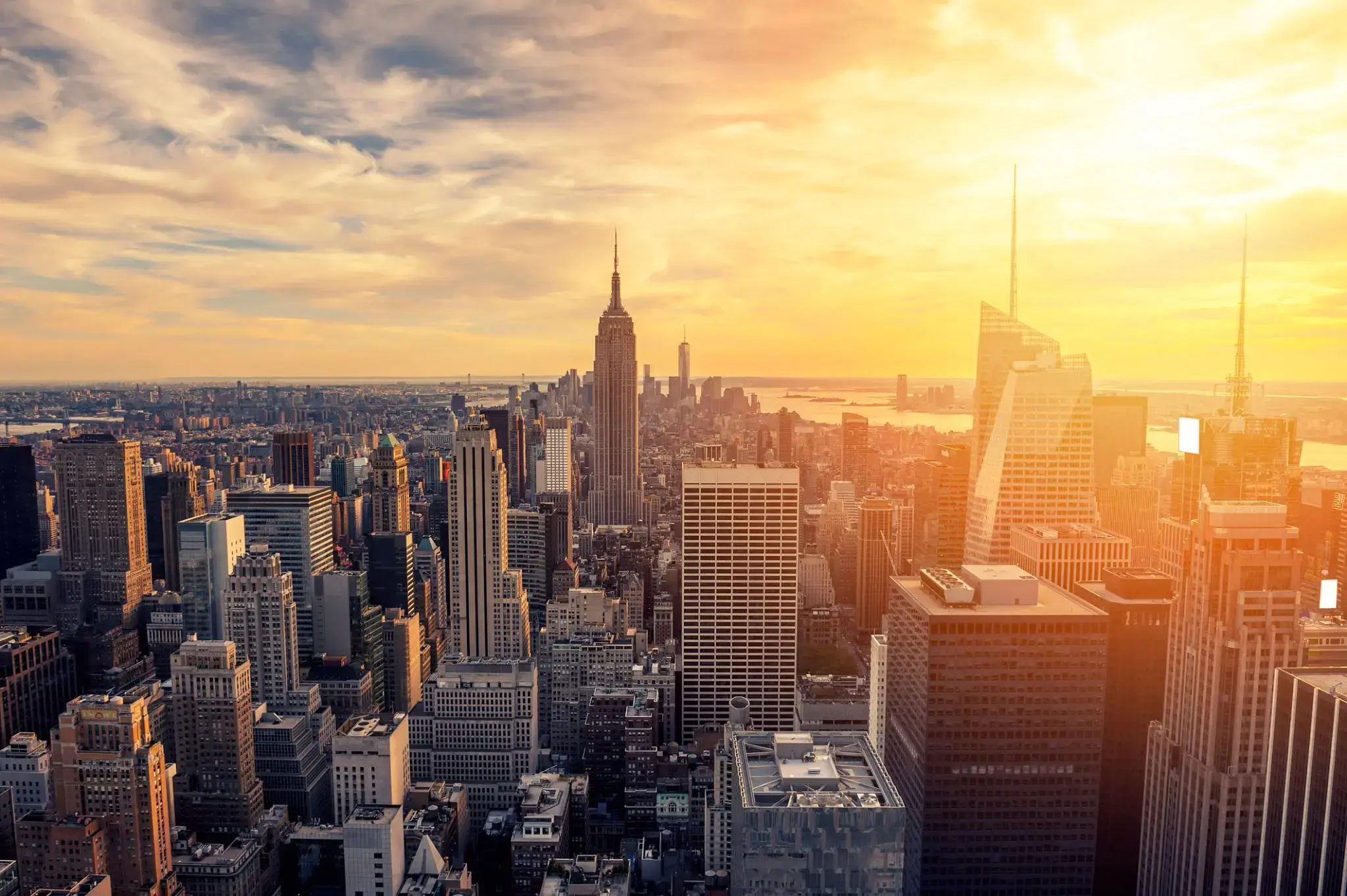
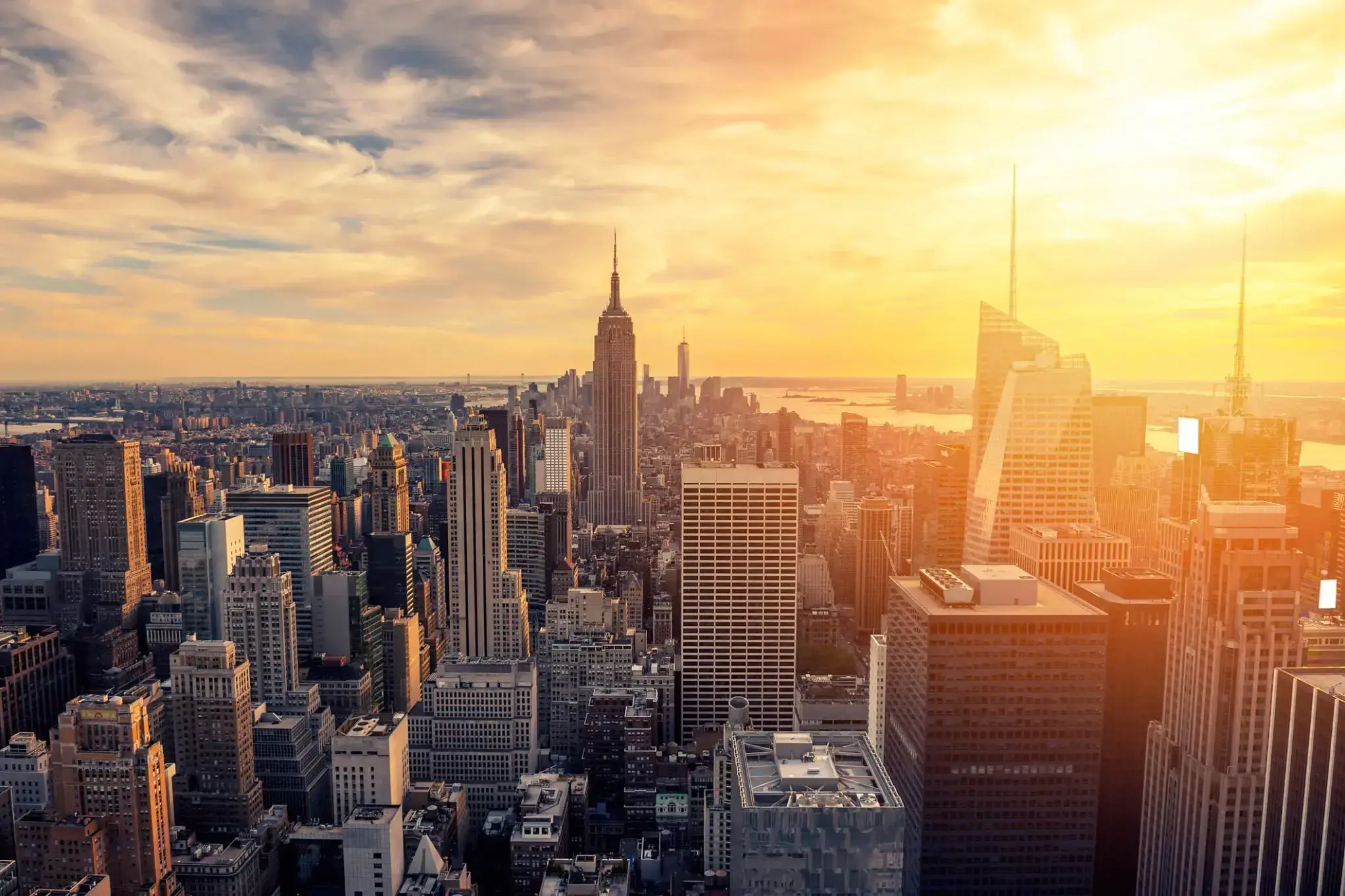
The world famous city of New York , the largest city in the United States, with a population of 8.5 million people, and with suburbs - 20.6 million. New York is the largest economic, political, scientific, and cultural center of the United States. It is rightly called the "Main Gate" in the United States, and the world's largest John F. Kennedy Airport is located here. One of the distinguishing features of the city is the variegated national composition of the population, also called the United States in Miniature.
New York gathered in itself the whole essence of this country: fashion, religion, goods, pace and rhythm of American life. The UN headquarters is located here. There are also many universities in New York, the Academy of Sciences, and many other scientific institutions. Like any other metropolis in the world, New York invites you to visit numerous museums in the city, theaters and concert halls, including the Metropolitan Opera and Carnegie Hall. A great place to relax in New York is Central Park, where you can feed hand-held squirrels, which, to everyone's surprise, are not afraid of people. You can also appreciate the beauty of the famous Empire State Building, with a height of 102 floors, it is an example of skyscrapers, although it was built in 1829-1831. "Must see" in New York, of course, the Statue of Liberty ("Lady Liberty"), located at the mouth of the Hudson River, on the small island of Liberty. And of course, don't forget to stroll along Broadway.
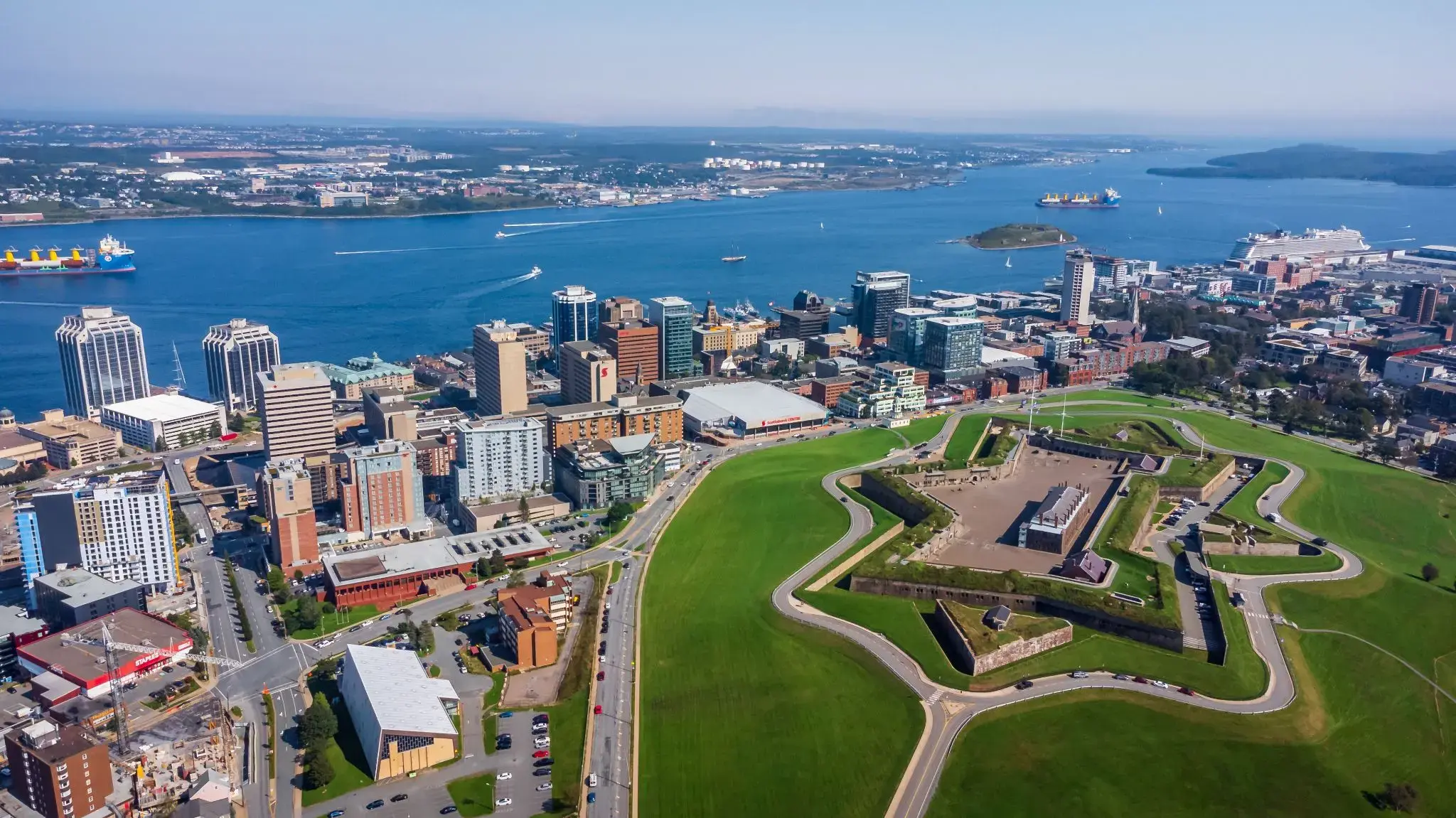
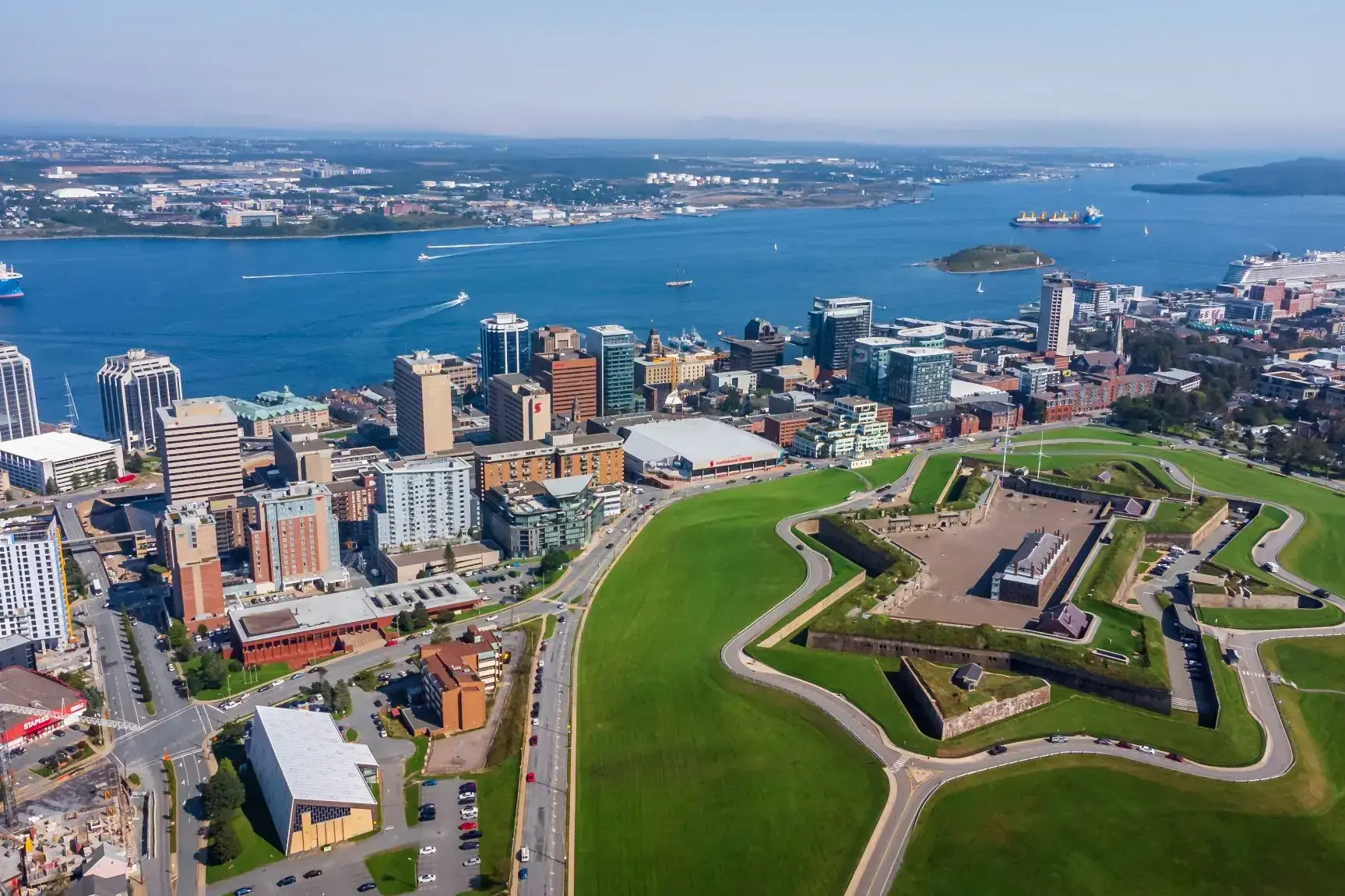
Halifax, also known as the Halifax Regional Municipality (HRM), is the capital of the Canadian province of Nova Scotia. The municipality had a population of 403,131 in 2016, with 316,701 in the urban area centred on Halifax Harbour. The regional municipality consists of four former municipalities that were amalgamated in 1996: Halifax, Dartmouth, Bedford, and Halifax County.
Halifax is a major economic centre in Atlantic Canada with a large concentration of government services and private sector companies. Major employers and economic generators include the Department of National Defence, Dalhousie University, Saint Mary's University, the Halifax Shipyard, various levels of government, and the Port of Halifax. Agriculture, fishing, mining, forestry and natural gas extraction are major resource industries found in the rural areas of the municipality.
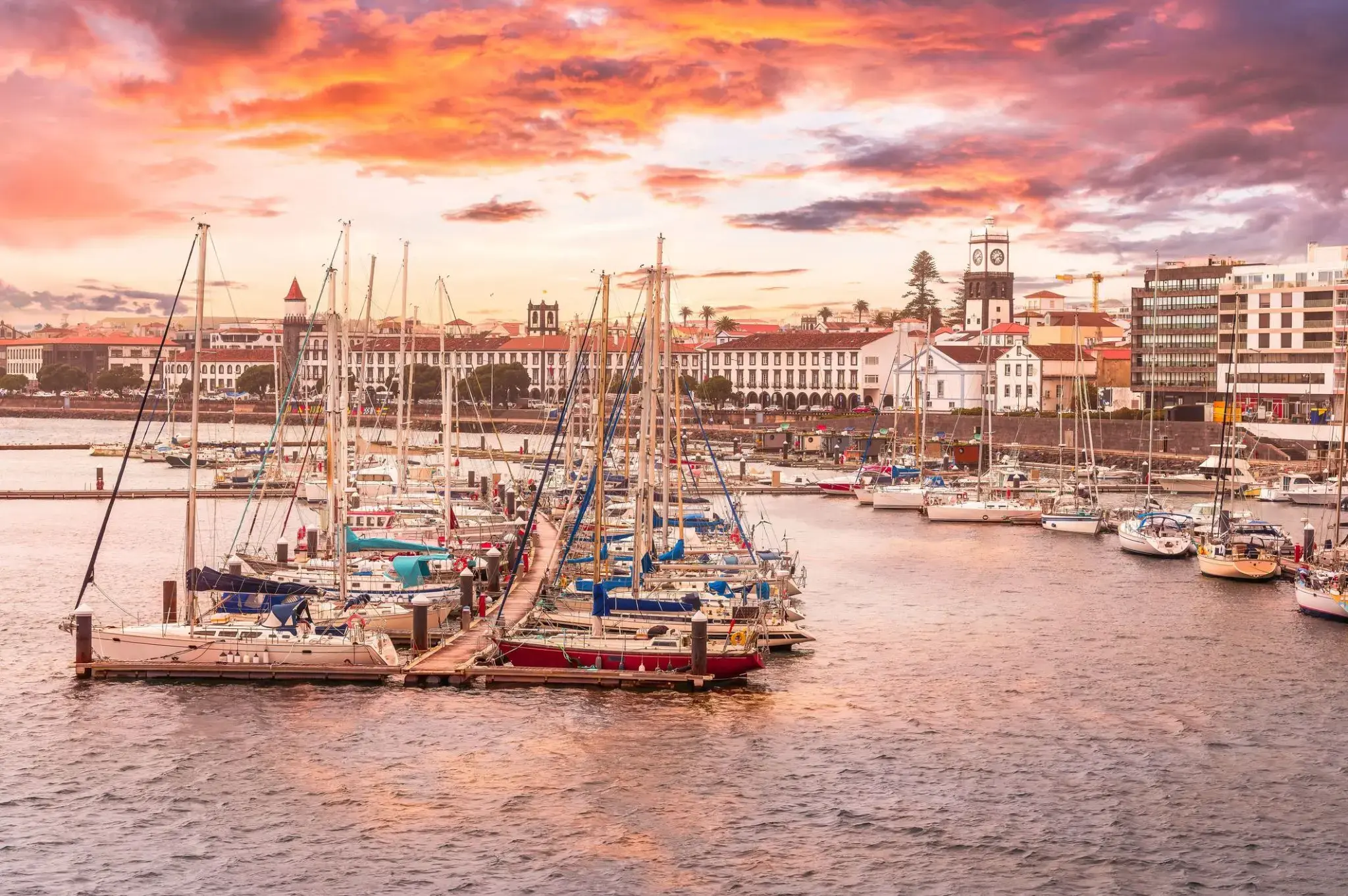
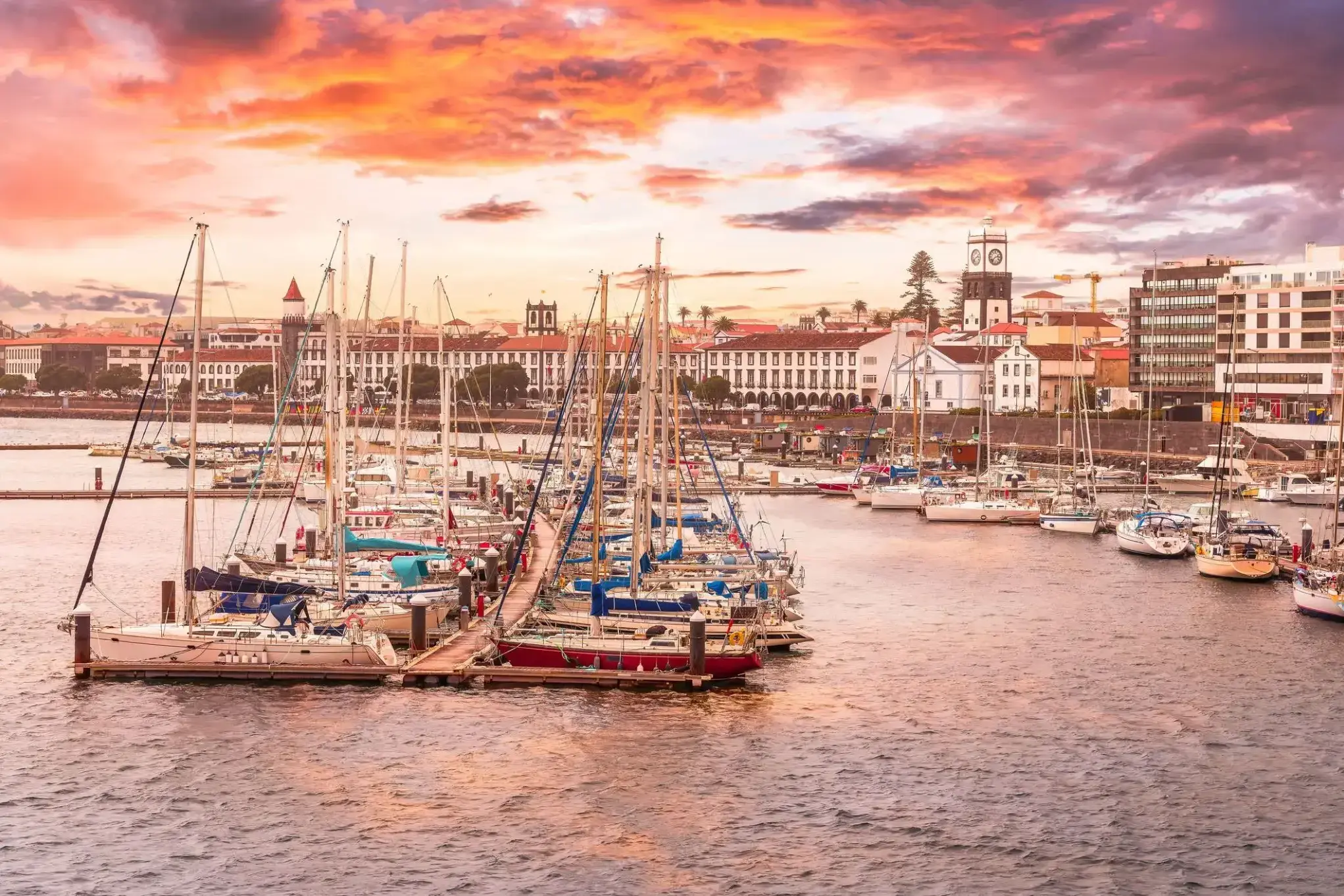
Surrounded by volcanic landscapes and green hills, Ponta Delgada greets visitors with a unique rhythm where the sound of the ocean blends with the aroma of freshly brewed coffee. Here, in the capital of São Miguel Island, you can stroll along cobbled streets decorated with black-and-white Portuguese patterns, stop by cozy cafes for local pastries, and watch the sunset paint the Atlantic in golden-pink hues.
For nature lovers, Ponta Delgada opens the gateway to the hot springs of Furnas, viewpoints overlooking the Sete Cidades lakes, and whale-watching tours departing directly from the city port. This is a place where an Azores vacation is filled with moments of true tranquility, the freshness of the ocean breeze, and the feeling that time slows down, allowing you to appreciate the beauty of each day.
Surrounded by volcanic landscapes and green hills, Ponta Delgada greets visitors with a unique rhythm where the sound of the ocean blends with the aroma of freshly brewed coffee. Here, in the capital of São Miguel Island, you can stroll along cobbled streets decorated with black-and-white Portuguese patterns, stop by cozy cafes for local pastries, and watch the sunset paint the Atlantic in golden-pink hues.
For nature lovers, Ponta Delgada opens the gateway to the hot springs of Furnas, viewpoints overlooking the Sete Cidades lakes, and whale-watching tours departing directly from the city port. This is a place where an Azores vacation is filled with moments of true tranquility, the freshness of the ocean breeze, and the feeling that time slows down, allowing you to appreciate the beauty of each day.
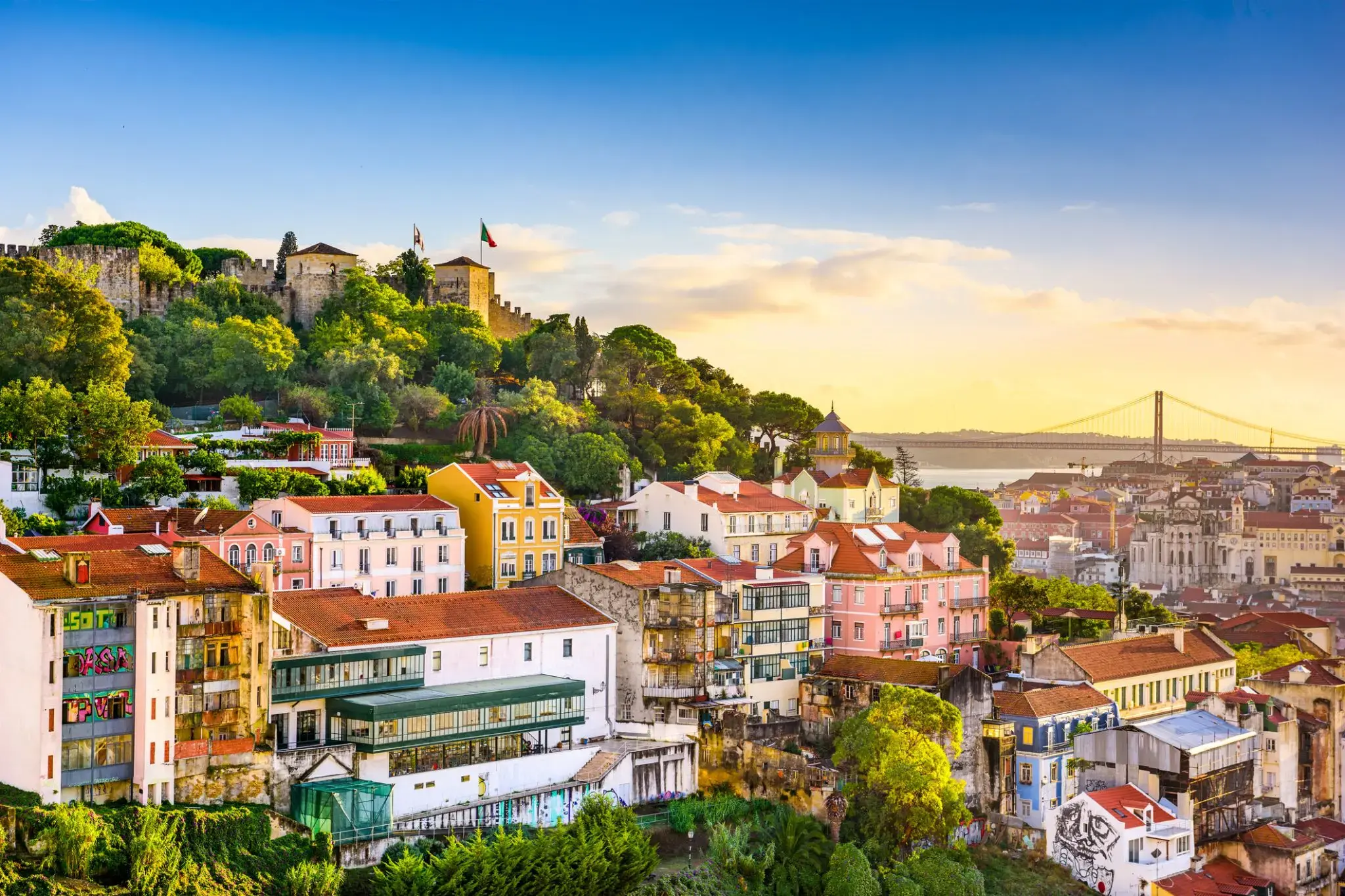
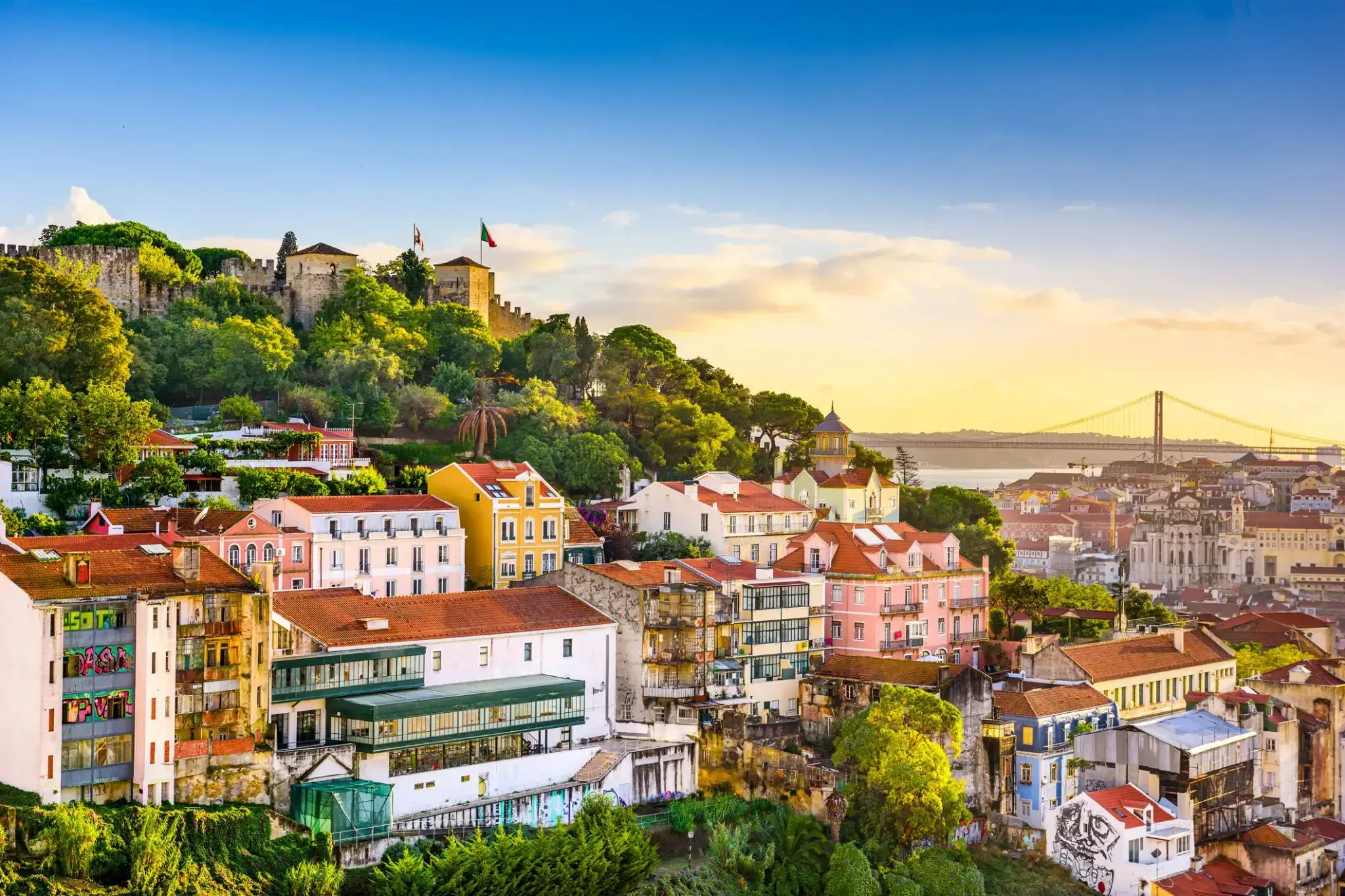
Lisbon is the capital and the largest city of Portugal, with an estimated population of 505,526 within its administrative limits in an area of 100.05 km2. Its urban area extends beyond the city's administrative limits with a population of around 2.8 million people, being the 11th-most populous urban area in the European Union. About 3 million people live in the Lisbon Metropolitan Area (which represents approximately 27% of the country's population). It is mainland Europe's westernmost capital city and the only one along the Atlantic coast. Lisbon lies in the western Iberian Peninsula on the Atlantic Ocean and the River Tagus. The westernmost areas of its metro area form the westernmost point of Continental Europe, which is known as Cabo da Roca, located in the Sintra Mountains.
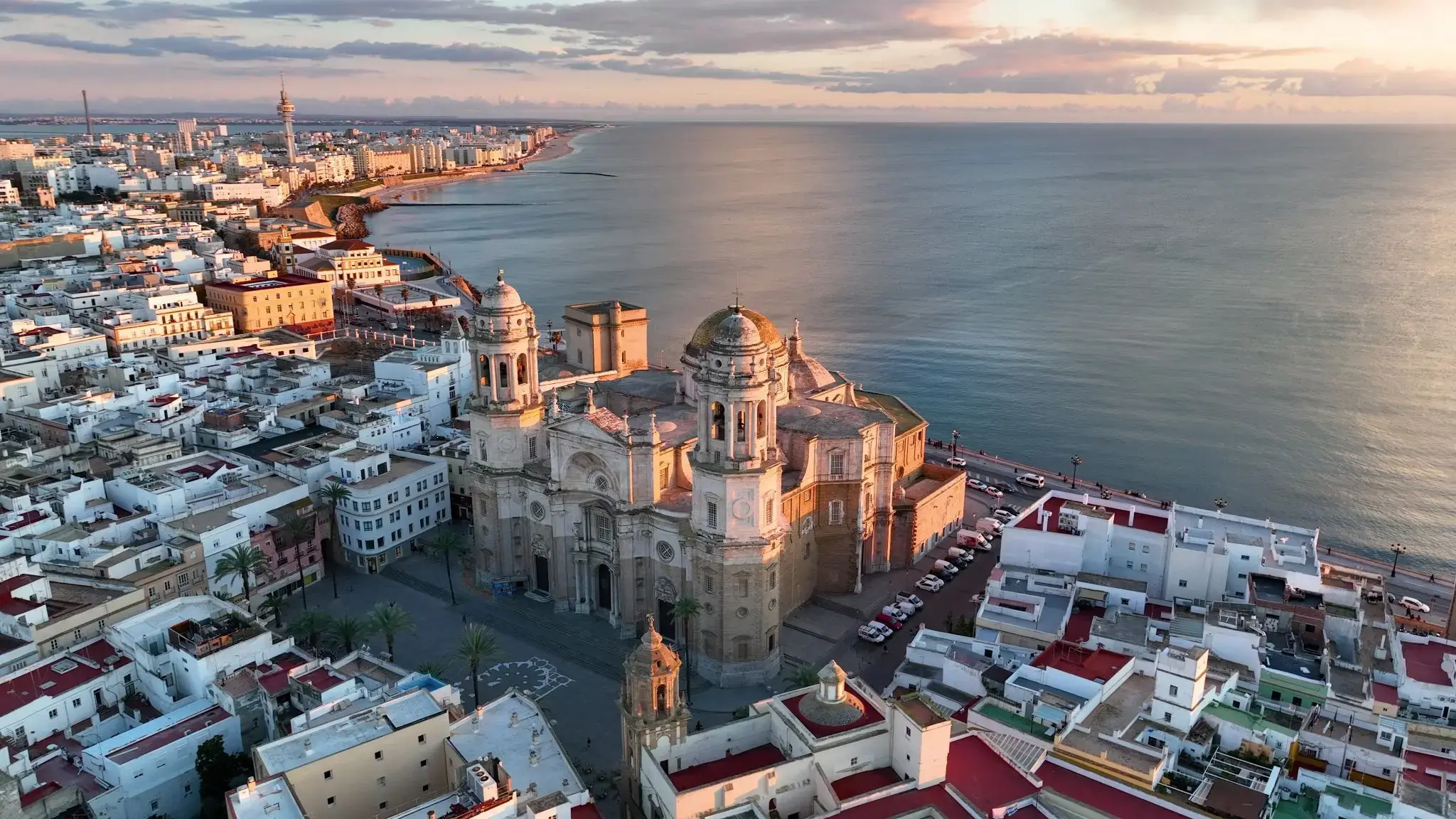
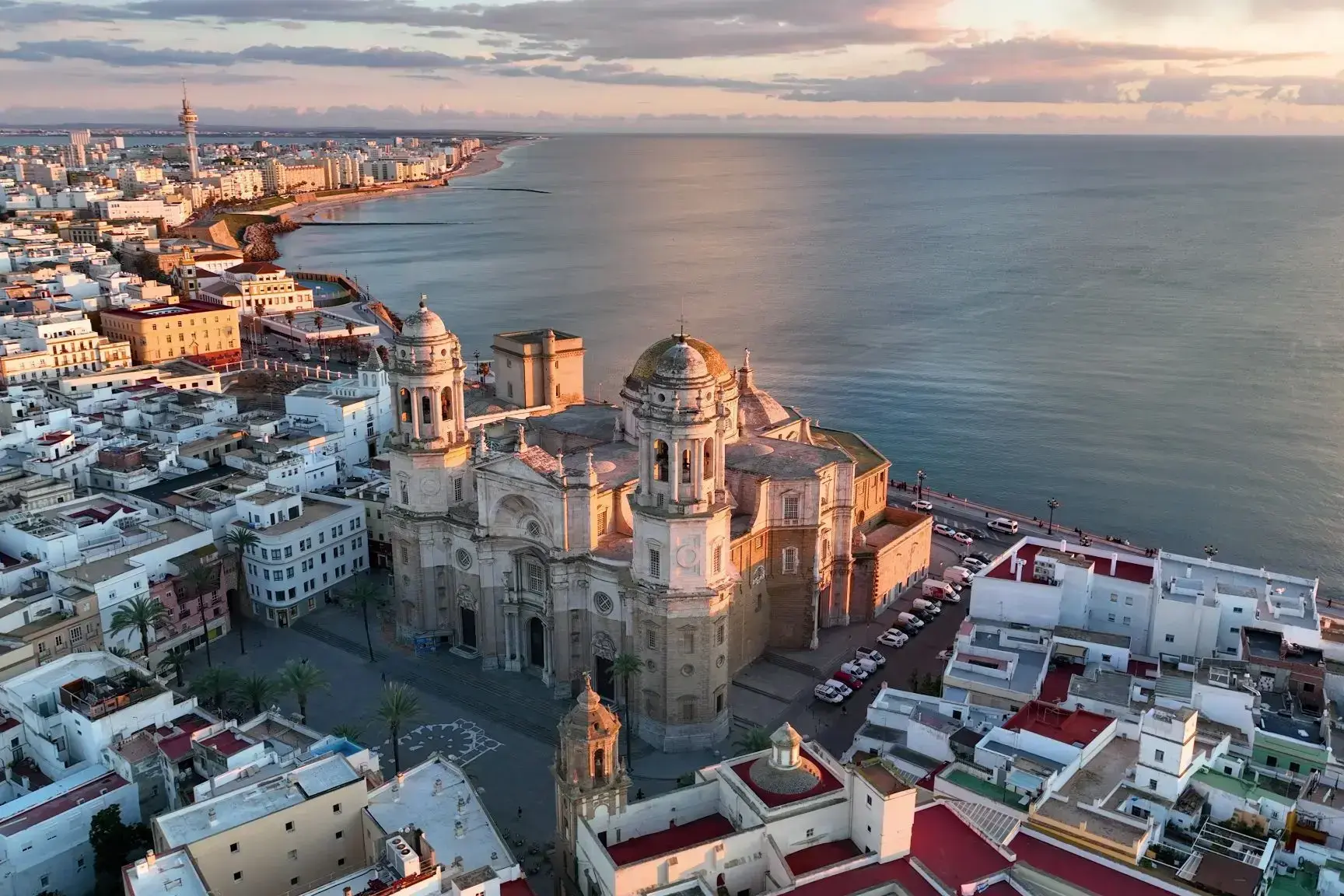
Cadiz is one of the oldest cities in Europe, located on the southwest coast of Spain in the heart of Andalusia. The city stands on a peninsula surrounded by the Atlantic Ocean, which gives it a unique atmosphere. Cadiz is known for its picturesque beaches, such as Playa de la Victoria, as well as its ancient streets with white houses and magnificent facades, reflecting its Moorish and colonial history. In the historic center of the city stands the famous cathedral, whose construction took more than a century, offering an impressive view of the ocean.
The city is also famous for its carnival traditions and delicious cuisine, which is dominated by seafood. The local carnival is considered one of the brightest in Spain, attracting thousands of tourists every year.
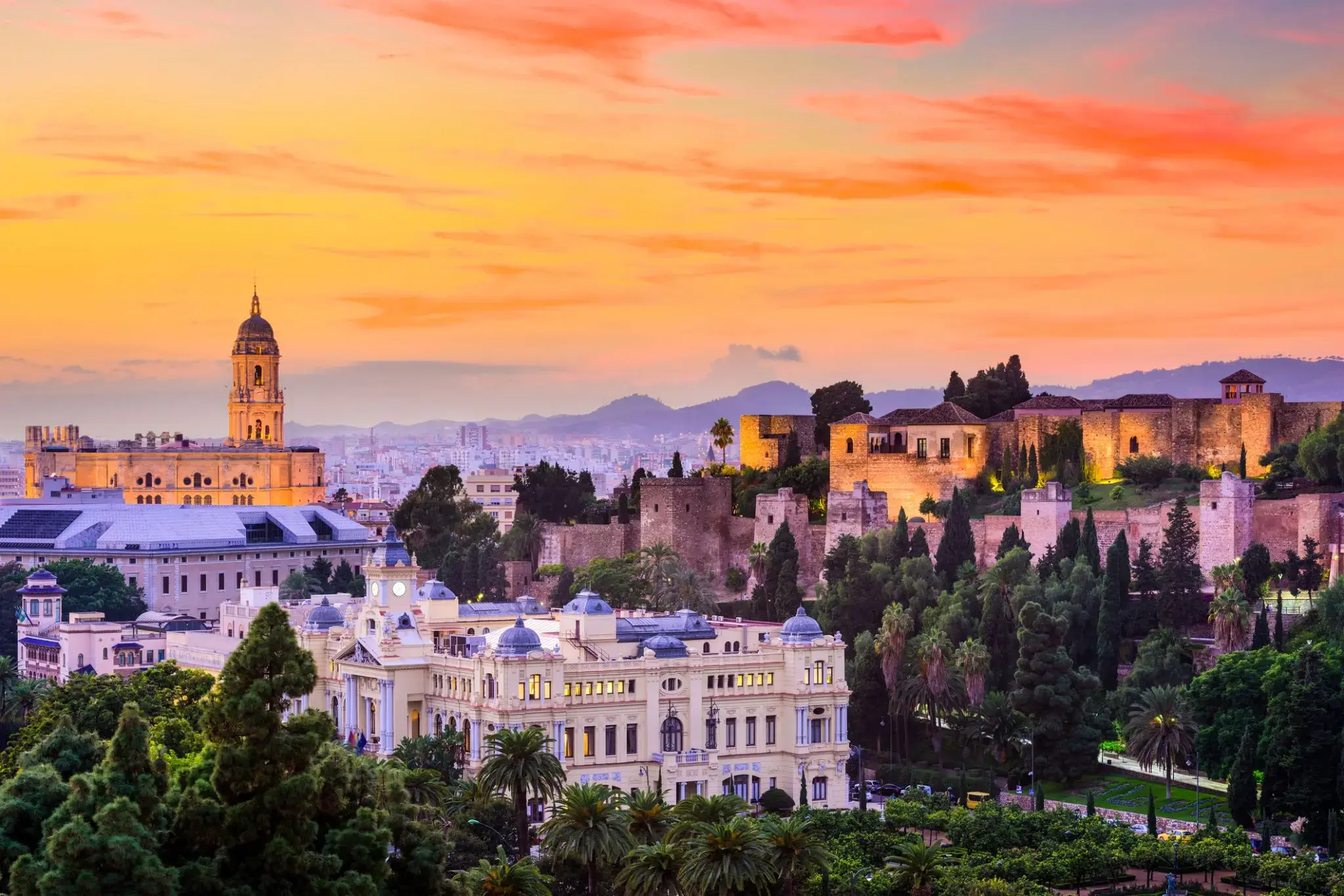
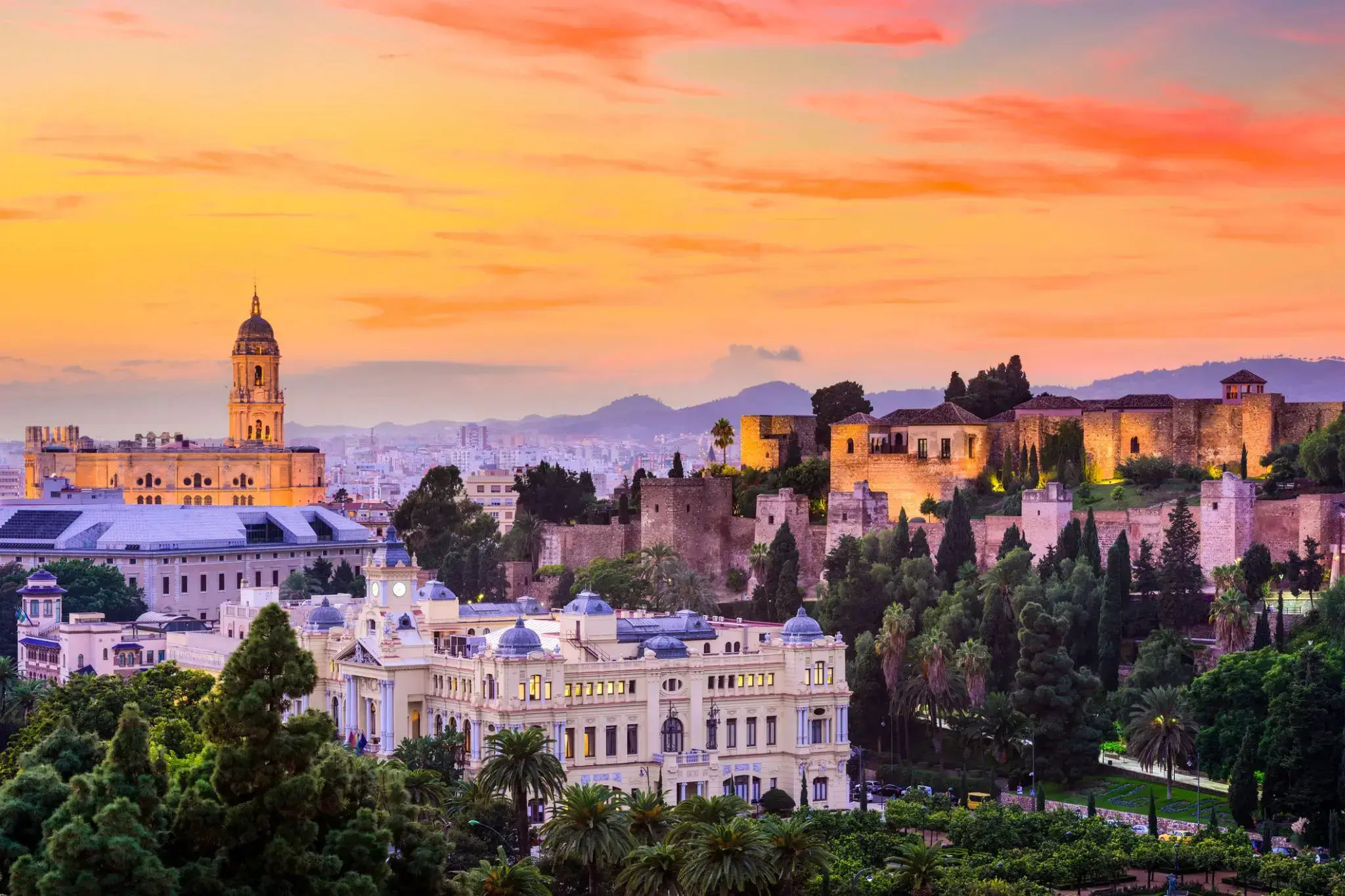
Málaga is a municipality, capital of the Province of Málaga, in the Autonomous Community of Andalusia, Spain. With a population of 569,130 in 2015, it is the second-most populous city of Andalusia and the sixth-largest in Spain. The southernmost large city in Europe, it lies on the Costa del Sol (Coast of the Sun) of the Mediterranean, about 100 kilometres (62.14 miles) east of the Strait of Gibraltar and about 130 km (80.78 mi) north of Africa.
Málaga's history spans about 2,800 years, making it one of the oldest cities in the world. According to most scholars, it was founded about 770 BC by the Phoenicians as Malaka From the 6th century BC the city was under the hegemony of Ancient Carthage, and from 218 BC, it was ruled by the Roman Republic and then empire as Malaca (Latin). After the fall of the empire and the end of Visigothic rule, it was under Islamic rule as Mālaqah for 800 years, but in 1487, the Crown of Castille gained control after the Reconquista. The archaeological remains and monuments from the Phoenician, Roman, Arabic and Christian eras make the historic center of the city an "open museum", displaying its history of nearly 3,000 years.
This important cultural infrastructure and the artistic heritage have culminated in the nomination of Málaga as a candidate for the 2016 European Capital of Culture.
The painter and sculptor Pablo Picasso, Hebrew poet and Jewish philosopher Solomon Ibn Gabirol and the actor Antonio Banderas were born in Málaga. The magnum opus of Cuban composer Ernesto Lecuona, "Malagueña", is named after the music of this region of Spain.
The most important business sectors in Málaga are tourism, construction and technology services, but other sectors such as transportation and logistics are beginning to expand. The Andalusia Technology Park (PTA), located in Málaga, has enjoyed significant growth since its inauguration in 1992. Málaga is the main economic and financial centre of southern Spain, home of the region's largest bank, Unicaja, and the fourth-ranking city in economic activity in Spain behind Madrid, Barcelona and Valencia.
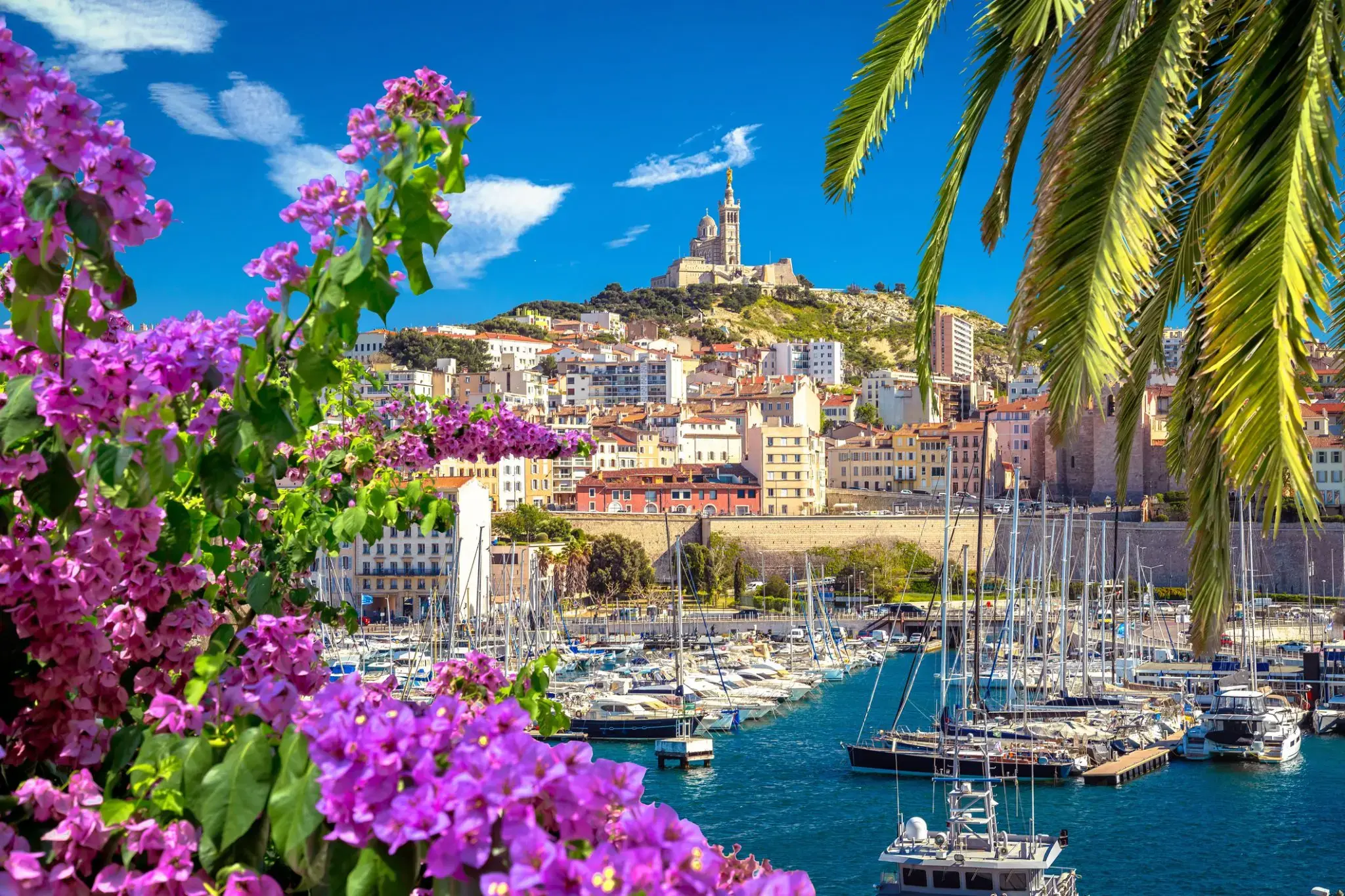
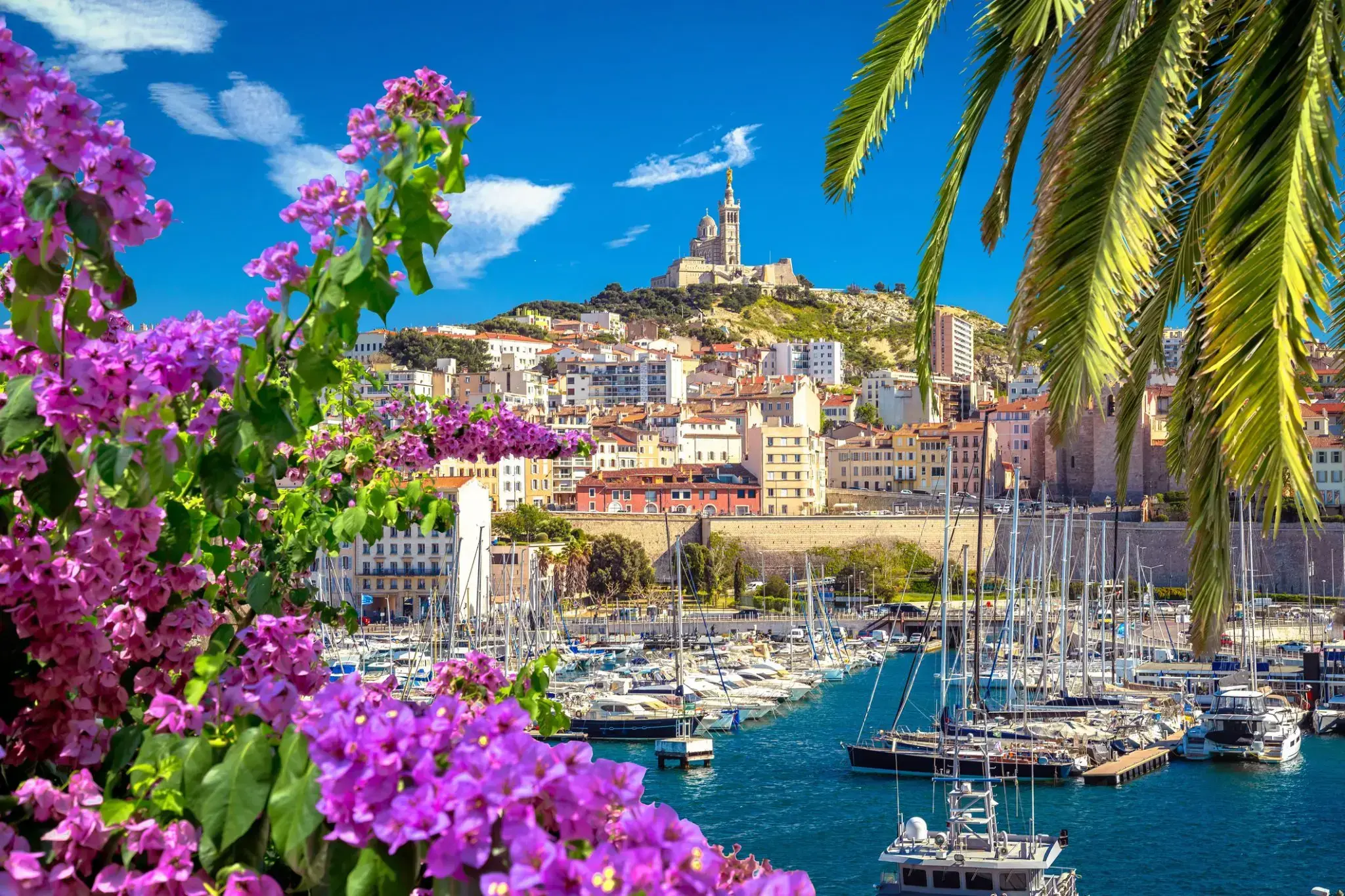
Marseille is the second-largest city of France. The main city of the historical province of Provence, it nowadays is the prefecture of the department of Bouches-du-Rhône and region of Provence-Alpes-Côte d'Azur. It is located on France's south coast near the mouth of the Rhône river. The city covers an area of 241 km2 (93 sq mi) and had a population of 852,516 in 2012. Its metropolitan area, which extends over 3,173 km2 (1,225 sq mi) is the third-largest in France after Paris and Lyon, with a population of 1,831,500 as of 2010.
Known to the ancient Greeks and Romans as Massalia, Marseille was an important European trading centre and remains the main commercial port of the French Republic. Marseille is now France's largest city on the Mediterranean coast and the largest port for commerce, freight and cruise ships. The city was European Capital of Culture in 2013 and European Capital of Sport in 2017; it hosted matches at the 1998 World Cup and Euro 2016. It is home to Aix-Marseille University.