| Cruise Region : South America / Antarctica |
| Company : MSC Yacht Club |
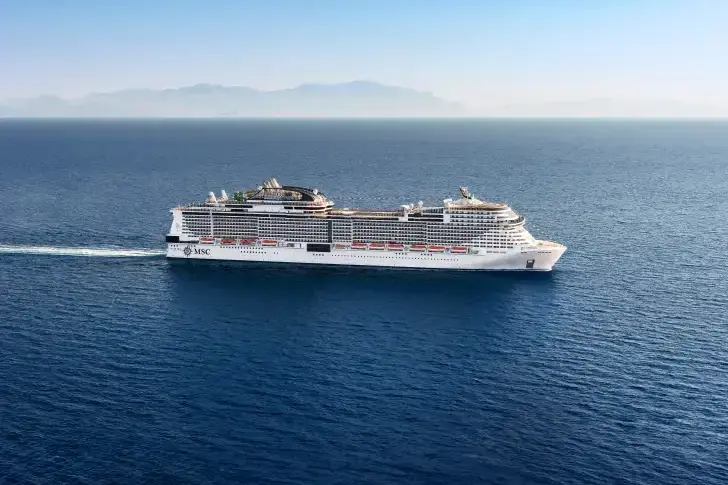
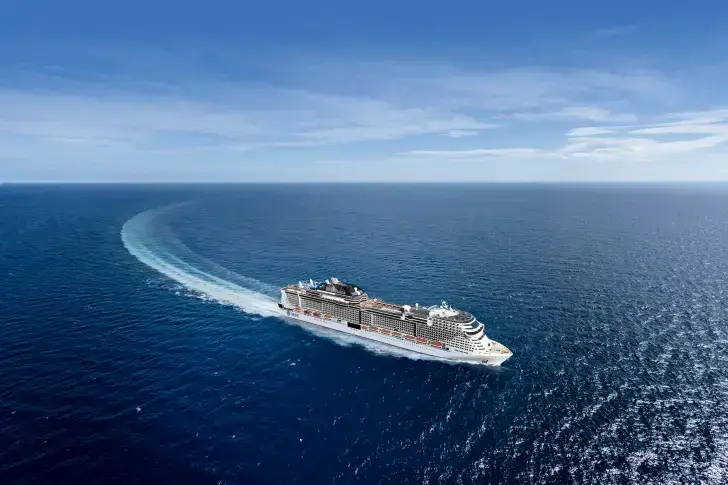
| Ship : MSC Yacht Club Virtuosa |
| Journey Start : Sat 26 Dec 2026 |
| Journey End : Sat 02 Jan 2027 |
| Count Nights : 7 nights |
| Day | Date | Port | Arrival | Departure |
|---|---|---|---|---|
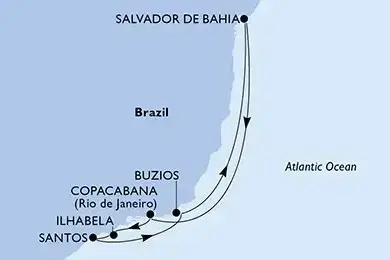
| 1 | 26.12 Sat | Santos / Brazil | 17:00 | |
| 2 | 27.12 Sun | Armacao dos Buzios / Brazil | 09:00 | 19:00 |
| 3 | 28.12 Mon | Day at sea / Sea | ||
| 4 | 29.12 Tue | Salvador / Brazil | 08:00 | 17:00 |
| 5 | 30.12 Wed | Day at sea / Sea | ||
| 6 | 31.12 Thu | Rio de Janeiro / Brazil | 21:00 | 23:59 |
| 7 | 1.01 Fri | Rio de Janeiro / Brazil | 00:01 | 02:00 |
| 7 | 1.01 Fri | Ilhabela / Brazil | 10:00 | 18:00 |
| 8 | 2.01 Sat | Santos / Brazil | 07:00 |
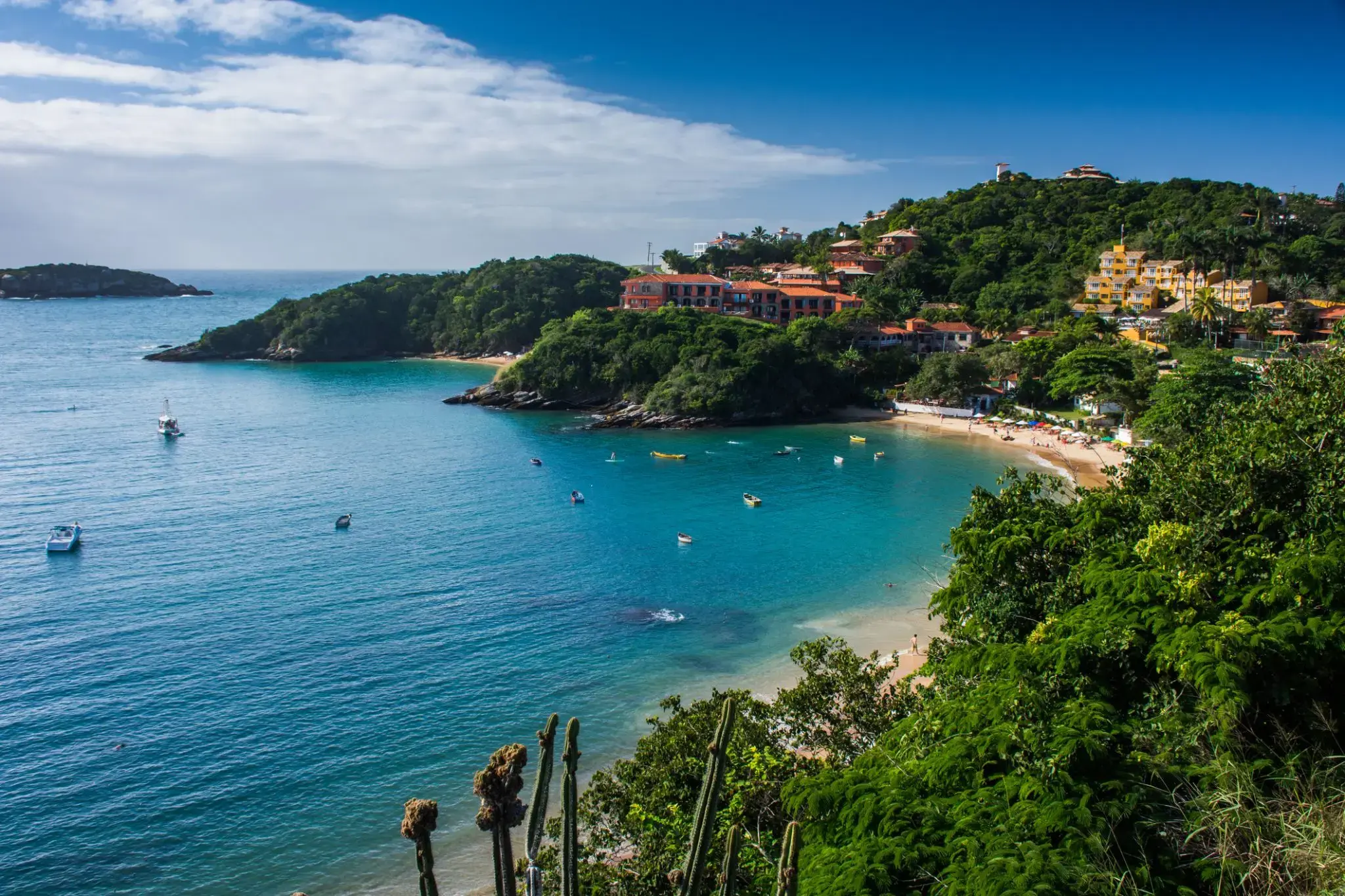
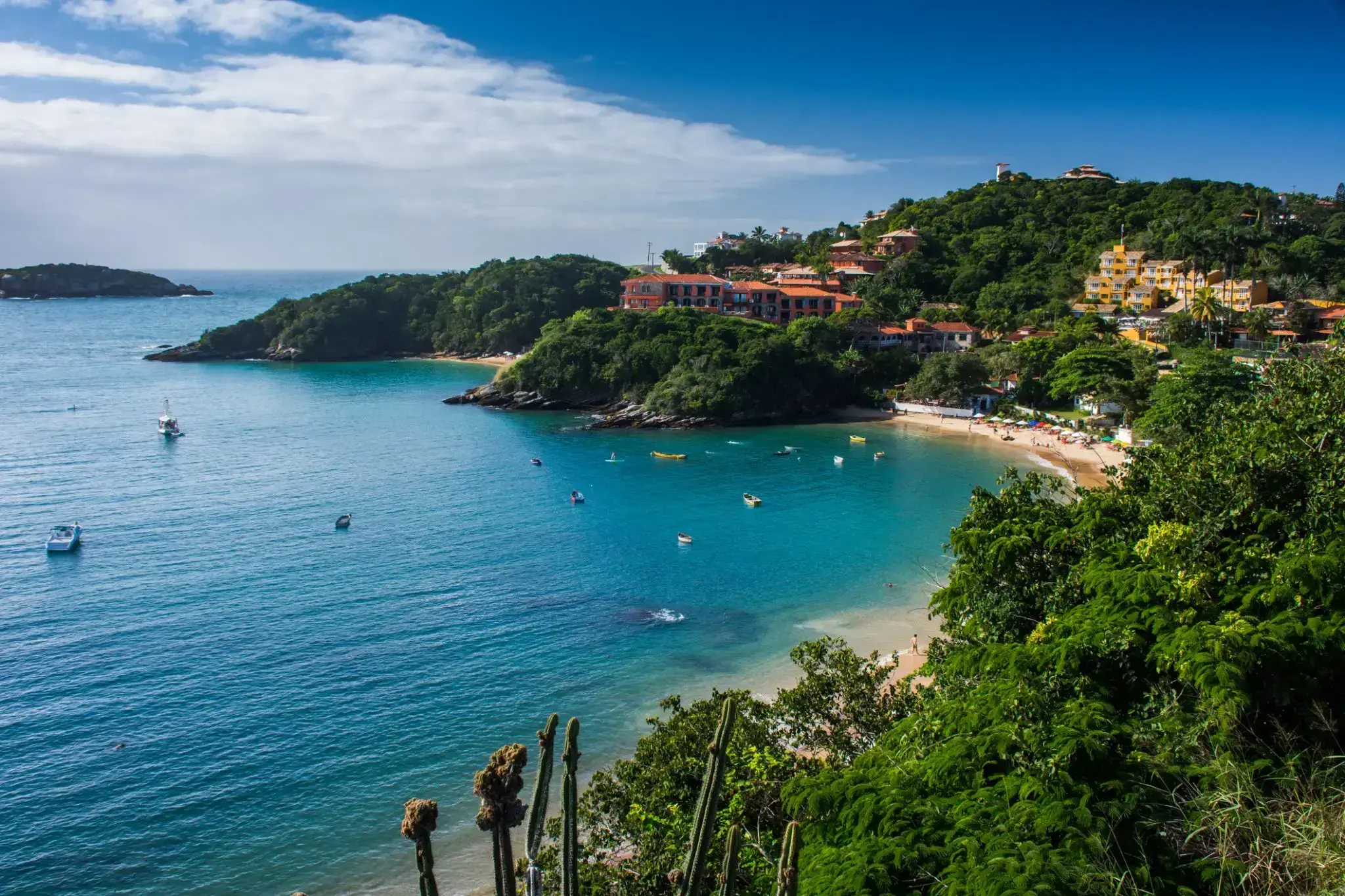
Armação dos Búzios, often referred to as just Búzios, is a resort town and a municipality located in the state of Rio de Janeiro, Brazil. In 2012, its population consisted of 23,463 inhabitants and its area of 69 km². Today, Búzios is a popular getaway from the city and a worldwide tourist site, especially among Brazilians and Argentinians.
In the early 1900s Búzios was an almost unknown village of fishermen. It remained as such until 1964, when the French actress Brigitte Bardot visited Búzios, since then Búzios became popular with the Carioca’s high society, who wanted to escape from the chaotic city life of Rio de Janeiro and enjoy over 23 beaches that the peninsula offers. The city grew to be an international tourist destination.
Today, the peninsula is a travelling site that offers calmness, direct contact with nature and scenic views. The west coast beaches offer calm, clear waters while the east coast ones, facing the open sea, are more wild and draw surfers and water sports enthusiasts. Azeda, Ferradura, João Fernandes and Armação are amongst the most popular beaches in town. At night, Rua das Pedras, Buzios' main street, offers its visitors an active nightlife and a great variety of shopping and restaurants.
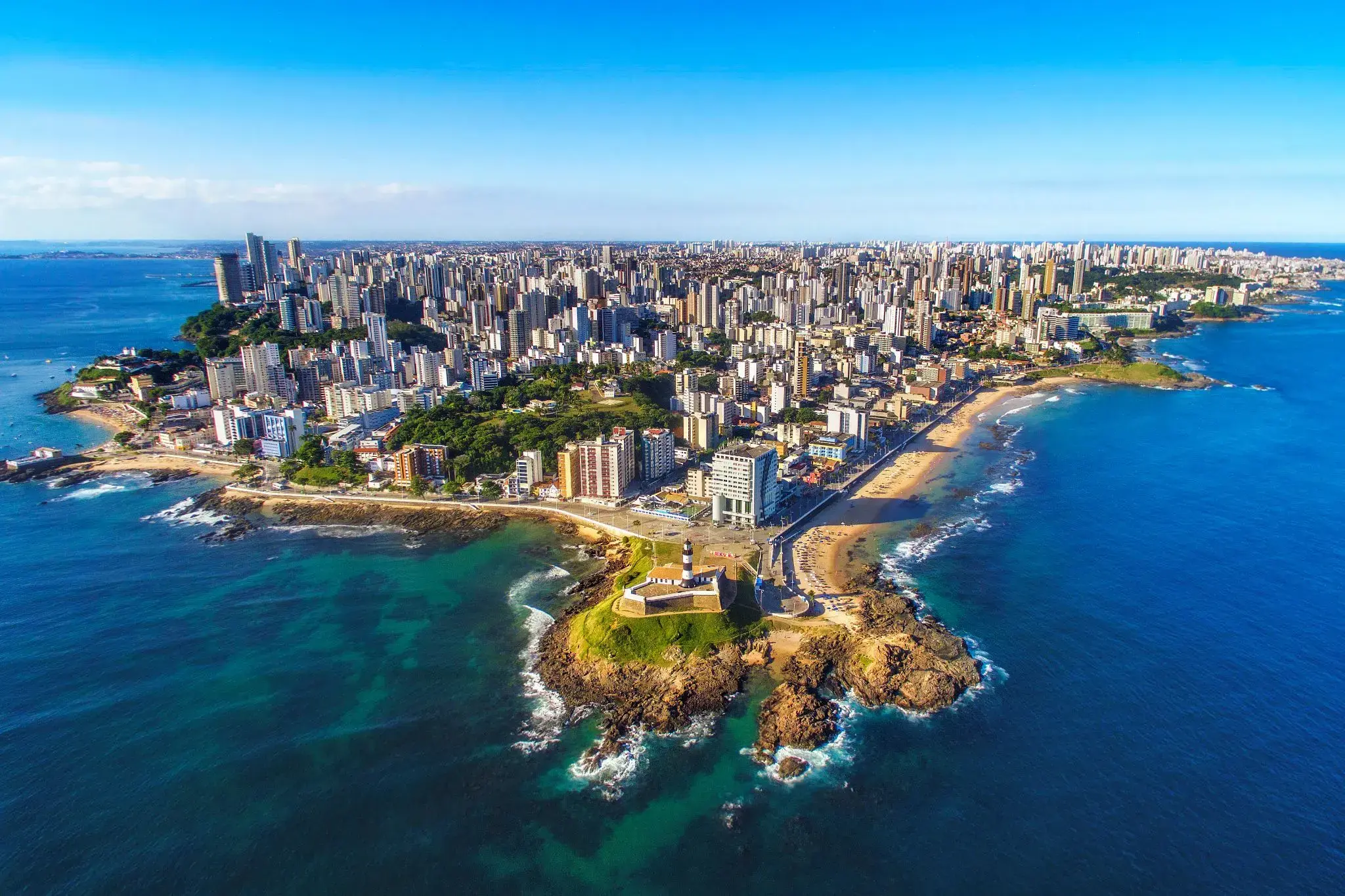
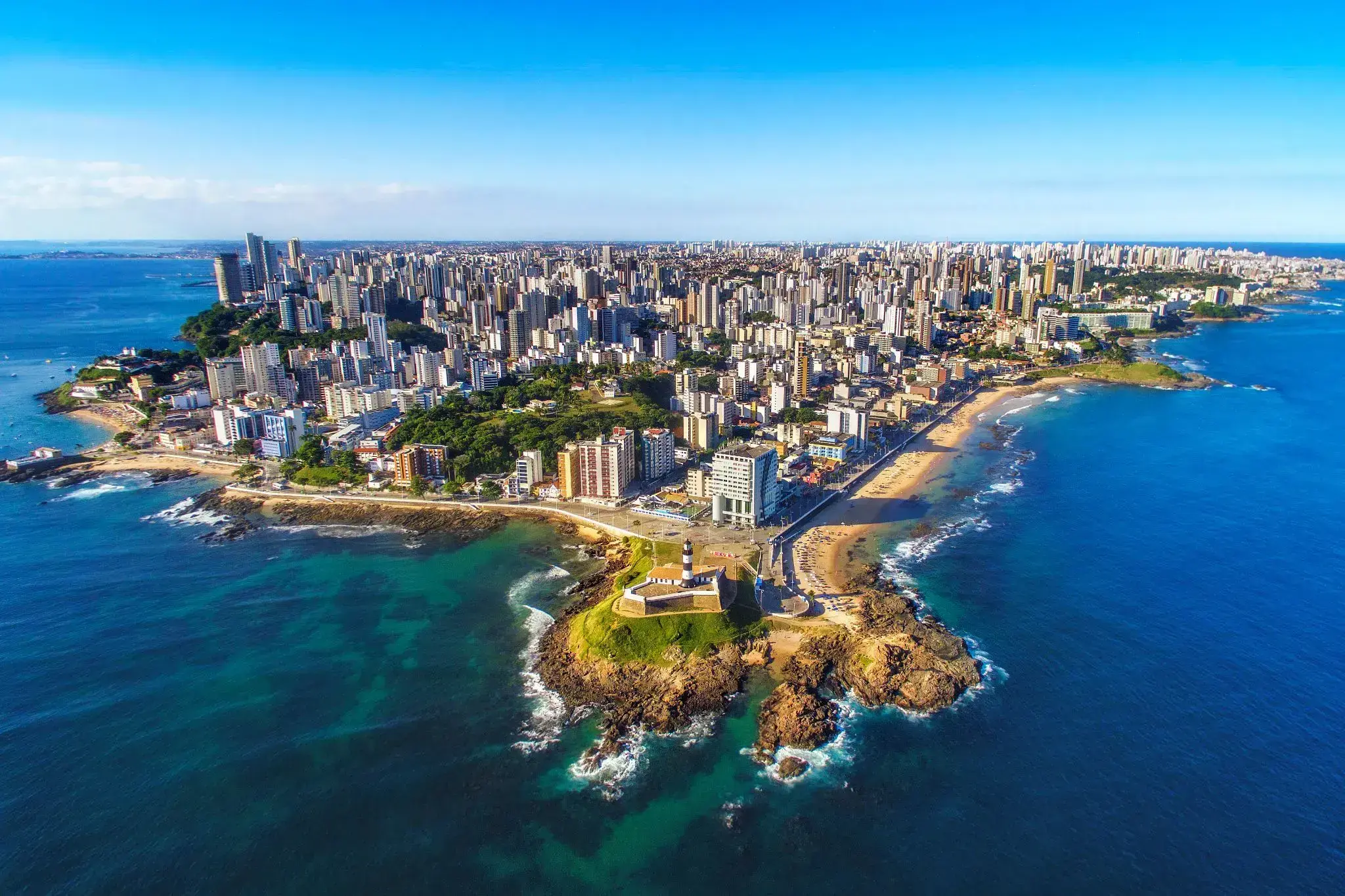
Salvador is the capital of Bahia state and was formerly the first capital of Brazil. Salvador is known for its endless number of churches, as well as for being a land of majestic fortresses. After visiting these places, it is also worth taking a look at the Chapada Diamantina National Park – the most interesting natural park in Brazil. In Salvador, there reigns an atmosphere of joy, revelry, and holidays – this is due to the fact that the local population was influenced by Africa. In Salvador, you can always admire the natural beauty of this area. You will be enchanted by the sensuality of this land, and you will be able to discover a piece of its mysterious power.
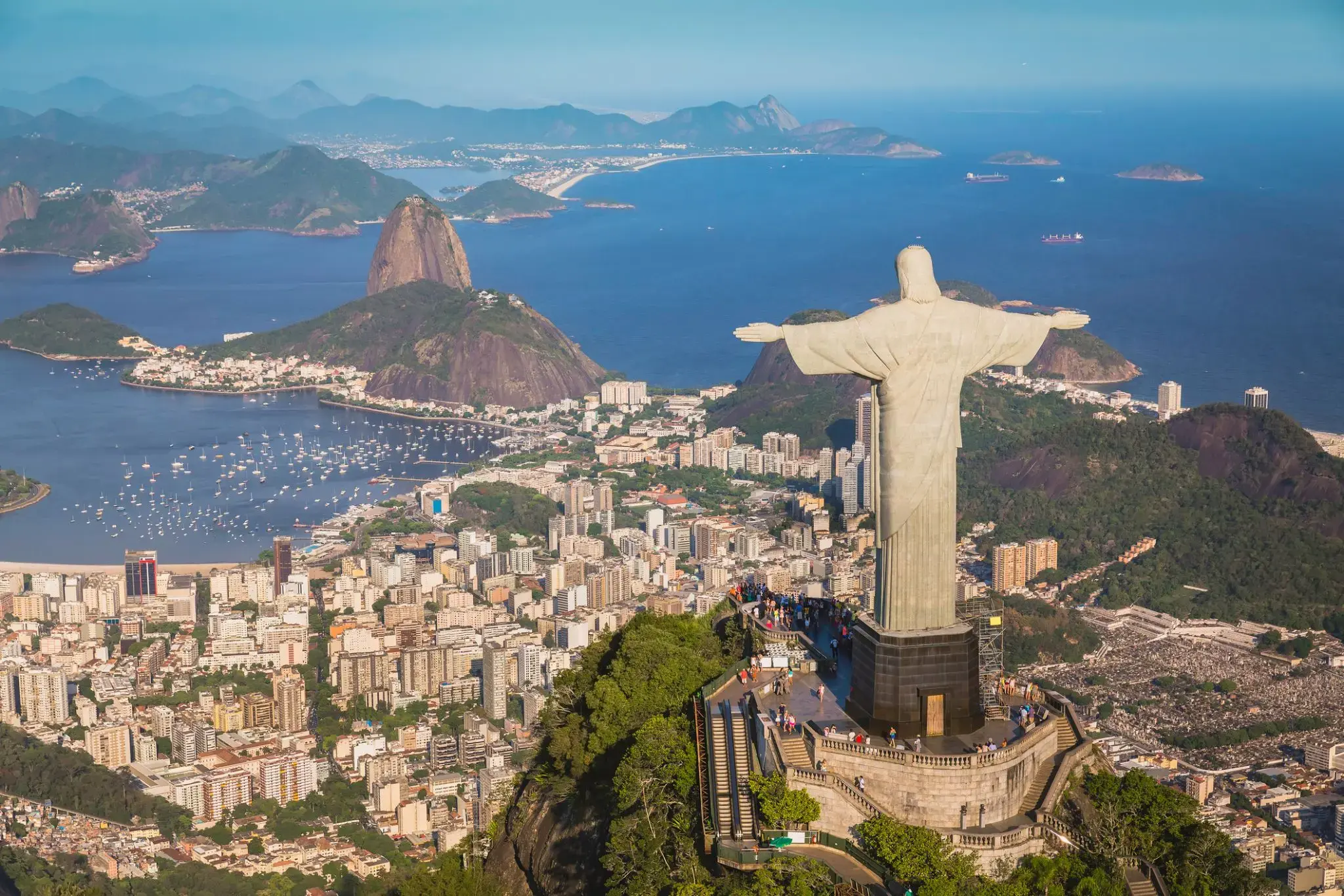
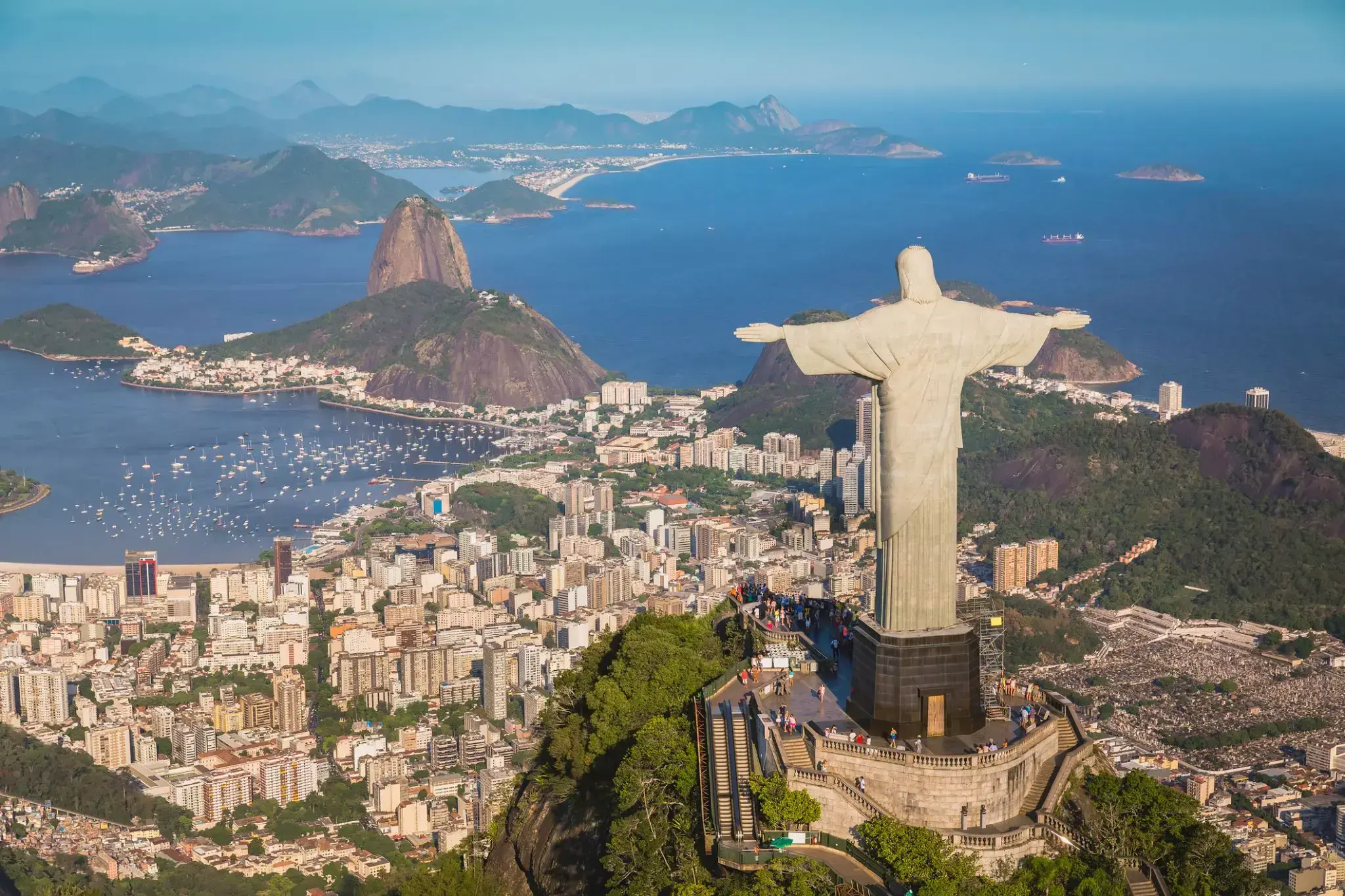
Rio de Janeiro is the second-most populous municipality in Brazil and the sixth-most populous in the Americas. The metropolis is anchor to the Rio de Janeiro metropolitan area, the second-most populous metropolitan area in Brazil and sixth-most populous in the Americas. Rio de Janeiro is the capital of the state of Rio de Janeiro, Brazil's third-most populous state. Part of the city has been designated as a World Heritage Site, named "Rio de Janeiro: CariocaLandscapes between the Mountain and the Sea", by UNESCO on 1 July 2012 as a Cultural Landscape.
Founded in 1565 by the Portuguese, the city was initially the seat of the Captaincy of Rio de Janeiro, a domain of the Portuguese Empire. Later, in 1763, it became the capital of the State of Brazil, a state of the Portuguese Empire. In 1808, when the Portuguese Royal Court transferred itself from Portugal to Brazil, Rio de Janeiro became the chosen seat of the court of Queen Maria I of Portugal, who subsequently, in 1815, under the leadership of her son, the Prince Regent, and future King João VI of Portugal, raised Brazil to the dignity of a kingdom, within the United Kingdom of Portugal, Brazil, and Algarves. Rio stayed the capital of the pluricontinental Lusitanian monarchy until 1822, when the War of Brazilian Independence began. This is one of the few instances in history that the capital of a colonising country officially shifted to a city in one of its colonies. Rio de Janeiro subsequently served as the capital of the independent monarchy, the Empire of Brazil, until 1889, and then the capital of a republican Brazil until 1960 when the capital was transferred to Brasília.
Rio de Janeiro is the second-most populous municipality in Brazil and the sixth-most populous in the Americas. The metropolis is anchor to the Rio de Janeiro metropolitan area, the second-most populous metropolitan area in Brazil and sixth-most populous in the Americas. Rio de Janeiro is the capital of the state of Rio de Janeiro, Brazil's third-most populous state. Part of the city has been designated as a World Heritage Site, named "Rio de Janeiro: CariocaLandscapes between the Mountain and the Sea", by UNESCO on 1 July 2012 as a Cultural Landscape.
Founded in 1565 by the Portuguese, the city was initially the seat of the Captaincy of Rio de Janeiro, a domain of the Portuguese Empire. Later, in 1763, it became the capital of the State of Brazil, a state of the Portuguese Empire. In 1808, when the Portuguese Royal Court transferred itself from Portugal to Brazil, Rio de Janeiro became the chosen seat of the court of Queen Maria I of Portugal, who subsequently, in 1815, under the leadership of her son, the Prince Regent, and future King João VI of Portugal, raised Brazil to the dignity of a kingdom, within the United Kingdom of Portugal, Brazil, and Algarves. Rio stayed the capital of the pluricontinental Lusitanian monarchy until 1822, when the War of Brazilian Independence began. This is one of the few instances in history that the capital of a colonising country officially shifted to a city in one of its colonies. Rio de Janeiro subsequently served as the capital of the independent monarchy, the Empire of Brazil, until 1889, and then the capital of a republican Brazil until 1960 when the capital was transferred to Brasília.
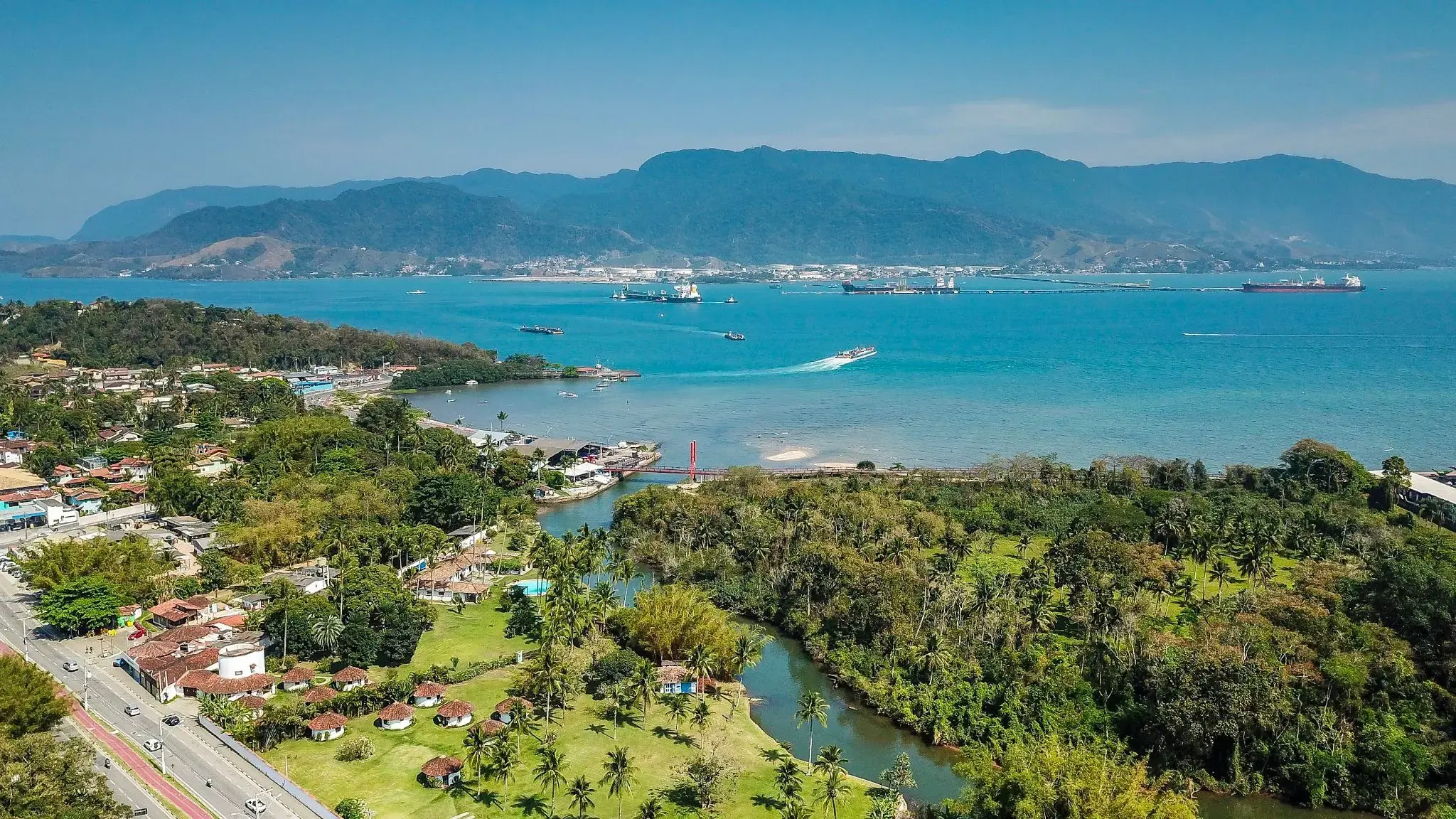
Ilhabela — A Brazilian Paradise for Nature and Adventure Enthusiasts
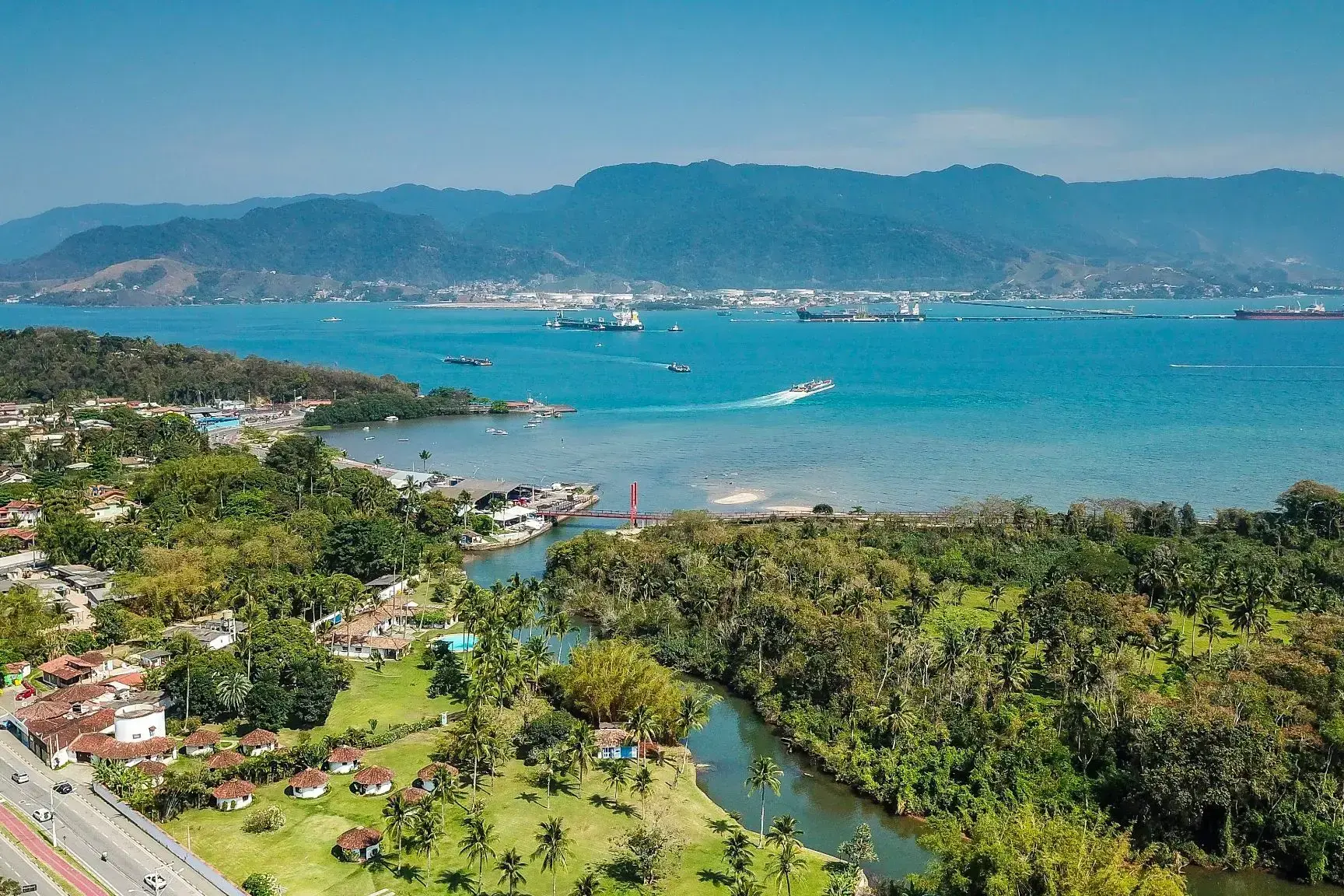
Ilhabela is a picturesque archipelago and municipality in the state of São Paulo, Brazil, comprising the main island and several smaller ones. The name translates from Portuguese as "beautiful island," which it truly embodies. Over 80% of the island's territory is protected within the Ilhabela State Park, featuring dense tropical forests, waterfalls, and hiking trails. It's a popular destination for sailors, divers, and those seeking solitude away from urban noise.
Ilhabela is renowned not only for its golden sandy beaches and clear waters but also for the unique opportunity to observe whales during their migration. The city frequently hosts sailing regattas, including international competitions. Tourists can explore colonial-era buildings and enjoy the ambiance of seaside restaurants offering fresh seafood dishes. Ilhabela combines pristine nature, active recreation, and a relaxed pace of life, making it an ideal destination for travel at any time of the year.