| Cruise Region : Europe, Northern Europe |
| Company : MSC Yacht Club |
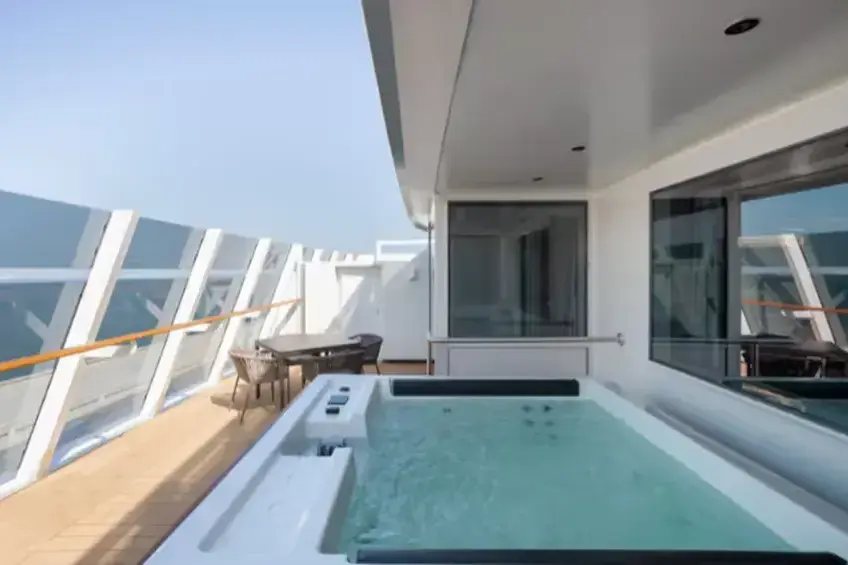
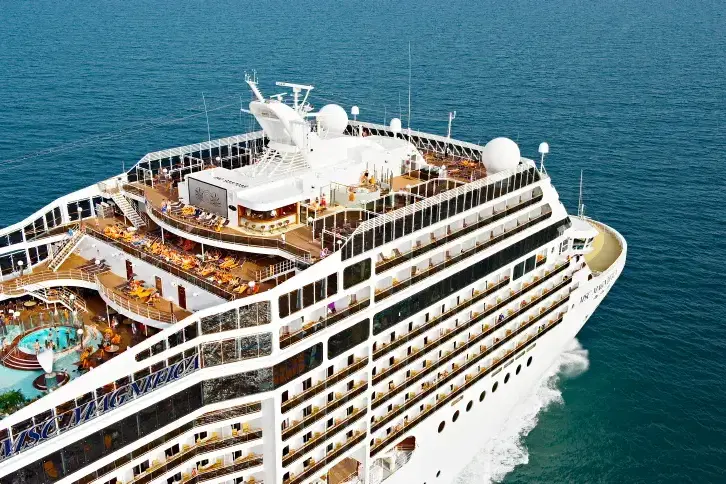
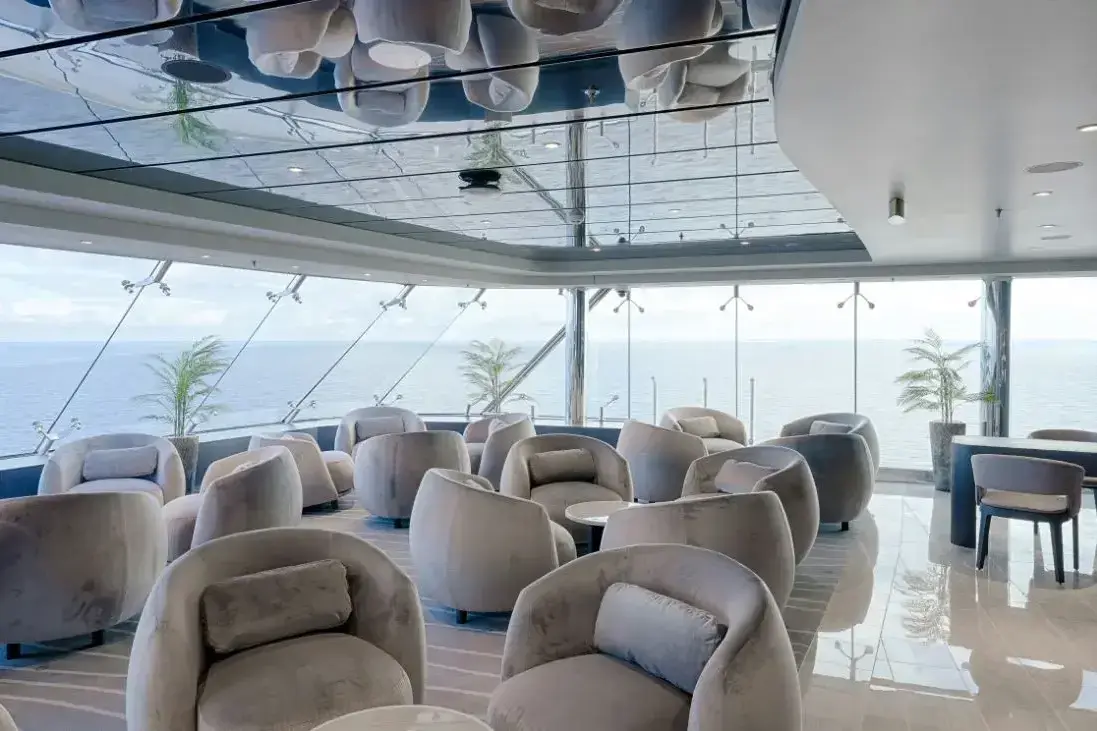
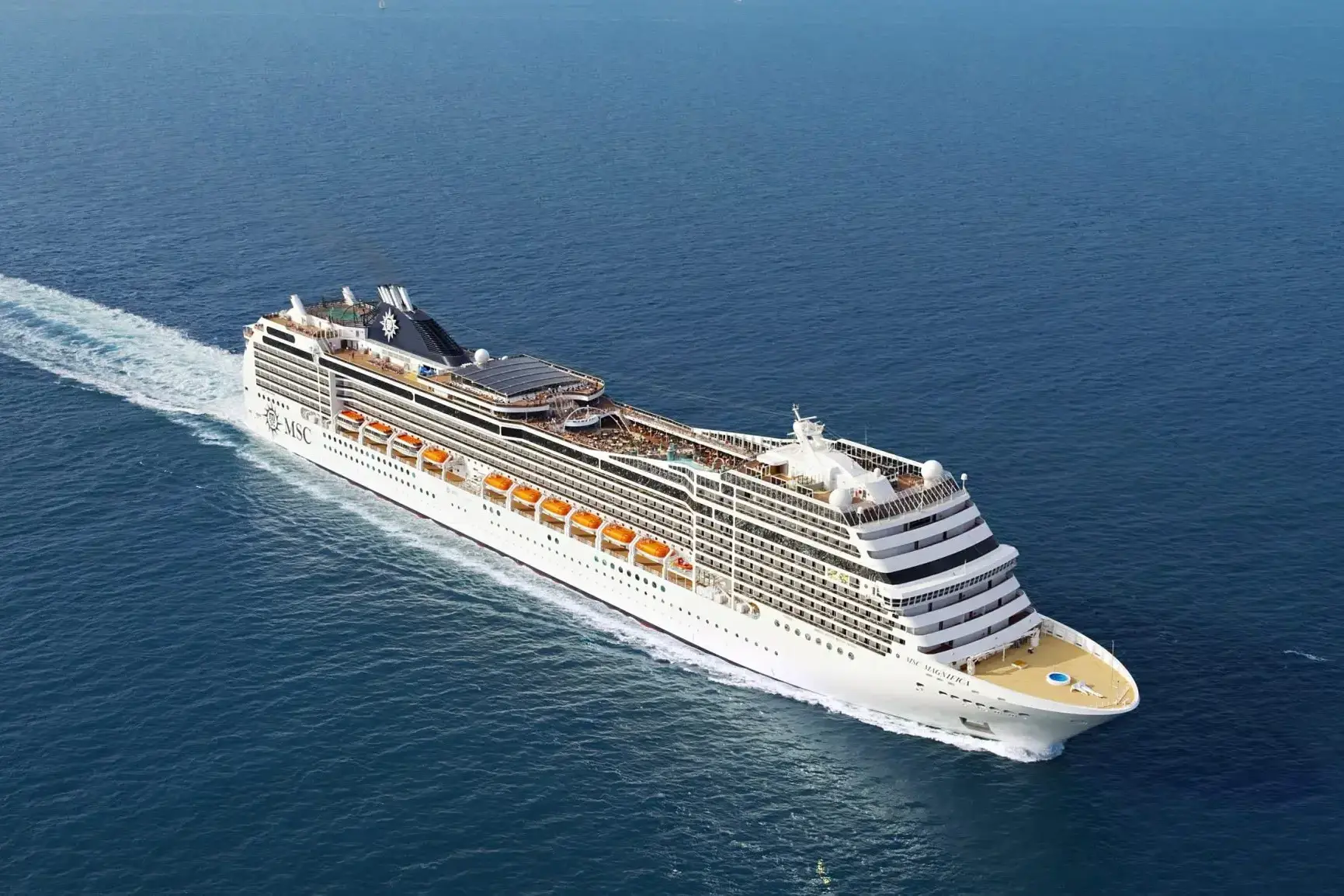
| Ship : MSC Yacht Club Magnifica |
| Journey Start : Thu 20 Aug 2026 |
| Journey End : Fri 28 Aug 2026 |
| Count Nights : 8 nights |
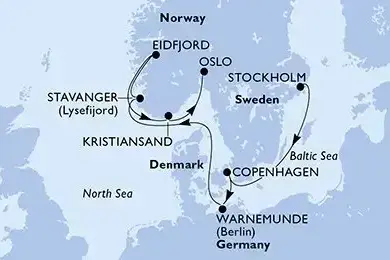
| Day | Date | Port | Arrival | Departure |
|---|---|---|---|---|
| 1 | 20.08 Thu | Stockholm / Sweden | 17:00 | |
| 2 | 21.08 Fri | Day at sea / Sea | ||
| 3 | 22.08 Sat | Copenhagen / Denmark | 09:30 | 18:00 |
| 4 | 23.08 Sun | Warnemünde / Germany | 07:00 | 17:00 |
| 5 | 24.08 Mon | Day at sea / Sea | ||
| 6 | 25.08 Tue | Stavanger / Norway | 08:00 | 18:00 |
| 7 | 26.08 Wed | Eidfjord / Norway | 08:00 | 17:00 |
| 8 | 27.08 Thu | Kristiansand / Norway | 12:00 | 20:00 |
| 9 | 28.08 Fri | Oslo / Norway | 07:00 |
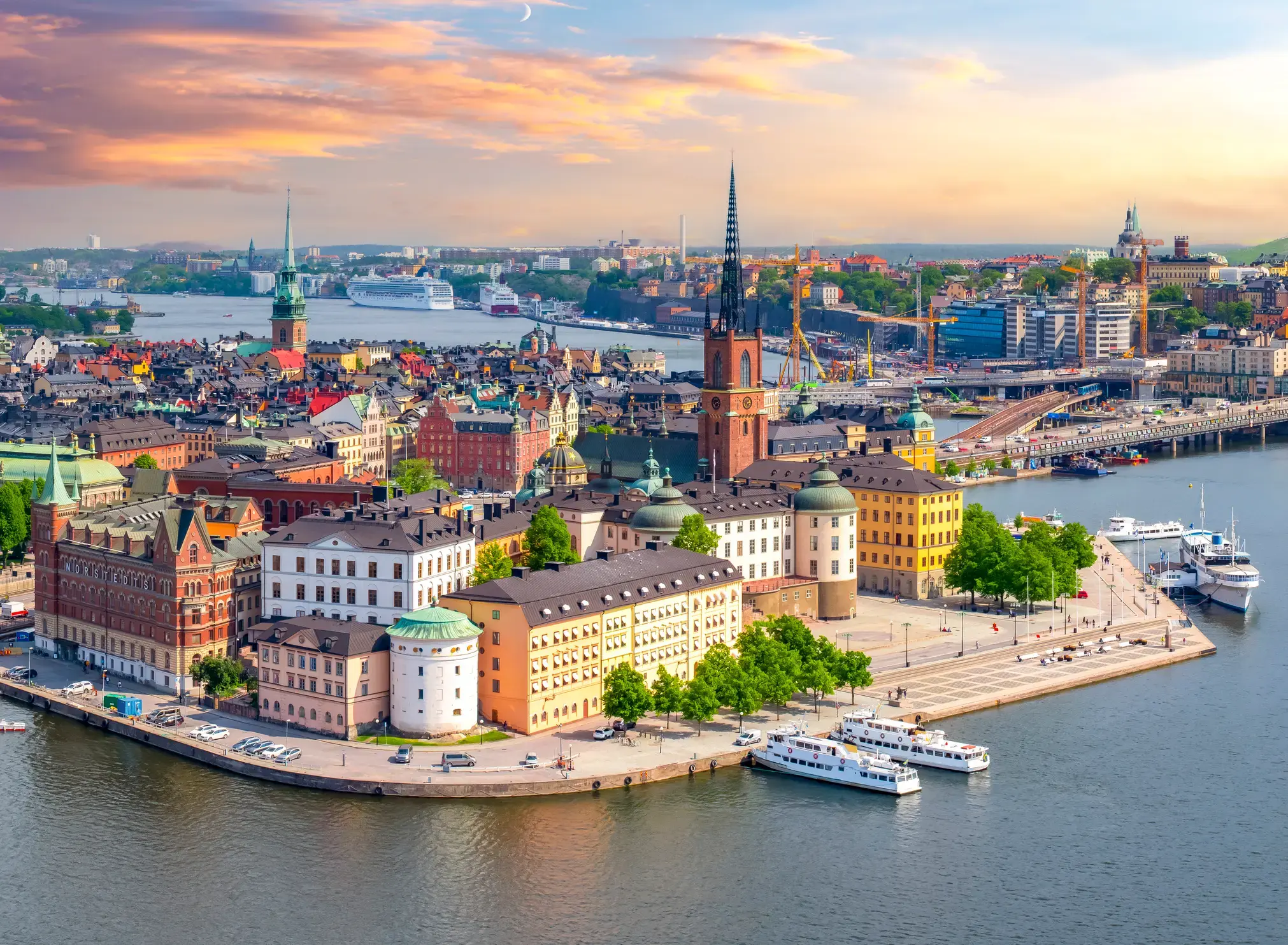
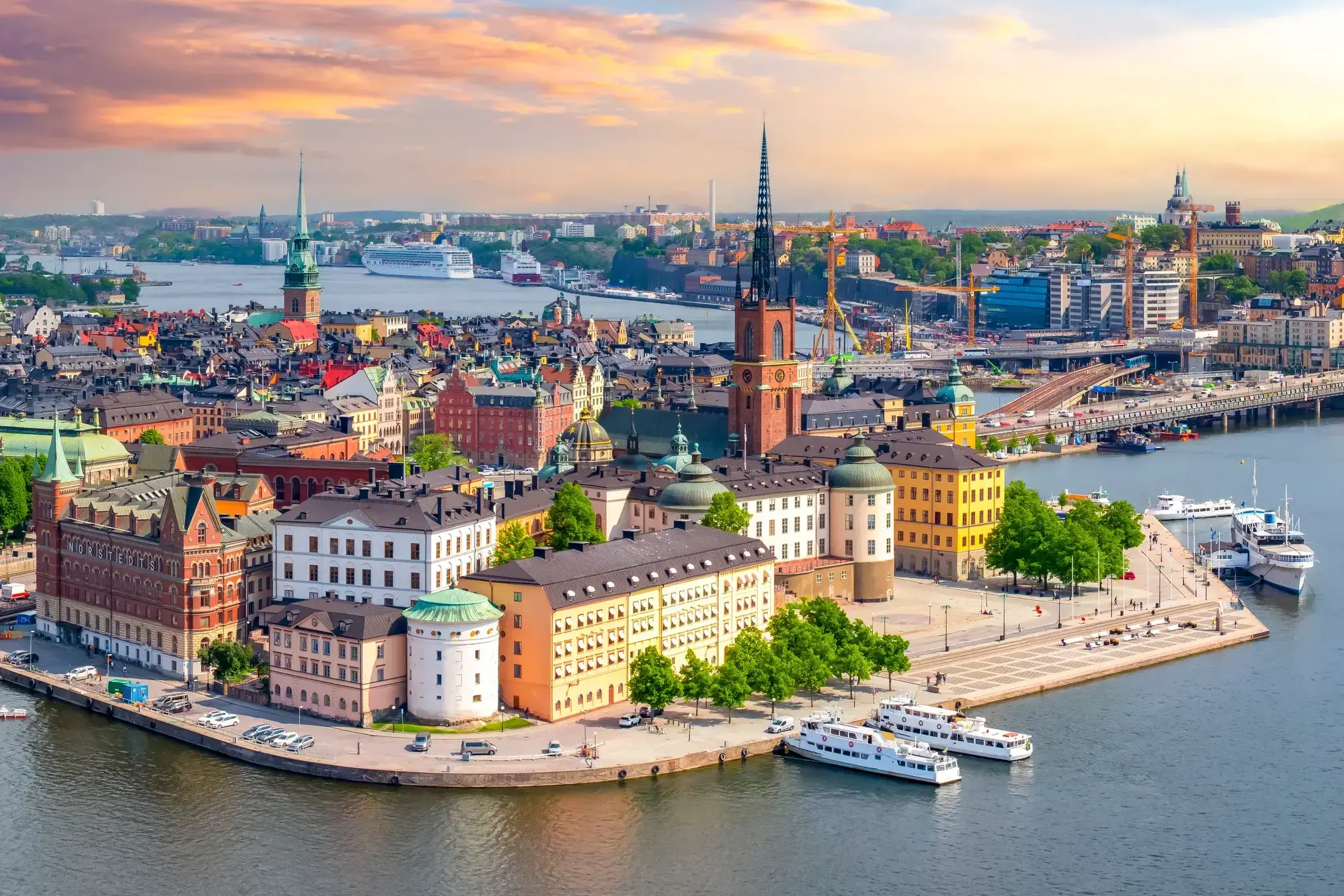
Stockholm is the capital of Sweden and the most populous urban area in the Nordic countries; 960,031 people live in the municipality, approximately 1.5 million in the urban area, and 2.3 million in the metropolitan area. The city stretches across fourteen islands where Lake Mälaren flows into the Baltic Sea. Just outside the city and along the coast is the island chain of the Stockholm archipelago. The area has been settled since the Stone Age, in the 6th millennium BC, and was founded as a city in 1252 by Swedish statesman Birger Jarl. It is also the capital of Stockholm County.
Stockholm is the cultural, media, political, and economic centre of Sweden. The Stockholm region alone accounts for over a third of the country's GDP, and is among the top 10 regions in Europe by GDP per capita. It is an important global city, and the main centre for corporate headquarters in the Nordic region. The city is home to some of Europe's top ranking universities, such as the Stockholm School of Economics, Karolinska Institute and Royal Institute of Technology (KTH). It hosts the annual Nobel Prize ceremonies and banquet at the Stockholm Concert Hall and Stockholm City Hall. One of the city's most prized museums, the Vasa Museum, is the most visited non-art museum in Scandinavia. The Stockholm metro, opened in 1950, is well known for the decor of its stations; it has been called the longest art gallery in the world. Sweden's national football arena is located north of the city centre, in Solna. Ericsson Globe, the national indoor arena, is in the southern part of the city. The city was the host of the 1912 Summer Olympics, and hosted the equestrian portion of the 1956 Summer Olympicsotherwise held in Melbourne, Victoria, Australia.
Stockholm is the seat of the Swedish government and most of its agencies, including the highest courts in the judiciary, and the official residencies of the Swedish monarch and the Prime Minister. The government has its seat in the Rosenbad building, the Riksdag (Swedish parliament) is seated in the Parliament House, and the Prime Minister's residence is adjacent at Sager House. Stockholm Palace is the official residence and principal workplace of the Swedish monarch, while Drottningholm Palace, a World Heritage Site on the outskirts of Stockholm, serves as the Royal Family's private residence.
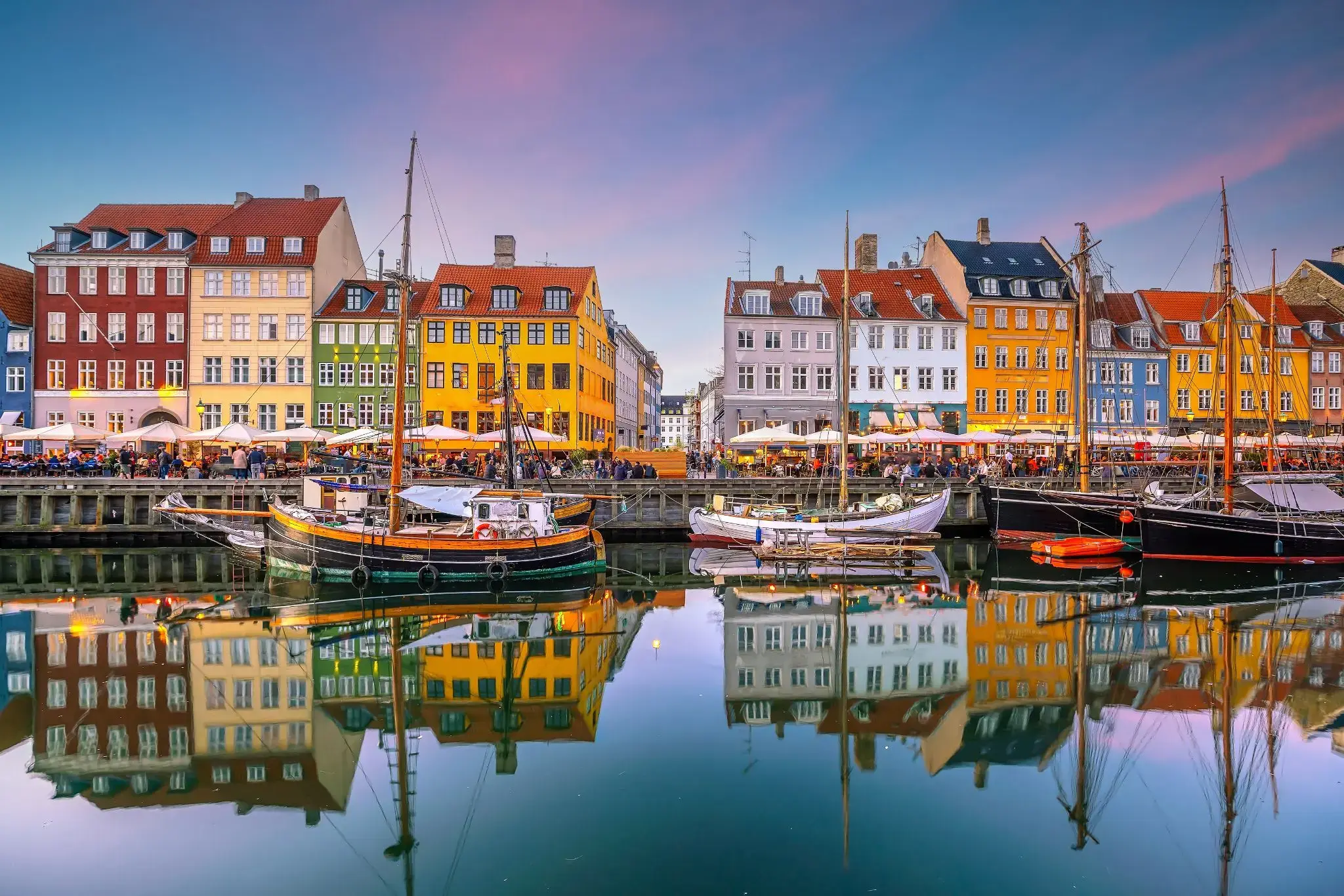
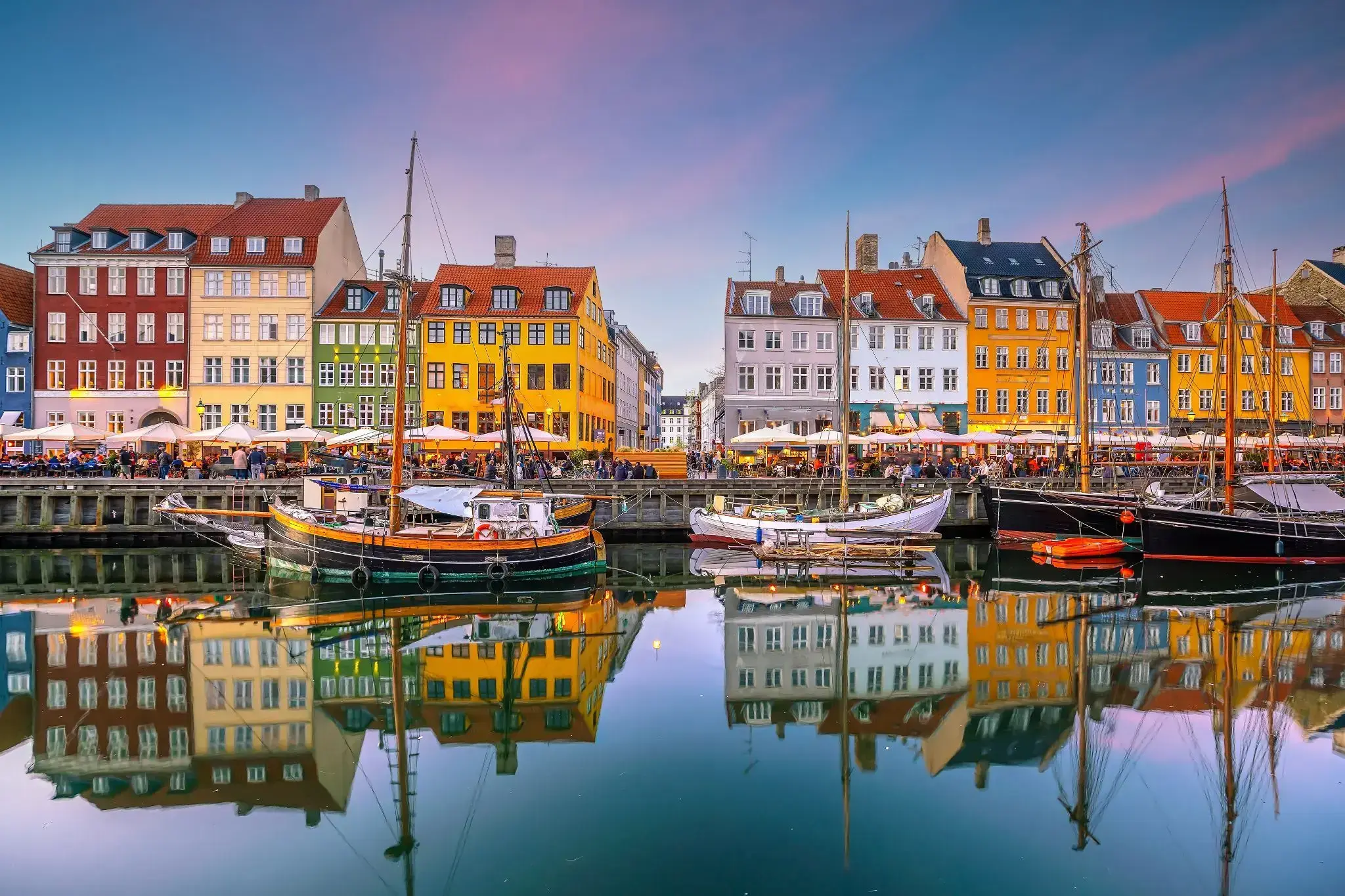
the capital and chief port of Denmark, a city that occupies the eastern part of Zealand and northern part of the island of Amager; population 518,574 (2009).
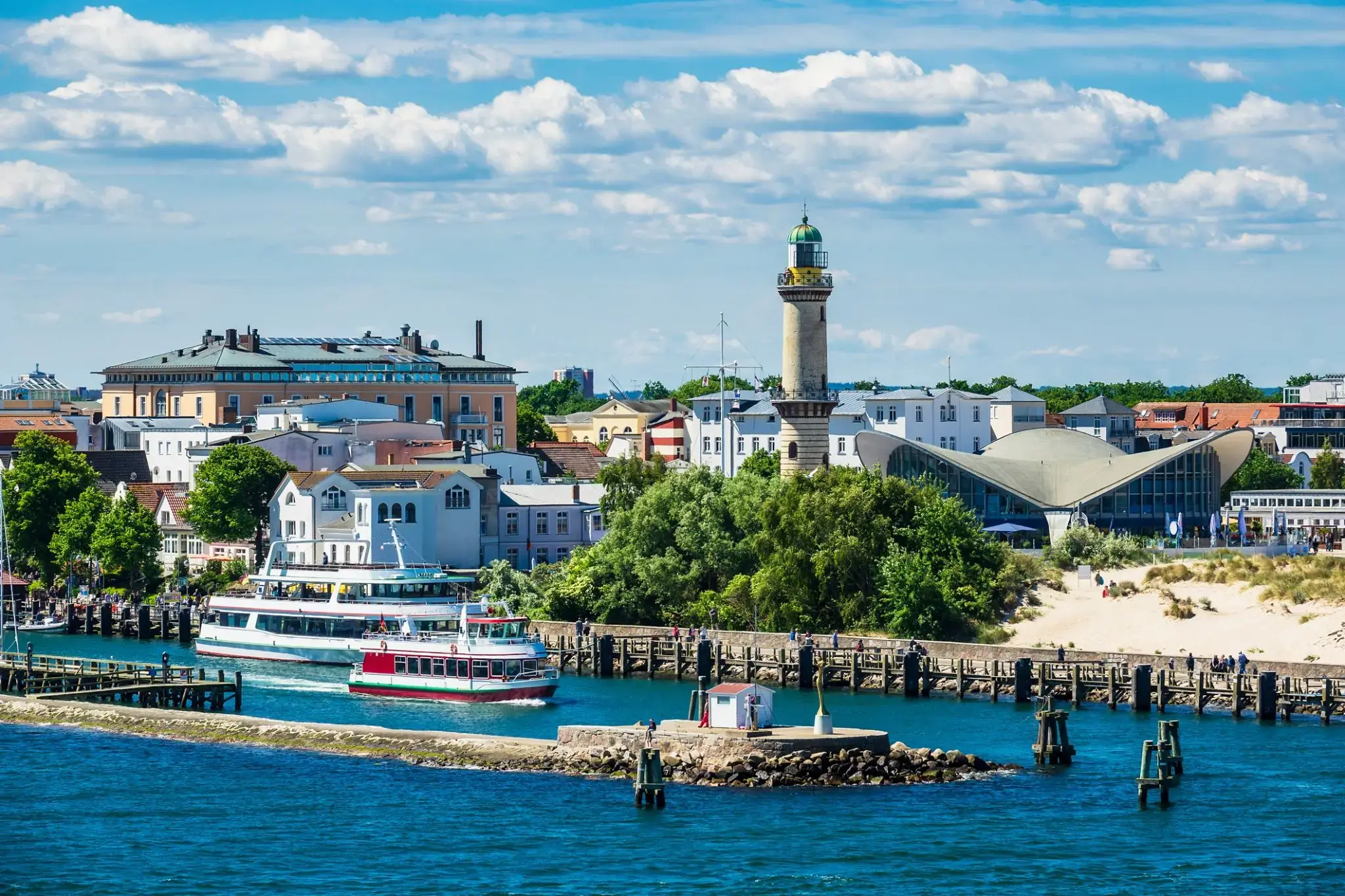
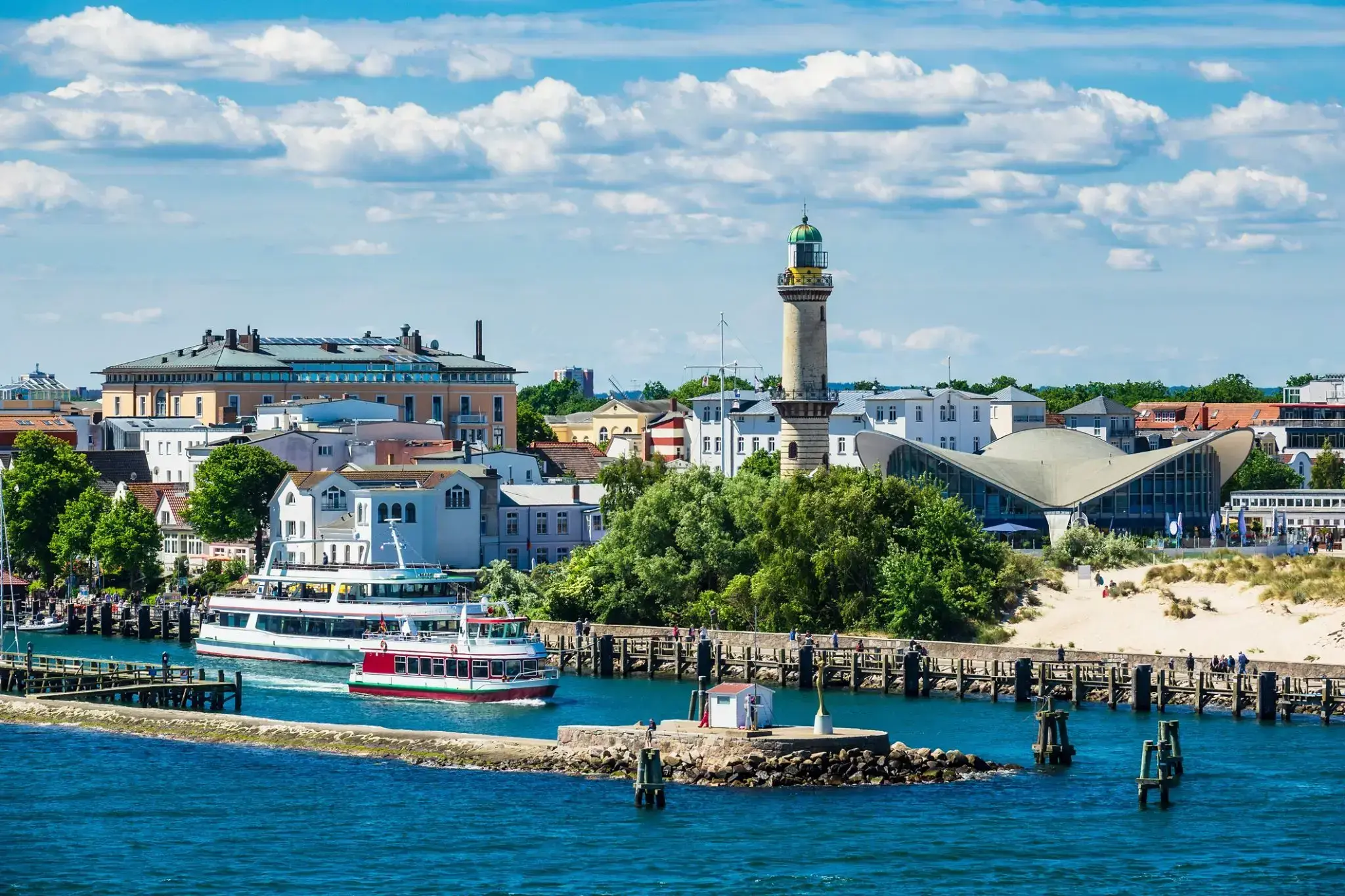
Baltic Sea resort in the northern part of the city of Rostock. The area was named along the Varnov River, which flows into the Baltic Sea here. The sandy beach is Germany's largest Baltic beach.
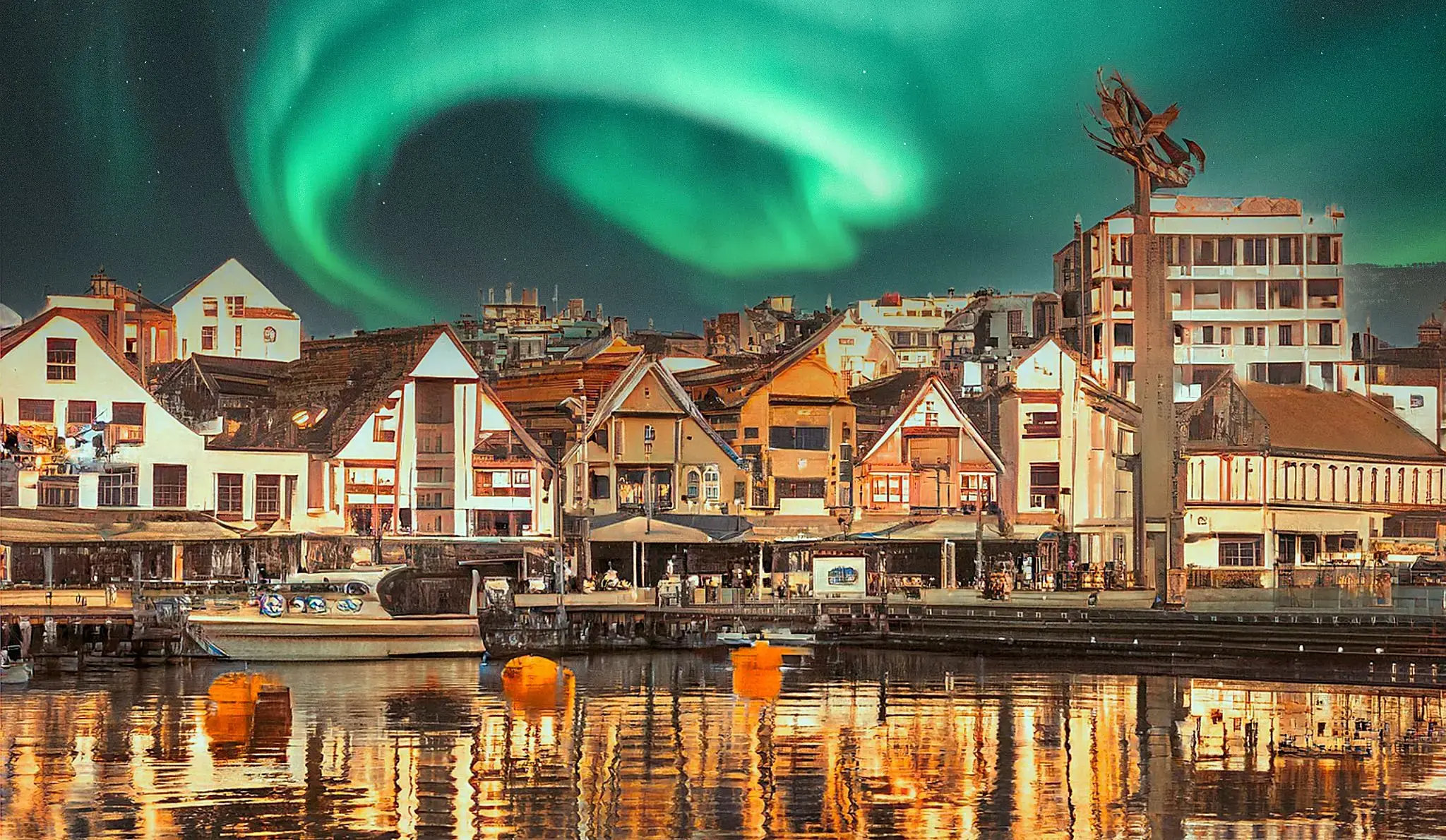
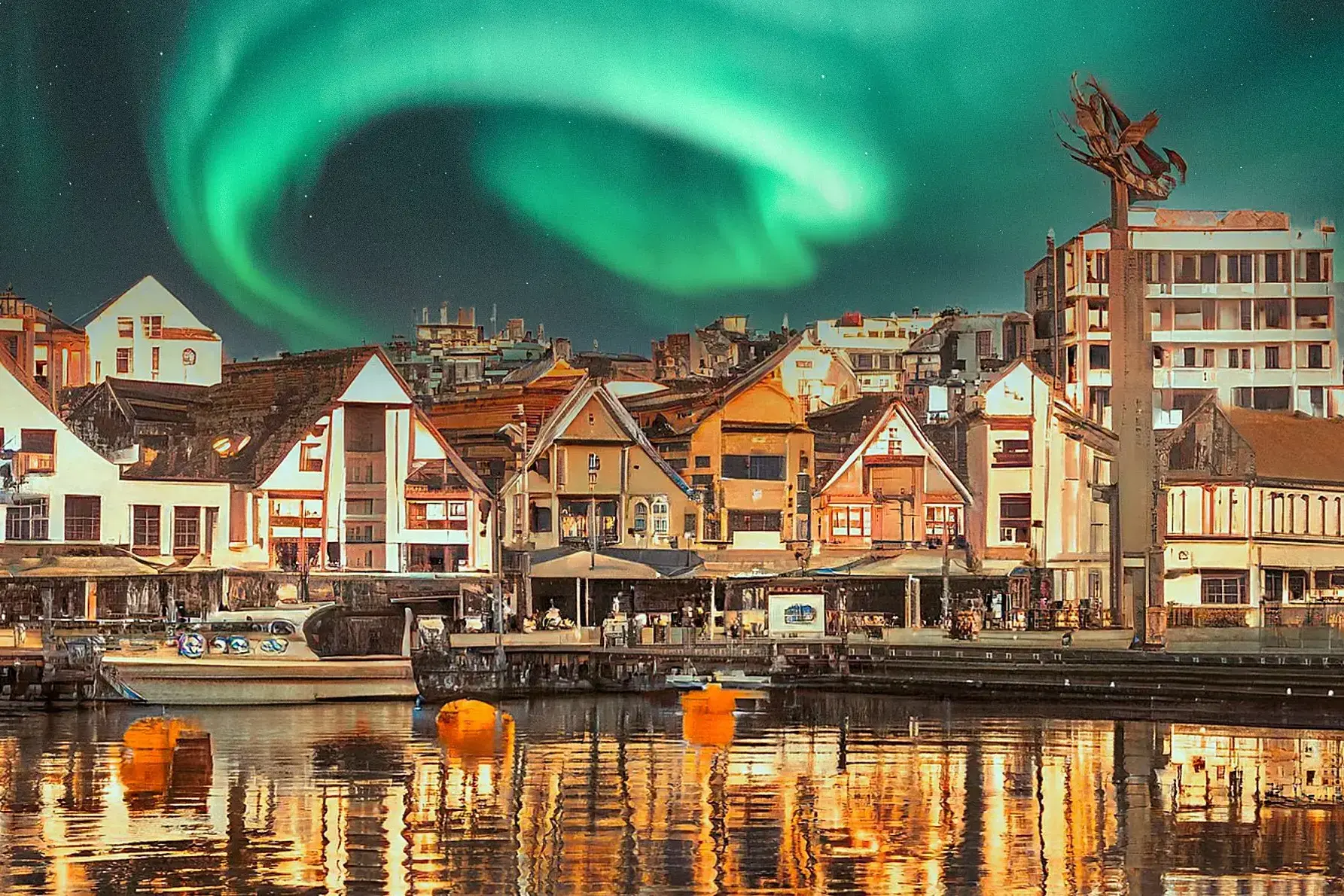
Stavanger is a city and municipality in Norway. It is the third largest city and metropolitan area in Norway (through conurbation with neighbouring Sandnes) and the administrative centre of Rogaland county. The municipality is the fourth most populous in Norway. Located on the Stavanger Peninsula in Southwest Norway, Stavanger counts its official founding year as 1125, the year the Stavanger Cathedral was completed. Stavanger's core is to a large degree 18th- and 19th-century wooden houses that are protected and considered part of the city's cultural heritage. This has caused the town centre and inner city to retain a small-town character with an unusually high ratio of detached houses, and has contributed significantly to spreading the city's population growth to outlying parts of Greater Stavanger.
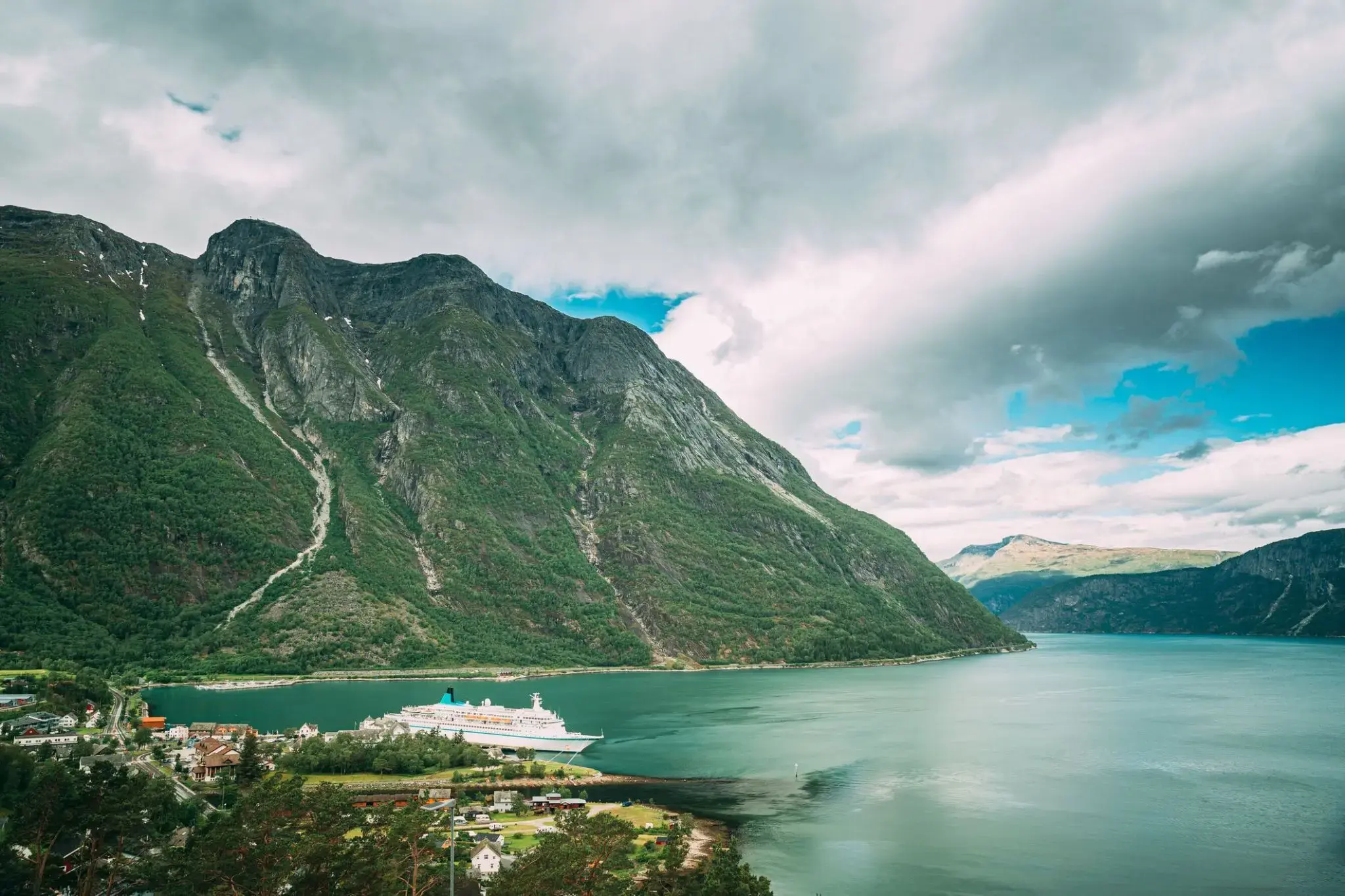
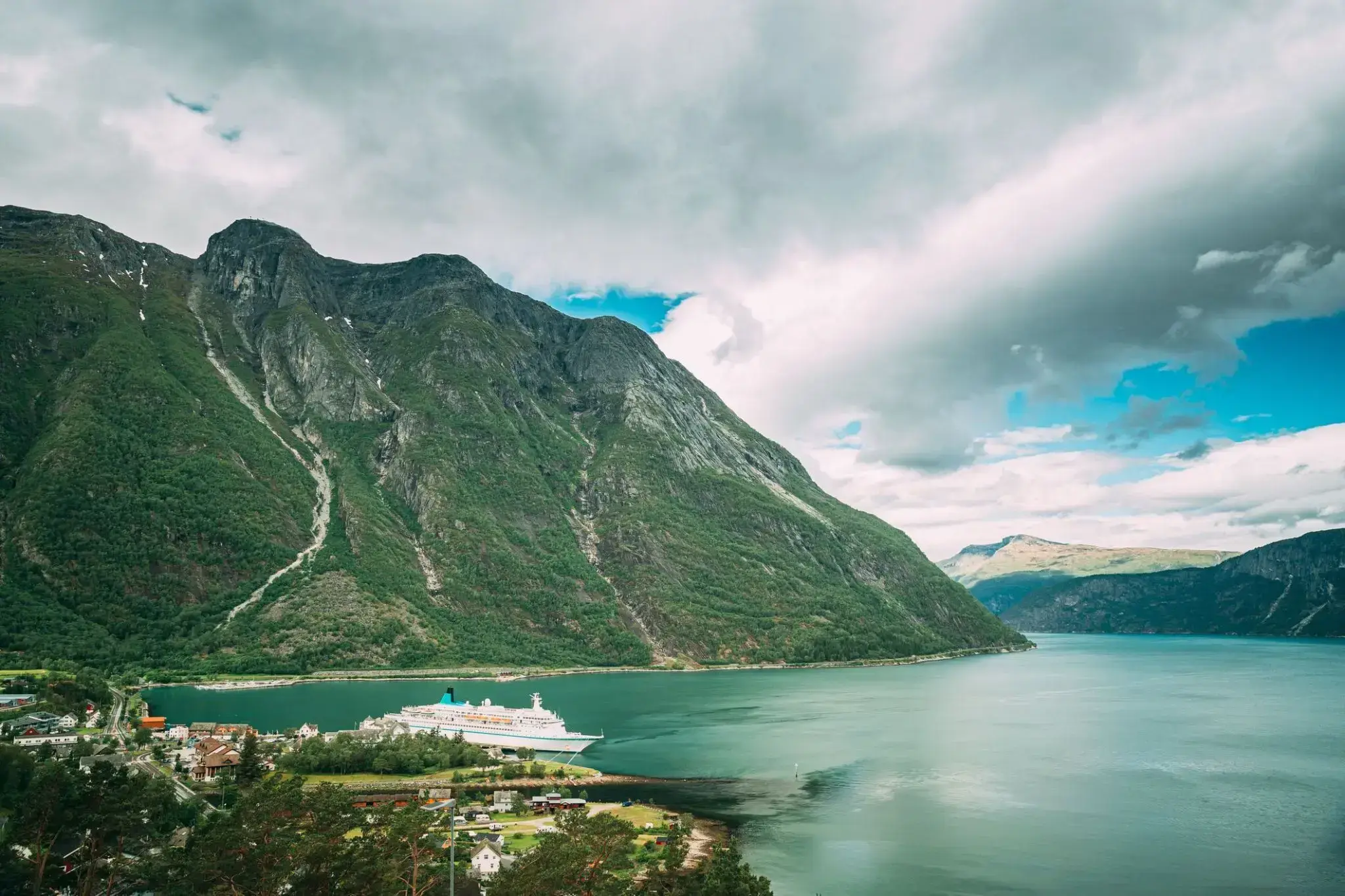
Nestled where majestic fjords meet towering mountains, this tranquil destination offers visitors a perfect blend of natural beauty and cultural charm. Eidfjord is known as a gateway to the Hardangerfjord, one of Norway’s most stunning fjord landscapes, celebrated for its crystal-clear waters, cascading waterfalls, and vibrant local traditions.
Adventure seekers and nature lovers will find plenty to explore in Eidfjord, from hiking trails leading to breathtaking viewpoints, to boat tours that reveal the fjord’s dramatic cliffs. The nearby Vøringfossen waterfall, one of Norway’s highest, provides a spectacular sight, while the village itself offers cozy accommodations and warm hospitality that invite guests to unwind and soak in the peaceful surroundings.
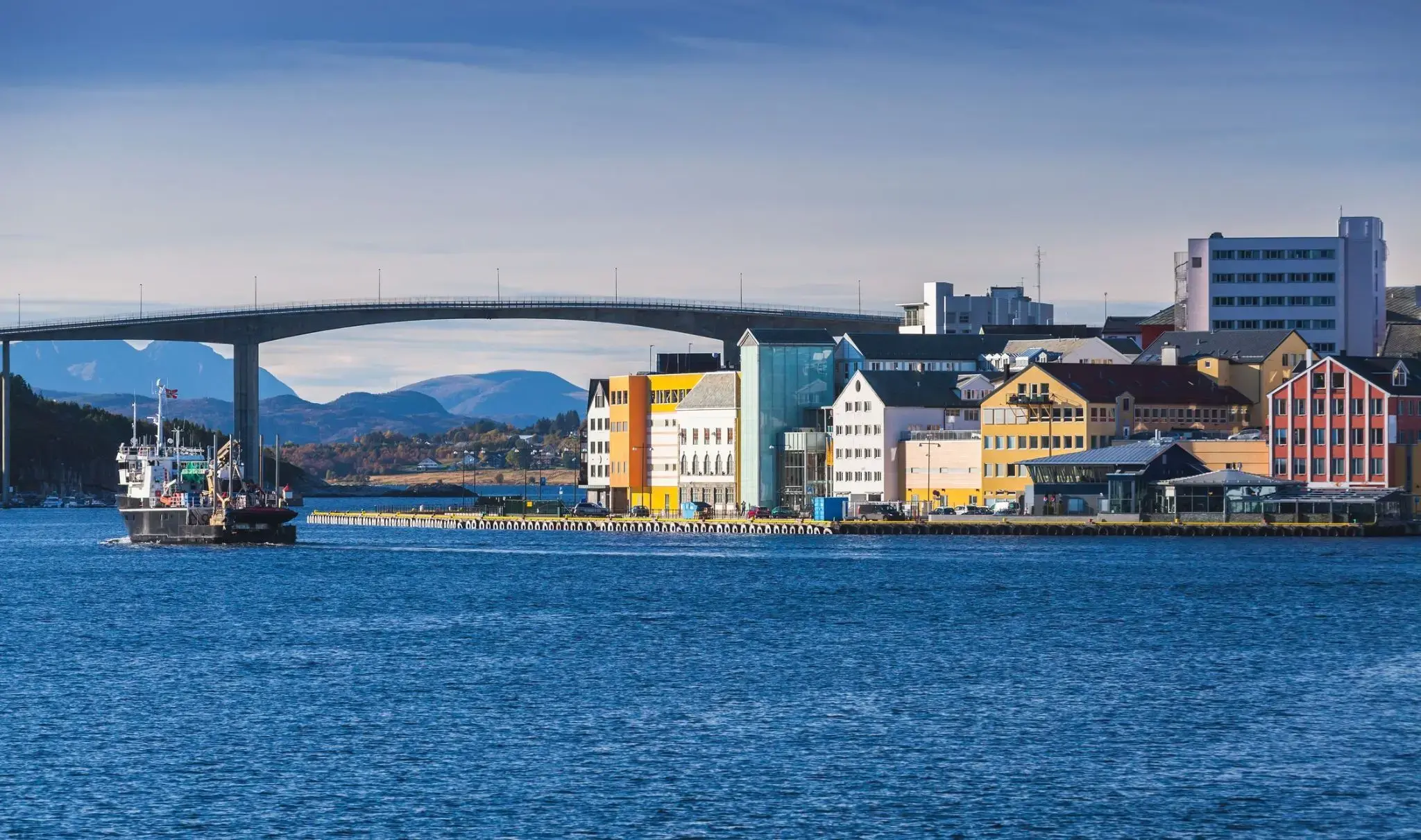
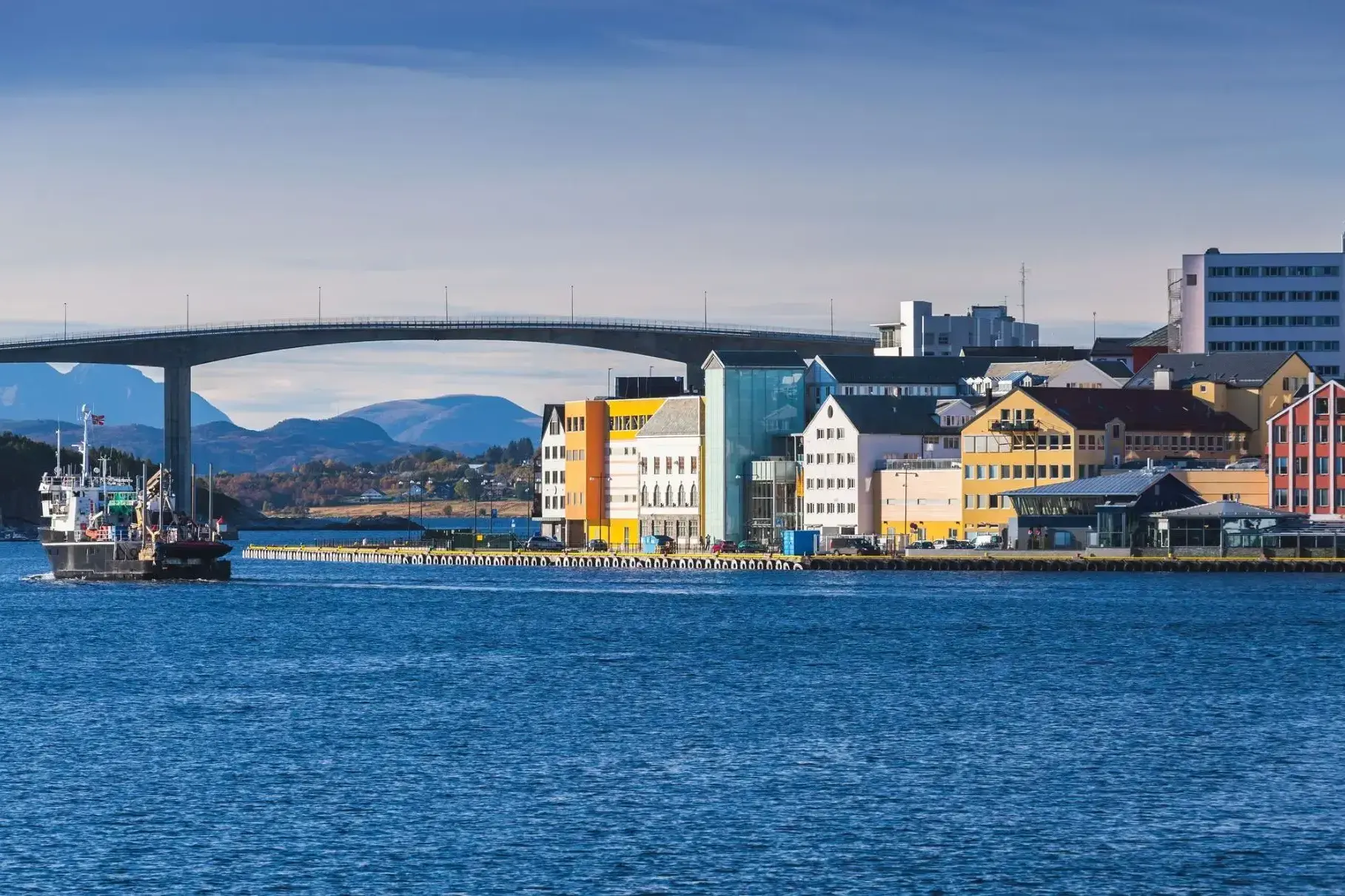
The southernmost coast of Norway invites you to discover the amazing city of Kristiansand. This charming town is surrounded by the sea on three sides. It is the fifth-largest city in the country, and although its center fits within a small area of just 1 km², Kristiansand has much to offer its visitors. It’s not only about the incredibly clean Norwegian air but also many other interesting attractions.
Among them is Norway’s largest zoo, home to 80 species of animals. A visit here will delight both children and adults. You can enjoy rides on carousels, laugh wholeheartedly at the circus, and take the whole family on a sea excursion or spend time together at a playground.
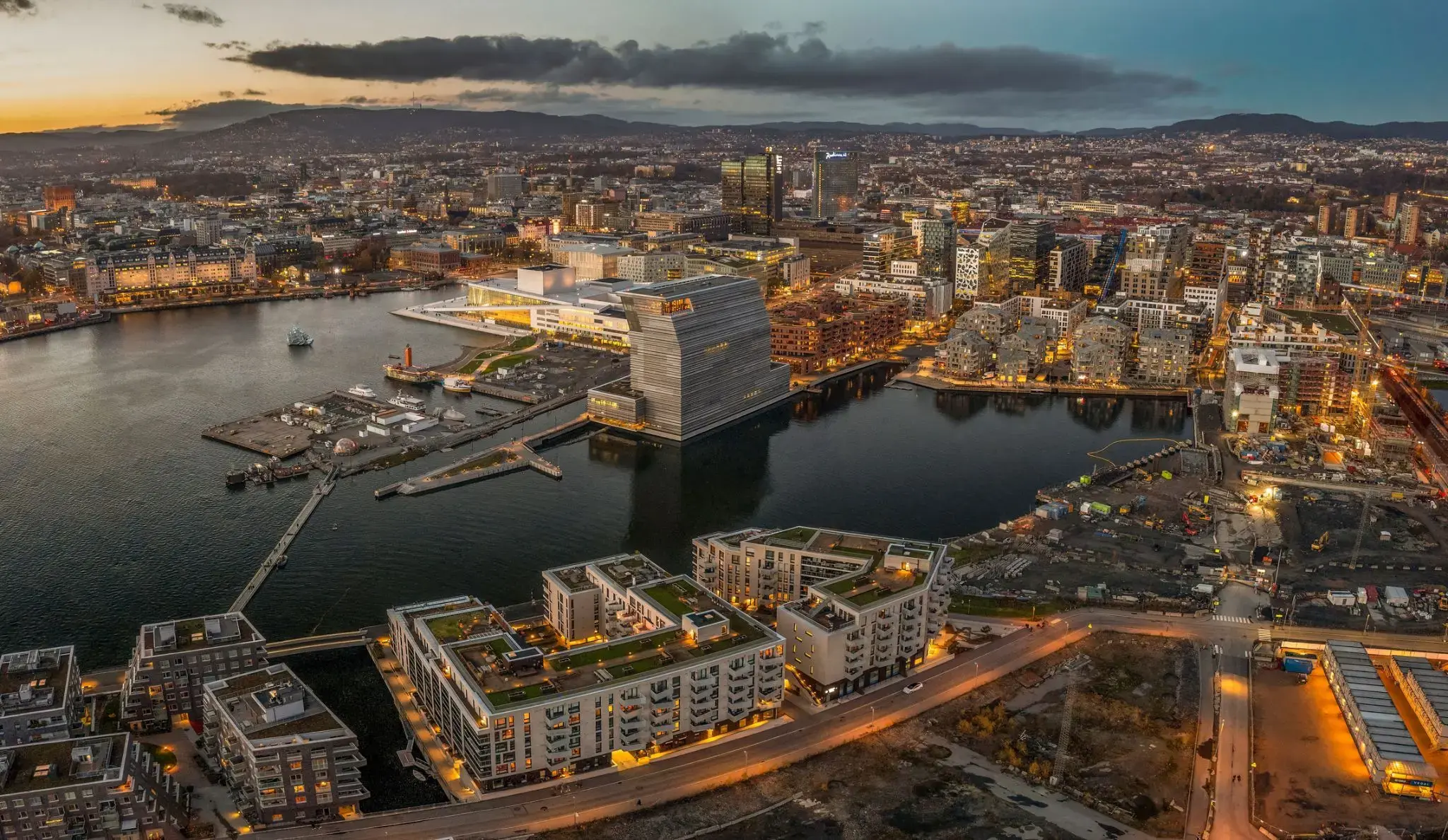
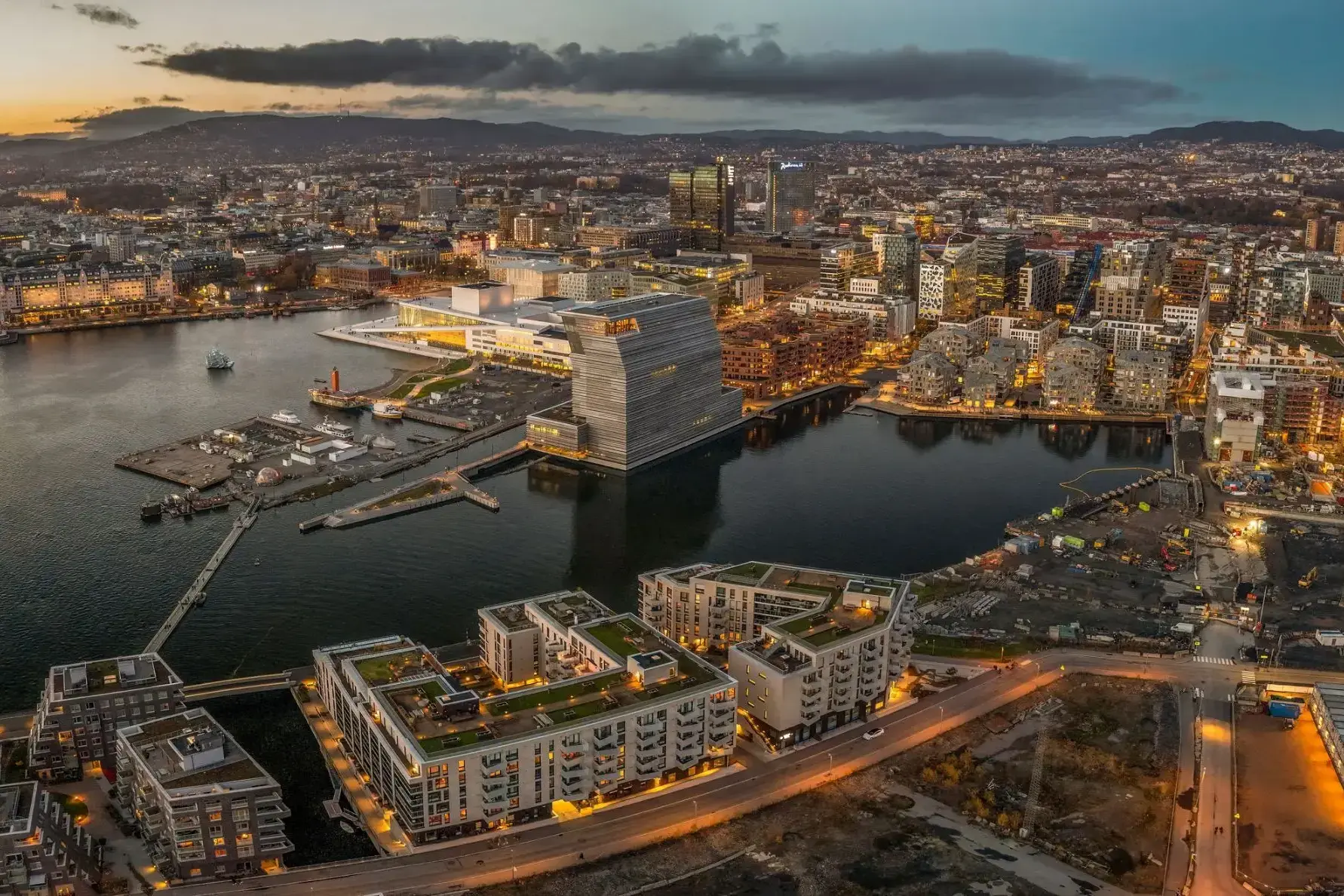
Oslo is the capital and most populous city of Norway. It constitutes both a county and a municipality. Founded in the year 1040 as Ánslo, and established as a trading place in 1048 by Harald Hardrada, the city was elevated to a bishopric in 1070 and a capital under Haakon V of Norway around 1300. Personal unions with Denmark from 1397 to 1523 and again from 1536 to 1814 reduced its influence, and with Sweden from 1814 to 1905 it functioned as a co-official capital. After being destroyed by a fire in 1624, during the reign of King Christian IV, a new city was built closer to Akershus Fortress and named Christiania in the king's honour. It was established as a municipality on 1 January 1838. The city's name was spelled Kristiania between 1877 and 1897 by state and municipal authorities. In 1925 the city was renamed Oslo.