| Cruise Region : Europe, Mediterranean Sea |
| Company : MSC Yacht Club |
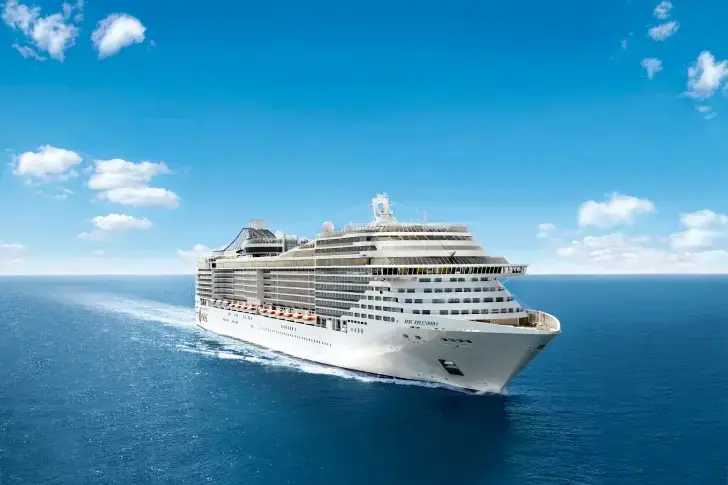
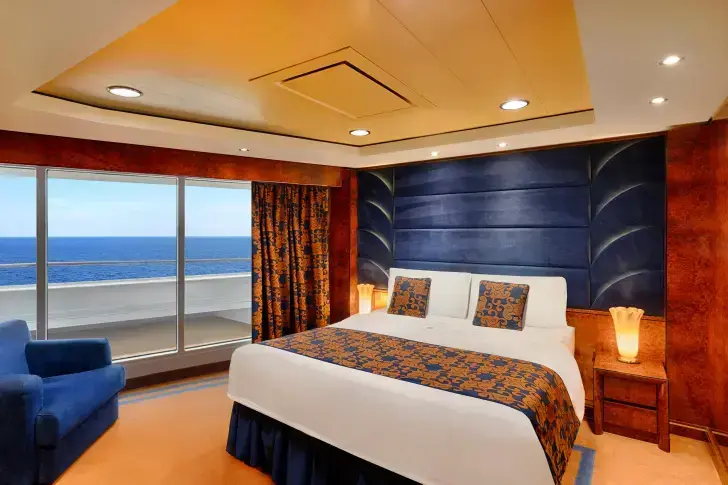
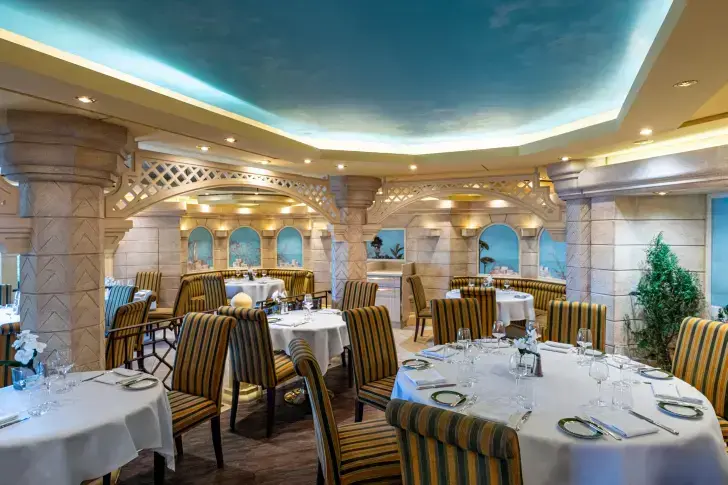
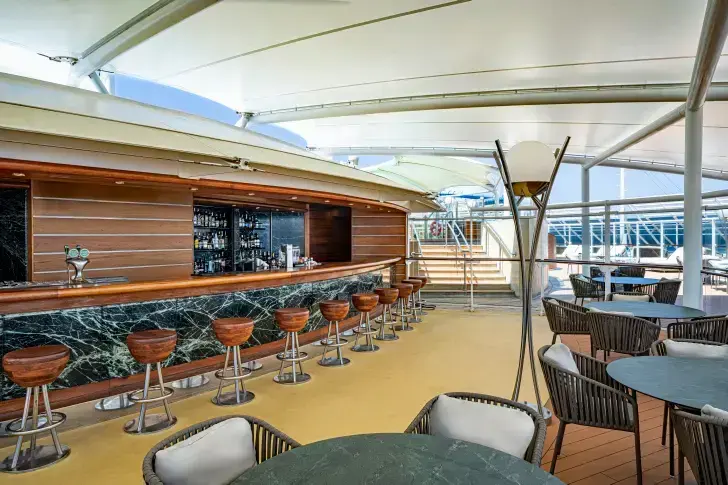
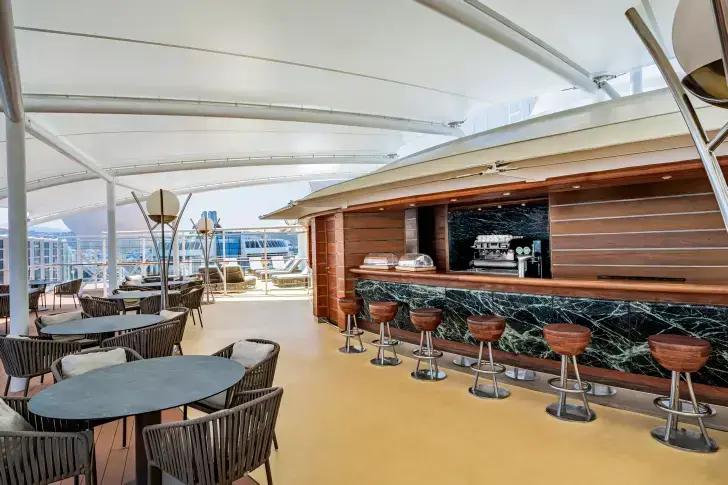
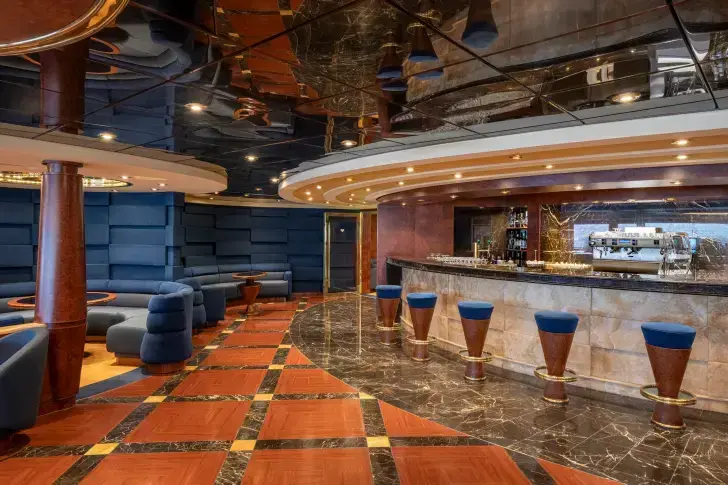
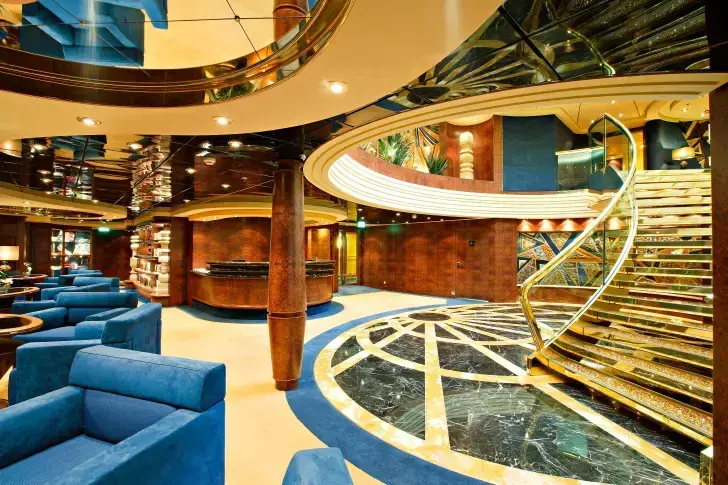
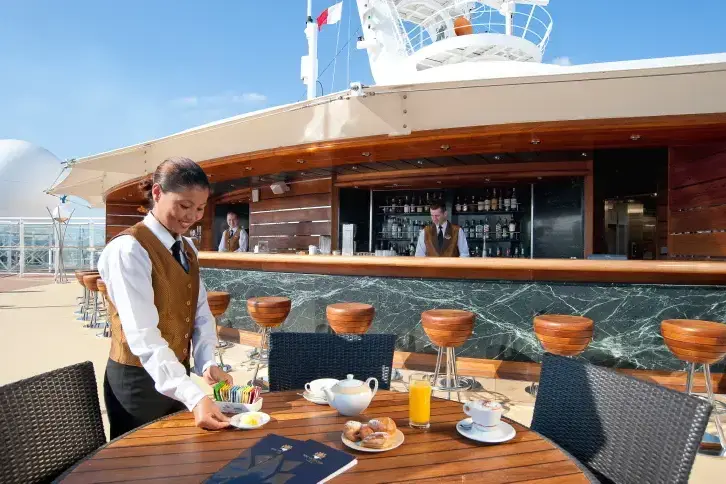
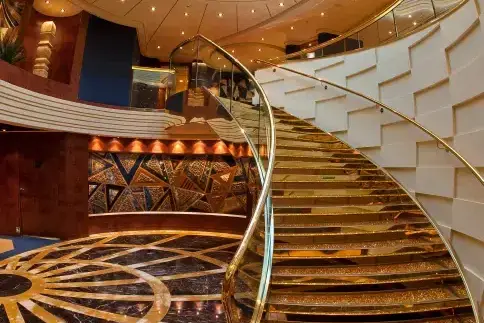
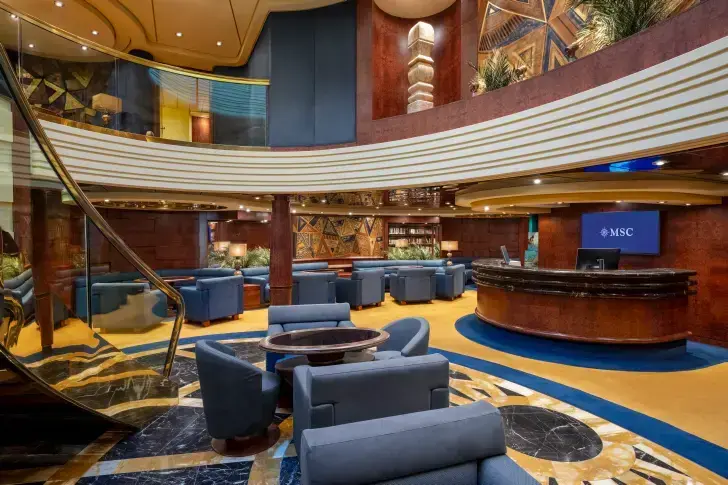
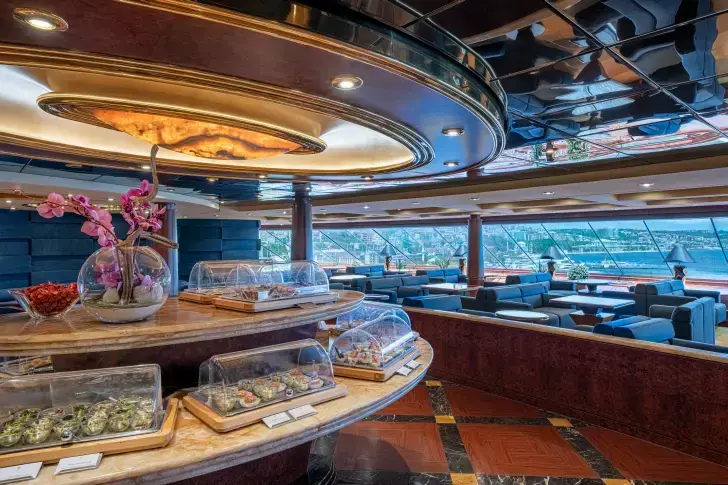
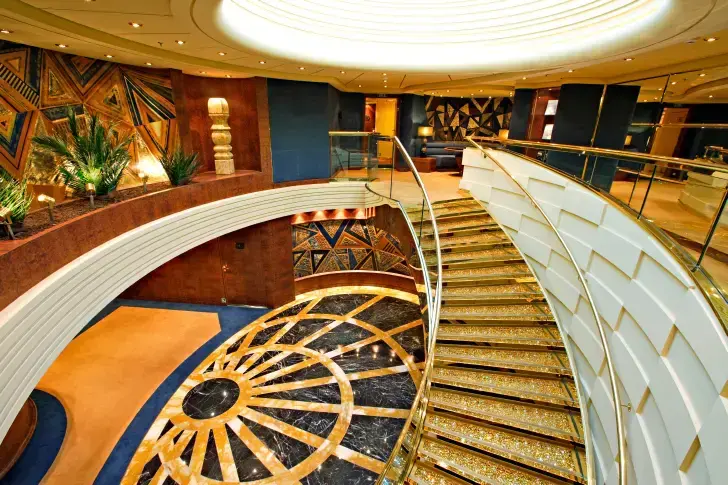
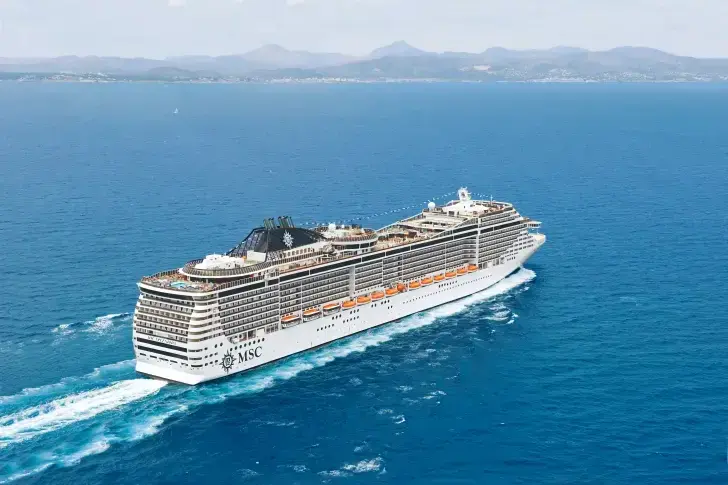
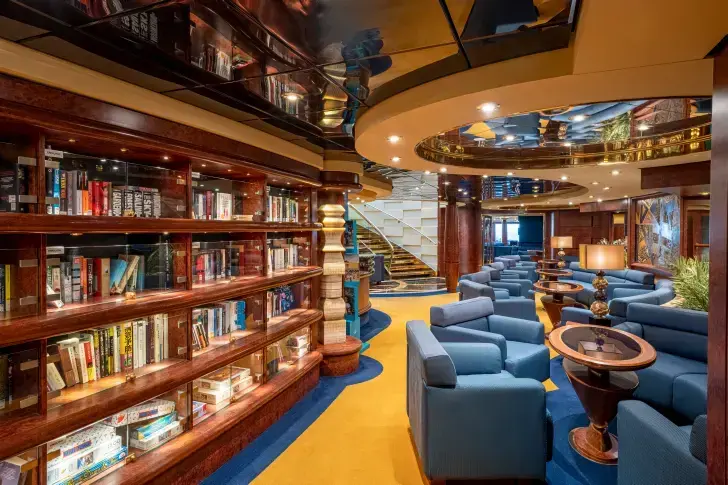
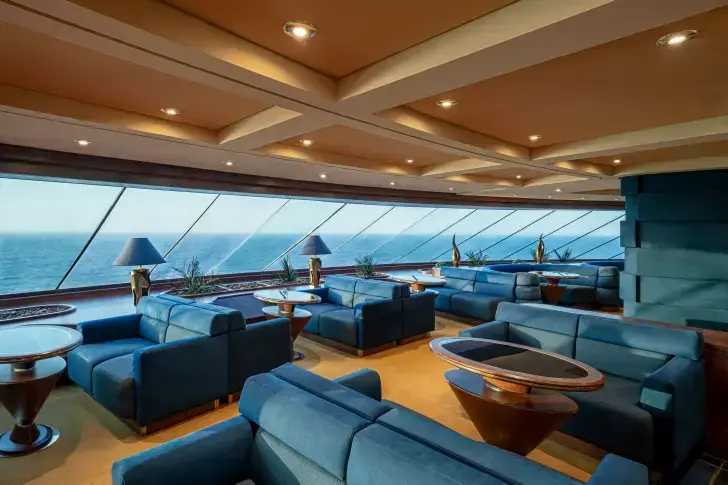
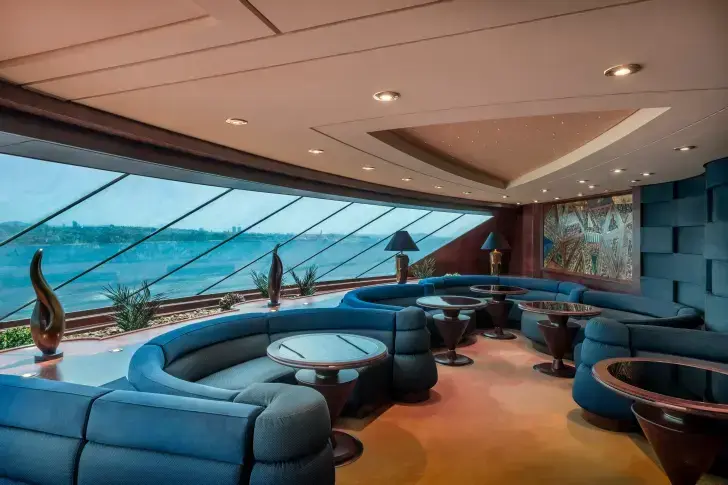
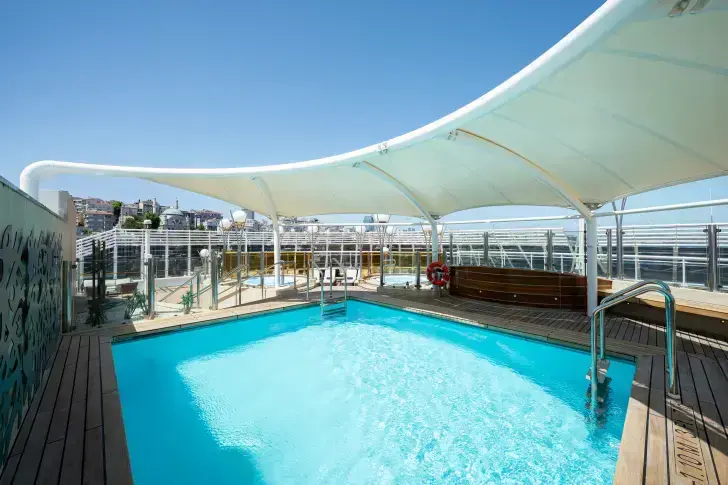
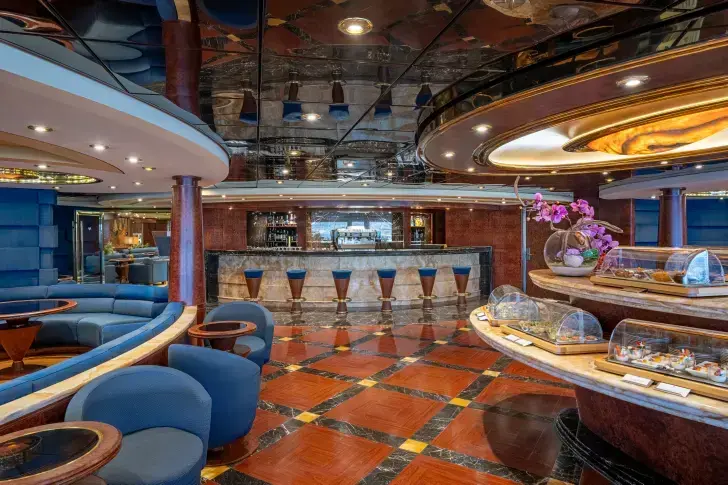
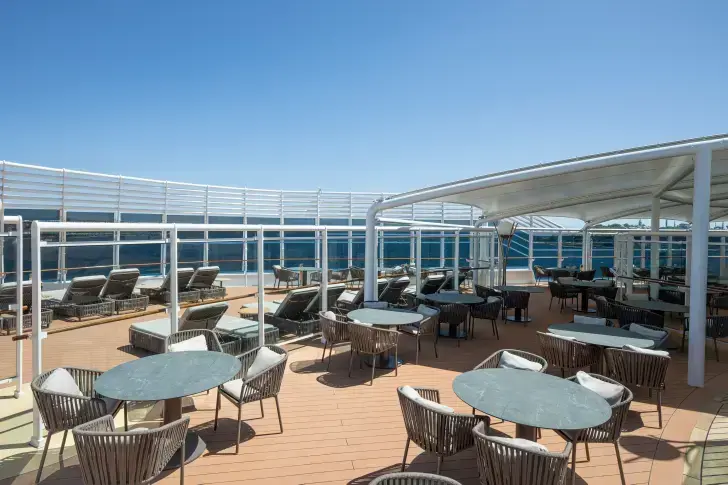
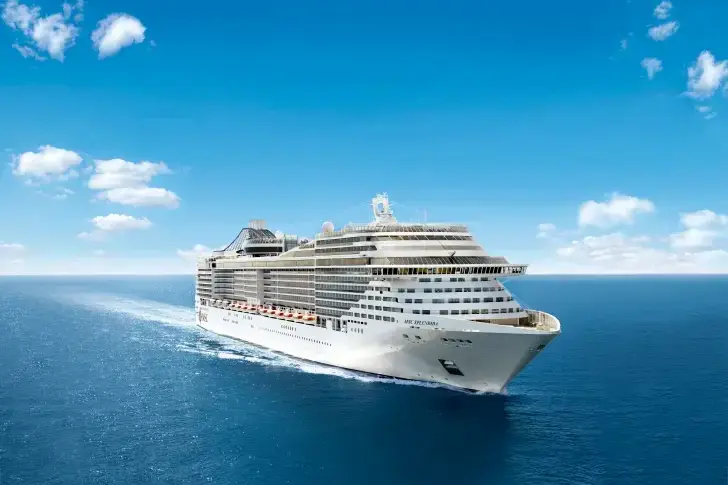
| Ship : MSC Yacht Club Splendida |
| Journey Start : Sat 06 Nov 2027 |
| Journey End : Mon 15 Nov 2027 |
| Count Nights : 9 nights |
| Day | Date | Port | Arrival | Departure |
|---|---|---|---|---|
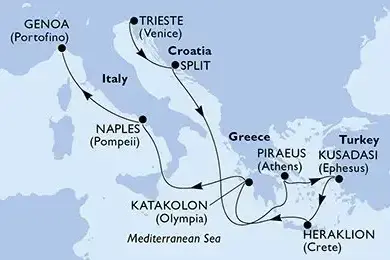
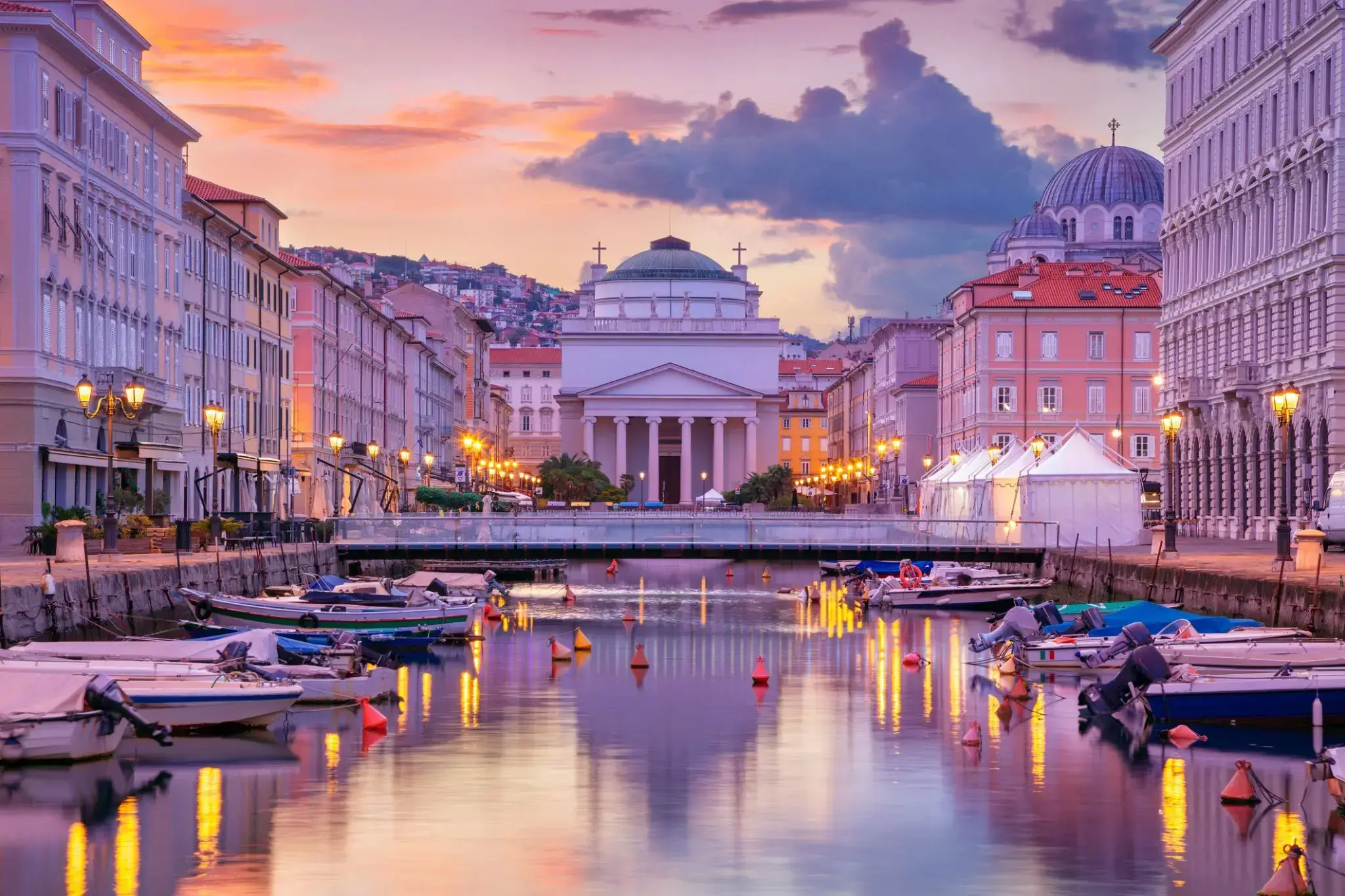
| 1 | 6.11 Sat | Trieste / Italy | 18:00 | |
| 2 | 7.11 Sun | Split / Croatia | 08:00 | 18:00 |
| 3 | 8.11 Mon | Day at sea / Sea | ||
| 4 | 9.11 Tue | Piraeus (Athens) / Greece | 07:30 | 16:30 |
| 5 | 10.11 Wed | Kusadasi (Ephesus) / Turkey | 08:00 | 18:00 |
| 6 | 11.11 Thu | Heraklion / Greece | 08:00 | 18:00 |
| 7 | 12.11 Fri | Katakolo / Greece | 10:00 | 17:00 |
| 8 | 13.11 Sat | Day at sea / Sea | ||
| 9 | 14.11 Sun | Naples / Italy | 07:00 | 13:00 |
| 10 | 15.11 Mon | Genoa / Italy | 09:00 |
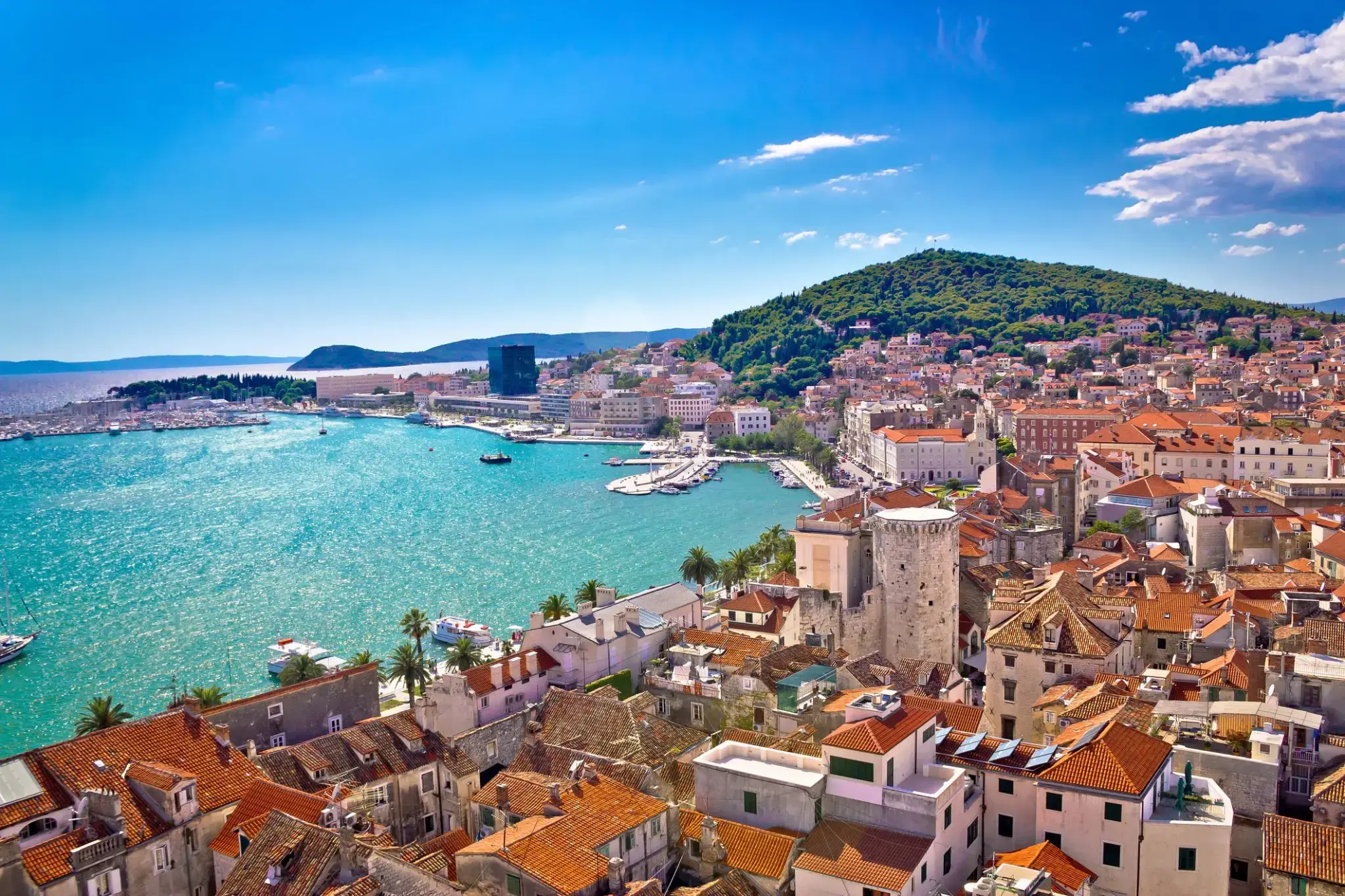
Split – the Pearl of Dalmatia
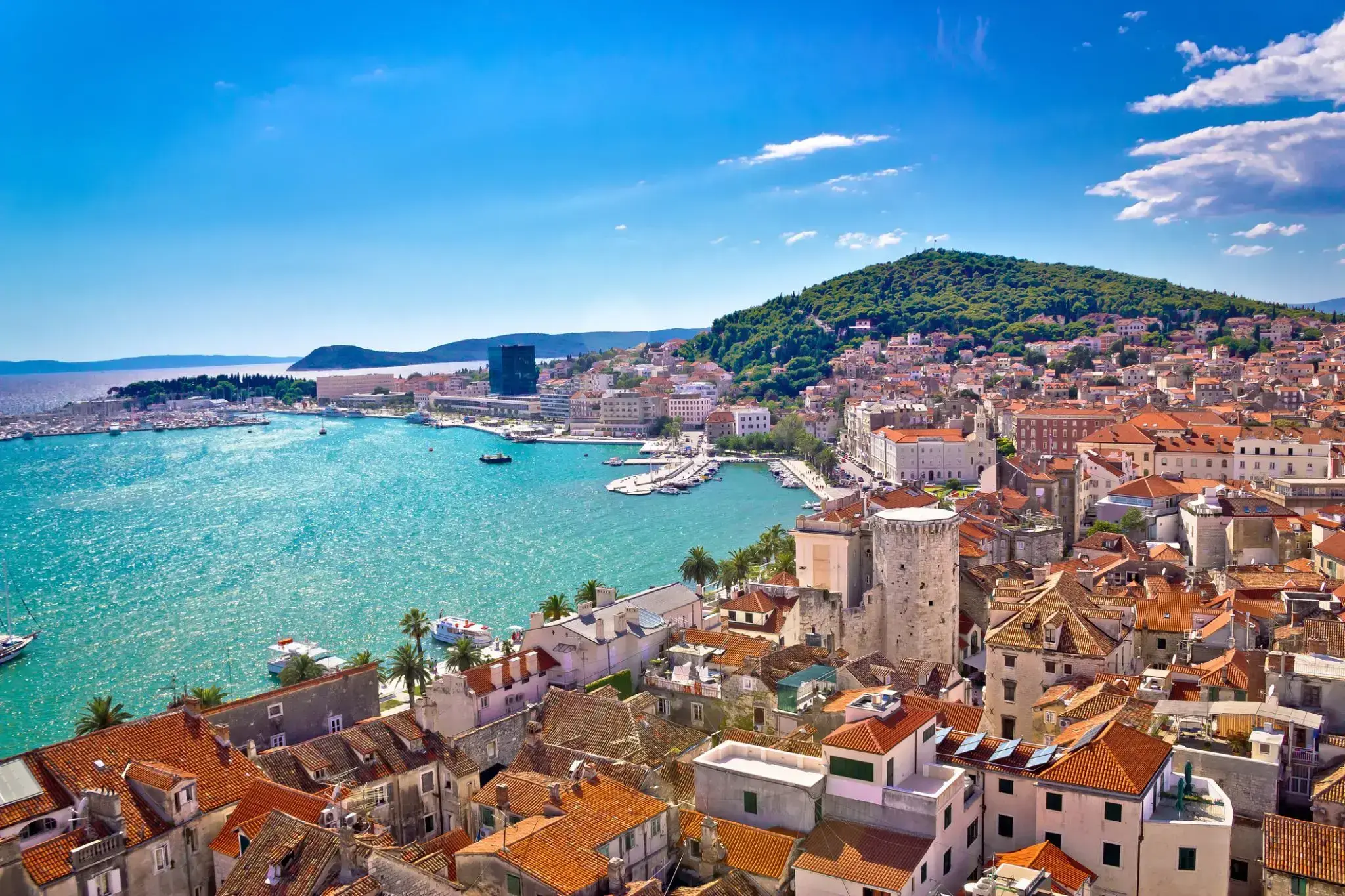
Split is Croatia’s second-largest city on the Adriatic coast. Its landmark is the Diocletian’s Palace, a UNESCO site, surrounded by narrow streets and the Cathedral of St. Domnius.
Life pulses along the Riva promenade, lined with cafés and restaurants. Nearby are beaches, including the famous Bacvice.
Split is also an important port, offering easy access to Croatian islands such as Hvar, Brač and Korčula. Its Mediterranean atmosphere and Dalmatian cuisine make it a perfect holiday destination.
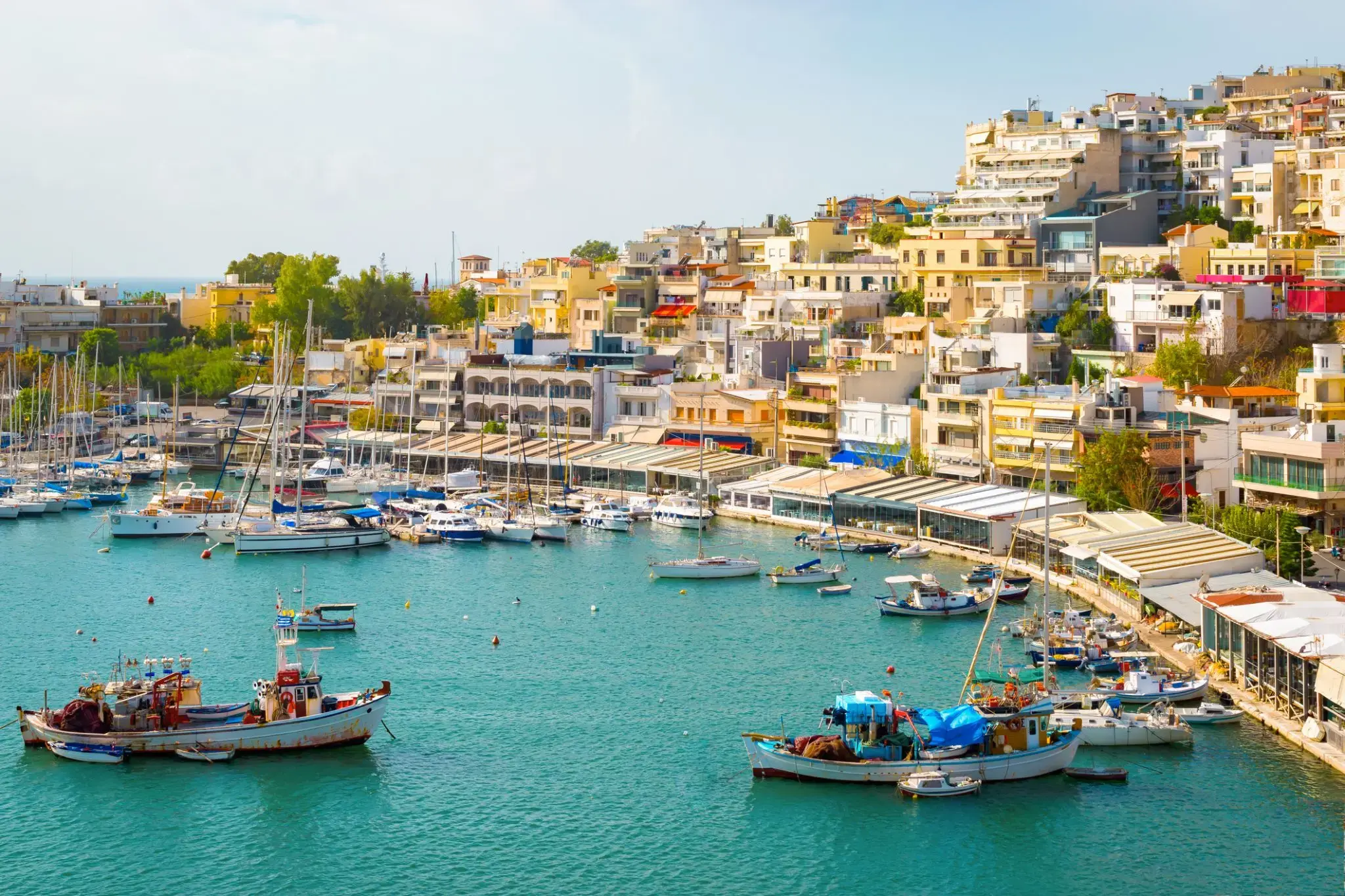
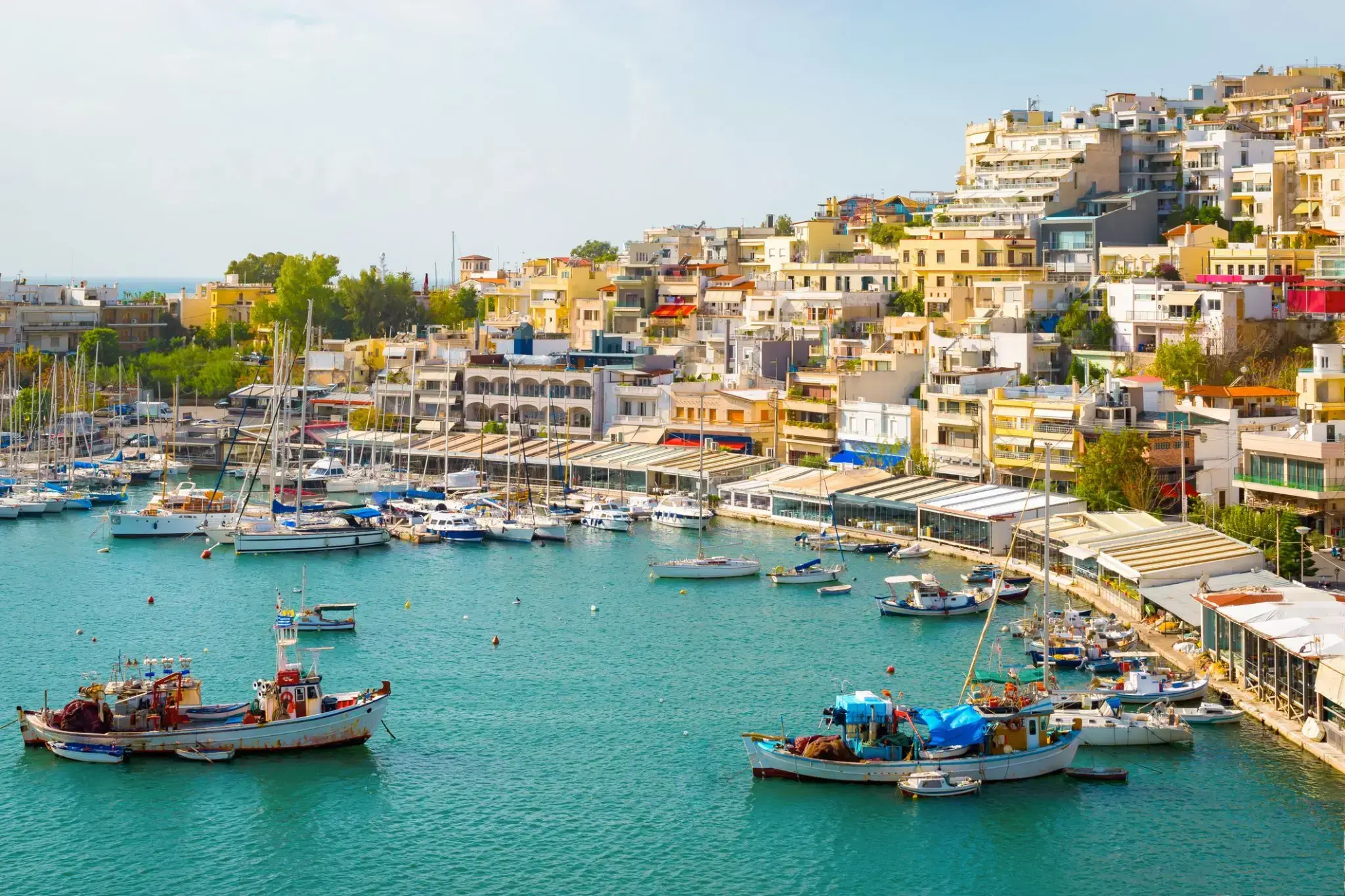
Piraeus is the gateway to Athens , which, in turn, is rightfully considered the center of the centers of the whole world, with the main attraction - the acropolis. Piraeus is an old port city serving the port of Athens, the largest port in Greece to date. Piraeus is part of the great Athens, which boasts an abundance of attractions, including unique monuments of national fine art. More than two hundred museums and galleries, including the University History Museum, the Ceramics Archaeological Museum and many others, will hospitably welcome you within their walls and familiarize themselves with the culture of this area.
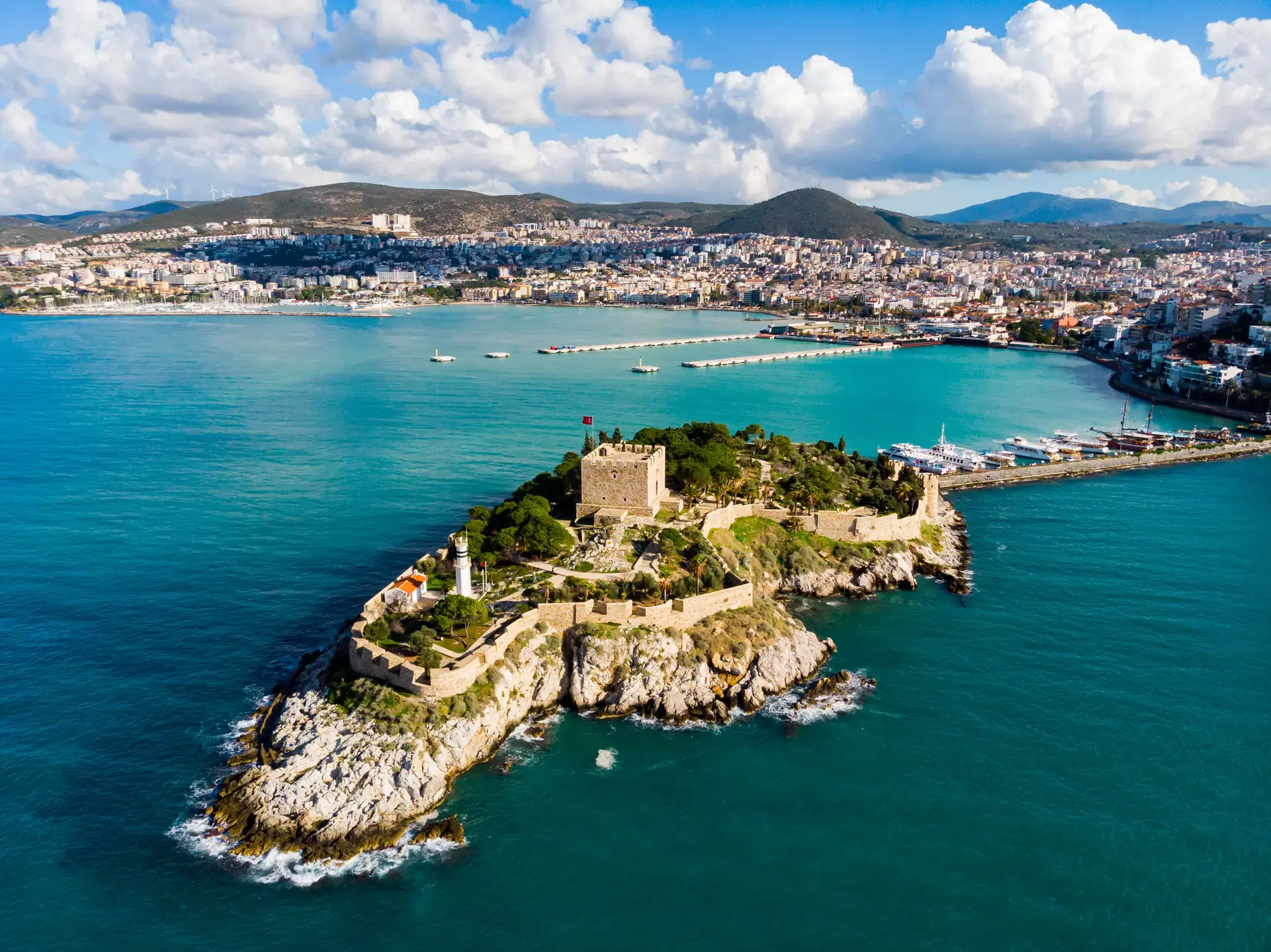
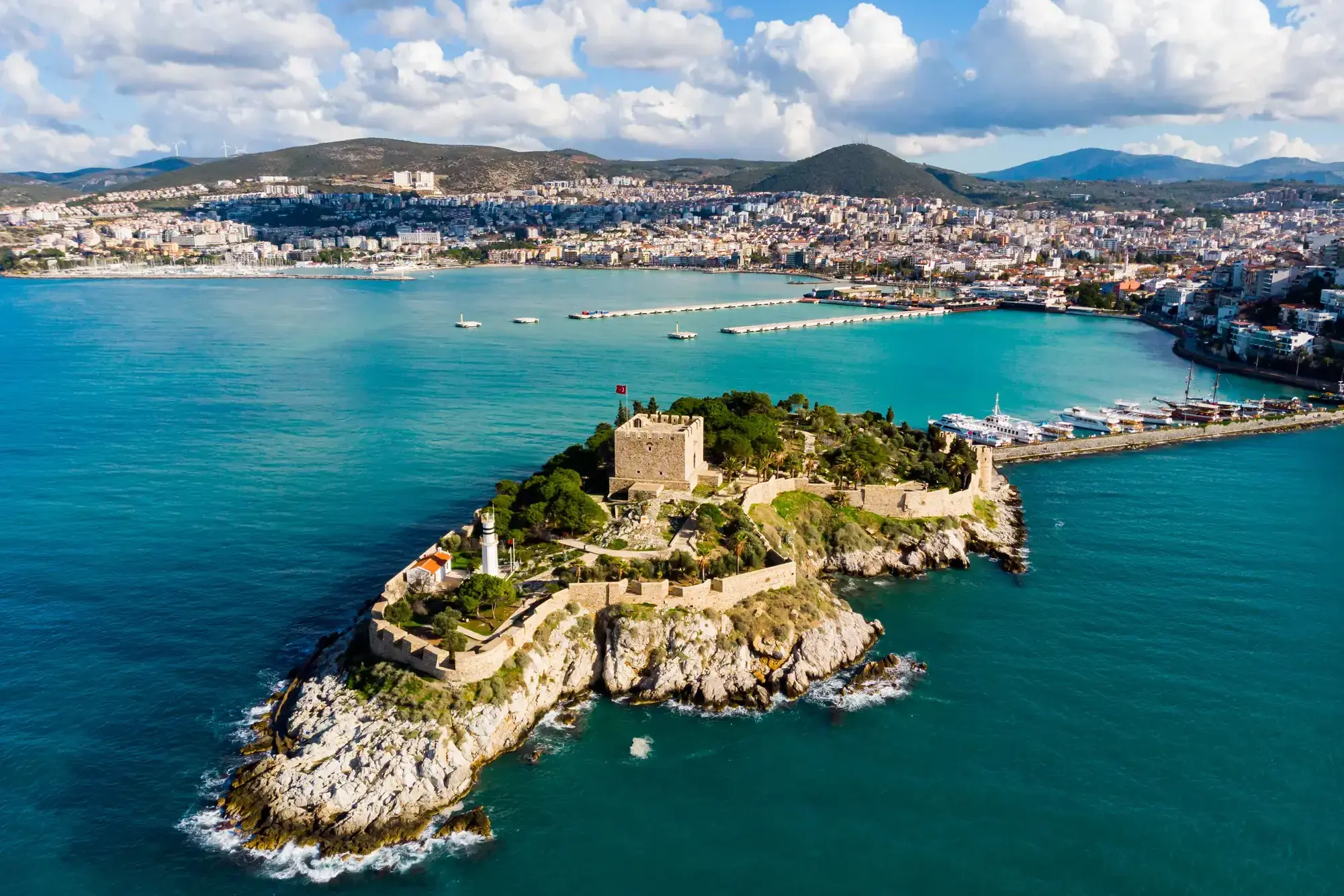
Kuşadası is a resort town on Turkey's Aegean coast, and the center of the seaside district of the same name within Aydın Province. Kuşadası is 95 km (59 mi) south of İzmir, and 71 km (44 mi) from Aydın. The municipality's primary industry is tourism.
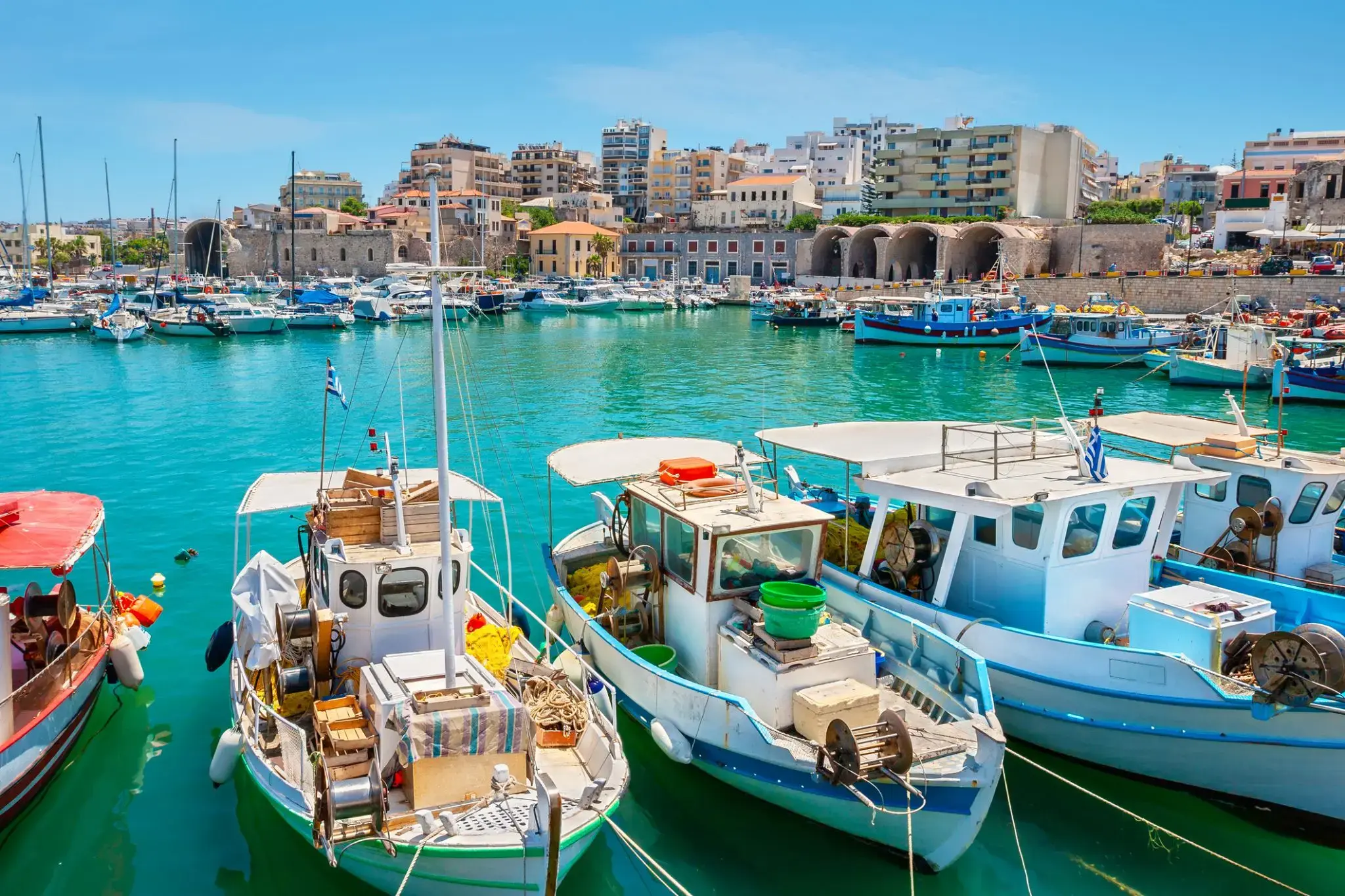
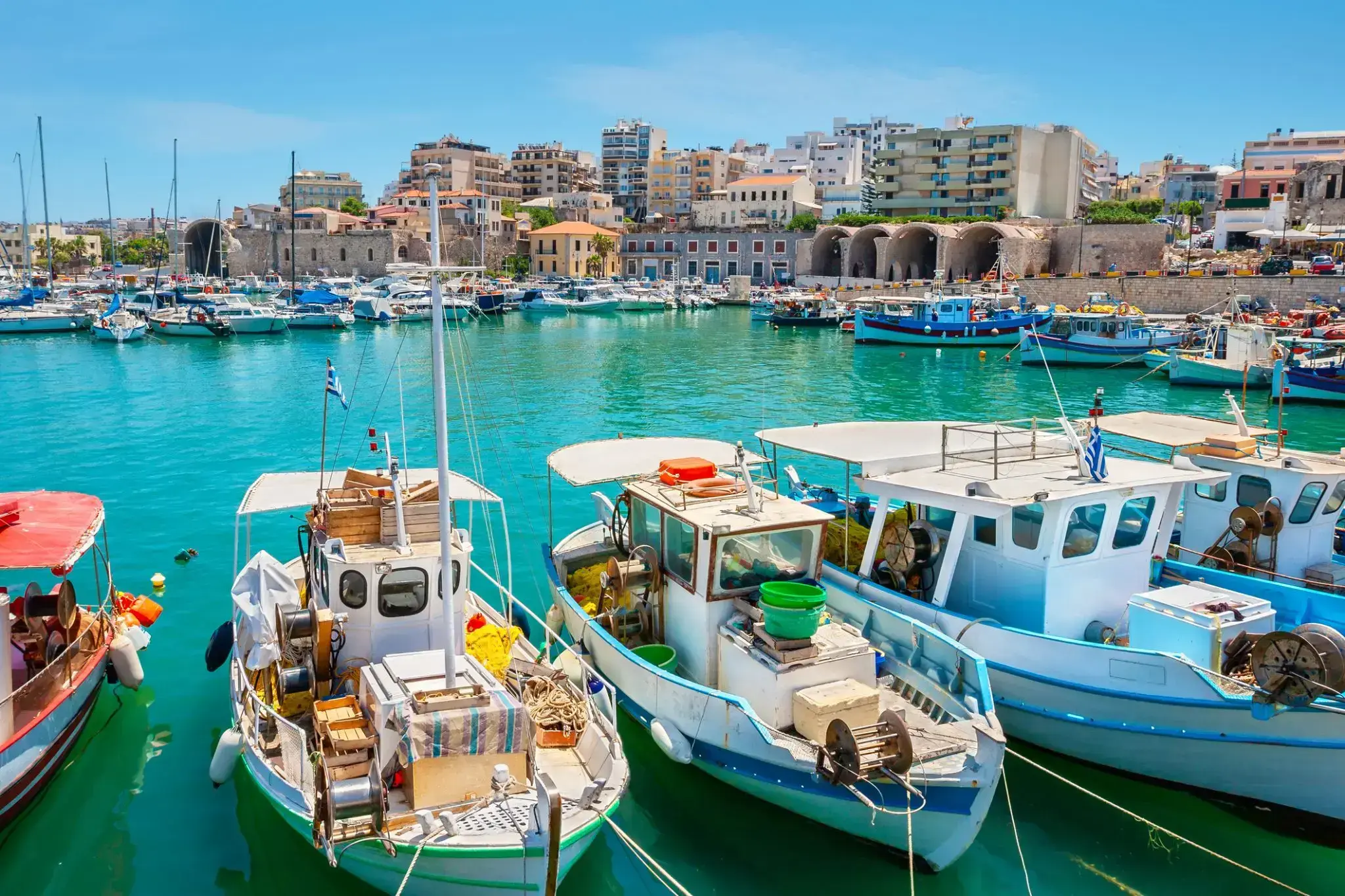
Heraklion or Heraclion is the largest city and the administrative capital of the island of Crete. It is the fourth largest city in Greece. According to the results of the 2011 census, the population of the city proper was 166,209 inhabitants, the municipality's was 173,993 while the Heraklion urban area has a population of 225,574 and it extends over an area of 684.3 km2 (264.2 sq mi).
Heraklion is the capital of Heraklion regional unit.
The Bronze Age palace of Knossos, also known as the Palace of Minos, is located nearby.
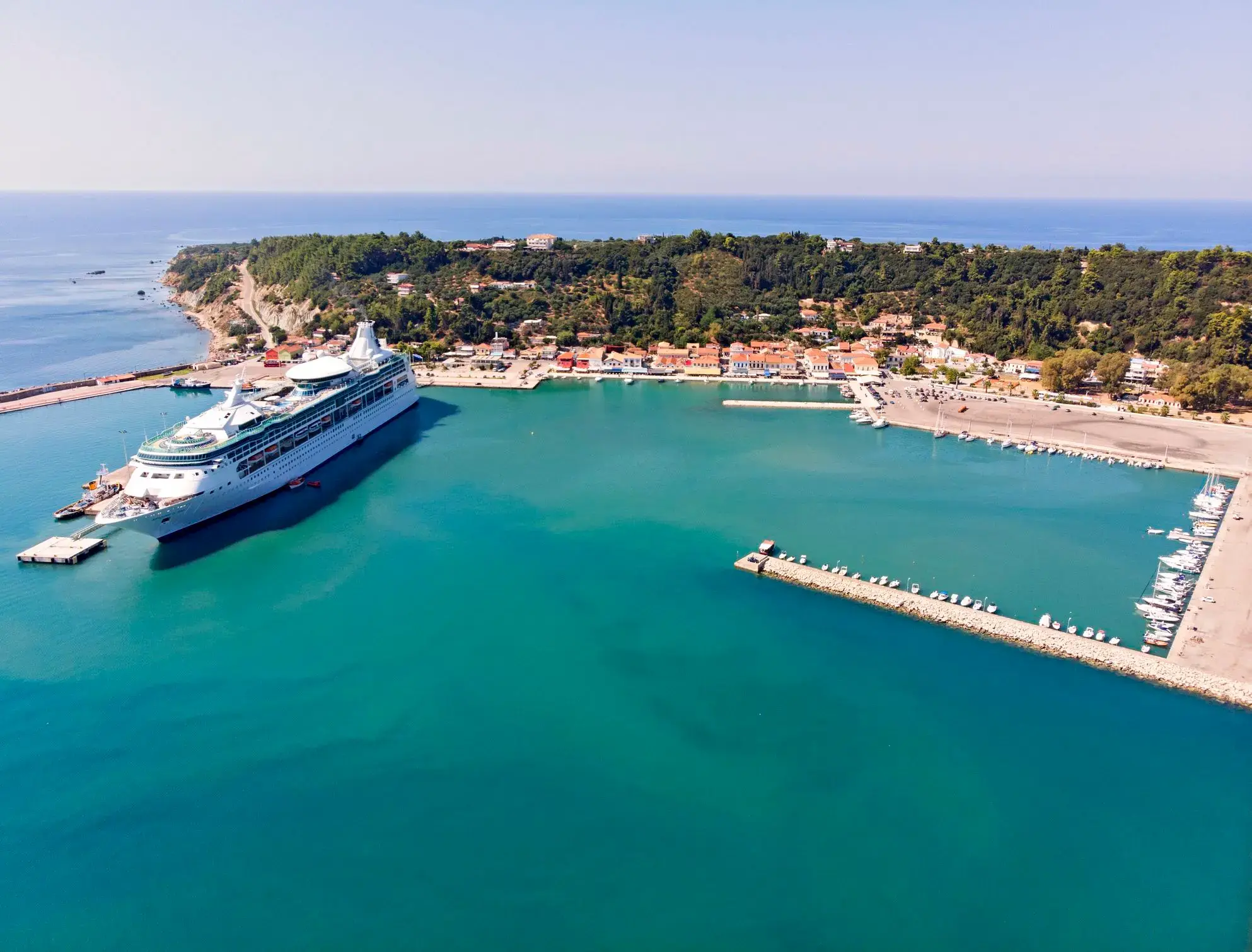
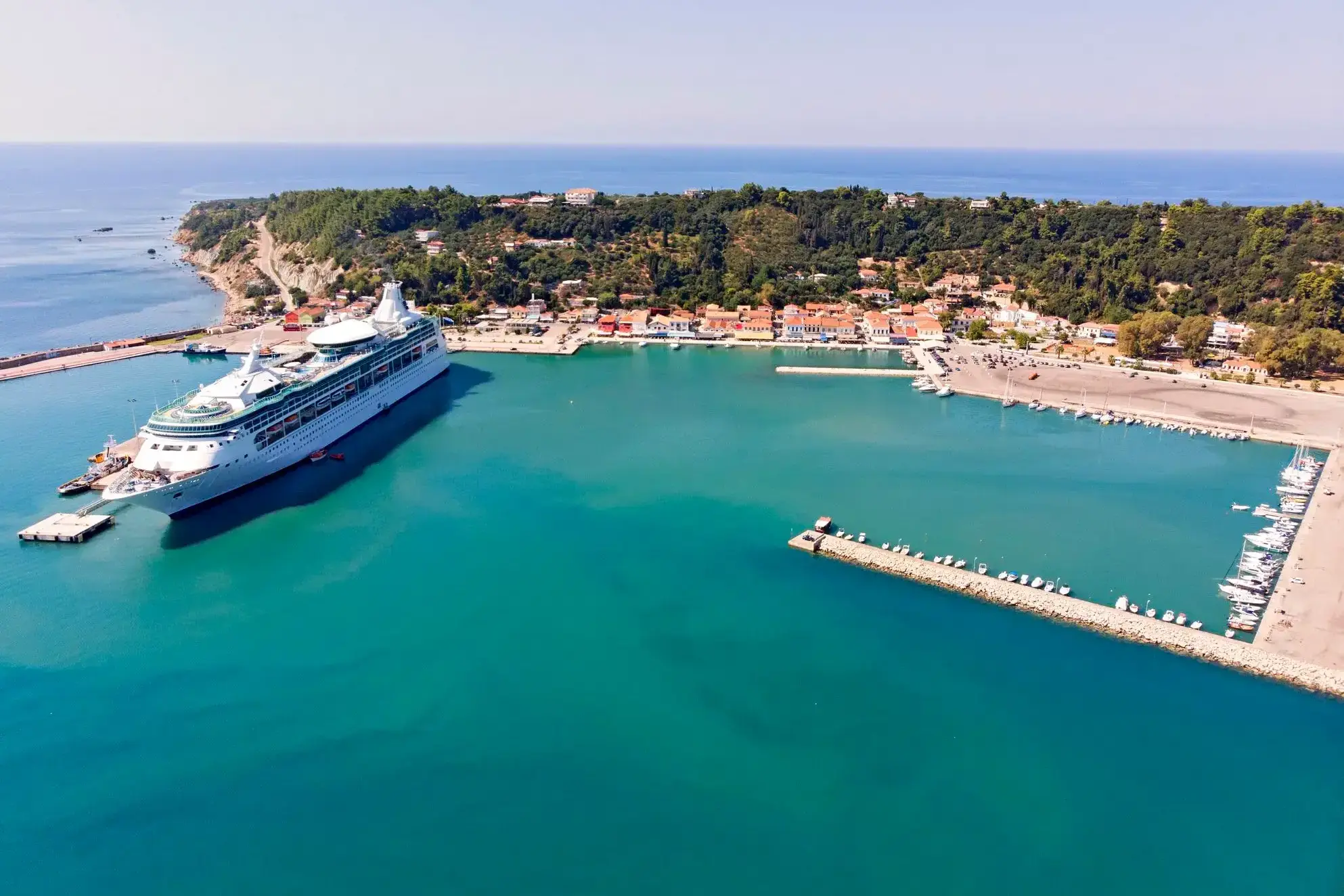
Katakolon is a small coastal town in western Peloponnese, Greece, serving as a maritime gateway to the legendary Ancient Olympia, the birthplace of the Olympic Games. Katakolon has become a popular cruise port thanks to its convenient location. The harbor is surrounded by scenic hills, and along the coastline, you’ll find cozy cafés, shops with local delicacies, and souvenirs. Tourists often begin their exploration of the region here before heading to the archaeological sites of Olympia, located about 30 km from the port.
Katakolon offers a peaceful atmosphere and traditional Greek charm: narrow streets, houses with tiled roofs, and the azure waters of the Ionian Sea. The surrounding area features wineries producing local wine, as well as small beaches ideal for swimming and relaxation. The town also hosts the Museum of Ancient Greek Technology, showcasing unique models of ancient inventions—from automatic doors to early forms of computers. Katakolon is a harmonious blend of history, nature, and authentic Greek hospitality.
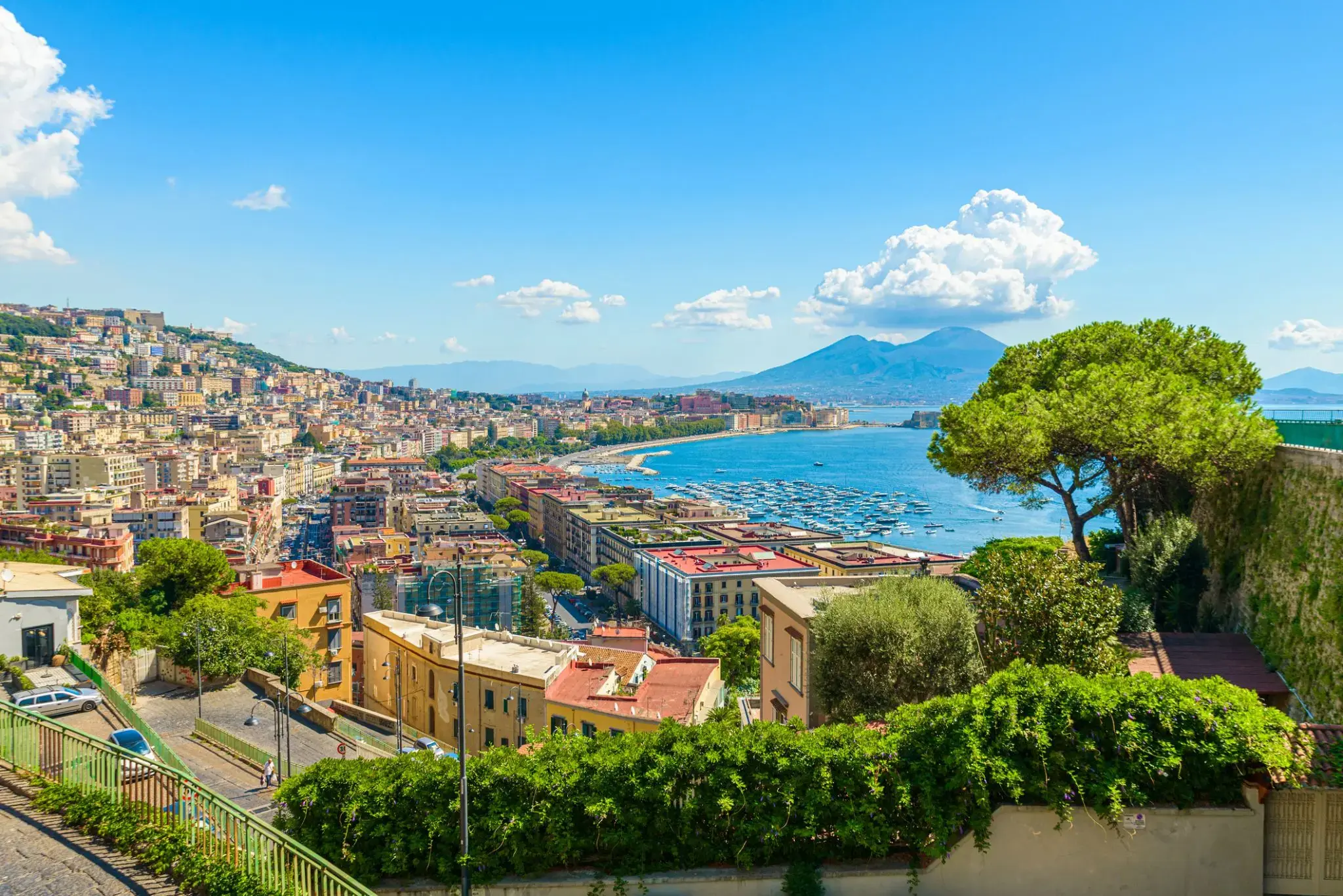
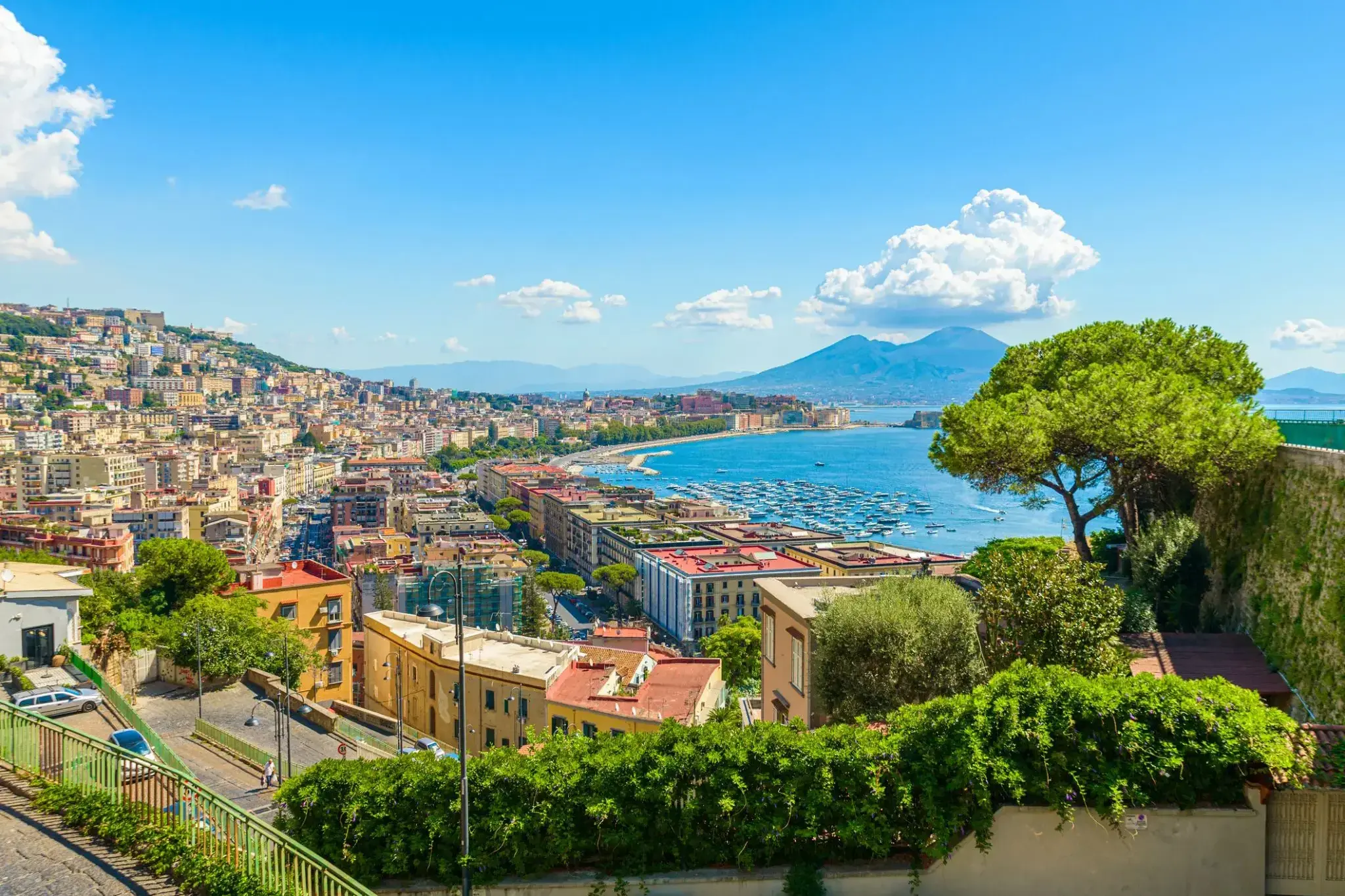
Naples is the regional capital of Campania and the third-largest municipality in Italyafter Rome and Milan. In 2017, around 967,069 people lived within the city's administrative limits while its province-level municipality has a population of 3,115,320 residents. Its continuously built-up metropolitan area (that stretches beyond the boundaries of the Metropolitan City of Naples) is the second or third largest metropolitan area in Italy and one of the most densely populated cities in Europe.
First settled by Greeks in the second millennium BC, Naples is one of the oldest continuously inhabited urban areas in the world. In the ninth century BC, a colony known as Parthenope or Παρθενόπη was established on the Island of Megaride, later refounded as Neápolis in the sixth century BC. The city was an important part of Magna Graecia, played a major role in the merging of Greek and Roman society and a significant cultural centre under the Romans. It served as the capital of the Duchy of Naples (661–1139), then of the Kingdom of Naples (1282–1816) and finally of the Two Sicilies until the unification of Italy in 1861.
Between 1925 and 1936, Naples was expanded and upgraded by Benito Mussolini's government but subsequently sustained severe damage from Allied bombing during World War II, which led to extensive post-1945 reconstruction work. Naples has experienced significant economic growth in recent decades, helped by the construction of the Centro Direzionale business district and an advanced transportation network, which includes the Alta Velocità high-speed rail link to Rome and Salerno and an expanded subway network. Naples is the third-largest urban economy in Italy, after Milan and Rome. The Port of Naples is one of the most important in Europe and home of the Allied Joint Force Command Naples, the NATO body that oversees North Africa, the Sahel and Middle East.
Naples' historic city centre is the largest in Europe and a UNESCO World Heritage Site, with a wide range of culturally and historically significant sites nearby, including the Palace of Caserta and the Roman ruins of Pompeii and Herculaneum. Naples is also known for its natural beauties such as Posillipo, Phlegraean Fields, Nisida, and Vesuvius.
Neapolitan cuisine is synonymous with pizza – which originated in the city – but it also includes many lesser-known dishes; Naples has the greatest number of accredited stars from the Michelin Guide of any Italian city.
The best-known sports team in Naples is the Serie A club S.S.C. Napoli, two-time Italian champions who play at the San Paolo Stadium in the southwest of the city, in the Fuorigrotta quarter.
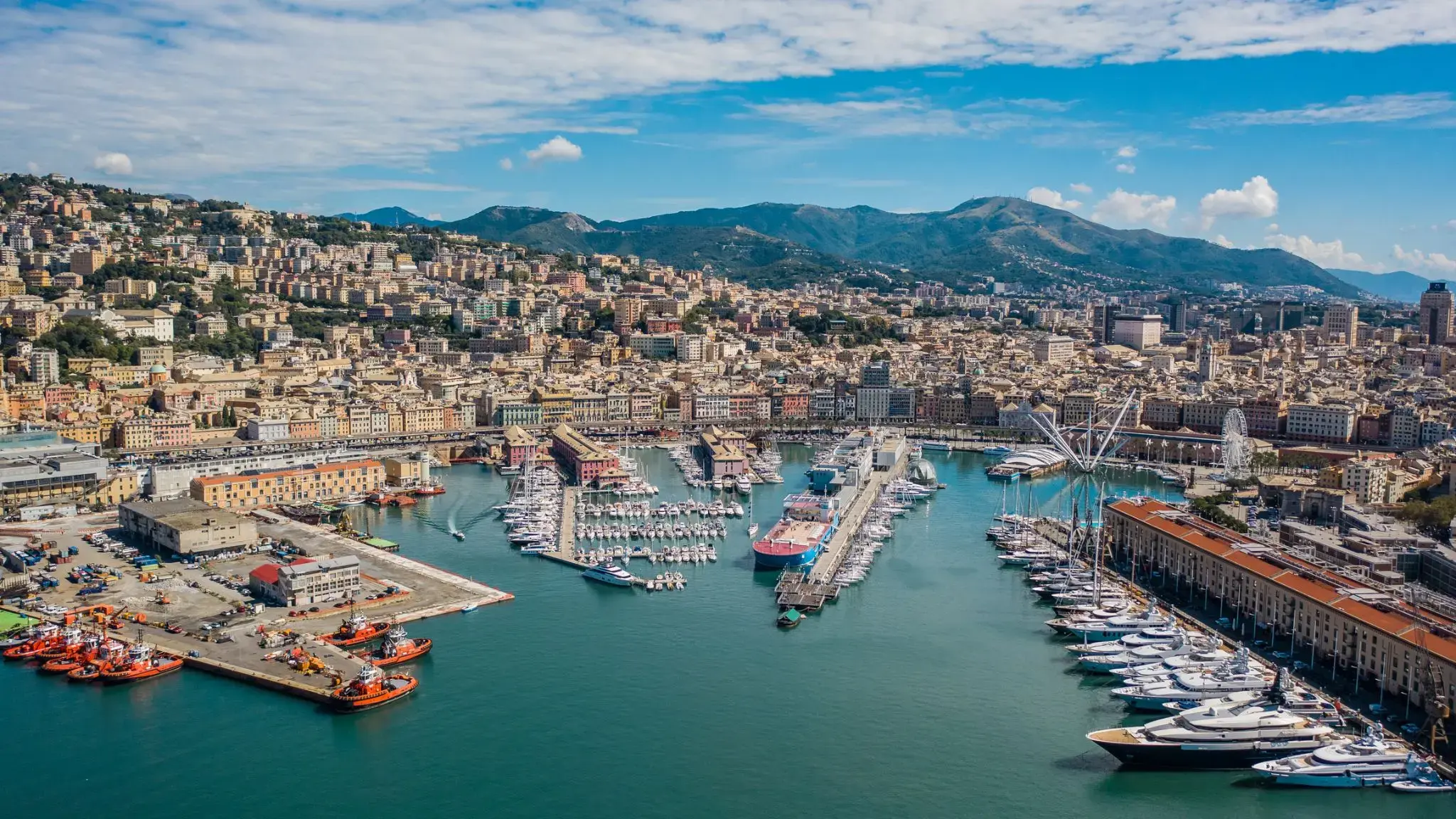
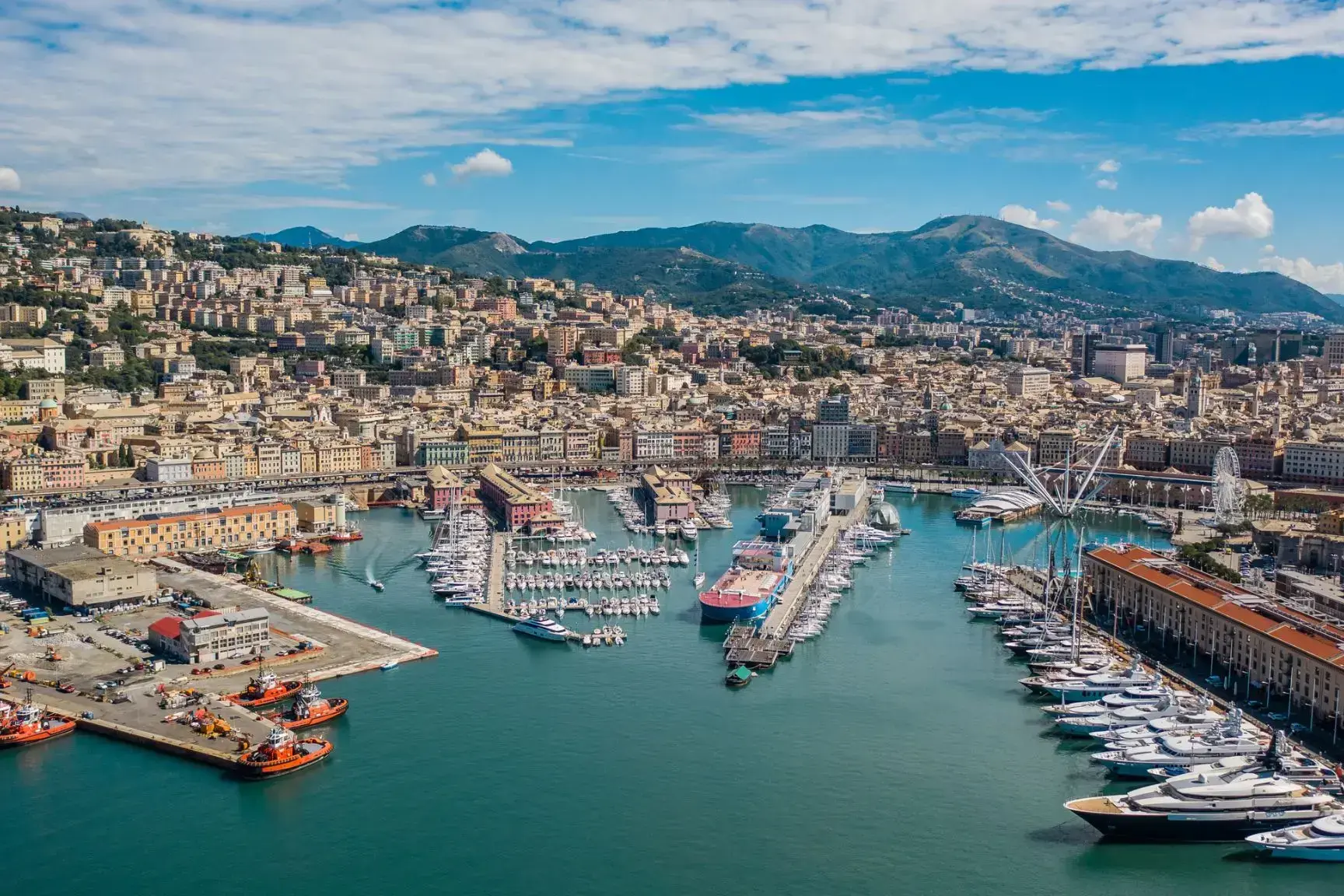
Genoa is the capital of the Italian region of Liguria and the sixth-largest city in Italy. In 2015, 594,733 people lived within the city's administrative limits. As of the 2011 Italian census, the Province of Genoa, which in 2015 became the Metropolitan City of Genoa, counted 855,834 resident persons. Over 1.5 million people live in the wider metropolitan area stretching along the Italian Riviera.
Located on the Gulf of Genoa in the Ligurian Sea, Genoa has historically been one of the most important ports on the Mediterranean: it is currently the busiest in Italy and in the Mediterranean Sea and twelfth-busiest in the European Union. Genoa has been nicknamed la Superba ("the proud one") due to its glorious past and impressive landmarks. Part of the old town of Genoa was inscribed on the World Heritage List (UNESCO) in 2006 as Genoa: Le Strade Nuove and the system of the Palazzi dei Rolli. The city's rich cultural history in art, music and cuisine allowed it to become the 2004 European Capital of Culture. It is the birthplace of Christopher Columbus, Andrea Doria, Niccolò Paganini, Giuseppe Mazzini, Renzo Piano and Grimaldo Canella, founder of the House of Grimaldi, among others.
Genoa, which forms the southern corner of the Milan-Turin-Genoa industrial triangle of Northwest Italy, is one of the country's major economic centers. The city has hosted massive shipyards and steelworks since the 19th century, and its solid financial sector dates back to the Middle Ages. The Bank of Saint George, founded in 1407, is among the oldest in the world and has played an important role in the city's prosperity since the middle of the 15th century. Today a number of leading Italian companies are based in the city, including Fincantieri, Selex ES, Ansaldo Energia, Ansaldo STS, Edoardo Raffinerie Garrone, Piaggio Aerospace, Mediterranean Shipping Company and Costa Cruises.