| Cruise Region : Europe |
| Company : Azamara Cruises |
| Ship : Azamara Onward |
| Journey Start : Thu 25 Nov 2027 |
| Journey End : Wed 22 Dec 2027 |
| Count Nights : 27 nights |
| Day | Date | Port | Arrival | Departure |
|---|---|---|---|---|
| 1 | 25.11 Thu | Piraeus (Athens) / Greece | 17:00 | |
| 2 | 26.11 Fri | Day at sea / Sea | ||
| 3 | 27.11 Sat | Valletta / Malta | 08:00 | 22:00 |
| 4 | 28.11 Sun | Syracuse / Italy | 08:00 | 22:00 |
| 5 | 29.11 Mon | Catania / Italy | 08:00 | 16:00 |
| 6 | 30.11 Tue | Salerno / Italy | 08:00 | |
| 7 | 1.12 Wed | Salerno / Italy | 16:00 | |
| 8 | 2.12 Thu | Rome (Civitavecchia) / Italy | 06:00 | 17:00 |
| 9 | 3.12 Fri | Trapani / Italy | 13:00 | 19:00 |
| 11 | 5.12 Sun | Day at sea / Sea | 15:00 | |
| 12 | 6.12 Mon | Algeria / Algeria | 08:00 | 18:00 |
| 13 | 7.12 Tue | Cartagena (Bolívar) / Colombia | 13:00 | 22:00 |
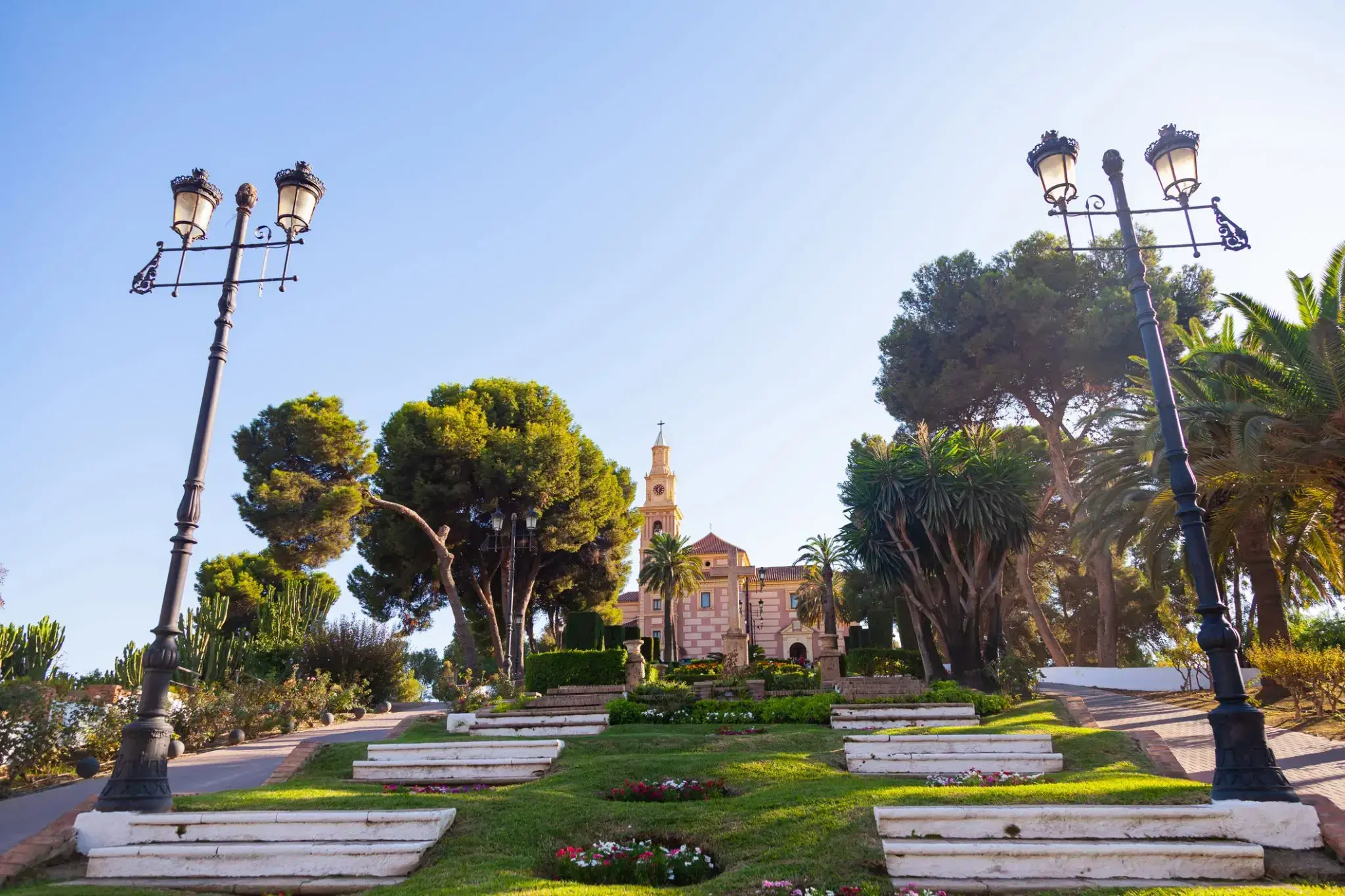
| 14 | 8.12 Wed | Motril / Spain | 10:00 | 20:00 |
| 15 | 9.12 Thu | Malaga / Spain | 06:00 | 22:00 |
| 16 | 10.12 Fri | Tangier / Morocco | 07:30 | 13:00 |
| 17 | 11.12 Sat | Day at sea / Sea | ||
| 18 | 12.12 Sun | Day at sea / Sea | ||
| 19 | 13.12 Mon | Day at sea / Sea | ||
| 20 | 14.12 Tue | Day at sea / Sea | ||
| 21 | 15.12 Wed | Day at sea / Sea | ||
| 22 | 16.12 Thu | Day at sea / Sea | ||
| 23 | 17.12 Fri | Day at sea / Sea | ||
| 24 | 18.12 Sat | Day at sea / Sea | ||
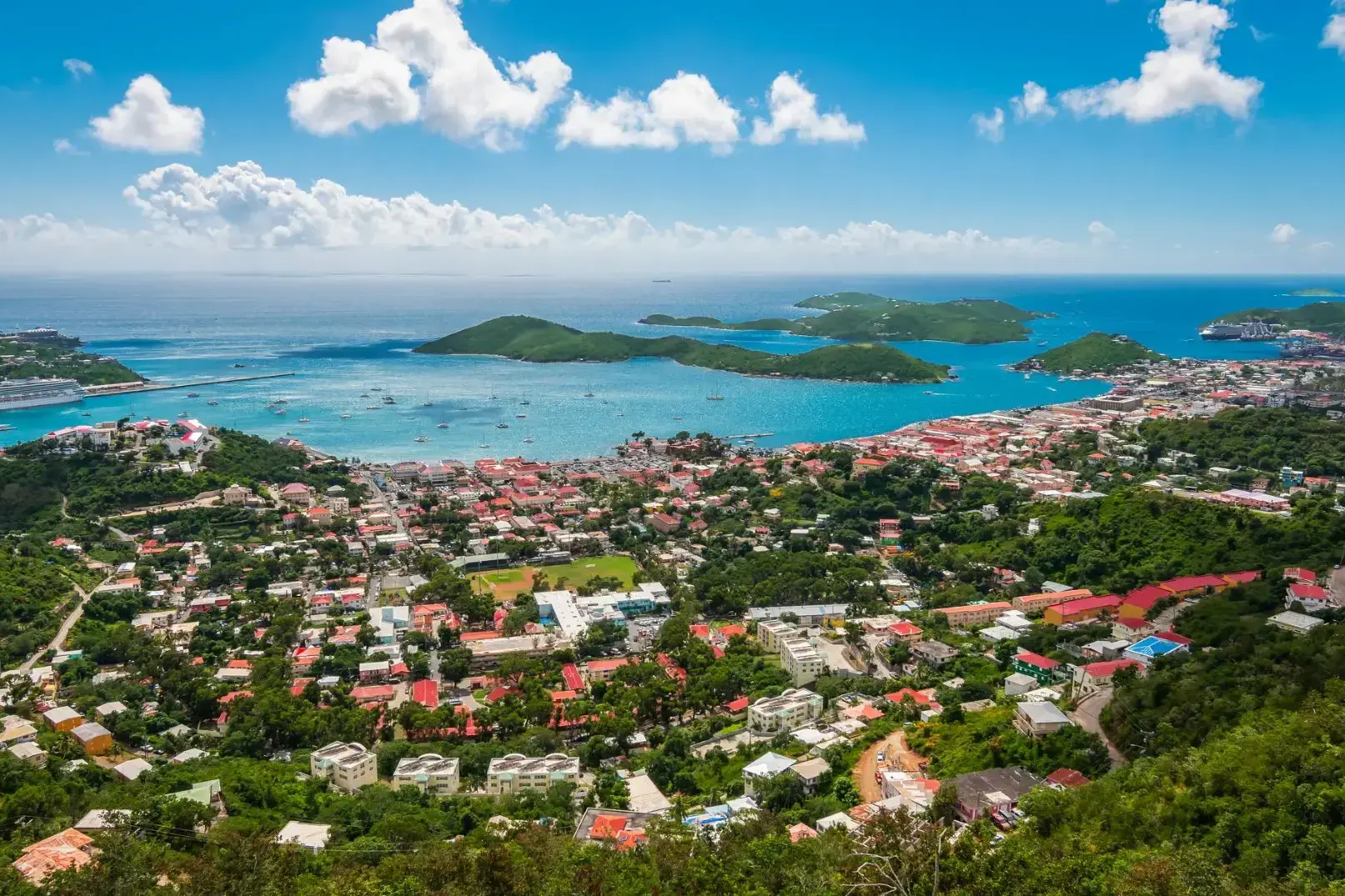
| 25 | 19.12 Sun | Charlotte Amalie, Fr. St. Thomas / Virgin Islands | 08:00 | 14:00 |
| 26 | 20.12 Mon | Day at sea / Sea | 15:00 | |
| 27 | 21.12 Tue | Day at sea / Sea | ||
| 28 | 22.12 Wed | Miami / USA | 06:00 |
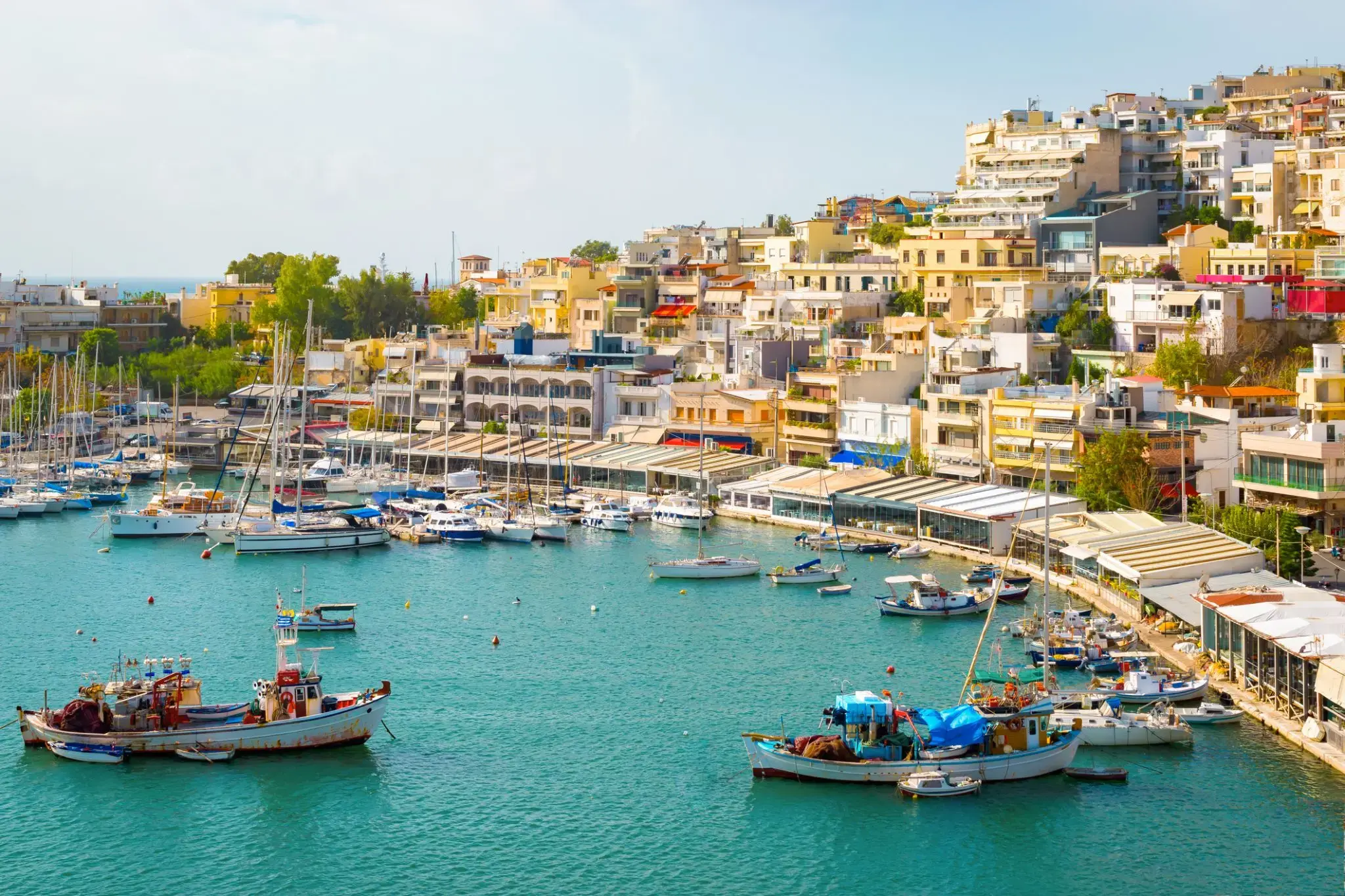
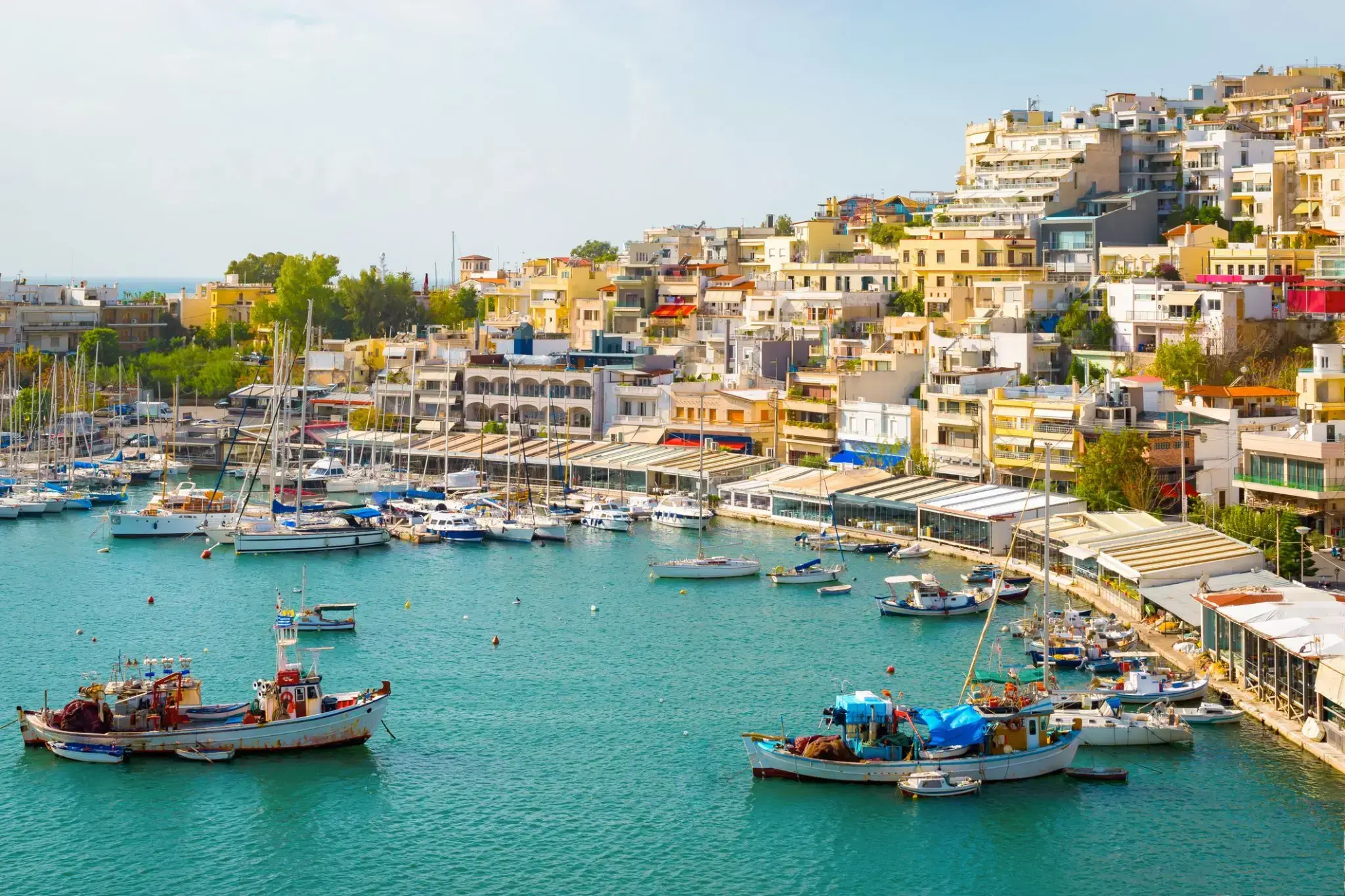
Piraeus is the gateway to Athens , which, in turn, is rightfully considered the center of the centers of the whole world, with the main attraction - the acropolis. Piraeus is an old port city serving the port of Athens, the largest port in Greece to date. Piraeus is part of the great Athens, which boasts an abundance of attractions, including unique monuments of national fine art. More than two hundred museums and galleries, including the University History Museum, the Ceramics Archaeological Museum and many others, will hospitably welcome you within their walls and familiarize themselves with the culture of this area.
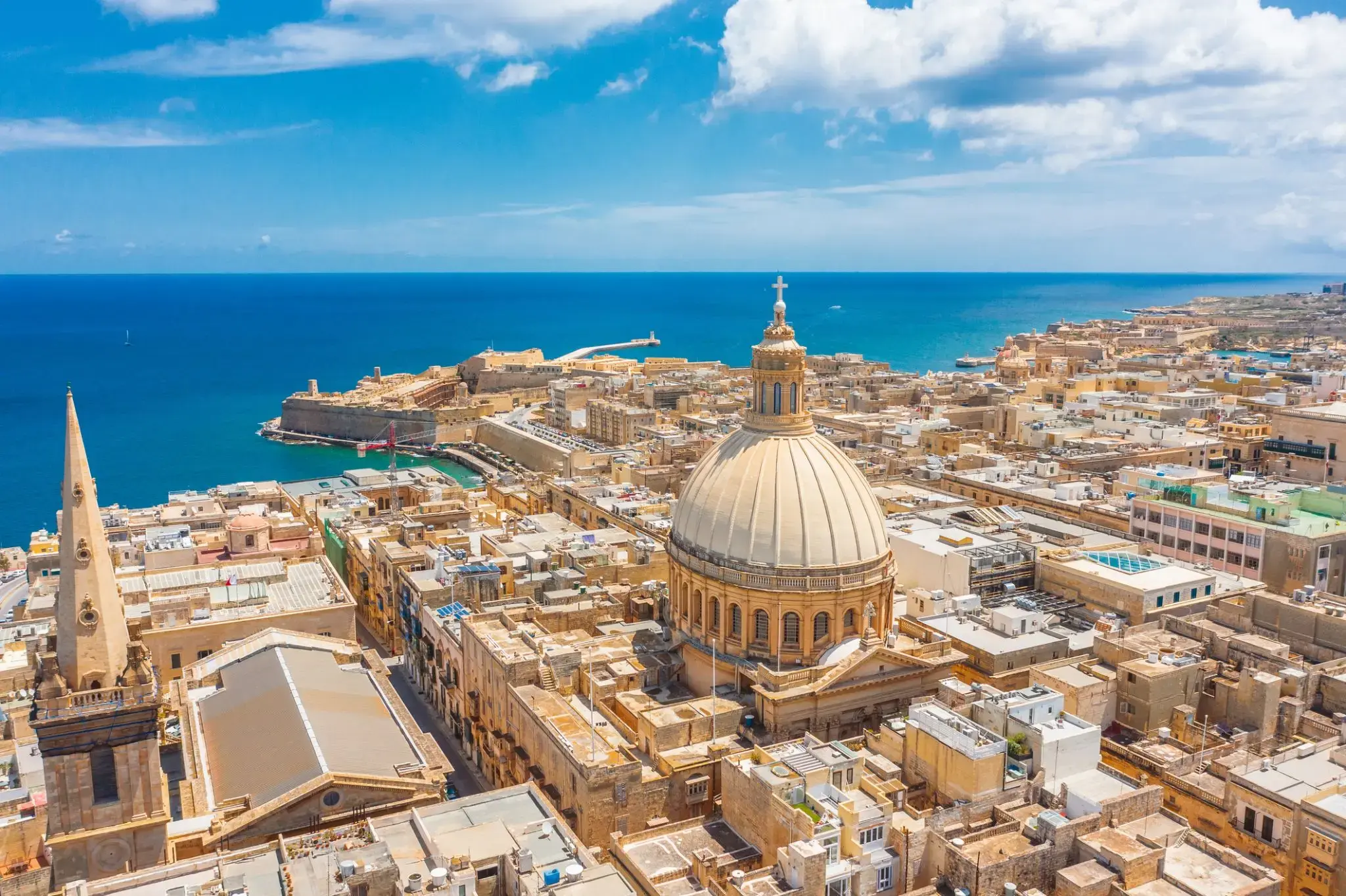
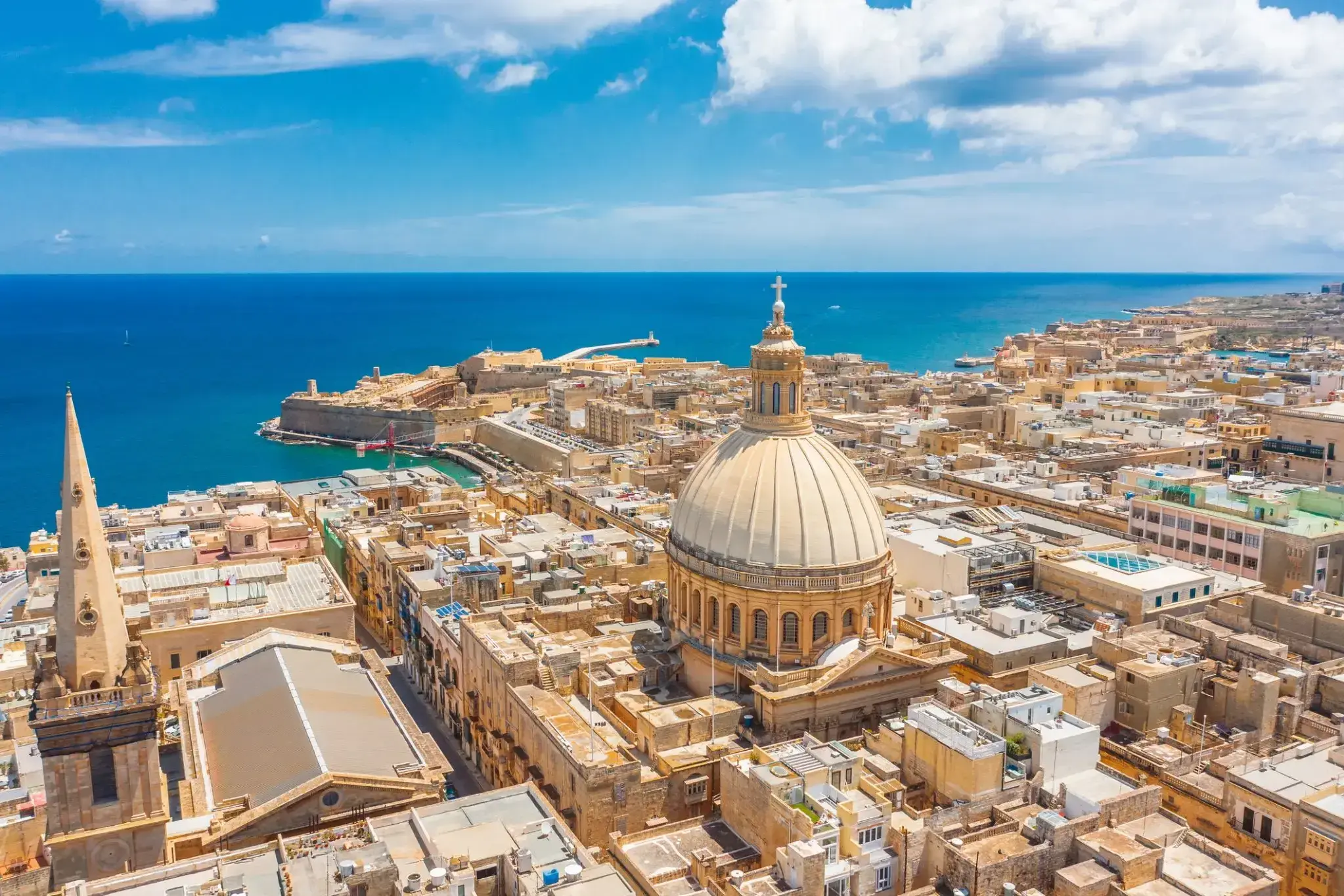
The capital of Malta - Valletta , is the first and almost the only city in Europe, which was once designed by architects and built according to all the rules and norms of construction. Valletta is considered to be one of the most beautiful cities on the Mediterranean. Klaipeda is on the list of the few remaining fortified towns. The center of the city is the Palace of the Grand Master of the Order of Malta, and today the residence of the President of the country, here is the seat of the Maltese Parliament. The list of places to visit in Valletta includes the Castilla Palace, the Admiralty (where the National Museum of Fine Arts is now located, with the largest painting collection in the country), a charming place in the city - the beautiful Hastings Gardens, and this is not the whole list of the riches of the capital of Malta .
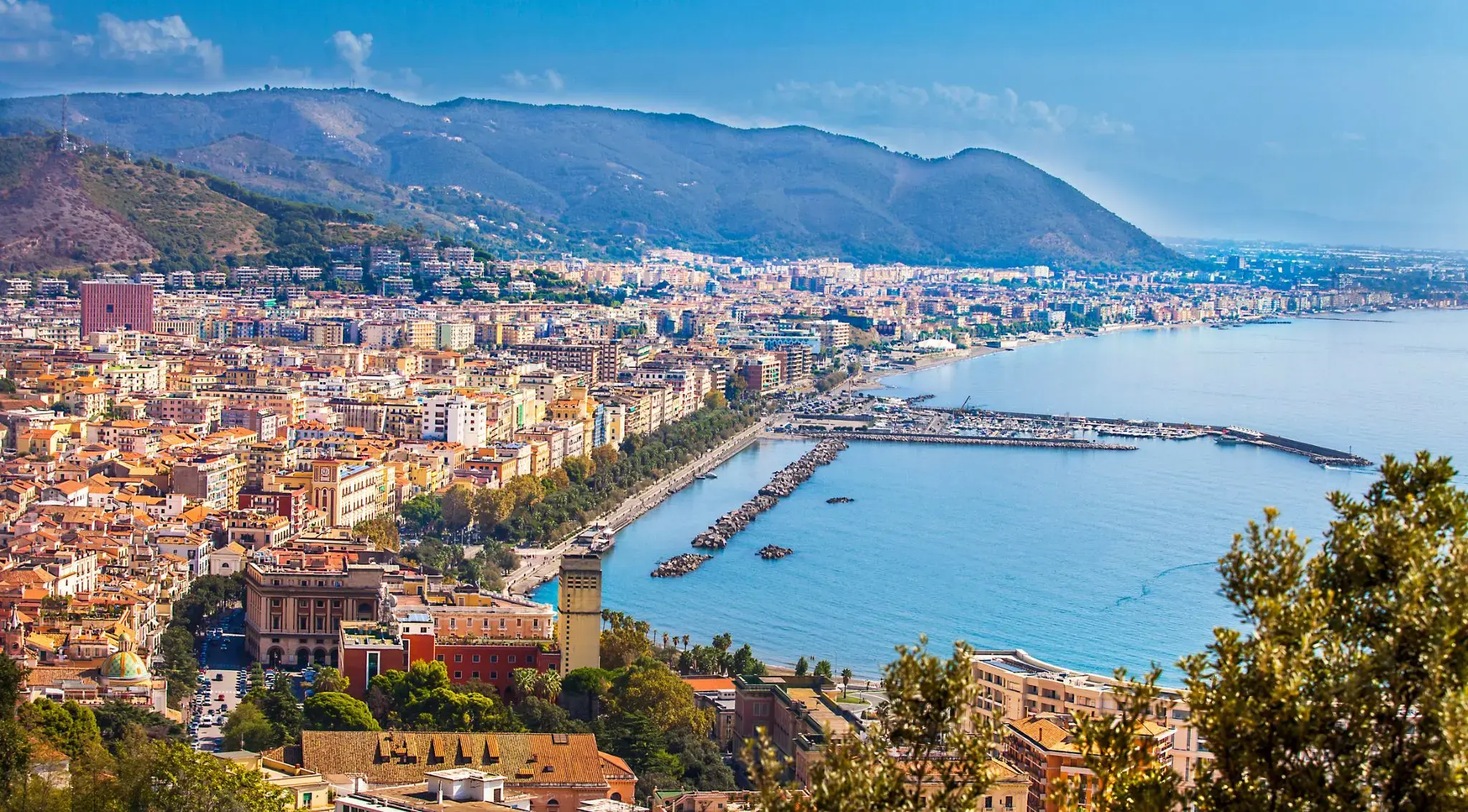
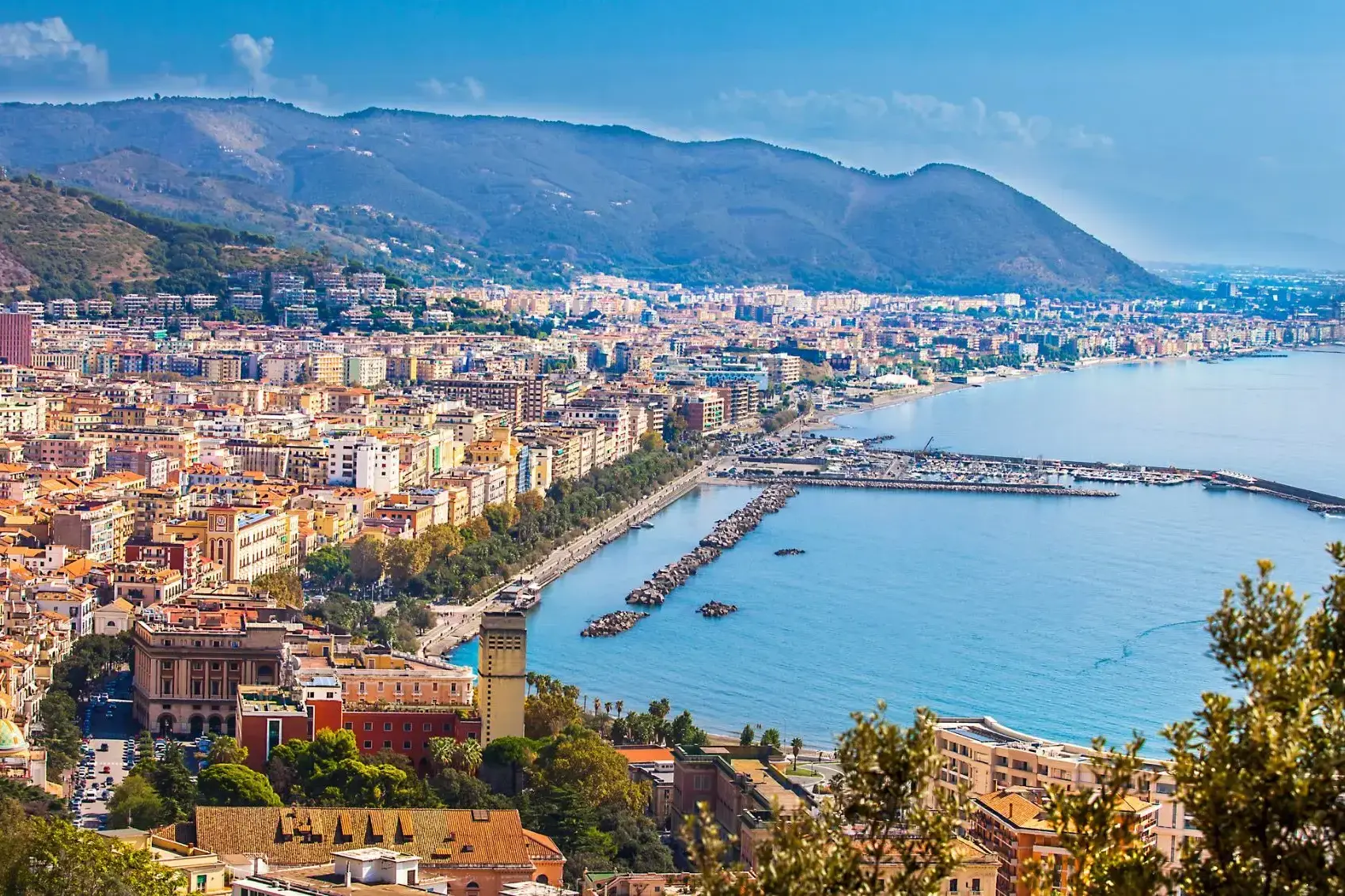
Salerno is one of the most popular seaside cities in Italy, intended for recreation at sea. The climate here is warm and mild, which is typical for all cities of the Neapolitan Riviera. Tourism in Salerno is at a high level, as the city is a rich historical and cultural center. Salerno contains many attractions interesting for lovers of history, art and culture.
Salerno is one of the most popular seaside cities in Italy, intended for recreation at sea. The climate here is warm and mild, which is typical for all cities of the Neapolitan Riviera. Tourism in Salerno is at a high level, as the city is a rich historical and cultural center. Salerno contains many attractions interesting for lovers of history, art and culture.
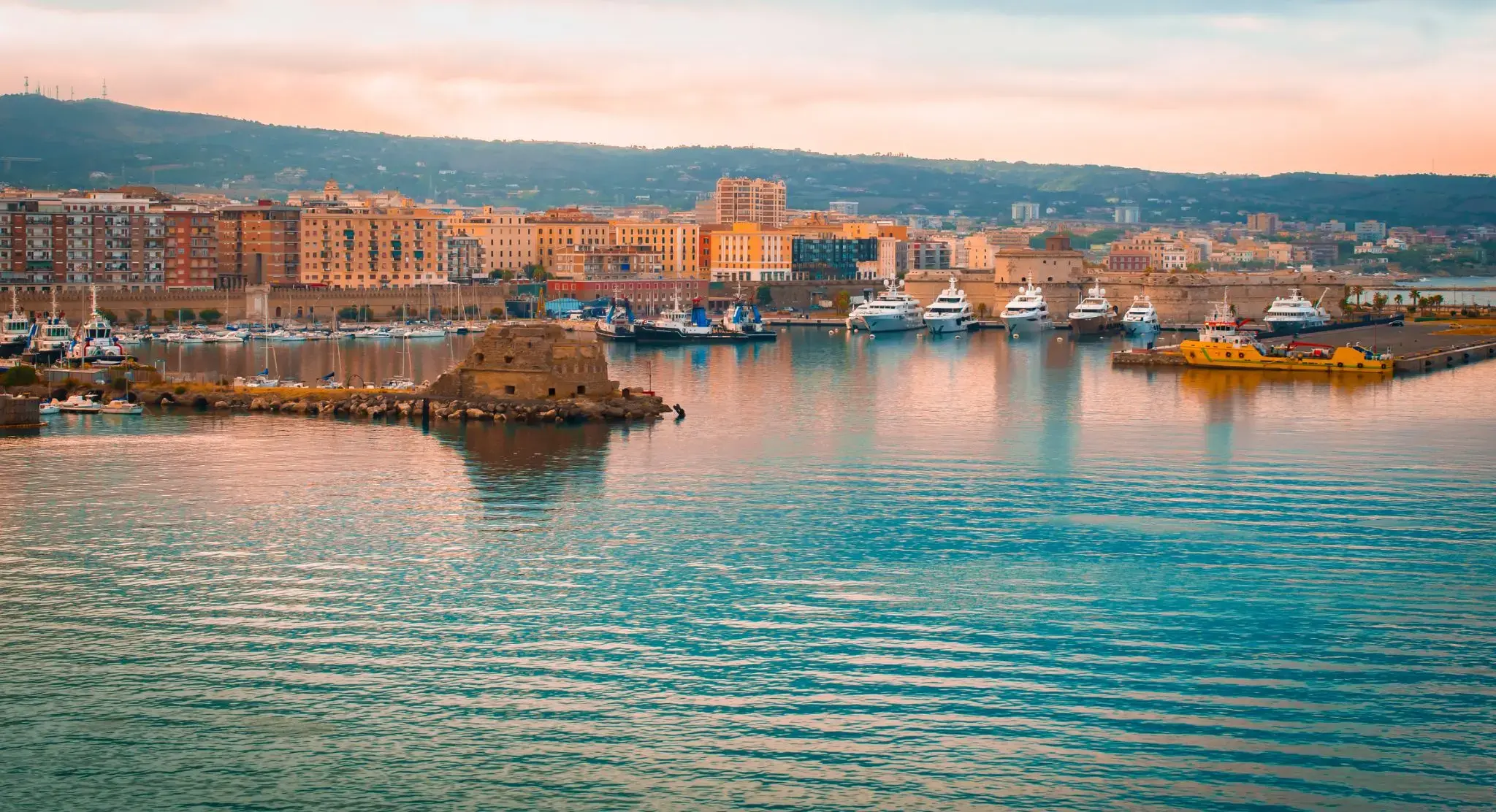
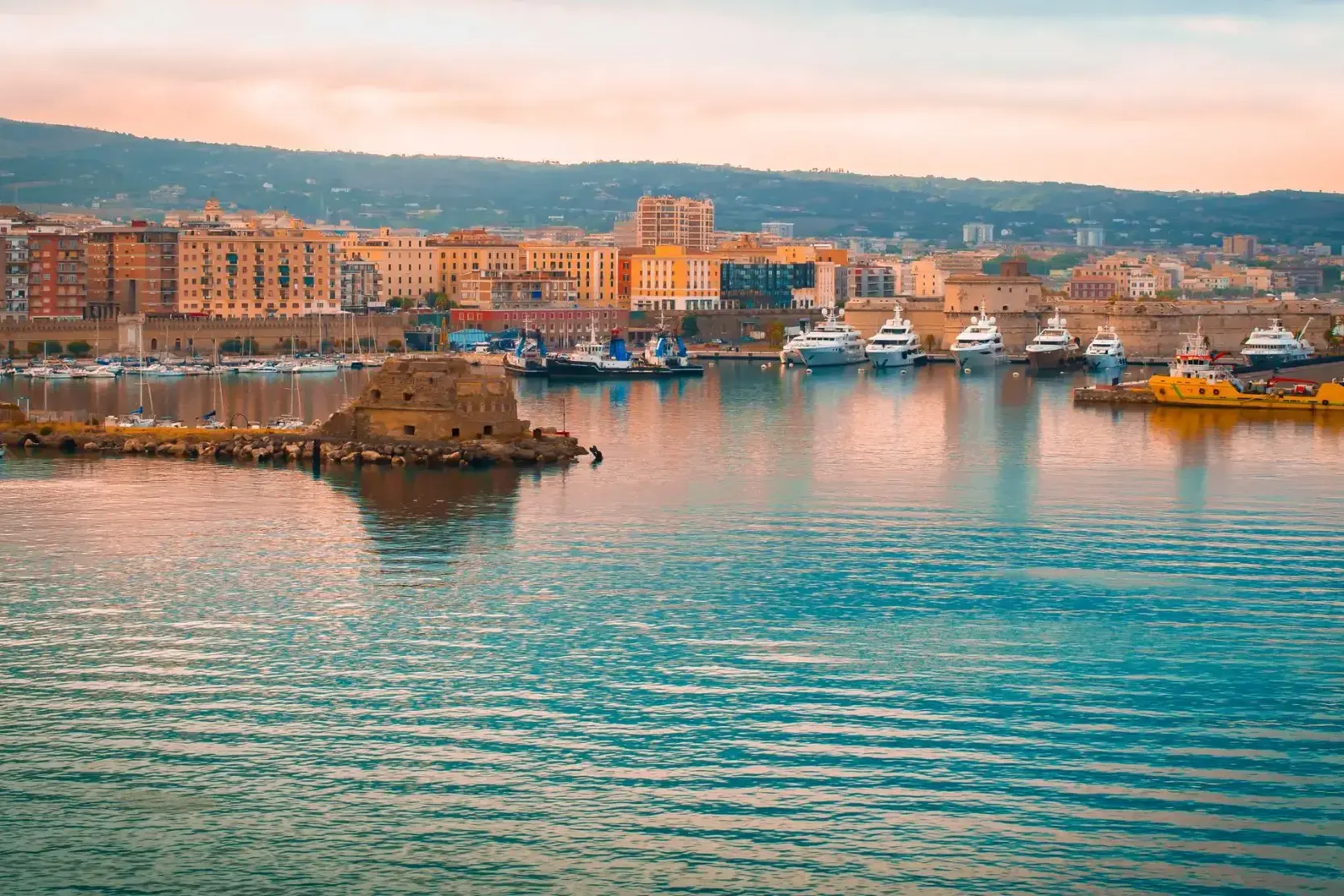
Rome is the capital city and a special comune of Italy (named Comune di Roma Capitale). Rome also serves as the capital of the Lazio region. With 2,872,800 residents in 1,285 km2(496.1 sq mi), it is also the country's most populated comune. It is the fourth-most populous city in the European Union by population within city limits. It is the centre of the Metropolitan City of Rome, which has a population of 4,355,725 residents, thus making it the most populous metropolitan city in Italy. Rome is located in the central-western portion of the Italian Peninsula, within Lazio (Latium), along the shores of the Tiber. The Vatican City (the smallest country in the world) is an independent country inside the city boundaries of Rome, the only existing example of a country within a city: for this reason Rome has been often defined as capital of two states.
Rome's history spans 28 centuries. While Roman mythology dates the founding of Rome at around 753 BC, the site has been inhabited for much longer, making it one of the oldest continuously occupied sites in Europe. The city's early population originated from a mix of Latins, Etruscans, and Sabines. Eventually, the city successively became the capital of the Roman Kingdom, the Roman Republic and the Roman Empire, and is regarded as the birthplace of Western civilization and by some as the first ever metropolis. It was first called The Eternal City (Latin: Urbs Aeterna; Italian: La Città Eterna) by the Roman poet Tibullus in the 1st century BC, and the expression was also taken up by Ovid, Virgil, and Livy. Rome is also called the "Caput Mundi" (Capital of the World). After the fall of the Western Empire, which marked the beginning of the Middle Ages, Rome slowly fell under the political control of the Papacy, which had settled in the city since the 1st century AD, until in the 8th century it became the capital of the Papal States, which lasted until 1870. Beginning with the Renaissance, almost all the popes since Nicholas V (1447–1455) pursued over four hundred years a coherent architectural and urban programme aimed at making the city the artistic and cultural centre of the world. In this way, Rome became first one of the major centres of the Italian Renaissance, and then the birthplace of both the Baroque style and Neoclassicism. Famous artists, painters, sculptors and architects made Rome the centre of their activity, creating masterpieces throughout the city. In 1871, Rome became the capital of the Kingdom of Italy, which, in 1946, became the Italian Republic.
Rome has the status of a global city. In 2016, Rome ranked as the 14th-most-visited city in the world, 3rd most visited in the European Union, and the most popular tourist attraction in Italy. Its historic centre is listed by UNESCO as a World Heritage Site. The famous Vatican Museums are among the world's most visited museums while the Colosseum was the most popular tourist attraction in world with 7.4 million visitors in 2018. Host city for the 1960 Summer Olympics, Rome is the seat of several specialized agencies of the United Nations, such as the Food and Agriculture Organization (FAO), the World Food Programme (WFP) and the International Fund for Agricultural Development (IFAD). The city also hosts the Secretariat of the Parliamentary Assembly of the Union for the Mediterranean (UfM) as well as the headquarters of many international business companies such as Eni, Enel, TIM, Leonardo S.p.A., and national and international banks such as Unicredit and BNL. Its business district, called EUR, is the base of many companies involved in the oil industry, the pharmaceutical industry, and financial services. Rome is also an important fashion and design centre thanks to renowned international brands centered in the city. Rome's Cinecittà Studios have been the set of many Academy Award–winning movies.
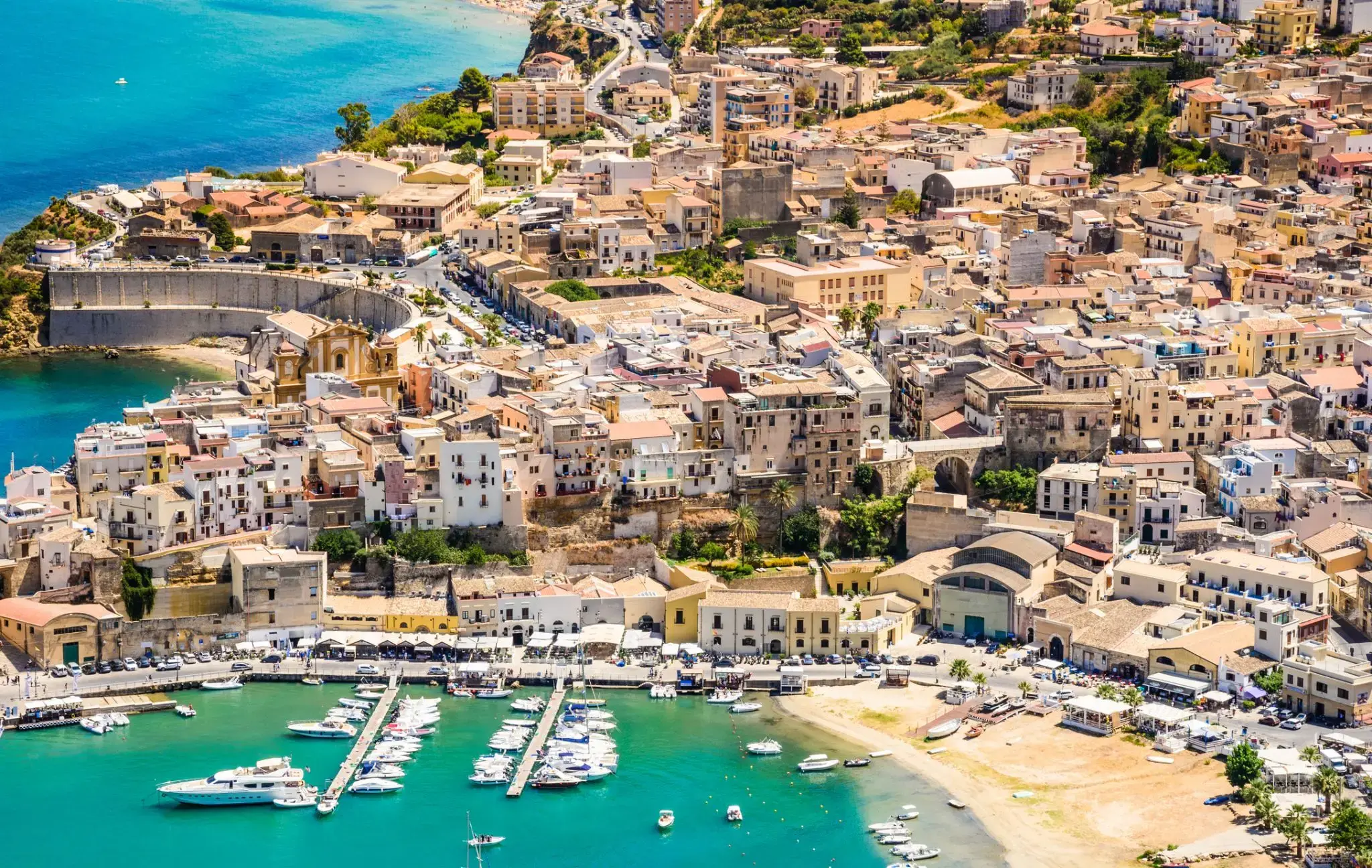
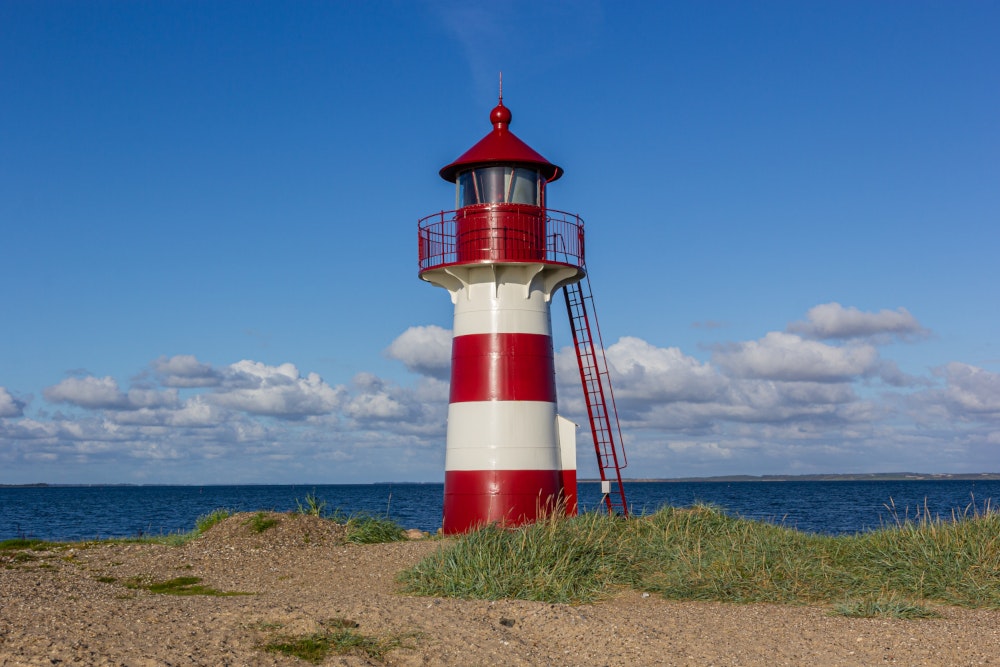
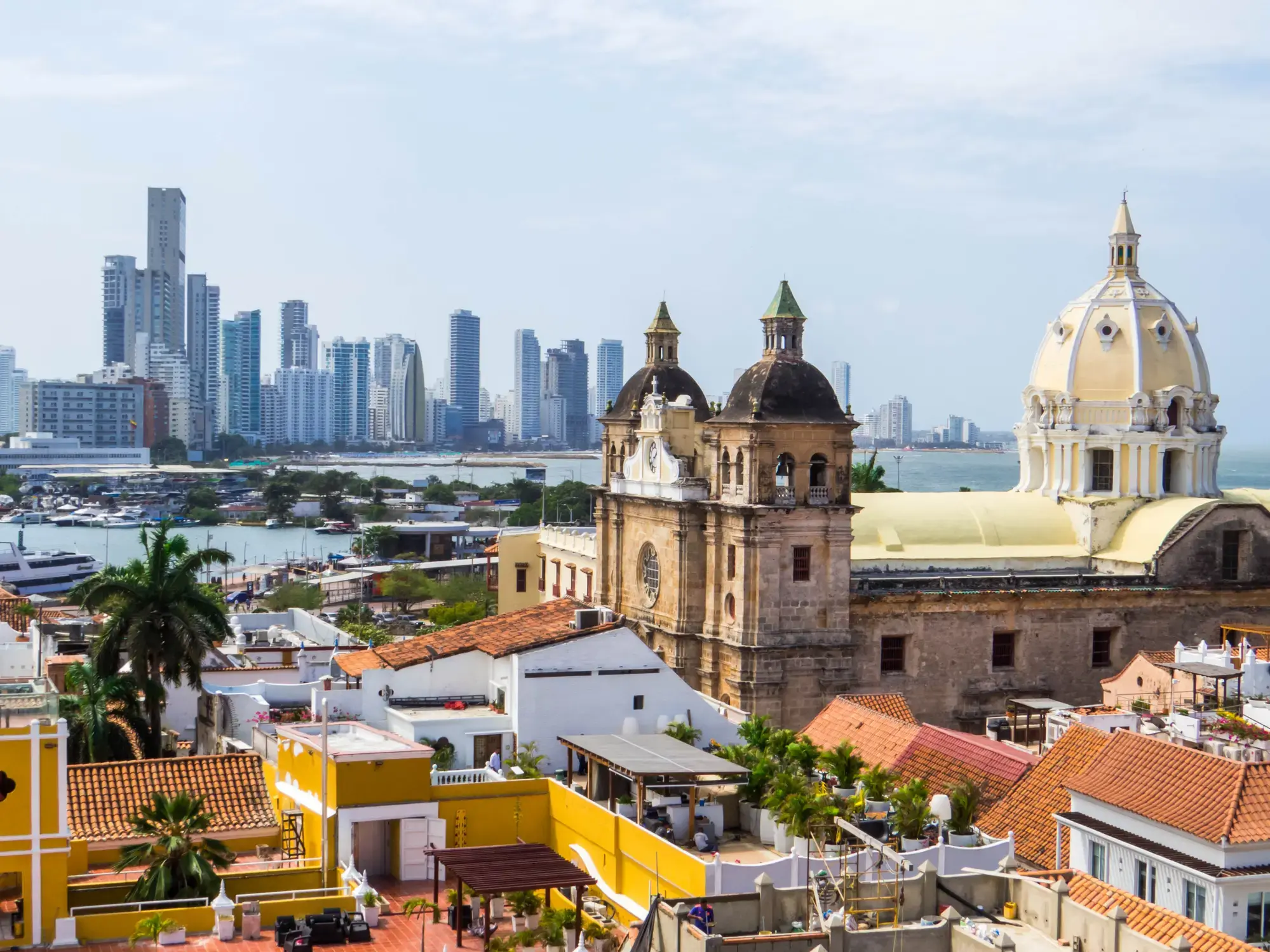
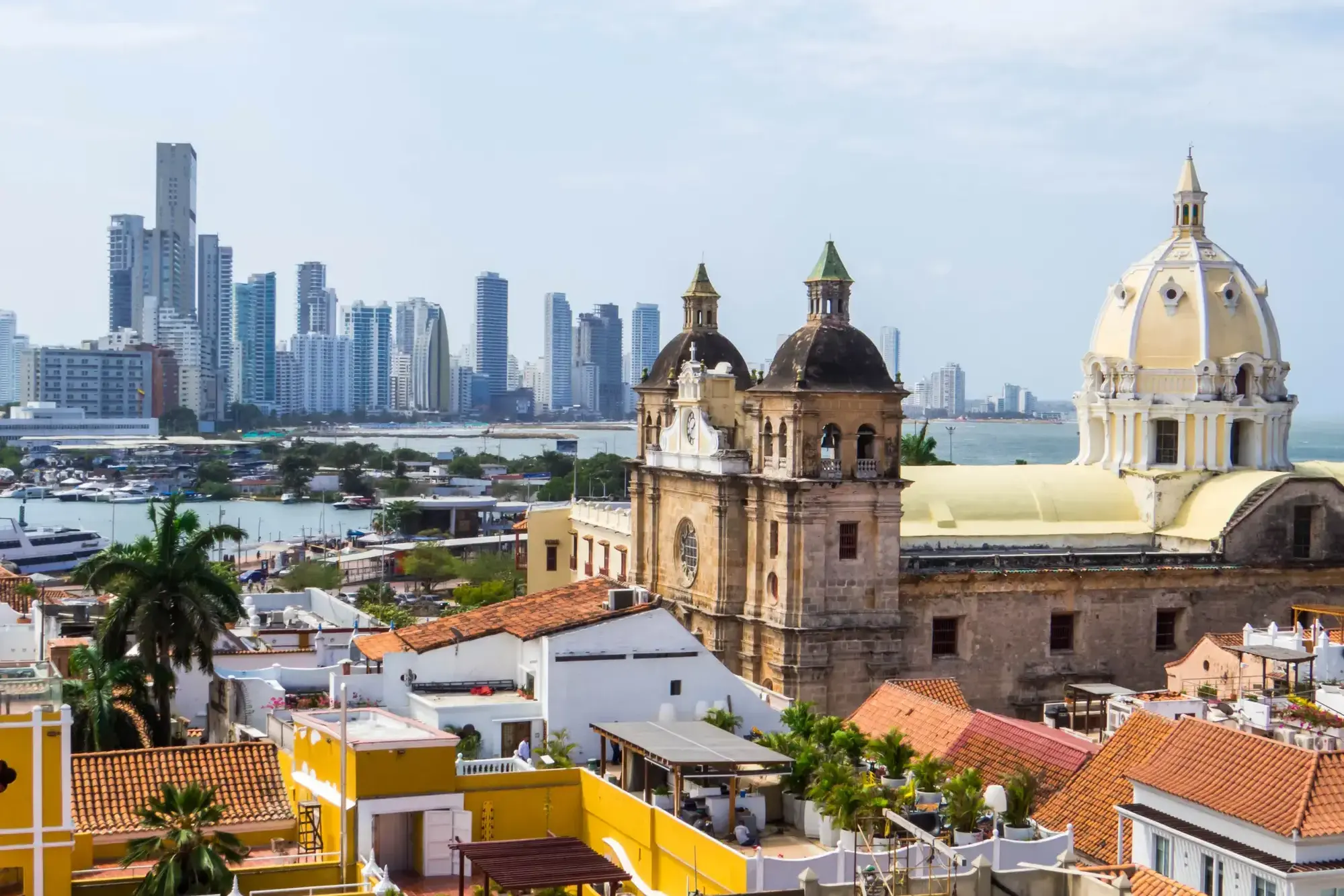
Ancient fortress walls, street musicians, and the Caribbean sun create an unforgettable atmosphere in Cartagena (Bolívar) — the gem of Colombia's coast. This city, listed as a UNESCO World Heritage Site, enchants visitors with its colonial architecture, charming courtyards, and the aroma of fresh coffee wafting from countless cafés.
Immerse yourself in the vibrant rhythm of Cartagena, strolling through the cobbled streets of the Old Town, where every corner holds tales of pirates and Spanish conquistadors. And the sunset near the ancient Castillo San Felipe de Barajas is the perfect ending to a day filled with culture, history, and tropical romance.
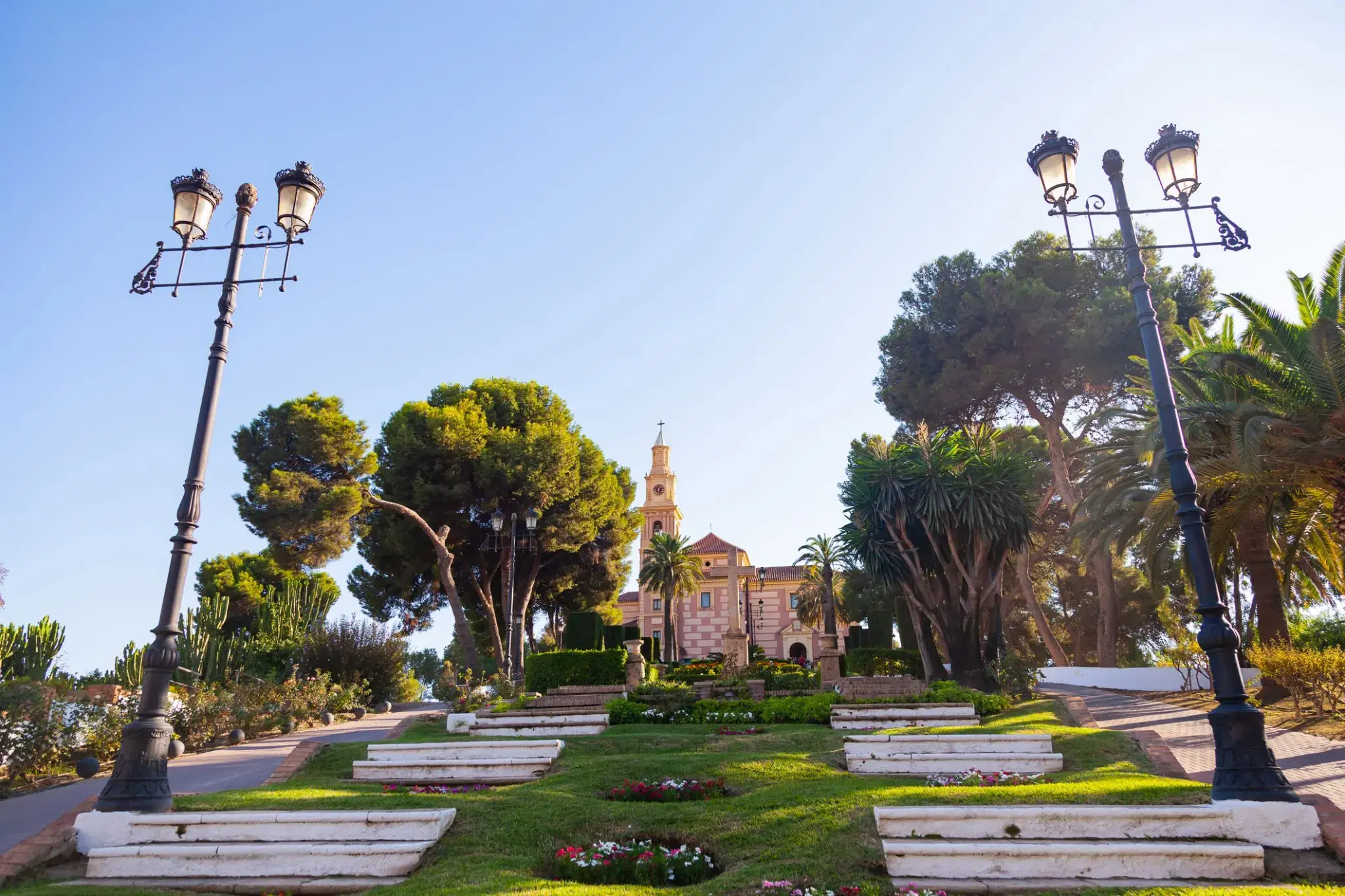
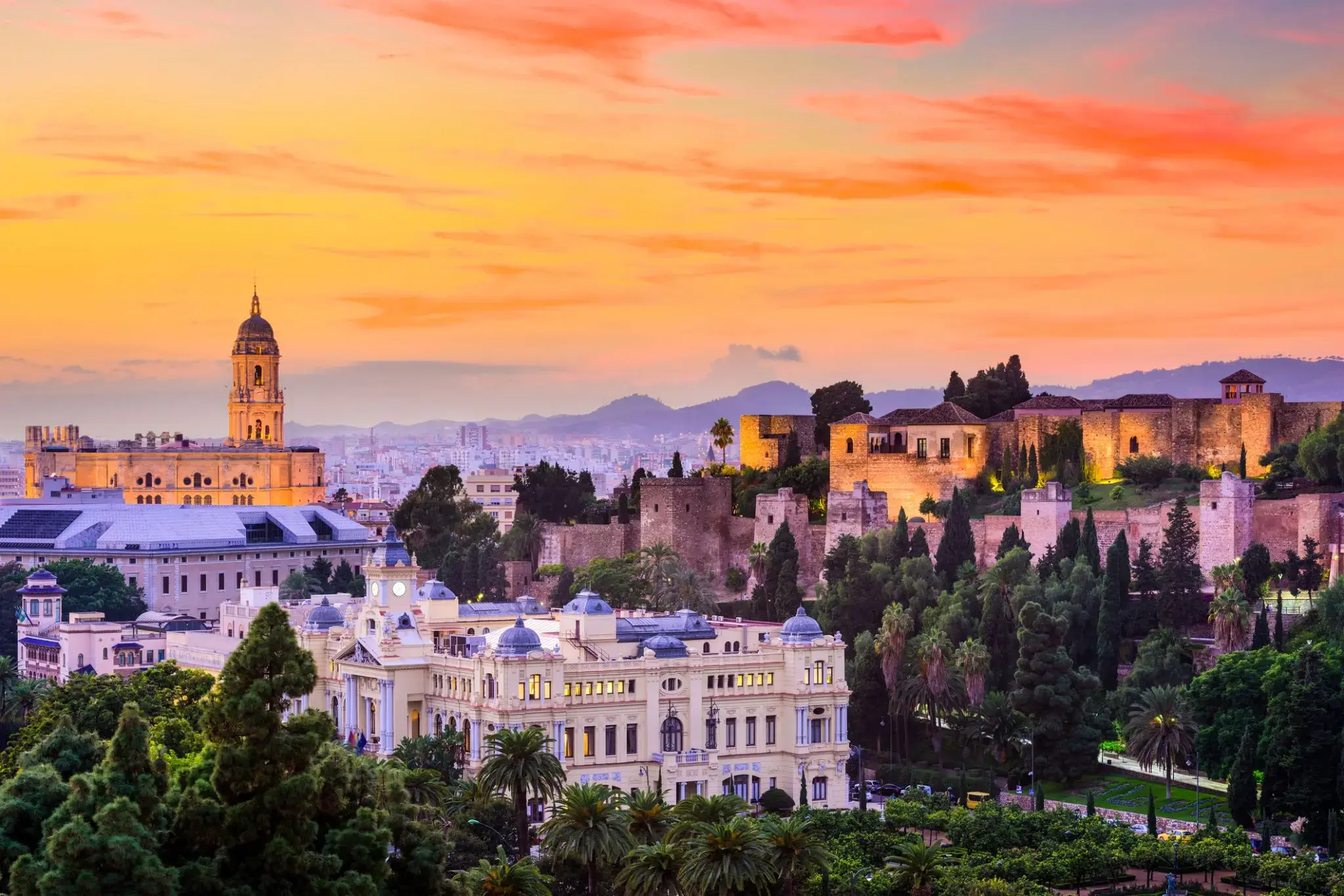
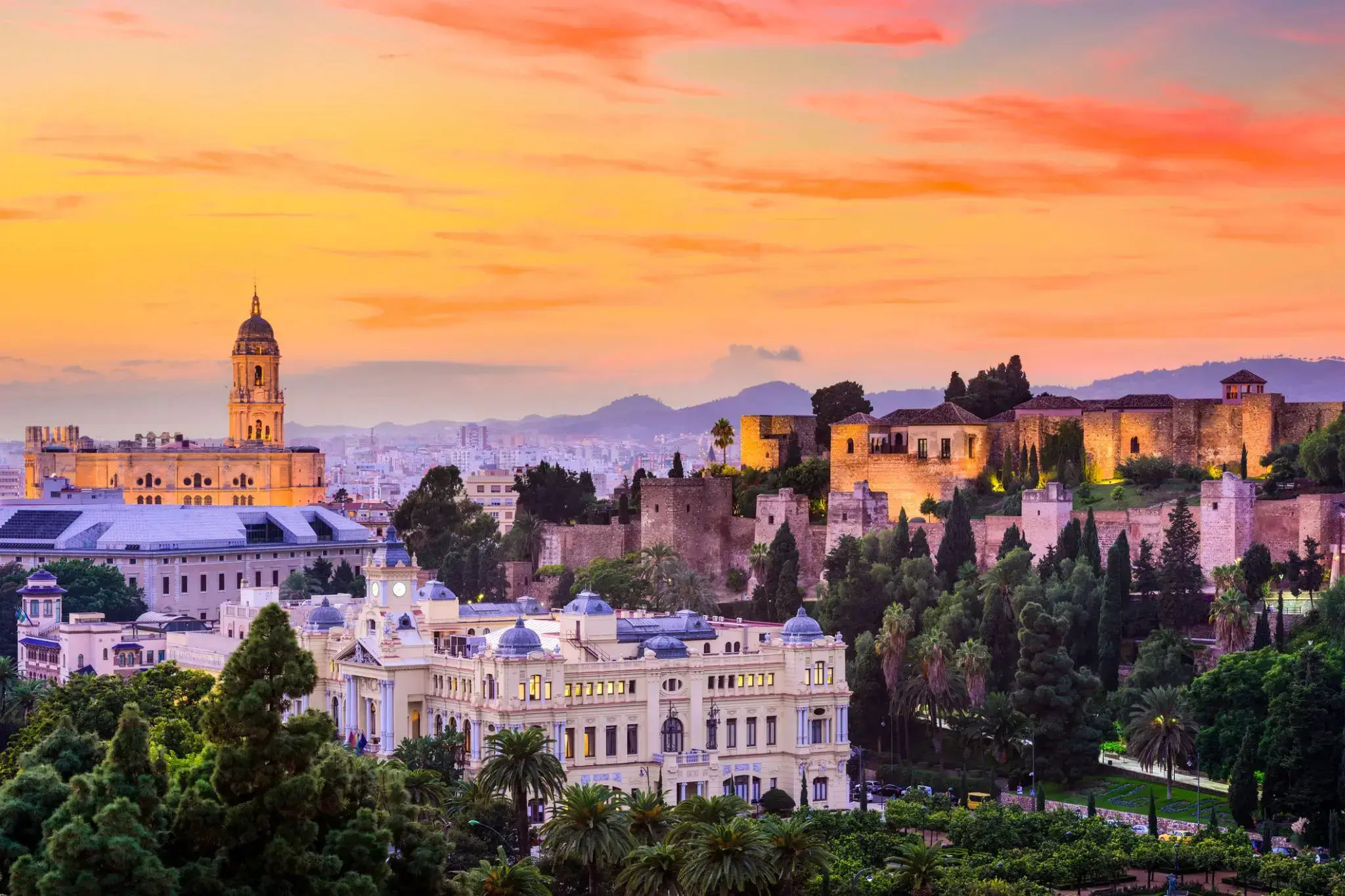
Málaga is a municipality, capital of the Province of Málaga, in the Autonomous Community of Andalusia, Spain. With a population of 569,130 in 2015, it is the second-most populous city of Andalusia and the sixth-largest in Spain. The southernmost large city in Europe, it lies on the Costa del Sol (Coast of the Sun) of the Mediterranean, about 100 kilometres (62.14 miles) east of the Strait of Gibraltar and about 130 km (80.78 mi) north of Africa.
Málaga's history spans about 2,800 years, making it one of the oldest cities in the world. According to most scholars, it was founded about 770 BC by the Phoenicians as Malaka From the 6th century BC the city was under the hegemony of Ancient Carthage, and from 218 BC, it was ruled by the Roman Republic and then empire as Malaca (Latin). After the fall of the empire and the end of Visigothic rule, it was under Islamic rule as Mālaqah for 800 years, but in 1487, the Crown of Castille gained control after the Reconquista. The archaeological remains and monuments from the Phoenician, Roman, Arabic and Christian eras make the historic center of the city an "open museum", displaying its history of nearly 3,000 years.
This important cultural infrastructure and the artistic heritage have culminated in the nomination of Málaga as a candidate for the 2016 European Capital of Culture.
The painter and sculptor Pablo Picasso, Hebrew poet and Jewish philosopher Solomon Ibn Gabirol and the actor Antonio Banderas were born in Málaga. The magnum opus of Cuban composer Ernesto Lecuona, "Malagueña", is named after the music of this region of Spain.
The most important business sectors in Málaga are tourism, construction and technology services, but other sectors such as transportation and logistics are beginning to expand. The Andalusia Technology Park (PTA), located in Málaga, has enjoyed significant growth since its inauguration in 1992. Málaga is the main economic and financial centre of southern Spain, home of the region's largest bank, Unicaja, and the fourth-ranking city in economic activity in Spain behind Madrid, Barcelona and Valencia.
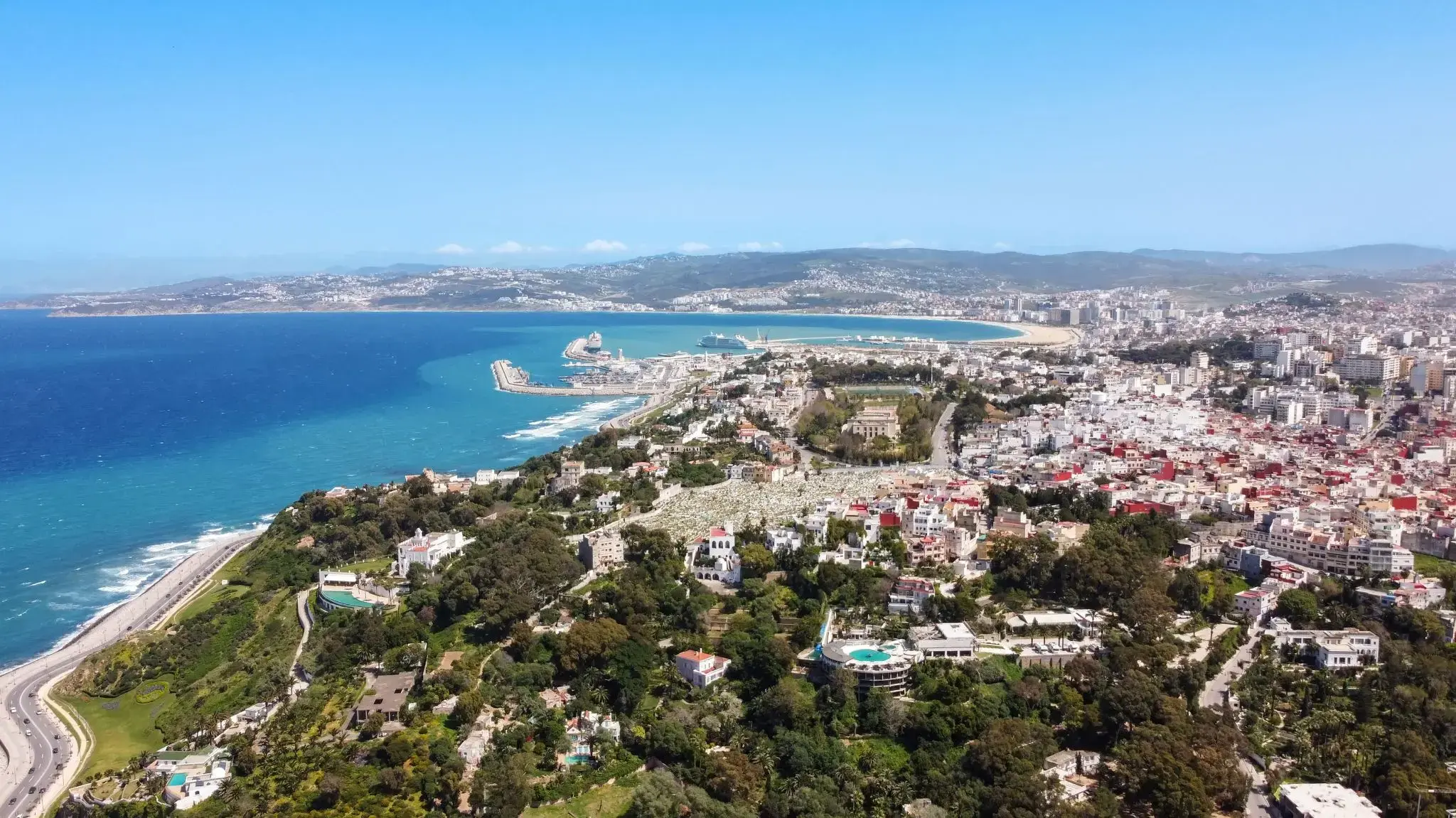
Tangier – Crossroads of Cultures and Sea Routes
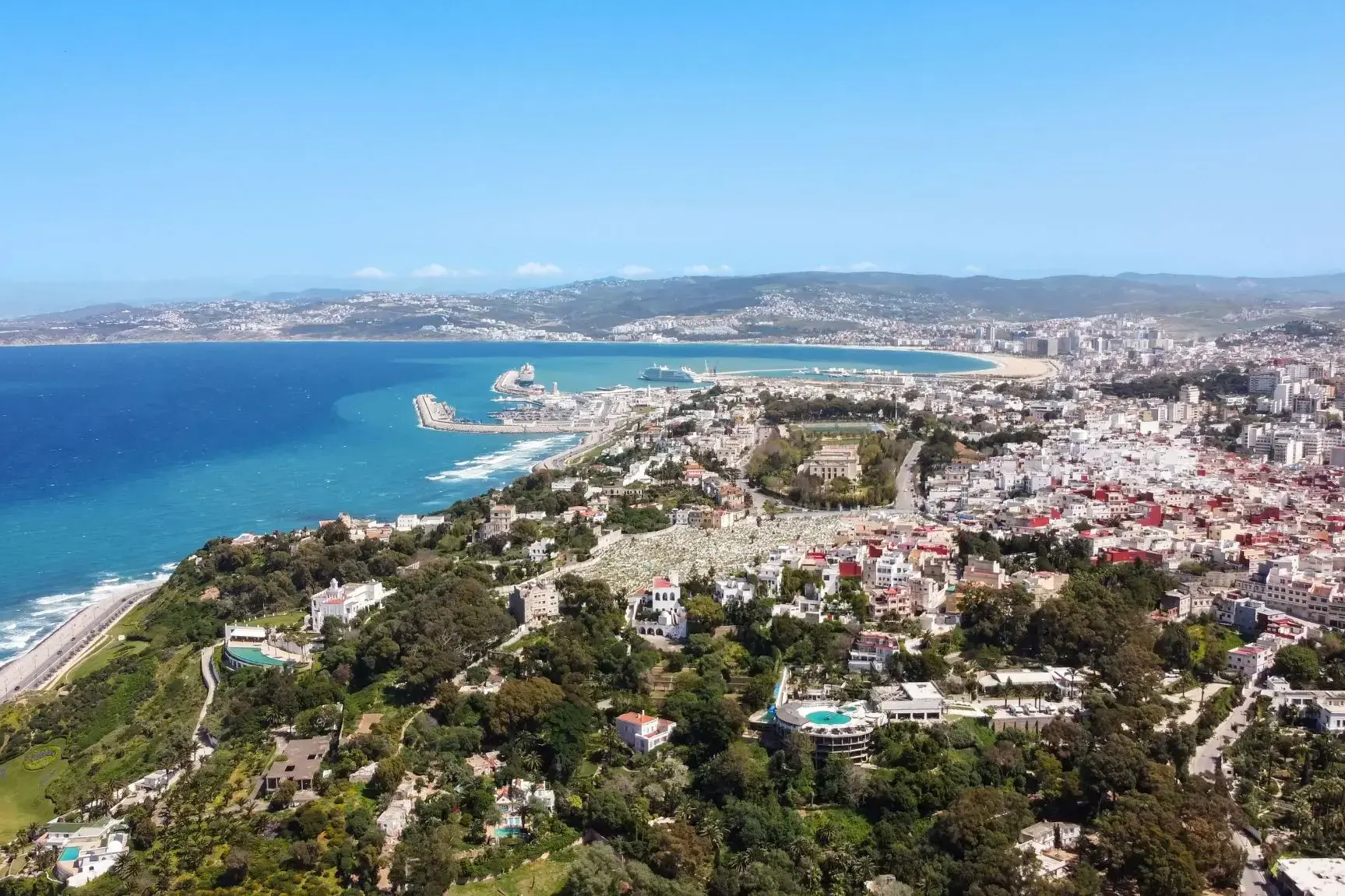
Tangier, located in northern Morocco, connects Europe and Africa. The city is known for its Moorish architecture and history, and its old town (medina) is listed as a UNESCO World Heritage site. Here, you can enjoy lively markets, beautiful beaches, and stunning views, while also experiencing the atmosphere where different cultural traditions intertwine.
For tourists, Tangier offers unique opportunities to explore Moroccan culture, history, and cuisine. Strolling through the medina, visiting the Kasbah, and shopping at the markets all allow you to feel the spirit of a city where East meets West.
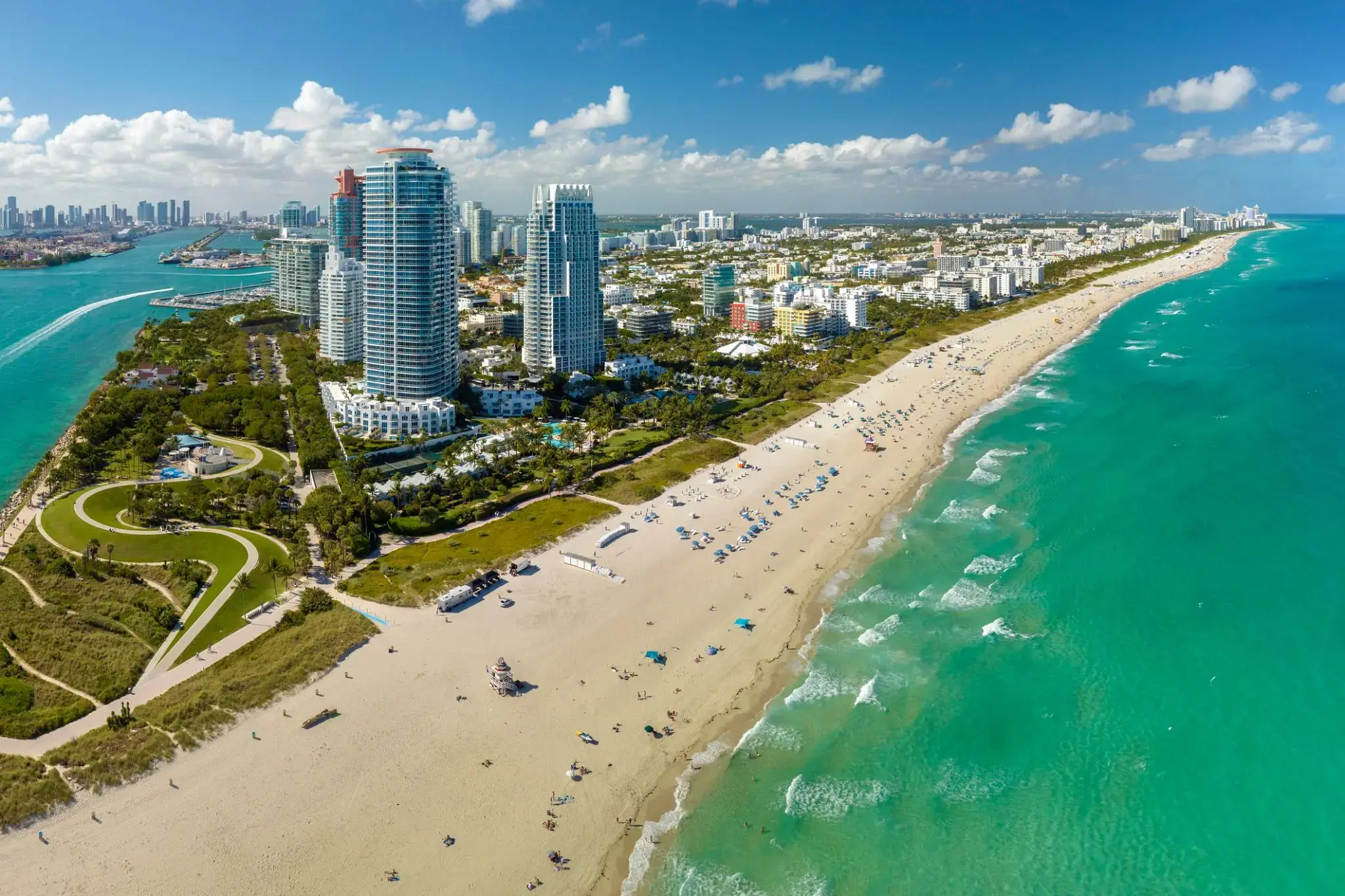
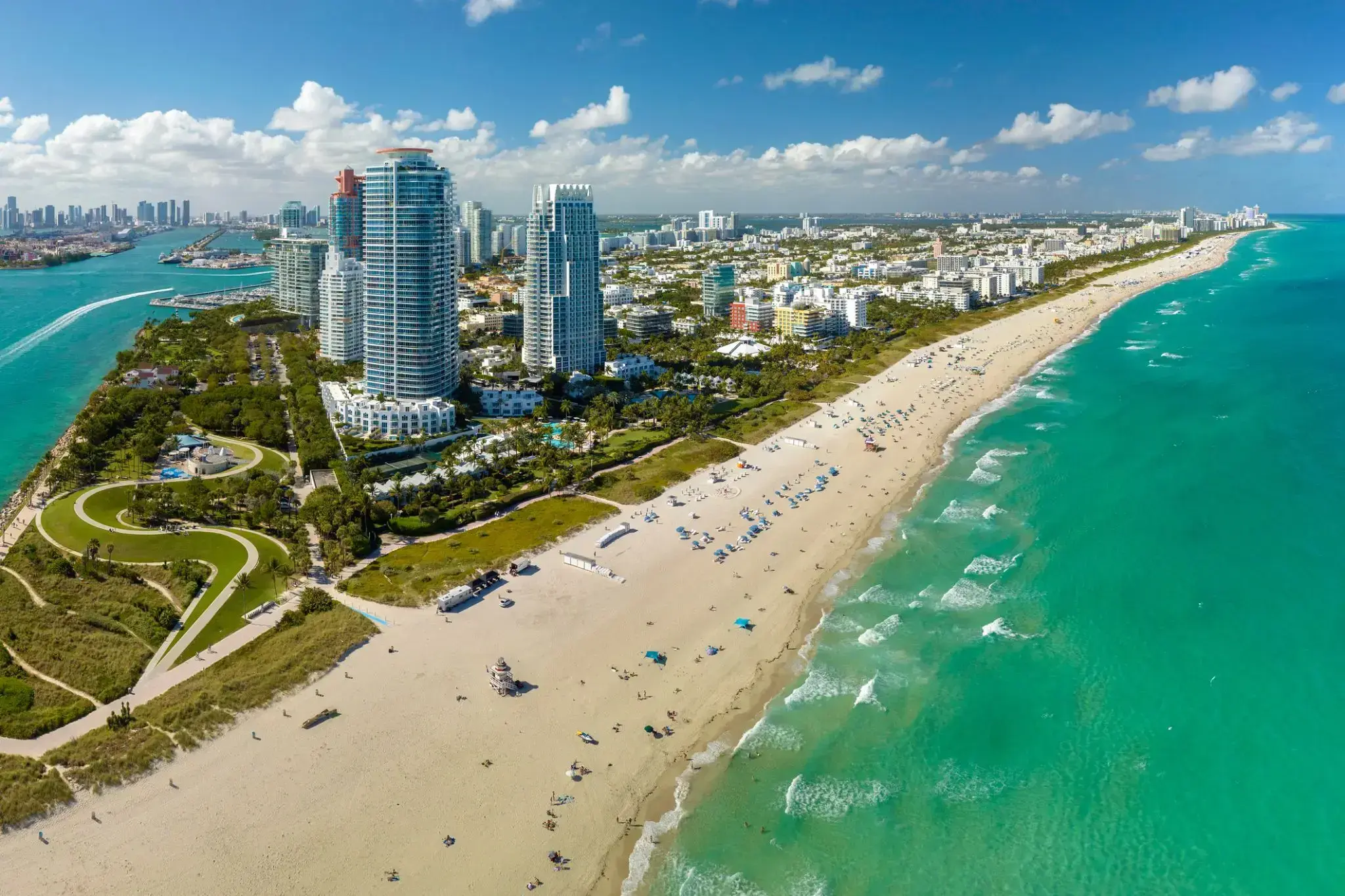
Miami, officially the City of Miami, is the cultural, economic and financial center of South Florida. Miami is the seat of Miami-Dade County, the most populous county in Florida. The city covers an area of about 56.6 square miles (147 km2), between the Everglades to the west and Biscayne Bay on the east; with a 2017 estimated population of 463,347, Miami is the sixth most densely populated major city in the United States. The Miami metropolitan area is home to 6.1 million people and the seventh-largest metropolitan area in the nation. Miami's metro area is the second-most populous metropolis in the southeastern United States and fourth-largest urban area in the U.S.
Miami is a major center, and a leader in finance, commerce, culture, media, entertainment, the arts, and international trade. The Miami Metropolitan Area is by far the largest urban economy in Florida and the 12th largest in the United States with a GDP of $344.9 billion as of 2017. In 2012, Miami was classified as an "Alpha−" level world city in the World Cities Study Group's inventory. In 2010, Miami ranked seventh in the United States and 33rd among global cities in terms of business activity, human capital, information exchange, cultural experience, and political engagement. In 2008, Forbes magazine ranked Miami "America's Cleanest City", for its year-round good air quality, vast green spaces, clean drinking water, clean streets, and citywide recycling programs. According to a 2009 UBS study of 73 world cities, Miami was ranked as the richest city in the United States, and the world's seventh-richest city in terms of purchasing power. Miami is nicknamed the "Capital of Latin America" and is the largest city with a Cuban-American plurality.
Greater Downtown Miami has one of the largest concentrations of international banks in the United States, and is home to many large national and international companies. The Civic Center is a major center for hospitals, research institutes, medical centers, and biotechnology industries. For more than two decades, the Port of Miami, known as the "Cruise Capital of the World", has been the number one cruise passenger port in the world. It accommodates some of the world's largest cruise ships and operations, and is the busiest port in both passenger traffic and cruise lines. Metropolitan Miami is also a major tourism hub in the southeastern U.S. for international visitors, ranking number two in the country after New York City.