| Cruise Region : Caribbean, Pacific cruises |
| Company : Oceania Cruises |
| Ship : AURELIA |
| Journey Start : Tue 18 Jan 2028 |
| Journey End : Tue 18 Jul 2028 |
| Count Nights : 182 nights |
| Day | Date | Port | Arrival | Departure |
|---|---|---|---|---|
| 1 | 18.01 Tue | Miami / USA | 07:00 | |
| 2 | 19.01 Wed | Miami / USA | 17:00 | |
| 3 | 20.01 Thu | Day at sea / Sea | ||
| 4 | 21.01 Fri | Day at sea / Sea | ||
| 5 | 22.01 Sat | Cartagena (Bolívar) / Colombia | 14:00 | 22:00 |
| 6 | 23.01 Sun | Day at sea / Sea | ||
| 7 | 24.01 Mon | Puerto Limon / Costa Rica | 07:00 | 16:00 |
| 8 | 25.01 Tue | Day at sea / Sea | ||
| 9 | 26.01 Wed | Day at sea / Sea | ||
| 10 | 27.01 Thu | Day at sea / Sea | ||
| 11 | 28.01 Fri | Puerto Quetzal / Guatemala | 07:00 | 16:00 |
| 12 | 29.01 Sat | Corinto / Nicaragua | 08:00 | 16:00 |
| 13 | 30.01 Sun | Day at sea / Sea | ||
| 14 | 31.01 Mon | Day at sea / Sea | ||
| 15 | 1.02 Tue | Day at sea / Sea | ||
| 16 | 2.02 Wed | Cabo San Lucas / Mexico | 10:00 | 18:00 |
| 17 | 3.02 Thu | Day at sea / Sea | ||
| 18 | 4.02 Fri | Day at sea / Sea | ||
| 19 | 5.02 Sat | Los Angeles / USA | 07:00 | 17:00 |
| 20 | 6.02 Sun | Day at sea / Sea | ||
| 21 | 7.02 Mon | Day at sea / Sea | ||
| 22 | 8.02 Tue | Day at sea / Sea | ||
| 23 | 9.02 Wed | Day at sea / Sea | ||
| 24 | 10.02 Thu | Day at sea / Sea | ||
| 25 | 11.02 Fri | Kahului, oh. Maui / Hawaii | 08:00 | 18:00 |
| 26 | 12.02 Sat | Nawiliwili, oh. Kauai, Hawaii / Hawaii | 07:00 | 17:00 |
| 27 | 13.02 Sun | Honolulu, Oahu, Hawaii / Hawaii | 07:00 | 17:00 |
| 28 | 14.02 Mon | Hilo / Hawaii | 11:00 | 19:00 |
| 29 | 15.02 Tue | Day at sea / Sea | ||
| 30 | 16.02 Wed | Day at sea / Sea | ||
| 31 | 17.02 Thu | Day at sea / Sea | ||
| 32 | 18.02 Fri | Day at sea / Sea | ||
| 33 | 19.02 Sat | Day at sea / Sea | ||
| 34 | 20.02 Sun | Raiatea, Society Islands / French Polynesia | 10:00 | 20:00 |
| 35 | 21.02 Mon | Huahine | 07:00 | 17:00 |
| 36 | 22.02 Tue | Moorea Islands Society / French Polynesia | 07:00 | 17:00 |
| 36 | 22.02 Tue | Papeete / French Polynesia | 20:00 | |
| 37 | 23.02 Wed | Papeete / French Polynesia | 17:00 | |
| 38 | 24.02 Thu | Bora Bora, Society Islands / French Polynesia | 07:00 | |
| 39 | 25.02 Fri | Bora Bora, Society Islands / French Polynesia | 13:00 | |
| 40 | 26.02 Sat | Day at sea / Sea | ||
| 41 | 27.02 Sun | Day at sea / Sea | ||
| 42 | 28.02 Mon | Pago-Pago / Samoa | 09:00 | 17:00 |
| 43 | 29.02 Tue | |||
| 44 | 1.03 Wed | Day at sea / Sea | ||
| 45 | 2.03 Thu | Day at sea / Sea | ||
| 46 | 3.03 Fri | Neiafu (Vava'u) Neiafu / Tonga | 07:00 | 16:00 |
| 47 | 4.03 Sat | Day at sea / Sea | ||
| 48 | 5.03 Sun | Lautoka / Fiji | 08:00 | 17:00 |
| 49 | 6.03 Mon | Day at sea / Sea | ||
| 50 | 7.03 Tue | Port Vila / Vanuatu | 08:00 | 18:00 |
| 51 | 8.03 Wed | Day at sea / Sea | ||
| 52 | 9.03 Thu | Noumea / New Caledonia | 07:00 | 16:00 |
| 53 | 10.03 Fri | Day at sea / Sea | ||
| 54 | 11.03 Sat | Day at sea / Sea | ||
| 55 | 12.03 Sun | Sydney / Australia | 12:00 | |
| 56 | 13.03 Mon | Sydney / Australia | 20:00 | |
| 57 | 14.03 Tue | Day at sea / Sea | ||
| 58 | 15.03 Wed | Brisbane / Australia | 07:00 | 17:00 |
| 59 | 16.03 Thu | Day at sea / Sea | ||
| 60 | 17.03 Fri | WHITSUNDAY ISLAND | 07:00 | 16:00 |
| 61 | 18.03 Sat | Cairns / Australia | 11:00 | 21:00 |
| 62 | 19.03 Sun | Day at sea / Sea | ||
| 63 | 20.03 Mon | Thursday Island / Australia | 08:00 | 17:00 |
| 64 | 21.03 Tue | Day at sea / Sea | ||
| 65 | 22.03 Wed | Day at sea / Sea | ||
| 66 | 23.03 Thu | Darwin / Australia | 07:00 | 19:00 |
| 67 | 24.03 Fri | Day at sea / Sea | ||
| 68 | 25.03 Sat | KUPANG WEST TIMOR | 07:00 | 17:00 |
| 69 | 26.03 Sun | Day at sea / Sea | ||
| 70 | 27.03 Mon | Tangjung Benoa / Indonesia | 07:00 | |
| 71 | 28.03 Tue | Tangjung Benoa / Indonesia | 15:00 | |
| 72 | 29.03 Wed | Day at sea / Sea | ||
| 73 | 30.03 Thu | Jakarta / Indonesia | 08:00 | 16:00 |
| 74 | 31.03 Fri | Day at sea / Sea | ||
| 75 | 1.04 Sat | Singapore / Singapore | 07:00 | 17:00 |
| 76 | 2.04 Sun | Day at sea / Sea | ||
| 77 | 3.04 Mon | Day at sea / Sea | ||
| 78 | 4.04 Tue | Puerto Princesa / Philippine Islands | 11:00 | 18:00 |
| 79 | 5.04 Wed | Coron Island / Philippine Islands | 09:00 | 16:00 |
| 80 | 6.04 Thu | Manila / Philippine Islands | 09:00 | 18:00 |
| 81 | 7.04 Fri | Laoag / Philippine Islands | 12:00 | 19:00 |
| 82 | 8.04 Sat | Day at sea / Sea | ||
| 83 | 9.04 Sun | Hualien / Taiwan | 07:00 | 17:00 |
| 84 | 10.04 Mon | Taipei / Taiwan | 07:00 | 17:00 |
| 85 | 11.04 Tue | Ishigaki, Okinawa / Japan | 07:00 | 16:00 |
| 86 | 12.04 Wed | Day at sea / Sea | ||
| 87 | 13.04 Thu | Kagoshima / Japan | 07:00 | 17:00 |
| 88 | 14.04 Fri | Nagasaki / Japan | 07:00 | 17:00 |
| 89 | 15.04 Sat | Busan / Korea | 08:00 | 19:00 |
| 90 | 16.04 Sun | Day at sea / Sea | ||
| 91 | 17.04 Mon | Beppu / Japan | 08:00 | 16:00 |
| 92 | 18.04 Tue | Kochi / India | 07:00 | 16:00 |
| 93 | 19.04 Wed | Osaka / Japan | 09:00 | 23:00 |
| 94 | 20.04 Thu | Day at sea / Sea | ||
| 95 | 21.04 Fri | Yokohama (Tokyo) / Japan | 08:00 | |
| 96 | 22.04 Sat | Yokohama (Tokyo) / Japan | 19:00 | |
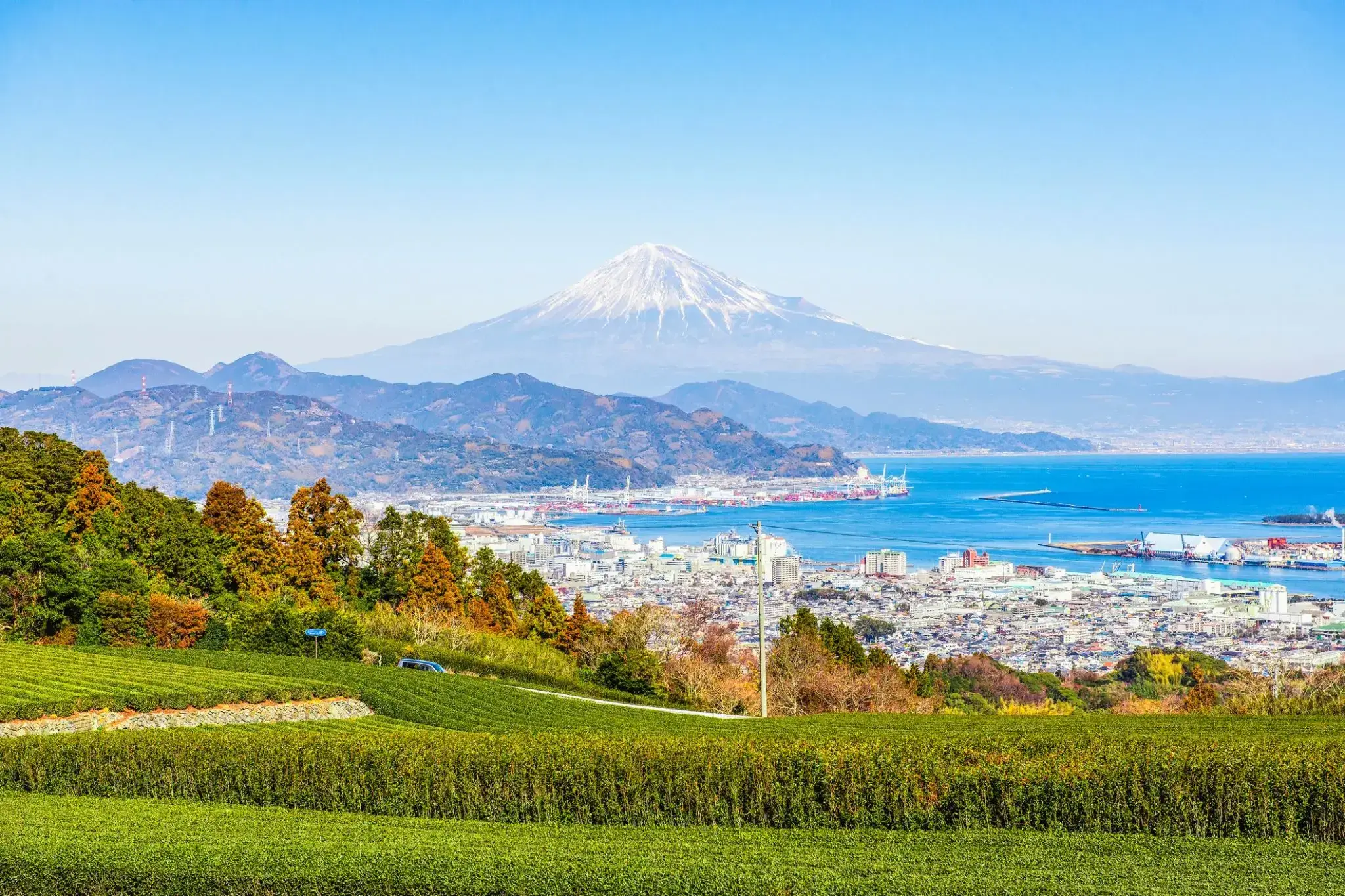
| 97 | 23.04 Sun | Shimizu / Japan | 07:00 | 15:00 |
| 98 | 24.04 Mon | Kyoto | 11:00 | 21:00 |
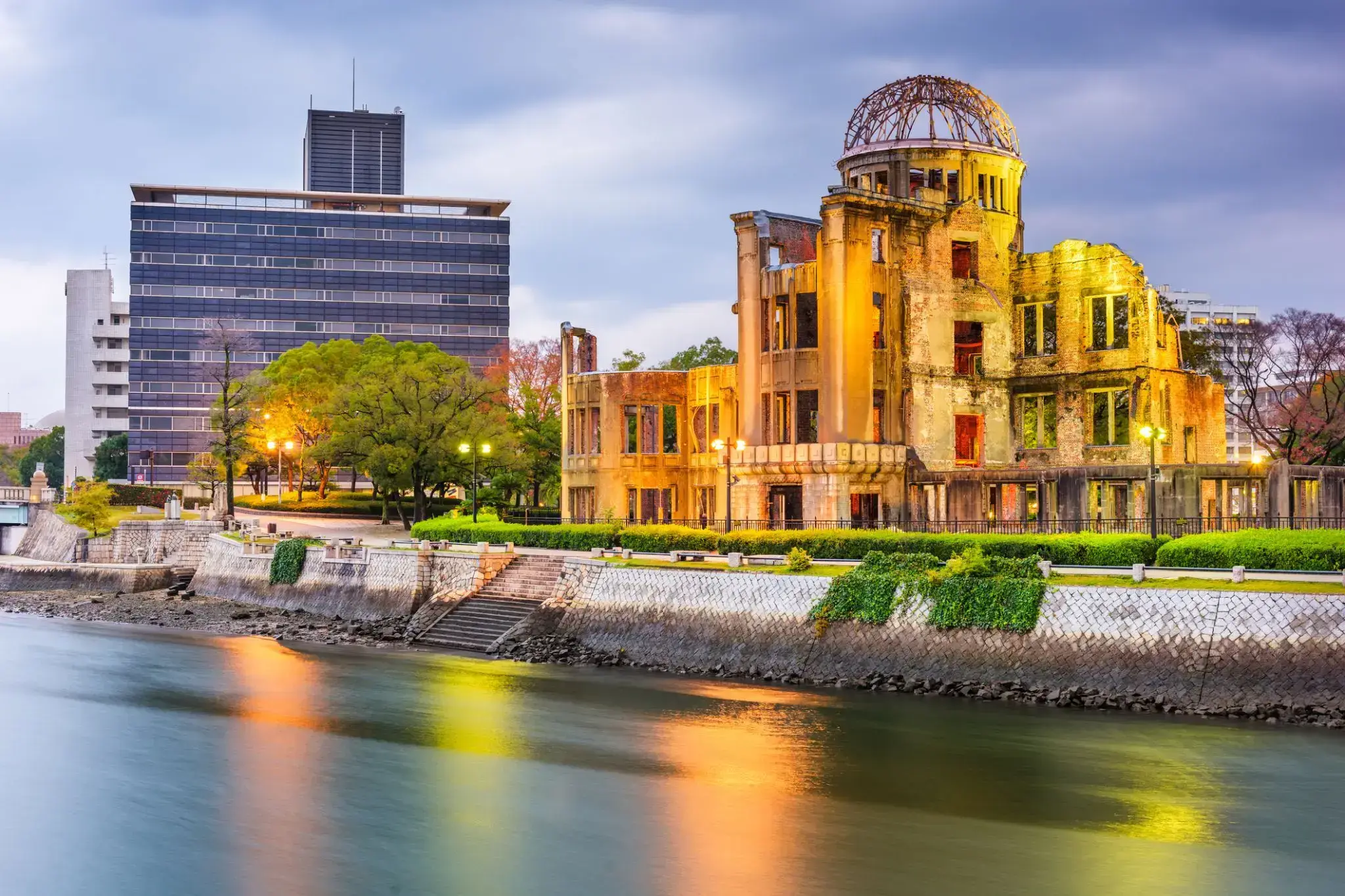
| 99 | 25.04 Tue | Hiroshima / Japan | 10:00 | 18:00 |
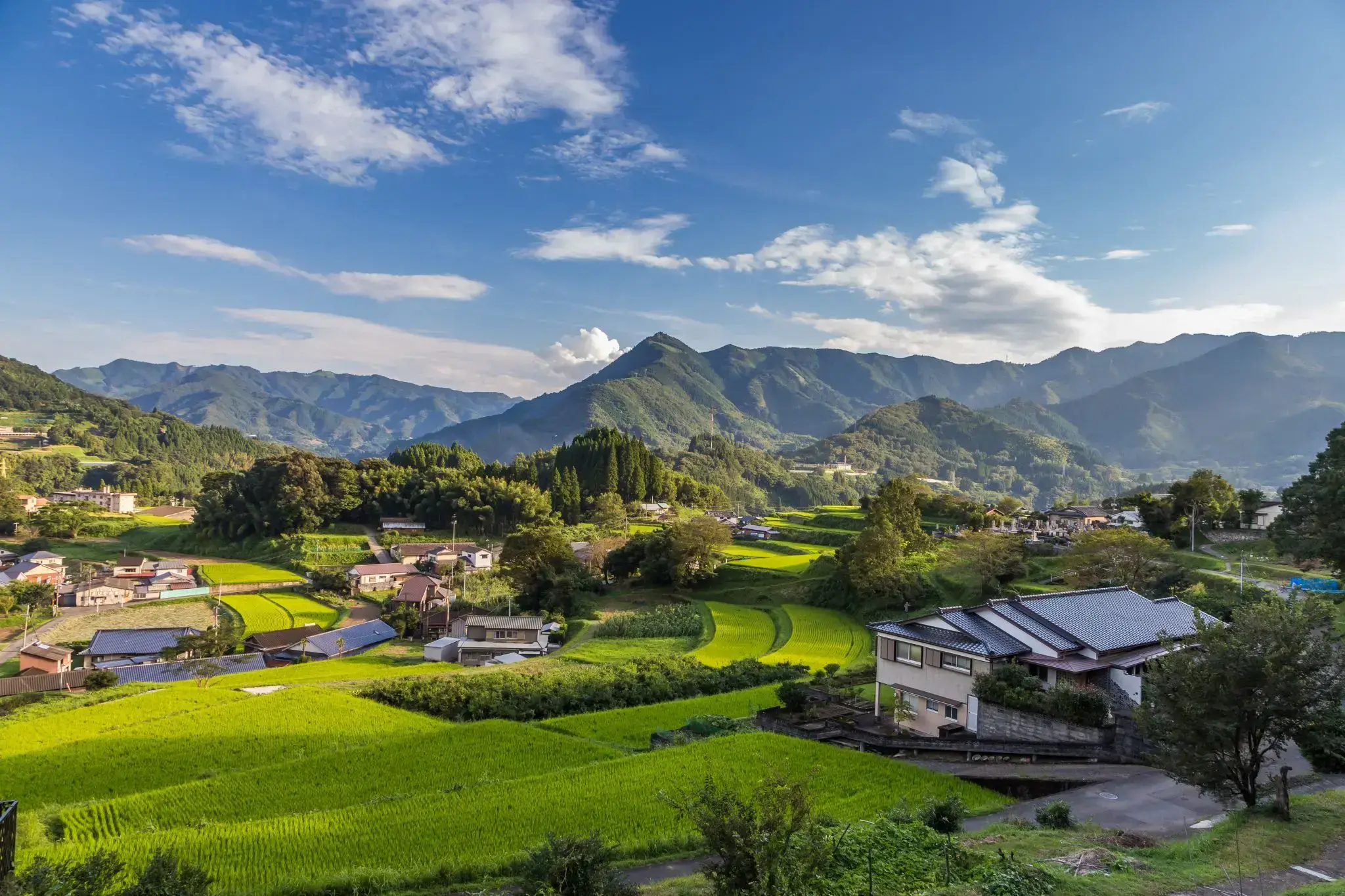
| 100 | 26.04 Wed | Miyazaki / Japan | 09:00 | 18:00 |
| 101 | 27.04 Thu | Day at sea / Sea | ||
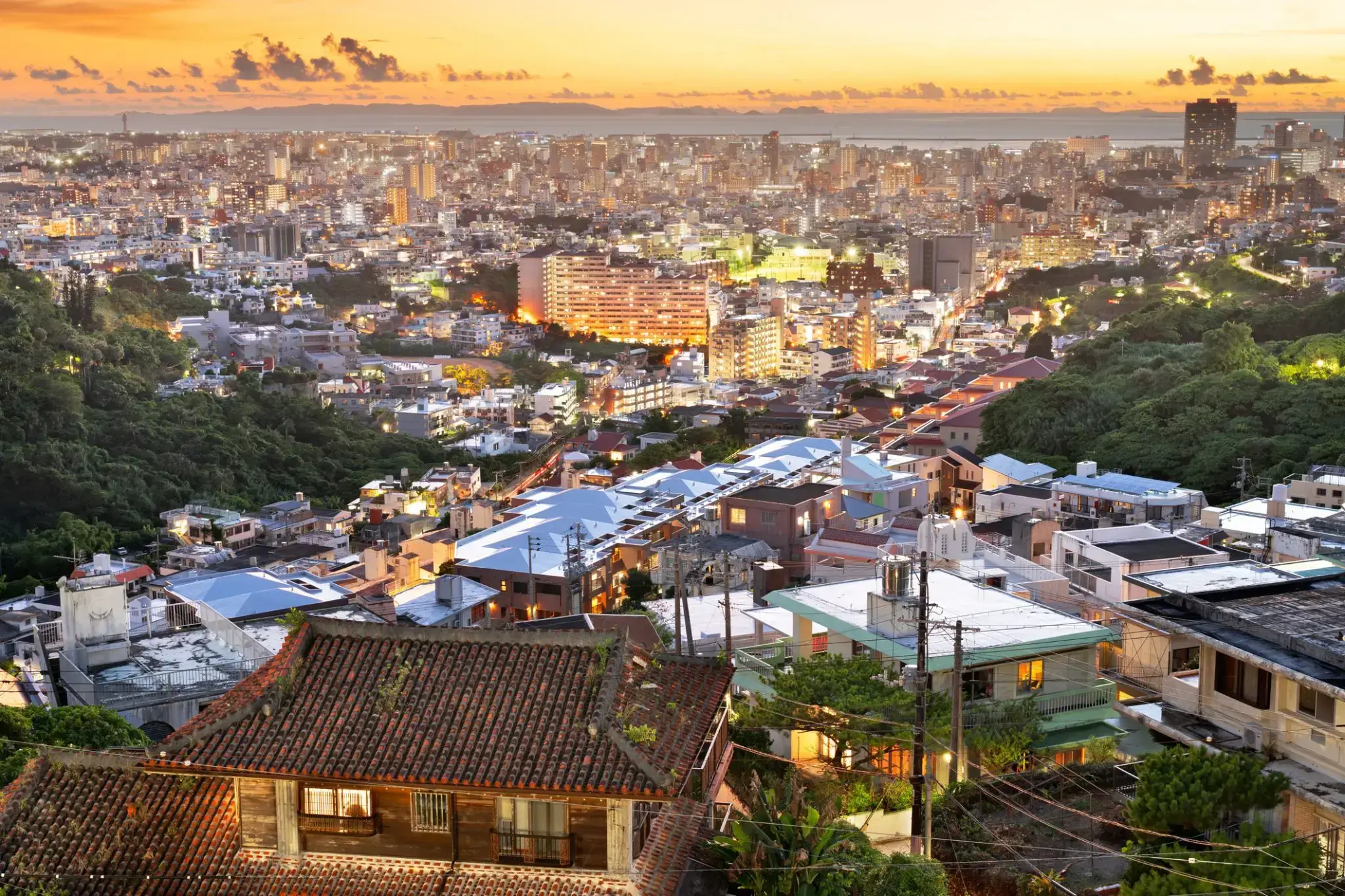
| 102 | 28.04 Fri | Naha / Japan | 08:00 | 17:00 |
| 103 | 29.04 Sat | Day at sea / Sea | ||
| 104 | 30.04 Sun | Kaohsiung / Taiwan | 08:00 | 18:00 |
| 105 | 1.05 Mon | Day at sea / Sea | ||
| 106 | 2.05 Tue | Limbe / Cameroon | 07:00 | |
| 107 | 3.05 Wed | Limbe / Cameroon | 17:00 | |
| 108 | 4.05 Thu | Day at sea / Sea | ||
| 109 | 5.05 Fri | Hanoi / Vietnam | 07:00 | 19:00 |
| 110 | 6.05 Sat | Day at sea / Sea | ||
| 111 | 7.05 Sun | Day at sea / Sea | ||
| 112 | 8.05 Mon | Ho Chi Minh / Vietnam | 10:00 | |
| 113 | 9.05 Tue | Ho Chi Minh / Vietnam | 15:00 | |
| 114 | 10.05 Wed | Day at sea / Sea | ||
| 115 | 11.05 Thu | Kampong Saom (Sihanoukville) / Cambodia | 07:00 | 17:00 |
| 116 | 12.05 Fri | Koh Kood / Ko Kut | 07:00 | 17:00 |
| 117 | 13.05 Sat | Bangkok / Thailand | 07:00 | |
| 118 | 14.05 Sun | Bangkok / Thailand | 18:00 | |
| 119 | 15.05 Mon | Samui Island / Koh Samui / Thailand | 09:00 | 17:00 |
| 120 | 16.05 Tue | Day at sea / Sea | ||
| 121 | 17.05 Wed | Singapore / Singapore | 11:00 | 22:00 |
| 122 | 18.05 Thu | Day at sea / Sea | ||
| 123 | 19.05 Fri | Phuket / Thailand | 09:00 | 19:00 |
| 124 | 20.05 Sat | Day at sea / Sea | ||
| 125 | 21.05 Sun | Day at sea / Sea | ||
| 126 | 22.05 Mon | Hambantota / Sri Lanka | 11:00 | 20:00 |
| 127 | 23.05 Tue | Day at sea / Sea | ||
| 128 | 24.05 Wed | Male / Maldives | 07:00 | 19:00 |
| 129 | 25.05 Thu | Day at sea / Sea | ||
| 130 | 26.05 Fri | Day at sea / Sea | ||
| 131 | 27.05 Sat | Mumbai (Bombay) / India | 05:00 | |
| 132 | 28.05 Sun | Mumbai (Bombay) / India | 20:00 | |
| 133 | 29.05 Mon | Day at sea / Sea | ||
| 134 | 30.05 Tue | Day at sea / Sea | ||
| 135 | 31.05 Wed | Day at sea / Sea | ||
| 136 | 1.06 Thu | Dubai / UAE | 05:00 | 17:00 |
| 137 | 2.06 Fri | Doha / Qatar | 07:00 | 17:00 |
| 138 | 3.06 Sat | Abu Dhabi / UAE | 08:00 | 17:00 |
| 139 | 4.06 Sun | Day at sea / Sea | ||
| 140 | 5.06 Mon | Day at sea / Sea | ||
| 141 | 6.06 Tue | Salalah / Oman | 10:00 | 19:00 |
| 142 | 7.06 Wed | Day at sea / Sea | ||
| 143 | 8.06 Thu | Day at sea / Sea | ||
| 144 | 9.06 Fri | Day at sea / Sea | ||
| 145 | 10.06 Sat | Jeddah / Saudi Arabia | 07:00 | 17:00 |
| 146 | 11.06 Sun | Day at sea / Sea | ||
| 147 | 12.06 Mon | Aqaba / Jordan | 06:00 | 20:00 |
| 148 | 13.06 Tue | Sharm el-Sheikh / Egypt | 05:00 | 19:00 |
| 149 | 14.06 Wed | Luxor / Egypt | 05:00 | 20:00 |
| 150 | 15.06 Thu | Day at sea / Sea | ||
| 151 | 16.06 Fri | Day at sea / Sea | ||
| 152 | 17.06 Sat | Day at sea / Sea | ||
| 153 | 18.06 Sun | Heraklion / Greece | 07:00 | 17:00 |
| 154 | 19.06 Mon | Day at sea / Sea | ||
| 155 | 20.06 Tue | Istanbul / Turkey | 07:00 | 20:00 |
| 156 | 21.06 Wed | Day at sea / Sea | ||
| 157 | 22.06 Thu | Piraeus (Athens) / Greece | 05:00 | 17:00 |
| 158 | 23.06 Fri | Gytheio Gytheio / Greece | 07:00 | 17:00 |
| 159 | 24.06 Sat | Katakolo / Greece | 07:00 | 17:00 |
| 160 | 25.06 Sun | Day at sea / Sea | ||
| 161 | 26.06 Mon | Messina, o. Sicily / Italy | 07:00 | 17:00 |
| 162 | 27.06 Tue | Salerno / Italy | 07:00 | 16:00 |
| 163 | 28.06 Wed | Rome (Civitavecchia) / Italy | 07:00 | 19:00 |
| 164 | 29.06 Thu | FLORENCE PISA TUSCANY | 07:00 | 19:00 |
| 165 | 30.06 Fri | Nice / France | 08:00 | 18:00 |
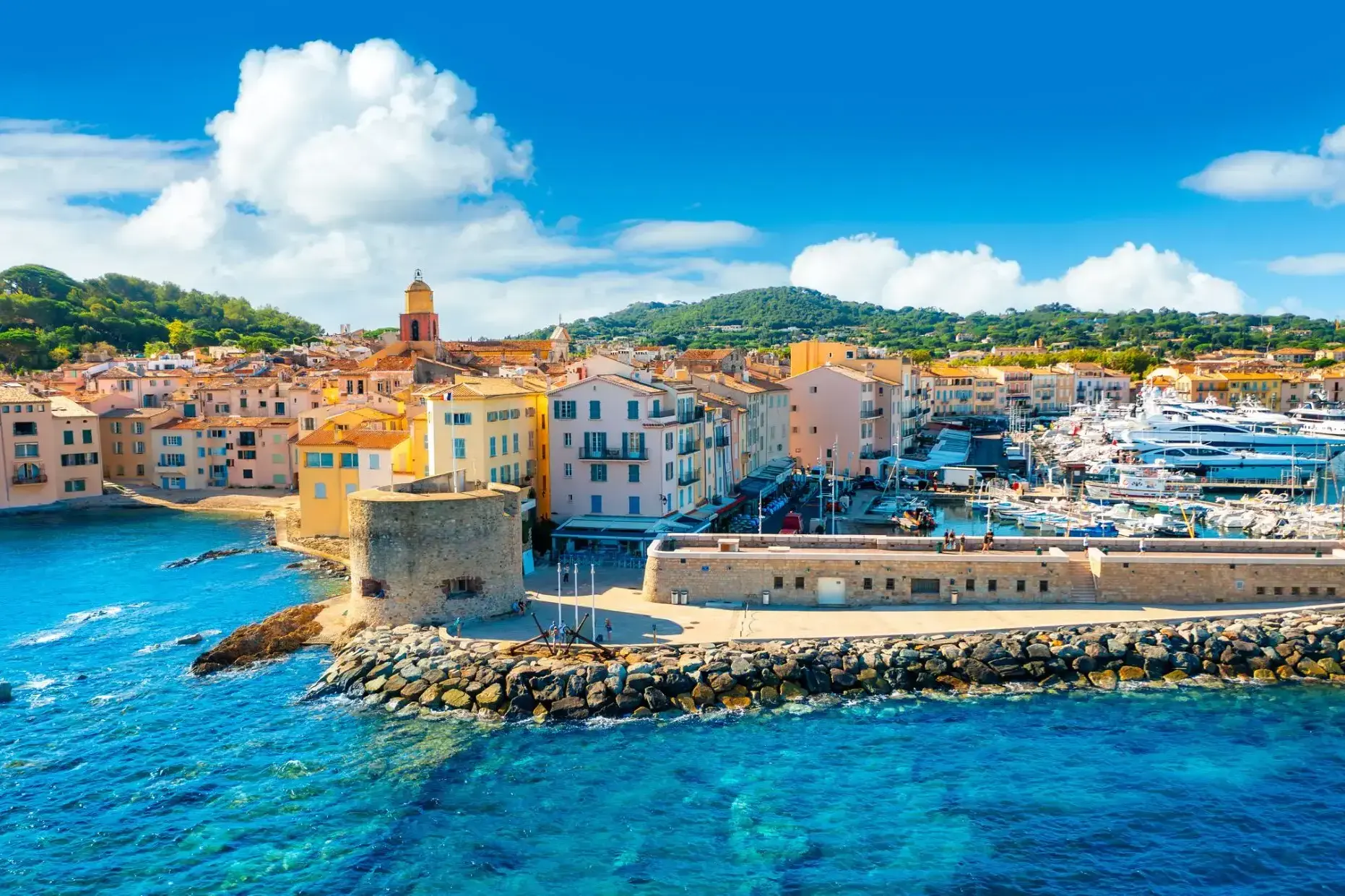
| 166 | 1.07 Sat | Saint Tropez / France | 08:00 | 18:00 |
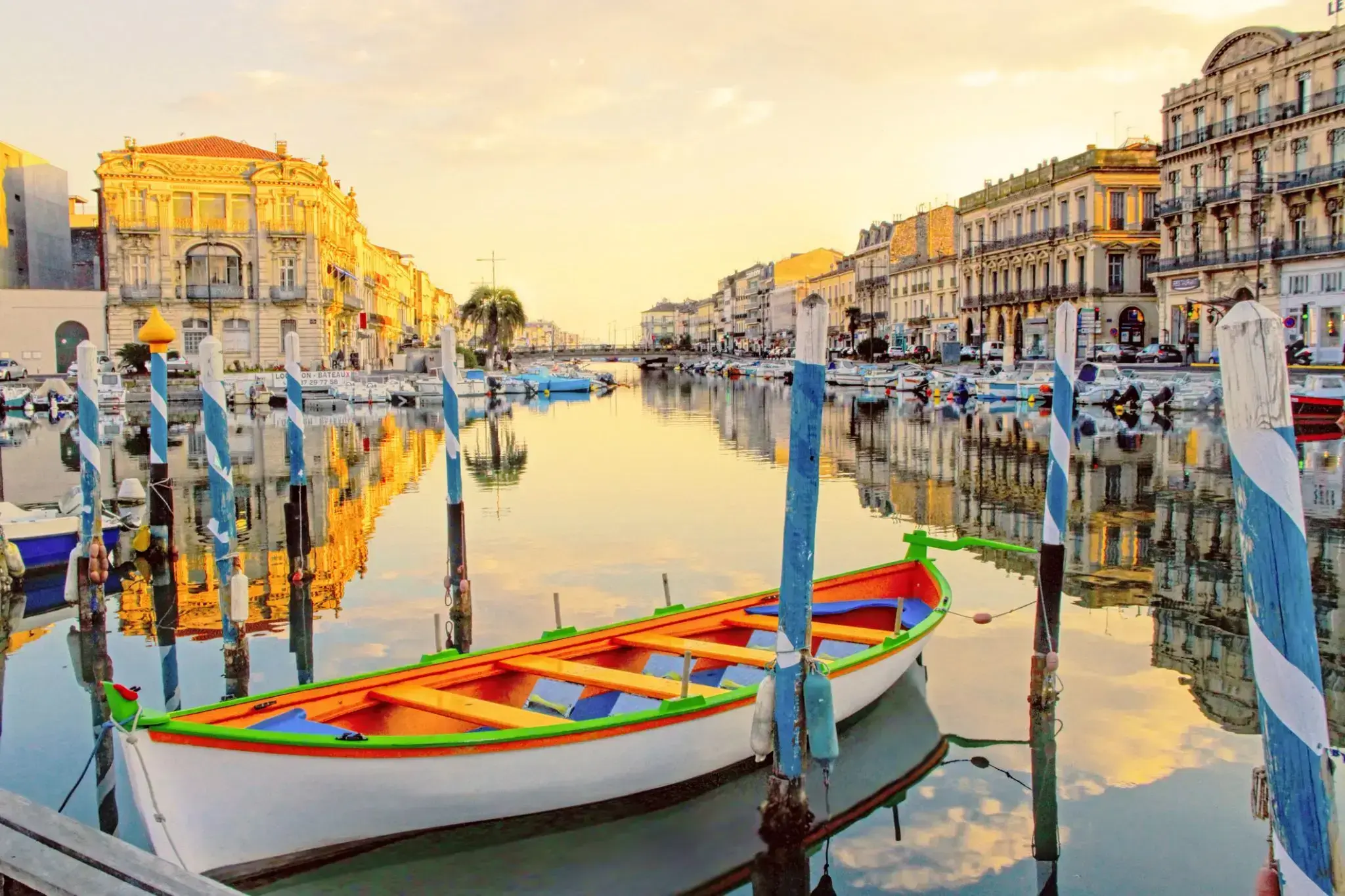
| 167 | 2.07 Sun | Sete / France | 08:00 | 18:00 |
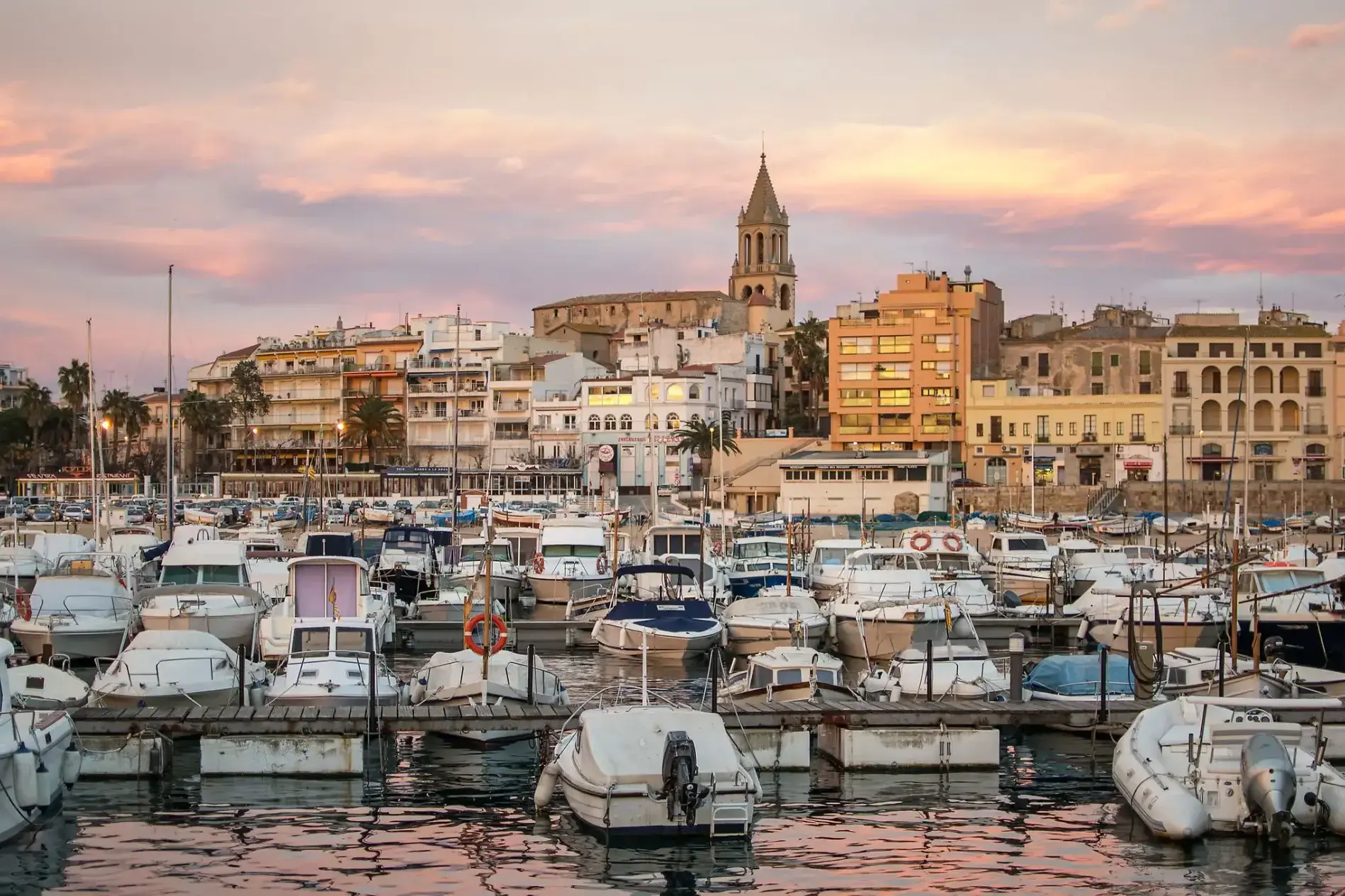
| 168 | 3.07 Mon | Palamos / Spain | 08:00 | 18:00 |
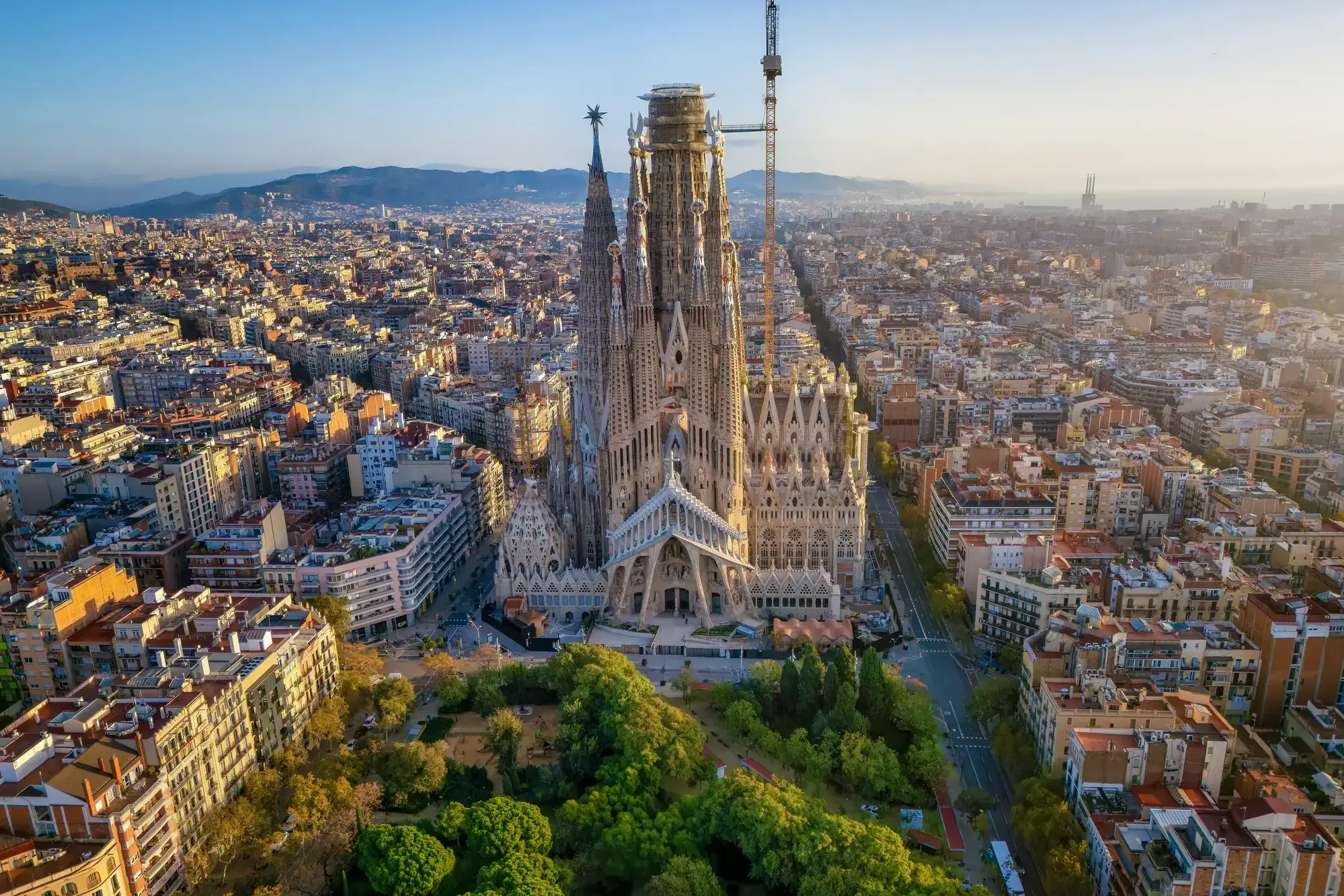
| 169 | 4.07 Tue | Barcelona / Spain | 07:00 | 17:00 |
| 170 | 5.07 Wed | Day at sea / Sea | ||
| 171 | 6.07 Thu | Malaga / Spain | 07:00 | 17:00 |
| 172 | 7.07 Fri | Portman / Portugal | 09:00 | 18:00 |
| 173 | 8.07 Sat | Lisbon / Portugal | 07:00 | 16:00 |
| 174 | 9.07 Sun | Day at sea / Sea | ||
| 175 | 10.07 Mon | Day at sea / Sea | ||
| 176 | 11.07 Tue | Ponta Delgada, San Miguel / Portugal | 07:00 | 16:00 |
| 177 | 12.07 Wed | Day at sea / Sea | ||
| 178 | 13.07 Thu | Day at sea / Sea | ||
| 179 | 14.07 Fri | Day at sea / Sea | ||
| 180 | 15.07 Sat | Day at sea / Sea | ||
| 181 | 16.07 Sun | Halifax / Canada | 07:00 | 17:00 |
| 182 | 17.07 Mon | Day at sea / Sea | ||
| 183 | 18.07 Tue | New York / USA | 07:00 | 19:00 |
Your World Included
With Your World Included, you’ll enjoy a wide array of included amenities for the ultimate comfort and value in ultra-premium cruising.
Unforgettable dining experiences at a variety of exquisite restaurants — all at no extra charge.
Complimentary specialty coffees, sodas, freshly pressed juices, and still and sparkling Vero Water® served throughout the ship.
Unlimited free Wi-Fi available in your suite, stateroom, and all public areas.
In-room dining with a superb variety of hot and cold selections.
Smoothies, milkshakes, gelato, and signature Humphry Slocombe ice cream — always included.
Group fitness classes at Aquamar® Spa + Vitality Center are complimentary.
Gratuities are included for your convenience.
Laundry is free for all guests.
With complimentary self-service launderettes on board, plus laundry and pressing services for Concierge and Suite categories, you’ll always look your finest.
Along with our hallmark personalized service, you’ll enjoy an enriching cruise experience with no hidden costs or nickel-and-diming.
Elevate Your Experience
Concierge Level Veranda Staterooms offer an unrivaled combination of luxury, privilege, and value. A wealth of amenities and exclusive benefits elevate your experience to the sublime — from in-room dining selections from The Grand Dining Room and complimentary laundry services to unlimited access to the Aquamar Spa Terrace.
On board Oceania Marina and Oceania Riviera, you’ll also enjoy the services of a dedicated Concierge and exclusive access to the private Concierge Lounge.
Located in the most desired areas of the ship, Concierge Level Veranda Staterooms are far more than just staterooms — they are an experience in themselves.
Concierge Level Veranda — Exclusive Privileges
Expanded in-room dining menu for lunch and dinner from The Grand Dining Room
Laundry service — up to 3 bags per stateroom
Exclusive key-card access to the private Concierge Lounge aboard Oceania Marina, Oceania Riviera, Oceania Vista, and Oceania Allura, featuring complimentary beverages, coffees, snacks, and the services of a dedicated Concierge
Welcome bottle of fine Italian Prosecco
Priority online reservations for specialty restaurants
Unlimited access to the Aquamar Spa Terrace
Oceania Cruises logo tote bag
Cashmere lap blankets — perfect for relaxing or snuggling
Pressing of garments upon embarkation
Complimentary shoeshine service
Deposit and Payments – Oceania Cruises
General Deposit:
For Owner’s, Vista, and Oceania Suites, a deposit of 20% of the cruise fare per person is required.
For all other suite/stateroom categories, the deposit is $500 per person.
For Grand Voyages, the deposit is $1,500 per person.
Deposit and Final Payment Deadlines:
Bookings more than 150 days from sailing:
Deposit 20% for Owner’s, Vista, and Oceania Suites and $500 for all other categories is required within 5 days of booking.
Bookings 90–120 days from sailing:
Full payment required within 3 days of booking.
Bookings 0–90 days from sailing:
Full payment due on the day of booking.
Important:
Bookings that are not deposited or paid in full according to this schedule will be automatically cancelled.
Unless otherwise noted, final payment must be received by Oceania Cruises 150 days prior to departure for cruises less than 15 days, and 150 days for cruises 15 days or longer.
Oceania Cruises reserves the right to cancel any booking not fully paid at the time of final payment.
Additional Information:
Passport details and special onboard service requests are due at final payment.
Payment may be made by personal check, American Express, Discover, MasterCard, or Visa.
For convenience, final payment may be automatically charged to the credit card used for the initial deposit.
Oceania Cruises is not responsible for foreign currency or transaction fees independently charged by issuing banks. These fees do not benefit Oceania Cruises.
Third-party credit card payments are accepted only with valid authorization from the cardholder.
Deposit and Payment – 180-Day Voyages
For 180-day voyages, a deposit of 20% of the cruise fare per person for all suites and staterooms is required within 7 days of booking.
Final payment must be received no later than 181 days prior to departure, along with passport details and any special onboard service requests.
Otherwise, the booking may be immediately cancelled, and applicable penalties will apply.
Oceania Cruises accepts payment for reservations by credit/debit card or bank transfer.
Unfortunately, personal checks are not accepted.
Credit/Debit Cards:
American Express, Visa, and Mastercard are accepted.
Please note: Oceania Cruises assumes no responsibility for foreign currency/transaction processing fees assessed by your issuing bank.
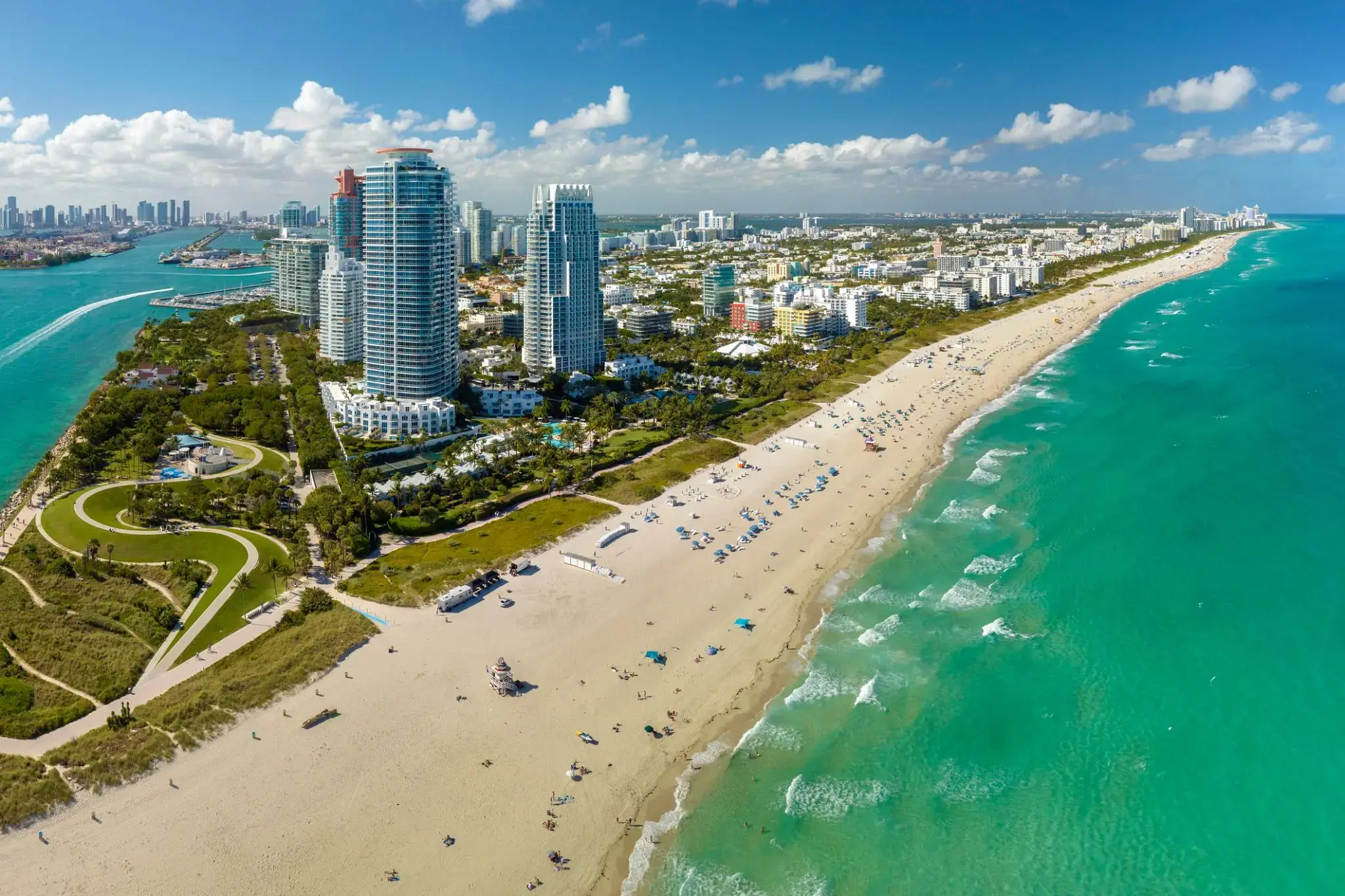
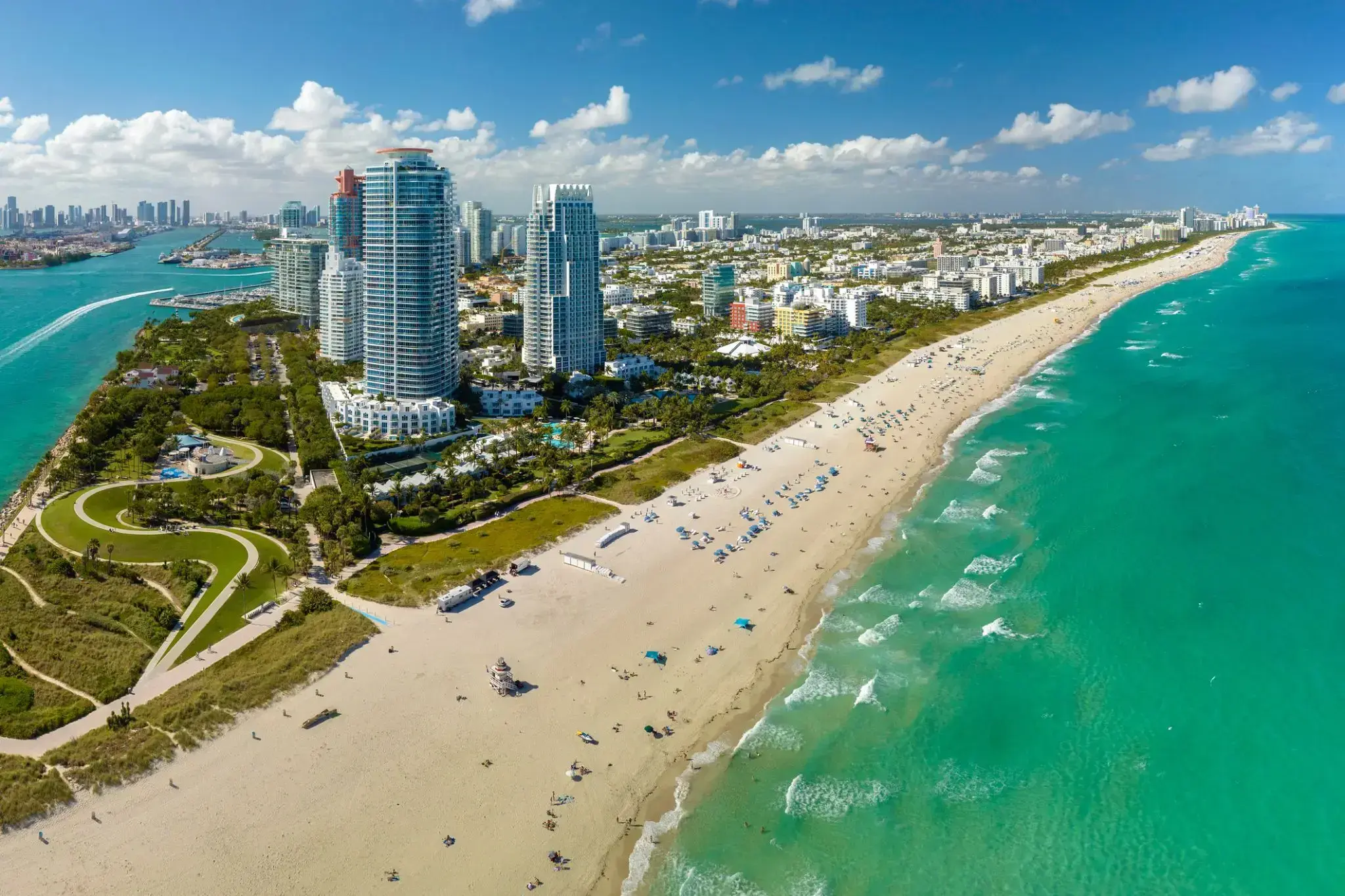
Miami, officially the City of Miami, is the cultural, economic and financial center of South Florida. Miami is the seat of Miami-Dade County, the most populous county in Florida. The city covers an area of about 56.6 square miles (147 km2), between the Everglades to the west and Biscayne Bay on the east; with a 2017 estimated population of 463,347, Miami is the sixth most densely populated major city in the United States. The Miami metropolitan area is home to 6.1 million people and the seventh-largest metropolitan area in the nation. Miami's metro area is the second-most populous metropolis in the southeastern United States and fourth-largest urban area in the U.S.
Miami is a major center, and a leader in finance, commerce, culture, media, entertainment, the arts, and international trade. The Miami Metropolitan Area is by far the largest urban economy in Florida and the 12th largest in the United States with a GDP of $344.9 billion as of 2017. In 2012, Miami was classified as an "Alpha−" level world city in the World Cities Study Group's inventory. In 2010, Miami ranked seventh in the United States and 33rd among global cities in terms of business activity, human capital, information exchange, cultural experience, and political engagement. In 2008, Forbes magazine ranked Miami "America's Cleanest City", for its year-round good air quality, vast green spaces, clean drinking water, clean streets, and citywide recycling programs. According to a 2009 UBS study of 73 world cities, Miami was ranked as the richest city in the United States, and the world's seventh-richest city in terms of purchasing power. Miami is nicknamed the "Capital of Latin America" and is the largest city with a Cuban-American plurality.
Greater Downtown Miami has one of the largest concentrations of international banks in the United States, and is home to many large national and international companies. The Civic Center is a major center for hospitals, research institutes, medical centers, and biotechnology industries. For more than two decades, the Port of Miami, known as the "Cruise Capital of the World", has been the number one cruise passenger port in the world. It accommodates some of the world's largest cruise ships and operations, and is the busiest port in both passenger traffic and cruise lines. Metropolitan Miami is also a major tourism hub in the southeastern U.S. for international visitors, ranking number two in the country after New York City.
Miami, officially the City of Miami, is the cultural, economic and financial center of South Florida. Miami is the seat of Miami-Dade County, the most populous county in Florida. The city covers an area of about 56.6 square miles (147 km2), between the Everglades to the west and Biscayne Bay on the east; with a 2017 estimated population of 463,347, Miami is the sixth most densely populated major city in the United States. The Miami metropolitan area is home to 6.1 million people and the seventh-largest metropolitan area in the nation. Miami's metro area is the second-most populous metropolis in the southeastern United States and fourth-largest urban area in the U.S.
Miami is a major center, and a leader in finance, commerce, culture, media, entertainment, the arts, and international trade. The Miami Metropolitan Area is by far the largest urban economy in Florida and the 12th largest in the United States with a GDP of $344.9 billion as of 2017. In 2012, Miami was classified as an "Alpha−" level world city in the World Cities Study Group's inventory. In 2010, Miami ranked seventh in the United States and 33rd among global cities in terms of business activity, human capital, information exchange, cultural experience, and political engagement. In 2008, Forbes magazine ranked Miami "America's Cleanest City", for its year-round good air quality, vast green spaces, clean drinking water, clean streets, and citywide recycling programs. According to a 2009 UBS study of 73 world cities, Miami was ranked as the richest city in the United States, and the world's seventh-richest city in terms of purchasing power. Miami is nicknamed the "Capital of Latin America" and is the largest city with a Cuban-American plurality.
Greater Downtown Miami has one of the largest concentrations of international banks in the United States, and is home to many large national and international companies. The Civic Center is a major center for hospitals, research institutes, medical centers, and biotechnology industries. For more than two decades, the Port of Miami, known as the "Cruise Capital of the World", has been the number one cruise passenger port in the world. It accommodates some of the world's largest cruise ships and operations, and is the busiest port in both passenger traffic and cruise lines. Metropolitan Miami is also a major tourism hub in the southeastern U.S. for international visitors, ranking number two in the country after New York City.
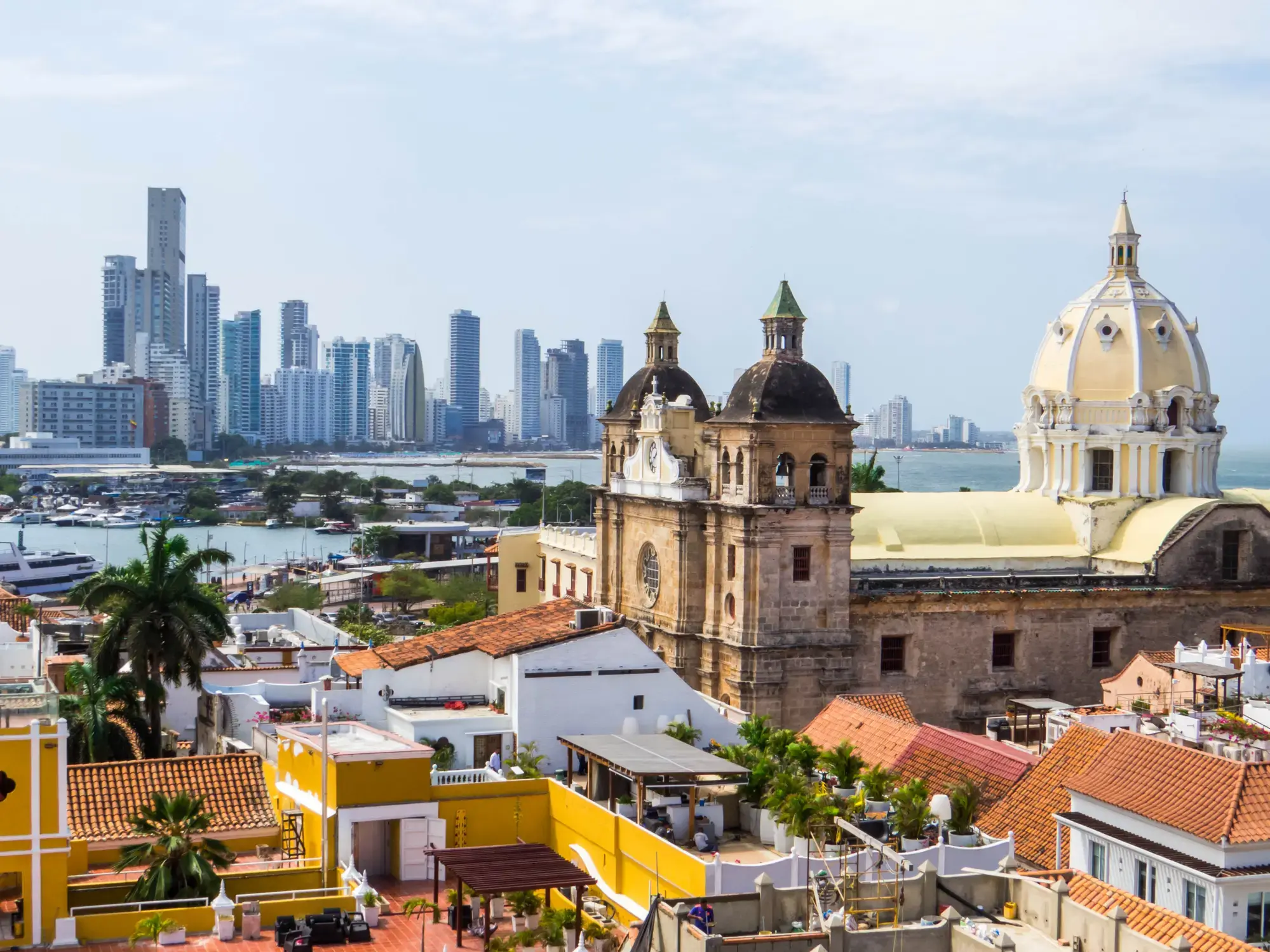
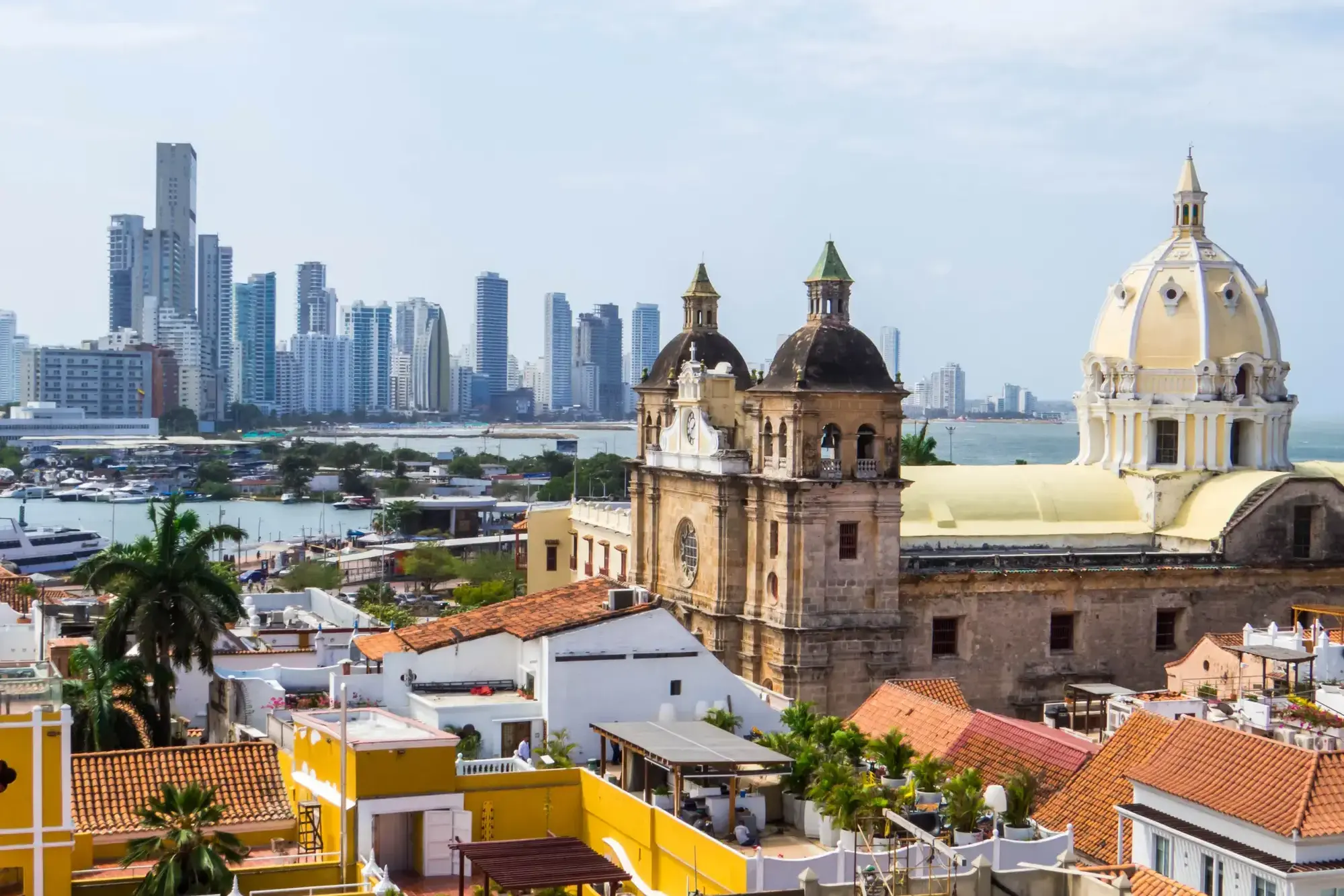
Ancient fortress walls, street musicians, and the Caribbean sun create an unforgettable atmosphere in Cartagena (Bolívar) — the gem of Colombia's coast. This city, listed as a UNESCO World Heritage Site, enchants visitors with its colonial architecture, charming courtyards, and the aroma of fresh coffee wafting from countless cafés.
Immerse yourself in the vibrant rhythm of Cartagena, strolling through the cobbled streets of the Old Town, where every corner holds tales of pirates and Spanish conquistadors. And the sunset near the ancient Castillo San Felipe de Barajas is the perfect ending to a day filled with culture, history, and tropical romance.
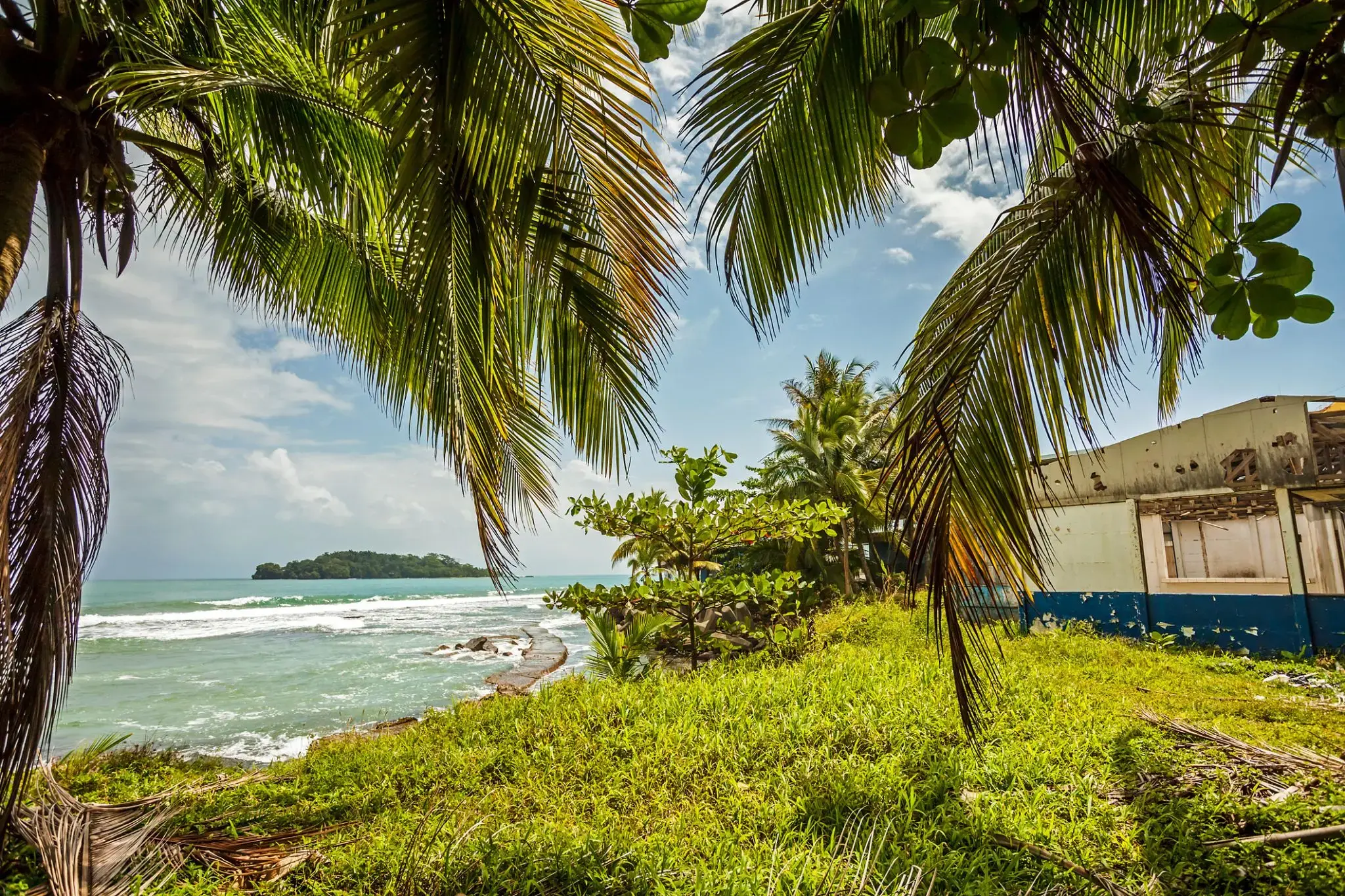
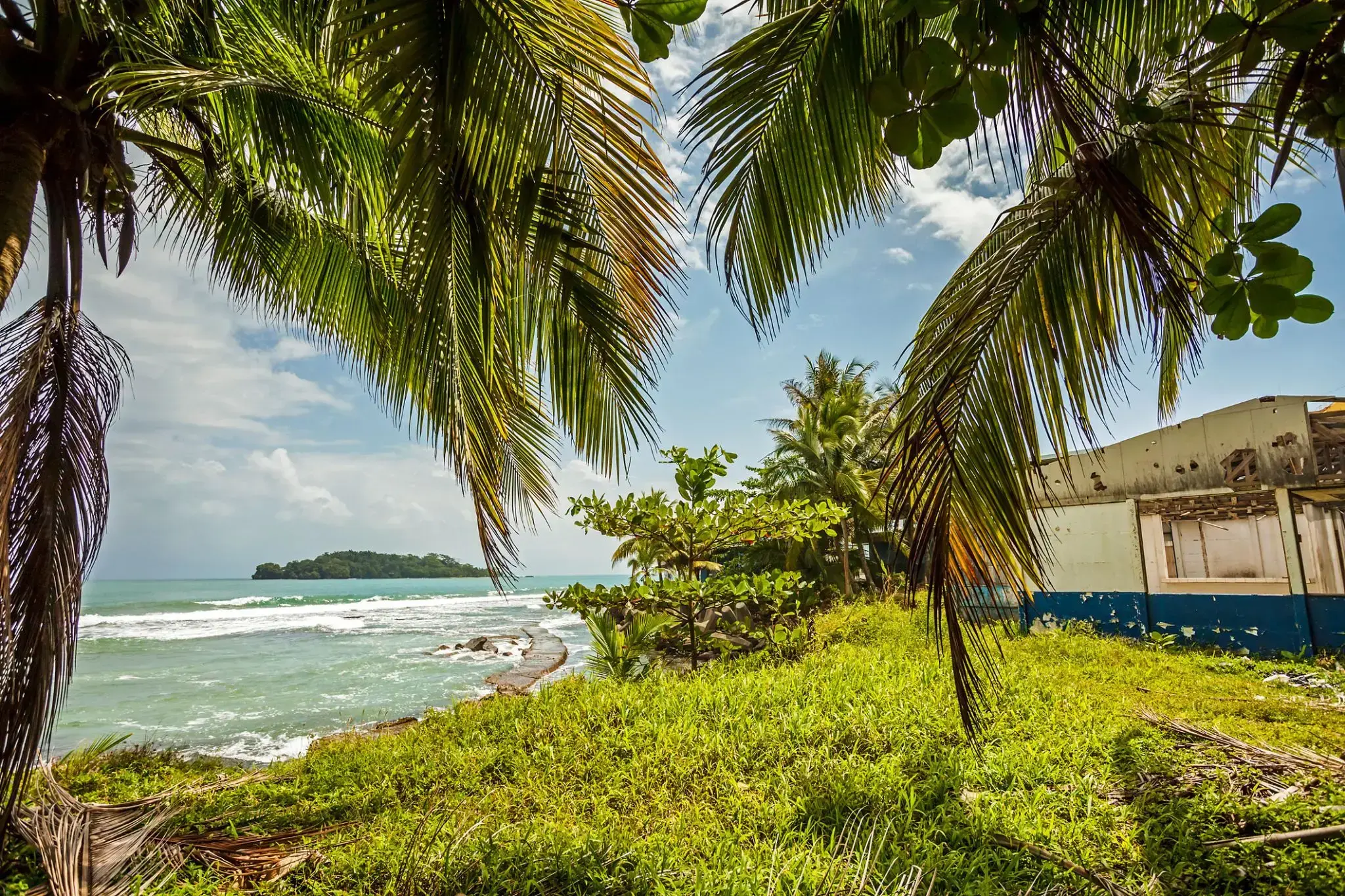
Puerto Limón, commonly known as Limón (Spanish for "lemon"), is the capital city and main hub of Limón province, as well as of the cantón (county) of Limón in Costa Rica. It is the second largest city in Costa Rica, with a population of over 55,000, and is home of the Afro-Costa Rican community. Part of the community traces its roots to Italian, Jamaican and Chinese laborers who worked on a late nineteenth-century railroad project that connected San José to Puerto Limón. Until 1948, the Costa Rican government did not recognize Afro-Caribbean people as citizens and restricted their movement outside Limón province. As a result of this "travel ban", this Afro-Caribbean population became firmly established in the region, which influenced decisions not to move even after it was legally permitted. Nowadays, there is a significant outflow of Limón natives who move to the country's Central Valley in search for better employment and education. The Afro-Caribbean community speaks Spanish and Limonese Creole, a creole of English.
Puerto Limón contains two port terminals, Limón and Moín, which permit the shipment of Costa Rican exports as well as the anchoring of cruise ships. In 2016, the government pledged ₡93 million ($166,000) for a new cruise ship terminal for Puerto Limón.
Health care is provided for the city by Hospital Dr. Tony Facio Castro. Two small islands, Uvita Island and Isla de Pájaros, are just offshore.
Puerto Quetzal is an important port city on the Pacific coast of Guatemala. It is one of the most popular cruise destinations, making it a key transport hub and a gateway for travelers arriving in the country. Puerto Quetzal is also a starting point for exploring Guatemala’s natural wonders, including famous volcanoes and picturesque beaches. Nearby attractions include the Acatenango Volcano and the Monterico National Park, renowned for its ecosystem and beaches suitable for surfing.
In addition to its natural beauty, Puerto Quetzal offers travelers a unique atmosphere. The city retains the charm of the Pacific coastline, with cozy fishing villages and restaurants where visitors can enjoy fresh seafood. Its strategic location and developed infrastructure make Puerto Quetzal a convenient starting point for exploring Guatemala, whether for those wishing to discover ancient Mayan ruins like Tikal or for those seeking a relaxing beach vacation.
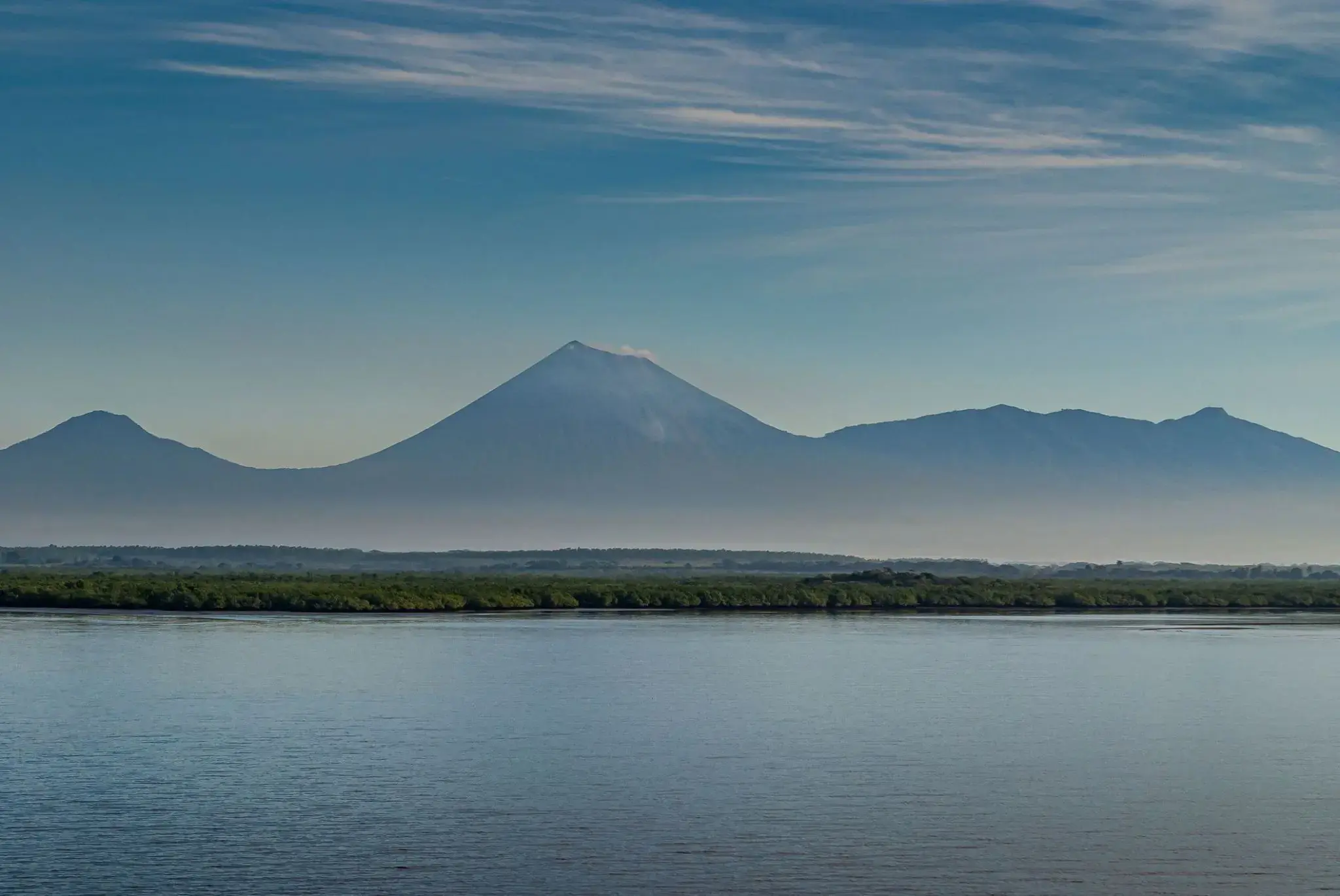
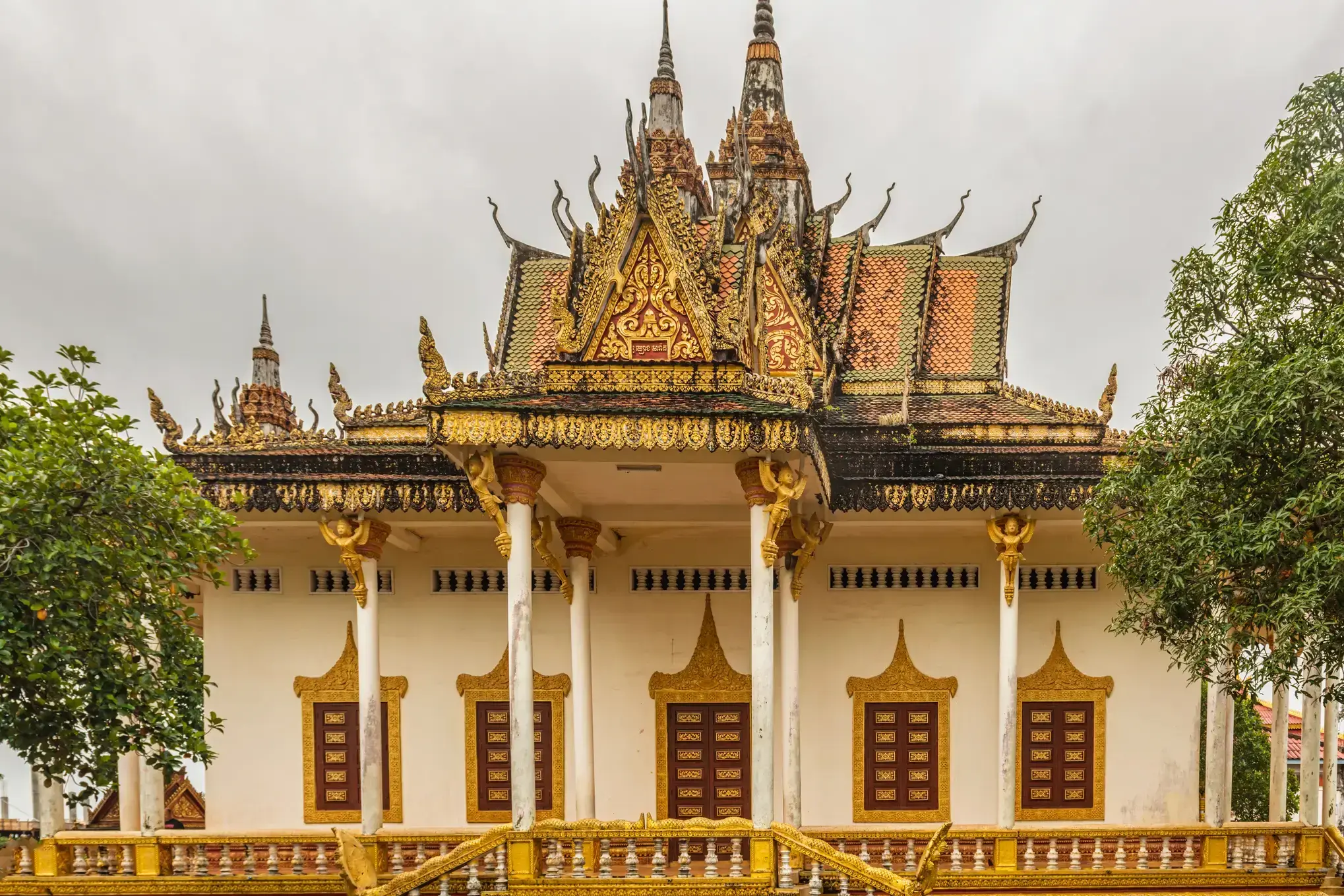
Corinto — the port heart of the country on the Pacific coast.
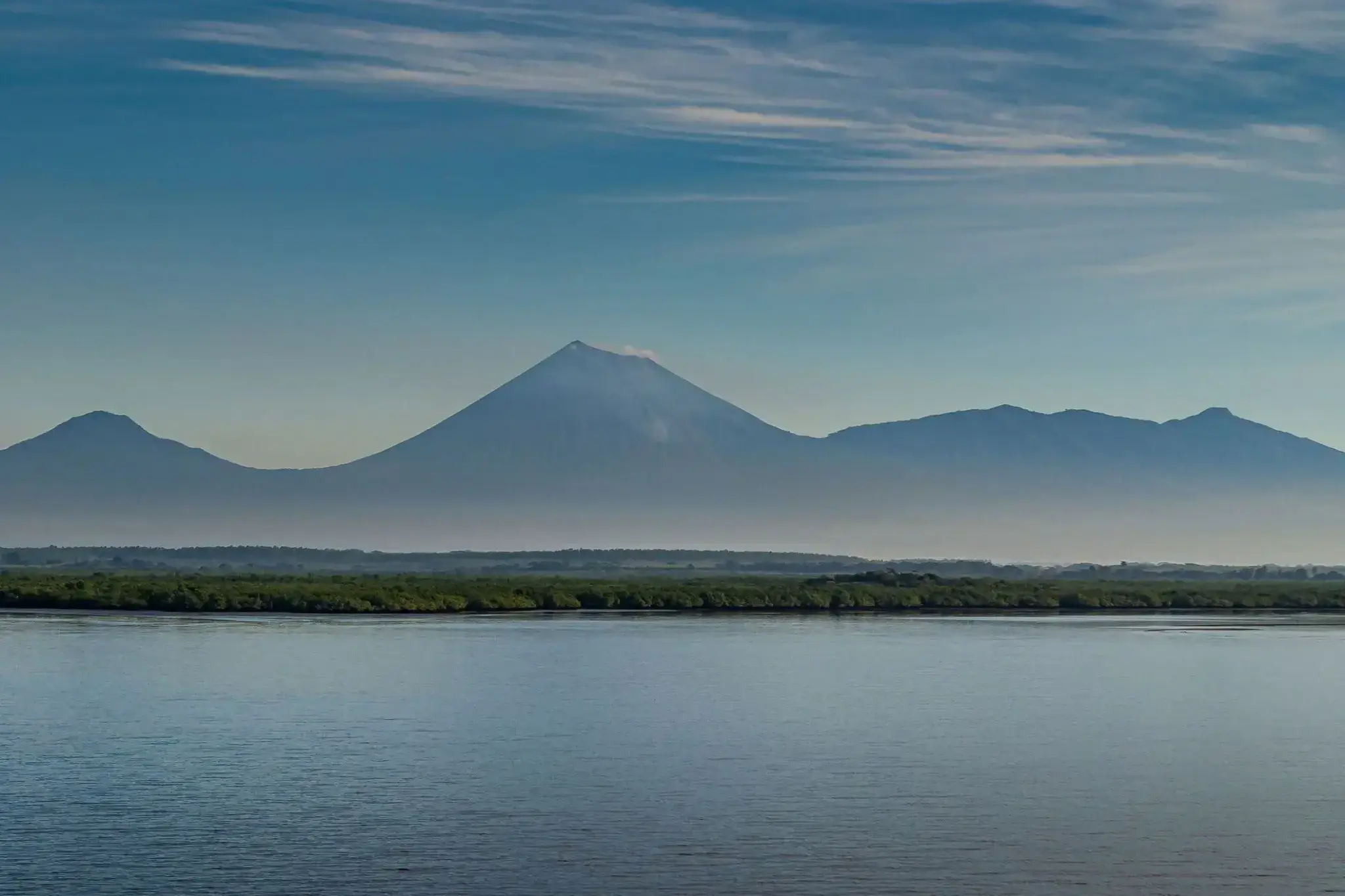
Corinto is Nicaragua’s largest seaport, located on the Pacific coast in the department of Chinandega. Founded in 1858, the city has played and continues to play a key role in the country’s economy by handling most of its international maritime trade. Thanks to its strategic location and natural harbor, Corinto has become a major logistics hub for cargo transport and maritime connections. Cruise ships also dock here, making it a popular gateway to the region for travelers.
Despite its industrial character, Corinto maintains the authentic charm of a small coastal town. Visitors can enjoy quiet beaches, fresh seafood, and explore nearby natural attractions such as the Casitas volcano and local islands. Historical buildings, colonial architecture, and a warm climate give the city a unique charm. Corinto is also known for its vibrant traditions — colorful religious and folk festivals highlight the culture and spirit of the region.
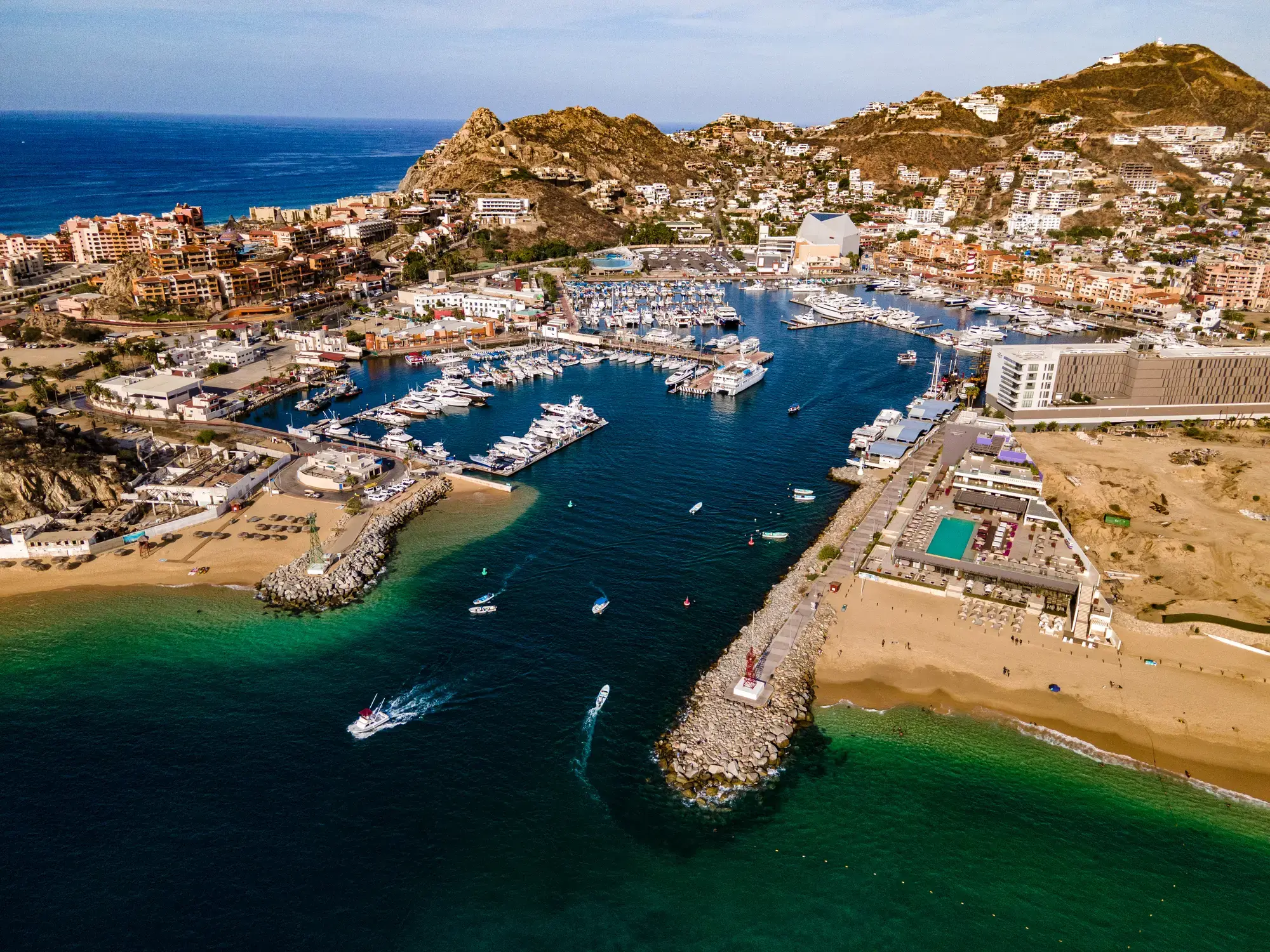
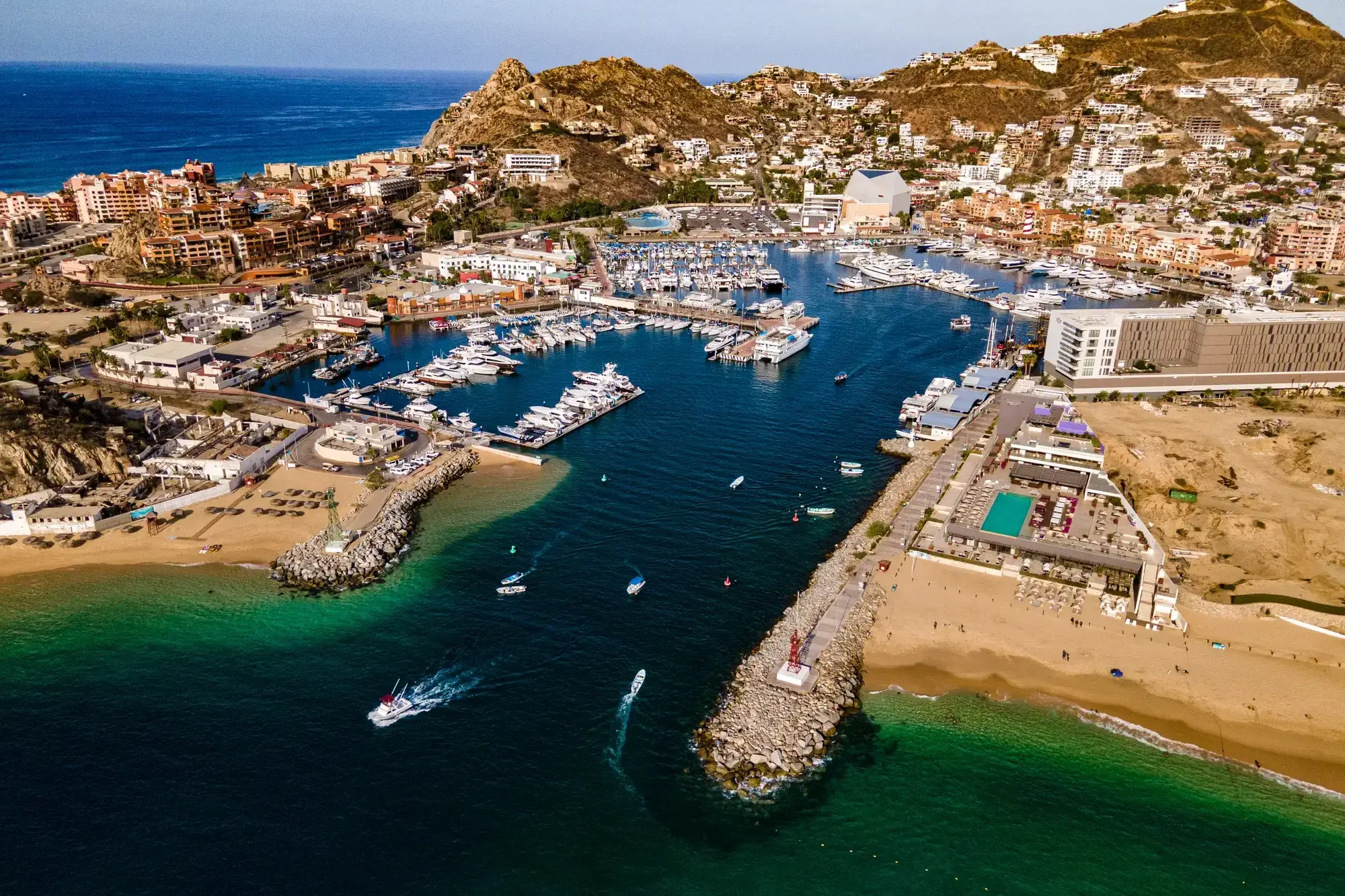
Cabo San Lucas or simply Cabo, is a resort city at the southern tip of the Baja California Peninsula, in the Mexican state of Baja California Sur. As of 2015, the population of the city was 81,111 inhabitants. Cabo San Lucas together with San José del Cabo is known as Los Cabos. Together they form a metropolitan area of 305,983 inhabitants.
Cabo has been rated as one of Mexico's top 5 tourist destinations; it is known for its beaches, scuba diving locations, balnearios, the sea arch El Arco de Cabo San Lucas, and marine life. The Los Cabos Corridor has become a heavily trafficked vacation destination for tourists, with numerous resorts and timeshares along the coast between Cabo San Lucas and San José del Cabo.
Cabo houses a range of wildlife, including rays, sharks, birds, and a range of fish, such as mahi-mahi (dorado), and striped marlin.
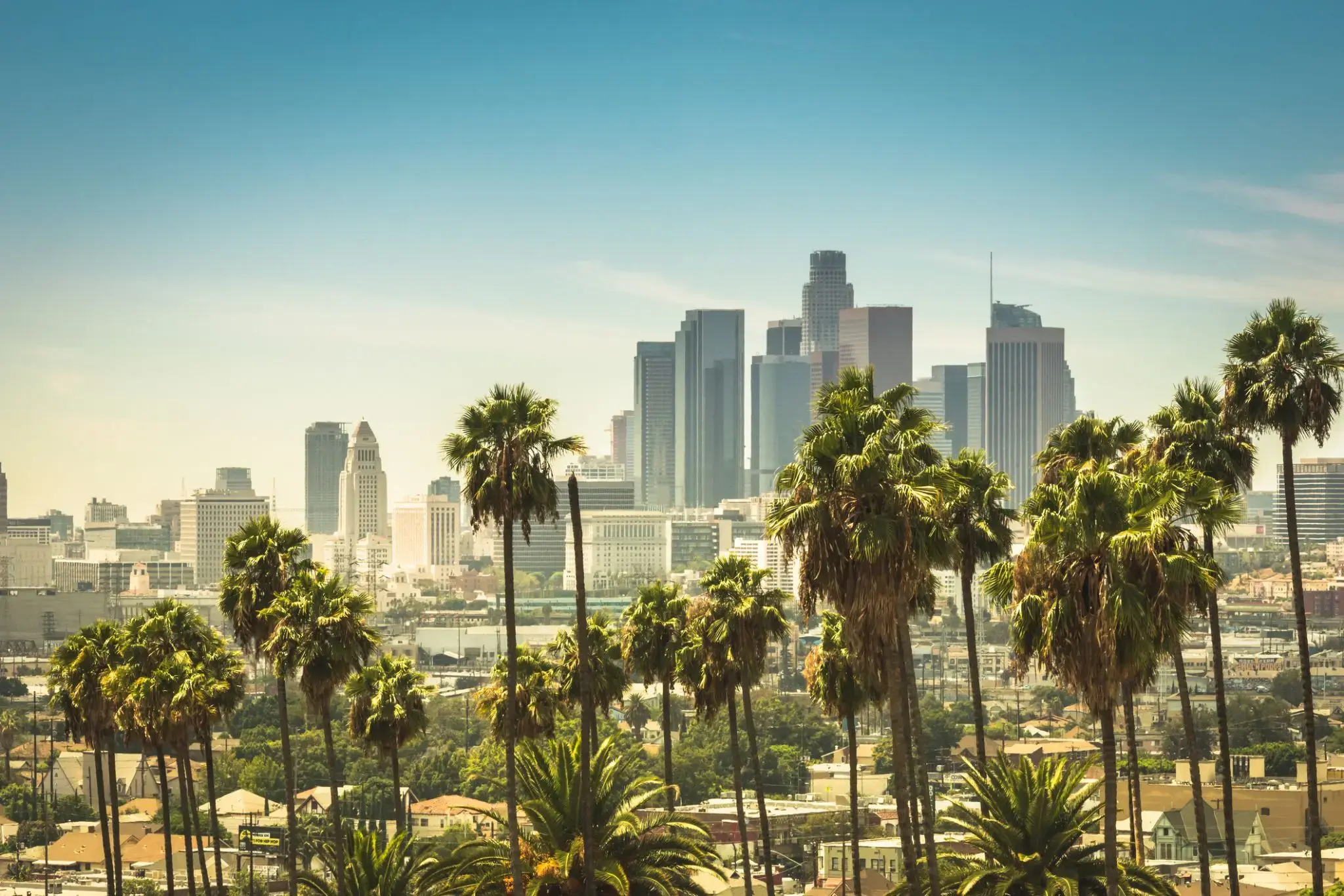
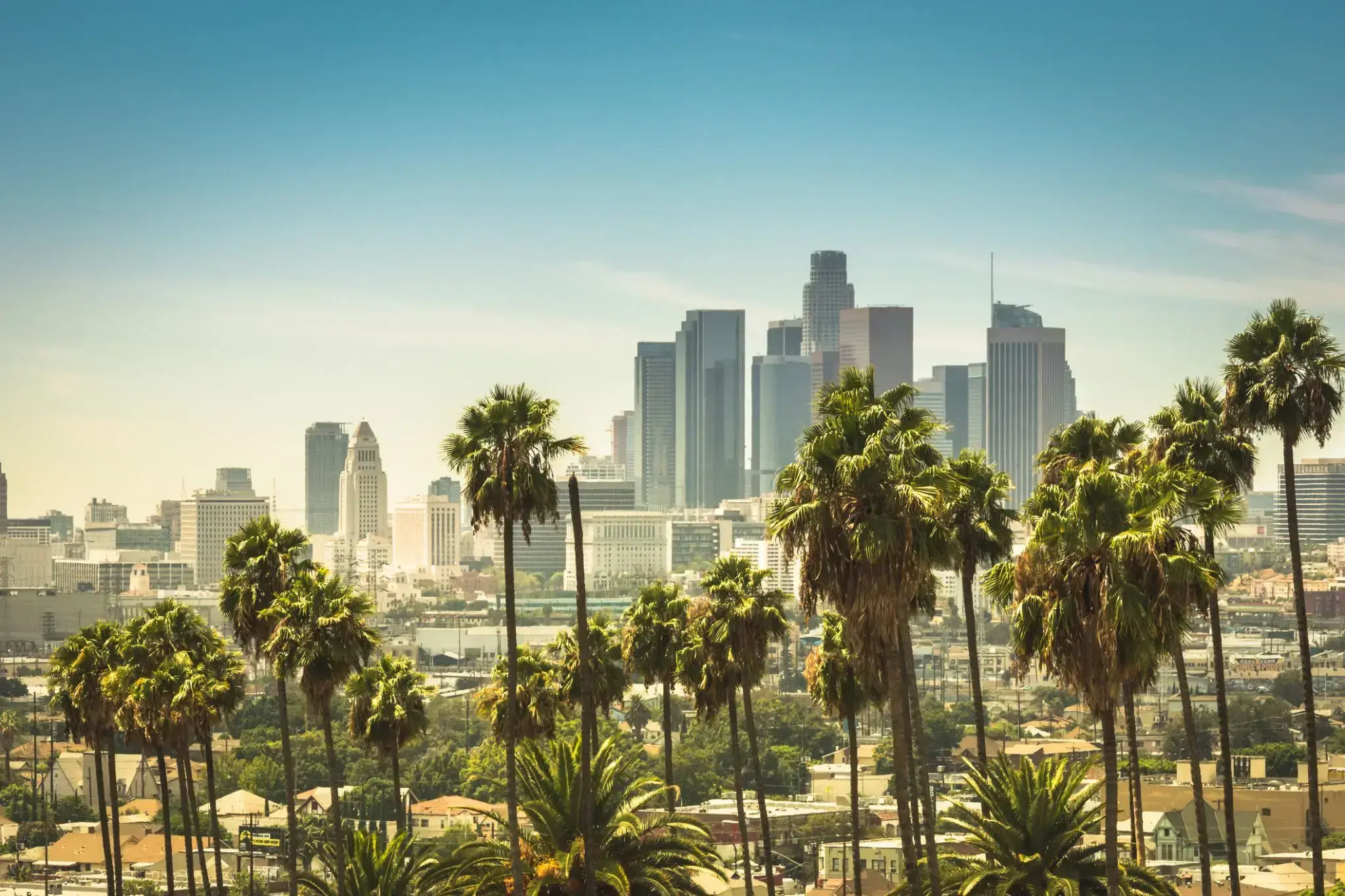
Los Angeles officially the City of Los Angeles and often known colloquially by its initials L.A., is the most populous city in California and the second most populous city in the United States, after New York. With an estimated population of four million, Los Angeles is the cultural, financial, and commercial center of Southern California. Nicknamed the "City of Angels" partly because of its name's Spanish meaning, Los Angeles is known for its Mediterranean climate, ethnic diversity, Hollywood, and the entertainment industry, and sprawling metropolis.
Los Angeles is in a large basin bounded by the Pacific Ocean on one side and by mountains as high as 10,000 feet (3,000 m) on the others. The city proper, which covers about 469 square miles (1,210 km2), is the seat of Los Angeles County, the most populated county in the country. Los Angeles is also the principal city of the Los Angeles metropolitan area, the second largest in the United States after that of New York City, with a population of 13.1 million. It is part of the Los Angeles-Long Beach combined statistical area, also the nation's second most populous area with a 2015 estimated population of 18.7 million.
Los Angeles is one of the most substantial economic engines within the United States, with a diverse economy in a broad range of professional and cultural fields. Los Angeles is also famous as the home of Hollywood, a major center of the world entertainment industry. A global city, it has been ranked 6th in the Global Cities Index and 9th in the Global Economic Power Index. The Los Angeles combined statistical area also has a gross metropolitan productof $831 billion (as of 2008), making it the third-largest in the world, after the Tokyo and New York metropolitan areas. Los Angeles hosted the 1932 and 1984 Summer Olympics and will host the event for a third time in 2028. The city also hosted the Miss Universe pageant twice, in 1990 and 2006, and was one of 9 American cities to host the 1994 FIFA men's soccer World Cup and one of 8 to host the 1999 FIFA women's soccer World Cup, hosting the finalmatch for both tournaments.
Historically home to the Chumash and Tongva, Los Angeles was claimed by Juan Rodríguez Cabrillo for Spain in 1542 along with the rest of what would become Alta California. The city was officially founded on September 4, 1781, by Spanish governor Felipe de Neve. It became a part of Mexico in 1821 following the Mexican War of Independence. In 1848, at the end of the Mexican–American War, Los Angeles and the rest of California were purchased as part of the Treaty of Guadalupe Hidalgo, becoming part of the United States. Los Angeles was incorporated as a municipality on April 4, 1850, five months before California achieved statehood. The discovery of oil in the 1890s brought rapid growth to the city. The completion of the Los Angeles Aqueduct in 1913, delivering water from Eastern California, later assured the city's continued rapid growth.
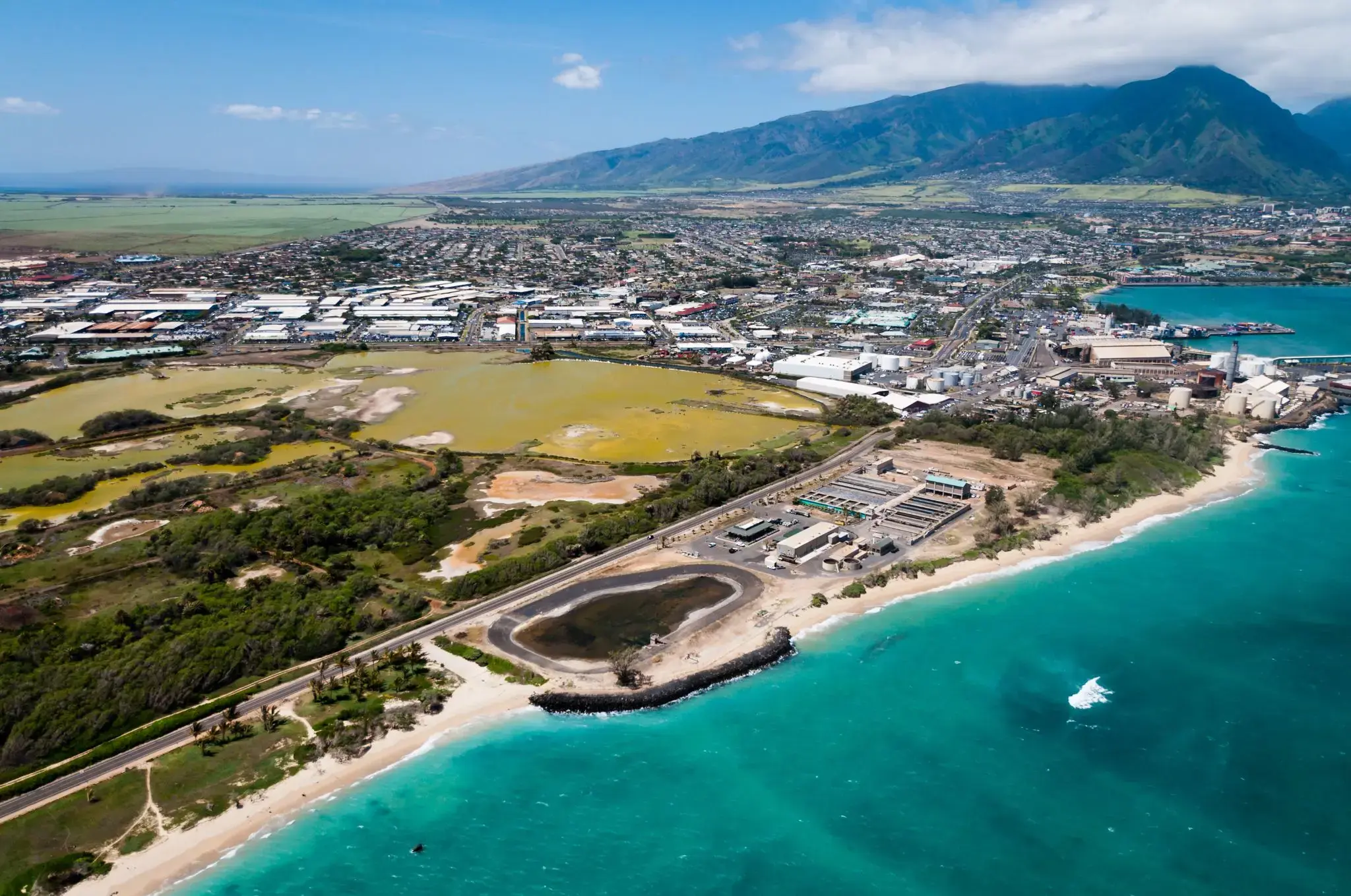
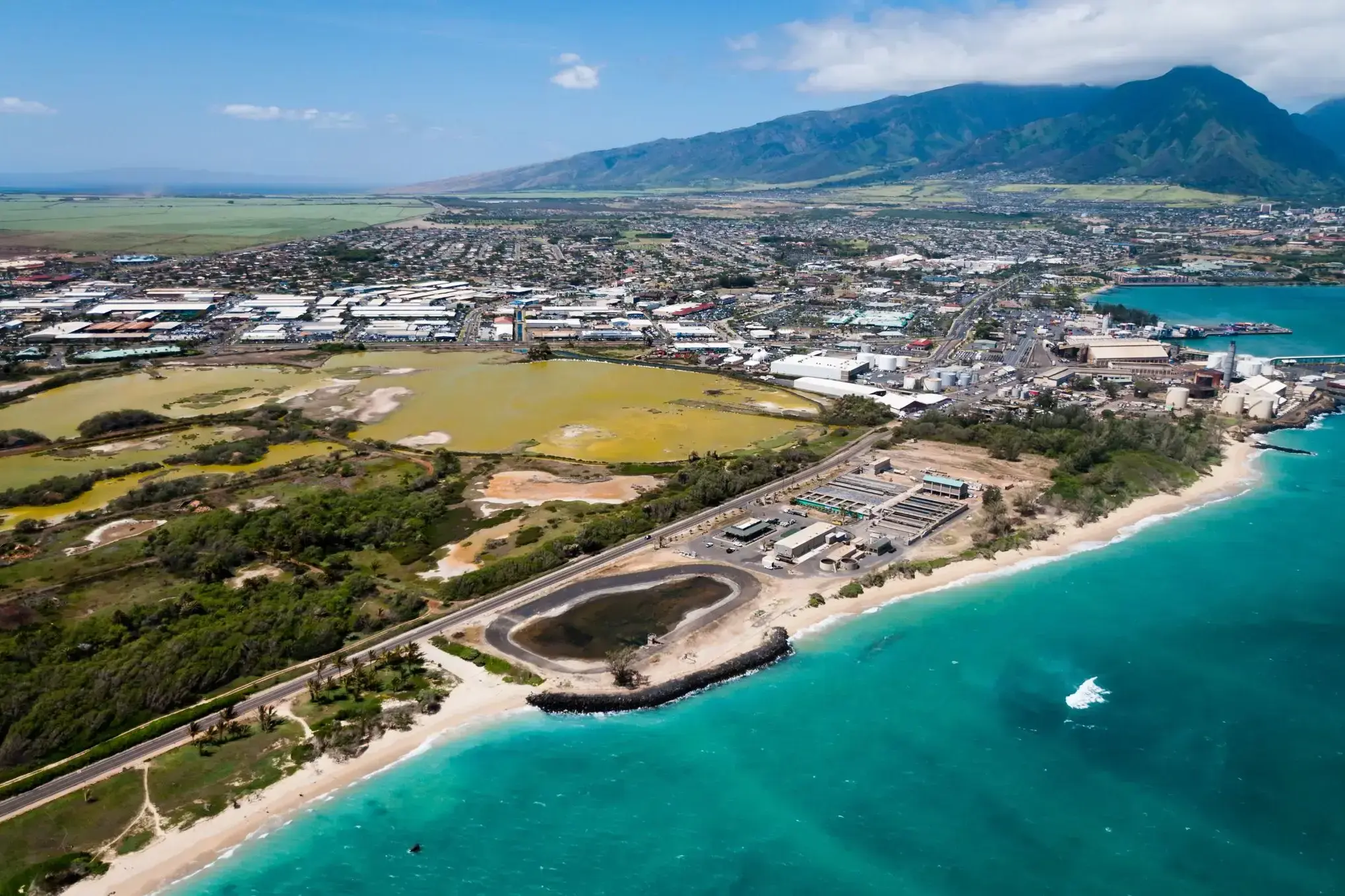
Kahului is a census-designated place (CDP) on the island of Maui in the U.S. state of Hawaii. It hosts Maui's main airport (Kahului Airport), deep-draft harbor, light industrial areas, and commercial shopping centers. The population was 26,337 at the 2010 census. Kahului is part of the Kahului-Wailuku-Lahaina Metropolitan Statistical Area which includes nearby Wailuku and the town and former whaling village of Lahaina.
The retail center for Maui residents, Kahului has several malls and major stores (including department stores in the Queen Kaahumanu Center); other significant groupings of stores are in Lāhainā such as the Lahaina Cannery Mall, the Happy Valley area of Wailuku, Maui Market Place and Maui Mall, which are both also located in Kahului; and The Shops at Wailea in Wailea.
Kahului is not generally considered a tourist destination. It does feature the Alexander & Baldwin Sugar Museum, Kanaha Pond State Wildlife Sanctuary, Kanaha Beach County Park, and the Maui Arts and Cultural Center.
Kahului is served by Kahului Airport, located outside the CDP.
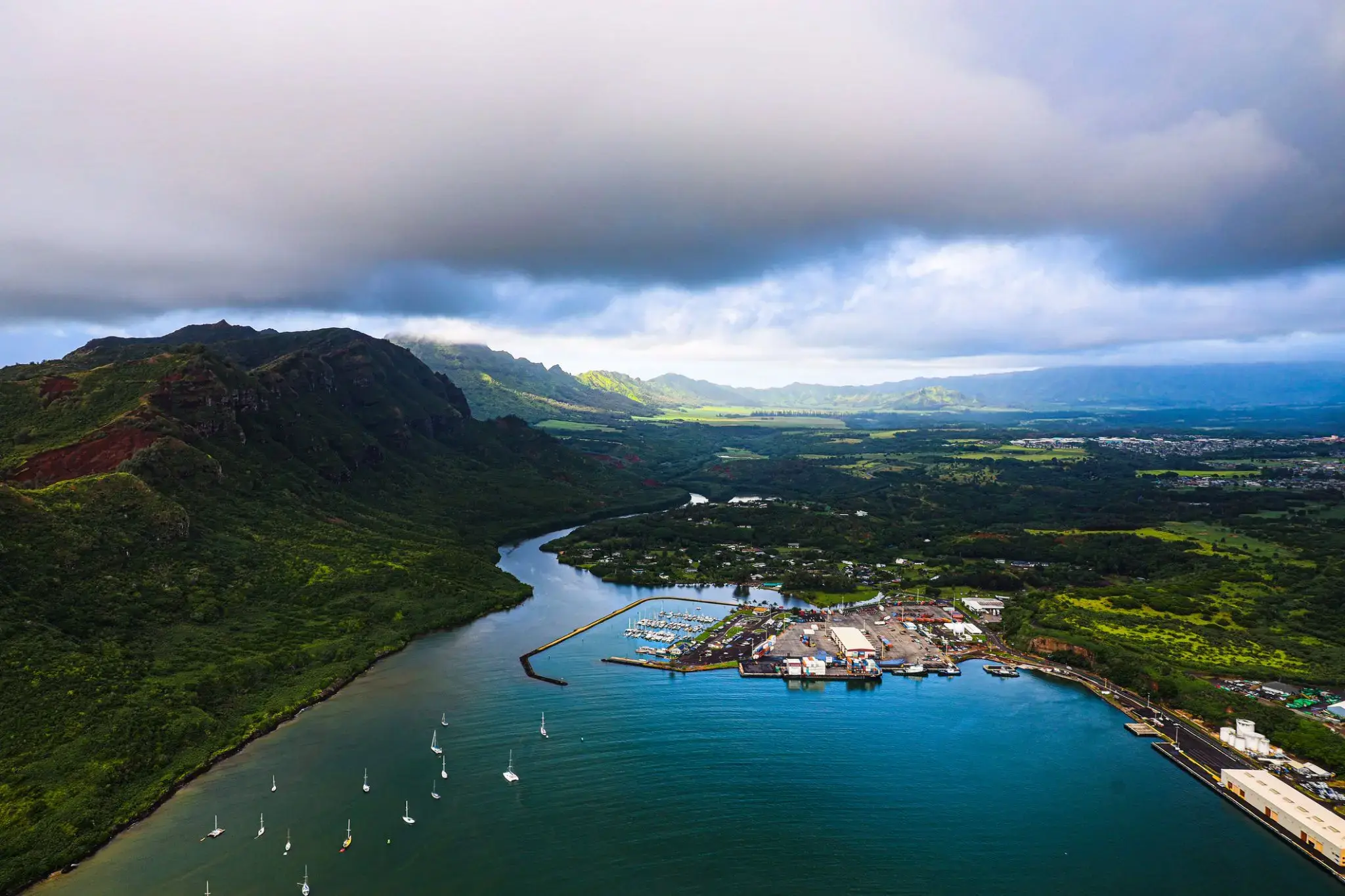
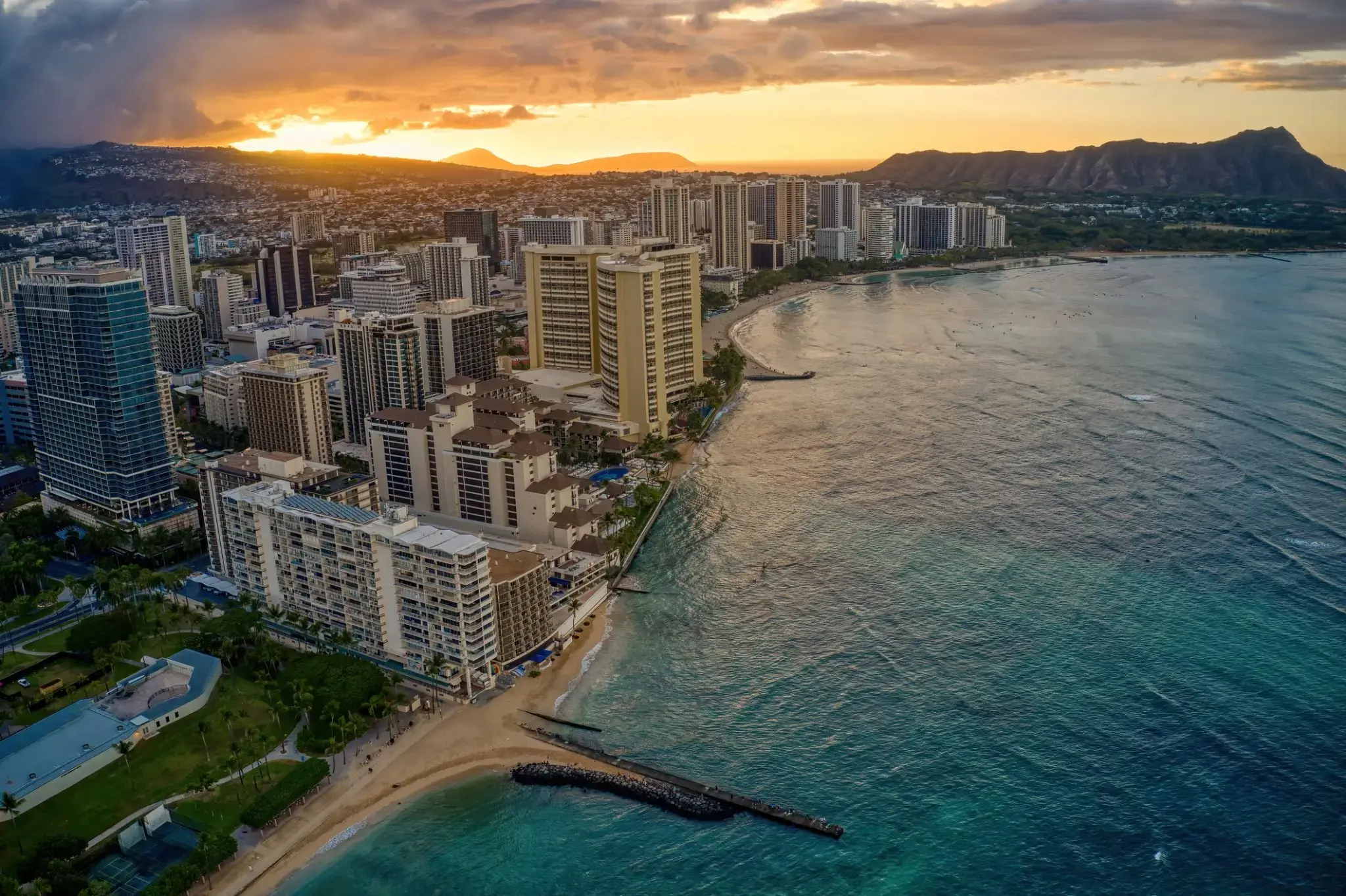
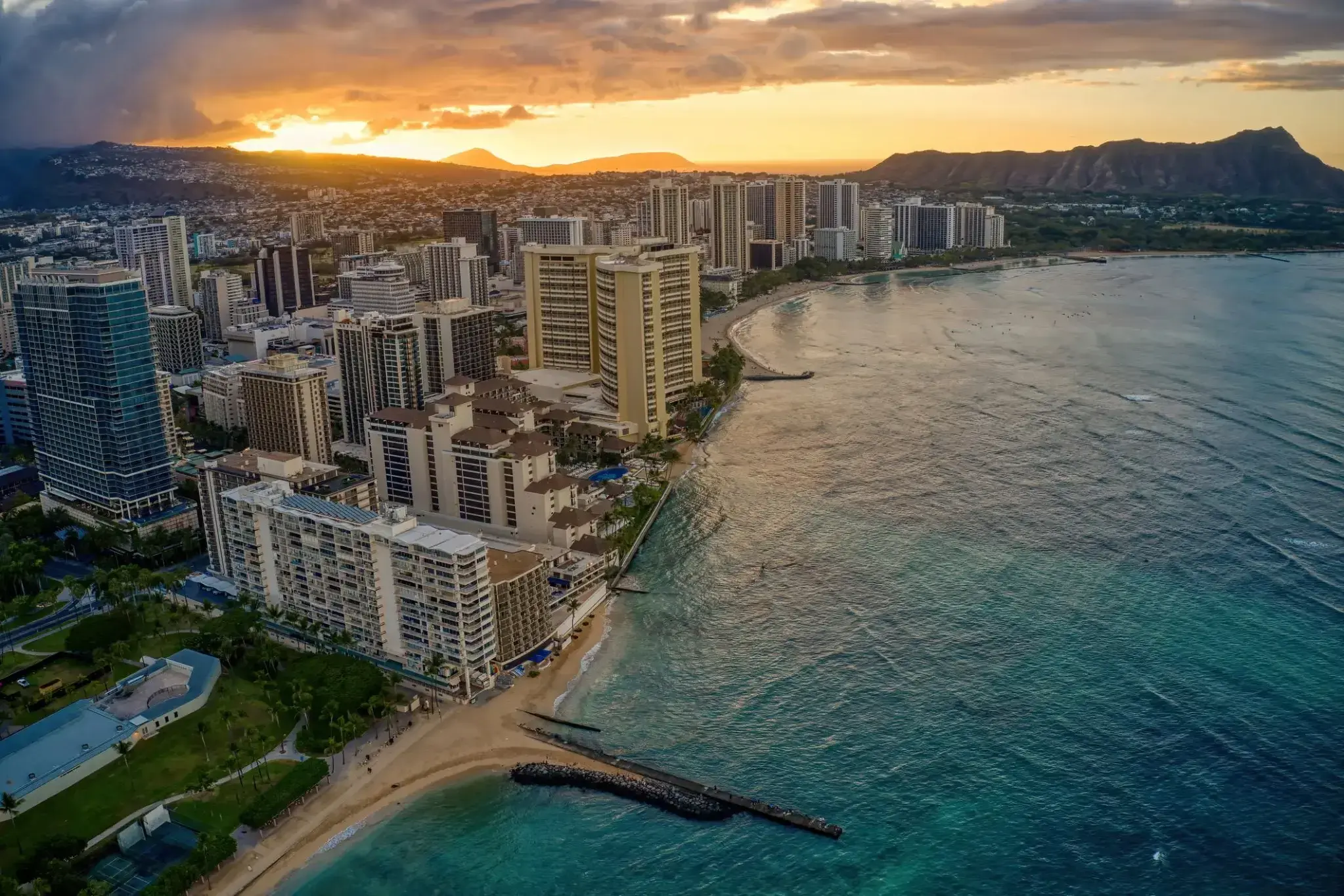
Honolulu is the capital and largest city of the U.S. state of Hawaiʻi. It is an unincorporated part of and the county seat of the City and County of Honolulu along the southeast coast of the island of Oʻahu. The city is the main gateway to Hawaiʻi and a major portal into the United States. The city is also a major hub for international business, military defense, as well as famously being host to a diverse variety of east-west and Pacific culture, cuisine, and traditions.
Honolulu is the most remote city of its size in the world and is the westernmost major U.S. city. For statistical purposes, the United States Census Bureau recognizes the approximate area commonly referred to as "City of Honolulu" (not to be confused with the "City and County") as a census county division (CCD). Honolulu is a major financial center of the islands and of the Pacific Ocean. The population of the Honolulu census designated place(CDP) was 359,870 as of the 2017 population estimate, while the Honolulu CCD was 390,738 and the population of the consolidated city and county was 953,207.
Honolulu means "sheltered harbor" or "calm port". The old name is Kou, a district roughly encompassing the area from Nuʻuanu Avenue to Alakea Street and from Hotel Street to Queen Street which is the heart of the present downtown district. The city has been the capital of the Hawaiian Islands since 1845 and gained historical recognition following the attack on Pearl Harbor by Japan near the city on December 7, 1941.
As of 2015, Honolulu was ranked high on world livability rankings, and was also ranked as the 2nd safest city in the U.S. It is also the most populated Oceanian city outside Australasia and ranks second to Auckland as the most-populous city in Polynesia.
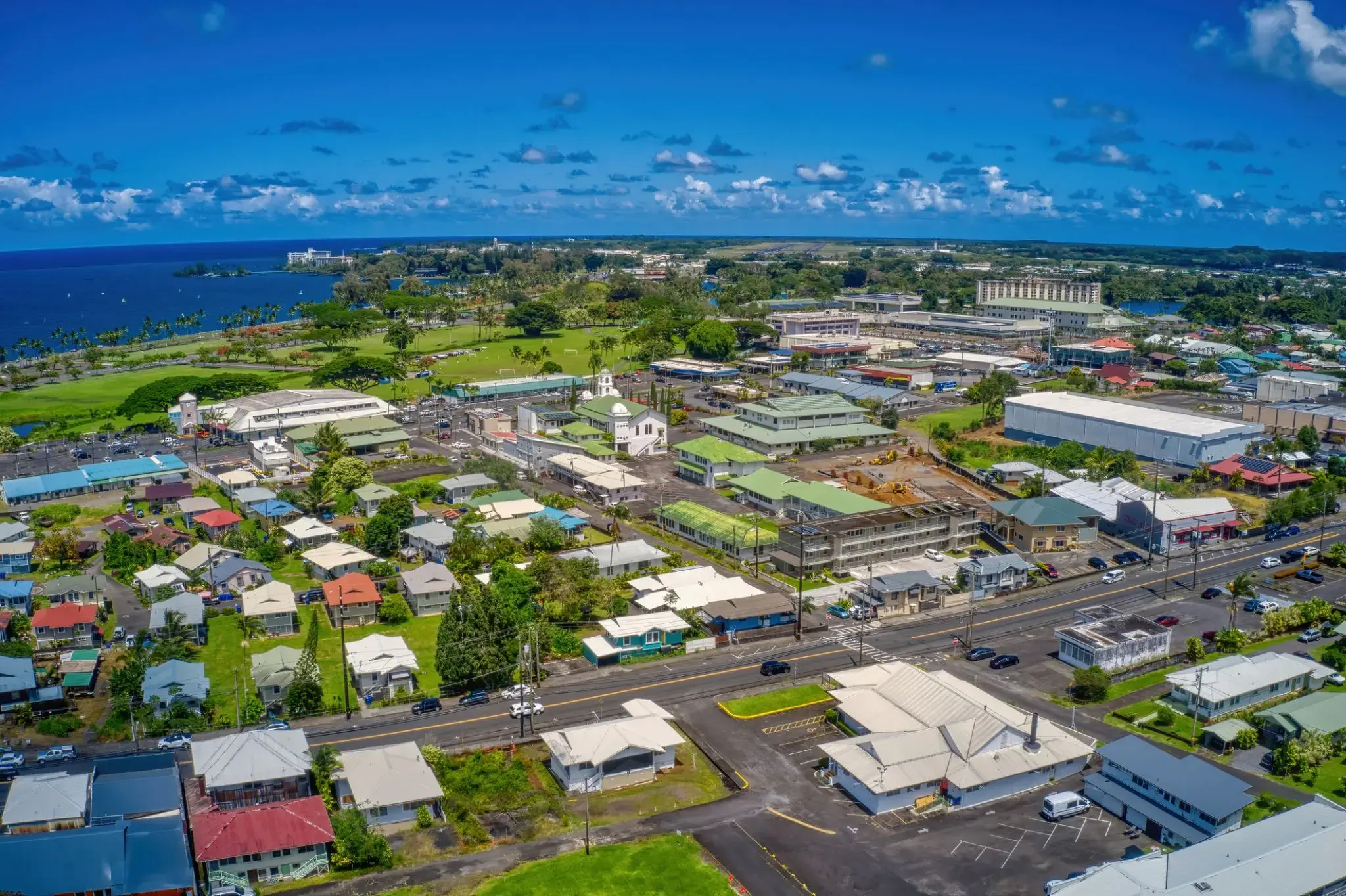
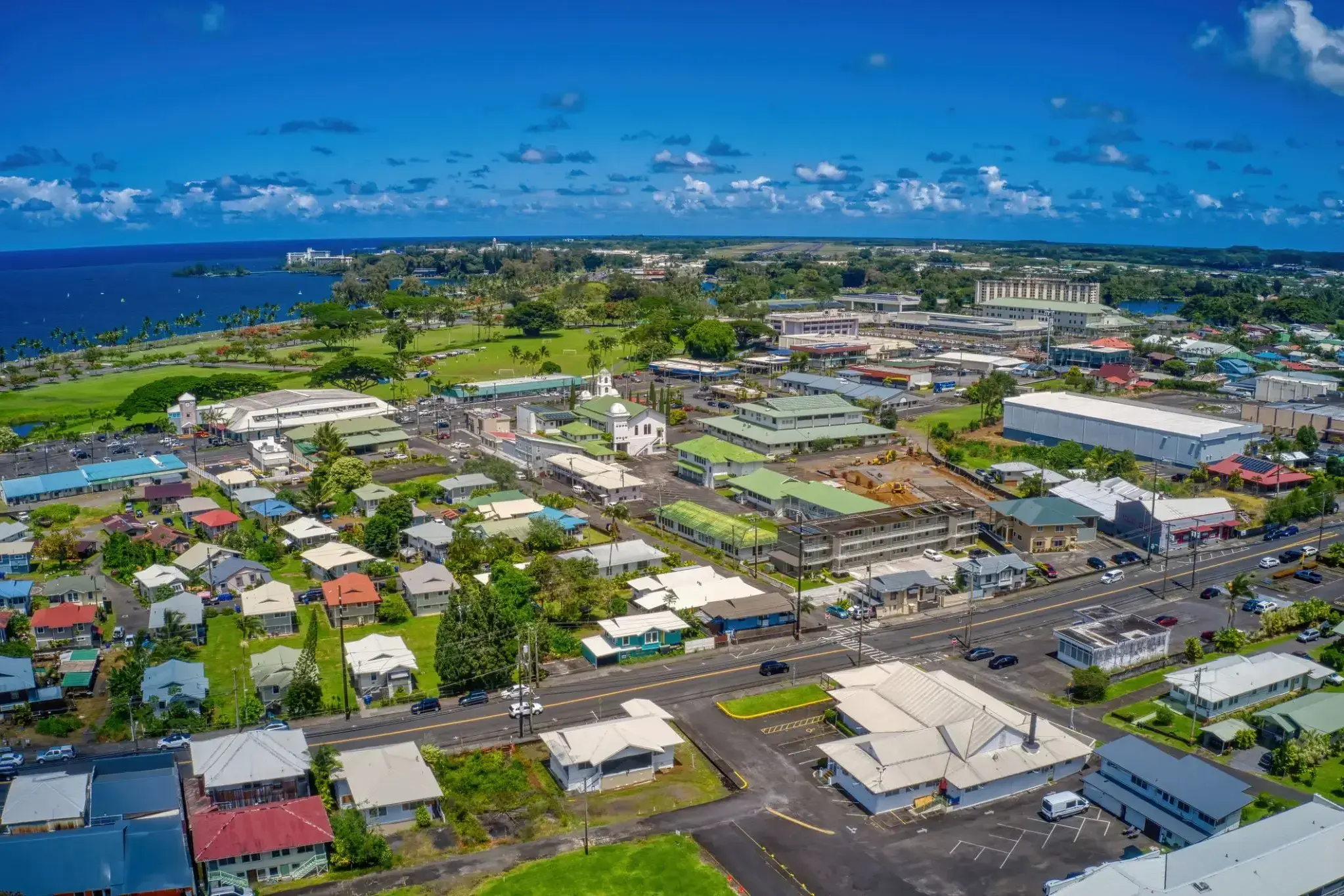
Hilo is the largest settlement and census-designated place (CDP) in Hawaii County, Hawaii, United States, which encompasses the Island of Hawaiʻi. The population was 43,263 at the 2010 census.
Hilo is the county seat of the County of Hawaiʻi and is in the District of South Hilo. The town overlooks Hilo Bay, at the base of two shield volcanoes, Mauna Loa, an active volcano, and Mauna Kea, a dormant volcano and the site of some of the world's most important ground-based astronomical observatories. Much of the city is at some risk from lava flows from Mauna Loa. The majority of human settlement in Hilo stretches from Hilo Bay to Waiākea-Uka, on the flanks of Mauna Loa.
Hilo is home to the University of Hawaiʻi at Hilo, ʻImiloa Astronomy Center of Hawaiʻi, as well as the Merrie Monarch Festival, a week-long celebration of ancient and modern hula that takes place annually after Easter. Hilo is also home to the Mauna Loa Macadamia Nut Corporation, one of the world's leading producers of macadamia nuts. The town is served by Hilo International Airport.
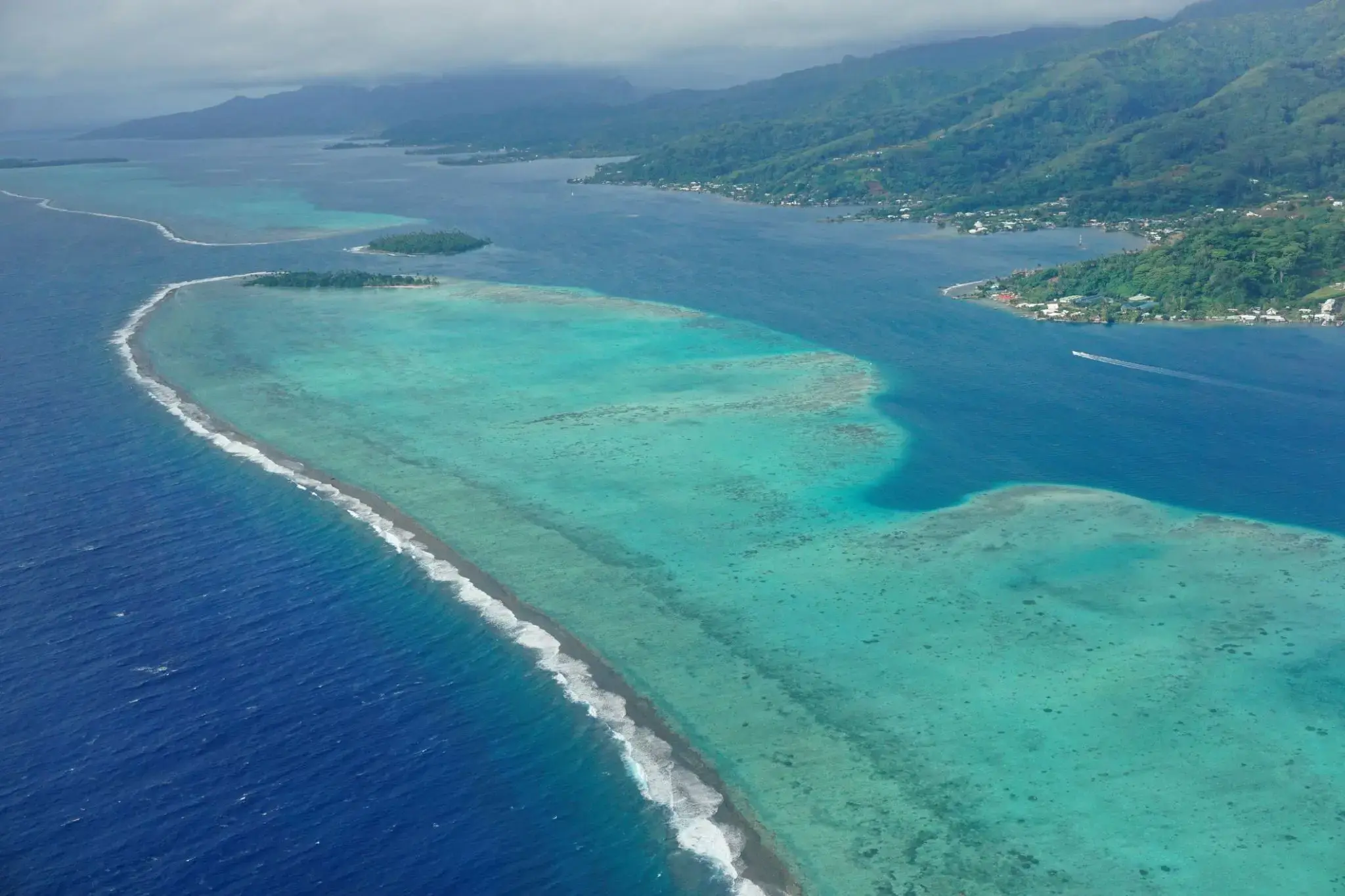
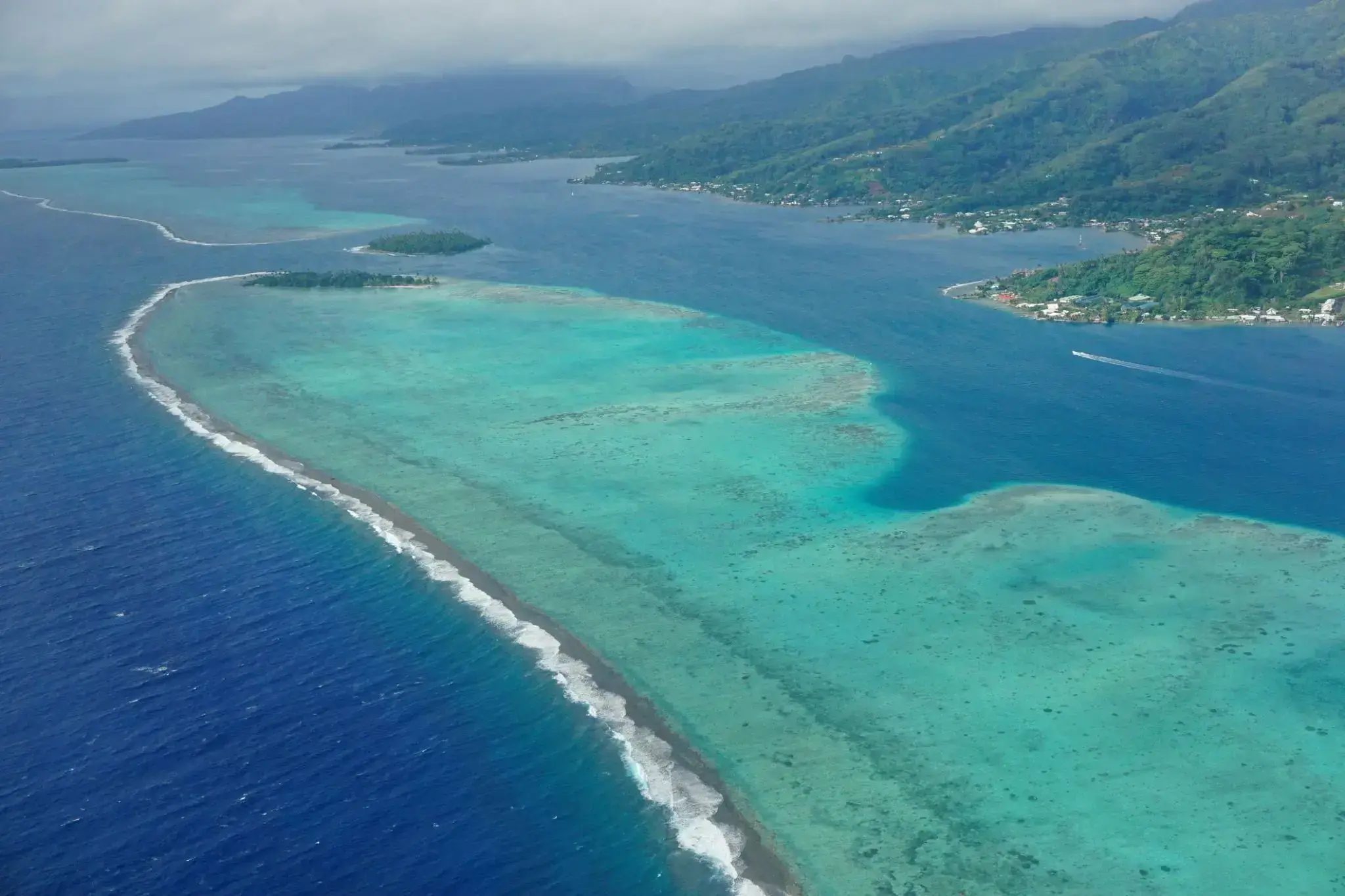
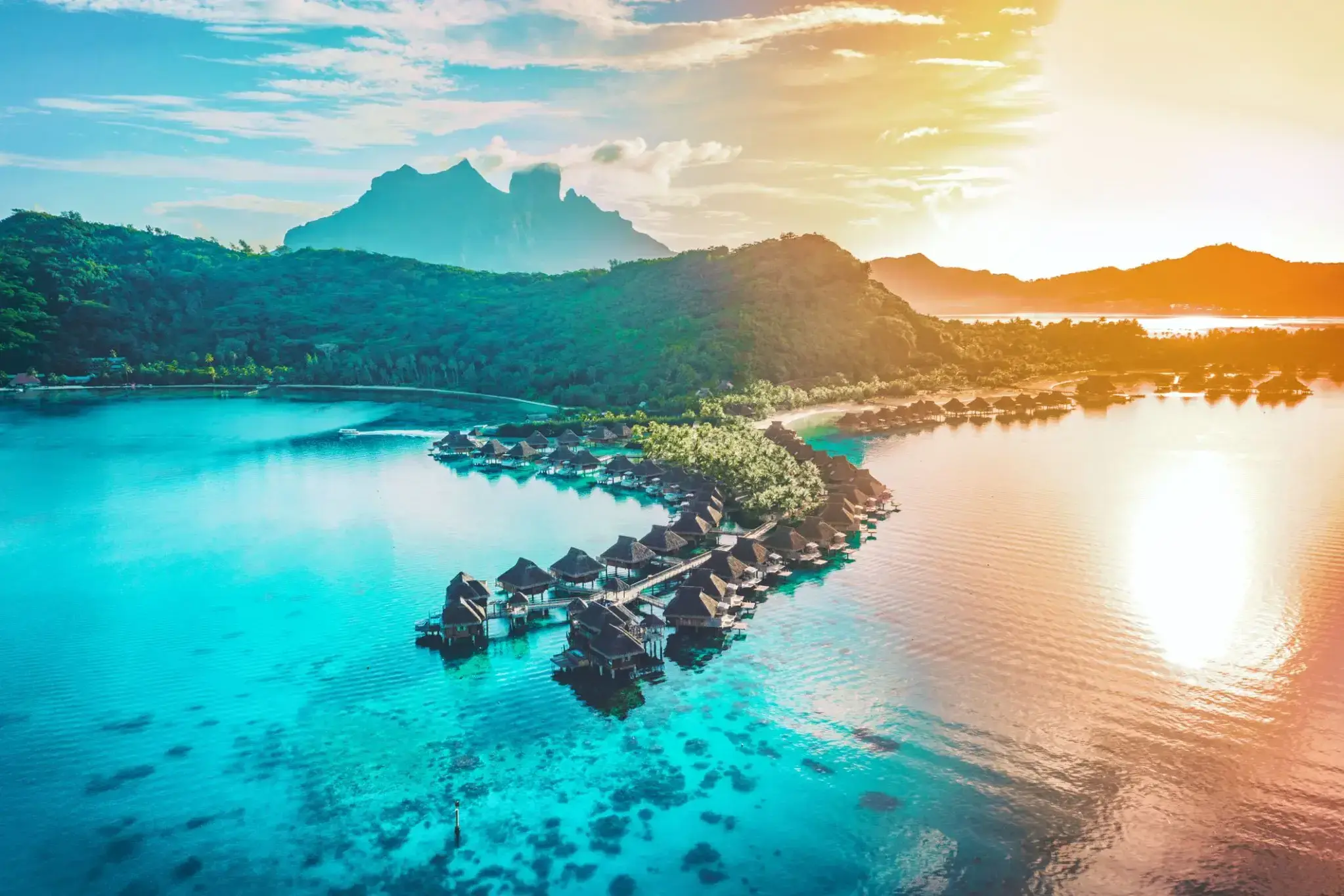
Considered the heart of Polynesia, Raiatea is surrounded by turquoise lagoons and green mountains, creating landscapes that remain in the memory of every traveler. This island attracts adventurers with the chance to hike to waterfalls, walk through blooming valleys, and explore ancient archaeological sites, including the sacred Marae Taputapuatea, a UNESCO World Heritage site.
Raiatea is also known as a starting point for yacht journeys around the Society Islands, thanks to its developed infrastructure and cozy harbors. Here, you can enjoy diving in crystal-clear waters, see colorful fish and corals, or simply spend a day on white sandy beaches, enjoying the peace of tropical Polynesia.
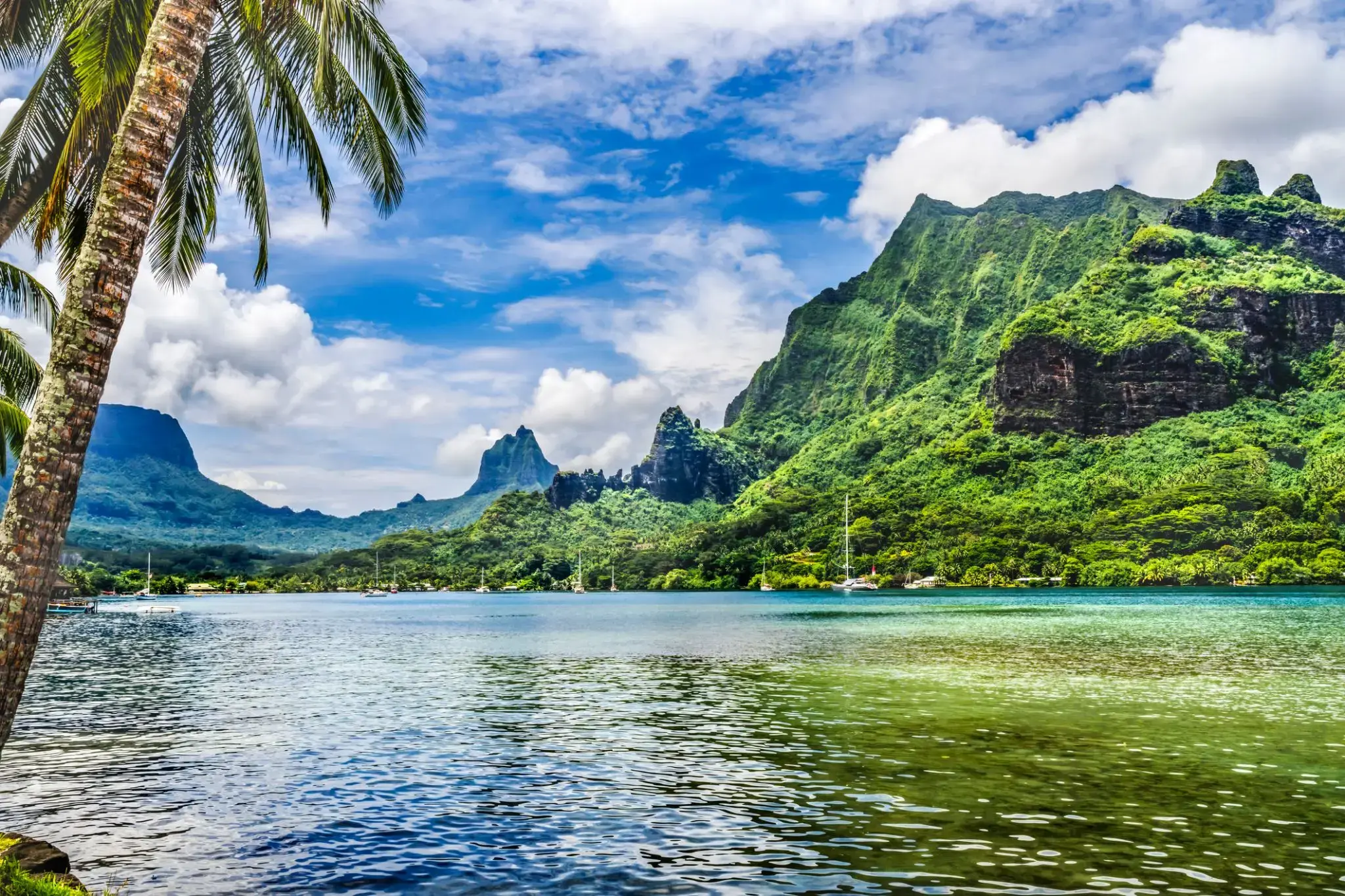
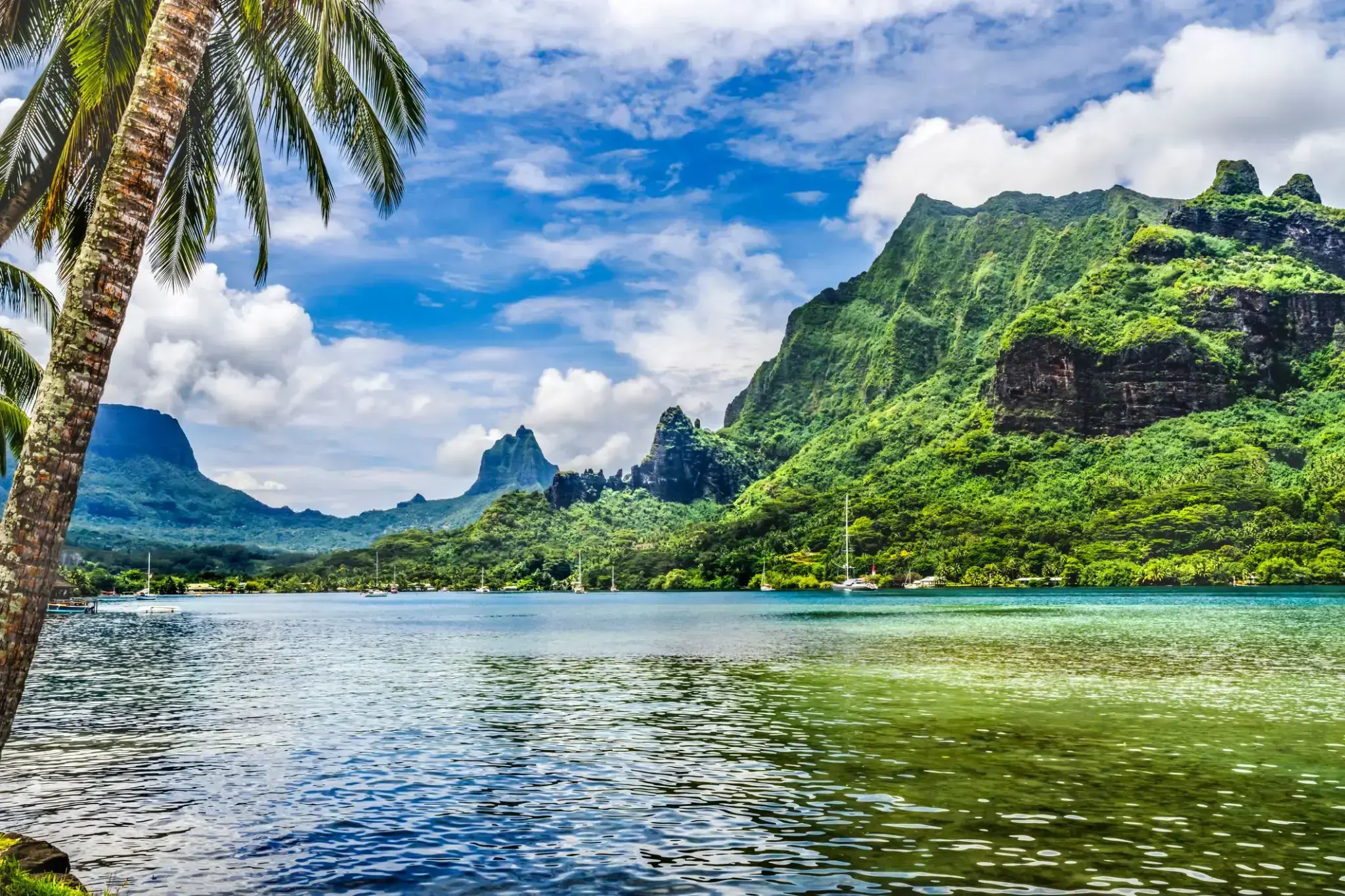
The island was formed as a volcano 1.5 to 2.5 million years ago, the result of a Society hotspot in the mantle under the oceanic plate that formed the whole of the Society Archipelago. It is theorized that the current bays were formerly river basins that filled during the Holocene searise.
Mo'orea is about 10 miles in width from the west to the east. There are two small, nearly symmetrical bays on the north shore. The one to the west is called 'Ōpūnohu Bay, which is not very populated but many travelers have come into the bay. The main surrounding communes of the bay are Piha'ena in the east and Papetō'ai to the west. The one to the east is Cook's Bay, also called Pao Pao Bay since the largest commune of Mo'orea is at the bottom of the bay. The other communes are Piha'ena to the west and busy Maharepa to the east. The highest point is Mount Tohi'e'a, near the center of Mo'orea. It dominates the vista from the two bays and can be seen from Tahiti. There are also hiking trails in the mountains. The Vai'are Bay is another small inlet, smaller than the two main bays, on the east shore. This bay has been settled a lot and has a lot of business. The main village is located just south of the bay.
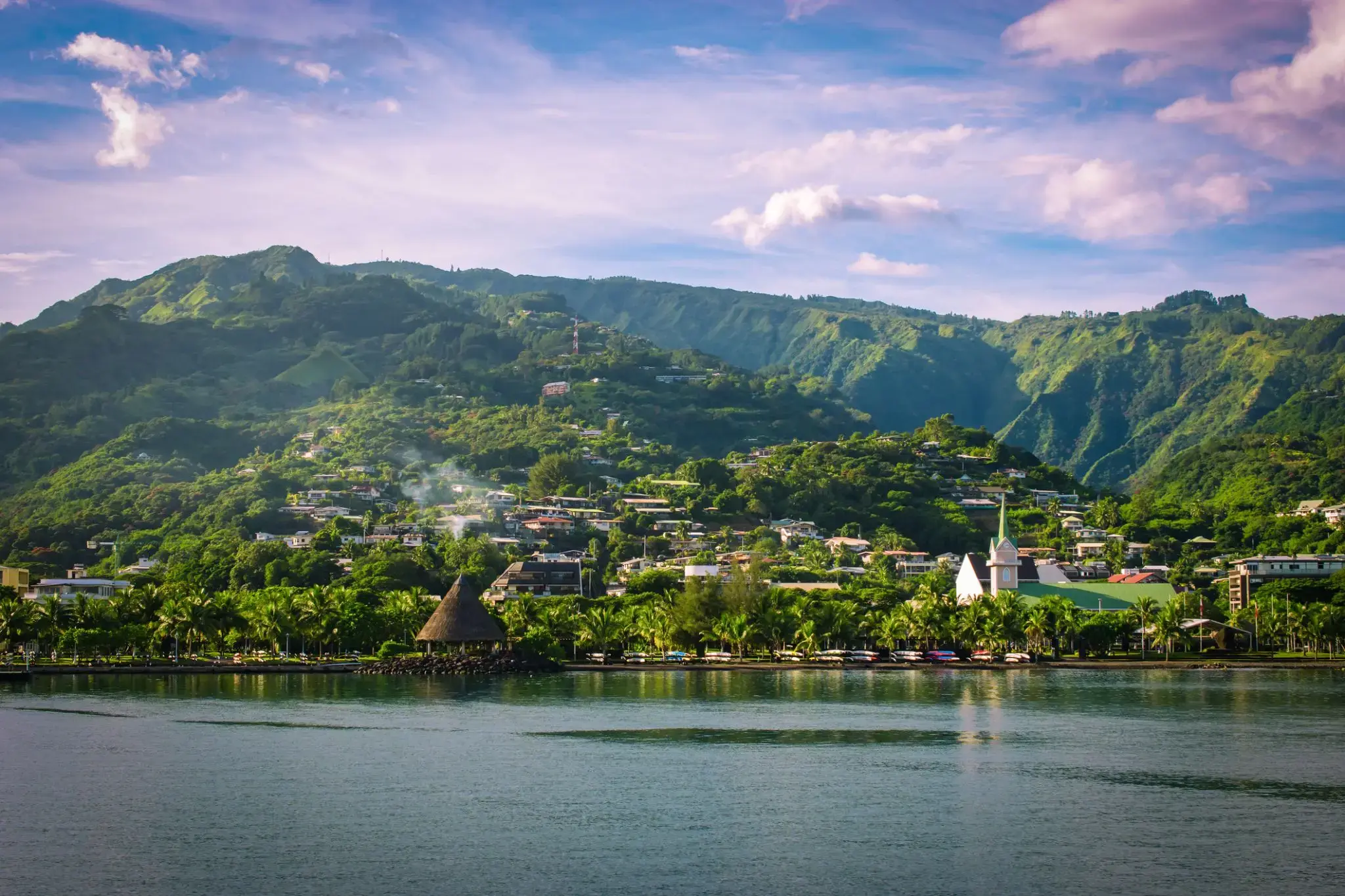
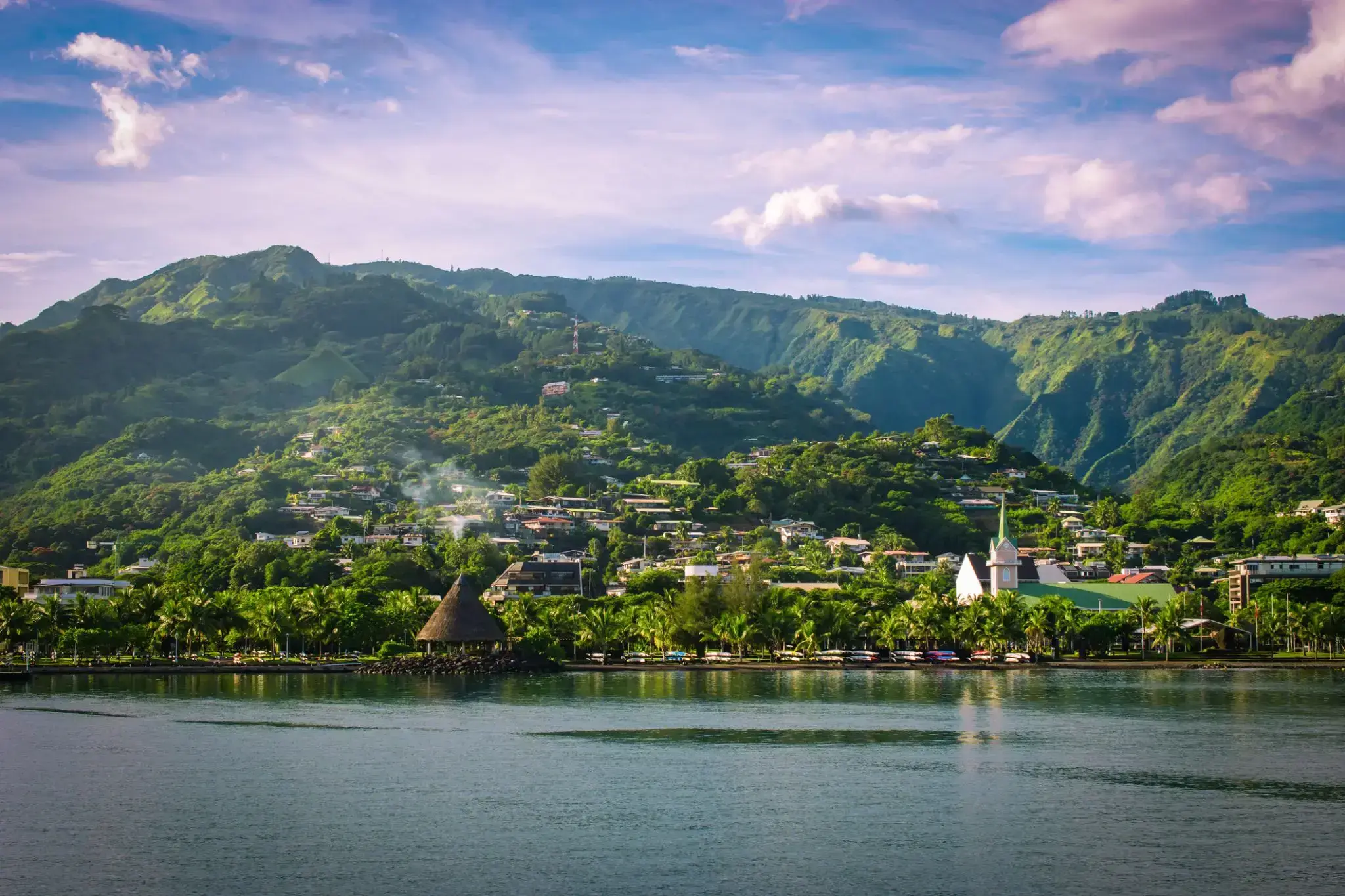
Papeete is the capital city of French Polynesia, an overseas collectivity of France in the Pacific Ocean. The commune of Papeete is located on the island of Tahiti, in the administrative subdivision of the Windward Islands, of which Papeete is the administrative capital. The French High Commissioner also resides in Papeete. It is the primary center of Tahitian and French Polynesian public and private governmental, commercial, industrial and financial services, the hub of French Polynesian tourism and a commonly used port of call. The Windward Islands are themselves part of the Society Islands. The name Papeete means "water from a basket".
The urban area of Papeete had a total population of 136,771 inhabitants at the August 2017 census, 26,926 of whom lived in the commune of Papeete proper.
Papeete is the capital city of French Polynesia, an overseas collectivity of France in the Pacific Ocean. The commune of Papeete is located on the island of Tahiti, in the administrative subdivision of the Windward Islands, of which Papeete is the administrative capital. The French High Commissioner also resides in Papeete. It is the primary center of Tahitian and French Polynesian public and private governmental, commercial, industrial and financial services, the hub of French Polynesian tourism and a commonly used port of call. The Windward Islands are themselves part of the Society Islands. The name Papeete means "water from a basket".
The urban area of Papeete had a total population of 136,771 inhabitants at the August 2017 census, 26,926 of whom lived in the commune of Papeete proper.
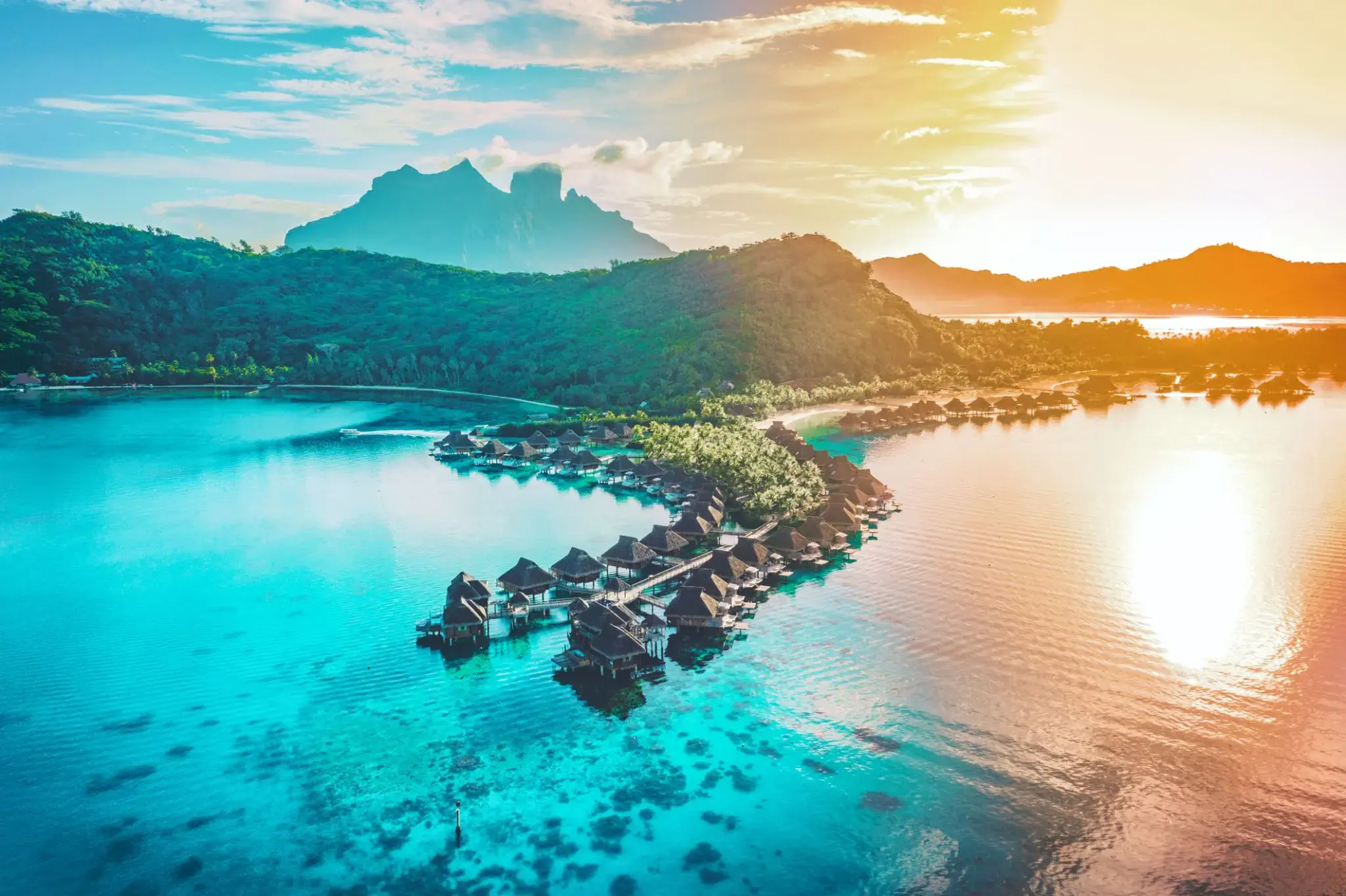
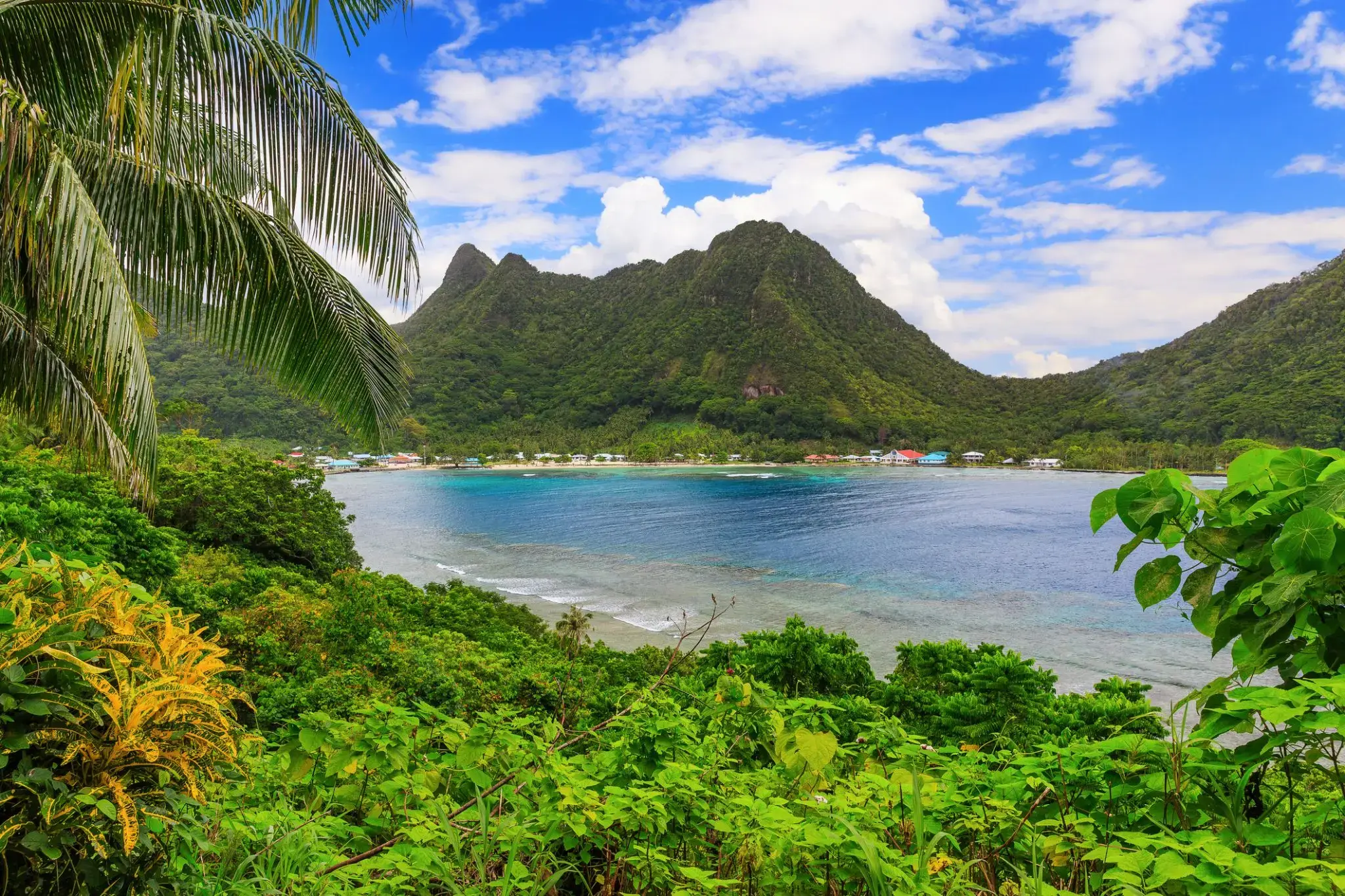
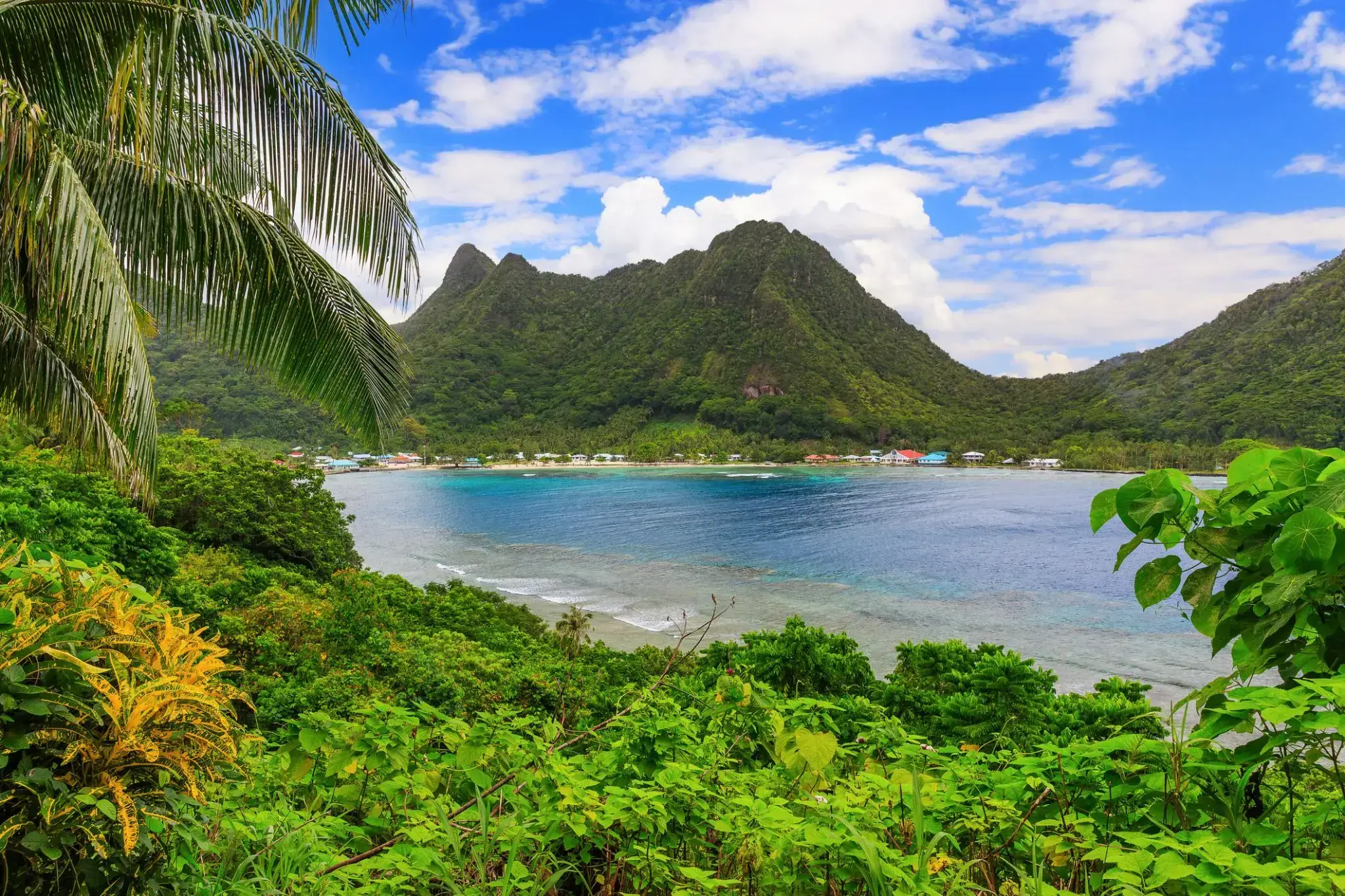
Pago Pago is the territorial capital of American Samoa. It is in Maoputasi County on the main island of American Samoa, Tutuila. It is home to one of the best and deepest natural deepwater harbors in the South Pacific Ocean, sheltered from wind and rough seas, and strategically located. The harbor is also one of the best protected in the South Pacific, which gives American Samoa a natural advantage with respect to landing fish for processing. Tourism, entertainment, food, and tunacanning are its main industries. Pago Pago was the world's 4th largest tuna processor as of 1993. It was home to two of the largest tuna companies in the world: Chicken of the Sea and StarKist, which exported an estimated $445 million in canned tuna to the U.S. mainland.
Pago Pago is the only modern urban center in American Samoa. The Greater Pago Pago Metropolitan Area encompasses several villages strung together along Pago Pago Harbor. One of the villages is itself named Pago Pago, and in 2010 had a population of 3,656. The constituent villages are, in order, Utulei, Fagatogo, Malaloa, Pago Pago, Satala and Atu'u. Fagatogo is the downtown area referred to as Town and is home to the legislature, while the executive is located in Utulei. In Fagatogo is the Fono, Police Department, Port of Pago Pago, many shops and hotels. The Greater Pago Pago Area was home to 8,000 residents in 2000.
Rainmaker Mountain (Mount Pioa) is located in Pago Pago, and gives the city the highest annual rainfall of any harbor in the world.
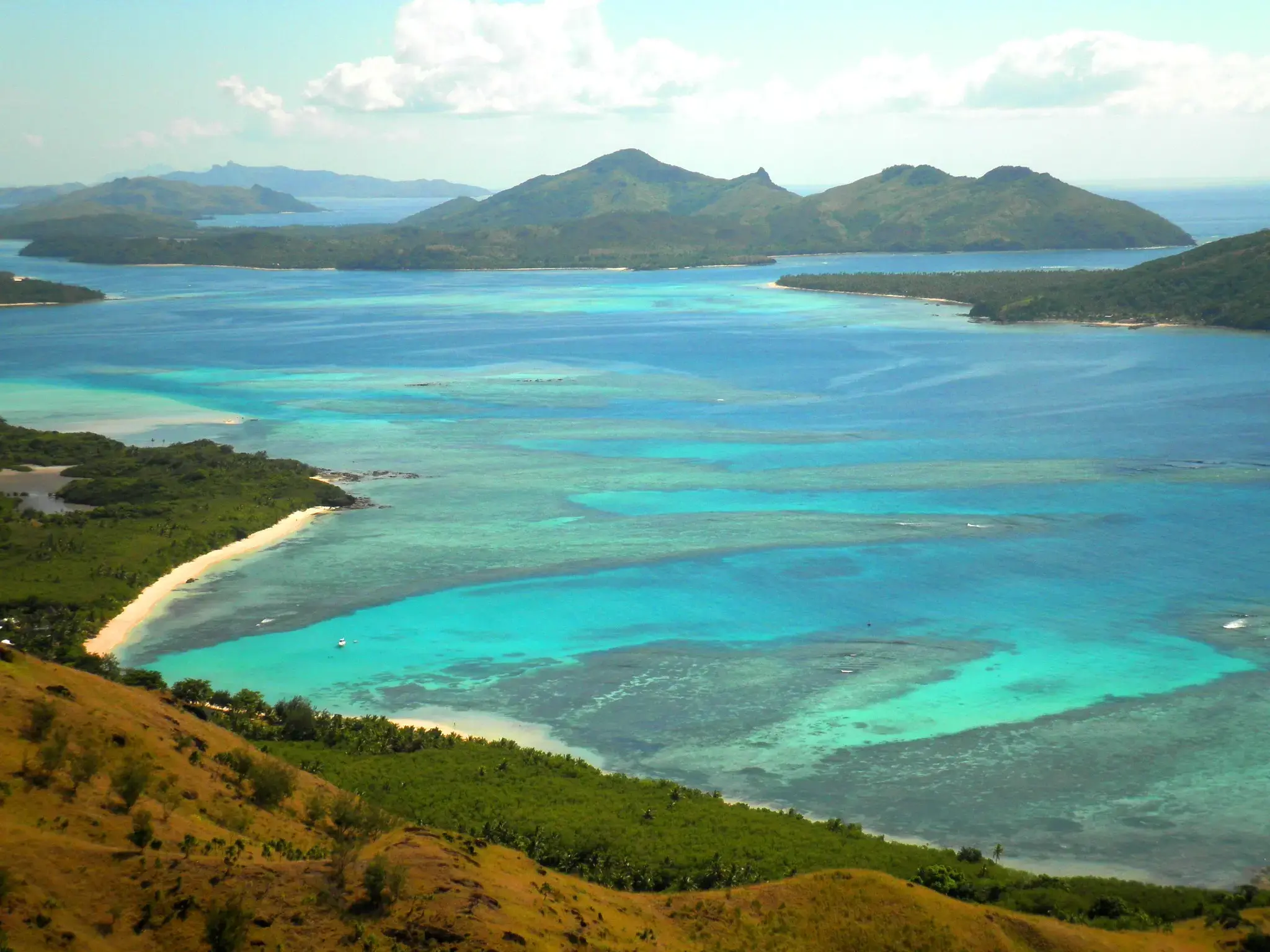
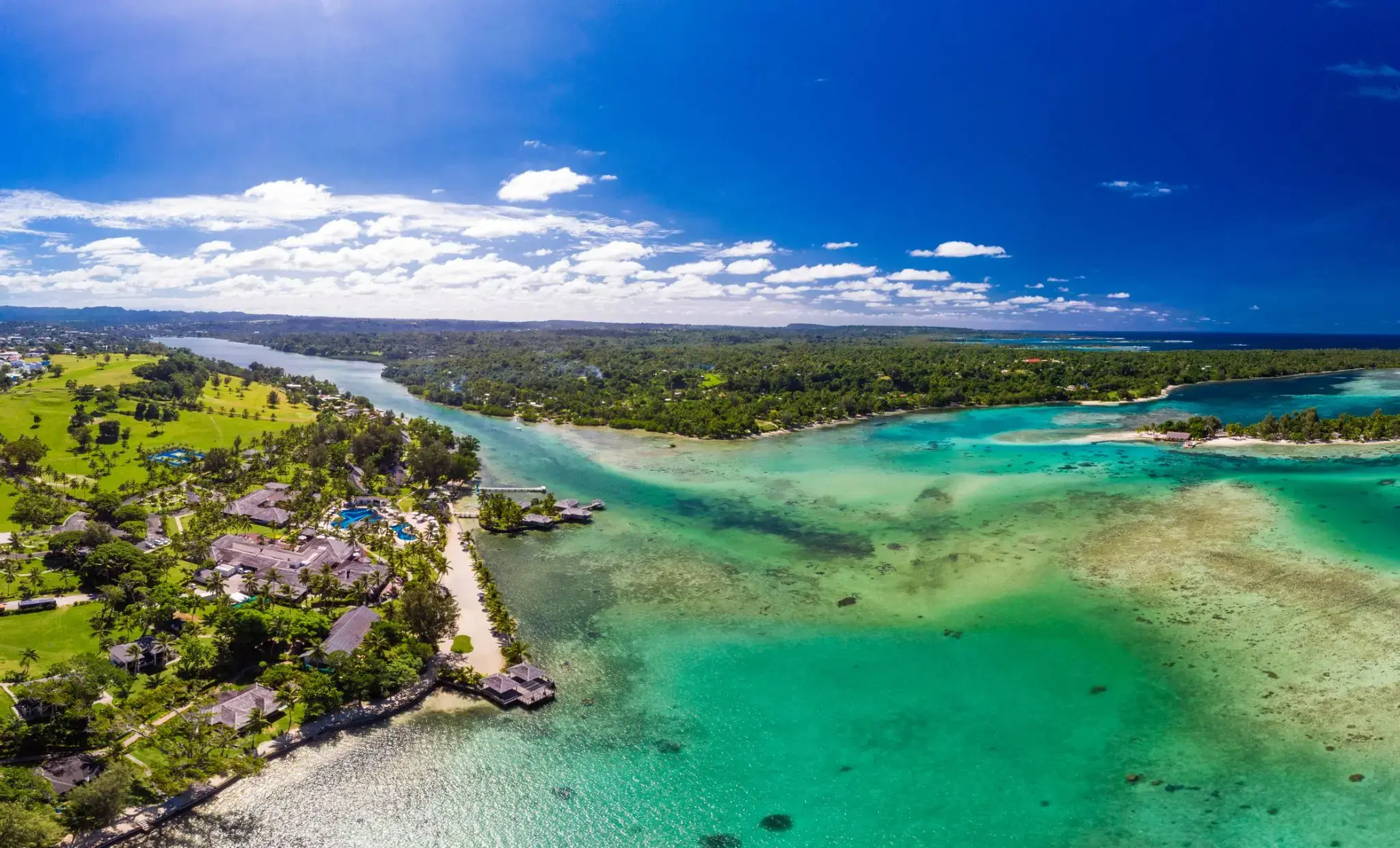
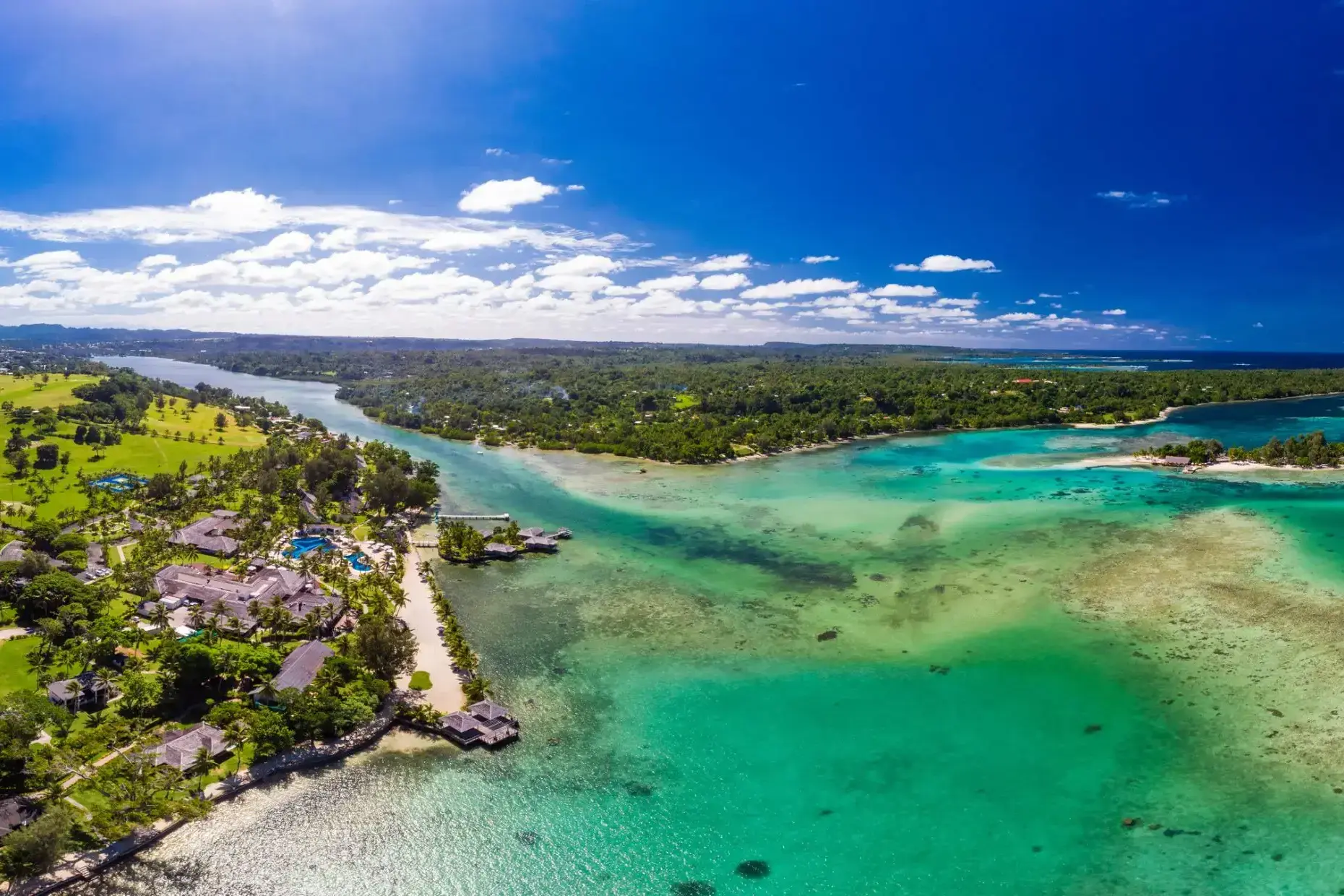
Port Vila is the capital and largest city of Vanuatu and is on the island of Efate.
Its population in the last census (2009) was 44,040, an increase of 35% on the previous census result (29,356 in 1999). In 2009, the population of Port Vila formed 18.8% of the country's population, and 66.9% of the population of Efate.
On the south coast of the island of Efate, in Shefa Province, Port Vila is the economic and commercial centre of Vanuatu. The mayor is Mambo Albert Sandy Daniel, of the Vanua'aku Pati, elected in January 2018; his deputy is Eric Puyo Festa, of the Grin Confederation.
On March 13, 2015, Port Vila bore extensive damage from Cyclone Pam.
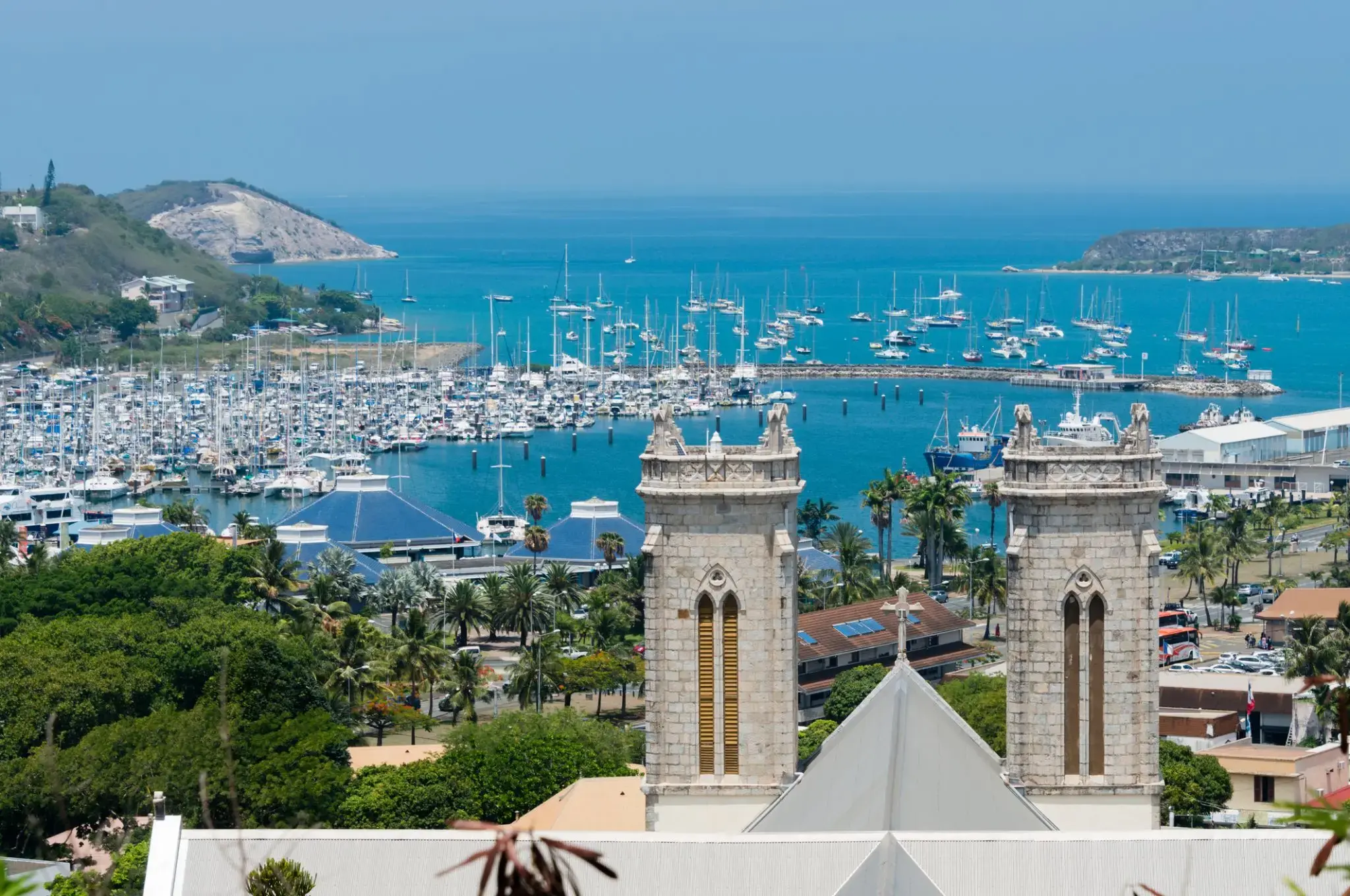
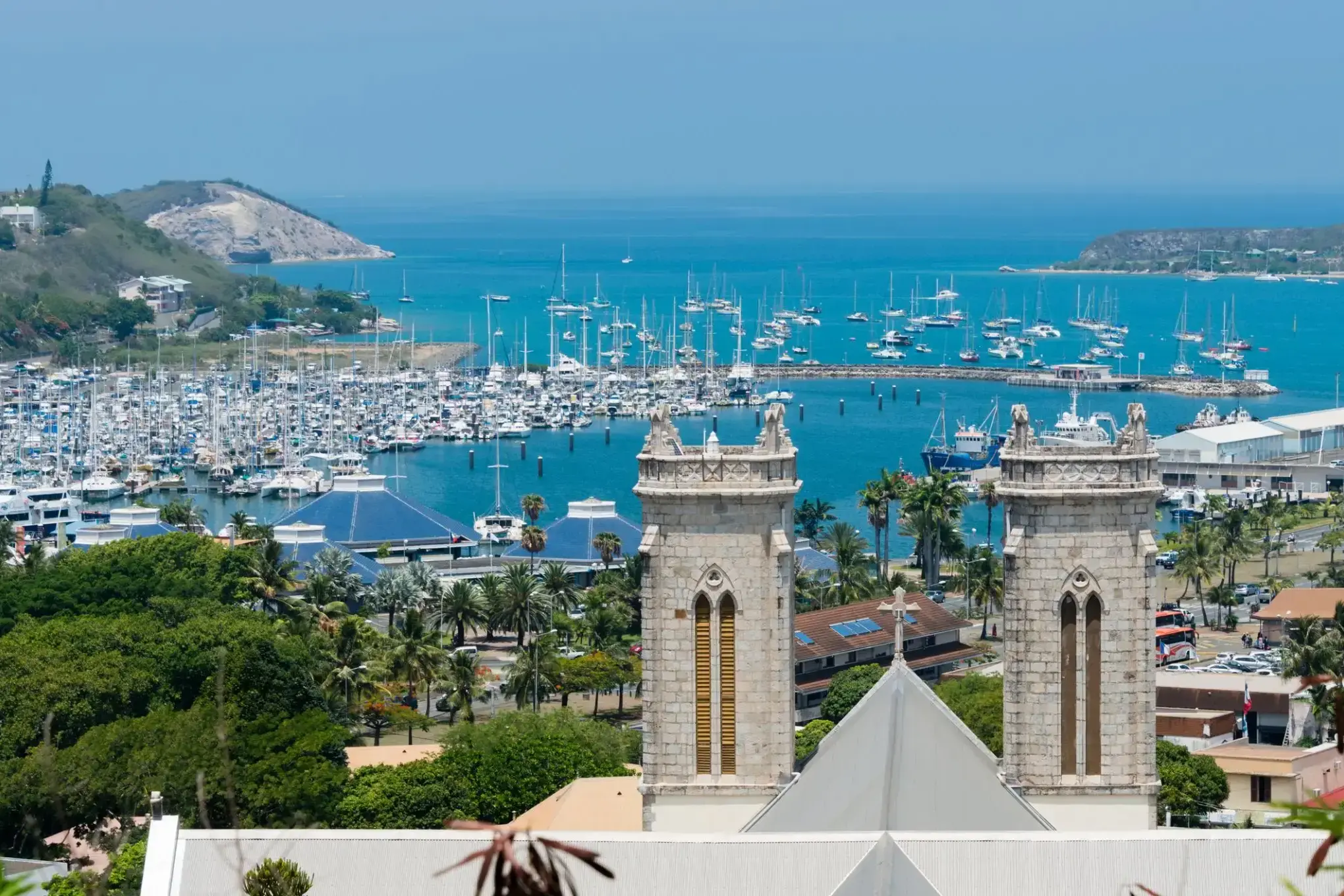
Nouméa is the capital and largest city of the French special collectivity of New Caledonia. It is situated on a peninsula in the south of New Caledonia's main island, Grande Terre, and is home to the majority of the island's European, Polynesian (Wallisians, Futunians, Tahitians), Indonesian, and Vietnamesepopulations, as well as many Melanesians, Ni-Vanuatu and Kanaks who work in one of the South Pacific's most industrialised cities. The city lies on a protected deepwater harbour that serves as the chief port for New Caledonia.
At the August 2014 census, there were 179,509 inhabitants in the metropolitan area of Greater Nouméa (French: agglomération du Grand Nouméa), 99,926 of whom lived in the city (commune) of Nouméa proper. 66.8% of the population of New Caledonia live in Greater Nouméa, which covers the communes of Nouméa, Le Mont-Dore, Dumbéa and Païta.
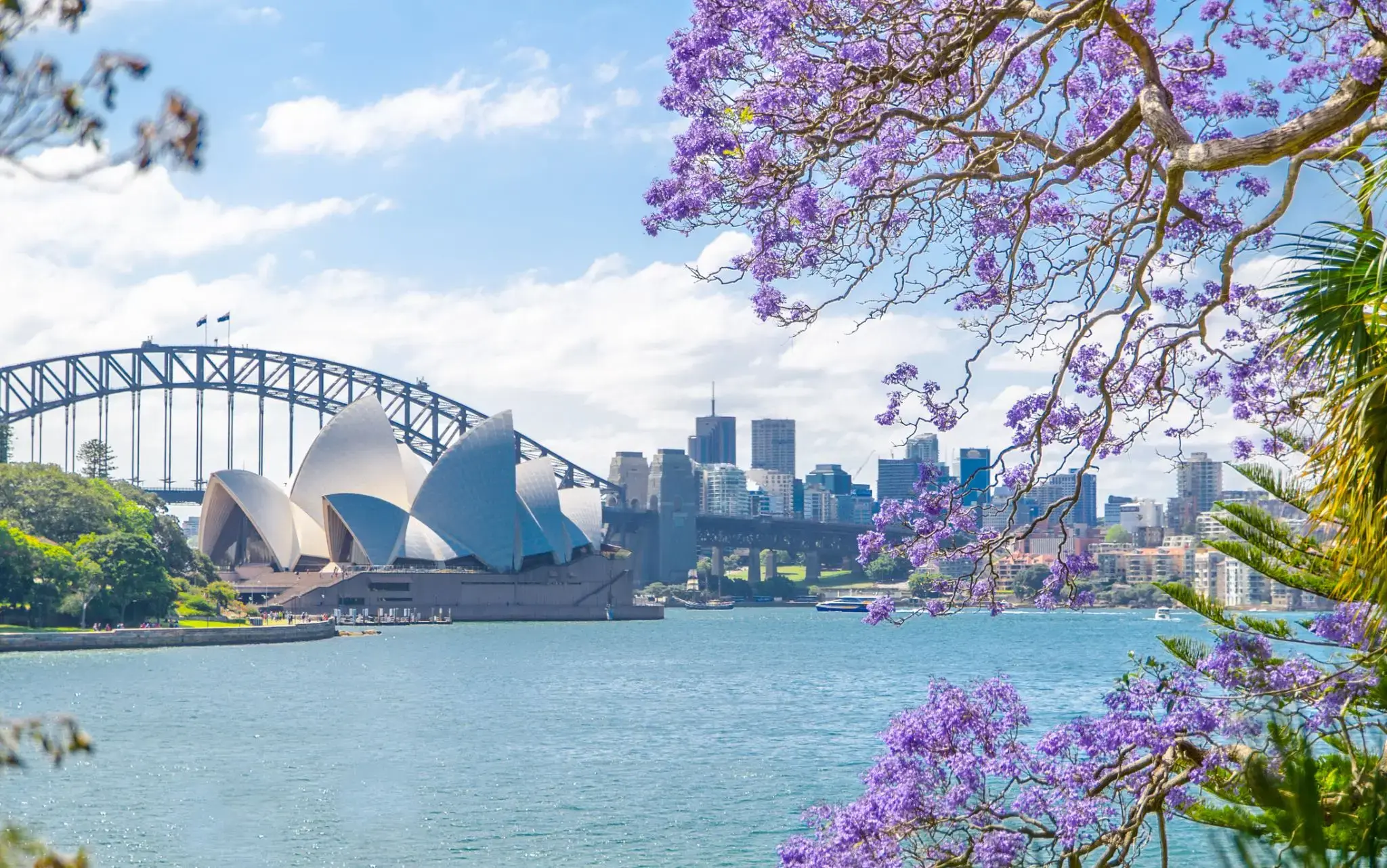
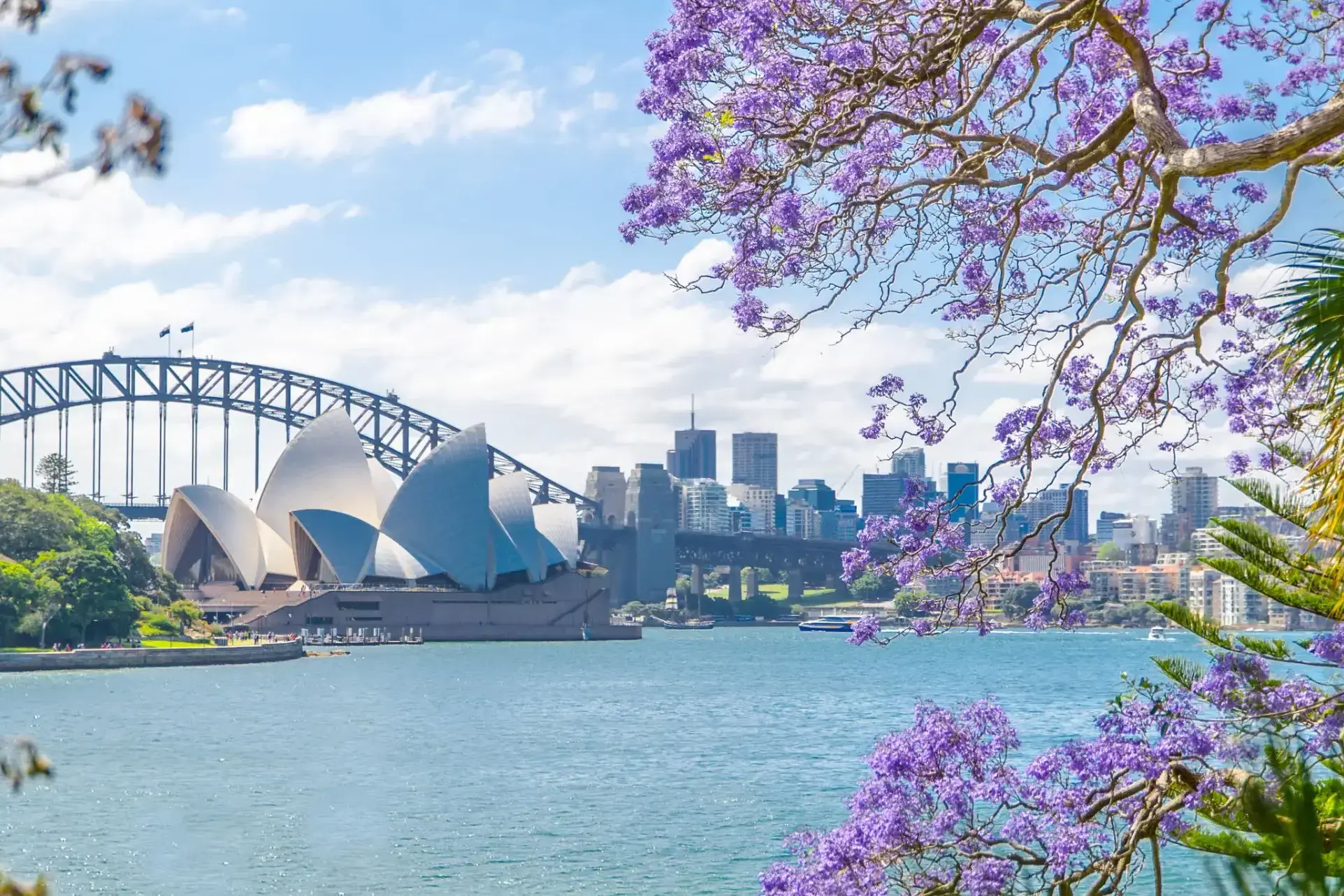
Sydney is the state capital of New South Wales and the most populous city in Australiaand Oceania. Located on Australia's east coast, the metropolis surrounds Port Jackson and extends about 70 km (43.5 mi) on its periphery towards the Blue Mountains to the west, Hawkesbury to the north, and Macarthur to the south. Sydney is made up of 658 suburbs, 40 local government areas and 15 contiguous regions. Residents of the city are known as "Sydneysiders". As of June 2017, Sydney's estimated metropolitan population was 5,131,326, and is home to approximately 65% of the state's population.
Sydney is the state capital of New South Wales and the most populous city in Australiaand Oceania. Located on Australia's east coast, the metropolis surrounds Port Jackson and extends about 70 km (43.5 mi) on its periphery towards the Blue Mountains to the west, Hawkesbury to the north, and Macarthur to the south. Sydney is made up of 658 suburbs, 40 local government areas and 15 contiguous regions. Residents of the city are known as "Sydneysiders". As of June 2017, Sydney's estimated metropolitan population was 5,131,326, and is home to approximately 65% of the state's population.
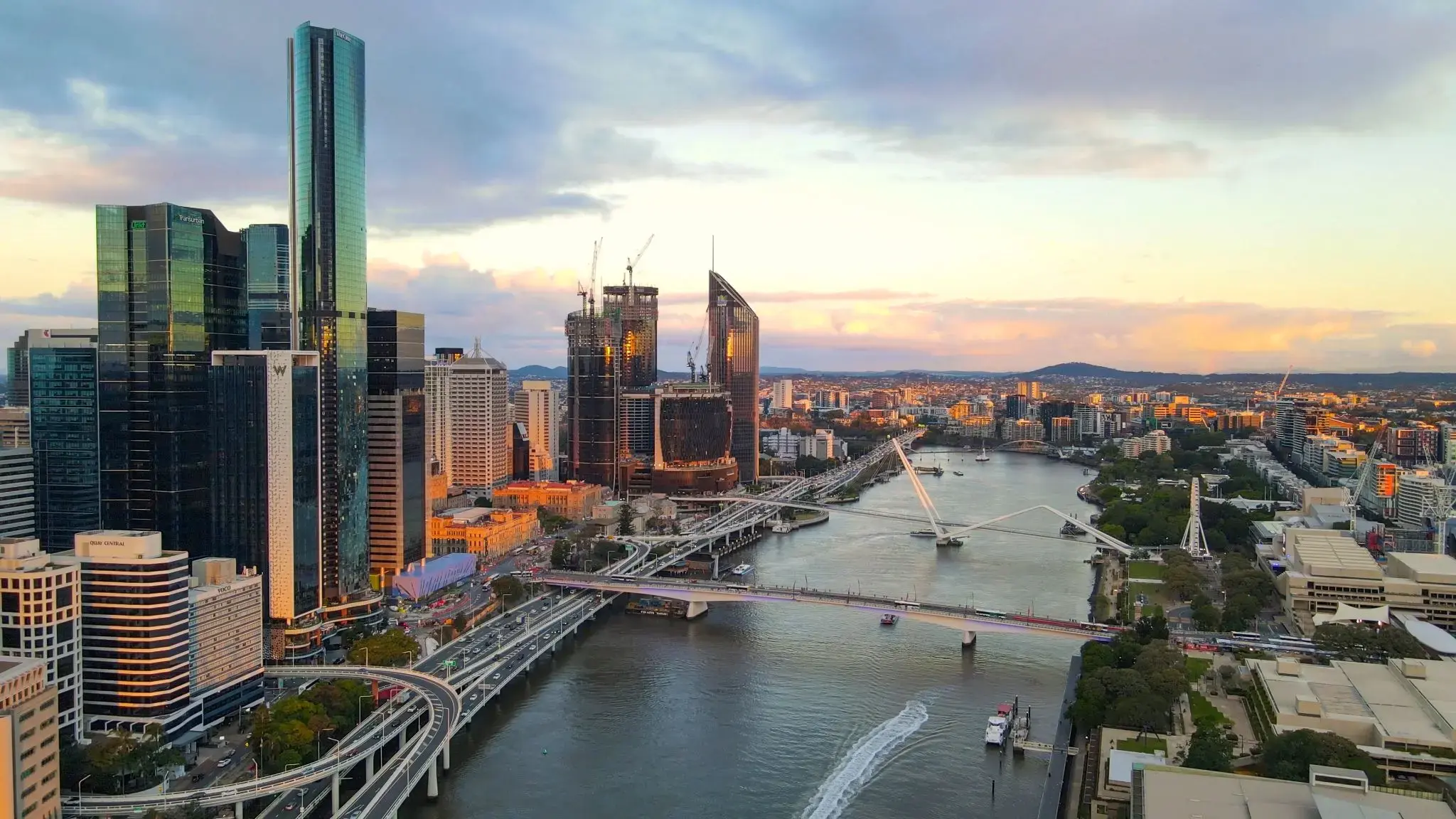
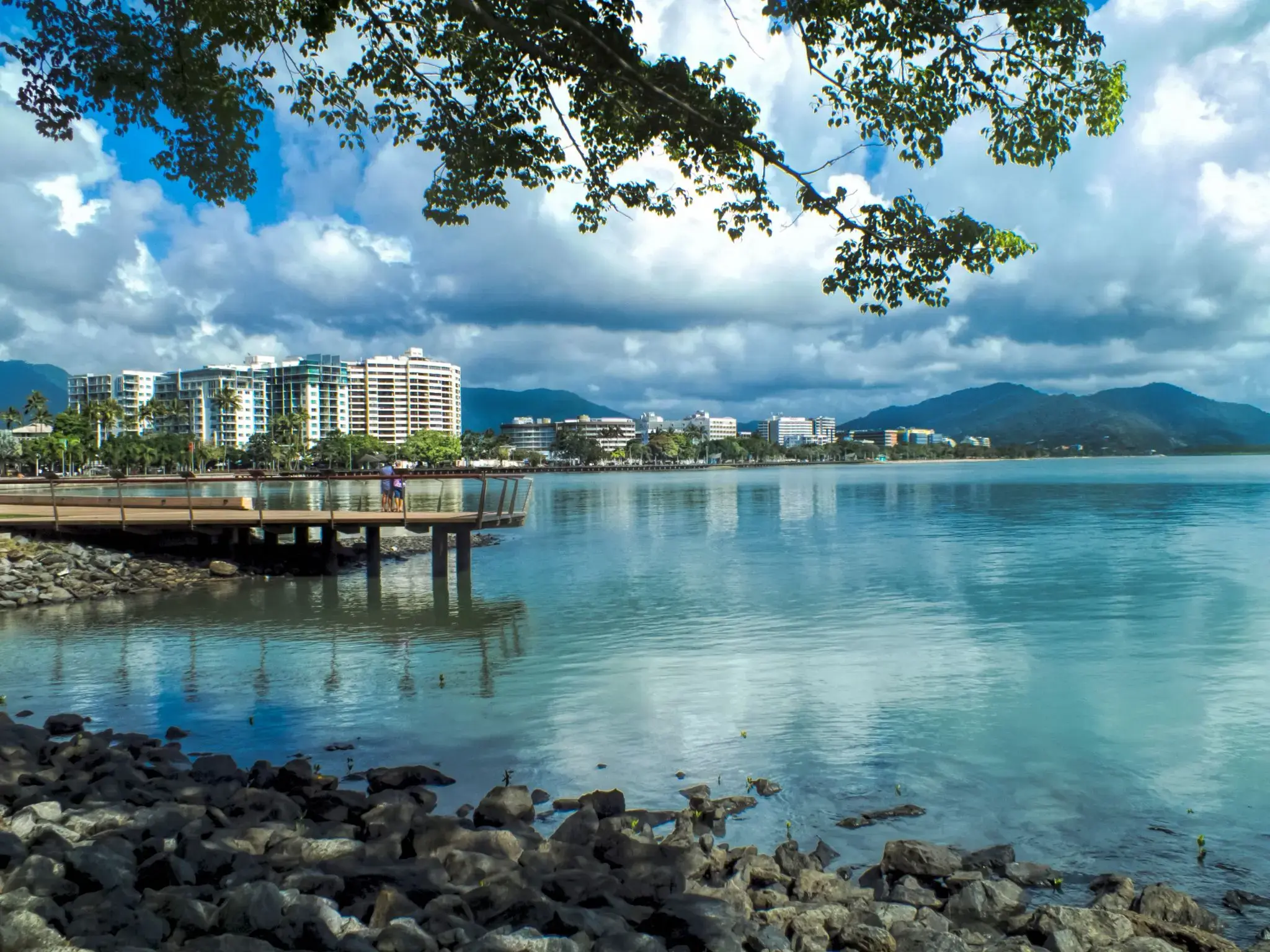
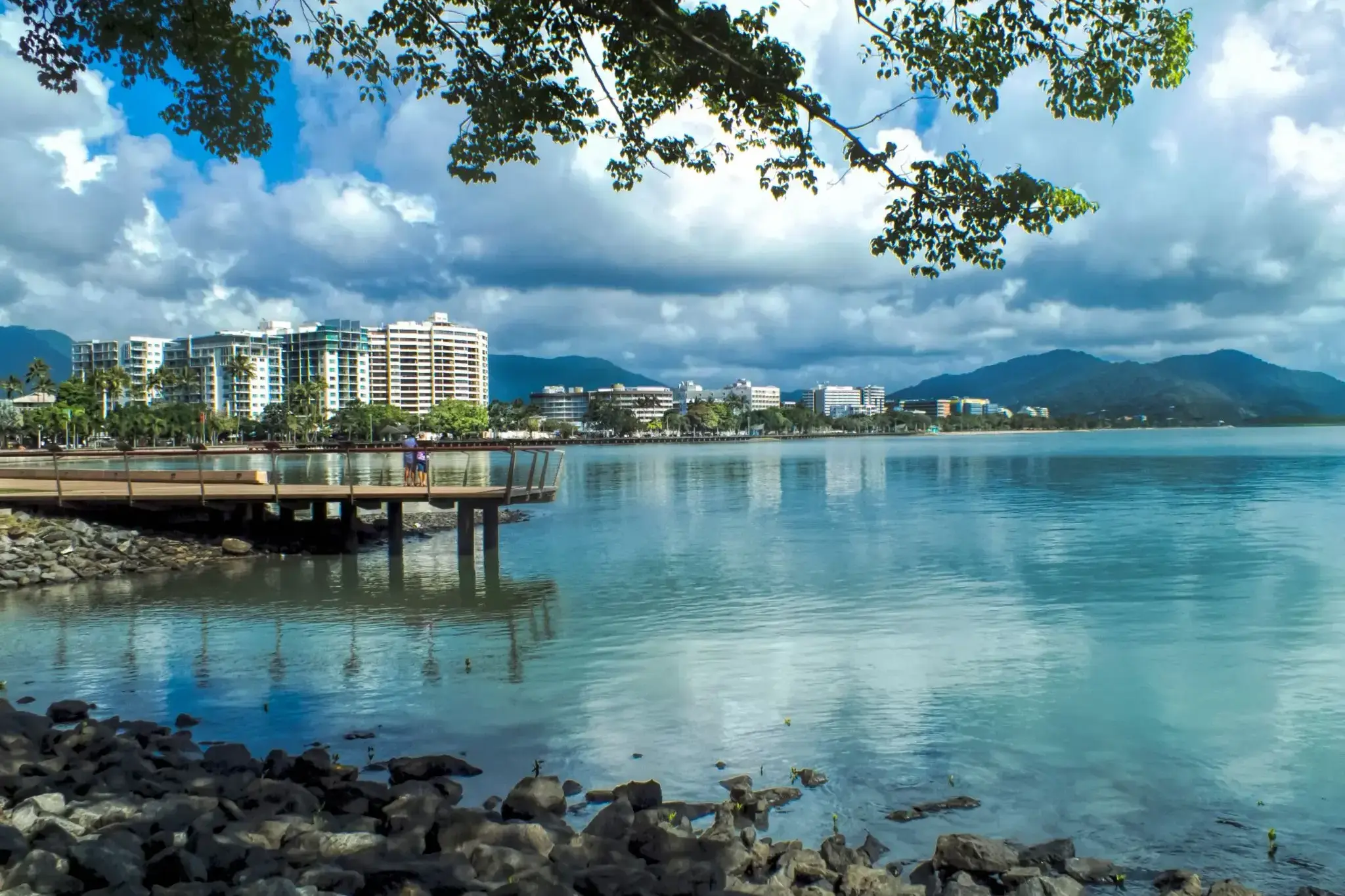
Cairns City is the suburb at the centre of Cairns in the local government area of Cairns Region, Queensland, Australia.It can also be referred to as the Cairns Central Business District (CBD). In the 2011 census, the population of Cairns City was 2,737 people.
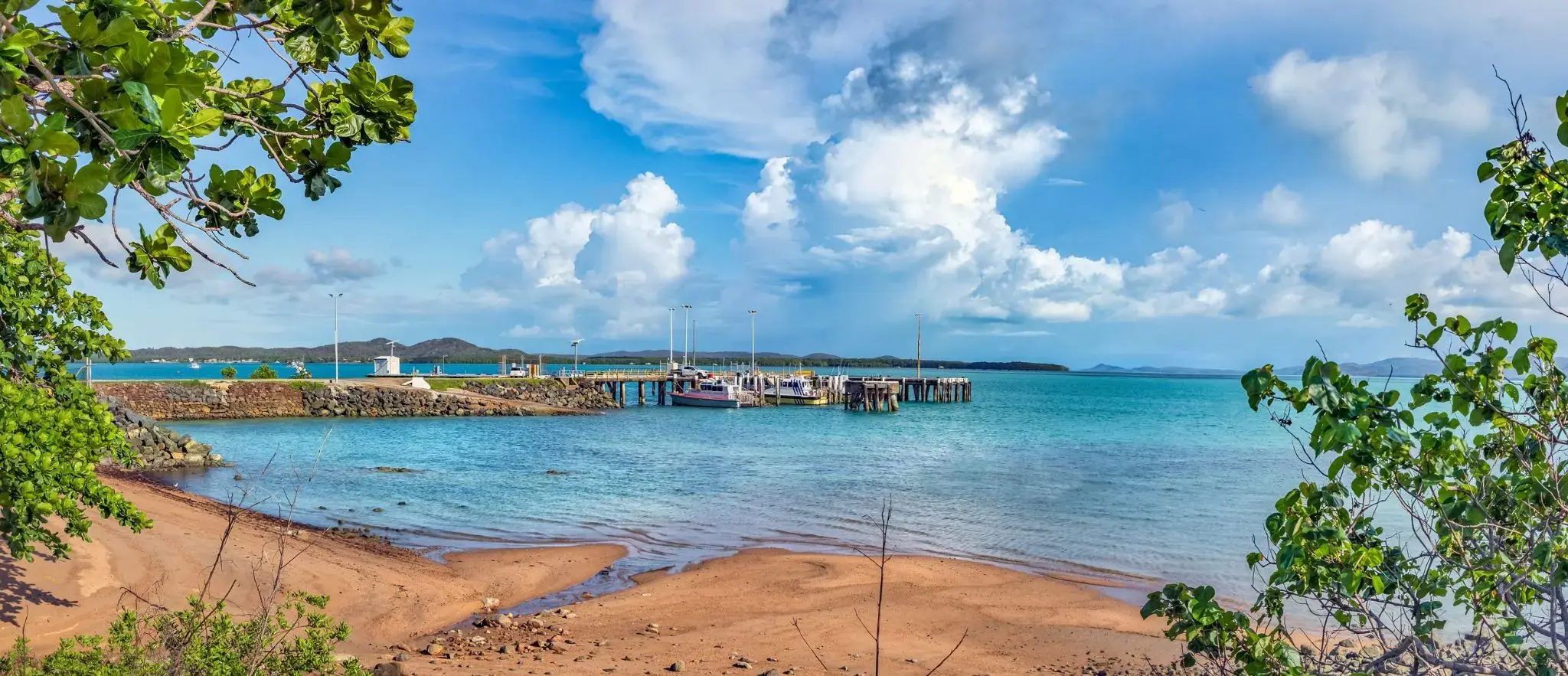
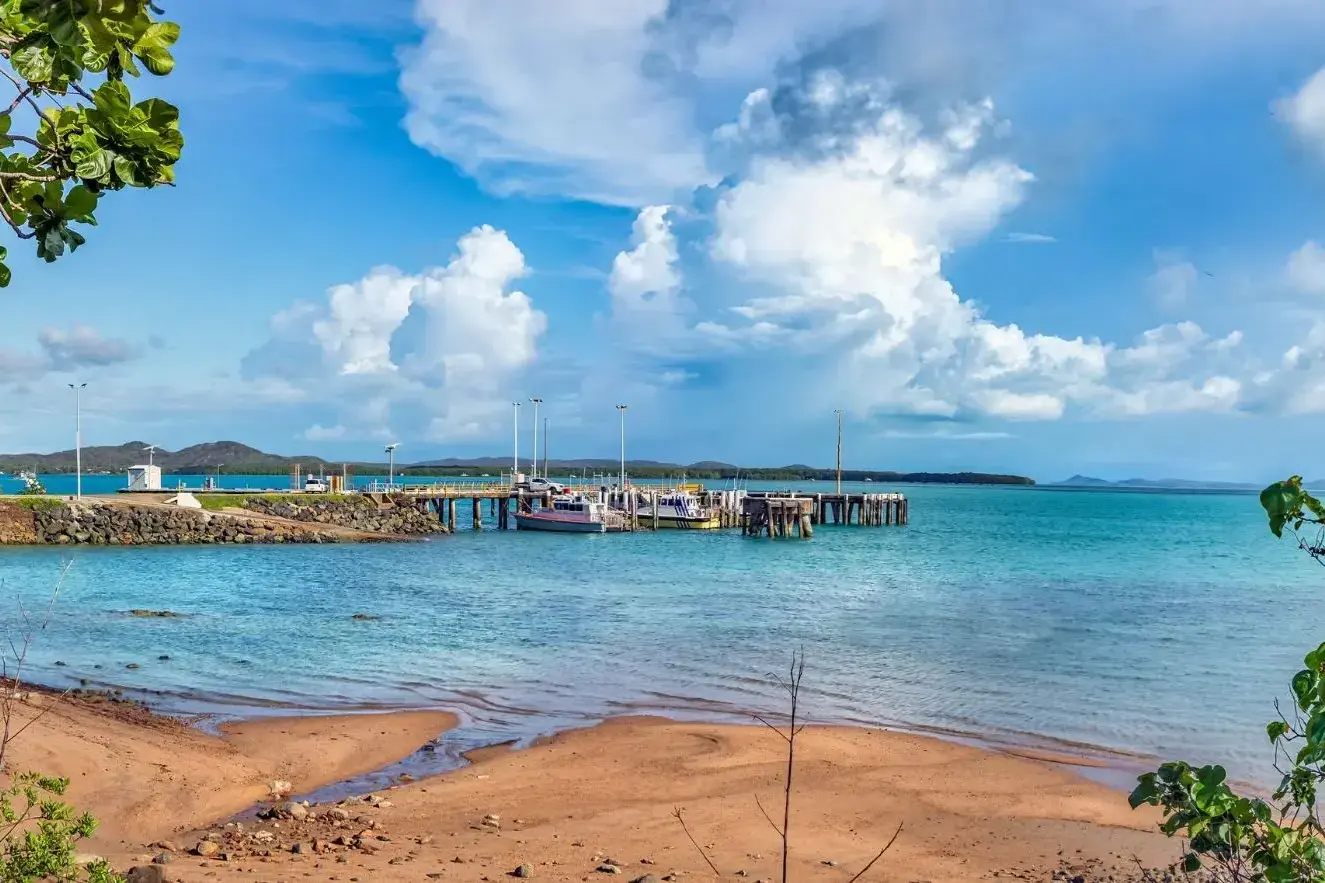
The sunlit expanses of the Torres Strait hide one of Australia’s most remarkable destinations — Thursday Island. This small yet picturesque island, surrounded by crystal-clear waters and coral reefs, offers travelers a unique blend of tropical nature, rich history, and the vibrant culture of the Indigenous Torres Strait peoples. Here, you can stroll through charming streets, explore local traditions, and enjoy the laid-back rhythm of island life.
Thursday Island is also known as the administrative and cultural center of the region, where colonial heritage, wartime relics, and breathtaking coastal views converge. Highlights include the Gab Titui Cultural Centre and the historic Green Hill Fort, offering panoramic views of the archipelago. It’s the perfect place for visitors seeking both seaside relaxation and cultural discovery.
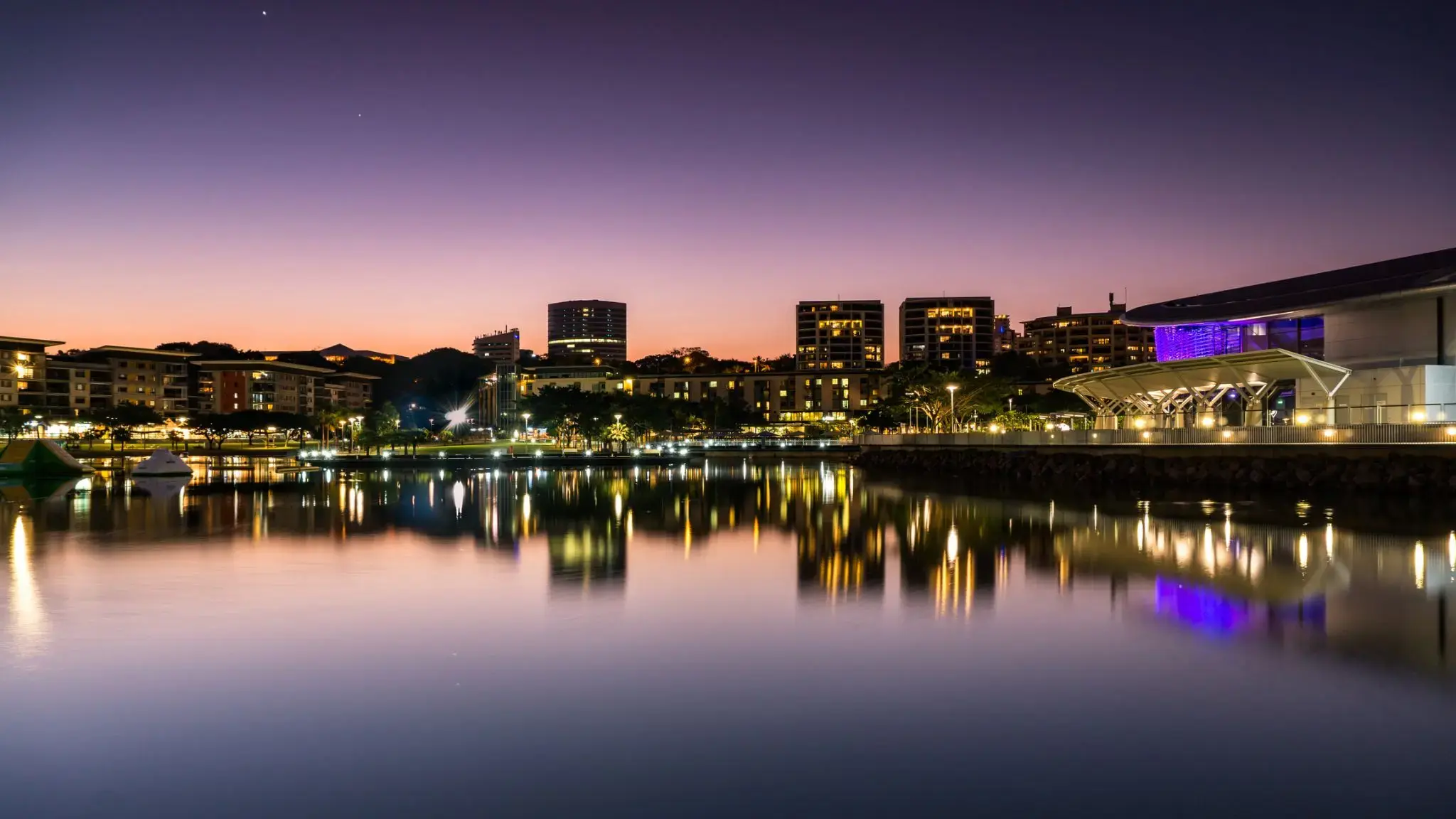
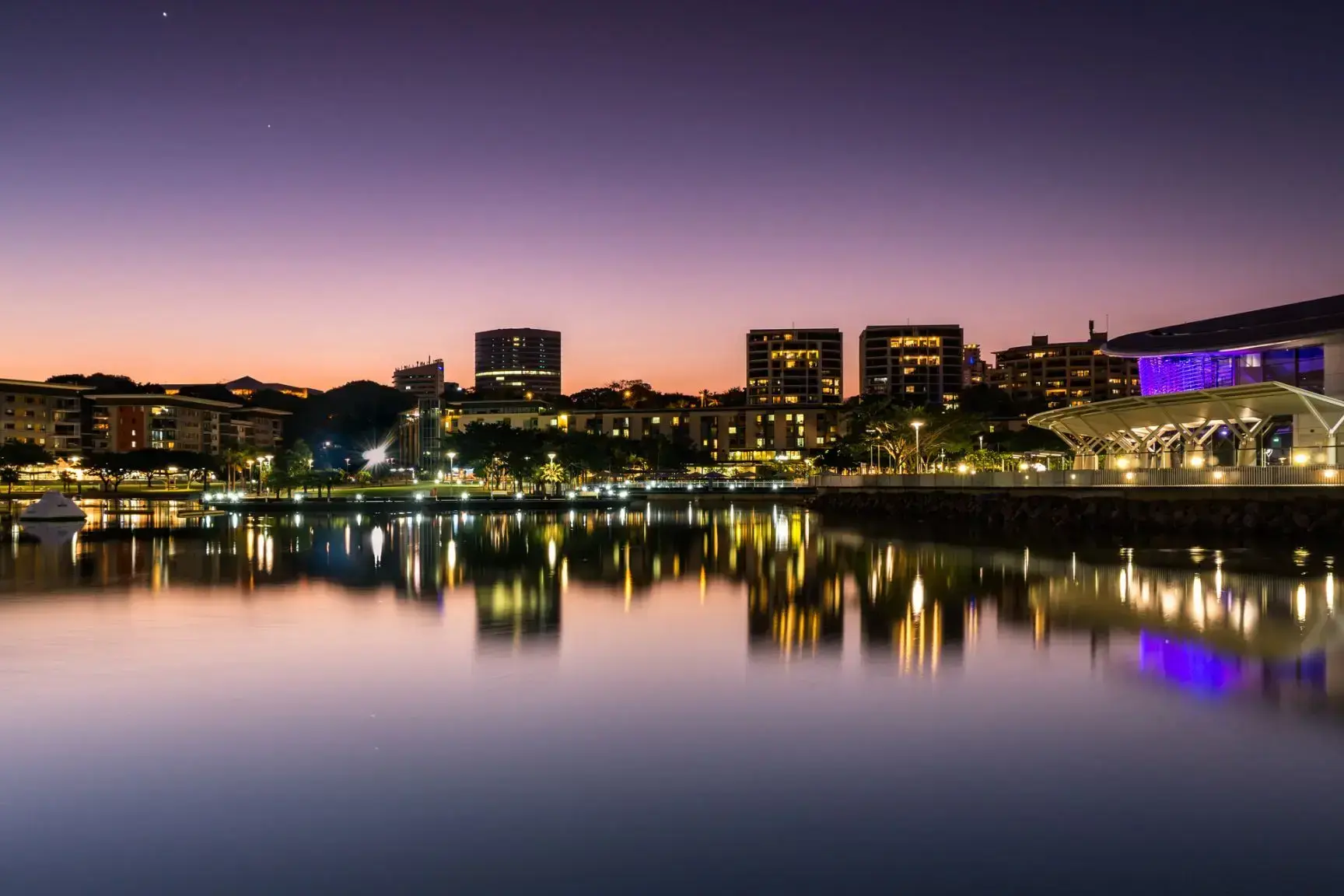
Darwin is the capital city of the Northern Territory of Australia, situated on the Timor Sea. It is the largest city in the sparsely populated Northern Territory, with a population of 145,916. It is the smallest and most northerly of the Australian capital cities, and acts as the Top End's regional centre.
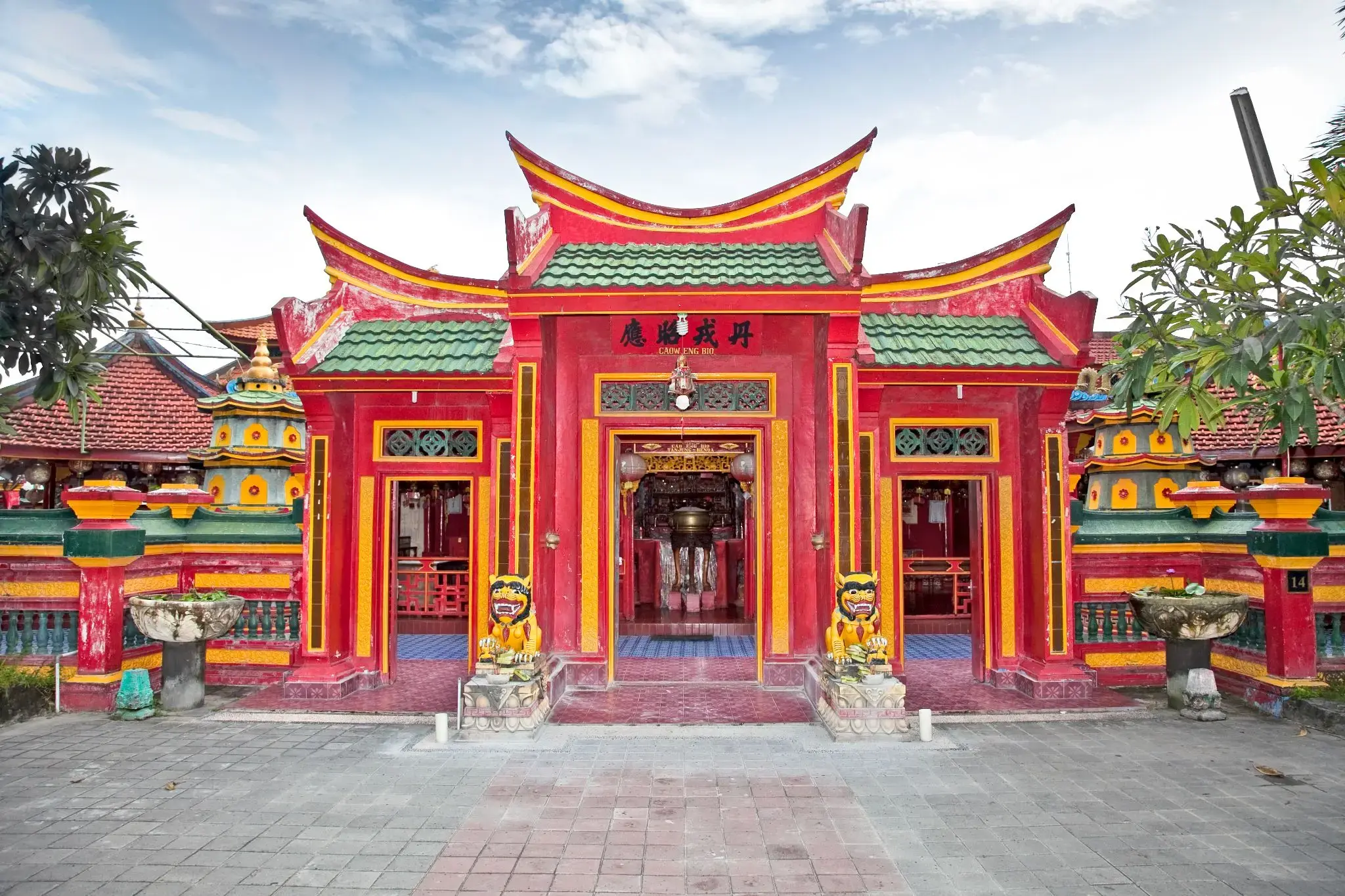
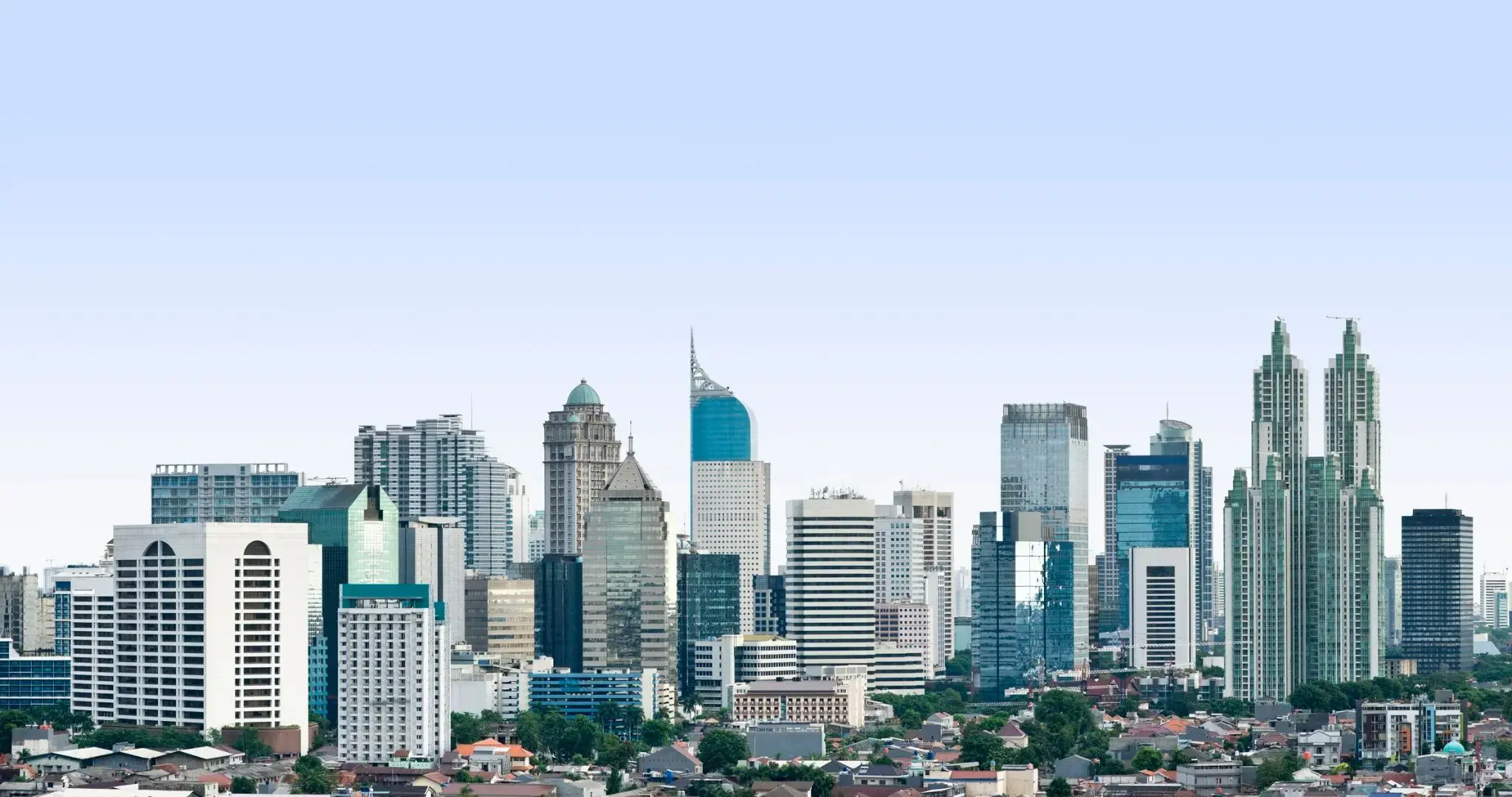
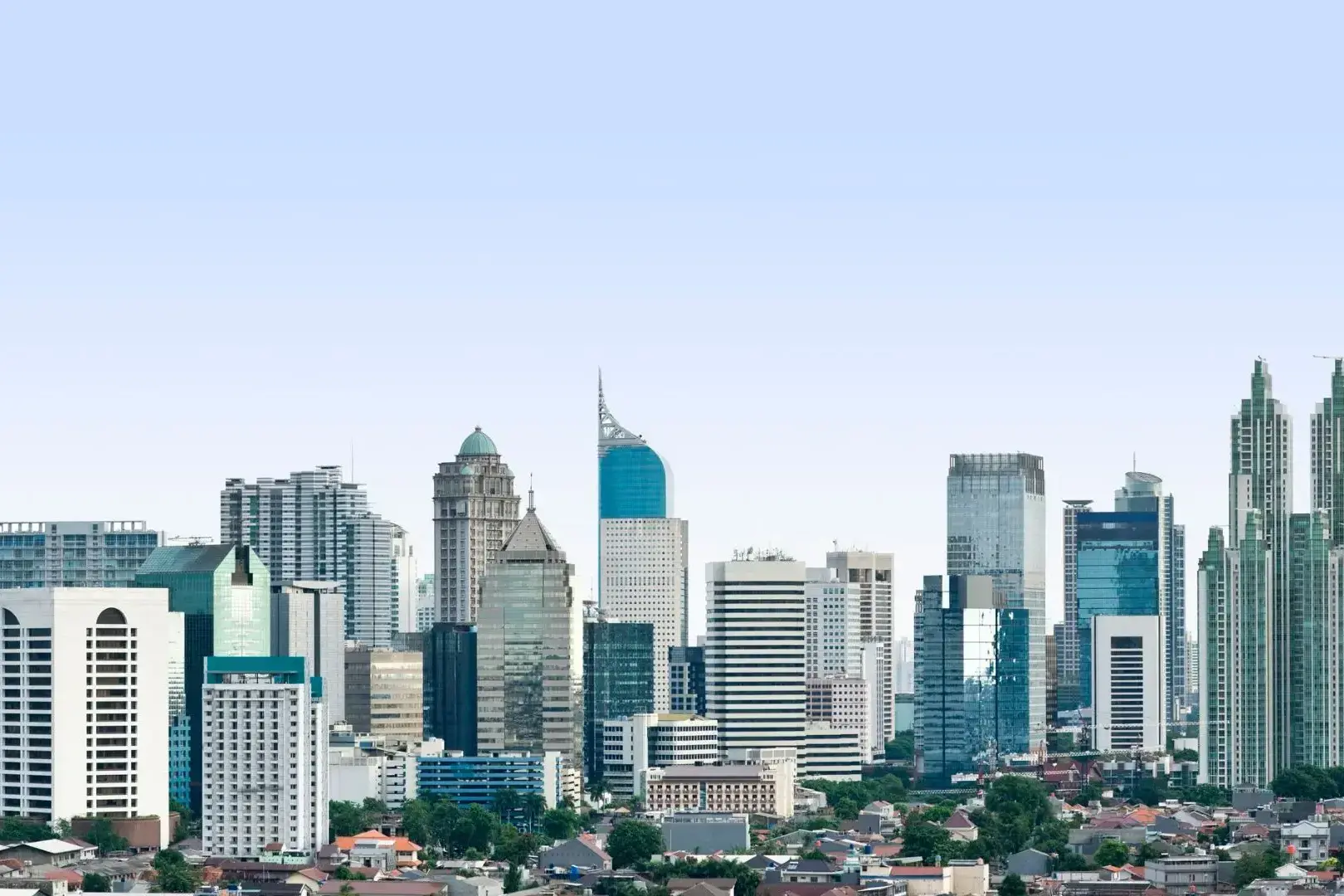
Amidst the endless city lights, Jakarta emerges as a true metropolis of contrasts, where modern skyscrapers stand alongside ancient temples and open-air markets. This city is a real cultural kaleidoscope: Chinese quarters, colonial architecture, and modern business centers blend here in an amazing harmony. Tourists can stroll through the old Kota Tua district, where Dutch-era buildings have been preserved, and then head to modern shopping malls offering goods from around the world.
Food lovers will be delighted by the diversity of dishes, as Jakarta is famous for its street food — aromatic satay, nasi goreng, and fresh seafood are must-tries. For those seeking cultural experiences, the city offers museums, theaters, and art galleries. This is a place where you can feel the pulse of modern Indonesia while touching its rich heritage.
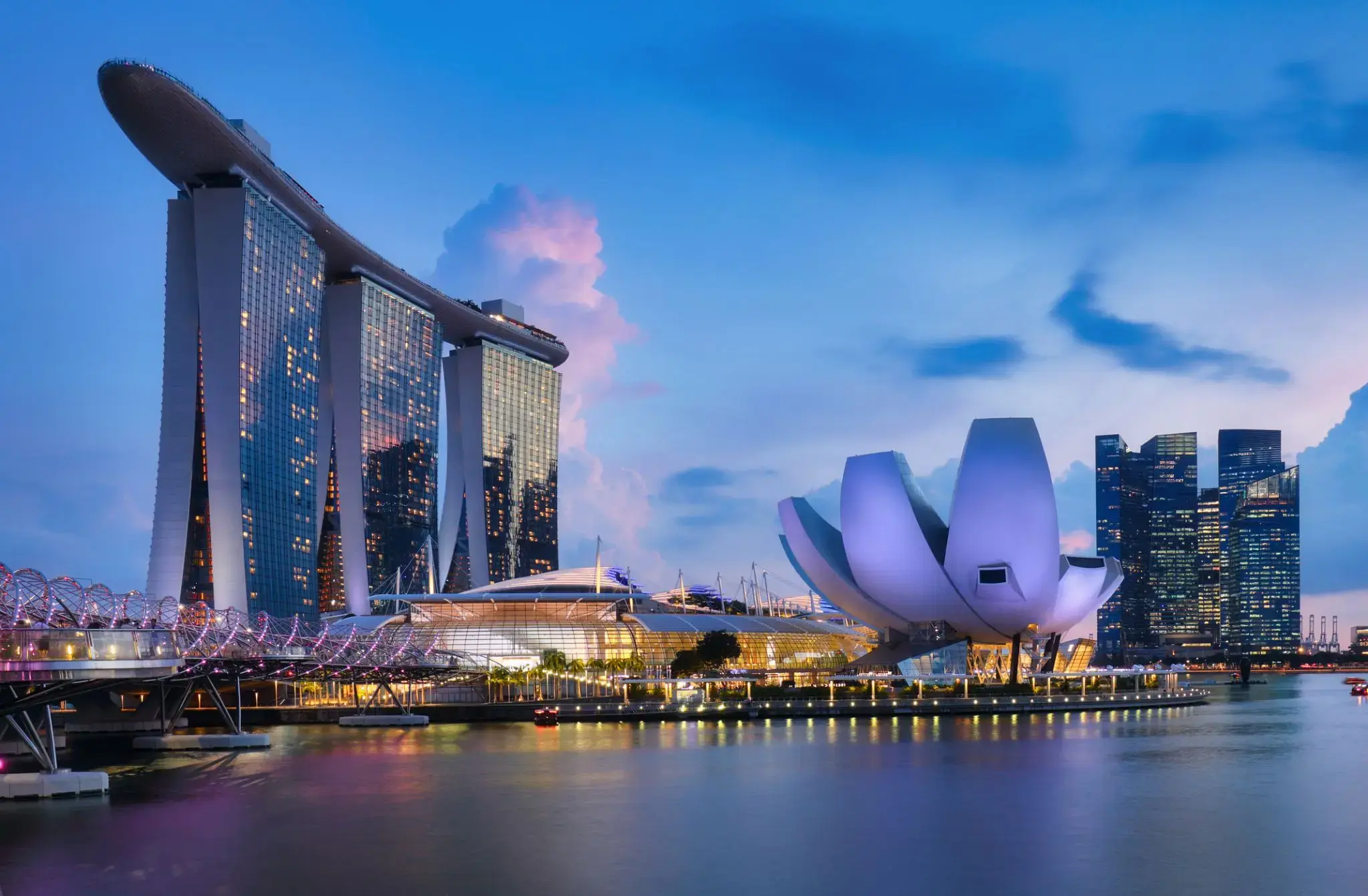
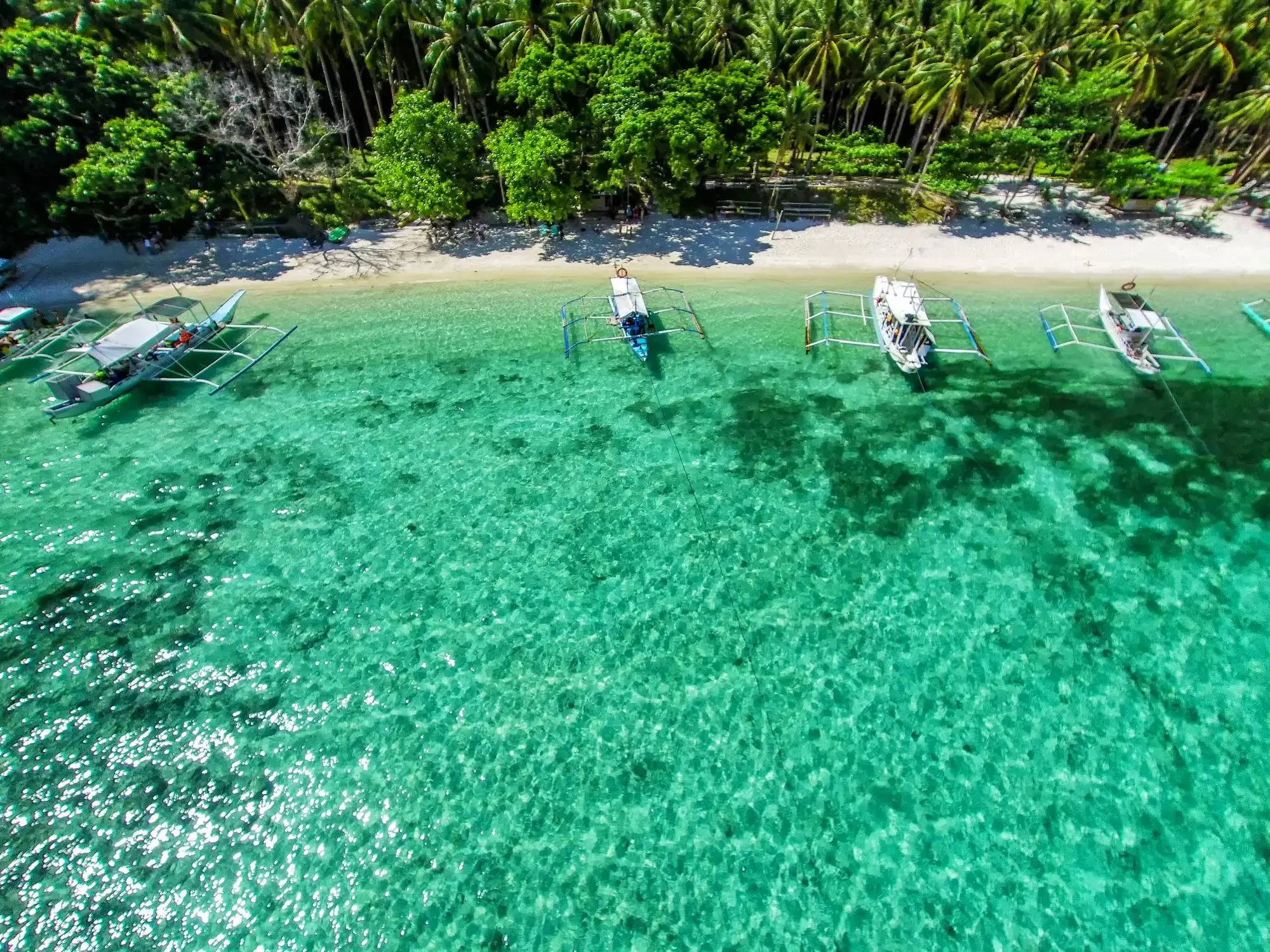
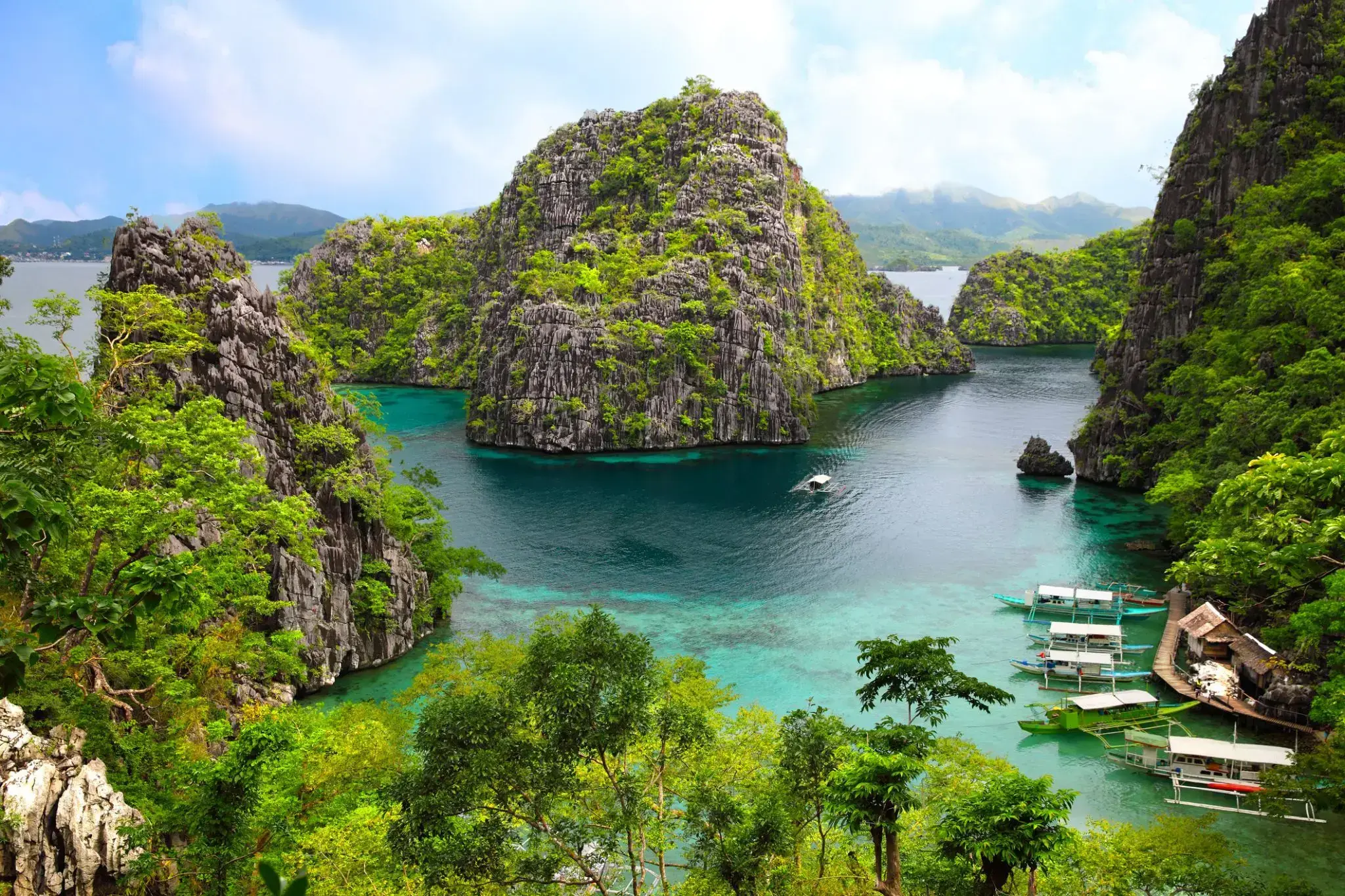
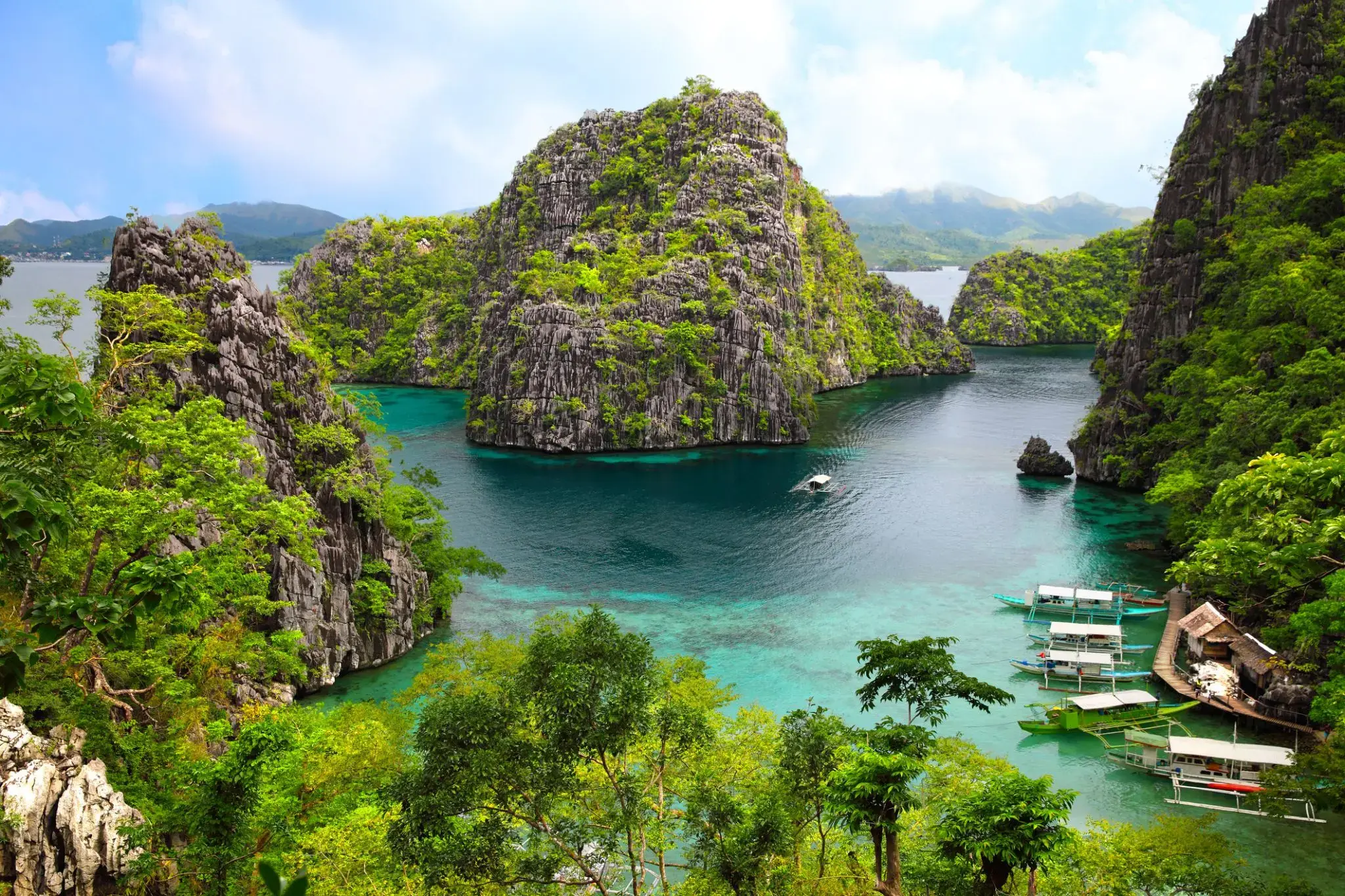
Puerto Princesa is a city on the island of Palawan in the Philippines, widely known for one of the natural wonders of the world — the Puerto Princesa Underground River, a UNESCO World Heritage Site. This subterranean system of caves and rivers, passing through limestone formations, attracts travelers from around the globe with the opportunity to ride a boat along the river and see stalactites, stalagmites, and a unique ecosystem. The city also serves as a starting point for exploring the breathtaking nature of Palawan: tropical forests, coastlines, and nature reserves.
In addition to its natural attractions, Puerto Princesa is known for its clean streets, friendly atmosphere, and well-developed tourist infrastructure. Here you can taste fresh seafood, visit night markets, or go on island-hopping tours in Honda Bay. The city actively promotes ecotourism, maintaining a balance between development and environmental preservation. For travelers seeking a combination of adventure, relaxation, and immersion in Filipino culture, Puerto Princesa is becoming an increasingly attractive destination.
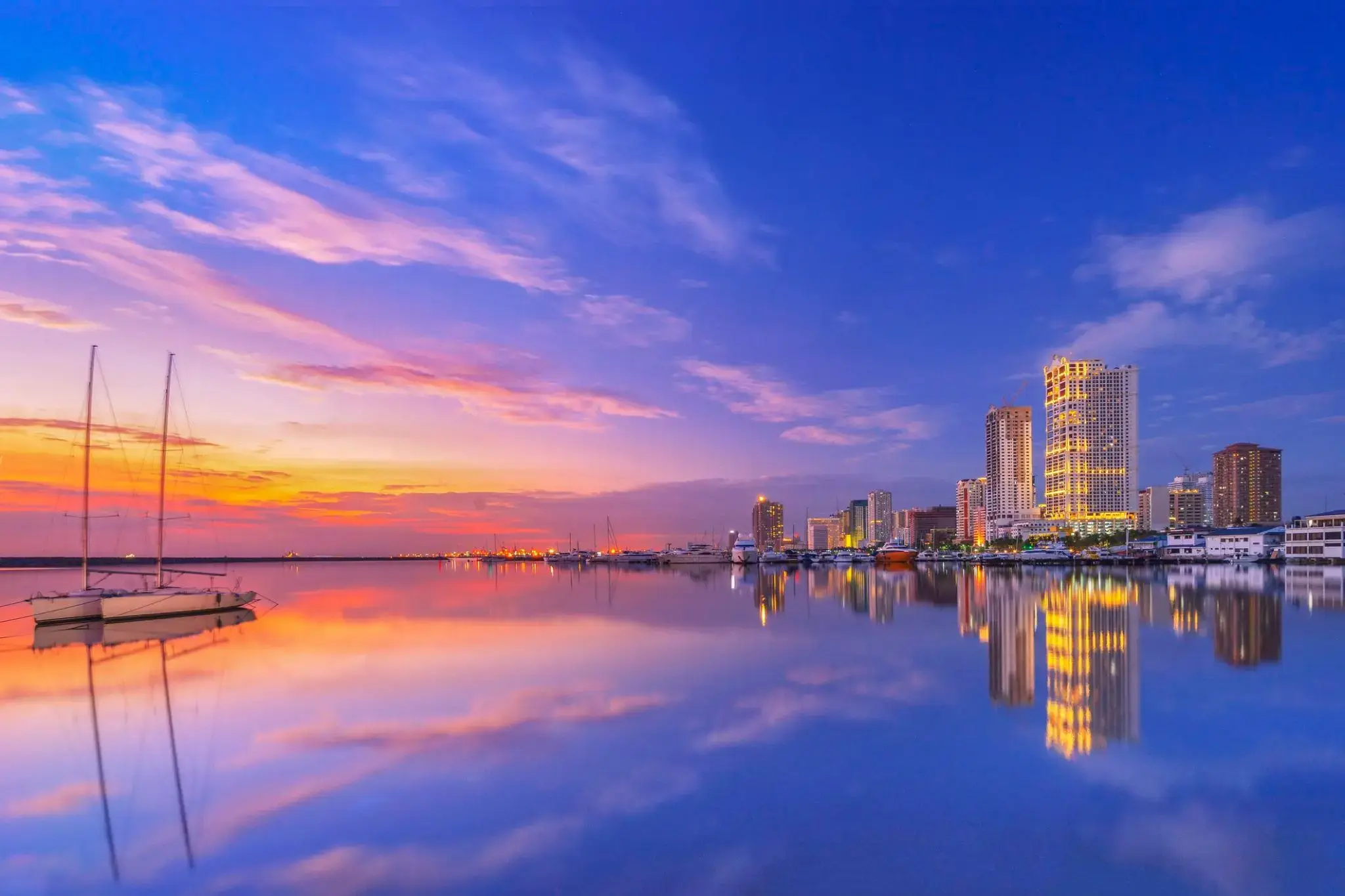
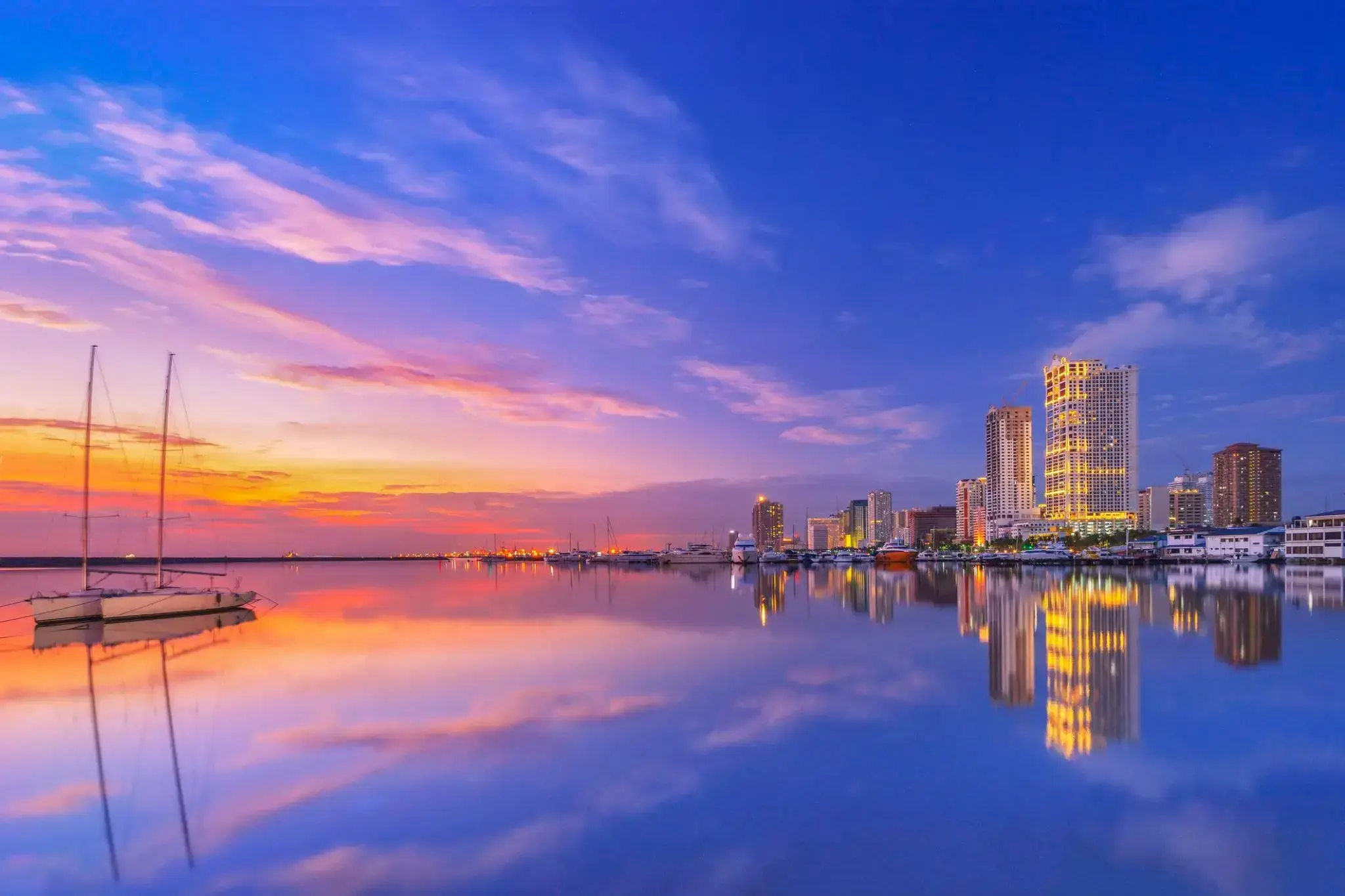
Manila, the capital of the Philippines, is located on the shores of Luzon Island and bordered by Manila Bay. Within the old city of Intramuros, built by the Spanish in 1571, you can find preserved Spanish architectural monuments and churches. The city is also home to the country's main port, which plays a vital role in the Philippine economy. Manila is famous for industries such as chemical, electronics, textiles, food production, and tobacco manufacturing.
For tourists, the Chinatown district is particularly interesting, where pearl and gold products can be purchased. Visitors can also explore various museums and basilicas and enjoy the beauty of Rizal Park. Moreover, Manila is a shopping paradise, offering all the world-famous brands at prices significantly lower than those in Europe.
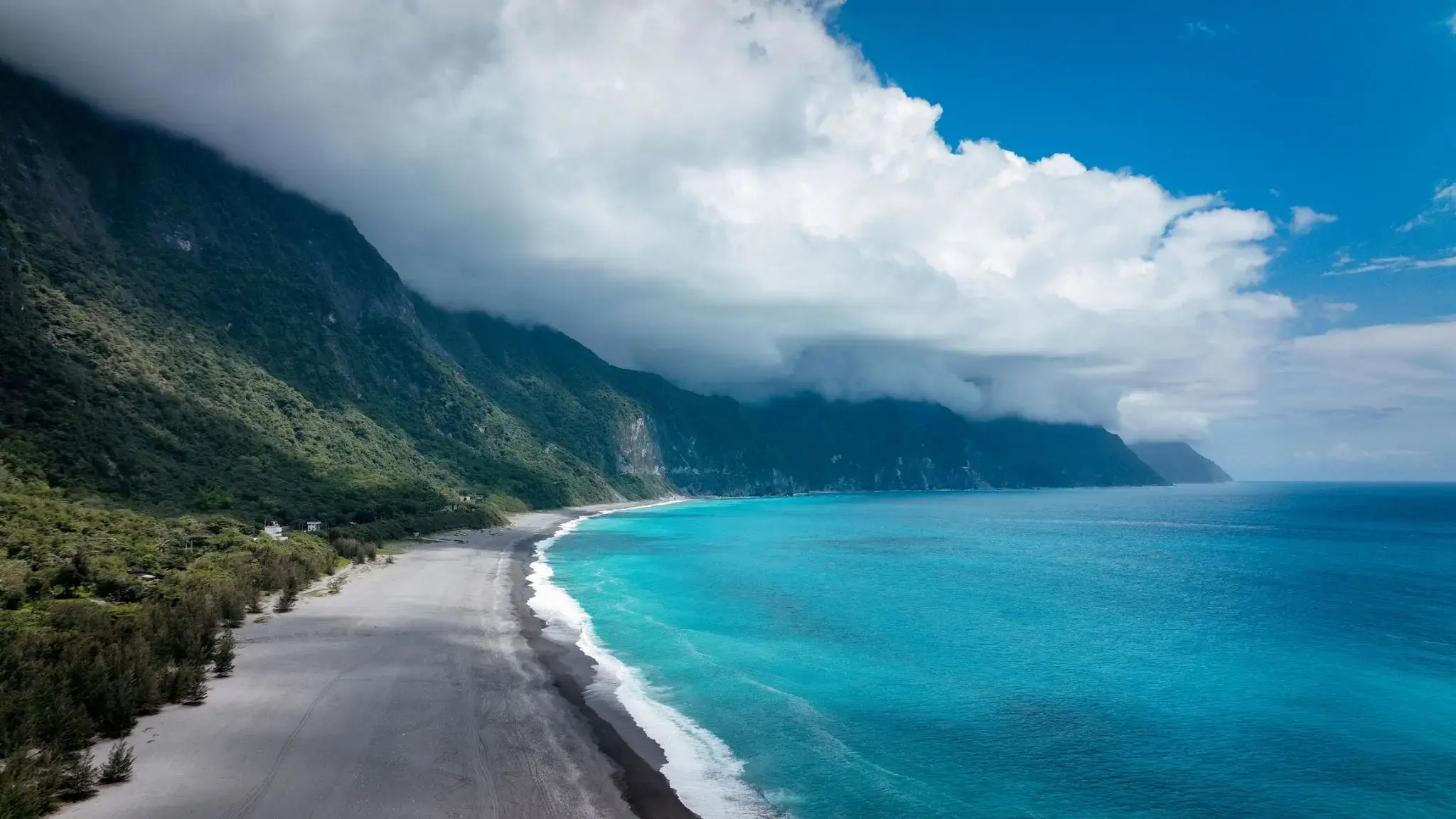
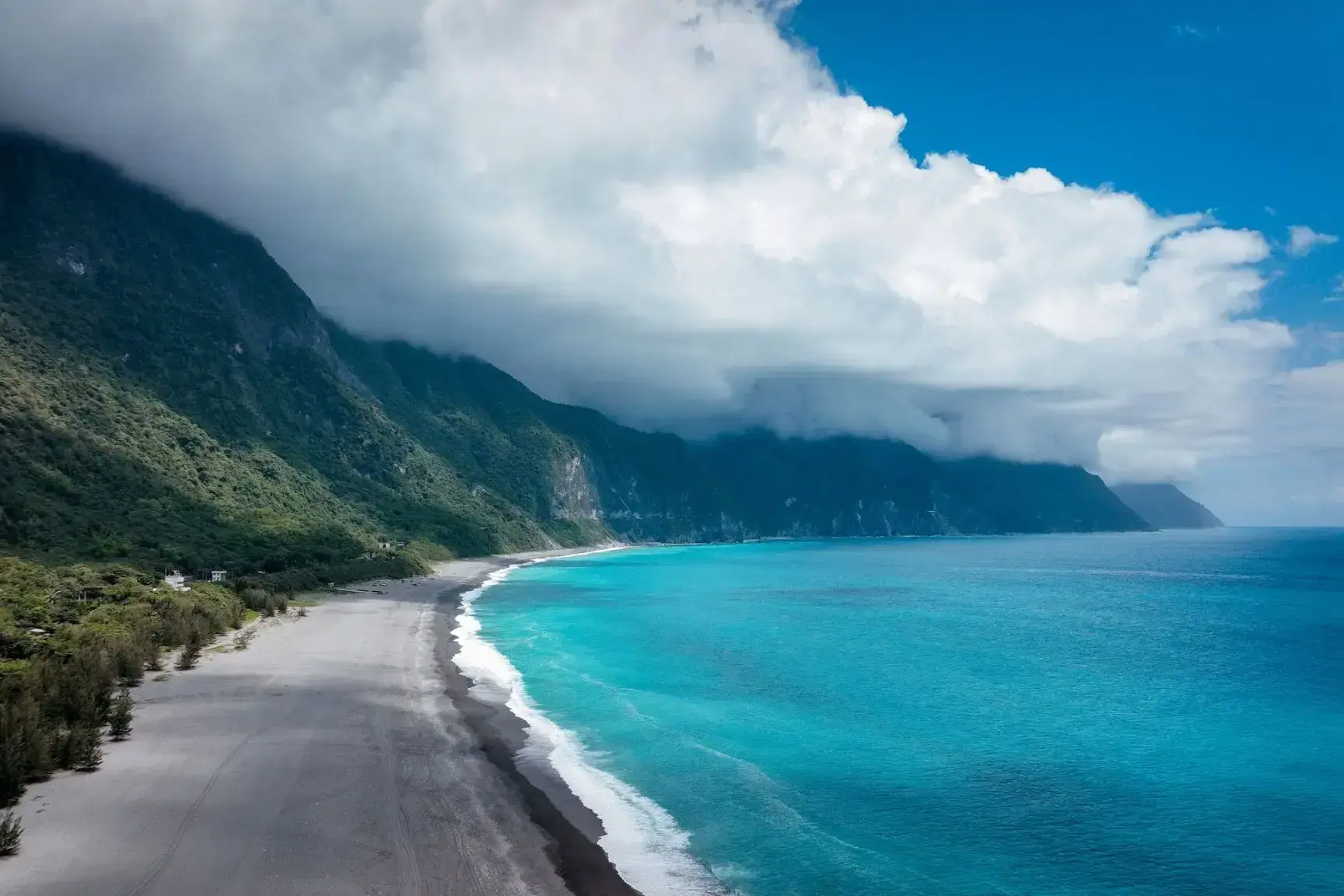
Hualien is located on the eastern coast of Taiwan and is a picturesque city surrounded by the Pacific Ocean and the Central Mountain Range. It serves as the gateway to one of the island's most stunning natural wonders, the Taroko Gorge. This marble canyon is famous for its steep cliffs, winding tunnels, and the turquoise waters of the Liwu River. Interestingly, marble from this region is used as a building material and is exported worldwide.
The city has a calm atmosphere, cozy markets, and scenic waterfronts. The influence of Taiwan’s indigenous peoples, especially the Amis, is also noticeable here, reflected in the local cuisine and crafts. Hualien blends nature, tradition, and modern culture, making it an attractive destination for travelers.
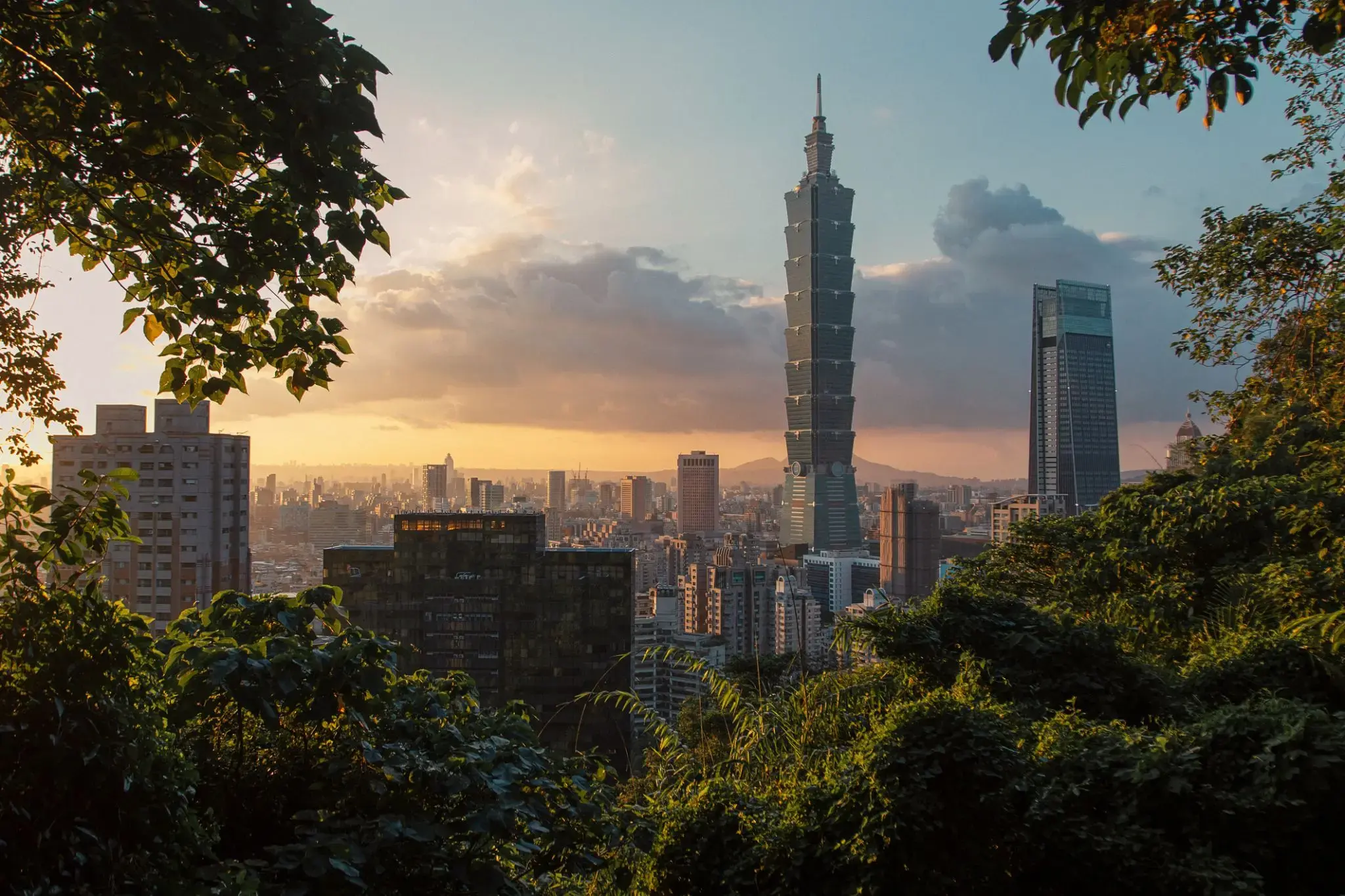
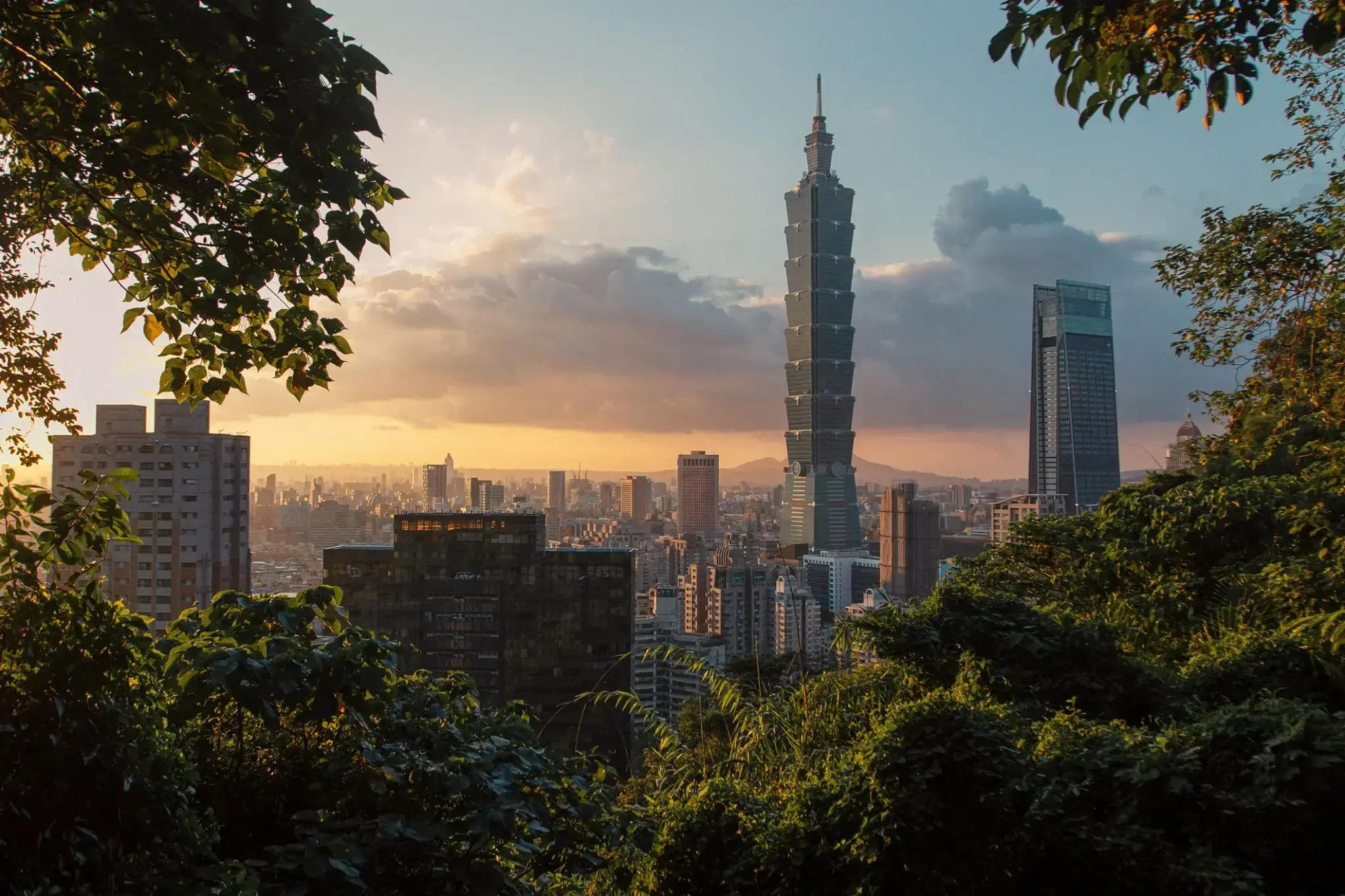
Taiwan it is a state in East Asia. It includes the neighbors of the Republic of China and the Philippines to the south. It is not a member of the United Nations.
The island of Taiwan was formerly known as the island of mass migration. The island was annexed in 1683 by the Qing dynasty, the last dynasty. The Qing ceded Taiwan to Japan in 1895 after the Sino-Japanese War. The Republic of China (ROC) was established after the fall of the Qing dynasty. The following is the Japanese surrender to the Allies in 1945; However, it’s not a problem, but it’s not a problem. It has been up to 99% of its de facto territory. The United States of America is the United States of America in the United States of America until 1971, when it’s lost.
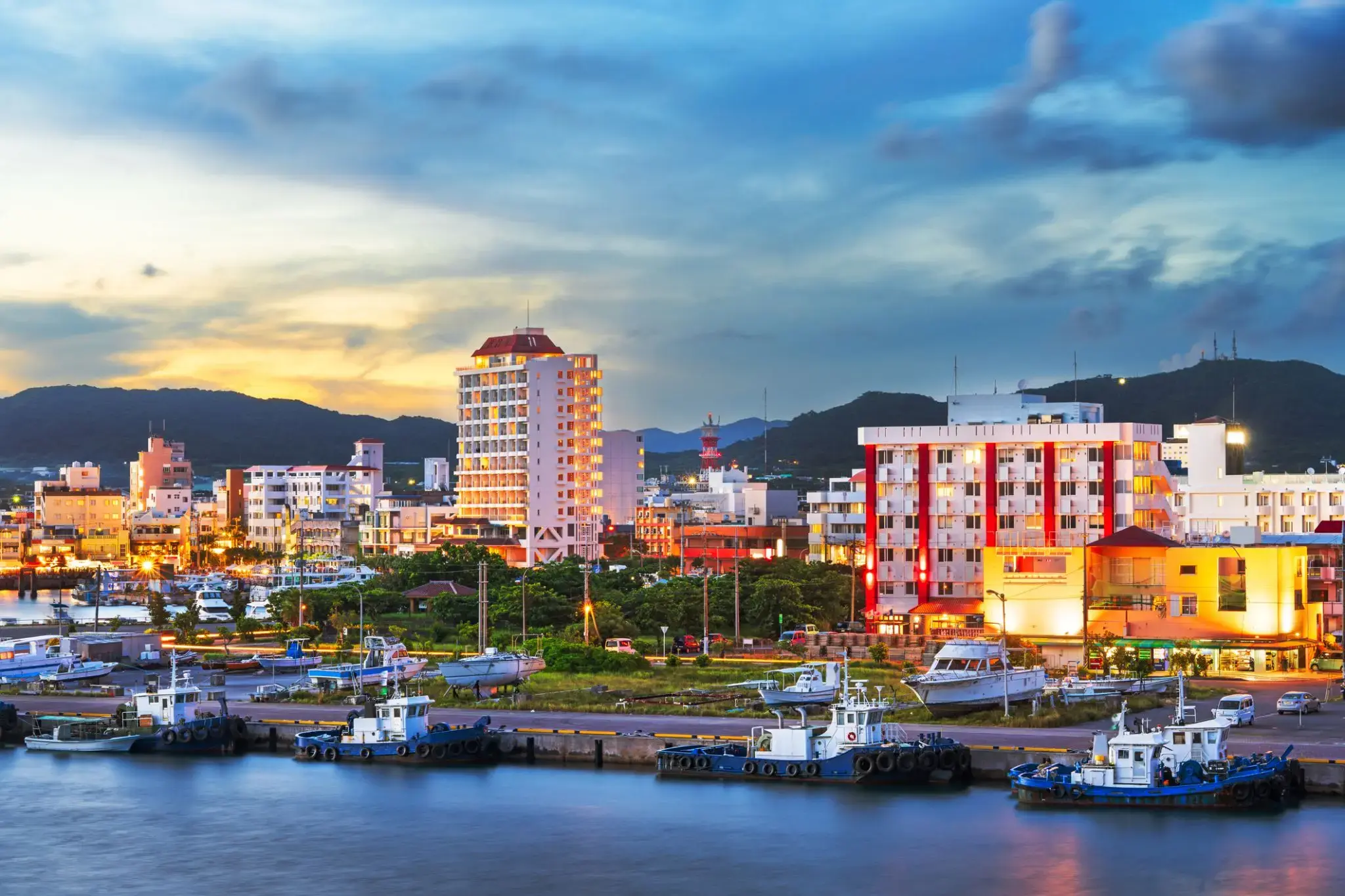

Kagoshima is the capital city of Kagoshima Prefecture at the south western tip of the island of Kyushu in Japan, and the largest city in the prefecture by some margin. It has been nicknamed the "Naples of the Eastern world" for its bay location (Aira Caldera), hot climate, and emblematic stratovolcano, Sakurajima. The city was officially founded on April 1, 1889.
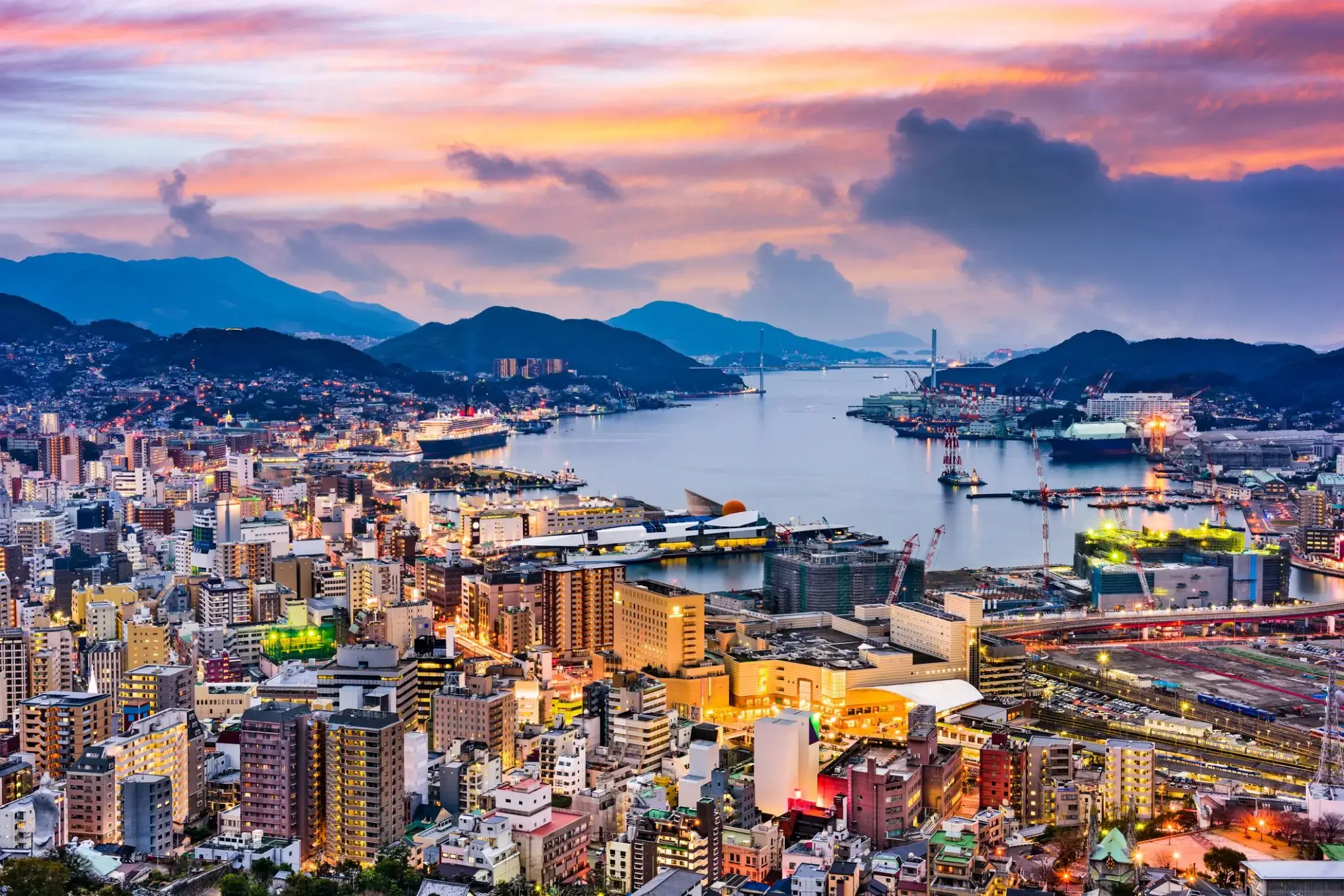
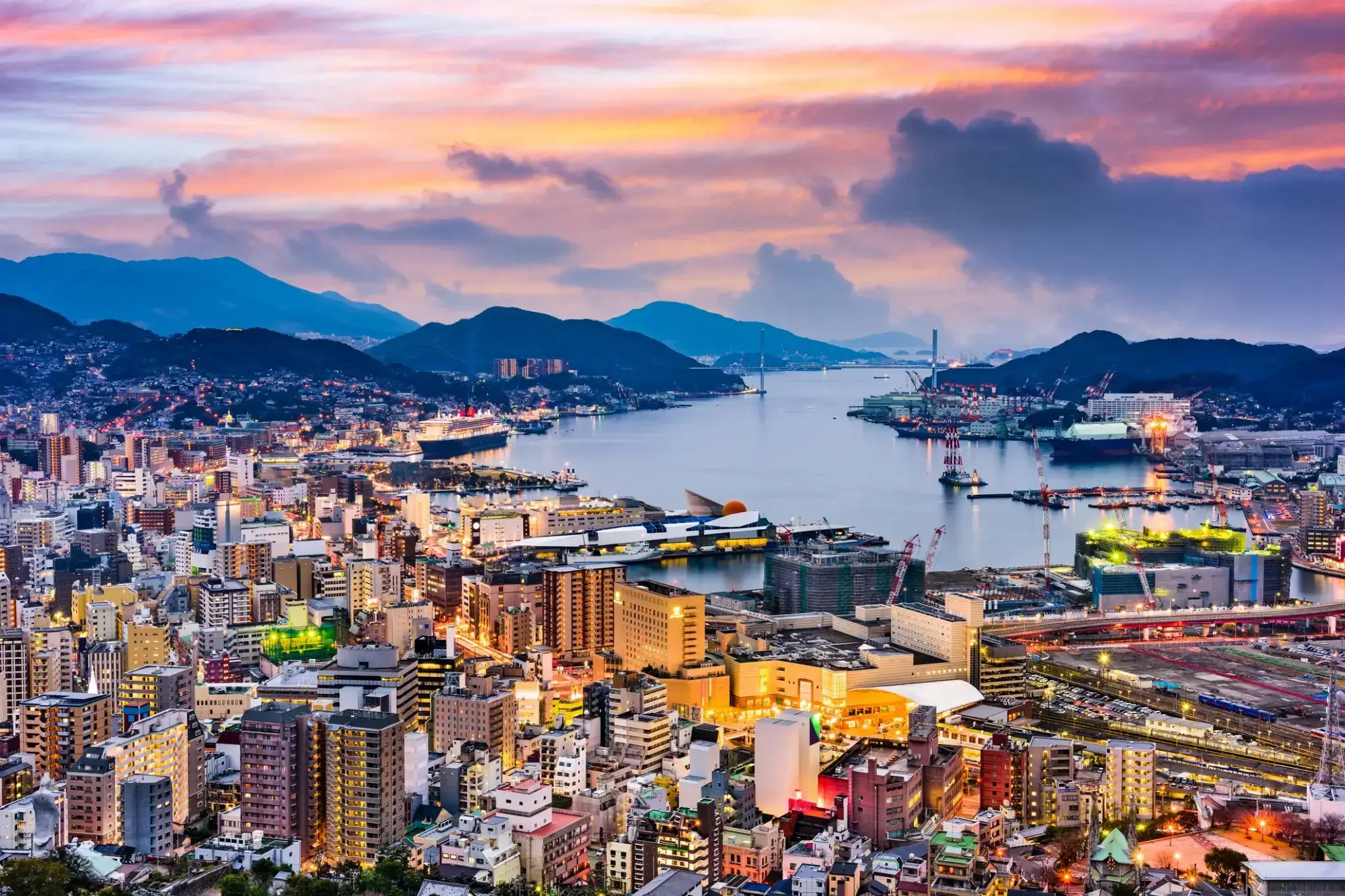
Nagasaki is the capital and the largest city of Nagasaki Prefecture on the island of Kyushu in Japan. The city's name means "long cape" in Japanese. Nagasaki became a centre of colonial Portuguese and Dutch influence in the 16th through 19th centuries, and the Hidden Christian Sites in the Nagasaki Region have been recognized and included in the UNESCO World Heritage List. Part of Nagasaki was home to a major Imperial Japanese Navy base during the First Sino-Japanese War and Russo-Japanese War.
During World War II, the American atomic bombings of Hiroshima and Nagasaki made Nagasaki the second and, to date, last city in the world to experience a nuclear attack (at 11:02 a.m., August 9, 1945 'Japan Standard Time (UTC+9)').
As of 1 March 2017, the city has an estimated population of 425,723 and a population density of 1,000 people per km2. The total area is 406.35 km2 (156.89 sq mi).

Busan, formerly known as Pusan and now officially Busan Metropolitan City, is South Korea's second most-populous city after Seoul, with a population of over 3.5 million inhabitants. It is the economic, cultural and educational center of southeastern Korea, with its port—Korea's busiest and the 9th-busiest in the world—only about 120 miles (190 km) from the Japanese islands of Kyushu and Honshu. The surrounding "Southeast Economic Zone" (including Ulsan and South Gyeongsang) is now South Korea's largest industrial area.
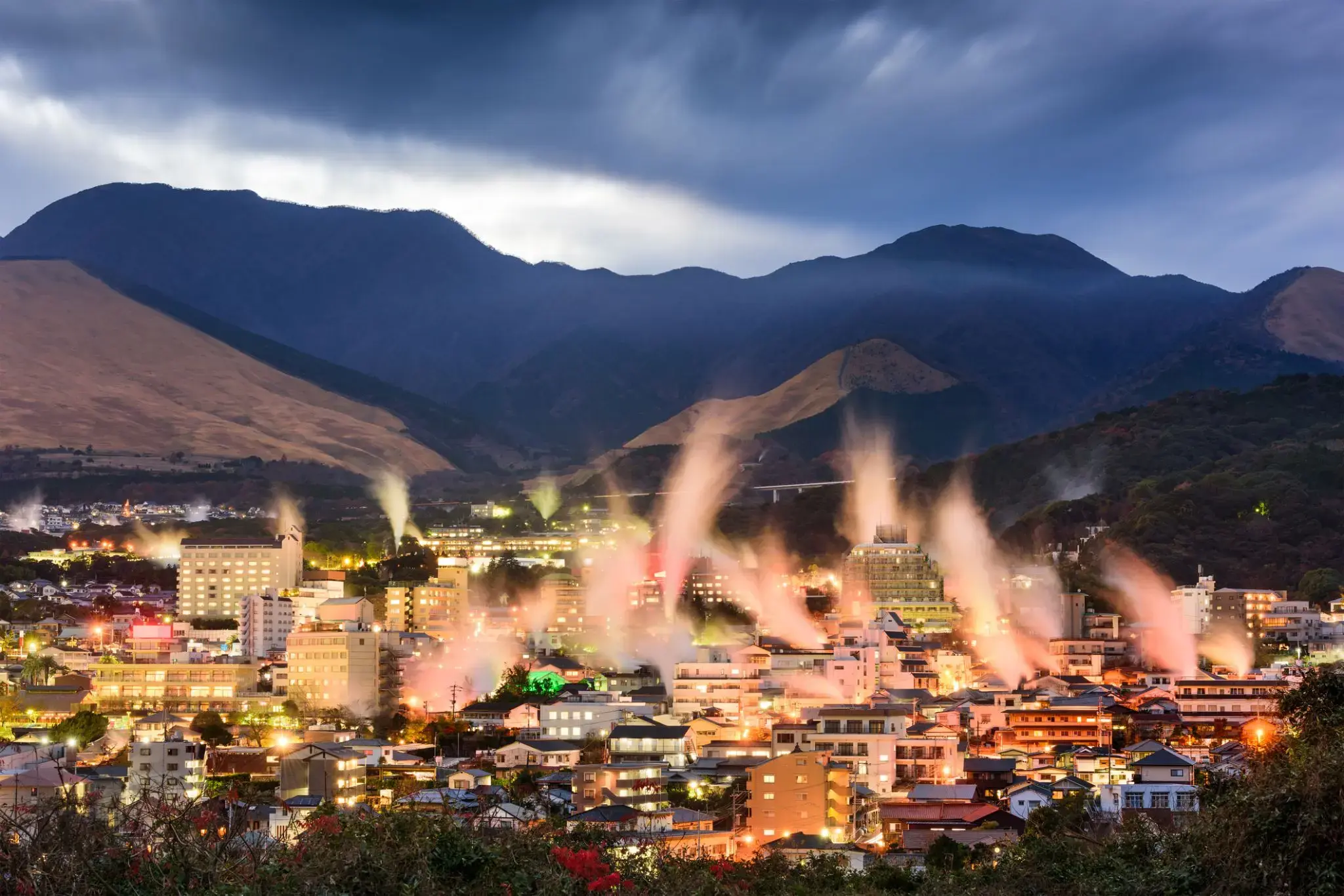
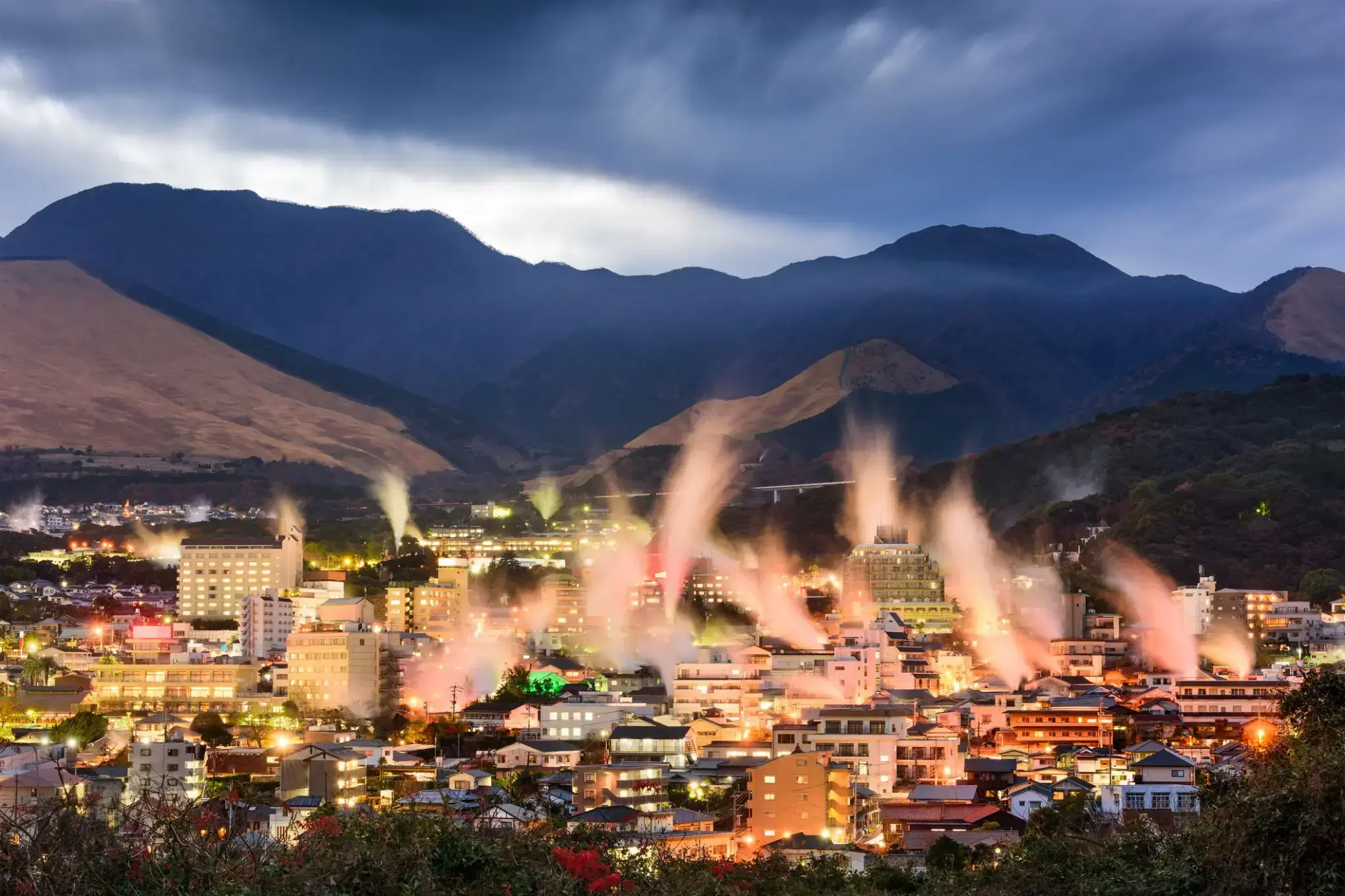
Beppu is a city in Ōita Prefecture on the island of Kyushu, Japan, at the west end of Beppu Bay. As of March 31, 2017, the city had a population of 122,643 and a population density of 980/km2 (2,500/sq mi). The total area is 125.13 km2 (48.31 sq mi). Beppu is famous for its hot springs.
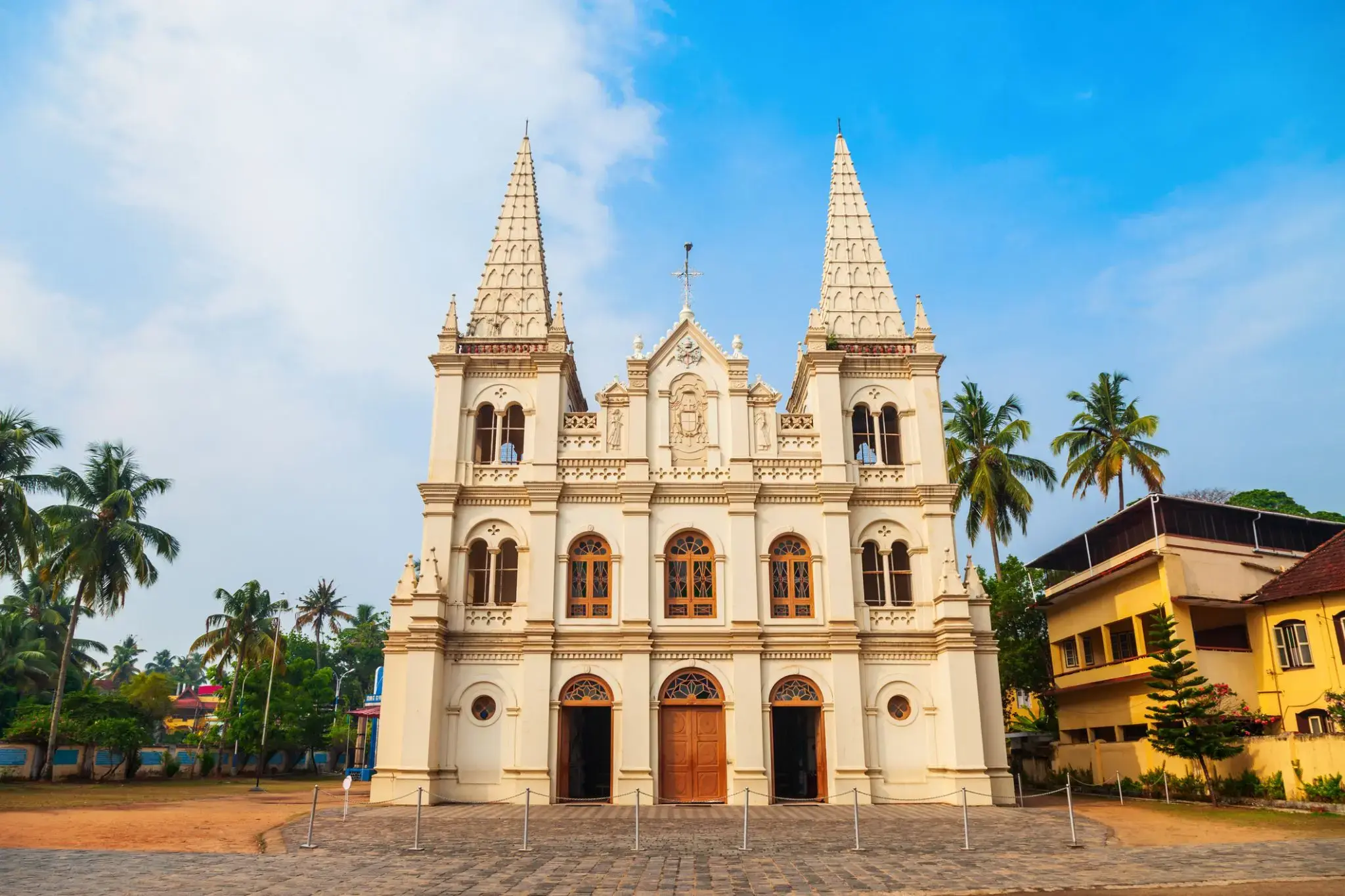
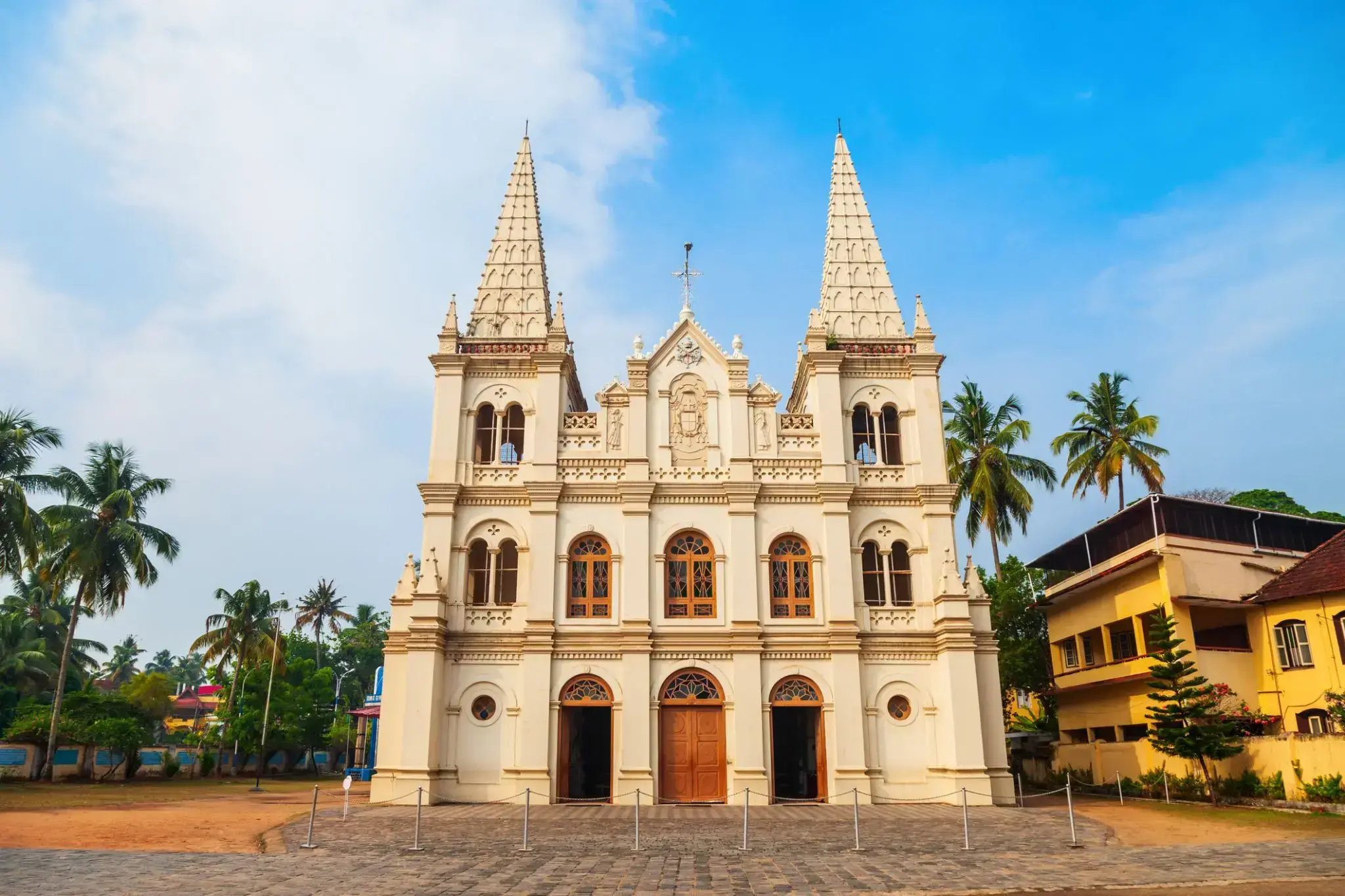
a seaport and naval base on the Malabar Coast of southwestern India, in the state of Kerala; population 254,500 (est. 2009).
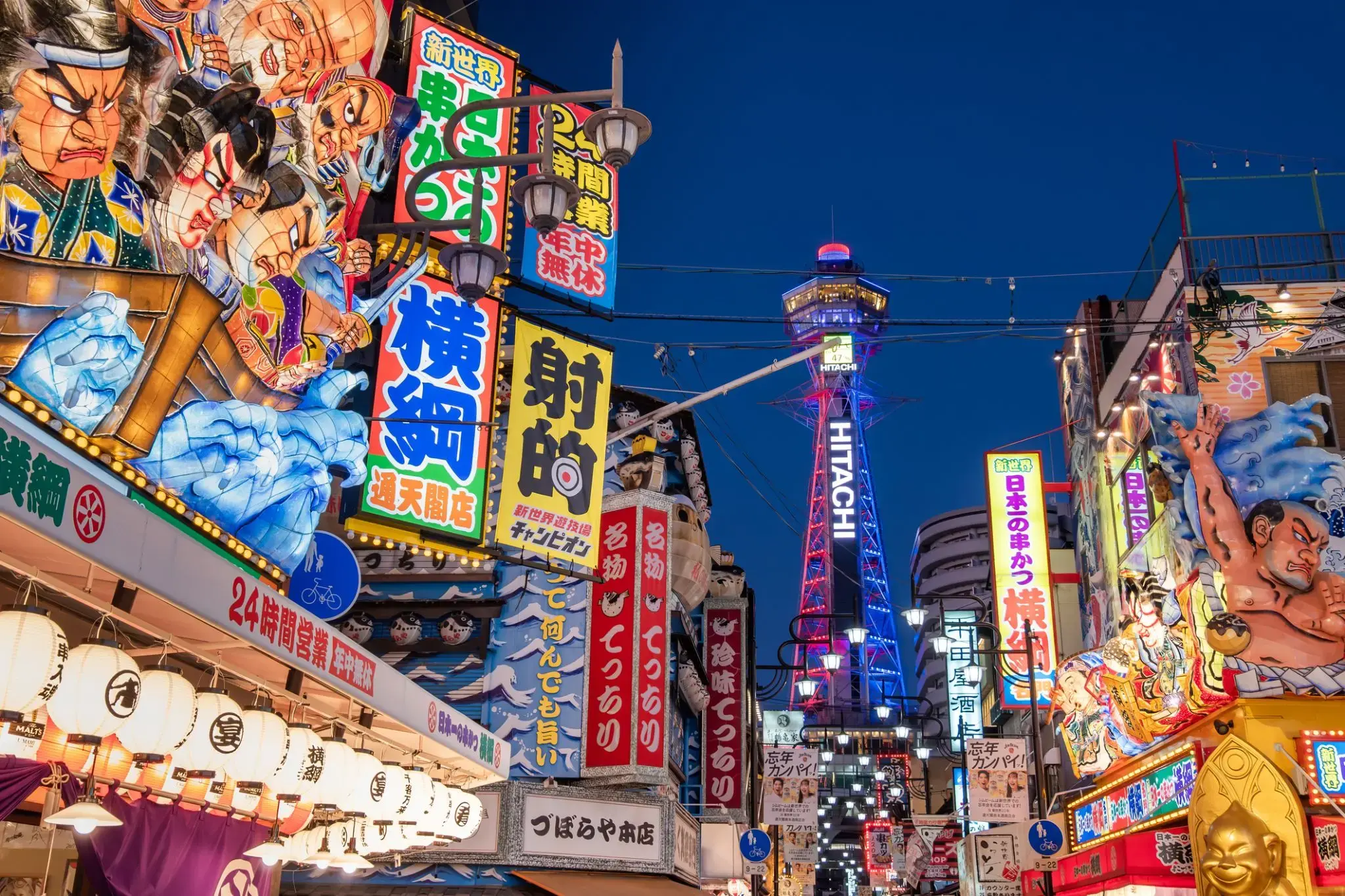
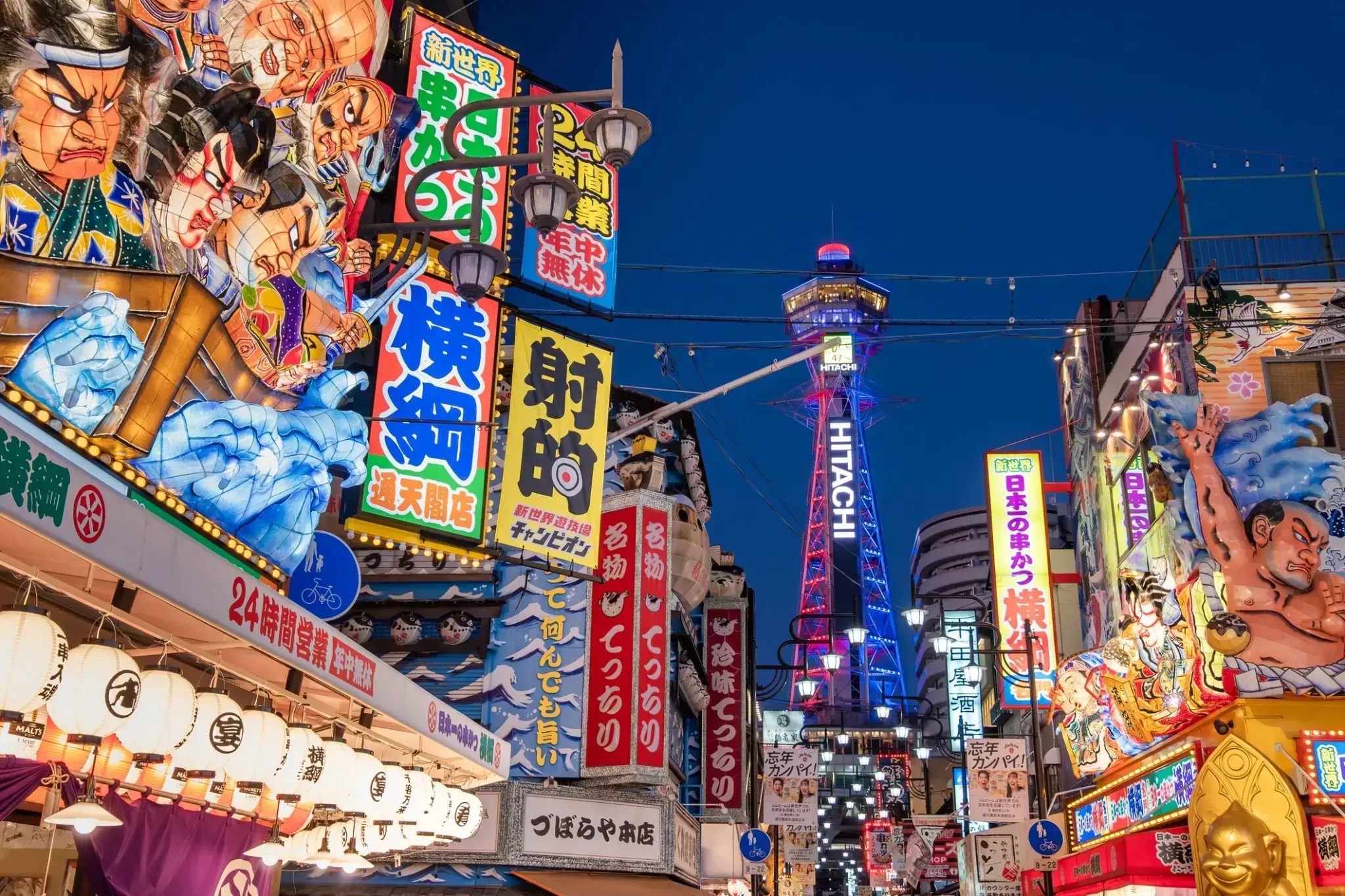
Osaka is a designated city in the Kansai regionof Japan. It is the capital city of Osaka Prefecture and the largest component of the Keihanshin Metropolitan Area, the second largest metropolitan area in Japan and among the largest in the world with over 19 million inhabitants. Osaka will host Expo 2025. The current mayor of Osaka is Hirohumi Yoshimura.

Tokyo, officially Tokyo Metropolis, one of the 47 prefectures of Japan, has served as the Japanese capital since 1869. As of 2014, the Greater Tokyo Arearanked as the most populous metropolitan area in the world. The urban area houses the seat of the Emperor of Japan, of the Japanese government and of the National Diet. Tokyo forms part of the Kantō region on the southeastern side of Japan's main island, Honshu, and includes the Izu Islands and Ogasawara Islands. Tokyo was formerly named Edo when Shōgun Tokugawa Ieyasu made the city his headquarters in 1603. It became the capital after Emperor Meiji moved his seat to the city from Kyoto in 1868; at that time Edo was renamed Tokyo. Tokyo Metropolis formed in 1943 from the merger of the former Tokyo Prefecture and the city of Tokyo. Tokyo is often referred to as a city but is officially known and governed as a "metropolitan prefecture", which differs from and combines elements of a city and a prefecture, a characteristic unique to Tokyo.
The 23 Special Wards of Tokyo were formerly Tokyo City. On July 1, 1943, it merged with Tokyo Prefecture and became Tokyo Metropolis with an additional 26 municipalities in the western part of the prefecture, and the Izu islandsand Ogasawara islands south of Tokyo. The population of the special wards is over 9 million people, with the total population of Tokyo Metropolis exceeding 13.8 million. The prefecture is part of the world's most populous metropolitan area called the Greater Tokyo Area with over 38 million people and the world's largest urban agglomeration economy. As of 2011, Tokyo hosted 51 of the Fortune Global 500 companies, the highest number of any city in the world at that time. Tokyo ranked third (twice) in the International Financial Centres Development Index. The city is home to various television networks such as Fuji TV, Tokyo MX, TV Tokyo, TV Asahi, Nippon Television, NHK and the Tokyo Broadcasting System.
Tokyo, officially Tokyo Metropolis, one of the 47 prefectures of Japan, has served as the Japanese capital since 1869. As of 2014, the Greater Tokyo Arearanked as the most populous metropolitan area in the world. The urban area houses the seat of the Emperor of Japan, of the Japanese government and of the National Diet. Tokyo forms part of the Kantō region on the southeastern side of Japan's main island, Honshu, and includes the Izu Islands and Ogasawara Islands. Tokyo was formerly named Edo when Shōgun Tokugawa Ieyasu made the city his headquarters in 1603. It became the capital after Emperor Meiji moved his seat to the city from Kyoto in 1868; at that time Edo was renamed Tokyo. Tokyo Metropolis formed in 1943 from the merger of the former Tokyo Prefecture and the city of Tokyo. Tokyo is often referred to as a city but is officially known and governed as a "metropolitan prefecture", which differs from and combines elements of a city and a prefecture, a characteristic unique to Tokyo.
The 23 Special Wards of Tokyo were formerly Tokyo City. On July 1, 1943, it merged with Tokyo Prefecture and became Tokyo Metropolis with an additional 26 municipalities in the western part of the prefecture, and the Izu islandsand Ogasawara islands south of Tokyo. The population of the special wards is over 9 million people, with the total population of Tokyo Metropolis exceeding 13.8 million. The prefecture is part of the world's most populous metropolitan area called the Greater Tokyo Area with over 38 million people and the world's largest urban agglomeration economy. As of 2011, Tokyo hosted 51 of the Fortune Global 500 companies, the highest number of any city in the world at that time. Tokyo ranked third (twice) in the International Financial Centres Development Index. The city is home to various television networks such as Fuji TV, Tokyo MX, TV Tokyo, TV Asahi, Nippon Television, NHK and the Tokyo Broadcasting System.
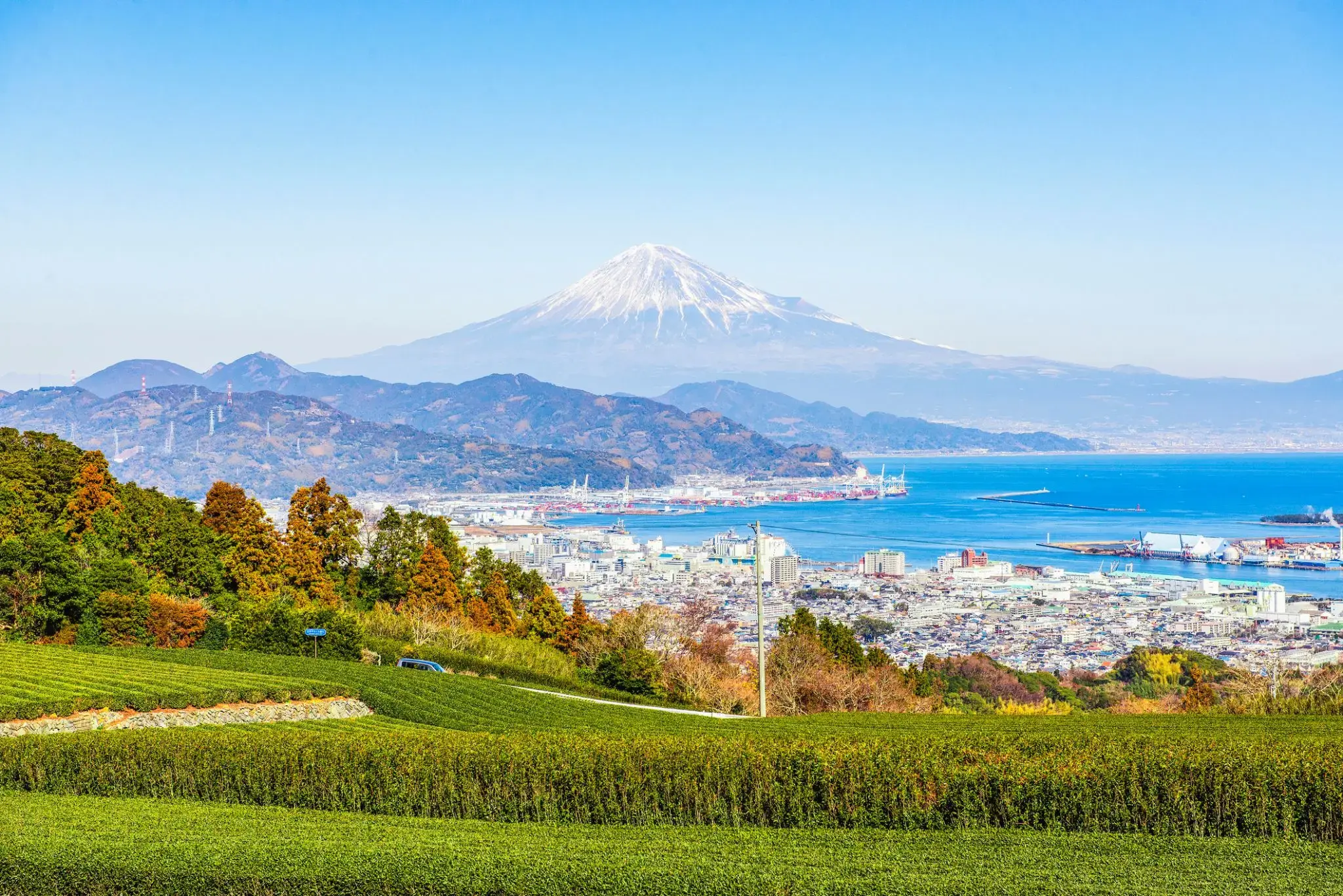
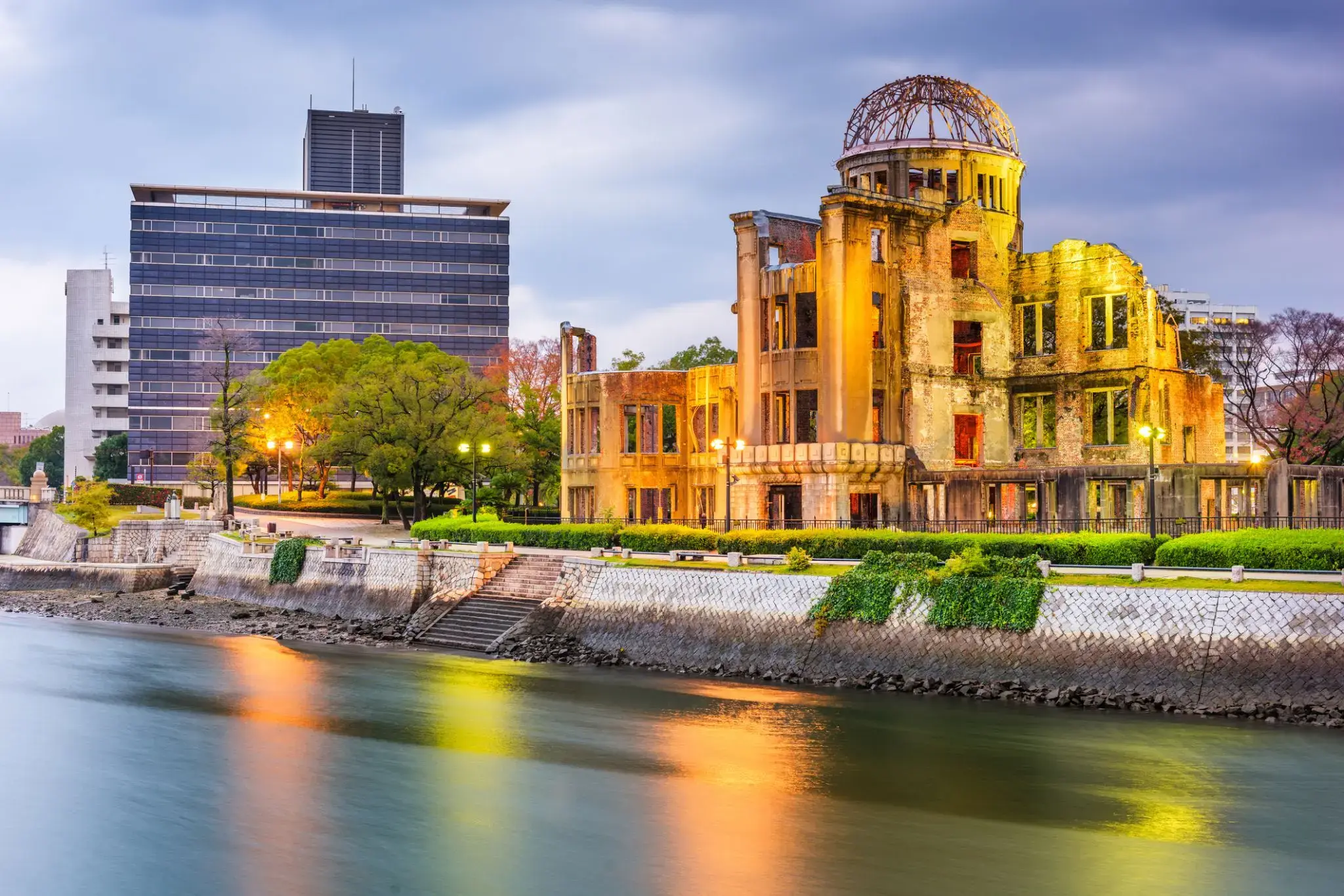
a city in southwestern Japan, on the southern coast of the island of Honshu; population 1,144,572 (2007). It was the target of the first atom bomb, which was dropped by the US on August 6, 1945, and resulted in the deaths of about one third of the city's population of 300,000. This, with a second attack on Nagasaki three days later, led to Japan's surrender and to the end of World War II.
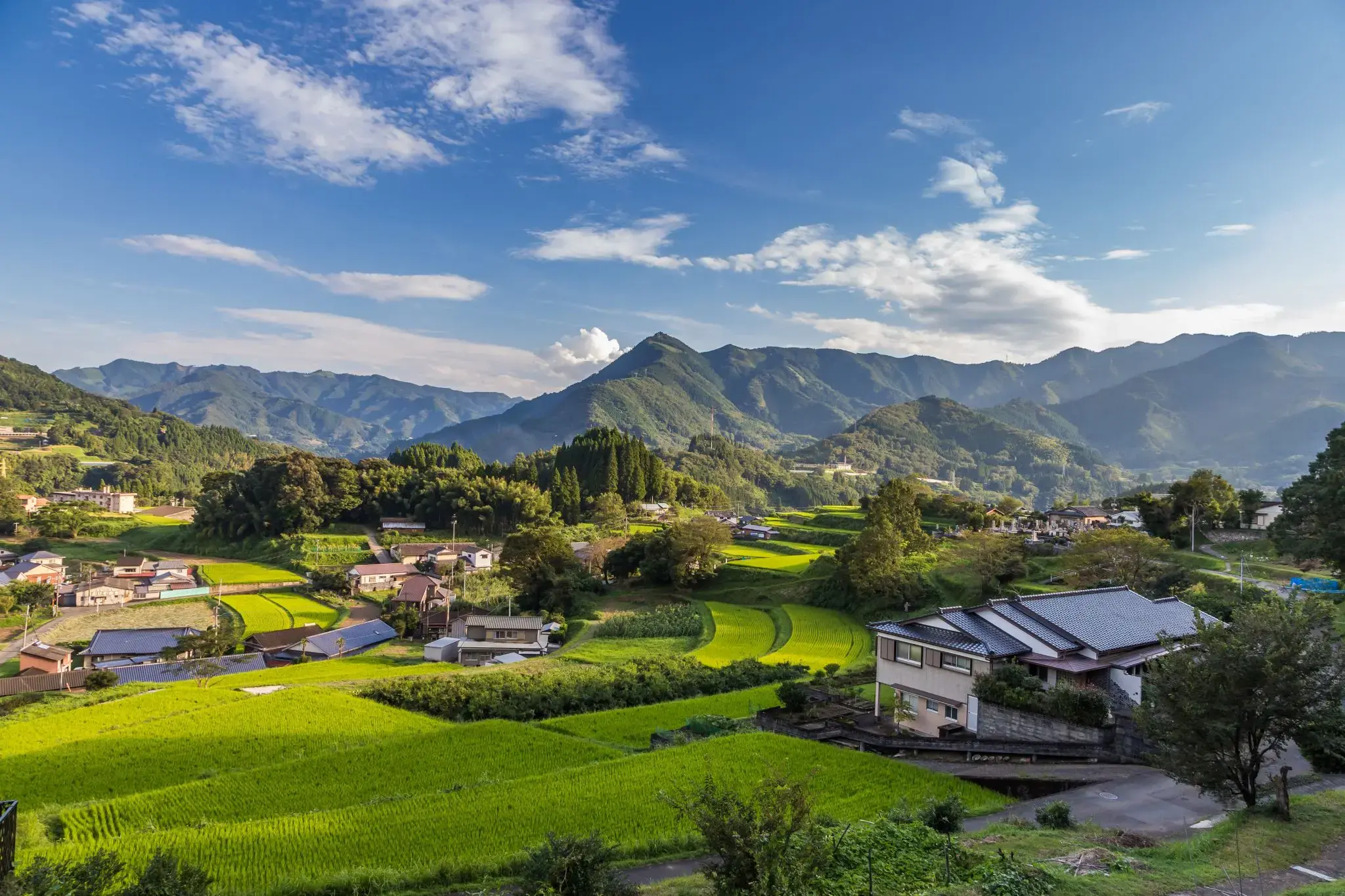
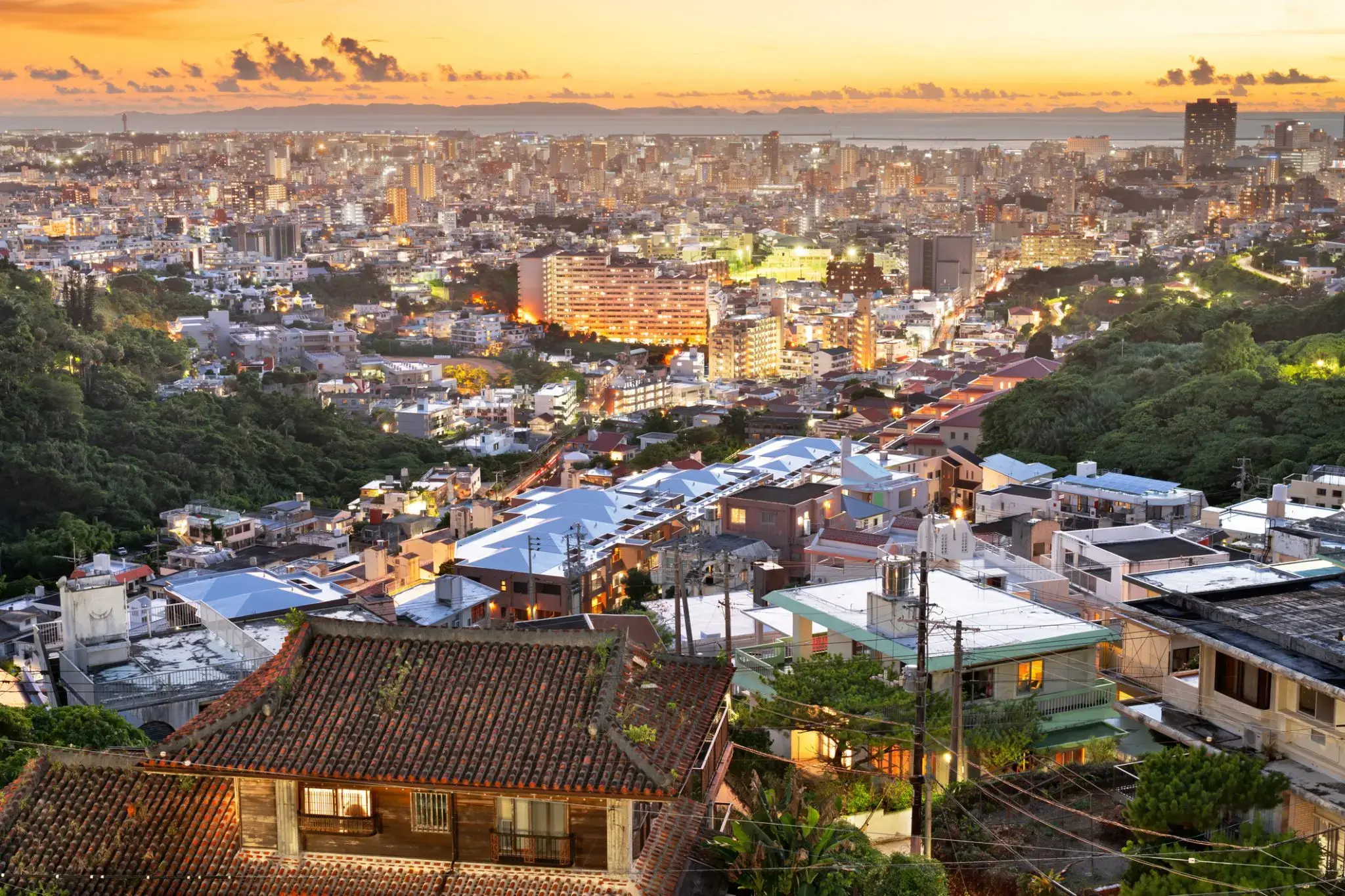
Naha — Gateway to Ryukyu Culture and the Rhythms of Tropical Japan
Naha is the main city on Okinawa Island and the cultural heart of the former Ryukyu Kingdom. Despite its modern buildings and busy streets, the city carefully preserves traces of its unique past. One of the main attractions is Shuri Castle — the historic residence of Ryukyuan kings and a UNESCO World Heritage Site, partially restored after a fire in 2019. Naha is also home to the famous Kokusai Street — a hub of shopping, food, and entertainment, where visitors can sample traditional Okinawan dishes and purchase locally made crafts.
The city enjoys a warm climate year-round and serves as a starting point for trips to the white-sand beaches and coral reefs of the southern islands. Near the city center lies Fukushu-en Park — a picturesque Chinese-style garden that reflects the historical ties between Okinawa and China. The Matsuyama market and the historic Tsuboya district, known for its pottery, offer a glimpse into daily island life. Naha blends history, cuisine, and a laid-back island vibe unlike any other part of Japan.
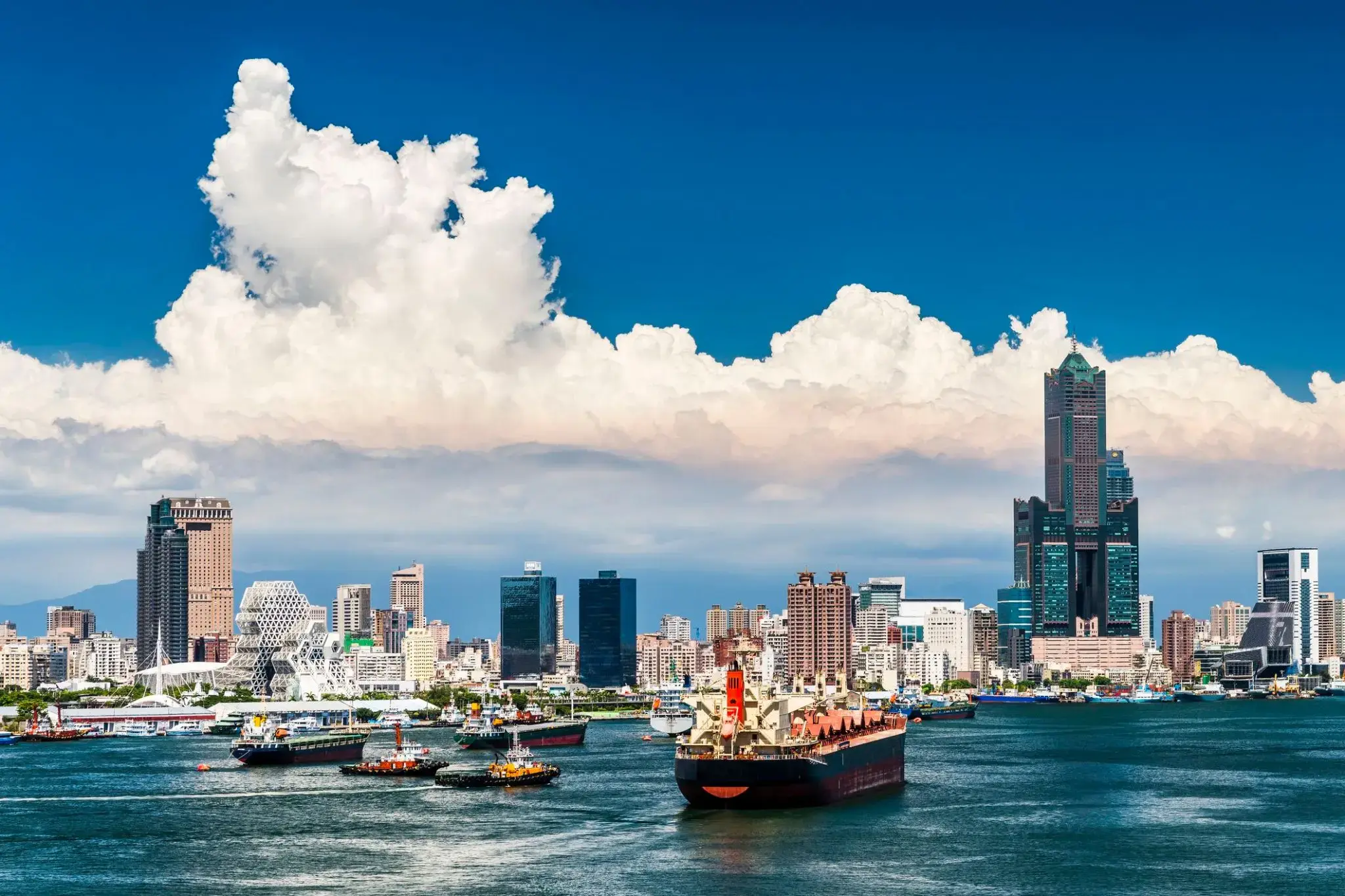
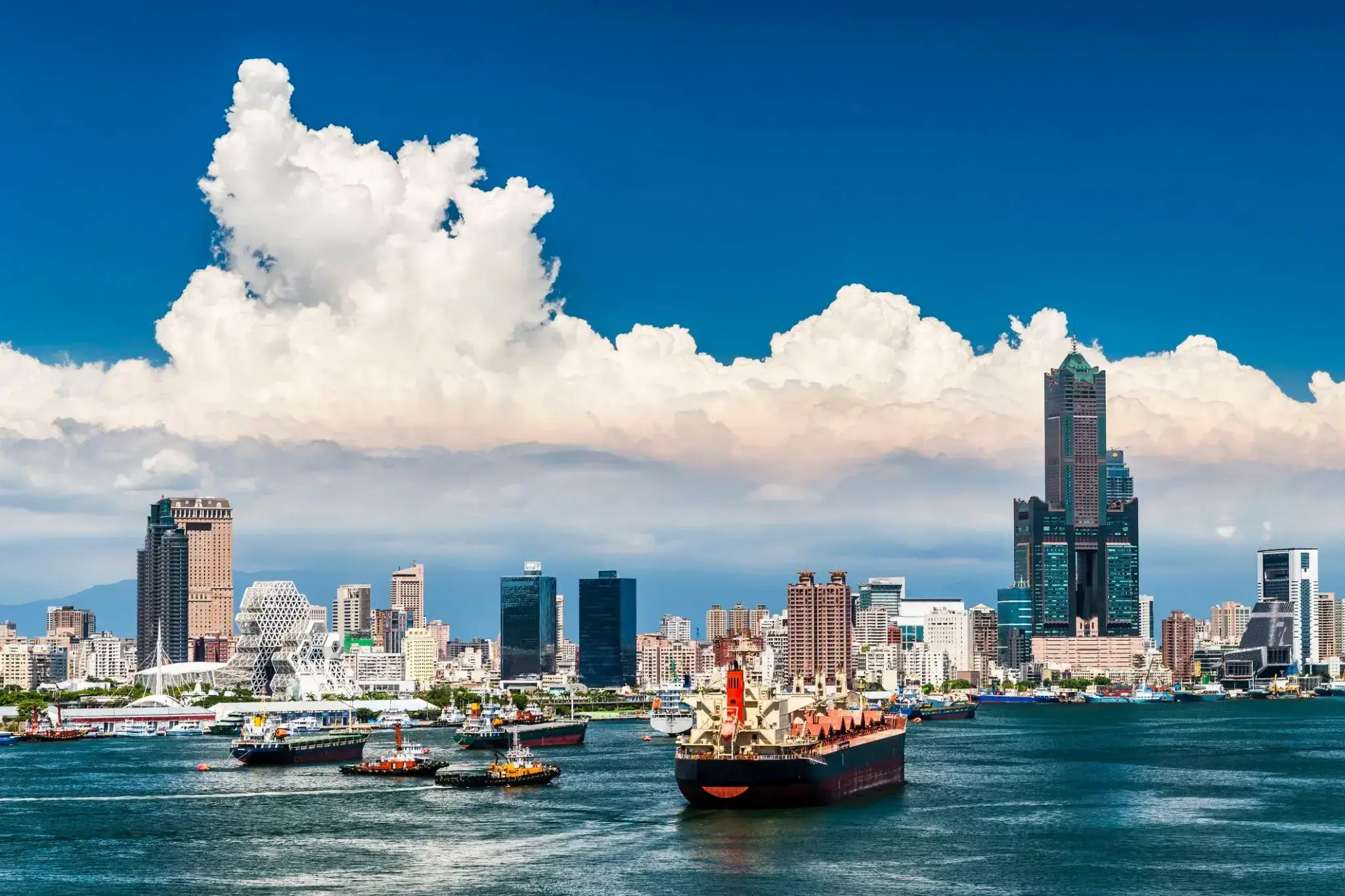
Kaohsiung — The Maritime Gateway to Taiwan with the Heart of a Megacity and the Soul of the Tropics
Welcome to Kaohsiung — a vibrant city on Taiwan's southern coast, where the energy of the port blends seamlessly with the peaceful atmosphere of the ocean. Not just an industrial hub, but a cultural center that impresses with its mild climate, abundant nature, and lively atmosphere. In 2009, Kaohsiung hosted the World Games, solidifying its status as an important international hub. Here, the sun shines almost every day, and the horizon, where mountain ridges, bays, and modern buildings meet, never fails to captivate.
Travelers will find a wealth of experiences: from tranquil walks along the Love River to breathtaking views from the summit of Mount Shoushan. The city also offers immense cultural diversity, from the ancient streets of the Zuoyin district to the village of Meinong, where traditional crafts can be admired. Kaohsiung is not just a place on the map; it's a journey into an atmosphere where nature, history, and modernity blend into a unique experience.
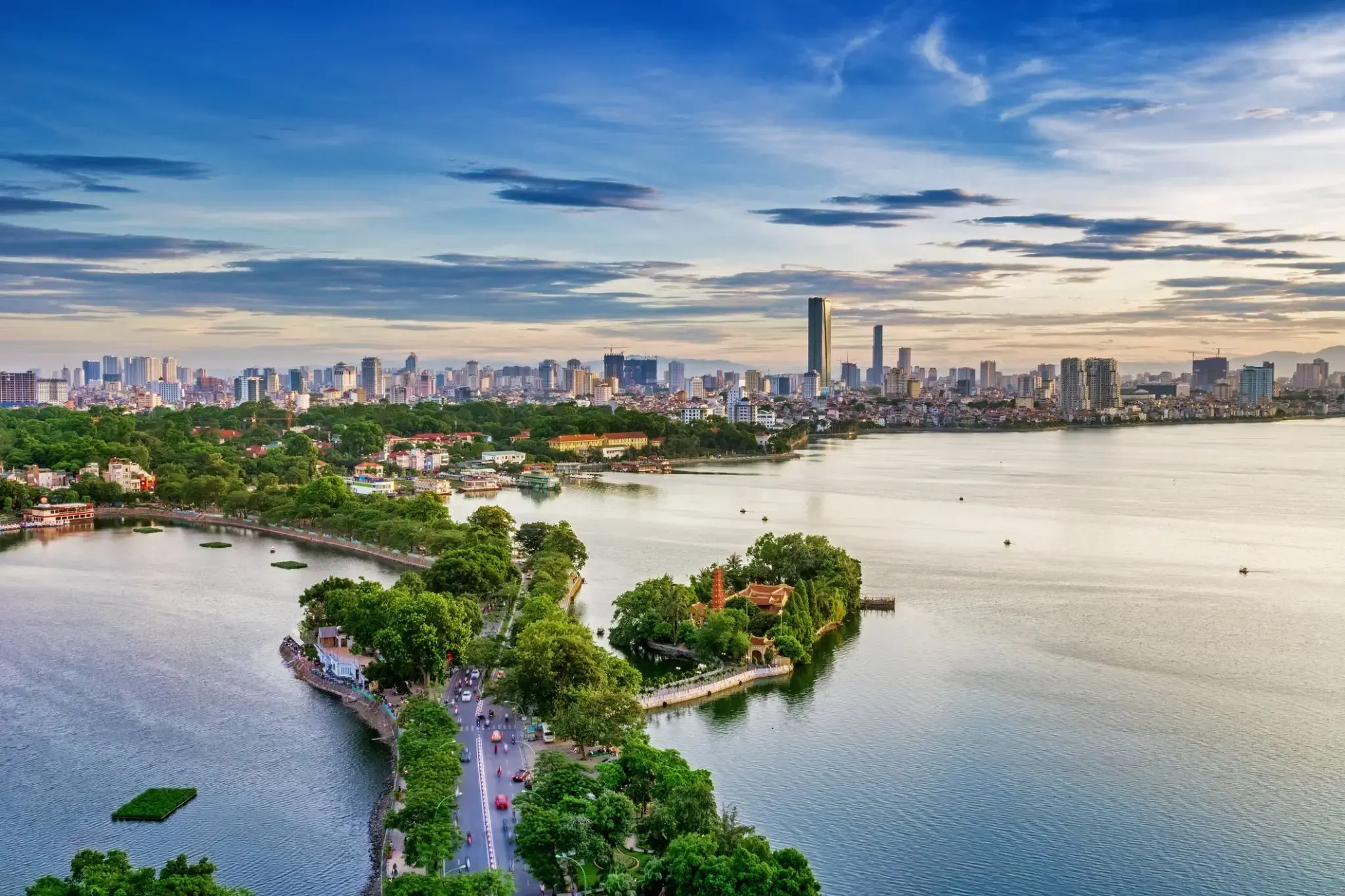
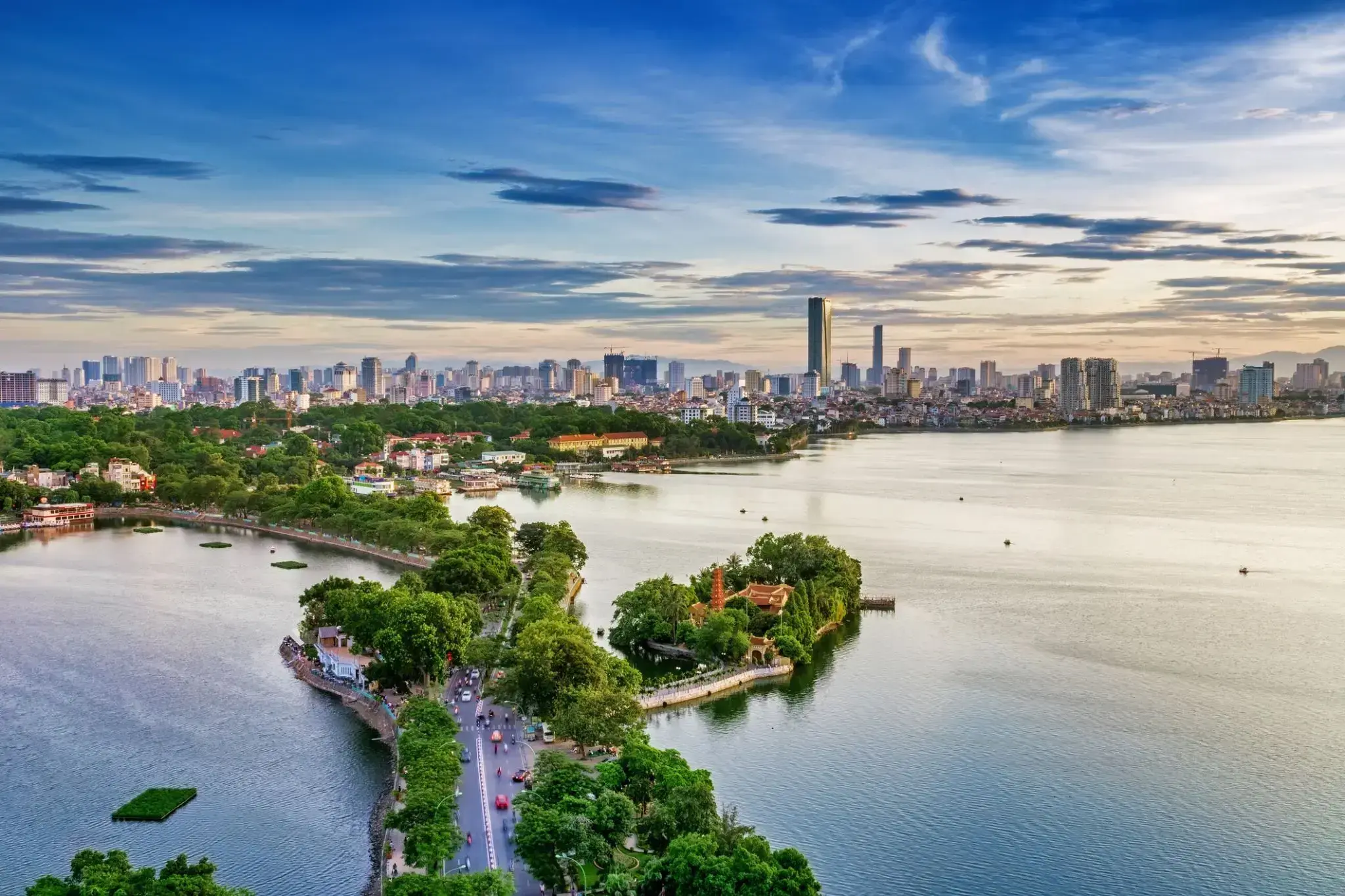
Hanoi is the capital of Vietnam, a city with a thousand-year history, formerly known as Thang Long, which translates as “City of the Soaring Dragon.” Despite the abundance of pagodas, architectural landmarks, and bustling marketplaces, the city is not overcrowded with tourists, allowing visitors to enjoy its charm without haste or crowds.
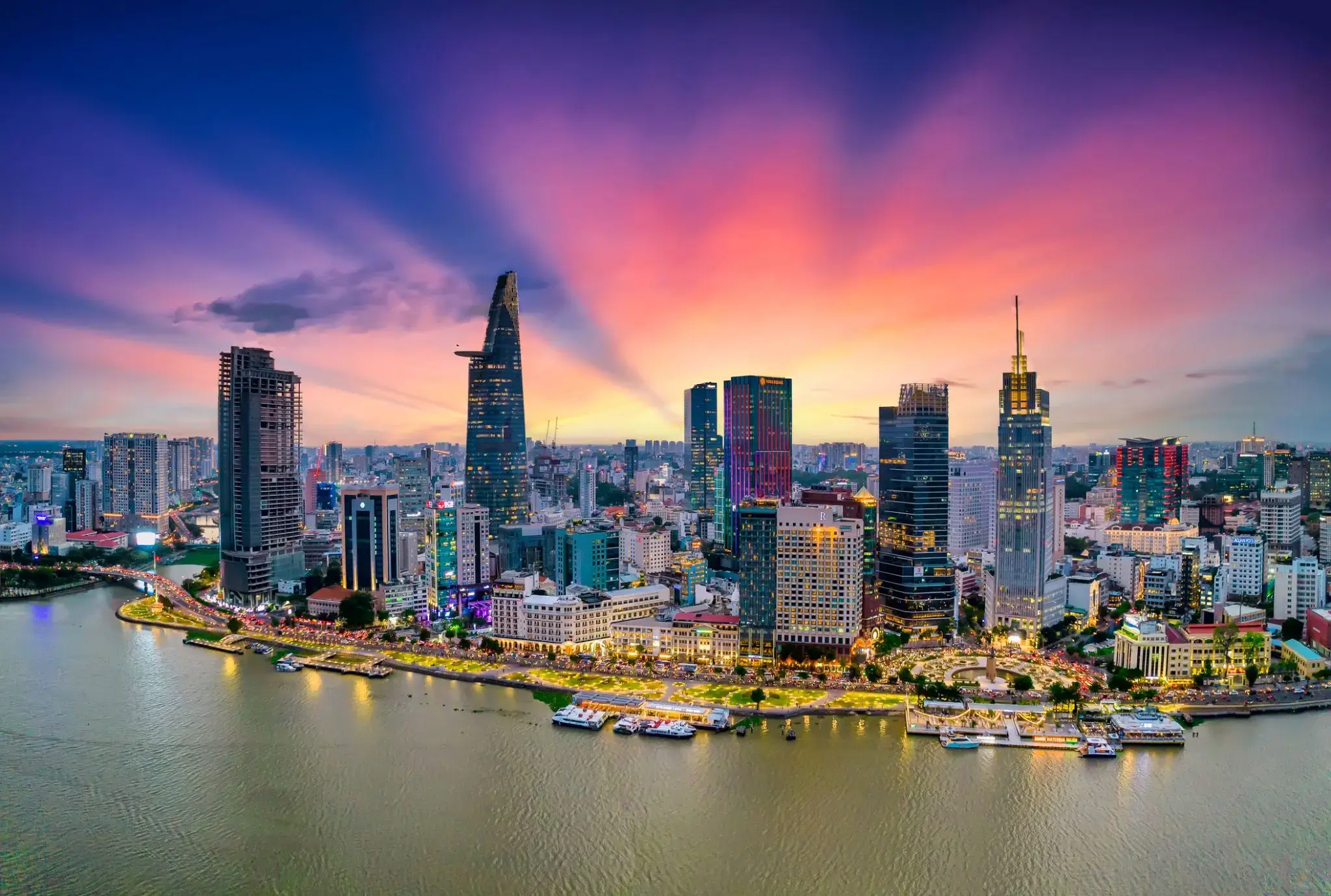
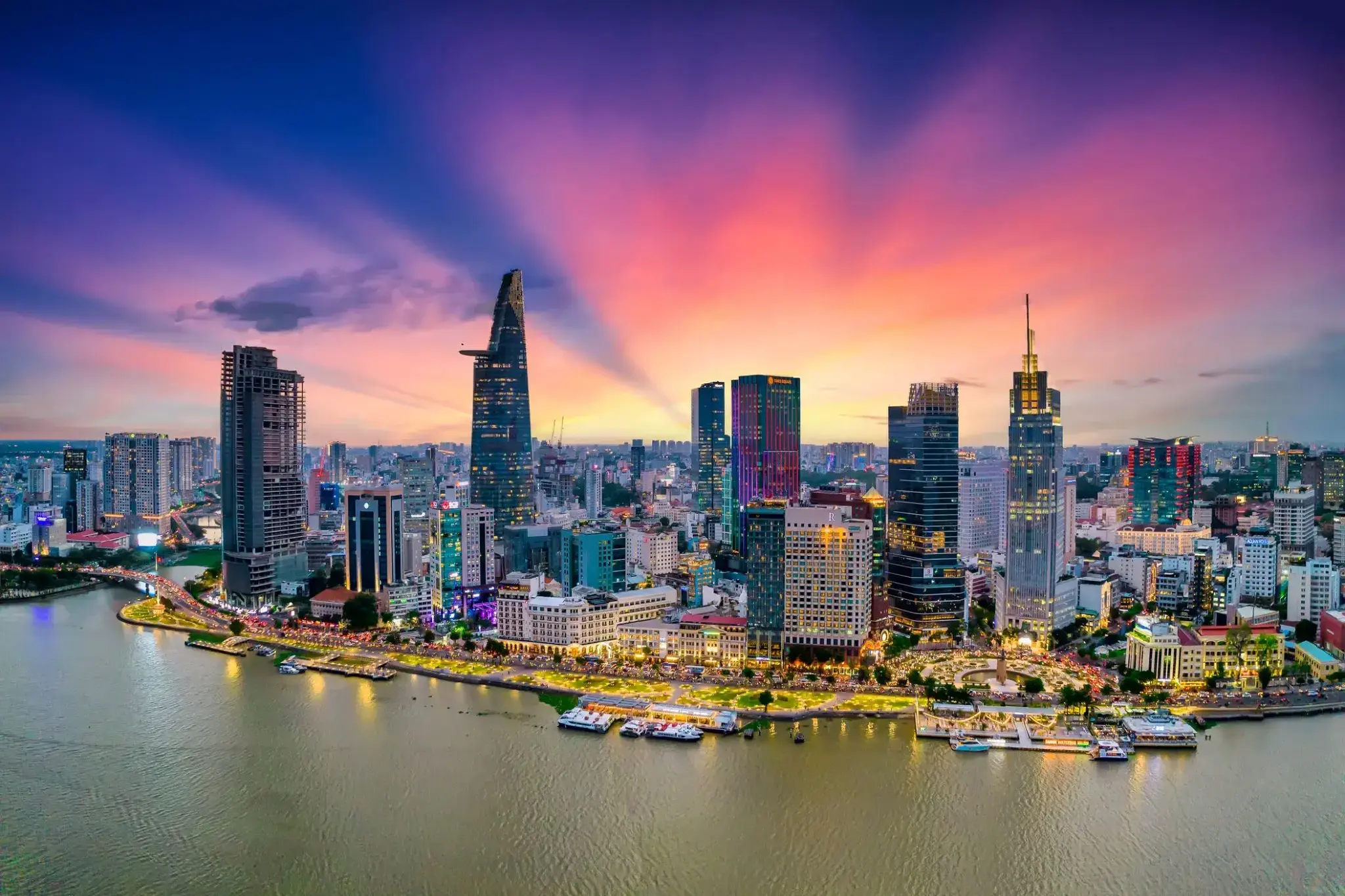
Ho Chi Minh City, also known by its former name of Saigon is the most populous city in Vietnam with a population of 8.4 million (13 million in the metropolitan area) as of 2017. Located in southeast Vietnam, the metropolis surrounds the Saigon River and covers about 2,061 square kilometres (796 square miles).
Under the name Saigon, it was the capital of French Indochina from 1887 to 1902 and again from 1945 to 1954. Saigon would later become the capital of South Vietnam from 1955 until its fall in 1975. On 2 July 1976, Saigon merged with the surrounding Gia Định Province and was officially renamed Ho Chi Minh City after revolutionary leader Hồ Chí Minh (although the name Sài Gòn is still widely used).
Ho Chi Minh City is the financial centre of Vietnam and is classifed as a Beta+ World City by Globalization and World Cities Research Network. It is home to the Ho Chi Minh City Stock Exchange, the largest stock exchange by total market capitalization in Vietnam and the headquarters of many national and international banks and companies.
Ho Chi Minh City is the most visited city in Vietnam, with 6.3 million visitors in 2017. Many of the city's landmarks which are well known to international visitors include the Bến Thành Market, Ho Chi Minh City Hall, Notre-Dame Cathedral Basilica of Saigon, Independence Palace and the Municipal Theatre. The main passenger airport serving the metropolitan area is Tan Son Nhat International Airport, it is the busiest airport in Vietnam handling 36 million passengers in 2017.
Ho Chi Minh City, also known by its former name of Saigon is the most populous city in Vietnam with a population of 8.4 million (13 million in the metropolitan area) as of 2017. Located in southeast Vietnam, the metropolis surrounds the Saigon River and covers about 2,061 square kilometres (796 square miles).
Under the name Saigon, it was the capital of French Indochina from 1887 to 1902 and again from 1945 to 1954. Saigon would later become the capital of South Vietnam from 1955 until its fall in 1975. On 2 July 1976, Saigon merged with the surrounding Gia Định Province and was officially renamed Ho Chi Minh City after revolutionary leader Hồ Chí Minh (although the name Sài Gòn is still widely used).
Ho Chi Minh City is the financial centre of Vietnam and is classifed as a Beta+ World City by Globalization and World Cities Research Network. It is home to the Ho Chi Minh City Stock Exchange, the largest stock exchange by total market capitalization in Vietnam and the headquarters of many national and international banks and companies.
Ho Chi Minh City is the most visited city in Vietnam, with 6.3 million visitors in 2017. Many of the city's landmarks which are well known to international visitors include the Bến Thành Market, Ho Chi Minh City Hall, Notre-Dame Cathedral Basilica of Saigon, Independence Palace and the Municipal Theatre. The main passenger airport serving the metropolitan area is Tan Son Nhat International Airport, it is the busiest airport in Vietnam handling 36 million passengers in 2017.
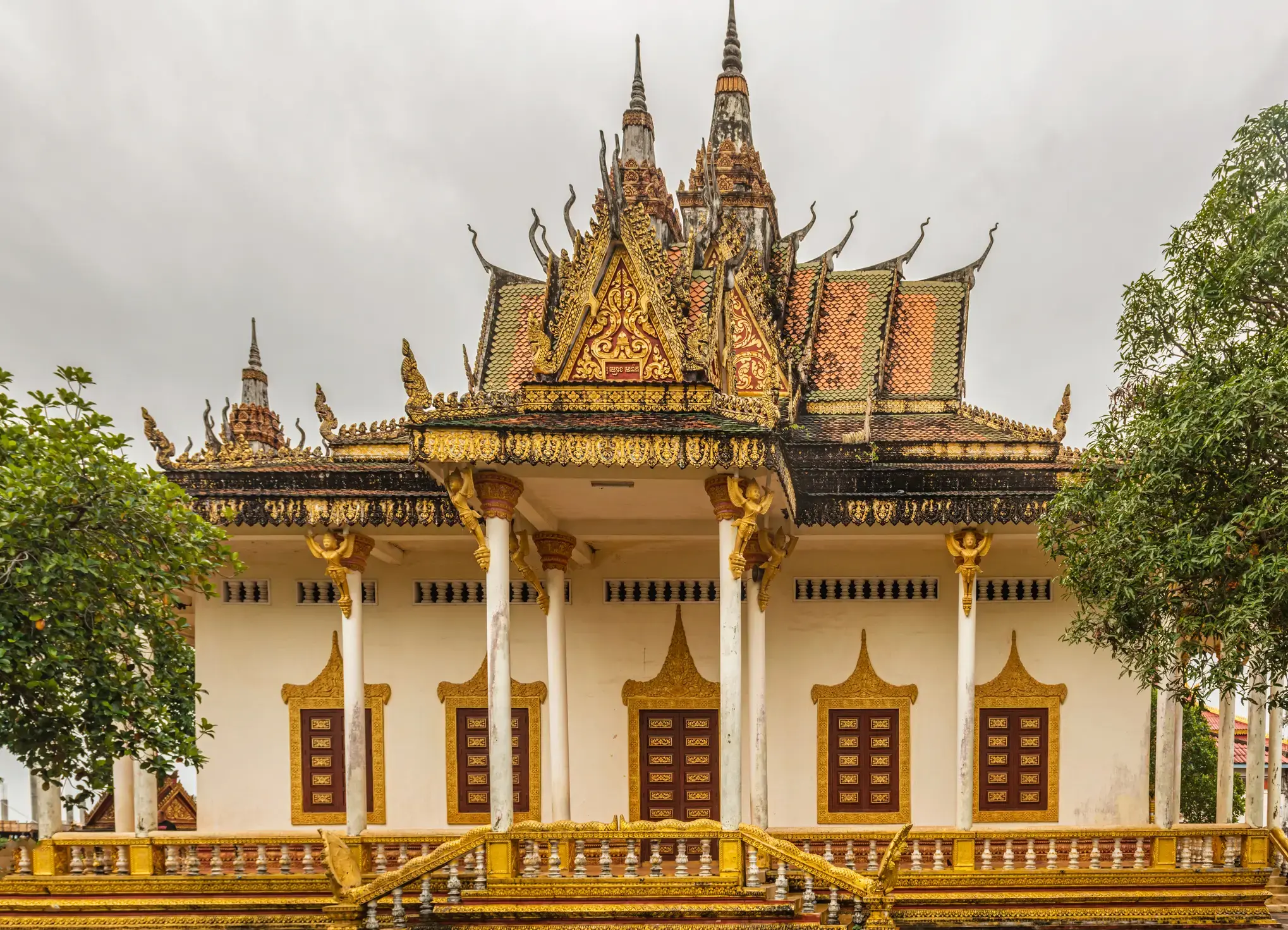
Kompong Som (Sihanoukville)
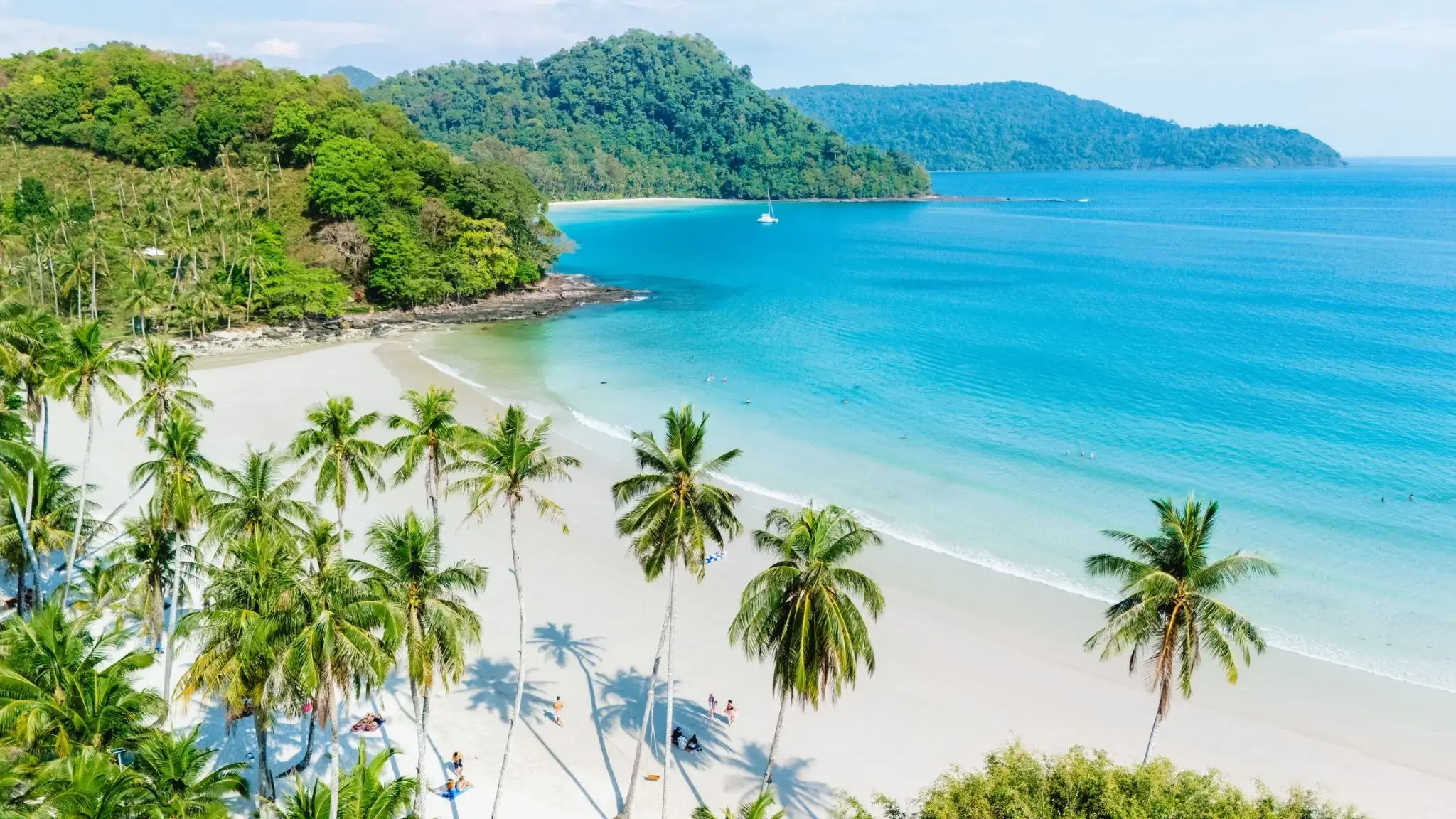
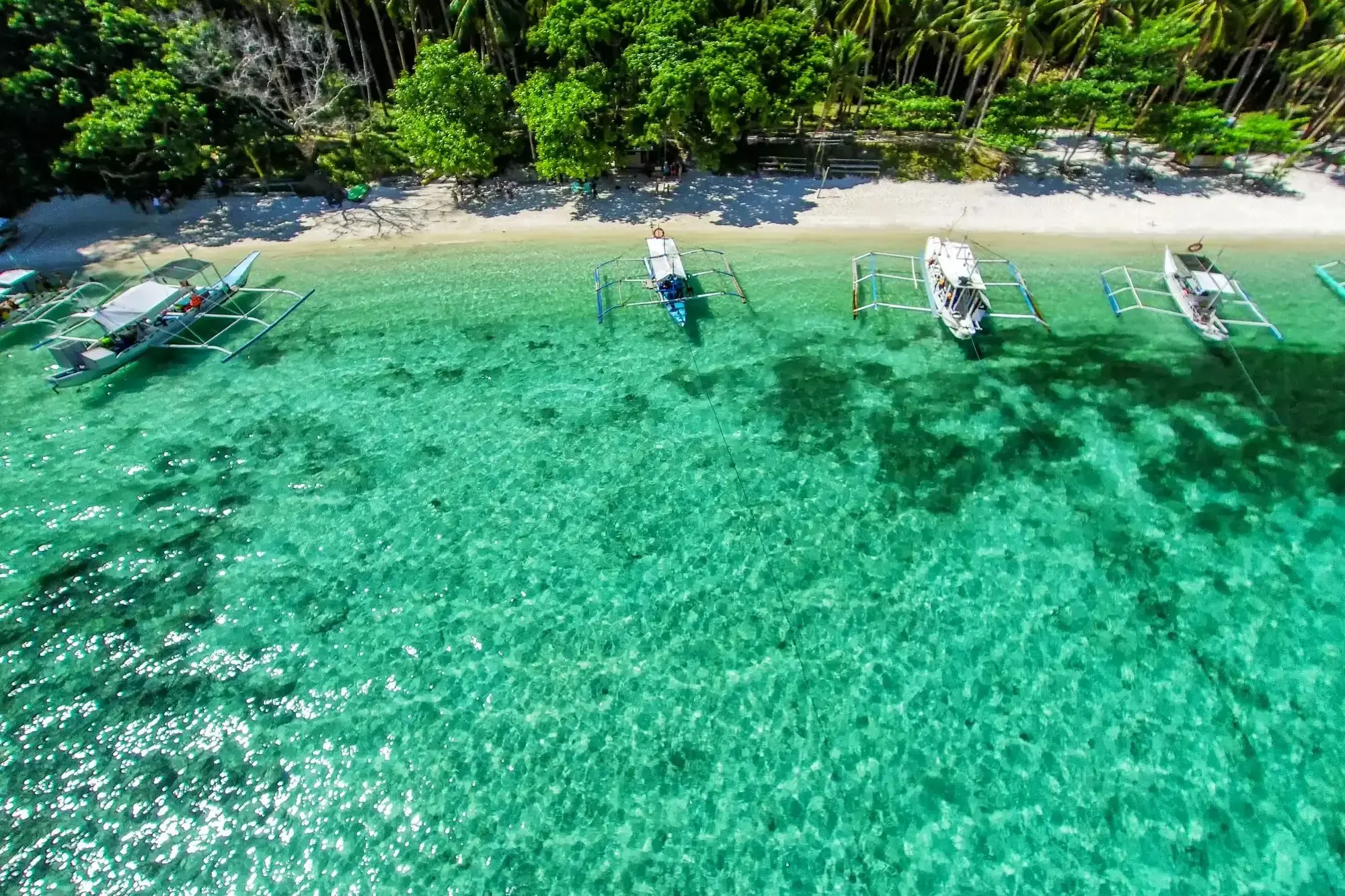
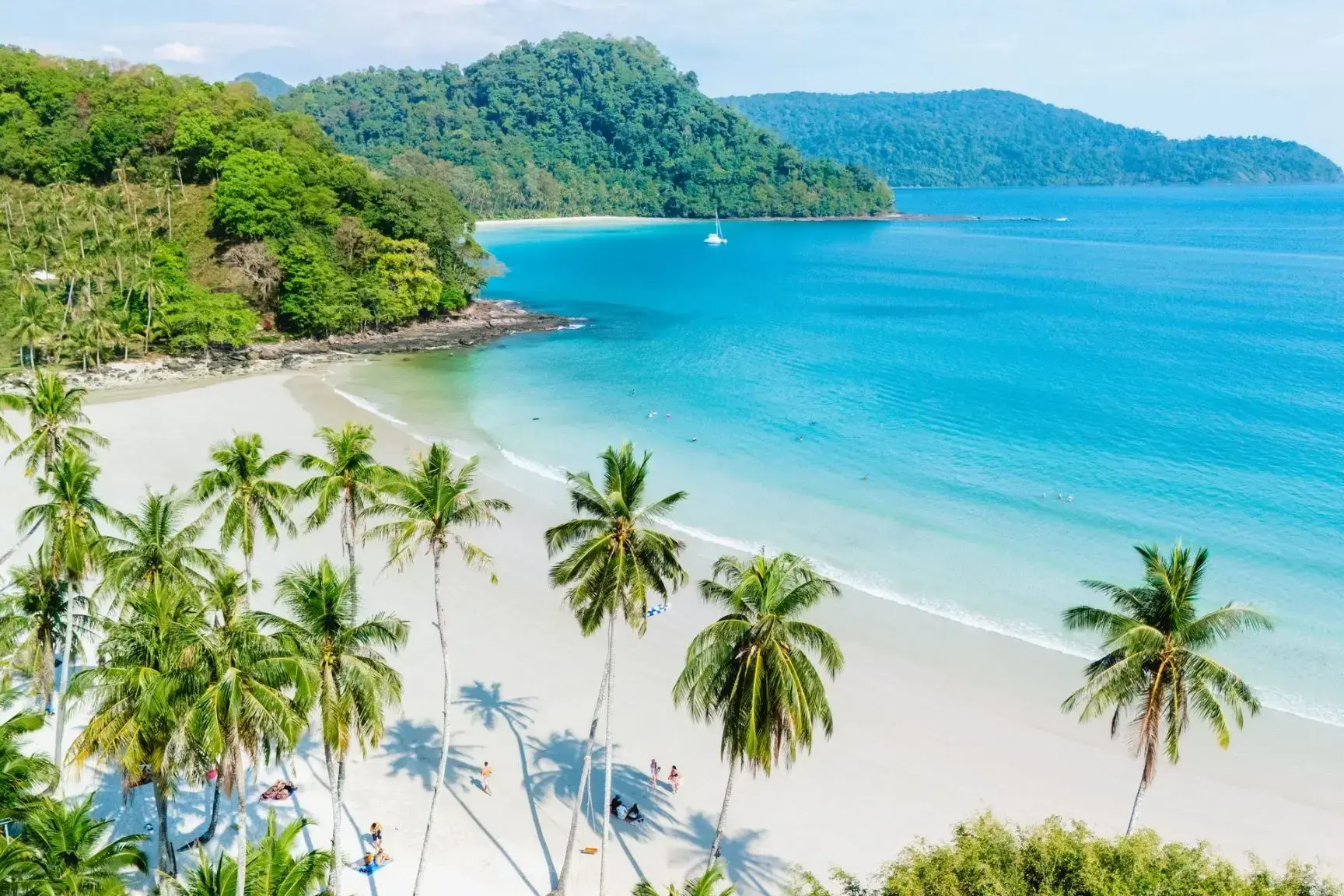
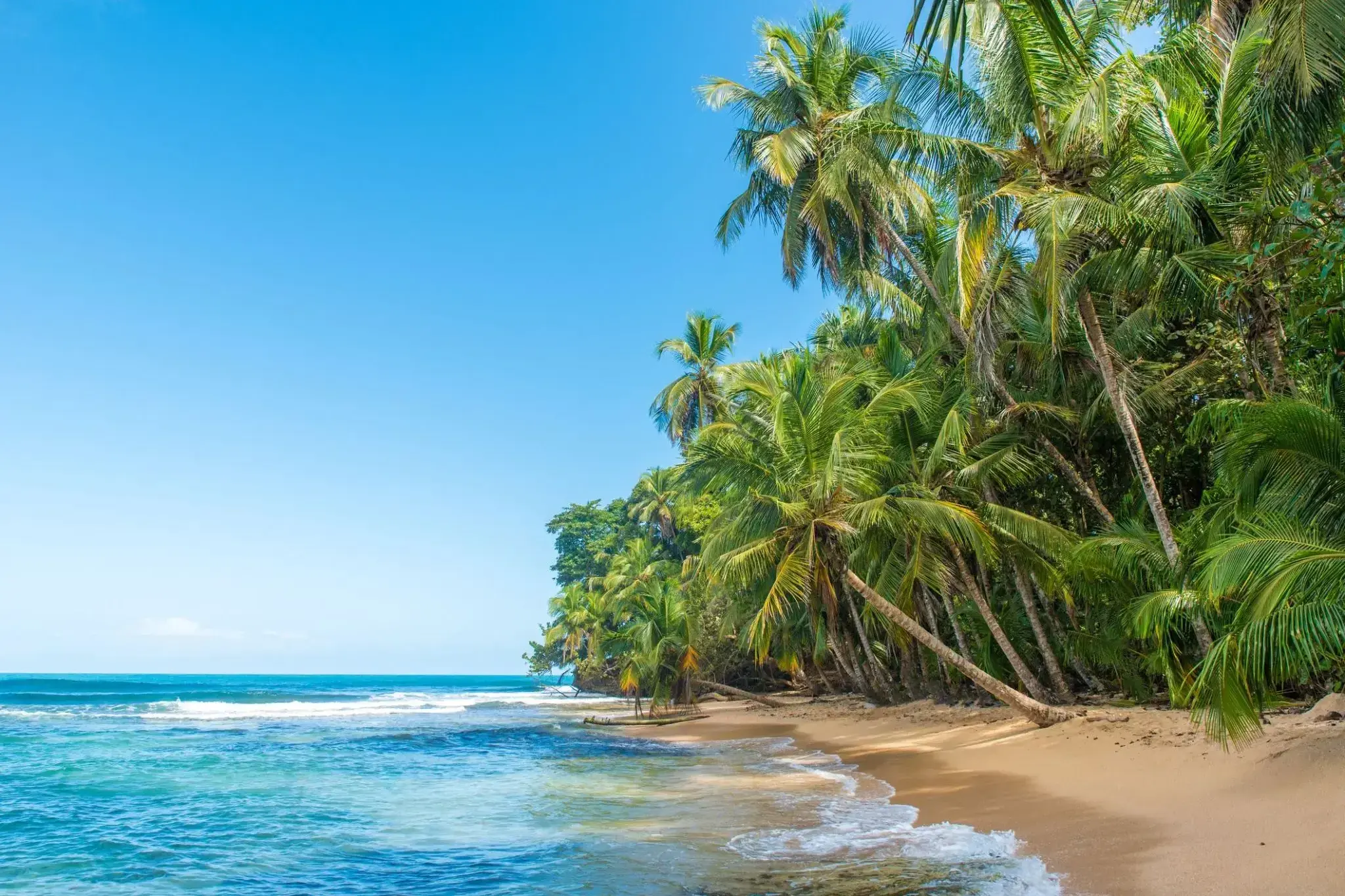
Turquoise waves gently lap against powder-white beaches, creating a secluded haven on Koh Kood—one of Thailand's most untouched islands. There are no loud parties or tourist crowds here—only peace, coconut palms, and warm sun, perfect for those seeking tranquility in nature. The island is known for its waterfalls, especially Khlong Chao, and its crystal-clear waters teeming with marine life.
Koh Kood remains largely untouched by time: small fishing villages, wooden stilt houses, and the genuine hospitality of locals make a stay here feel truly authentic. Jungle walks, snorkeling near coral reefs, and sunset dinners by the sea offer moments of harmony with nature—and with oneself.
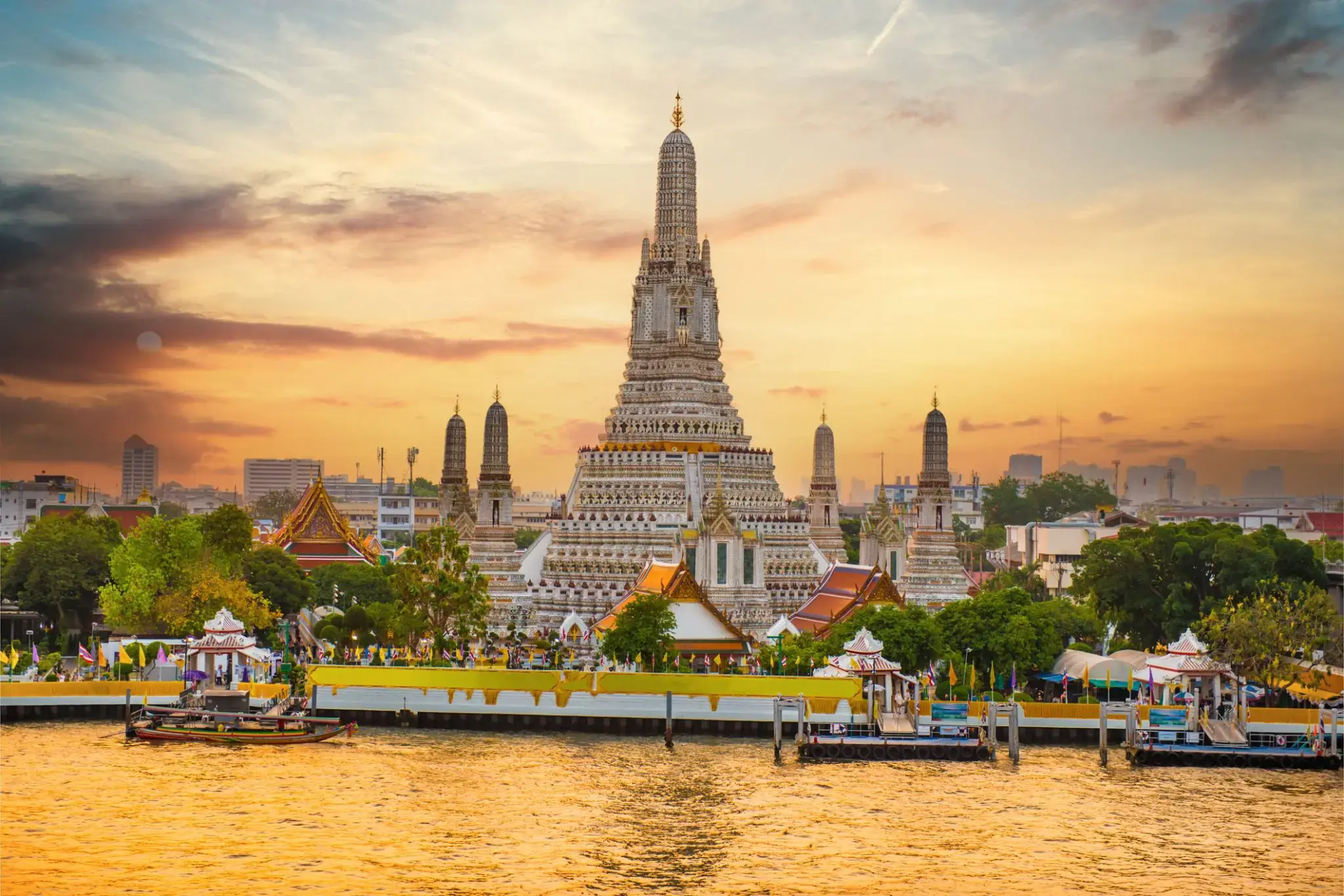
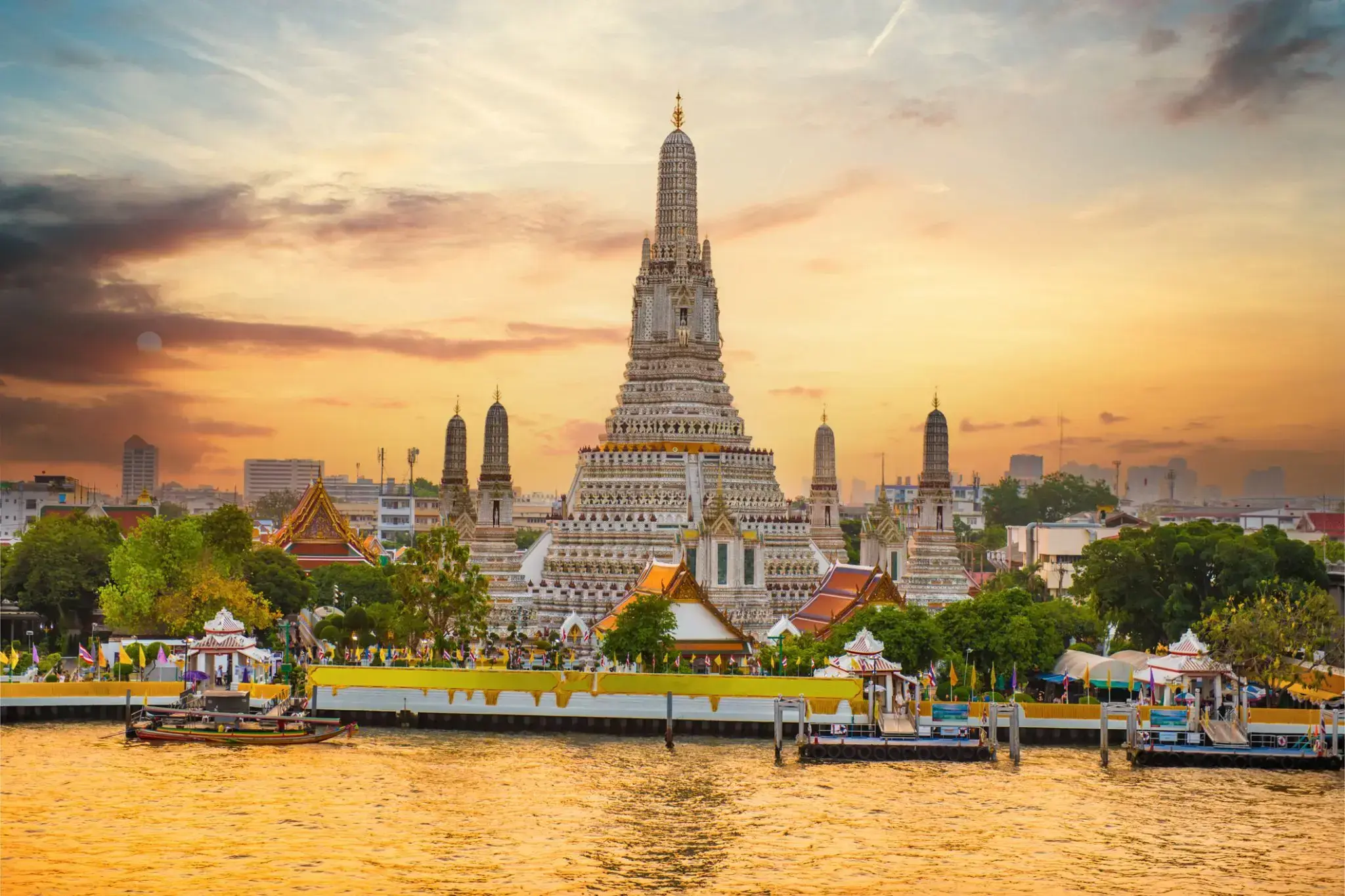
Bangkok is the capital and most populous city of Thailand. It is known in Thai as Krung Thep Maha Nakhon or simply Krung Thep. The city occupies 1,568.7 square kilometres (605.7 sq mi) in the Chao Phraya River delta in central Thailand, and has a population of over eight million, or 12.6 percent of the country's population. Over fourteen million people (22.2 percent) lived within the surrounding Bangkok Metropolitan Region at the 2010 census, making Bangkok the nation's primate city, significantly dwarfing Thailand's other urban centres in terms of importance.
Bangkok is the capital and most populous city of Thailand. It is known in Thai as Krung Thep Maha Nakhon or simply Krung Thep. The city occupies 1,568.7 square kilometres (605.7 sq mi) in the Chao Phraya River delta in central Thailand, and has a population of over eight million, or 12.6 percent of the country's population. Over fourteen million people (22.2 percent) lived within the surrounding Bangkok Metropolitan Region at the 2010 census, making Bangkok the nation's primate city, significantly dwarfing Thailand's other urban centres in terms of importance.
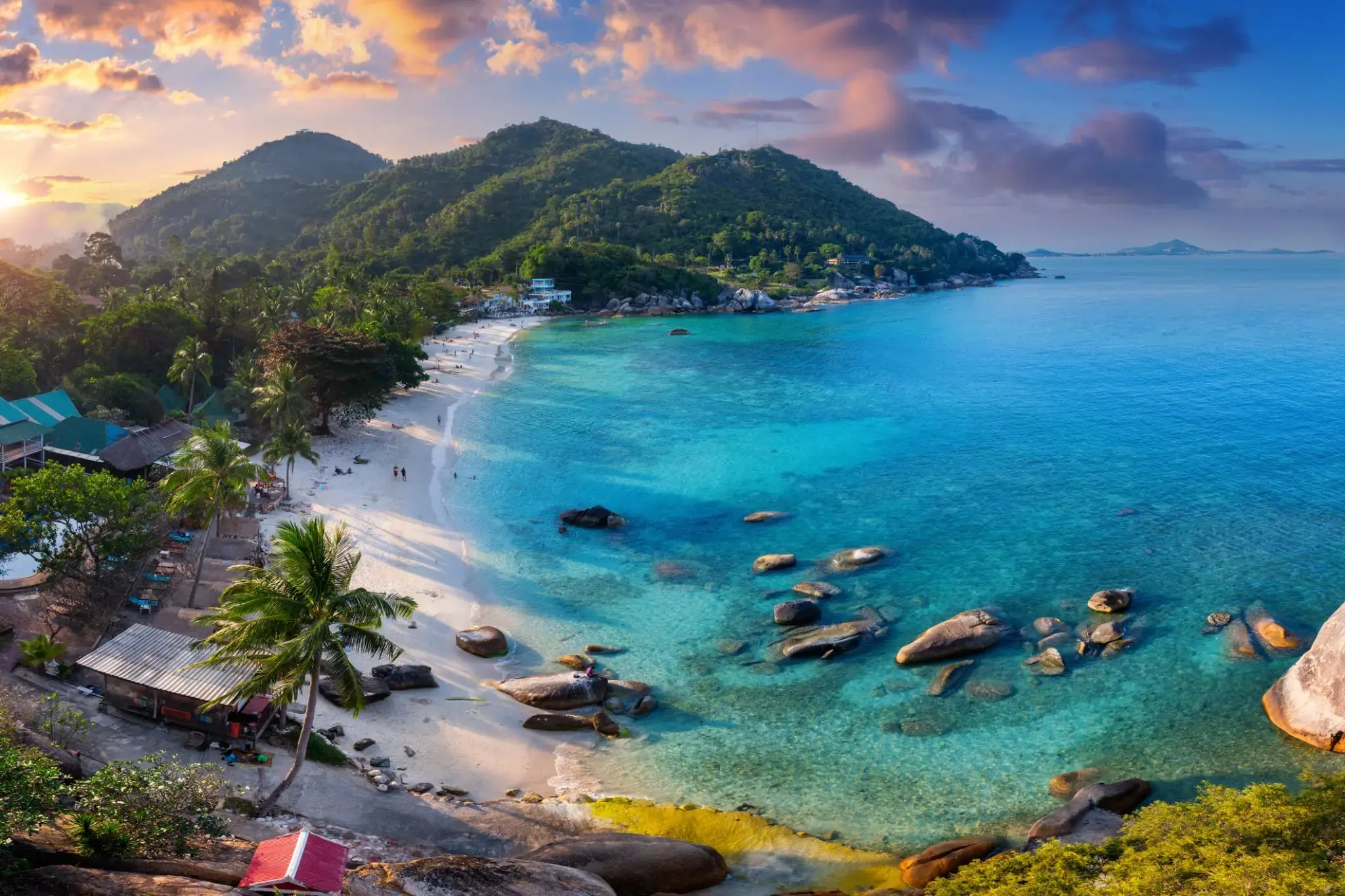
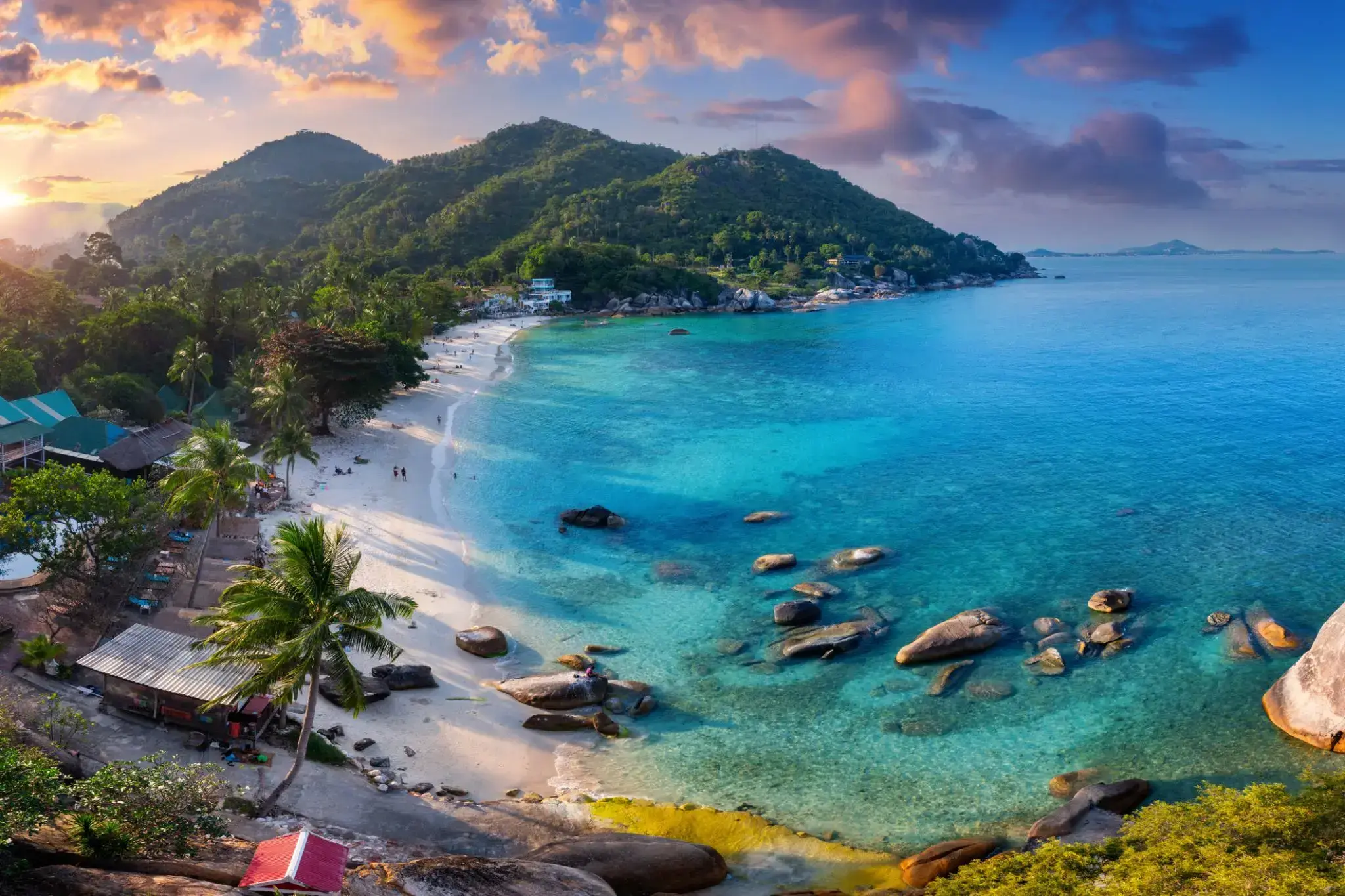
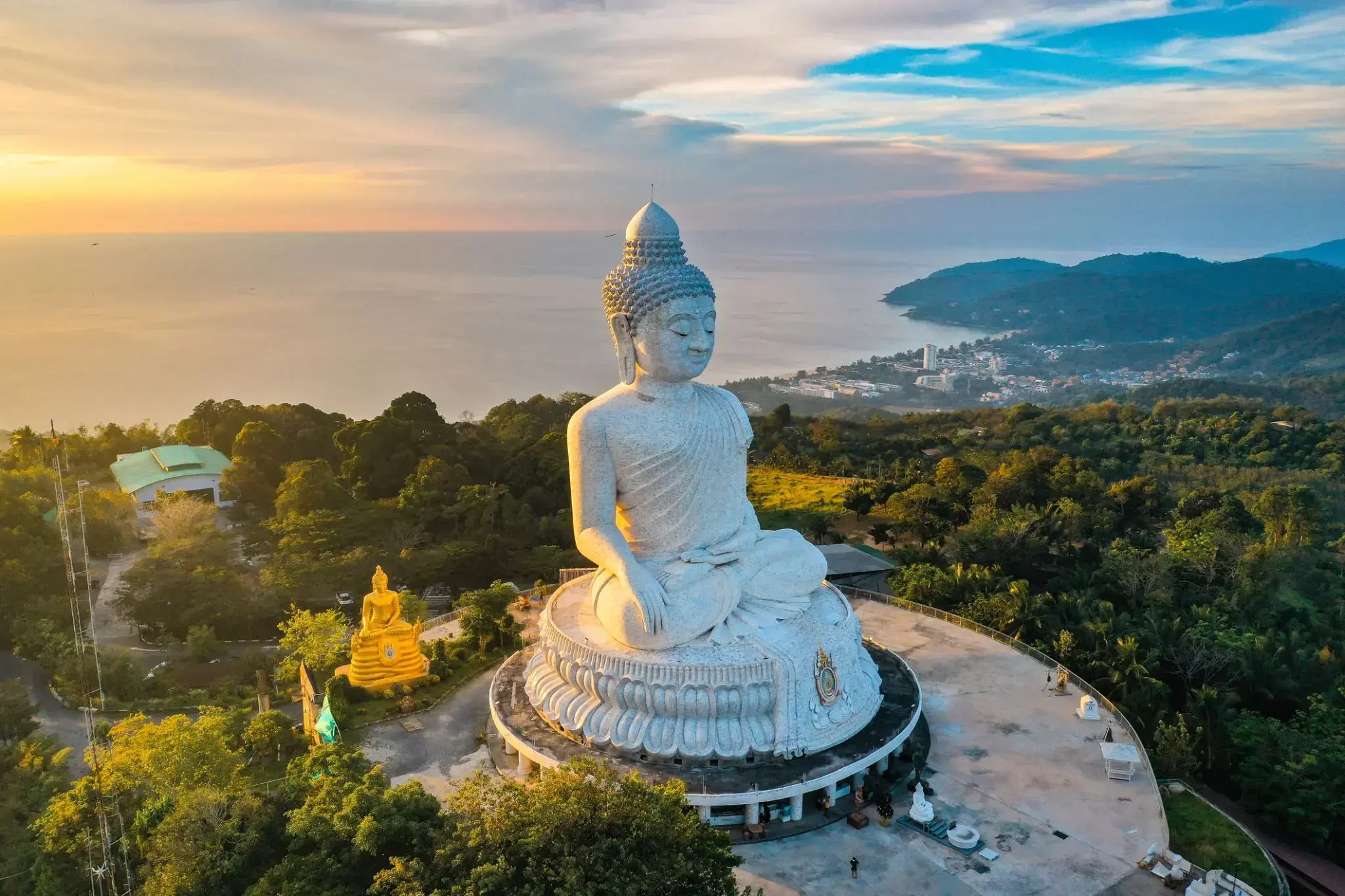
Among the tropical islands of Thailand, Koh Samui stands out with its unique nature and atmosphere. This island attracts travelers from all over the world with its white sandy beaches, picturesque waterfalls, and dense jungles. It's an ideal place for relaxation, whether it’s engaging in water sports, exploring nature, or simply enjoying peace and beauty.
Moreover, Koh Samui is known for its cultural heritage, including many Buddhist temples and sanctuaries. One of the most famous is the Big Buddha Temple, which is not only a religious center but also one of the island's main attractions. The local cuisine, featuring fresh seafood and exotic fruits, will make the trip even more exciting and delicious.
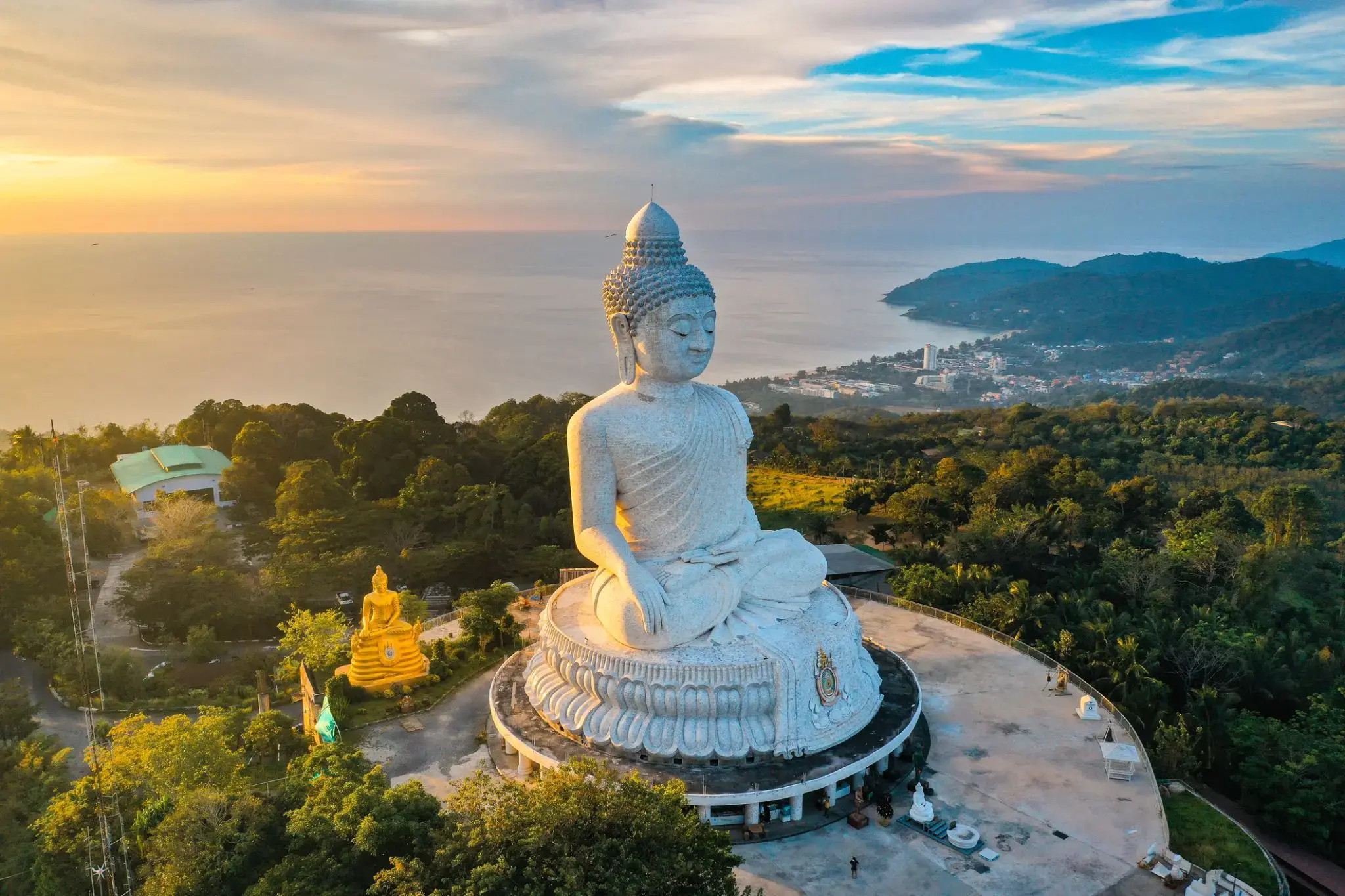
Phuket is one of the southern provinces (changwat) of Thailand. It consists of the island of Phuket, the country's largest island, and another 32 smaller islands off its coast. It lies off the west coast of Thailand in the Andaman Sea. Phuket Island is connected by the Sarasin Bridge to Phang Nga Province to the north. The next nearest province is Krabi, to the east across Phang Nga Bay.
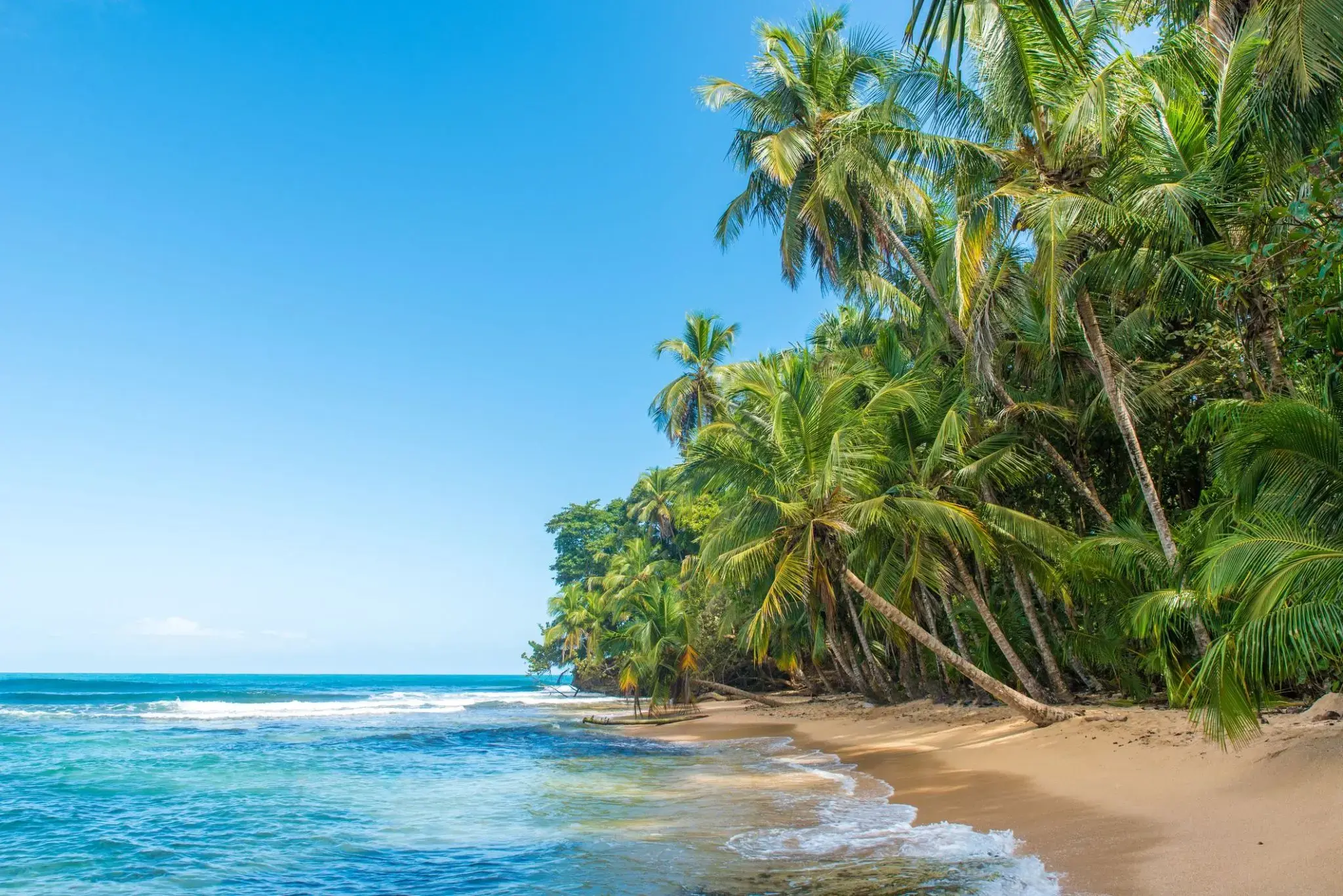
Hidden on the southern coast of Sri Lanka, Hambantota serves as a gateway to a region where exotic nature meets the country's modern ambitions. Deserted beaches give way to green hills, and cozy fishing villages sit alongside major infrastructure projects, including a modern port and airport, making the city a key strategic hub.
Hambantota is perfect for travelers seeking off-the-beaten-path adventures: safaris in nearby Yala National Park, birdwatching in the Bundala sanctuary, or exploring local Buddhist temples offer unforgettable experiences. The local cuisine, based on the freshest seafood and fragrant spices, completes the picture of an ideal retreat away from the tourist crowds.
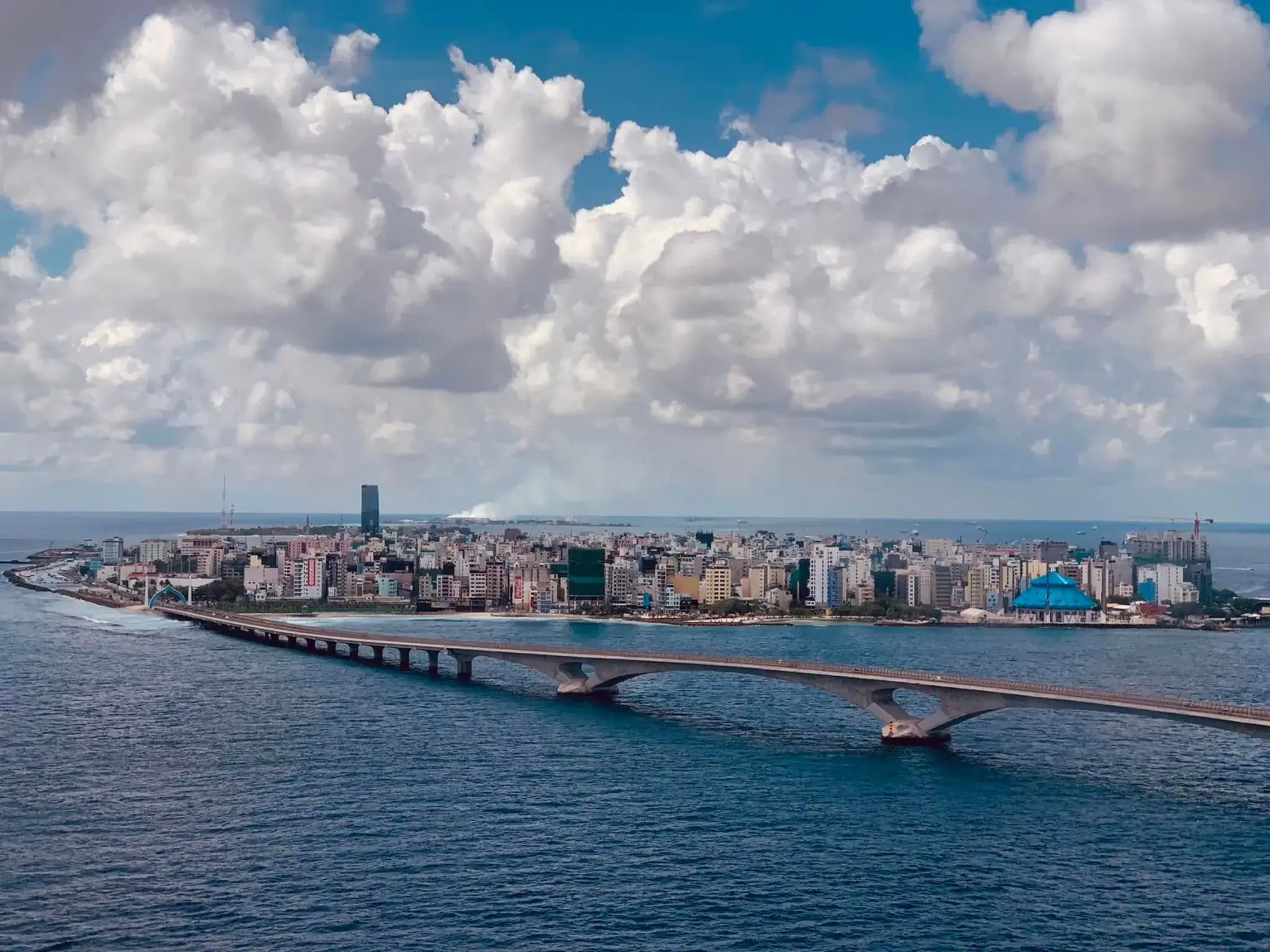
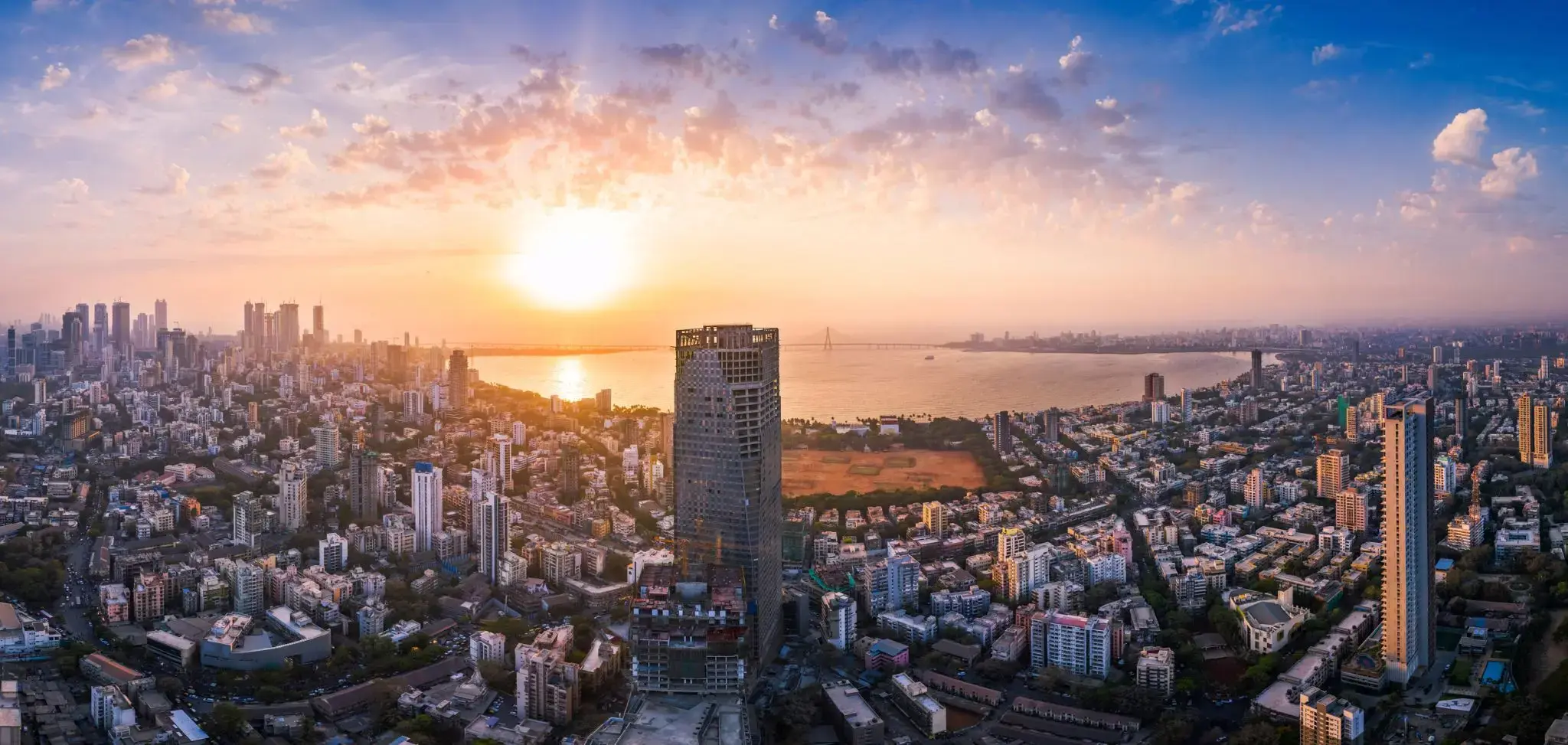
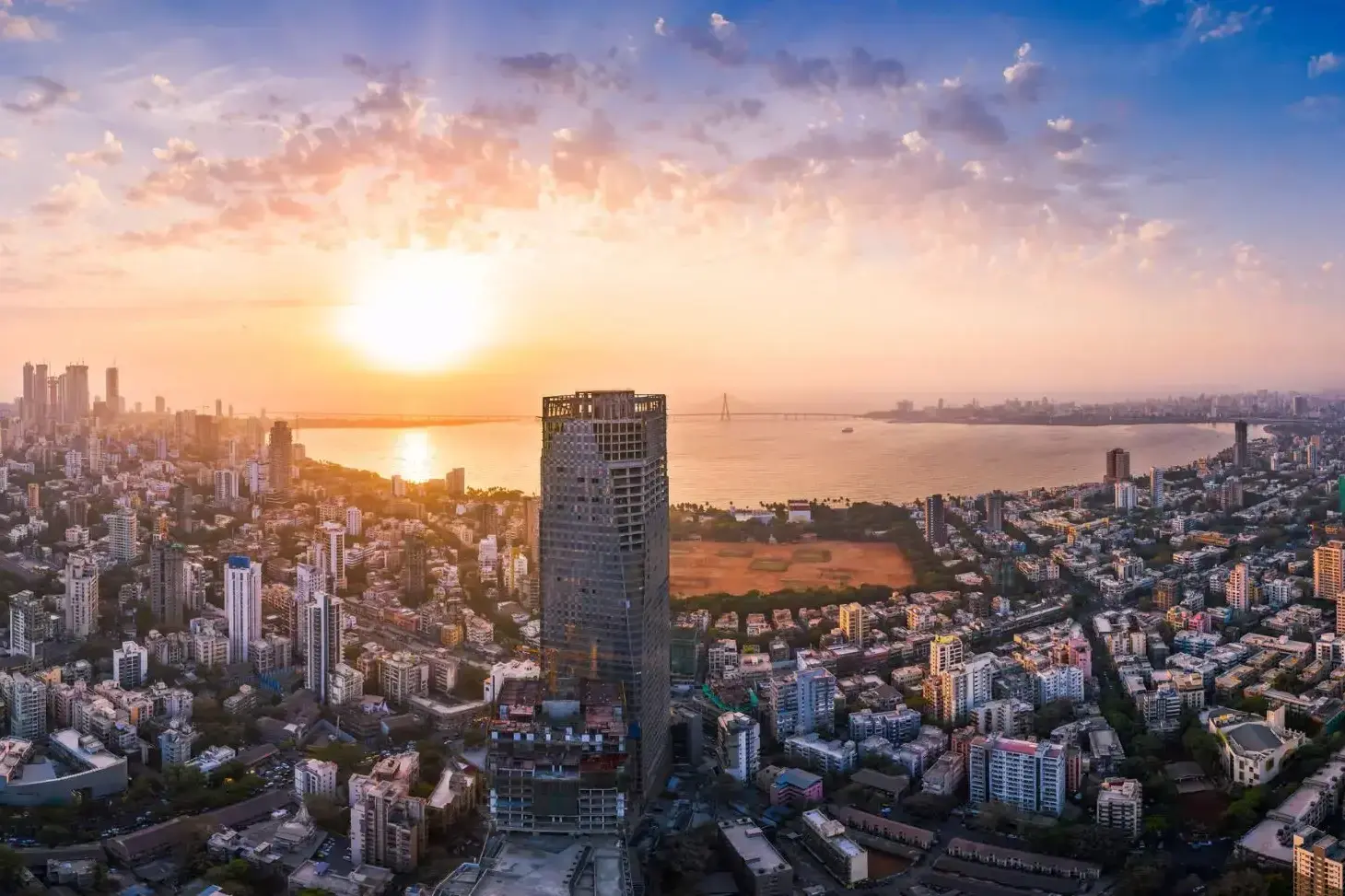
Mumbai is the capital city of the Indian state of Maharashtra. It is the most populous city in India with an estimated city proper population of 12.4 million as of 2011. Along with the neighbouring regions of the Mumbai Metropolitan Region, it is the second most populous metropolitan area in India, with a population of 21.3 million as of 2016. Mumbai lies on the Konkancoast on the west coast of India and has a deep natural harbour. In 2008, Mumbai was named an alpha world city. It is also the wealthiest city in India, and has the highest number of millionaires and billionaires among all cities in India. Mumbai is home to three UNESCO World Heritage Sites: the Elephanta Caves, Chhatrapati Shivaji Maharaj Terminus, and the city's distinctive ensemble of Victorian and Art Deco buildings.
Mumbai is the capital city of the Indian state of Maharashtra. It is the most populous city in India with an estimated city proper population of 12.4 million as of 2011. Along with the neighbouring regions of the Mumbai Metropolitan Region, it is the second most populous metropolitan area in India, with a population of 21.3 million as of 2016. Mumbai lies on the Konkancoast on the west coast of India and has a deep natural harbour. In 2008, Mumbai was named an alpha world city. It is also the wealthiest city in India, and has the highest number of millionaires and billionaires among all cities in India. Mumbai is home to three UNESCO World Heritage Sites: the Elephanta Caves, Chhatrapati Shivaji Maharaj Terminus, and the city's distinctive ensemble of Victorian and Art Deco buildings.
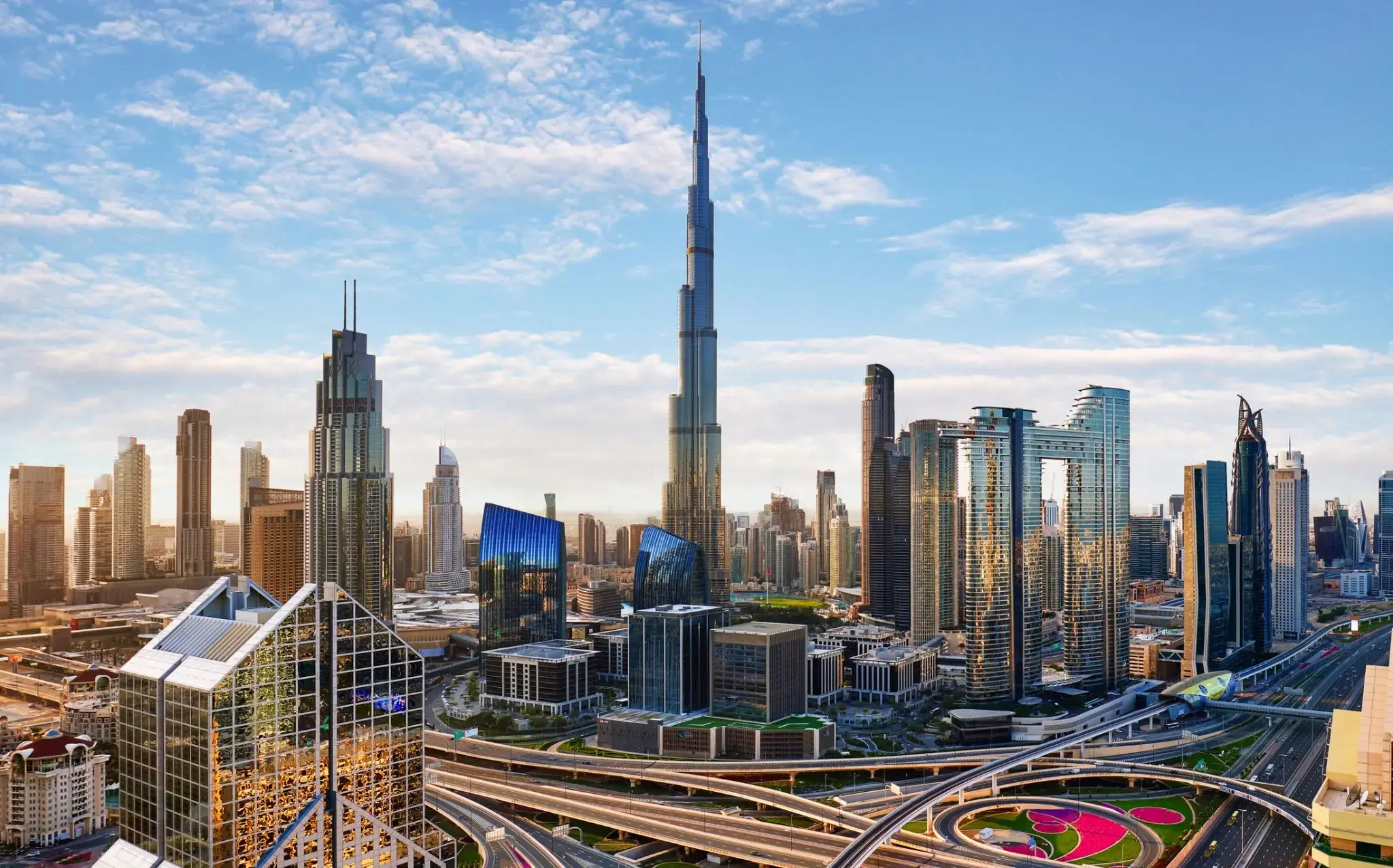
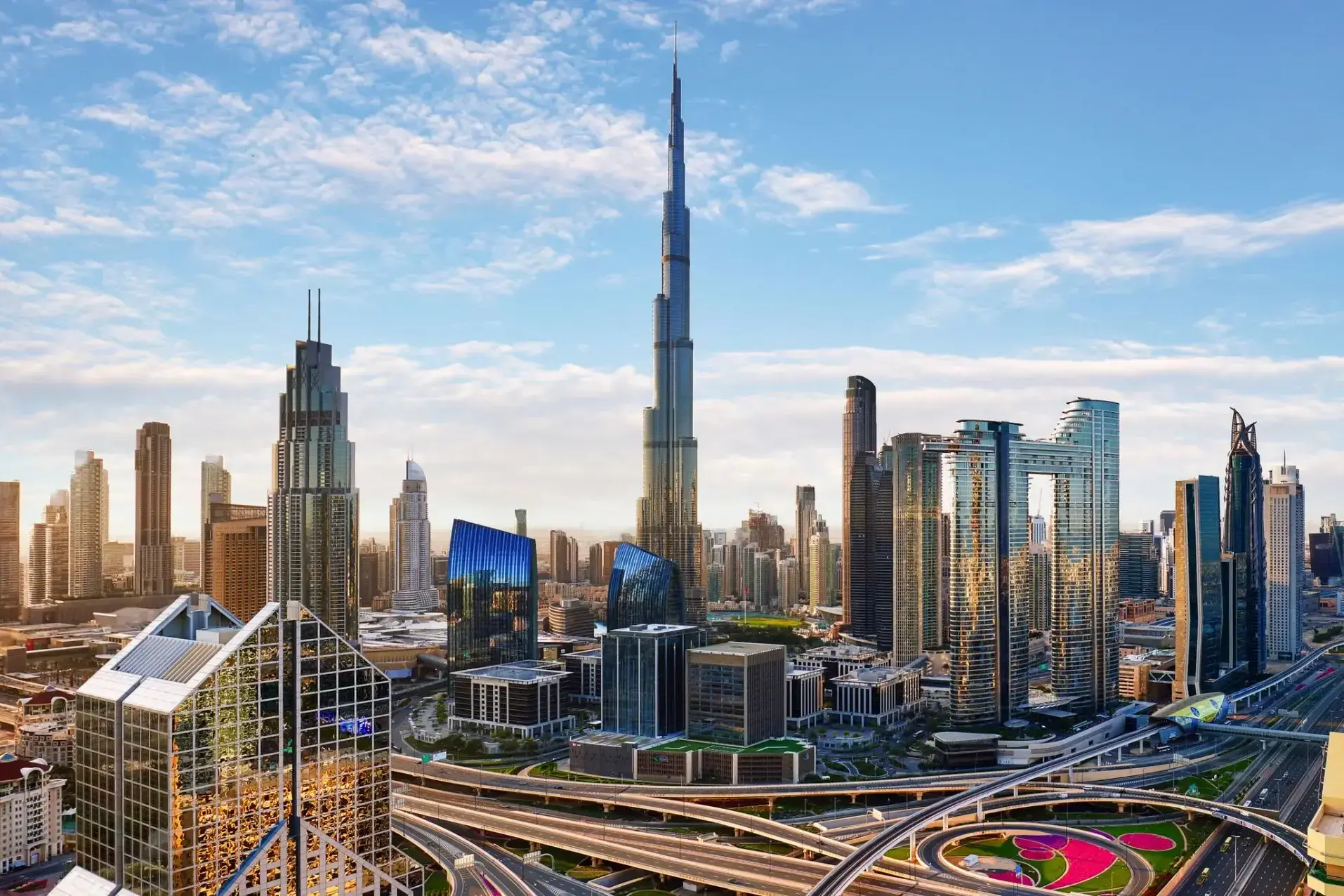
Dubai is the largest and most populous cityin the United Arab Emirates (UAE). On the southeast coast of the Persian Gulf, it is the capital of the Emirate of Dubai, one of the seven emirates that make up the country.
Dubai is a global city and business hub of the Middle East. It is also a major global transport hub for passengers and cargo. Oil revenue helped accelerate the development of the city, which was already a major mercantile hub, but Dubai's oil reserves are limited and production levels are low: today, less than 5% of the emirate's revenue comes from oil. A growing centre for regional and international trade since the early 20th century, Dubai's economy today relies on revenues from trade, tourism, aviation, real estate, and financial services.
Dubai has attracted world attention through large construction projects and sports events, in particular the world's tallest building, the Burj Khalifa. As of 2012, Dubai was the most expensive city in the Middle East. In 2014, Dubai's hotel rooms were rated as the second most expensive in the world.
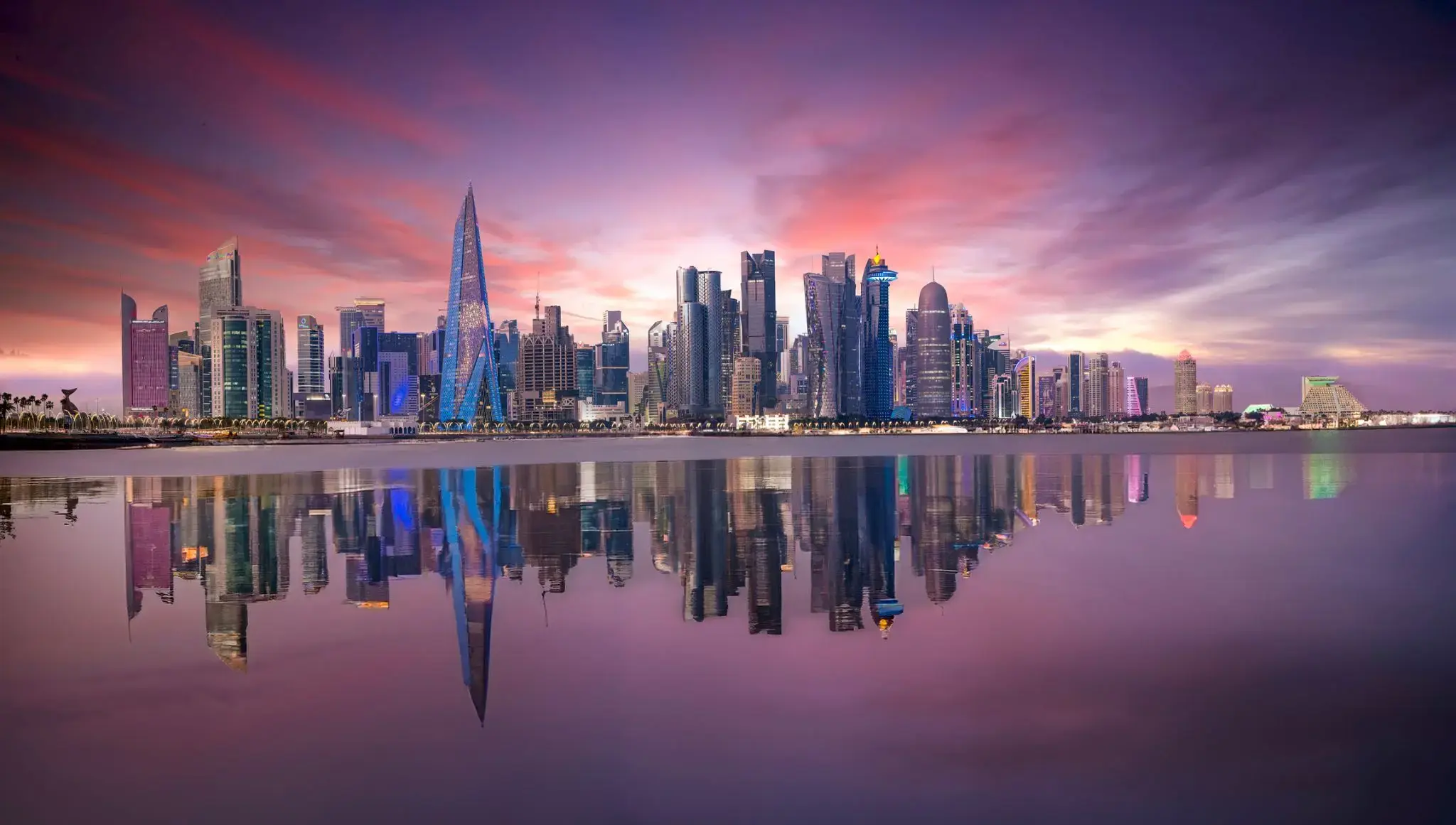
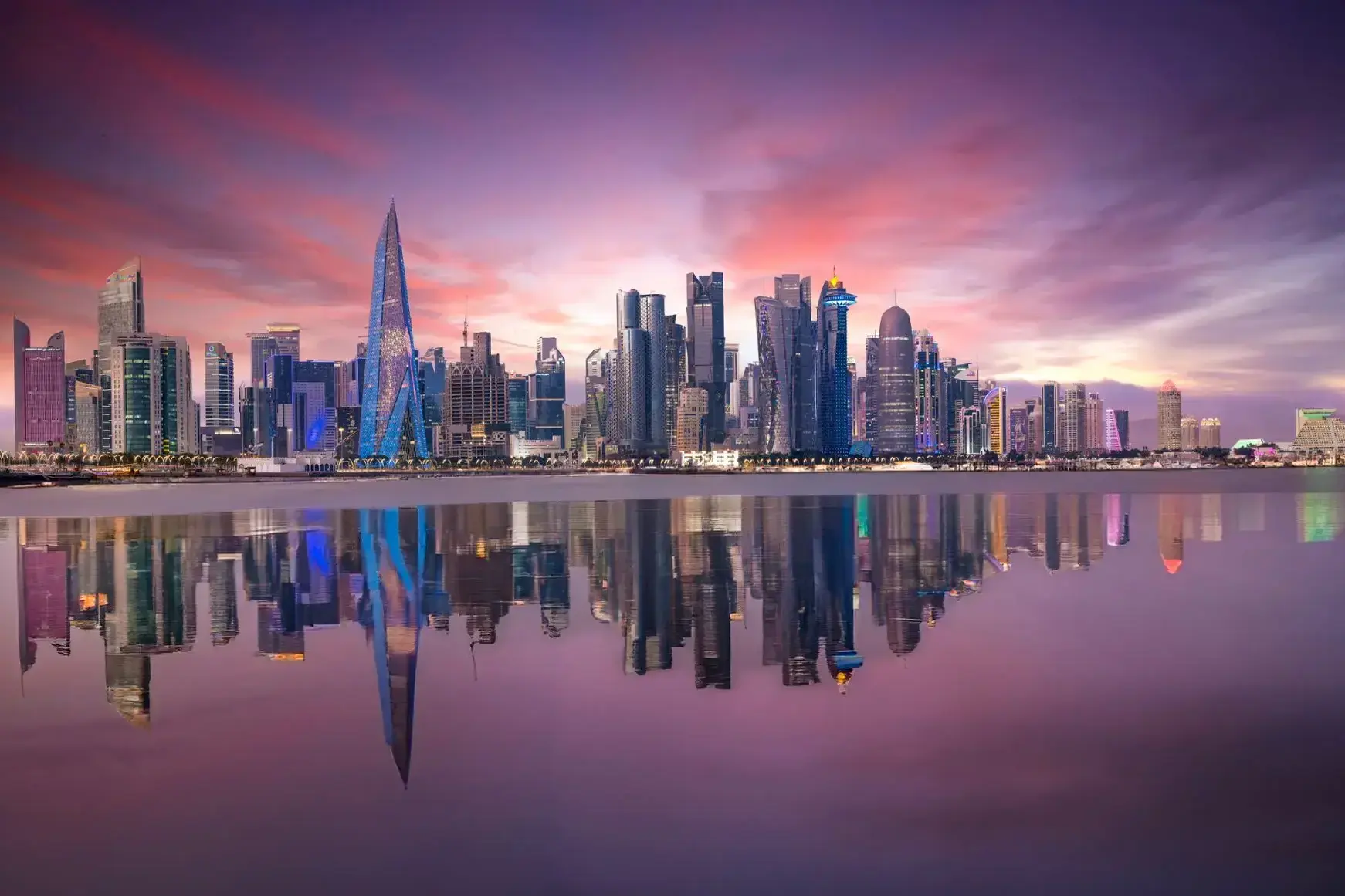
the capital of Qatar, in the eastern part of the country; pop 385,000 (est. 2007).
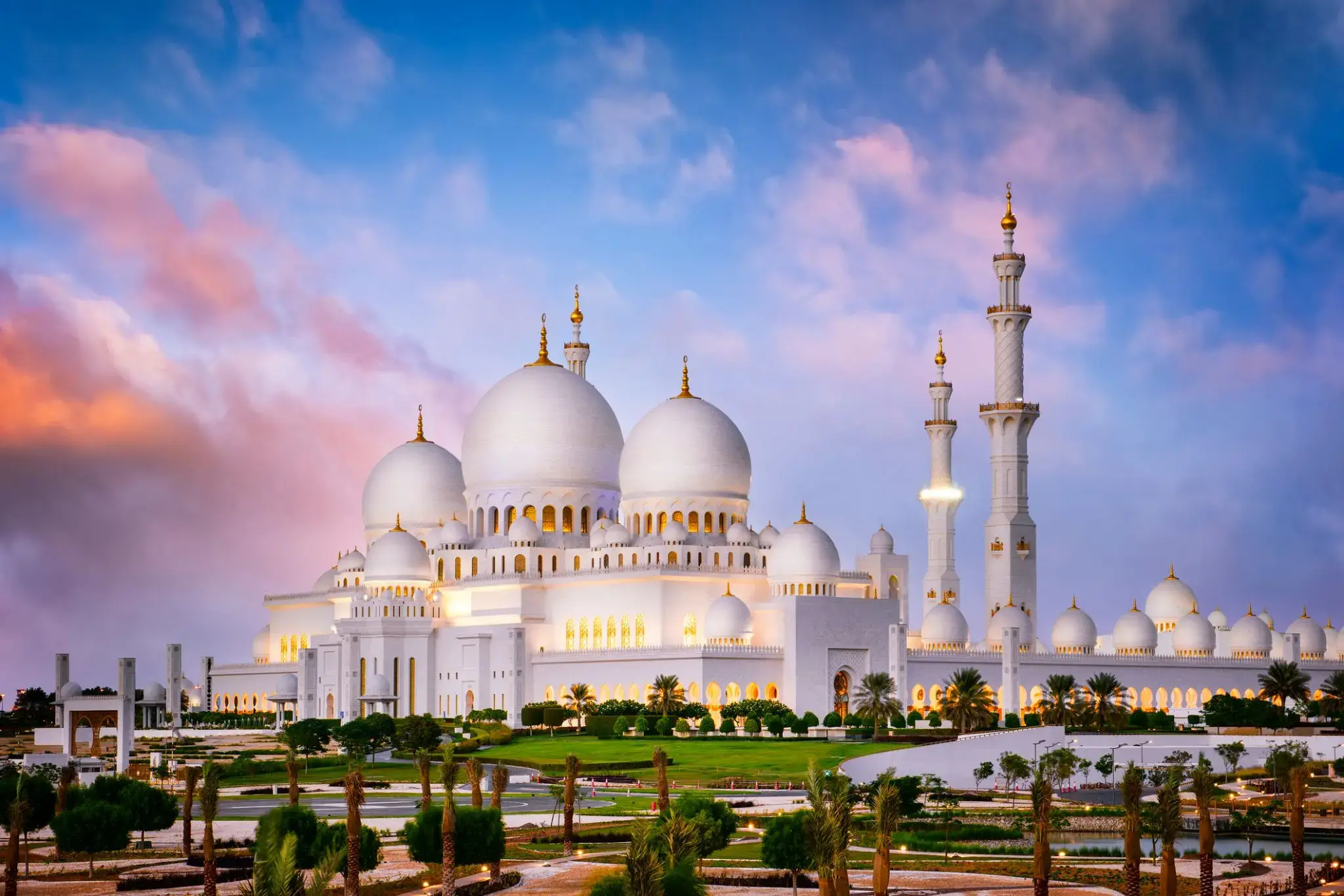
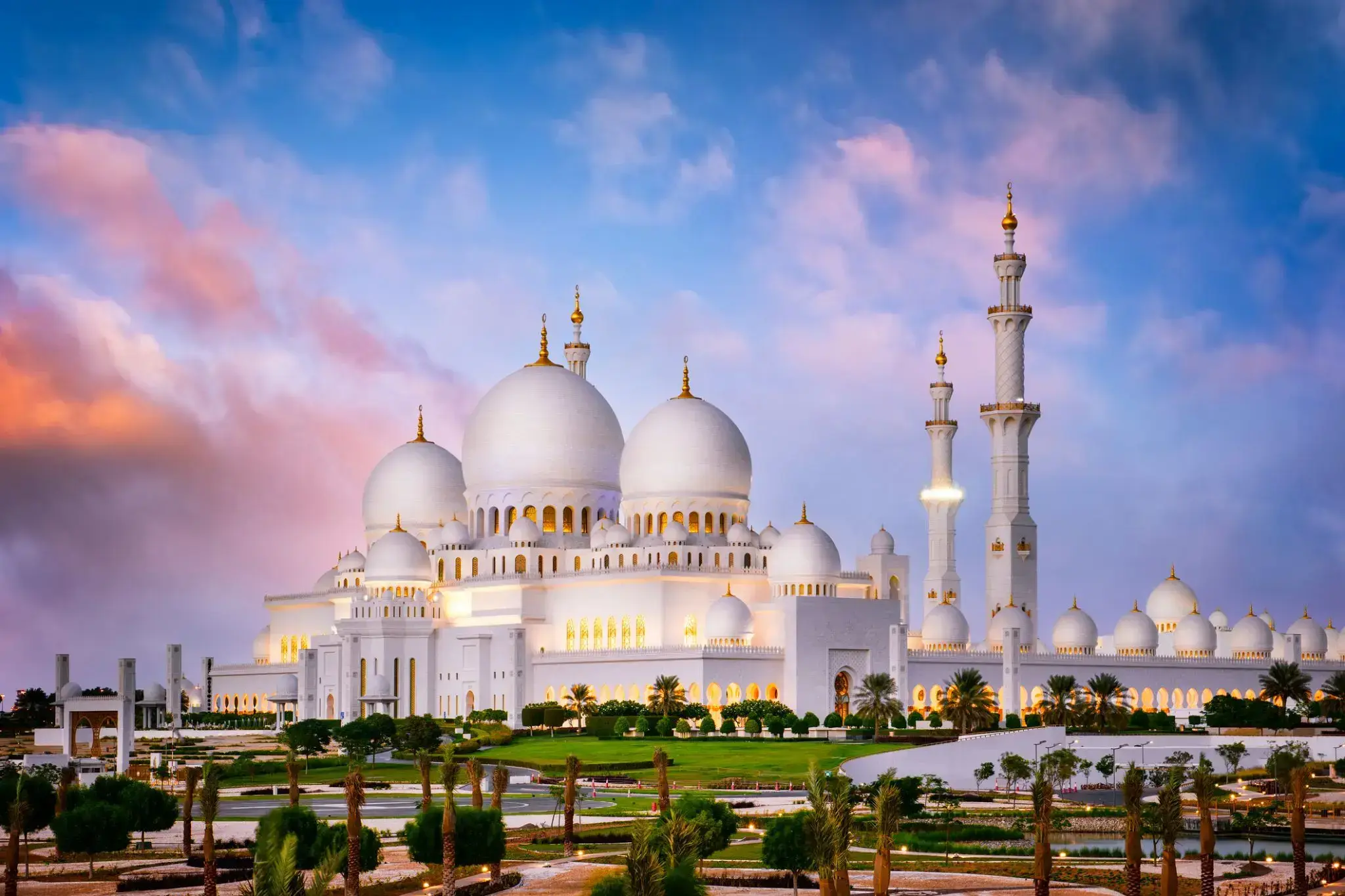
Abu Dhabi is the capital and the second most populous city of the United Arab Emirates (the most populous being Dubai), and also capital of the Emirate of Abu Dhabi, the largest of the UAE's seven emirates. Abu Dhabi lies on a T-shaped island jutting into the Persian Gulf from the central western coast. The city of Abu Dhabi has an estimated population of 1.8 million in 2016.
Abu Dhabi houses federal government offices, is the seat of the United Arab Emirates Government, home to the Abu Dhabi Emiri Family and the President of the UAE, who is from this family. Abu Dhabi's rapid development and urbanisation, coupled with the relatively high average income of its population, has transformed the city into a large and advanced metropolis. Today the city is the country's centre of political and industrial activities, and a major cultural and commercial centre, due to its position as the capital. Abu Dhabi accounts for about two-thirds of the roughly $400-billion United Arab Emirates economy.
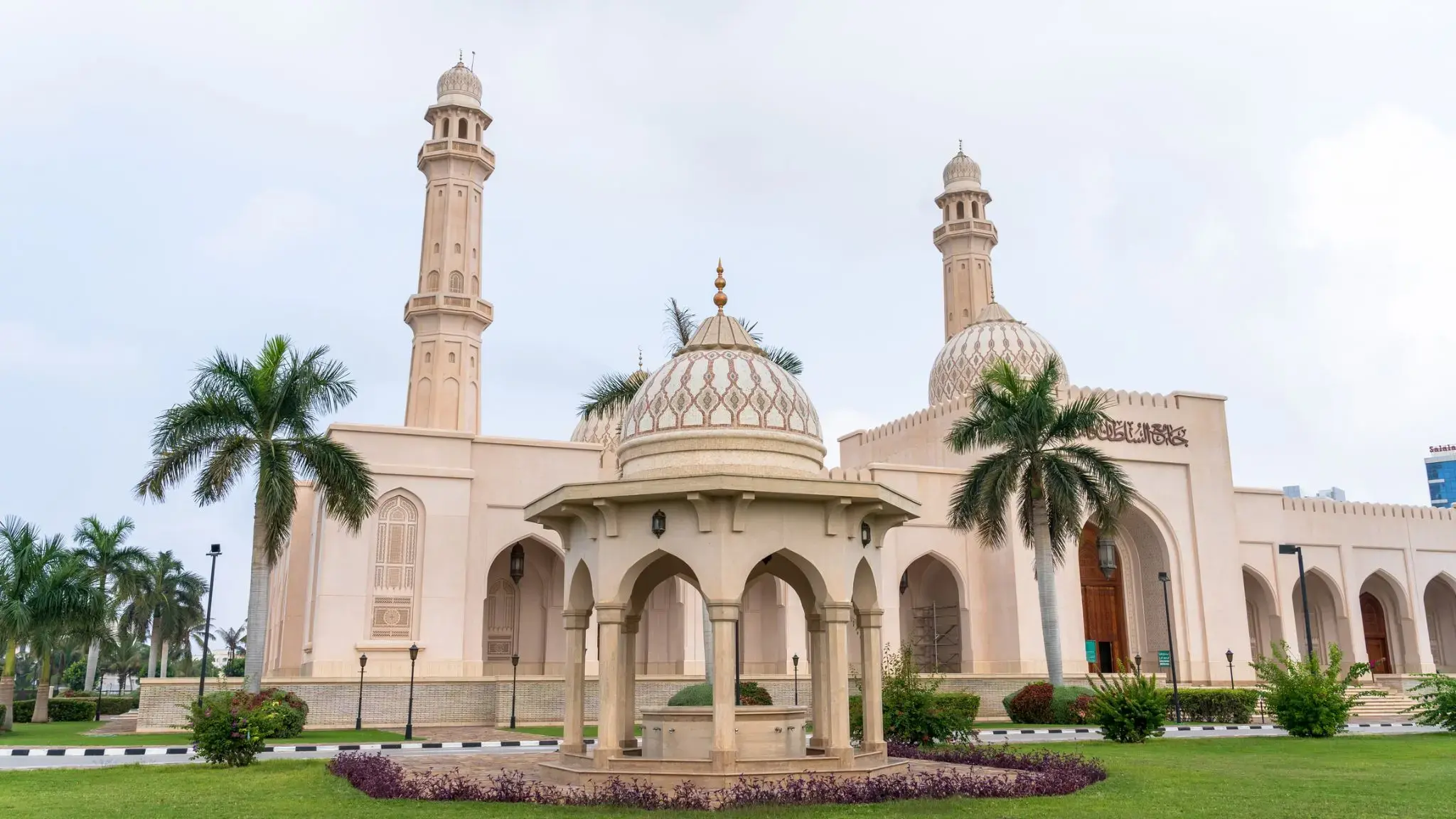
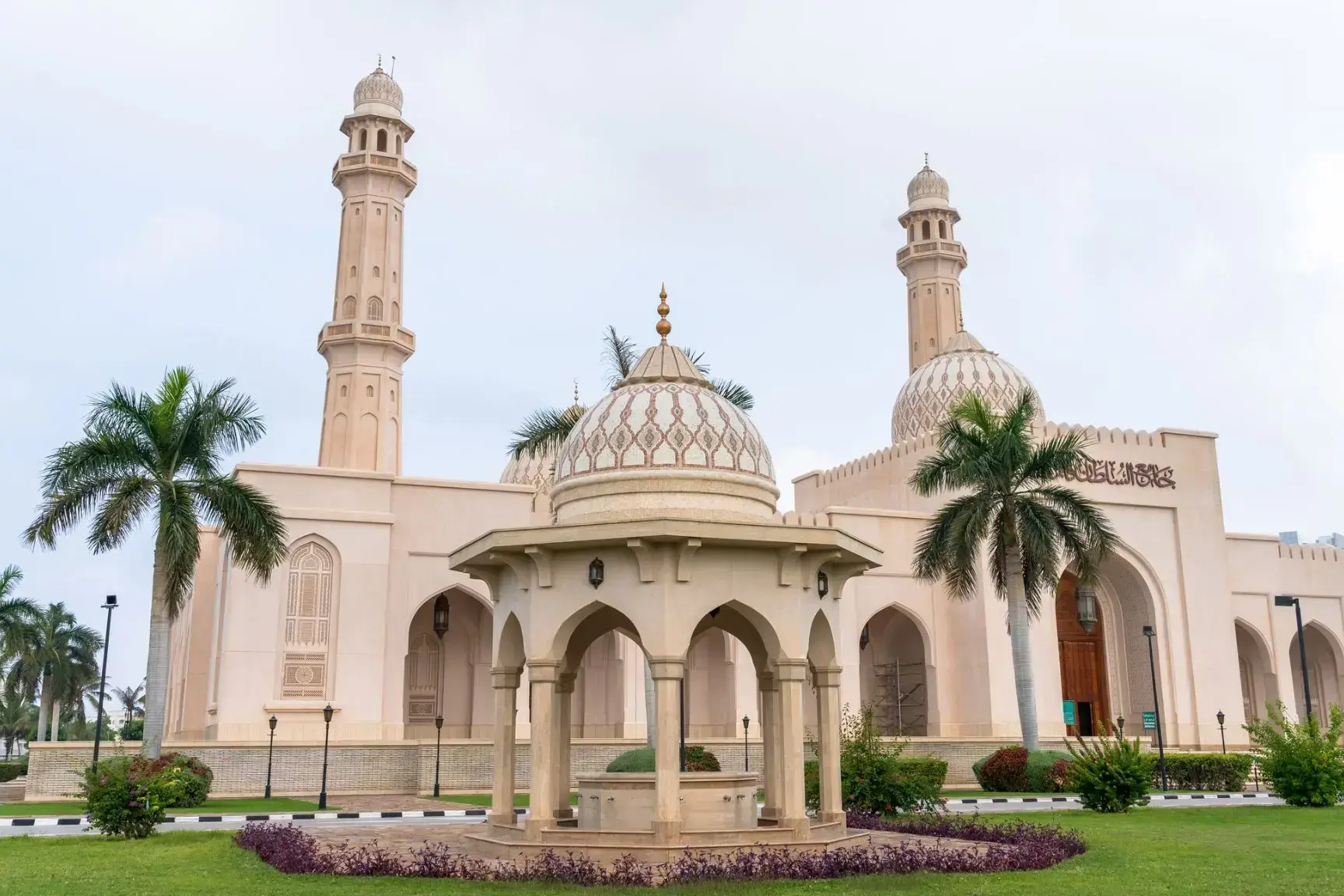
Salalah is the capital and largest city of the southern Omani governorate of Dhofar. Its population in 2009 was about 197,169.
Salalah is the second-largest city in the Sultanate of Oman, and the largest city in the Dhofar Province. Salalah is the birthplace of the current sultan, Qaboos bin Said. Salalah attracts many people from other parts of Oman and the Persian Gulf region during the monsoon/khareef season, which spans from July to September. The climate of the region and the monsoon allows the city to grow some vegetables and fruits like coconut and bananas. There are many gardens within the city where these vegetables and fruits grow.
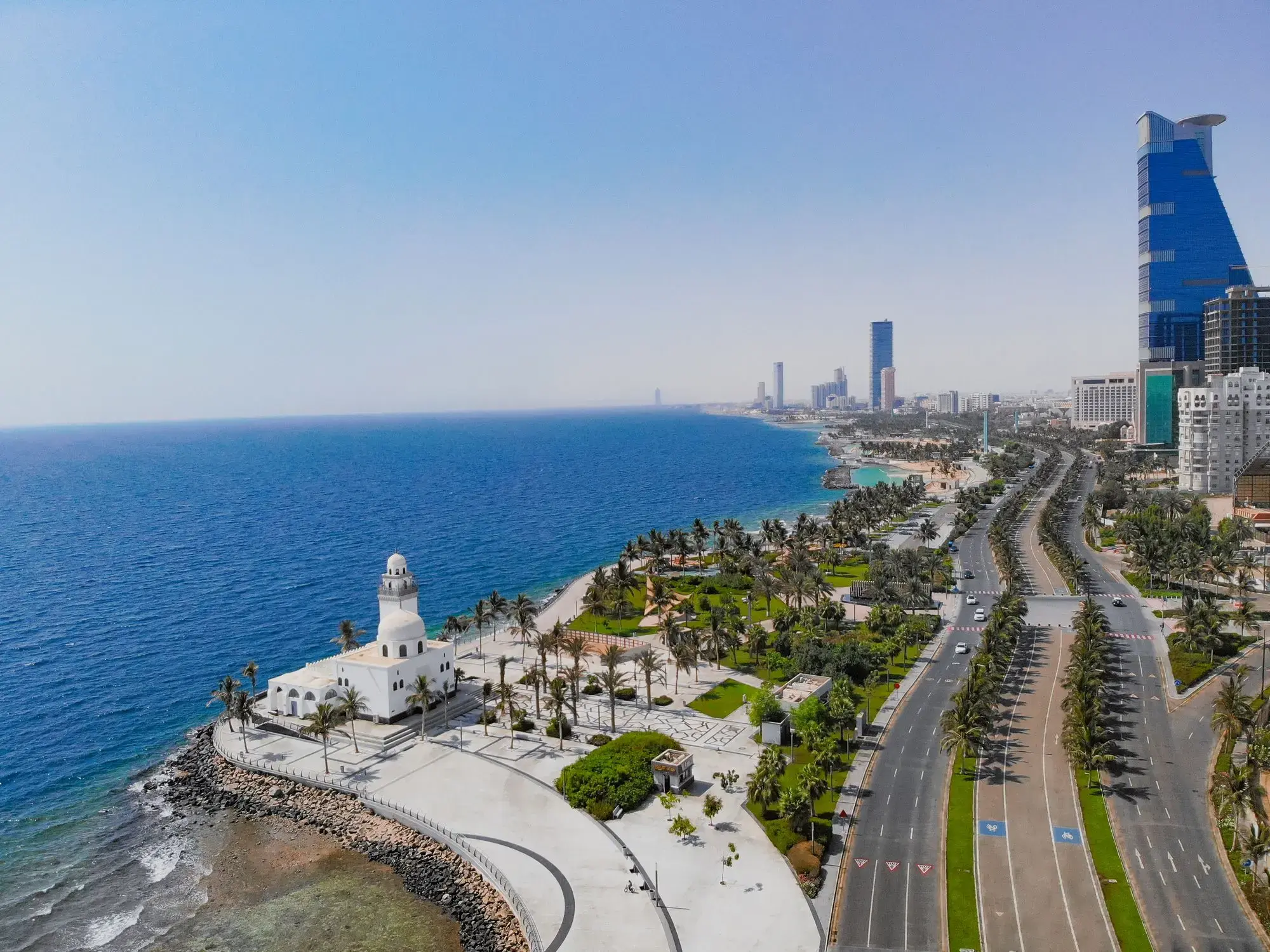
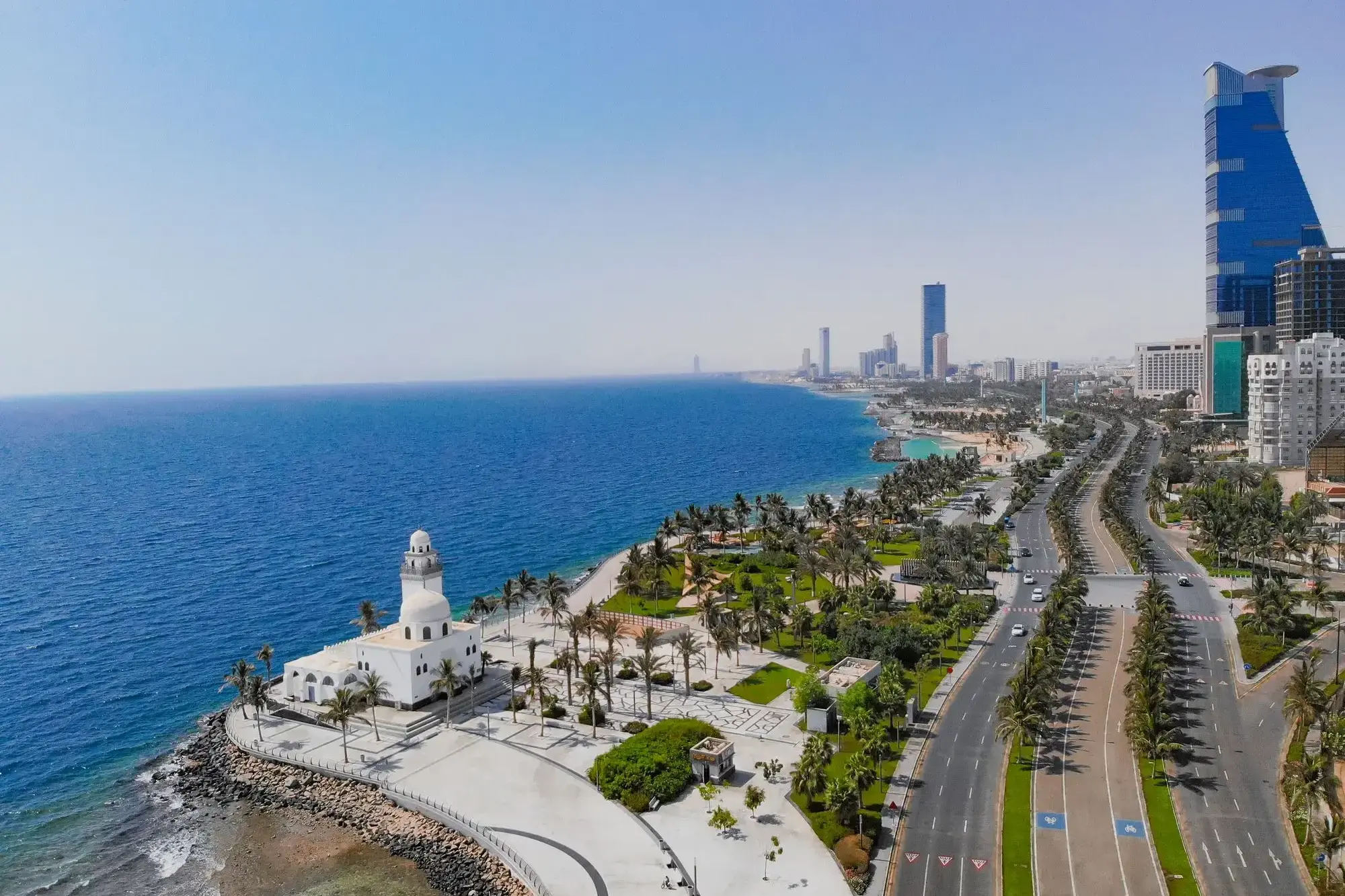
On the western coast of Saudi Arabia, where sandy dunes meet the azure waters of the Red Sea, lies Jeddah — the gateway to Mecca and a vibrant center of culture and commerce. The city impresses with its unique blend of ancient traditions and modern achievements: visitors can stroll through the historic Al-Balad district with its coral stone houses, then explore luxury malls or the striking Corniche promenade.
Jeddah is known for its cosmopolitan atmosphere and warm hospitality, welcoming pilgrims and traders from around the world for centuries. Tourists are drawn not only by the rich cultural heritage but also by the chance to dive among some of the most picturesque coral reefs in the region. The famous Floating Mosque and the King Fahd Fountain — one of the tallest in the world — have become iconic symbols of the city.
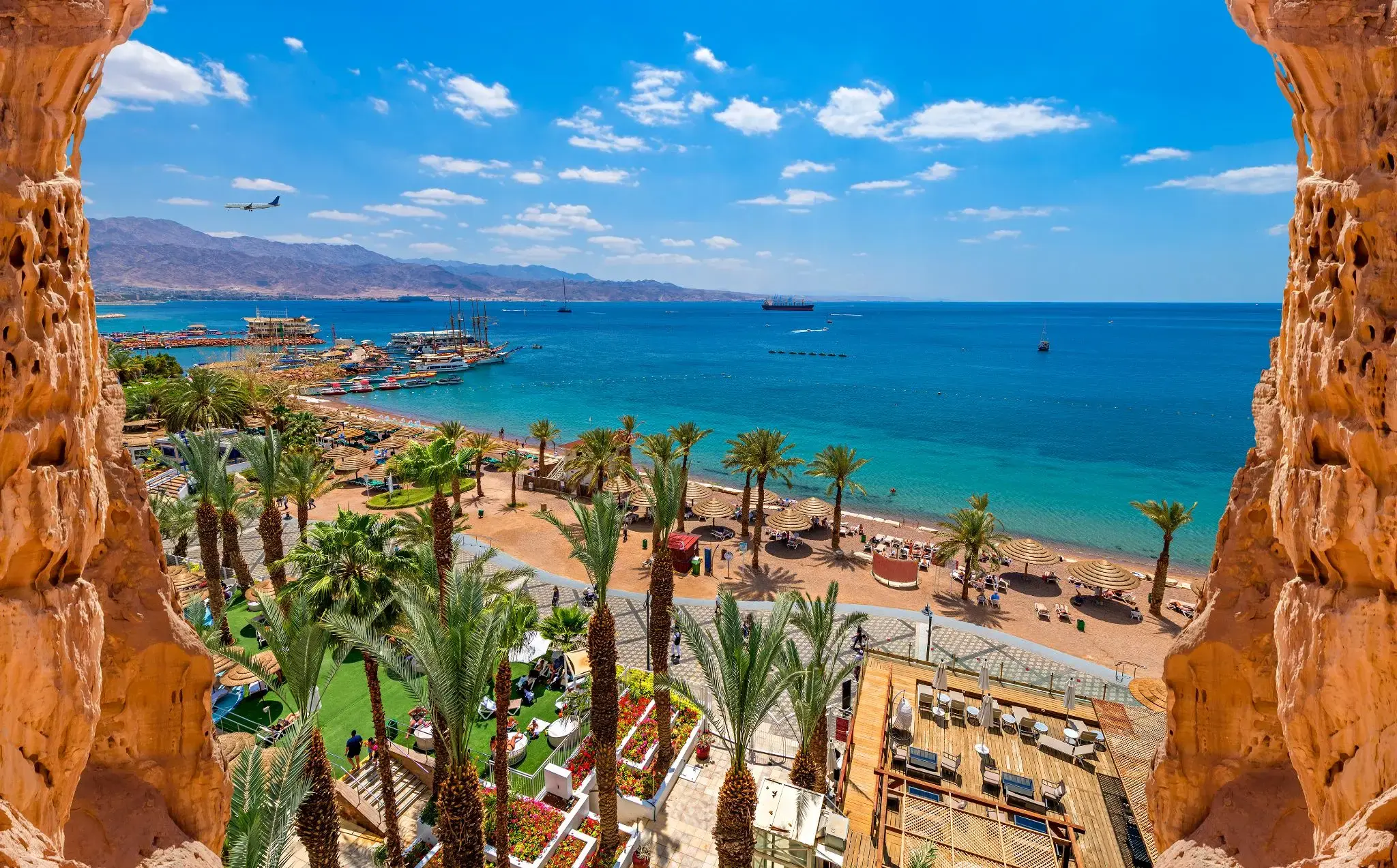
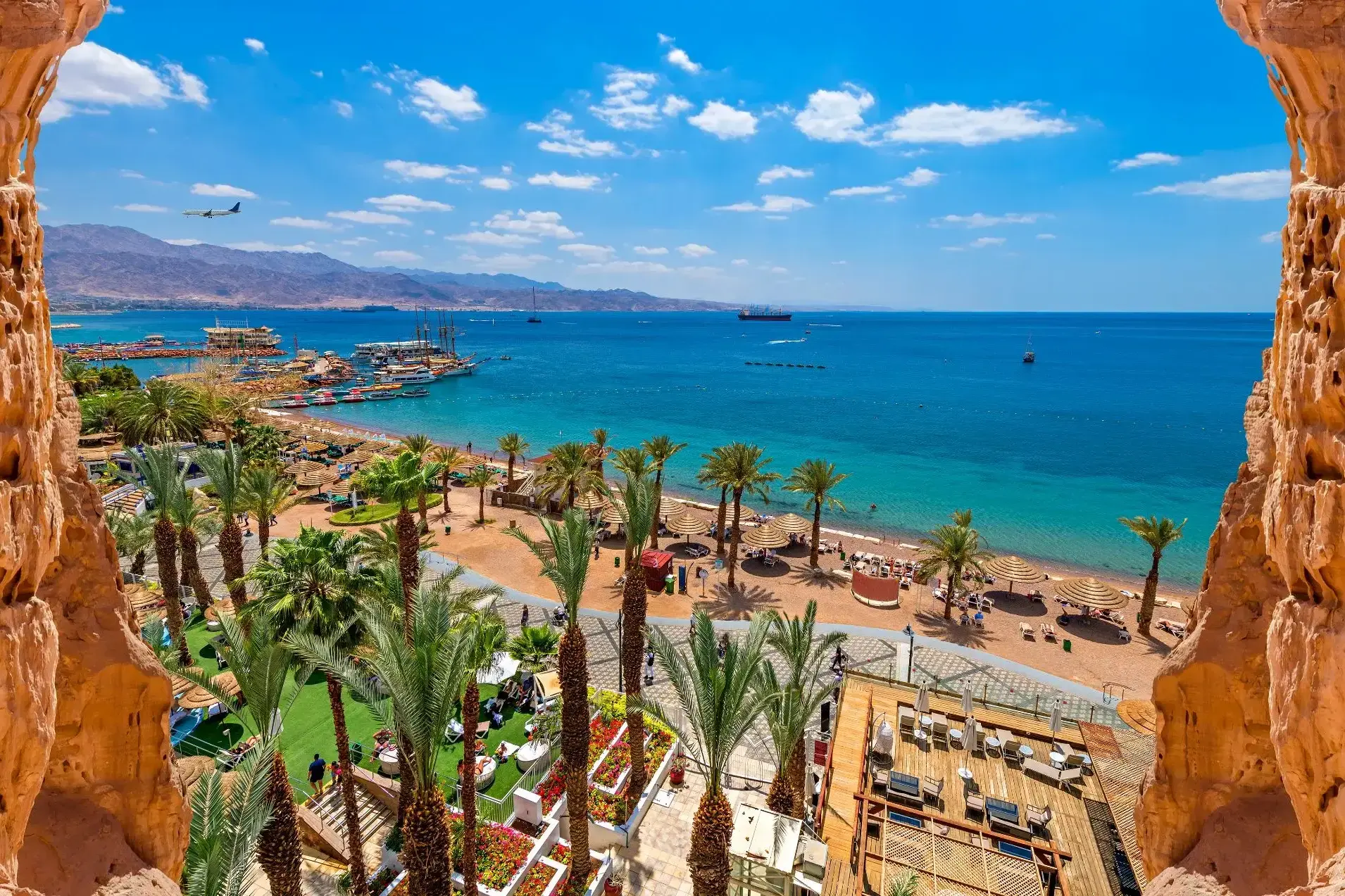
Aqaba is the only coastal city in Jordan and the largest and most populous city on the Gulf of Aqaba. Situated in southernmost Jordan, Aqaba is the administrative centre of the Aqaba Governorate. The city had a population of 148,398 in 2015 and a land area of 375 square kilometres (144.8 sq mi). Today, Aqaba plays a major role in the development of the Jordanian economy, through the vibrant trade and tourism sectors. The Port of Aqaba also serves other countries in the region.
Aqaba's strategic location at the northeastern tip of the Red Sea between the continents of Asia and Africa, has made its port important over the course of thousands of years.
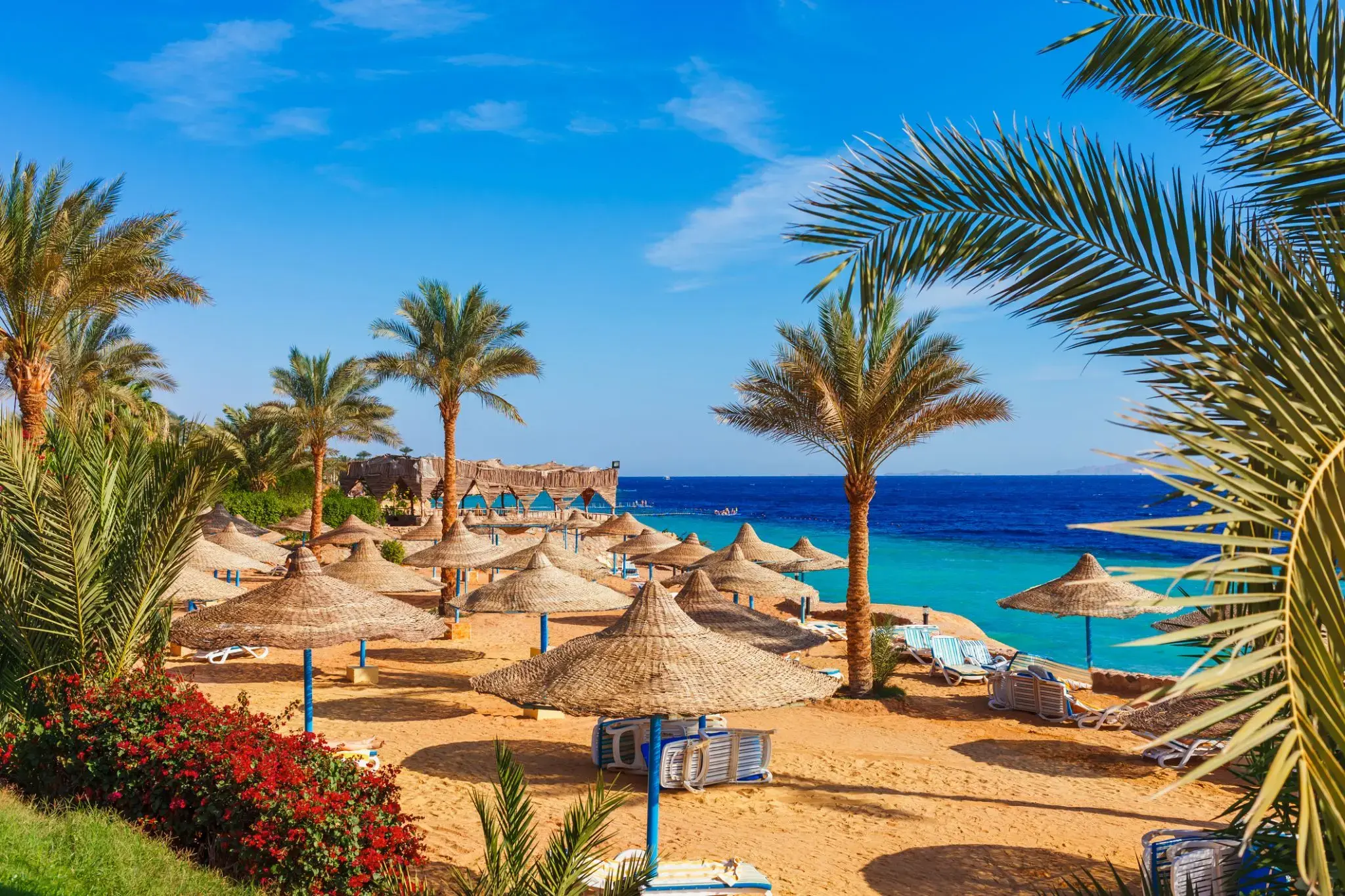
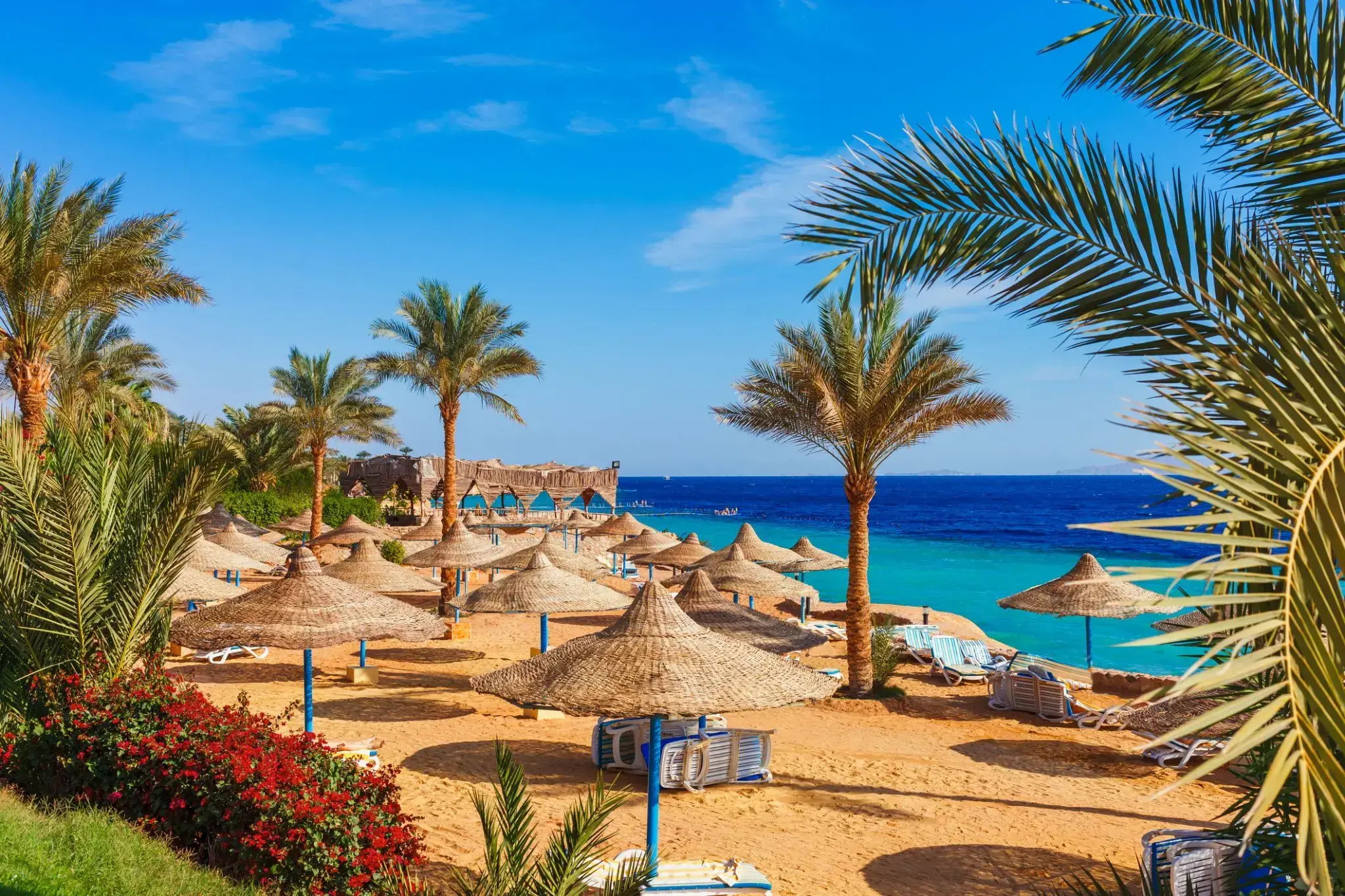
Sharm El Sheikh is an Egyptian city on the southern tip of the Sinai Peninsula, in South Sinai Governorate, on the coastal strip along the Red Sea. Its population is approximately 73,000 as of 2015. Sharm El Sheikh is the administrative hub of Egypt's South Sinai Governorate, which includes the smaller coastal towns of Dahab and Nuweiba as well as the mountainous interior, St. Catherine and Mount Sinai. The city and holiday resort is a significant centre for tourism in Egypt, while also attracting many international conferences and diplomatic meetings.
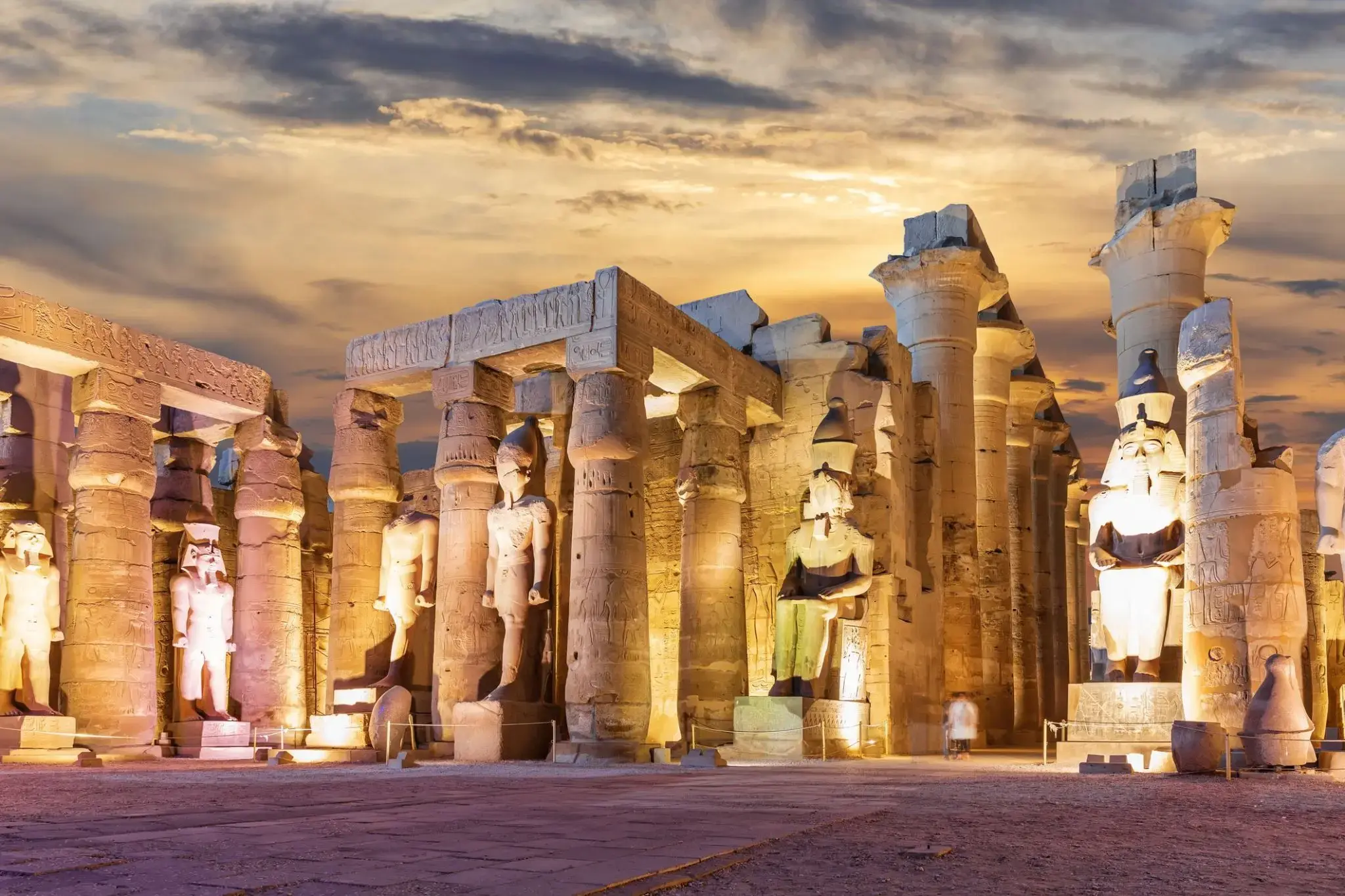
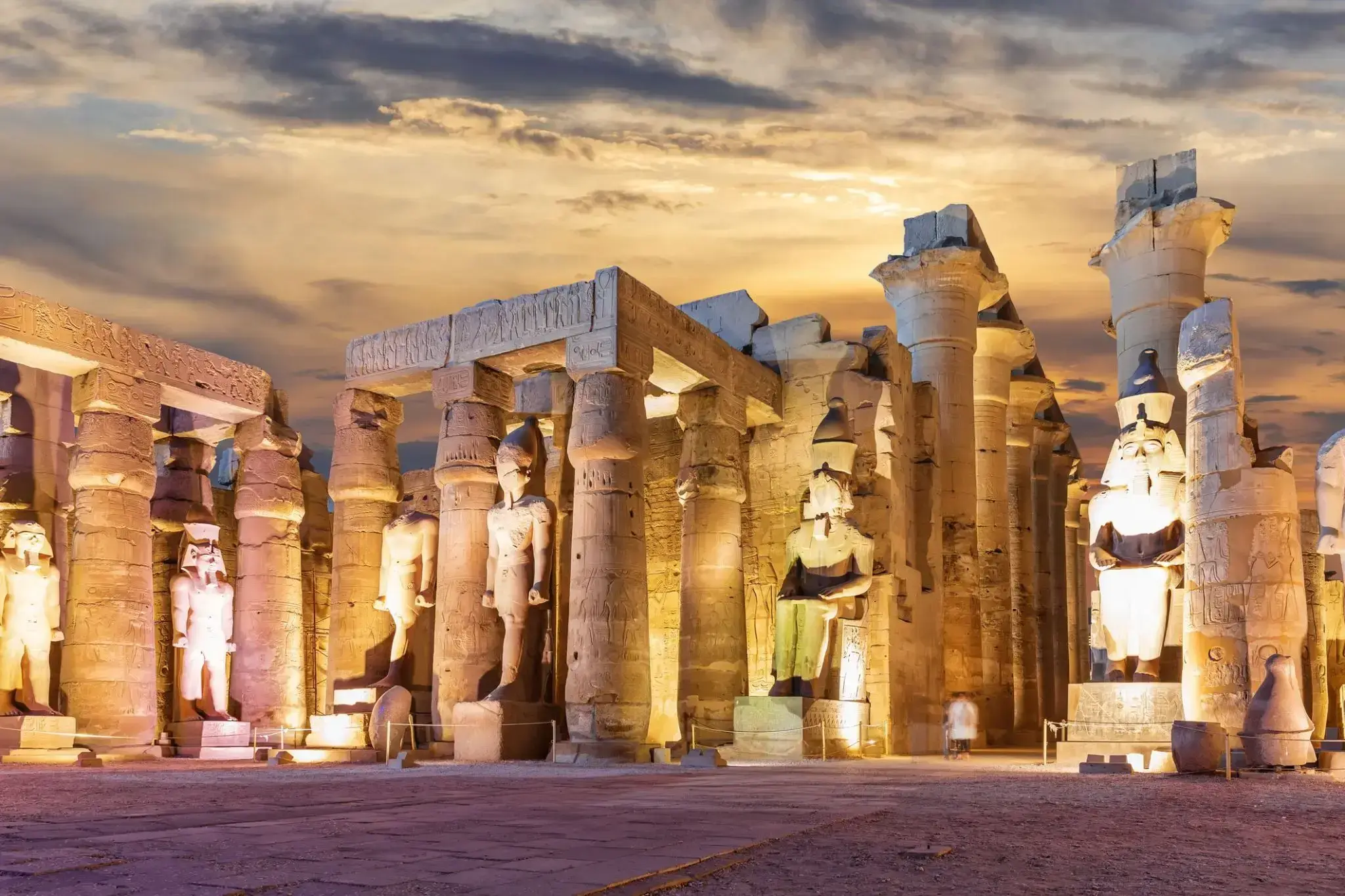
Beneath the bright Egyptian sun, Luxor stretches along both banks of the Nile — a city often referred to as the world's greatest open-air museum. Once the mighty capital of ancient Thebes, Luxor captivates visitors with its monumental sites: the Karnak Temple, the Valley of the Kings where Tutankhamun rests, and the Colossi of Memnon standing tall in silent majesty.
A walk through Luxor is not just a tour, but a true journey through time. Here, history is felt in every stone, in the shadow of towering columns, and in the calm of dawn as the sun rises over the ruins. Visitors are welcomed not only by awe-inspiring archaeology, but also by serene Nile cruises, hot-air balloon flights, and the warmth of locals who live side by side with their rich heritage.
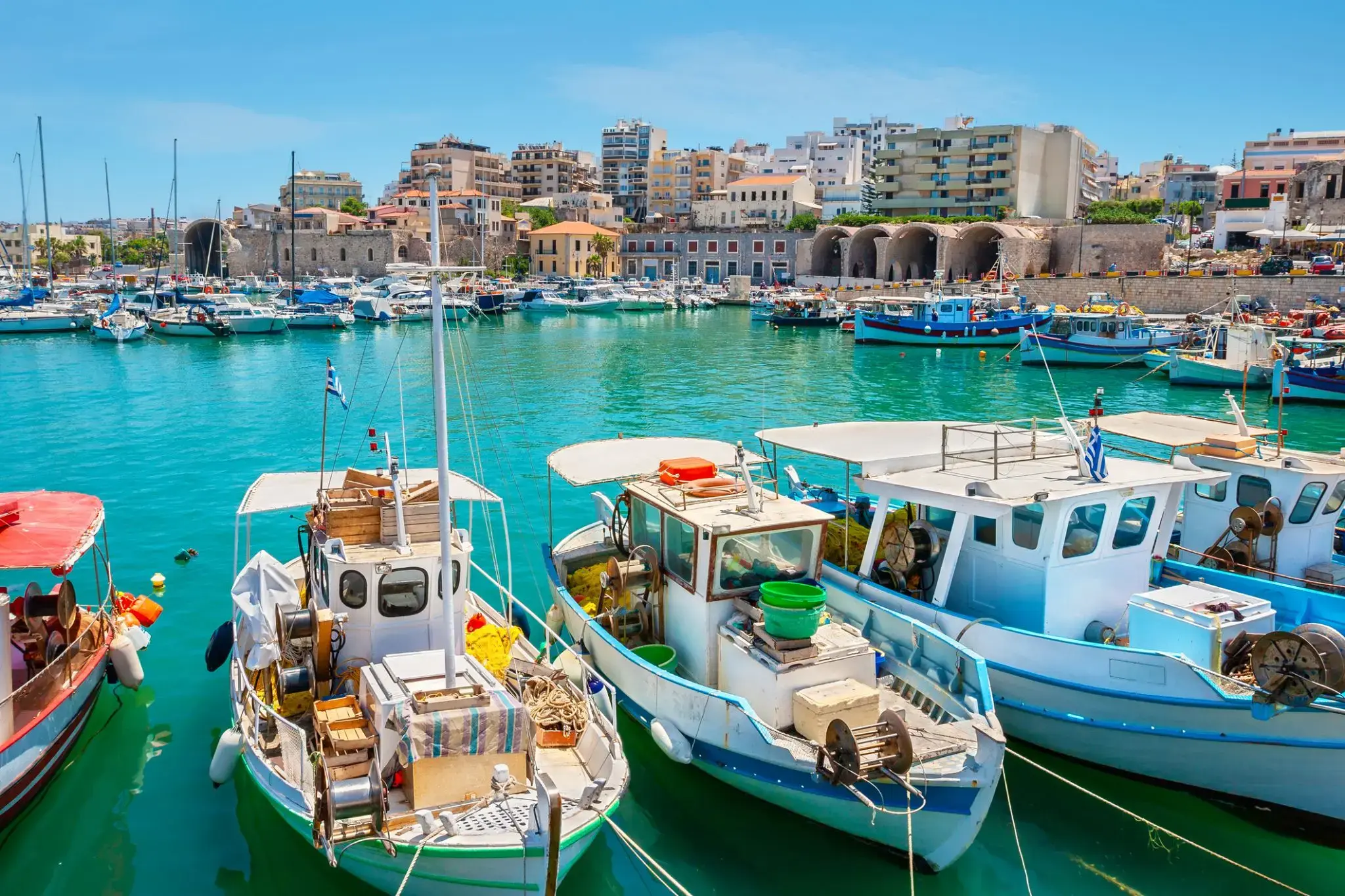
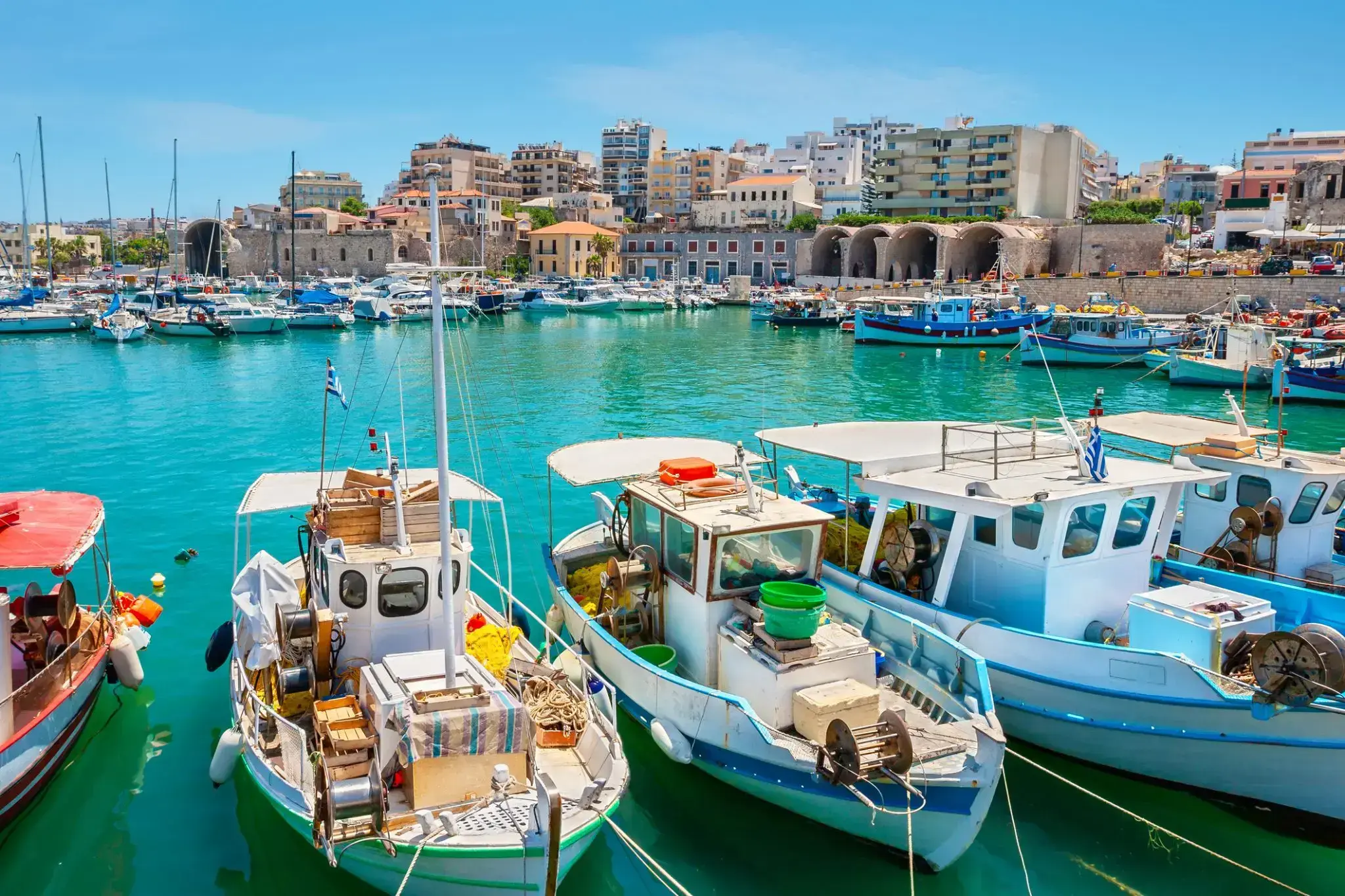
Heraklion or Heraclion is the largest city and the administrative capital of the island of Crete. It is the fourth largest city in Greece. According to the results of the 2011 census, the population of the city proper was 166,209 inhabitants, the municipality's was 173,993 while the Heraklion urban area has a population of 225,574 and it extends over an area of 684.3 km2 (264.2 sq mi).
Heraklion is the capital of Heraklion regional unit.
The Bronze Age palace of Knossos, also known as the Palace of Minos, is located nearby.
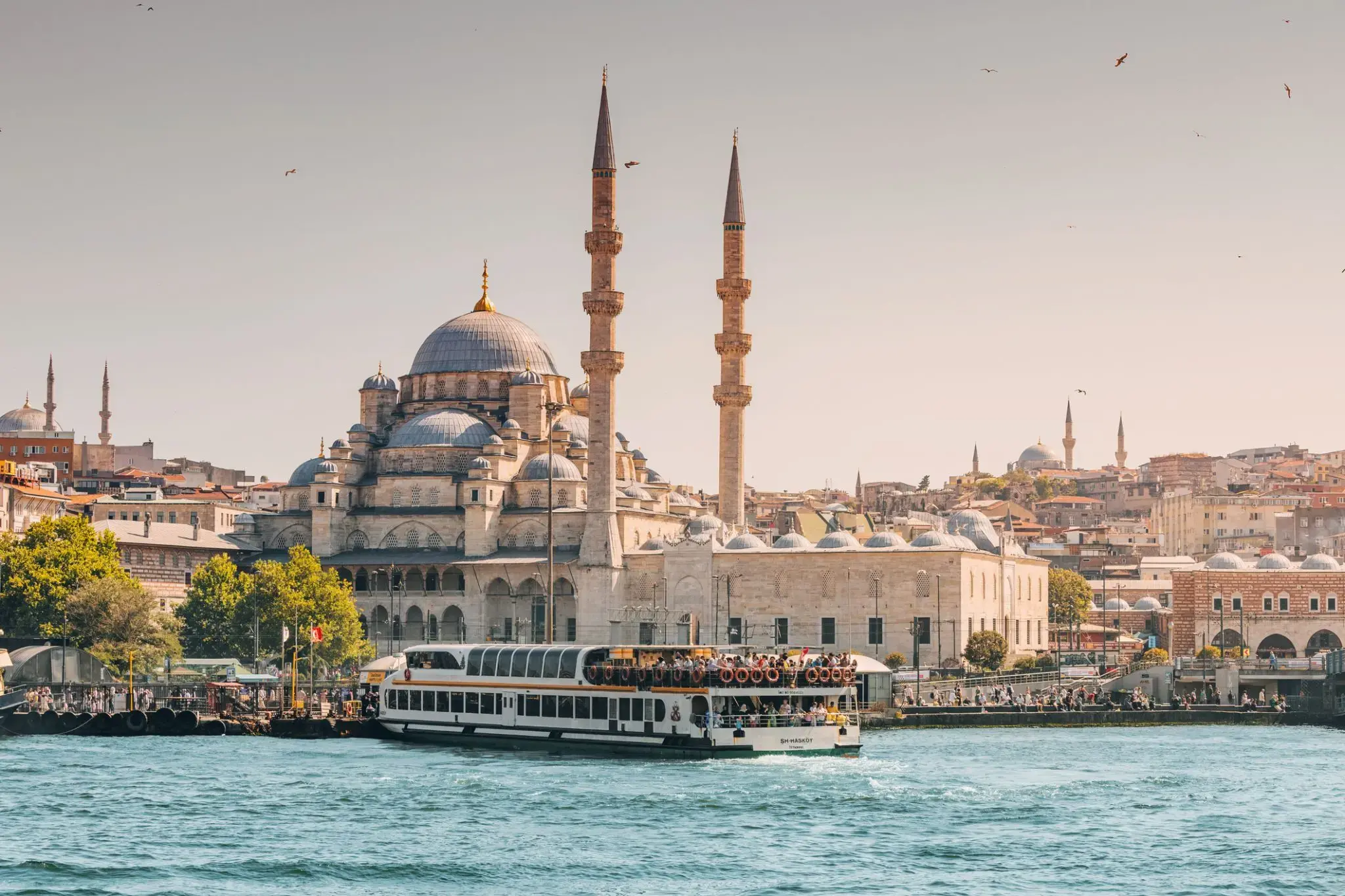
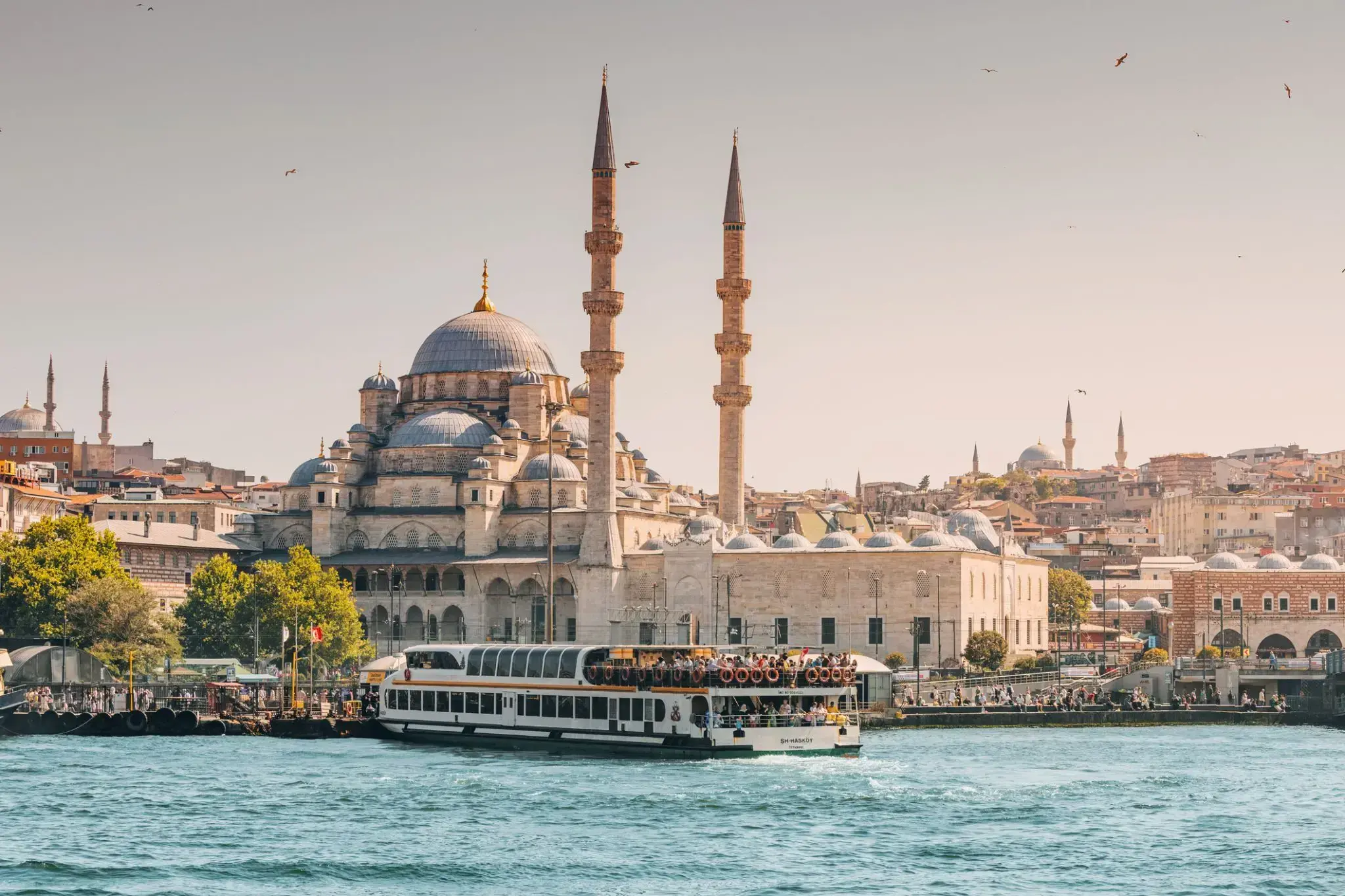
Istanbul – the largest city in Turkey, located on the Bosphorus. Until 1930 it was known as Constantinople and served as the capital of the Roman, Byzantine, Latin and Ottoman Empires. The city and its surroundings preserve monuments of ancient civilizations, including temples, palaces and fortifications. Today Istanbul is an important cultural, commercial and industrial hub. Tourists come not only to admire its historic landmarks, but also to shop at world-famous Turkish bazaars, where you can buy spices, jewelry, antiques, colorful hookahs and bargain like a local.
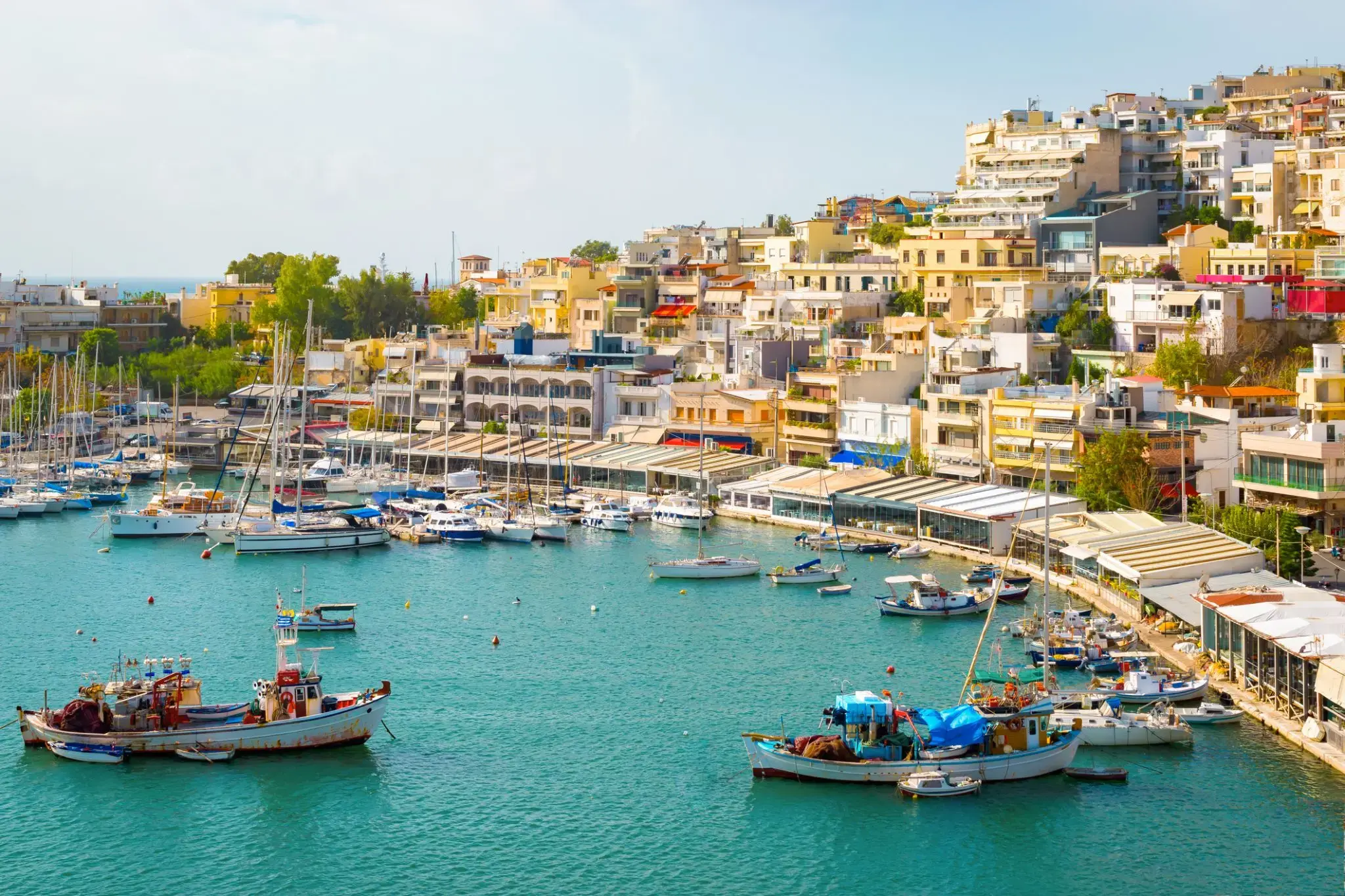
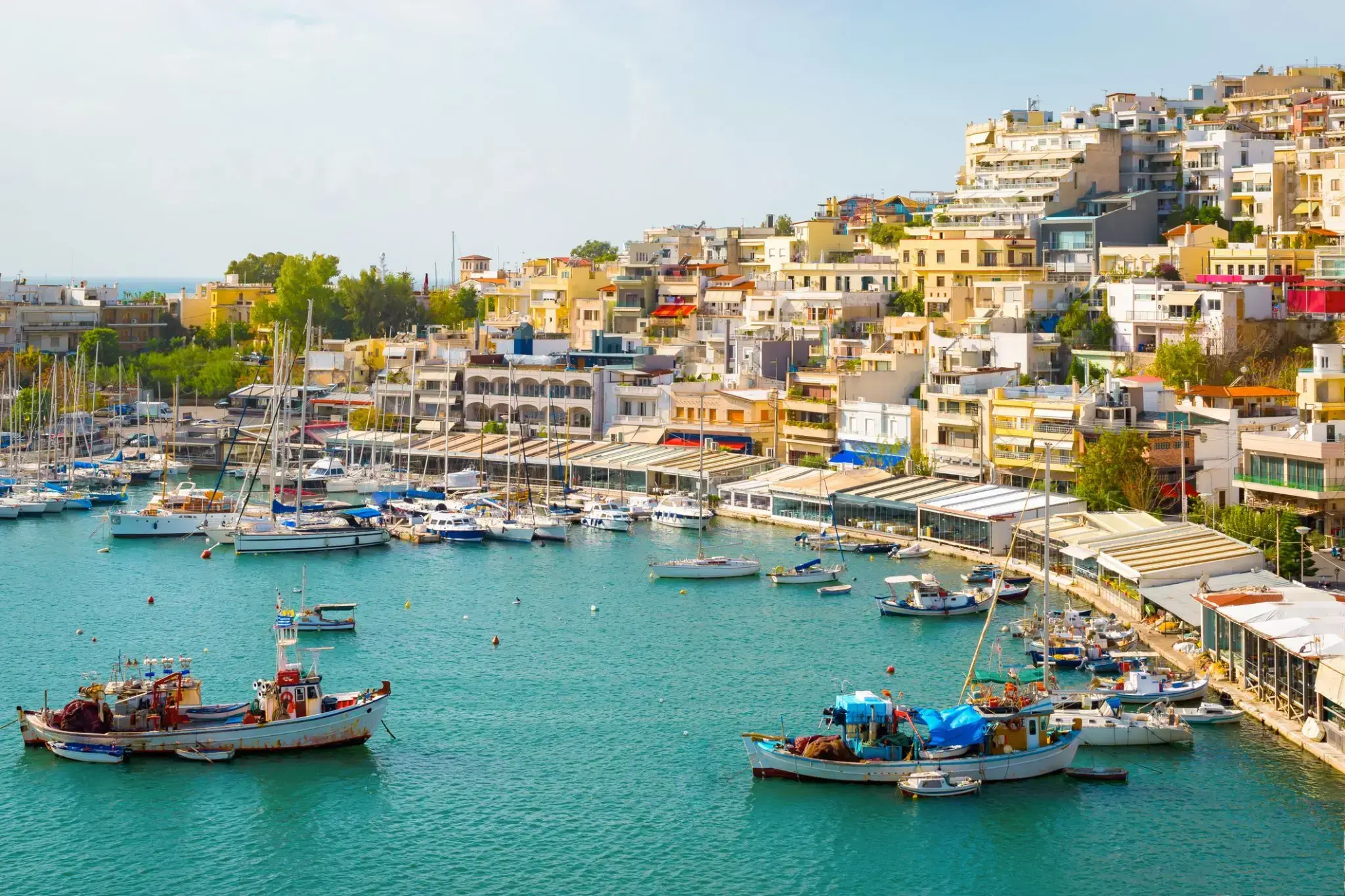
Piraeus is the gateway to Athens , which, in turn, is rightfully considered the center of the centers of the whole world, with the main attraction - the acropolis. Piraeus is an old port city serving the port of Athens, the largest port in Greece to date. Piraeus is part of the great Athens, which boasts an abundance of attractions, including unique monuments of national fine art. More than two hundred museums and galleries, including the University History Museum, the Ceramics Archaeological Museum and many others, will hospitably welcome you within their walls and familiarize themselves with the culture of this area.
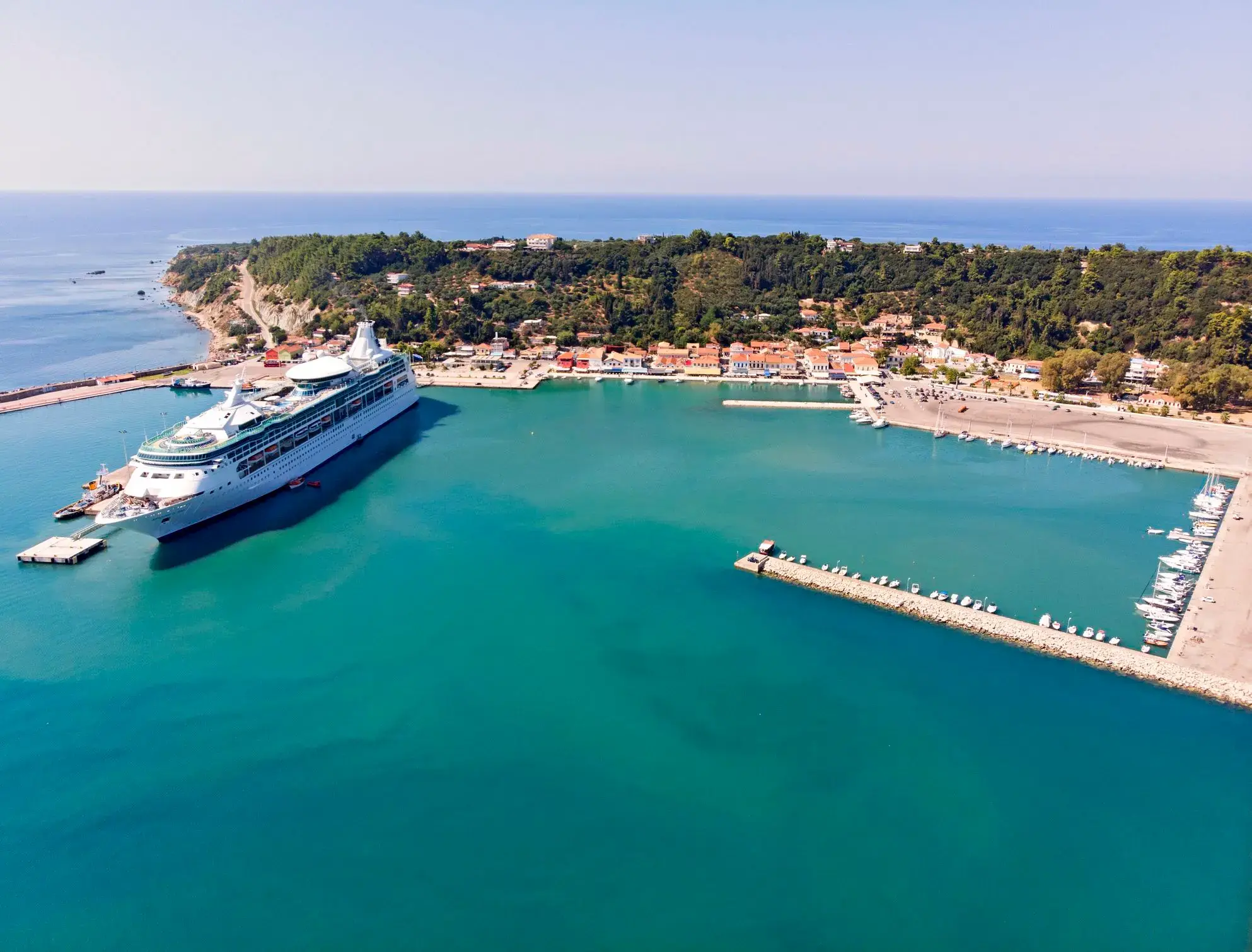
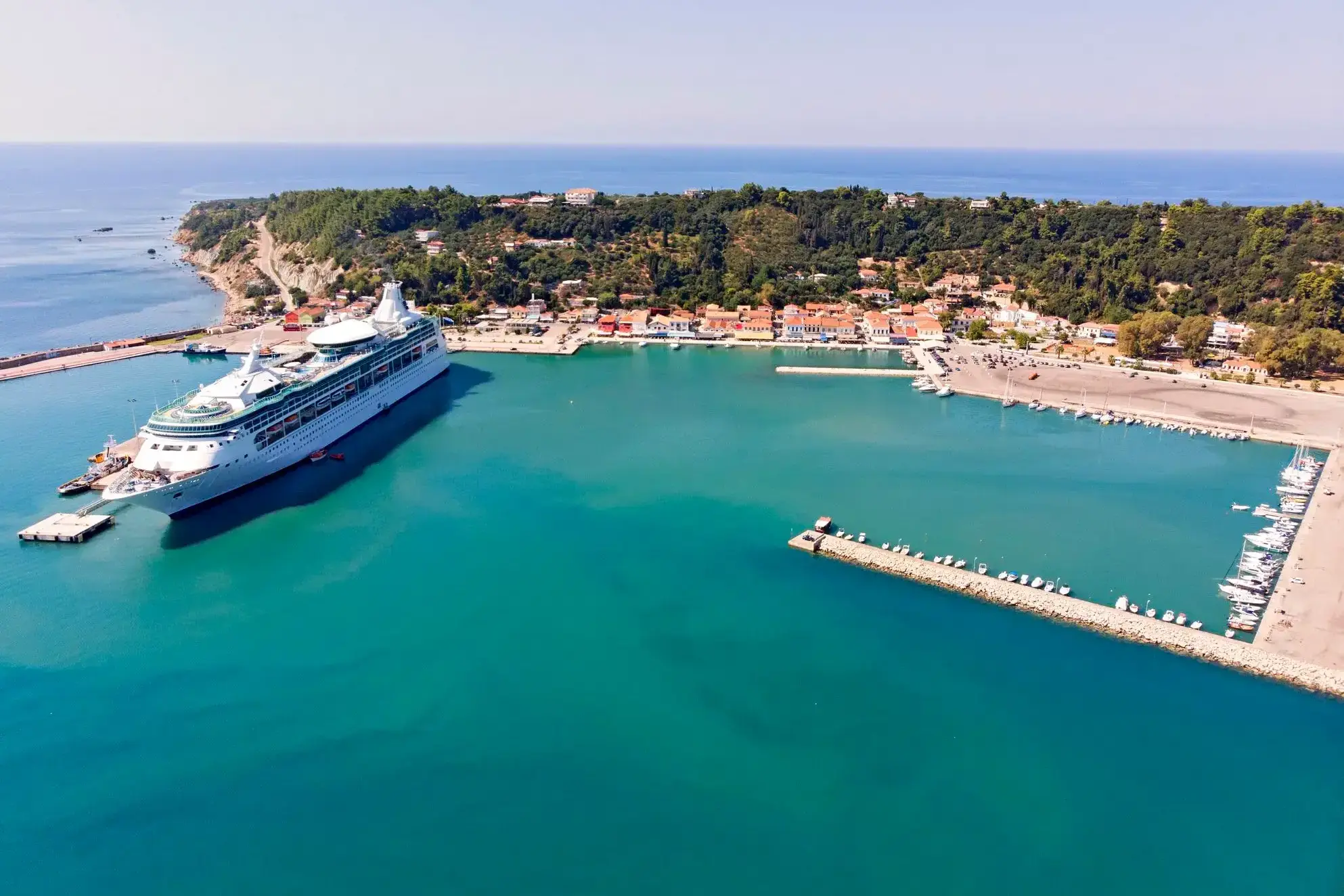
Katakolon is a small coastal town in western Peloponnese, Greece, serving as a maritime gateway to the legendary Ancient Olympia, the birthplace of the Olympic Games. Katakolon has become a popular cruise port thanks to its convenient location. The harbor is surrounded by scenic hills, and along the coastline, you’ll find cozy cafés, shops with local delicacies, and souvenirs. Tourists often begin their exploration of the region here before heading to the archaeological sites of Olympia, located about 30 km from the port.
Katakolon offers a peaceful atmosphere and traditional Greek charm: narrow streets, houses with tiled roofs, and the azure waters of the Ionian Sea. The surrounding area features wineries producing local wine, as well as small beaches ideal for swimming and relaxation. The town also hosts the Museum of Ancient Greek Technology, showcasing unique models of ancient inventions—from automatic doors to early forms of computers. Katakolon is a harmonious blend of history, nature, and authentic Greek hospitality.
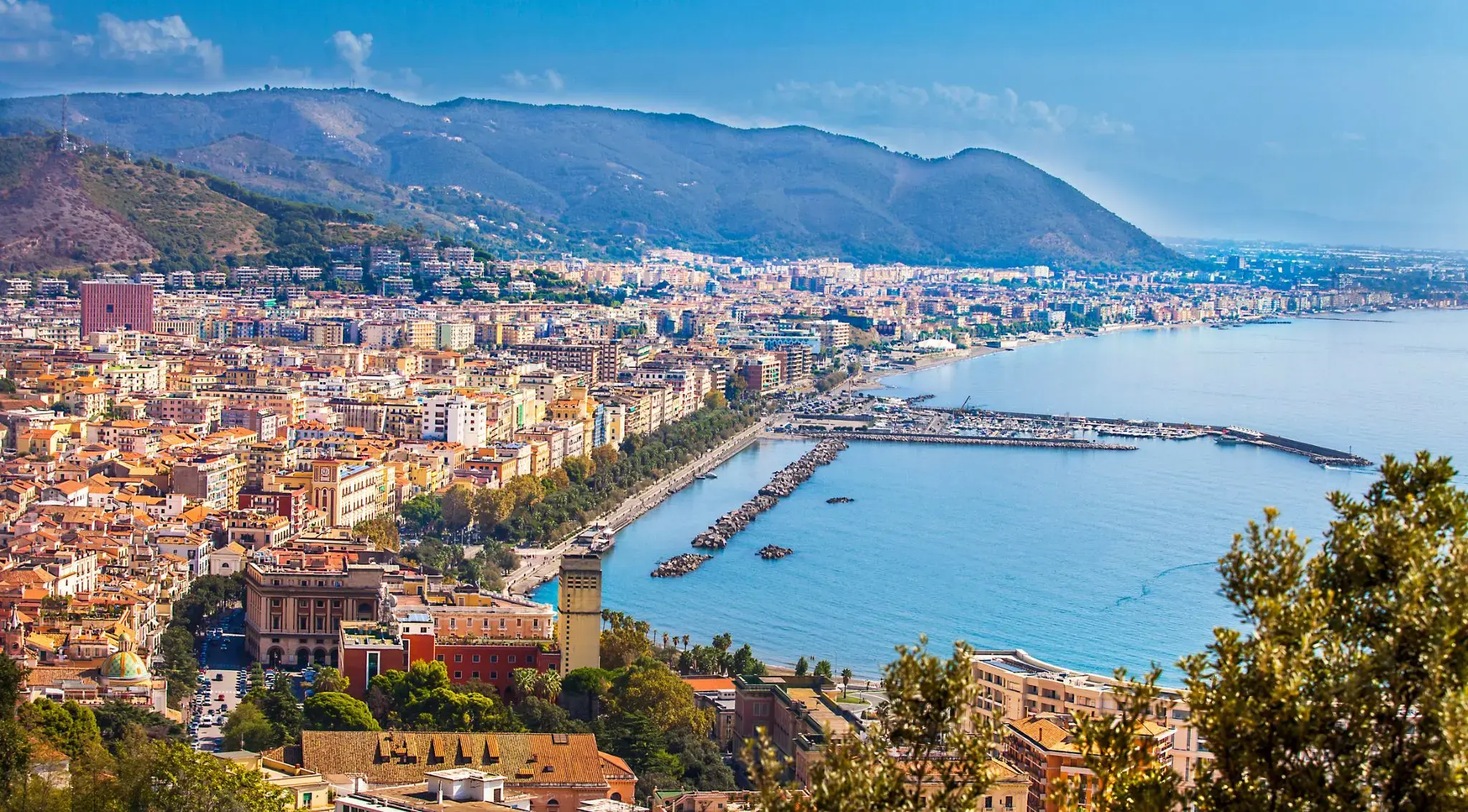
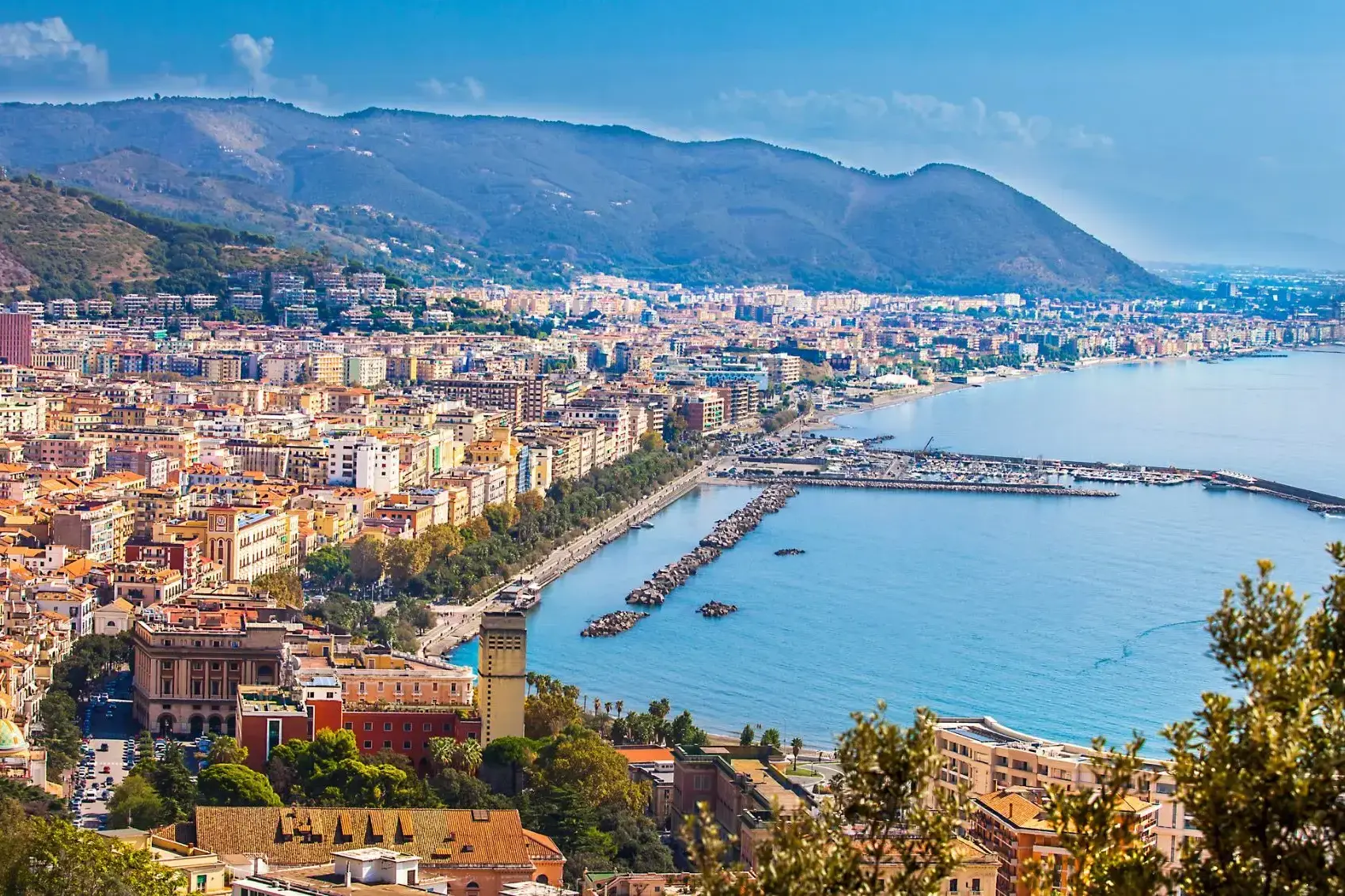
Salerno is one of the most popular seaside cities in Italy, intended for recreation at sea. The climate here is warm and mild, which is typical for all cities of the Neapolitan Riviera. Tourism in Salerno is at a high level, as the city is a rich historical and cultural center. Salerno contains many attractions interesting for lovers of history, art and culture.
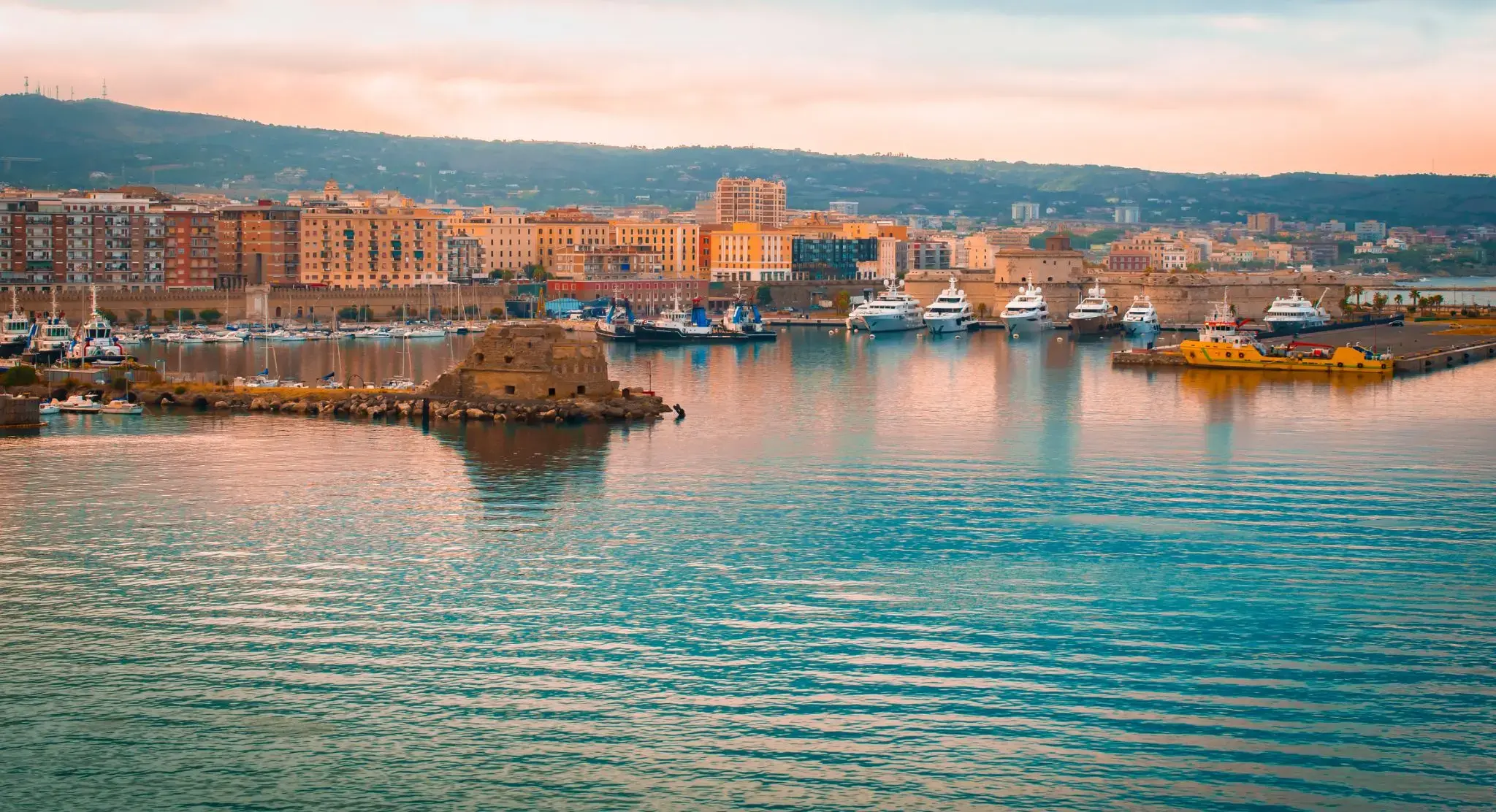
Rome is the capital city and a special comune of Italy (named Comune di Roma Capitale). Rome also serves as the capital of the Lazio region. With 2,872,800 residents in 1,285 km2(496.1 sq mi), it is also the country's most populated comune. It is the fourth-most populous city in the European Union by population within city limits. It is the centre of the Metropolitan City of Rome, which has a population of 4,355,725 residents, thus making it the most populous metropolitan city in Italy. Rome is located in the central-western portion of the Italian Peninsula, within Lazio (Latium), along the shores of the Tiber. The Vatican City (the smallest country in the world) is an independent country inside the city boundaries of Rome, the only existing example of a country within a city: for this reason Rome has been often defined as capital of two states.
Rome's history spans 28 centuries. While Roman mythology dates the founding of Rome at around 753 BC, the site has been inhabited for much longer, making it one of the oldest continuously occupied sites in Europe. The city's early population originated from a mix of Latins, Etruscans, and Sabines. Eventually, the city successively became the capital of the Roman Kingdom, the Roman Republic and the Roman Empire, and is regarded as the birthplace of Western civilization and by some as the first ever metropolis. It was first called The Eternal City (Latin: Urbs Aeterna; Italian: La Città Eterna) by the Roman poet Tibullus in the 1st century BC, and the expression was also taken up by Ovid, Virgil, and Livy. Rome is also called the "Caput Mundi" (Capital of the World). After the fall of the Western Empire, which marked the beginning of the Middle Ages, Rome slowly fell under the political control of the Papacy, which had settled in the city since the 1st century AD, until in the 8th century it became the capital of the Papal States, which lasted until 1870. Beginning with the Renaissance, almost all the popes since Nicholas V (1447–1455) pursued over four hundred years a coherent architectural and urban programme aimed at making the city the artistic and cultural centre of the world. In this way, Rome became first one of the major centres of the Italian Renaissance, and then the birthplace of both the Baroque style and Neoclassicism. Famous artists, painters, sculptors and architects made Rome the centre of their activity, creating masterpieces throughout the city. In 1871, Rome became the capital of the Kingdom of Italy, which, in 1946, became the Italian Republic.
Rome has the status of a global city. In 2016, Rome ranked as the 14th-most-visited city in the world, 3rd most visited in the European Union, and the most popular tourist attraction in Italy. Its historic centre is listed by UNESCO as a World Heritage Site. The famous Vatican Museums are among the world's most visited museums while the Colosseum was the most popular tourist attraction in world with 7.4 million visitors in 2018. Host city for the 1960 Summer Olympics, Rome is the seat of several specialized agencies of the United Nations, such as the Food and Agriculture Organization (FAO), the World Food Programme (WFP) and the International Fund for Agricultural Development (IFAD). The city also hosts the Secretariat of the Parliamentary Assembly of the Union for the Mediterranean (UfM) as well as the headquarters of many international business companies such as Eni, Enel, TIM, Leonardo S.p.A., and national and international banks such as Unicredit and BNL. Its business district, called EUR, is the base of many companies involved in the oil industry, the pharmaceutical industry, and financial services. Rome is also an important fashion and design centre thanks to renowned international brands centered in the city. Rome's Cinecittà Studios have been the set of many Academy Award–winning movies.
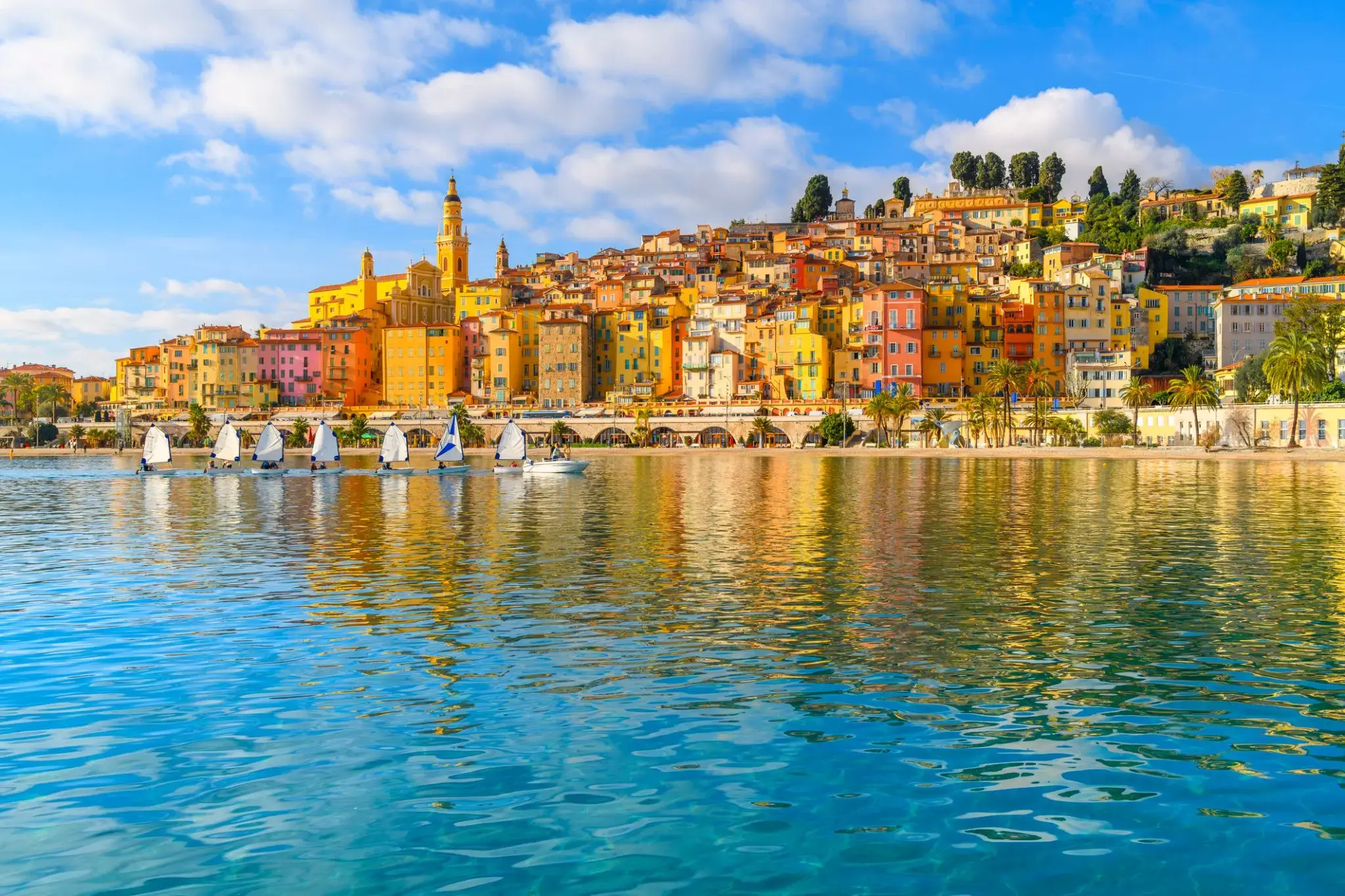
Nice is the seventh most populous urban area in France and the capital of the Alpes-Maritimes département. The metropolitan area of Nice extends beyond the administrative city limits, with a population of about 1 million on an area of 721 km2 (278 sq mi). Located in the French Riviera, on the south east coast of France on the Mediterranean Sea, at the foot of the Alps, Nice is the second-largest French city on the Mediterranean coast and the second-largest city in the Provence-Alpes-Côte d'Azur region after Marseille. Nice is approximately 13 kilometres (8.1 mi) from the principality of Monaco and 30 kilometres (19 mi) from the French-Italian border. Nice's airport serves as a gateway to the region.
The city is nicknamed Nice la Belle (Nissa La Bella in Niçard), which means Nice the Beautiful, which is also the title of the unofficial anthem of Nice, written by Menica Rondelly in 1912.
The area of today's Nice contains Terra Amata, an archaeological site which displays evidence of a very early use of fire. Around 350 BC, Greeks of Marseille founded a permanent settlement and called it Nikaia, after Nike, the goddess of victory. Through the ages, the town has changed hands many times. Its strategic location and port significantly contributed to its maritime strength. For centuries it was a dominion of Savoy, and was then part of France between 1792 and 1815, when it was returned to Piedmont-Sardinia until its re-annexation by France in 1860.
The natural environment of the Nice area and its mild Mediterranean climate came to the attention of the English upper classes in the second half of the 18th century, when an increasing number of aristocratic families took to spending their winters there. The city's main seaside promenade, the Promenade des Anglais ("Walkway of the English") owes its name to visitors to the resort. The clear air and soft light have particularly appealed to notable painters, such as Marc Chagall, Henri Matisse, Niki de Saint Phalle and Arman. Their work is commemorated in many of the city's museums, including Musée Marc Chagall, Musée Matisse and Musée des Beaux-Arts. Nice has the second largest hotel capacity in the country and it is one of its most visited cities, receiving 4 million tourists every year. It also has the third busiest airport in France, after the two main Parisian ones. It is the historical capital city of the County of Nice(Comté de Nice).
Nice is the seventh most populous urban area in France and the capital of the Alpes-Maritimes département. The metropolitan area of Nice extends beyond the administrative city limits, with a population of about 1 million on an area of 721 km2 (278 sq mi). Located in the French Riviera, on the south east coast of France on the Mediterranean Sea, at the foot of the Alps, Nice is the second-largest French city on the Mediterranean coast and the second-largest city in the Provence-Alpes-Côte d'Azur region after Marseille. Nice is approximately 13 kilometres (8.1 mi) from the principality of Monaco and 30 kilometres (19 mi) from the French-Italian border. Nice's airport serves as a gateway to the region.
The city is nicknamed Nice la Belle (Nissa La Bella in Niçard), which means Nice the Beautiful, which is also the title of the unofficial anthem of Nice, written by Menica Rondelly in 1912.
The area of today's Nice contains Terra Amata, an archaeological site which displays evidence of a very early use of fire. Around 350 BC, Greeks of Marseille founded a permanent settlement and called it Nikaia, after Nike, the goddess of victory. Through the ages, the town has changed hands many times. Its strategic location and port significantly contributed to its maritime strength. For centuries it was a dominion of Savoy, and was then part of France between 1792 and 1815, when it was returned to Piedmont-Sardinia until its re-annexation by France in 1860.
The natural environment of the Nice area and its mild Mediterranean climate came to the attention of the English upper classes in the second half of the 18th century, when an increasing number of aristocratic families took to spending their winters there. The city's main seaside promenade, the Promenade des Anglais ("Walkway of the English") owes its name to visitors to the resort. The clear air and soft light have particularly appealed to notable painters, such as Marc Chagall, Henri Matisse, Niki de Saint Phalle and Arman. Their work is commemorated in many of the city's museums, including Musée Marc Chagall, Musée Matisse and Musée des Beaux-Arts. Nice has the second largest hotel capacity in the country and it is one of its most visited cities, receiving 4 million tourists every year. It also has the third busiest airport in France, after the two main Parisian ones. It is the historical capital city of the County of Nice(Comté de Nice).
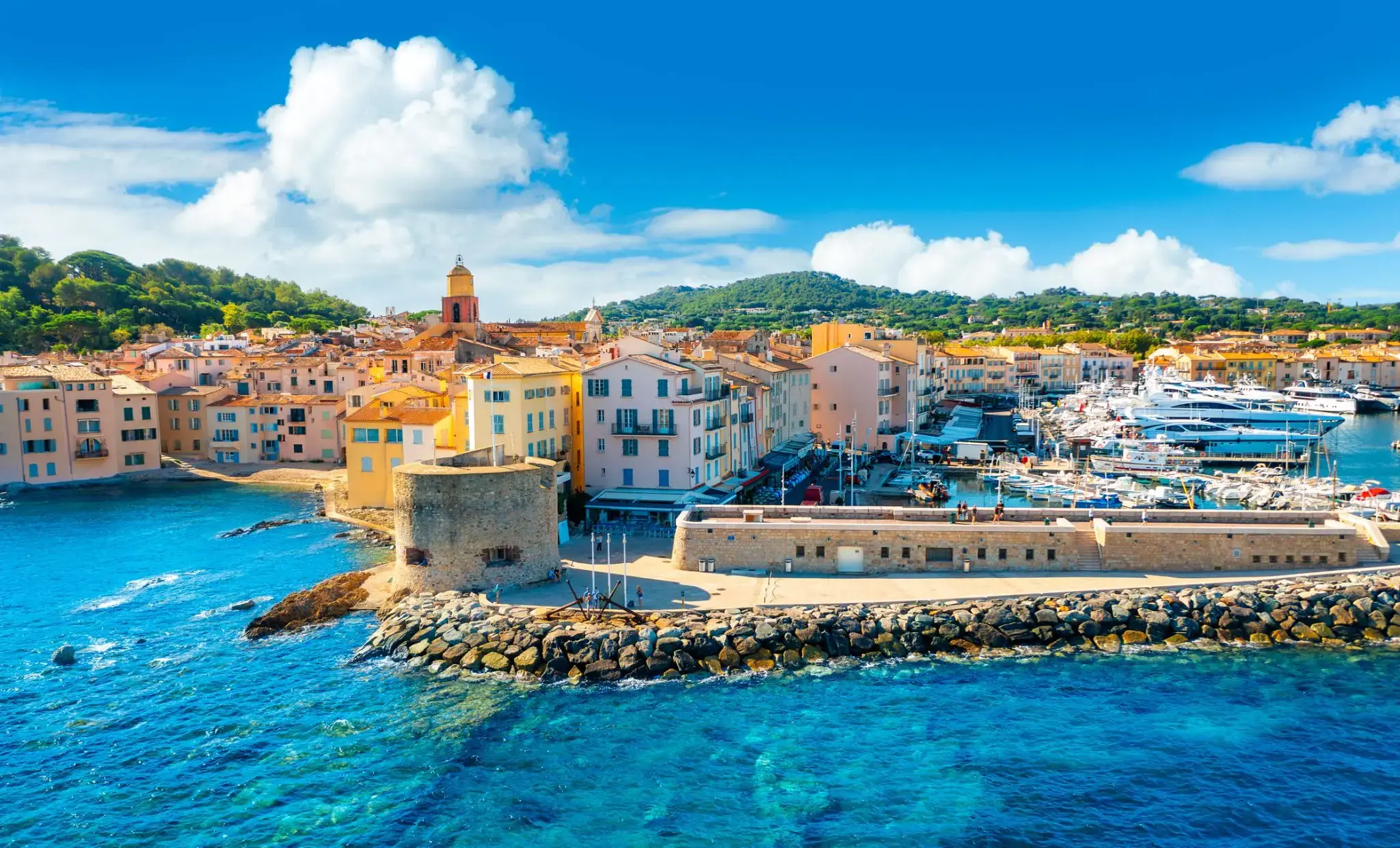
Saint-Tropez is a town on the French Riviera, 100 kilometres (62 miles) west of Nice in the Var department of the Provence-Alpes-Côte d'Azur region of southeastern France.
Saint-Tropez was a military stronghold and fishing village until the beginning of the 20th century. It was the first town on this coast to be liberated during World War II as part of Operation Dragoon. After the war, it became an internationally known seaside resort, renowned principally because of the influx of artists of the French New Wave in cinema and the Yé-yé movement in music. It later became a resort for the European and American jet set and tourists.
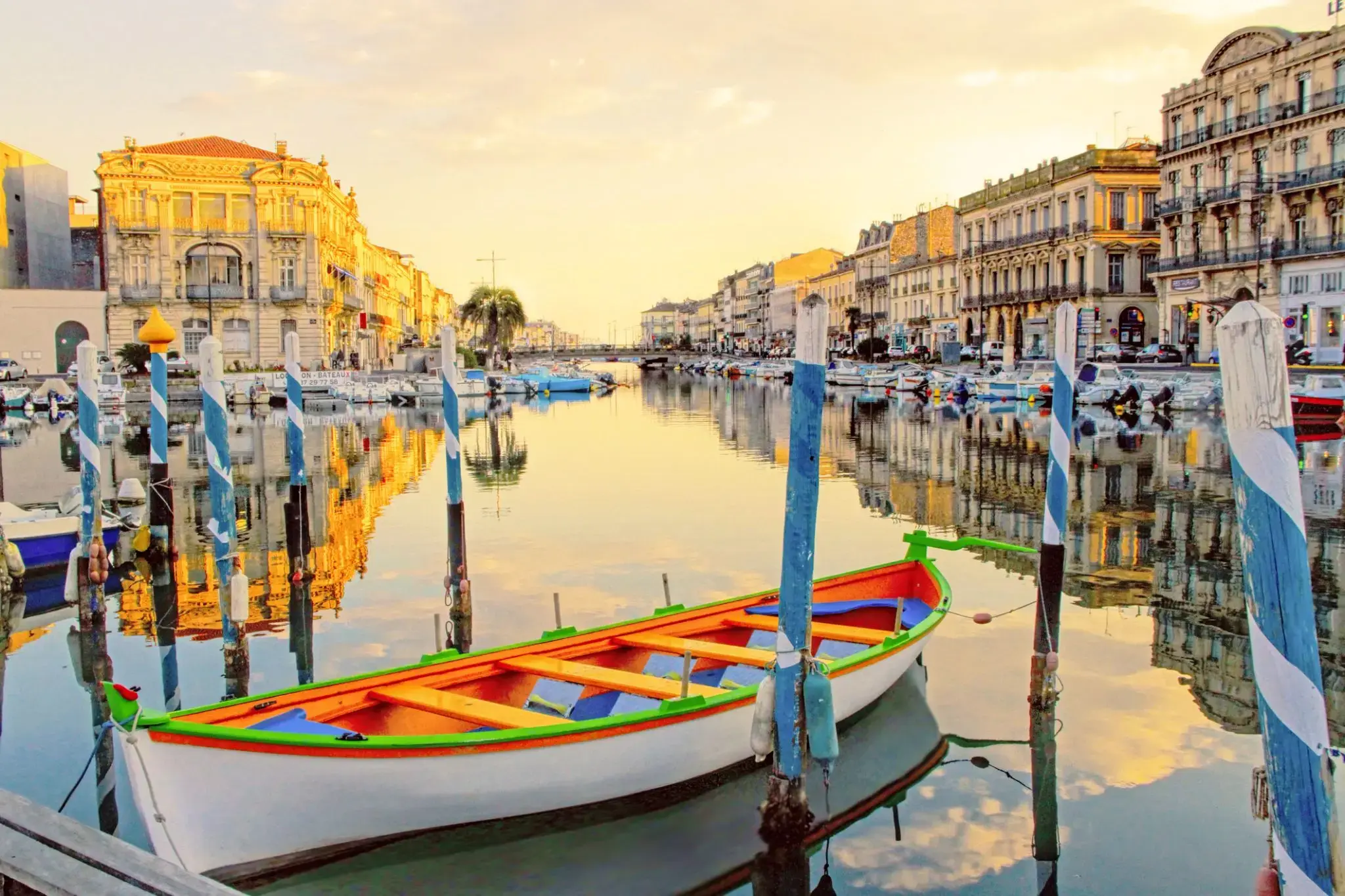
The town of Sete, located in the south of France between the Thau Lagoon and the Mediterranean Sea, is often called the "Venice of Languedoc" thanks to its picturesque canals, where fishing boats and tour boats bustle about. Founded in the 17th century as a port for the Canal du Midi, Sète remains an important fishing and commercial hub. The city is overlooked by Mount Saint-Clair, which offers panoramic views of the surrounding area, including endless salt flats and the azure waters of the gulf.
Sète is known not only for its maritime charm but also for its rich cultural life. It is the birthplace of poet Paul Valéry, who is commemorated by a museum and a marine cemetery where he is buried. In summer, the city hosts a unique celebration — water jousting tournaments (joutes nautiques), a tradition dating back to the Middle Ages. The local cuisine is renowned for its fresh seafood, especially oysters and mussels from the lagoon. Sète is a place where Mediterranean spirit, history, gastronomy, and poetry come together.
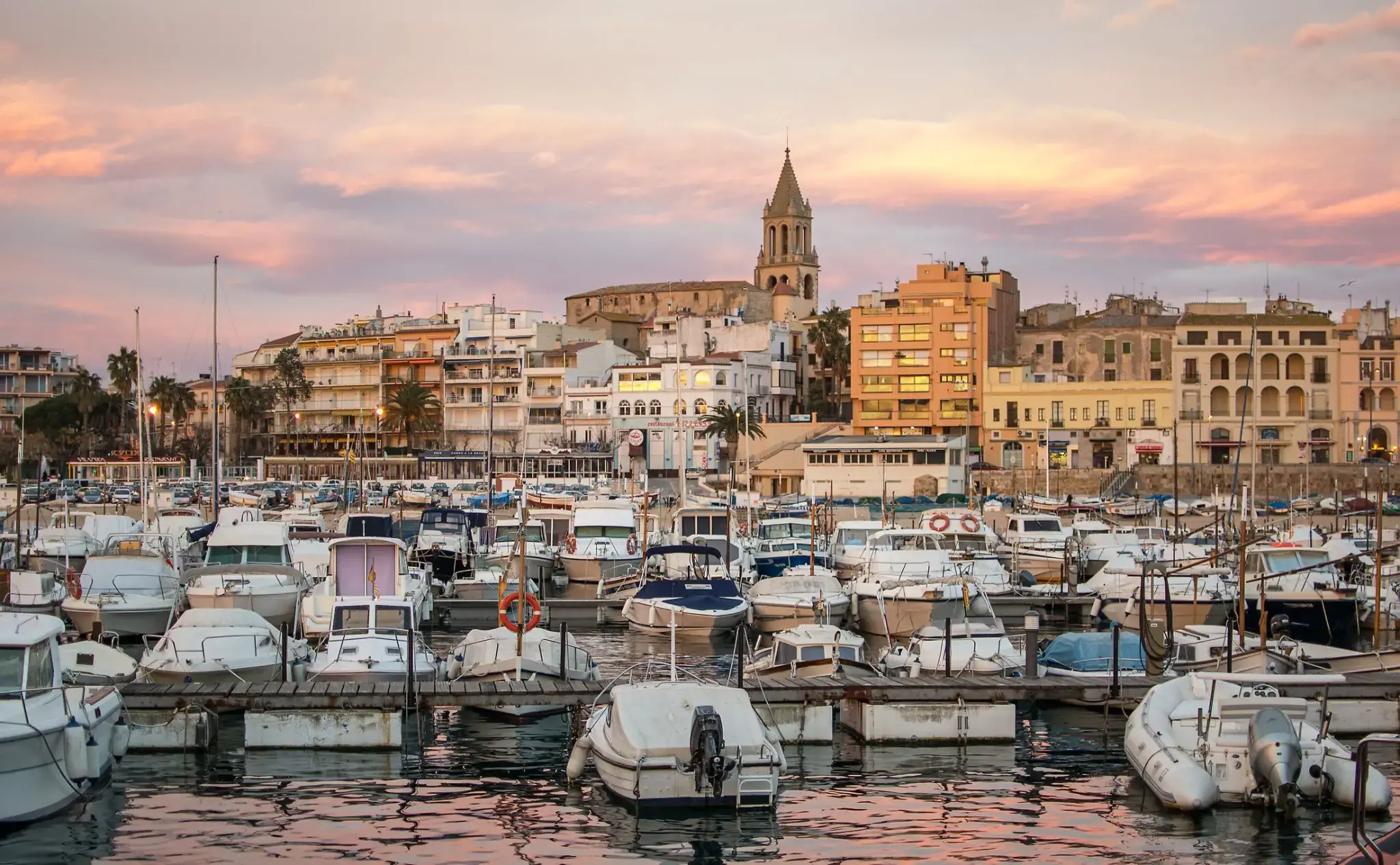
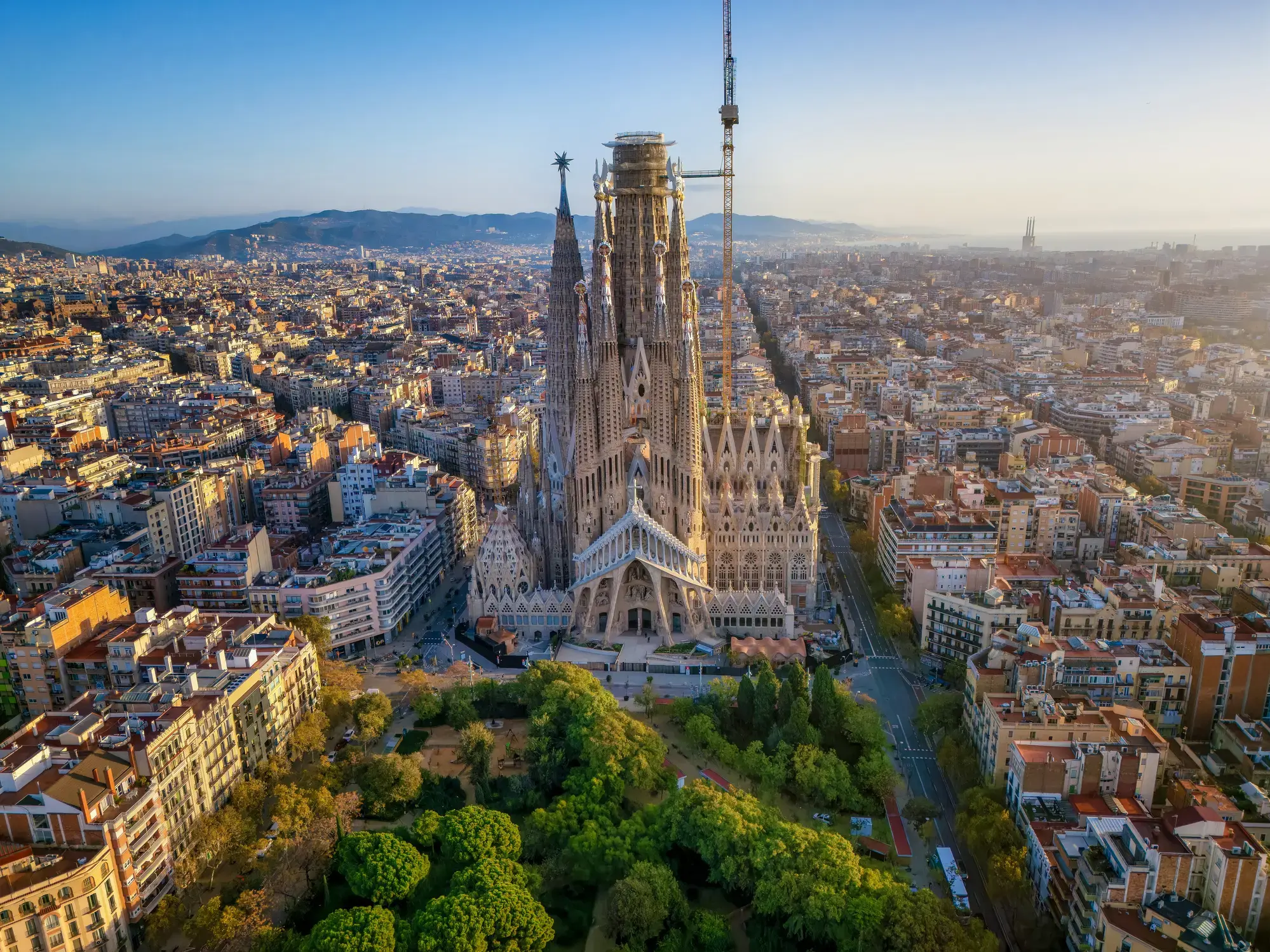
Barcelona is a city in Spain. It is the capital and largest city of Catalonia, as well as the second most populous municipality of Spain. With a population of 1.6 million within city limits, its urban area extends to numerous neighbouring municipalities within the Province of Barcelona and is home to around 4.8 million people, making it the sixth most populous urban area in the European Union after Paris, London, Madrid, the Ruhr area and Milan. It is one of the largest metropolises on the Mediterranean Sea, located on the coast between the mouths of the rivers Llobregat and Besòs, and bounded to the west by the Serra de Collserola mountain range, the tallest peak of which is 512 metres (1,680 feet) high.
Founded as a Roman city, in the Middle Ages Barcelona became the capital of the County of Barcelona. After merging with the Kingdom of Aragon, Barcelona continued to be an important city in the Crown of Aragon as an economic and administrative centre of this Crown and the capital of the Principality of Catalonia. Barcelona has a rich cultural heritage and is today an important cultural centre and a major tourist destination. Particularly renowned are the architectural works of Antoni Gaudí and Lluís Domènech i Montaner, which have been designated UNESCO World Heritage Sites. The headquarters of the Union for the Mediterranean are located in Barcelona. The city is known for hosting the 1992 Summer Olympics as well as world-class conferences and expositions and also many international sport tournaments.
Barcelona is one of the world's leading tourist, economic, trade fair and cultural centres, and its influence in commerce, education, entertainment, media, fashion, science, and the arts all contribute to its status as one of the world's major global cities. It is a major cultural and economic centre in southwestern Europe, 24th in the world (before Zürich, after Frankfurt) and a financial centre. In 2008 it was the fourth most economically powerful city by GDP in the European Union and 35th in the world with GDP amounting to €177 billion. In 2012 Barcelona had a GDP of $170 billion; and it was leading Spain in employment rate in that moment.
In 2009 the city was ranked Europe's third and one of the world's most successful as a city brand. In the same year the city was ranked Europe's fourth best city for business and fastest improving European city, with growth improved by 17% per year, and the city has been experiencing strong and renewed growth for the past three years. Since 2011 Barcelona has been a leading smart city in Europe. Barcelona is a transport hub, with the Port of Barcelona being one of Europe's principal seaports and busiest European passenger port, an international airport, Barcelona–El Prat Airport, which handles over 50 million passengers per year, an extensive motorway network, and a high-speed rail line with a link to France and the rest of Europe.
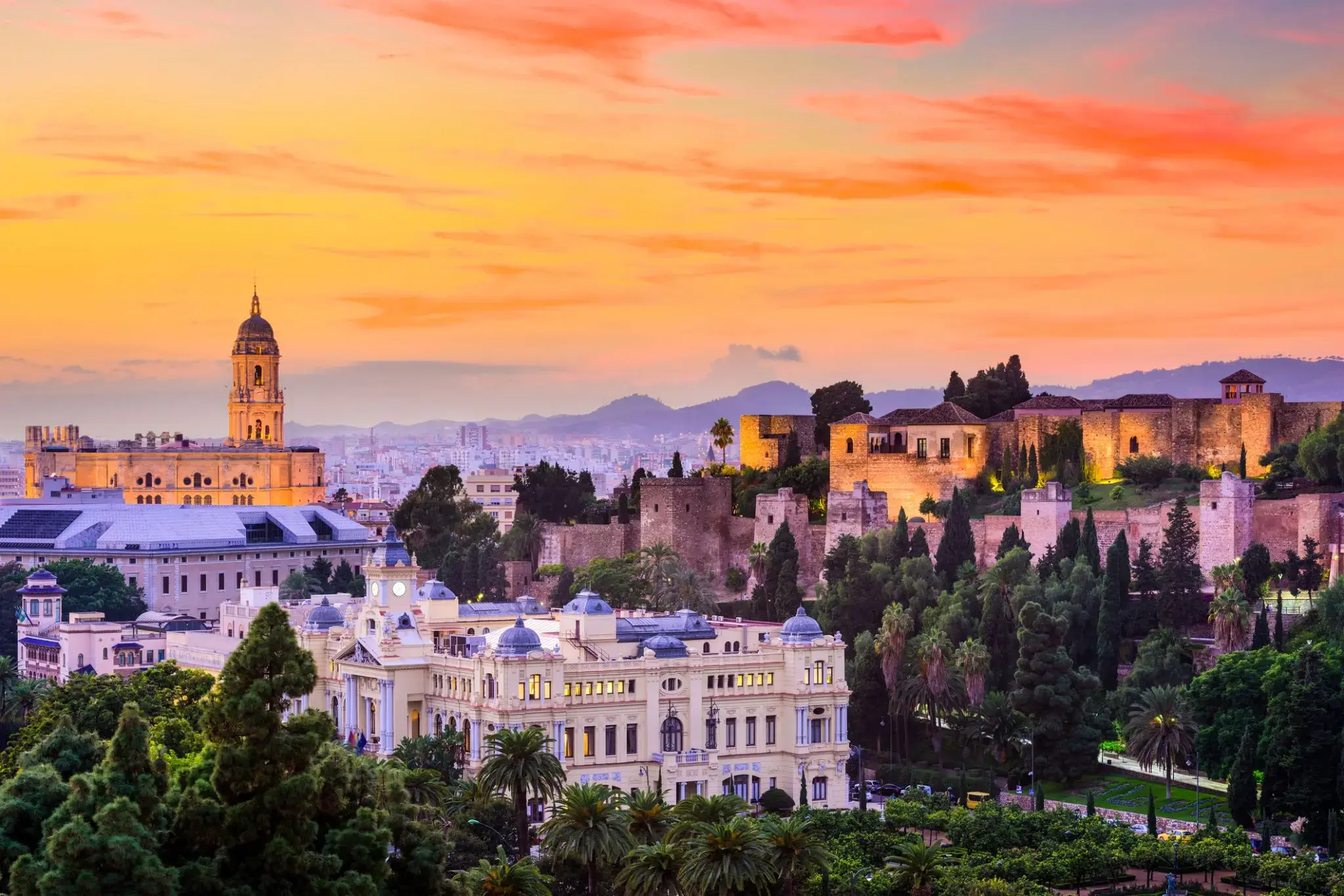
Málaga is a municipality, capital of the Province of Málaga, in the Autonomous Community of Andalusia, Spain. With a population of 569,130 in 2015, it is the second-most populous city of Andalusia and the sixth-largest in Spain. The southernmost large city in Europe, it lies on the Costa del Sol (Coast of the Sun) of the Mediterranean, about 100 kilometres (62.14 miles) east of the Strait of Gibraltar and about 130 km (80.78 mi) north of Africa.
Málaga's history spans about 2,800 years, making it one of the oldest cities in the world. According to most scholars, it was founded about 770 BC by the Phoenicians as Malaka From the 6th century BC the city was under the hegemony of Ancient Carthage, and from 218 BC, it was ruled by the Roman Republic and then empire as Malaca (Latin). After the fall of the empire and the end of Visigothic rule, it was under Islamic rule as Mālaqah for 800 years, but in 1487, the Crown of Castille gained control after the Reconquista. The archaeological remains and monuments from the Phoenician, Roman, Arabic and Christian eras make the historic center of the city an "open museum", displaying its history of nearly 3,000 years.
This important cultural infrastructure and the artistic heritage have culminated in the nomination of Málaga as a candidate for the 2016 European Capital of Culture.
The painter and sculptor Pablo Picasso, Hebrew poet and Jewish philosopher Solomon Ibn Gabirol and the actor Antonio Banderas were born in Málaga. The magnum opus of Cuban composer Ernesto Lecuona, "Malagueña", is named after the music of this region of Spain.
The most important business sectors in Málaga are tourism, construction and technology services, but other sectors such as transportation and logistics are beginning to expand. The Andalusia Technology Park (PTA), located in Málaga, has enjoyed significant growth since its inauguration in 1992. Málaga is the main economic and financial centre of southern Spain, home of the region's largest bank, Unicaja, and the fourth-ranking city in economic activity in Spain behind Madrid, Barcelona and Valencia.
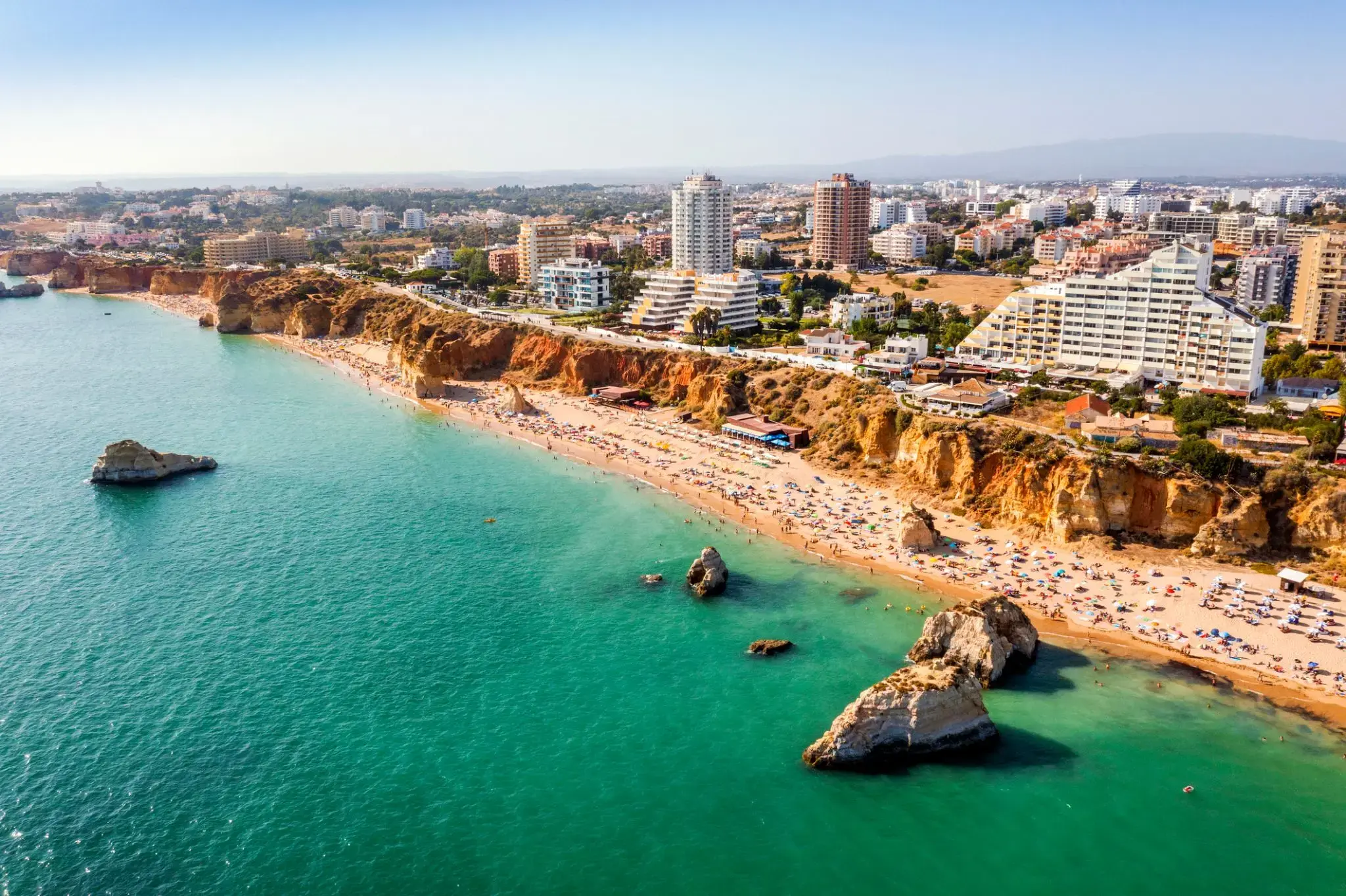
Portimão is a town and a municipality in the district of Faro, in the Algarve region of southern Portugal. The population in 2011 was 55,614, in an area of 182.06 km². It was formerly known as Vila Nova de Portimão. In 1924, it was incorporated as a cidadeand became known merely as Portimão. Historically a fishing and shipbuilding centre, it has nonetheless developed into a strong tourist centre oriented along its beaches and southern coast. The two most populous towns in the Algarve are Portimão and Faro.
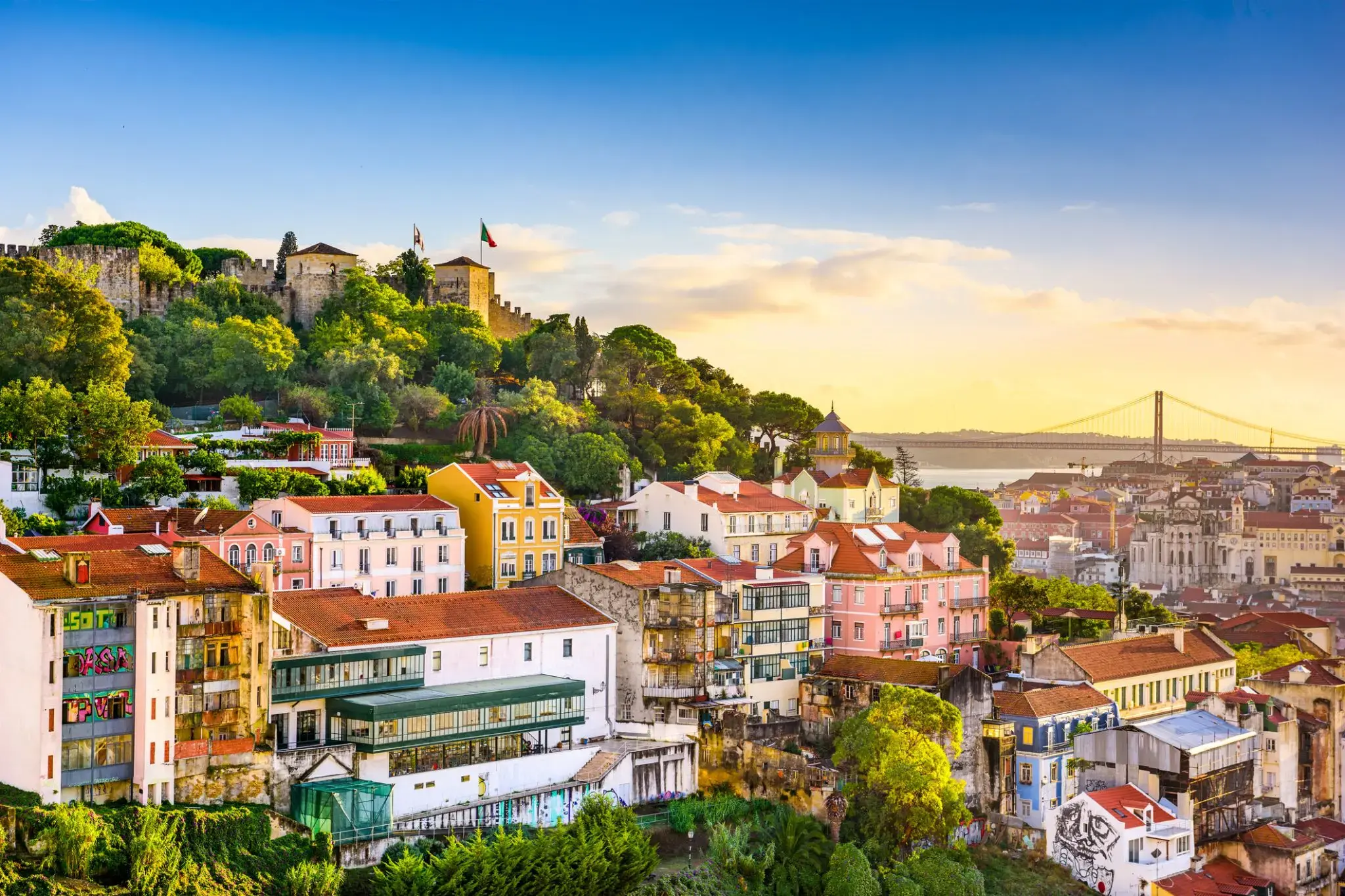
Lisbon is the capital and the largest city of Portugal, with an estimated population of 505,526 within its administrative limits in an area of 100.05 km2. Its urban area extends beyond the city's administrative limits with a population of around 2.8 million people, being the 11th-most populous urban area in the European Union. About 3 million people live in the Lisbon Metropolitan Area (which represents approximately 27% of the country's population). It is mainland Europe's westernmost capital city and the only one along the Atlantic coast. Lisbon lies in the western Iberian Peninsula on the Atlantic Ocean and the River Tagus. The westernmost areas of its metro area form the westernmost point of Continental Europe, which is known as Cabo da Roca, located in the Sintra Mountains.
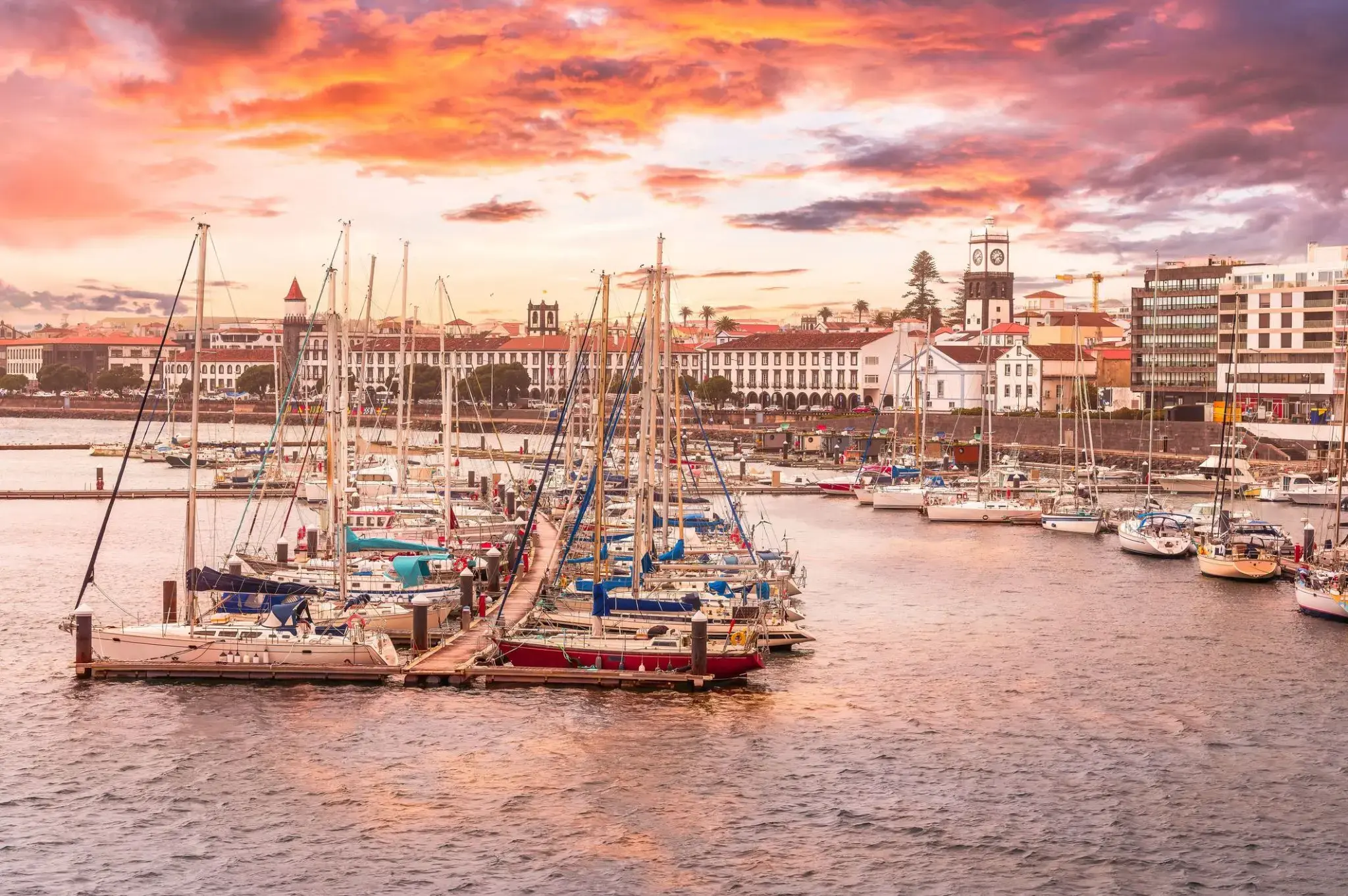
Surrounded by volcanic landscapes and green hills, Ponta Delgada greets visitors with a unique rhythm where the sound of the ocean blends with the aroma of freshly brewed coffee. Here, in the capital of São Miguel Island, you can stroll along cobbled streets decorated with black-and-white Portuguese patterns, stop by cozy cafes for local pastries, and watch the sunset paint the Atlantic in golden-pink hues.
For nature lovers, Ponta Delgada opens the gateway to the hot springs of Furnas, viewpoints overlooking the Sete Cidades lakes, and whale-watching tours departing directly from the city port. This is a place where an Azores vacation is filled with moments of true tranquility, the freshness of the ocean breeze, and the feeling that time slows down, allowing you to appreciate the beauty of each day.
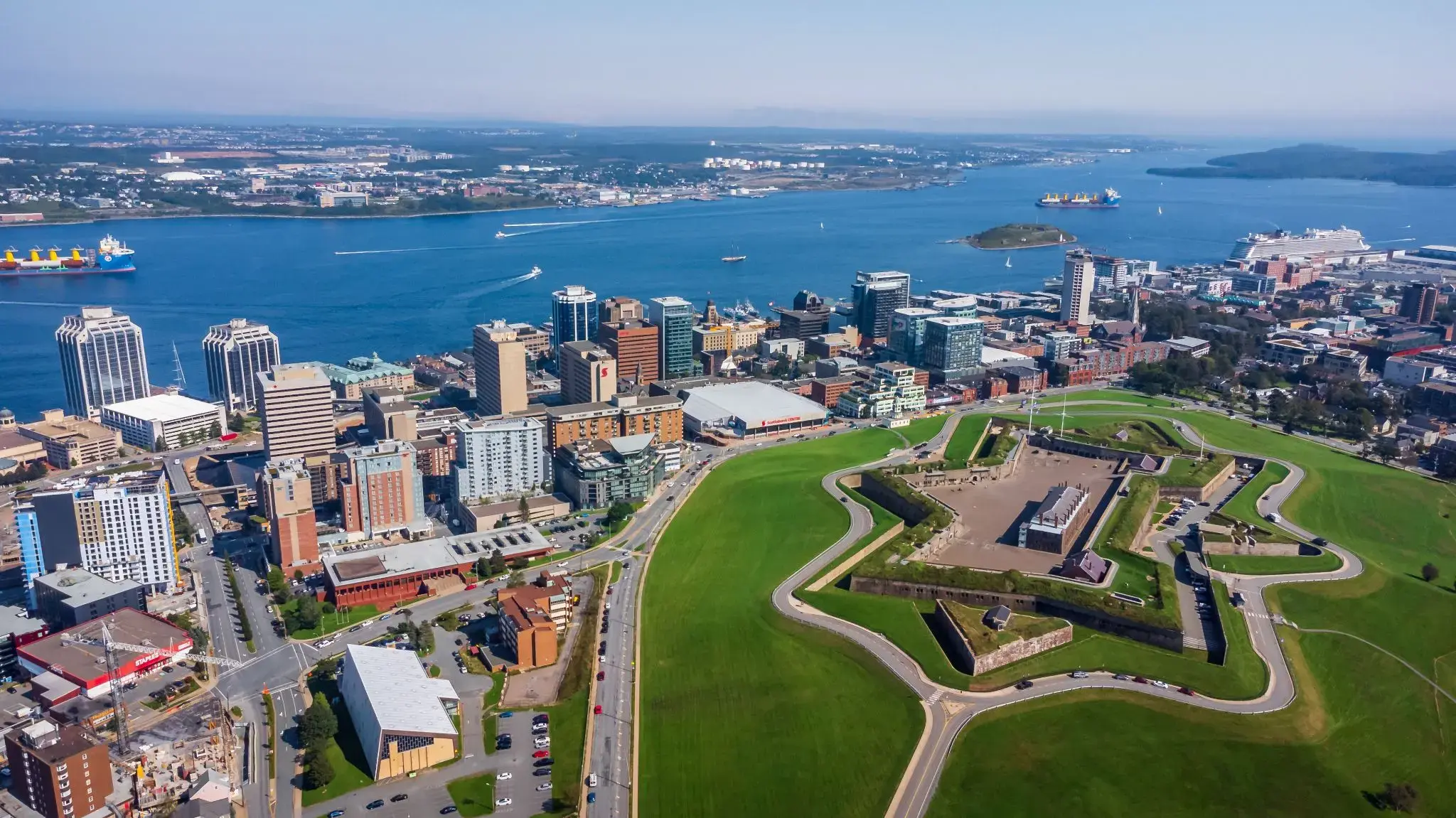
Halifax, also known as the Halifax Regional Municipality (HRM), is the capital of the Canadian province of Nova Scotia. The municipality had a population of 403,131 in 2016, with 316,701 in the urban area centred on Halifax Harbour. The regional municipality consists of four former municipalities that were amalgamated in 1996: Halifax, Dartmouth, Bedford, and Halifax County.
Halifax is a major economic centre in Atlantic Canada with a large concentration of government services and private sector companies. Major employers and economic generators include the Department of National Defence, Dalhousie University, Saint Mary's University, the Halifax Shipyard, various levels of government, and the Port of Halifax. Agriculture, fishing, mining, forestry and natural gas extraction are major resource industries found in the rural areas of the municipality.
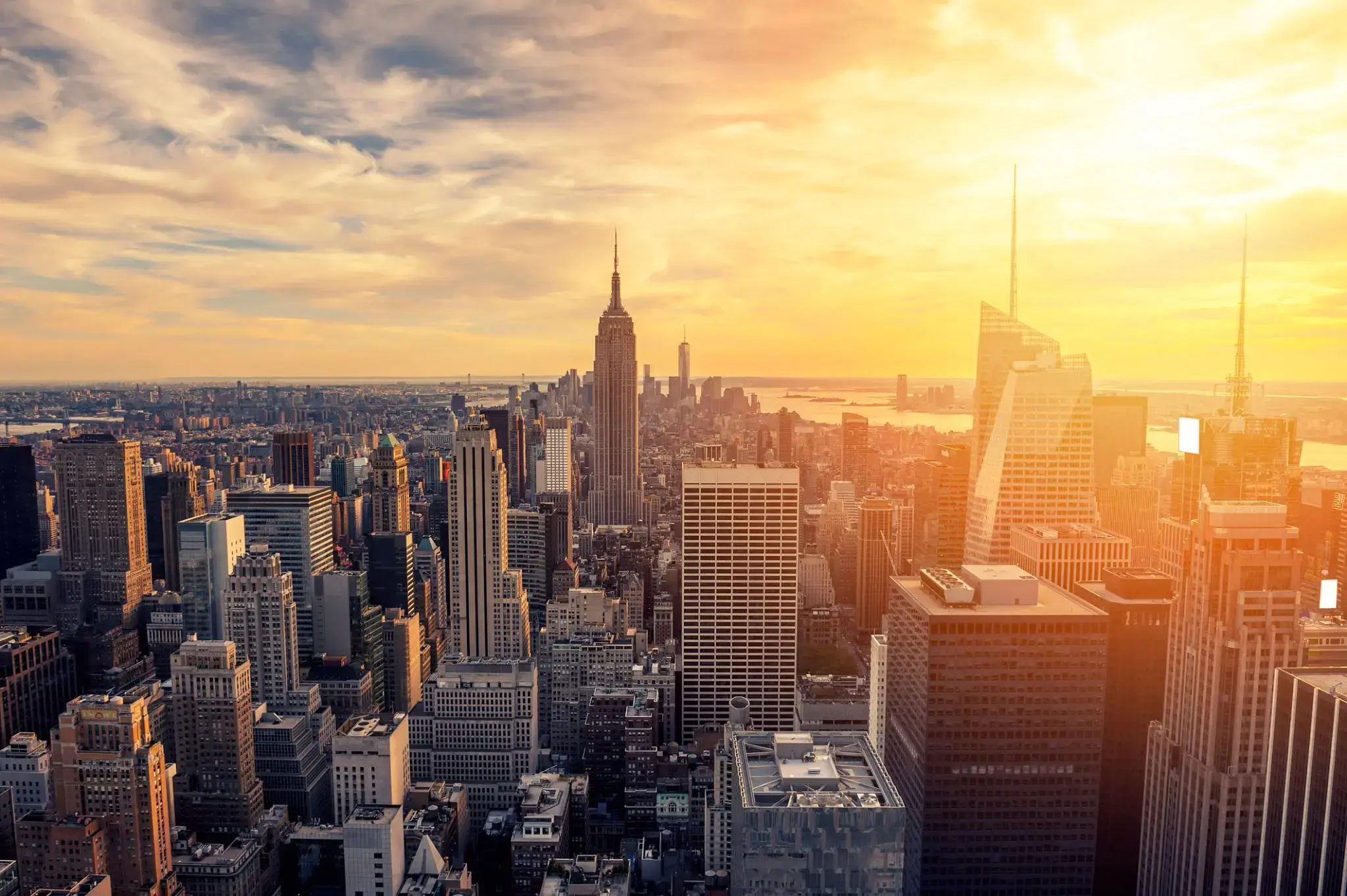
The world famous city of New York , the largest city in the United States, with a population of 8.5 million people, and with suburbs - 20.6 million. New York is the largest economic, political, scientific, and cultural center of the United States. It is rightly called the "Main Gate" in the United States, and the world's largest John F. Kennedy Airport is located here. One of the distinguishing features of the city is the variegated national composition of the population, also called the United States in Miniature.
New York gathered in itself the whole essence of this country: fashion, religion, goods, pace and rhythm of American life. The UN headquarters is located here. There are also many universities in New York, the Academy of Sciences, and many other scientific institutions. Like any other metropolis in the world, New York invites you to visit numerous museums in the city, theaters and concert halls, including the Metropolitan Opera and Carnegie Hall. A great place to relax in New York is Central Park, where you can feed hand-held squirrels, which, to everyone's surprise, are not afraid of people. You can also appreciate the beauty of the famous Empire State Building, with a height of 102 floors, it is an example of skyscrapers, although it was built in 1829-1831. "Must see" in New York, of course, the Statue of Liberty ("Lady Liberty"), located at the mouth of the Hudson River, on the small island of Liberty. And of course, don't forget to stroll along Broadway.