| Cruise Region : Caribbean, USA / Canada / Mexico |
| Company : Oceania Cruises |
| Ship : AURELIA |
| Journey Start : Tue 18 Jul 2028 |
| Journey End : Wed 04 Oct 2028 |
| Count Nights : 78 nights |
| Day | Date | Port | Arrival | Departure |
|---|---|---|---|---|
| 1 | 18.07 Tue | New York / USA | 07:00 | 19:00 |
| 2 | 19.07 Wed | Day at sea / Sea | ||
| 3 | 20.07 Thu | Day at sea / Sea | ||
| 4 | 21.07 Fri | Sydney / Australia | 07:00 | 16:00 |
| 5 | 22.07 Sat | Corner Brook / Canada | 10:00 | 18:00 |
| 6 | 23.07 Sun | Day at sea / Sea | ||
| 7 | 24.07 Mon | Day at sea / Sea | ||
| 8 | 25.07 Tue | Nuuk / Greenland | 11:00 | |
| 9 | 26.07 Wed | Nuuk / Greenland | 17:00 | |
| 10 | 27.07 Thu | Paamiut / Greenland | 07:00 | 17:00 |
| 11 | 28.07 Fri | Day at sea / Sea | ||
| 12 | 29.07 Sat | Day at sea / Sea | ||
| 13 | 30.07 Sun | Grundarfjordur / Iceland | 11:00 | 20:00 |
| 14 | 31.07 Mon | Reykjavik / Iceland | 08:00 | |
| 15 | 1.08 Tue | Reykjavik / Iceland | 17:00 | |
| 16 | 2.08 Wed | Isafjordur / Iceland | 08:00 | 19:00 |
| 17 | 3.08 Thu | Akureyri / Iceland | 09:00 | 17:00 |
| 18 | 4.08 Fri | Seydisfjordur / Iceland | 10:00 | 19:00 |
| 19 | 5.08 Sat | Day at sea / Sea | ||
| 20 | 6.08 Sun | Runavík Runavík / Faroe Islands | 07:00 | 18:00 |
| 21 | 7.08 Mon | Lerwick / Great Britain | 11:00 | 21:00 |
| 22 | 8.08 Tue | Kirkwall / Great Britain | 07:00 | 17:00 |
| 23 | 9.08 Wed | Edinburgh / Great Britain | 09:00 | 19:00 |
| 24 | 10.08 Thu | Day at sea / Sea | ||
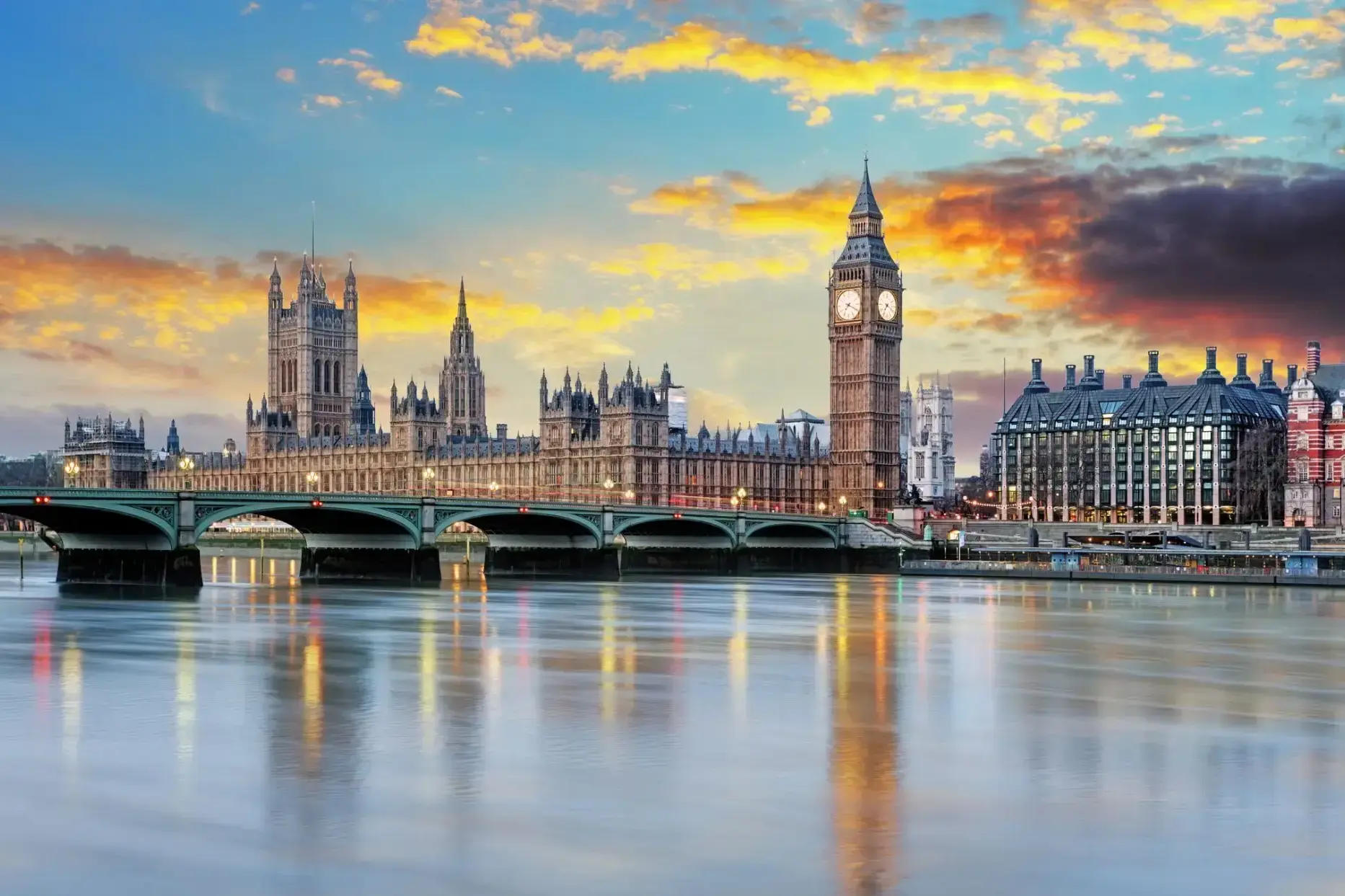
| 25 | 11.08 Fri | London / Great Britain | 07:00 | 17:00 |
| 26 | 12.08 Sat | Day at sea / Sea | ||
| 27 | 13.08 Sun | IJmuiden | 07:00 | 18:00 |
| 28 | 14.08 Mon | Day at sea / Sea | ||
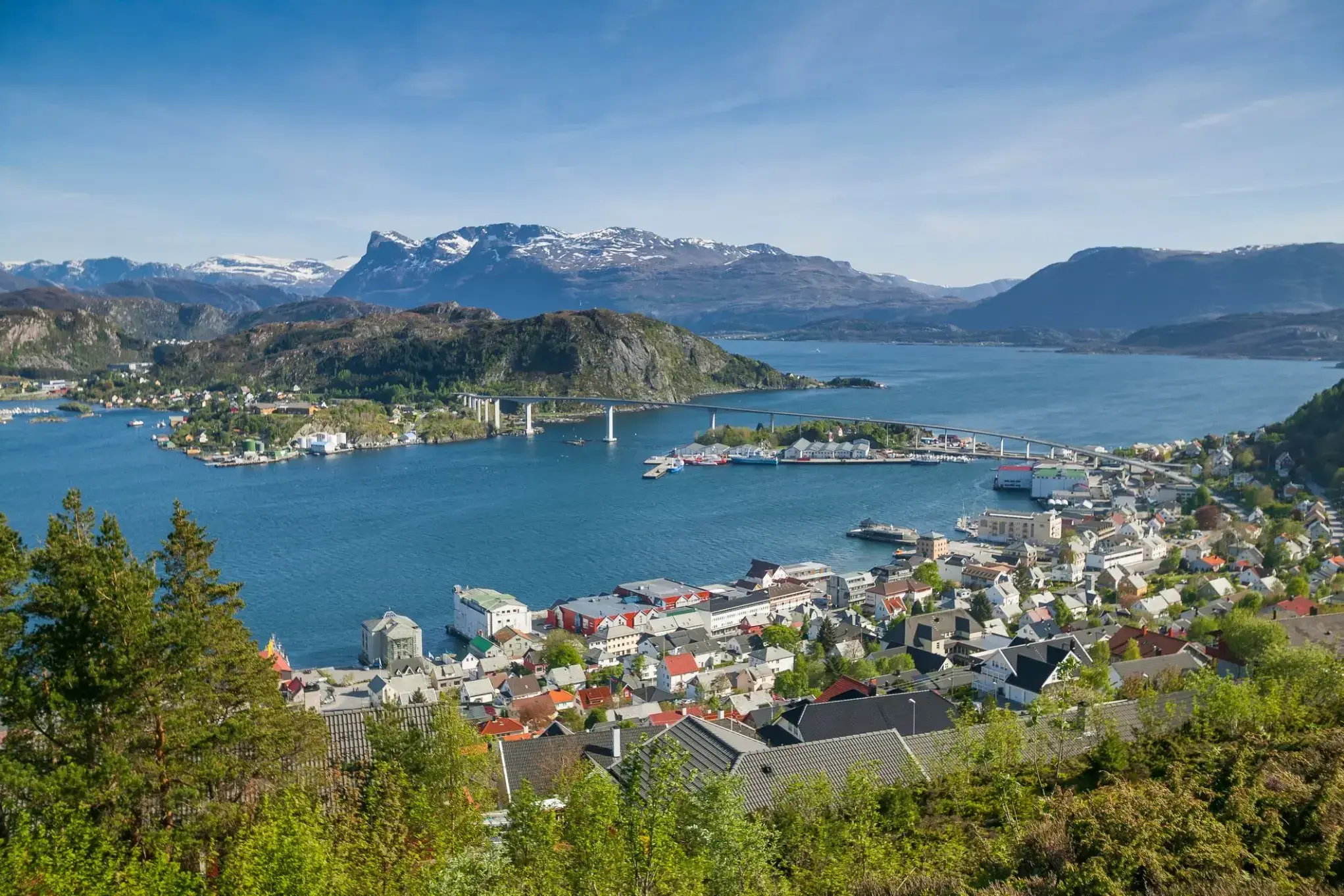
| 29 | 15.08 Tue | Måløy | 09:00 | 18:00 |
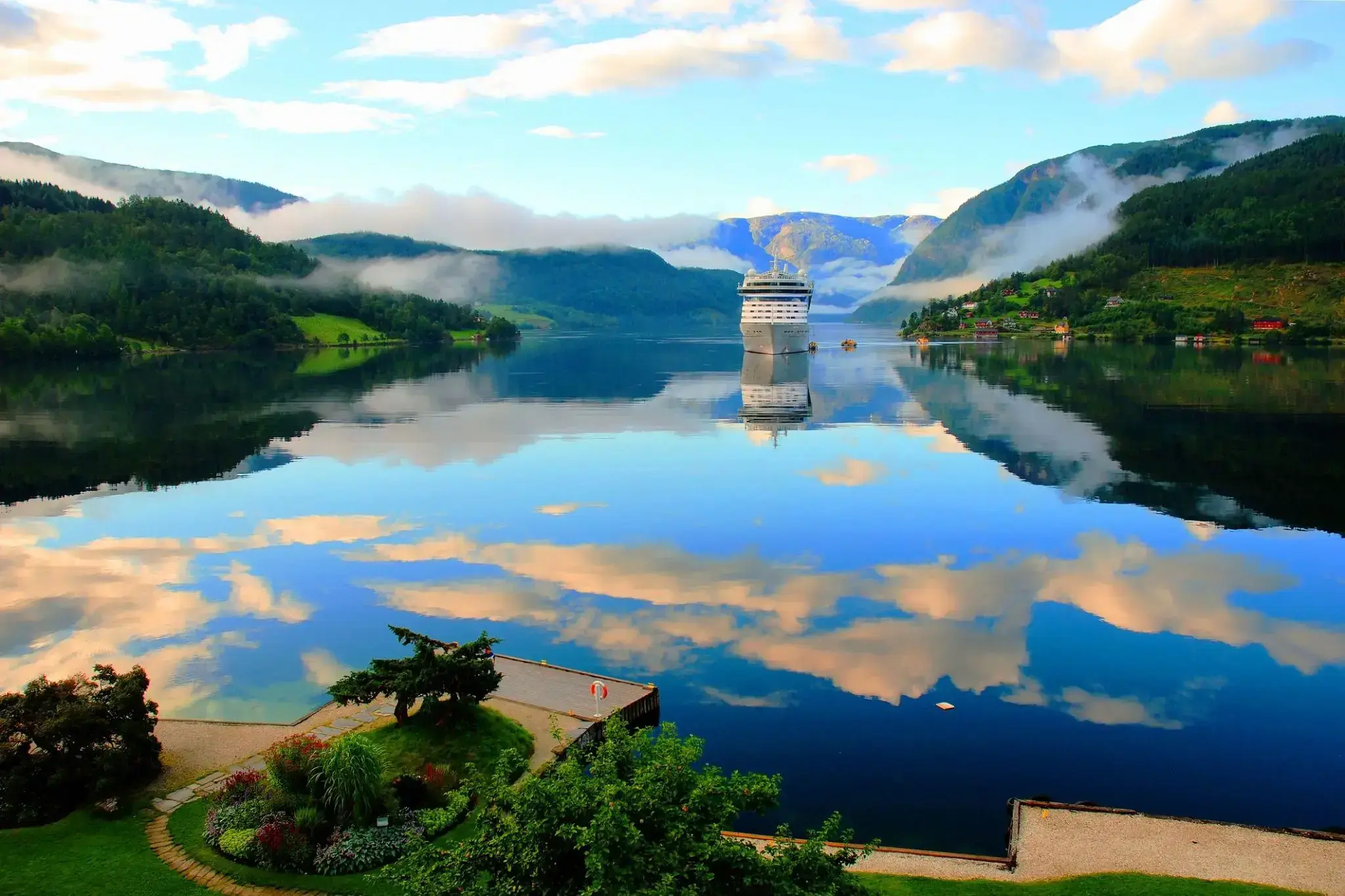
| 30 | 16.08 Wed | Ulvik / Norway | 12:00 | 22:00 |
| 31 | 17.08 Thu | Rosendal / Norway | 08:00 | 18:00 |
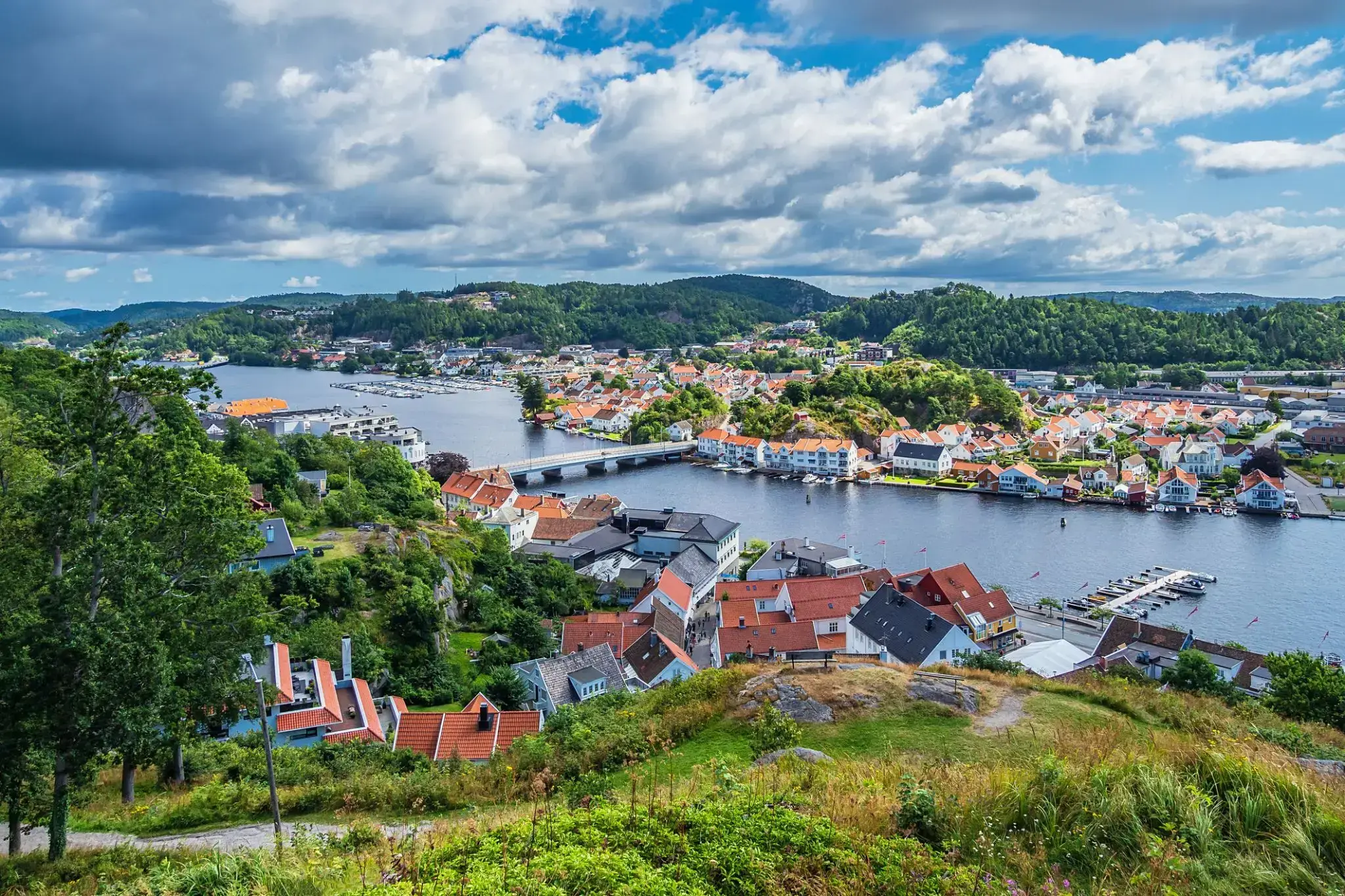
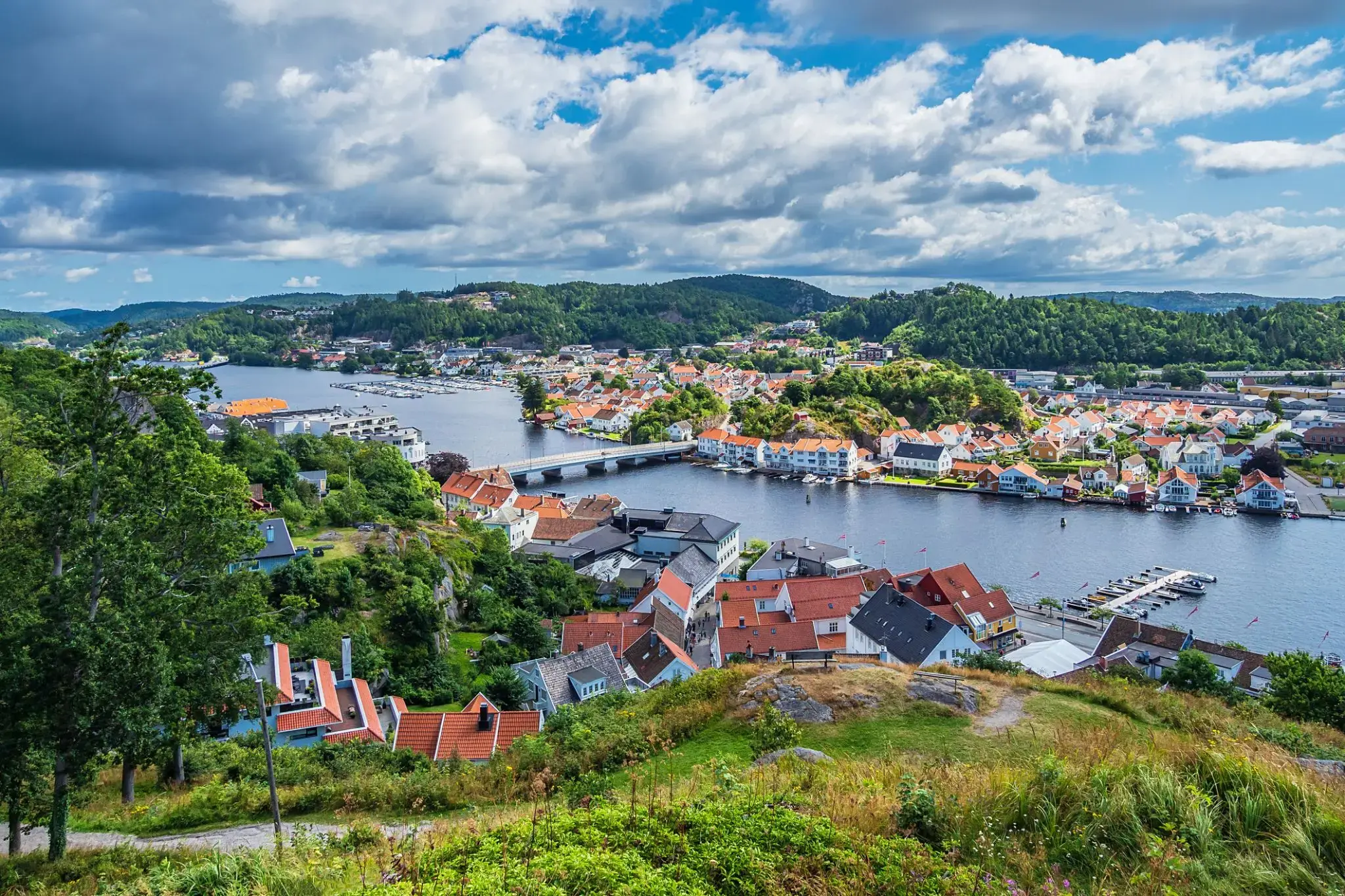
| 32 | 18.08 Fri | Mandal | 10:00 | 19:00 |
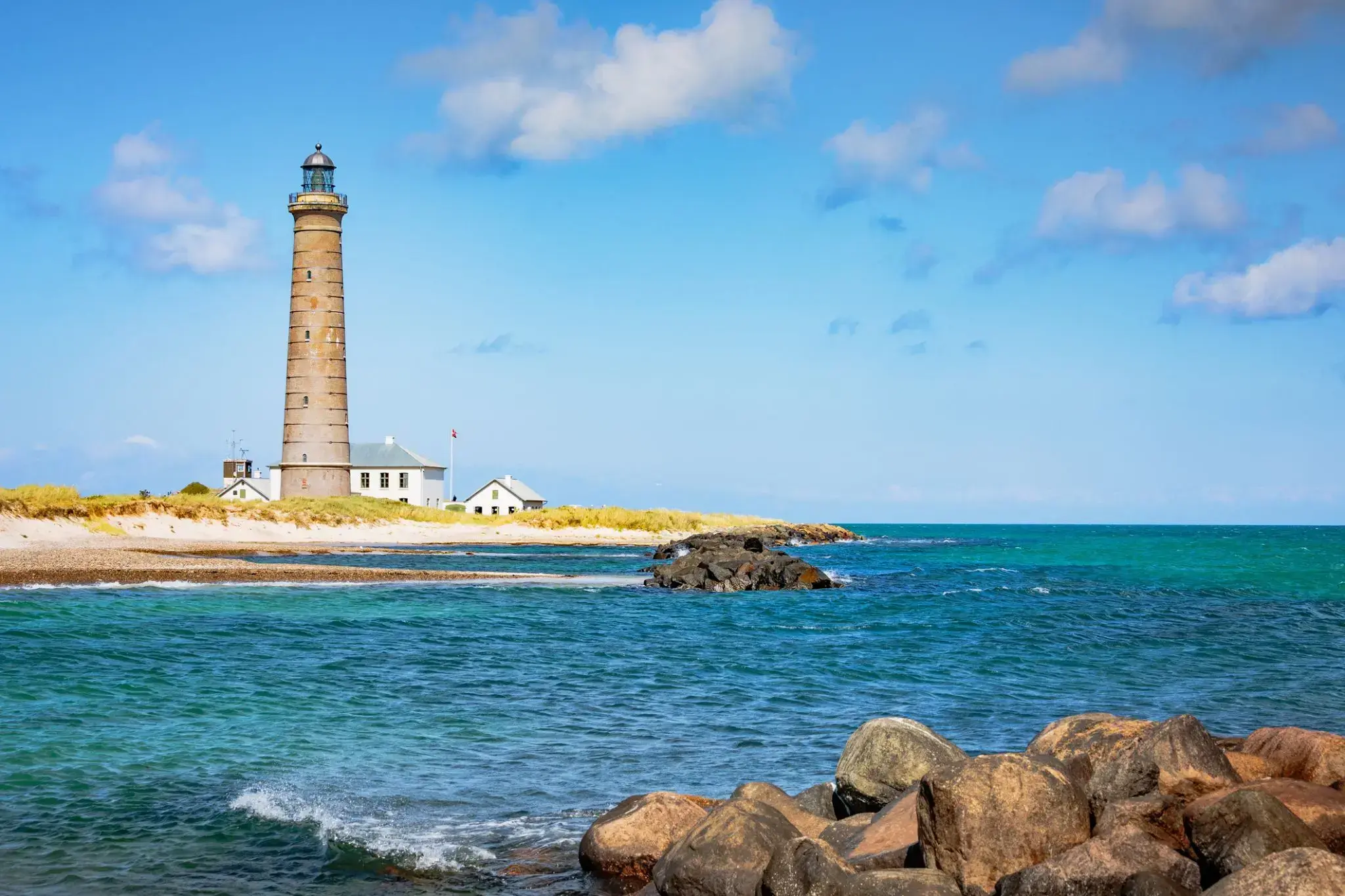
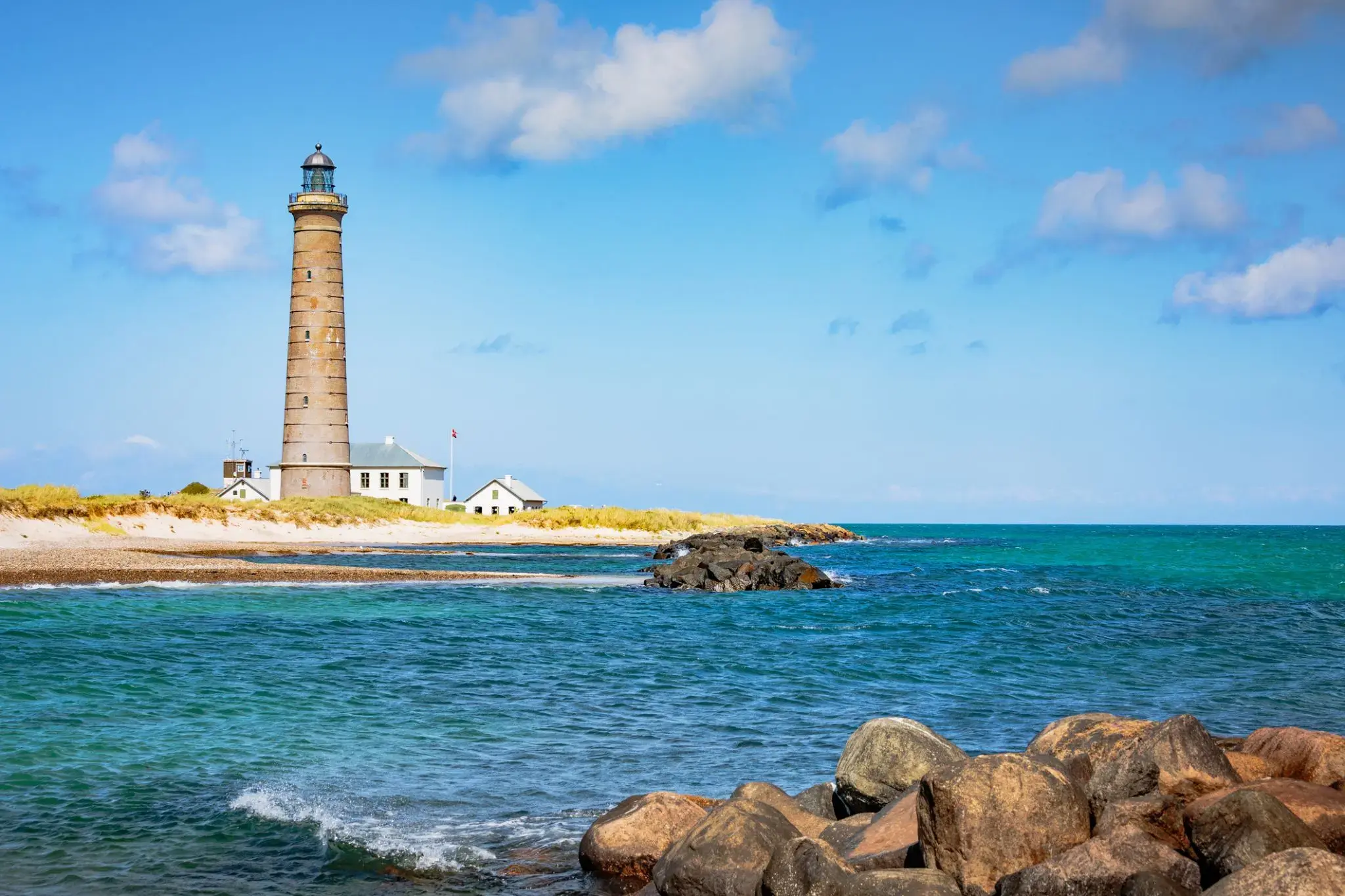
| 33 | 19.08 Sat | Skagen / Denmark | 08:00 | 17:00 |
| 34 | 20.08 Sun | Lysekil | 08:00 | 17:00 |
| 35 | 21.08 Mon | Gothenburg / Sweden | 07:00 | 17:00 |
| 36 | 22.08 Tue | Copenhagen / Denmark | 07:00 | 17:00 |
| 37 | 23.08 Wed | Berlin / Germany | 06:00 | 21:00 |
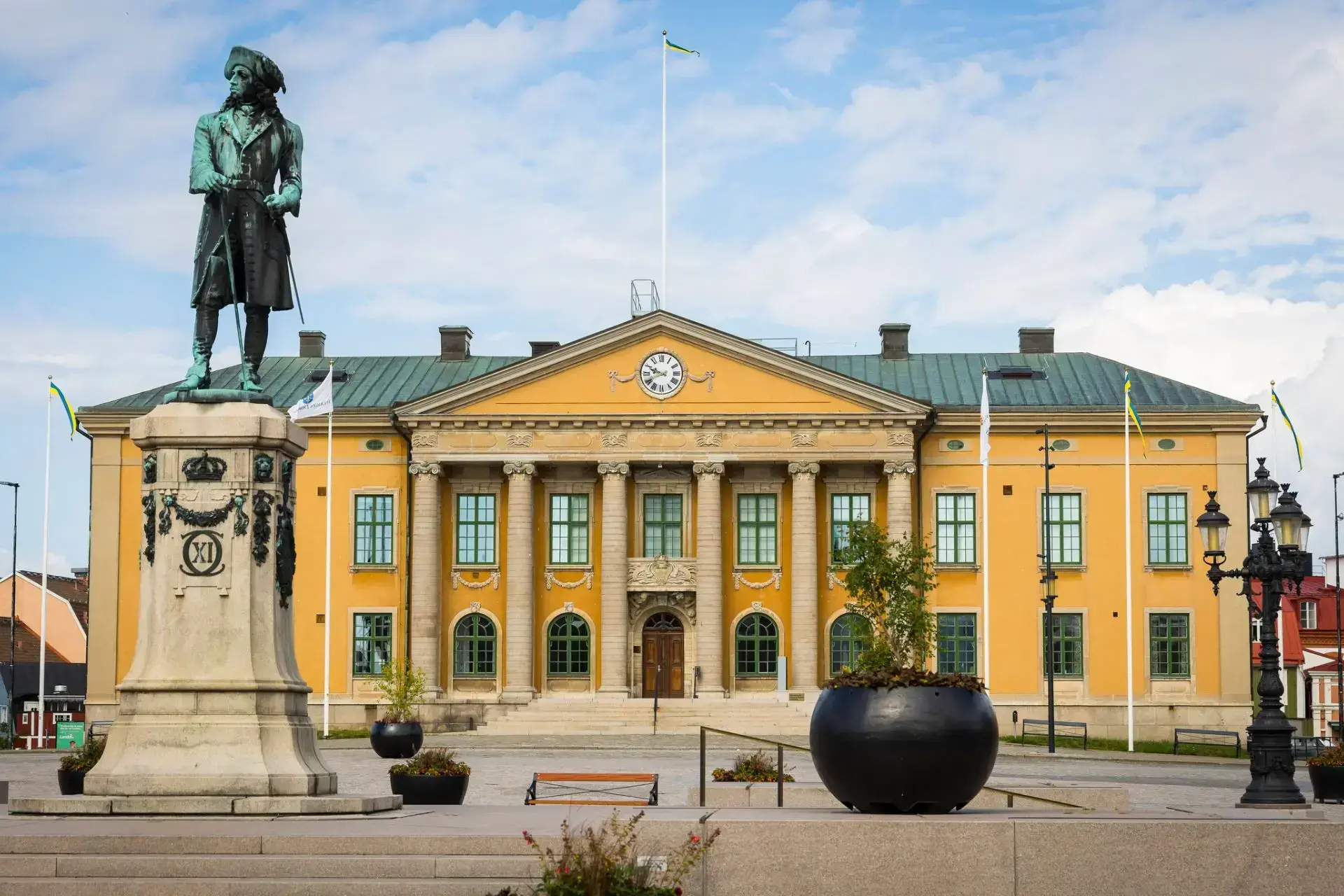
| 38 | 24.08 Thu | Karlskrona / Sweden | 10:00 | 18:00 |
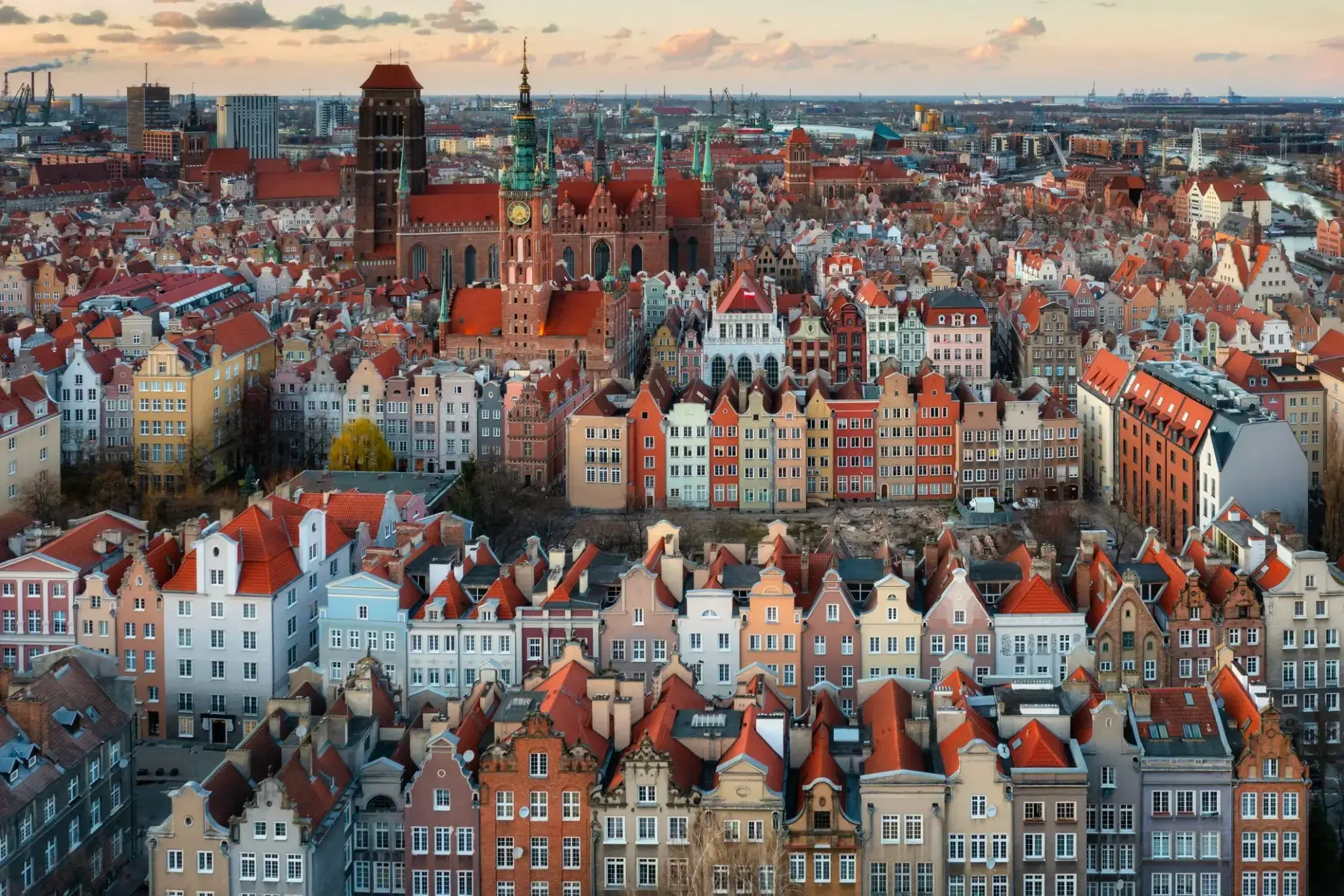
| 39 | 25.08 Fri | Gdańsk / Poland | 07:00 | 16:00 |
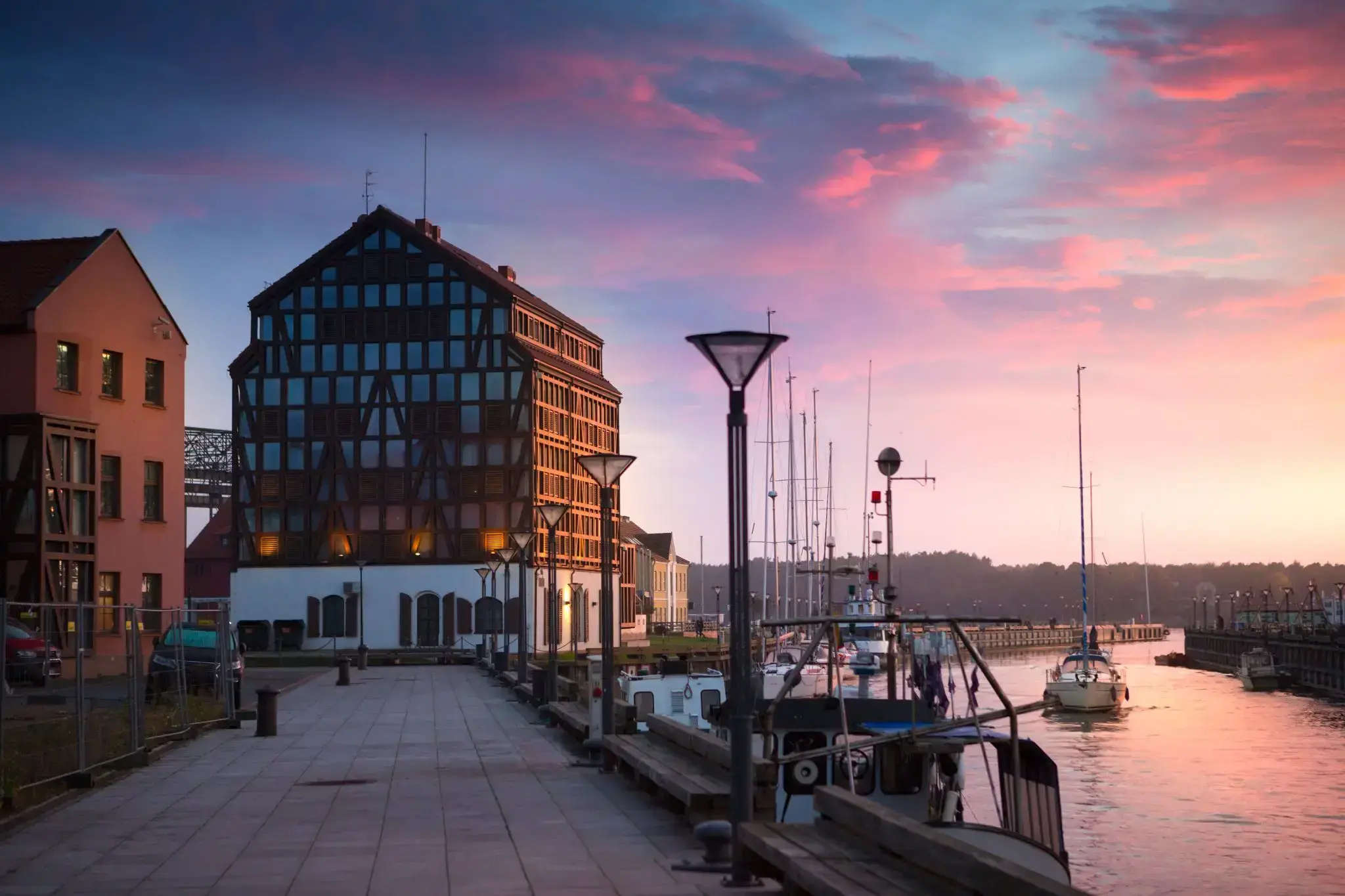
| 40 | 26.08 Sat | Klaipeda (Memel) / Lithuania | 07:00 | 15:00 |
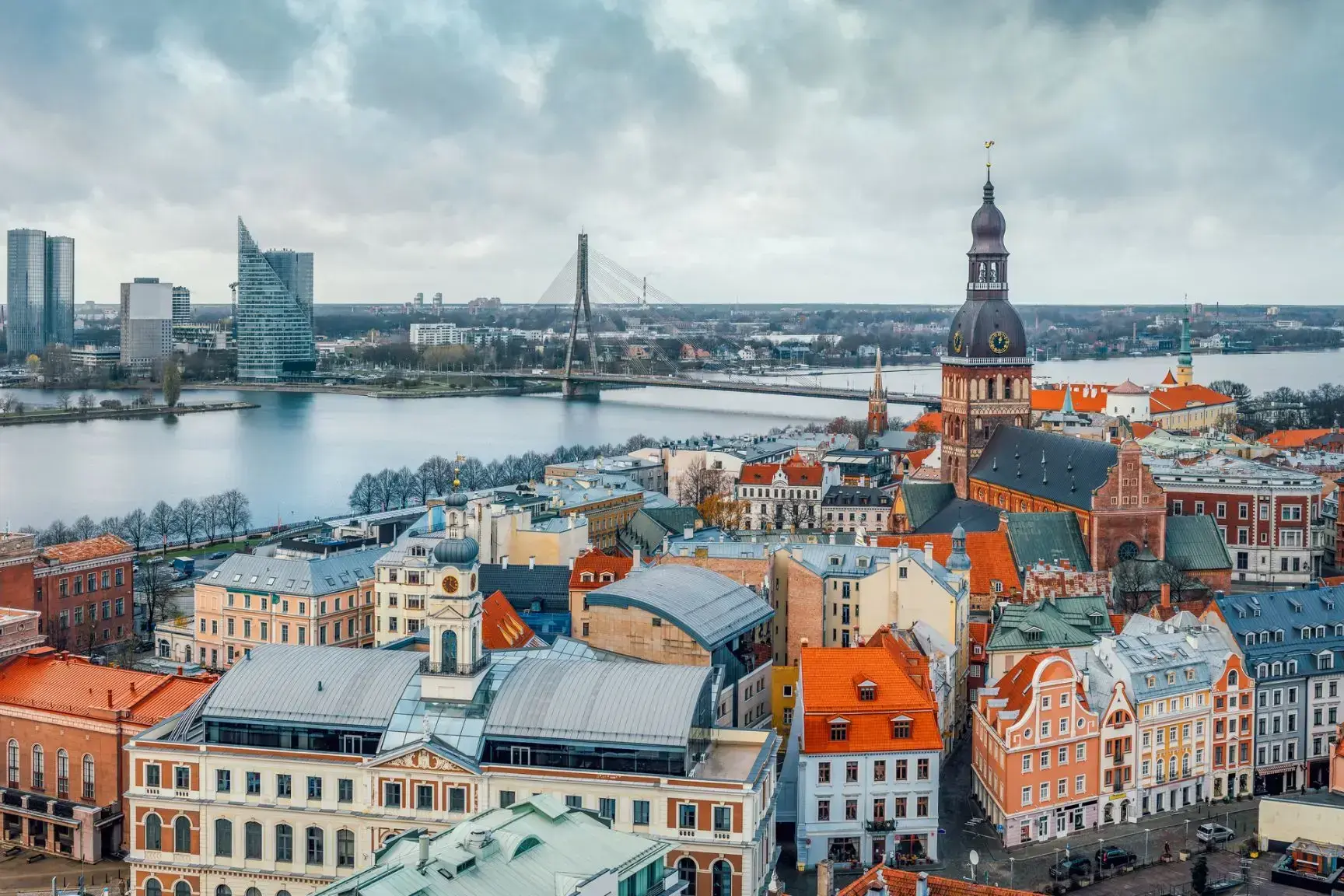
| 41 | 27.08 Sun | Riga / Latvia | 10:00 | 17:00 |
| 42 | 28.08 Mon | Tallinn / Estonia | 13:00 | 21:00 |
| 43 | 29.08 Tue | Helsinki / Finland | 08:00 | 17:00 |
| 44 | 30.08 Wed | Mariehamn, Åland Islands / Finland | 09:00 | 19:00 |
| 45 | 31.08 Thu | Stockholm / Sweden | 12:00 | |
| 46 | 1.09 Fri | Stockholm / Sweden | ||
| 47 | 2.09 Sat | Stockholm / Sweden | 12:00 | |
| 48 | 3.09 Sun | Mariehamn, Åland Islands / Finland | 07:00 | 17:00 |
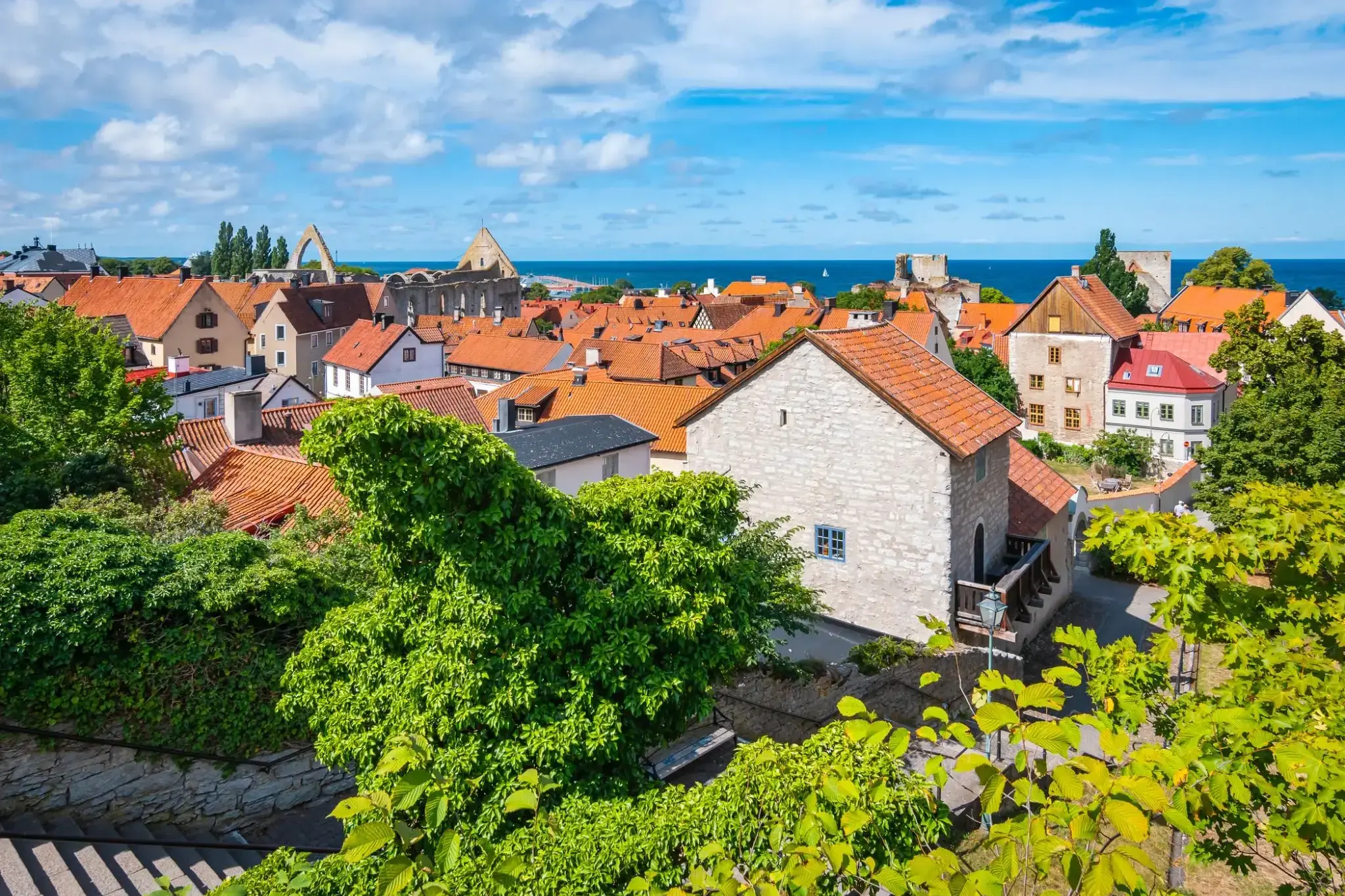
| 49 | 4.09 Mon | Visby / Sweden | 07:00 | 17:00 |
| 50 | 5.09 Tue | Liepaja / Lithuania | 07:00 | 17:00 |
| 51 | 6.09 Wed | Gdańsk / Poland | 07:00 | 16:00 |
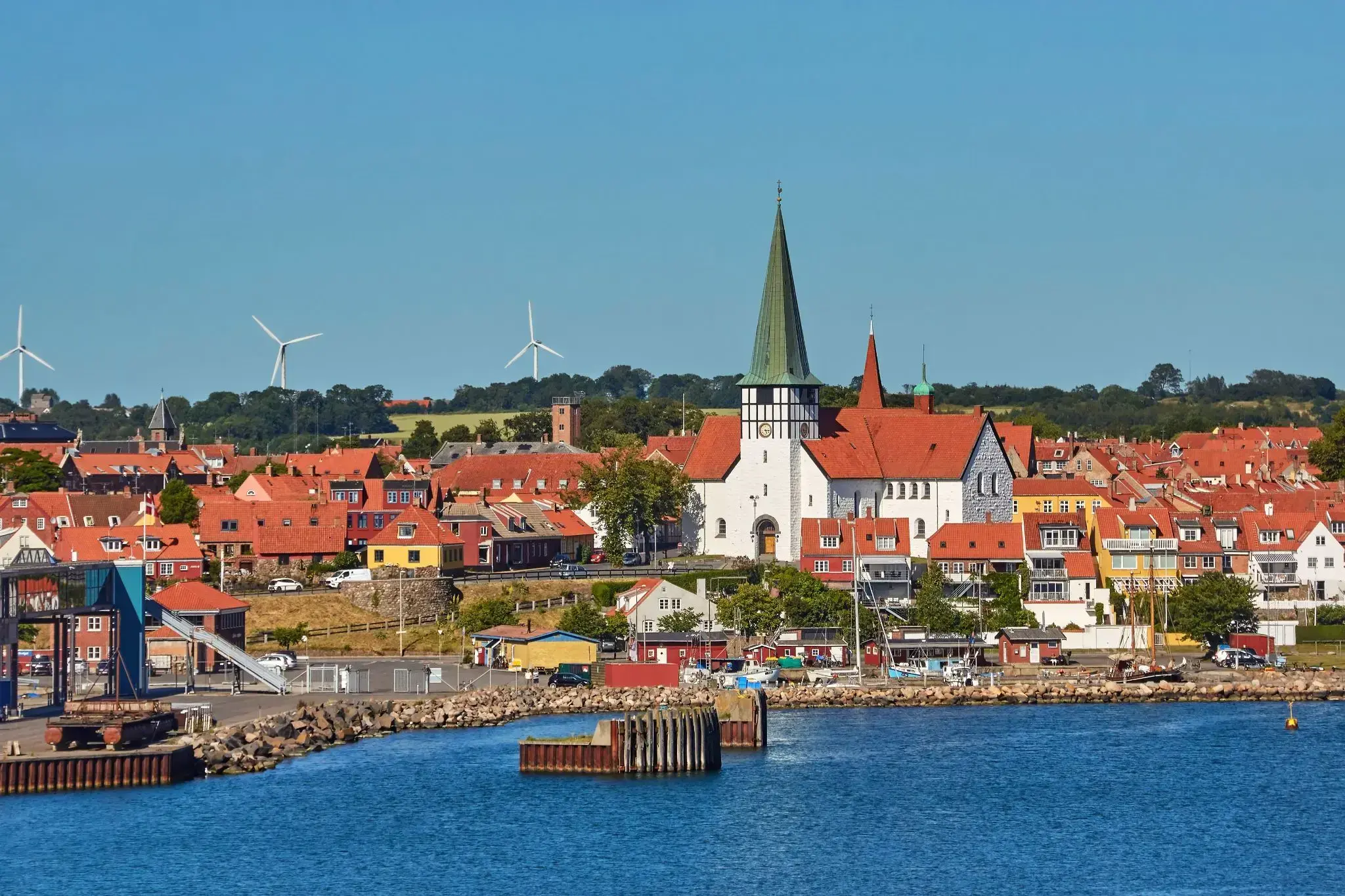
| 52 | 7.09 Thu | Ronne / Denmark | 07:00 | 18:00 |
| 53 | 8.09 Fri | Kalundborg / Denmark | 10:00 | 20:00 |
| 54 | 9.09 Sat | Day at sea / Sea | ||
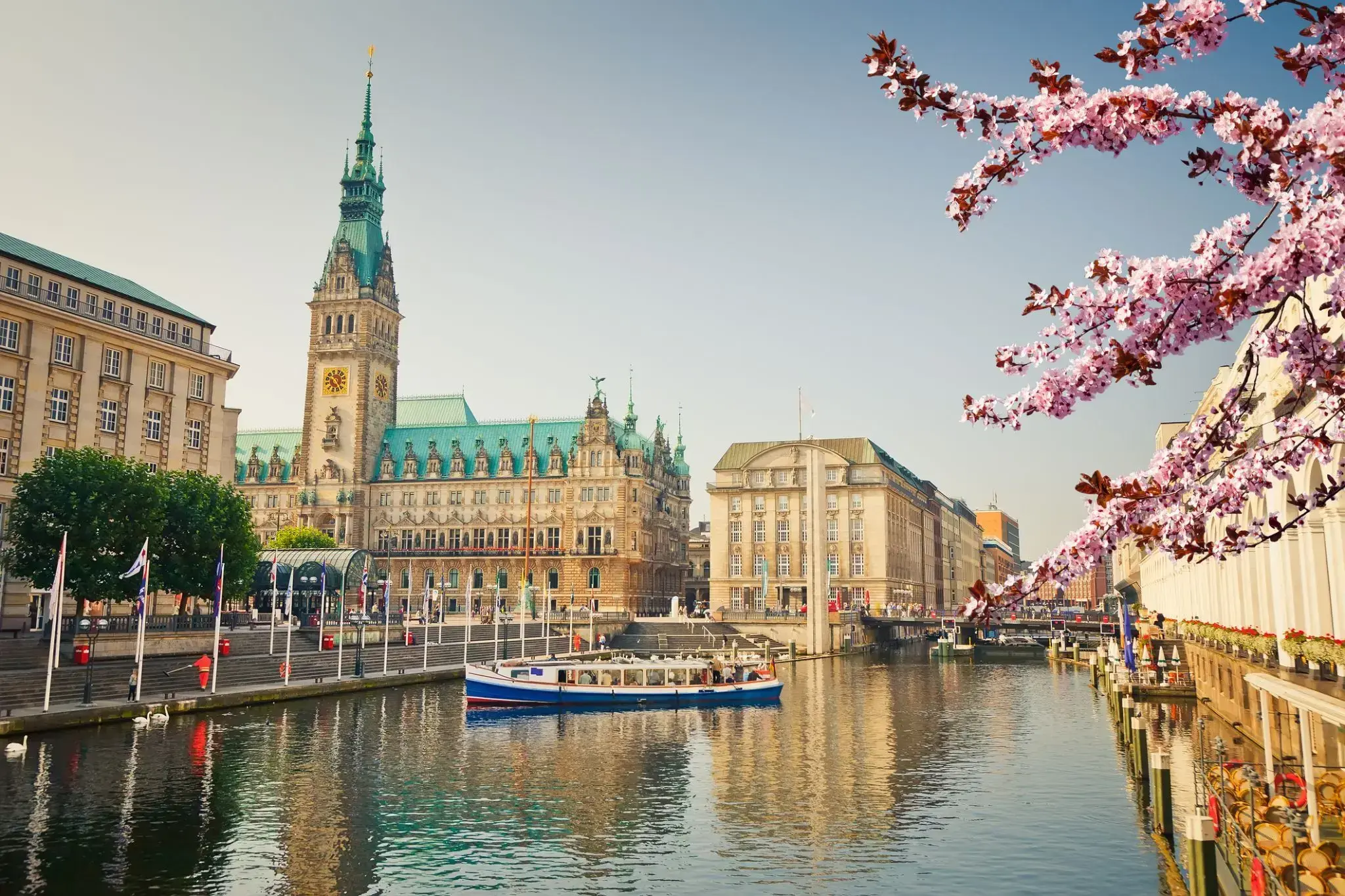
| 55 | 10.09 Sun | Hamburg / Germany | 07:00 | 23:00 |
| 56 | 11.09 Mon | Day at sea / Sea | ||
| 57 | 12.09 Tue | IJmuiden | 07:00 | 17:00 |
| 58 | 13.09 Wed | Used | 07:00 | 16:00 |
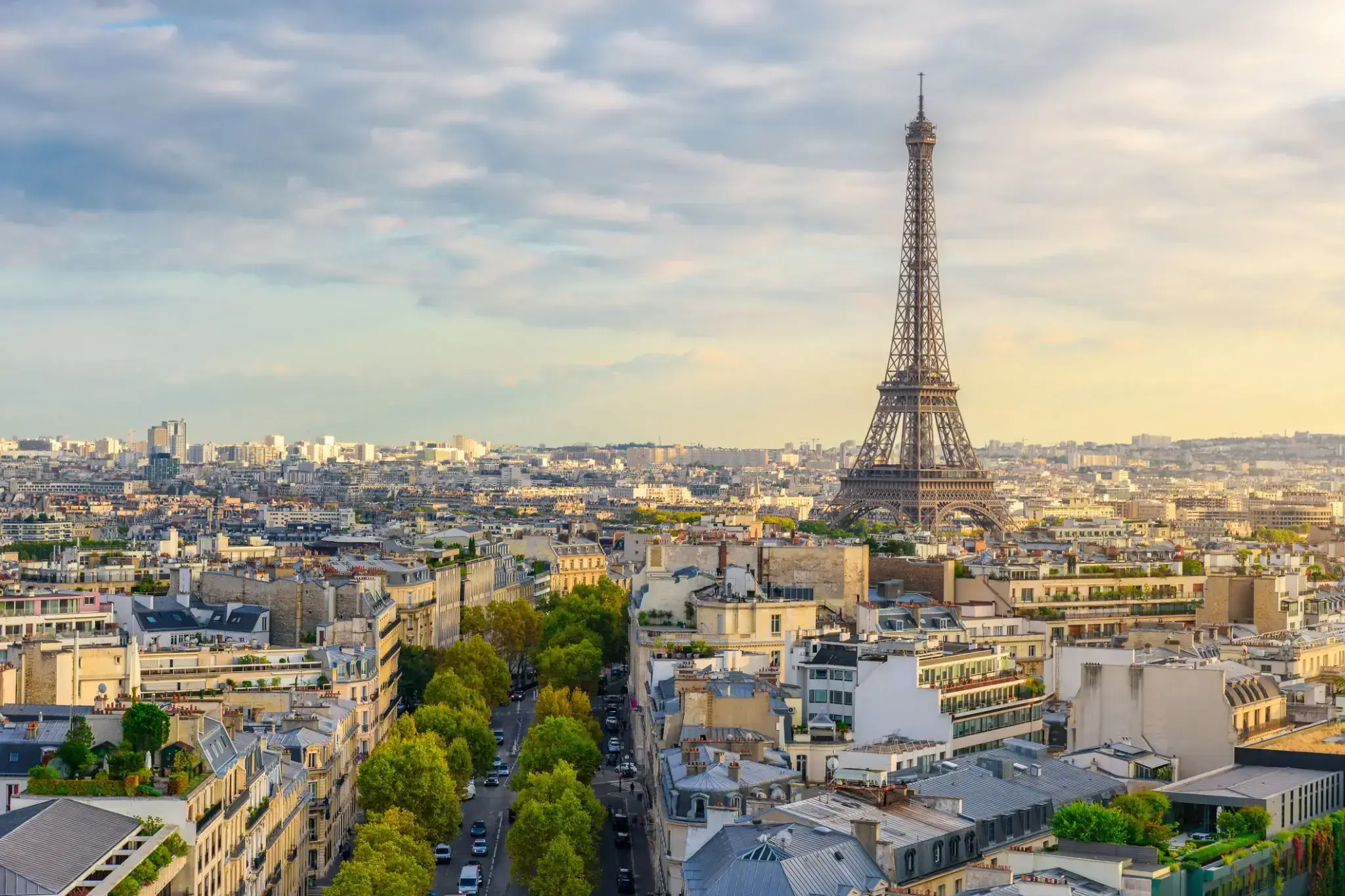
| 59 | 14.09 Thu | Paris / France | 08:00 | 22:00 |
| 60 | 15.09 Fri | Day at sea / Sea | ||
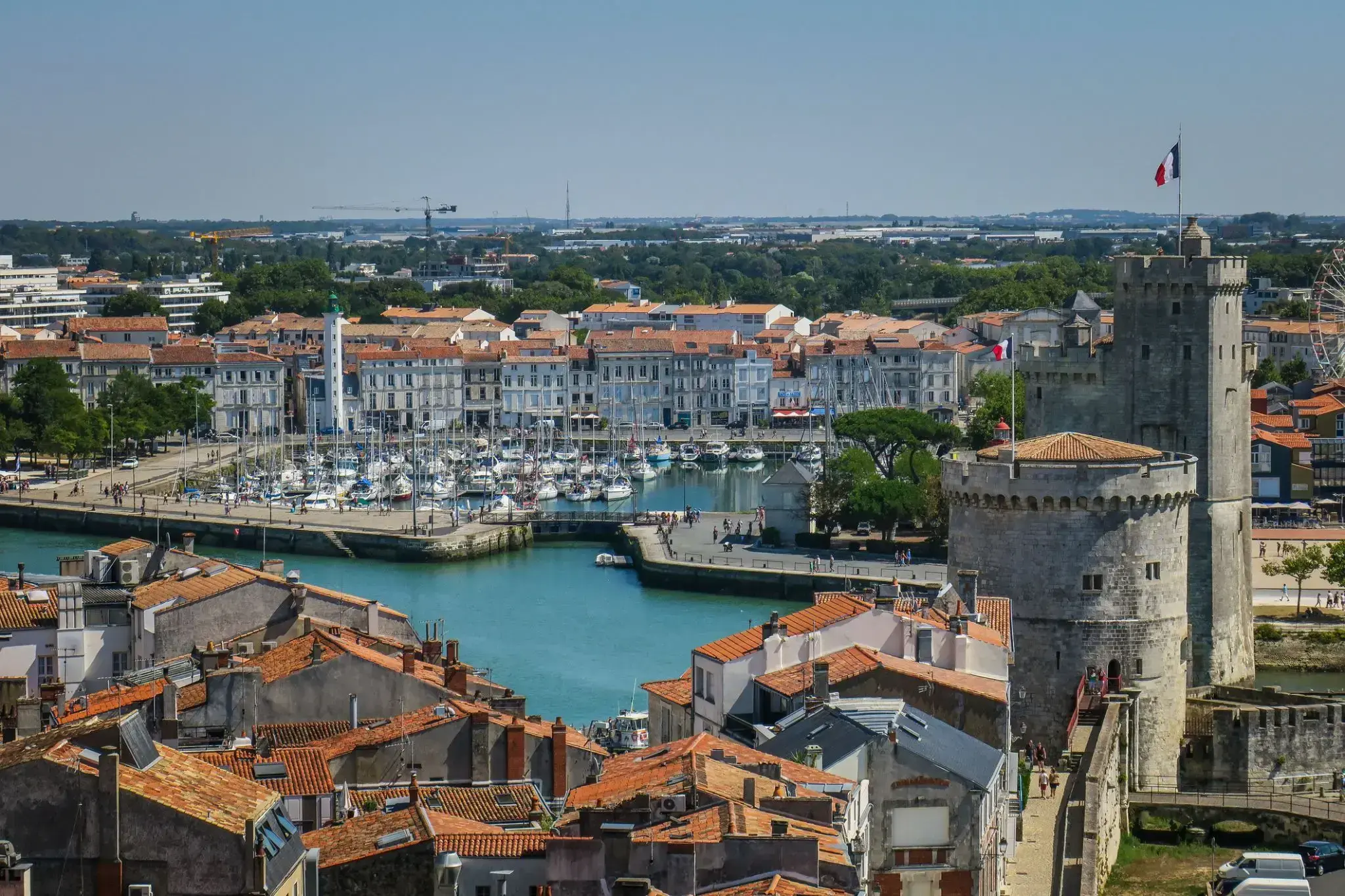
| 61 | 16.09 Sat | La Rochelle / France | 09:00 | 19:00 |
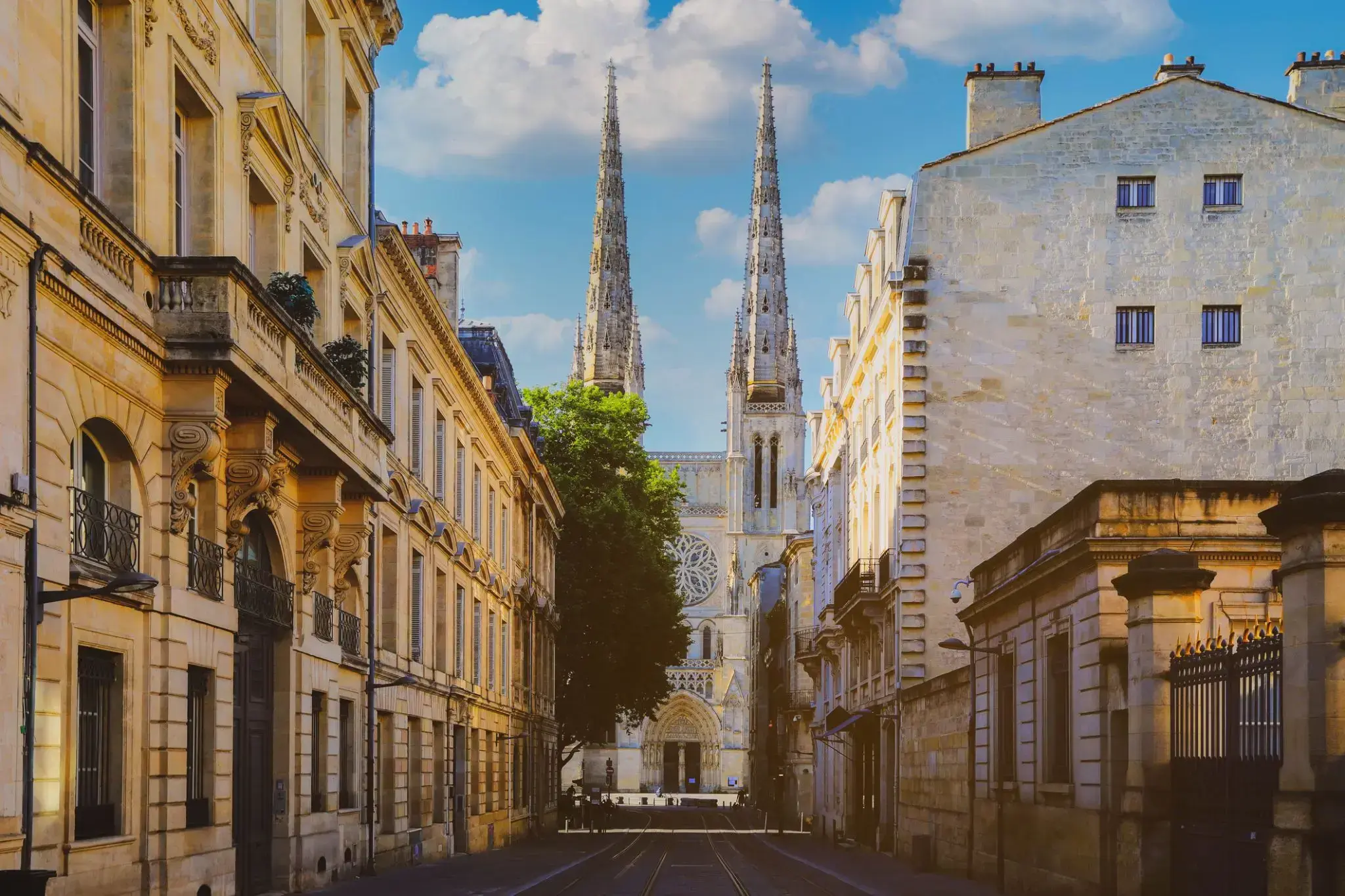
| 62 | 17.09 Sun | Bordeaux / France | 07:00 | |
| 63 | 18.09 Mon | Bordeaux / France | 20:00 | |
| 64 | 19.09 Tue | Day at sea / Sea | ||
| 65 | 20.09 Wed | Gijon / Spain | 07:00 | 17:00 |
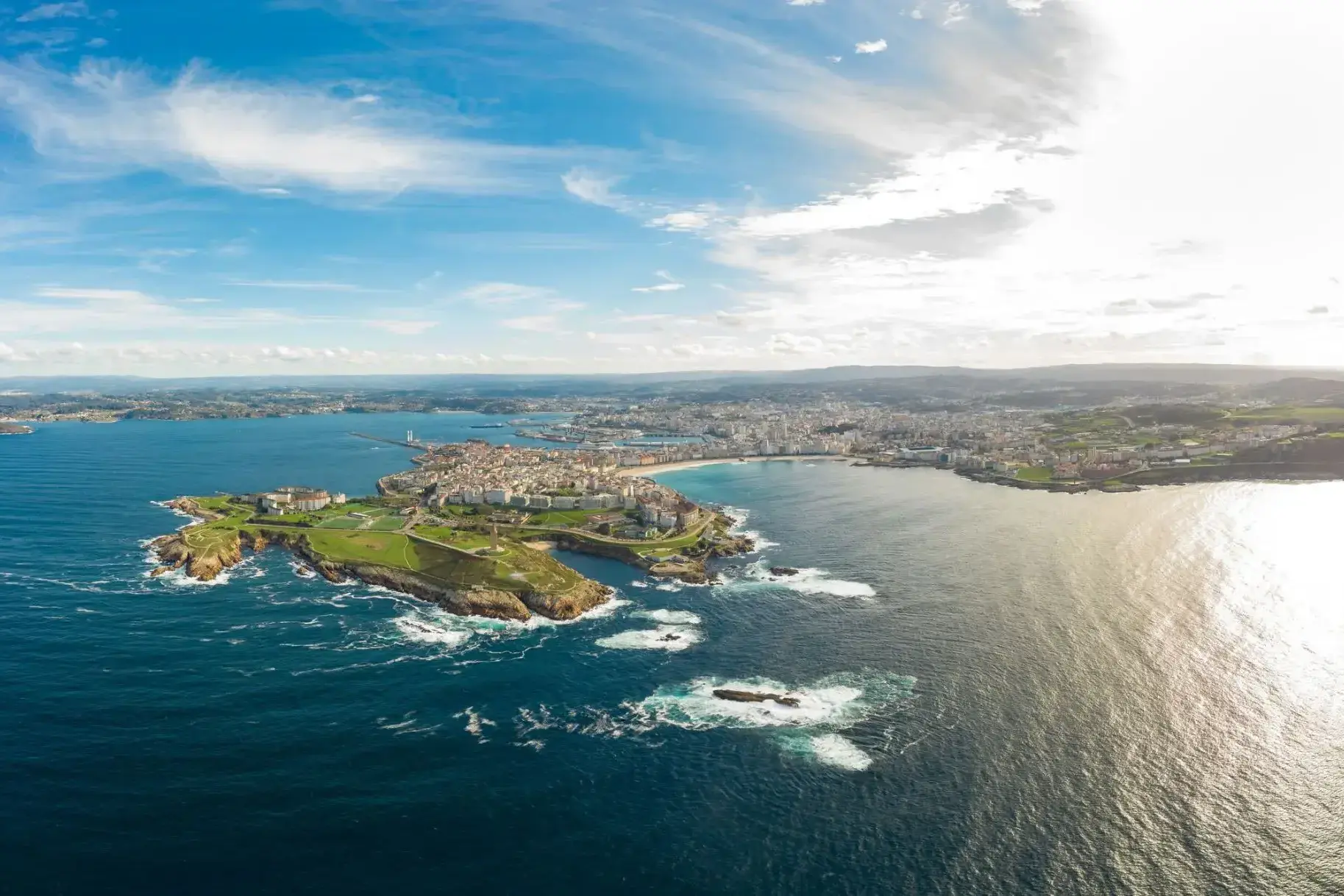
| 66 | 21.09 Thu | La Coruna / Spain | 07:00 | 17:00 |
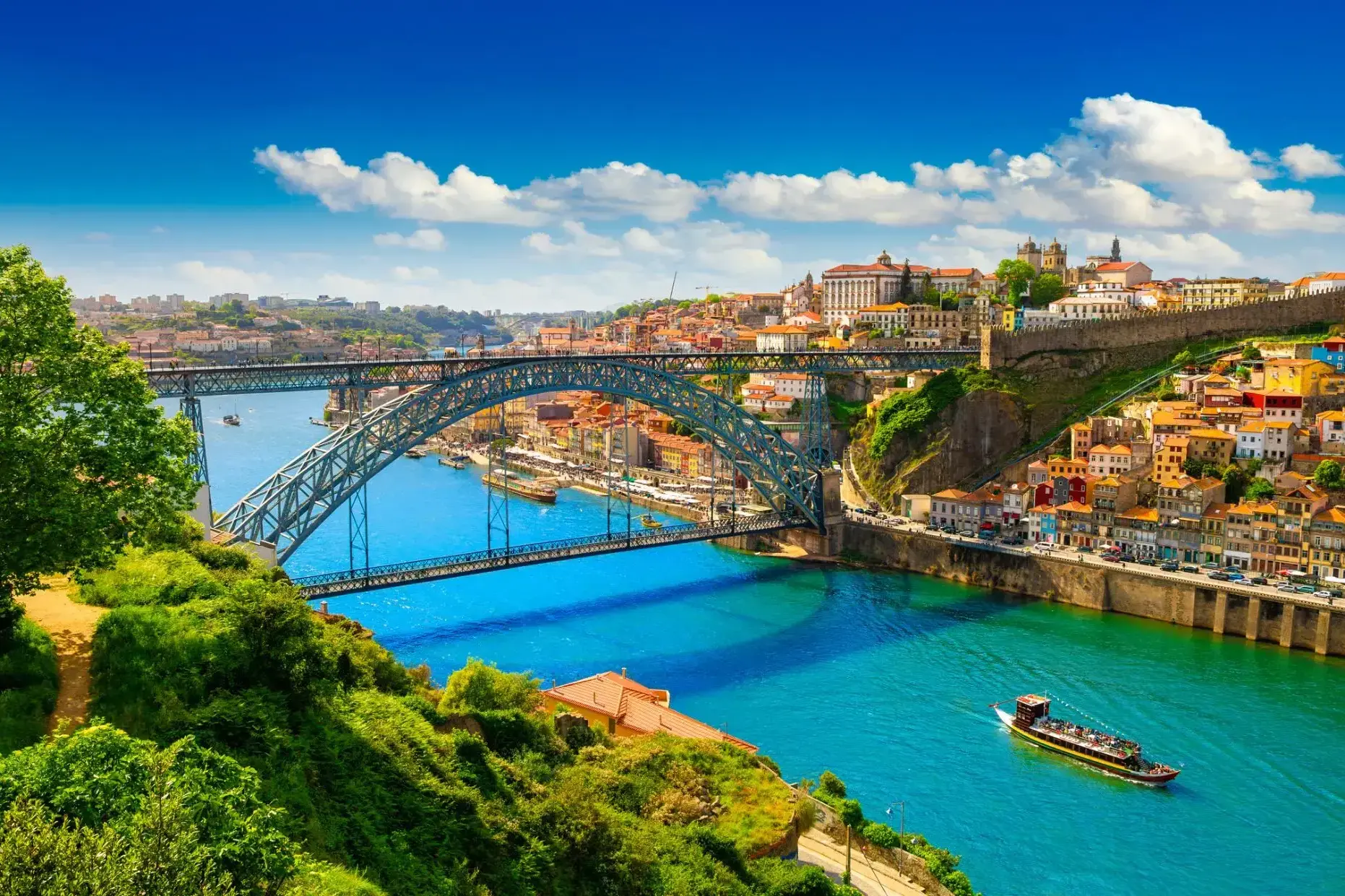
| 67 | 22.09 Fri | Porto / Portugal | 09:00 | 17:00 |
| 68 | 23.09 Sat | Lisbon / Portugal | 07:00 | 17:00 |
| 69 | 24.09 Sun | Day at sea / Sea | ||
| 70 | 25.09 Mon | Day at sea / Sea | ||
| 71 | 26.09 Tue | Ponta Delgada, San Miguel / Portugal | 07:00 | 17:00 |
| 72 | 27.09 Wed | Day at sea / Sea | ||
| 73 | 28.09 Thu | Day at sea / Sea | ||
| 74 | 29.09 Fri | Day at sea / Sea | ||
| 75 | 30.09 Sat | St. John's / Canada | 07:00 | 17:00 |
| 76 | 1.10 Sun | Day at sea / Sea | ||
| 77 | 2.10 Mon | Halifax / Canada | 07:00 | 17:00 |
| 78 | 3.10 Tue | Day at sea / Sea | ||
| 79 | 4.10 Wed | Boston / USA | 07:00 | 17:00 |
Your World Included
With Your World Included, you’ll enjoy a wide array of included amenities for the ultimate comfort and value in ultra-premium cruising.
Unforgettable dining experiences at a variety of exquisite restaurants — all at no extra charge.
Complimentary specialty coffees, sodas, freshly pressed juices, and still and sparkling Vero Water® served throughout the ship.
Unlimited free Wi-Fi available in your suite, stateroom, and all public areas.
In-room dining with a superb variety of hot and cold selections.
Smoothies, milkshakes, gelato, and signature Humphry Slocombe ice cream — always included.
Group fitness classes at Aquamar® Spa + Vitality Center are complimentary.
Gratuities are included for your convenience.
Laundry is free for all guests.
With complimentary self-service launderettes on board, plus laundry and pressing services for Concierge and Suite categories, you’ll always look your finest.
Along with our hallmark personalized service, you’ll enjoy an enriching cruise experience with no hidden costs or nickel-and-diming.
Elevate Your Experience
Concierge Level Veranda Staterooms offer an unrivaled combination of luxury, privilege, and value. A wealth of amenities and exclusive benefits elevate your experience to the sublime — from in-room dining selections from The Grand Dining Room and complimentary laundry services to unlimited access to the Aquamar Spa Terrace.
On board Oceania Marina and Oceania Riviera, you’ll also enjoy the services of a dedicated Concierge and exclusive access to the private Concierge Lounge.
Located in the most desired areas of the ship, Concierge Level Veranda Staterooms are far more than just staterooms — they are an experience in themselves.
Concierge Level Veranda — Exclusive Privileges
Expanded in-room dining menu for lunch and dinner from The Grand Dining Room
Laundry service — up to 3 bags per stateroom
Exclusive key-card access to the private Concierge Lounge aboard Oceania Marina, Oceania Riviera, Oceania Vista, and Oceania Allura, featuring complimentary beverages, coffees, snacks, and the services of a dedicated Concierge
Welcome bottle of fine Italian Prosecco
Priority online reservations for specialty restaurants
Unlimited access to the Aquamar Spa Terrace
Oceania Cruises logo tote bag
Cashmere lap blankets — perfect for relaxing or snuggling
Pressing of garments upon embarkation
Complimentary shoeshine service
Deposit and Payments – Oceania Cruises
General Deposit:
For Owner’s, Vista, and Oceania Suites, a deposit of 20% of the cruise fare per person is required.
For all other suite/stateroom categories, the deposit is $500 per person.
For Grand Voyages, the deposit is $1,500 per person.
Deposit and Final Payment Deadlines:
Bookings more than 150 days from sailing:
Deposit 20% for Owner’s, Vista, and Oceania Suites and $500 for all other categories is required within 5 days of booking.
Bookings 90–120 days from sailing:
Full payment required within 3 days of booking.
Bookings 0–90 days from sailing:
Full payment due on the day of booking.
Important:
Bookings that are not deposited or paid in full according to this schedule will be automatically cancelled.
Unless otherwise noted, final payment must be received by Oceania Cruises 150 days prior to departure for cruises less than 15 days, and 150 days for cruises 15 days or longer.
Oceania Cruises reserves the right to cancel any booking not fully paid at the time of final payment.
Additional Information:
Passport details and special onboard service requests are due at final payment.
Payment may be made by personal check, American Express, Discover, MasterCard, or Visa.
For convenience, final payment may be automatically charged to the credit card used for the initial deposit.
Oceania Cruises is not responsible for foreign currency or transaction fees independently charged by issuing banks. These fees do not benefit Oceania Cruises.
Third-party credit card payments are accepted only with valid authorization from the cardholder.
Deposit and Payment – 180-Day Voyages
For 180-day voyages, a deposit of 20% of the cruise fare per person for all suites and staterooms is required within 7 days of booking.
Final payment must be received no later than 181 days prior to departure, along with passport details and any special onboard service requests.
Otherwise, the booking may be immediately cancelled, and applicable penalties will apply.
Oceania Cruises accepts payment for reservations by credit/debit card or bank transfer.
Unfortunately, personal checks are not accepted.
Credit/Debit Cards:
American Express, Visa, and Mastercard are accepted.
Please note: Oceania Cruises assumes no responsibility for foreign currency/transaction processing fees assessed by your issuing bank.
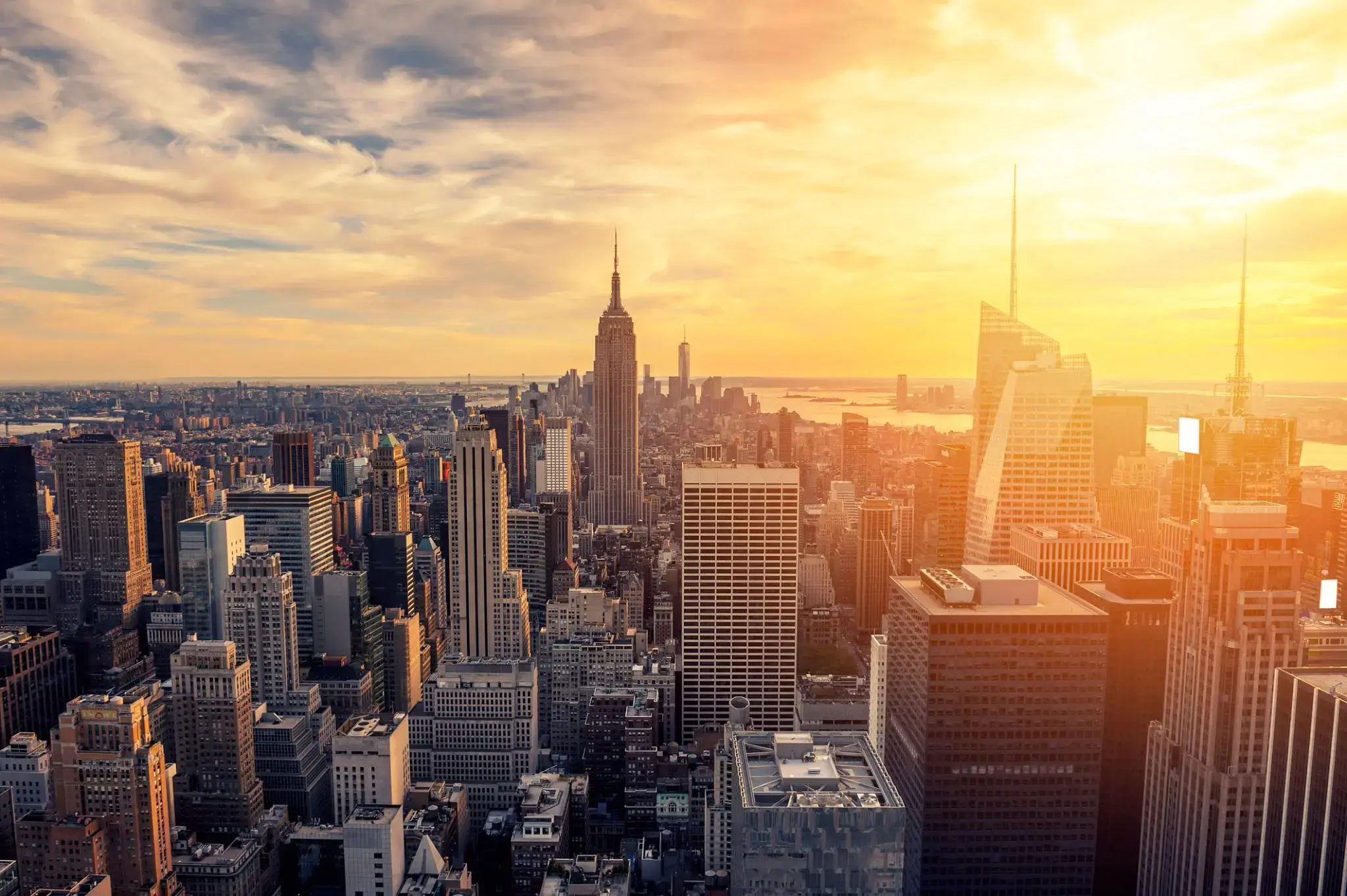
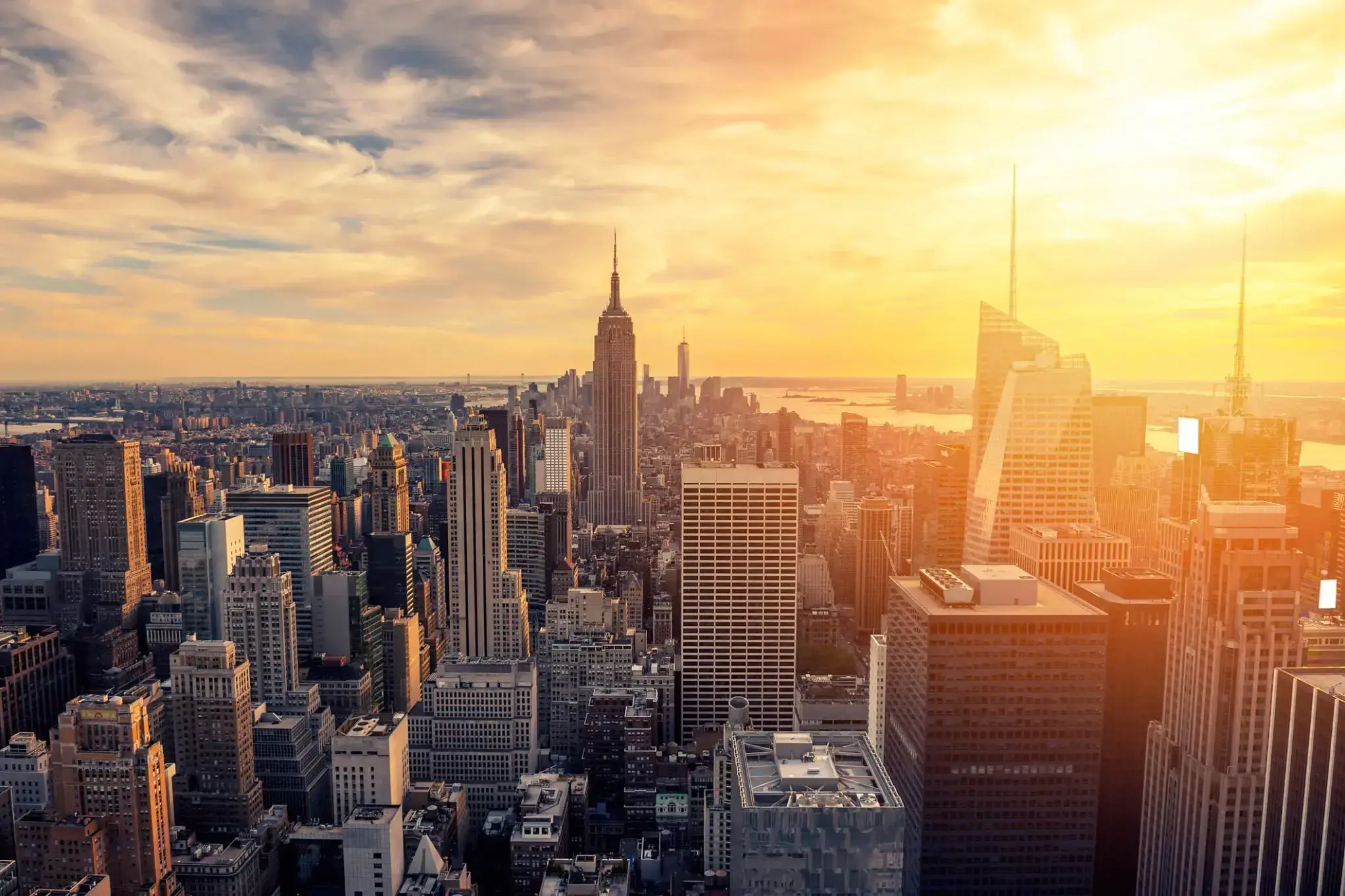
The world famous city of New York , the largest city in the United States, with a population of 8.5 million people, and with suburbs - 20.6 million. New York is the largest economic, political, scientific, and cultural center of the United States. It is rightly called the "Main Gate" in the United States, and the world's largest John F. Kennedy Airport is located here. One of the distinguishing features of the city is the variegated national composition of the population, also called the United States in Miniature.
New York gathered in itself the whole essence of this country: fashion, religion, goods, pace and rhythm of American life. The UN headquarters is located here. There are also many universities in New York, the Academy of Sciences, and many other scientific institutions. Like any other metropolis in the world, New York invites you to visit numerous museums in the city, theaters and concert halls, including the Metropolitan Opera and Carnegie Hall. A great place to relax in New York is Central Park, where you can feed hand-held squirrels, which, to everyone's surprise, are not afraid of people. You can also appreciate the beauty of the famous Empire State Building, with a height of 102 floors, it is an example of skyscrapers, although it was built in 1829-1831. "Must see" in New York, of course, the Statue of Liberty ("Lady Liberty"), located at the mouth of the Hudson River, on the small island of Liberty. And of course, don't forget to stroll along Broadway.
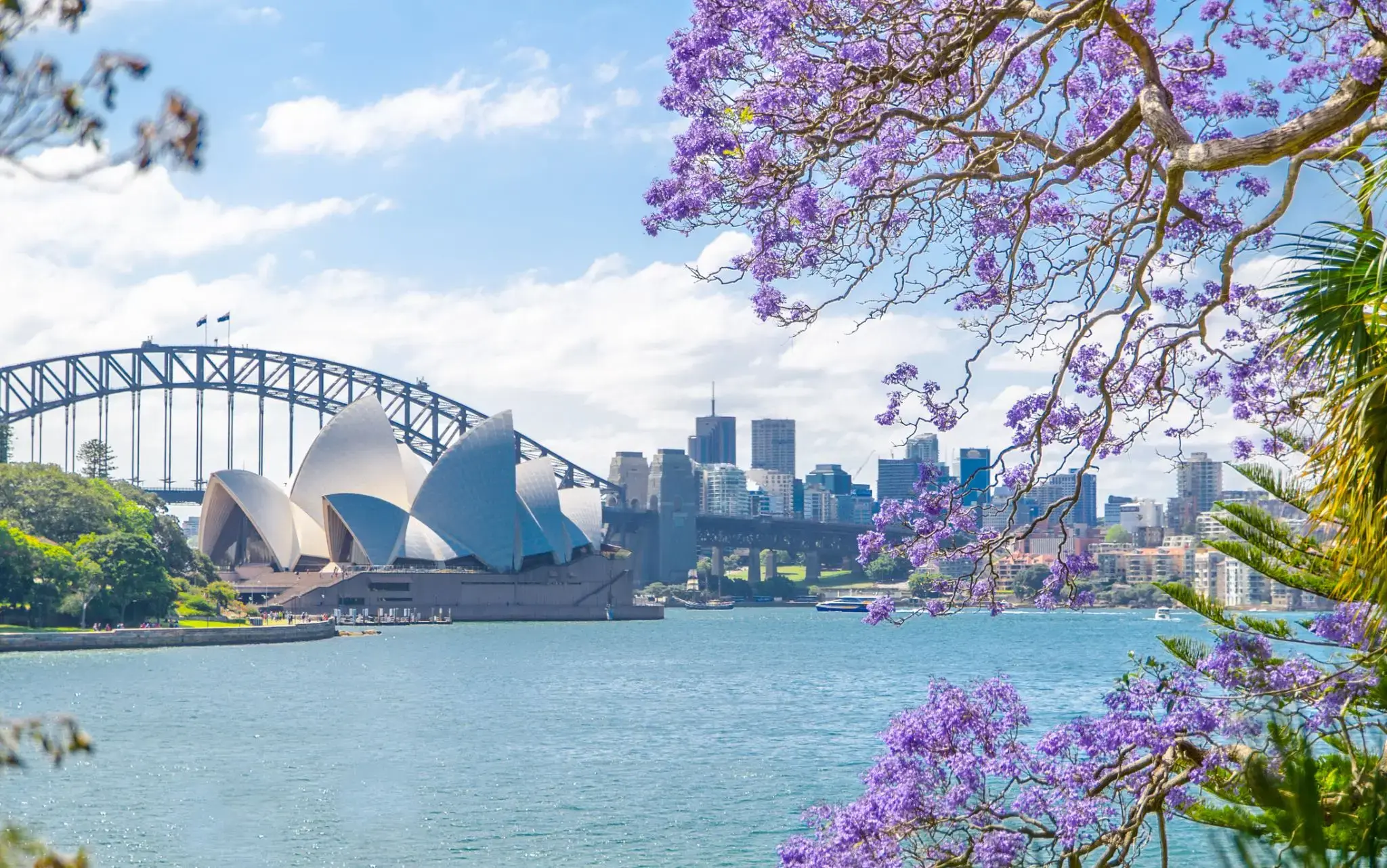
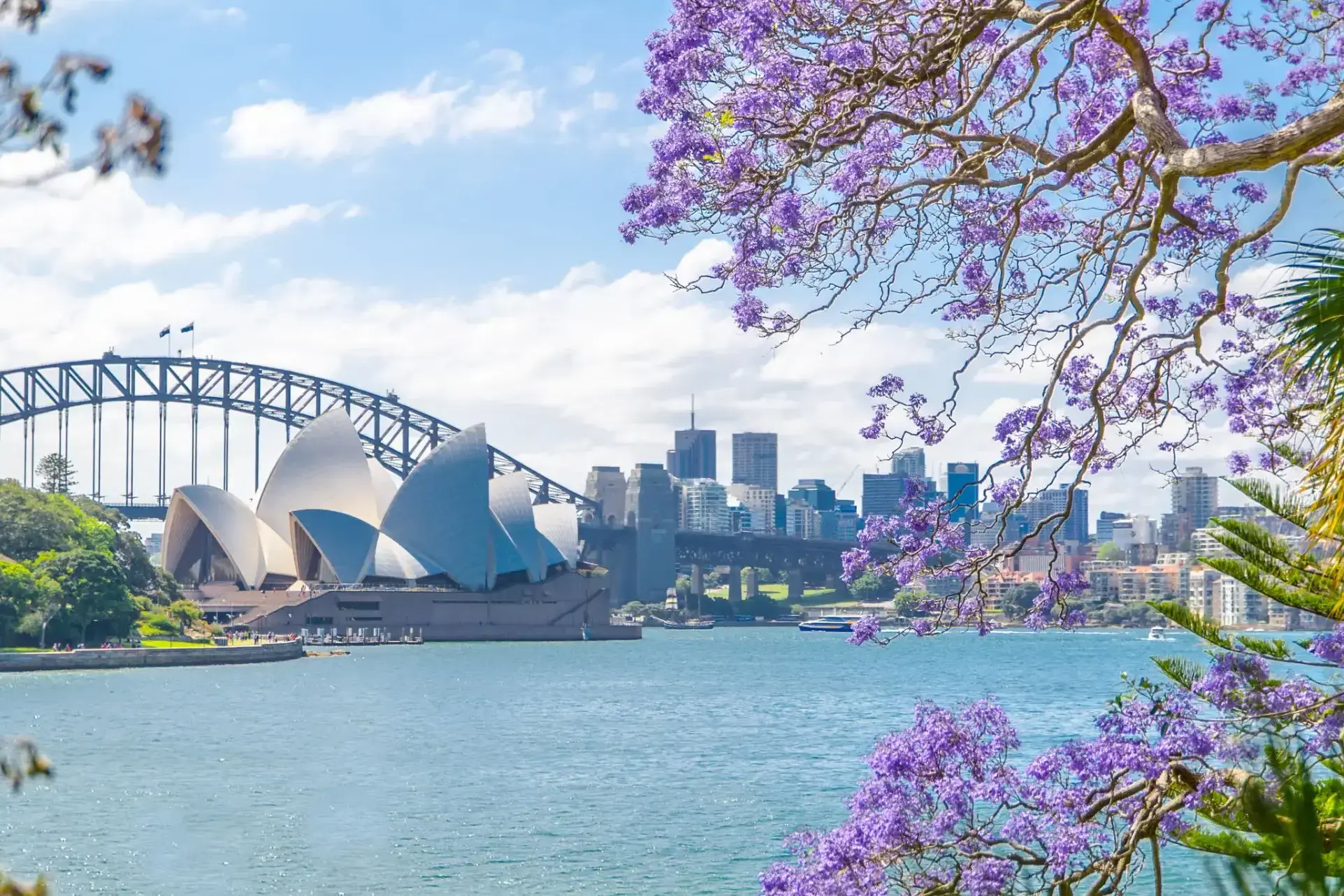
Sydney is the state capital of New South Wales and the most populous city in Australiaand Oceania. Located on Australia's east coast, the metropolis surrounds Port Jackson and extends about 70 km (43.5 mi) on its periphery towards the Blue Mountains to the west, Hawkesbury to the north, and Macarthur to the south. Sydney is made up of 658 suburbs, 40 local government areas and 15 contiguous regions. Residents of the city are known as "Sydneysiders". As of June 2017, Sydney's estimated metropolitan population was 5,131,326, and is home to approximately 65% of the state's population.
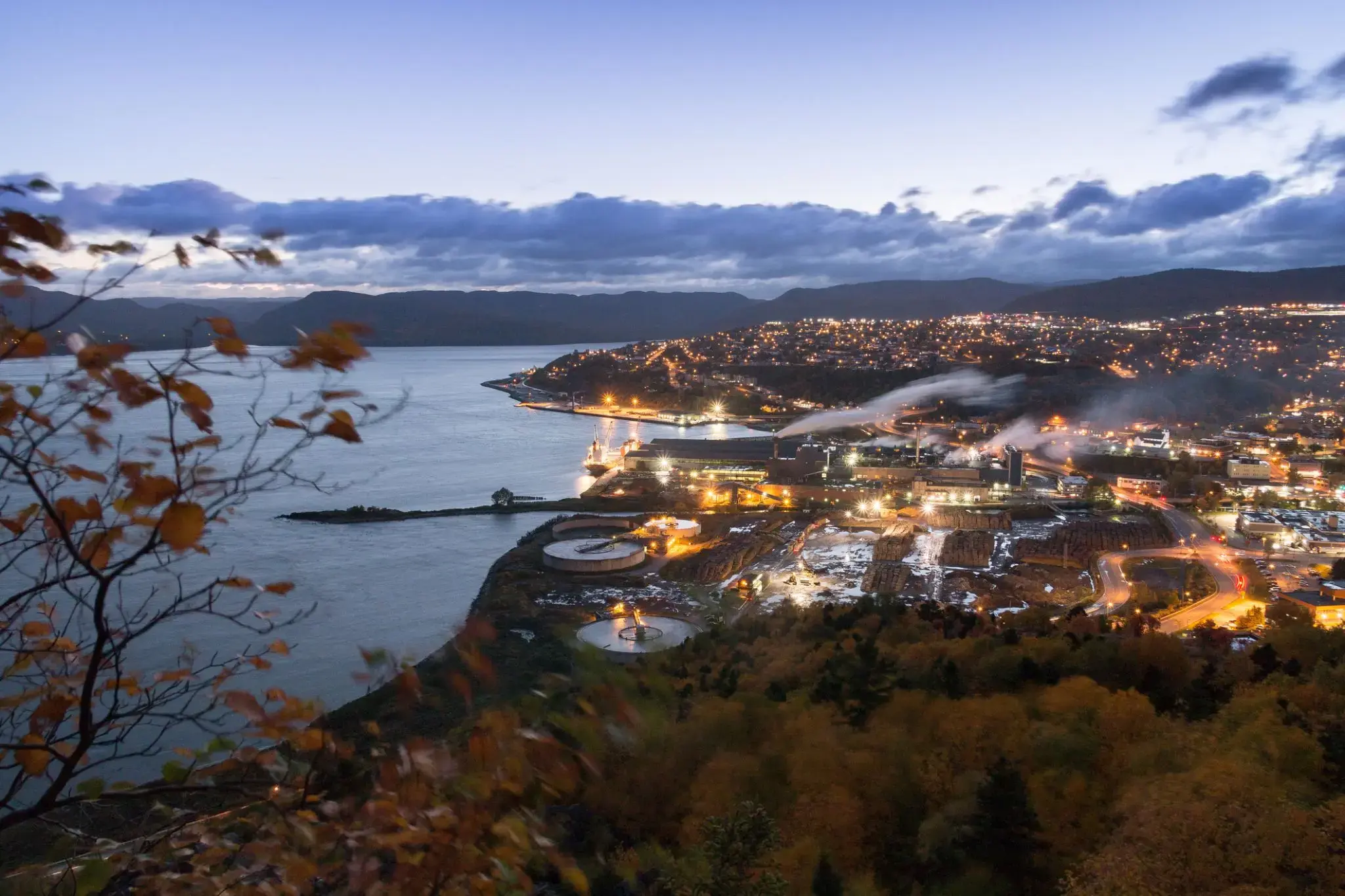
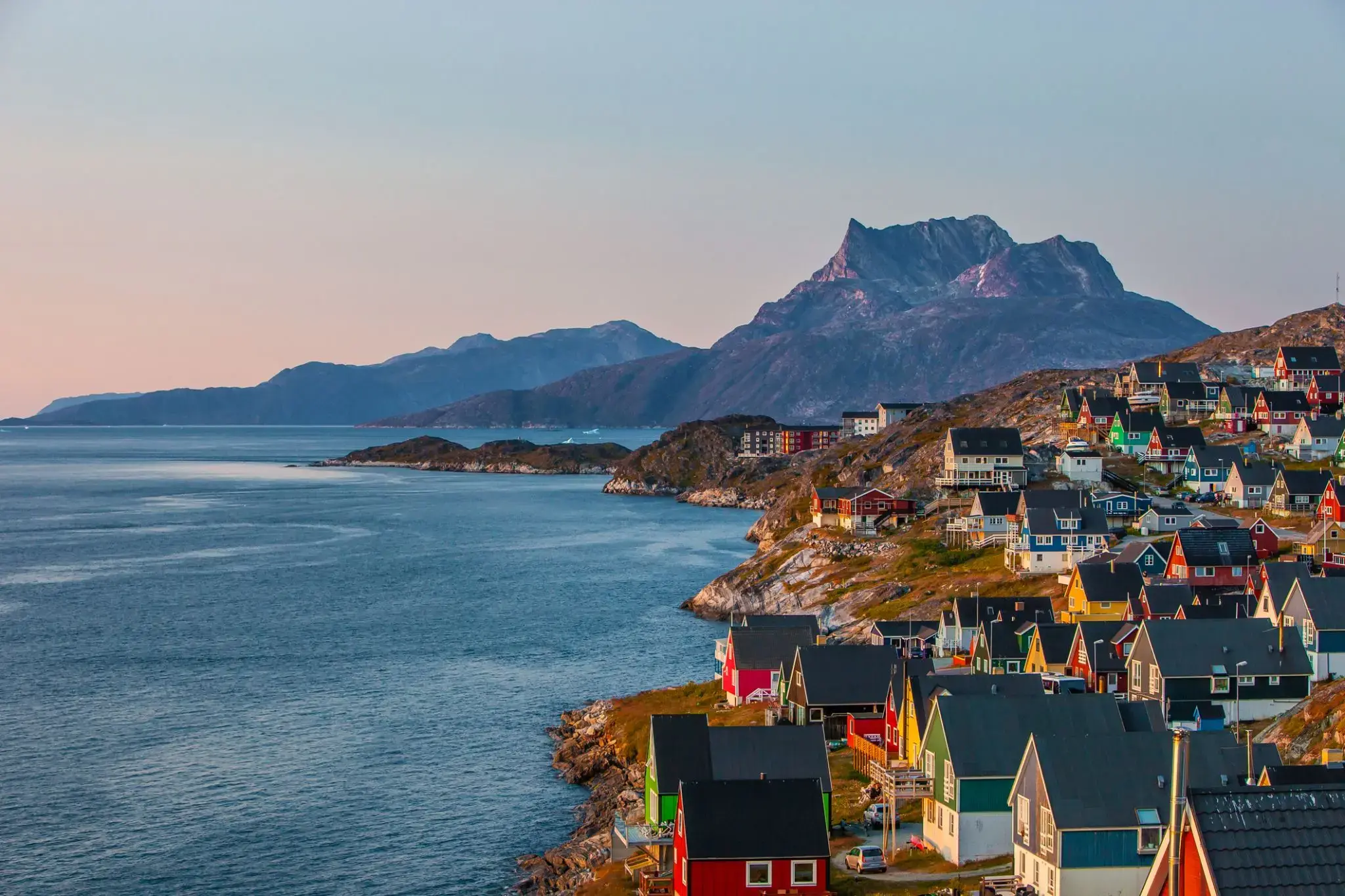
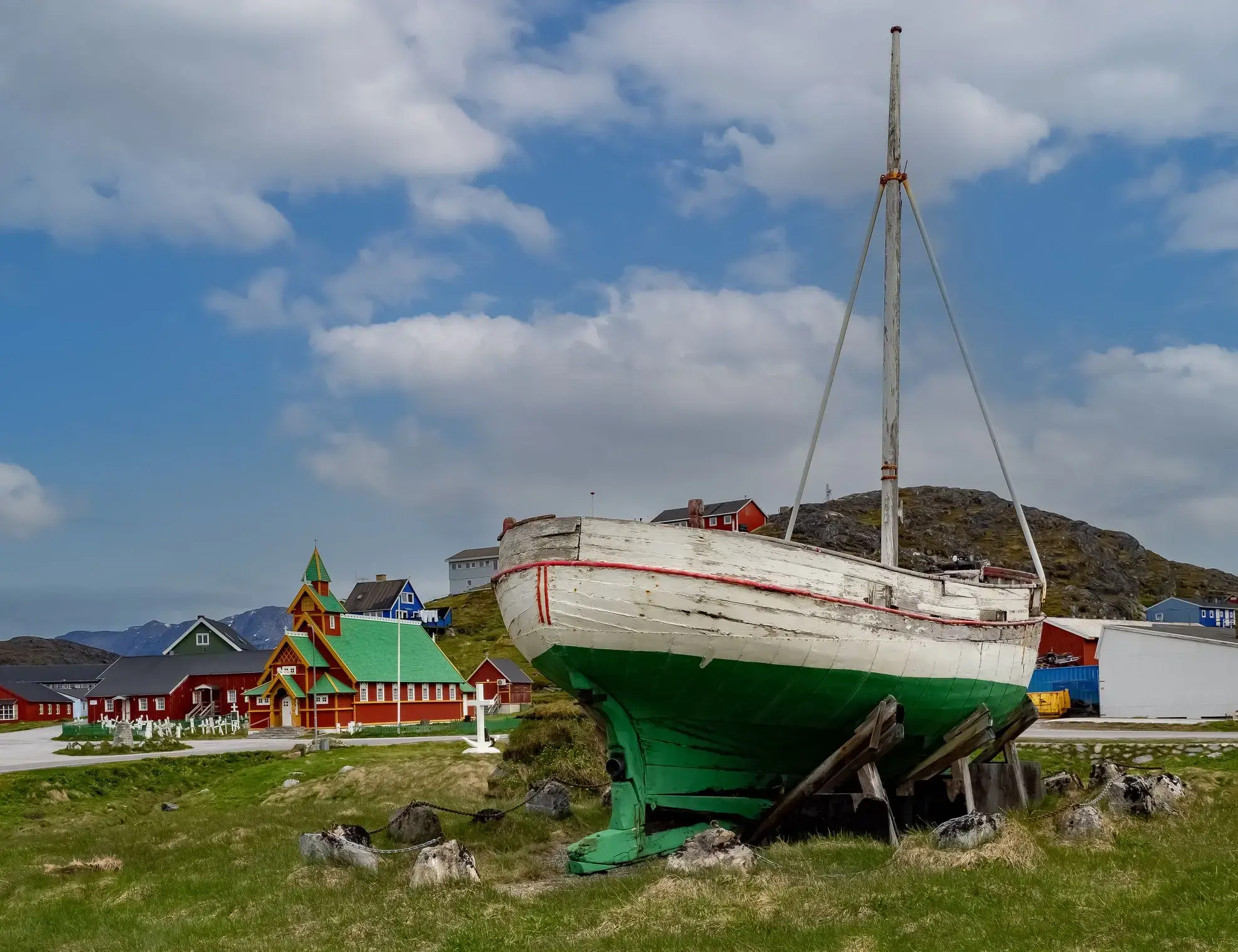
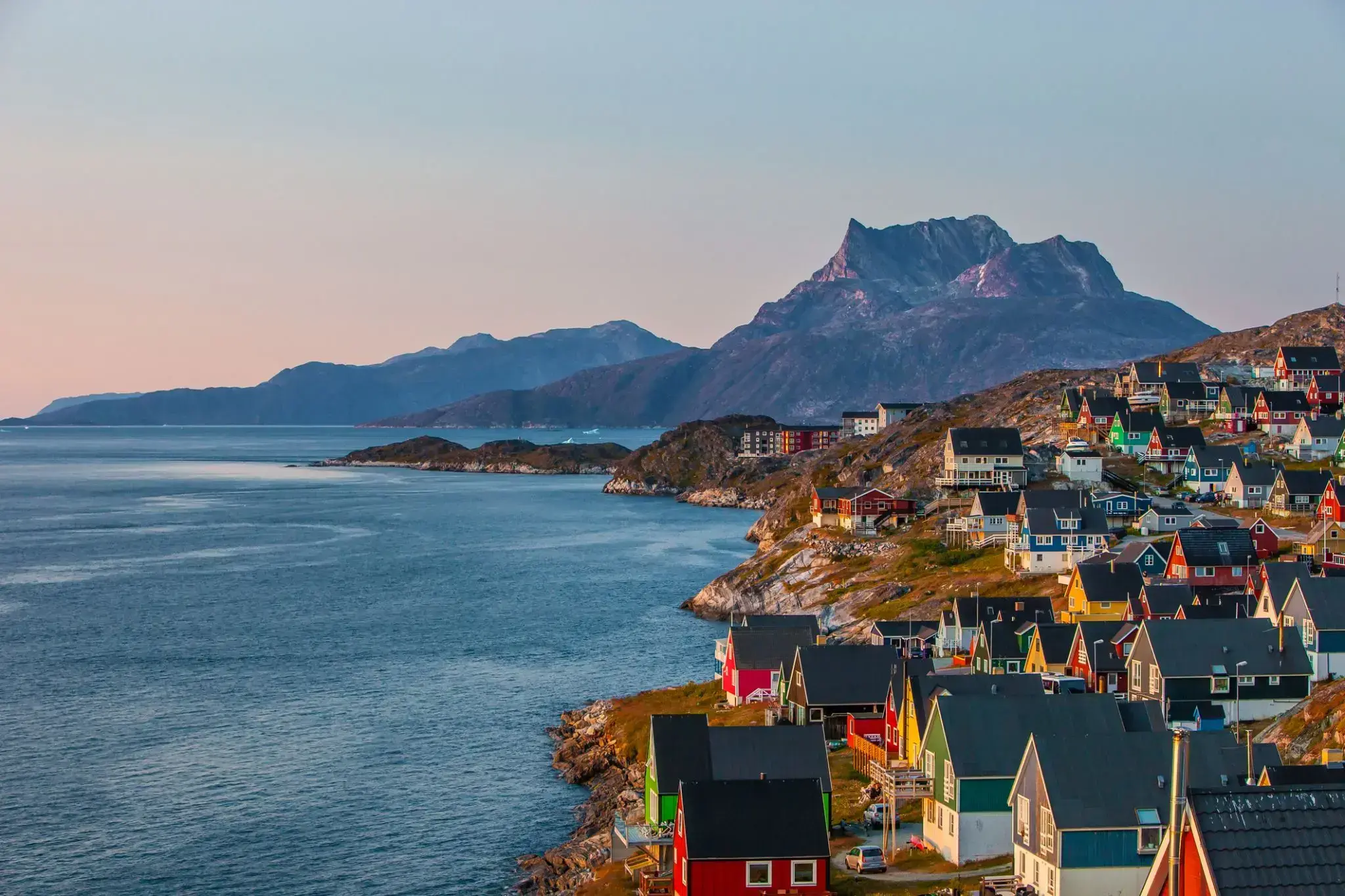
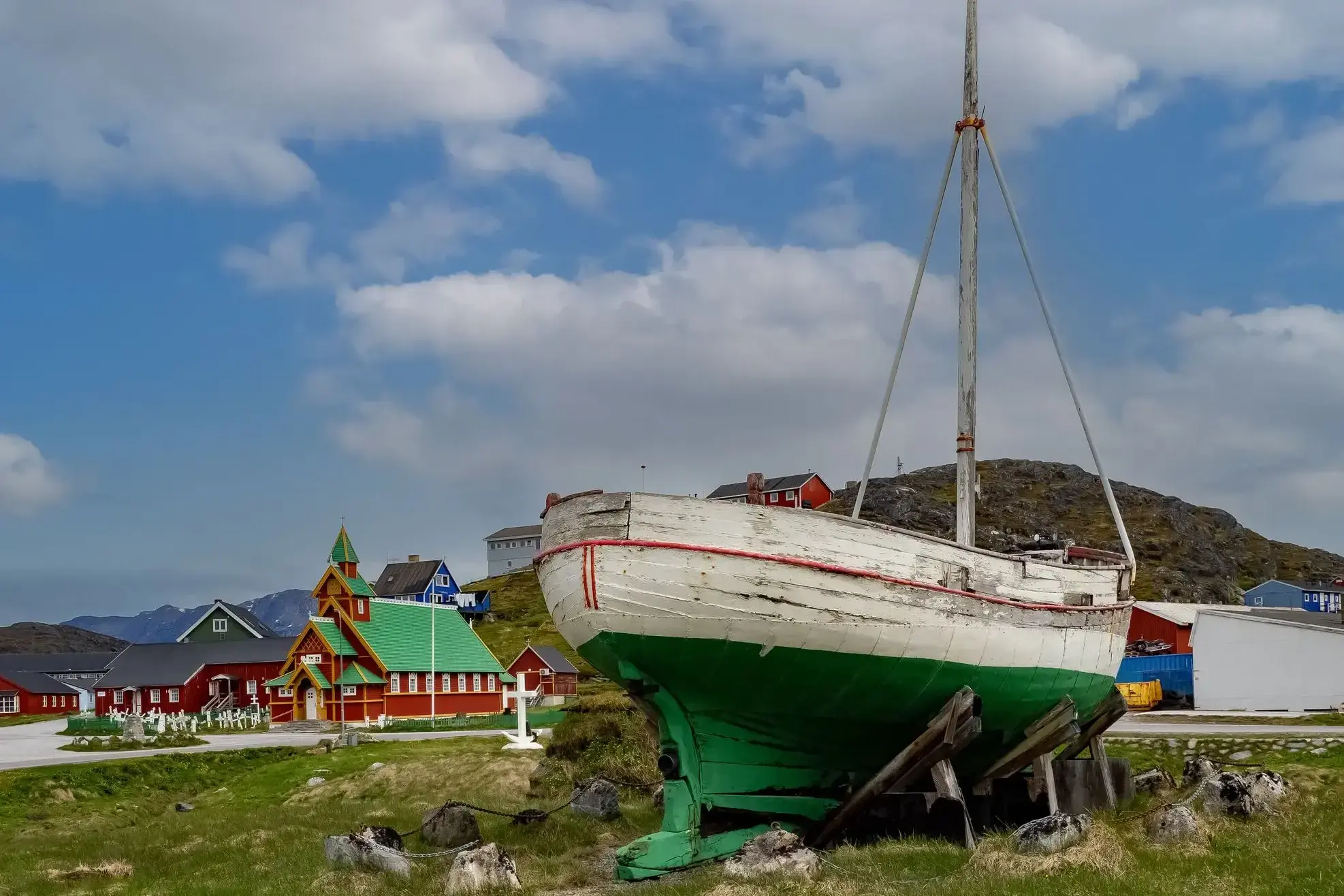
Immerse yourself in the atmosphere of northern nature, where icy waters and picturesque landscapes create a unique scene for every traveler. In this corner of Greenland, in the small town of Paamiut, bright traditions and friendly locals preserve the Inuit culture and a maritime heritage reflected in their fishing lifestyle.
Paamiut is the perfect place for those who want to experience Arctic silence and the grandeur of nature, as well as explore the unique flora and fauna of the region. Here, you can take coastal walks, watch whales and the northern lights, and enjoy fresh seafood prepared by locals with skill and care. This is a quiet and authentic spot offering a true northern adventure.
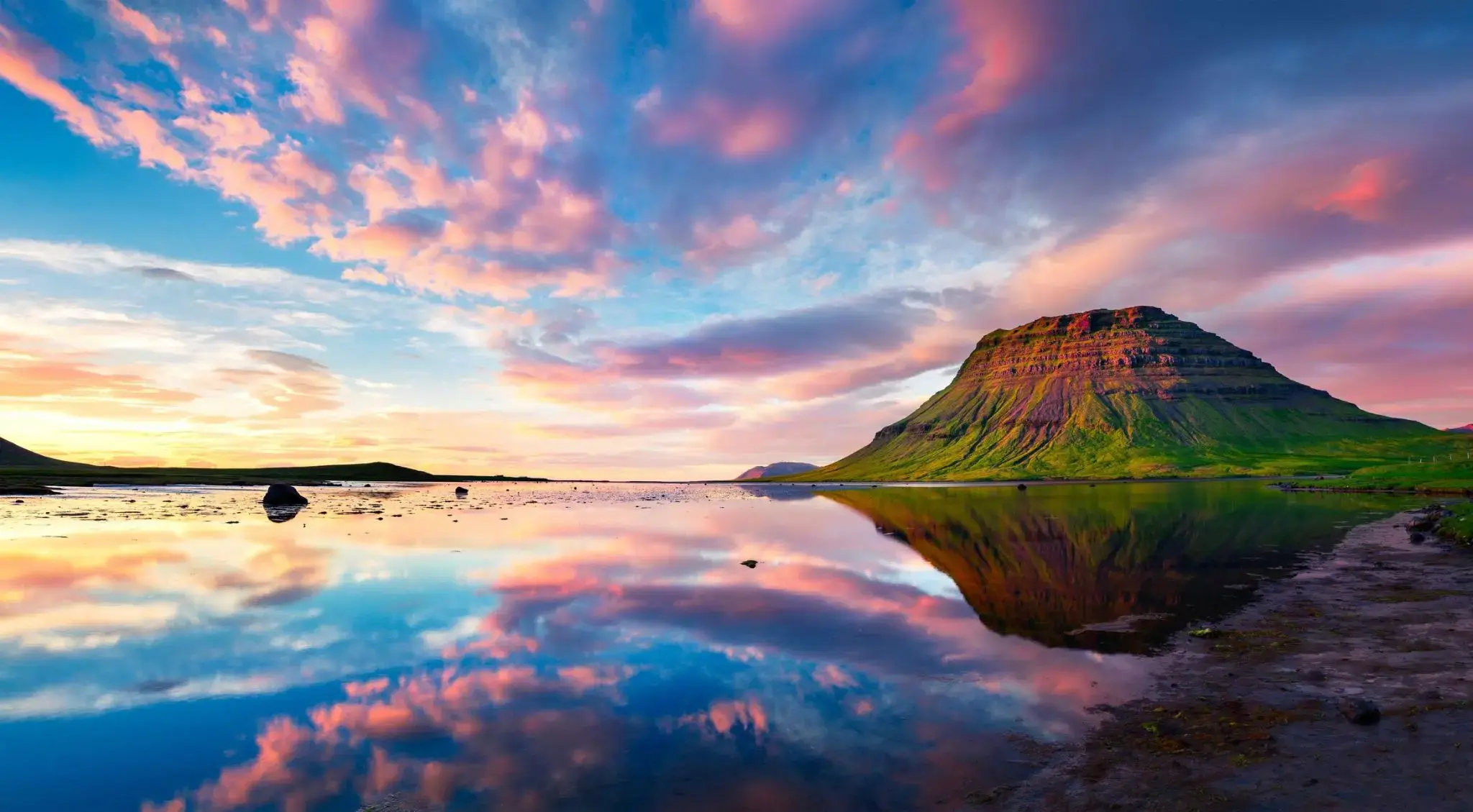
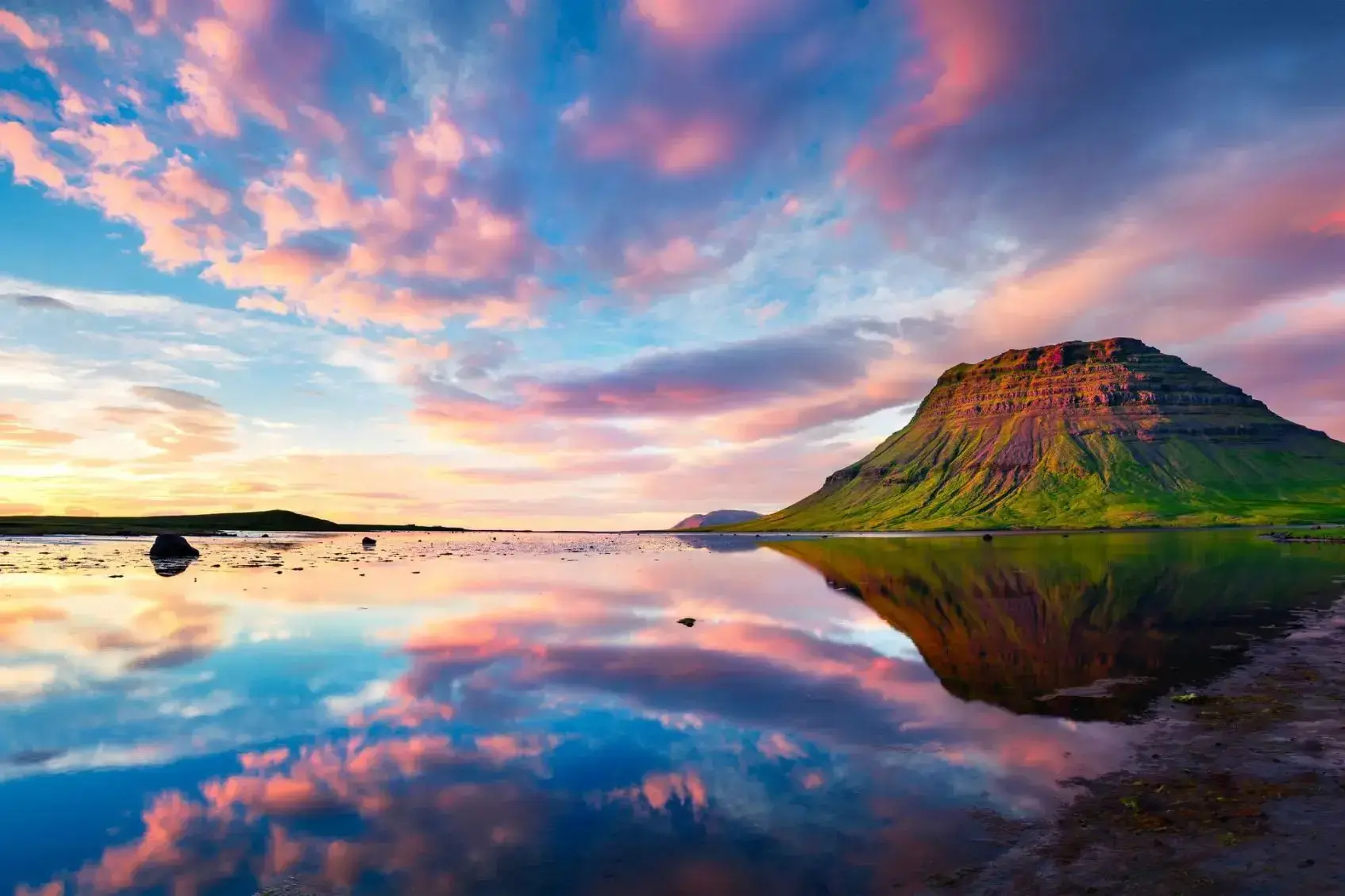
Grundarfjordur is a picturesque town located on the western coast of Iceland, at the foot of the majestic Kirkjufell mountain. This small settlement attracts tourists with its breathtaking views of the fjord and mountainous landscapes, as well as its unique nature, including numerous waterfalls and geothermal springs. One of the main attractions in the region is the Kirkjufell mountain, which became famous due to its distinctive silhouette and popularity among photographers. Grundarfjordur is an excellent starting point for exploring nearby natural landmarks such as Skaftafell National Park and the Skaftatall Glacier.
For those who enjoy active recreation, Grundarfjordur offers great opportunities for fishing, hiking, and birdwatching. The town also has cozy cafes and restaurants serving fresh seafood and traditional Icelandic dishes. Additionally, Grundarfjordur is located near Iceland's main tourist routes, making it a convenient place to stop on the way to the country's famous natural wonders.
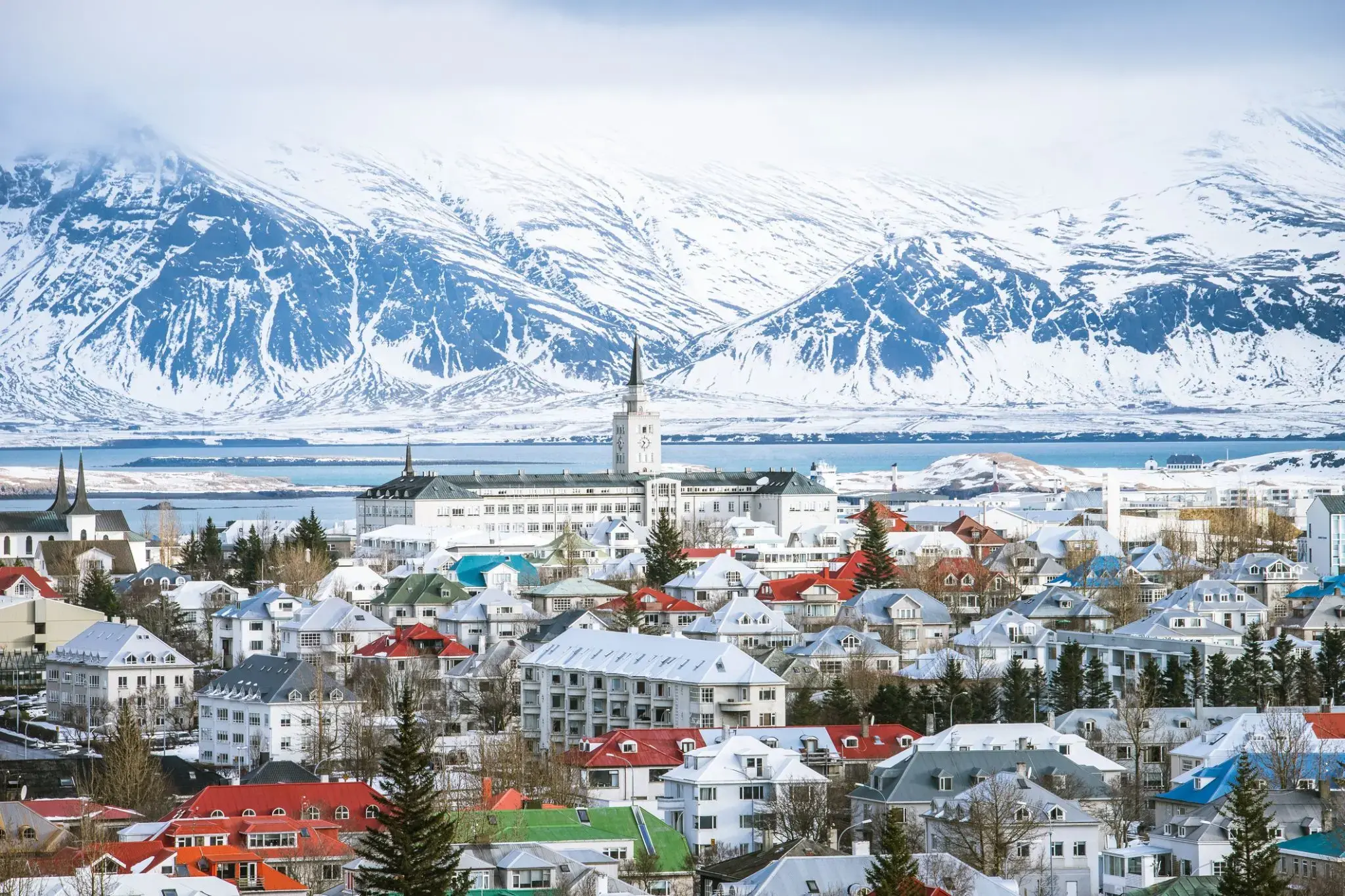
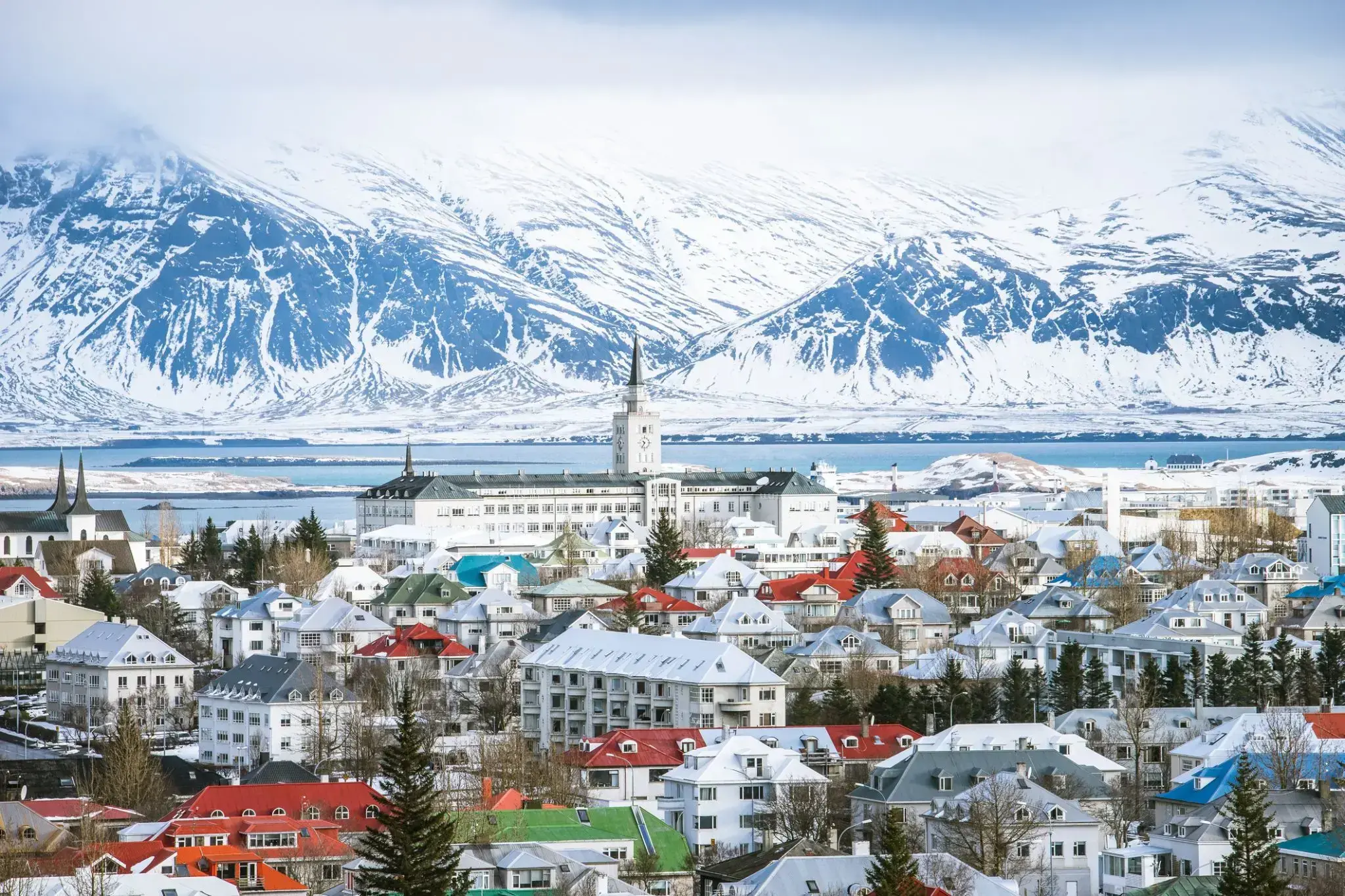
Reykjavík is the capital and largest city of Iceland. It is located in southwestern Iceland, on the southern shore of Faxa Bay. Its latitude is 64°08' N, making it the world's northernmost capital of a sovereign state. With a population of around 123,300 (and over 216,940 in the Capital Region), it is the heart of Iceland's cultural, economic and governmental activity, and is a popular tourist destination.
Reykjavík is believed to be the location of the first permanent settlement in Iceland, which, according to Ingólfr Arnarson, was established in AD 874. Until the 19th century, there was no urban development in the city location. The city was founded in 1786 as an official trading town and grew steadily over the following decades, as it transformed into a regional and later national centre of commerce, population, and governmental activities. It is among the cleanest, greenest, and safest cities in the world.
Reykjavík is the capital and largest city of Iceland. It is located in southwestern Iceland, on the southern shore of Faxa Bay. Its latitude is 64°08' N, making it the world's northernmost capital of a sovereign state. With a population of around 123,300 (and over 216,940 in the Capital Region), it is the heart of Iceland's cultural, economic and governmental activity, and is a popular tourist destination.
Reykjavík is believed to be the location of the first permanent settlement in Iceland, which, according to Ingólfr Arnarson, was established in AD 874. Until the 19th century, there was no urban development in the city location. The city was founded in 1786 as an official trading town and grew steadily over the following decades, as it transformed into a regional and later national centre of commerce, population, and governmental activities. It is among the cleanest, greenest, and safest cities in the world.
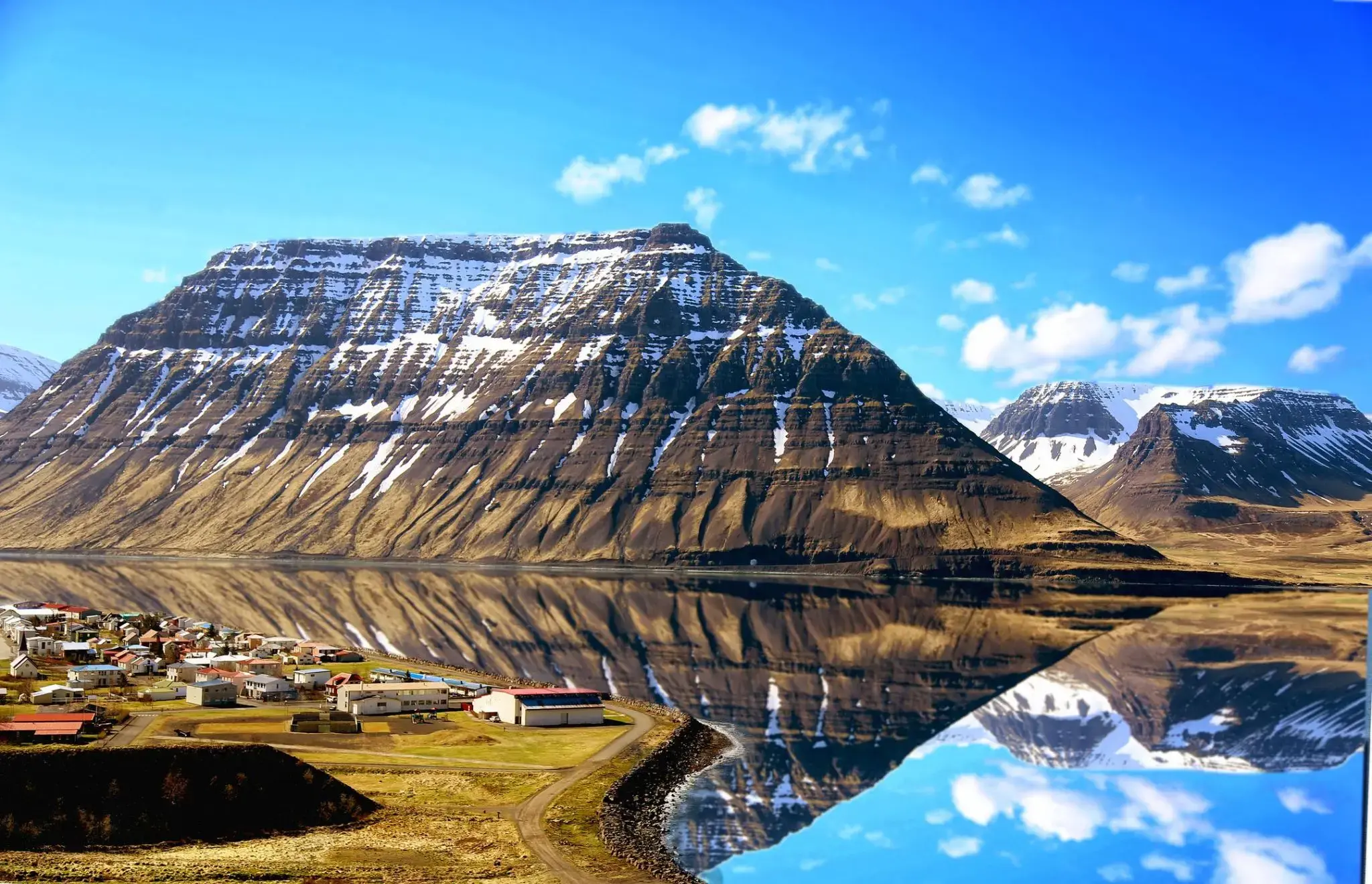
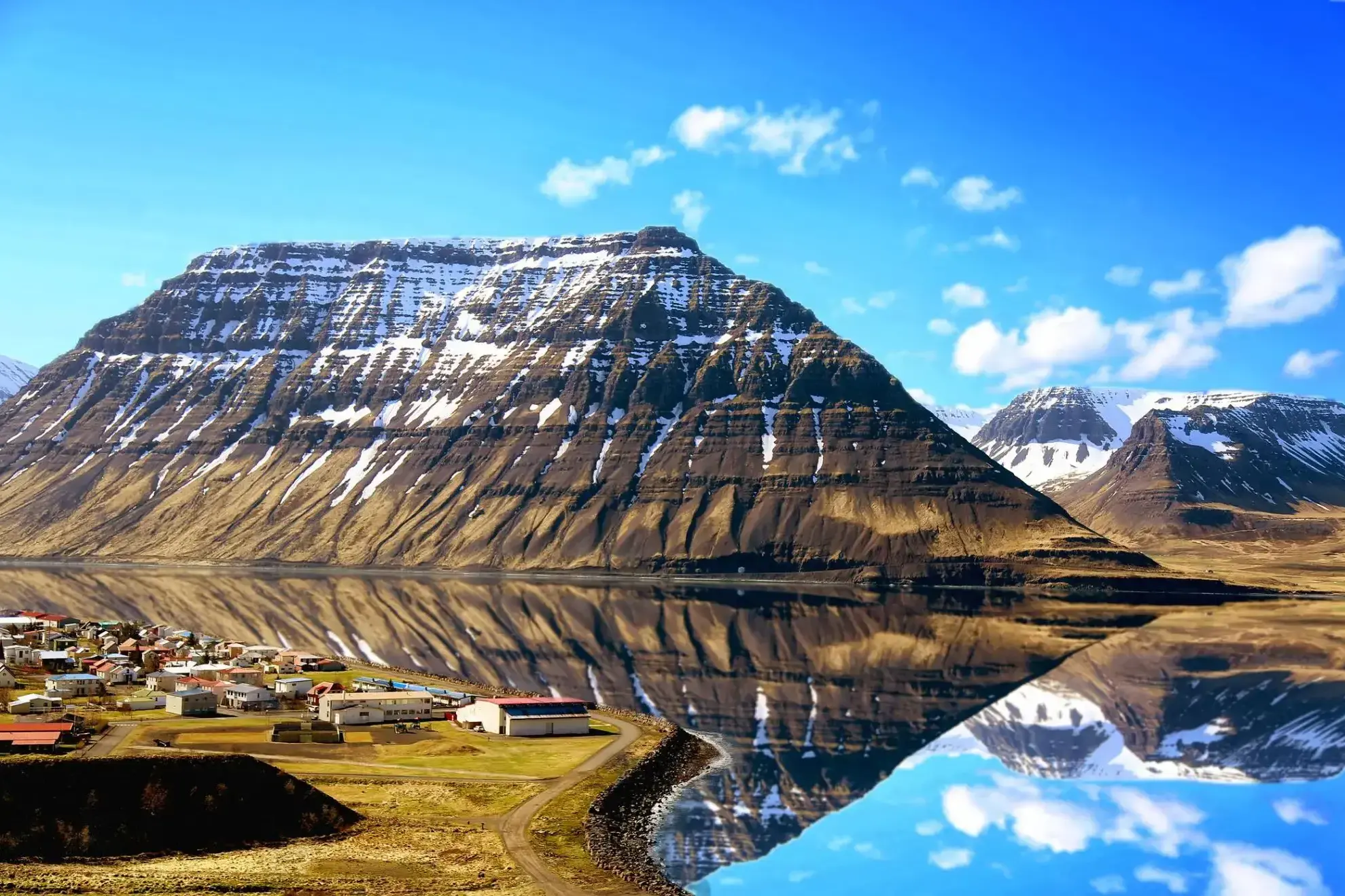
Isafjörður, meaning ice fjord or fjord of ice, ice in plural genitive) is a town in the northwest of Iceland.
The oldest part of Ísafjörður with the town centre is located on a spit of sand, or eyri, in Skutulsfjörður, a fjord which meets the waters of the larger fjord Ísafjarðardjúp. With a population of about 2,600, Ísafjörður is the largest settlement in the peninsula of Vestfirðir (Westfjords) and the administration centre of the Ísafjarðarbær municipality, which includes – besides Ísafjörður – the nearby villages of Hnífsdalur, Flateyri, Suðureyri, and Þingeyri.
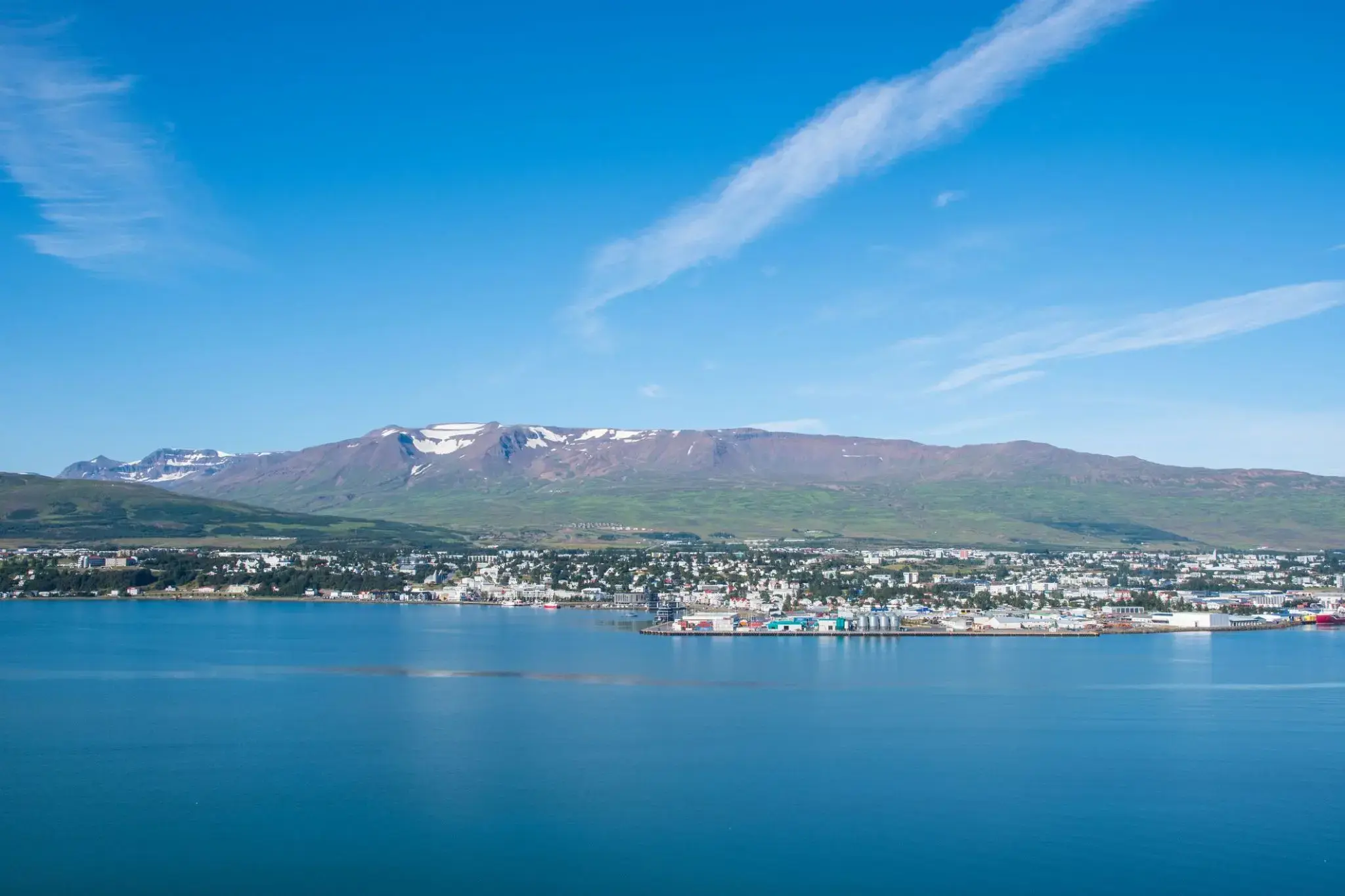
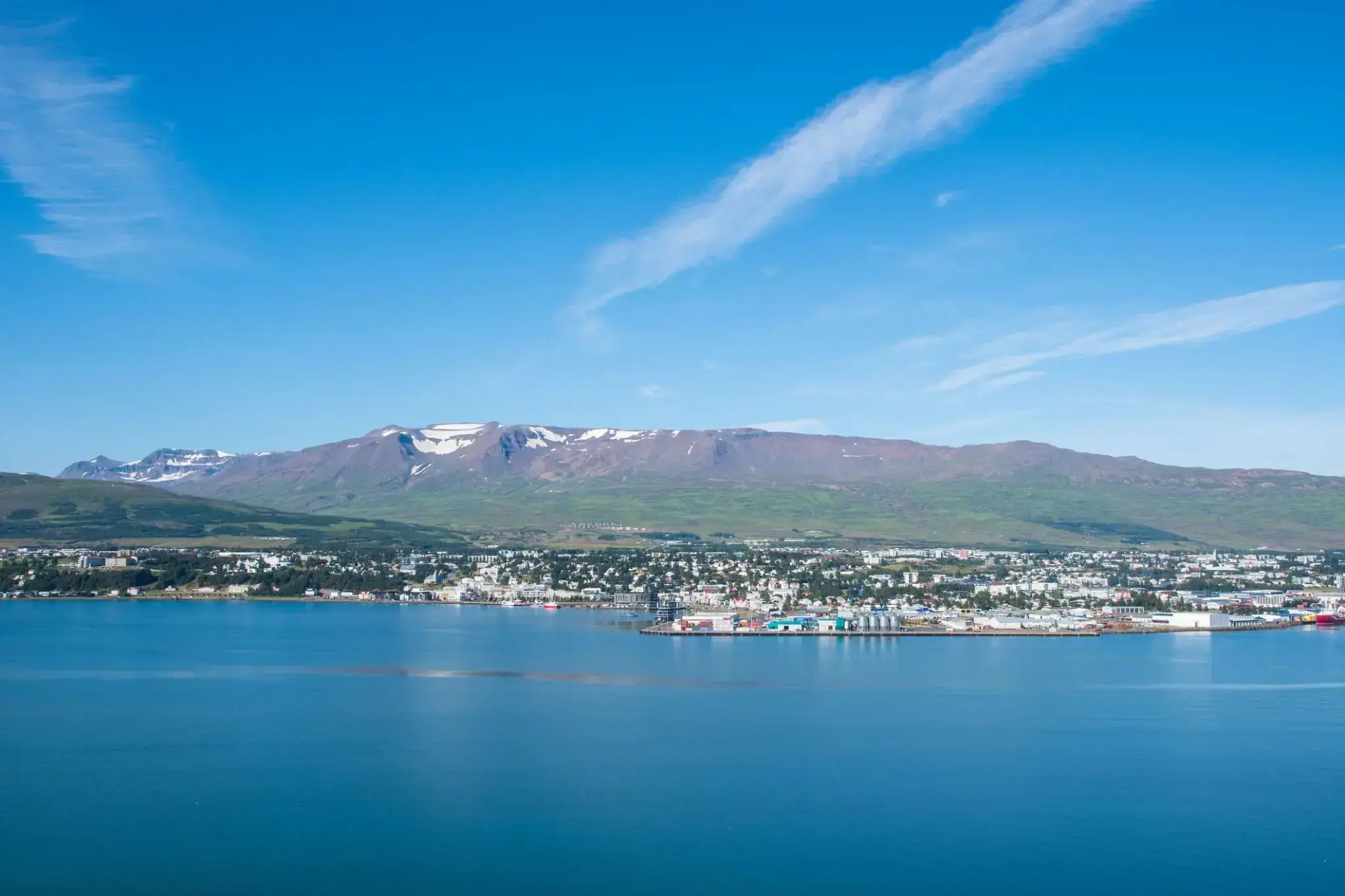
Akureyri is a town in northern Iceland. It is Iceland's Fifth largest municipality.
Nicknamed the Capital of North Iceland, Akureyri is an important port and fishing centre. The area where Akureyri is located was settled in the 9th century but did not receive a municipal charter until 1786. The town was the site of Alliedunits during World War II. Further growth occurred after the war as the Icelandic population increasingly moved to urban areas.
The area has a relatively mild climate because of geographical factors, and the town's ice-free harbour has played a significant role in its history.
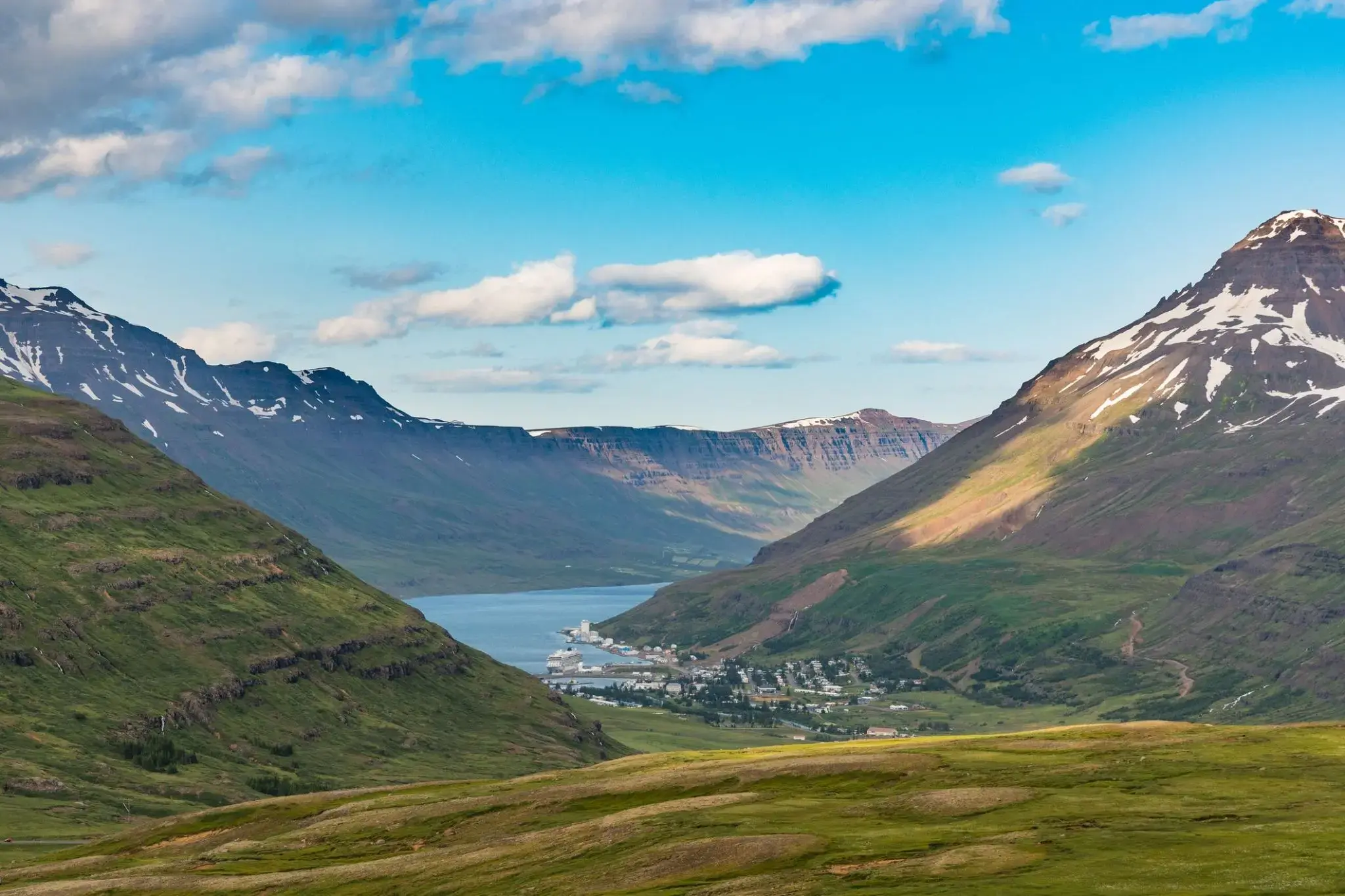
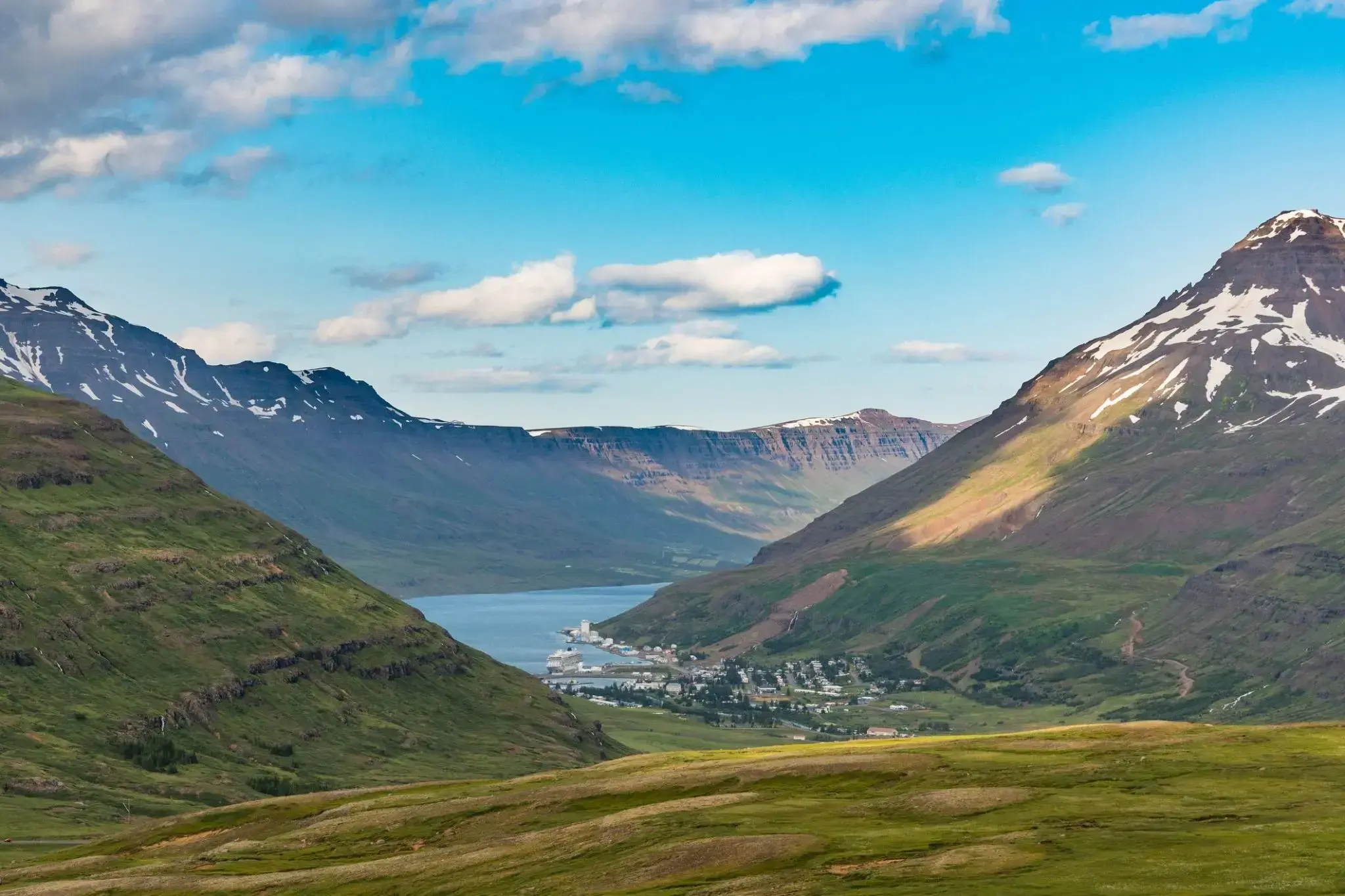
Cozy nestled among the fjords of Iceland, Seydisfjordur enchants travelers with its colorful houses and creative atmosphere. This small port town comes alive with the first rays of the northern sun: the air carries the scent of the sea, coffee from local cafés, and the fresh breeze rolling in from the Atlantic. Seydisfjordur is known for its art galleries and musical events, and in summer, it hosts the LungA Art Festival, attracting young artists and musicians from around the world.
A walk along the wooden piers by the bay allows you to feel the unhurried rhythm of Icelandic countryside life, with impressive waterfalls and mountain trails hidden nearby, leading to breathtaking views. Tourists can explore the old Norwegian church built in 1922, the famous blue church of Seydisfjordur, and then relax in local cafés while enjoying freshly baked goods and fish caught right off the fjord's shores. This corner of Iceland inspires those seeking solitude, silence, and the chance to witness the authentic life of the north.


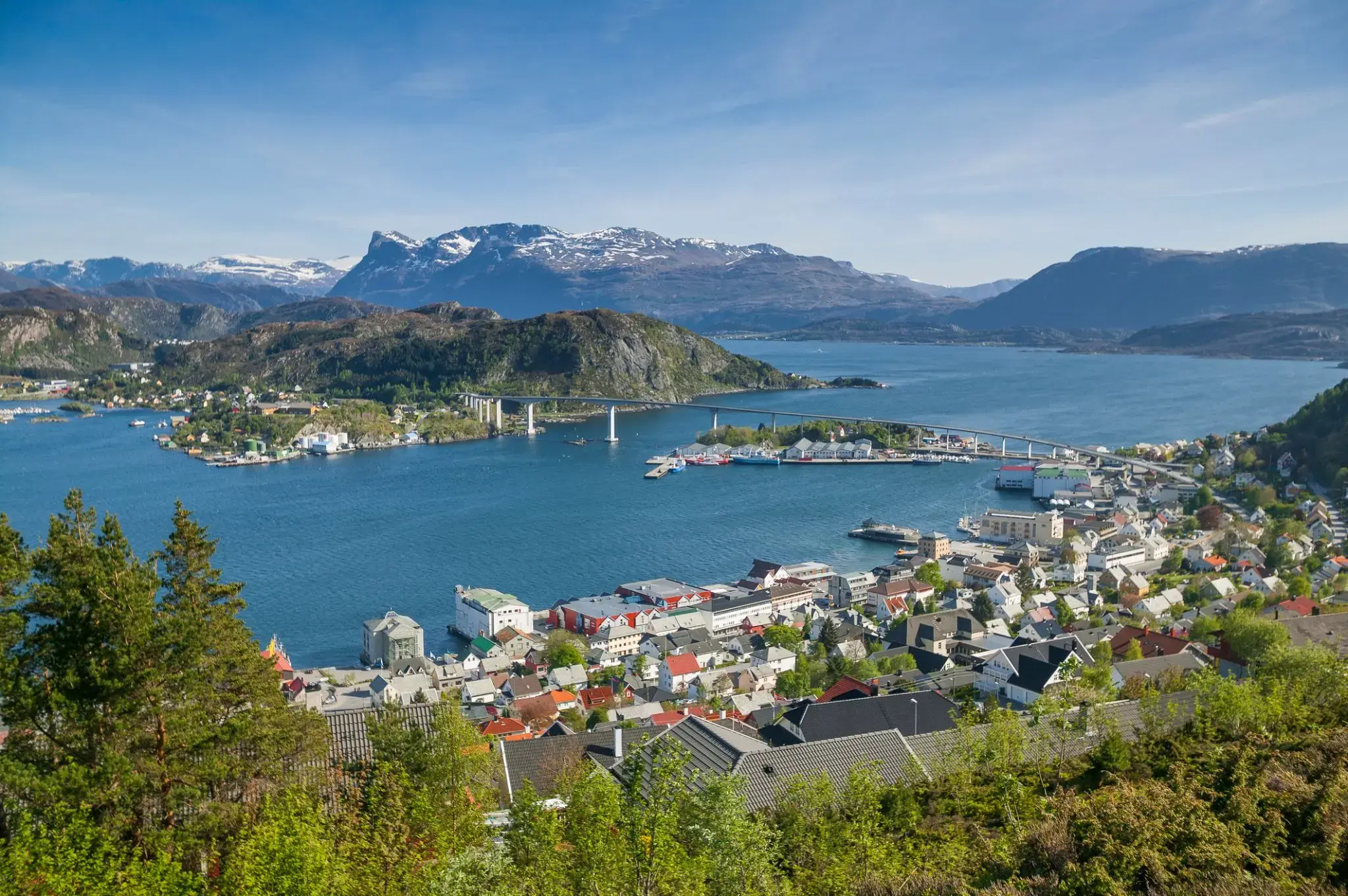
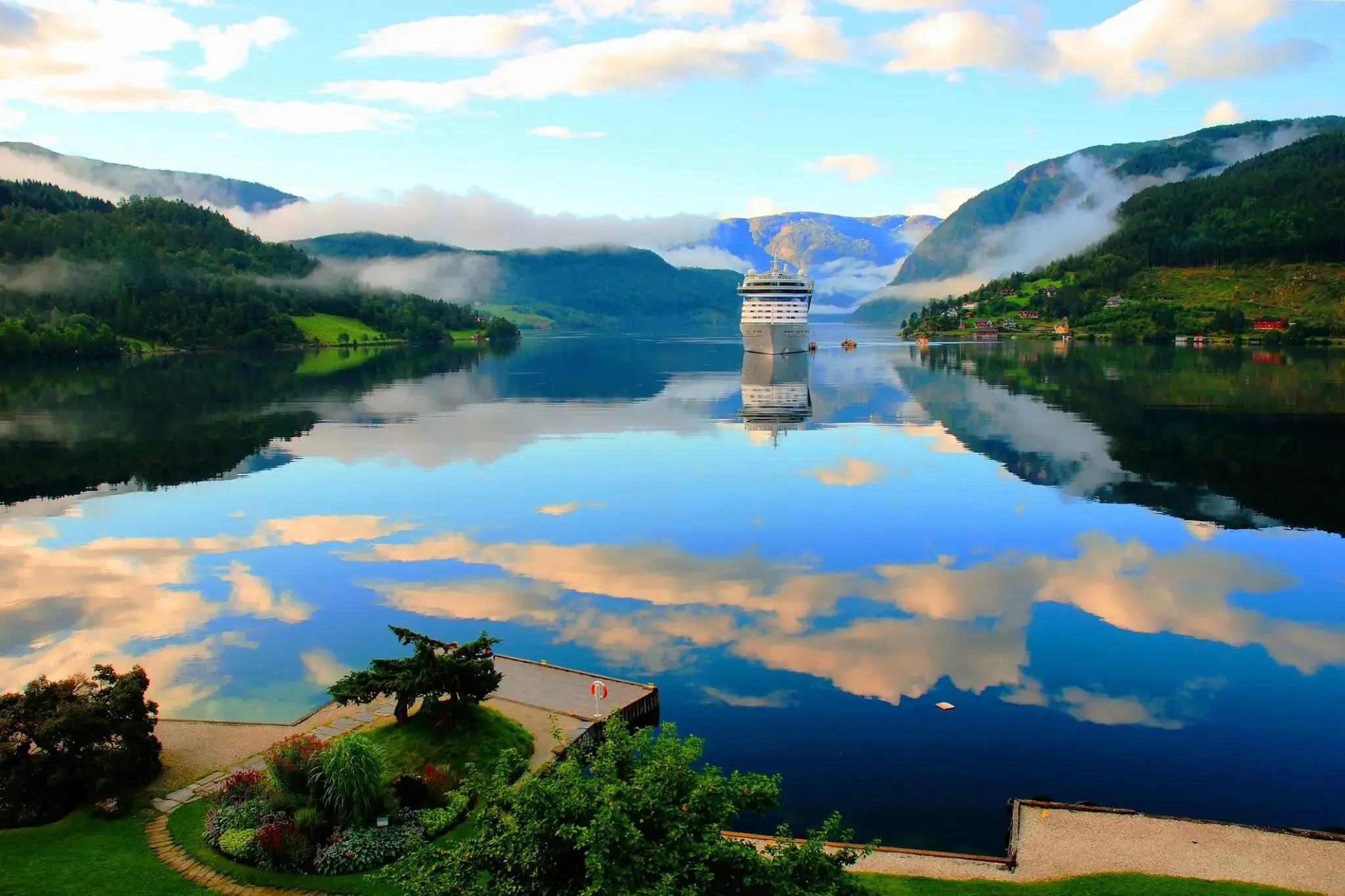
A peaceful haven among the Norwegian fjords, Ulvik captivates travelers with its sincere simplicity and picturesque scenery. Situated on the shores of the Hardangerfjord, this charming place offers a unique blend of nature and culture: from walks through blooming orchards to visits to family-run farms where you can sample local cider, considered one of the best in the region.
Ulvik also inspires those seeking solitude and serenity. Quiet hiking trails, old wooden churches, and the chance to watch mountains mirrored in the calm fjord waters make this destination a true retreat for the soul. Regardless of the season, there’s always a reason to stay longer—for the silence, the tastes, and the unforgettable beauty.
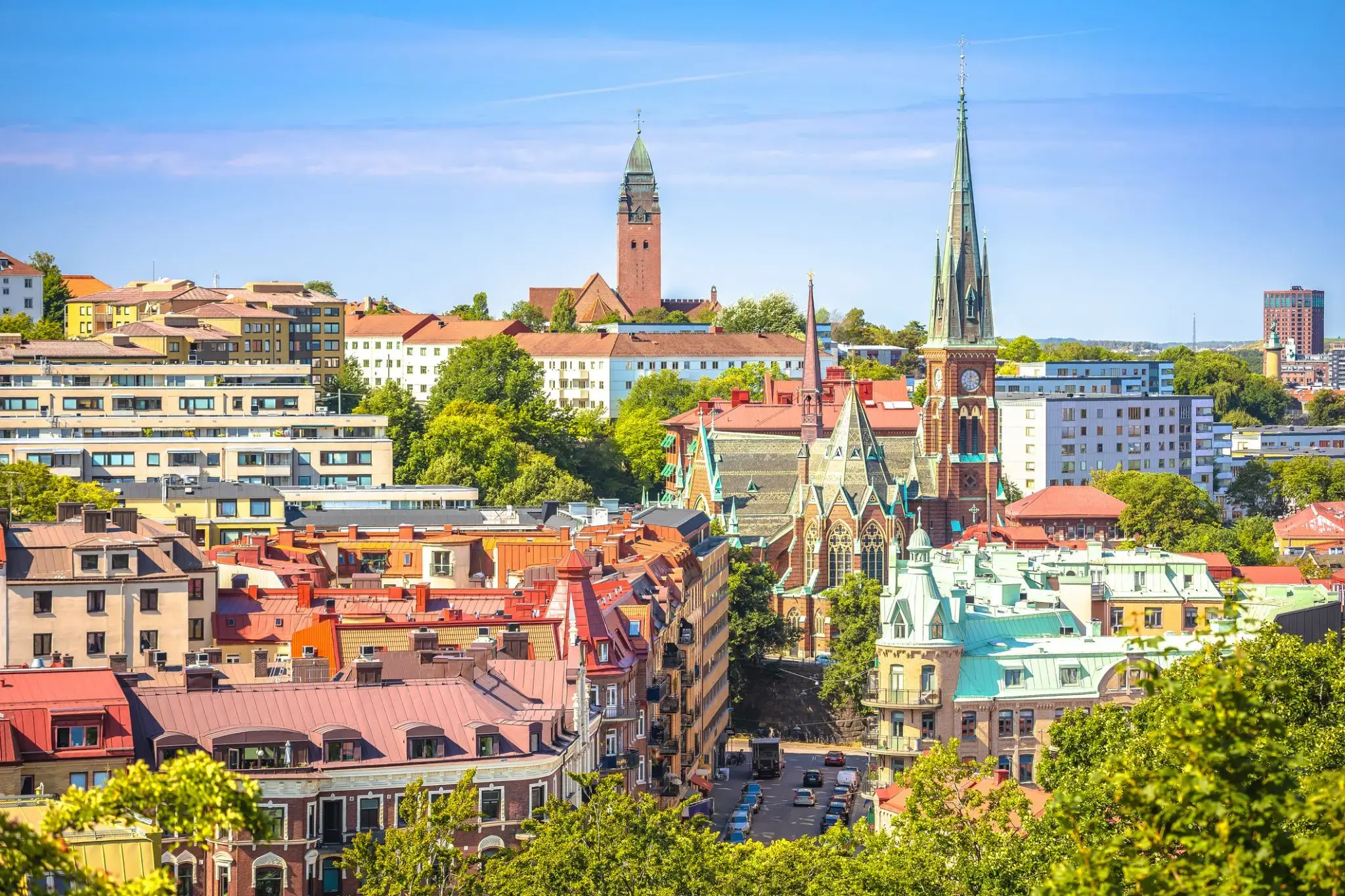
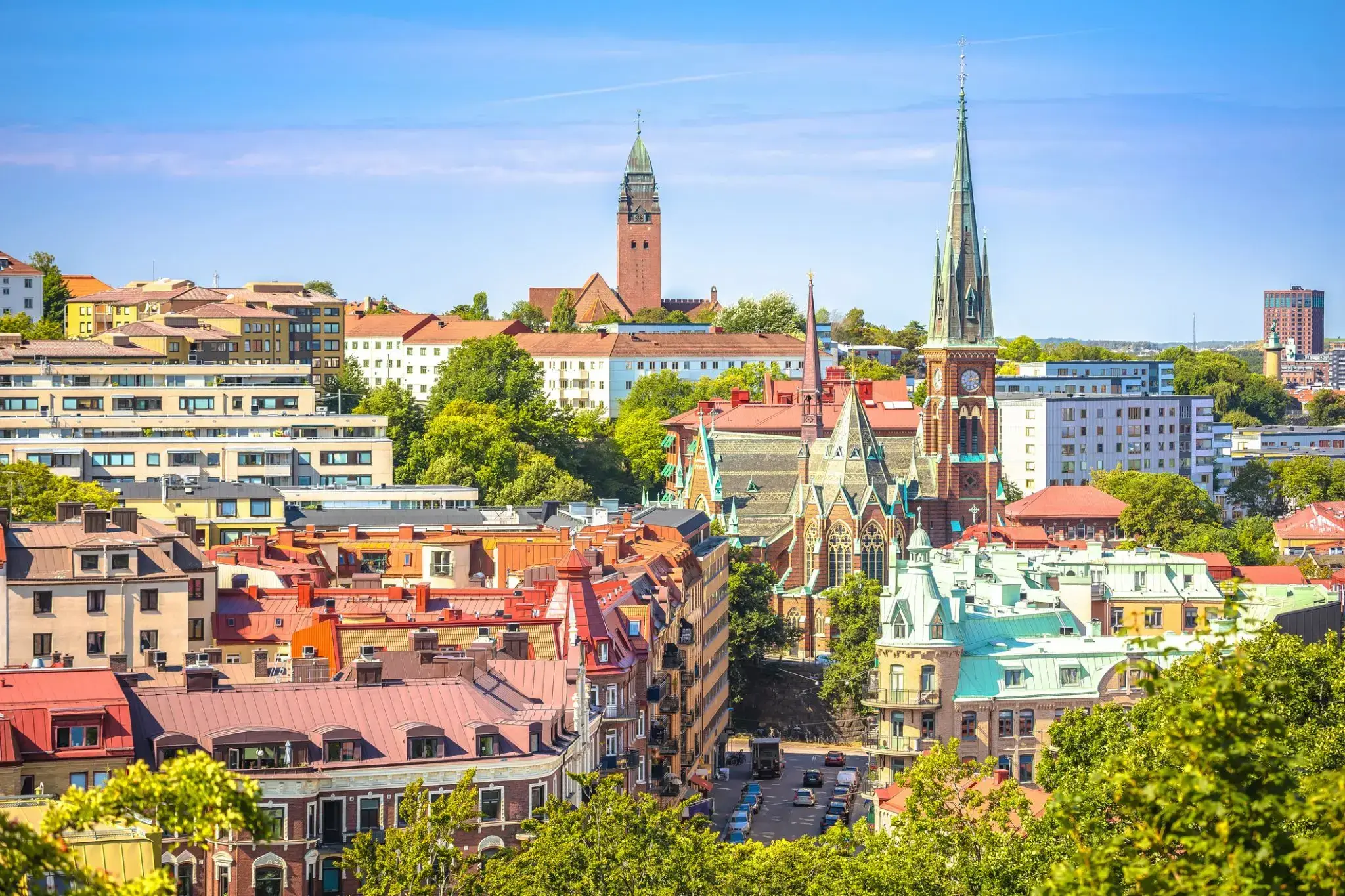
Gothenburg is the second-largest city in Sweden, fifth-largest in the Nordic countries, and capital of the Västra Götaland County. It is situated by Kattegat, on the west coast of Sweden, and has a population of approximately 570,000 in the city center and about 1 million inhabitants in the metropolitan area.
Gothenburg was founded as a heavily fortified, primarily Dutch, trading colony, by royal charter in 1621 by King Gustavus Adolphus. In addition to the generous privileges (e.g. tax relaxation) given to his Dutch allies from the then-ongoing Thirty Years' War, the king also attracted significant numbers of his German and Scottish allies to populate his only town on the western coast. At a key strategic location at the mouth of the Göta älv, where Scandinavia's largest drainage basin enters the sea, the Port of Gothenburg is now the largest port in the Nordic countries.
Gothenburg is home to many students, as the city includes the University of Gothenburg and Chalmers University of Technology. Volvo was founded in Gothenburg in 1927. The original parent Volvo Group and the now separate Volvo Car Corporation are still headquartered on the island of Hisingen in the city. Other key companies are SKF and Astra Zeneca.
The city hosts the Gothia Cup, the world's largest youth football tournament, alongside some of the largest annual events in Scandinavia. The Gothenburg Film Festival, held in January since 1979, is the leading Scandinavian film festival with over 155,000 visitors each year. In summer, a wide variety of music festivals are held in the city, including the popular Way Out West Festival.
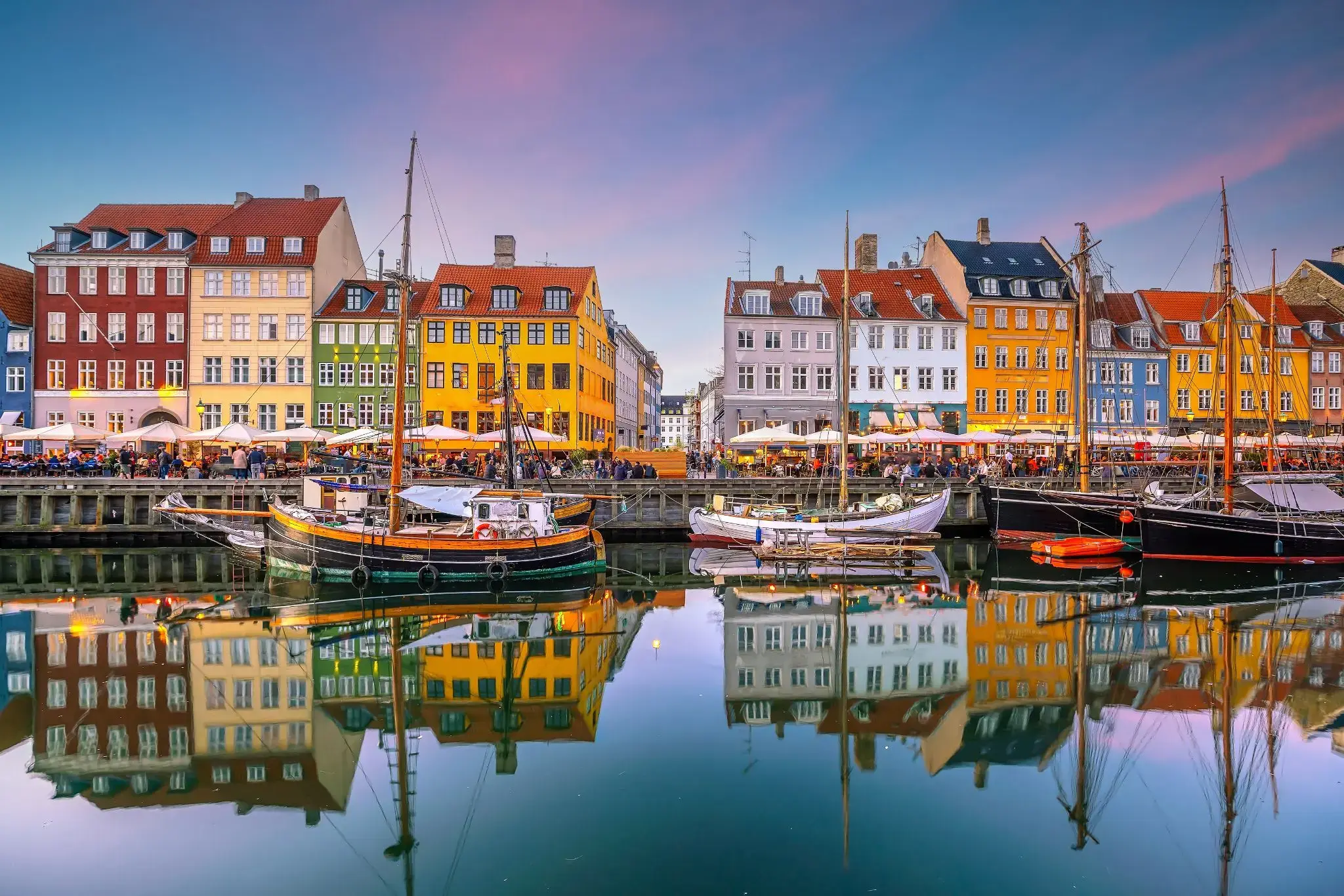
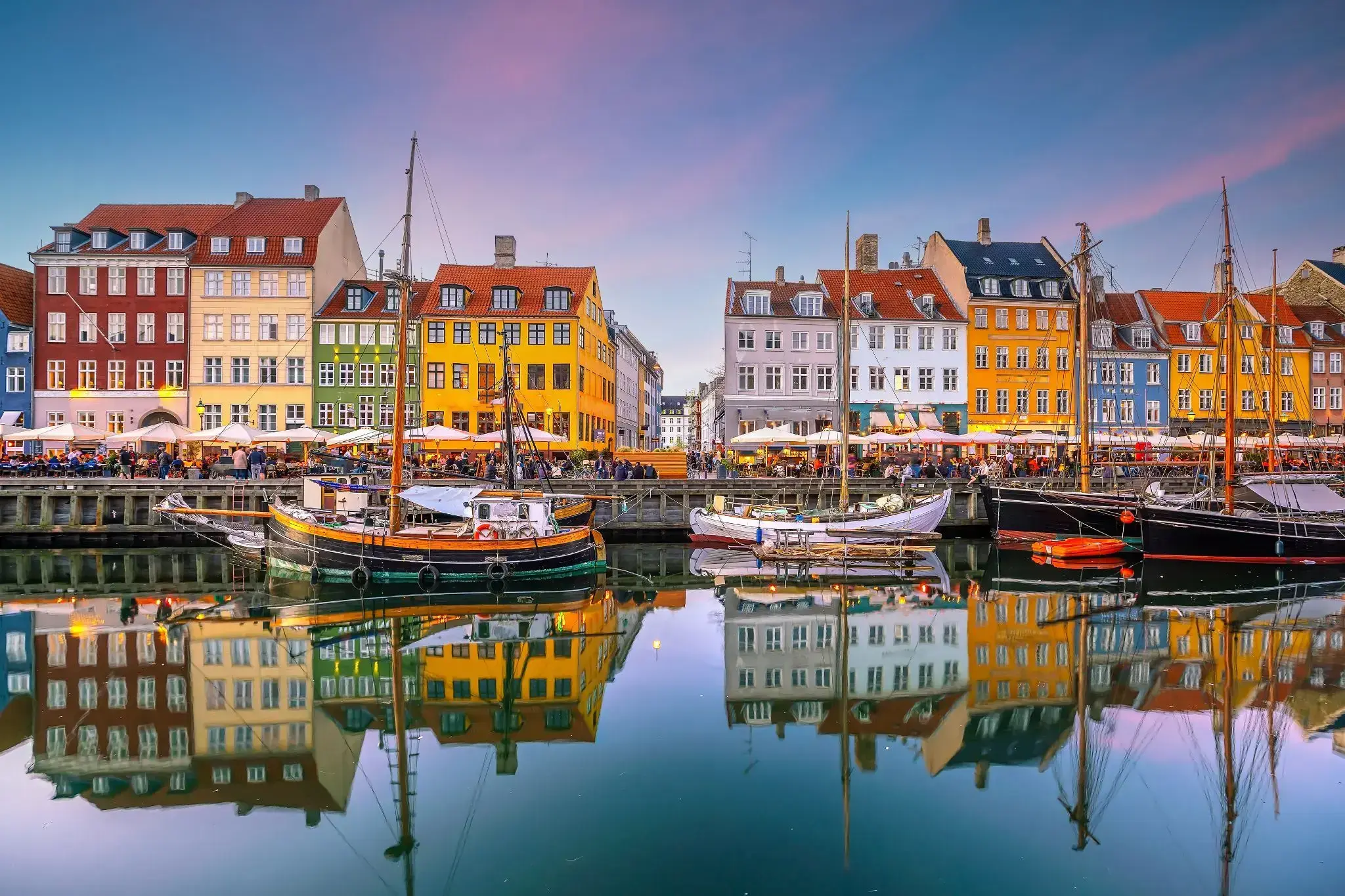
the capital and chief port of Denmark, a city that occupies the eastern part of Zealand and northern part of the island of Amager; population 518,574 (2009).
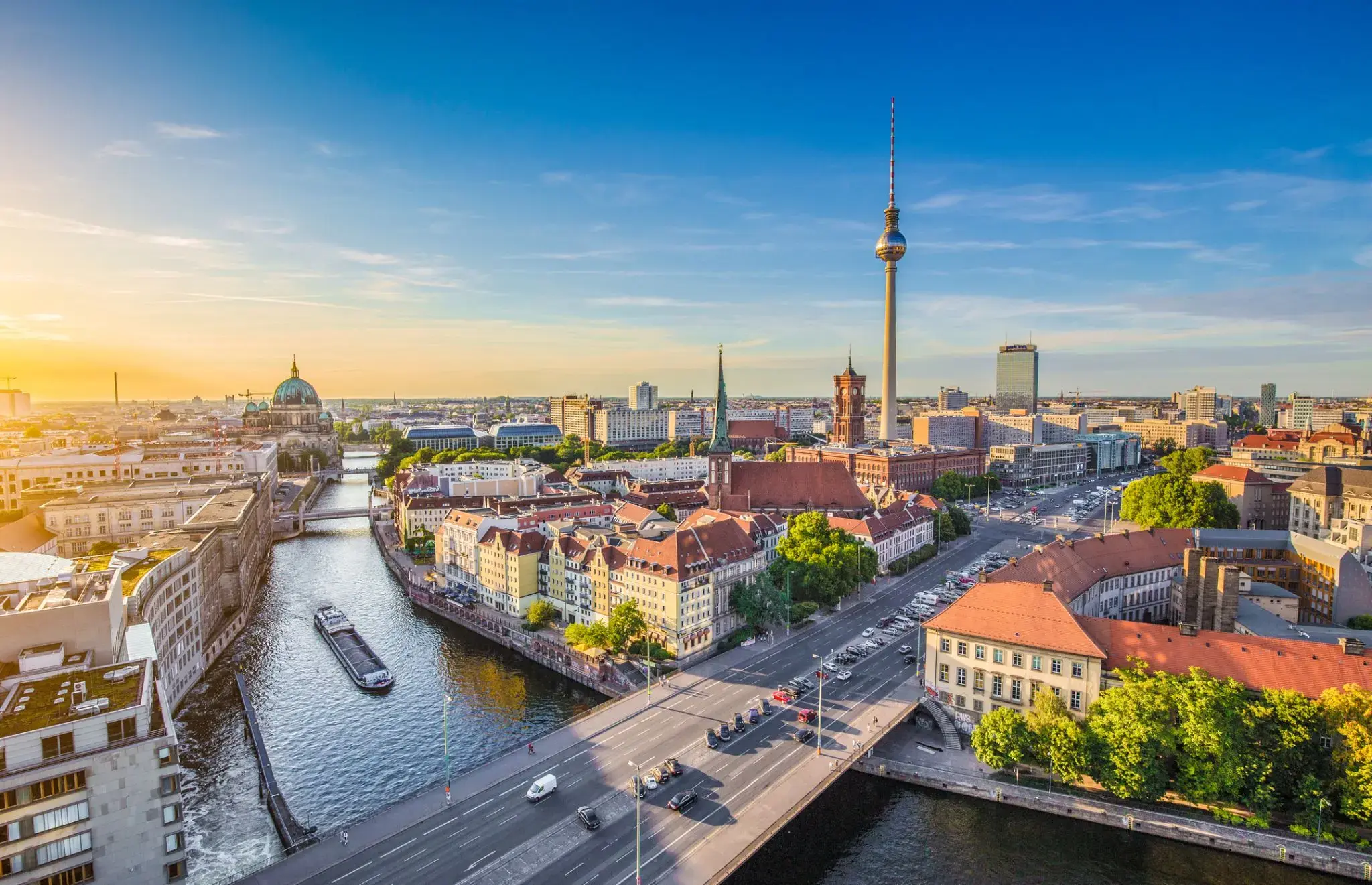
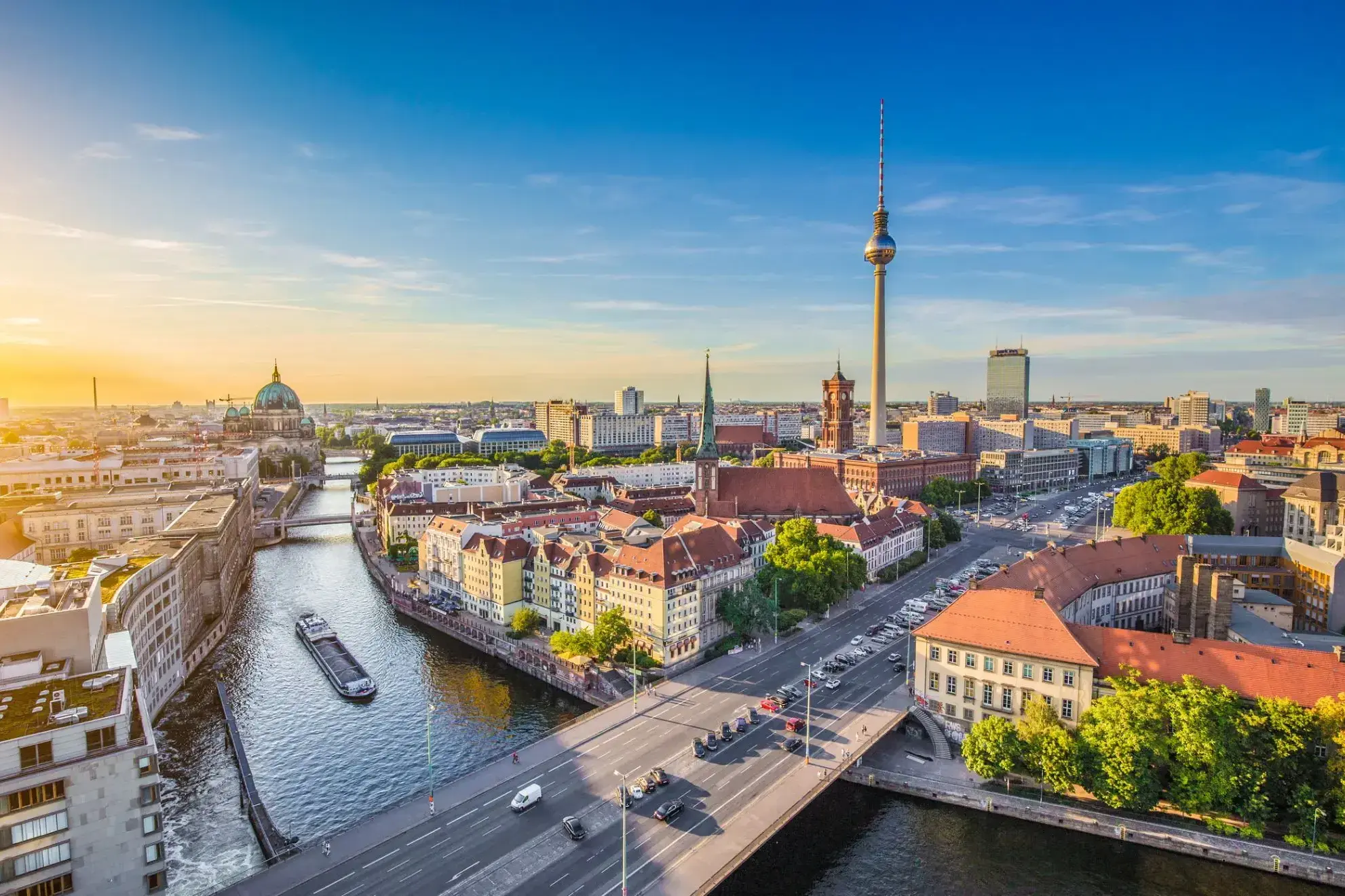
Berlin is the capital and largest city of Germany, by both area and population. With 3.7 million inhabitants, it has the highest population within its city limits of any city in the European Union. The city is also one of the states of Germany, being the third smallest state in the country by area. Berlin is surrounded by the state of Brandenburg, and Brandenburg's capital Potsdam is nearby. The urban area of Berlin has a population of over 4.6 million and is therefore the most populous urban area in Germany.The Berlin-Brandenburg capital region has around 6.2 million inhabitants and is Germany's second-largest metropolitan region after the Rhine-Ruhr;region,as well as the fifth-biggest metropolitan region by GDP in the European Union.
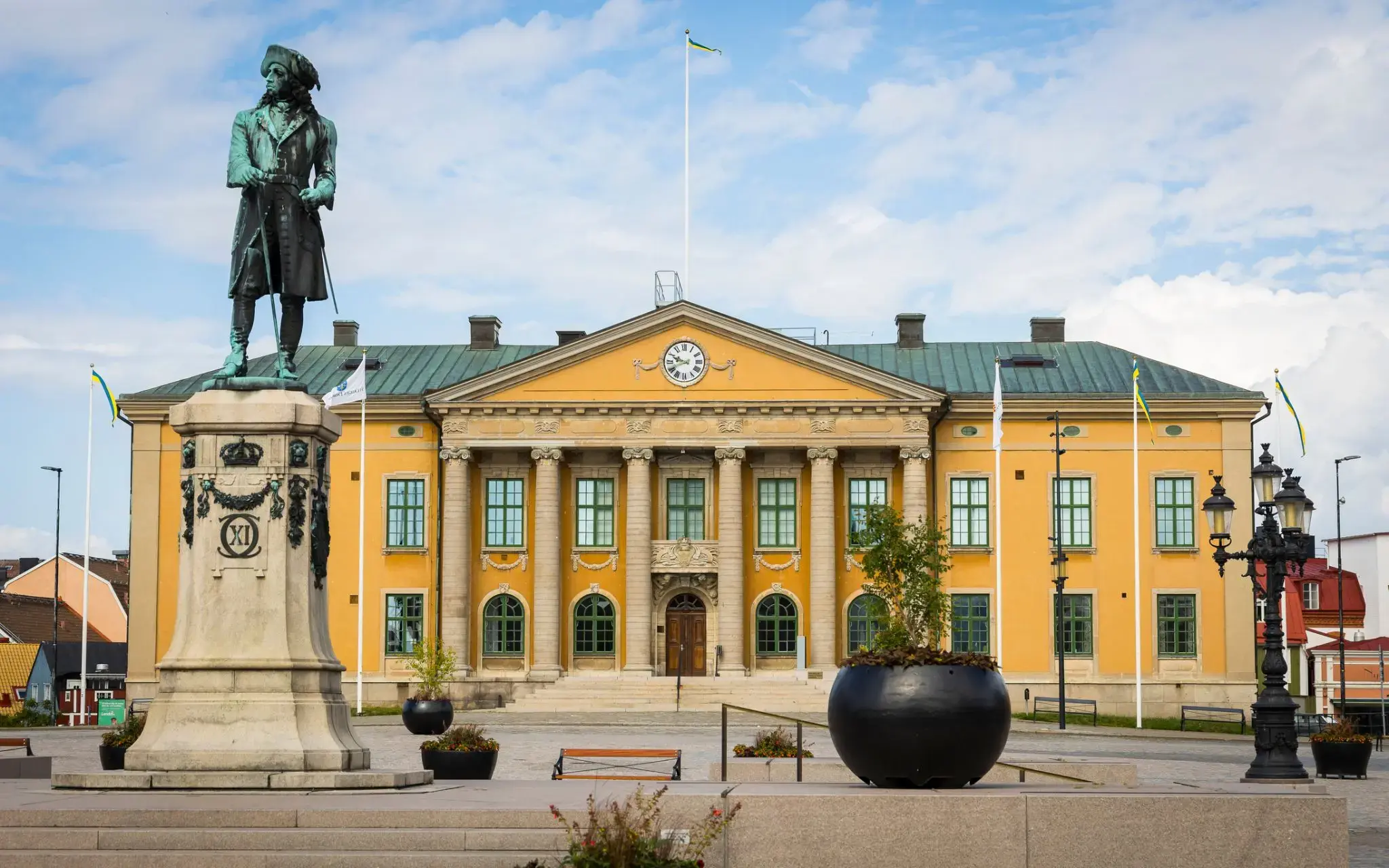
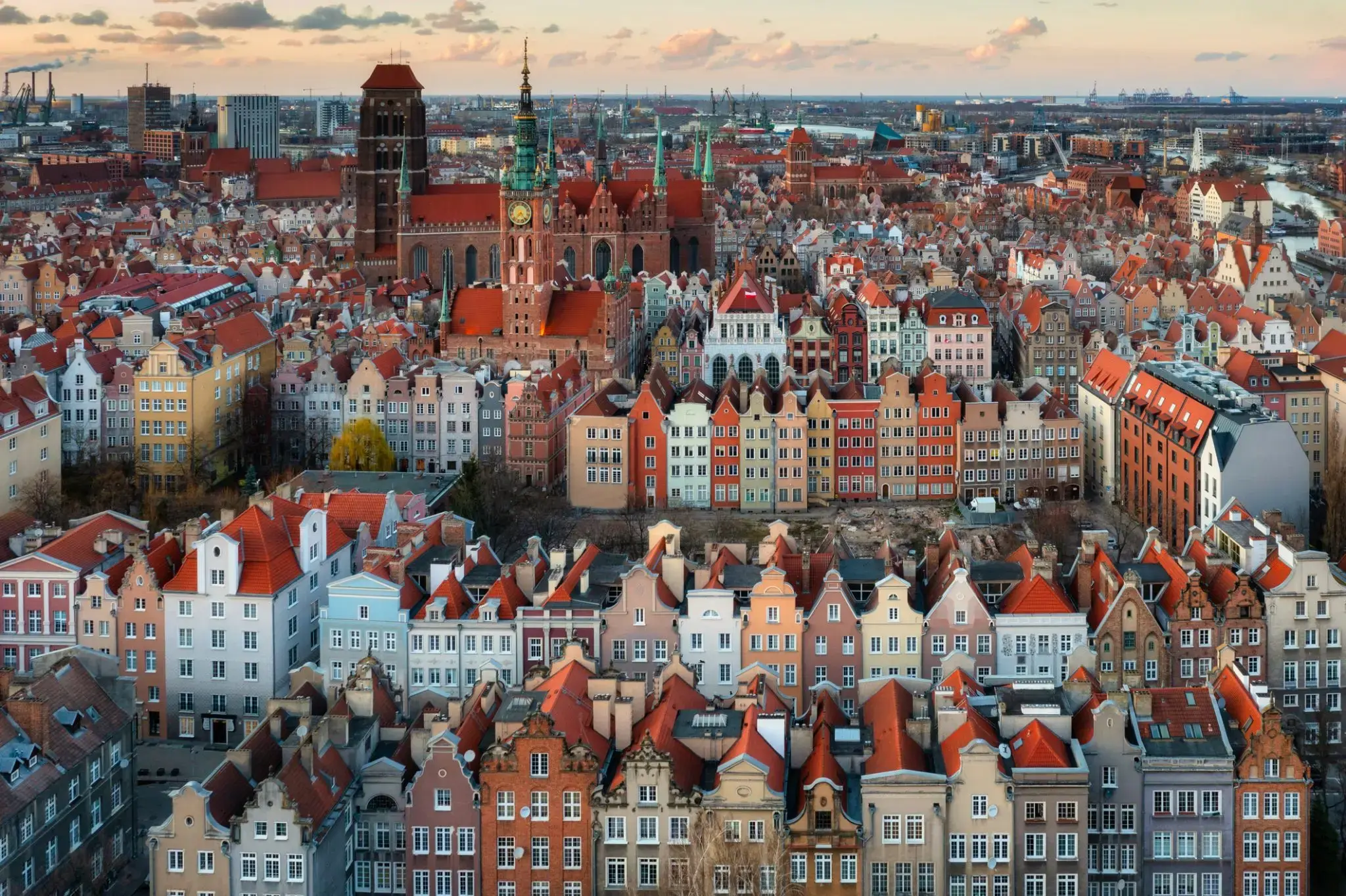
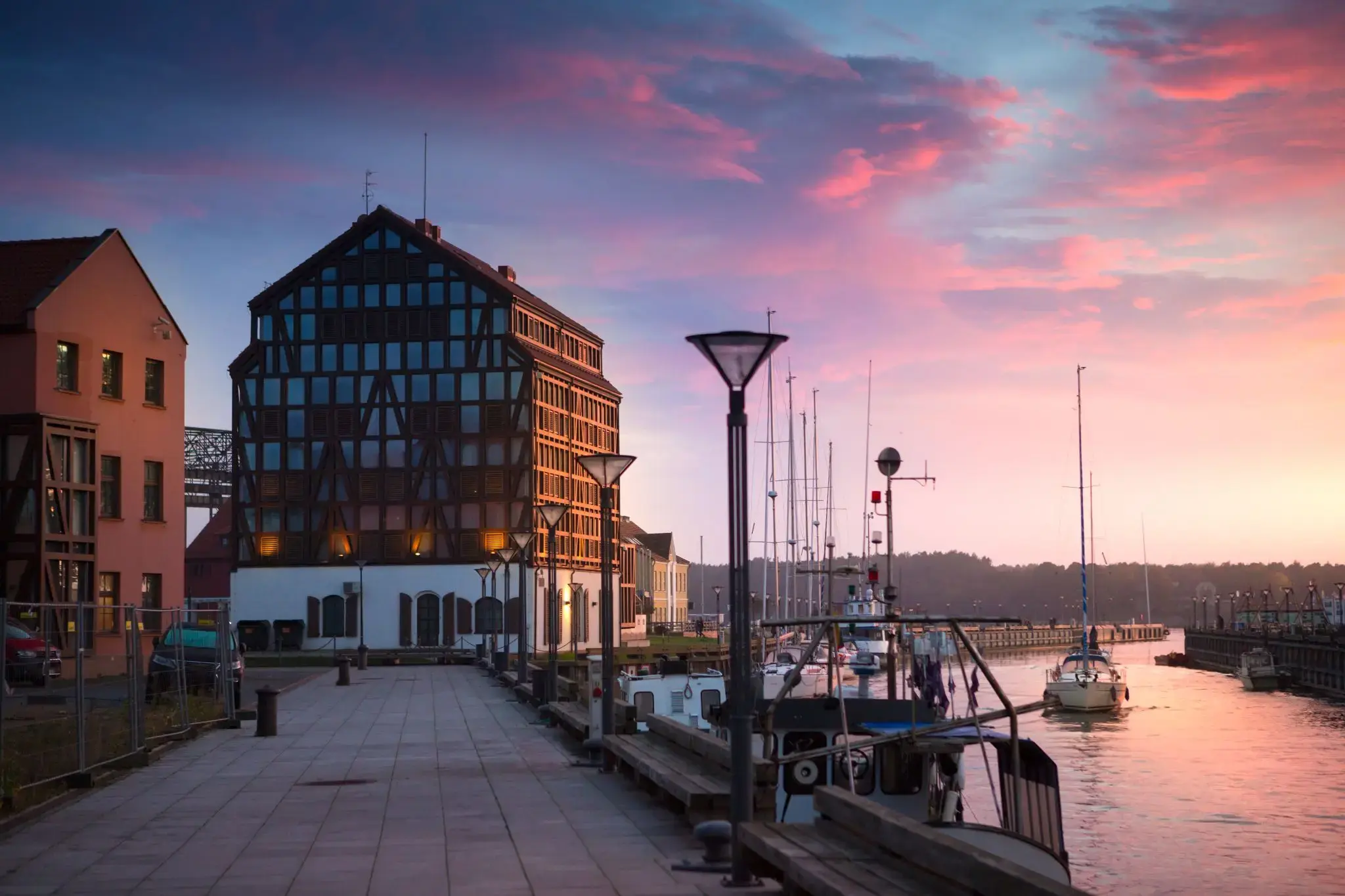
Klaipėda is a city in Lithuania on the Baltic Sea coast. It is the third largest city in Lithuania and the capital of Klaipėda County.
The city has a complex recorded history, partially due to the combined regional importance of the usually ice-free Port of Klaipėda at the mouth of the Akmena-Danė River. It was controlled by successive German states until the 1919 Treaty of Versailles. As a result of the 1923 Klaipėda Revolt it was added to Lithuania and has remained with Lithuania to this day, except for the period between 1939 and 1945 when it returned to Germany following the 1939 German ultimatum to Lithuania and the German–Soviet Union Molotov–Ribbentrop Pact.
The population has shrunk from the city to suburbs and the hinterland. The city had a population of 207,100 in 1992 to 157,350 in 2014 but the city is growing again. Popular seaside resorts found close to Klaipėda are Nida to the south on the Curonian Spit and Palanga to the north.
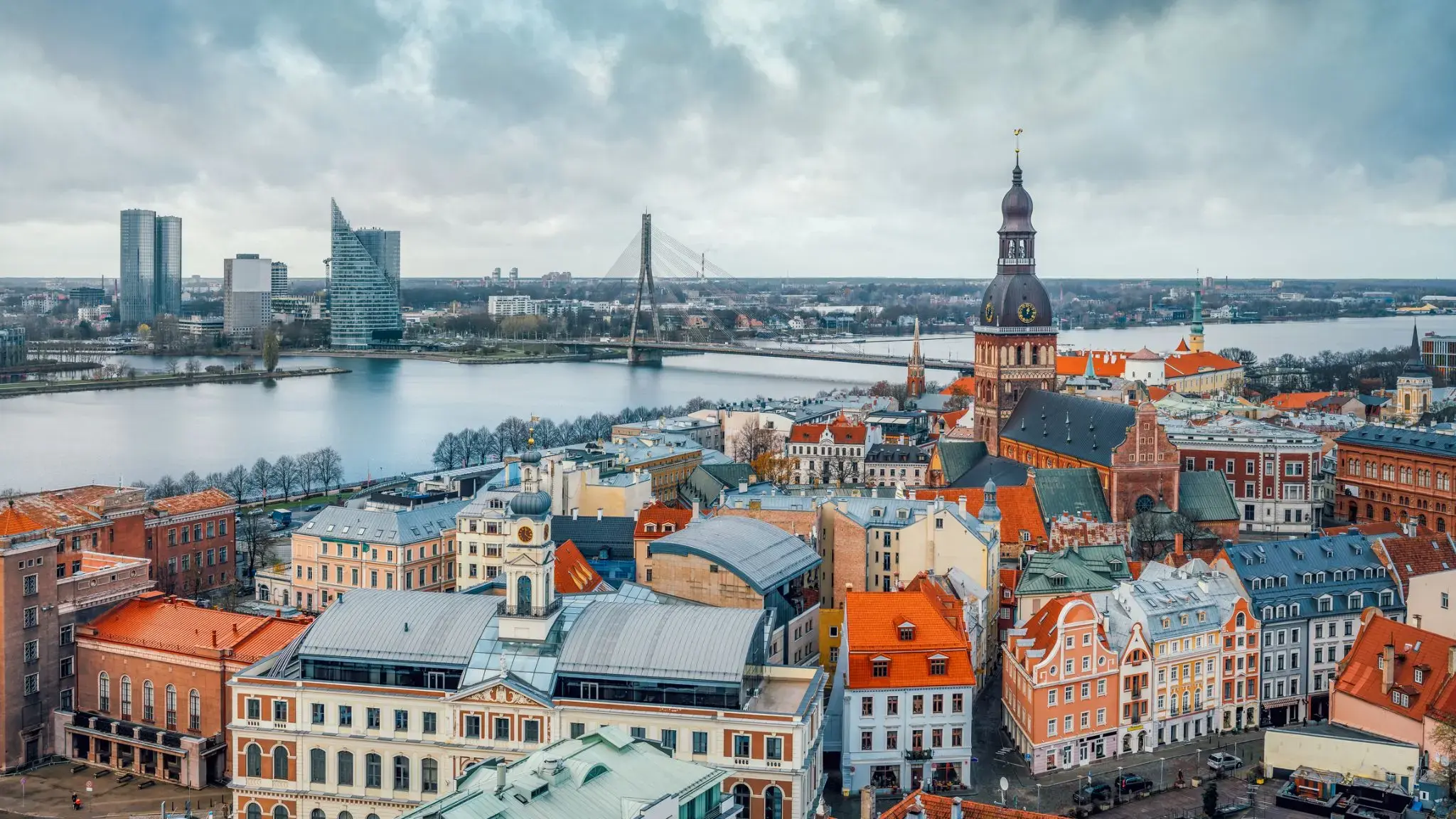
Riga is the capital and largest city of Latvia. With 637,827 inhabitants (2018), it is also the largest city in the three Baltic states, home to one third of Latvia's population and one tenth of the three Baltic states' combined population. The city lies on the Gulf of Riga, at the mouth of the Daugava. Riga's territory covers 307.17 km2 (118.60 sq mi) and lies 1–10 m (3 ft 3 in–32 ft 10 in) above sea level, on a flat and sandy plain.
Riga was founded in 1201 and is a former Hanseatic League member. Riga's historical centre is a UNESCO World Heritage Site, noted for its Art Nouveau/Jugendstil architecture and 19th century wooden architecture. Riga was the European Capital of Culture during 2014, along with Umeå in Sweden. Riga hosted the 2006 NATO Summit, the Eurovision Song Contest 2003, the 2006 IIHF Men's World Ice Hockey Championships and the 2013 World Women's Curling Championship. It is home to the European Union's office of European Regulators for Electronic Communications (BEREC).
In 2016, Riga received over 1.4 million visitors. It is served by Riga International Airport, the largest and busiest airport in the Baltic states. Riga is a member of Eurocities, the Union of the Baltic Cities (UBC) and Union of Capitals of the European Union (UCEU).
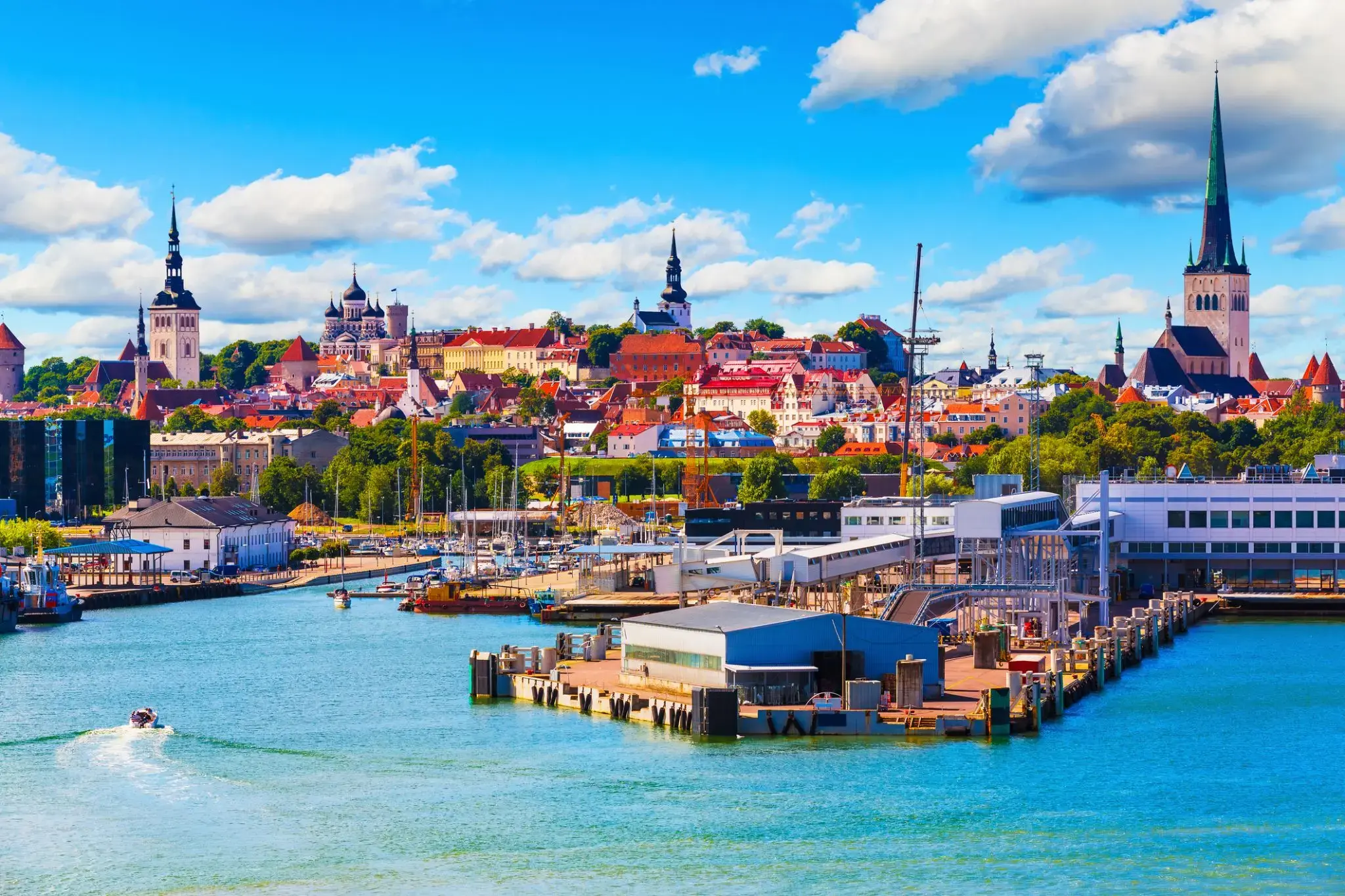
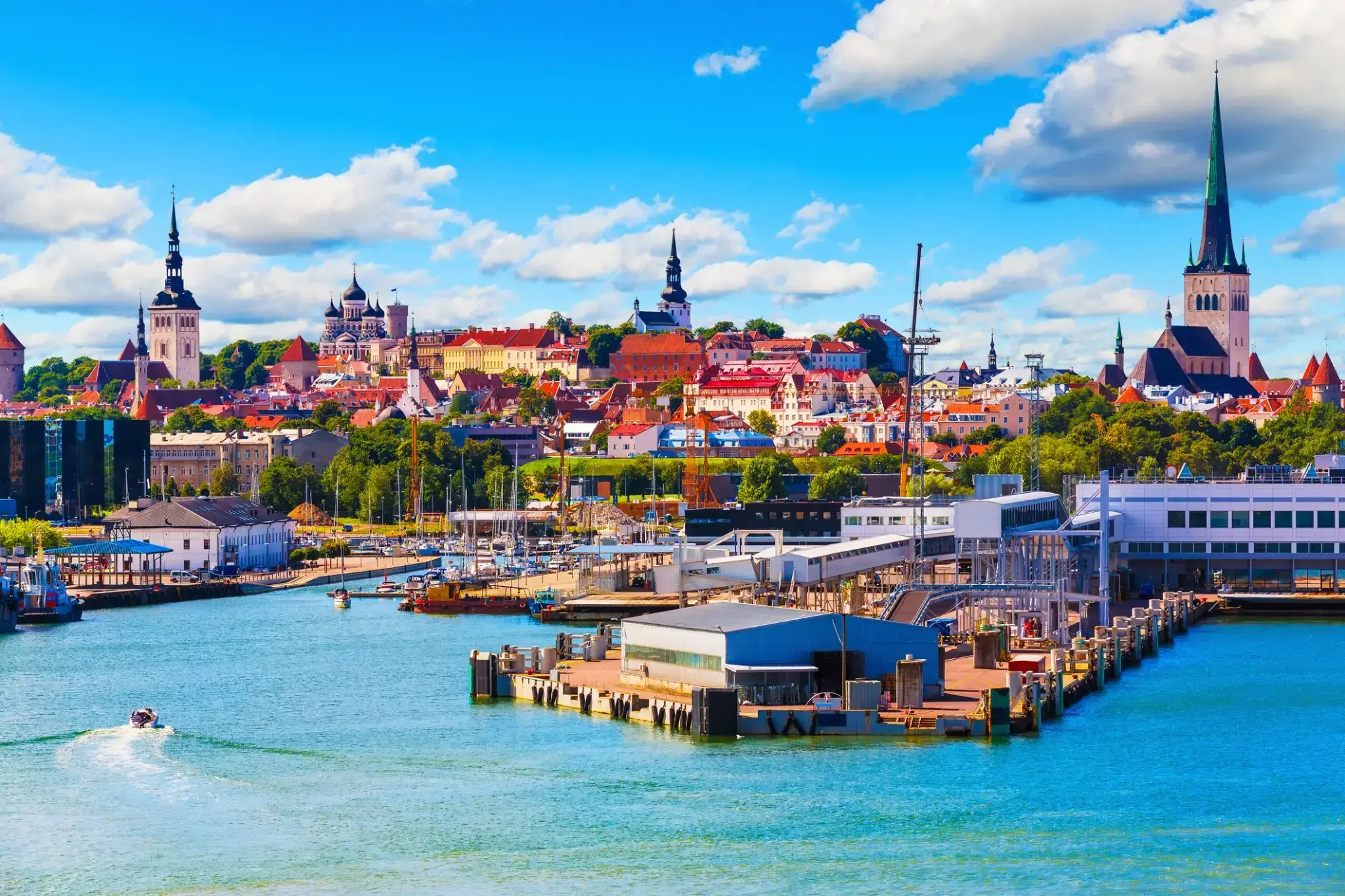
Tallinn is the capital and largest city of Estonia. It is on the northern coast of the country, on the shore of the Gulf of Finland in Harju County. From the 13th century until 1918 (and briefly during the Nazi occupation of Estonia from 1941 to 1944), the city was known as Reval. Tallinn occupies an area of 159.2 km2 (61.5 sq mi) and has a population of 453,033.
Tallinn, first mentioned in 1219, received city rights in 1248, but the earliest human settlements date back 5,000 years. The initial claim over the land was laid by the Danes in 1219, after a successful raid of Lindanise led by Valdemar II of Denmark, followed by a period of alternating Scandinavian and German rule. Due to its strategic location, the city became a major trade hub, especially from the 14th to the 16th century, when it grew in importance as part of the Hanseatic League.
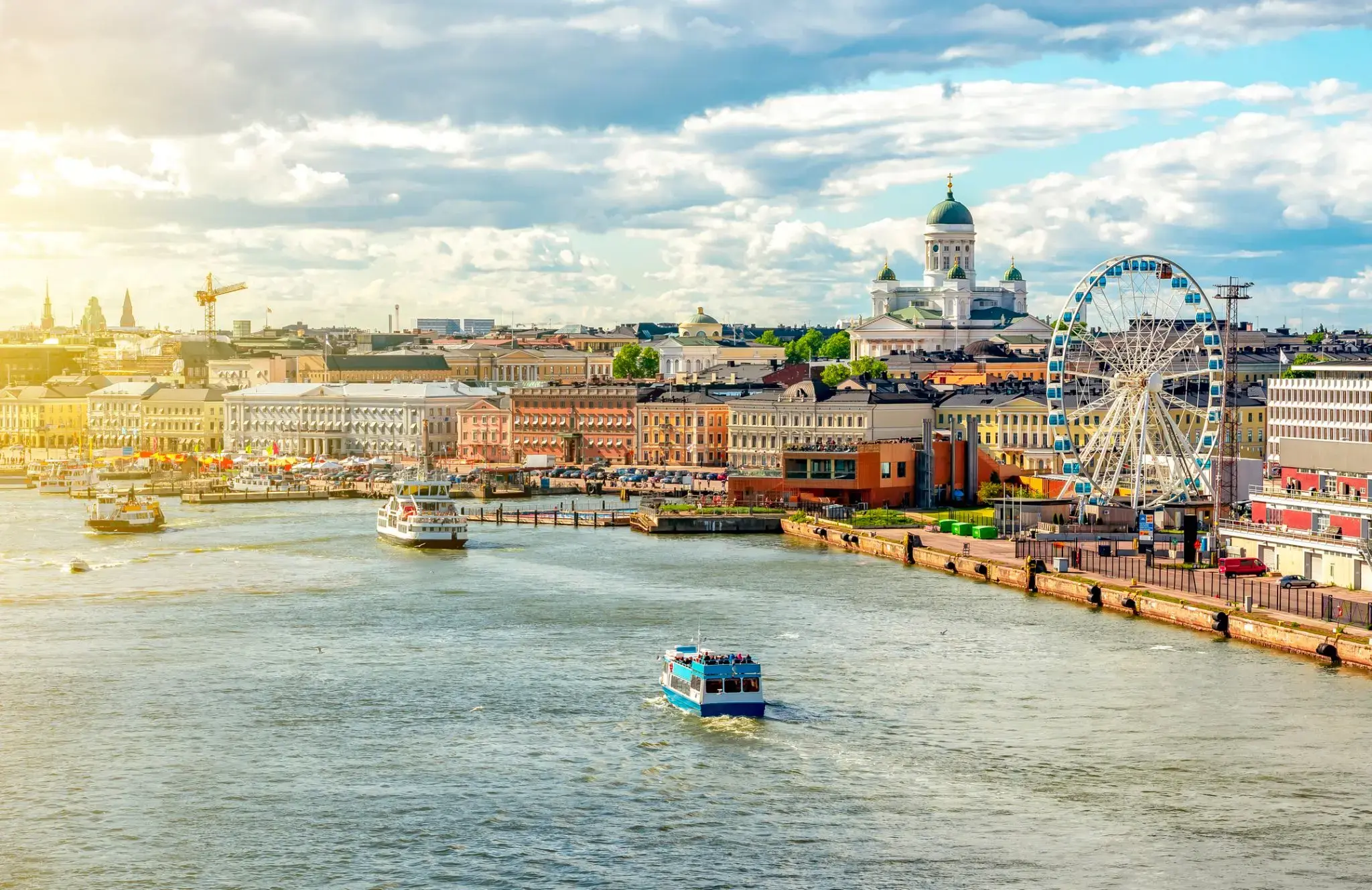
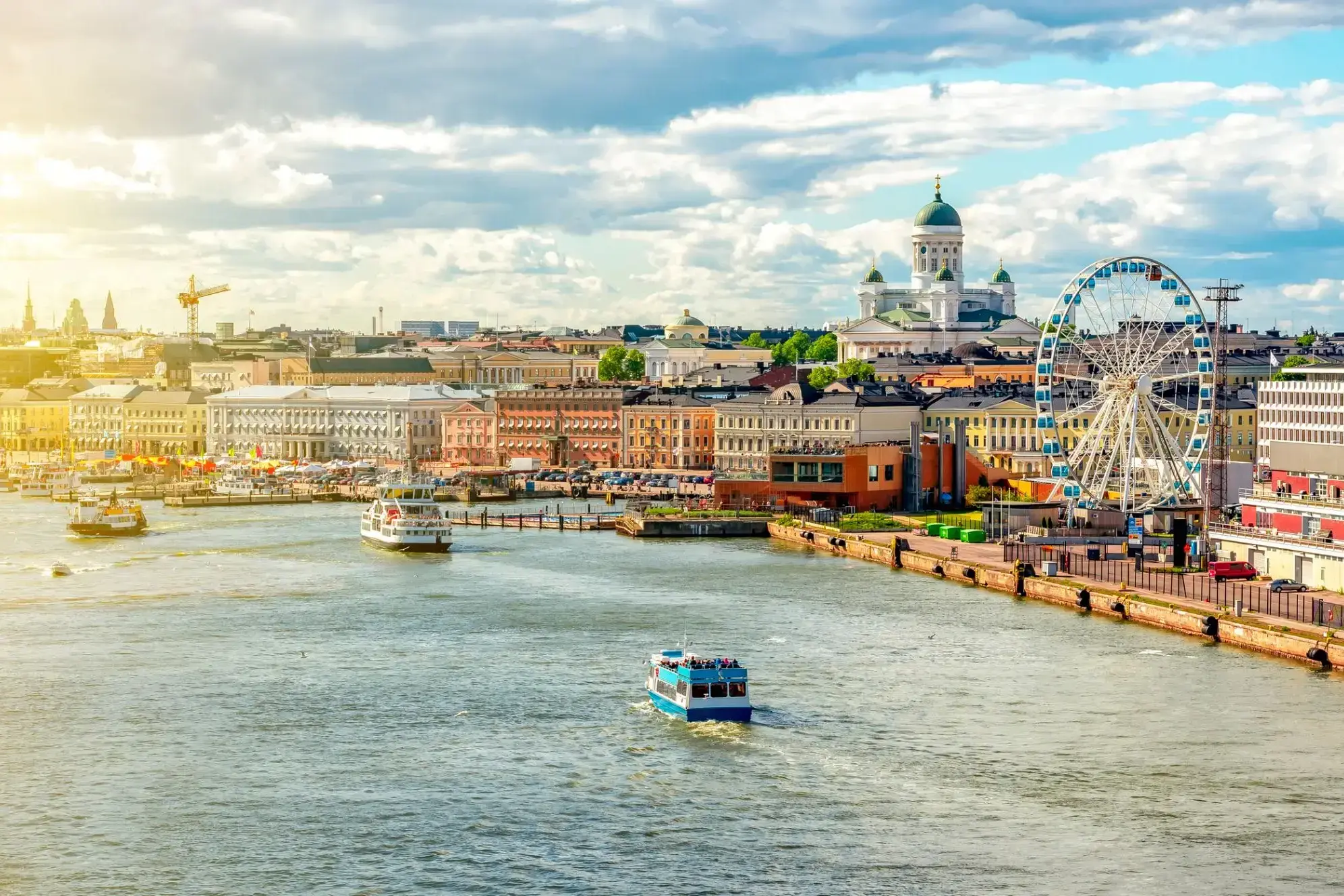
Helsinki located in the southern Finland, and has a population of 648,650. The city's urban area has a population of 1,268,296, it’s the most important center for politics, education, finance, culture, and research. Helsinki is located 80 kilometers (50 mi) north of Tallinn, Estonia, 400 km (250 mi) east of Stockholm, Sweden, and 390 km (240 mi) west of Saint Petersburg, Russia. It has close ties with these three cities.
Together with the cities of Espoo, Vantaa, and Kauniainen, and the surrounding commuter towns, Helsinki forms the Greater Helsinki metropolitan area, which has a population of nearly 1.5 million. Often being considered a metropolis of the EU member state. After Stockholm and Oslo, Helsinki is the third largest city in the Nordic countries. It is located in the city of Vantaa and is located in the city of Vantaa.
Helsinki was the World Design Capital for 2012, the 1952 Summer Olympics and the 52nd Eurovision Song Contest.
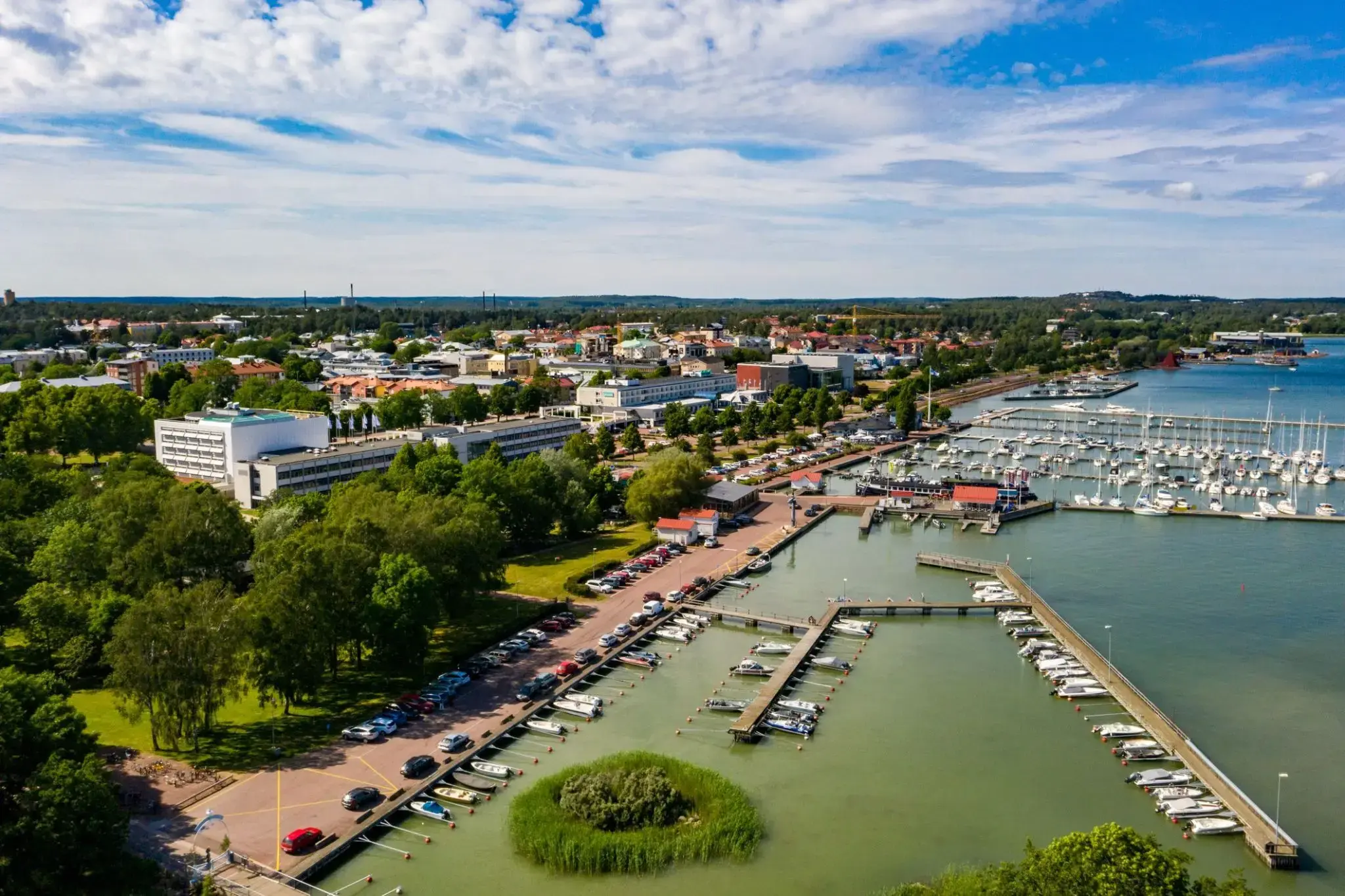
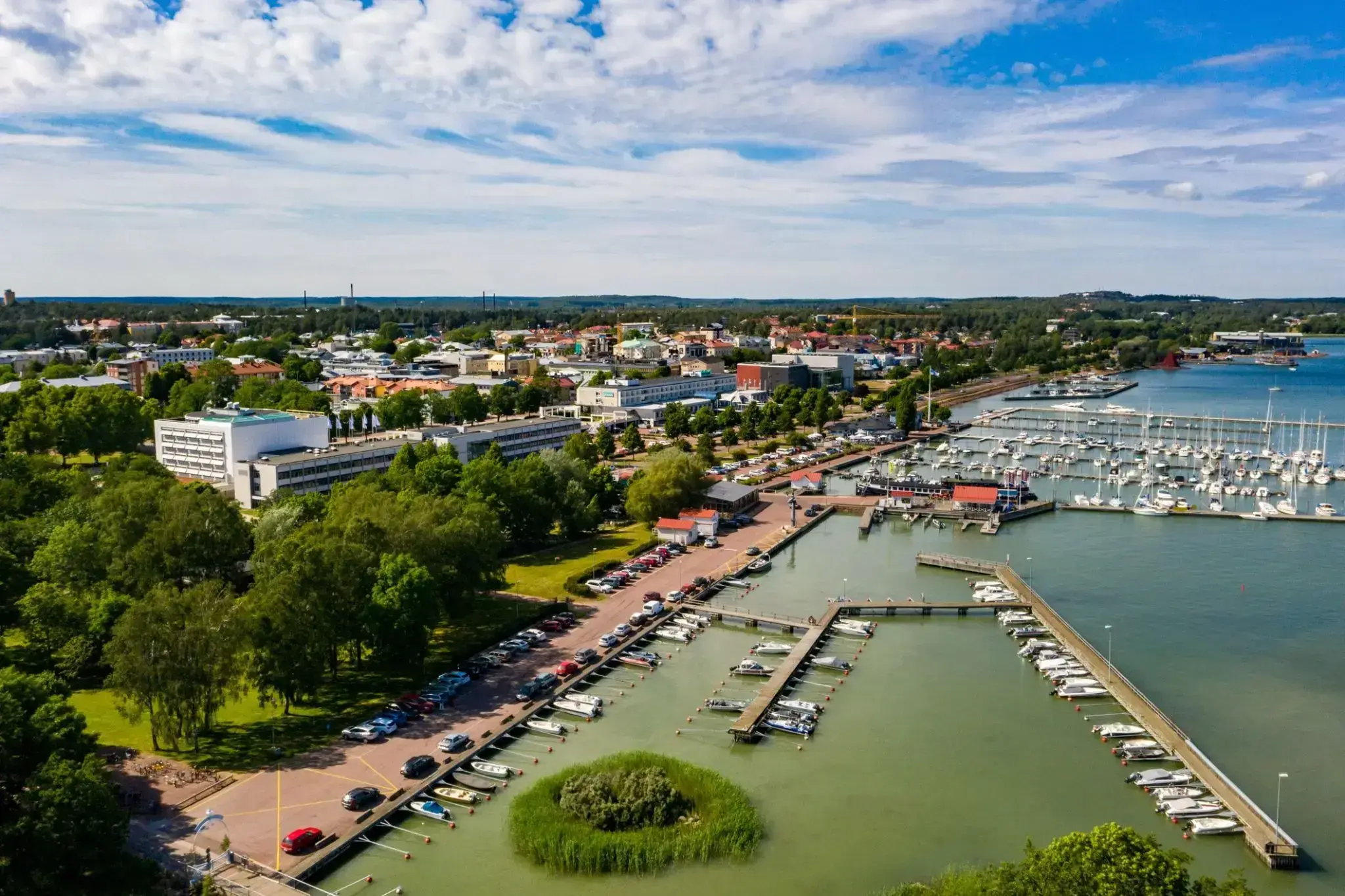
Nestled among the picturesque waters of the Baltic Sea and the unique nature of the archipelago lies Mariehamn Åland Islands, a true island paradise for those seeking peace and beauty. This place is famous for its rich maritime history, cozy streets, and charming wooden houses, as well as numerous museums and cultural events that reveal the uniqueness of this region.
Nature lovers and outdoor enthusiasts will appreciate many opportunities for hiking, cycling, and sailing. Around Mariehamn Åland Islands, there are nature reserves with a variety of flora and fauna, and local restaurants invite you to try the freshest seafood and traditional dishes. Here, you can fully immerse yourself in the atmosphere of tranquility and authentic northern lifestyle.
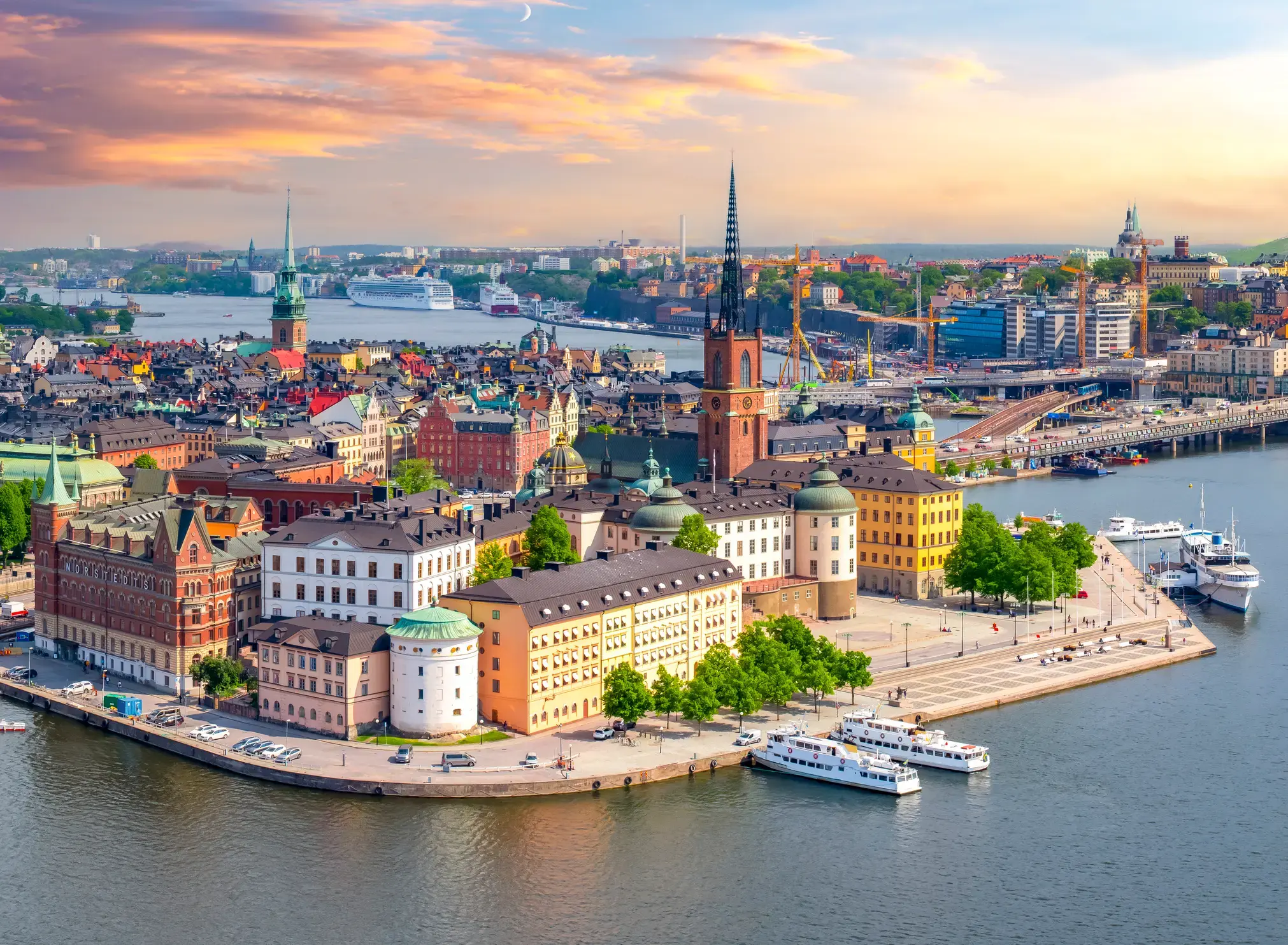
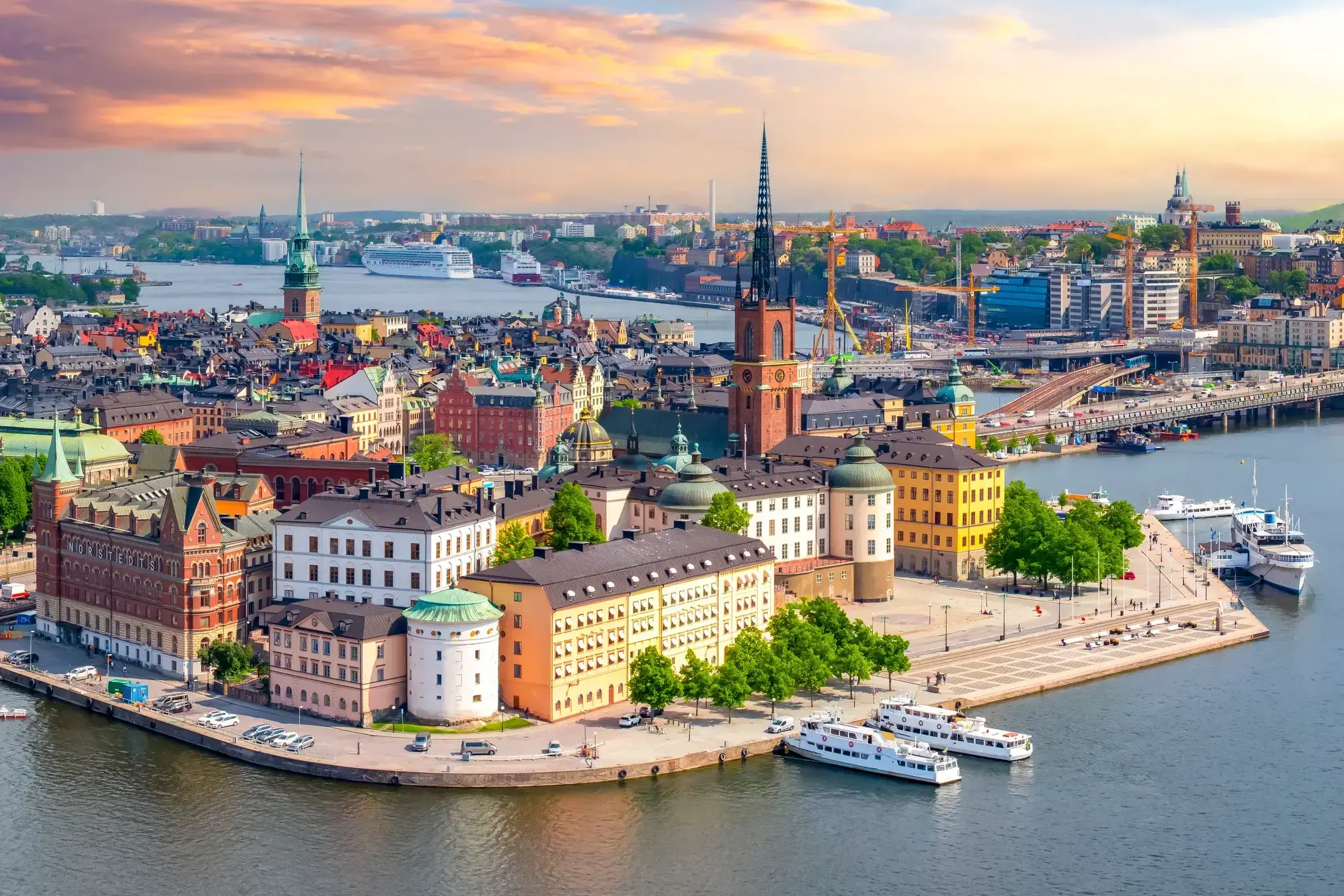
Stockholm is the capital of Sweden and the most populous urban area in the Nordic countries; 960,031 people live in the municipality, approximately 1.5 million in the urban area, and 2.3 million in the metropolitan area. The city stretches across fourteen islands where Lake Mälaren flows into the Baltic Sea. Just outside the city and along the coast is the island chain of the Stockholm archipelago. The area has been settled since the Stone Age, in the 6th millennium BC, and was founded as a city in 1252 by Swedish statesman Birger Jarl. It is also the capital of Stockholm County.
Stockholm is the cultural, media, political, and economic centre of Sweden. The Stockholm region alone accounts for over a third of the country's GDP, and is among the top 10 regions in Europe by GDP per capita. It is an important global city, and the main centre for corporate headquarters in the Nordic region. The city is home to some of Europe's top ranking universities, such as the Stockholm School of Economics, Karolinska Institute and Royal Institute of Technology (KTH). It hosts the annual Nobel Prize ceremonies and banquet at the Stockholm Concert Hall and Stockholm City Hall. One of the city's most prized museums, the Vasa Museum, is the most visited non-art museum in Scandinavia. The Stockholm metro, opened in 1950, is well known for the decor of its stations; it has been called the longest art gallery in the world. Sweden's national football arena is located north of the city centre, in Solna. Ericsson Globe, the national indoor arena, is in the southern part of the city. The city was the host of the 1912 Summer Olympics, and hosted the equestrian portion of the 1956 Summer Olympicsotherwise held in Melbourne, Victoria, Australia.
Stockholm is the seat of the Swedish government and most of its agencies, including the highest courts in the judiciary, and the official residencies of the Swedish monarch and the Prime Minister. The government has its seat in the Rosenbad building, the Riksdag (Swedish parliament) is seated in the Parliament House, and the Prime Minister's residence is adjacent at Sager House. Stockholm Palace is the official residence and principal workplace of the Swedish monarch, while Drottningholm Palace, a World Heritage Site on the outskirts of Stockholm, serves as the Royal Family's private residence.
Stockholm is the capital of Sweden and the most populous urban area in the Nordic countries; 960,031 people live in the municipality, approximately 1.5 million in the urban area, and 2.3 million in the metropolitan area. The city stretches across fourteen islands where Lake Mälaren flows into the Baltic Sea. Just outside the city and along the coast is the island chain of the Stockholm archipelago. The area has been settled since the Stone Age, in the 6th millennium BC, and was founded as a city in 1252 by Swedish statesman Birger Jarl. It is also the capital of Stockholm County.
Stockholm is the cultural, media, political, and economic centre of Sweden. The Stockholm region alone accounts for over a third of the country's GDP, and is among the top 10 regions in Europe by GDP per capita. It is an important global city, and the main centre for corporate headquarters in the Nordic region. The city is home to some of Europe's top ranking universities, such as the Stockholm School of Economics, Karolinska Institute and Royal Institute of Technology (KTH). It hosts the annual Nobel Prize ceremonies and banquet at the Stockholm Concert Hall and Stockholm City Hall. One of the city's most prized museums, the Vasa Museum, is the most visited non-art museum in Scandinavia. The Stockholm metro, opened in 1950, is well known for the decor of its stations; it has been called the longest art gallery in the world. Sweden's national football arena is located north of the city centre, in Solna. Ericsson Globe, the national indoor arena, is in the southern part of the city. The city was the host of the 1912 Summer Olympics, and hosted the equestrian portion of the 1956 Summer Olympicsotherwise held in Melbourne, Victoria, Australia.
Stockholm is the seat of the Swedish government and most of its agencies, including the highest courts in the judiciary, and the official residencies of the Swedish monarch and the Prime Minister. The government has its seat in the Rosenbad building, the Riksdag (Swedish parliament) is seated in the Parliament House, and the Prime Minister's residence is adjacent at Sager House. Stockholm Palace is the official residence and principal workplace of the Swedish monarch, while Drottningholm Palace, a World Heritage Site on the outskirts of Stockholm, serves as the Royal Family's private residence.
Stockholm is the capital of Sweden and the most populous urban area in the Nordic countries; 960,031 people live in the municipality, approximately 1.5 million in the urban area, and 2.3 million in the metropolitan area. The city stretches across fourteen islands where Lake Mälaren flows into the Baltic Sea. Just outside the city and along the coast is the island chain of the Stockholm archipelago. The area has been settled since the Stone Age, in the 6th millennium BC, and was founded as a city in 1252 by Swedish statesman Birger Jarl. It is also the capital of Stockholm County.
Stockholm is the cultural, media, political, and economic centre of Sweden. The Stockholm region alone accounts for over a third of the country's GDP, and is among the top 10 regions in Europe by GDP per capita. It is an important global city, and the main centre for corporate headquarters in the Nordic region. The city is home to some of Europe's top ranking universities, such as the Stockholm School of Economics, Karolinska Institute and Royal Institute of Technology (KTH). It hosts the annual Nobel Prize ceremonies and banquet at the Stockholm Concert Hall and Stockholm City Hall. One of the city's most prized museums, the Vasa Museum, is the most visited non-art museum in Scandinavia. The Stockholm metro, opened in 1950, is well known for the decor of its stations; it has been called the longest art gallery in the world. Sweden's national football arena is located north of the city centre, in Solna. Ericsson Globe, the national indoor arena, is in the southern part of the city. The city was the host of the 1912 Summer Olympics, and hosted the equestrian portion of the 1956 Summer Olympicsotherwise held in Melbourne, Victoria, Australia.
Stockholm is the seat of the Swedish government and most of its agencies, including the highest courts in the judiciary, and the official residencies of the Swedish monarch and the Prime Minister. The government has its seat in the Rosenbad building, the Riksdag (Swedish parliament) is seated in the Parliament House, and the Prime Minister's residence is adjacent at Sager House. Stockholm Palace is the official residence and principal workplace of the Swedish monarch, while Drottningholm Palace, a World Heritage Site on the outskirts of Stockholm, serves as the Royal Family's private residence.
Nestled among the picturesque waters of the Baltic Sea and the unique nature of the archipelago lies Mariehamn Åland Islands, a true island paradise for those seeking peace and beauty. This place is famous for its rich maritime history, cozy streets, and charming wooden houses, as well as numerous museums and cultural events that reveal the uniqueness of this region.
Nature lovers and outdoor enthusiasts will appreciate many opportunities for hiking, cycling, and sailing. Around Mariehamn Åland Islands, there are nature reserves with a variety of flora and fauna, and local restaurants invite you to try the freshest seafood and traditional dishes. Here, you can fully immerse yourself in the atmosphere of tranquility and authentic northern lifestyle.
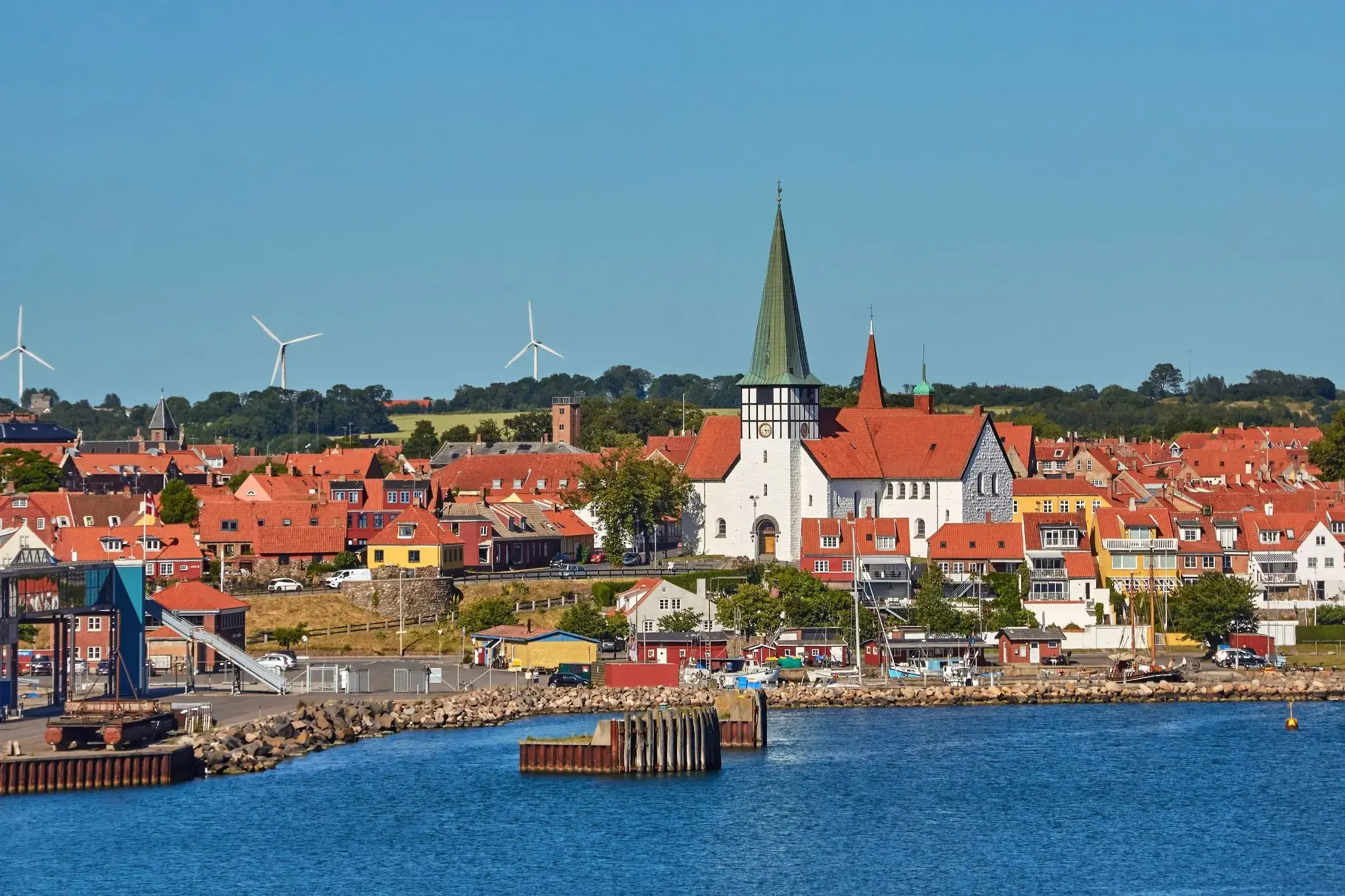
Quiet streets lined with half-timbered houses make Ronne (Rønne) a cozy corner on the Danish island of Bornholm, where every step is filled with the scent of the sea and fresh pastries from local bakeries. The town is known for its ceramics and glass workshops, as well as the cozy atmosphere of its fishing port, where you can taste freshly smoked herring while watching ships slowly enter the harbor. Here, time seems to slow down, allowing you to enjoy strolls through the old town with its cobblestone streets and picturesque houses that have preserved their 18th-century charm.
In Ronne, travelers will find a peaceful retreat with a touch of Danish coziness and the creative spirit of the island. The Bornholm Museum offers insights into the island's history and maritime traditions, while walks along the coast reveal rocky shores and clean beaches inviting relaxation year-round. This town is the perfect place for those who wish to experience authentic Denmark, breathe in the sea air, and discover the warm hospitality of Bornholm.
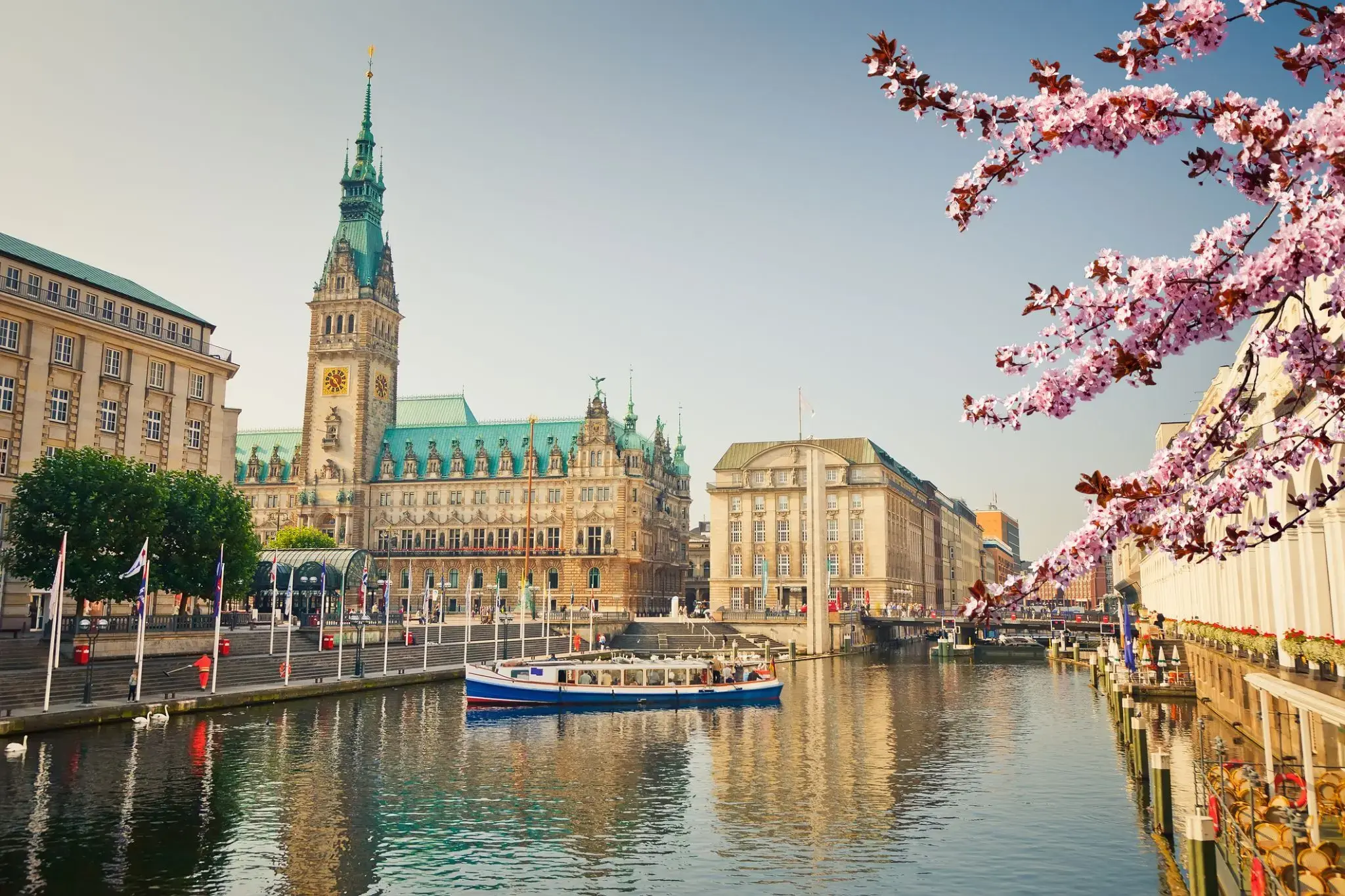
Hamburg ; officially the Free and Hanseatic City of Hamburg is the second-largest city in Germany with a population of over 1.8 million.
One of Germany's 16 federal states, it is surrounded by Schleswig-Holstein to the north and Lower Saxony to the south. The city's metropolitan region is home to more than five million people. Hamburg lies on the River Elbe and two of its tributaries, the River Alster and the River Bille.
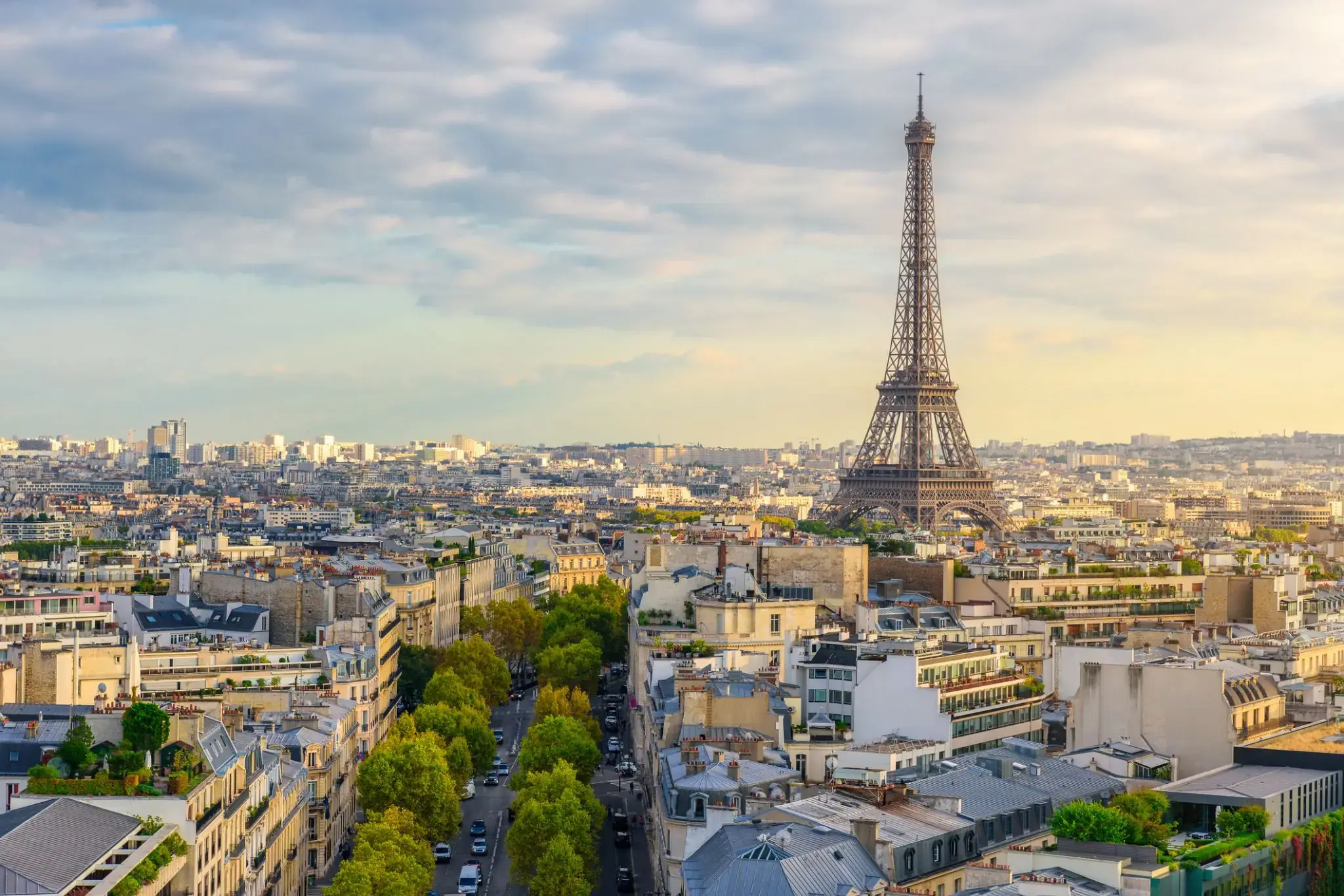
the capital of France, on the Seine River; population 2,203,817 (2006). Paris was held by the Romans, who called it Lutetia, and by the Franks, and was established as the capital in 987 under Hugh Capet. It was organized into three parts—the Île de la Cité (an island in the Seine), the Right Bank, and the Left Bank—during the reign of Philippe-Auguste 1180–1223. The city's neoclassical architecture dates from the modernization of the Napoleonic era, which continued under Napoleon III, when the bridges and boulevards of the modern city were built.
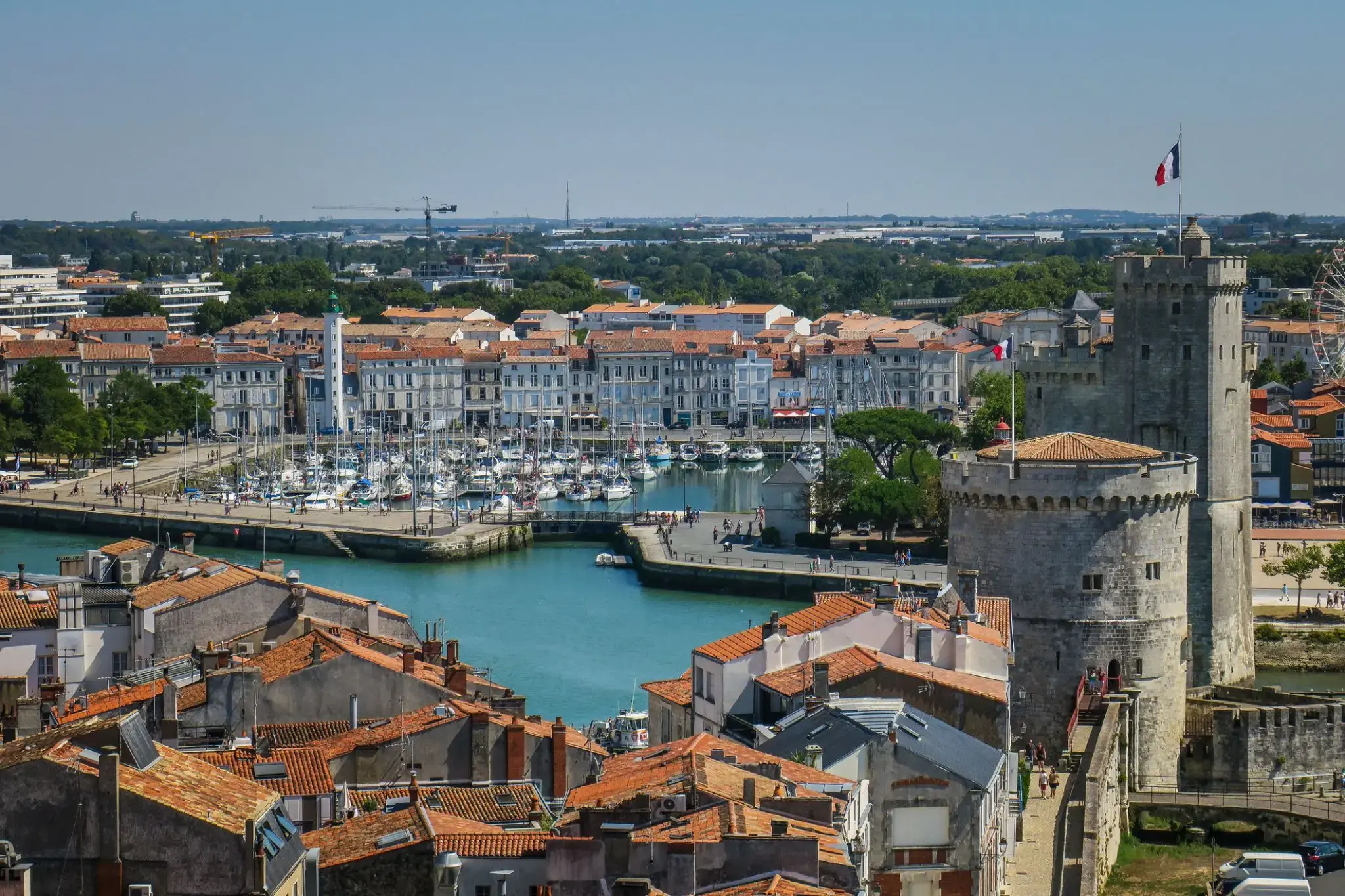
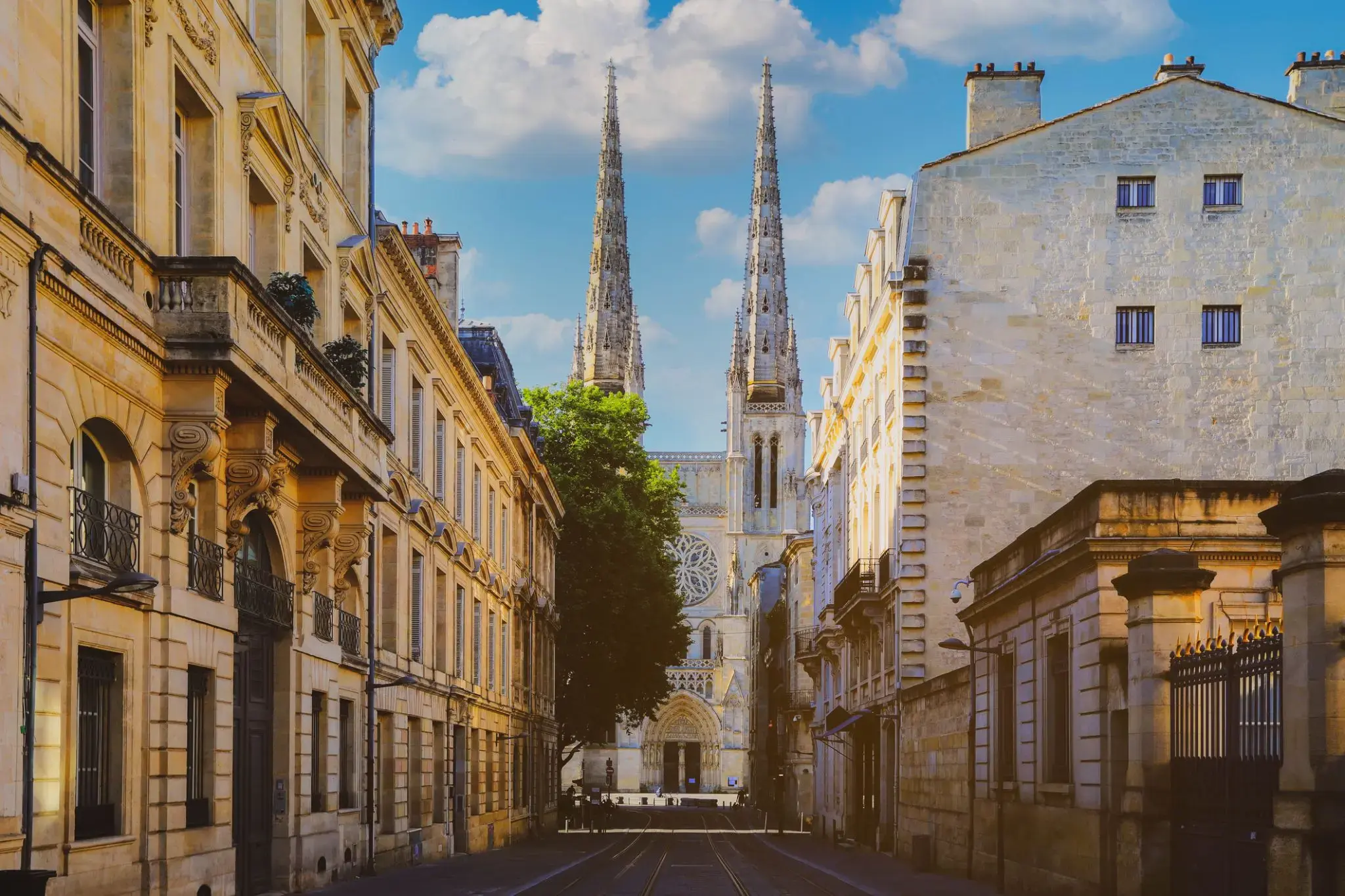
Bordeaux is a port city on the Garonne in the Gironde department in Southwestern France.
The municipality (commune) of Bordeaux proper has a population of 246,586 (2014). Together with its suburbs and satellite towns, Bordeaux is the centre of the Bordeaux Métropole. With 1,195,335 in the metropolitan area, it is the sixth-largest in France, after Paris, Marseille, Lyon, Toulouse, and Lille. It is the capital of the Nouvelle-Aquitaineregion, as well as the prefecture of the Gironde department. Its inhabitants are called "Bordelais" (for men) or "Bordelaises" (women). The term "Bordelais" may also refer to the city and its surrounding region.
Being at the center of a major wine-growing and wine-producing region, Bordeaux remains a prominent powerhouse and exercises significant influence on the world wine industry although no wine production is conducted within the city limits. It is home to the world's main wine fair, Vinexpo, and the wine economy in the metro area takes in 14.5 billion euros each year. Bordeaux wine has been produced in the region since the 8th century. The historic part of the city is on the UNESCO World Heritage List as "an outstanding urban and architectural ensemble" of the 18th century.[7] After Paris, Bordeaux has the highest number of preserved historical buildings of any city in France.
Bordeaux is a port city on the Garonne in the Gironde department in Southwestern France.
The municipality (commune) of Bordeaux proper has a population of 246,586 (2014). Together with its suburbs and satellite towns, Bordeaux is the centre of the Bordeaux Métropole. With 1,195,335 in the metropolitan area, it is the sixth-largest in France, after Paris, Marseille, Lyon, Toulouse, and Lille. It is the capital of the Nouvelle-Aquitaineregion, as well as the prefecture of the Gironde department. Its inhabitants are called "Bordelais" (for men) or "Bordelaises" (women). The term "Bordelais" may also refer to the city and its surrounding region.
Being at the center of a major wine-growing and wine-producing region, Bordeaux remains a prominent powerhouse and exercises significant influence on the world wine industry although no wine production is conducted within the city limits. It is home to the world's main wine fair, Vinexpo, and the wine economy in the metro area takes in 14.5 billion euros each year. Bordeaux wine has been produced in the region since the 8th century. The historic part of the city is on the UNESCO World Heritage List as "an outstanding urban and architectural ensemble" of the 18th century.[7] After Paris, Bordeaux has the highest number of preserved historical buildings of any city in France.
Along the scenic coast of the Bay of Biscay in the Spanish region of Asturias lies the charming city of Gijon, captivating visitors with its unique blend of culture, nature, and gastronomy. Here, you can enjoy walks along the picturesque San Lorenzo beaches, visit numerous contemporary art museums, and taste the famous Asturian cider in traditional “chigres.”
Gijon is the perfect destination for those who appreciate a mix of history and modern life. Beyond its beautiful beaches and cozy streets, the city is known for lively festivals like the Sea Festival and Song Festival, which add vibrant colors to any trip. For active travelers, there are various water sports and hiking routes that reveal breathtaking coastal views.
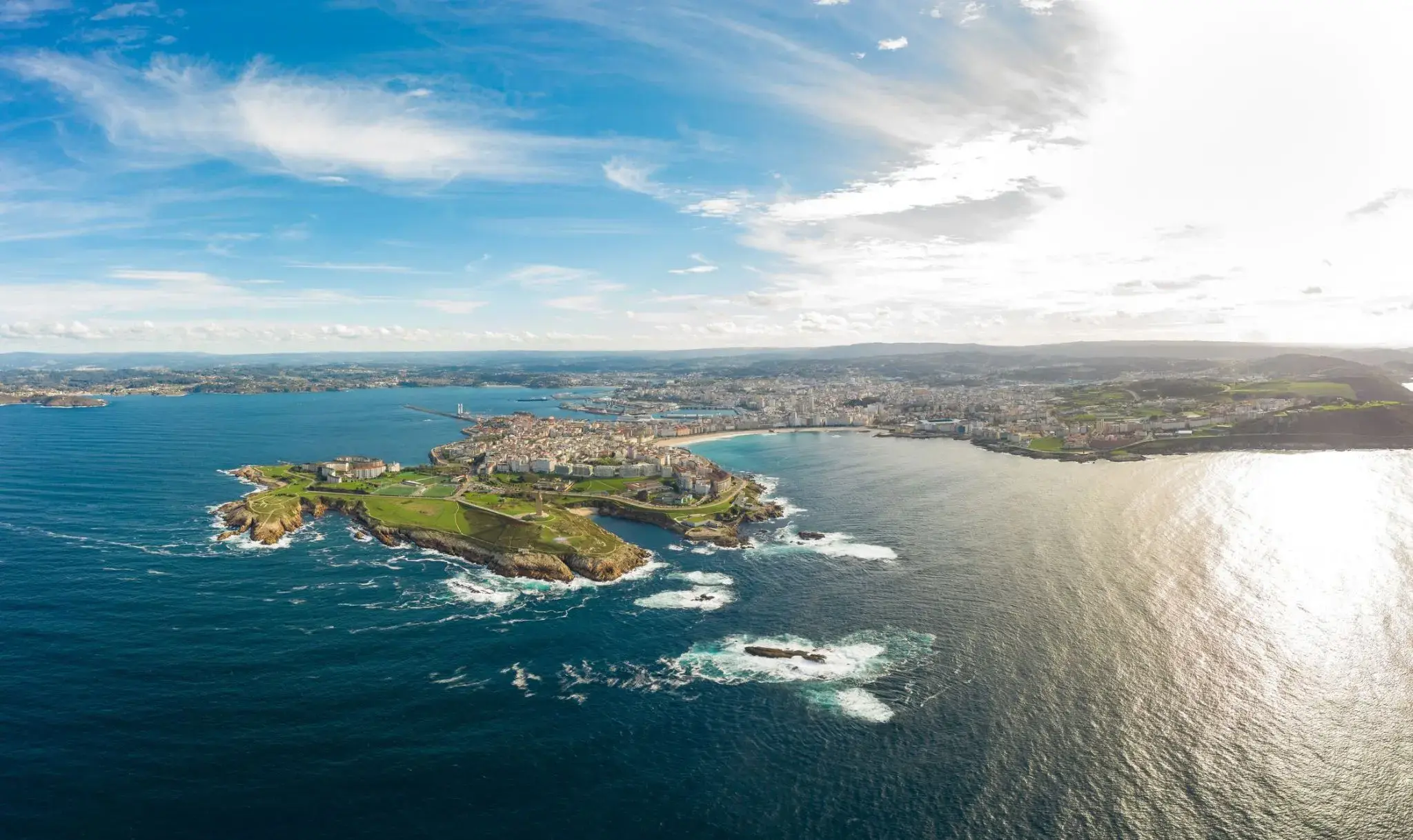
Travelers find in La Coruña the perfect place to experience the atmosphere of Spain’s Atlantic coast, where modern promenades meet historical landmarks and cozy beaches. The city is known for having the world’s oldest functioning Roman lighthouse – the Tower of Hercules, built nearly 2000 years ago and still guiding ships today. Here, you can enjoy a stroll along one of Europe’s longest seafront promenades, taking in ocean panoramas and the fresh breeze.
In La Coruña, guests discover the rich Galician gastronomic culture, with seafood served in traditional tapas bars and contemporary restaurants. Local markets delight with fresh products, while the city’s cultural life is filled with festivals, exhibitions, and live street music. This destination offers travelers a unique blend of historical depth, sea views, and warm Spanish atmosphere, leaving a sense of lightness and inspiration after the visit.
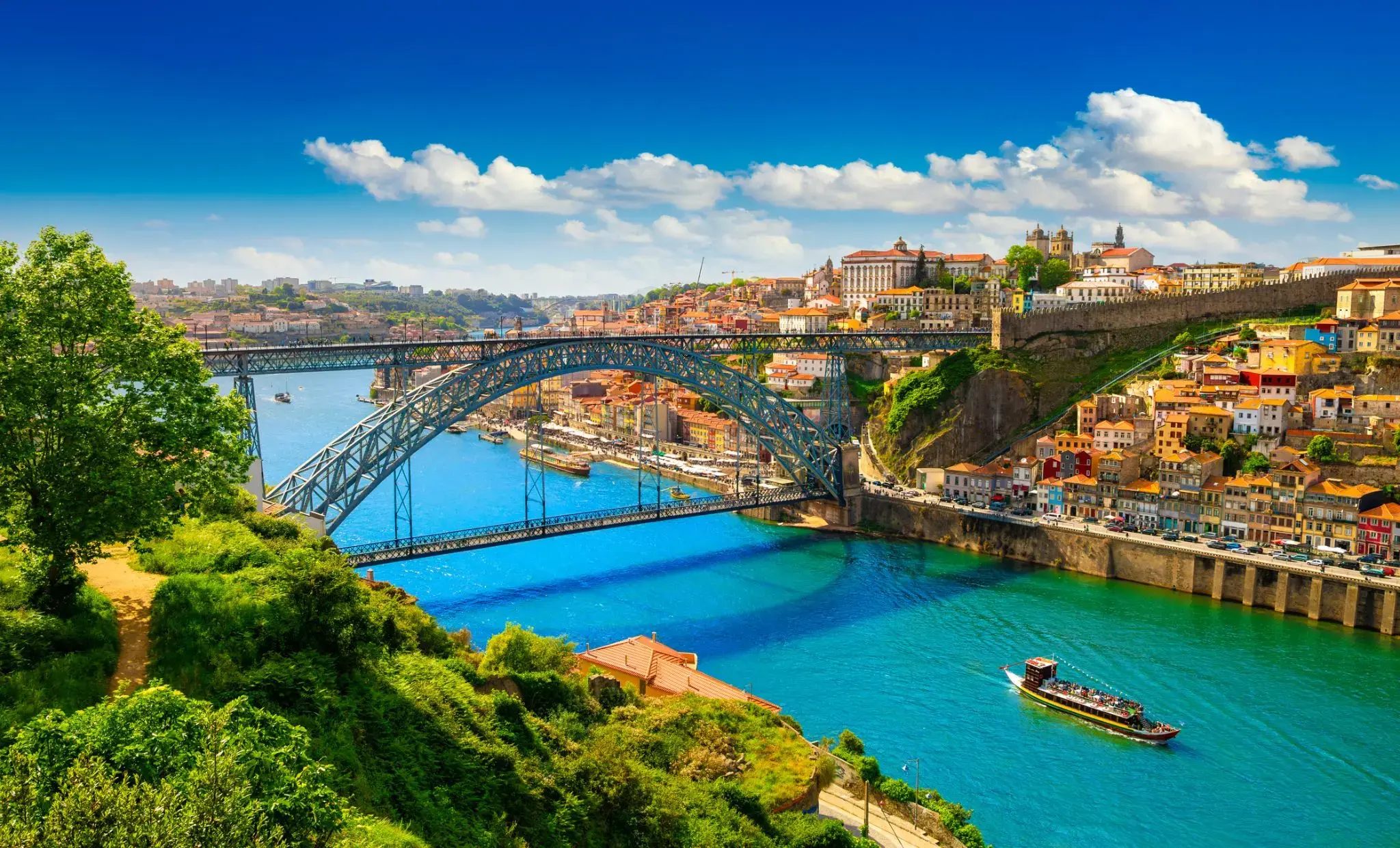
Порту является вторым по величине городом Португалии после Лиссабона и одним из крупных городских районов Пиренейского полуострова. Население самого города составляет 237 591 человек, а в столичном районе Порту, который выходит за административные пределы города, проживает 1,9 миллиона человек (2011 год) на площади 2 395 км2 (925 кв. Миль), что делает его вторым самый большой городской район в Португалии. Он признан глобальным городом гамма-уровня Исследовательской группой по глобализации и глобальным городам (GaWC), единственным португальским городом, кроме Лиссабона, который был признан глобальным городом.
Расположенный вдоль устья реки Дору на севере Португалии, Порту является одним из старейших европейских центров, и его историческое ядро было объявлено ЮНЕСКО объектом Всемирного наследия в 1996 году. Западная часть его городской территории простирается до береговой линии Атлантического океана. Его поселение датируется много веков, когда он был форпостом Римской империи. Его объединенное кельтско-латинское имя, Portus Cale, было названо происхождением названия «Португалия», основанного на транслитерации и устной эволюции от латыни. На португальском языке название города пишется с определенной статьей о Порту ; следовательно, его английское название произошло от неправильного толкования устного произношения и упоминается как Опорто в современной литературе и многими ораторами.
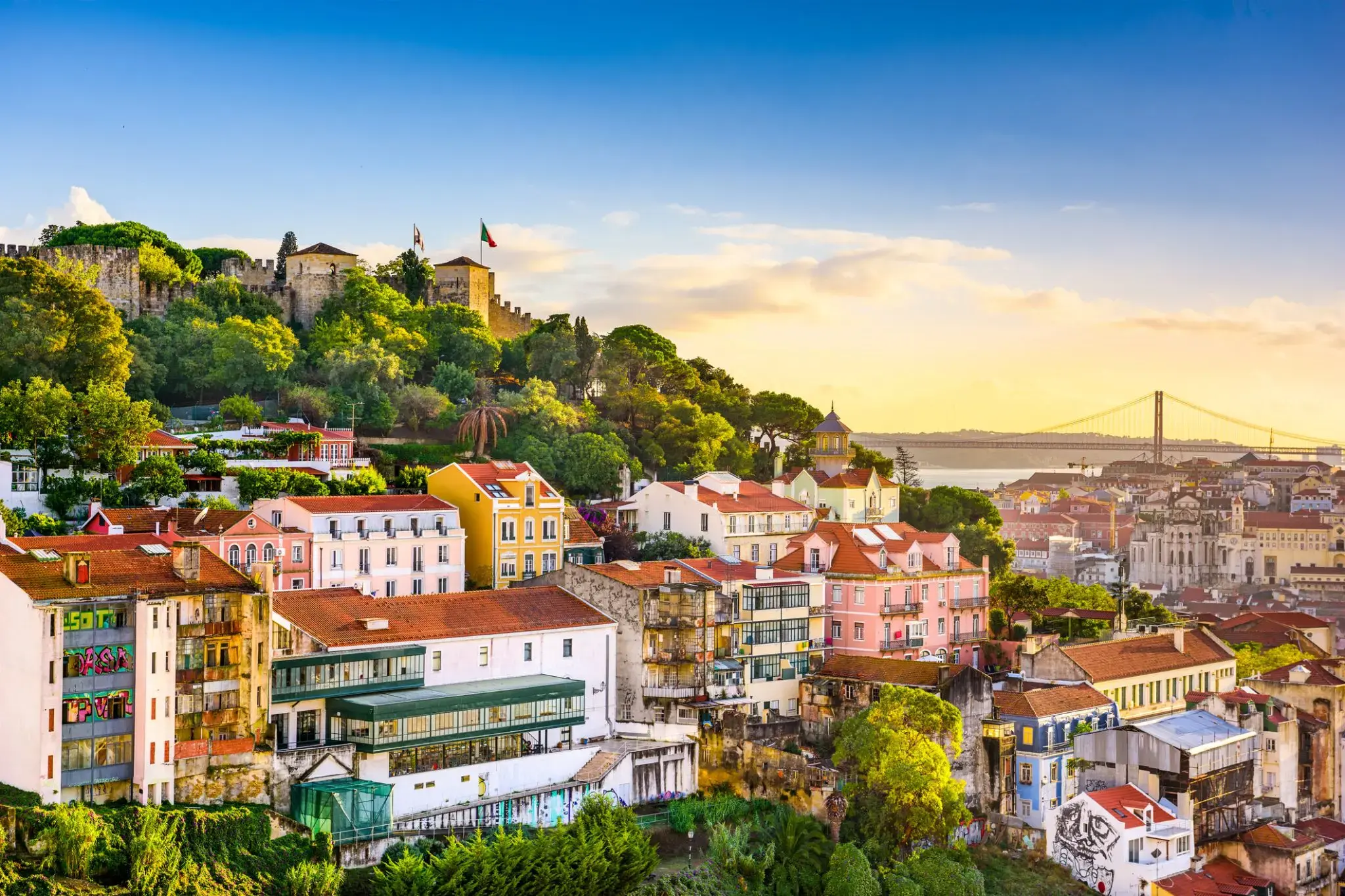
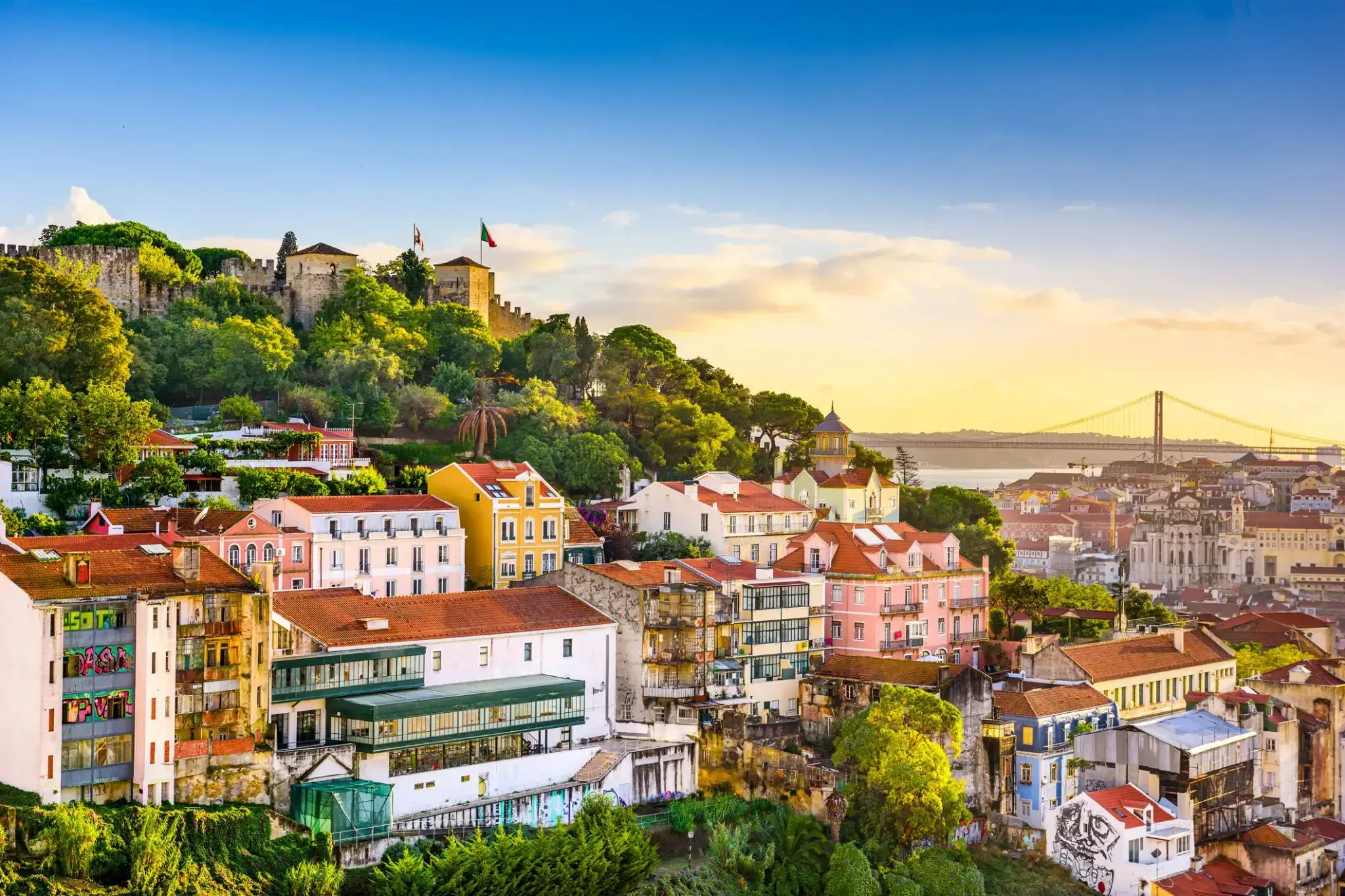
Lisbon is the capital and the largest city of Portugal, with an estimated population of 505,526 within its administrative limits in an area of 100.05 km2. Its urban area extends beyond the city's administrative limits with a population of around 2.8 million people, being the 11th-most populous urban area in the European Union. About 3 million people live in the Lisbon Metropolitan Area (which represents approximately 27% of the country's population). It is mainland Europe's westernmost capital city and the only one along the Atlantic coast. Lisbon lies in the western Iberian Peninsula on the Atlantic Ocean and the River Tagus. The westernmost areas of its metro area form the westernmost point of Continental Europe, which is known as Cabo da Roca, located in the Sintra Mountains.
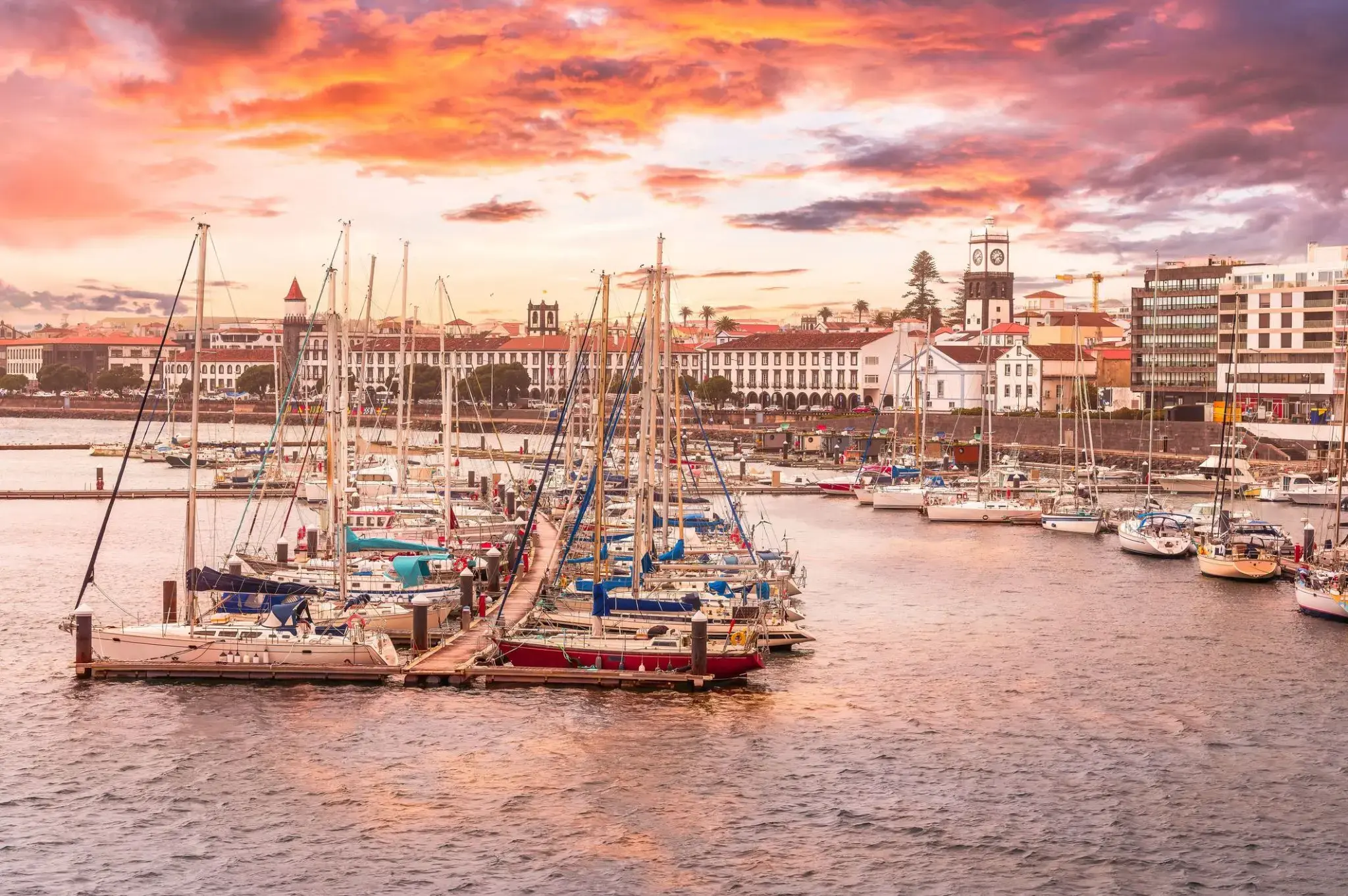
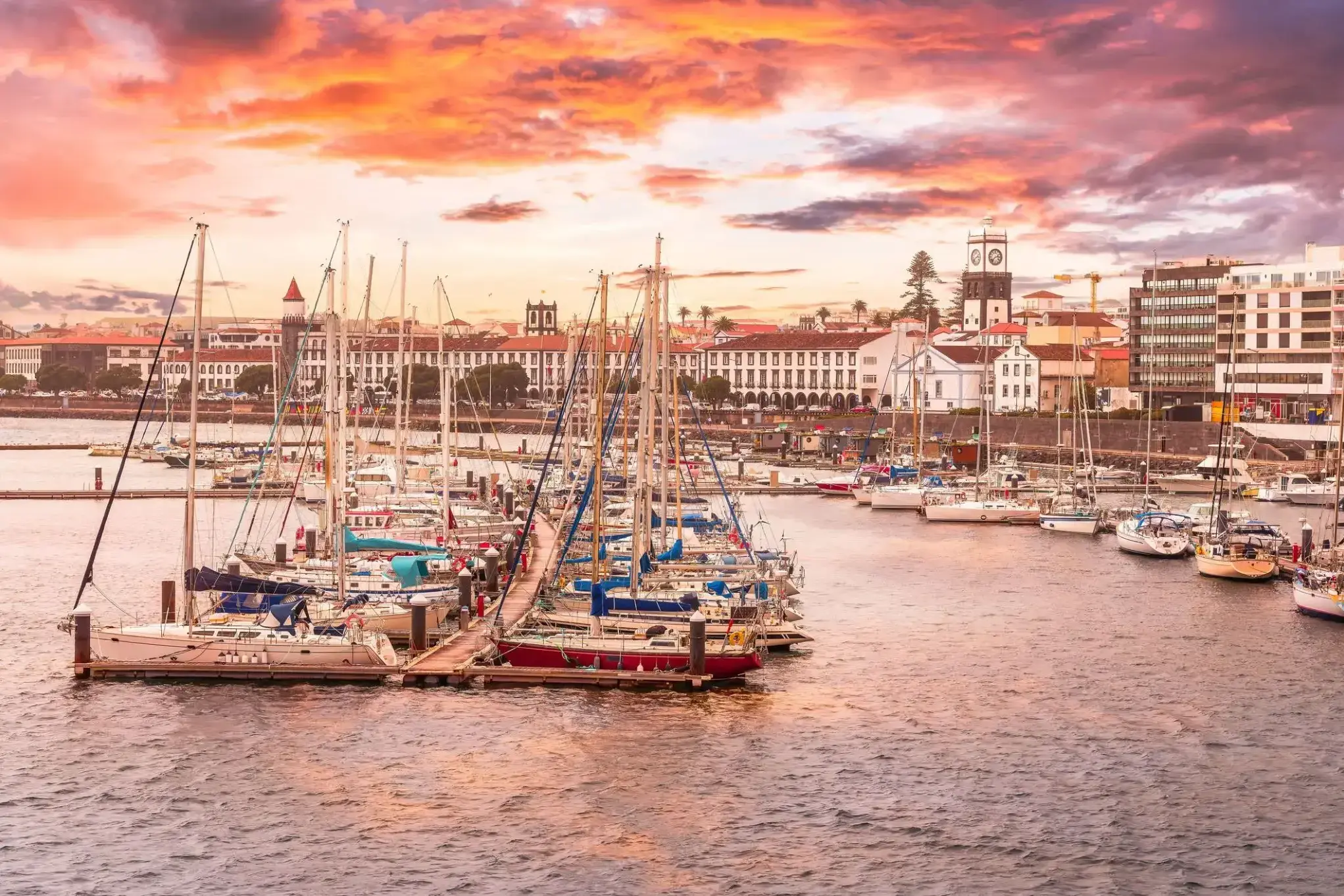
Surrounded by volcanic landscapes and green hills, Ponta Delgada greets visitors with a unique rhythm where the sound of the ocean blends with the aroma of freshly brewed coffee. Here, in the capital of São Miguel Island, you can stroll along cobbled streets decorated with black-and-white Portuguese patterns, stop by cozy cafes for local pastries, and watch the sunset paint the Atlantic in golden-pink hues.
For nature lovers, Ponta Delgada opens the gateway to the hot springs of Furnas, viewpoints overlooking the Sete Cidades lakes, and whale-watching tours departing directly from the city port. This is a place where an Azores vacation is filled with moments of true tranquility, the freshness of the ocean breeze, and the feeling that time slows down, allowing you to appreciate the beauty of each day.
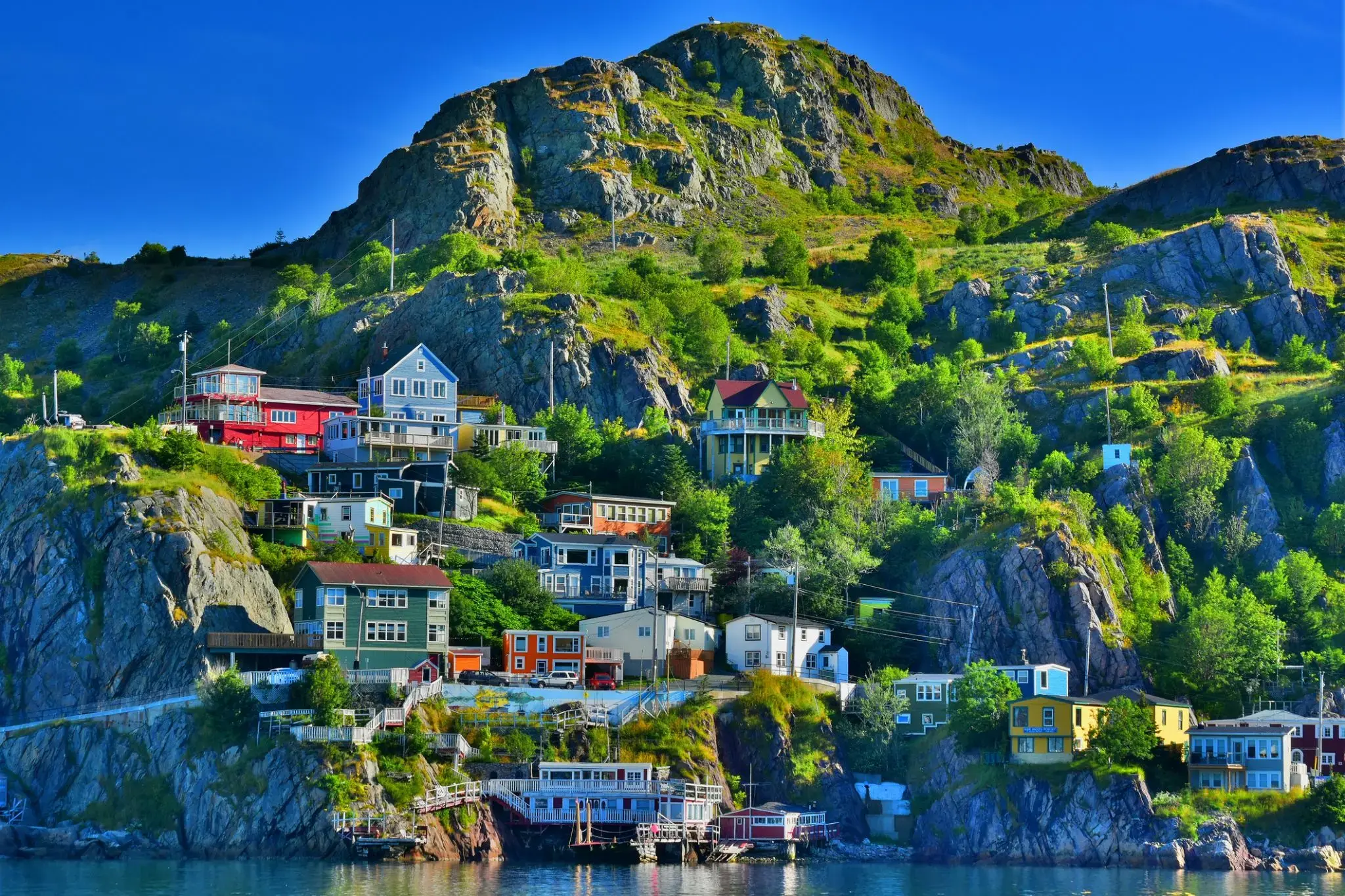
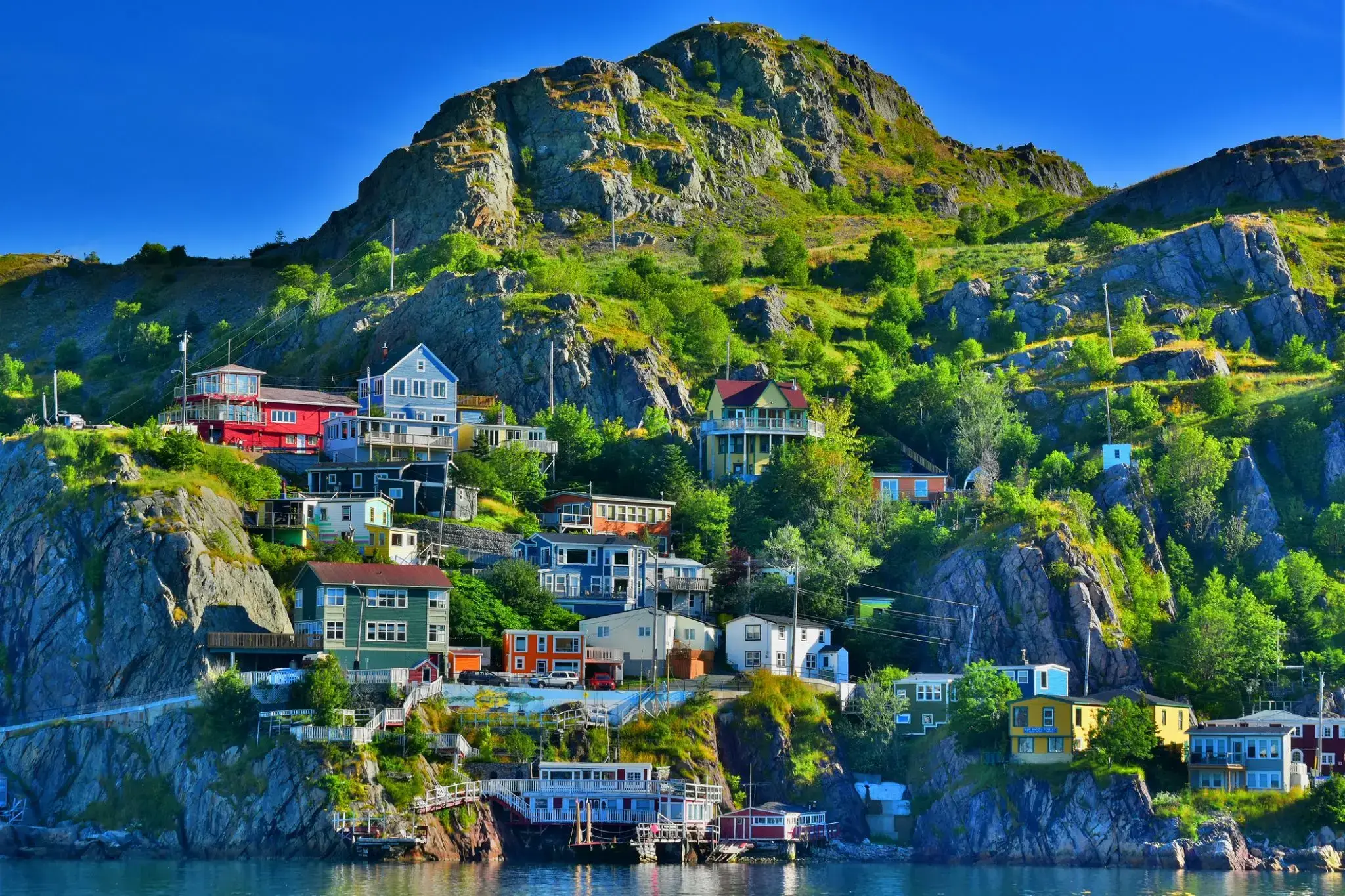
St. John's is the capital and largest city of the Canadian province of Newfoundland and Labrador. It is on the eastern tip of the Avalon Peninsula on the large Canadian island, Newfoundland. The city spans 446.04 square kilometres (172.22 sq mi) and is North America's easternmost city.
Its name has been attributed to the Nativity of John the Baptist, when John Cabot was believed to have sailed into the harbour in 1497 and to a Basque fishing town with the same name. Existing on maps as early as 1519, it is the oldest city in North America. It was officially incorporated as a city in 1888. With a metropolitan population of approximately 219,207 (as of July 1, 2017), the St. John's Metropolitan Area is Canada's 20th largest metropolitan area and the second largest Census Metropolitan Area (CMA) in Atlantic Canada, after Halifax.
The city has a rich history, having played a role in the French and Indian War, the American Revolutionary War, and the War of 1812. Italian inventor Guglielmo Marconi received the first transatlantic wireless signal in St. John's. Its history and culture have made it into an important tourist destination.
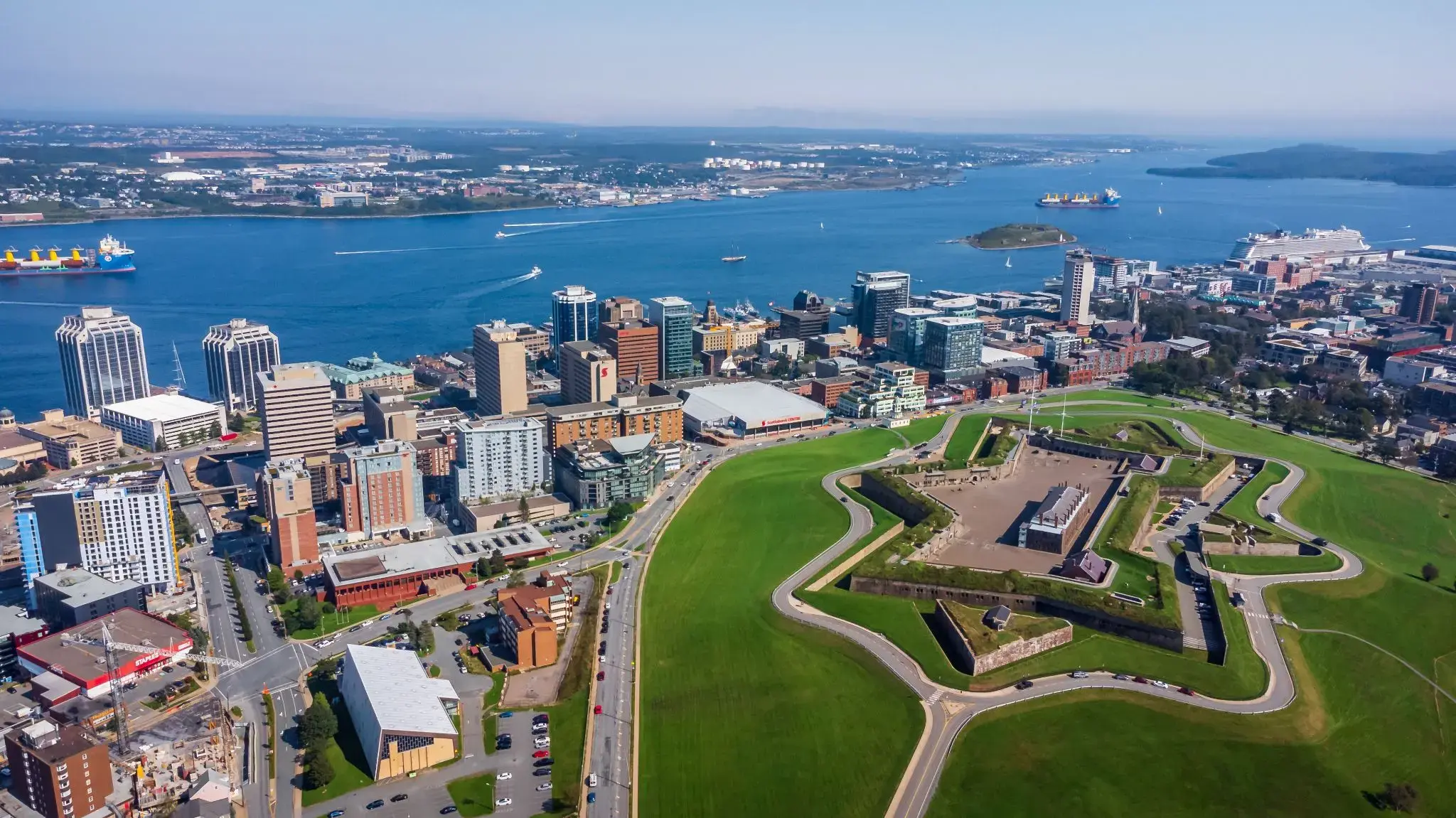
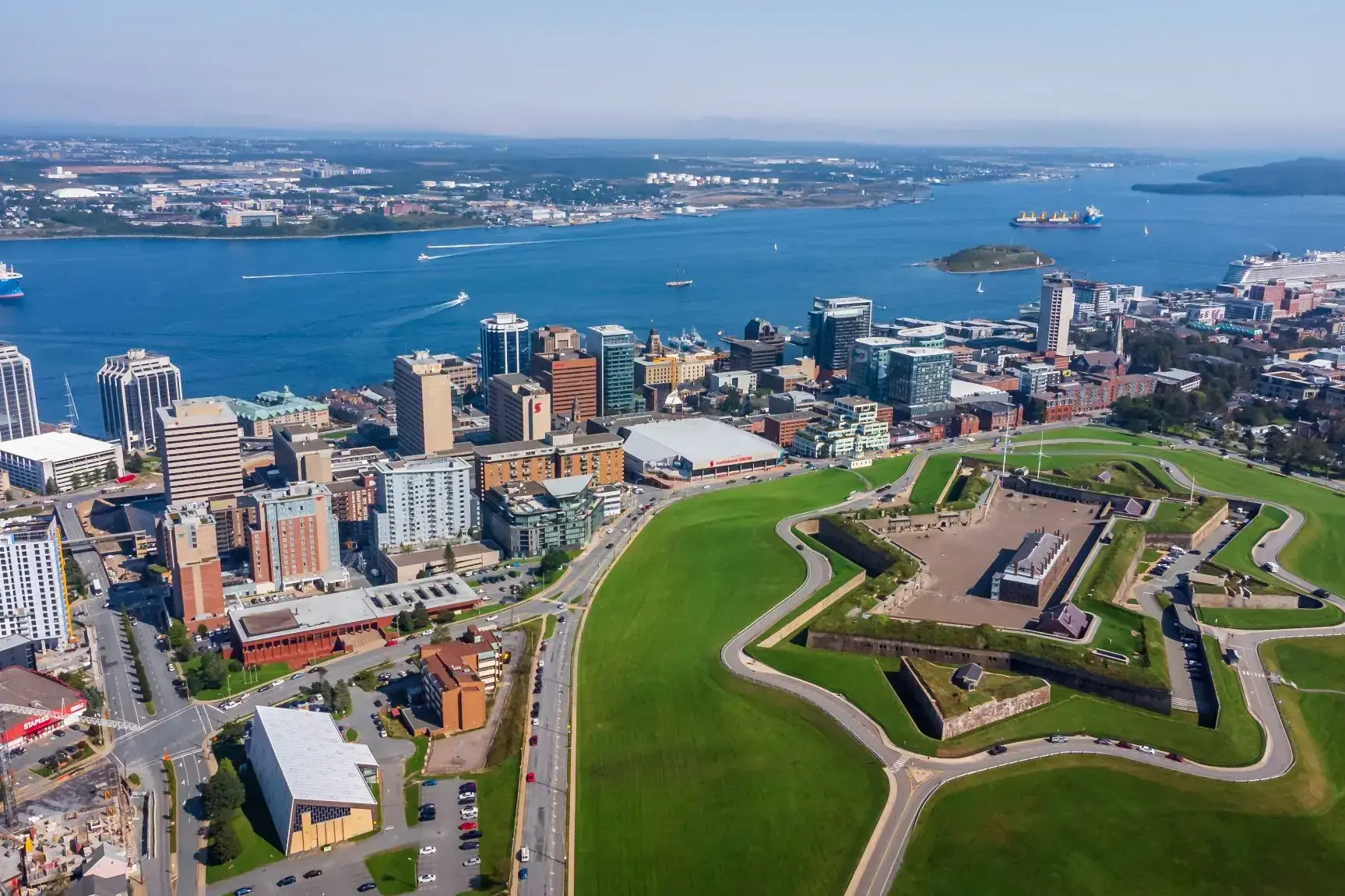
Halifax, also known as the Halifax Regional Municipality (HRM), is the capital of the Canadian province of Nova Scotia. The municipality had a population of 403,131 in 2016, with 316,701 in the urban area centred on Halifax Harbour. The regional municipality consists of four former municipalities that were amalgamated in 1996: Halifax, Dartmouth, Bedford, and Halifax County.
Halifax is a major economic centre in Atlantic Canada with a large concentration of government services and private sector companies. Major employers and economic generators include the Department of National Defence, Dalhousie University, Saint Mary's University, the Halifax Shipyard, various levels of government, and the Port of Halifax. Agriculture, fishing, mining, forestry and natural gas extraction are major resource industries found in the rural areas of the municipality.
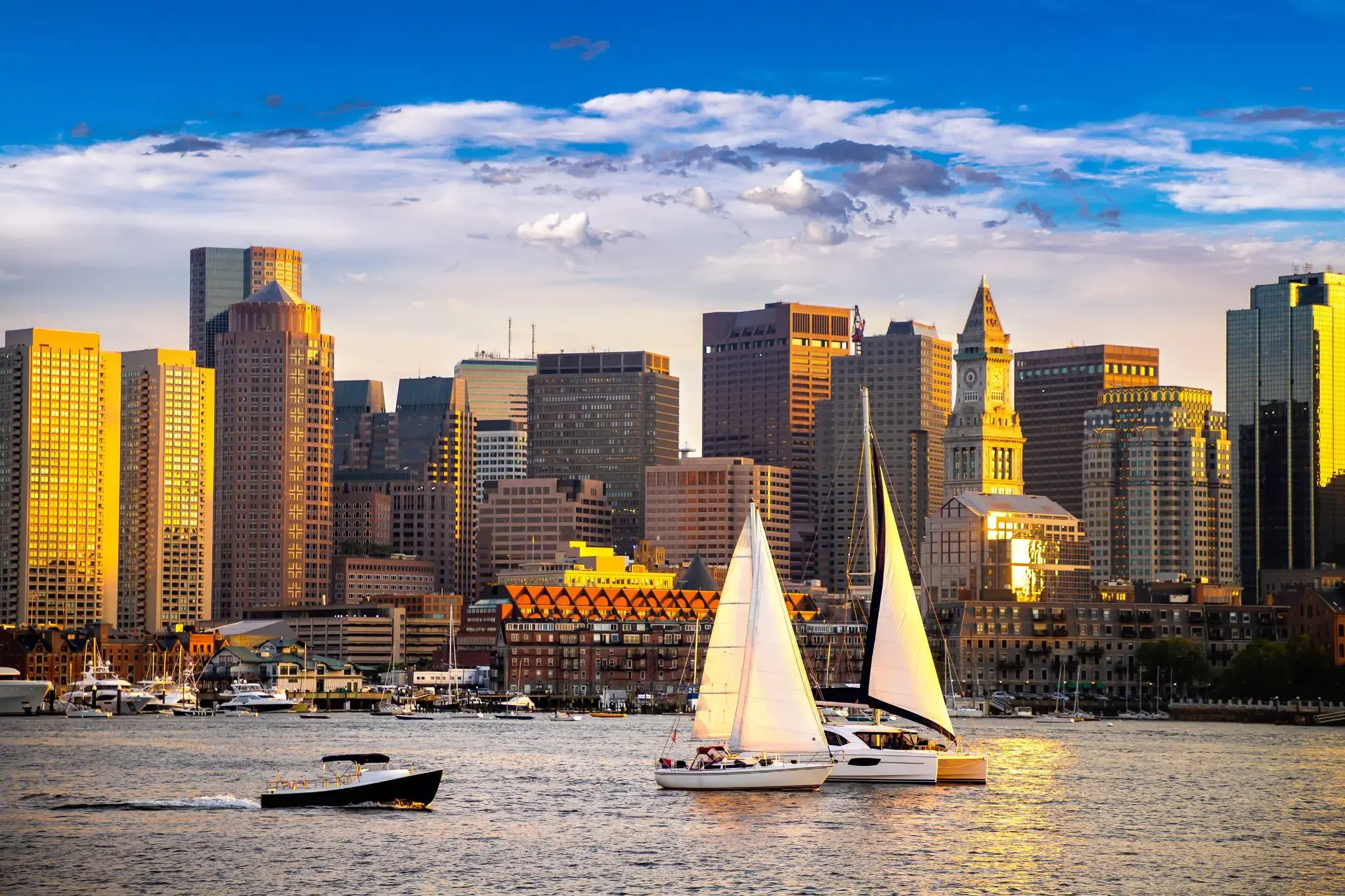
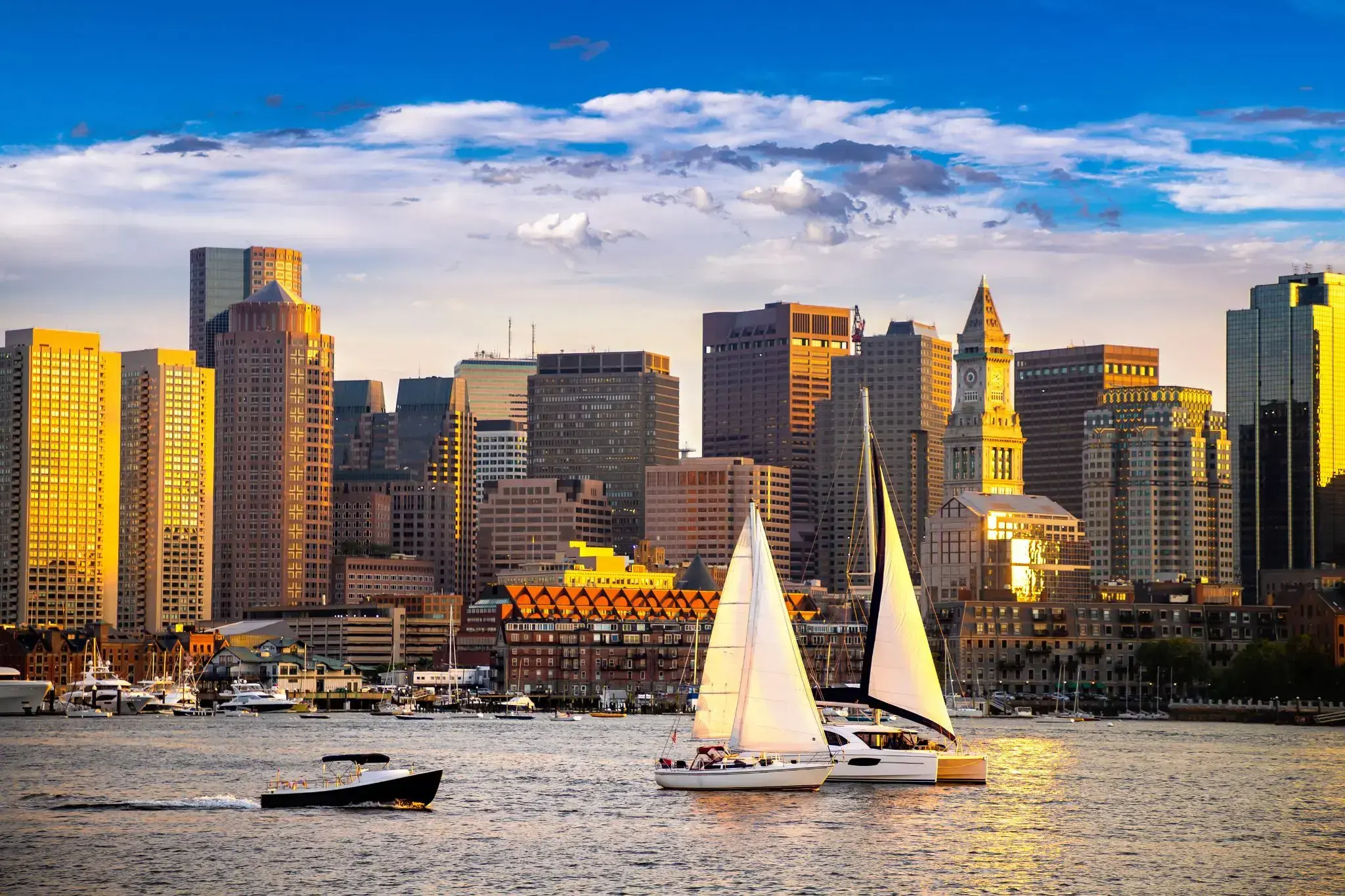
Boston is the capital and most populous municipality of the Commonwealth of Massachusetts in the United States. The city proper covers 48 square miles (124 km2) with an estimated population of 685,094 in 2017, making it also the most populous city in New England. Boston is the seat of Suffolk County as well, although the county government was disbanded on July 1, 1999. The city is the economic and cultural anchor of a substantially larger metropolitan area known as Greater Boston, a metropolitan statistical area (MSA) home to a census-estimated 4.8 million people in 2016 and ranking as the tenth-largest such area in the country. As a combined statistical area (CSA), this wider commuting region is home to some 8.2 million people, making it the sixth-largest in the United States.
Boston is one of the oldest cities in the United States, founded on the Shawmut Peninsula in 1630 by Puritansettlers from England. It was the scene of several key events of the American Revolution, such as the Boston Massacre, the Boston Tea Party, the Battle of Bunker Hill, and the Siege of Boston. Upon gaining U.S. independence from Great Britain, it continued to be an important port and manufacturing hub as well as a center for education and culture. The city has expanded beyond the original peninsula through land reclamation and municipal annexation. Its rich history attracts many tourists, with Faneuil Hall alone drawing more than 20 million visitors per year. Boston's many firsts include the United States' first public park (Boston Common, 1634), first public or state school (Boston Latin School, 1635) and first subway system (Tremont Street Subway, 1897).
The Boston area's many colleges and universities make it an international center of higher education, including law, medicine, engineering, and business, and the city is considered to be a world leader in innovationand entrepreneurship, with nearly 2,000 startups. Boston's economic base also includes finance, professional and business services, biotechnology, information technology, and government activities. Households in the city claim the highest average rate of philanthropy in the United States; businesses and institutions rank among the top in the country for environmental sustainability and investment. The city has one of the highest costs of living in the United States as it has undergone gentrification, though it remains high on world livability rankings.