| Cruise Region : USA / Canada / Mexico |
| Company : Oceania Cruises |
| Ship : AURELIA |
| Journey Start : Sat 06 Jan 2029 |
| Journey End : Wed 04 Jul 2029 |
| Count Nights : 179 nights |
| Day | Date | Port | Arrival | Departure |
|---|---|---|---|---|
| 1 | 6.01 Sat | Los Angeles / USA | 07:00 | 17:00 |
| 2 | 7.01 Sun | Day at sea / Sea | ||
| 3 | 8.01 Mon | Day at sea / Sea | ||
| 4 | 9.01 Tue | Cabo San Lucas / Mexico | 07:00 | 16:00 |
| 5 | 10.01 Wed | Day at sea / Sea | ||
| 6 | 11.01 Thu | Ixtapa-Zihuatanejo | 07:00 | 15:00 |
| 7 | 12.01 Fri | Day at sea / Sea | ||
| 8 | 13.01 Sat | Puerto Quetzal / Guatemala | 11:00 | 19:00 |
| 9 | 14.01 Sun | Corinto / Nicaragua | 11:00 | 19:00 |
| 10 | 15.01 Mon | Day at sea / Sea | ||
| 11 | 16.01 Tue | Puntarenas / Costa Rica | 07:00 | 17:00 |
| 12 | 17.01 Wed | Day at sea / Sea | ||
| 13 | 18.01 Thu | Day at sea / Sea | ||
| 14 | 19.01 Fri | Manta rays / Ecuador | 07:00 | 17:00 |
| 15 | 20.01 Sat | Day at sea / Sea | ||
| 16 | 21.01 Sun | Salaverry / Peru | 07:00 | 16:00 |
| 17 | 22.01 Mon | Lima / Peru | 10:00 | 19:00 |
| 18 | 23.01 Tue | PISCO NAZCA LINES | 08:00 | 16:00 |
| 19 | 24.01 Wed | Day at sea / Sea | ||
| 20 | 25.01 Thu | Arica (Chile) / Chile | 07:00 | 17:00 |
| 21 | 26.01 Fri | Iquique | 07:00 | 16:00 |
| 22 | 27.01 Sat | Day at sea / Sea | ||
| 23 | 28.01 Sun | Coquimbo / Chile | 07:00 | 16:00 |
| 24 | 29.01 Mon | SANTIAGO DE CHILE | 07:00 | 19:00 |
| 25 | 30.01 Tue | Day at sea / Sea | ||
| 26 | 31.01 Wed | Day at sea / Sea | ||
| 27 | 1.02 Thu | Day at sea / Sea | ||
| 28 | 2.02 Fri | Day at sea / Sea | ||
| 29 | 3.02 Sat | Day at sea / Sea | ||
| 30 | 4.02 Sun | Hanga Roa / Chile | 08:00 | 16:00 |
| 31 | 5.02 Mon | Day at sea / Sea | ||
| 32 | 6.02 Tue | Day at sea / Sea | ||
| 33 | 7.02 Wed | Day at sea / Sea | ||
| 34 | 8.02 Thu | Day at sea / Sea | ||
| 35 | 9.02 Fri | Day at sea / Sea | ||
| 36 | 10.02 Sat | Tupana | 10:00 | 19:00 |
| 37 | 11.02 Sun | Avatoru, Rangiroa / French Polynesia | 07:00 | 17:00 |
| 38 | 12.02 Mon | Huahine | 10:00 | 20:00 |
| 39 | 13.02 Tue | Bora Bora, Society Islands / French Polynesia | 07:00 | 20:00 |
| 40 | 14.02 Wed | Raiatea, Society Islands / French Polynesia | 07:00 | 20:00 |
| 41 | 15.02 Thu | Moorea Islands Society / French Polynesia | 07:00 | 17:00 |
| 41 | 15.02 Thu | Papeete / French Polynesia | 20:00 | |
| 42 | 16.02 Fri | Papeete / French Polynesia | 20:00 | |
| 43 | 17.02 Sat | Bora Bora, Society Islands / French Polynesia | 09:00 | |
| 44 | 18.02 Sun | Bora Bora, Society Islands / French Polynesia | 14:00 | |
| 45 | 19.02 Mon | Day at sea / Sea | ||
| 46 | 20.02 Tue | Day at sea / Sea | ||
| 47 | 21.02 Wed | Pago-Pago / Samoa | 10:00 | 18:00 |
| 48 | 22.02 Thu | |||
| 49 | 23.02 Fri | Apia / Samoa | 08:00 | 16:00 |
| 50 | 24.02 Sat | Day at sea / Sea | ||
| 51 | 25.02 Sun | Suva / Fiji | 10:00 | 18:00 |
| 52 | 26.02 Mon | Lautoka / Fiji | 08:00 | 18:00 |
| 53 | 27.02 Tue | Day at sea / Sea | ||
| 54 | 28.02 Wed | Lake Mystery / Canada | 07:00 | 16:00 |
| 55 | 1.03 Thu | Noumea / New Caledonia | 10:00 | 20:00 |
| 56 | 2.03 Fri | Day at sea / Sea | ||
| 57 | 3.03 Sat | Day at sea / Sea | ||
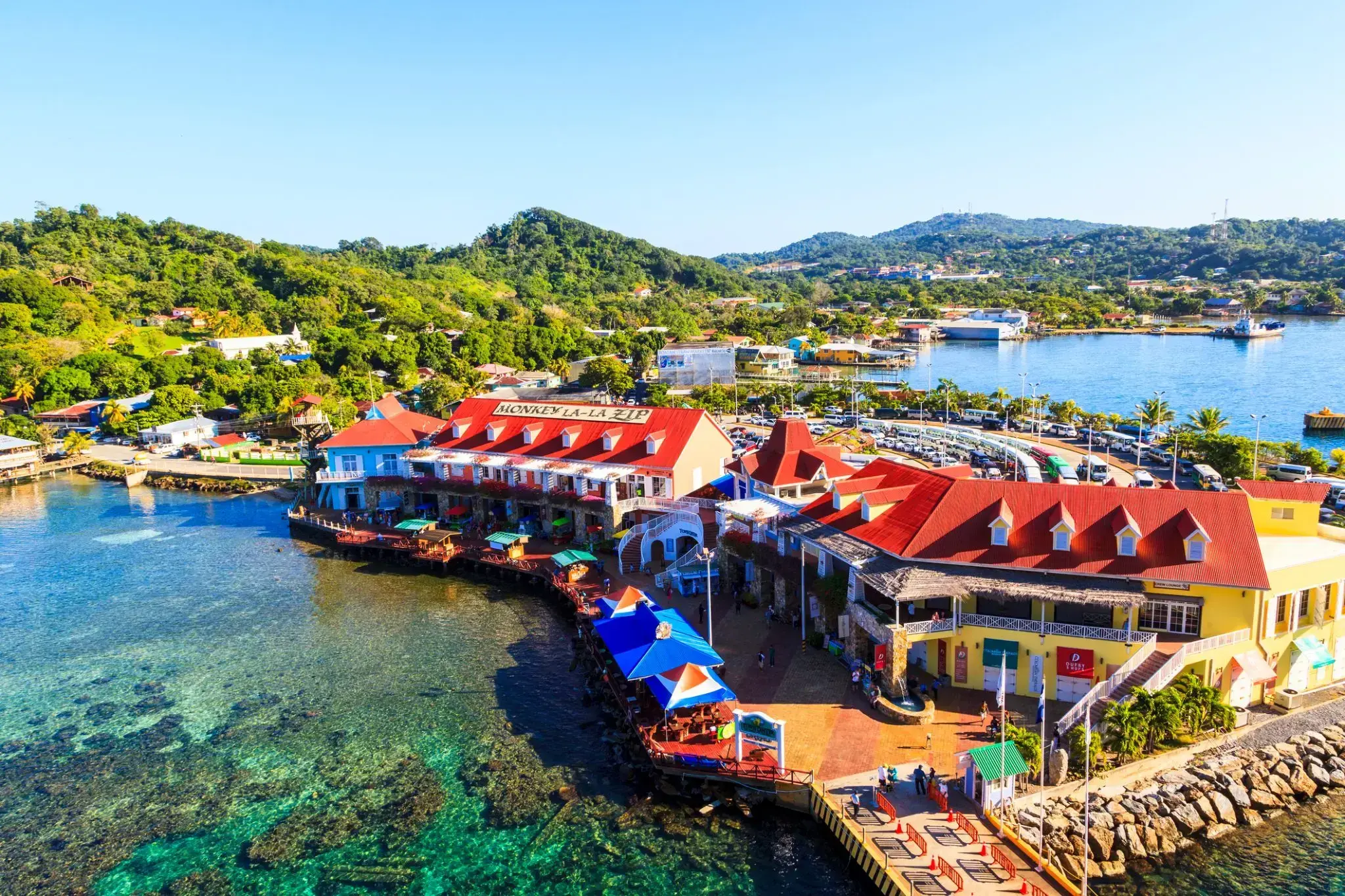
| 58 | 4.03 Sun | Cocksen Hole / Honduras | 09:00 | 18:00 |
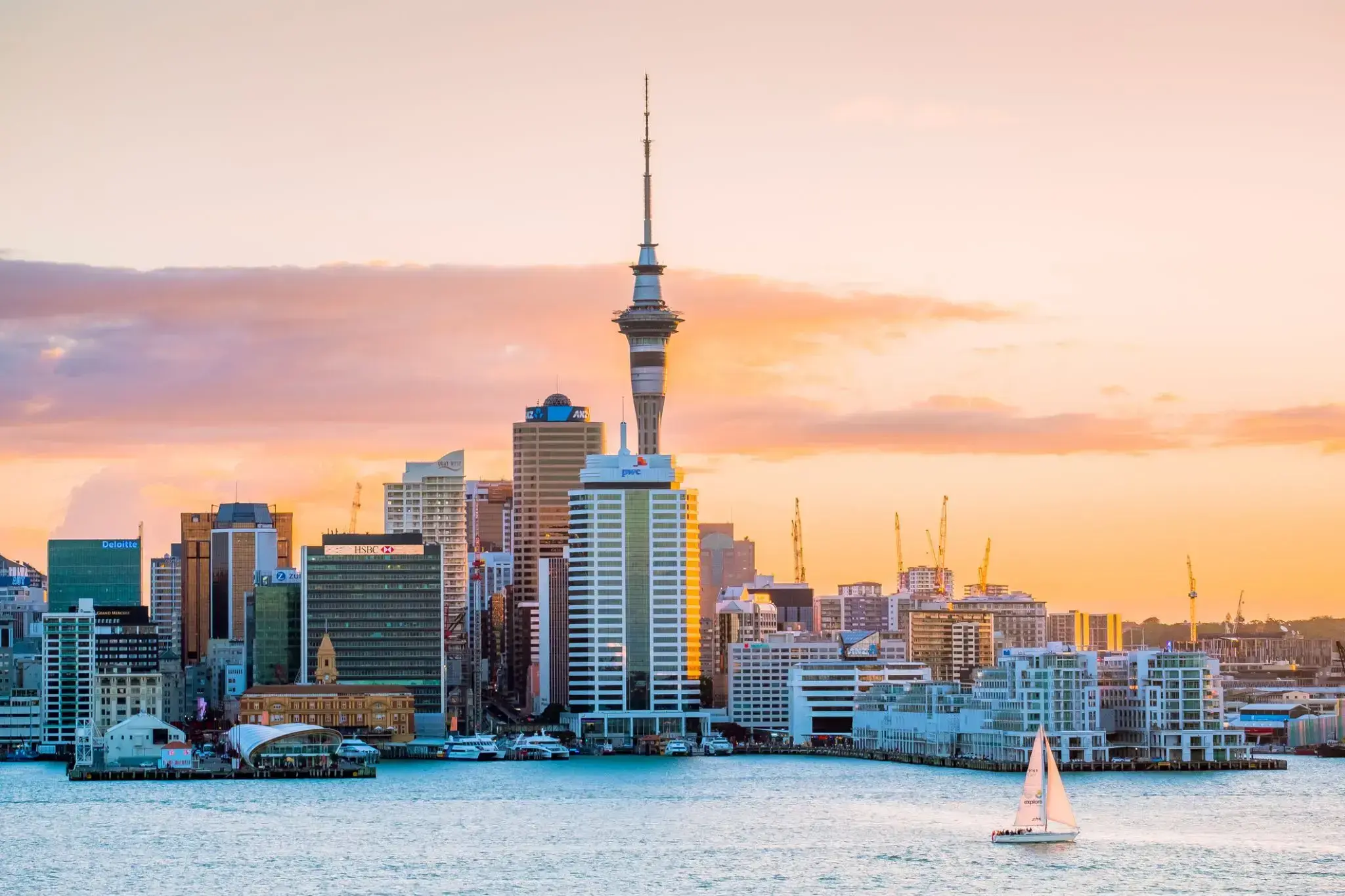
| 59 | 5.03 Mon | Oakland / New Zealand | 07:00 | 19:00 |
| 60 | 6.03 Tue | Rotorua | 08:00 | 17:30 |
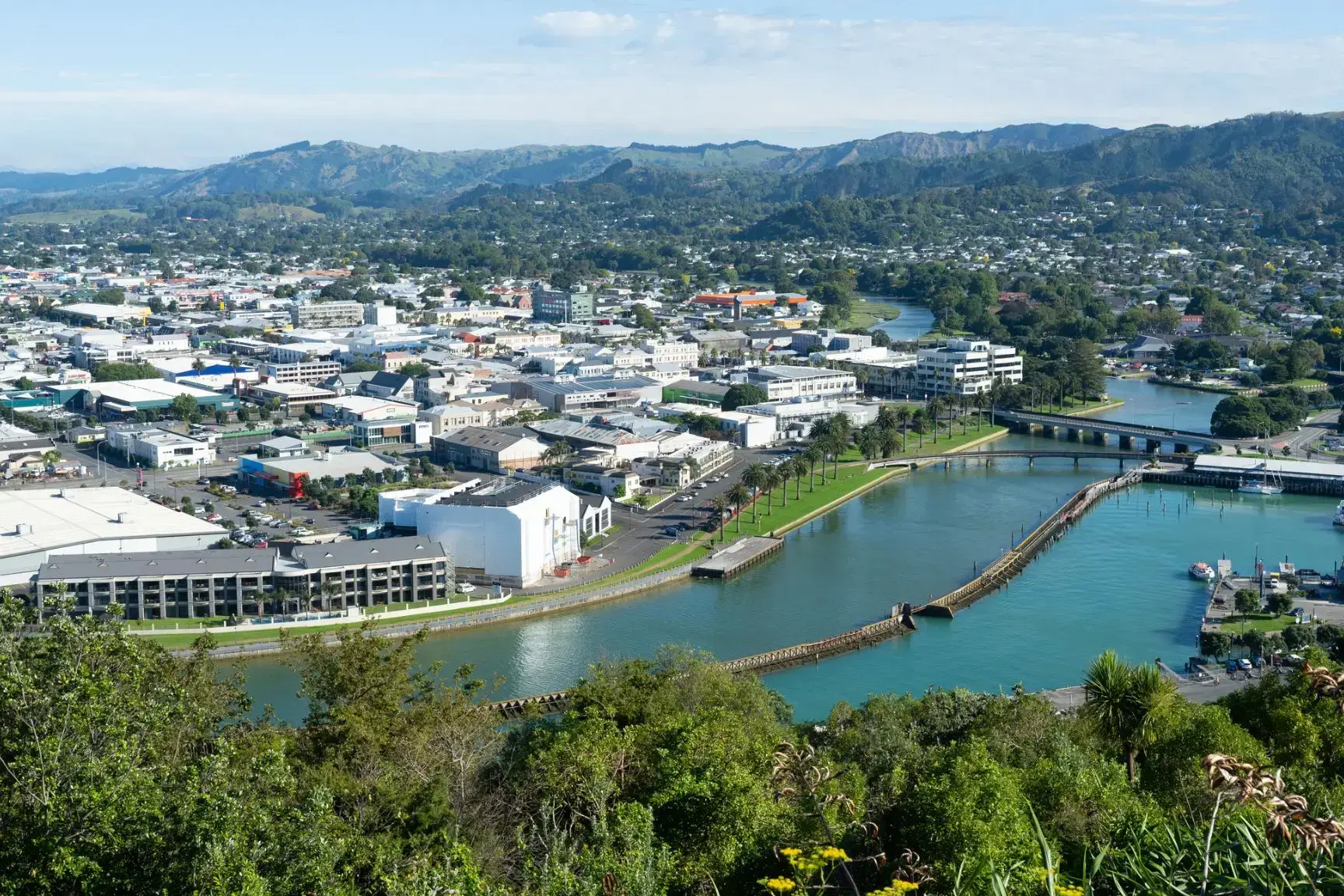
| 61 | 7.03 Wed | Gisborne / New Zealand | 09:00 | 18:00 |
| 62 | 8.03 Thu | Napier / New Zealand | 07:00 | 16:00 |
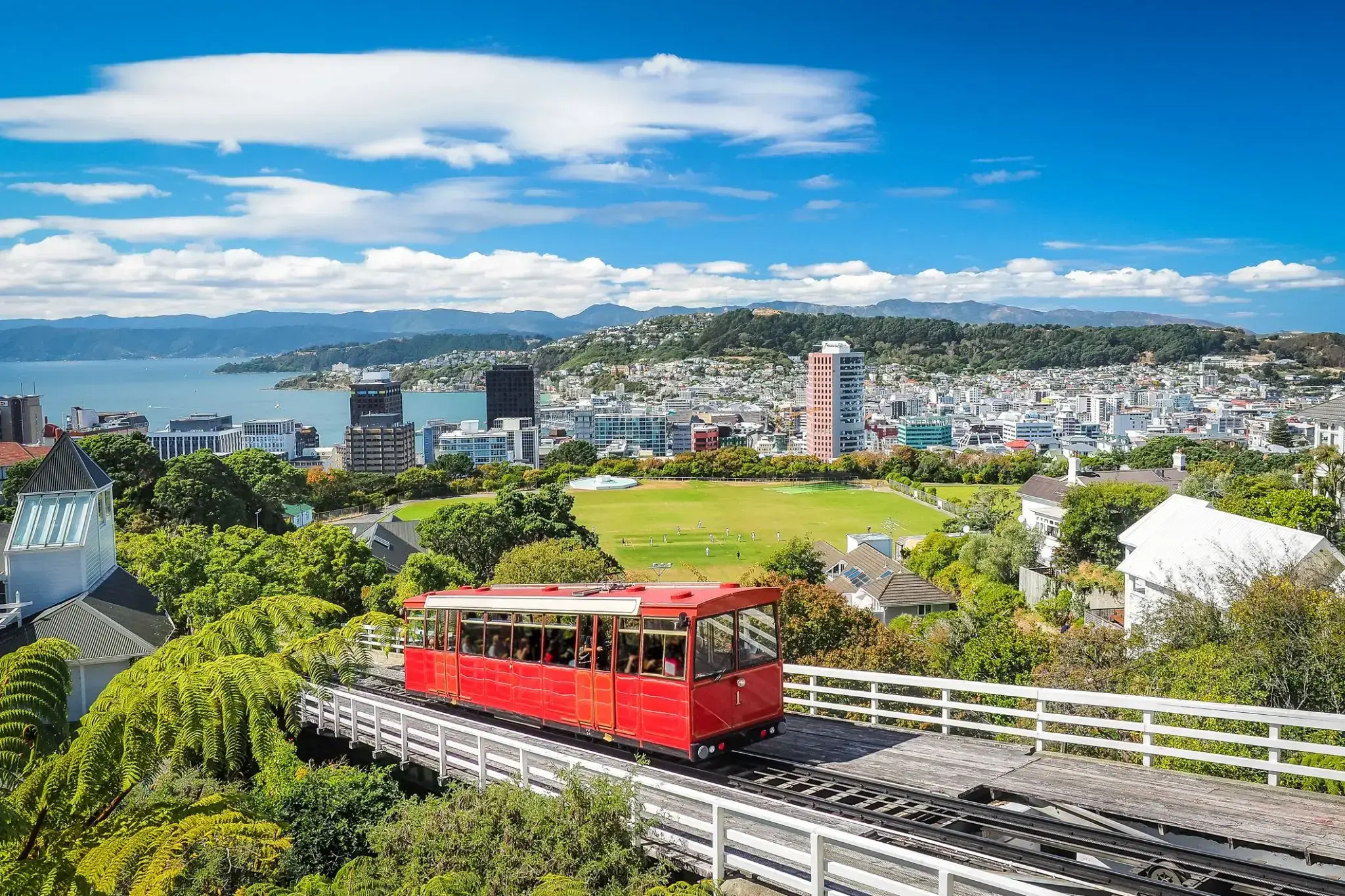
| 63 | 9.03 Fri | Wellington / New Zealand | 08:00 | 16:00 |
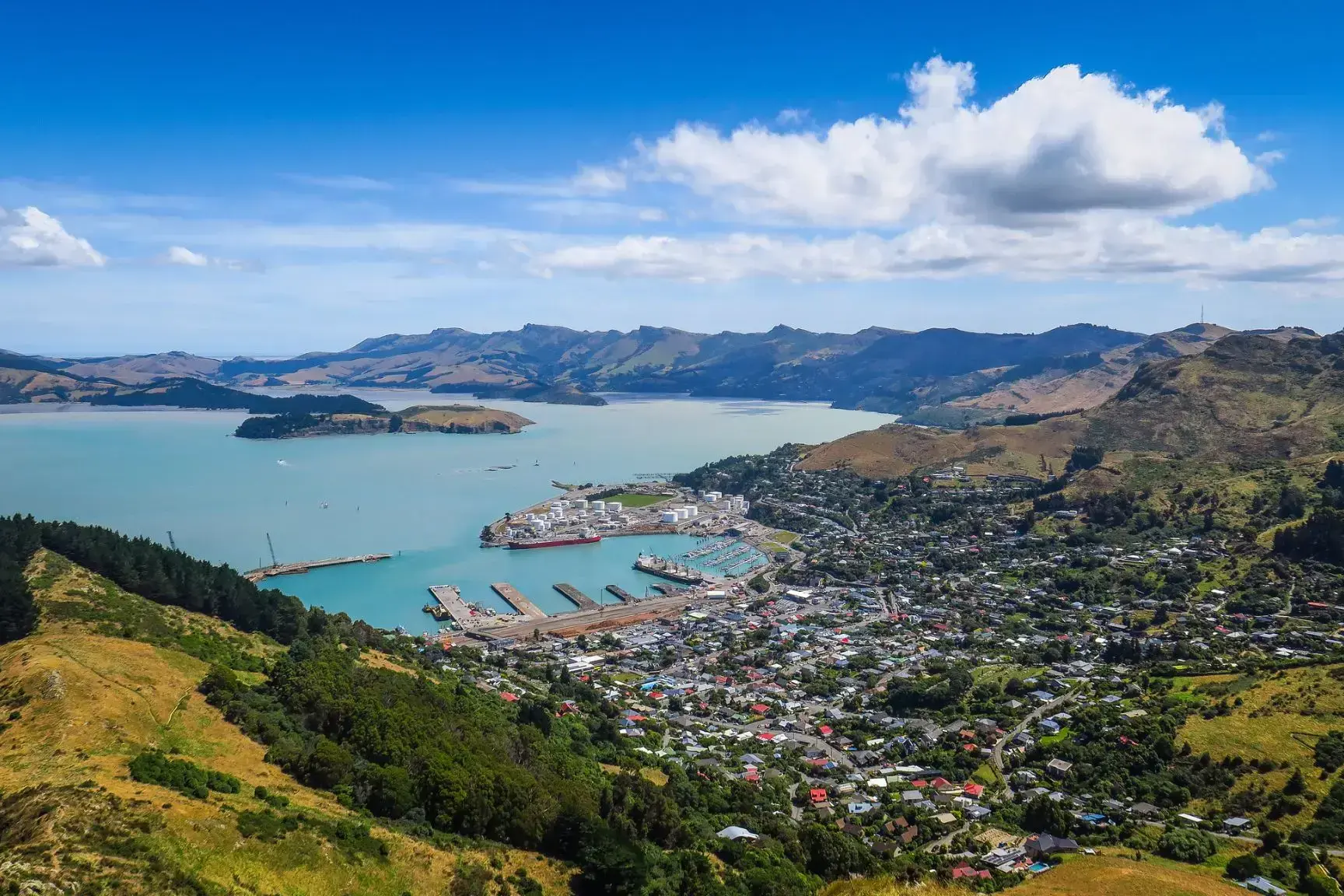
| 64 | 10.03 Sat | Christchurch / New Zealand | 07:00 | 16:00 |
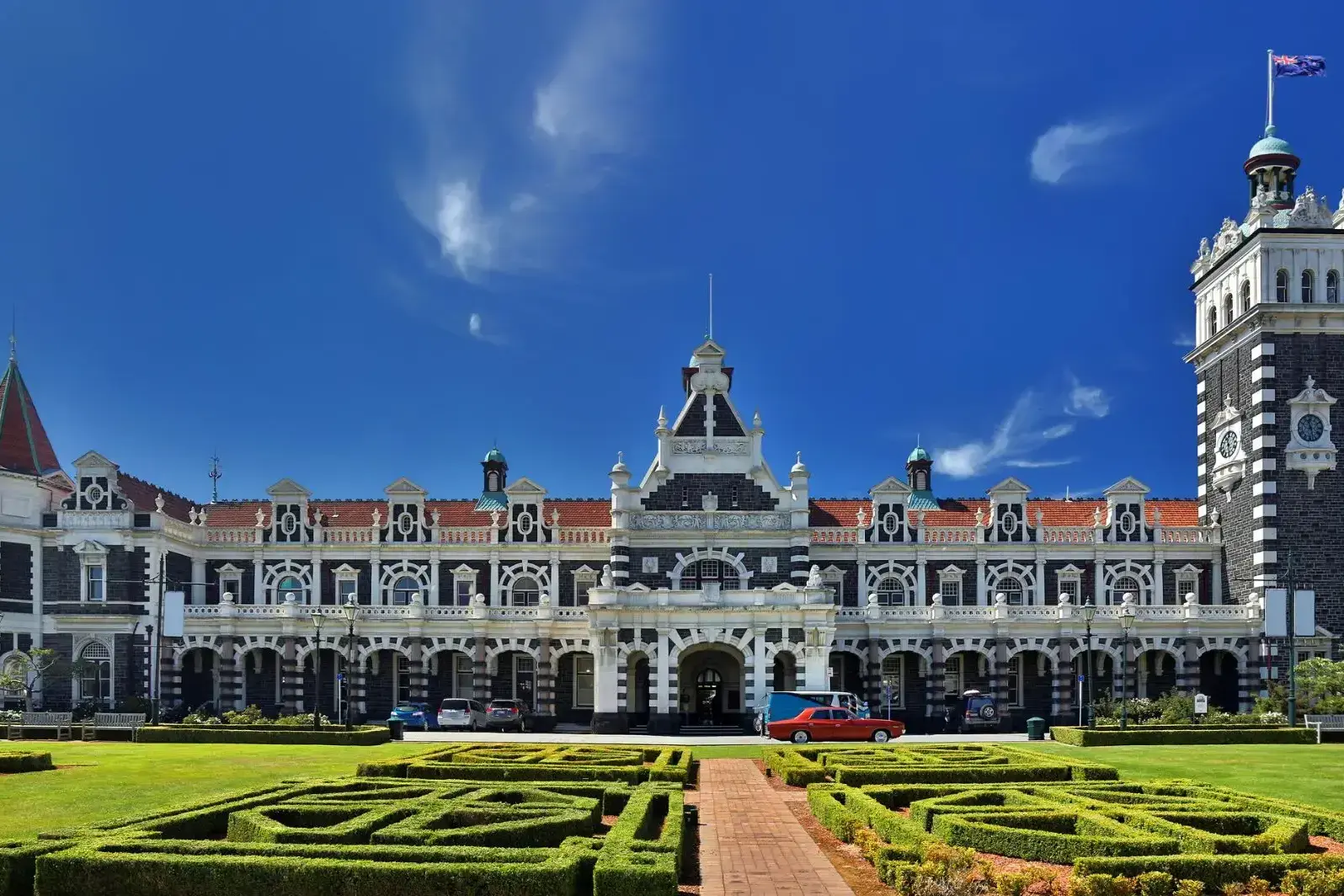
| 65 | 11.03 Sun | Dunedin / New Zealand | 07:00 | 16:00 |
| 66 | 12.03 Mon | Day at sea / Sea | ||
| 67 | 13.03 Tue | Day at sea / Sea | ||
| 68 | 14.03 Wed | Day at sea / Sea | ||
| 69 | 15.03 Thu | Sydney / Australia | 08:00 | |
| 70 | 16.03 Fri | Sydney / Australia | 17:00 | |
| 71 | 17.03 Sat | Day at sea / Sea | ||
| 72 | 18.03 Sun | Melbourne / Australia | 09:00 | 19:00 |
| 73 | 19.03 Mon | Day at sea / Sea | ||
| 74 | 20.03 Tue | Adelaide / Australia | 07:00 | 17:00 |
| 75 | 21.03 Wed | Day at sea / Sea | ||
| 76 | 22.03 Thu | Day at sea / Sea | ||
| 77 | 23.03 Fri | Albany / Australia | 08:00 | 16:00 |
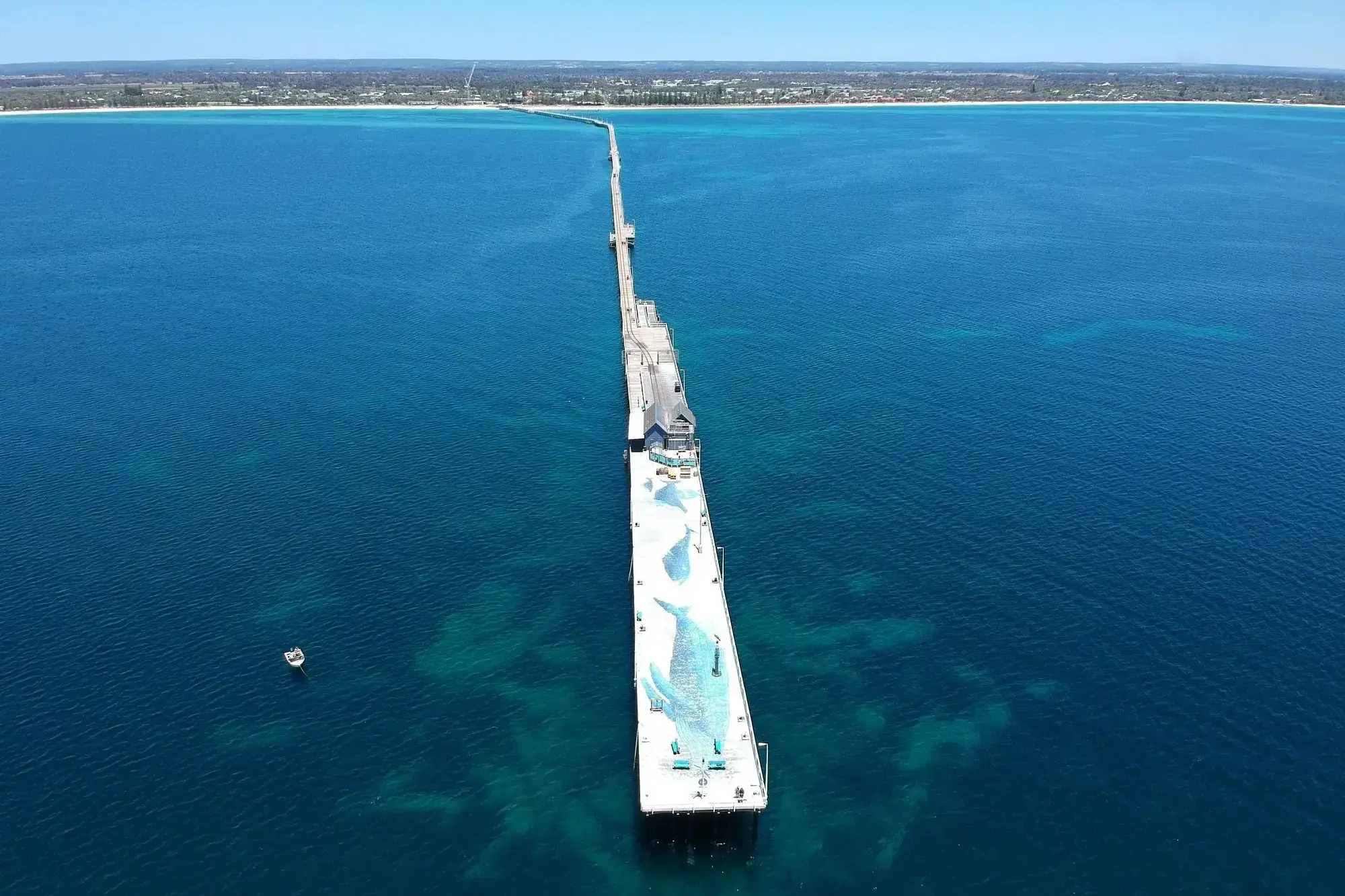
| 78 | 24.03 Sat | Busselton / Australia | 11:00 | 20:00 |
| 79 | 25.03 Sun | Perth | 07:00 | 17:00 |
| 80 | 26.03 Mon | Day at sea / Sea | ||
| 81 | 27.03 Tue | Day at sea / Sea | ||
| 82 | 28.03 Wed | Day at sea / Sea | ||
| 83 | 29.03 Thu | Day at sea / Sea | ||
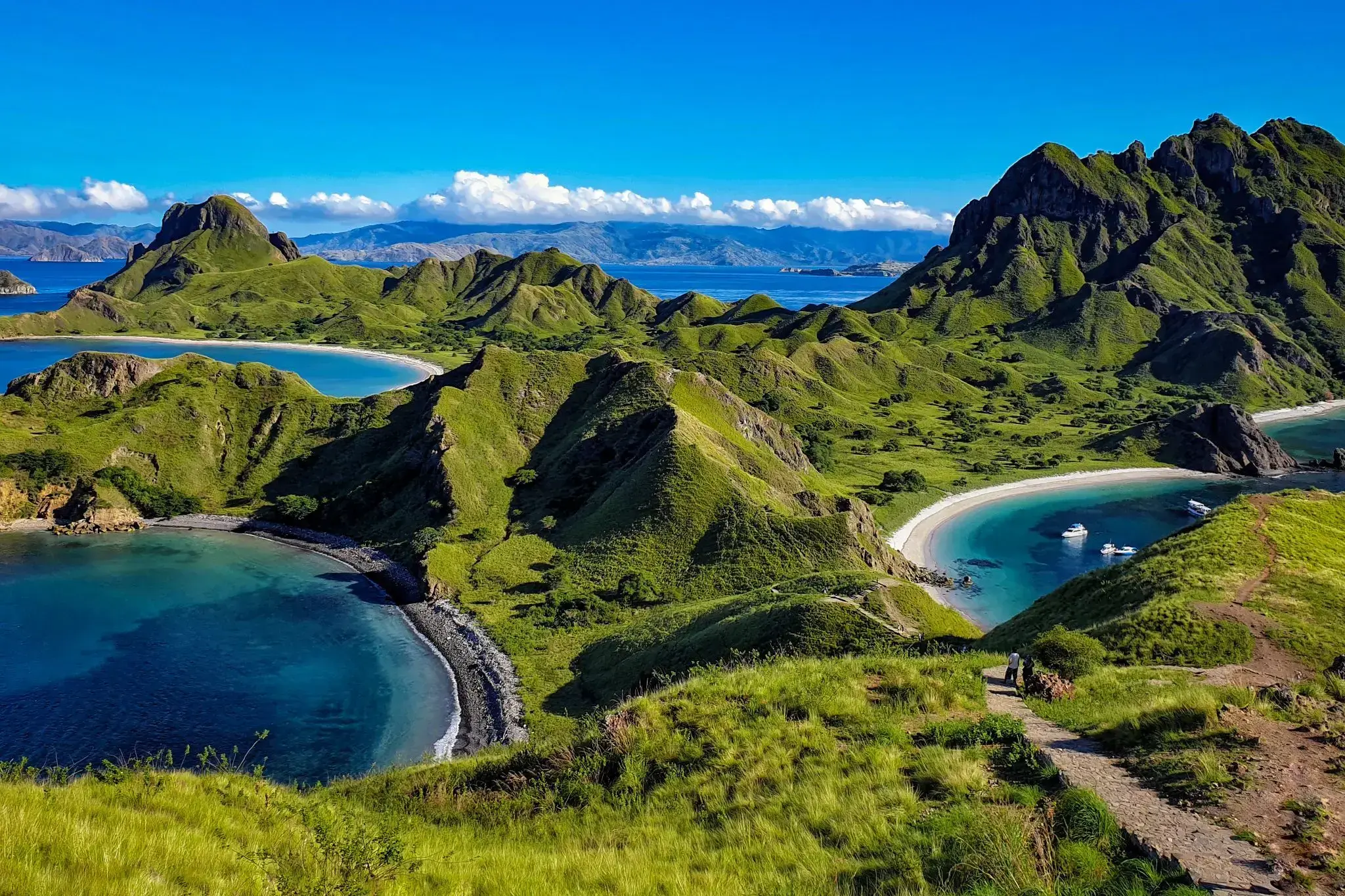
| 84 | 30.03 Fri | Komodo / Indonesia | 07:00 | 16:00 |
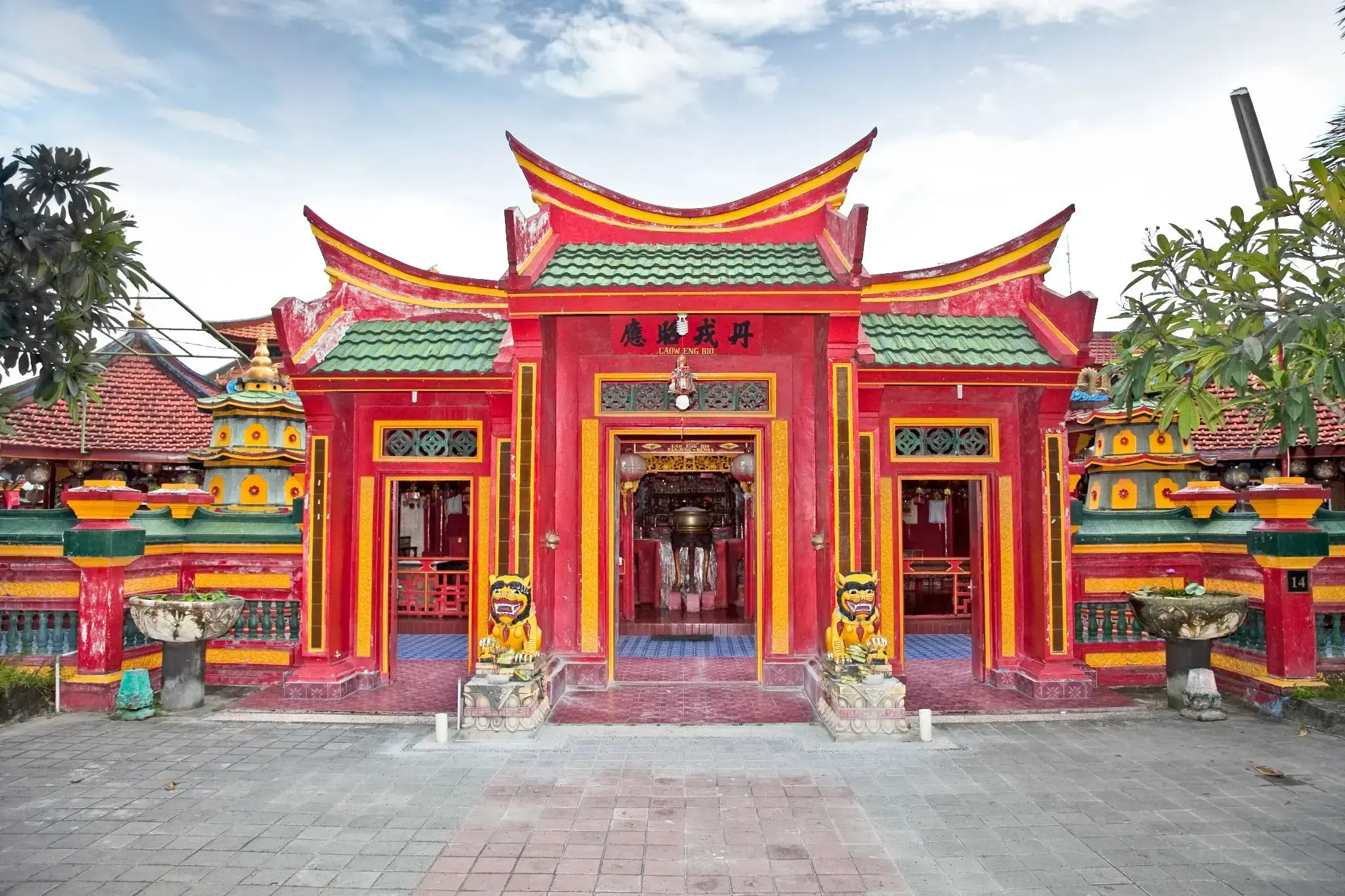
| 85 | 31.03 Sat | Tangjung Benoa / Indonesia | 11:00 | |
| 86 | 1.04 Sun | Tangjung Benoa / Indonesia | 17:00 | |
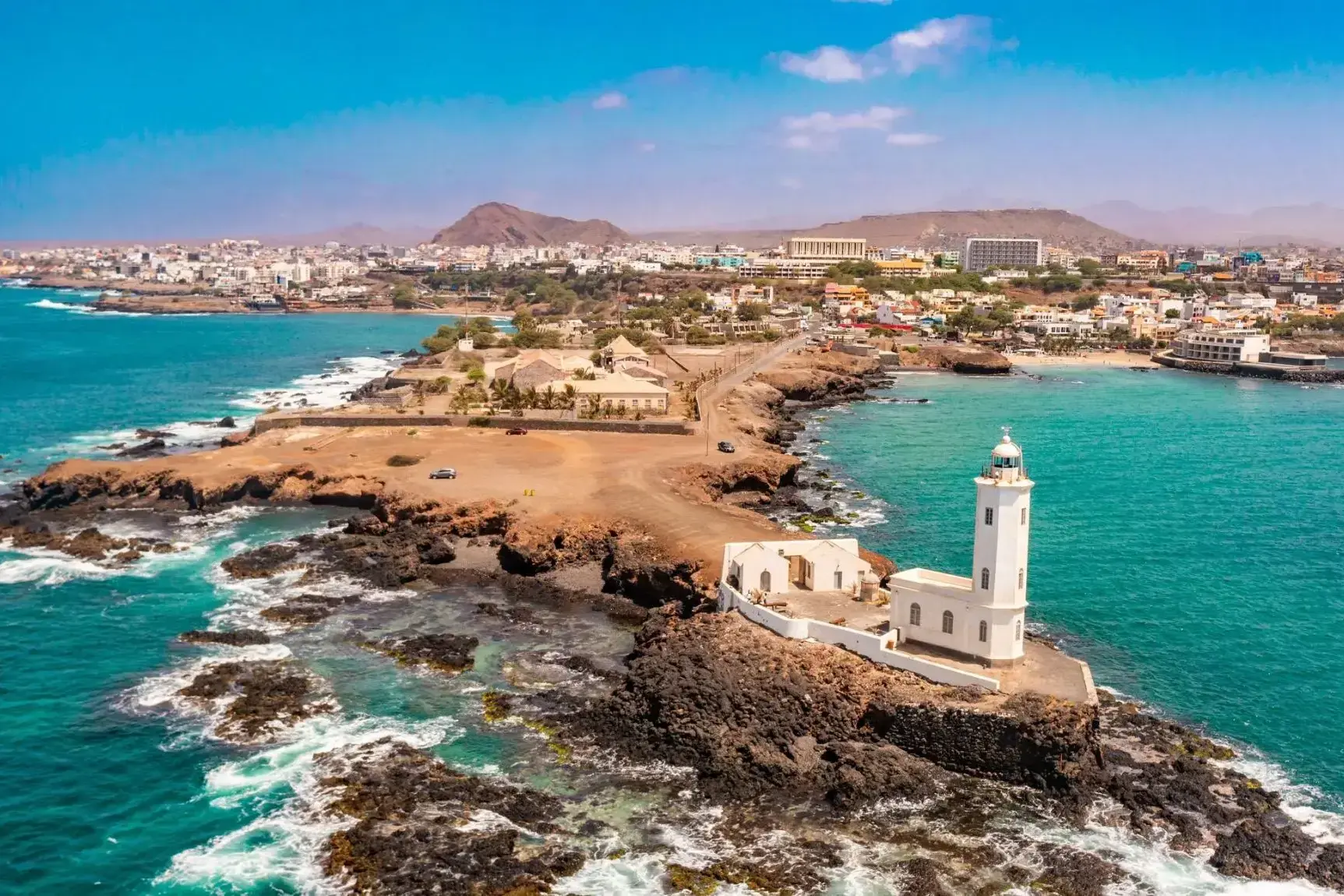
| 87 | 2.04 Mon | Praia / Cape Verde | 07:00 | 19:00 |
| 88 | 3.04 Tue | Tangjung Benoa / Indonesia | 07:00 | 16:00 |
| 89 | 4.04 Wed | Surabaya / Indonesia | 08:00 | 16:00 |
| 90 | 5.04 Thu | Semarang / Indonesia | 07:00 | 17:00 |
| 91 | 6.04 Fri | Jakarta / Indonesia | 11:00 | 20:00 |
| 92 | 7.04 Sat | Day at sea / Sea | ||
| 93 | 8.04 Sun | Day at sea / Sea | ||
| 94 | 9.04 Mon | Kuala Lumpur / Malaysia | 07:00 | 16:00 |
| 95 | 10.04 Tue | Georgetown / Cayman Islands | 07:00 | 17:00 |
| 96 | 11.04 Wed | Day at sea / Sea | ||
| 97 | 12.04 Thu | Singapore / Singapore | 07:00 | |
| 98 | 13.04 Fri | Singapore / Singapore | 17:00 | |
| 99 | 14.04 Sat | Day at sea / Sea | ||
| 100 | 15.04 Sun | Phuket / Thailand | 07:00 | |
| 101 | 16.04 Mon | Phuket / Thailand | 16:00 | |
| 102 | 17.04 Tue | Day at sea / Sea | ||
| 103 | 18.04 Wed | Day at sea / Sea | ||
| 104 | 19.04 Thu | Hambantota / Sri Lanka | 09:00 | 19:00 |
| 105 | 20.04 Fri | Day at sea / Sea | ||
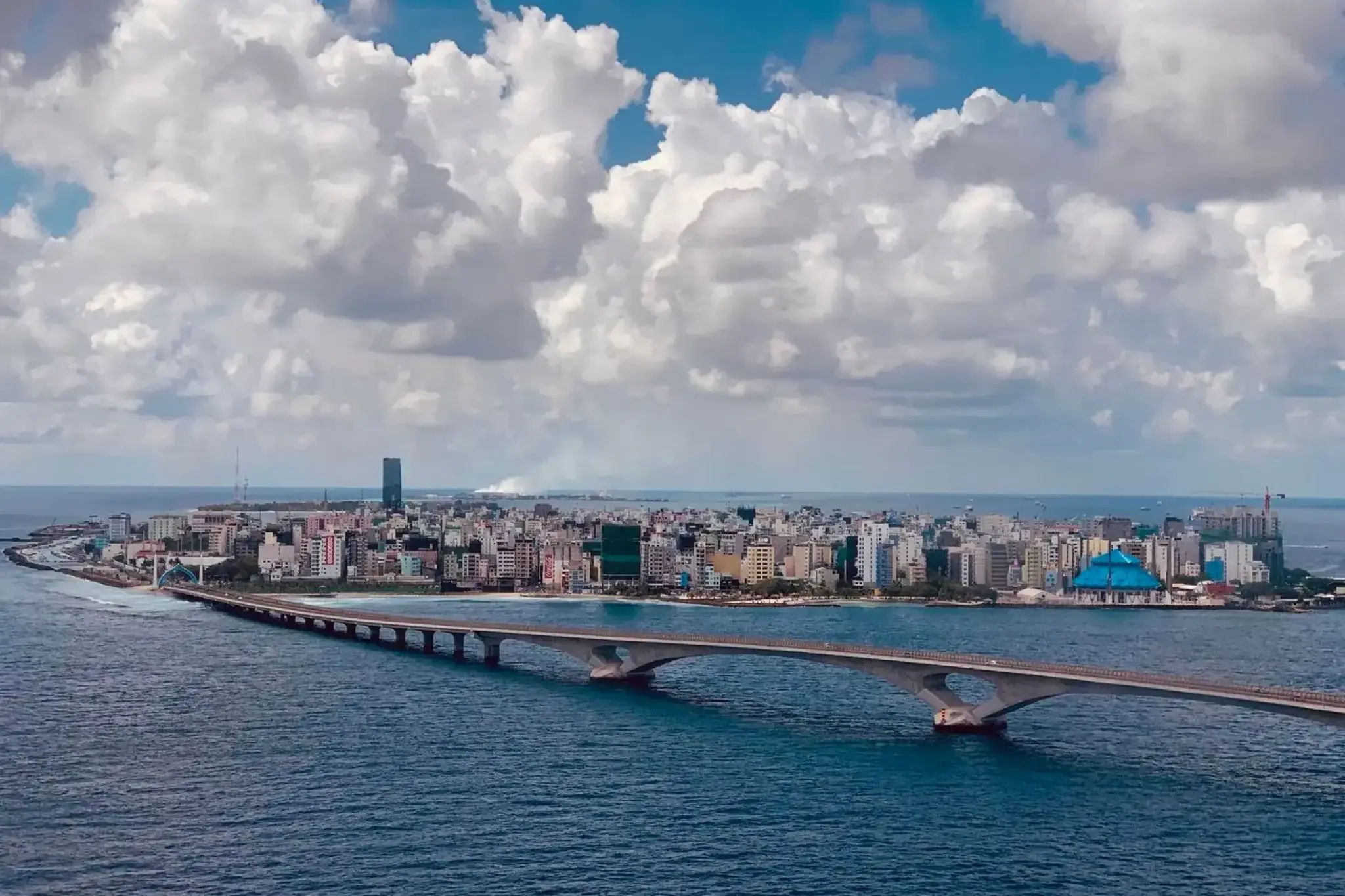
| 106 | 21.04 Sat | Male / Maldives | 07:00 | 19:00 |
| 107 | 22.04 Sun | |||
| 108 | 23.04 Mon | Day at sea / Sea | ||
| 109 | 24.04 Tue | Mumbai (Bombay) / India | 05:00 | |
| 110 | 25.04 Wed | Mumbai (Bombay) / India | 16:00 | |
| 111 | 26.04 Thu | Day at sea / Sea | ||
| 112 | 27.04 Fri | Day at sea / Sea | ||
| 113 | 28.04 Sat | Dubai / UAE | 15:00 | |
| 114 | 29.04 Sun | Dubai / UAE | 16:00 | |
| 115 | 30.04 Mon | Doha / Qatar | 07:00 | 17:00 |
| 116 | 1.05 Tue | Abu Dhabi / UAE | 07:00 | 16:00 |
| 117 | 2.05 Wed | Day at sea / Sea | ||
| 118 | 3.05 Thu | Day at sea / Sea | ||
| 119 | 4.05 Fri | Salalah / Oman | 09:00 | 18:00 |
| 120 | 5.05 Sat | Day at sea / Sea | ||
| 121 | 6.05 Sun | Day at sea / Sea | ||
| 122 | 7.05 Mon | Day at sea / Sea | ||
| 123 | 8.05 Tue | Jeddah / Saudi Arabia | 08:00 | 22:00 |
| 124 | 9.05 Wed | Day at sea / Sea | ||
| 125 | 10.05 Thu | Luxor / Egypt | 08:00 | |
| 126 | 11.05 Fri | Luxor / Egypt | 18:00 | |
| 127 | 12.05 Sat | Aqaba / Jordan | 08:00 | 23:00 |
| 128 | 13.05 Sun | Sharm el-Sheikh / Egypt | 08:00 | 19:00 |
| 129 | 14.05 Mon | Day at sea / Sea | ||
| 130 | 15.05 Tue | Day at sea / Sea | ||
| 131 | 16.05 Wed | Jerusalem | 06:00 | |
| 132 | 17.05 Thu | Jerusalem | 23:00 | |
| 133 | 18.05 Fri | Limassol / Cyprus | 11:00 | 18:00 |
| 134 | 19.05 Sat | Day at sea / Sea | ||
| 135 | 20.05 Sun | Selcuk / Turkey | 07:00 | 16:00 |
| 136 | 21.05 Mon | Piraeus (Athens) / Greece | 05:00 | 17:00 |
| 137 | 22.05 Tue | Katakolo / Greece | 10:00 | 20:00 |
| 138 | 23.05 Wed | Abbess / Greece | 09:00 | 18:00 |
| 139 | 24.05 Thu | Kotor / Montenegro | 10:00 | 19:00 |
| 140 | 25.05 Fri | Day at sea / Sea | ||
| 141 | 26.05 Sat | Day at sea / Sea | ||
| 142 | 27.05 Sun | Zadar / Croatia | 10:00 | 18:00 |
| 143 | 28.05 Mon | Dubrovnik / Croatia | 11:00 | 19:00 |
| 144 | 29.05 Tue | Day at sea / Sea | ||
| 145 | 30.05 Wed | Naples / Italy | 07:00 | 18:00 |
| 146 | 31.05 Thu | Rome (Civitavecchia) / Italy | 07:00 | 19:00 |
| 147 | 1.06 Fri | Day at sea / Sea | ||
| 148 | 2.06 Sat | Barcelona / Spain | 07:00 | 17:00 |
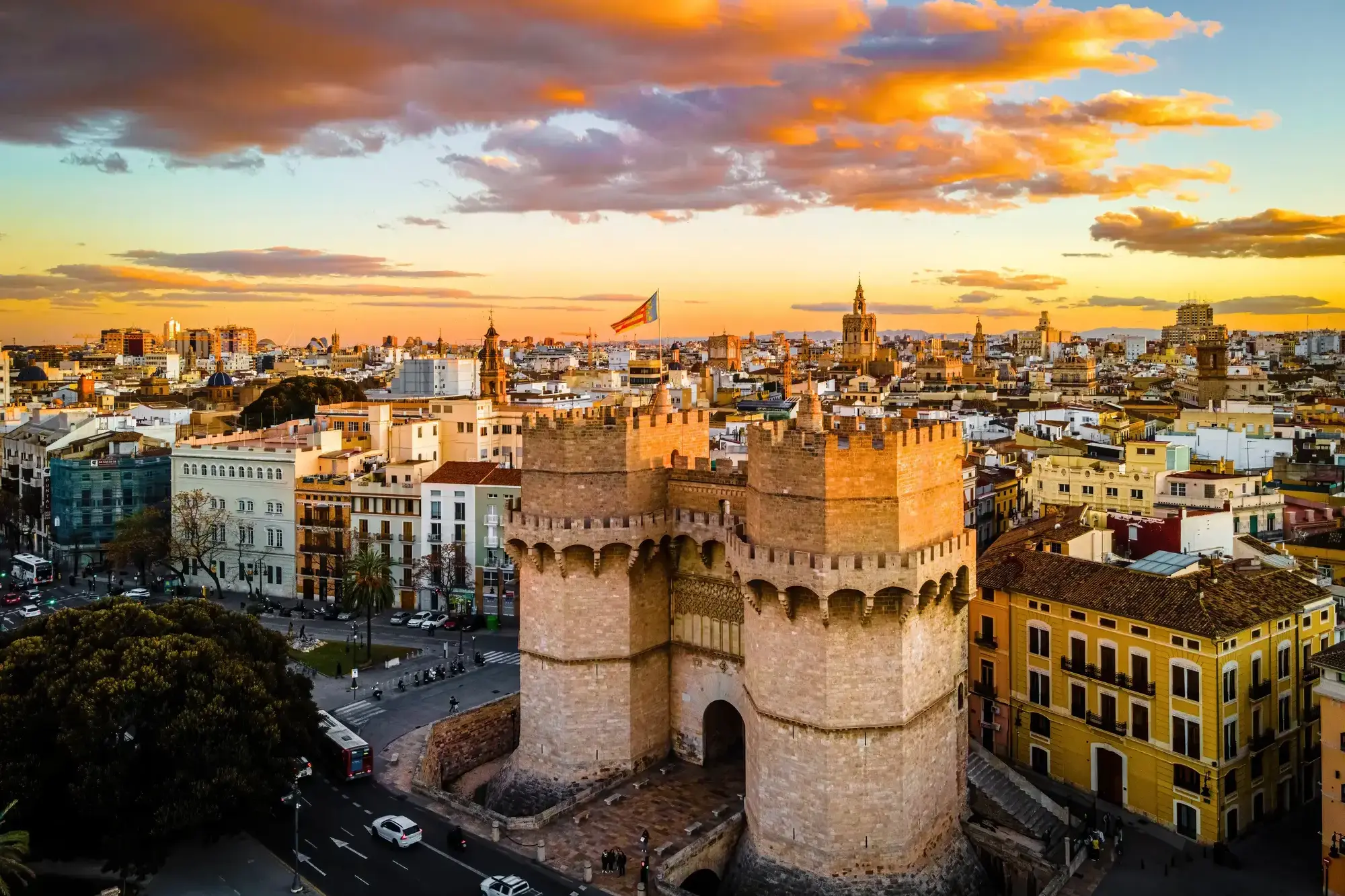
| 149 | 3.06 Sun | Valencia / Spain | 08:00 | 18:00 |
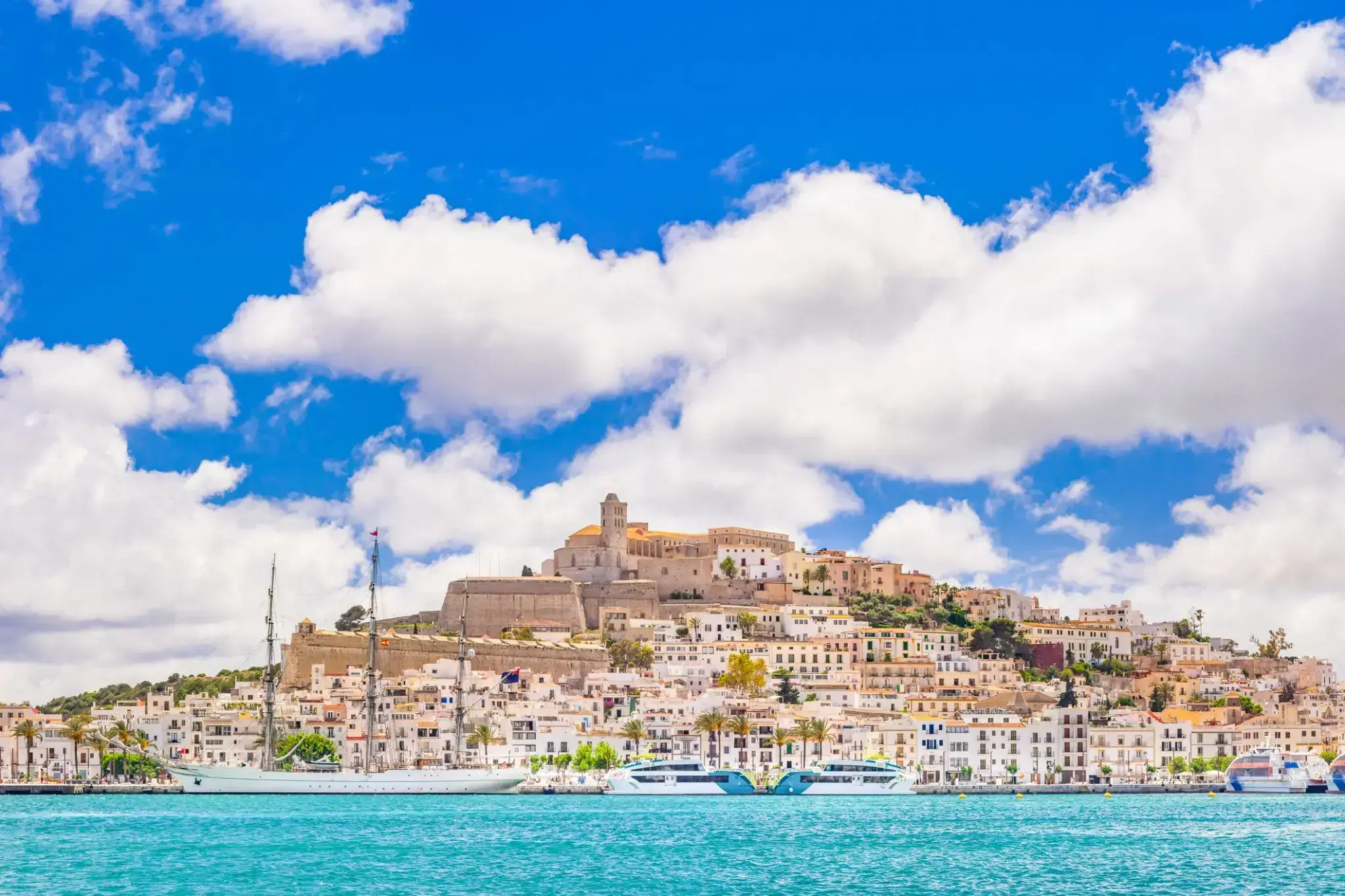
| 150 | 4.06 Mon | Ibiza / Spain | 08:00 | 18:00 |
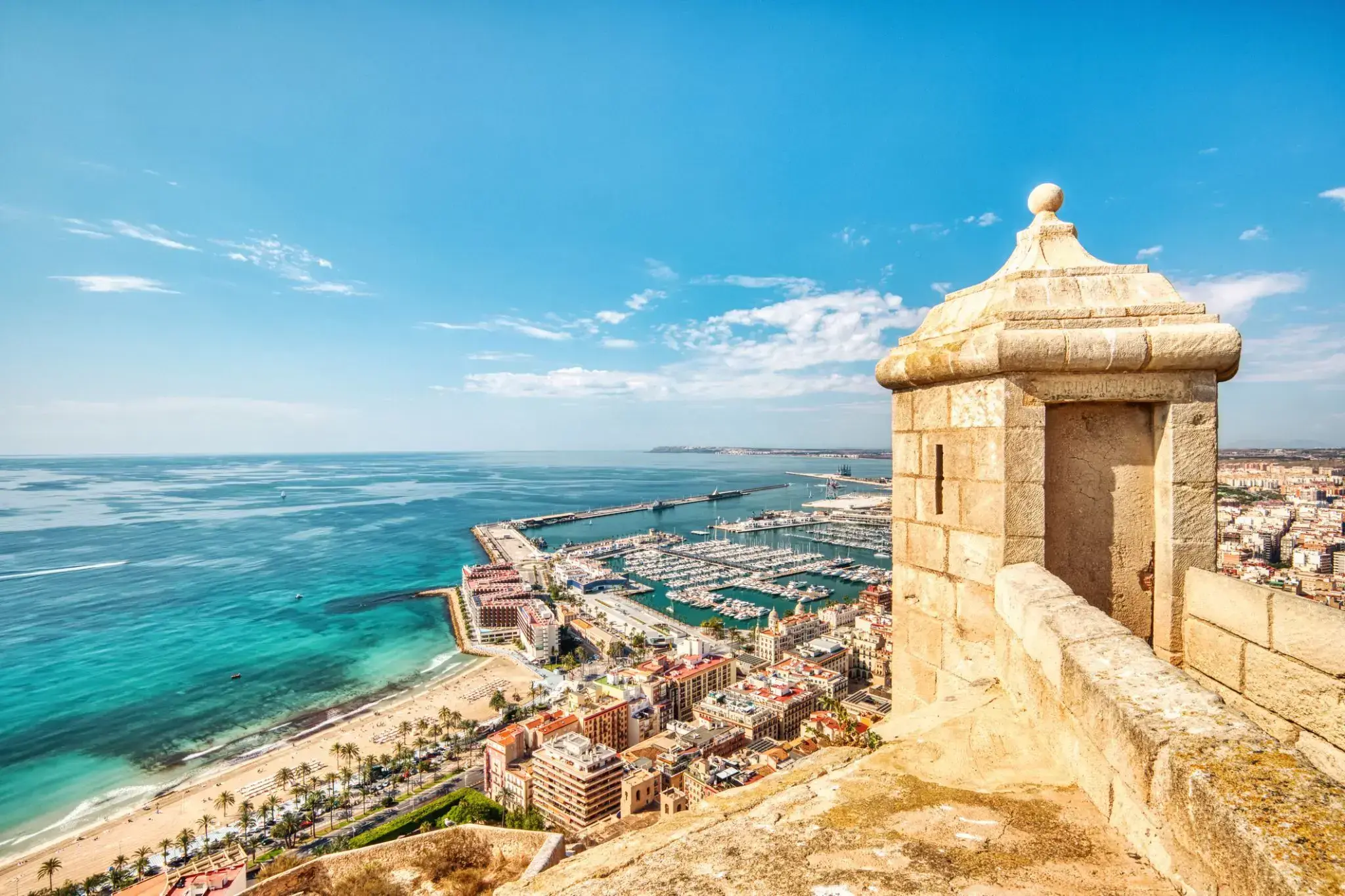
| 151 | 5.06 Tue | Alicante / Spain | 08:00 | 18:00 |
| 152 | 6.06 Wed | Day at sea / Sea | ||
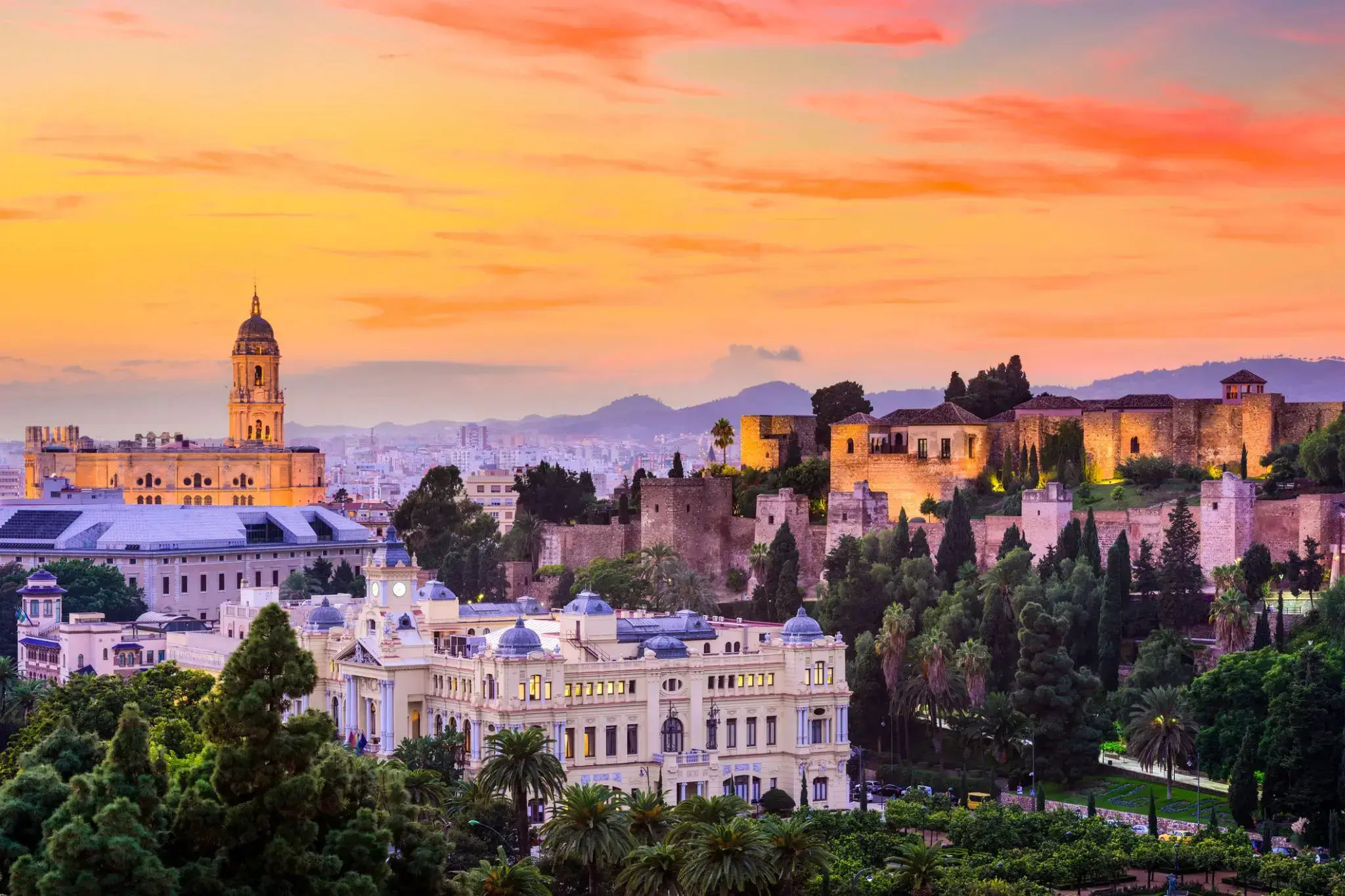
| 153 | 7.06 Thu | Malaga / Spain | 07:00 | 22:00 |
| 154 | 8.06 Fri | Gibraltar / Great Britain | 08:00 | 16:00 |
| 155 | 9.06 Sat | Seville / Spain | 07:00 | |
| 156 | 10.06 Sun | Seville / Spain | 17:00 | |
| 157 | 11.06 Mon | Portman / Portugal | 08:00 | 18:00 |
| 158 | 12.06 Tue | Lisbon / Portugal | 07:00 | 17:00 |
| 159 | 13.06 Wed | Porto / Portugal | 07:00 | 16:00 |
| 160 | 14.06 Thu | La Coruna / Spain | 09:00 | 19:00 |
| 161 | 15.06 Fri | Day at sea / Sea | ||
| 162 | 16.06 Sat | Bordeaux / France | 07:00 | |
| 163 | 17.06 Sun | Bordeaux / France | 19:00 | |
| 164 | 18.06 Mon | La Rochelle / France | 07:00 | 19:00 |
| 165 | 19.06 Tue | Day at sea / Sea | ||
| 166 | 20.06 Wed | ST. HELIER | 07:00 | 16:00 |
| 167 | 21.06 Thu | Paris / France | 07:00 | 20:00 |
| 168 | 22.06 Fri | London / Great Britain | 07:00 | 17:00 |
| 169 | 23.06 Sat | Day at sea / Sea | ||
| 170 | 24.06 Sun | Dublin / Ireland | 07:00 | 17:00 |
| 171 | 25.06 Mon | Glasgow / Great Britain | 07:00 | 17:00 |
| 172 | 26.06 Tue | Belfast / Great Britain | 07:00 | 16:00 |
| 173 | 27.06 Wed | Day at sea / Sea | ||
| 174 | 28.06 Thu | Day at sea / Sea | ||
| 175 | 29.06 Fri | Day at sea / Sea | ||
| 176 | 30.06 Sat | Day at sea / Sea | ||
| 177 | 1.07 Sun | St. John's / Canada | 11:00 | 19:00 |
| 178 | 2.07 Mon | Day at sea / Sea | ||
| 179 | 3.07 Tue | Sydney / Australia | 07:00 | 16:00 |
| 180 | 4.07 Wed | Halifax / Canada | 09:00 | 17:00 |
| 181 | 5.07 Thu | Day at sea / Sea | ||
| 182 | 6.07 Fri | New York / USA | 07:00 |
Your World Included
With Your World Included, you’ll enjoy a wide array of included amenities for the ultimate comfort and value in ultra-premium cruising.
Unforgettable dining experiences at a variety of exquisite restaurants — all at no extra charge.
Complimentary specialty coffees, sodas, freshly pressed juices, and still and sparkling Vero Water® served throughout the ship.
Unlimited free Wi-Fi available in your suite, stateroom, and all public areas.
In-room dining with a superb variety of hot and cold selections.
Smoothies, milkshakes, gelato, and signature Humphry Slocombe ice cream — always included.
Group fitness classes at Aquamar® Spa + Vitality Center are complimentary.
Gratuities are included for your convenience.
Laundry is free for all guests.
With complimentary self-service launderettes on board, plus laundry and pressing services for Concierge and Suite categories, you’ll always look your finest.
Along with our hallmark personalized service, you’ll enjoy an enriching cruise experience with no hidden costs or nickel-and-diming.
Elevate Your Experience
Concierge Level Veranda Staterooms offer an unrivaled combination of luxury, privilege, and value. A wealth of amenities and exclusive benefits elevate your experience to the sublime — from in-room dining selections from The Grand Dining Room and complimentary laundry services to unlimited access to the Aquamar Spa Terrace.
On board Oceania Marina and Oceania Riviera, you’ll also enjoy the services of a dedicated Concierge and exclusive access to the private Concierge Lounge.
Located in the most desired areas of the ship, Concierge Level Veranda Staterooms are far more than just staterooms — they are an experience in themselves.
Concierge Level Veranda — Exclusive Privileges
Expanded in-room dining menu for lunch and dinner from The Grand Dining Room
Laundry service — up to 3 bags per stateroom
Exclusive key-card access to the private Concierge Lounge aboard Oceania Marina, Oceania Riviera, Oceania Vista, and Oceania Allura, featuring complimentary beverages, coffees, snacks, and the services of a dedicated Concierge
Welcome bottle of fine Italian Prosecco
Priority online reservations for specialty restaurants
Unlimited access to the Aquamar Spa Terrace
Oceania Cruises logo tote bag
Cashmere lap blankets — perfect for relaxing or snuggling
Pressing of garments upon embarkation
Complimentary shoeshine service
Deposit and Payments – Oceania Cruises
General Deposit:
For Owner’s, Vista, and Oceania Suites, a deposit of 20% of the cruise fare per person is required.
For all other suite/stateroom categories, the deposit is $500 per person.
For Grand Voyages, the deposit is $1,500 per person.
Deposit and Final Payment Deadlines:
Bookings more than 150 days from sailing:
Deposit 20% for Owner’s, Vista, and Oceania Suites and $500 for all other categories is required within 5 days of booking.
Bookings 90–120 days from sailing:
Full payment required within 3 days of booking.
Bookings 0–90 days from sailing:
Full payment due on the day of booking.
Important:
Bookings that are not deposited or paid in full according to this schedule will be automatically cancelled.
Unless otherwise noted, final payment must be received by Oceania Cruises 150 days prior to departure for cruises less than 15 days, and 150 days for cruises 15 days or longer.
Oceania Cruises reserves the right to cancel any booking not fully paid at the time of final payment.
Additional Information:
Passport details and special onboard service requests are due at final payment.
Payment may be made by personal check, American Express, Discover, MasterCard, or Visa.
For convenience, final payment may be automatically charged to the credit card used for the initial deposit.
Oceania Cruises is not responsible for foreign currency or transaction fees independently charged by issuing banks. These fees do not benefit Oceania Cruises.
Third-party credit card payments are accepted only with valid authorization from the cardholder.
Deposit and Payment – 180-Day Voyages
For 180-day voyages, a deposit of 20% of the cruise fare per person for all suites and staterooms is required within 7 days of booking.
Final payment must be received no later than 181 days prior to departure, along with passport details and any special onboard service requests.
Otherwise, the booking may be immediately cancelled, and applicable penalties will apply.
Oceania Cruises accepts payment for reservations by credit/debit card or bank transfer.
Unfortunately, personal checks are not accepted.
Credit/Debit Cards:
American Express, Visa, and Mastercard are accepted.
Please note: Oceania Cruises assumes no responsibility for foreign currency/transaction processing fees assessed by your issuing bank.
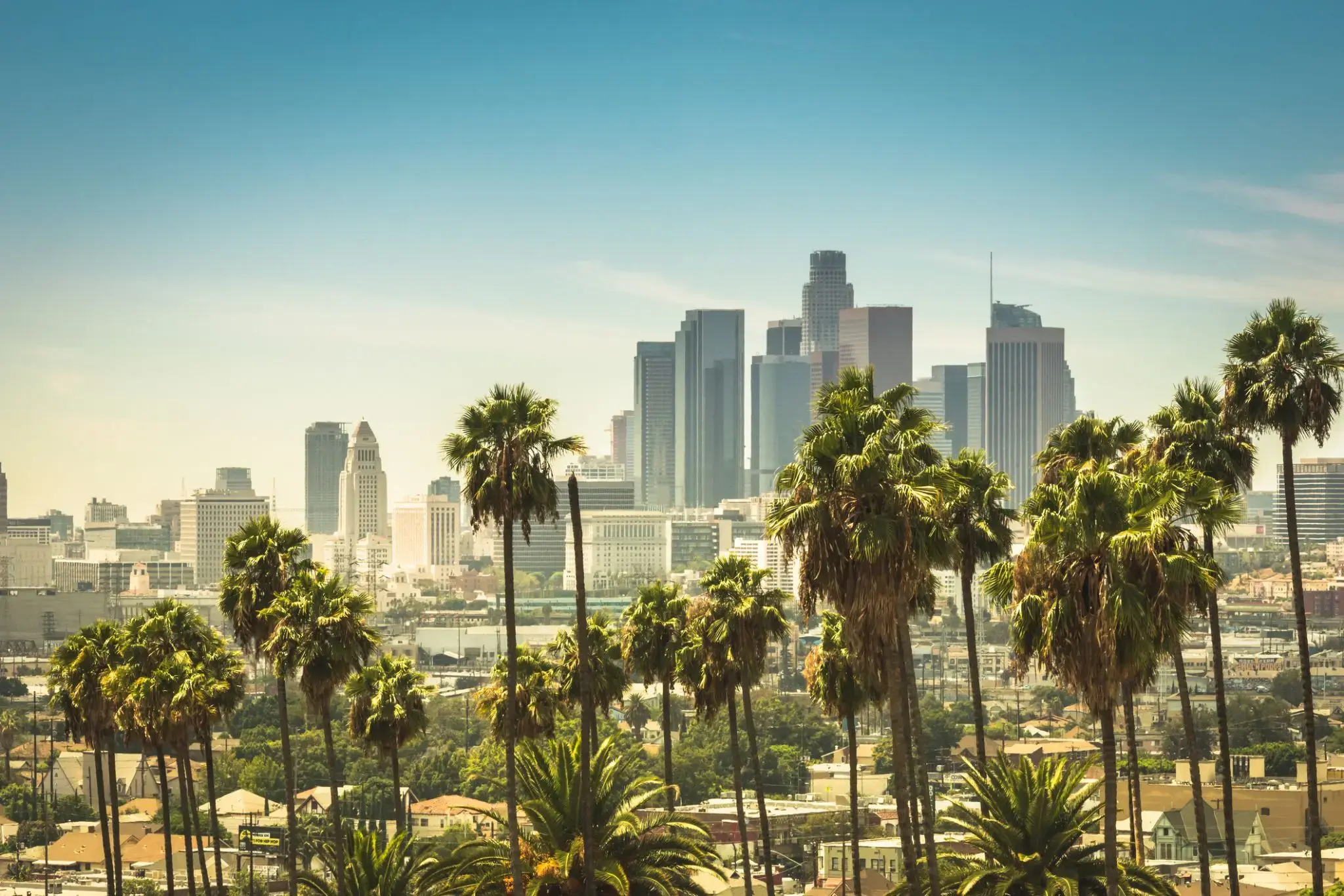
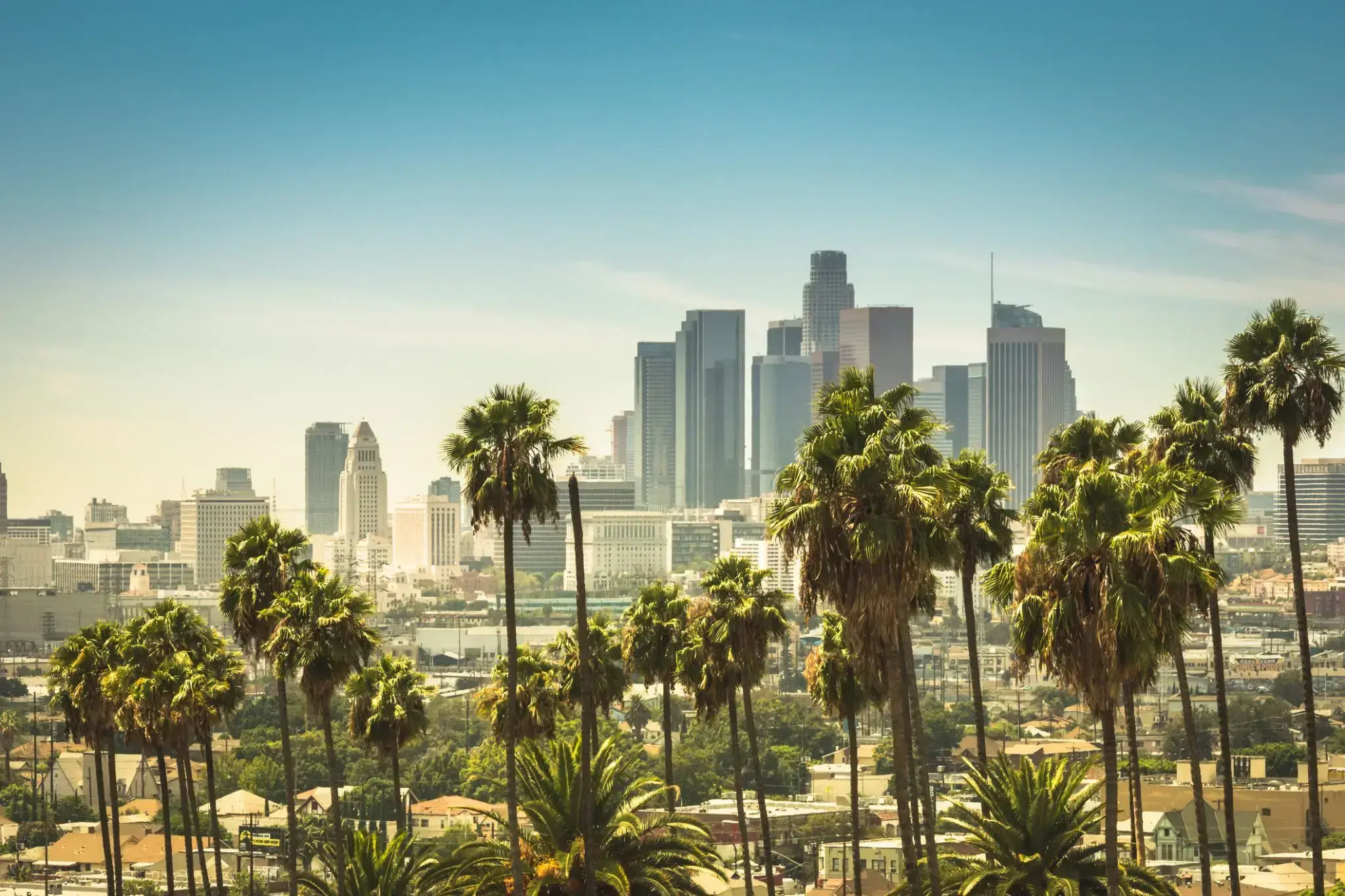
Los Angeles officially the City of Los Angeles and often known colloquially by its initials L.A., is the most populous city in California and the second most populous city in the United States, after New York. With an estimated population of four million, Los Angeles is the cultural, financial, and commercial center of Southern California. Nicknamed the "City of Angels" partly because of its name's Spanish meaning, Los Angeles is known for its Mediterranean climate, ethnic diversity, Hollywood, and the entertainment industry, and sprawling metropolis.
Los Angeles is in a large basin bounded by the Pacific Ocean on one side and by mountains as high as 10,000 feet (3,000 m) on the others. The city proper, which covers about 469 square miles (1,210 km2), is the seat of Los Angeles County, the most populated county in the country. Los Angeles is also the principal city of the Los Angeles metropolitan area, the second largest in the United States after that of New York City, with a population of 13.1 million. It is part of the Los Angeles-Long Beach combined statistical area, also the nation's second most populous area with a 2015 estimated population of 18.7 million.
Los Angeles is one of the most substantial economic engines within the United States, with a diverse economy in a broad range of professional and cultural fields. Los Angeles is also famous as the home of Hollywood, a major center of the world entertainment industry. A global city, it has been ranked 6th in the Global Cities Index and 9th in the Global Economic Power Index. The Los Angeles combined statistical area also has a gross metropolitan productof $831 billion (as of 2008), making it the third-largest in the world, after the Tokyo and New York metropolitan areas. Los Angeles hosted the 1932 and 1984 Summer Olympics and will host the event for a third time in 2028. The city also hosted the Miss Universe pageant twice, in 1990 and 2006, and was one of 9 American cities to host the 1994 FIFA men's soccer World Cup and one of 8 to host the 1999 FIFA women's soccer World Cup, hosting the finalmatch for both tournaments.
Historically home to the Chumash and Tongva, Los Angeles was claimed by Juan Rodríguez Cabrillo for Spain in 1542 along with the rest of what would become Alta California. The city was officially founded on September 4, 1781, by Spanish governor Felipe de Neve. It became a part of Mexico in 1821 following the Mexican War of Independence. In 1848, at the end of the Mexican–American War, Los Angeles and the rest of California were purchased as part of the Treaty of Guadalupe Hidalgo, becoming part of the United States. Los Angeles was incorporated as a municipality on April 4, 1850, five months before California achieved statehood. The discovery of oil in the 1890s brought rapid growth to the city. The completion of the Los Angeles Aqueduct in 1913, delivering water from Eastern California, later assured the city's continued rapid growth.
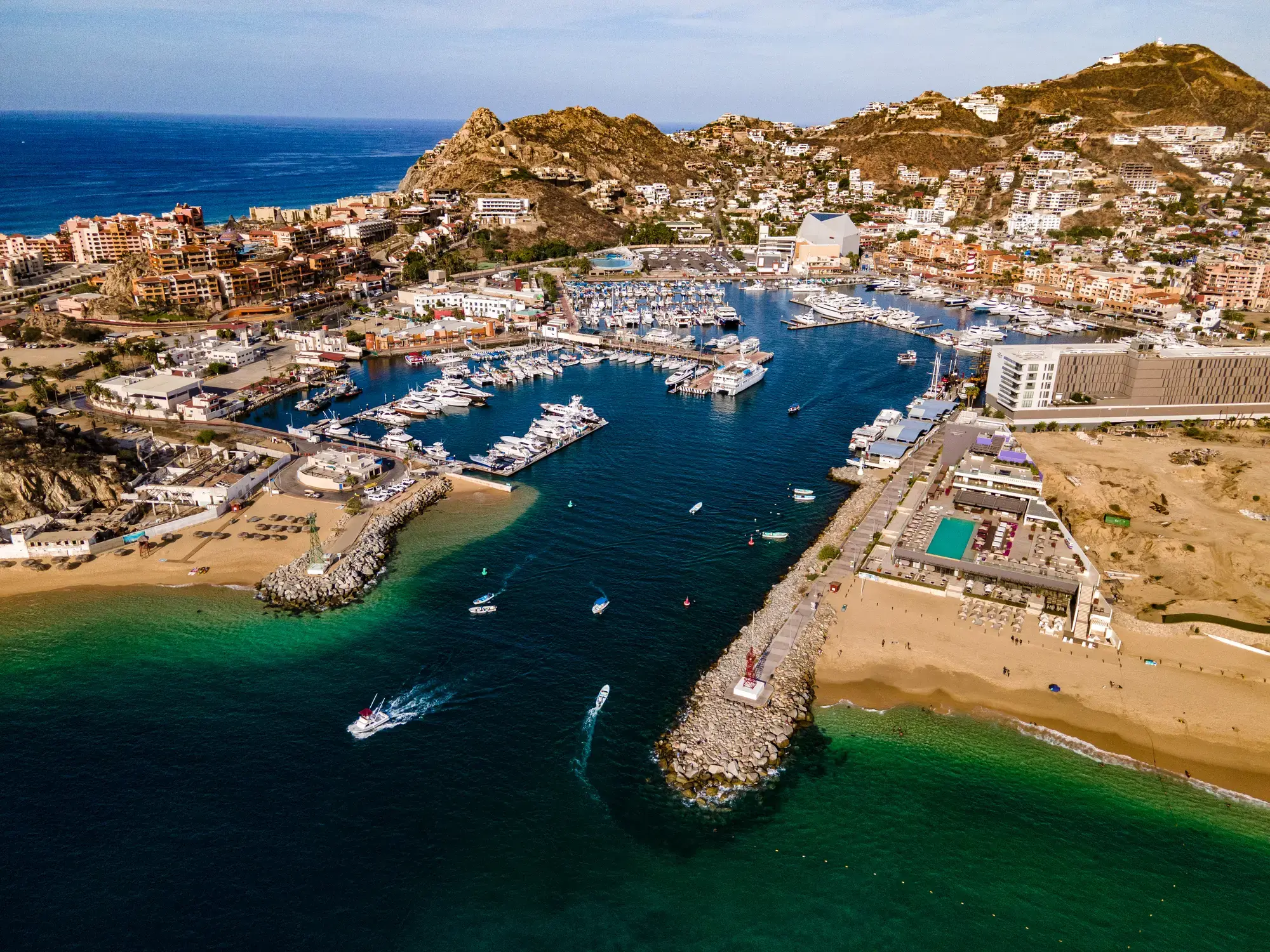
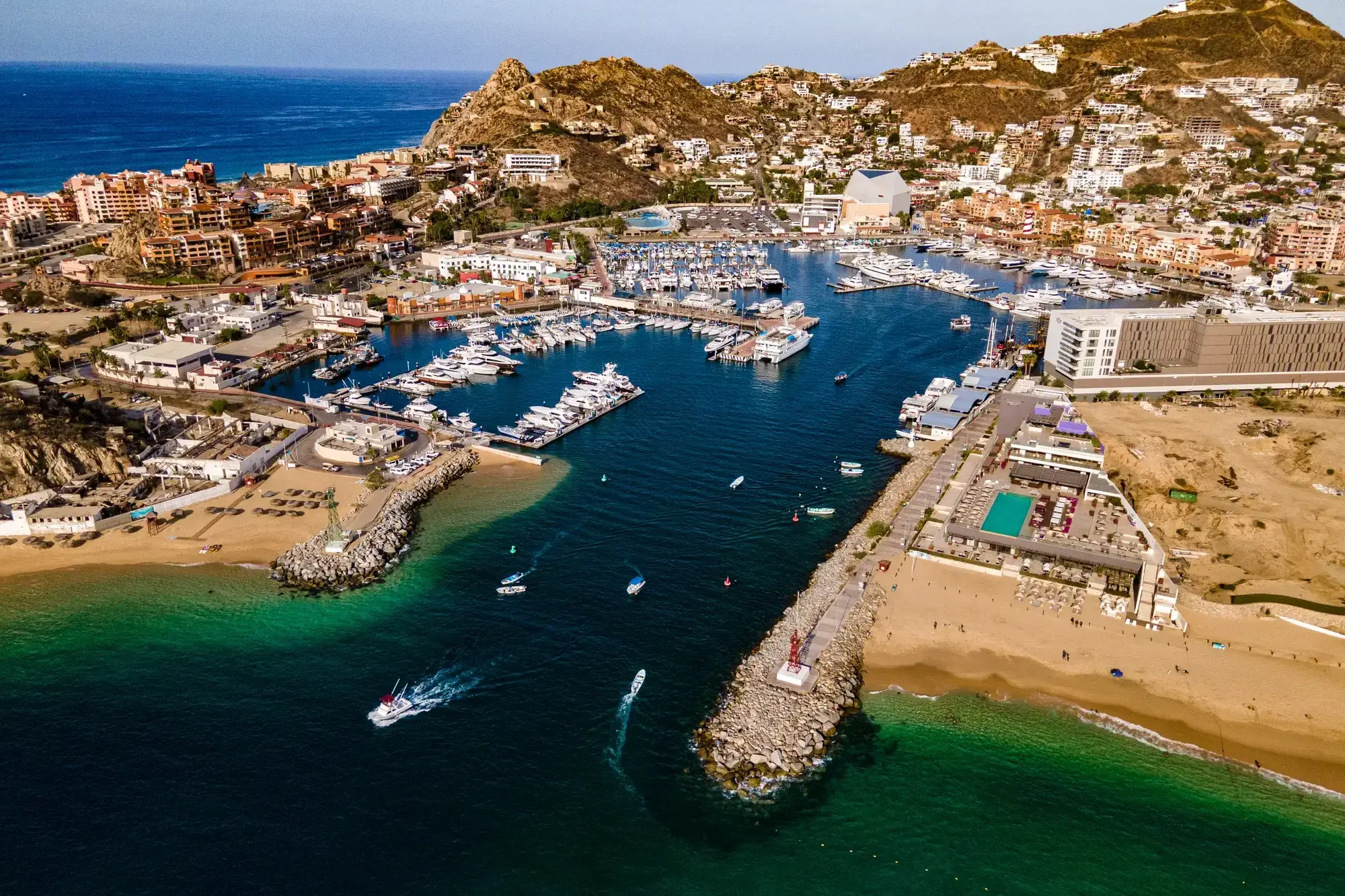
Cabo San Lucas or simply Cabo, is a resort city at the southern tip of the Baja California Peninsula, in the Mexican state of Baja California Sur. As of 2015, the population of the city was 81,111 inhabitants. Cabo San Lucas together with San José del Cabo is known as Los Cabos. Together they form a metropolitan area of 305,983 inhabitants.
Cabo has been rated as one of Mexico's top 5 tourist destinations; it is known for its beaches, scuba diving locations, balnearios, the sea arch El Arco de Cabo San Lucas, and marine life. The Los Cabos Corridor has become a heavily trafficked vacation destination for tourists, with numerous resorts and timeshares along the coast between Cabo San Lucas and San José del Cabo.
Cabo houses a range of wildlife, including rays, sharks, birds, and a range of fish, such as mahi-mahi (dorado), and striped marlin.
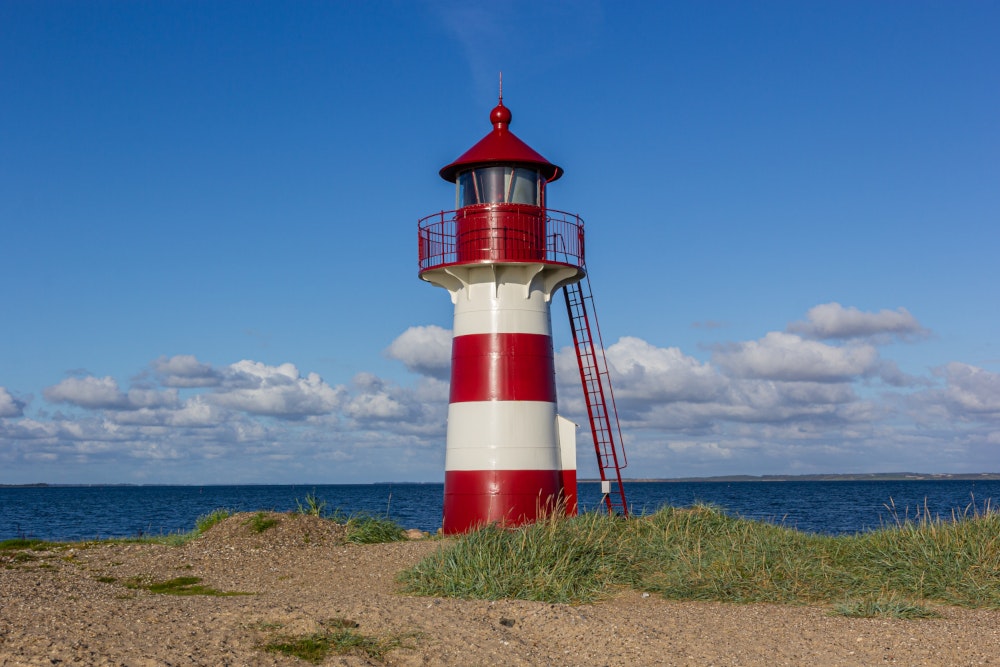
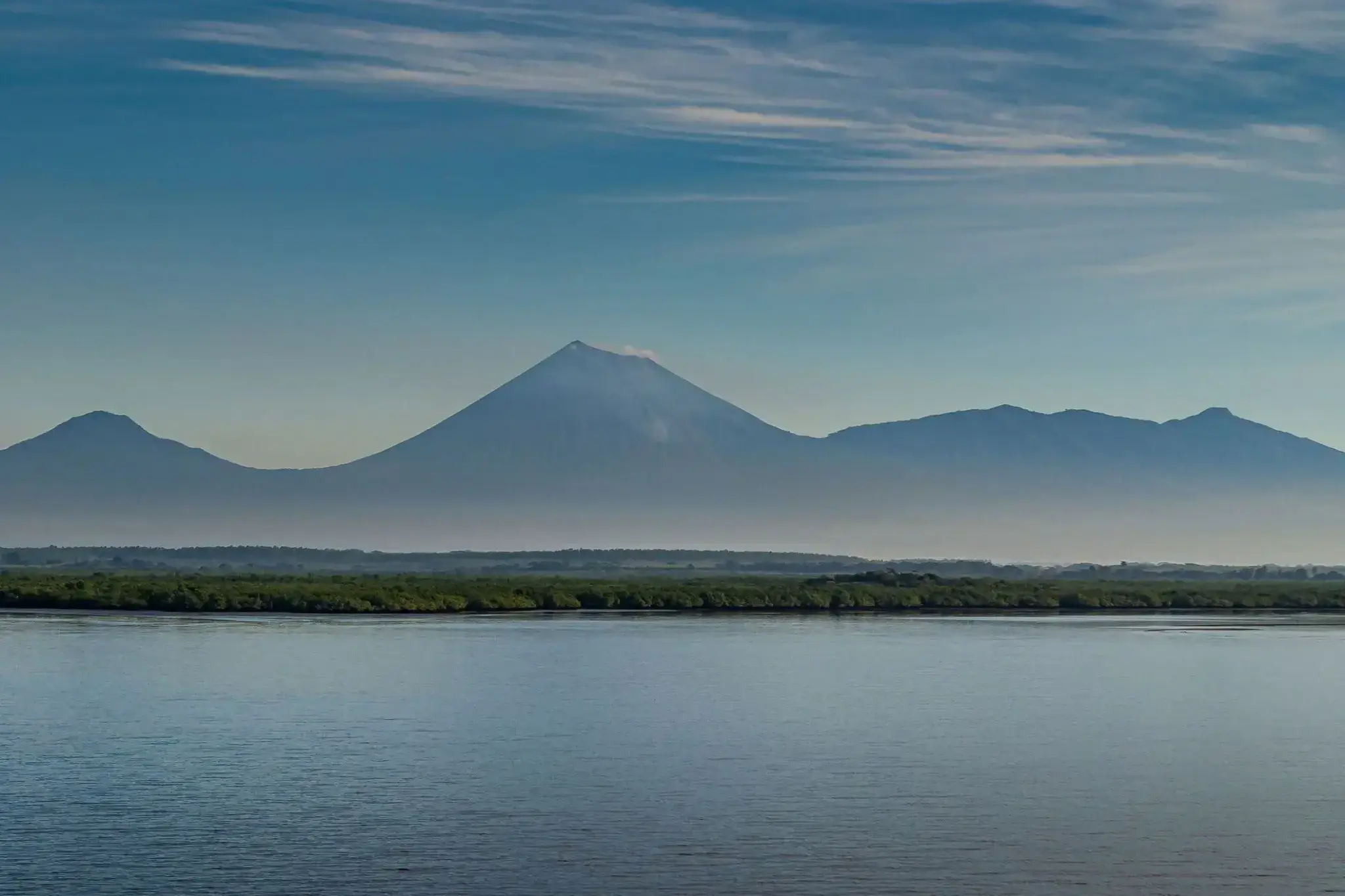
Puerto Quetzal is an important port city on the Pacific coast of Guatemala. It is one of the most popular cruise destinations, making it a key transport hub and a gateway for travelers arriving in the country. Puerto Quetzal is also a starting point for exploring Guatemala’s natural wonders, including famous volcanoes and picturesque beaches. Nearby attractions include the Acatenango Volcano and the Monterico National Park, renowned for its ecosystem and beaches suitable for surfing.
In addition to its natural beauty, Puerto Quetzal offers travelers a unique atmosphere. The city retains the charm of the Pacific coastline, with cozy fishing villages and restaurants where visitors can enjoy fresh seafood. Its strategic location and developed infrastructure make Puerto Quetzal a convenient starting point for exploring Guatemala, whether for those wishing to discover ancient Mayan ruins like Tikal or for those seeking a relaxing beach vacation.
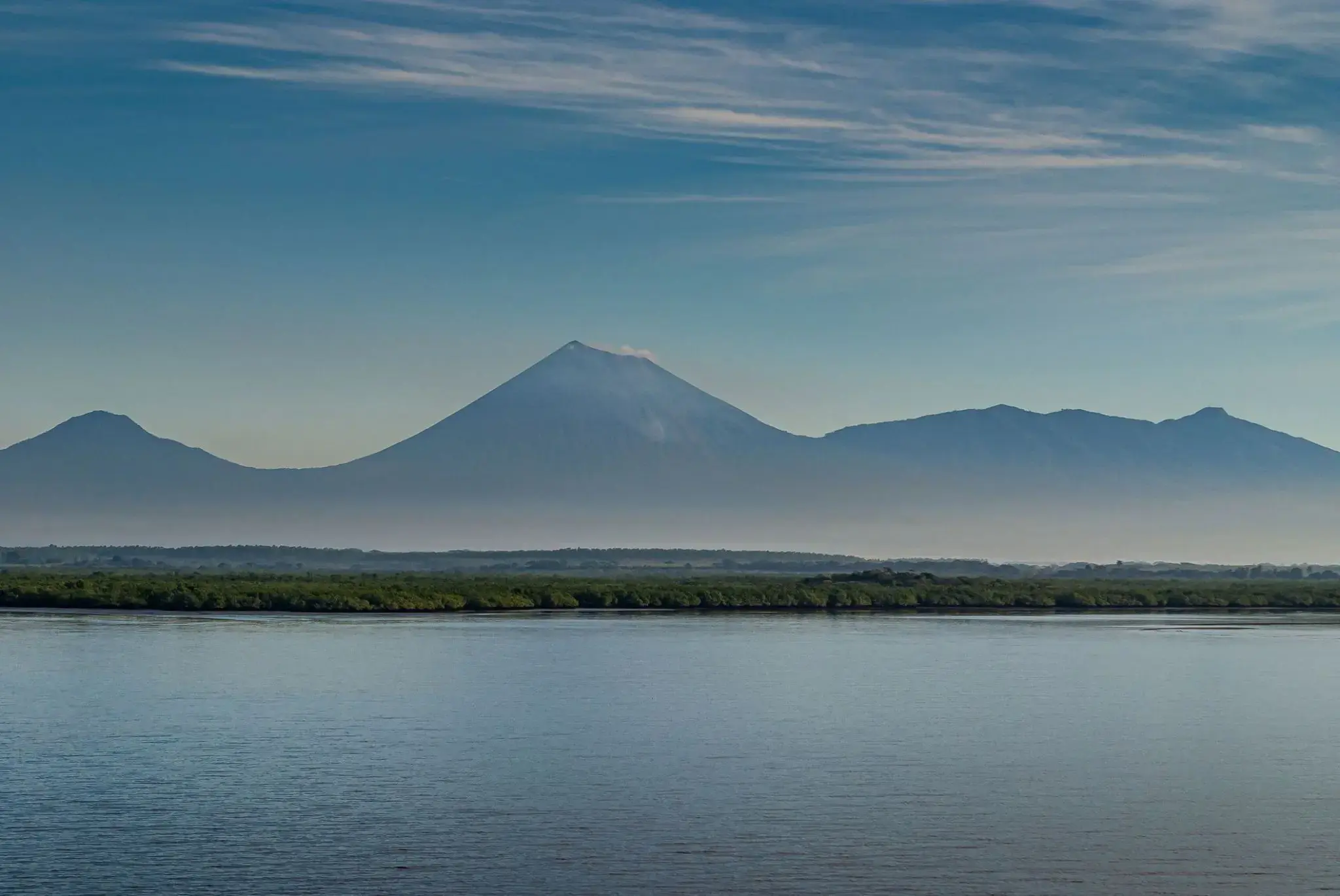
Corinto — the port heart of the country on the Pacific coast.
Corinto is Nicaragua’s largest seaport, located on the Pacific coast in the department of Chinandega. Founded in 1858, the city has played and continues to play a key role in the country’s economy by handling most of its international maritime trade. Thanks to its strategic location and natural harbor, Corinto has become a major logistics hub for cargo transport and maritime connections. Cruise ships also dock here, making it a popular gateway to the region for travelers.
Despite its industrial character, Corinto maintains the authentic charm of a small coastal town. Visitors can enjoy quiet beaches, fresh seafood, and explore nearby natural attractions such as the Casitas volcano and local islands. Historical buildings, colonial architecture, and a warm climate give the city a unique charm. Corinto is also known for its vibrant traditions — colorful religious and folk festivals highlight the culture and spirit of the region.
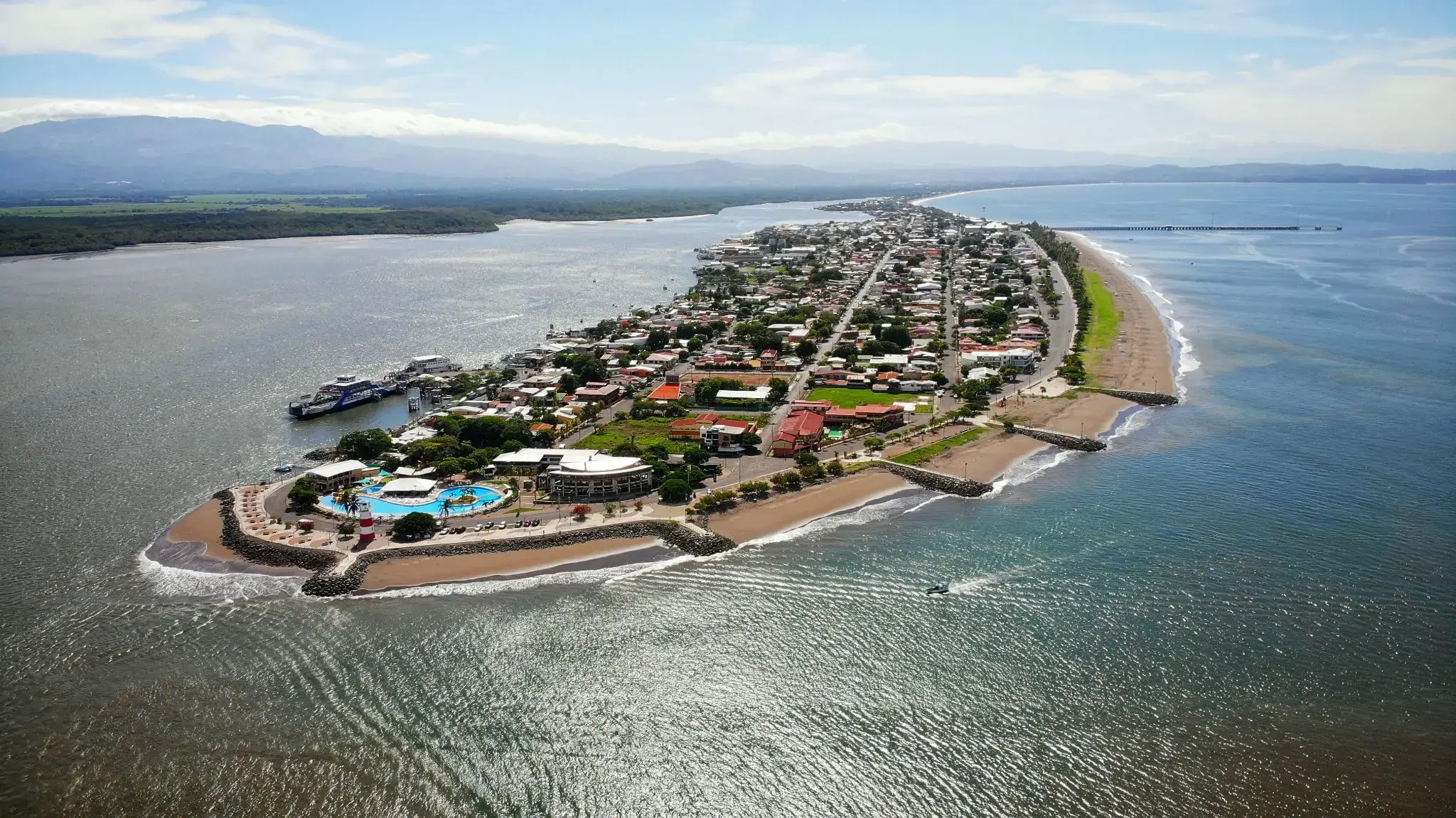
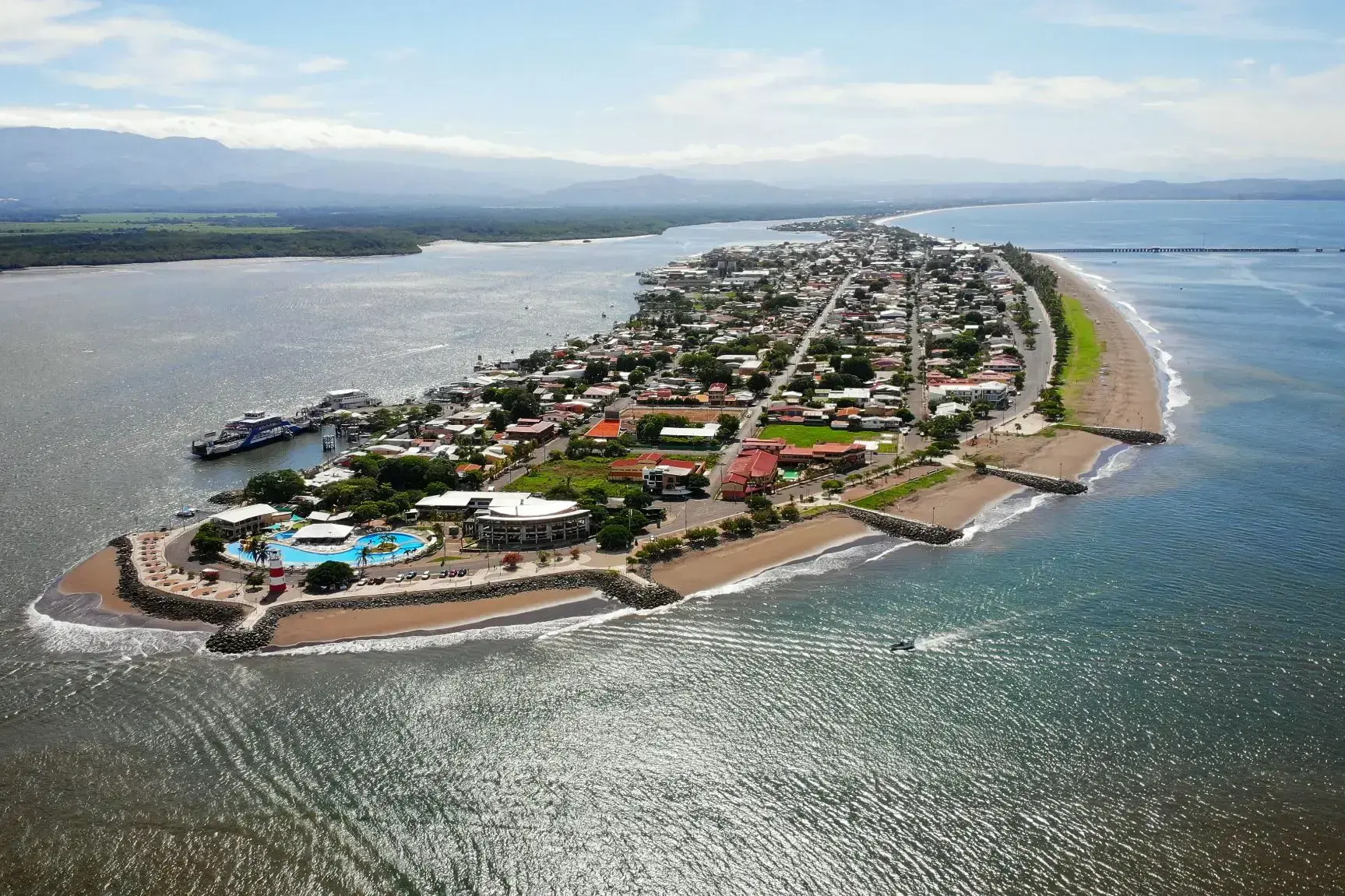
Puntarenas is the capital and largest city in the Province of Puntarenas, on the Pacific coast of Costa Rica.
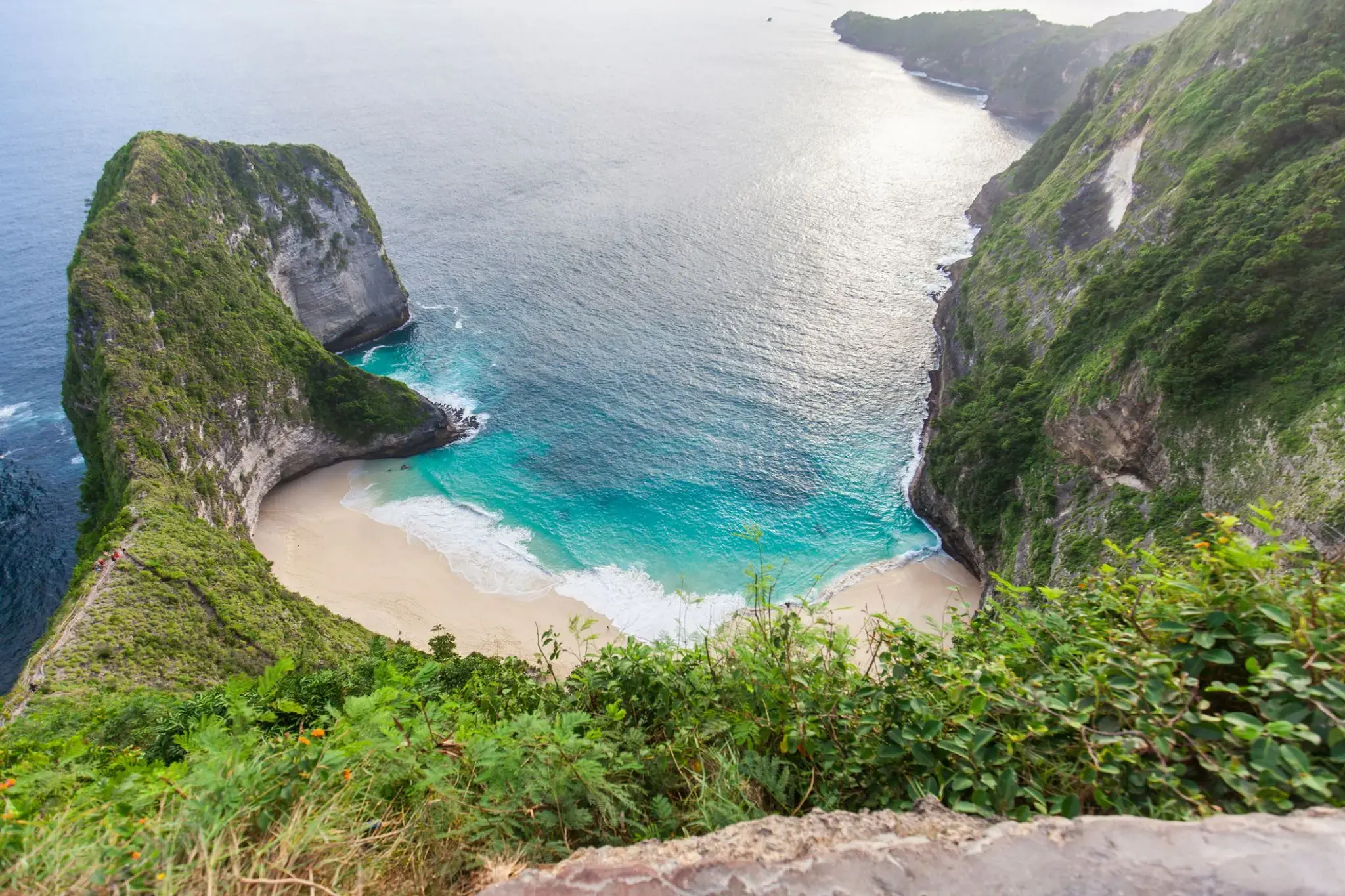
Manta
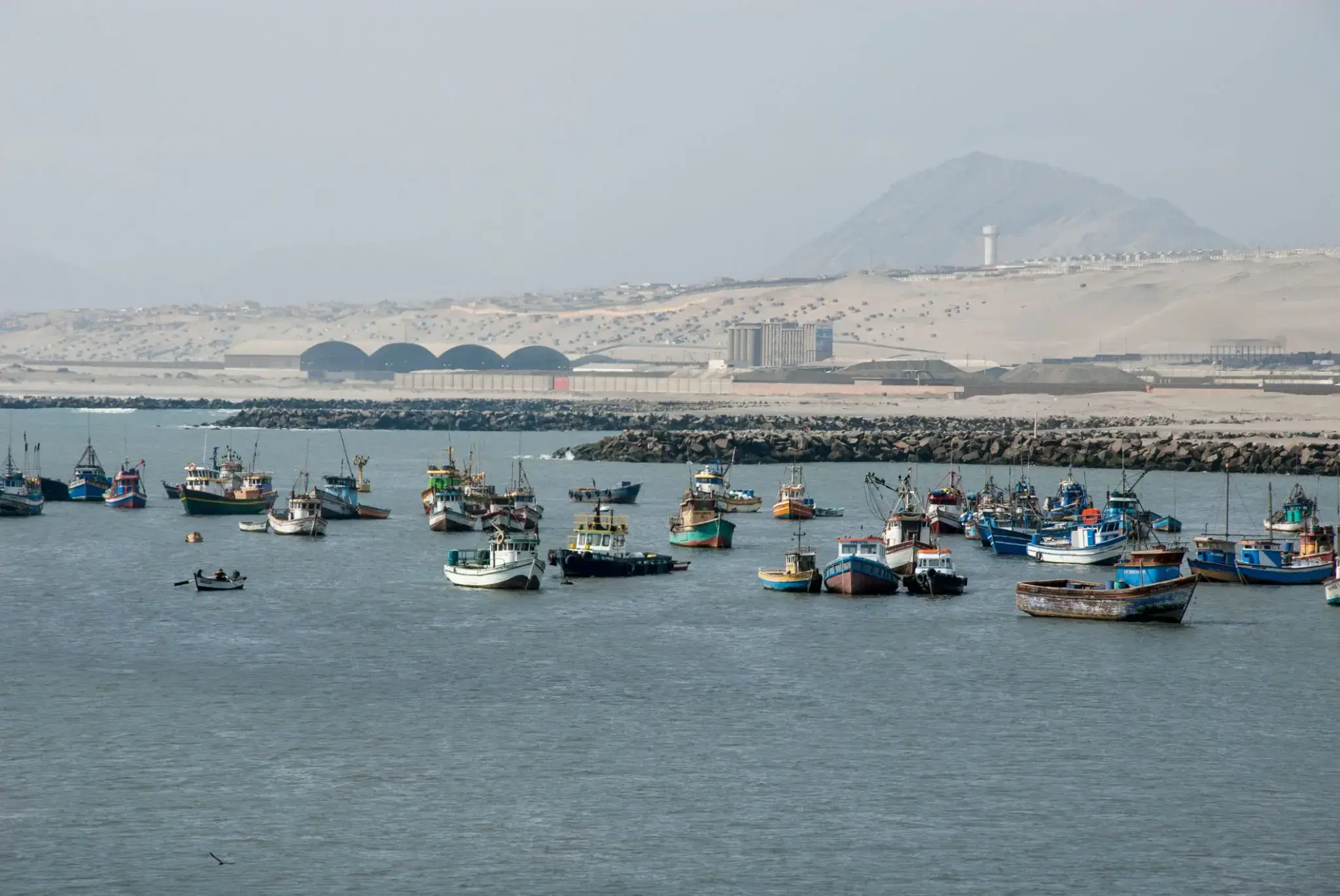
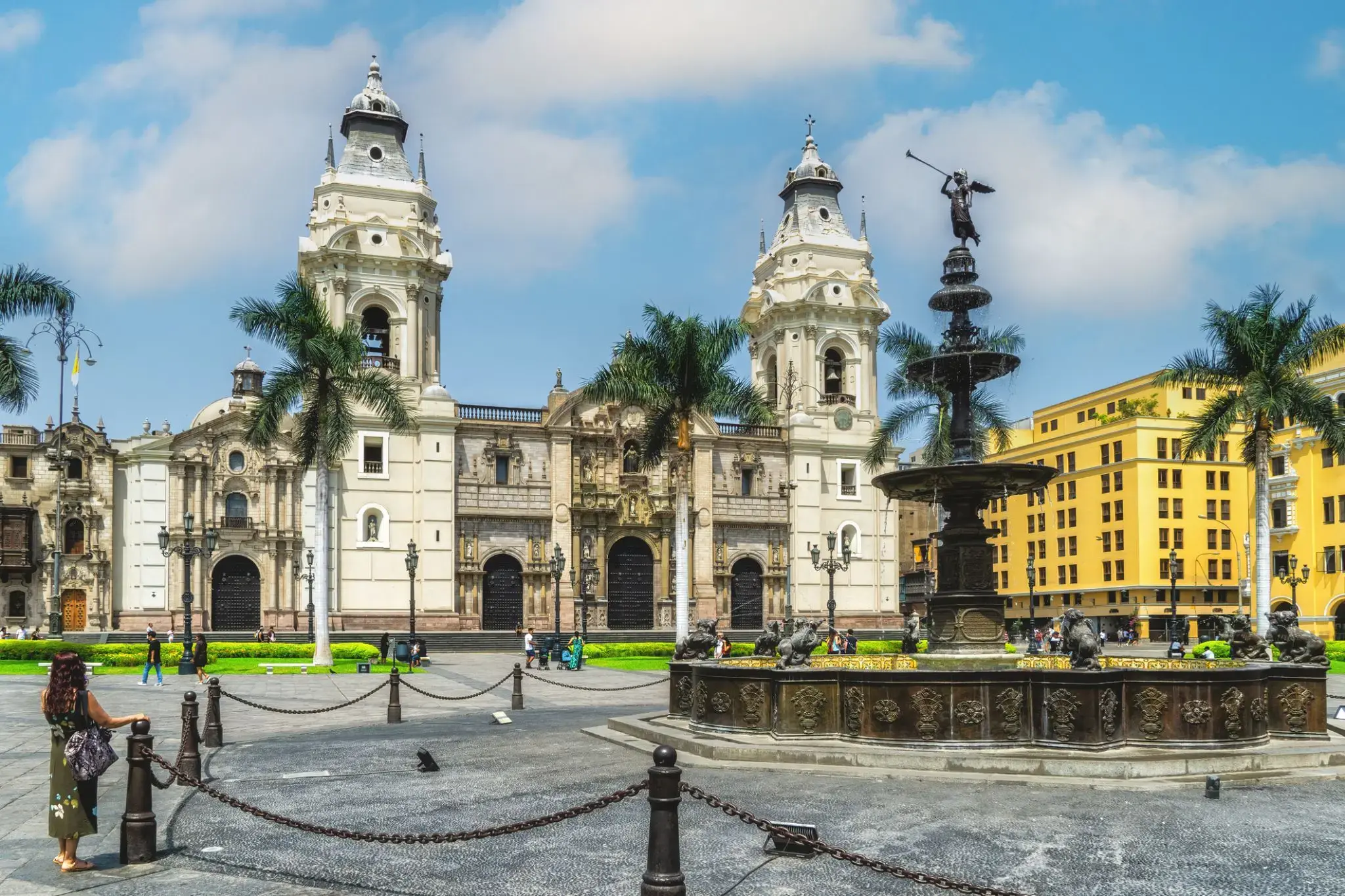
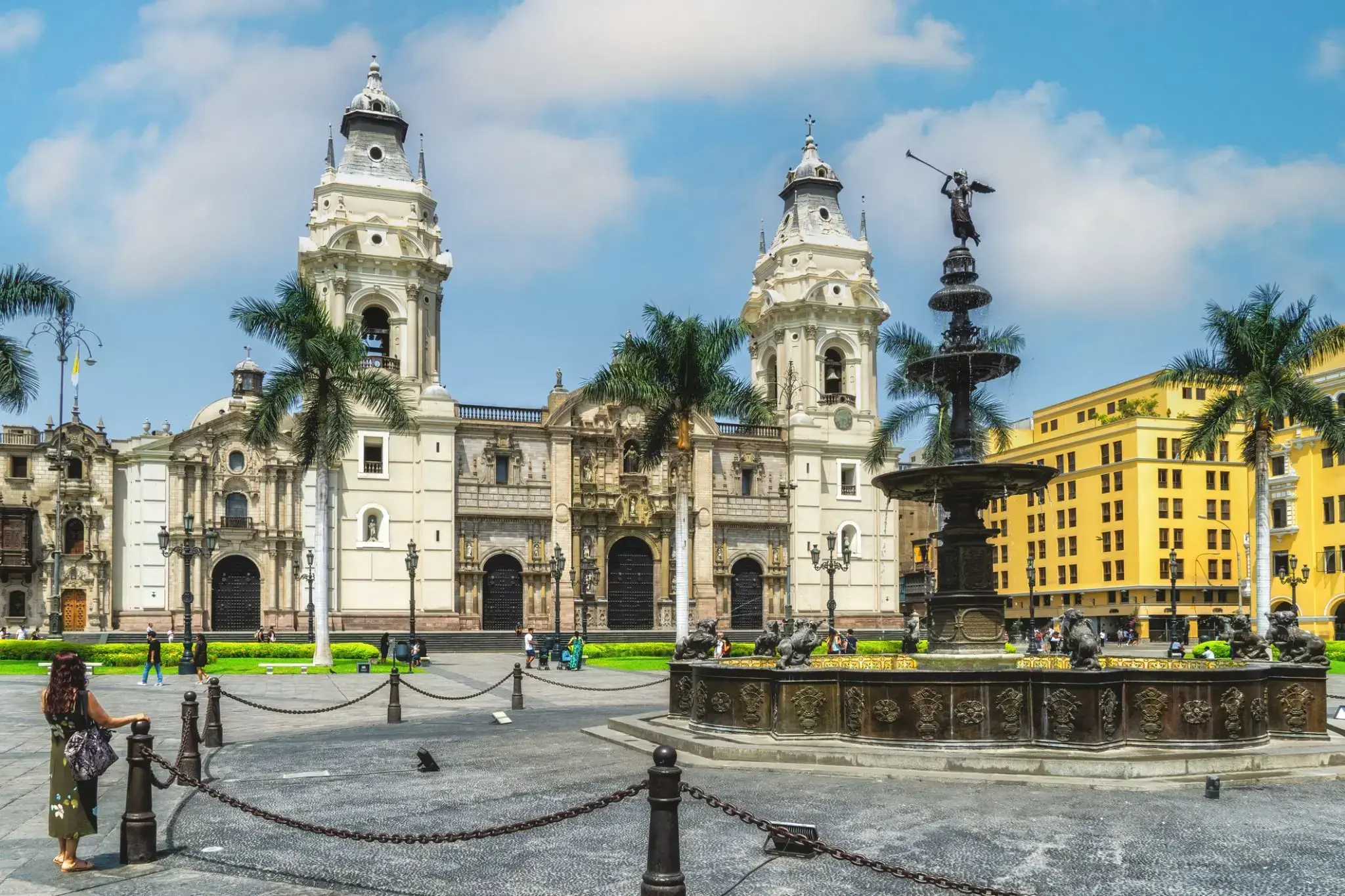
Lima is the capital and the largest city of Peru. It is located in the valleys of the Chillón, Rímac and Lurín rivers, in the central coastal part of the country, overlooking the Pacific Ocean. Together with the seaport of Callao, it forms a contiguous urban area known as the Lima Metropolitan Area. With a population of more than 9 million, Lima is the most populous metropolitan area of Peru and the third-largest city in the Americas (as defined by "city proper"), behind São Paulo and Mexico City.
Lima was founded by Spanish conquistador Francisco Pizarro on January 18, 1535, as Ciudad de los Reyes. It became the capital and most important city in the Viceroyalty of Peru. Following the Peruvian War of Independence, it became the capital of the Republic of Peru. Around one-third of the national population lives in the metropolitan area.
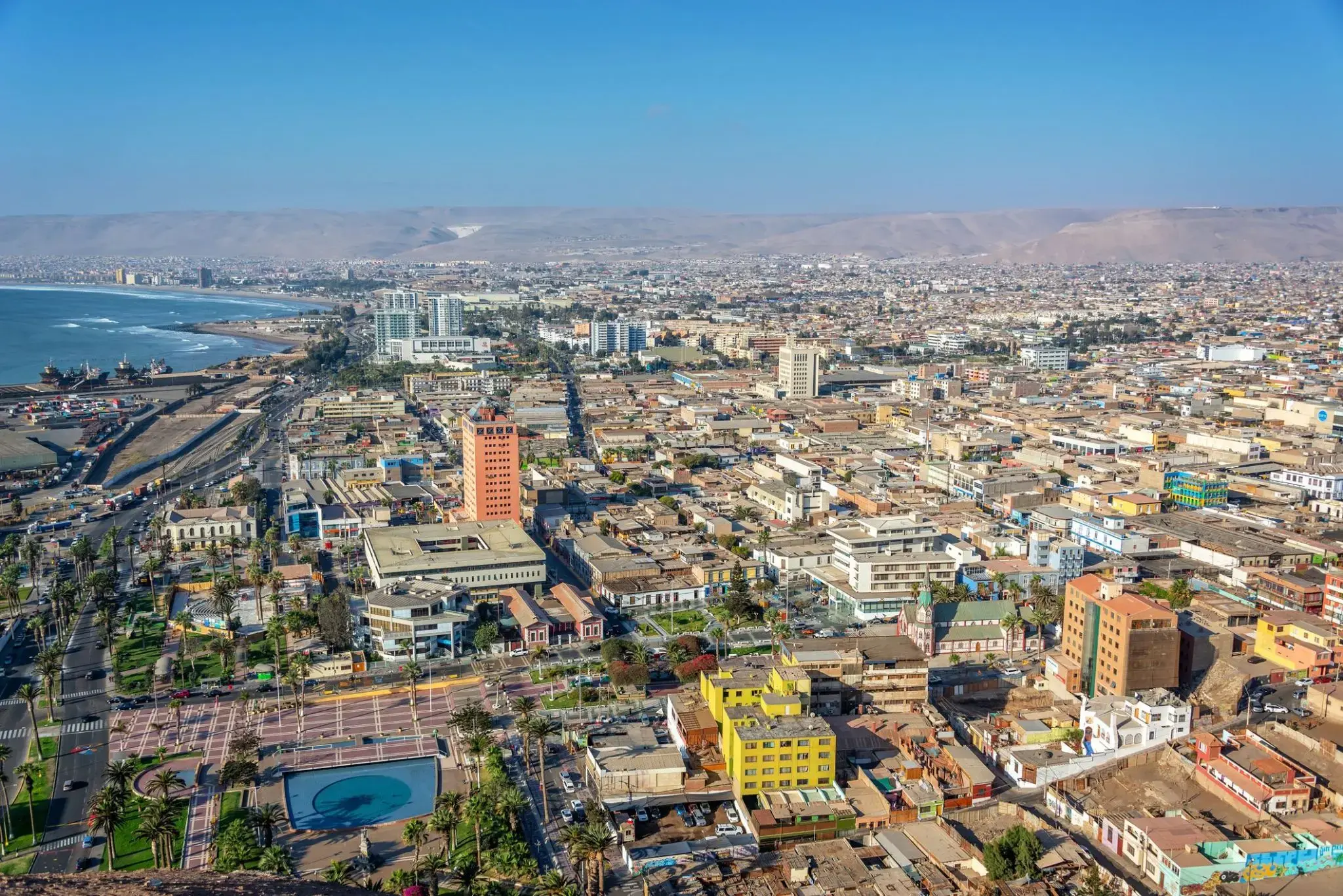
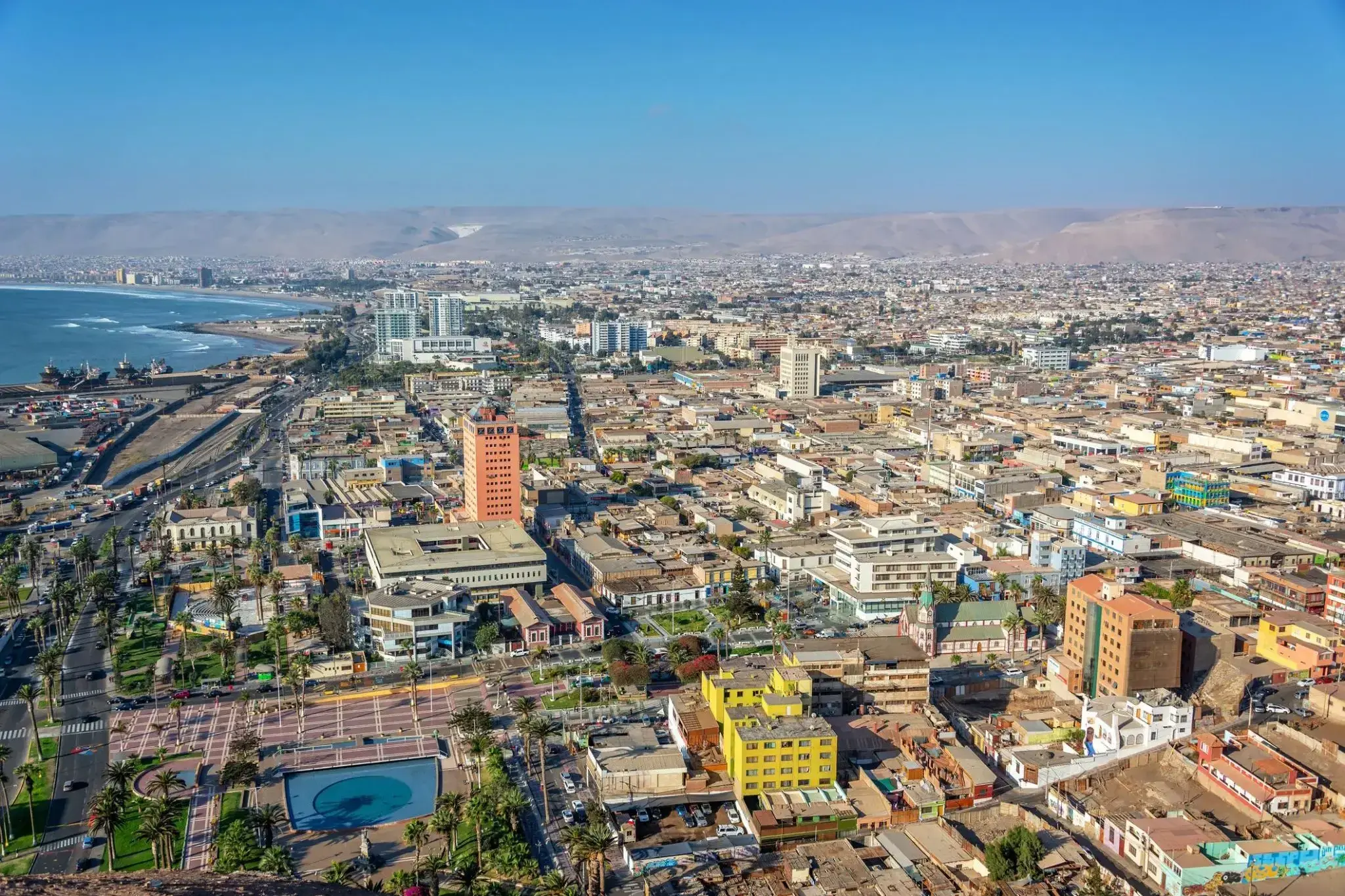
Where the dry expanses of northern Chile meet the gentle waves of the Pacific Ocean, Arica welcomes travelers with a unique blend of eternal summer, cultural richness, and natural beauty. Known for its mild climate all year round, Arica has become a beloved destination for beach lovers and water sports enthusiasts. The city also boasts one of the driest climates in the world — in some areas, it hasn’t rained for decades.
A walk through the city’s colonial streets leads to the striking San Marcos Cathedral, designed by Gustave Eiffel. Not far away, the El Morro cliff rises high above the ocean, offering breathtaking panoramic views. In the surrounding region, visitors can explore archaeological museums with the world’s oldest Chinchorro mummies and admire the stark beauty of the Atacama Desert alongside green oases sustained by underground waters.
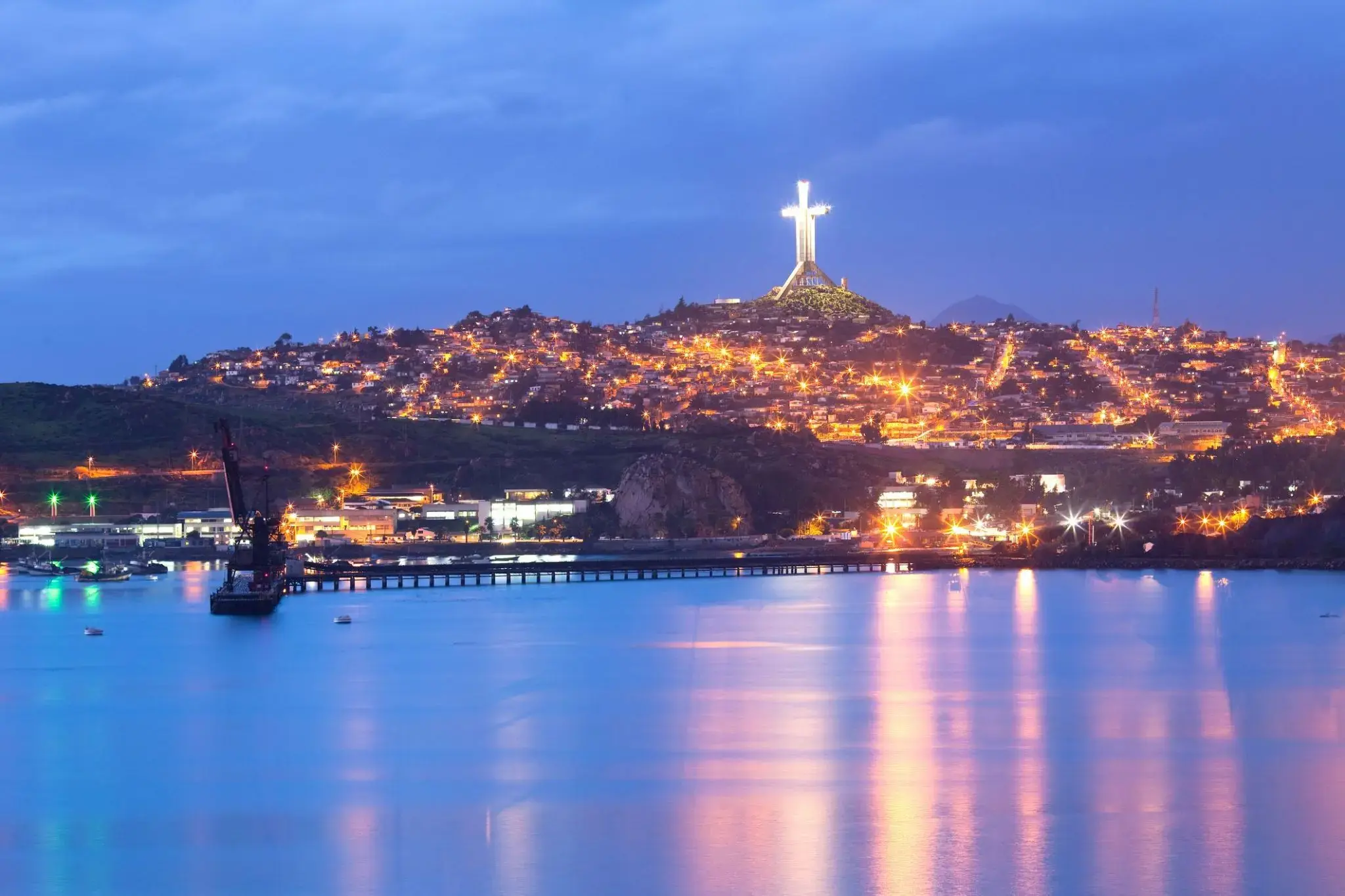
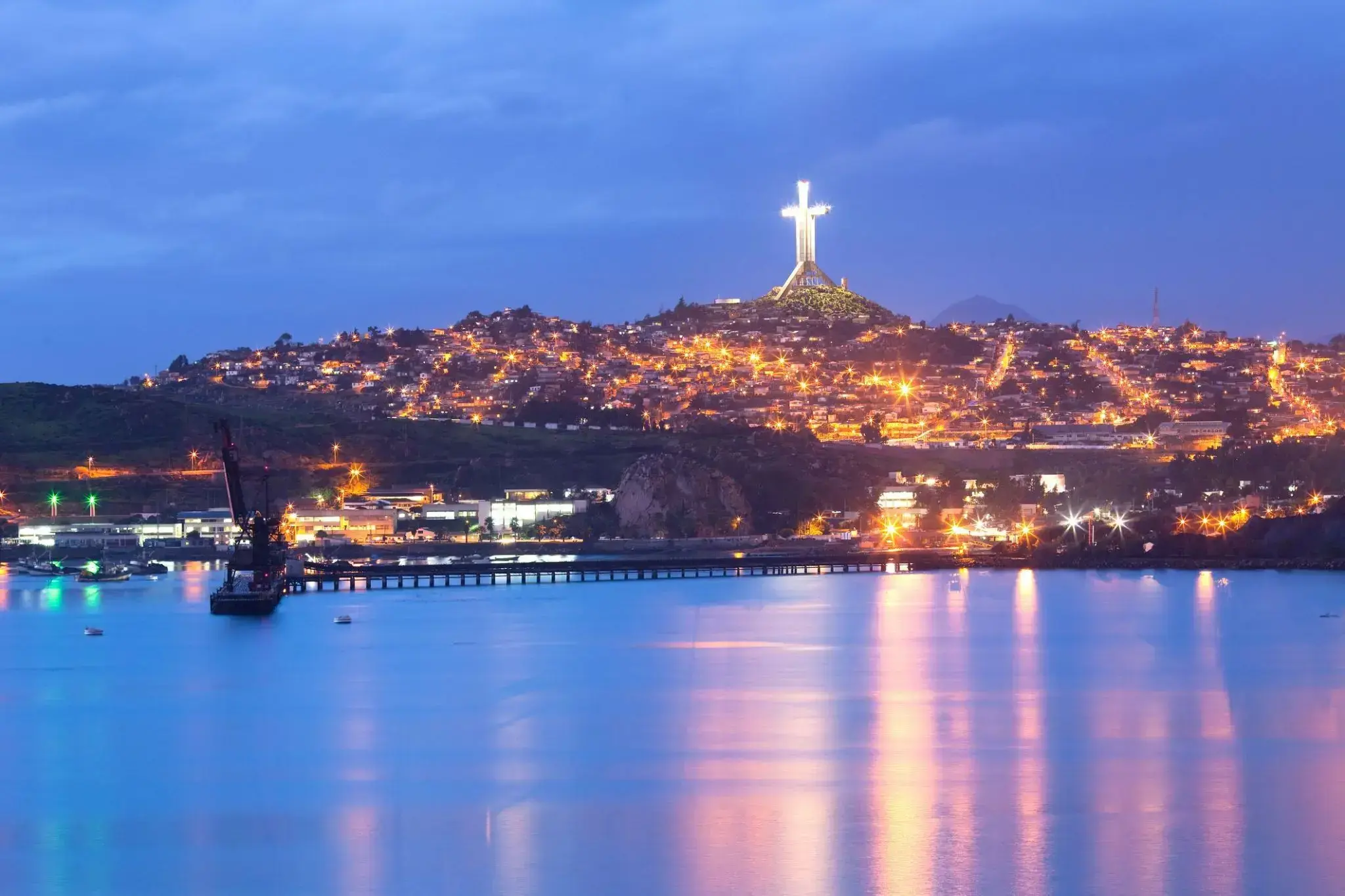
An unforgettable encounter with the Pacific coast awaits every traveler venturing into Coquimbo—a charming town where modernity and history intertwine in an extraordinary harmony. From the morning breeze by the bay to the luxurious sunsets over the port, this resort offers the true atmosphere of the Chilean coastline, where life flows at a gentle pace and every street is infused with the scent of the sea. Here you can savor fresh seafood at cozy restaurants or stroll along the elegant waterfront, soaking up the views and the cries of seagulls.
Coquimbo is also known for its historical and cultural landmarks: ancient churches, artisan markets, and contemporary art galleries create a unique blend of traditions and new experiences. Adventure lovers can explore the surrounding hills or discover the mysterious fortress—a testament to the city’s pirate-filled past. This city seems to invite every traveler to write their own chapter of an amazing story on the coast of Chile.
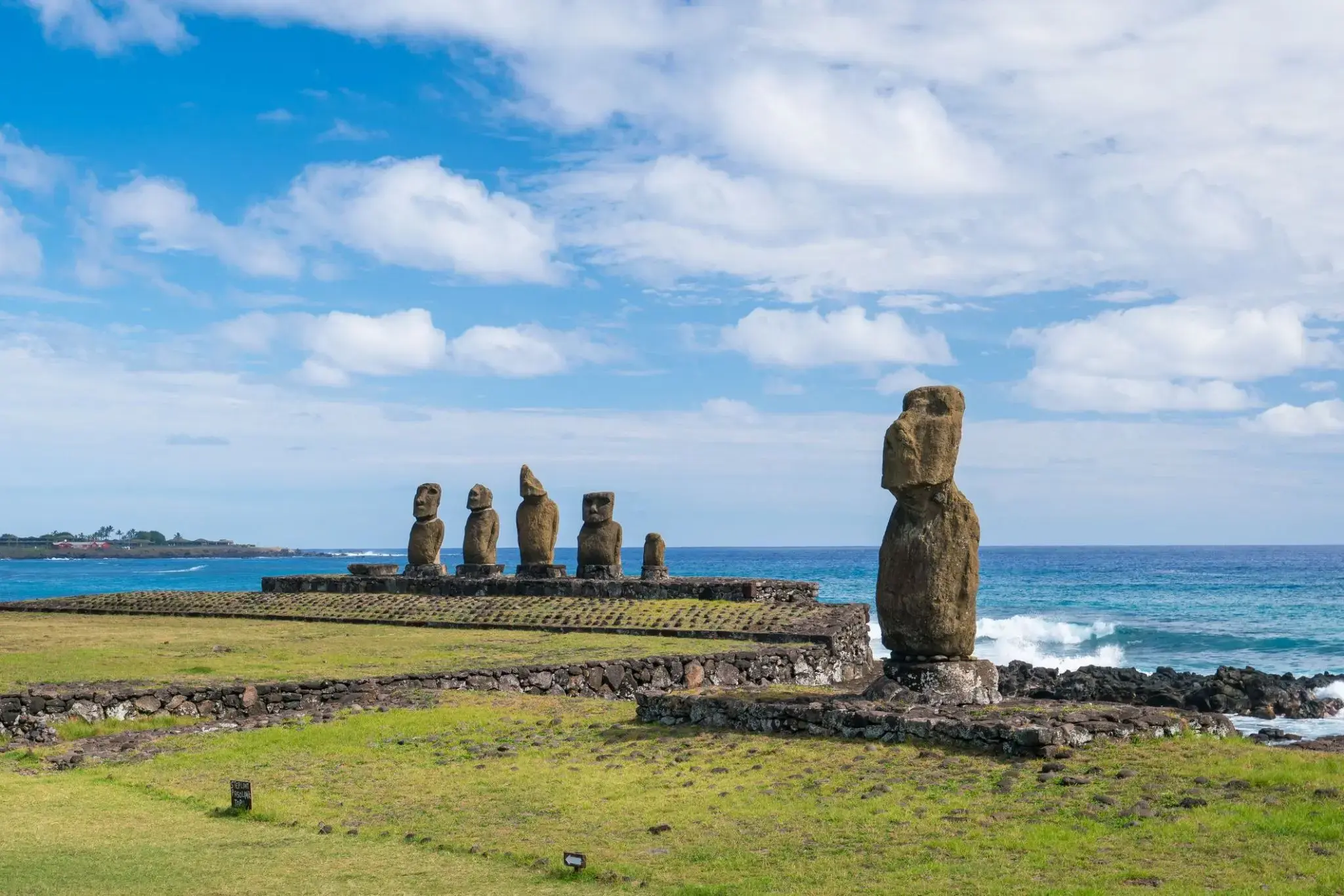
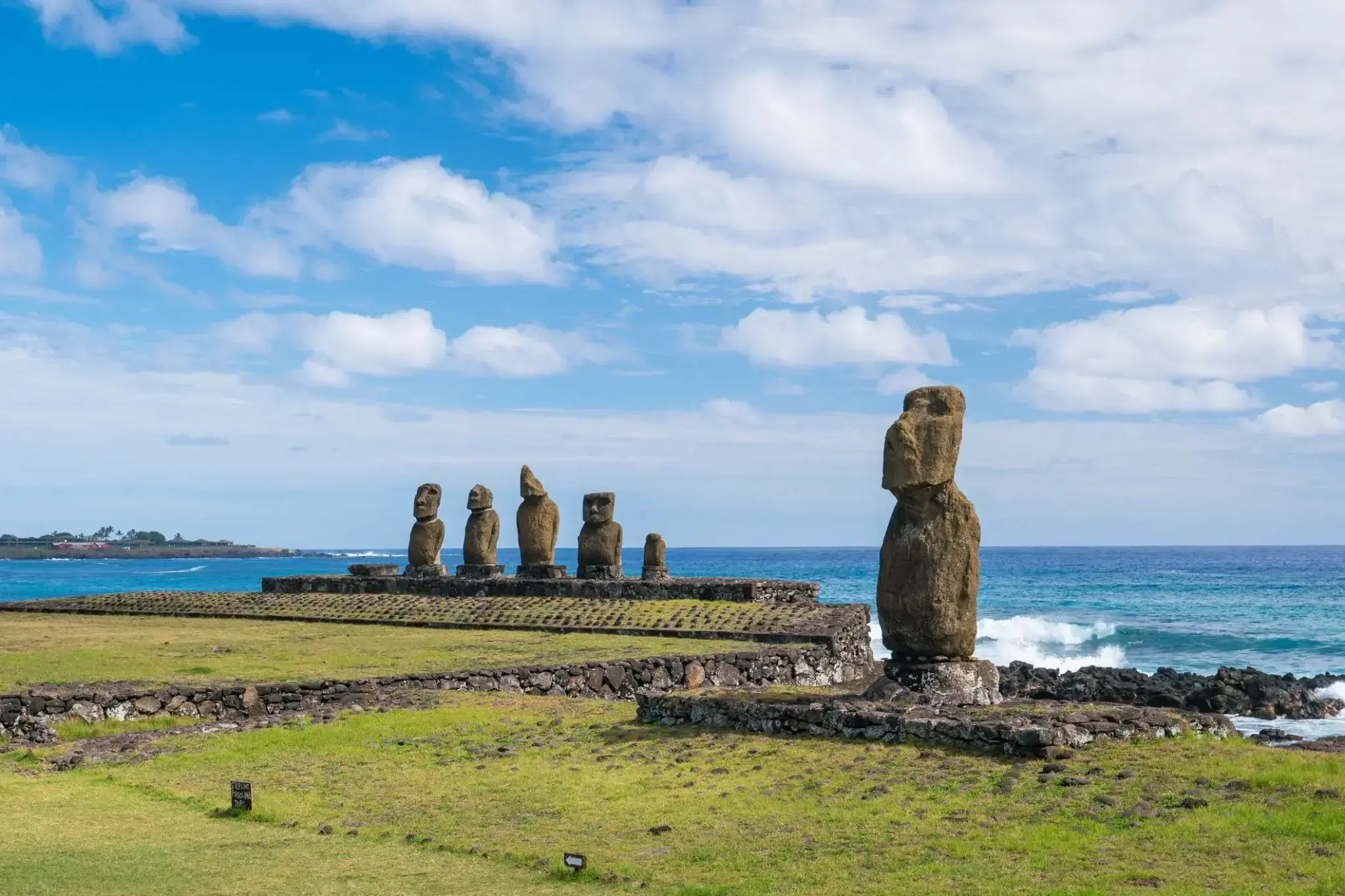
Surrounded by the vast Pacific Ocean and mysterious moai statues, Hanga Roa serves as the picturesque gateway to the enigmatic world of Easter Island. It is the island’s only town and the heart of local life, home to cozy cafes, art galleries, and archaeological museums that tell the story of the ancient Rapa Nui civilization.
Hanga Roa is more than just a tourist stop — it’s the cultural heart of Chile in one of the most remote places on Earth. Here, visitors can immerse themselves in local traditions, witness ceremonial dances, and taste ocean-fresh fish dishes prepared according to ancestral recipes. The sunsets over the volcanic coastline are truly breathtaking and unforgettable.
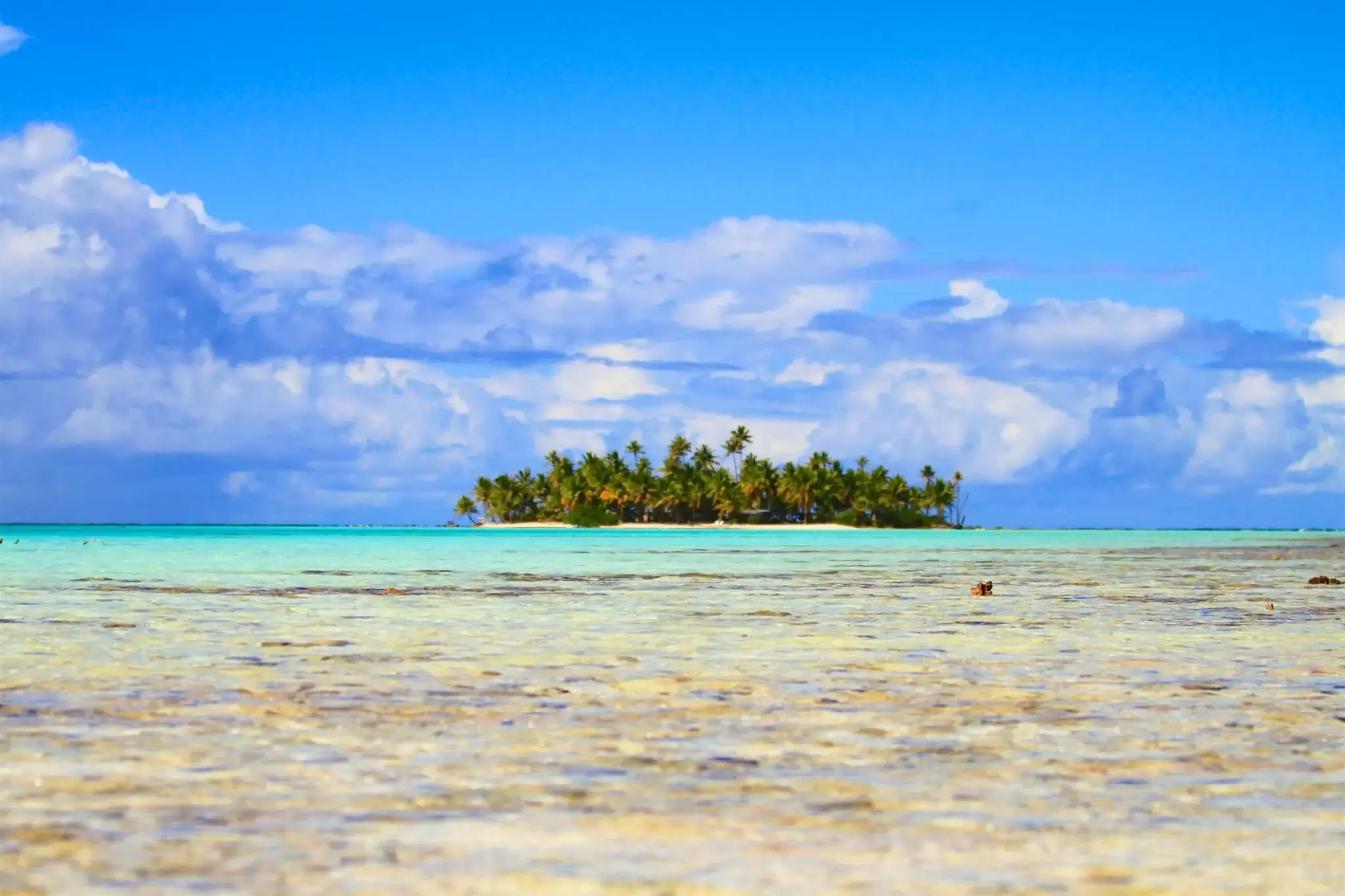
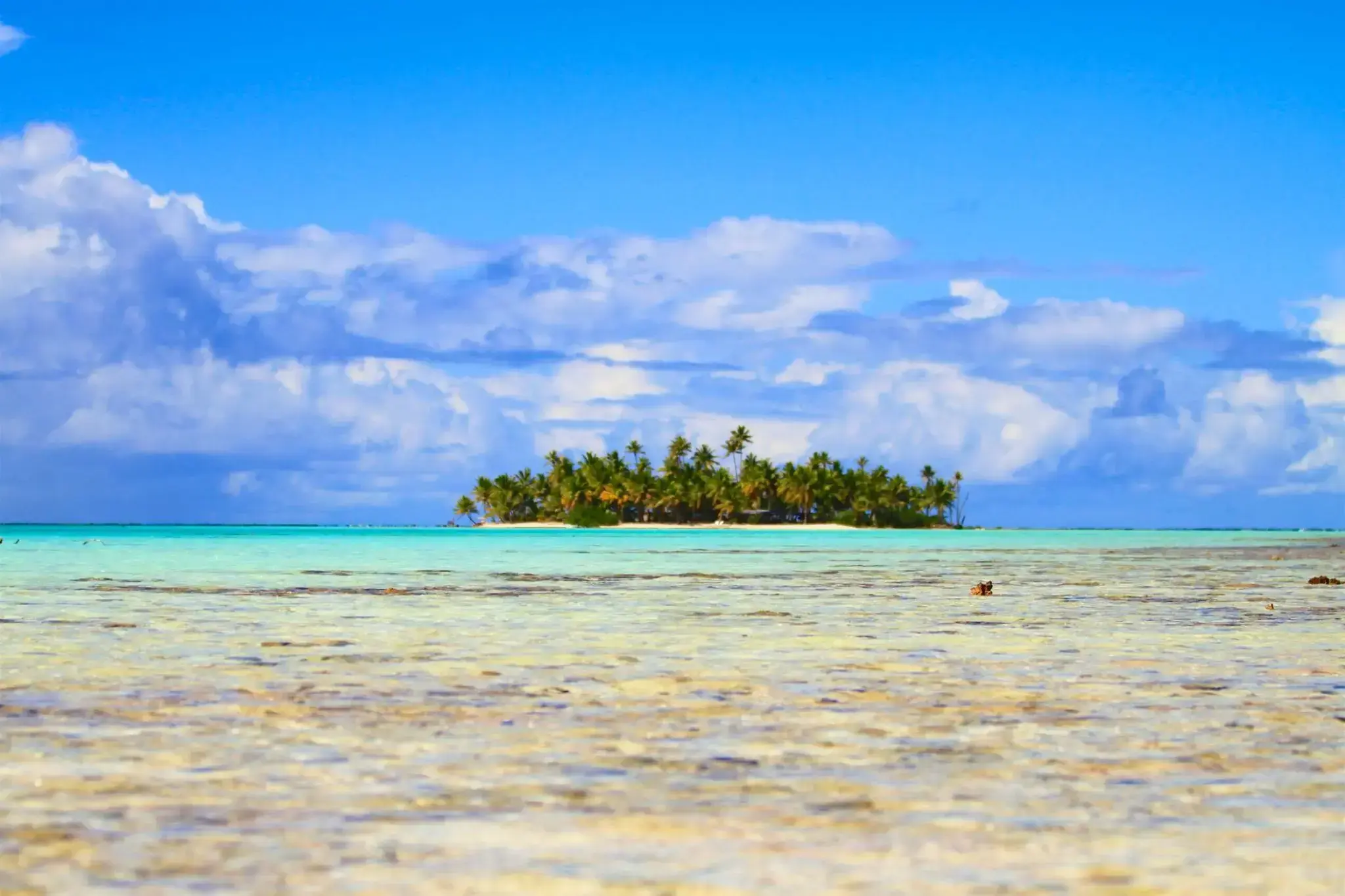
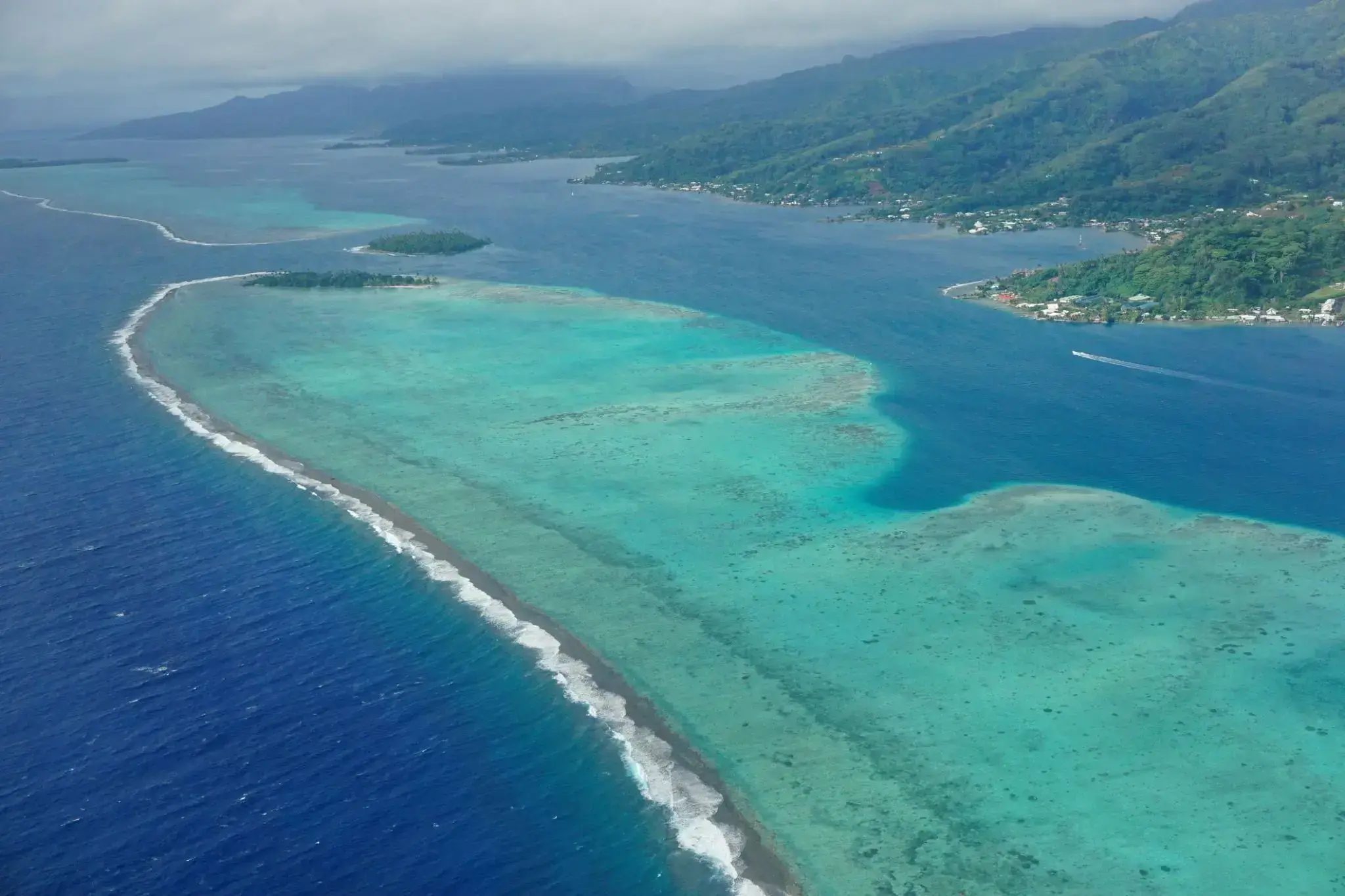
Avatoru is the chief town of Rangiroa, a coral atoll in the Tuamotu Archipelago. This charming village embodies the relaxed and authentic spirit of Polynesia, where life unfolds at a slower pace surrounded by breathtaking turquoise lagoons. With its vibrant local markets, warm hospitality, and unique culture, Avatoru invites travelers to immerse themselves in a truly unique island experience.
The main attractions include stunning white-sand beaches perfect for snorkeling and diving, offering glimpses of manta rays and colorful coral gardens. Wander through the town to discover local handicrafts, sample freshly baked coconut bread, and meet the friendly residents who are eager to share their heritage. Avatoru promises a journey that combines adventure, relaxation, and authentic Polynesian charm.
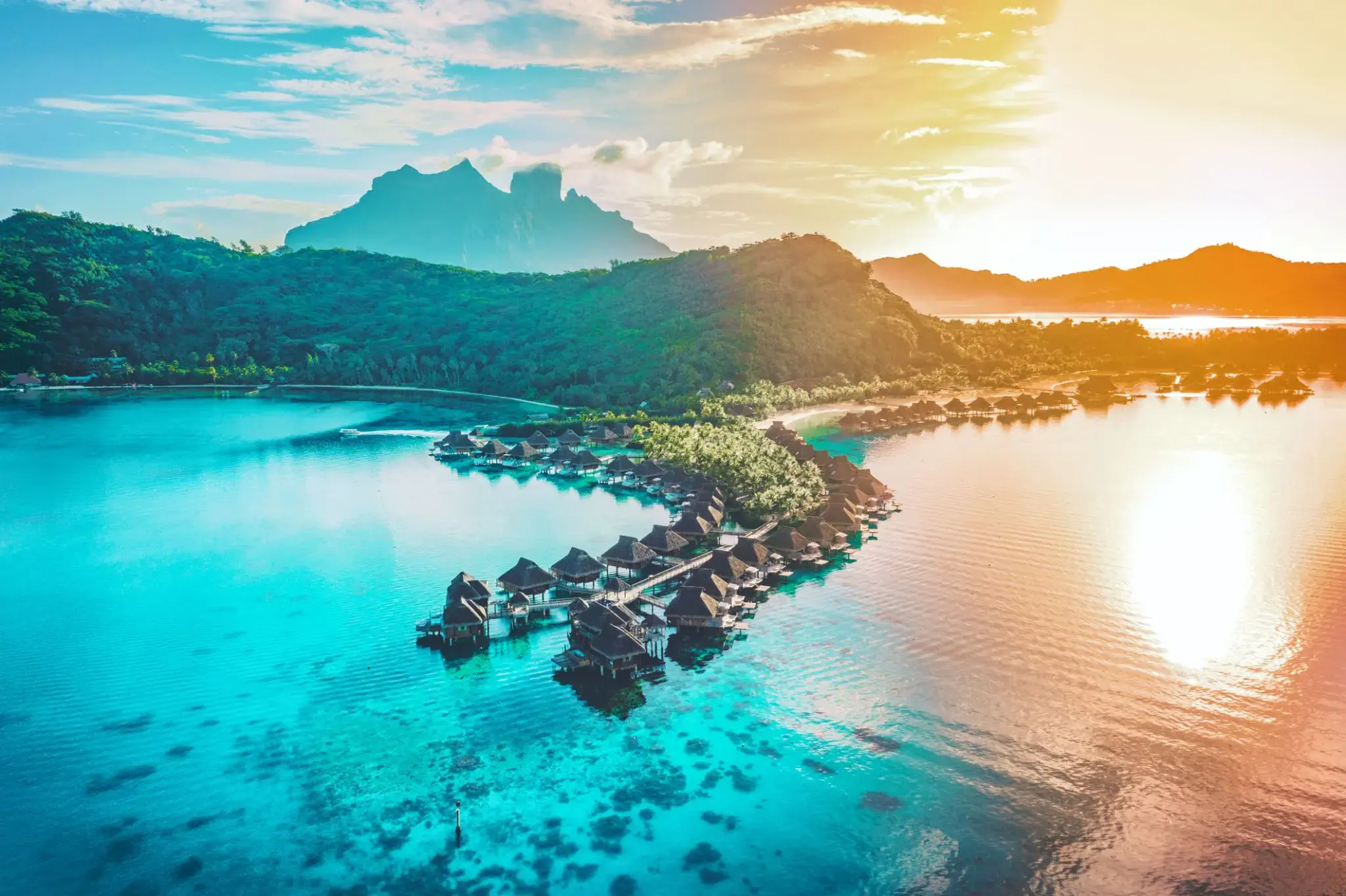
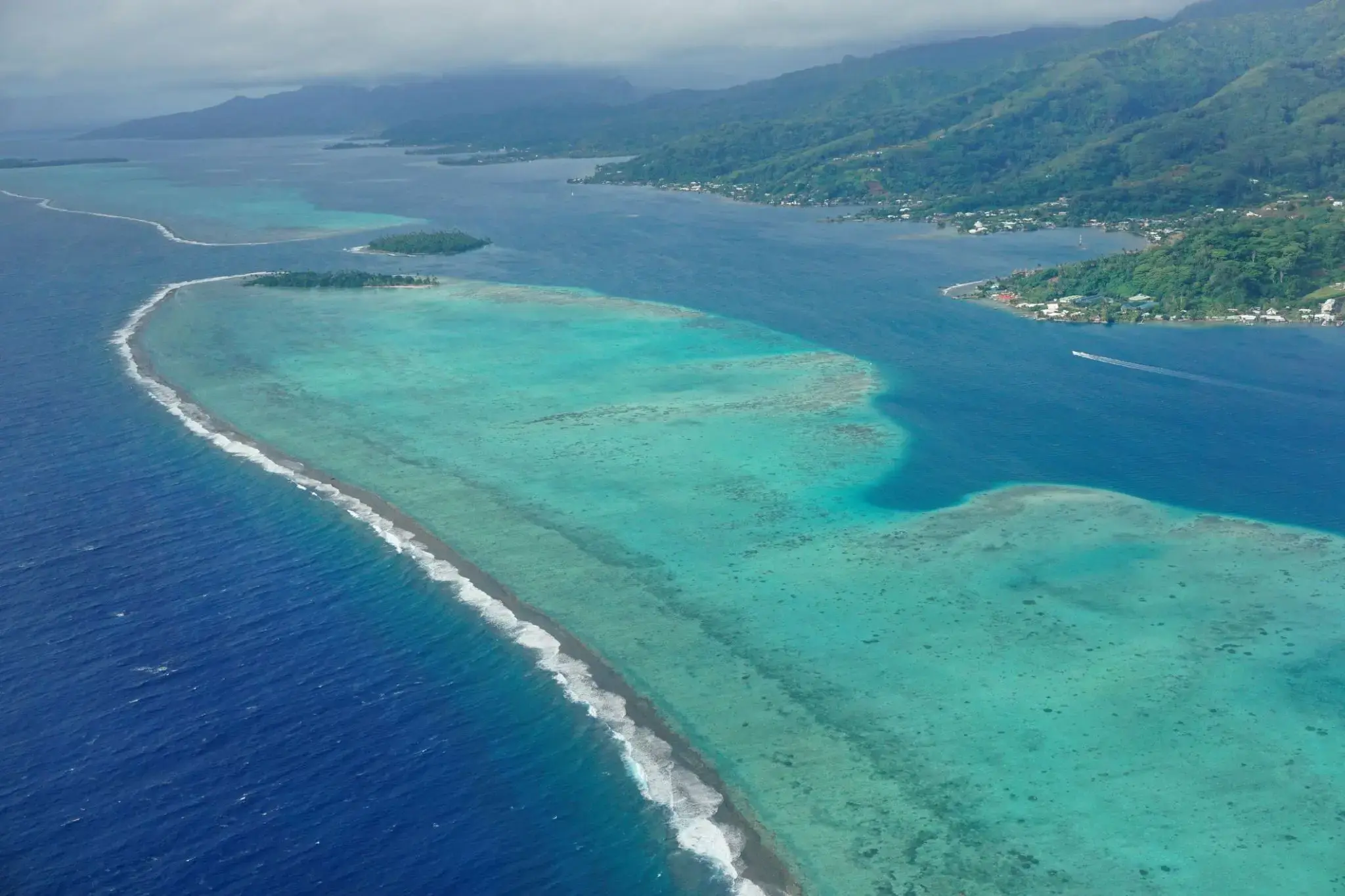
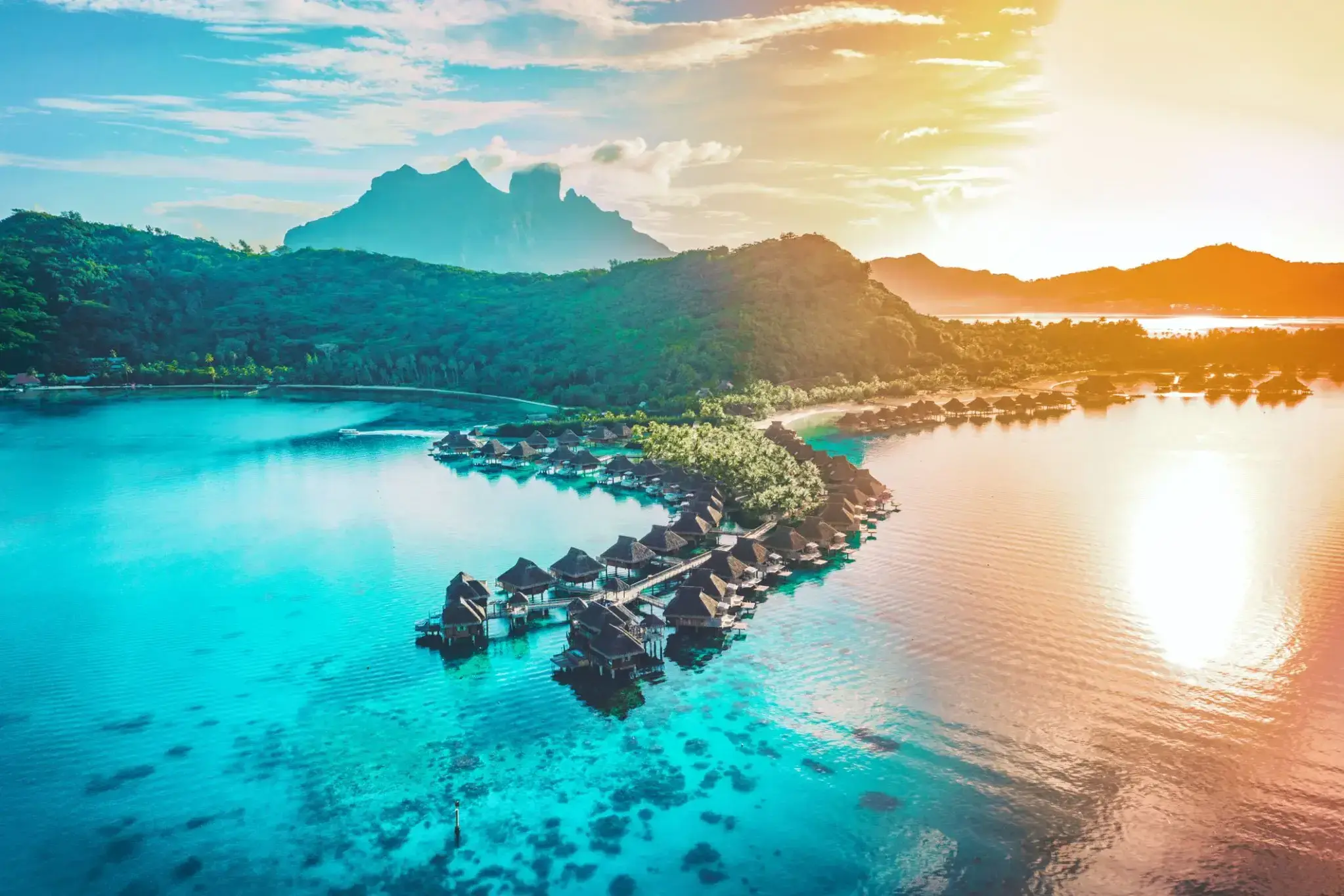
Considered the heart of Polynesia, Raiatea is surrounded by turquoise lagoons and green mountains, creating landscapes that remain in the memory of every traveler. This island attracts adventurers with the chance to hike to waterfalls, walk through blooming valleys, and explore ancient archaeological sites, including the sacred Marae Taputapuatea, a UNESCO World Heritage site.
Raiatea is also known as a starting point for yacht journeys around the Society Islands, thanks to its developed infrastructure and cozy harbors. Here, you can enjoy diving in crystal-clear waters, see colorful fish and corals, or simply spend a day on white sandy beaches, enjoying the peace of tropical Polynesia.
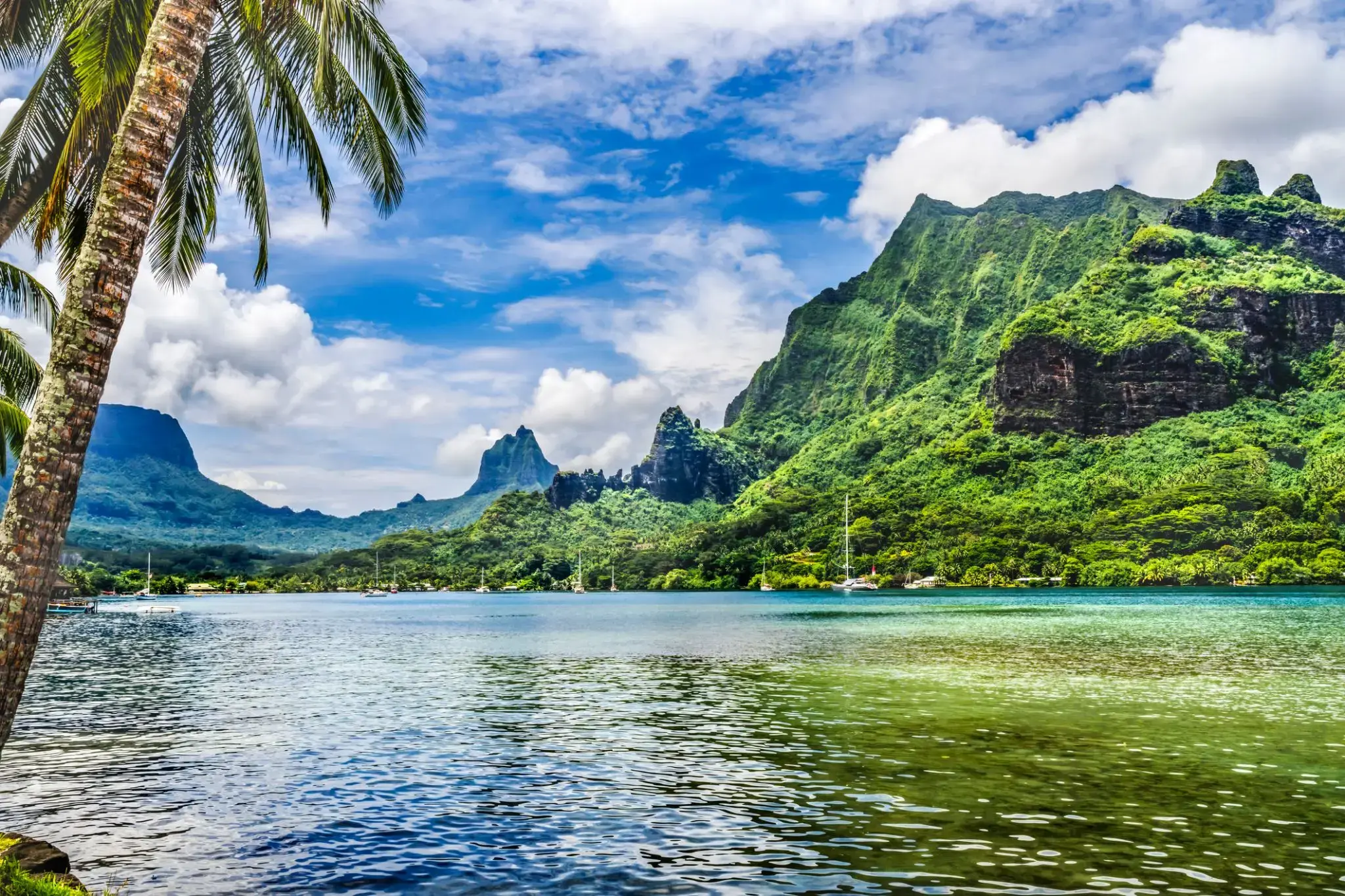
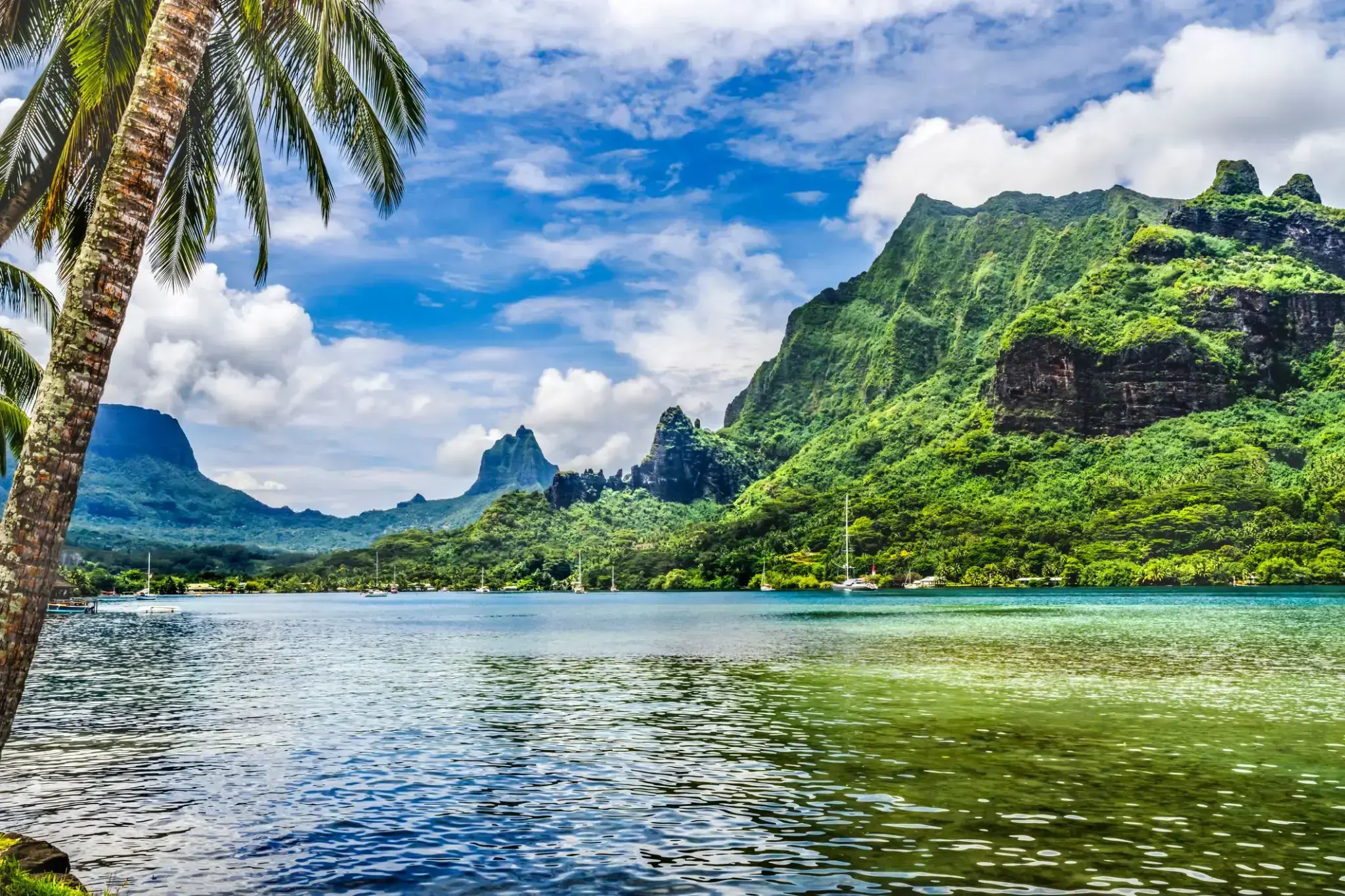
The island was formed as a volcano 1.5 to 2.5 million years ago, the result of a Society hotspot in the mantle under the oceanic plate that formed the whole of the Society Archipelago. It is theorized that the current bays were formerly river basins that filled during the Holocene searise.
Mo'orea is about 10 miles in width from the west to the east. There are two small, nearly symmetrical bays on the north shore. The one to the west is called 'Ōpūnohu Bay, which is not very populated but many travelers have come into the bay. The main surrounding communes of the bay are Piha'ena in the east and Papetō'ai to the west. The one to the east is Cook's Bay, also called Pao Pao Bay since the largest commune of Mo'orea is at the bottom of the bay. The other communes are Piha'ena to the west and busy Maharepa to the east. The highest point is Mount Tohi'e'a, near the center of Mo'orea. It dominates the vista from the two bays and can be seen from Tahiti. There are also hiking trails in the mountains. The Vai'are Bay is another small inlet, smaller than the two main bays, on the east shore. This bay has been settled a lot and has a lot of business. The main village is located just south of the bay.
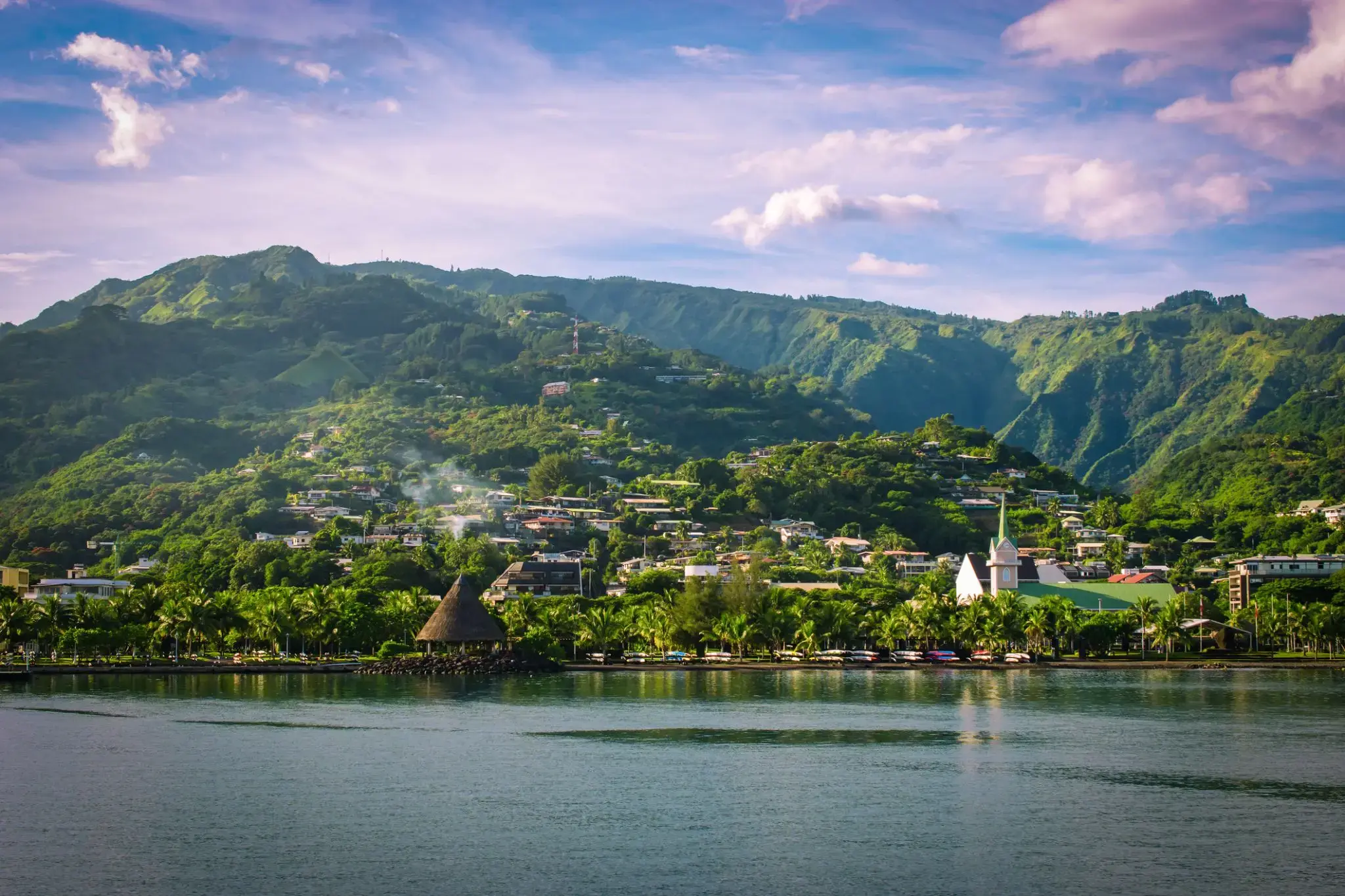
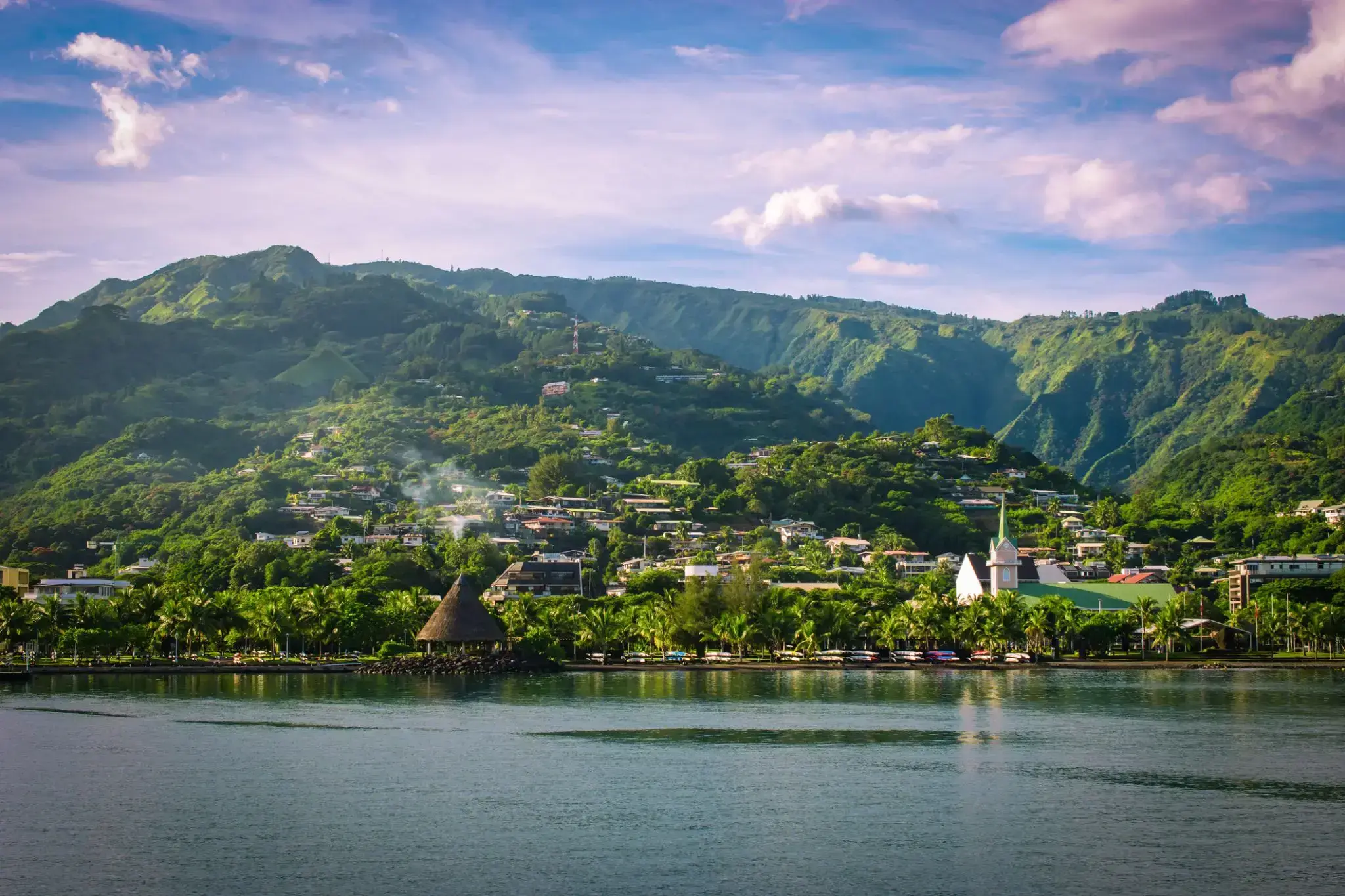
Papeete is the capital city of French Polynesia, an overseas collectivity of France in the Pacific Ocean. The commune of Papeete is located on the island of Tahiti, in the administrative subdivision of the Windward Islands, of which Papeete is the administrative capital. The French High Commissioner also resides in Papeete. It is the primary center of Tahitian and French Polynesian public and private governmental, commercial, industrial and financial services, the hub of French Polynesian tourism and a commonly used port of call. The Windward Islands are themselves part of the Society Islands. The name Papeete means "water from a basket".
The urban area of Papeete had a total population of 136,771 inhabitants at the August 2017 census, 26,926 of whom lived in the commune of Papeete proper.
Papeete is the capital city of French Polynesia, an overseas collectivity of France in the Pacific Ocean. The commune of Papeete is located on the island of Tahiti, in the administrative subdivision of the Windward Islands, of which Papeete is the administrative capital. The French High Commissioner also resides in Papeete. It is the primary center of Tahitian and French Polynesian public and private governmental, commercial, industrial and financial services, the hub of French Polynesian tourism and a commonly used port of call. The Windward Islands are themselves part of the Society Islands. The name Papeete means "water from a basket".
The urban area of Papeete had a total population of 136,771 inhabitants at the August 2017 census, 26,926 of whom lived in the commune of Papeete proper.
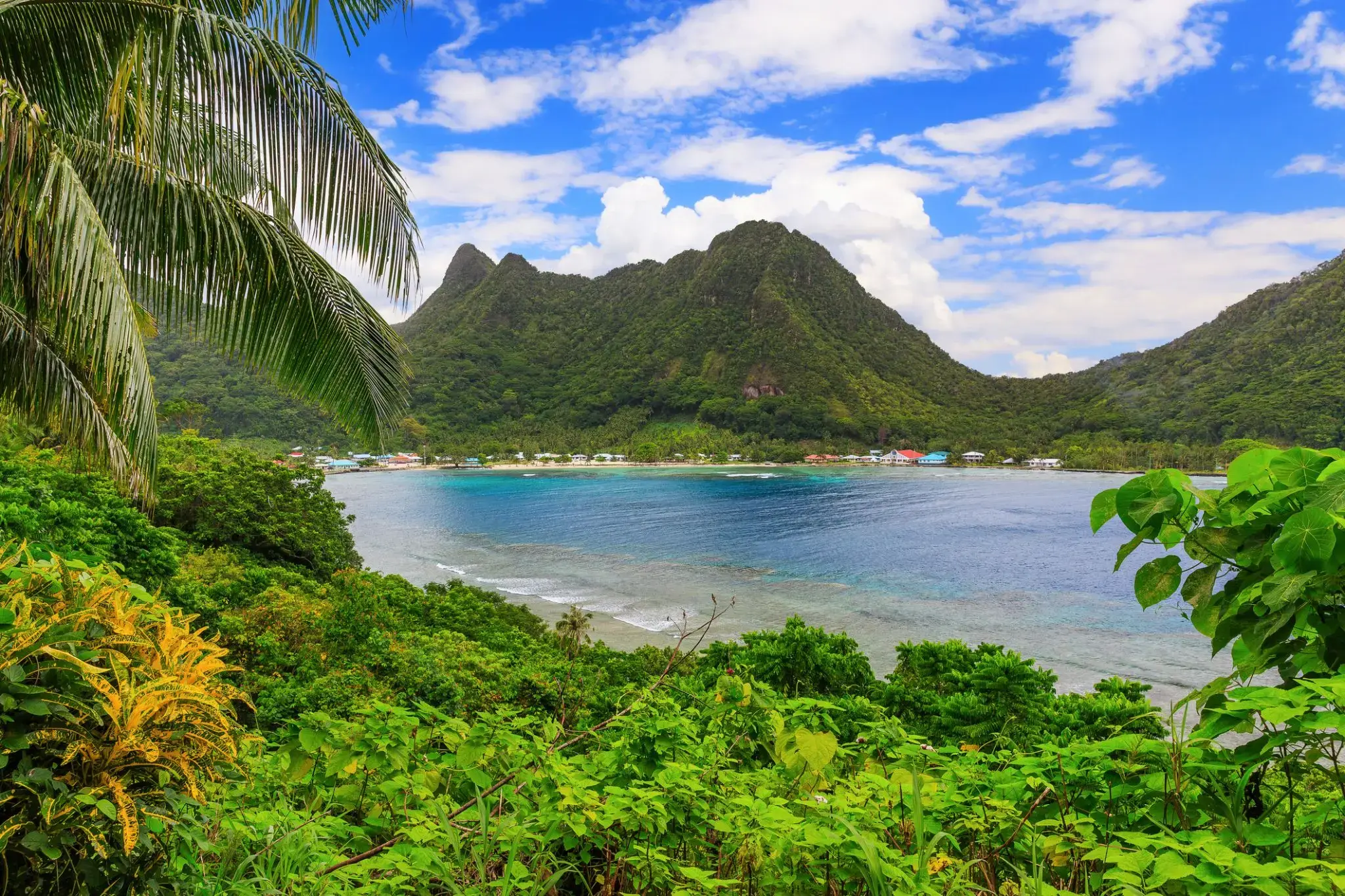
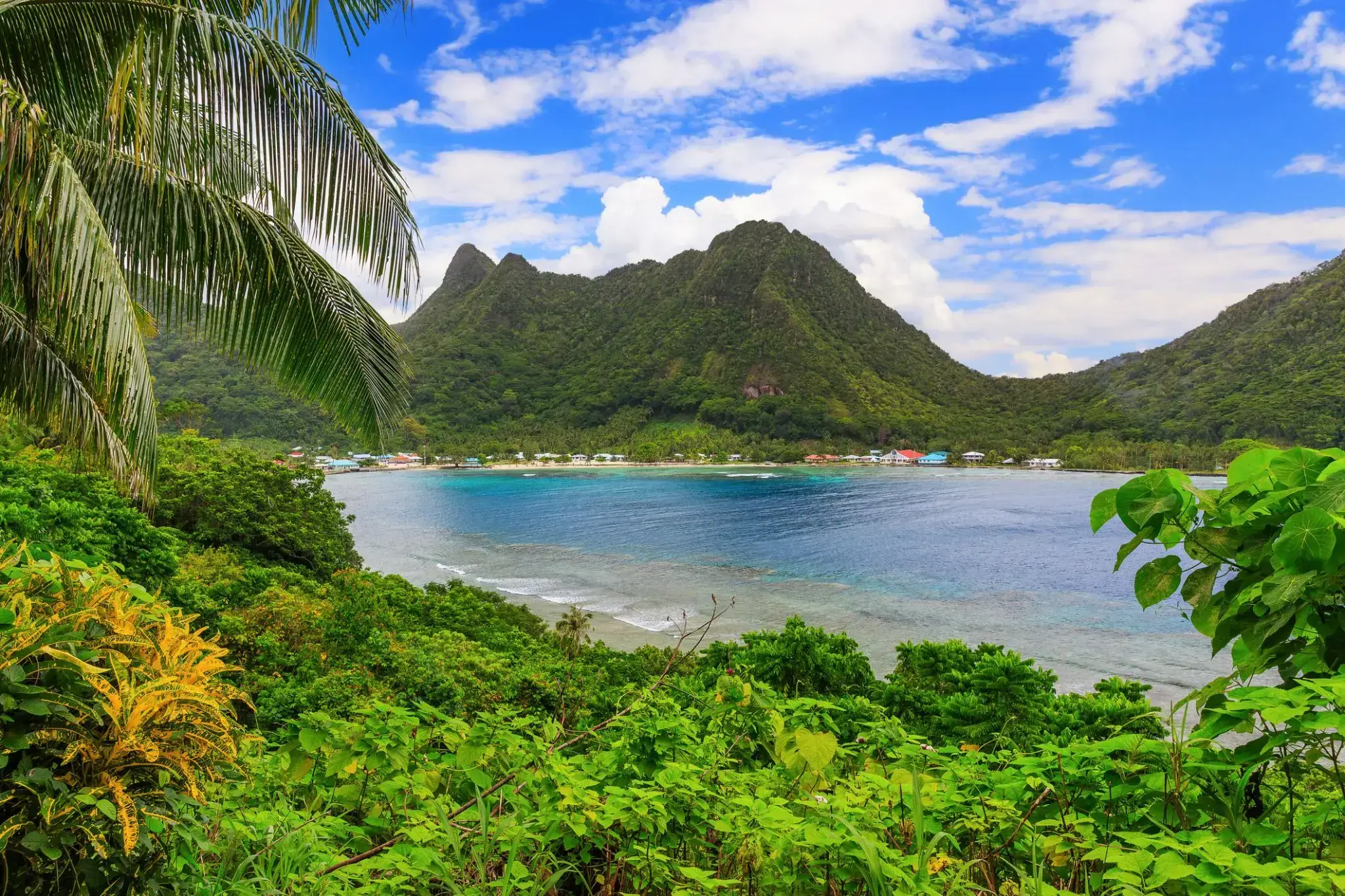
Pago Pago is the territorial capital of American Samoa. It is in Maoputasi County on the main island of American Samoa, Tutuila. It is home to one of the best and deepest natural deepwater harbors in the South Pacific Ocean, sheltered from wind and rough seas, and strategically located. The harbor is also one of the best protected in the South Pacific, which gives American Samoa a natural advantage with respect to landing fish for processing. Tourism, entertainment, food, and tunacanning are its main industries. Pago Pago was the world's 4th largest tuna processor as of 1993. It was home to two of the largest tuna companies in the world: Chicken of the Sea and StarKist, which exported an estimated $445 million in canned tuna to the U.S. mainland.
Pago Pago is the only modern urban center in American Samoa. The Greater Pago Pago Metropolitan Area encompasses several villages strung together along Pago Pago Harbor. One of the villages is itself named Pago Pago, and in 2010 had a population of 3,656. The constituent villages are, in order, Utulei, Fagatogo, Malaloa, Pago Pago, Satala and Atu'u. Fagatogo is the downtown area referred to as Town and is home to the legislature, while the executive is located in Utulei. In Fagatogo is the Fono, Police Department, Port of Pago Pago, many shops and hotels. The Greater Pago Pago Area was home to 8,000 residents in 2000.
Rainmaker Mountain (Mount Pioa) is located in Pago Pago, and gives the city the highest annual rainfall of any harbor in the world.
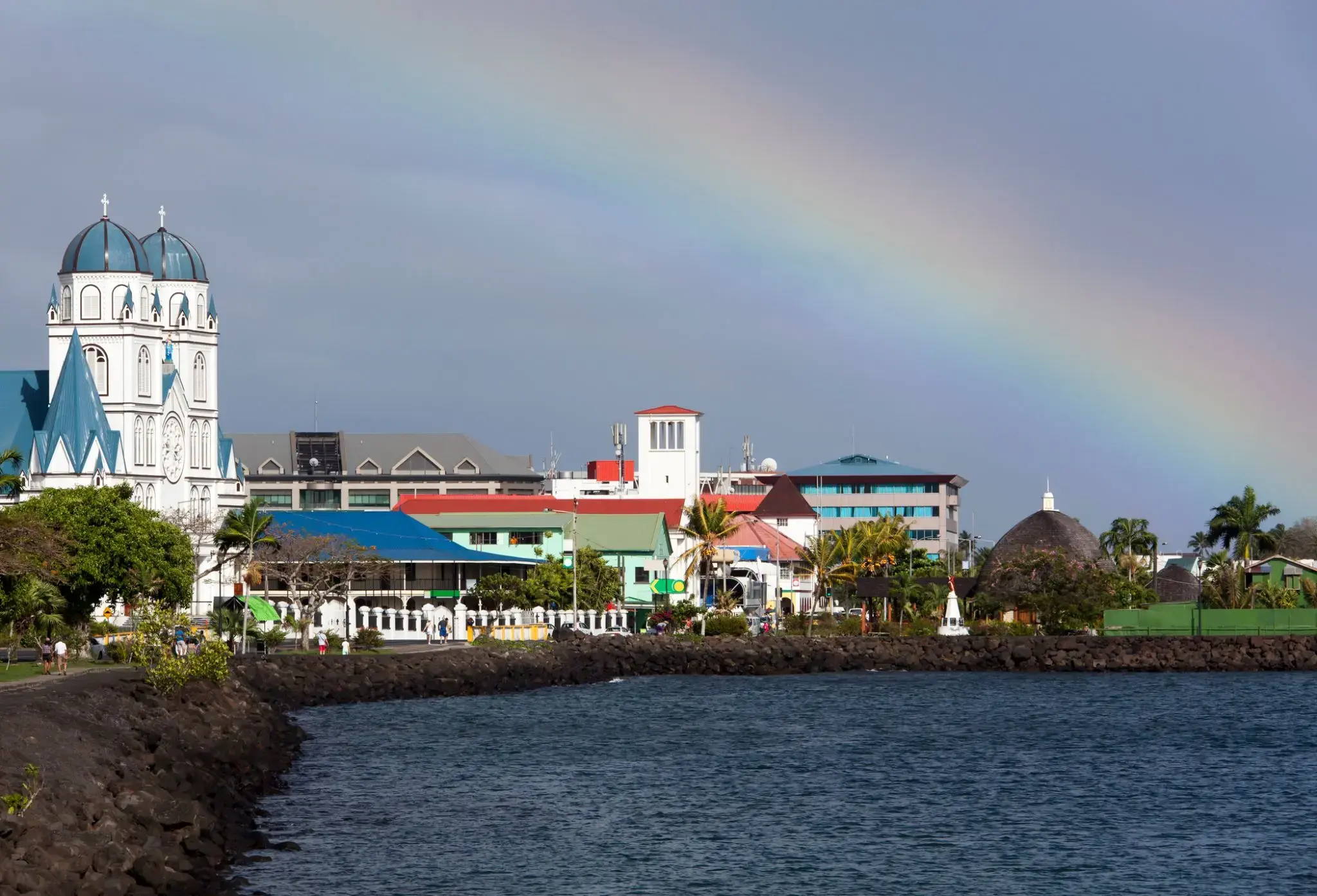
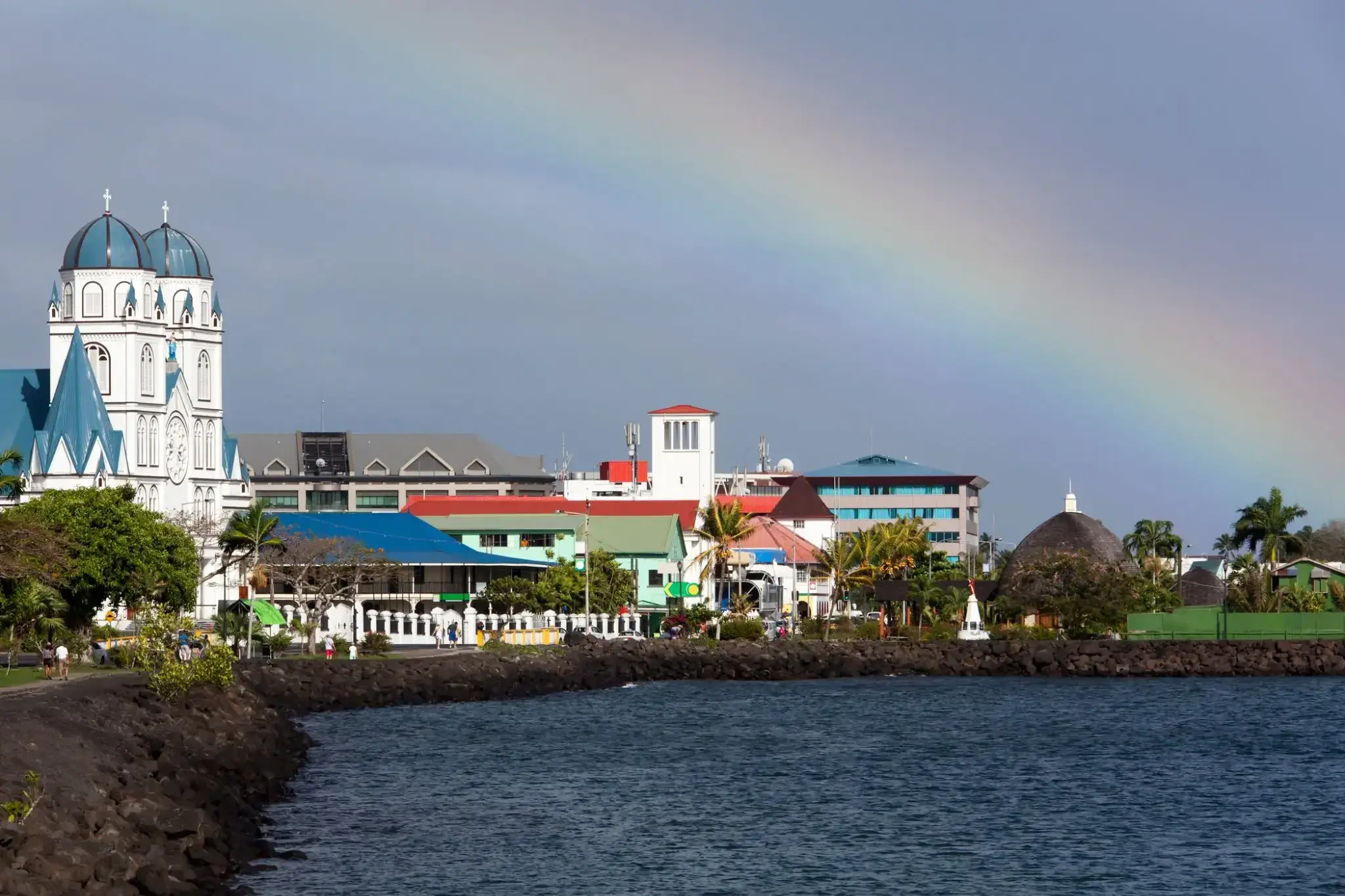
Apia is the capital and the largest city of Samoa. From 1900 to 1919, it was the capital of German Samoa. The city is located on the central north coast of Upolu, Samoa's second largest island. Apia is the only city in Samoa and falls within the political district (itūmālō) of Tuamasaga.
The Apia Urban Area has a population of 36,735 (2011 census) and is generally referred to as the City of Apia. The geographic boundaries of Apia Urban Area is mainly from Letogo village to the new industrialized region of Apia known as Vaitele.
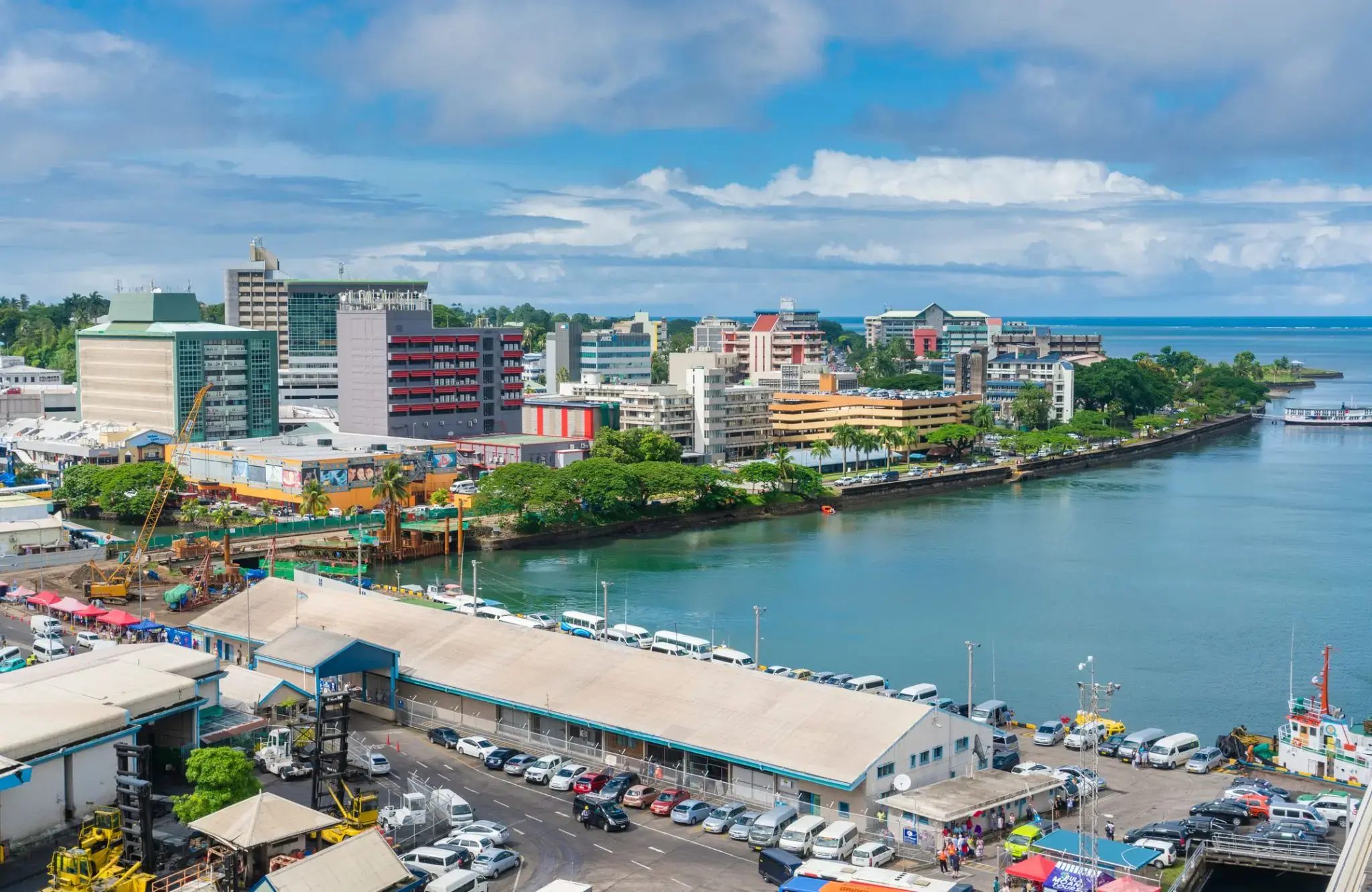
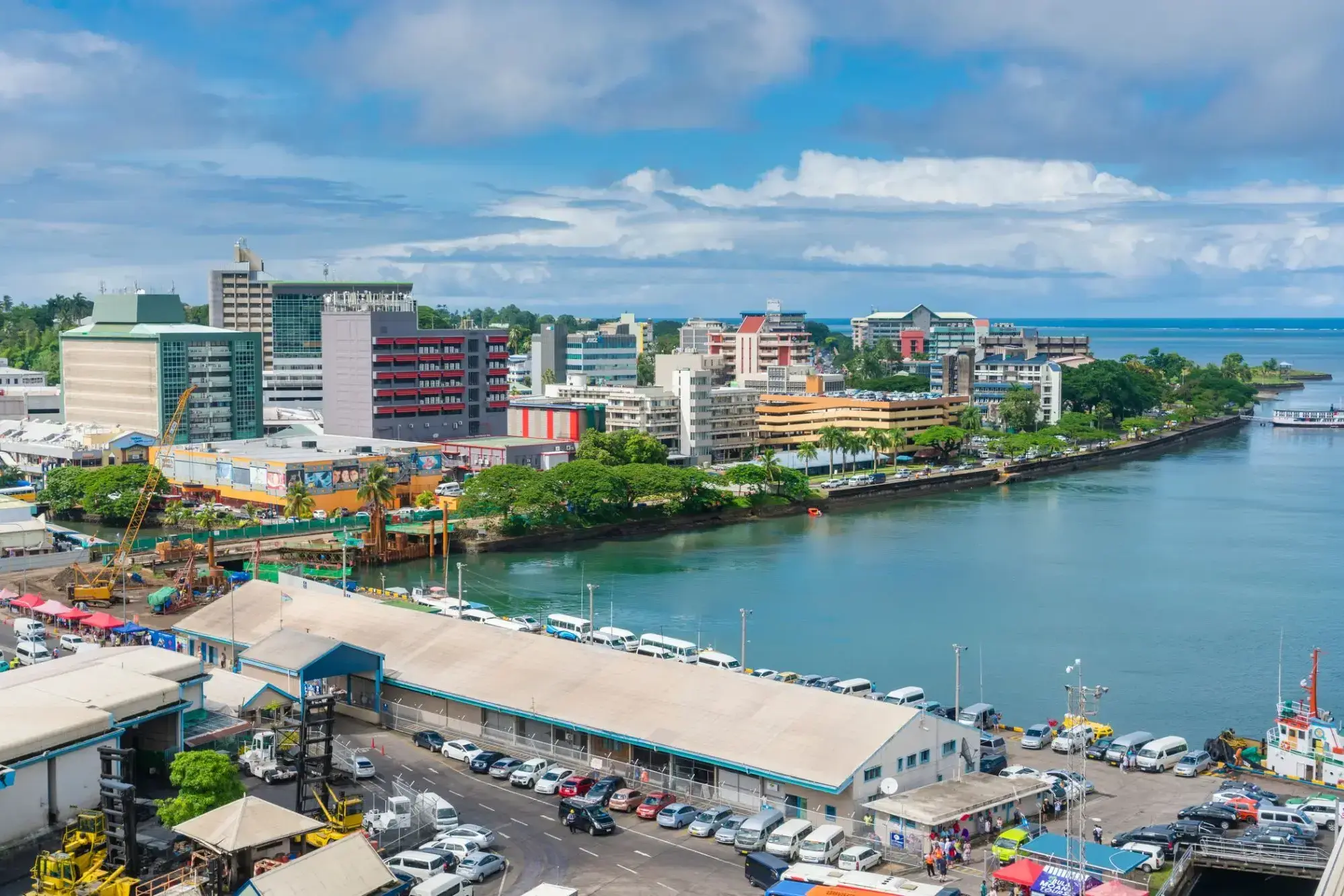
Suva is the capital and largest metropolitan city in Fiji. It is located on the southeast coast of the island of Viti Levu, in the Rewa Province, Central Division.
In 1877, it was decided to make Suva the capital of Fiji, as the geography of former main European settlement at Levuka on the island of Ovalau, Lomaiviti province proved too restrictive. The administration of the colony was moved from Levuka to Suva in 1882.
At the 2007 census, the city of Suva had a population of 85,691. Including independent suburbs, the population of the Greater Suva urban area was 172,399 at the 2007 census. Suva, along with the bordering towns of Lami, Nasinu, and Nausori have a total urban population of around 330,000, over a third of the nation's population. This urban complex (not including Lami) is known also as the Suva-Nausori corridor.
Suva is the political, economic, and cultural centre of Fiji. It is also the economic and cultural capital of the Pacific, hosting the majority of regional headquarters of major corporations, as well as international agencies and diplomatic missions in the region. The city also has a thriving arts and performance scene, with a growing reputation as the region’s fashion capital.
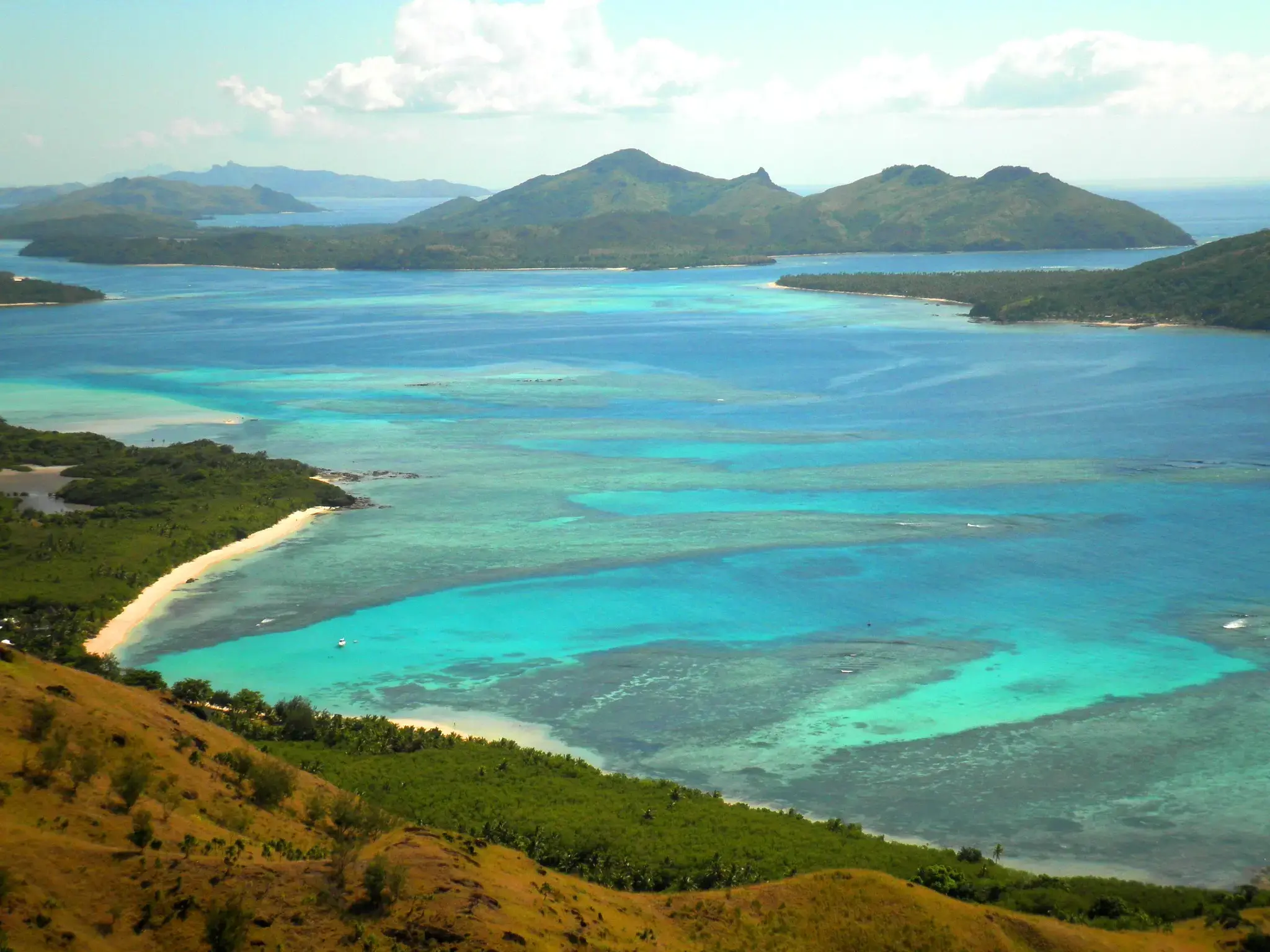
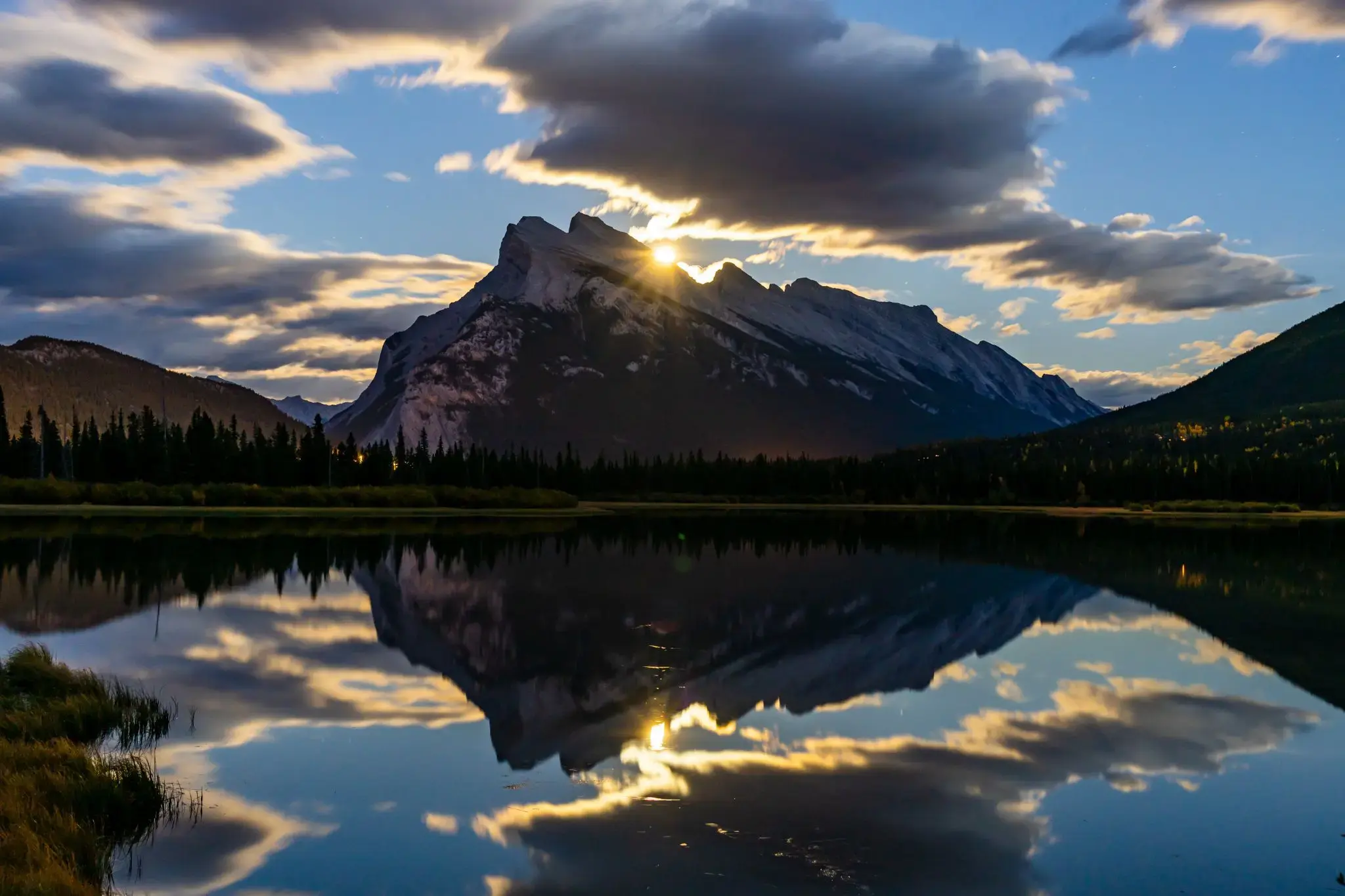
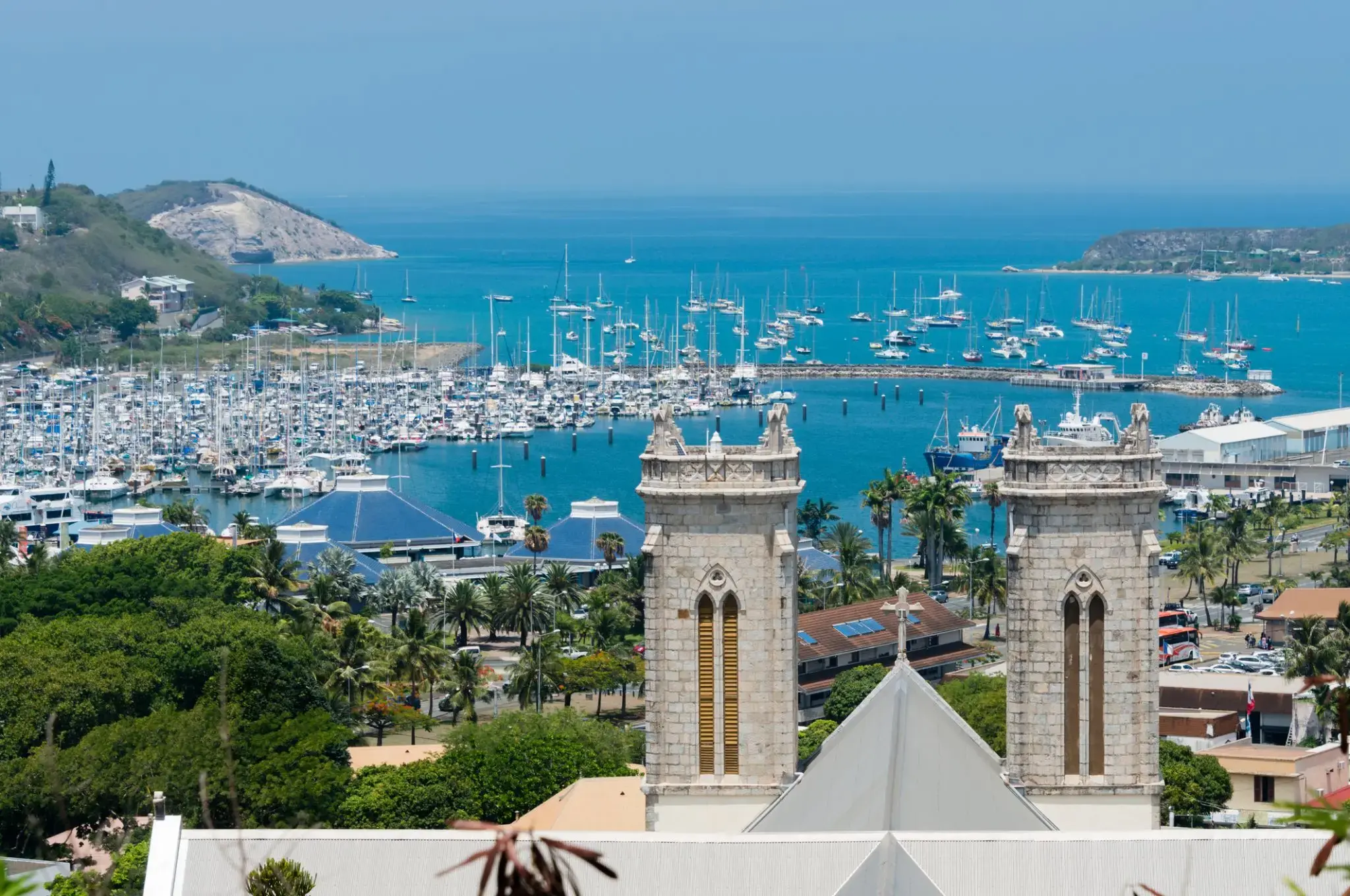
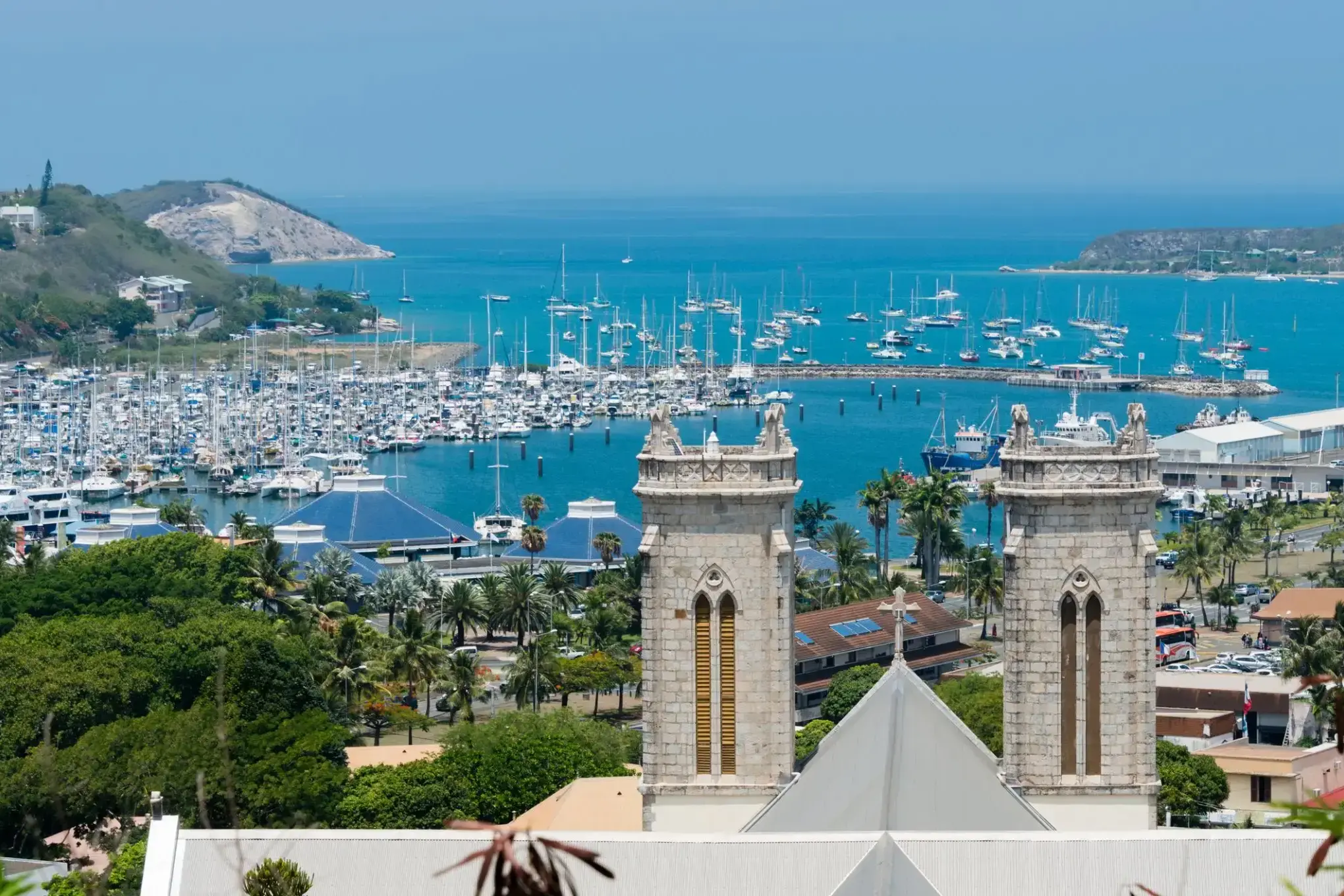
Nouméa is the capital and largest city of the French special collectivity of New Caledonia. It is situated on a peninsula in the south of New Caledonia's main island, Grande Terre, and is home to the majority of the island's European, Polynesian (Wallisians, Futunians, Tahitians), Indonesian, and Vietnamesepopulations, as well as many Melanesians, Ni-Vanuatu and Kanaks who work in one of the South Pacific's most industrialised cities. The city lies on a protected deepwater harbour that serves as the chief port for New Caledonia.
At the August 2014 census, there were 179,509 inhabitants in the metropolitan area of Greater Nouméa (French: agglomération du Grand Nouméa), 99,926 of whom lived in the city (commune) of Nouméa proper. 66.8% of the population of New Caledonia live in Greater Nouméa, which covers the communes of Nouméa, Le Mont-Dore, Dumbéa and Païta.
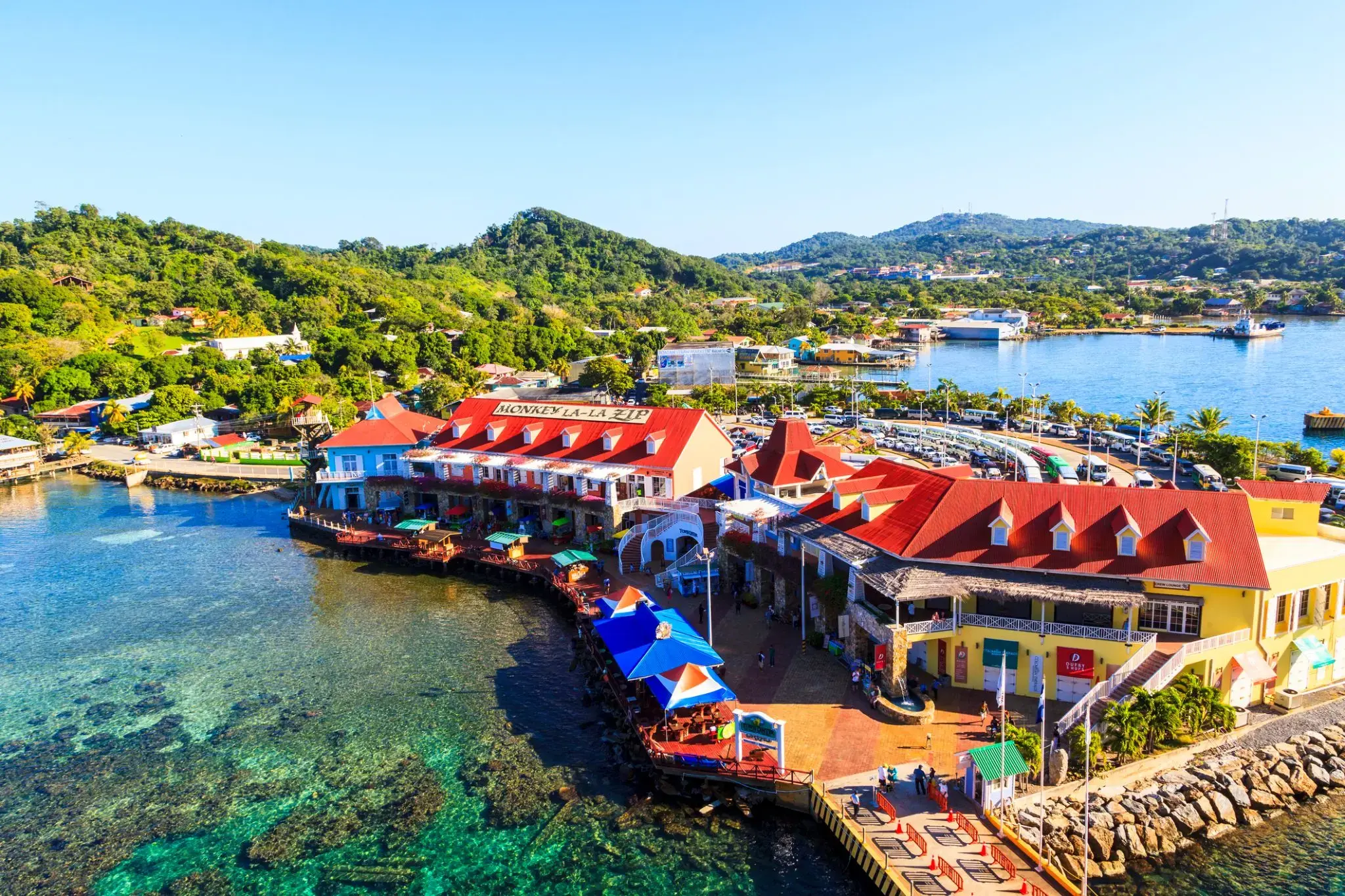
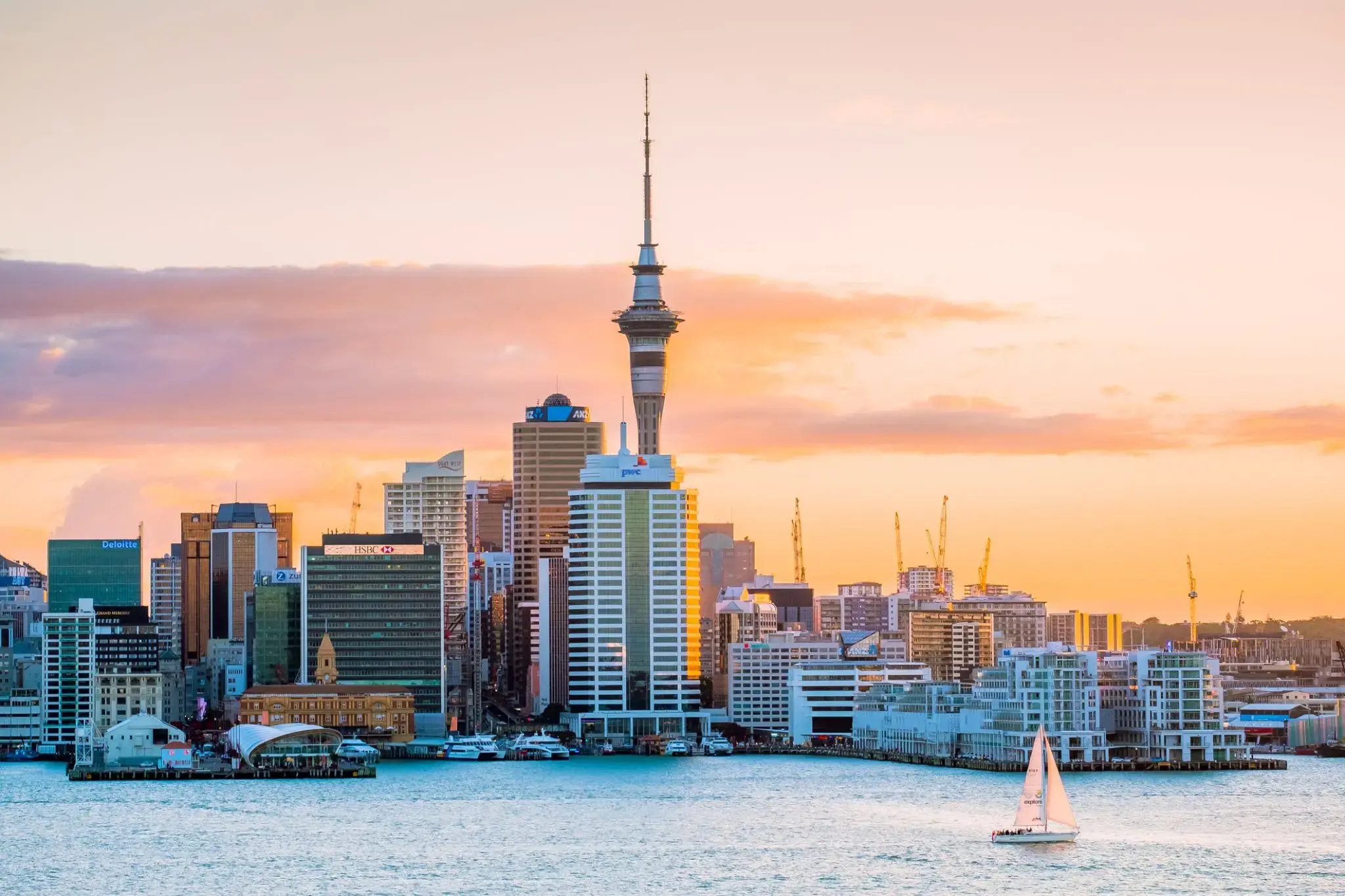
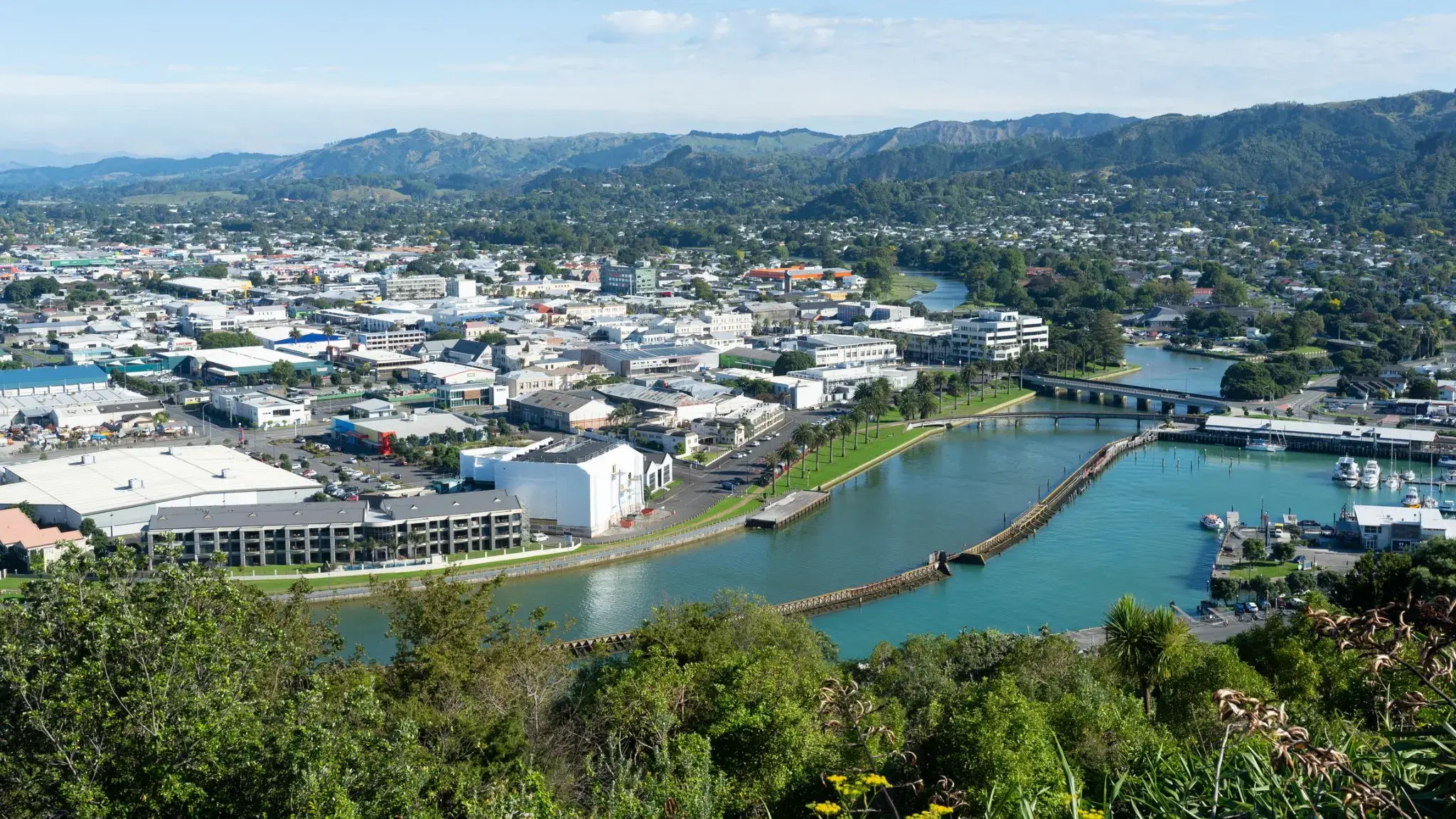
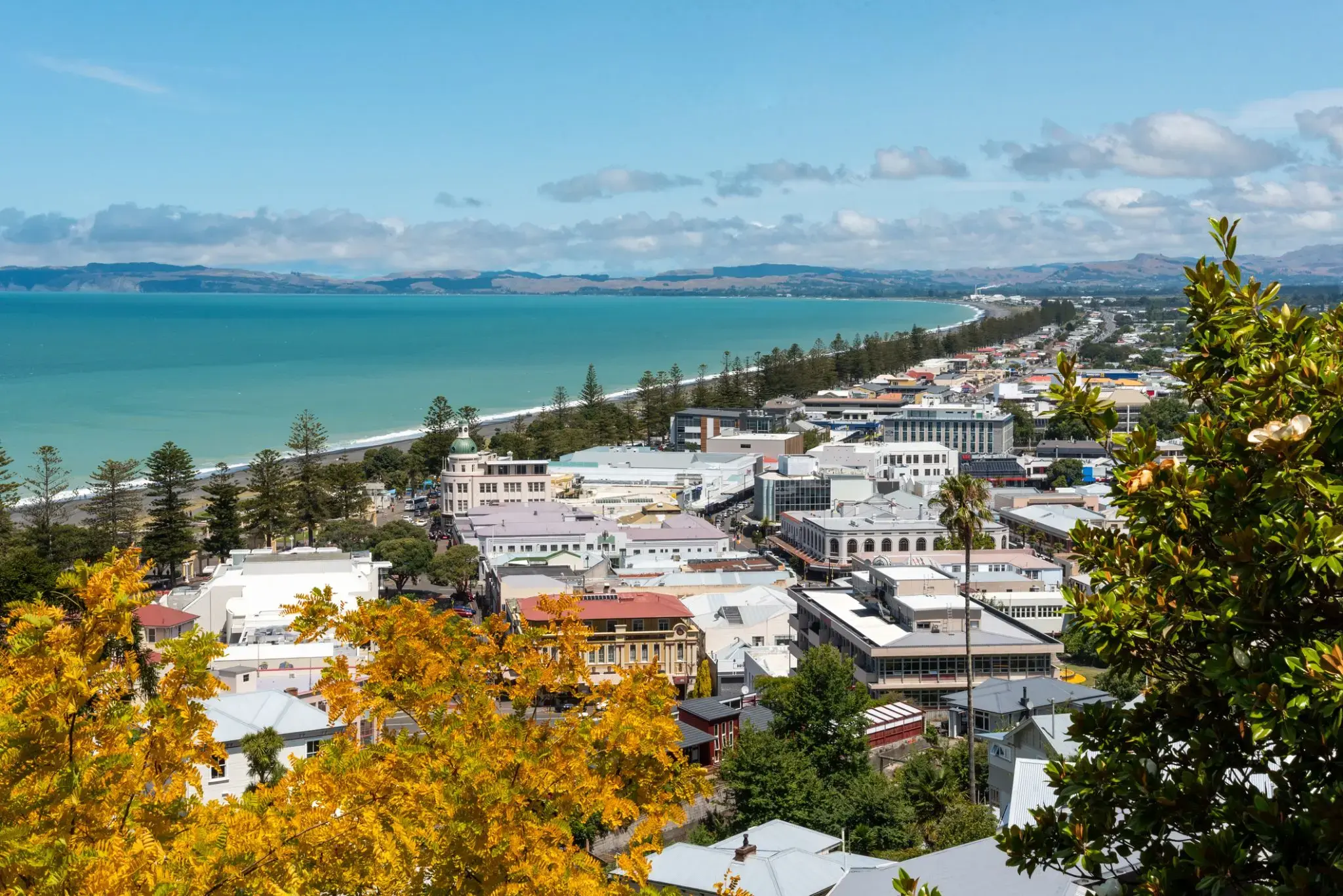
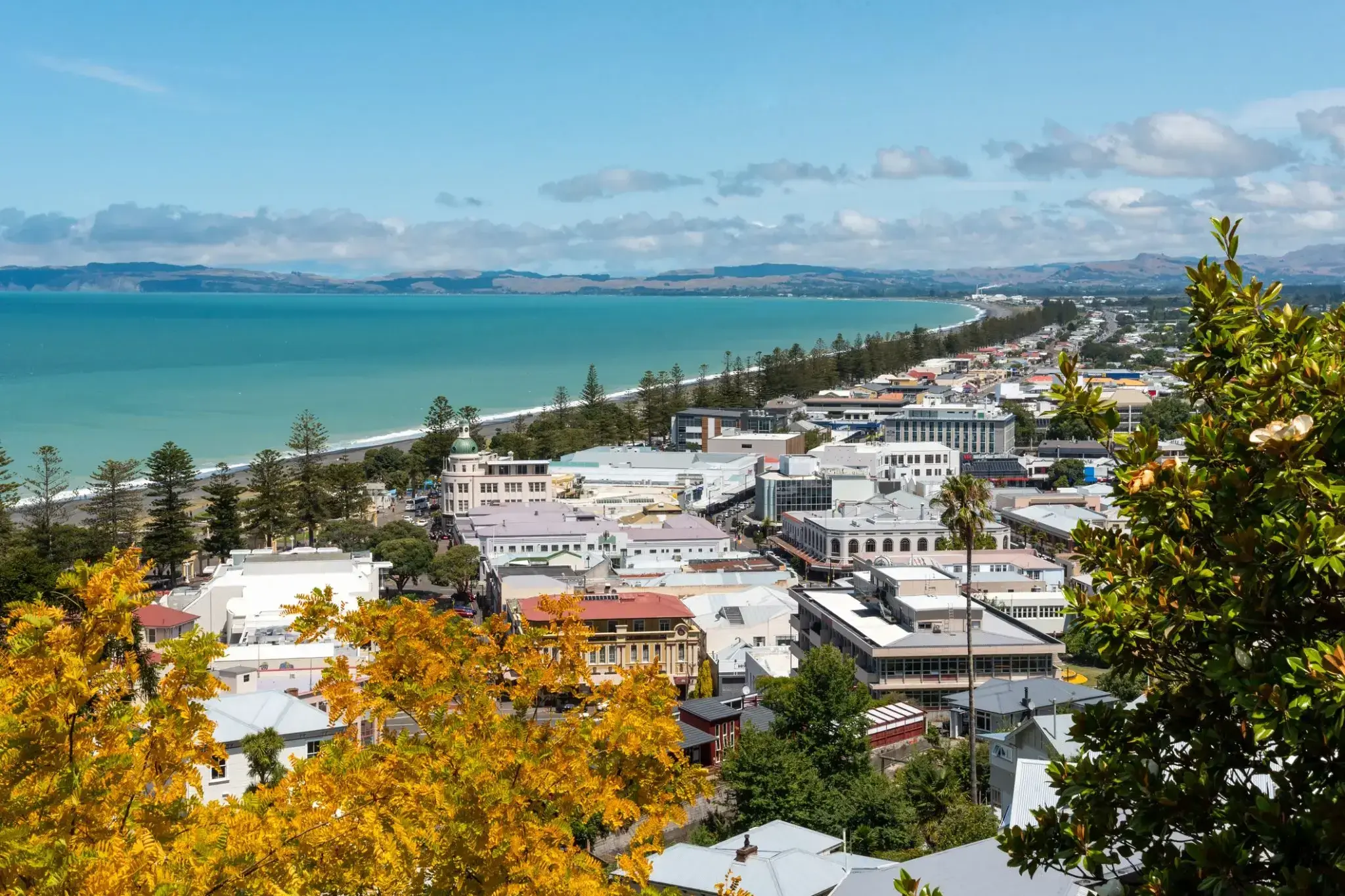
Napier is a New Zealand city with a seaport, located in Hawke's Bay on the eastern coast of the North Island. The population of Napier is about 63,900 as of the June 2018. About 18 kilometres (11 mi) south of Napier is the inland city of Hastings. These two neighbouring cities are often called "The Bay Cities" or "The Twin Cities" of New Zealand. The total population of the Napier-Hastings Urban Area is 134,500 people, which makes it the sixth-largest urban area in New Zealand, closely followed by Dunedin (122,000), and trailing Tauranga(141,600).
Napier is about 320 kilometres (200 mi) northeast of the capital city of Wellington. Napier (63,900) has a smaller population than its neighbouring city of Hastings (70,600) but is seen as the main centre due to it being closer in distance to both the seaport and the main airport that service Hawke's Bay, and Hastings' population figure includes 13,000 people living in Havelock North, which is often considered a town in its own right. The City of Napier has a land area of 106 square kilometres (41 sq mi) and a population density of 540.0 per square kilometre.
Napier is the nexus of the largest wool centre in the Southern Hemisphere, and it has the primary export seaport for northeastern New Zealand – which is the largest producer of apples, pears, and stone fruit in New Zealand. Napier has also become an important grape and wine production area, with the grapes grown around Hastings and Napier being sent through the Port of Napier for export. Large amounts of sheep's wool, frozen meat, wood pulp, and timber also pass through Napier annually for export. Smaller amounts of these materials are shipped via road and railway to the large metropolitan areas of New Zealand itself, such as Auckland, Wellington and Hamilton.
Napier is a popular tourist city, with a unique concentration of 1930s Art Deco architecture, built after much of the city was razed in the 1931 Hawke's Bay earthquake. It also has one of the most photographed tourist attractions in the country, a statue on Marine Parade called Pania of the Reef. Thousands of people flock to Napier every February for the Tremains Art Deco Weekend event, a celebration of its Art Deco heritage and history. Other notable tourist events attracting many outsiders to the region annually include F.A.W.C! Food and Wine Classic events, and the Mission Estate Concert at Mission Estate and Winery in the suburb of Taradale.
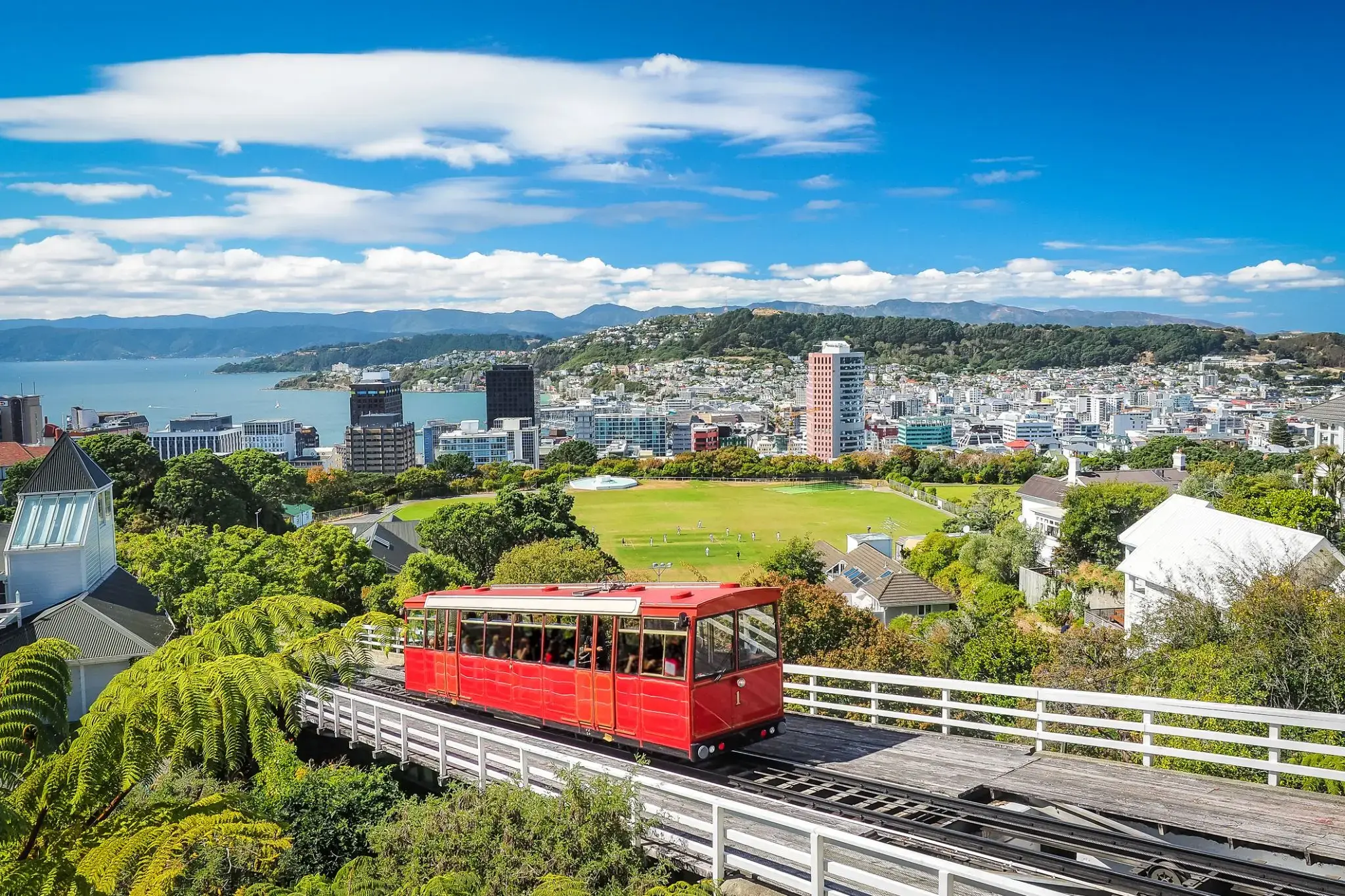
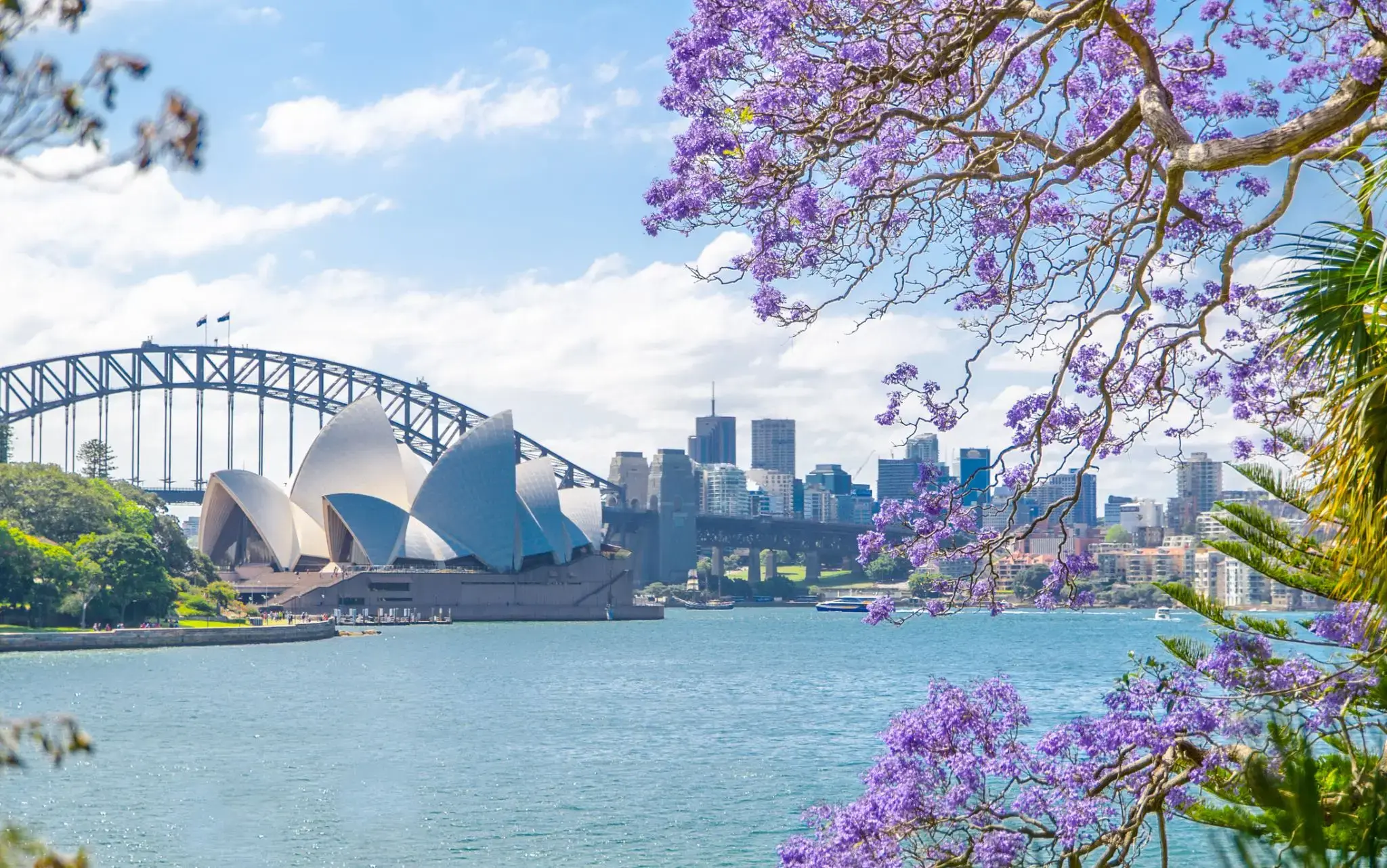
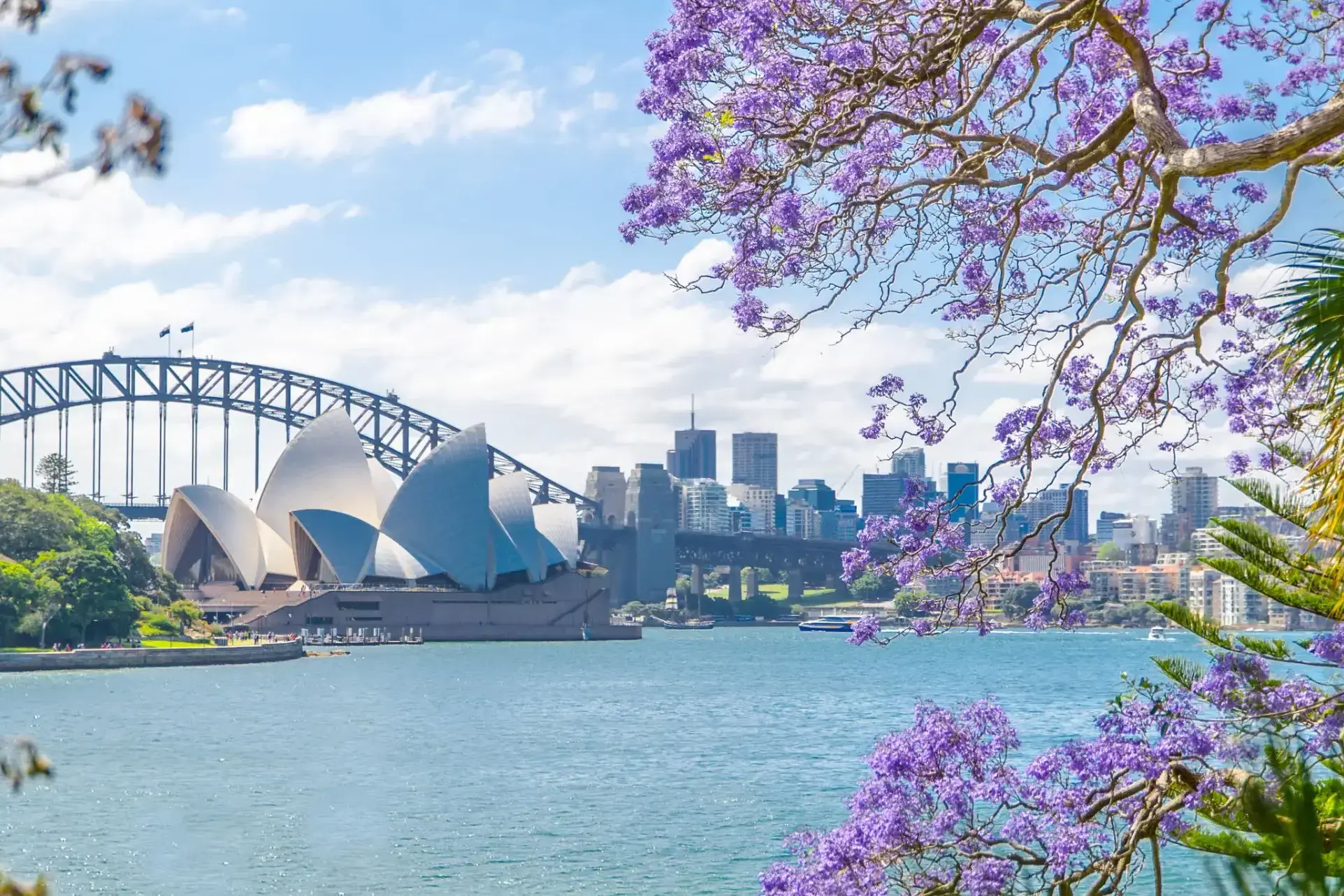
Sydney is the state capital of New South Wales and the most populous city in Australiaand Oceania. Located on Australia's east coast, the metropolis surrounds Port Jackson and extends about 70 km (43.5 mi) on its periphery towards the Blue Mountains to the west, Hawkesbury to the north, and Macarthur to the south. Sydney is made up of 658 suburbs, 40 local government areas and 15 contiguous regions. Residents of the city are known as "Sydneysiders". As of June 2017, Sydney's estimated metropolitan population was 5,131,326, and is home to approximately 65% of the state's population.
Sydney is the state capital of New South Wales and the most populous city in Australiaand Oceania. Located on Australia's east coast, the metropolis surrounds Port Jackson and extends about 70 km (43.5 mi) on its periphery towards the Blue Mountains to the west, Hawkesbury to the north, and Macarthur to the south. Sydney is made up of 658 suburbs, 40 local government areas and 15 contiguous regions. Residents of the city are known as "Sydneysiders". As of June 2017, Sydney's estimated metropolitan population was 5,131,326, and is home to approximately 65% of the state's population.
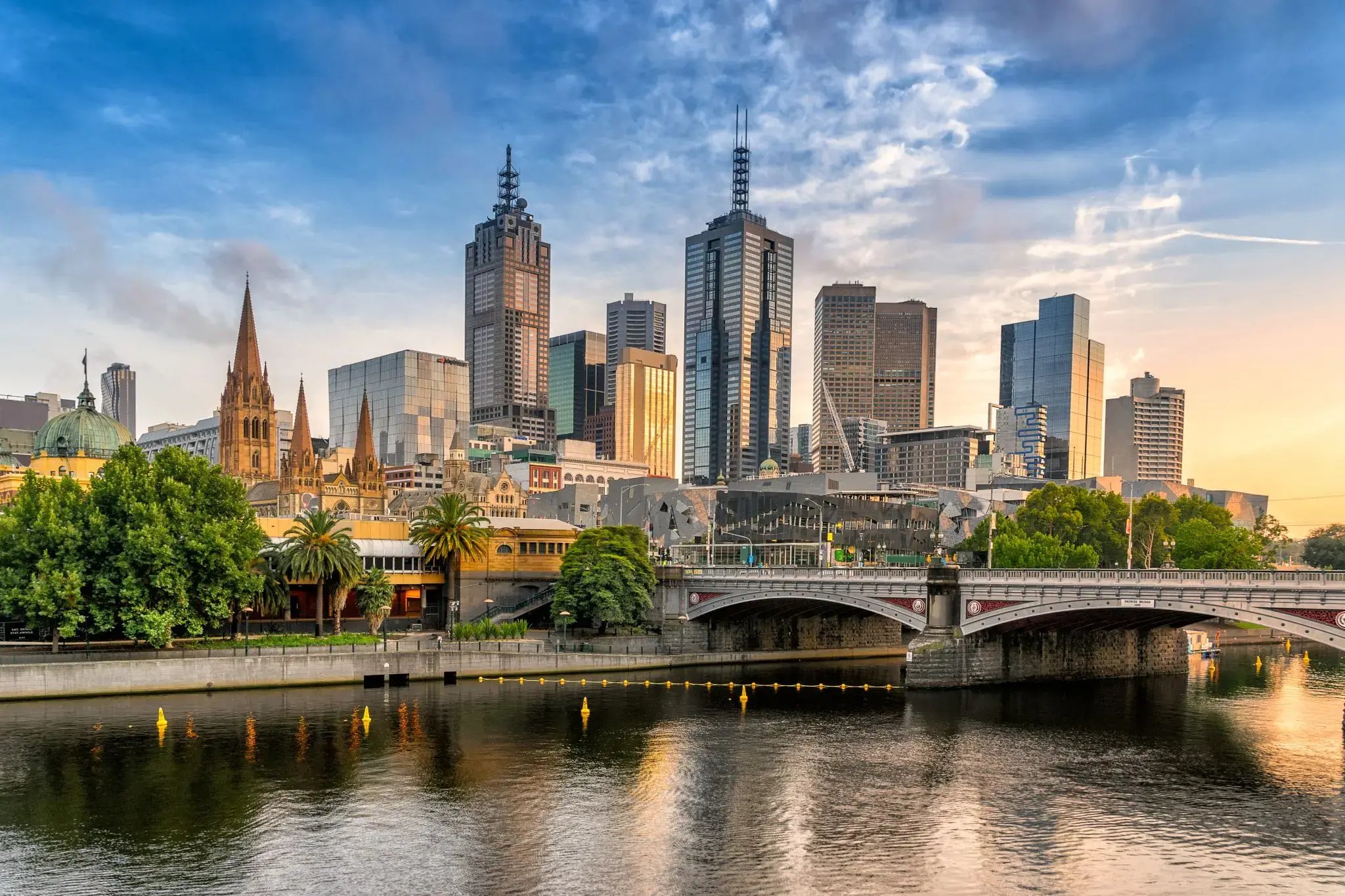
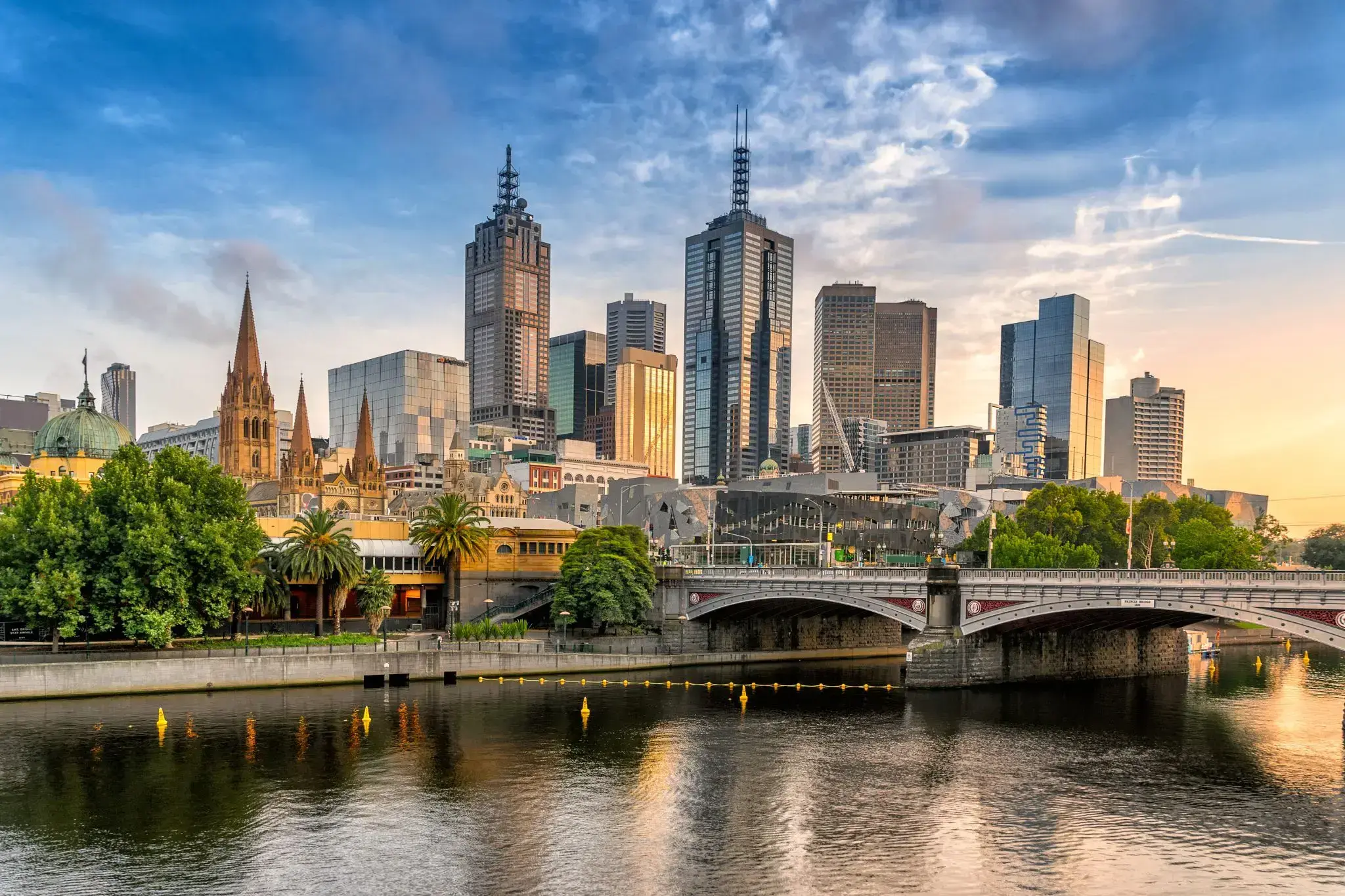
Melbourne is the capital and most populous city of the Australian state of Victoria, and the second most populous city in Australia and Oceania. Its name refers to an urban agglomeration of 9,992.5 km2 (3,858.1 sq mi), comprising a metropolitan area with 31 municipalities, and is also the common name for its city centre. The city occupies much of the coastline of Port Phillip bay and spreads into the hinterlands towards the Dandenong and Macedon ranges, Mornington Peninsula and Yarra Valley. It has a population of approximately 4.9 million (19% of the population of Australia), and its inhabitants are referred to as "Melburnians".
The city was founded on 30 August 1835, in what was the British colony of New South Wales, by free settlers from the colony of Van Diemen’s Land. It was incorporated as a Crown settlement in 1837 and named in honour of the British Prime Minister, William Lamb, 2nd Viscount Melbourne. It was declared a city by Queen Victoria in 1847, after which it became the capital of the new colony of Victoria in 1851. In the wake of the 1850s Victorian gold rush, the city entered the "Marvellous Melbourne" boom period, transforming into one of the most important cities in the British Empire and one of the largest and wealthiest in the world. After the federation of Australia in 1901, it served as interim seat of government of the new nation until Canberra became the permanent capital in 1927. Today, it is a leading financial centre in the Asia-Pacific region and ranks 20th in the Global Financial Centres Index.
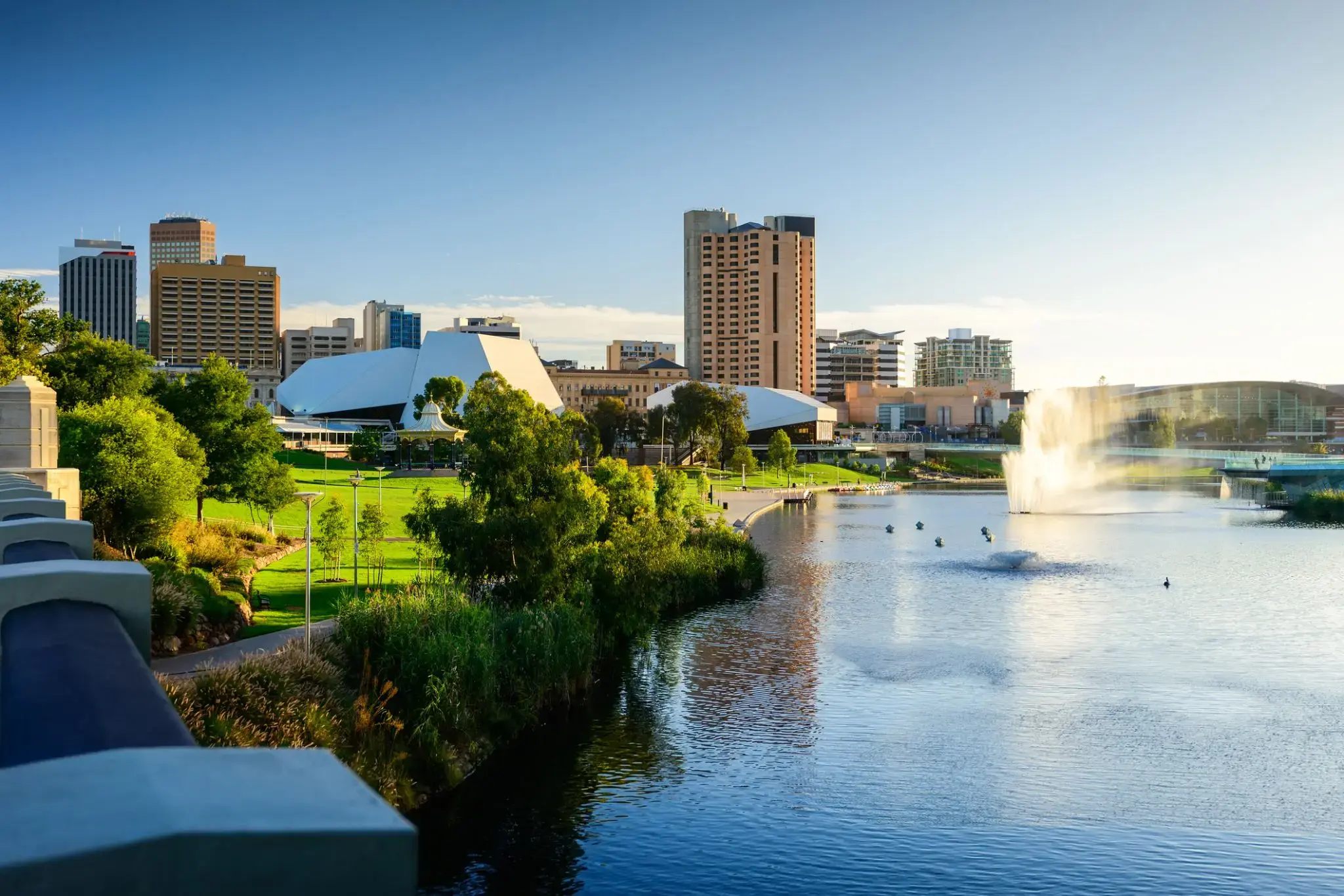
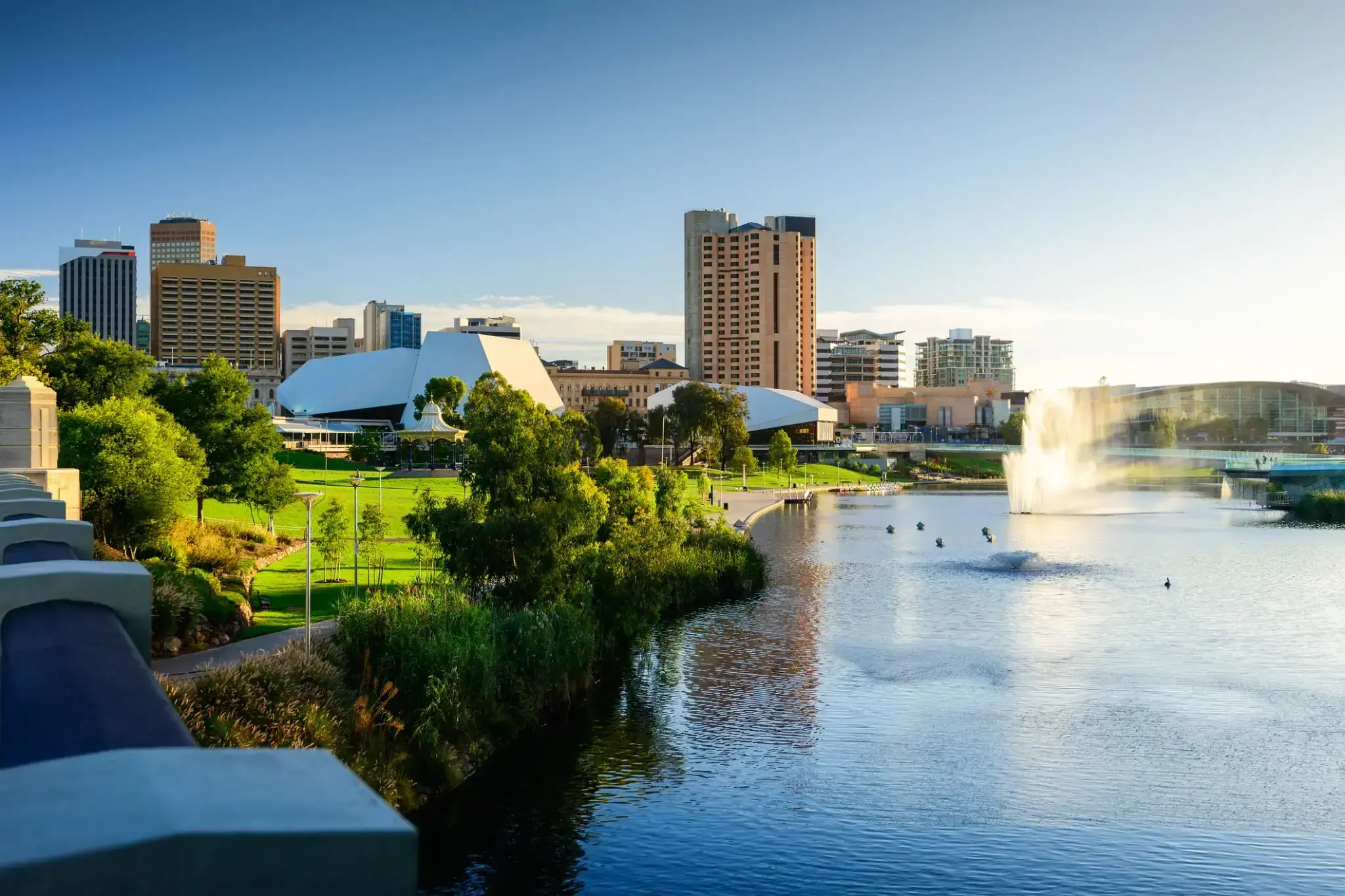
Adelaide is the capital city of the state of South Australia, and the fifth-most populous city of Australia. In June 2017, Adelaide had an estimated resident population of 1,333,927. Adelaide is home to more than 75 percent of the South Australian population, making it the most centralised population of any state in Australia.
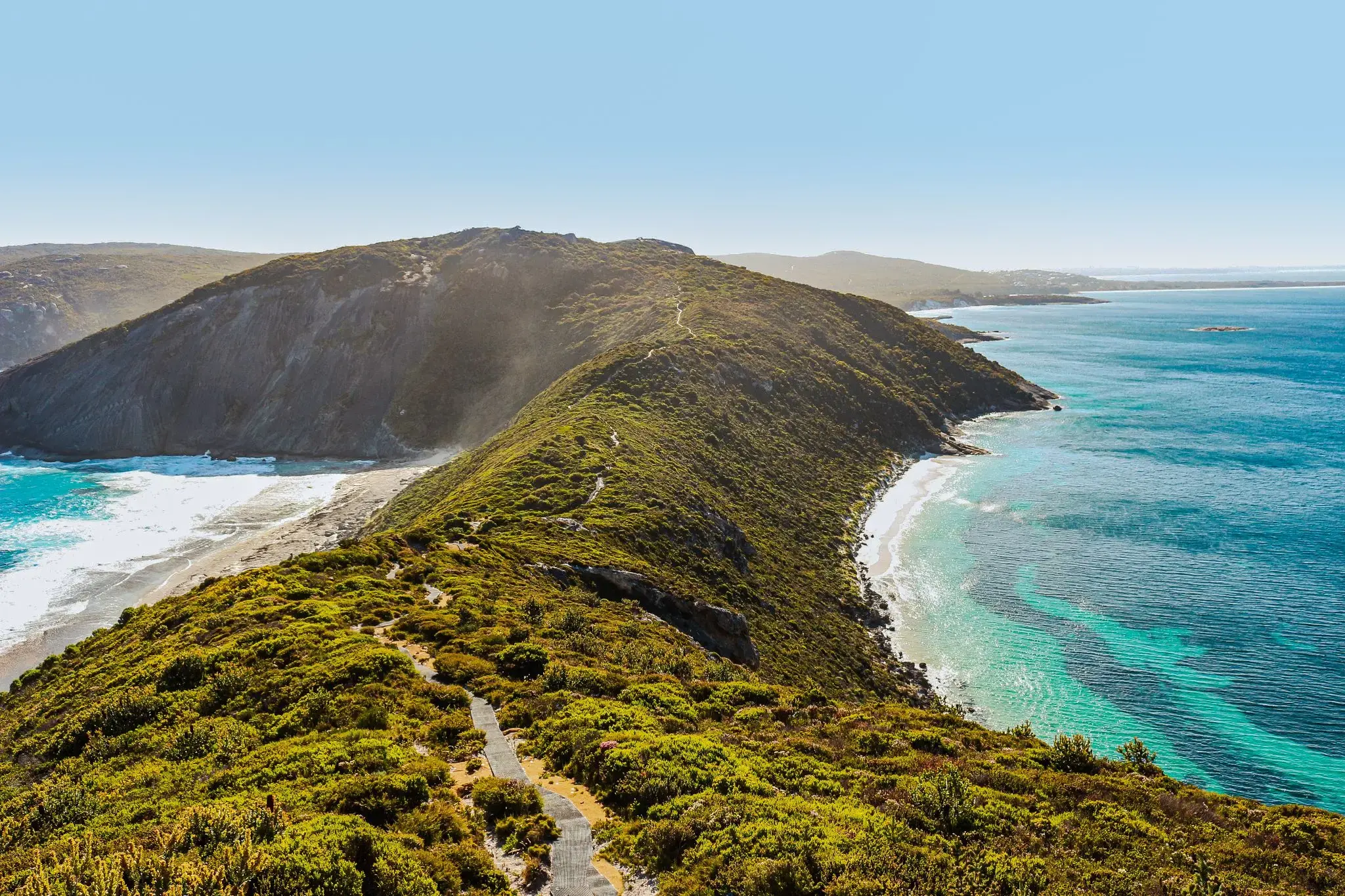
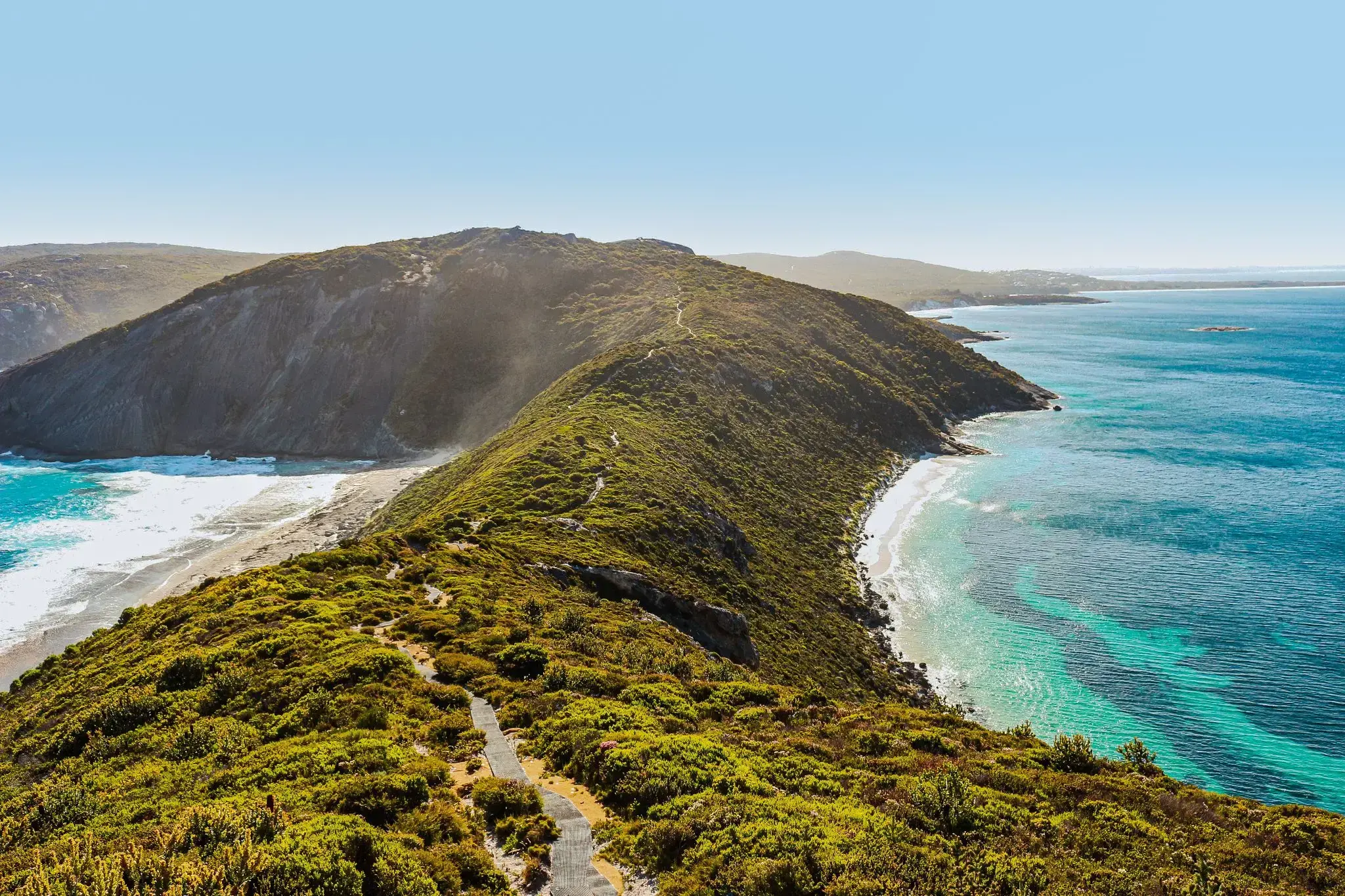
Albany is a port city in the Great Southern region of Western Australia, 418 km SE of Perth, the state capital. Albany is the oldest colonial settlement in Western Australia, predating Perth and Fremantle by over two years.
The city centre is at the northern edge of Princess Royal Harbour, which is a part of King George Sound. The central business district is bounded by Mount Clarence to the east and Mount Melville to the west. The city is in the local government area of the City of Albany.
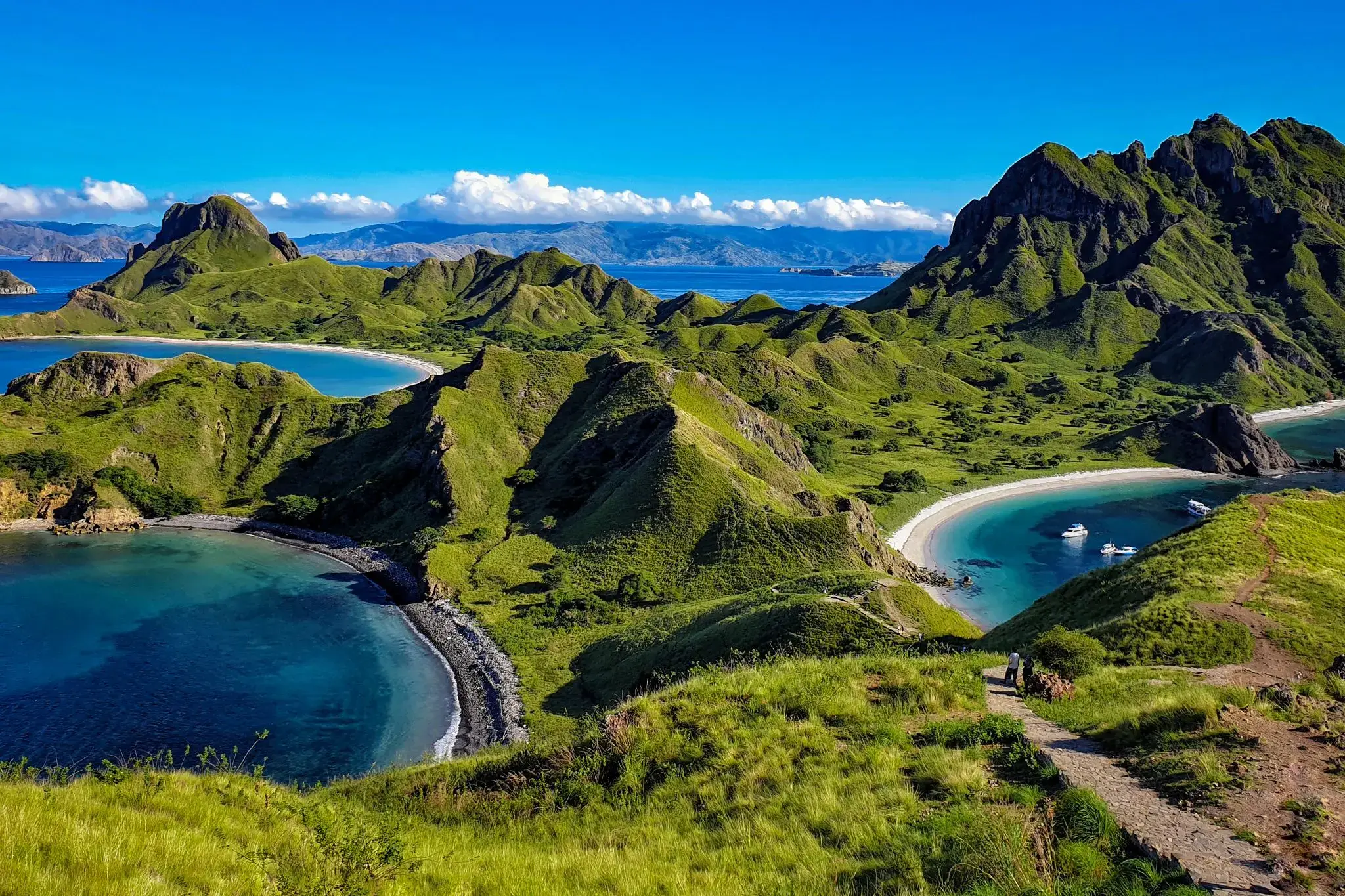
Komodo is one of the 17,508 islands that comprise the Republic of Indonesia. The island is particularly notable as the habitat of the Komodo dragon, the largest lizard on Earth, which is named after the island. Komodo Island has a surface area of 390 square kilometres and a human population of over two thousand. The people of the island are descendants of former convicts who were exiled to the island and who have mixed with Bugis from Sulawesi. The people are primarily adherents of Islam but there are also Christian and Hindu congregations.
Komodo is part of the Lesser Sunda chain of islands and forms part of the Komodo National Park. In addition, the island is a popular destination for diving. Administratively, it is part of the East Nusa Tenggara province.
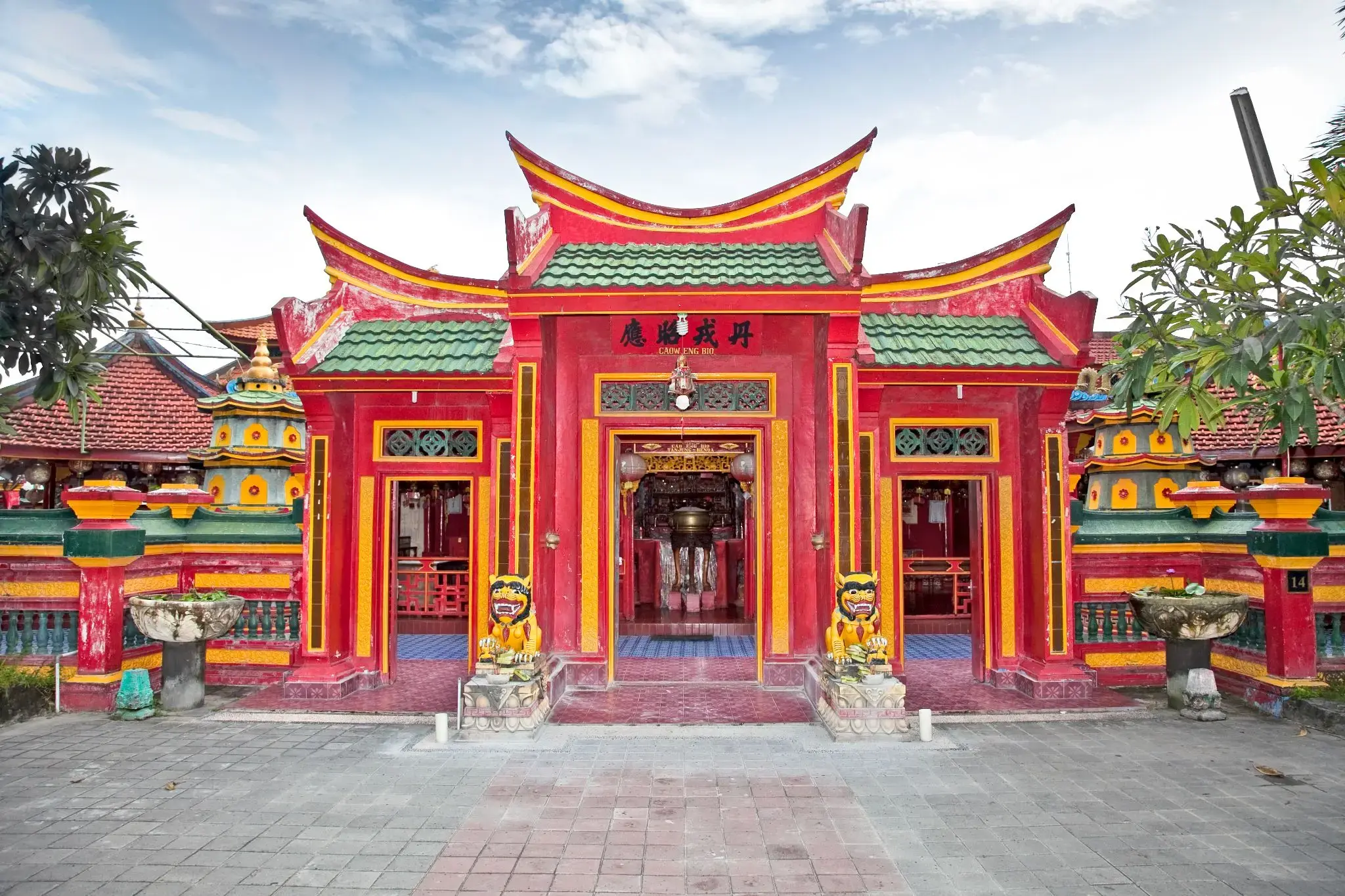
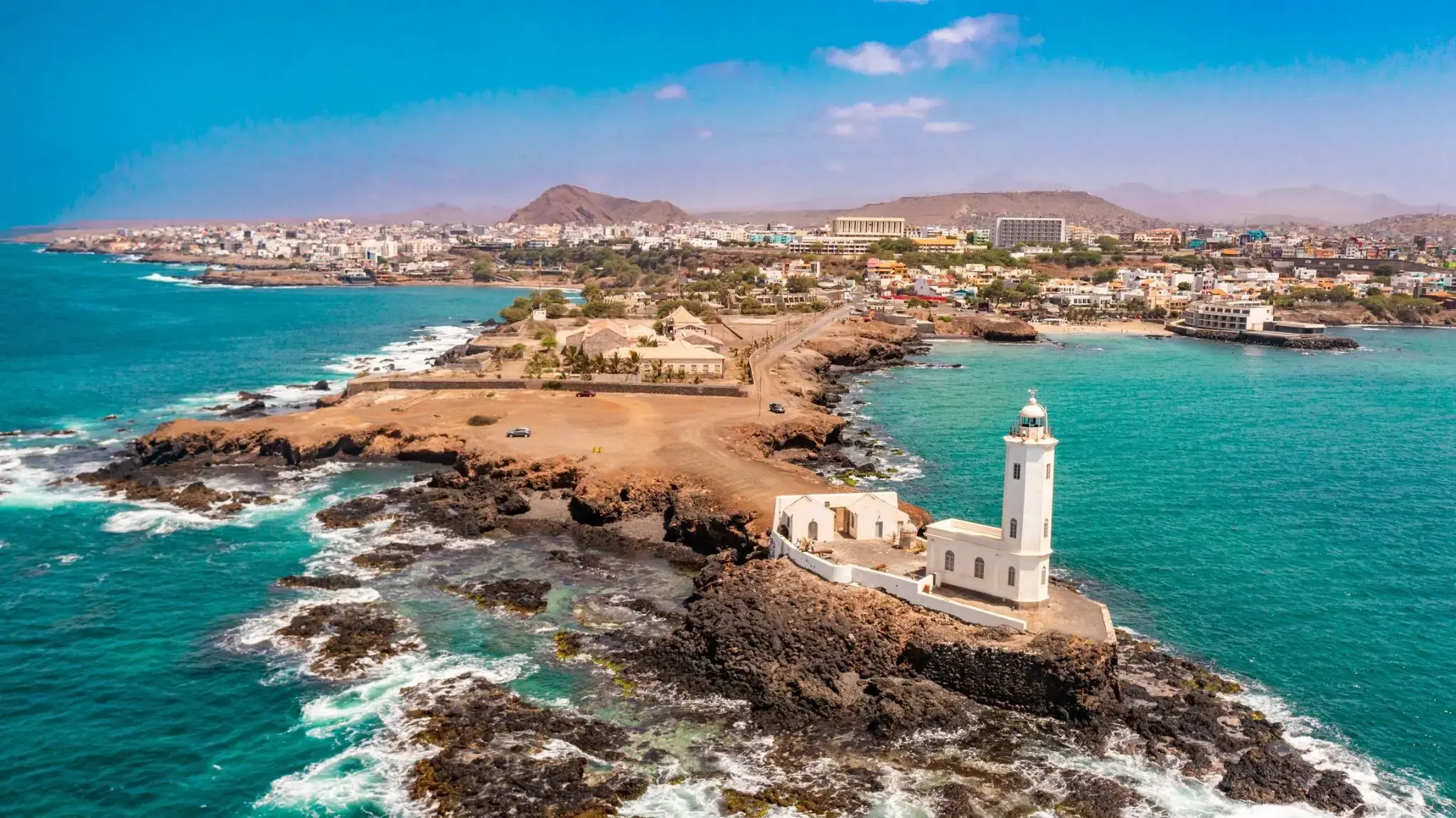
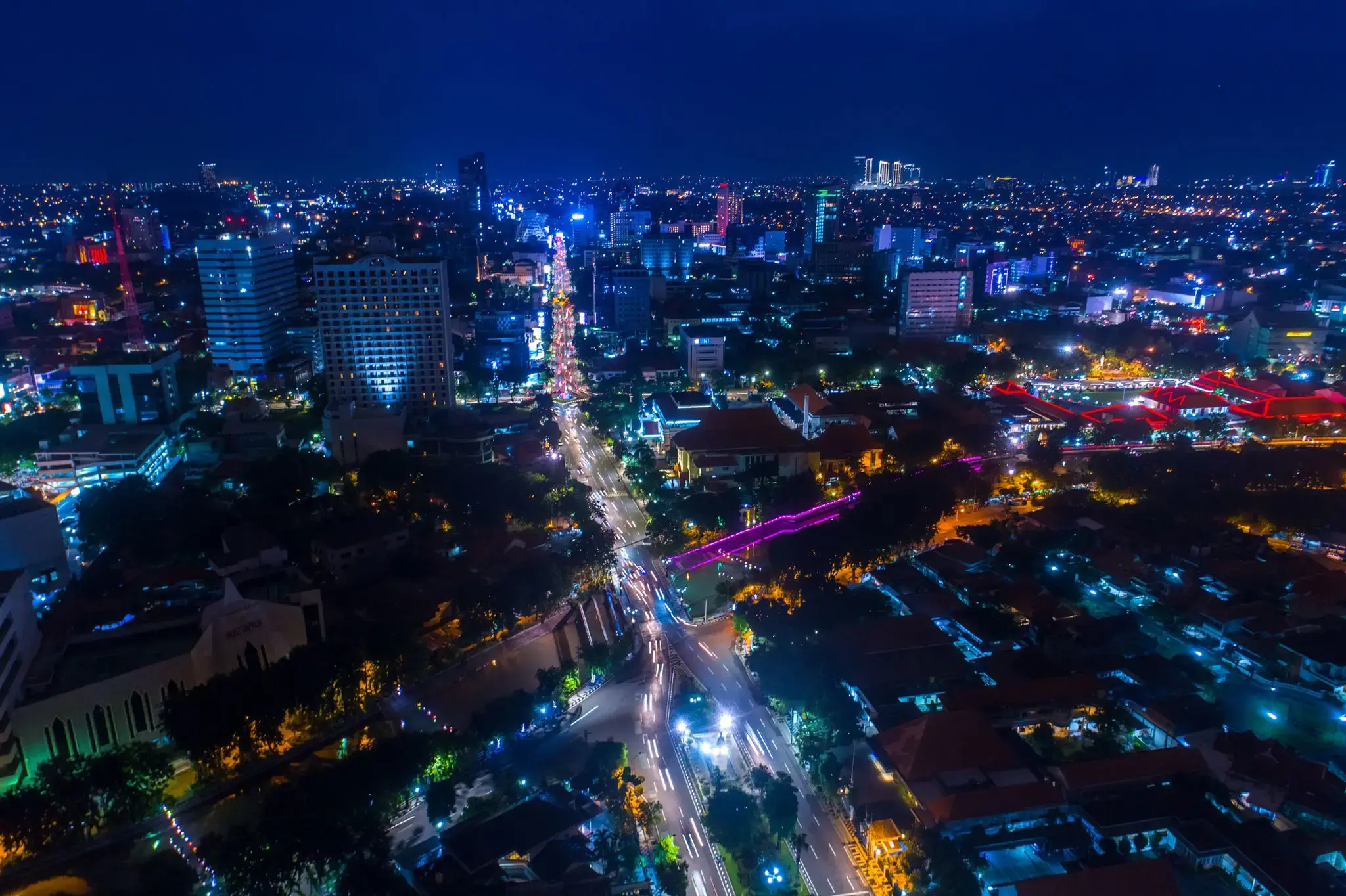
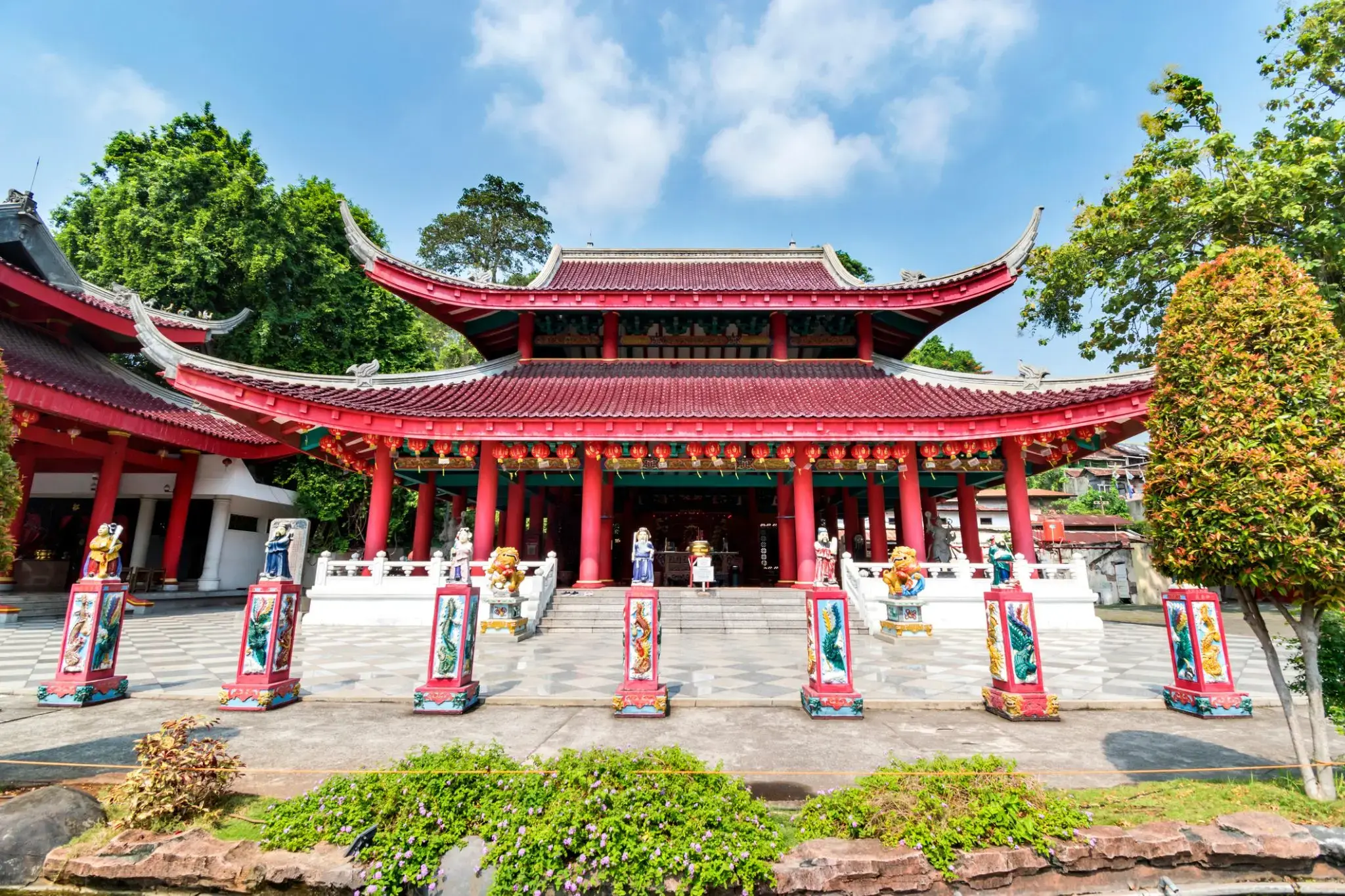
Semarang is the capital and largest city of Central Java province in Indonesia. It has an area of 373.78 square kilometres (144.32 sq mi) and a population of approximately 1.8 million people, making it Indonesia's seventh most populous city after Jakarta, Surabaya, Bandung, Bekasi, Medan, and Tangerang. The built-up (metro) area had 3,183,516 inhabitants at the 2010 census spread on 2 cities and 26 districts. Greater Semarang (a.k.a. Kedungsapur) has a population of close to 6 million (see Greater Semarang section), and is located at 6°58′S 110°25′E. A major port during the Dutch colonial era, and still an important regional center and port today, the city has a dominant Javanese population.
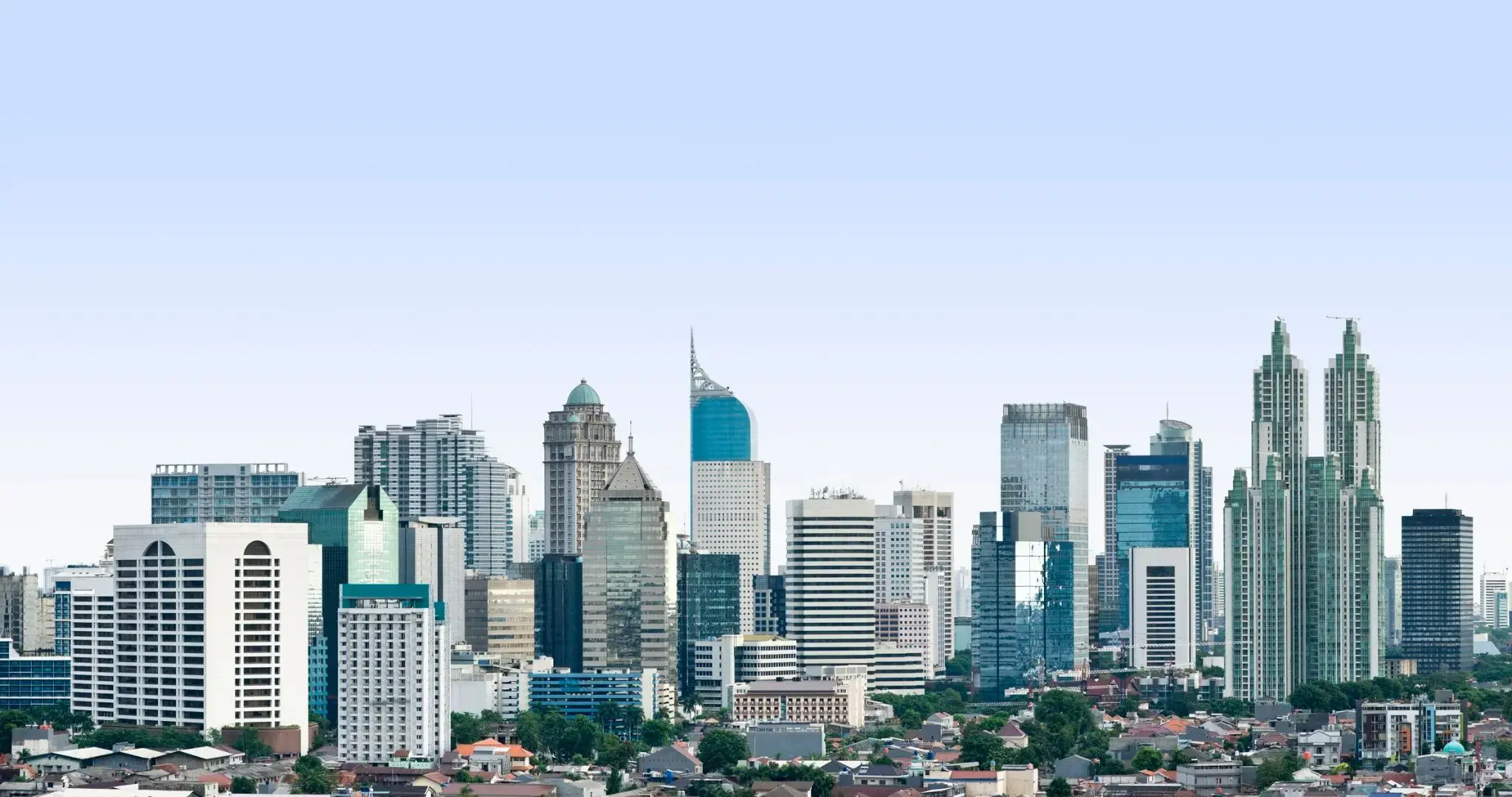
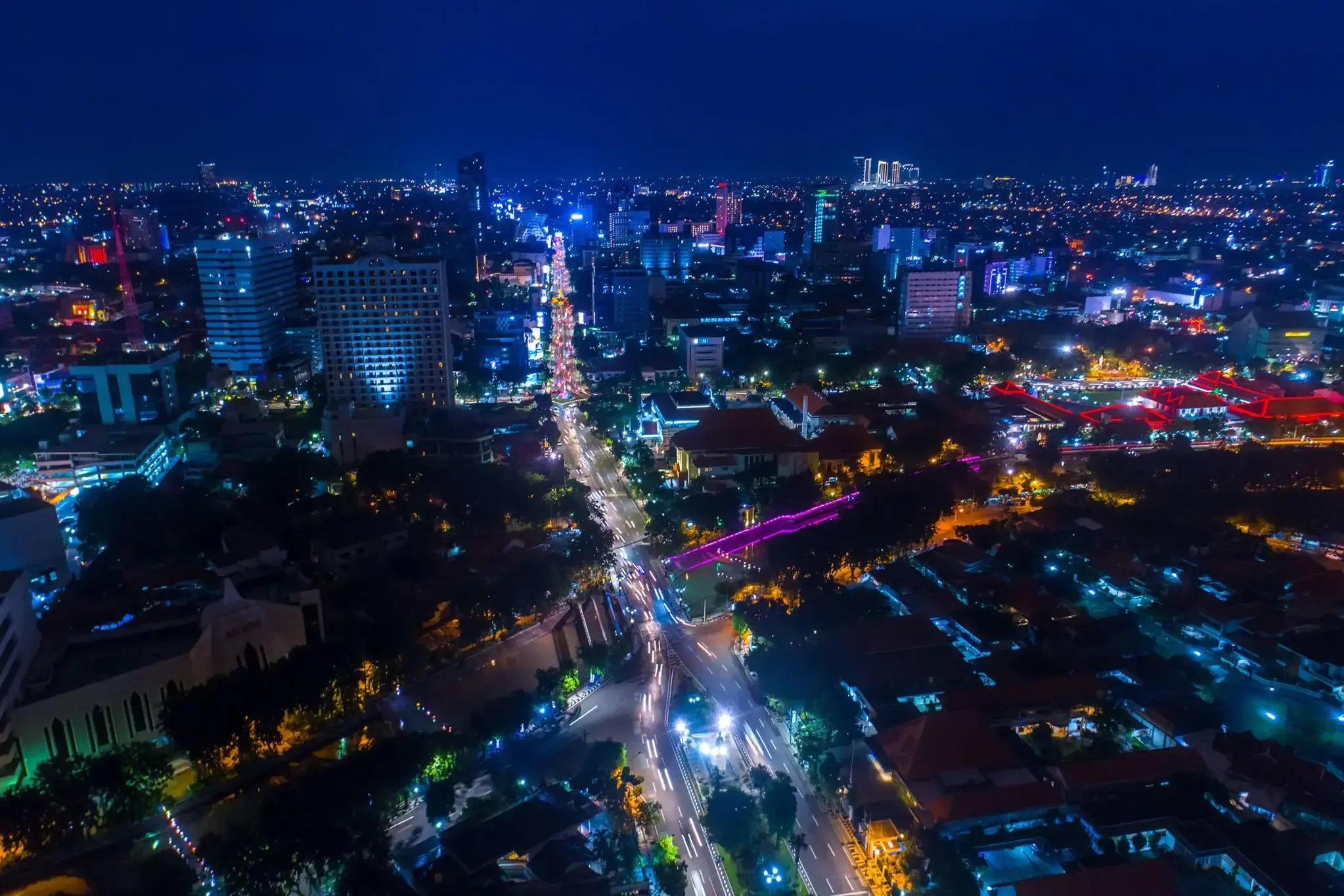
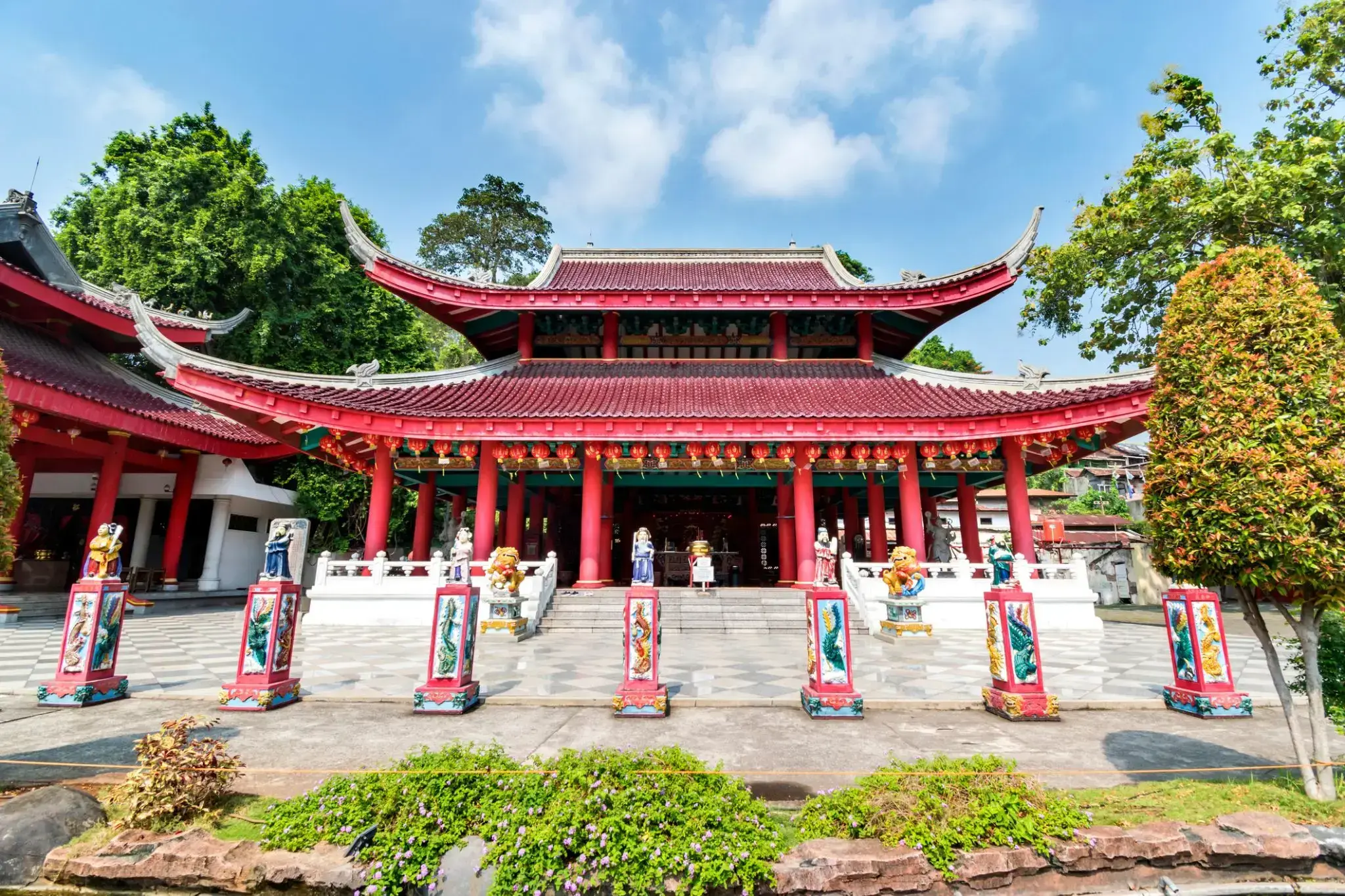
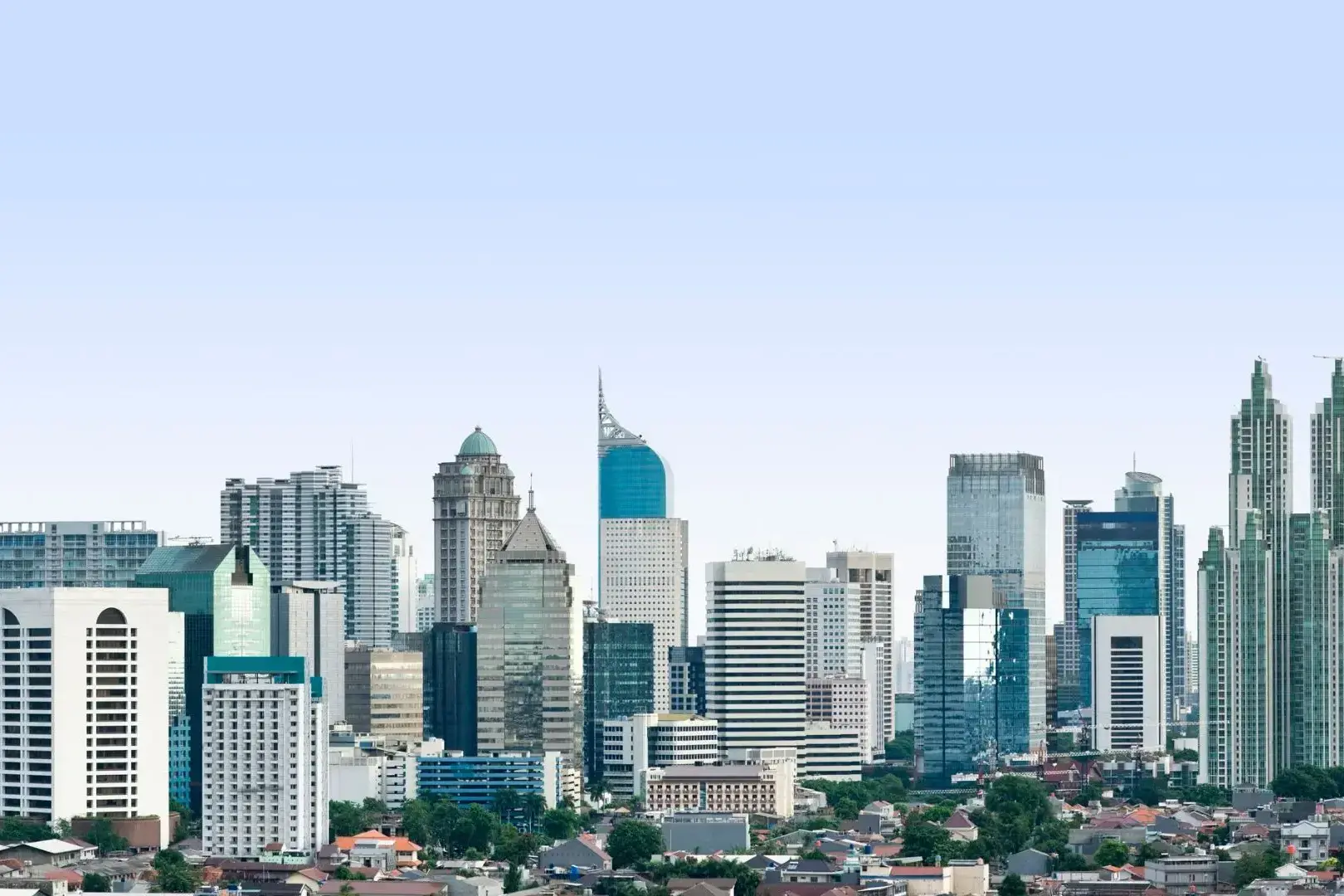
Amidst the endless city lights, Jakarta emerges as a true metropolis of contrasts, where modern skyscrapers stand alongside ancient temples and open-air markets. This city is a real cultural kaleidoscope: Chinese quarters, colonial architecture, and modern business centers blend here in an amazing harmony. Tourists can stroll through the old Kota Tua district, where Dutch-era buildings have been preserved, and then head to modern shopping malls offering goods from around the world.
Food lovers will be delighted by the diversity of dishes, as Jakarta is famous for its street food — aromatic satay, nasi goreng, and fresh seafood are must-tries. For those seeking cultural experiences, the city offers museums, theaters, and art galleries. This is a place where you can feel the pulse of modern Indonesia while touching its rich heritage.
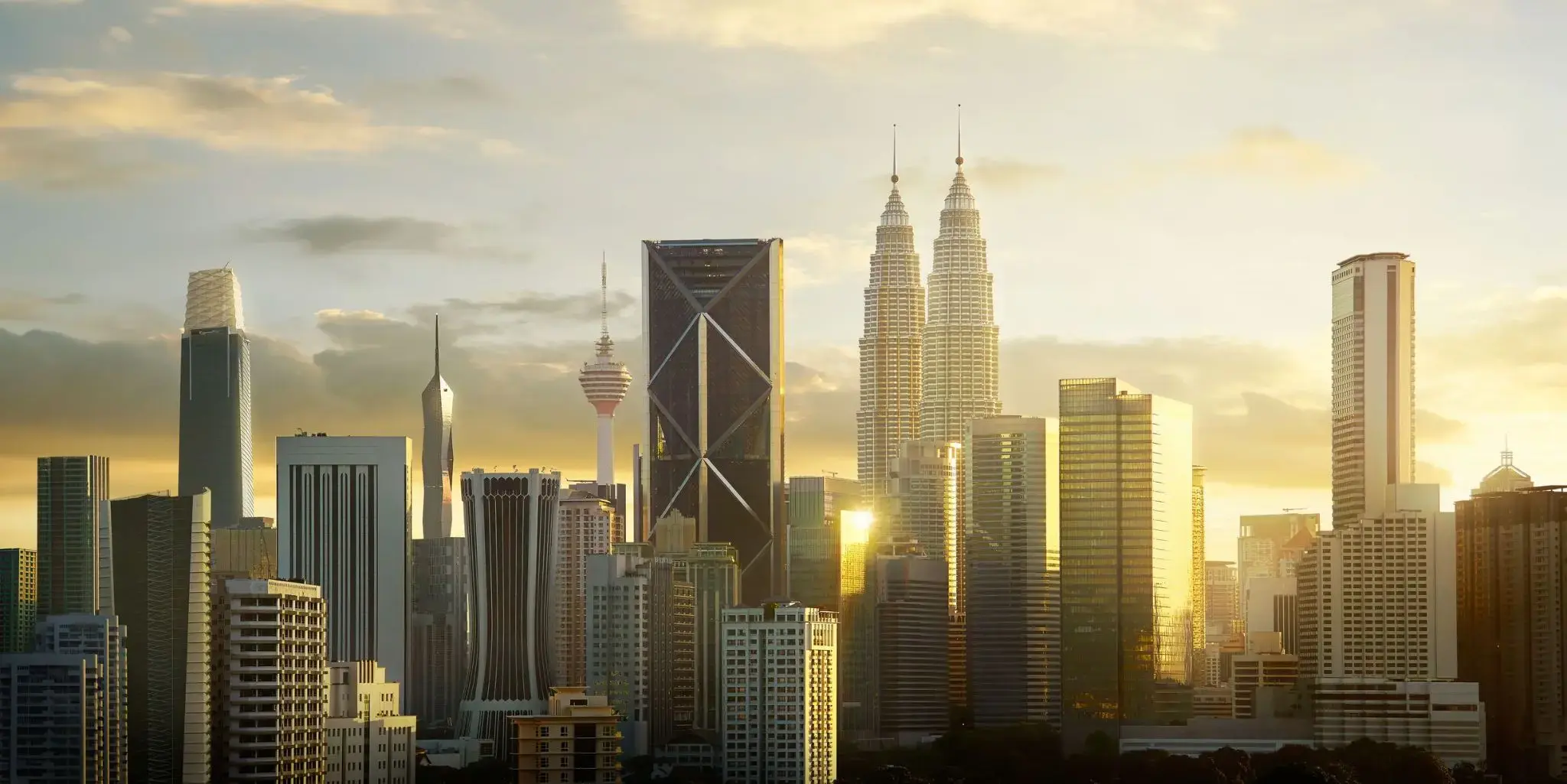
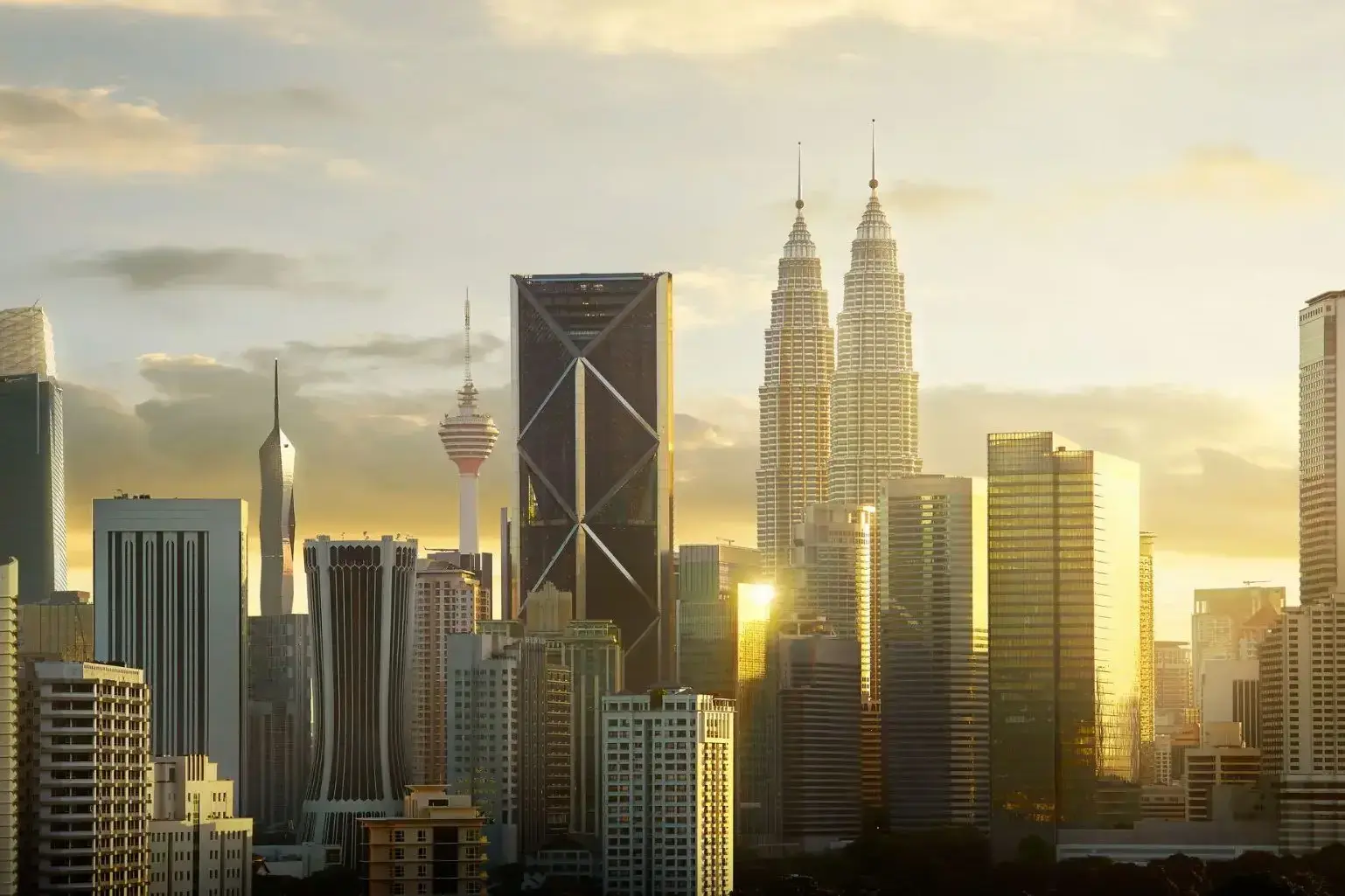
Kuala Lumpur is the dynamic capital of Malaysia, where futuristic skyscrapers stand alongside colonial buildings and traditional markets. The city emerged in the mid-19th century at the confluence of the Klang and Gombak rivers as a mining settlement and has since evolved into the nation's largest economic and cultural hub. Its iconic landmark is the Petronas Twin Towers, once the tallest buildings in the world, which remain a symbol of Malaysian progress and innovation.
For tourists, Kuala Lumpur offers a diverse array of experiences: from a morning stroll through the colonial-era Merdeka Square to evening shopping in the ultra-modern Bukit Bintang district. Visitors can explore the Islamic Arts Museum, savor street food in the Jalan Alor area, visit the Hindu temple in the Batu Caves, or relax under tropical trees in the Lake Gardens. The city, enriched by Malay, Chinese, and Indian cultures, invites exploration through its architecture, cuisine, and the rhythm of contemporary life.
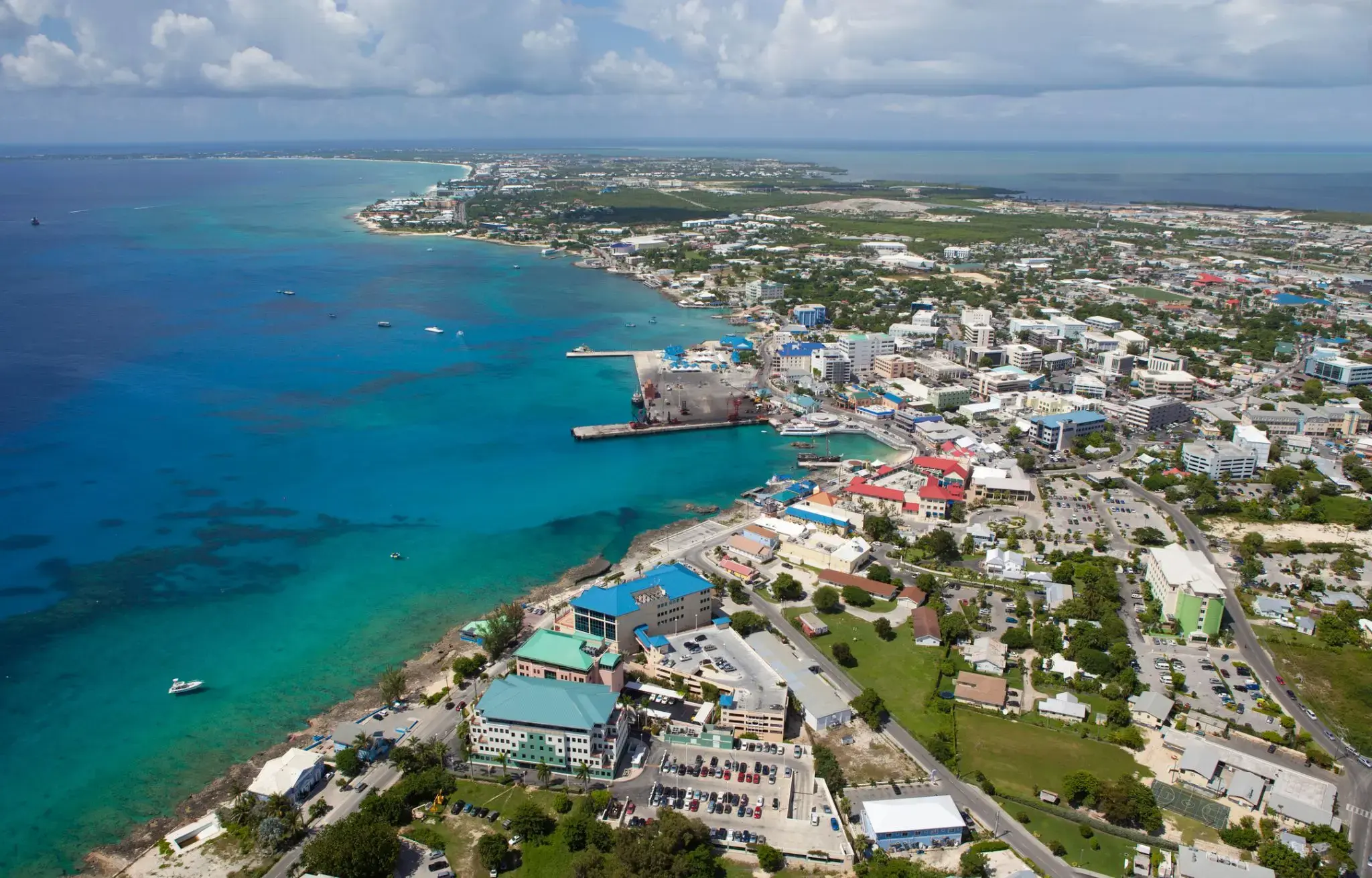
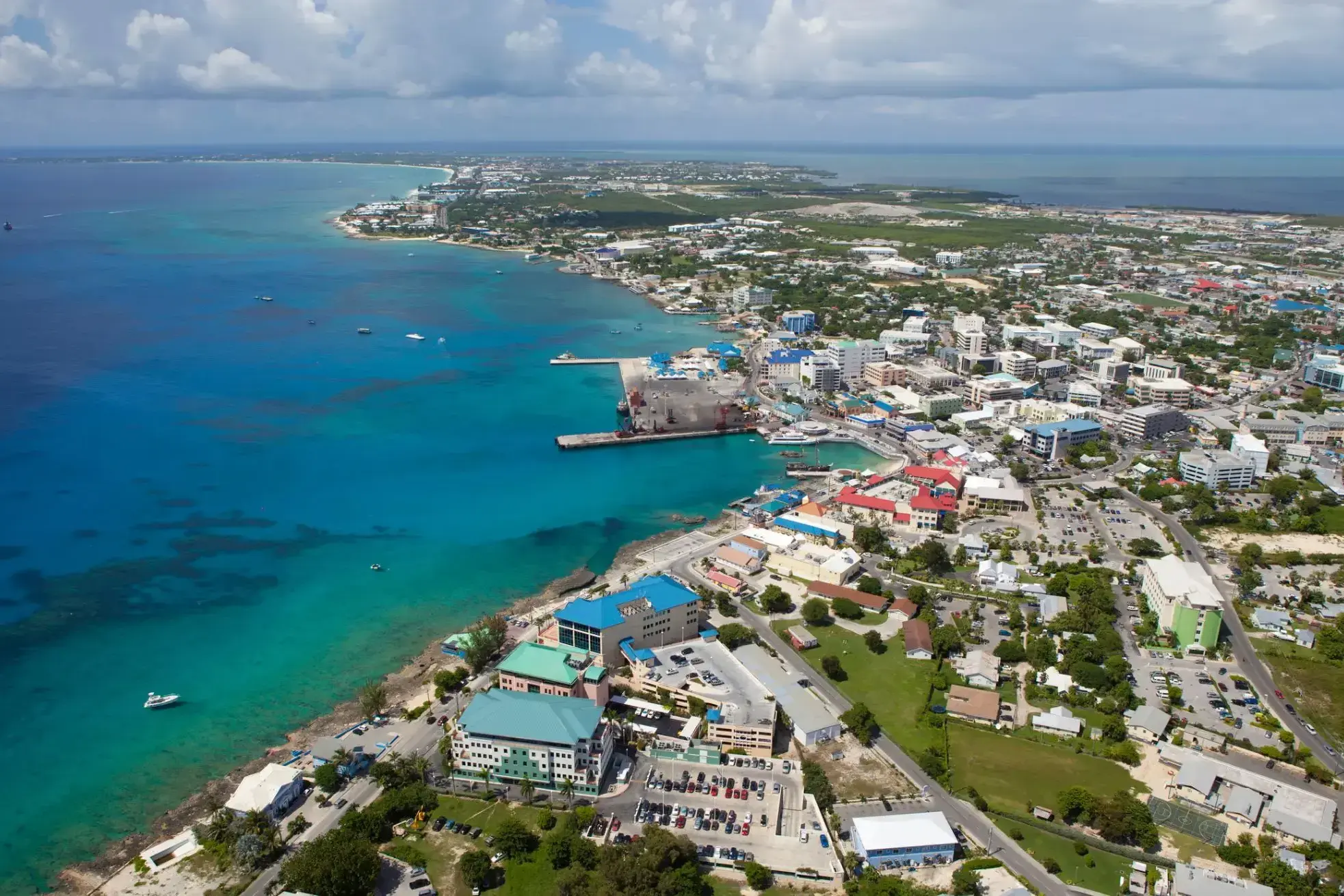
Georgetown is the capital of the Cayman Islands, located on Grand Cayman Island in the Caribbean Sea. This picturesque city is known for its beautiful beaches, crystal-clear waters, and cozy atmosphere. The heart of Georgetown features a vibrant waterfront with shops, restaurants, and cafes, where visitors can enjoy local delicacies and buy products from local artisans. The city is also famous for its colonial architecture and historic buildings, with notable landmarks like the old Catholic Church of St. Theresa and the Cayman Islands Museum, where visitors can learn more about the culture and history of the region.
For those seeking adventure, Georgetown does not disappoint. The local waters hide coral gardens, where visitors can encounter not only fish but also majestic sea turtles with whom they can swim. Snorkeling and diving in these areas are not just activities but a chance to witness the pristine ecosystem of the Caribbean Sea. History and nature enthusiasts can explore routes across the island, passing through its green corners, ancient reefs, and waterfalls, offering the perfect blend of natural exploration and cultural discovery.
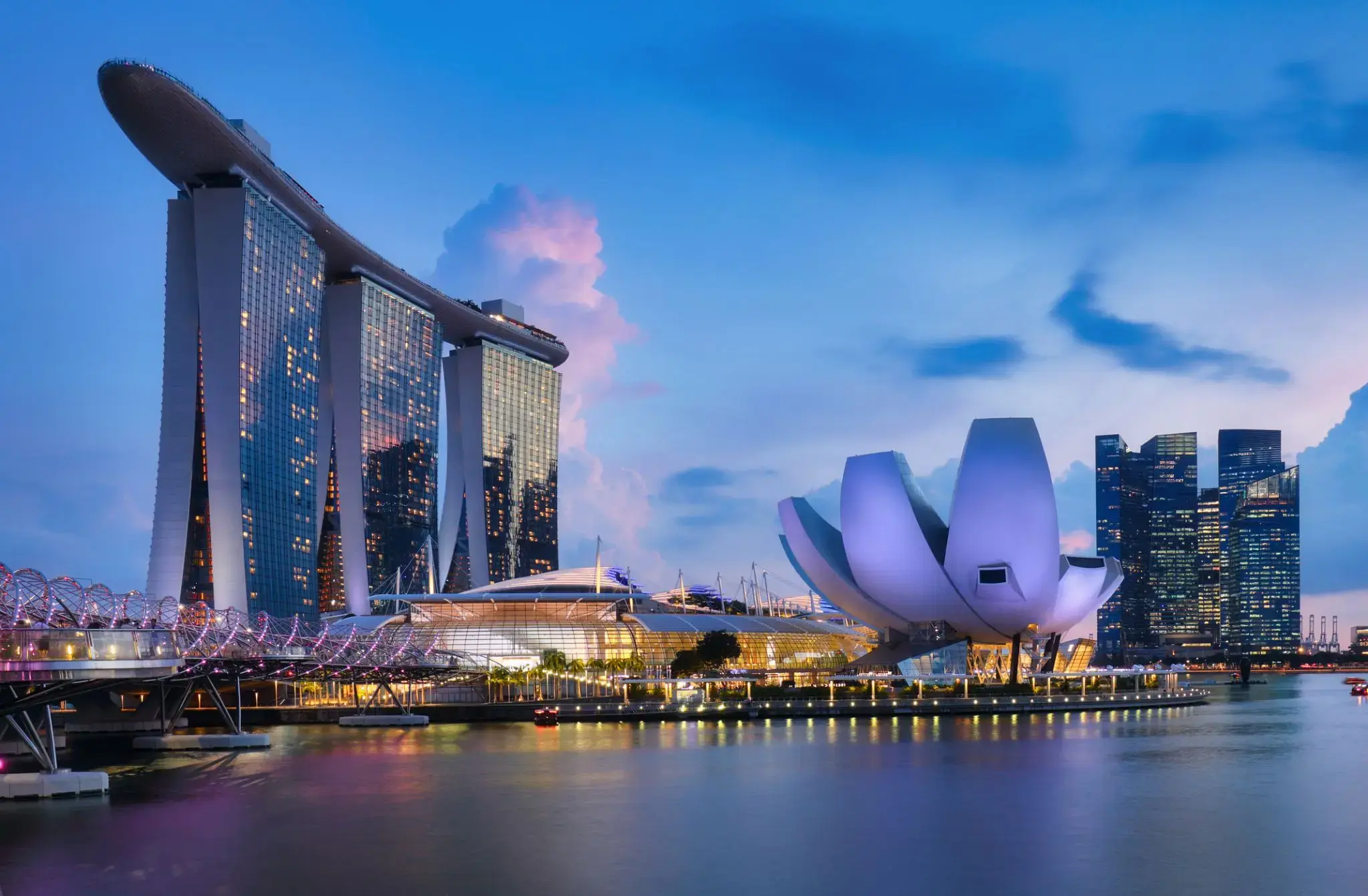
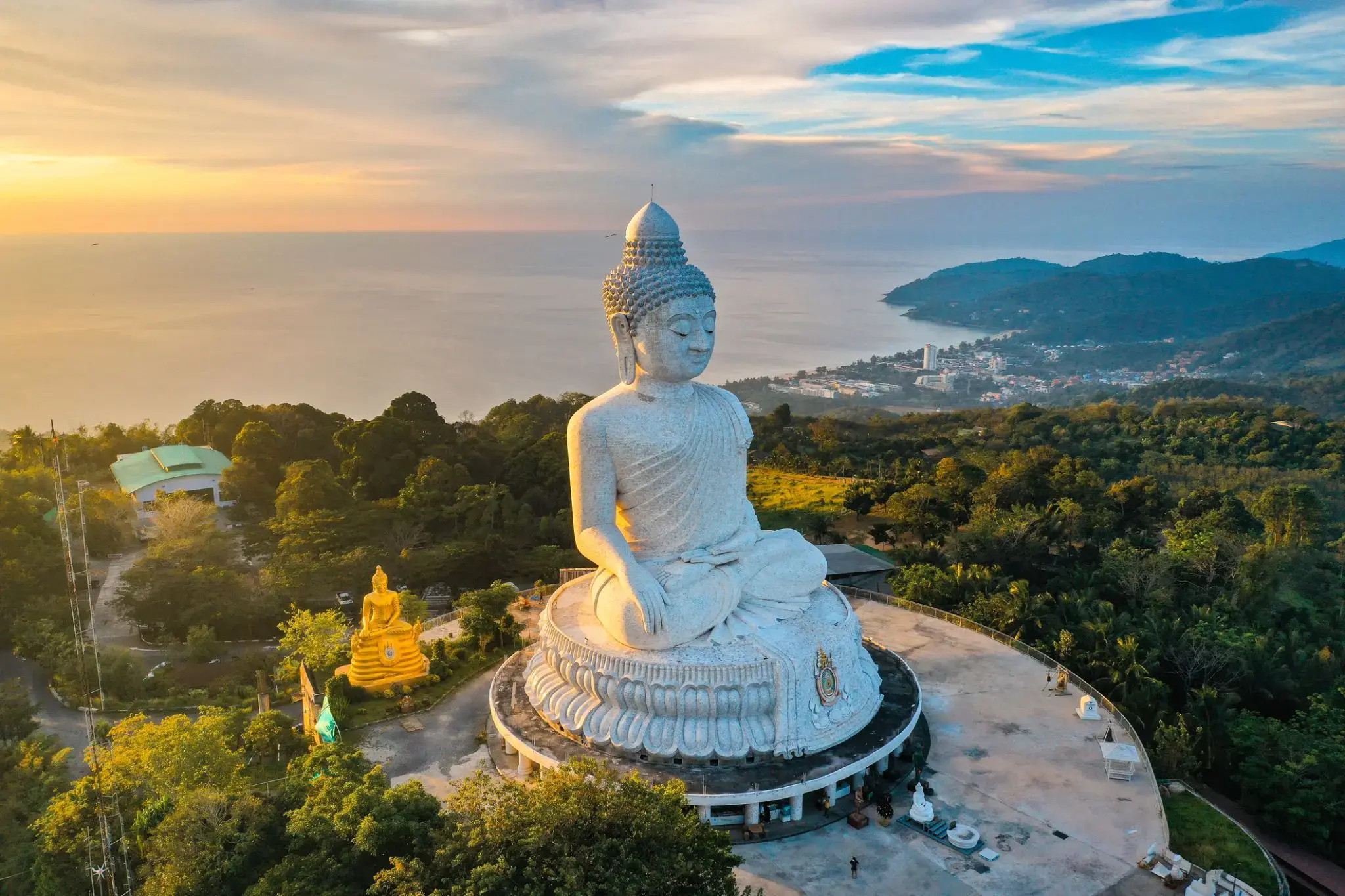
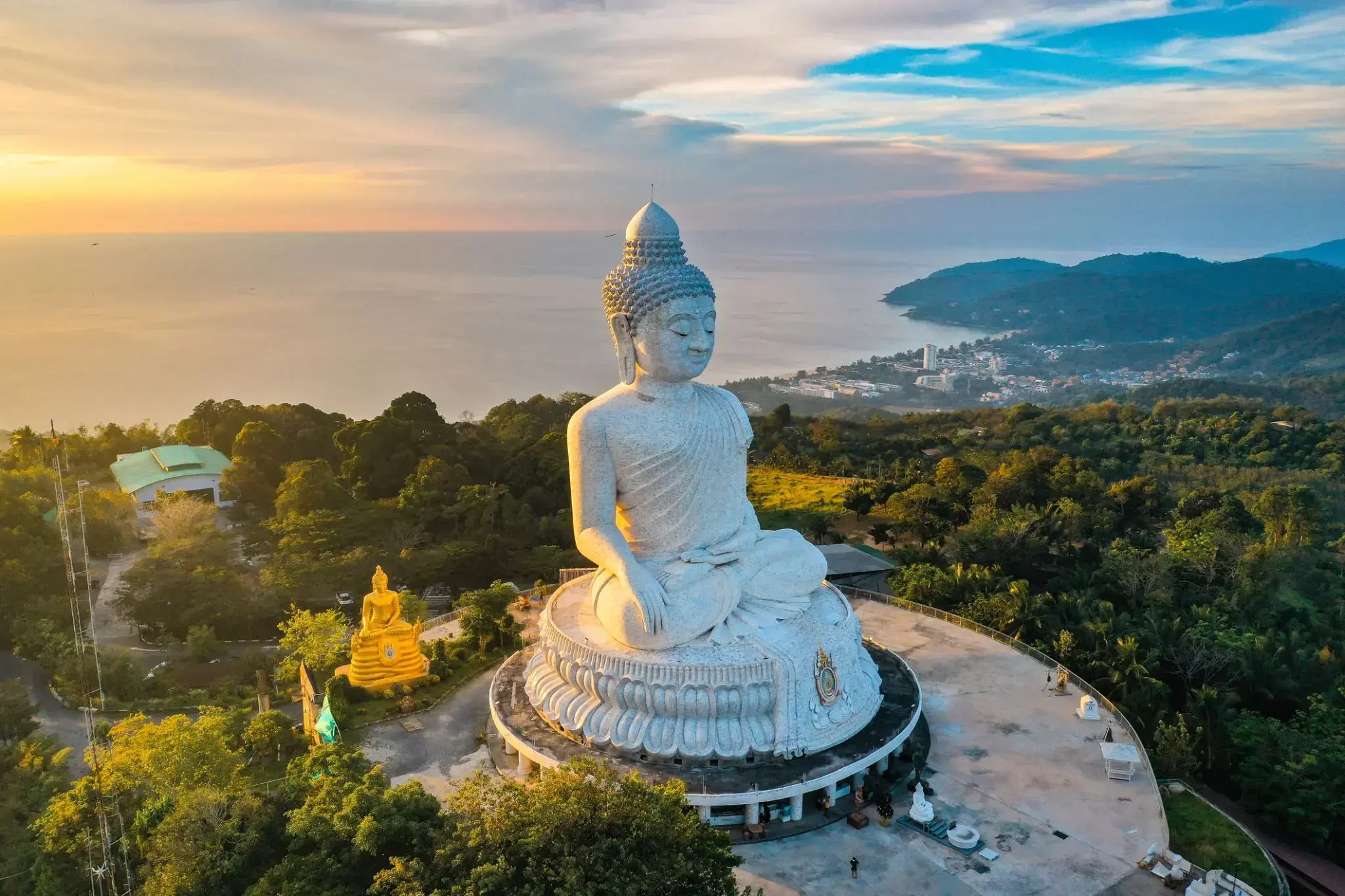
Phuket is one of the southern provinces (changwat) of Thailand. It consists of the island of Phuket, the country's largest island, and another 32 smaller islands off its coast. It lies off the west coast of Thailand in the Andaman Sea. Phuket Island is connected by the Sarasin Bridge to Phang Nga Province to the north. The next nearest province is Krabi, to the east across Phang Nga Bay.
Phuket is one of the southern provinces (changwat) of Thailand. It consists of the island of Phuket, the country's largest island, and another 32 smaller islands off its coast. It lies off the west coast of Thailand in the Andaman Sea. Phuket Island is connected by the Sarasin Bridge to Phang Nga Province to the north. The next nearest province is Krabi, to the east across Phang Nga Bay.
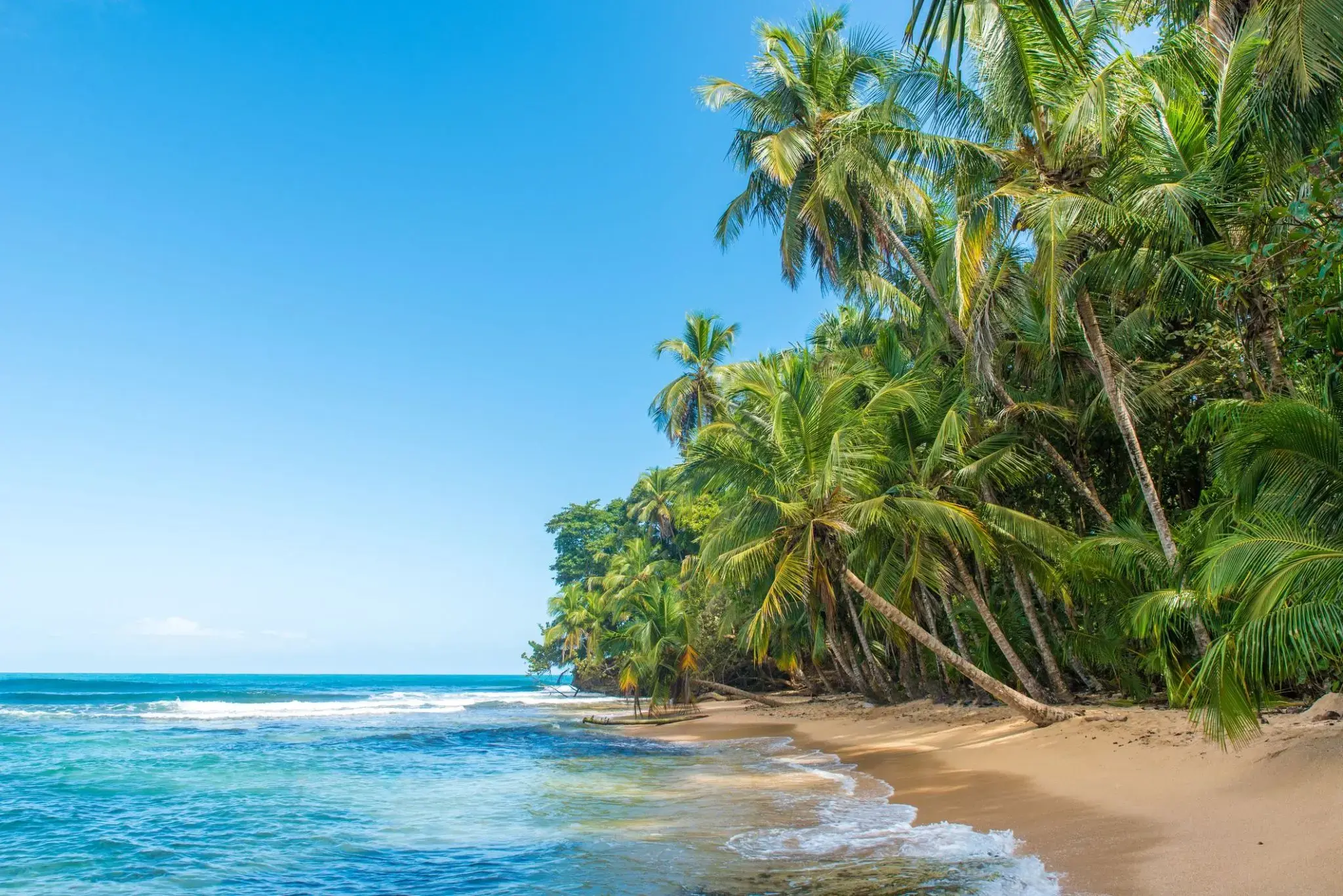
Hidden on the southern coast of Sri Lanka, Hambantota serves as a gateway to a region where exotic nature meets the country's modern ambitions. Deserted beaches give way to green hills, and cozy fishing villages sit alongside major infrastructure projects, including a modern port and airport, making the city a key strategic hub.
Hambantota is perfect for travelers seeking off-the-beaten-path adventures: safaris in nearby Yala National Park, birdwatching in the Bundala sanctuary, or exploring local Buddhist temples offer unforgettable experiences. The local cuisine, based on the freshest seafood and fragrant spices, completes the picture of an ideal retreat away from the tourist crowds.
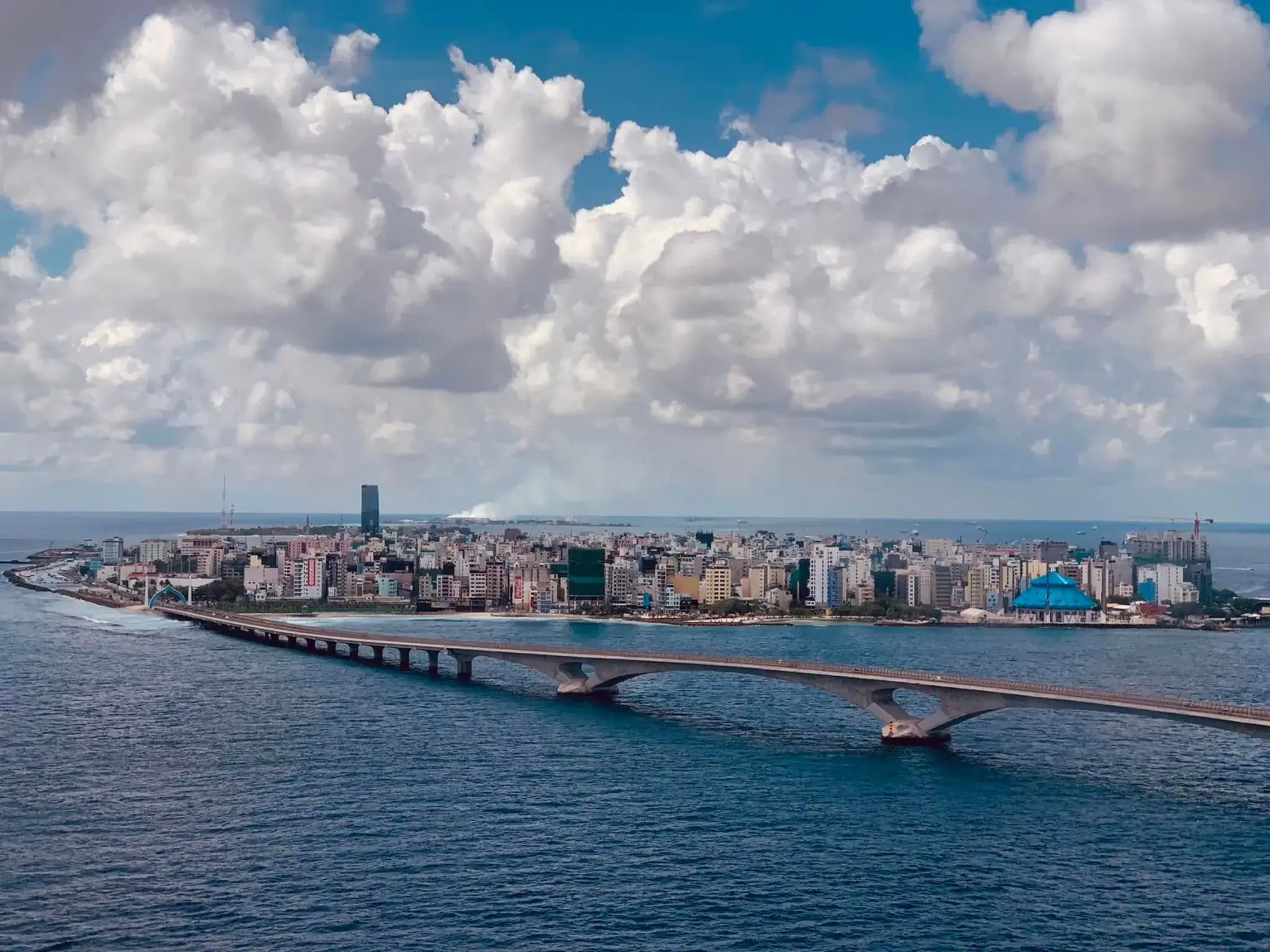
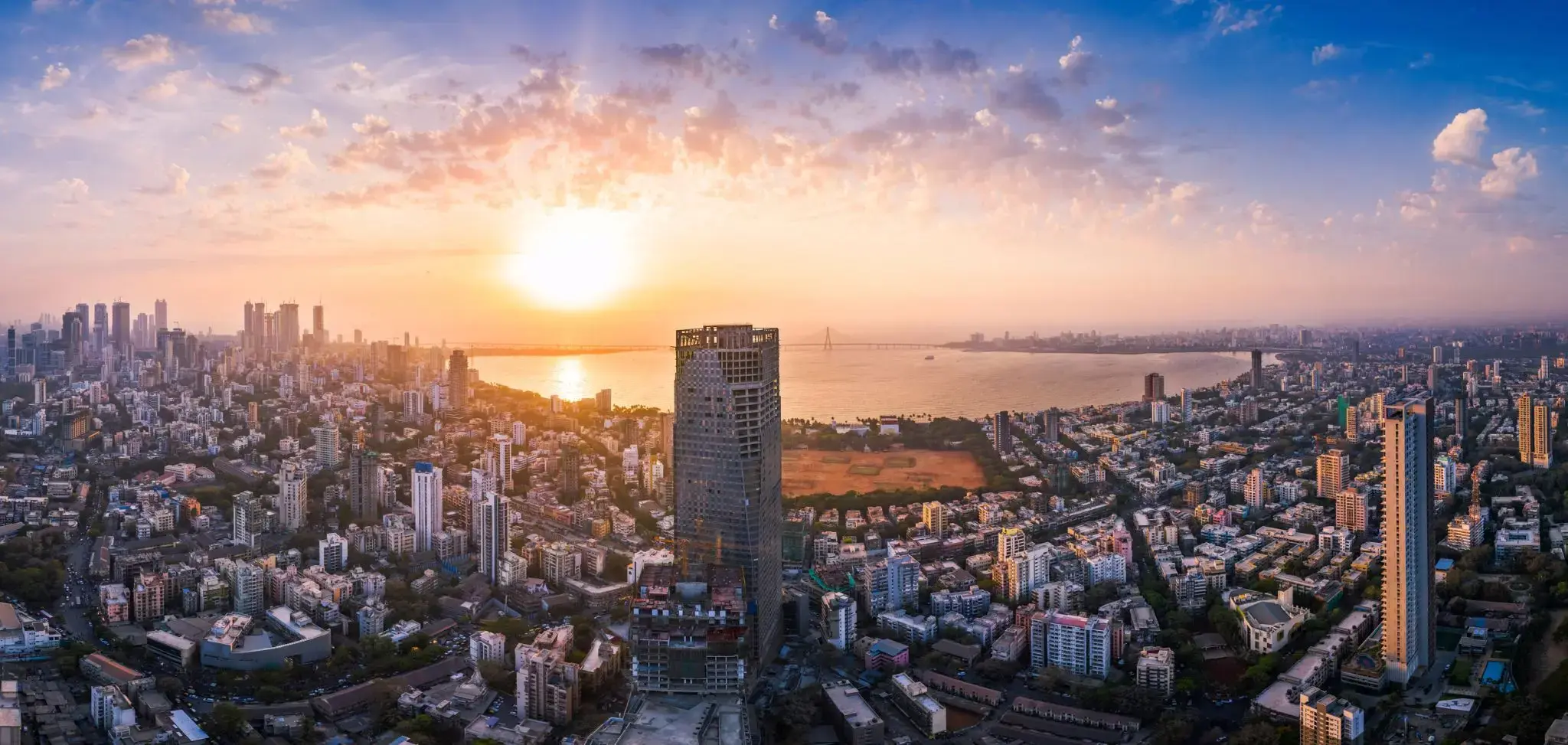
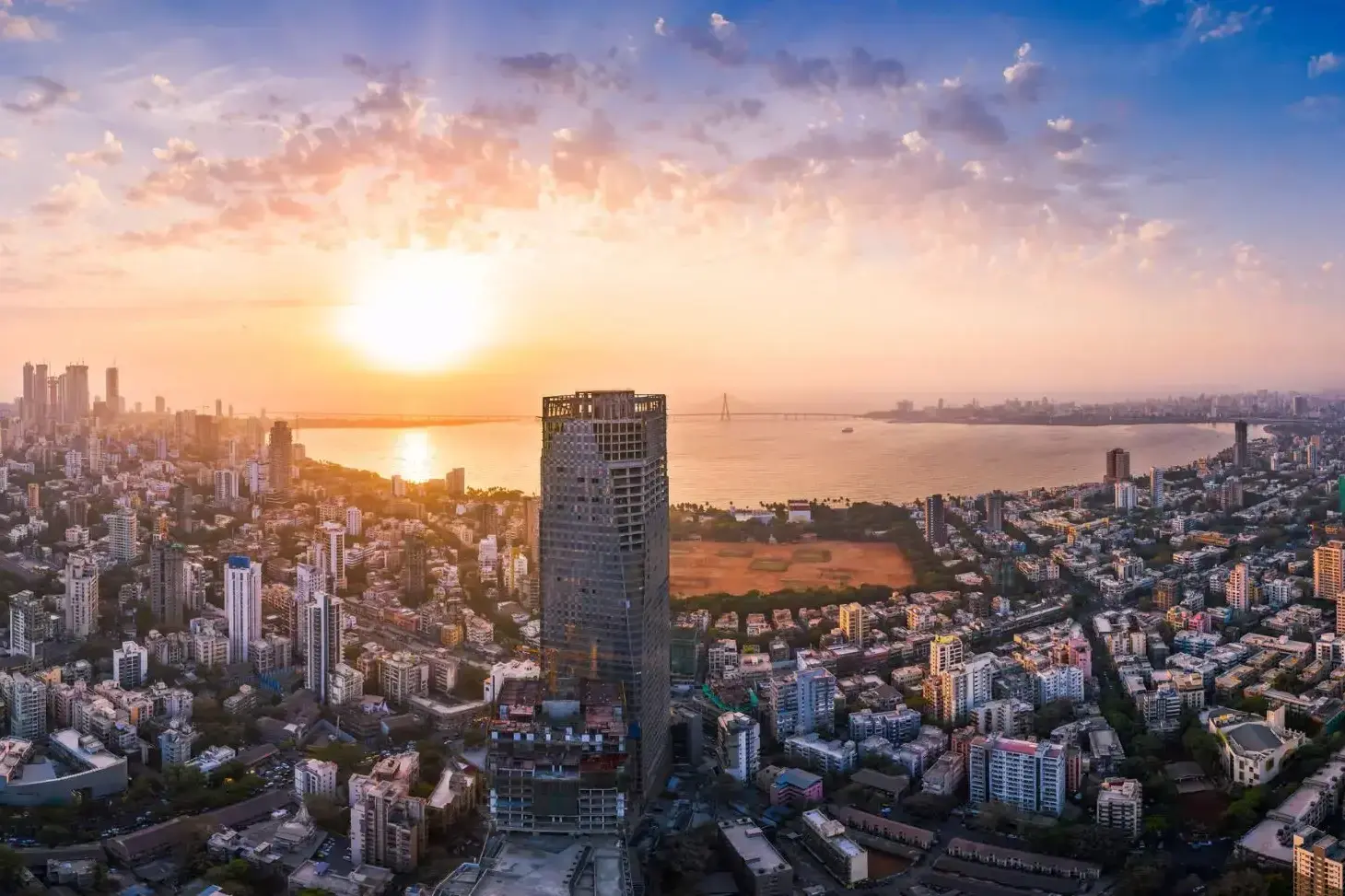
Mumbai is the capital city of the Indian state of Maharashtra. It is the most populous city in India with an estimated city proper population of 12.4 million as of 2011. Along with the neighbouring regions of the Mumbai Metropolitan Region, it is the second most populous metropolitan area in India, with a population of 21.3 million as of 2016. Mumbai lies on the Konkancoast on the west coast of India and has a deep natural harbour. In 2008, Mumbai was named an alpha world city. It is also the wealthiest city in India, and has the highest number of millionaires and billionaires among all cities in India. Mumbai is home to three UNESCO World Heritage Sites: the Elephanta Caves, Chhatrapati Shivaji Maharaj Terminus, and the city's distinctive ensemble of Victorian and Art Deco buildings.
Mumbai is the capital city of the Indian state of Maharashtra. It is the most populous city in India with an estimated city proper population of 12.4 million as of 2011. Along with the neighbouring regions of the Mumbai Metropolitan Region, it is the second most populous metropolitan area in India, with a population of 21.3 million as of 2016. Mumbai lies on the Konkancoast on the west coast of India and has a deep natural harbour. In 2008, Mumbai was named an alpha world city. It is also the wealthiest city in India, and has the highest number of millionaires and billionaires among all cities in India. Mumbai is home to three UNESCO World Heritage Sites: the Elephanta Caves, Chhatrapati Shivaji Maharaj Terminus, and the city's distinctive ensemble of Victorian and Art Deco buildings.
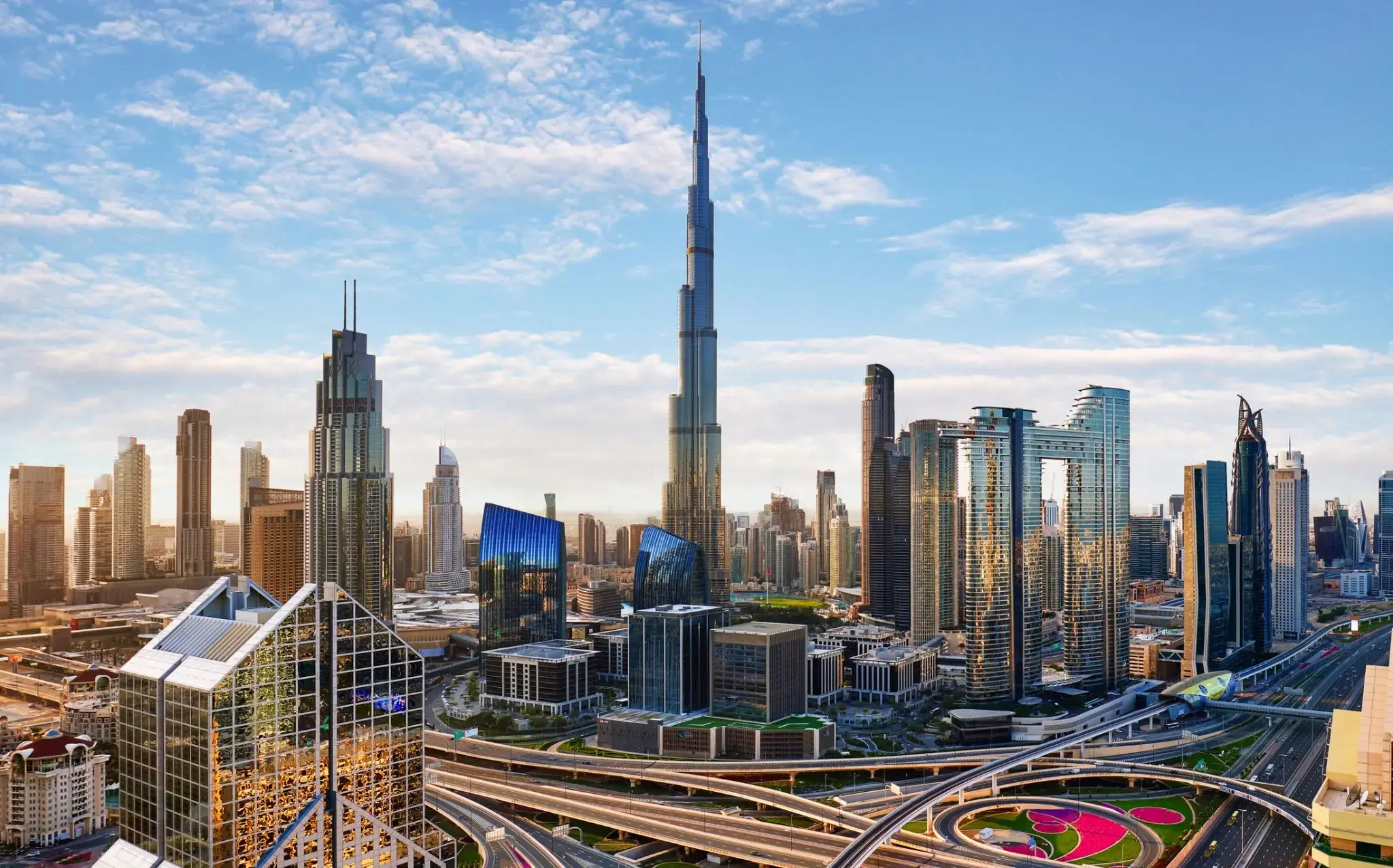
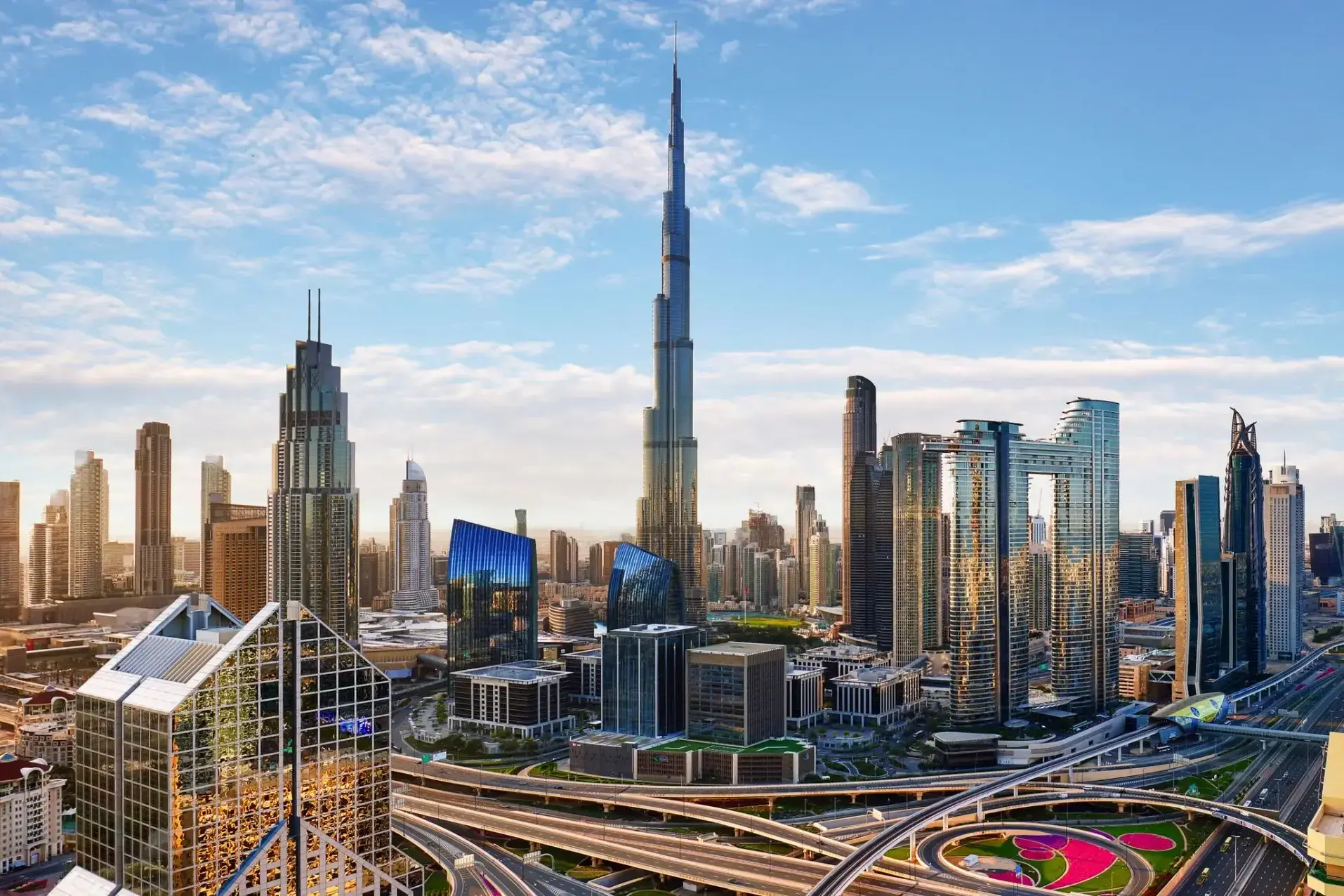
Dubai is the largest and most populous cityin the United Arab Emirates (UAE). On the southeast coast of the Persian Gulf, it is the capital of the Emirate of Dubai, one of the seven emirates that make up the country.
Dubai is a global city and business hub of the Middle East. It is also a major global transport hub for passengers and cargo. Oil revenue helped accelerate the development of the city, which was already a major mercantile hub, but Dubai's oil reserves are limited and production levels are low: today, less than 5% of the emirate's revenue comes from oil. A growing centre for regional and international trade since the early 20th century, Dubai's economy today relies on revenues from trade, tourism, aviation, real estate, and financial services.
Dubai has attracted world attention through large construction projects and sports events, in particular the world's tallest building, the Burj Khalifa. As of 2012, Dubai was the most expensive city in the Middle East. In 2014, Dubai's hotel rooms were rated as the second most expensive in the world.
Dubai is the largest and most populous cityin the United Arab Emirates (UAE). On the southeast coast of the Persian Gulf, it is the capital of the Emirate of Dubai, one of the seven emirates that make up the country.
Dubai is a global city and business hub of the Middle East. It is also a major global transport hub for passengers and cargo. Oil revenue helped accelerate the development of the city, which was already a major mercantile hub, but Dubai's oil reserves are limited and production levels are low: today, less than 5% of the emirate's revenue comes from oil. A growing centre for regional and international trade since the early 20th century, Dubai's economy today relies on revenues from trade, tourism, aviation, real estate, and financial services.
Dubai has attracted world attention through large construction projects and sports events, in particular the world's tallest building, the Burj Khalifa. As of 2012, Dubai was the most expensive city in the Middle East. In 2014, Dubai's hotel rooms were rated as the second most expensive in the world.
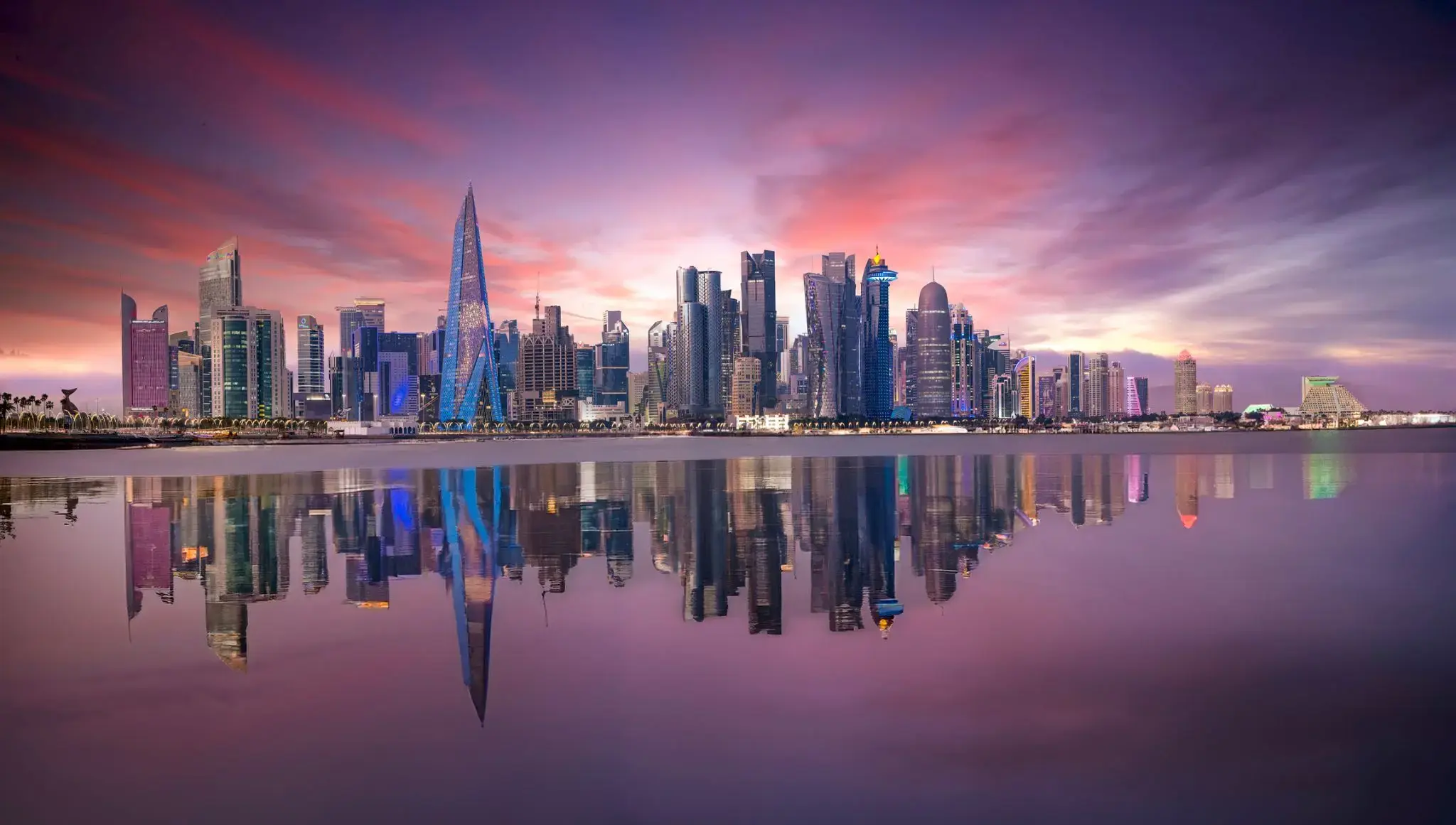
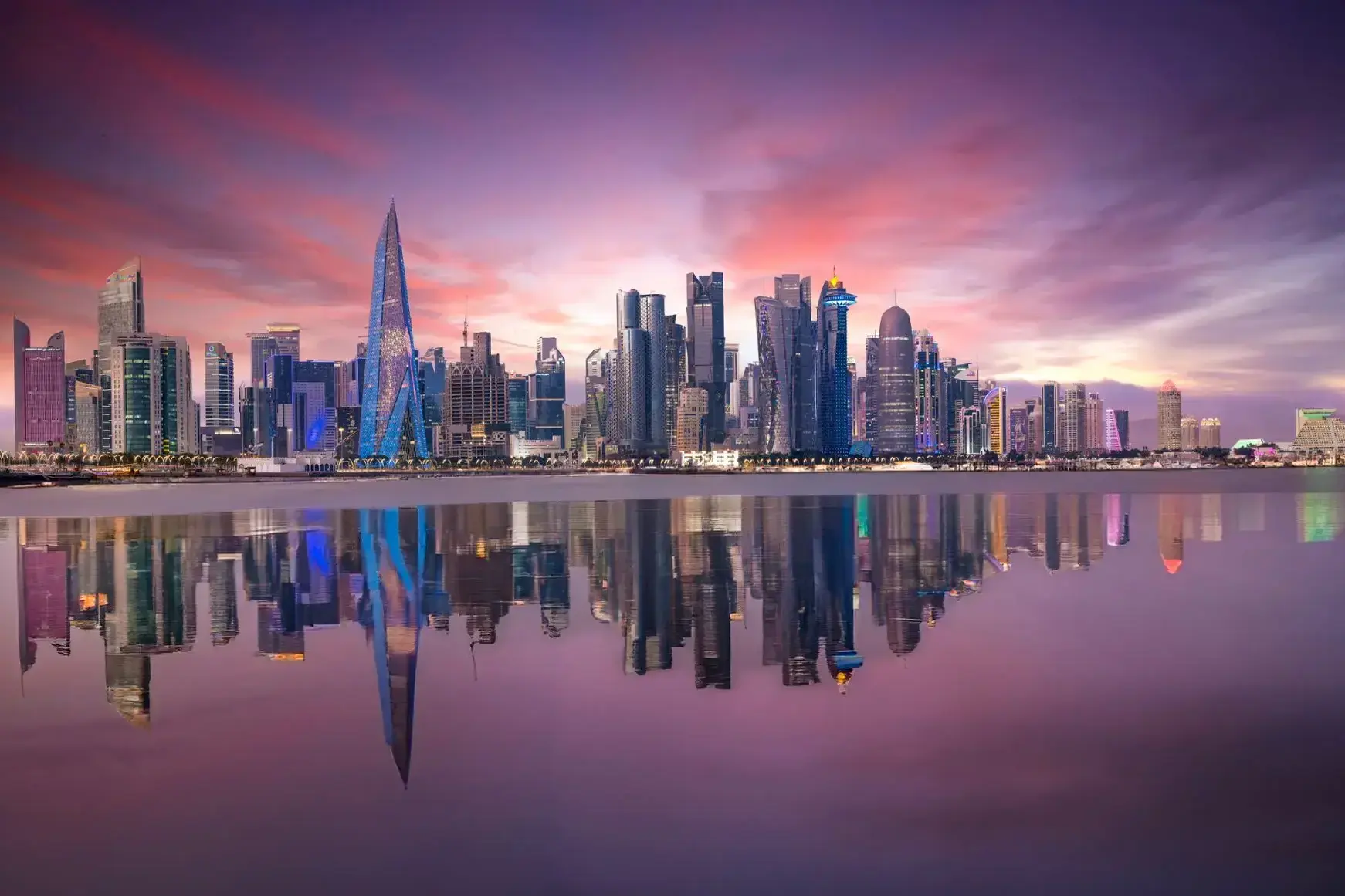
the capital of Qatar, in the eastern part of the country; pop 385,000 (est. 2007).
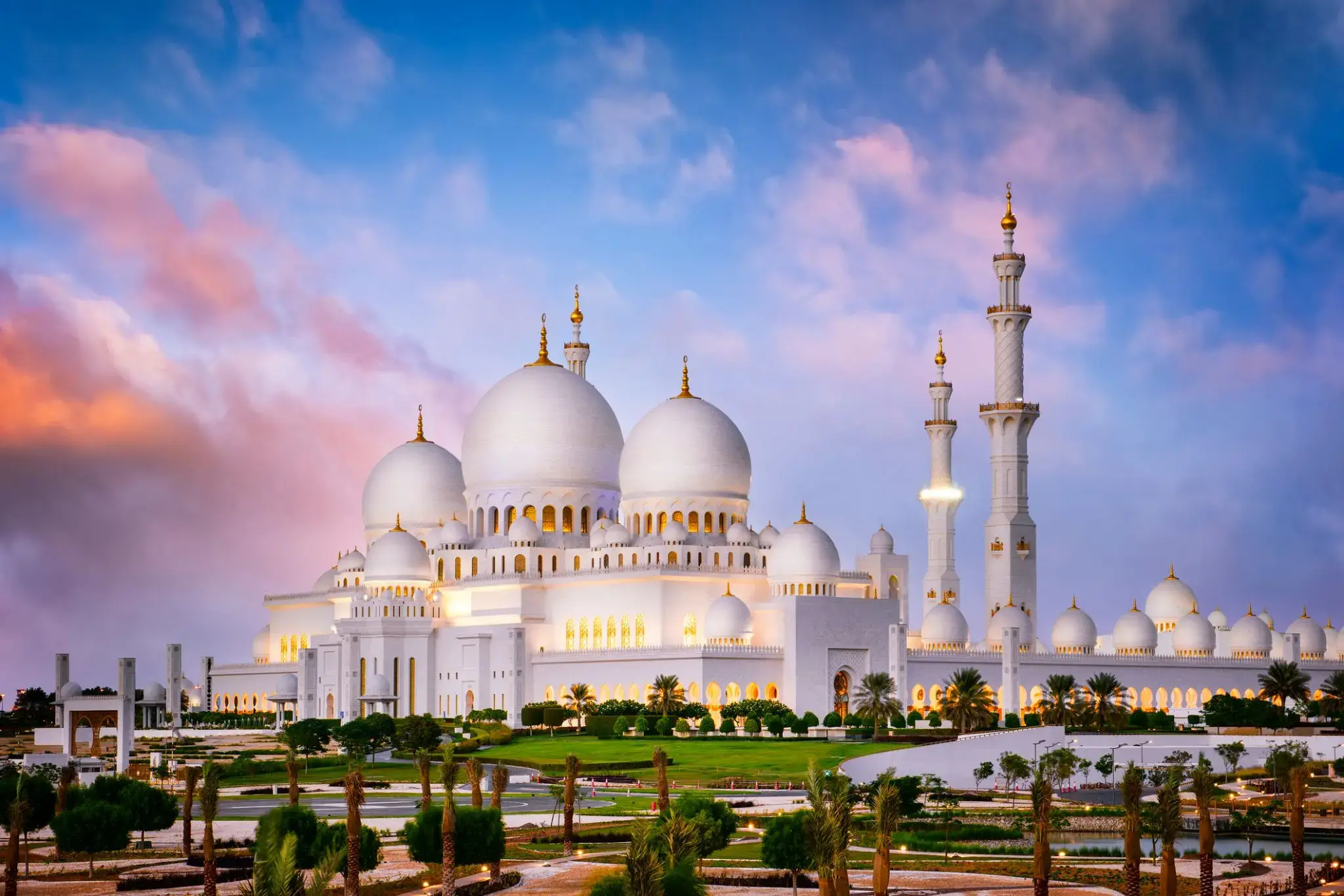
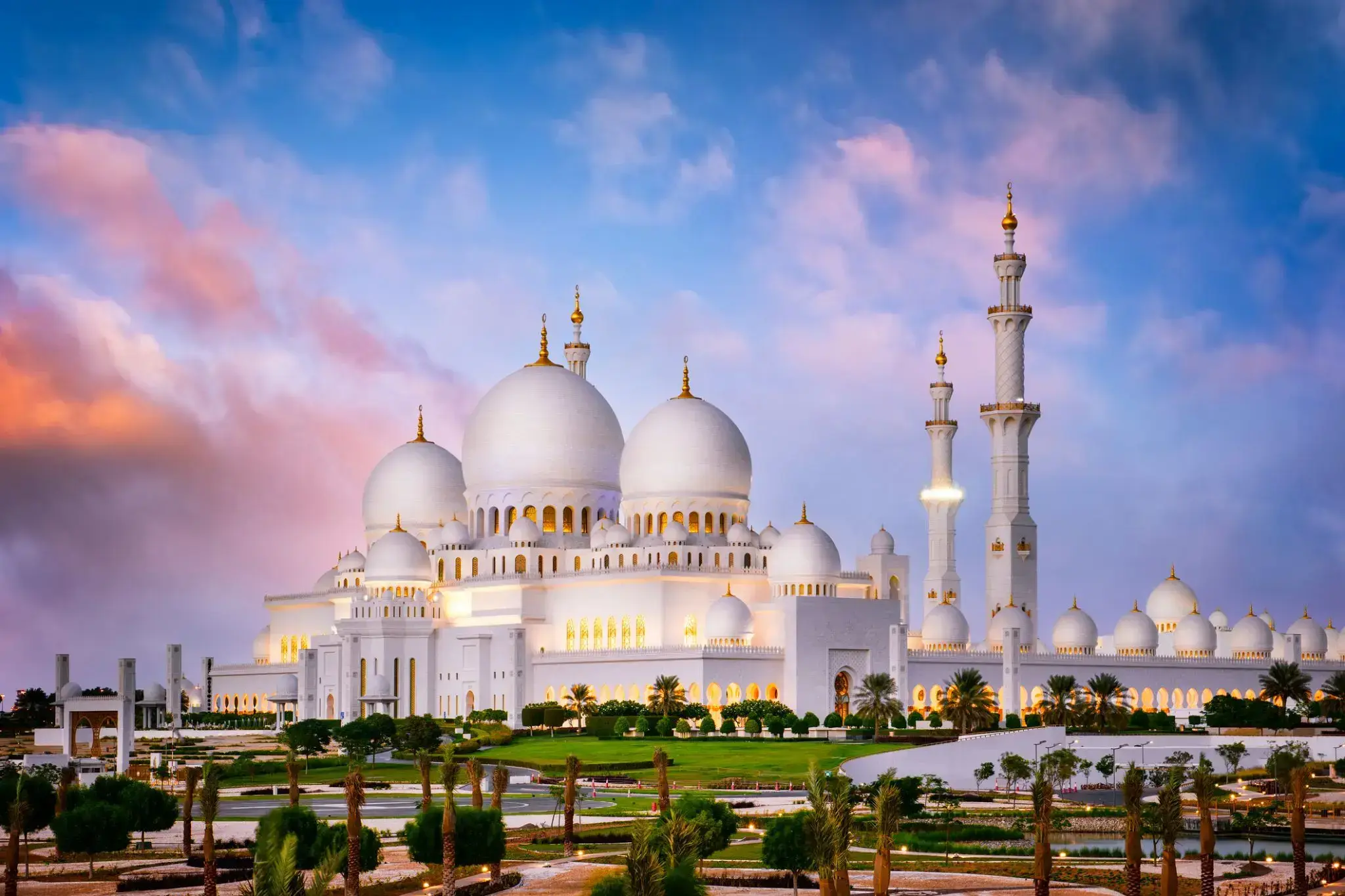
Abu Dhabi is the capital and the second most populous city of the United Arab Emirates (the most populous being Dubai), and also capital of the Emirate of Abu Dhabi, the largest of the UAE's seven emirates. Abu Dhabi lies on a T-shaped island jutting into the Persian Gulf from the central western coast. The city of Abu Dhabi has an estimated population of 1.8 million in 2016.
Abu Dhabi houses federal government offices, is the seat of the United Arab Emirates Government, home to the Abu Dhabi Emiri Family and the President of the UAE, who is from this family. Abu Dhabi's rapid development and urbanisation, coupled with the relatively high average income of its population, has transformed the city into a large and advanced metropolis. Today the city is the country's centre of political and industrial activities, and a major cultural and commercial centre, due to its position as the capital. Abu Dhabi accounts for about two-thirds of the roughly $400-billion United Arab Emirates economy.
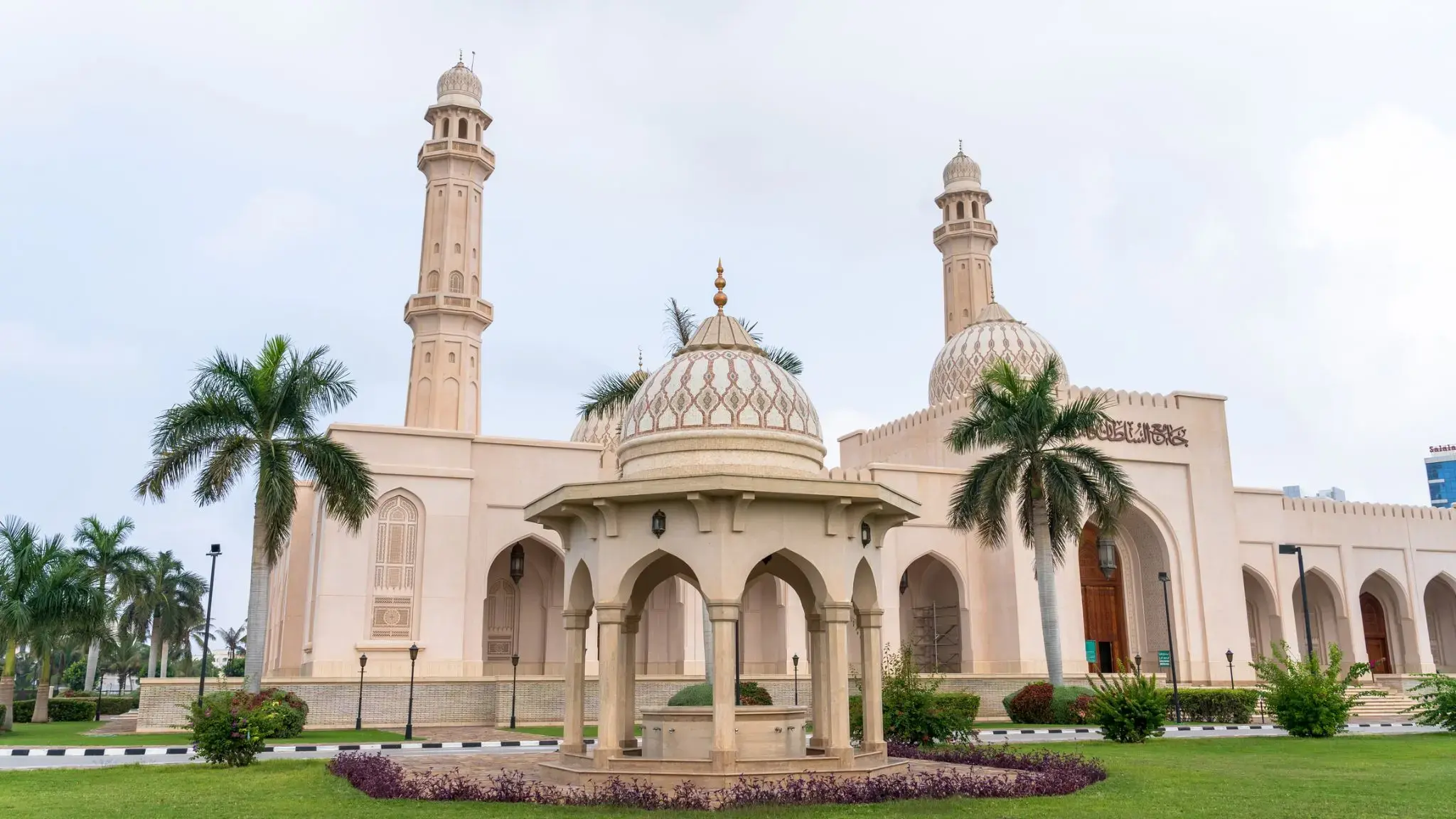
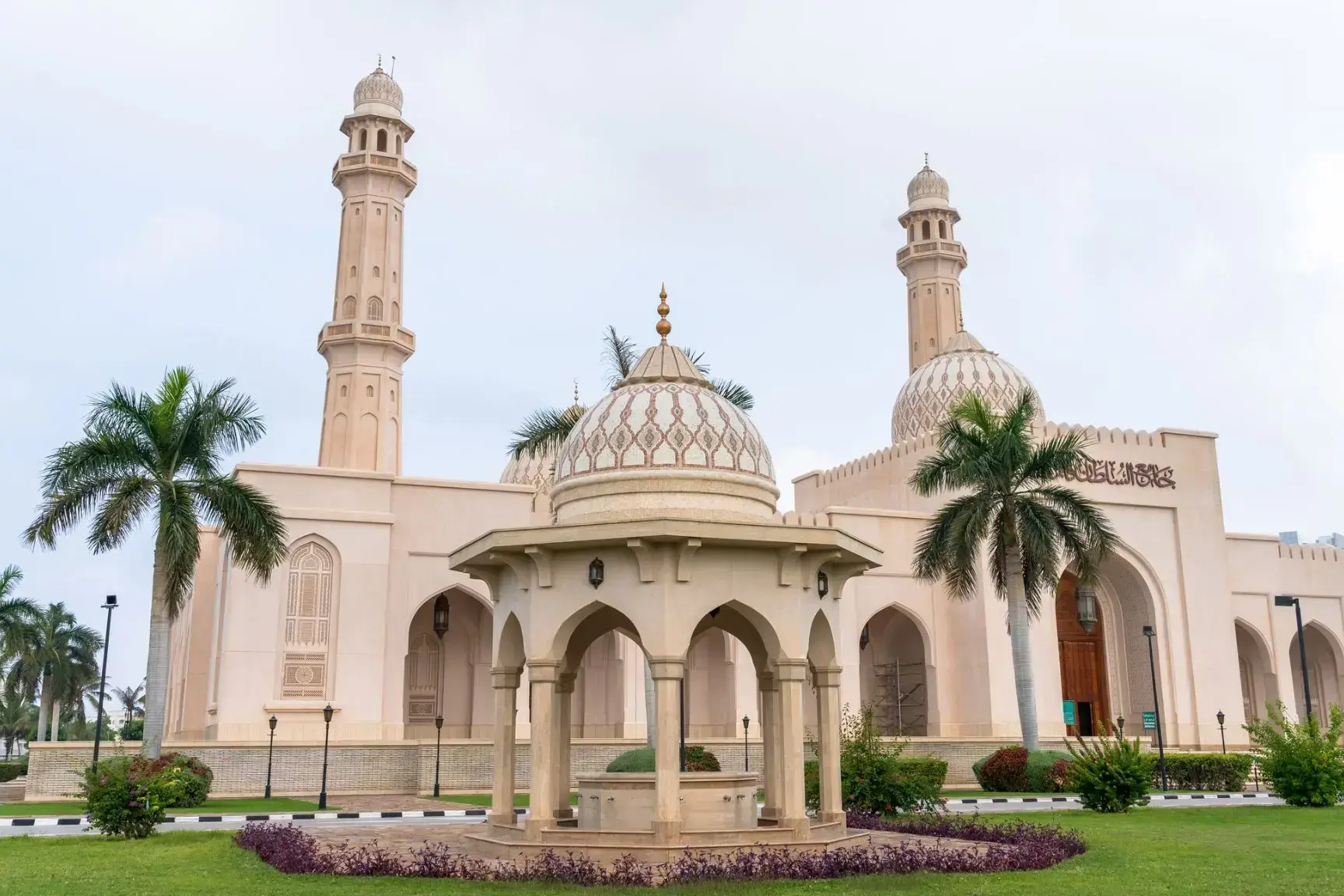
Salalah is the capital and largest city of the southern Omani governorate of Dhofar. Its population in 2009 was about 197,169.
Salalah is the second-largest city in the Sultanate of Oman, and the largest city in the Dhofar Province. Salalah is the birthplace of the current sultan, Qaboos bin Said. Salalah attracts many people from other parts of Oman and the Persian Gulf region during the monsoon/khareef season, which spans from July to September. The climate of the region and the monsoon allows the city to grow some vegetables and fruits like coconut and bananas. There are many gardens within the city where these vegetables and fruits grow.
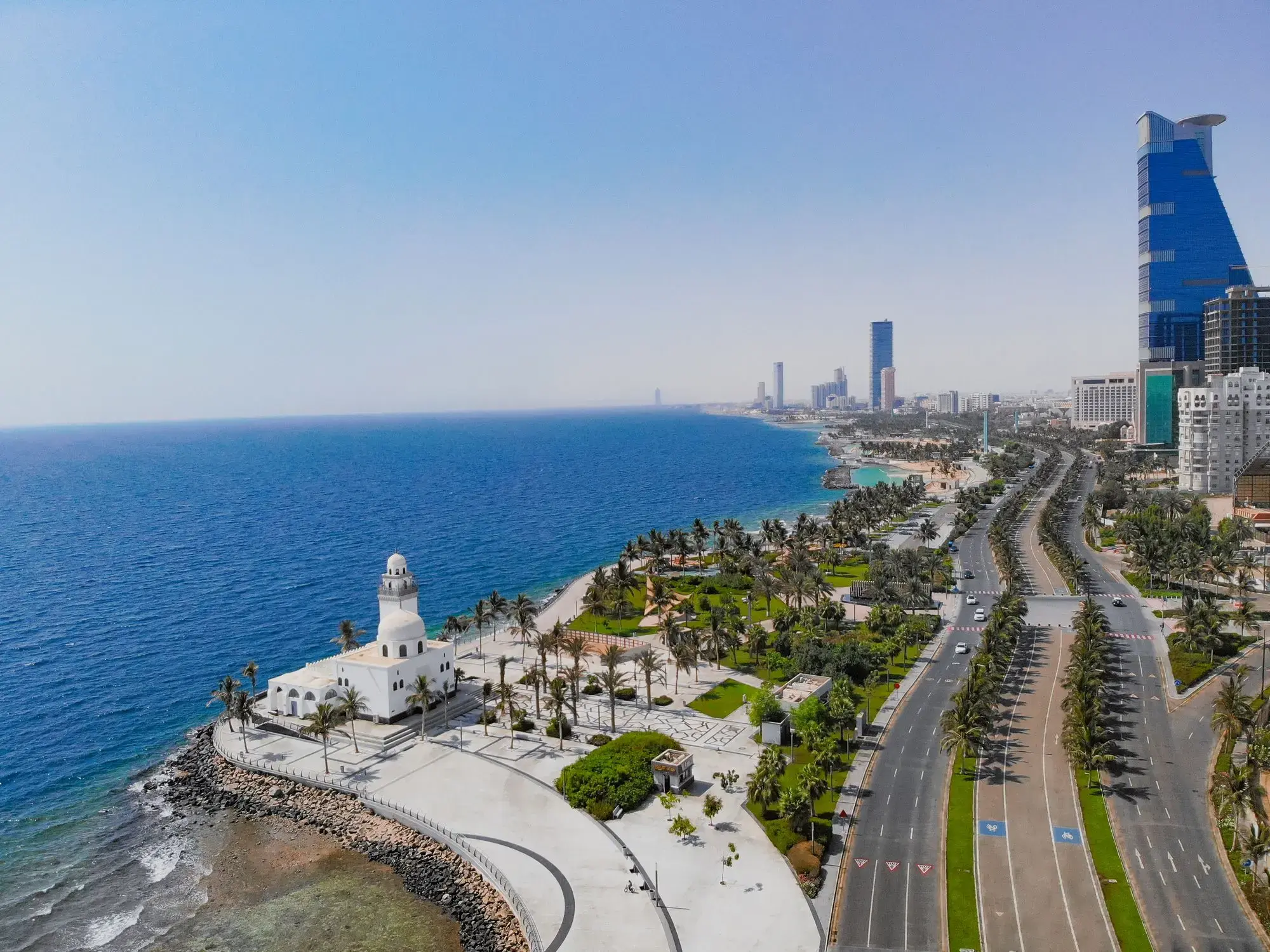
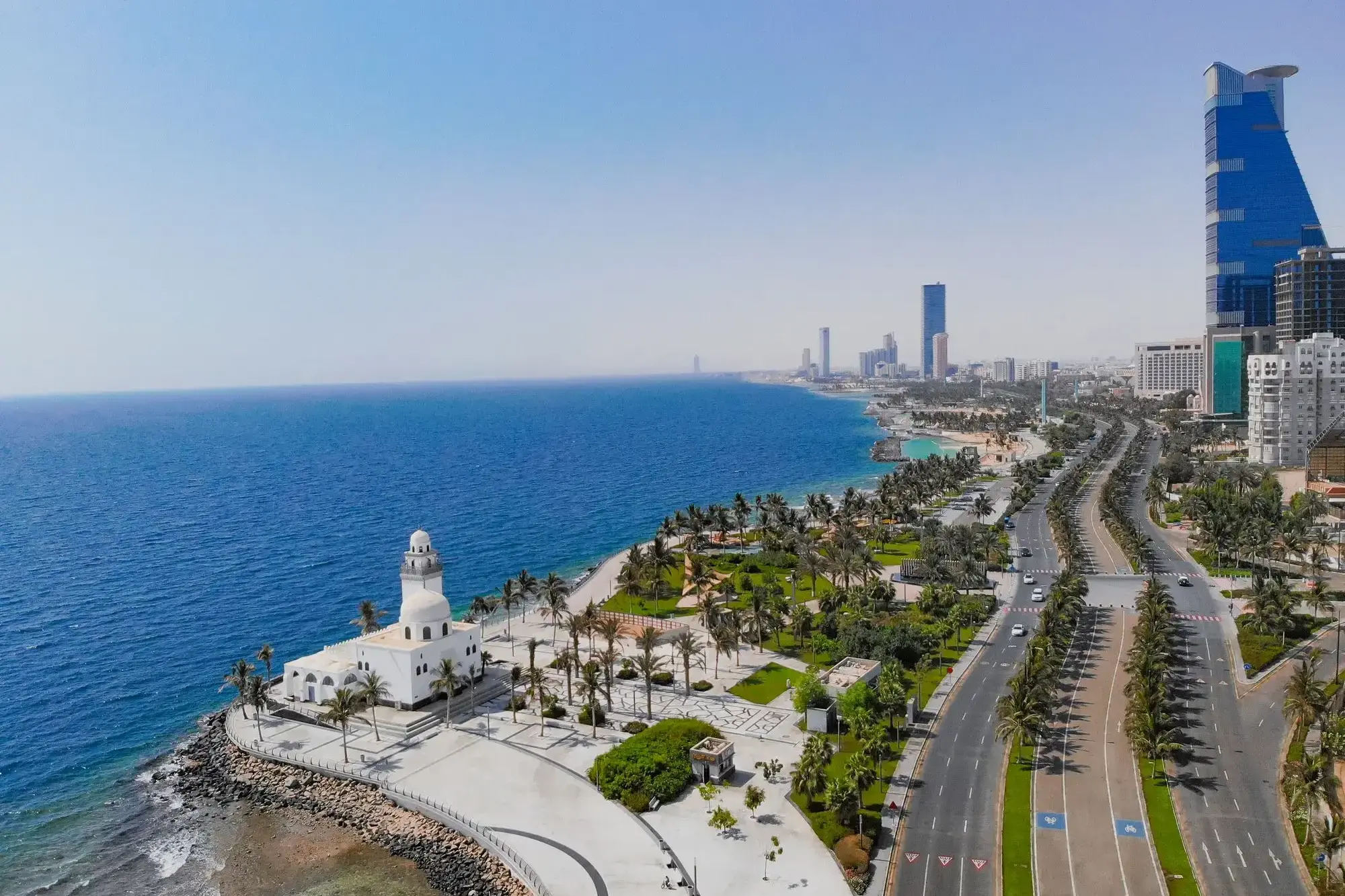
On the western coast of Saudi Arabia, where sandy dunes meet the azure waters of the Red Sea, lies Jeddah — the gateway to Mecca and a vibrant center of culture and commerce. The city impresses with its unique blend of ancient traditions and modern achievements: visitors can stroll through the historic Al-Balad district with its coral stone houses, then explore luxury malls or the striking Corniche promenade.
Jeddah is known for its cosmopolitan atmosphere and warm hospitality, welcoming pilgrims and traders from around the world for centuries. Tourists are drawn not only by the rich cultural heritage but also by the chance to dive among some of the most picturesque coral reefs in the region. The famous Floating Mosque and the King Fahd Fountain — one of the tallest in the world — have become iconic symbols of the city.
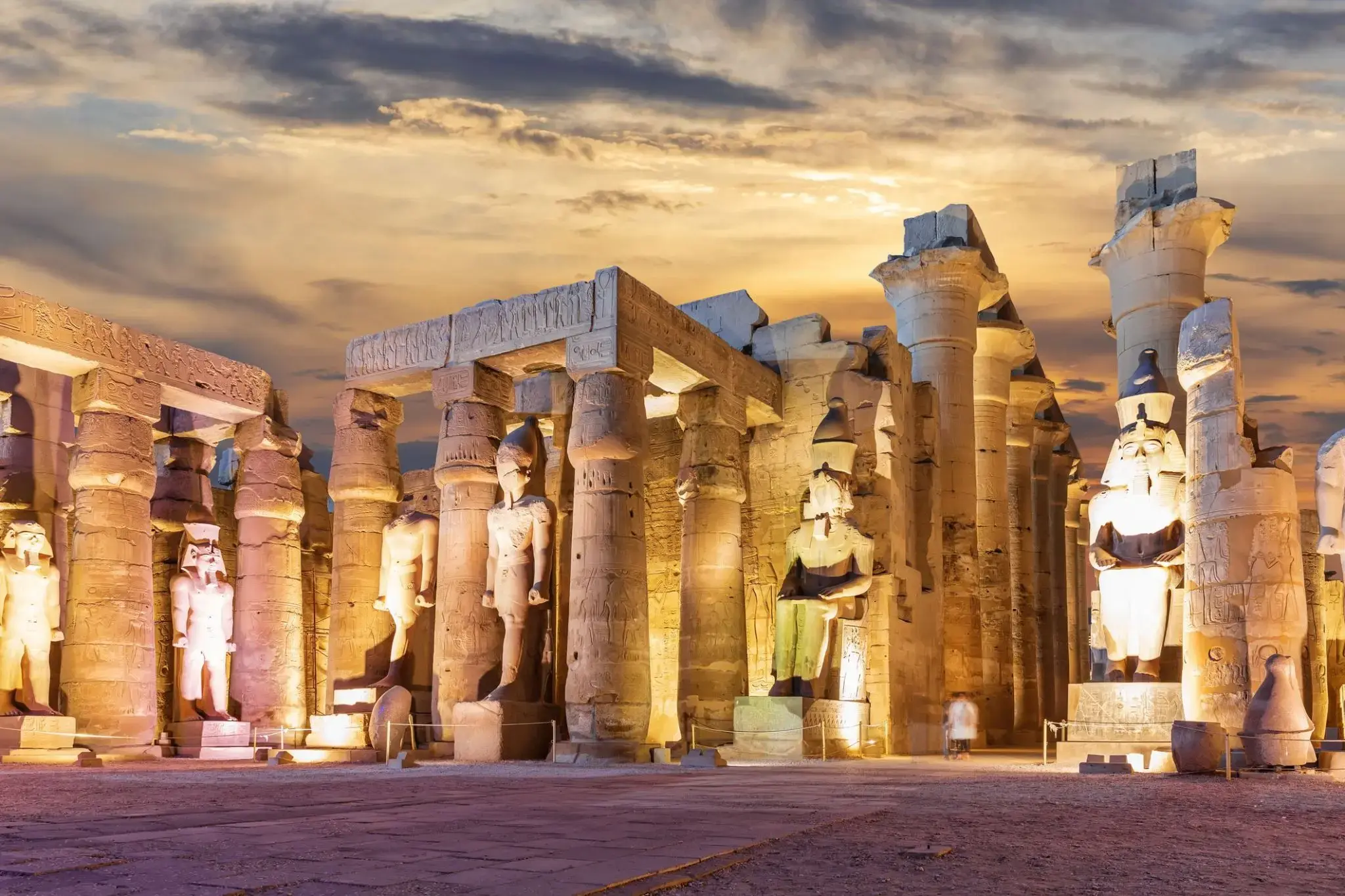
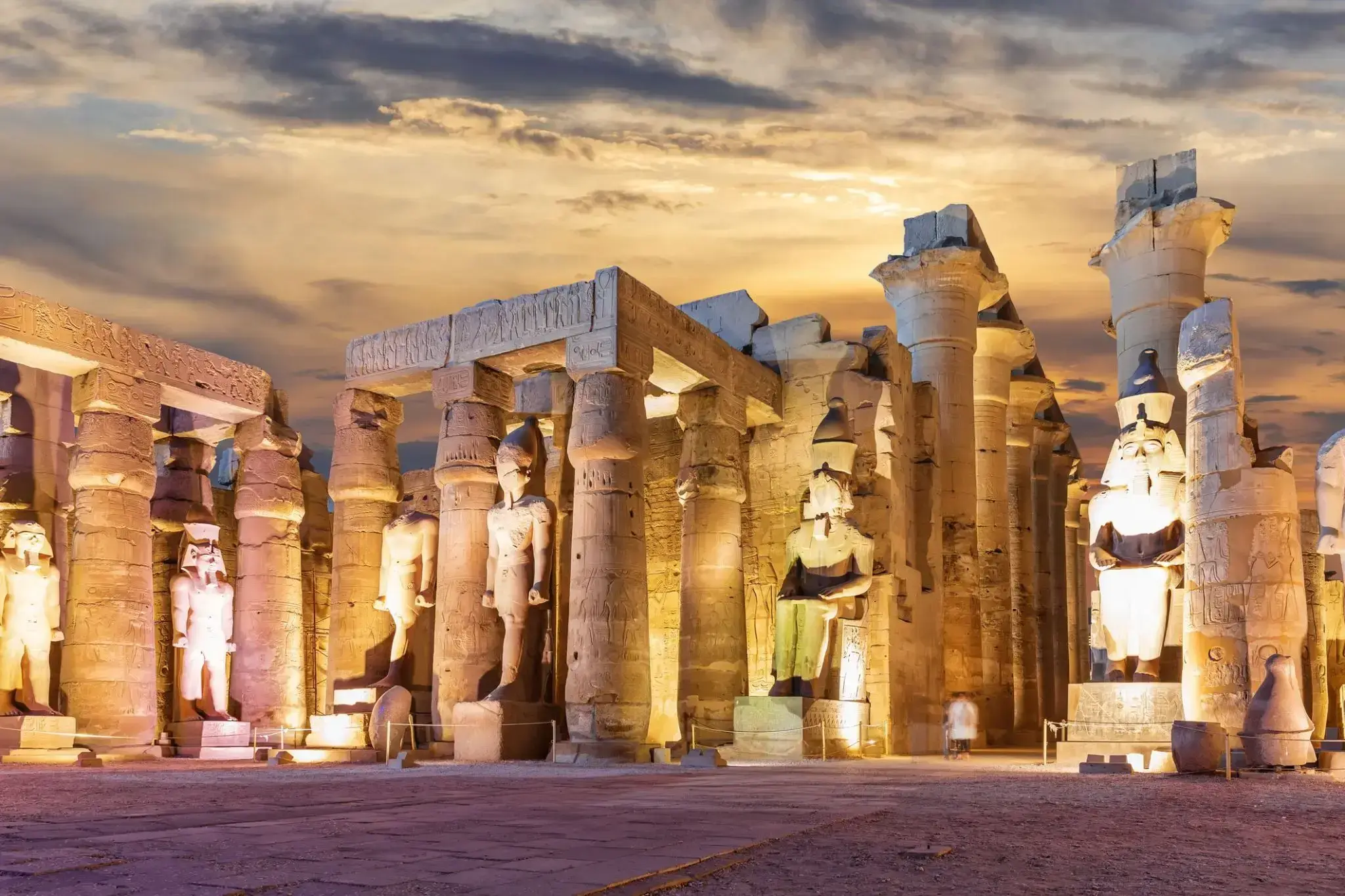
Beneath the bright Egyptian sun, Luxor stretches along both banks of the Nile — a city often referred to as the world's greatest open-air museum. Once the mighty capital of ancient Thebes, Luxor captivates visitors with its monumental sites: the Karnak Temple, the Valley of the Kings where Tutankhamun rests, and the Colossi of Memnon standing tall in silent majesty.
A walk through Luxor is not just a tour, but a true journey through time. Here, history is felt in every stone, in the shadow of towering columns, and in the calm of dawn as the sun rises over the ruins. Visitors are welcomed not only by awe-inspiring archaeology, but also by serene Nile cruises, hot-air balloon flights, and the warmth of locals who live side by side with their rich heritage.
Beneath the bright Egyptian sun, Luxor stretches along both banks of the Nile — a city often referred to as the world's greatest open-air museum. Once the mighty capital of ancient Thebes, Luxor captivates visitors with its monumental sites: the Karnak Temple, the Valley of the Kings where Tutankhamun rests, and the Colossi of Memnon standing tall in silent majesty.
A walk through Luxor is not just a tour, but a true journey through time. Here, history is felt in every stone, in the shadow of towering columns, and in the calm of dawn as the sun rises over the ruins. Visitors are welcomed not only by awe-inspiring archaeology, but also by serene Nile cruises, hot-air balloon flights, and the warmth of locals who live side by side with their rich heritage.
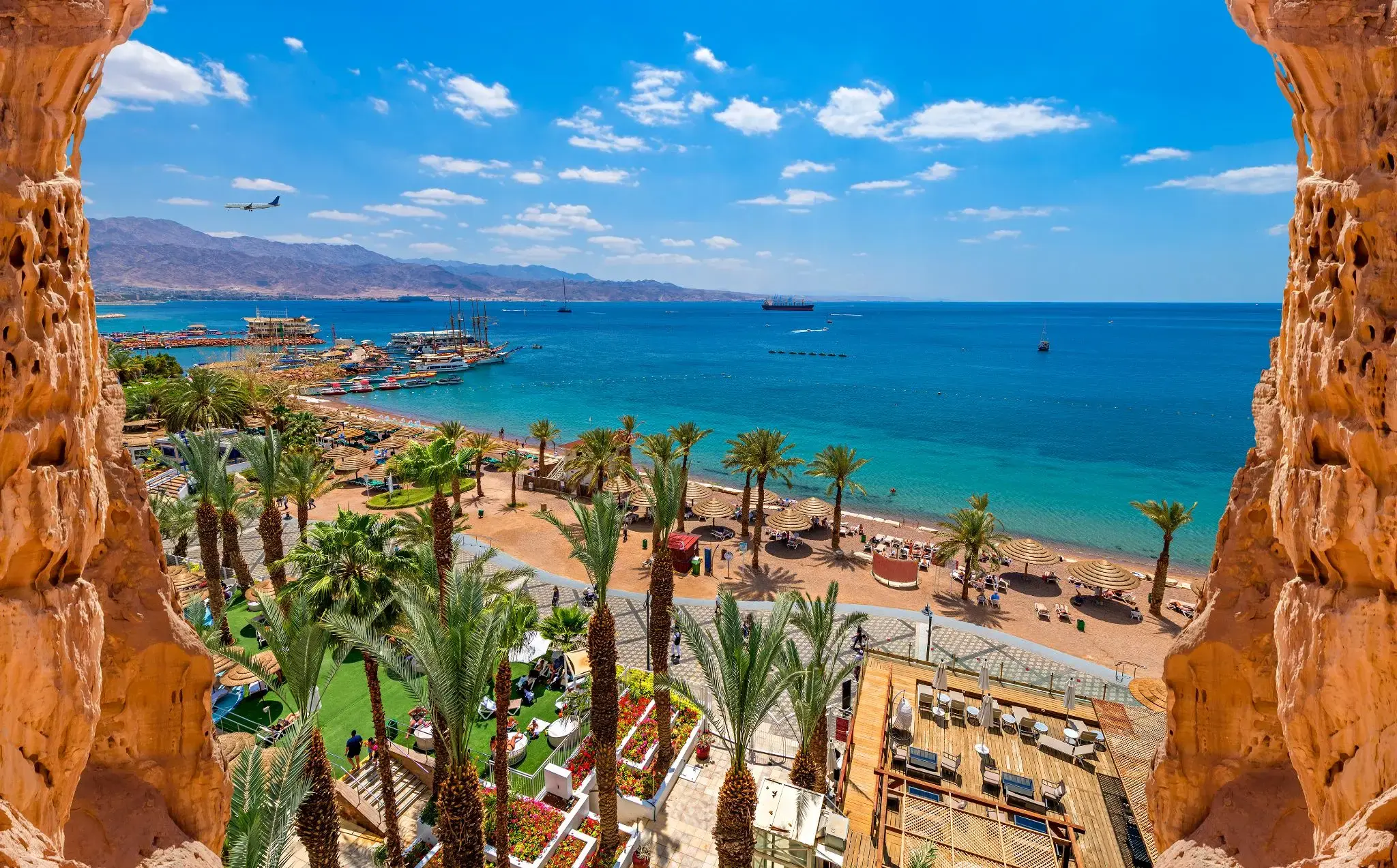
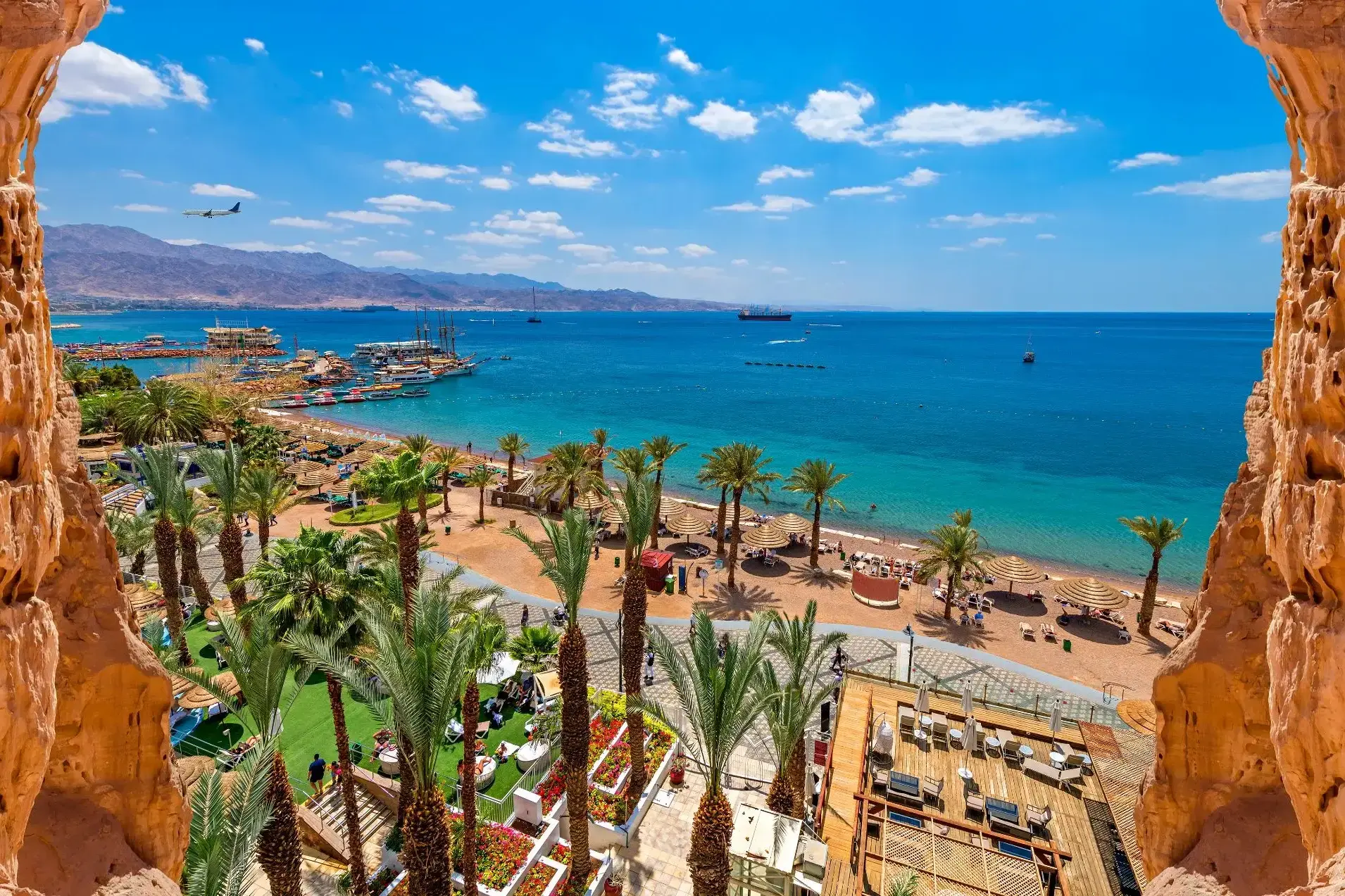
Aqaba is the only coastal city in Jordan and the largest and most populous city on the Gulf of Aqaba. Situated in southernmost Jordan, Aqaba is the administrative centre of the Aqaba Governorate. The city had a population of 148,398 in 2015 and a land area of 375 square kilometres (144.8 sq mi). Today, Aqaba plays a major role in the development of the Jordanian economy, through the vibrant trade and tourism sectors. The Port of Aqaba also serves other countries in the region.
Aqaba's strategic location at the northeastern tip of the Red Sea between the continents of Asia and Africa, has made its port important over the course of thousands of years.
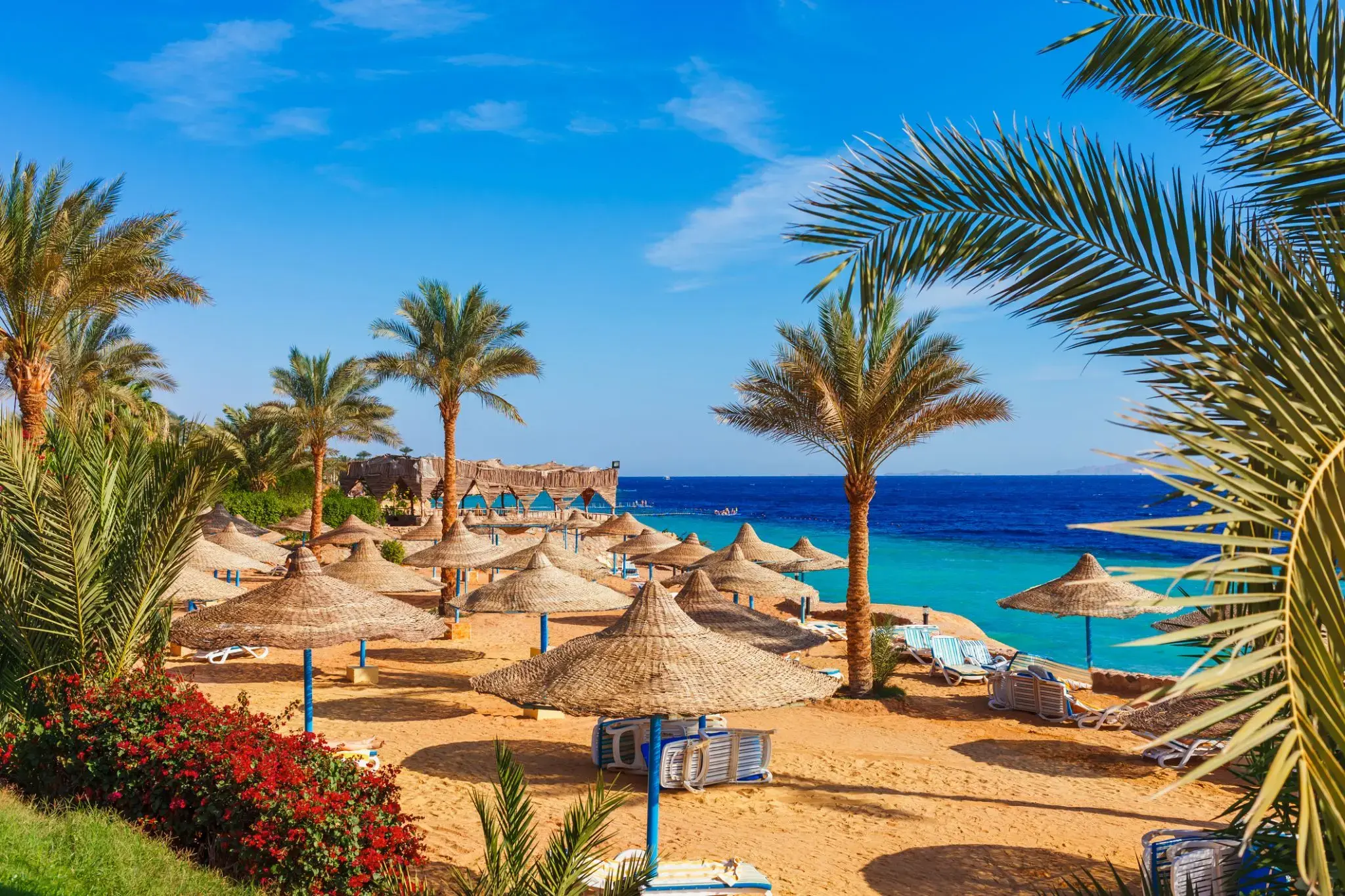
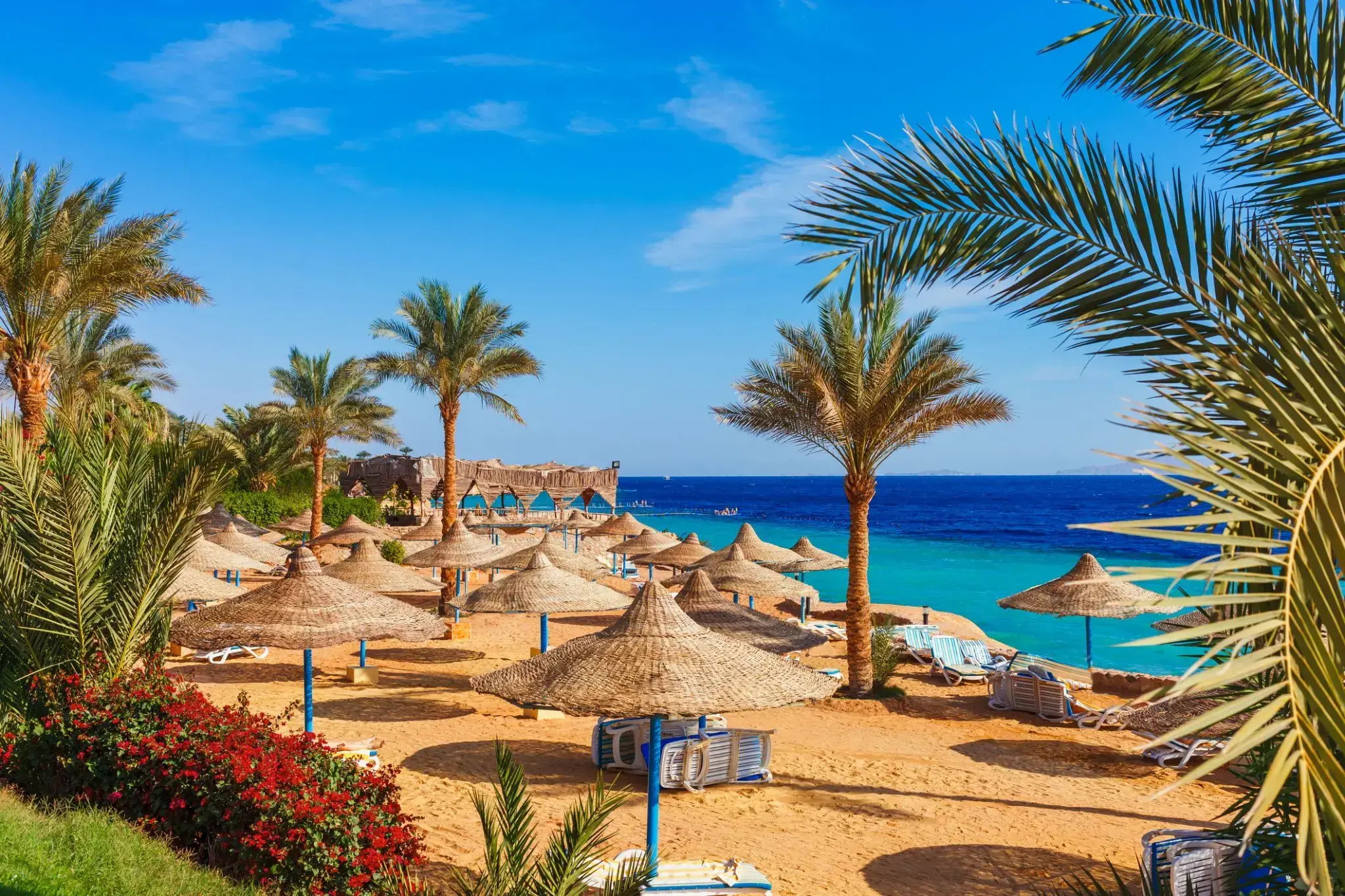
Sharm El Sheikh is an Egyptian city on the southern tip of the Sinai Peninsula, in South Sinai Governorate, on the coastal strip along the Red Sea. Its population is approximately 73,000 as of 2015. Sharm El Sheikh is the administrative hub of Egypt's South Sinai Governorate, which includes the smaller coastal towns of Dahab and Nuweiba as well as the mountainous interior, St. Catherine and Mount Sinai. The city and holiday resort is a significant centre for tourism in Egypt, while also attracting many international conferences and diplomatic meetings.
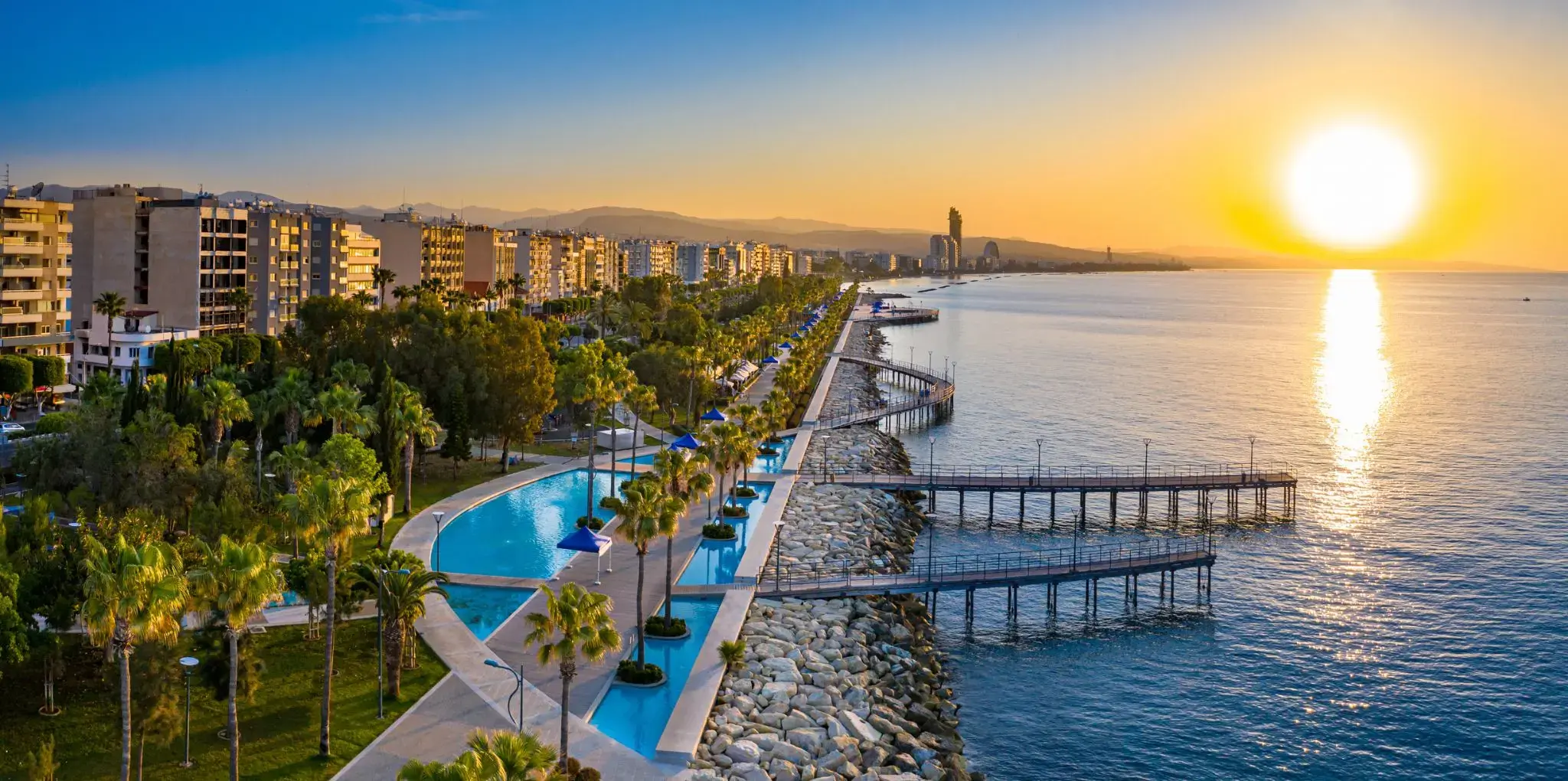
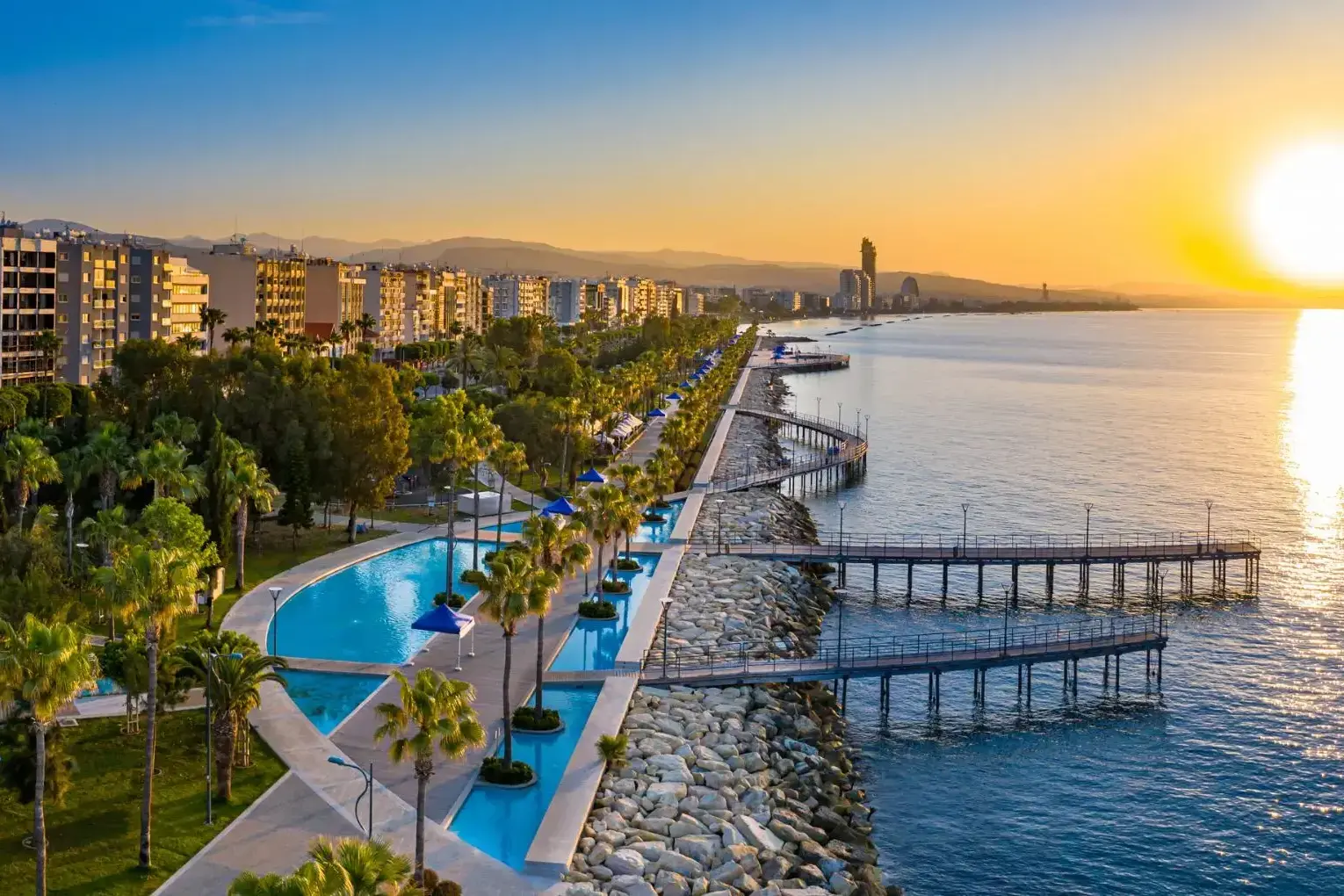
Cyprus' second-largest city appeals to a wide range of tourists, from those interested in sun and sand vacations to those who prefer to delve into the island's culture at its museums and sites of archaeological interest. This large seaside resort on Akrotiri Bay on the sunny southern coast offers lively nightlife and a slew of energetic festivals. A cornucopia of cafes and bars lines the bustling seafront. Accommodation options range from villas and self-catering apartments to luxurious hotels.
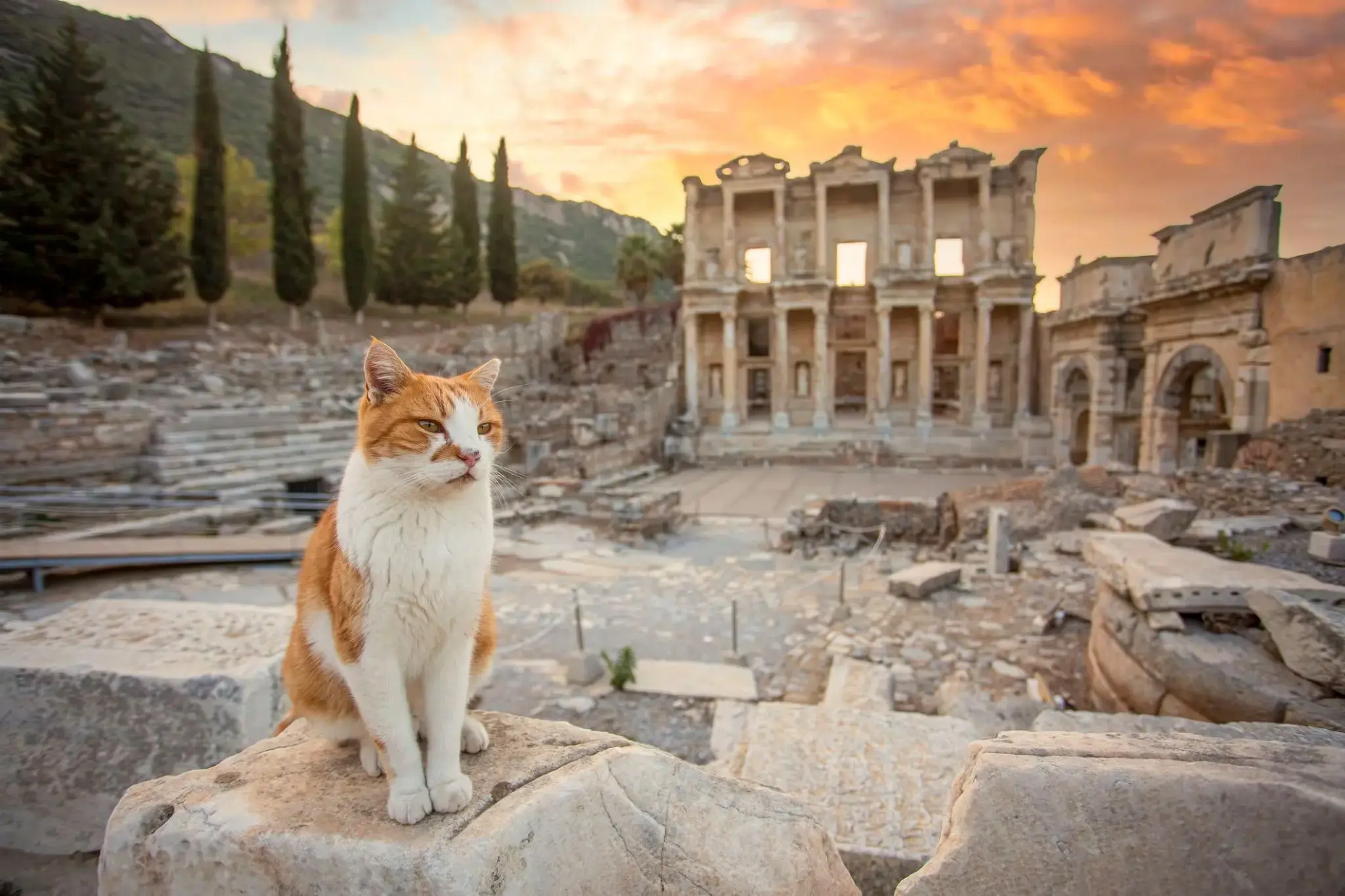
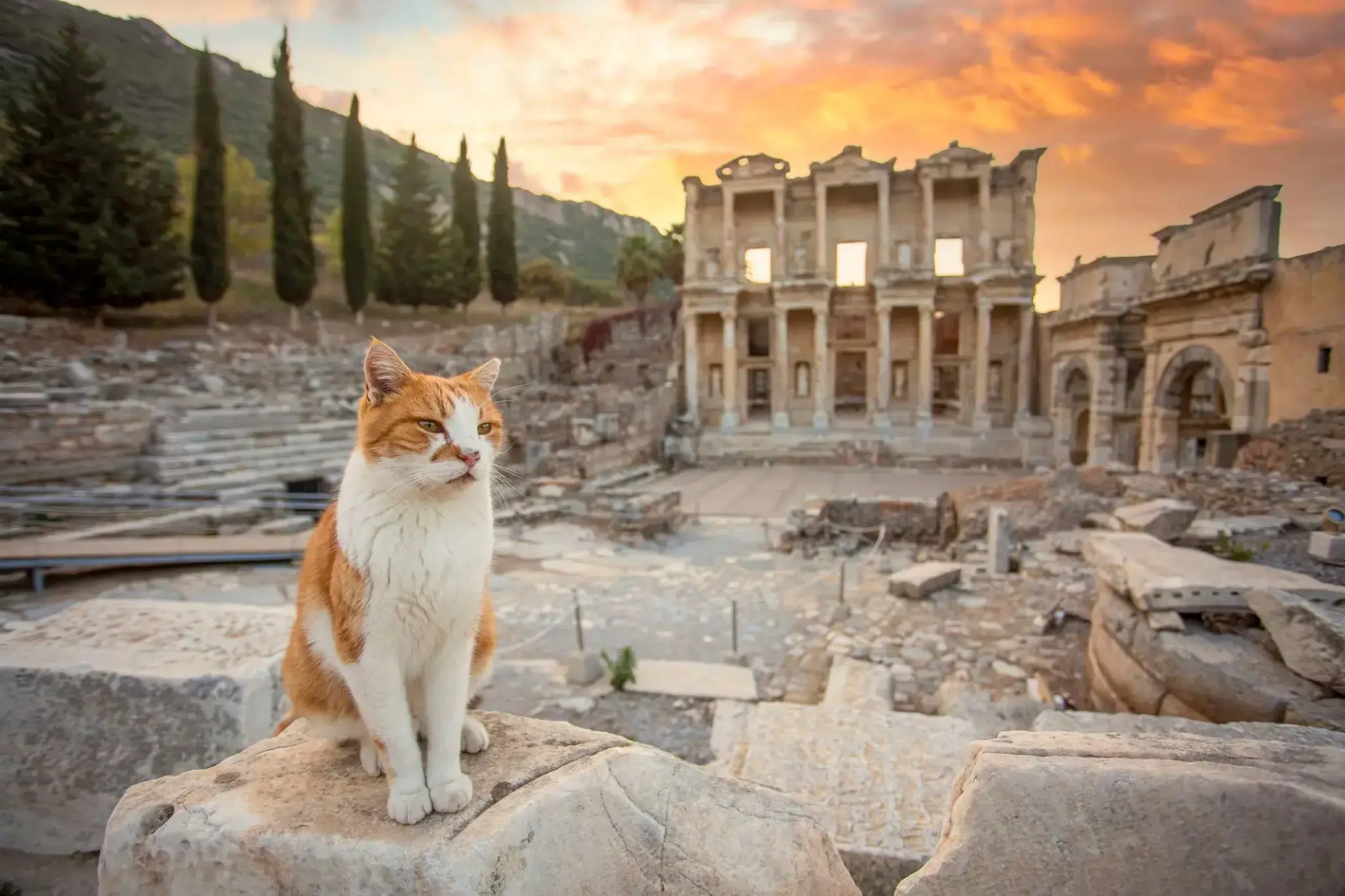
Mediterranean sunshine, the scent of lavender, and centuries of history accompany travelers arriving in Selcuk, a small Turkish town located just a few kilometers from the legendary Ephesus. This place blends the charm of Anatolian life with ancient ruins, where every stone tells stories from the Roman Empire and Byzantine times. The town is an ideal base for exploring one of Turkey’s most famous archaeological sites, but it is also worth exploring in its own right: ancient mosques, a Byzantine fortress, and remnants of aqueducts can all be found here.
In Selcuk, time flows slowly, allowing you to thoughtfully explore museums and street markets full of spices and handmade ceramics. In spring, the town hosts a tulip festival, and nearby lies the House of the Virgin Mary—a place of Christian pilgrimage. This rare combination of antiquity, religious significance, and modern Turkish life makes Selçuk a destination that leaves not only photos, but a lasting impression.
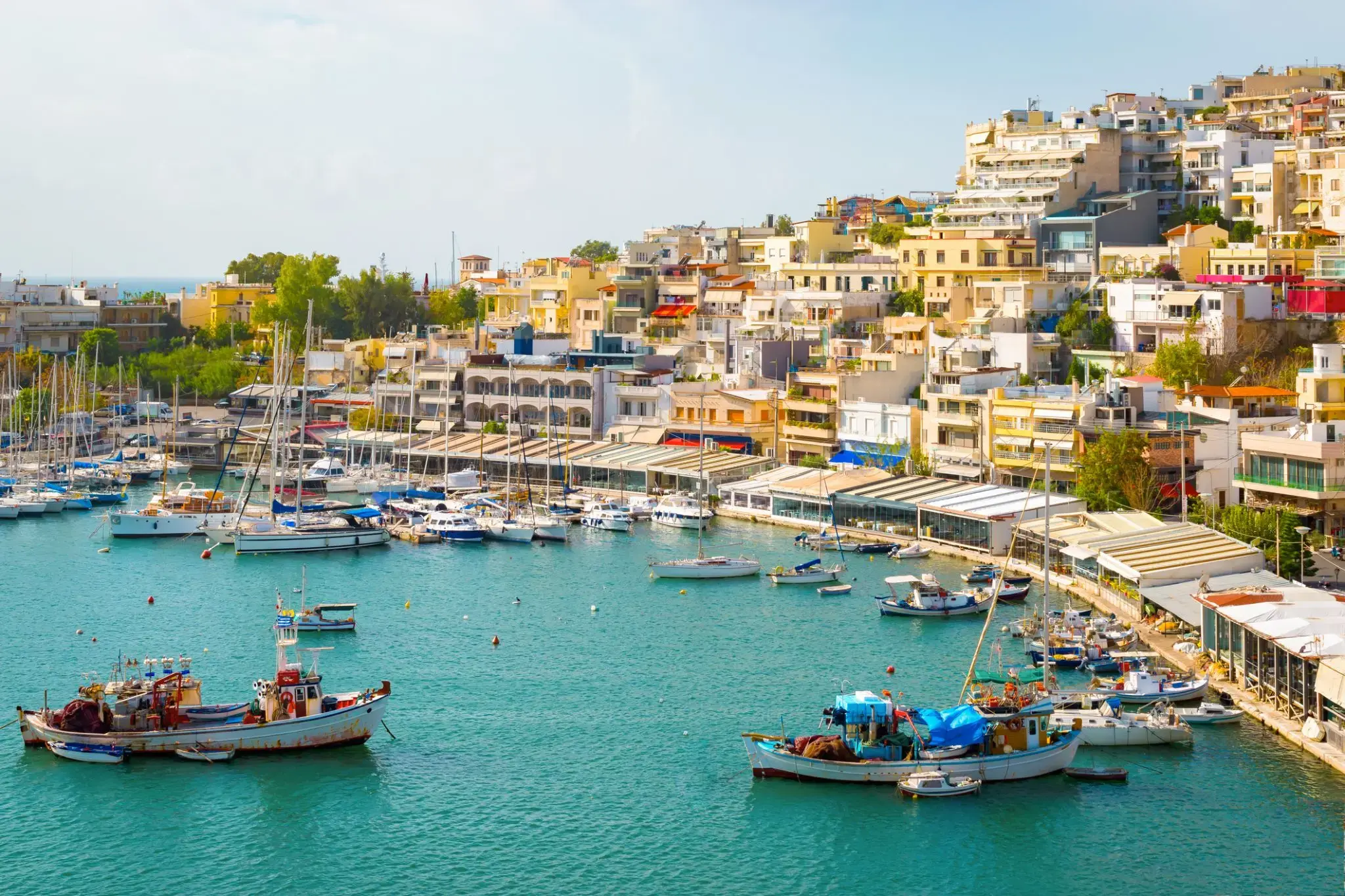
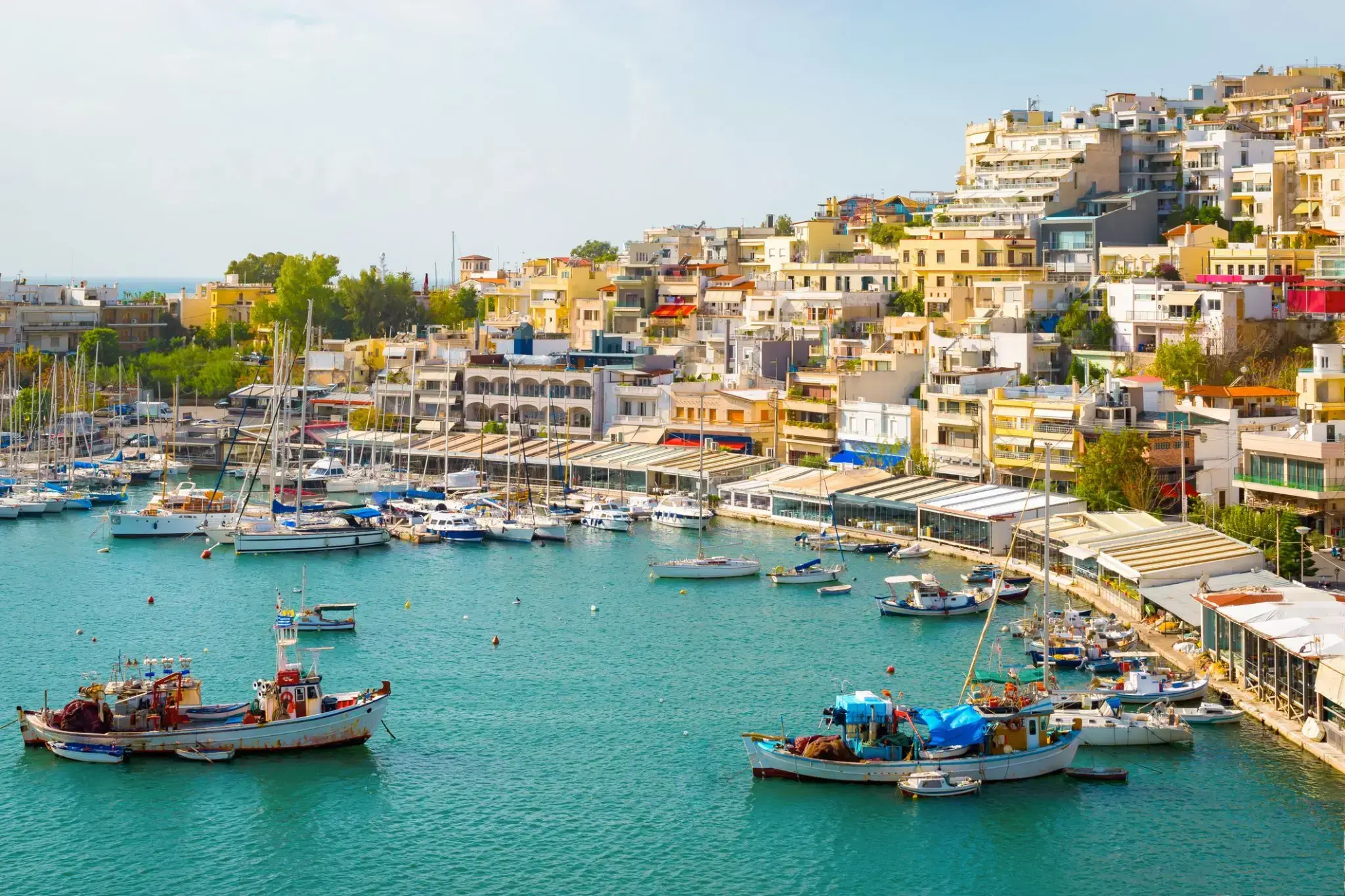
Piraeus is the gateway to Athens , which, in turn, is rightfully considered the center of the centers of the whole world, with the main attraction - the acropolis. Piraeus is an old port city serving the port of Athens, the largest port in Greece to date. Piraeus is part of the great Athens, which boasts an abundance of attractions, including unique monuments of national fine art. More than two hundred museums and galleries, including the University History Museum, the Ceramics Archaeological Museum and many others, will hospitably welcome you within their walls and familiarize themselves with the culture of this area.
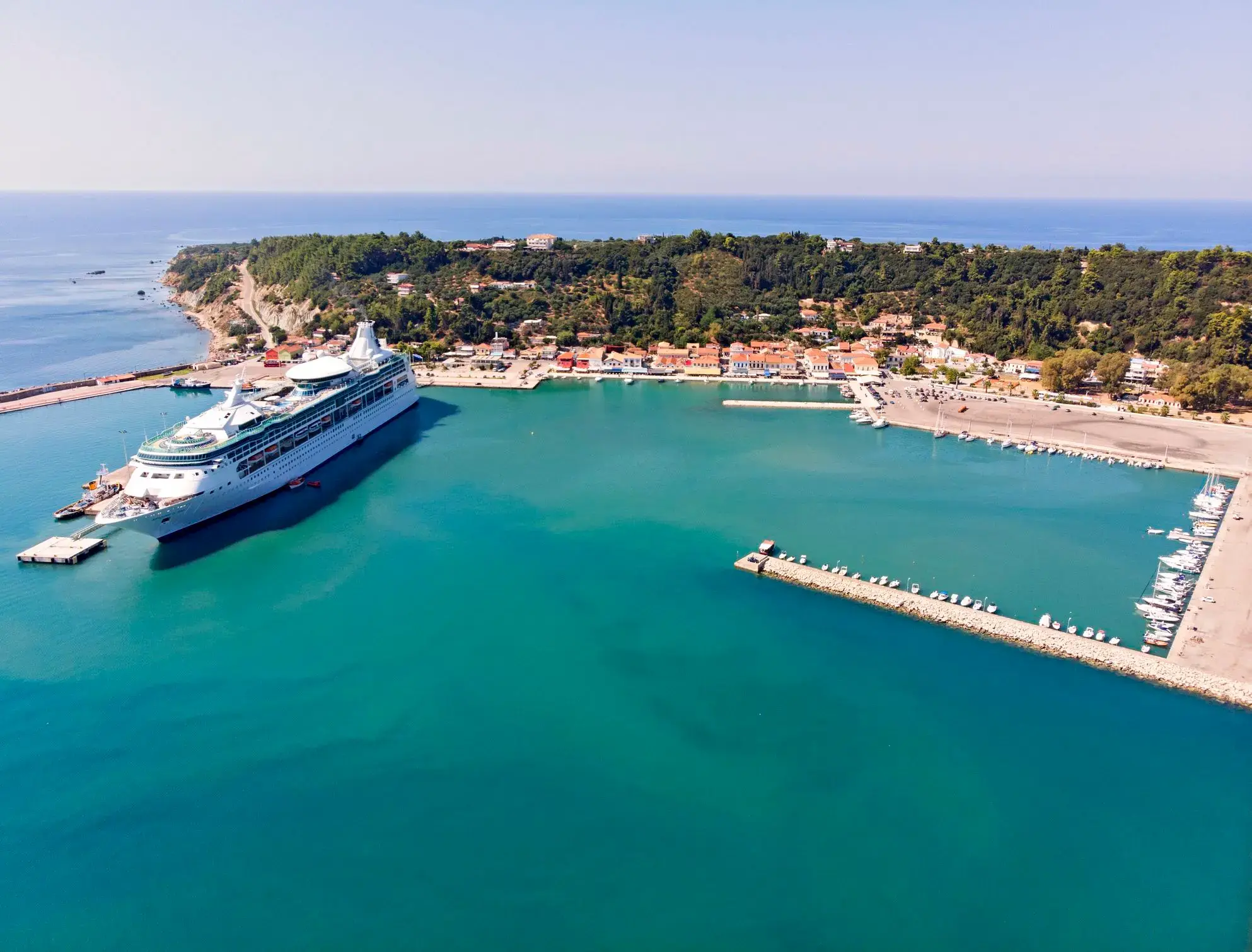
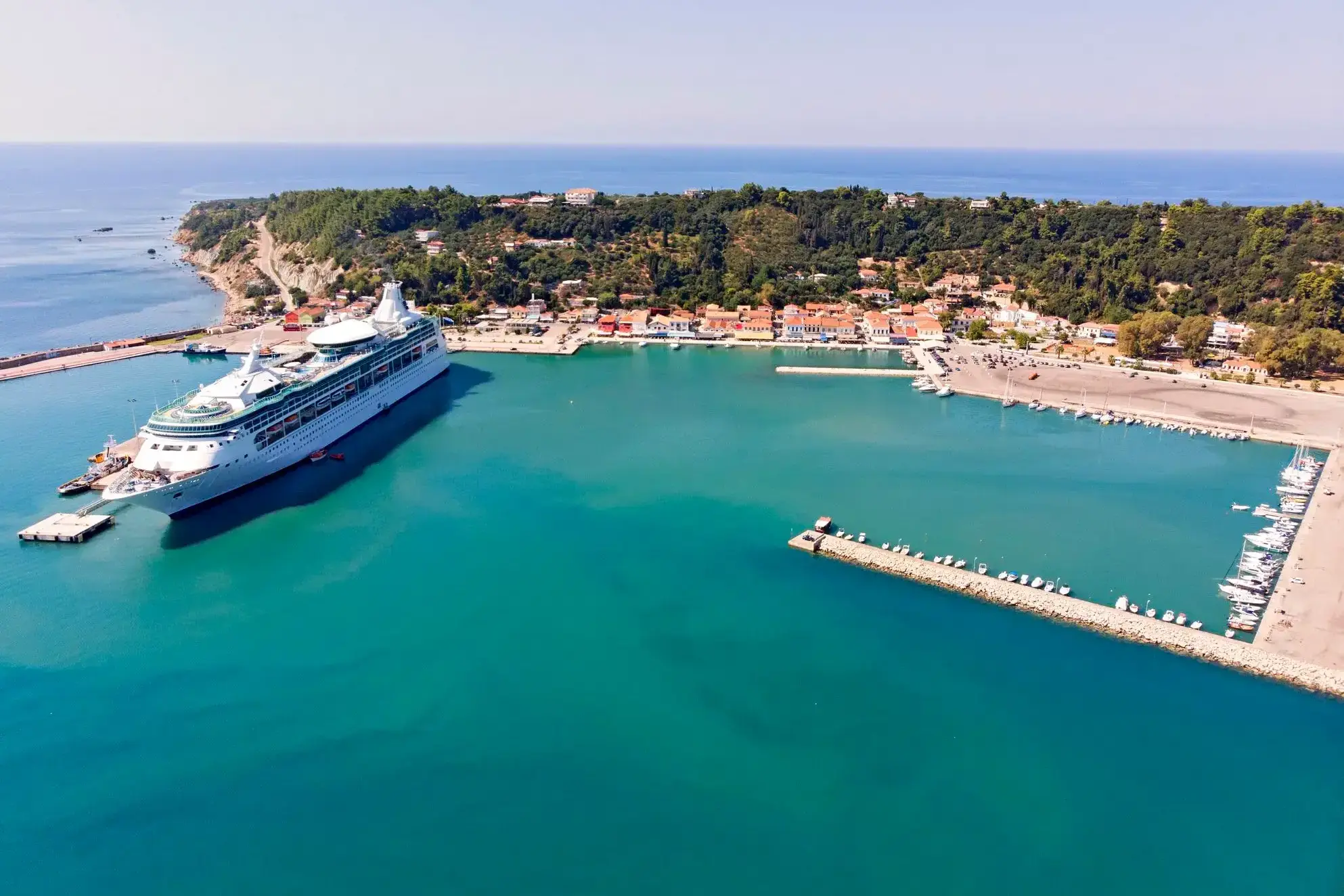
Katakolon is a small coastal town in western Peloponnese, Greece, serving as a maritime gateway to the legendary Ancient Olympia, the birthplace of the Olympic Games. Katakolon has become a popular cruise port thanks to its convenient location. The harbor is surrounded by scenic hills, and along the coastline, you’ll find cozy cafés, shops with local delicacies, and souvenirs. Tourists often begin their exploration of the region here before heading to the archaeological sites of Olympia, located about 30 km from the port.
Katakolon offers a peaceful atmosphere and traditional Greek charm: narrow streets, houses with tiled roofs, and the azure waters of the Ionian Sea. The surrounding area features wineries producing local wine, as well as small beaches ideal for swimming and relaxation. The town also hosts the Museum of Ancient Greek Technology, showcasing unique models of ancient inventions—from automatic doors to early forms of computers. Katakolon is a harmonious blend of history, nature, and authentic Greek hospitality.
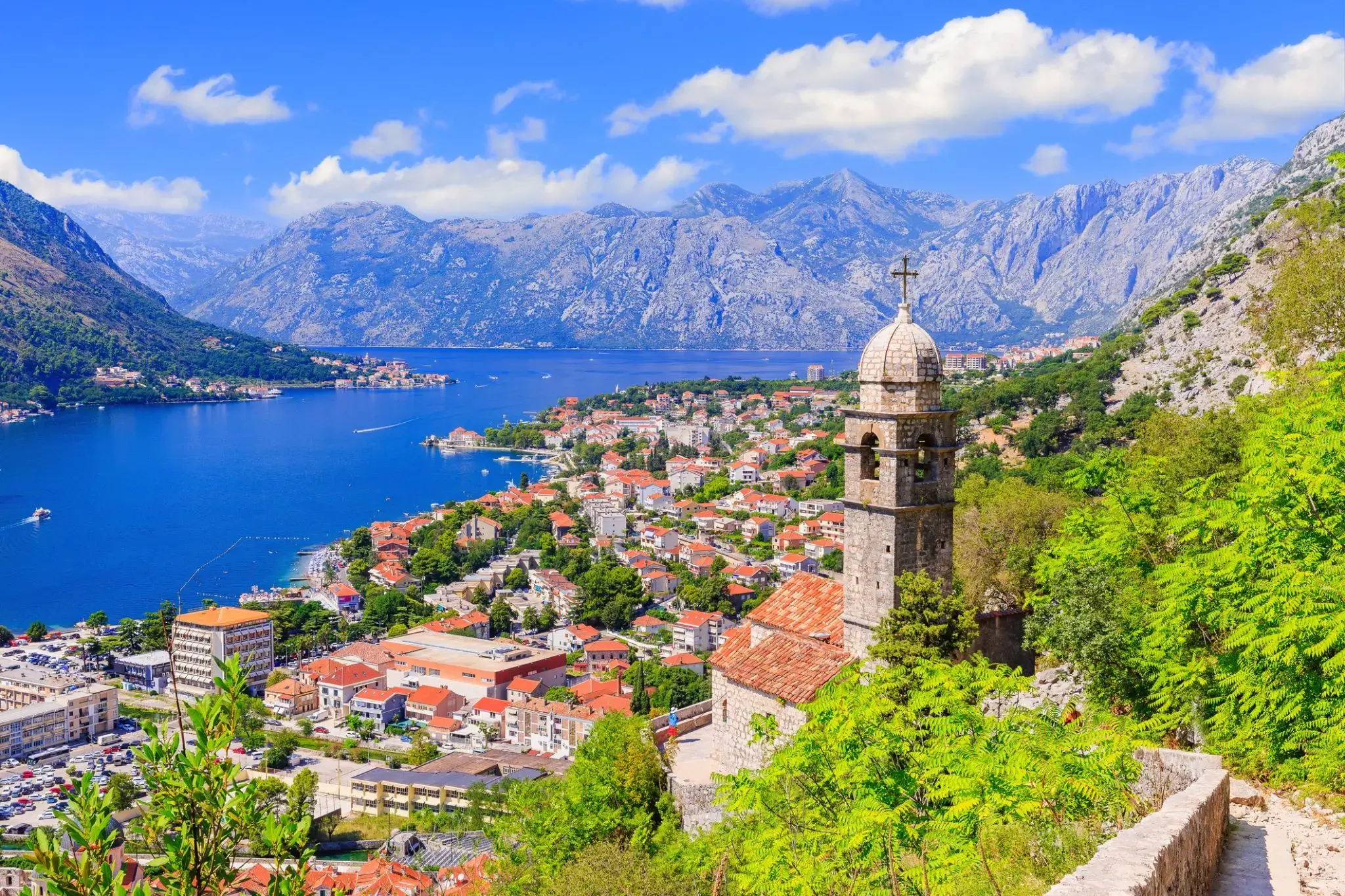
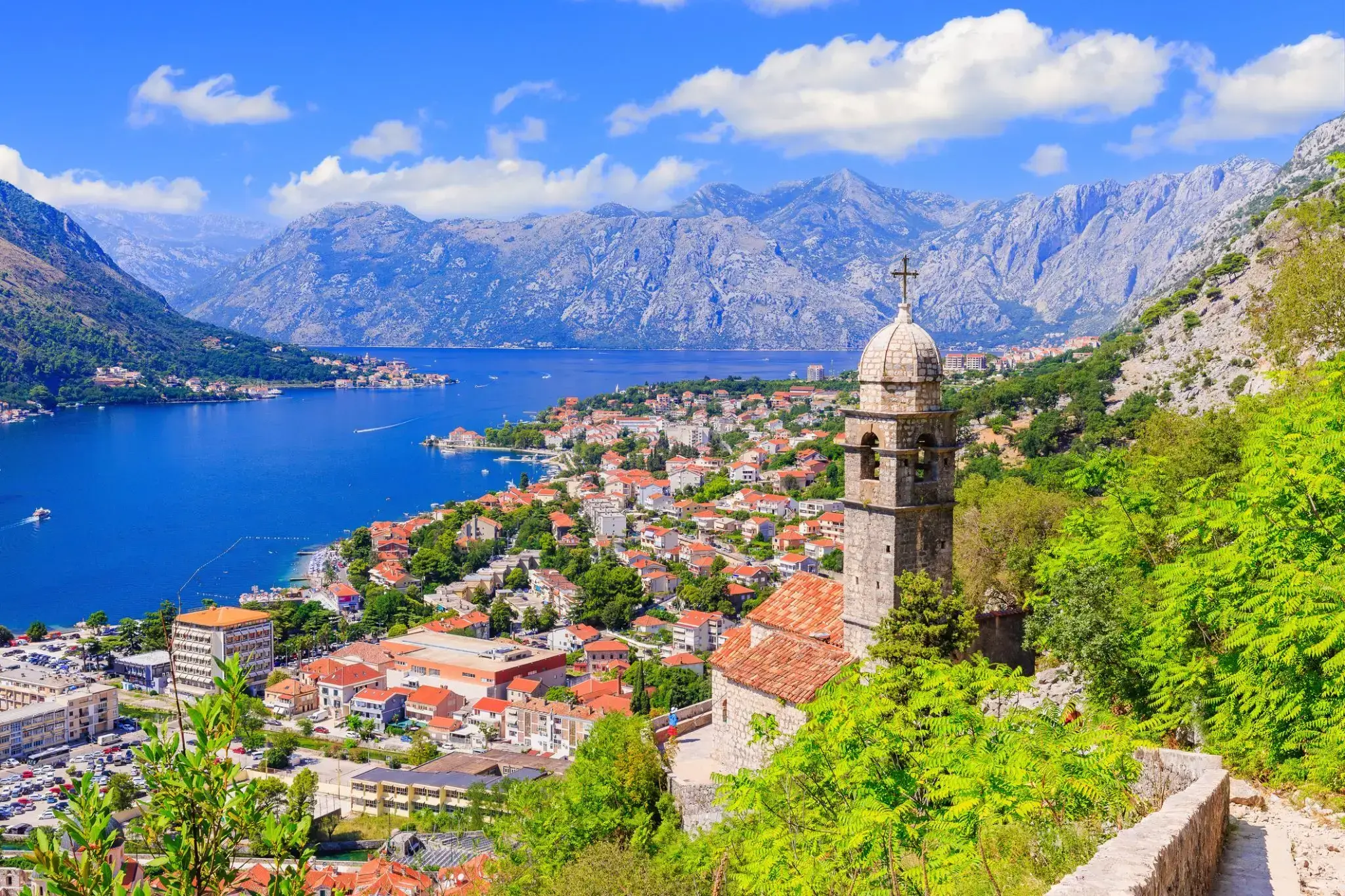
Kotor is a coastal town in Montenegro. It is located in a secluded part of the Gulf of Kotor. The city has a population of 13,510 and is the administrative center of Kotor Municipality.
The old Mediterranean port of Kotor is surrounded by fortifications built during the Venetian period. It is located on the Bay of Kotor (Boka Kotorska), one of the most indented parts of the Adriatic Sea. Some have called it the southern-most fjord in Europe, but it is a ria, a submerged river canyon. Together with the nearly overhanging limestone cliffs of Orjen and Lovćen, Kotor and its surrounding area form an impressive landscape.
Since the early 2000s Kotor has seen an increase in tourists , many of them coming by cruise ship. Visitors are attracted by the natural environment of the Gulf of Kotor and by the old town of Kotor. Kotor is part of the World Heritage Site dubbed the Natural and Culturo-Historical Region of Kotor.
The fortified city of Kotor was also included in UNESCO's World Heritage Site list as part of Venetian Works of Defence between 15th and 17th centuries: Stato da Terra – western Stato da Mar in 201
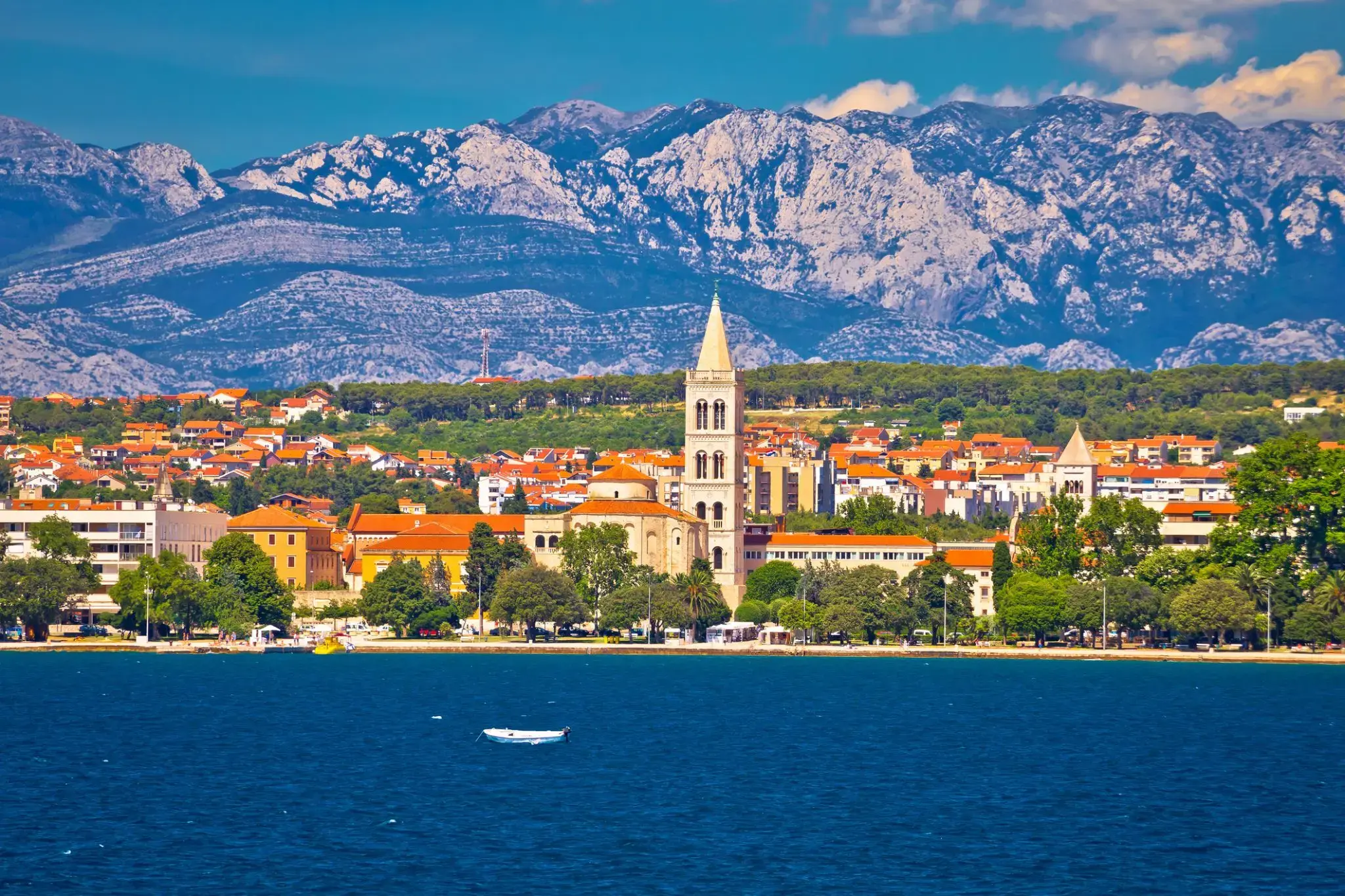
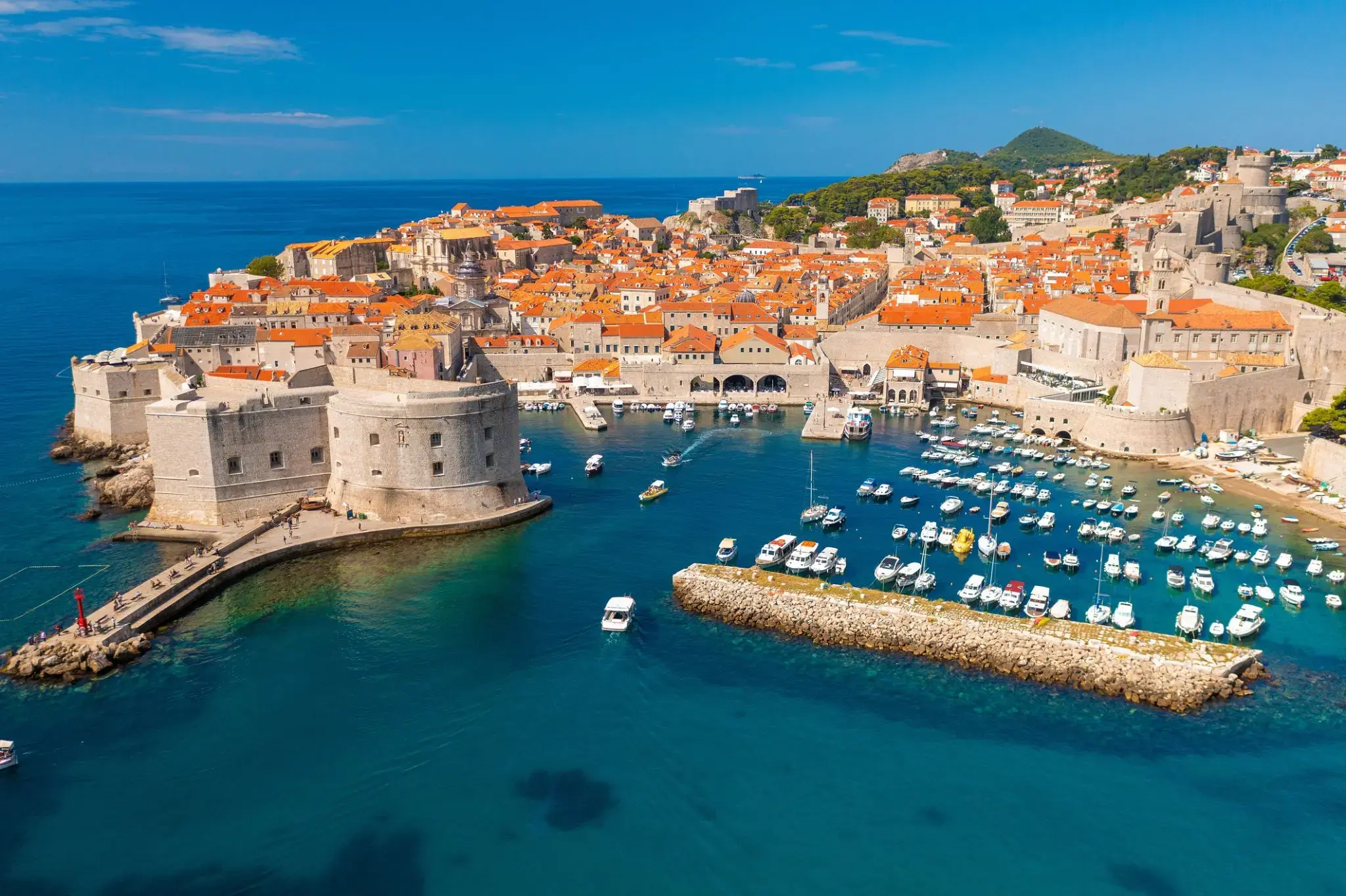
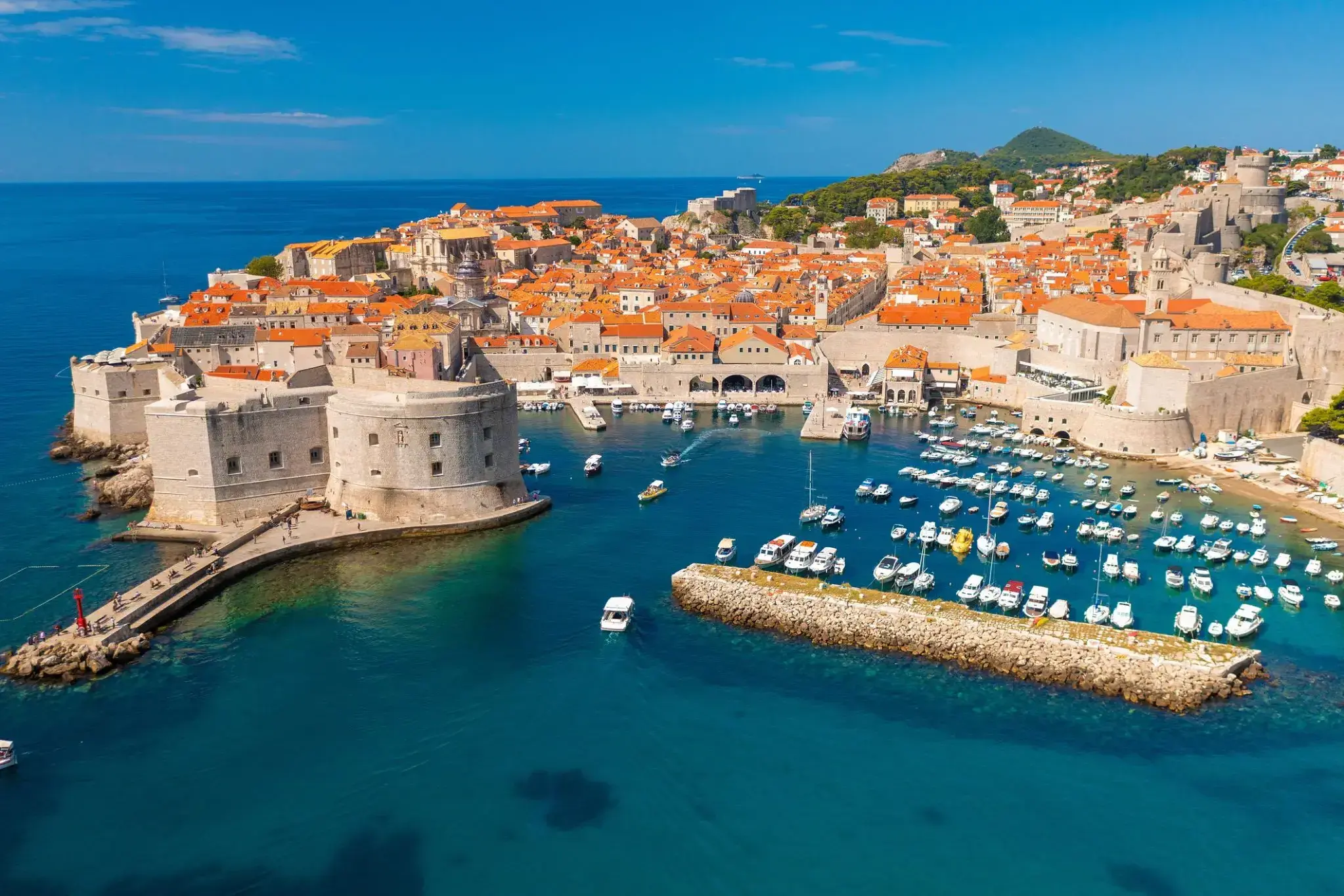
Dubrovnik is a Croatian city on the Adriatic Sea. It is one of the most prominent tourist destinations in the Mediterranean Sea, a seaport and the centre of Dubrovnik-Neretva County. Its total population is 42,615 (census 2011). In 1979, the city of Dubrovnik joined the UNESCO list of World Heritage sites.
The prosperity of the city was historically based on maritime trade; as the capital of the maritime Republic of Ragusa, it achieved a high level of development, particularly during the 15th and 16th centuries, as it became notable for its wealth and skilled diplomacy.
In 1991, after the break-up of Yugoslavia, Dubrovnik was besieged by Serbian and Montenegrin soldiers of the Yugoslav People's Army (JNA) for seven months and suffered significant damage from shelling. After repair and restoration works in the 1990s and early 2000s, Dubrovnik re-emerged as one of the top tourist destinations in the Mediterranean.
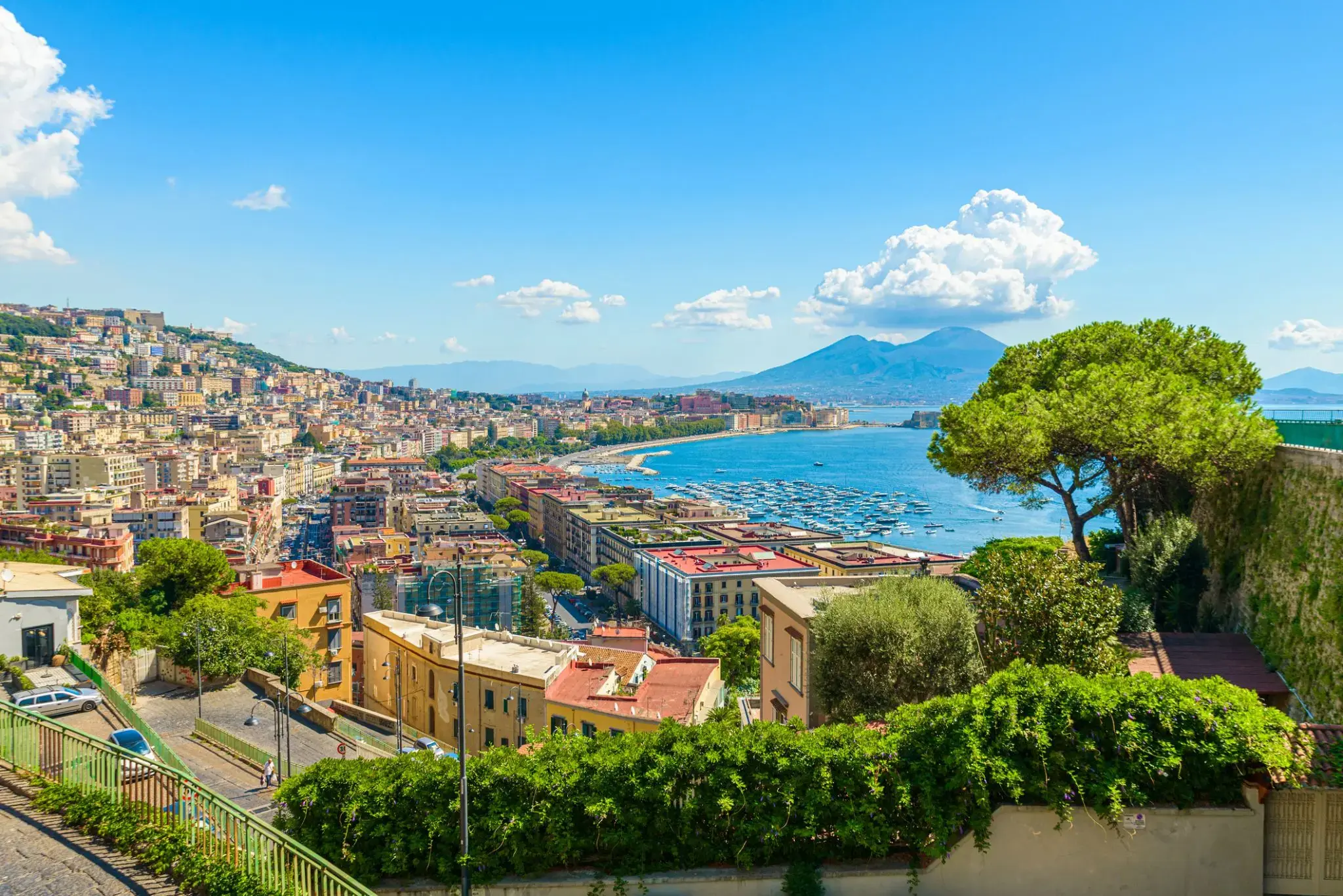
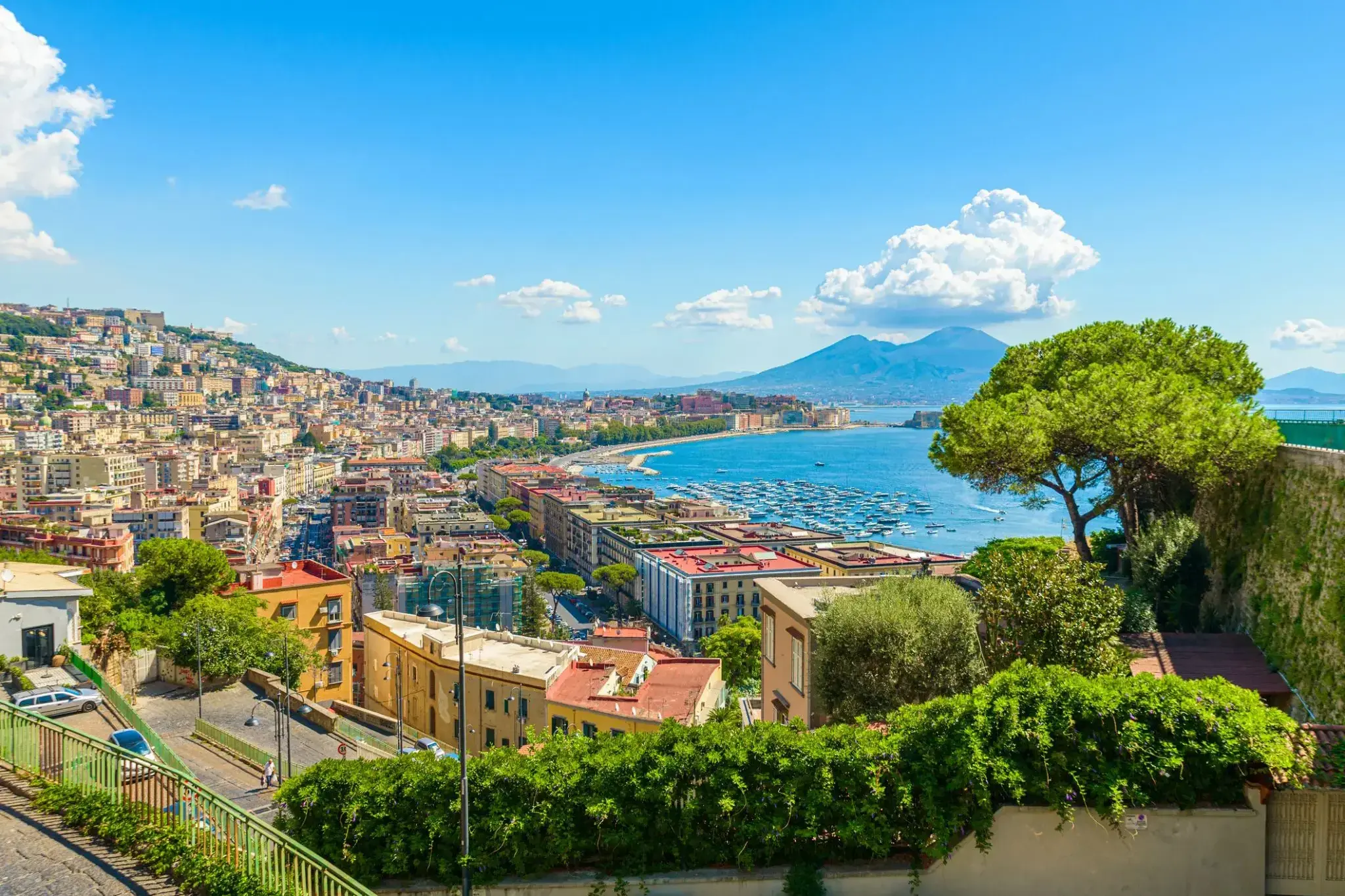
Naples is the regional capital of Campania and the third-largest municipality in Italyafter Rome and Milan. In 2017, around 967,069 people lived within the city's administrative limits while its province-level municipality has a population of 3,115,320 residents. Its continuously built-up metropolitan area (that stretches beyond the boundaries of the Metropolitan City of Naples) is the second or third largest metropolitan area in Italy and one of the most densely populated cities in Europe.
First settled by Greeks in the second millennium BC, Naples is one of the oldest continuously inhabited urban areas in the world. In the ninth century BC, a colony known as Parthenope or Παρθενόπη was established on the Island of Megaride, later refounded as Neápolis in the sixth century BC. The city was an important part of Magna Graecia, played a major role in the merging of Greek and Roman society and a significant cultural centre under the Romans. It served as the capital of the Duchy of Naples (661–1139), then of the Kingdom of Naples (1282–1816) and finally of the Two Sicilies until the unification of Italy in 1861.
Between 1925 and 1936, Naples was expanded and upgraded by Benito Mussolini's government but subsequently sustained severe damage from Allied bombing during World War II, which led to extensive post-1945 reconstruction work. Naples has experienced significant economic growth in recent decades, helped by the construction of the Centro Direzionale business district and an advanced transportation network, which includes the Alta Velocità high-speed rail link to Rome and Salerno and an expanded subway network. Naples is the third-largest urban economy in Italy, after Milan and Rome. The Port of Naples is one of the most important in Europe and home of the Allied Joint Force Command Naples, the NATO body that oversees North Africa, the Sahel and Middle East.
Naples' historic city centre is the largest in Europe and a UNESCO World Heritage Site, with a wide range of culturally and historically significant sites nearby, including the Palace of Caserta and the Roman ruins of Pompeii and Herculaneum. Naples is also known for its natural beauties such as Posillipo, Phlegraean Fields, Nisida, and Vesuvius.
Neapolitan cuisine is synonymous with pizza – which originated in the city – but it also includes many lesser-known dishes; Naples has the greatest number of accredited stars from the Michelin Guide of any Italian city.
The best-known sports team in Naples is the Serie A club S.S.C. Napoli, two-time Italian champions who play at the San Paolo Stadium in the southwest of the city, in the Fuorigrotta quarter.
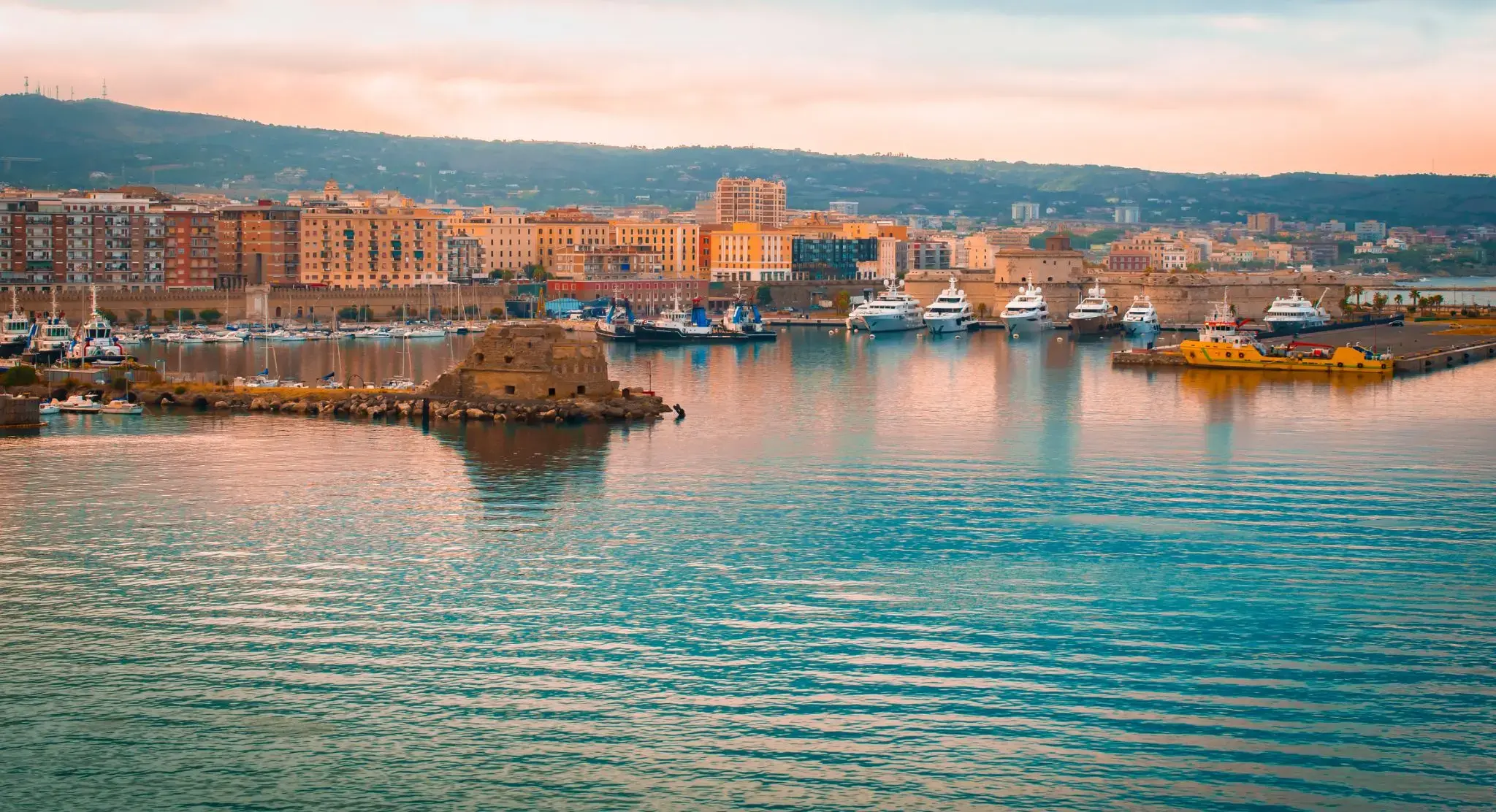
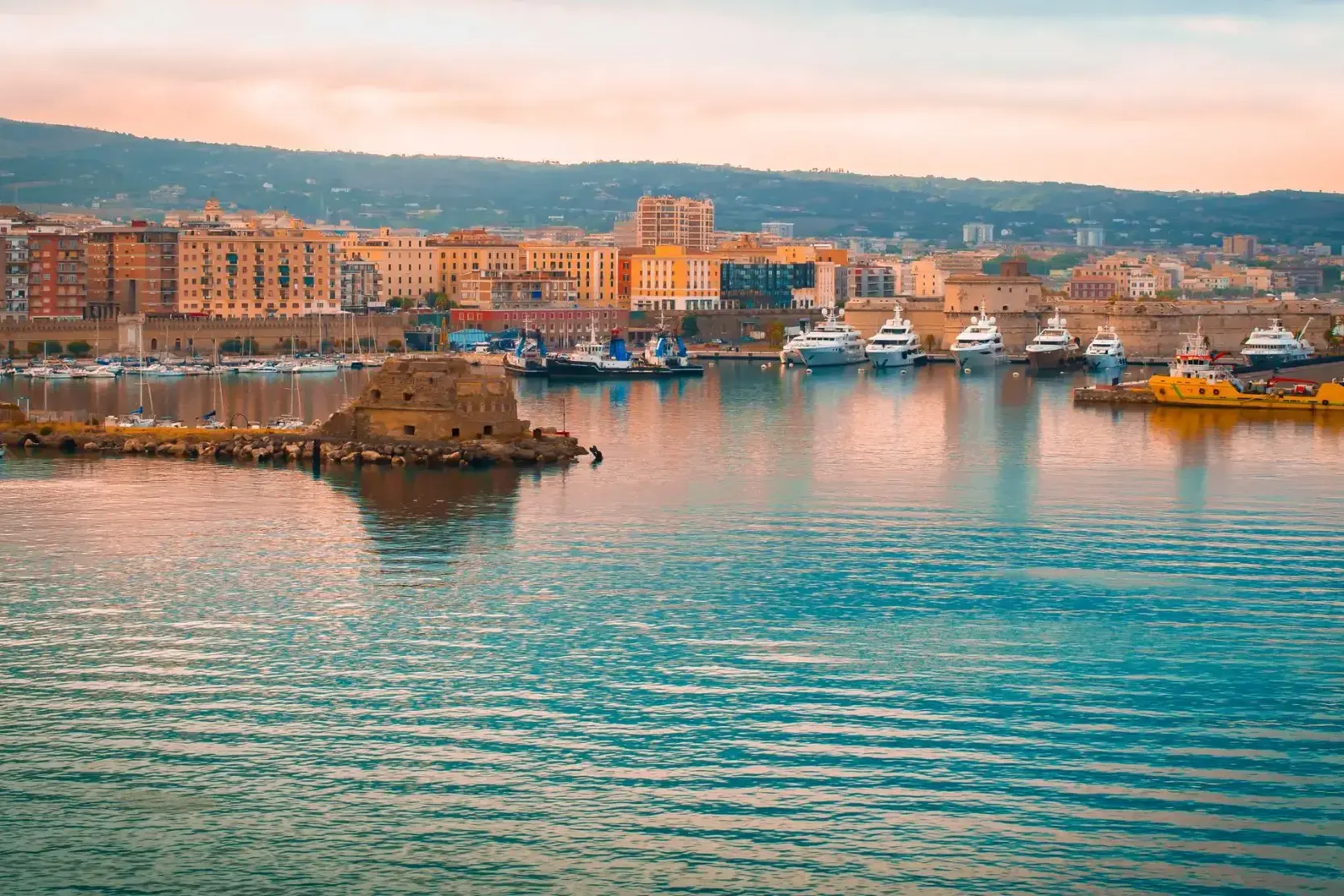
Rome is the capital city and a special comune of Italy (named Comune di Roma Capitale). Rome also serves as the capital of the Lazio region. With 2,872,800 residents in 1,285 km2(496.1 sq mi), it is also the country's most populated comune. It is the fourth-most populous city in the European Union by population within city limits. It is the centre of the Metropolitan City of Rome, which has a population of 4,355,725 residents, thus making it the most populous metropolitan city in Italy. Rome is located in the central-western portion of the Italian Peninsula, within Lazio (Latium), along the shores of the Tiber. The Vatican City (the smallest country in the world) is an independent country inside the city boundaries of Rome, the only existing example of a country within a city: for this reason Rome has been often defined as capital of two states.
Rome's history spans 28 centuries. While Roman mythology dates the founding of Rome at around 753 BC, the site has been inhabited for much longer, making it one of the oldest continuously occupied sites in Europe. The city's early population originated from a mix of Latins, Etruscans, and Sabines. Eventually, the city successively became the capital of the Roman Kingdom, the Roman Republic and the Roman Empire, and is regarded as the birthplace of Western civilization and by some as the first ever metropolis. It was first called The Eternal City (Latin: Urbs Aeterna; Italian: La Città Eterna) by the Roman poet Tibullus in the 1st century BC, and the expression was also taken up by Ovid, Virgil, and Livy. Rome is also called the "Caput Mundi" (Capital of the World). After the fall of the Western Empire, which marked the beginning of the Middle Ages, Rome slowly fell under the political control of the Papacy, which had settled in the city since the 1st century AD, until in the 8th century it became the capital of the Papal States, which lasted until 1870. Beginning with the Renaissance, almost all the popes since Nicholas V (1447–1455) pursued over four hundred years a coherent architectural and urban programme aimed at making the city the artistic and cultural centre of the world. In this way, Rome became first one of the major centres of the Italian Renaissance, and then the birthplace of both the Baroque style and Neoclassicism. Famous artists, painters, sculptors and architects made Rome the centre of their activity, creating masterpieces throughout the city. In 1871, Rome became the capital of the Kingdom of Italy, which, in 1946, became the Italian Republic.
Rome has the status of a global city. In 2016, Rome ranked as the 14th-most-visited city in the world, 3rd most visited in the European Union, and the most popular tourist attraction in Italy. Its historic centre is listed by UNESCO as a World Heritage Site. The famous Vatican Museums are among the world's most visited museums while the Colosseum was the most popular tourist attraction in world with 7.4 million visitors in 2018. Host city for the 1960 Summer Olympics, Rome is the seat of several specialized agencies of the United Nations, such as the Food and Agriculture Organization (FAO), the World Food Programme (WFP) and the International Fund for Agricultural Development (IFAD). The city also hosts the Secretariat of the Parliamentary Assembly of the Union for the Mediterranean (UfM) as well as the headquarters of many international business companies such as Eni, Enel, TIM, Leonardo S.p.A., and national and international banks such as Unicredit and BNL. Its business district, called EUR, is the base of many companies involved in the oil industry, the pharmaceutical industry, and financial services. Rome is also an important fashion and design centre thanks to renowned international brands centered in the city. Rome's Cinecittà Studios have been the set of many Academy Award–winning movies.
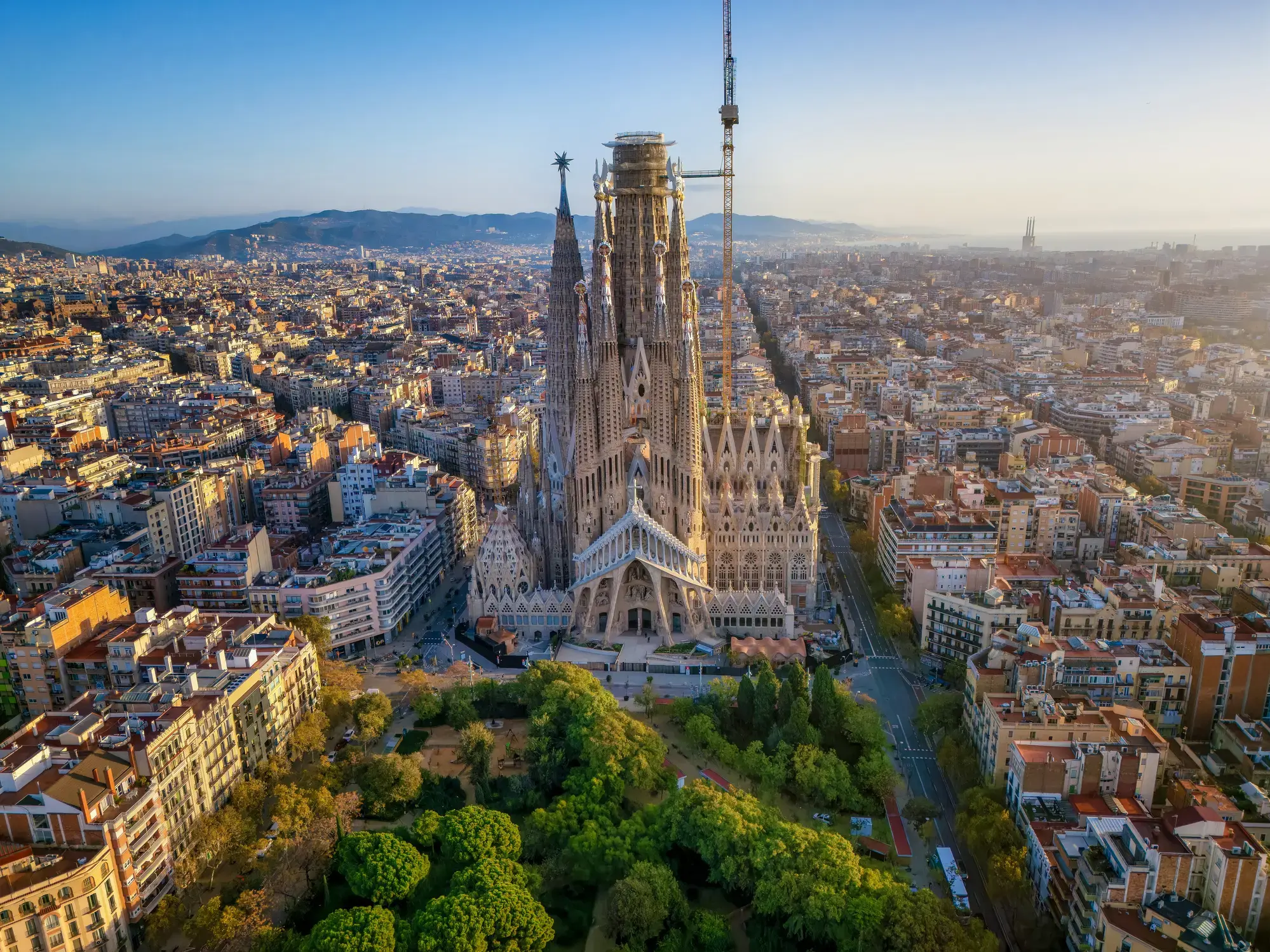
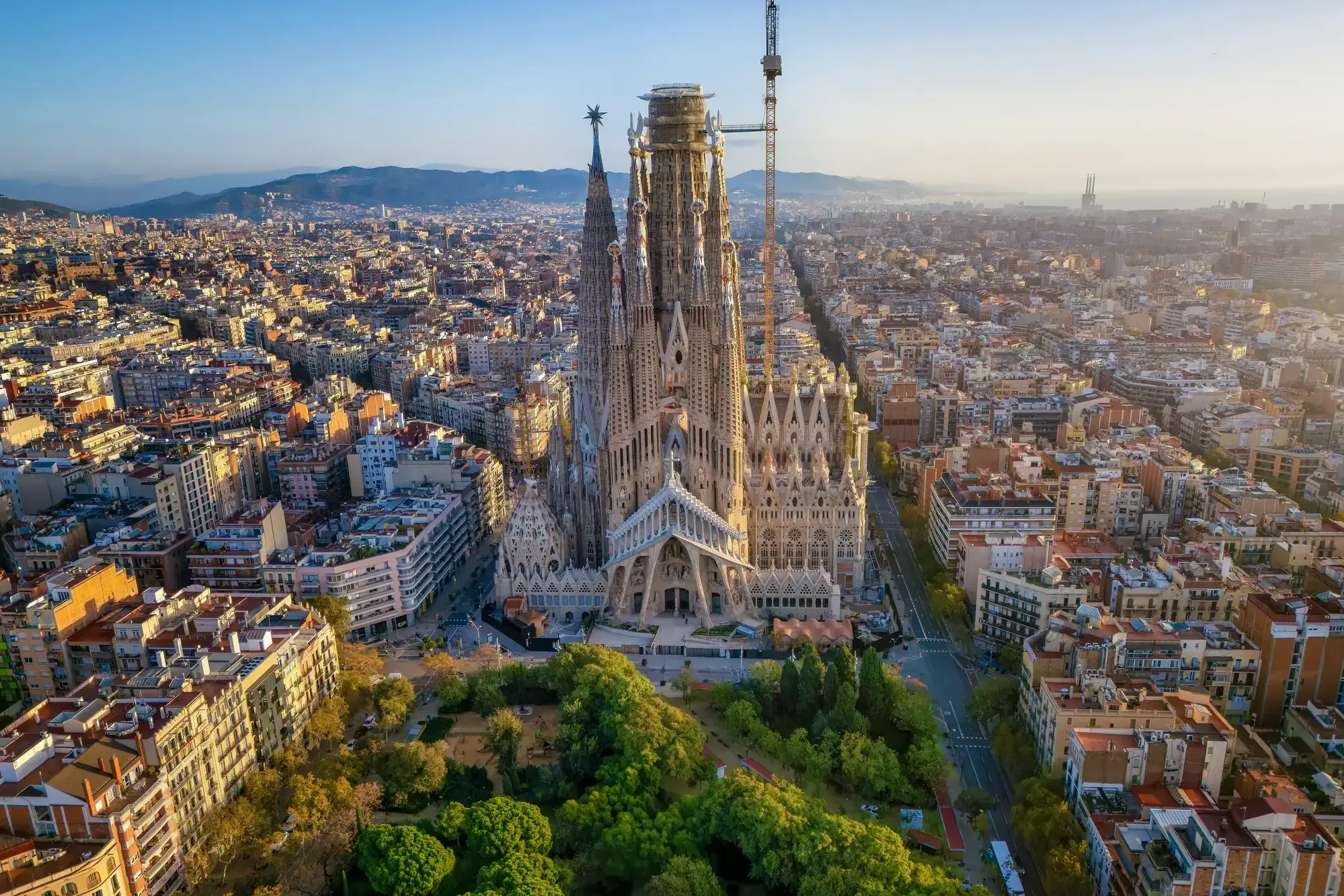
Barcelona is a city in Spain. It is the capital and largest city of Catalonia, as well as the second most populous municipality of Spain. With a population of 1.6 million within city limits, its urban area extends to numerous neighbouring municipalities within the Province of Barcelona and is home to around 4.8 million people, making it the sixth most populous urban area in the European Union after Paris, London, Madrid, the Ruhr area and Milan. It is one of the largest metropolises on the Mediterranean Sea, located on the coast between the mouths of the rivers Llobregat and Besòs, and bounded to the west by the Serra de Collserola mountain range, the tallest peak of which is 512 metres (1,680 feet) high.
Founded as a Roman city, in the Middle Ages Barcelona became the capital of the County of Barcelona. After merging with the Kingdom of Aragon, Barcelona continued to be an important city in the Crown of Aragon as an economic and administrative centre of this Crown and the capital of the Principality of Catalonia. Barcelona has a rich cultural heritage and is today an important cultural centre and a major tourist destination. Particularly renowned are the architectural works of Antoni Gaudí and Lluís Domènech i Montaner, which have been designated UNESCO World Heritage Sites. The headquarters of the Union for the Mediterranean are located in Barcelona. The city is known for hosting the 1992 Summer Olympics as well as world-class conferences and expositions and also many international sport tournaments.
Barcelona is one of the world's leading tourist, economic, trade fair and cultural centres, and its influence in commerce, education, entertainment, media, fashion, science, and the arts all contribute to its status as one of the world's major global cities. It is a major cultural and economic centre in southwestern Europe, 24th in the world (before Zürich, after Frankfurt) and a financial centre. In 2008 it was the fourth most economically powerful city by GDP in the European Union and 35th in the world with GDP amounting to €177 billion. In 2012 Barcelona had a GDP of $170 billion; and it was leading Spain in employment rate in that moment.
In 2009 the city was ranked Europe's third and one of the world's most successful as a city brand. In the same year the city was ranked Europe's fourth best city for business and fastest improving European city, with growth improved by 17% per year, and the city has been experiencing strong and renewed growth for the past three years. Since 2011 Barcelona has been a leading smart city in Europe. Barcelona is a transport hub, with the Port of Barcelona being one of Europe's principal seaports and busiest European passenger port, an international airport, Barcelona–El Prat Airport, which handles over 50 million passengers per year, an extensive motorway network, and a high-speed rail line with a link to France and the rest of Europe.
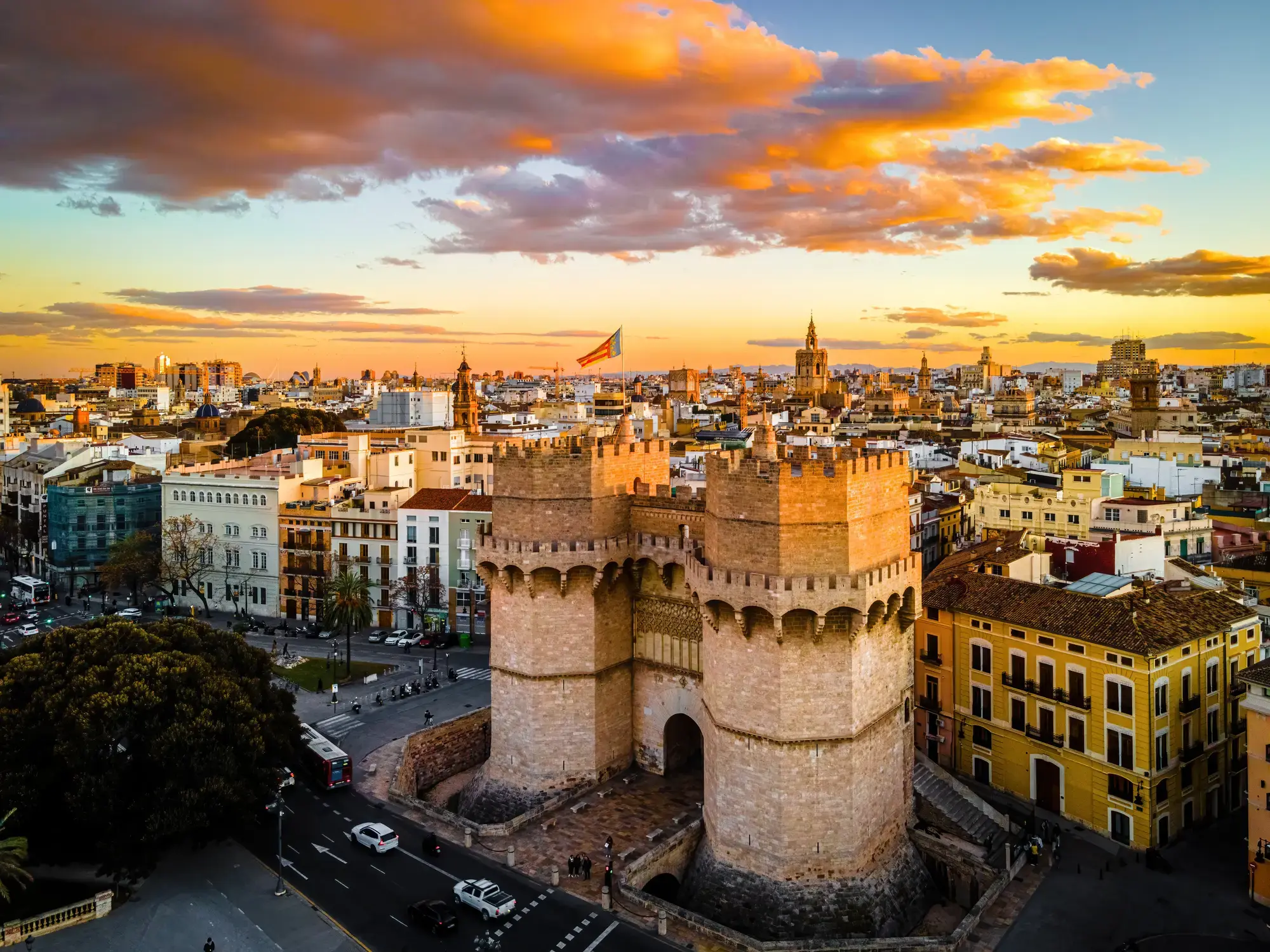
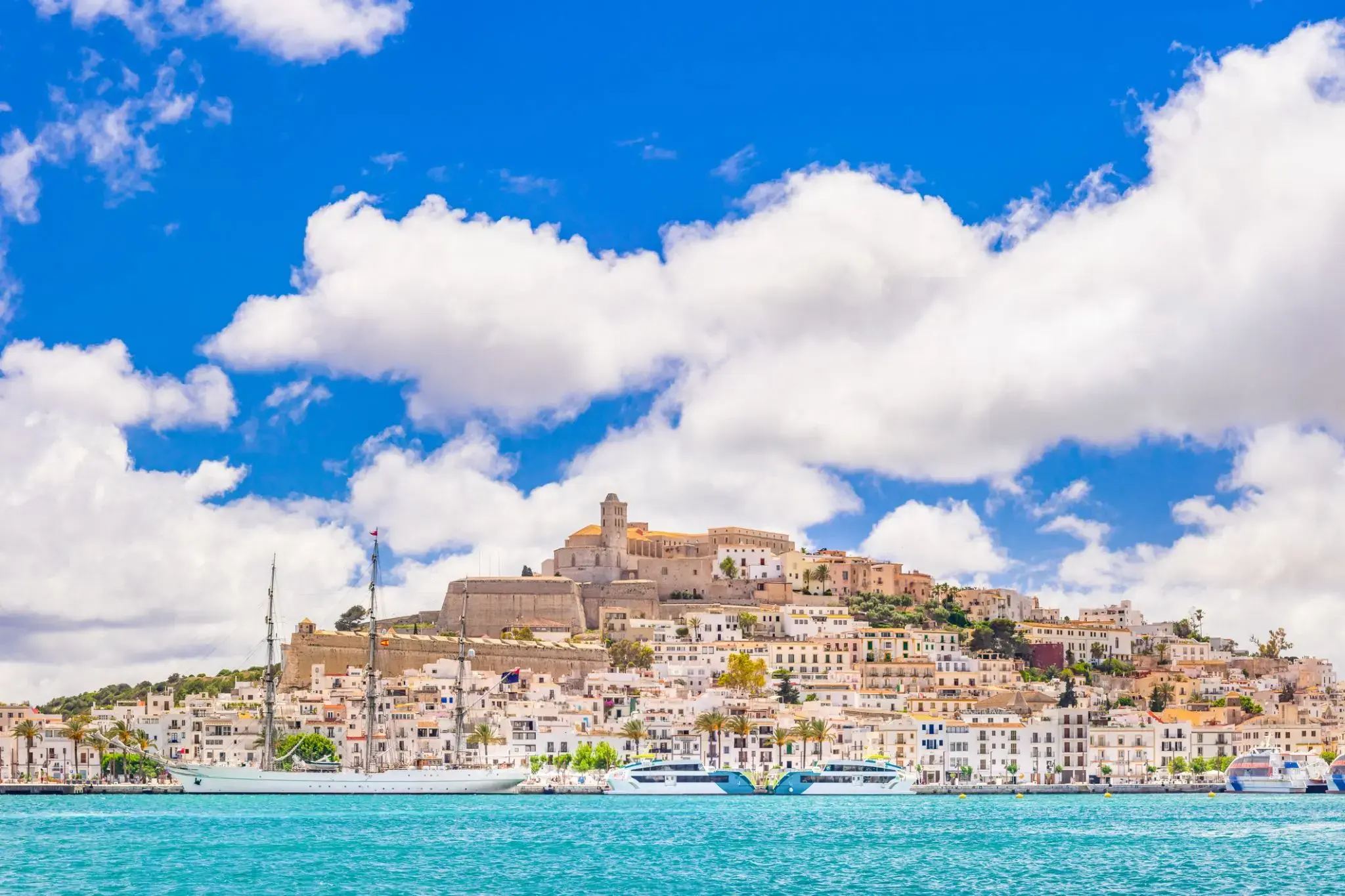
Ibiza is a Spanish island in the Mediterranean Sea, part of the Balearic Islands. It is famous for its beaches, turquoise waters and vibrant nightlife. Ibiza Town and San Antonio are world capitals of clubs, discos and electronic music.
The island also has a quieter side – picturesque villages, hidden coves and sandy beaches. The old town Dalt Vila, a UNESCO World Heritage site, impresses with its medieval walls and views over the harbour.
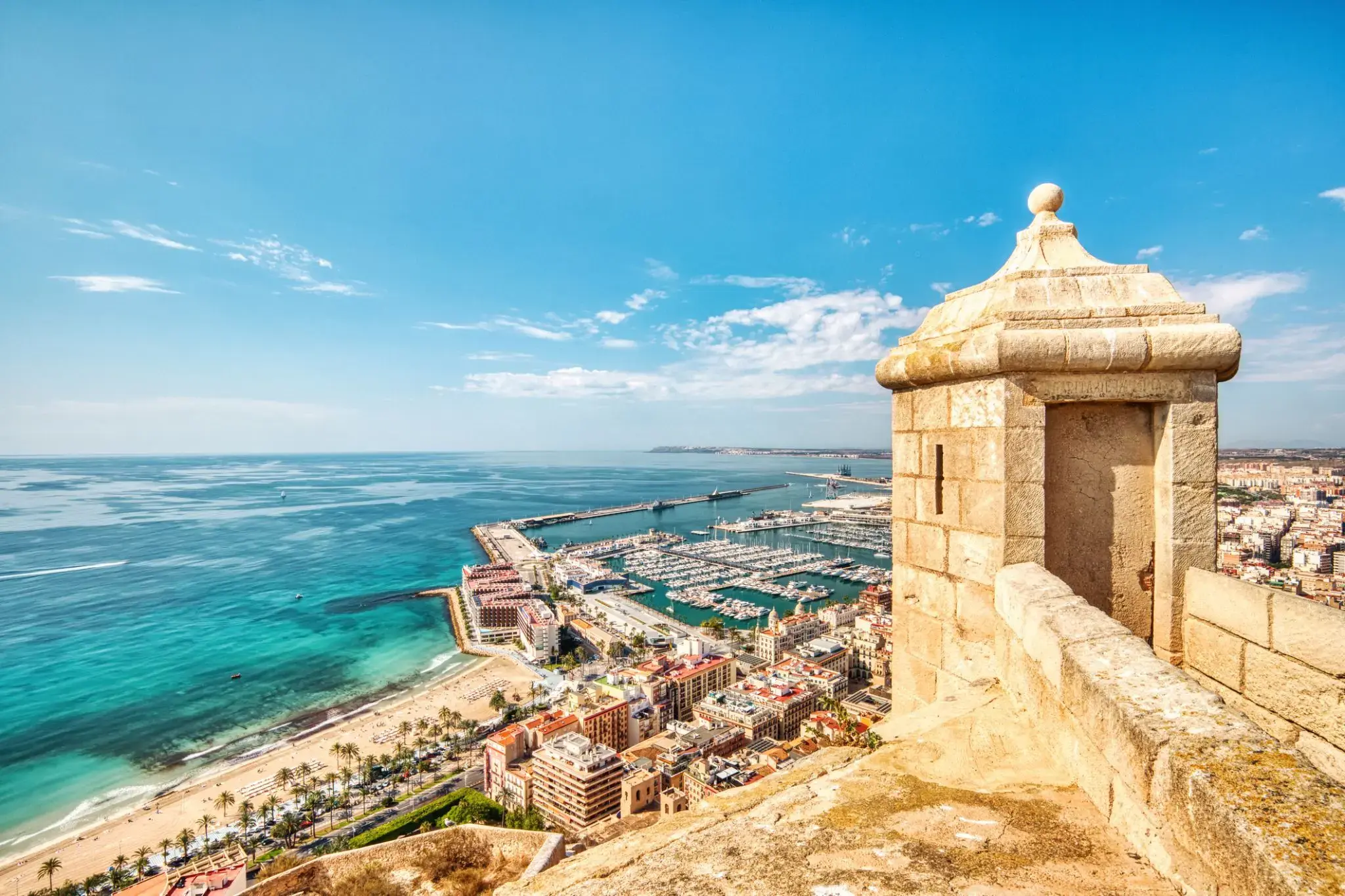
Alicante, or Alacant , both the Spanish and Valencian being official names, is a city and port in Spain on the Costa Blanca, the capital of the province of Alicante and of the comarca of Alacantí, in the south of the Valencian Community. It is also a historic Mediterranean port. The population of the city of Alicante proper was 330,525, estimated as of 2016, ranking as the second-largest Valencian city. Including nearby municipalities, the Alicante conurbation had 452,462 residents. The population of the metropolitan area (including Elche and satellite towns) was 757,085 as of 2014 estimates, ranking as the eighth-largest metropolitan area of Spain.
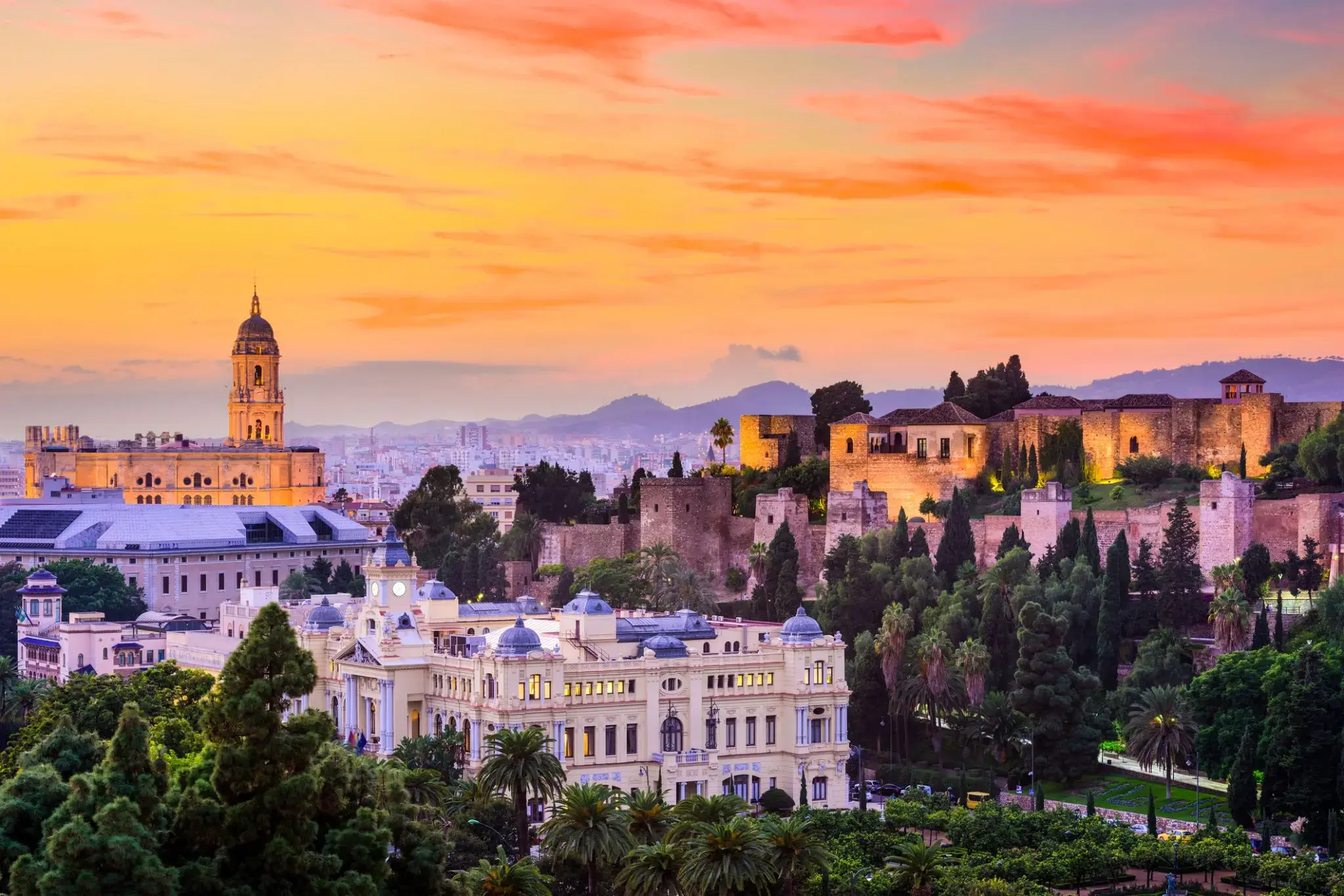
Málaga is a municipality, capital of the Province of Málaga, in the Autonomous Community of Andalusia, Spain. With a population of 569,130 in 2015, it is the second-most populous city of Andalusia and the sixth-largest in Spain. The southernmost large city in Europe, it lies on the Costa del Sol (Coast of the Sun) of the Mediterranean, about 100 kilometres (62.14 miles) east of the Strait of Gibraltar and about 130 km (80.78 mi) north of Africa.
Málaga's history spans about 2,800 years, making it one of the oldest cities in the world. According to most scholars, it was founded about 770 BC by the Phoenicians as Malaka From the 6th century BC the city was under the hegemony of Ancient Carthage, and from 218 BC, it was ruled by the Roman Republic and then empire as Malaca (Latin). After the fall of the empire and the end of Visigothic rule, it was under Islamic rule as Mālaqah for 800 years, but in 1487, the Crown of Castille gained control after the Reconquista. The archaeological remains and monuments from the Phoenician, Roman, Arabic and Christian eras make the historic center of the city an "open museum", displaying its history of nearly 3,000 years.
This important cultural infrastructure and the artistic heritage have culminated in the nomination of Málaga as a candidate for the 2016 European Capital of Culture.
The painter and sculptor Pablo Picasso, Hebrew poet and Jewish philosopher Solomon Ibn Gabirol and the actor Antonio Banderas were born in Málaga. The magnum opus of Cuban composer Ernesto Lecuona, "Malagueña", is named after the music of this region of Spain.
The most important business sectors in Málaga are tourism, construction and technology services, but other sectors such as transportation and logistics are beginning to expand. The Andalusia Technology Park (PTA), located in Málaga, has enjoyed significant growth since its inauguration in 1992. Málaga is the main economic and financial centre of southern Spain, home of the region's largest bank, Unicaja, and the fourth-ranking city in economic activity in Spain behind Madrid, Barcelona and Valencia.
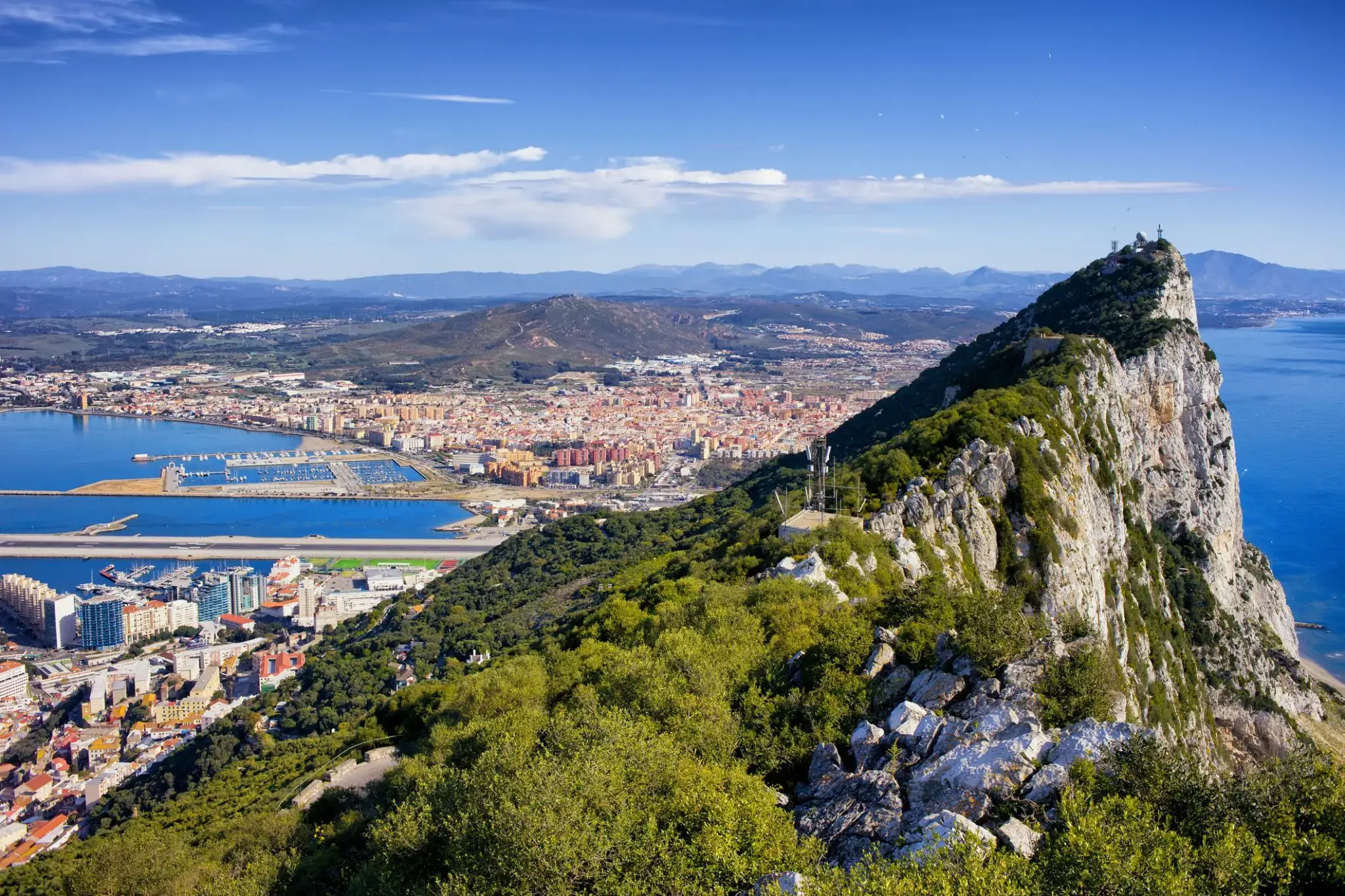
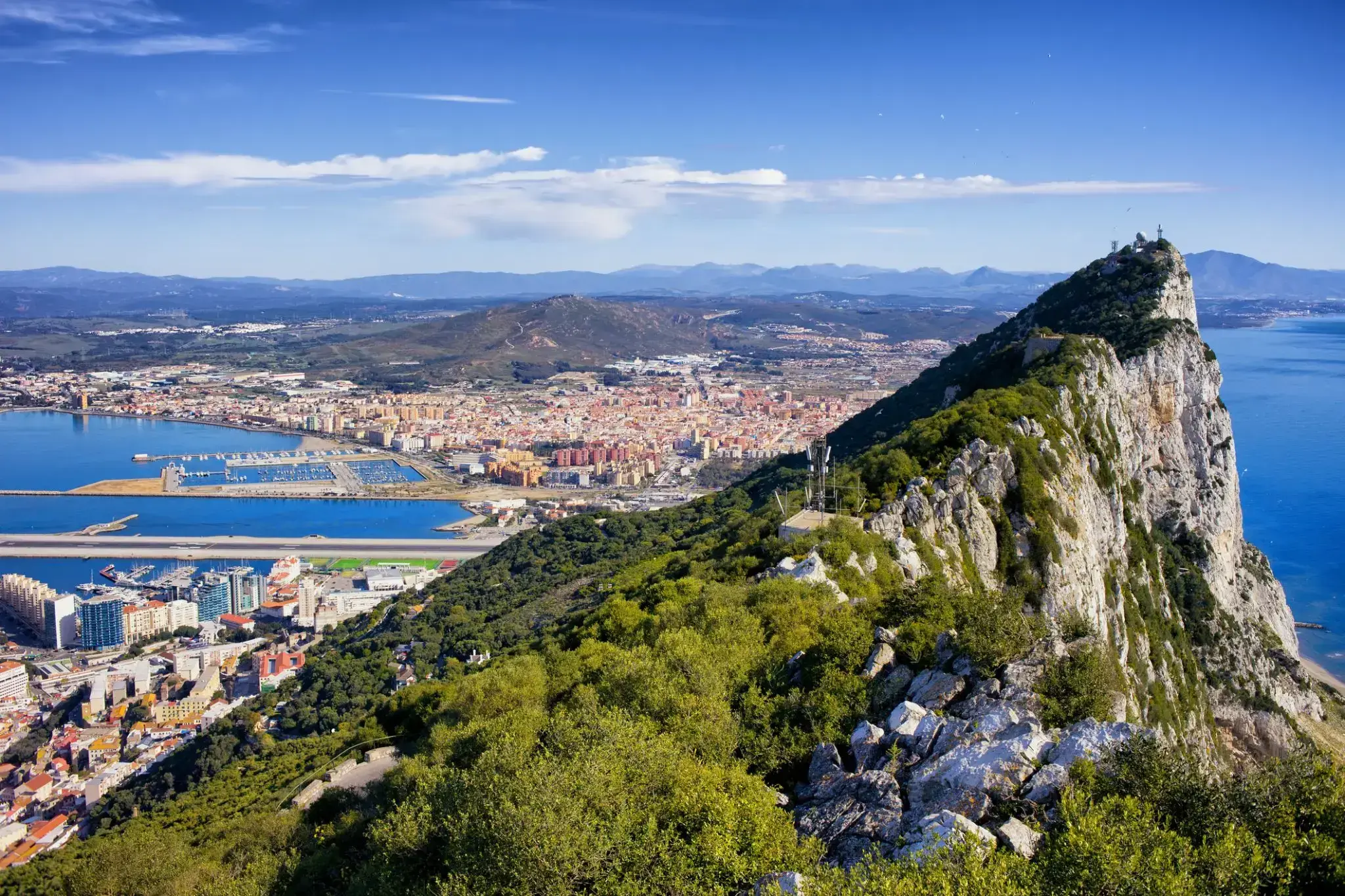
Gibraltar is a British Overseas Territory located at the southern tip of the Iberian Peninsula. It has an area of 6.7 km2 (2.6 sq mi) and is bordered to the north by Spain. The landscape is dominated by the Rock of Gibraltar at the foot of which is a densely populated town area, home to over 30,000 people, primarily Gibraltarians. It shares a maritime border with Morocco.
In 1704, Anglo-Dutch forces captured Gibraltar from Spain during the War of the Spanish Succession on behalf of the Habsburg claim to the Spanish throne. The territory was ceded to Great Britain in perpetuity under the Treaty of Utrechtin 1713. During World War II it was an important base for the Royal Navy as it controlled the entrance and exit to the Mediterranean Sea, which is only 8 miles (13 km) wide at this naval choke point. It remains strategically important, with half the world's seaborne trade passing through the strait. Today Gibraltar's economy is based largely on tourism, online gambling, financial services and cargo ship refuelling.
The sovereignty of Gibraltar is a point of contention in Anglo-Spanish relations because Spain asserts a claim to the territory. Gibraltarians rejected proposals for Spanish sovereignty in a 1967 referendum and, in a 2002 referendum, the idea of shared sovereignty was also rejected.
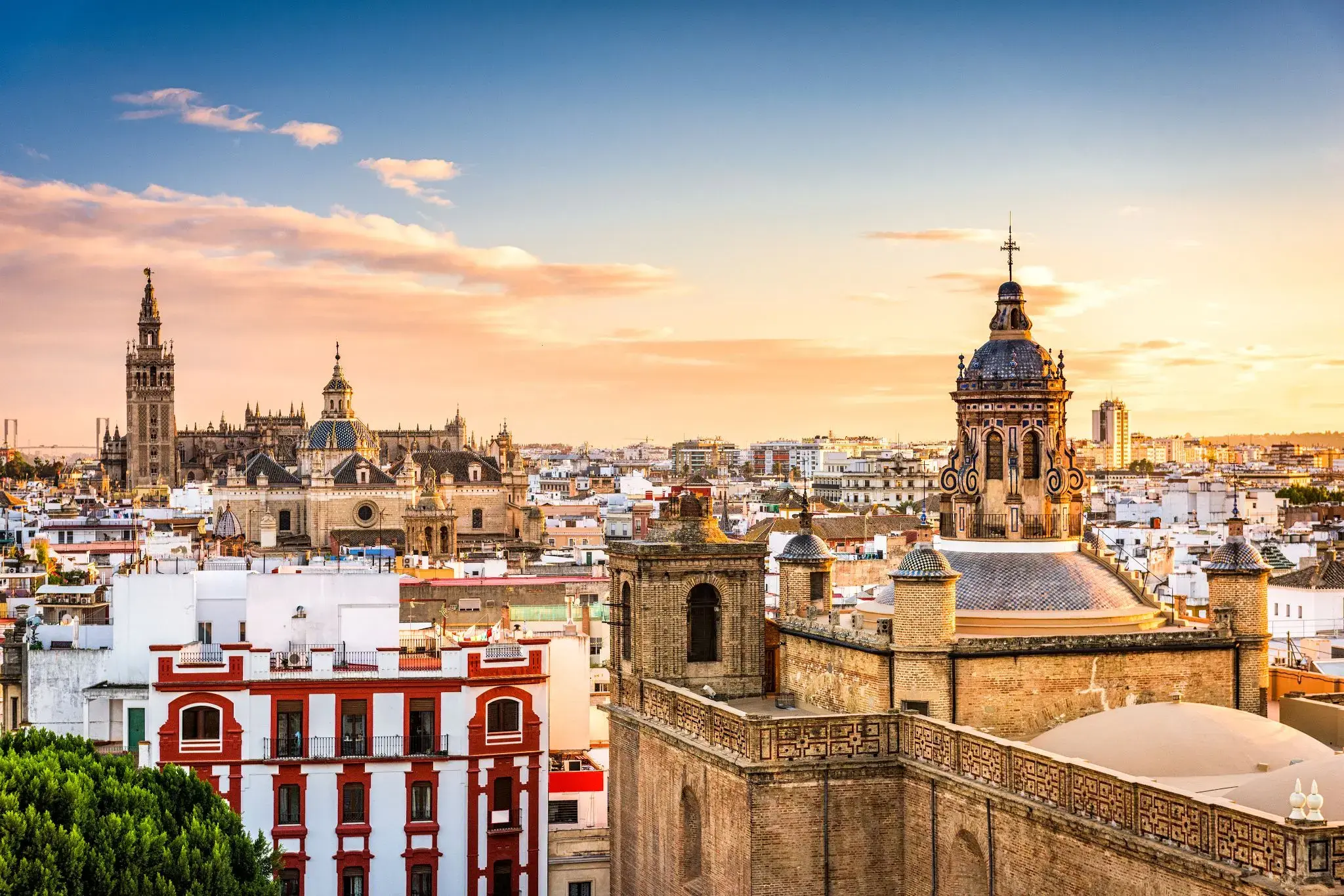
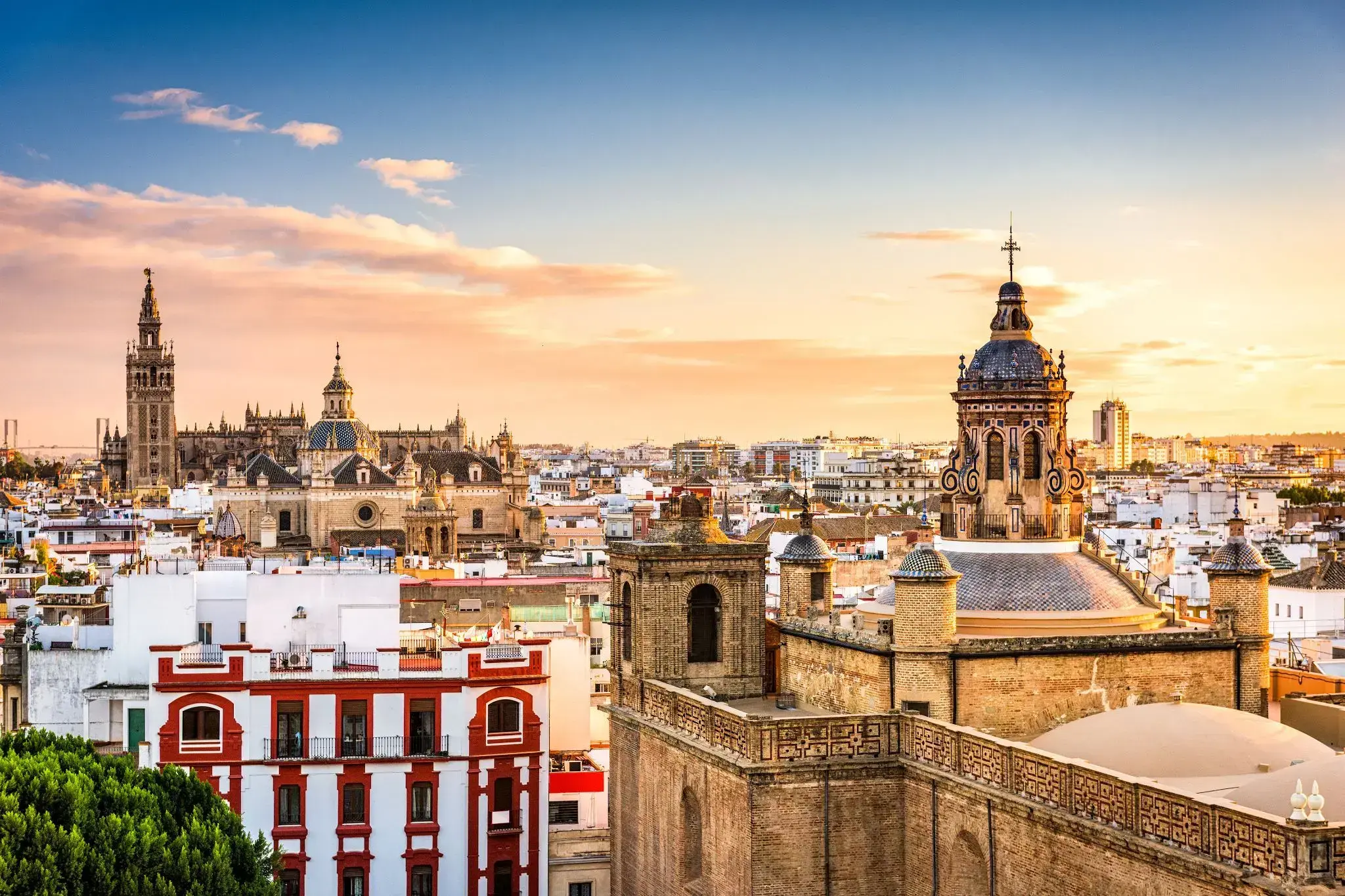
Seville is the capital and largest city of the autonomous community of Andalusia and the province of Seville, Spain. It is situated on the plain of the river Guadalquivir. The inhabitants of the city are known as sevillanos (feminine form: sevillanas) or hispalenses, after the Roman name of the city, Hispalis. Seville has a municipal population of about 690,000 as of 2016, and a metropolitan population of about 1.5 million, making it the fourth-largest city in Spain and the 30th most populous municipality in the European Union. Its Old Town, with an area of 4 square kilometres (2 sq mi), contains three UNESCO World Heritage Sites: the Alcázar palace complex, the Cathedral and the General Archive of the Indies. The Seville harbour, located about 80 kilometres (50 miles) from the Atlantic Ocean, is the only river port in Spain. Seville is also the hottest major metropolitan area in the geographical Southwestern Europe, with summer average high temperatures of above 35 °C (95 °F).
Seville was founded as the Roman city of Hispalis. It later became known as Ishbiliyya after the Muslim conquest in 712. During the Muslim rule in Spain, Seville came under the jurisdiction of the Caliphate of Córdoba before becoming the independent Taifa of Seville; later it was ruled by the Muslim Almoravids and the Almohads until finally being incorporated into the Christian Kingdom of Castile under Ferdinand III in 1248. After the discovery of the Americas, Seville became one of the economic centres of the Spanish Empire as its port monopolised the trans-oceanic trade and the Casa de Contratación (House of Trade) wielded its power, opening a Golden Age of arts and literature. In 1519, Ferdinand Magellan departed from Seville for the first circumnavigation of the Earth. Coinciding with the Baroque period of European history, the 17th century in Seville represented the most brilliant flowering of the city's culture; then began a gradual economic and demographic decline as silting in the Guadalquivirforced the trade monopoly to relocate to the nearby port of Cádiz.
The 20th century in Seville saw the tribulations of the Spanish Civil War, decisive cultural milestones such as the Ibero-American Exposition of 1929 and Expo '92, and the city's election as the capital of the Autonomous Community of Andalusia.
Seville is the capital and largest city of the autonomous community of Andalusia and the province of Seville, Spain. It is situated on the plain of the river Guadalquivir. The inhabitants of the city are known as sevillanos (feminine form: sevillanas) or hispalenses, after the Roman name of the city, Hispalis. Seville has a municipal population of about 690,000 as of 2016, and a metropolitan population of about 1.5 million, making it the fourth-largest city in Spain and the 30th most populous municipality in the European Union. Its Old Town, with an area of 4 square kilometres (2 sq mi), contains three UNESCO World Heritage Sites: the Alcázar palace complex, the Cathedral and the General Archive of the Indies. The Seville harbour, located about 80 kilometres (50 miles) from the Atlantic Ocean, is the only river port in Spain. Seville is also the hottest major metropolitan area in the geographical Southwestern Europe, with summer average high temperatures of above 35 °C (95 °F).
Seville was founded as the Roman city of Hispalis. It later became known as Ishbiliyya after the Muslim conquest in 712. During the Muslim rule in Spain, Seville came under the jurisdiction of the Caliphate of Córdoba before becoming the independent Taifa of Seville; later it was ruled by the Muslim Almoravids and the Almohads until finally being incorporated into the Christian Kingdom of Castile under Ferdinand III in 1248. After the discovery of the Americas, Seville became one of the economic centres of the Spanish Empire as its port monopolised the trans-oceanic trade and the Casa de Contratación (House of Trade) wielded its power, opening a Golden Age of arts and literature. In 1519, Ferdinand Magellan departed from Seville for the first circumnavigation of the Earth. Coinciding with the Baroque period of European history, the 17th century in Seville represented the most brilliant flowering of the city's culture; then began a gradual economic and demographic decline as silting in the Guadalquivirforced the trade monopoly to relocate to the nearby port of Cádiz.
The 20th century in Seville saw the tribulations of the Spanish Civil War, decisive cultural milestones such as the Ibero-American Exposition of 1929 and Expo '92, and the city's election as the capital of the Autonomous Community of Andalusia.
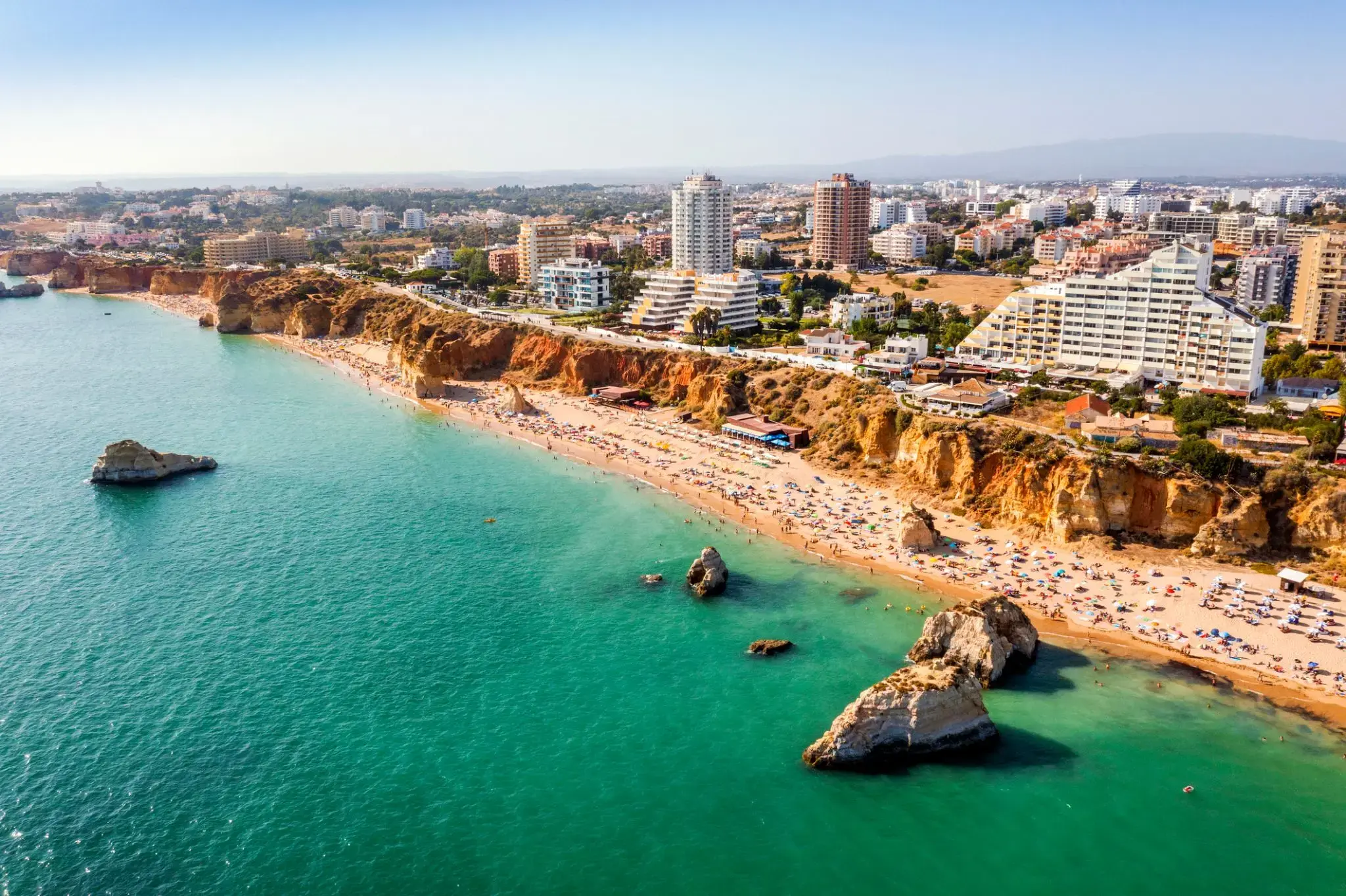
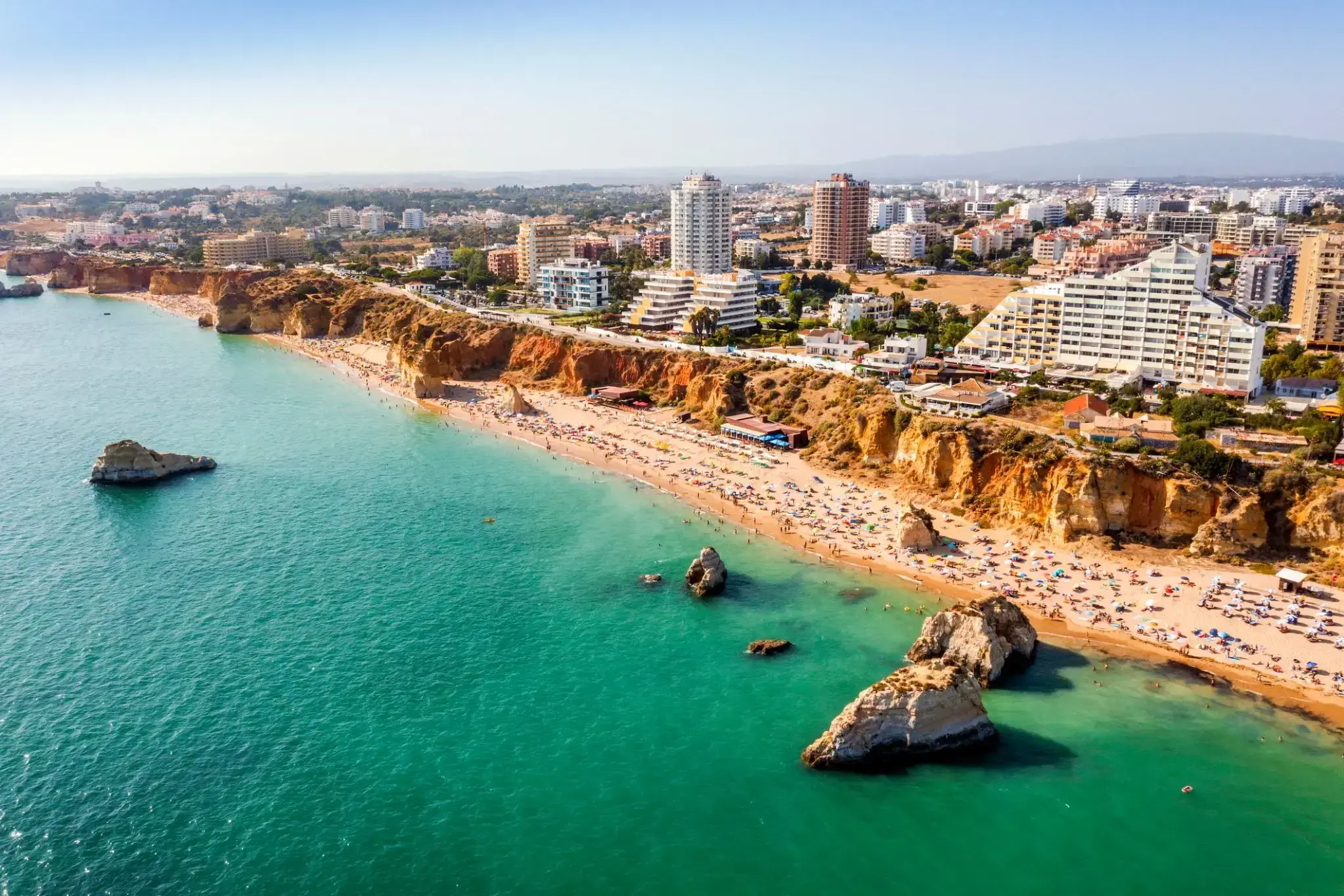
Portimão is a town and a municipality in the district of Faro, in the Algarve region of southern Portugal. The population in 2011 was 55,614, in an area of 182.06 km². It was formerly known as Vila Nova de Portimão. In 1924, it was incorporated as a cidadeand became known merely as Portimão. Historically a fishing and shipbuilding centre, it has nonetheless developed into a strong tourist centre oriented along its beaches and southern coast. The two most populous towns in the Algarve are Portimão and Faro.
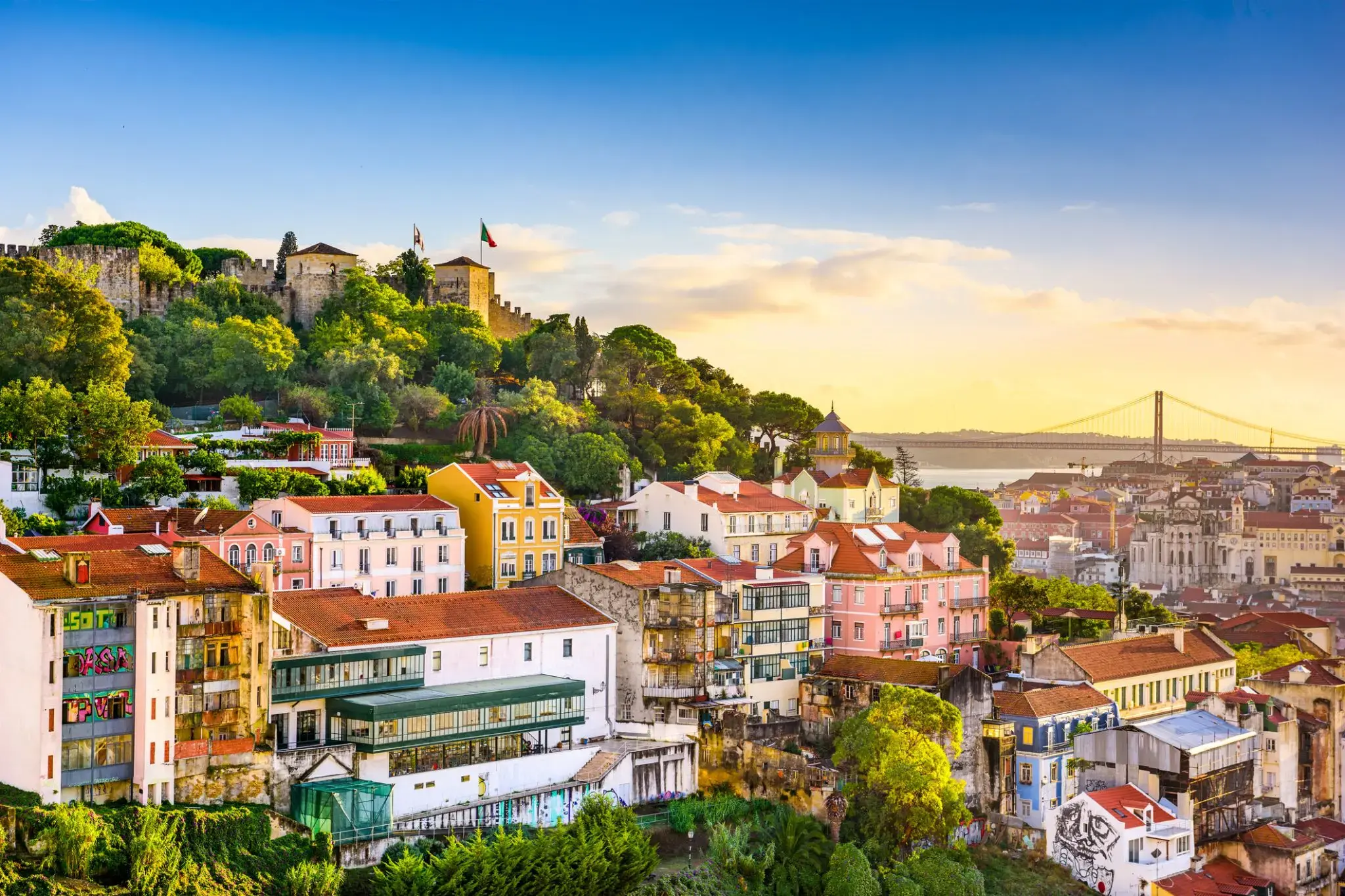
Lisbon is the capital and the largest city of Portugal, with an estimated population of 505,526 within its administrative limits in an area of 100.05 km2. Its urban area extends beyond the city's administrative limits with a population of around 2.8 million people, being the 11th-most populous urban area in the European Union. About 3 million people live in the Lisbon Metropolitan Area (which represents approximately 27% of the country's population). It is mainland Europe's westernmost capital city and the only one along the Atlantic coast. Lisbon lies in the western Iberian Peninsula on the Atlantic Ocean and the River Tagus. The westernmost areas of its metro area form the westernmost point of Continental Europe, which is known as Cabo da Roca, located in the Sintra Mountains.
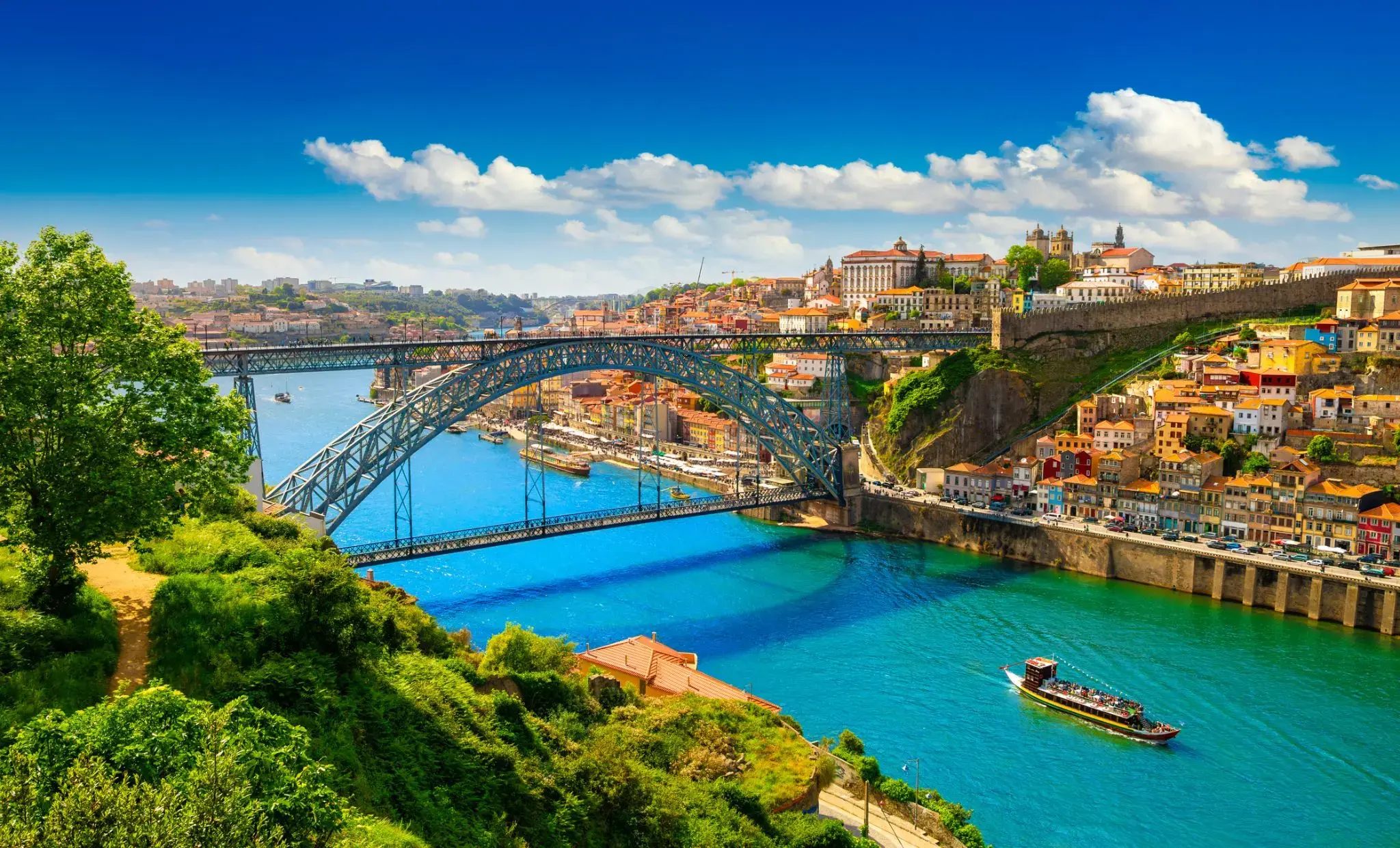
Порту является вторым по величине городом Португалии после Лиссабона и одним из крупных городских районов Пиренейского полуострова. Население самого города составляет 237 591 человек, а в столичном районе Порту, который выходит за административные пределы города, проживает 1,9 миллиона человек (2011 год) на площади 2 395 км2 (925 кв. Миль), что делает его вторым самый большой городской район в Португалии. Он признан глобальным городом гамма-уровня Исследовательской группой по глобализации и глобальным городам (GaWC), единственным португальским городом, кроме Лиссабона, который был признан глобальным городом.
Расположенный вдоль устья реки Дору на севере Португалии, Порту является одним из старейших европейских центров, и его историческое ядро было объявлено ЮНЕСКО объектом Всемирного наследия в 1996 году. Западная часть его городской территории простирается до береговой линии Атлантического океана. Его поселение датируется много веков, когда он был форпостом Римской империи. Его объединенное кельтско-латинское имя, Portus Cale, было названо происхождением названия «Португалия», основанного на транслитерации и устной эволюции от латыни. На португальском языке название города пишется с определенной статьей о Порту ; следовательно, его английское название произошло от неправильного толкования устного произношения и упоминается как Опорто в современной литературе и многими ораторами.
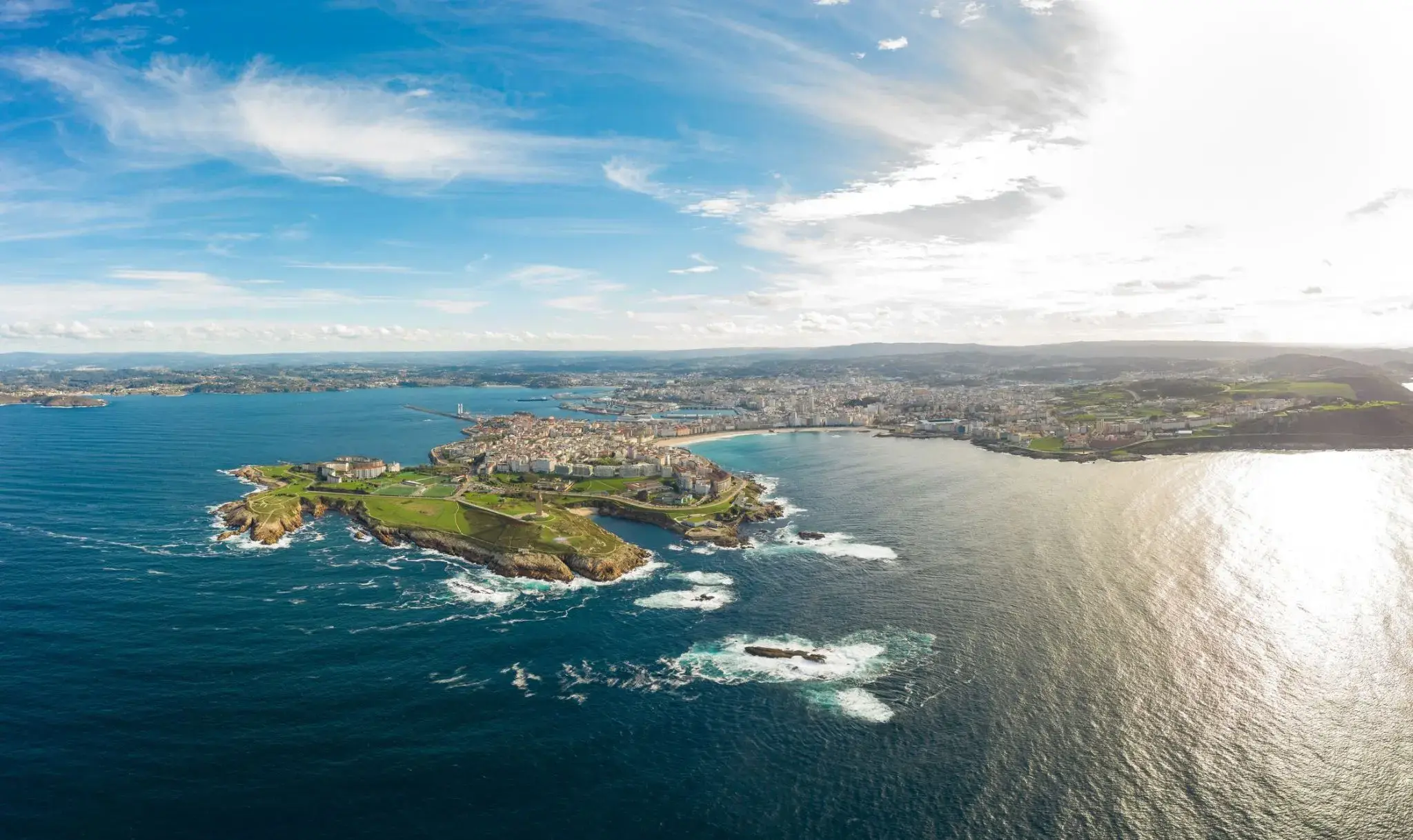
Travelers find in La Coruña the perfect place to experience the atmosphere of Spain’s Atlantic coast, where modern promenades meet historical landmarks and cozy beaches. The city is known for having the world’s oldest functioning Roman lighthouse – the Tower of Hercules, built nearly 2000 years ago and still guiding ships today. Here, you can enjoy a stroll along one of Europe’s longest seafront promenades, taking in ocean panoramas and the fresh breeze.
In La Coruña, guests discover the rich Galician gastronomic culture, with seafood served in traditional tapas bars and contemporary restaurants. Local markets delight with fresh products, while the city’s cultural life is filled with festivals, exhibitions, and live street music. This destination offers travelers a unique blend of historical depth, sea views, and warm Spanish atmosphere, leaving a sense of lightness and inspiration after the visit.
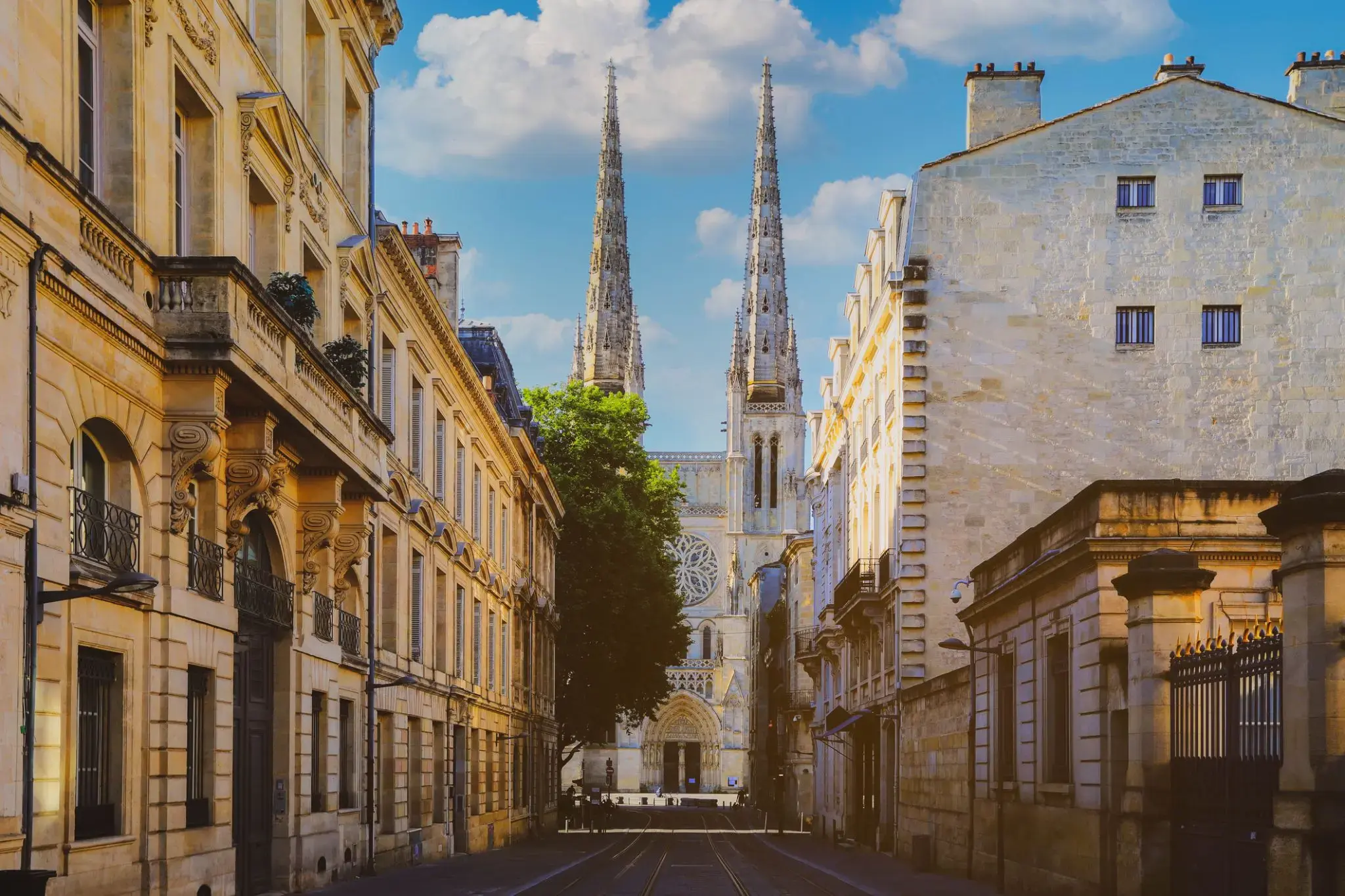
Bordeaux is a port city on the Garonne in the Gironde department in Southwestern France.
The municipality (commune) of Bordeaux proper has a population of 246,586 (2014). Together with its suburbs and satellite towns, Bordeaux is the centre of the Bordeaux Métropole. With 1,195,335 in the metropolitan area, it is the sixth-largest in France, after Paris, Marseille, Lyon, Toulouse, and Lille. It is the capital of the Nouvelle-Aquitaineregion, as well as the prefecture of the Gironde department. Its inhabitants are called "Bordelais" (for men) or "Bordelaises" (women). The term "Bordelais" may also refer to the city and its surrounding region.
Being at the center of a major wine-growing and wine-producing region, Bordeaux remains a prominent powerhouse and exercises significant influence on the world wine industry although no wine production is conducted within the city limits. It is home to the world's main wine fair, Vinexpo, and the wine economy in the metro area takes in 14.5 billion euros each year. Bordeaux wine has been produced in the region since the 8th century. The historic part of the city is on the UNESCO World Heritage List as "an outstanding urban and architectural ensemble" of the 18th century.[7] After Paris, Bordeaux has the highest number of preserved historical buildings of any city in France.
Bordeaux is a port city on the Garonne in the Gironde department in Southwestern France.
The municipality (commune) of Bordeaux proper has a population of 246,586 (2014). Together with its suburbs and satellite towns, Bordeaux is the centre of the Bordeaux Métropole. With 1,195,335 in the metropolitan area, it is the sixth-largest in France, after Paris, Marseille, Lyon, Toulouse, and Lille. It is the capital of the Nouvelle-Aquitaineregion, as well as the prefecture of the Gironde department. Its inhabitants are called "Bordelais" (for men) or "Bordelaises" (women). The term "Bordelais" may also refer to the city and its surrounding region.
Being at the center of a major wine-growing and wine-producing region, Bordeaux remains a prominent powerhouse and exercises significant influence on the world wine industry although no wine production is conducted within the city limits. It is home to the world's main wine fair, Vinexpo, and the wine economy in the metro area takes in 14.5 billion euros each year. Bordeaux wine has been produced in the region since the 8th century. The historic part of the city is on the UNESCO World Heritage List as "an outstanding urban and architectural ensemble" of the 18th century.[7] After Paris, Bordeaux has the highest number of preserved historical buildings of any city in France.
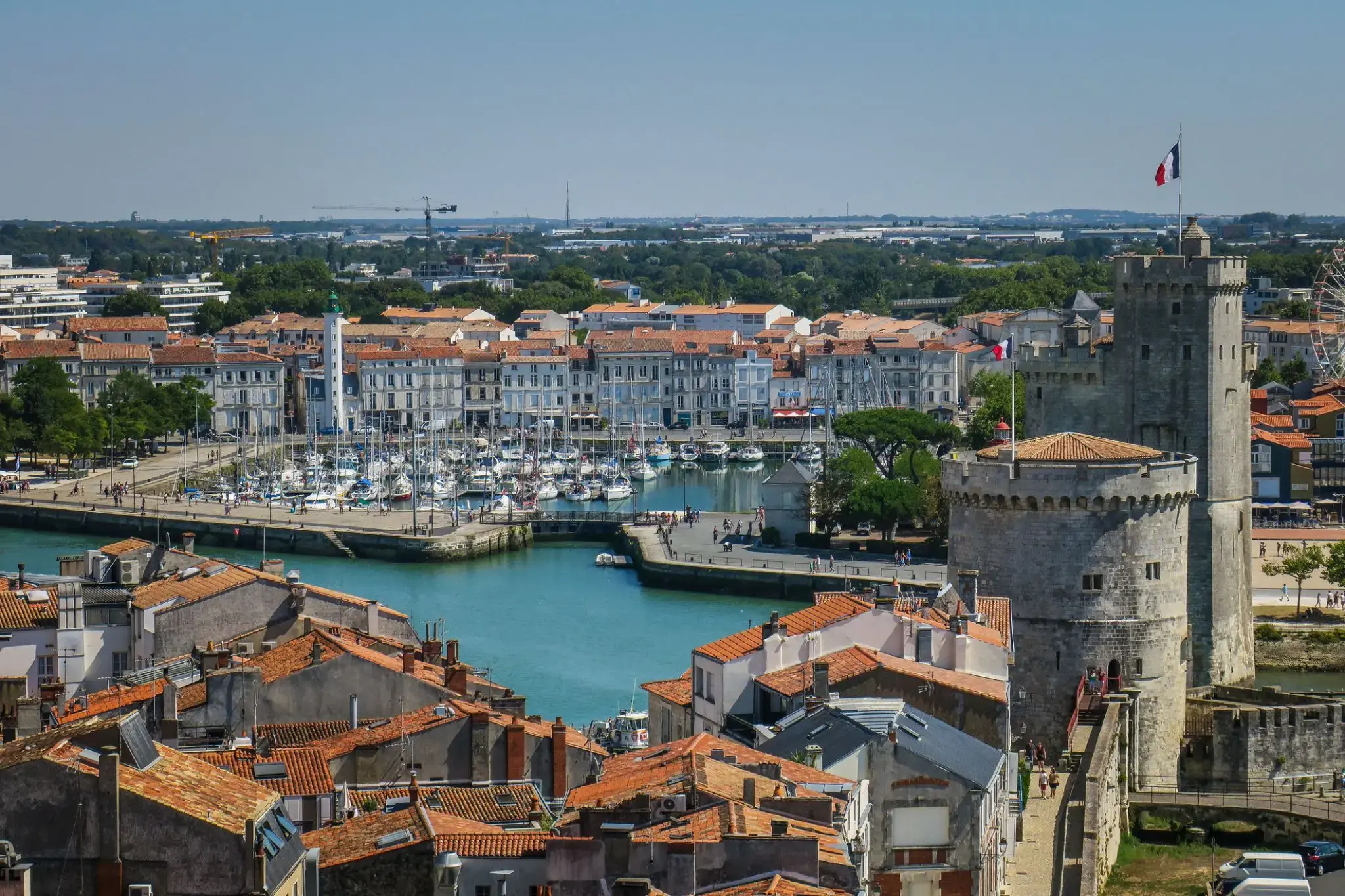
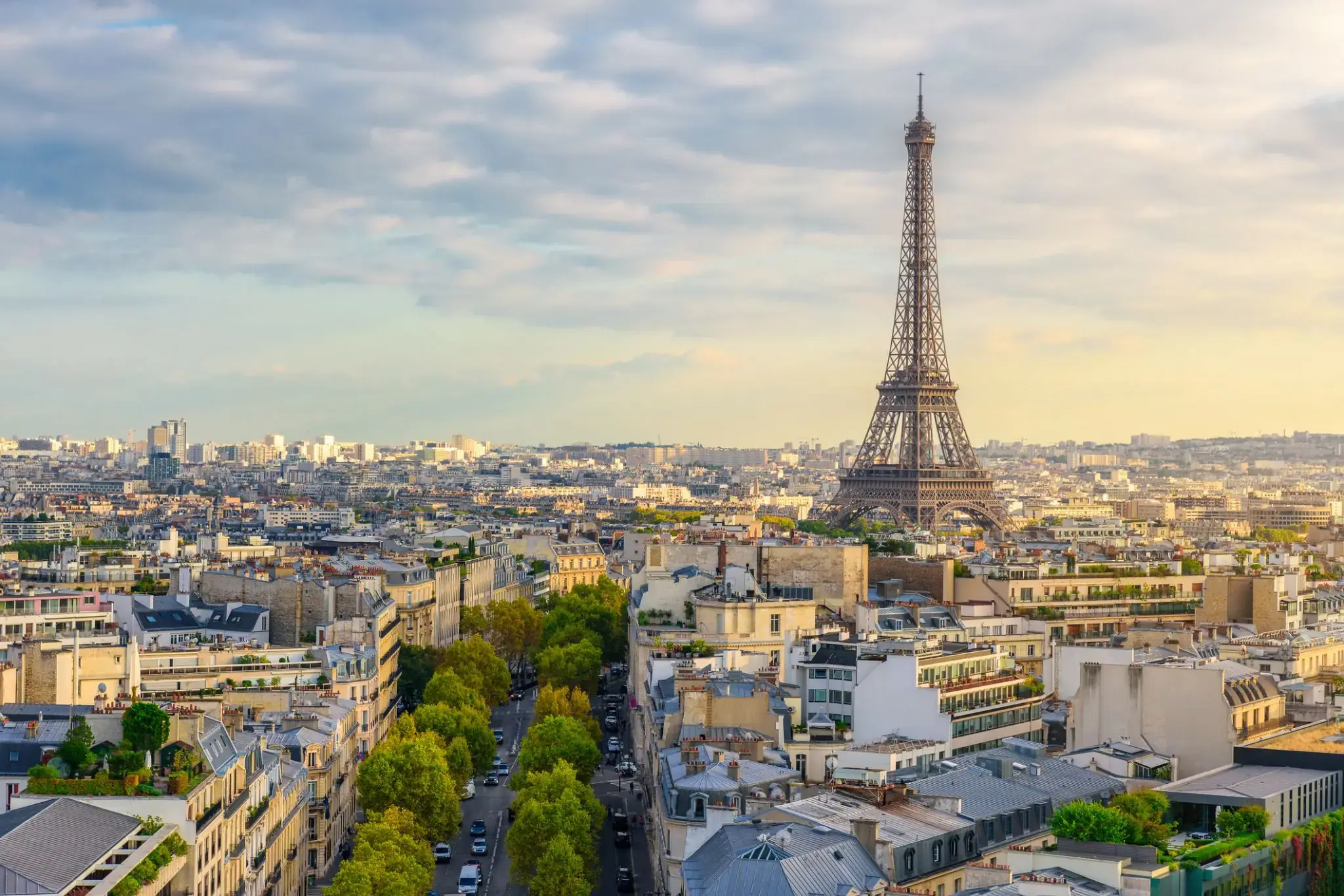
the capital of France, on the Seine River; population 2,203,817 (2006). Paris was held by the Romans, who called it Lutetia, and by the Franks, and was established as the capital in 987 under Hugh Capet. It was organized into three parts—the Île de la Cité (an island in the Seine), the Right Bank, and the Left Bank—during the reign of Philippe-Auguste 1180–1223. The city's neoclassical architecture dates from the modernization of the Napoleonic era, which continued under Napoleon III, when the bridges and boulevards of the modern city were built.

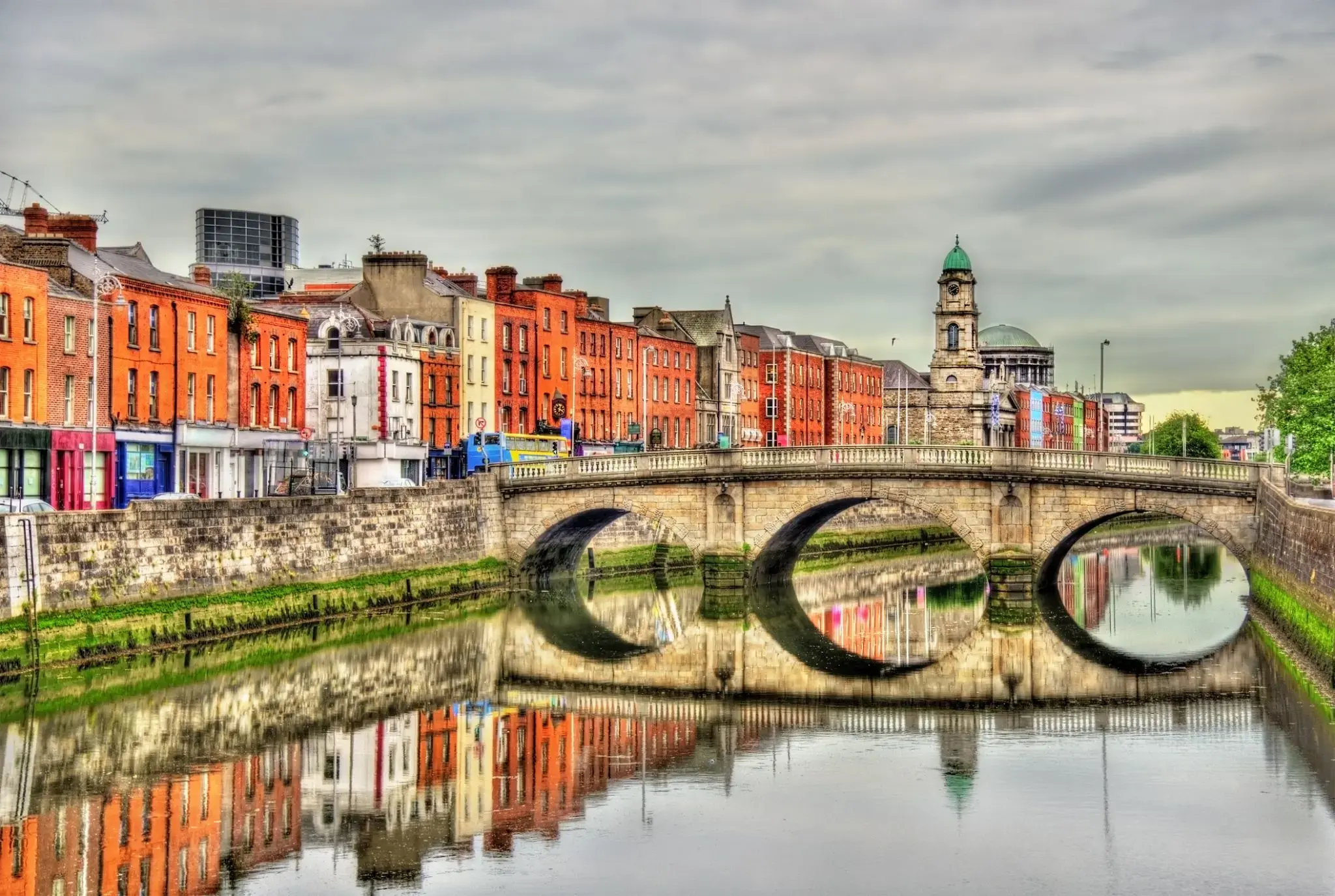
Dublin is the capital of, and largest city in, Ireland. It is on the east coast of Ireland, in the province of Leinster, at the mouth of the River Liffey, and is bordered on the south by the Wicklow mountains. It has an urban area population of 1,173,179, while the population of the Dublin Region (formerly County Dublin), as of 2016, was 1,347,359, and the population of the Greater Dublin area was 1,904,806.
There is archaeological debate regarding precisely where Dublin was established by Celtic-speaking people in the 7th century AD. Later expanded as a Viking settlement, the Kingdom of Dublin, the city became Ireland's principal settlement following the Norman invasion. The city expanded rapidly from the 17th century and was briefly the second largest city in the British Empire before the Acts of Union in 1800. Following the partition of Ireland in 1922, Dublin became the capital of the Irish Free State, later renamed Ireland.
Dublin is a historical and contemporary centre for education, the arts, administration and industry. As of 2018 the city was listed by the Globalization and World Cities Research Network (GaWC) as a global city, with a ranking of "Alpha -", which places it amongst the top thirty cities in the world.
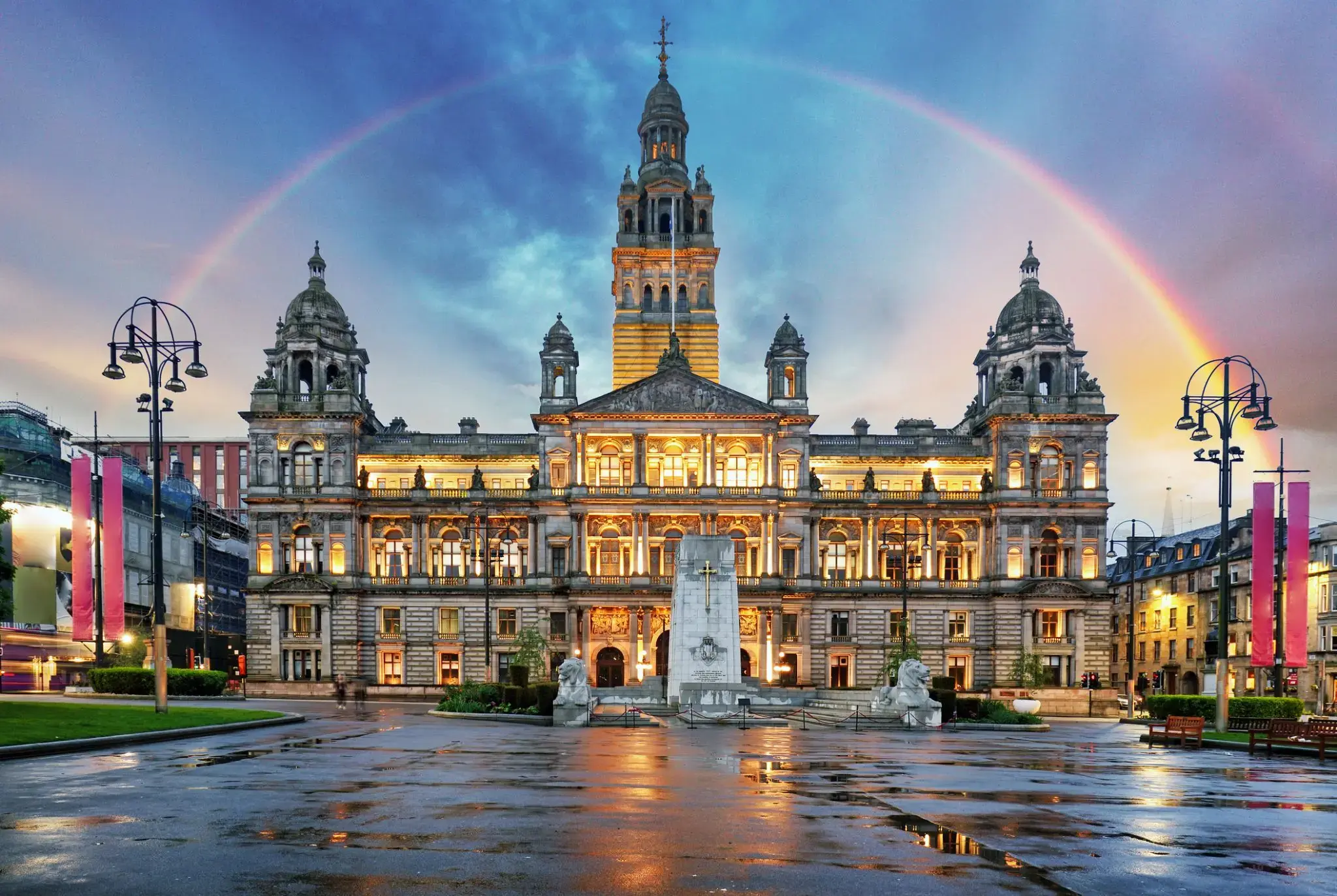
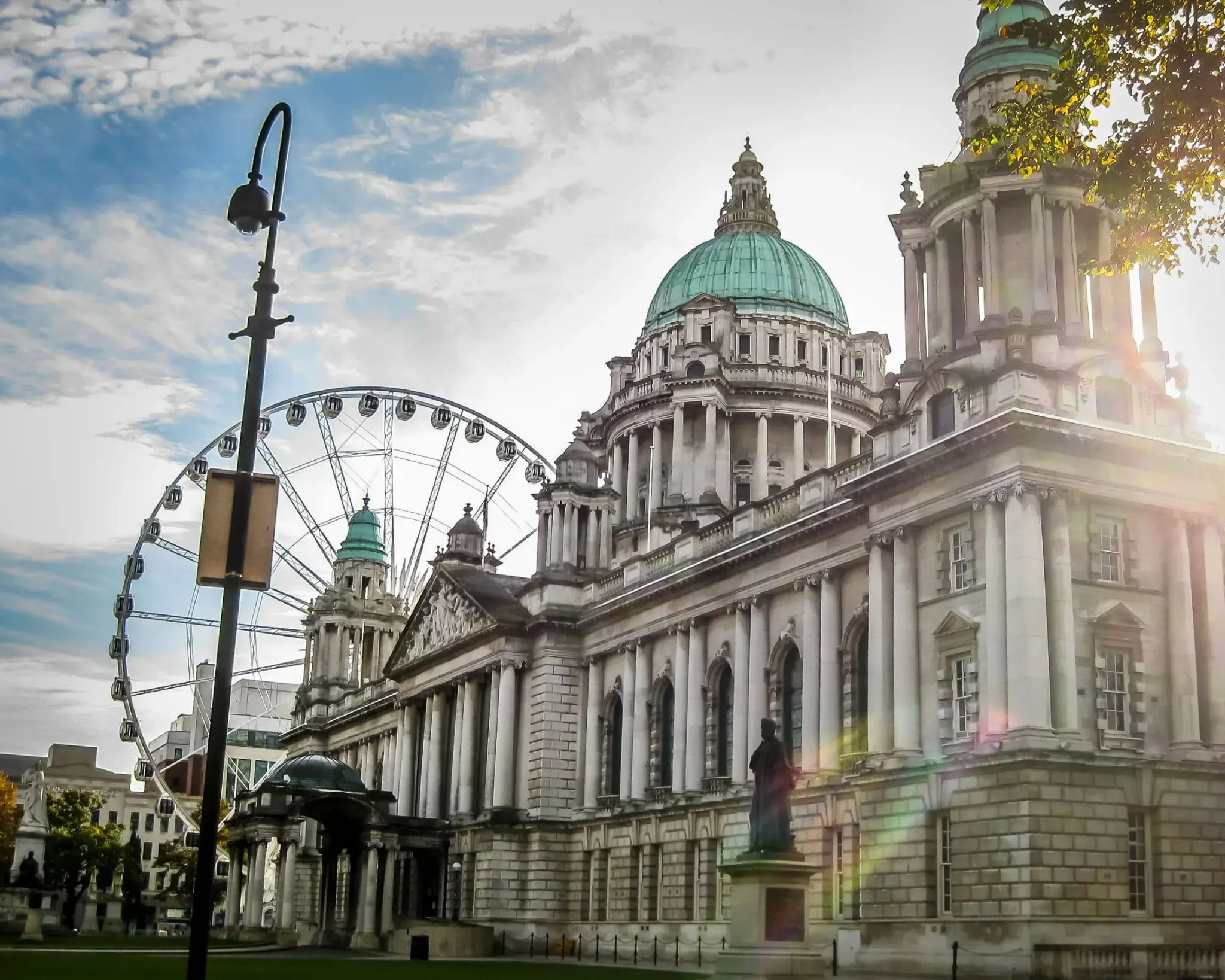
Belfast is a port city in the United Kingdom and the capital city of Northern Ireland, on the banks of the River Lagan on the east coast of Ireland. It is the largest city in Northern Ireland and second largest on the island of Ireland. It had a population of 333,871 in 2015.
By the early 1800s Belfast was a major port. It played a key role in the Industrial Revolution, becoming the biggest linen producer in the world, earning it the nickname "Linenopolis". By the time it was granted city status in 1888, it was a major centre of Irish linen production, tobacco-processing and rope-making. Shipbuilding was also a key industry; the Harland and Wolff shipyard, where the RMS Titanic was built, was the world's biggest shipyard. It also has a major aerospace and missiles industry. Industrialisation and the inward migration it brought made Belfast Ireland's biggest city and it became the capital of Northern Ireland following the Partition of Ireland in 1922. Its status as a global industrial centre ended in the decades after the Second World War.
Belfast suffered greatly in the Troubles, and in the 1970s and 1980s was one of the world's most dangerous cities. However, the city is now considered to be one of the safest within the United Kingdom. Throughout the 21st century, the city has seen a sustained period of calm, free from the intense political violence of former years and has benefitted from substantial economic and commercial growth. Belfast remains a centre for industry, as well as the arts, higher education, business, and law, and is the economic engine of Northern Ireland. Belfast is still a major port, with commercial and industrial docks dominating the Belfast Lough shoreline, including the Harland and Wolff shipyard. It is served by two airports: George Best Belfast City Airport, and Belfast International Airport 15 miles (24 km) west of the city. It is listed by the Globalization and World Cities Research Network (GaWC) as a Gamma global city.
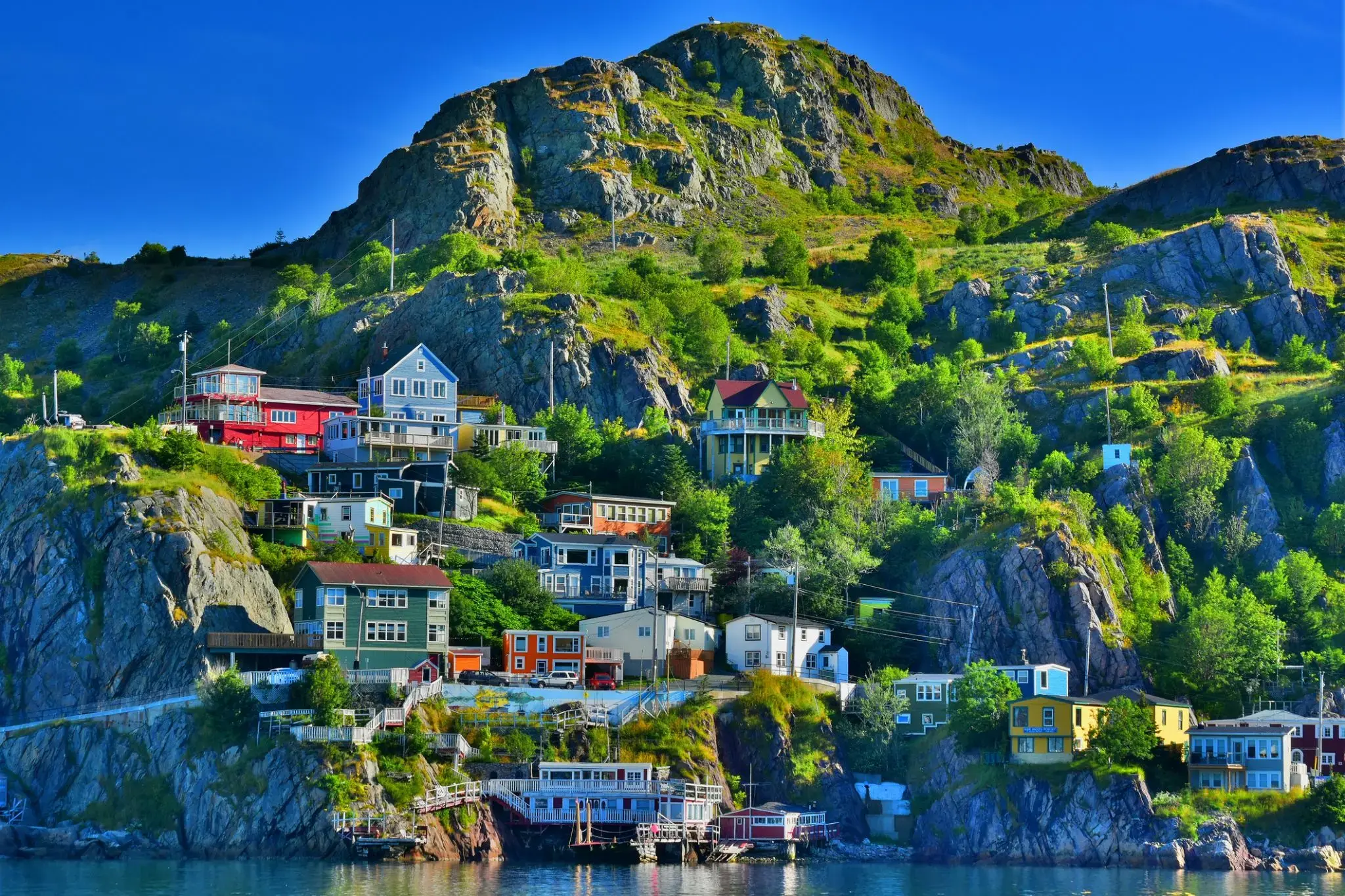
St. John's is the capital and largest city of the Canadian province of Newfoundland and Labrador. It is on the eastern tip of the Avalon Peninsula on the large Canadian island, Newfoundland. The city spans 446.04 square kilometres (172.22 sq mi) and is North America's easternmost city.
Its name has been attributed to the Nativity of John the Baptist, when John Cabot was believed to have sailed into the harbour in 1497 and to a Basque fishing town with the same name. Existing on maps as early as 1519, it is the oldest city in North America. It was officially incorporated as a city in 1888. With a metropolitan population of approximately 219,207 (as of July 1, 2017), the St. John's Metropolitan Area is Canada's 20th largest metropolitan area and the second largest Census Metropolitan Area (CMA) in Atlantic Canada, after Halifax.
The city has a rich history, having played a role in the French and Indian War, the American Revolutionary War, and the War of 1812. Italian inventor Guglielmo Marconi received the first transatlantic wireless signal in St. John's. Its history and culture have made it into an important tourist destination.
Sydney is the state capital of New South Wales and the most populous city in Australiaand Oceania. Located on Australia's east coast, the metropolis surrounds Port Jackson and extends about 70 km (43.5 mi) on its periphery towards the Blue Mountains to the west, Hawkesbury to the north, and Macarthur to the south. Sydney is made up of 658 suburbs, 40 local government areas and 15 contiguous regions. Residents of the city are known as "Sydneysiders". As of June 2017, Sydney's estimated metropolitan population was 5,131,326, and is home to approximately 65% of the state's population.
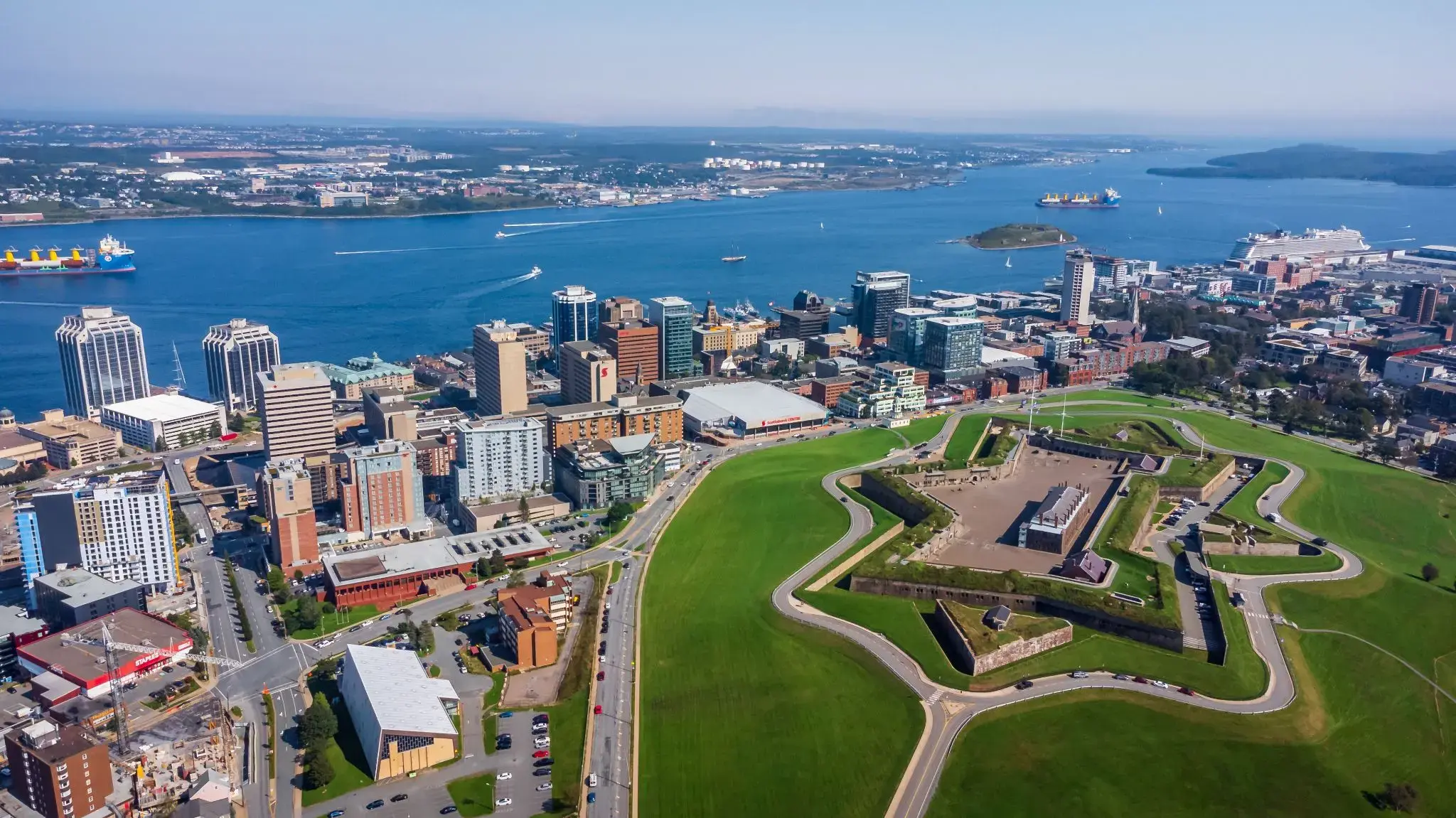
Halifax, also known as the Halifax Regional Municipality (HRM), is the capital of the Canadian province of Nova Scotia. The municipality had a population of 403,131 in 2016, with 316,701 in the urban area centred on Halifax Harbour. The regional municipality consists of four former municipalities that were amalgamated in 1996: Halifax, Dartmouth, Bedford, and Halifax County.
Halifax is a major economic centre in Atlantic Canada with a large concentration of government services and private sector companies. Major employers and economic generators include the Department of National Defence, Dalhousie University, Saint Mary's University, the Halifax Shipyard, various levels of government, and the Port of Halifax. Agriculture, fishing, mining, forestry and natural gas extraction are major resource industries found in the rural areas of the municipality.
The world famous city of New York , the largest city in the United States, with a population of 8.5 million people, and with suburbs - 20.6 million. New York is the largest economic, political, scientific, and cultural center of the United States. It is rightly called the "Main Gate" in the United States, and the world's largest John F. Kennedy Airport is located here. One of the distinguishing features of the city is the variegated national composition of the population, also called the United States in Miniature.
New York gathered in itself the whole essence of this country: fashion, religion, goods, pace and rhythm of American life. The UN headquarters is located here. There are also many universities in New York, the Academy of Sciences, and many other scientific institutions. Like any other metropolis in the world, New York invites you to visit numerous museums in the city, theaters and concert halls, including the Metropolitan Opera and Carnegie Hall. A great place to relax in New York is Central Park, where you can feed hand-held squirrels, which, to everyone's surprise, are not afraid of people. You can also appreciate the beauty of the famous Empire State Building, with a height of 102 floors, it is an example of skyscrapers, although it was built in 1829-1831. "Must see" in New York, of course, the Statue of Liberty ("Lady Liberty"), located at the mouth of the Hudson River, on the small island of Liberty. And of course, don't forget to stroll along Broadway.