| Cruise Region : Northern Europe, Europe |
| Company : Azamara Cruises |
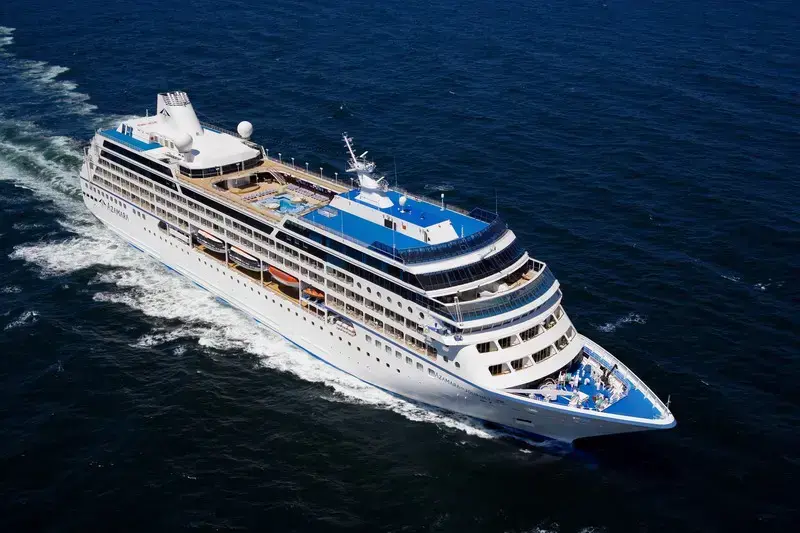
| Ship : Azamara Quest |
| Journey Start : Mon 21 Aug 2028 |
| Journey End : Sat 02 Sep 2028 |
| Count Nights : 12 nights |
| Day | Date | Port | Arrival | Departure |
|---|---|---|---|---|
| 1 | 21.08 Mon | Copenhagen / Denmark | 17:00 | |
| 2 | 22.08 Tue | Day at sea / Sea | 15:00 | |
| 3 | 23.08 Wed | Leith, Edinburgh / Great Britain | 17:30 | |
| 4 | 24.08 Thu | Leith, Edinburgh / Great Britain | 16:15 | |
| 5 | 25.08 Fri | Aberdeen / Great Britain | 07:00 | 18:00 |
| 6 | 26.08 Sat | Ullapool / Scotland | 09:00 | 17:00 |
| 7 | 27.08 Sun | Derry / Great Britain | 09:00 | 20:30 |
| 8 | 28.08 Mon | Greenock / Scotland | 09:00 | 20:00 |
| 9 | 29.08 Tue | Belfast / Great Britain | 08:00 | 22:00 |
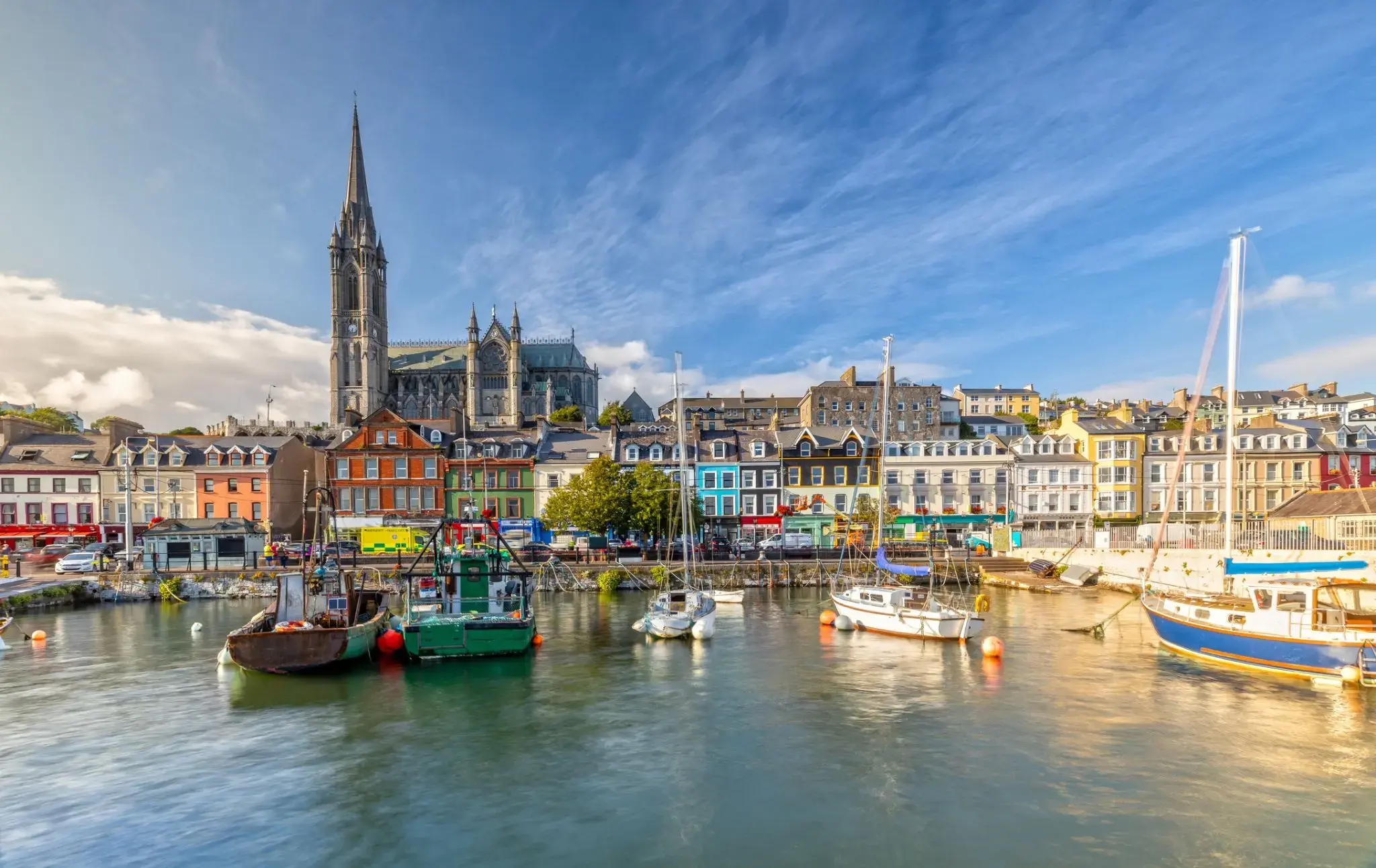
| 11 | 31.08 Thu | Cobh / Ireland | 07:30 | 18:00 |
| 12 | 1.09 Fri | I cherished | 09:30 | 18:00 |
| 13 | 2.09 Sat | Portsmouth / Dominica | 06:00 |
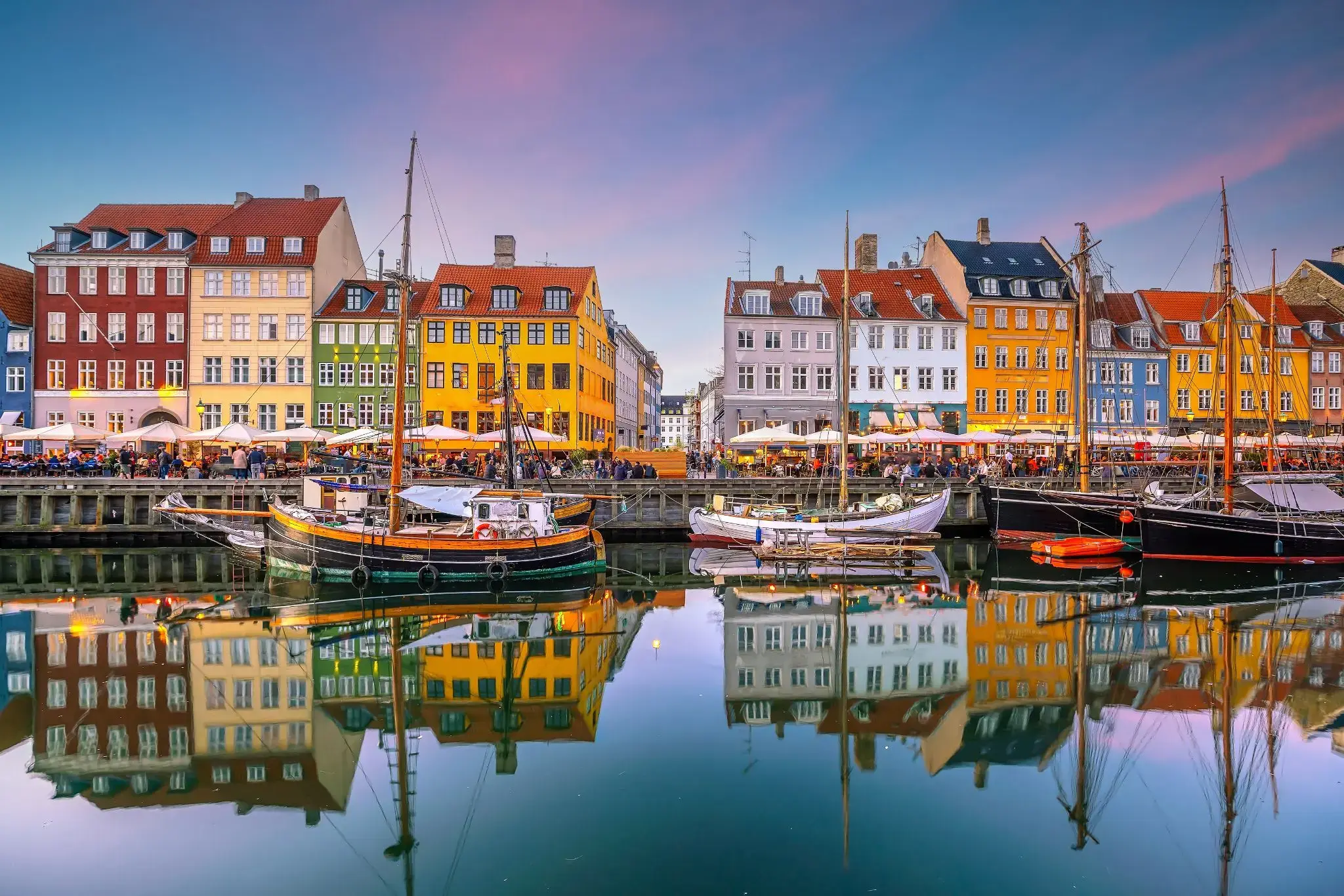
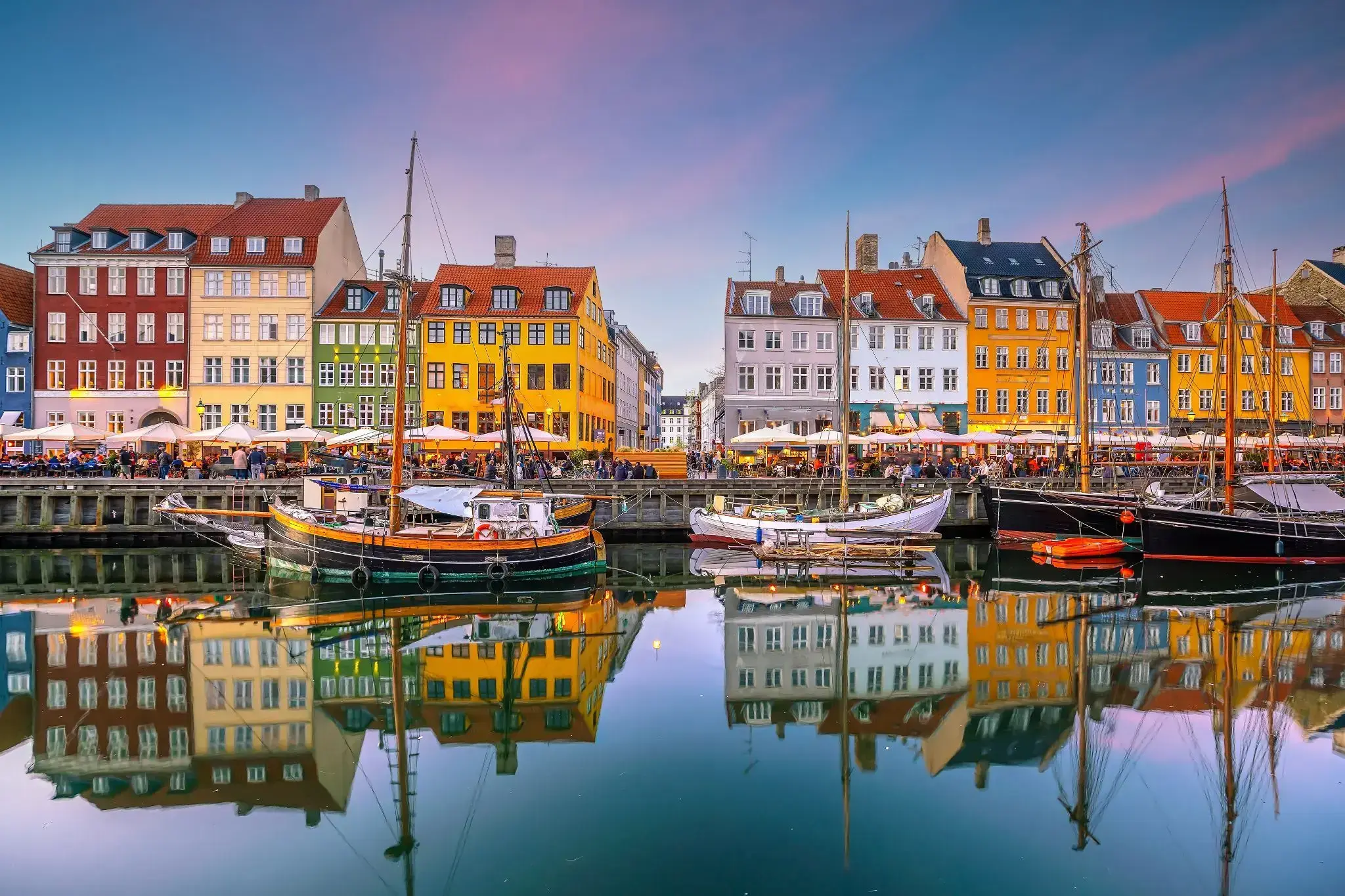
the capital and chief port of Denmark, a city that occupies the eastern part of Zealand and northern part of the island of Amager; population 518,574 (2009).
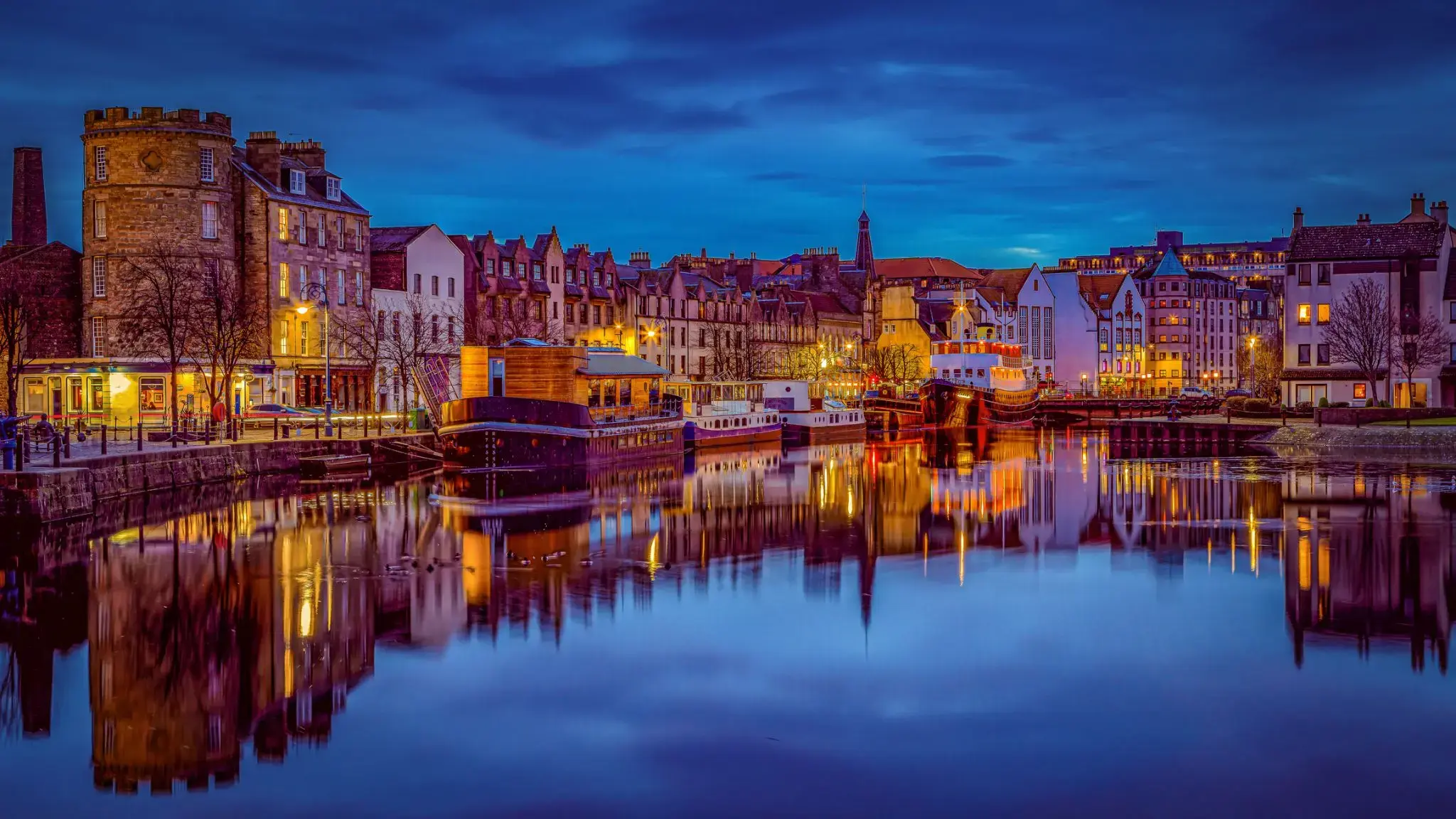
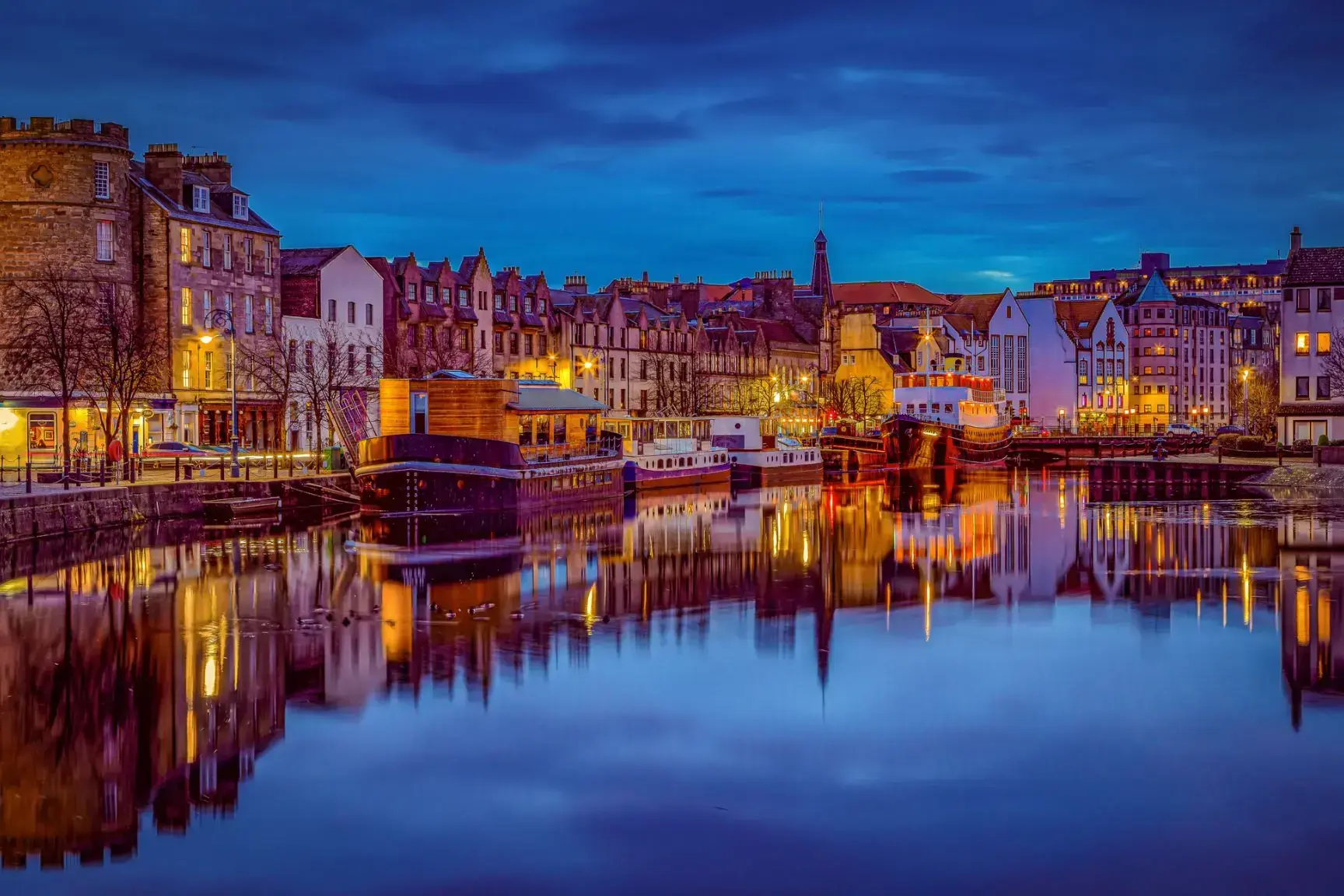
Leith is an area to the north of the city of Edinburgh, Scotland, at the mouth of the Water of Leith.
The earliest surviving historical references are in the royal charter authorising the construction of Holyrood Abbey in 1128. The medieval settlements of Leith had grown into a burgh by 1833, and the burgh was merged into Edinburgh in 1920.
Historically part of the county of Midlothian, Leith is sited on the coast of the Firth of Forth and lies within the council area of the City of Edinburgh.
The port remains one of its most valuable enterprises, handling over 1.5 million tonnes of cargo in 2003.
Previous to the bridge being built in the late 15th century, Leith had settlements on either side of the river, lacking an easy crossing.
South Leith was larger and was controlled by the lairds of Restalrig: the Logan family. It was based on trade and had many merchants' houses and warehouses. This was where ships offloaded their cargoes at The Shore where they were collected by Edinburgh merchants. Leithers were explicitly forbidden by statute to participate directly in the trade at the port, to ensure that landed goods were not sold elsewhere.
North Leith was smaller but proportionately richer, coming under the jurisdiction of Holyrood Abbey. It was effectively a fishing village consisting of one street, now Sandport Street and Quayside Lane. Burgage plots ran down to the river from each house.[6] This has traditionally been the shipbuilding side of Leith with several wet and dry docks built over time. The first dry dock in Scotland was built here in 1720. A small peninsula of land on the east bank also came under the same jurisdiction on what is now Sheriff Brae/Sheriff Bank.
The first bridge to link both banks of the river was built in 1493 by Abbot Bellenden, who controlled the church at North Leith. The bridge was a toll bridge, the revenue supplementing the church's income. Reputedly Leith's oldest building, it was demolished in 1780 to allow ships to sail further upstream.
Leith is an area to the north of the city of Edinburgh, Scotland, at the mouth of the Water of Leith.
The earliest surviving historical references are in the royal charter authorising the construction of Holyrood Abbey in 1128. The medieval settlements of Leith had grown into a burgh by 1833, and the burgh was merged into Edinburgh in 1920.
Historically part of the county of Midlothian, Leith is sited on the coast of the Firth of Forth and lies within the council area of the City of Edinburgh.
The port remains one of its most valuable enterprises, handling over 1.5 million tonnes of cargo in 2003.
Previous to the bridge being built in the late 15th century, Leith had settlements on either side of the river, lacking an easy crossing.
South Leith was larger and was controlled by the lairds of Restalrig: the Logan family. It was based on trade and had many merchants' houses and warehouses. This was where ships offloaded their cargoes at The Shore where they were collected by Edinburgh merchants. Leithers were explicitly forbidden by statute to participate directly in the trade at the port, to ensure that landed goods were not sold elsewhere.
North Leith was smaller but proportionately richer, coming under the jurisdiction of Holyrood Abbey. It was effectively a fishing village consisting of one street, now Sandport Street and Quayside Lane. Burgage plots ran down to the river from each house.[6] This has traditionally been the shipbuilding side of Leith with several wet and dry docks built over time. The first dry dock in Scotland was built here in 1720. A small peninsula of land on the east bank also came under the same jurisdiction on what is now Sheriff Brae/Sheriff Bank.
The first bridge to link both banks of the river was built in 1493 by Abbot Bellenden, who controlled the church at North Leith. The bridge was a toll bridge, the revenue supplementing the church's income. Reputedly Leith's oldest building, it was demolished in 1780 to allow ships to sail further upstream.
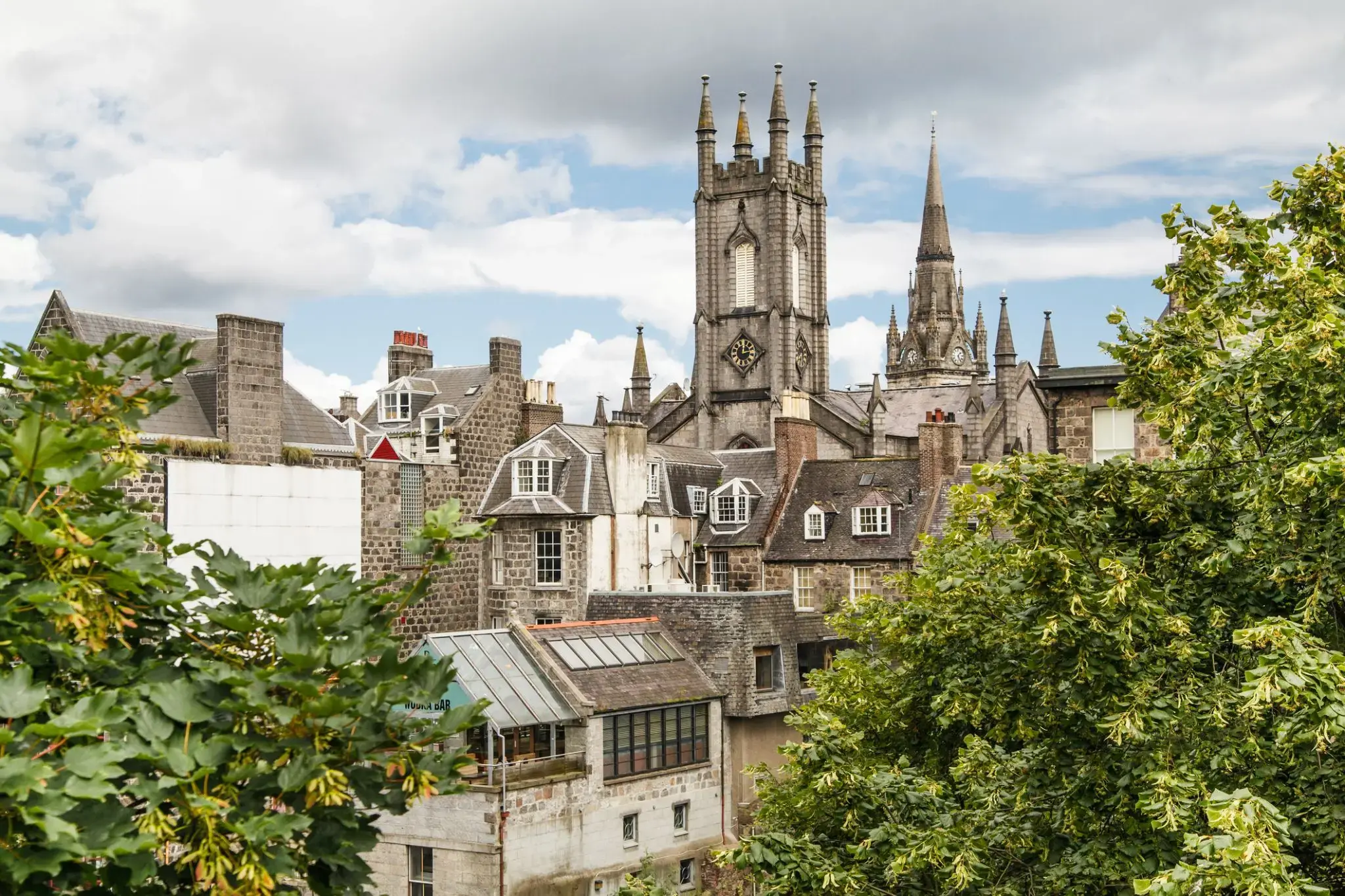
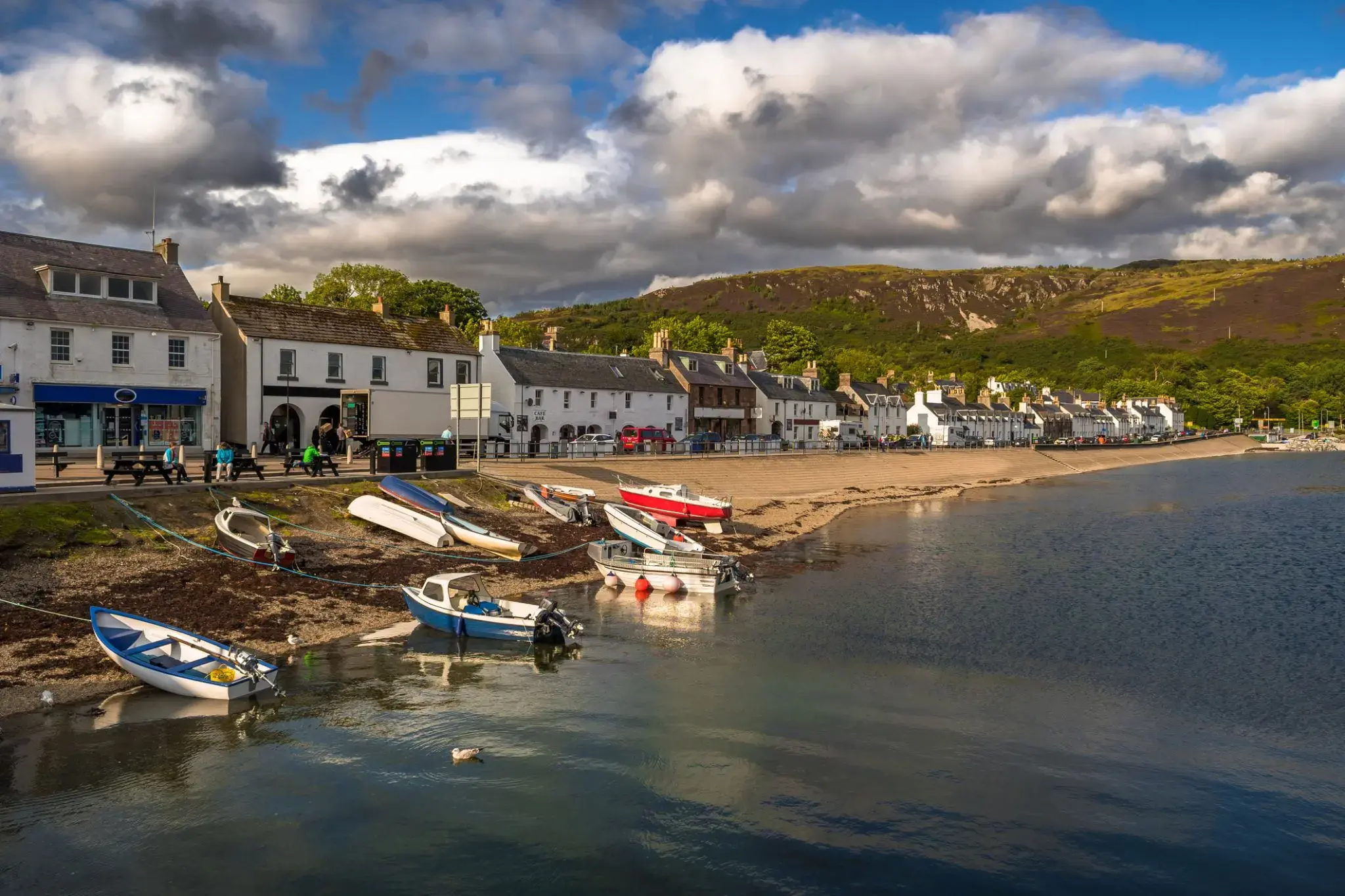
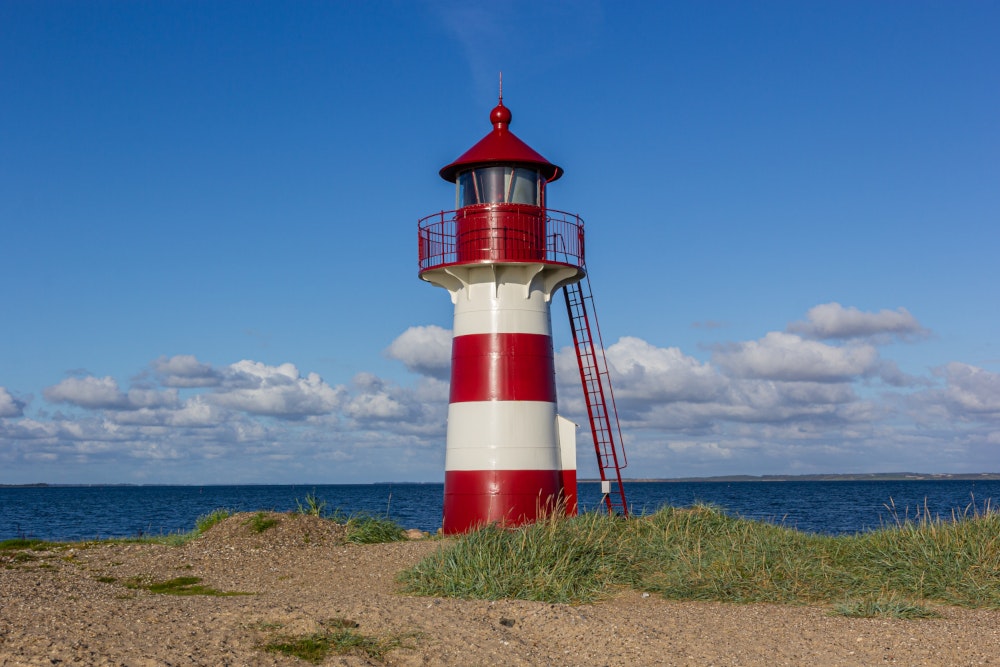

Greenock is a town in Scotland, located on the southwest coast, 32 kilometers west of Glasgow. Greenock was established as a port, and its historical significance is linked to the development of shipbuilding and trade. For many years, it was an important center of shipping, and today the town continues to serve as a key transport hub, with a major port and modern infrastructure. Greenock is also famous for its historic buildings, such as the Greenock Lighthouse, and nearby, you can find the Maritime Museum and many old warehouses that preserve the atmosphere of past times.
For tourists, Greenock is a picturesque place for strolls along the waterfront and in its parks, as well as an excellent spot to explore the history of Scotland's maritime heritage. The town has also become a popular stop for cruise travelers, as its port provides access to the most beautiful parts of the country’s west coast. The surrounding area is rich in natural attractions, including nearby islands and lovely beaches, where visitors can relax and enjoy stunning views of the sea and coastline.
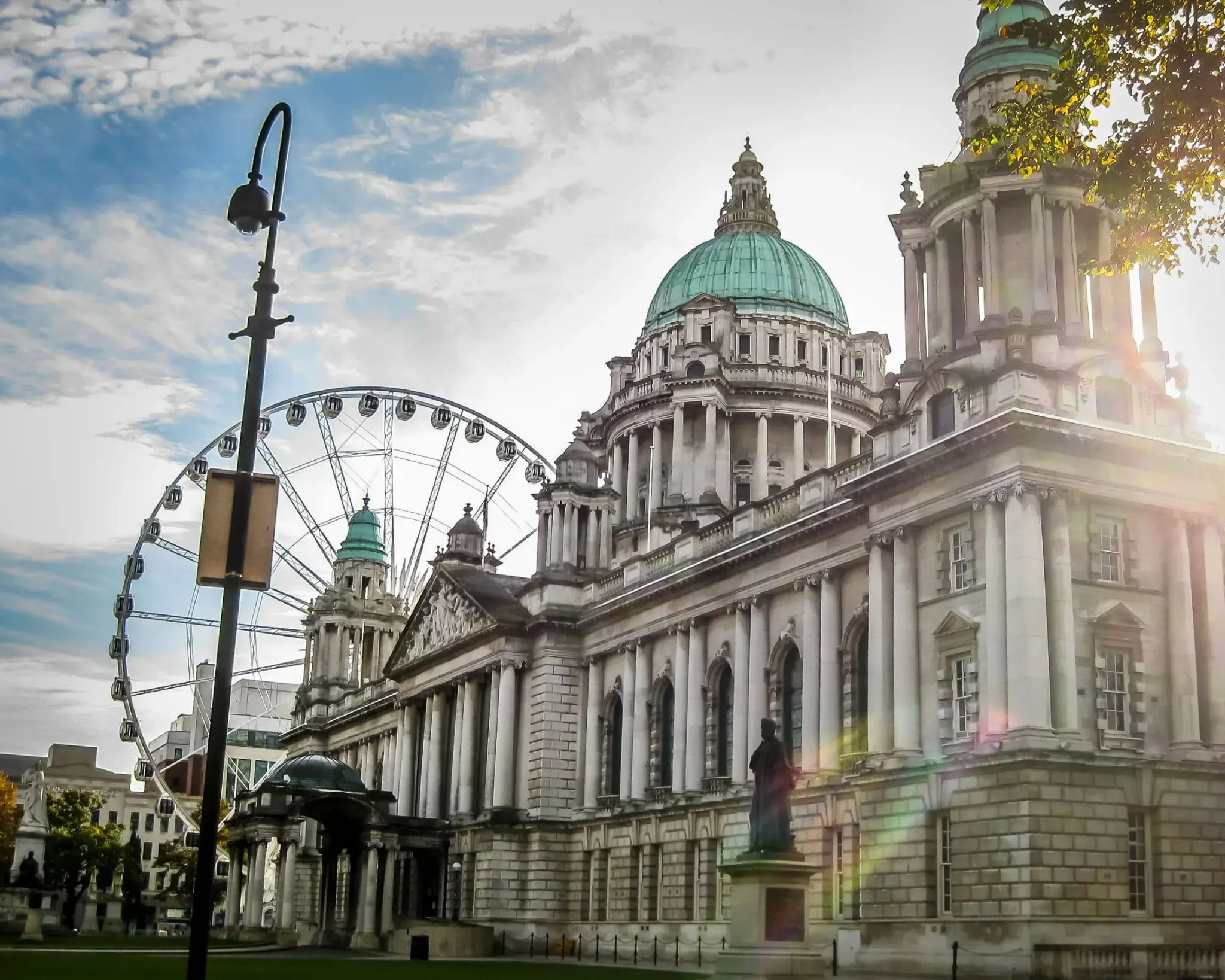
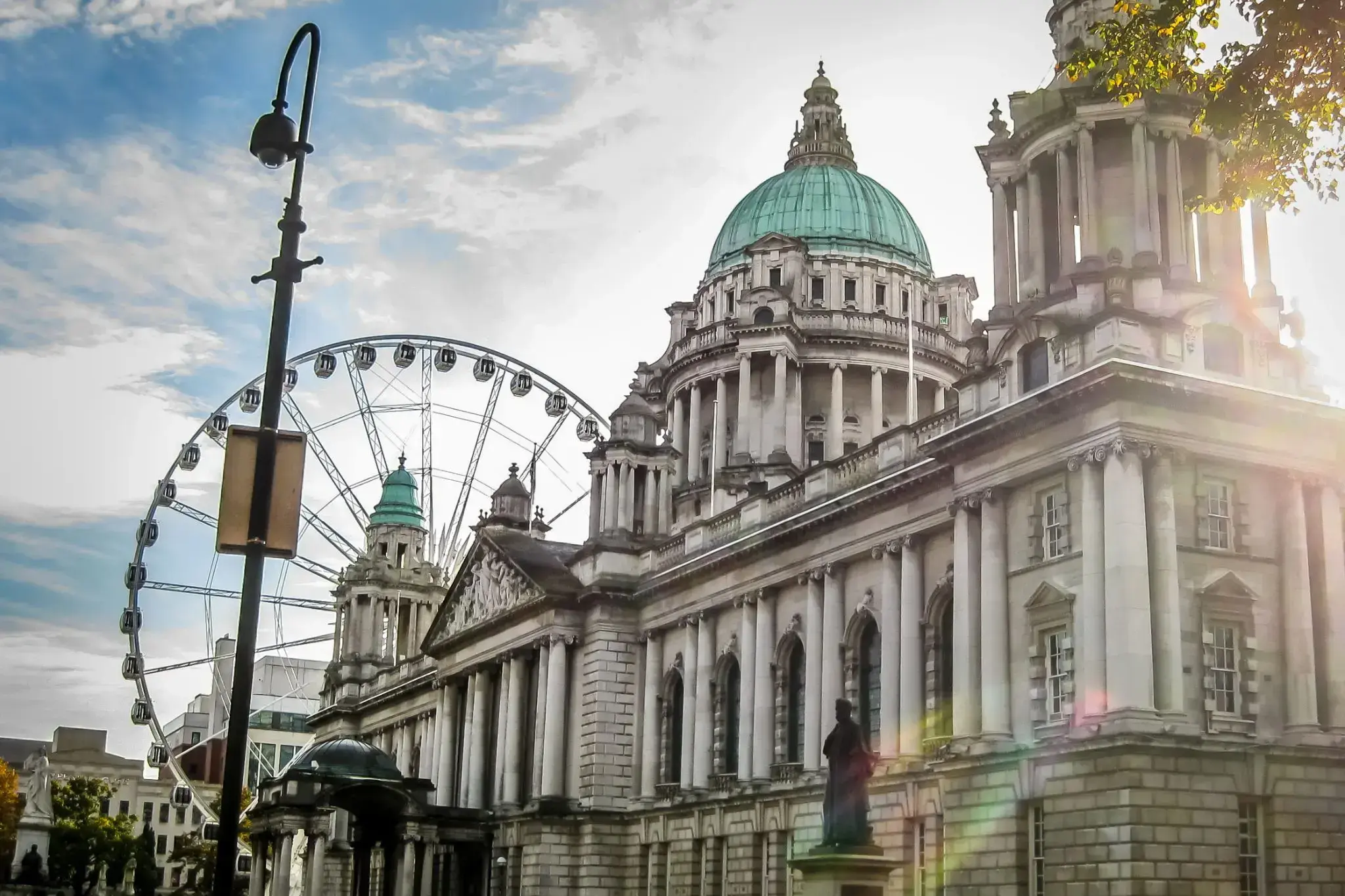
Belfast is a port city in the United Kingdom and the capital city of Northern Ireland, on the banks of the River Lagan on the east coast of Ireland. It is the largest city in Northern Ireland and second largest on the island of Ireland. It had a population of 333,871 in 2015.
By the early 1800s Belfast was a major port. It played a key role in the Industrial Revolution, becoming the biggest linen producer in the world, earning it the nickname "Linenopolis". By the time it was granted city status in 1888, it was a major centre of Irish linen production, tobacco-processing and rope-making. Shipbuilding was also a key industry; the Harland and Wolff shipyard, where the RMS Titanic was built, was the world's biggest shipyard. It also has a major aerospace and missiles industry. Industrialisation and the inward migration it brought made Belfast Ireland's biggest city and it became the capital of Northern Ireland following the Partition of Ireland in 1922. Its status as a global industrial centre ended in the decades after the Second World War.
Belfast suffered greatly in the Troubles, and in the 1970s and 1980s was one of the world's most dangerous cities. However, the city is now considered to be one of the safest within the United Kingdom. Throughout the 21st century, the city has seen a sustained period of calm, free from the intense political violence of former years and has benefitted from substantial economic and commercial growth. Belfast remains a centre for industry, as well as the arts, higher education, business, and law, and is the economic engine of Northern Ireland. Belfast is still a major port, with commercial and industrial docks dominating the Belfast Lough shoreline, including the Harland and Wolff shipyard. It is served by two airports: George Best Belfast City Airport, and Belfast International Airport 15 miles (24 km) west of the city. It is listed by the Globalization and World Cities Research Network (GaWC) as a Gamma global city.