| Cruise Region : Mediterranean Sea |
| Company : Azamara Cruises |
| Ship : Azamara Onward |
| Journey Start : Mon 17 Jul 2028 |
| Journey End : Sun 06 Aug 2028 |
| Count Nights : 20 nights |
| Day | Date | Port | Arrival | Departure |
|---|---|---|---|---|
| 1 | 17.07 Mon | Venice / Italy | 18:00 | |
| 2 | 18.07 Tue | Opatija / Croatia | 08:00 | 18:00 |
| 3 | 19.07 Wed | Zadar / Croatia | 08:00 | 22:00 |
| 4 | 20.07 Thu | Sibenik / Croatia | 08:00 | 20:00 |
| 5 | 21.07 Fri | Split / Croatia | 08:00 | 20:00 |
| 6 | 22.07 Sat | Dubrovnik / Croatia | 08:00 | 22:00 |
| 7 | 23.07 Sun | Kotor / Montenegro | 09:30 | 17:00 |
| 8 | 24.07 Mon | Day at sea / Sea | 15:00 | |
| 9 | 25.07 Tue | Chania (Souda), Crete / Greece | 08:00 | 17:00 |
| 10 | 26.07 Wed | Piraeus (Athens) / Greece | 05:00 | 17:00 |
| 11 | 27.07 Thu | Syros / Greece | 08:00 | 18:00 |
| 12 | 28.07 Fri | Bodrum / Turkey | 08:00 | 20:00 |
| 13 | 29.07 Sat | Rhodes / Greece | 08:00 | 20:00 |
| 14 | 30.07 Sun | Agios Nikolaos / Greece | 09:00 | 20:00 |
| 15 | 31.07 Mon | Monemvasia / Greece | 09:00 | 20:00 |
| 16 | 1.08 Tue | Day at sea / Sea | 15:00 | |
| 17 | 2.08 Wed | Syracuse / Italy | 08:00 | 22:00 |
| 18 | 3.08 Thu | Giardini-Naxos / Italy | 08:00 | 17:00 |
| 19 | 4.08 Fri | Amalfi / Italy | 08:00 | 22:00 |
| 20 | 5.08 Sat | Sorrento, Capri / Italy | 08:00 | 18:00 |
| 21 | 6.08 Sun | Rome (Civitavecchia) / Italy | 06:00 |
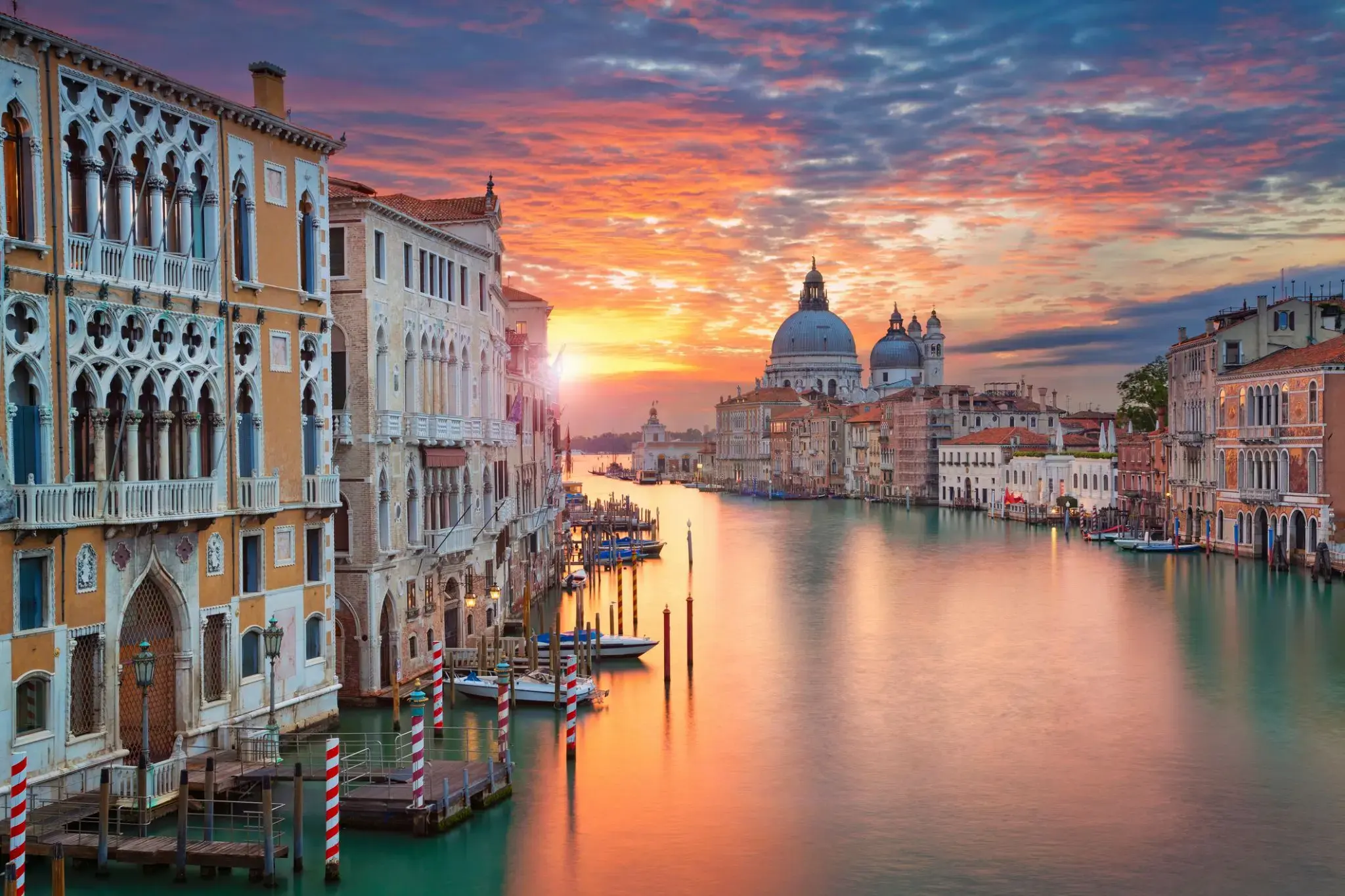
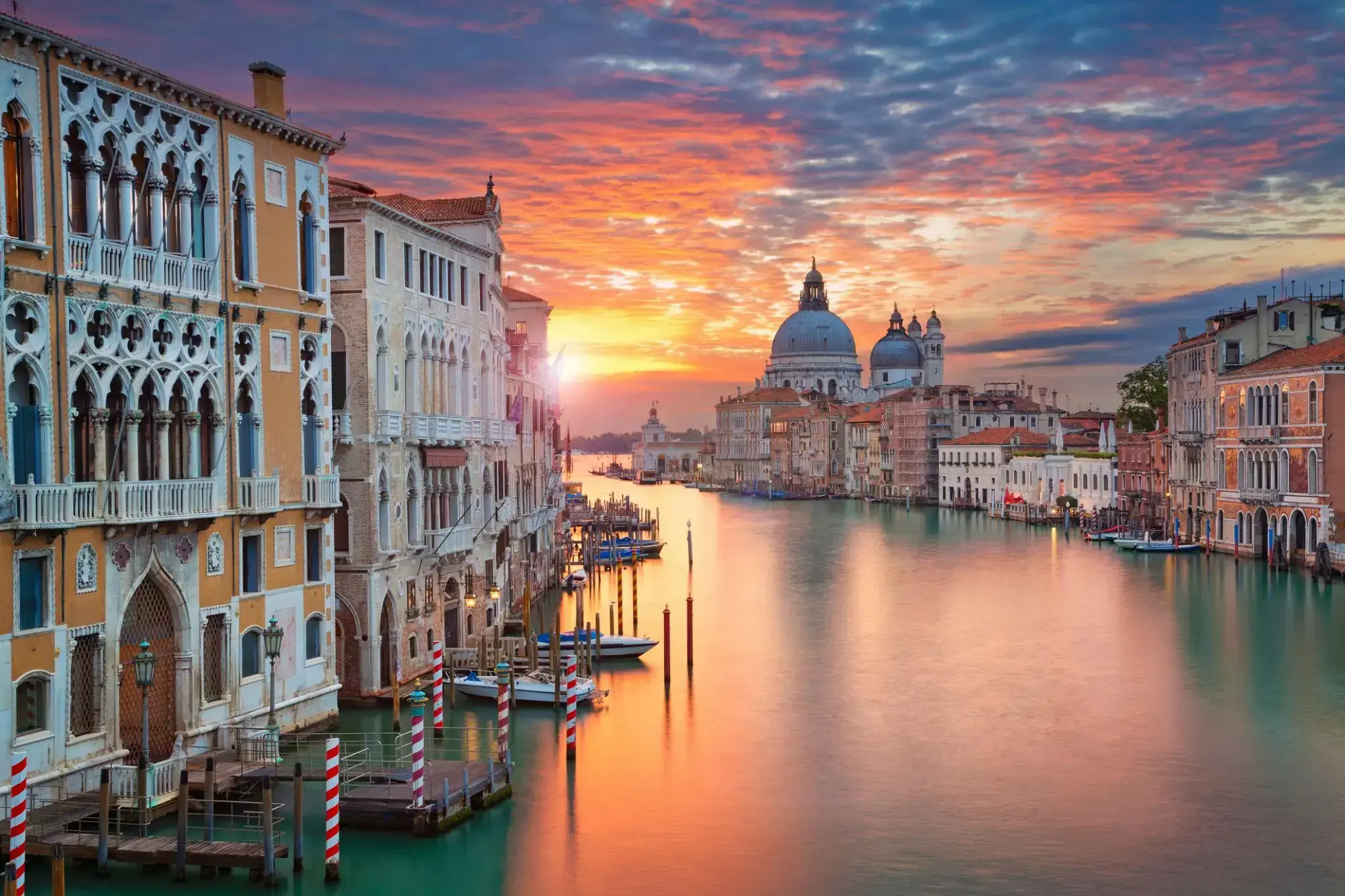
Venice is the most famous and unusual city in the world. It is located in northern Italy on the Adriatic coast. The territory of the city is cut by more than 150 canals and ducts through which more than 400 bridges are thrown.
Venice is a resort city, which is a center of international tourism of world significance, a venue for art and architectural exhibitions, international film festivals. Absolutely unusual atmosphere reigning in the city falls in love with itself at first sight. Narrow streets, with small cozy cafes, sliding gondolas and serenades of gondoliers, set in a romantic mood, and attract lovers from all over the world.
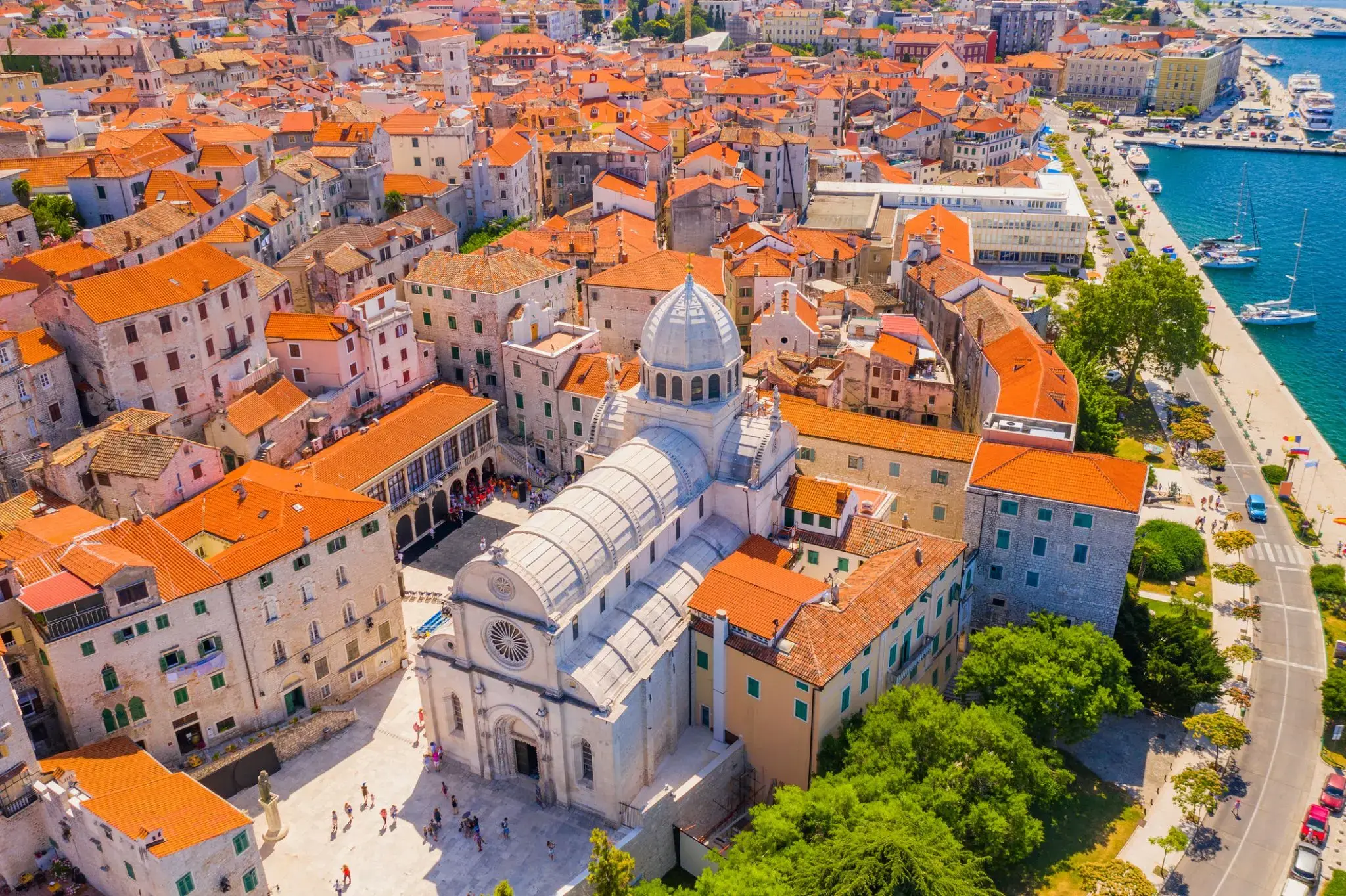
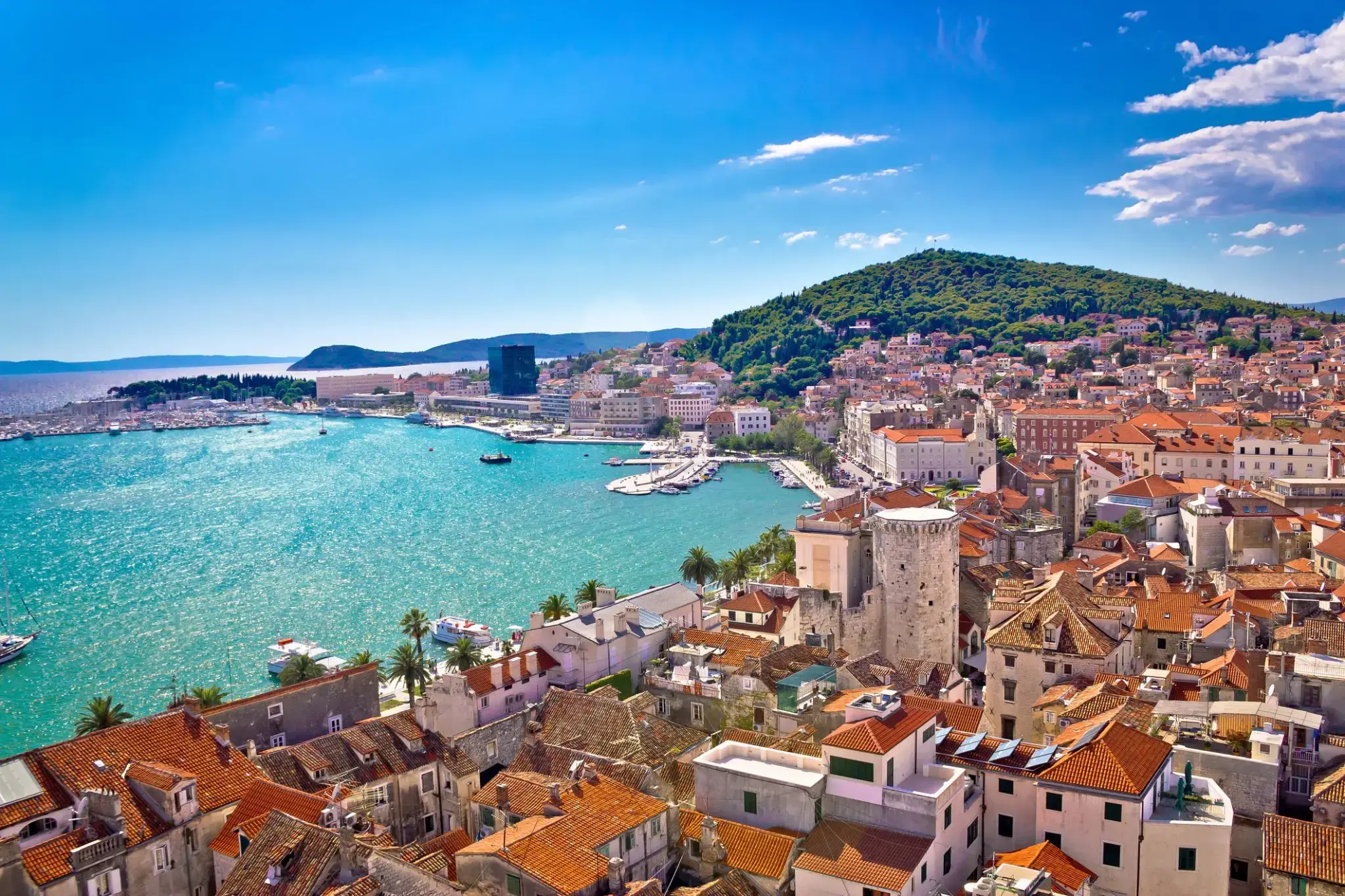
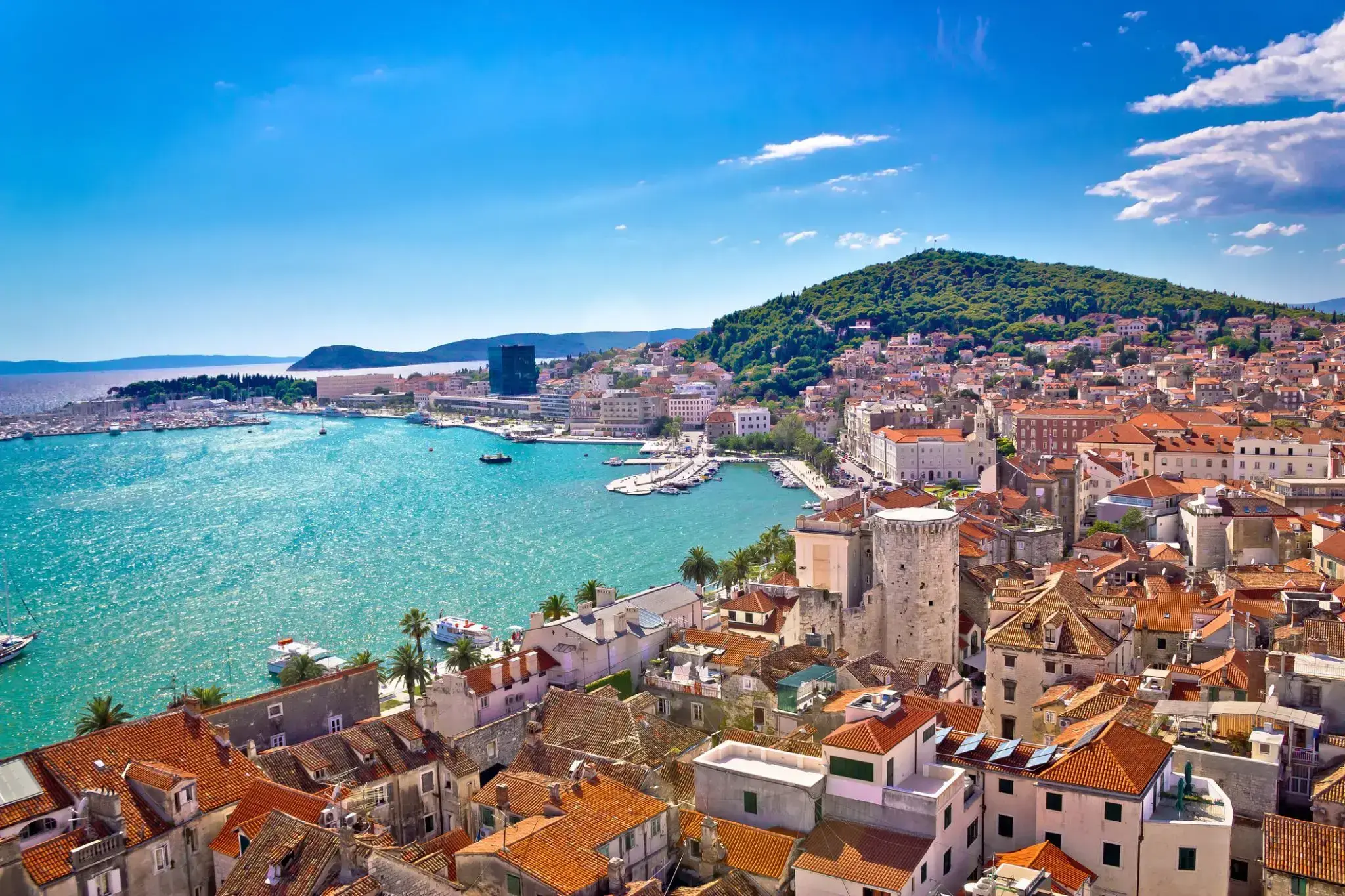
Split – the Pearl of Dalmatia
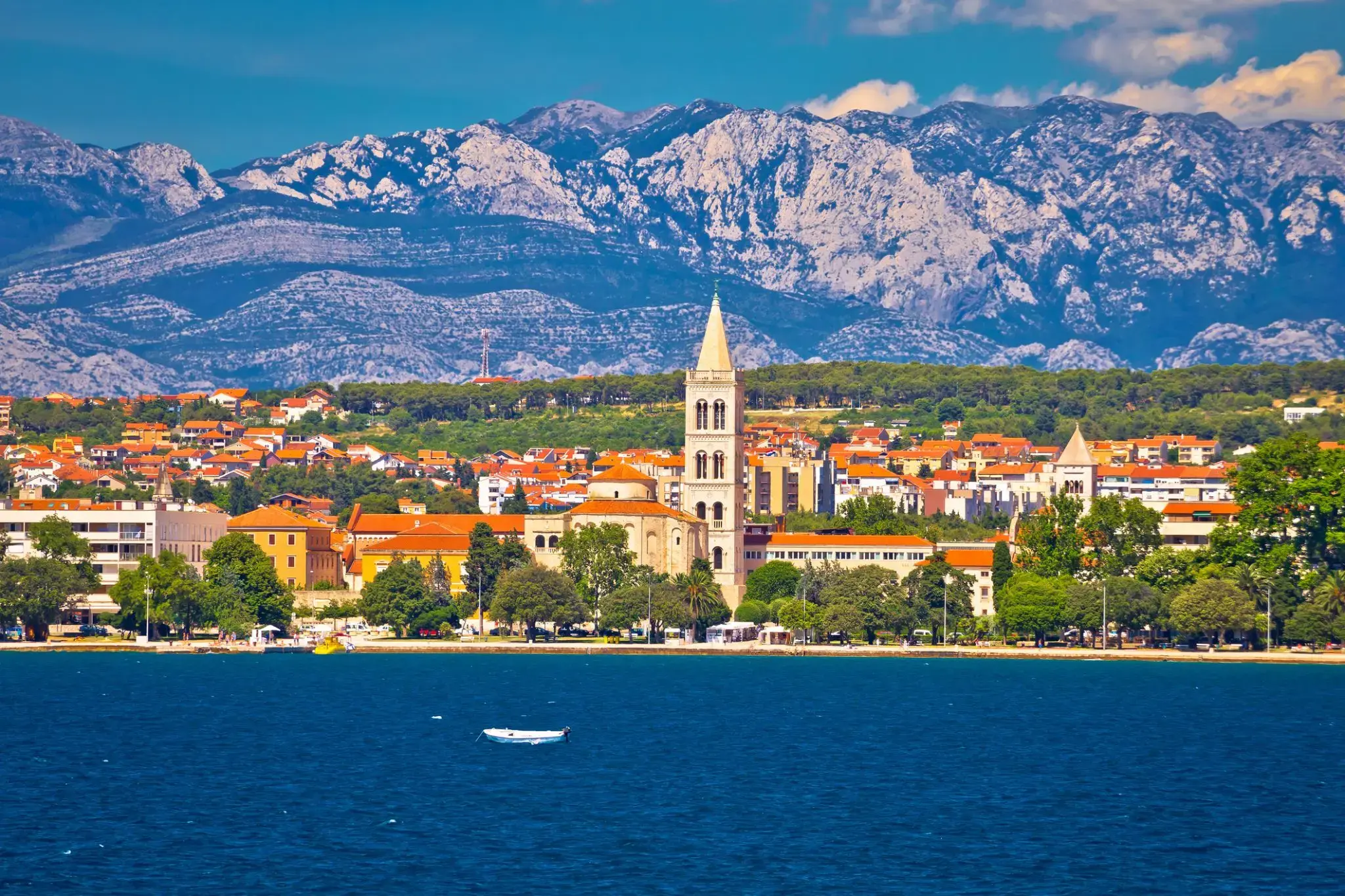
Split is Croatia’s second-largest city on the Adriatic coast. Its landmark is the Diocletian’s Palace, a UNESCO site, surrounded by narrow streets and the Cathedral of St. Domnius.
Life pulses along the Riva promenade, lined with cafés and restaurants. Nearby are beaches, including the famous Bacvice.
Split is also an important port, offering easy access to Croatian islands such as Hvar, Brač and Korčula. Its Mediterranean atmosphere and Dalmatian cuisine make it a perfect holiday destination.
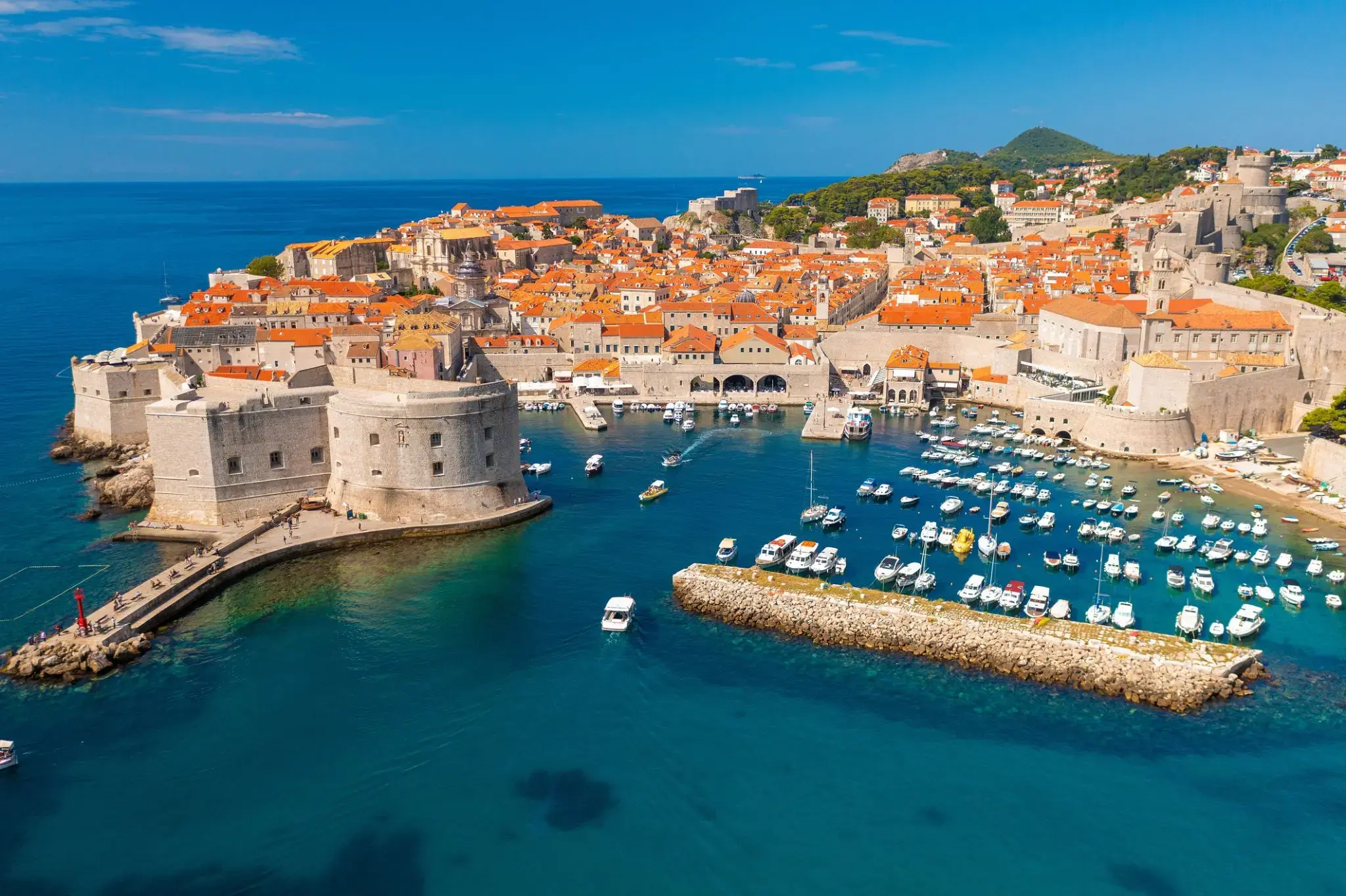
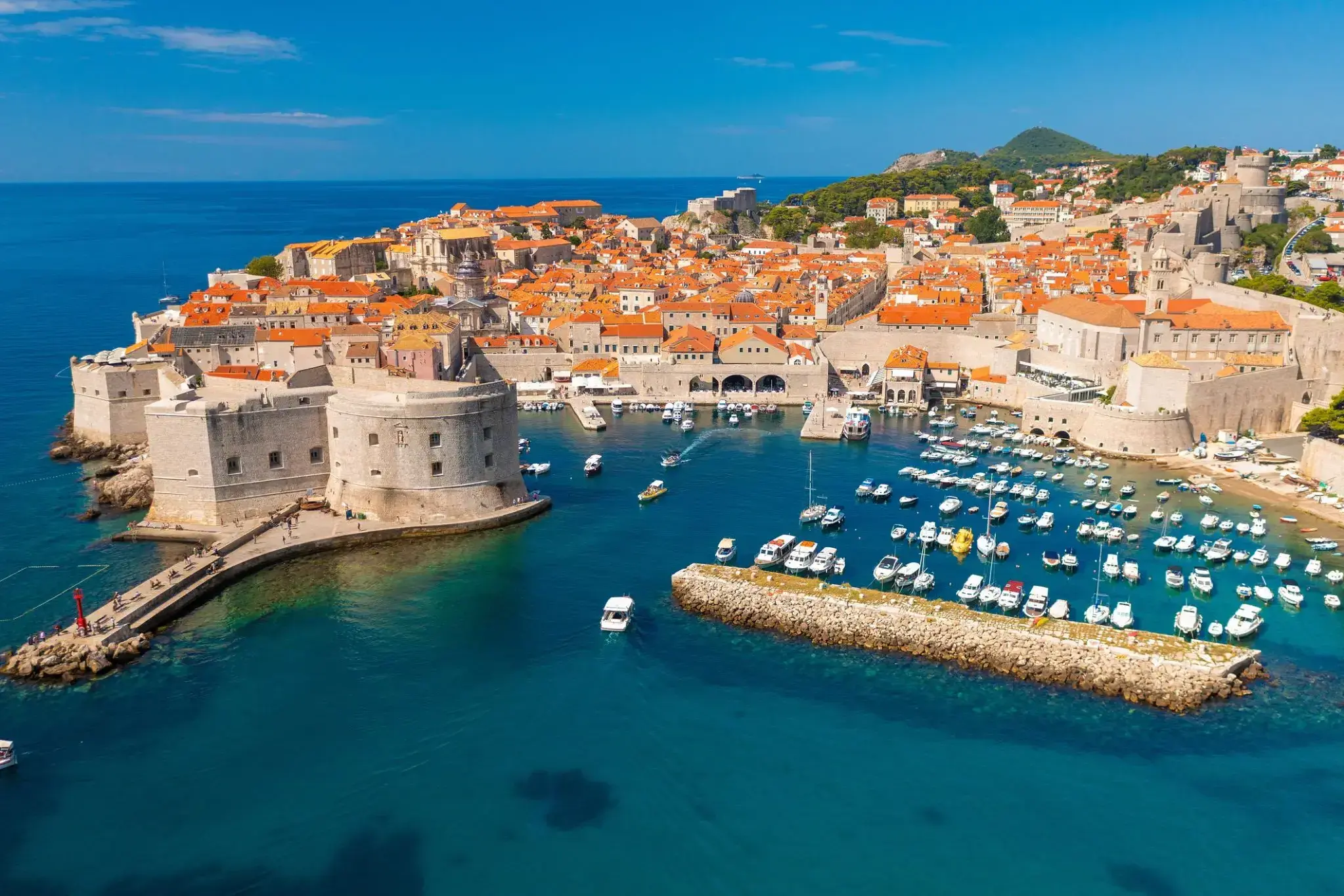
Dubrovnik is a Croatian city on the Adriatic Sea. It is one of the most prominent tourist destinations in the Mediterranean Sea, a seaport and the centre of Dubrovnik-Neretva County. Its total population is 42,615 (census 2011). In 1979, the city of Dubrovnik joined the UNESCO list of World Heritage sites.
The prosperity of the city was historically based on maritime trade; as the capital of the maritime Republic of Ragusa, it achieved a high level of development, particularly during the 15th and 16th centuries, as it became notable for its wealth and skilled diplomacy.
In 1991, after the break-up of Yugoslavia, Dubrovnik was besieged by Serbian and Montenegrin soldiers of the Yugoslav People's Army (JNA) for seven months and suffered significant damage from shelling. After repair and restoration works in the 1990s and early 2000s, Dubrovnik re-emerged as one of the top tourist destinations in the Mediterranean.
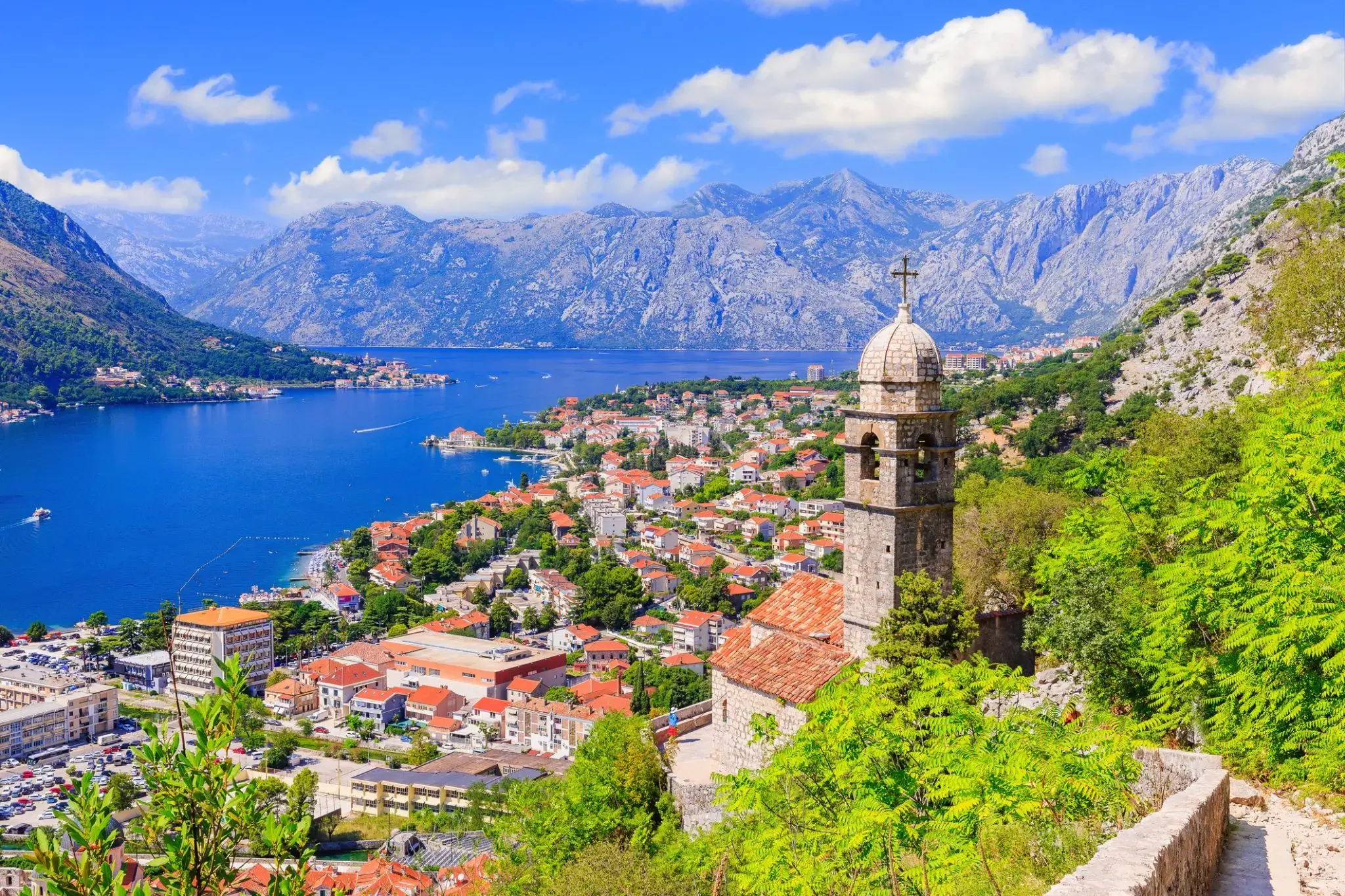
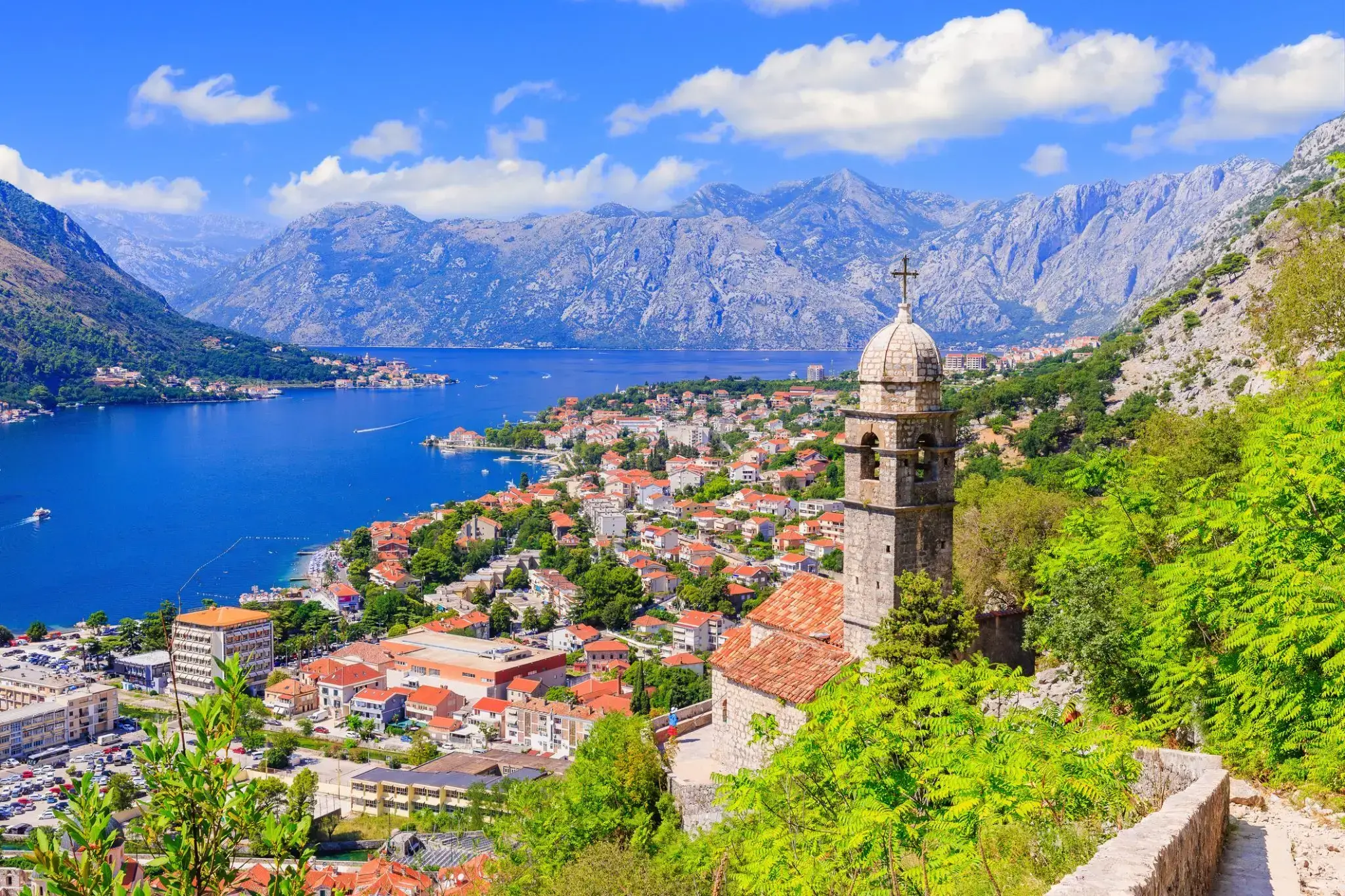
Kotor is a coastal town in Montenegro. It is located in a secluded part of the Gulf of Kotor. The city has a population of 13,510 and is the administrative center of Kotor Municipality.
The old Mediterranean port of Kotor is surrounded by fortifications built during the Venetian period. It is located on the Bay of Kotor (Boka Kotorska), one of the most indented parts of the Adriatic Sea. Some have called it the southern-most fjord in Europe, but it is a ria, a submerged river canyon. Together with the nearly overhanging limestone cliffs of Orjen and Lovćen, Kotor and its surrounding area form an impressive landscape.
Since the early 2000s Kotor has seen an increase in tourists , many of them coming by cruise ship. Visitors are attracted by the natural environment of the Gulf of Kotor and by the old town of Kotor. Kotor is part of the World Heritage Site dubbed the Natural and Culturo-Historical Region of Kotor.
The fortified city of Kotor was also included in UNESCO's World Heritage Site list as part of Venetian Works of Defence between 15th and 17th centuries: Stato da Terra – western Stato da Mar in 201
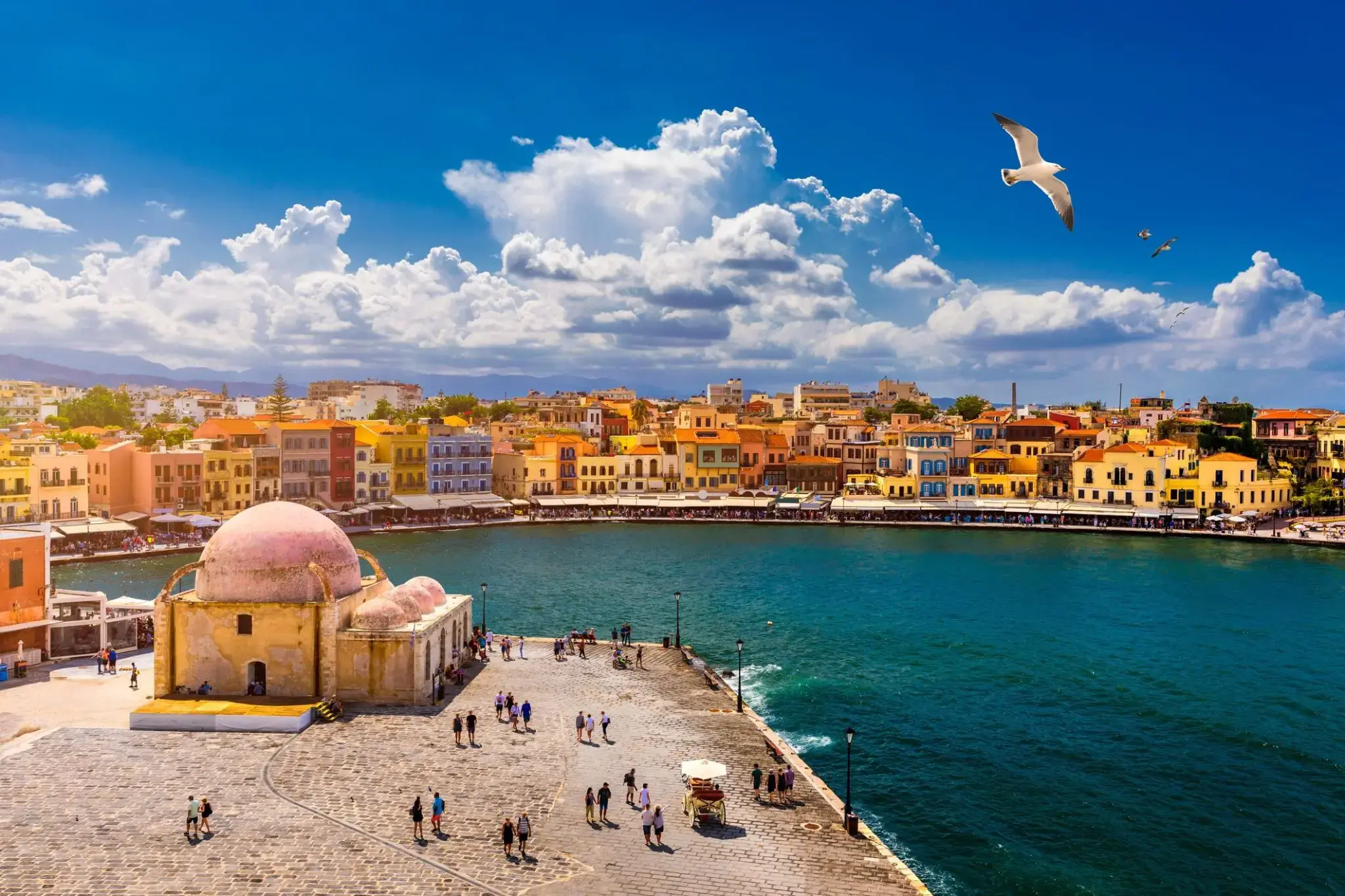
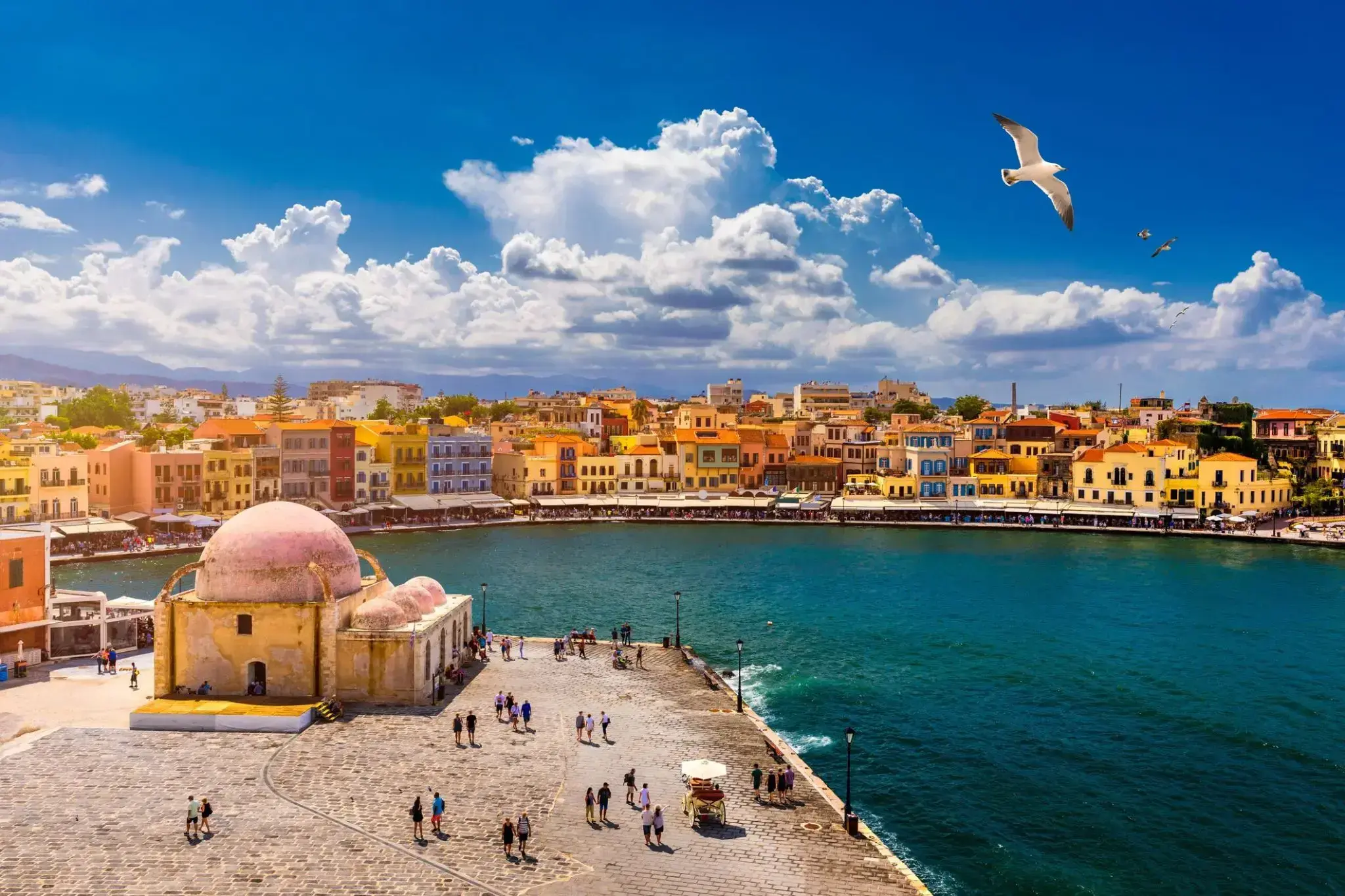
Chania (Souda), Crete — Charm and History
Chania, located on the northwest coast of Crete, attracts travelers with its historical atmosphere and picturesque Venetian harbor. The narrow streets, buildings, and cozy cafes create a unique charm, blending Venetian and Ottoman architectural elements.
Souda is an important seaport and ferry port situated in the bay of Souda, east of Chania. The port plays a key role in the island's transport network and is strategically important for the region. Around Chania, there are archaeological sites, including the remains of ancient cities, and natural attractions such as caves and World War II memorials.
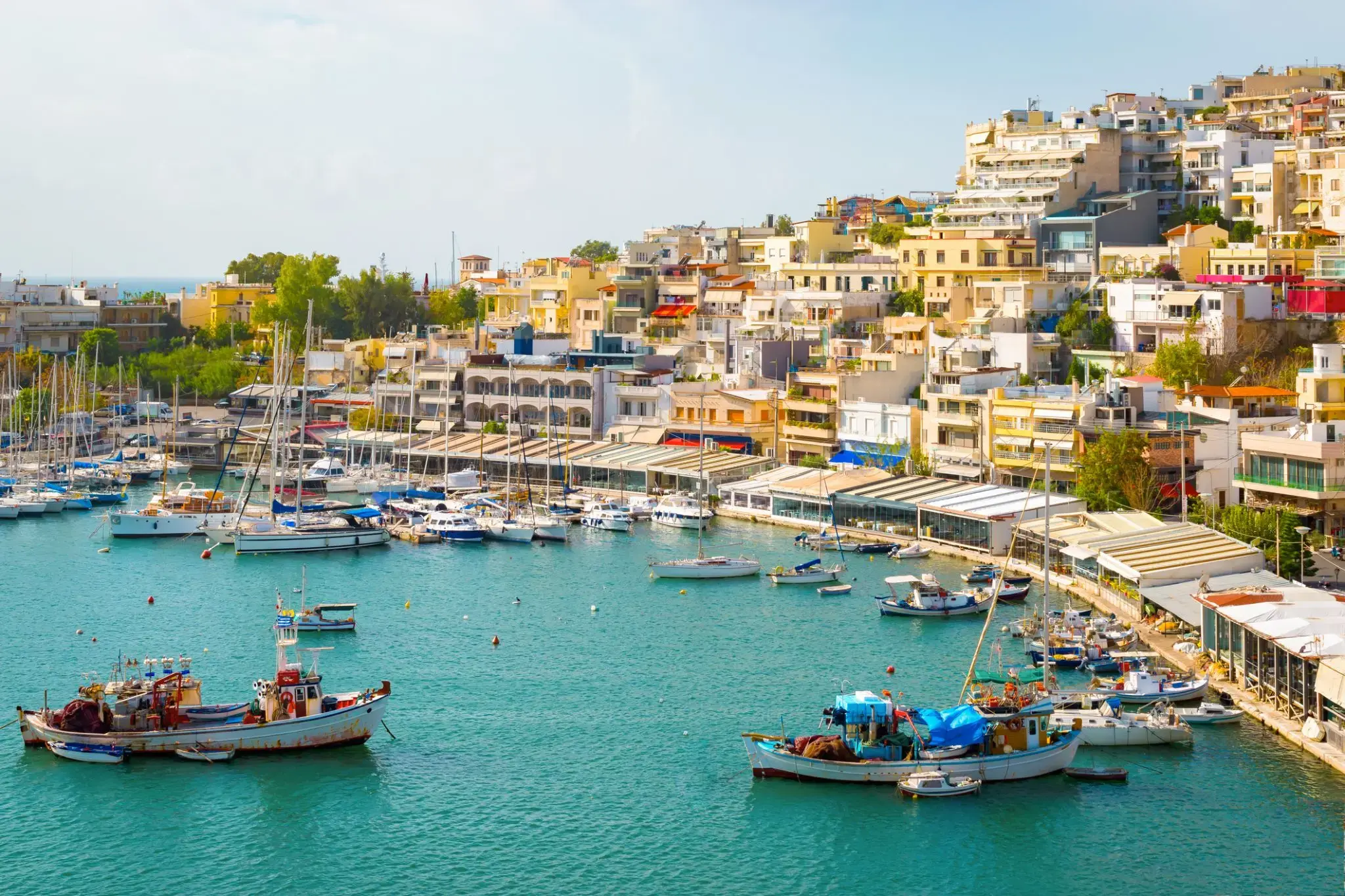
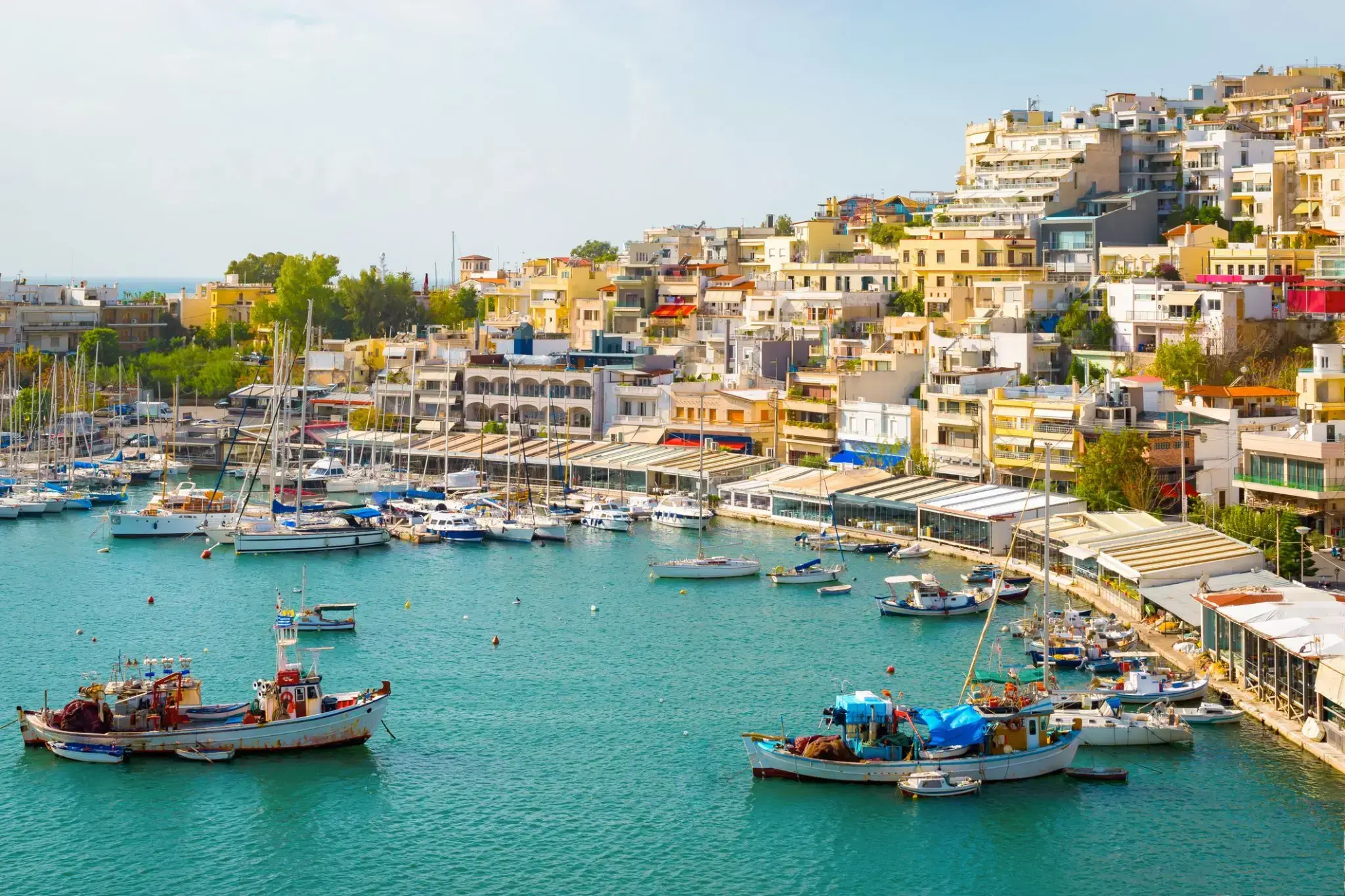
Piraeus is the gateway to Athens , which, in turn, is rightfully considered the center of the centers of the whole world, with the main attraction - the acropolis. Piraeus is an old port city serving the port of Athens, the largest port in Greece to date. Piraeus is part of the great Athens, which boasts an abundance of attractions, including unique monuments of national fine art. More than two hundred museums and galleries, including the University History Museum, the Ceramics Archaeological Museum and many others, will hospitably welcome you within their walls and familiarize themselves with the culture of this area.
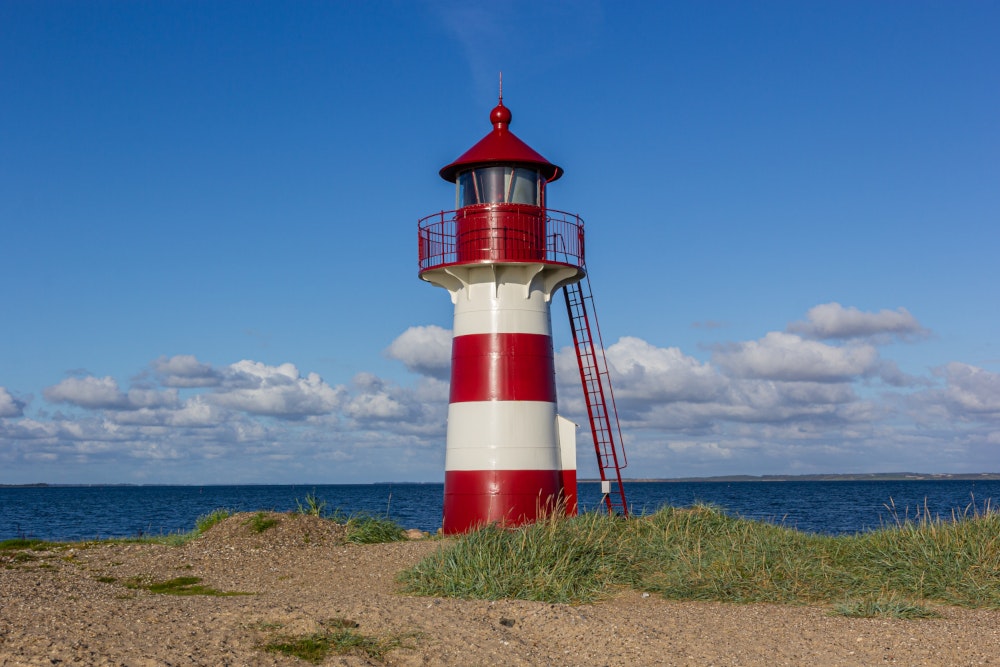
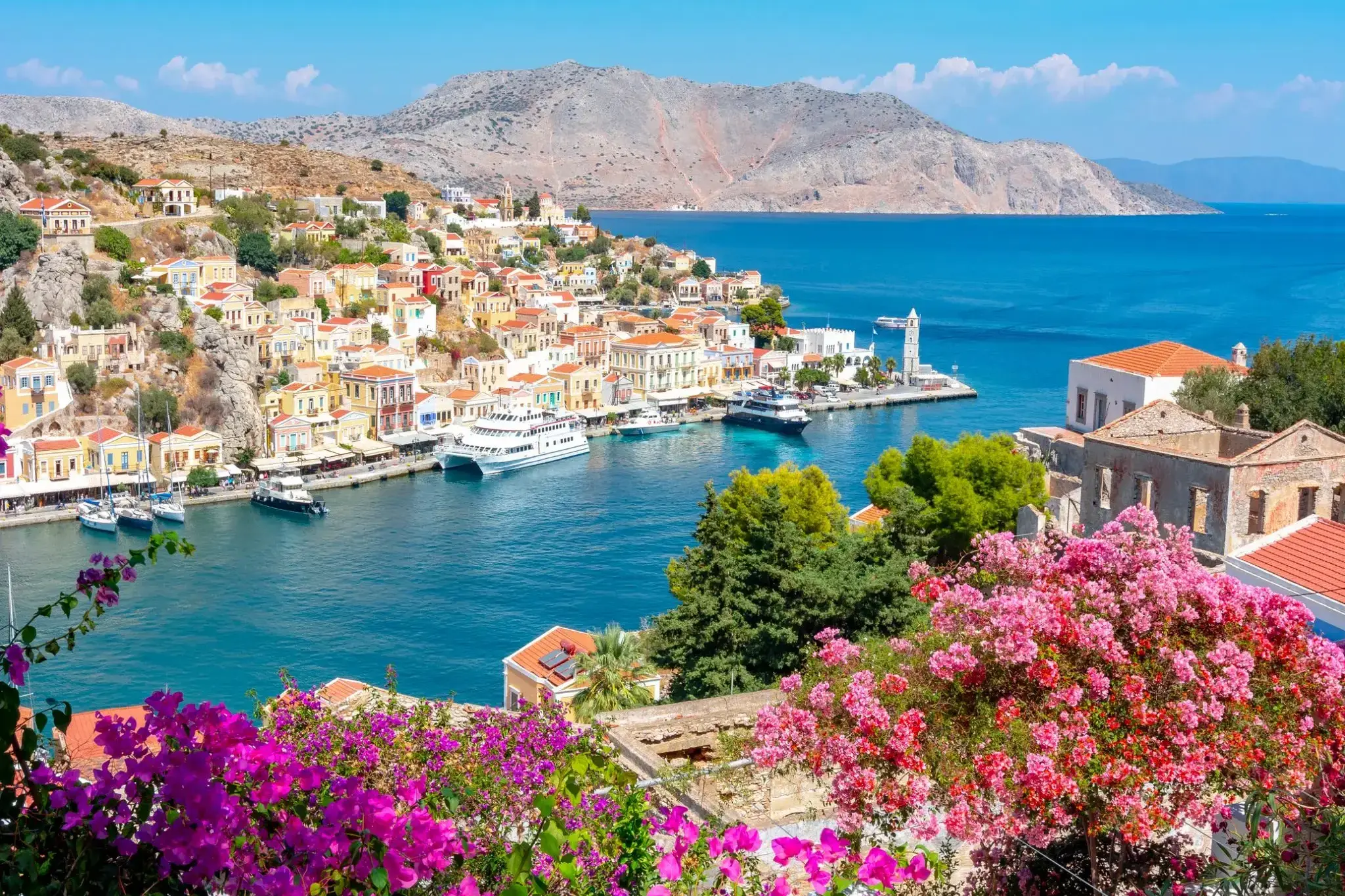
Syros is a picturesque island in the Cyclades, known for its rich history and diverse architecture. Its capital, Ermoupoli, is one of the few Greek towns where Byzantine churches stand alongside neoclassical mansions. Once Greece’s major maritime hub, the city still retains an air of elegance and cultural depth.
The island is perfect for travelers seeking more than just beach vacations. It offers peaceful coves, scenic trails, and delicious local cuisine — from fresh seafood to "lagano," a traditional bread baked with olive oil. Fun fact: Ermoupoli is home to one of the oldest theaters in Greece — Apollon, modeled after Milan's La Scala.
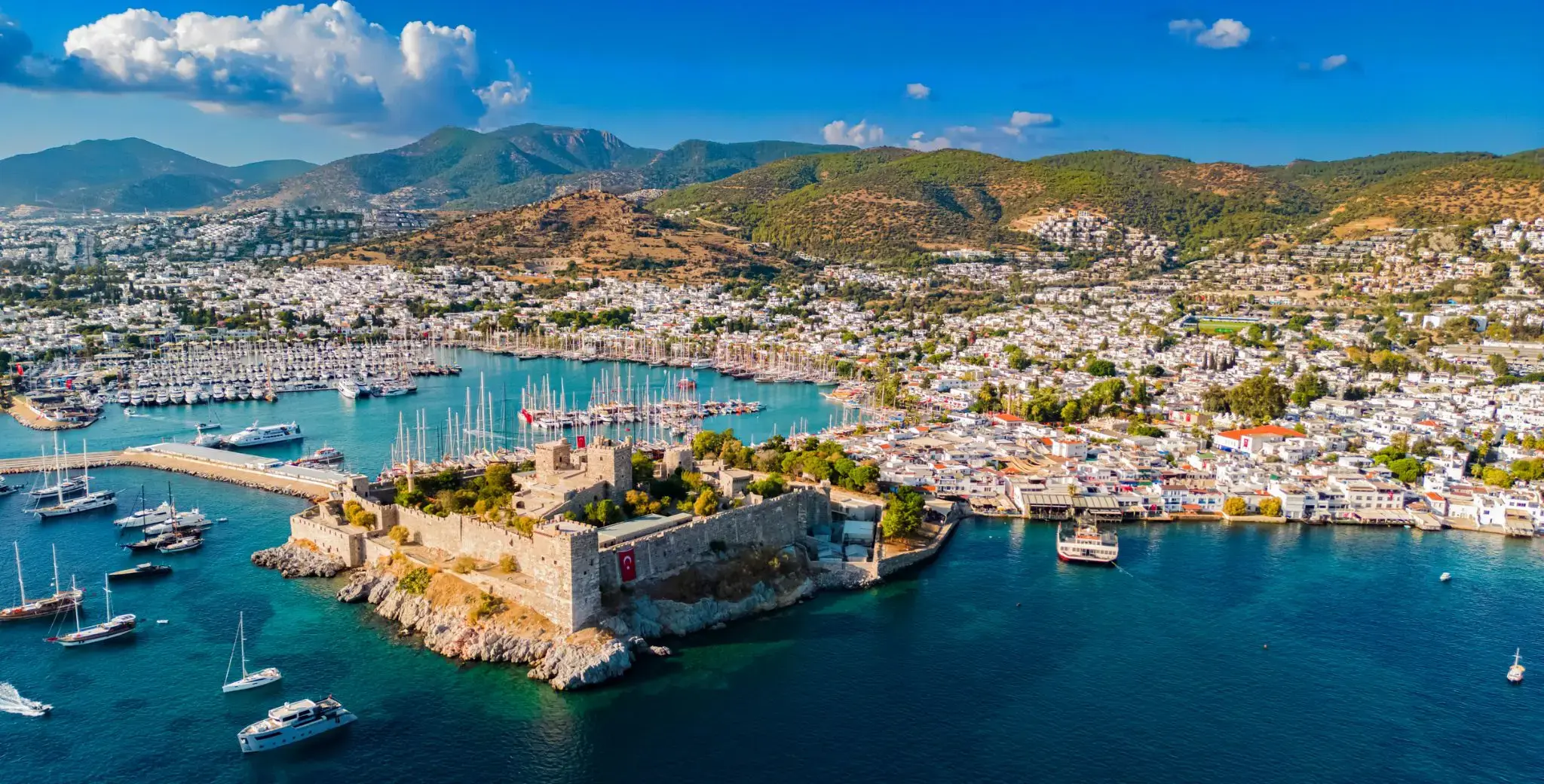
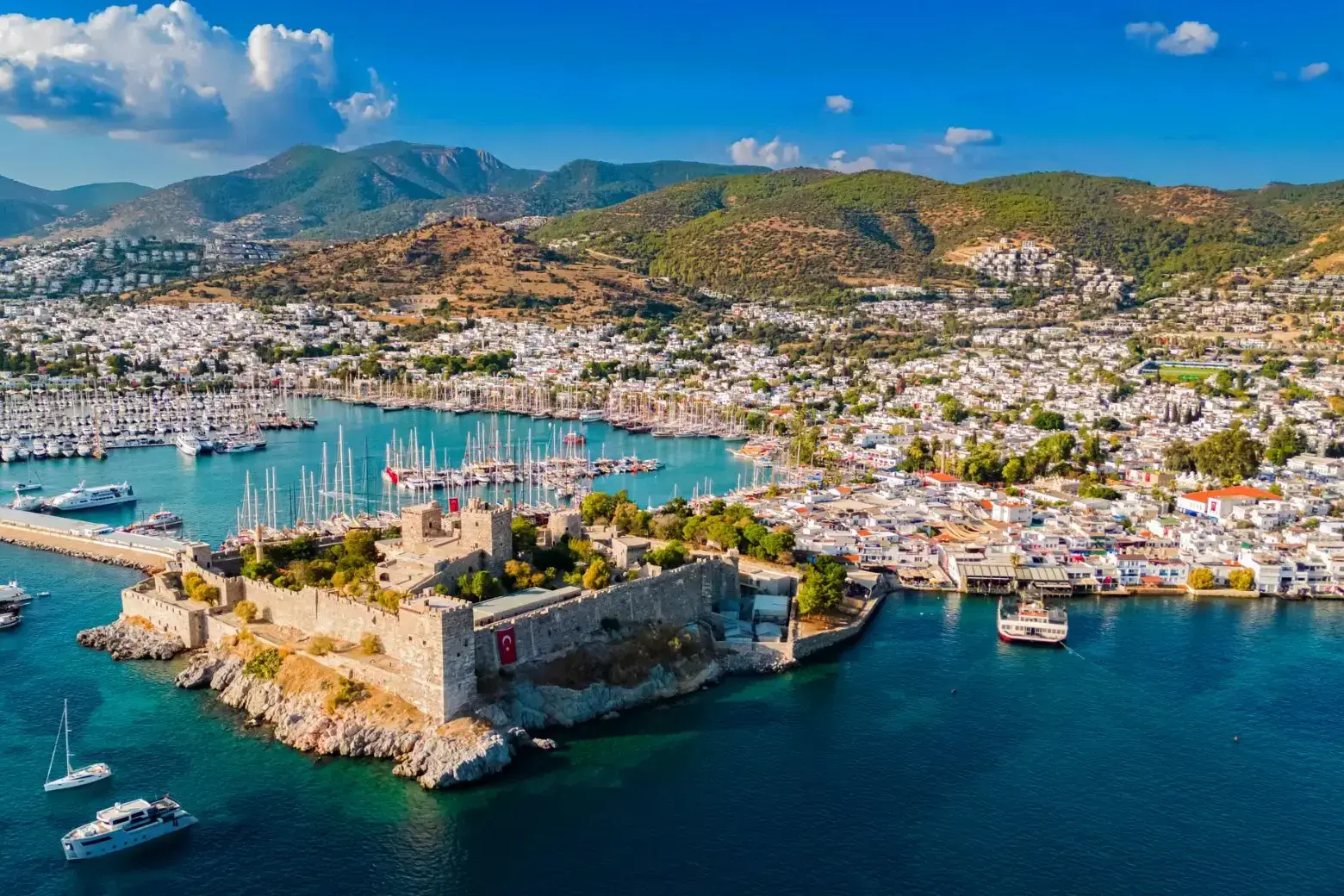
Bodrum is a famous Turkish resort on the Aegean Sea, located in the province of Mugla. The city is located in the extreme southwest of the country, on the coast of ancient Caria, which today is called the Turkish Riviera. Bodrum is perhaps the most international of all cities in Turkey. It is famous for its restaurants, night clubs, the atmosphere of eternal celebration and the bohemian lifestyle. This combination is especially attractive for young people from Europe and liberated Turks who come here in the summer to swim, soak up the sun, and “hang out” in open-air pubs, discos and bars. Curious tourists in these parts are attracted by the desire to get acquainted with the millenary history of the region, to see the ancient and medieval monuments located here.
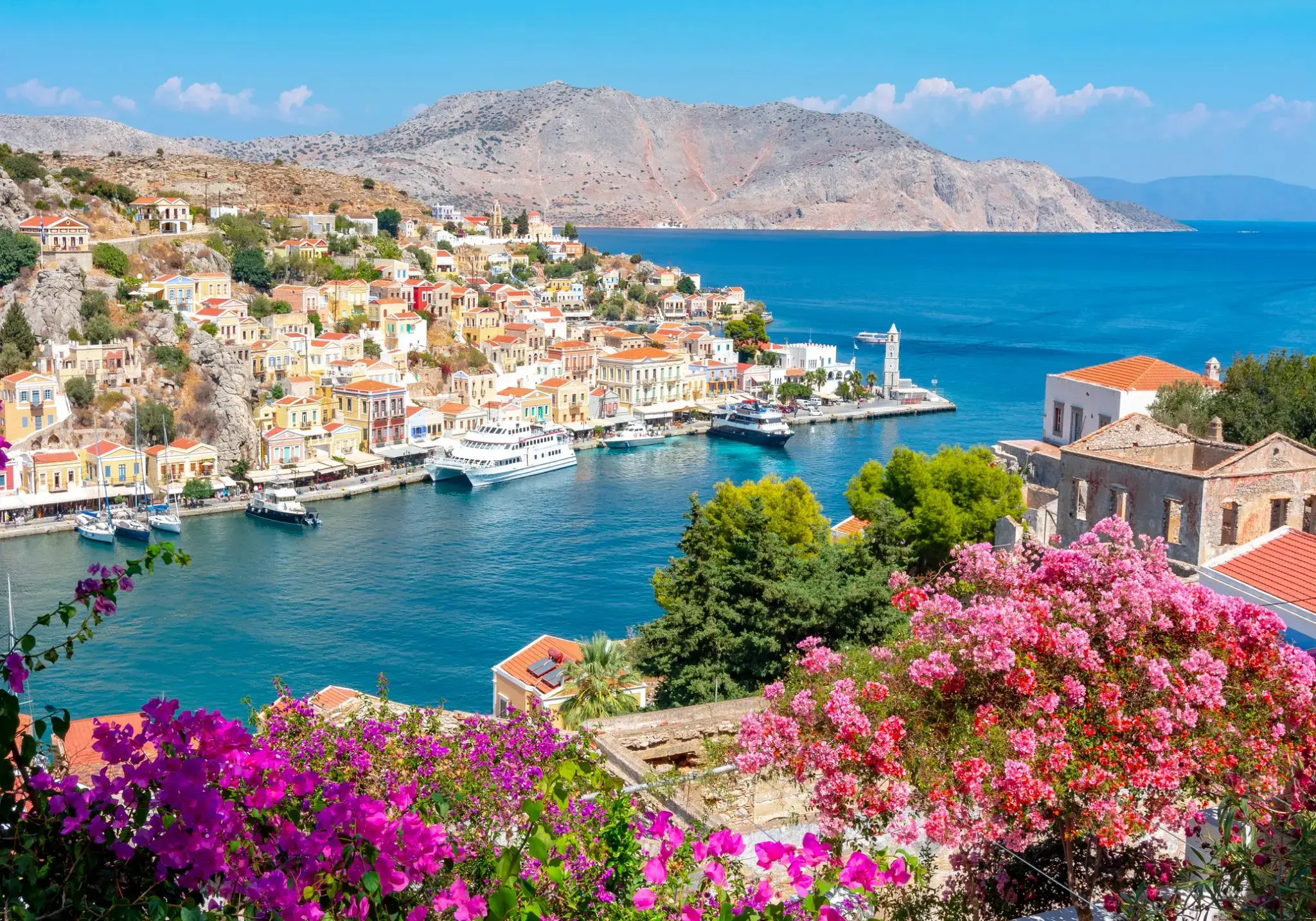
Rhodes is the largest of the Dodecanese islands of Greece and is also the island group's historical capital. Administratively the island forms a separate municipality within the Rhodes regional unit, which is part of the South Aegean administrative region. The principal town of the island and seat of the municipality is Rhodes. The city of Rhodes had 50,636 inhabitants in 2011. It is located northeast of Crete, southeast of Athens and just off the Anatolian coast of Turkey. Rhodes' nickname is The island of the Knights, named after the Knights of Saint John of Jerusalem, who once conquered the land.
Historically, Rhodes was famous worldwide for the Colossus of Rhodes, one of the Seven Wonders of the Ancient World. The Medieval Old Town of the City of Rhodes has been declared a World Heritage Site. Today, it is one of the most popular tourist destinations in Europe. The name of the U.S. state of Rhode Island is thought to be based on this island.
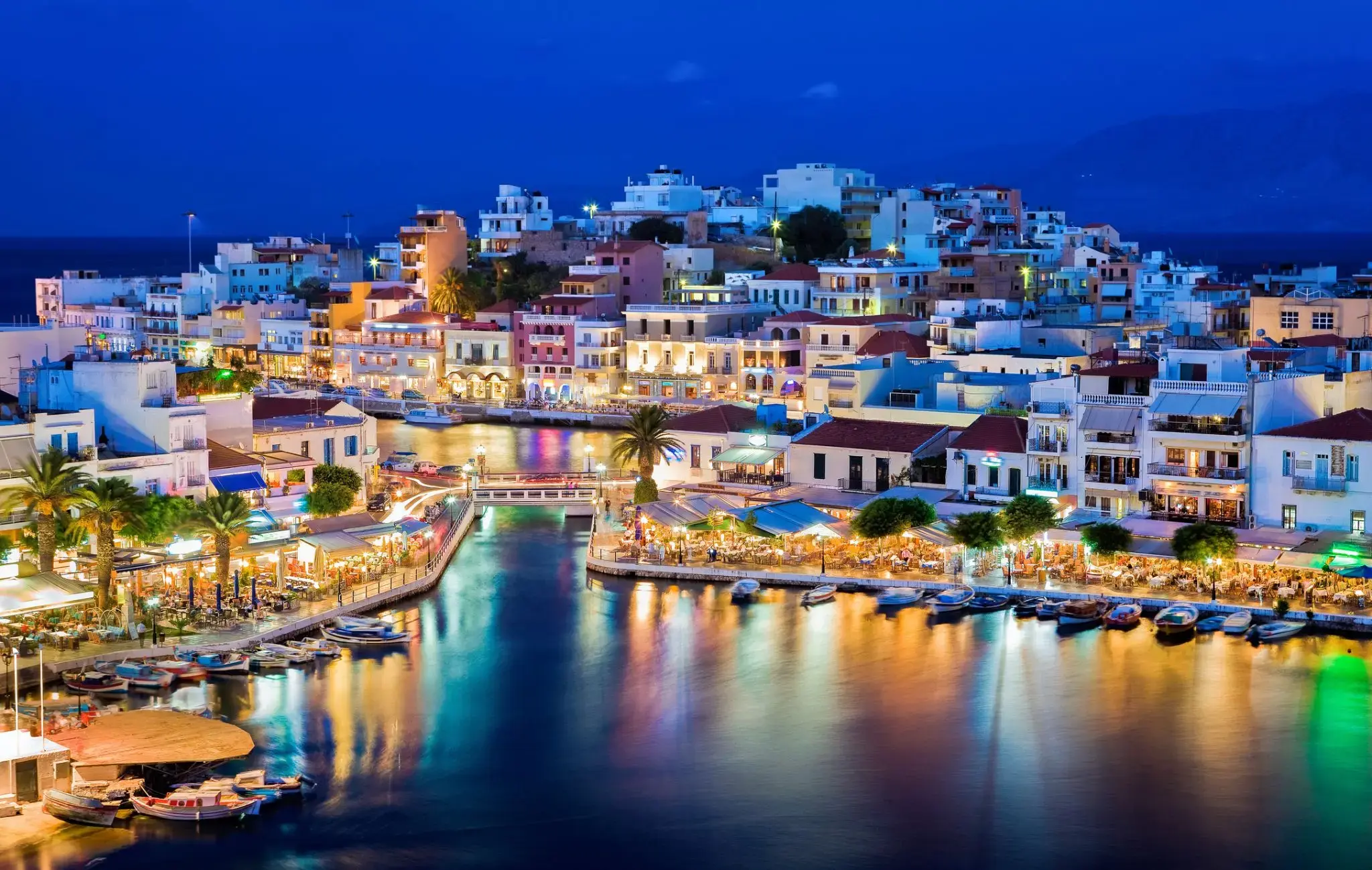
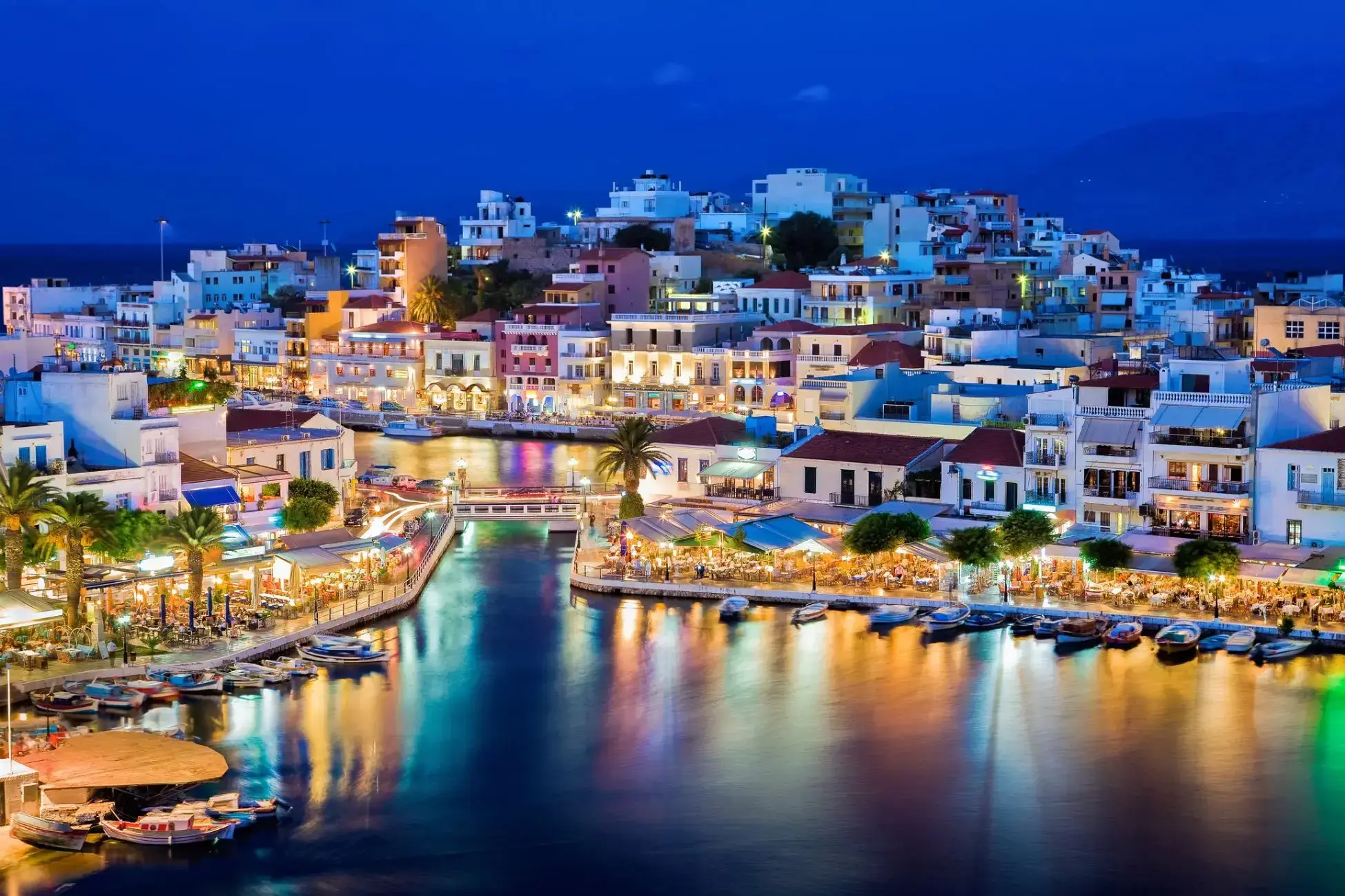
Agios Nikolaos or Aghios Nikolaos is a coastal town on the Greek island of Crete, lying east of the island's capital Heraklion, north of the town of Ierapetra and west of the town of Sitia.
In the year 2011, the Municipality of Agios Nikolaos, which takes in part of the surrounding villages, claimed 27,074 inhabitants. The town is a municipality of the Crete region and sits partially upon the ruins of the ancient city of Lato pros Kamara.
Agios Nikolaos was settled in the late Bronze Age by Dorian occupants of Lato, at a time when the security of the Lato hillfort became a lesser concern and easy access to the harbour at Agios Nikolaos became more important.
The name Agios Nikolaos means Saint Nicholas. Its stress lies on the second syllable of the word "Nikolaos". Agios Nikolaos or Ayios Nikolaos (alternative romanizations of the Greek Άγιος Νικόλαος) is a common placename in Greece and Cyprus, since Saint Nicholas is the patron saint of sailors and of all of Greece.
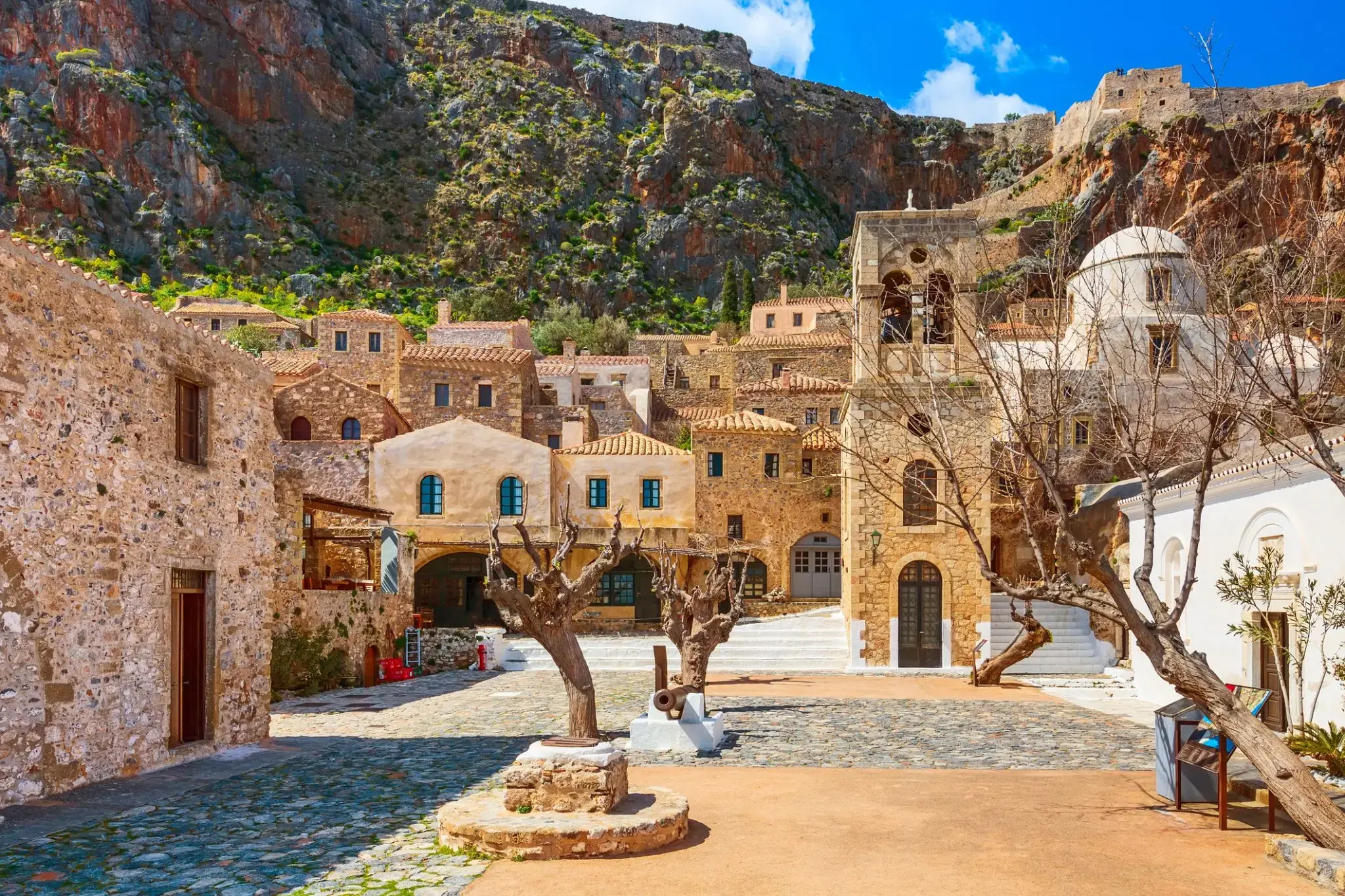
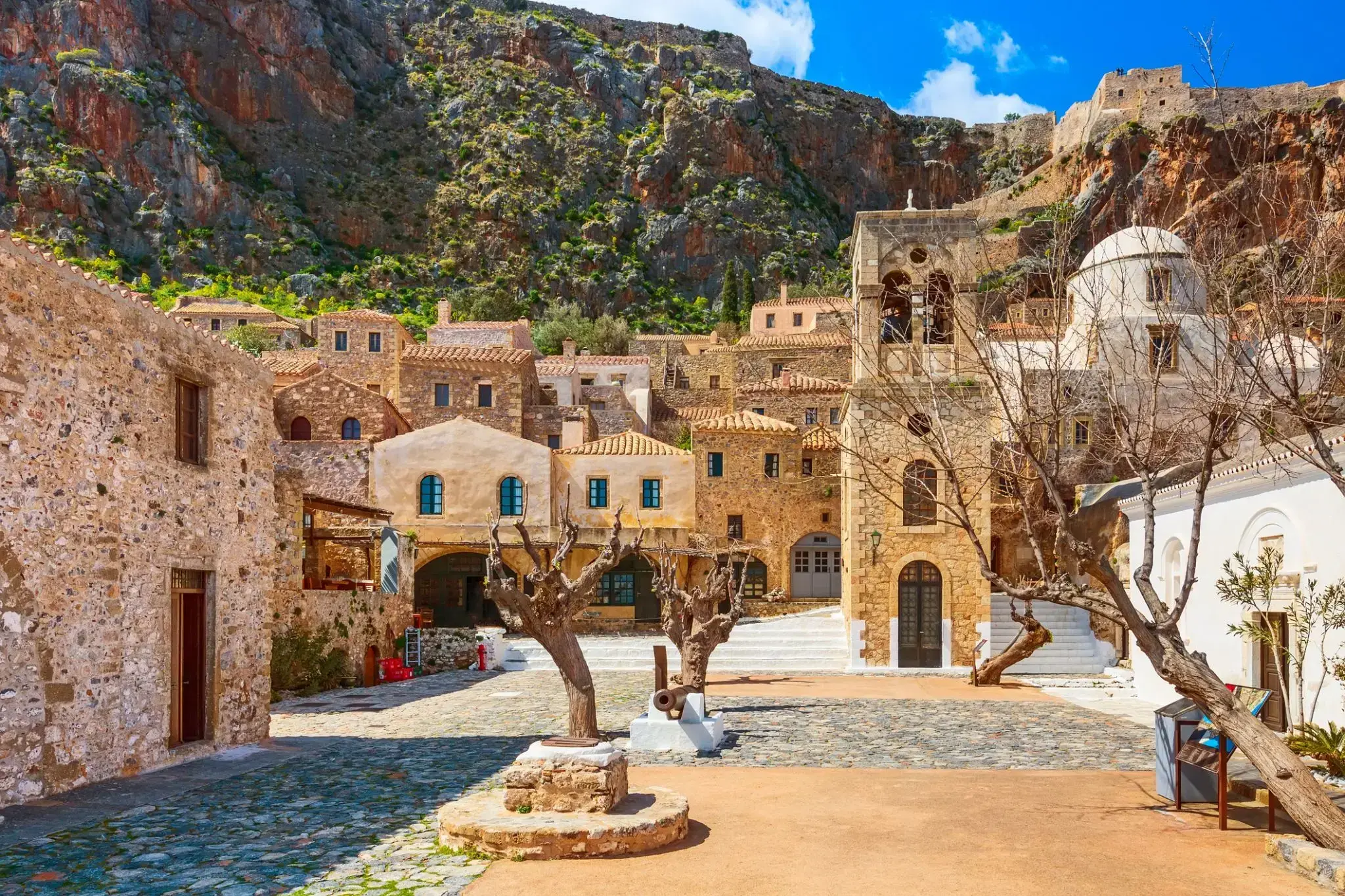
Monemvasia — The Rock Fortress of the Aegean
Monemvasia is a unique fortified town carved into a massive rock on an island off the southeastern coast of the Peloponnese (Laconia). Nearly invisible from the mainland, its name means "single entrance," reflecting its strategic importance during the Byzantine, Venetian, and Ottoman periods.
Today, Monemvasia enchants visitors with its preserved medieval architecture, cobbled streets, Byzantine churches, and stunning views of the Aegean Sea. It offers a timeless atmosphere, inviting travelers to immerse themselves in history and tranquility.
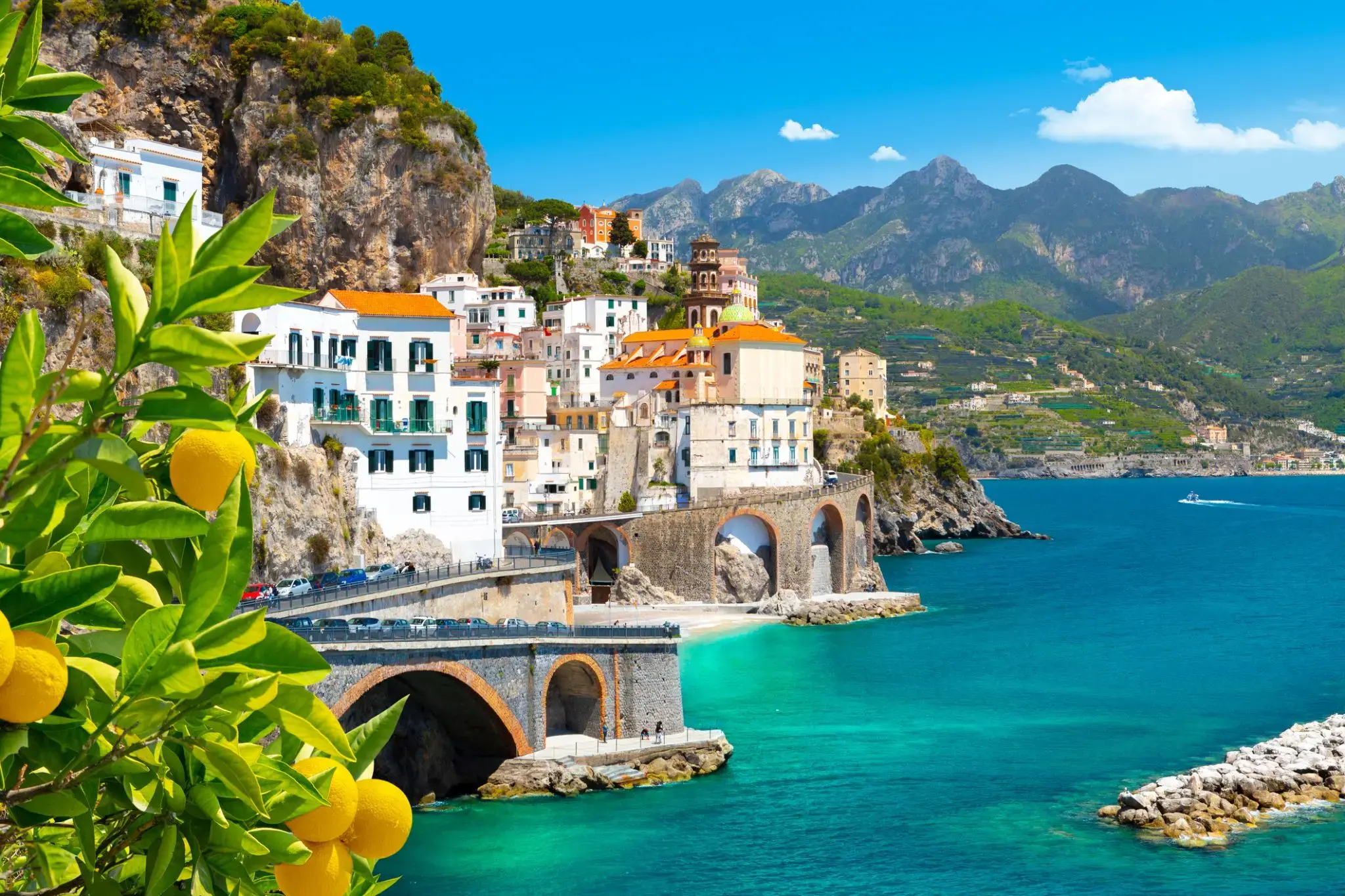
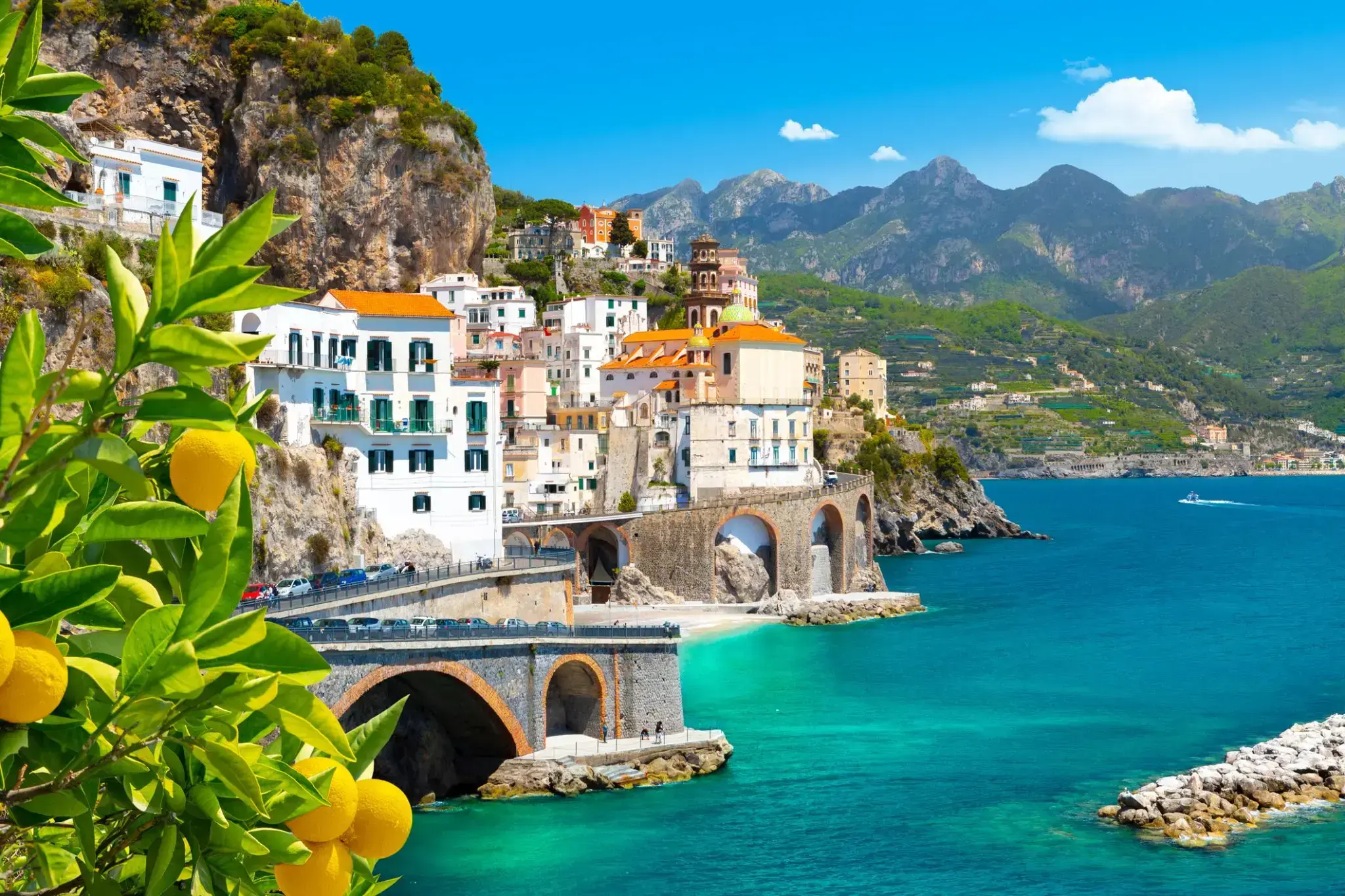
Амальфи это город и коммуна в провинции Салерно, в регионе Кампания, Италия, в заливе Салерно. Он расположен в устье глубокого ущелья, у подножия горы Монето Черрето (1315 метров, 4314 футов), в окружении драматических скал и прибрежных пейзажей. Город Амальфи был столицей морской республики, известной как герцогство Амальфи, важной торговой державой в Средиземноморье между 839 и около 1200 годами.
В 1920-х и 1930-х годах Амальфи был популярным местом отдыха британского высшего класса и аристократии.
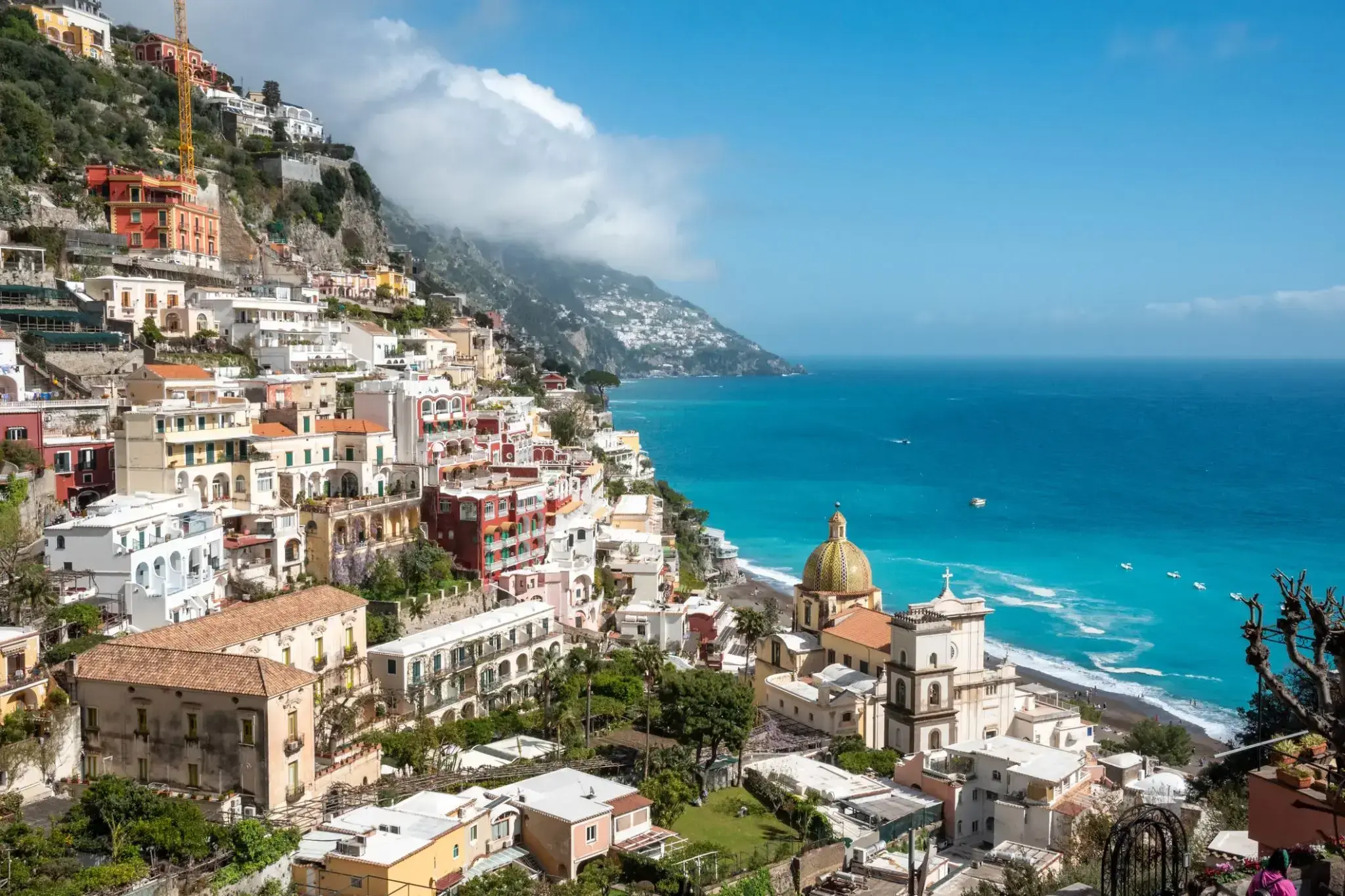
Амальфи - главный город побережья, на котором он расположен, называется Costiera Amalfitana (побережье Амальфи) и сегодня является важным туристическим направлением вместе с другими городами на том же побережье, такими как Позитано, Равелло и другие. Амальфи включен в список объектов Всемирного наследия ЮНЕСКО.
Покровителем Амальфи является святой Андрей, апостол, мощи которого хранятся здесь, в соборе Амальфи (Cattedrale di Sant'Andrea / Duomo di Amalfi).
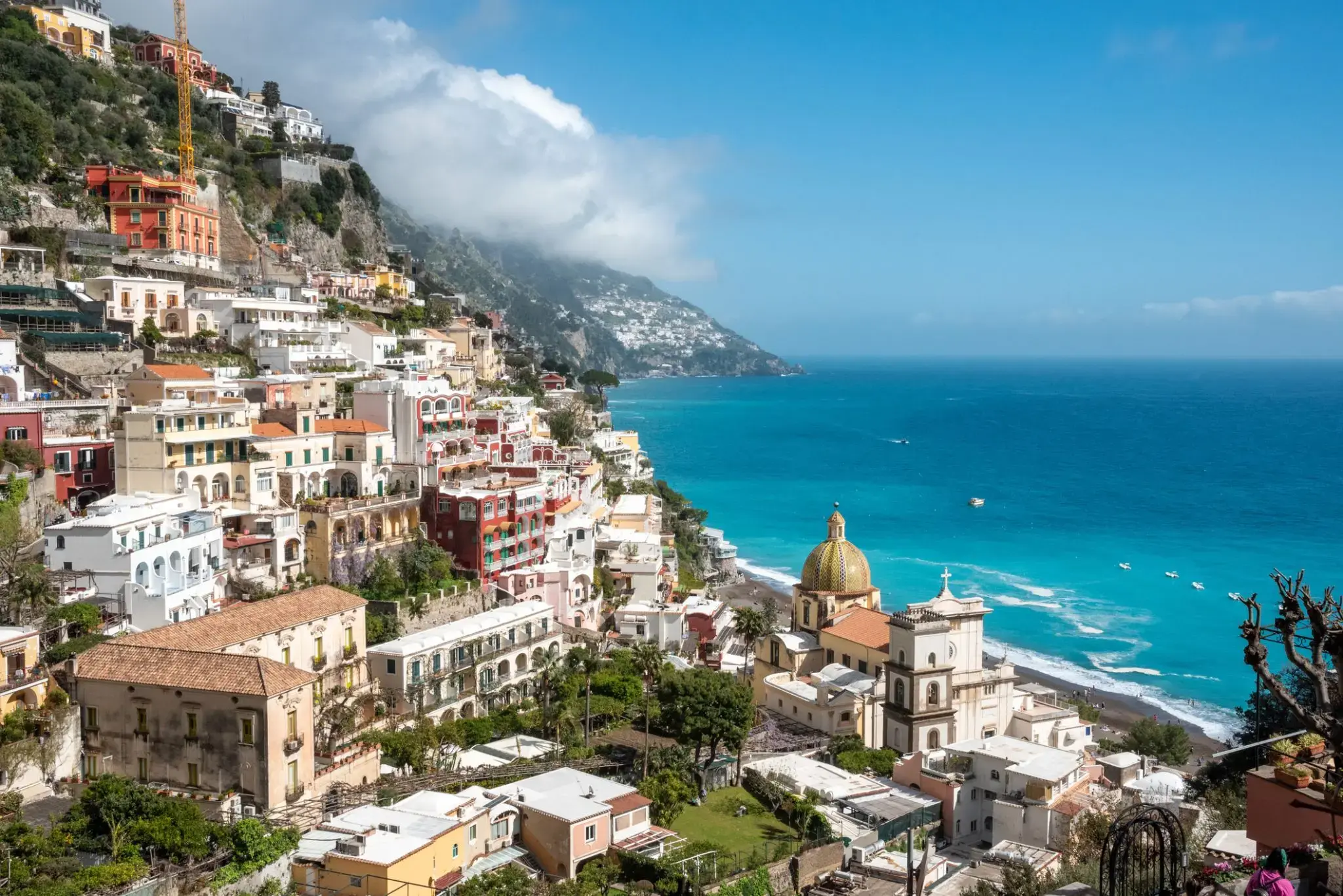
Sorrento is a town overlooking the Bay of Naples in Southern Italy. A popular tourist destination due to its variety of small antique shops and location on the Amalfi Coast, it can be reached easily from Naples and Pompeii as it is at the south-eastern end of the Circumvesuviana rail line. The town is most commonly known for its small shops selling an arrangement of ceramics, lacework and marquetry (woodwork).
The Sorrentine Peninsula has views of Naples, Vesuvius and the Isle of Capri. The Amalfi Drive, connecting Sorrento and Amalfi, is a narrow road that threads along the high cliffs above the Tyrrhenian Sea.
Ferries and hydrofoils connect the town to Naples, Amalfi, Positano, Capri and Ischia. Sorrento's sea cliffs and luxury hotels have attracted celebrities including Enrico Caruso and Luciano Pavarotti.
Limoncello, a digestif made from lemon rinds, alcohol, water and sugar, is produced in Sorrento. Other agricultural production includes citrus fruit, wine, nuts and olives.
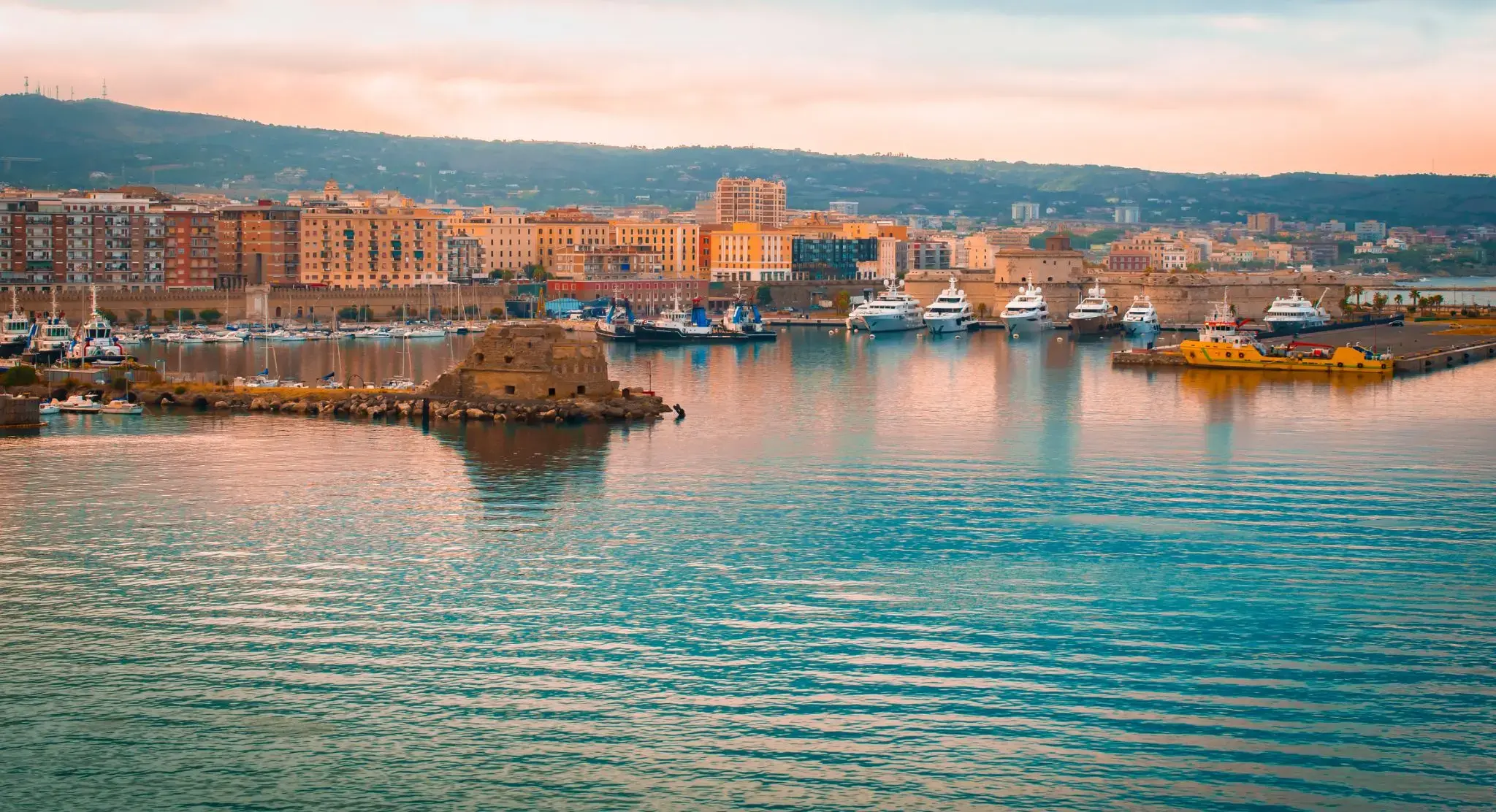
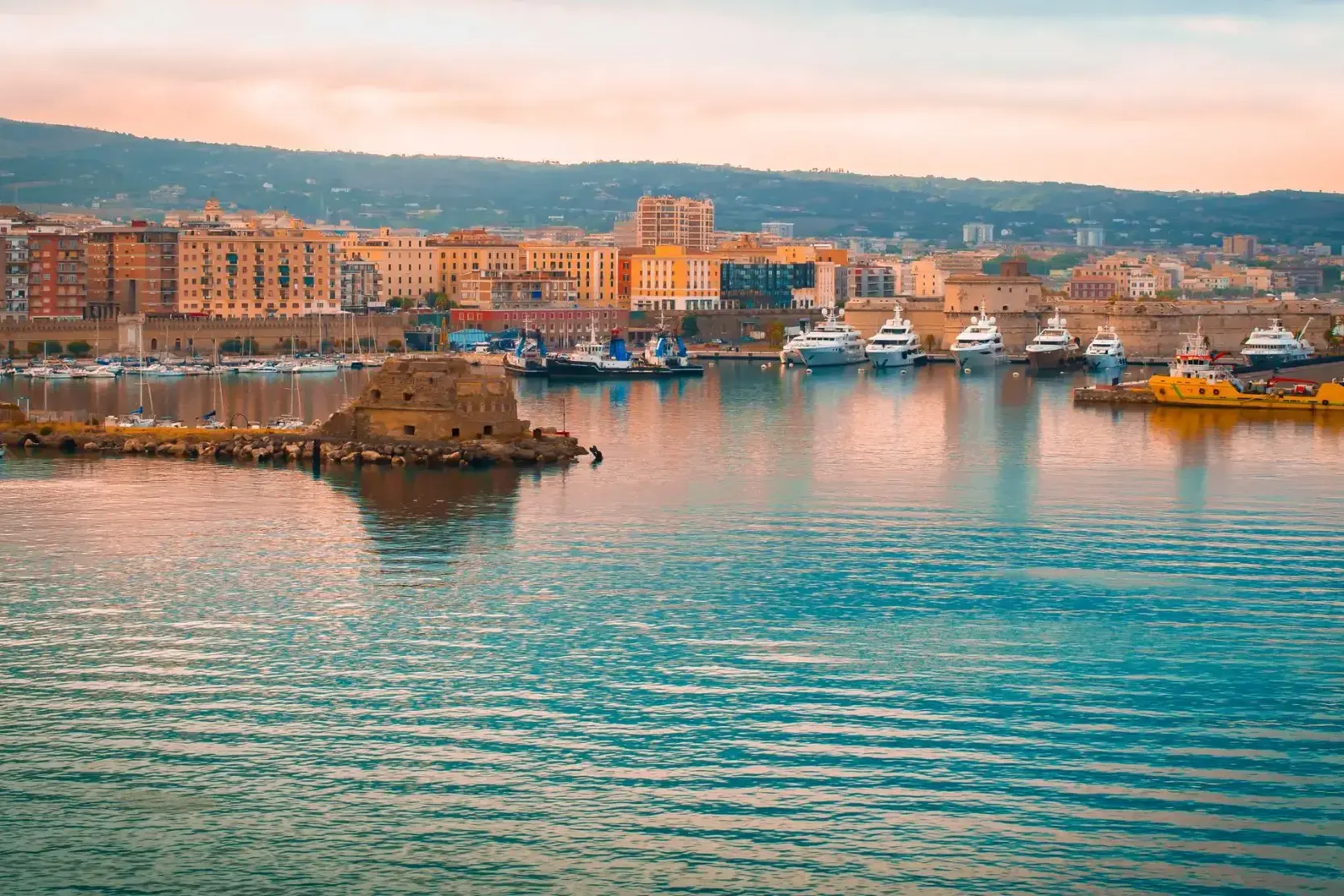
Rome is the capital city and a special comune of Italy (named Comune di Roma Capitale). Rome also serves as the capital of the Lazio region. With 2,872,800 residents in 1,285 km2(496.1 sq mi), it is also the country's most populated comune. It is the fourth-most populous city in the European Union by population within city limits. It is the centre of the Metropolitan City of Rome, which has a population of 4,355,725 residents, thus making it the most populous metropolitan city in Italy. Rome is located in the central-western portion of the Italian Peninsula, within Lazio (Latium), along the shores of the Tiber. The Vatican City (the smallest country in the world) is an independent country inside the city boundaries of Rome, the only existing example of a country within a city: for this reason Rome has been often defined as capital of two states.
Rome's history spans 28 centuries. While Roman mythology dates the founding of Rome at around 753 BC, the site has been inhabited for much longer, making it one of the oldest continuously occupied sites in Europe. The city's early population originated from a mix of Latins, Etruscans, and Sabines. Eventually, the city successively became the capital of the Roman Kingdom, the Roman Republic and the Roman Empire, and is regarded as the birthplace of Western civilization and by some as the first ever metropolis. It was first called The Eternal City (Latin: Urbs Aeterna; Italian: La Città Eterna) by the Roman poet Tibullus in the 1st century BC, and the expression was also taken up by Ovid, Virgil, and Livy. Rome is also called the "Caput Mundi" (Capital of the World). After the fall of the Western Empire, which marked the beginning of the Middle Ages, Rome slowly fell under the political control of the Papacy, which had settled in the city since the 1st century AD, until in the 8th century it became the capital of the Papal States, which lasted until 1870. Beginning with the Renaissance, almost all the popes since Nicholas V (1447–1455) pursued over four hundred years a coherent architectural and urban programme aimed at making the city the artistic and cultural centre of the world. In this way, Rome became first one of the major centres of the Italian Renaissance, and then the birthplace of both the Baroque style and Neoclassicism. Famous artists, painters, sculptors and architects made Rome the centre of their activity, creating masterpieces throughout the city. In 1871, Rome became the capital of the Kingdom of Italy, which, in 1946, became the Italian Republic.
Rome has the status of a global city. In 2016, Rome ranked as the 14th-most-visited city in the world, 3rd most visited in the European Union, and the most popular tourist attraction in Italy. Its historic centre is listed by UNESCO as a World Heritage Site. The famous Vatican Museums are among the world's most visited museums while the Colosseum was the most popular tourist attraction in world with 7.4 million visitors in 2018. Host city for the 1960 Summer Olympics, Rome is the seat of several specialized agencies of the United Nations, such as the Food and Agriculture Organization (FAO), the World Food Programme (WFP) and the International Fund for Agricultural Development (IFAD). The city also hosts the Secretariat of the Parliamentary Assembly of the Union for the Mediterranean (UfM) as well as the headquarters of many international business companies such as Eni, Enel, TIM, Leonardo S.p.A., and national and international banks such as Unicredit and BNL. Its business district, called EUR, is the base of many companies involved in the oil industry, the pharmaceutical industry, and financial services. Rome is also an important fashion and design centre thanks to renowned international brands centered in the city. Rome's Cinecittà Studios have been the set of many Academy Award–winning movies.