| Cruise Region : Europe |
| Company : Viva Cruises |
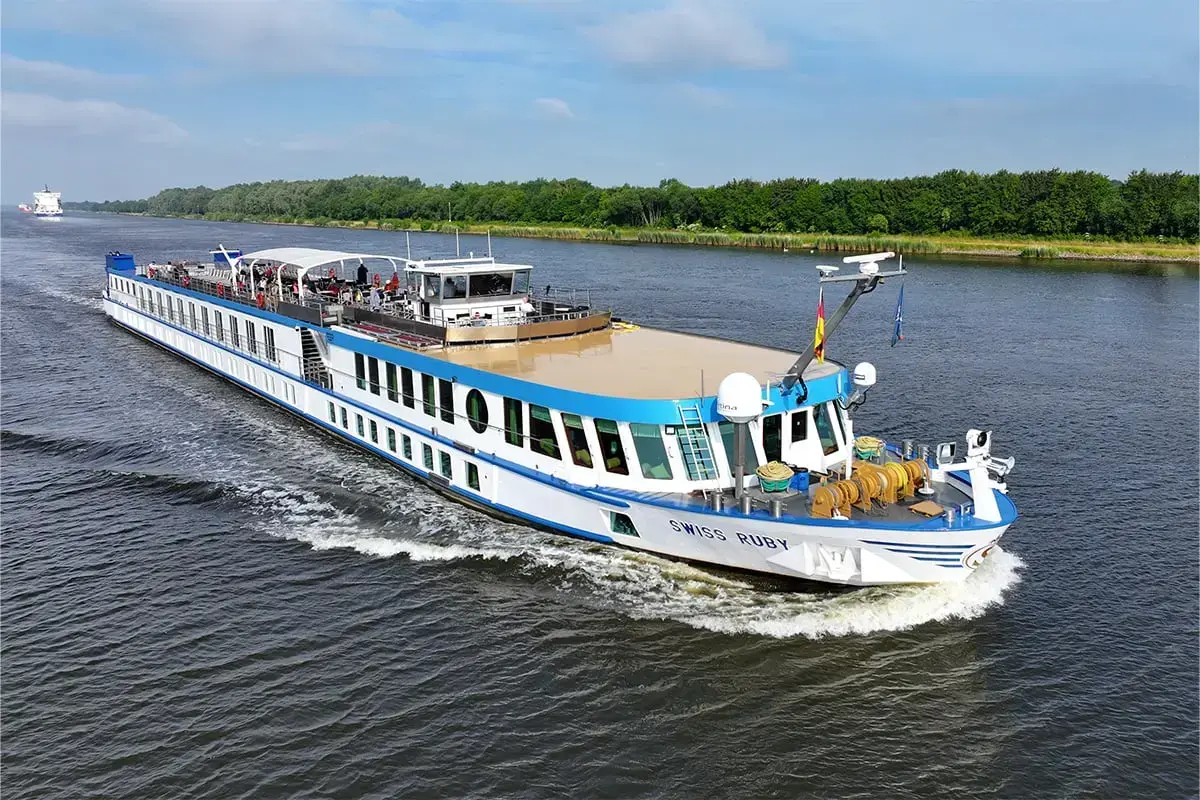
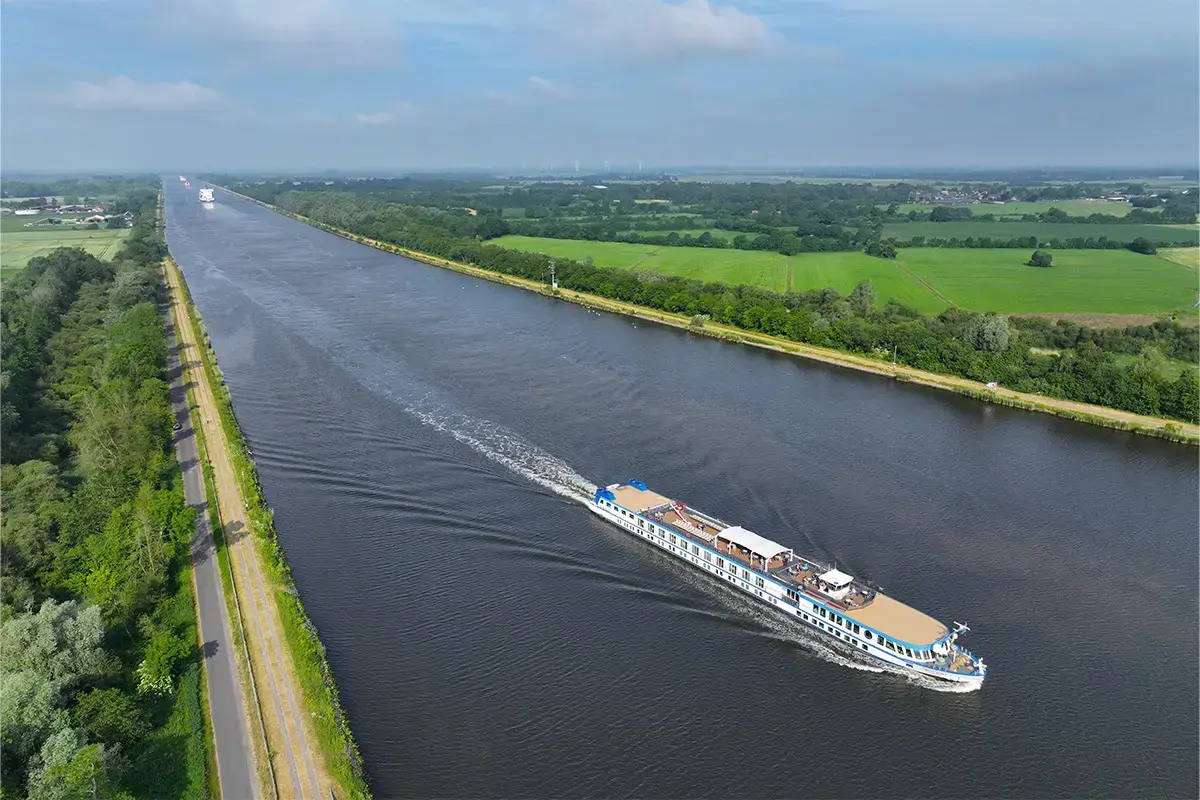
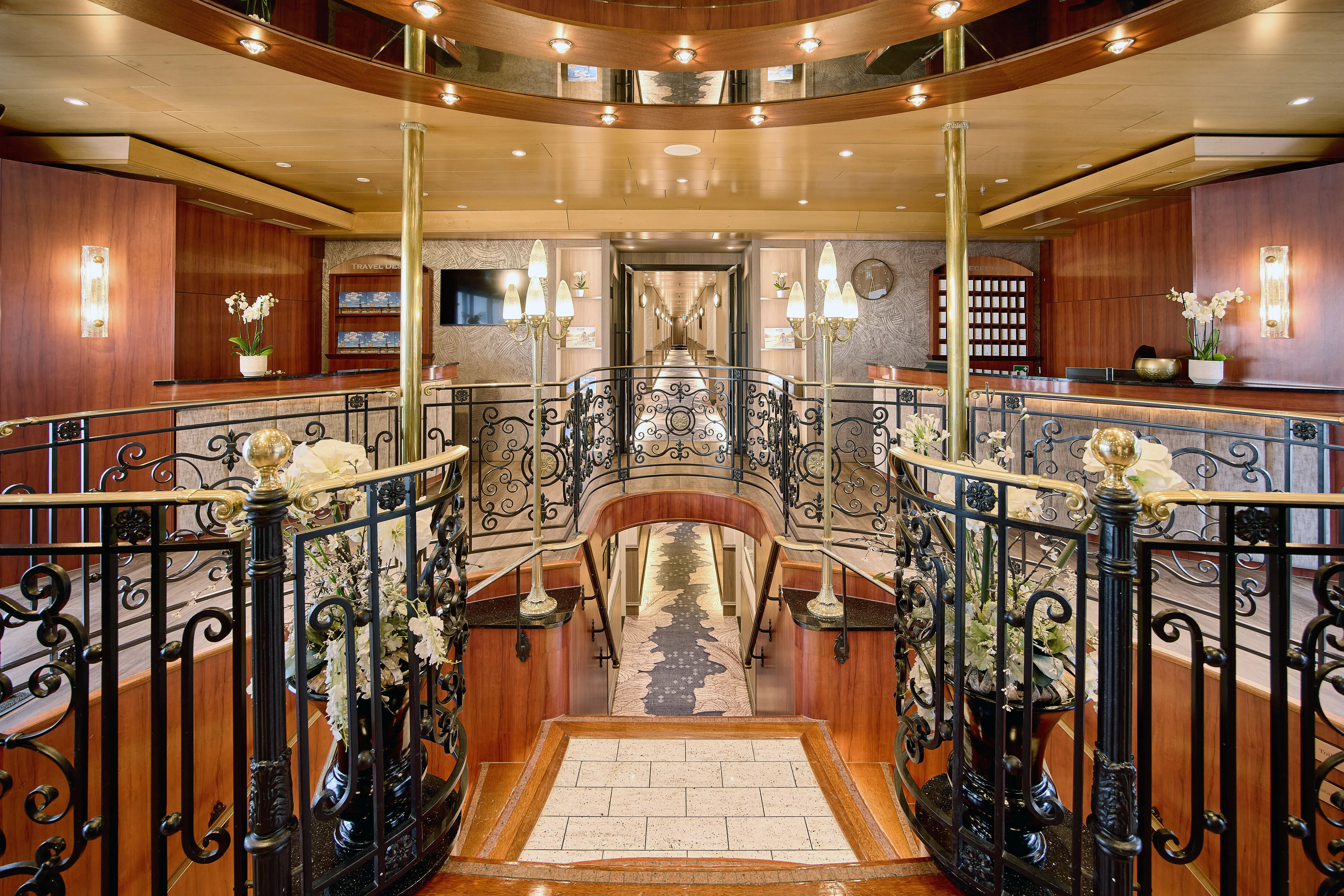

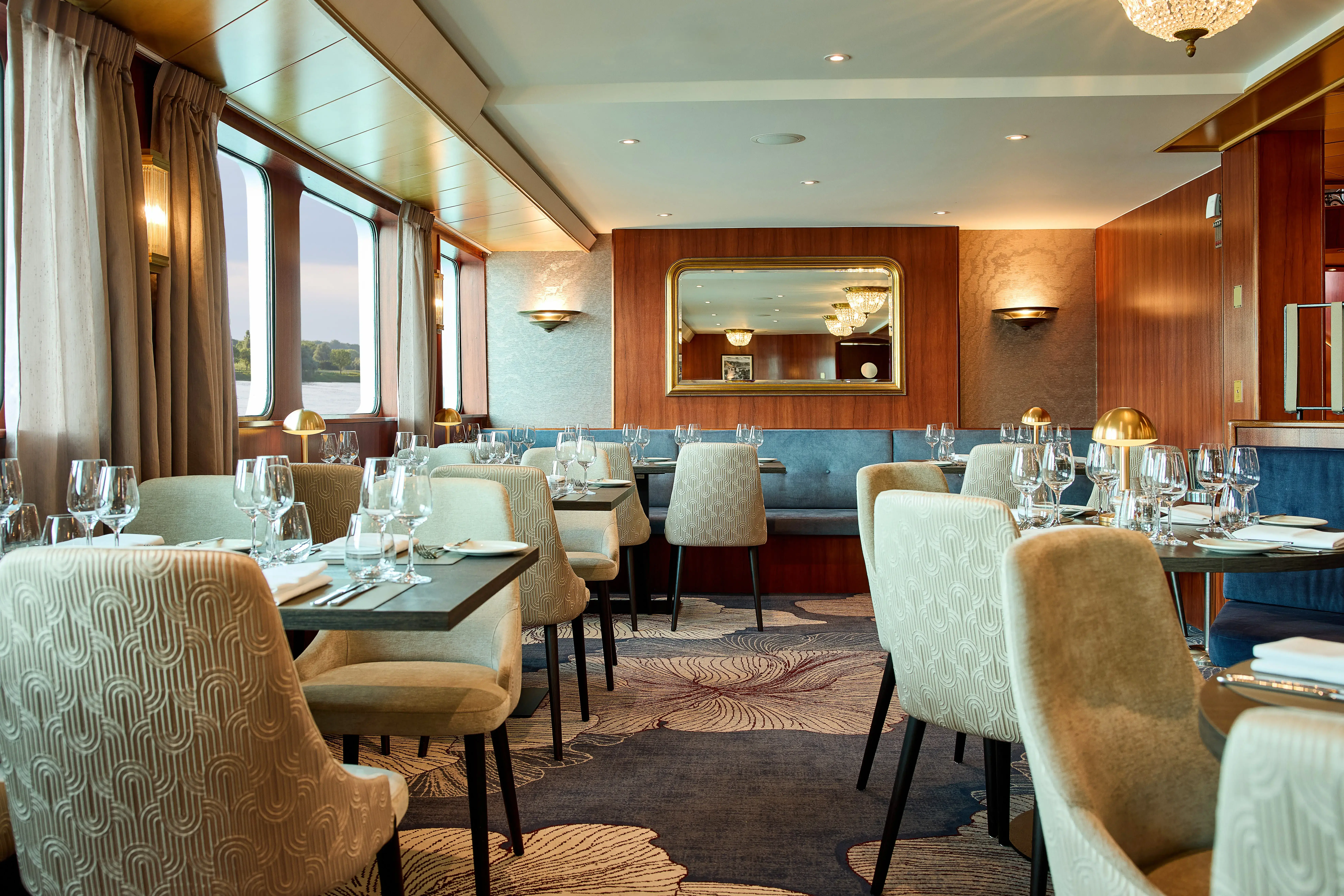
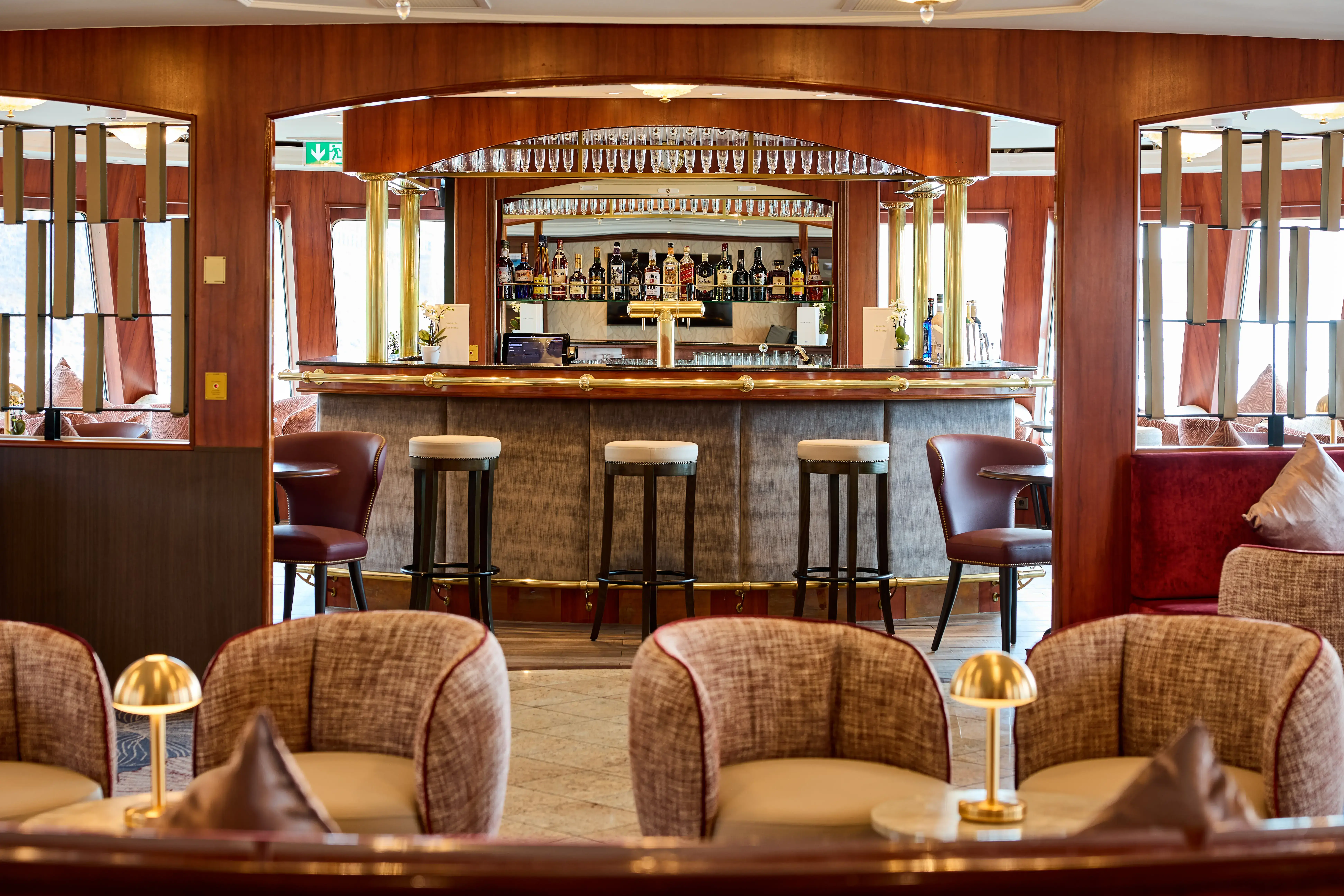
| Ship : VIVA RUBY |
| Journey Start : Wed 13 Dec 2028 |
| Journey End : Wed 20 Dec 2028 |
| Count Nights : 7 nights |
| Day | Date | Port | Arrival | Departure |
|---|---|---|---|---|
| 1 | 13.12 Wed | Dusseldorf / Germany | 17:00 | |
| 2 | 14.12 Thu | Arnhem / Netherlands | 01:30 | 14:00 |
| 3 | 15.12 Fri | Antwerp / Belgium | 07:30 | 19:00 |
| 4 | 16.12 Sat | Maastricht / Netherlands | 12:00 | |
| 5 | 17.12 Sun | Maastricht / Netherlands | ||
| 6 | 18.12 Mon | Maastricht / Netherlands | 02:00 | |
| 6 | 18.12 Mon | Venlo | 09:00 | 14:00 |
| 6 | 18.12 Mon | Nijmegen / Netherlands | 21:00 | |
| 7 | 19.12 Tue | Nijmegen / Netherlands | 13:00 | |
| 8 | 20.12 Wed | Dusseldorf / Germany | 01:30 |
VIVA All-Inclusive
Breakfast, Lunch, Dinner
Full board: breakfast buffet, lunch and dinner (gourmet menus served at the table) plus snacks. Free choice of table and flexible meal times.
Drinks all day
Hot and cold non-alcoholic beverages, plus a selection of alcoholic drinks. See bar menu for details.
High Tea
Once per trip: sweet and savory treats — scones, sandwiches, cupcakes, chocolates, macarons. Variety of teas included.
Welcome Drink
A warm welcome with a glass of champagne — to a wonderful stay on board.
RITUALS Beauty Products
Selected products for care and relaxation.
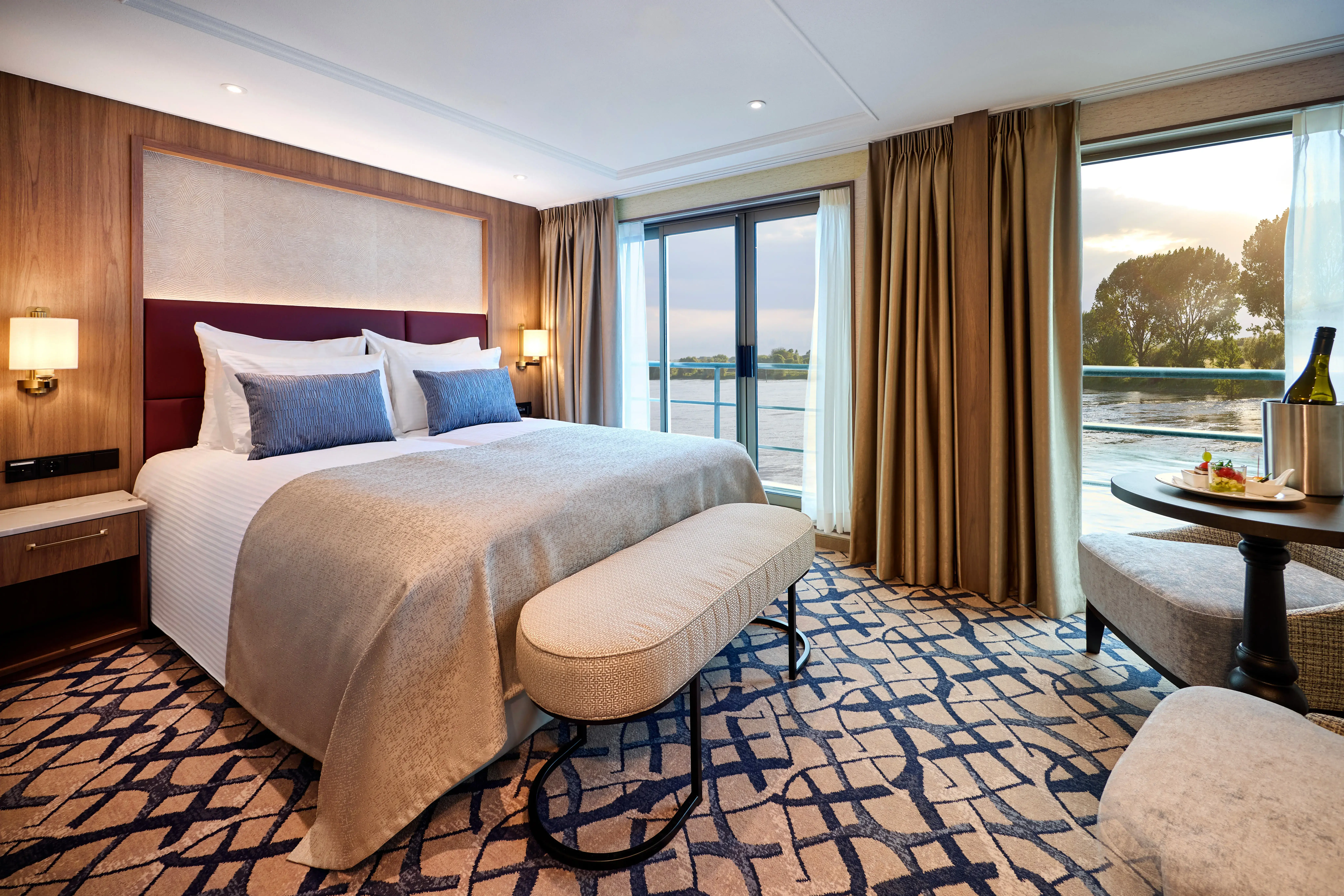
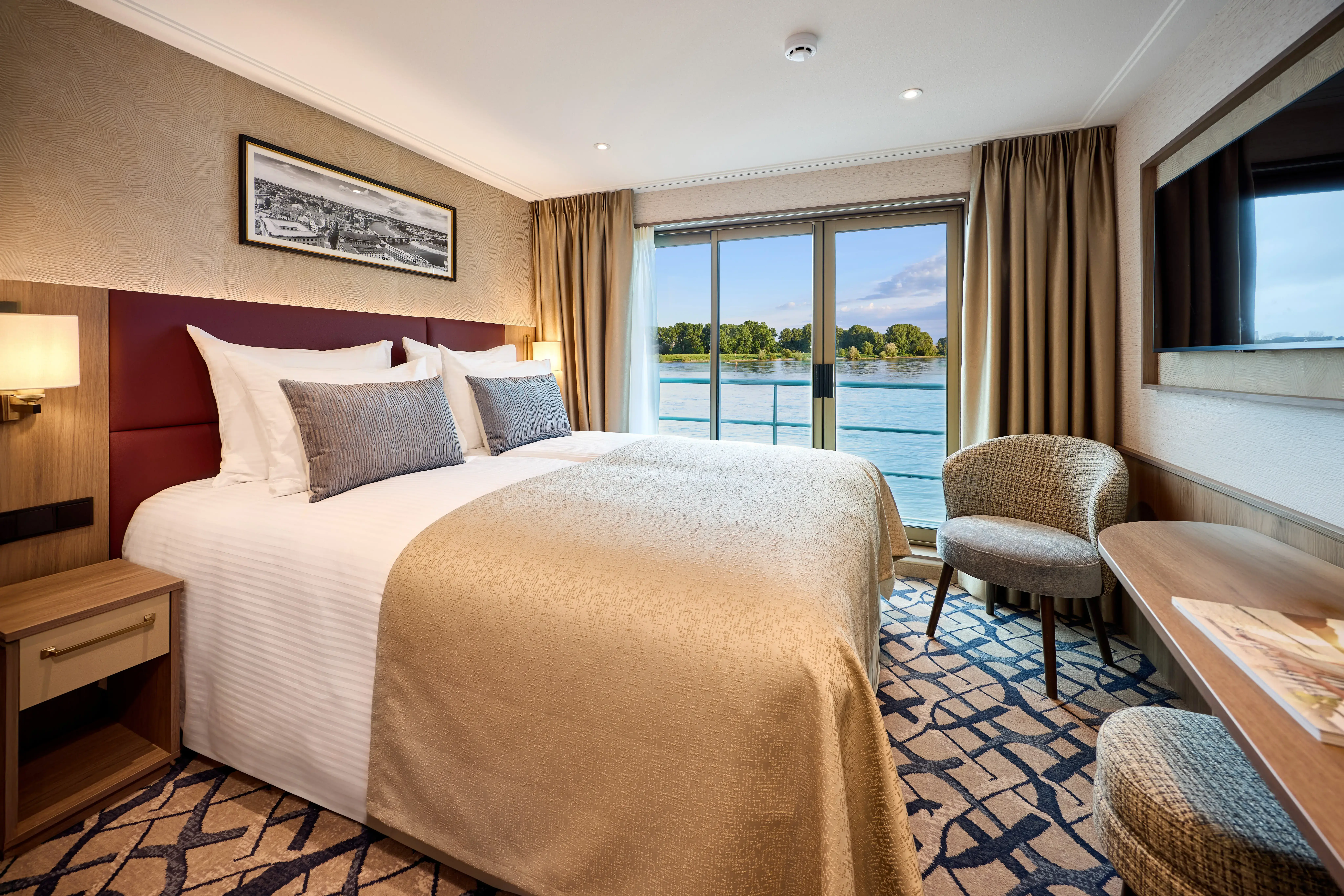
Minibar and Water Bottle
Daily replenished minibar and reusable bottle in the cabin.
Wi-Fi on board
Free and stable internet for comfortable use.
Tips included
All crew services are included in the price.
Payment
A 30% deposit is required at the time of booking.
Final payment must be made no later than 60 days before the cruise starts.
Cancellation
More than 120 days before departure – 10% of the total cost.
119–90 days – 20%.
89–30 days – 40%.
29–15 days – 60%.
14–1 day – 80%.
On the day of departure – 100%.
Rebooking
Changes to the booking are possible no later than 90 days before the cruise starts.
Fee – 50 EUR per person.
Passenger substitution
Allowed no later than 9 days before the cruise starts.
Fee – 50 EUR.
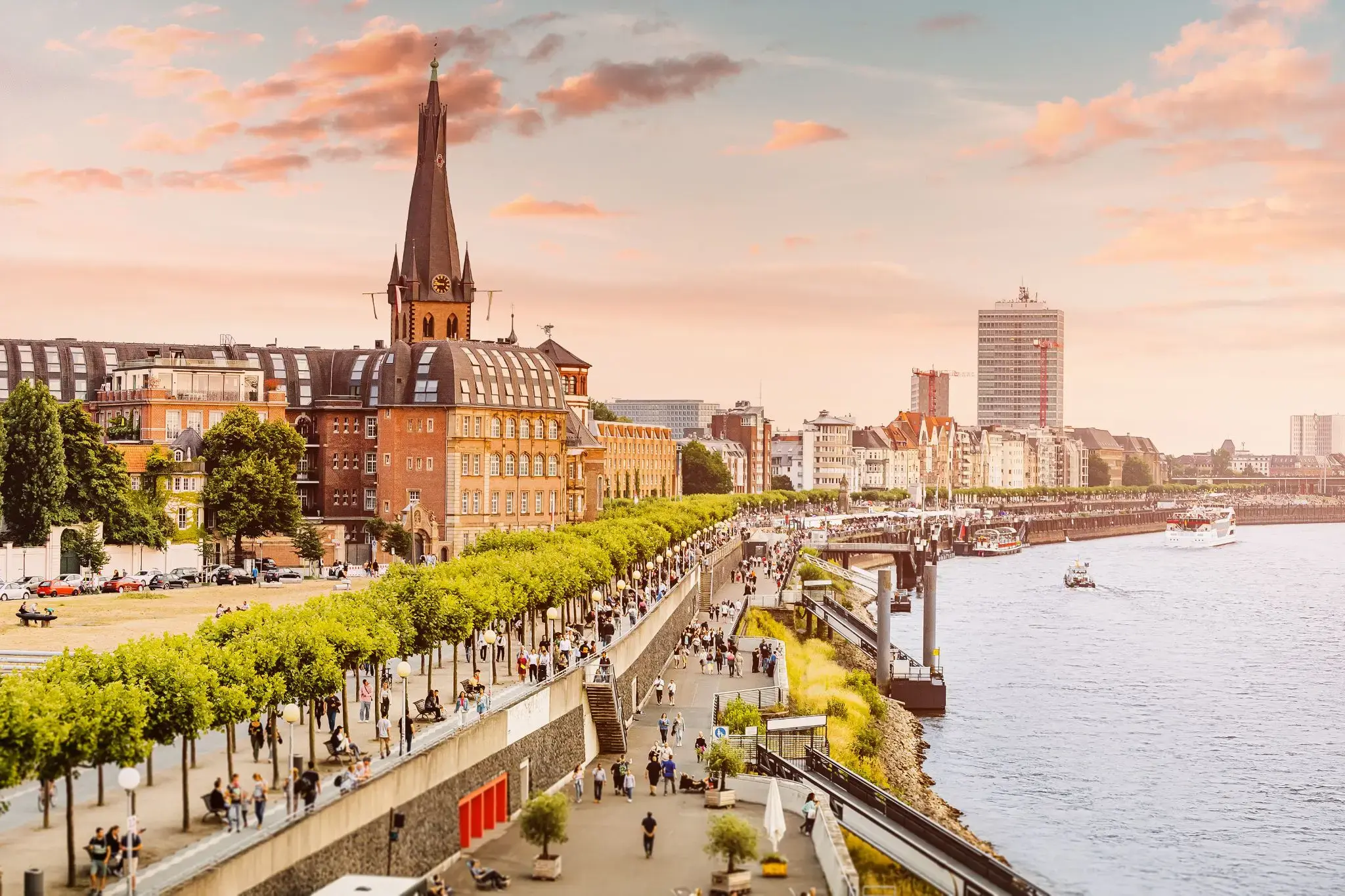
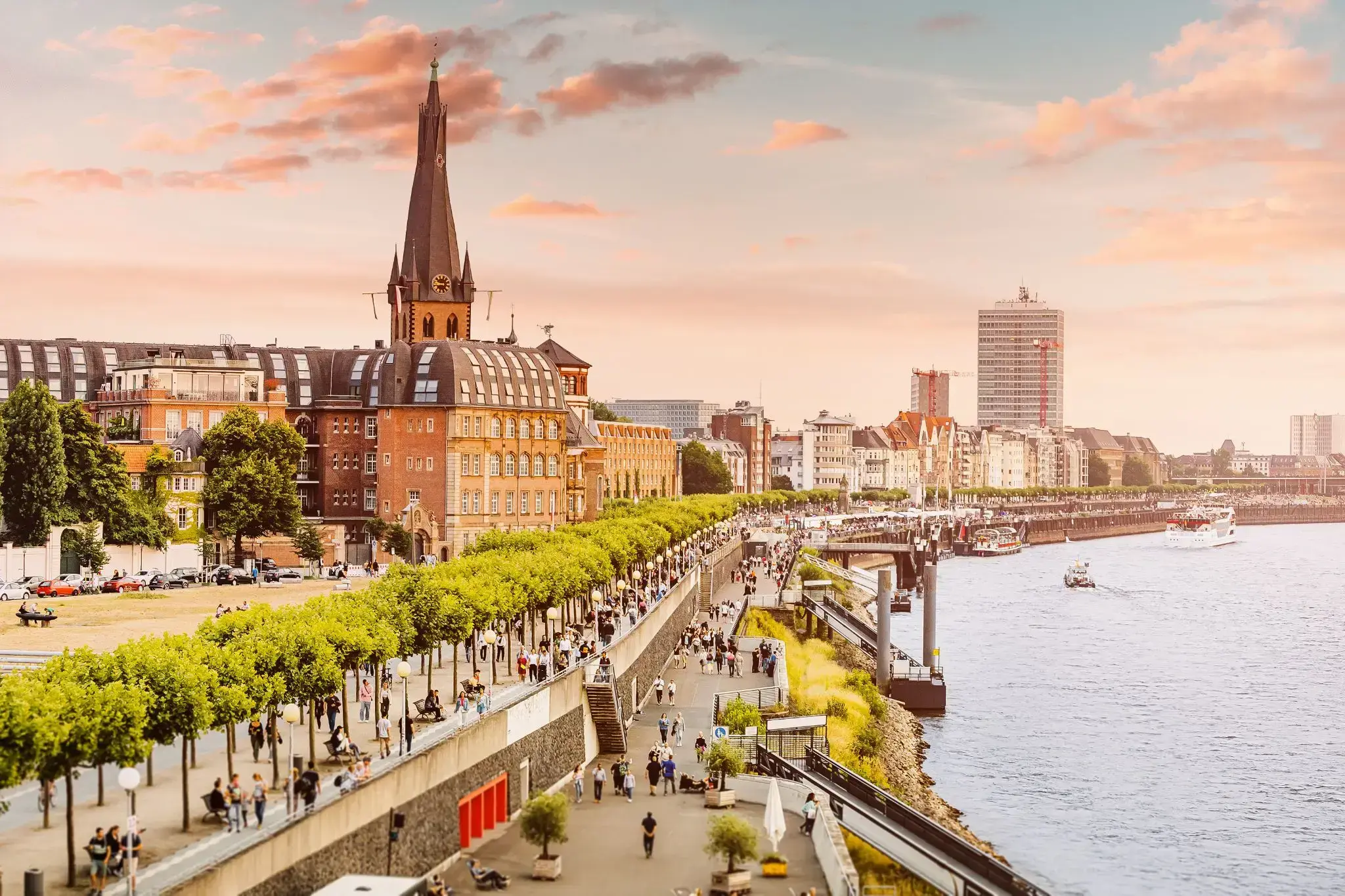
Düsseldorf is the capital and second-largest city of the most populous German federal state of North Rhine-Westphalia after Cologne, as well as the seventh-largest city in Germany. with a population of 617,280. At the confluence of the Rhine and its tributary Düssel, the city lies in the centre of both the Rhine-Ruhr and the Rhineland Metropolitan Regions with the Cologne Bonn region to its south and the Ruhr to its north. Most of the city lies on the right bank of the Rhine (as opposed to Cologne, whose city centre lies on the river's left bank). The city is the largest in the German Low Franconian dialect area (closely related to Dutch). "Dorf" meaning "village" in German, the "-dorf" suffix (English cognate: thorp) is unusual in the German-speaking area for a settlement of Düsseldorf's size.
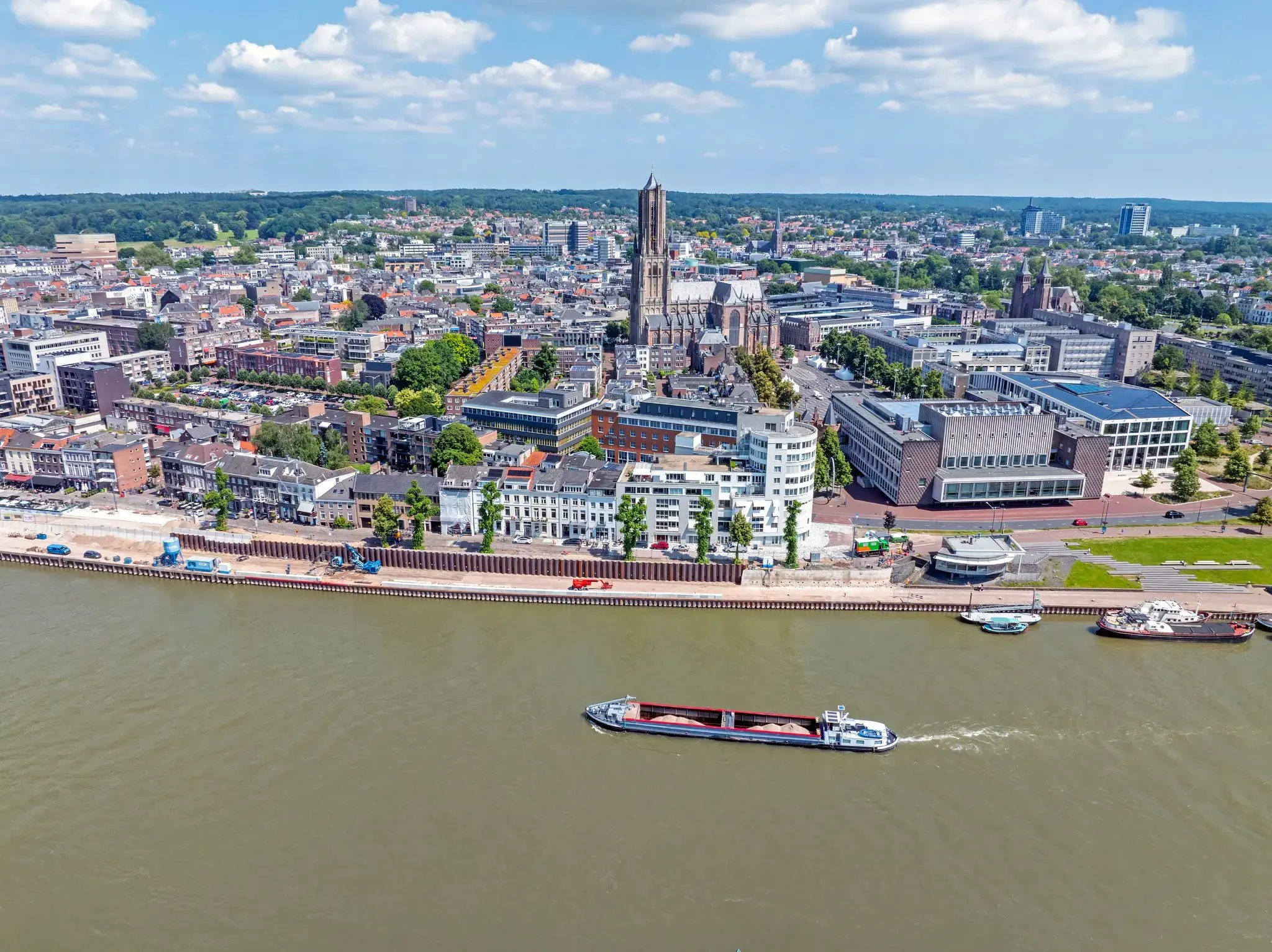
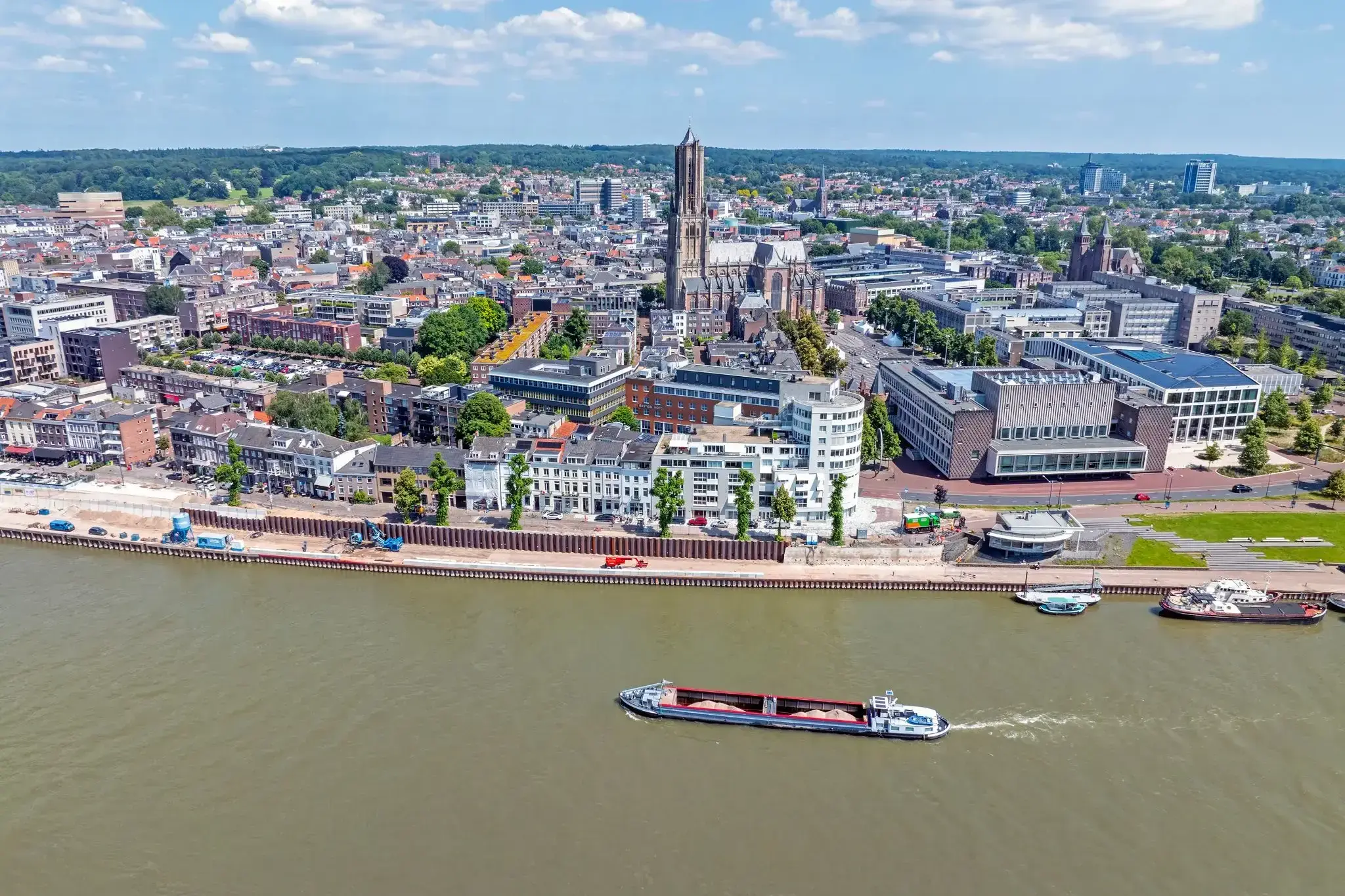
The city of Arnhem boasts an incredibly rich historical past. Today, numerous "reminders" of it remain: ancient monuments and old buildings. In Arnhem, you can visit the fort of Sabelspoort, which, by some miracle, has survived through the centuries. The fort stands on the site of an old fortress that witnessed many battles. After the citizens cleared the area for new construction, magnificent palaces and numerous parks were built here, adding beauty to the city.
Arnhem is home to many historical landmarks from the Second World War, including the John Frost Bridge, the site of important military operations. Although it was completely destroyed, it was rebuilt in 1950. Next to the bridge, a memorial plaque has been installed to honor the soldiers. Every year, the city celebrates the anniversary of the military operation "Market Garden." There are still many more beautiful places in Arnhem worth visiting, should you have the good fortune to explore this charming city.
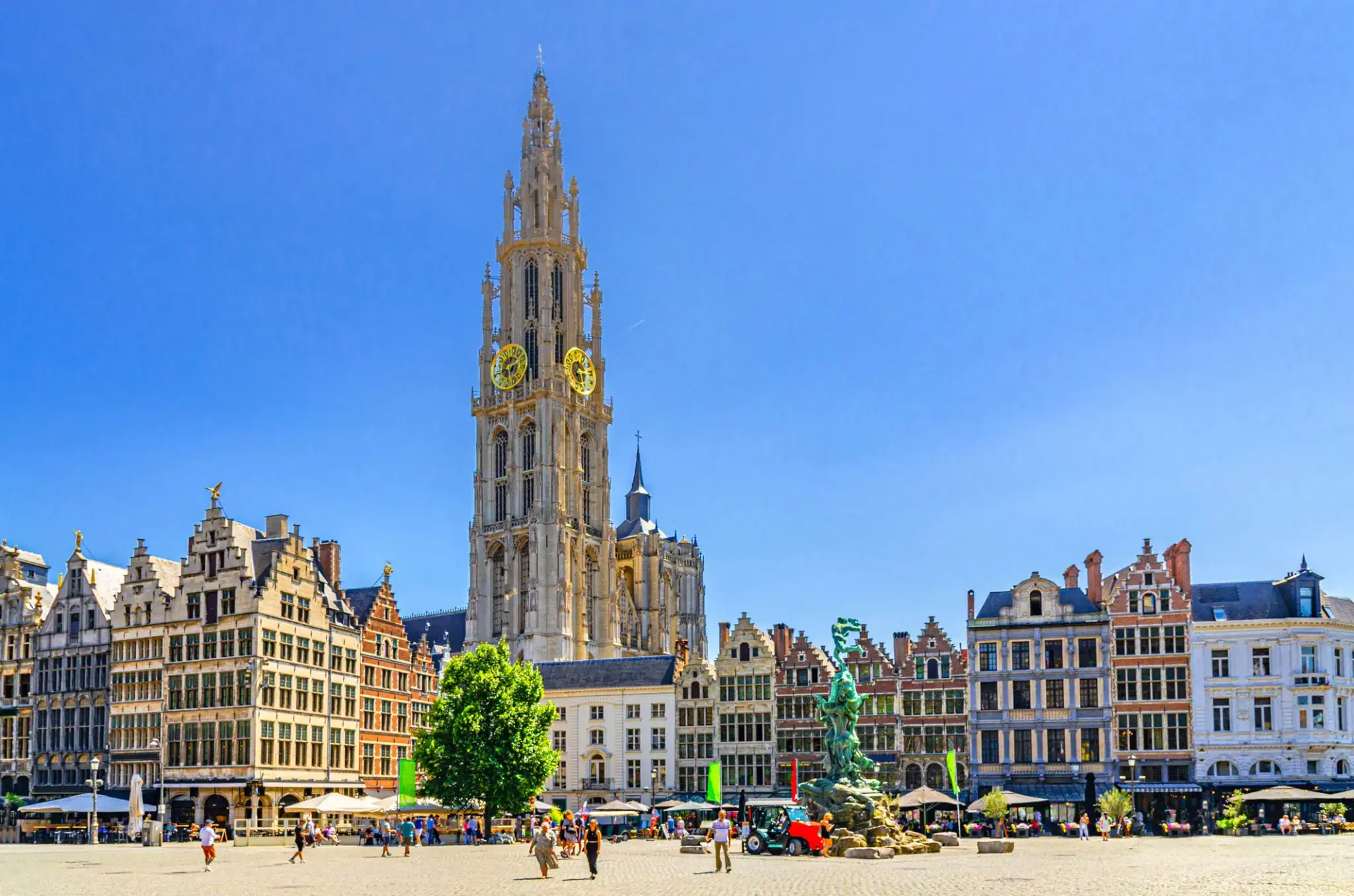
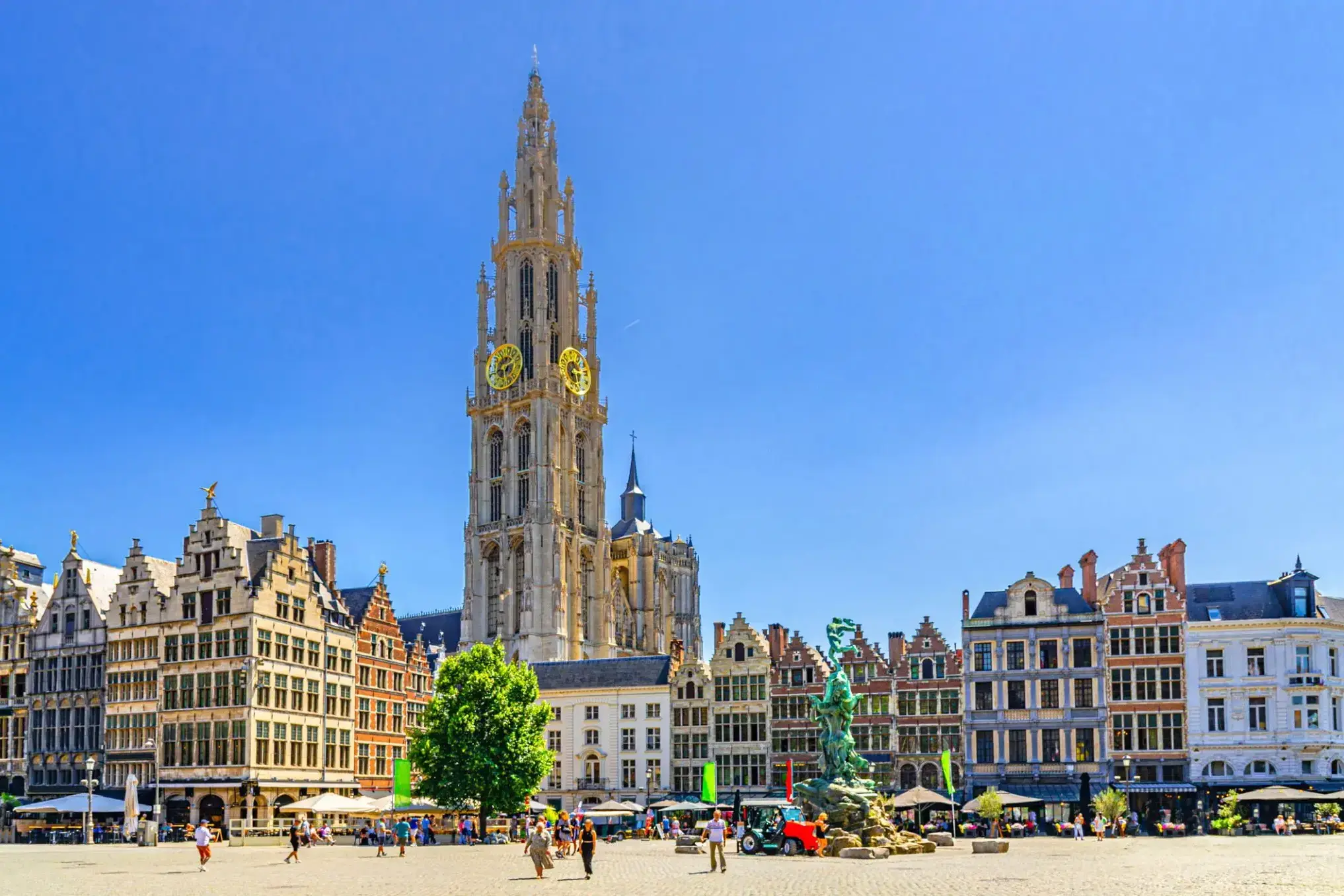
Antwerp is a city and a municipality in the Flemish Region of Belgium. It is the capital and largest city of Antwerp Province, and the third-largest city in Belgium by area at 208.22 km2 (80.39 sq mi), after Tournai and Couvin. With a population of 565,039, it is the most populous municipality in Belgium, and with a metropolitan population of over 1.2 million people, the country's second-largest metropolitan area after Brussels.
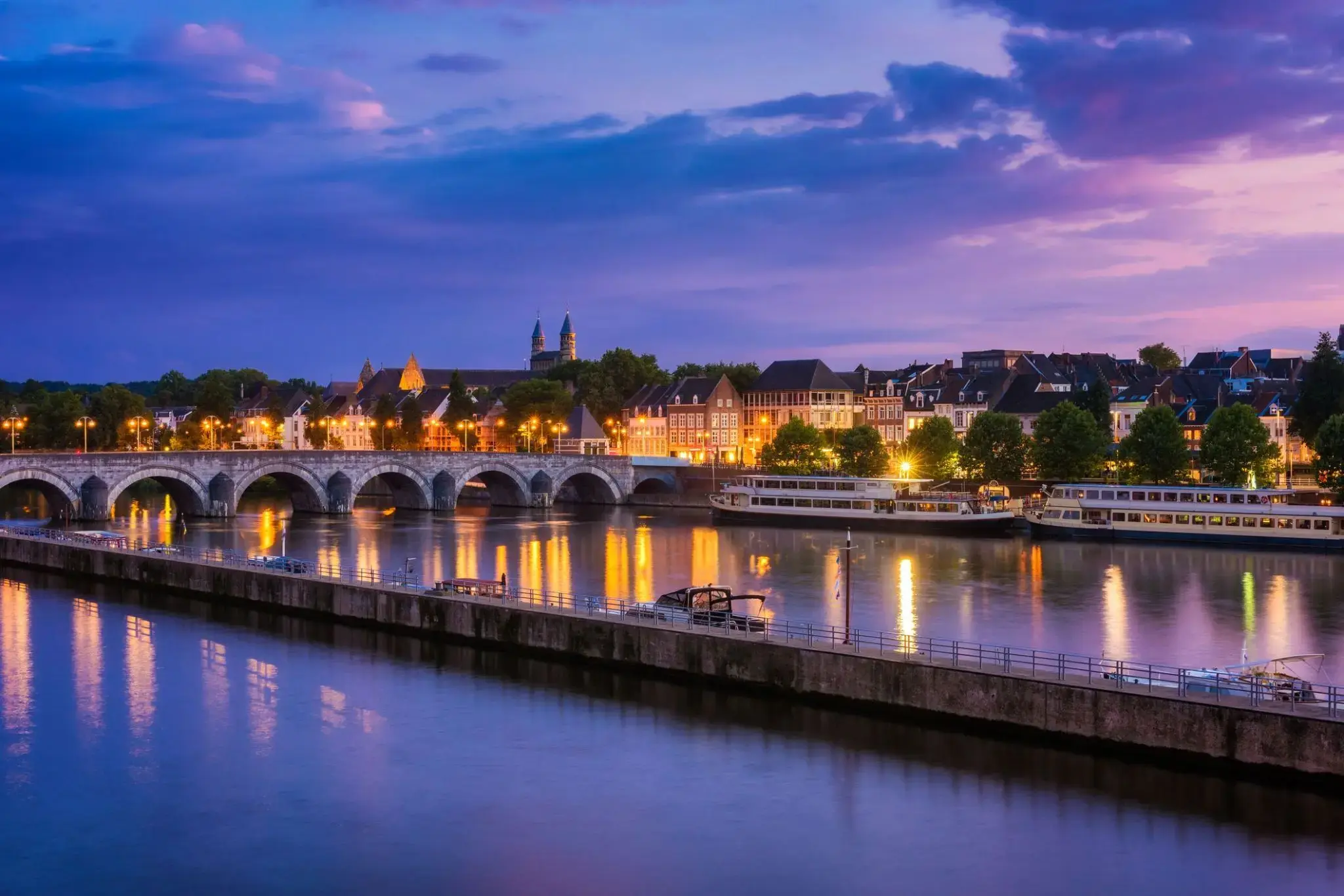
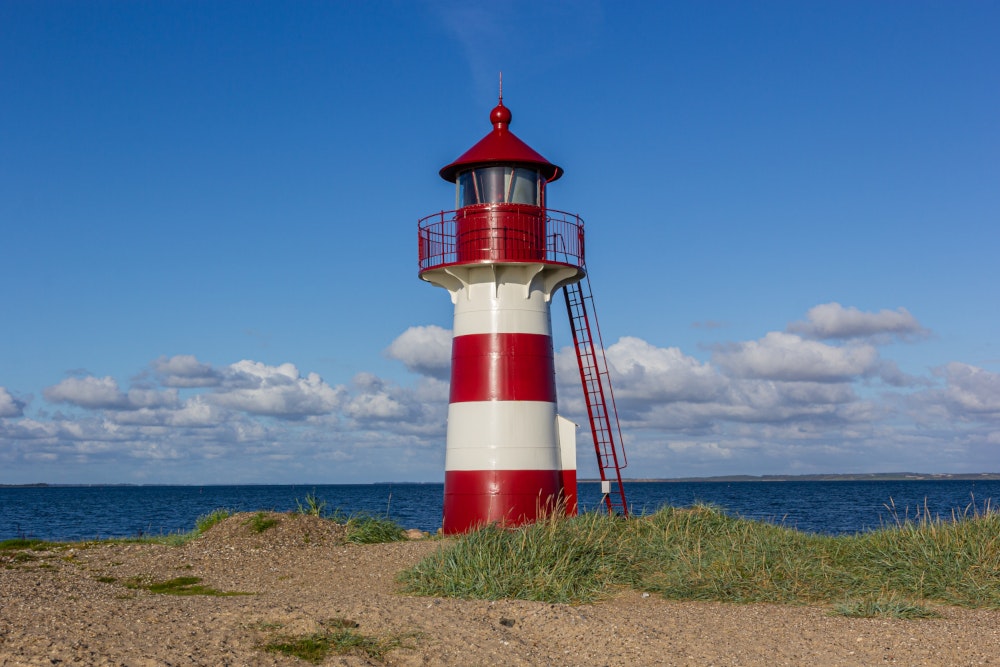
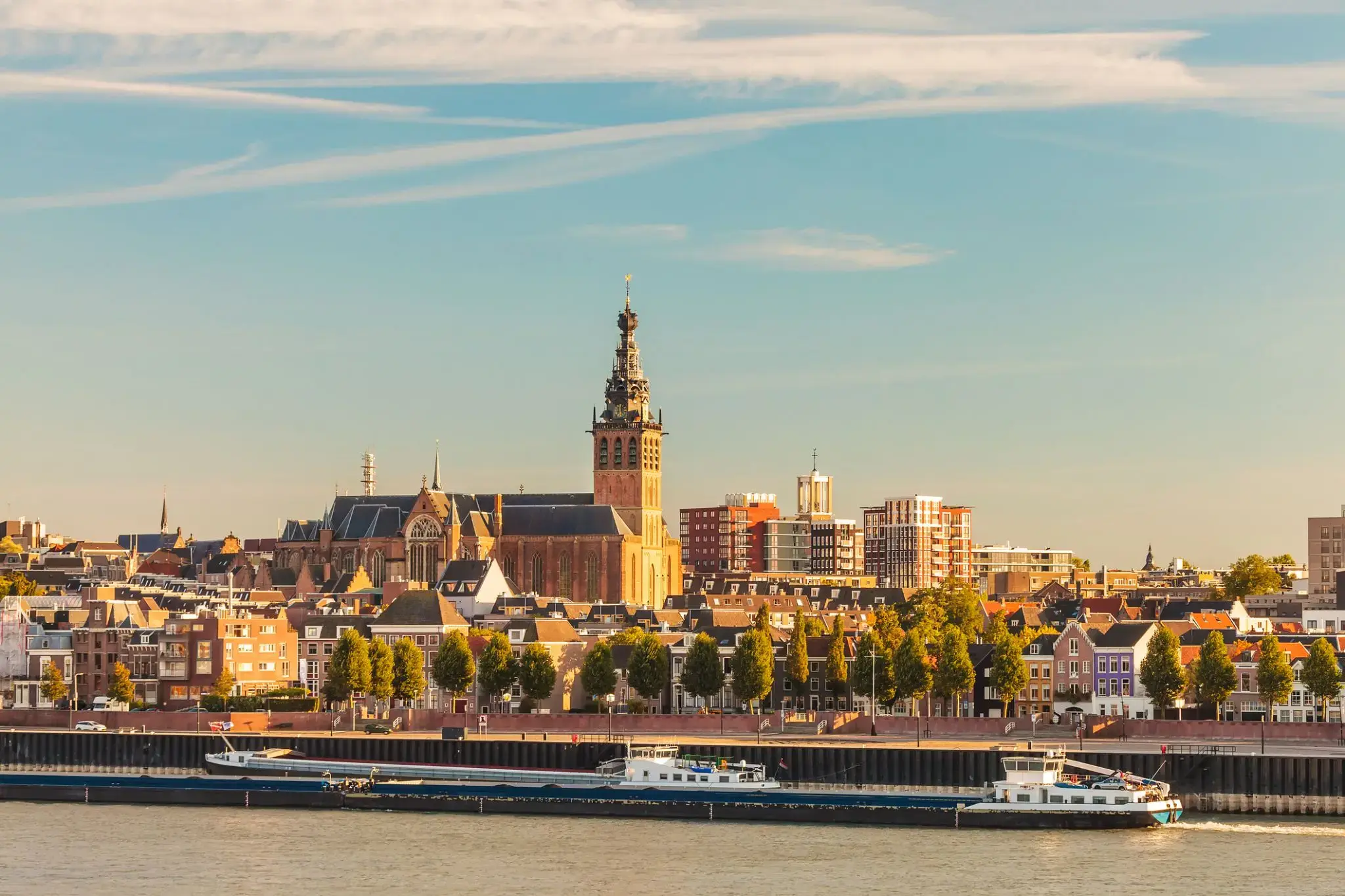
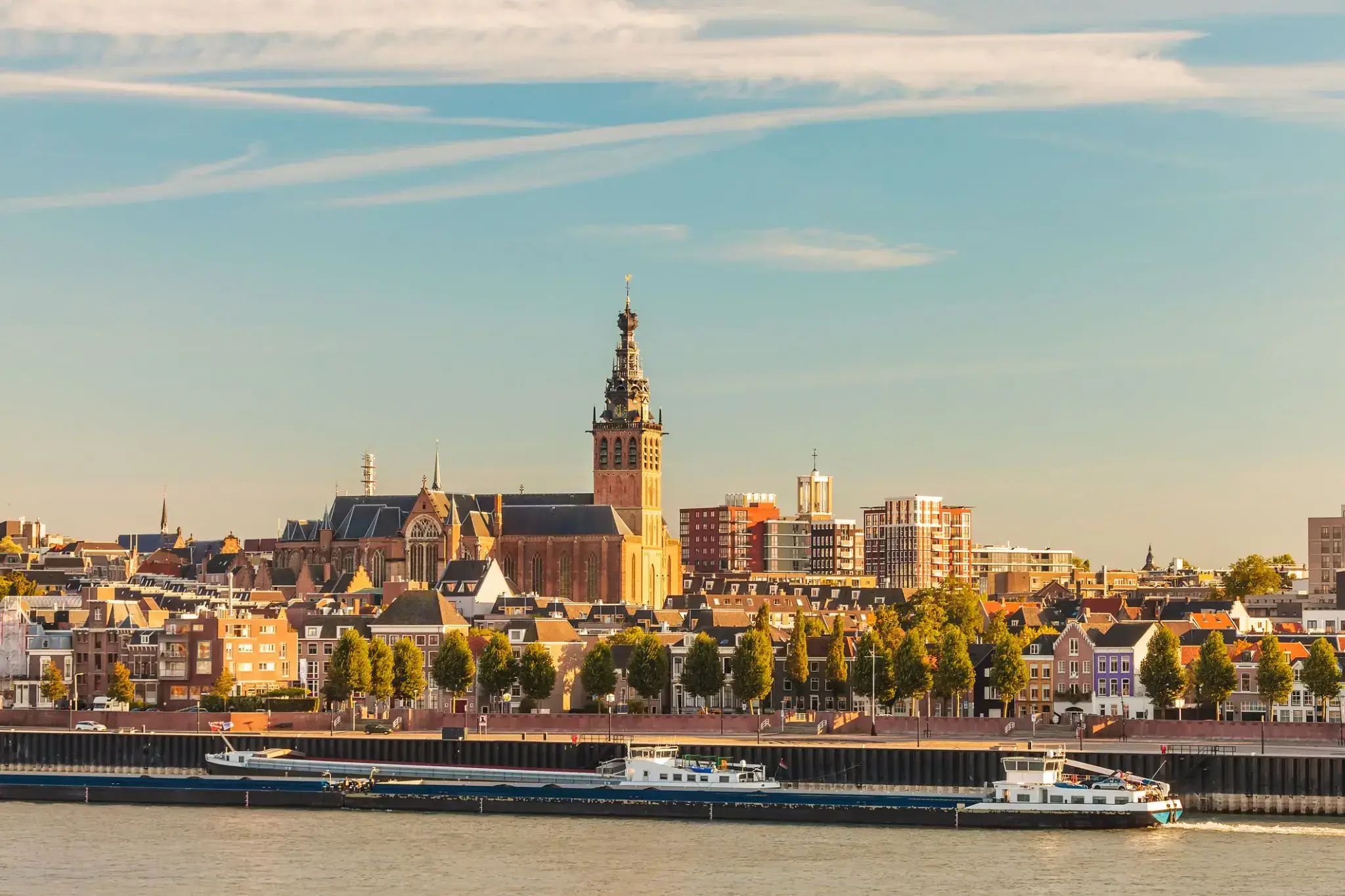
On the southern bank of the Waal River lies the city of Nijmegen, a major industrial center where brick manufacturing, the chemical industry, tobacco production, and electrical equipment manufacturing are especially well developed. One of the most curious constructions, shaped like a whale, is located on the Waal's riverbank — it’s the river fleet control center, as Nijmegen also serves as a river port. Nearby stands a sculpture of the fictional heroine Mariken van Nijmegen, who has become a symbolic figure for the city.
Nijmegen is also home to the fascinating National Bicycle Museum “Velorama.” Interestingly, it is the only museum of its kind in the Netherlands, despite the country’s well-known love of cycling. The museum’s exhibitions display the beauty and diversity of bicycle transport. Today, its collection includes over 500 bicycles.
On the southern bank of the Waal River lies the city of Nijmegen, a major industrial center where brick manufacturing, the chemical industry, tobacco production, and electrical equipment manufacturing are especially well developed. One of the most curious constructions, shaped like a whale, is located on the Waal's riverbank — it’s the river fleet control center, as Nijmegen also serves as a river port. Nearby stands a sculpture of the fictional heroine Mariken van Nijmegen, who has become a symbolic figure for the city.
Nijmegen is also home to the fascinating National Bicycle Museum “Velorama.” Interestingly, it is the only museum of its kind in the Netherlands, despite the country’s well-known love of cycling. The museum’s exhibitions display the beauty and diversity of bicycle transport. Today, its collection includes over 500 bicycles.
Düsseldorf is the capital and second-largest city of the most populous German federal state of North Rhine-Westphalia after Cologne, as well as the seventh-largest city in Germany. with a population of 617,280. At the confluence of the Rhine and its tributary Düssel, the city lies in the centre of both the Rhine-Ruhr and the Rhineland Metropolitan Regions with the Cologne Bonn region to its south and the Ruhr to its north. Most of the city lies on the right bank of the Rhine (as opposed to Cologne, whose city centre lies on the river's left bank). The city is the largest in the German Low Franconian dialect area (closely related to Dutch). "Dorf" meaning "village" in German, the "-dorf" suffix (English cognate: thorp) is unusual in the German-speaking area for a settlement of Düsseldorf's size.